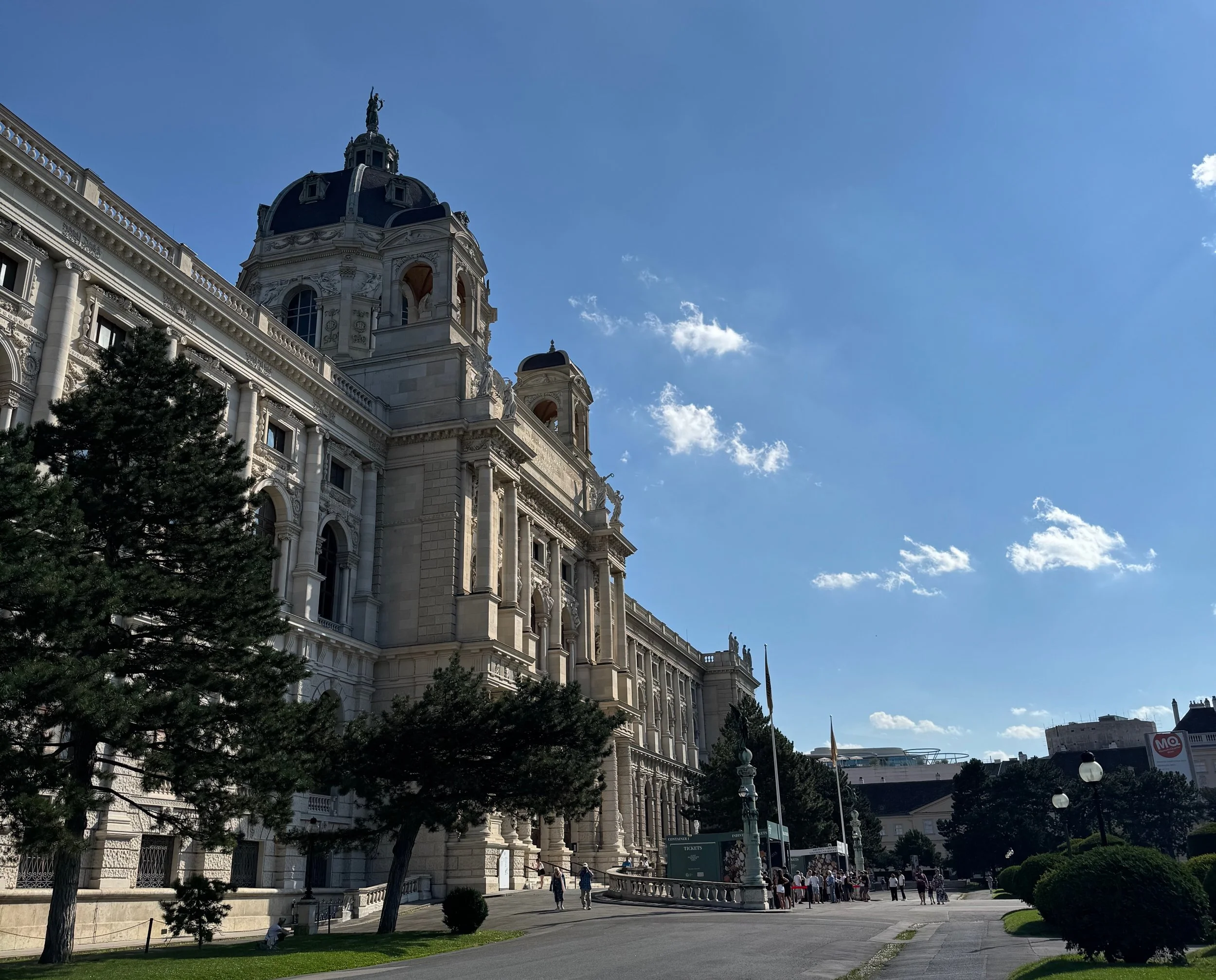
Vienna - Top 1% Hotels
Vienna is a royal gem. It has something of Paris’s grandeur, but its own very particular rhythm: palaces, concert halls, coffeehouses and an excellent excuse to stop for cake around almost every corner.
This article brings together my visits to five of the city’s standout luxury hotels. Their personalities differ quite a bit, from the Imperial’s palace interiors to Rosewood’s more contemporary elegance. Below are the spaces, details and practical differences that caught my attention.
Table of Contents
Hotel Imperial, a Luxury Collection Hotel
I can arrange VIP perks through Virtuoso and the hotel partner programme shown below.

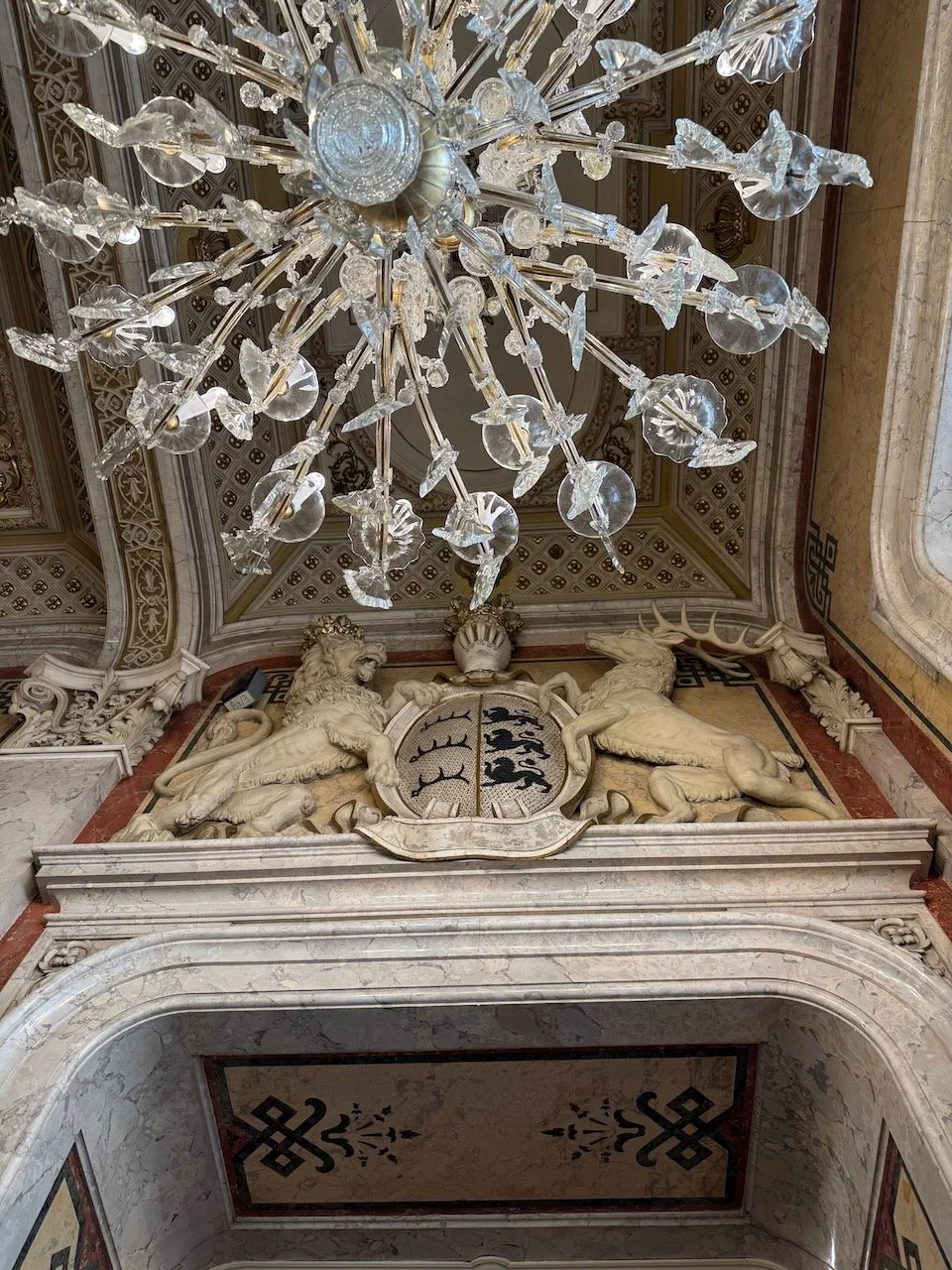
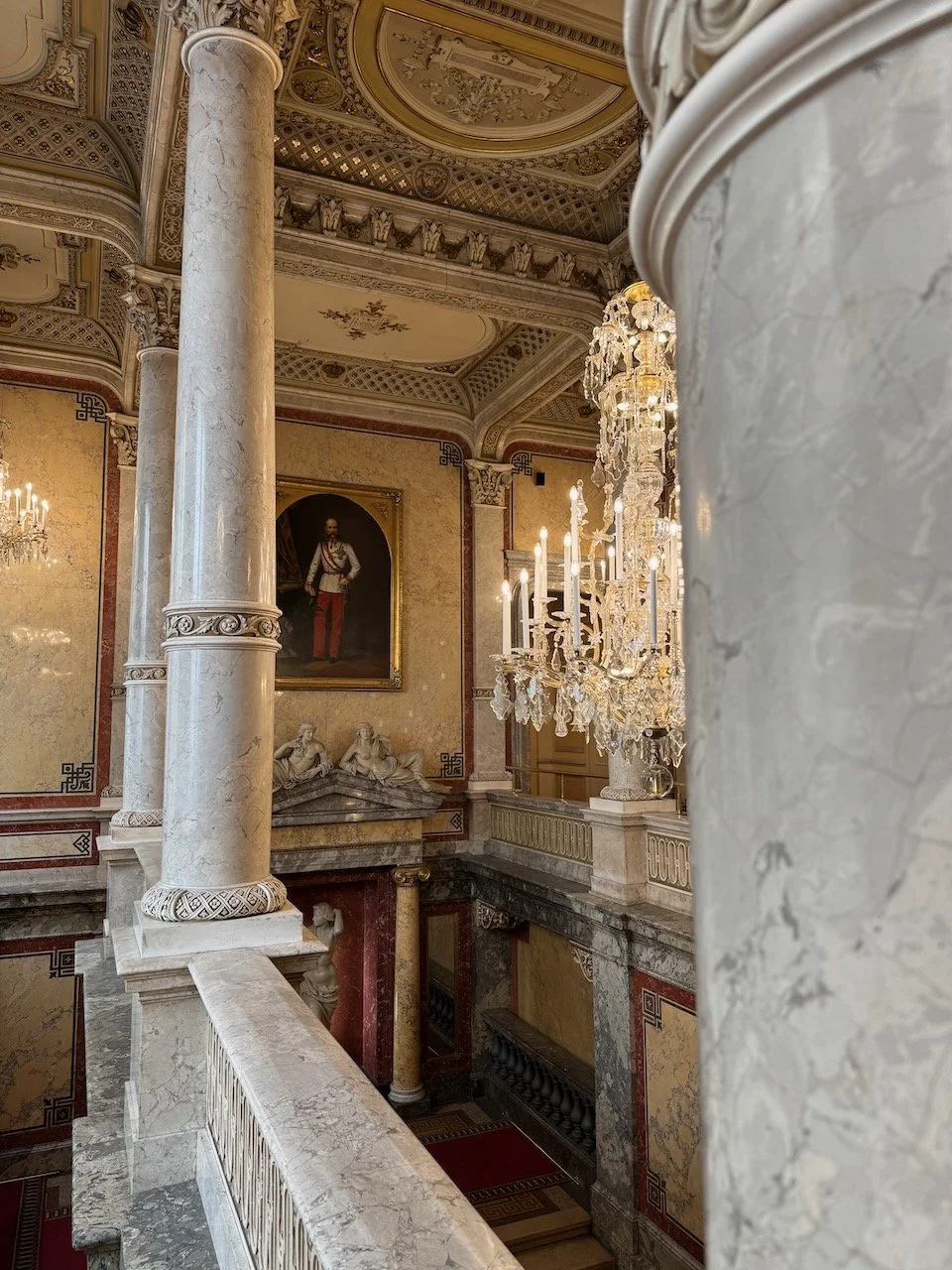
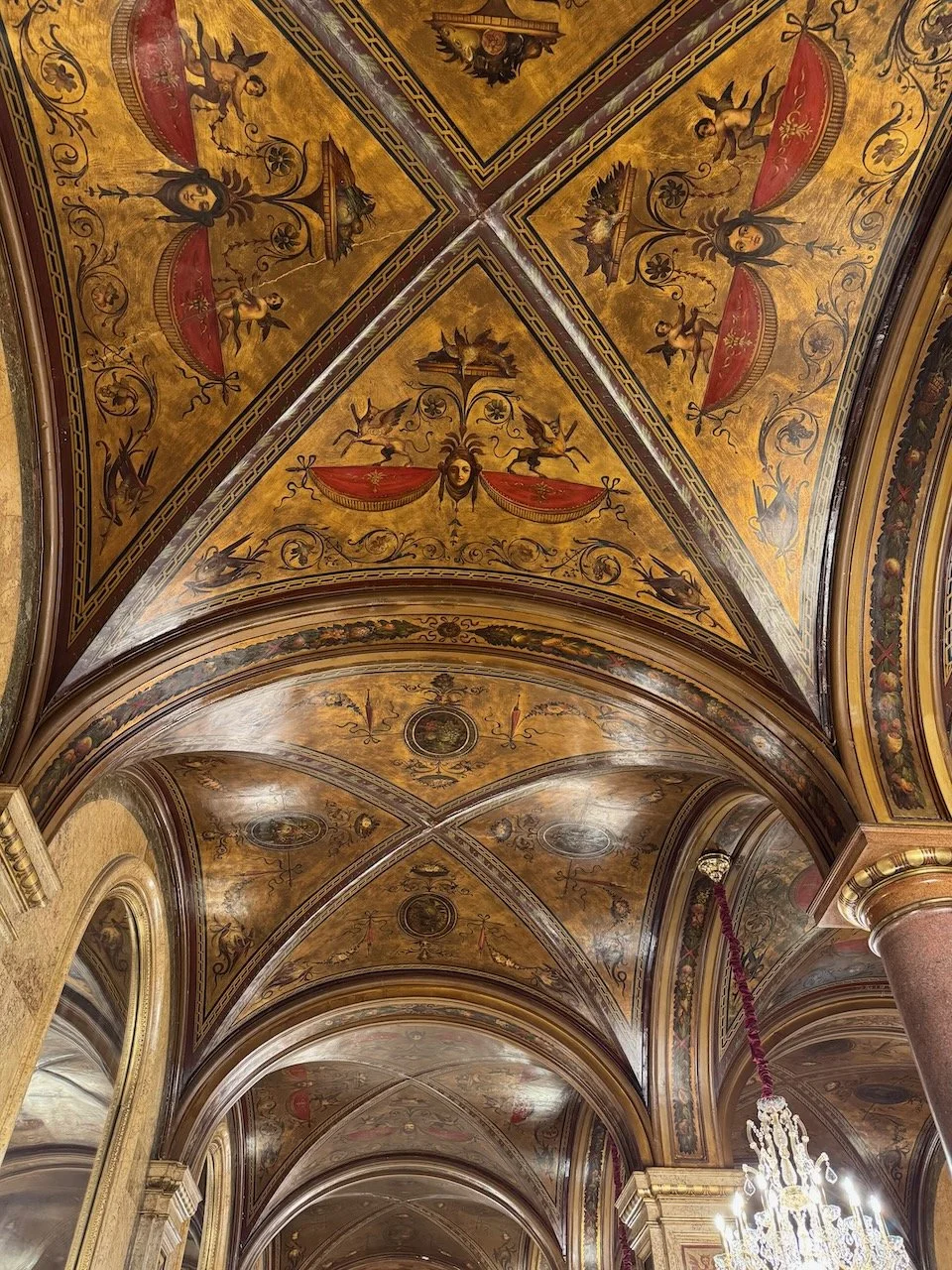
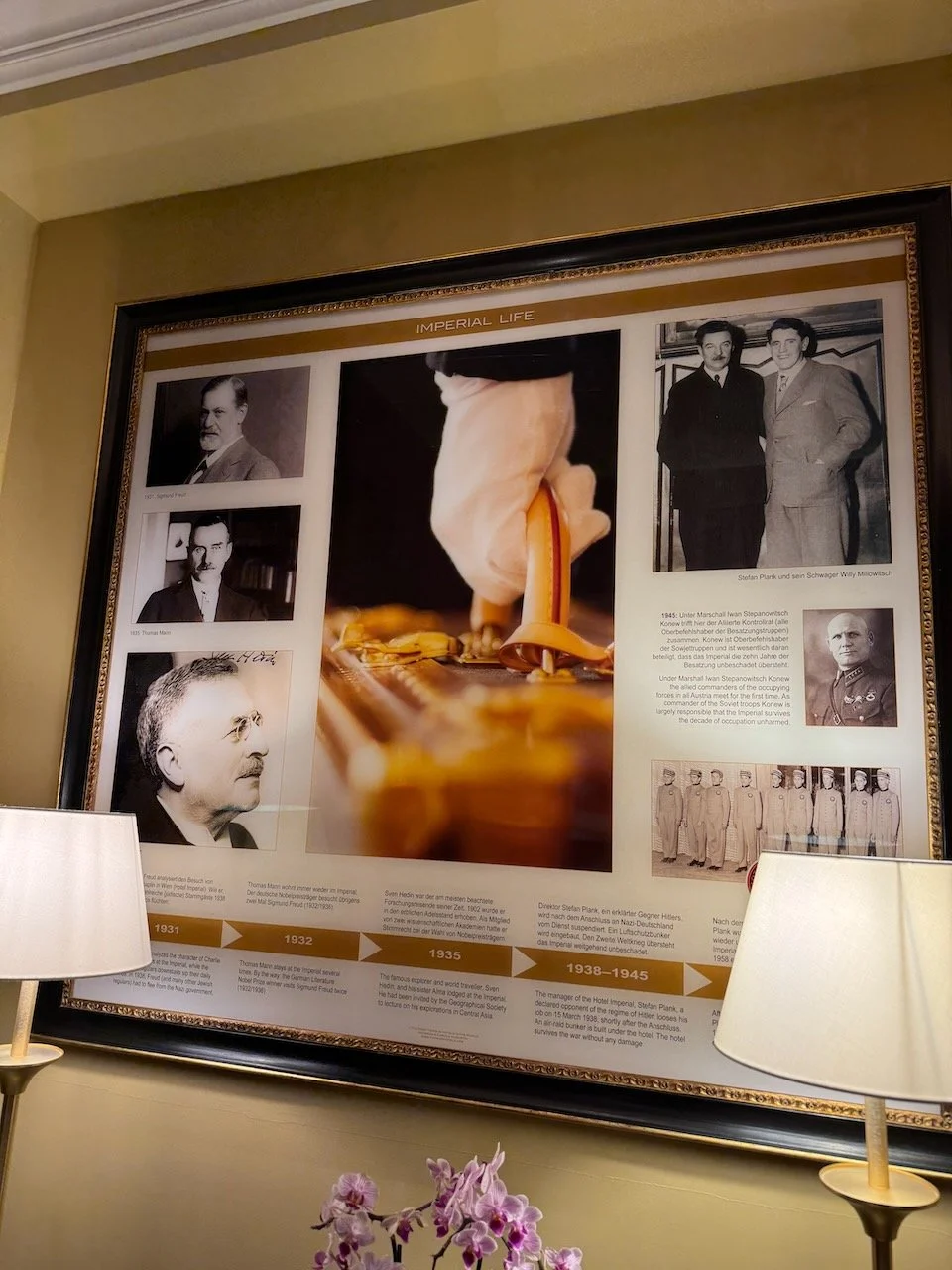
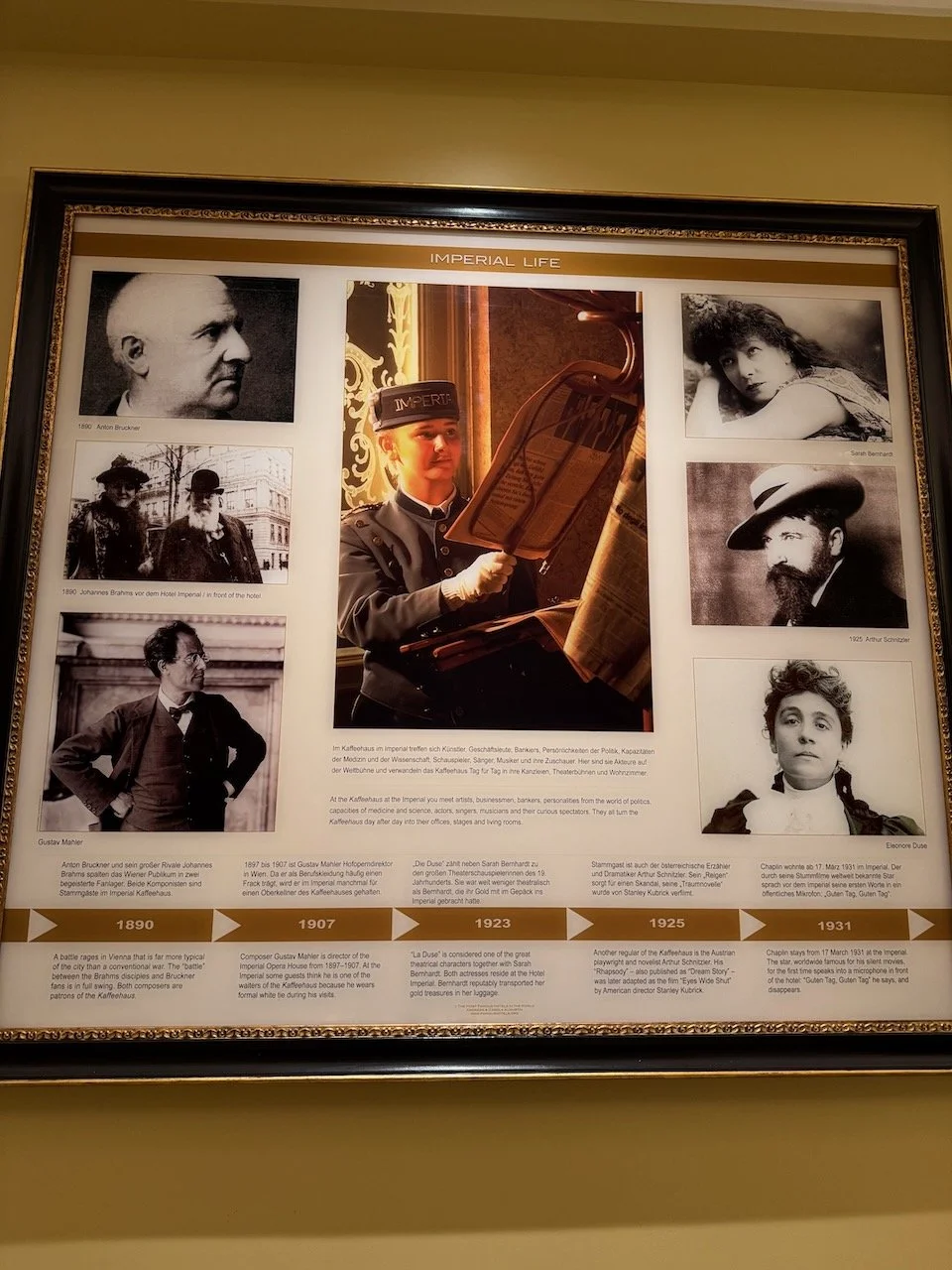
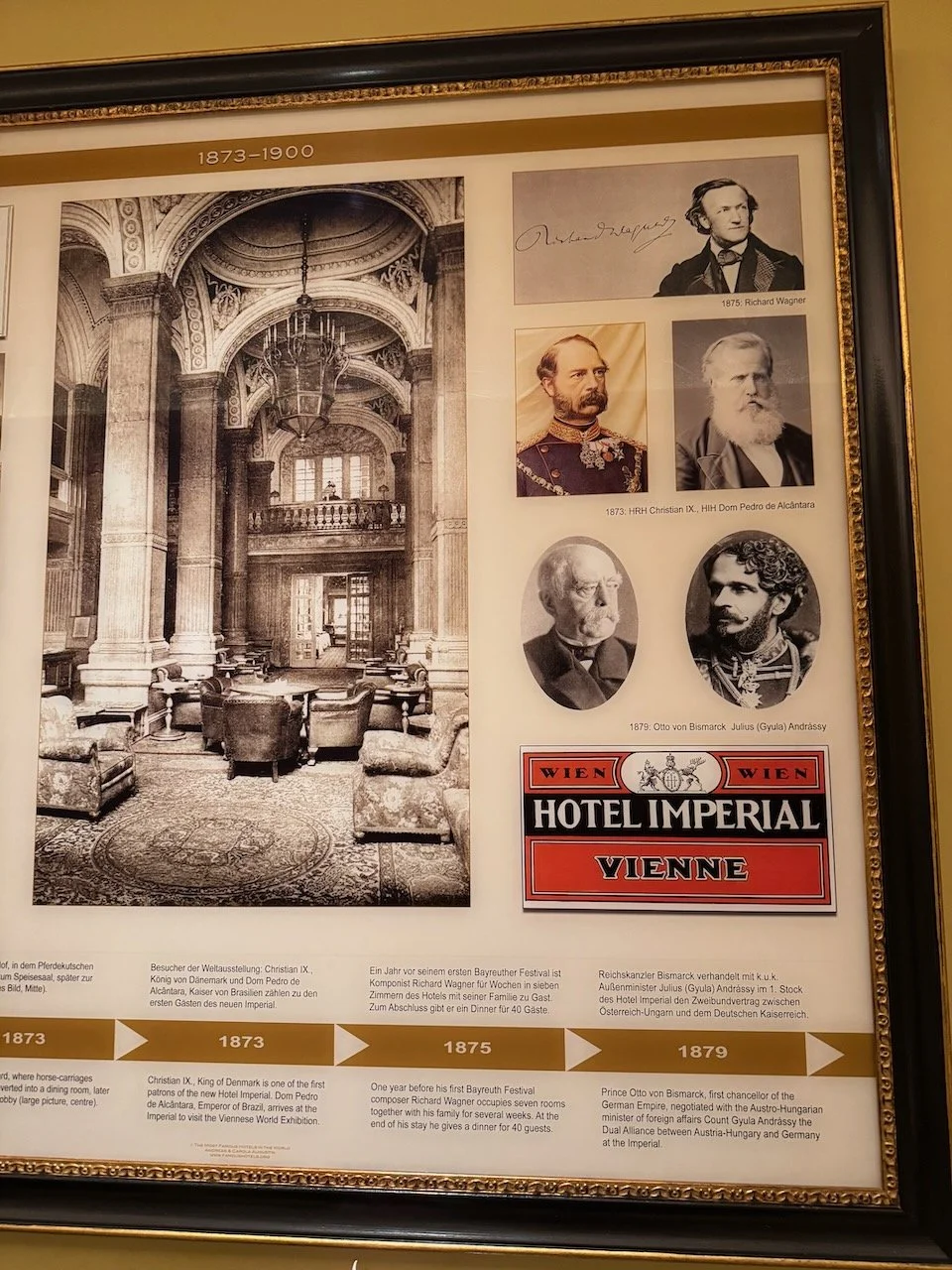
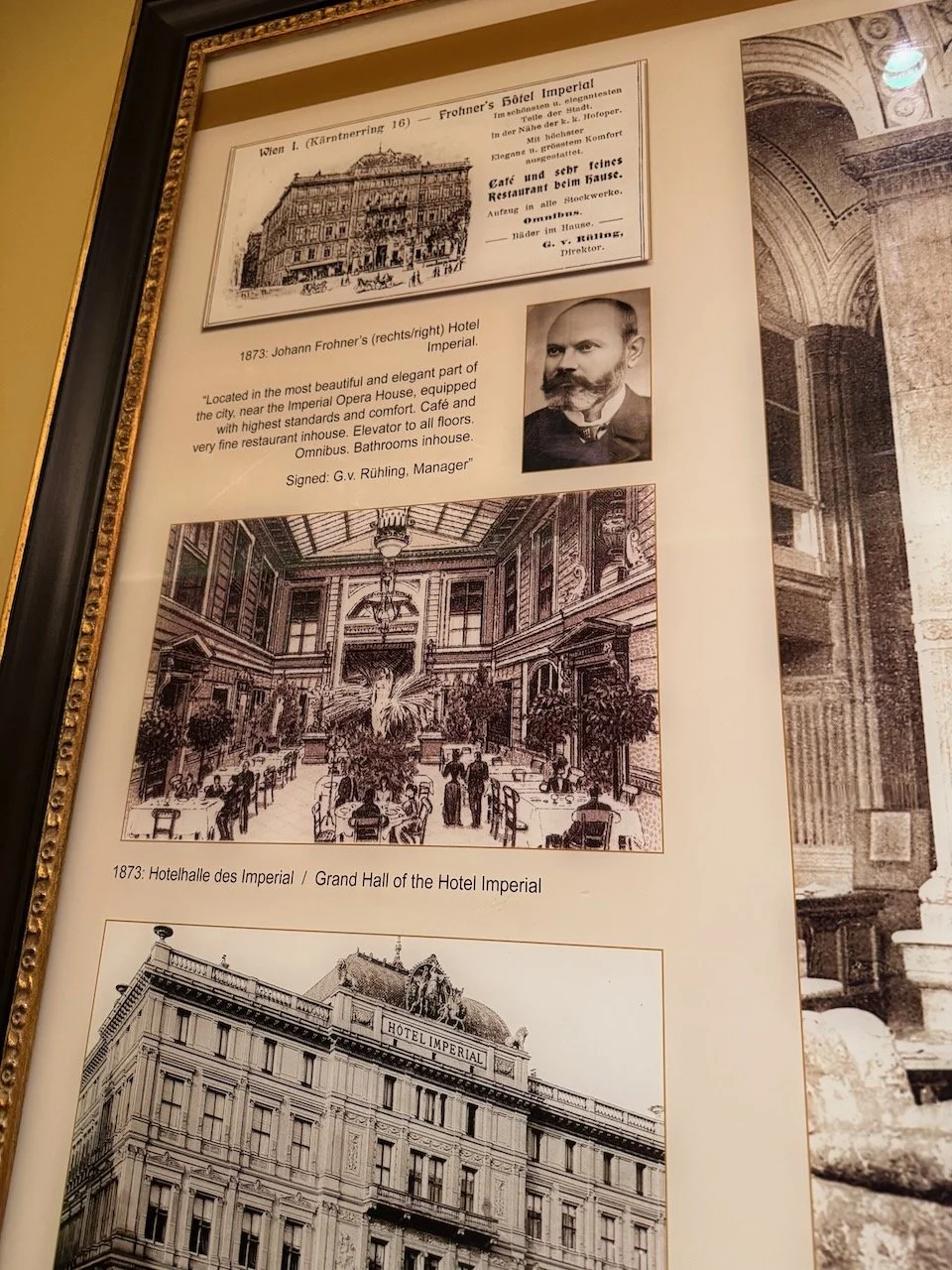
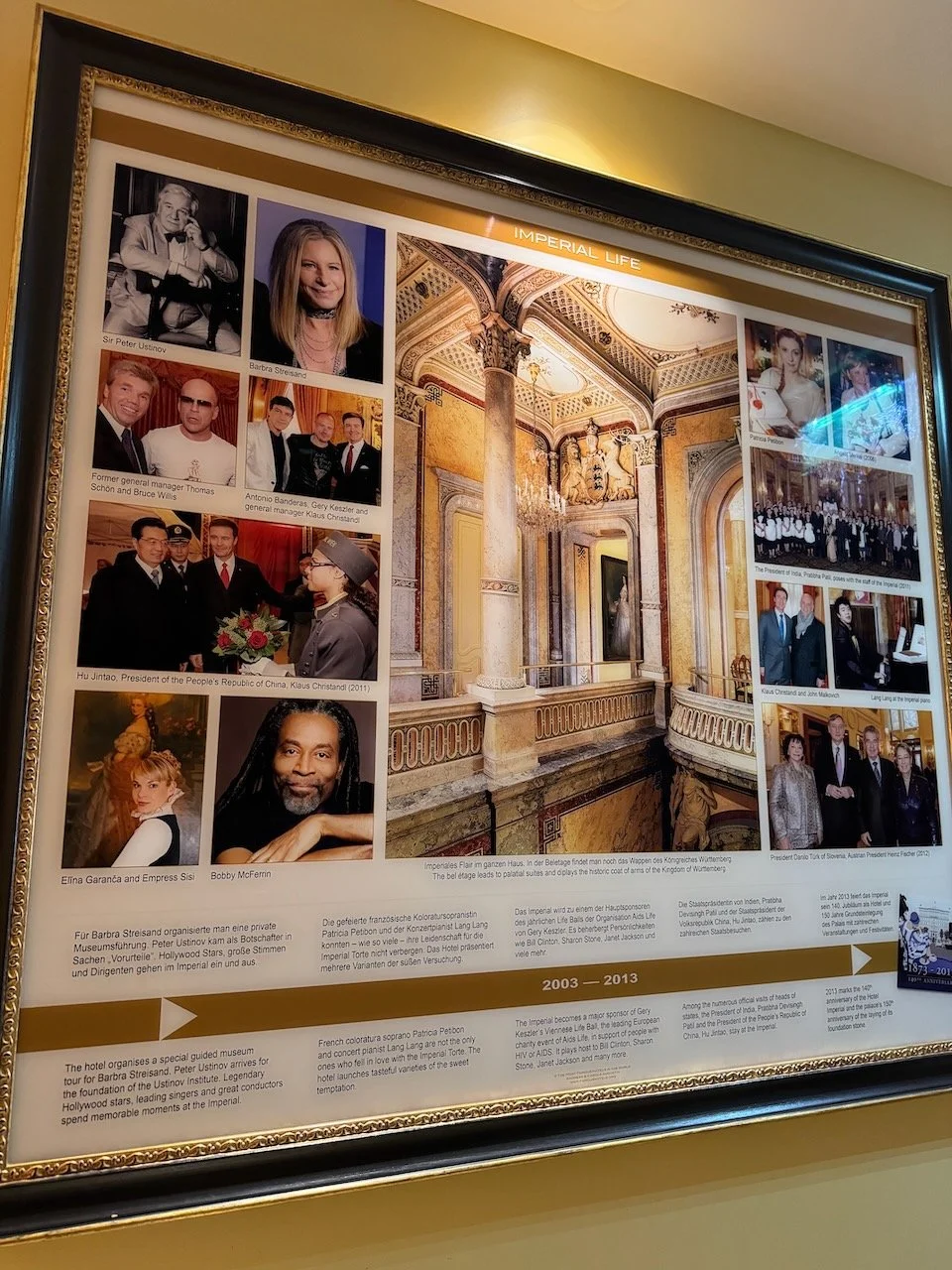
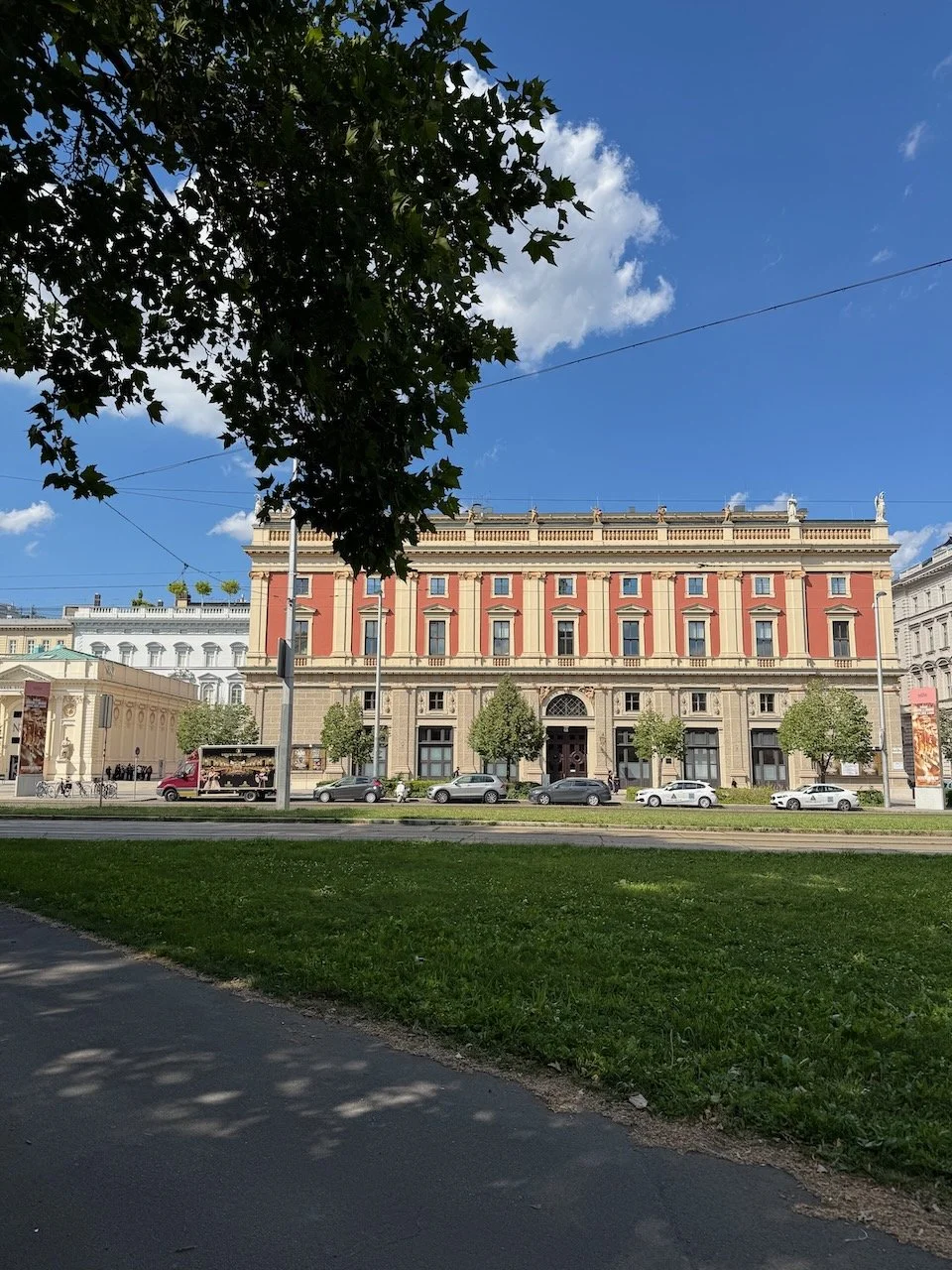
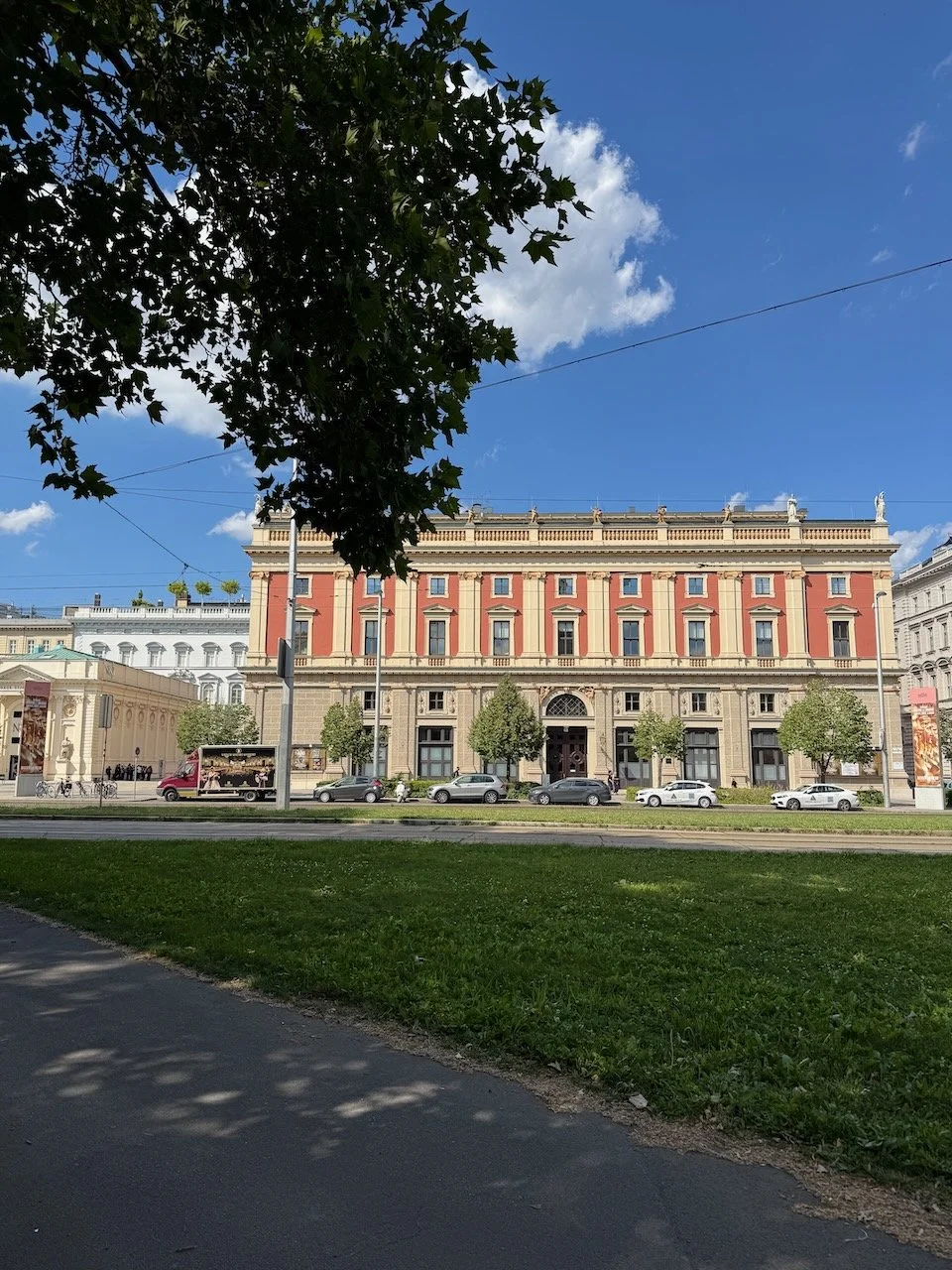
Originally the private residence of Duke Philipp of Württemberg, the Imperial became a hotel for Vienna’s 1873 World’s Fair. Its setting on the Ringstrasse, beside the Musikverein, could hardly be more appropriate. If your idea of Vienna involves chandeliers, marble and a little imperial theatre, this is a very good place to start.
Atmosphere
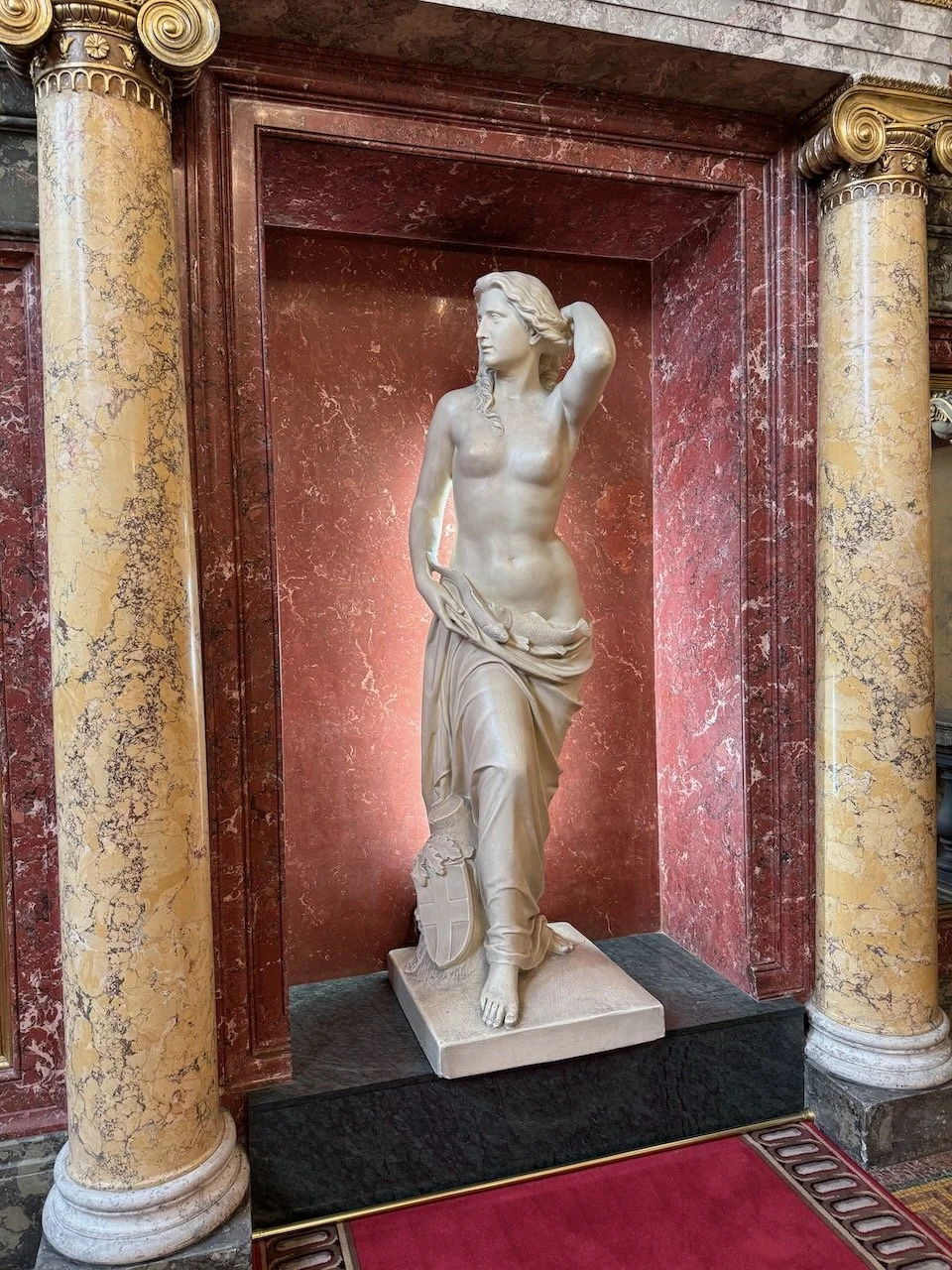
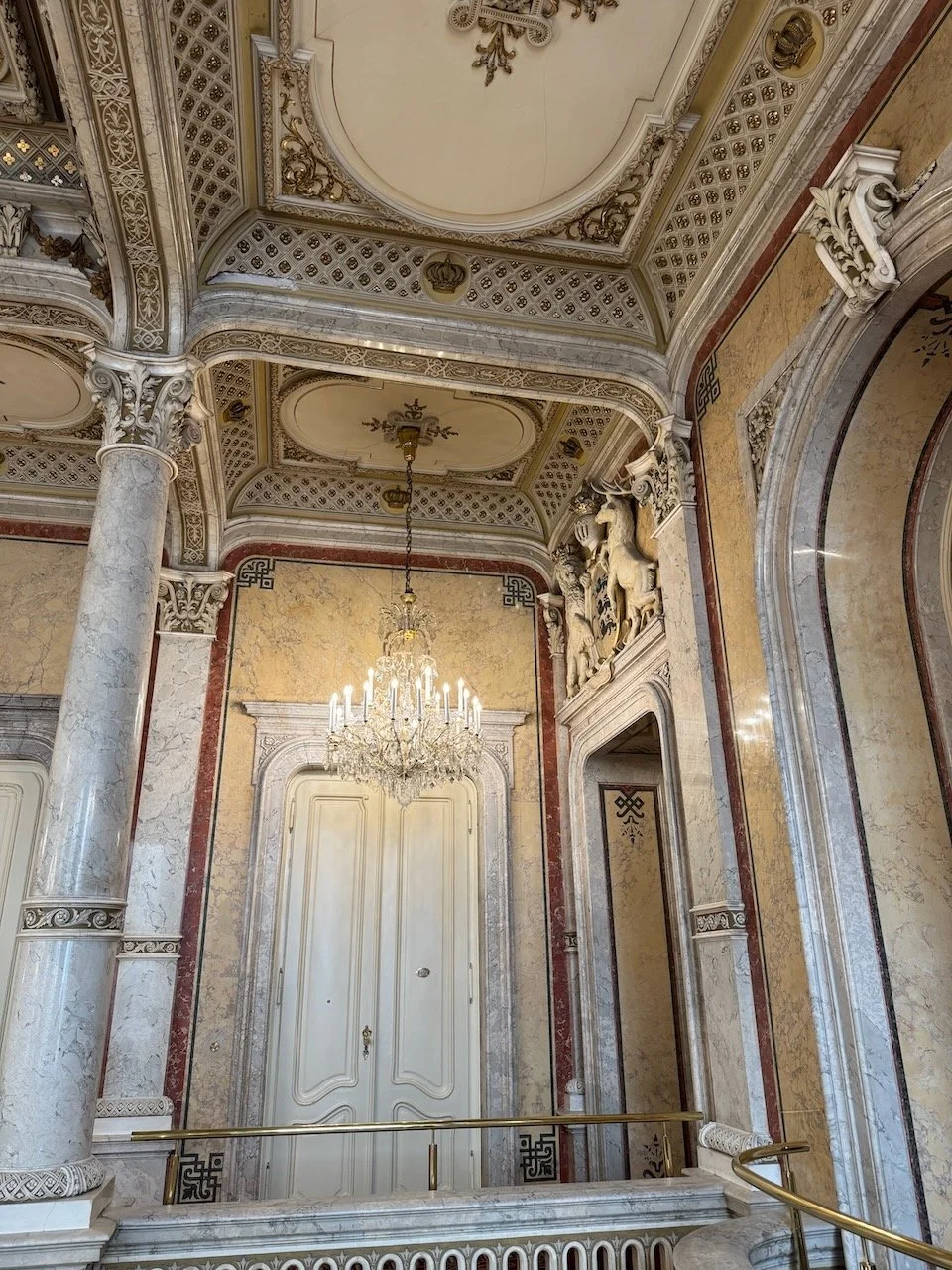
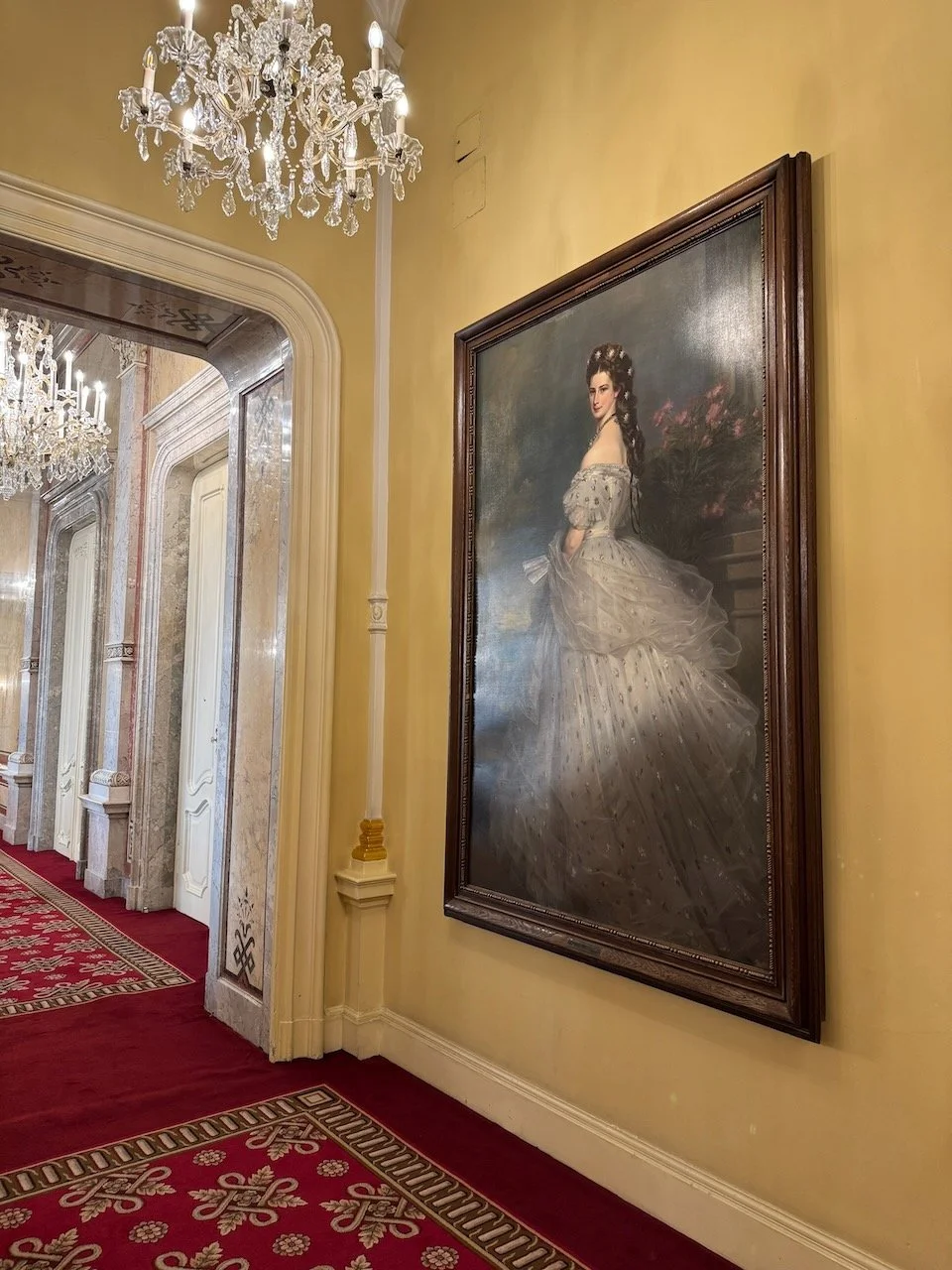
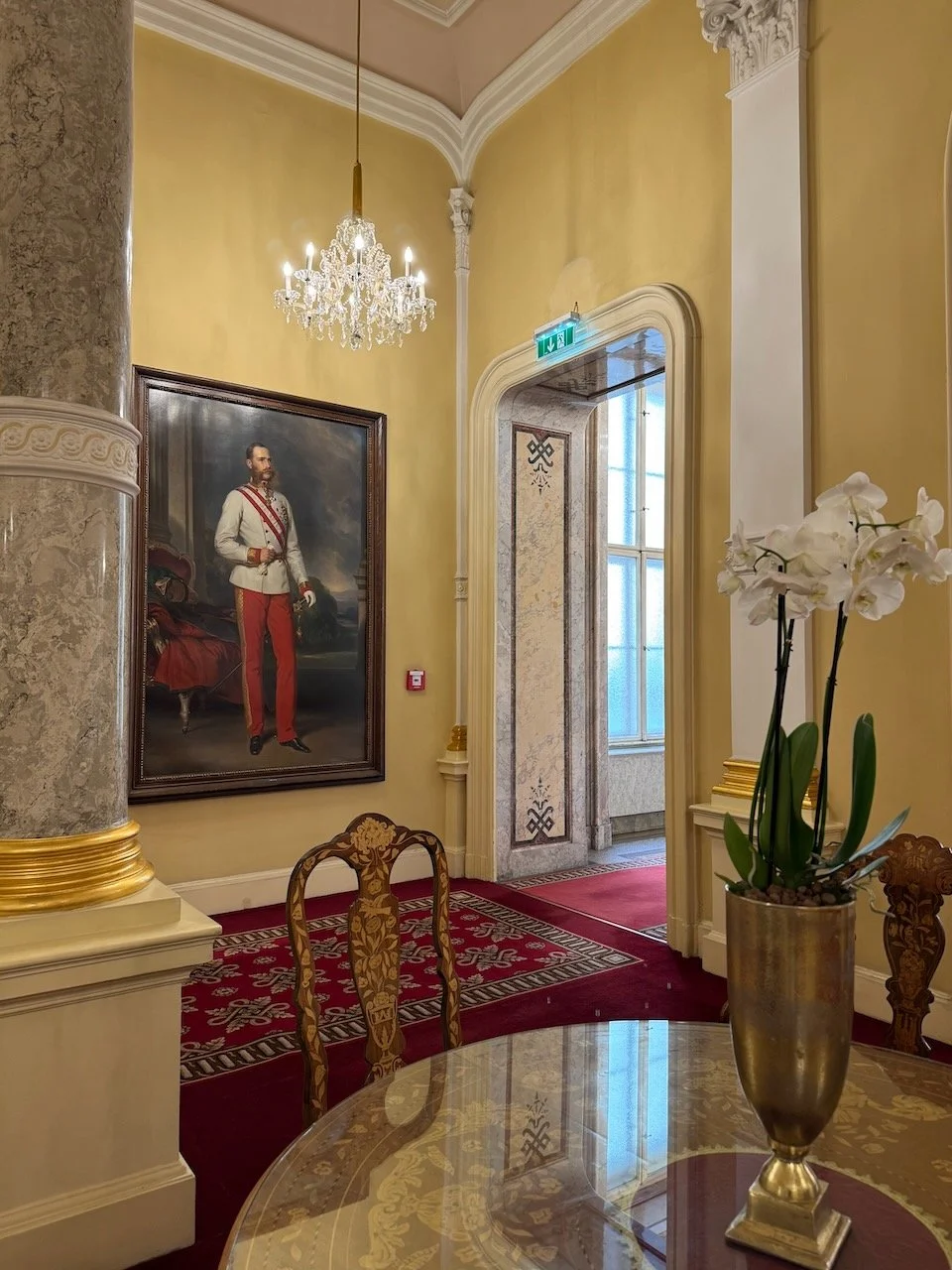
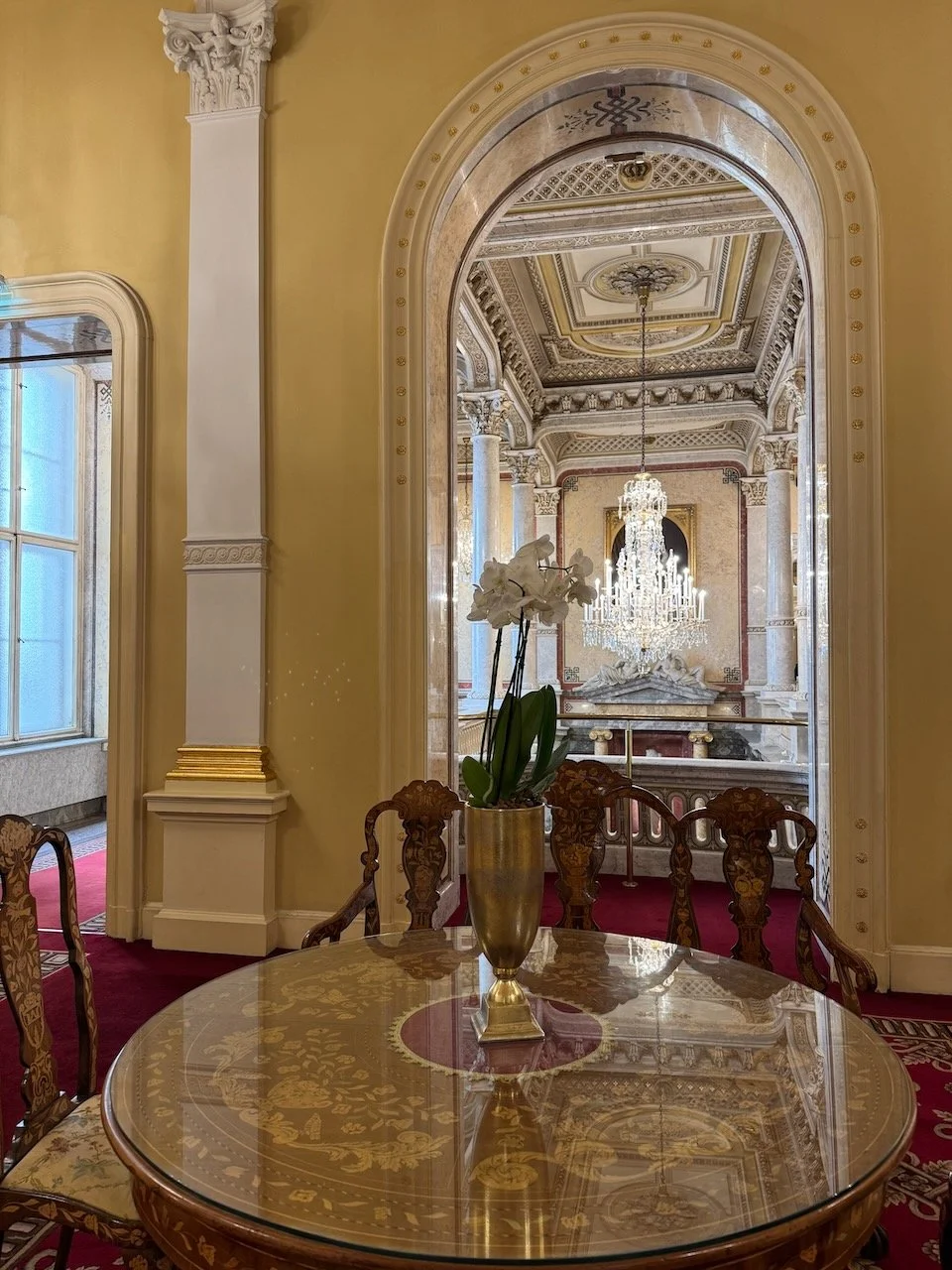
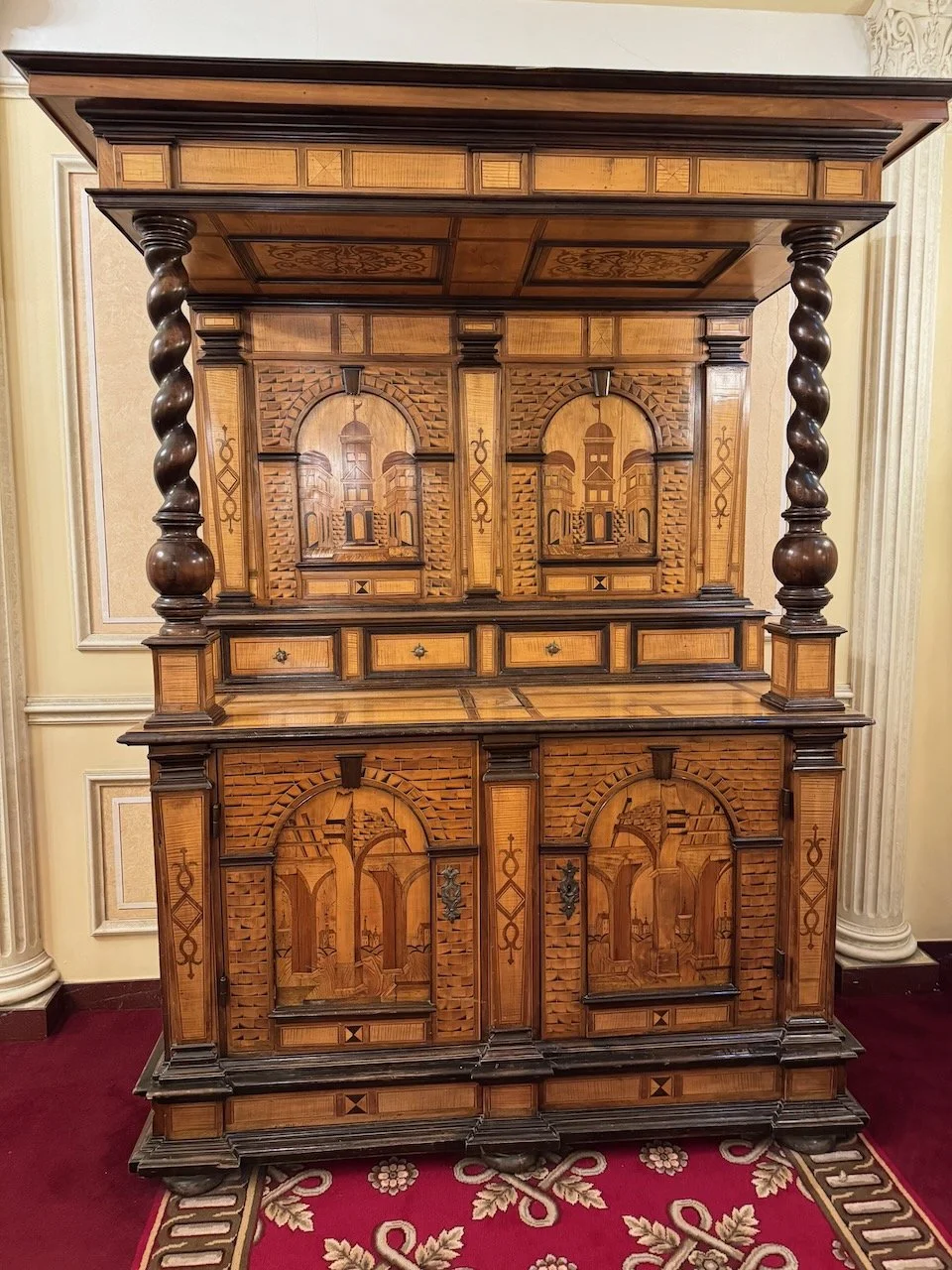
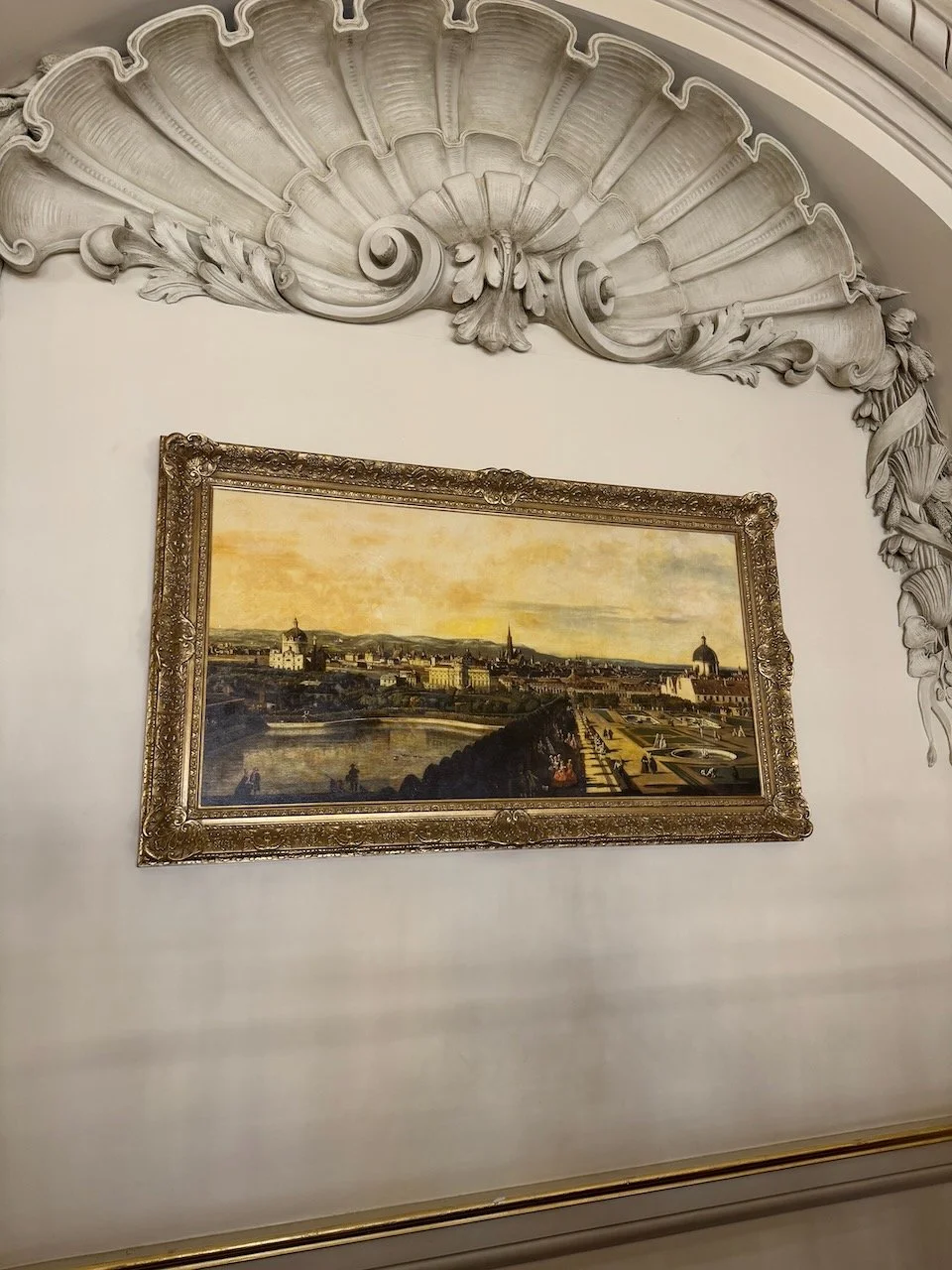
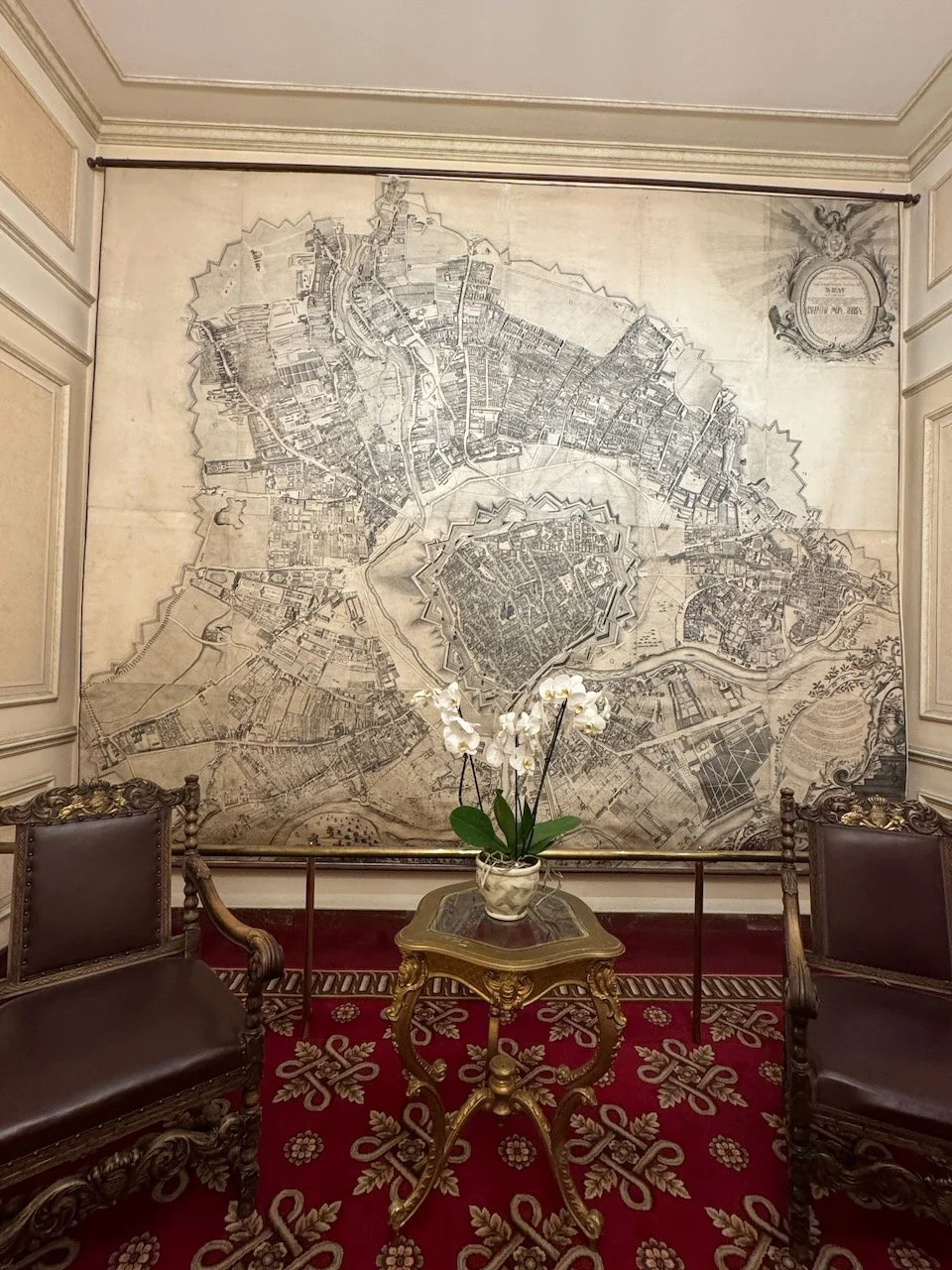
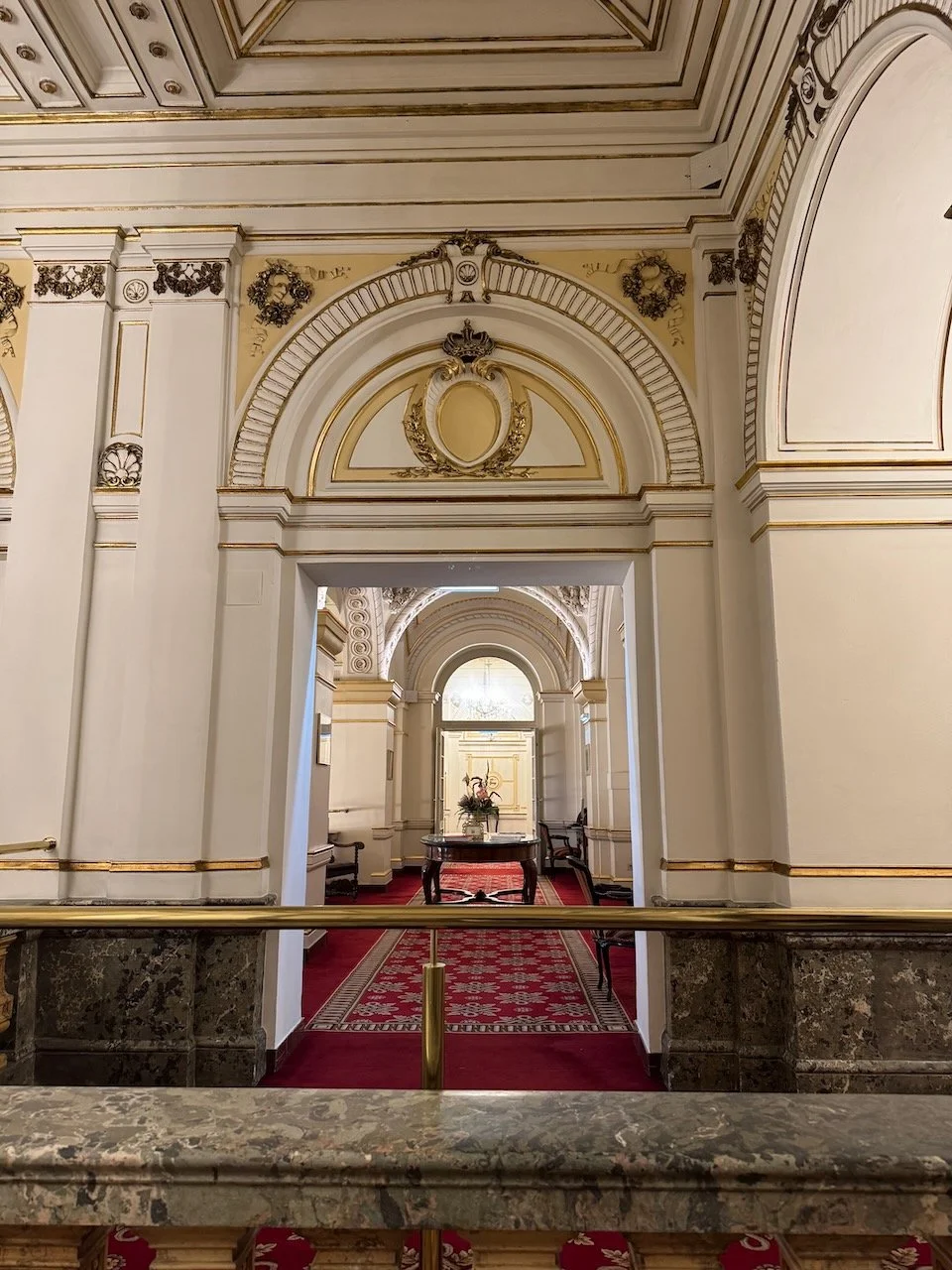
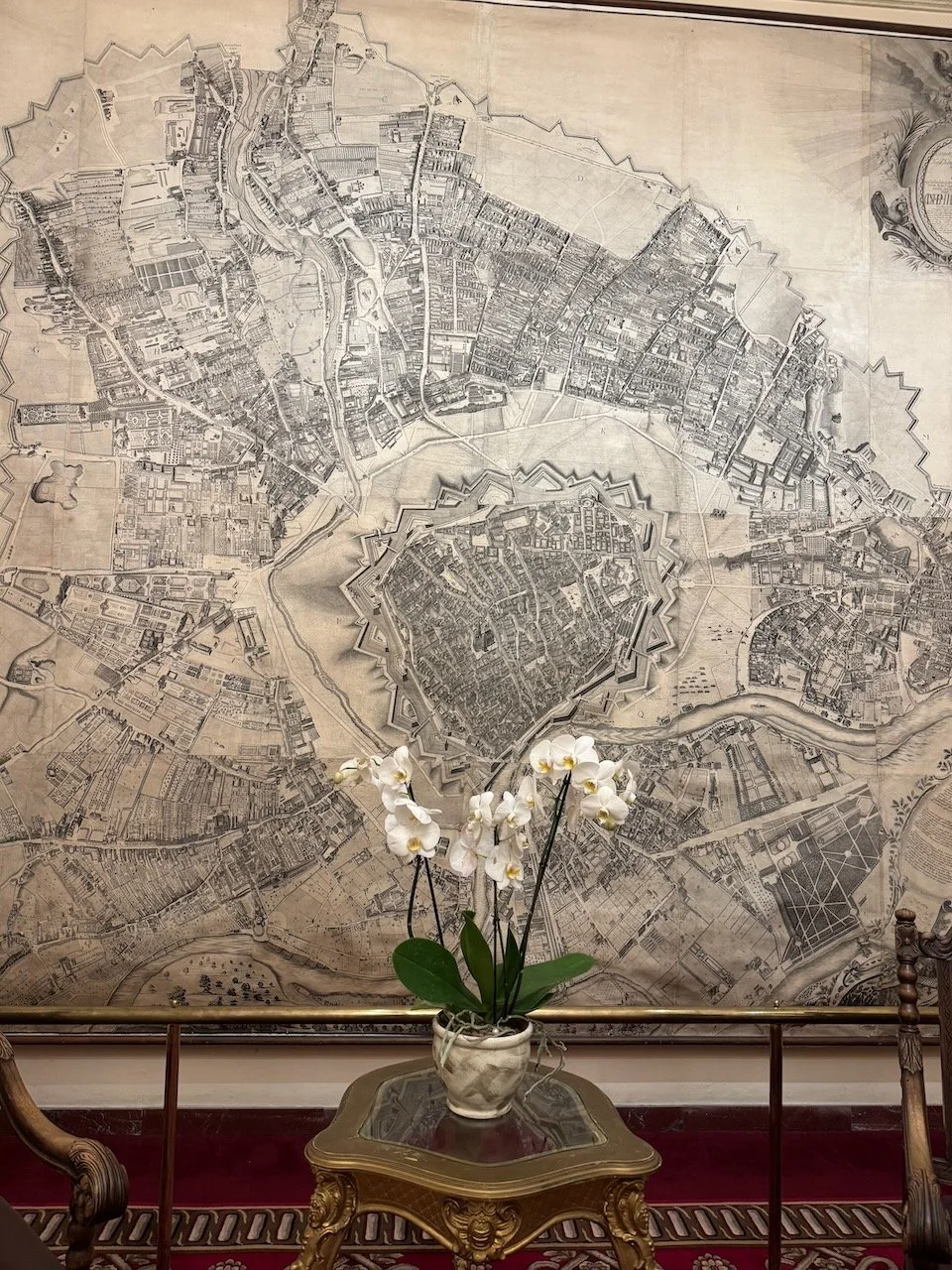
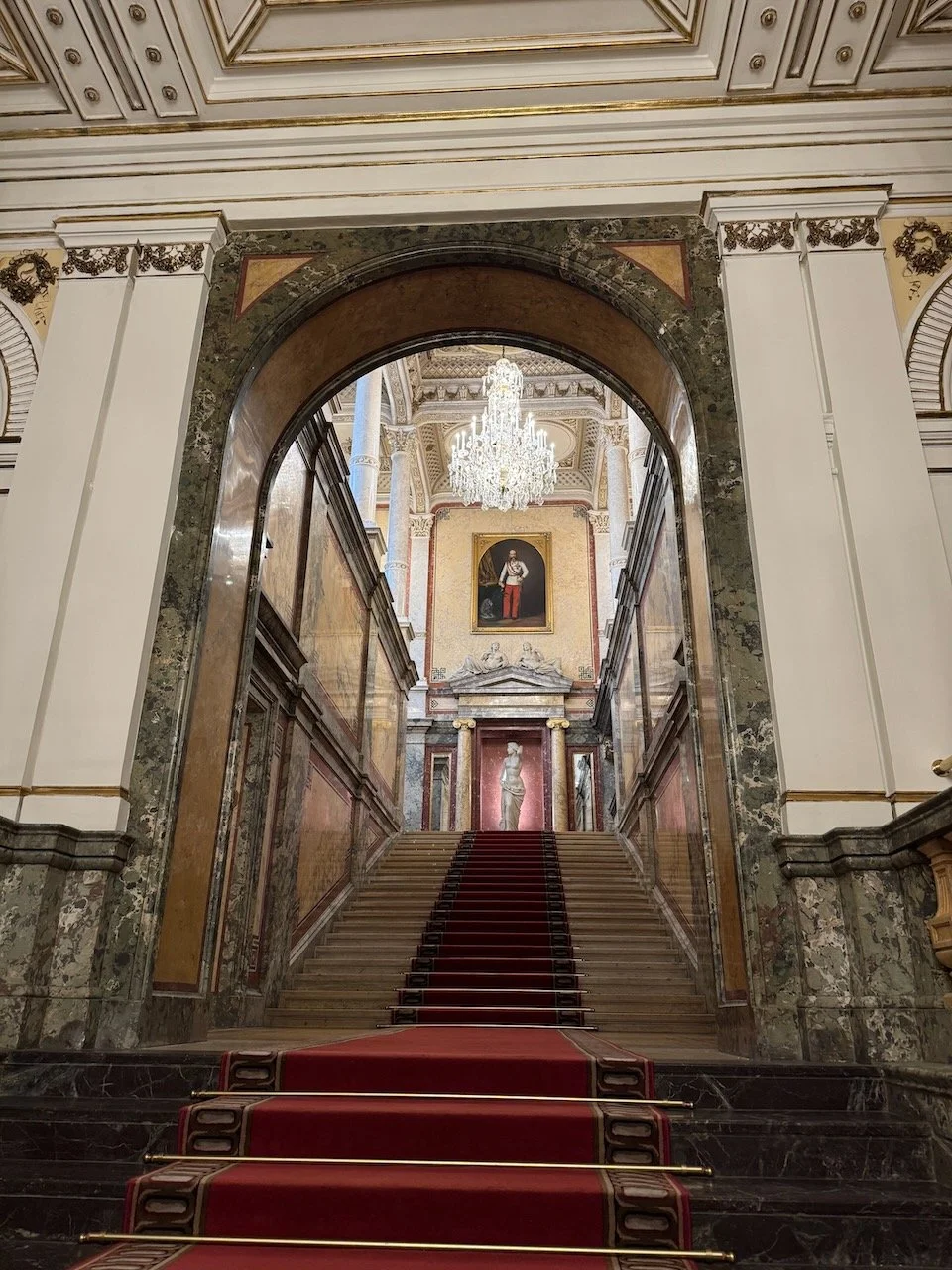
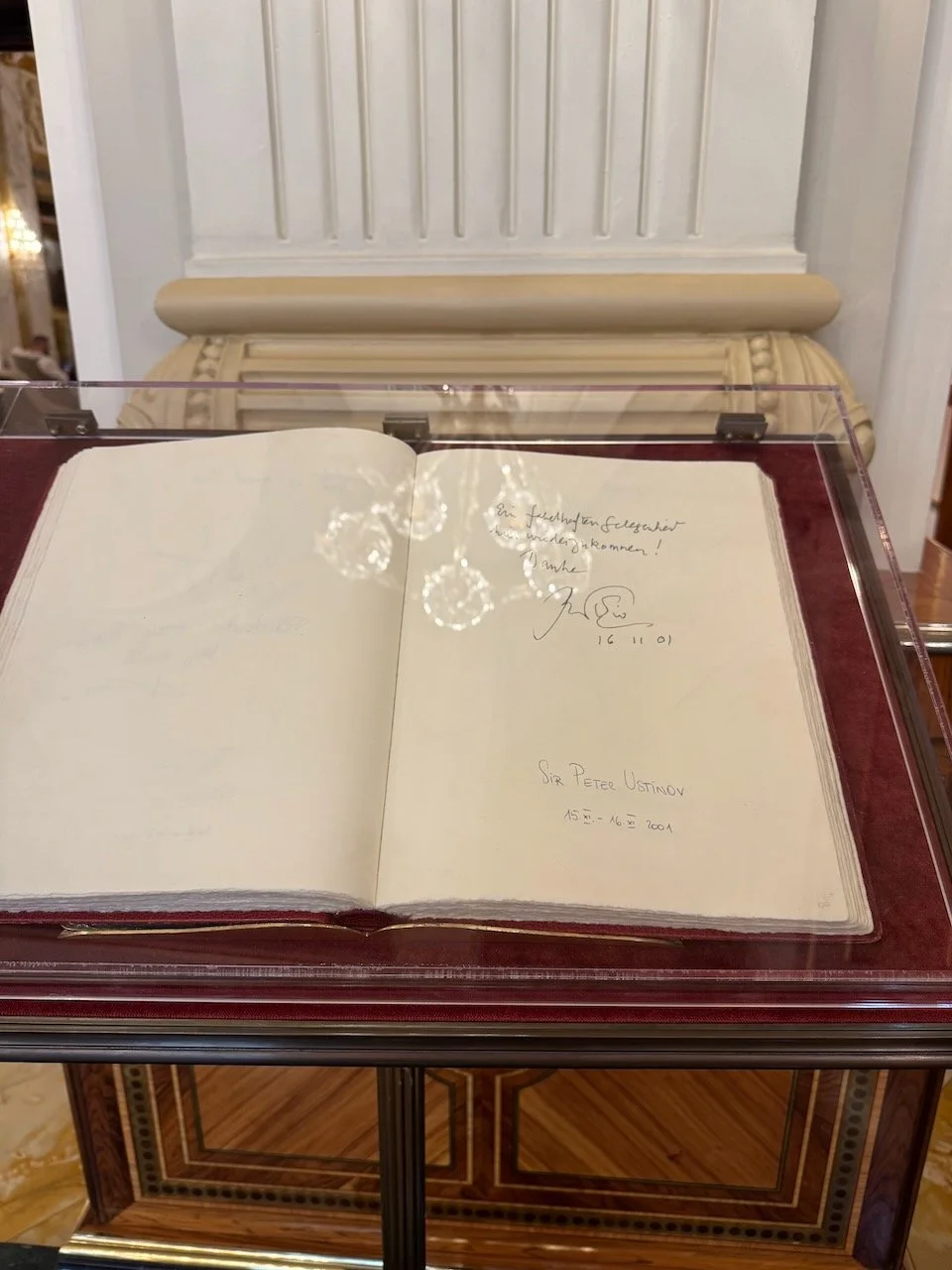
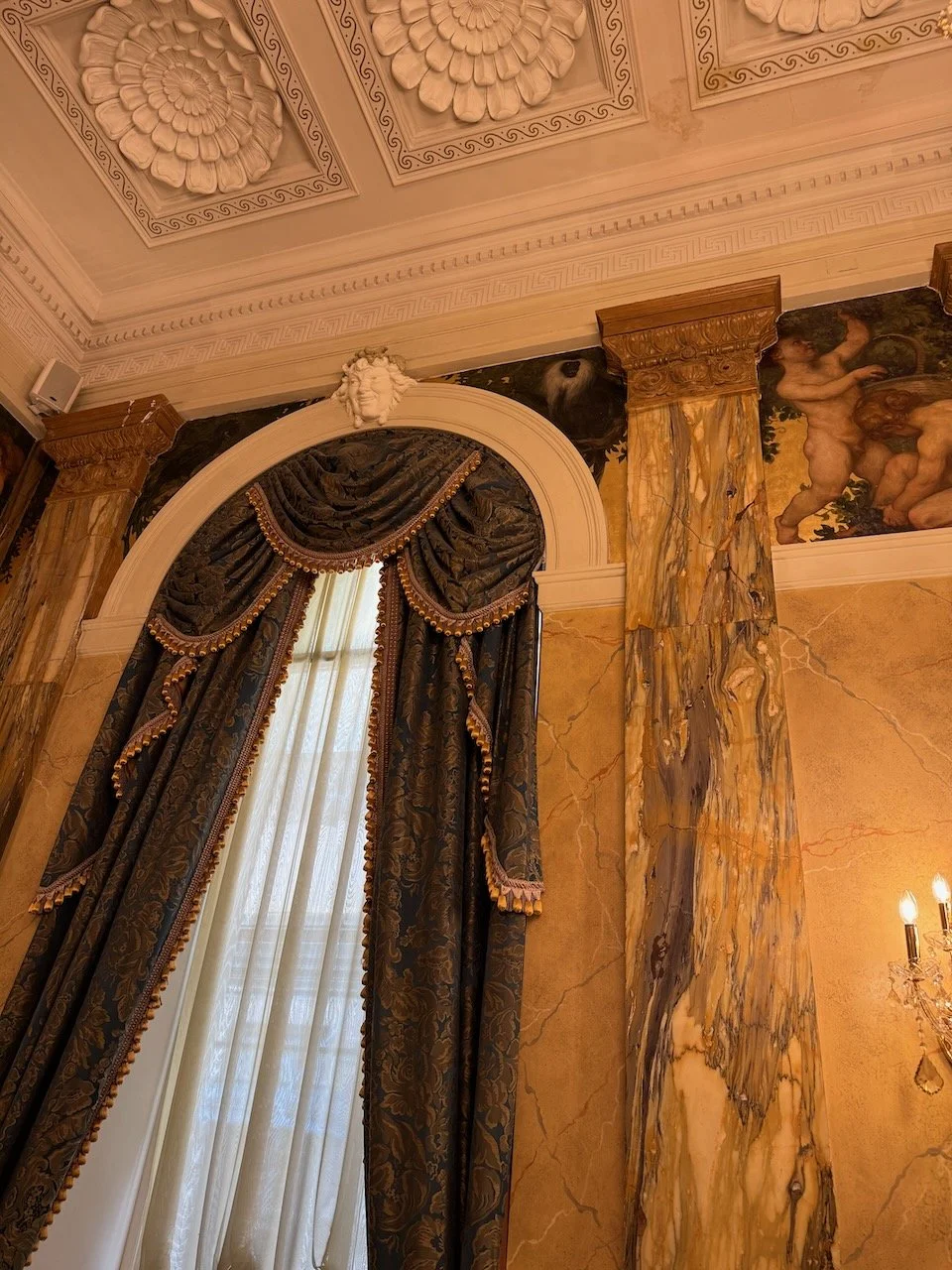
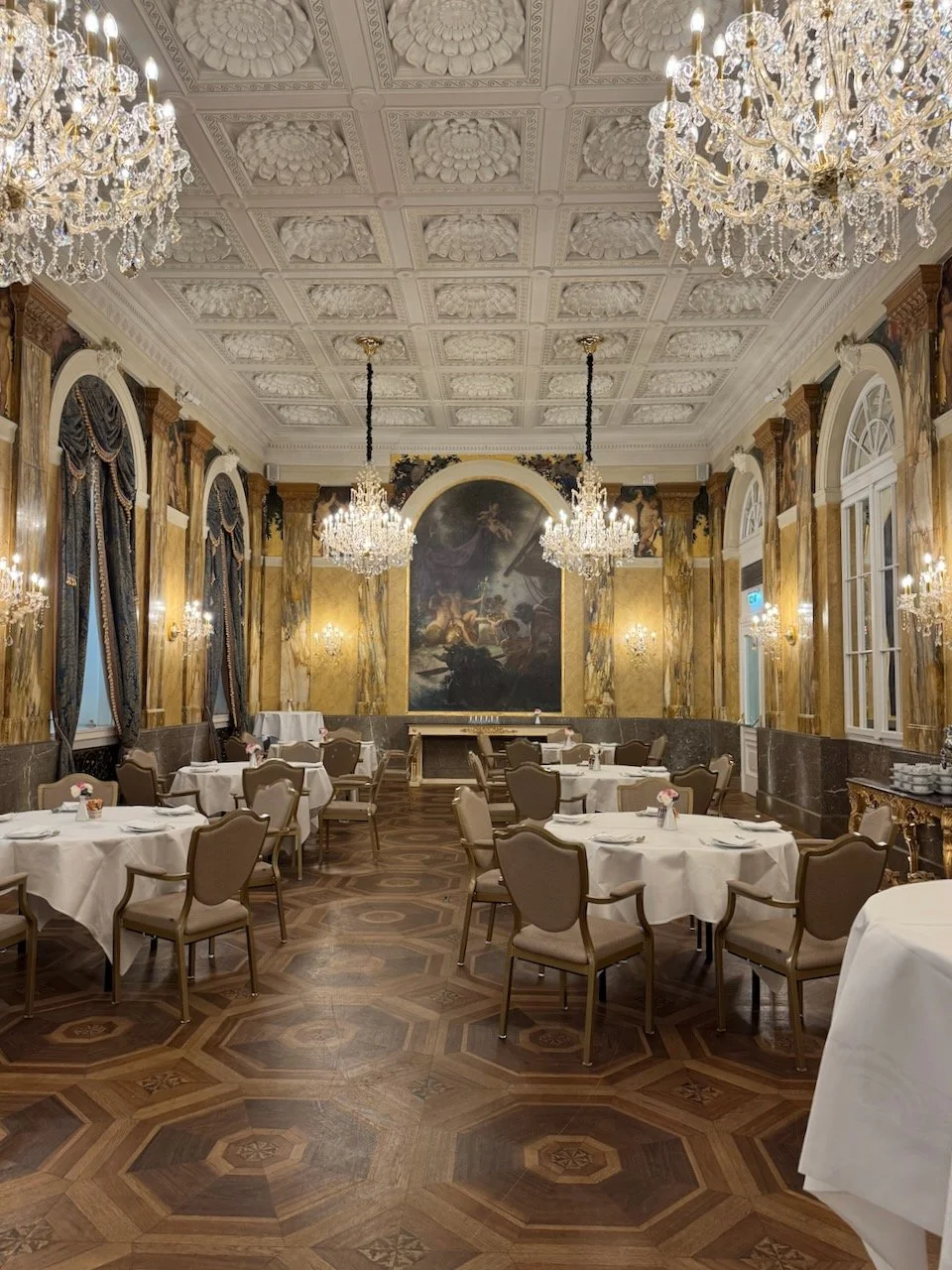
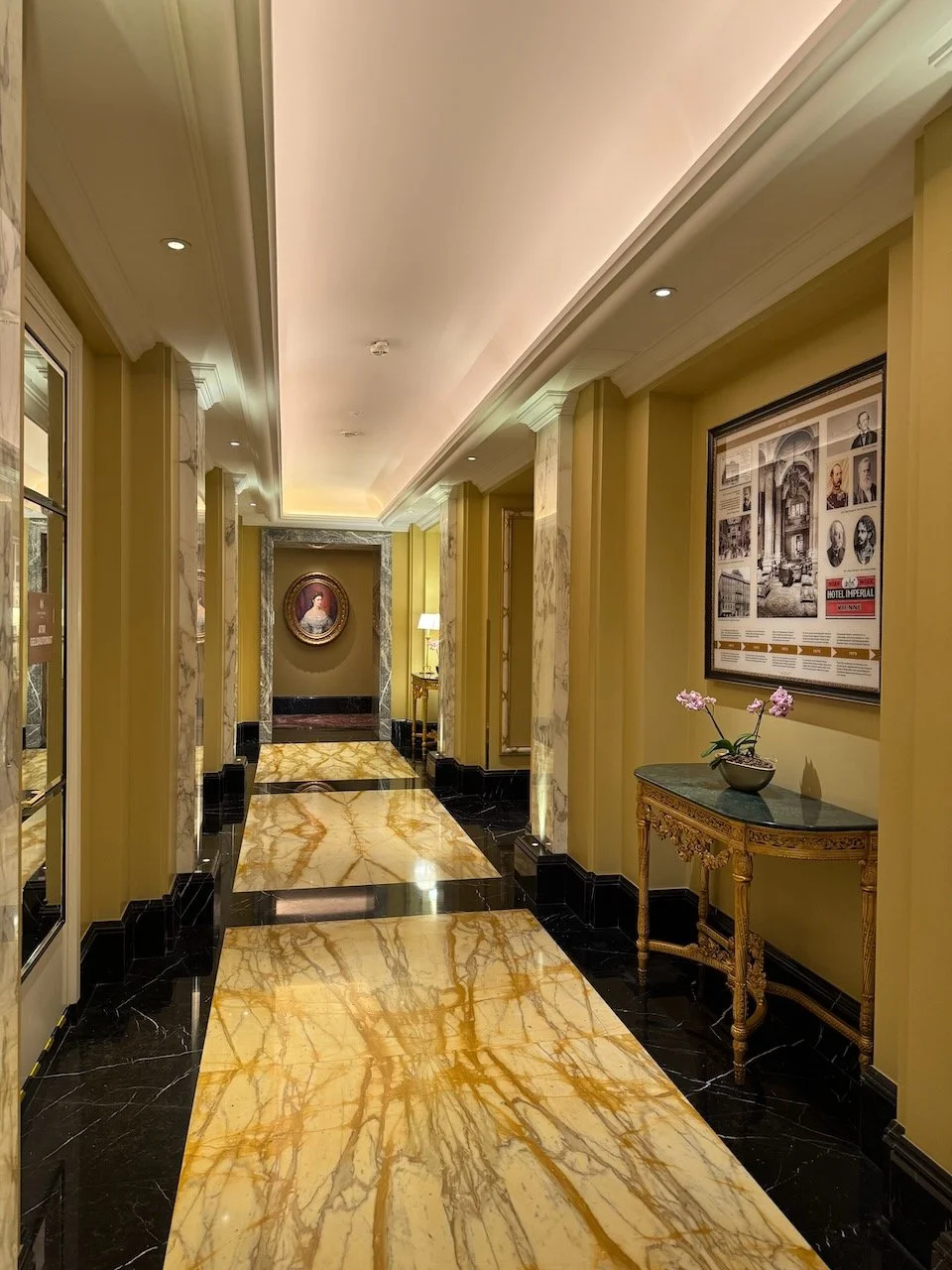
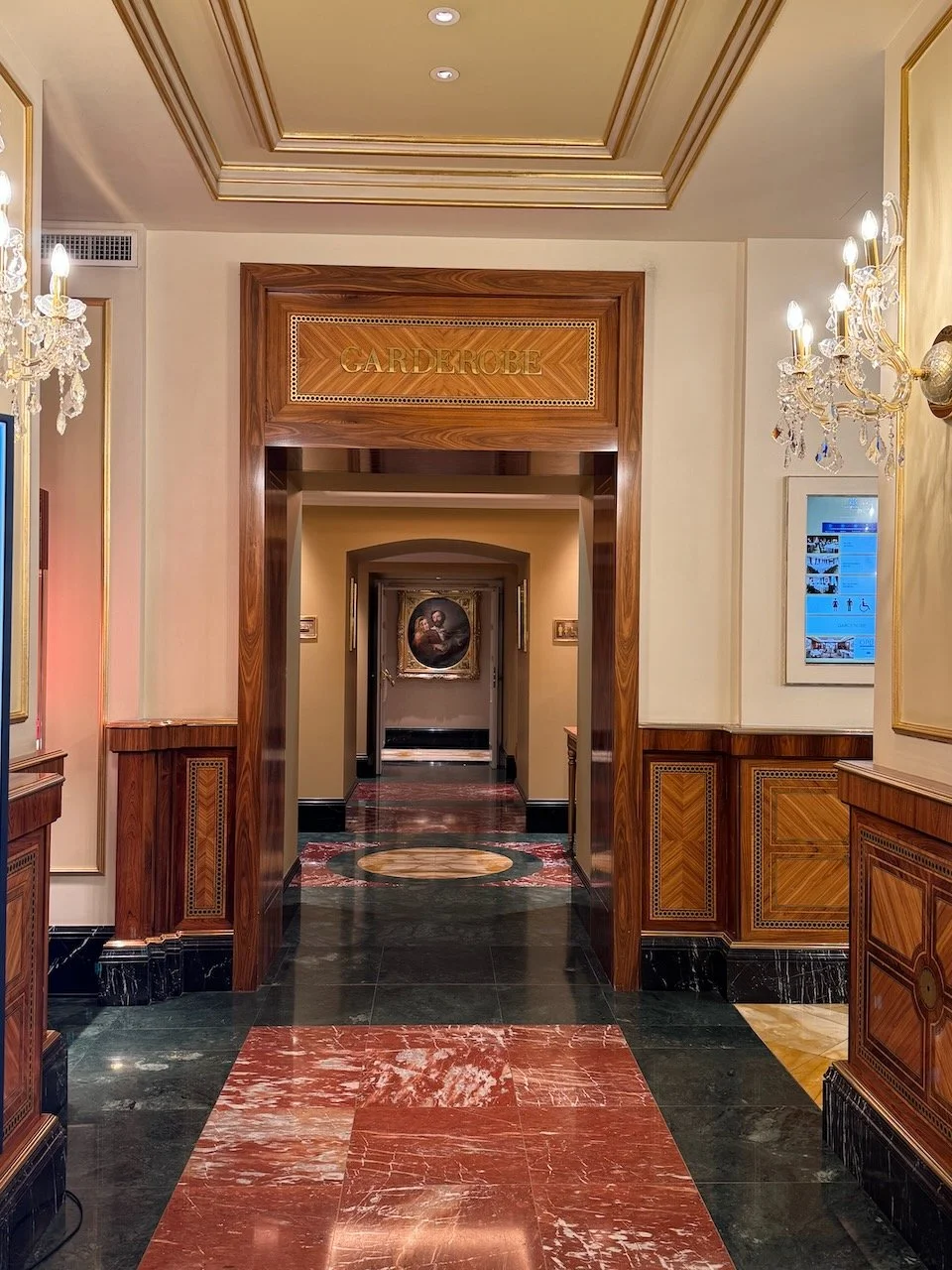
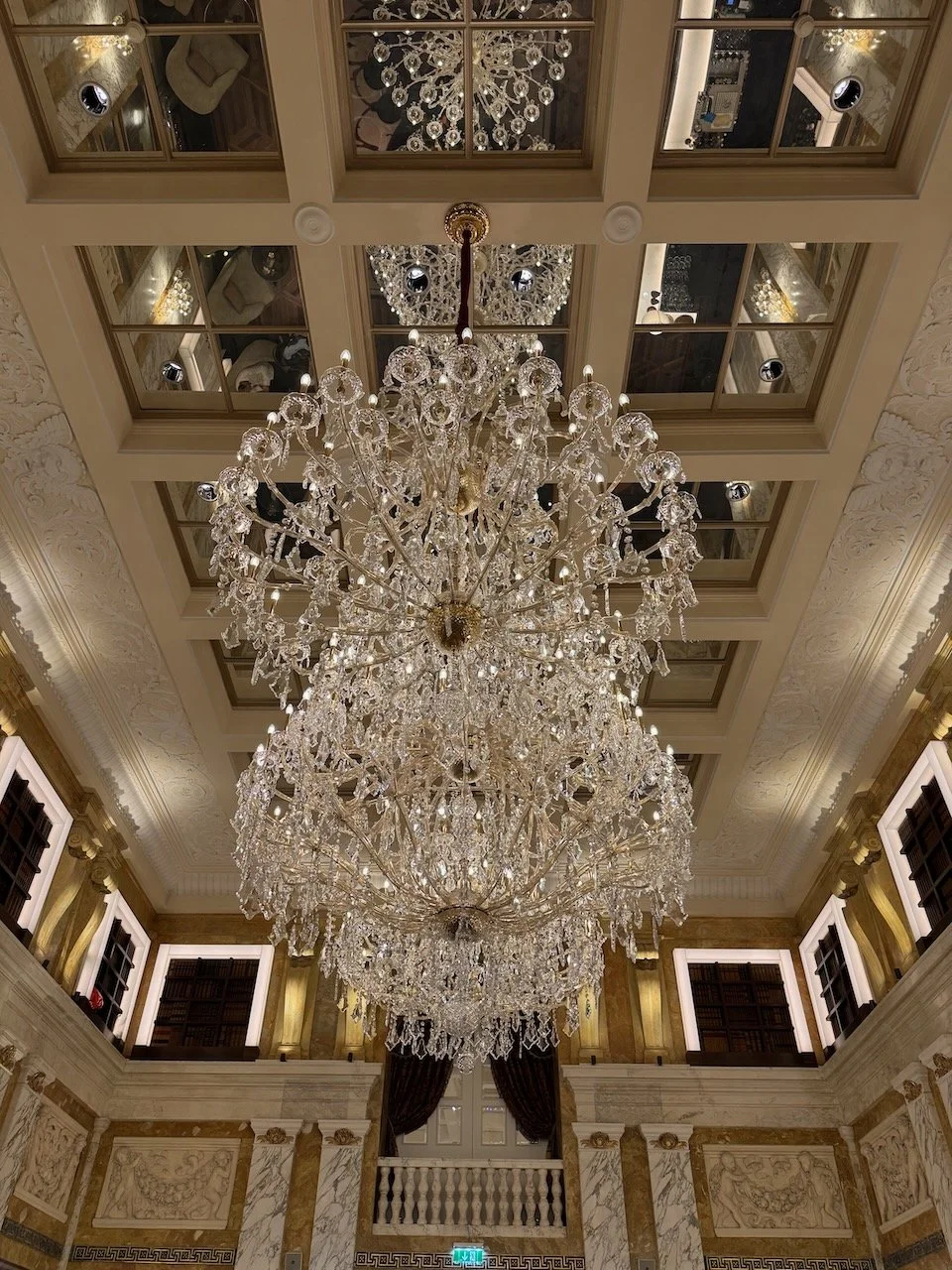
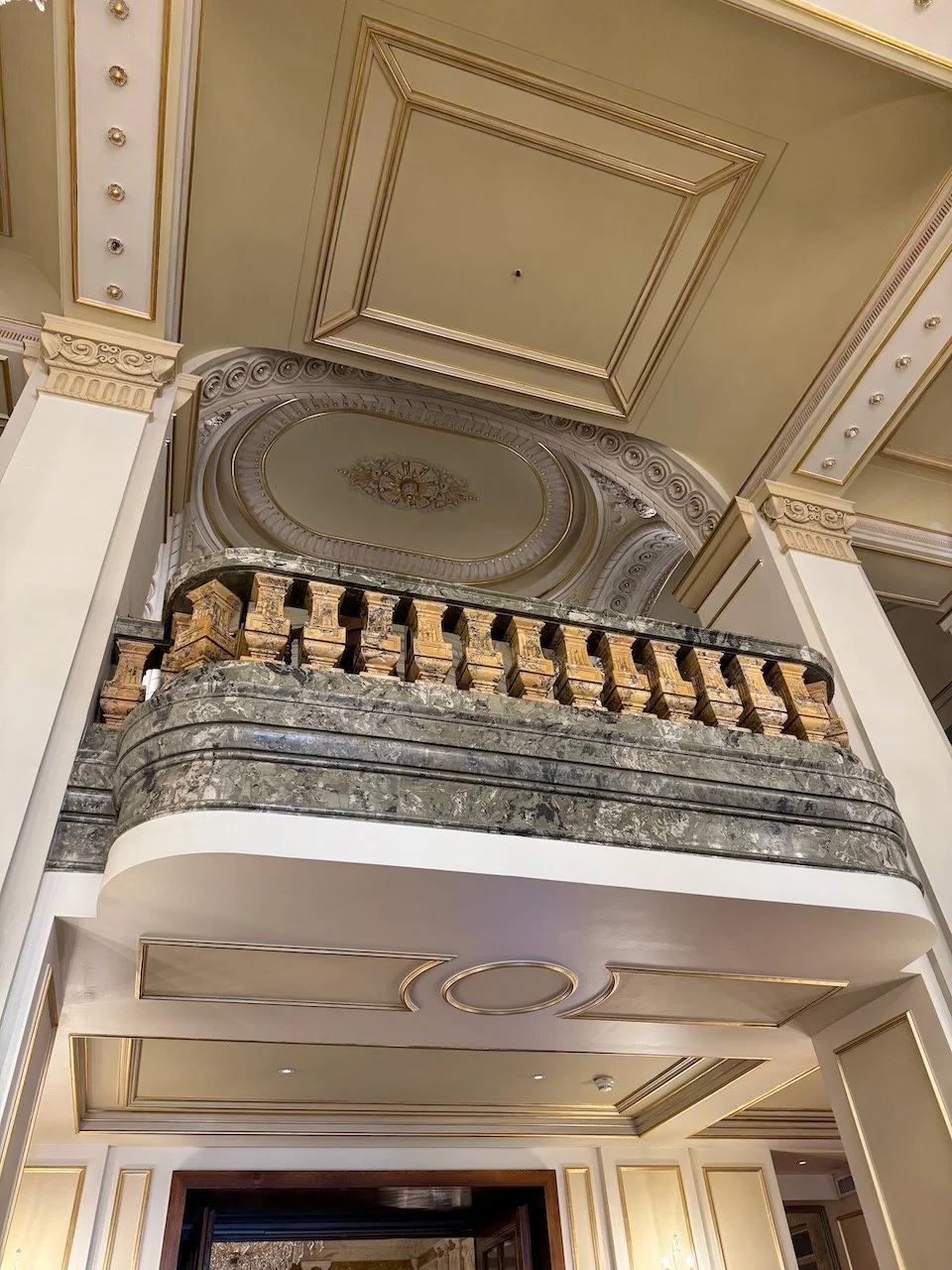
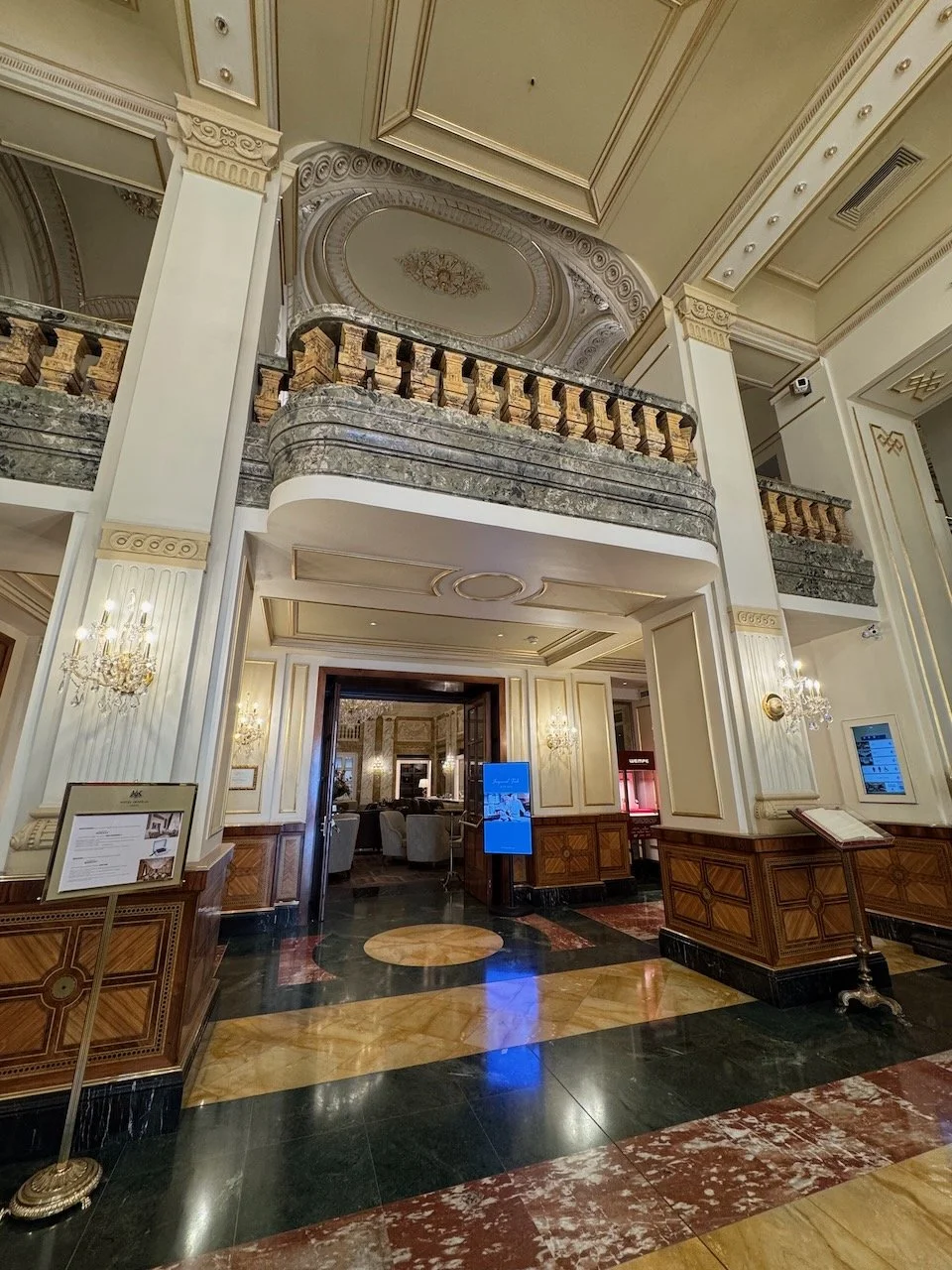
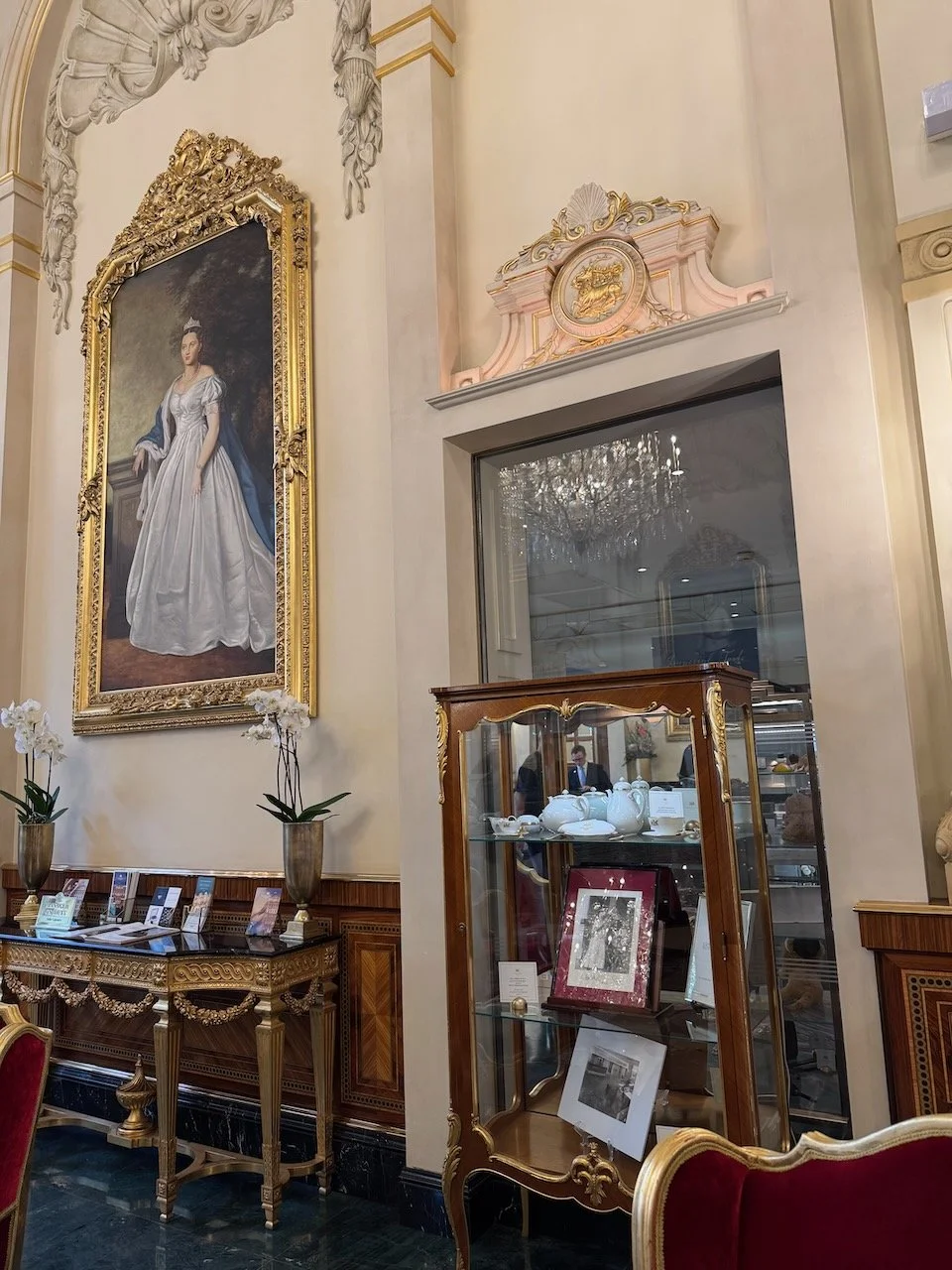
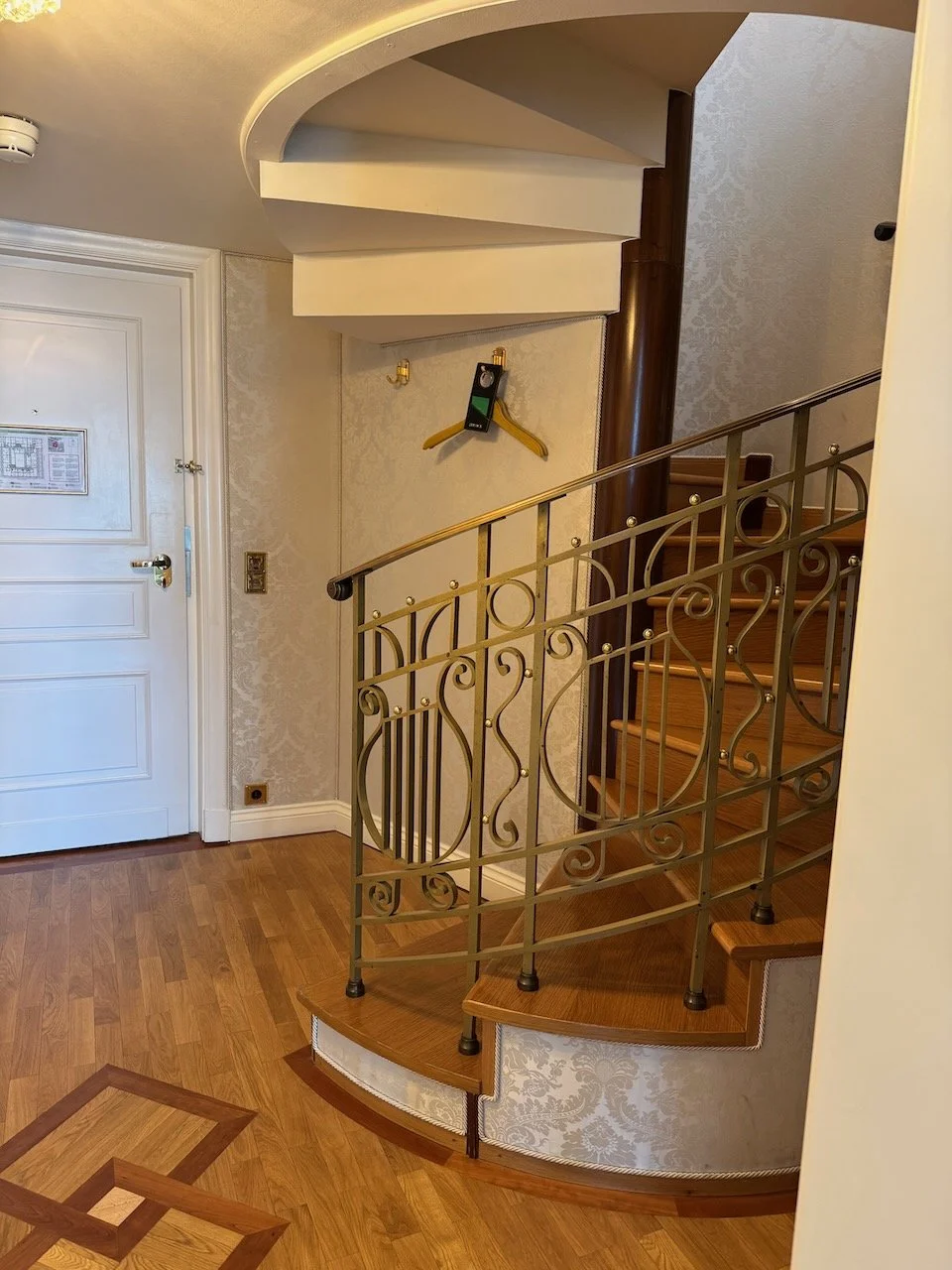
The Royal Staircase is the showpiece, but the palace feeling continues through the ornate public rooms, carved details and richly furnished salons. It feels as though a distinguished guest might descend the stairs at any moment. During my visit, the staircase was reserved for hotel guests rather than sightseeing visitors: a welcome bit of privacy around a very photogenic space.
Accommodations
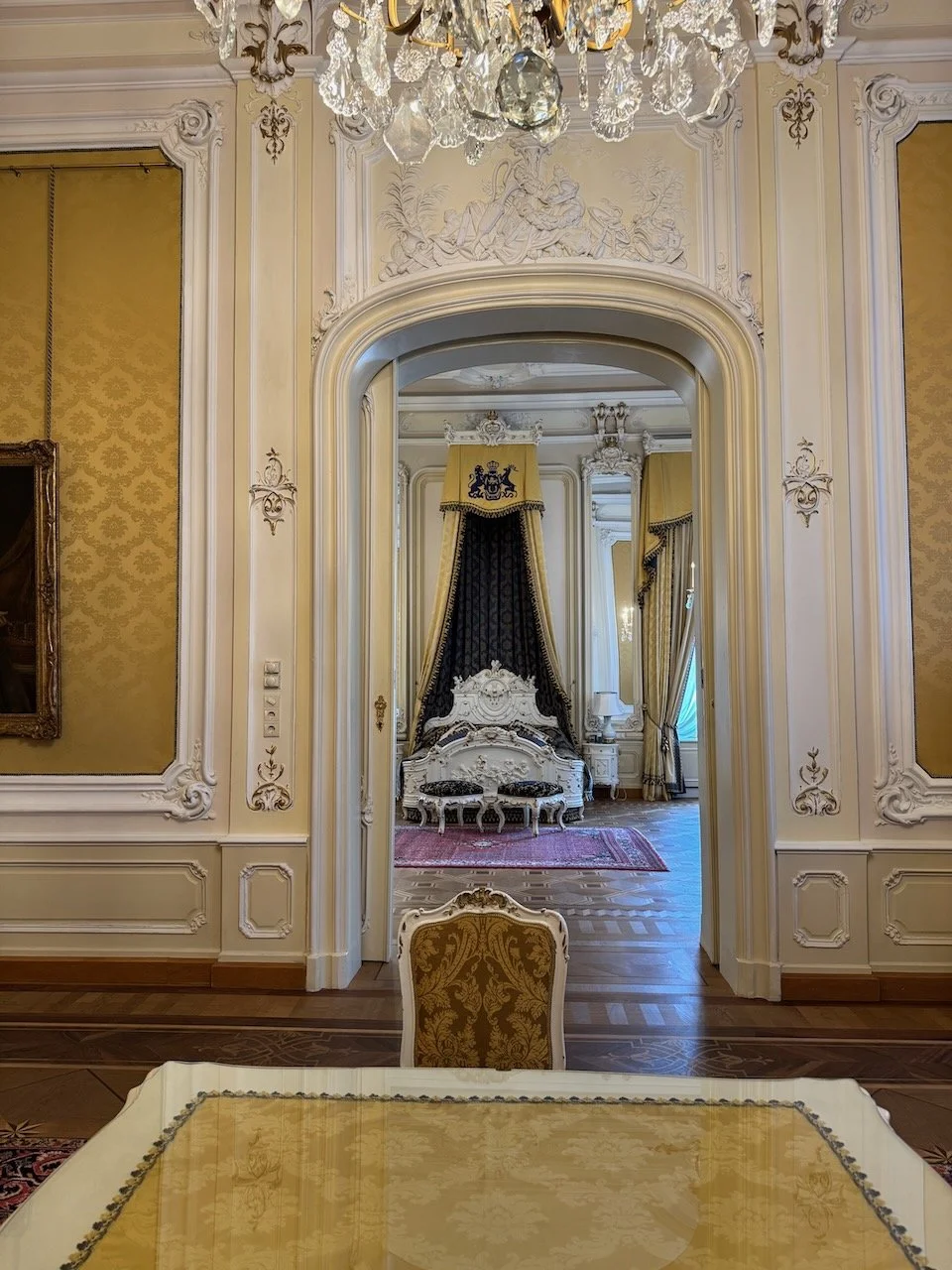
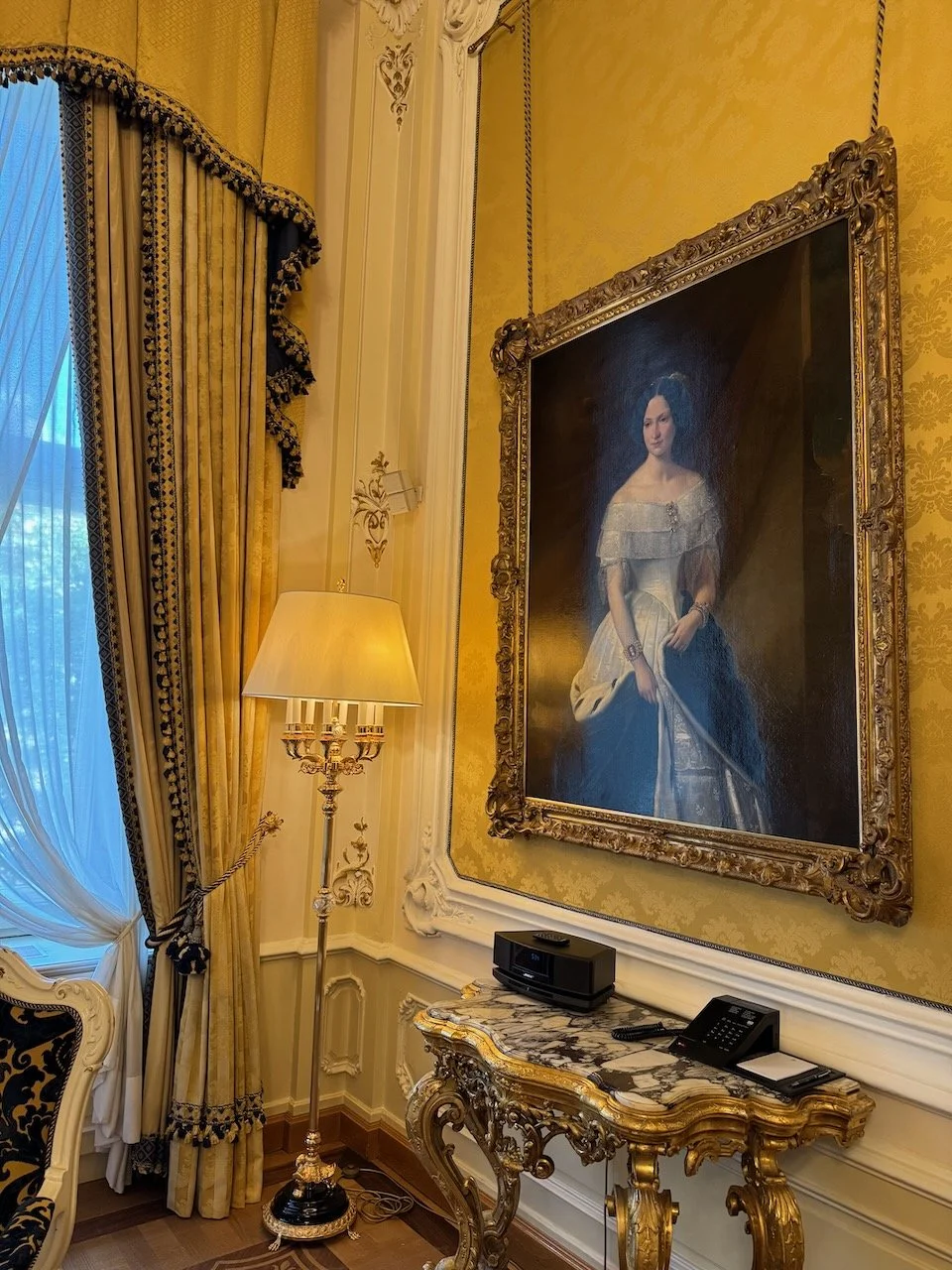
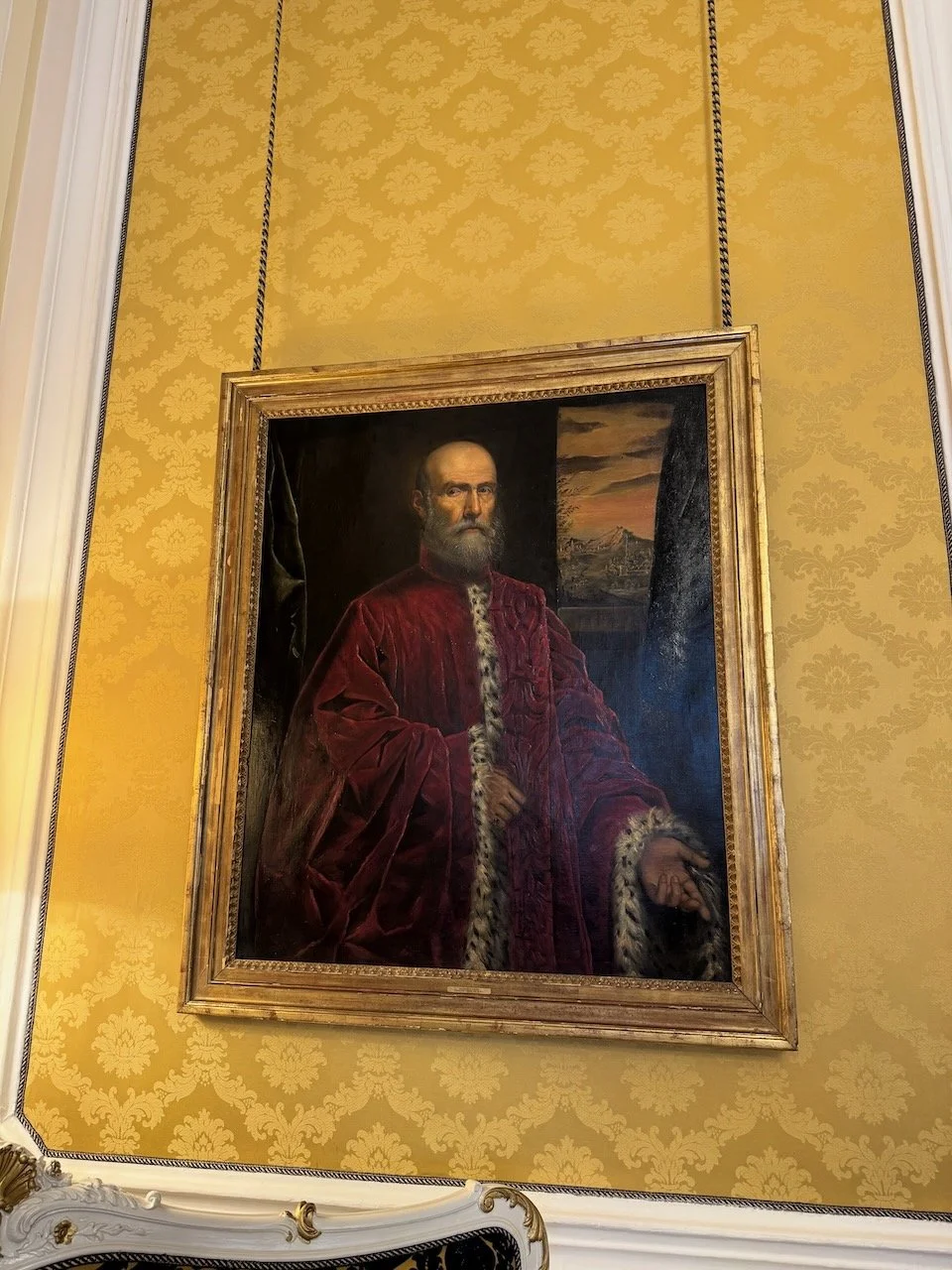
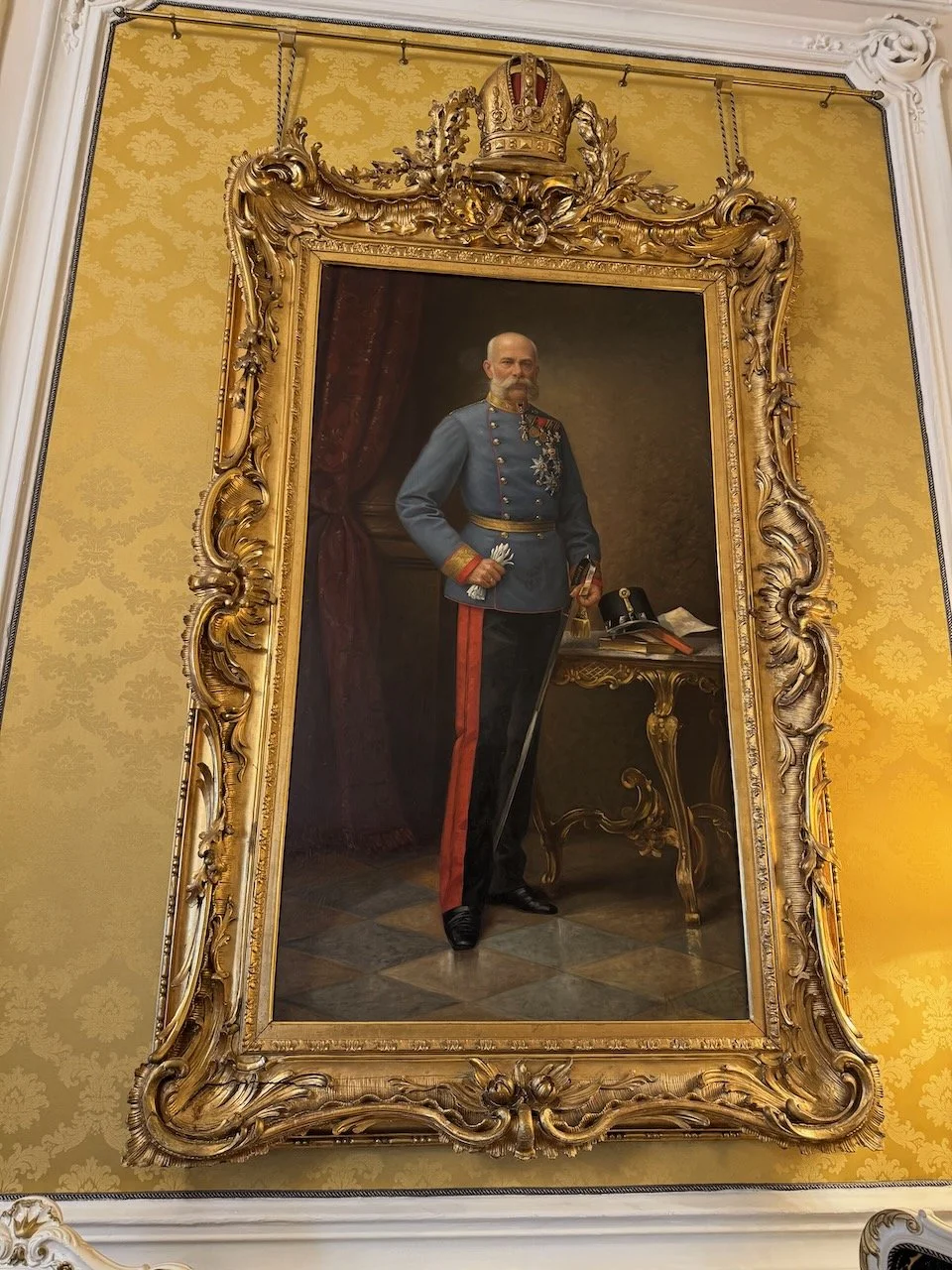
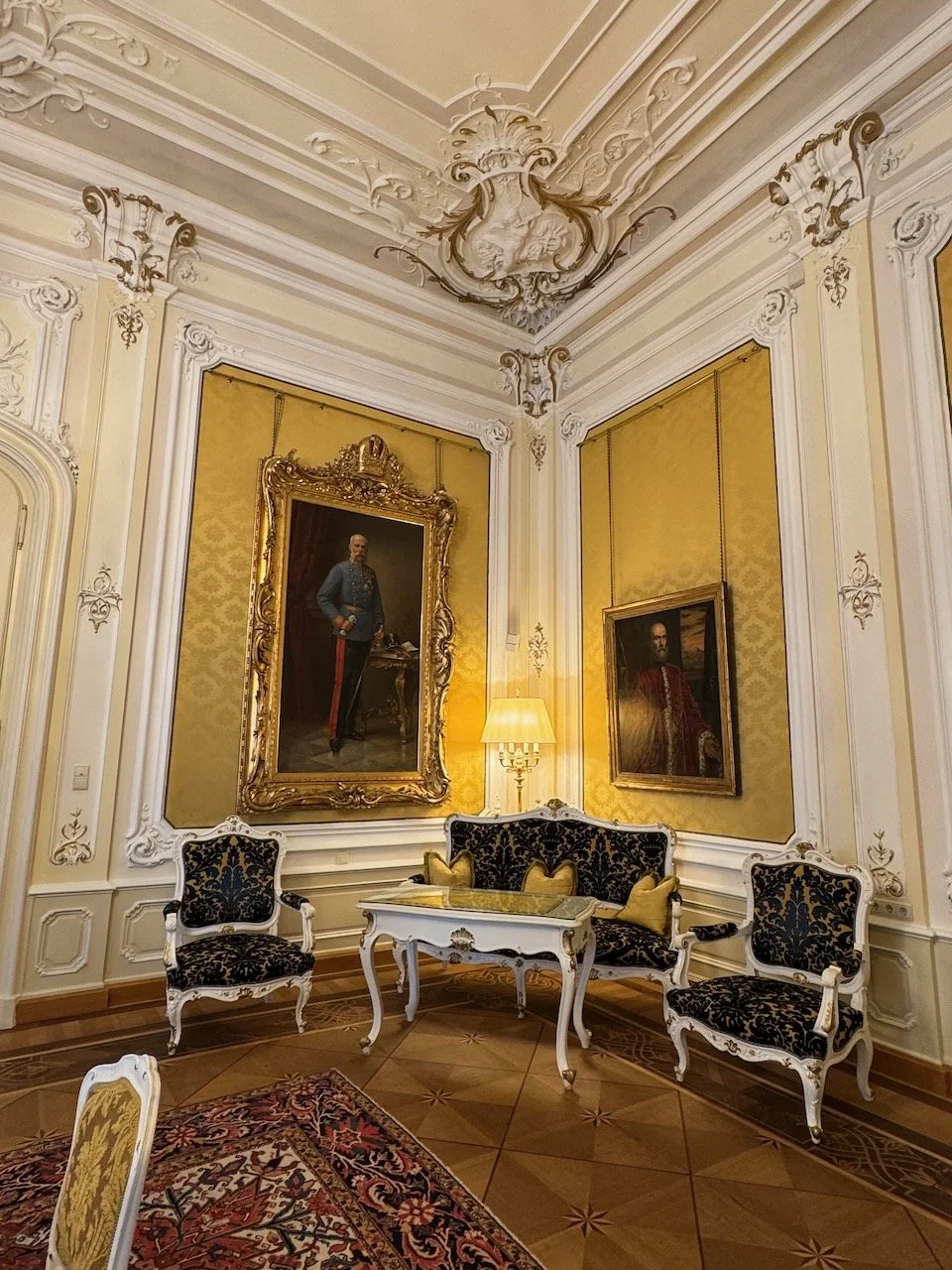
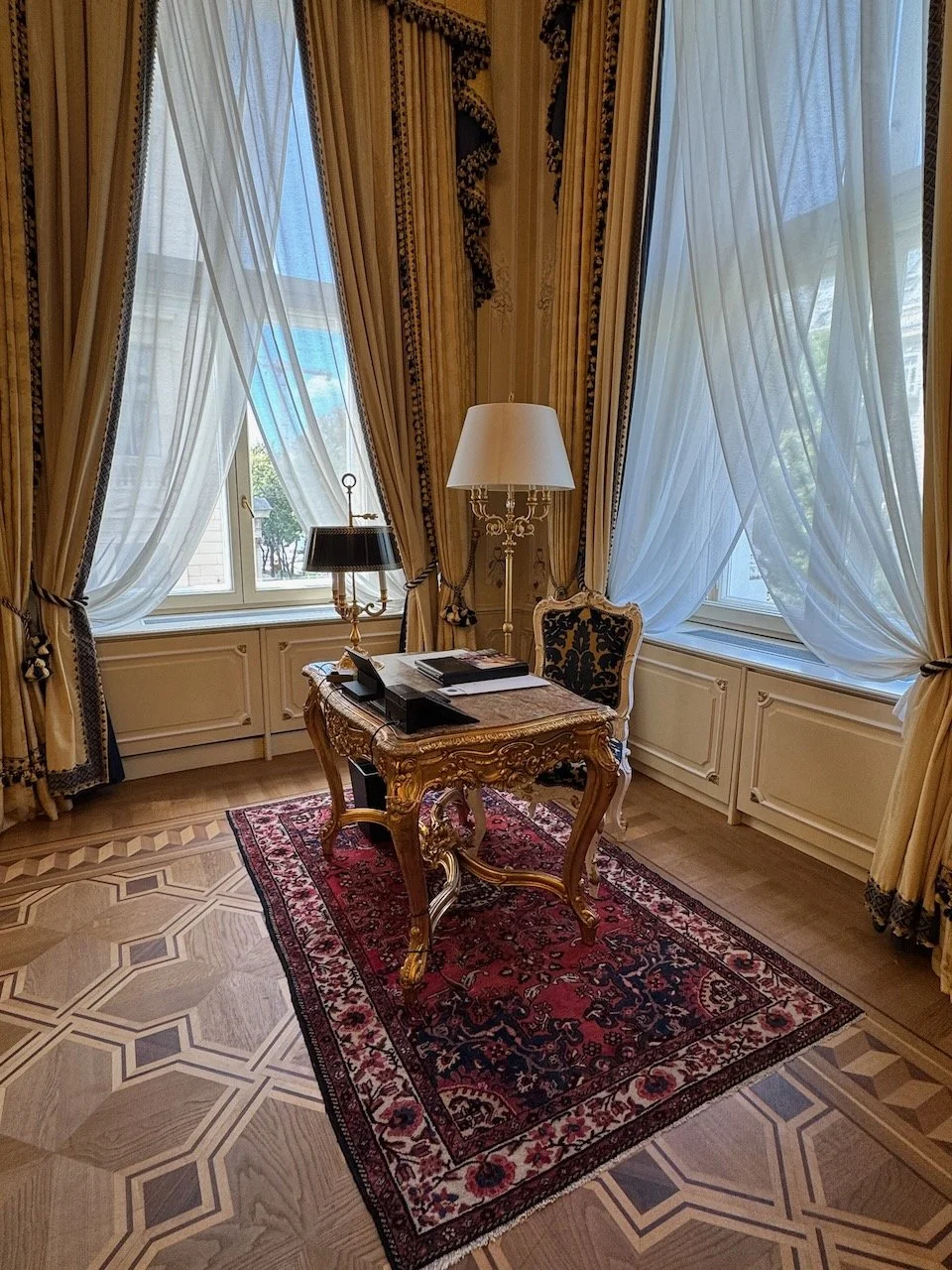
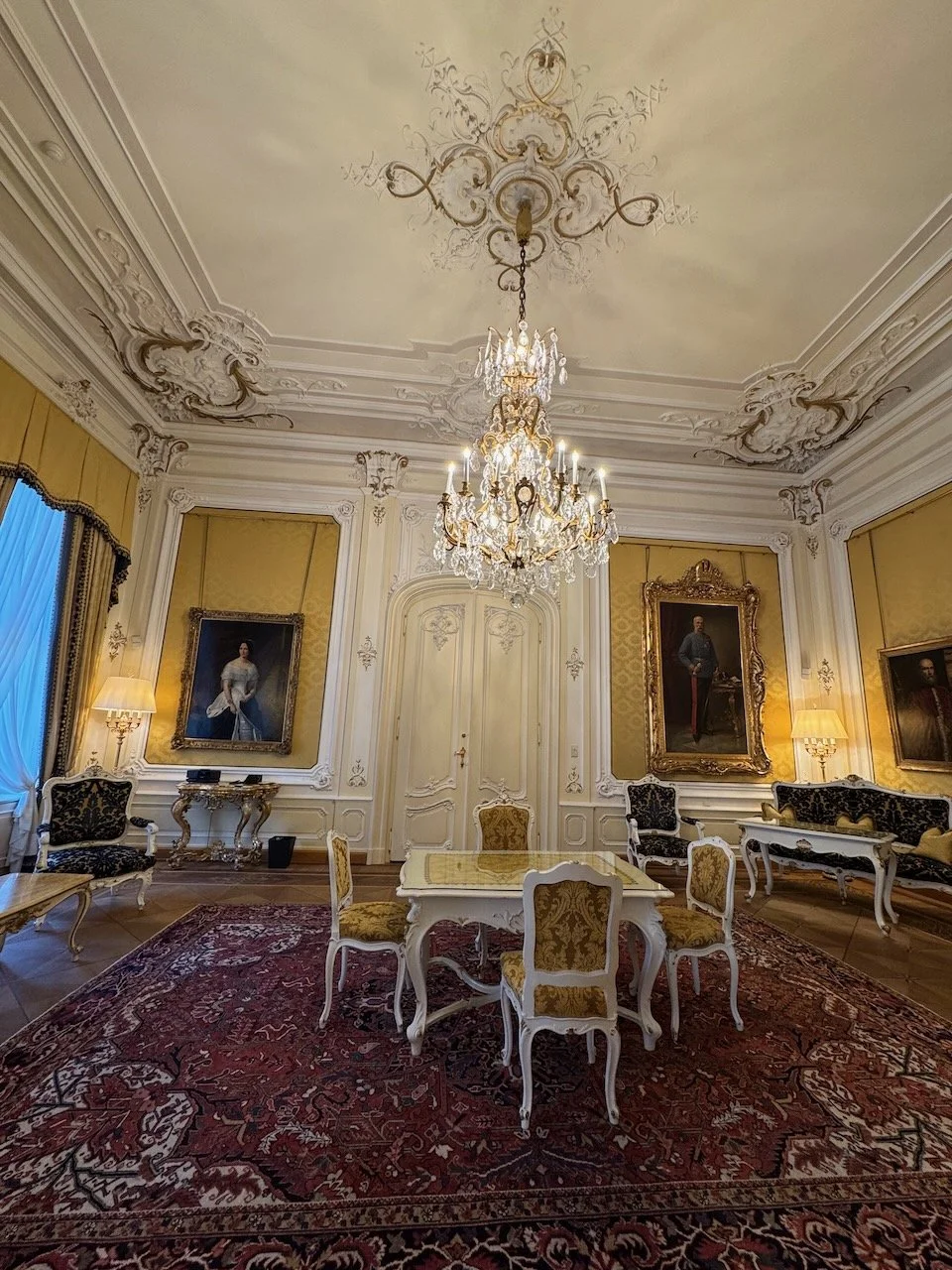
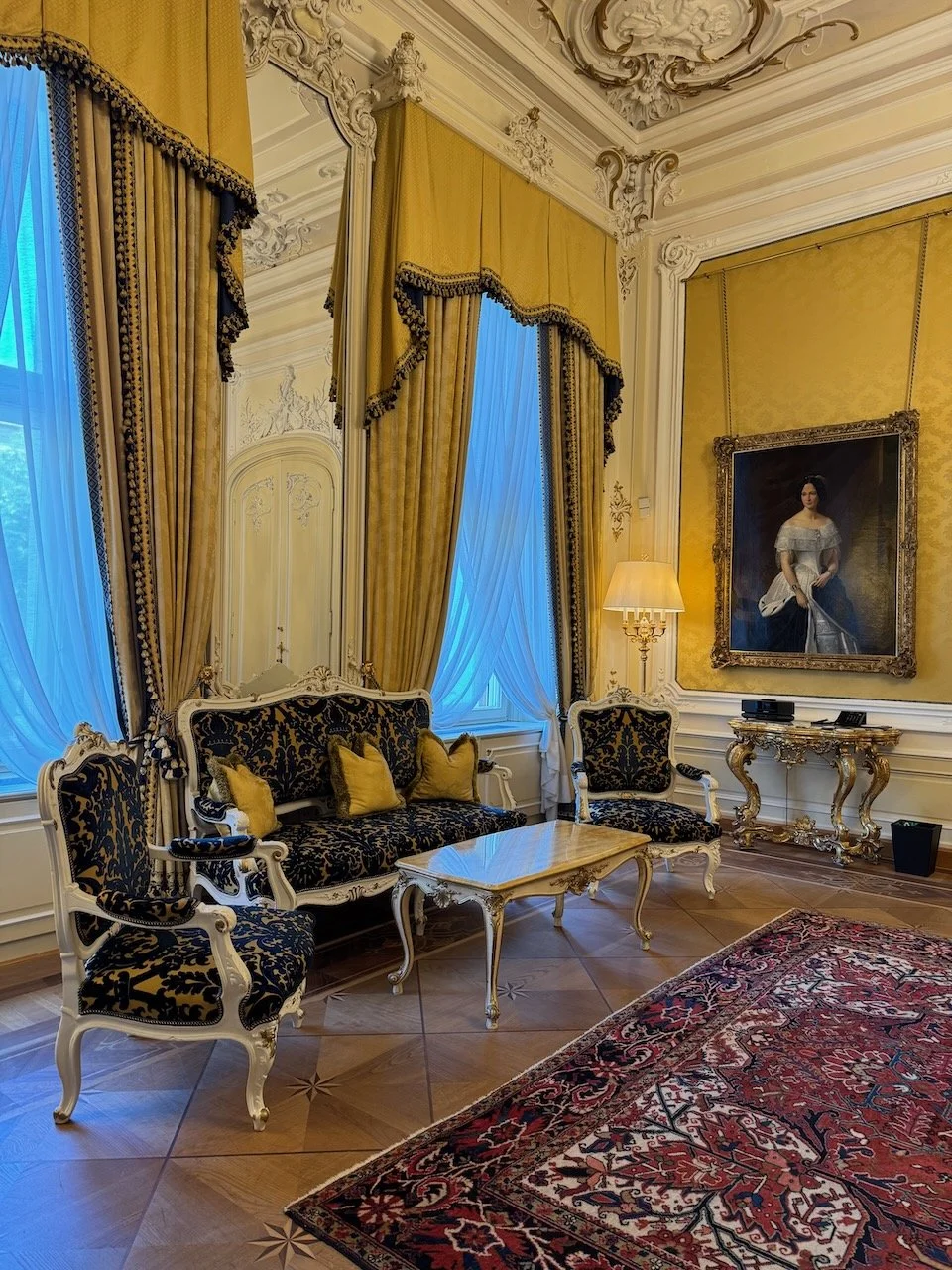
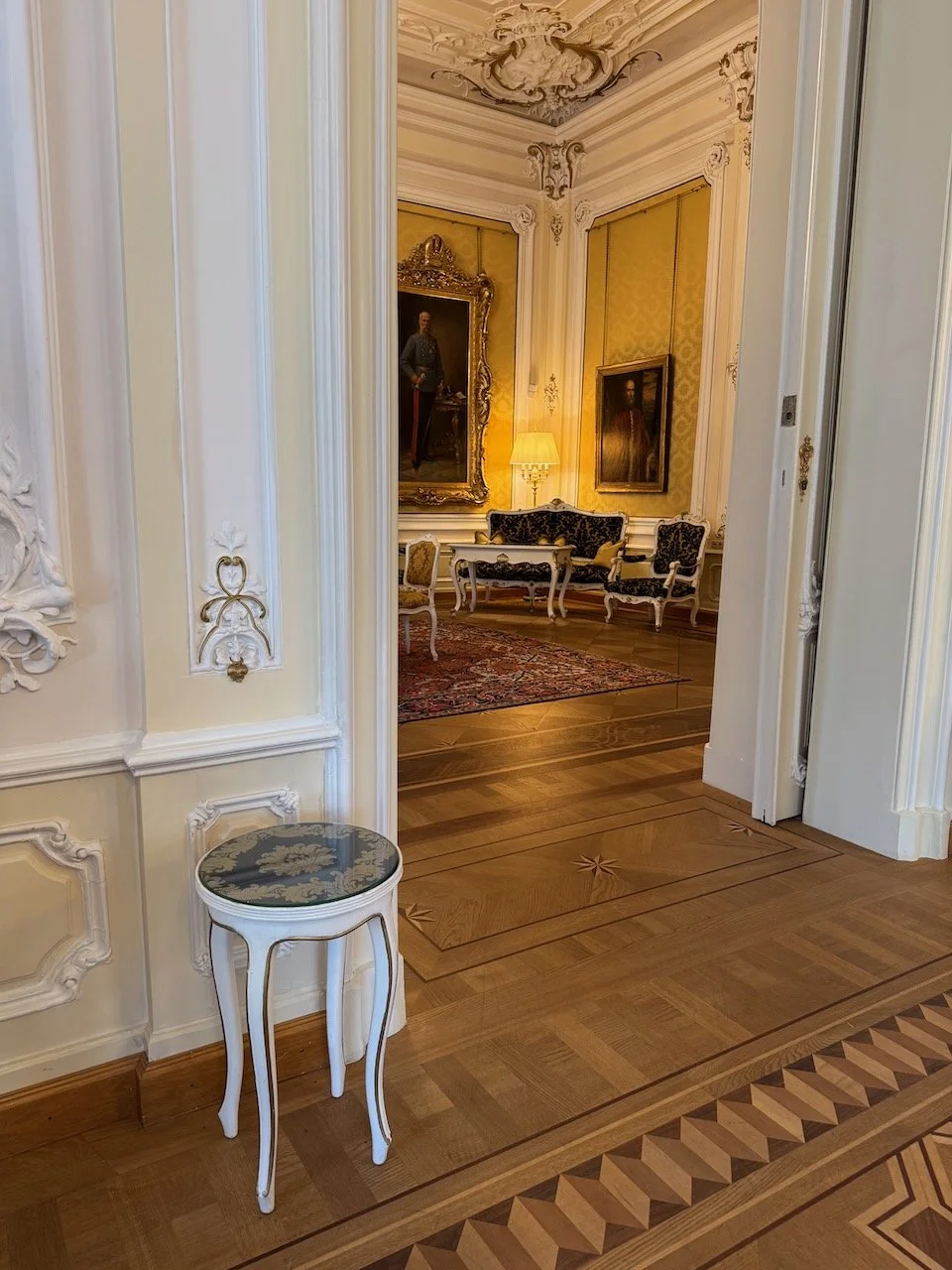
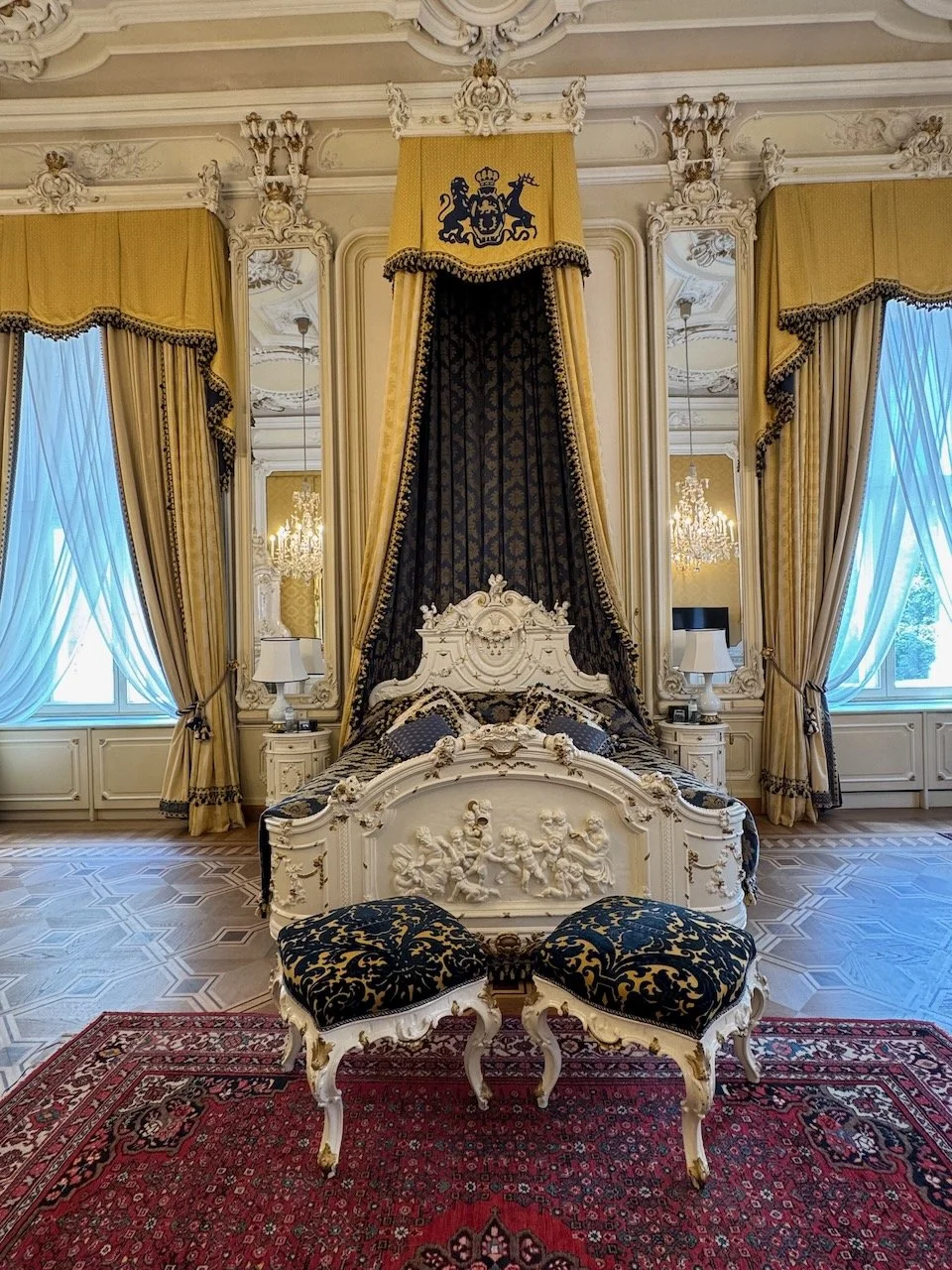
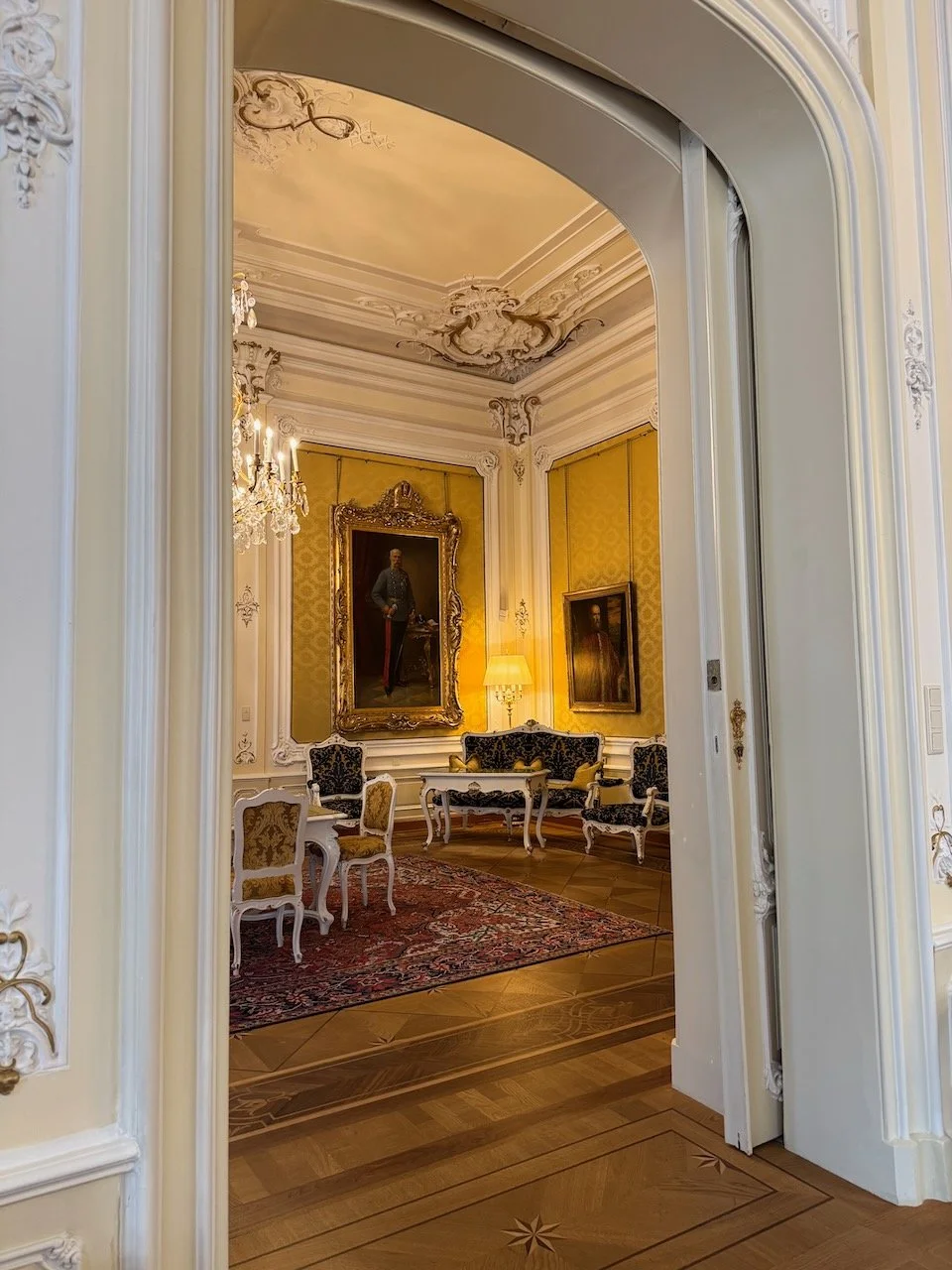
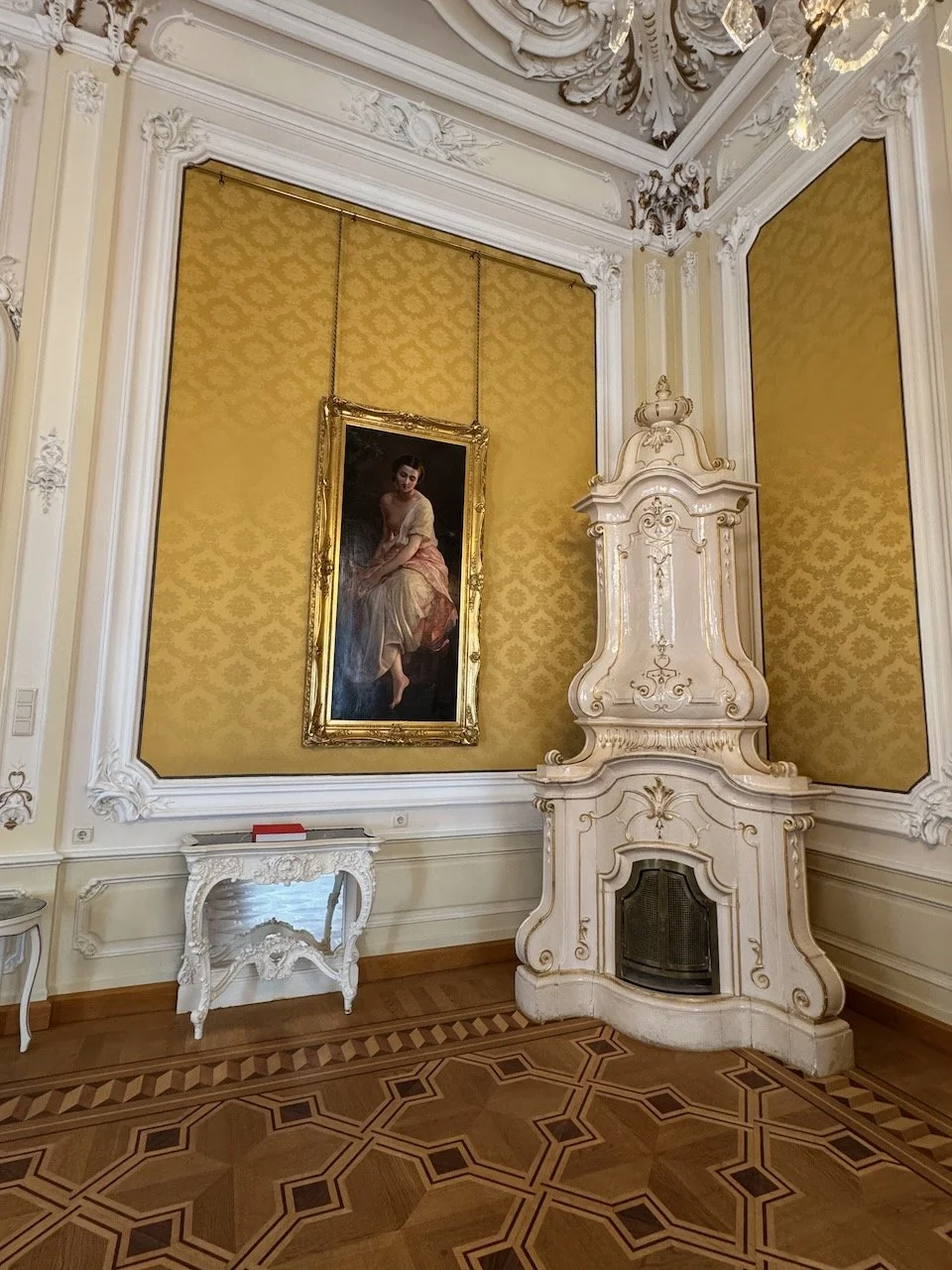
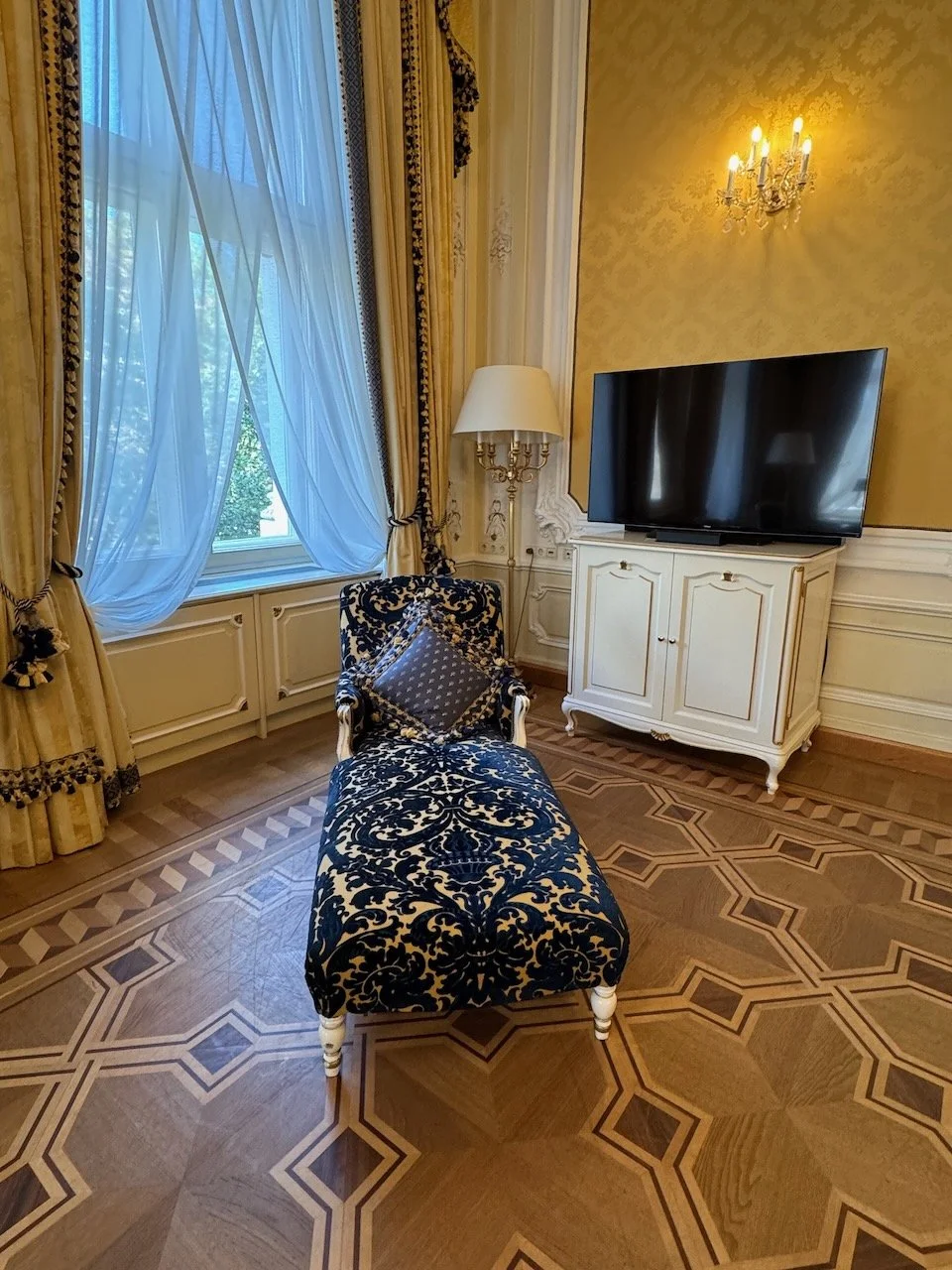
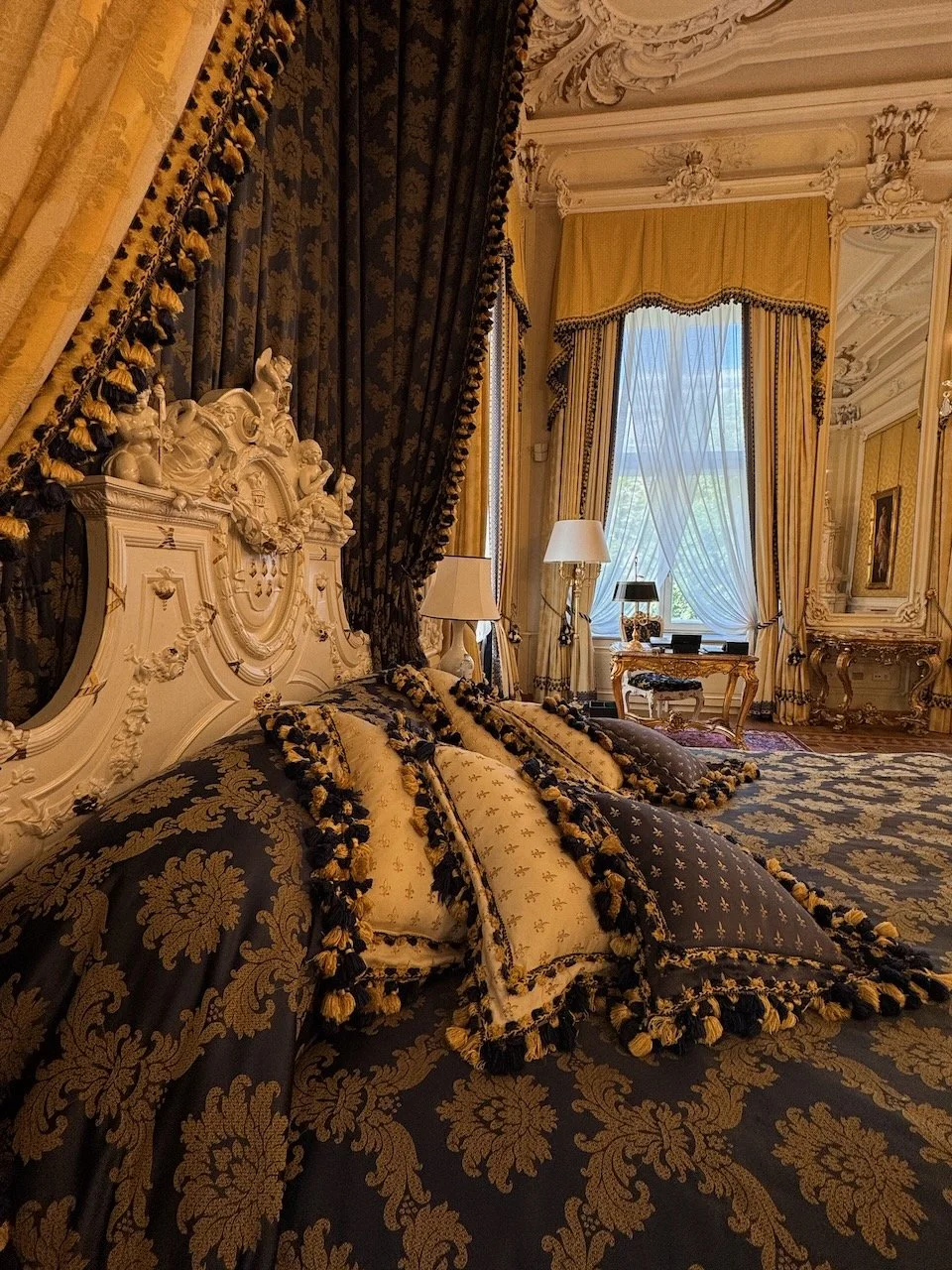
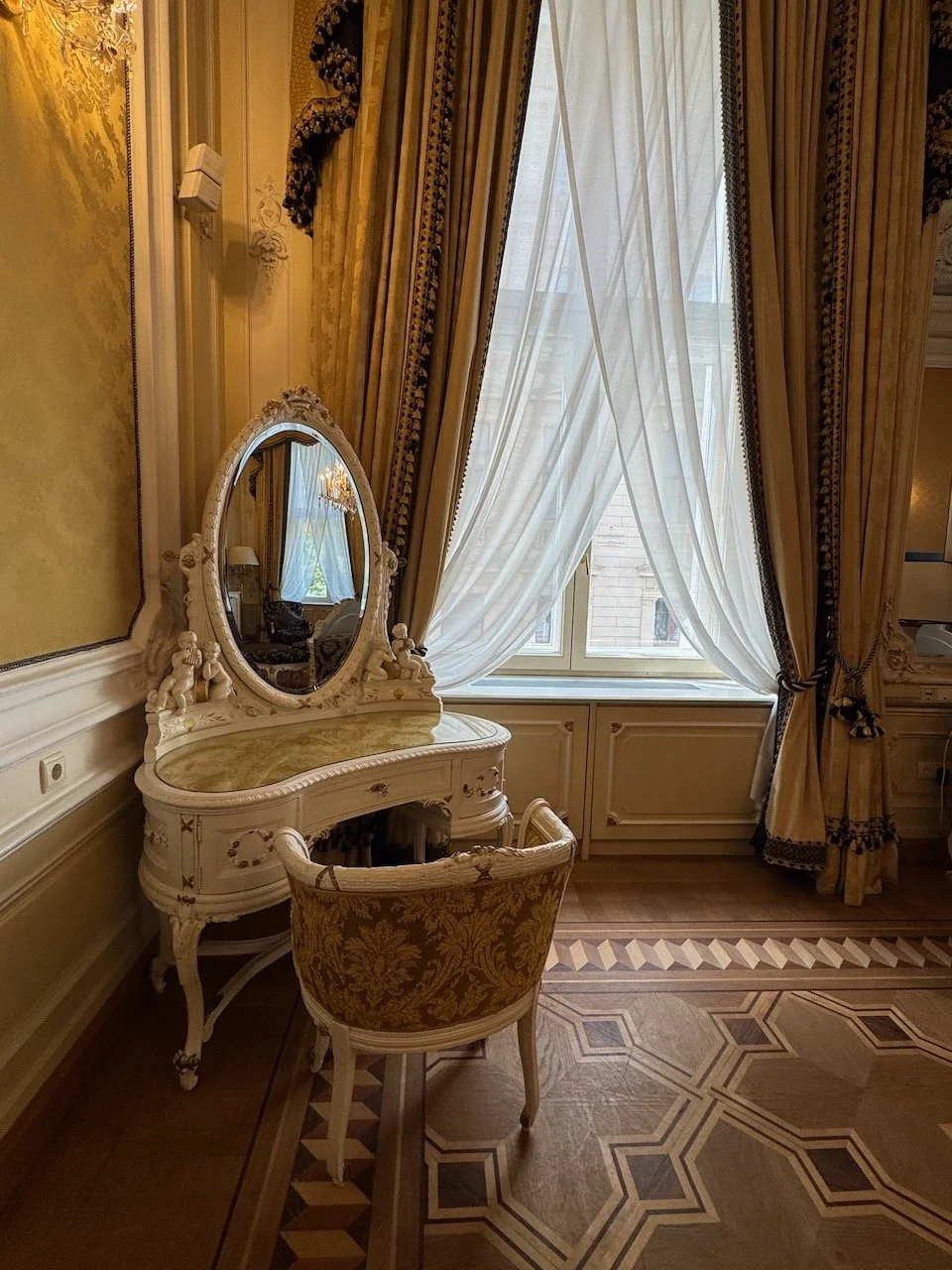
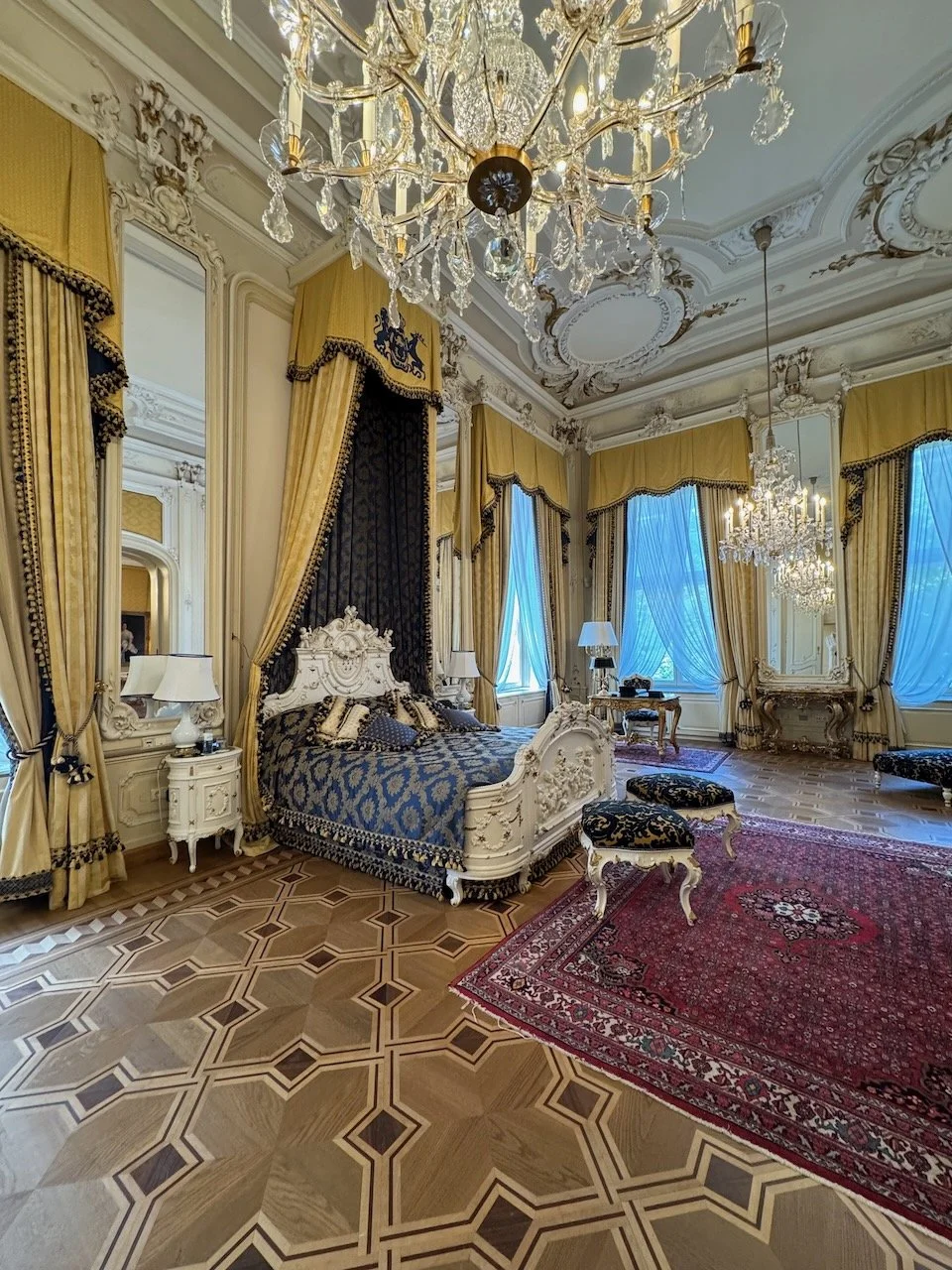
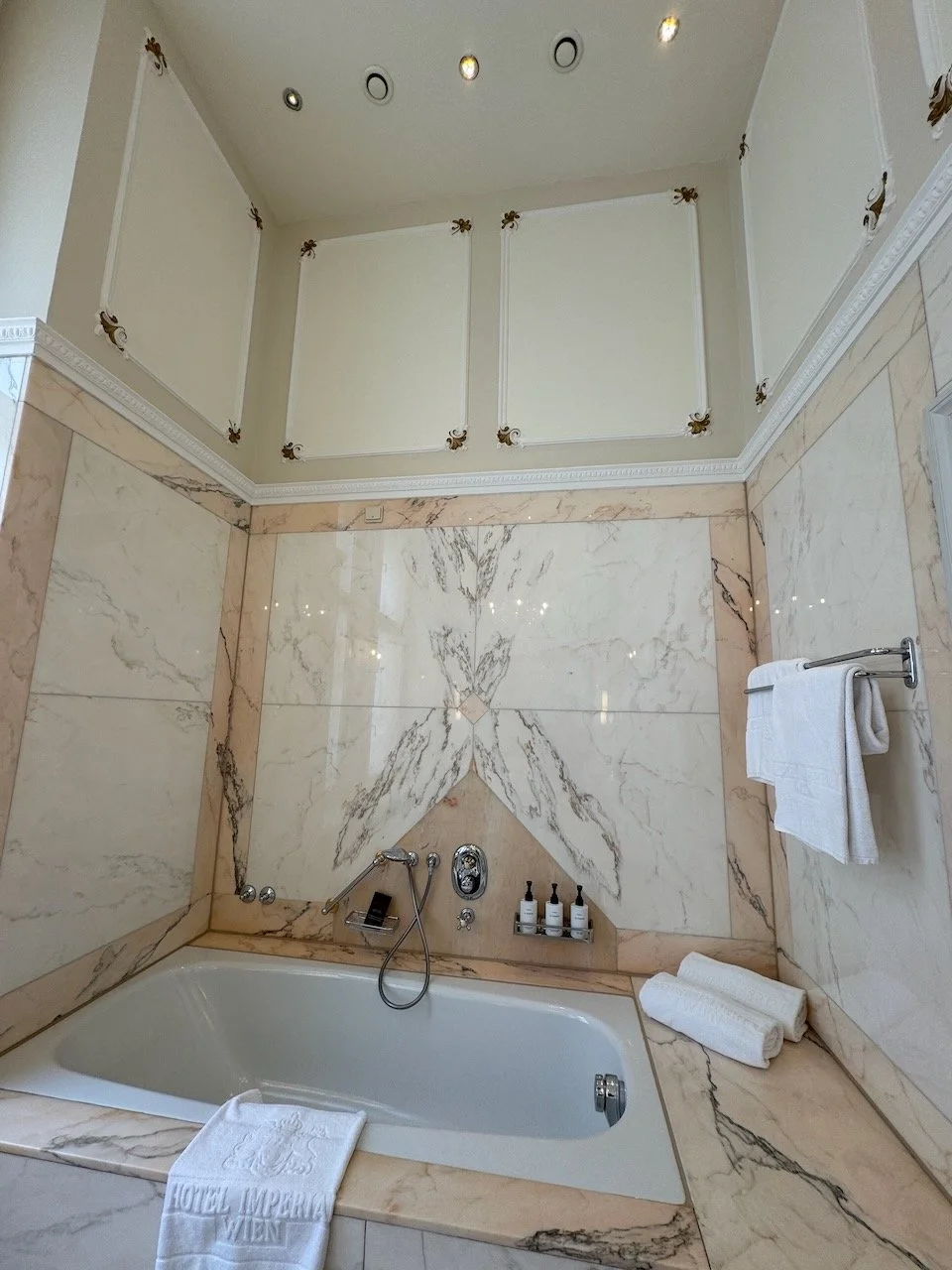
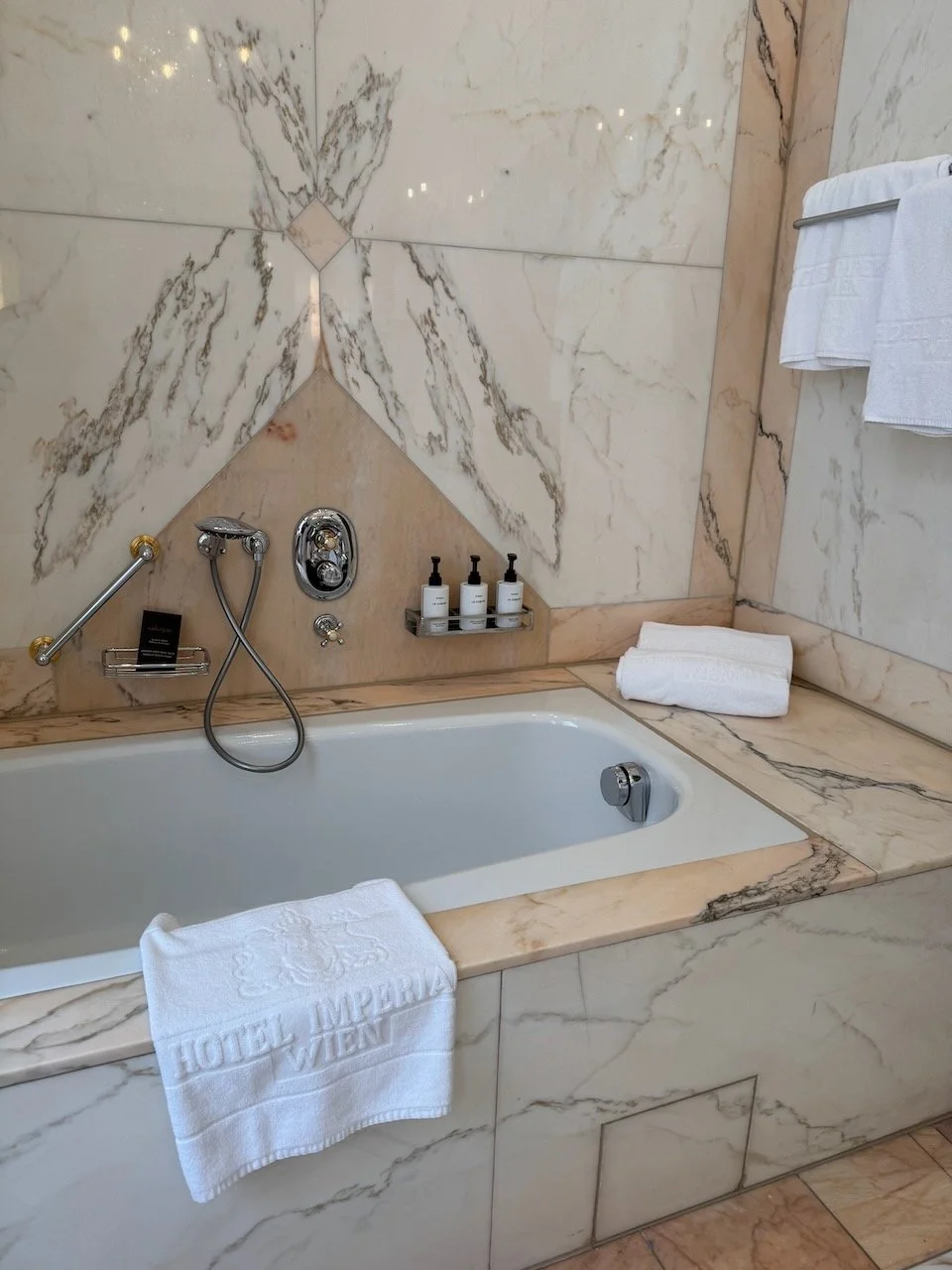
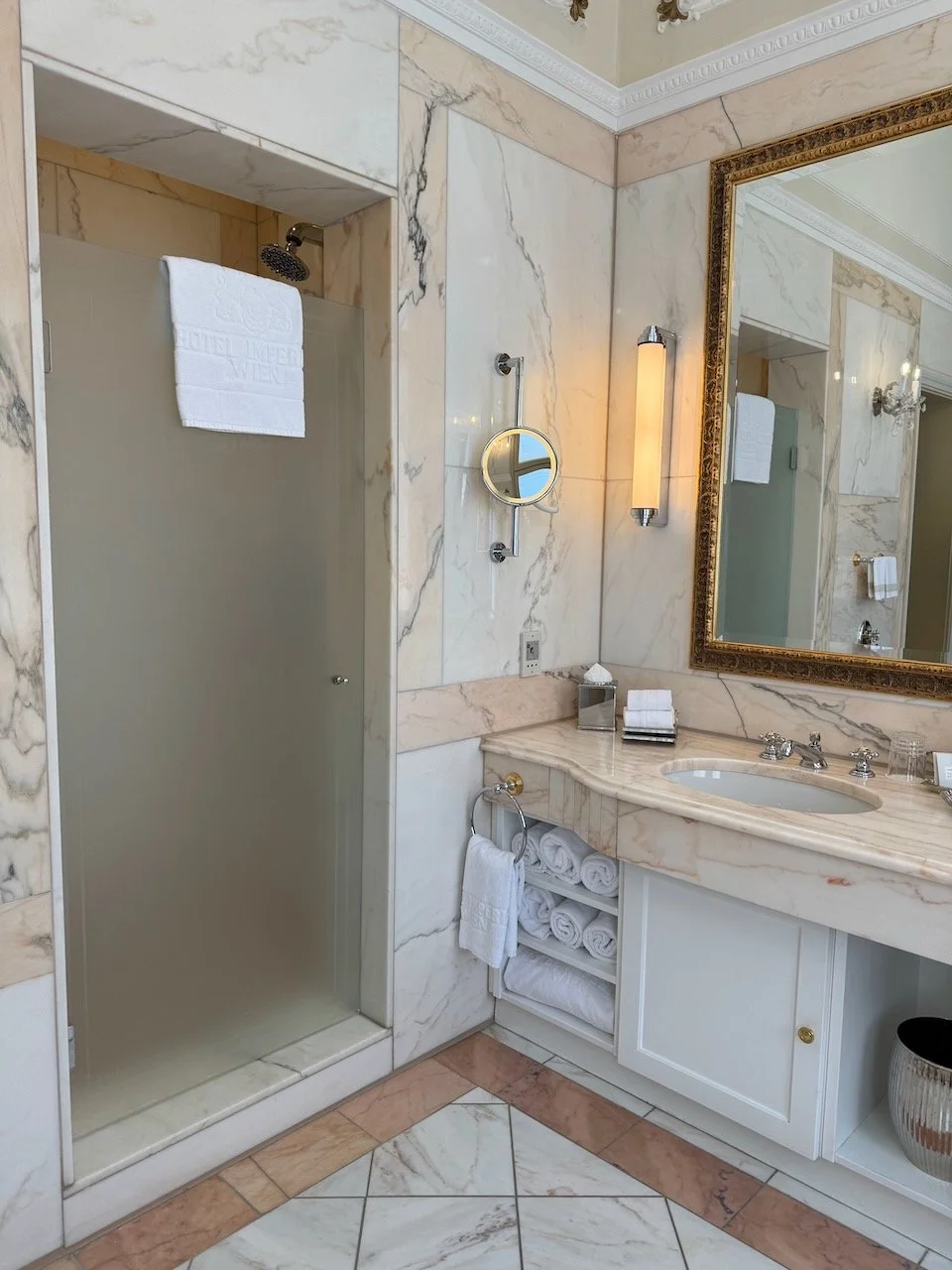
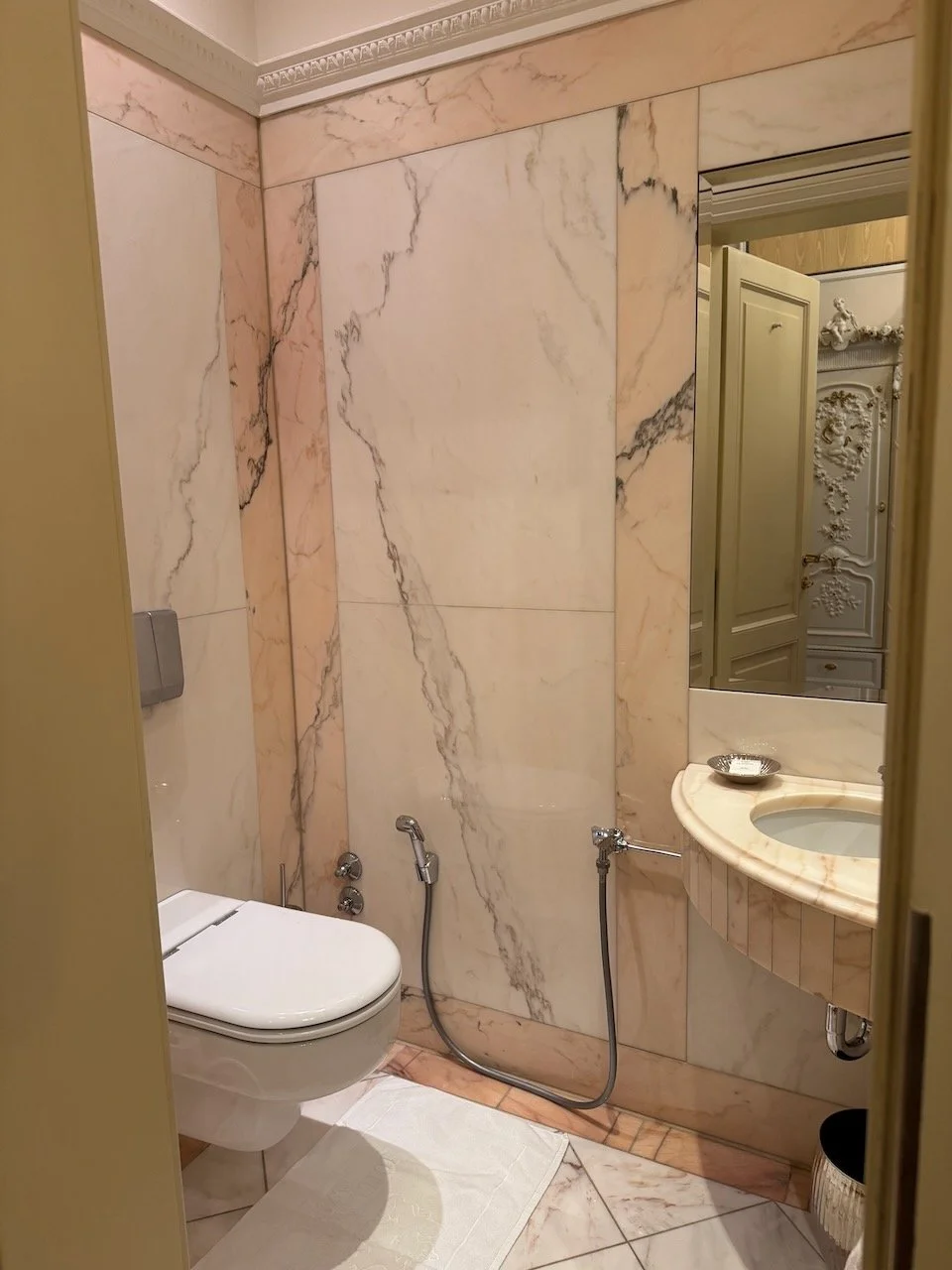
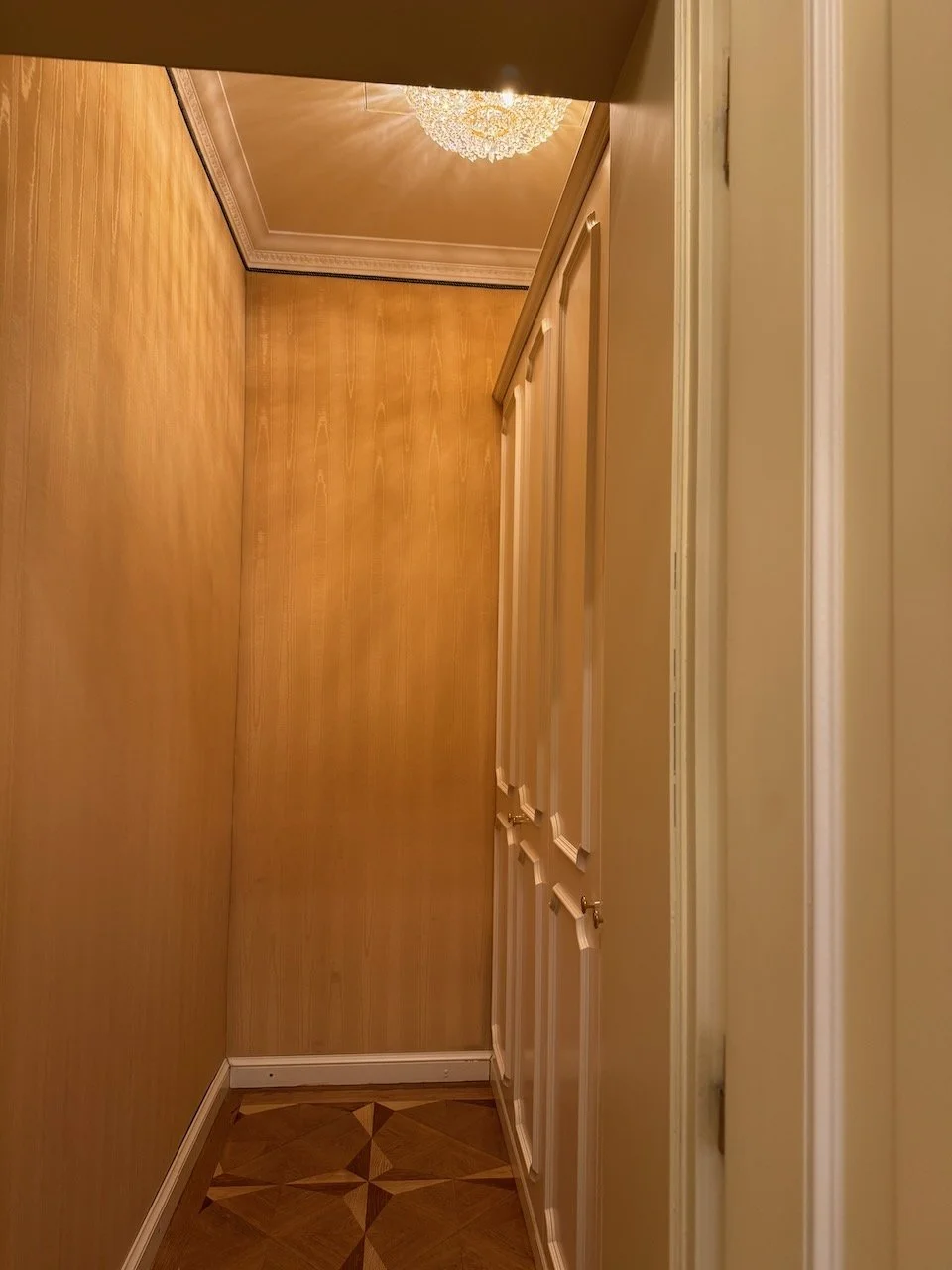
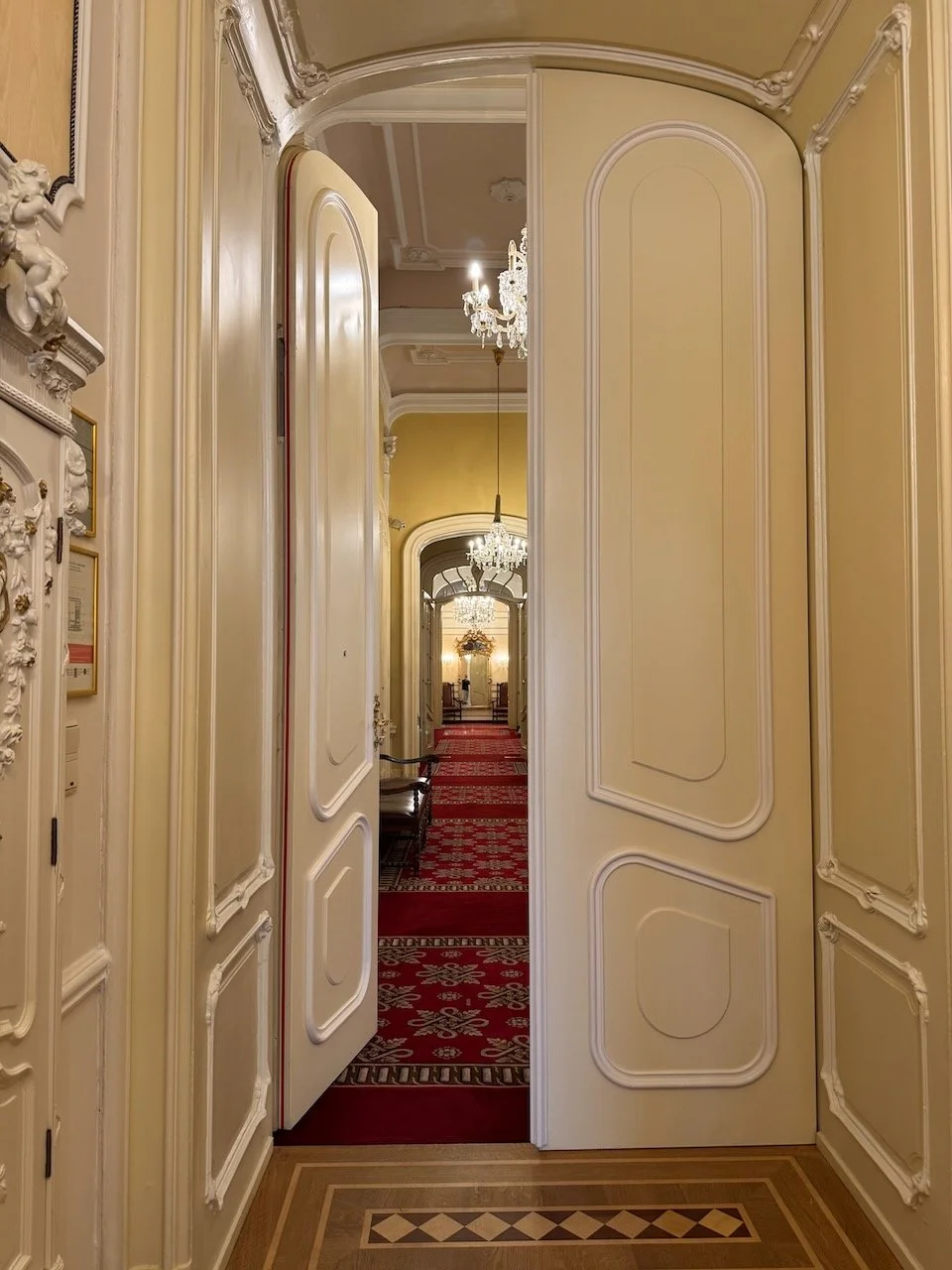
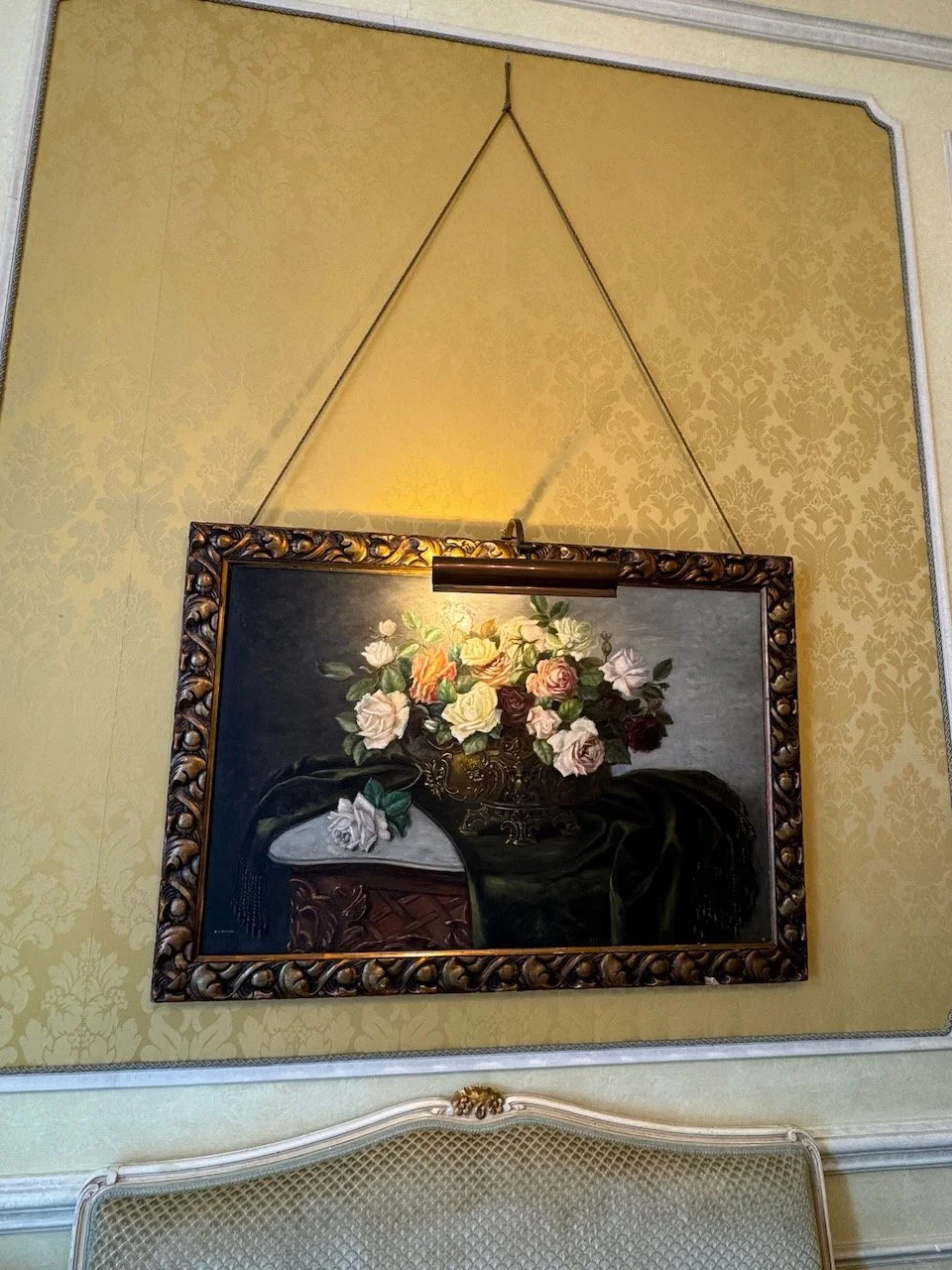
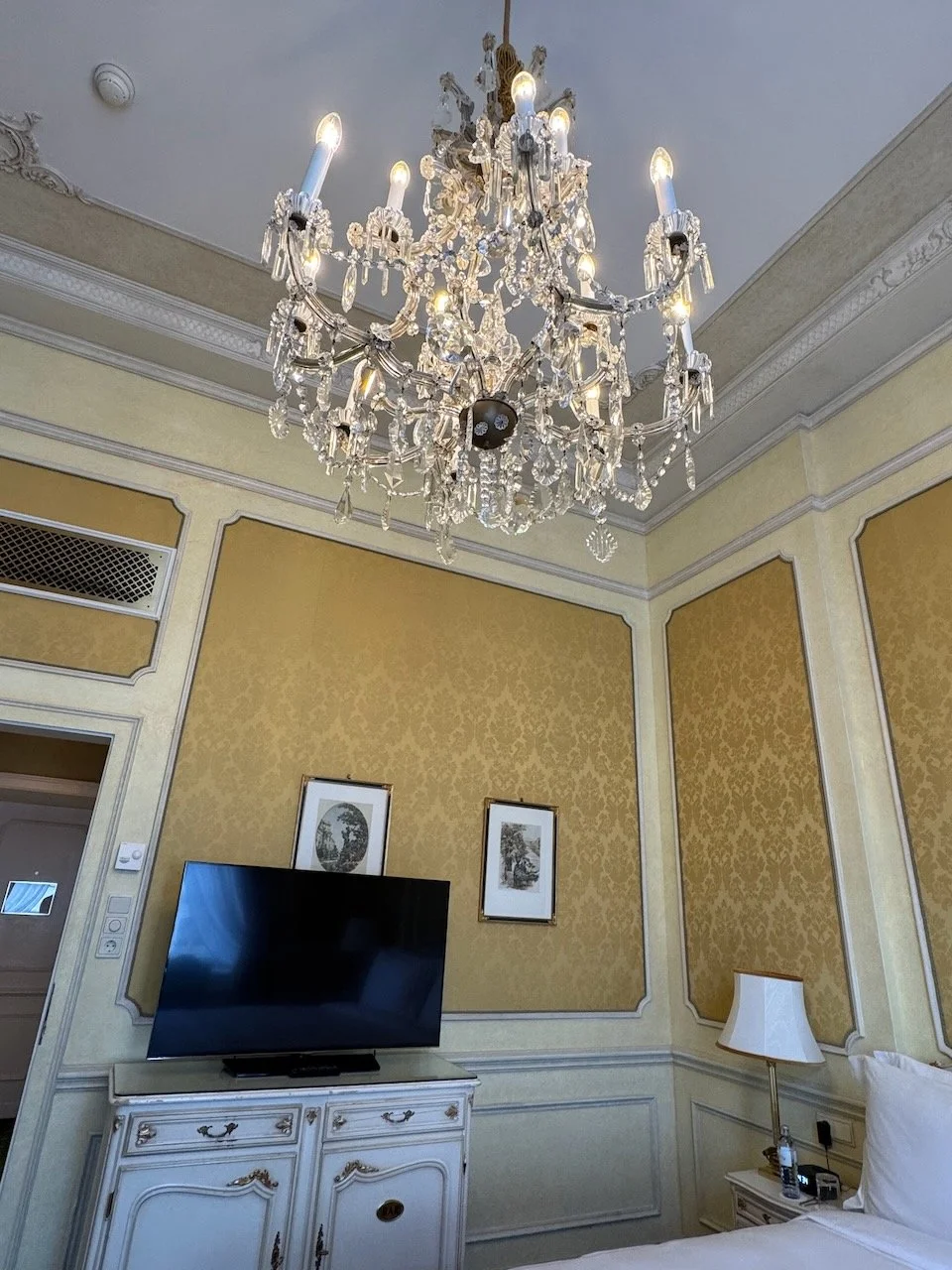
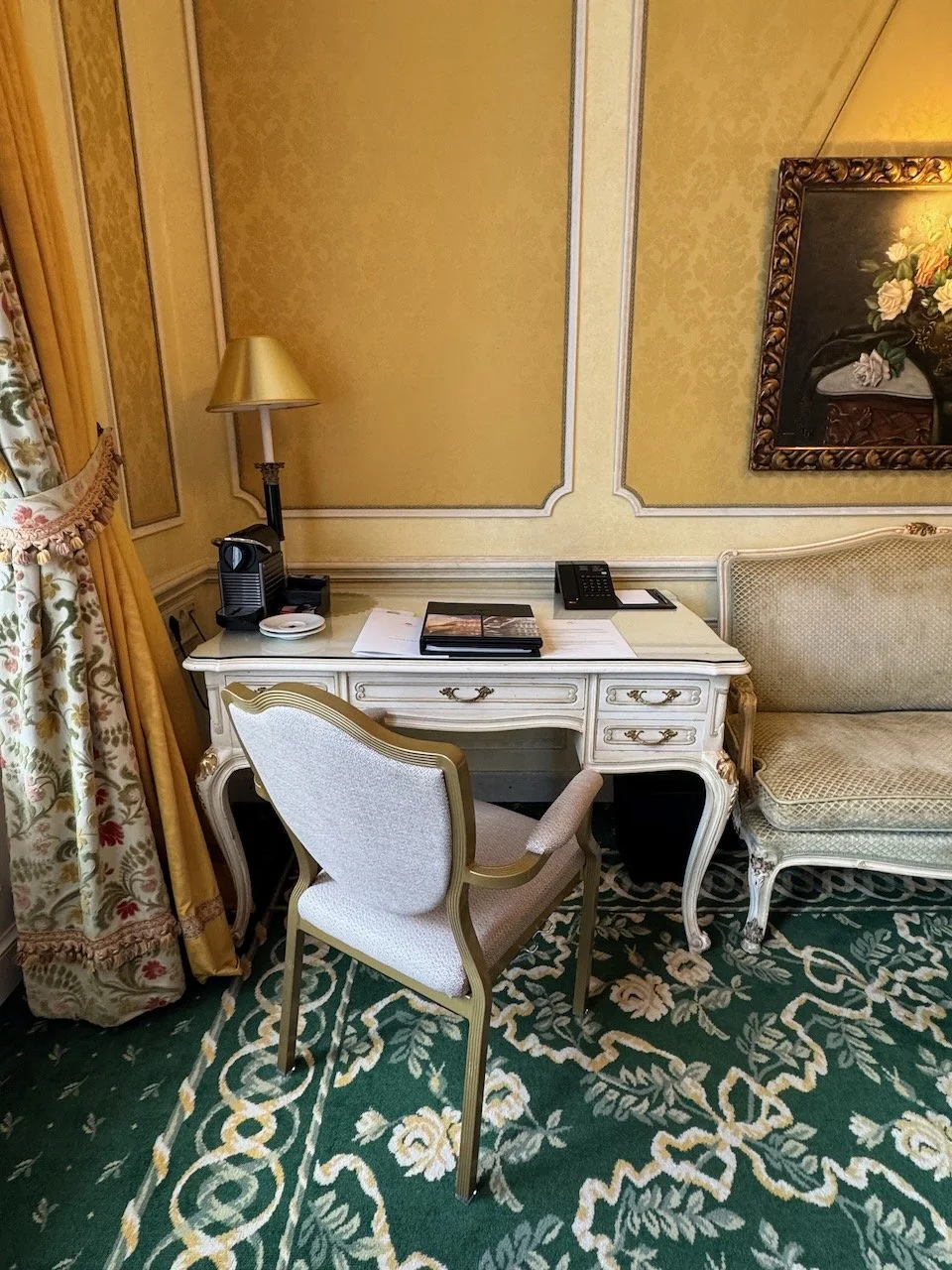
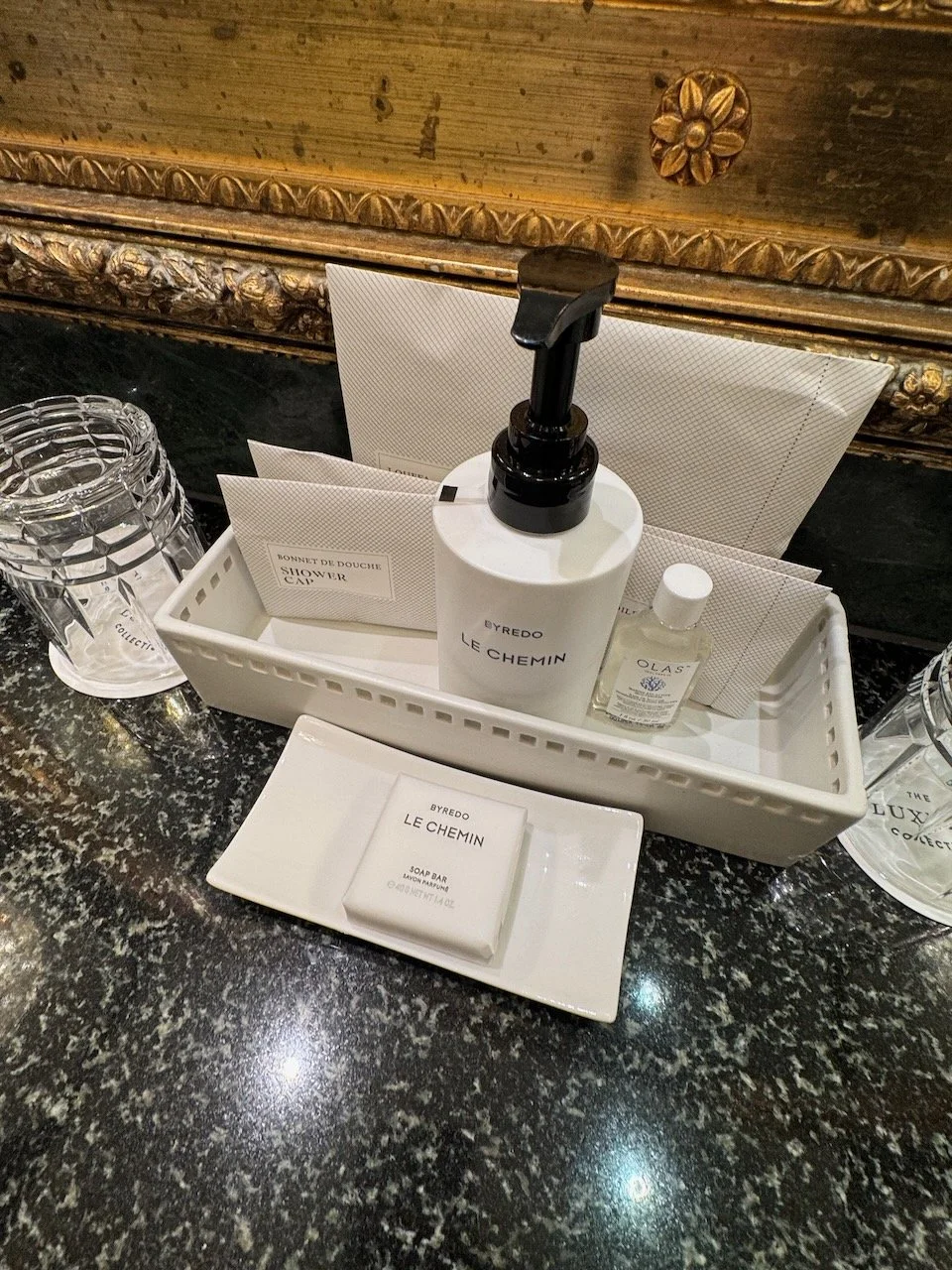
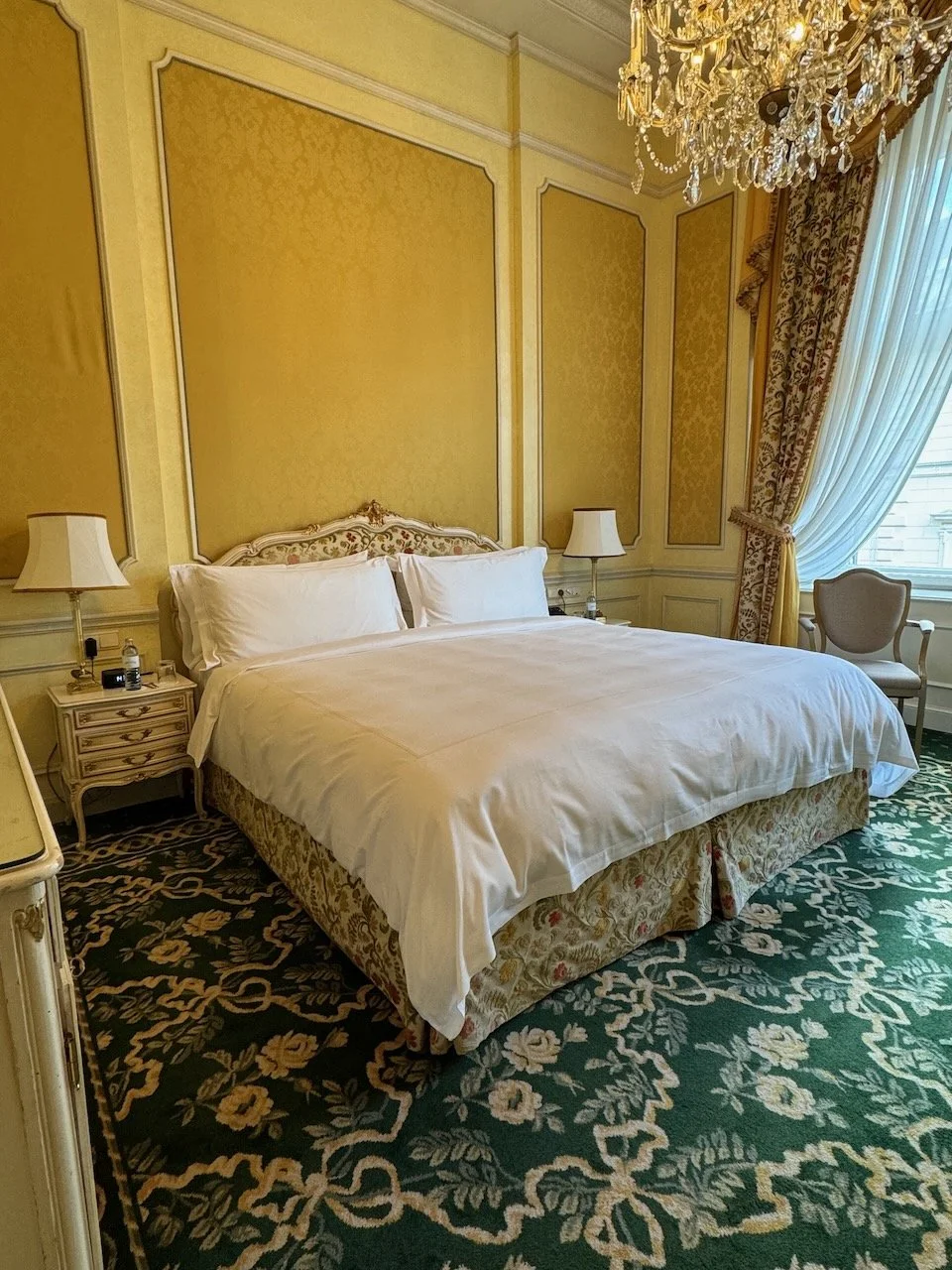
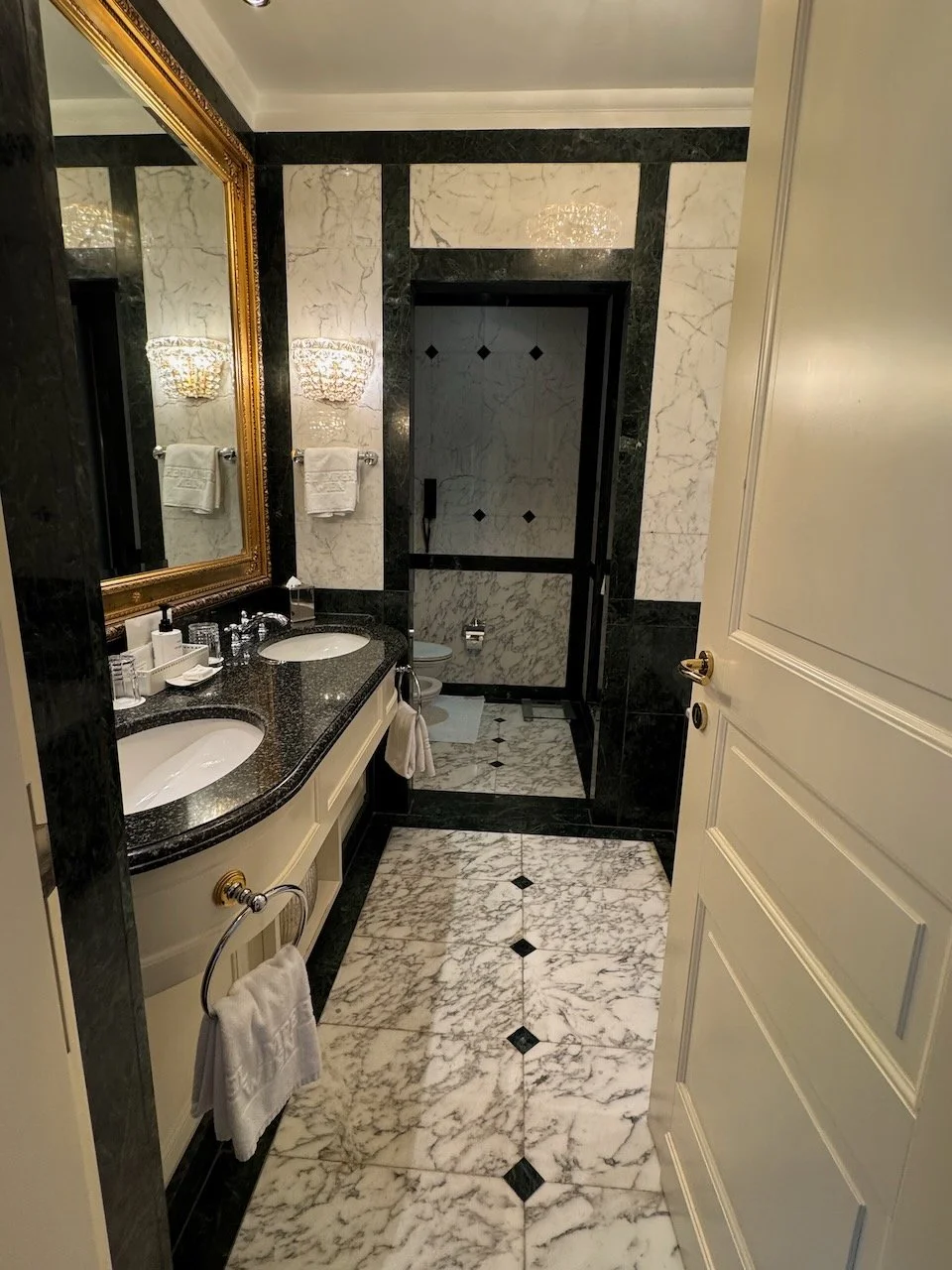
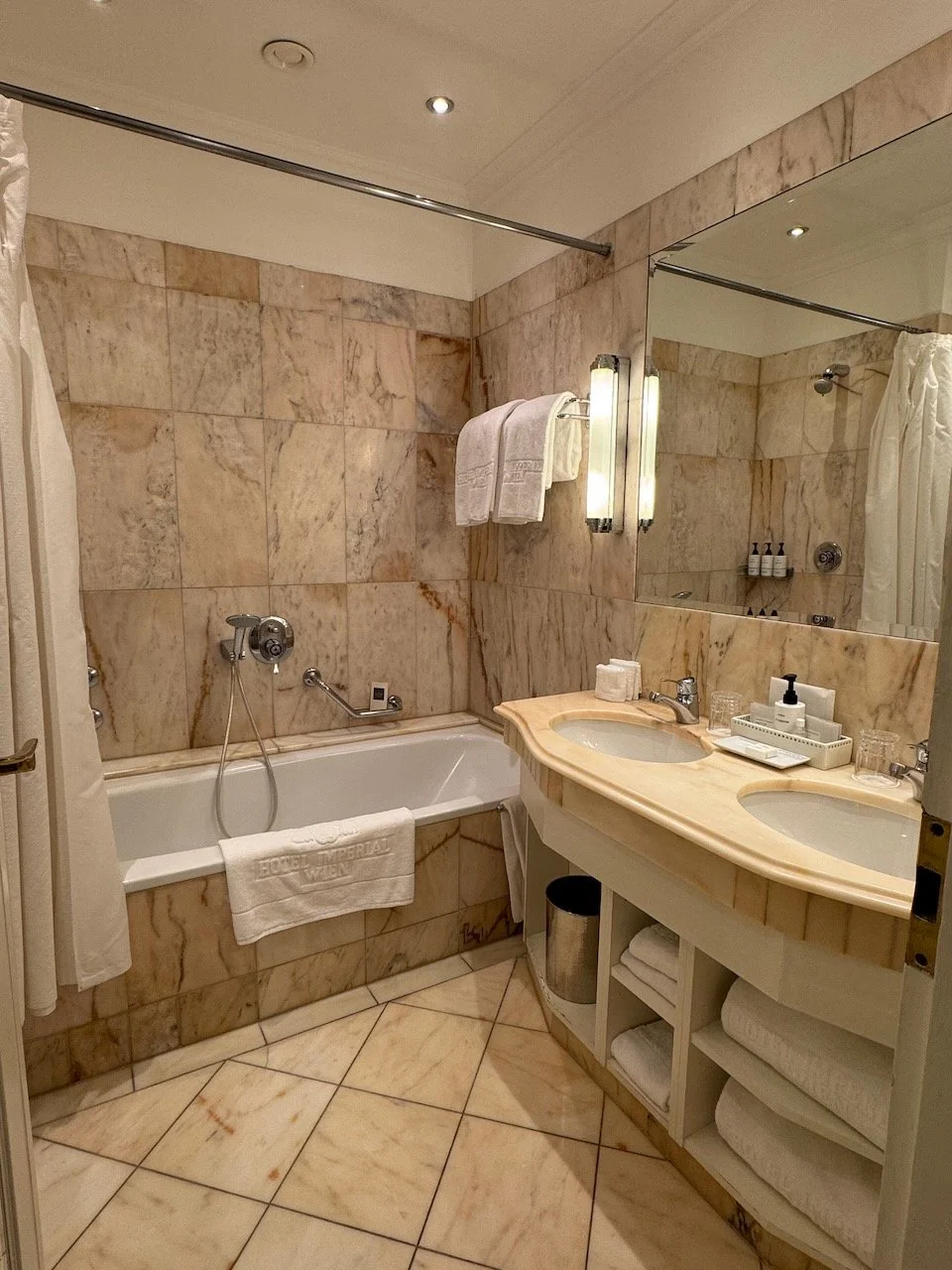
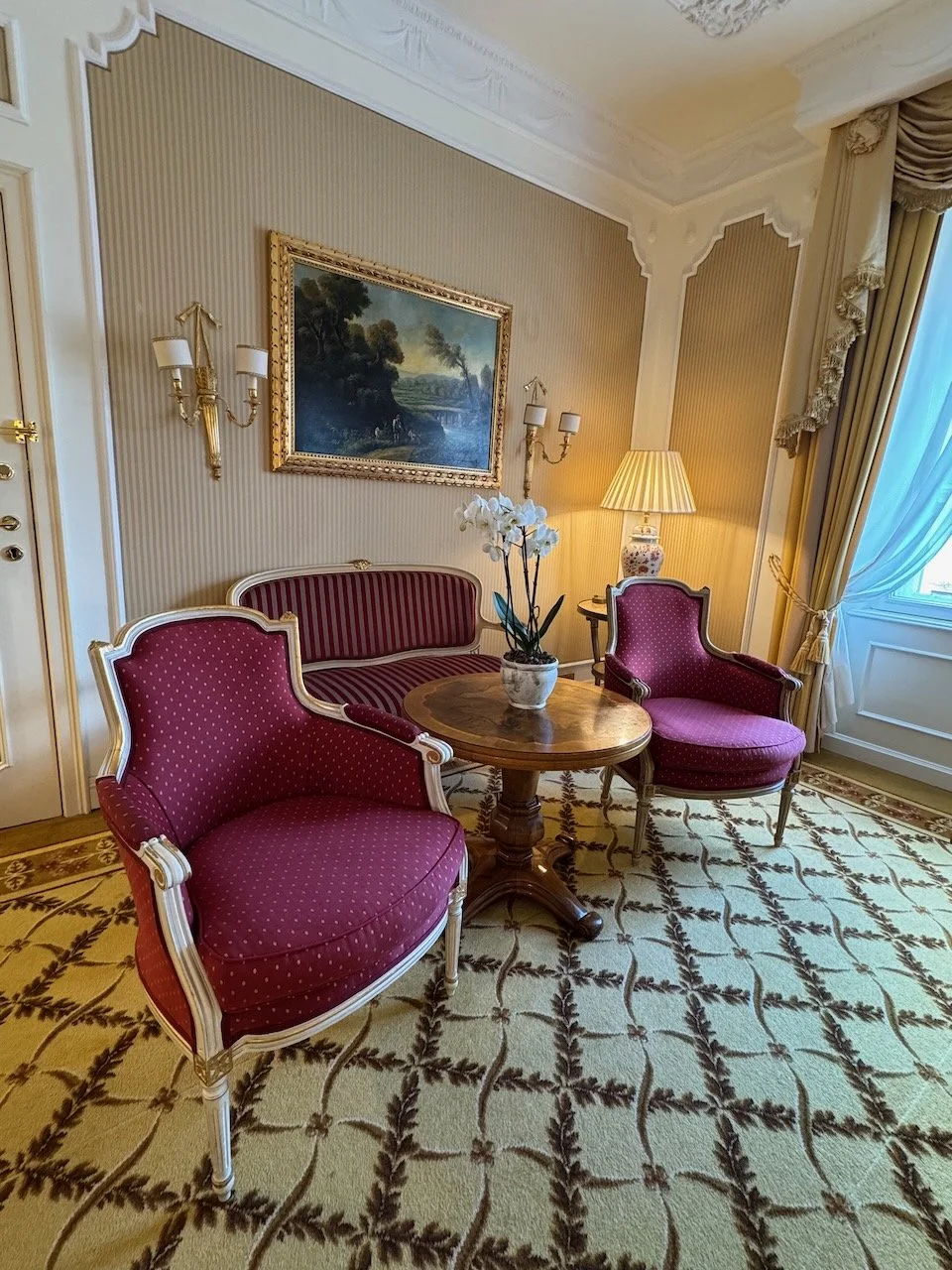
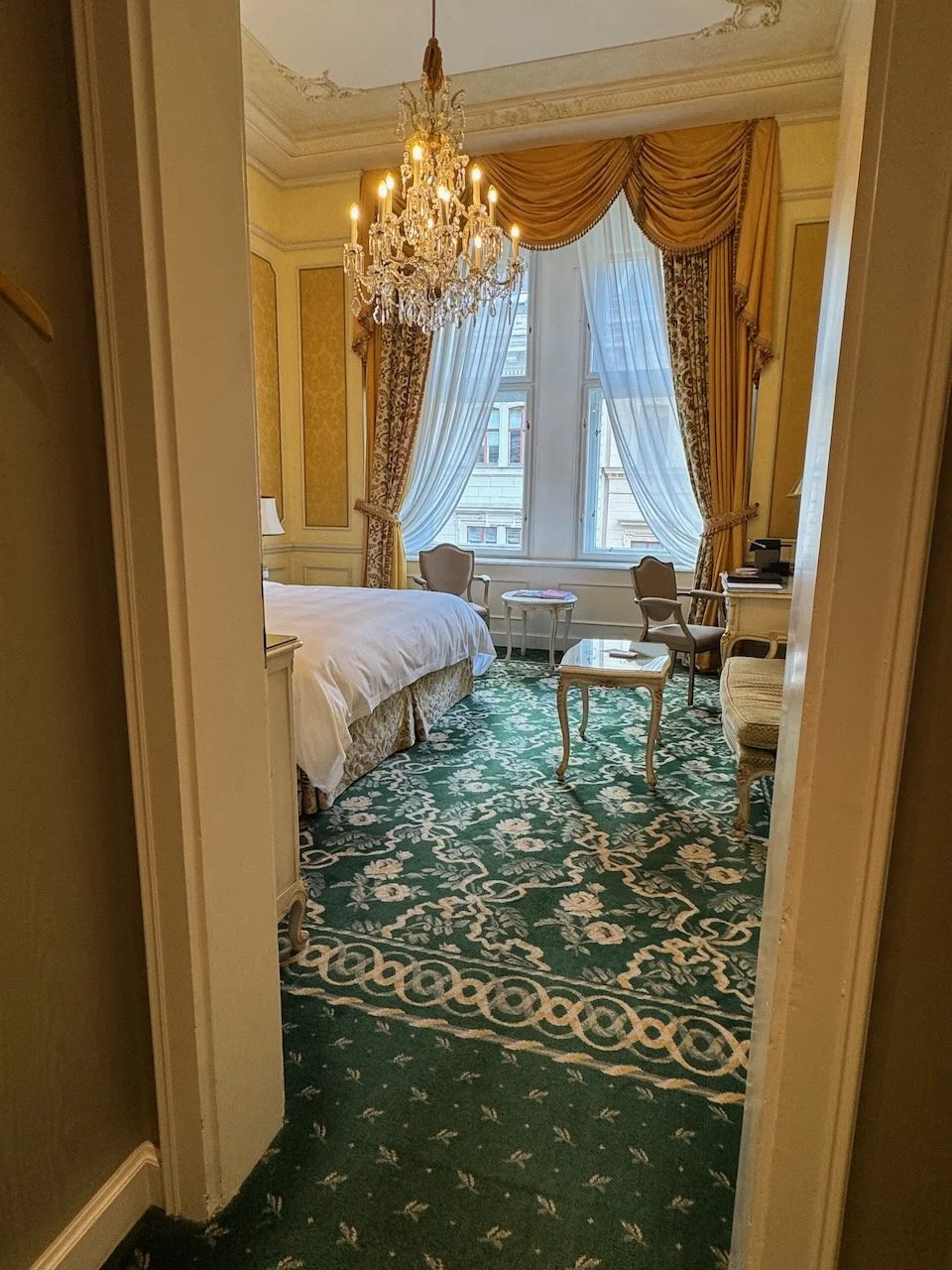
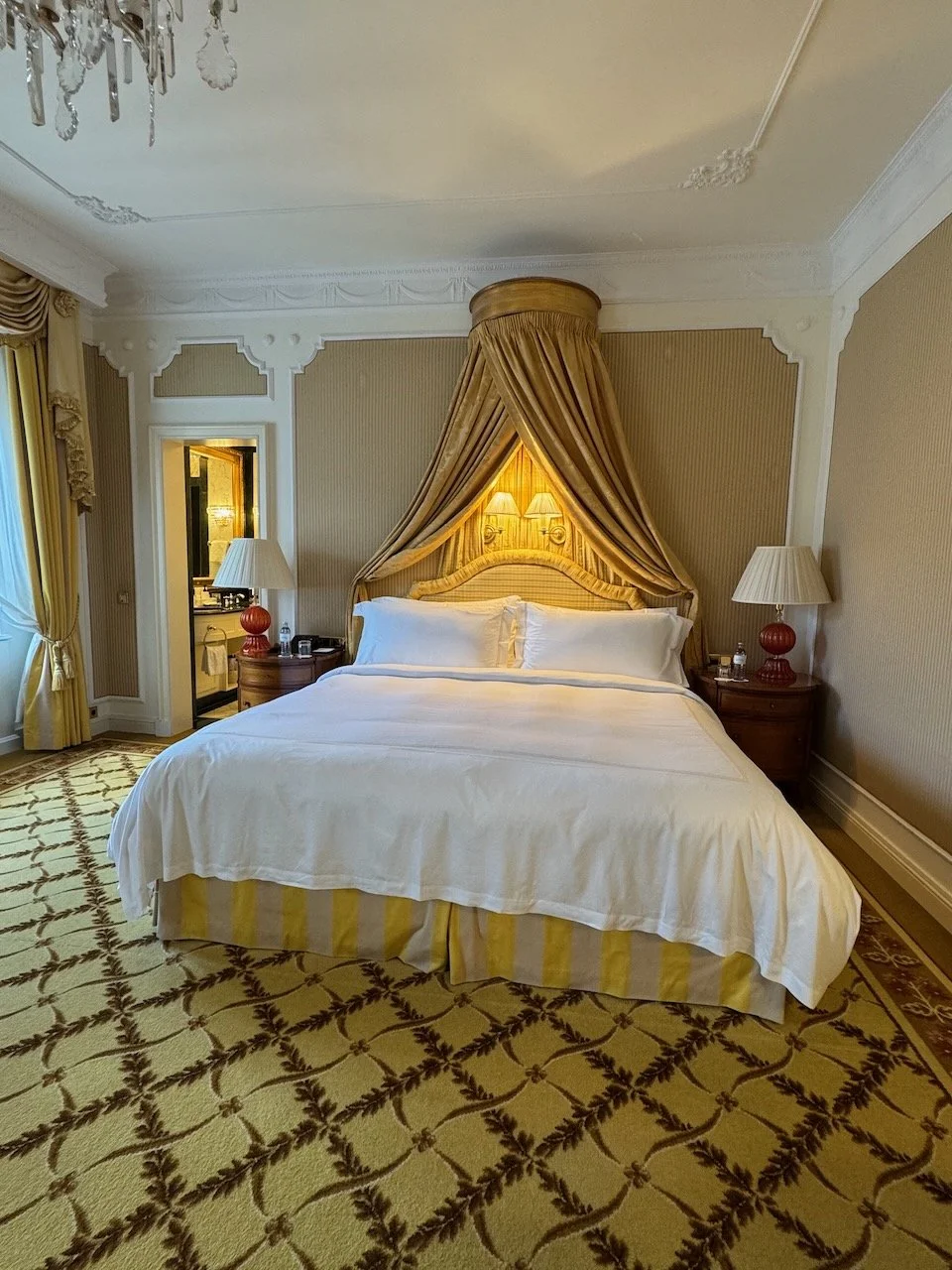
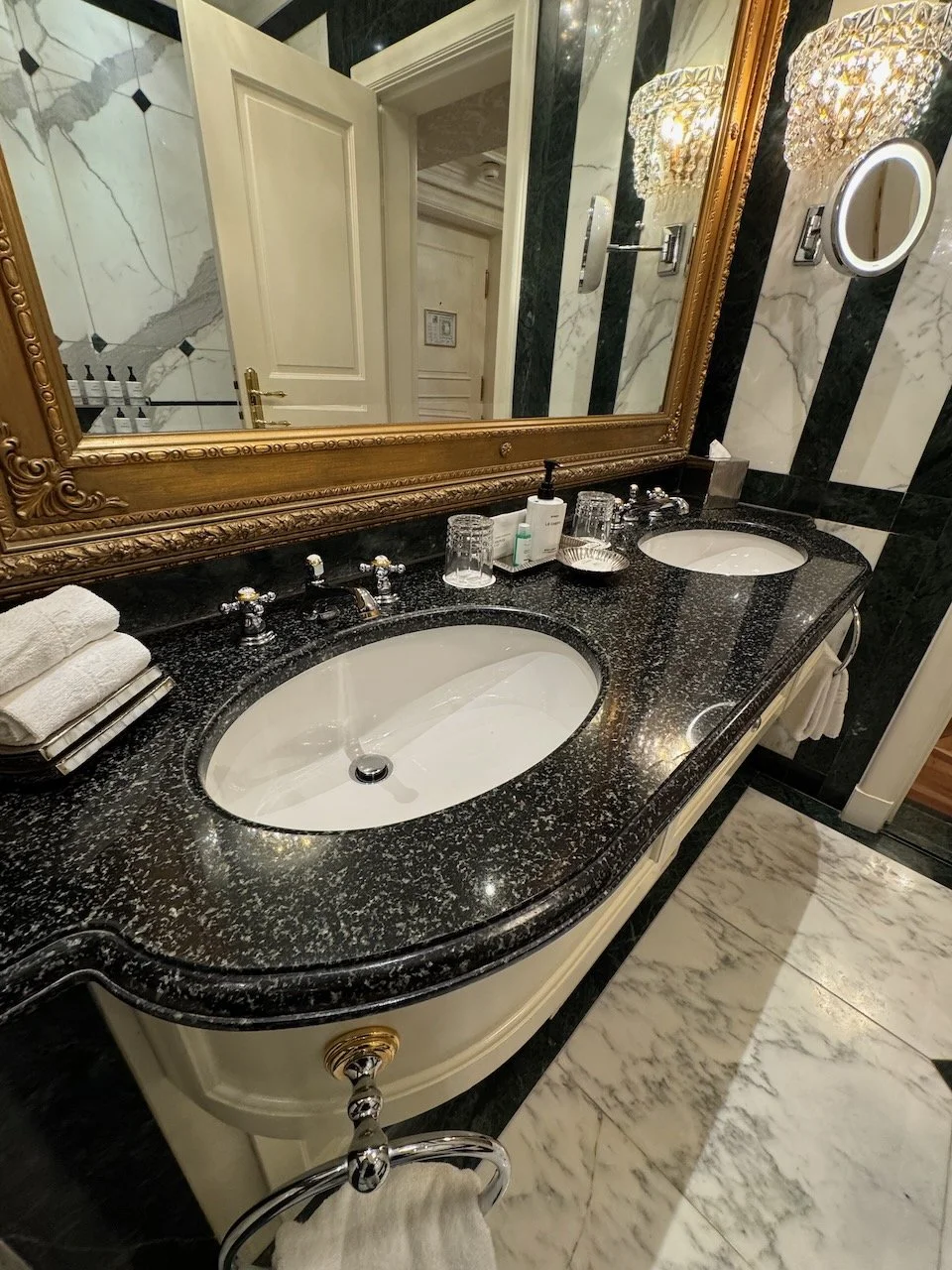
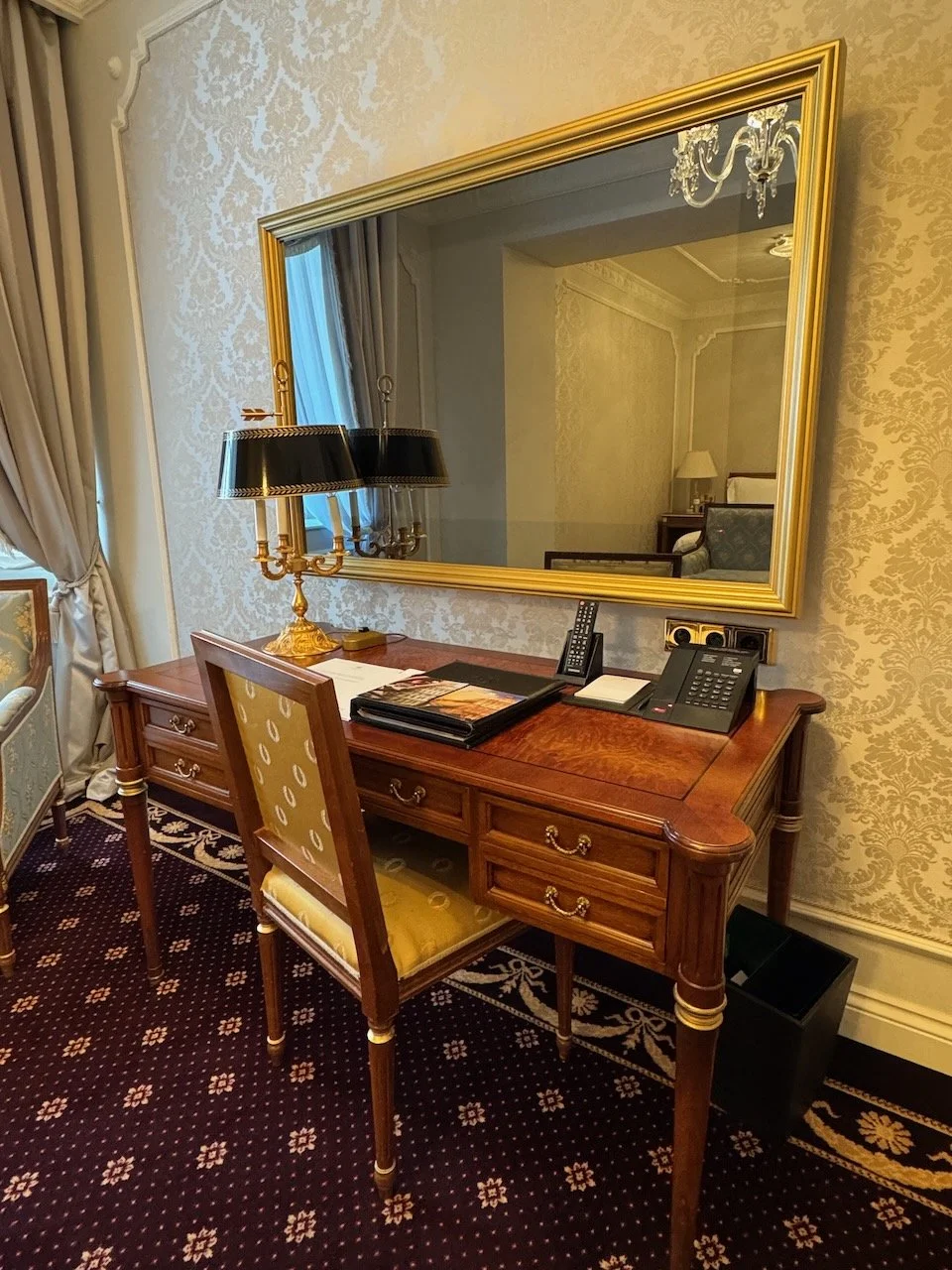
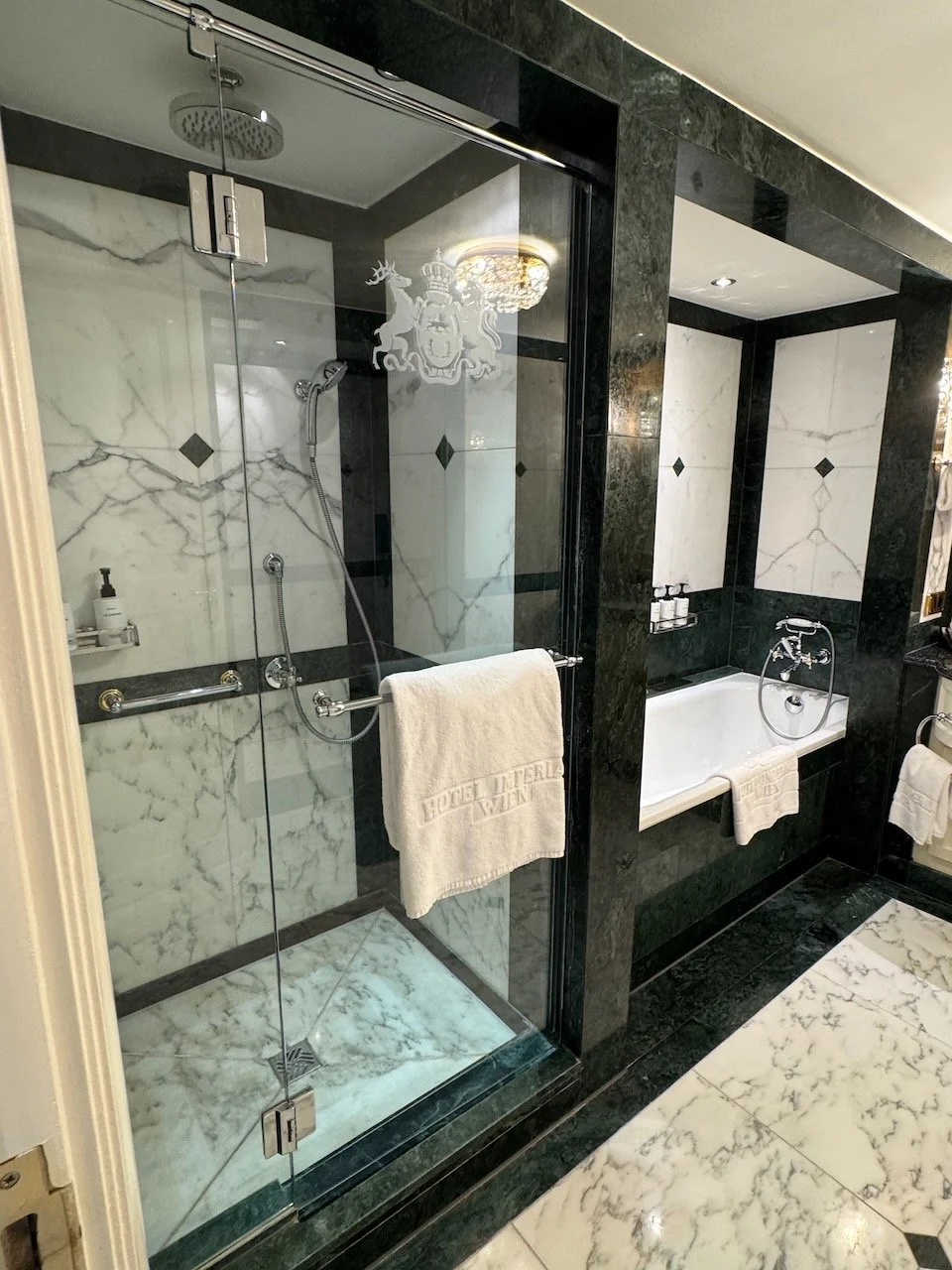
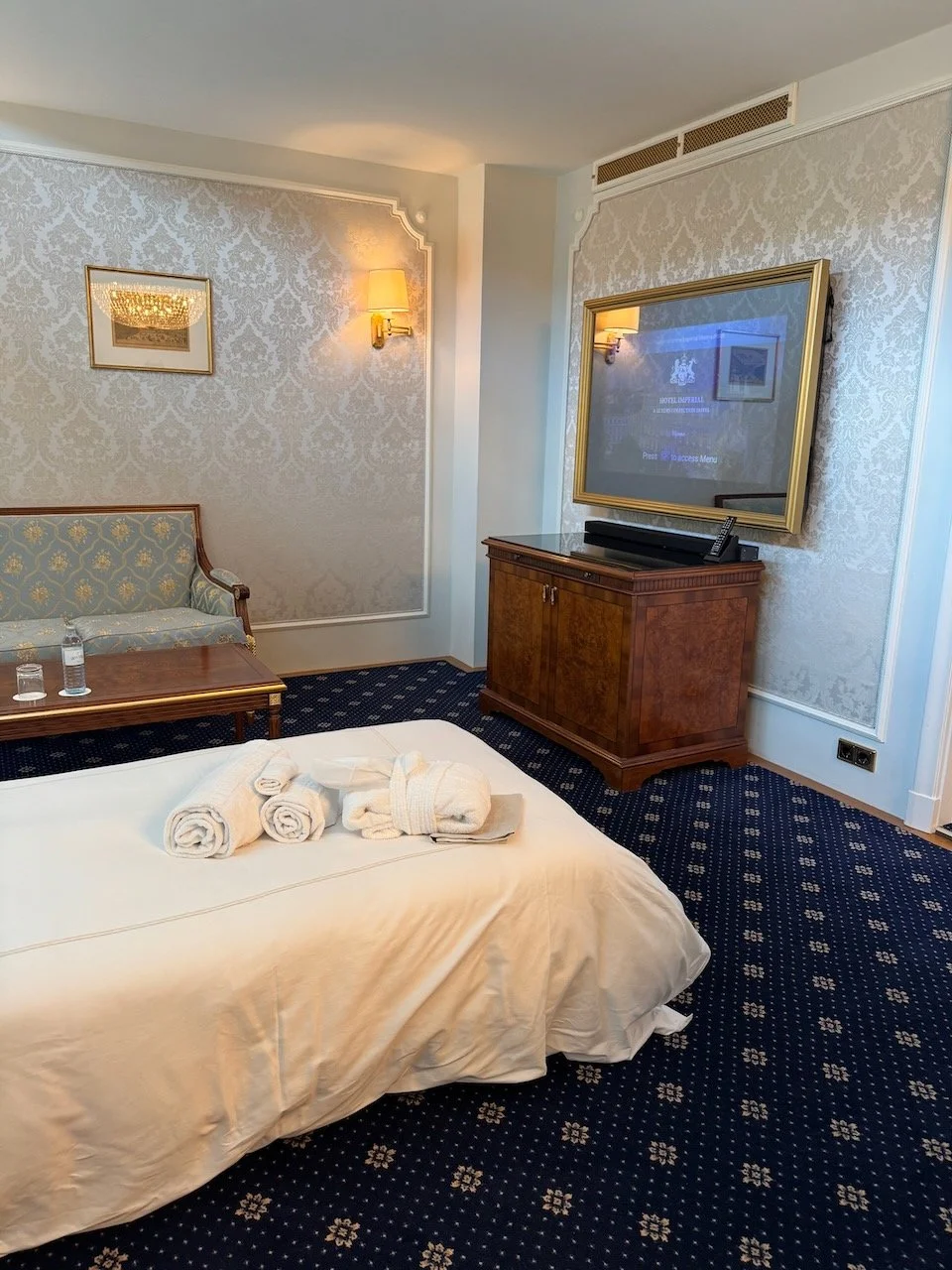
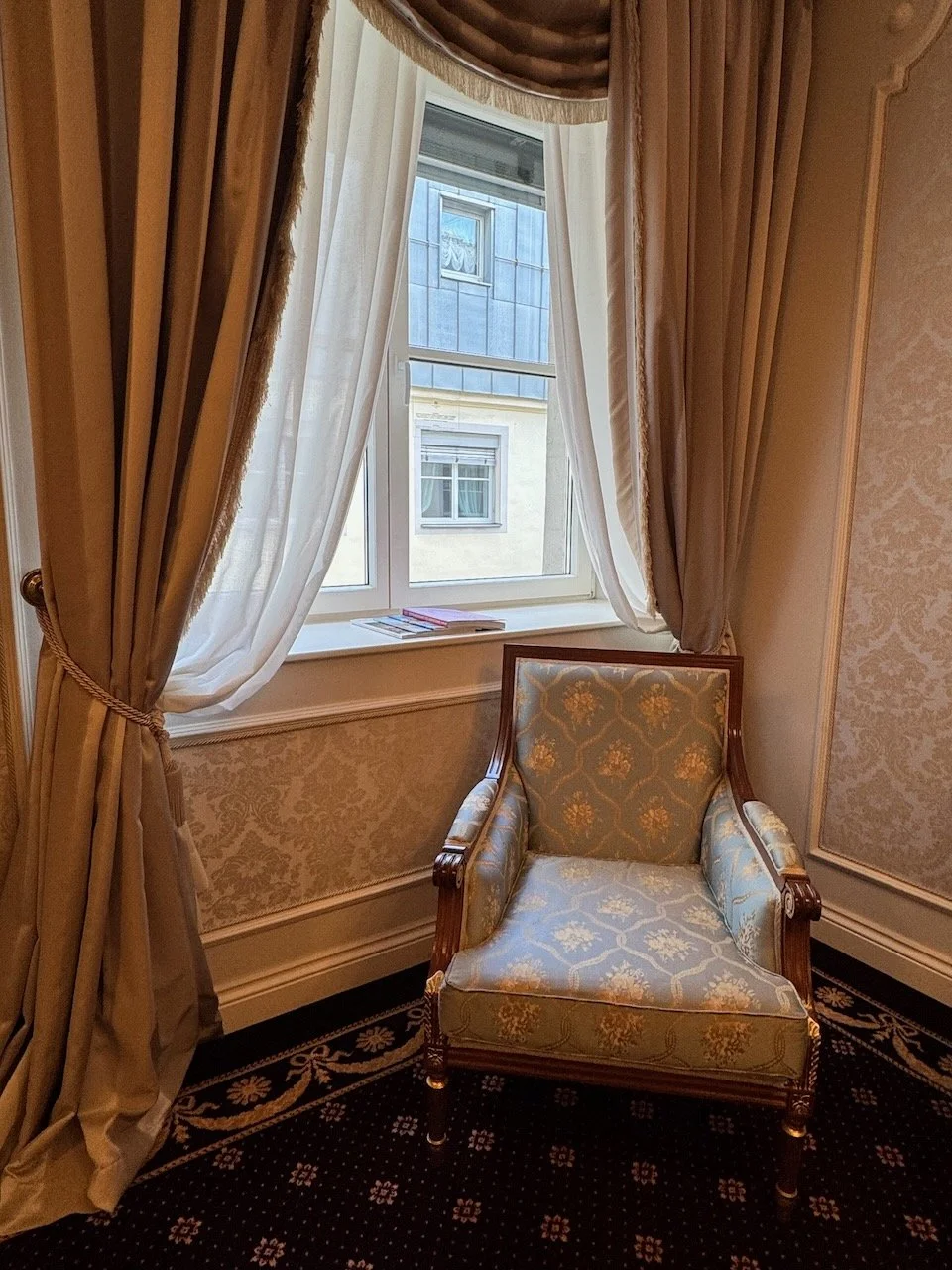
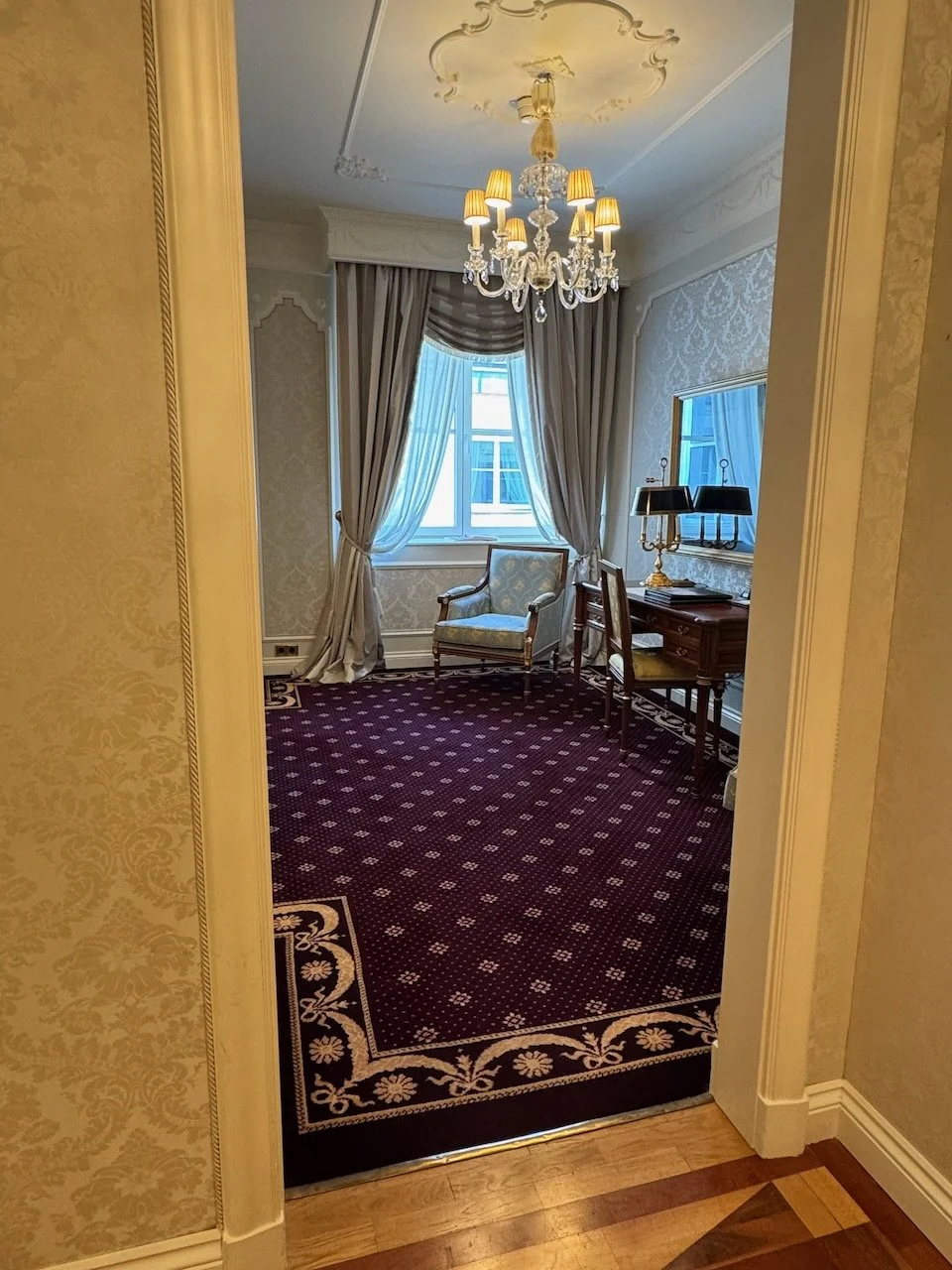
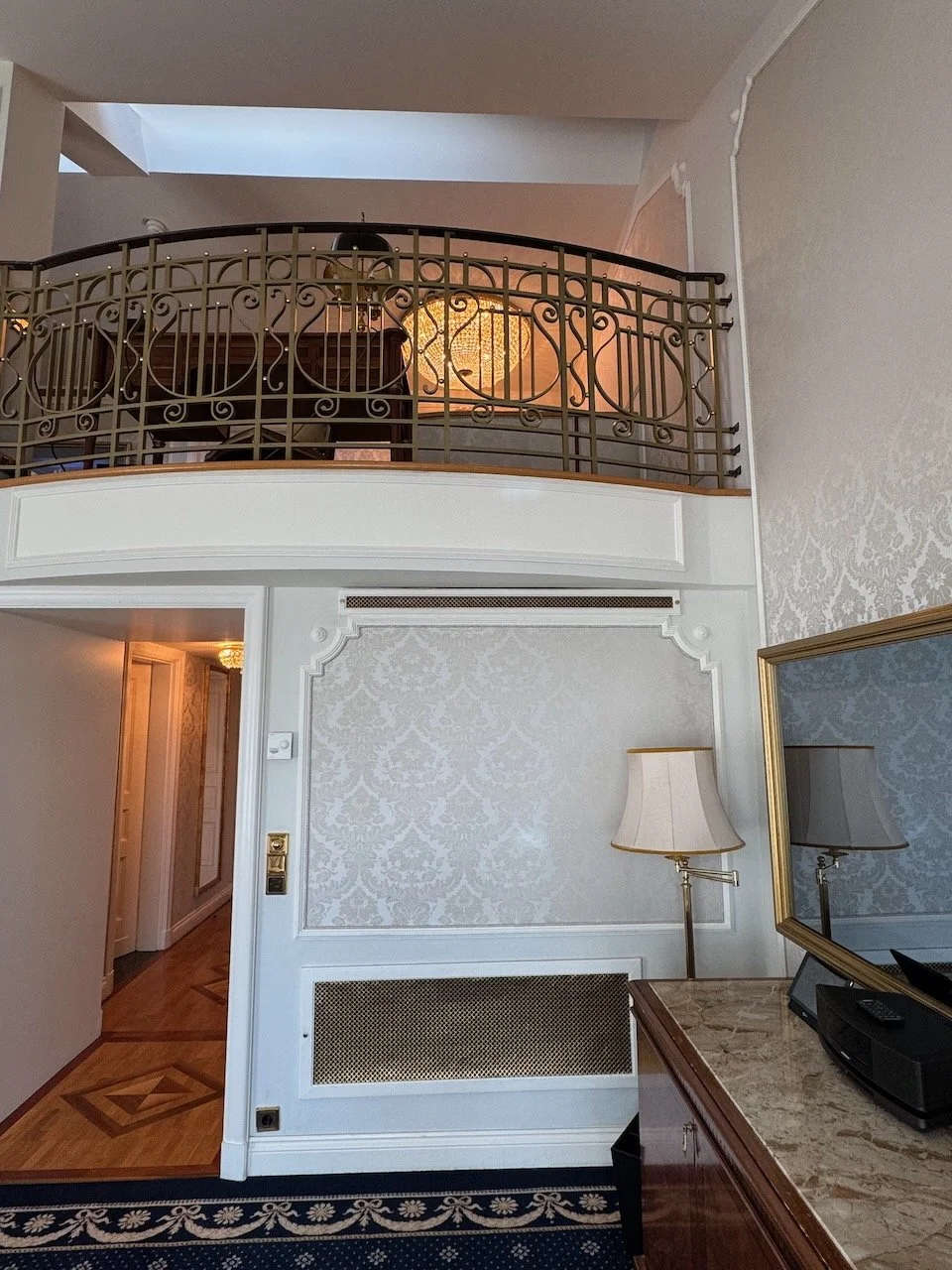
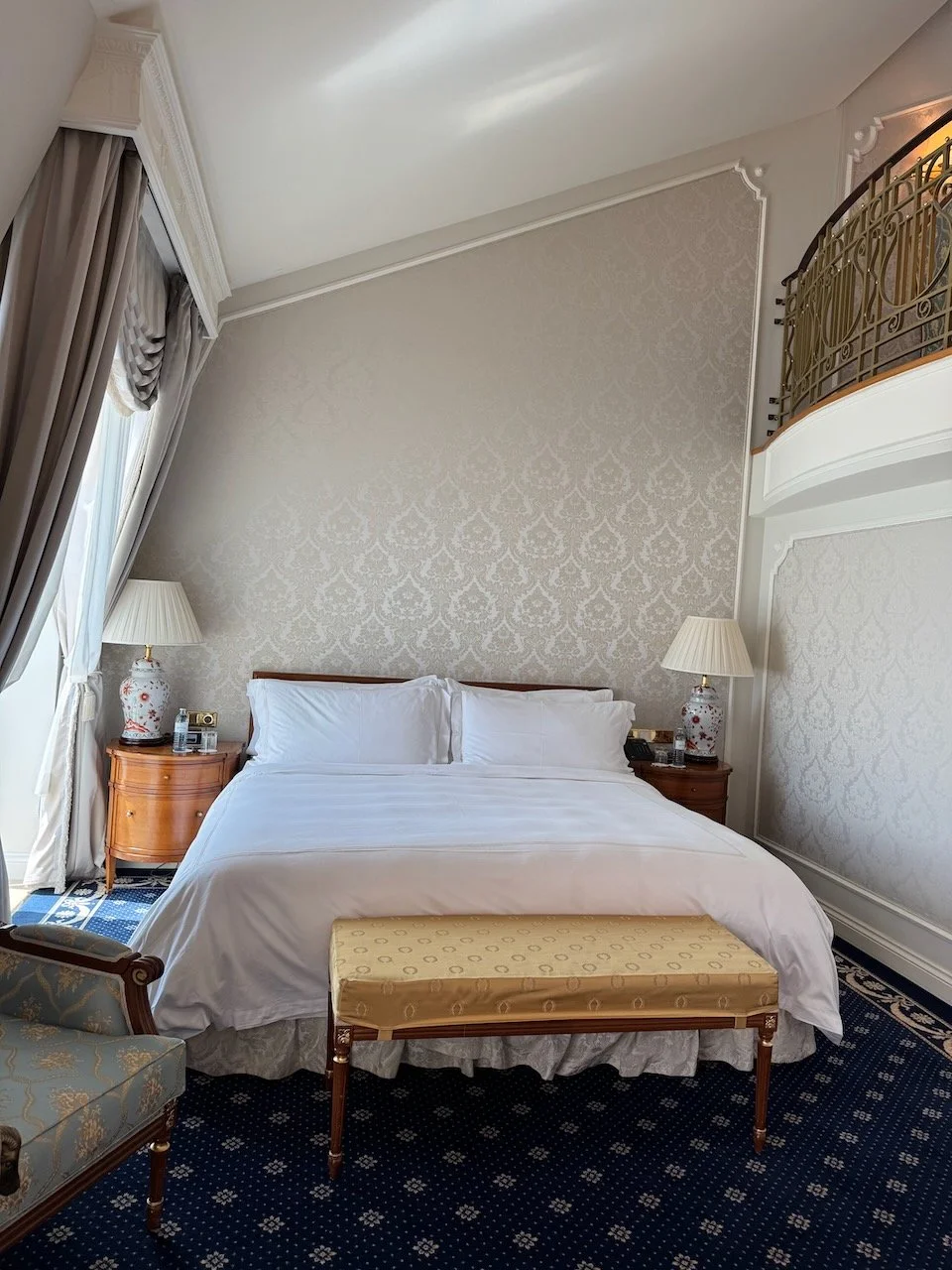
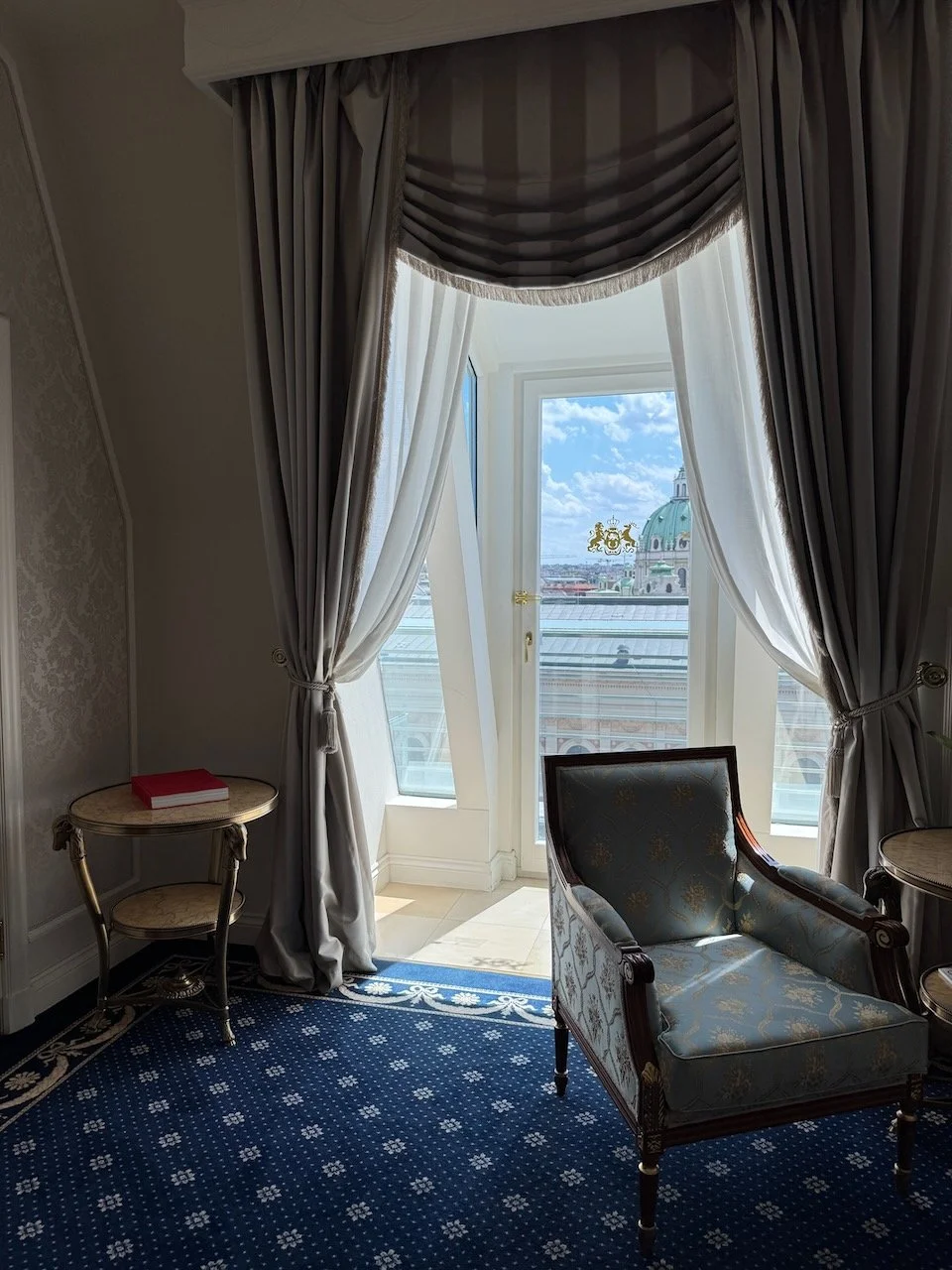
The rooms carry the same traditional character: high ceilings, antique-style furnishings, generous curtains and richly patterned fabrics. The grander suites take this considerably further, with the proportions and decorative detail of a private palace apartment. This is very much a hotel for people who enjoy that style.
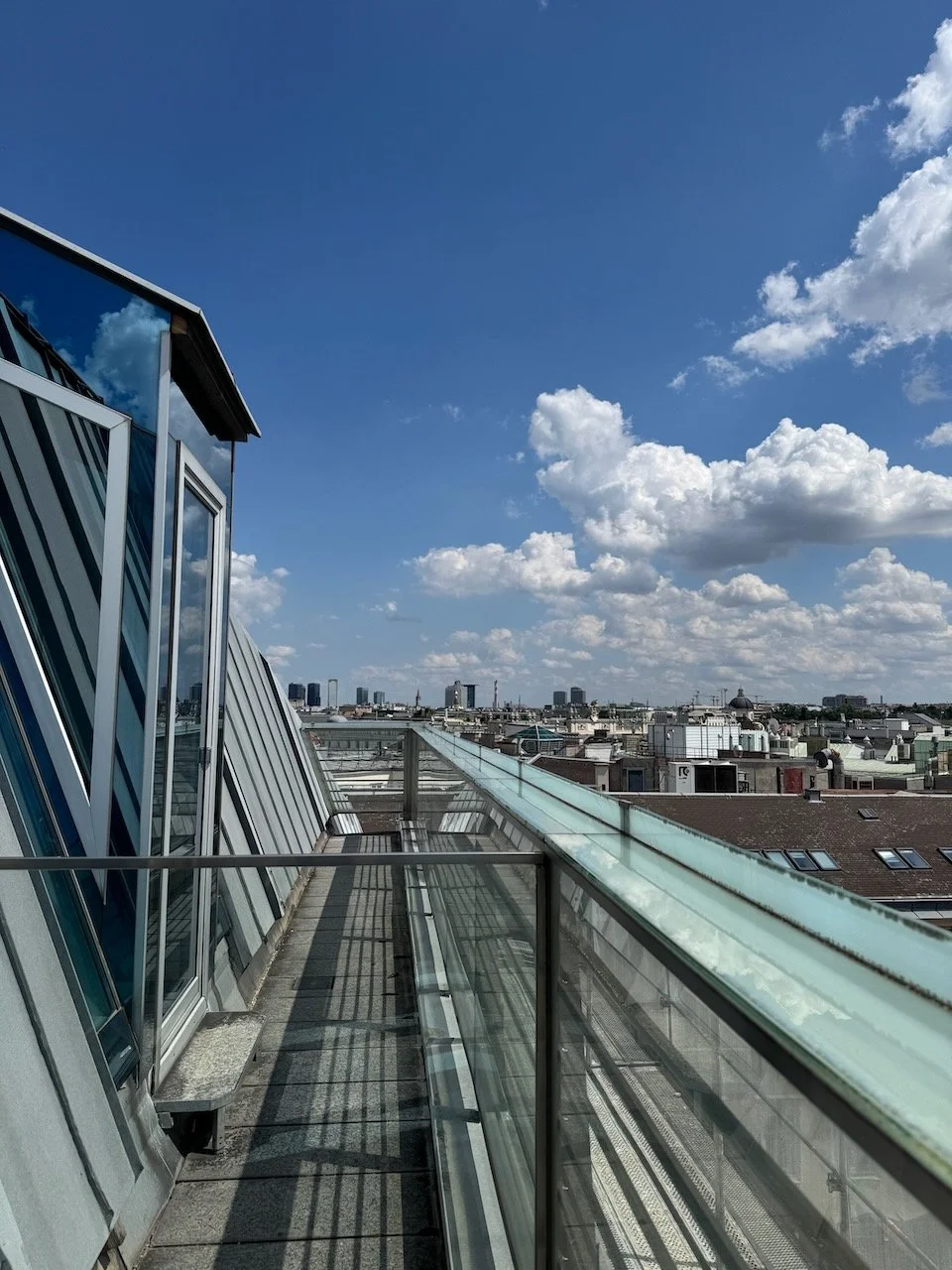
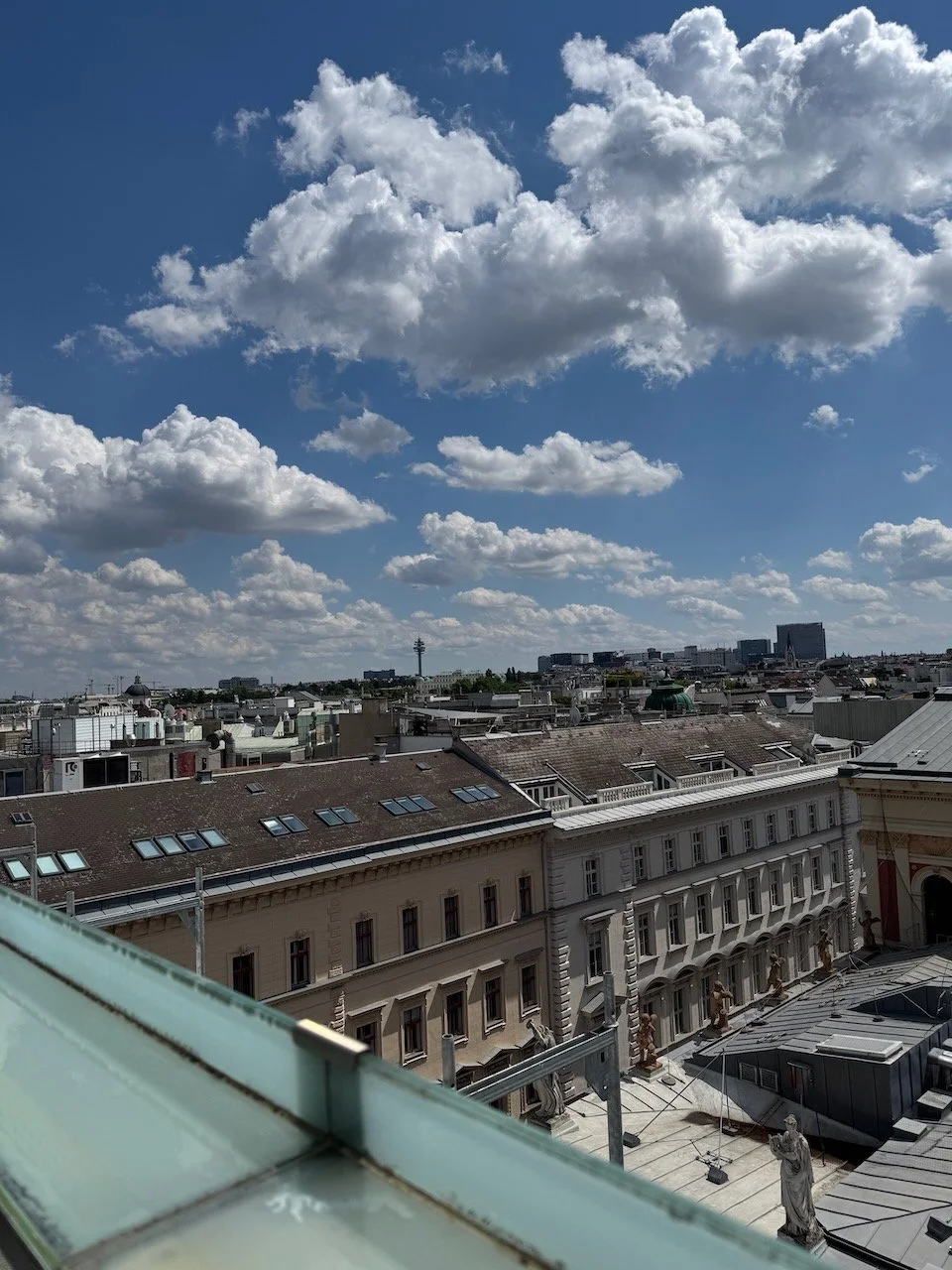
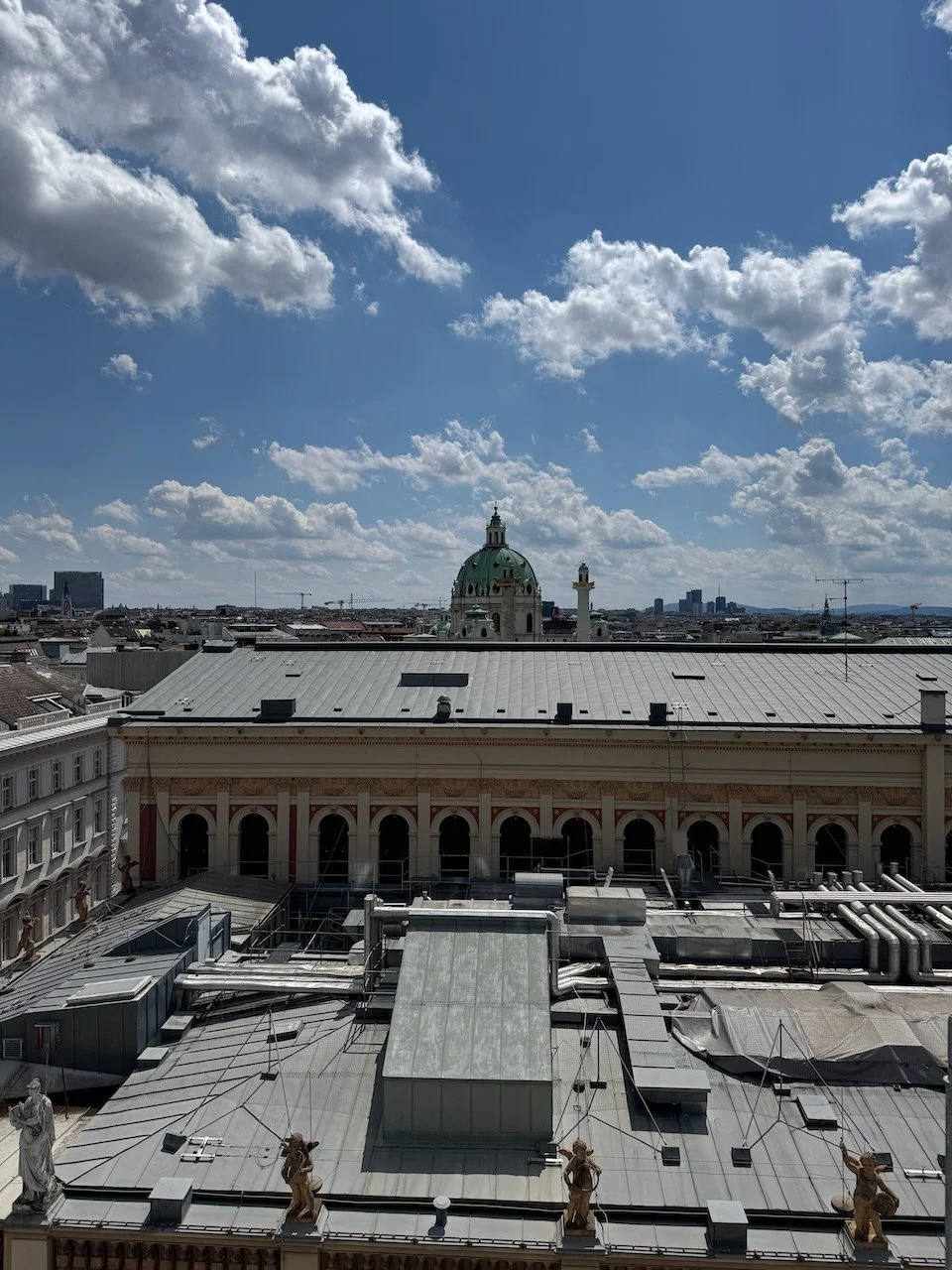
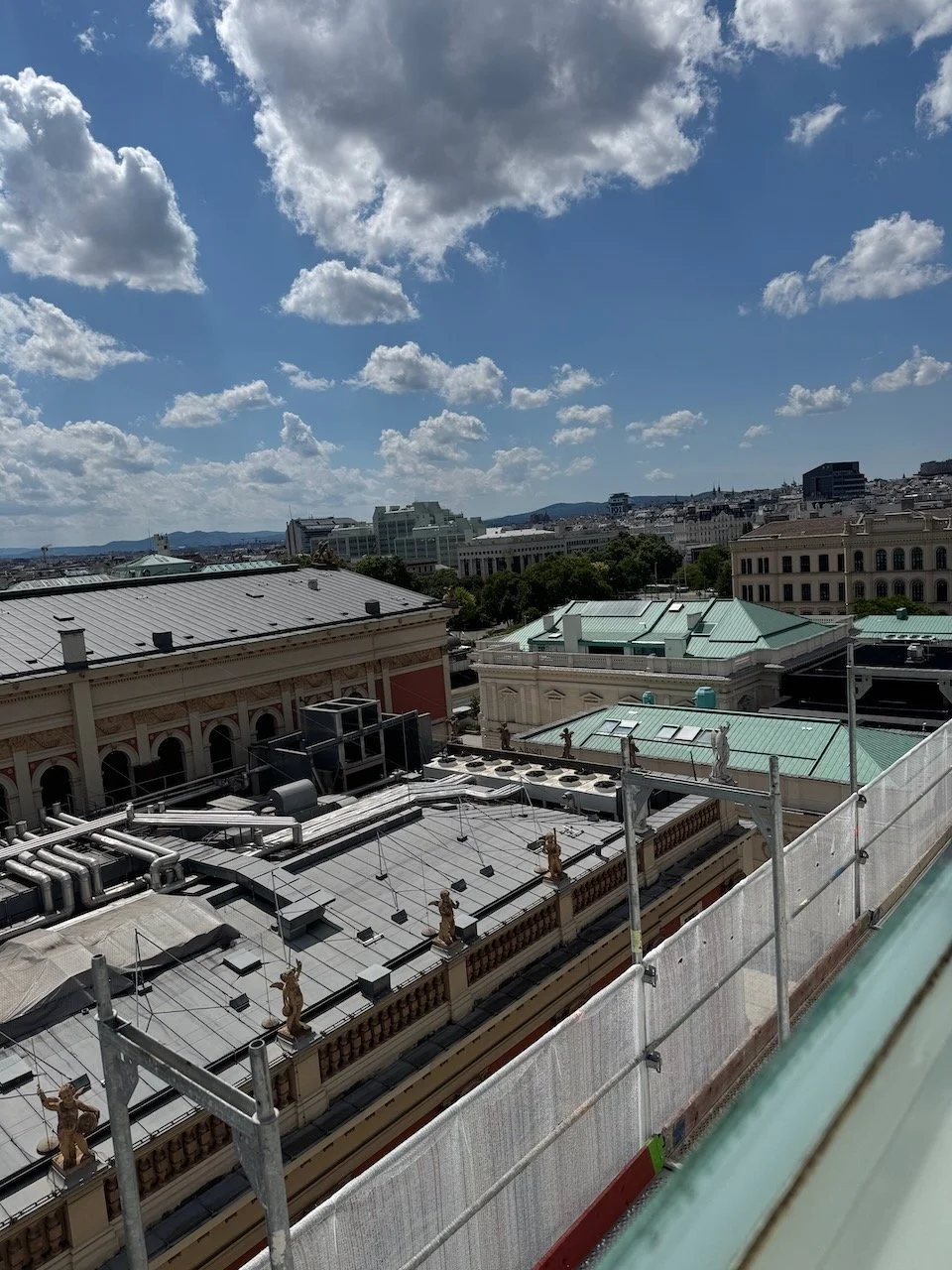
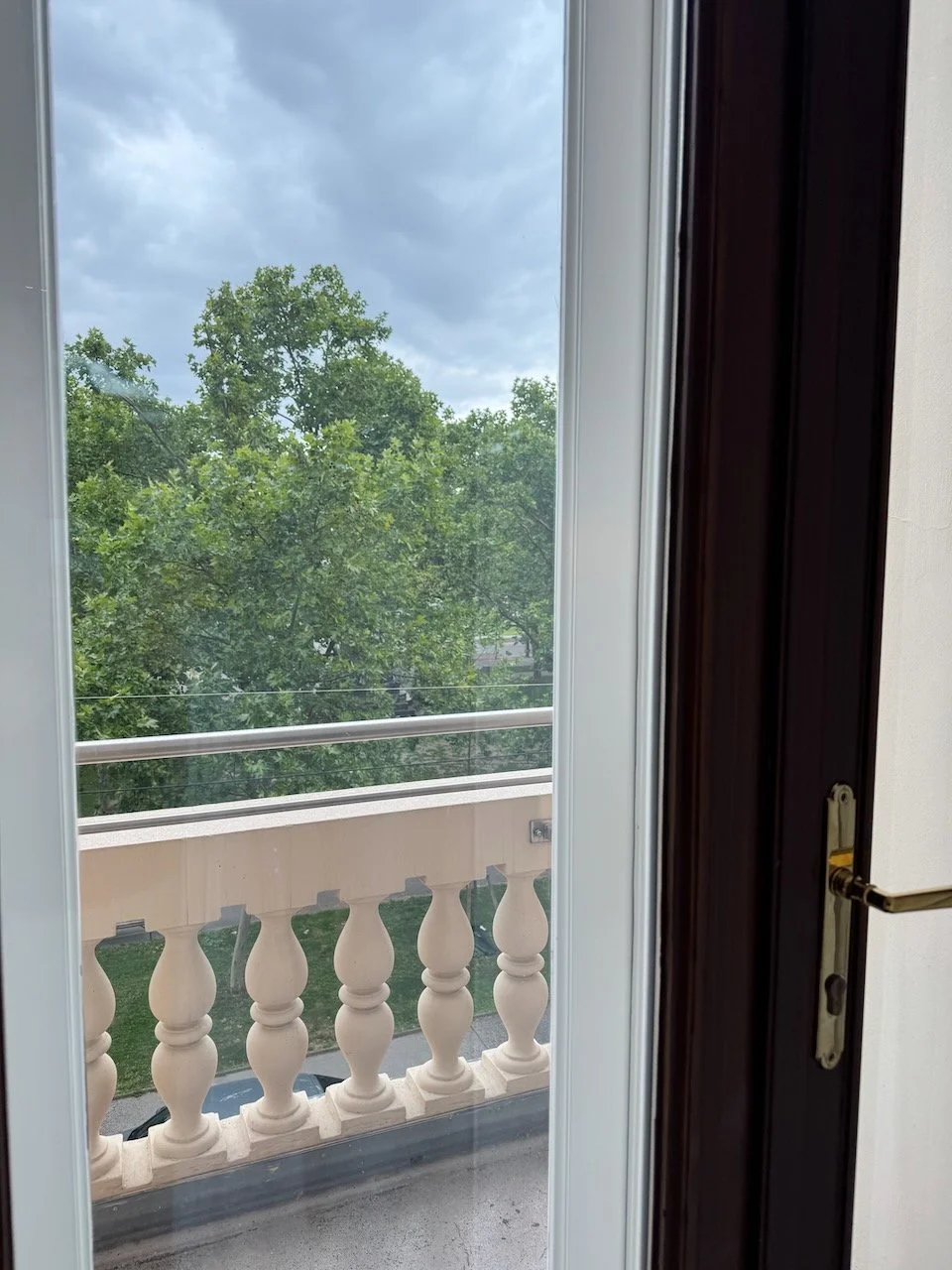
Some rooms and suites have balconies overlooking Vienna’s rooftops and spires. If outdoor space or a particular view matters to you, request it specifically rather than assuming every room comes with one.
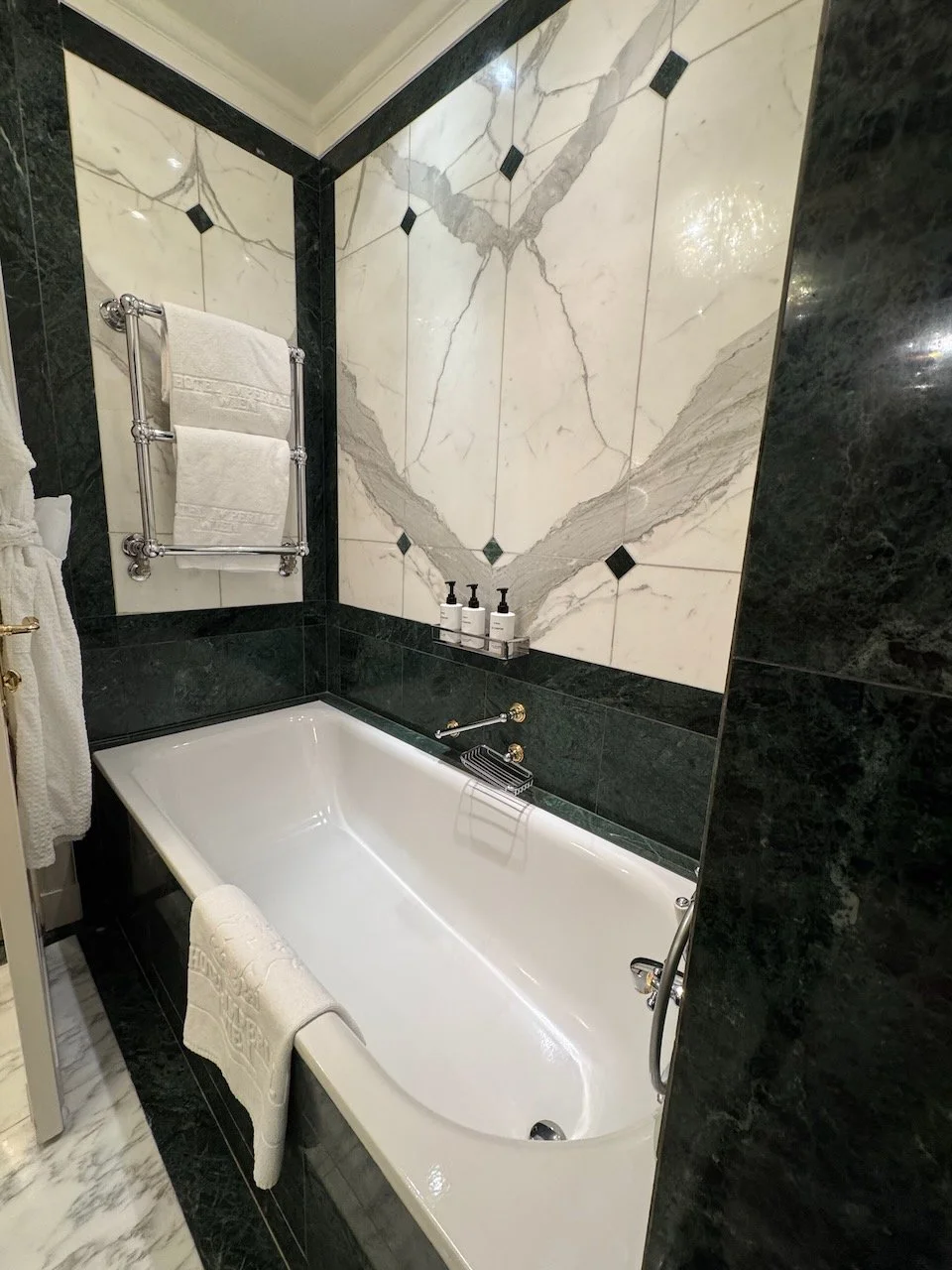
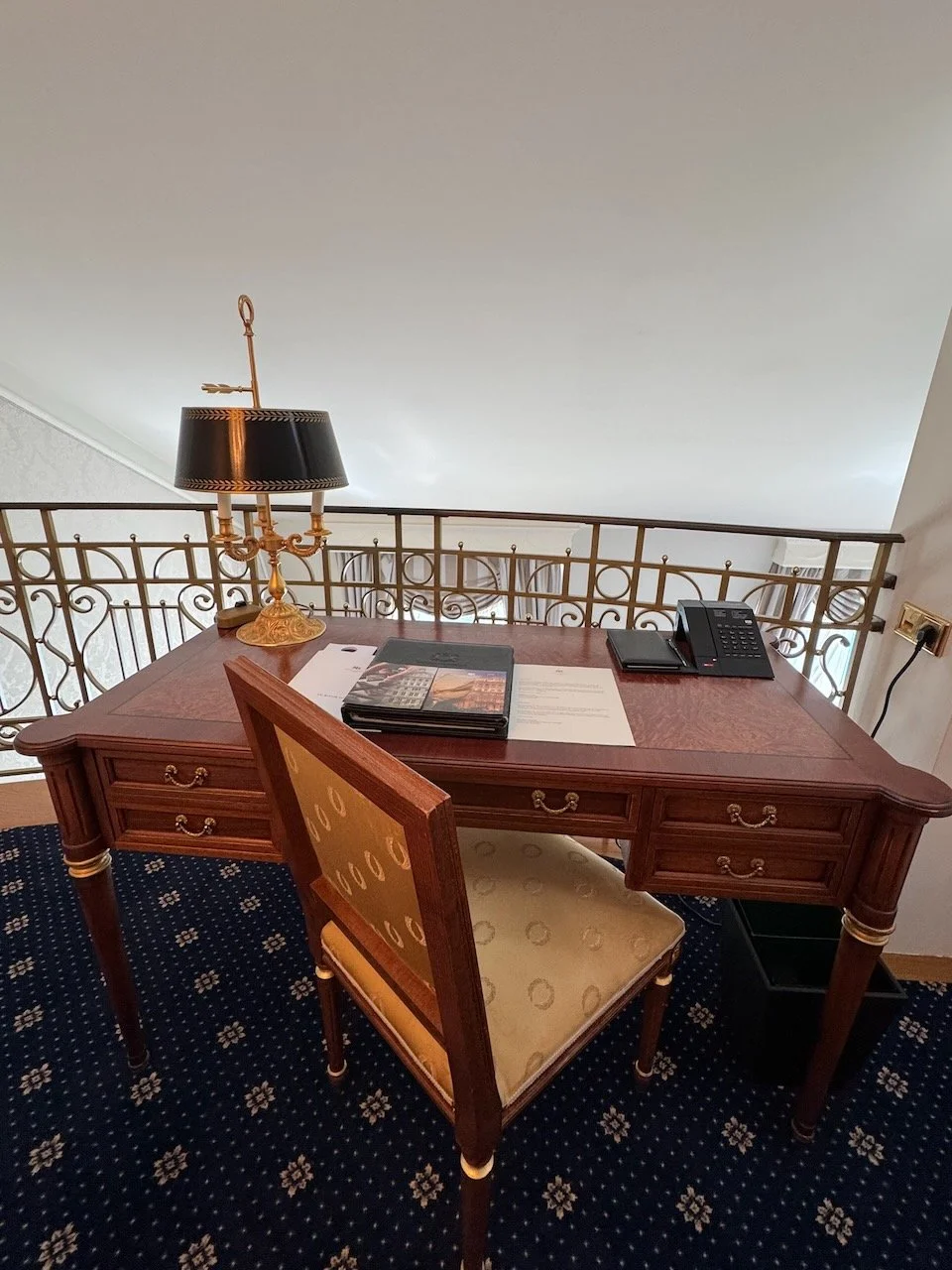
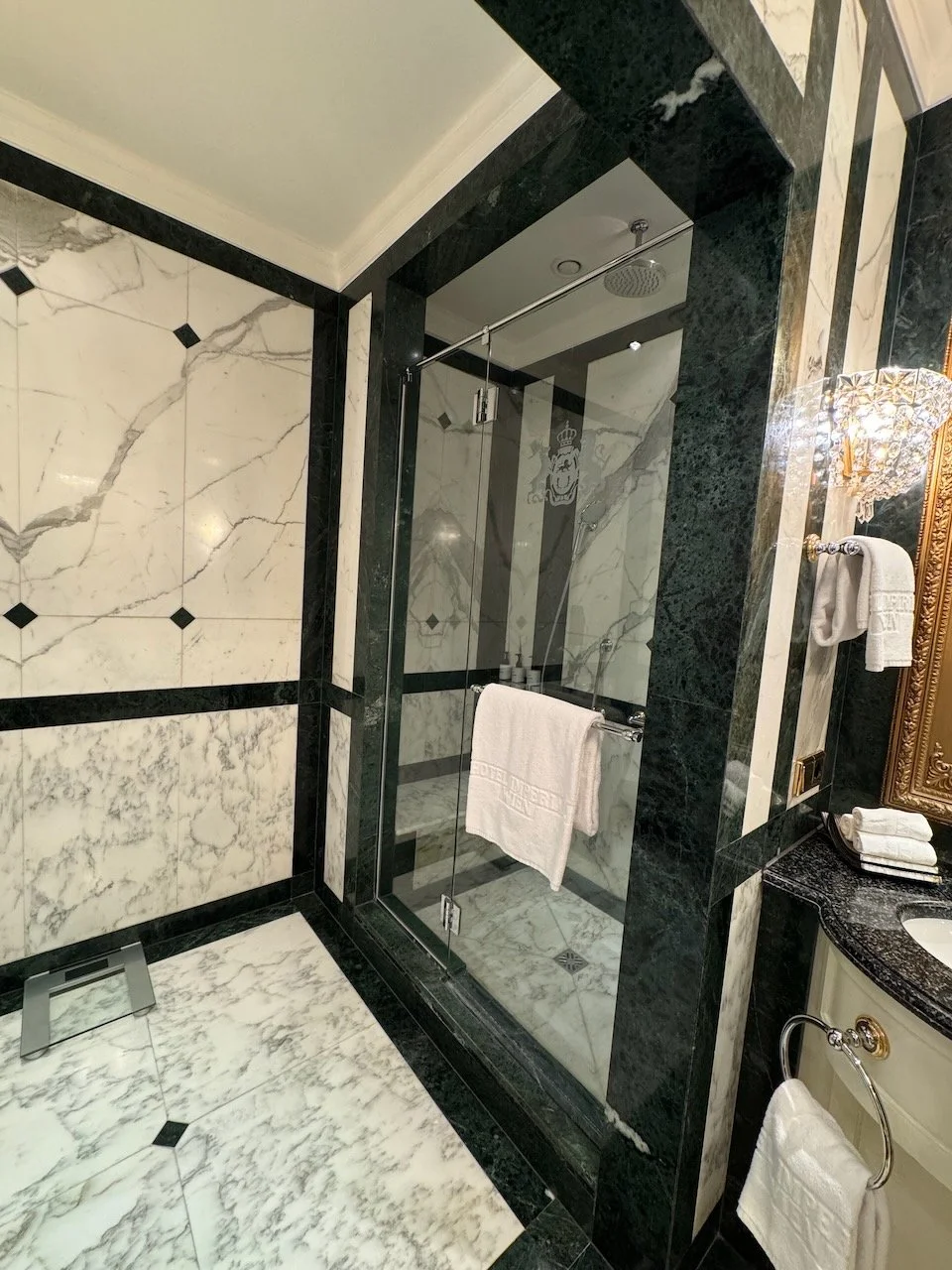
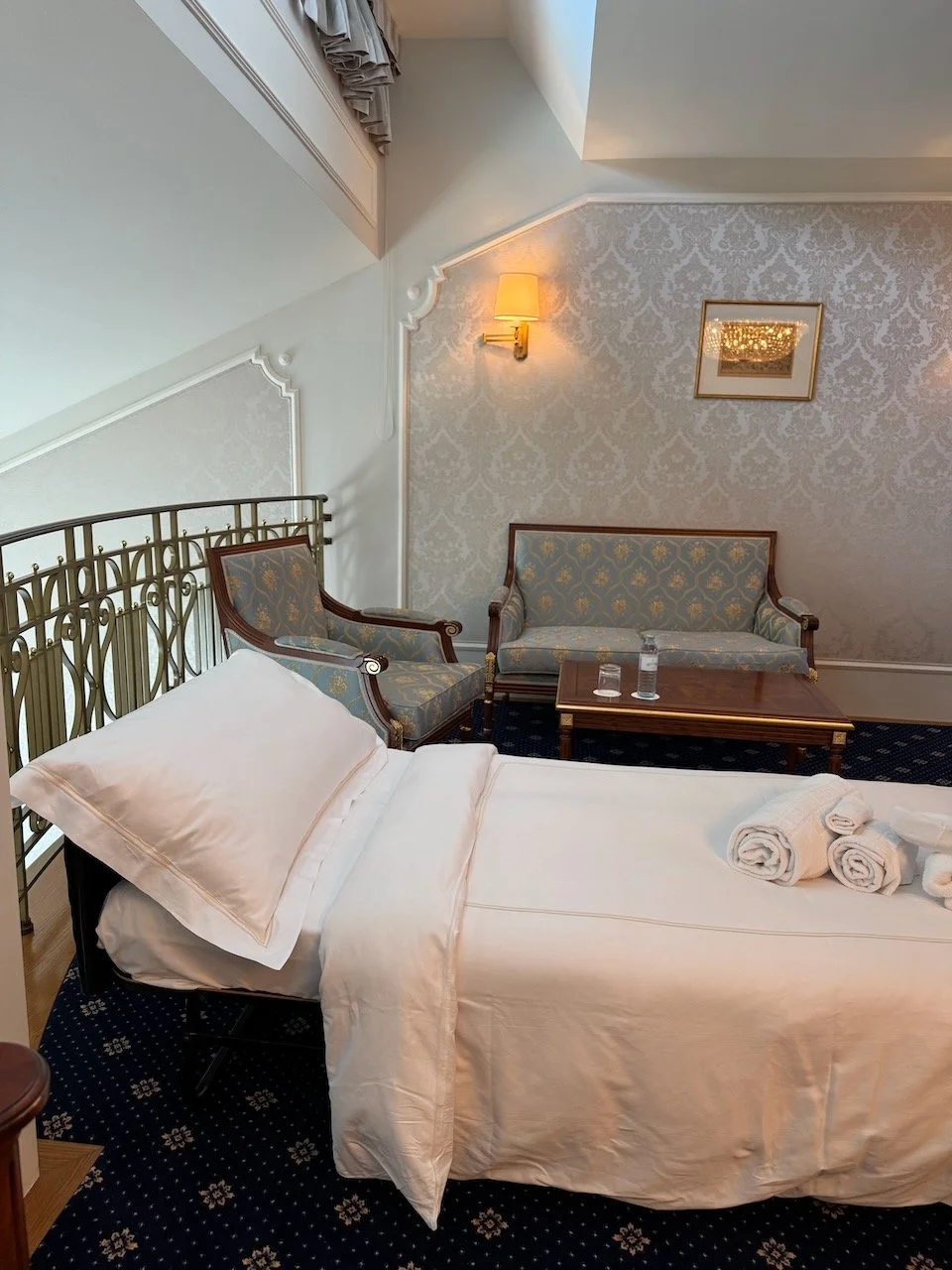
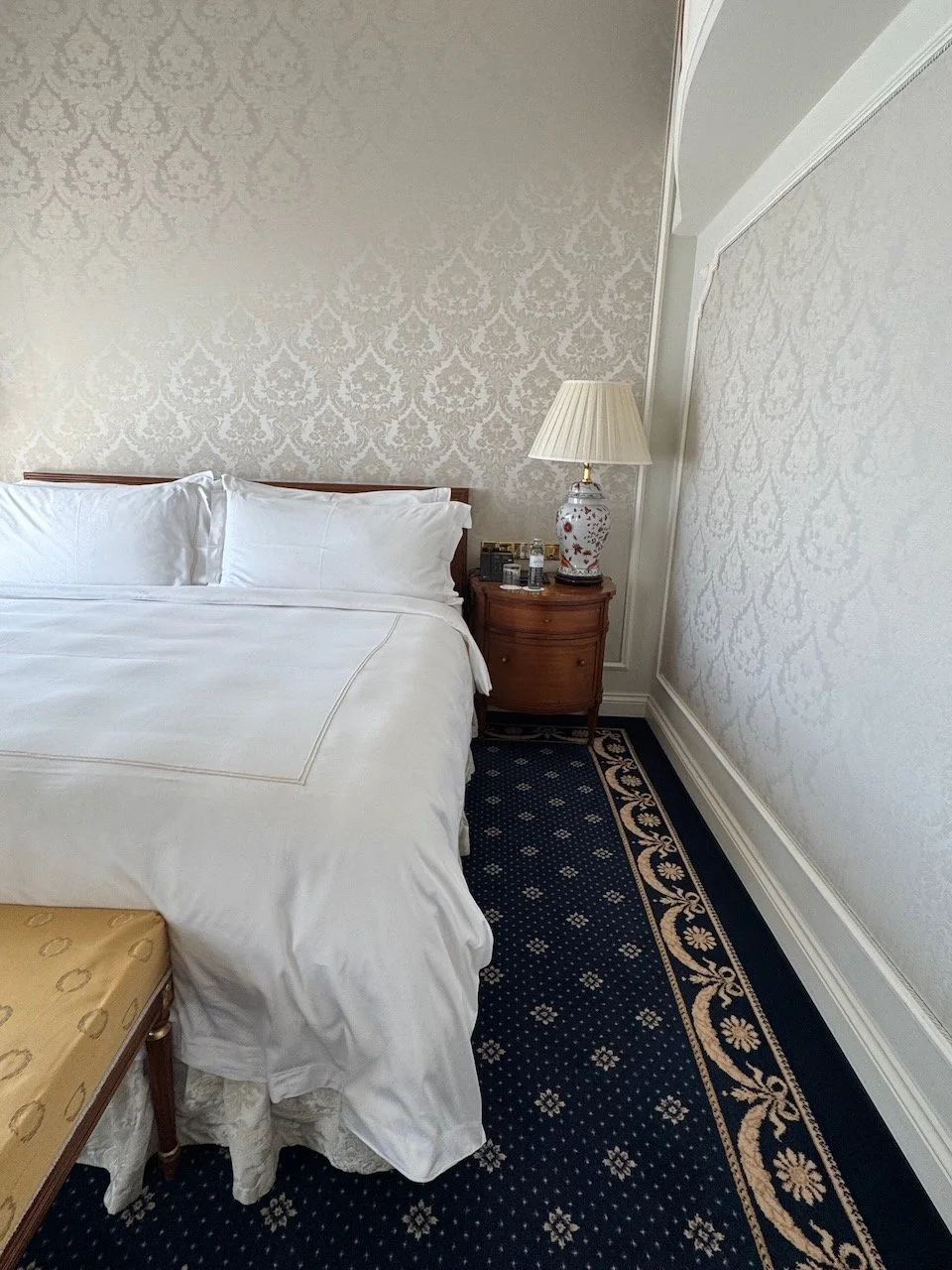
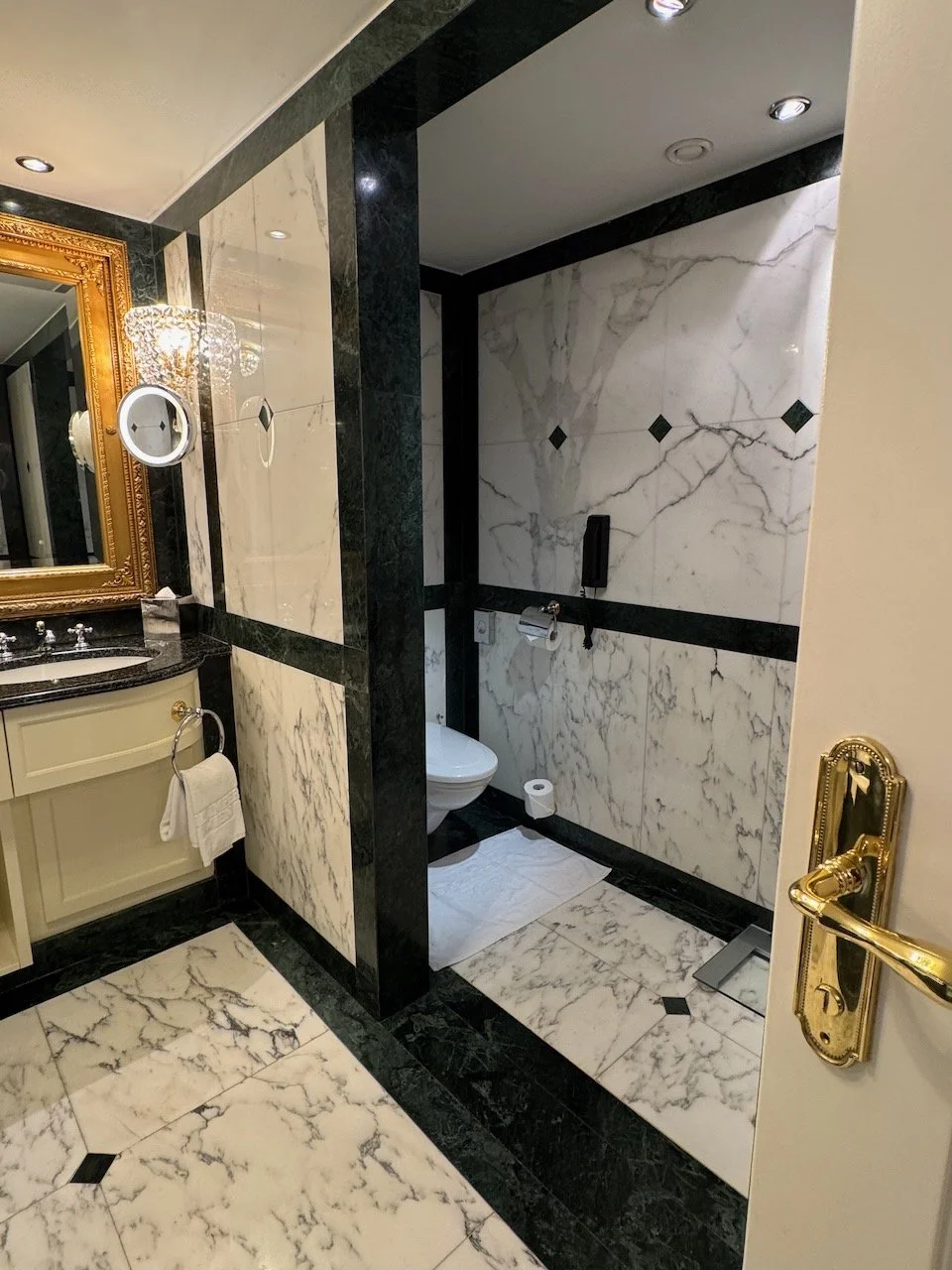
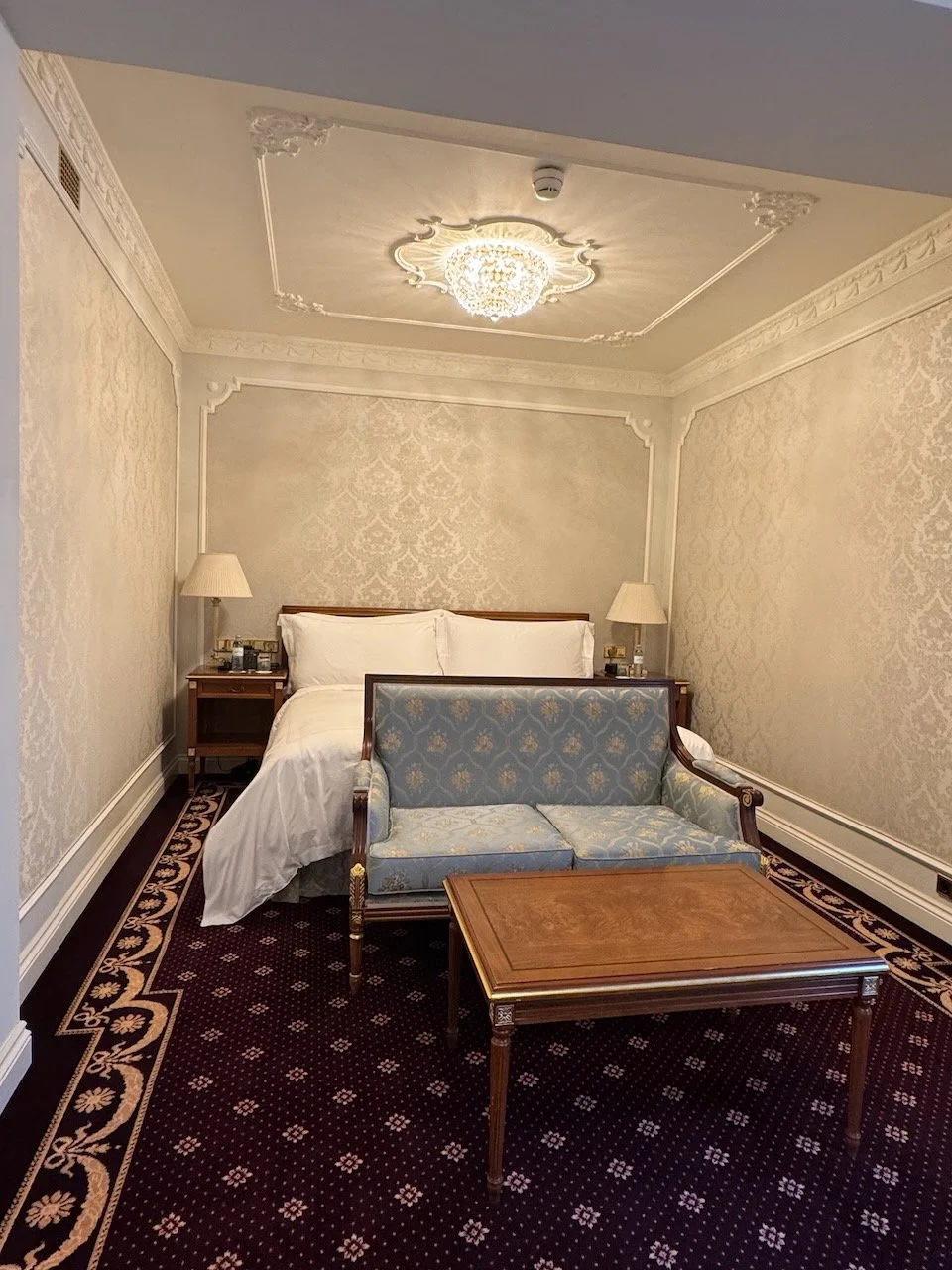
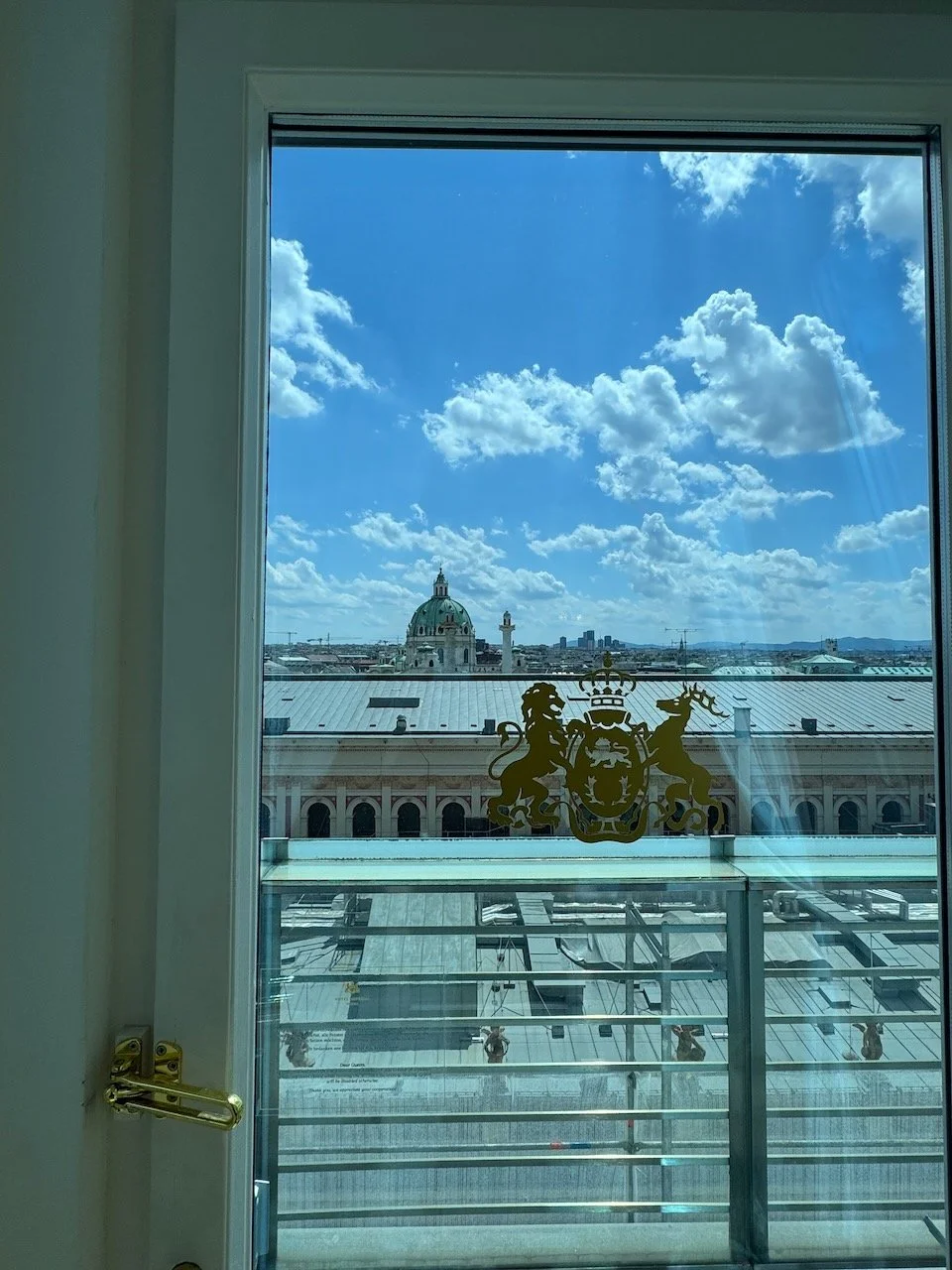
Unique Amenities
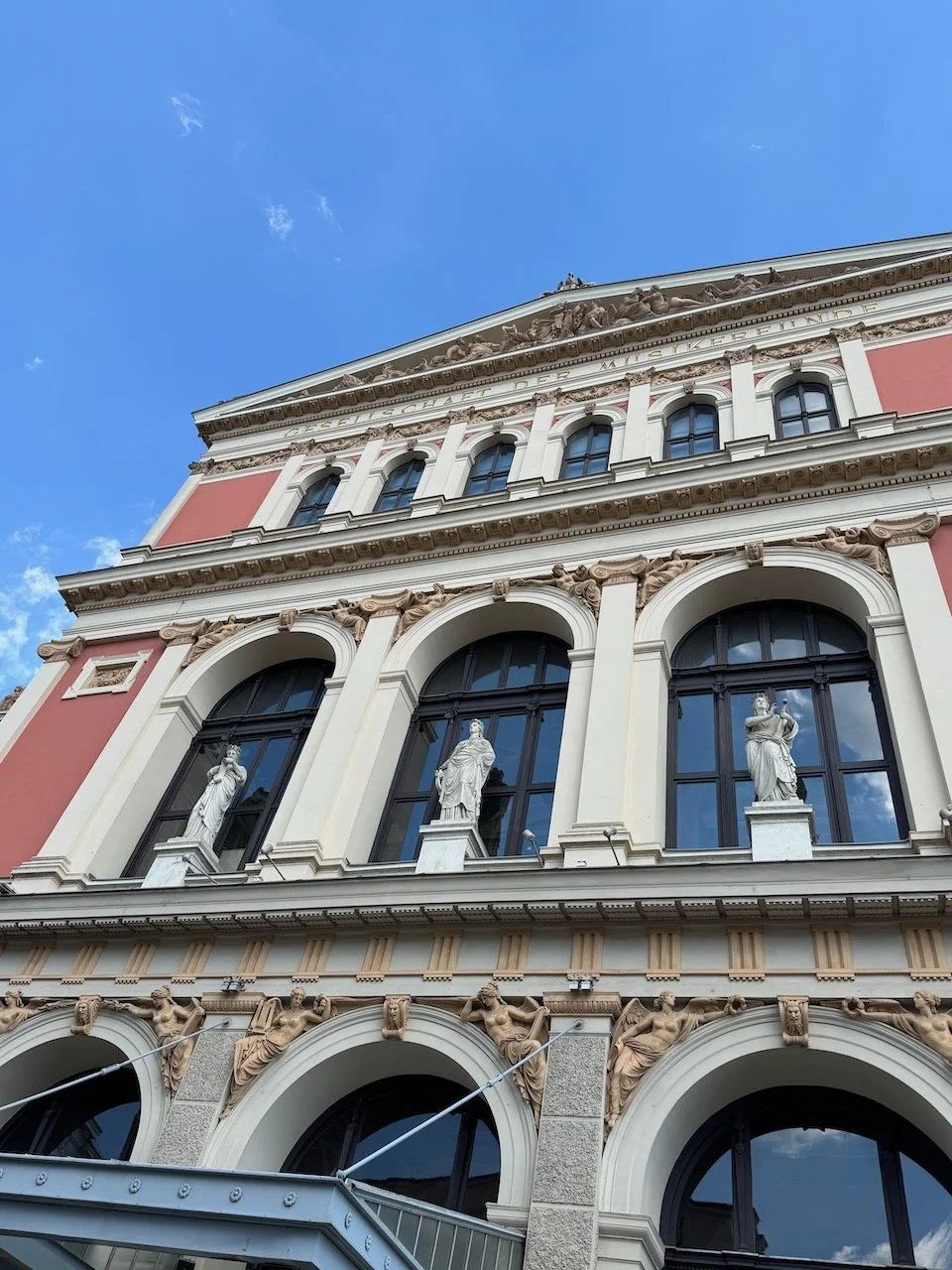
The Musikverein next door gives the Imperial a particularly strong connection to Vienna’s musical life. For a concert-focused trip, being able to walk back to your hotel afterwards is a lovely advantage. The Musikverein’s Golden Hall is famous for its acoustics (probably best in the world); a performance by the Vienna Philharmonic (consistently among the best in the world) there would make a rather convincing centrepiece for a stay.
Spa and Wellness
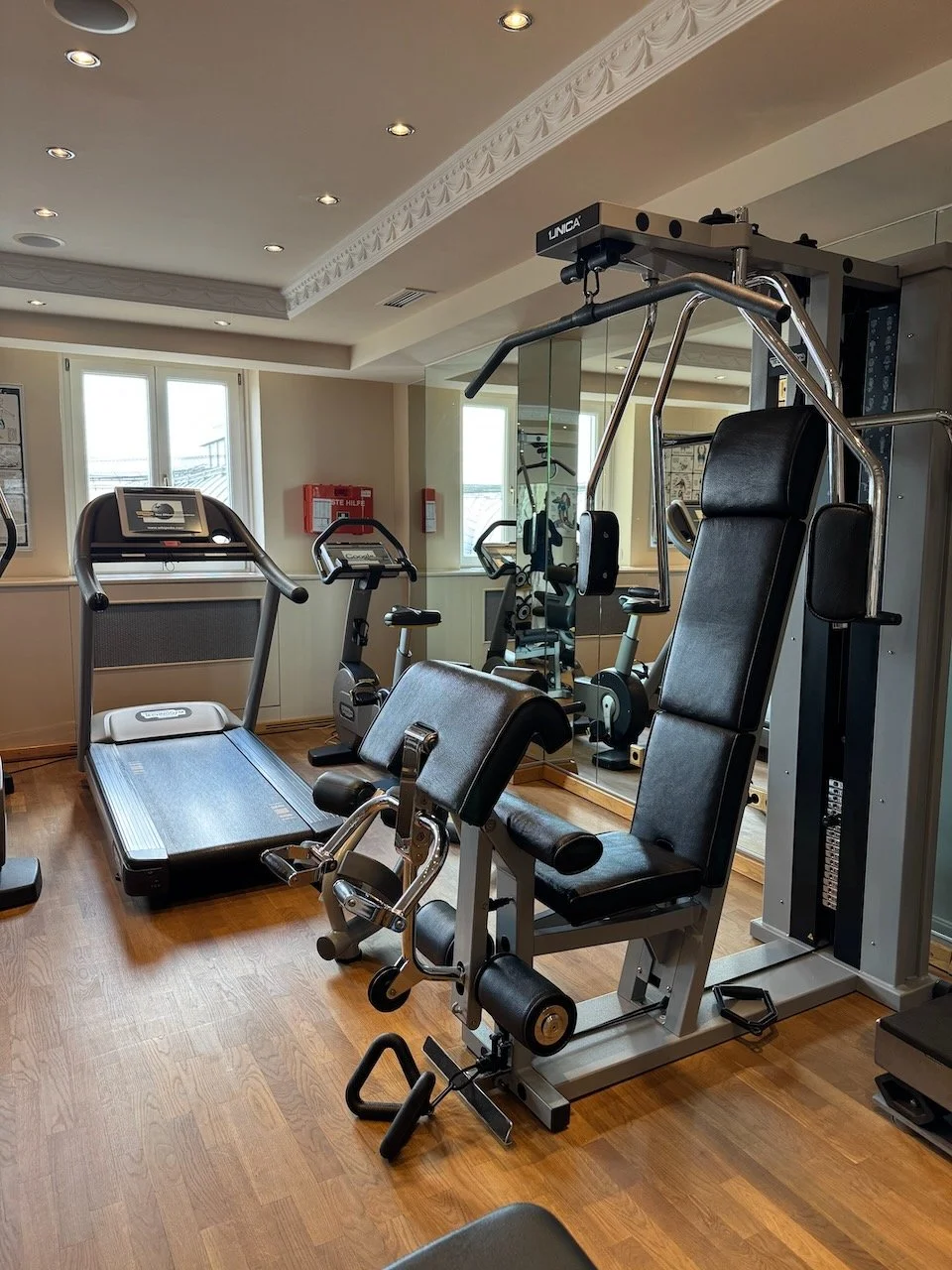
There is no spa or swimming pool here. A small gym covers the basics, but wellness is not the Imperial’s main attraction. Come for the palace atmosphere, the music and, quite possibly, the cake.
Dining Options
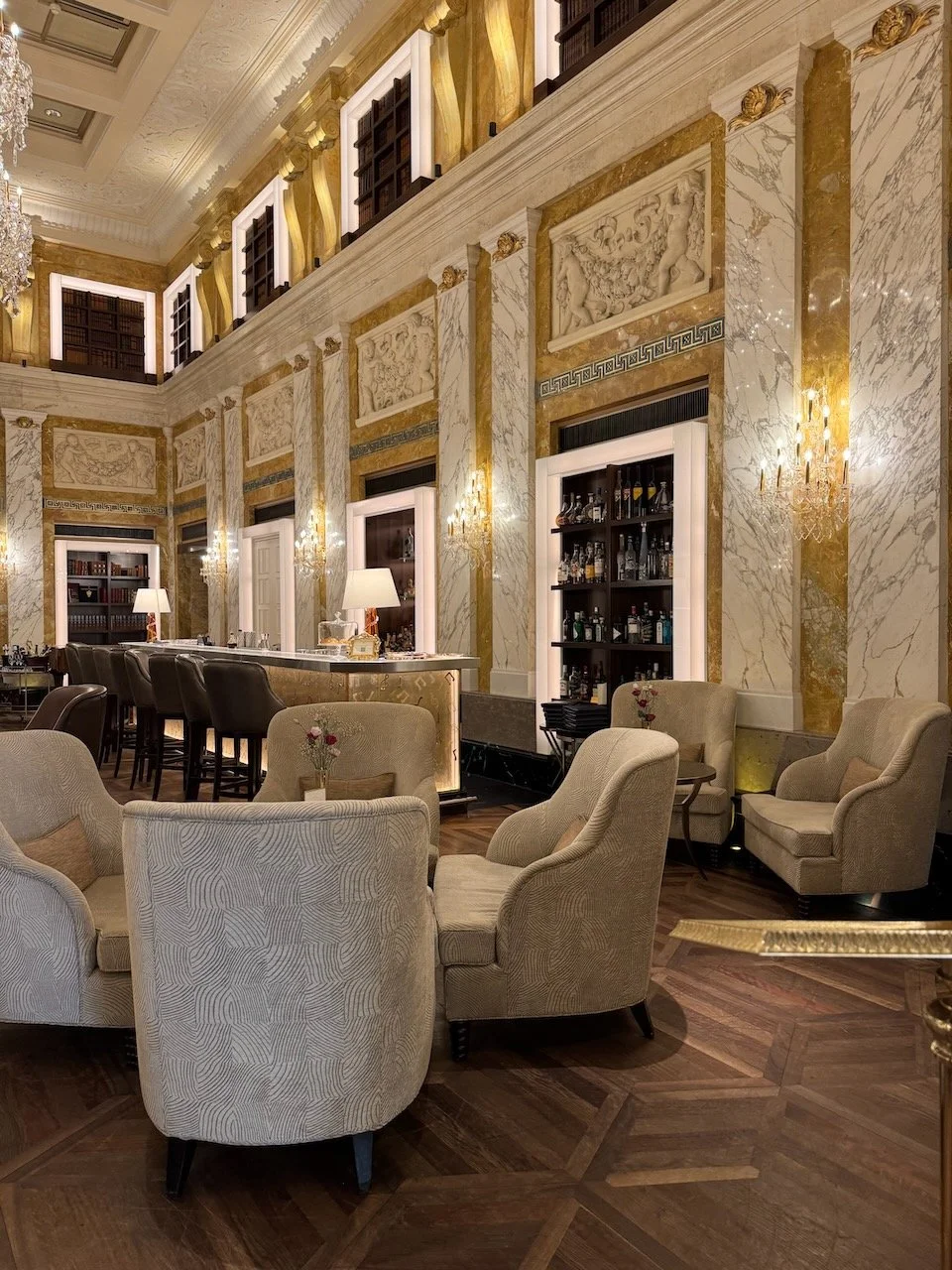
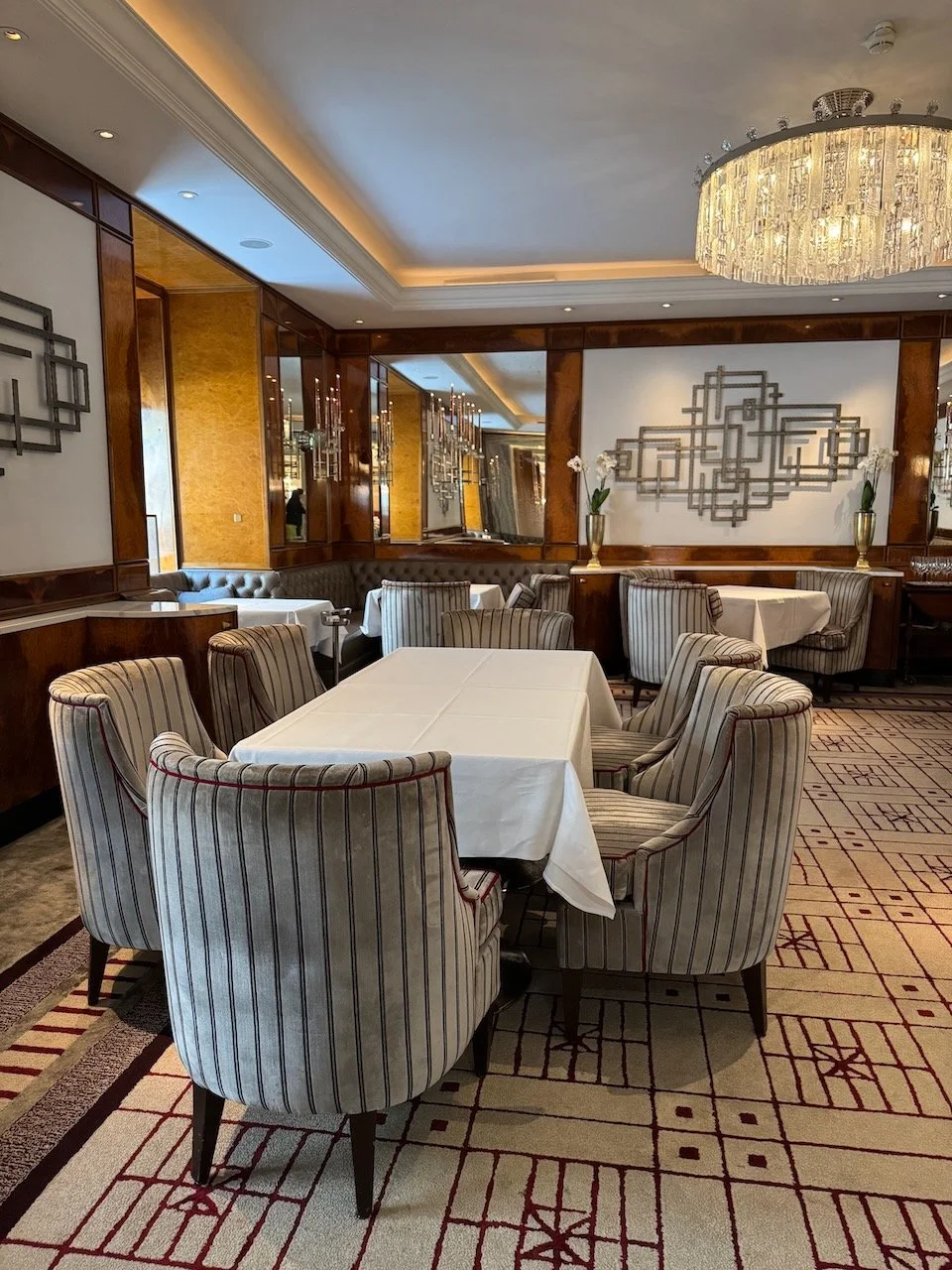
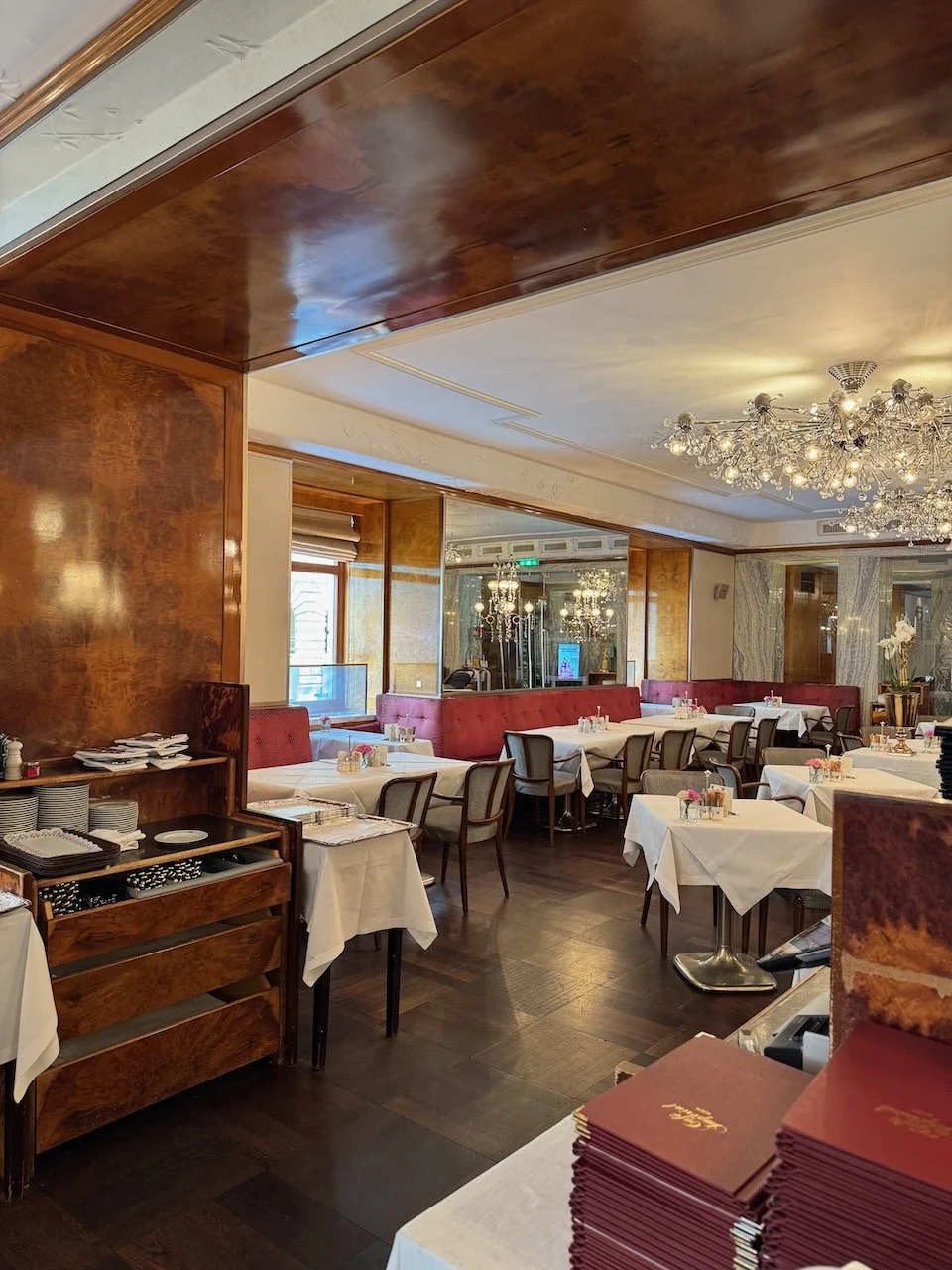
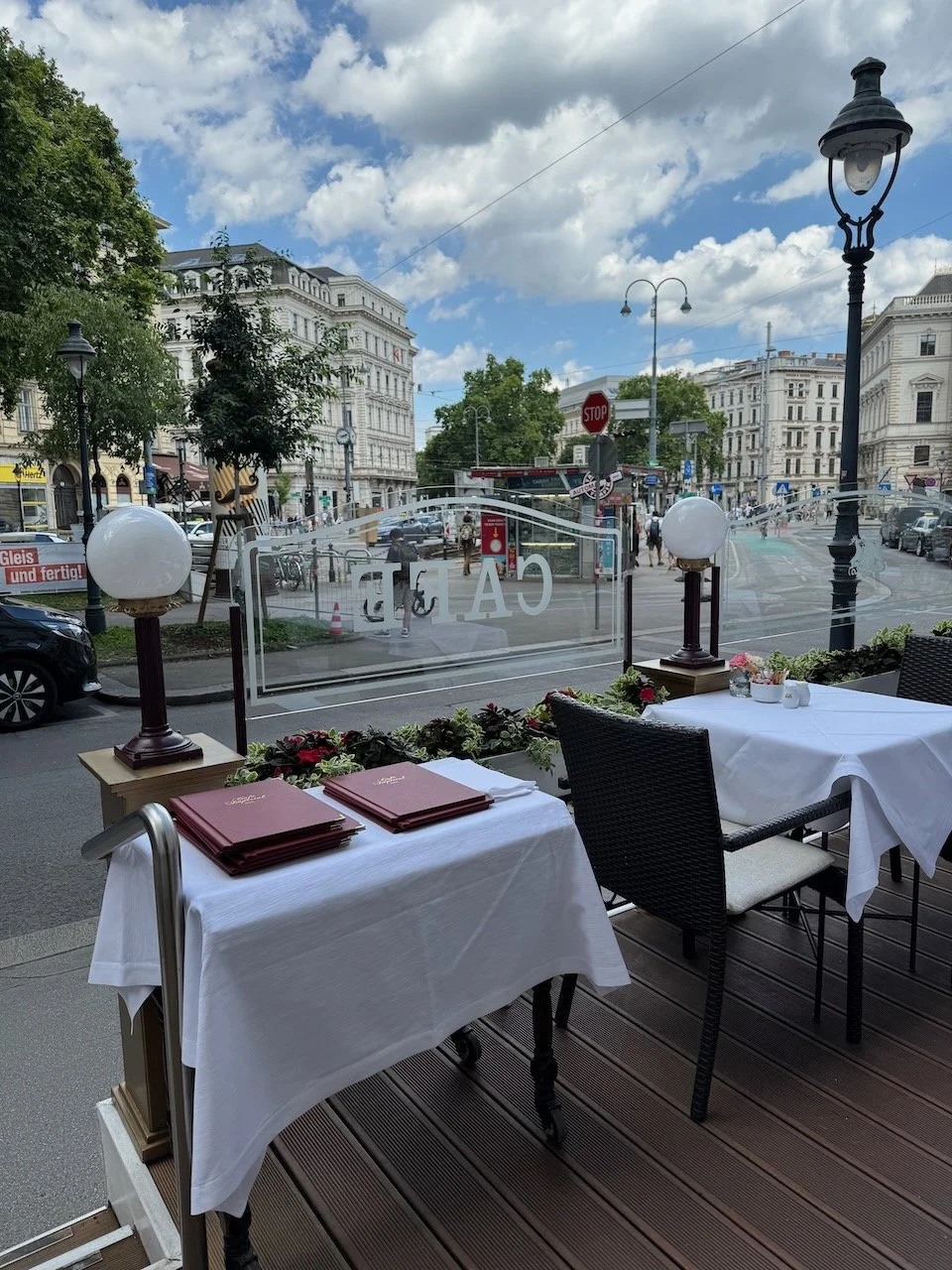
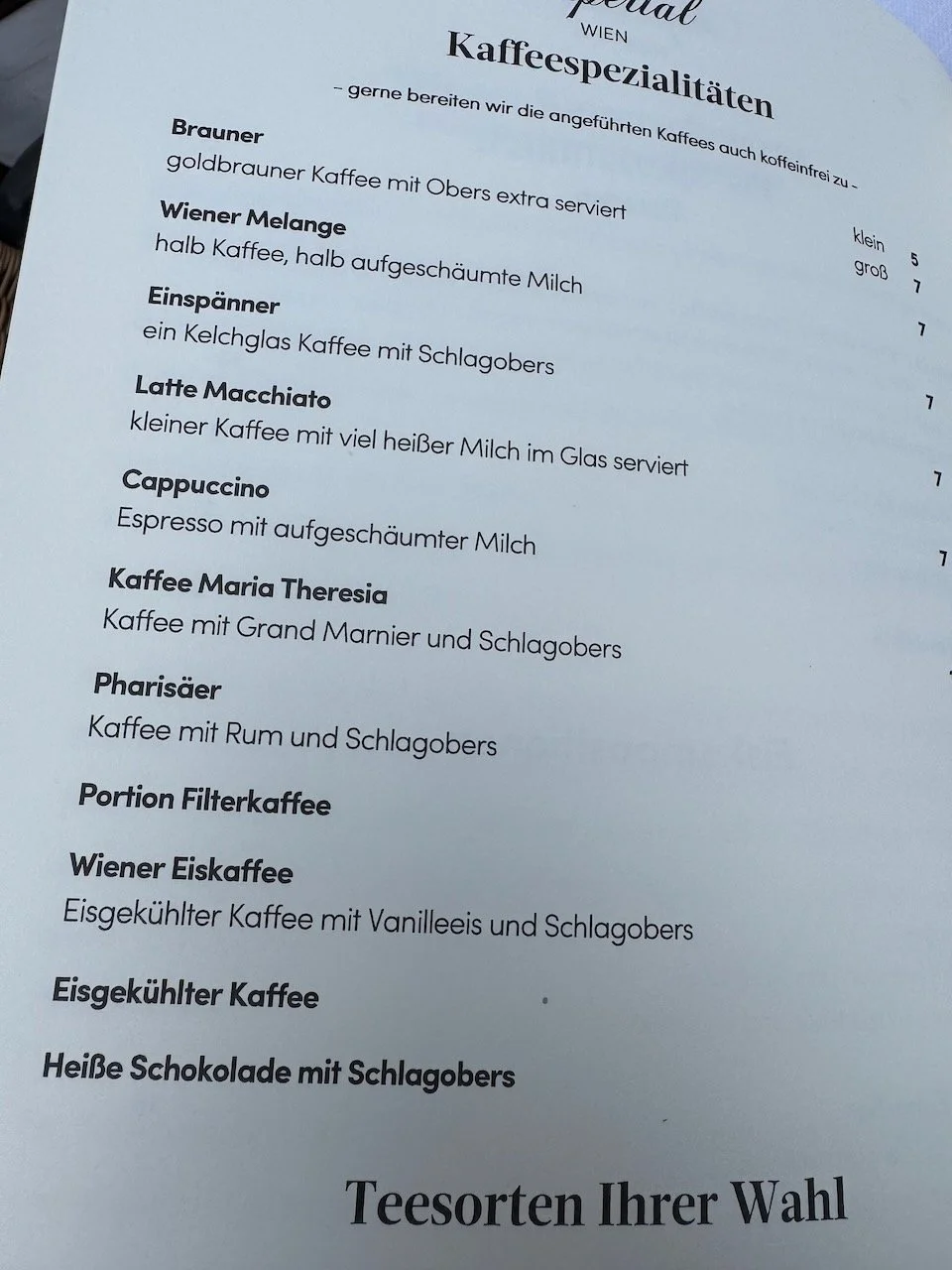
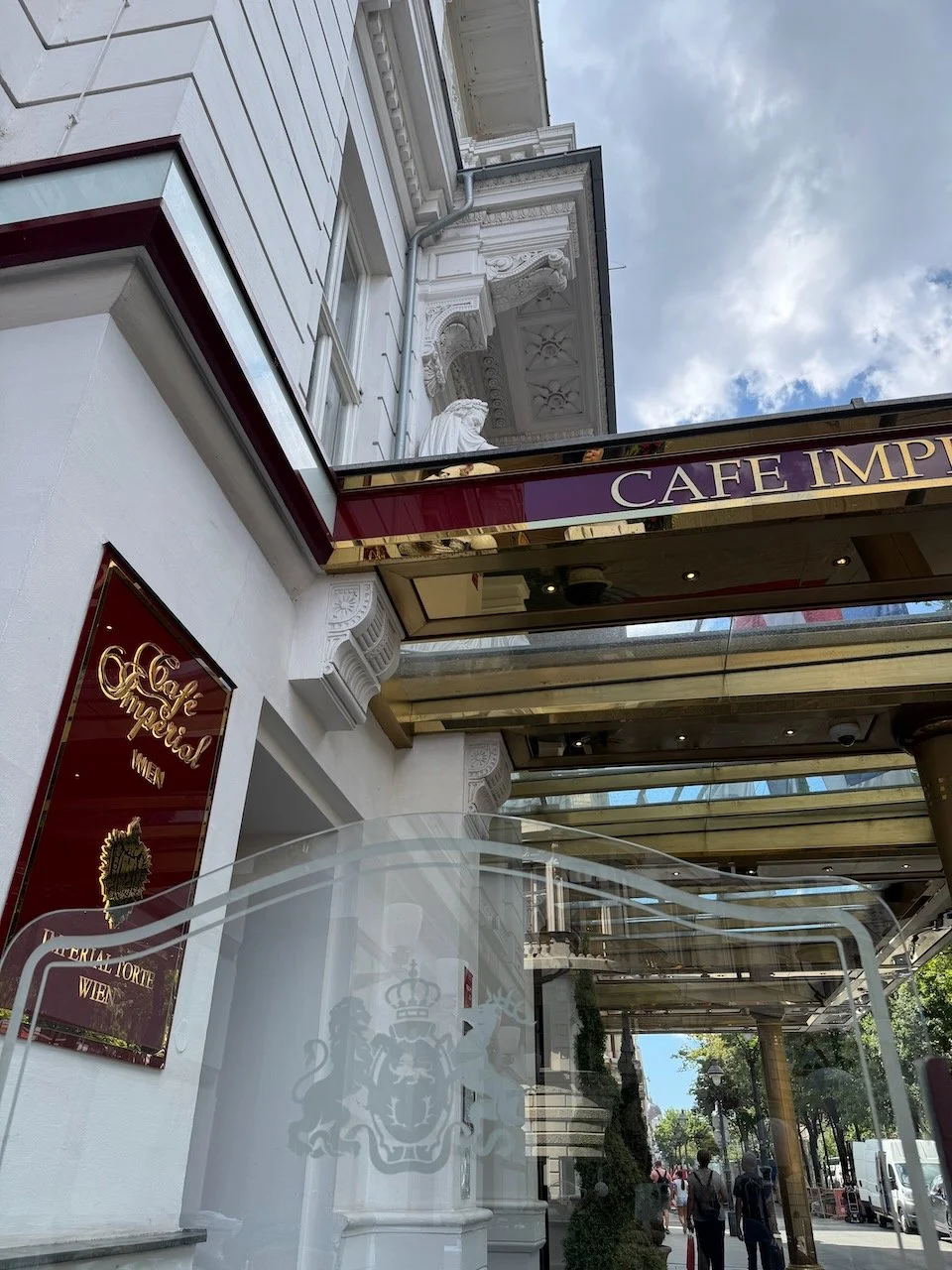
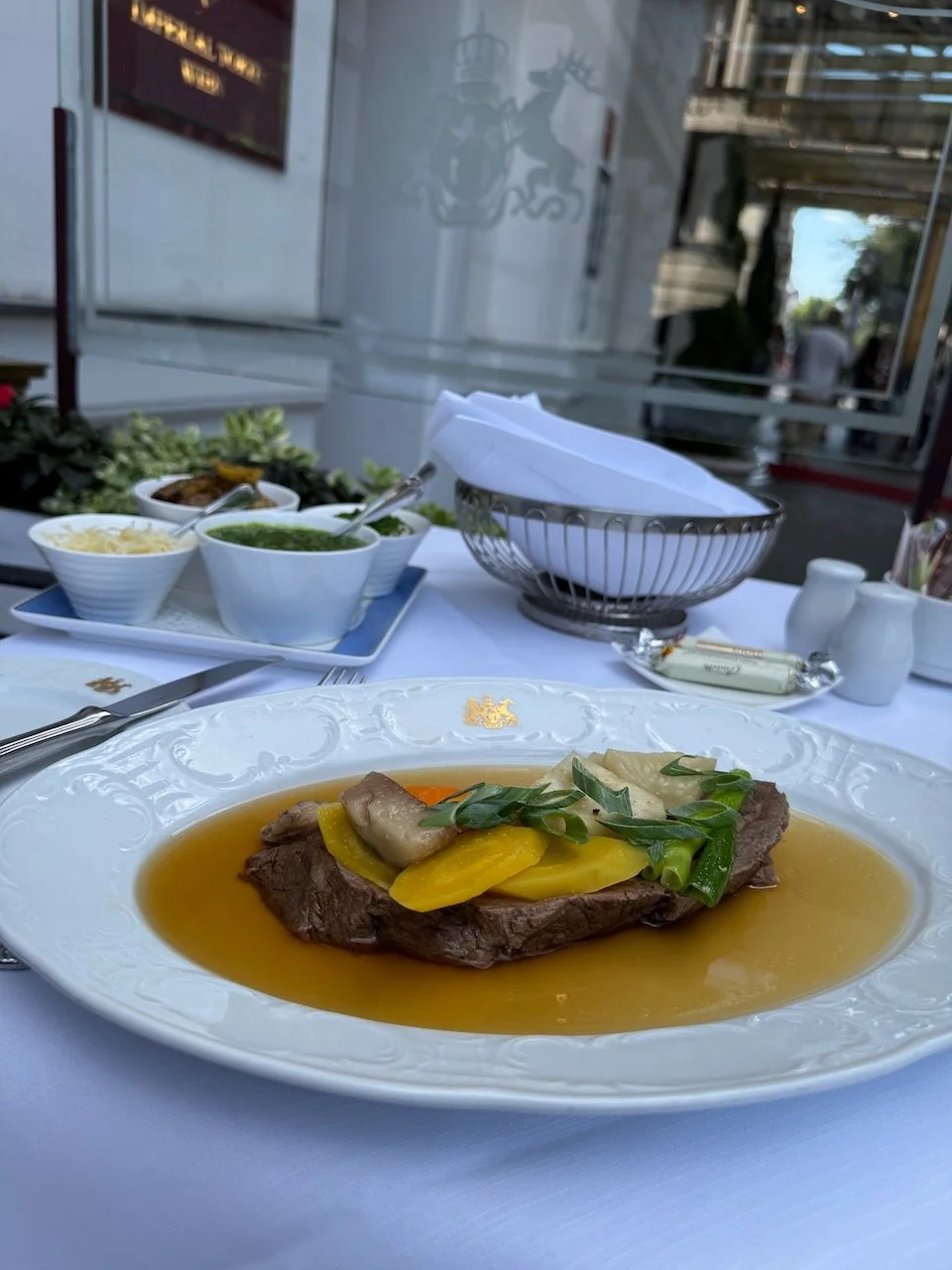
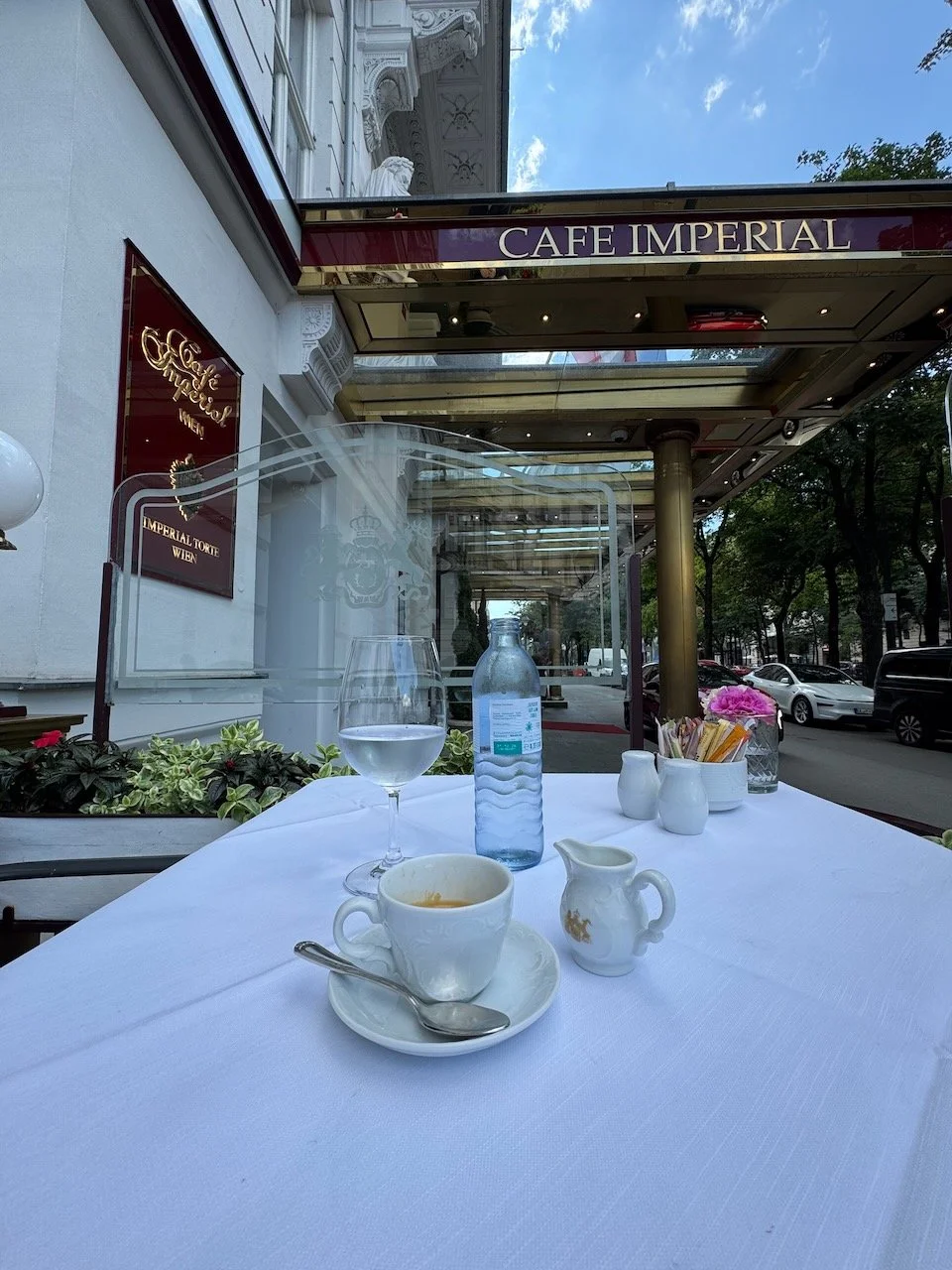
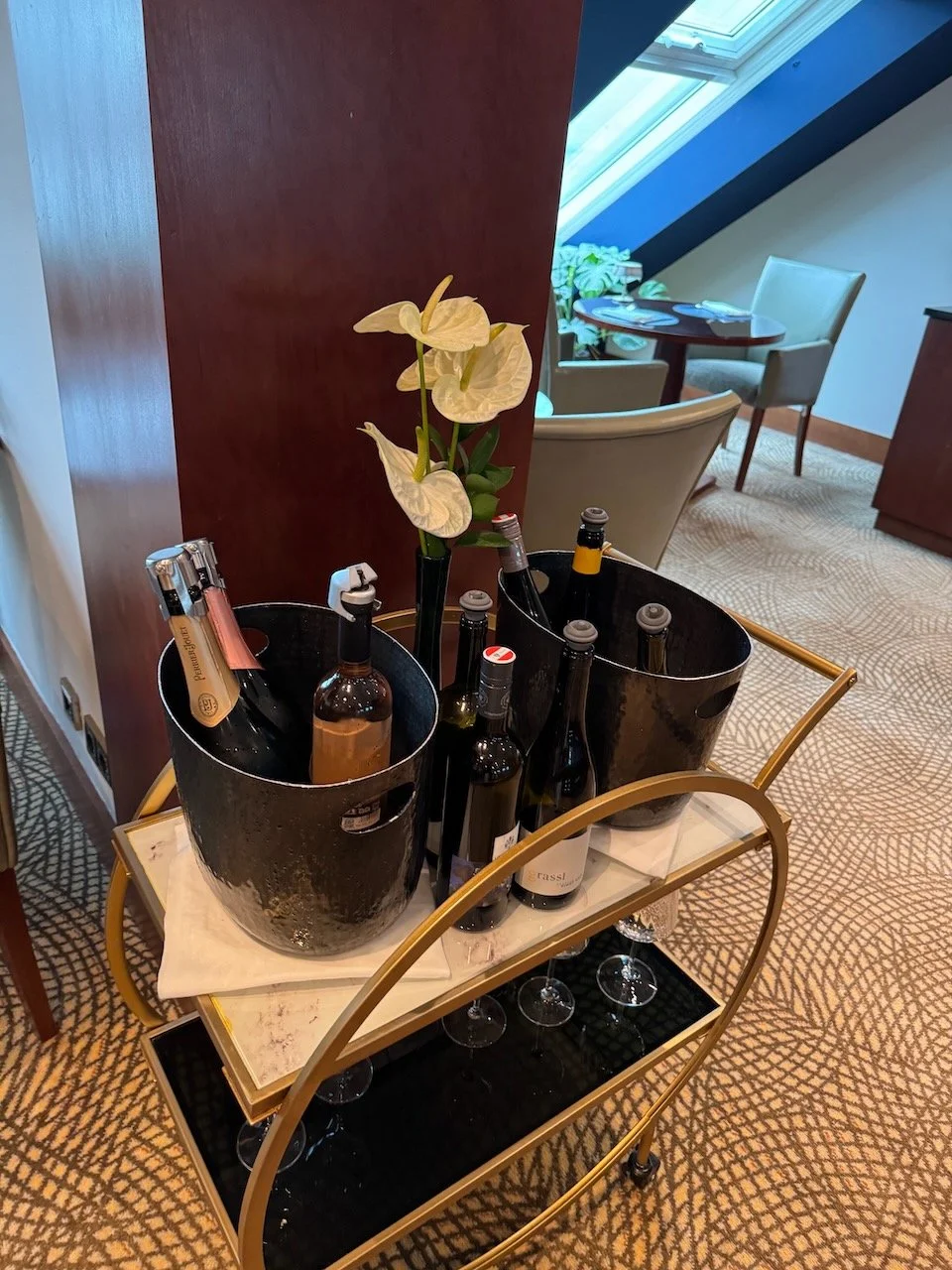
Café Imperial serves Viennese classics in suitably elegant surroundings, while OPUS offers the more formal fine-dining option. The Imperial Bar is another tempting stop for Champagne or a cocktail. If your dates line up, check the hotel’s Champagne Brunch calendar, particularly in the colder months.
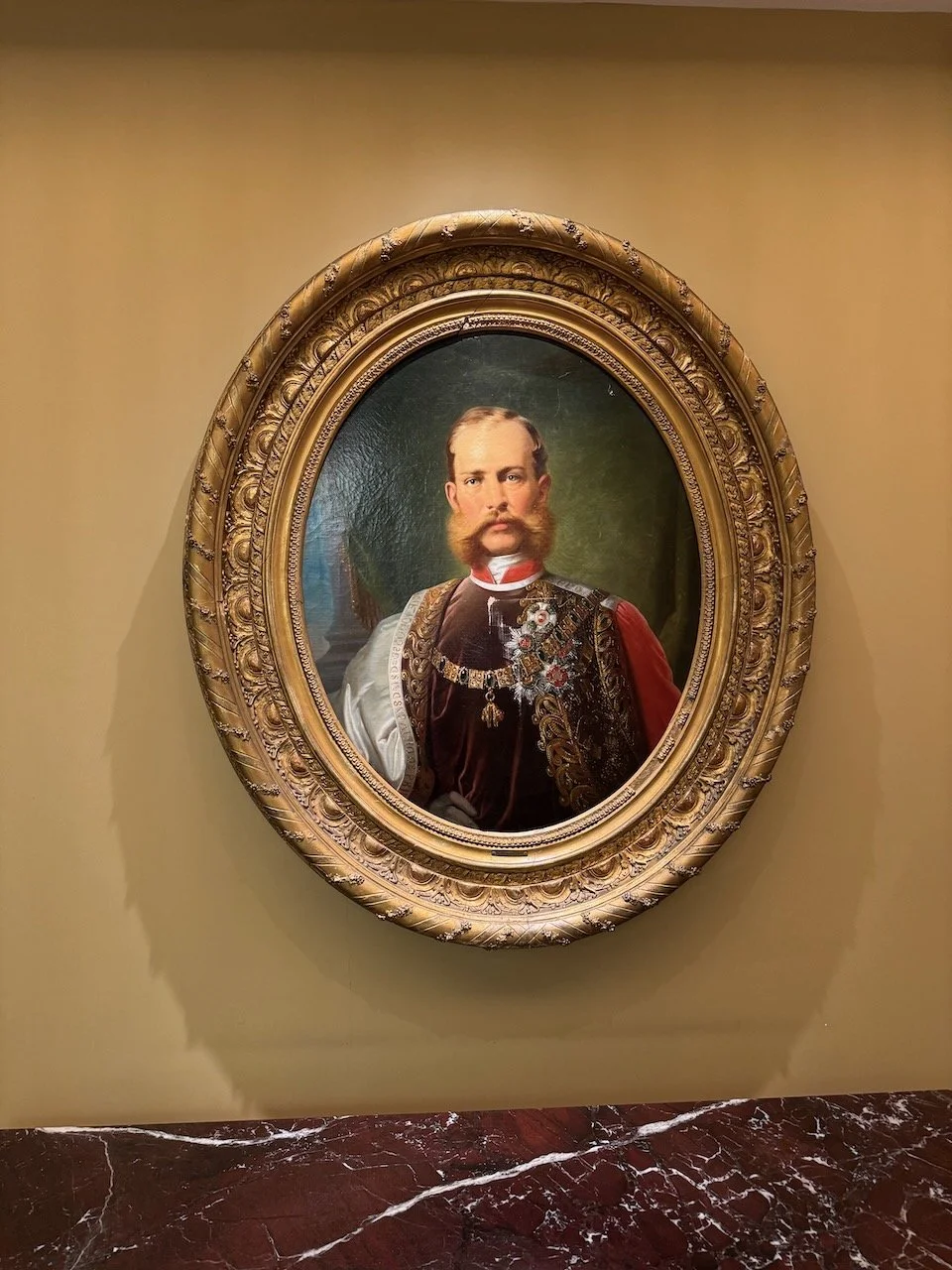
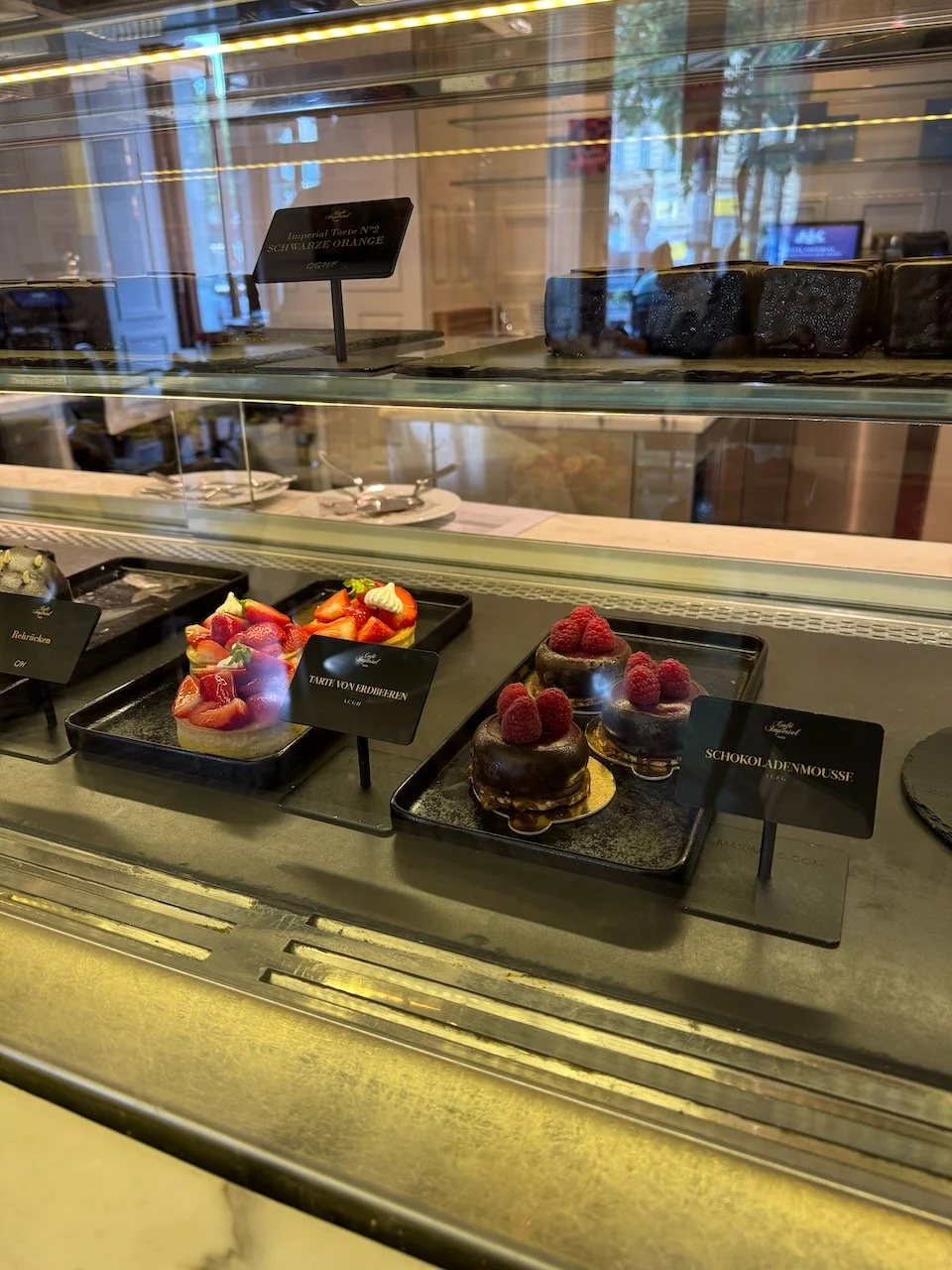
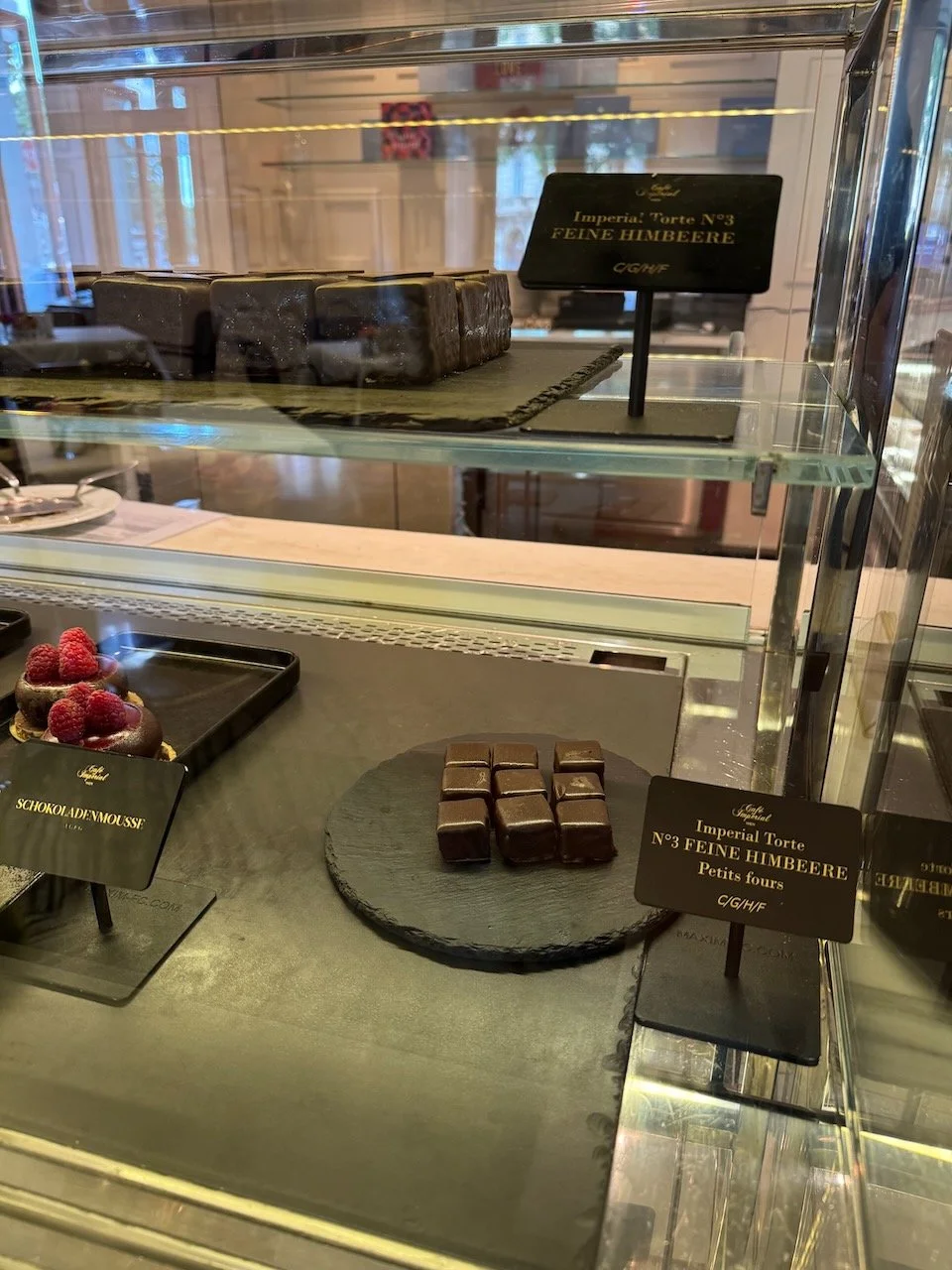
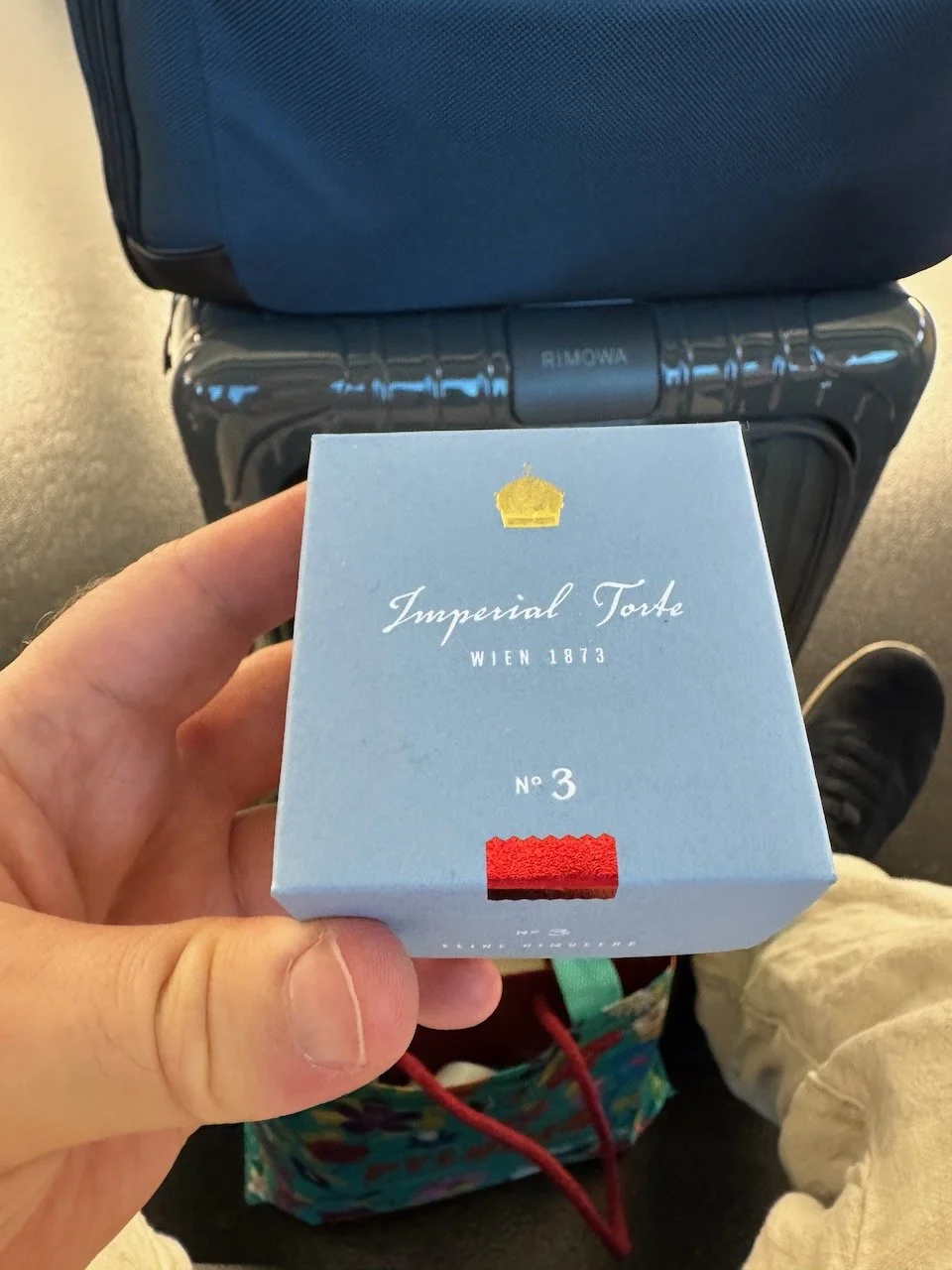
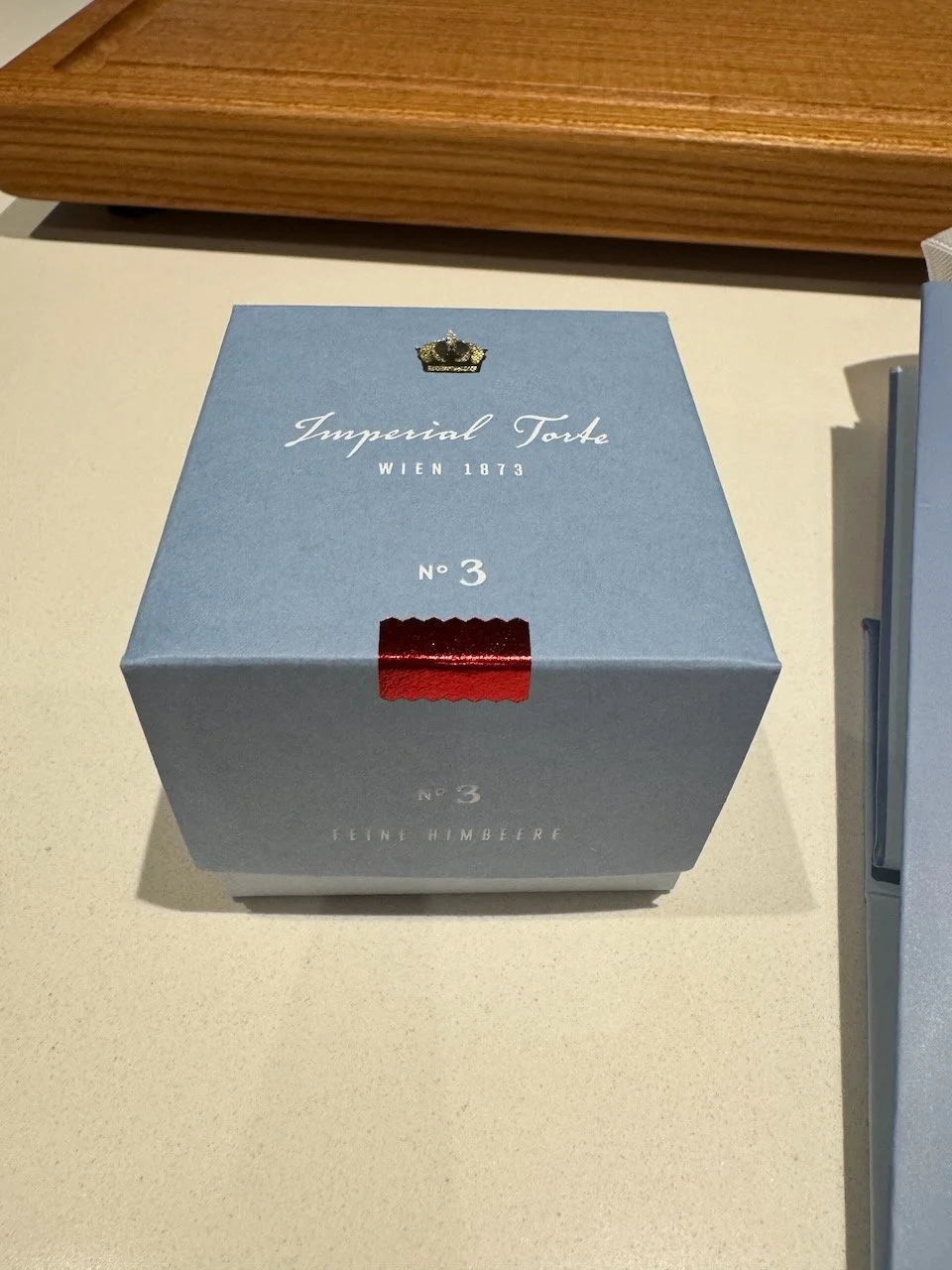
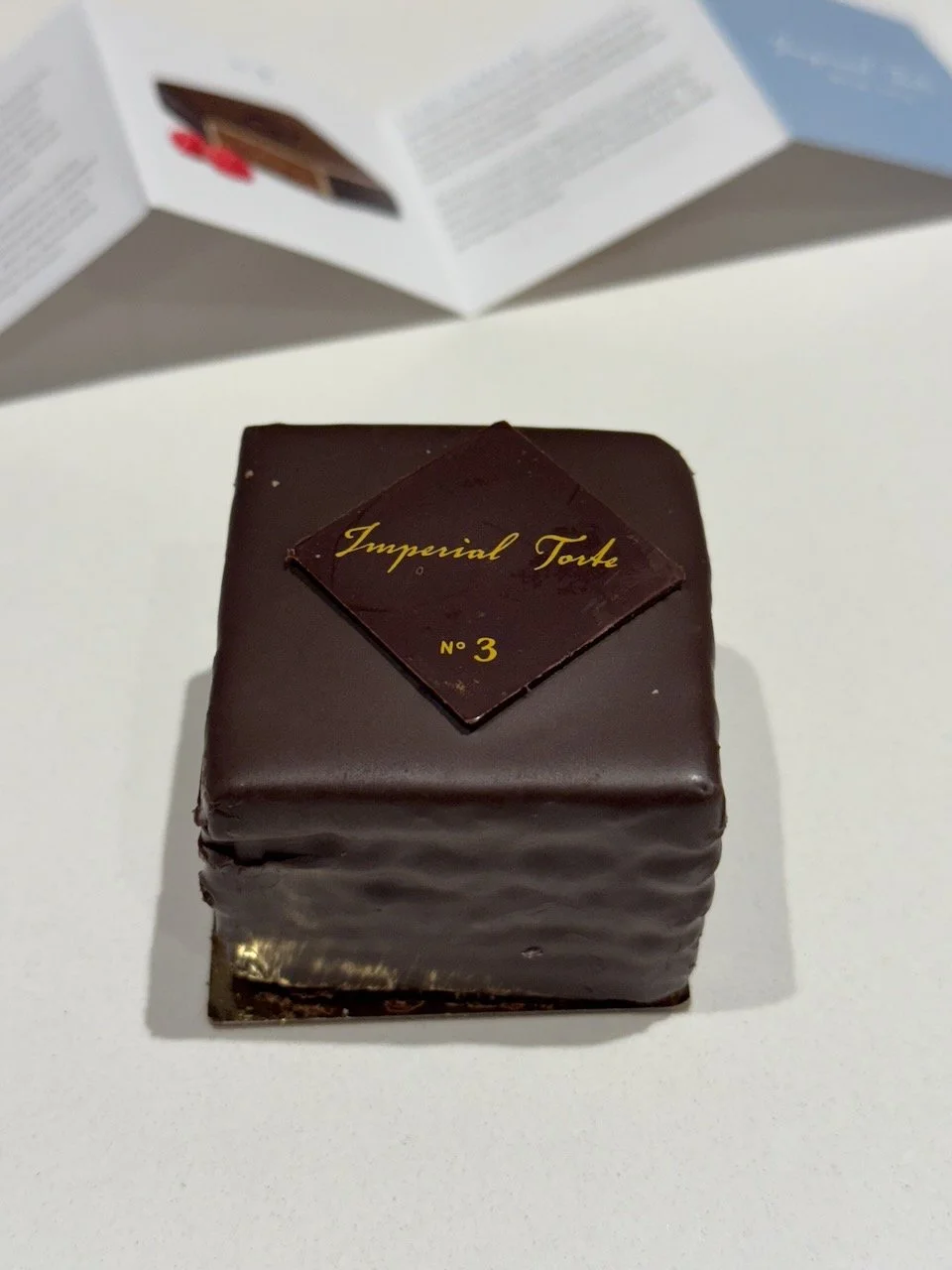
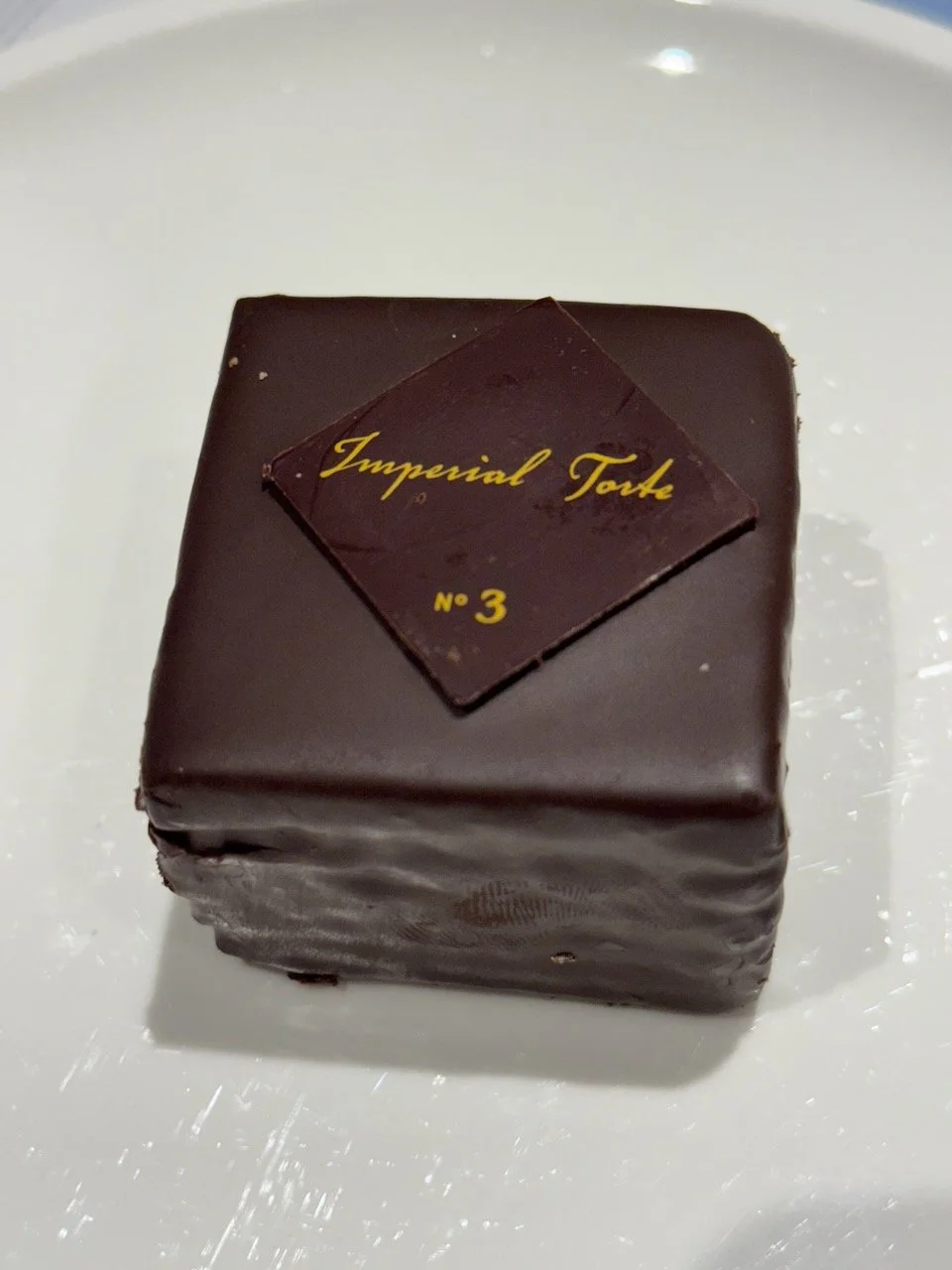
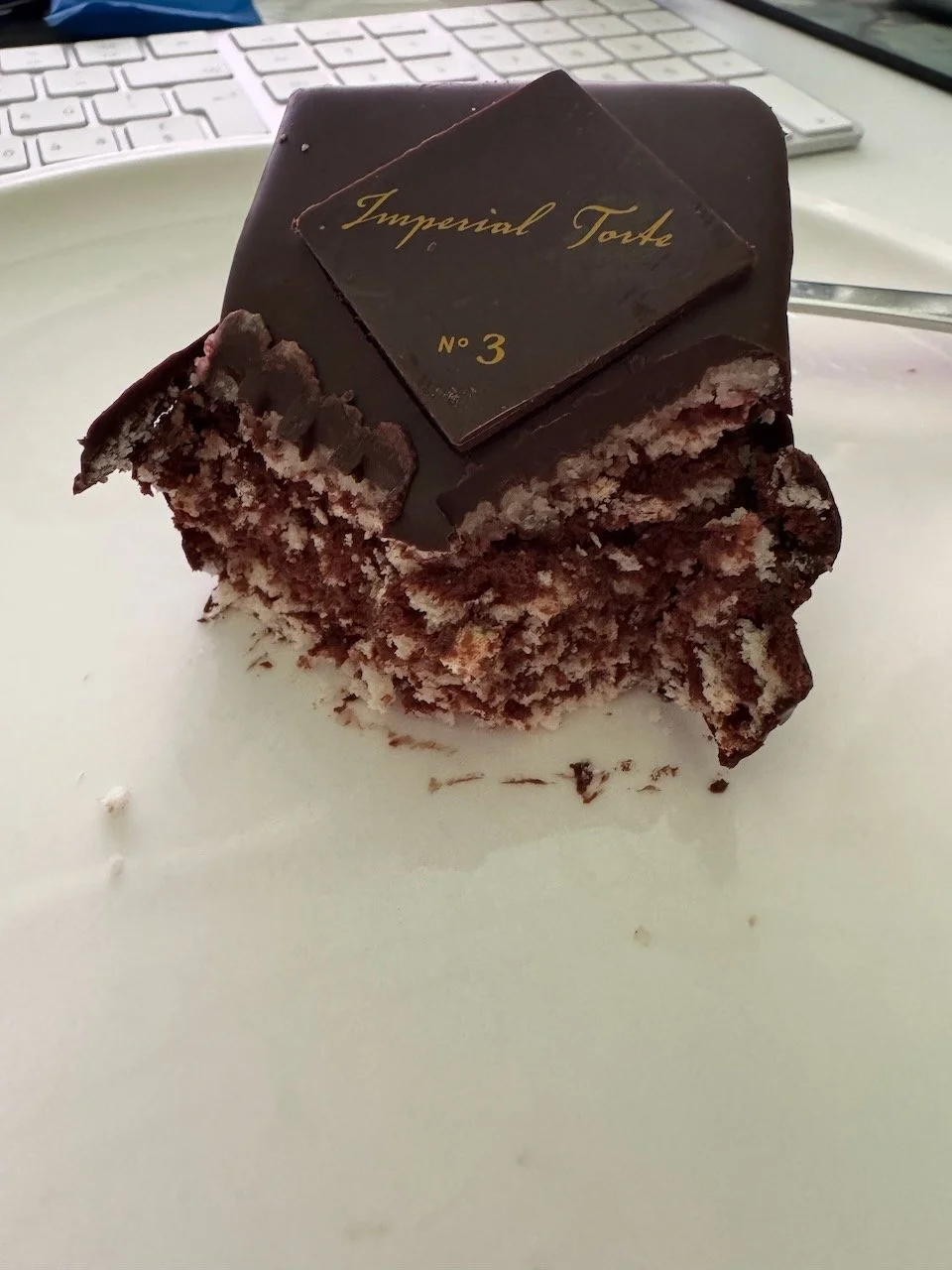
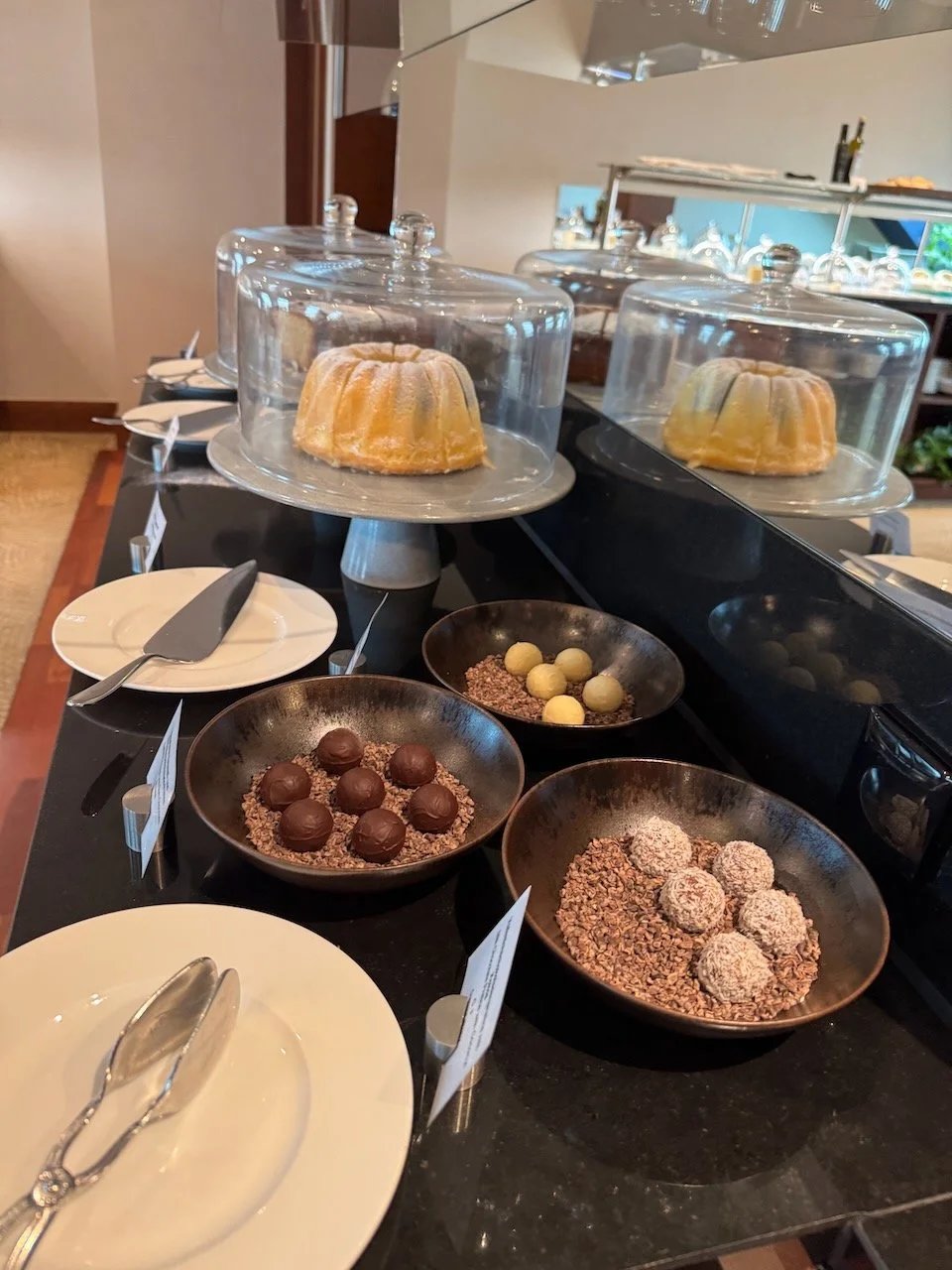
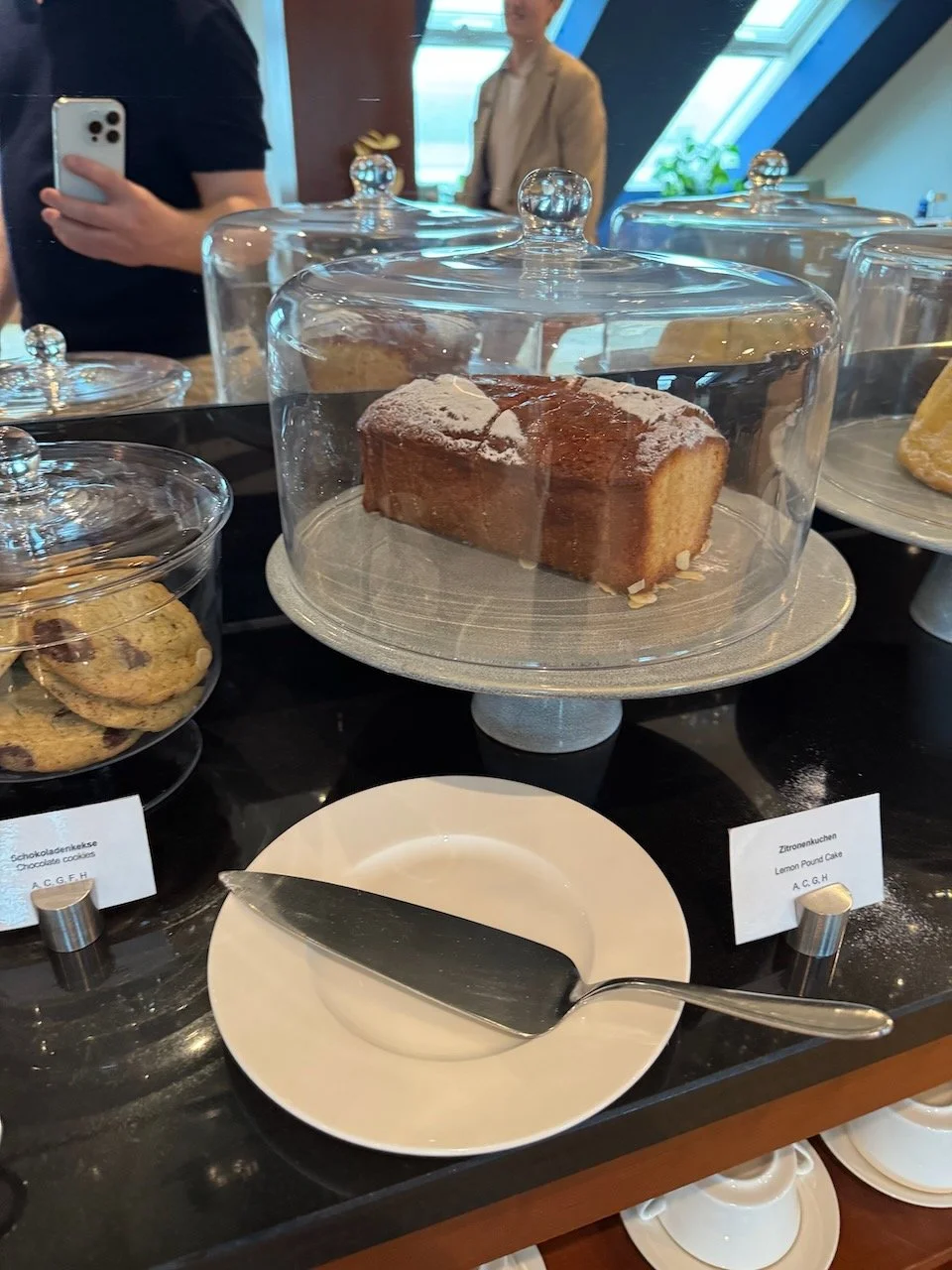
And then there is the Imperial Torte. According to the hotel’s legend, it was created for the opening in 1873 in honour of Emperor Franz Joseph I. Chocolate, almonds and marzipan make a deliciously rich combination, and the neatly boxed squares are a very convenient souvenir. Who needs the gym when there is another Viennese cake to investigate?
The Ritz-Carlton, Vienna
I can arrange VIP perks through Virtuoso and the hotel partner programme shown below.
Spread across four historic palaces on the Ringstrasse, The Ritz-Carlton, Vienna combines a grand address with a more contemporary hotel experience. There is plenty of history in the building, but also a substantial spa, several dining options and a rooftop bar with a very different perspective on the city.
Atmosphere
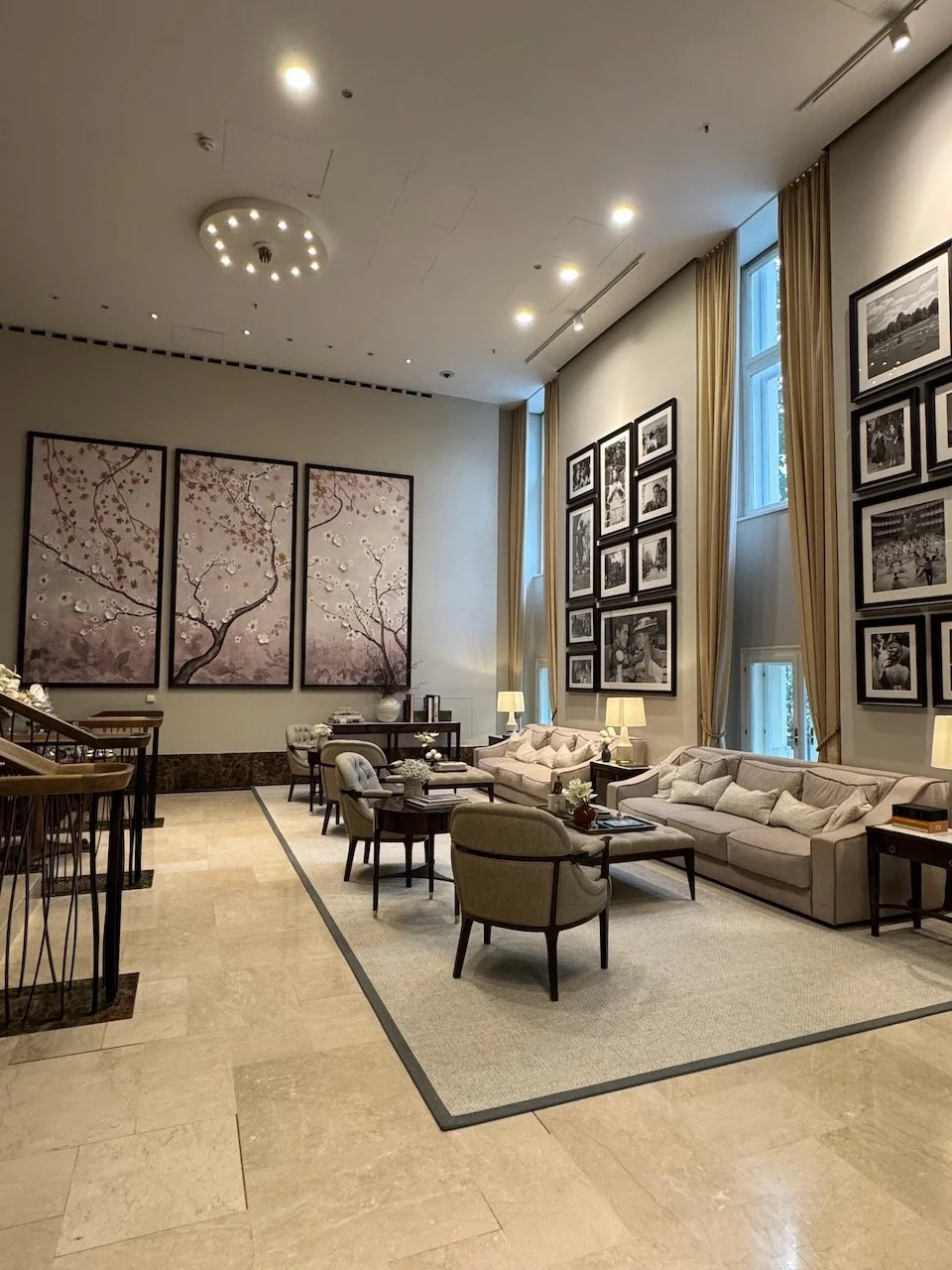
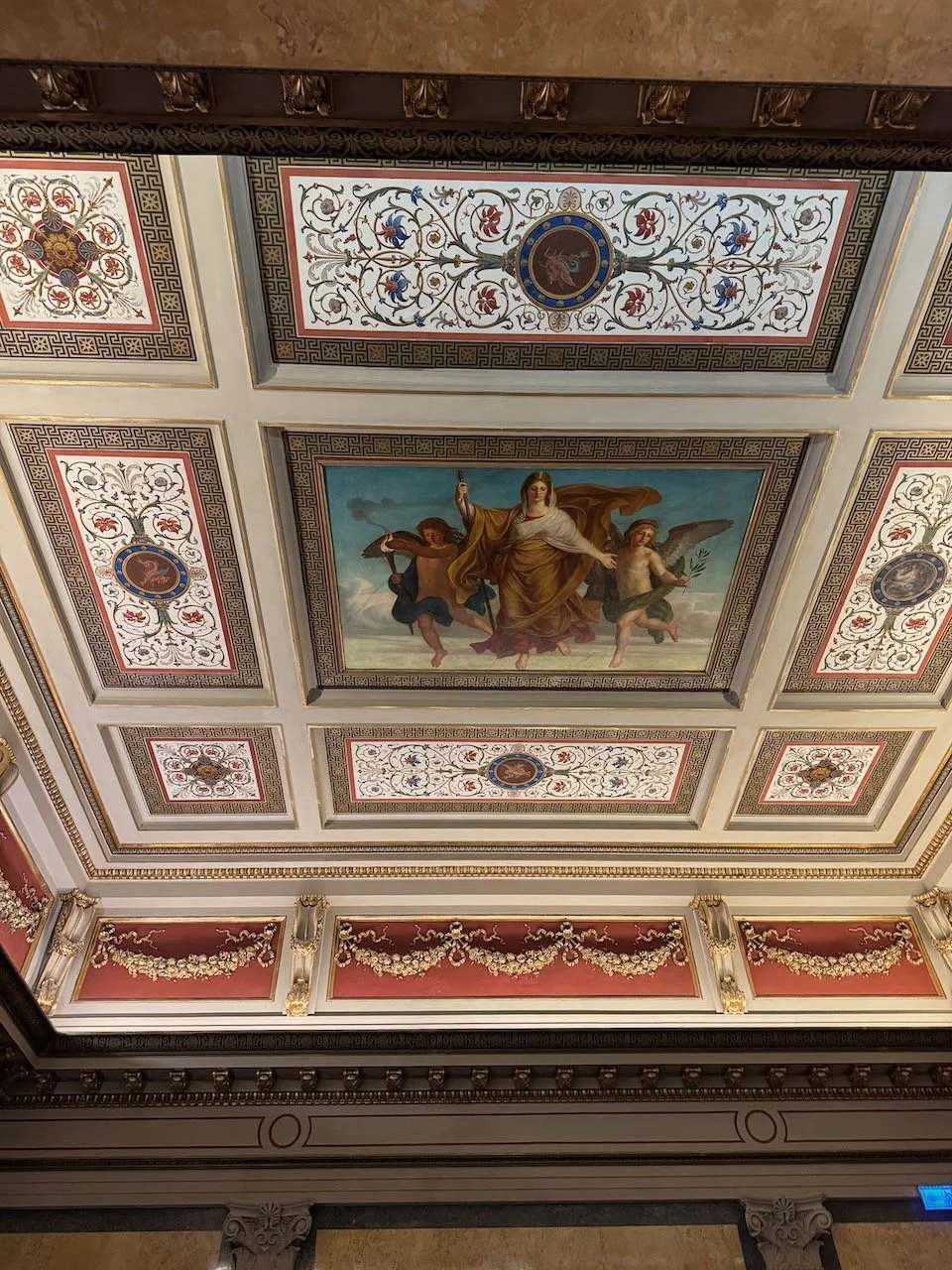
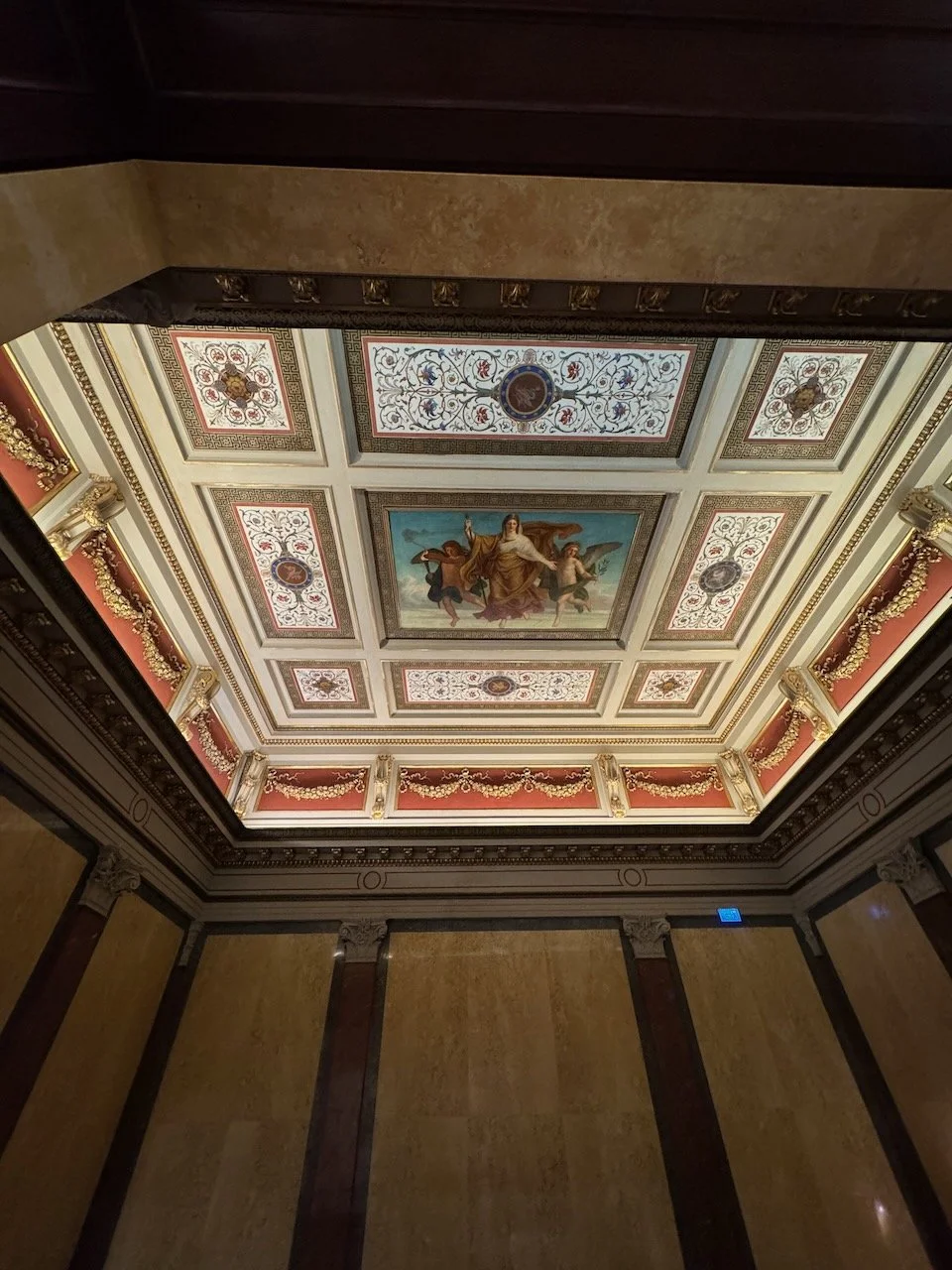
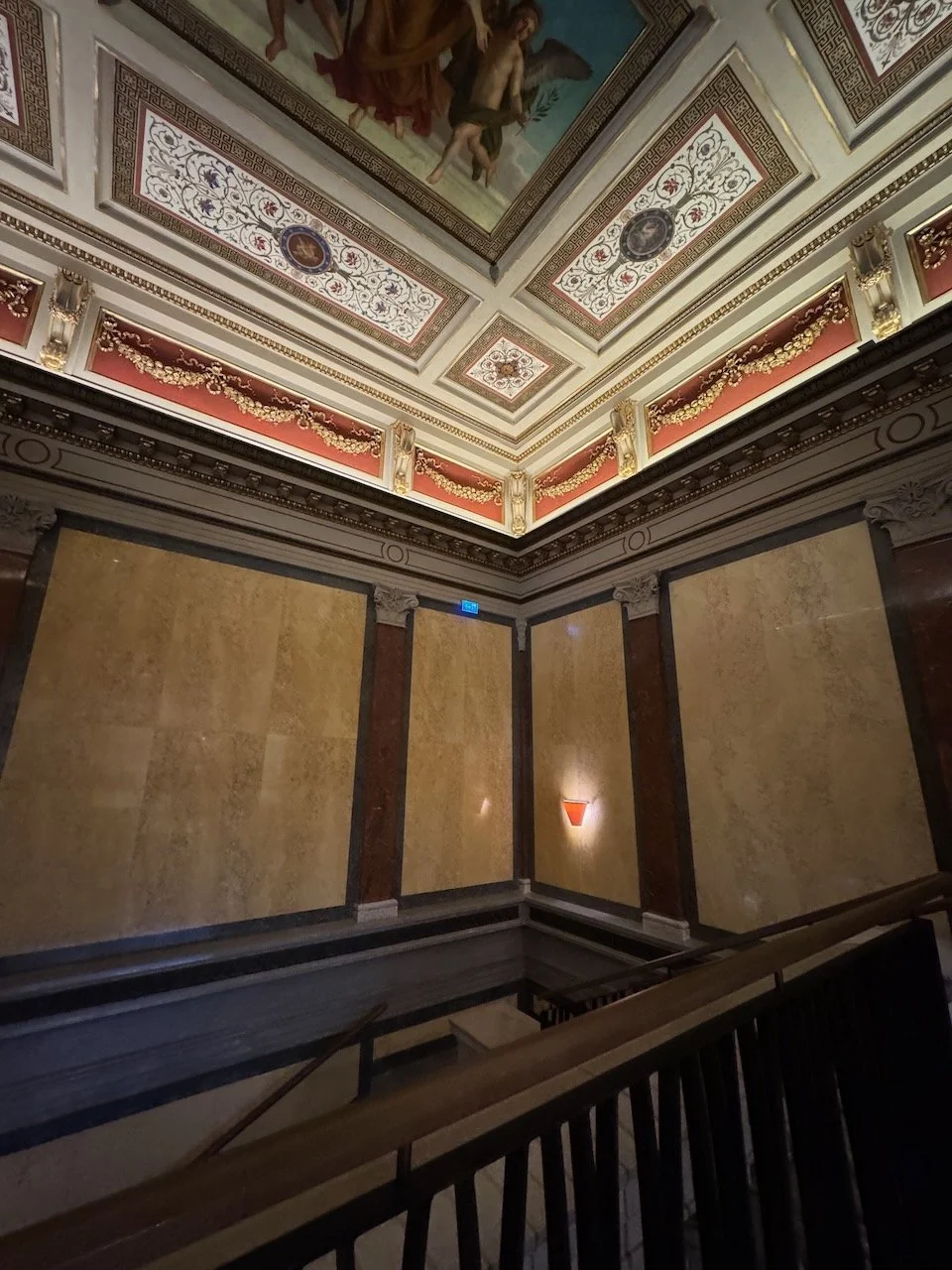
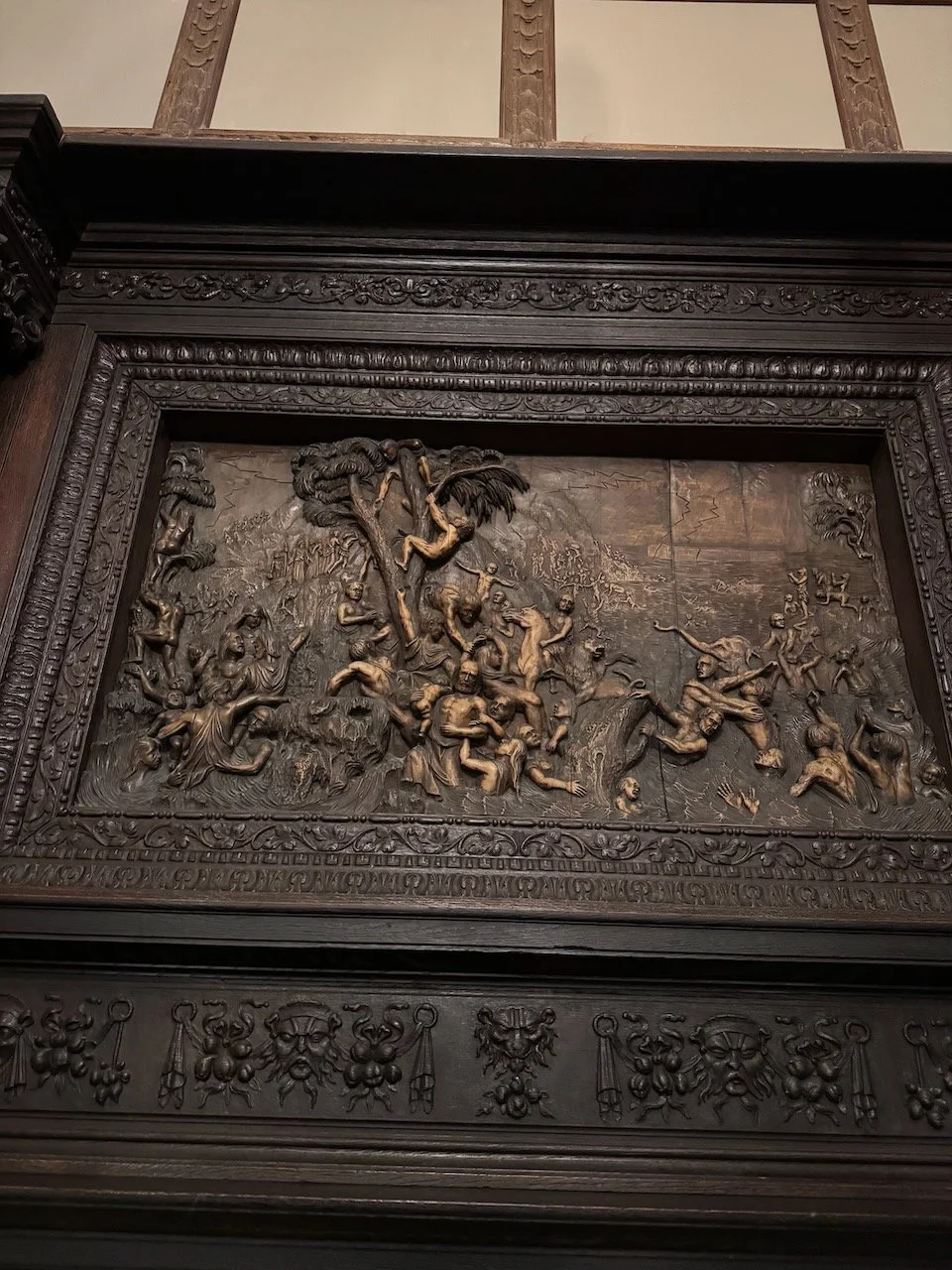
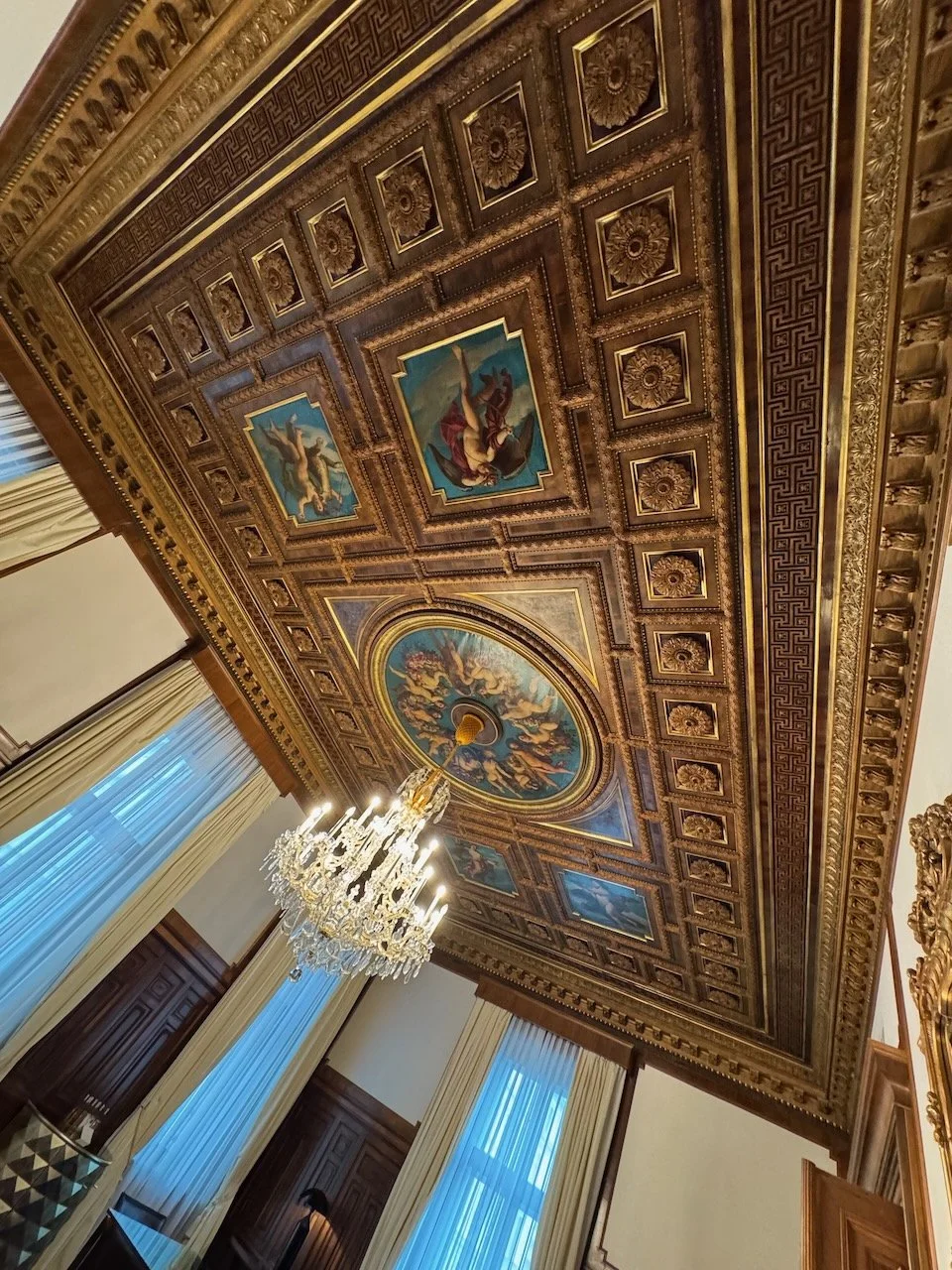
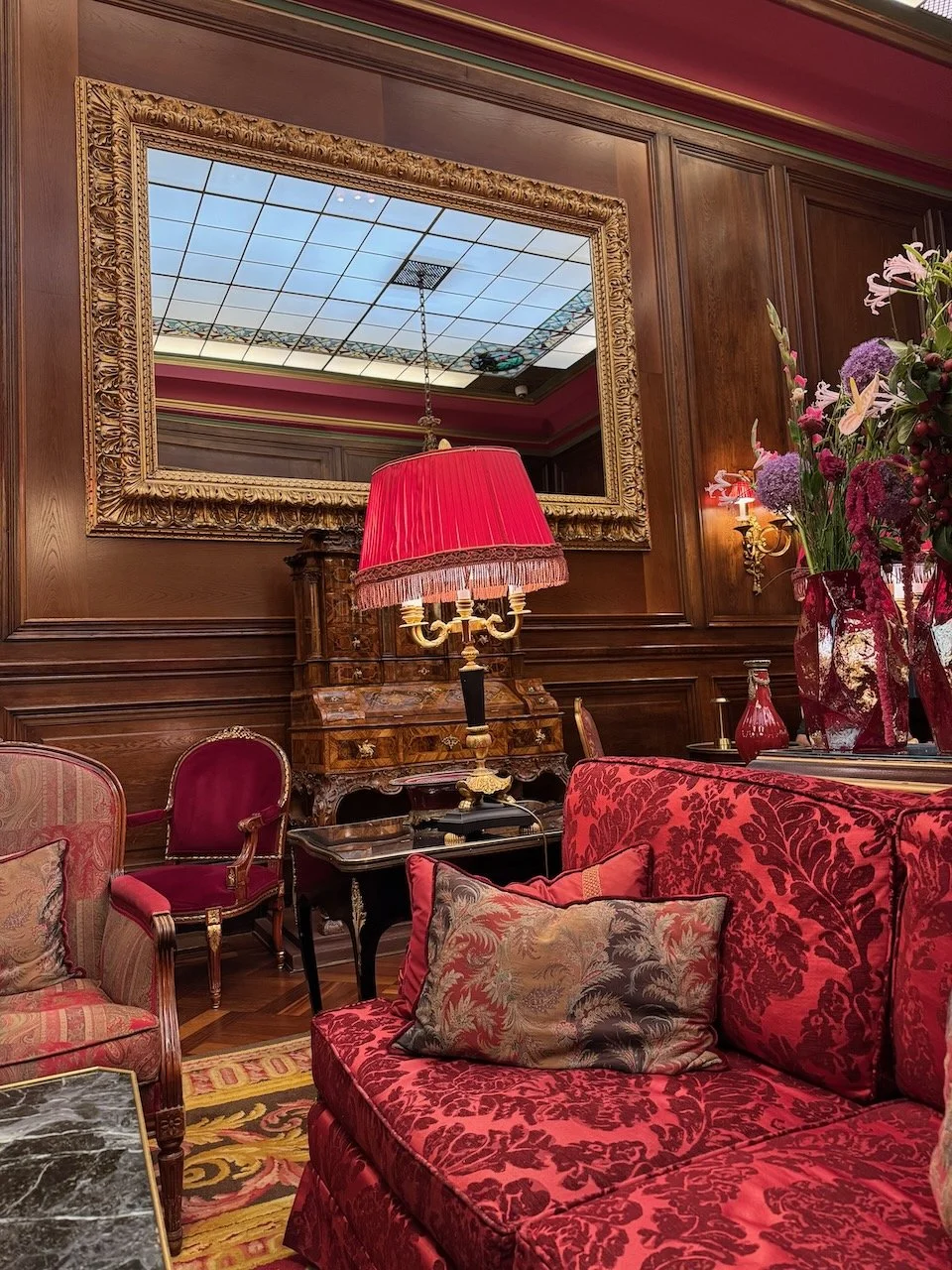
The contrast between the old and new parts is one of the interesting things here. Ornate stairways, painted ceilings and dark wood panelling give way to brighter, more modern spaces. It has the scale of a large international luxury hotel, with a few especially beautiful historic corners that deserve a closer look.
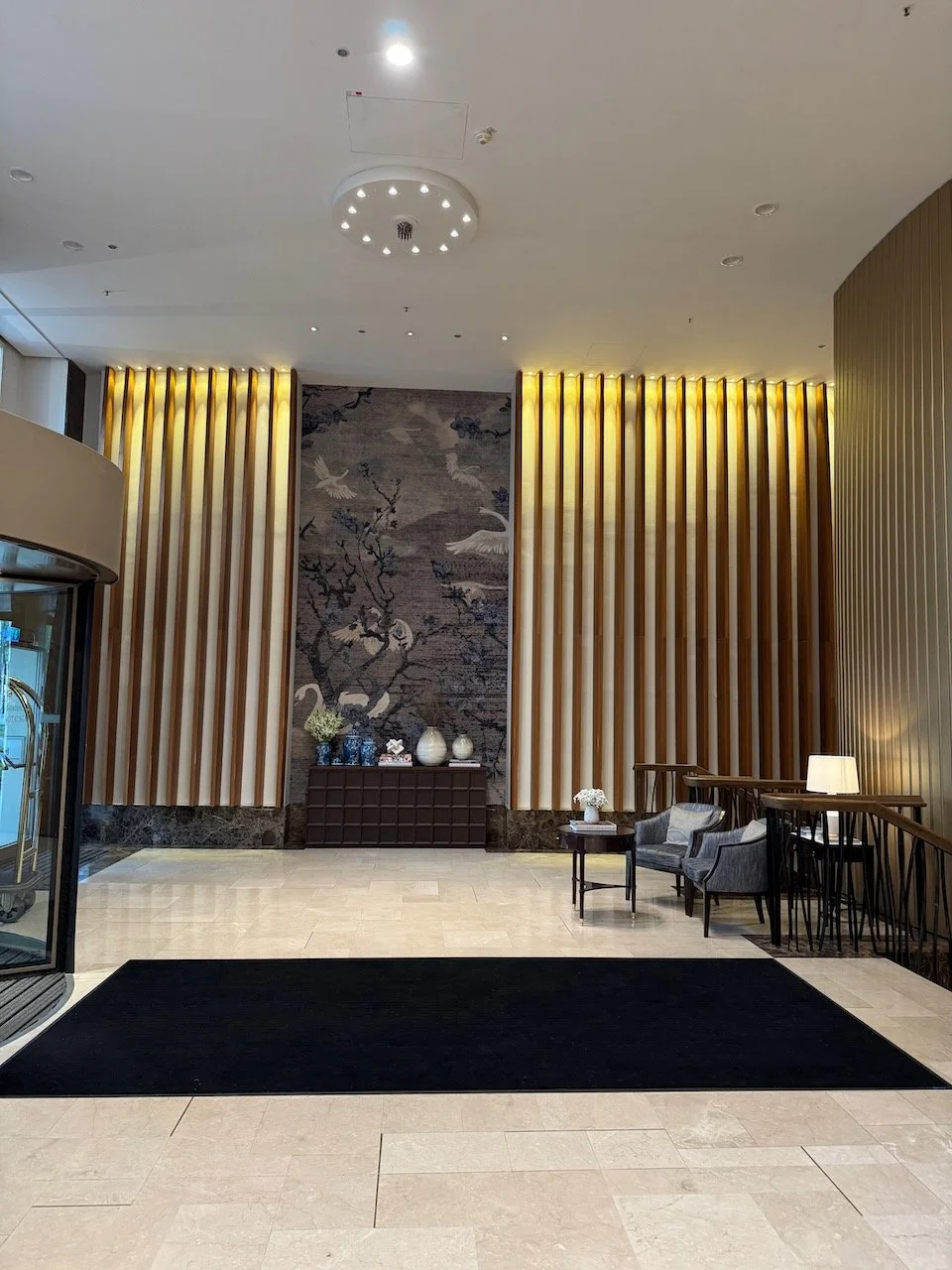
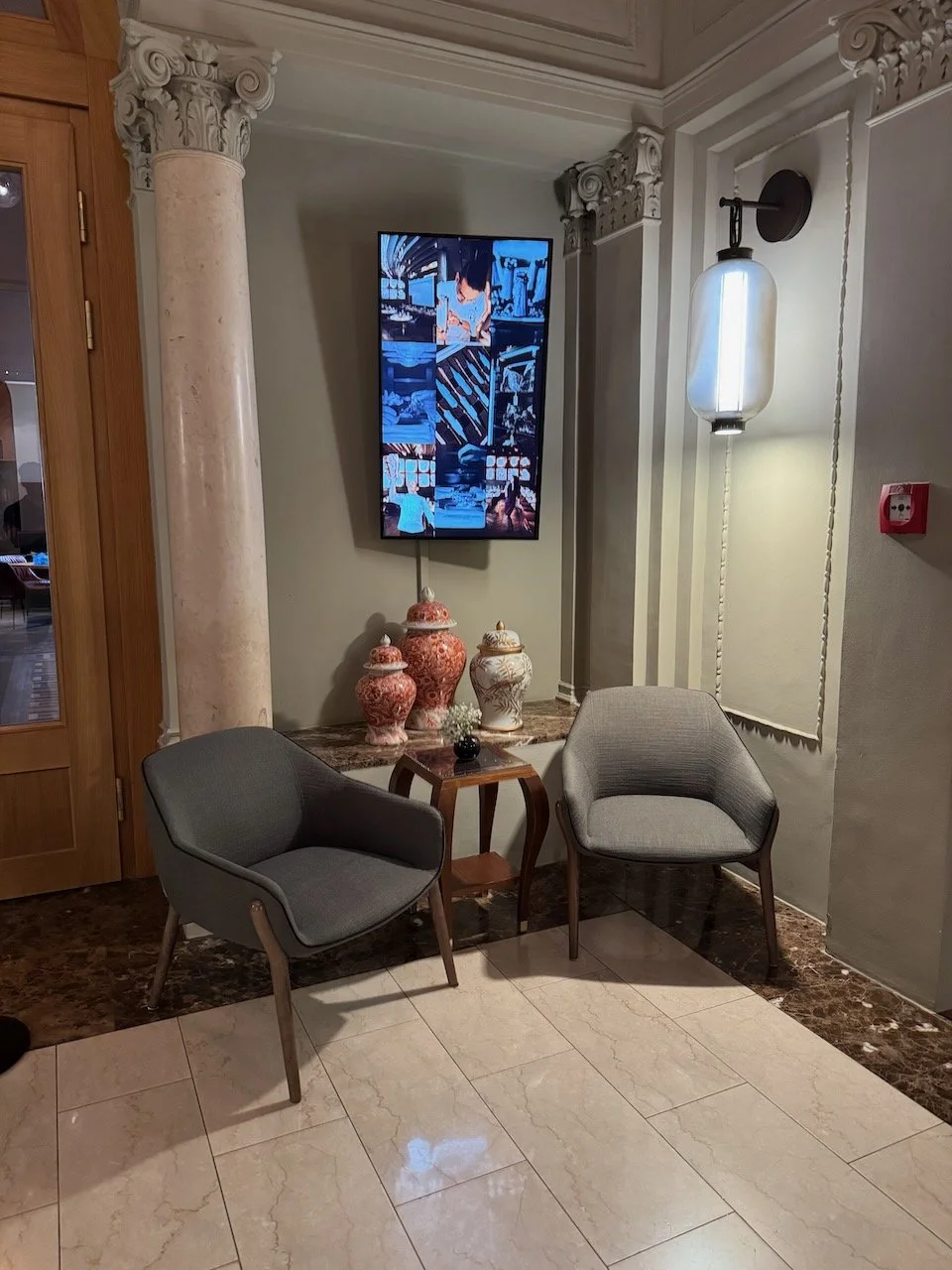
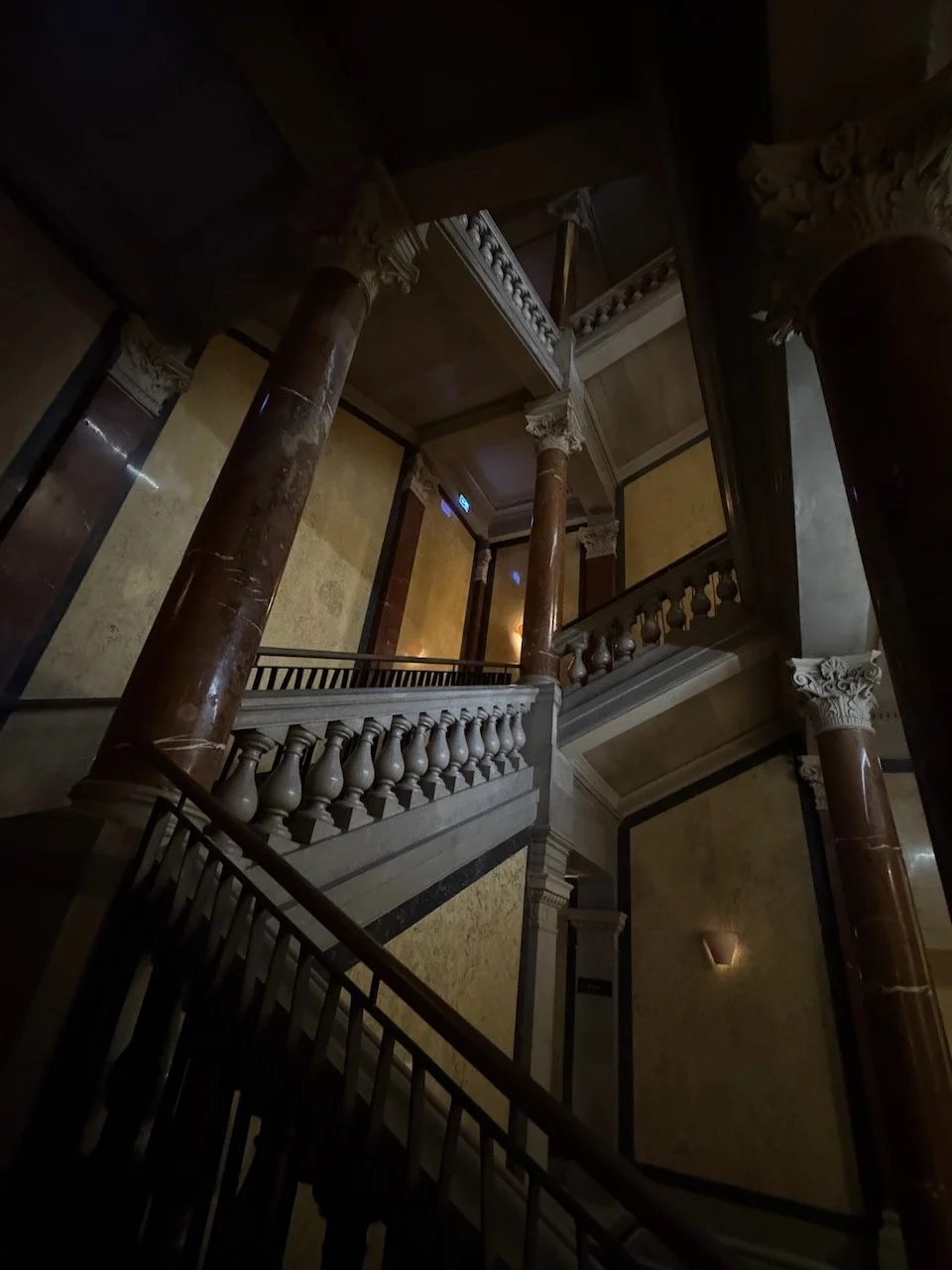
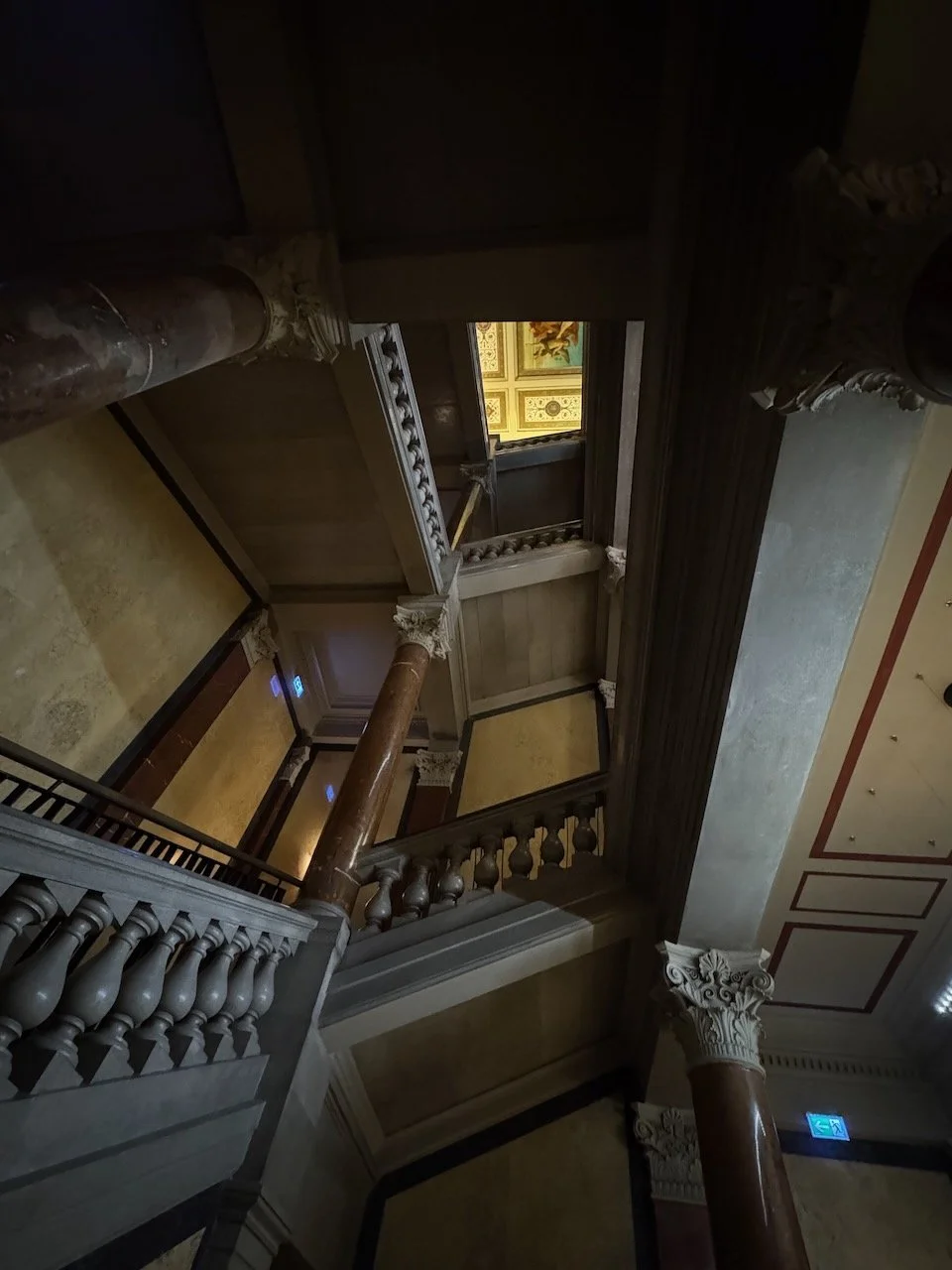
Accommodations
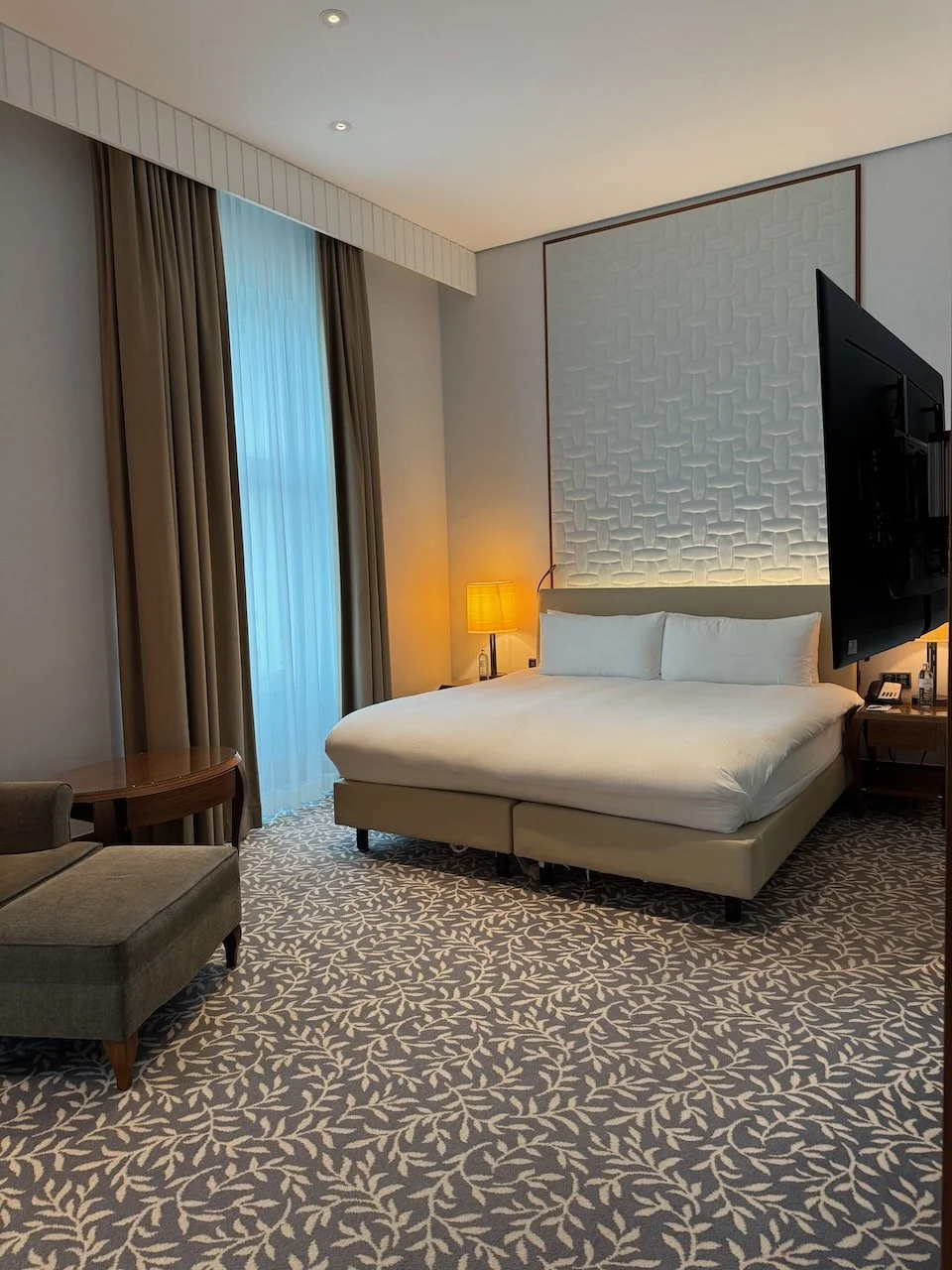
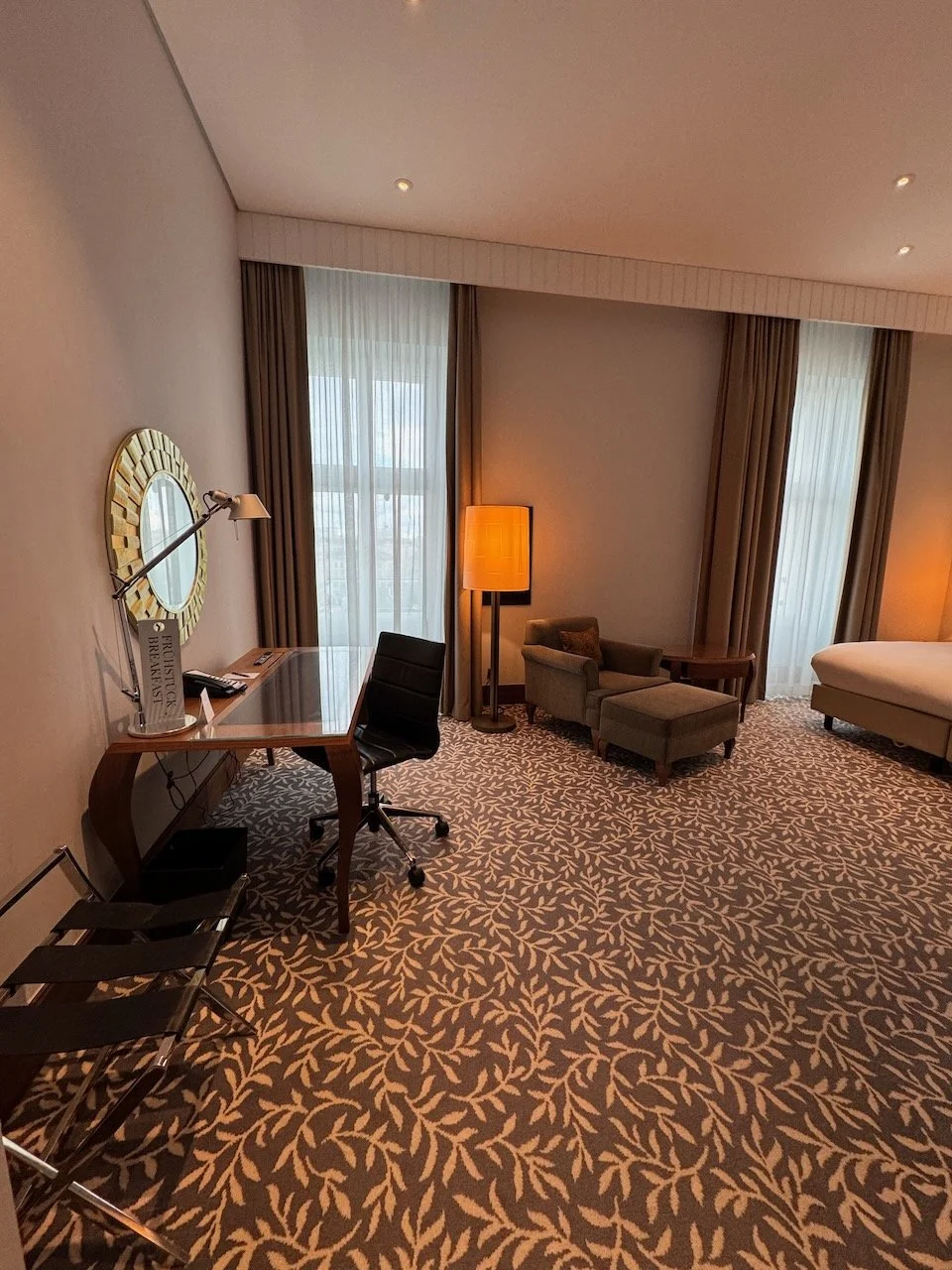
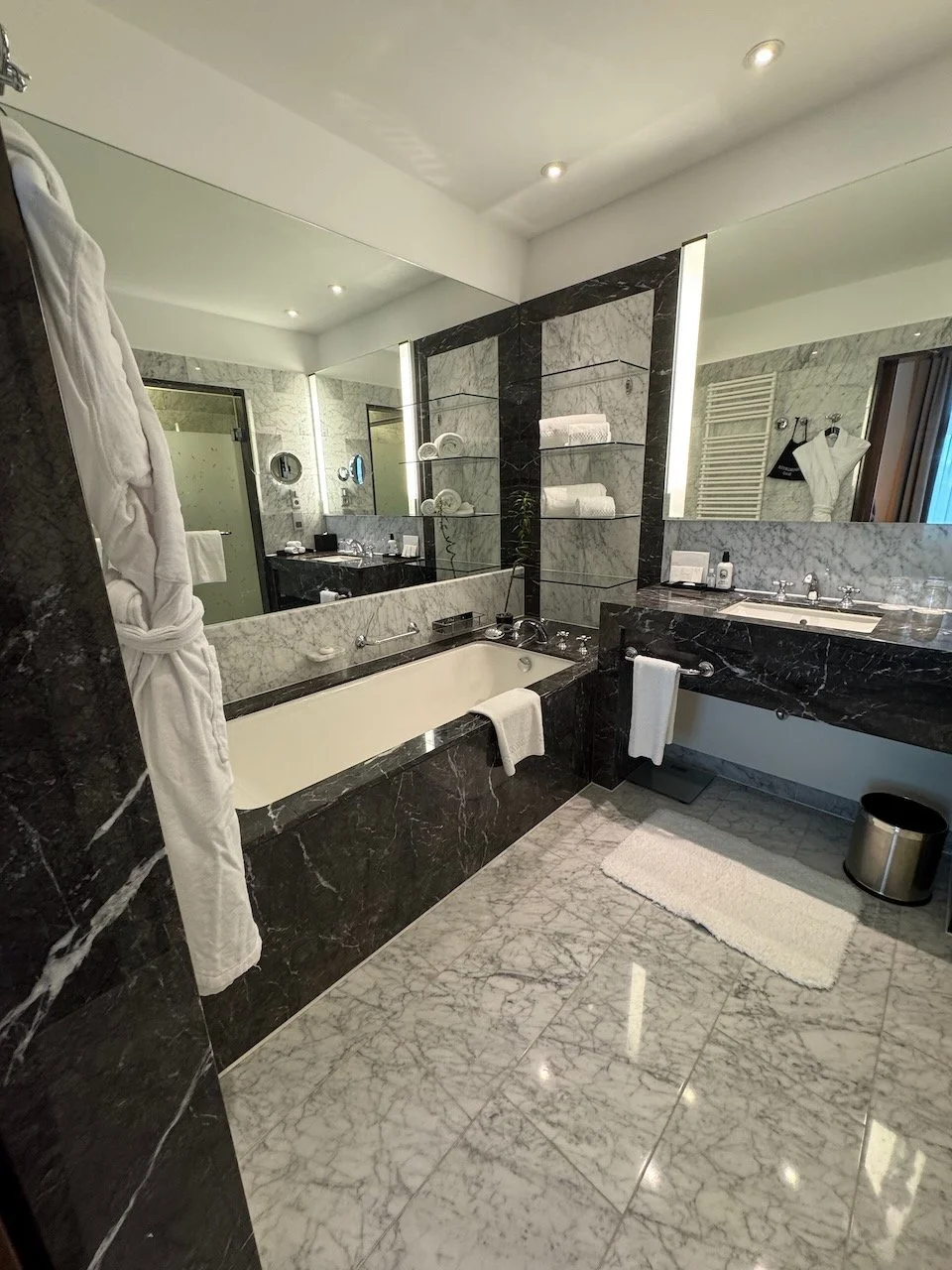
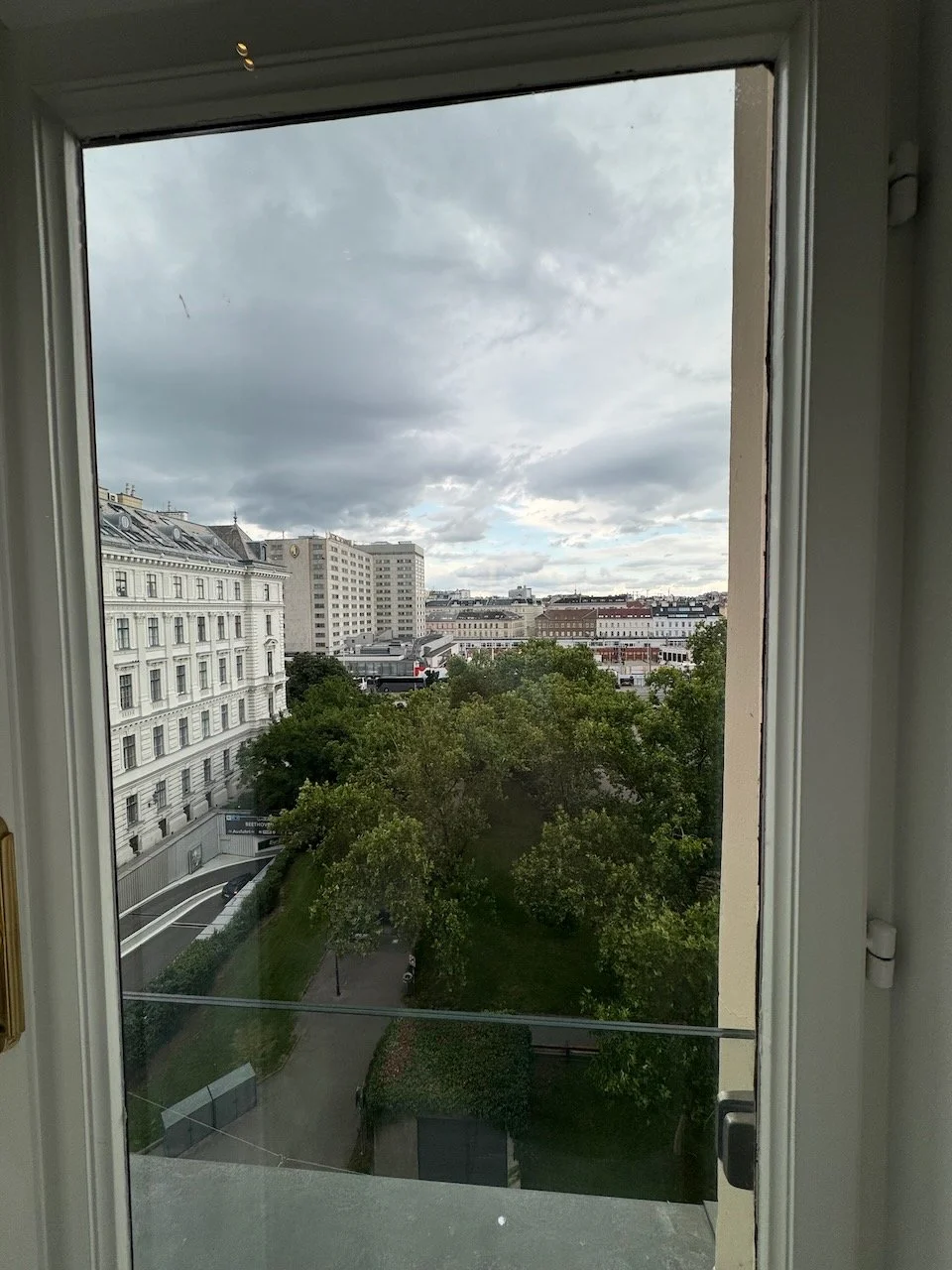
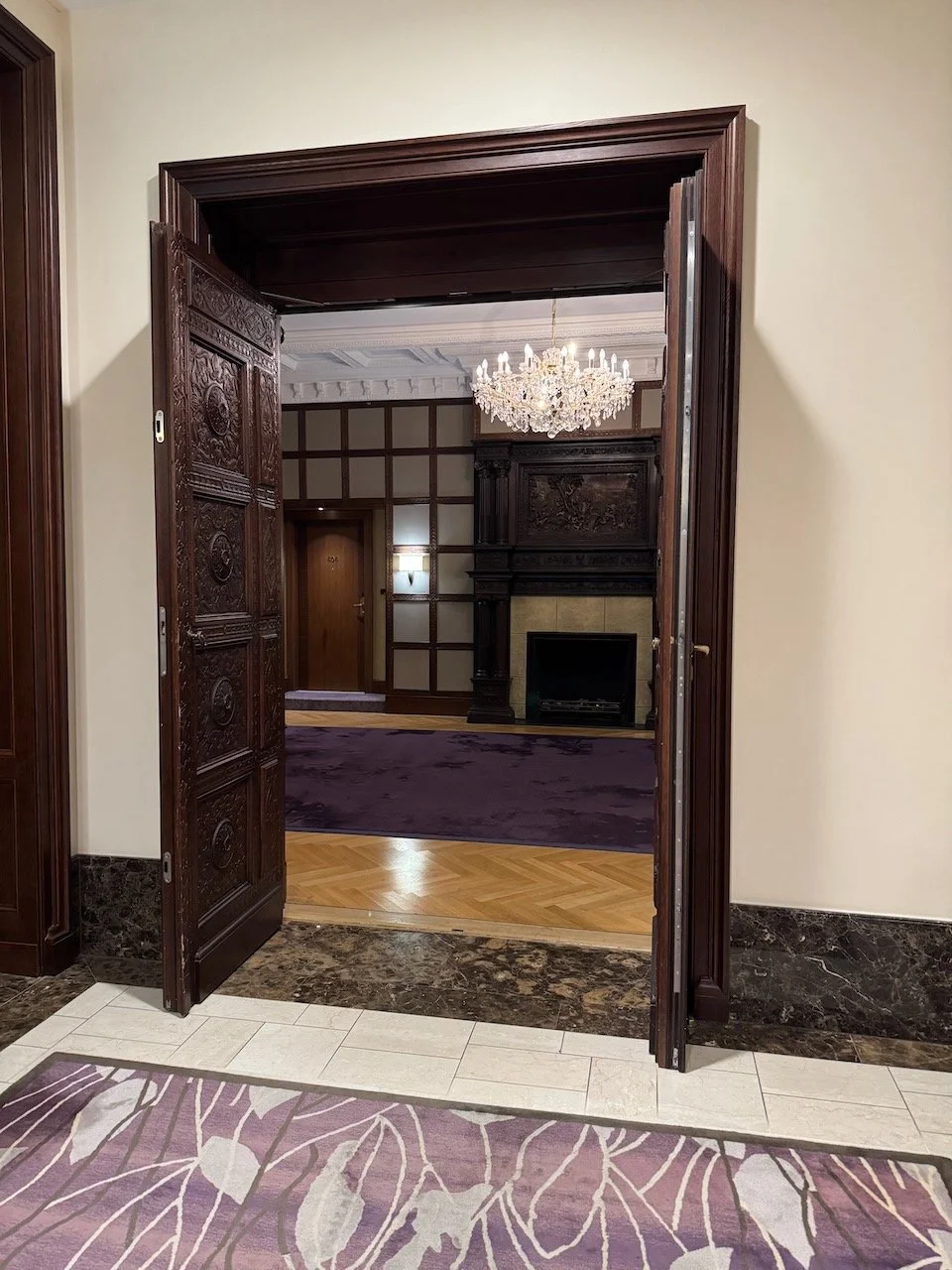
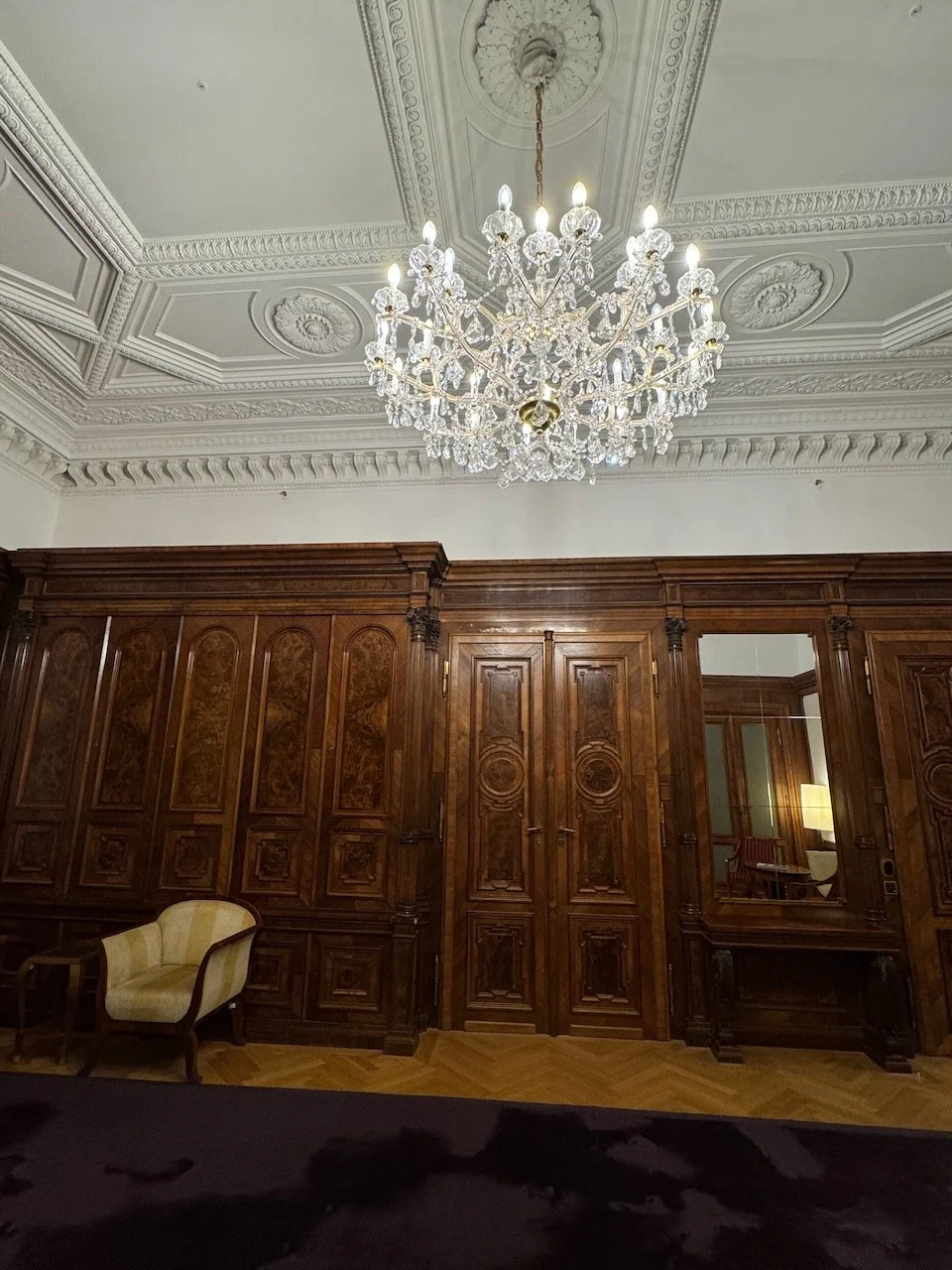
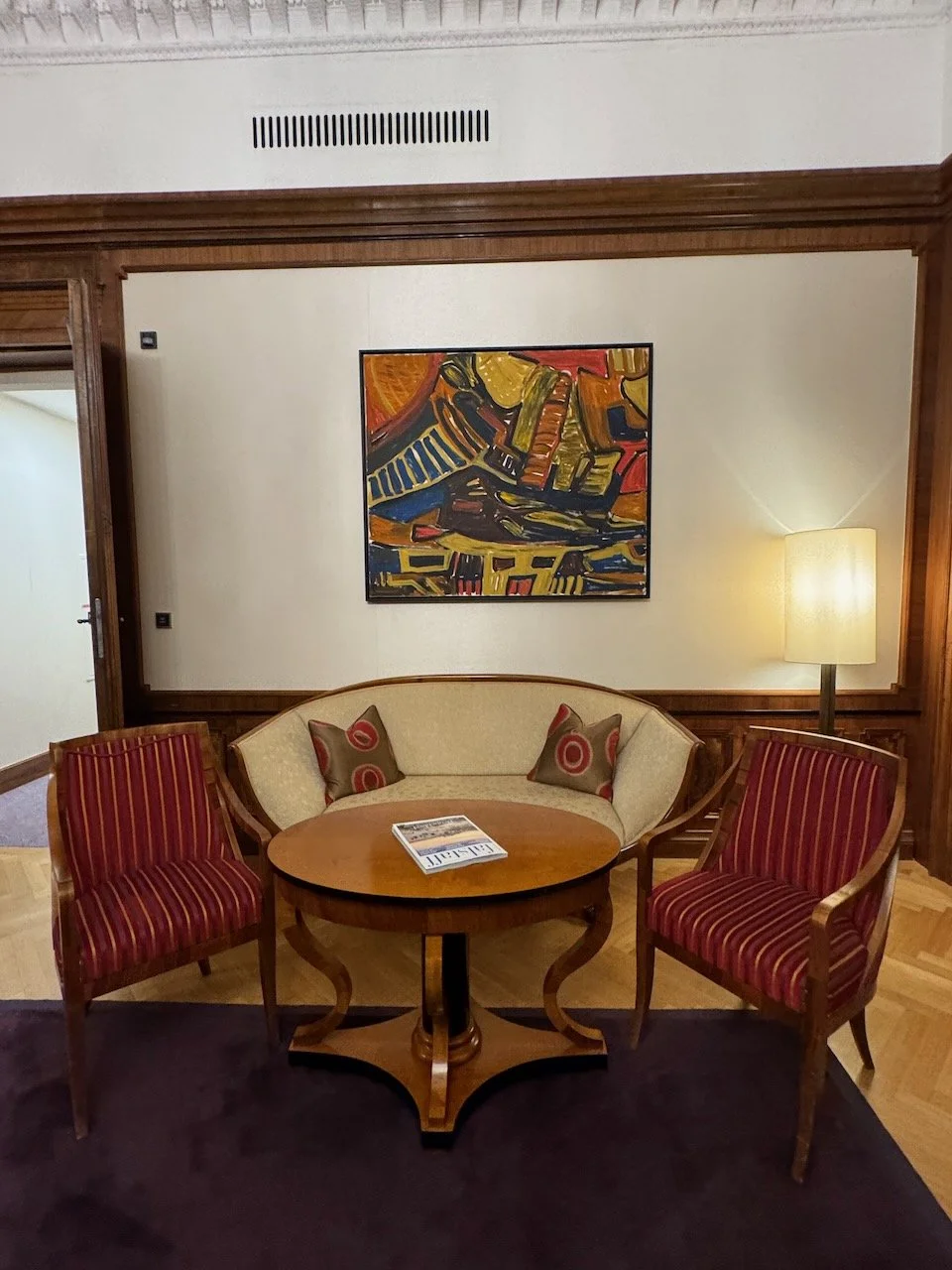
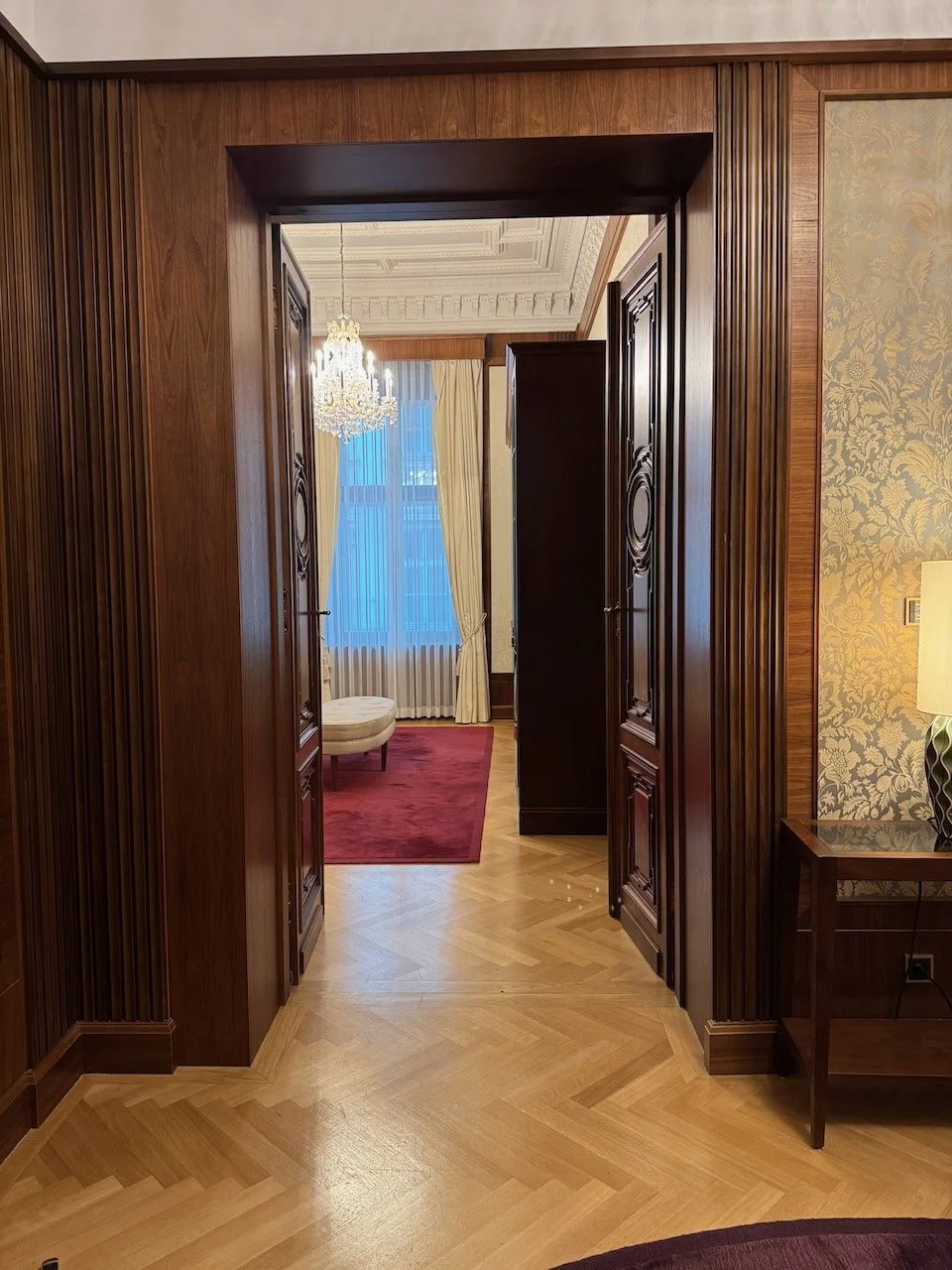
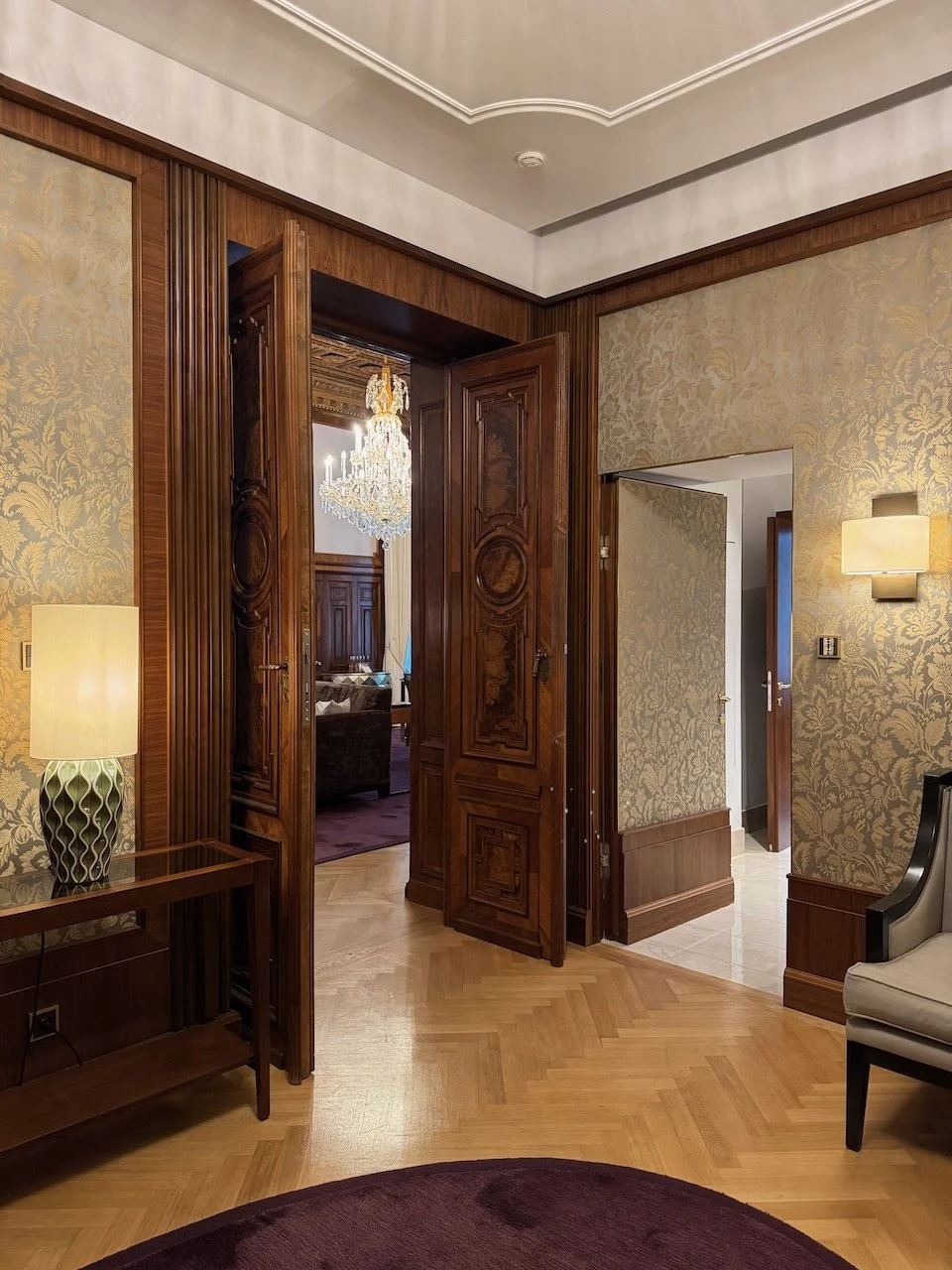
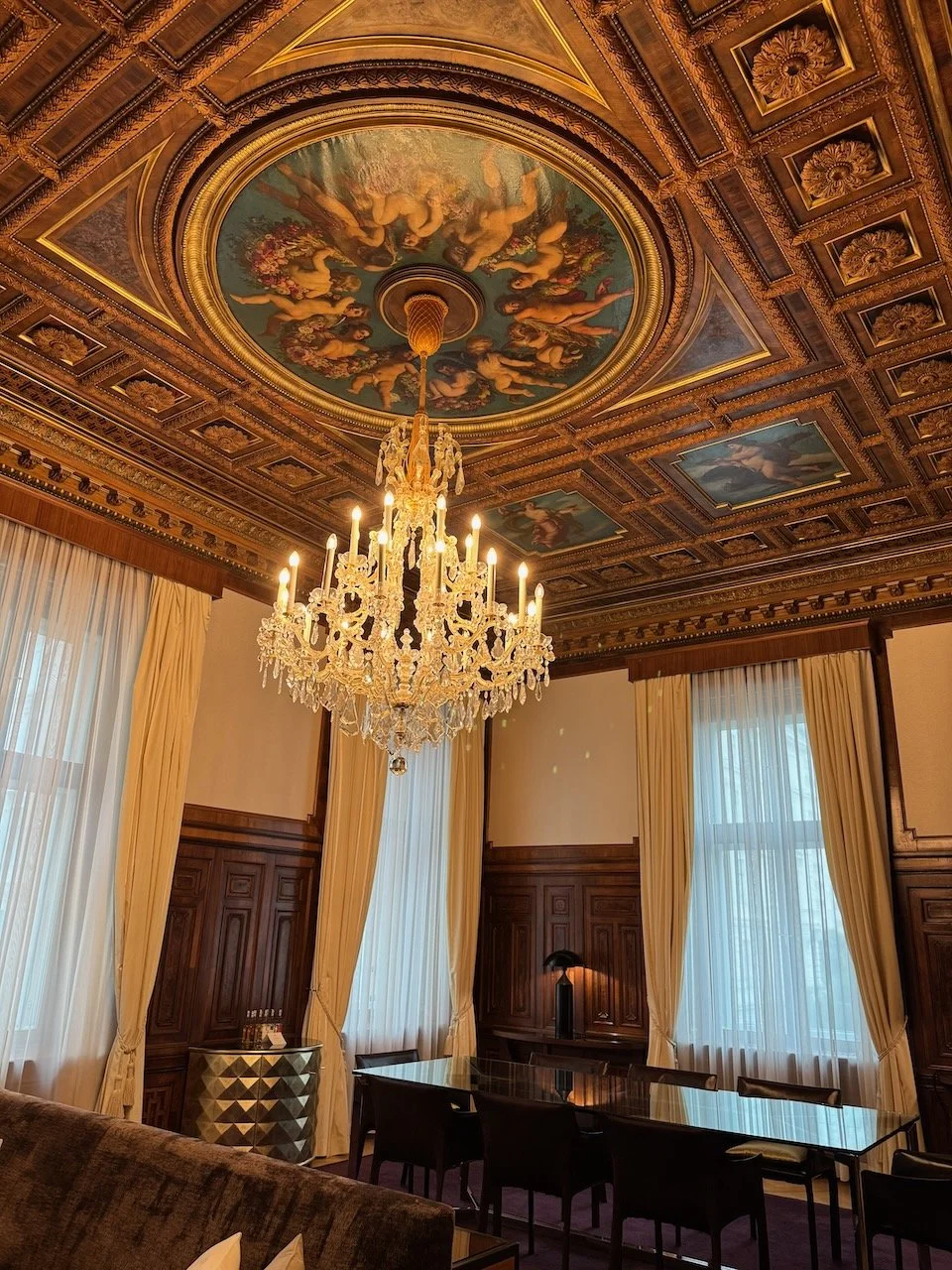
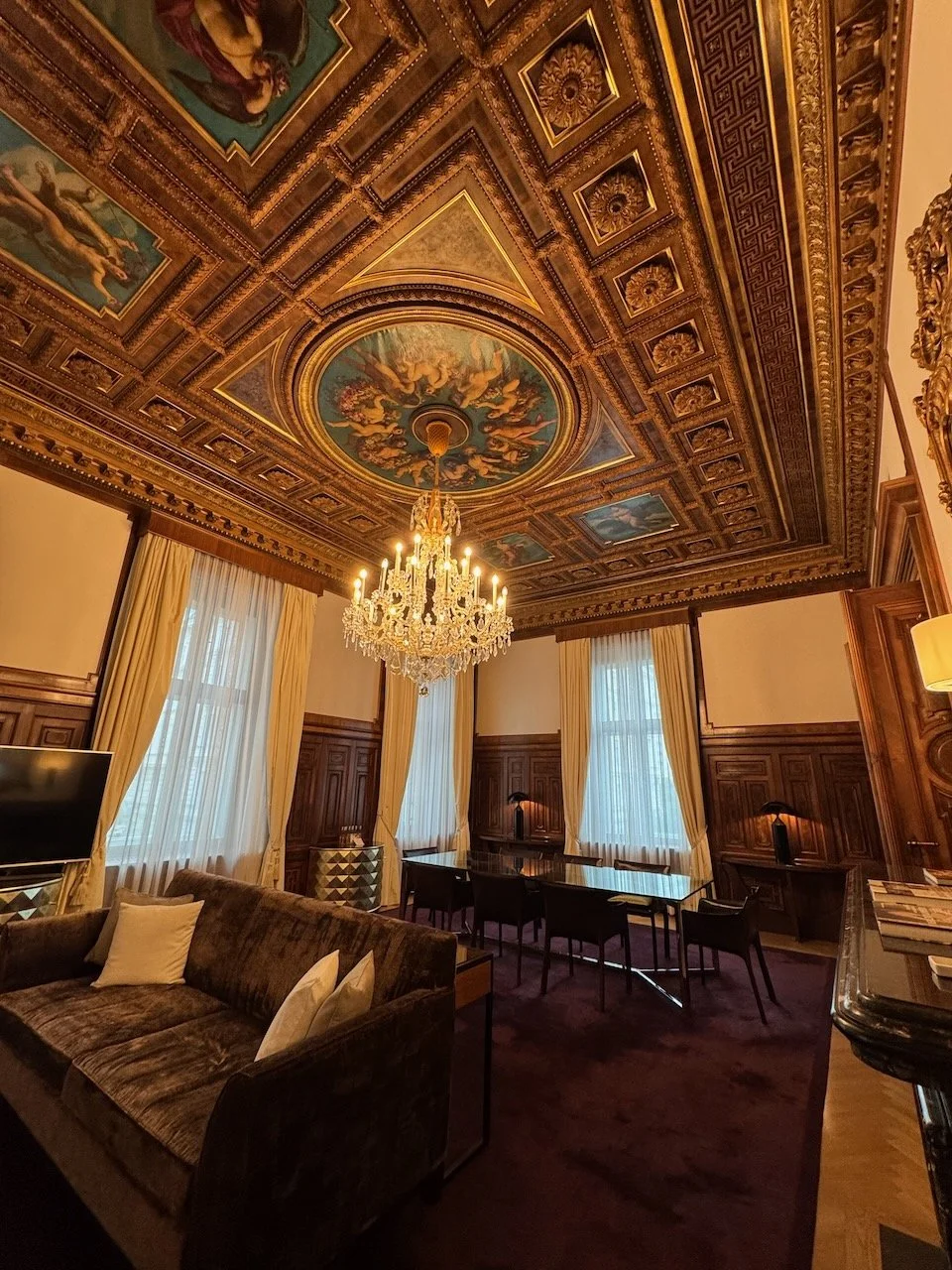
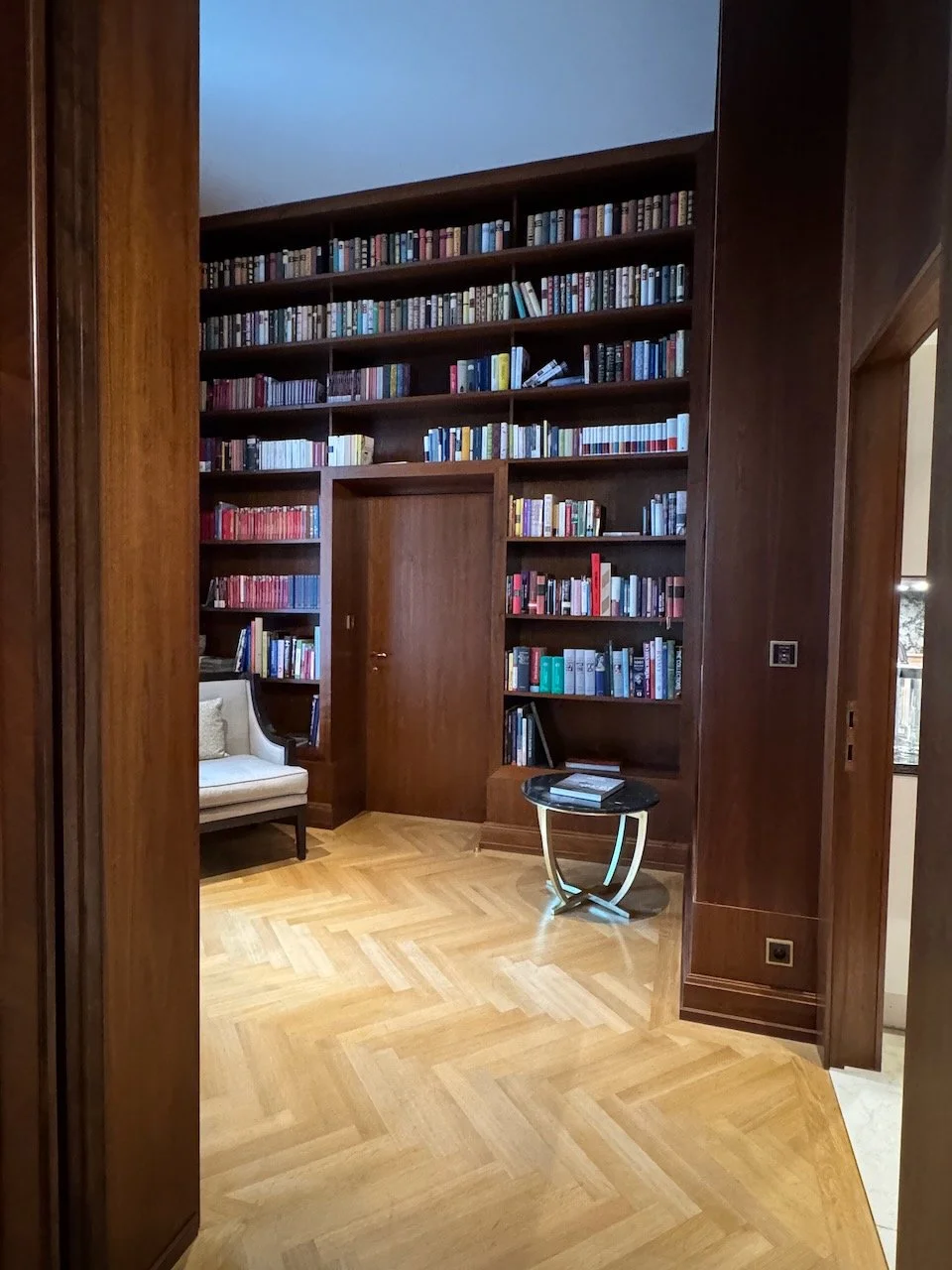
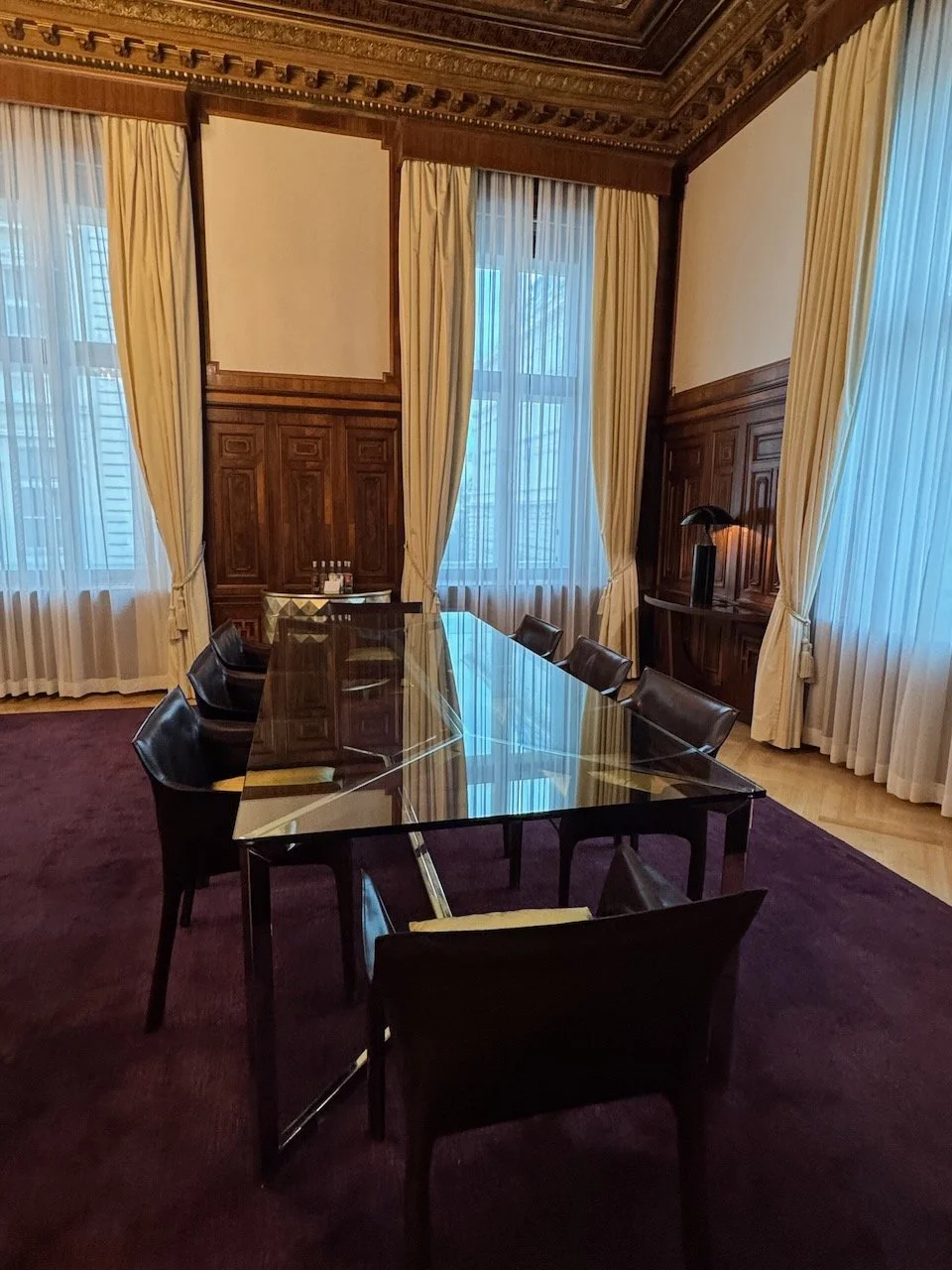
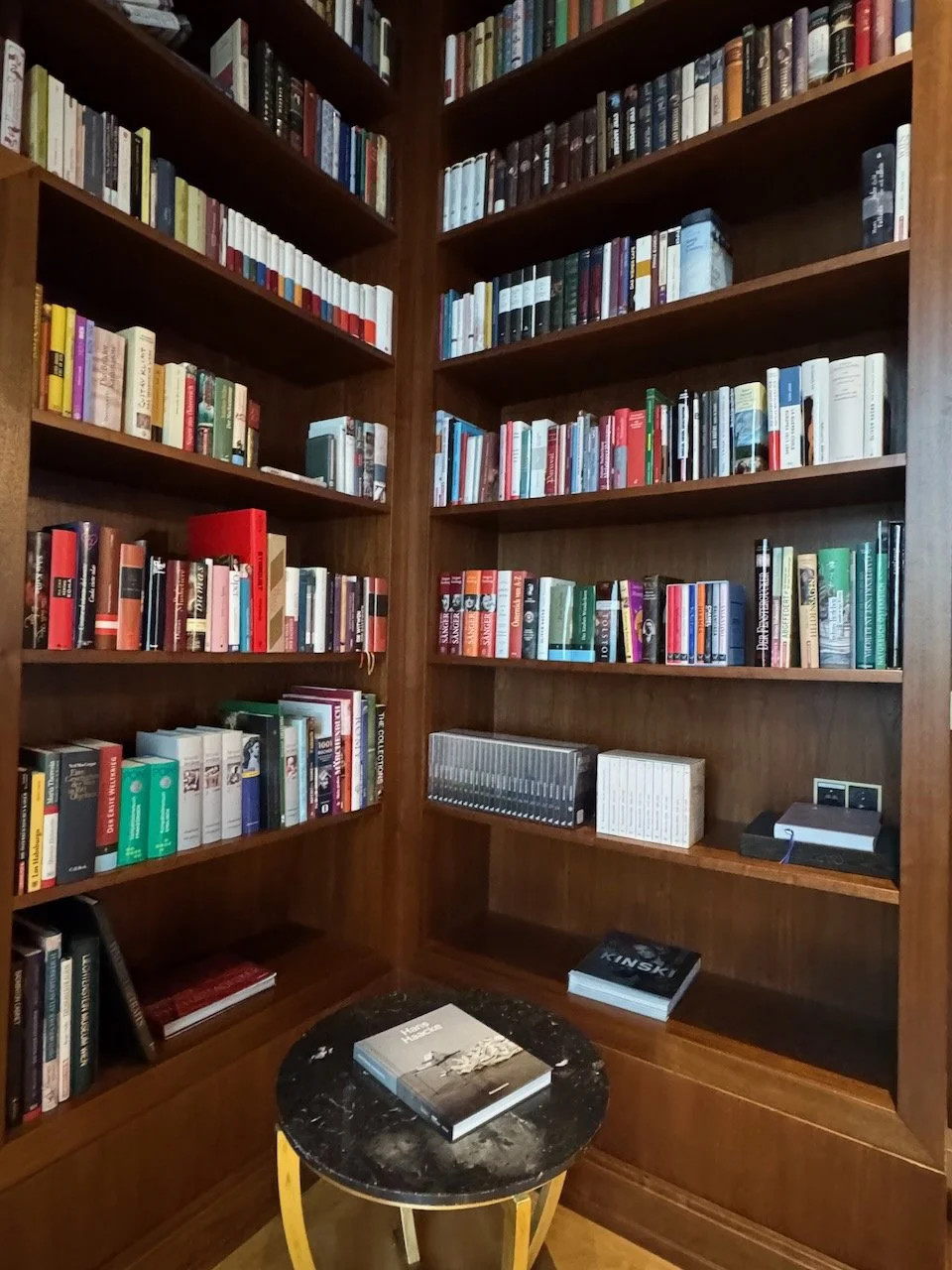
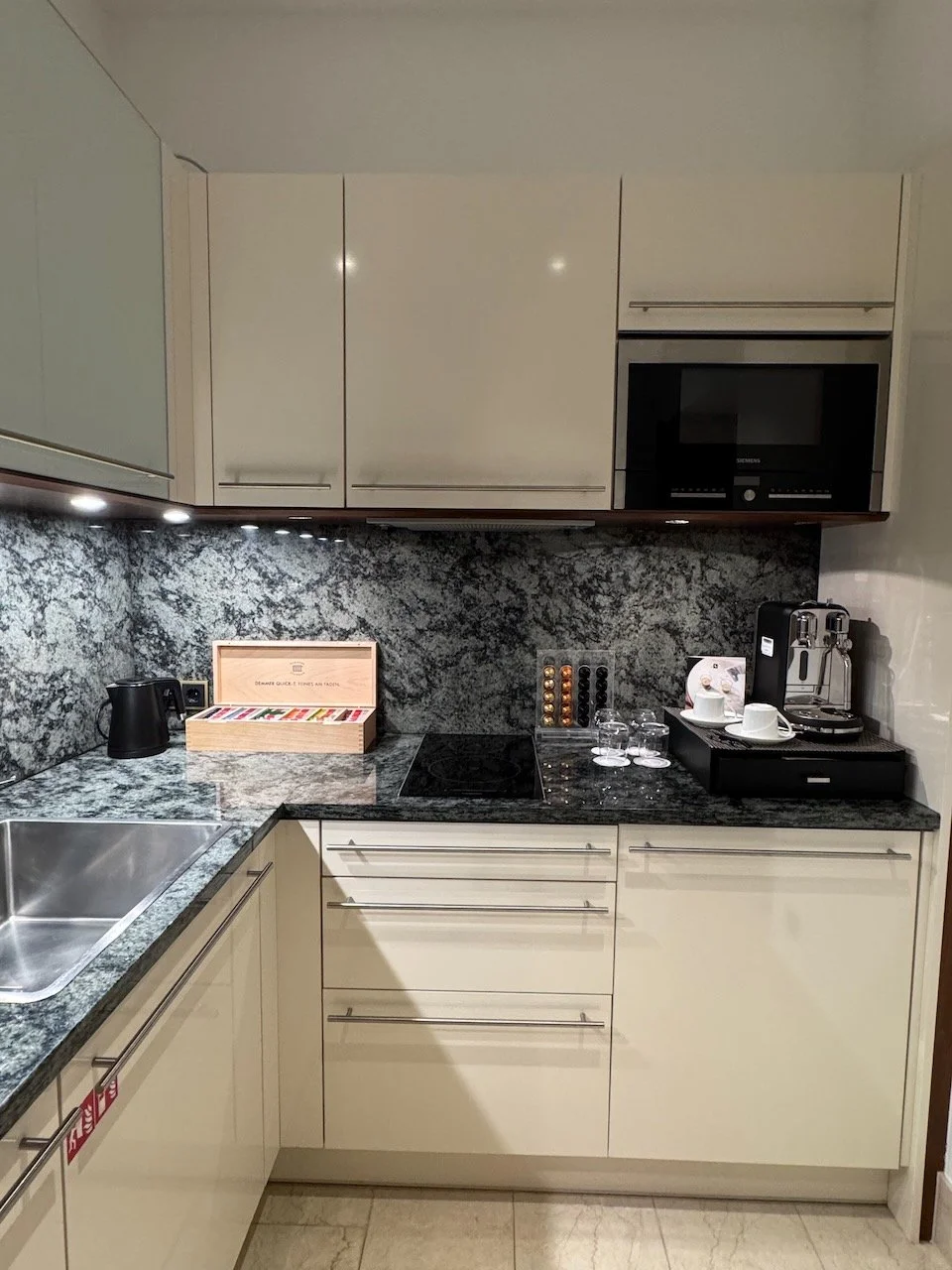
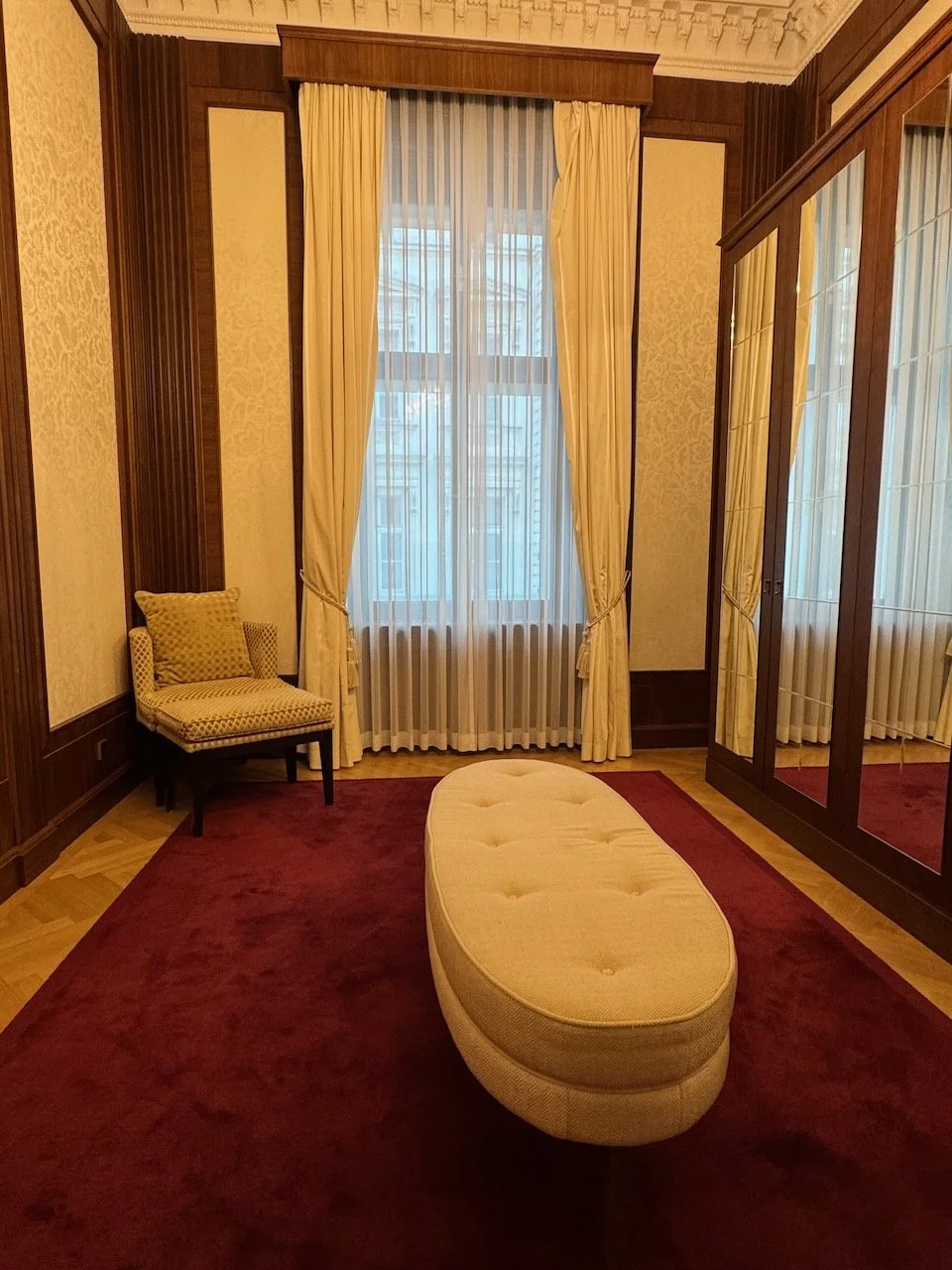
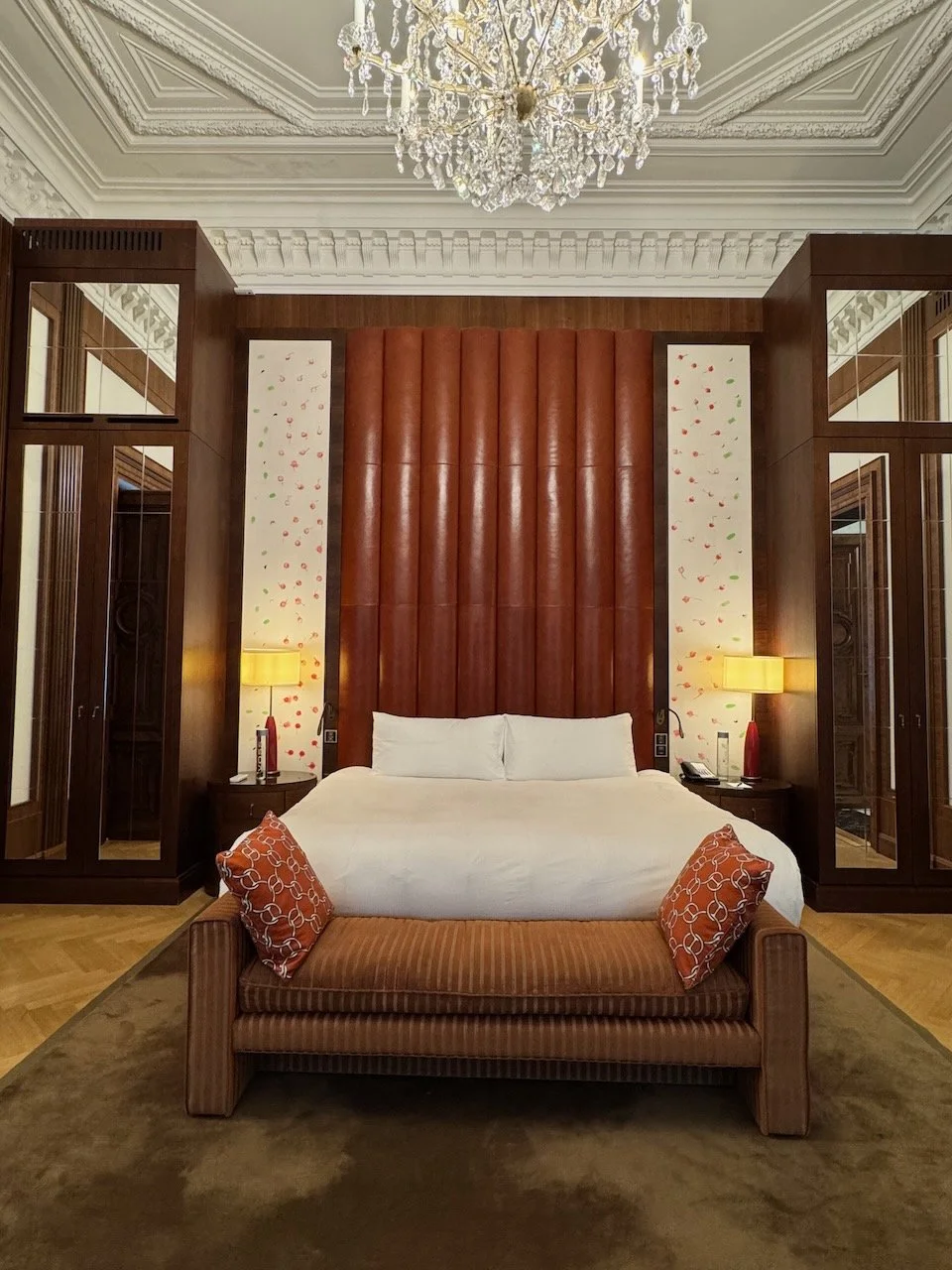
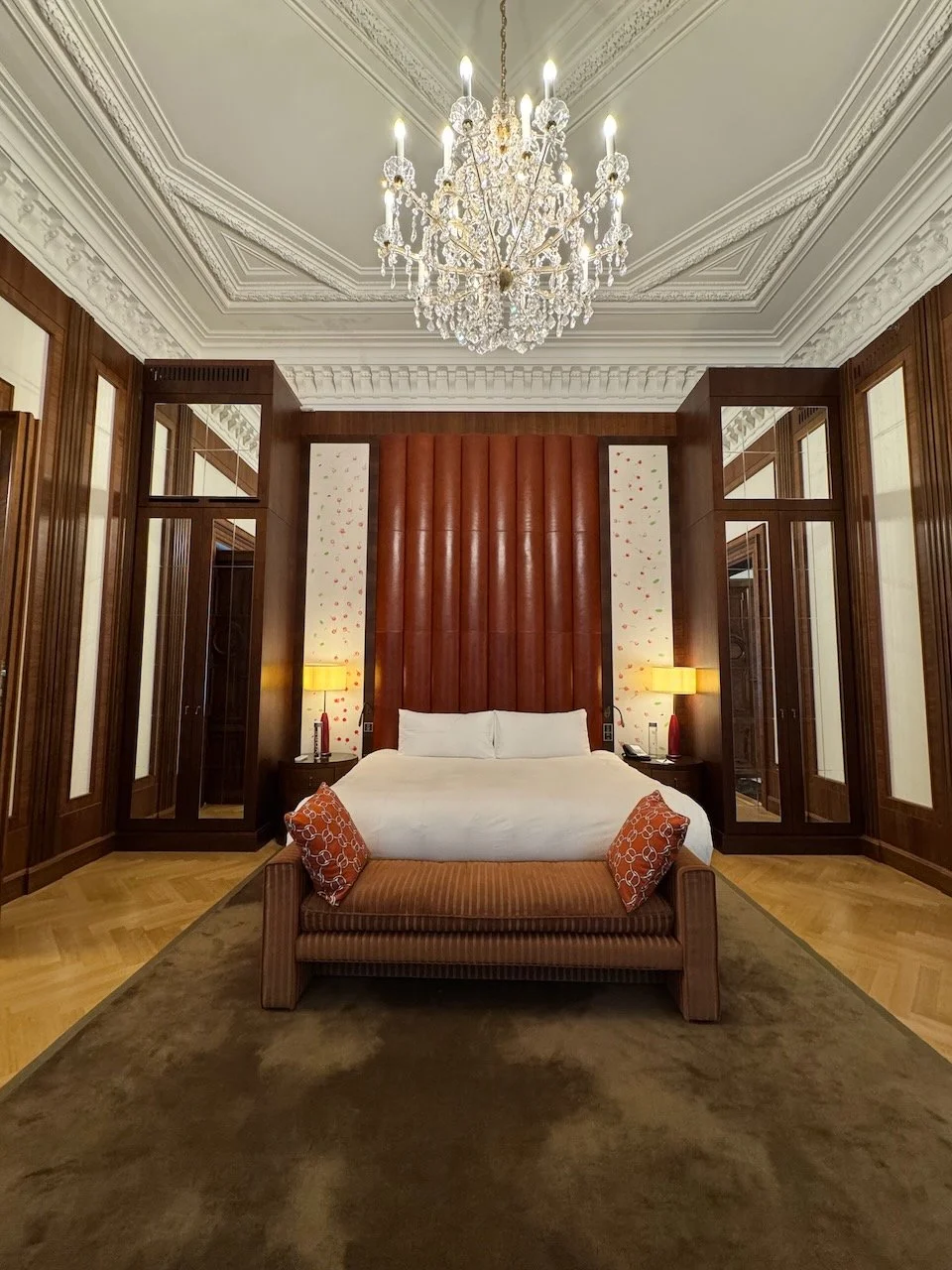
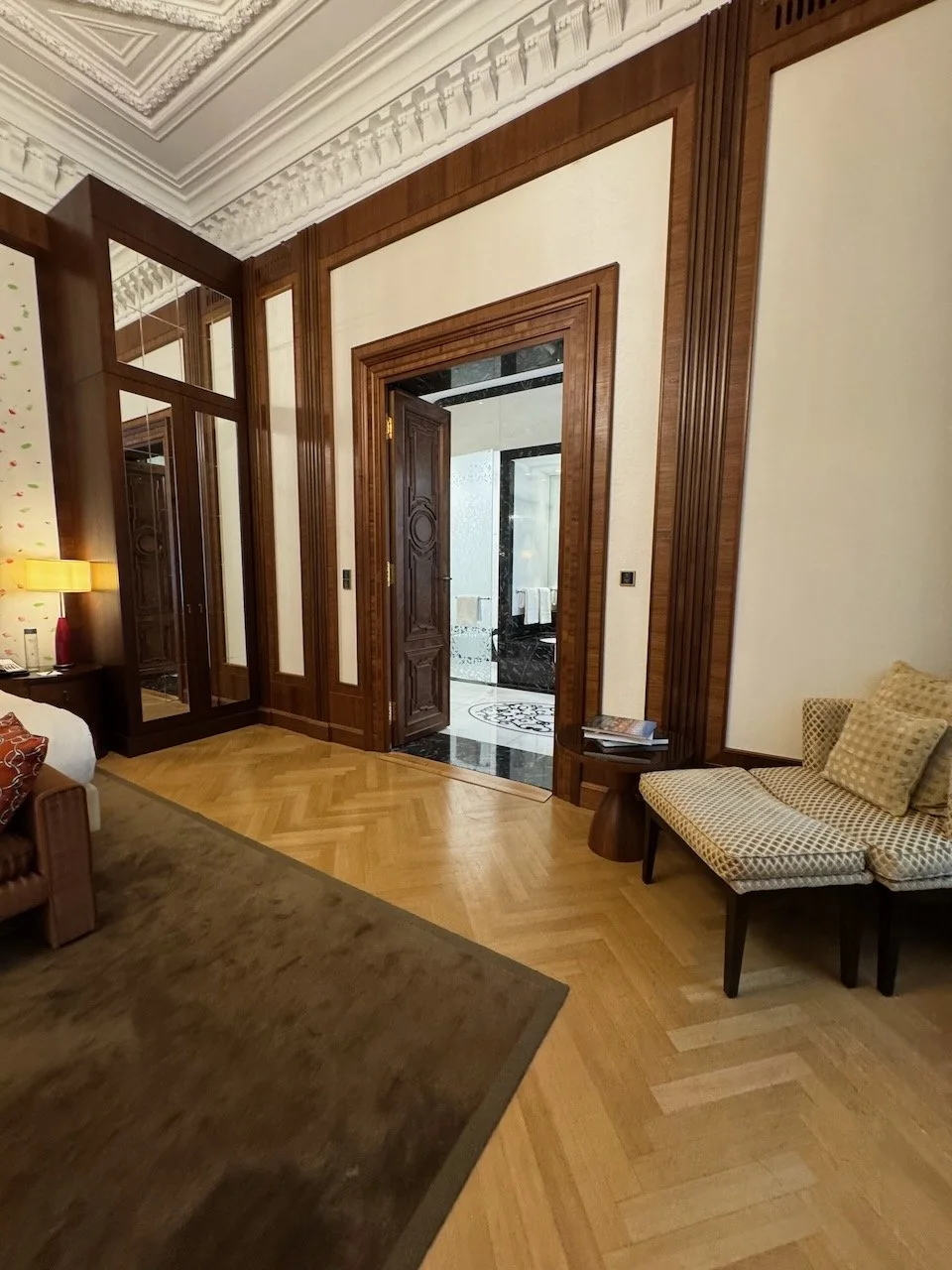
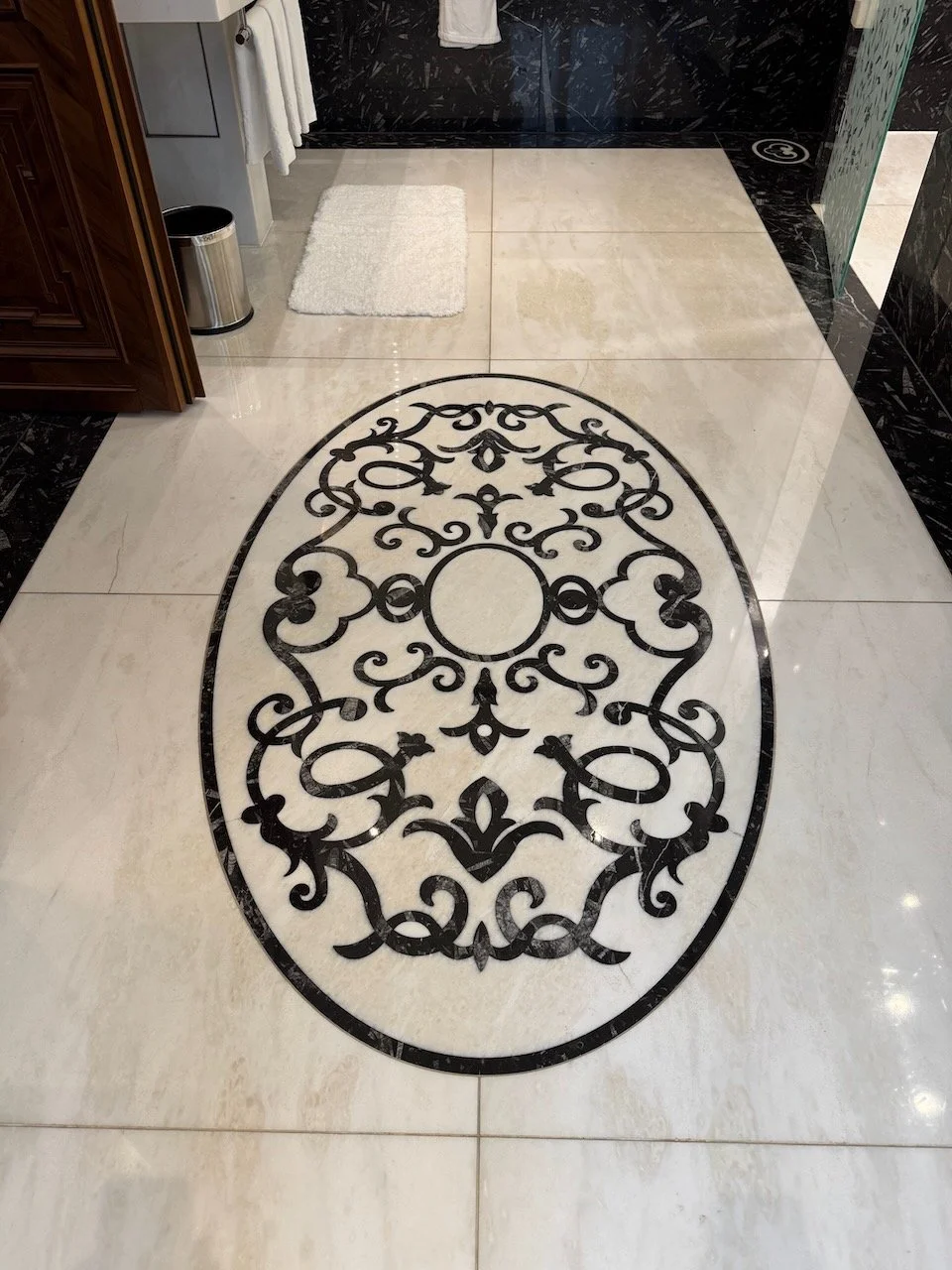
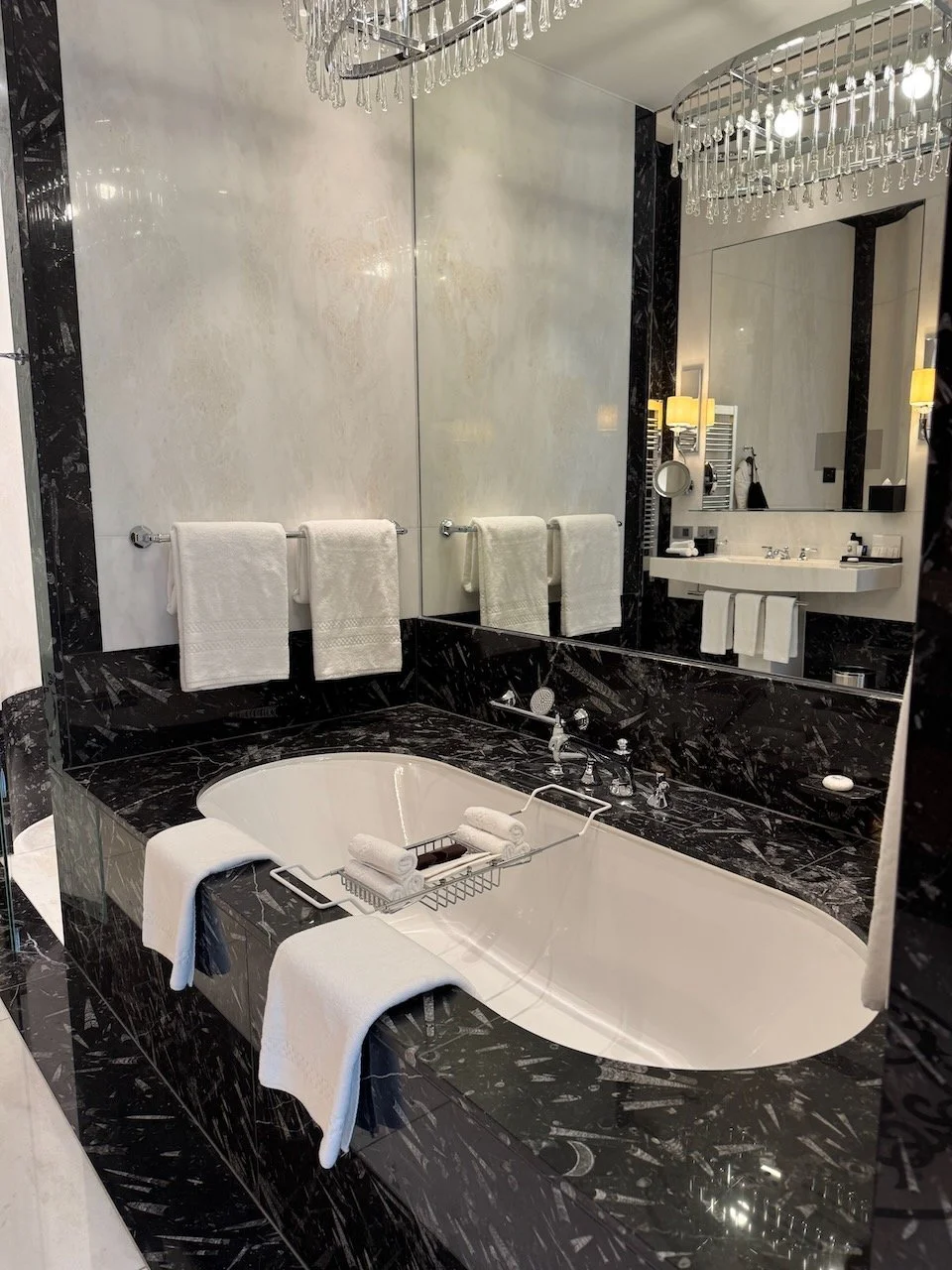
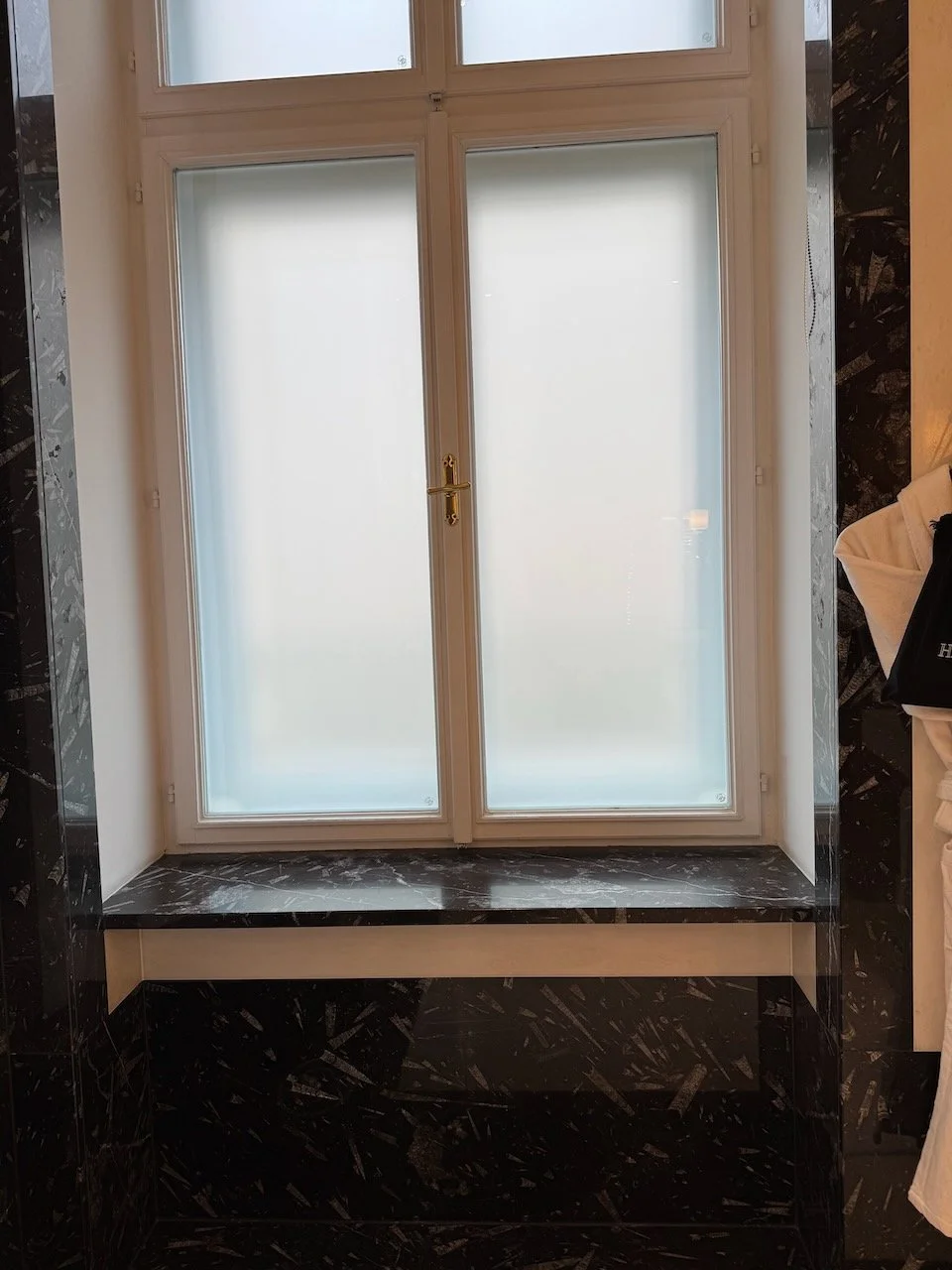
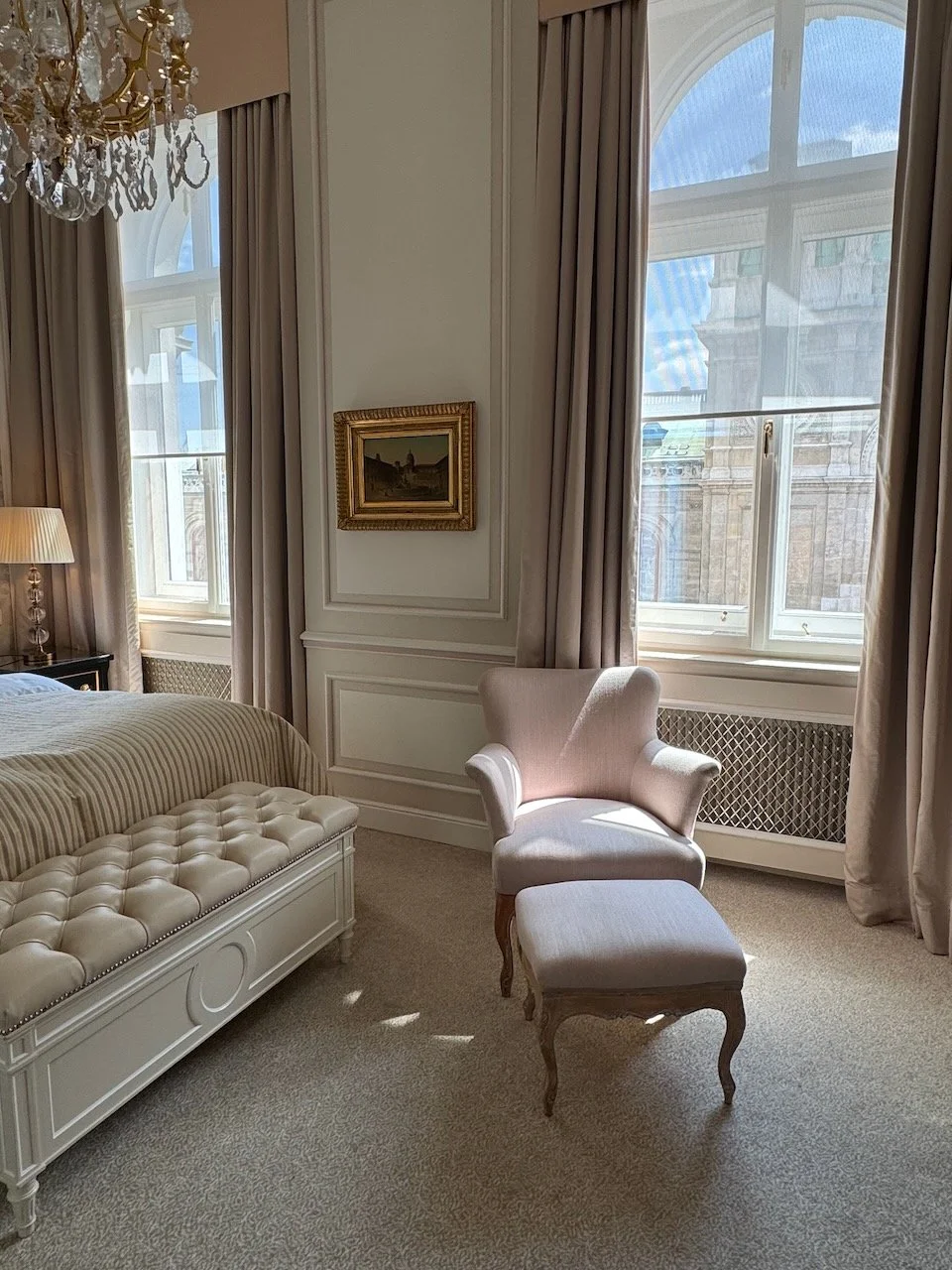
Room style matters here almost as much as room category. Some spaces are quite contemporary, while the more historic suites feature elaborate ceilings, chandeliers and beautifully panelled rooms. The photographs show how different those experiences can be.
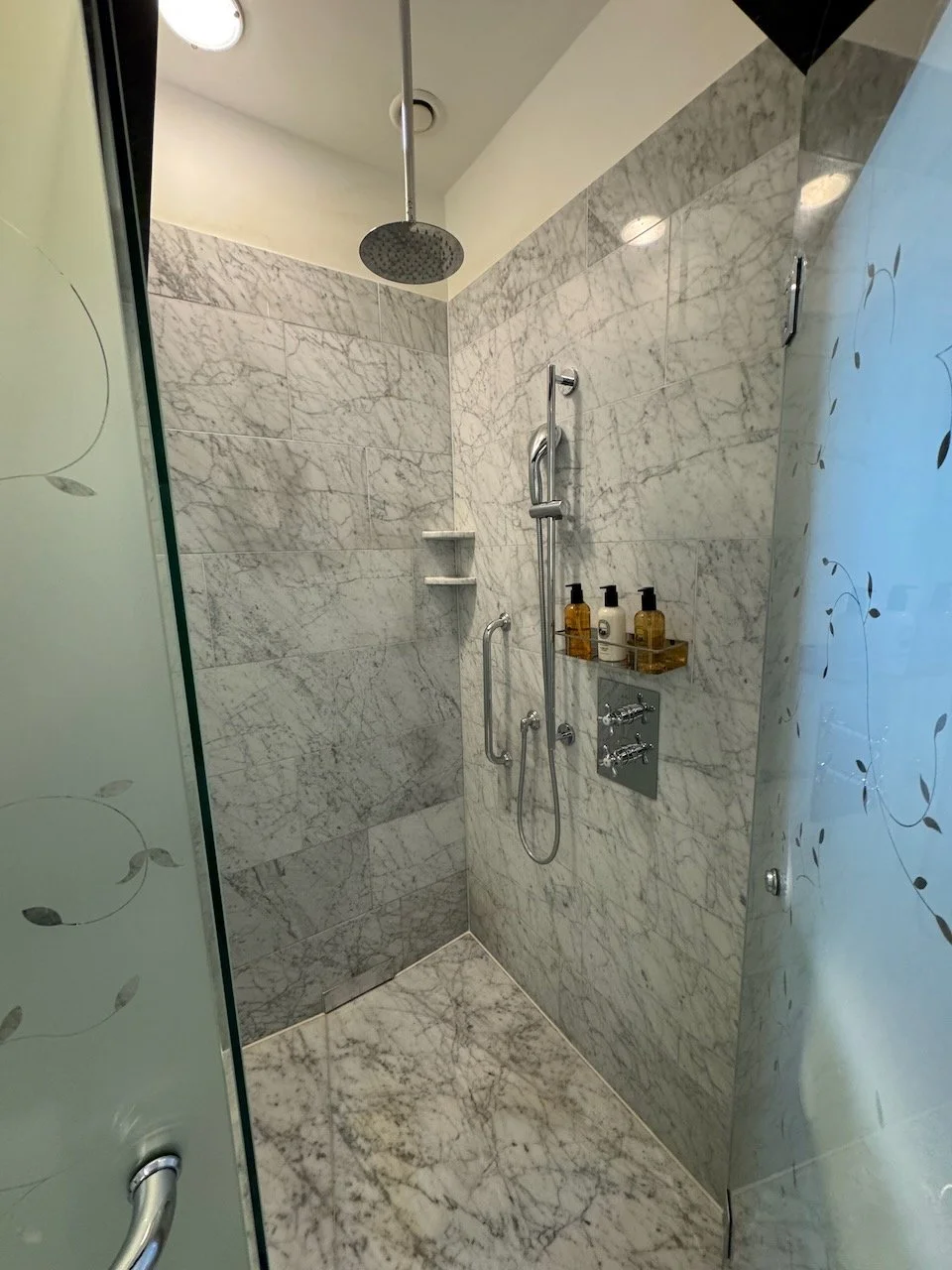
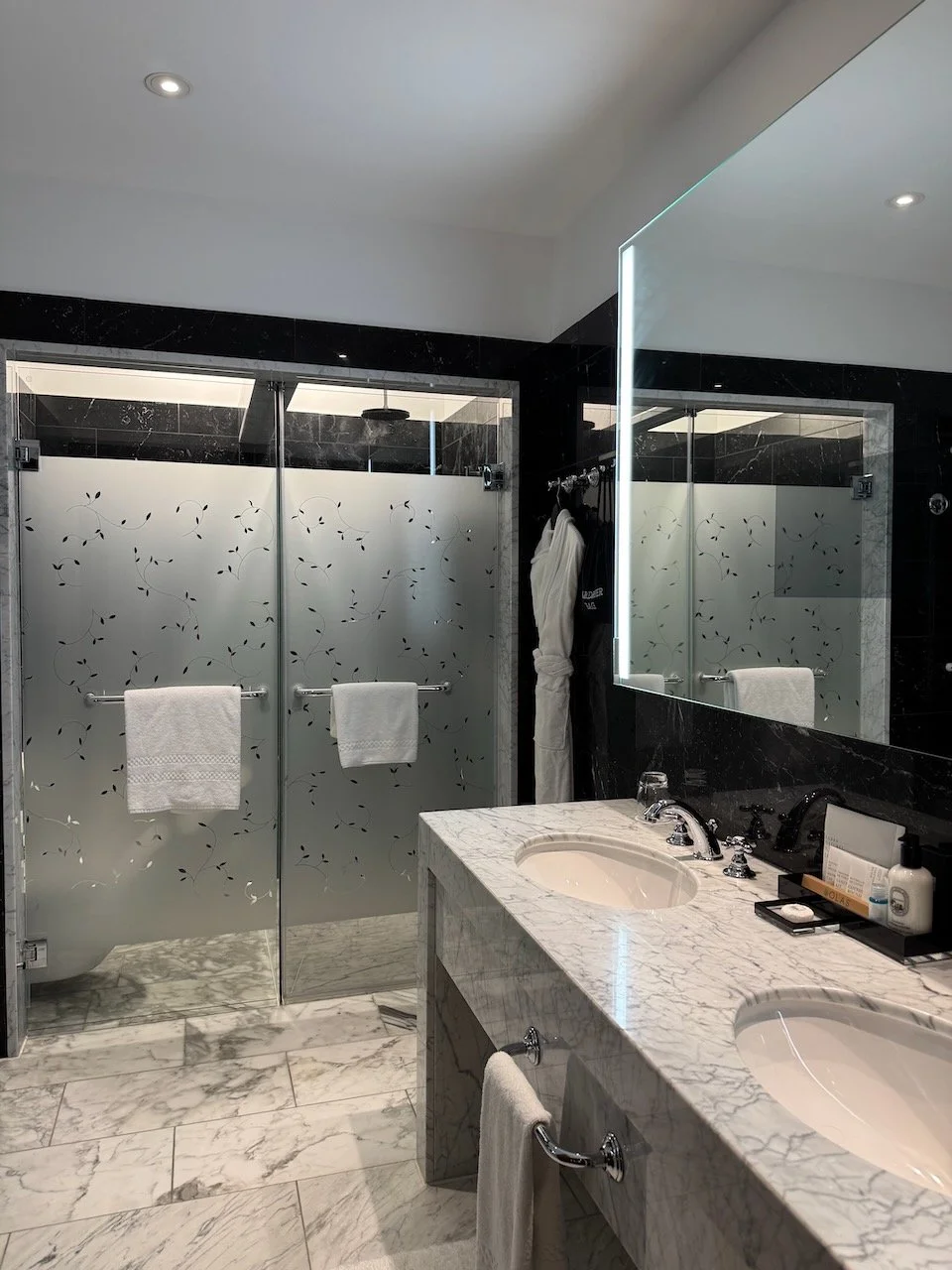
Bathrooms are generously appointed, and some suites have particularly impressive living and dining areas. If you are drawn to the palace interiors, make that preference clear when choosing a room.
Unique Amenities
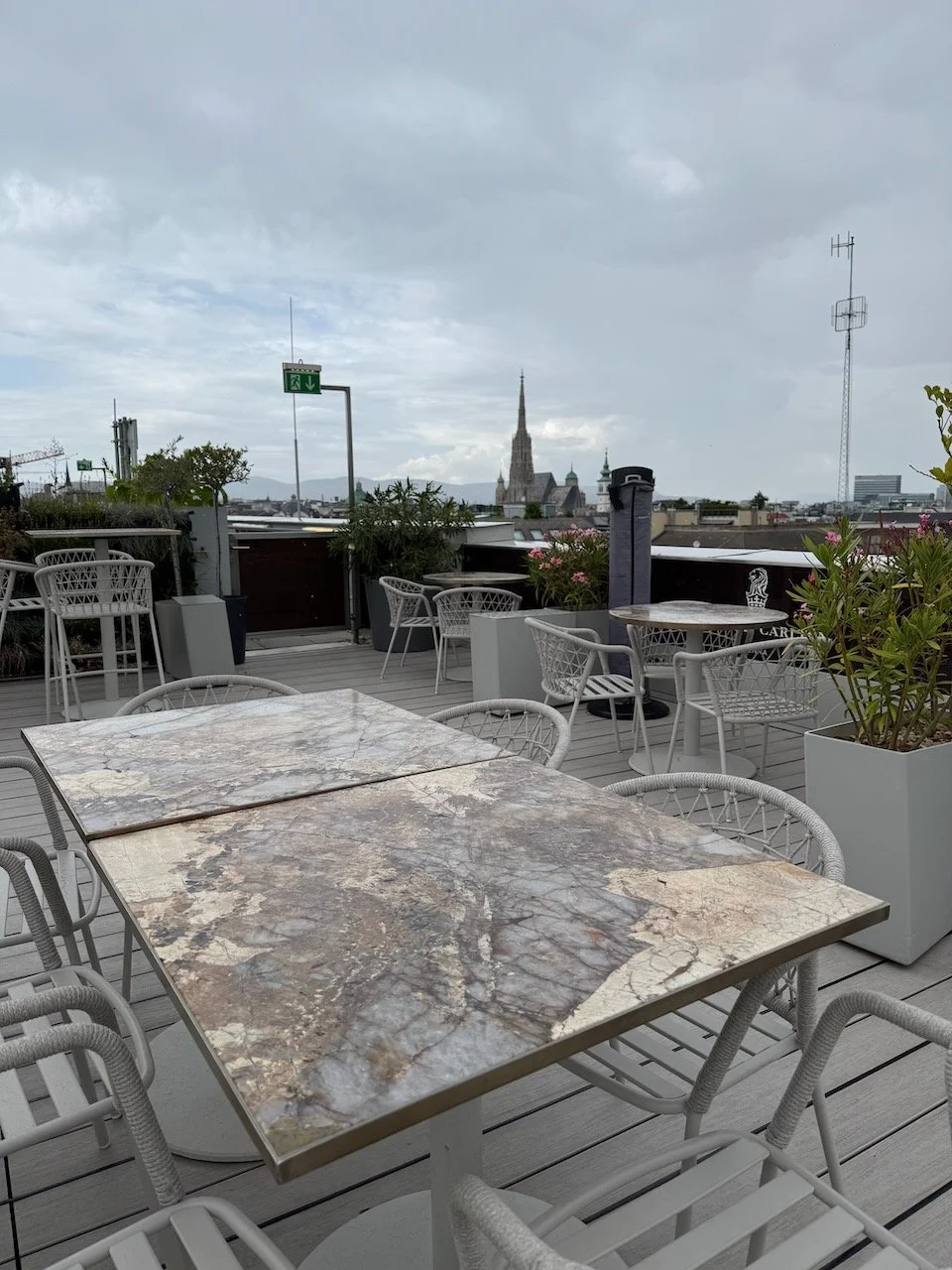
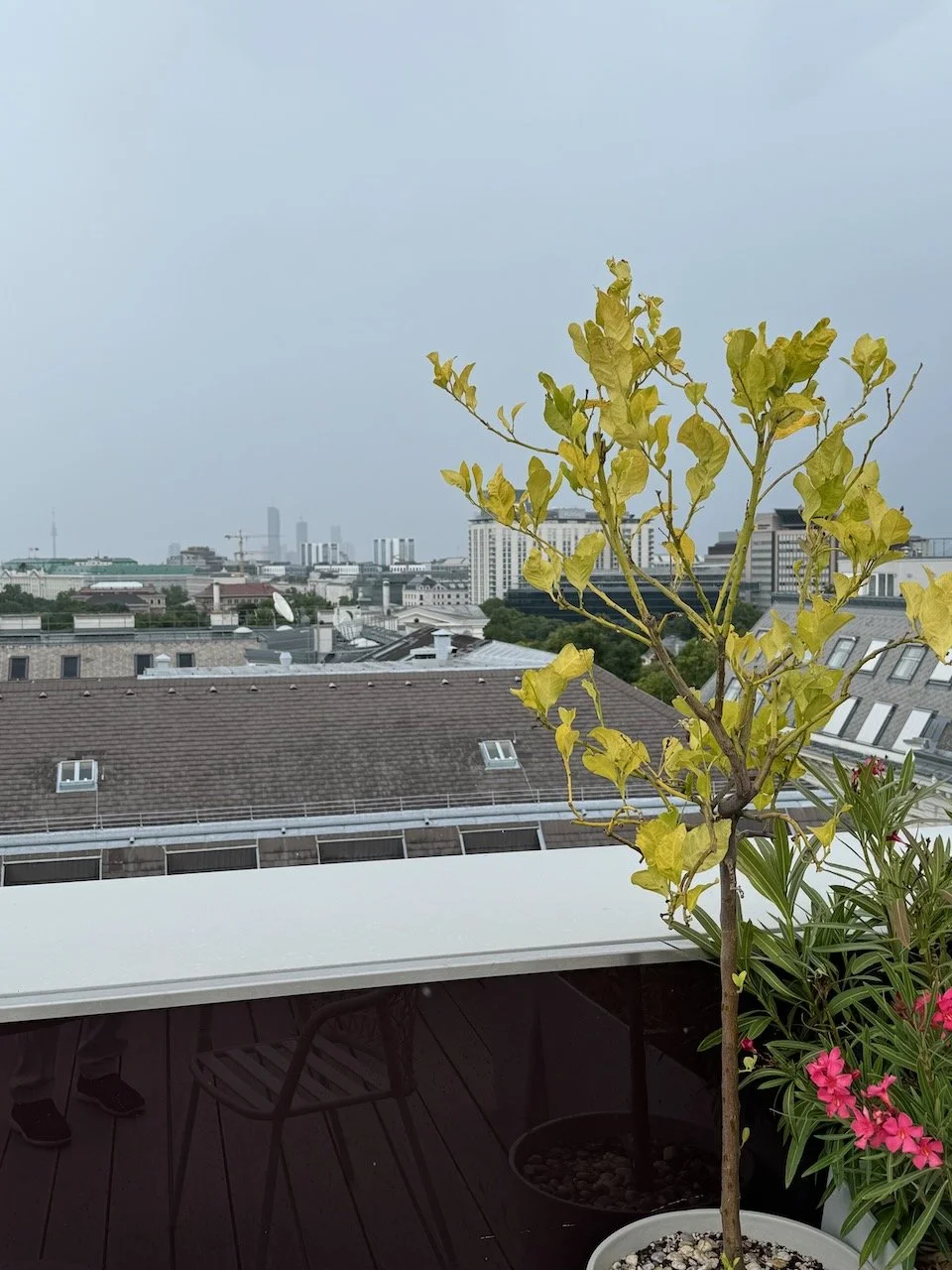
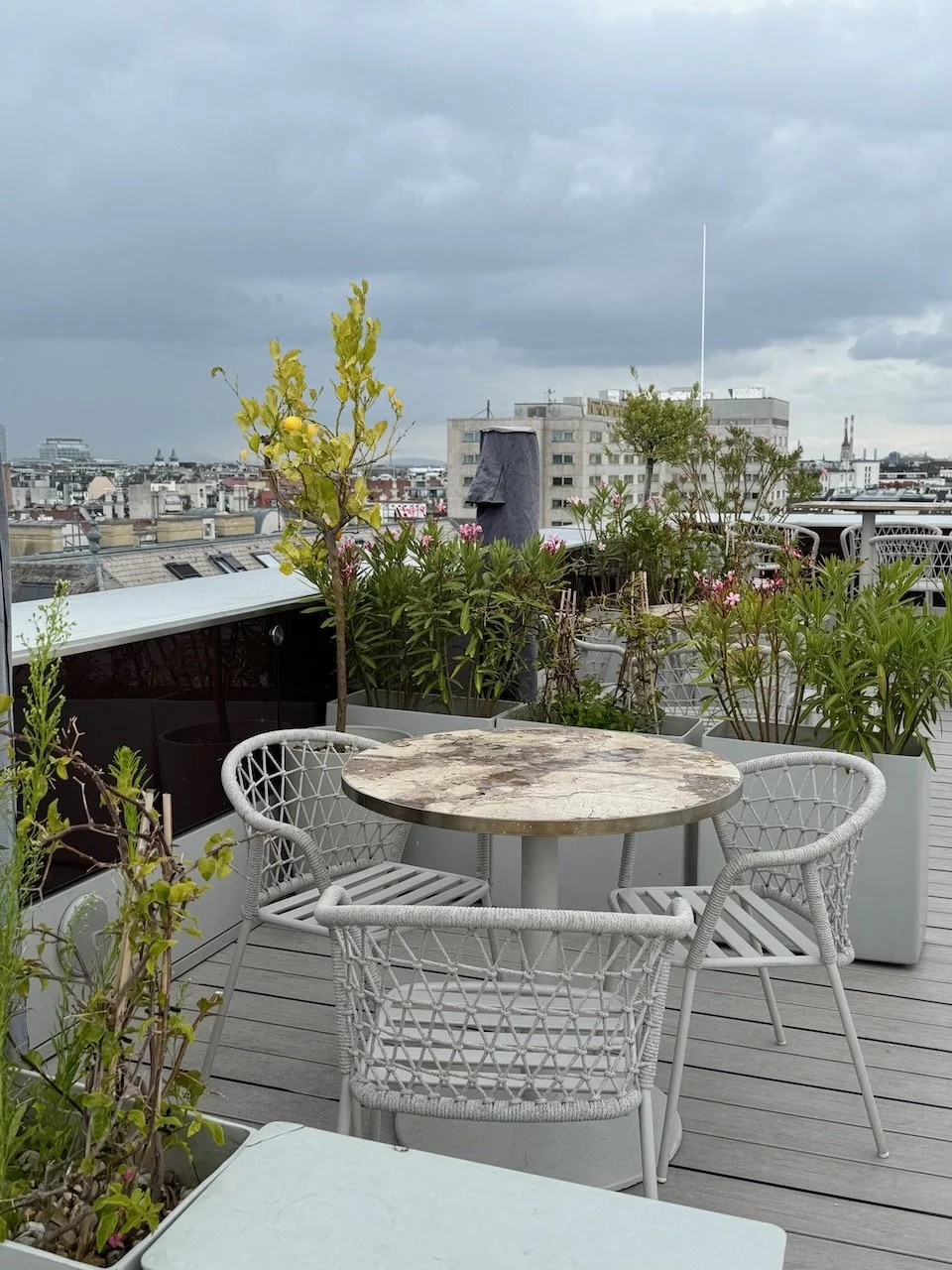
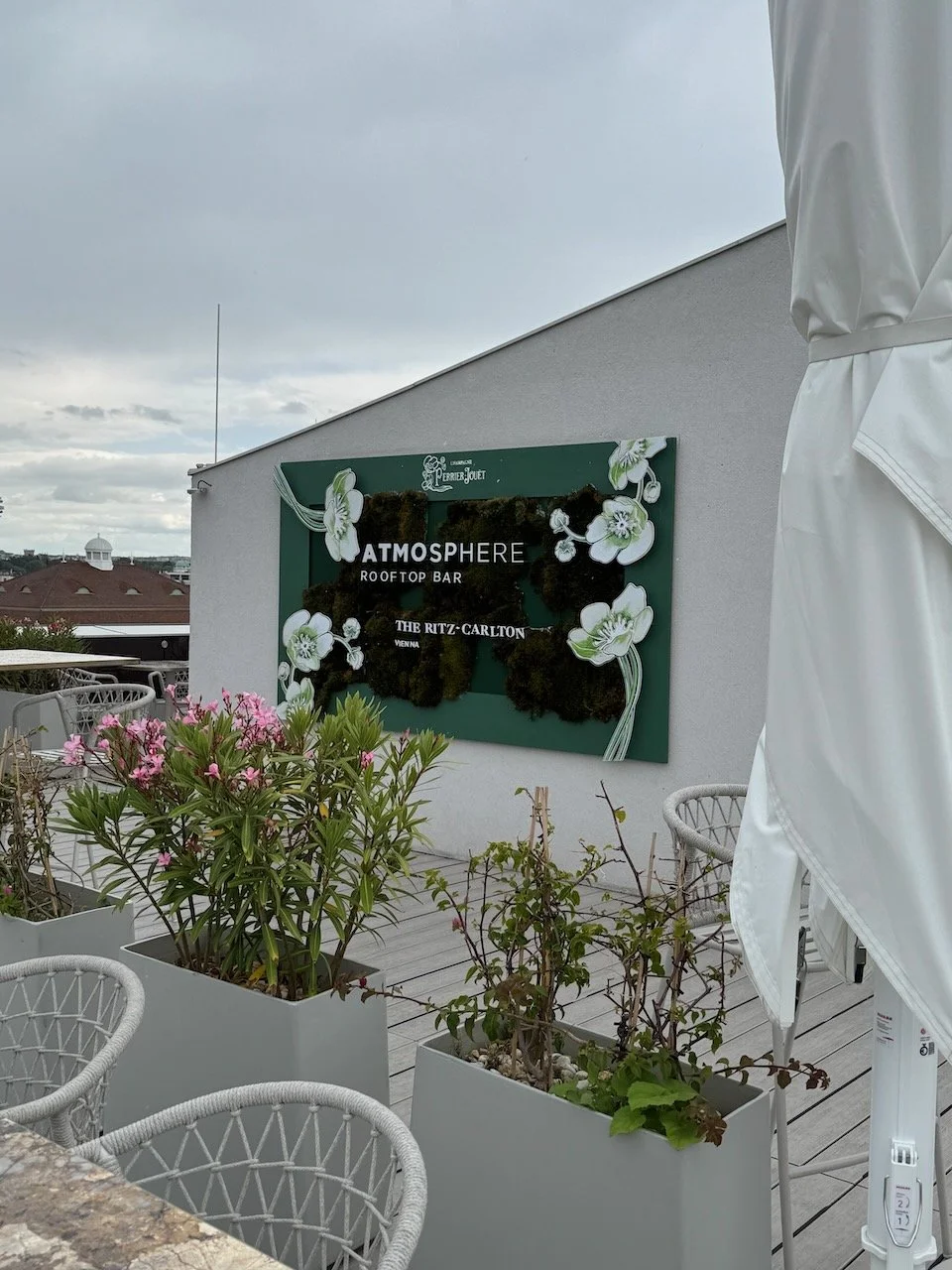
The Atmosphere Rooftop Bar is a major draw. Summer means open-air drinks above the Ringstrasse; the winter terrace can bring heated ski gondolas into the picture. Check the seasonal setup and reserve ahead if you want a particular experience. It is an appealing reason to visit even without staying overnight.
Spa and Wellness
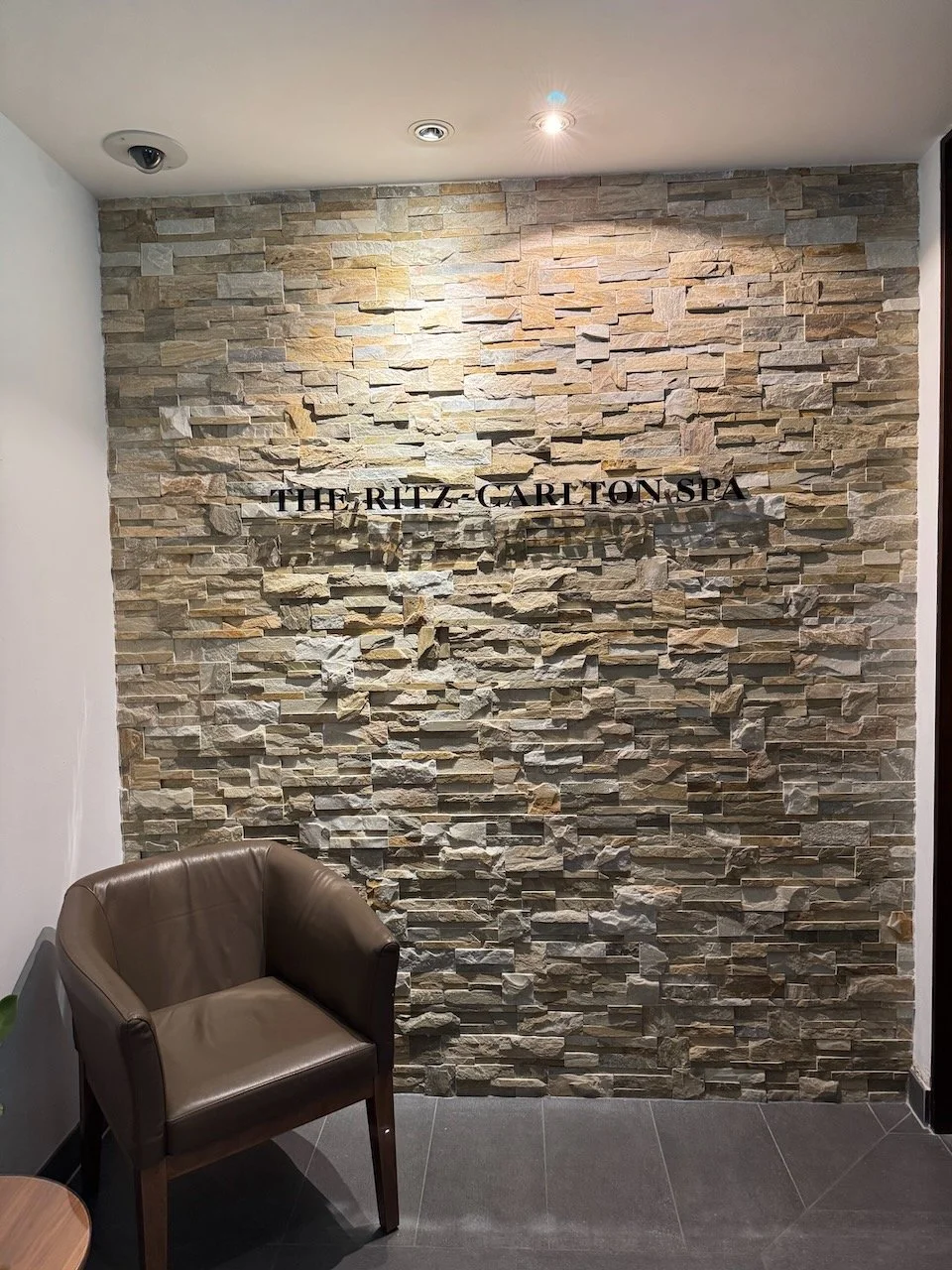
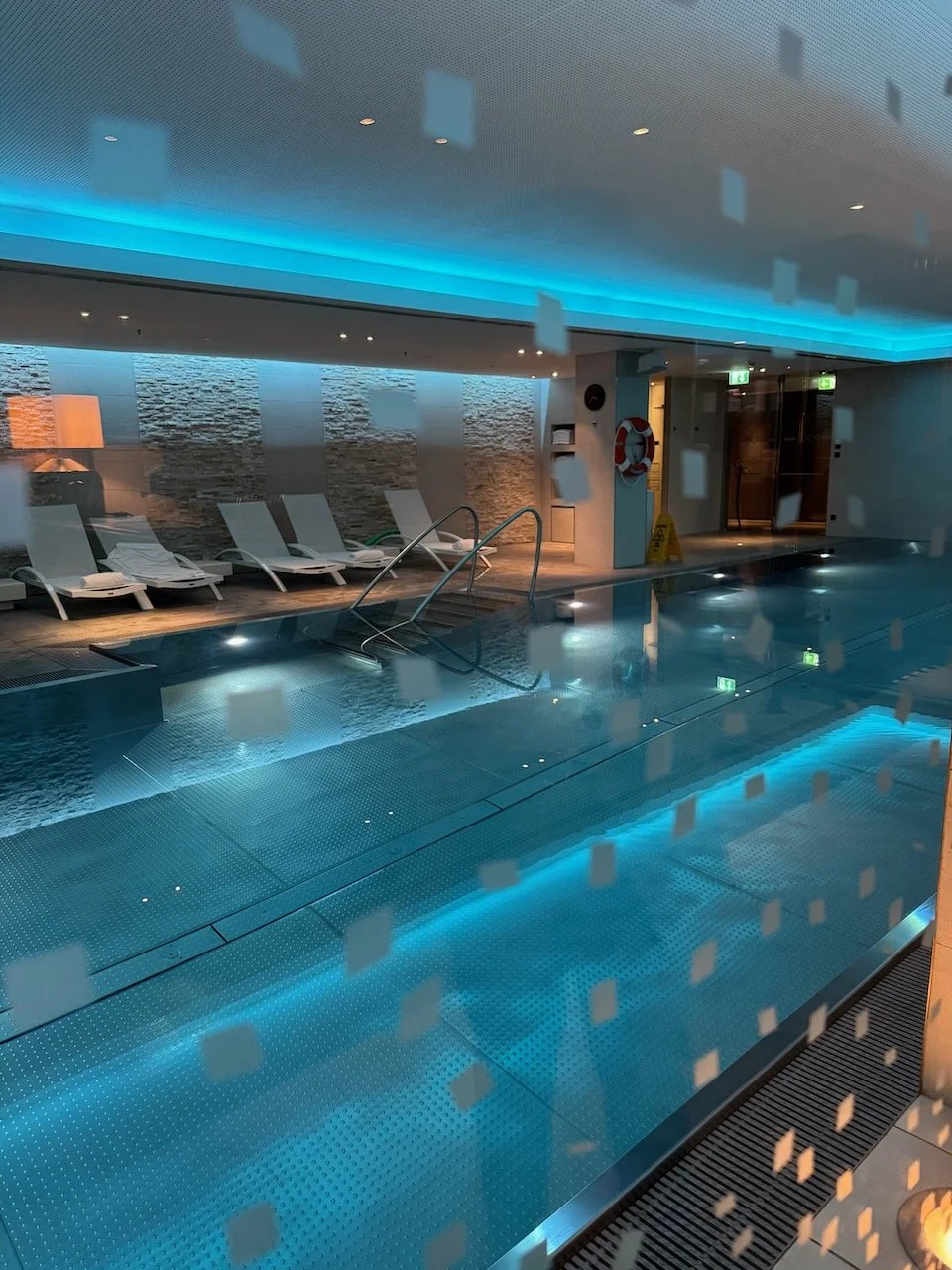
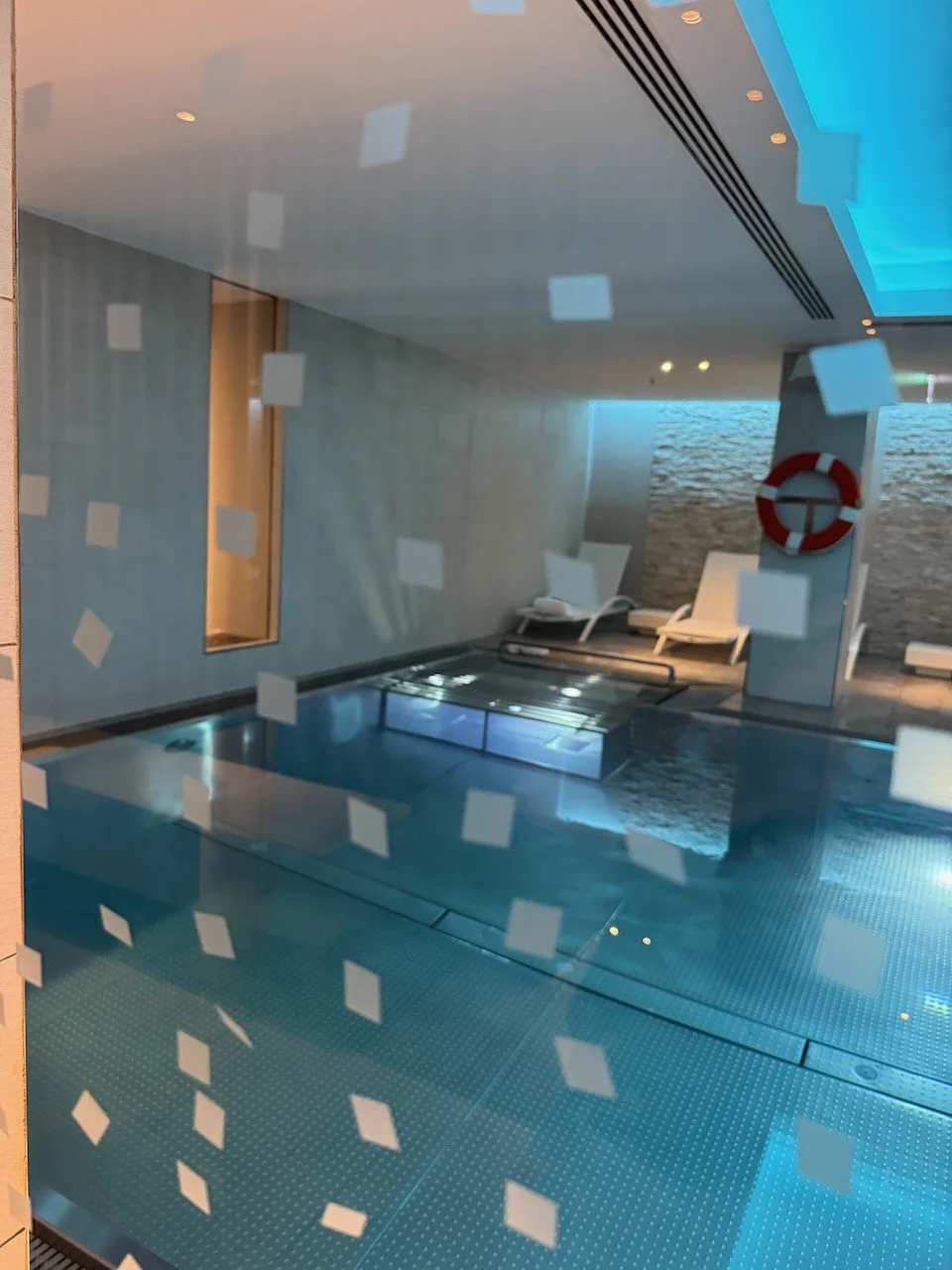
The 18-metre indoor pool is the standout feature of the wellness offering, with underwater music adding a slightly unexpected touch. There are also treatment rooms, sauna facilities and a fitness area. My photographs concentrate on the pool and its surroundings; they do not cover every part of the spa. For travellers who want a proper swim between museum visits, this is a useful point of difference.
Dining Options
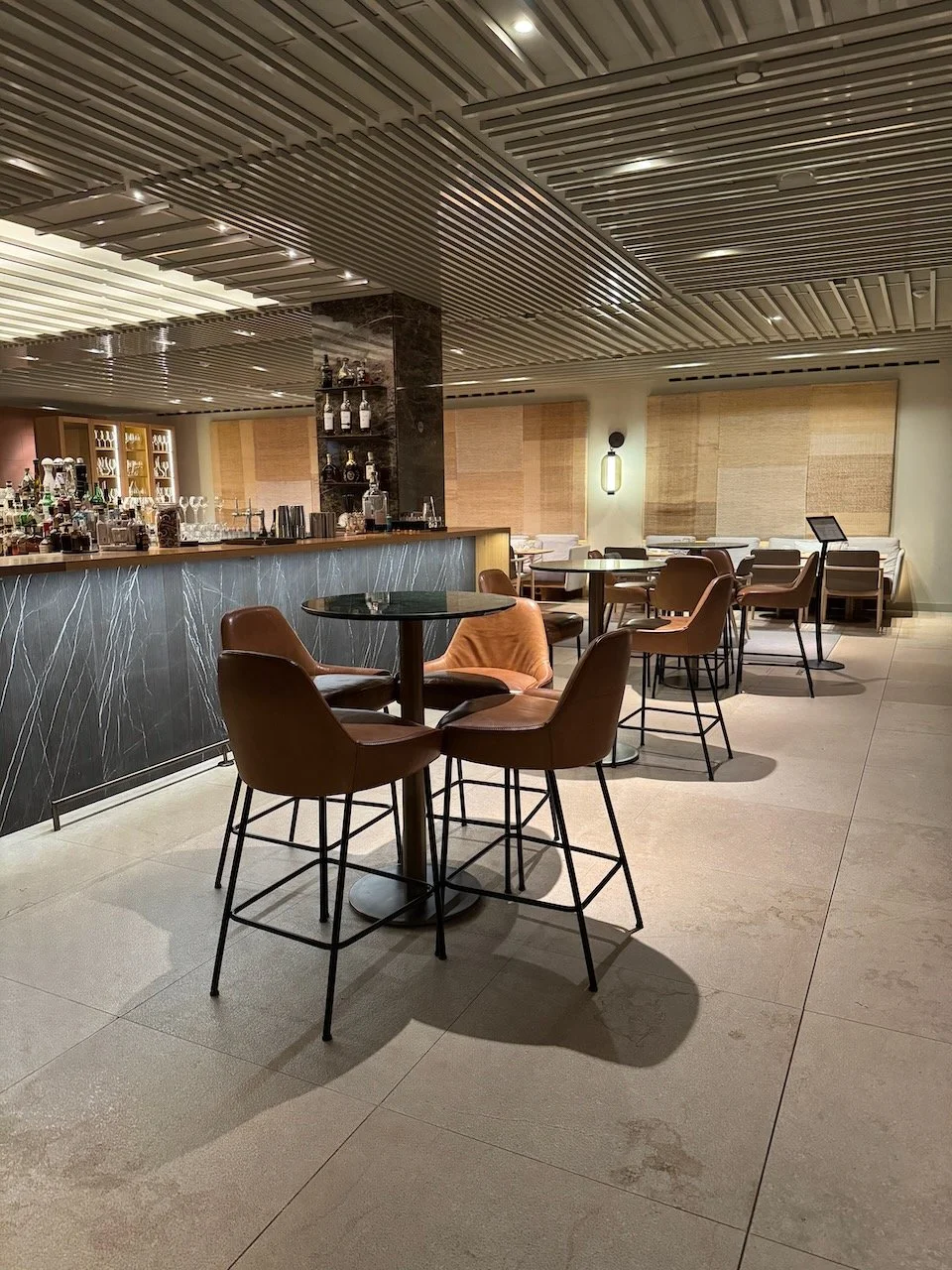
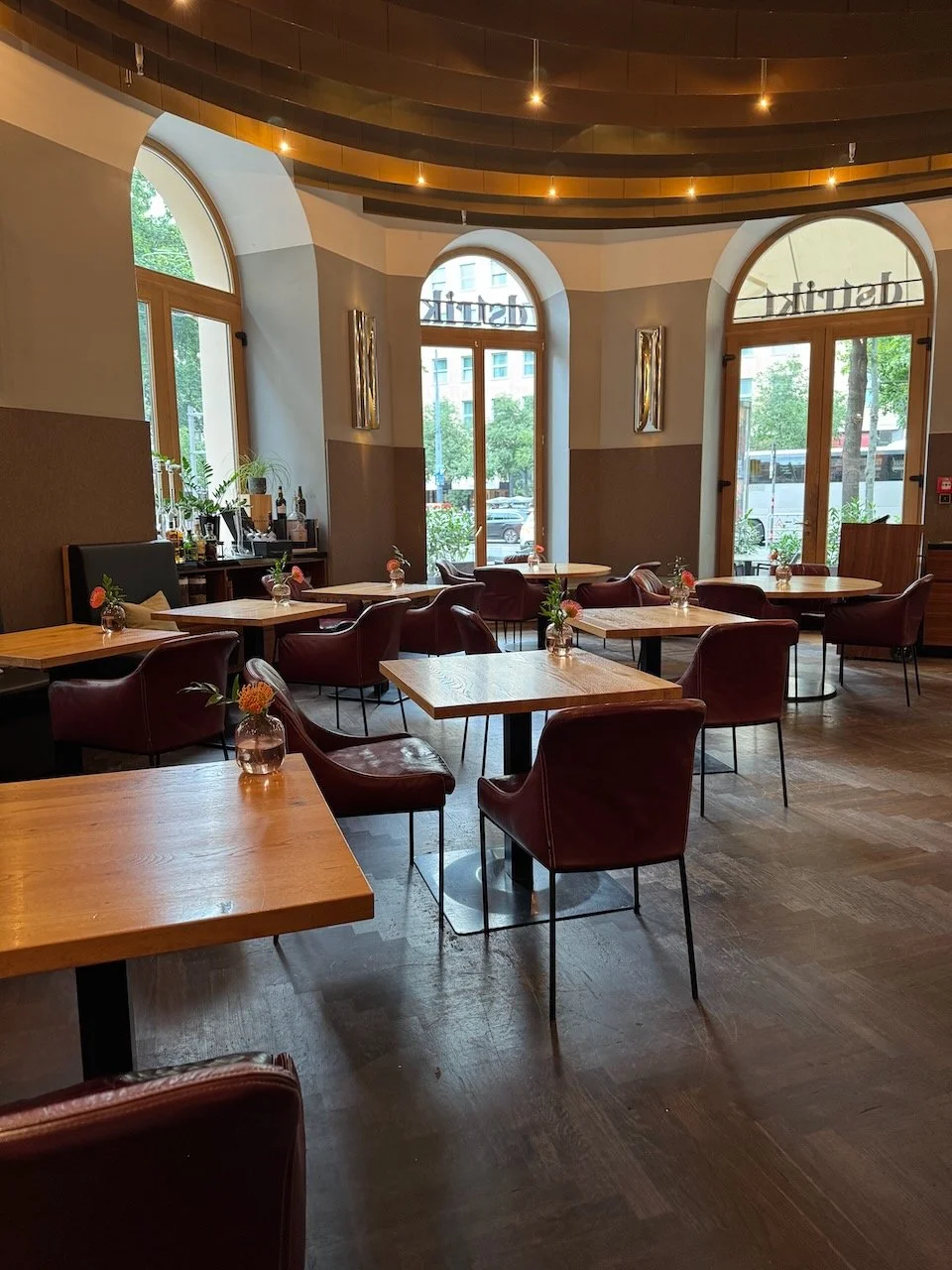
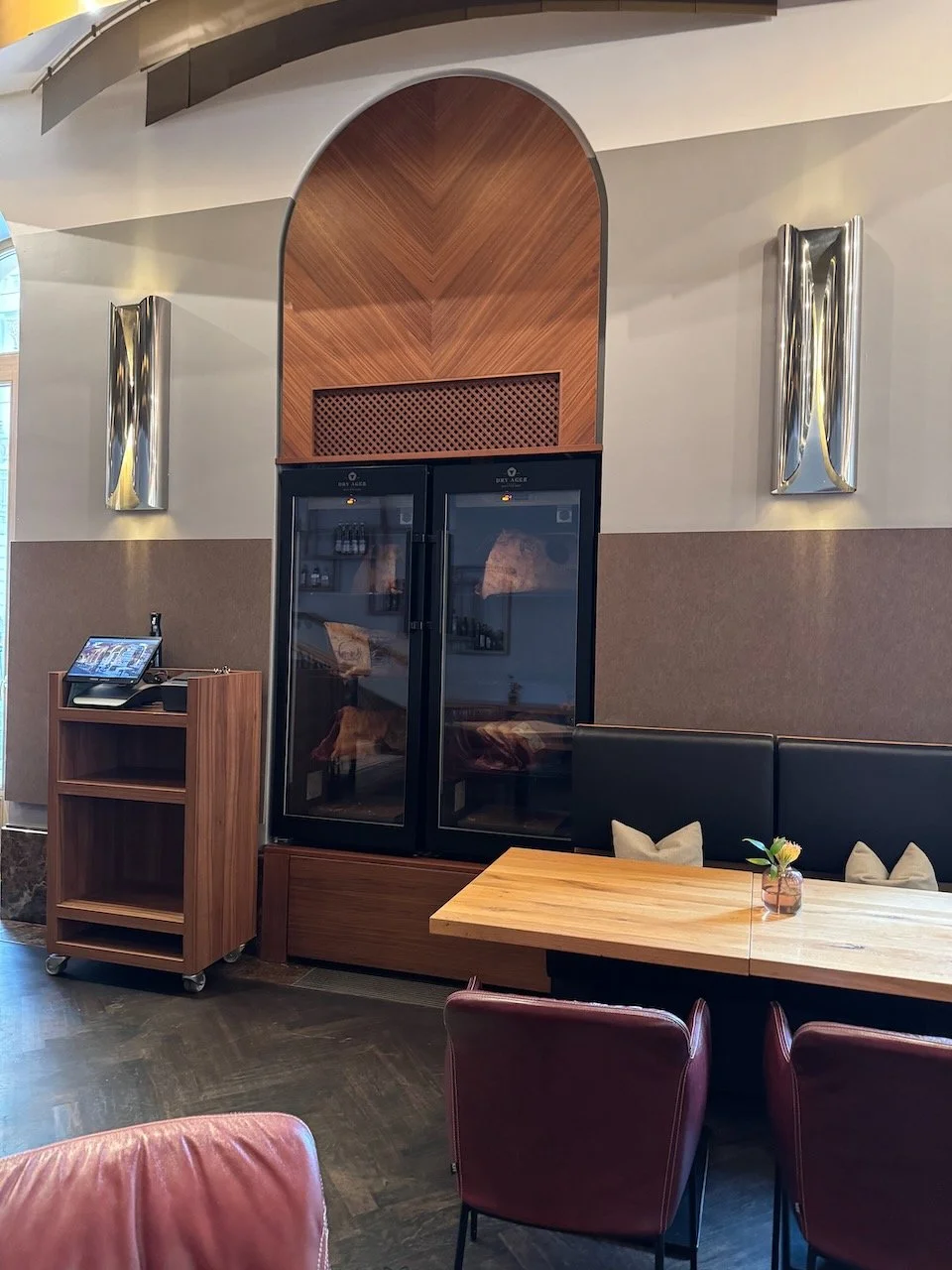
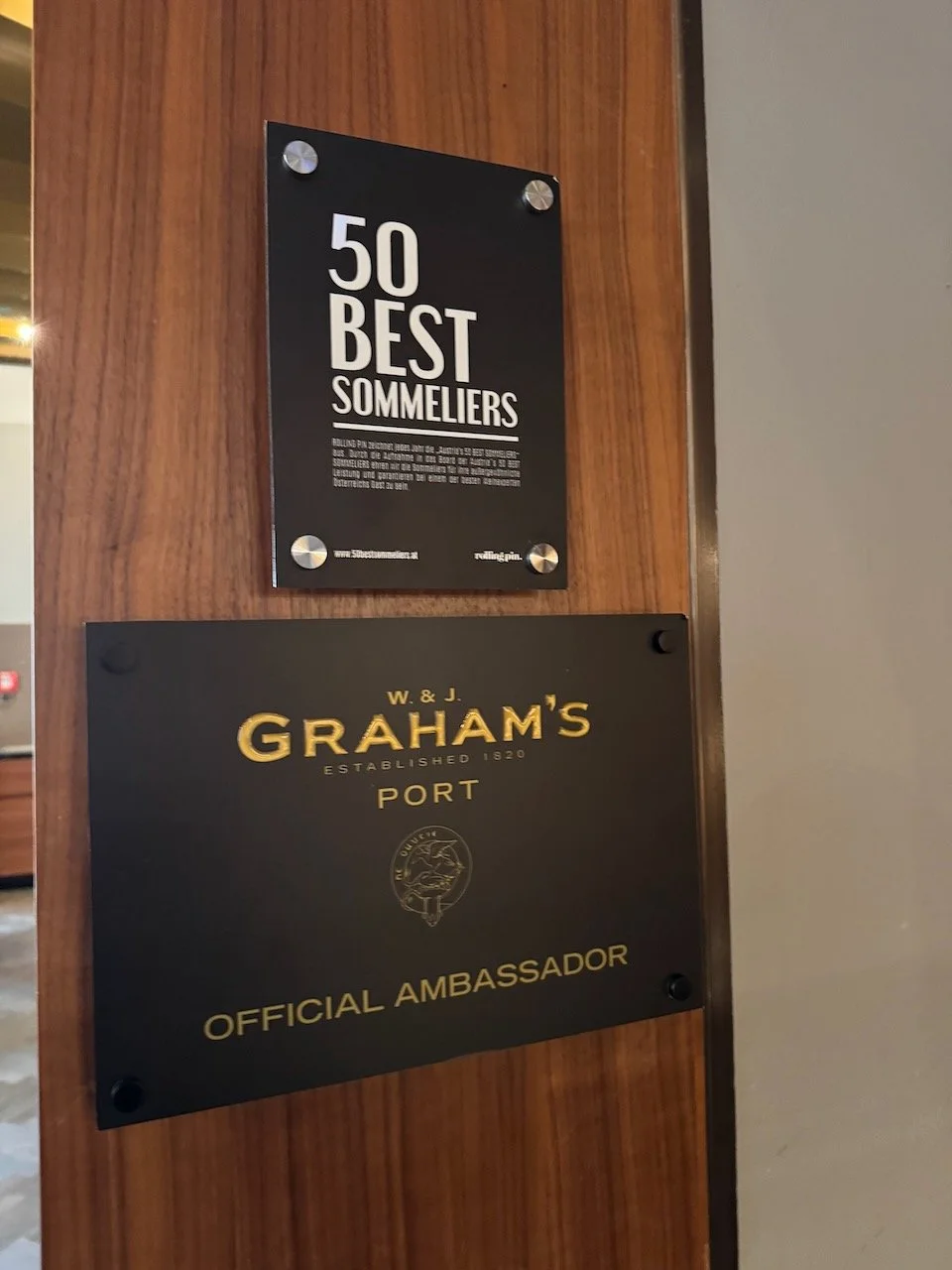
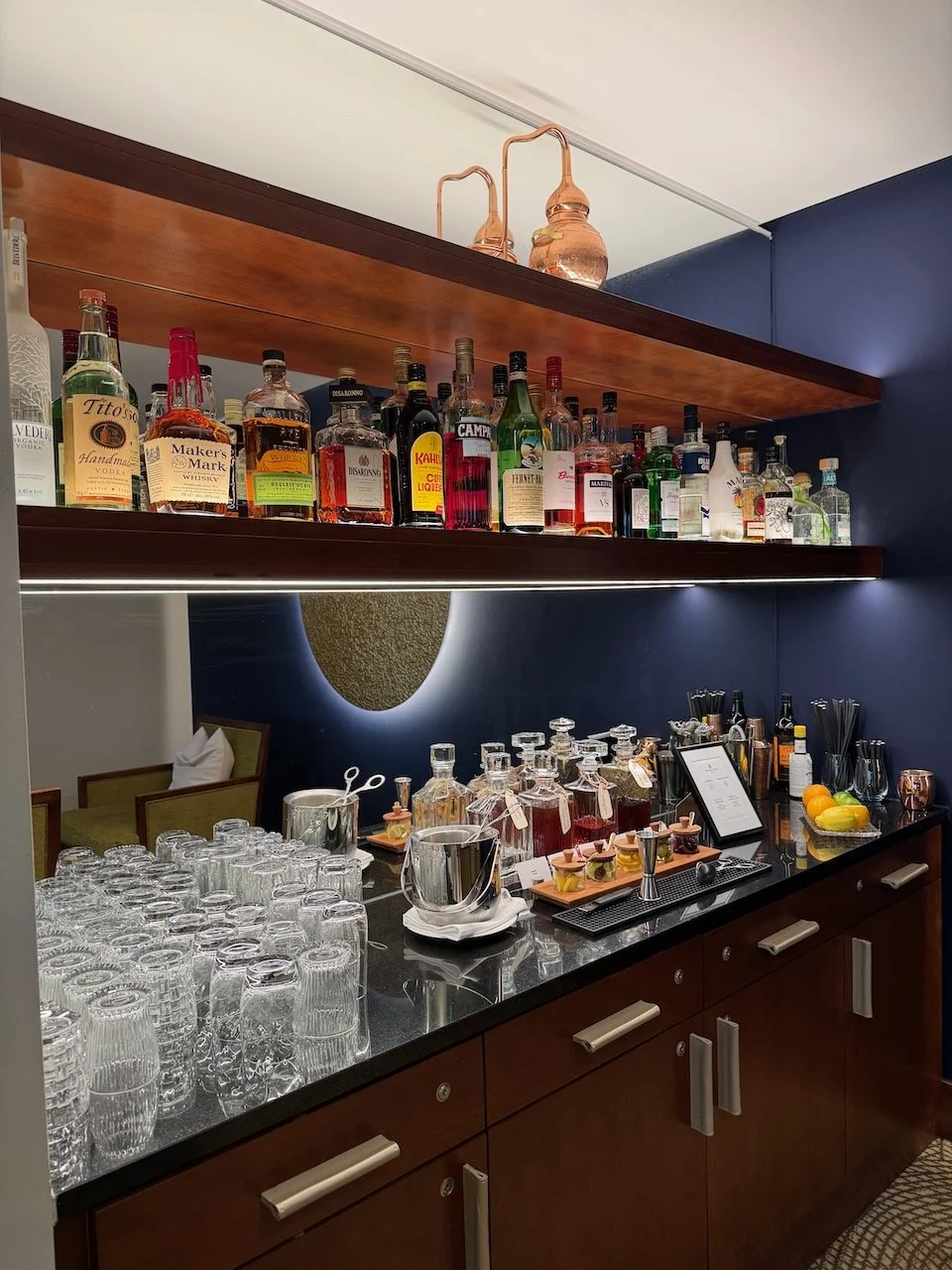
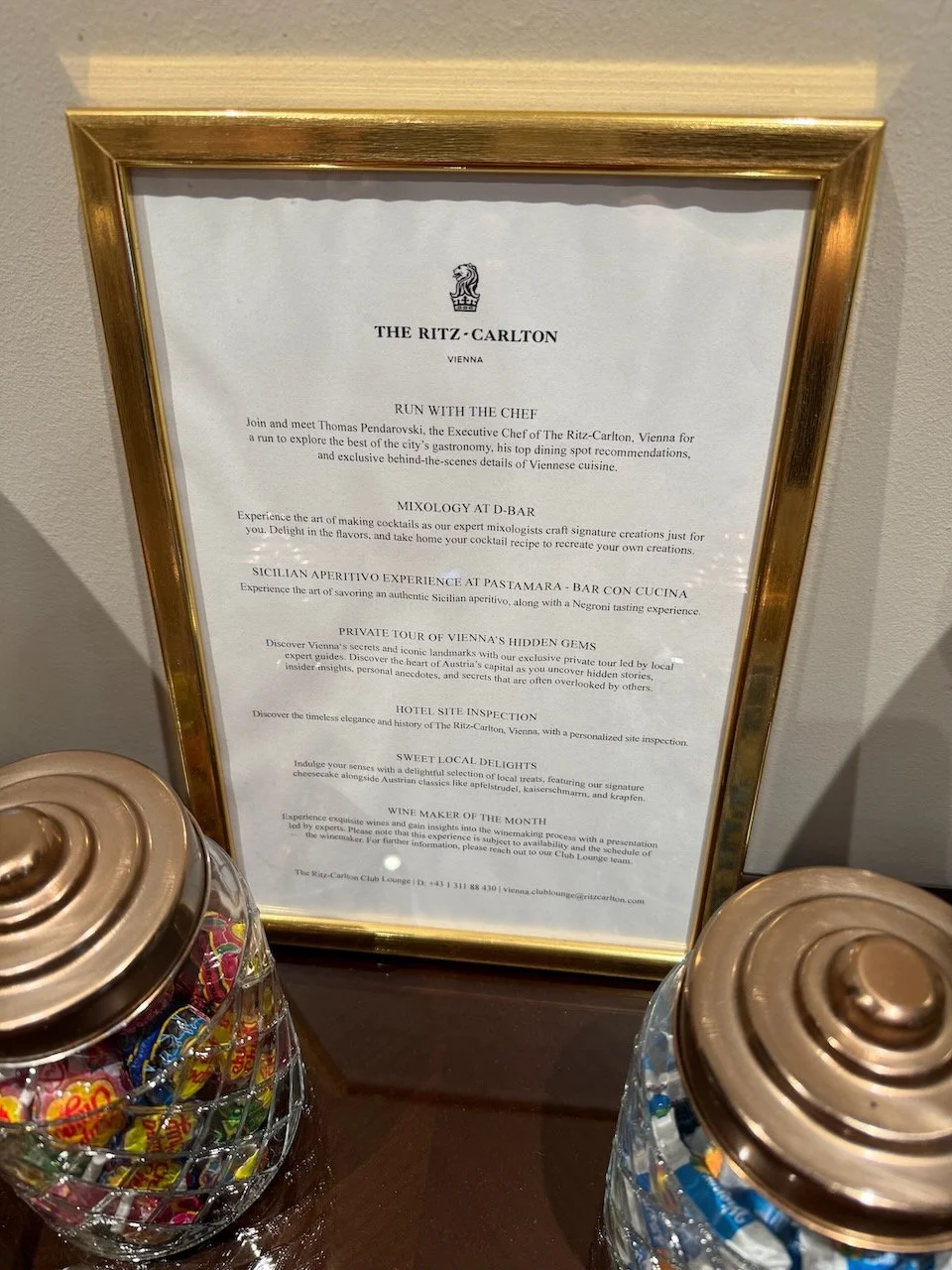
There is more variety here than the original palace setting might suggest. Dstrikt Steakhouse focuses on Austrian beef, while Pastamara – Bar con Cucina brings a Sicilian direction. Add D-bar for cocktails and Atmosphere for the rooftop views, and you have several different evenings available without leaving the hotel. Restaurant and terrace reservations are worth arranging in advance.
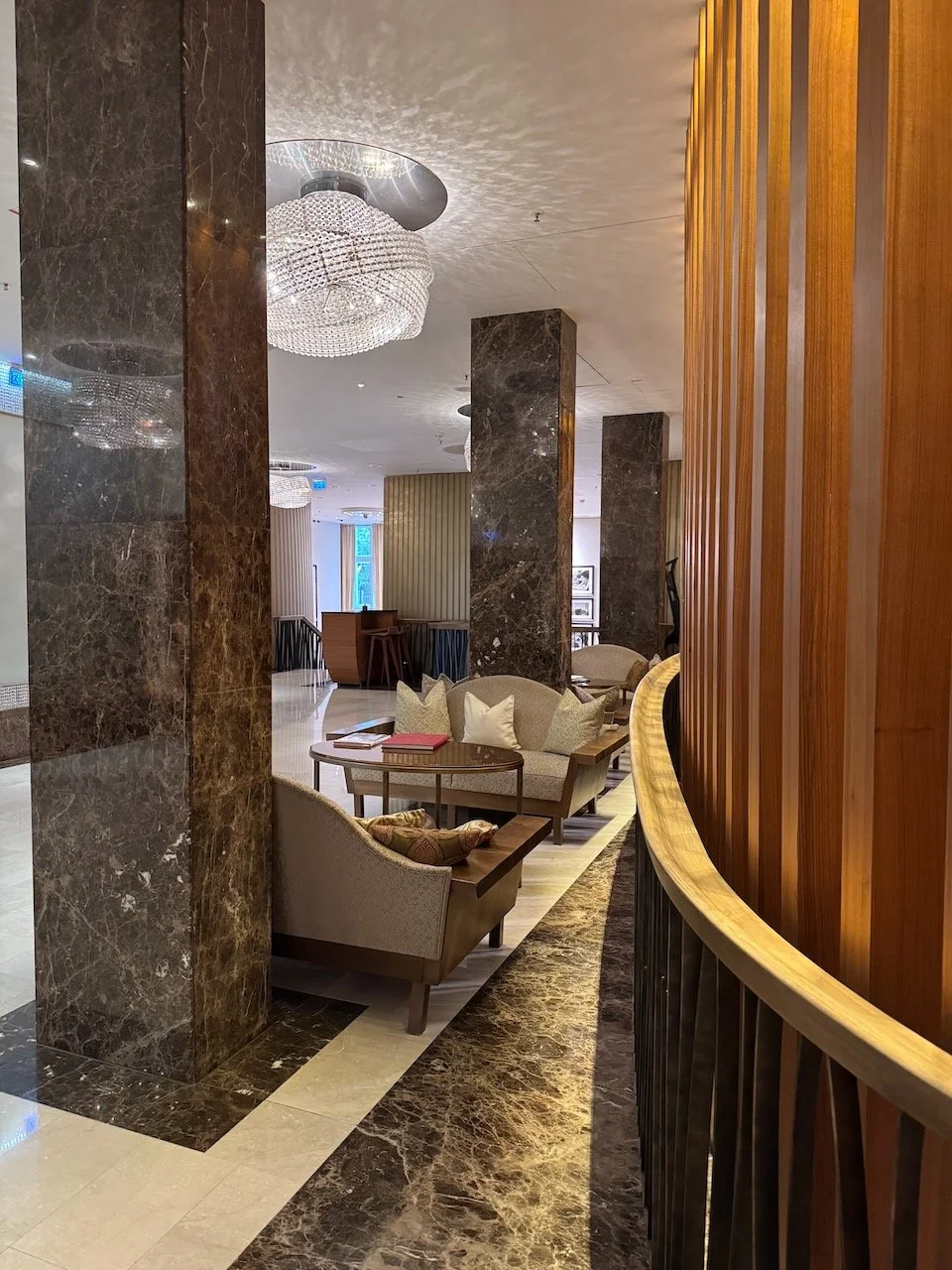
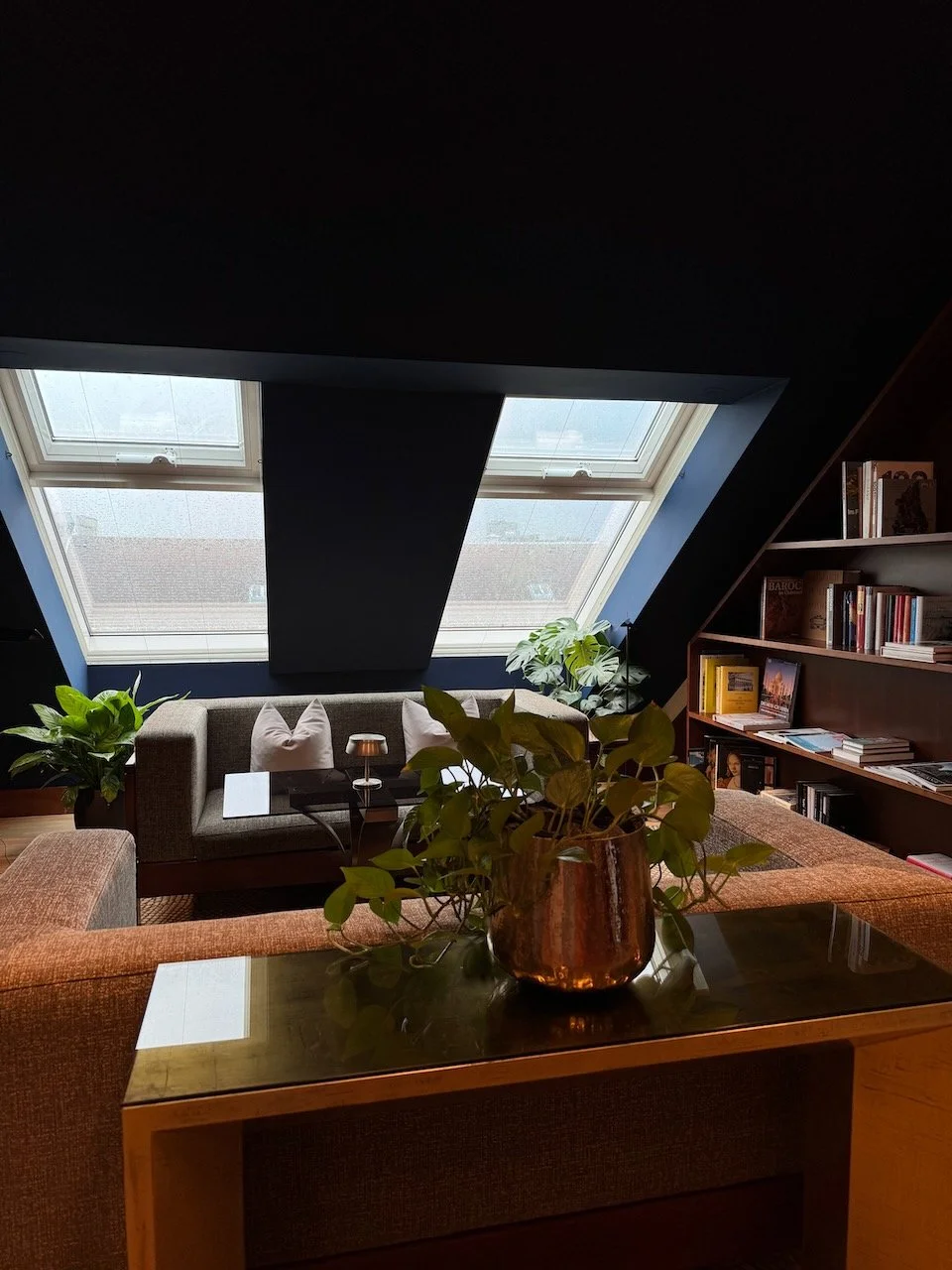
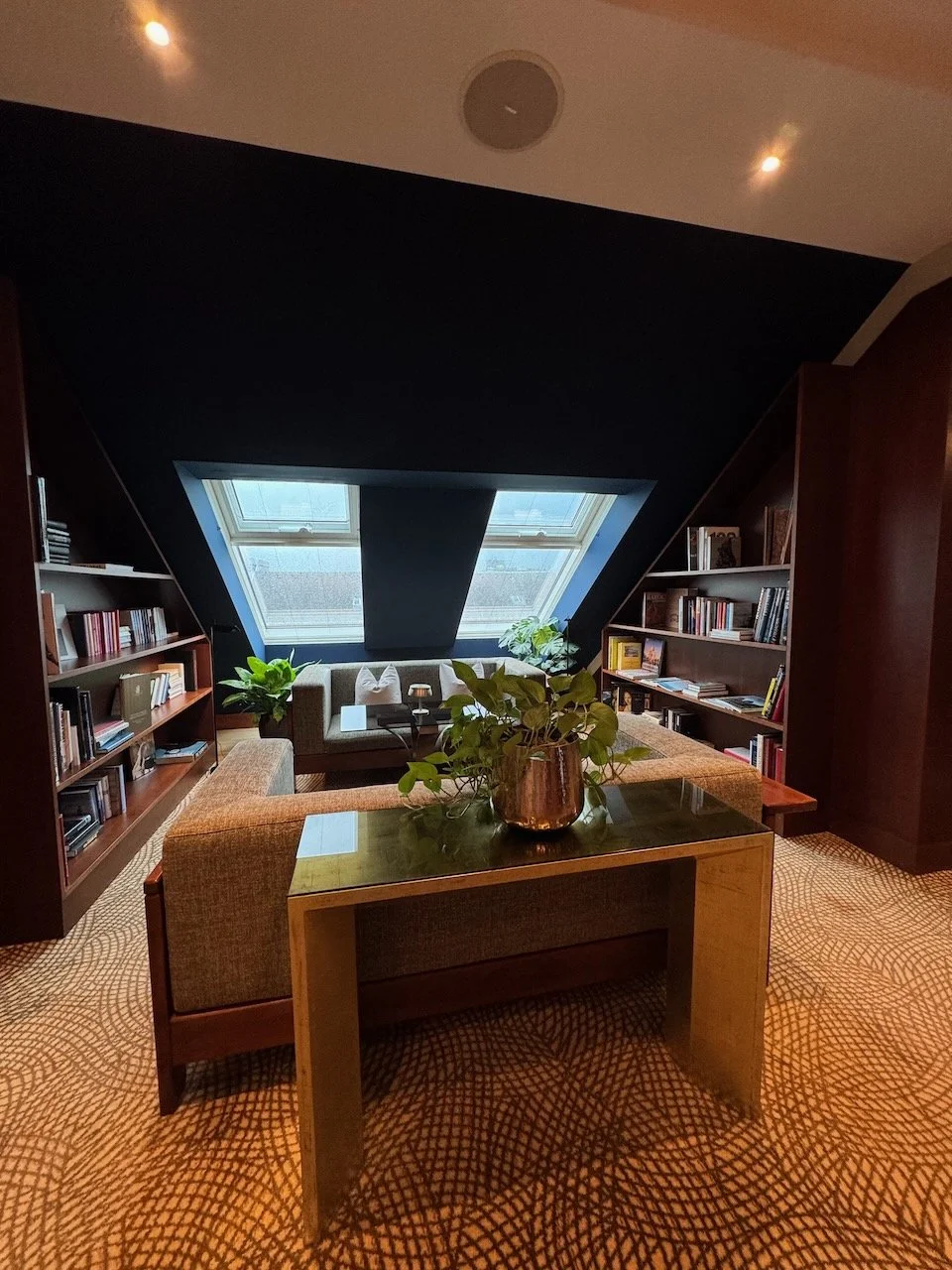
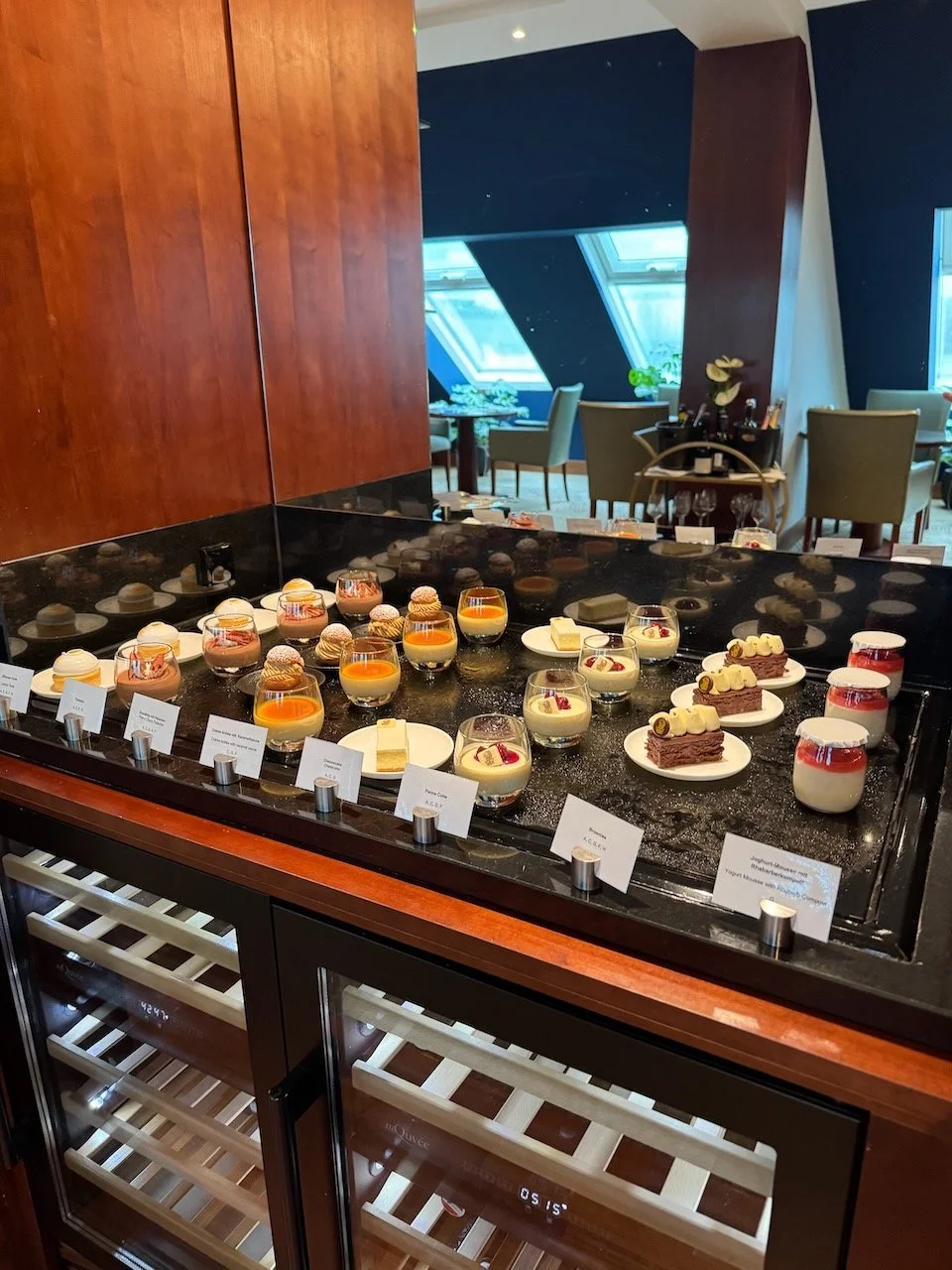
Hotel Sacher Vienna
I can arrange VIP perks through Virtuoso and the hotel partner programme shown below.

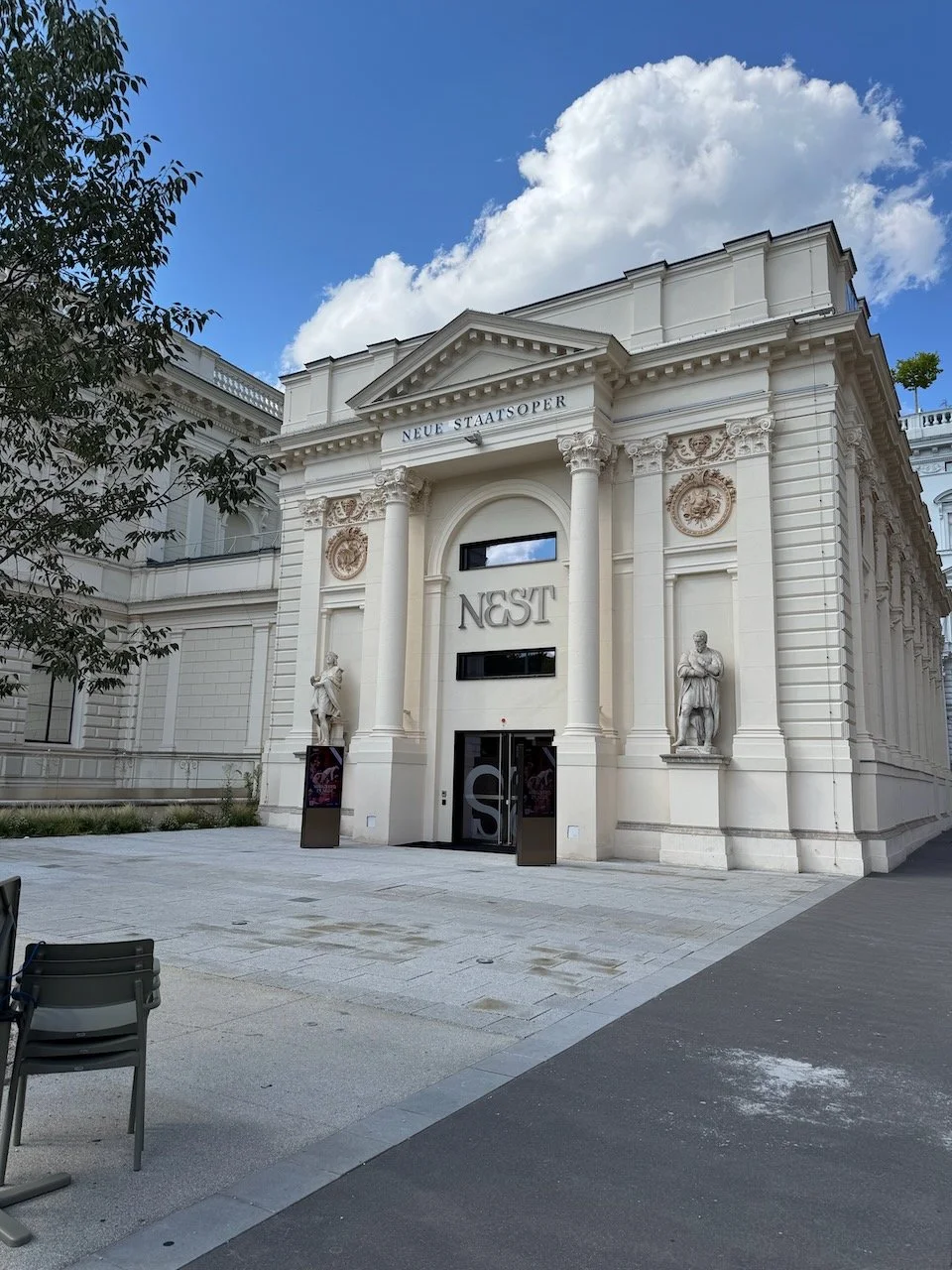
The Sacher is one of those hotels whose name is inseparable from its city. Directly opposite the Vienna State Opera, it brings together history, traditional hospitality and, of course, the Original Sacher-Torte. The cake attracts the crowds, but there is considerably more to the hotel than its famous café.
Atmosphere
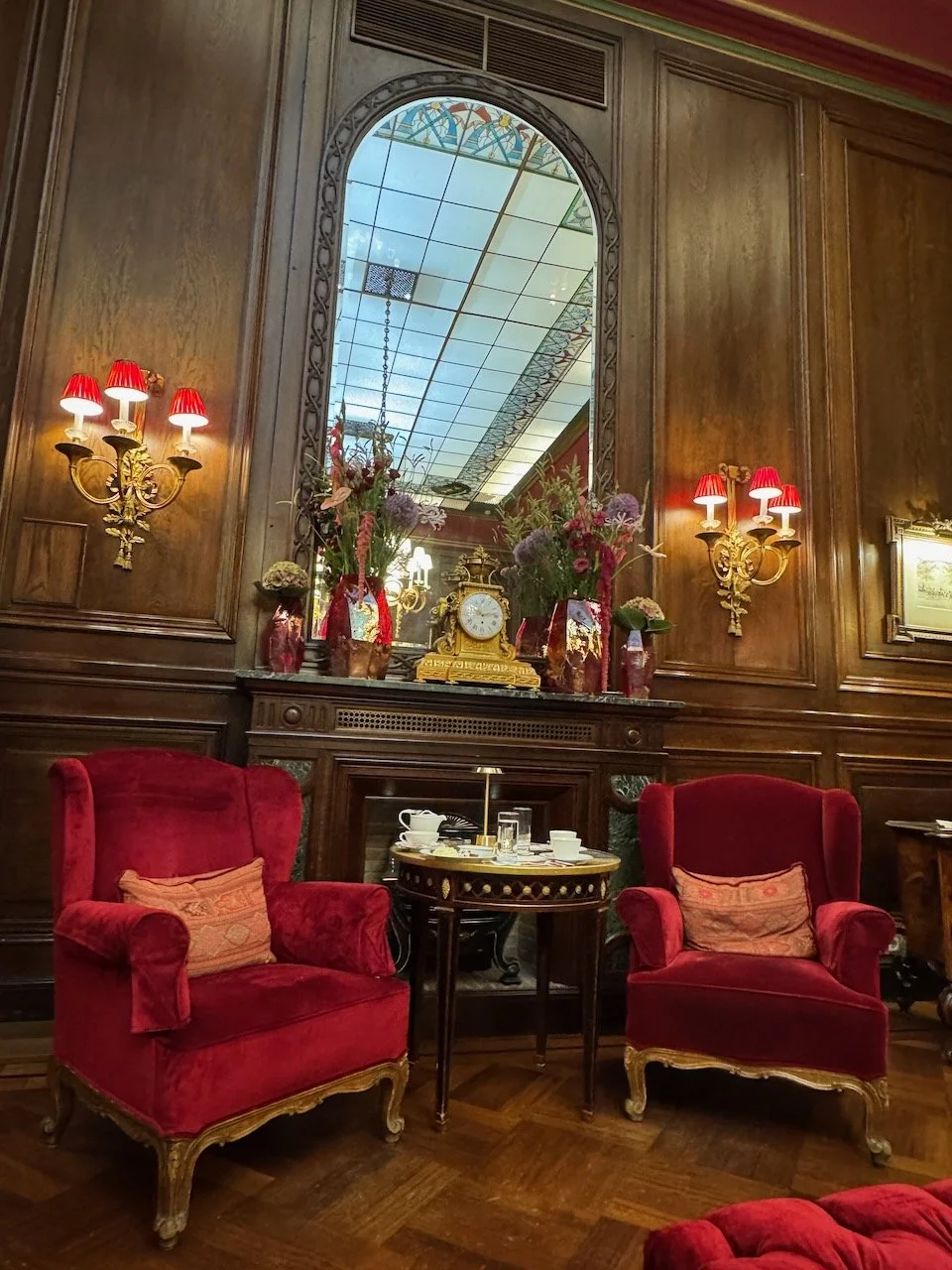
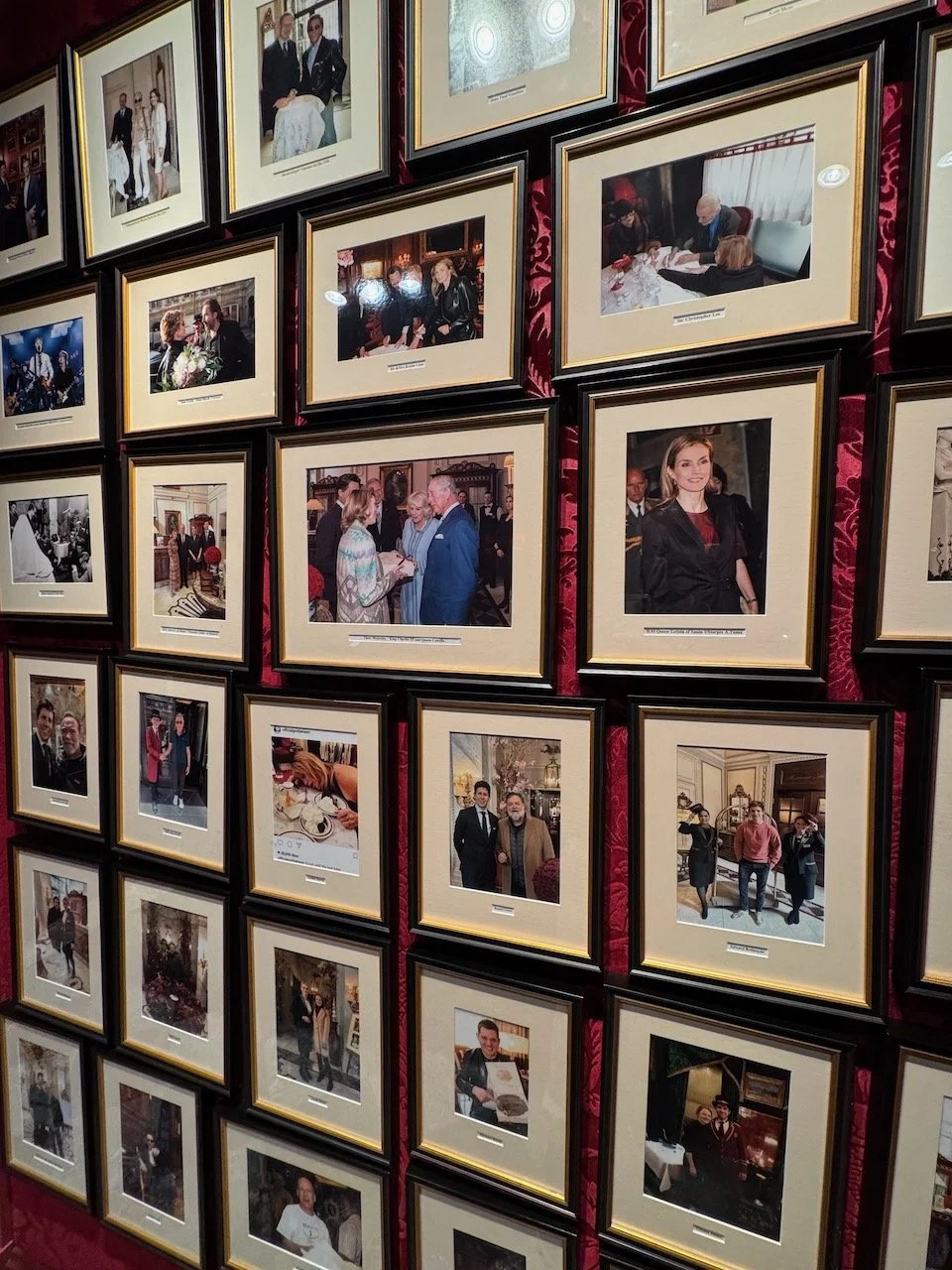
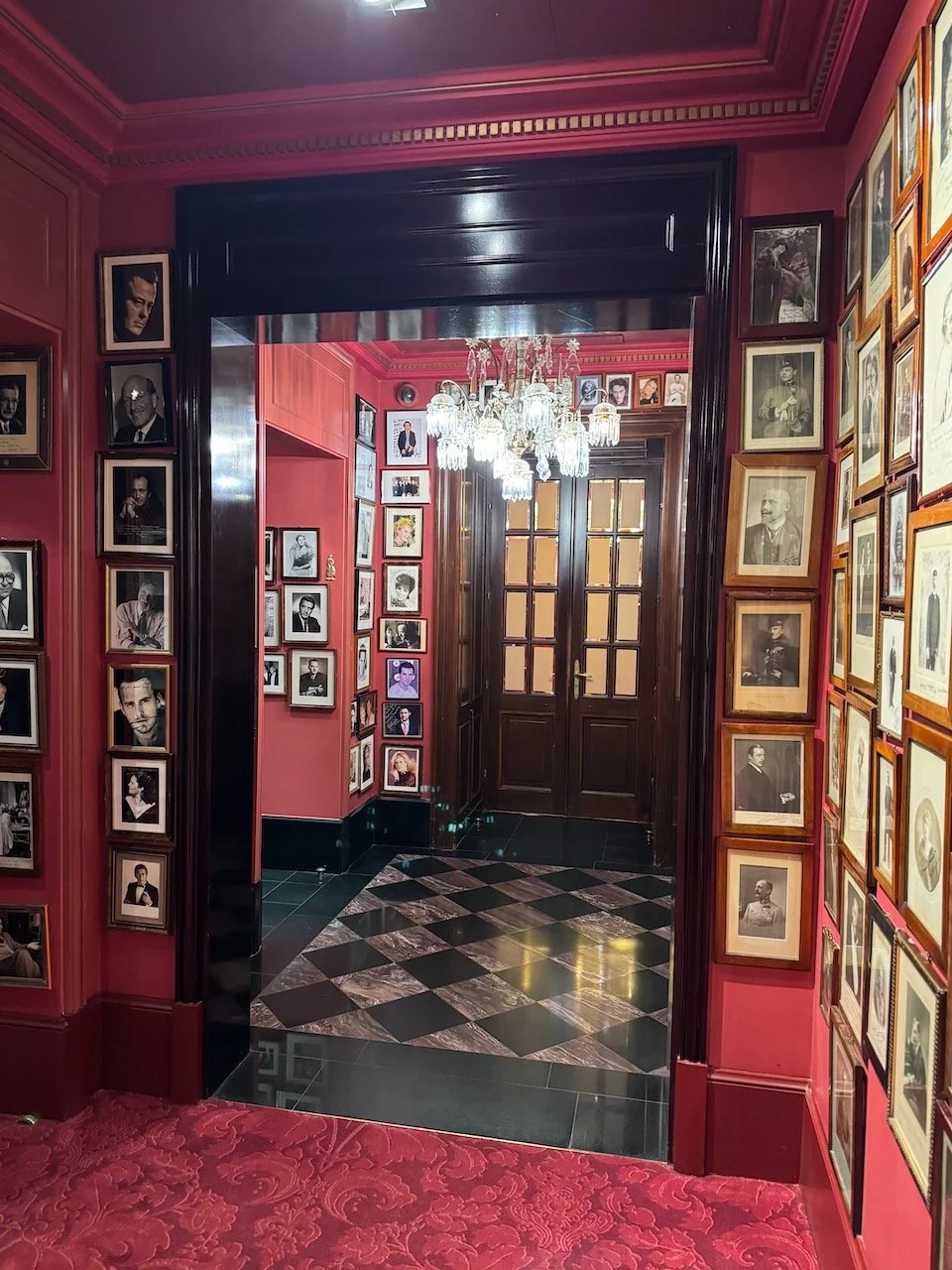
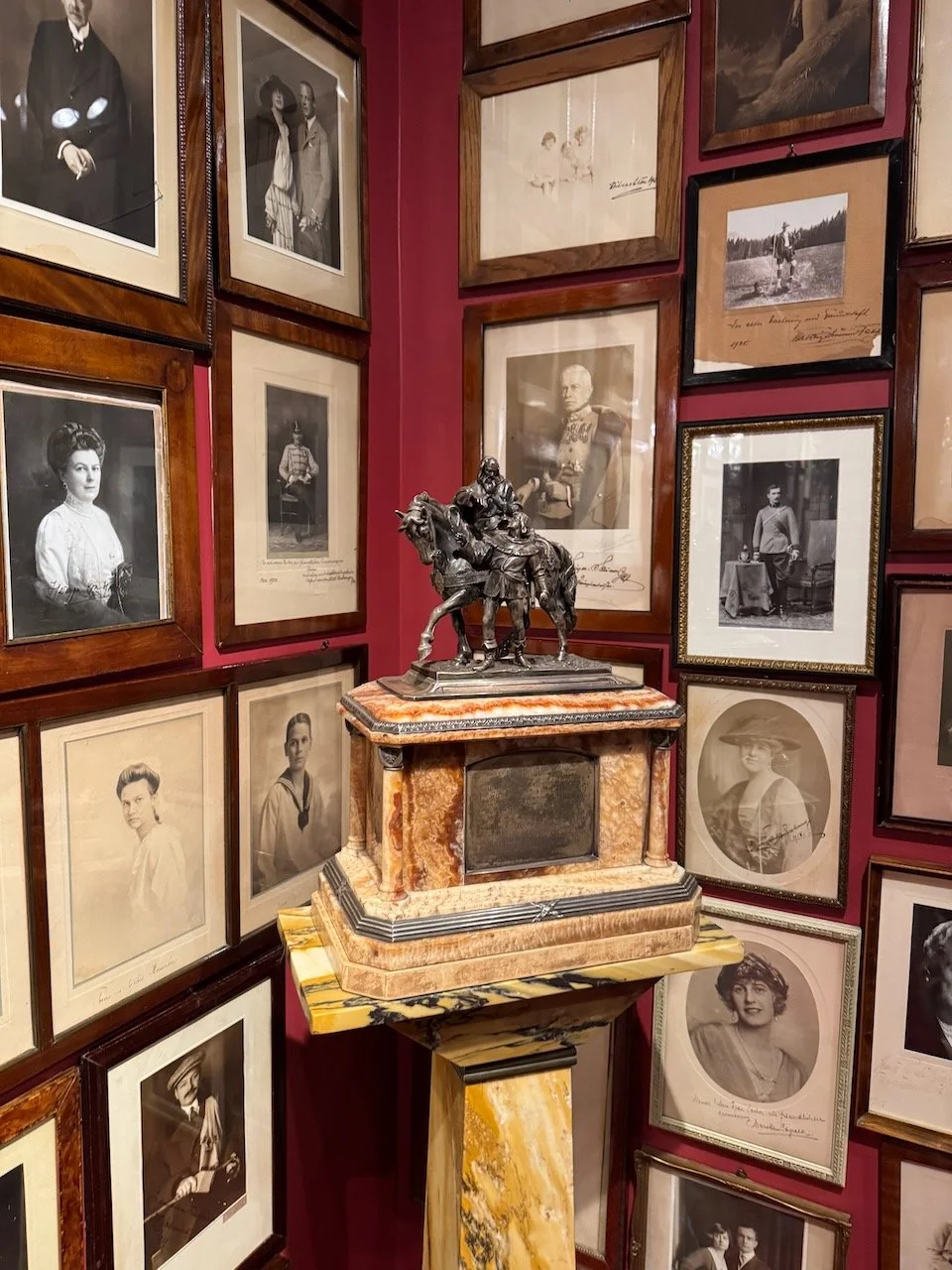
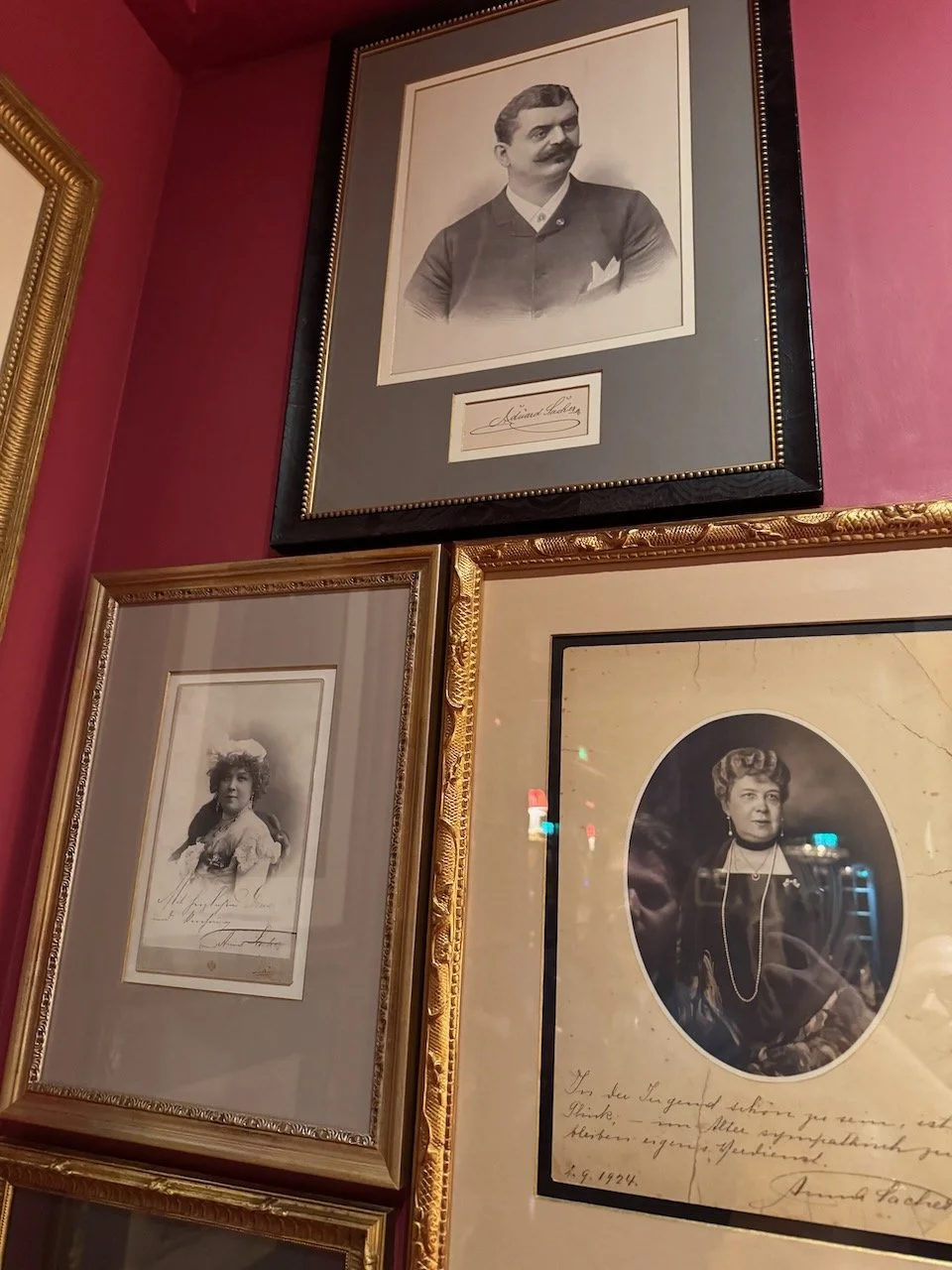
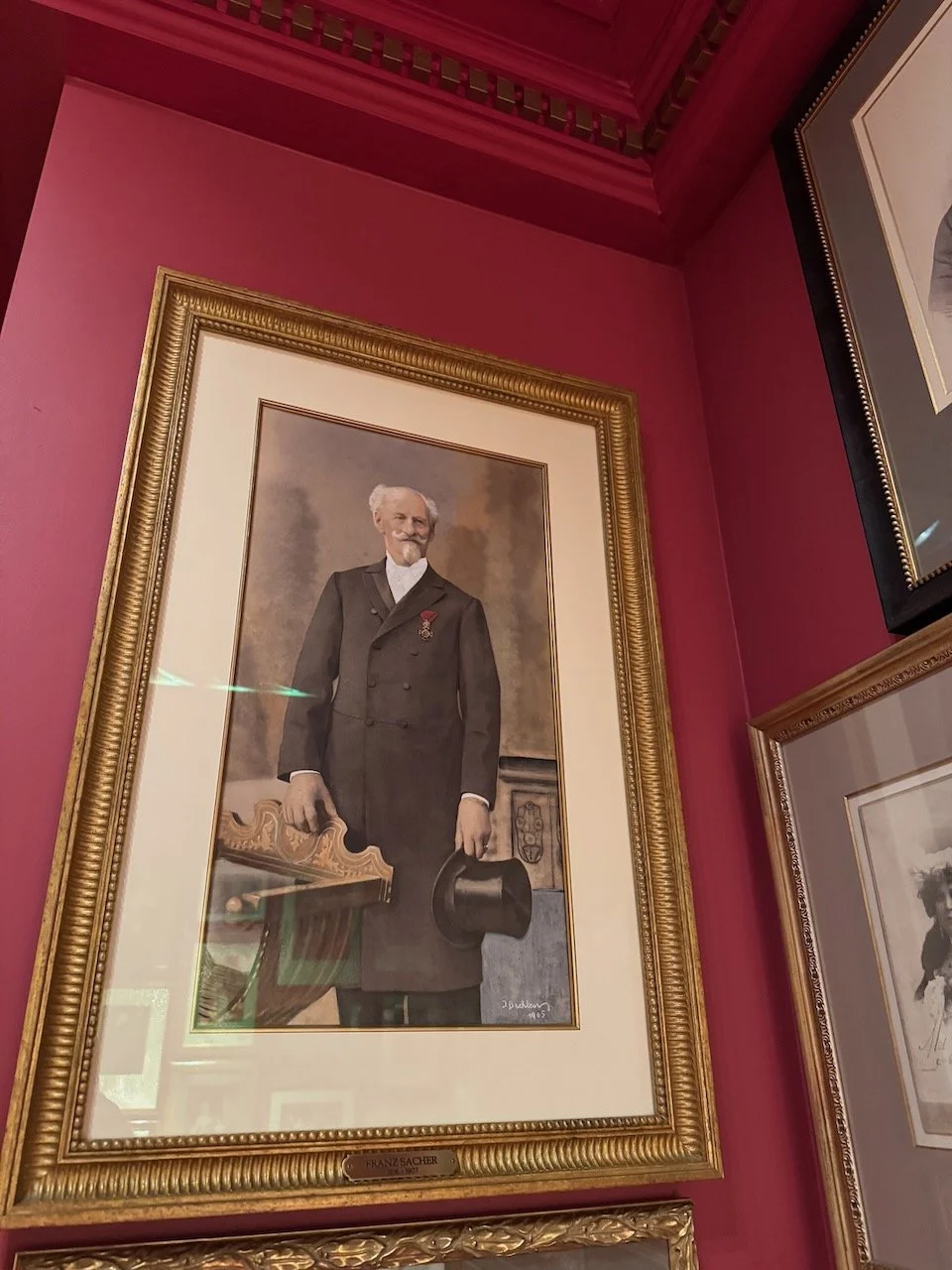
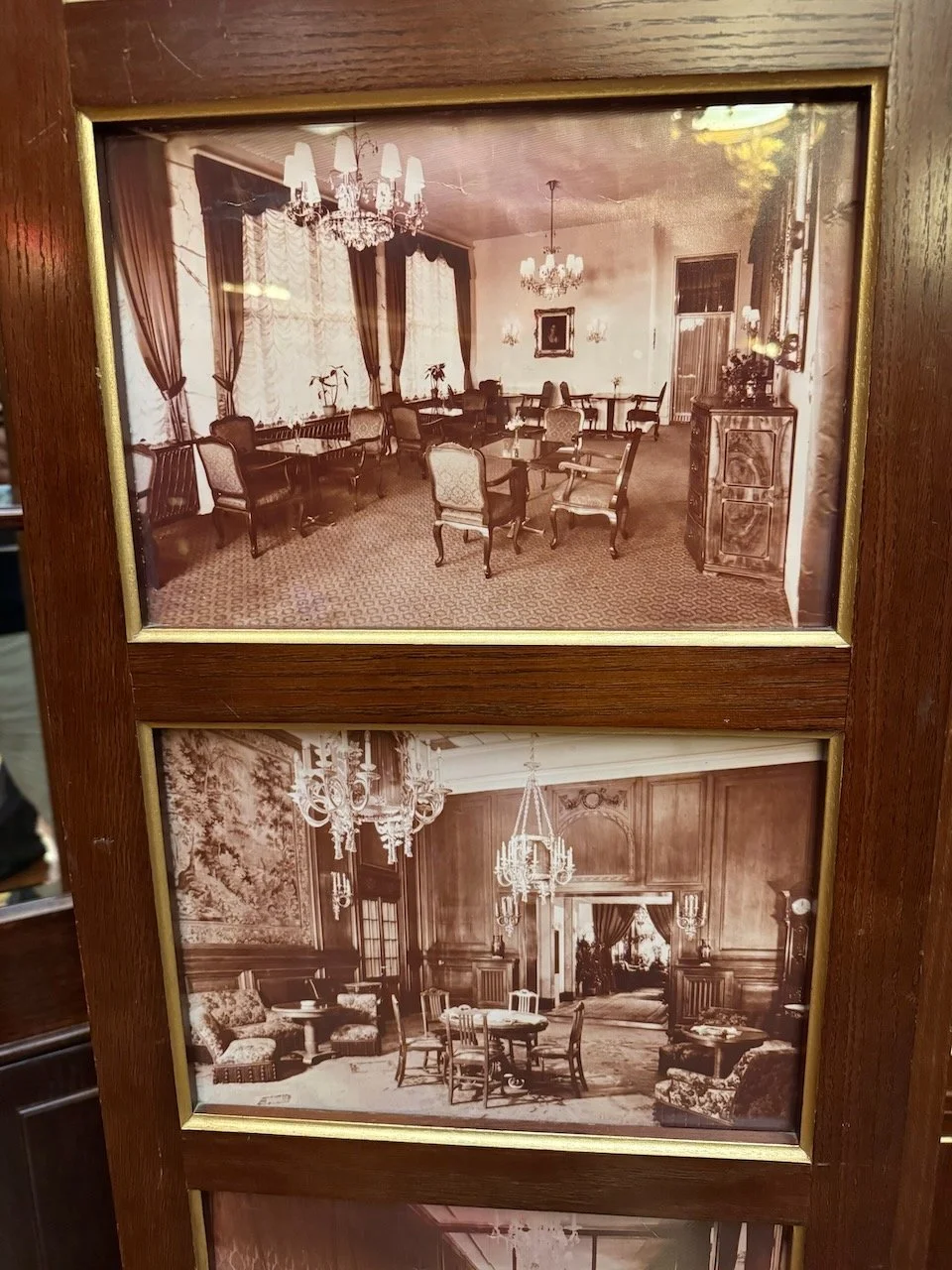
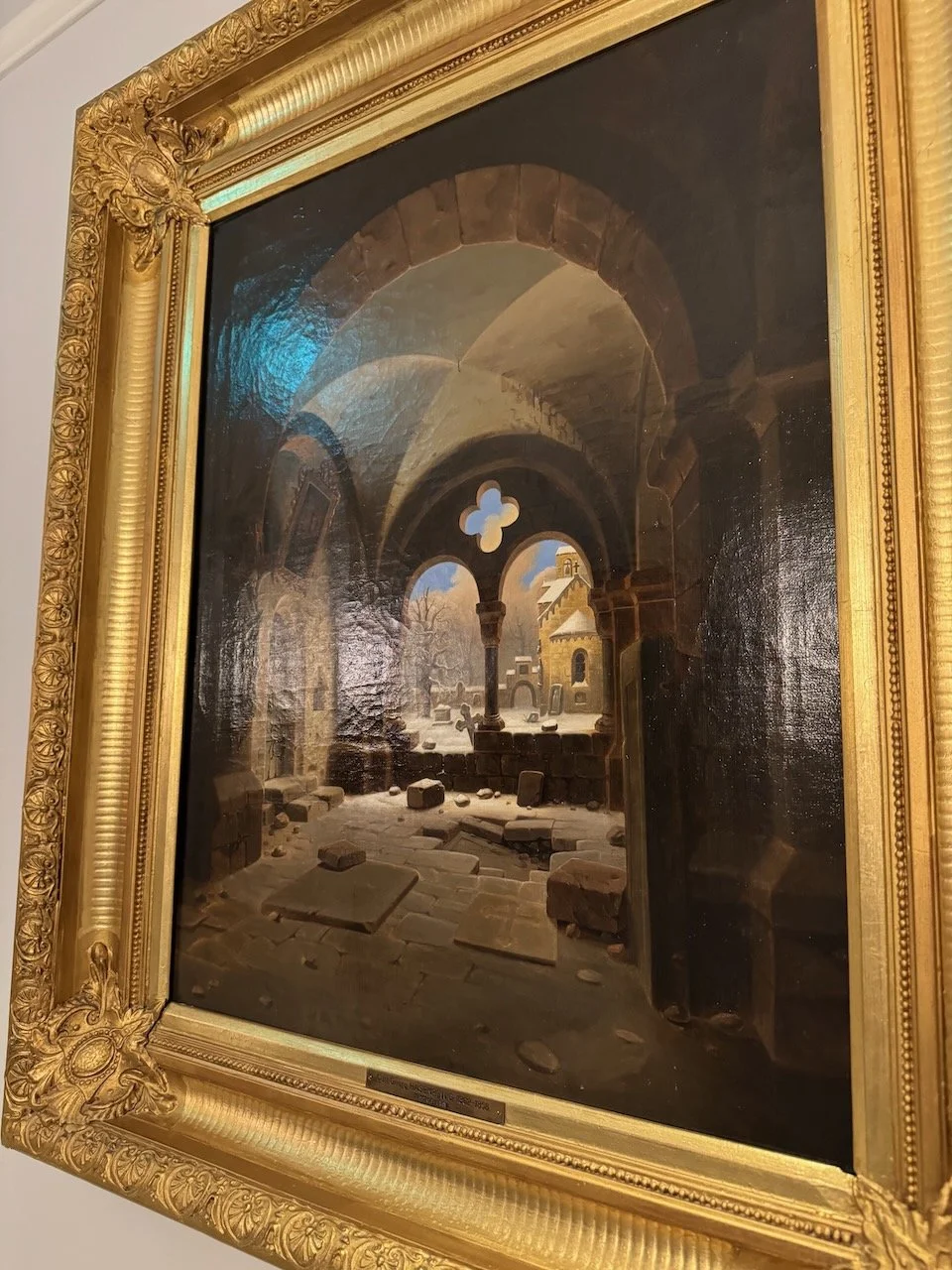
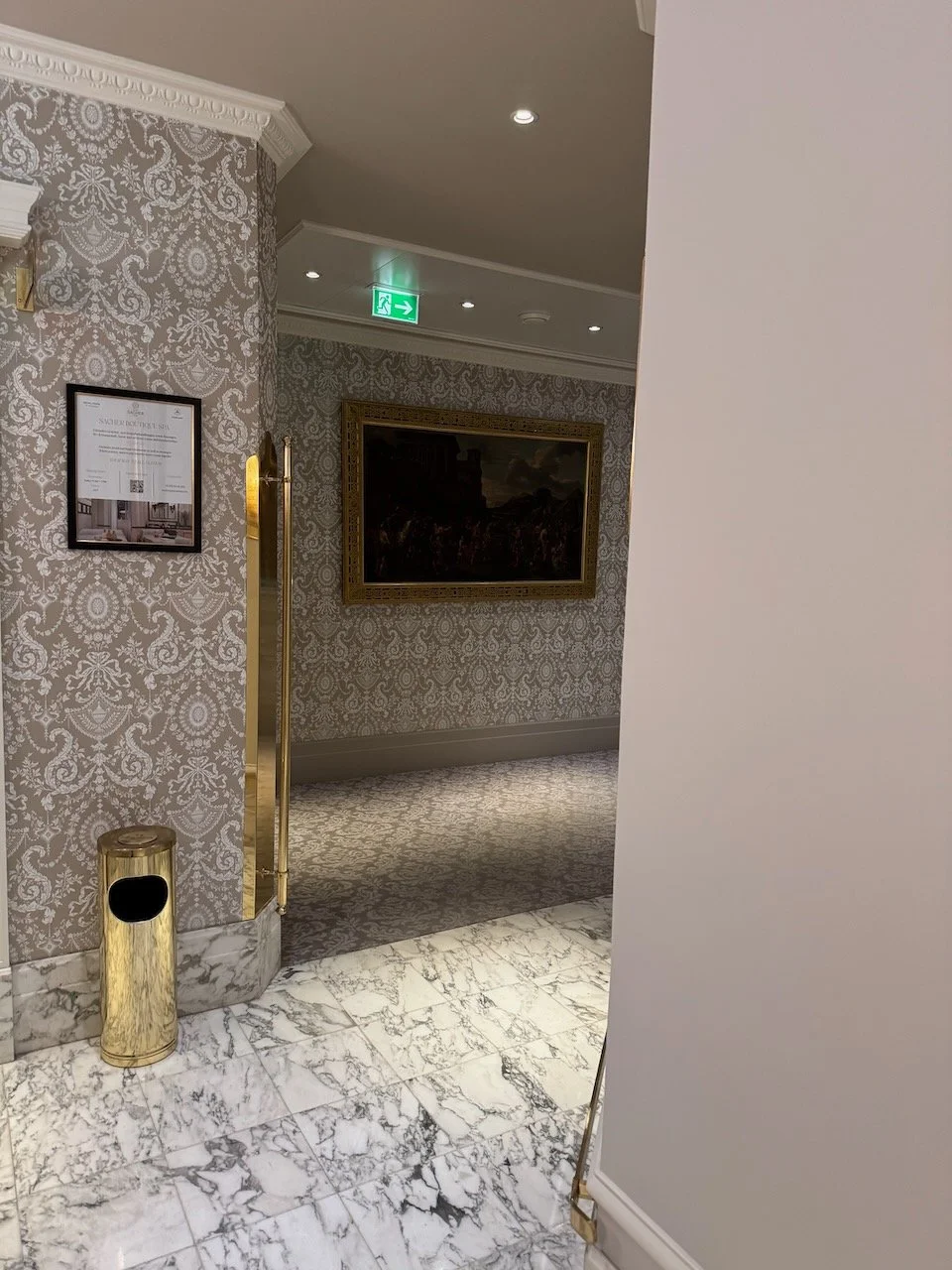
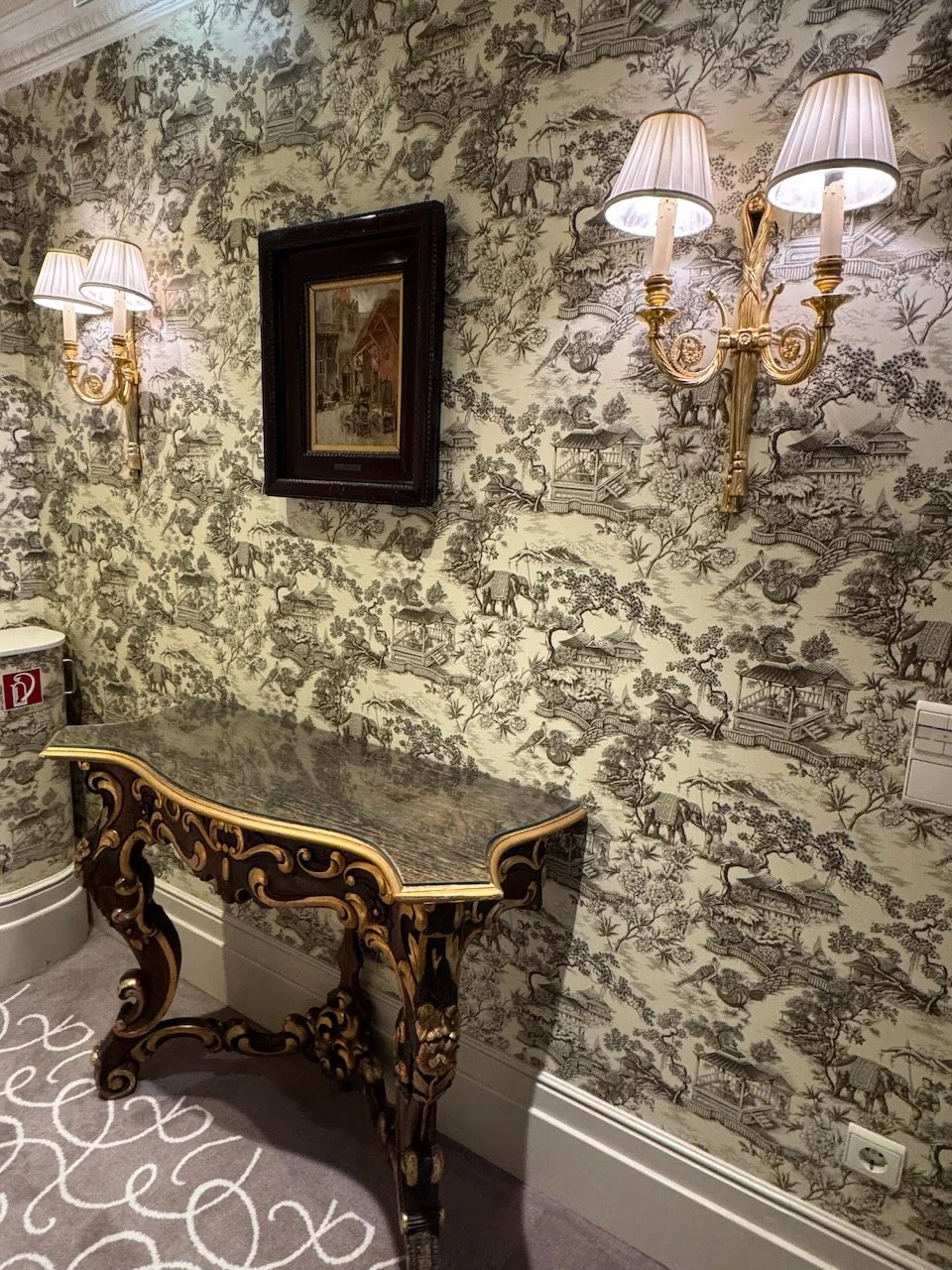
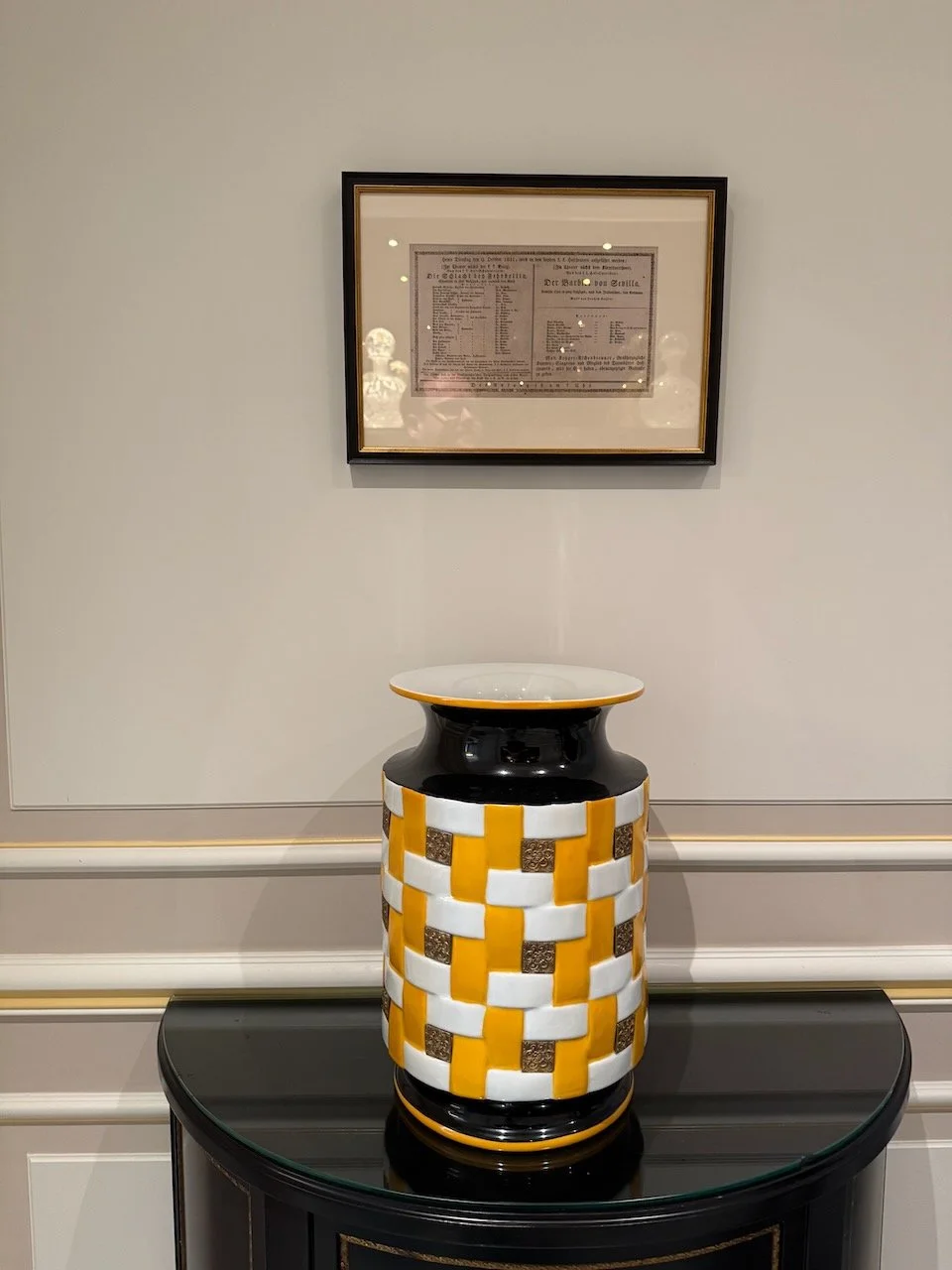
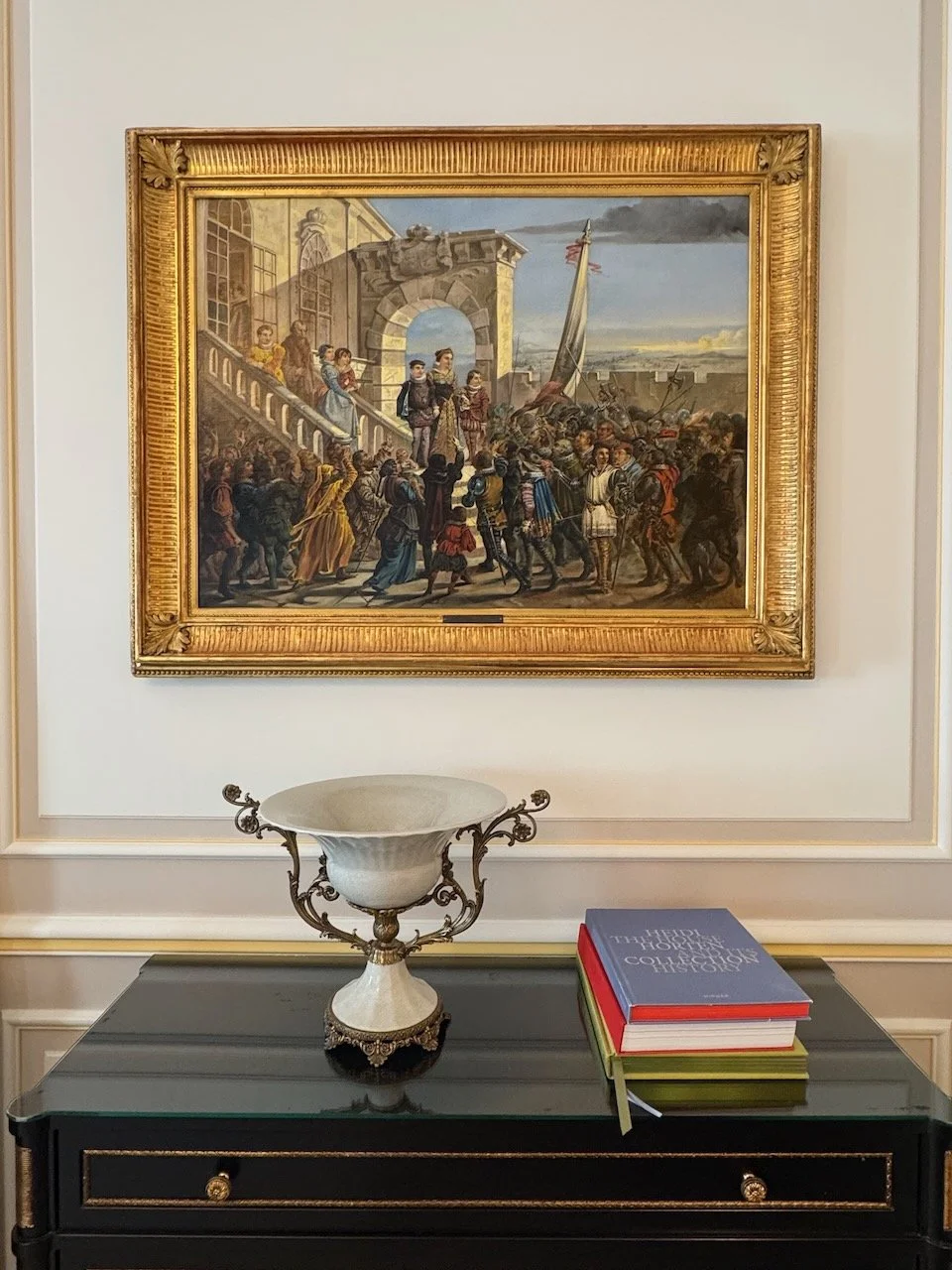
The entrance and reception are relatively compact, so the arrival feels more intimate than the Imperial’s grand palace approach. Beyond them come rich colours, chandeliers, paintings and walls of photographs recording famous visitors. It is wonderfully traditional, but the detail and careful upkeep keep it from feeling like a museum you are only allowed to look at.
Accommodations
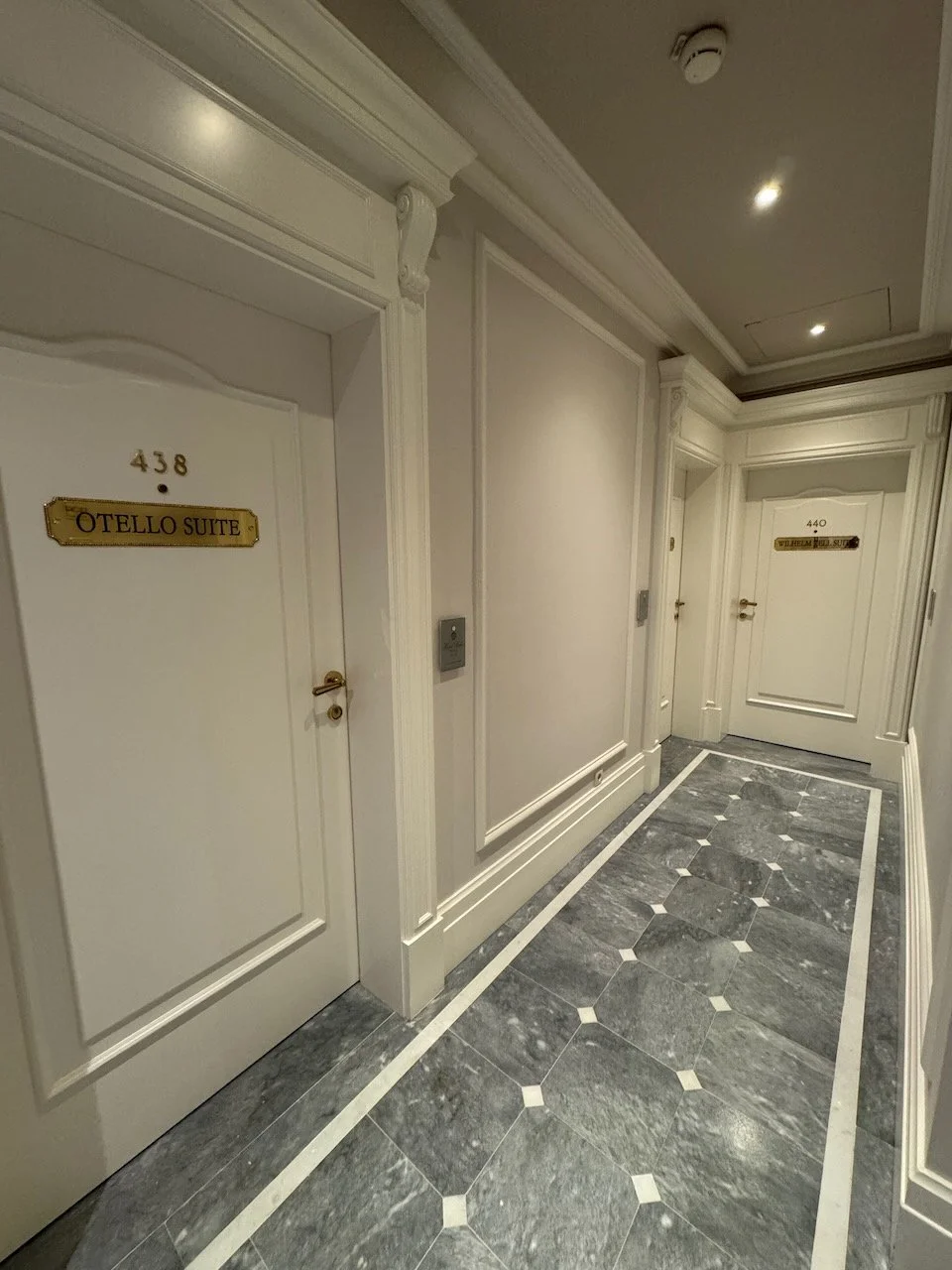
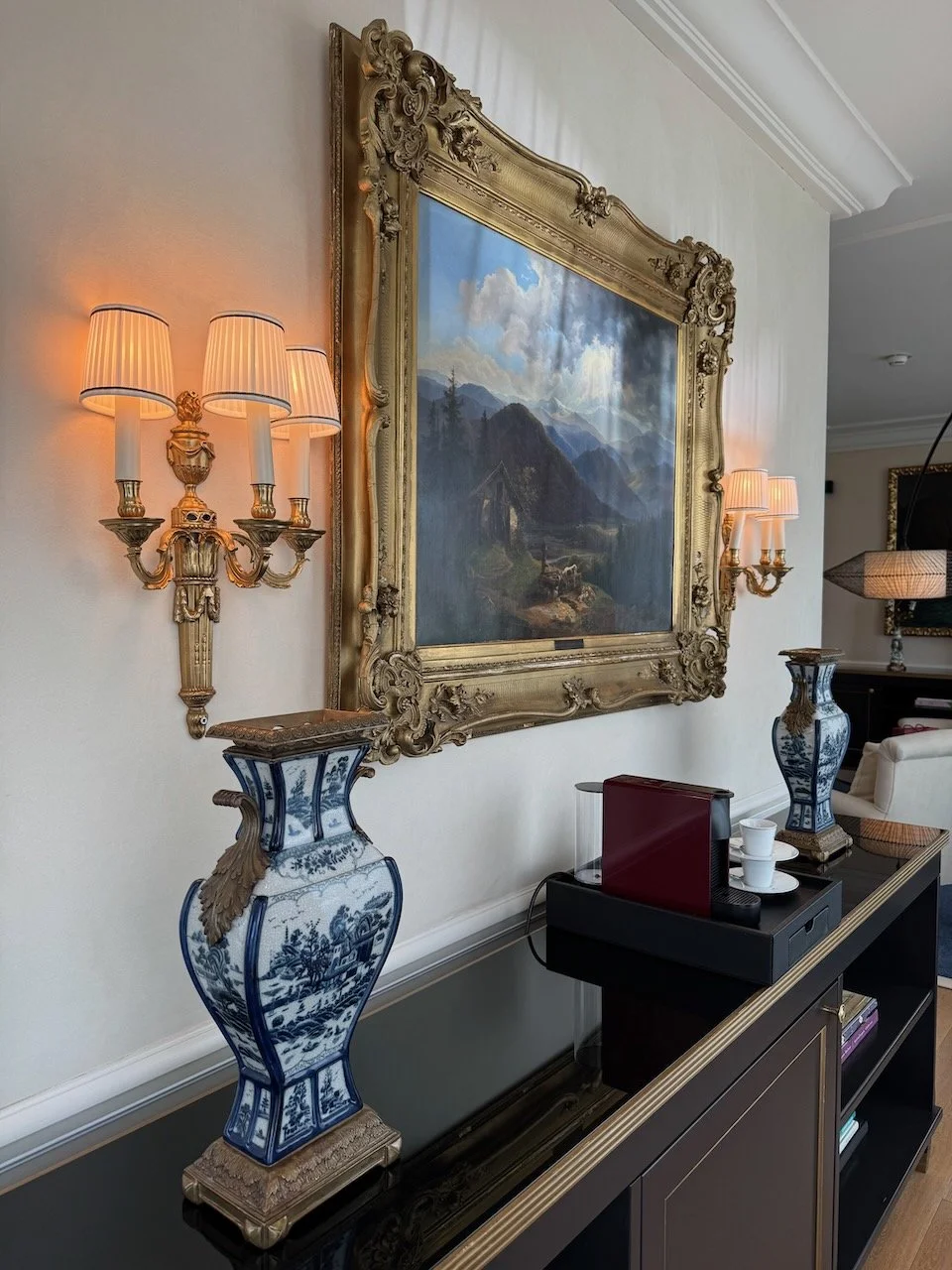
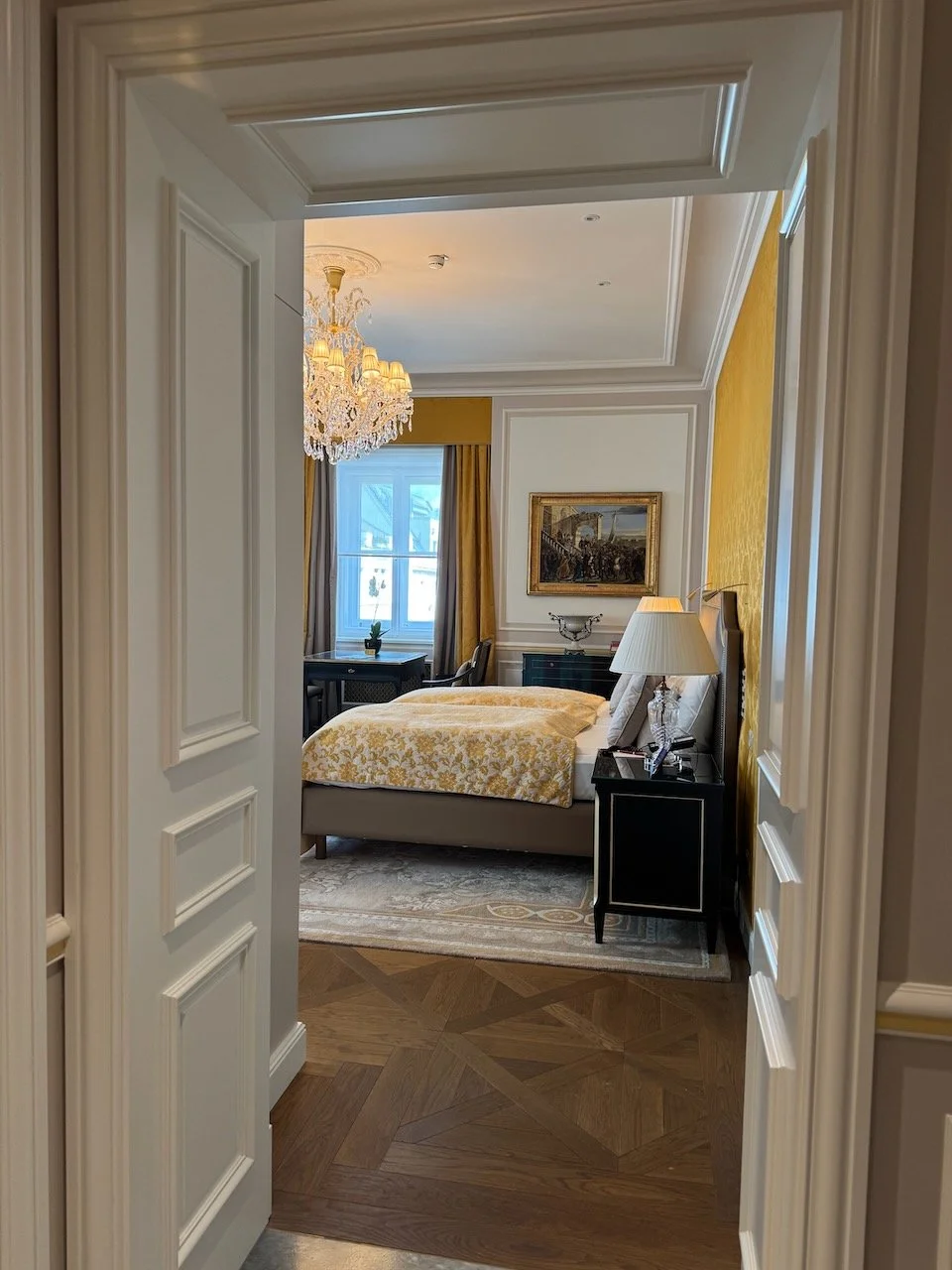
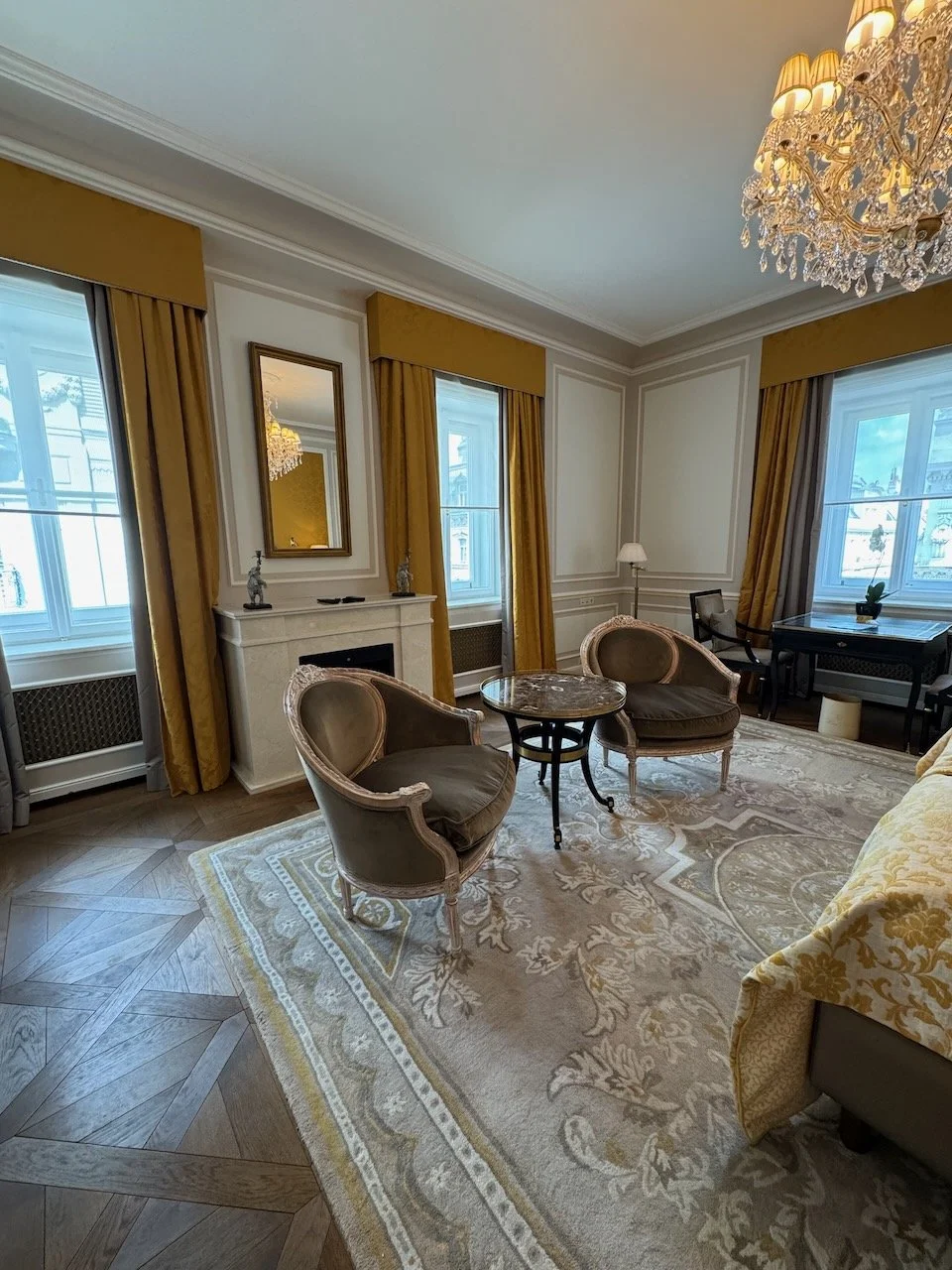
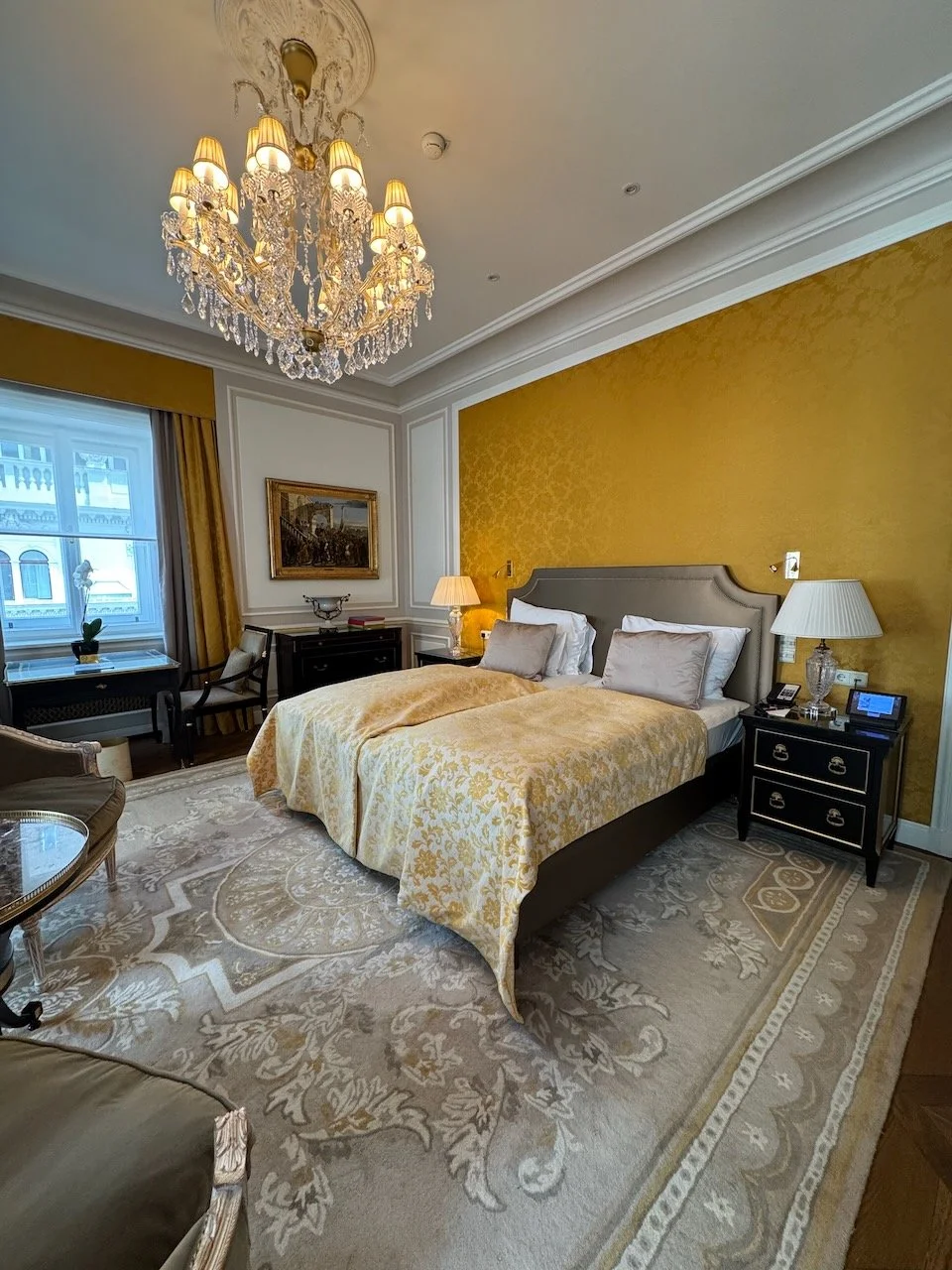
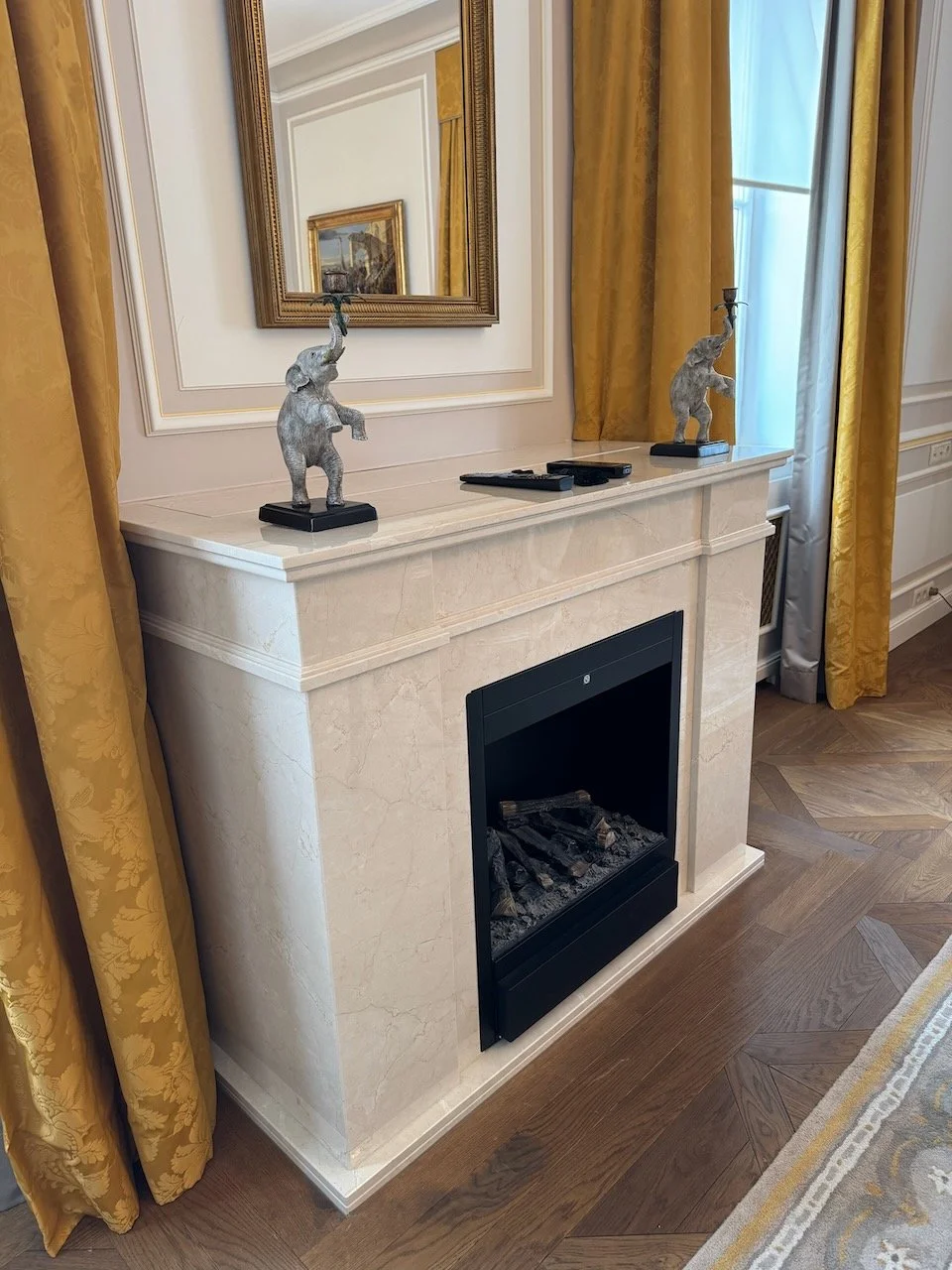
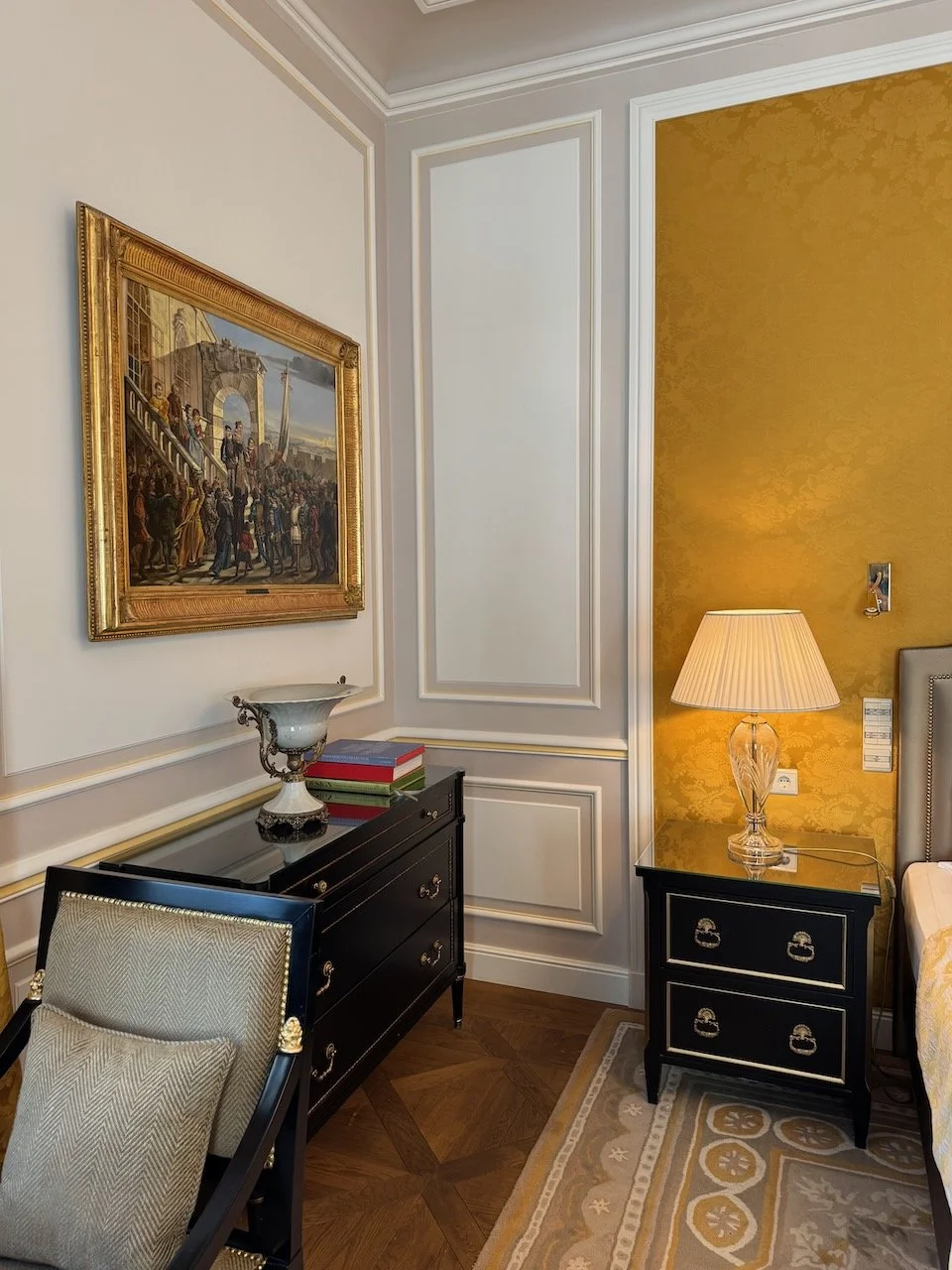
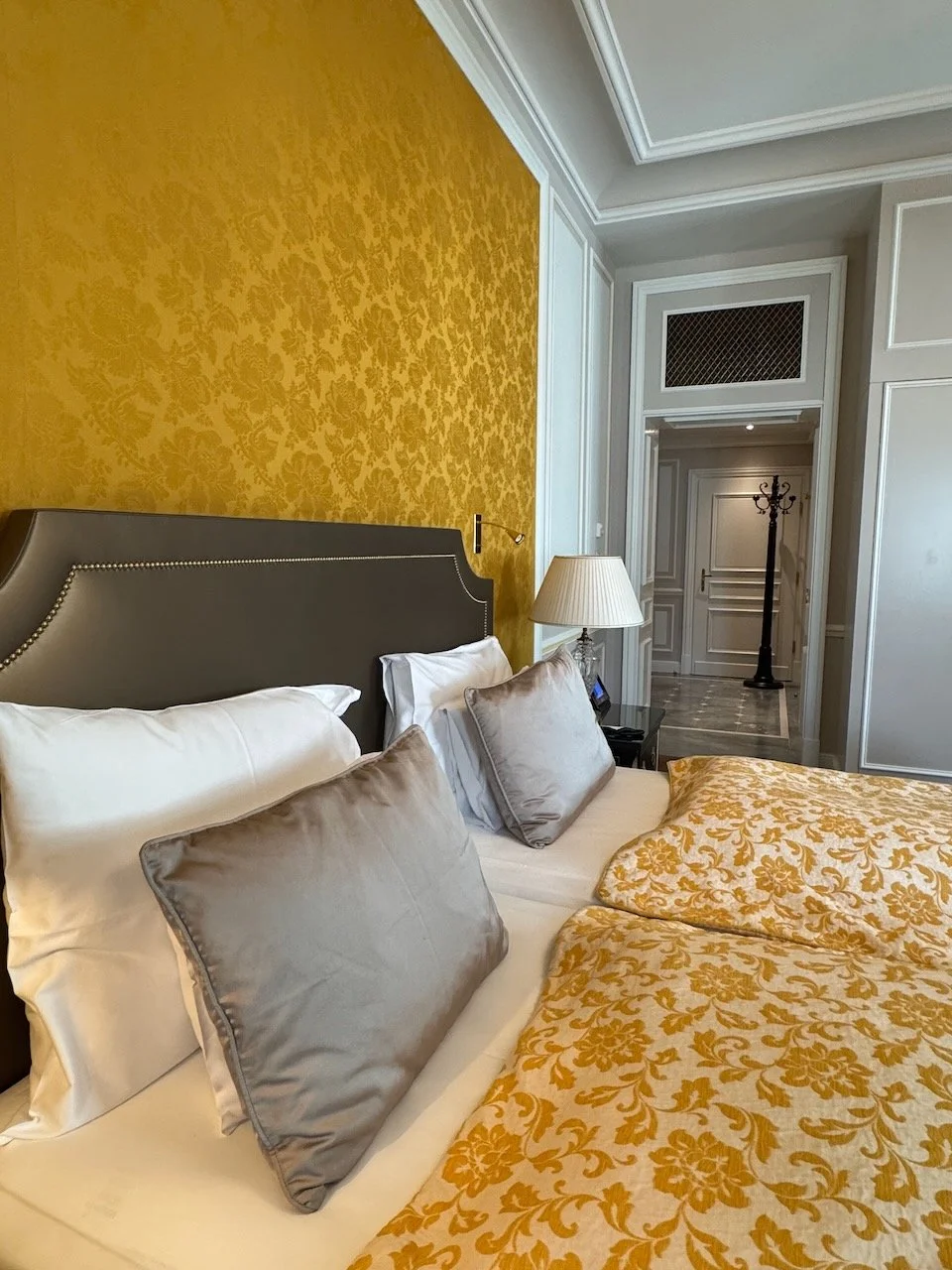
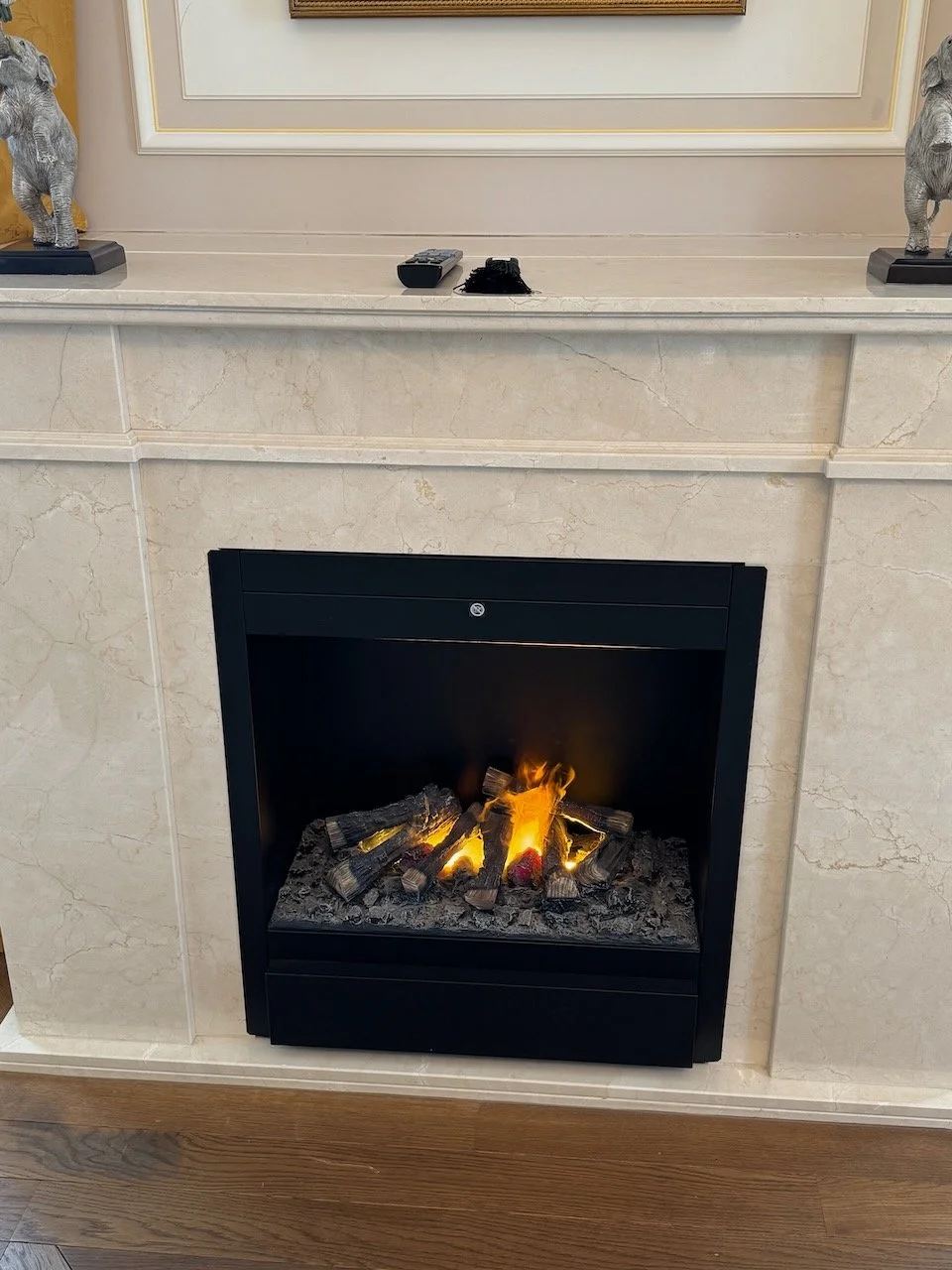
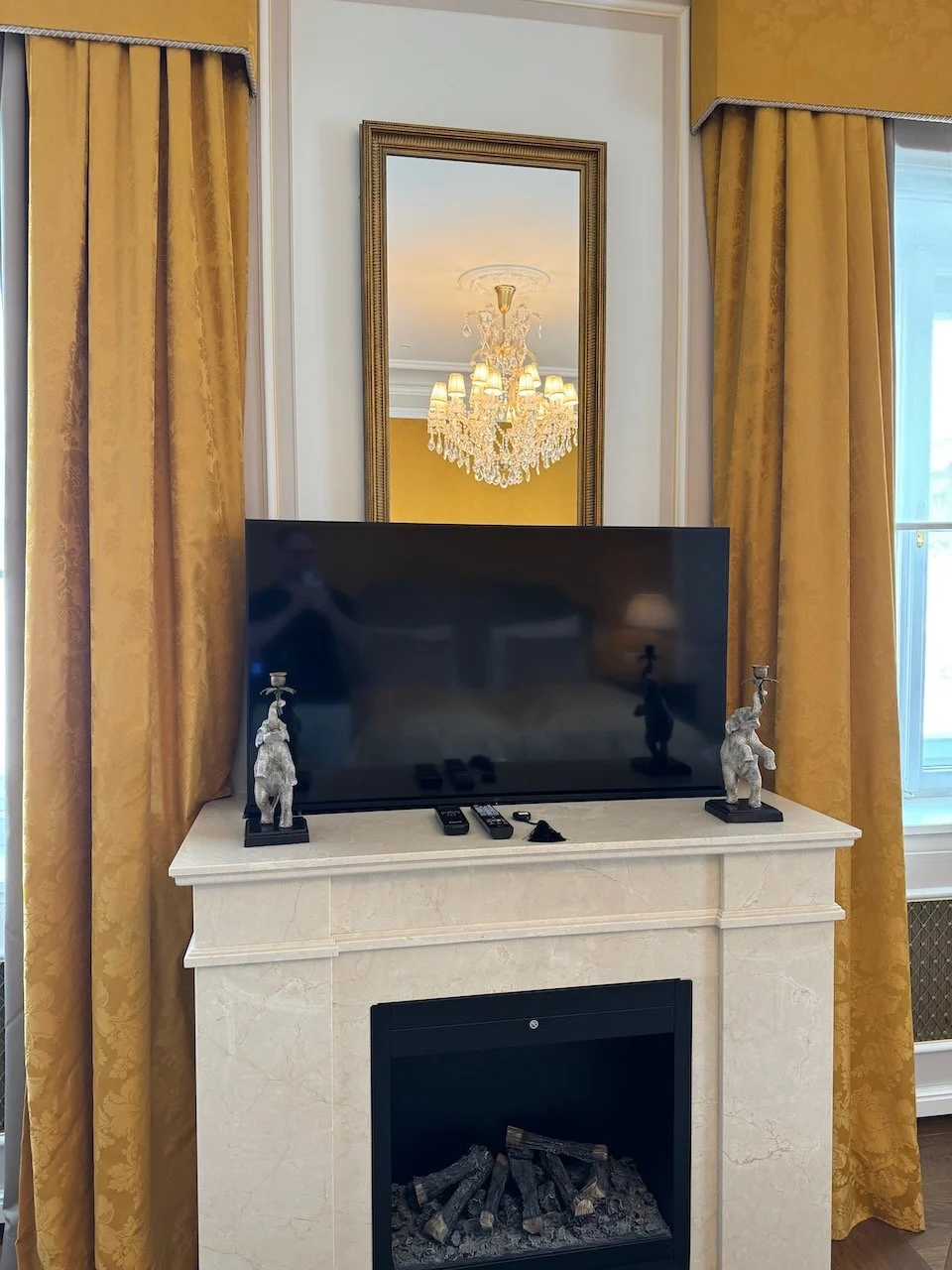
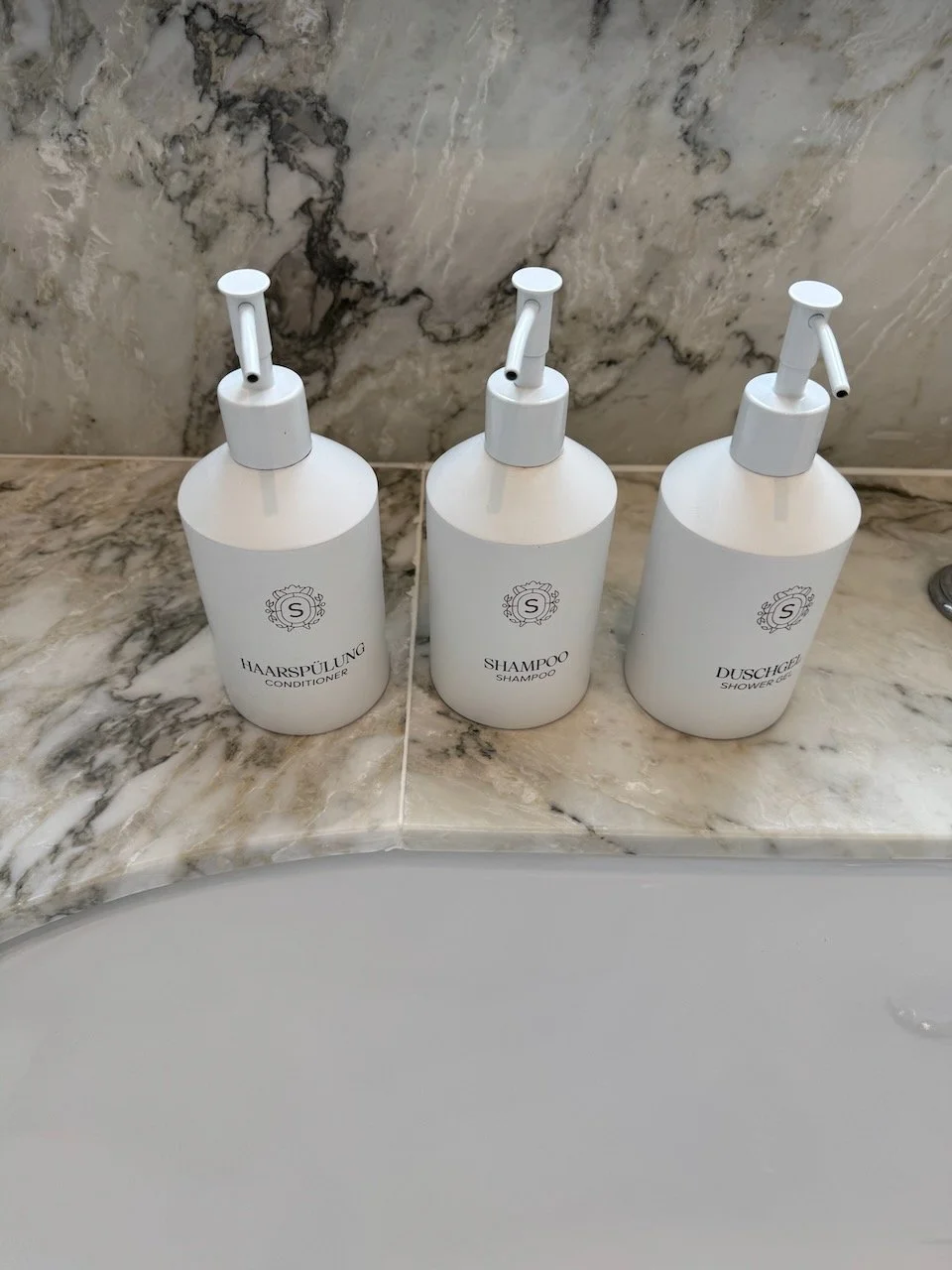
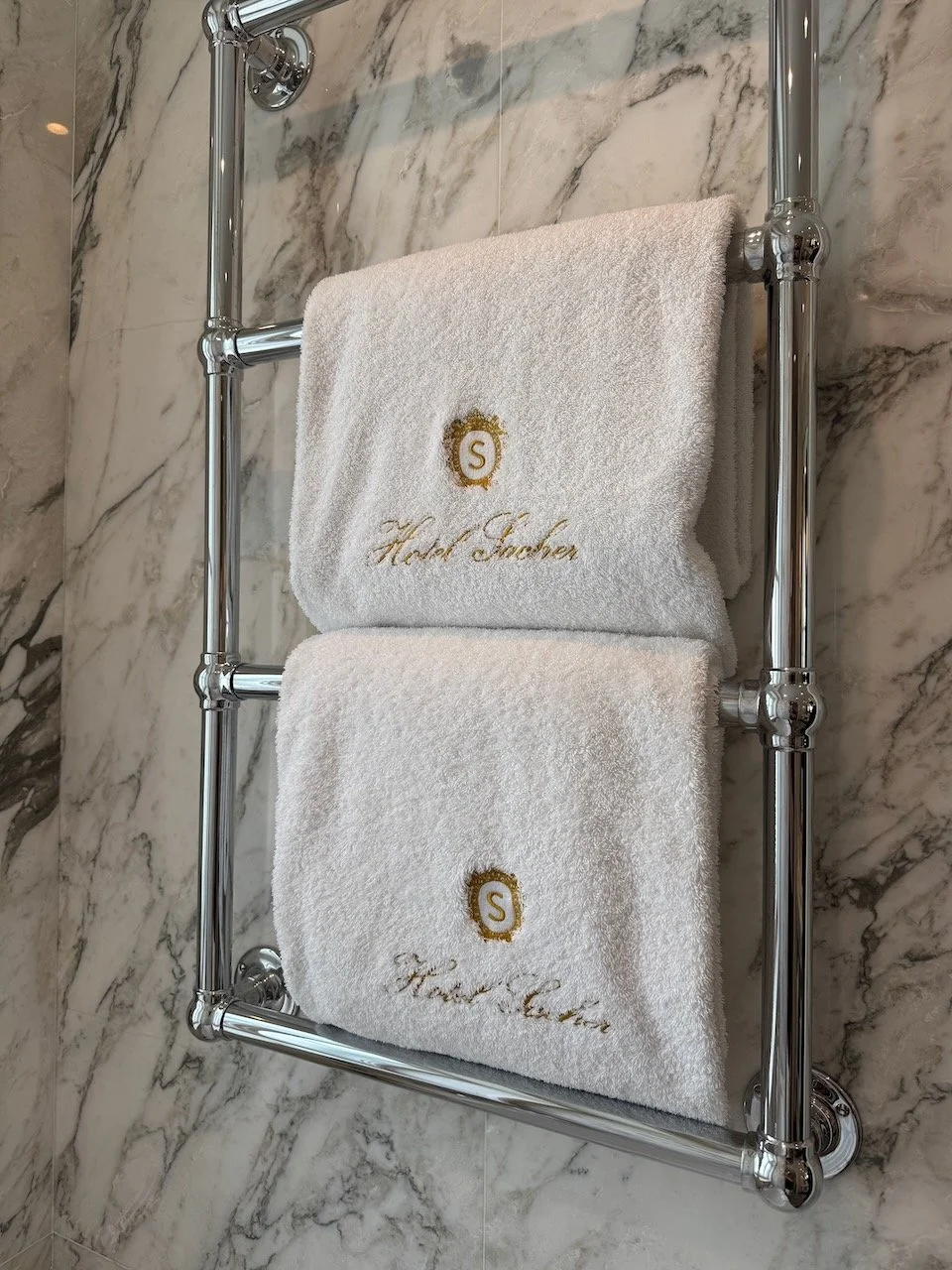
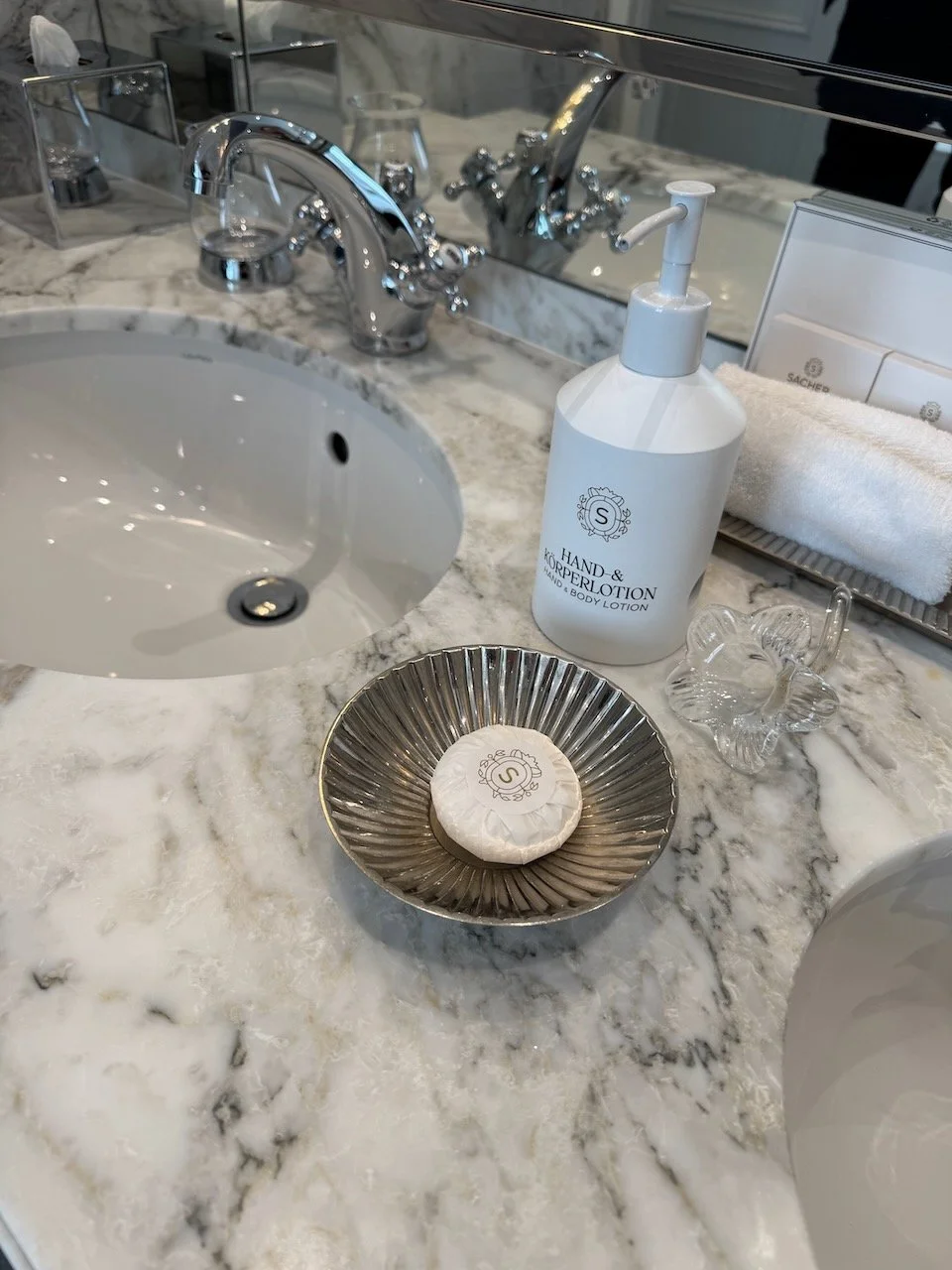
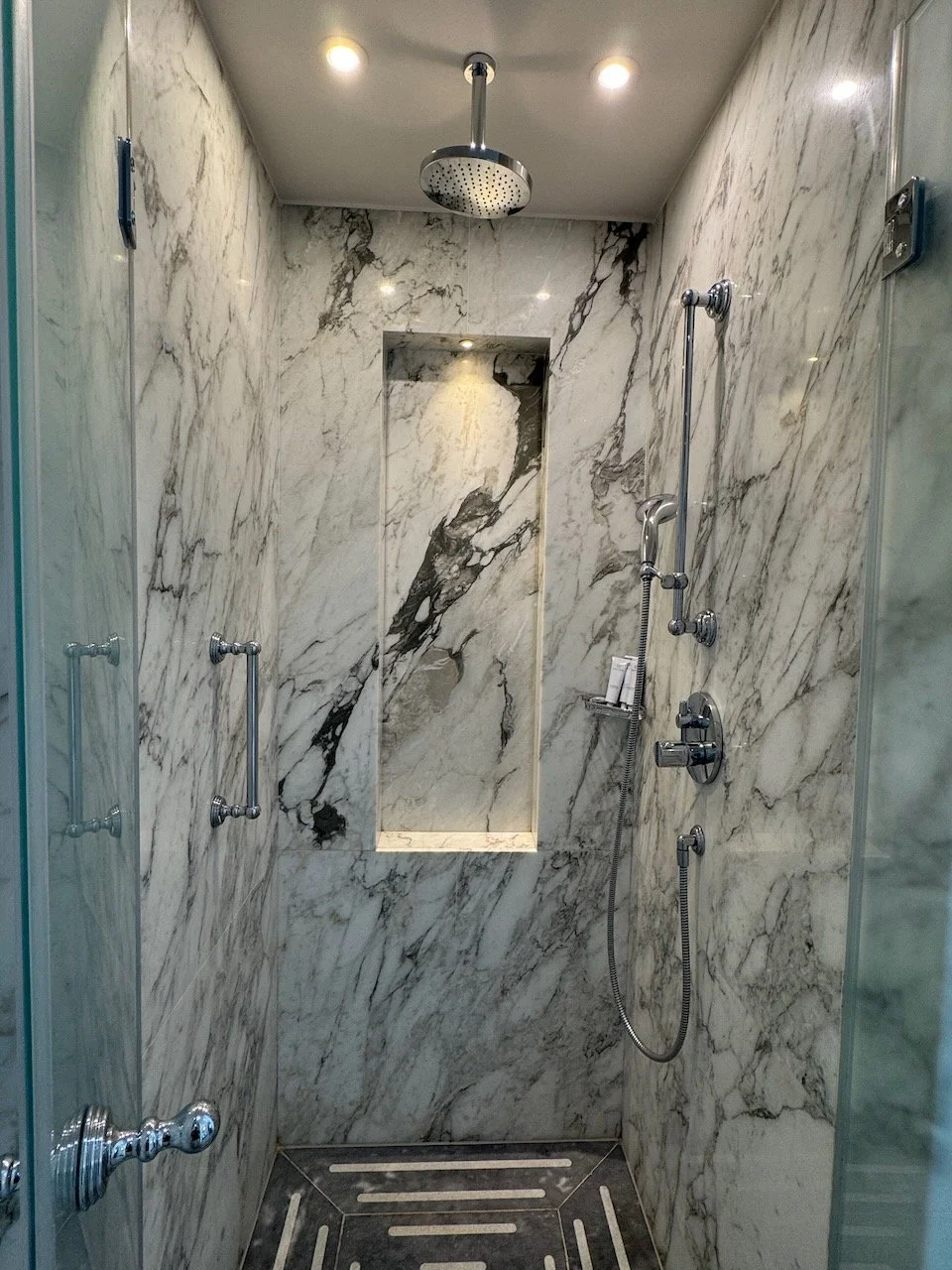
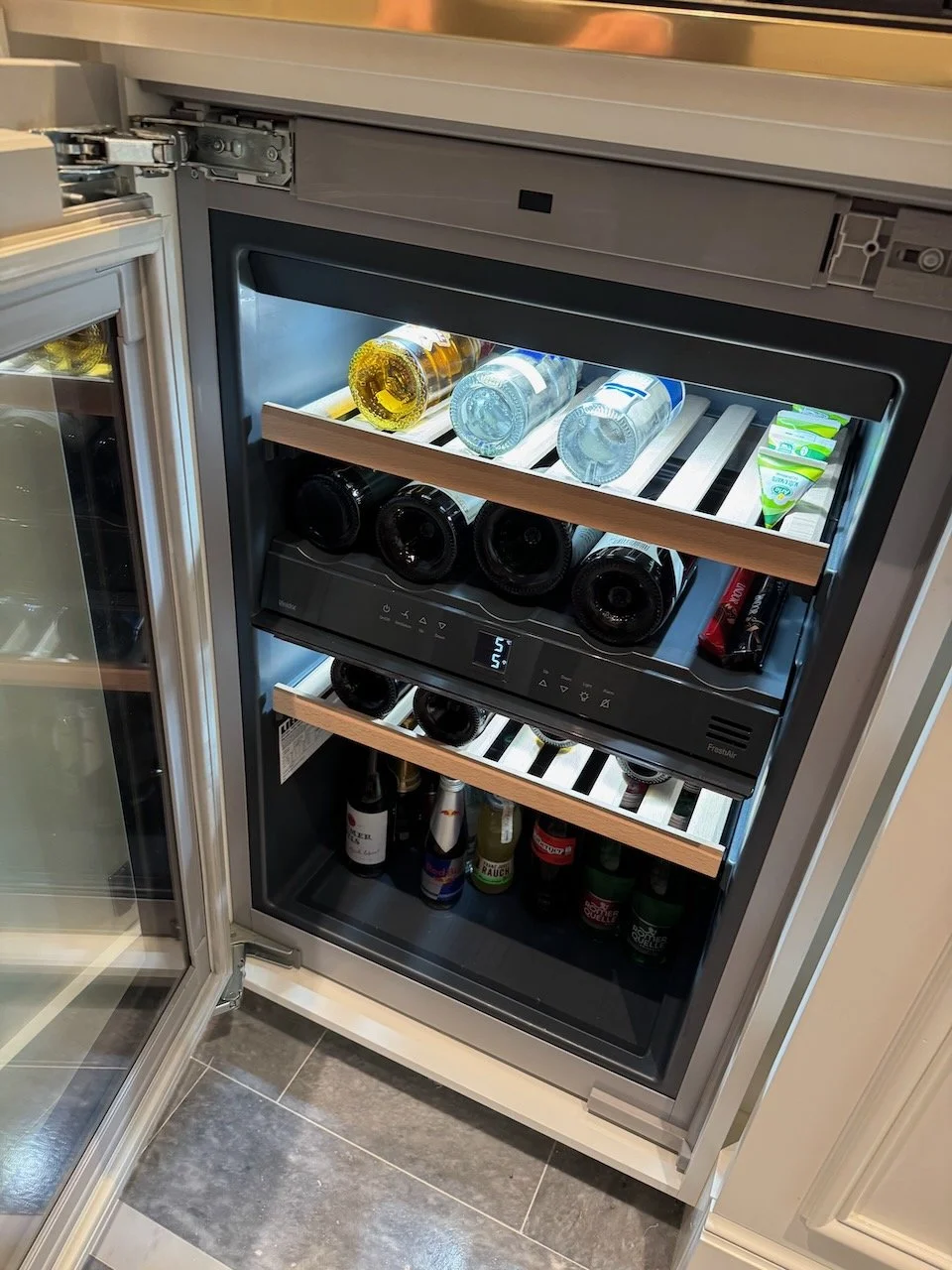
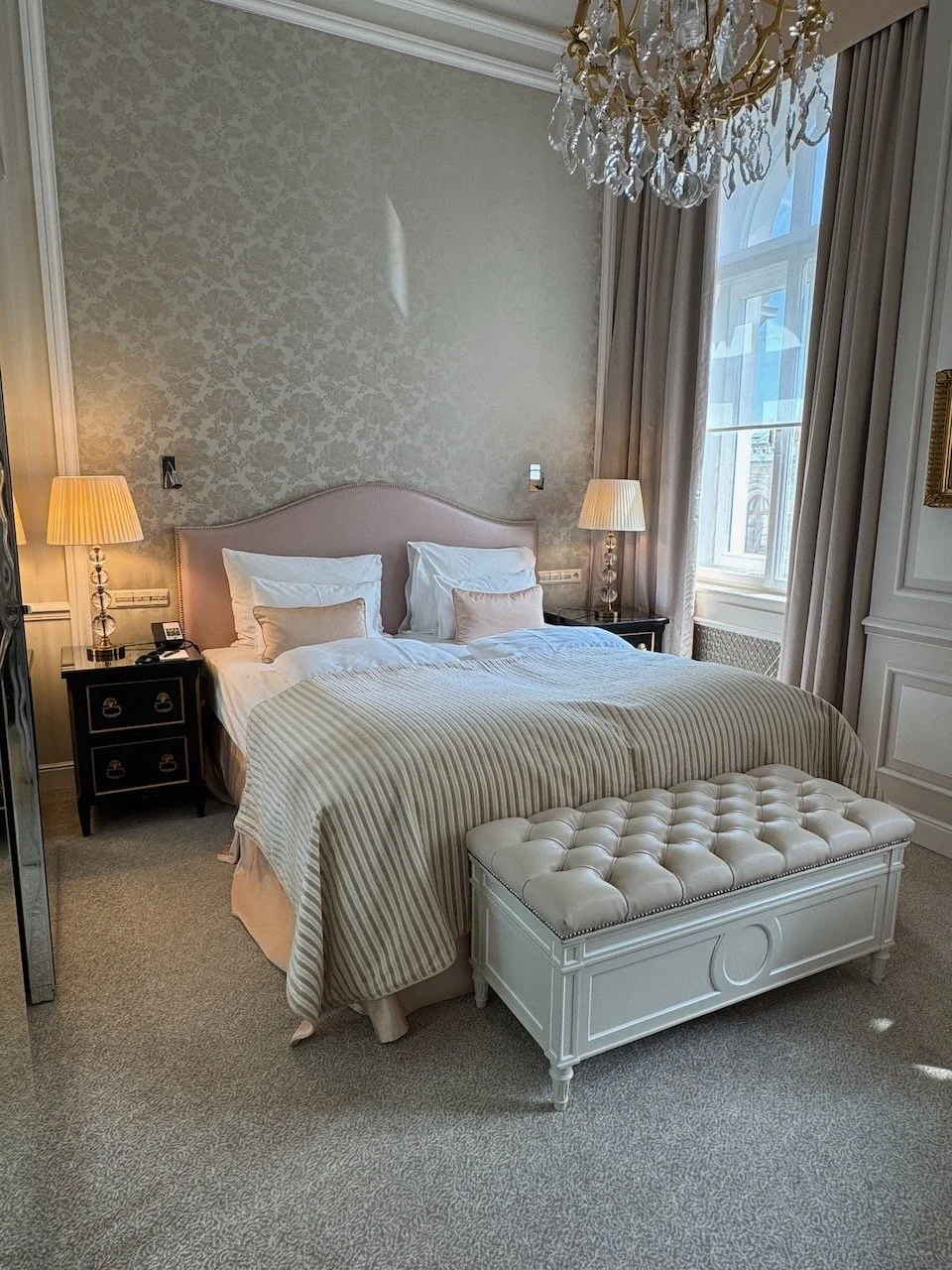
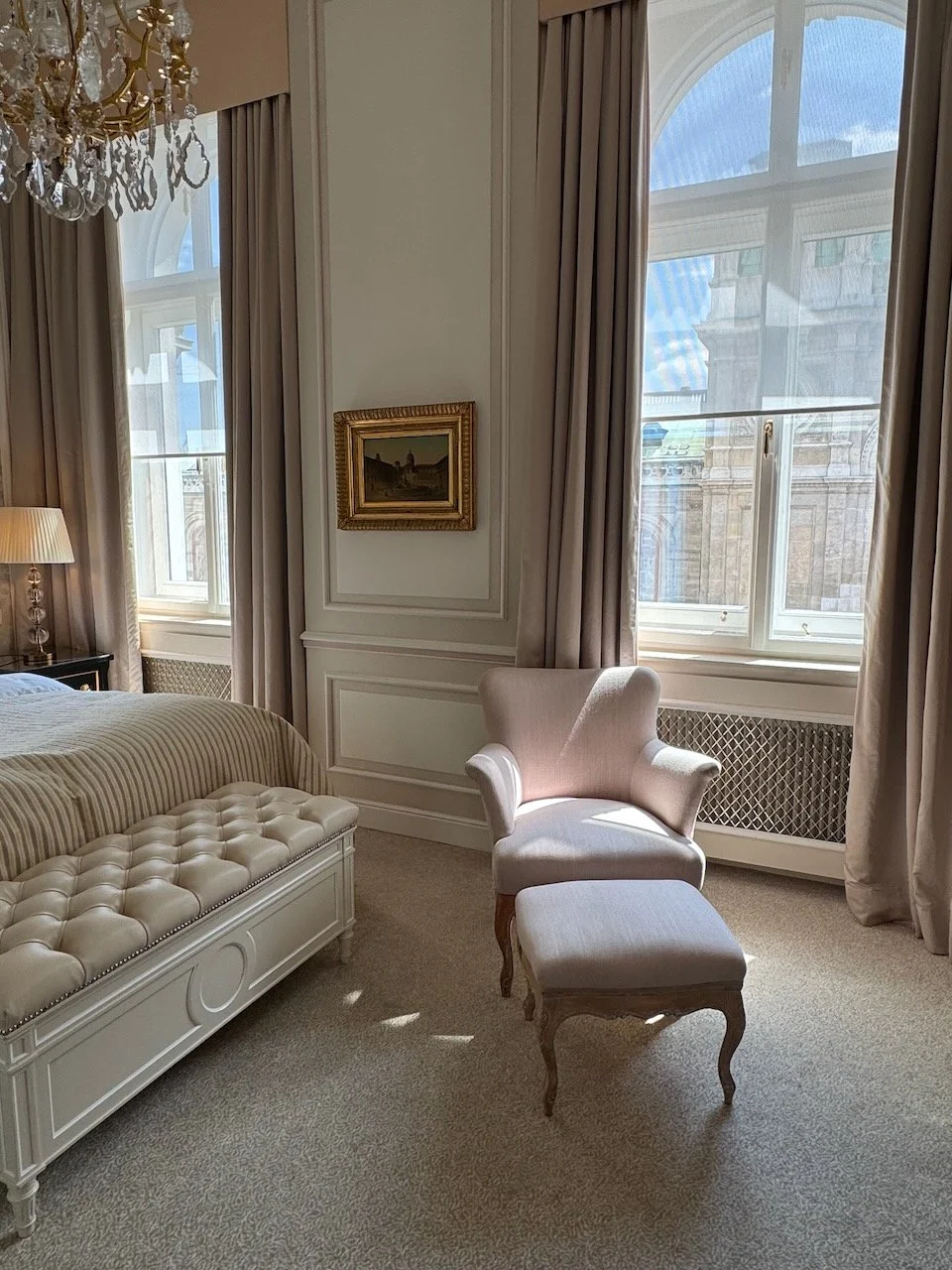
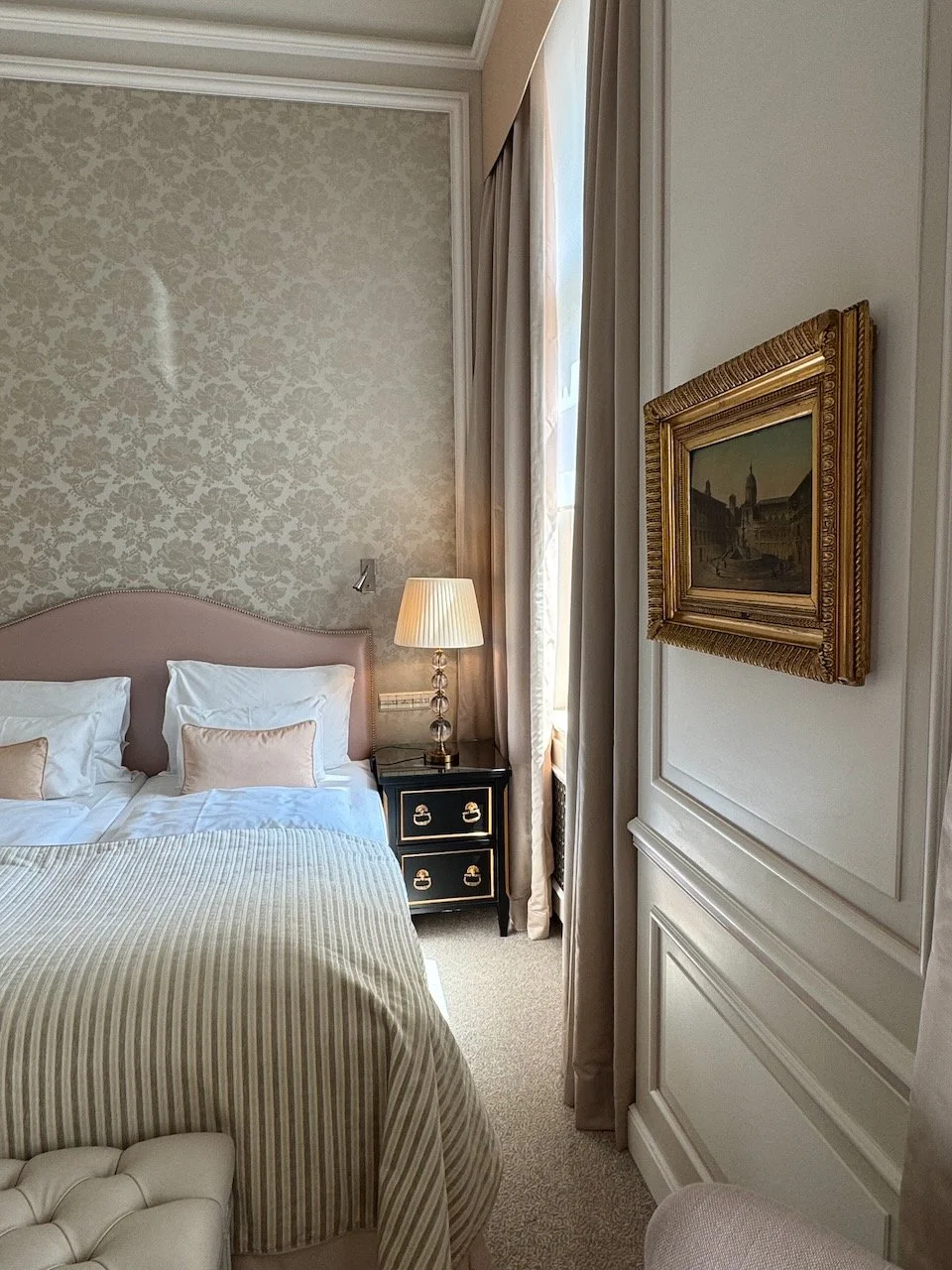
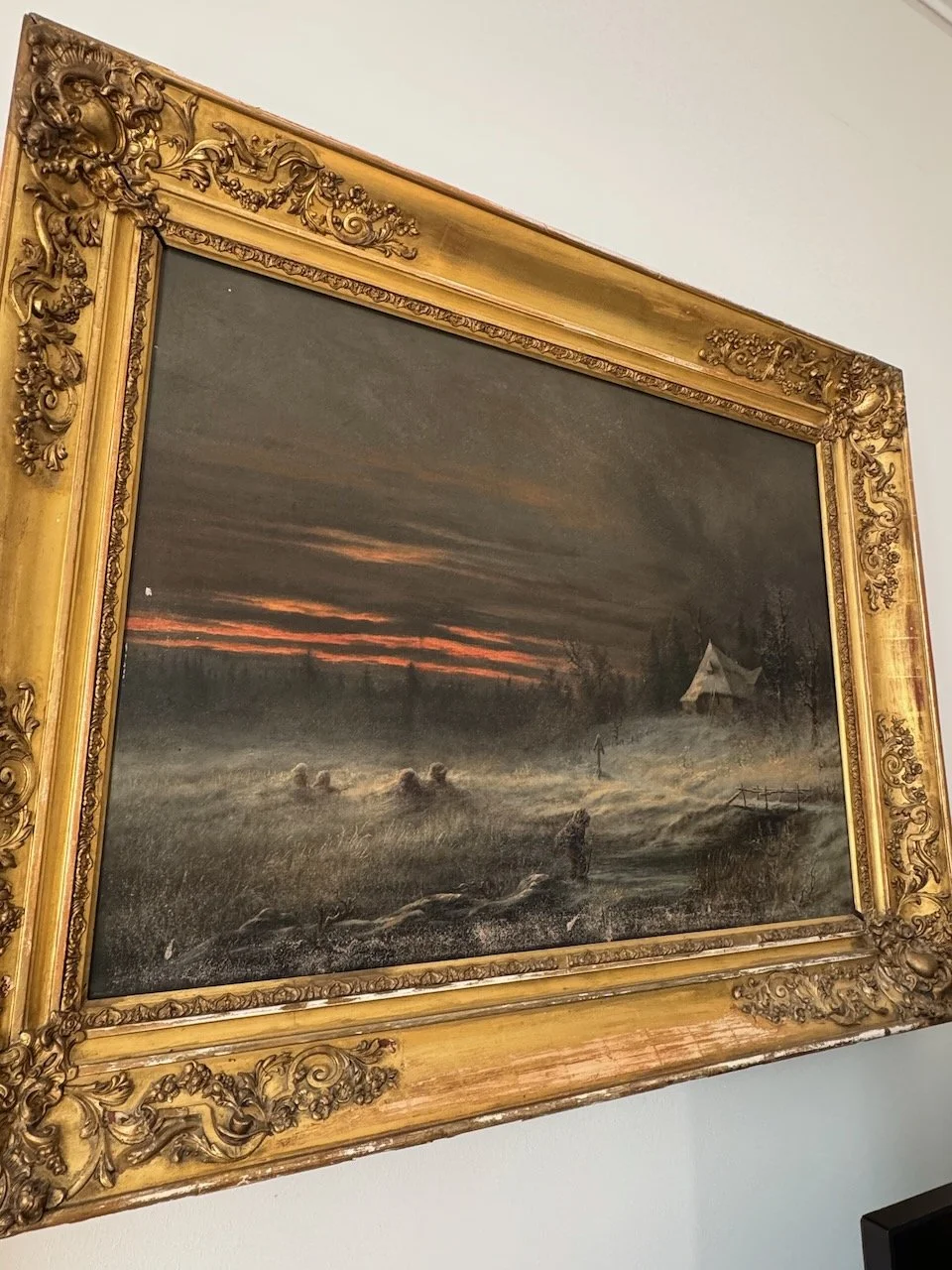
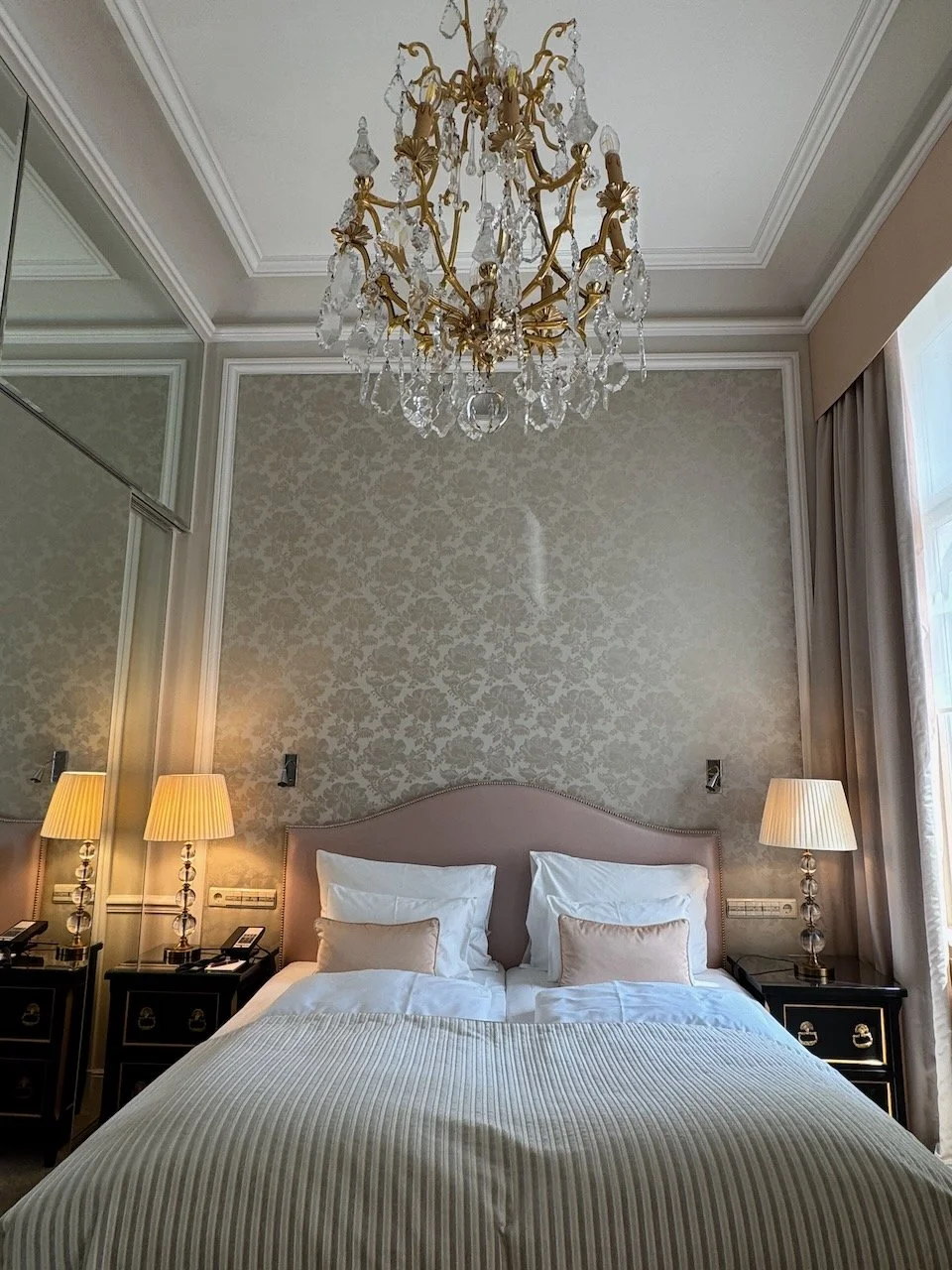
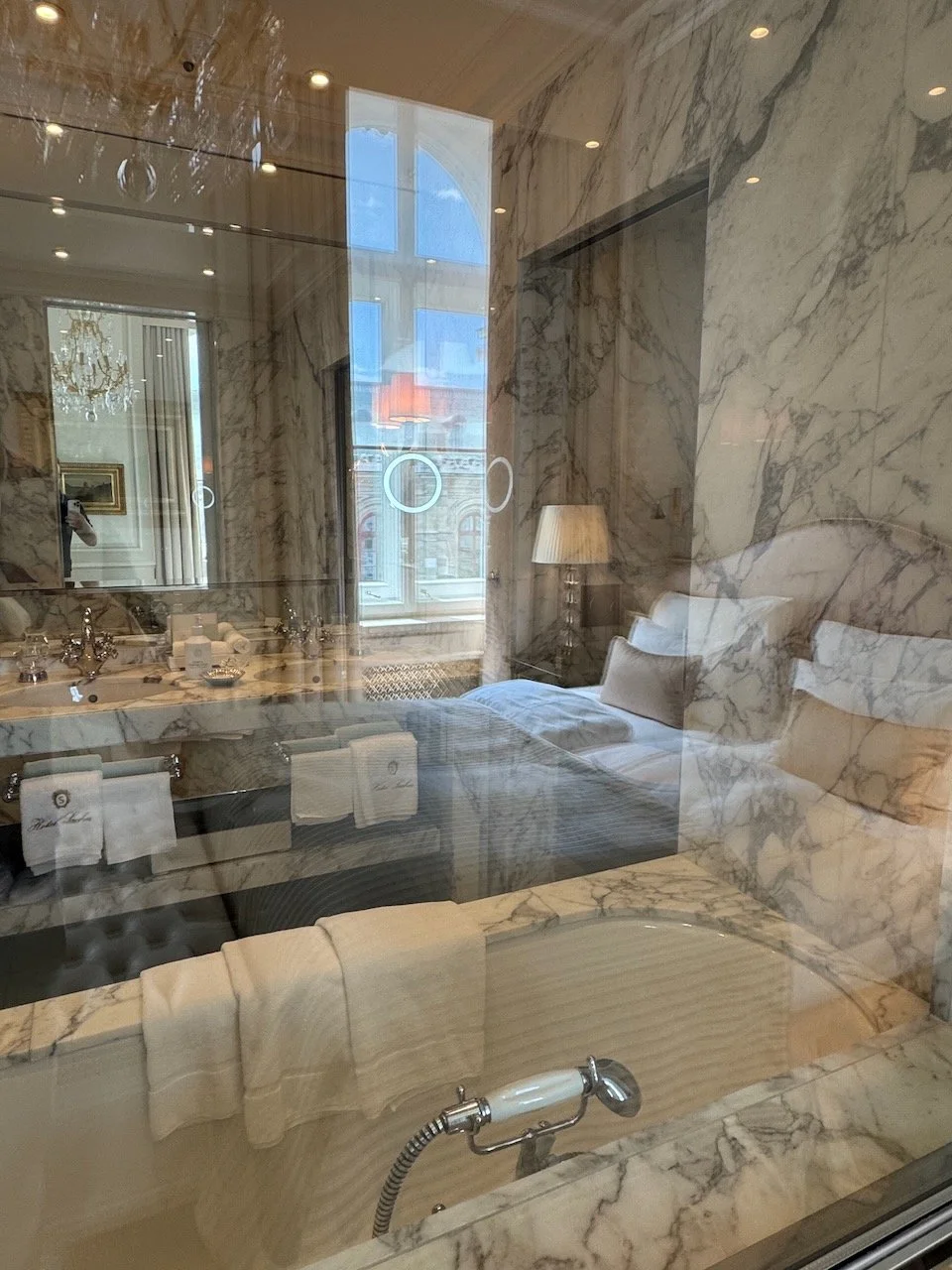
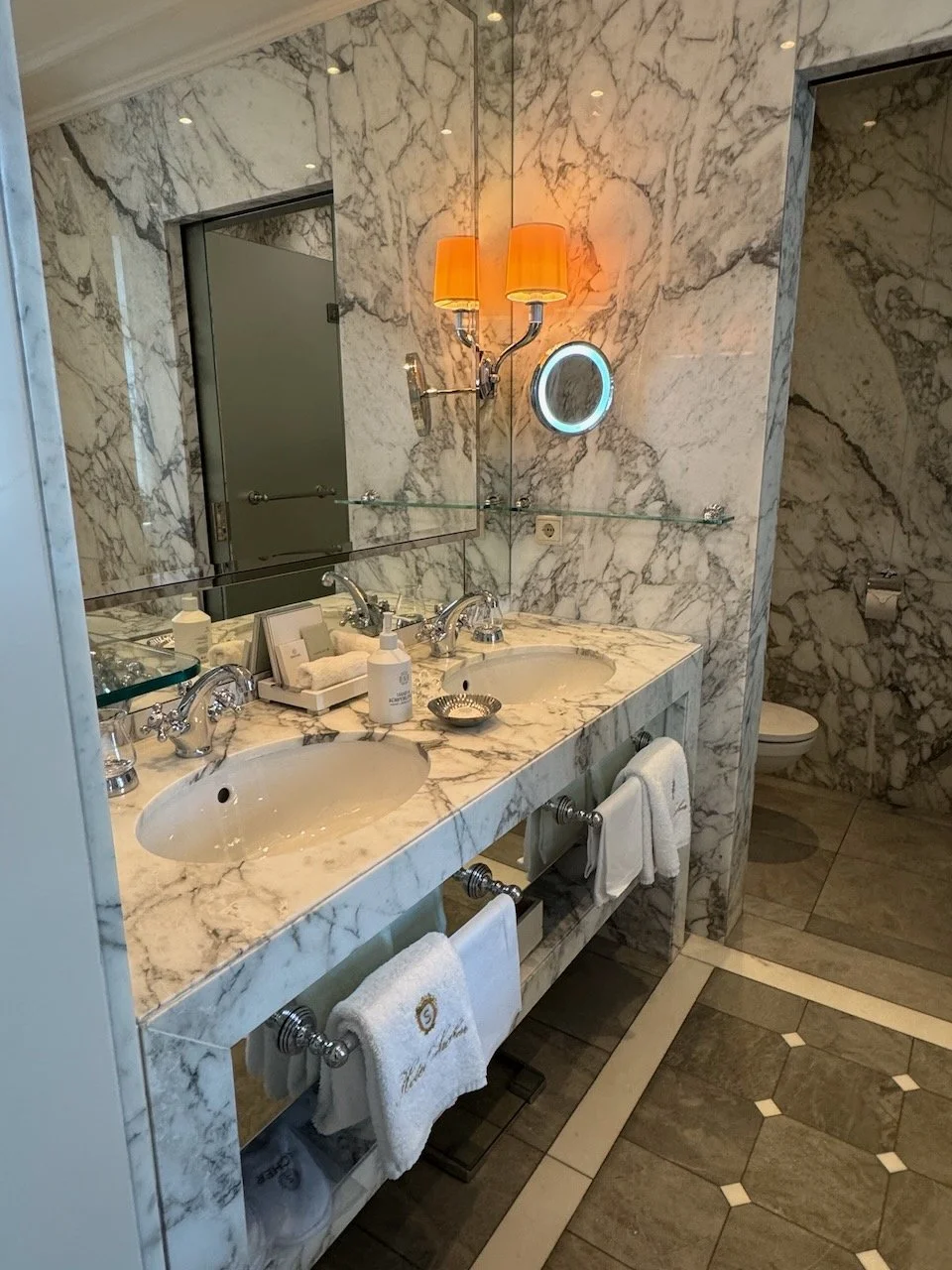
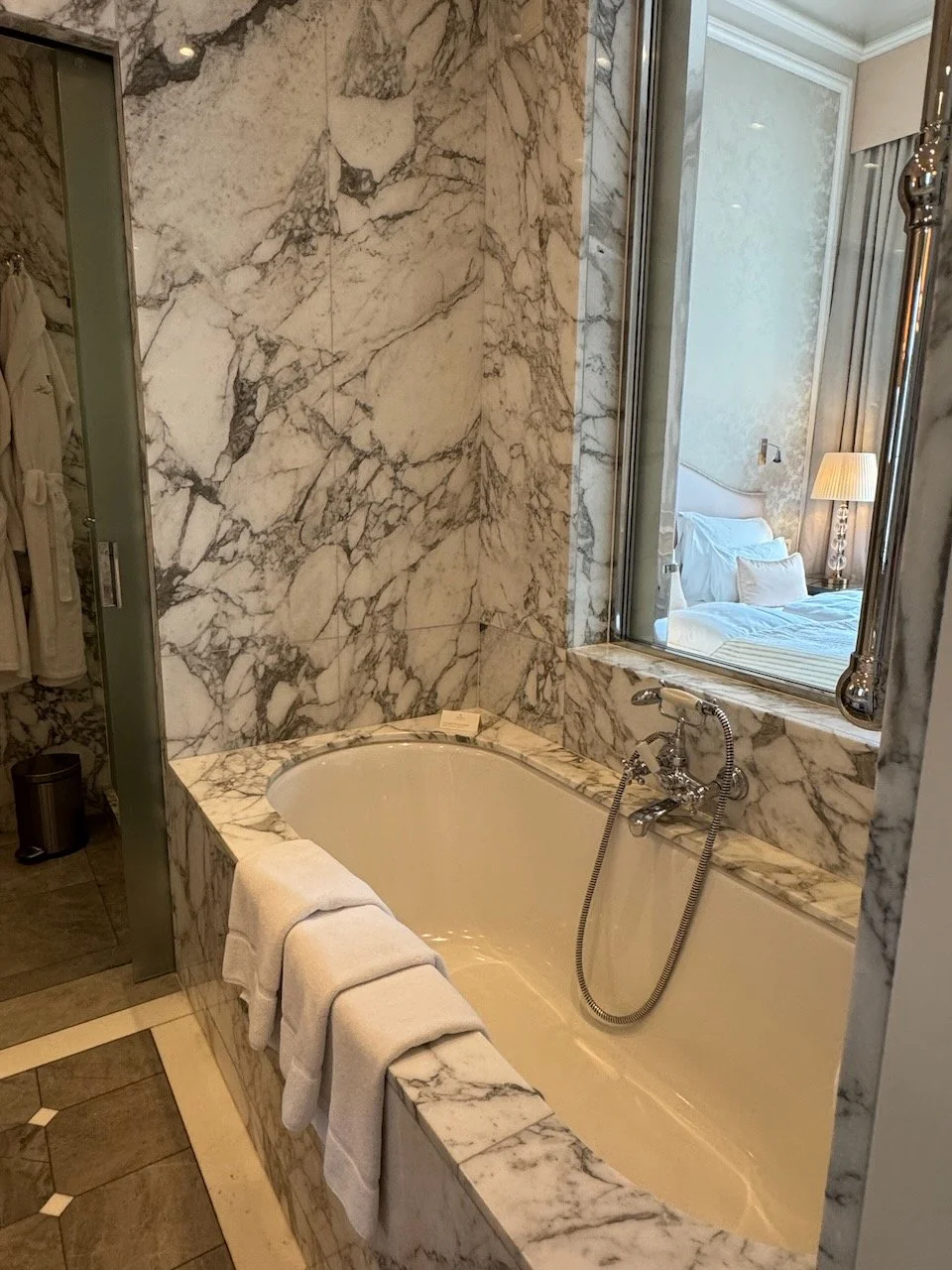
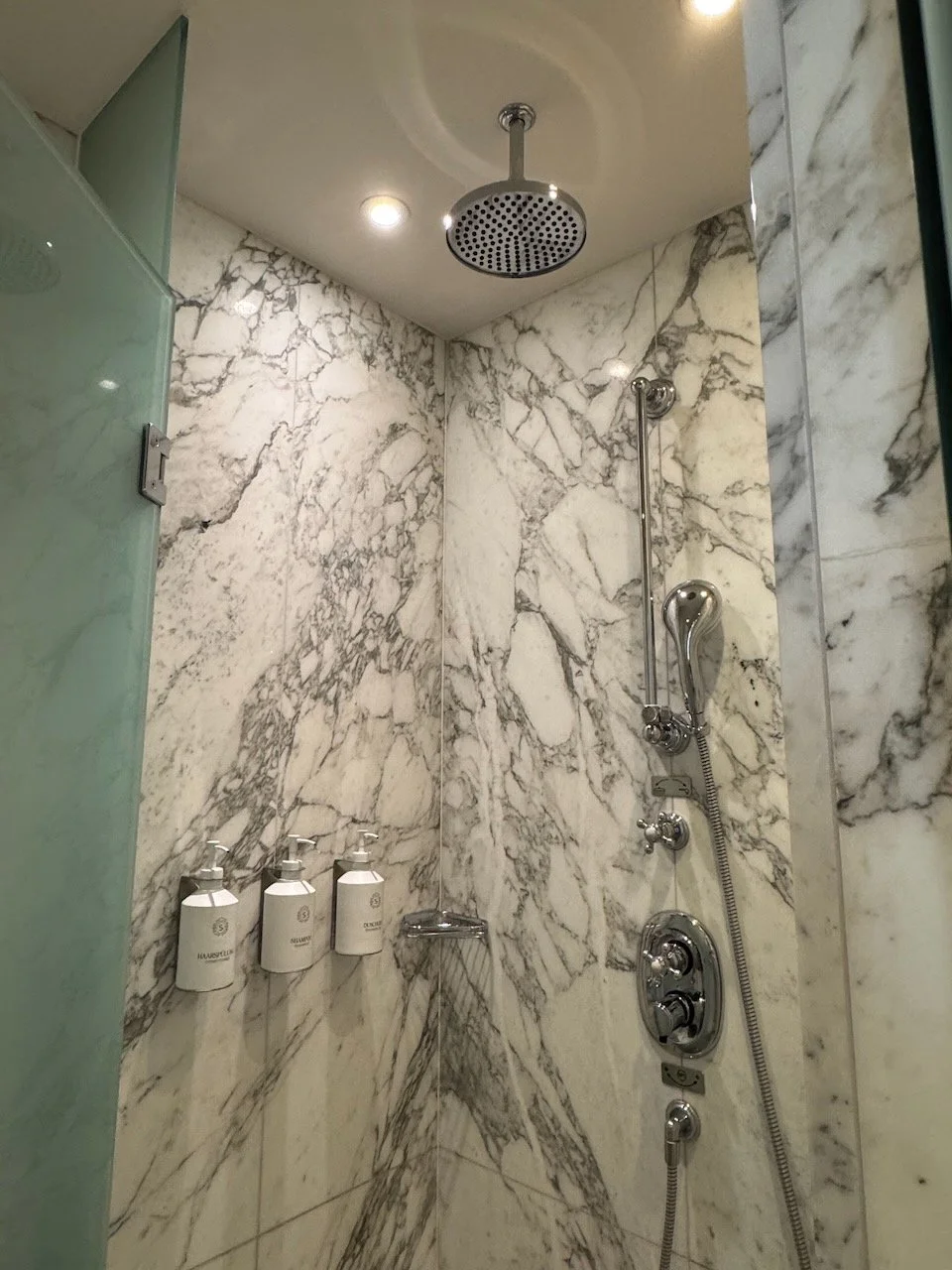
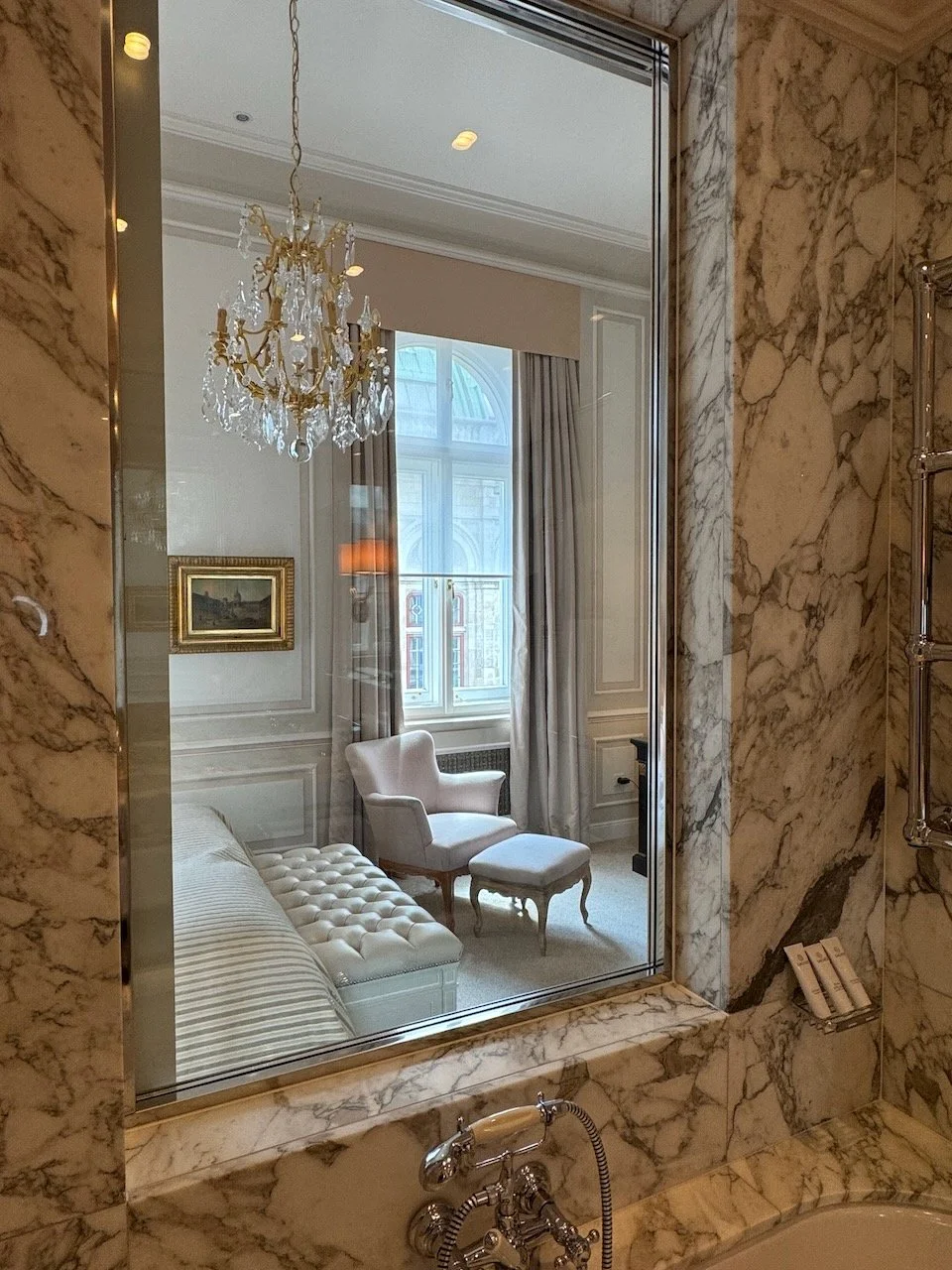
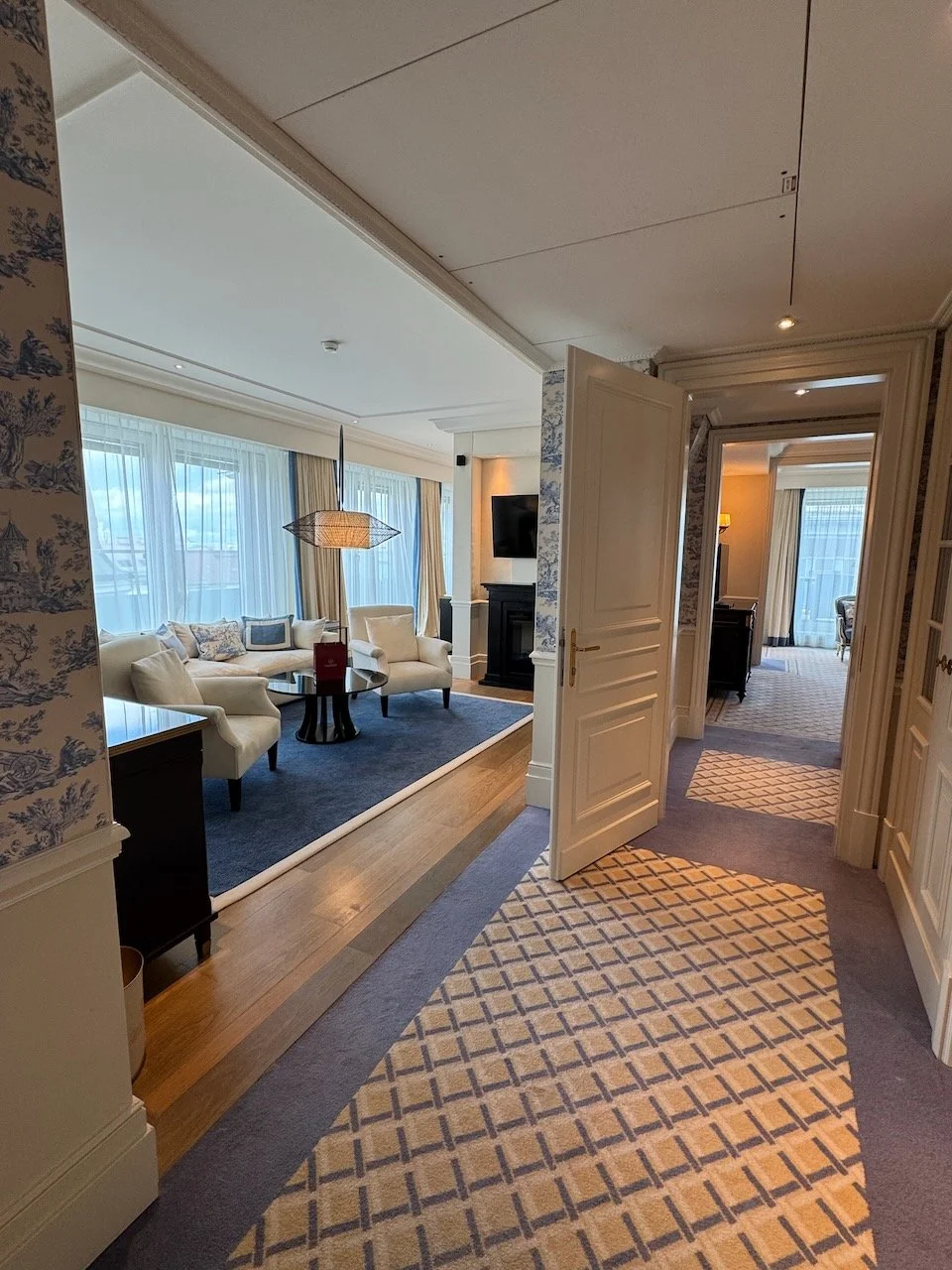
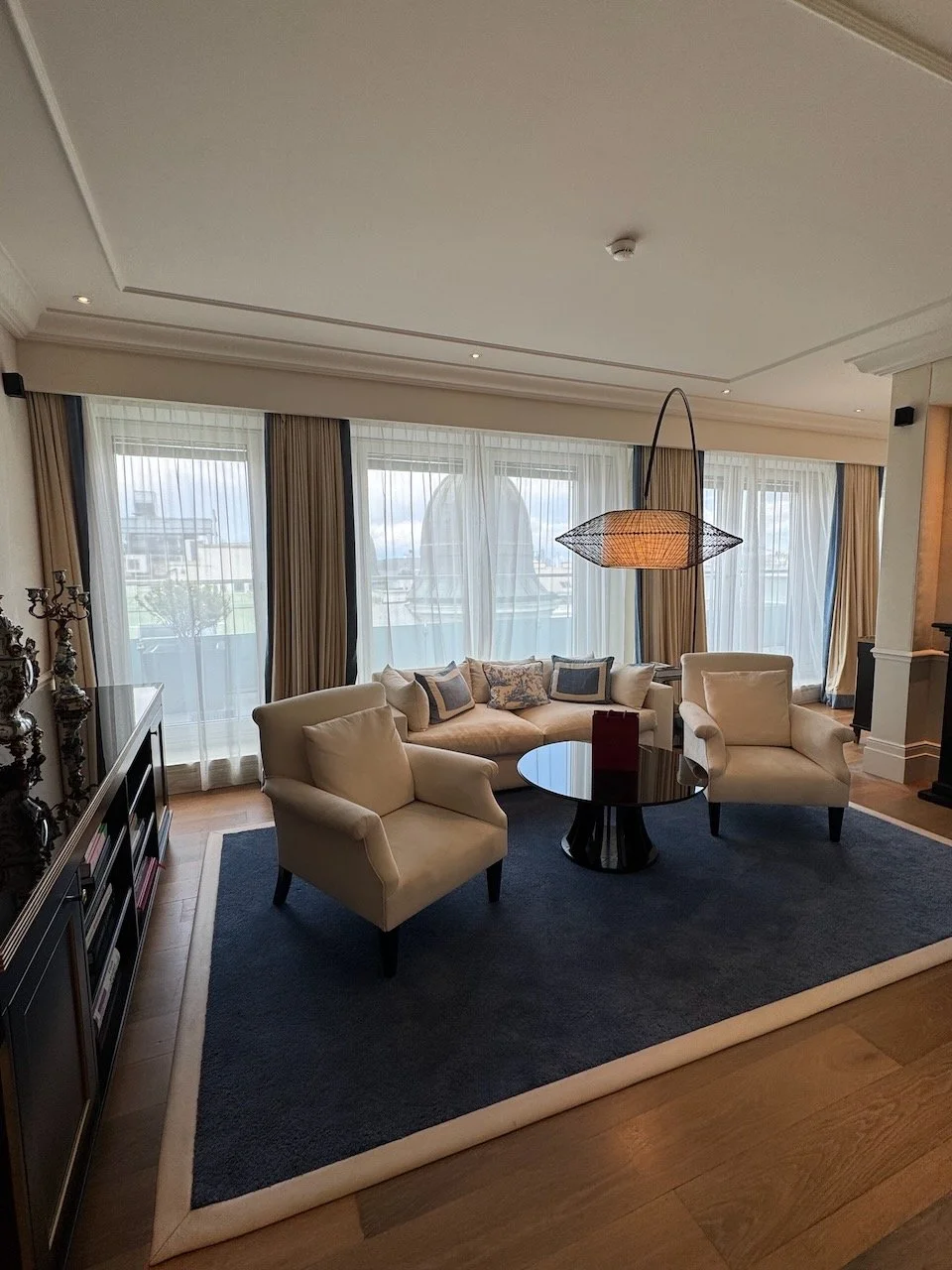
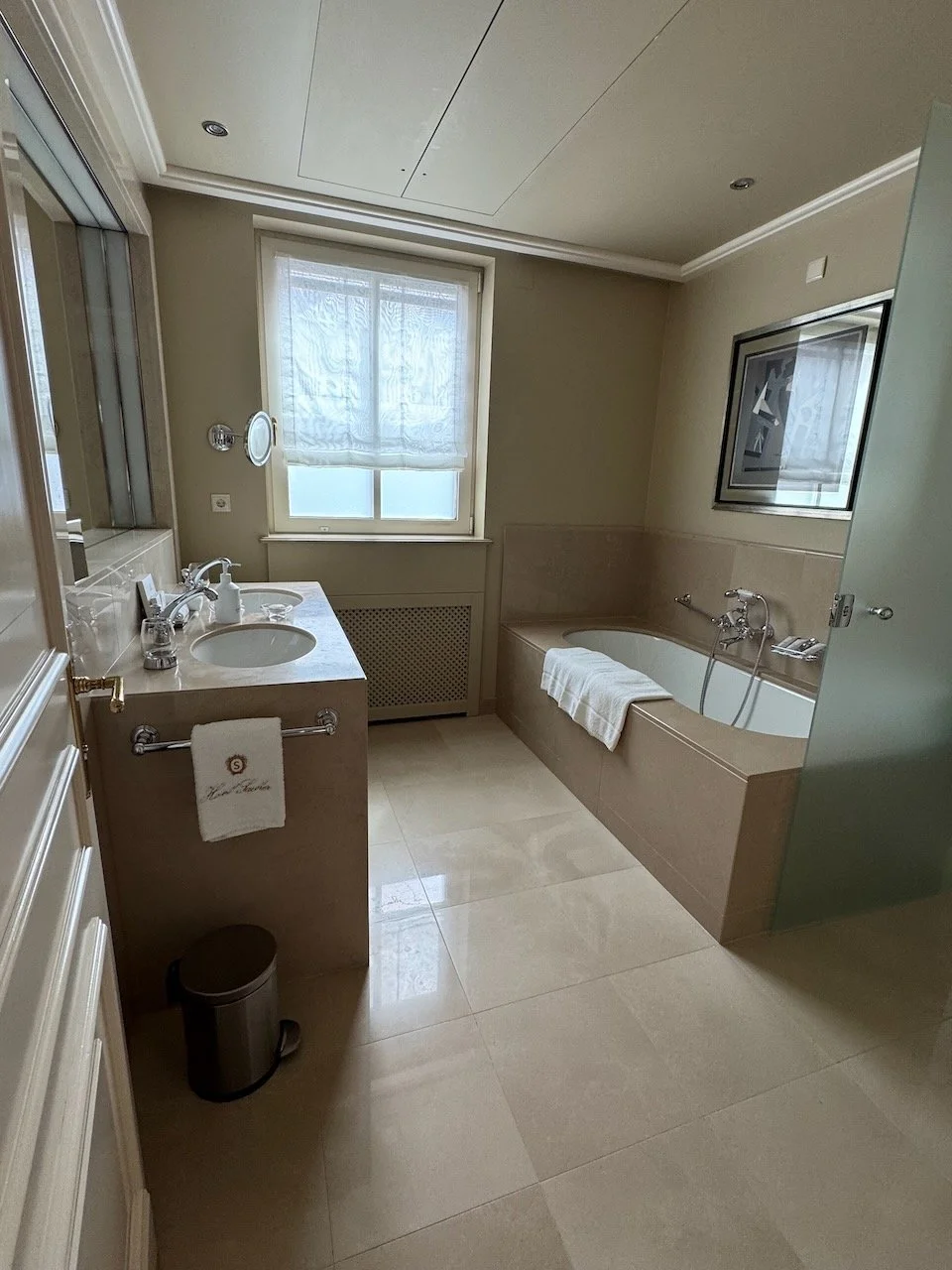
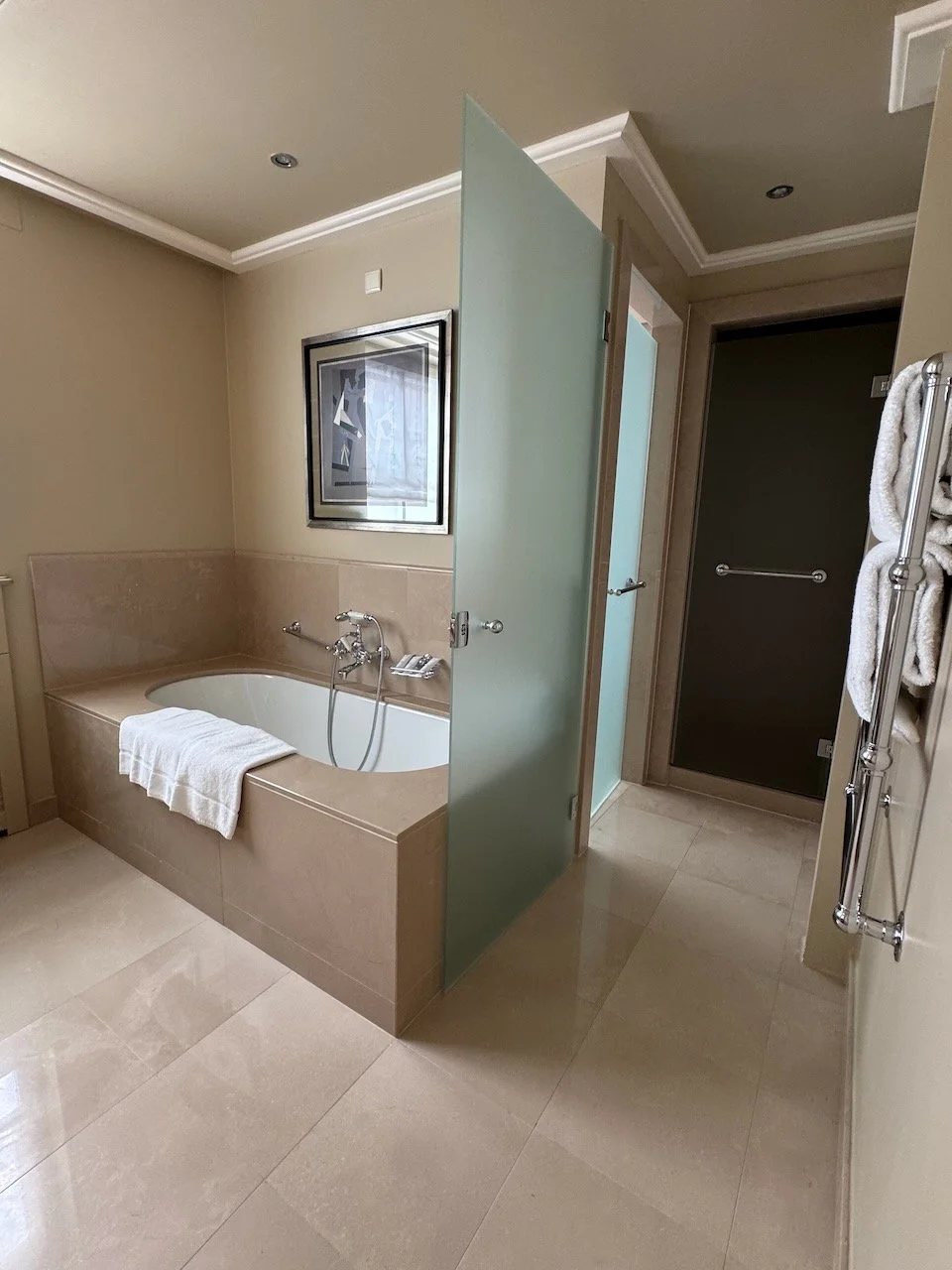
The rooms I saw were spacious, classically furnished and particularly well maintained. Decorative fireplaces, patterned fabrics, chandeliers and marble bathrooms provide the Viennese character, while the overall finish feels carefully looked after. Room colours and layouts vary, so it is worth looking beyond the category name.
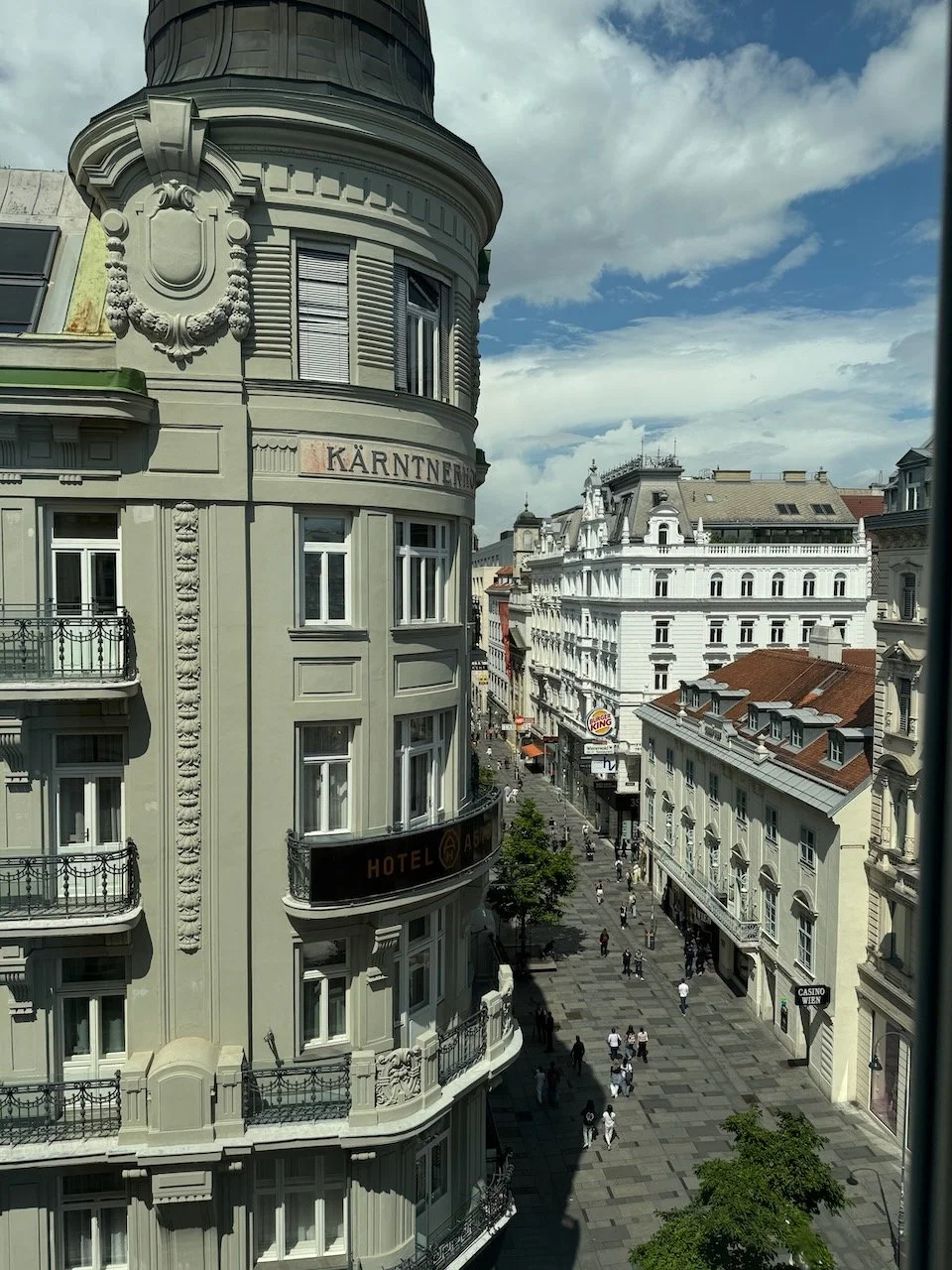
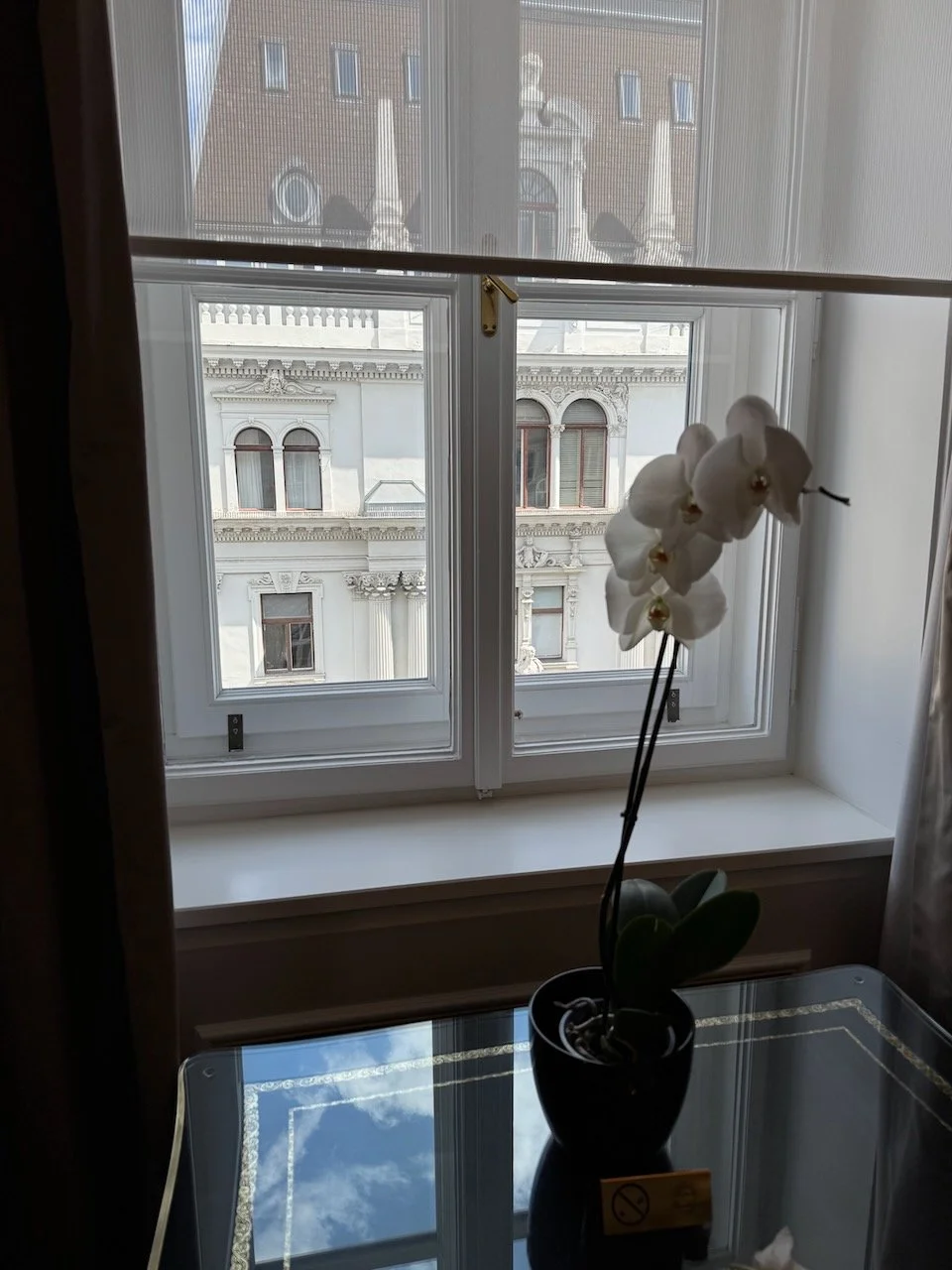
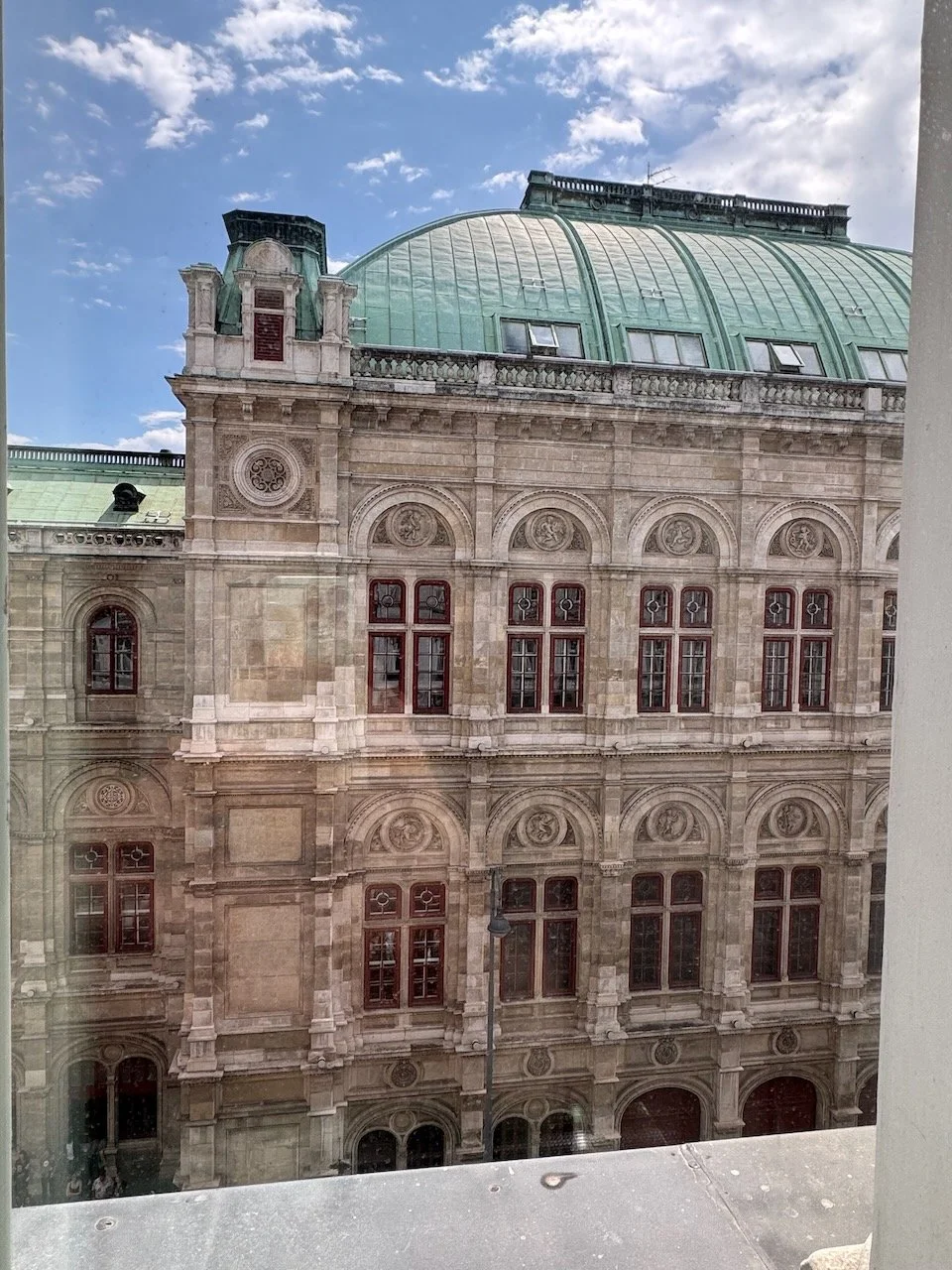
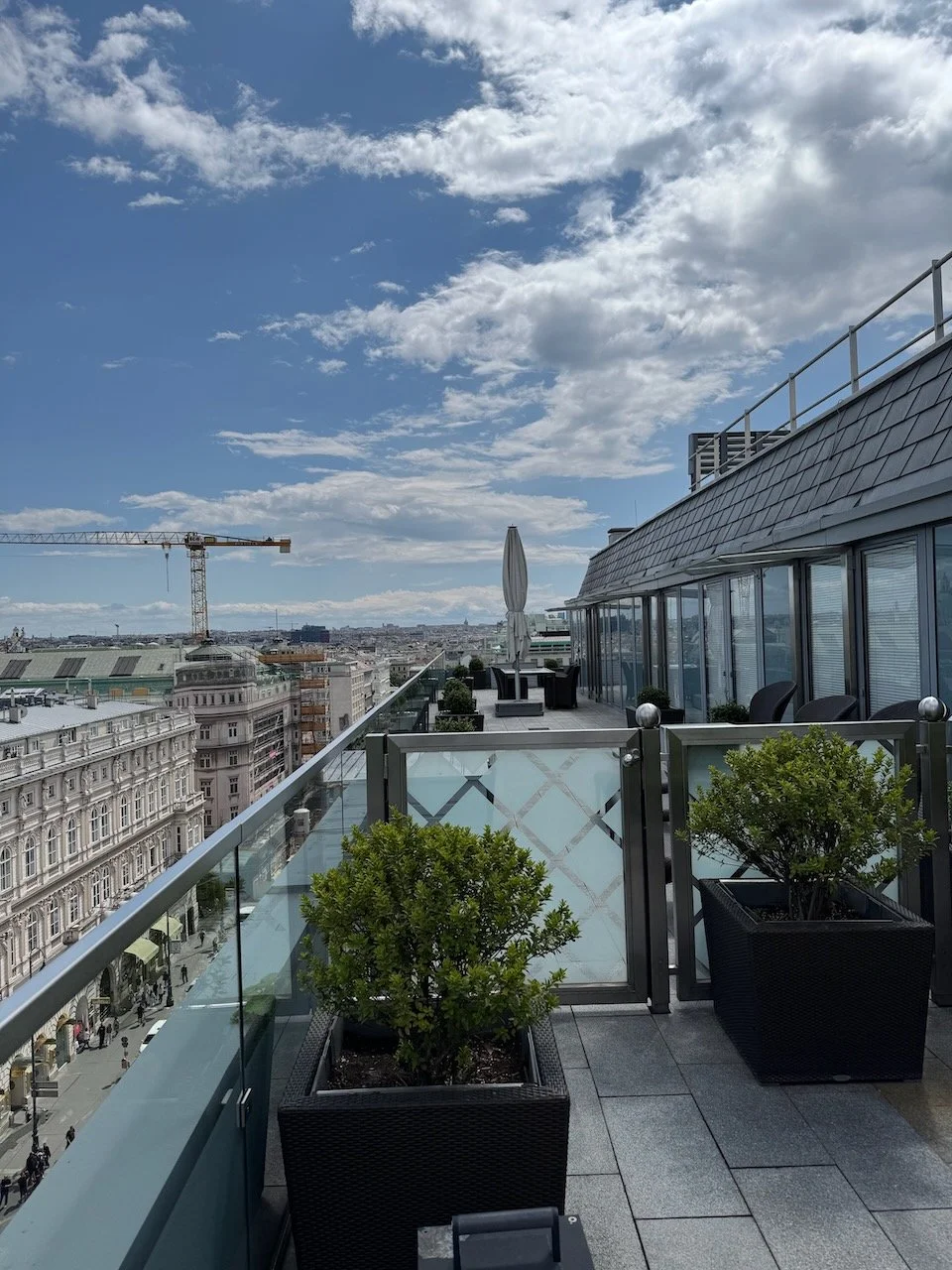
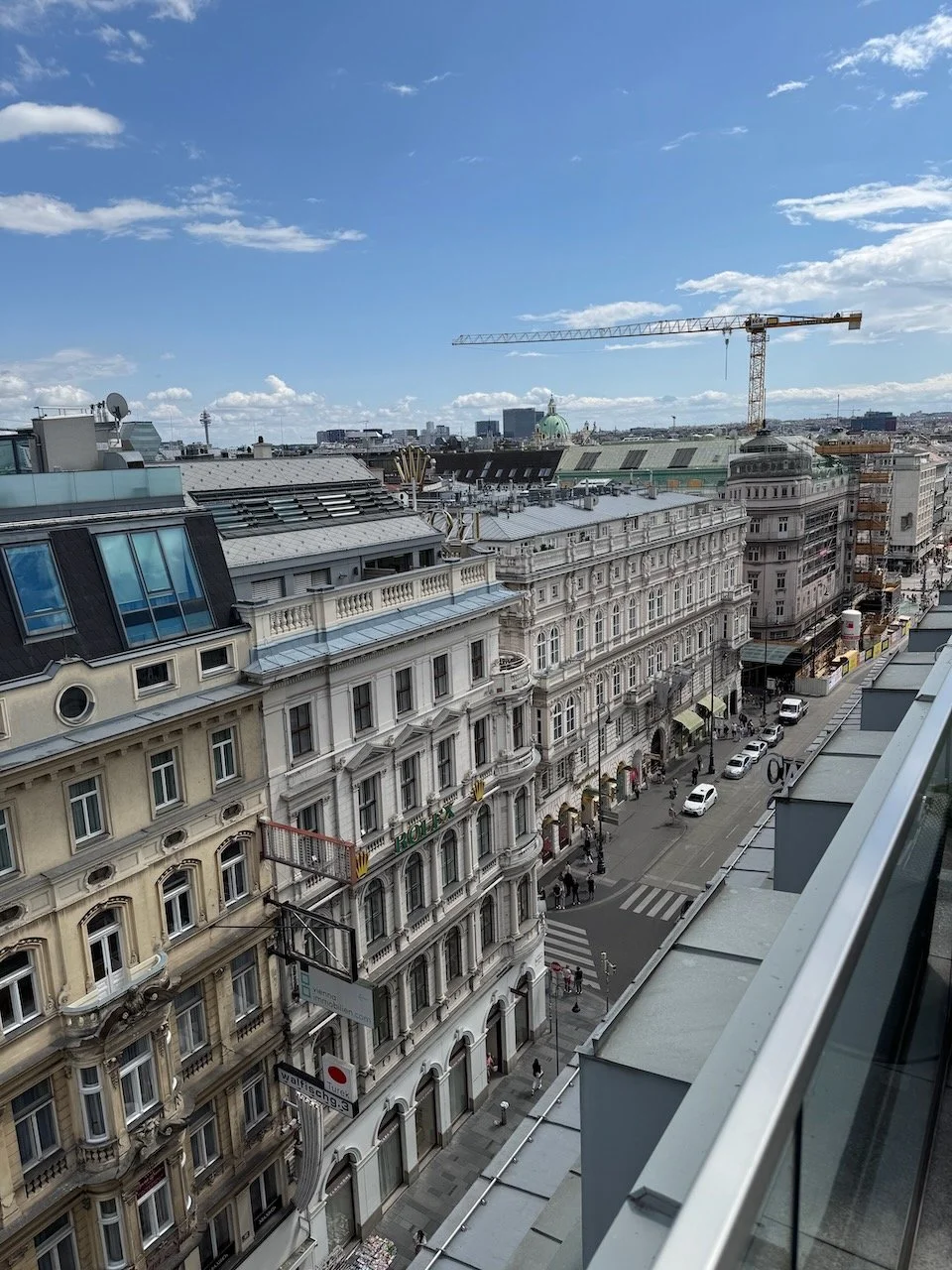
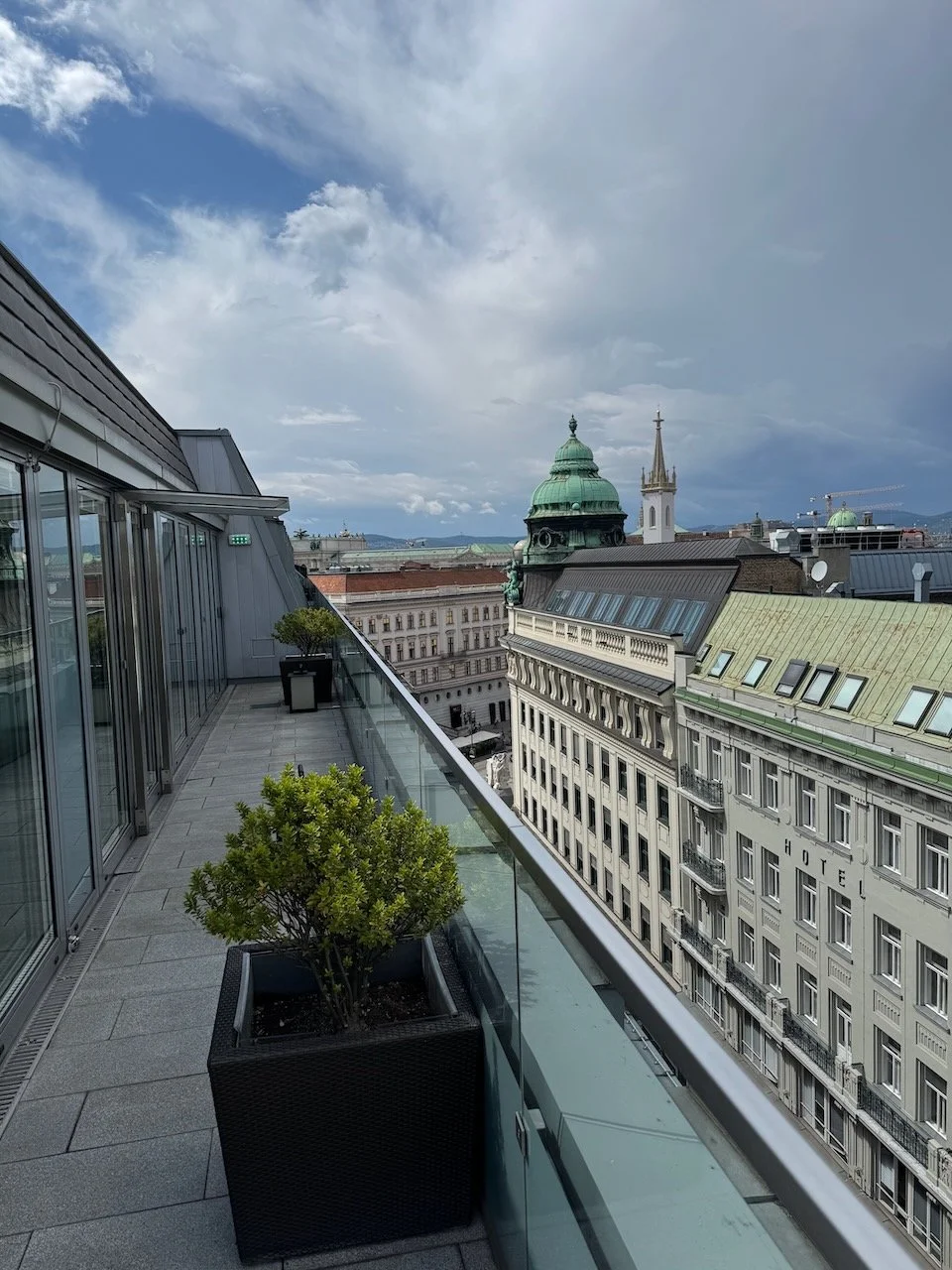
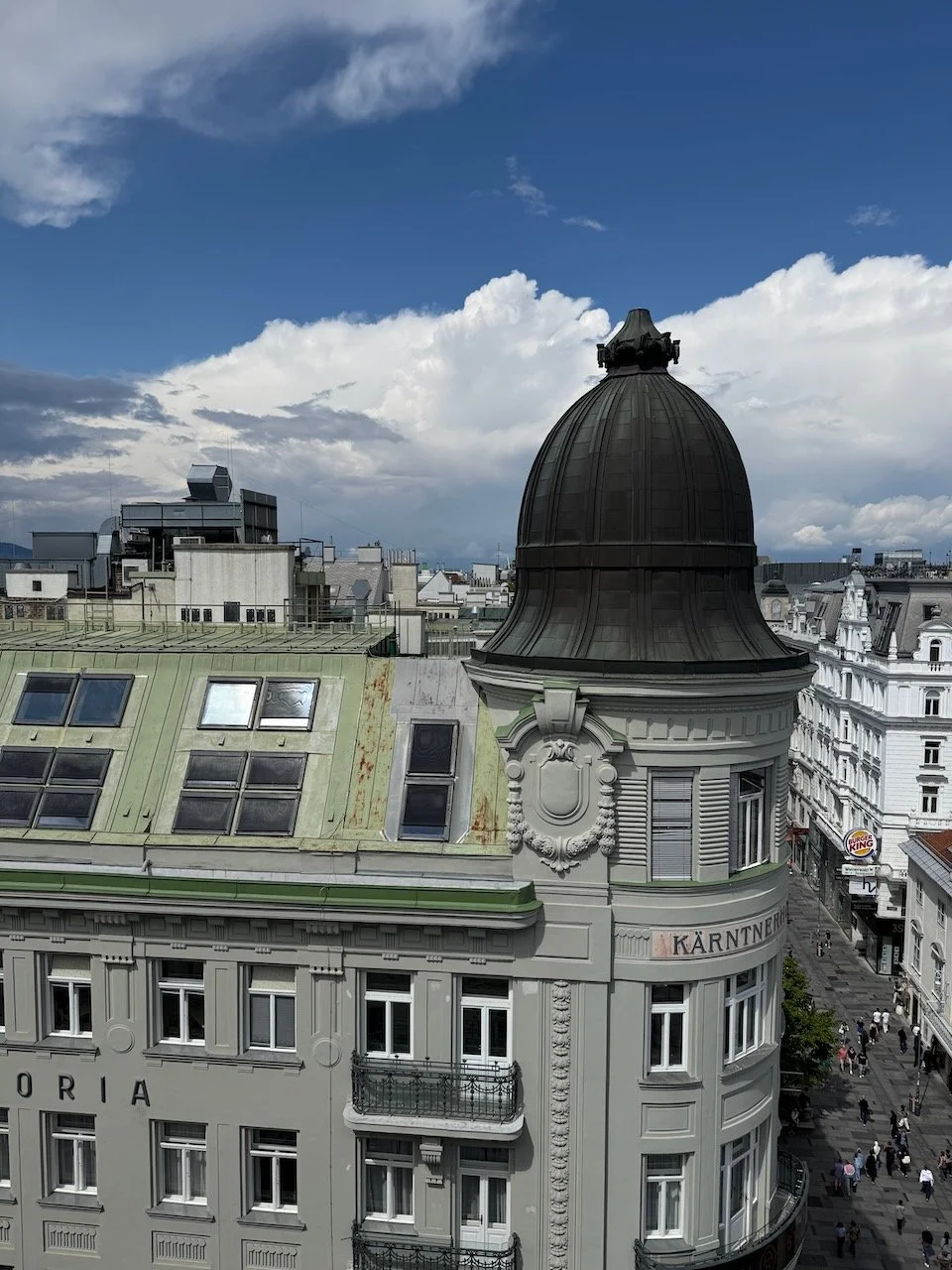
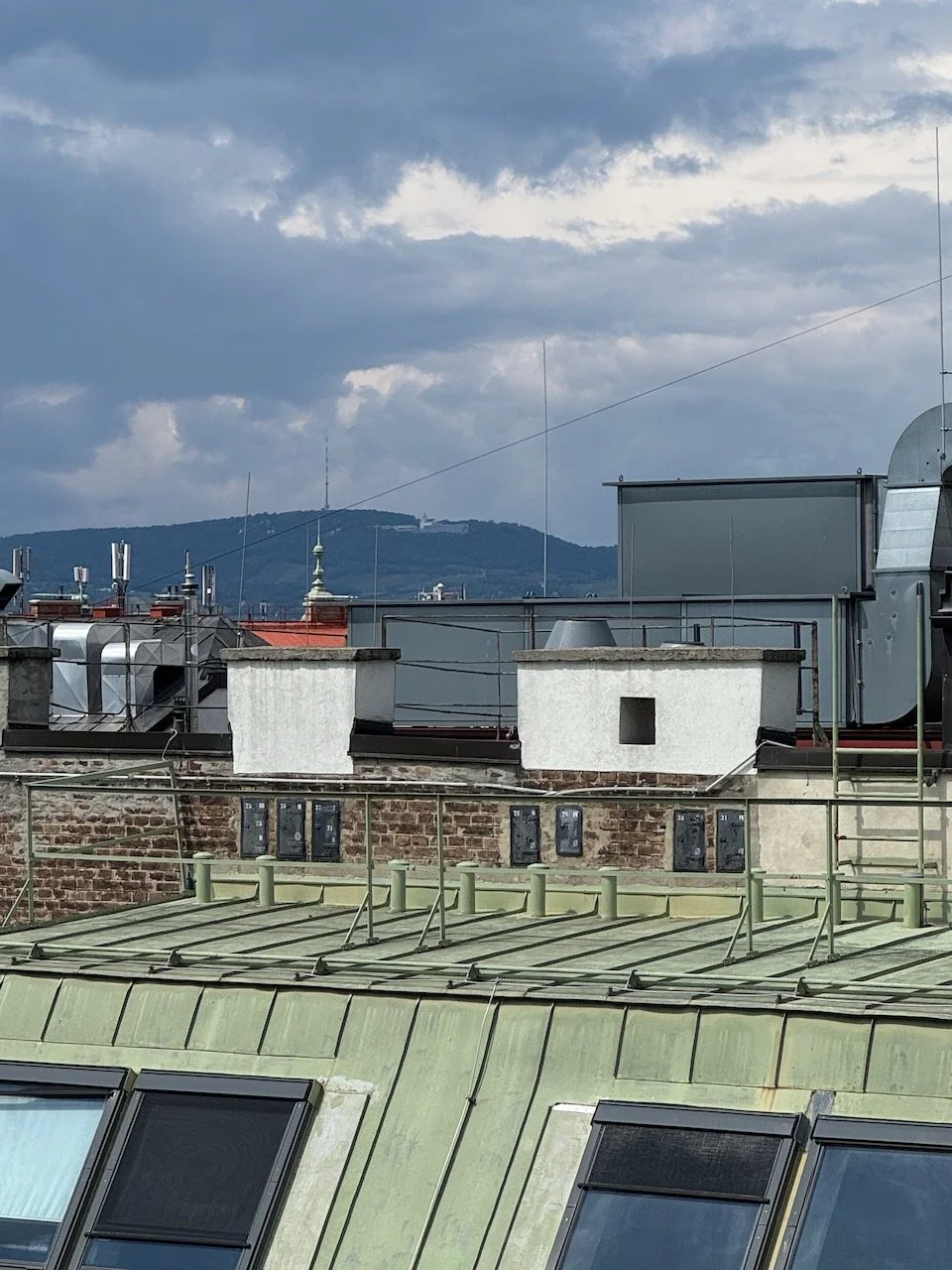
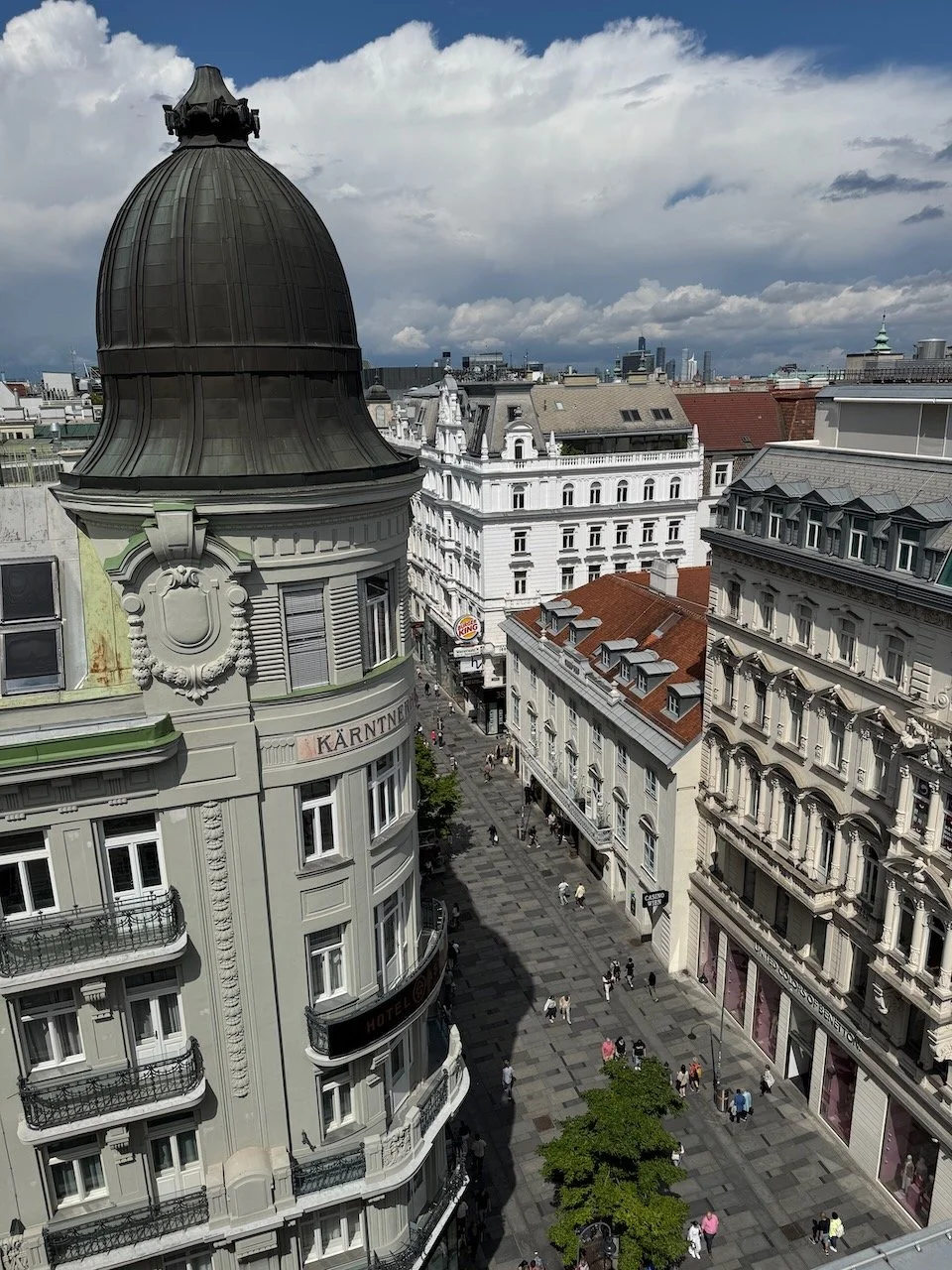
Some rooms frame the State Opera beautifully, and the higher-level suites can add terraces and wide city views. Those outlooks are worth asking about when booking.
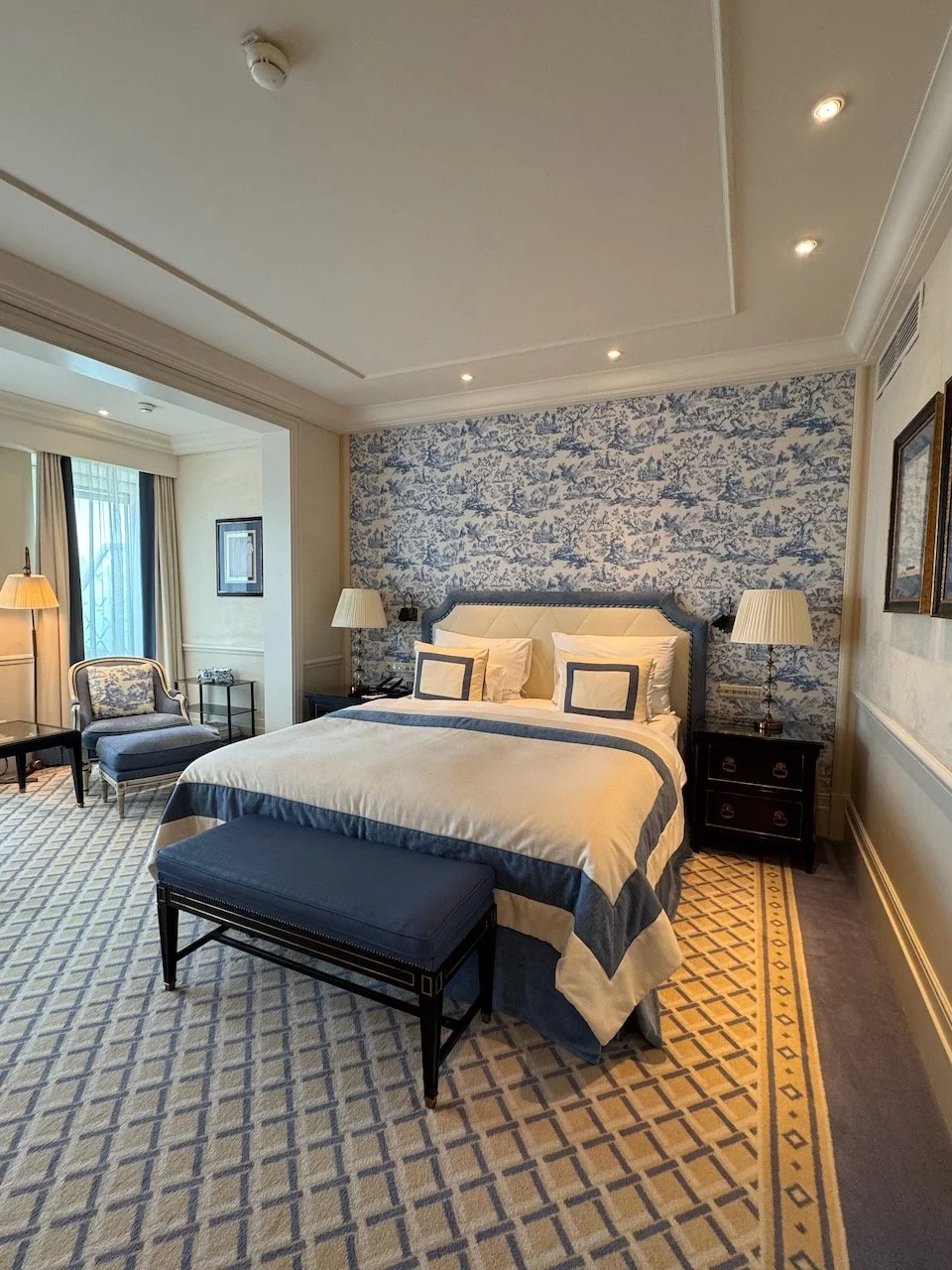
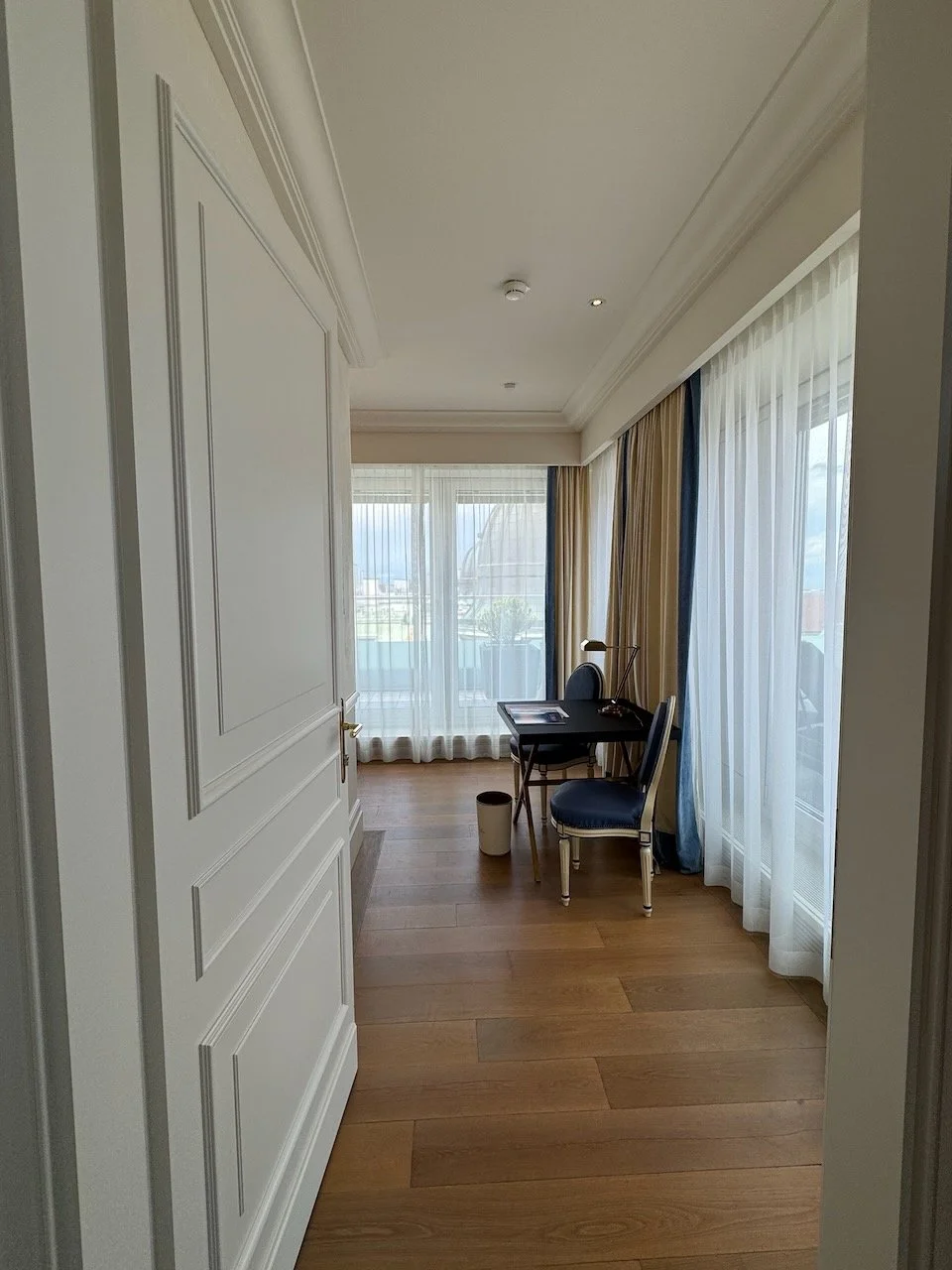
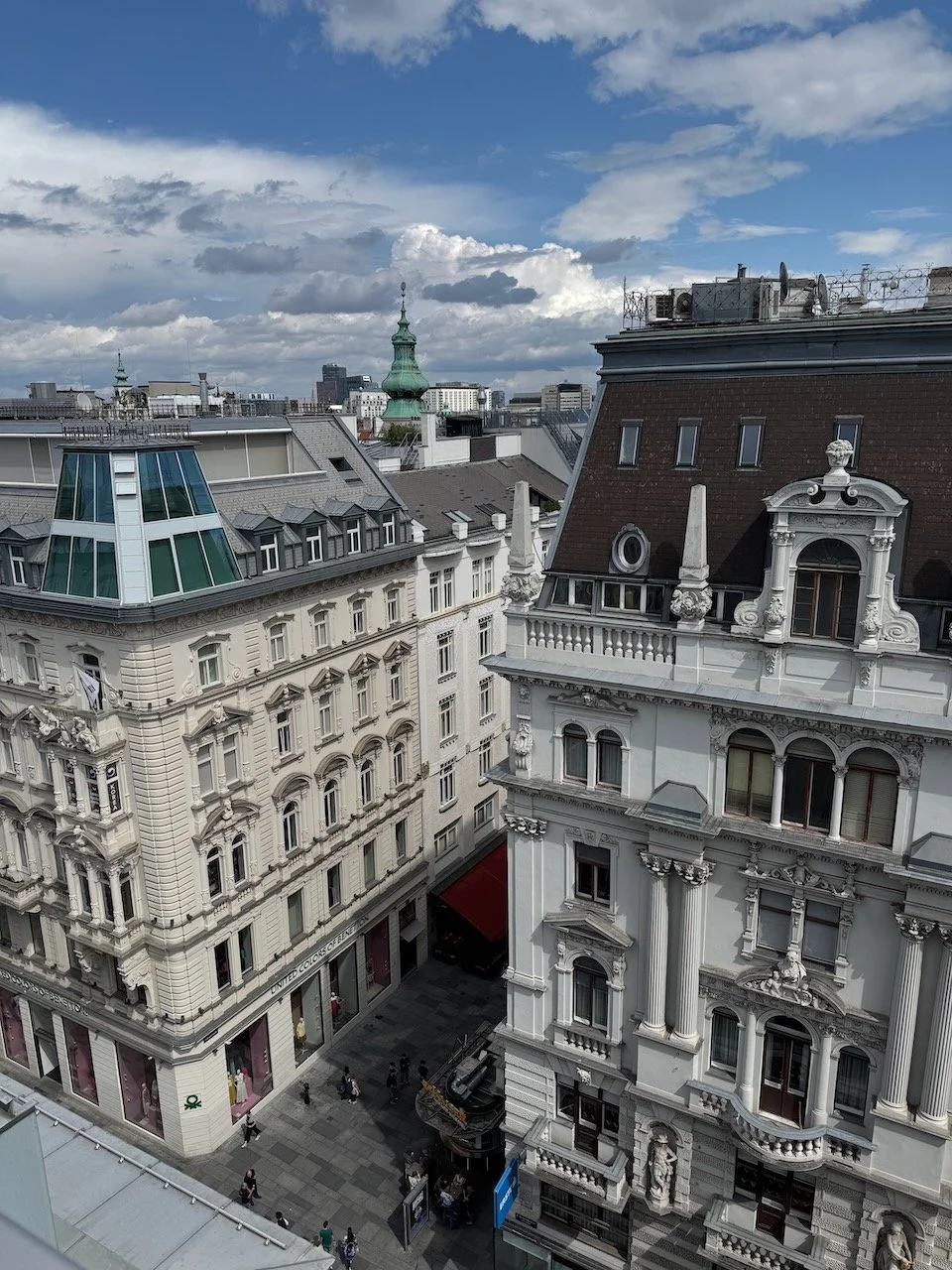
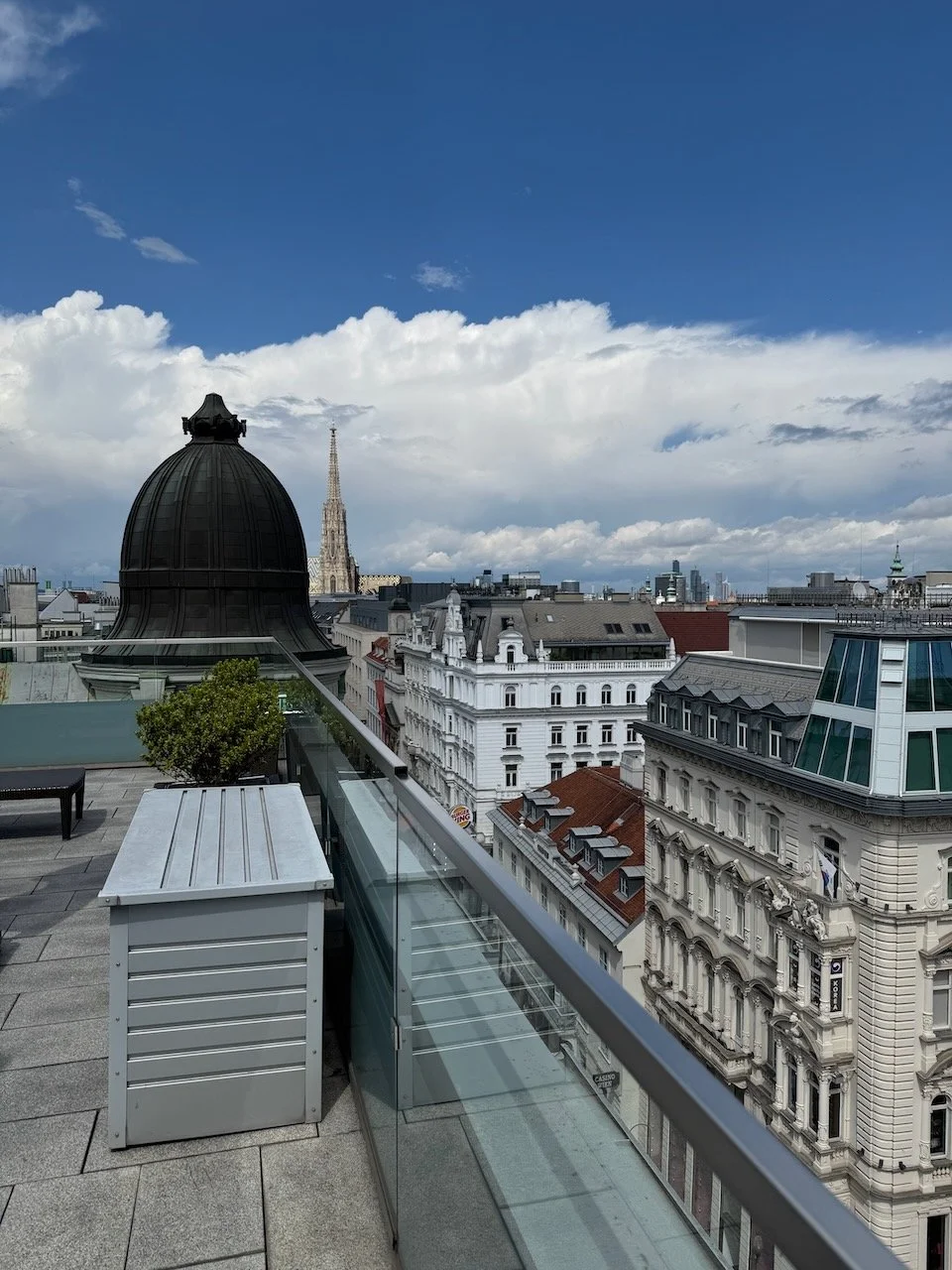
Unique Amenities
The State Opera is just across the street, making the Sacher an especially convenient base for an opera evening. Its café is another Viennese institution, although the public queue can be substantial. As a hotel guest, ask the concierge to help arrange your café visit rather than simply joining the public queue.
Spa and Wellness
The Sacher Boutique Spa offers massages and treatments, alongside a sauna, steam bath and fitness room. There is no swimming pool. I wasn’t able to take photographs of the spa during my visit, so this part of the hotel is not shown in my galleries.
Dining Options
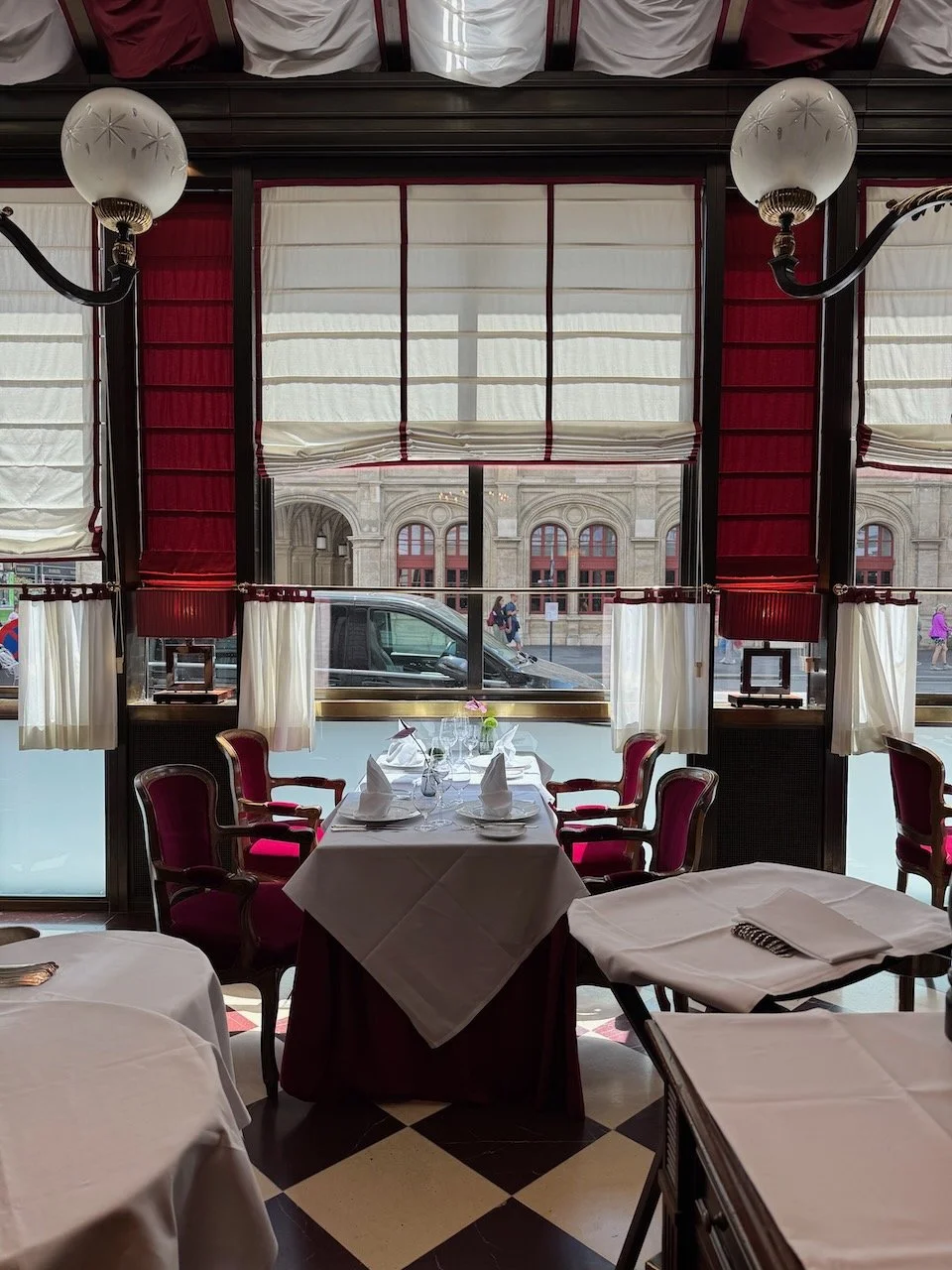
The Original Sacher-Torte is the obvious starting point, preferably with enough time to enjoy the coffeehouse ritual. For a longer meal, Rote Bar and Grüne Bar offer two different dining settings within the hotel. The richly decorated rooms make dressing up for dinner feel entirely appropriate, especially with the opera just outside.
Park Hyatt Vienna
I can arrange VIP perks through Virtuoso and the hotel partner programme shown below.
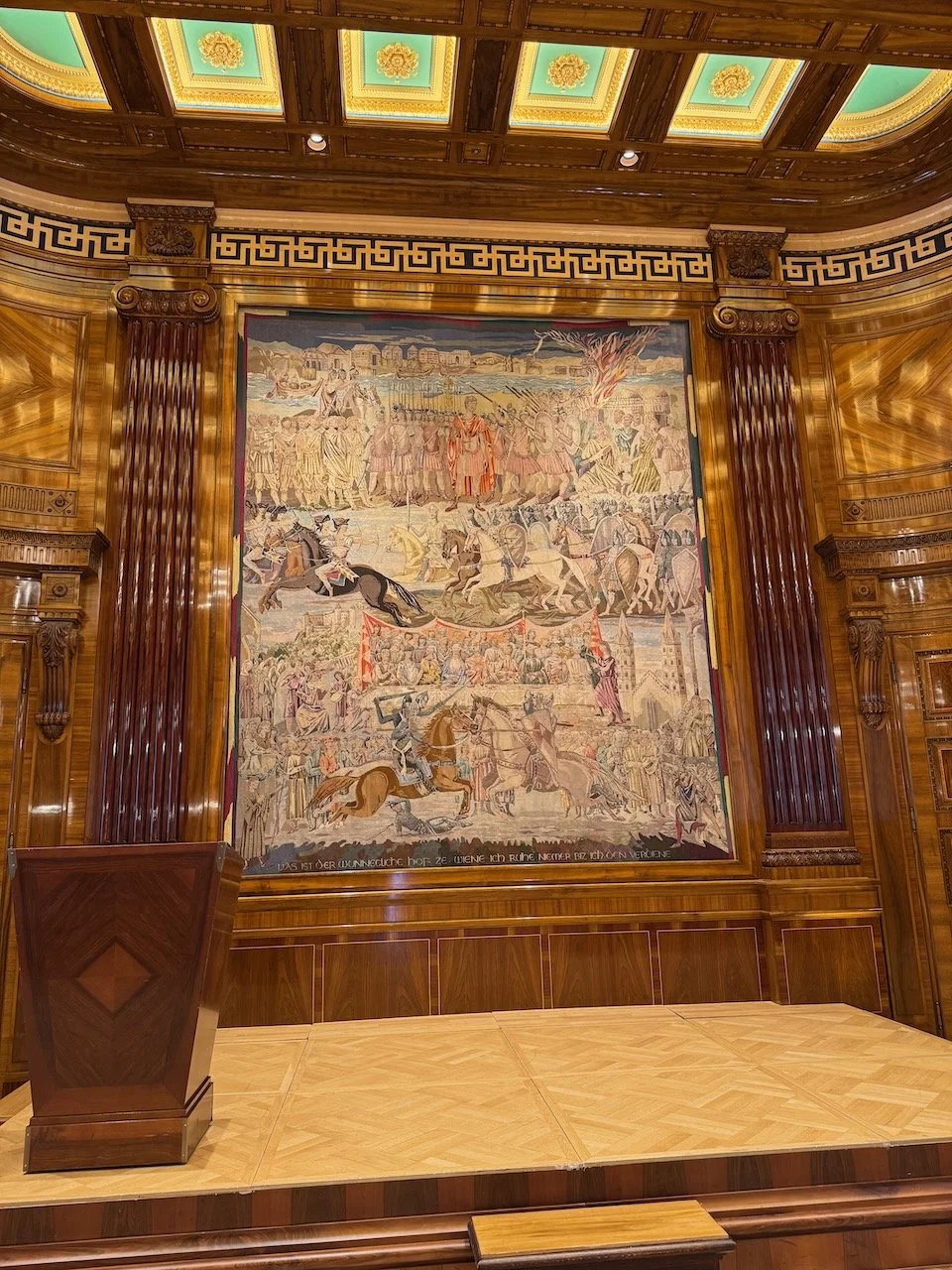
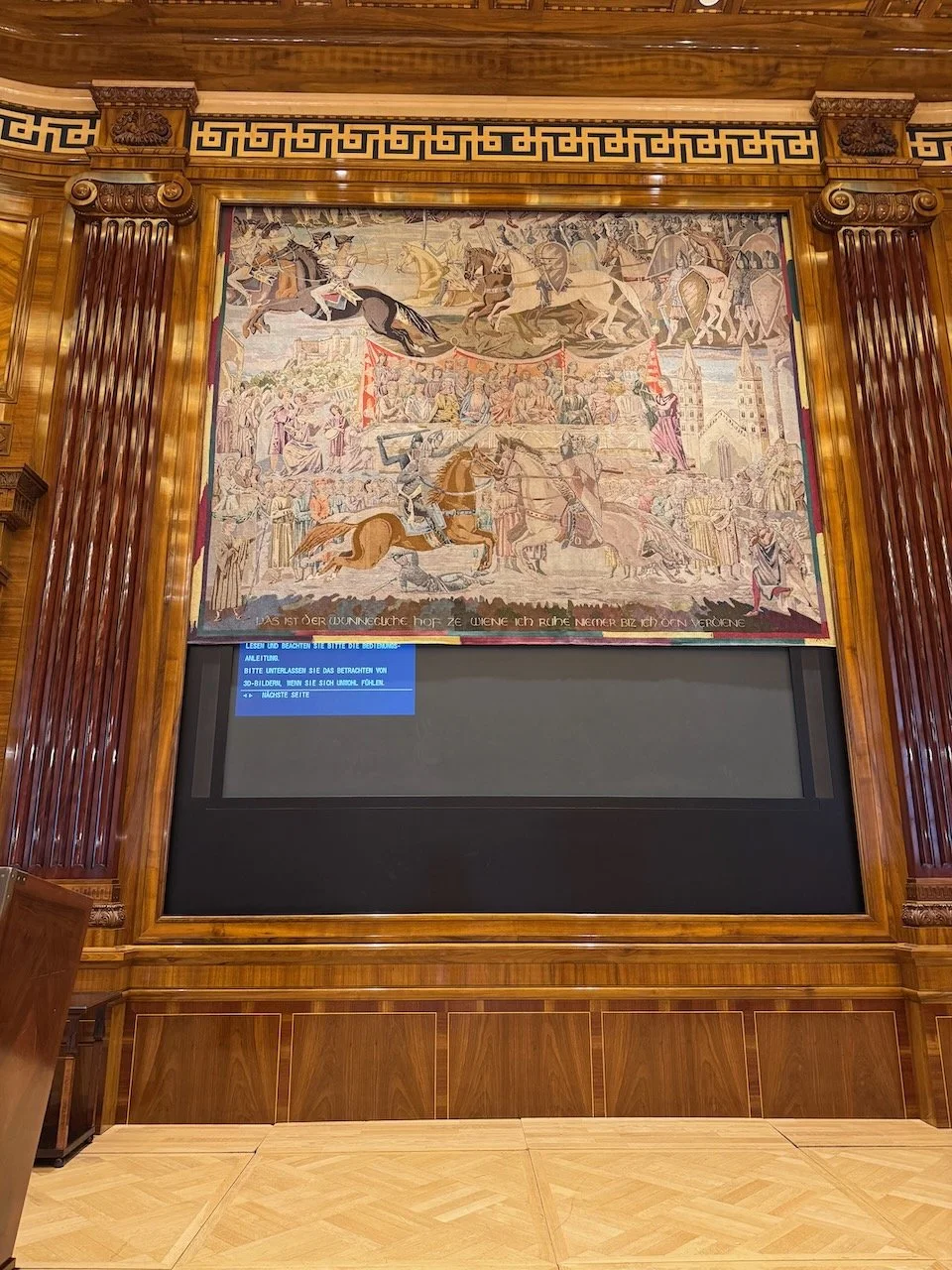
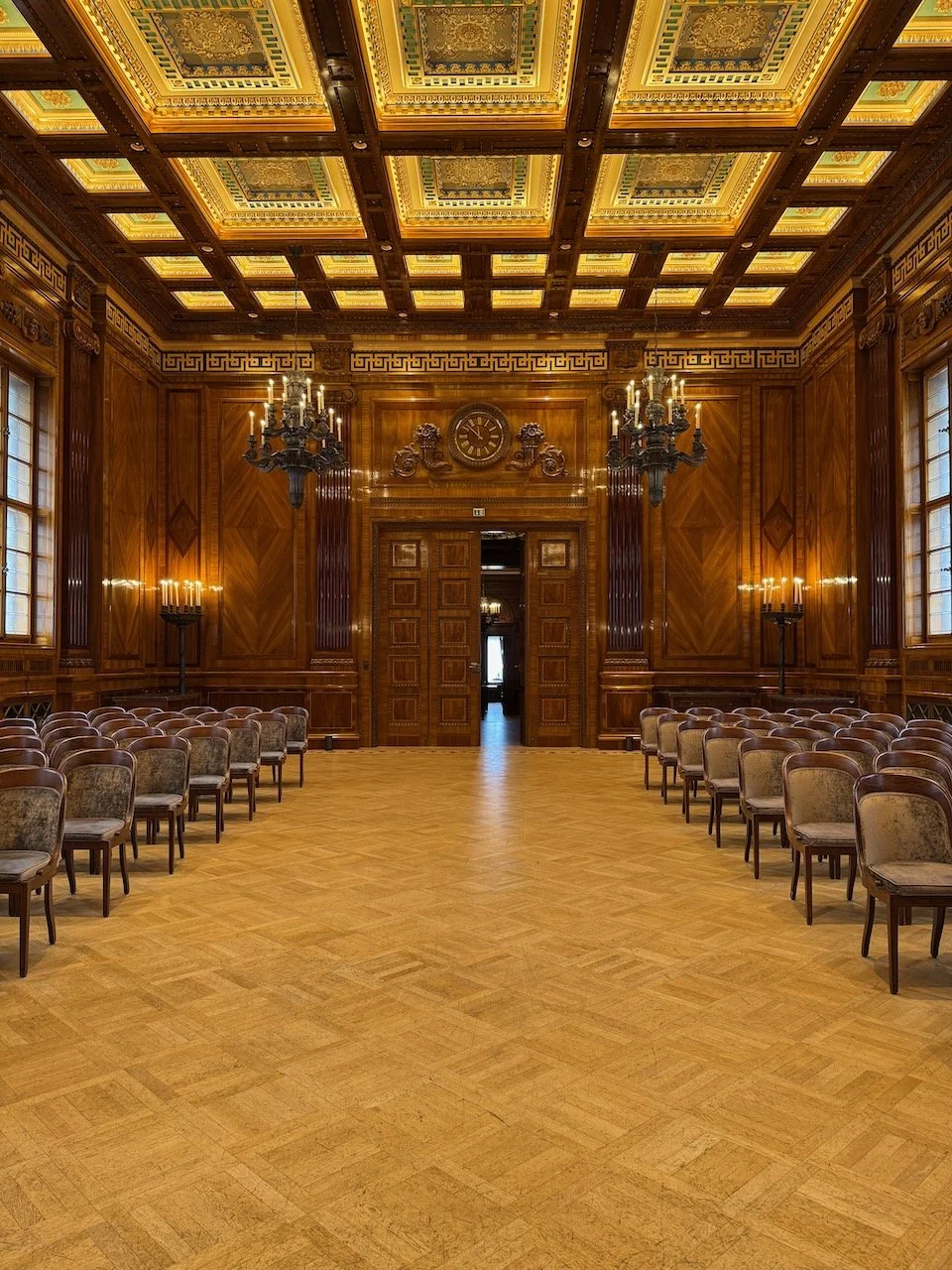
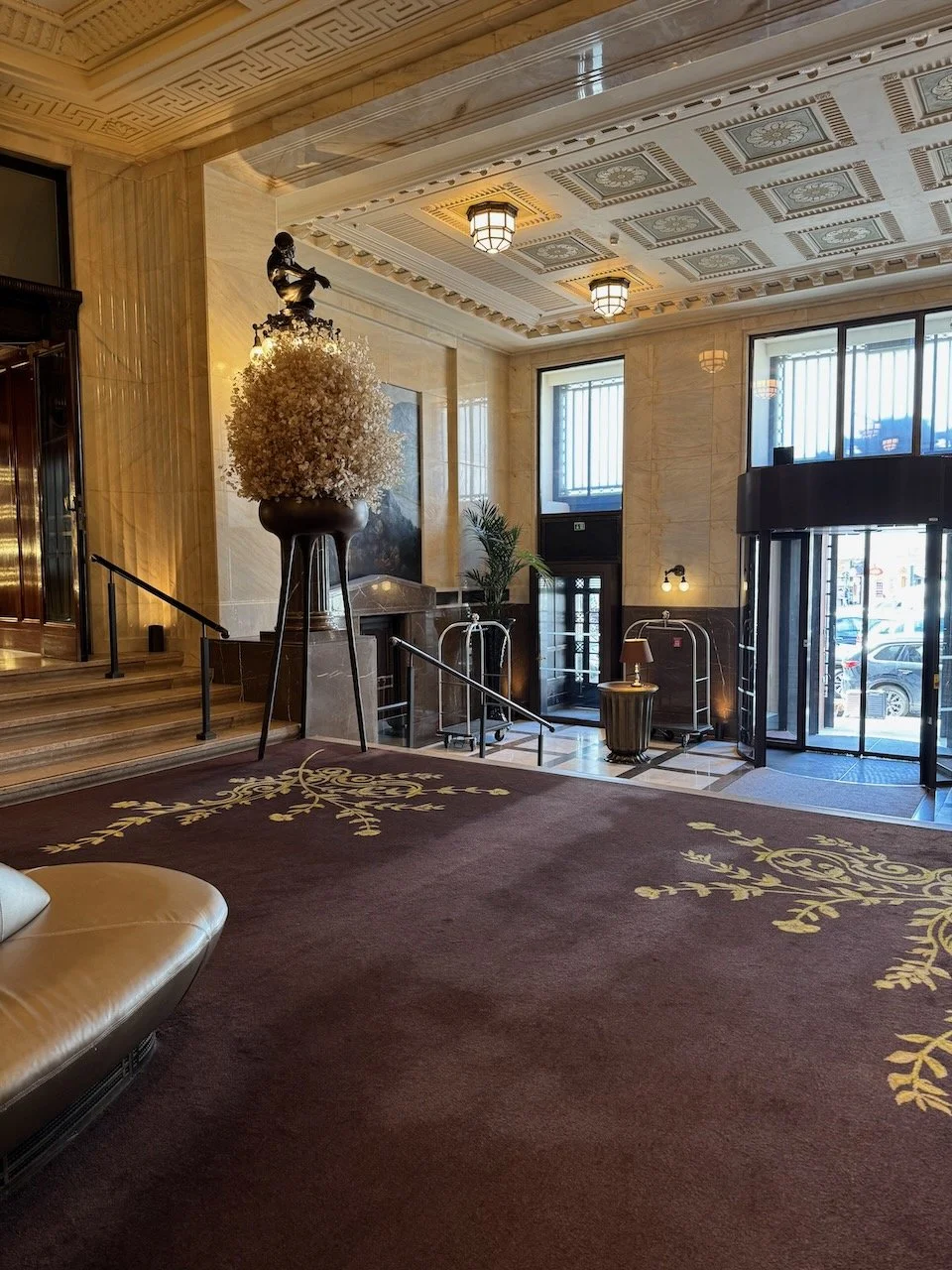
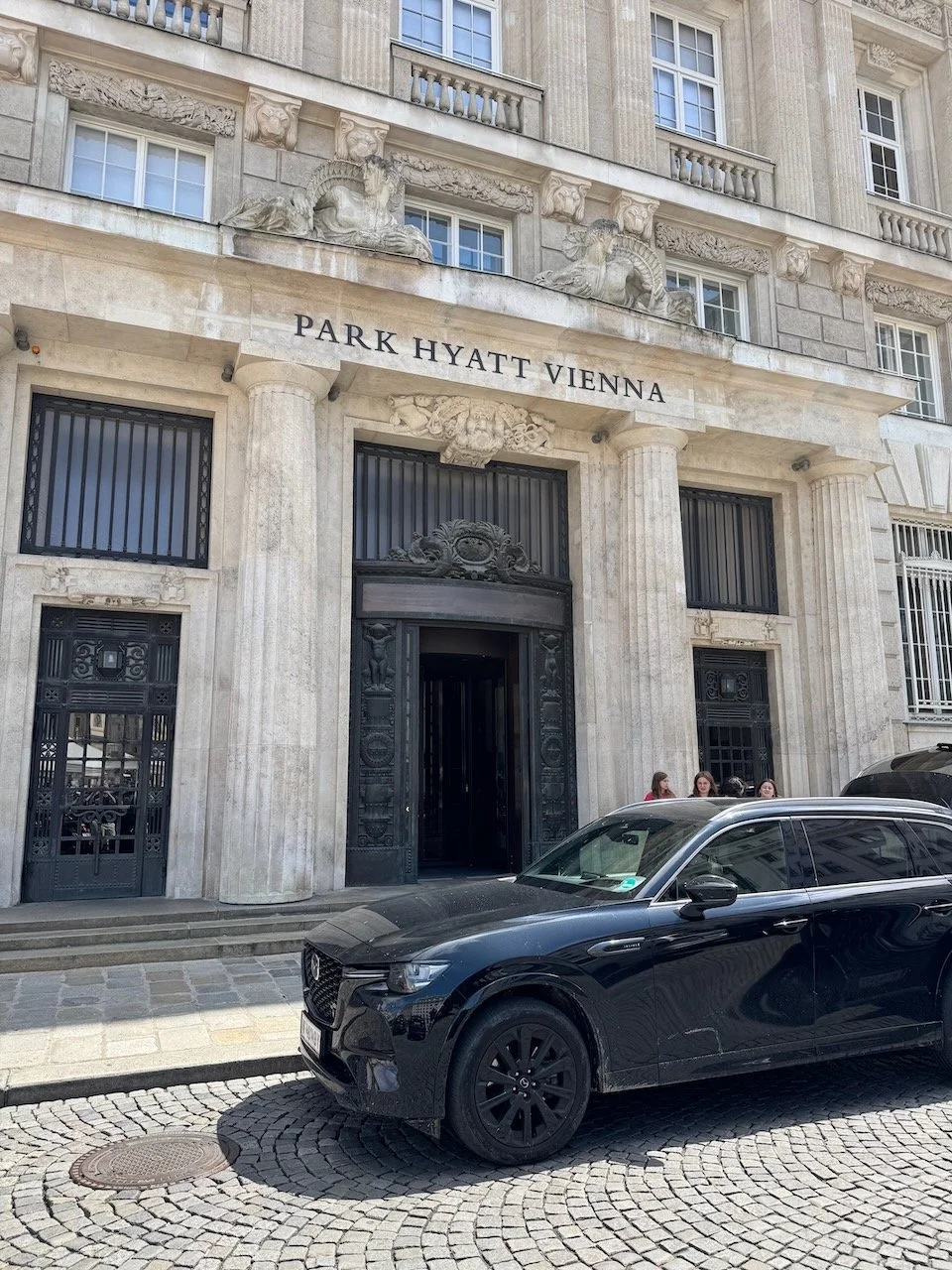
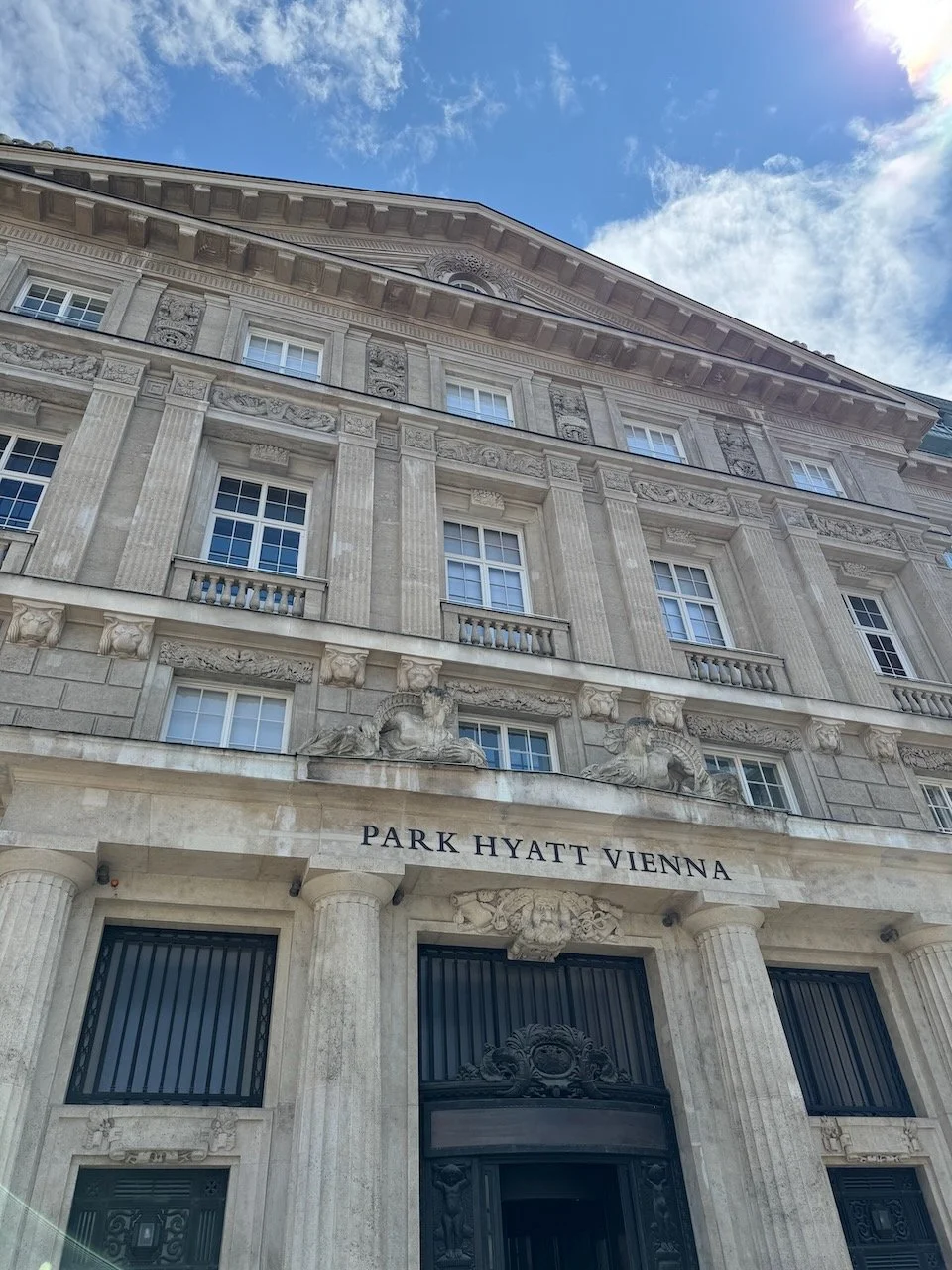
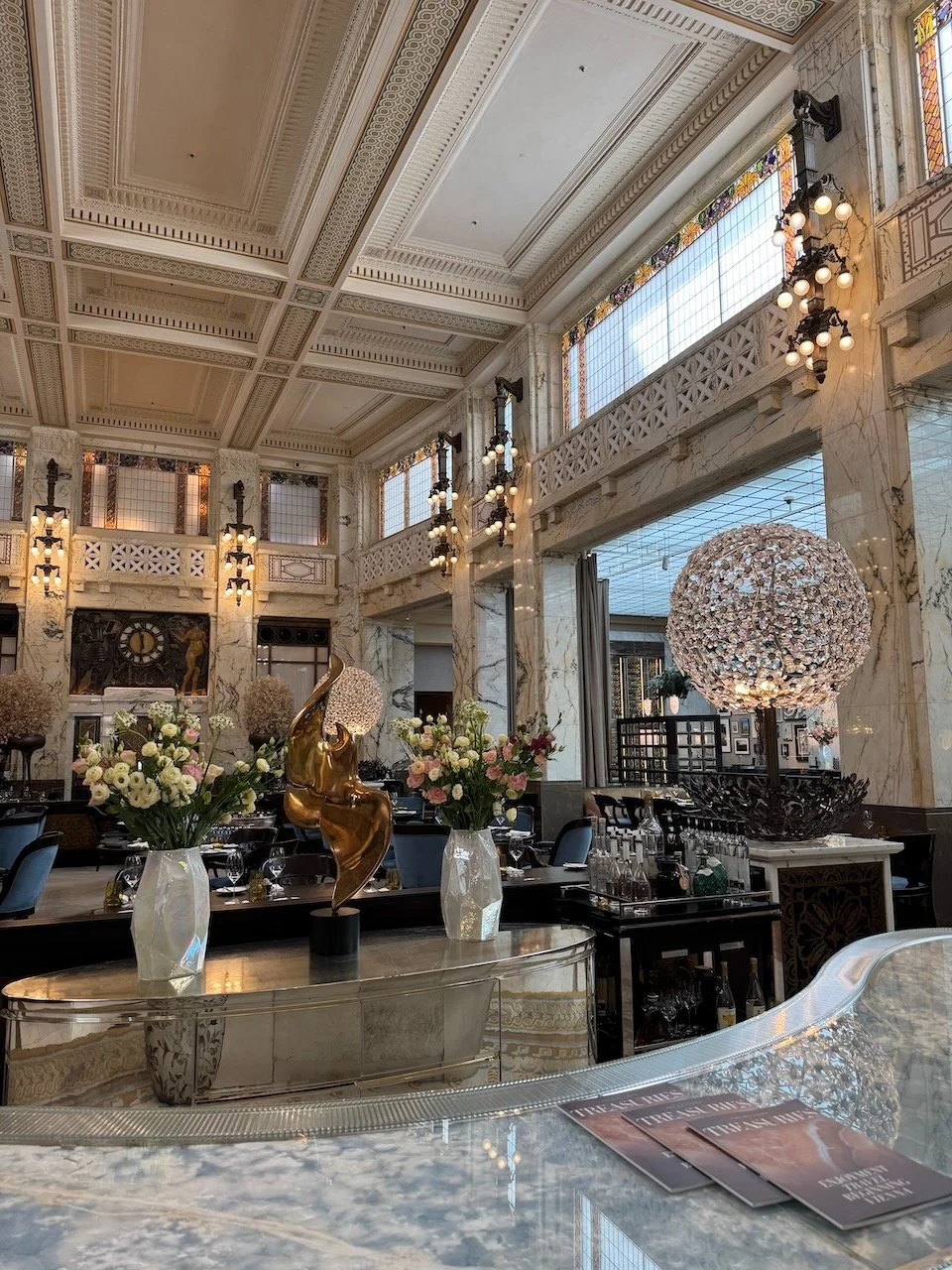
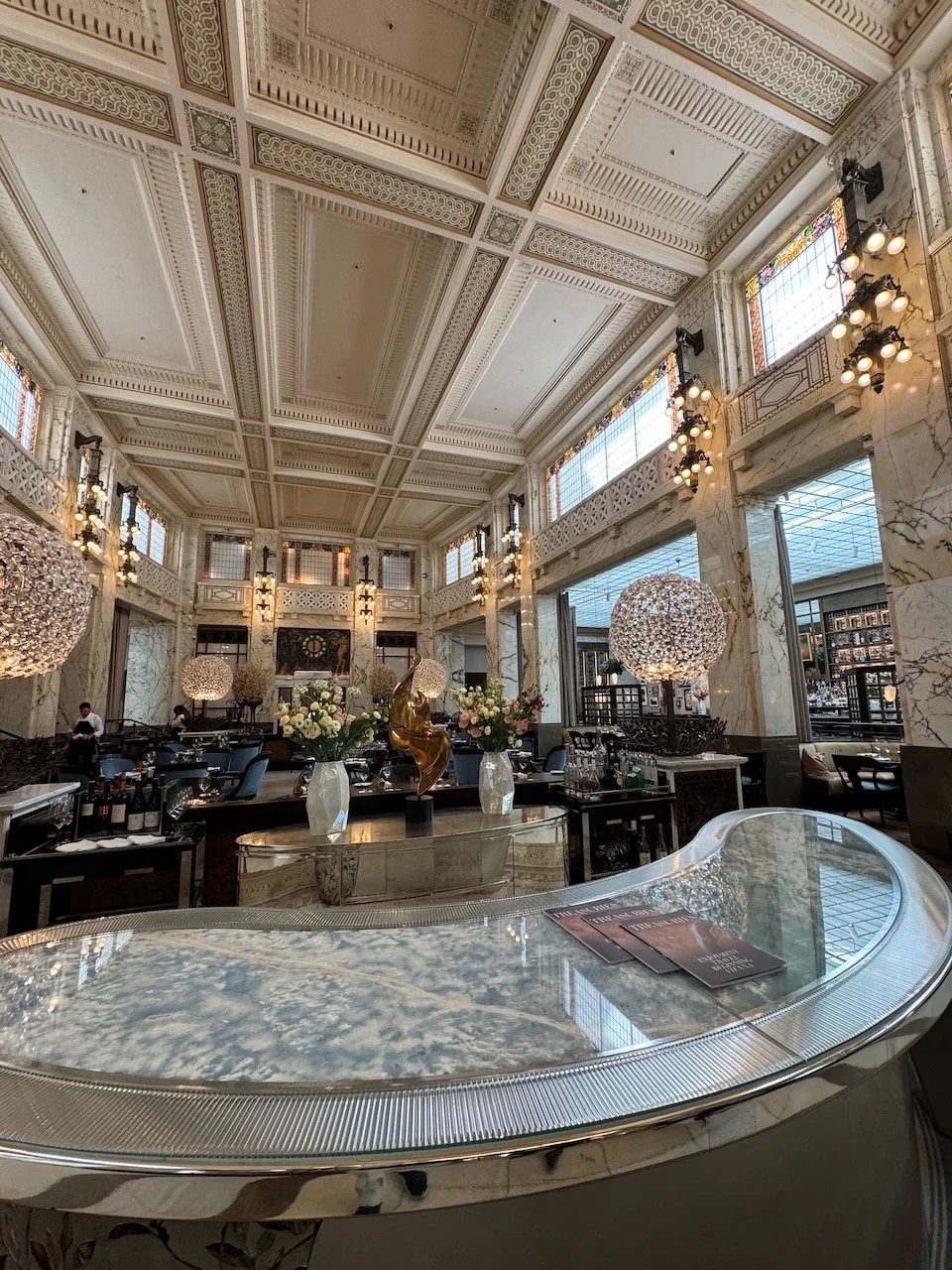
Park Hyatt Vienna occupies a former bank on Am Hof, right in the historic centre. The building gives it an unusually strong architectural identity: the old banking hall, richly decorated rooms and even the vault have all found new uses. It is a particularly appealing combination of grand public spaces and contemporary comfort.
Atmosphere
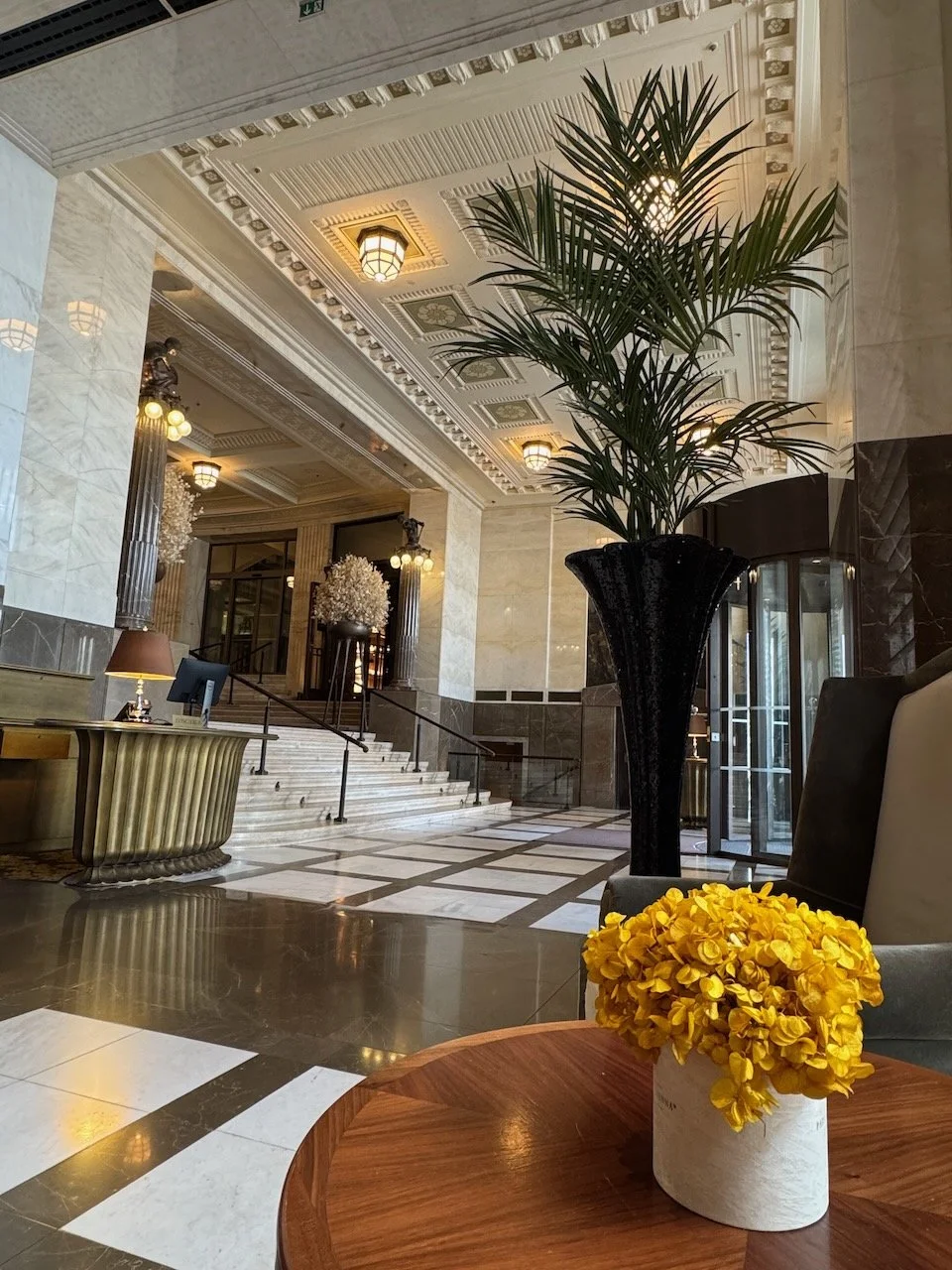
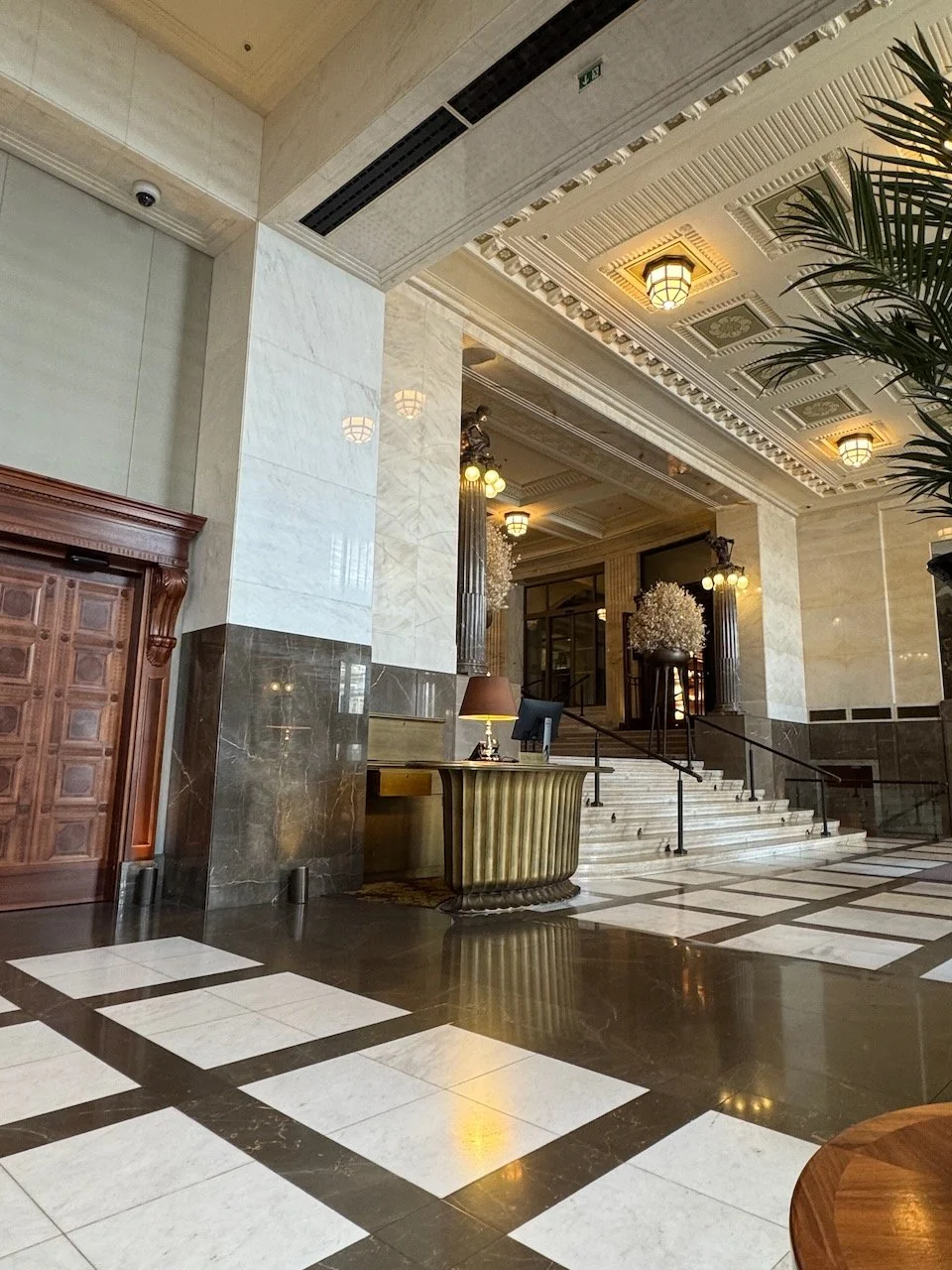
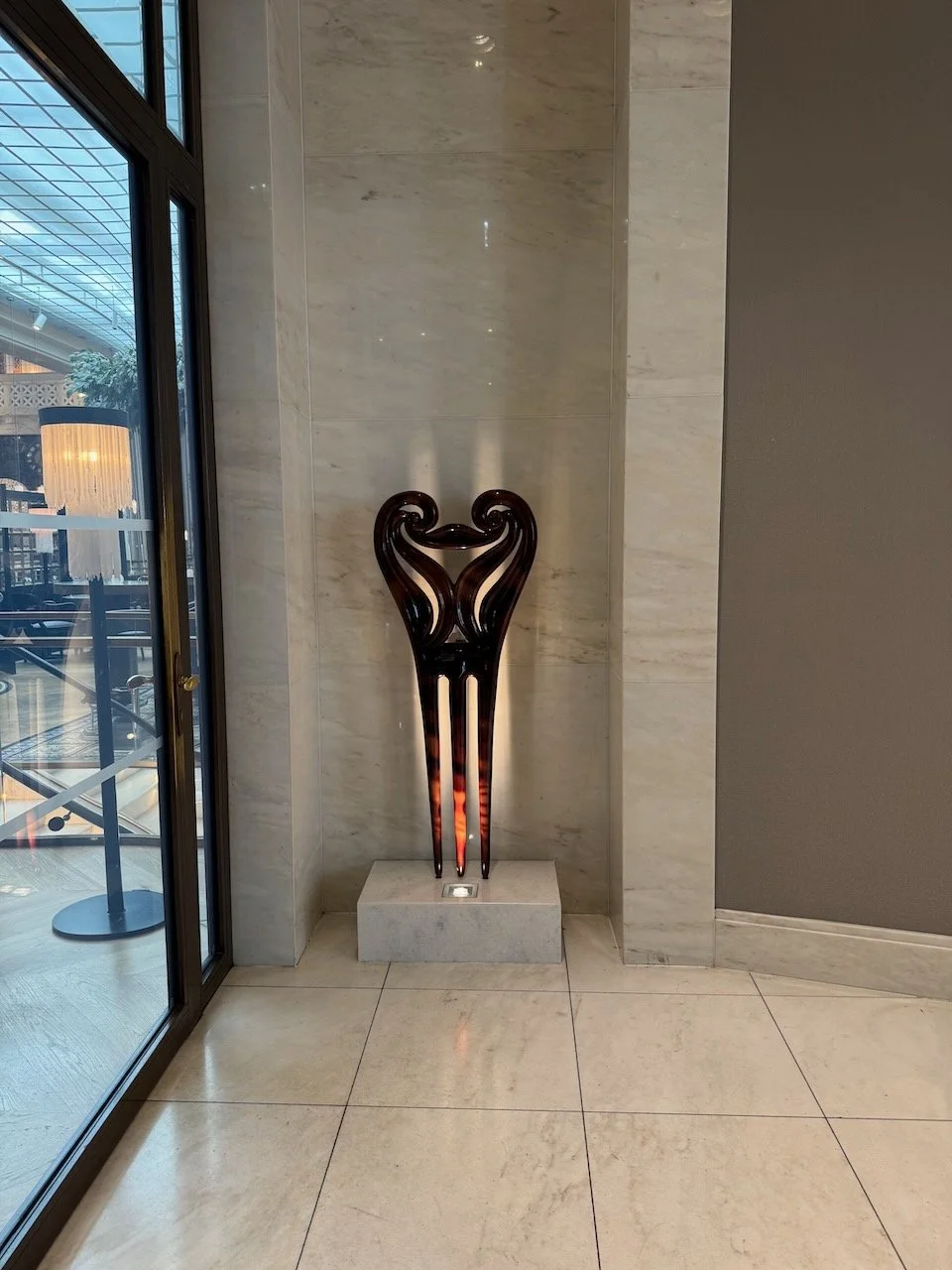
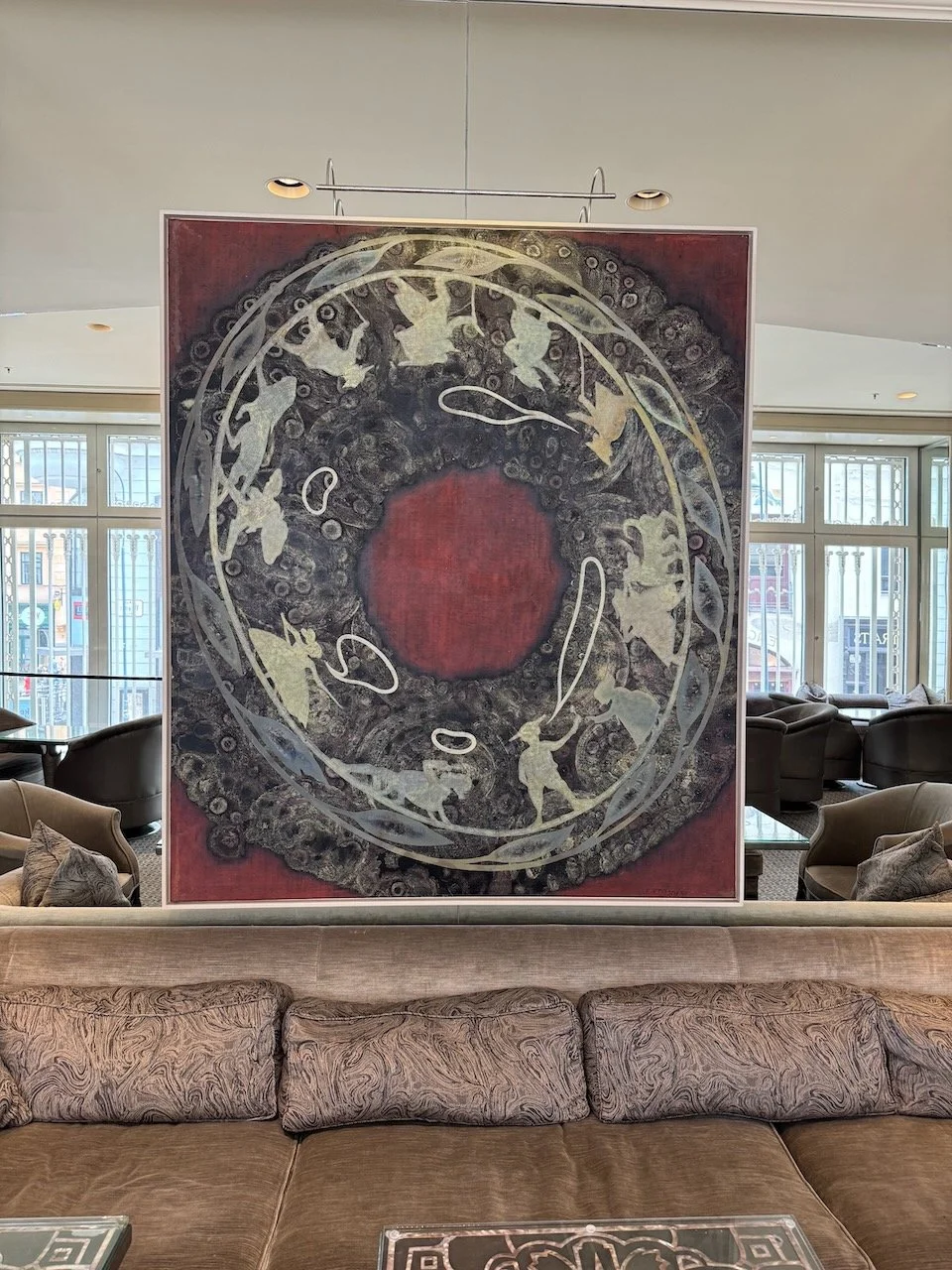
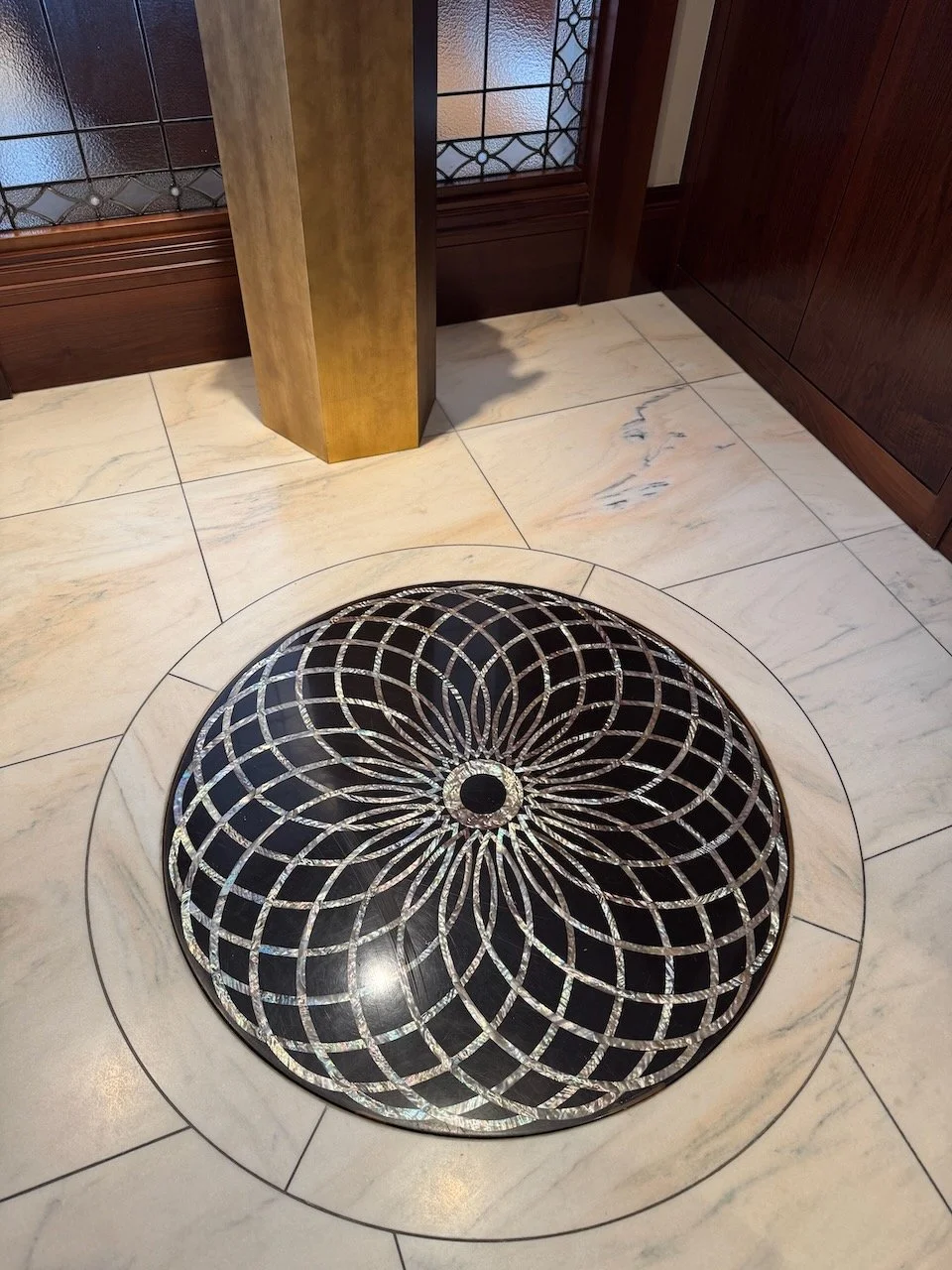
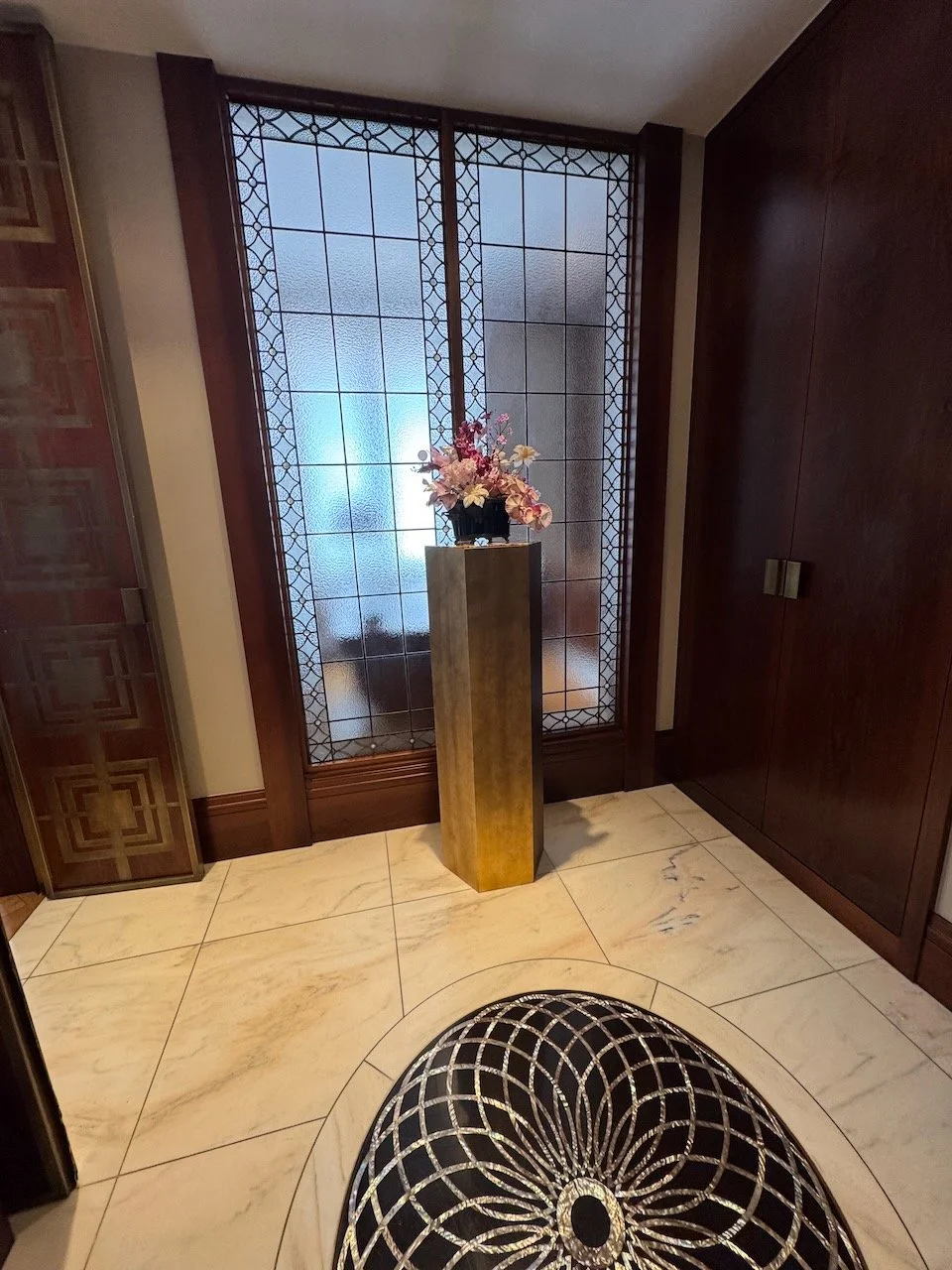
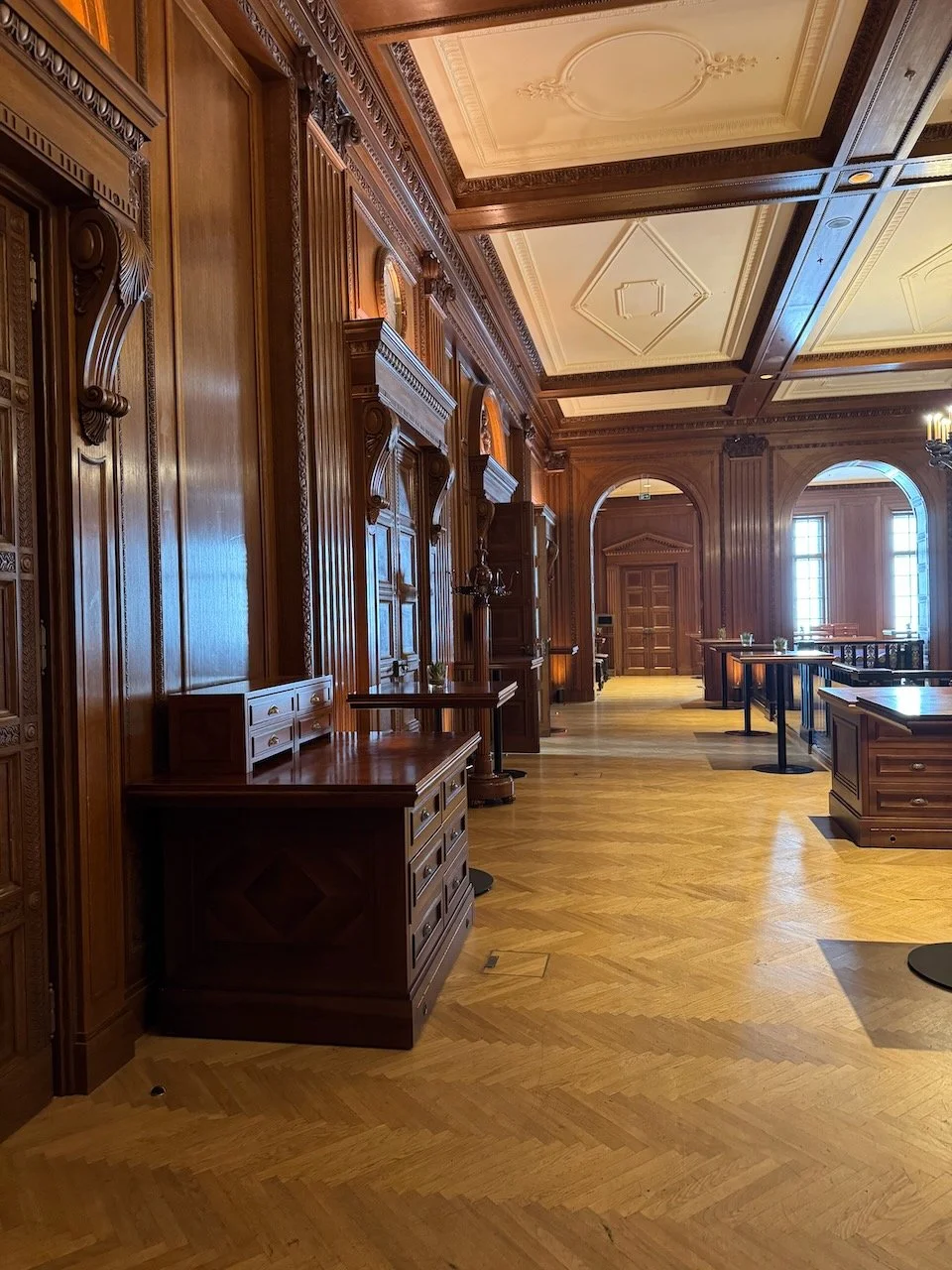
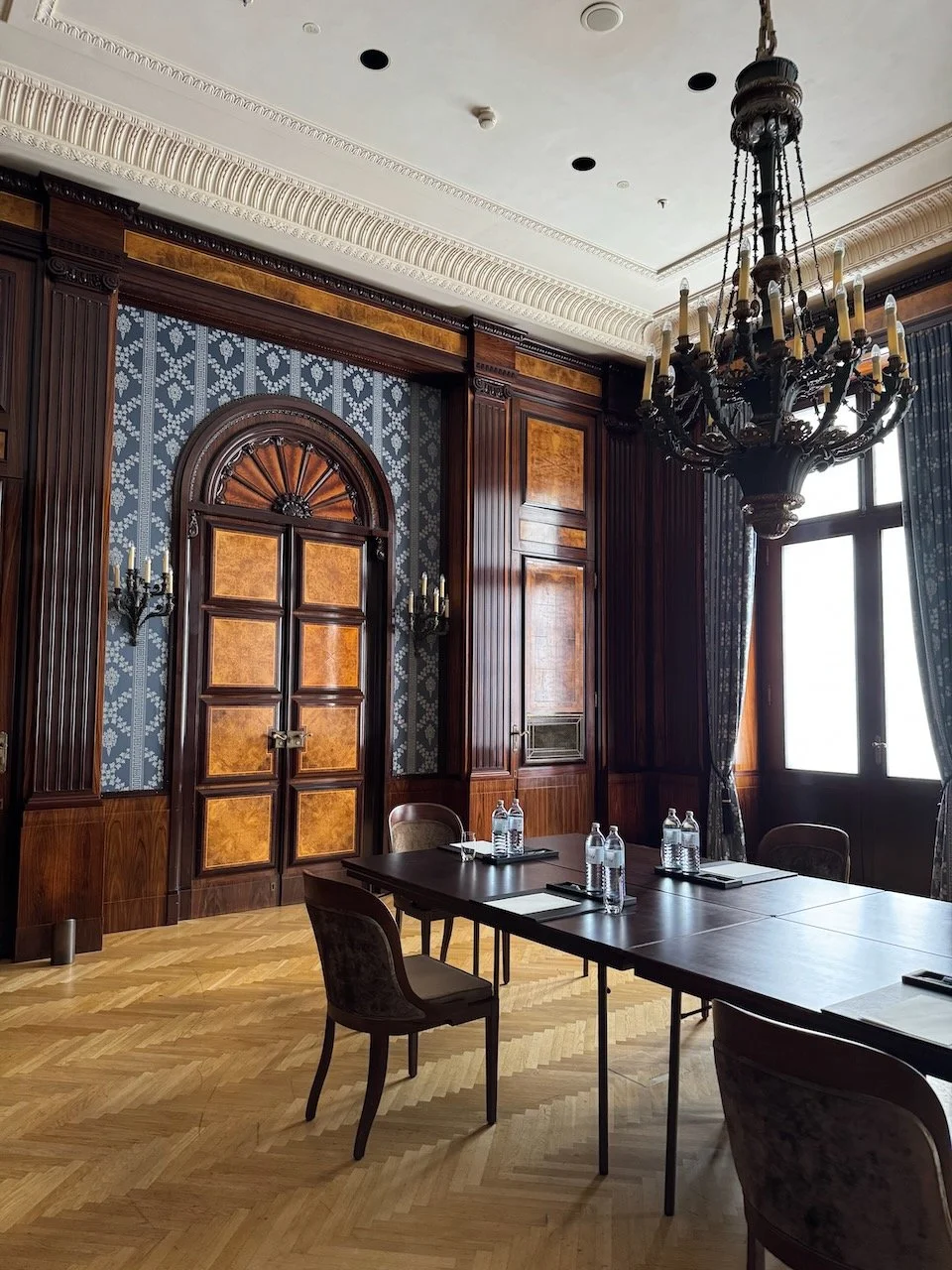
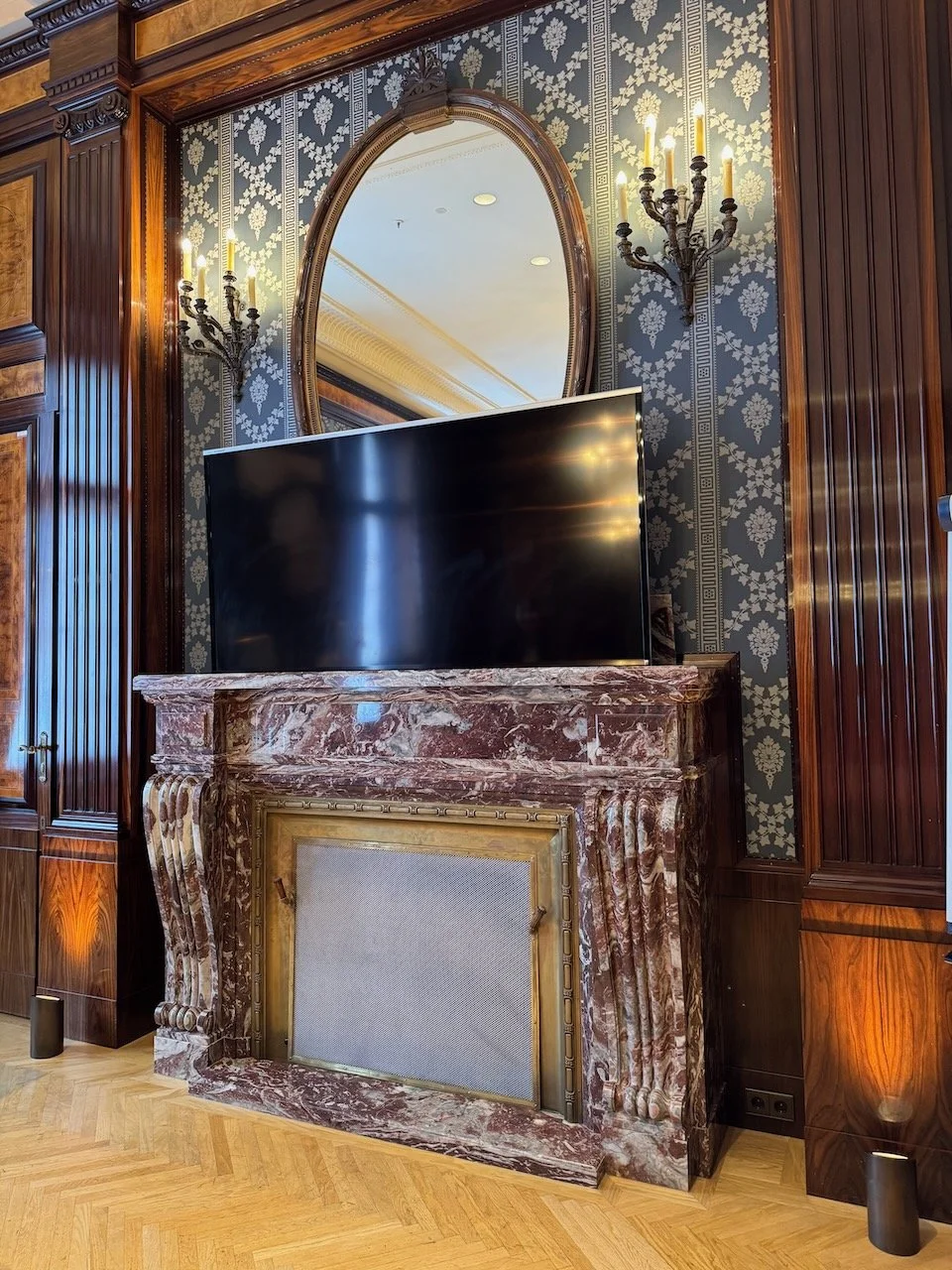
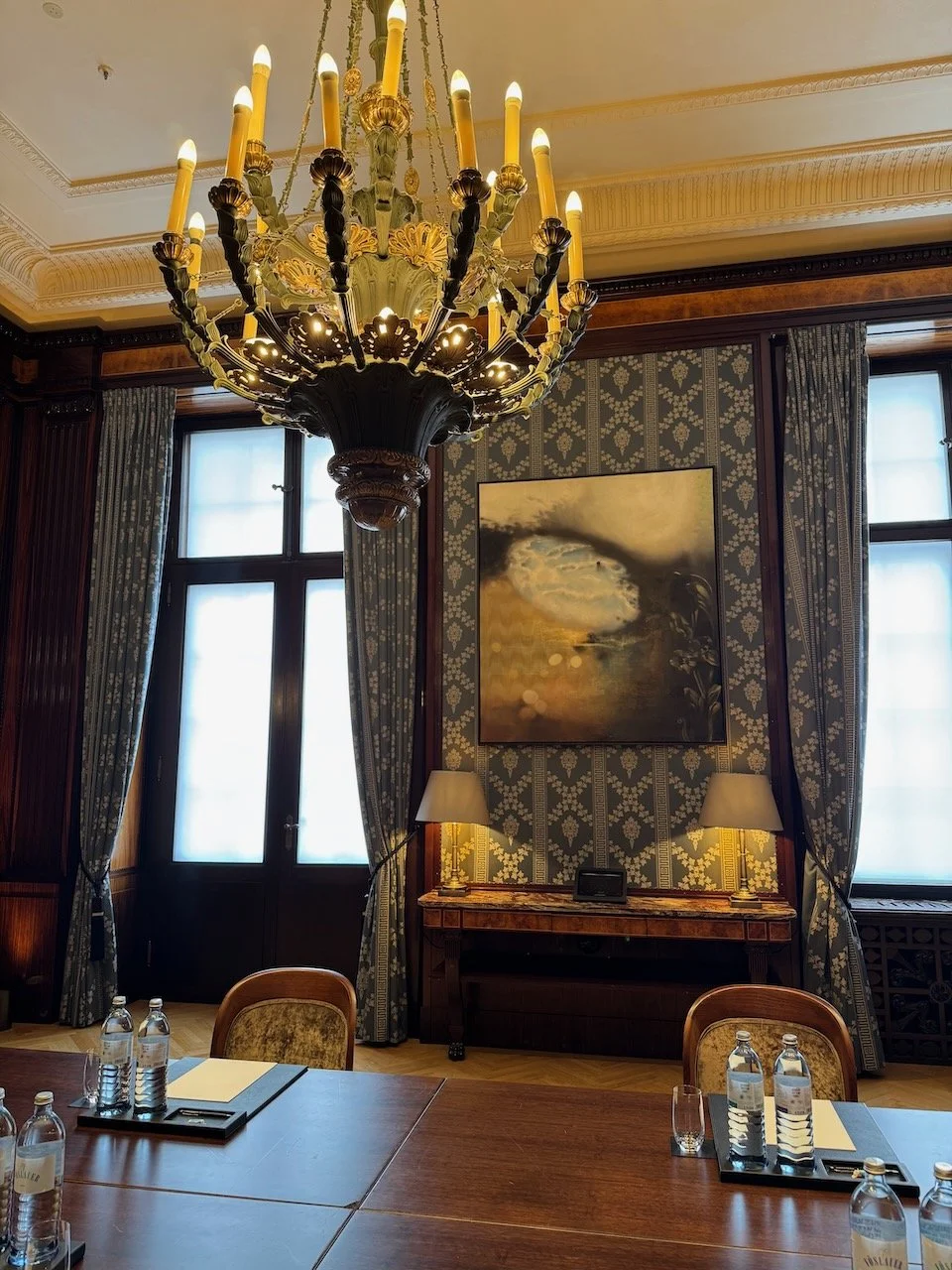
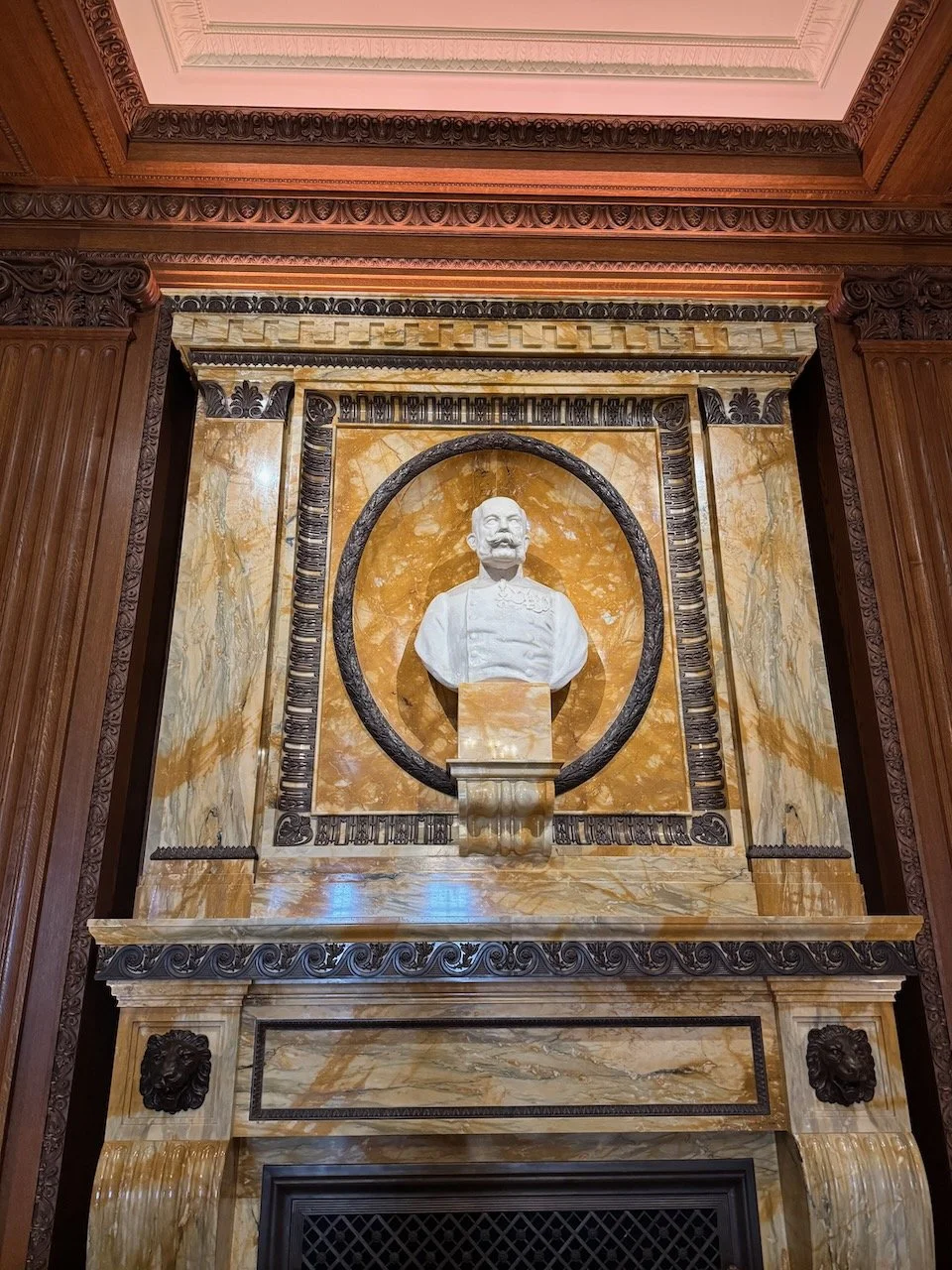
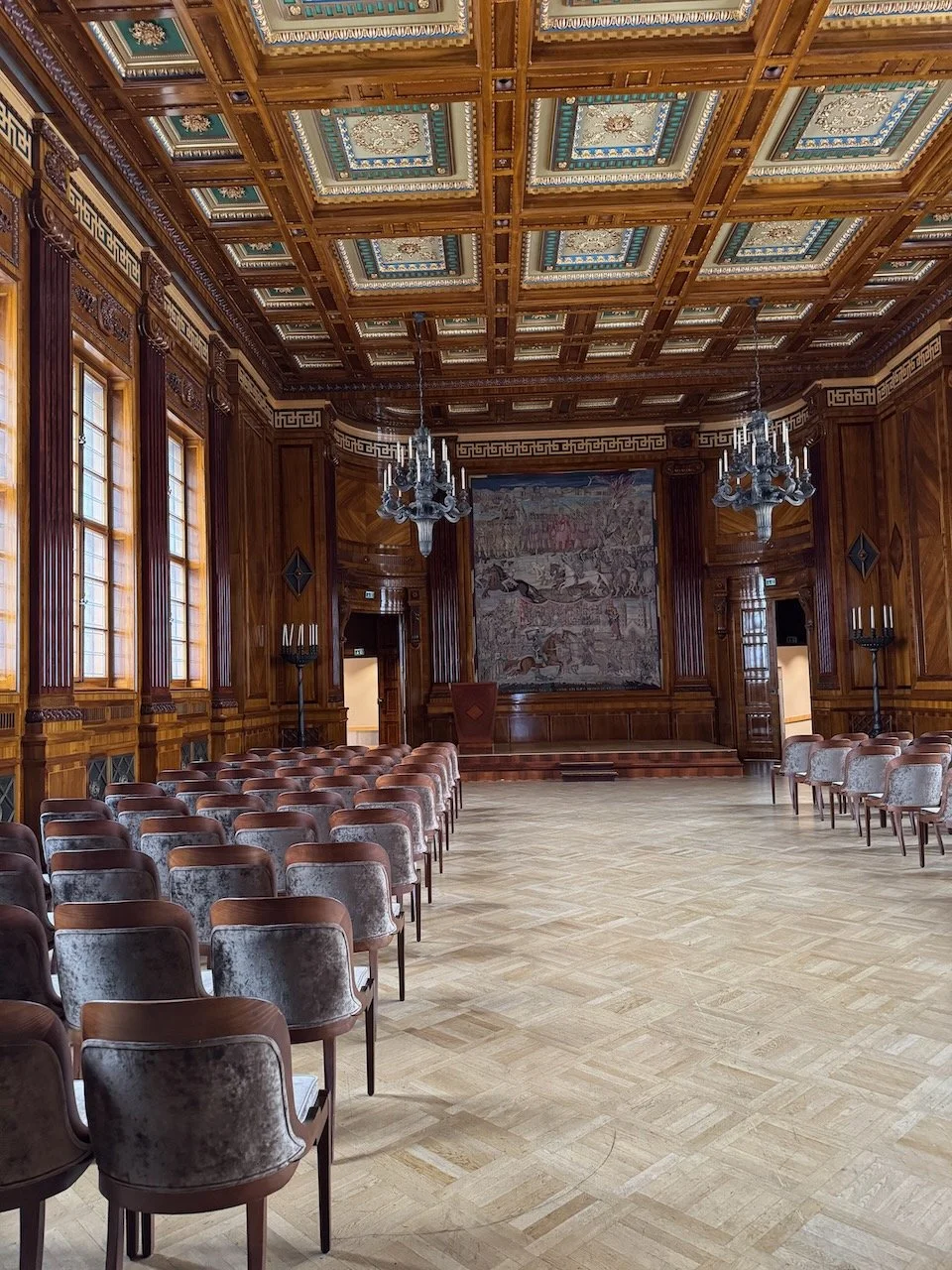
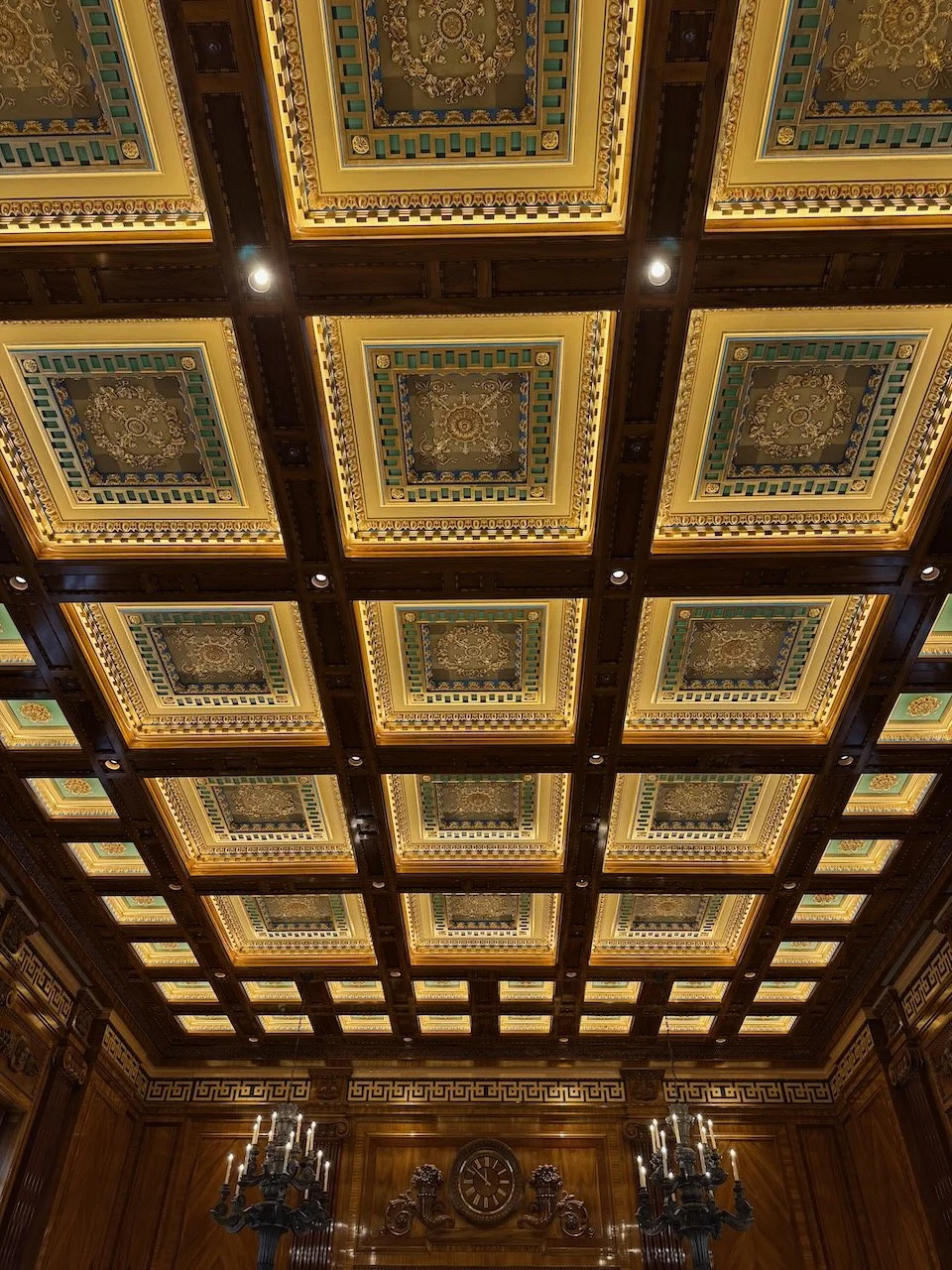
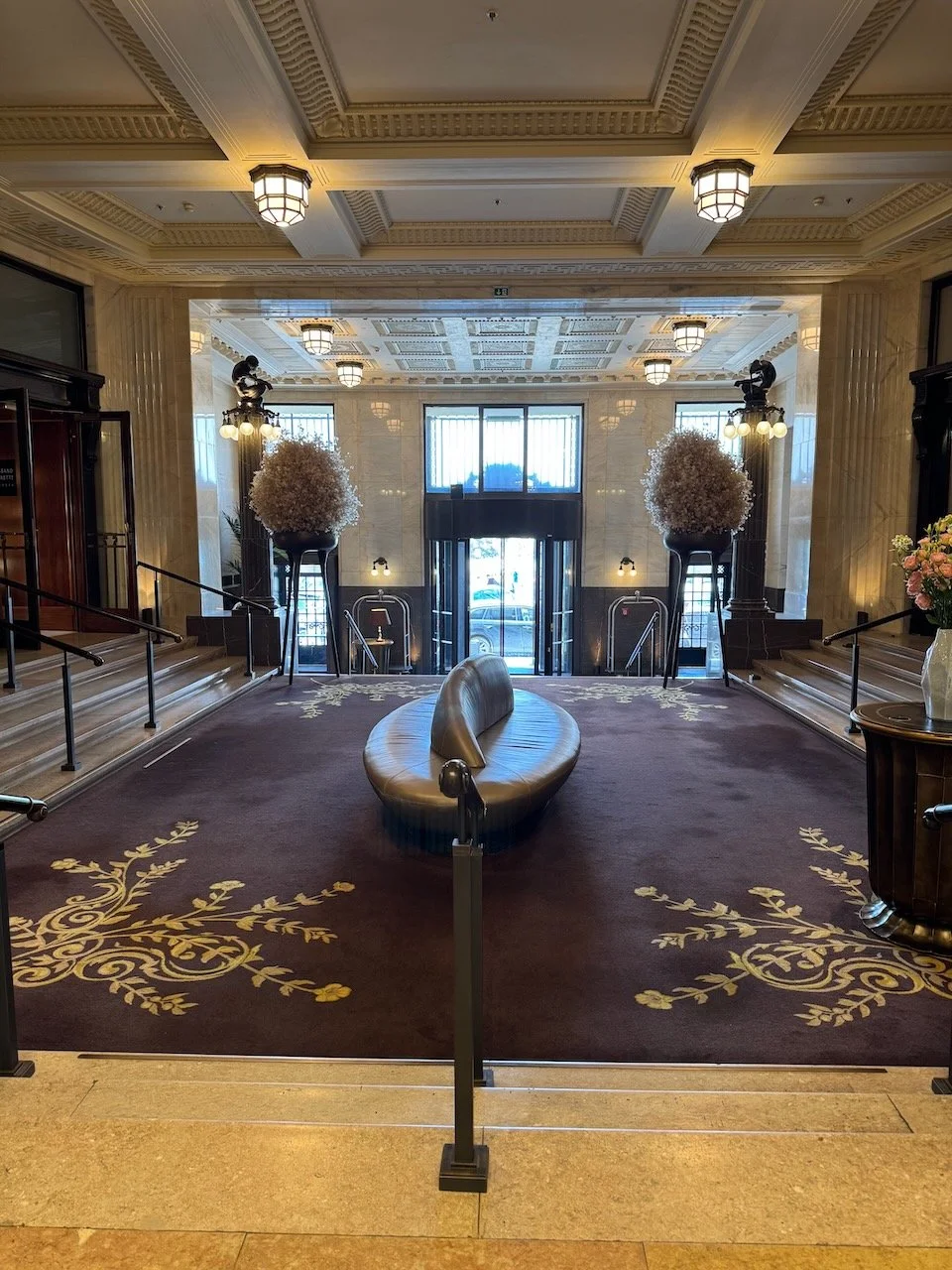
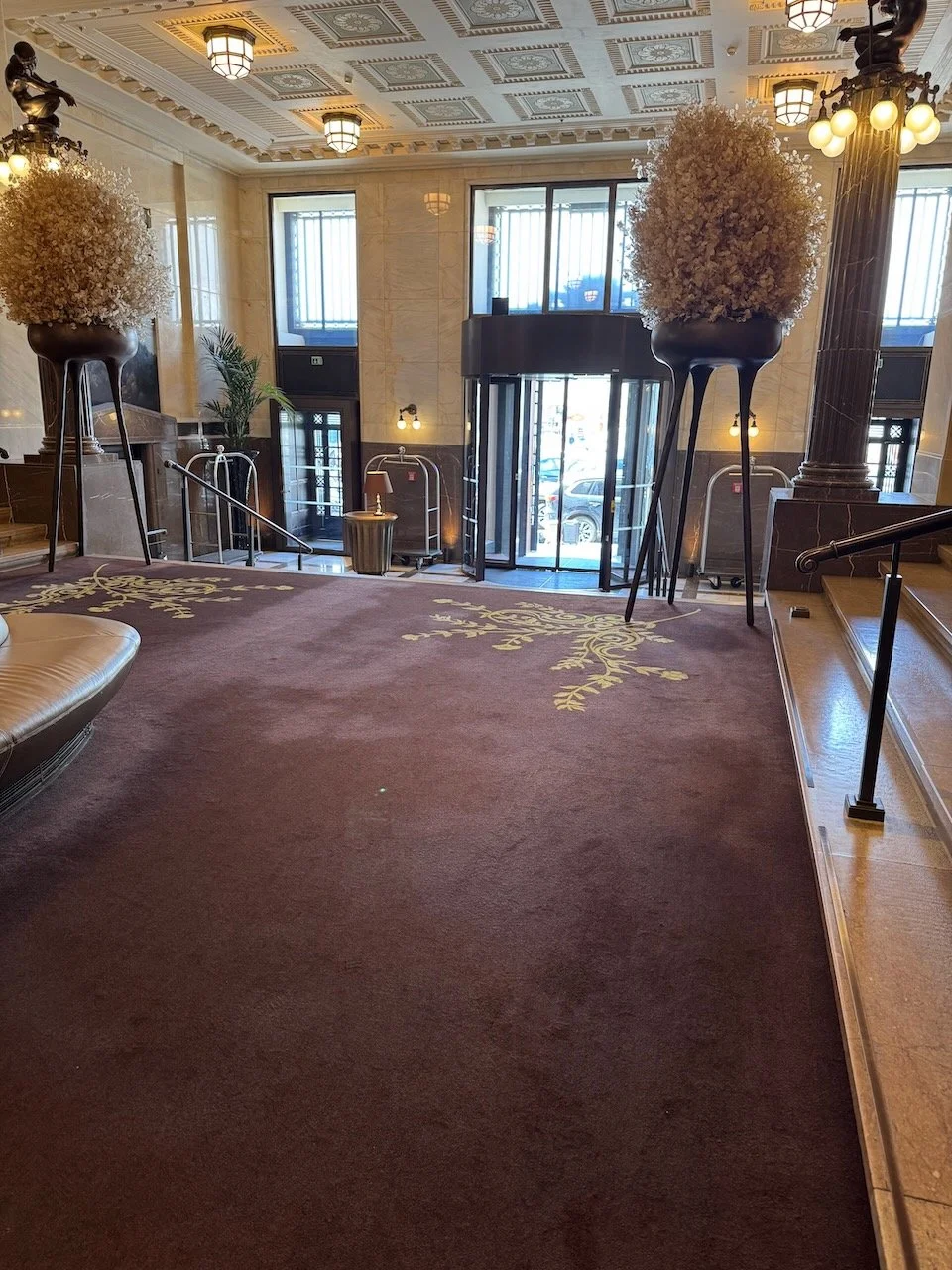
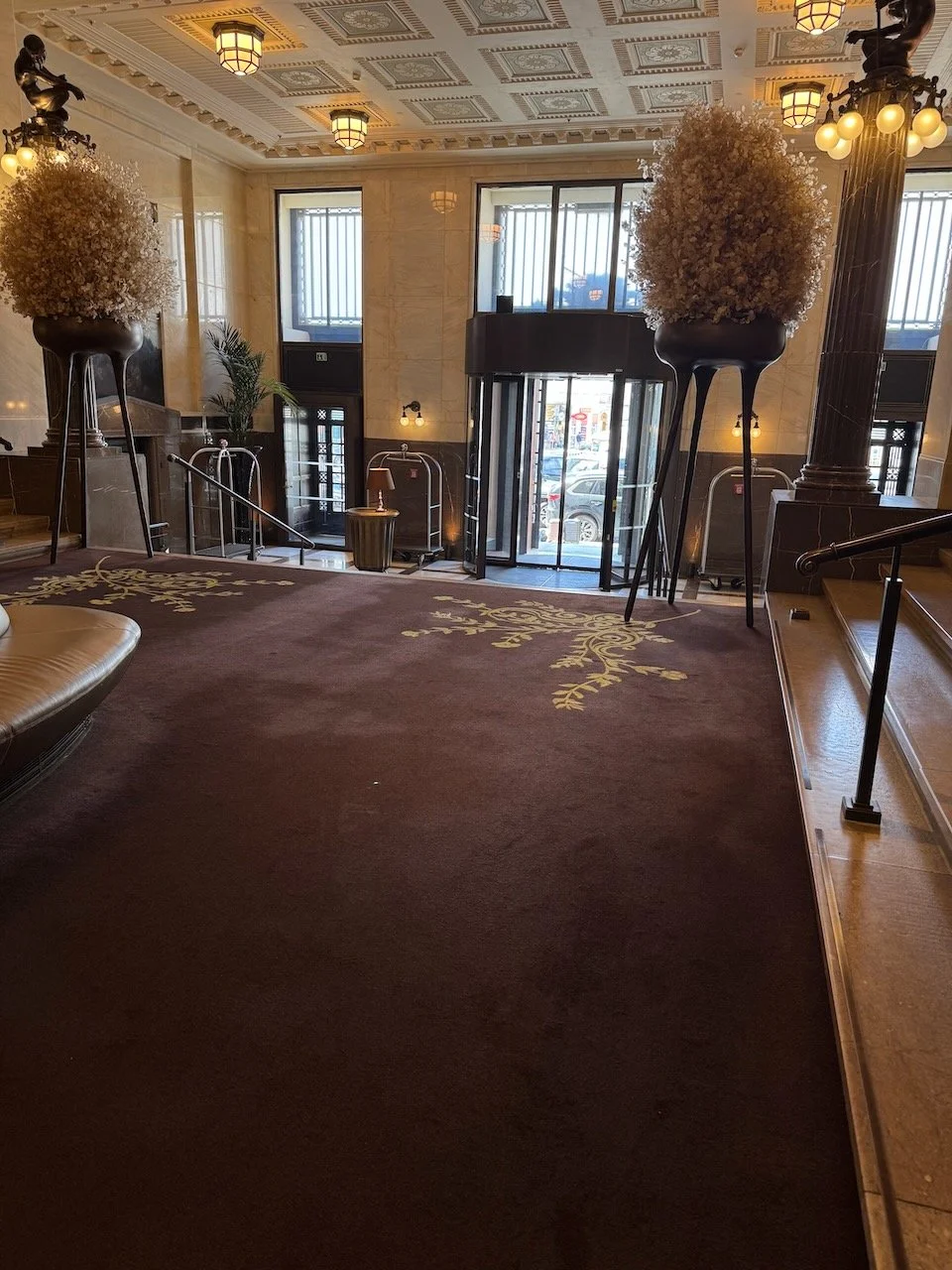
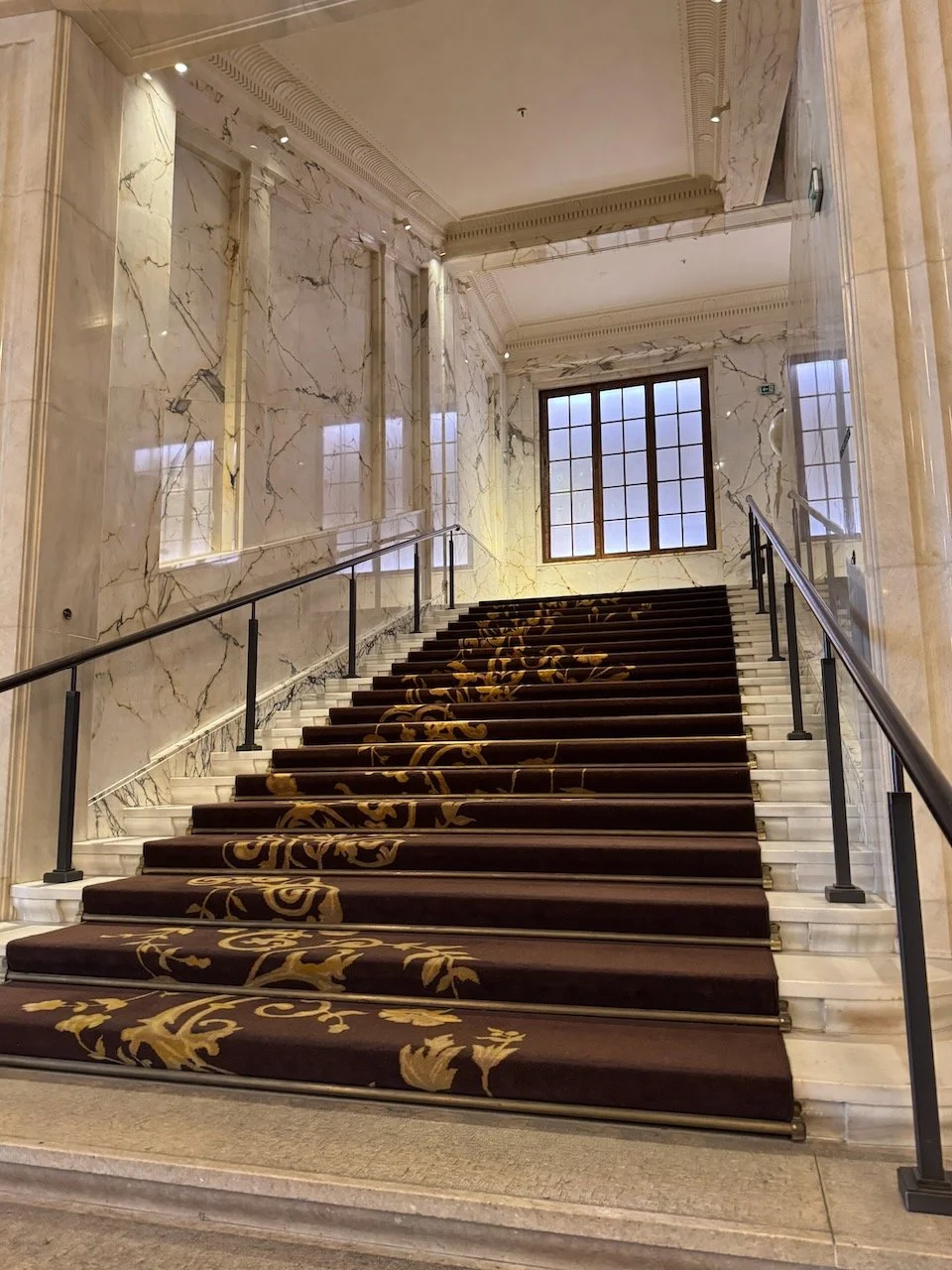
The arrival is one of the most impressive in this selection. Marble, high ceilings and the former cashier’s hall create a real sense of occasion, while the darker wood-panelled rooms add another layer of character. Take a little time to look around: some of the most interesting details are above eye level.
Accommodations
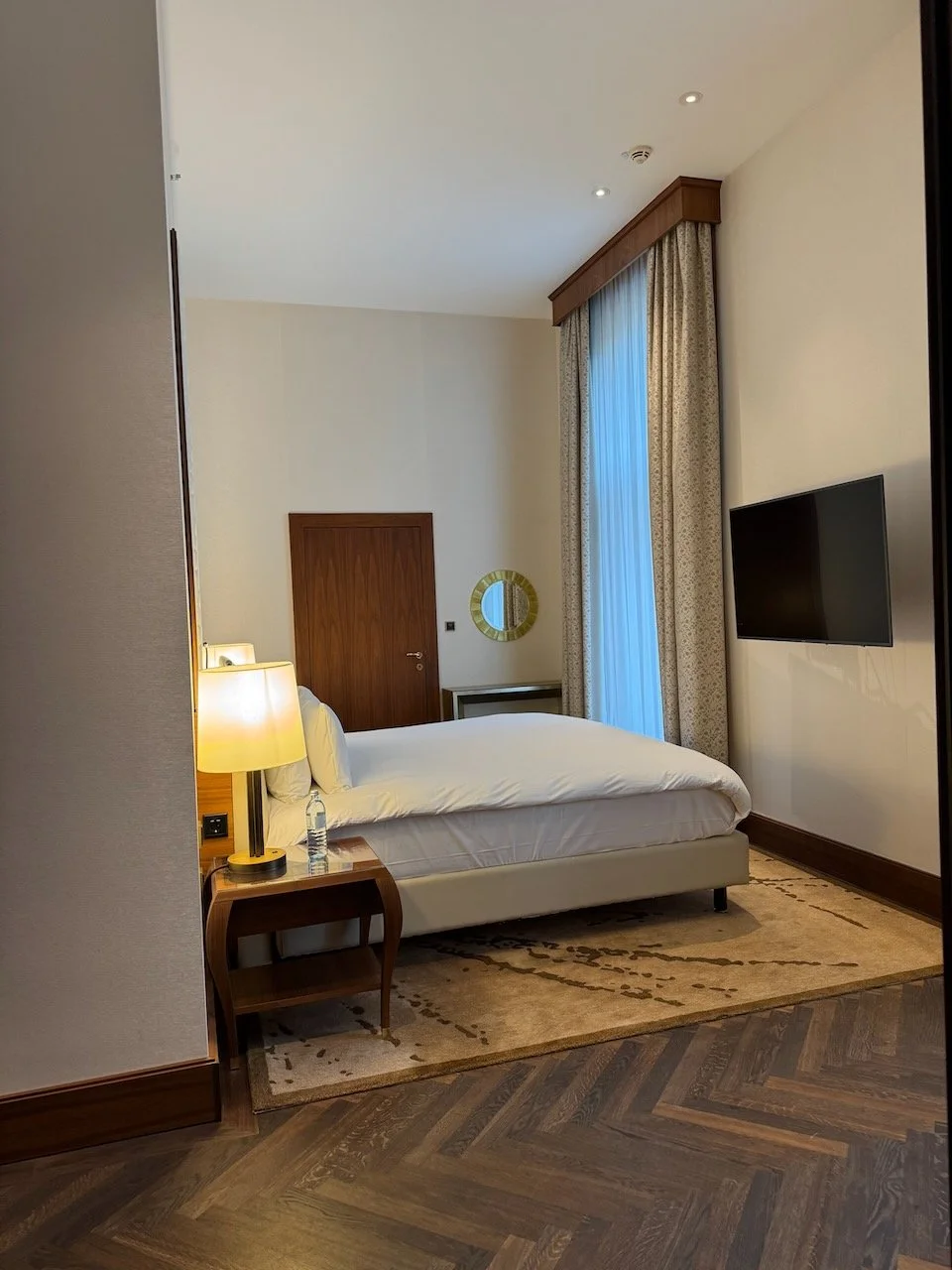
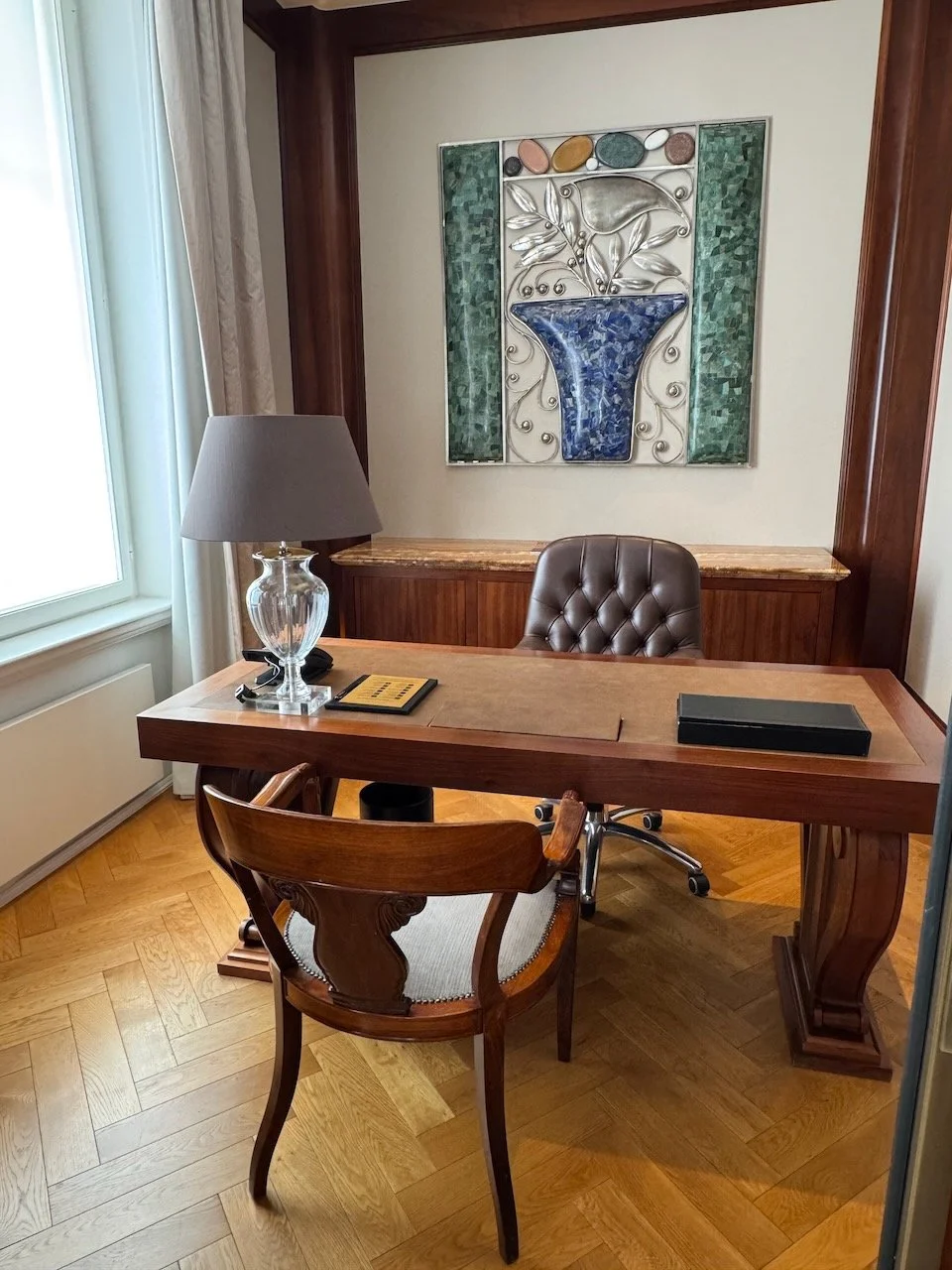
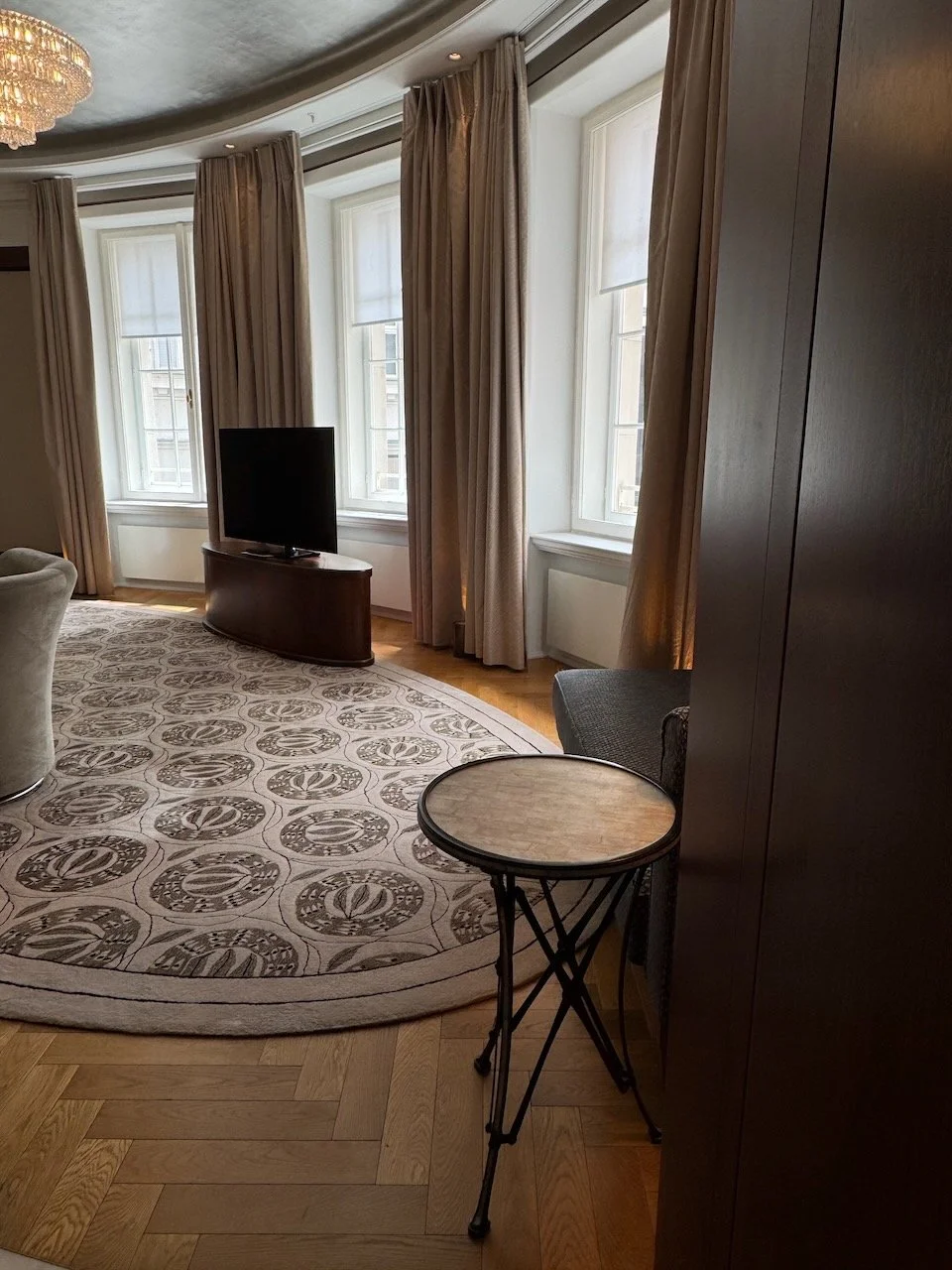
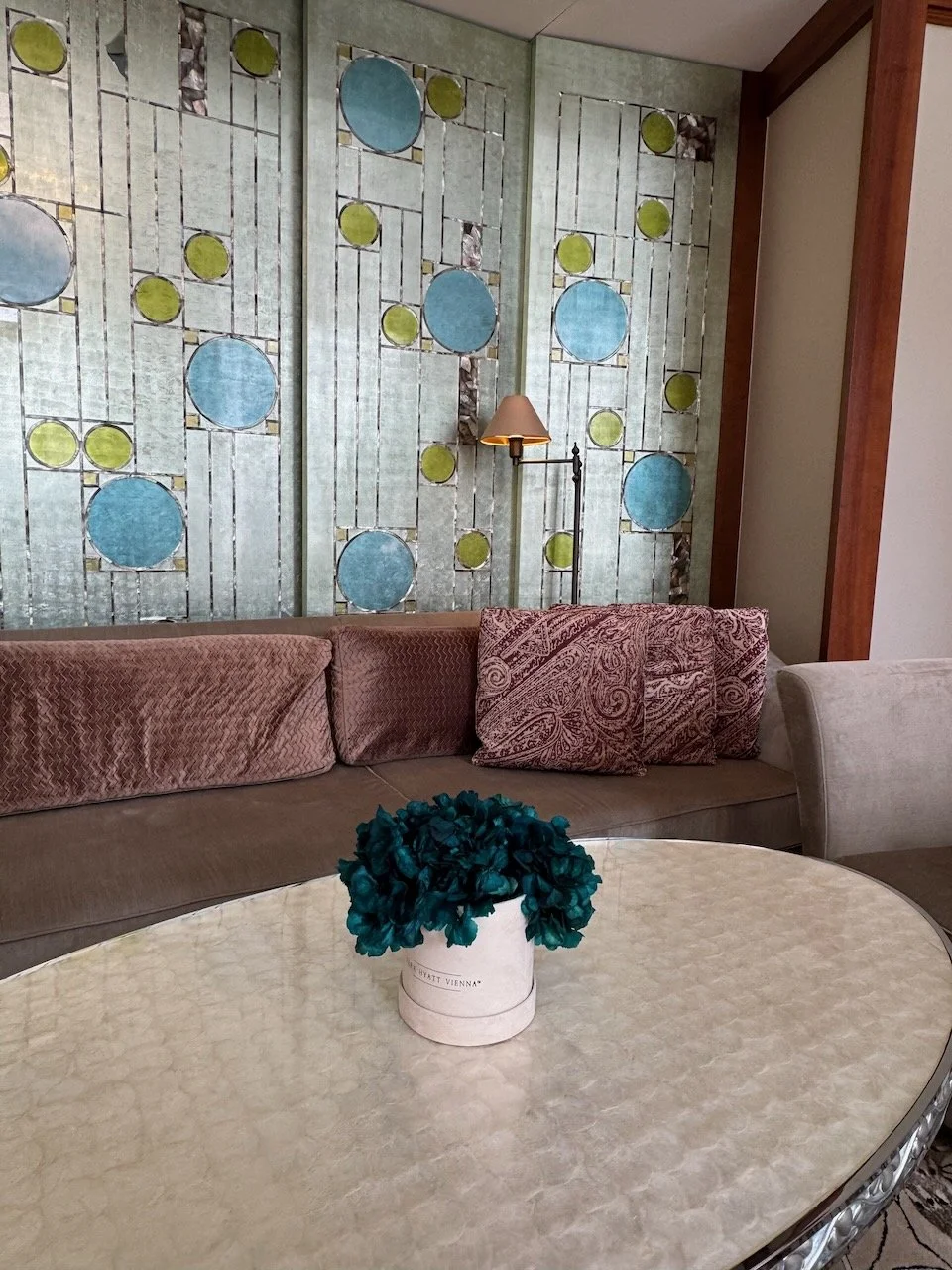
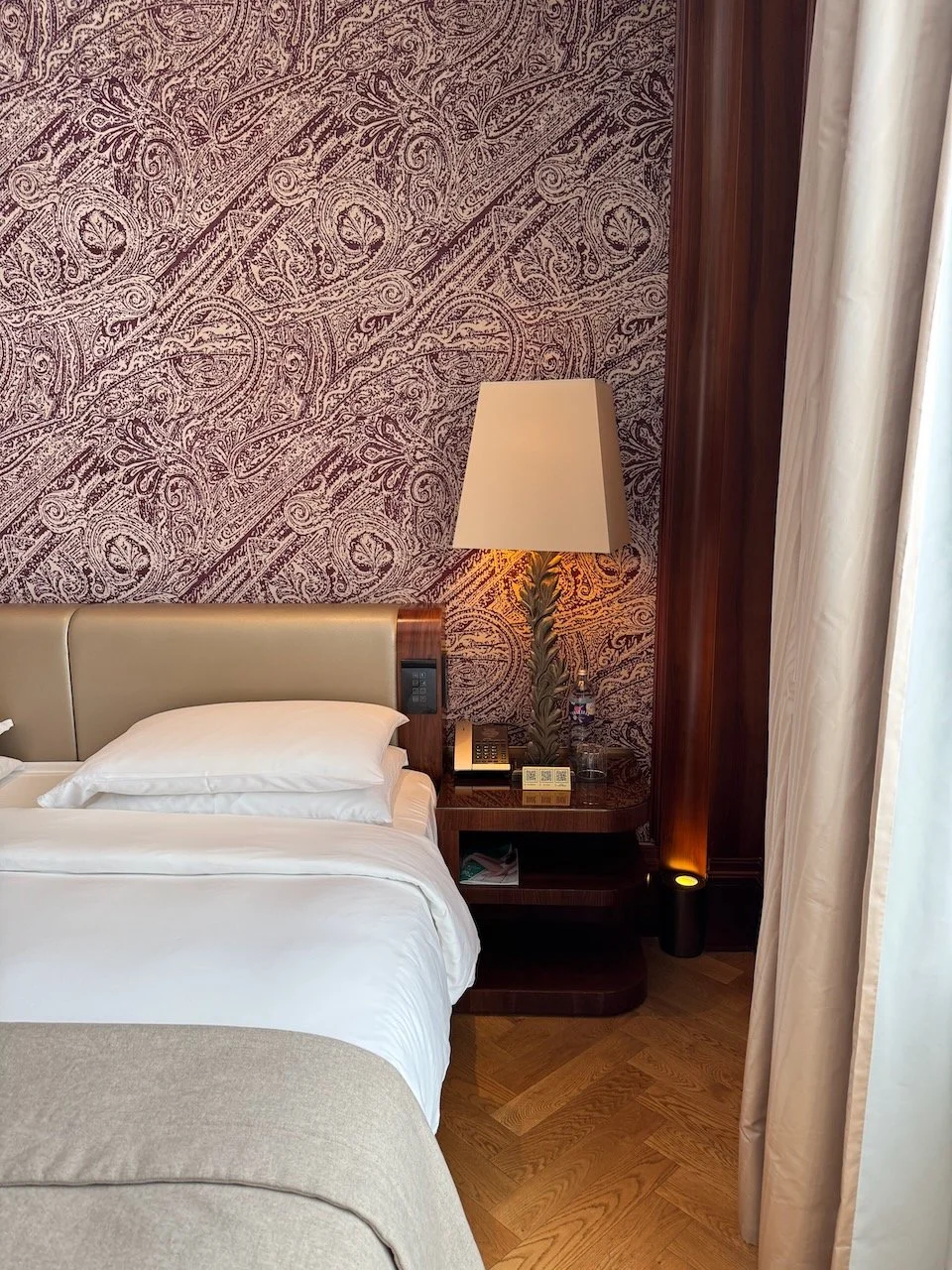
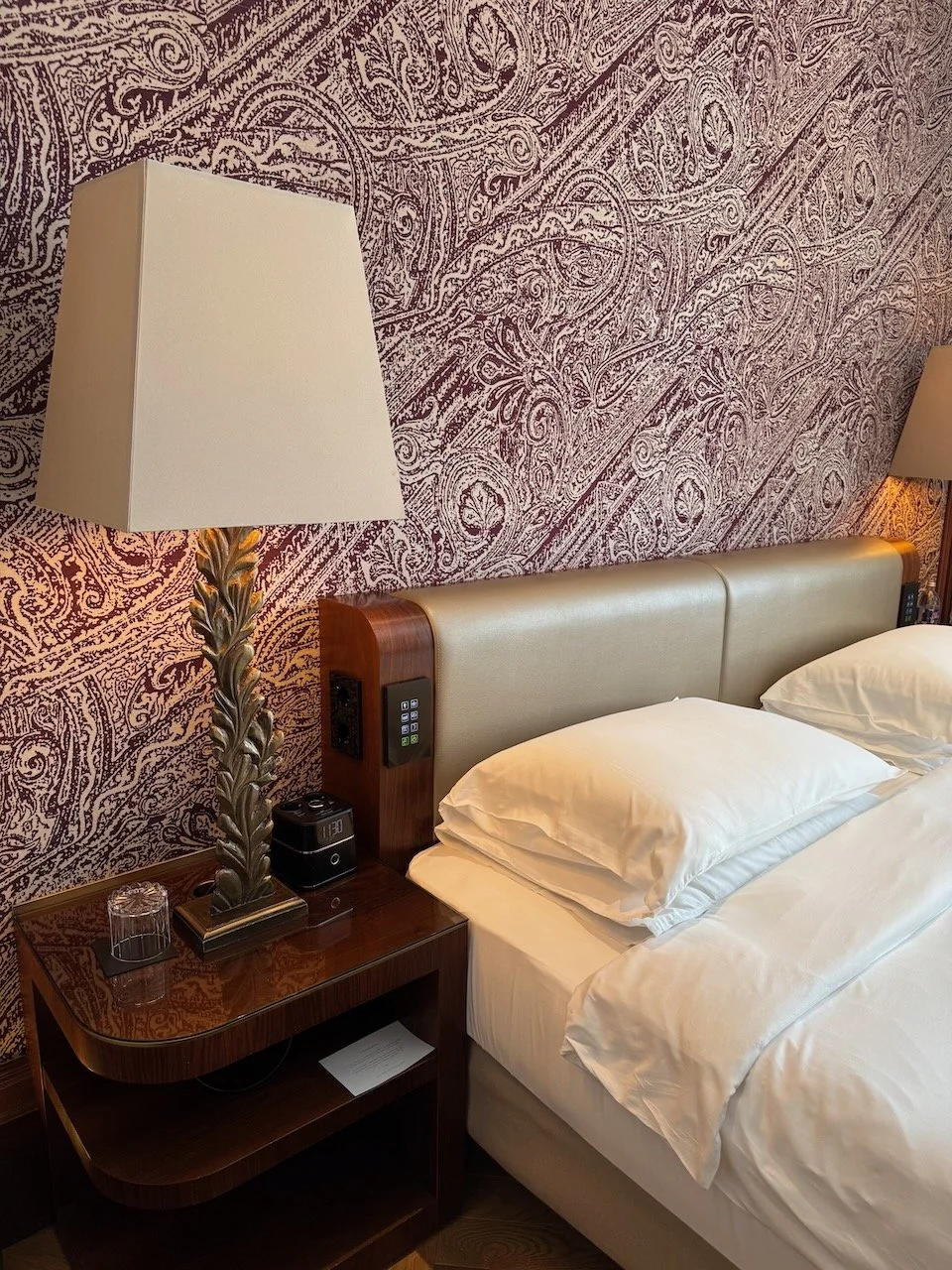
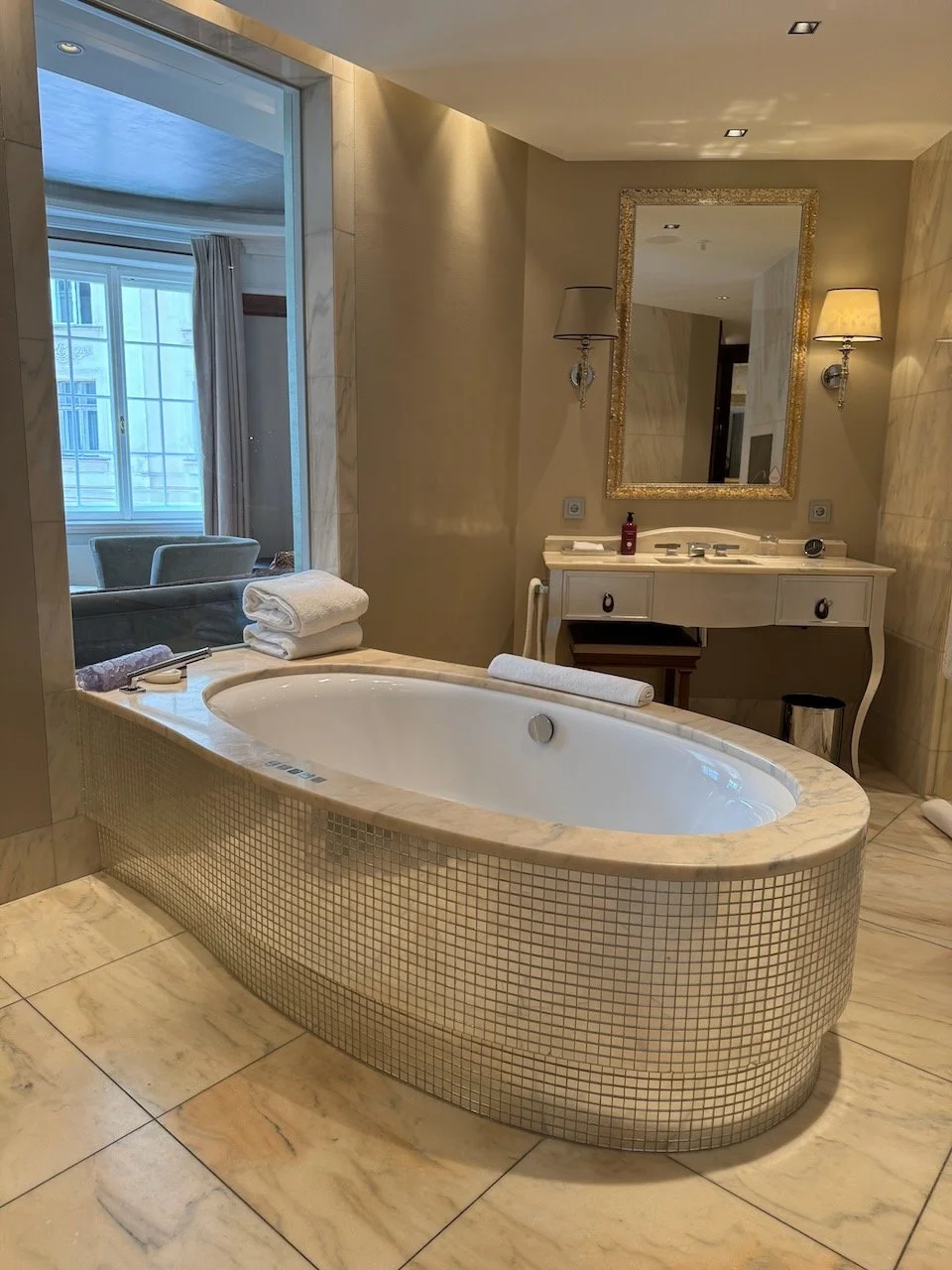
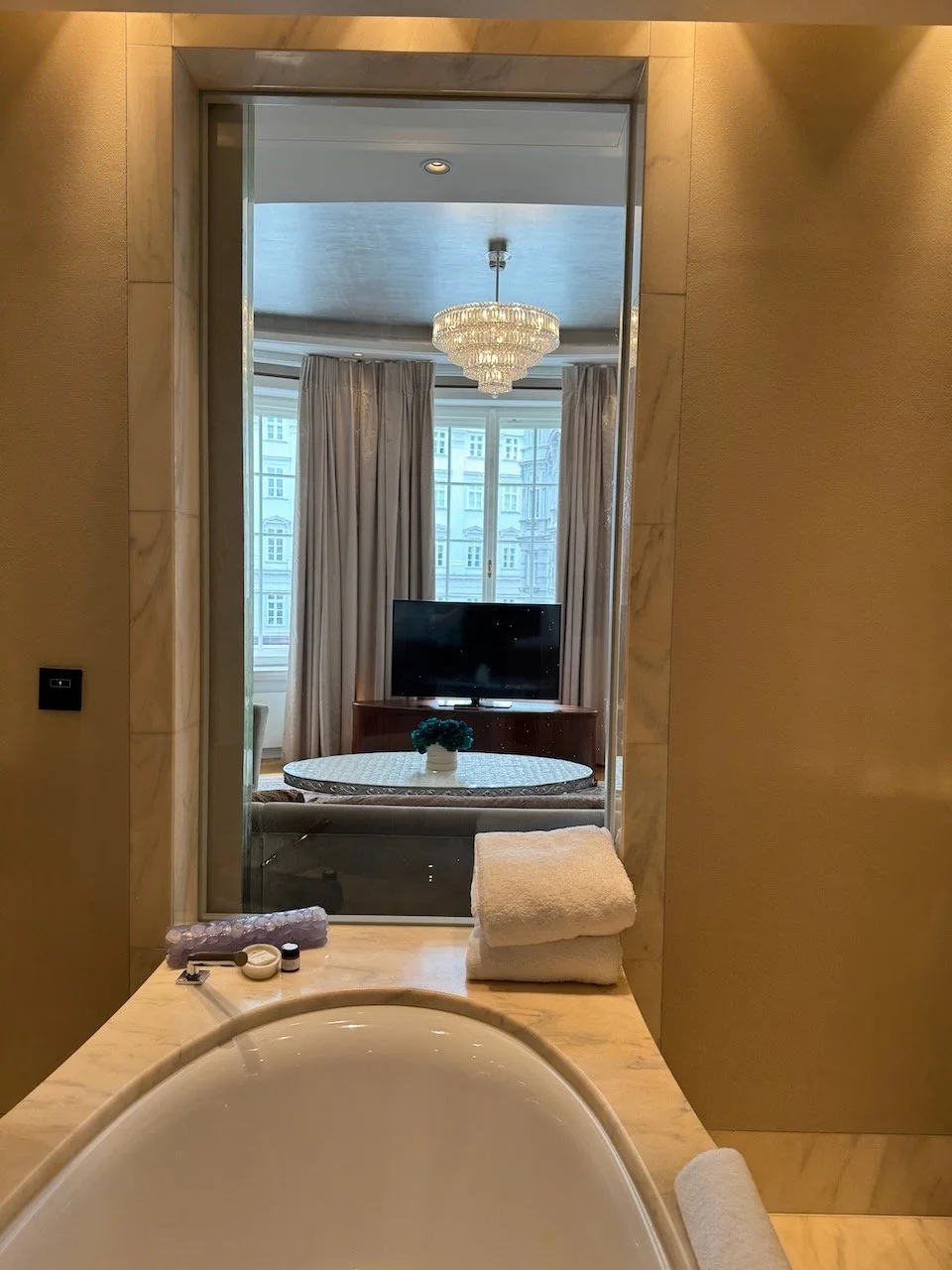
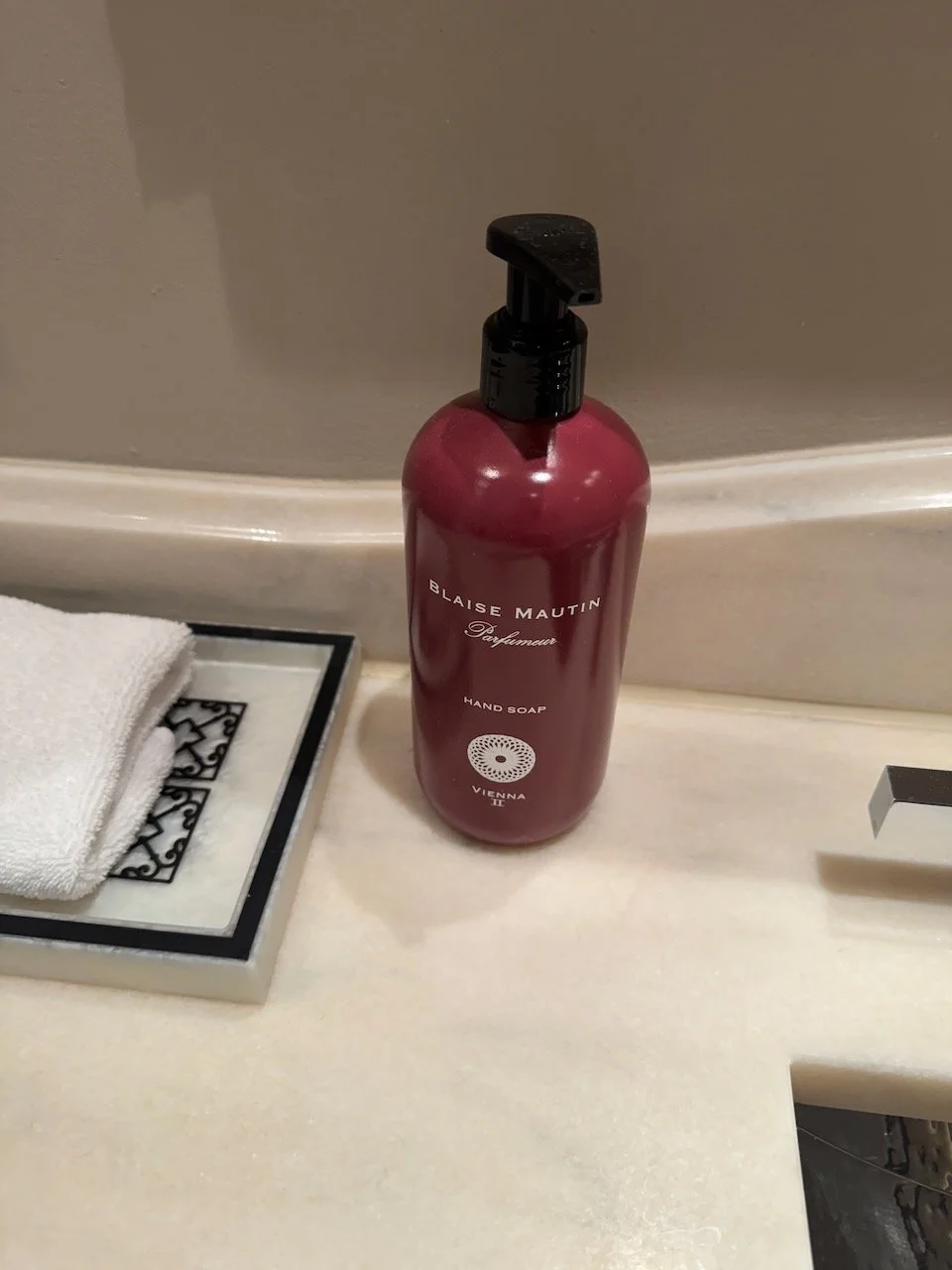
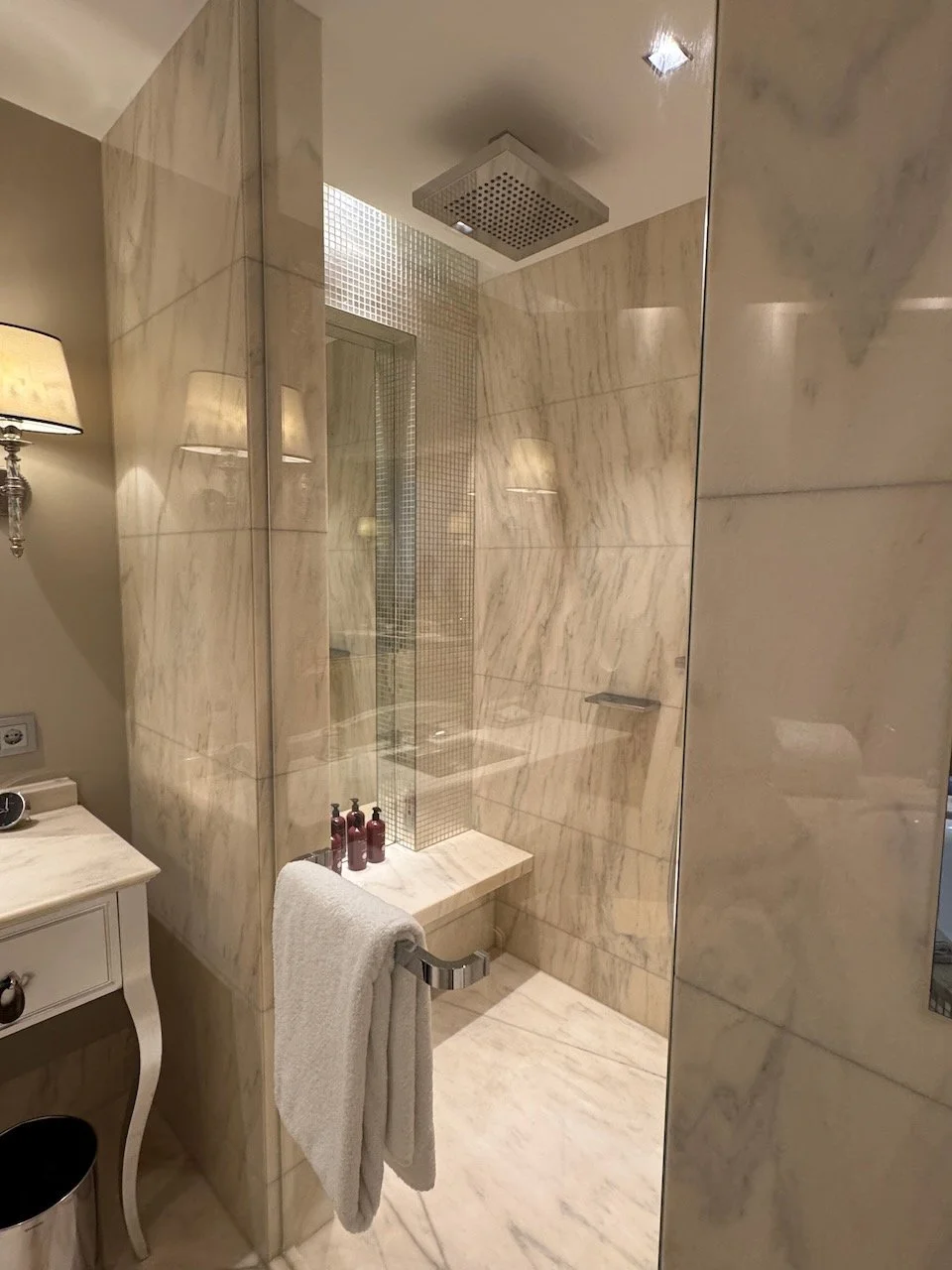
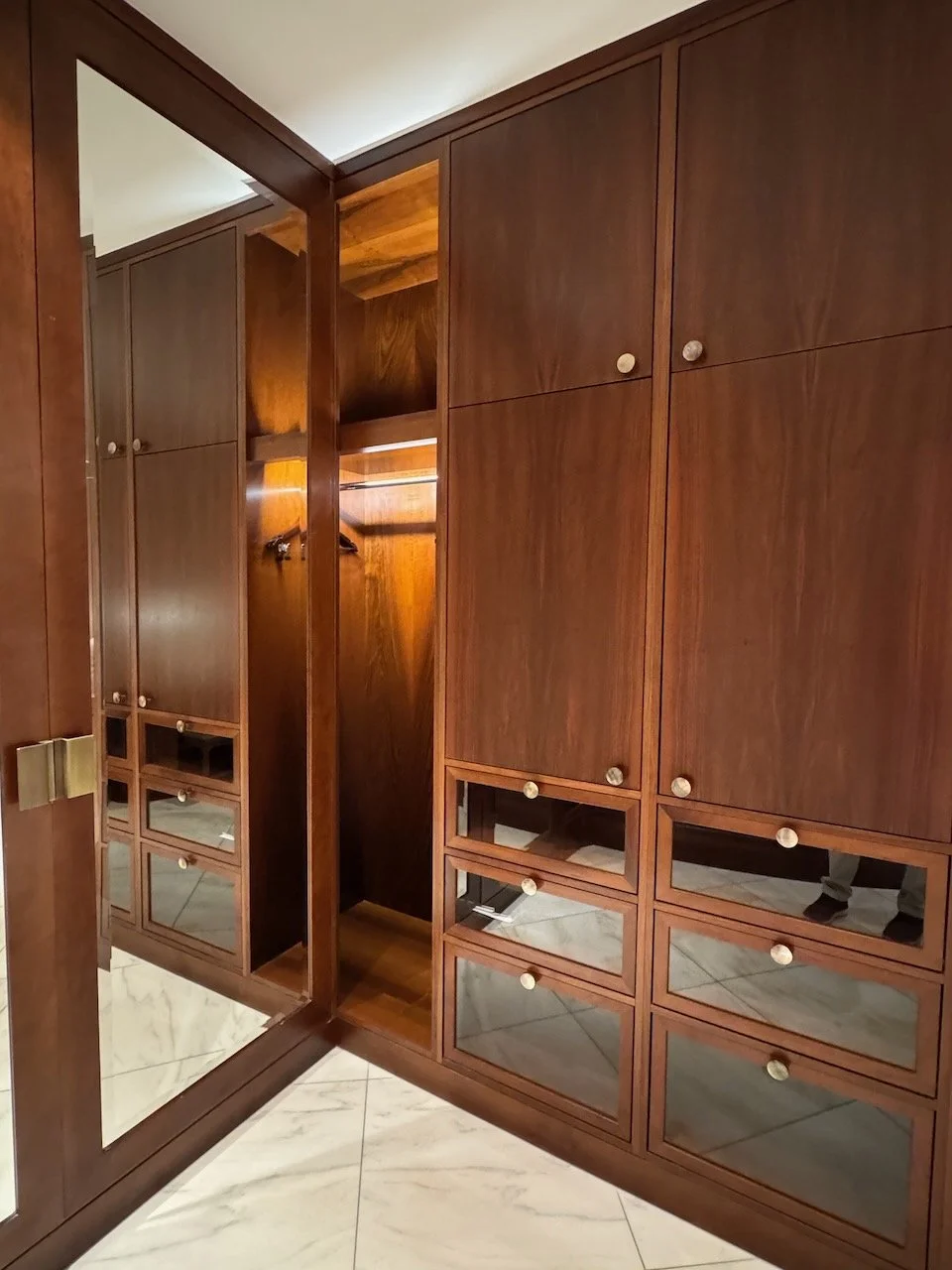
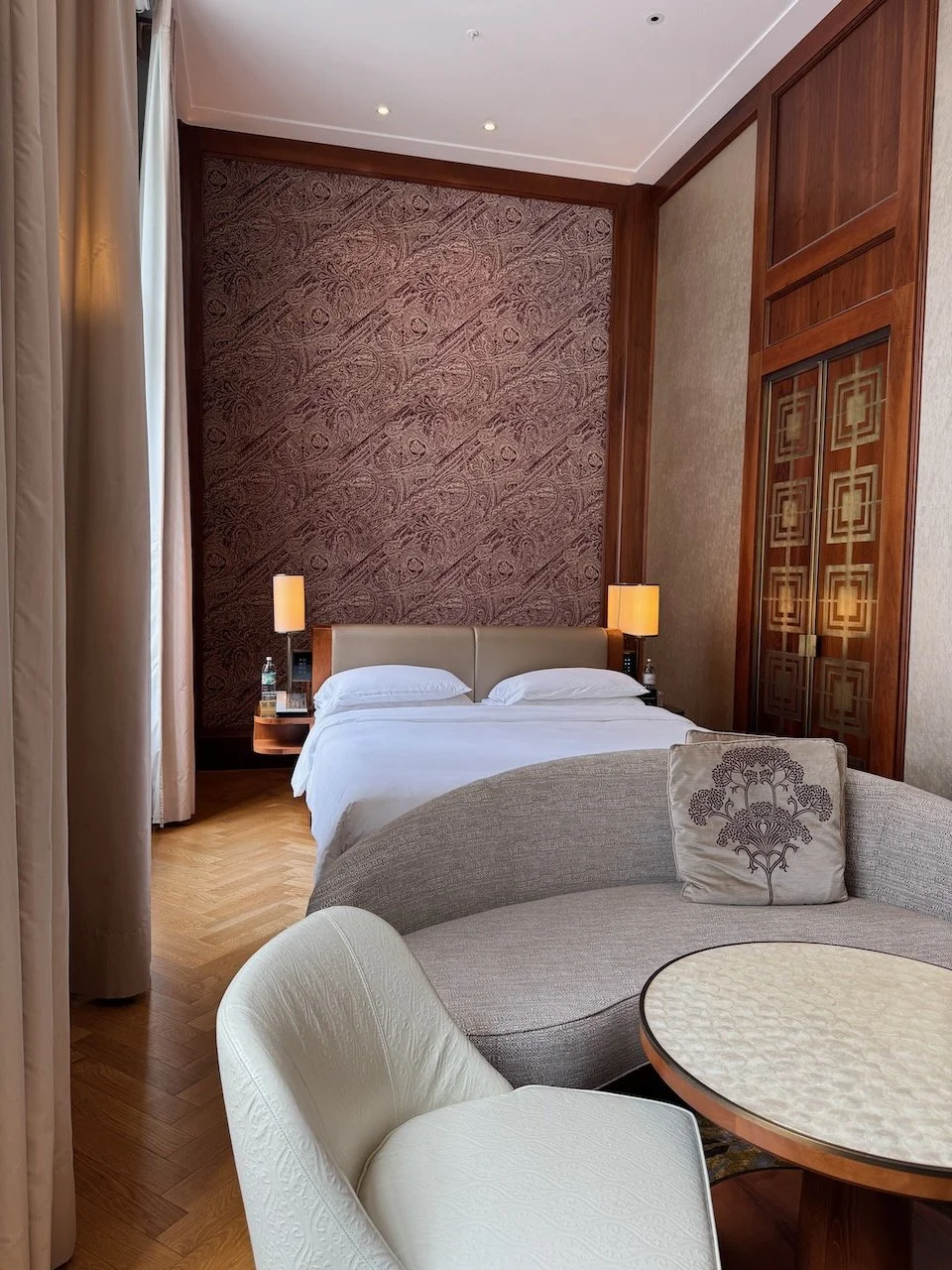
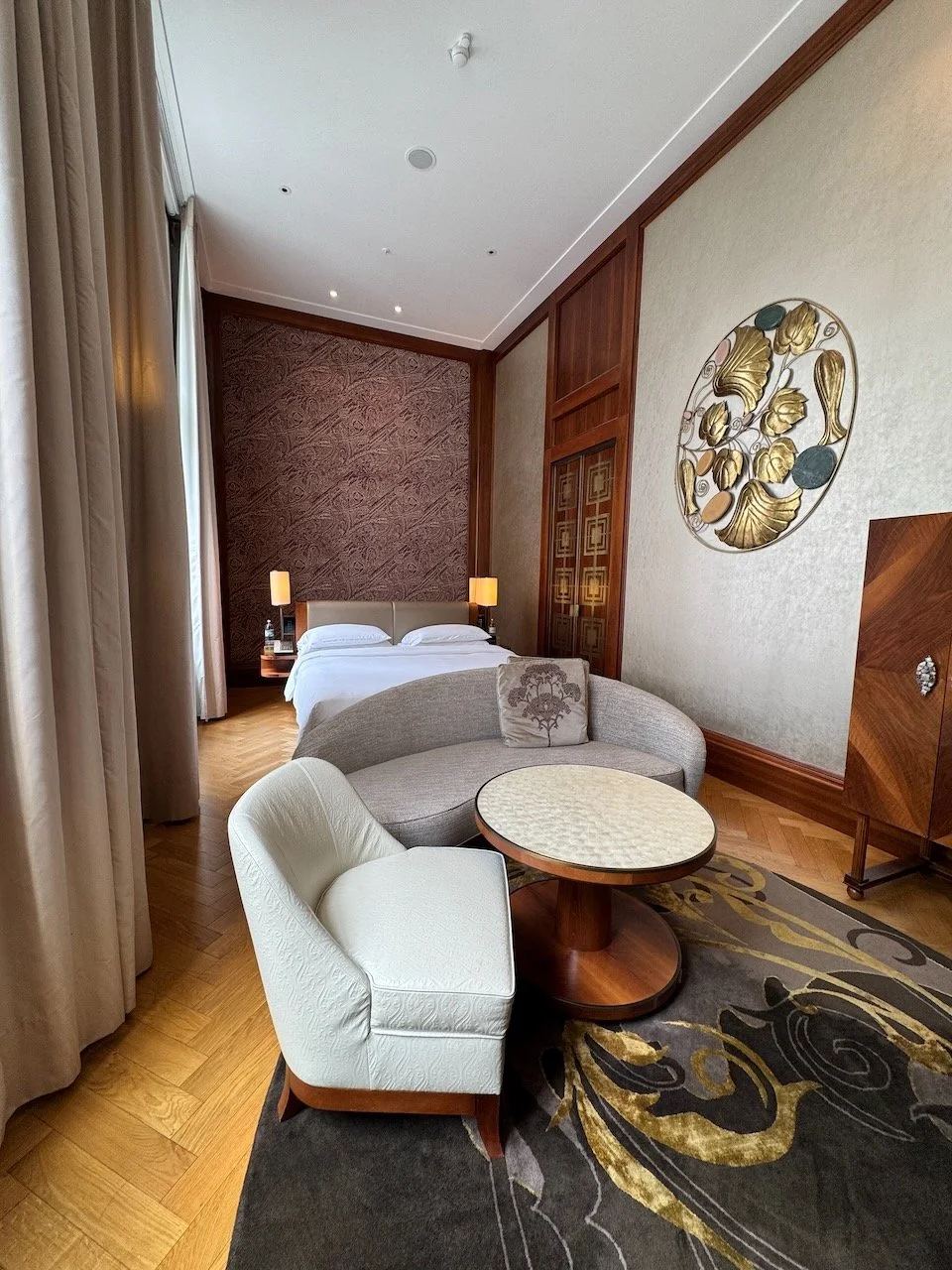
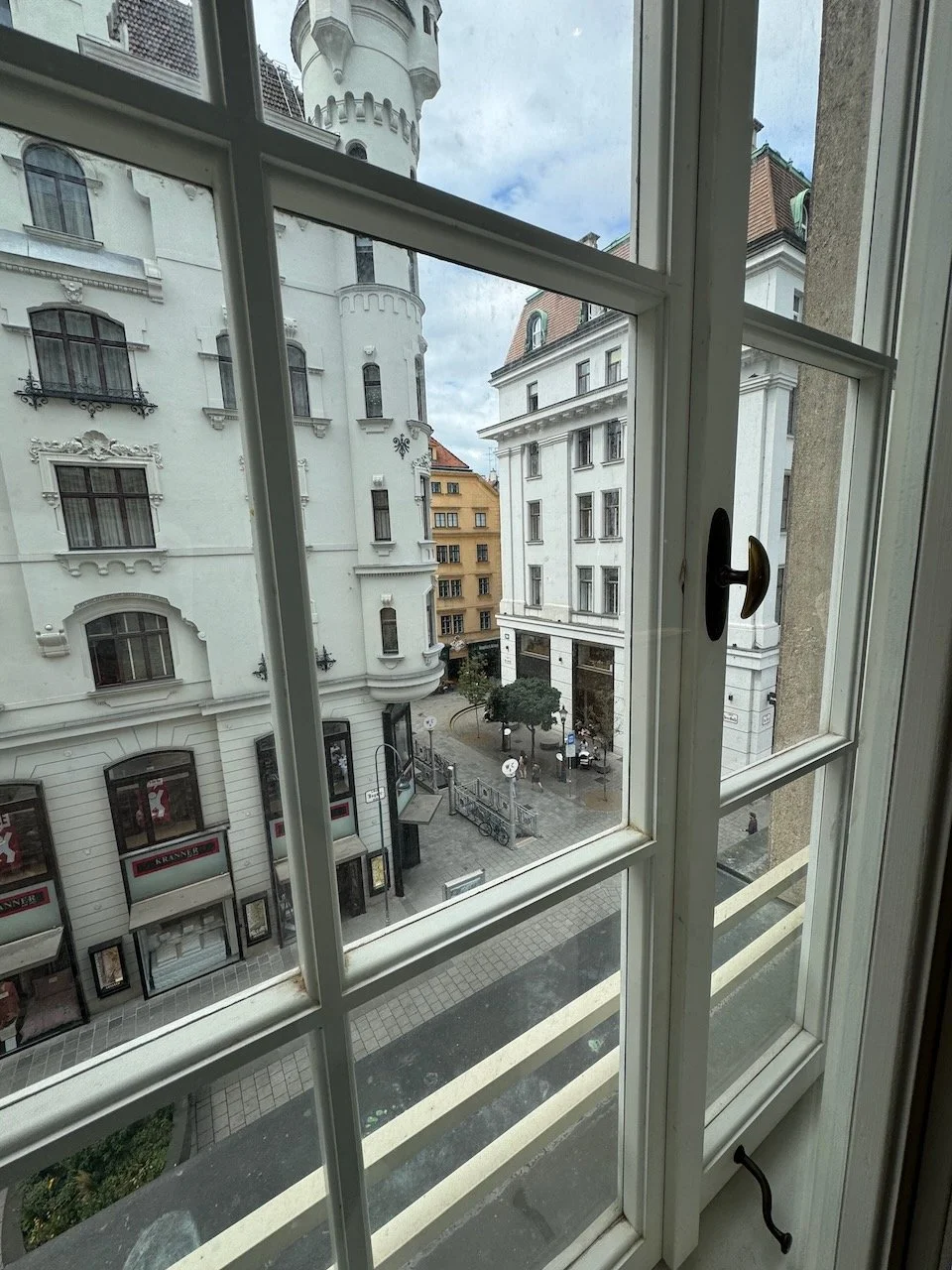
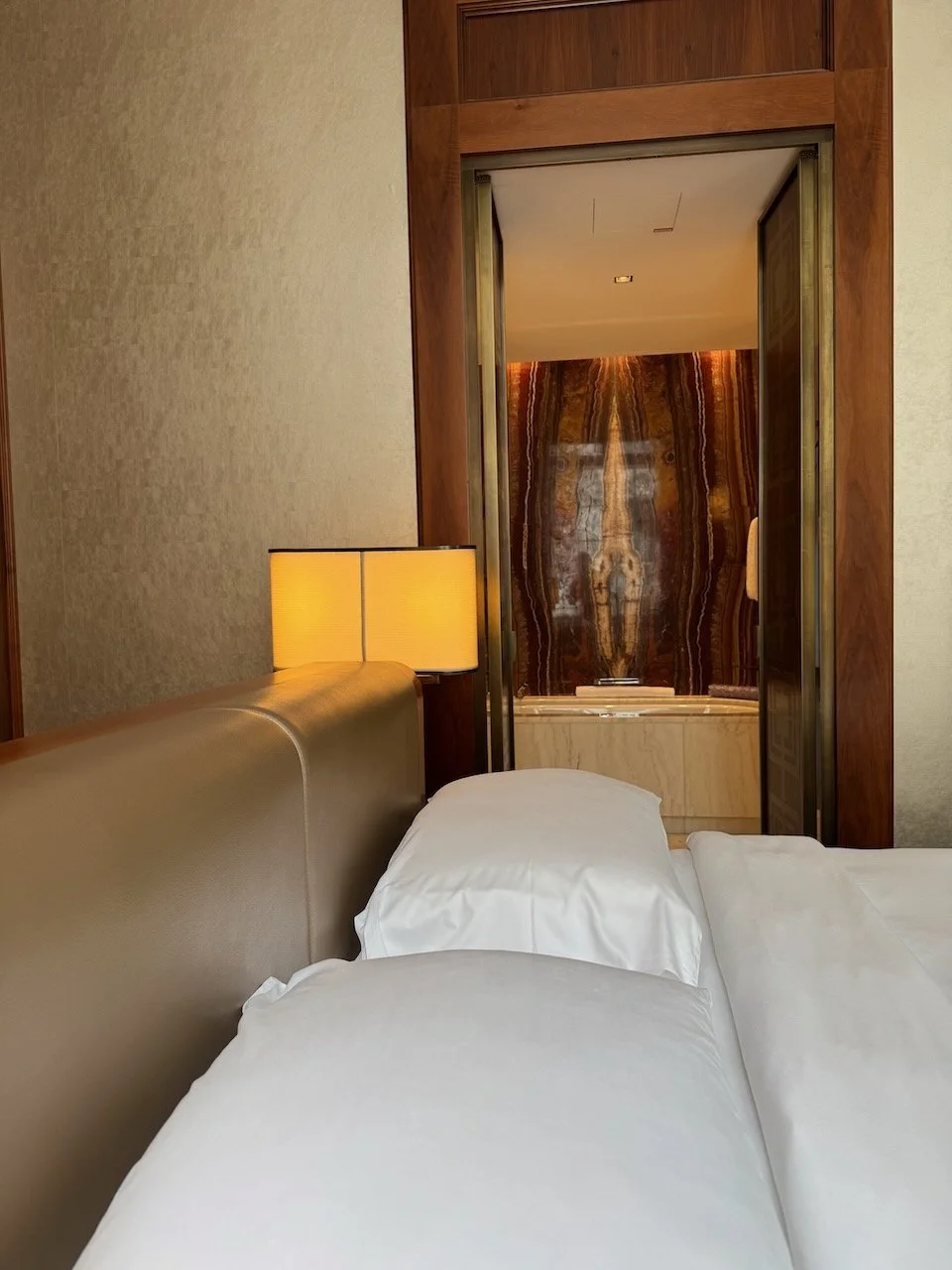
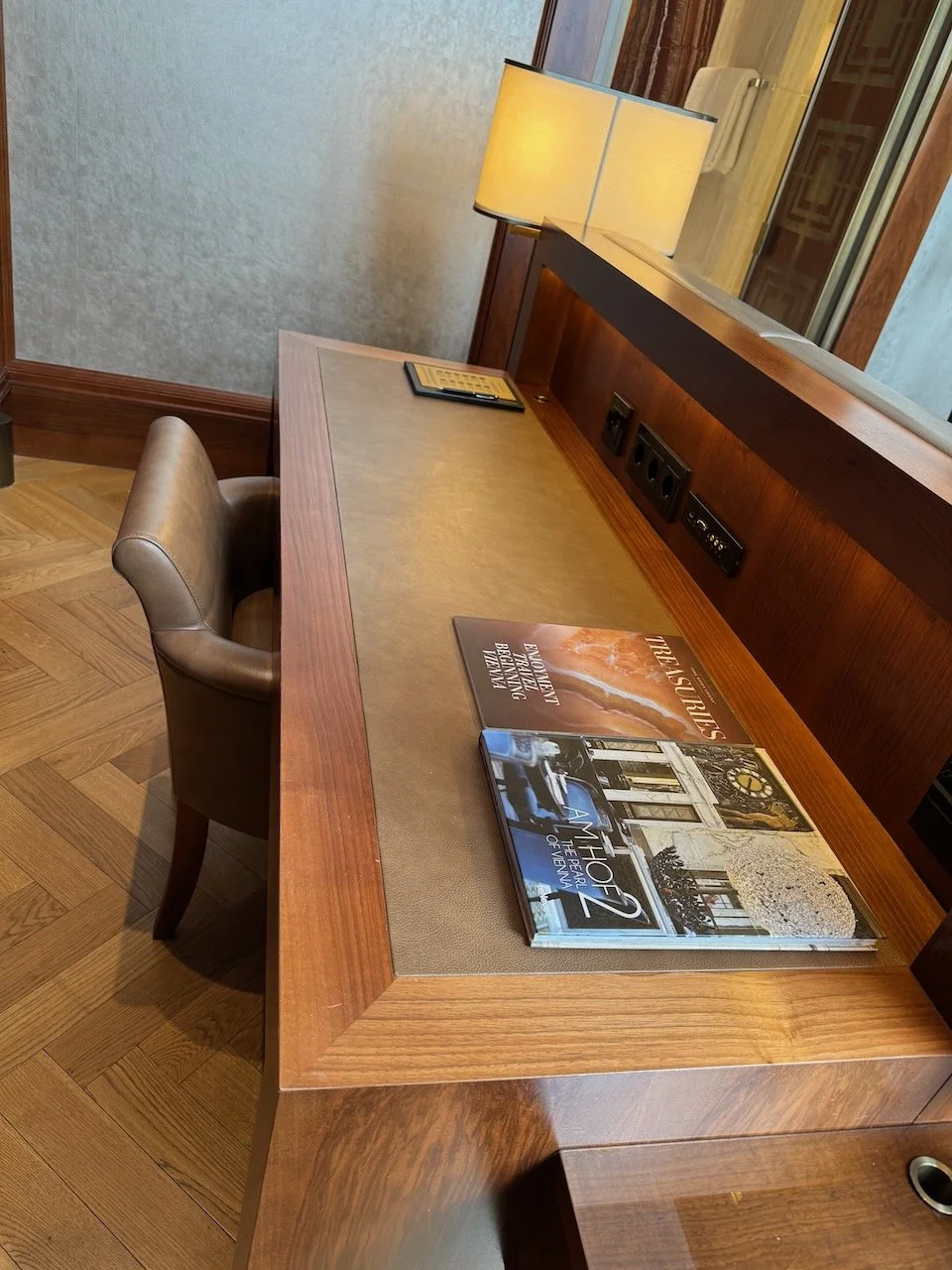
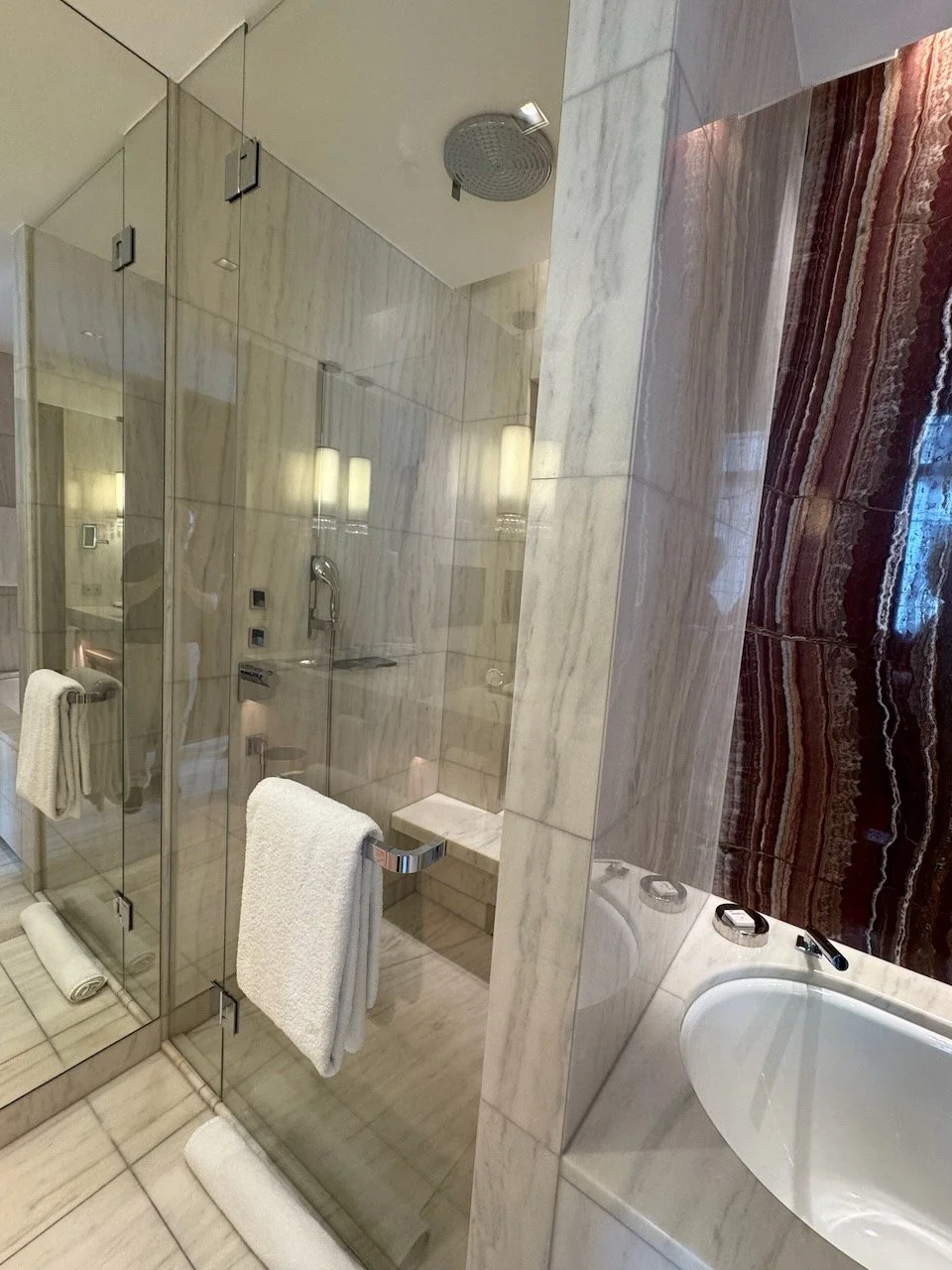
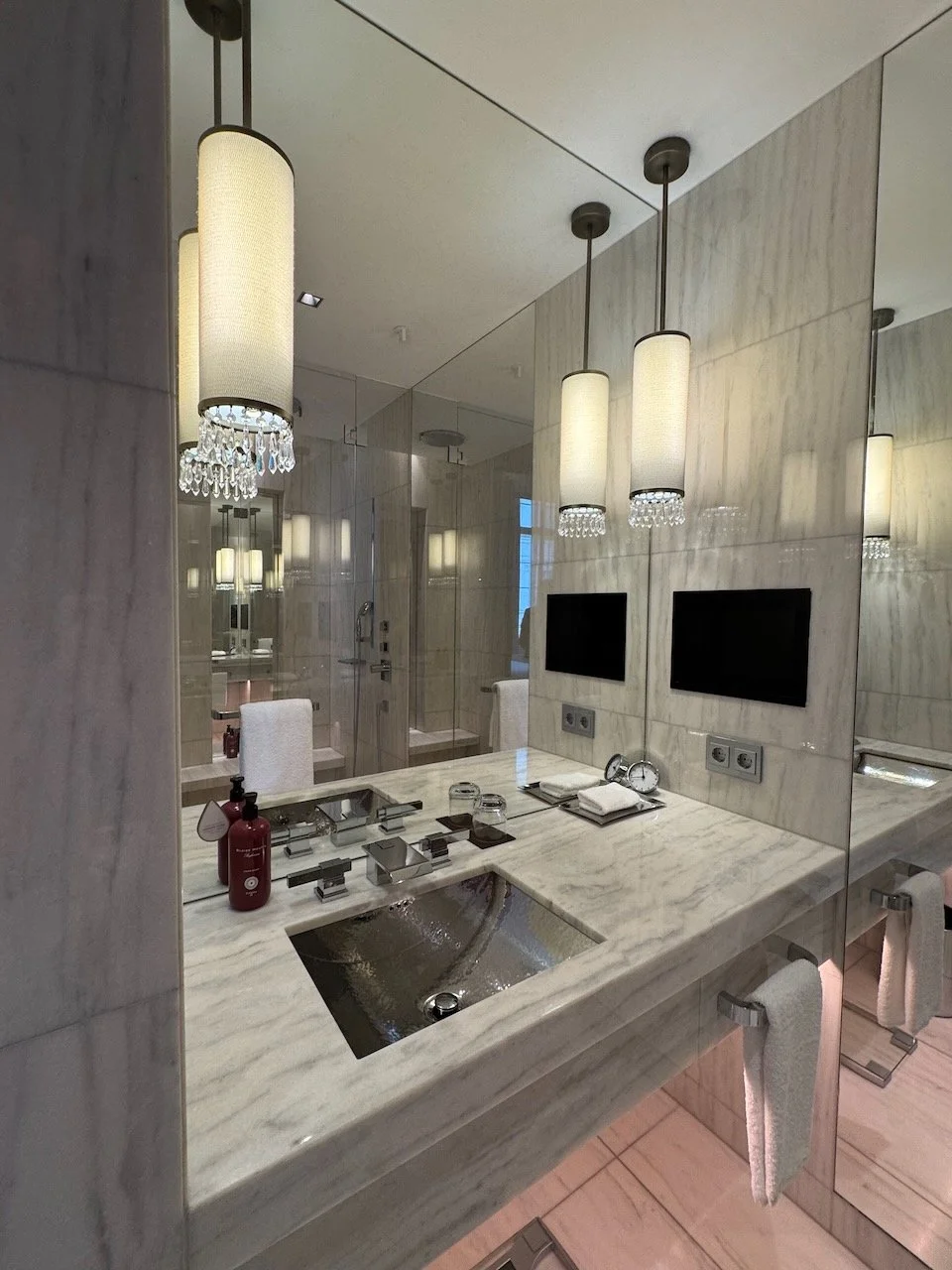
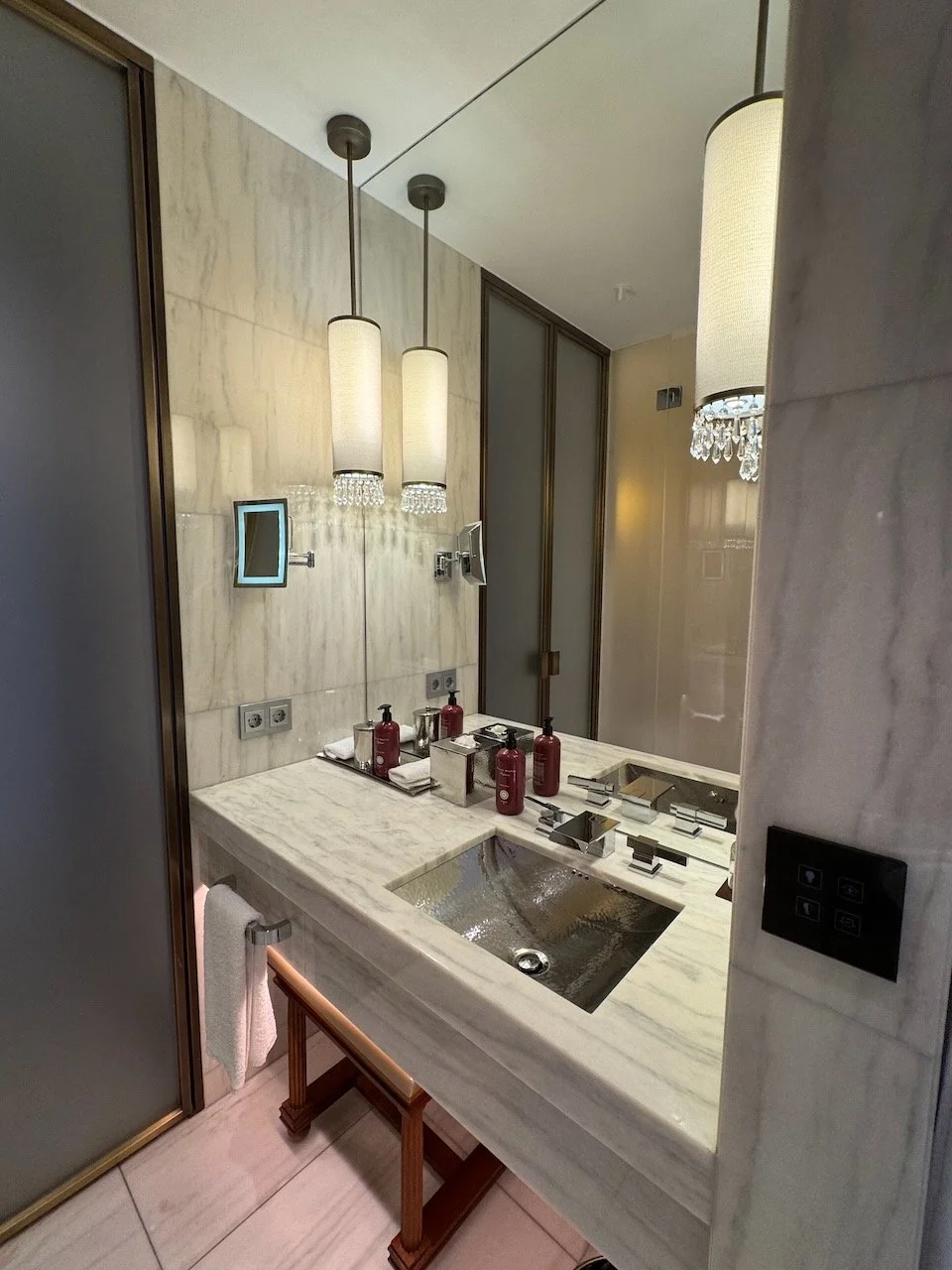
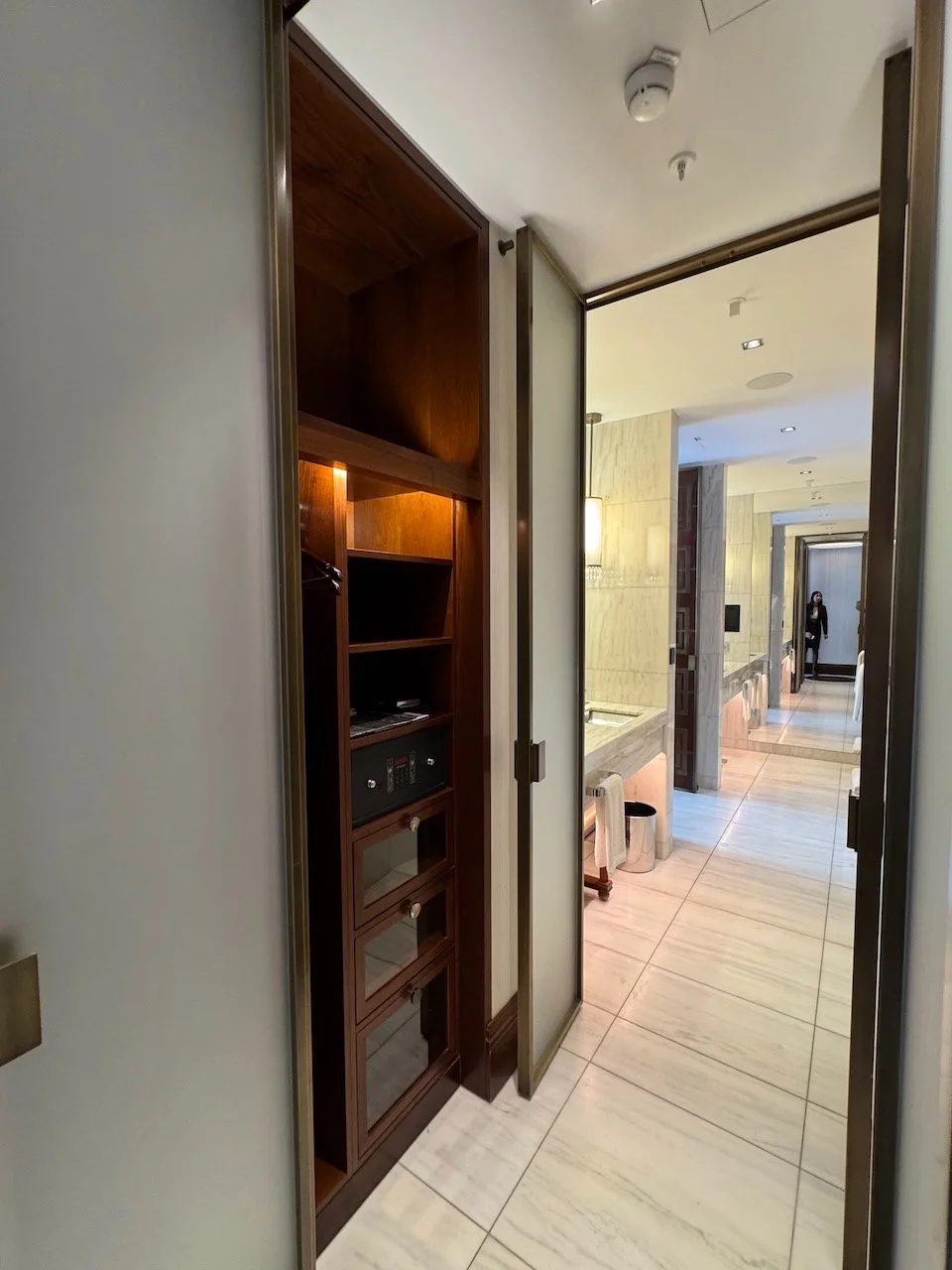
The rooms feel generous, with large bathrooms, substantial furnishings and a calmer palette than the more overtly imperial hotels. Ceiling heights and layouts vary with the building, so some spaces have an especially airy feel. Polished wood, soft fabrics and carefully framed views keep the rooms elegant without competing with the drama of the public areas.
Unique Amenities
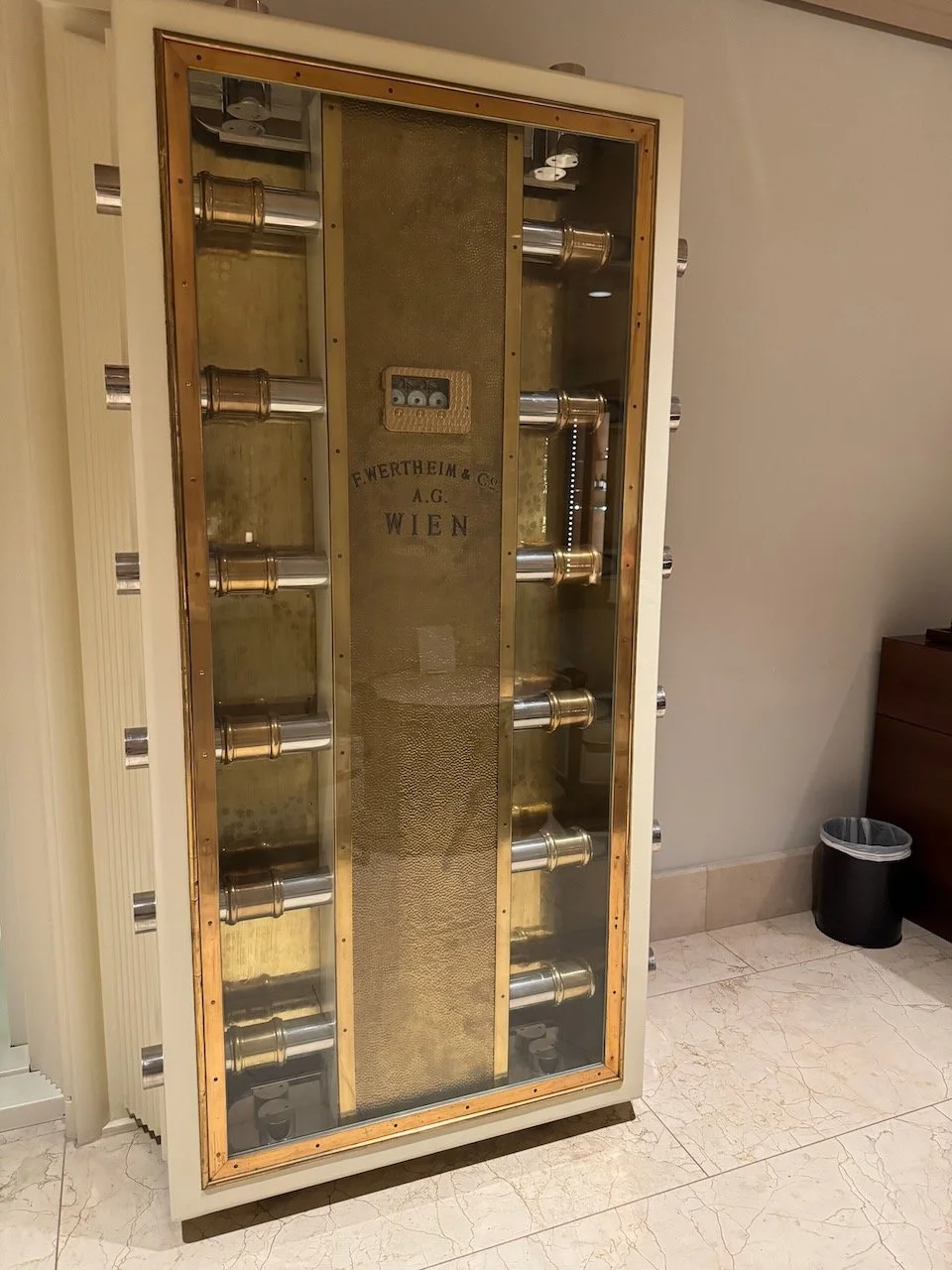
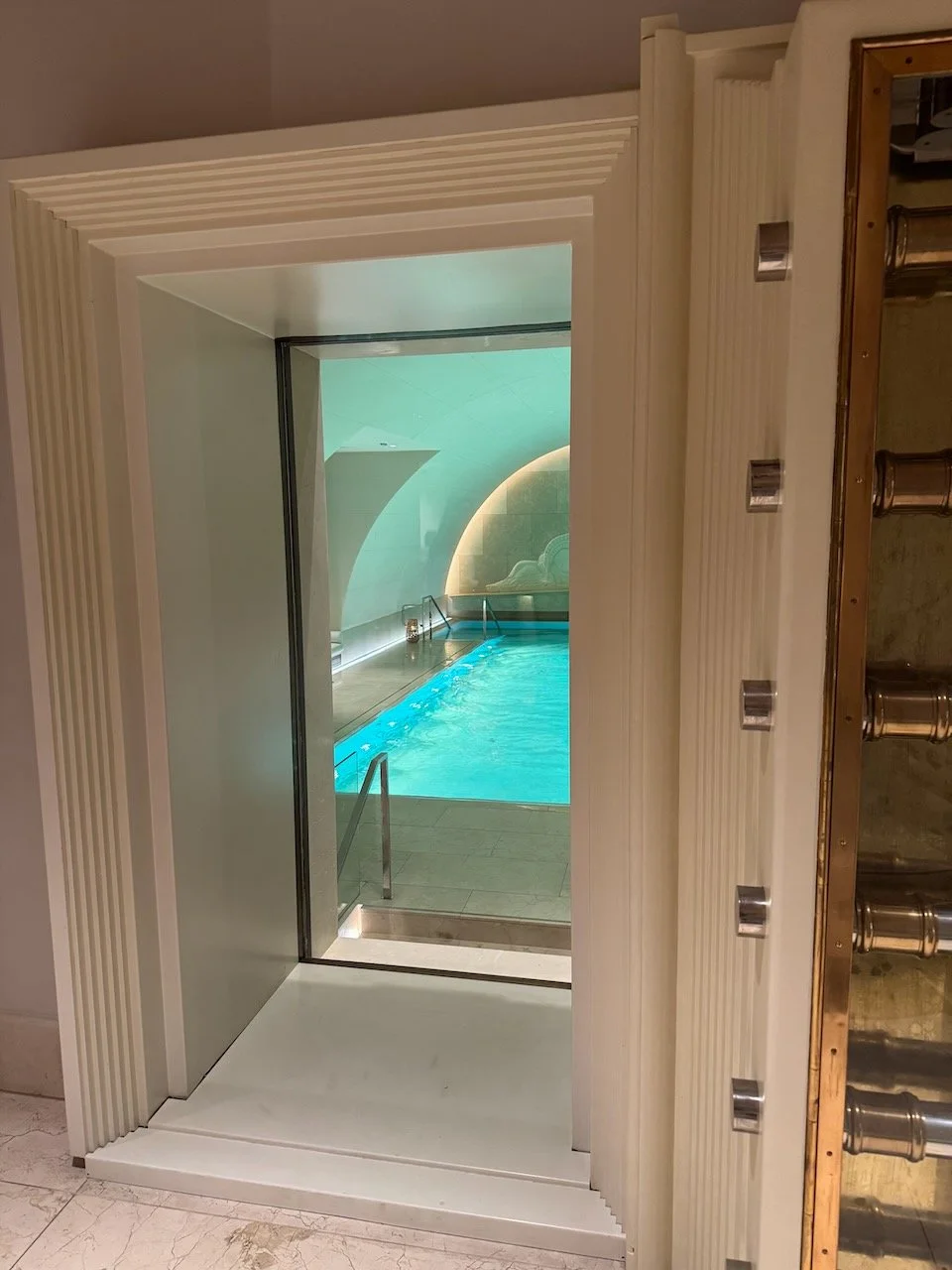
The former bank vault now houses a swimming pool: a rather enjoyable second career for a room designed to protect money. The old vault door remains part of the experience. Together with the restaurant in the former cashier’s hall, it makes the building’s history something you can actually use during your stay.
Spa and Wellness
Arany Spa includes a 15-metre indoor pool, sauna and steam facilities, fitness space and a treatment menu. I wasn’t able to photograph the full spa and pool area; the images here show the vault door and a glimpse through the pool entrance. They give you a taste of the setting rather than a complete tour.
Dining Options
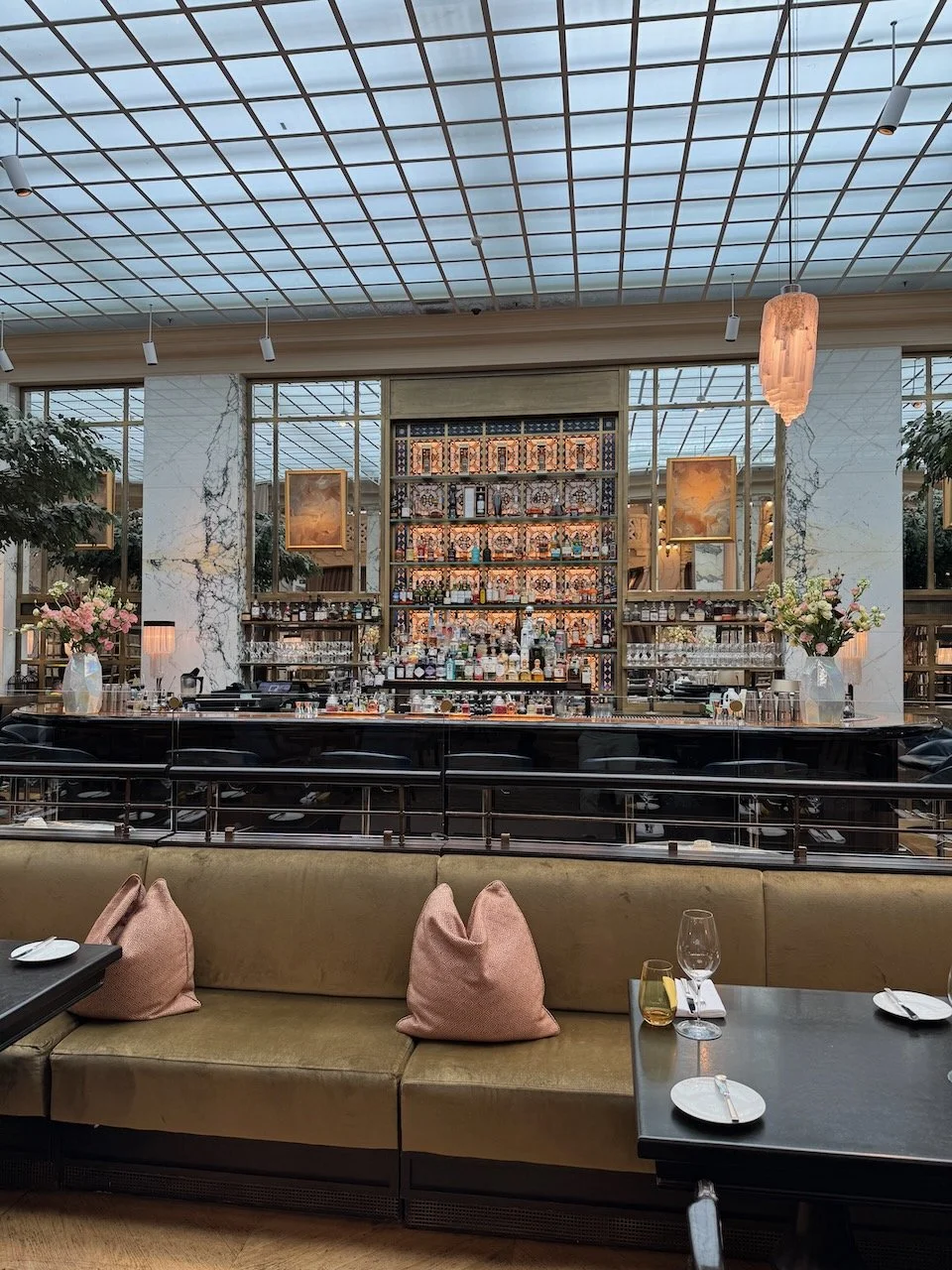
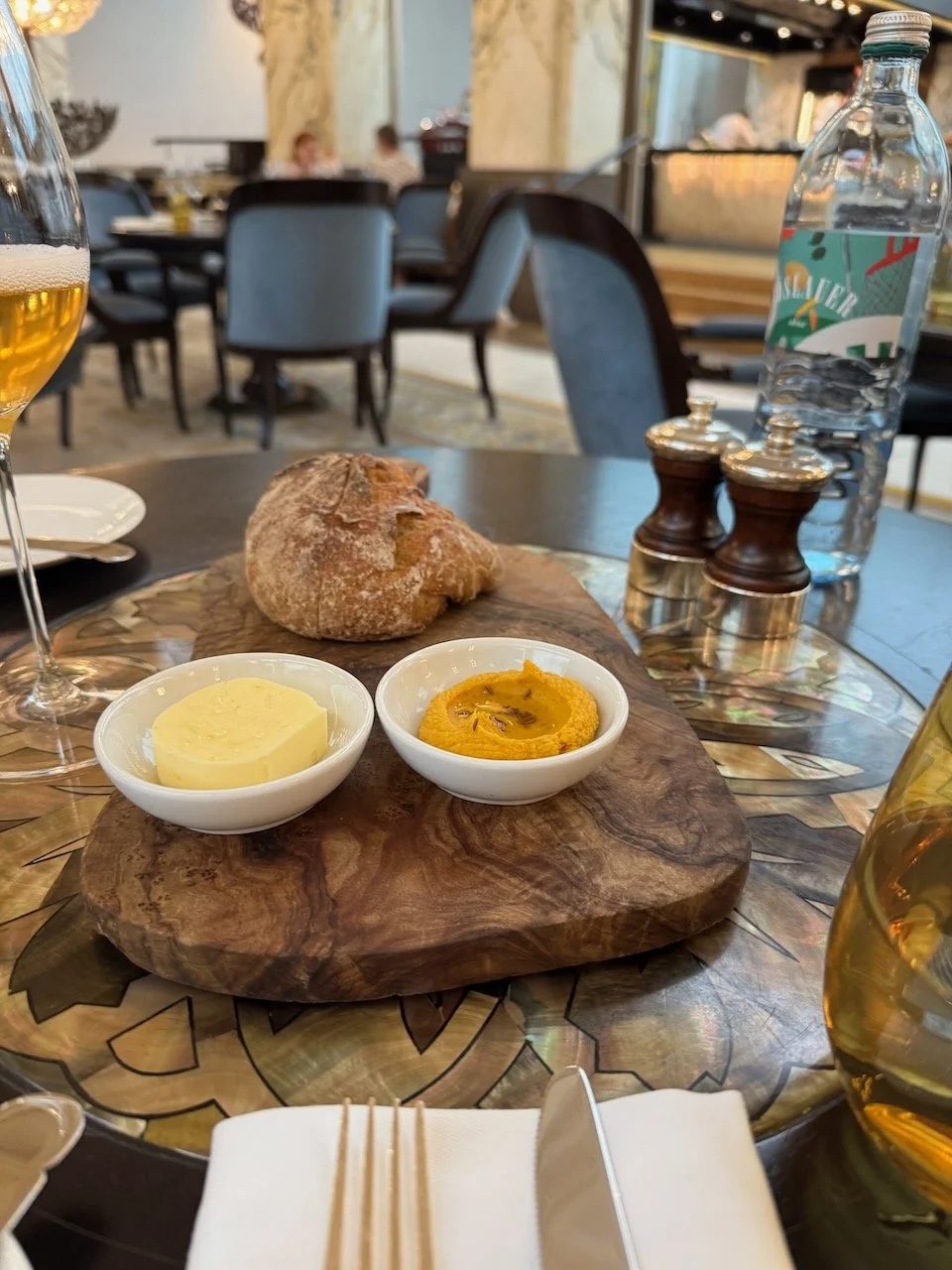
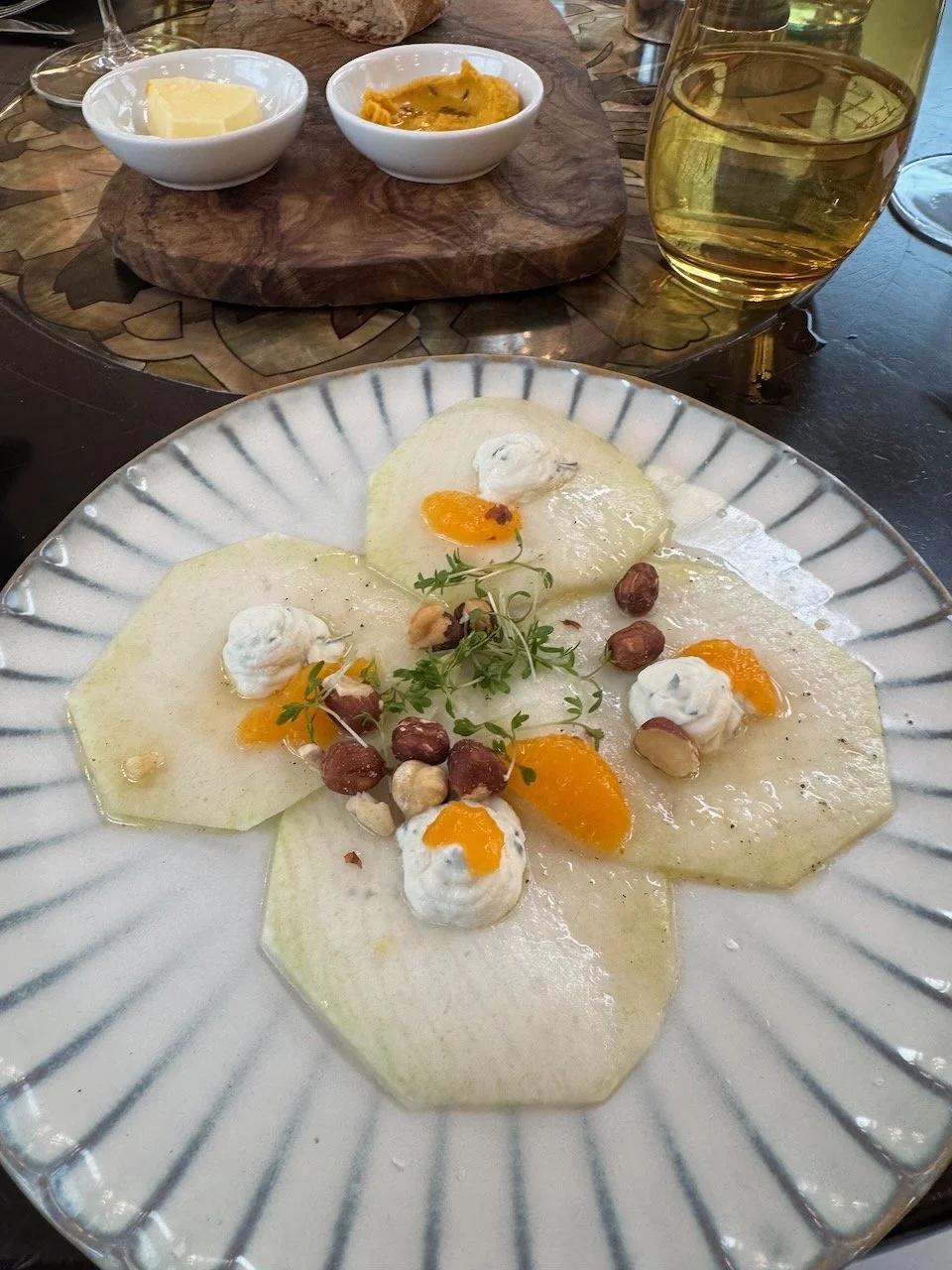
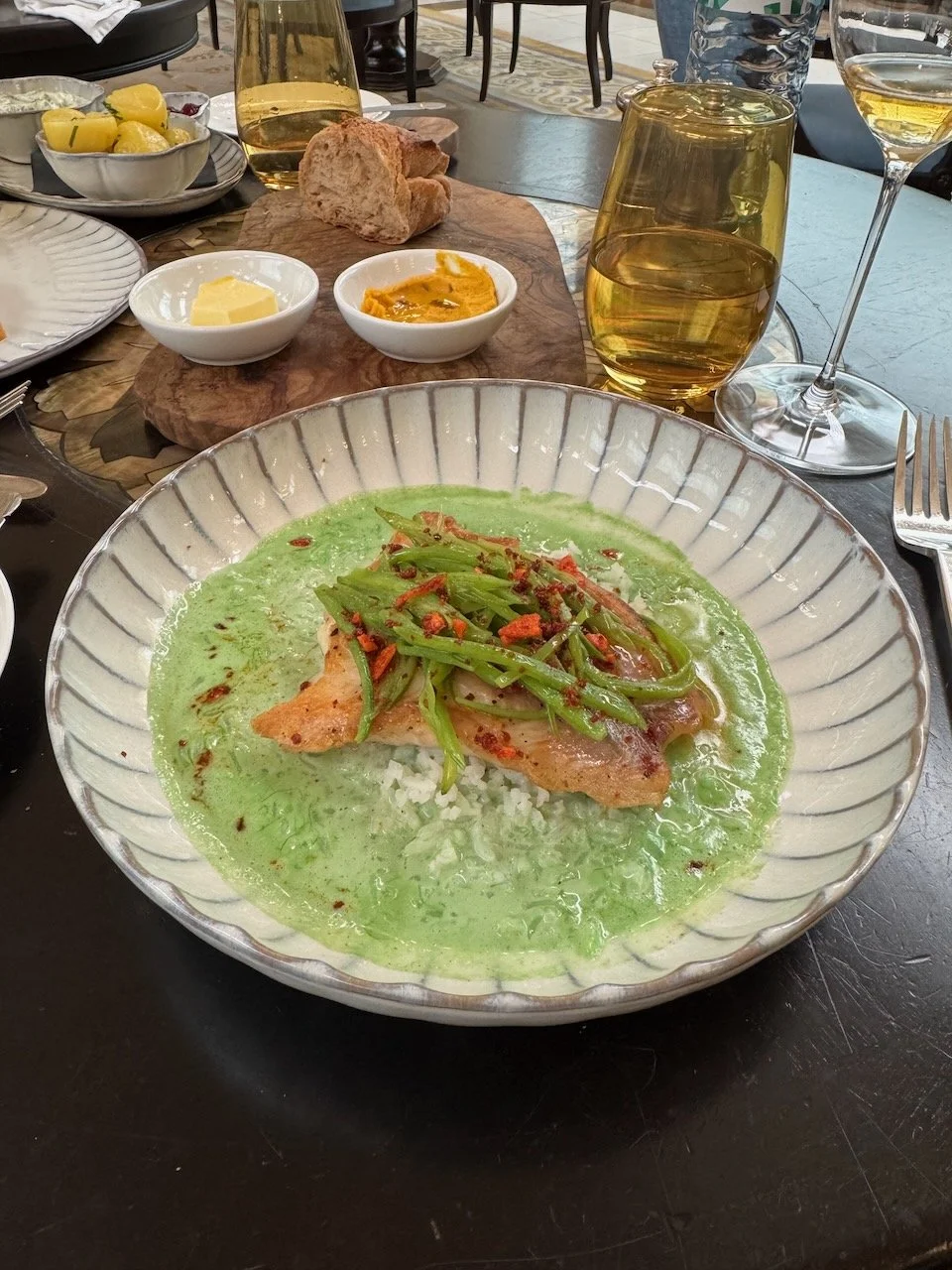
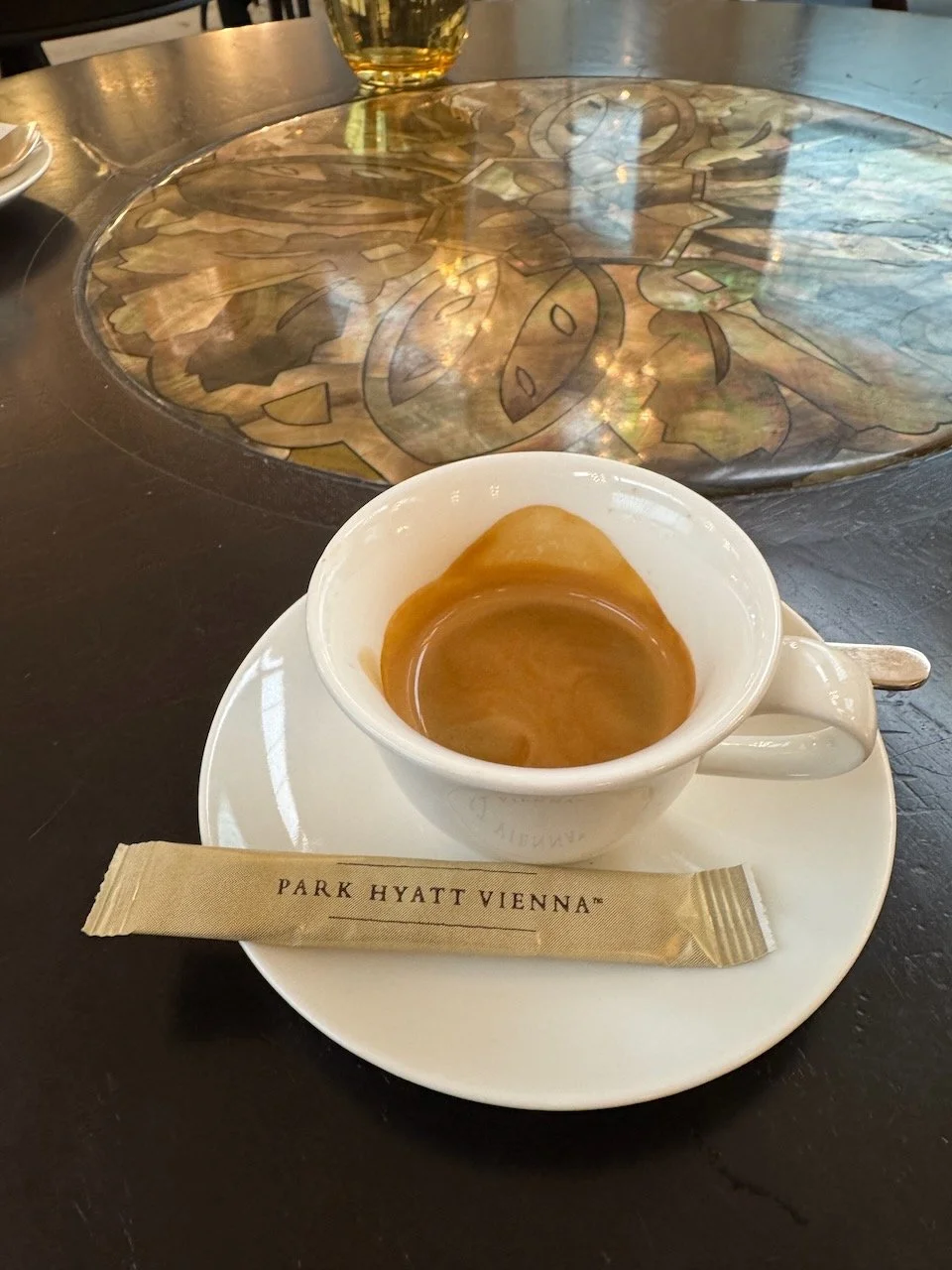
Lunch at The Bank Brasserie & Bar was a highlight of my visit. The former banking hall gives even a relatively relaxed meal a wonderfully grand setting, with brasserie dishes and Viennese influences on the menu. Café Am Hof is another option for coffee and pastries. Even if you stay elsewhere, a meal here is a good way to experience the building.
Rosewood Vienna
I can arrange VIP perks through Virtuoso and the hotel partner programme shown below.
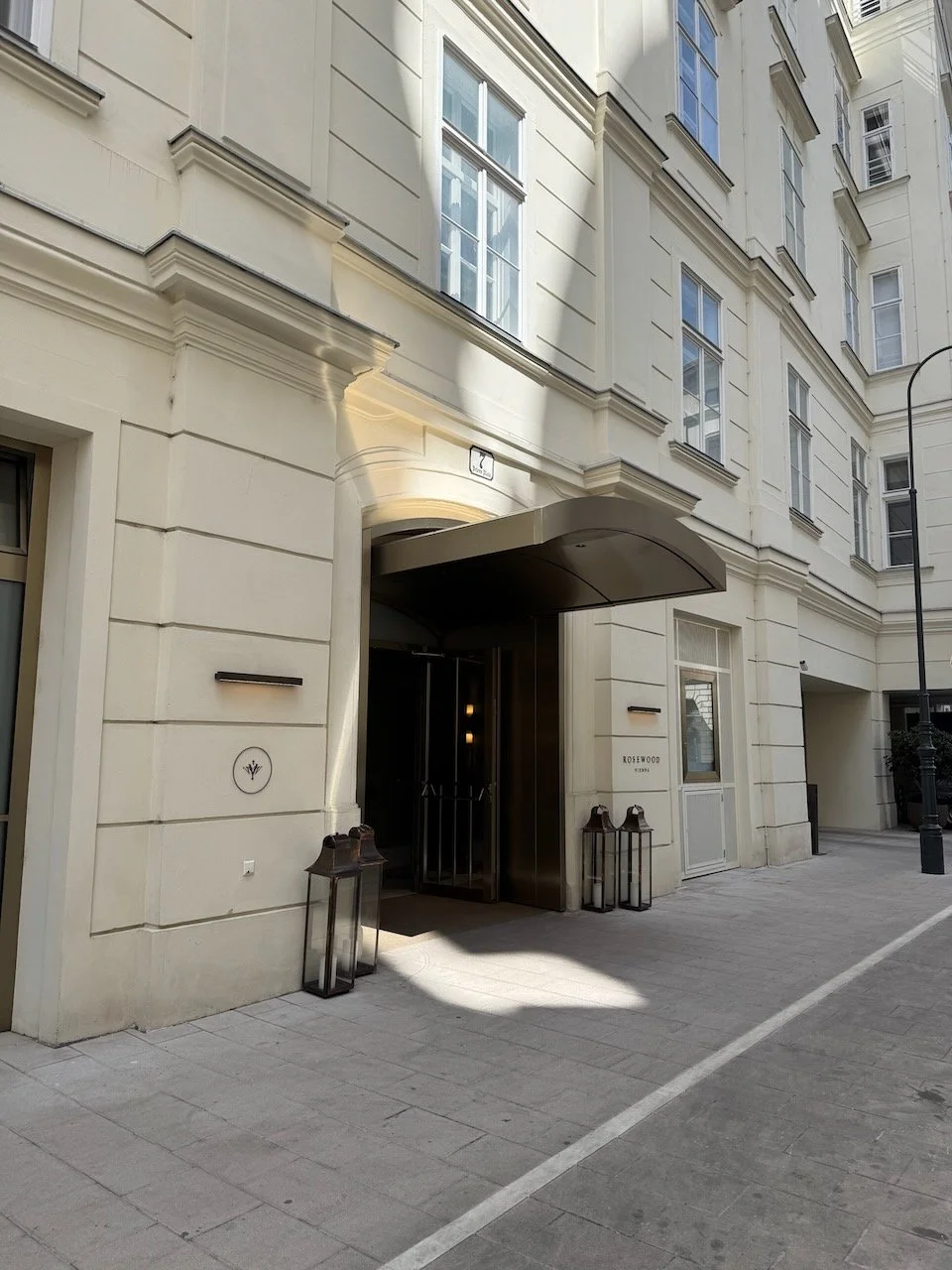
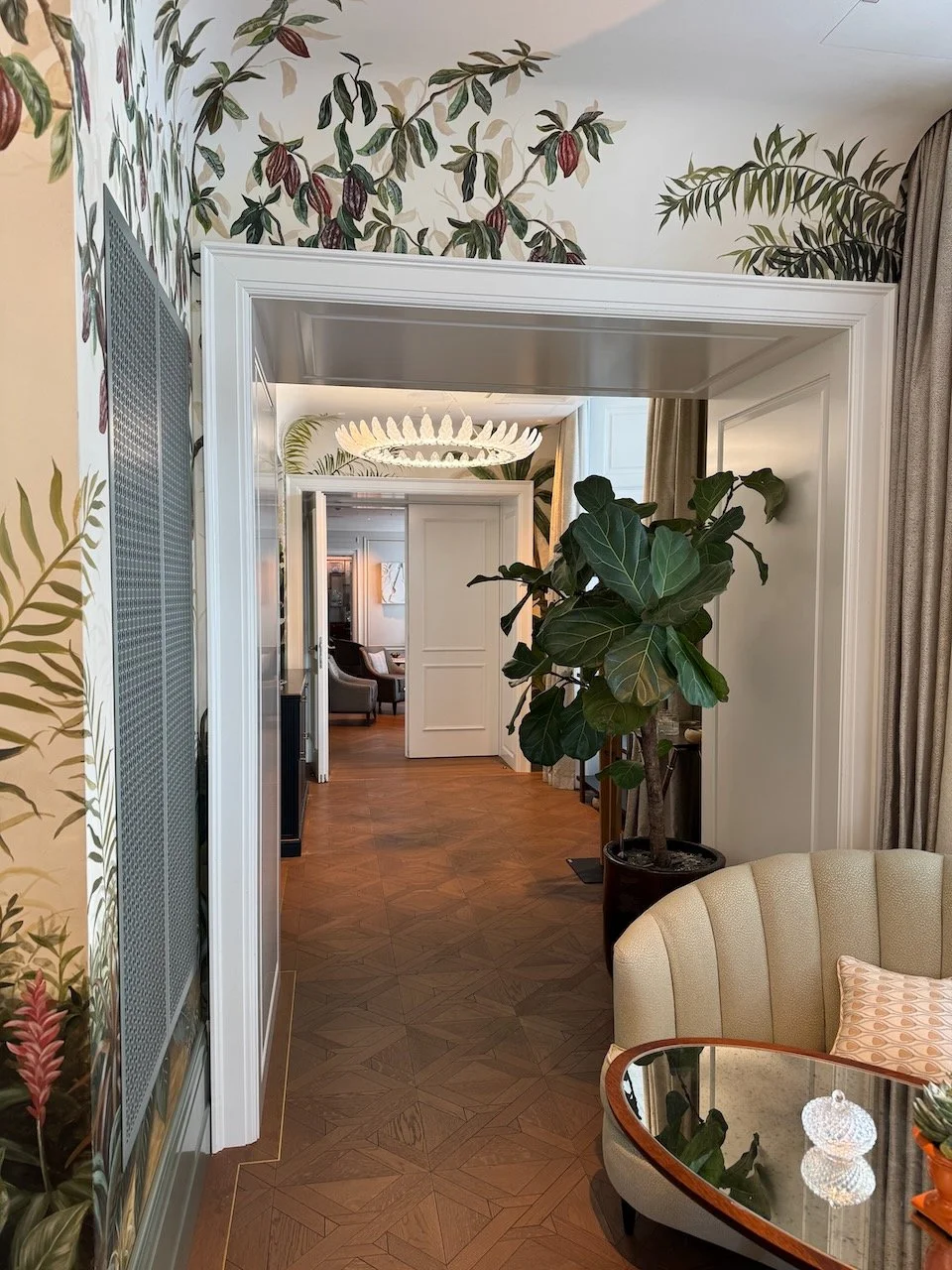
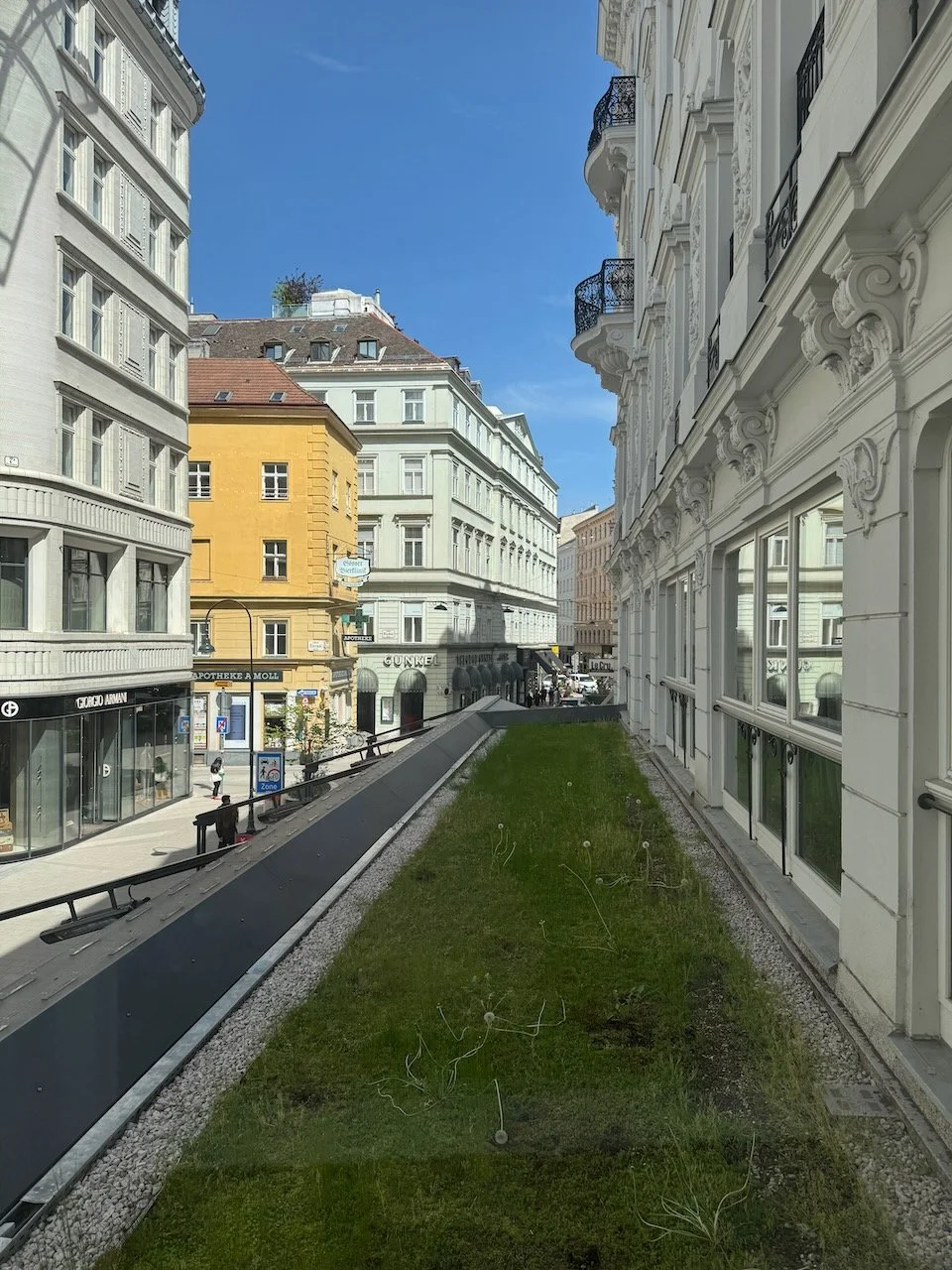
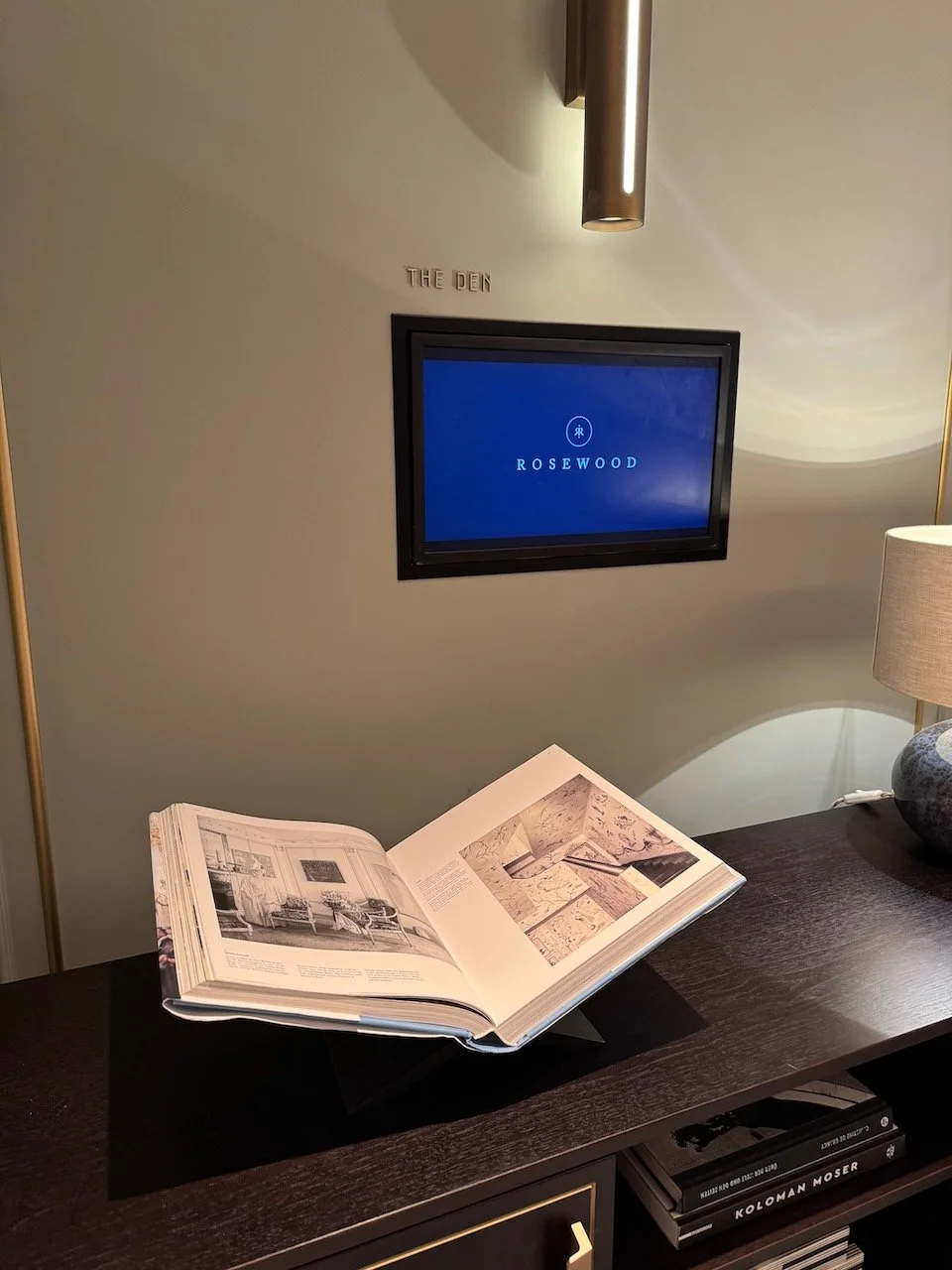
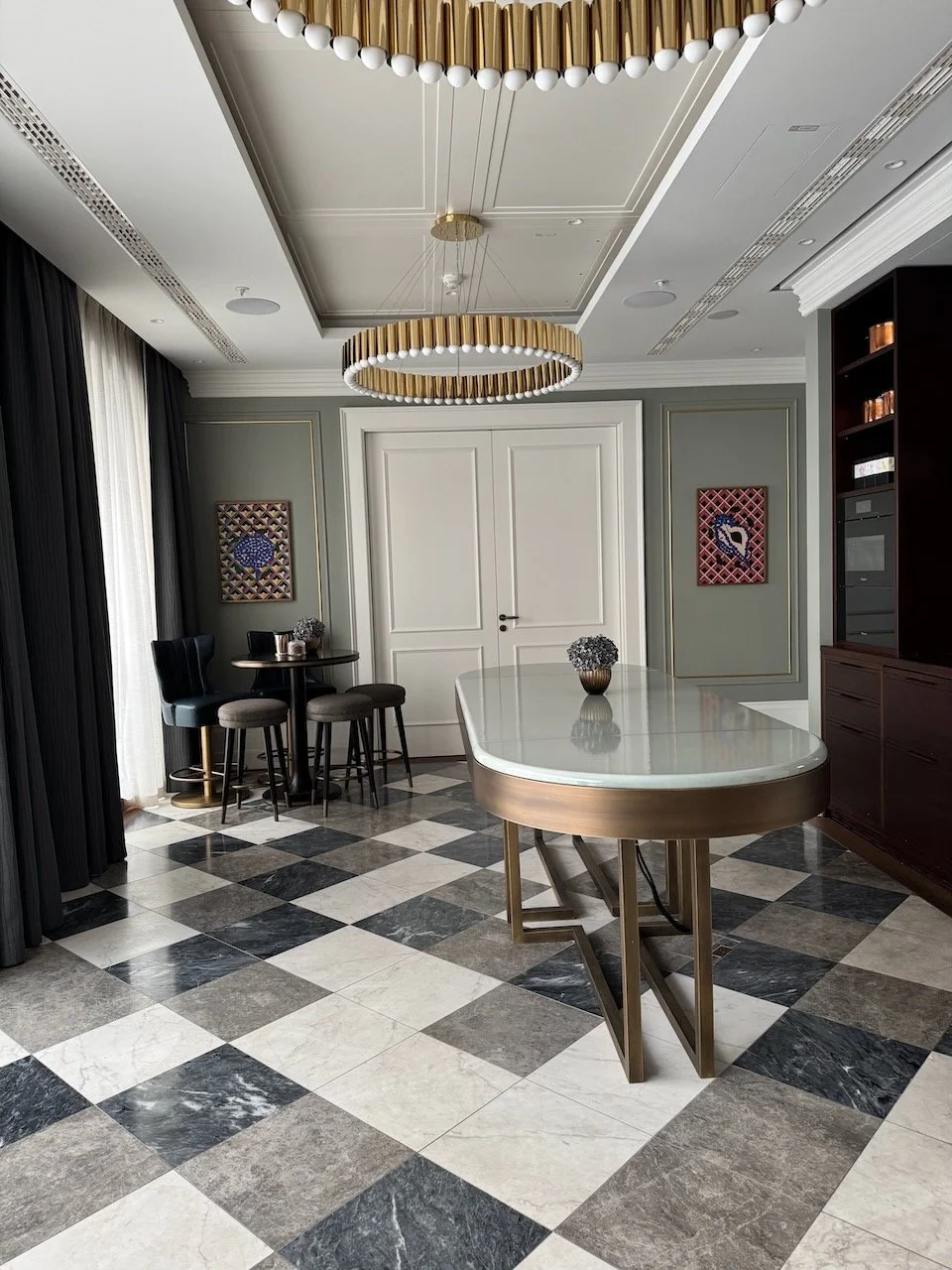
Rosewood Vienna was one of the most impressive hotels I visited, especially for its rooms. Its position on Petersplatz puts you in the middle of the old city, while the interiors take a more contemporary approach to Viennese elegance. There is plenty of detail, but the overall effect is quieter and more residential than a traditional palace hotel.
Atmosphere
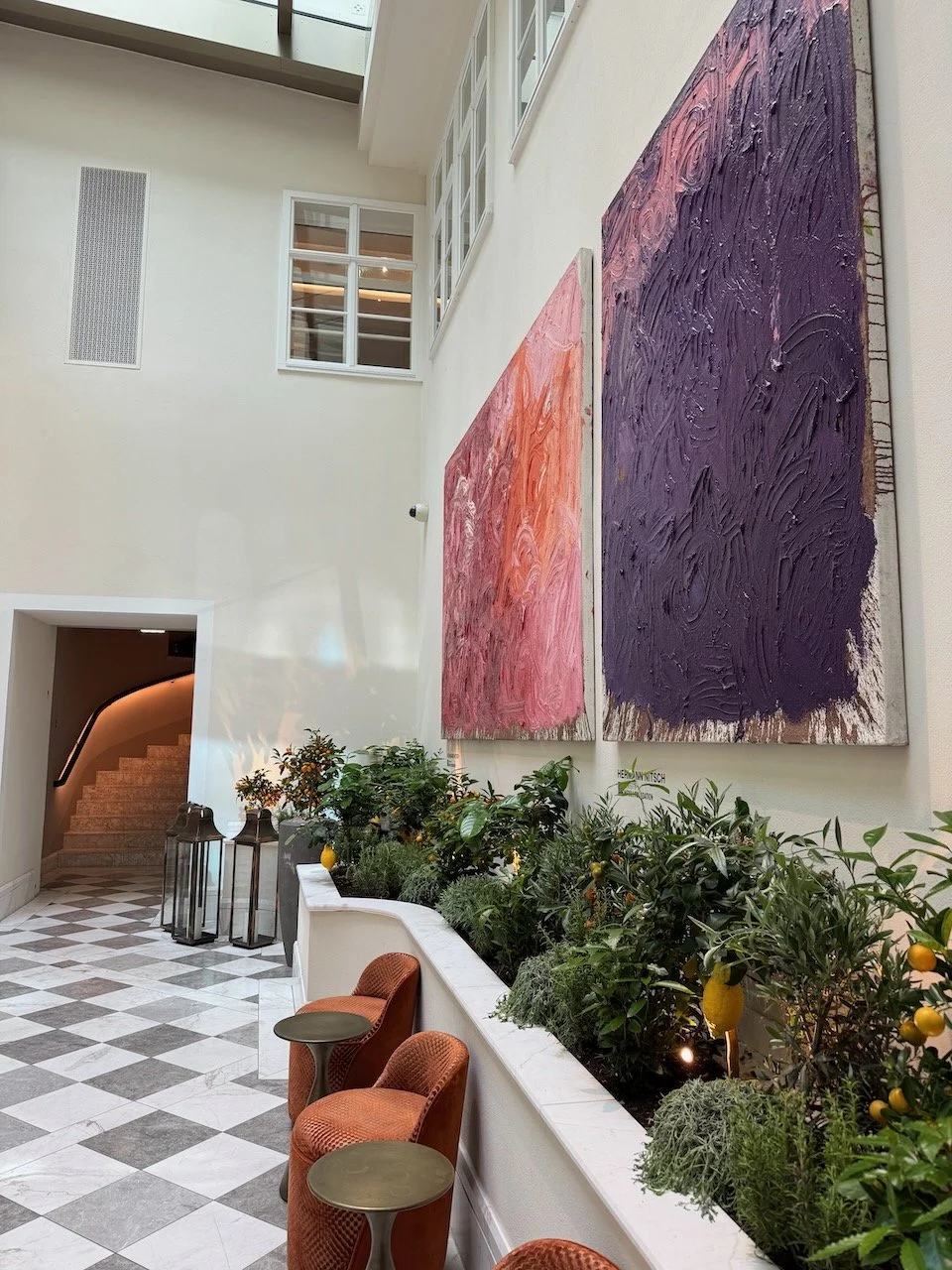
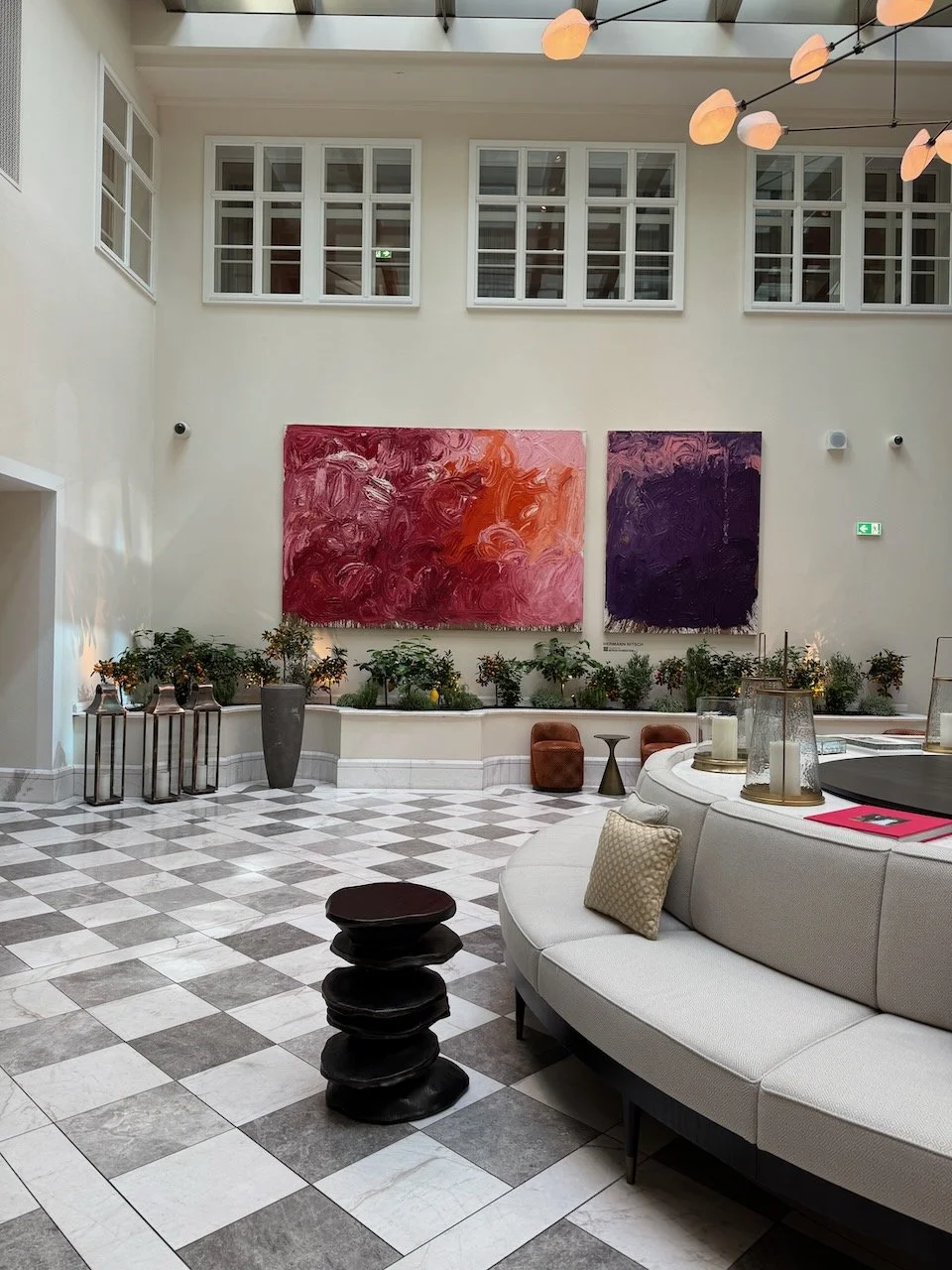
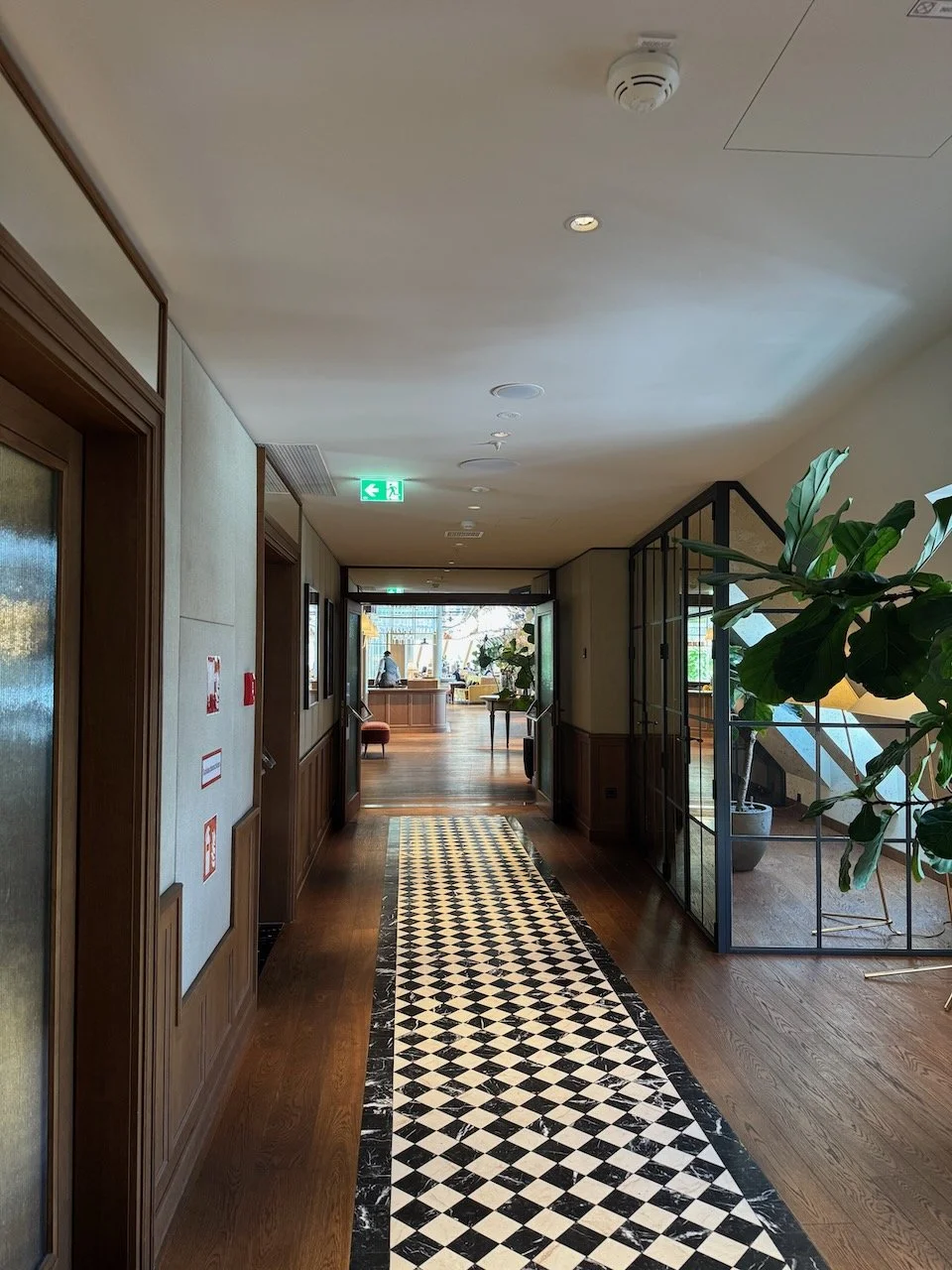
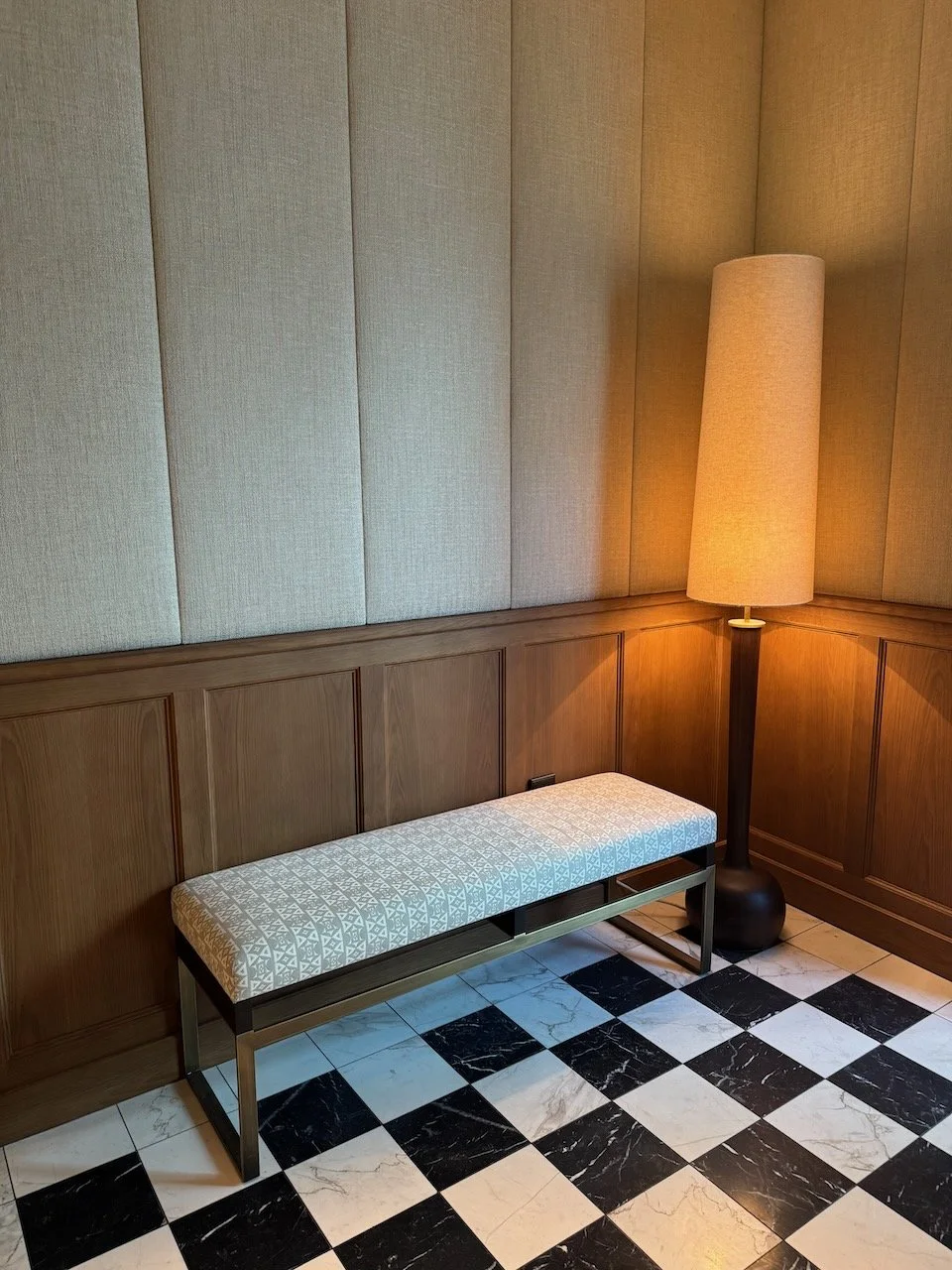
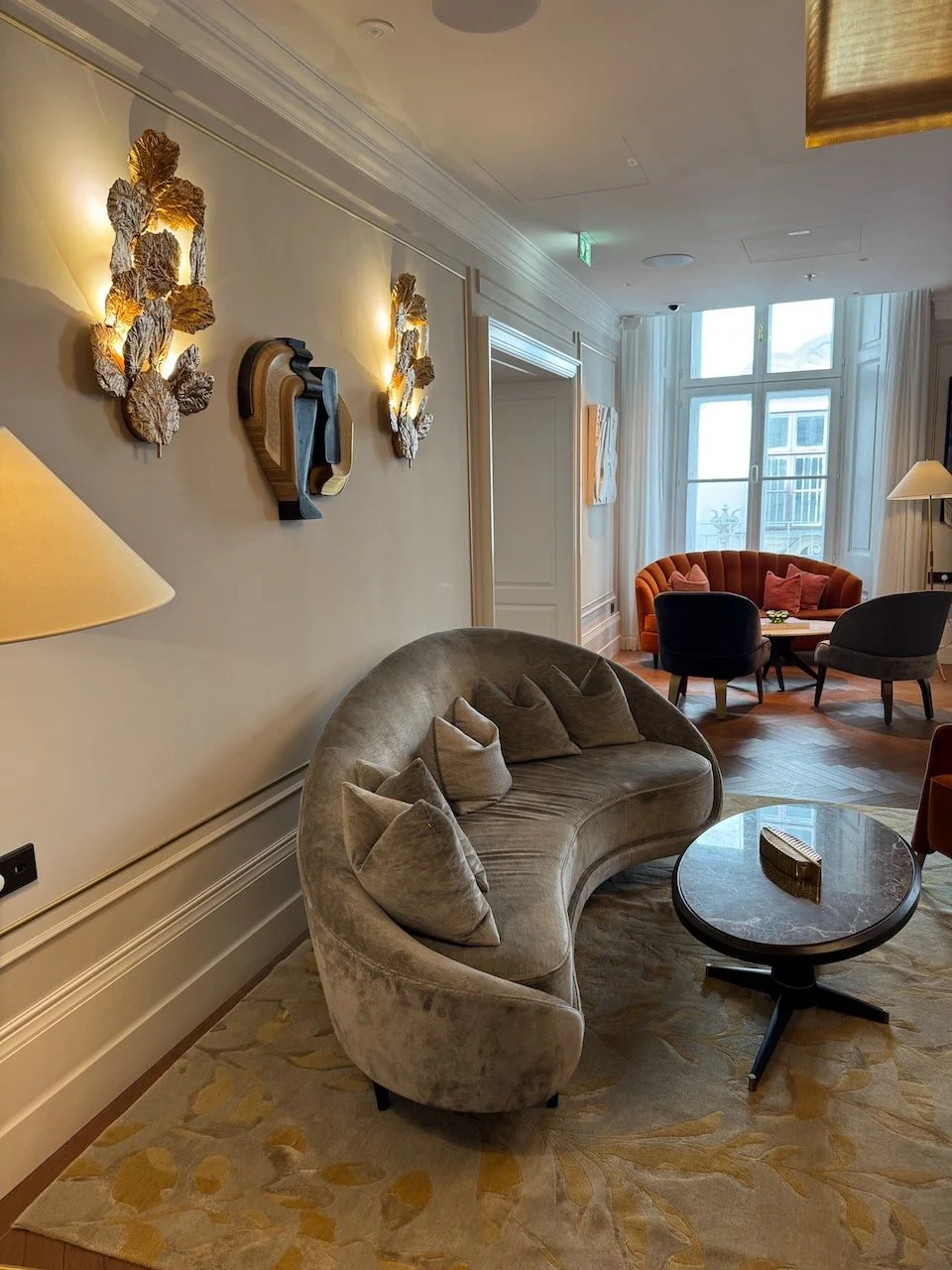
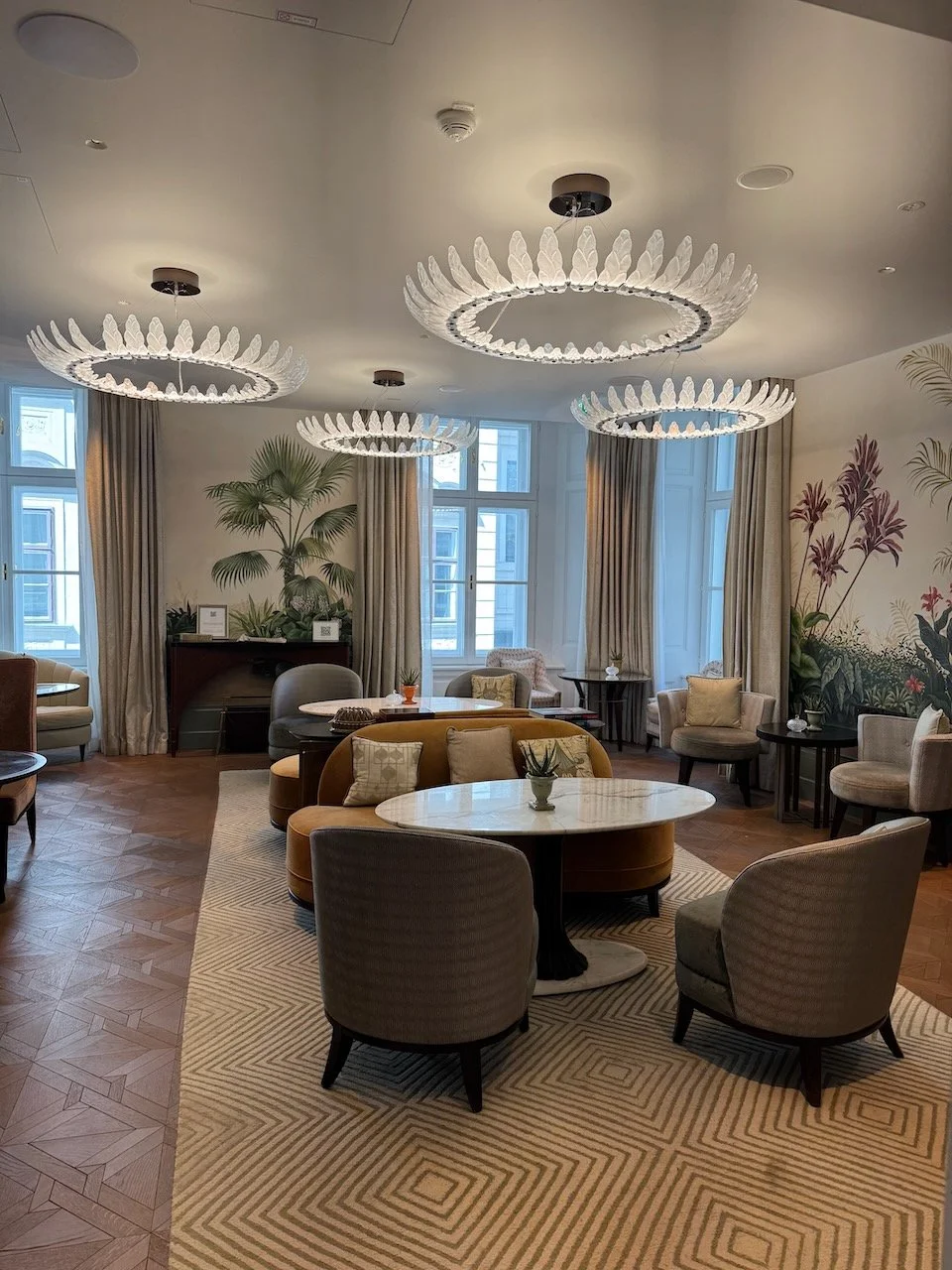
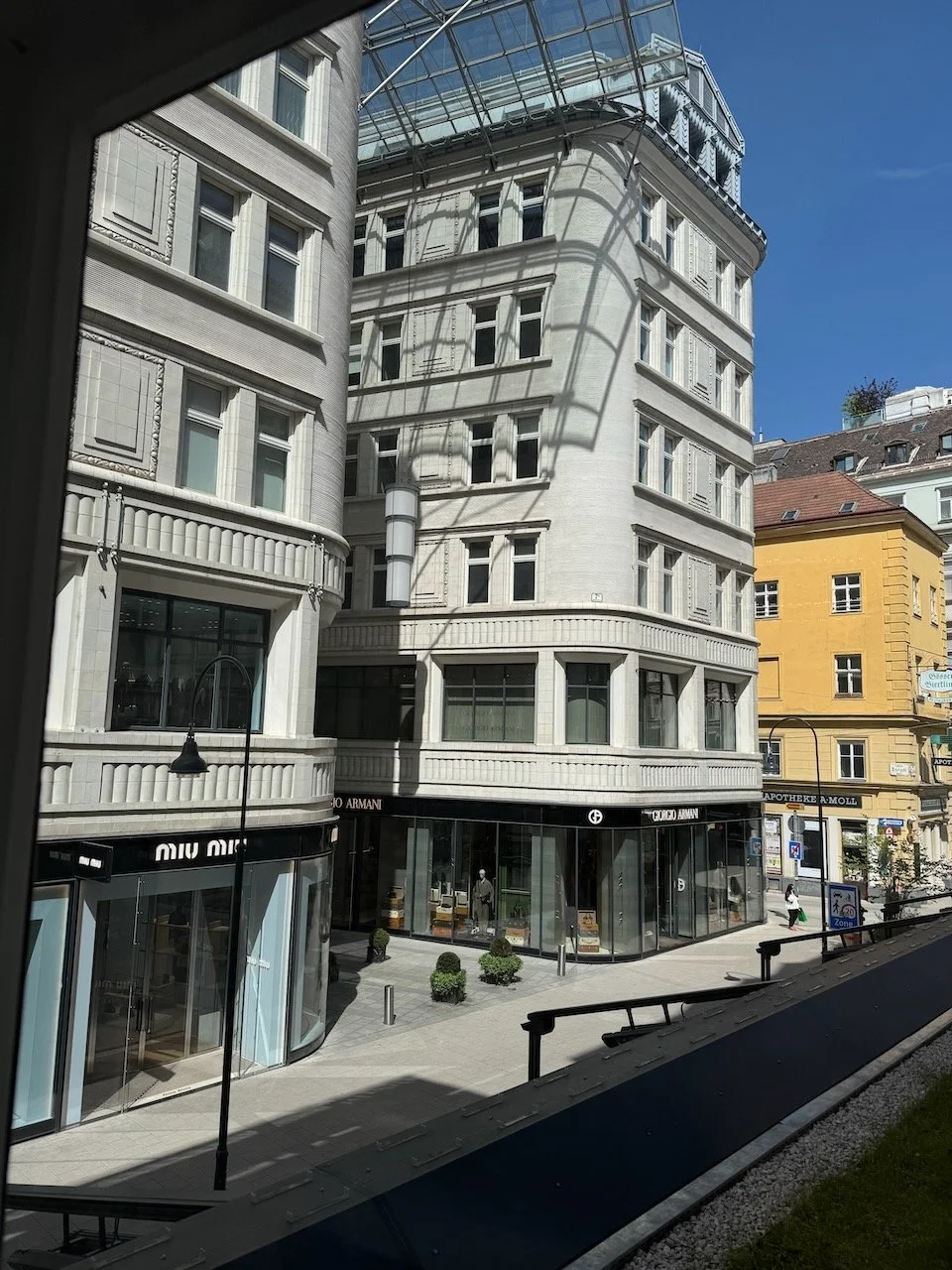
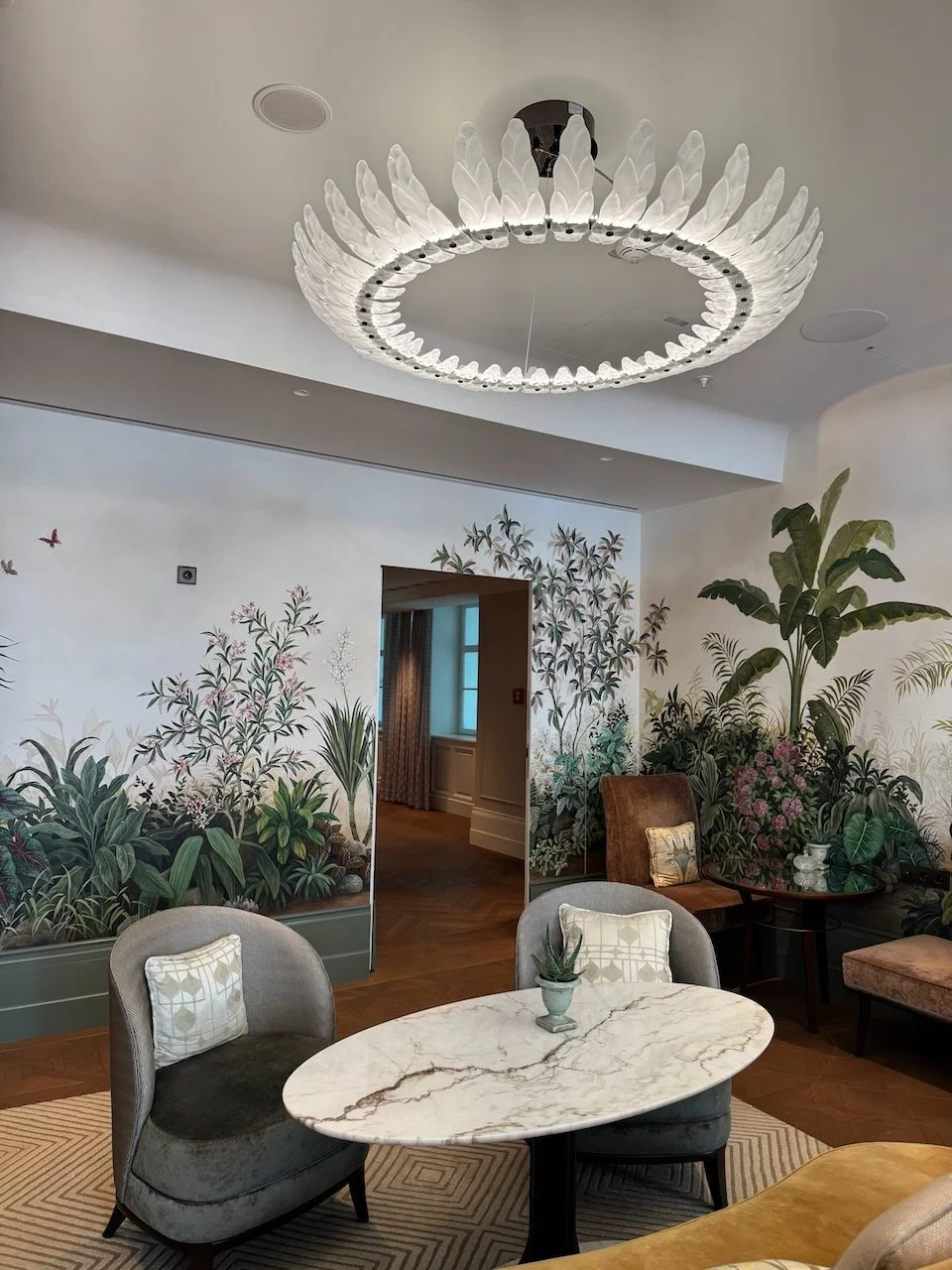
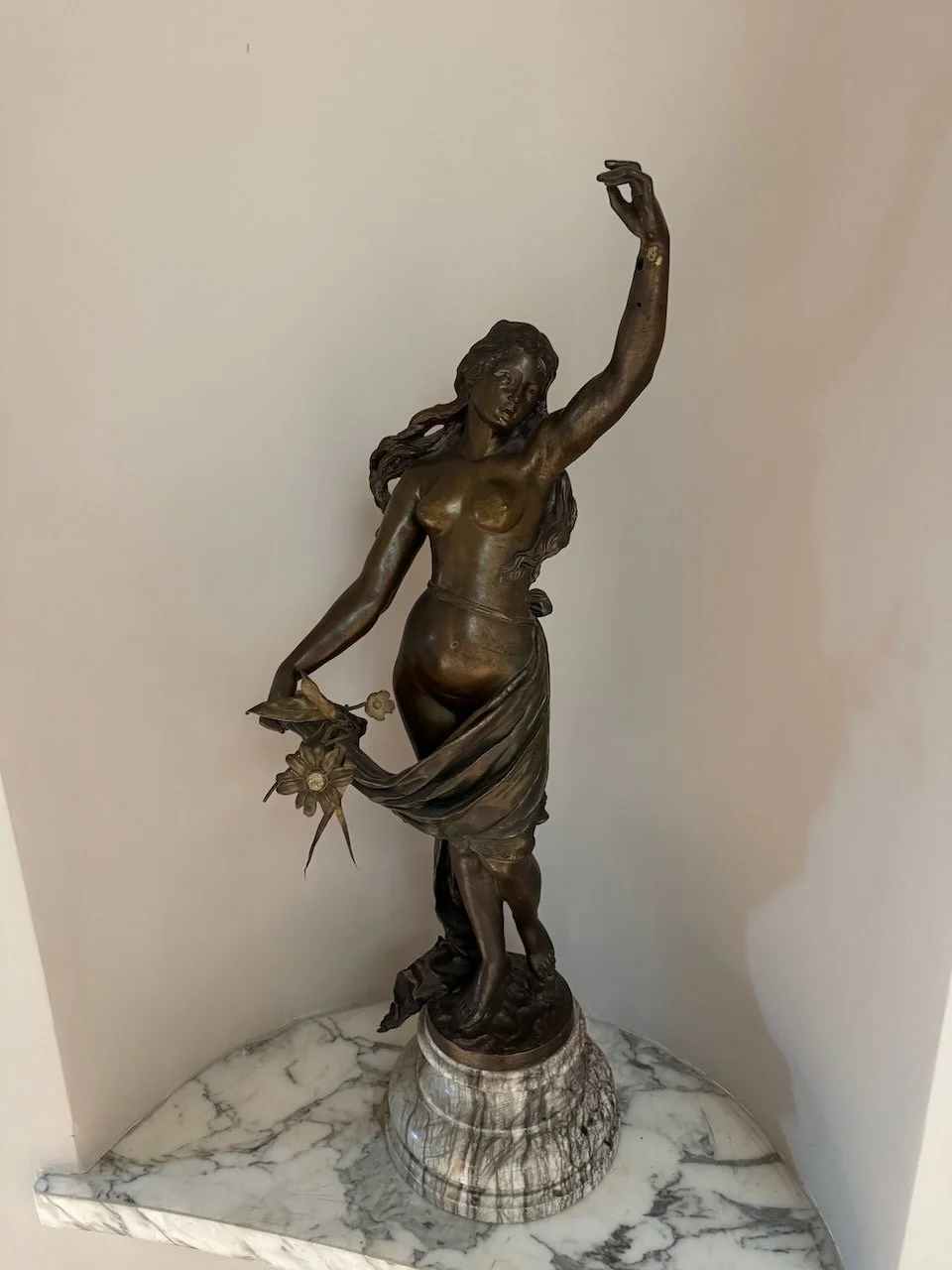
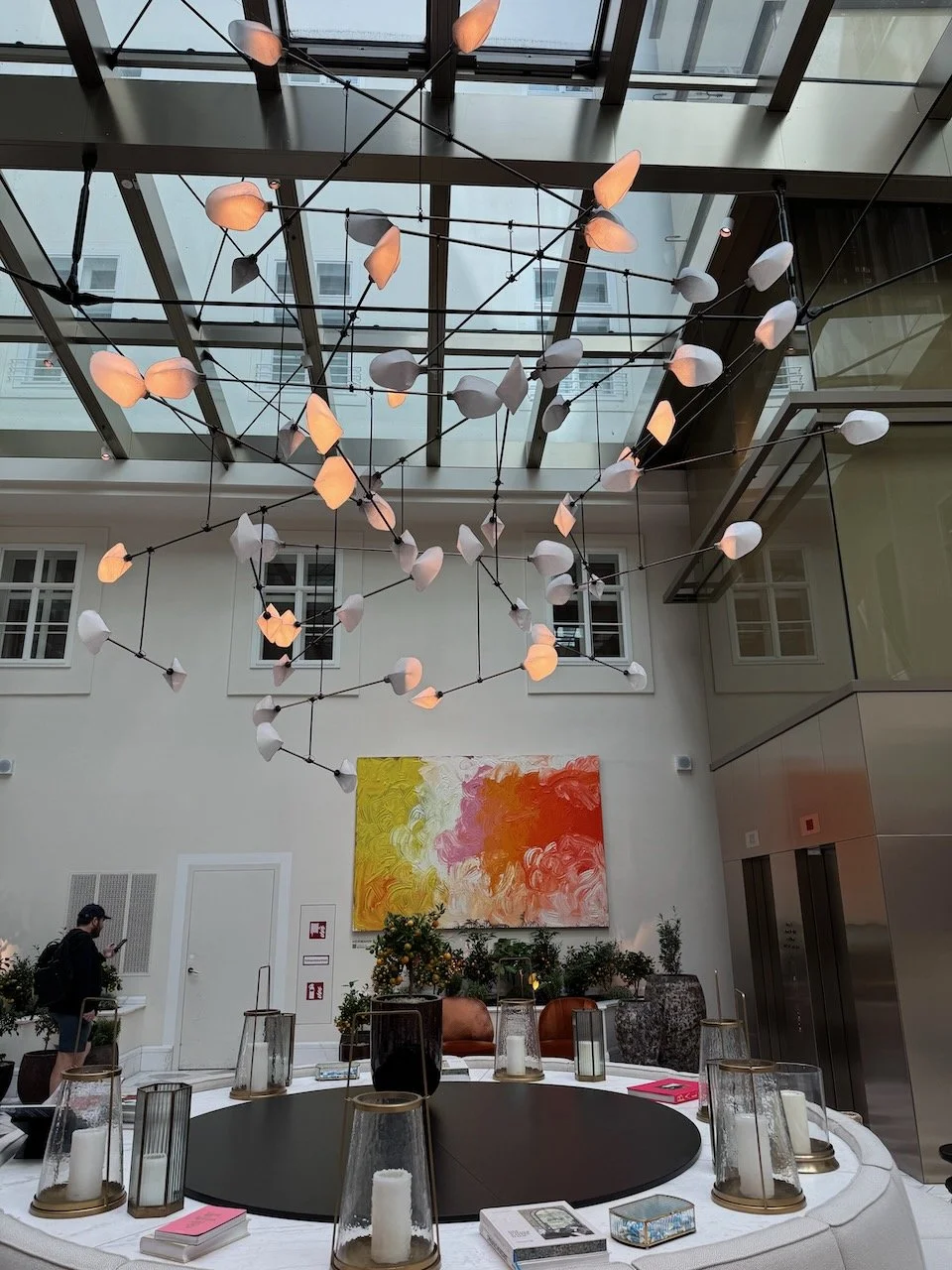
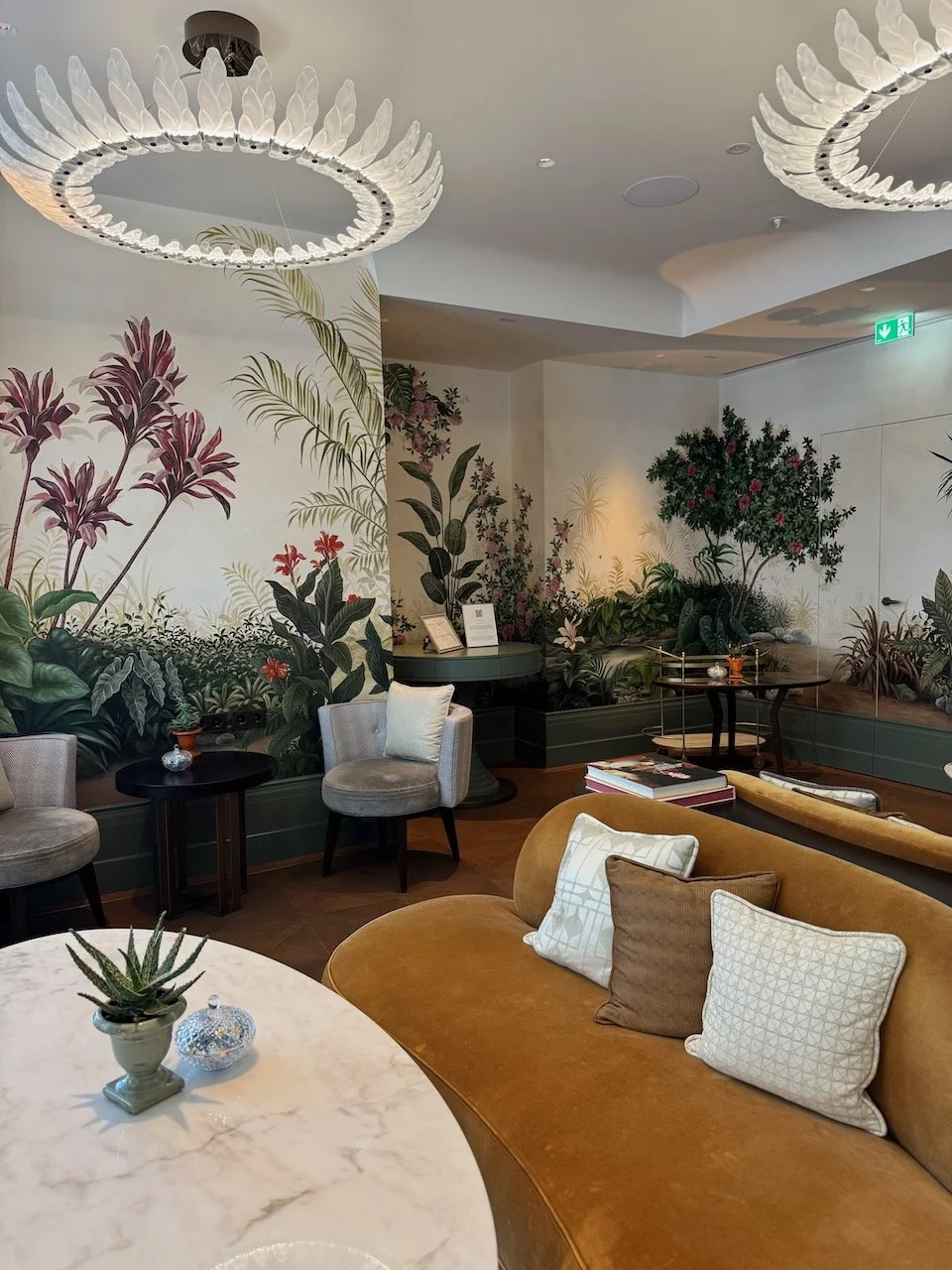
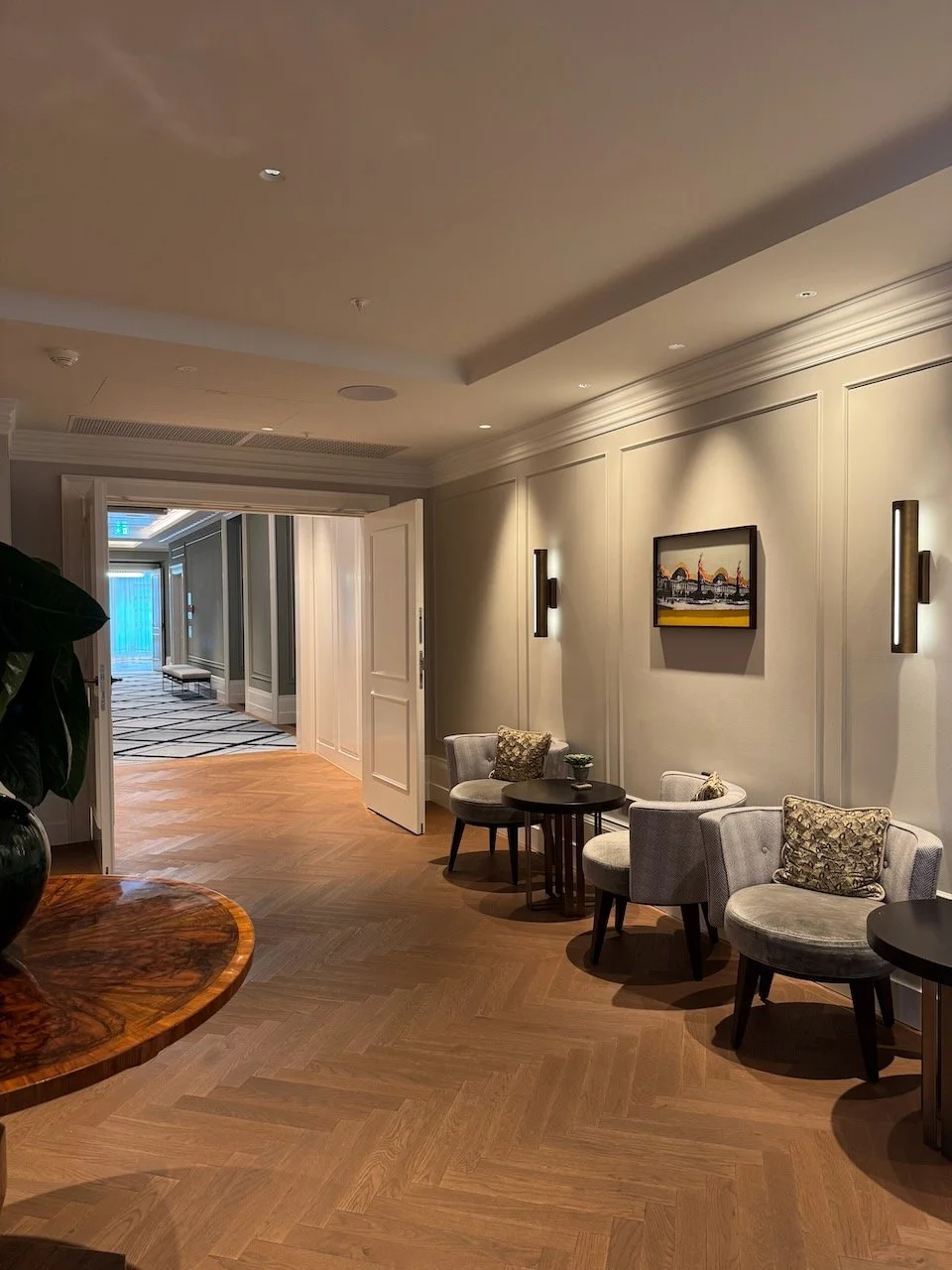
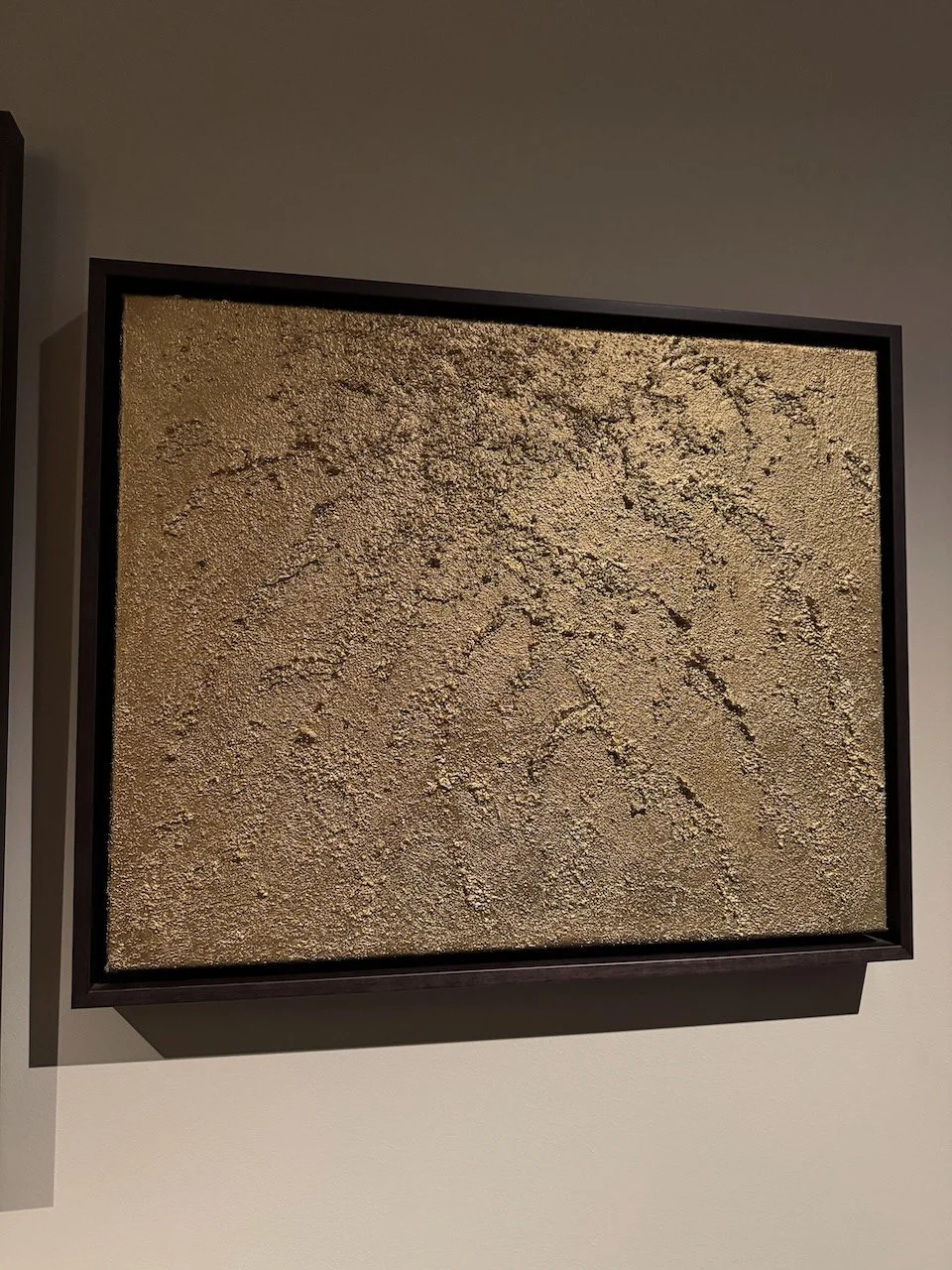
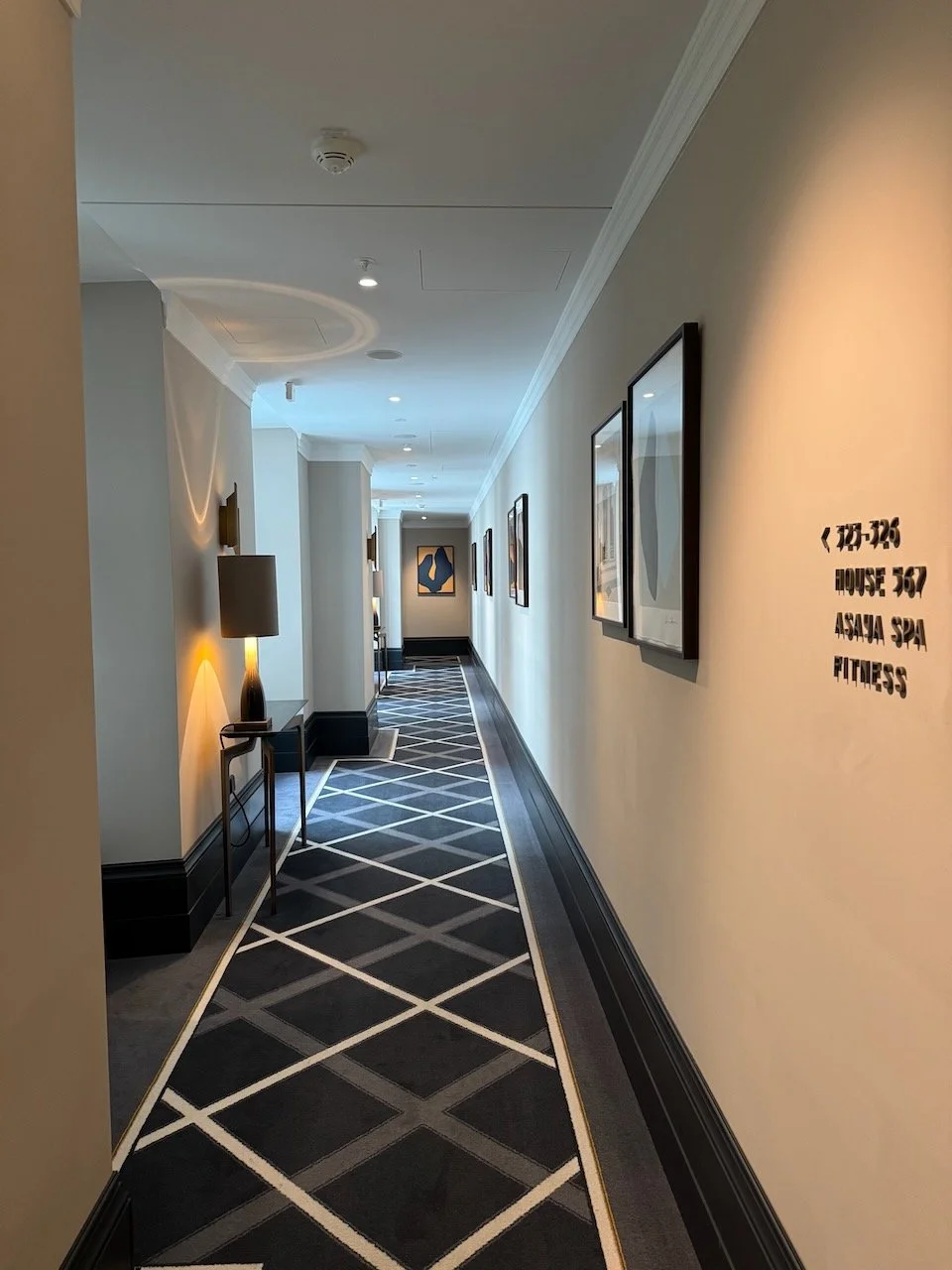
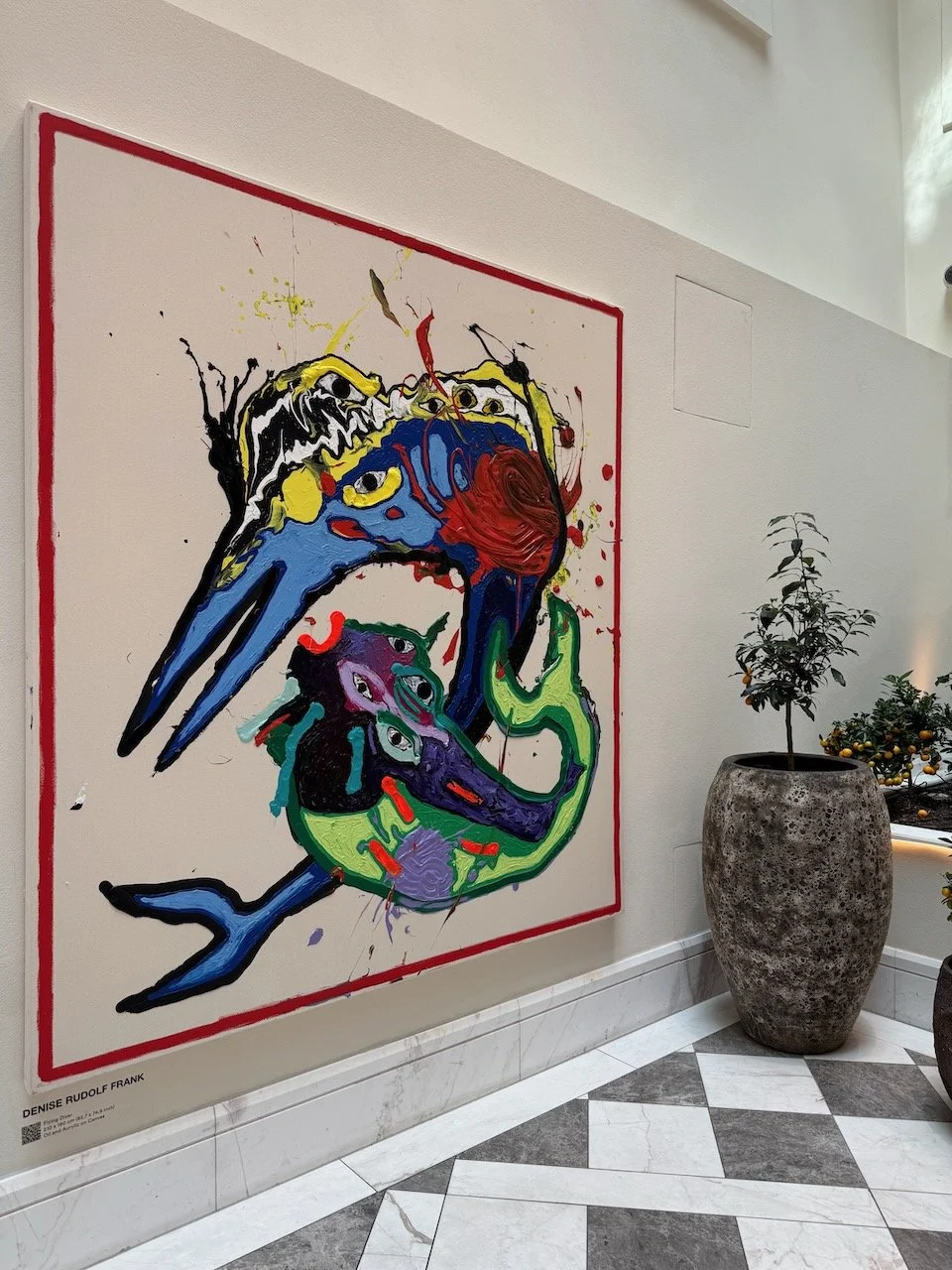
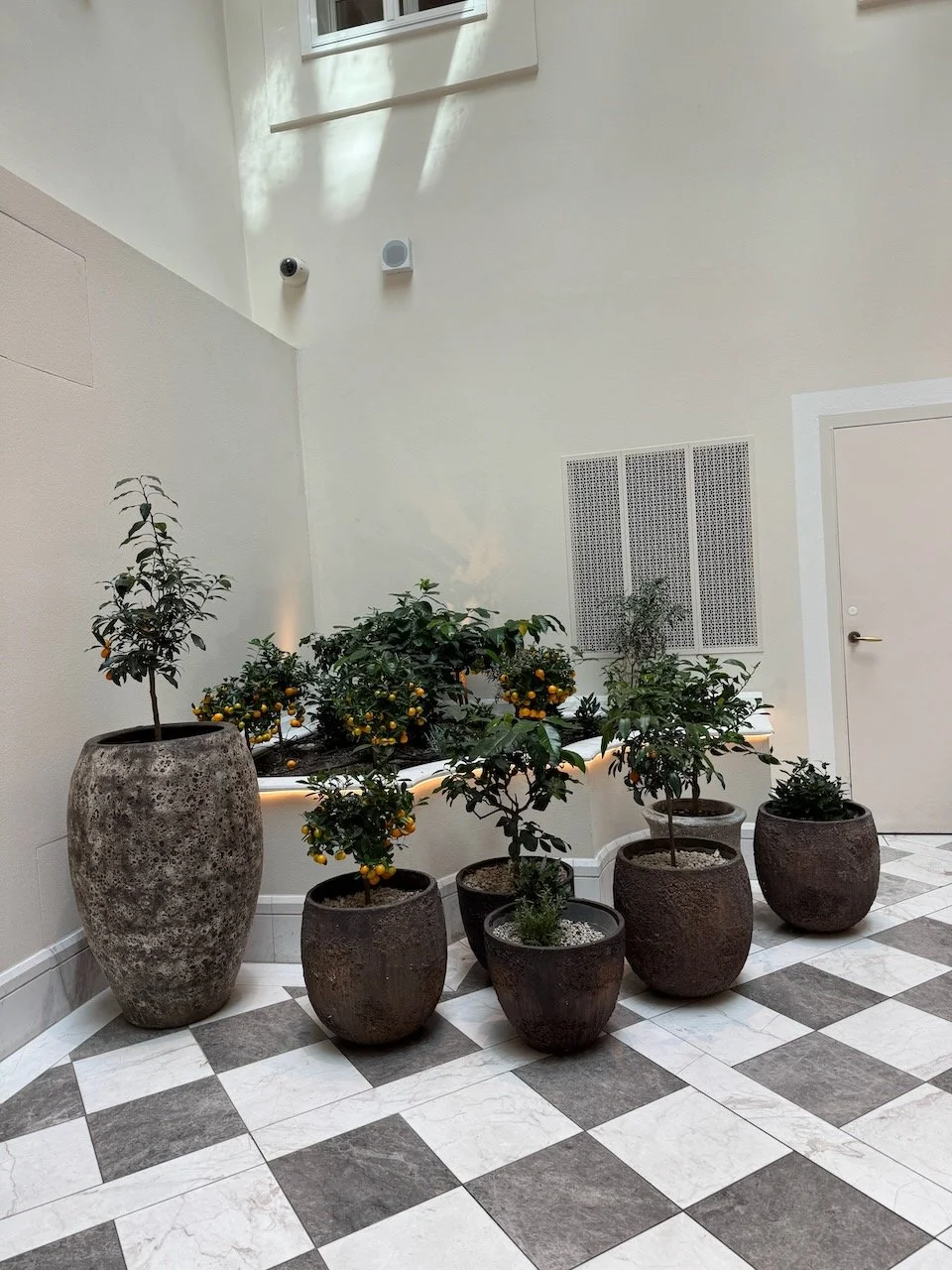
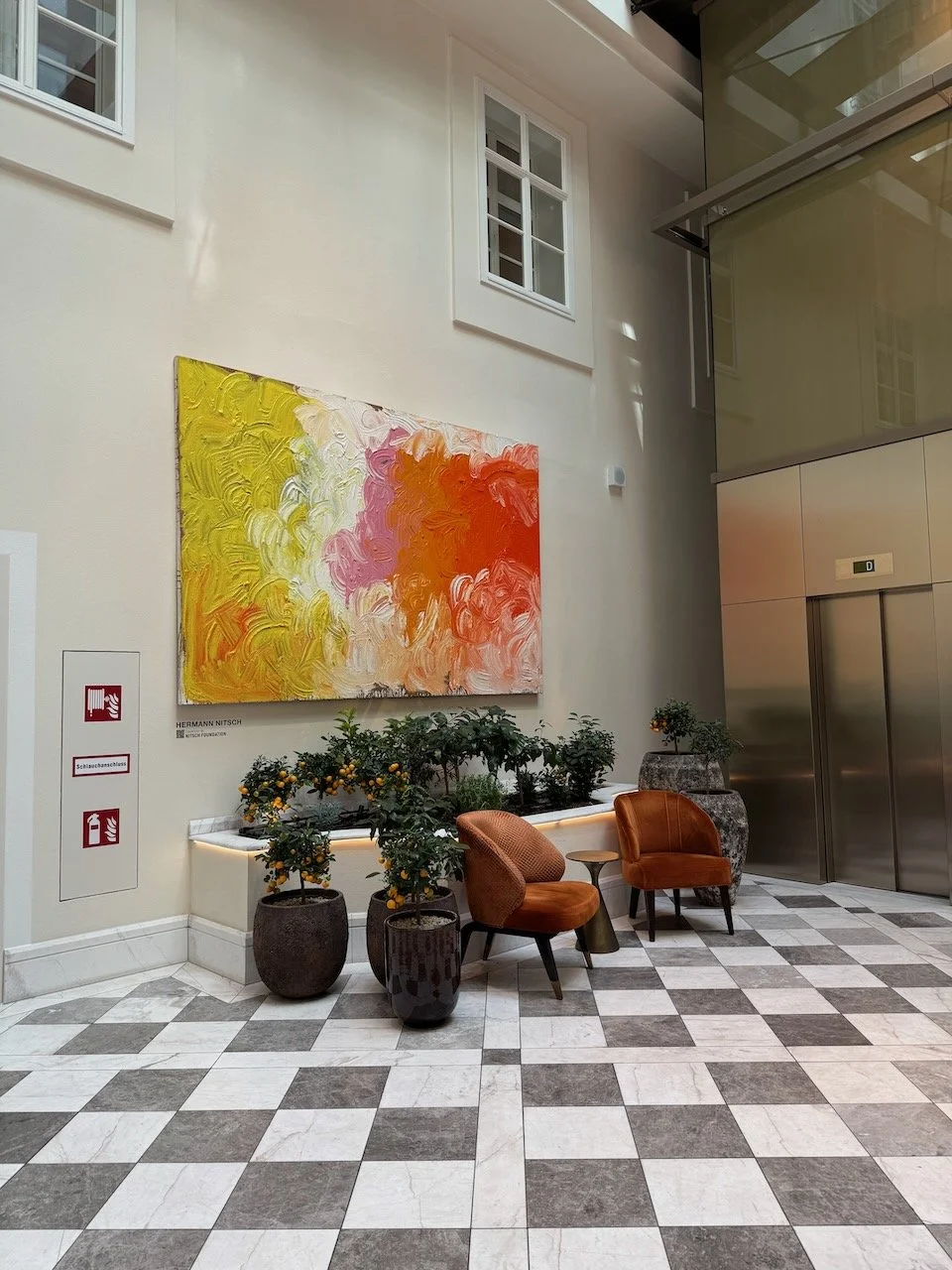
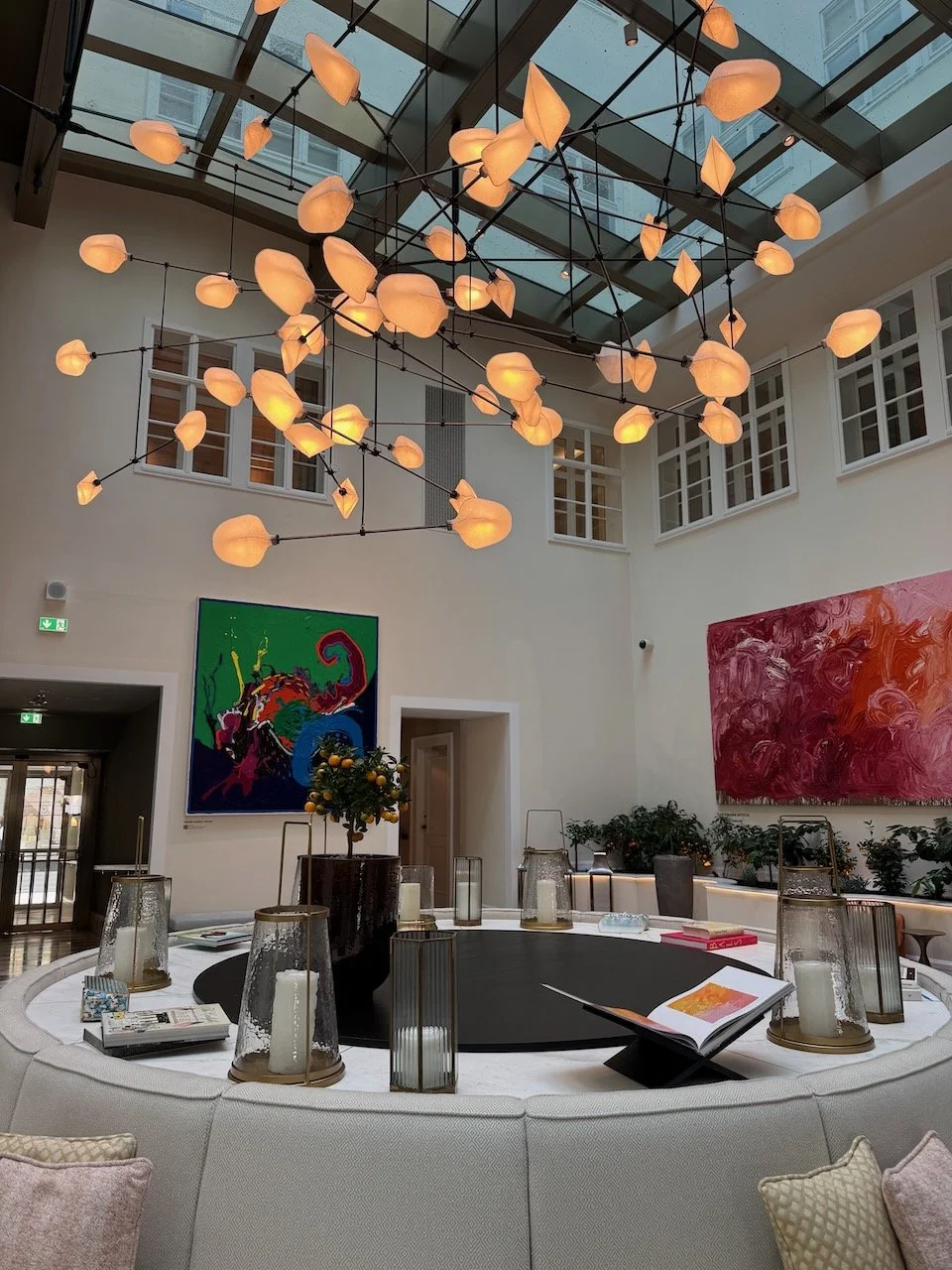
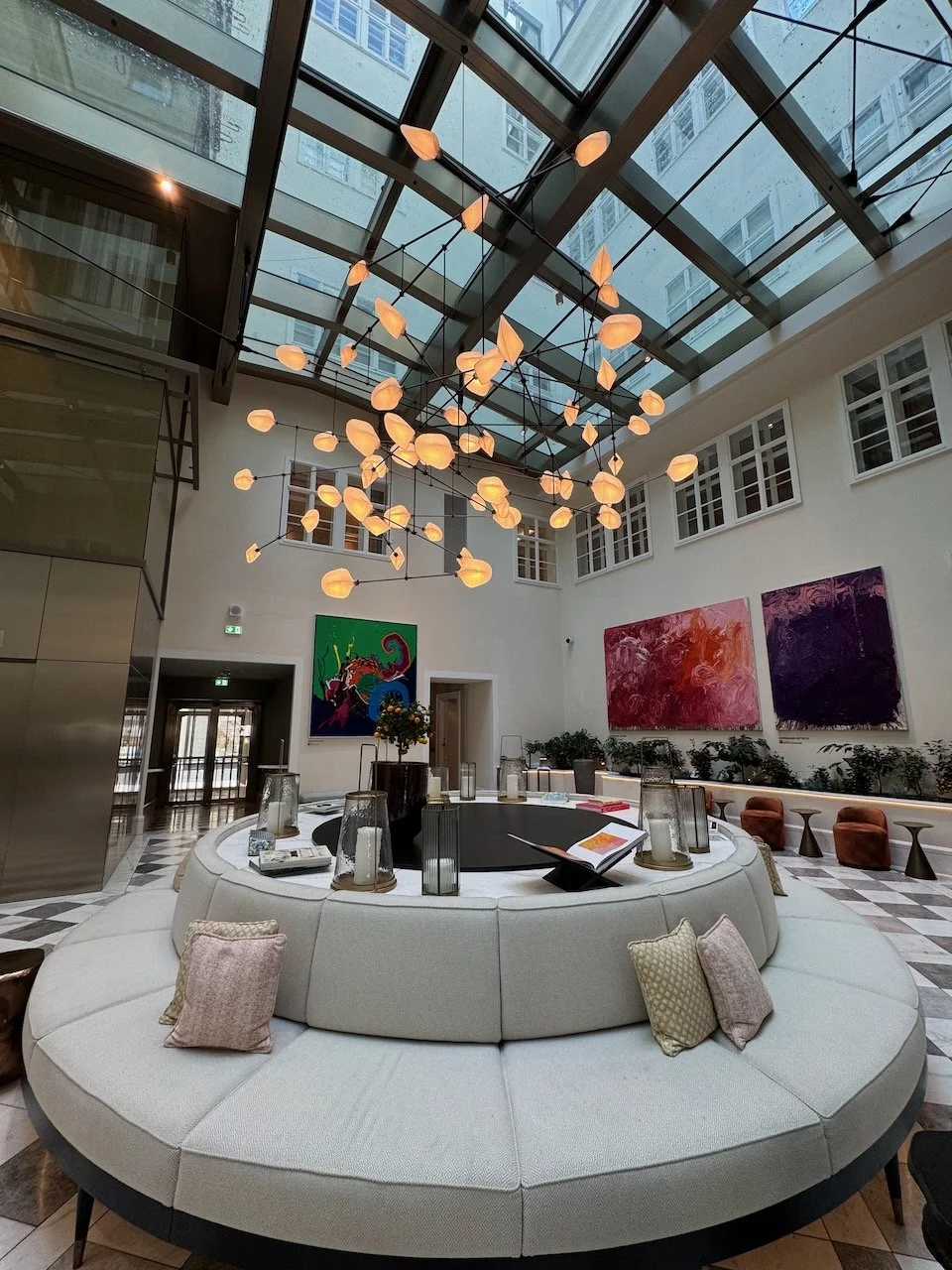
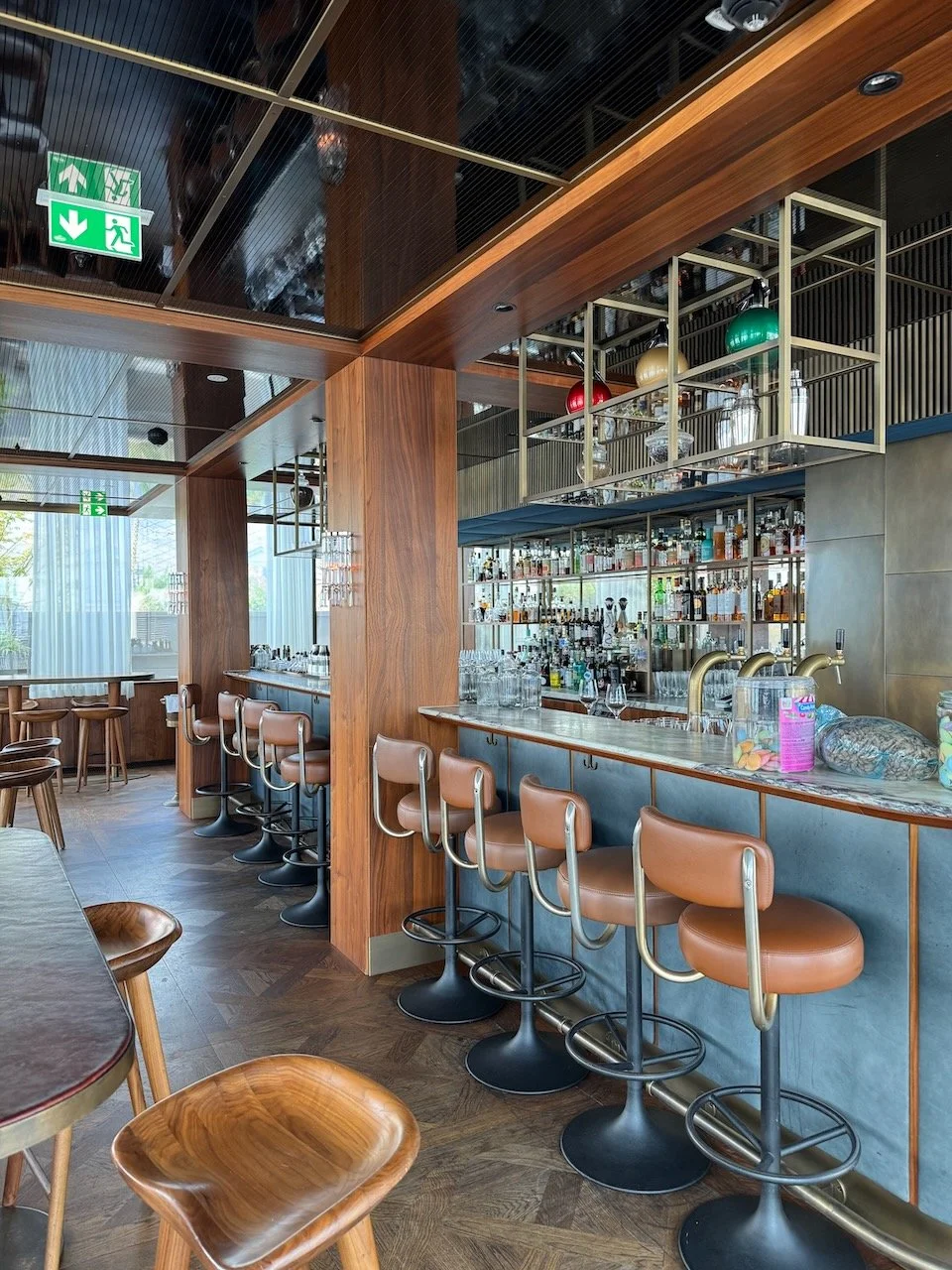
The bright courtyard arrival and separate lounges give the hotel an intimate, considered feel. Soft colours, floral decoration, artwork and comfortable seating make the public rooms inviting without relying on acres of marble. The mood changes again upstairs, where the restaurant and bar open the hotel out towards the rooftops.
Accommodations
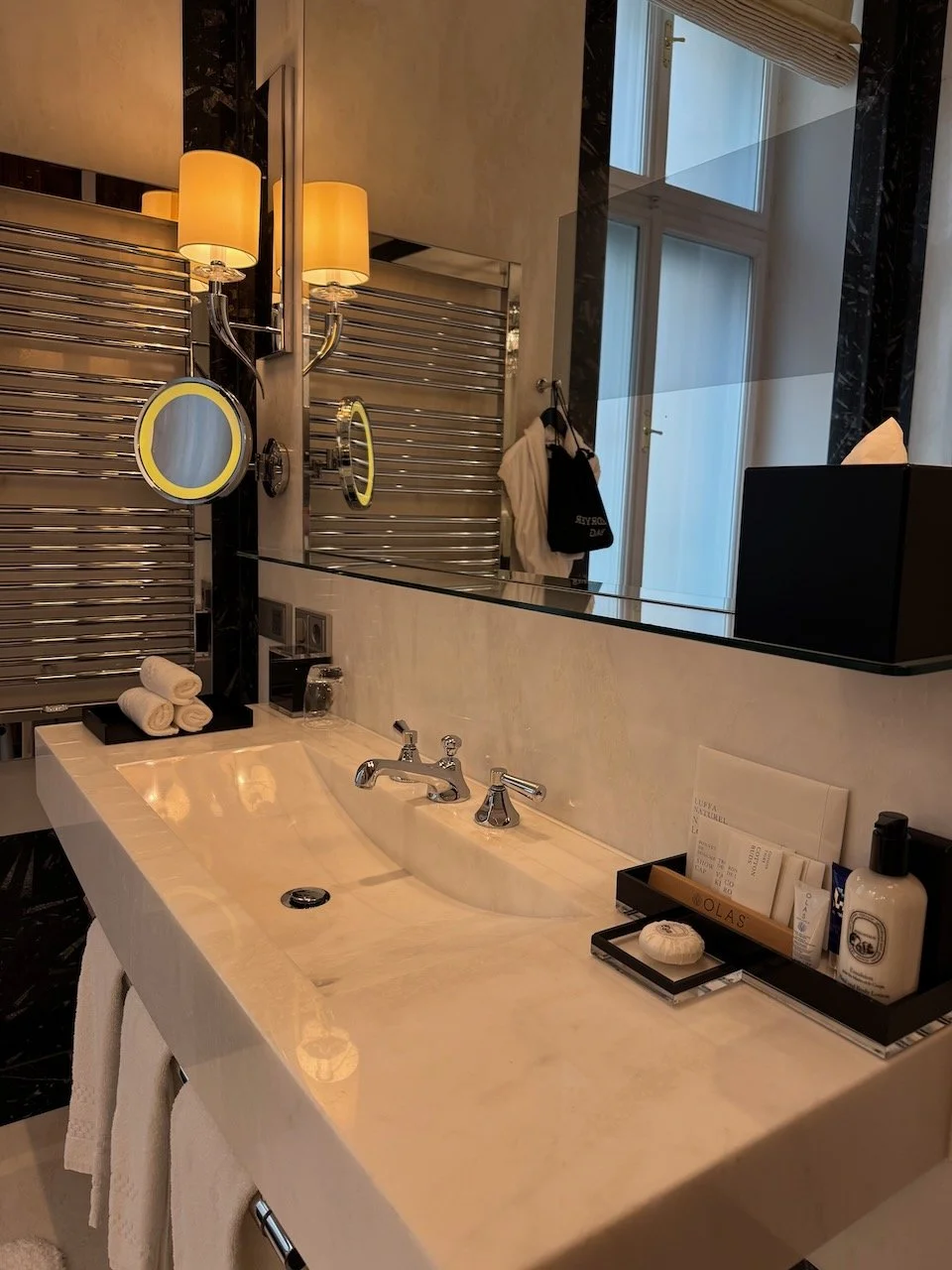
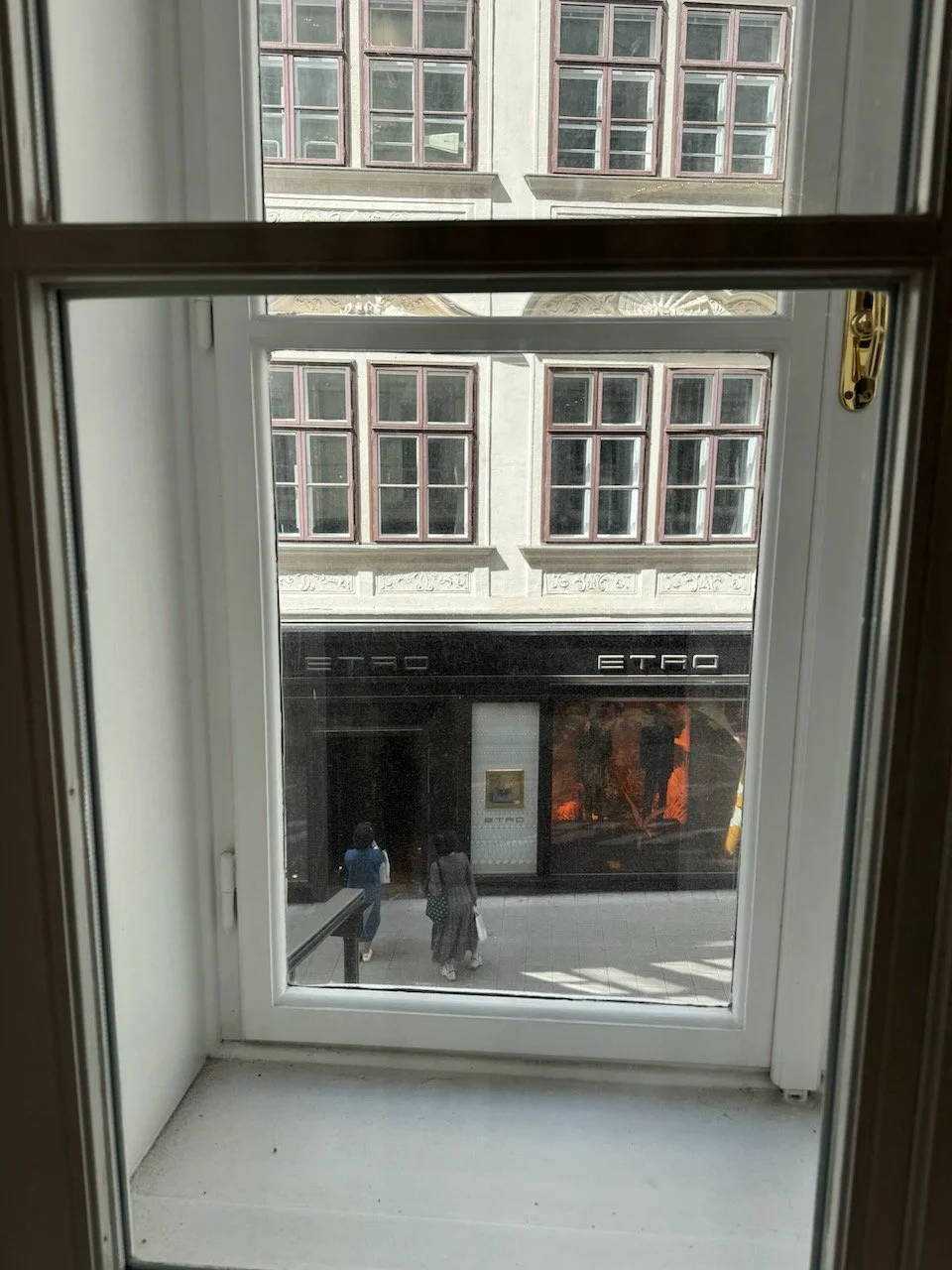
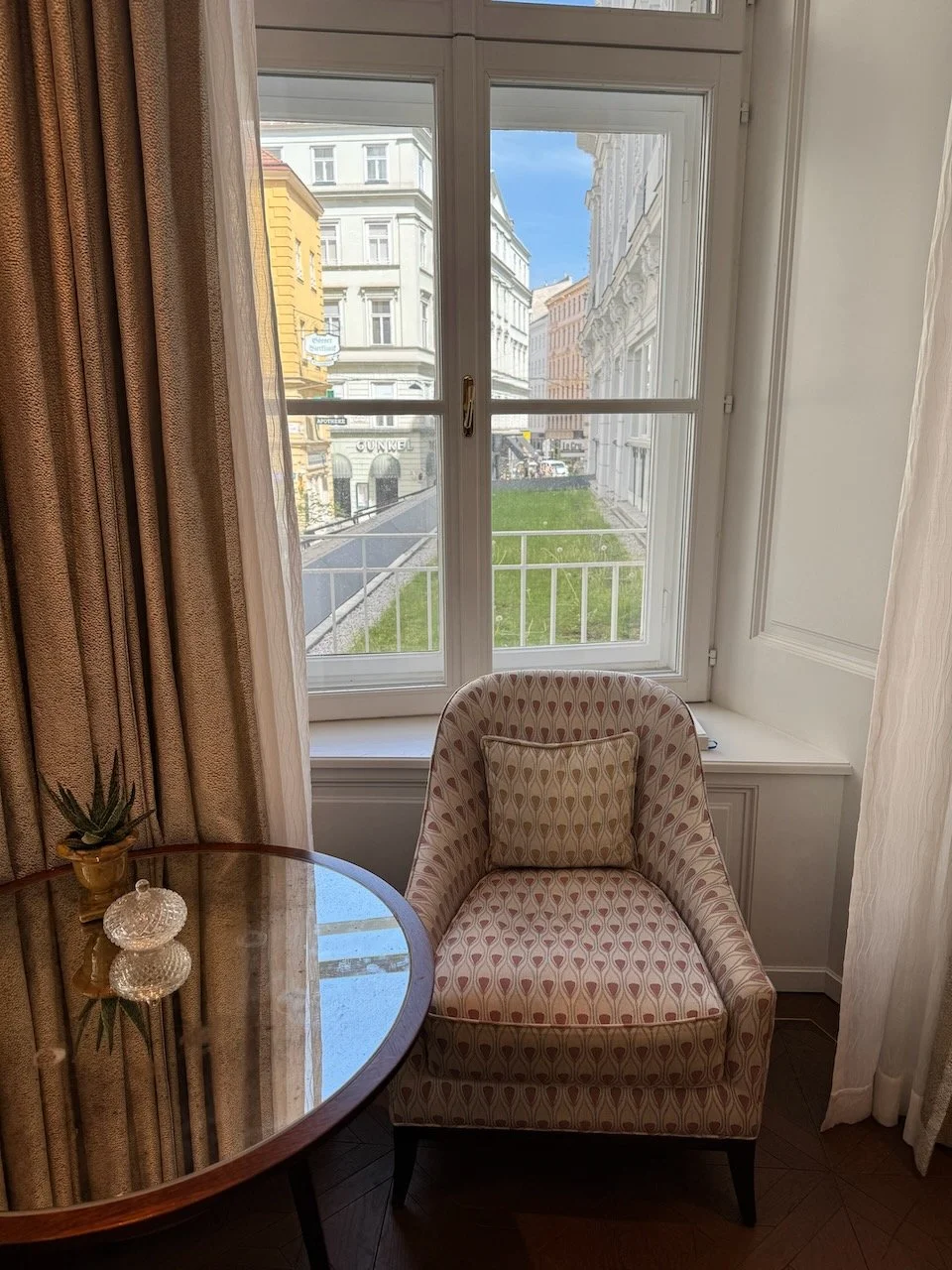
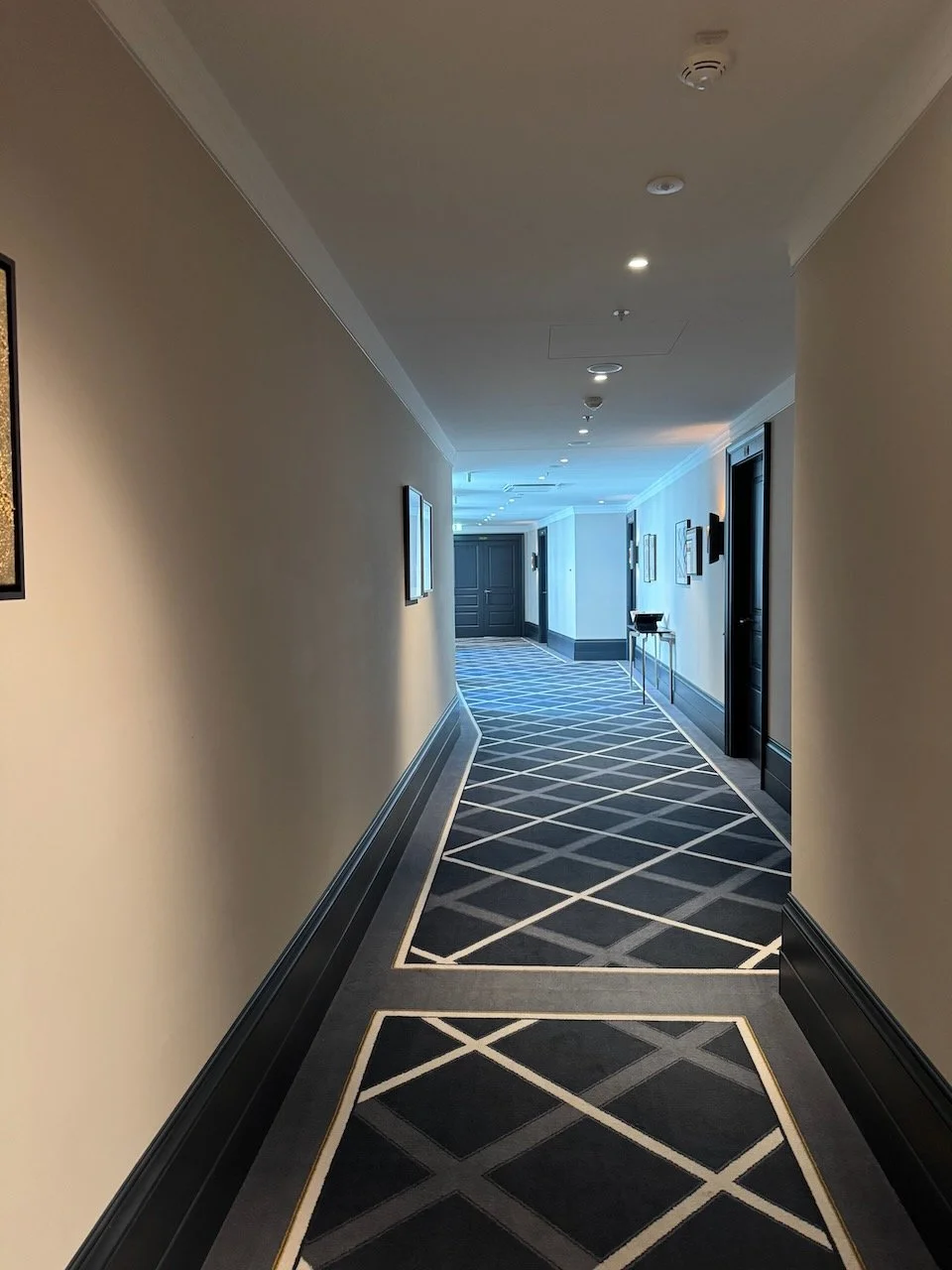
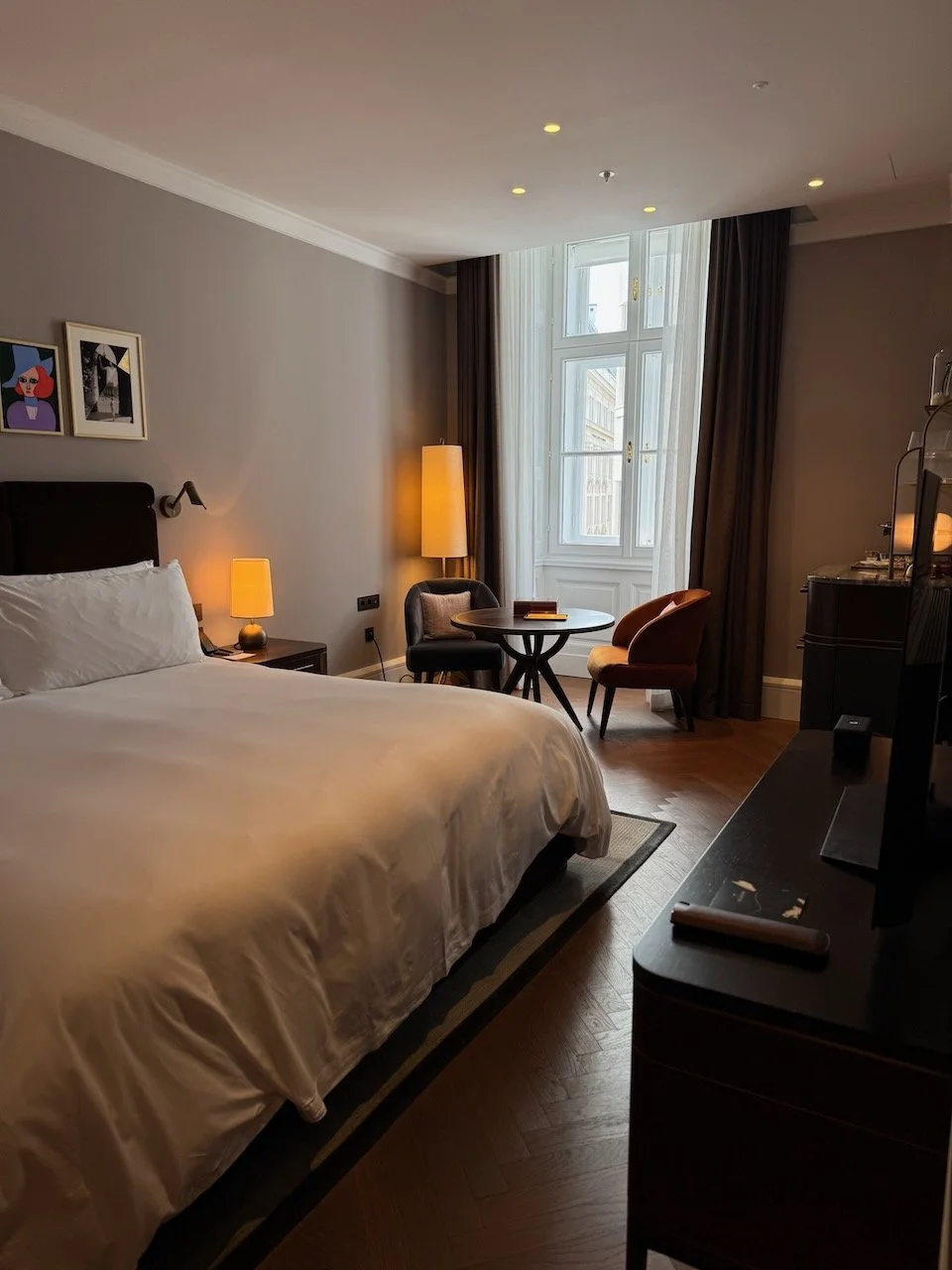
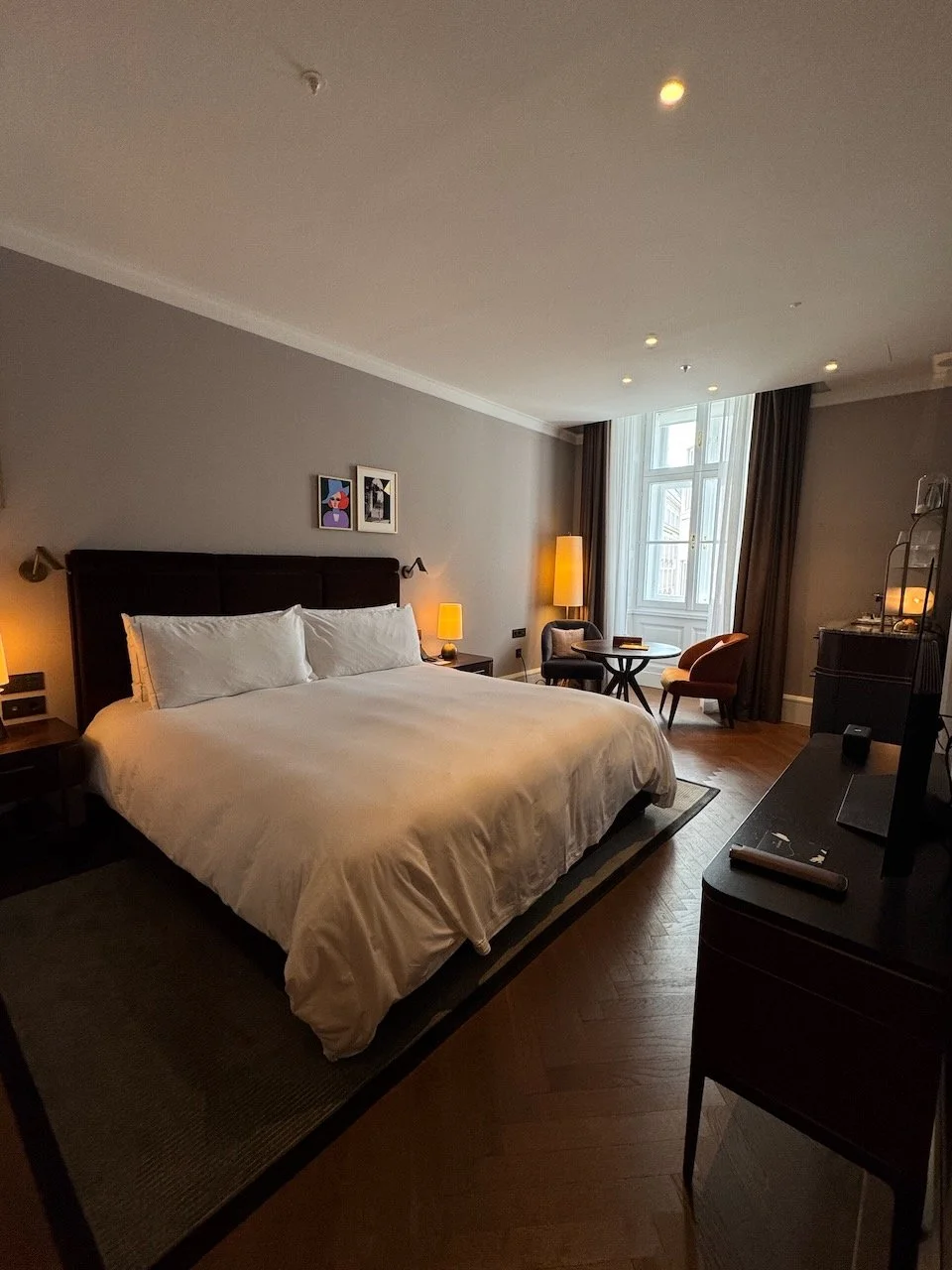
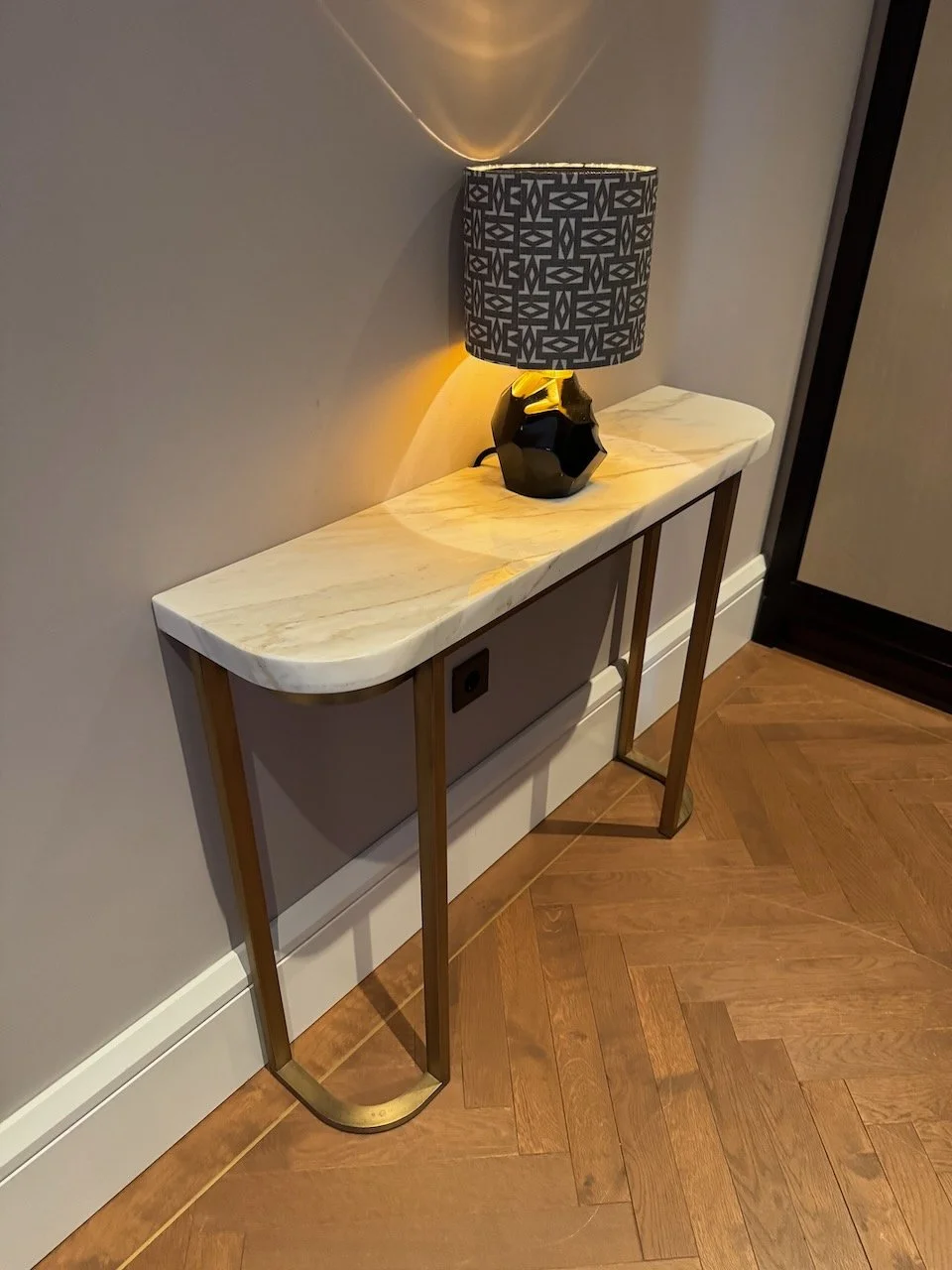
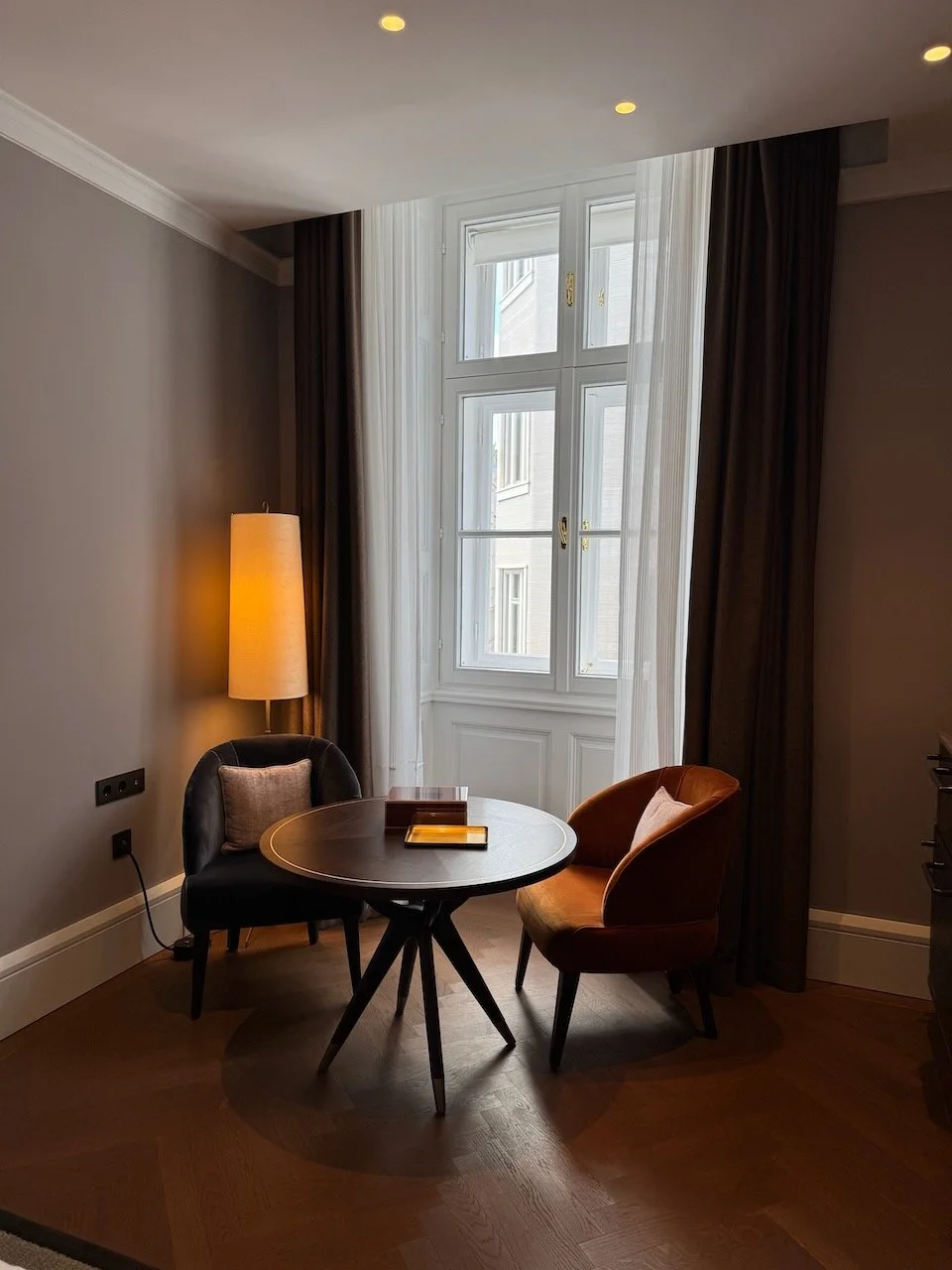
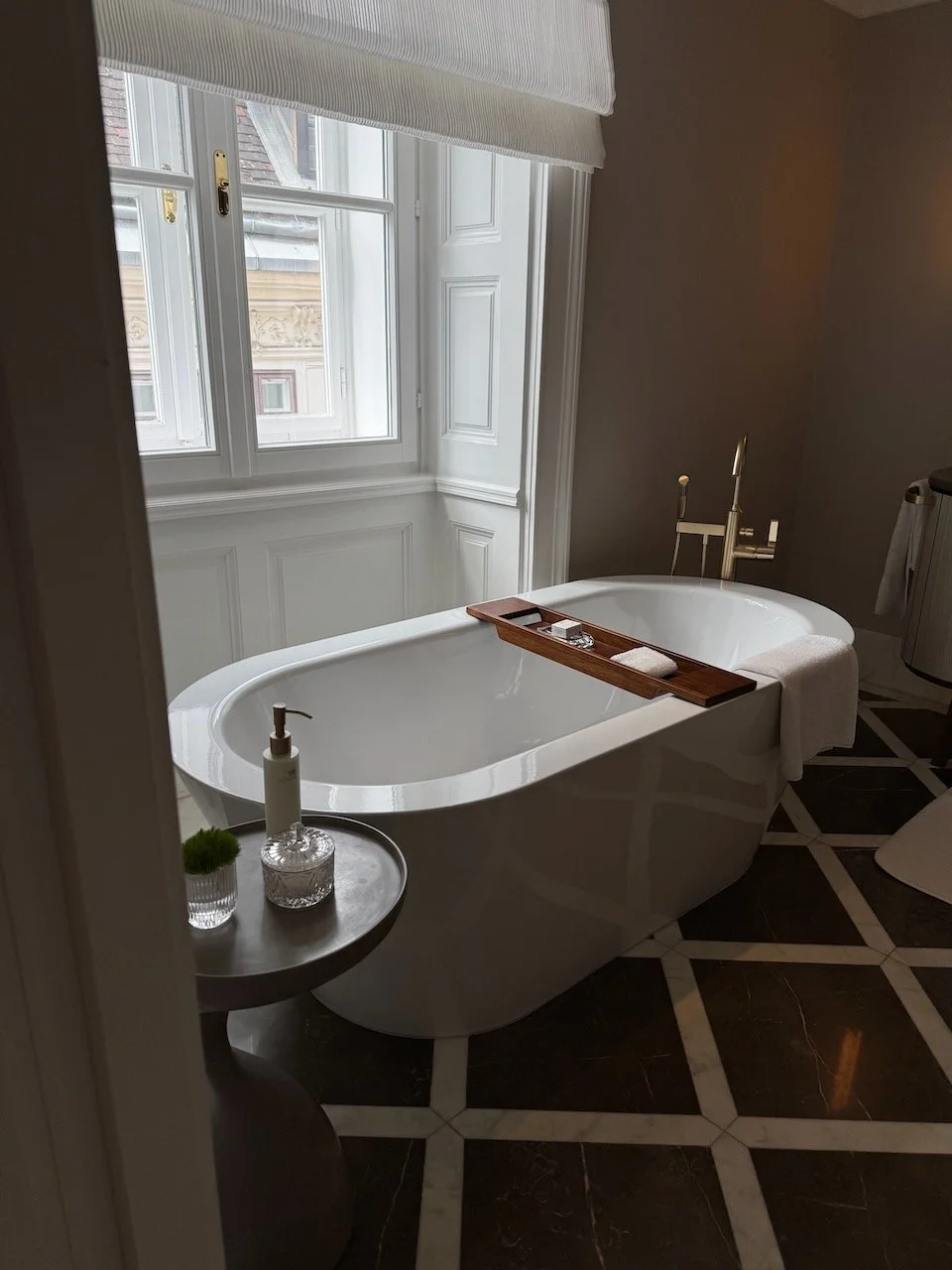
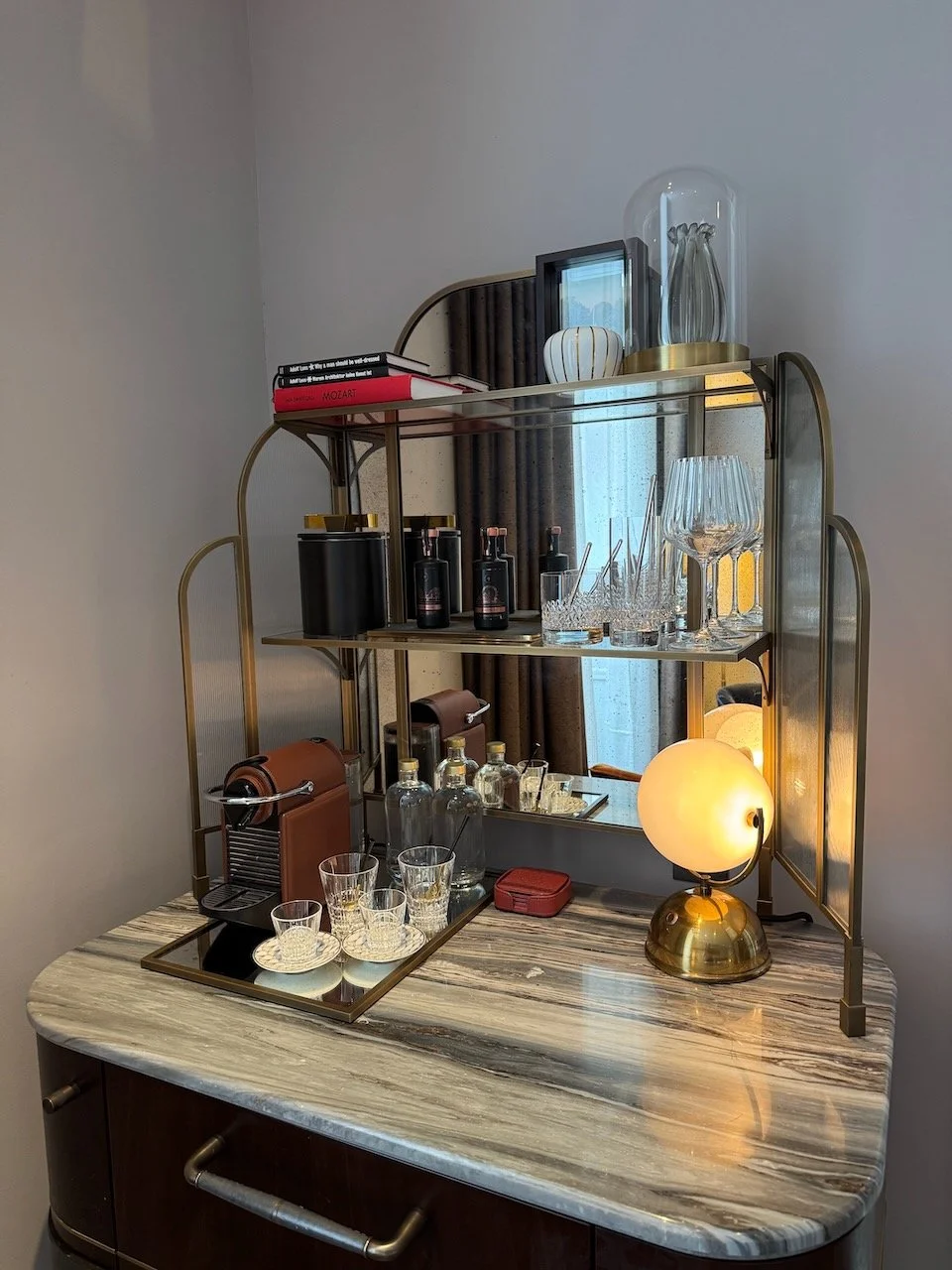
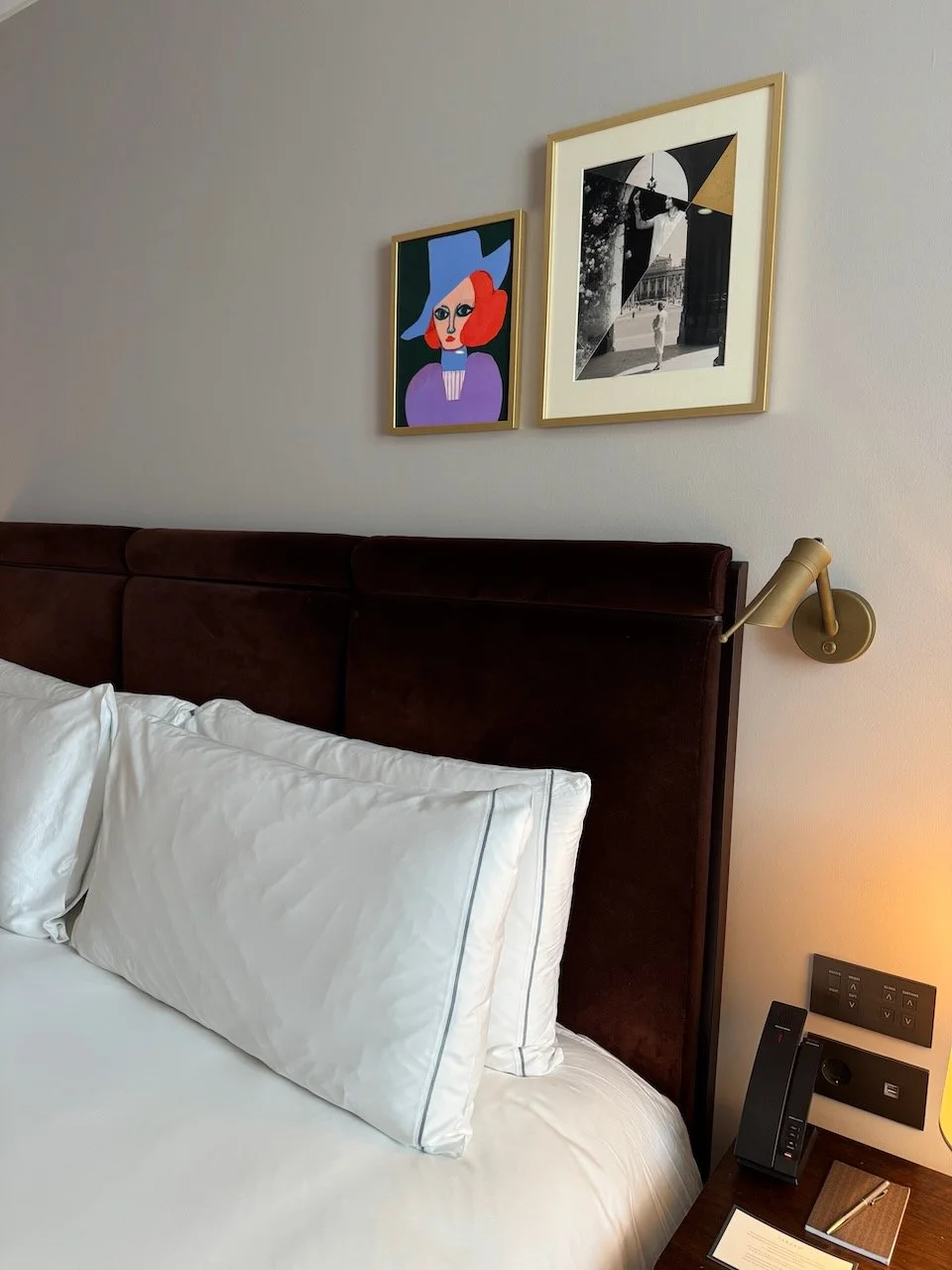
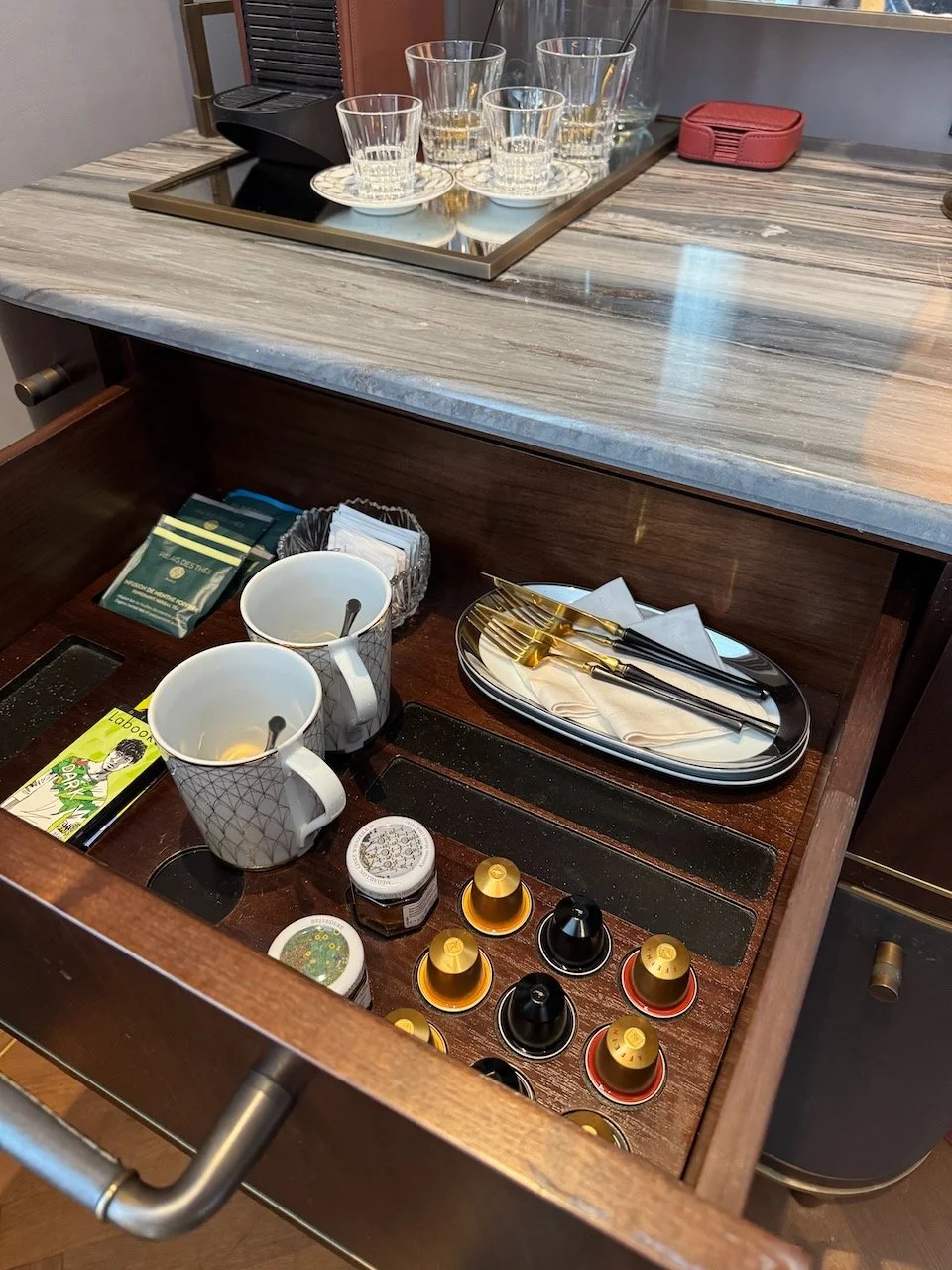
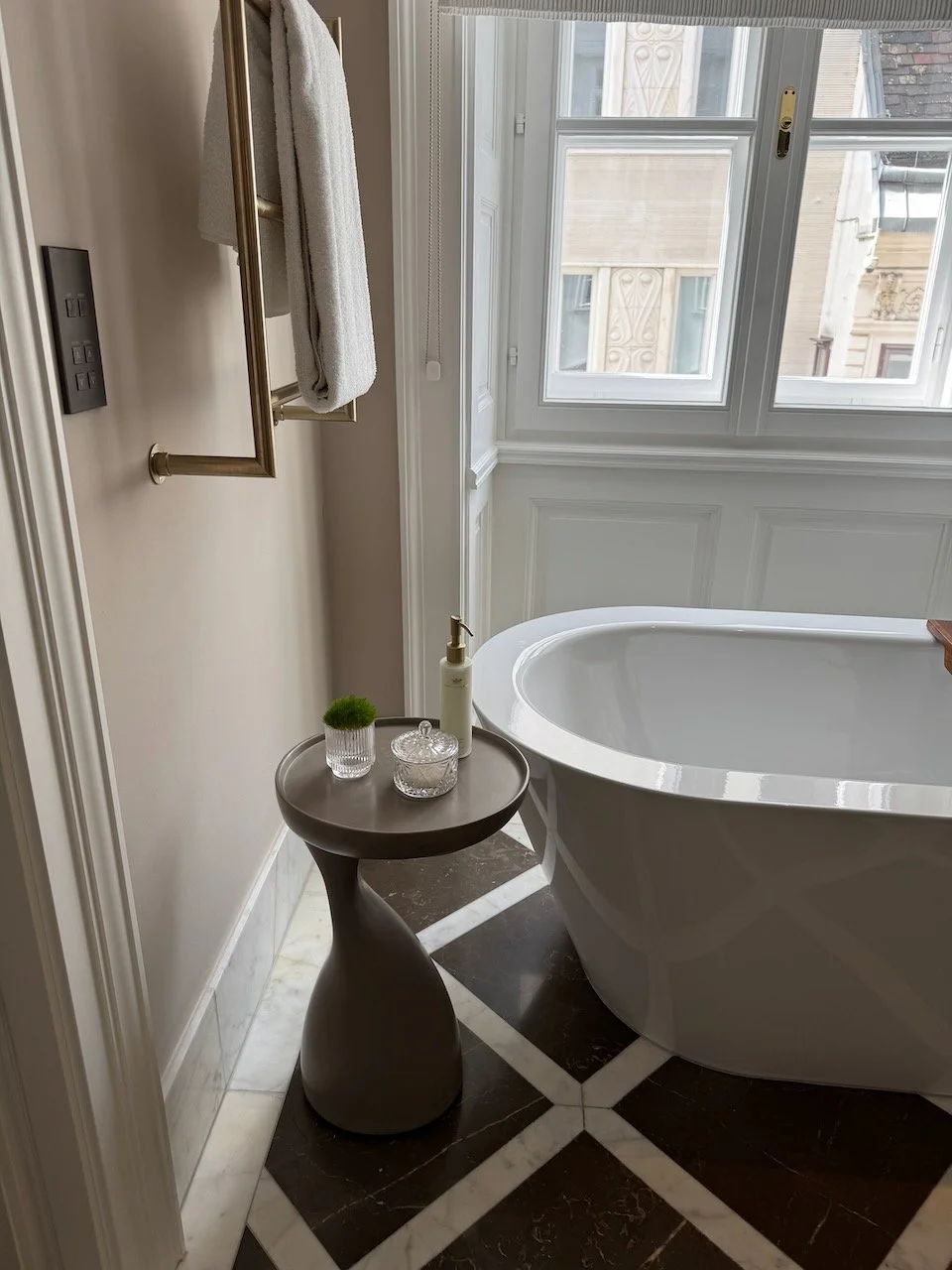
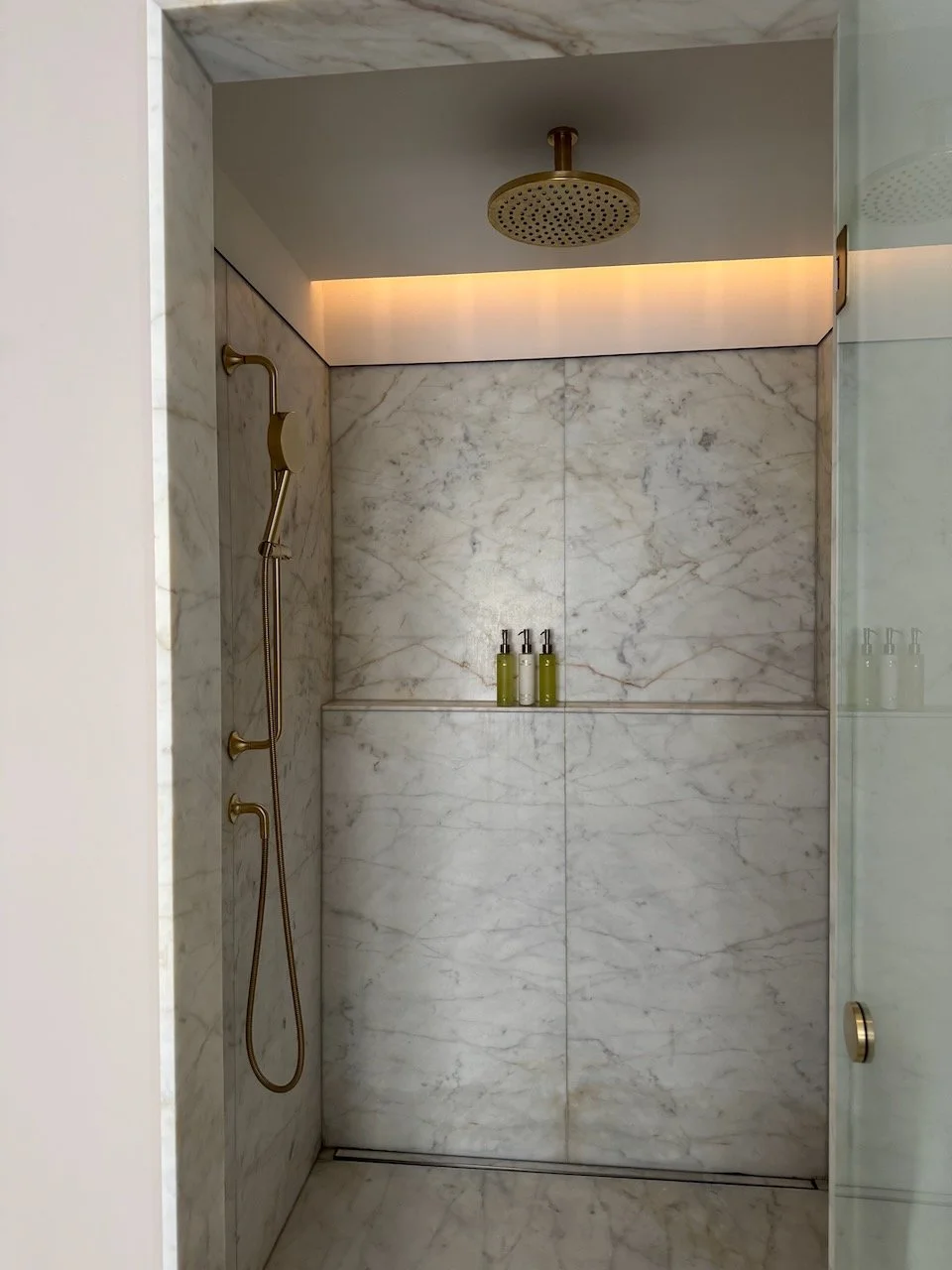
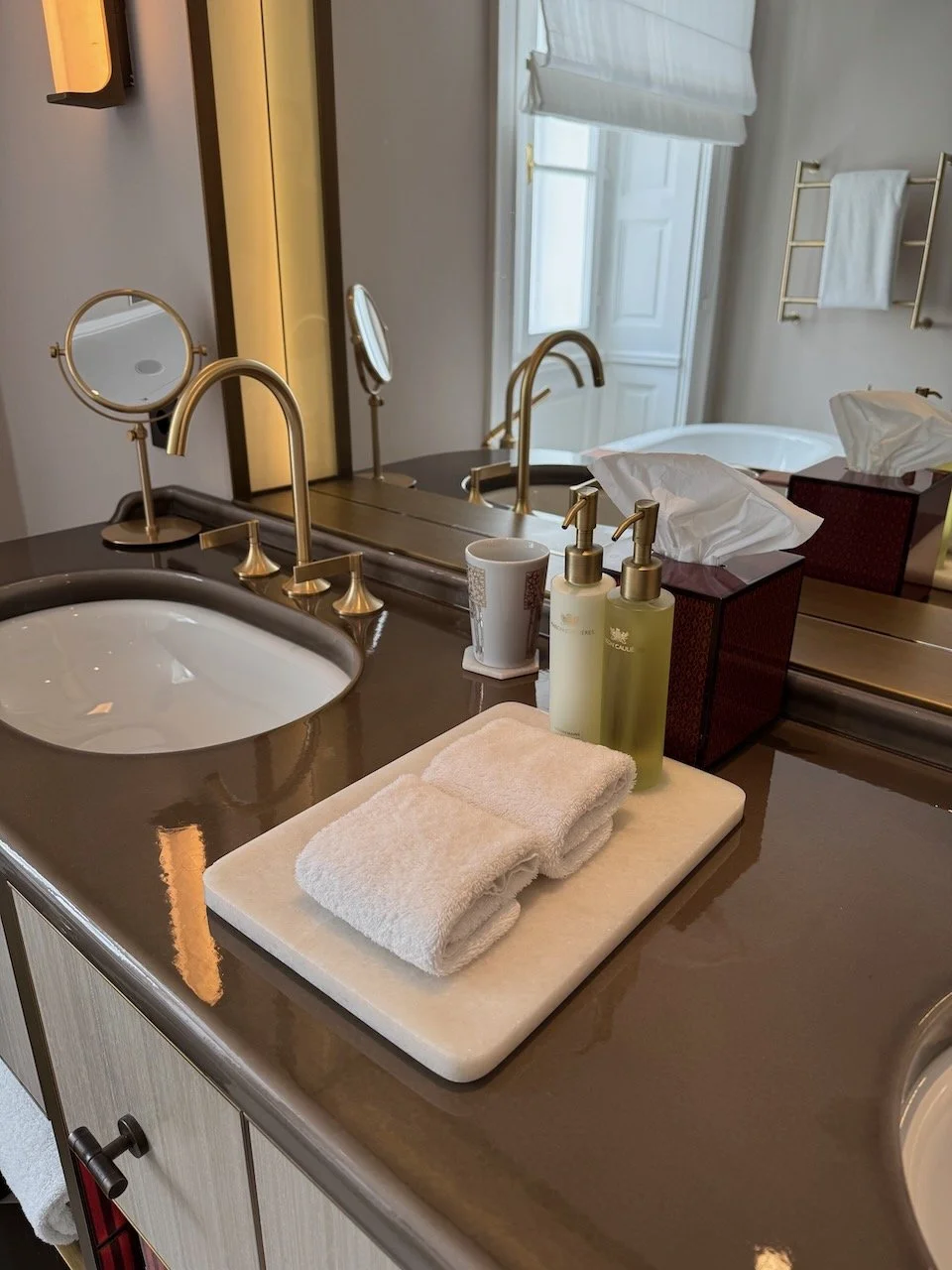
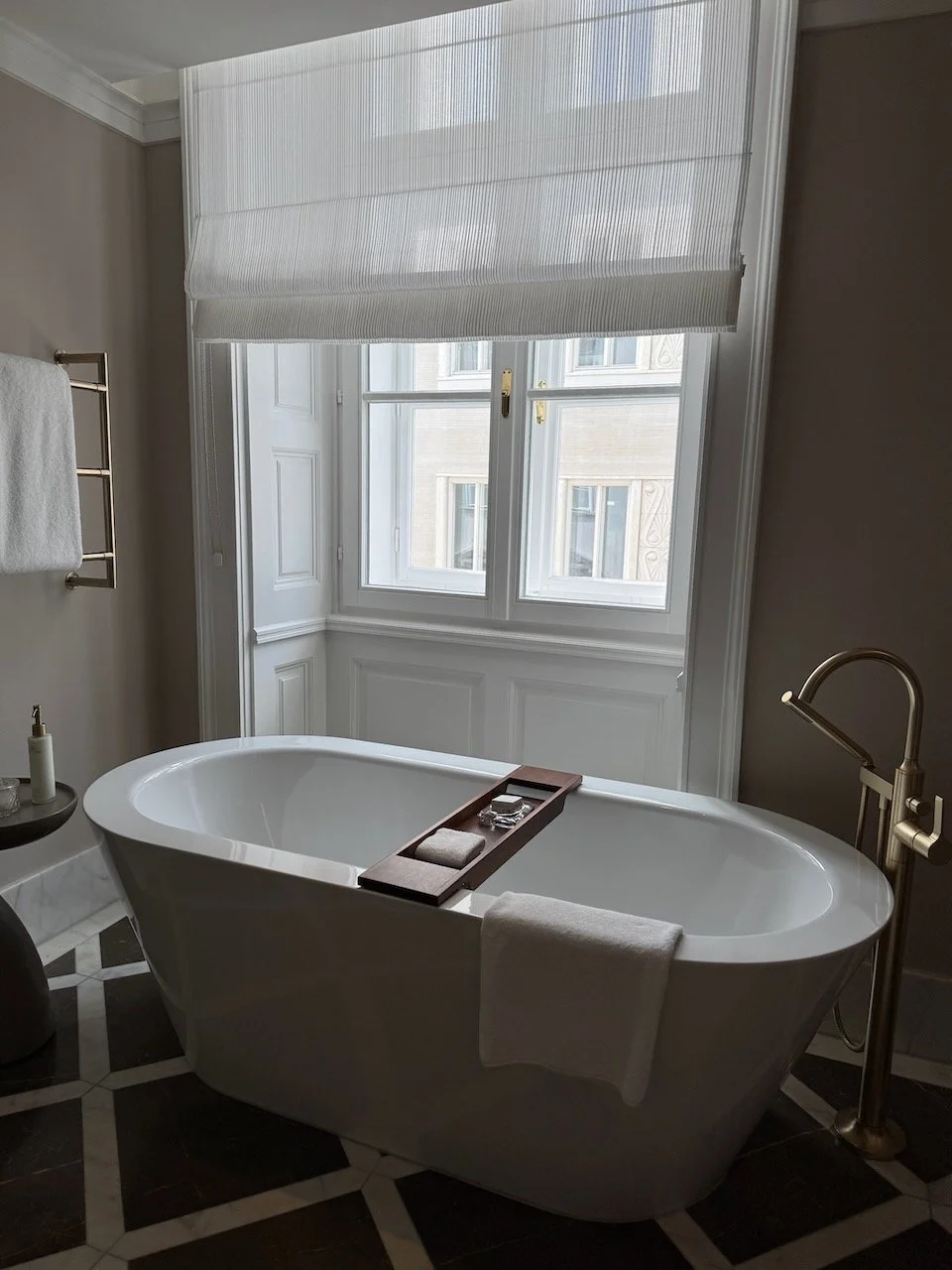
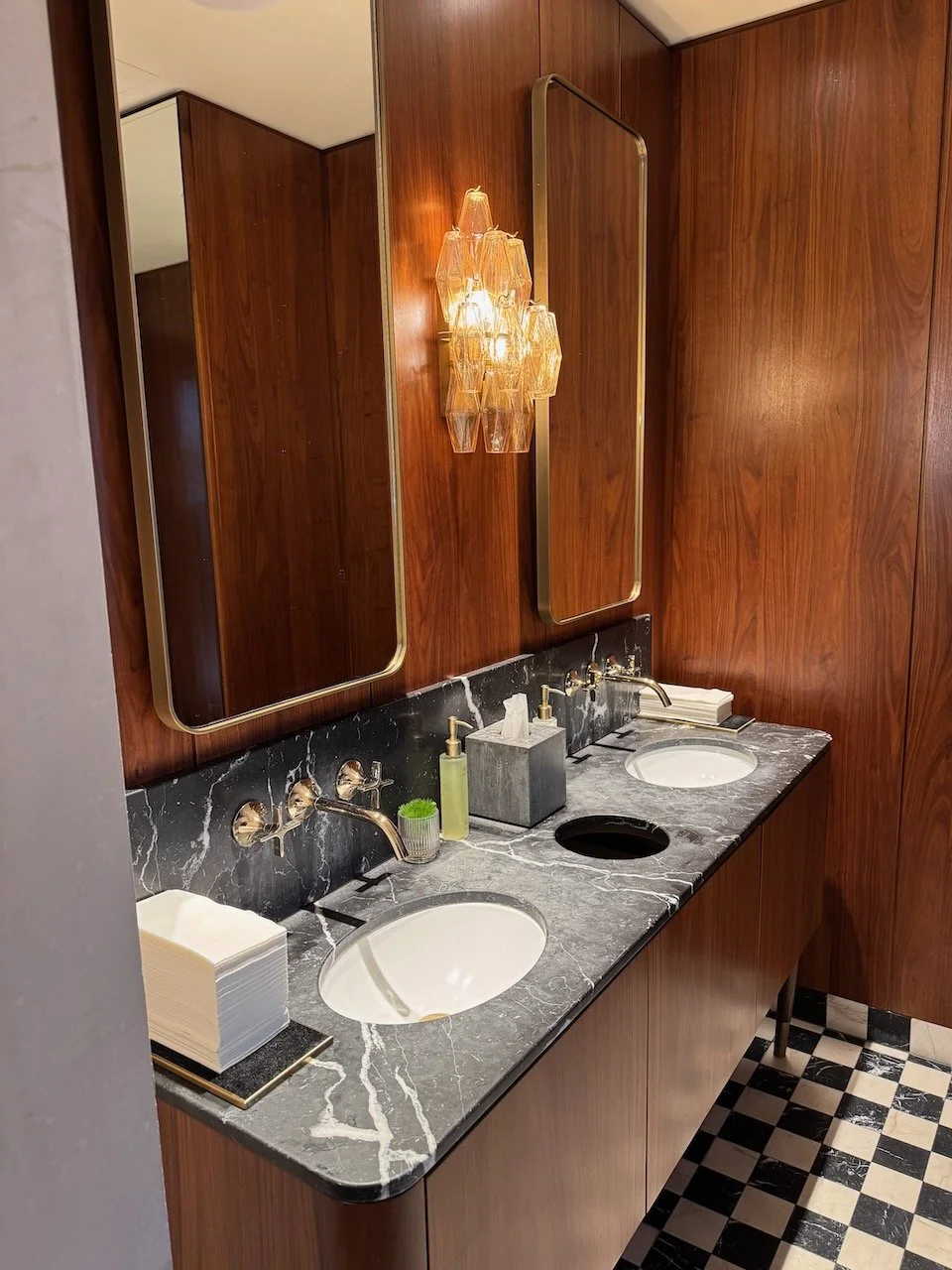
The rooms stood out for their balance of attractive design and everyday comfort. Warm wood, upholstered details and generous bathrooms create a polished space that still feels easy to settle into. Freestanding baths and the window settings in some of the rooms are especially photogenic. As always in a historic city building, the exact layout and outlook are worth checking for your chosen category.
Unique Amenities
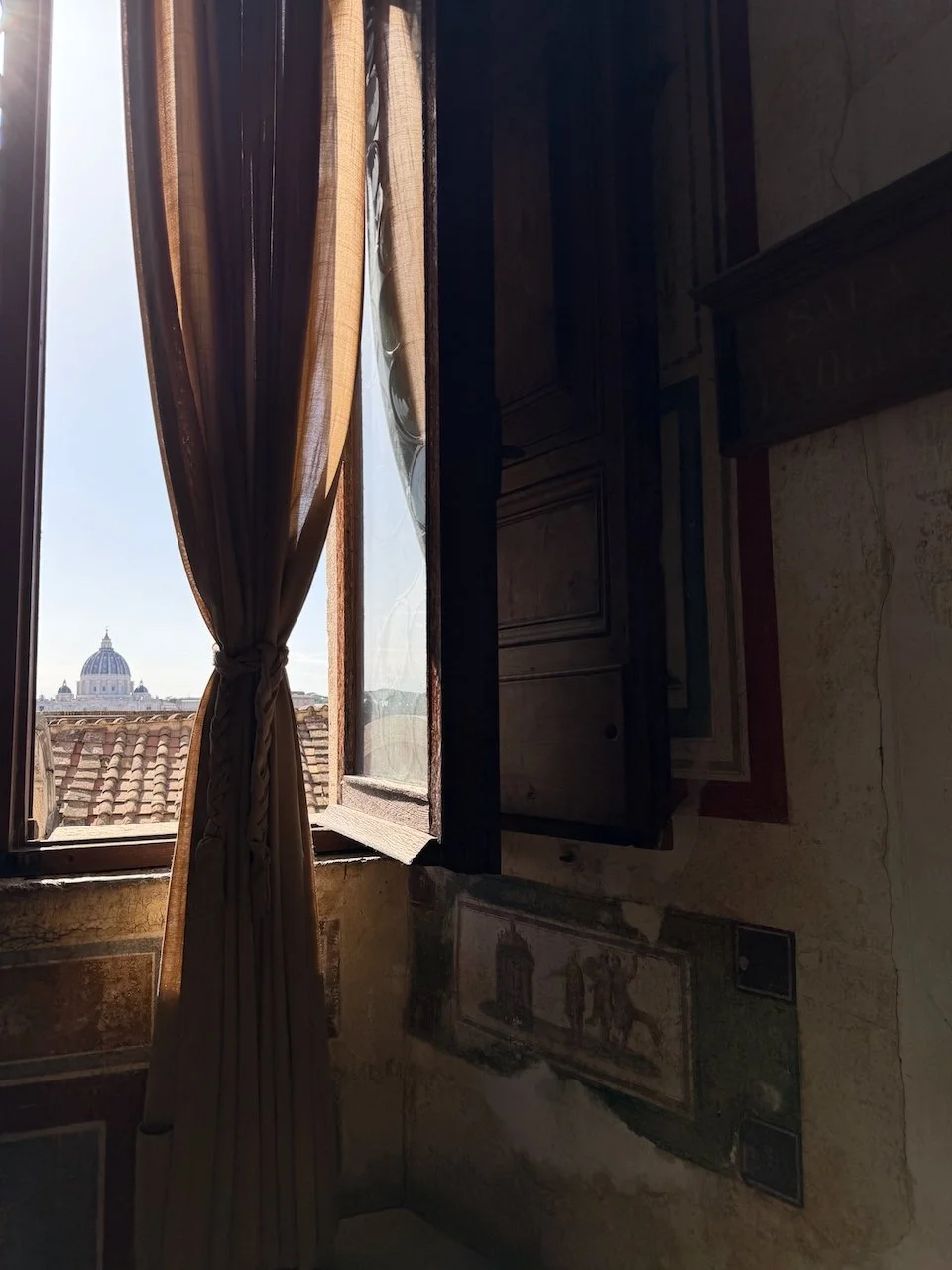
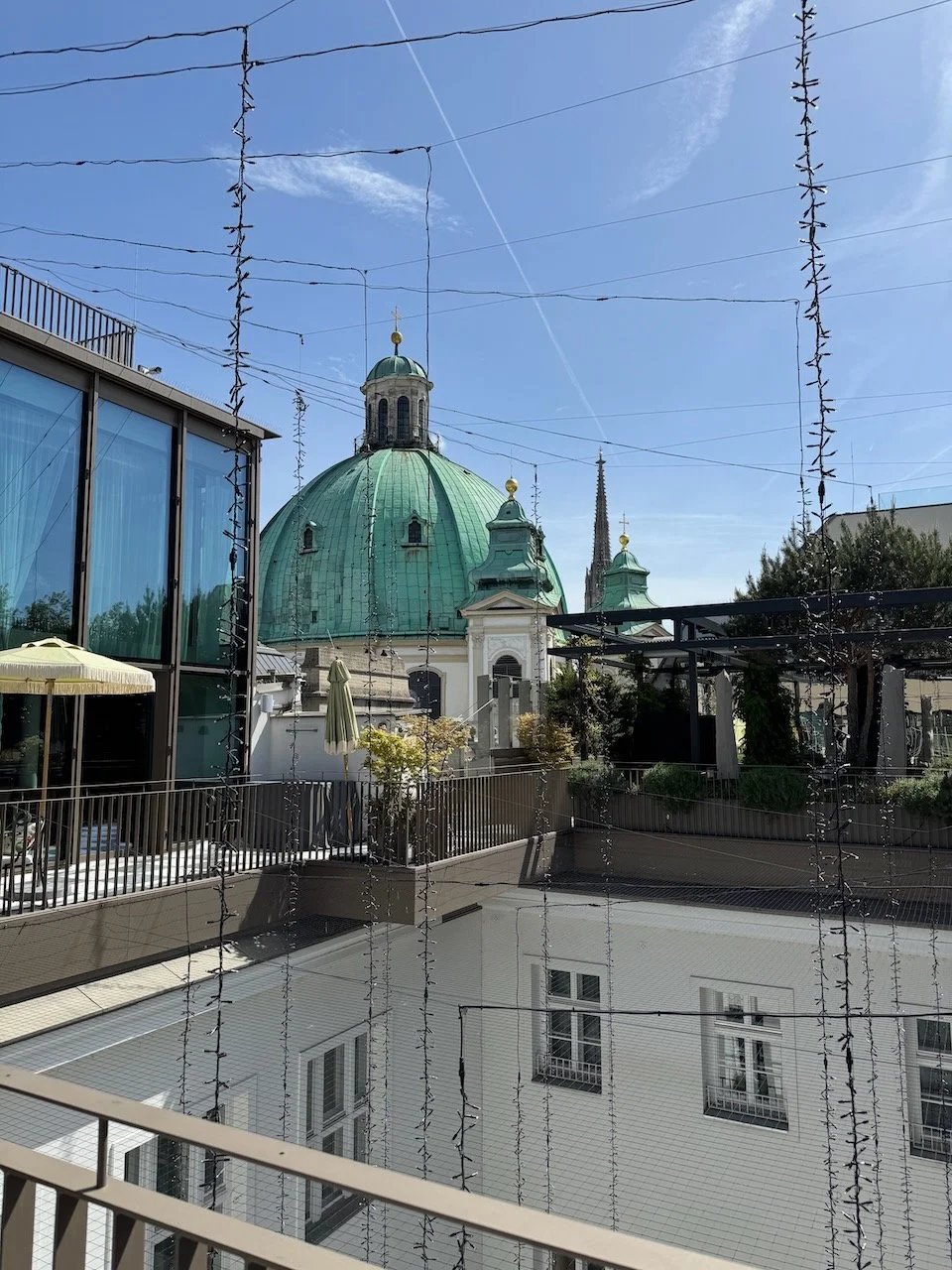
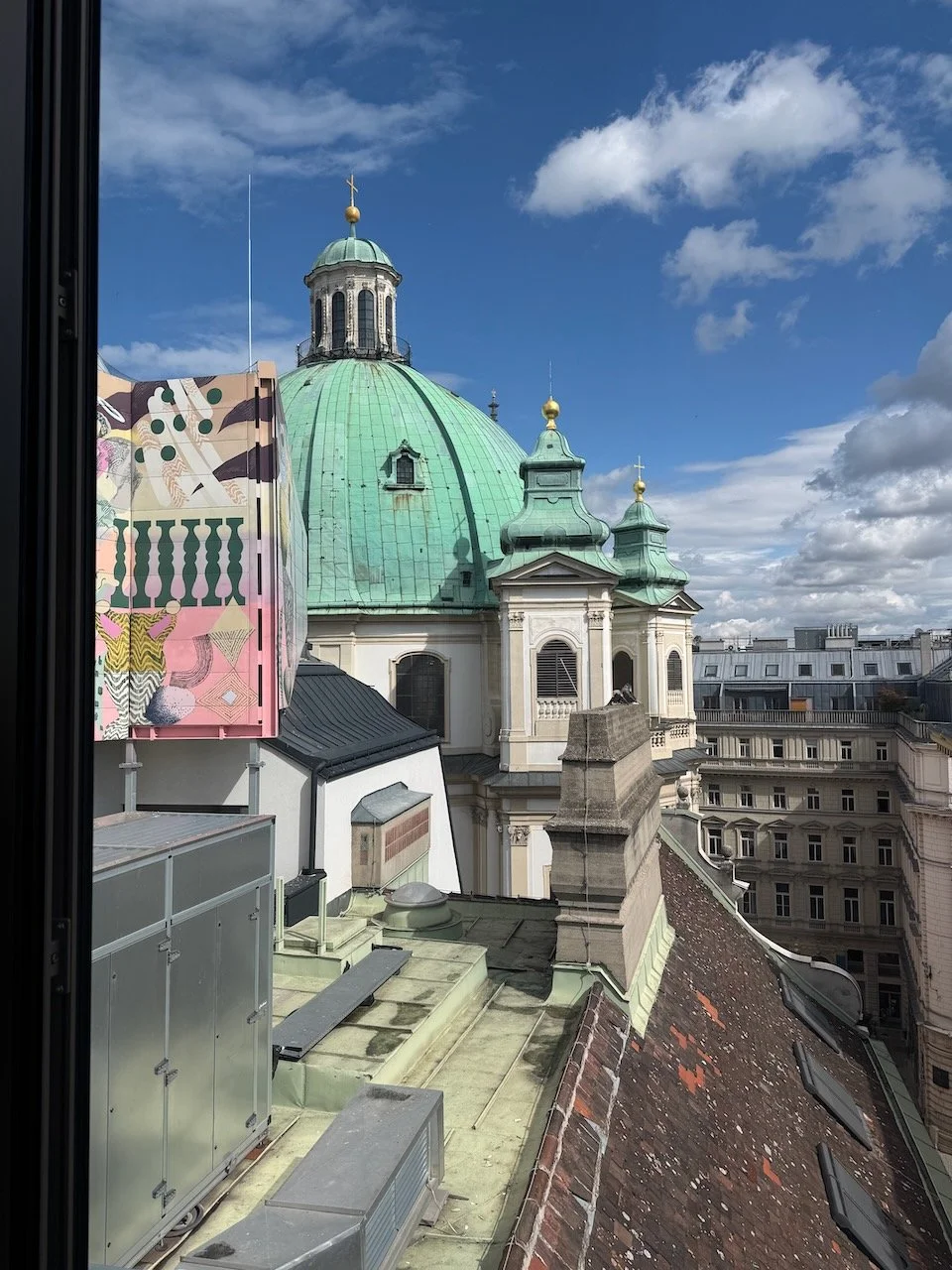
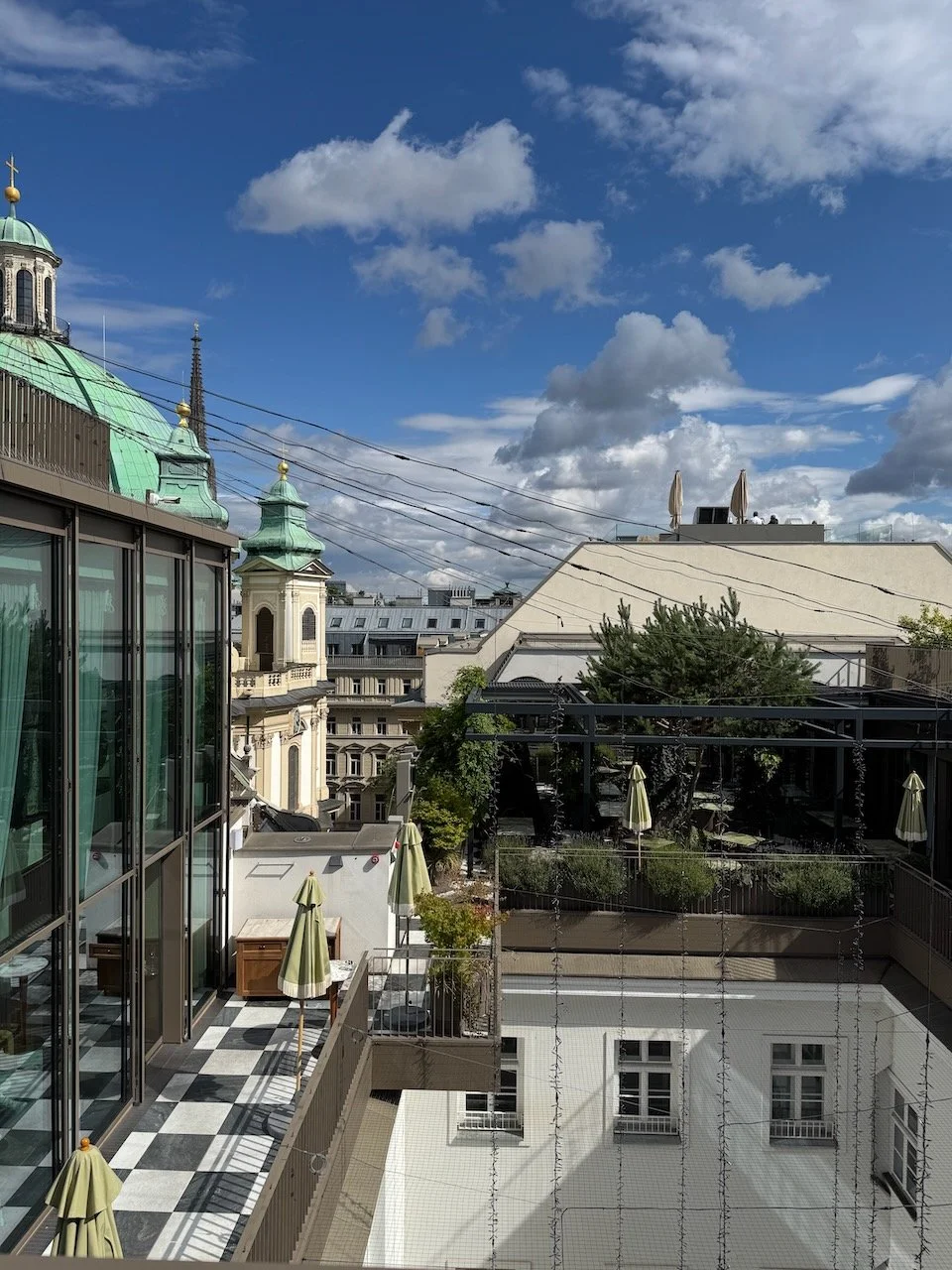
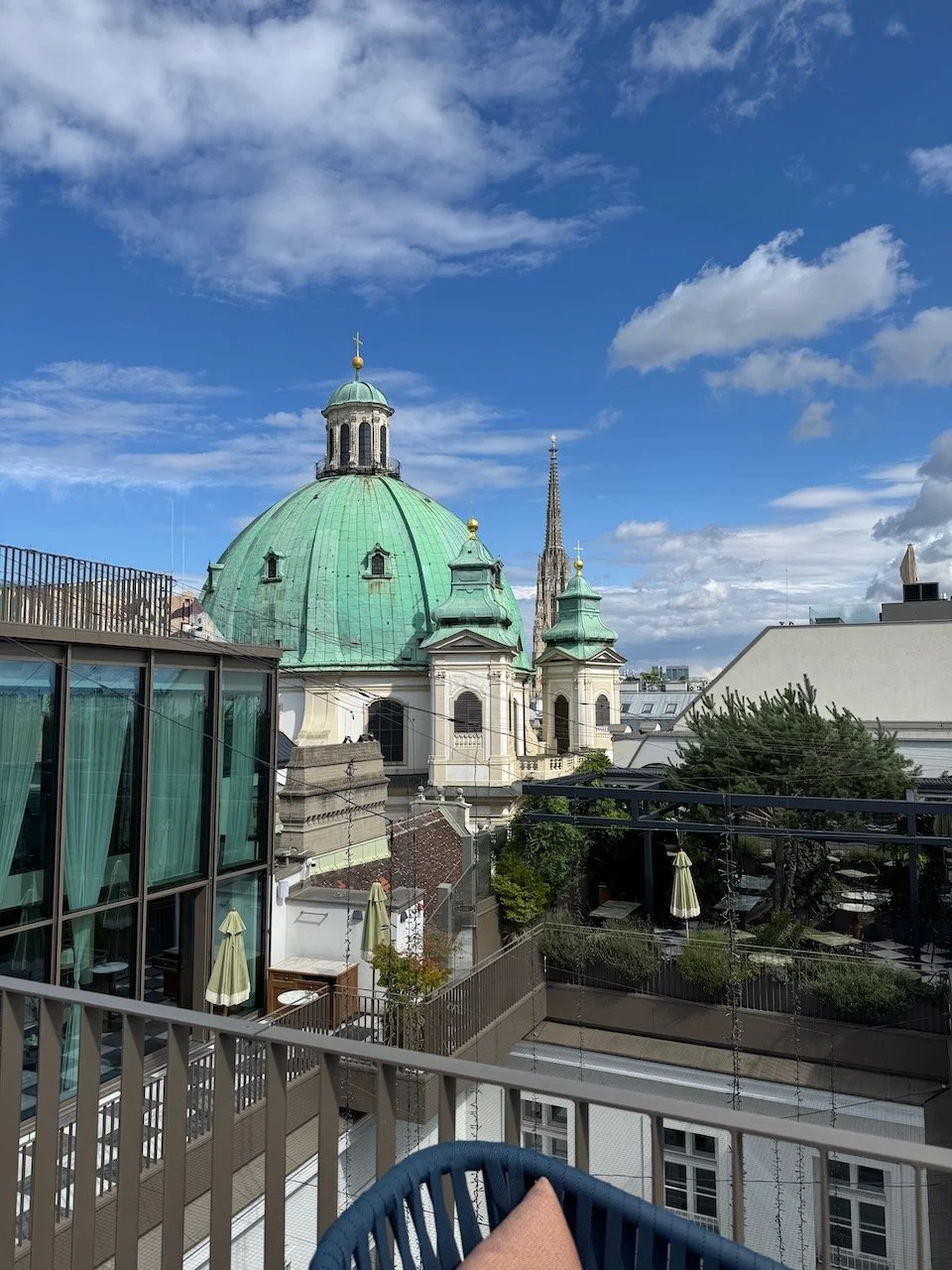
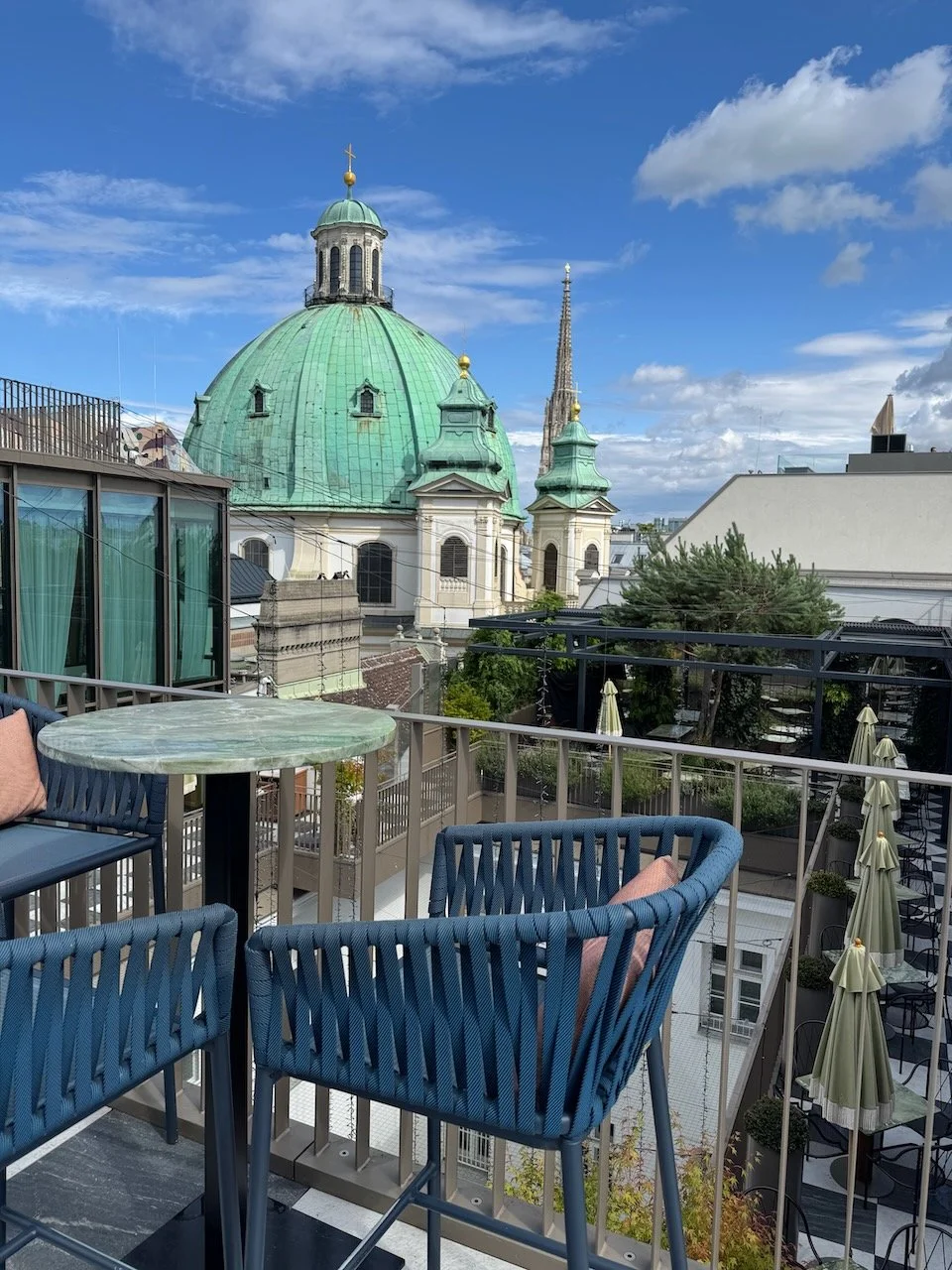
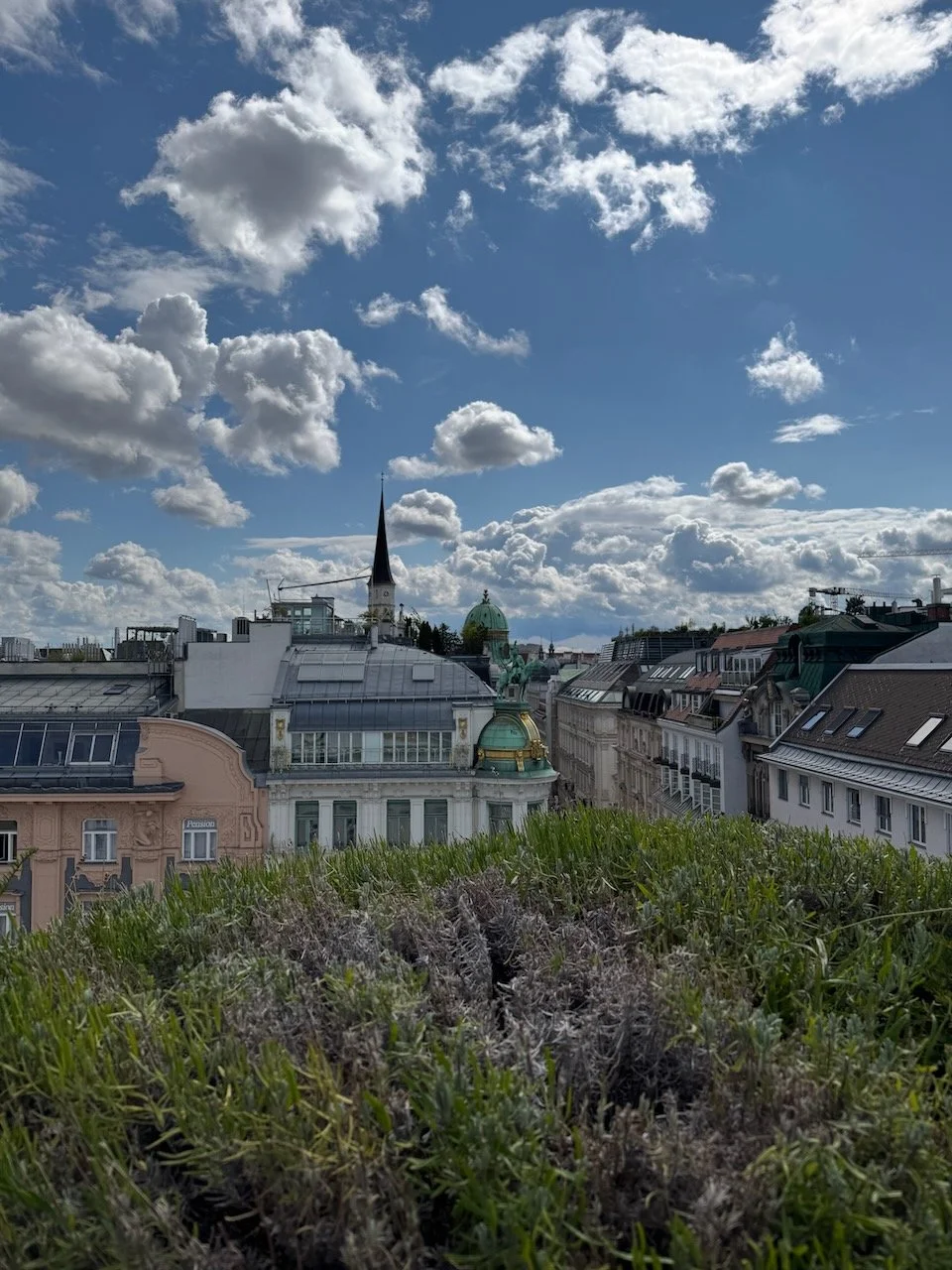
One of the pleasures here is the choice of settings within a relatively intimate hotel: a quiet lounge downstairs, a room overlooking the old city, then drinks above the rooftops. The views towards the dome of St Peter’s Church give the upper-floor spaces a very distinct sense of place.
Spa and Wellness
Asaya Spa is a compact wellness offering with treatment rooms, a sauna, steam bath and experience shower. I don’t have spa photographs from this visit, so this part of the hotel is not shown in my galleries.
Dining Options
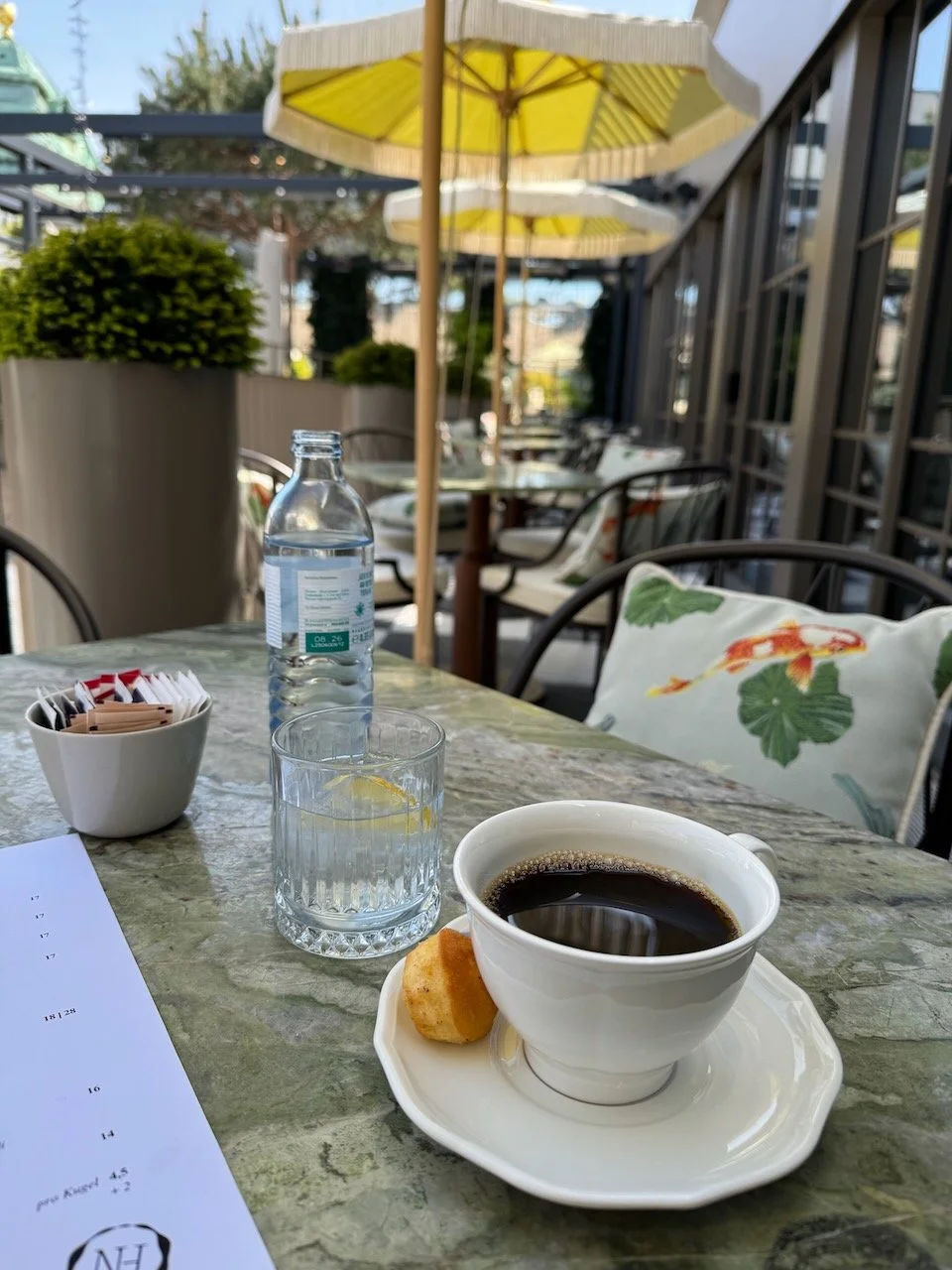
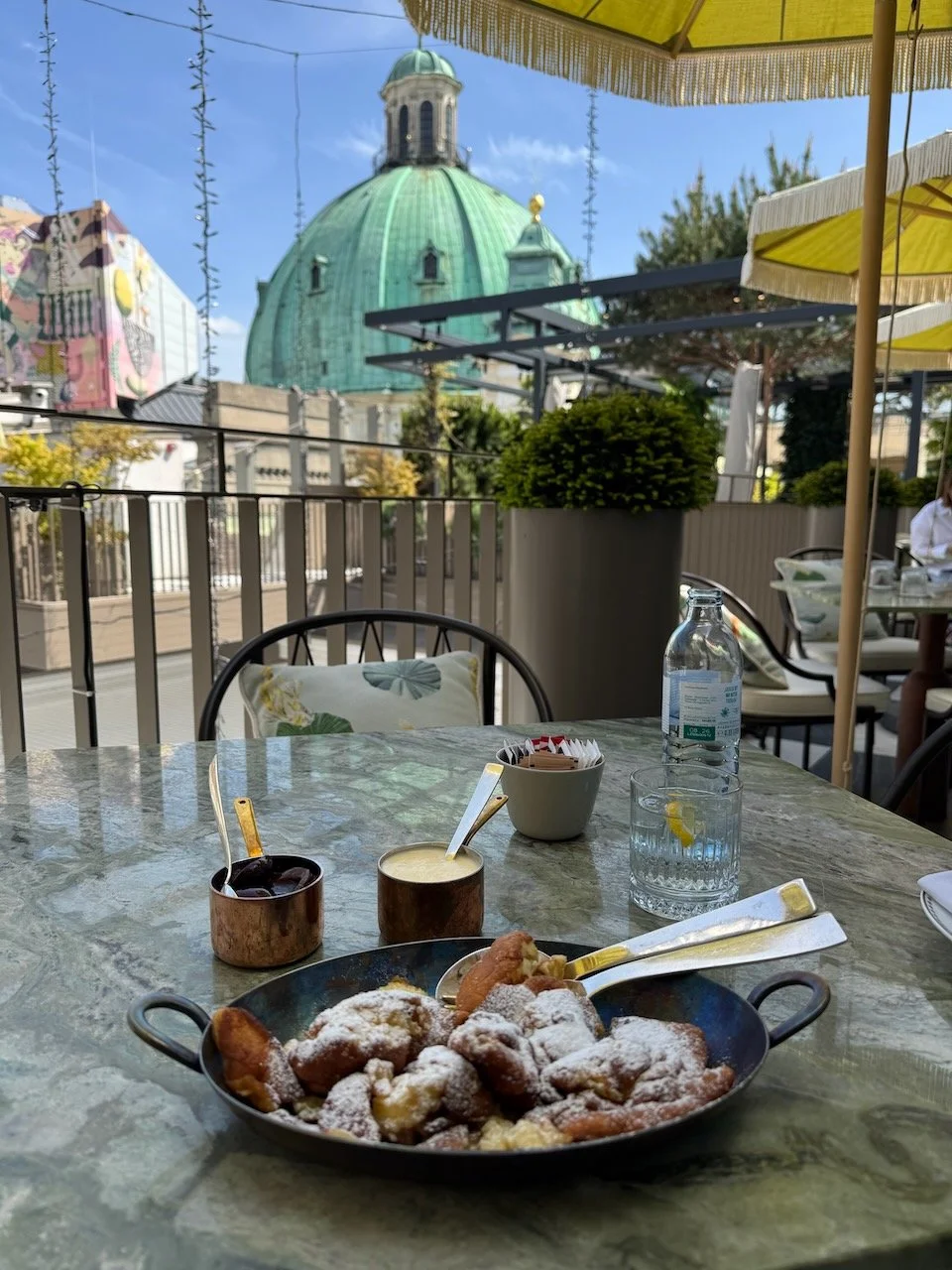
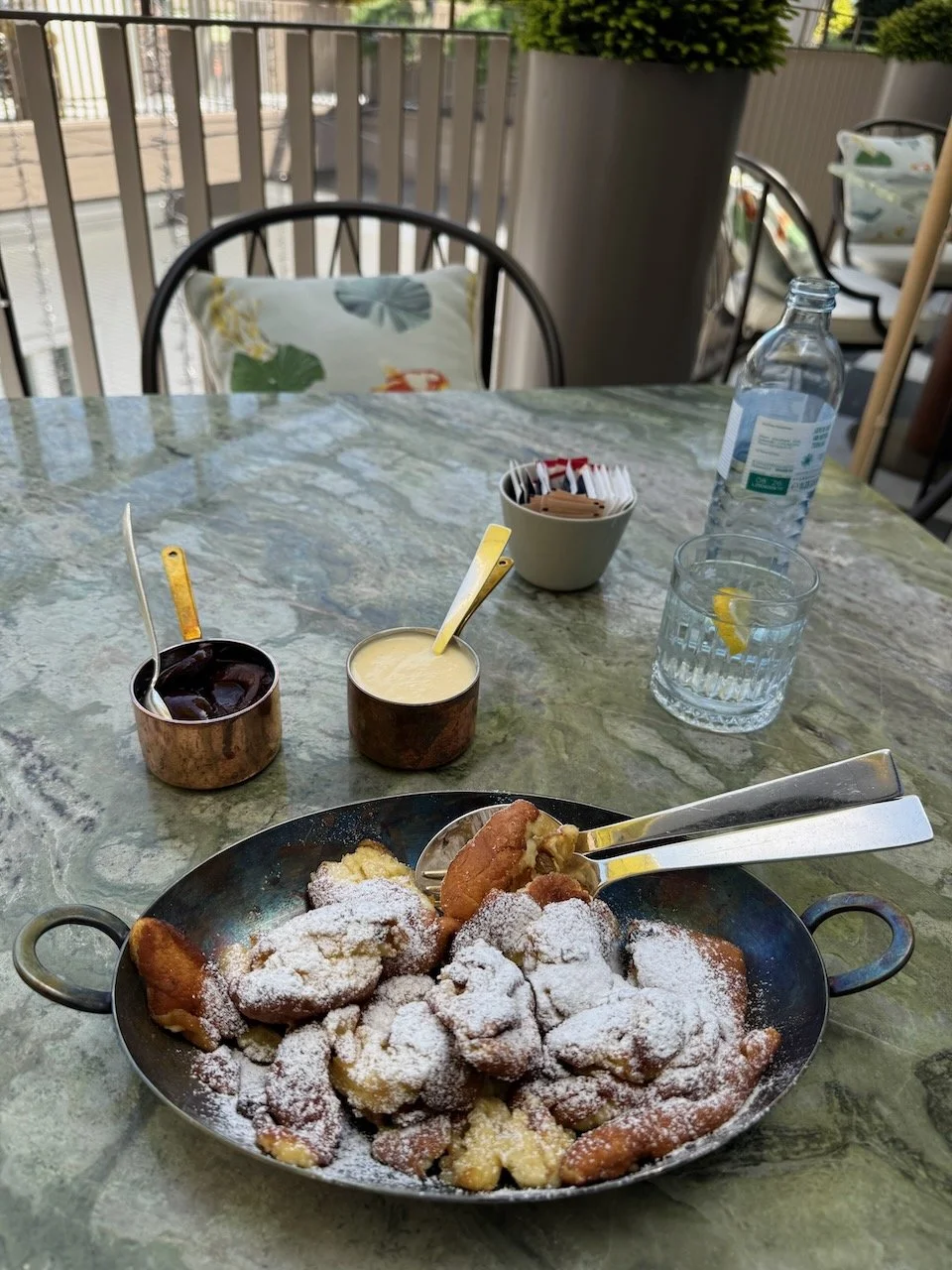
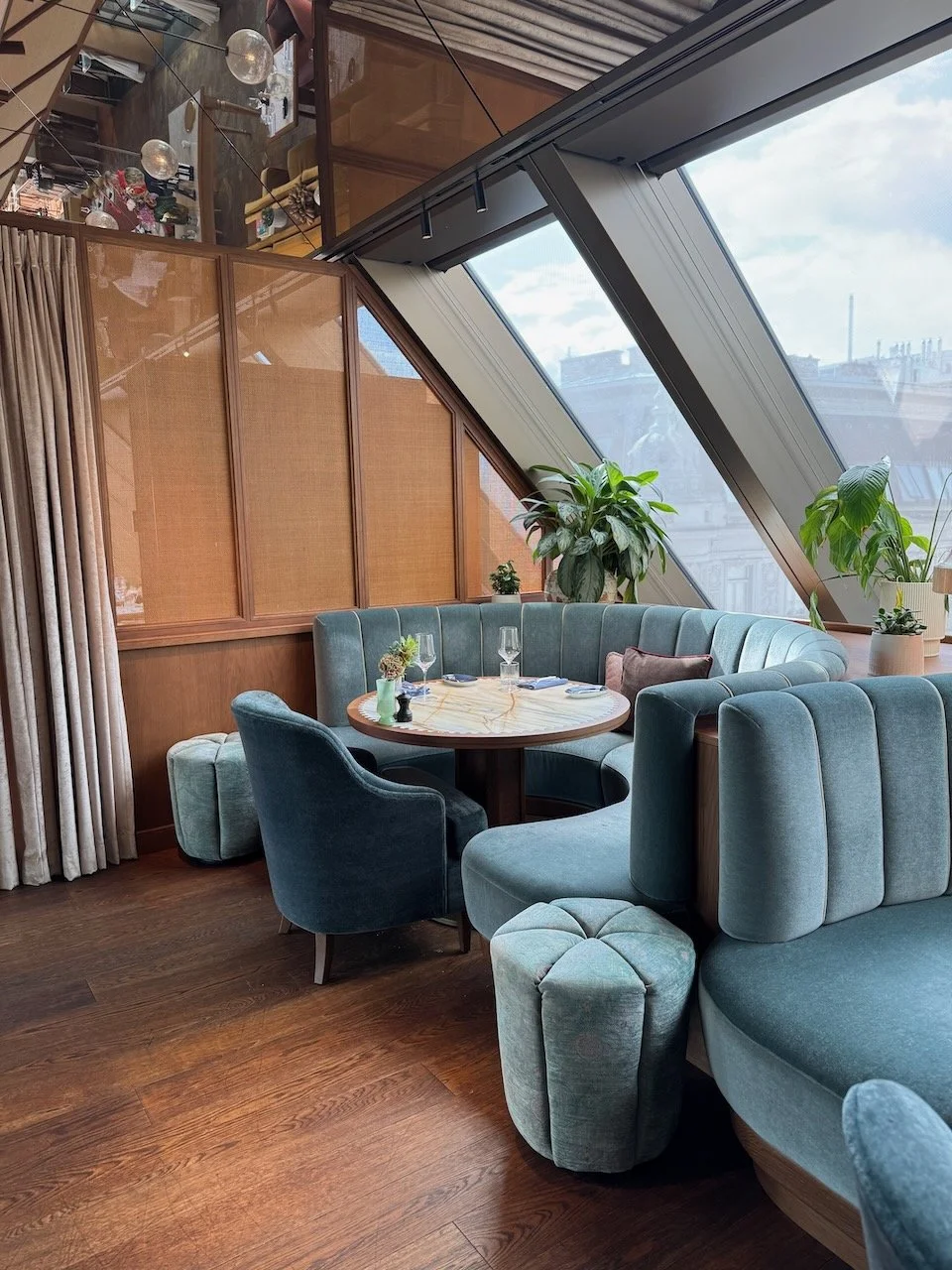
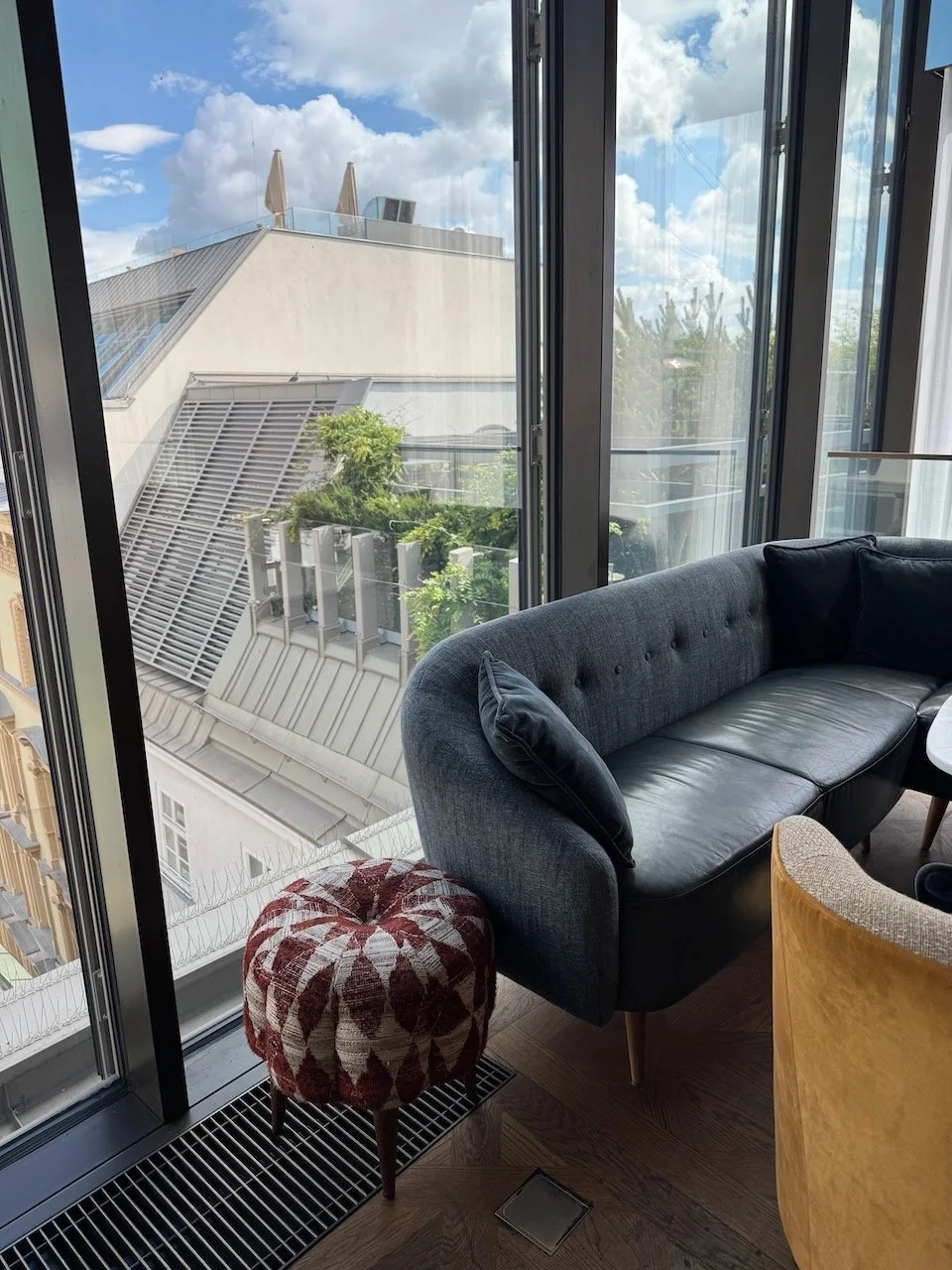
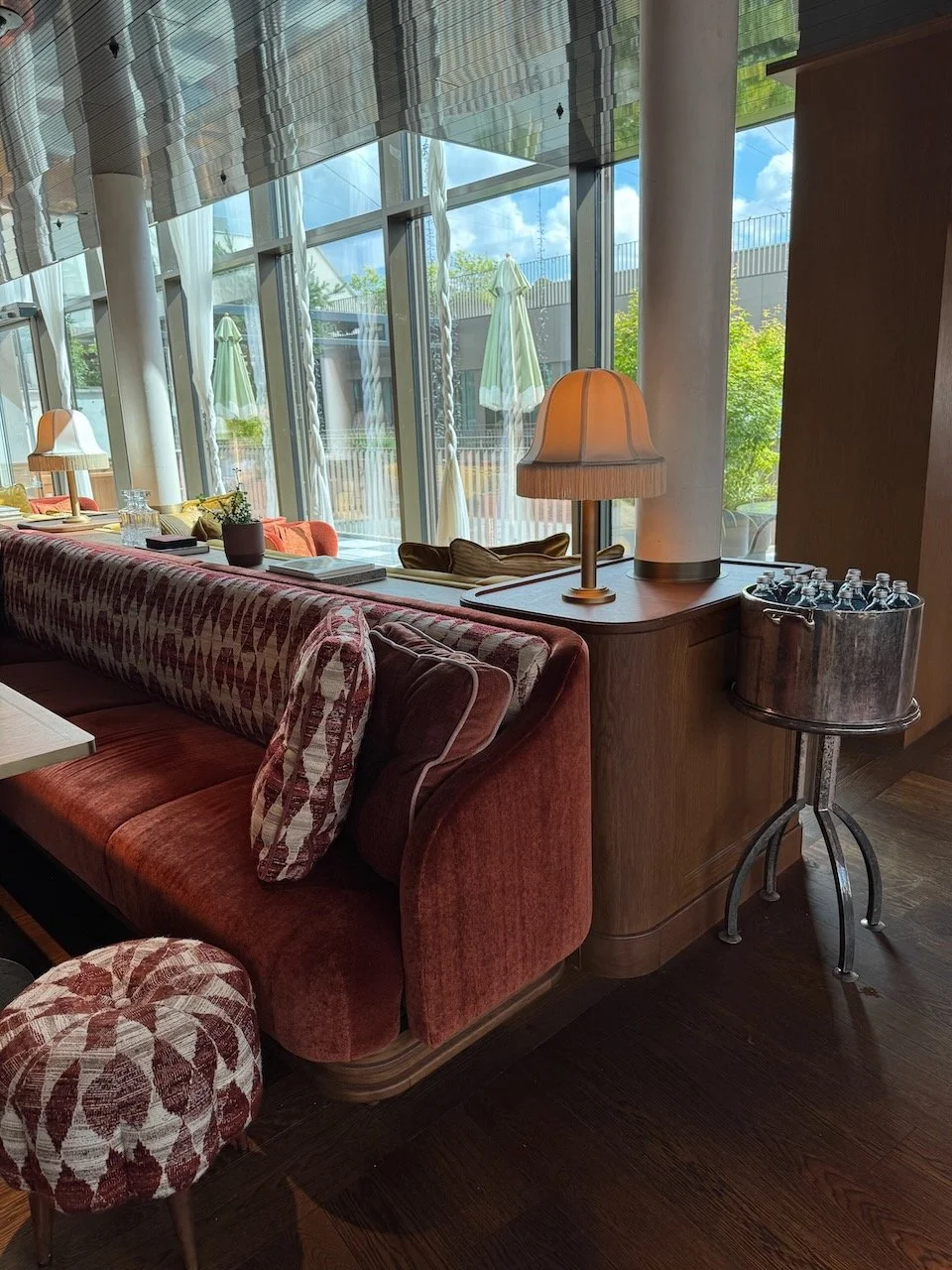
Neue Hoheit brings Austrian cooking to a rooftop setting, with a terrace and a bar looking across the old city. The photographs give a good impression of the different spaces, from intimate upholstered corners to the brighter terrace. Coffee and Kaiserschmarrn would be a very agreeable excuse to pause here; a cocktail with those views is another.
Honorable Mentions
Three further addresses belong on the Top 1% Vienna luxury shortlist, that I yet have to visit:
Anantara Palais Hansen Vienna - the former Kempinski on the Ringstrasse, now renovated under Anantara. Its grand historic setting and spa with a hydropool make it worth considering.
Palais Coburg - reopened in August 2026 with a private guesthouse concept. Its suites, historic spaces and wine archive give it a distinct identity.
Mandarin Oriental, Vienna - opened in December 2025 in a restored former courthouse. It adds another contemporary luxury option to the First District, with an indoor pool and spa.
Which Vienna luxury hotel is right for me?
Vienna’s top hotels offer different ways of experiencing the city. A palace staircase, an opera-house view and a quiet contemporary suite can all feel luxurious, but they appeal to rather different travellers.
Hotel Imperial is for the traveller who wants the full Viennese palace experience: grand staircases, ornate rooms, old-world ceremony and the Musikverein next door. A natural fit for classical music and imperial romance.
Hotel Sacher Vienna is for the guest who loves traditional elegance, carefully maintained rooms and attentive service, with the State Opera just across the street.
The Ritz-Carlton, Vienna is for travellers who enjoy a historic setting but also want a substantial pool, a spa, several dining options and a lively rooftop scene. Room choice matters: contemporary rooms and historic suites offer quite different experiences.
Park Hyatt Vienna is for someone drawn to impressive architecture, generous rooms and contemporary comfort within a grand historic building. The former banking hall and vault pool give it a character of its own.
Rosewood Vienna is for the traveller who prefers a more intimate, residential atmosphere, beautifully designed rooms and a softer contemporary interpretation of Viennese luxury.
For me, Sacher has the edge among the three more traditionally styled hotels. The condition of the rooms and the level of service tip the balance. Imperial has the strongest palace romance, while Rosewood would be especially tempting if I wanted a more contemporary stay: its rooms were among the highlights of my visits.
What I like about this selection is how many versions of Vienna it offers. You can make the hotel part of an evening at the opera, a concert at the Musikverein, a long lunch in a former banking hall or a quiet afternoon above the rooftops.
The right choice is the one that makes your particular version of Vienna feel complete.
Vienna through the seasons
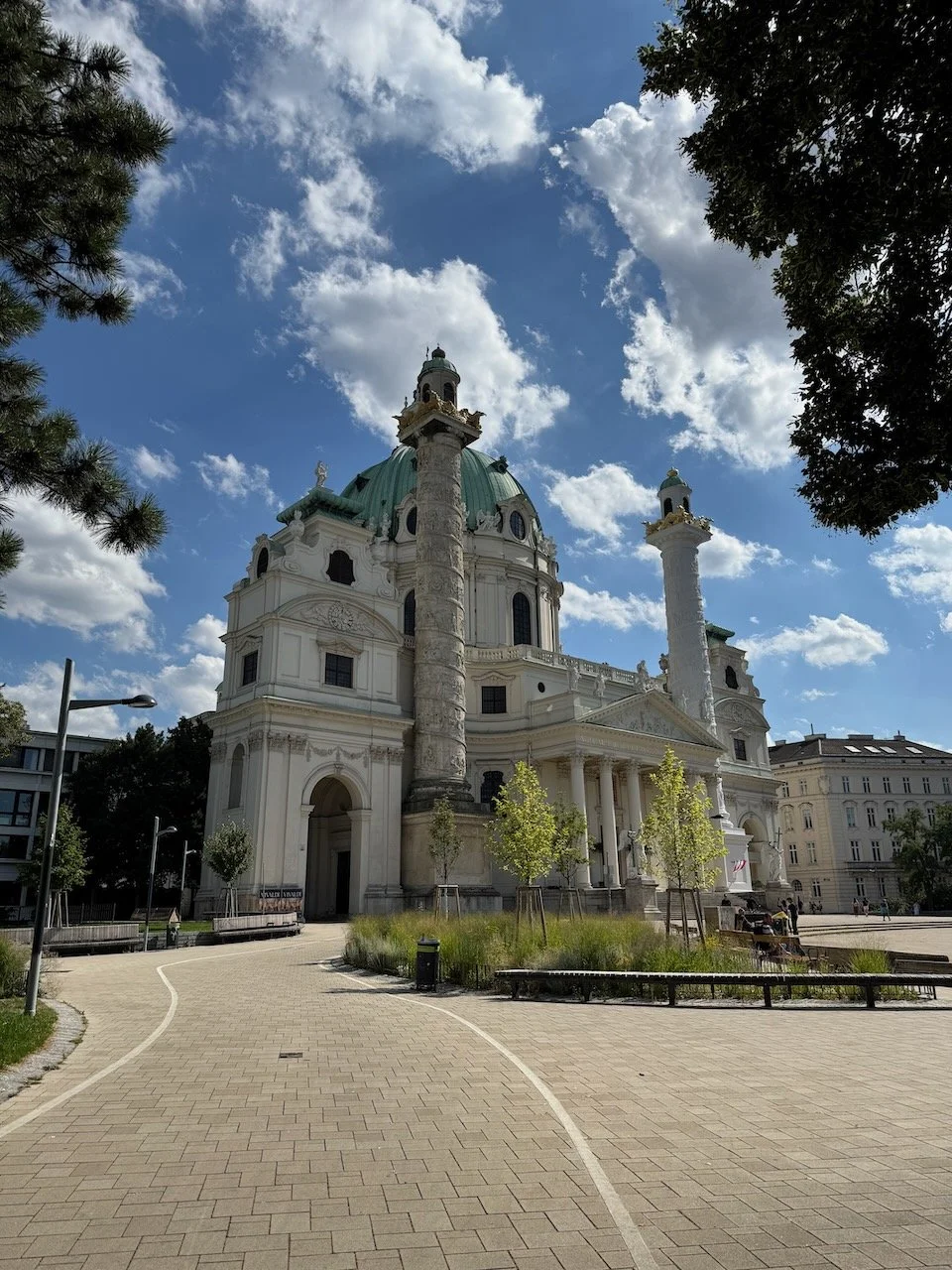
Vienna has a different rhythm at different times of year. These are three particularly good reasons to build a stay around the season.
Christmas: markets, music and coffeehouses
Advent is Vienna at its most atmospheric: illuminated streets, Christmas markets and plenty of reasons to retreat into an elegant coffeehouse. Start with Rathausplatz and Schönbrunn for the grand settings, then explore Spittelberg’s smaller streets for crafts and gifts. Add an Advent concert, a long lunch and a hotel dressed for Christmas, and the trip almost plans itself.
Check individual market dates before choosing your stay. Some finish at Christmas, while others continue into January; the weeks before Christmas and the holiday itself can feel quite different.
New Year: waltzes, opera and the Philharmonic
Vienna gives the turn of the year a musical identity all its own. The centrepiece is the Vienna Philharmonic’s New Year’s Concert in the Musikverein’s Golden Hall on January 1. The same programme is also performed at the preview on December 30 and the New Year’s Eve concert on December 31. Tickets for all three are allocated through the Philharmonic’s official lottery, so this is something to plan far ahead.
Another very Viennese tradition is Strauss’s Die Fledermaus at the State Opera around New Year. An opera evening followed by a festive dinner would be a lovely way to mark the occasion; arrange the performance and dinner well in advance.
For the outdoor celebration, the Silvesterpfad brings music and dancing into the centre. At midnight, the Pummerin bell and the Blue Danube Waltz give the celebrations their unmistakably Viennese soundtrack. A little waltz practice beforehand would not go amiss.
Summer: palace gardens and long evenings
Summer is for palace gardens, shaded café tables and drinks above the rooftops. Explore Schönbrunn or the Belvedere gardens early, save a museum for the hotter part of the day, then give the evening over to a terrace.
Two musical highlights are the Philharmonic’s open-air Summer Night Concert at Schönbrunn and the Rathausplatz Film Festival, with opera and concert screenings alongside food stalls. Both offer free general admission. Check the annual dates and programmes before booking, especially if a particular performance is the reason for your trip.
Book with me to get perks
If you’re considering one of Vienna’s top luxury hotels, tell me your dates, who you’re travelling with, and what you want this stay to feel like.
I’ll help you choose the right hotel, room category, view, dining strategy, concert tickets, and location for the kind of Vienna trip you actually want.
Plus: You’ll get extra perks through me where available, such as possible upgrades, hotel credit, breakfast, and VIP treatment.
Contact me either via email: travel@continentaltraveller.blog via direct message on WhatsApp or schedule a call with me by clicking below: