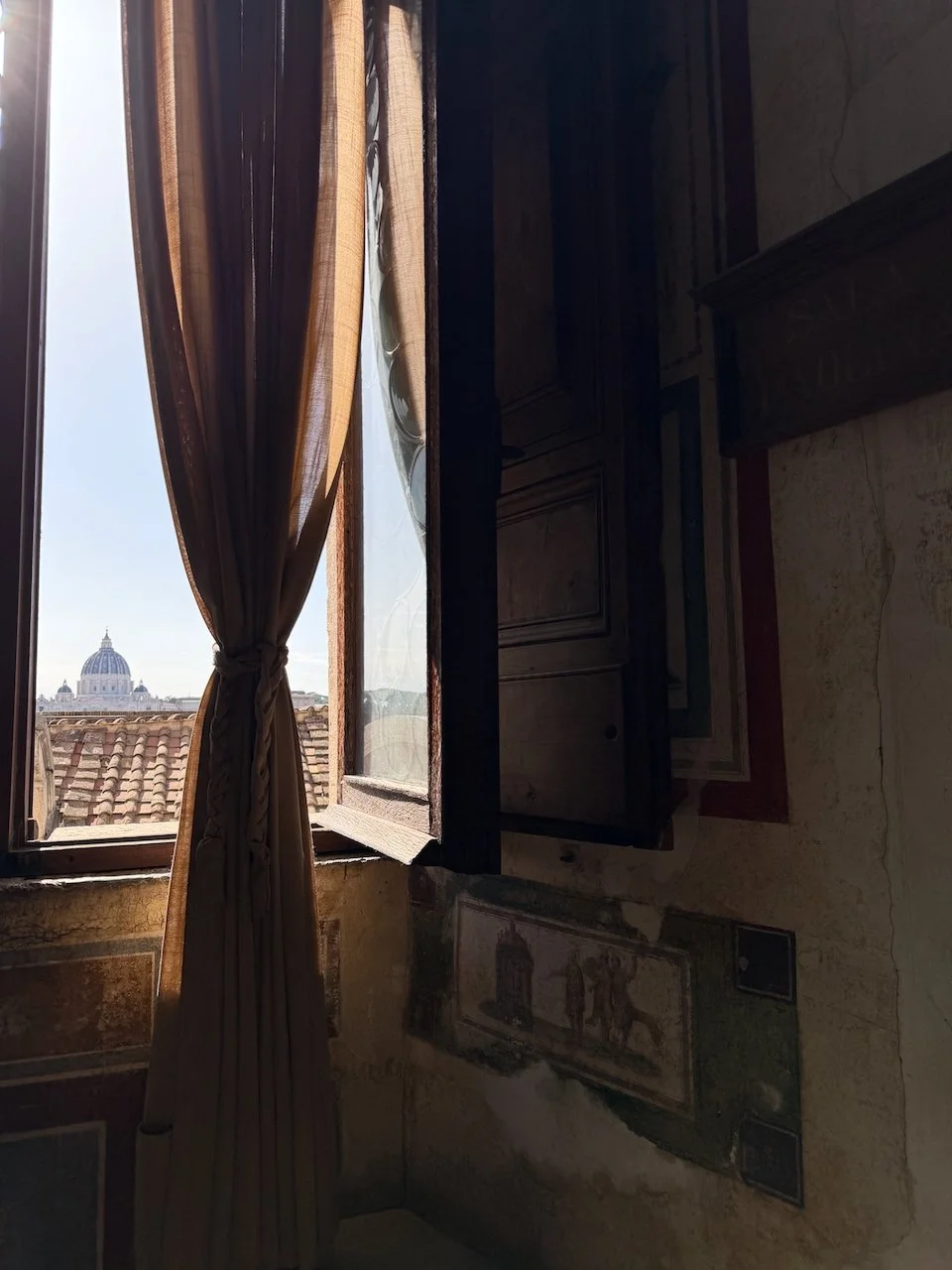
Rome - Top 1% Hotels
Rome - the most incredible city in the universe. The capital of an ancient empire is also not short of grand hotels. It has palaces, private courtyards, rooftop terraces, hidden gardens, marble bathrooms, discreet entrances, and that particular Roman talent for making even the most ordinary afternoon feel theatrical.
But the very top hotel tier in Rome is not only about luxury in the obvious sense. It is about where you want to wake up, how the city enters the property, how much privacy you feel, whether the service remembers you, and whether the hotel adds something meaningful to the Roman experience rather than simply decorating itself with Roman references.
On my recent trip to Rome, I visited — and in one case stayed at — several of the city’s most talked-about ultra-luxury hotels. Some are already Roman institutions. Some are newer arrivals trying to redefine the market. And a few are quietly doing something very special.
Here are my impressions.
Table of Contents
The Rome EDITION
I can get you VIP perks through Virtuoso and:

The Rome EDITION brings Ian Schrager’s lifestyle-hotel concept into a Roman setting: polished, design-led, social, and slightly secretive rather than traditionally palatial. The brand is known for blending luxury hospitality with a private-club atmosphere, strong bars and restaurants, and a curated sense of place. In Rome, that translates into a clean, contemporary hotel that feels discreet and modern — a counterpoint to the city’s grander palace hotels.
The location is also interesting because it sits next to the upcoming Rosewood, which could turn this small area into an even more significant luxury hotel cluster in Rome.
Ambiance
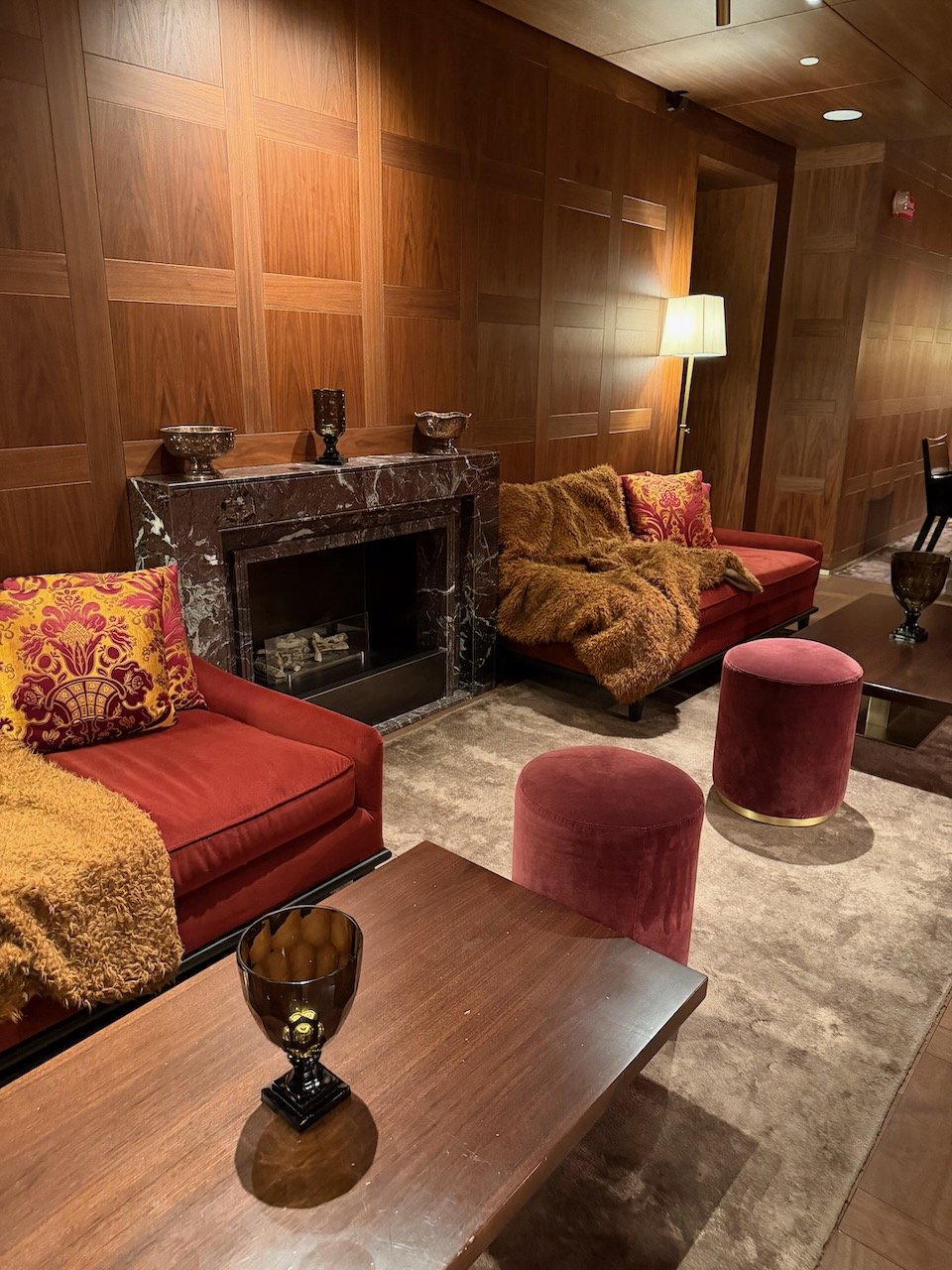
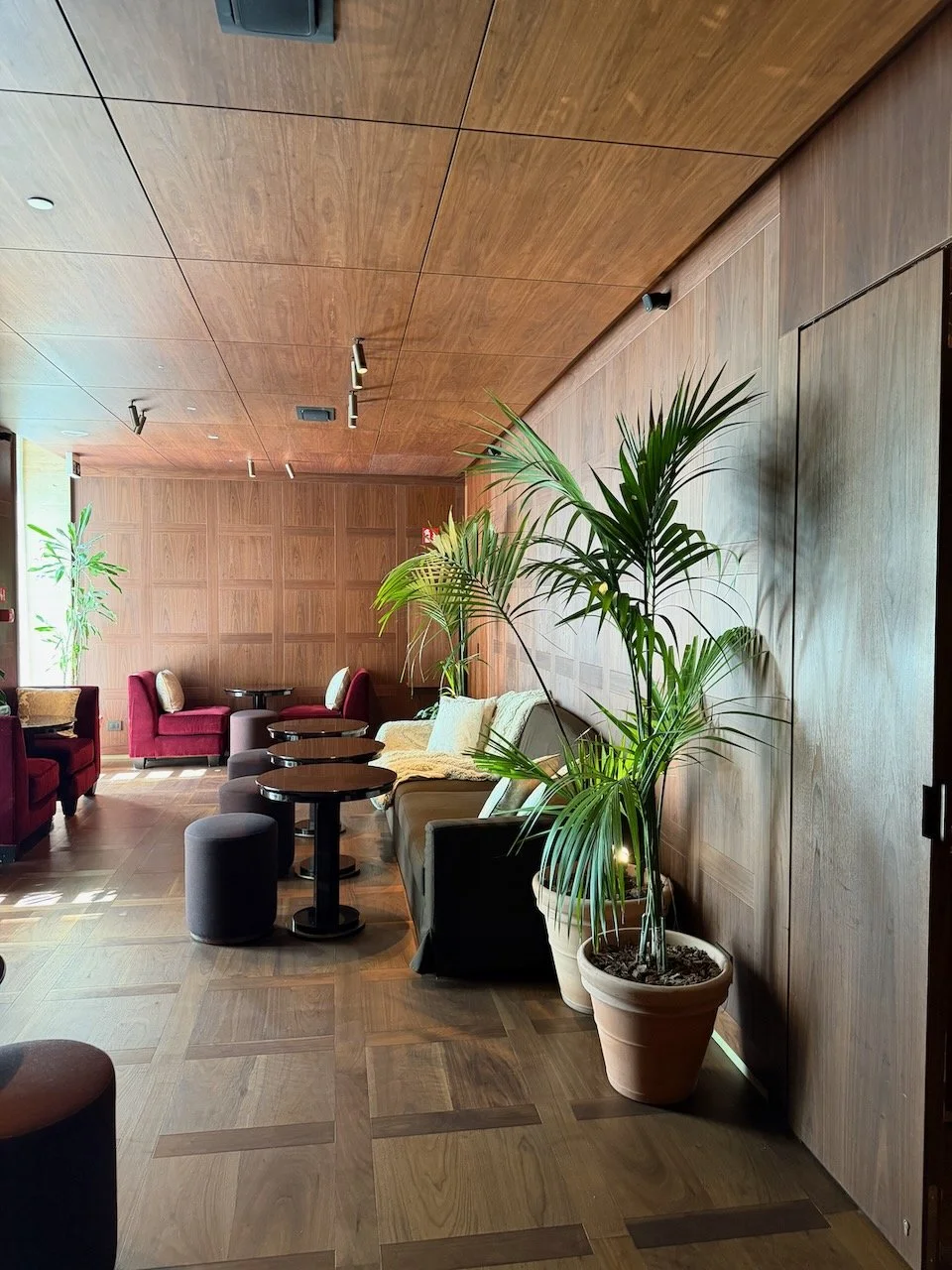
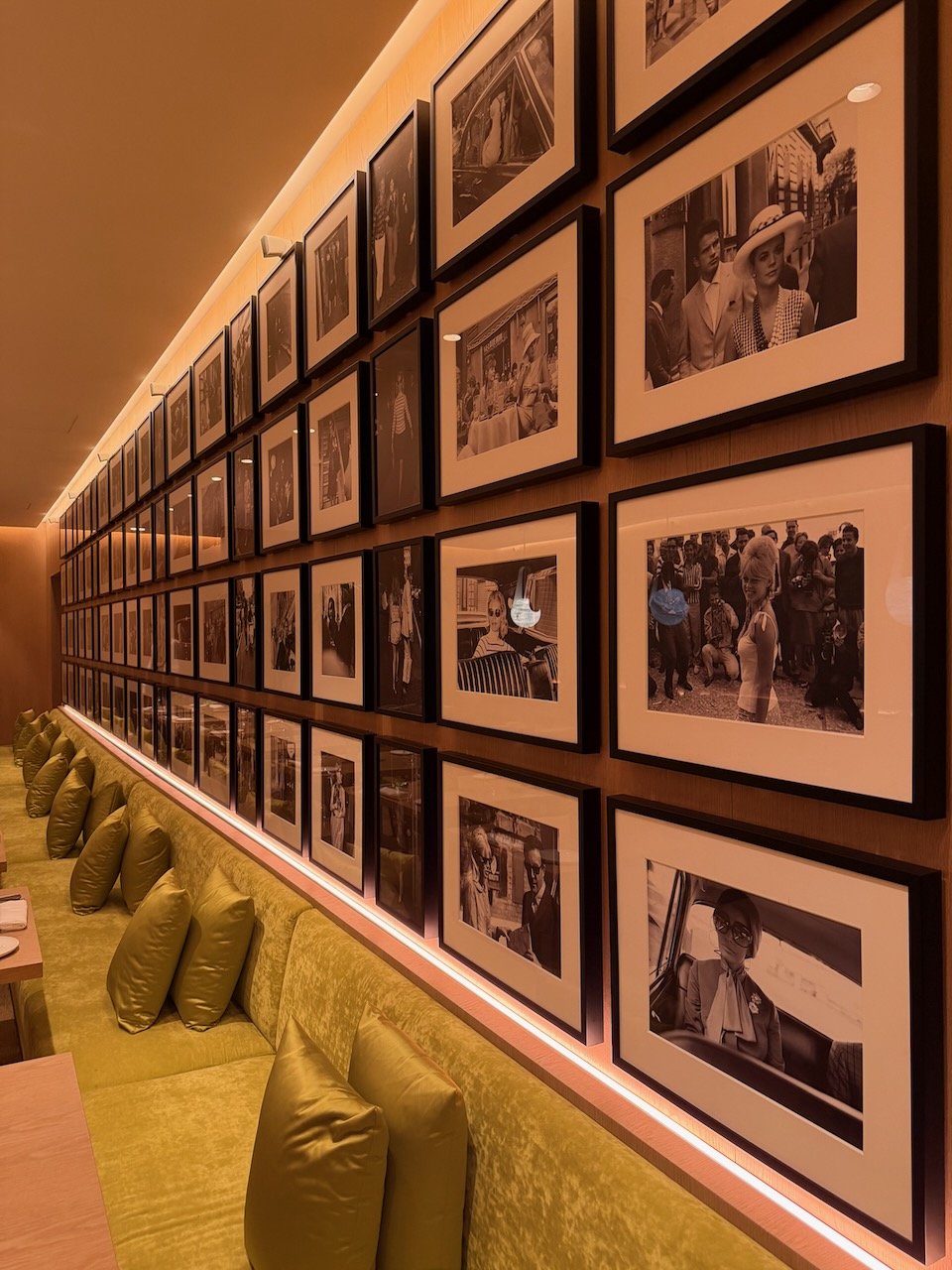
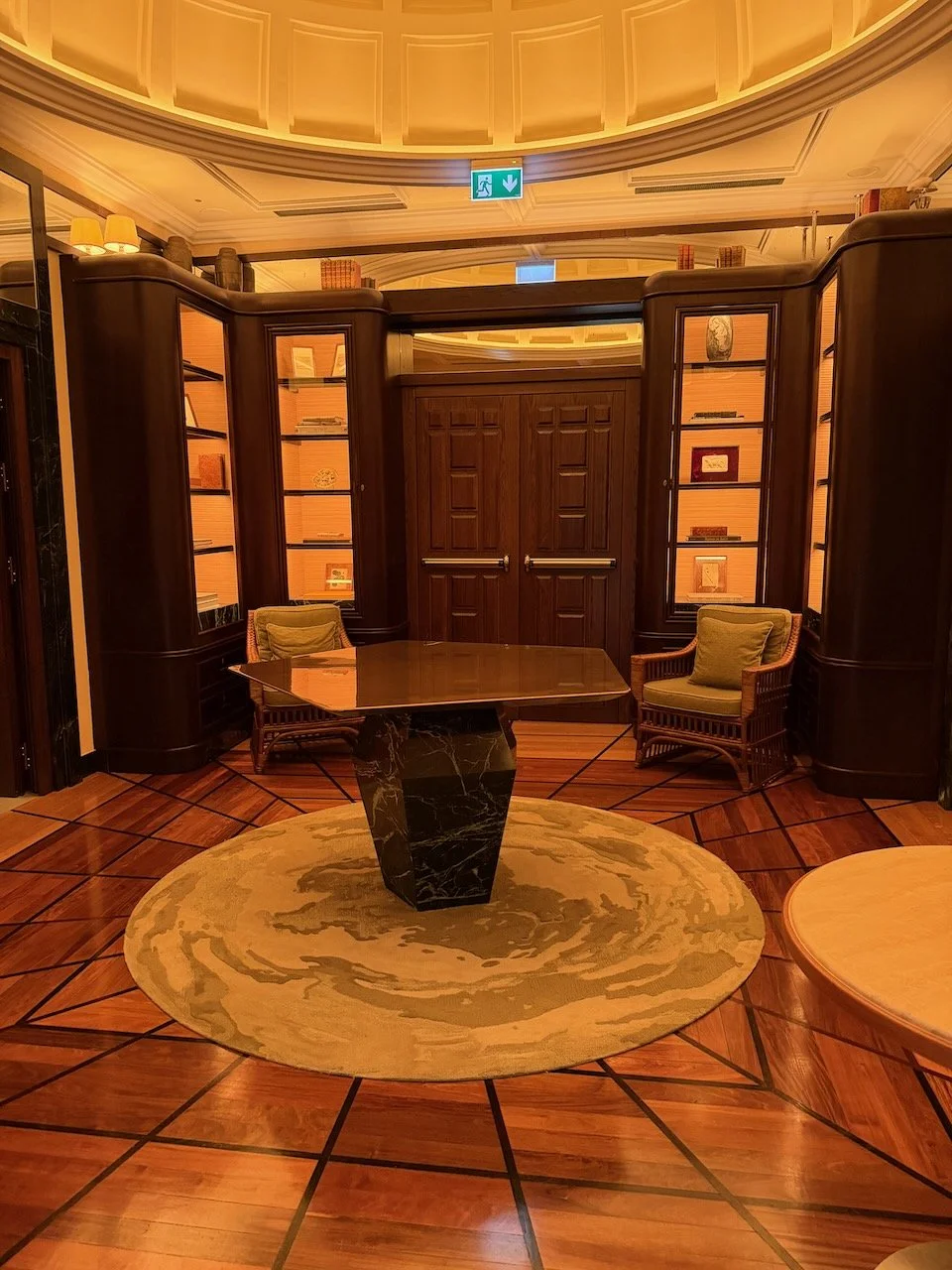
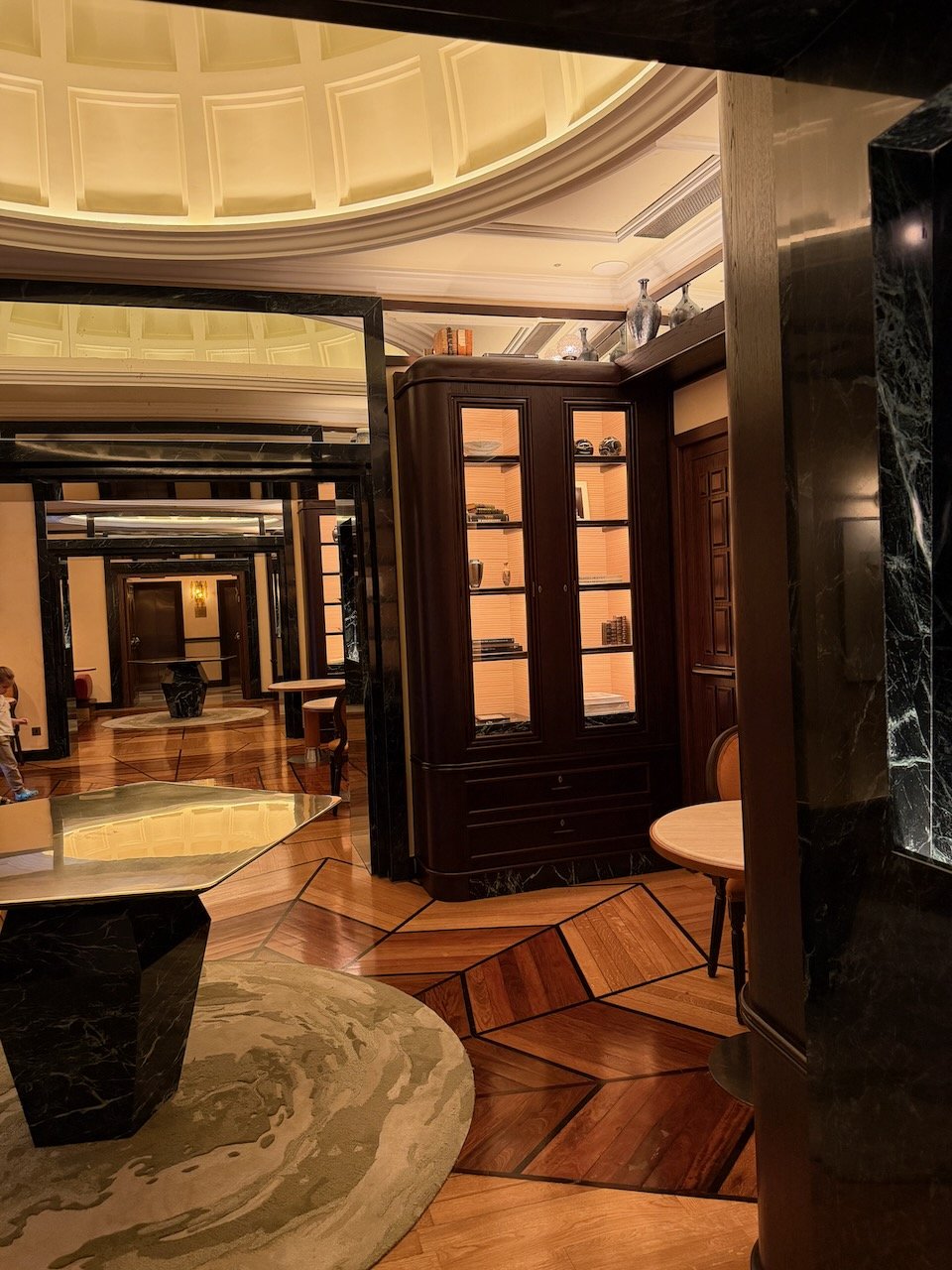
The ambiance is clean, contemporary, and discreet. There is a certain private-club feeling to the way the hotel presents itself — not overly ornate, not loudly Roman, but stylish and controlled.
The word that comes to mind is “secretive.” It feels like the kind of place where a certain type of guest would enjoy being slightly under the radar.
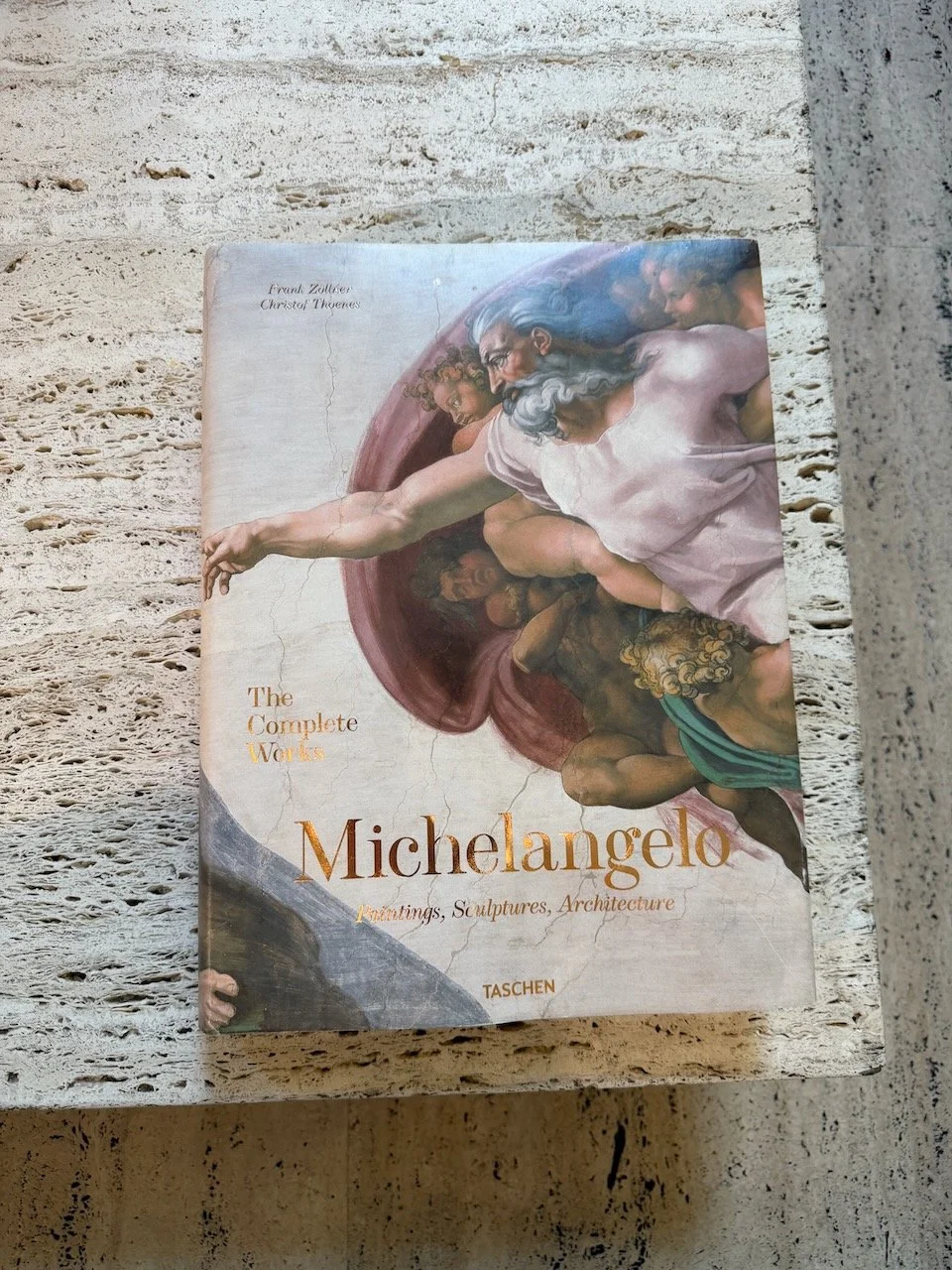
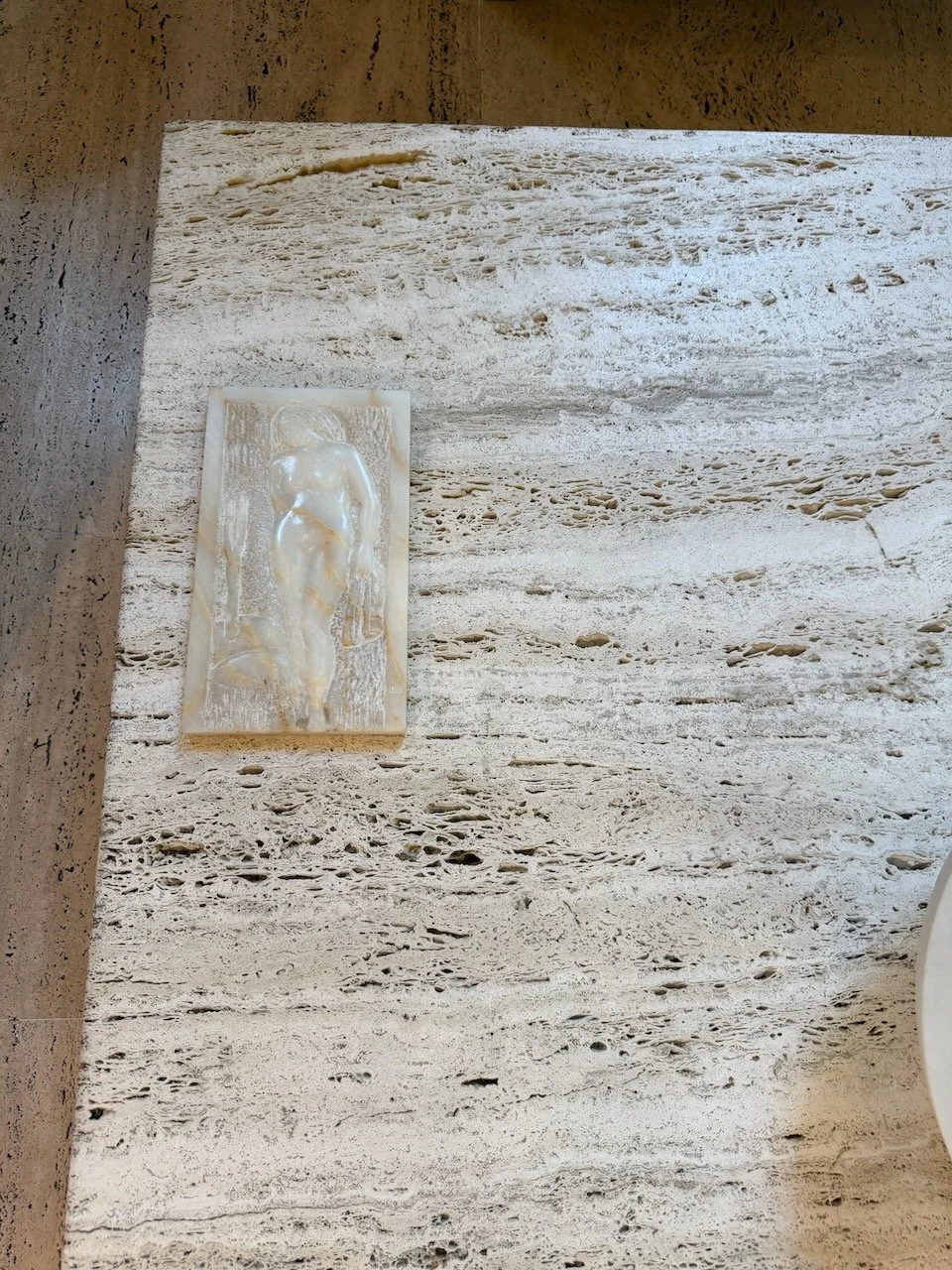
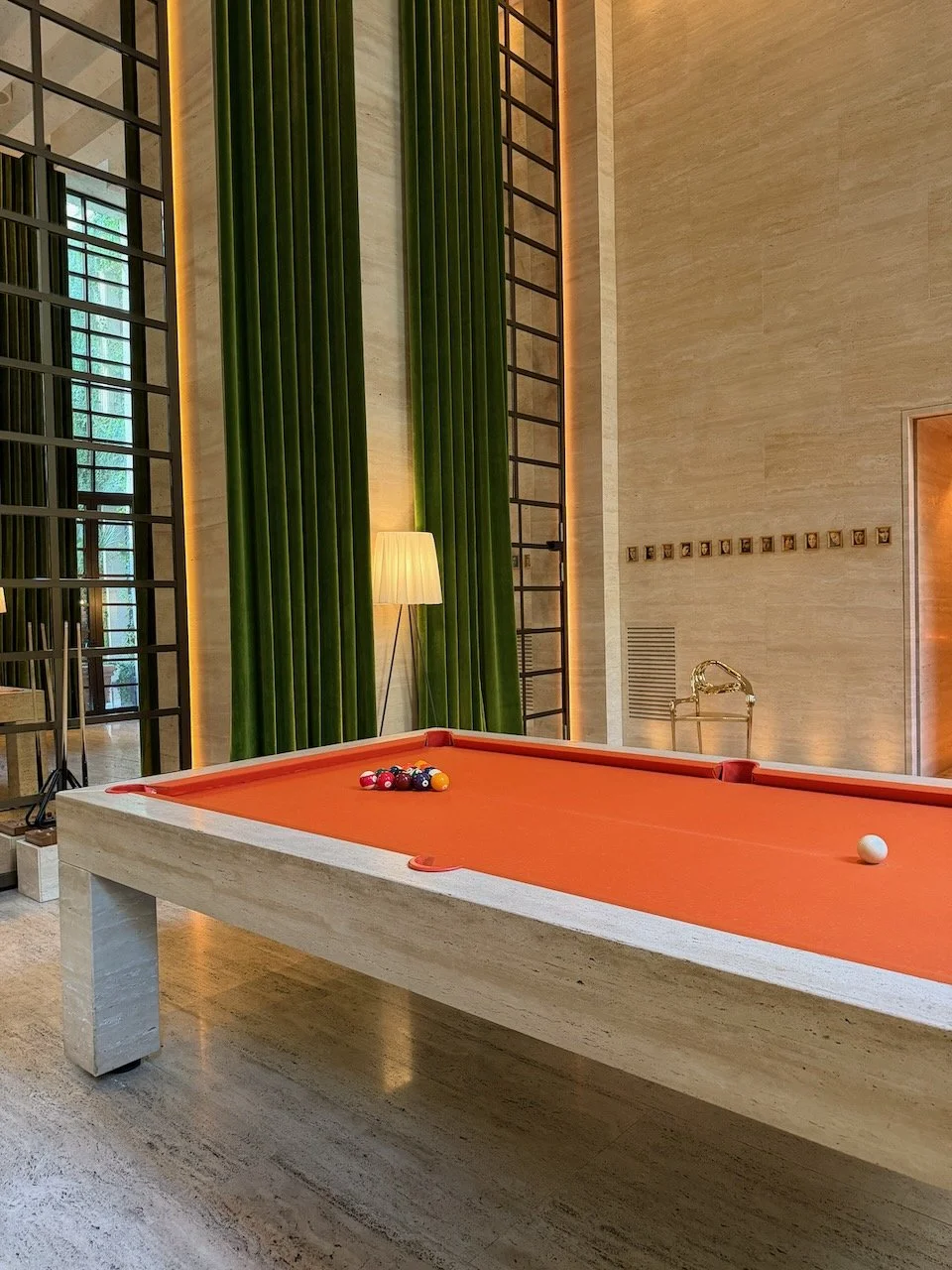
The pool table is a signature of the EDITION hotels - in this case a center piece in the lobby crafted of the same marble as the wall covers - designed to spark interaction, casual competition, and effortless socialization among guests
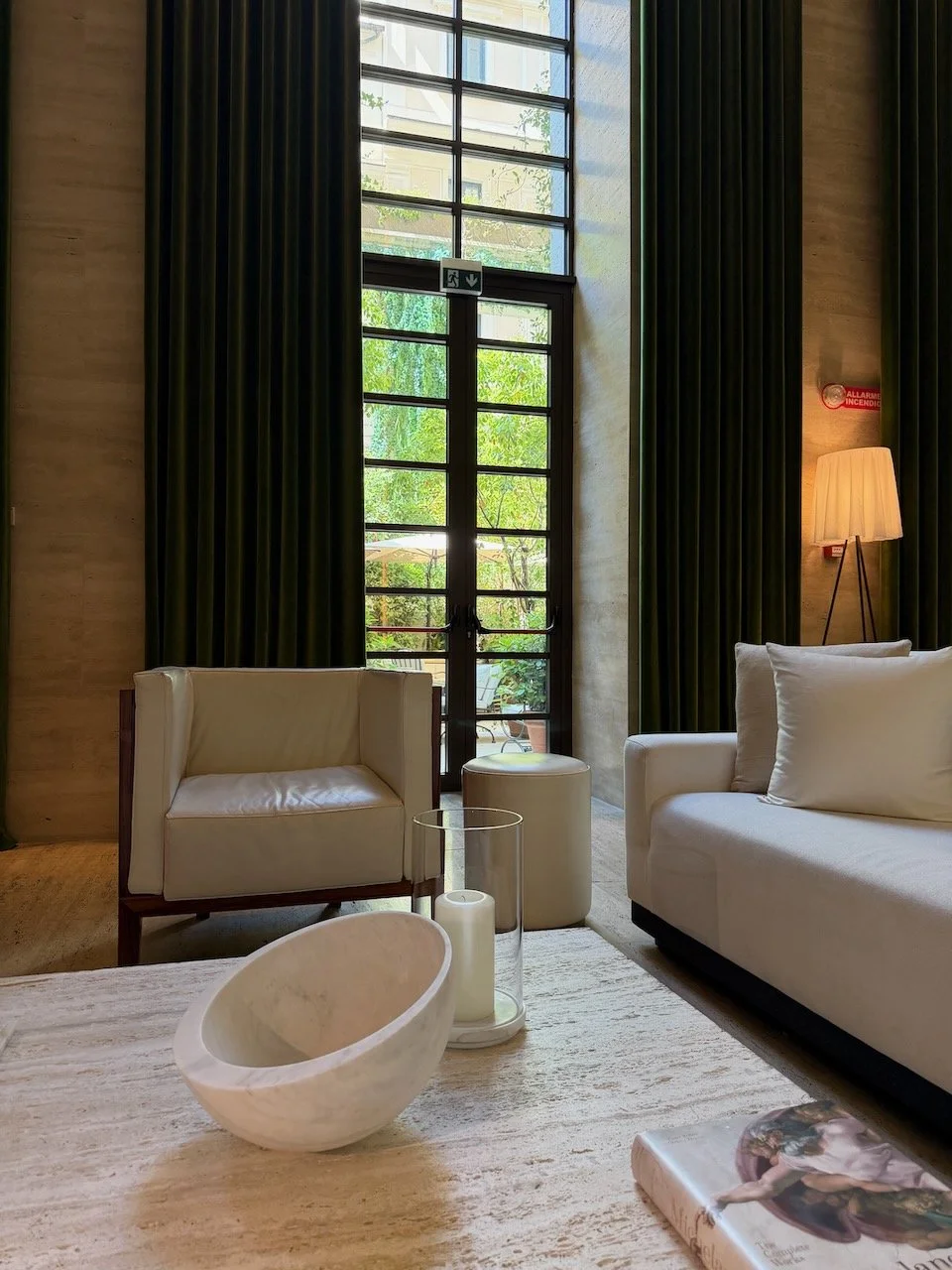
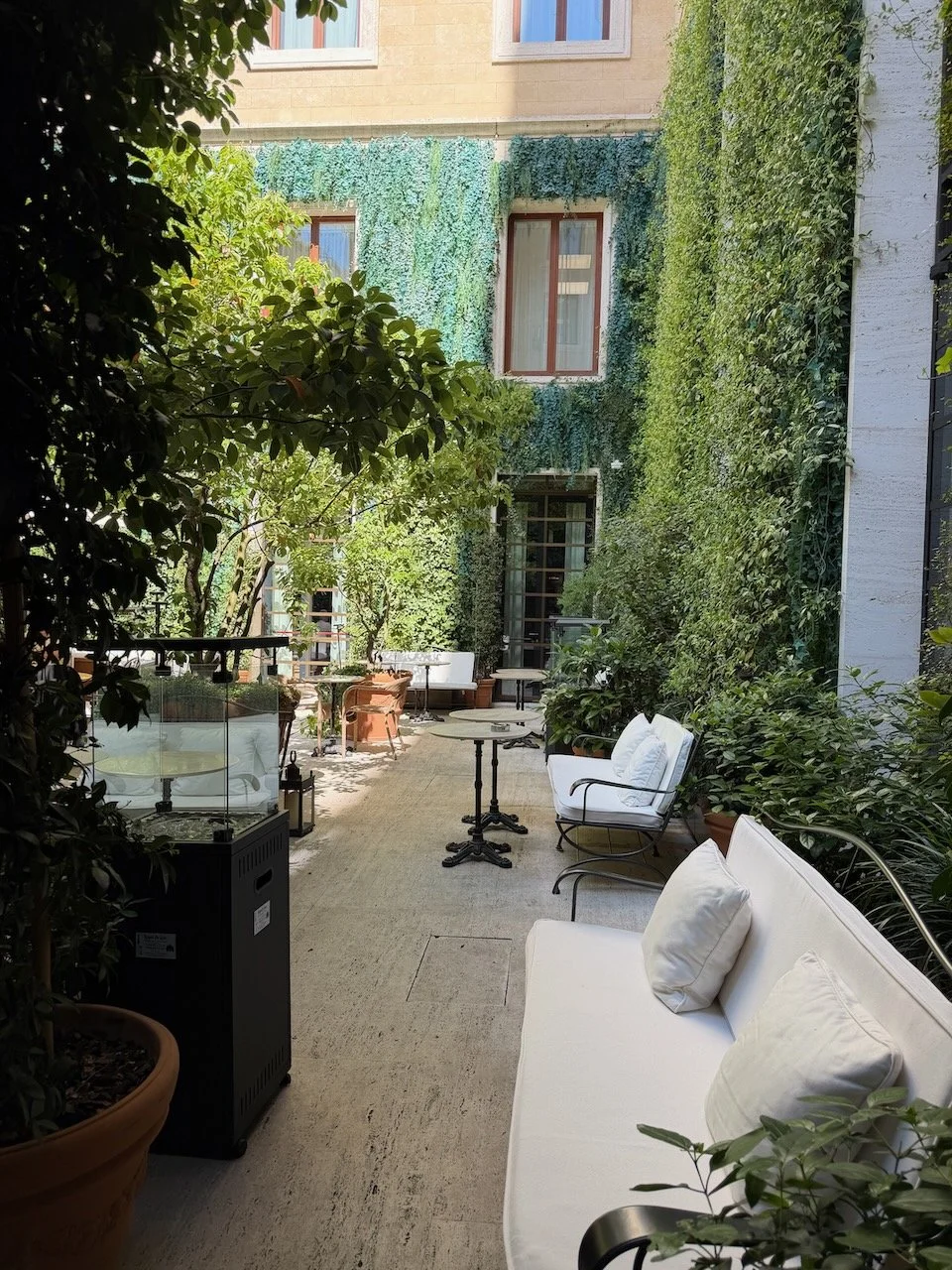
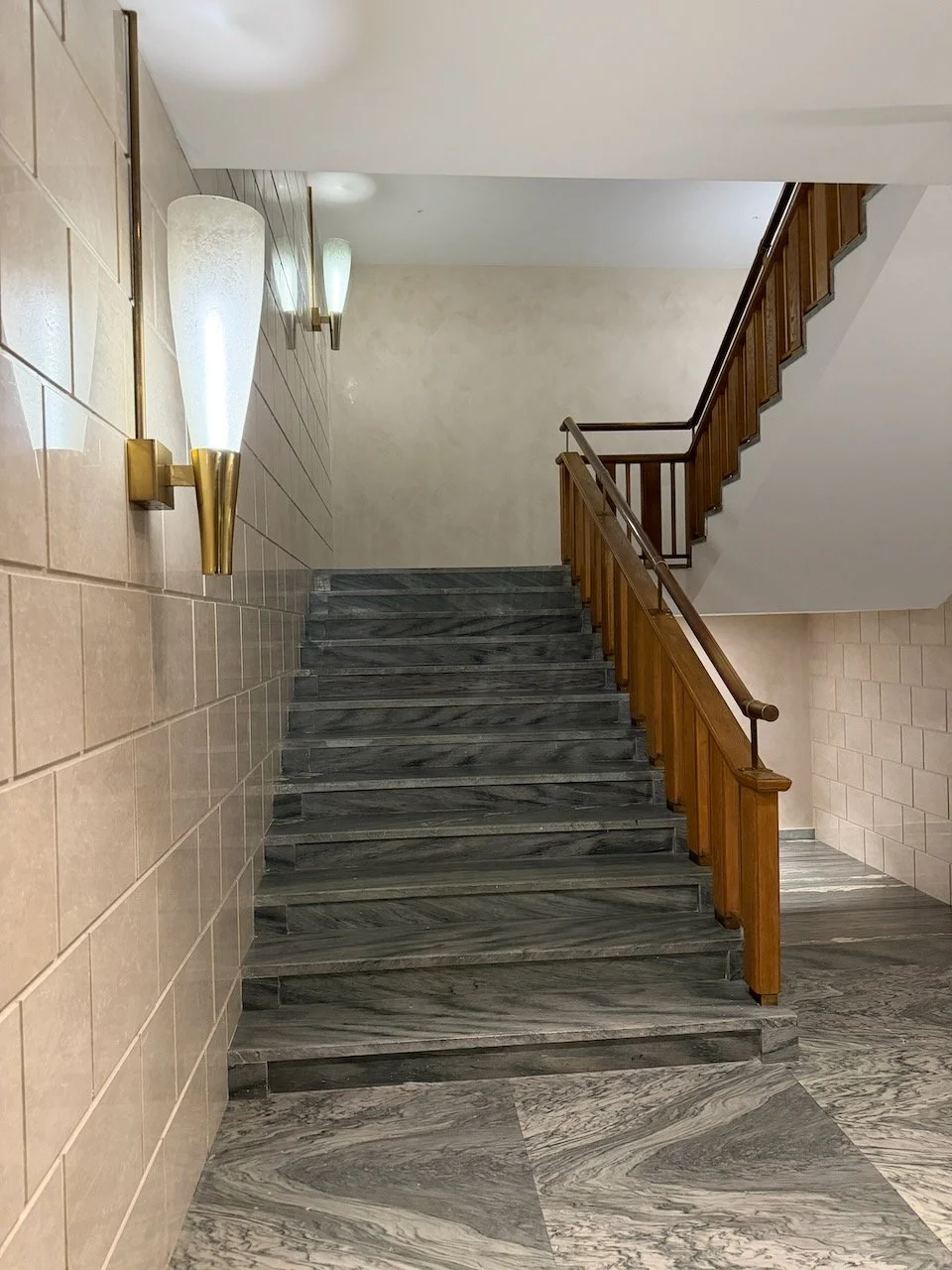
Accommodations
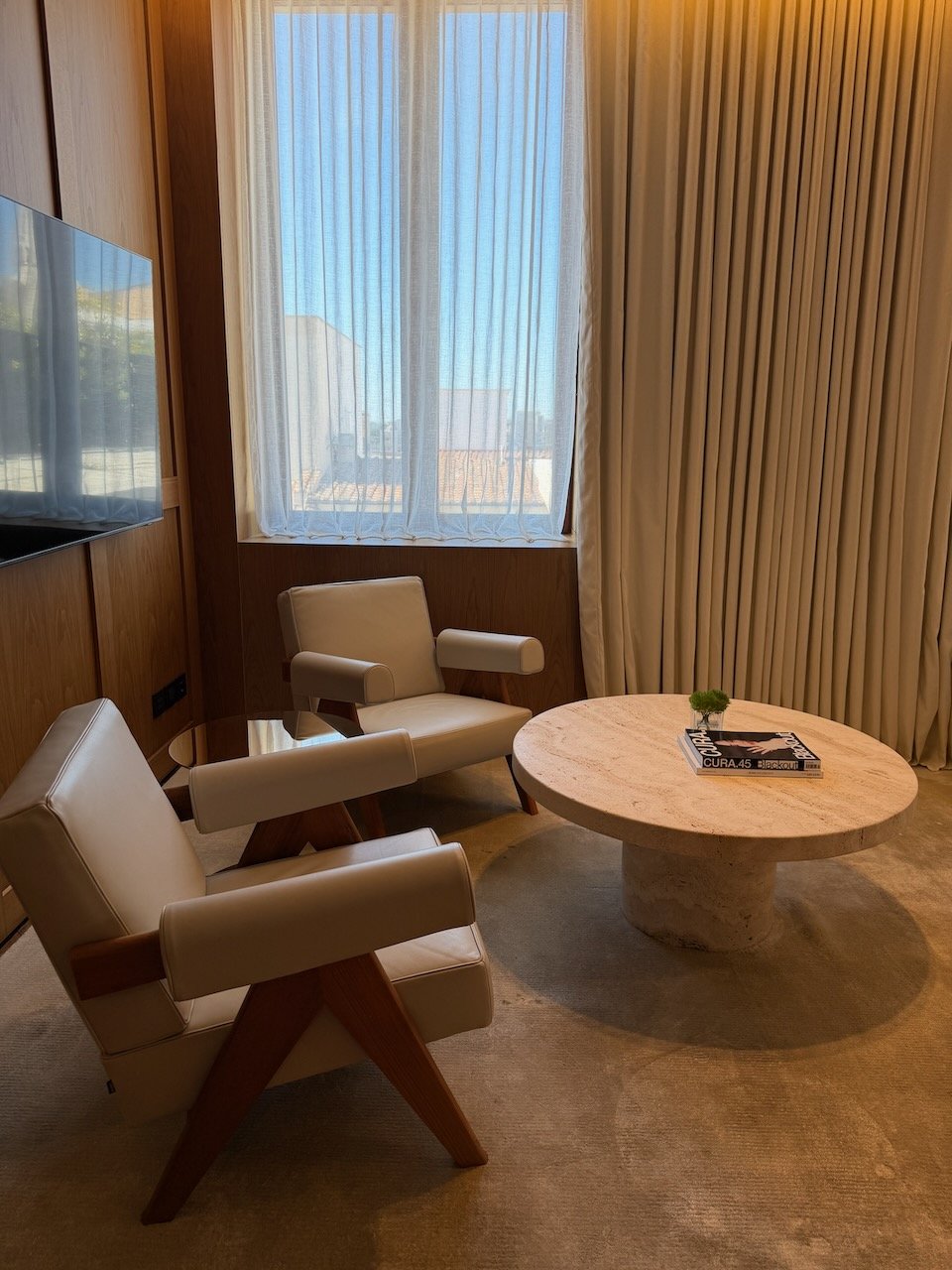
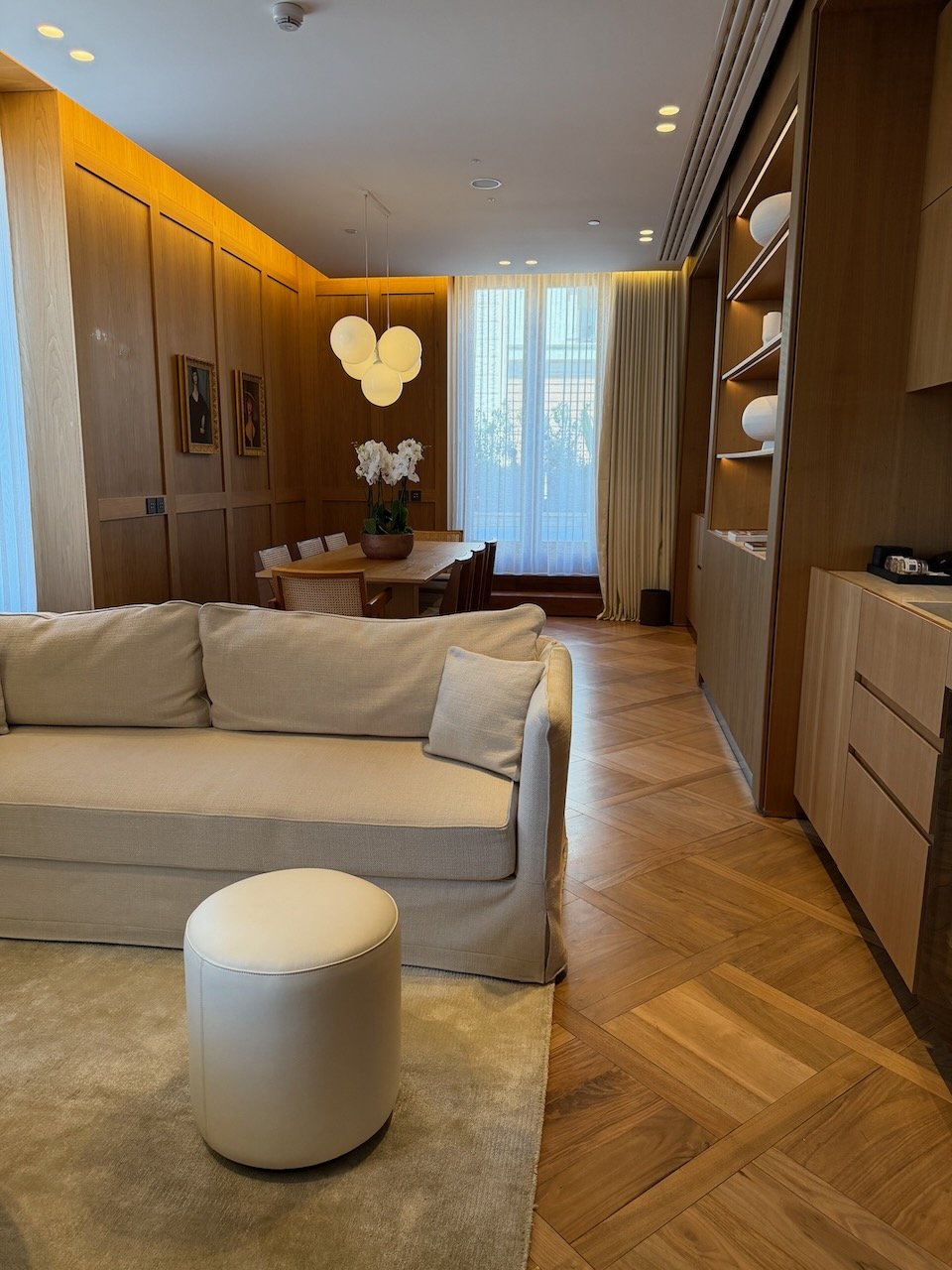
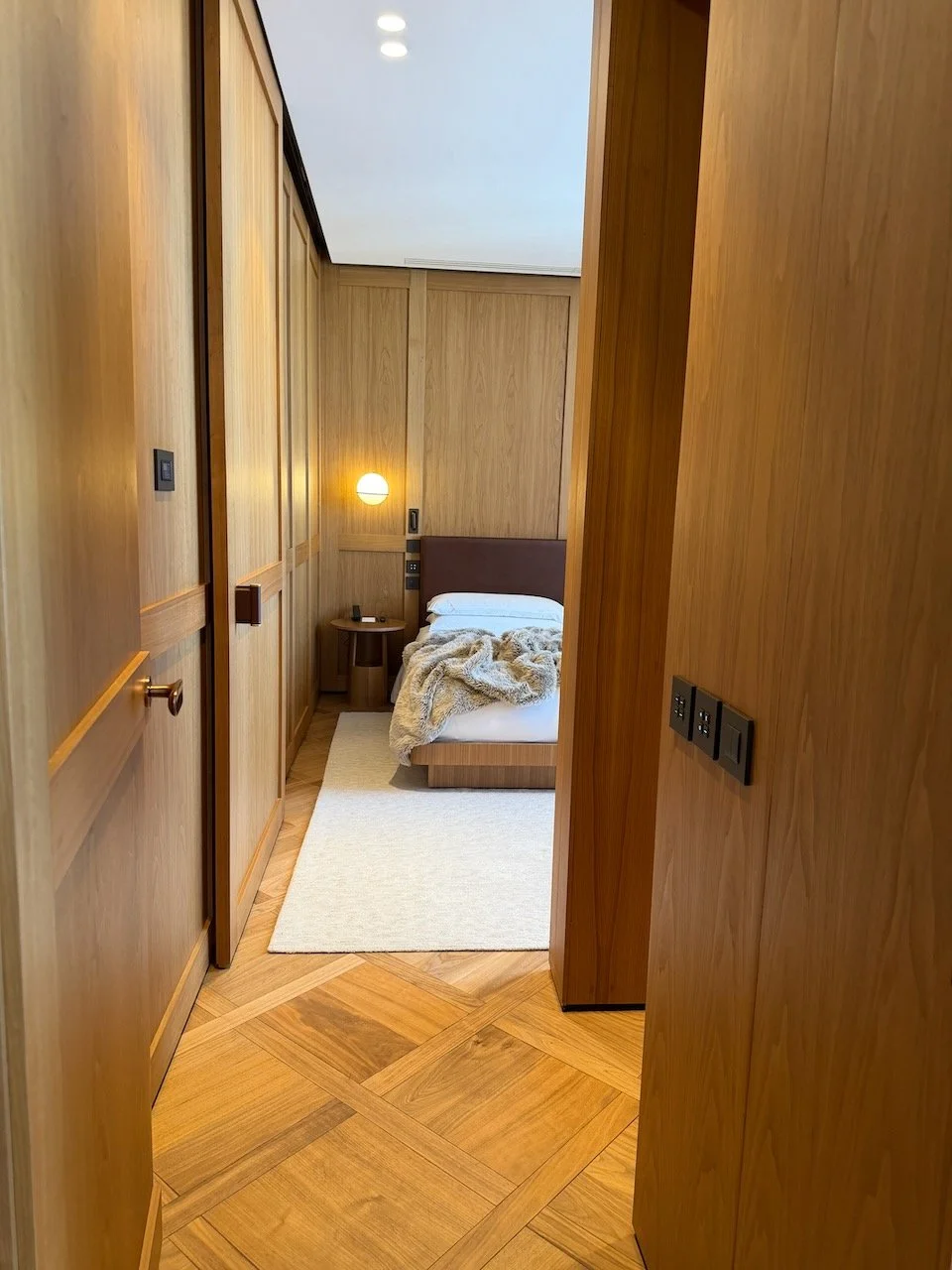
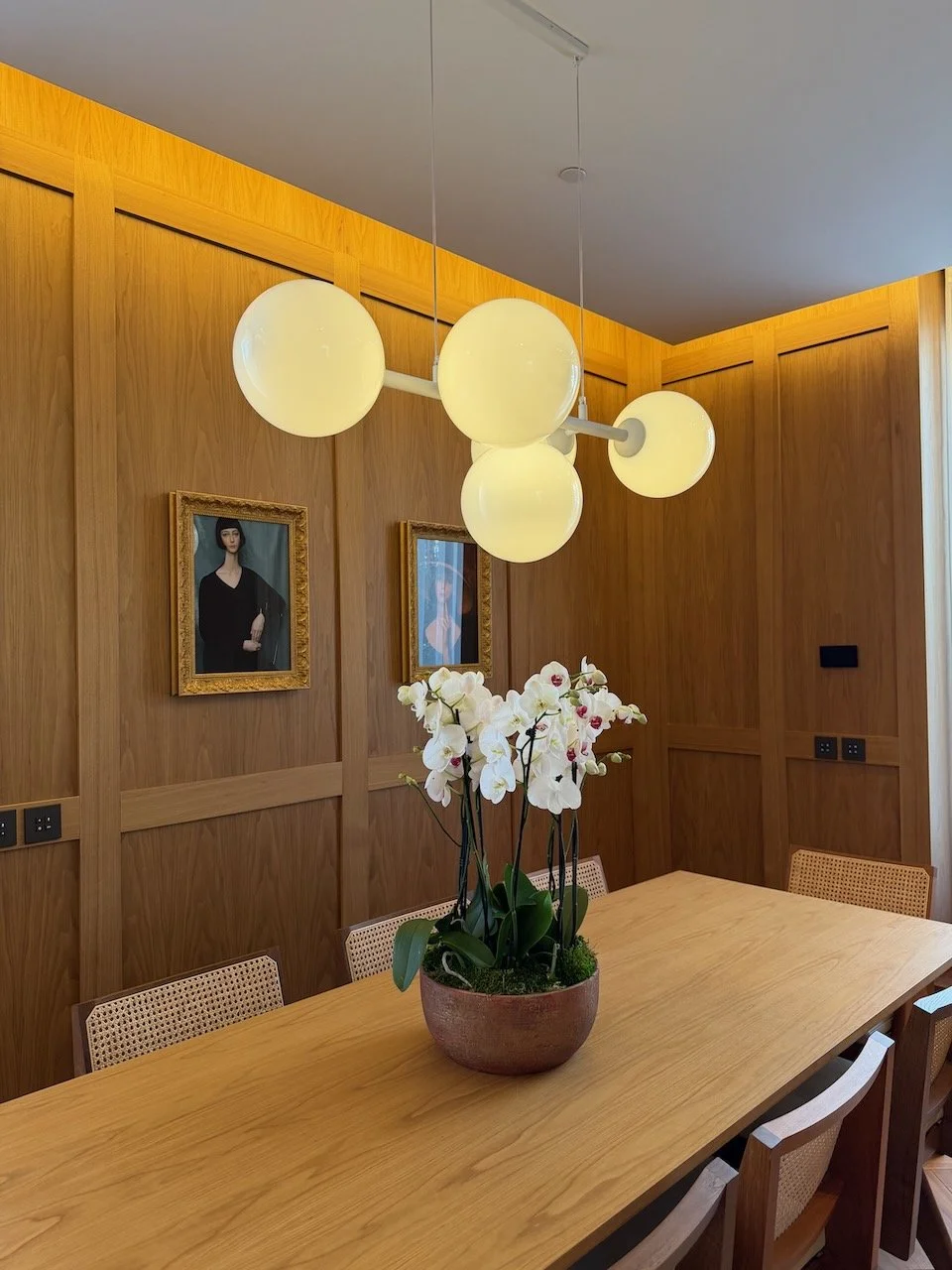
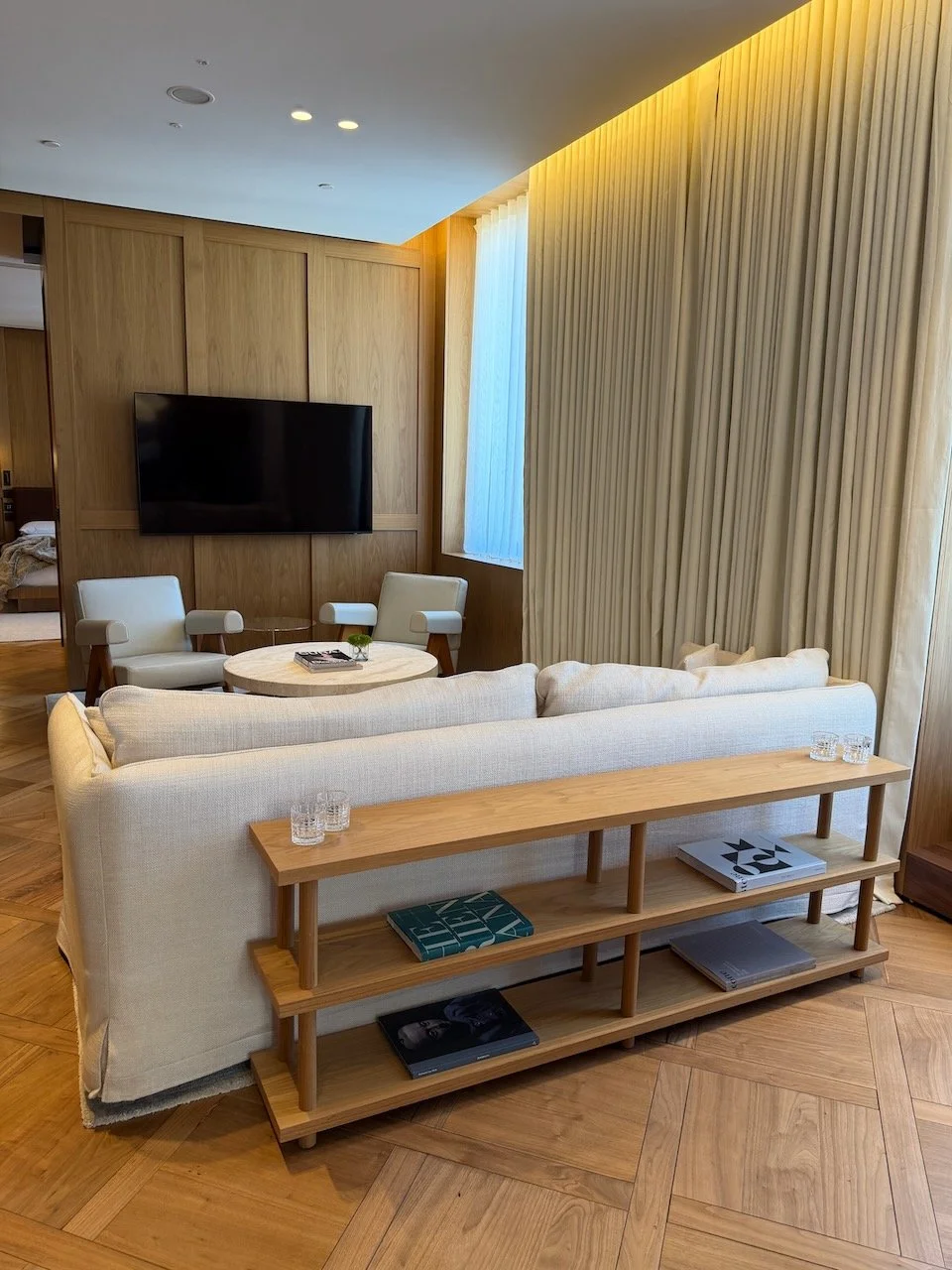
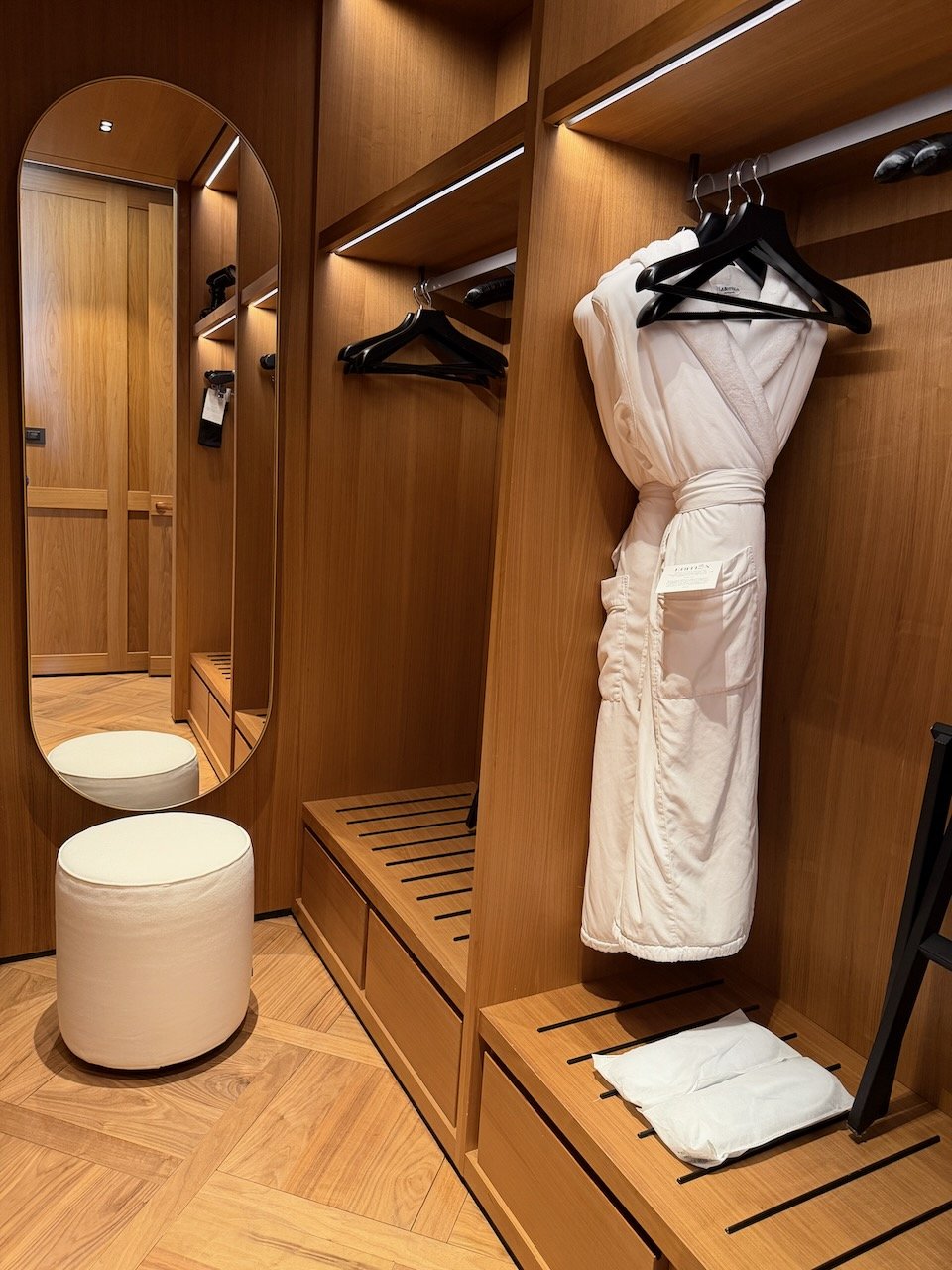
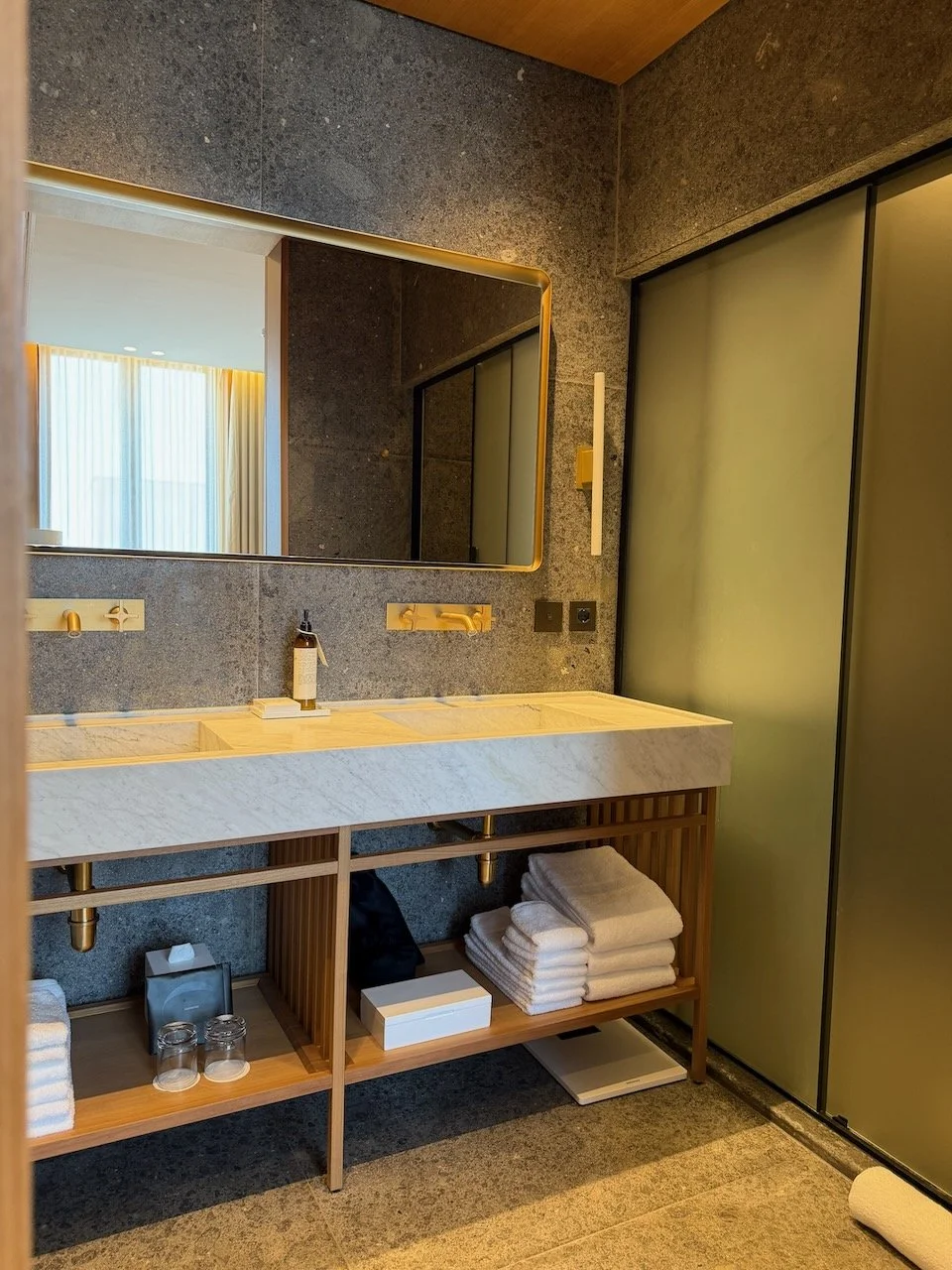
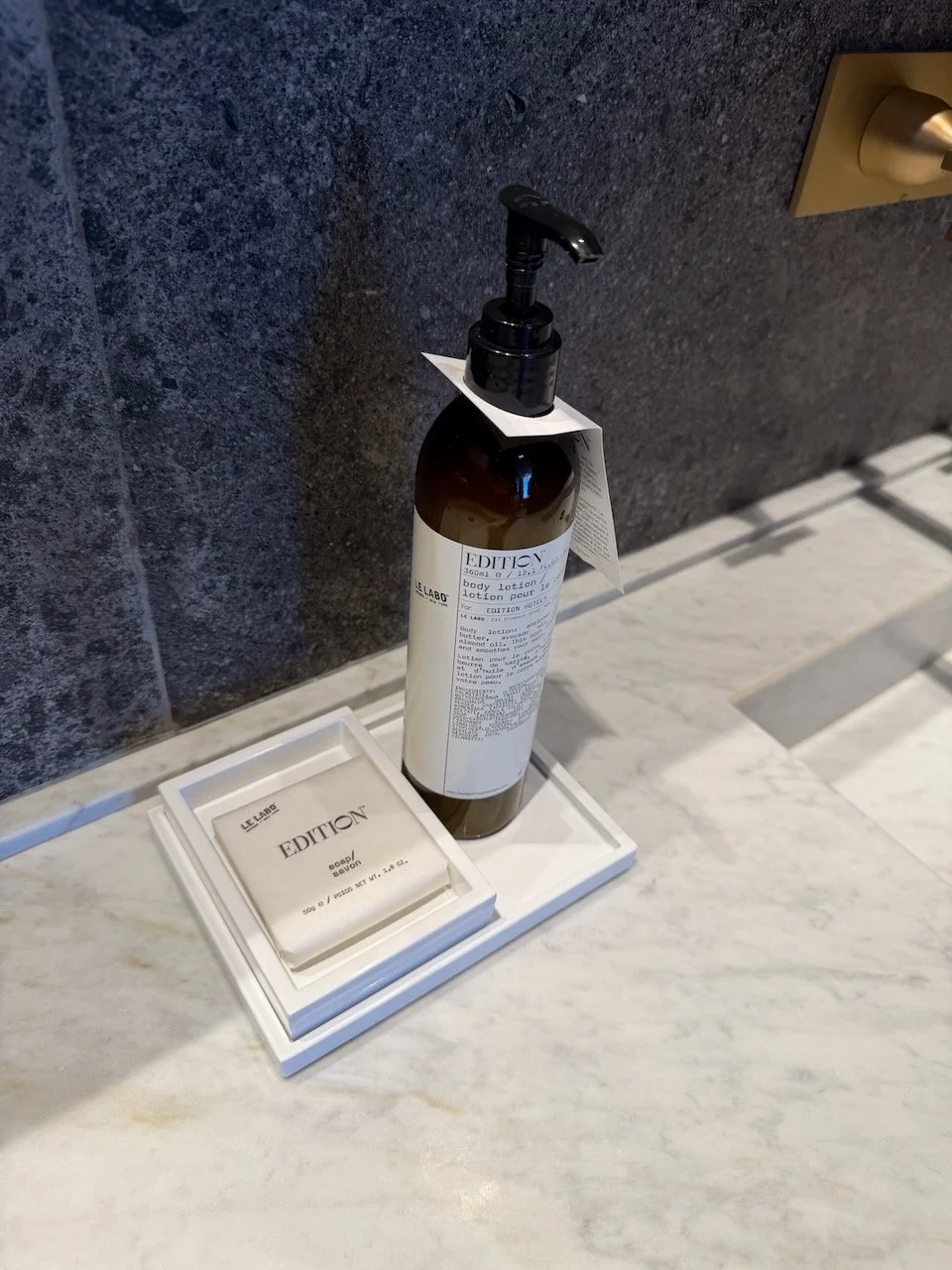
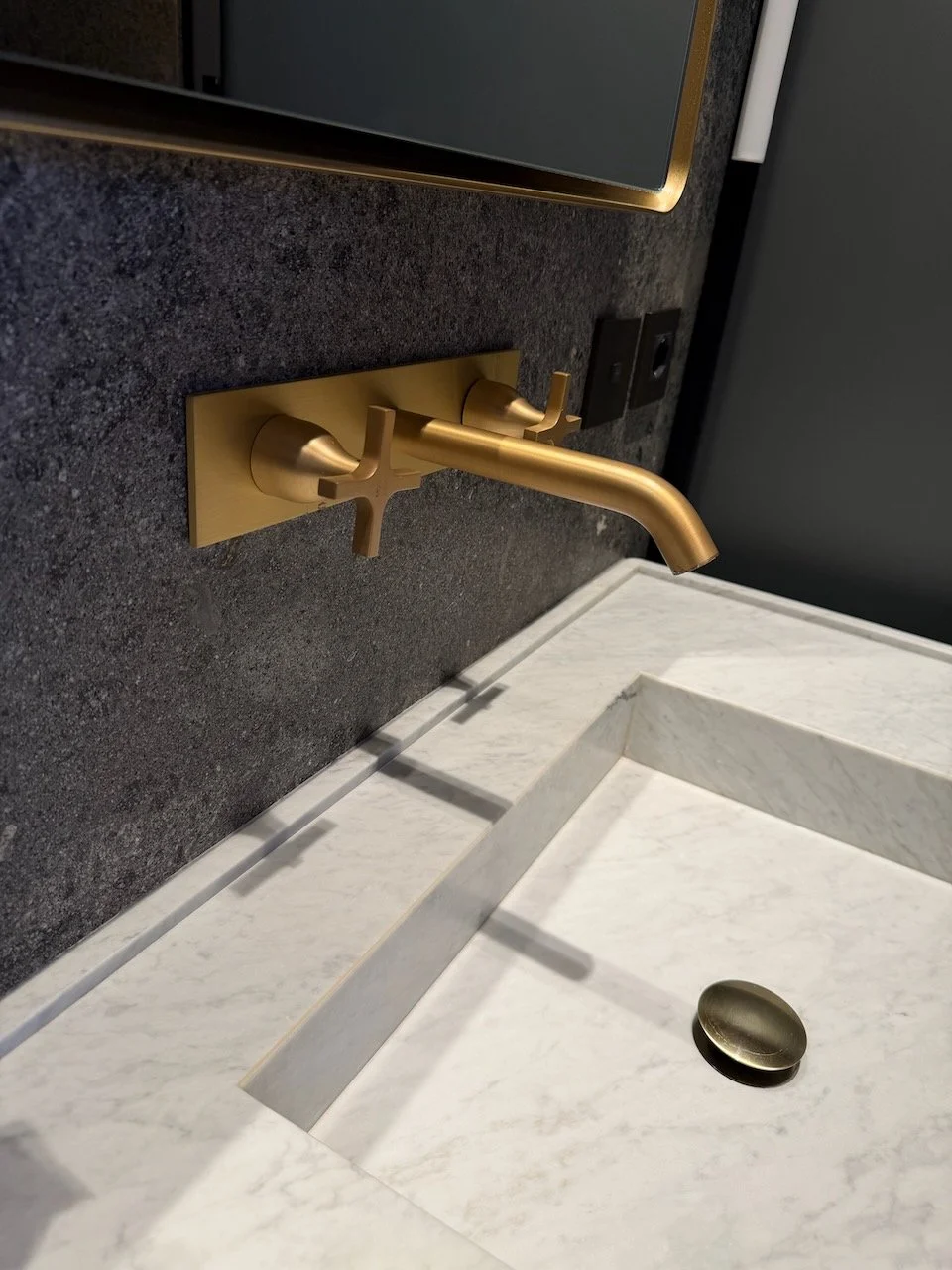
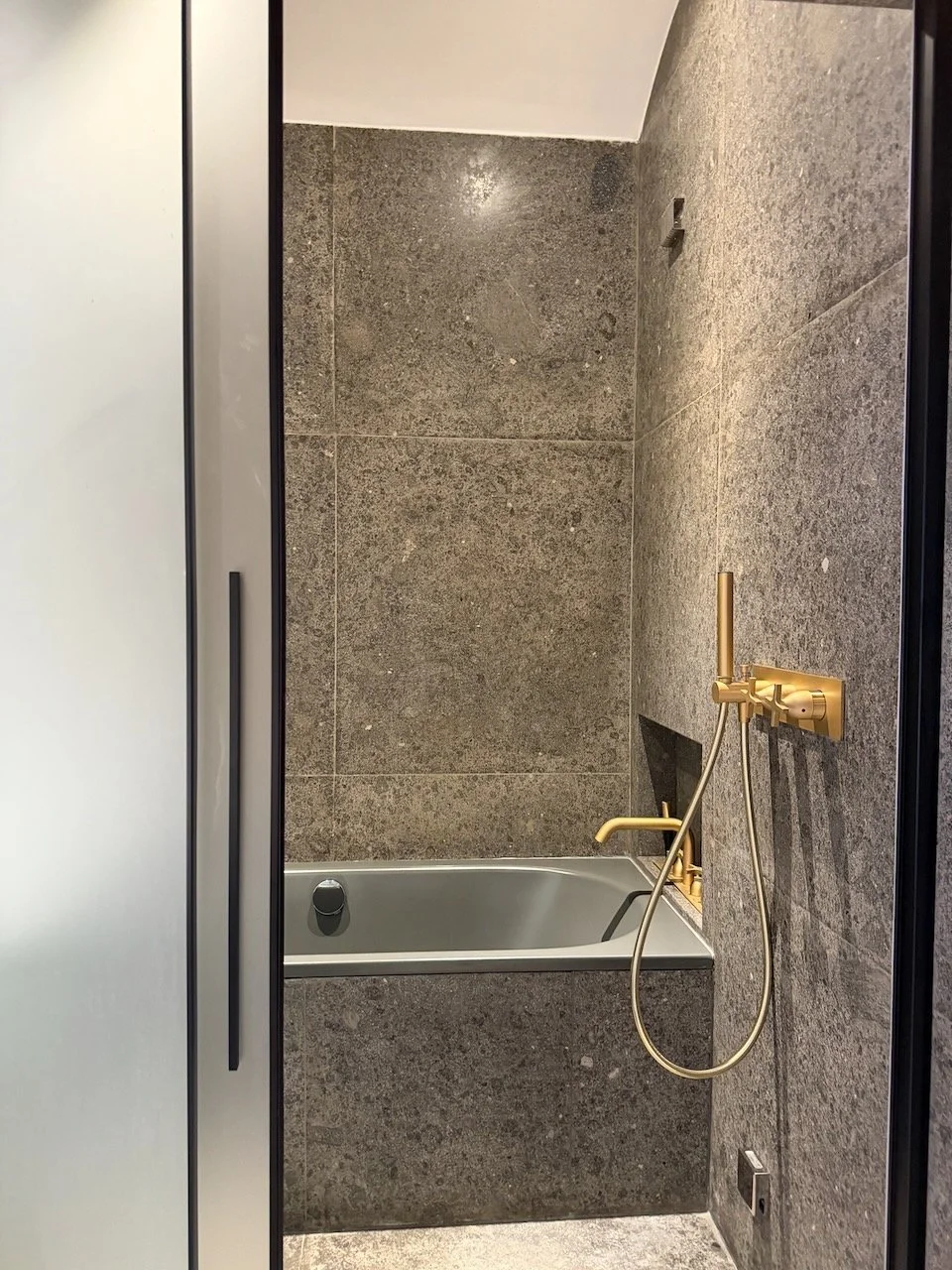
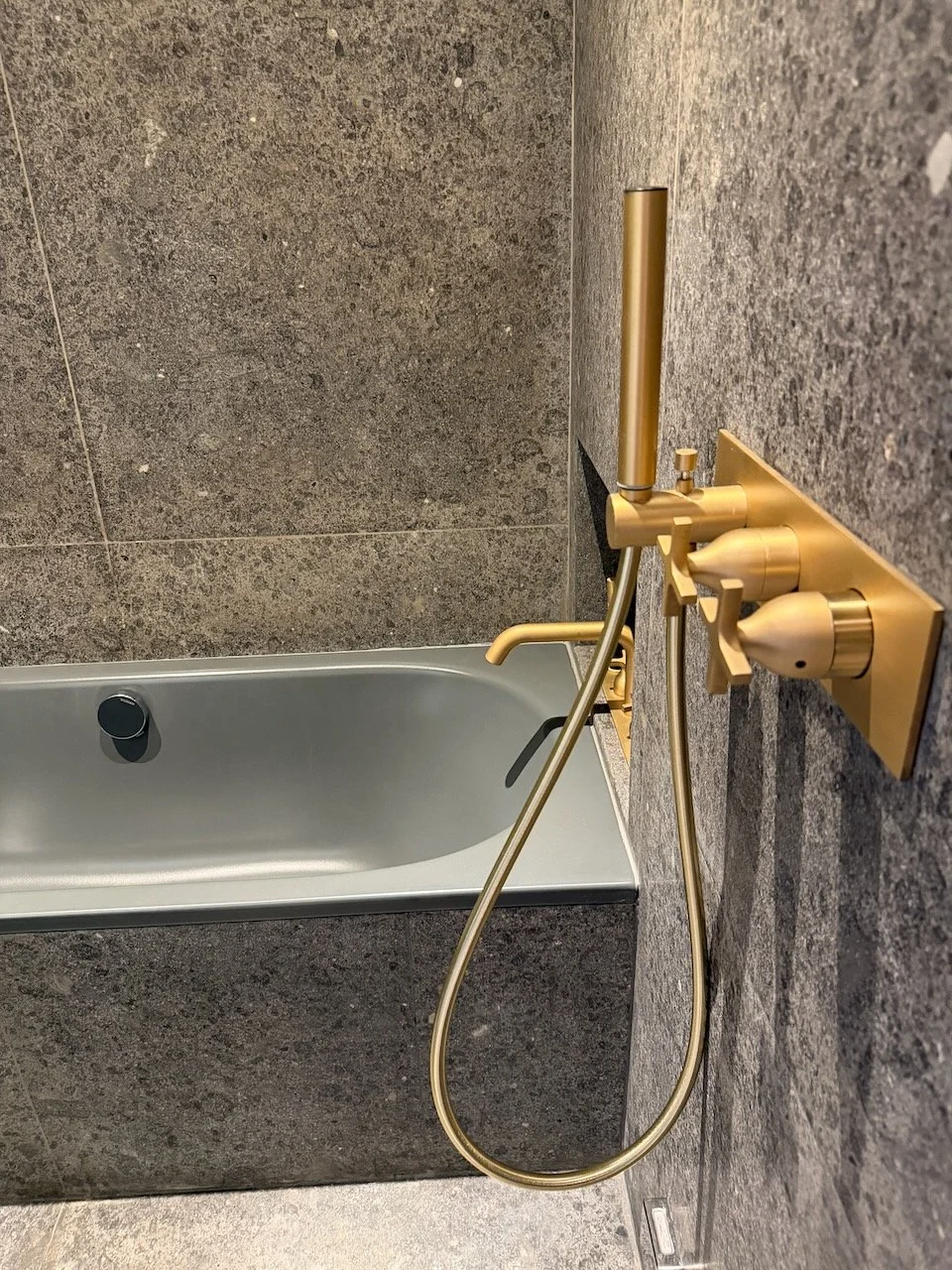
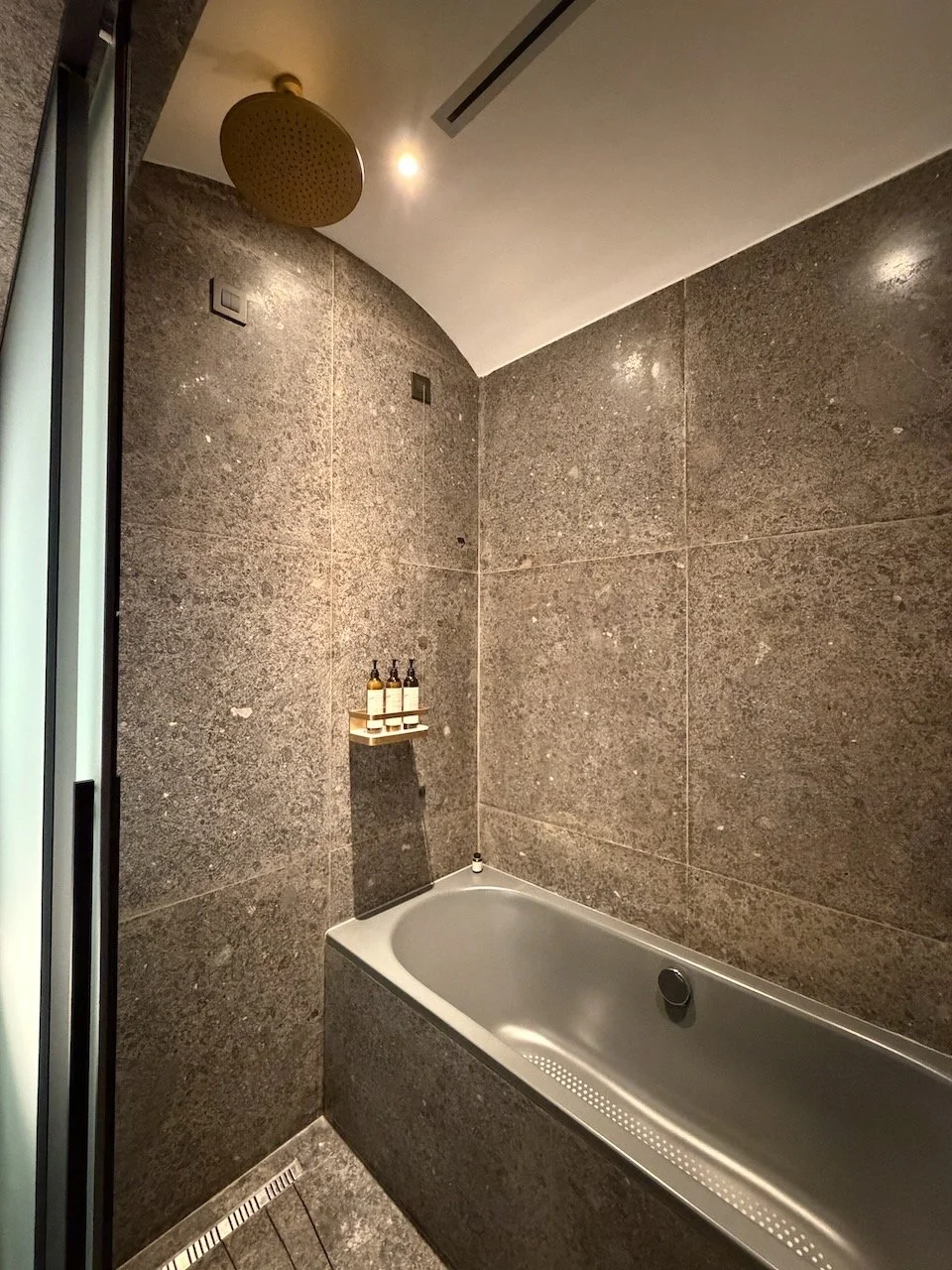
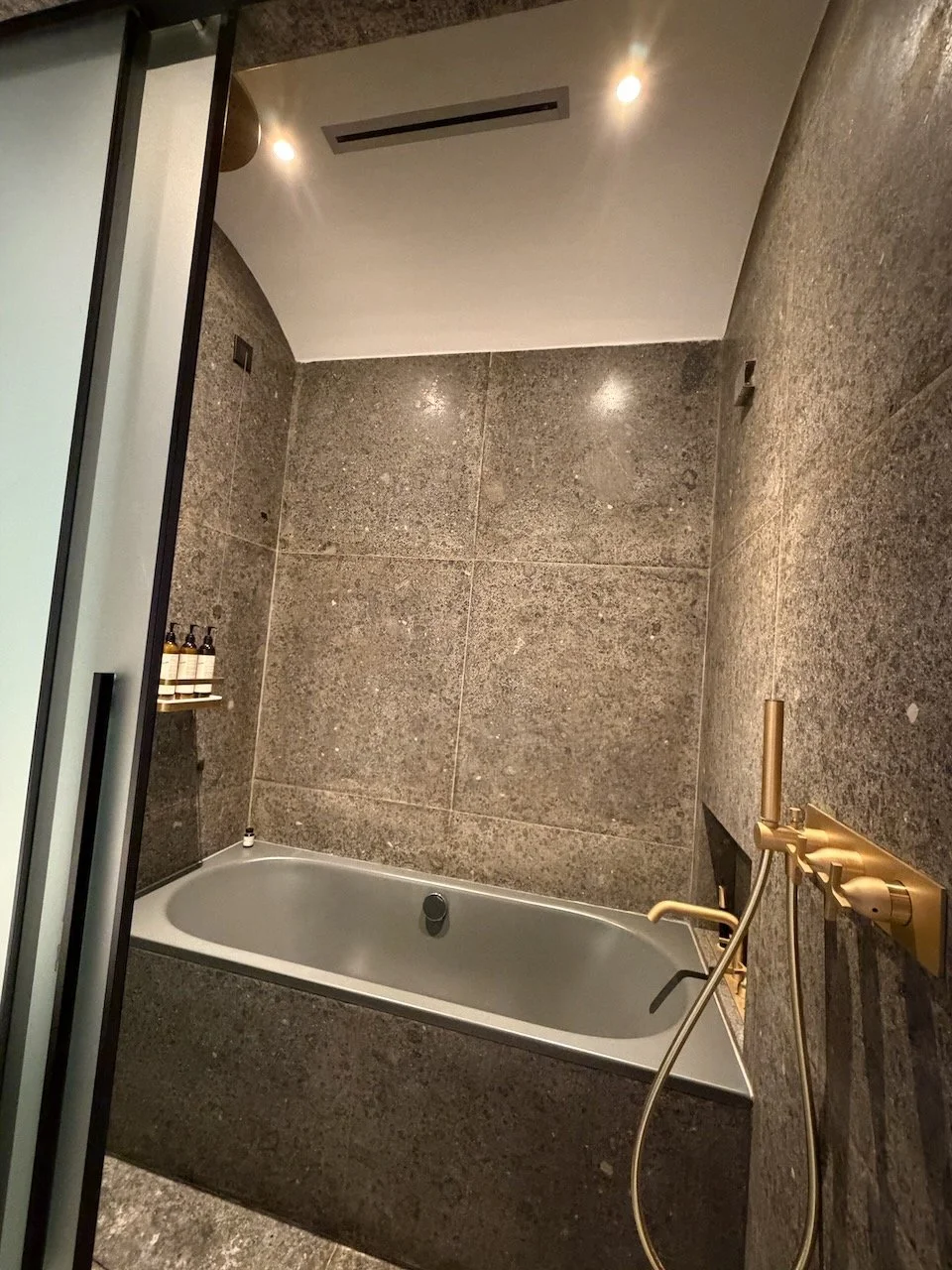
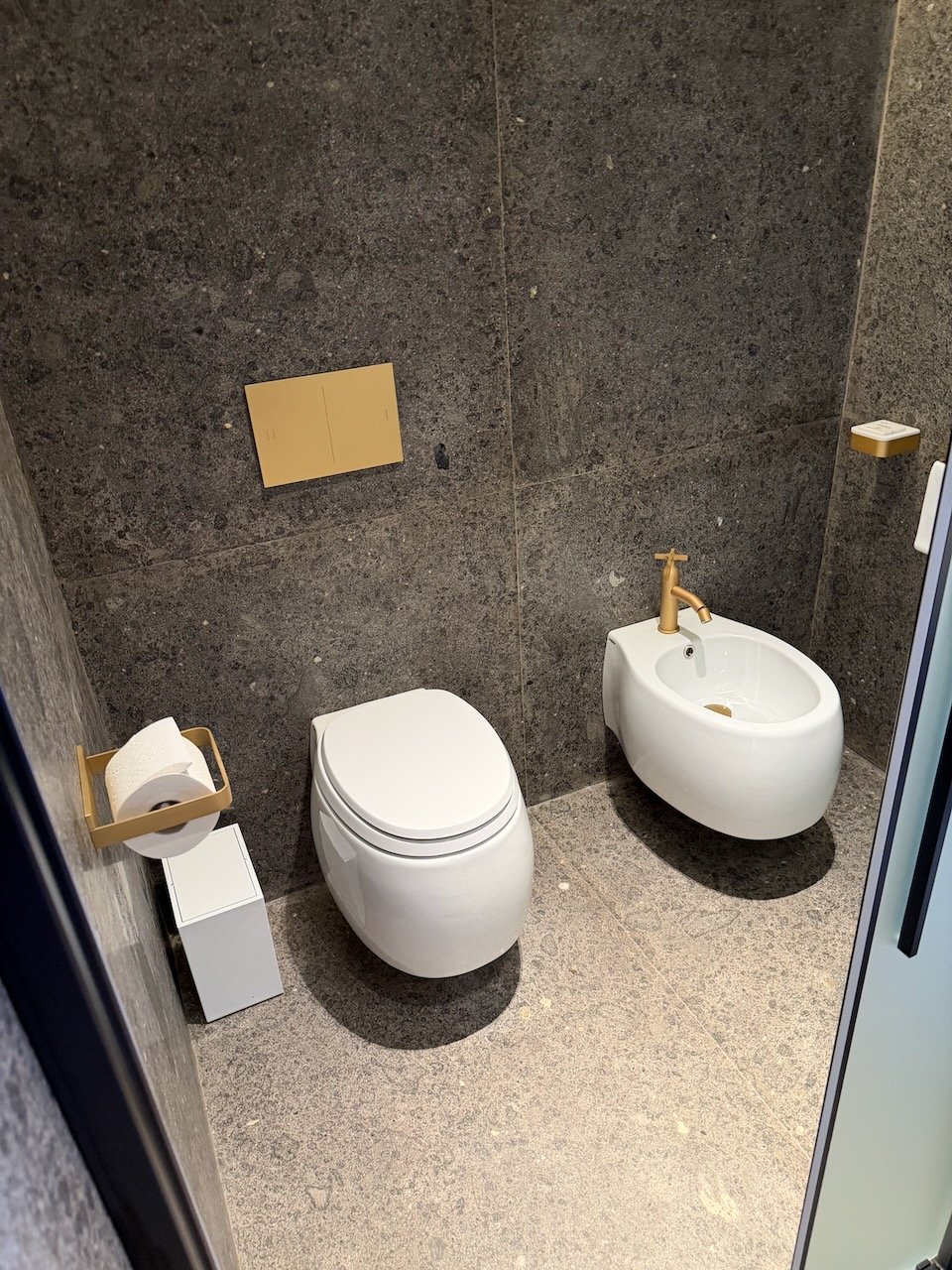
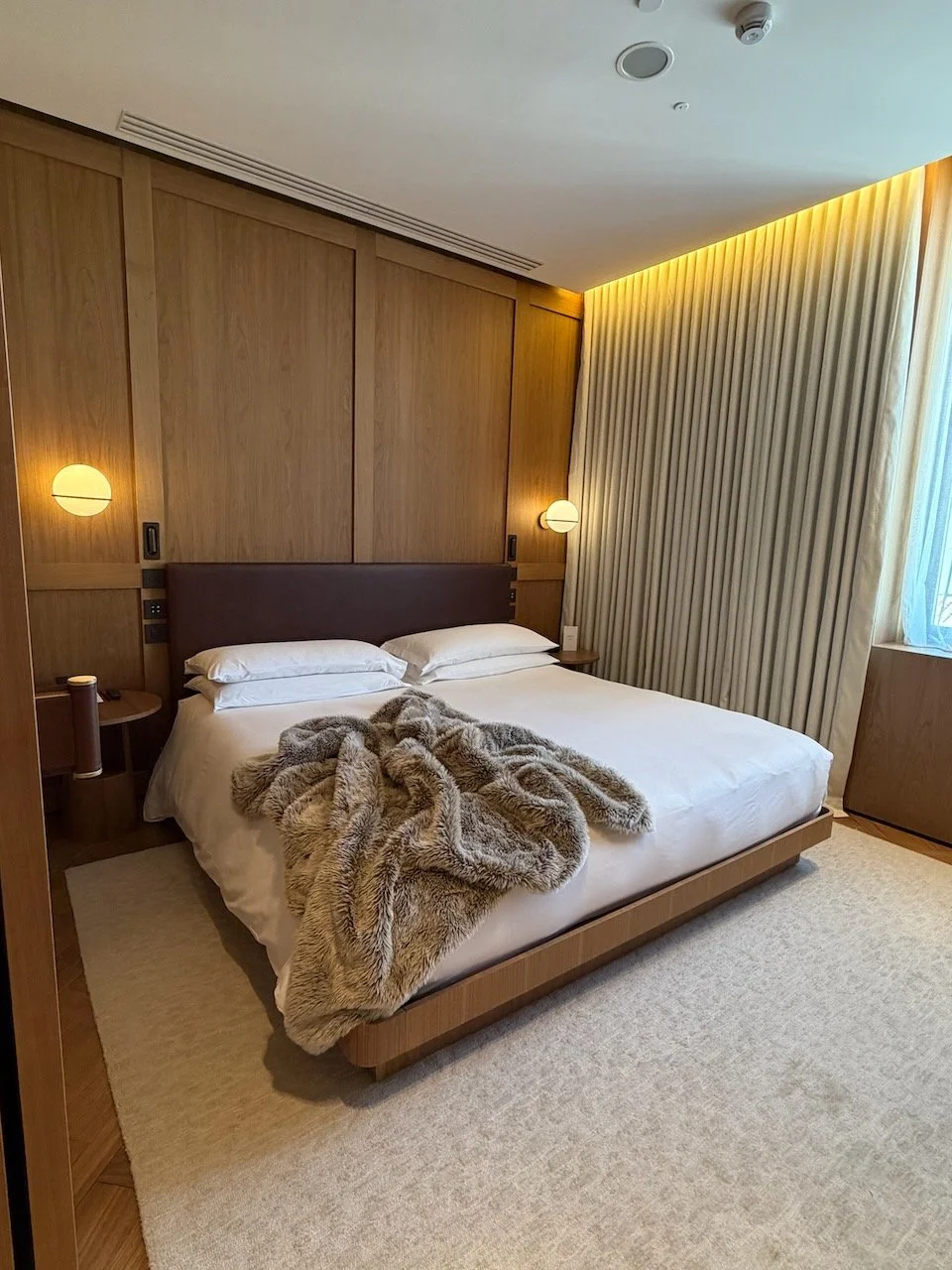
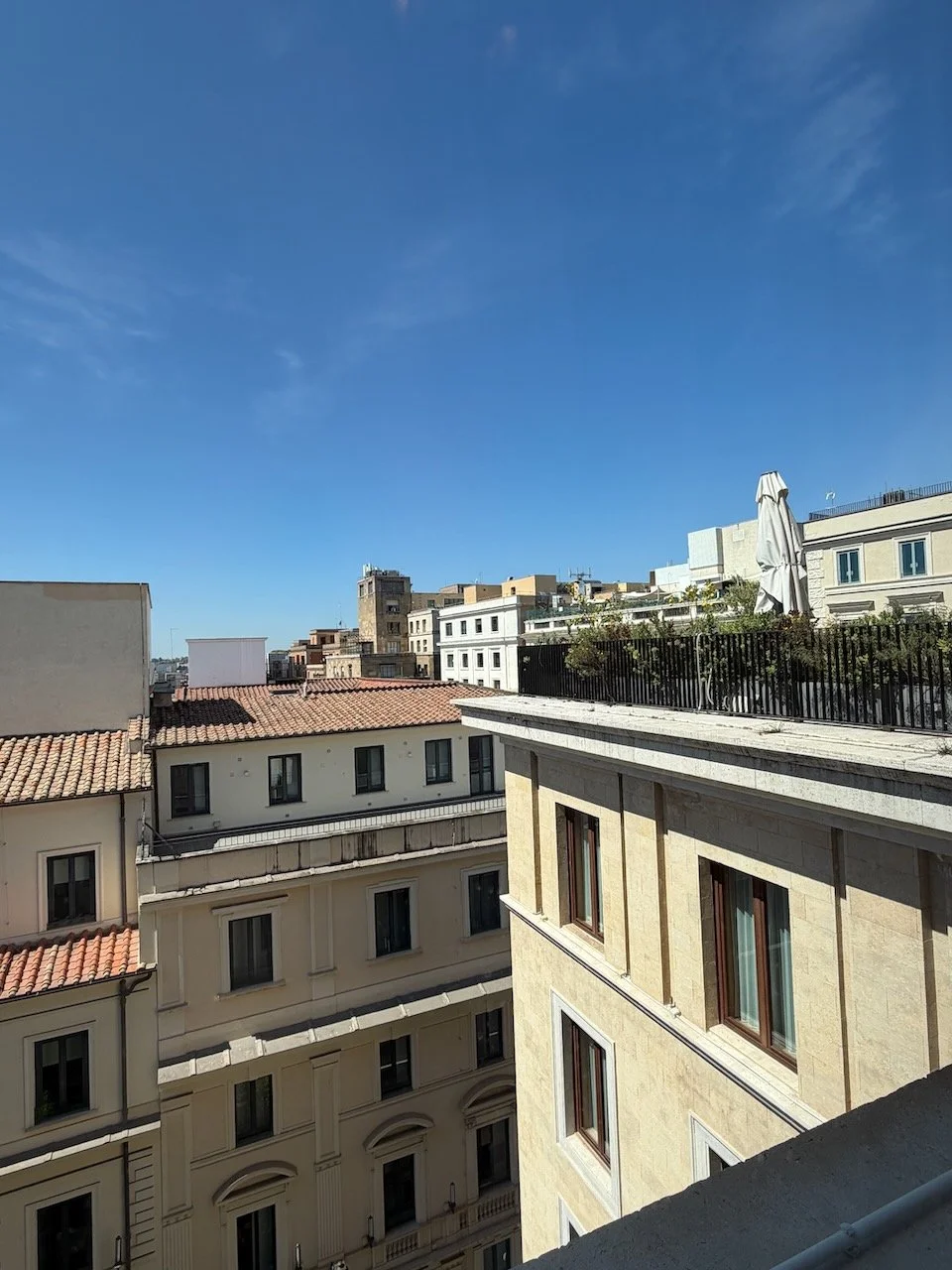
The Rome EDITION has 74 rooms, 17 suites, and 2 penthouses, so it is still relatively intimate by large luxury-brand standards. The overall room language follows the EDITION aesthetic: muted tones, custom-designed furniture, Canaletto light walnut wood, expansive windows, and a calm contemporary feel rather than heavy Roman palazzo drama. Marriott describes the rooms and suites as having views either over Rome’s rooftops and city streets or toward the nearby Church of San Nicola da Tolentino.
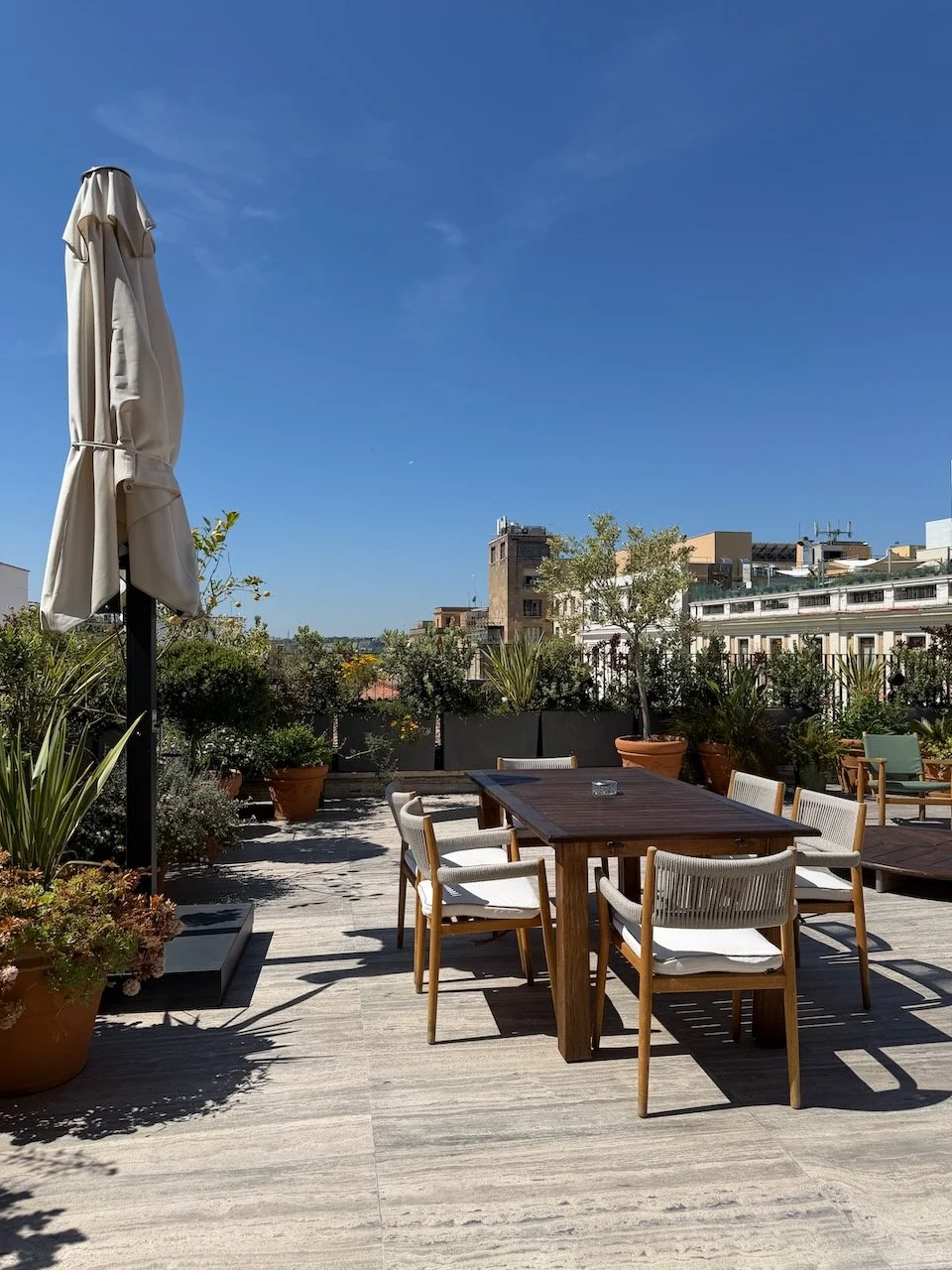
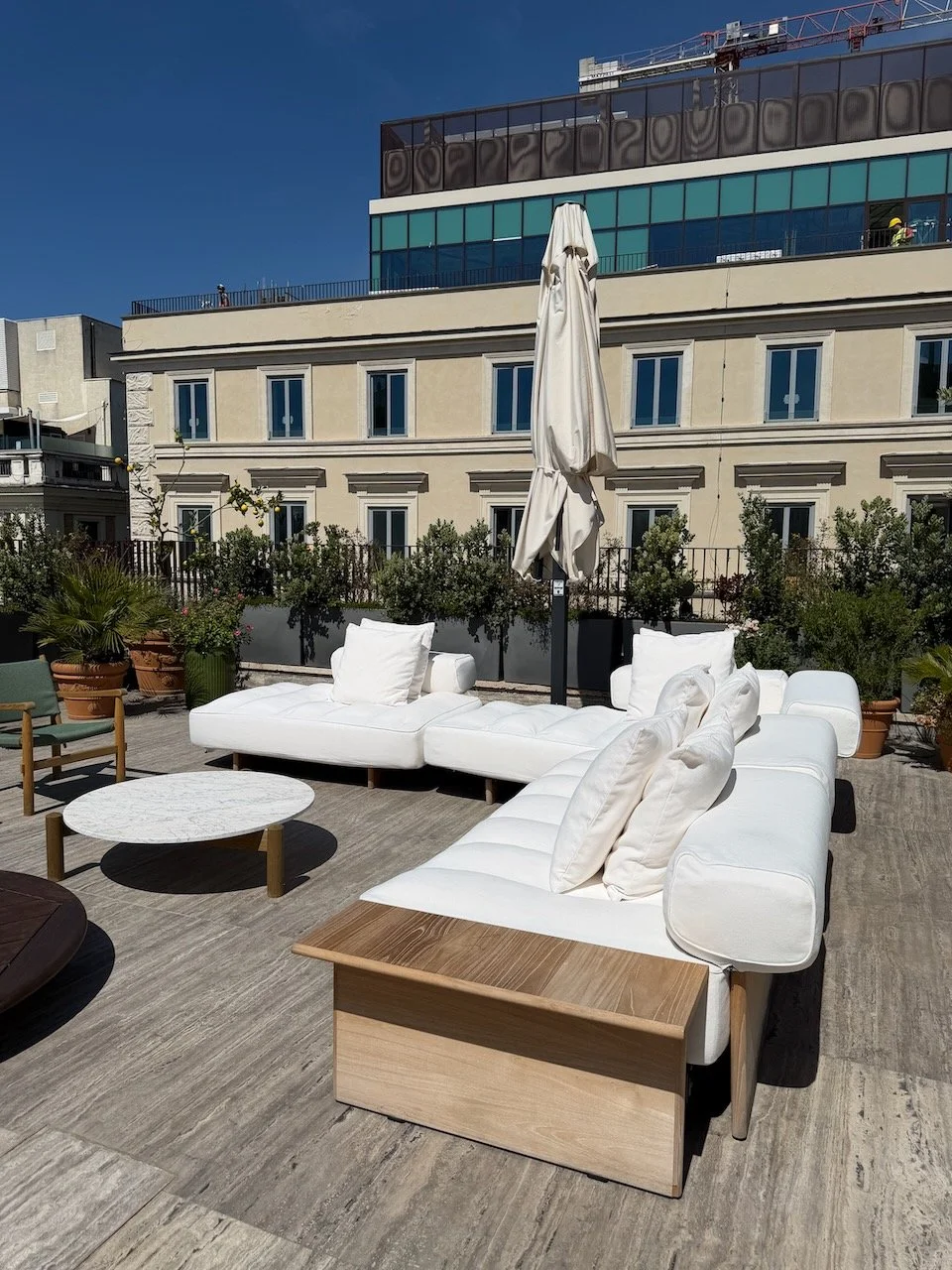
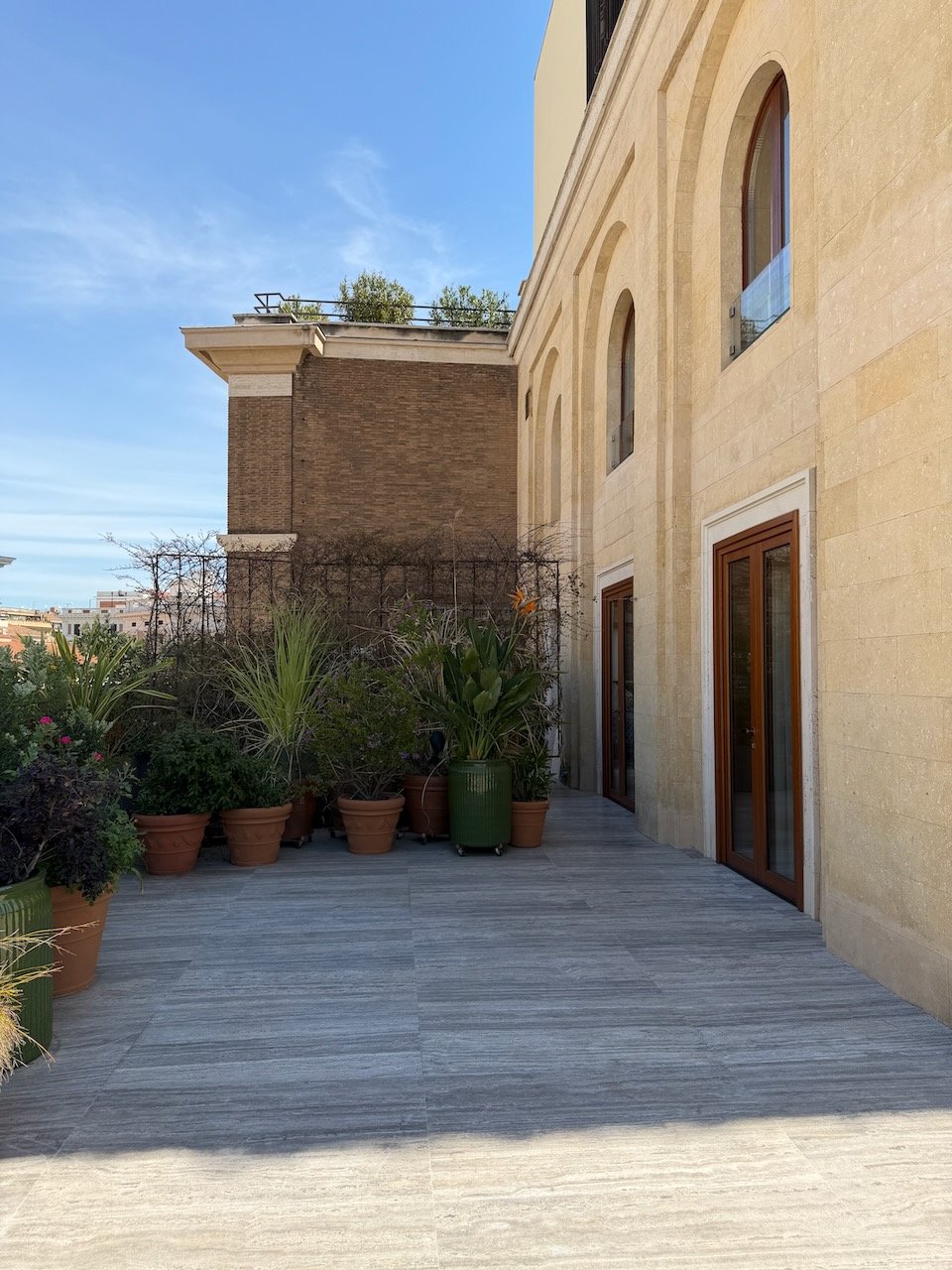
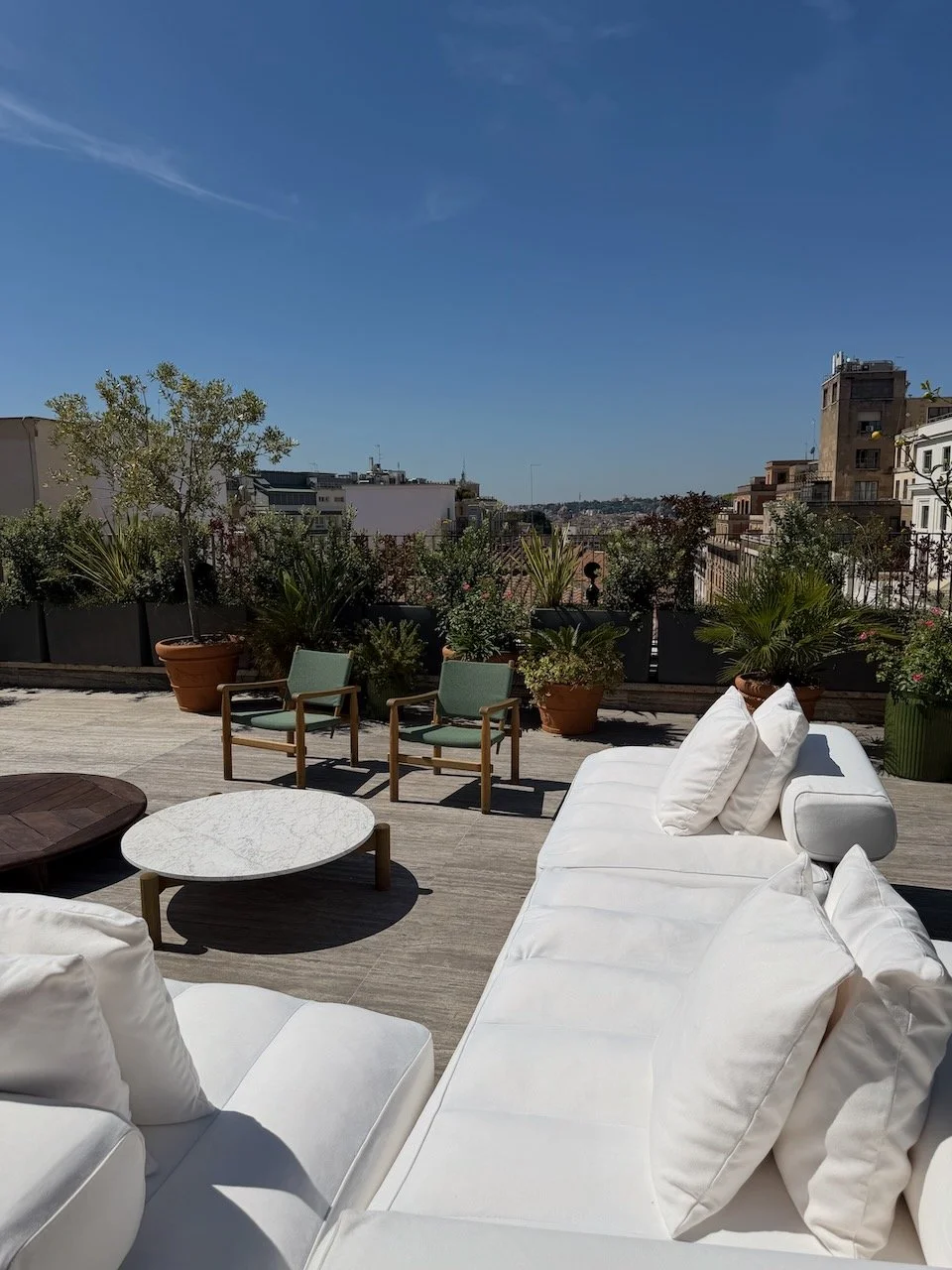
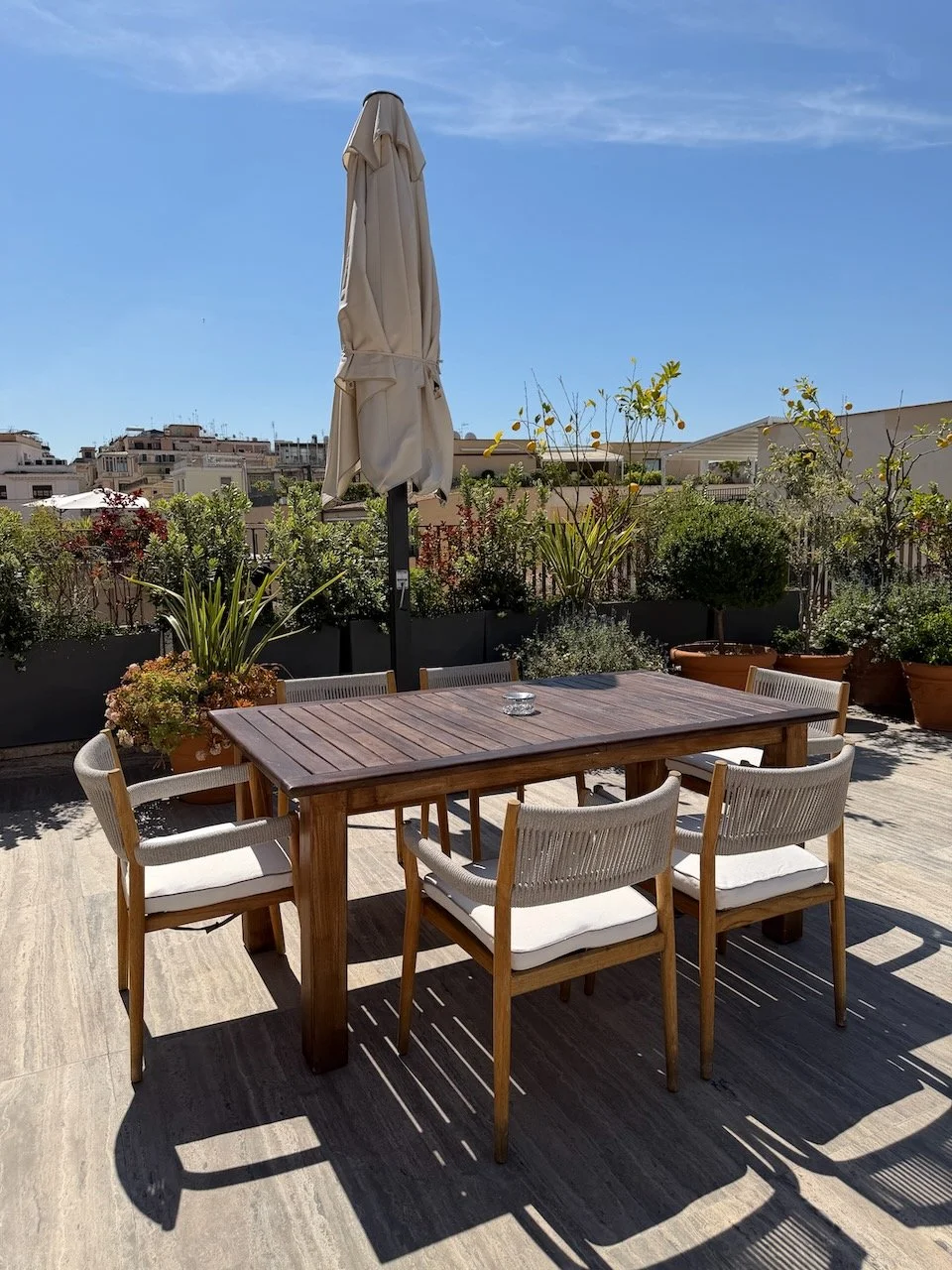
I was only able to see the Rome Penthouse Suite, but it left a strong impression. The design felt cozy and very polished: white luxury, soft beige tones, and a clean, serene atmosphere that I liked more than I expected. It felt modern without becoming cold.
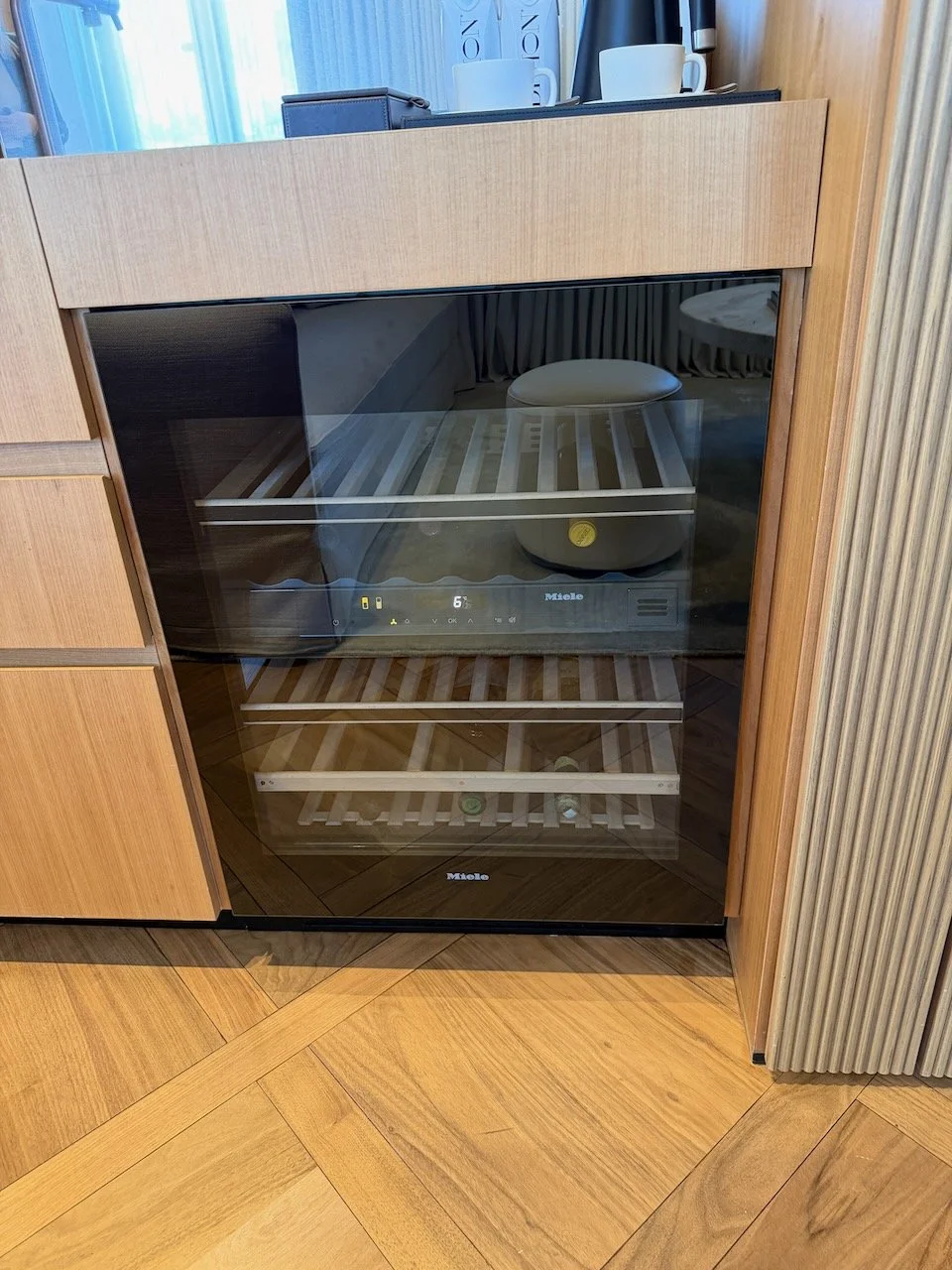
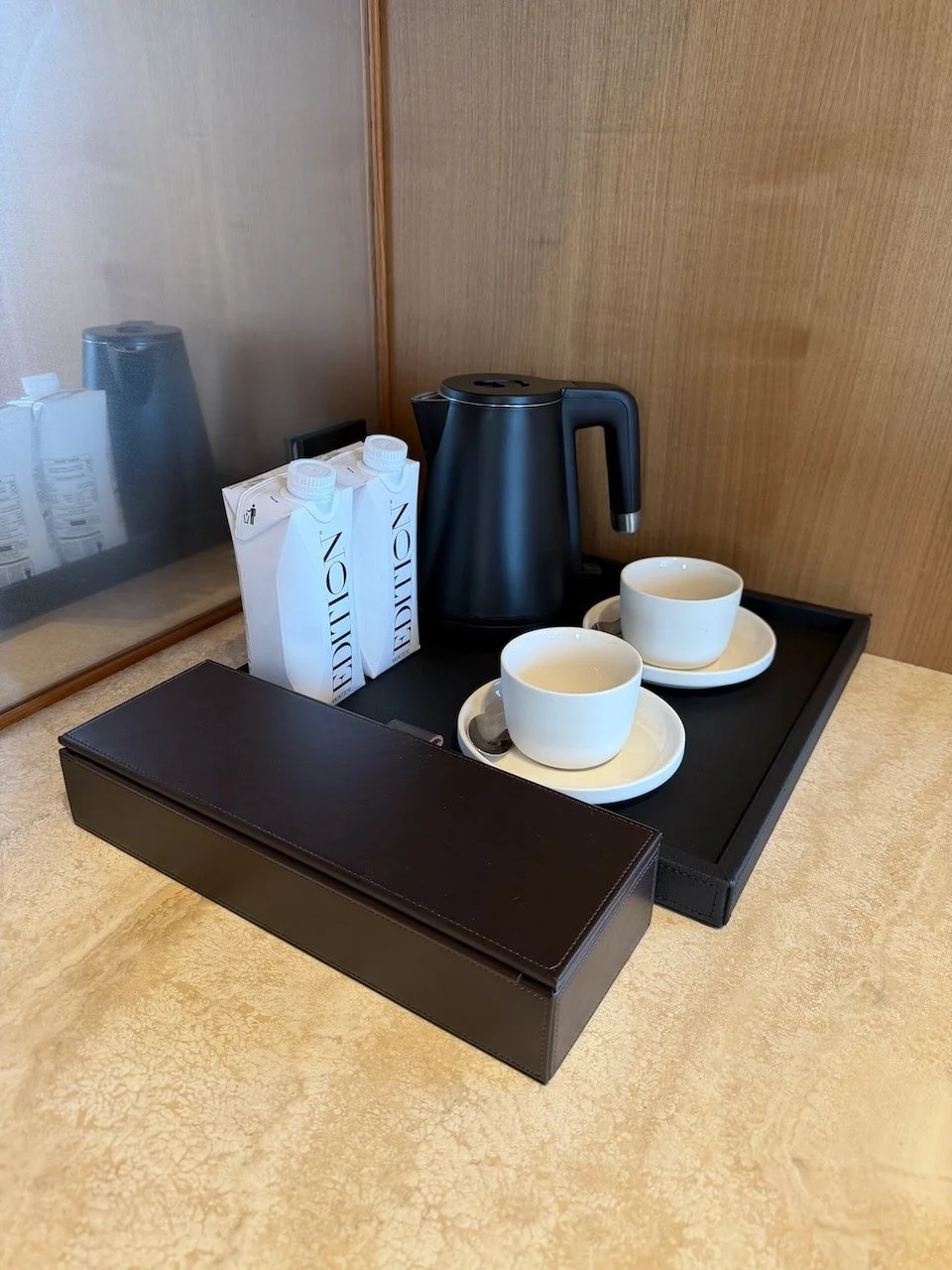
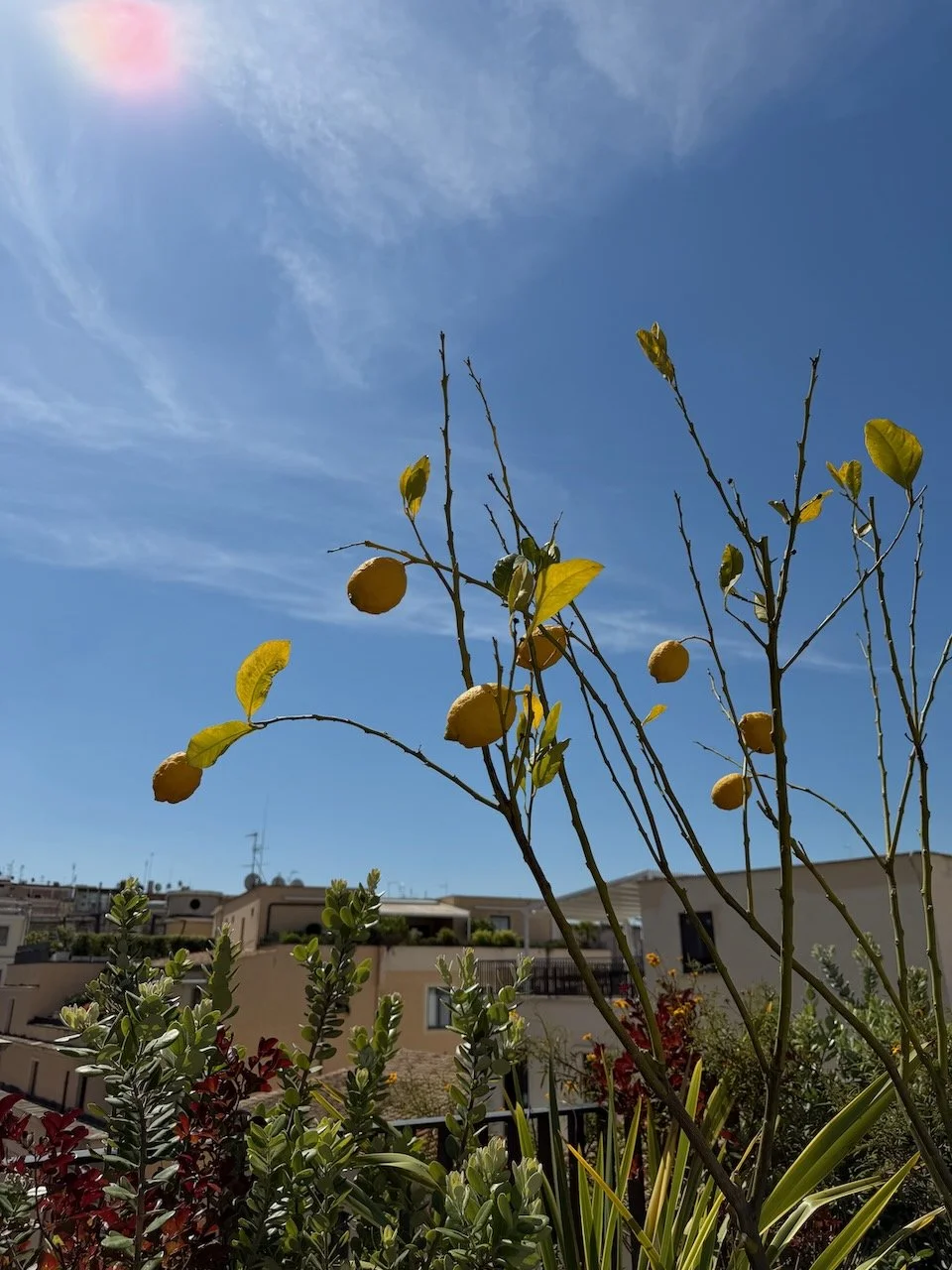
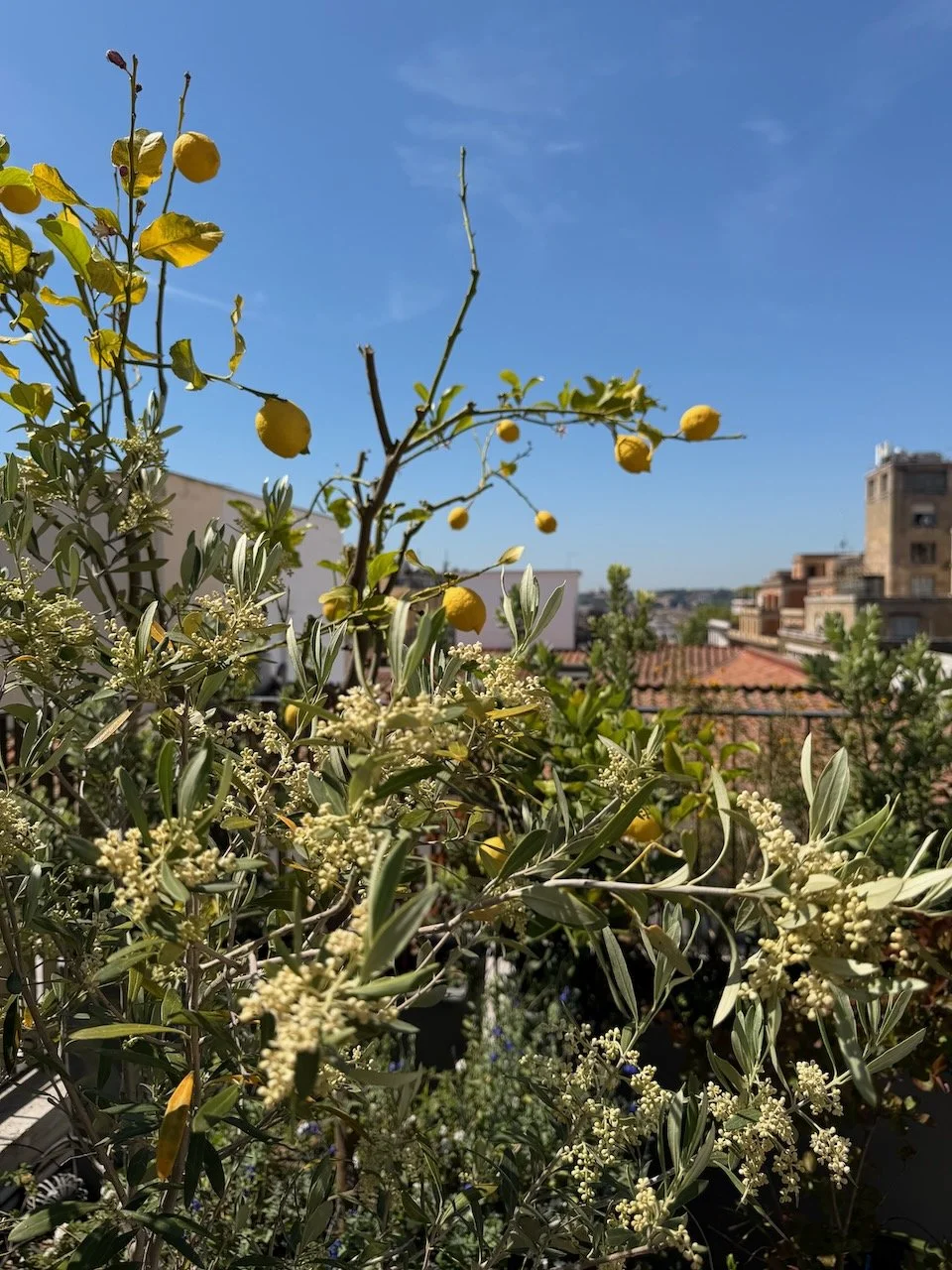
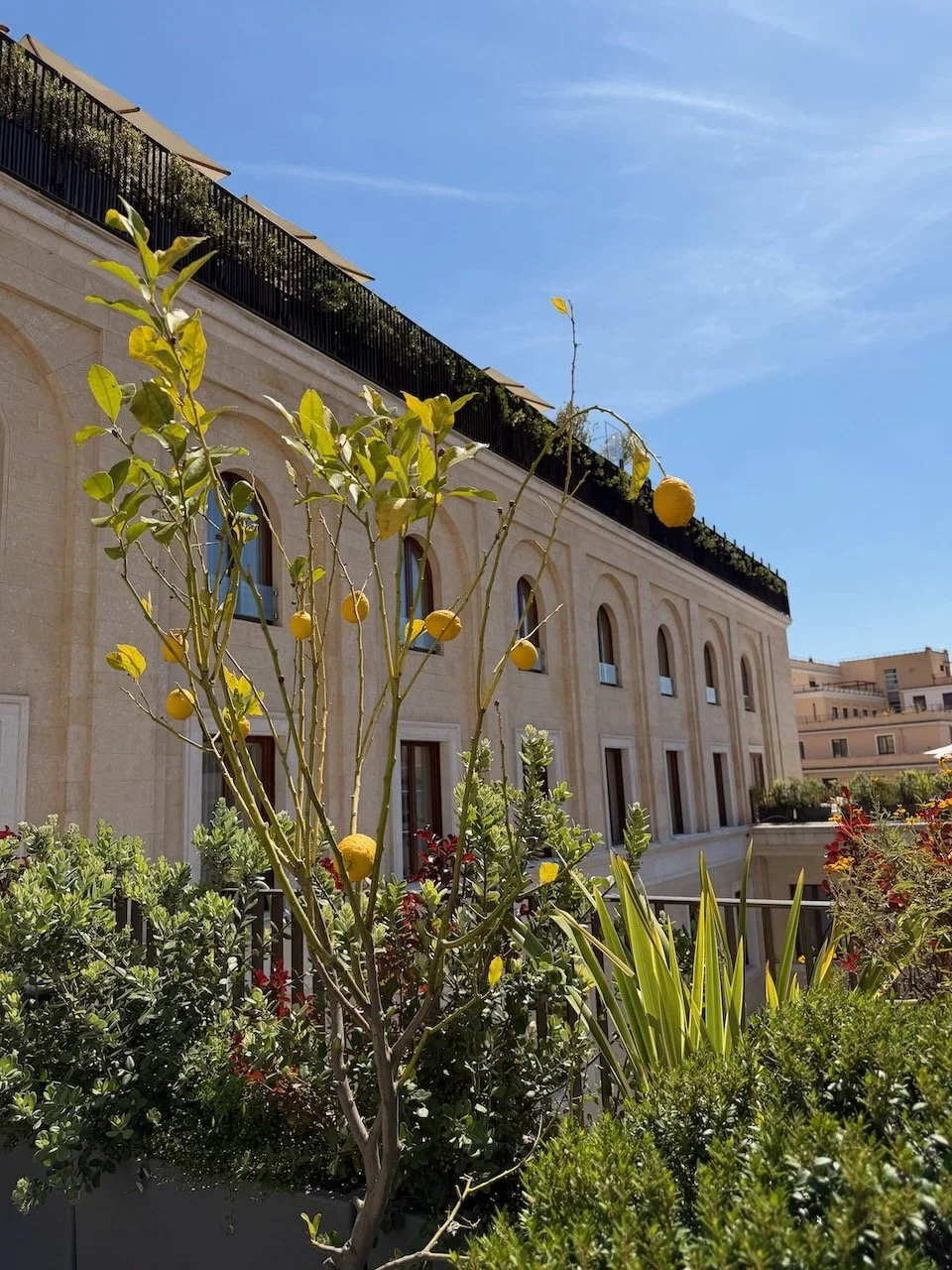
The highlight is clearly the huge private rooftop terrace, arranged with lounge seating and dining space. In a city like Rome, where private outdoor space is one of the ultimate luxuries, this immediately changes the character of the suite. The official description also mentions a separate living area, dining area, kitchenette, openable windows, and a stylish king bedroom.
Unique Amenities
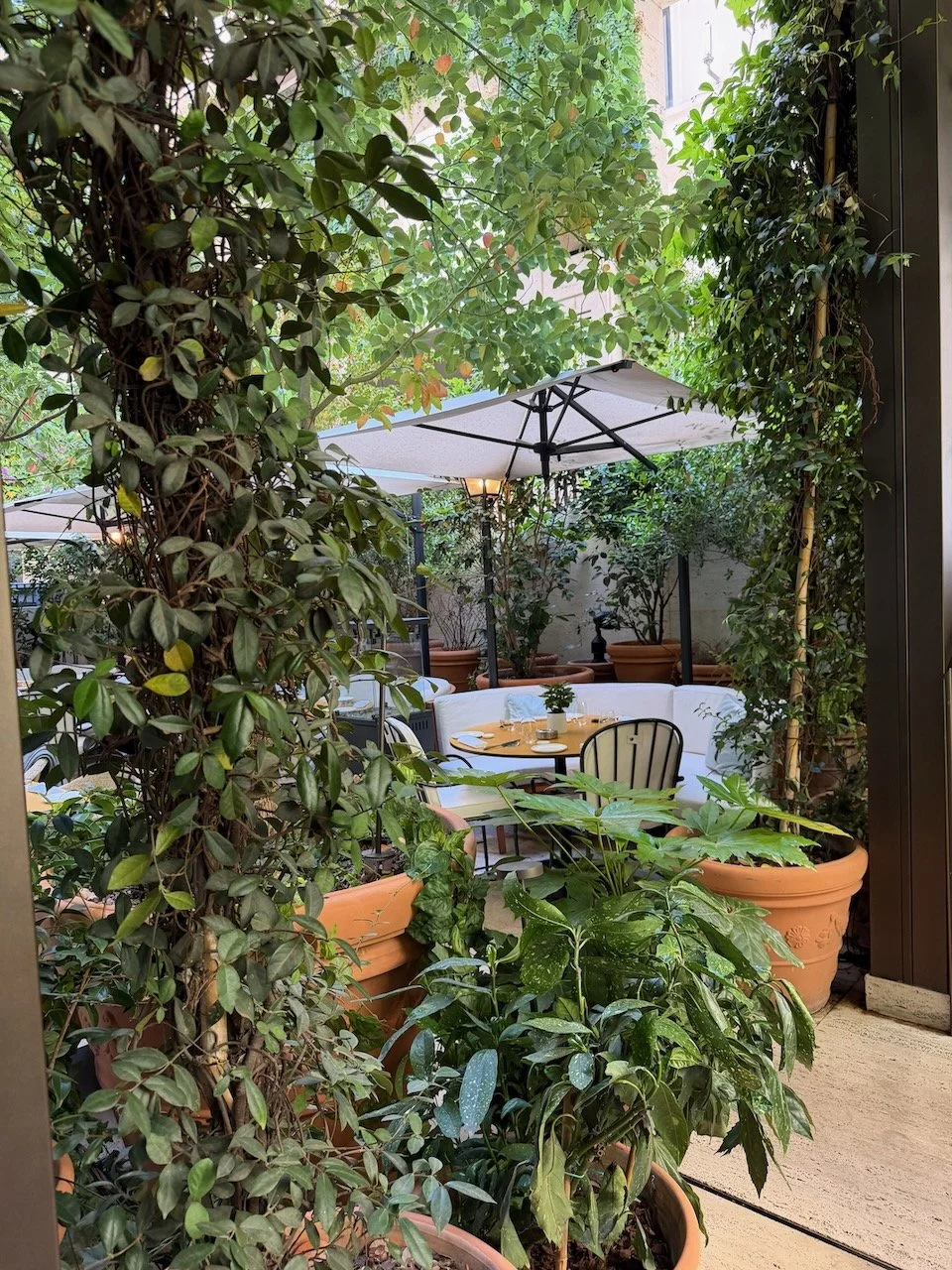
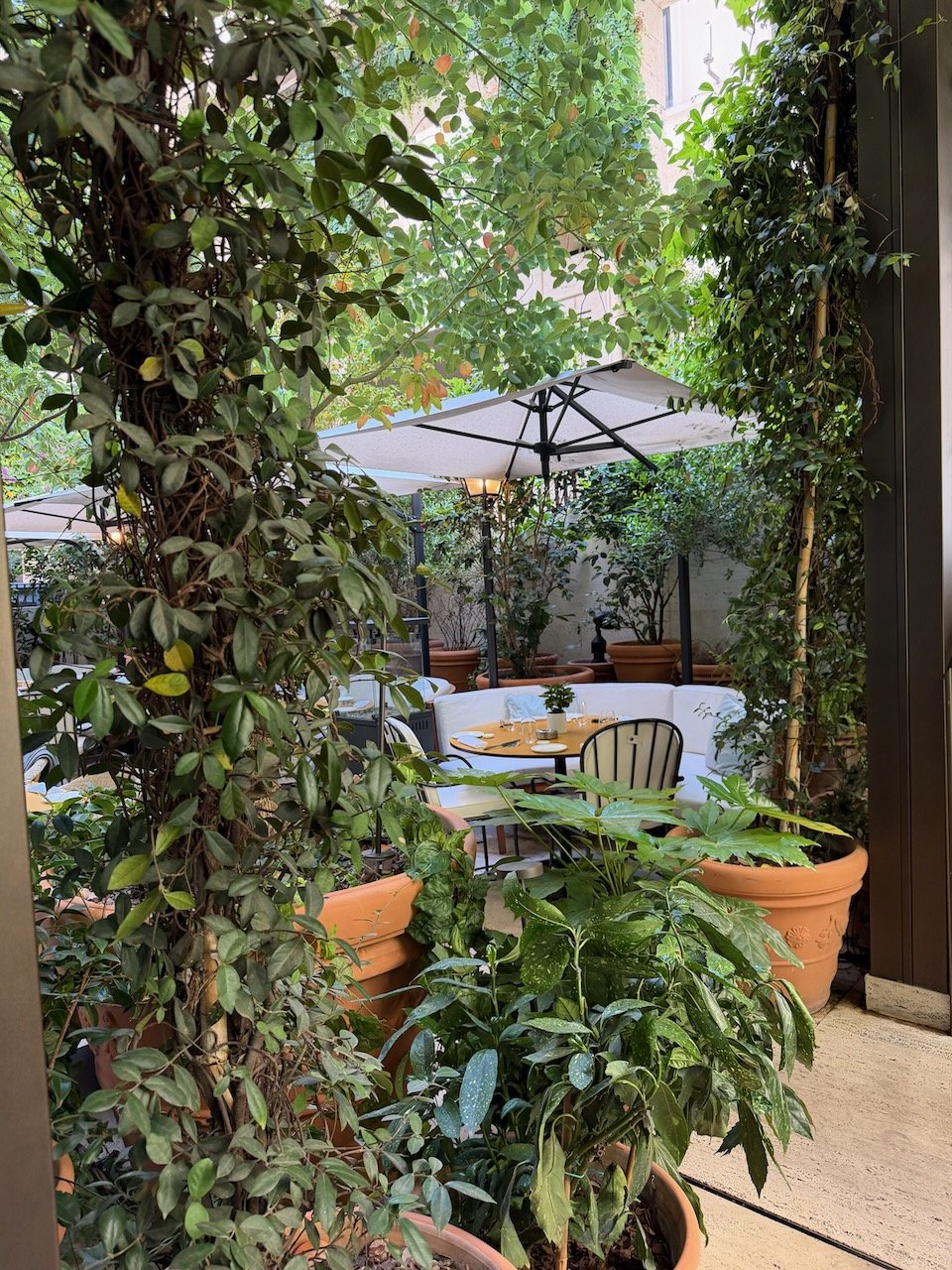
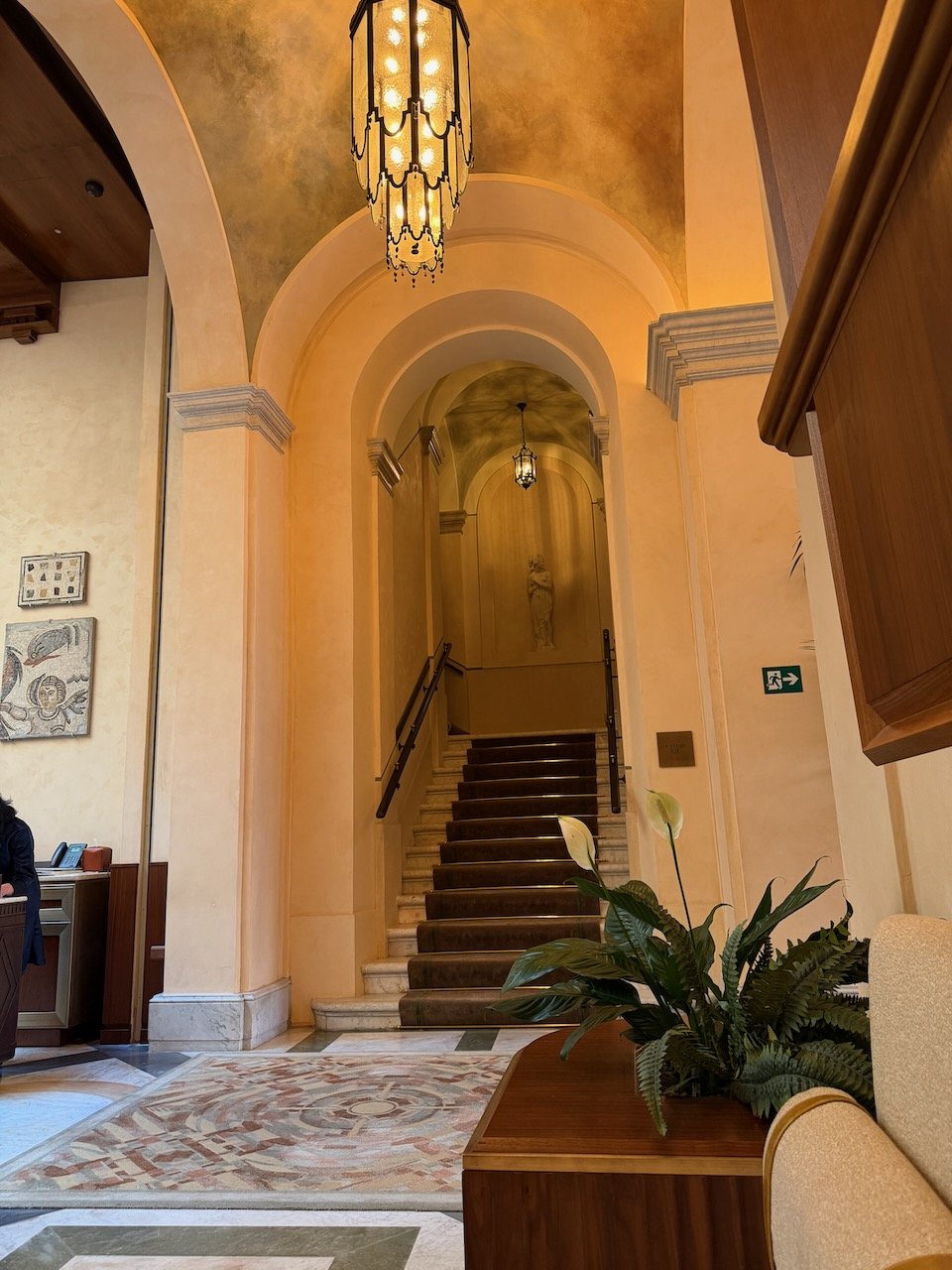
The Rome EDITION’s unique amenities are closely tied to the brand’s lifestyle-hotel concept: it is designed not only as a place to stay, but also as a stylish social address for guests and locals. The experience starts with the discreet entrance and secret-garden feel on arrival, which gives the hotel a private, hidden quality in the middle of Rome.
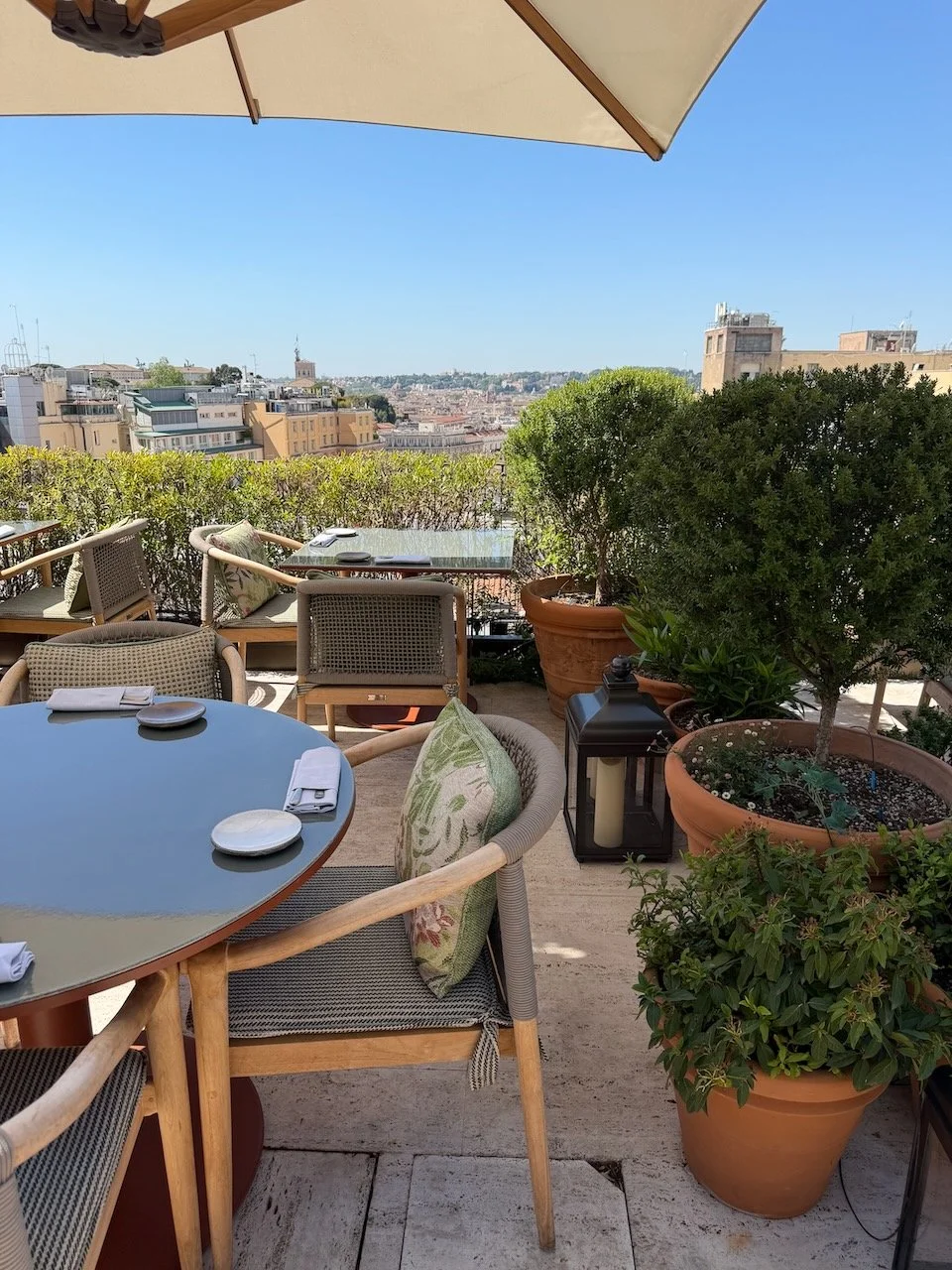
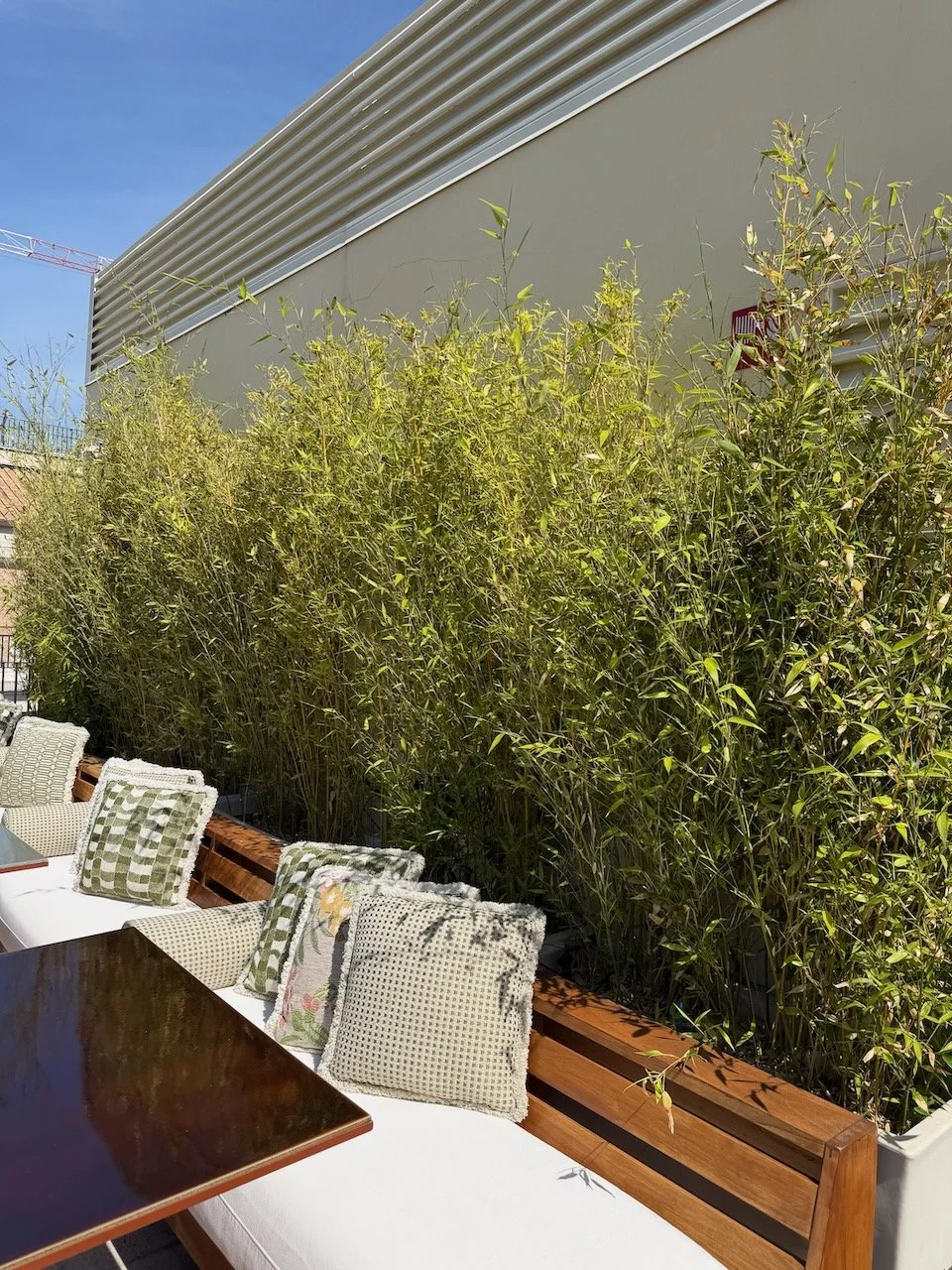
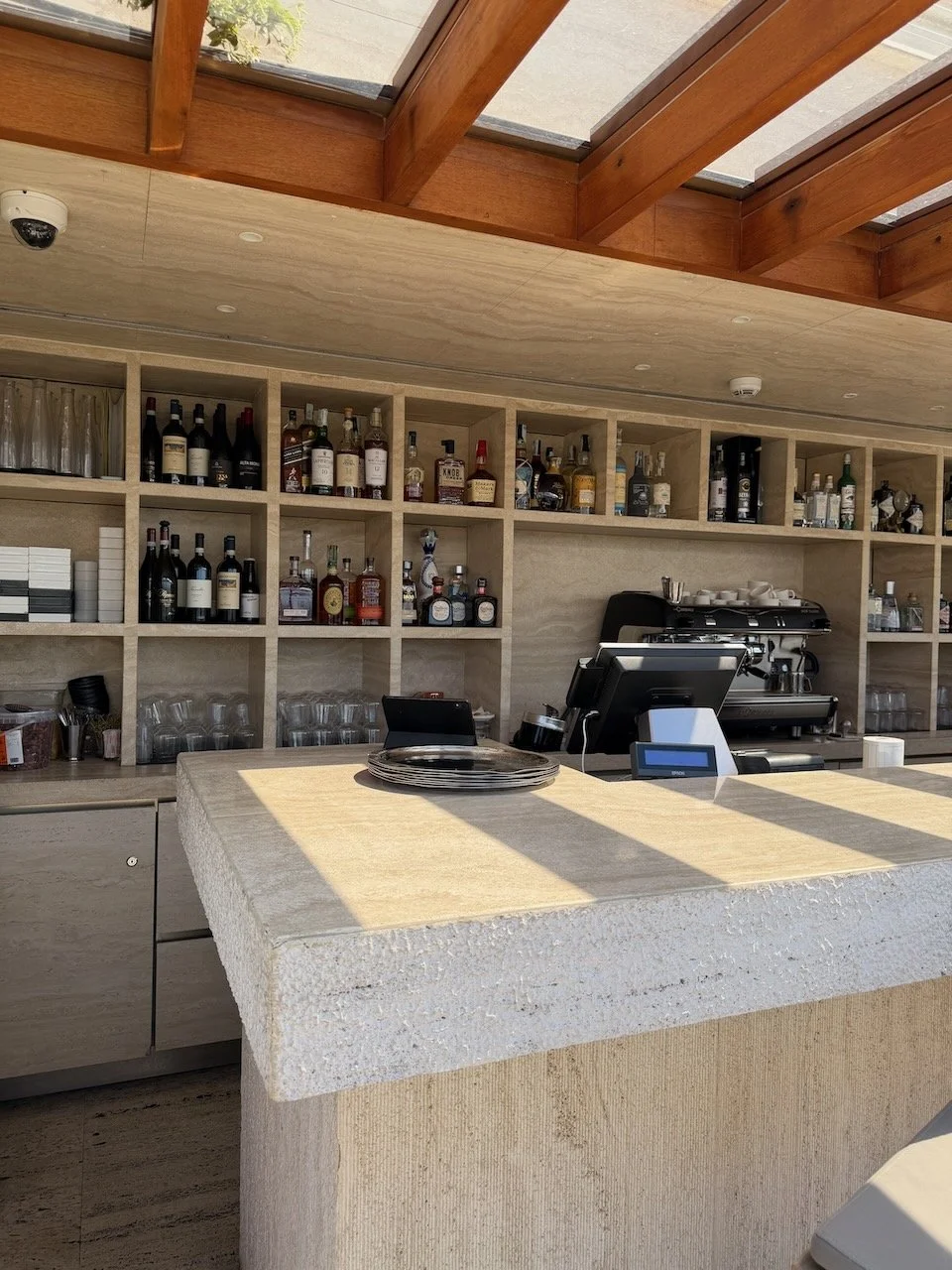
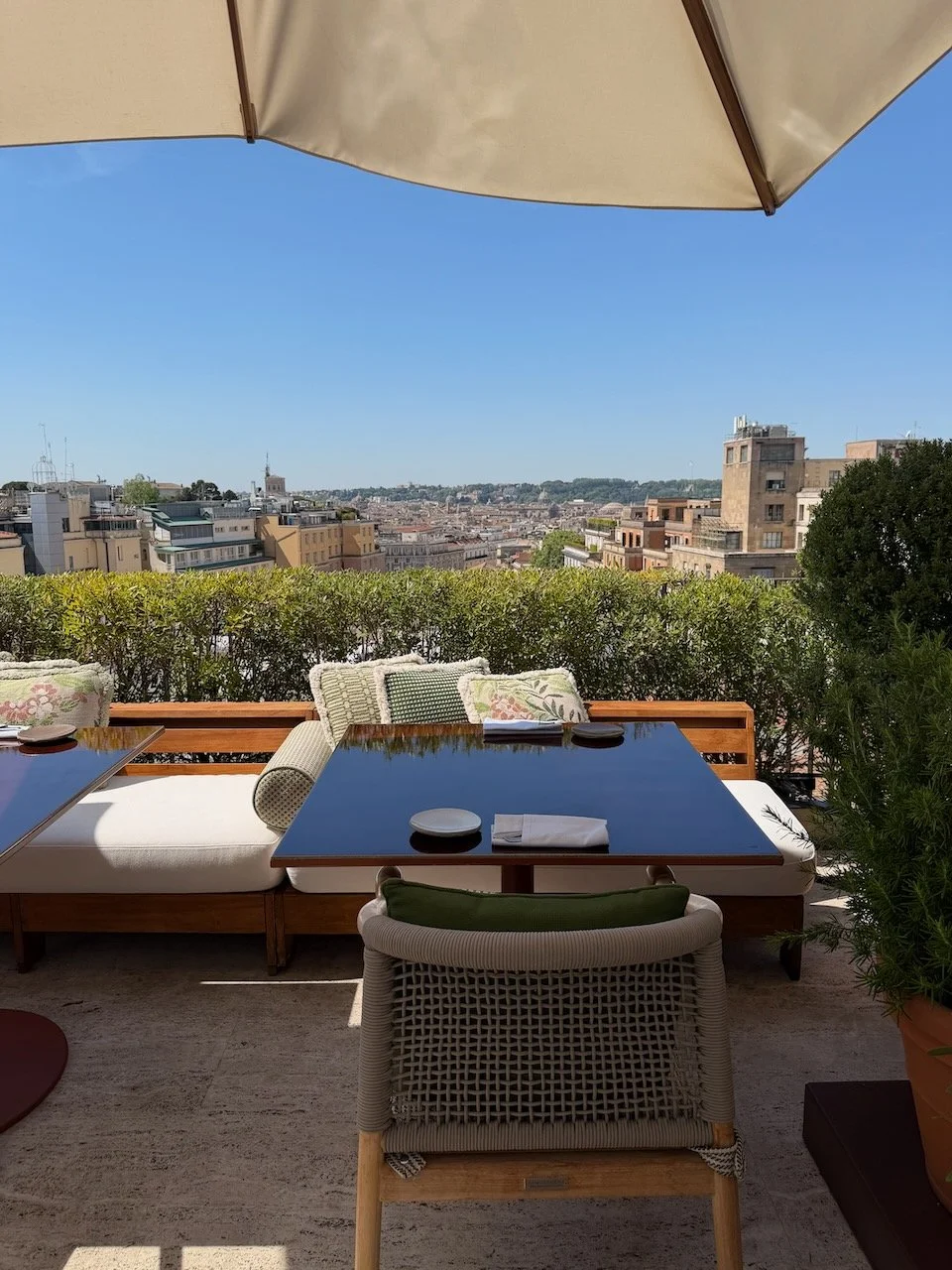
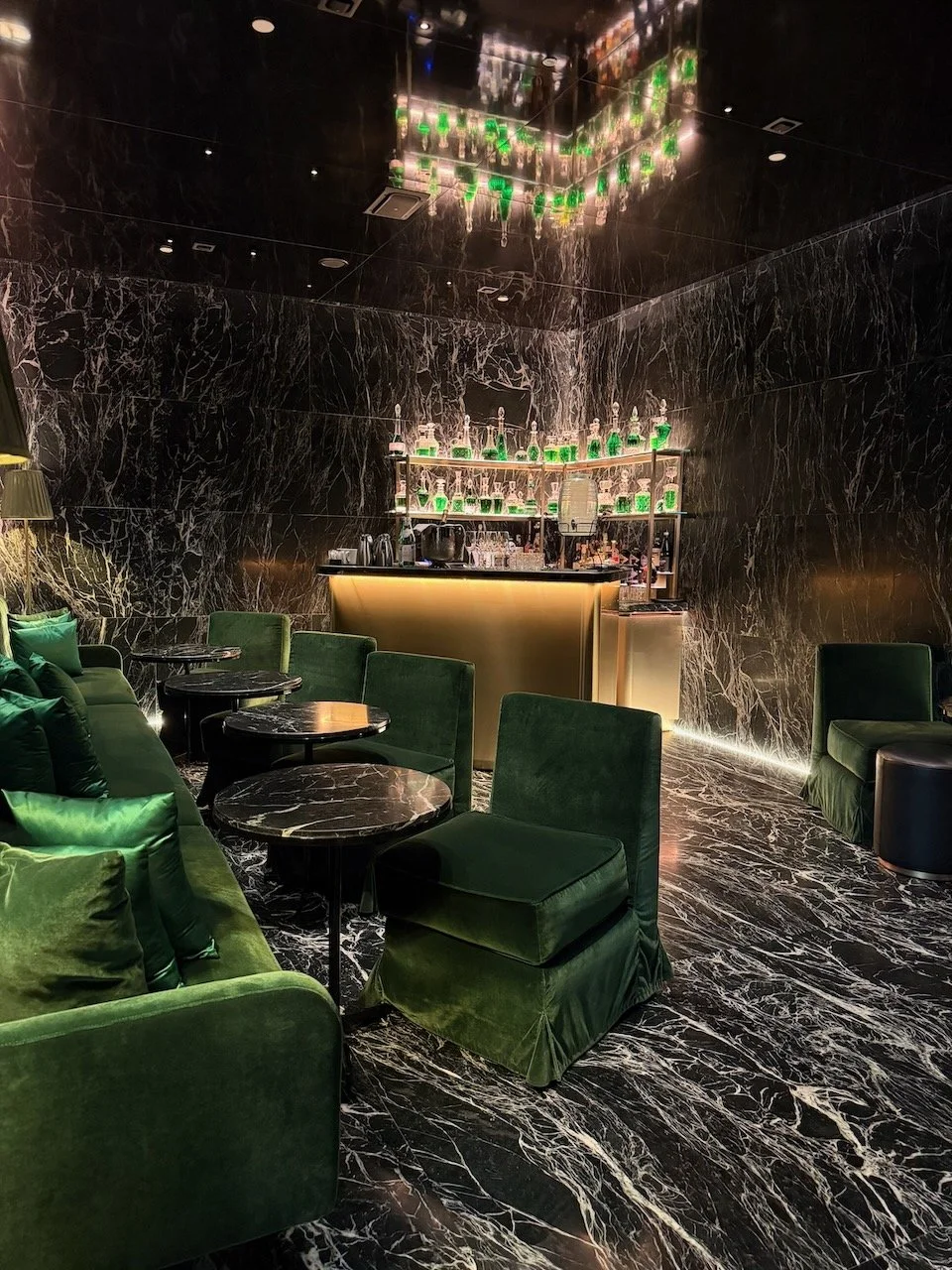
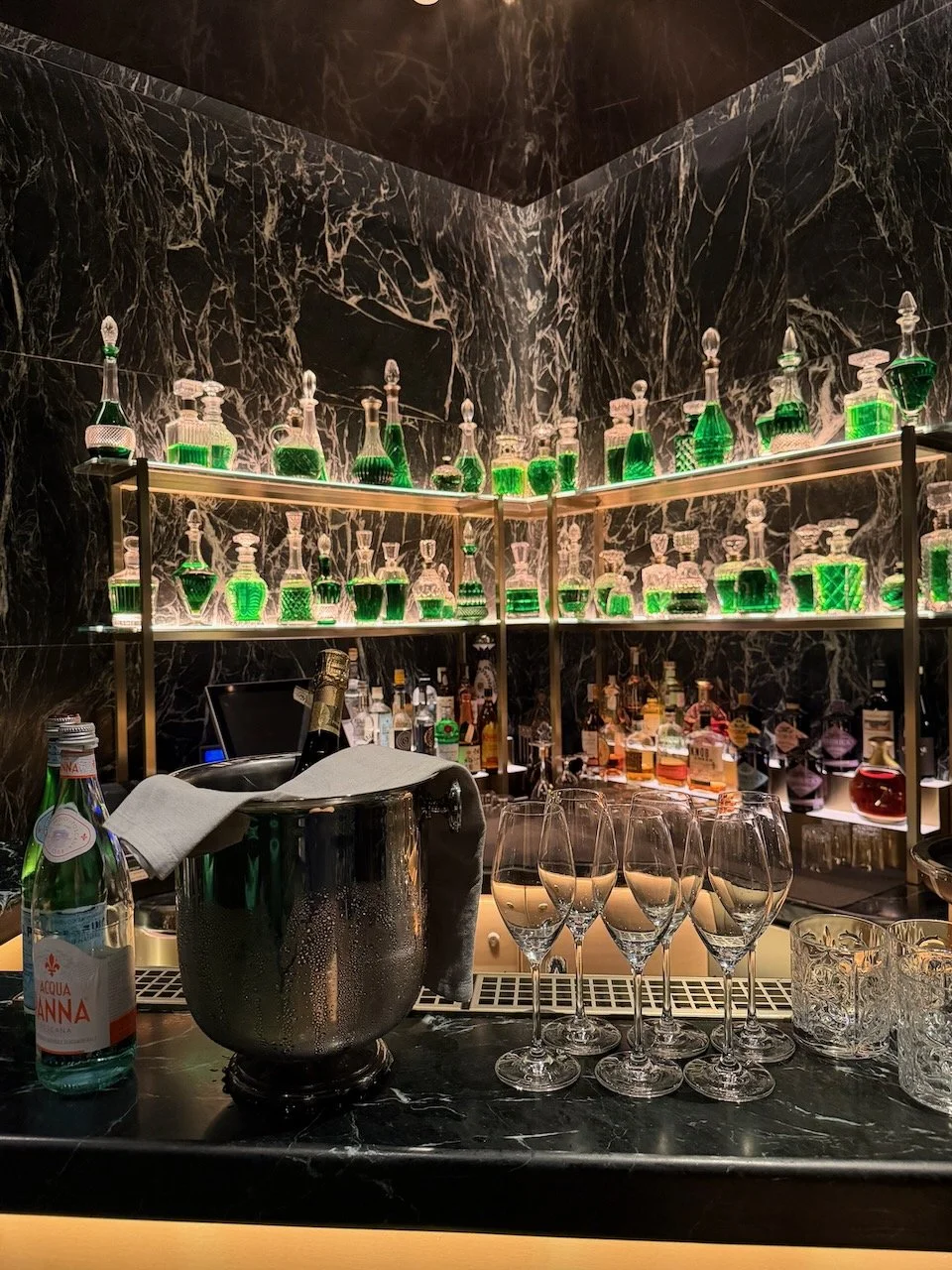
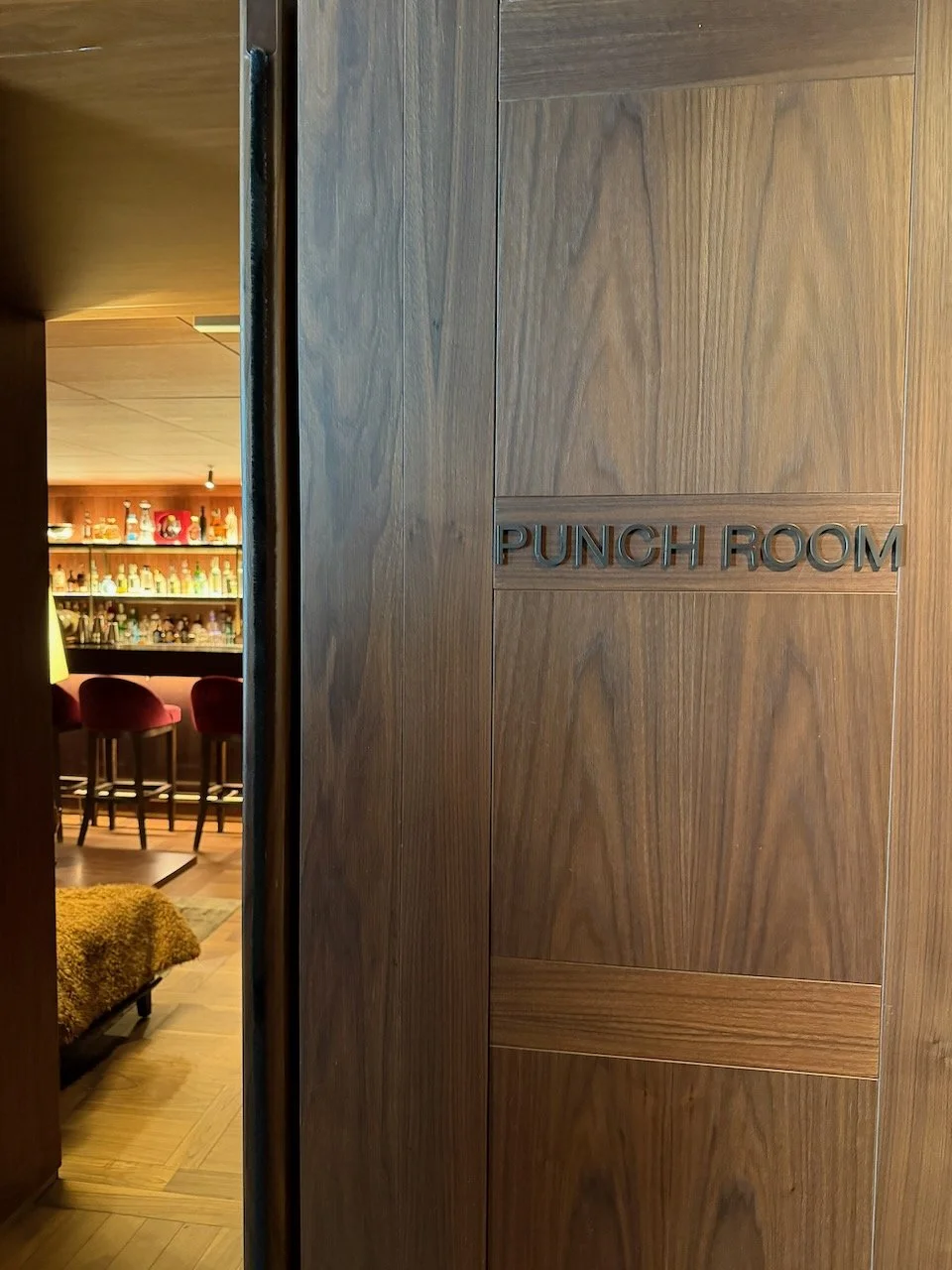
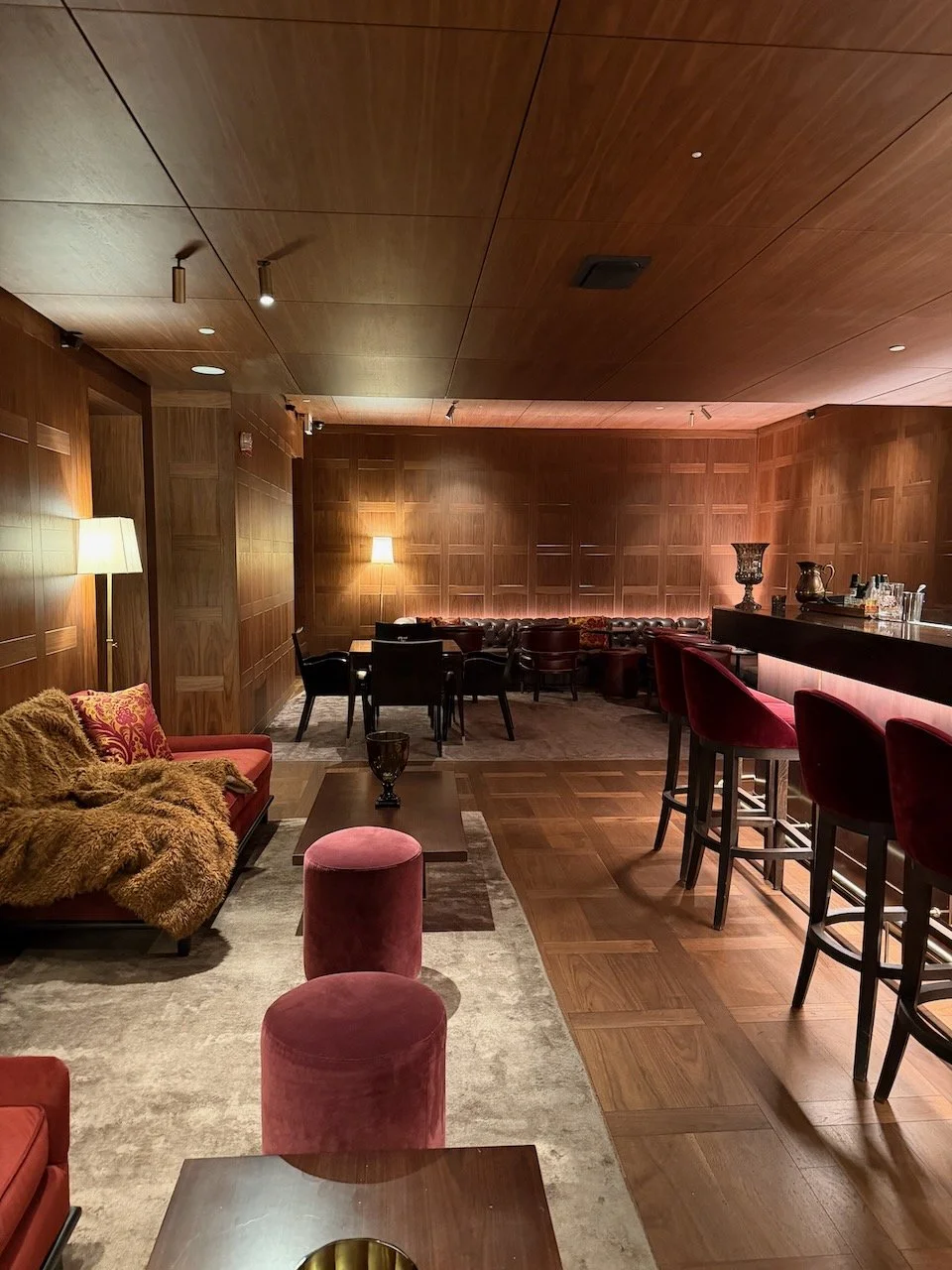
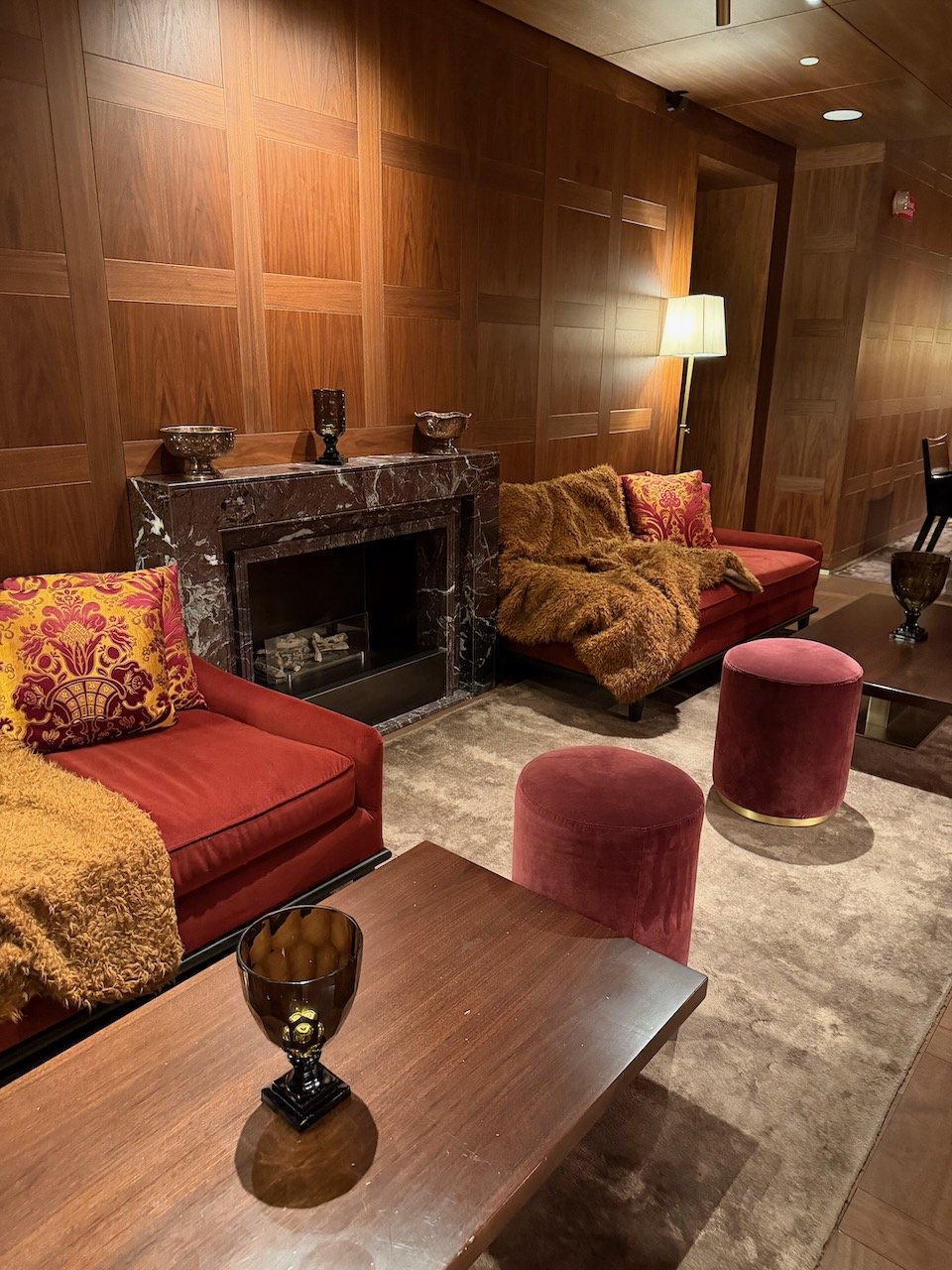
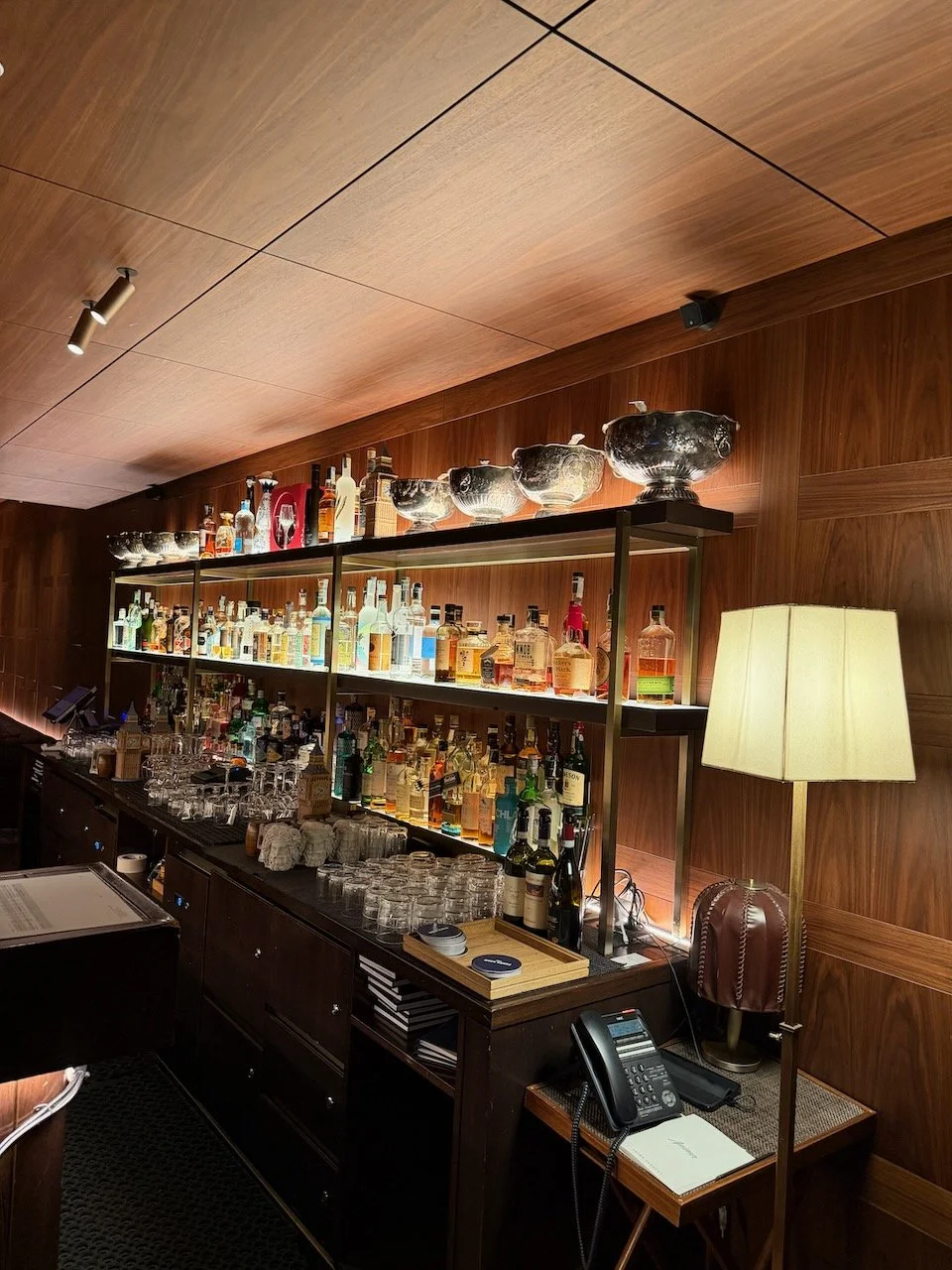
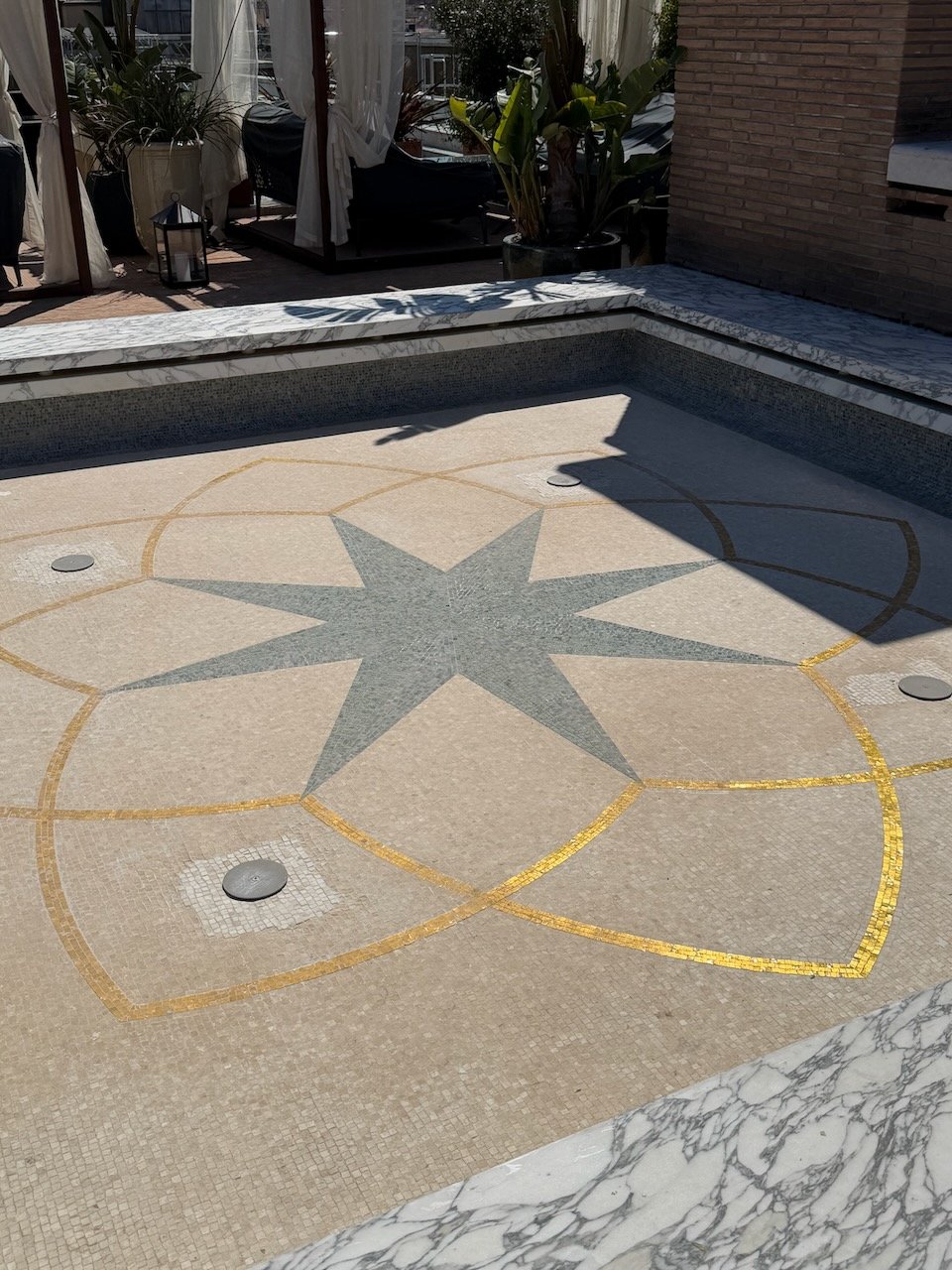
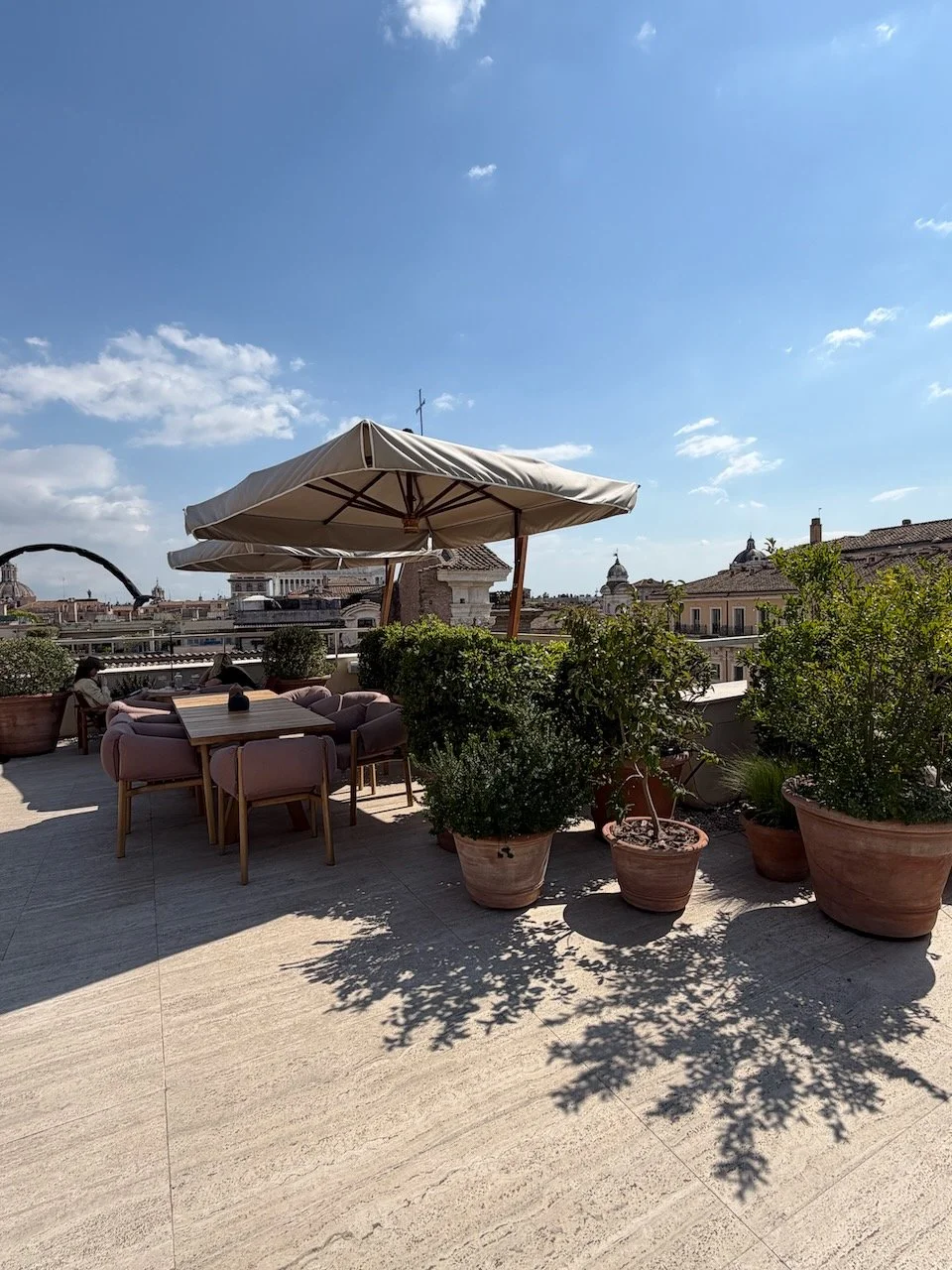
The main public spaces are the key differentiator. The Roof is the seventh-floor café-bar-restaurant with city views, a cozy atmosphere, and a small rooftop pool directly beside it. Downstairs, Jade Bar offers the hotel’s elegant green-marble cocktail setting, while Punch Room is the more intimate speakeasy-style bar focused on punch cocktails and late-night atmosphere. Together, these spaces give the hotel a stronger bar and nightlife identity than many traditional Roman luxury hotels.
Spa and Wellness
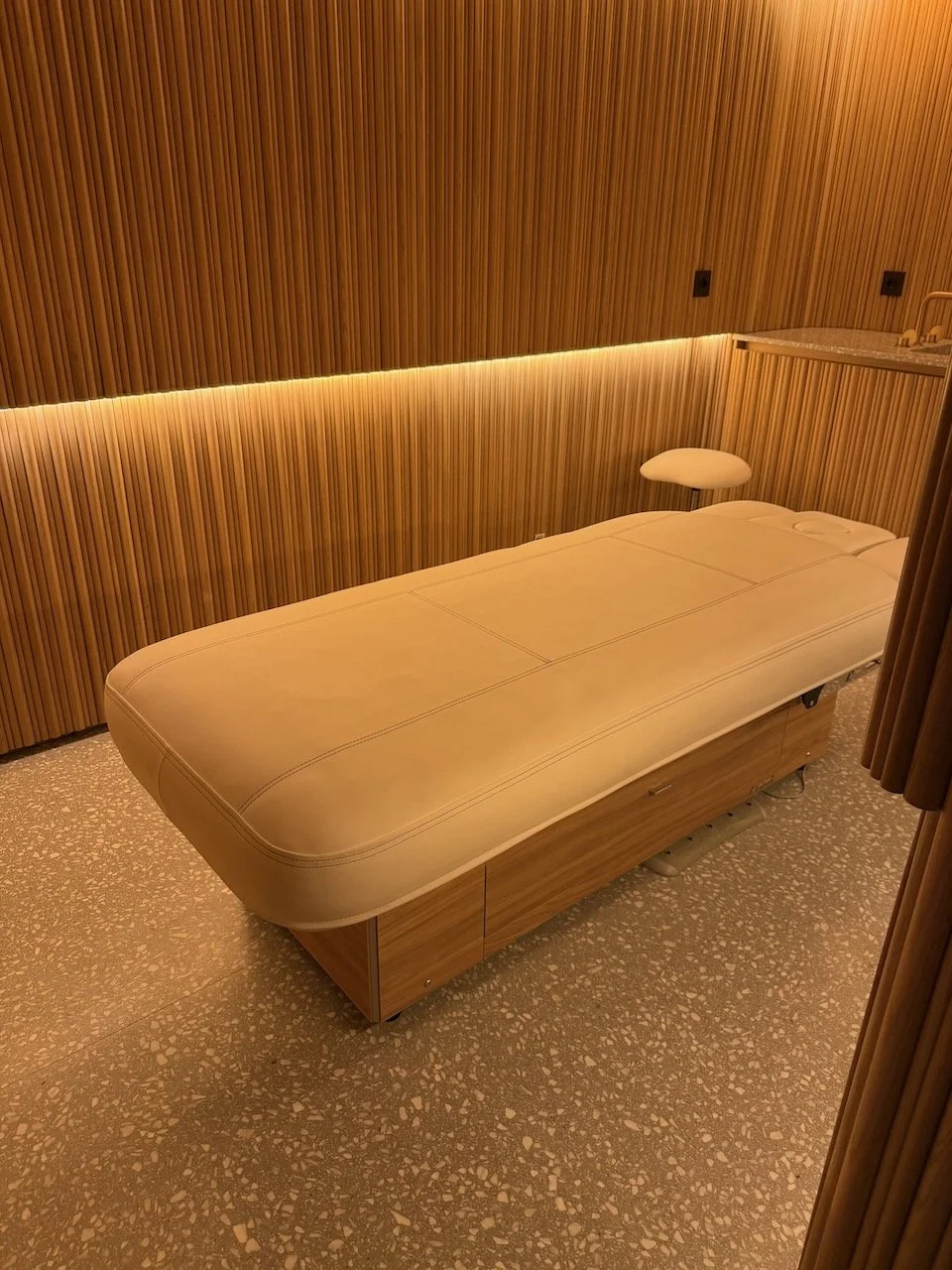
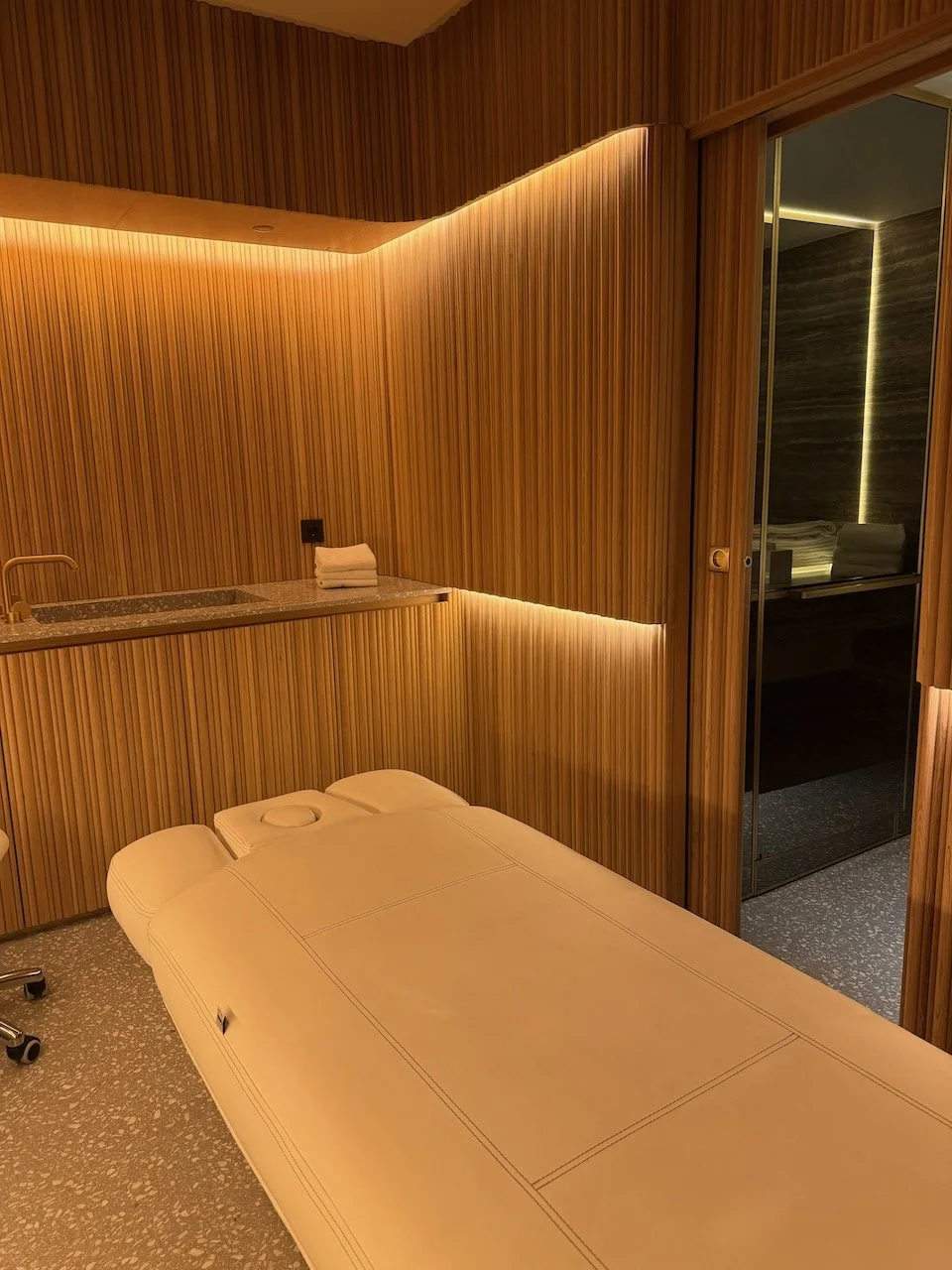
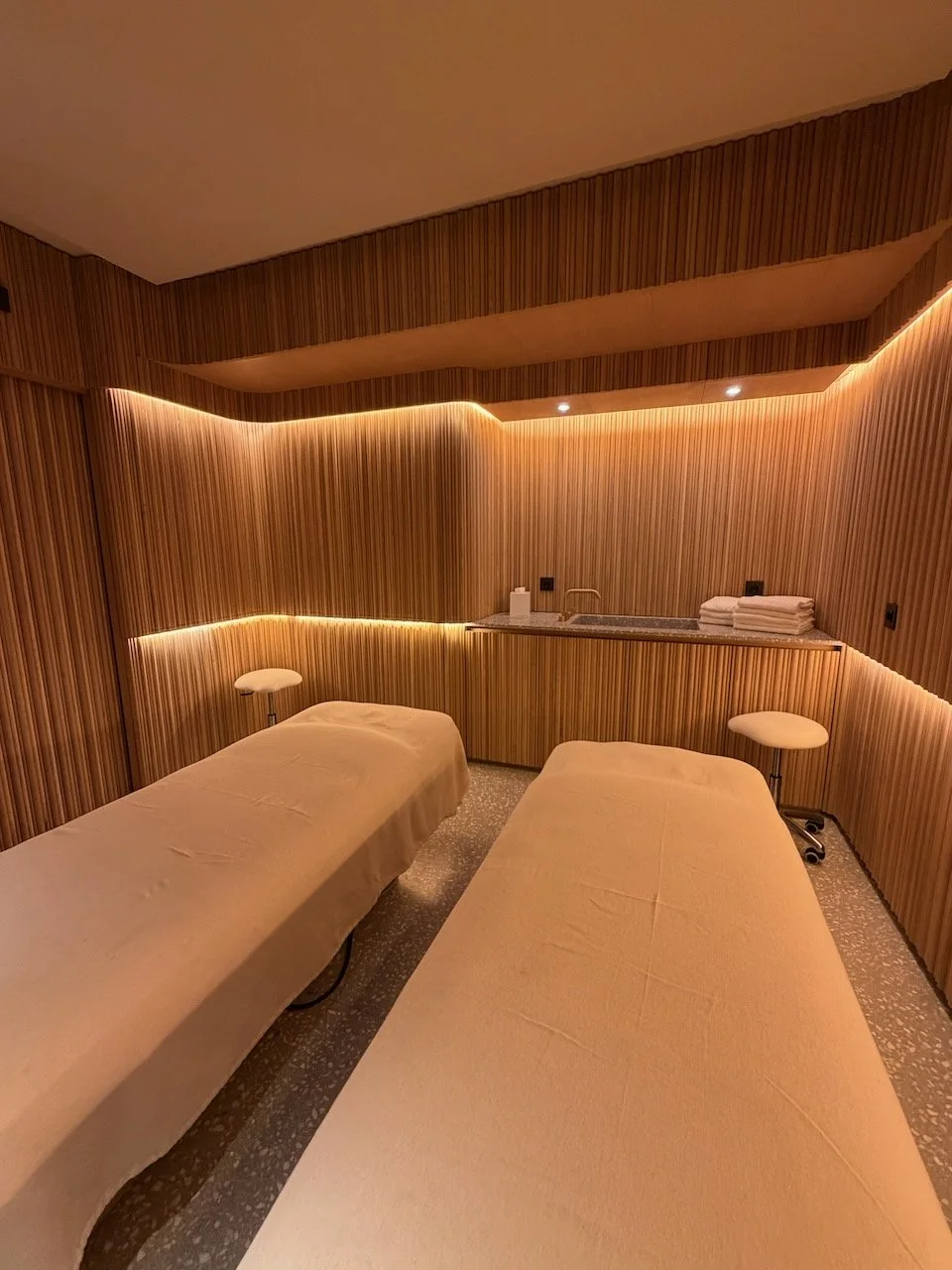
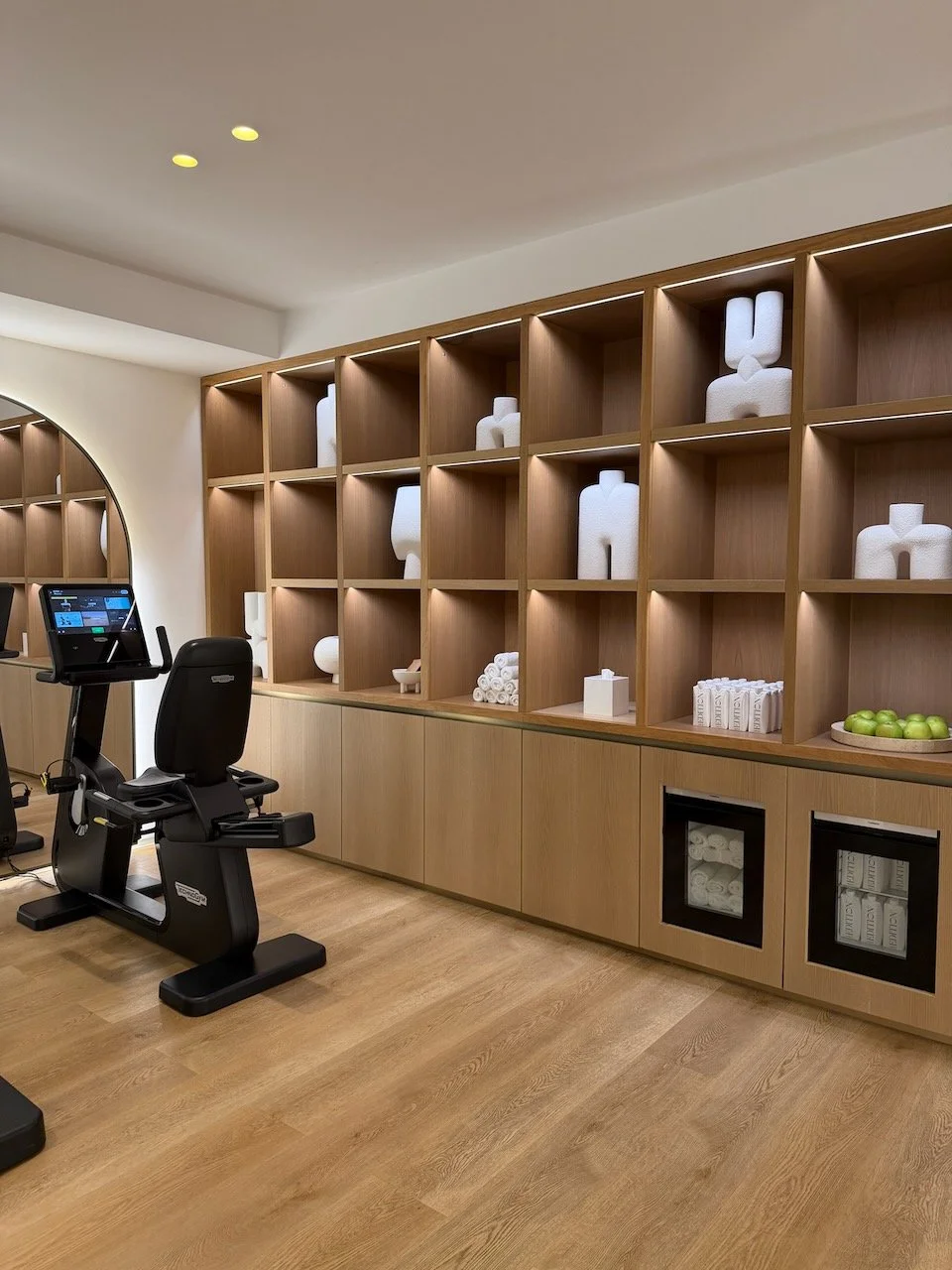
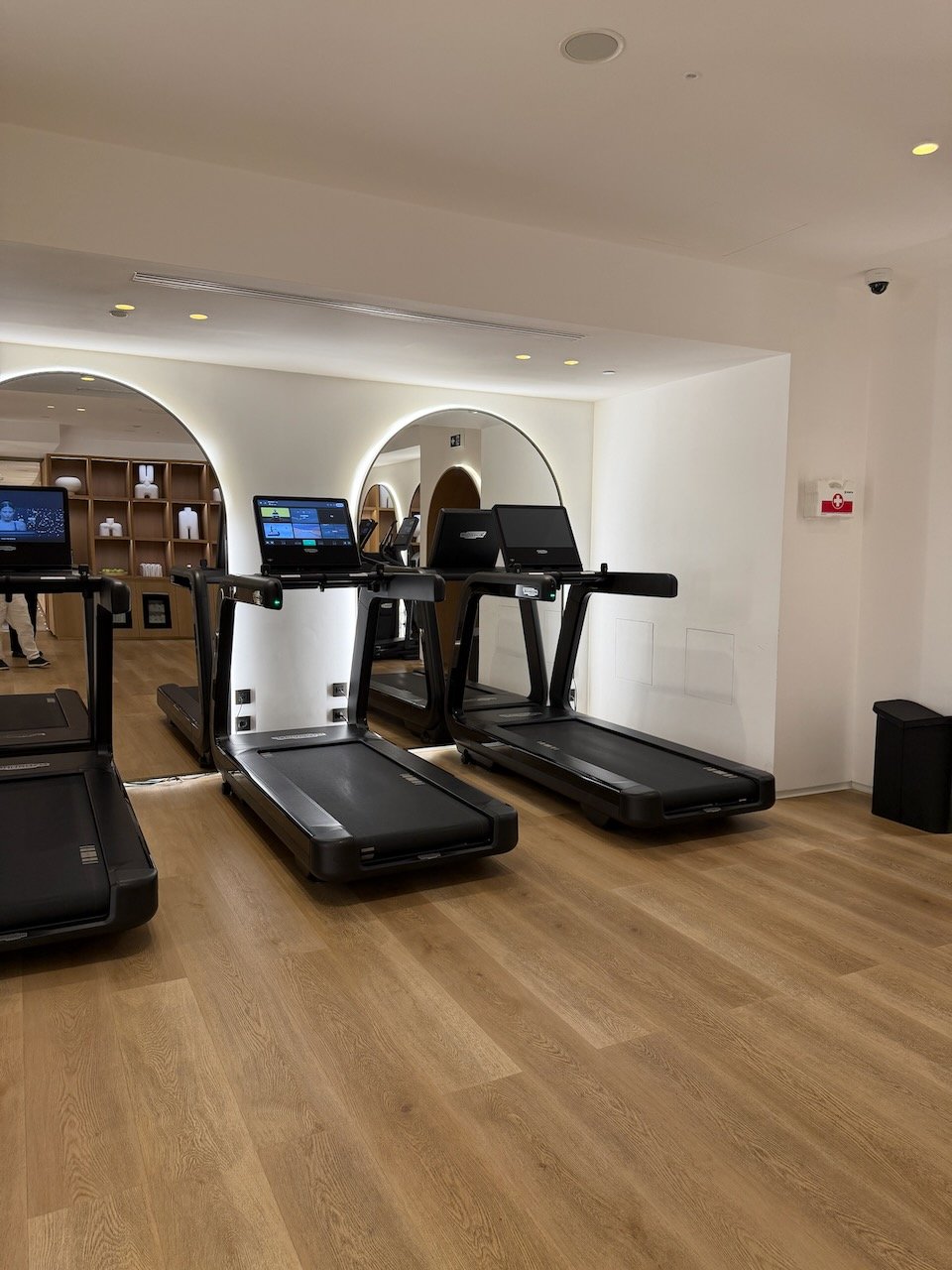
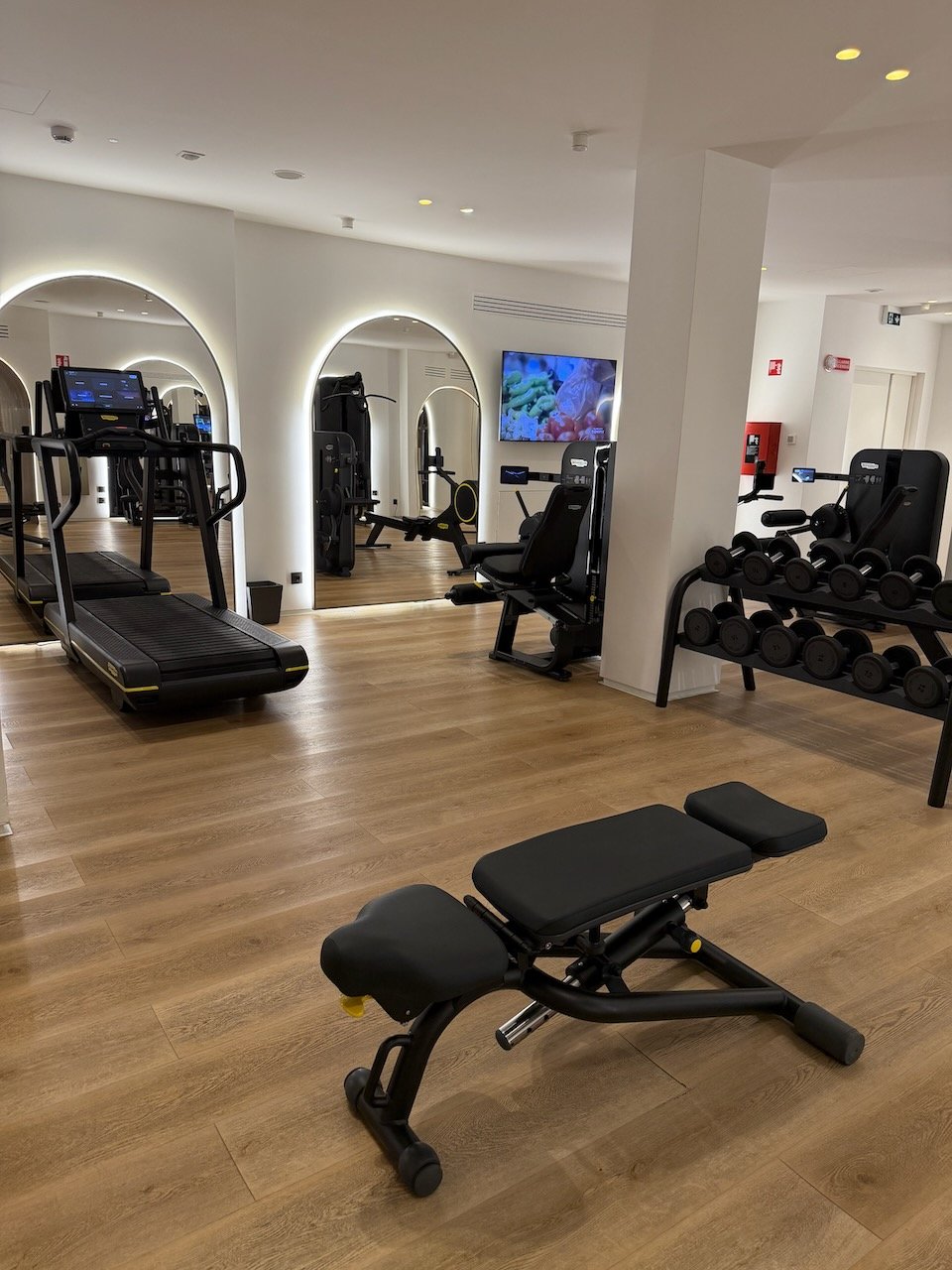
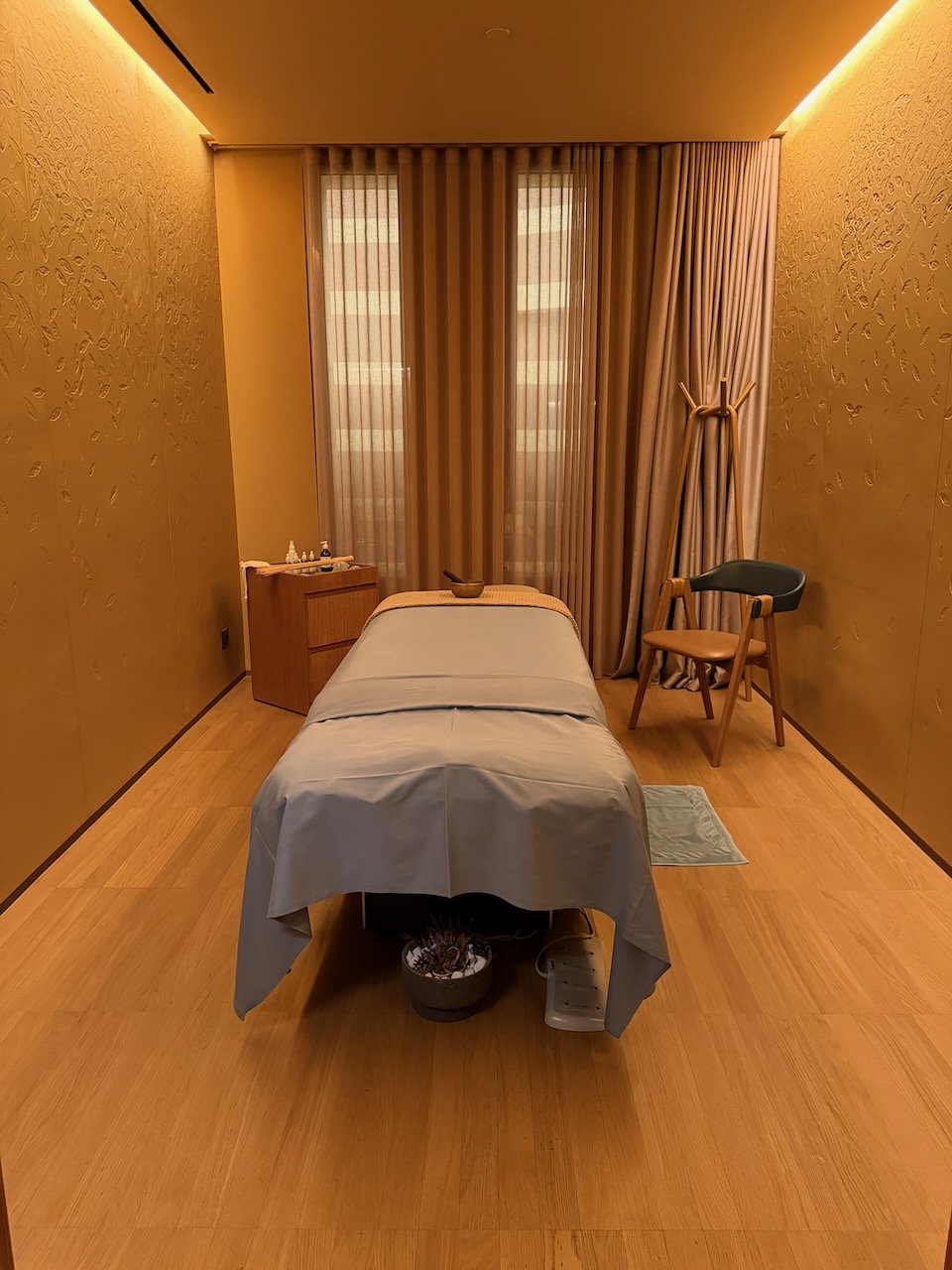
The Rome EDITION has a compact but stylish wellness offering rather than a large destination spa. In the basement, there are treatment rooms and a generous gym, giving the hotel a proper wellness foundation beyond the social rooftop spaces. The rooftop pool beside The Roof adds a relaxed summer-resort feeling without turning the property into a full urban resort.
Dining Options
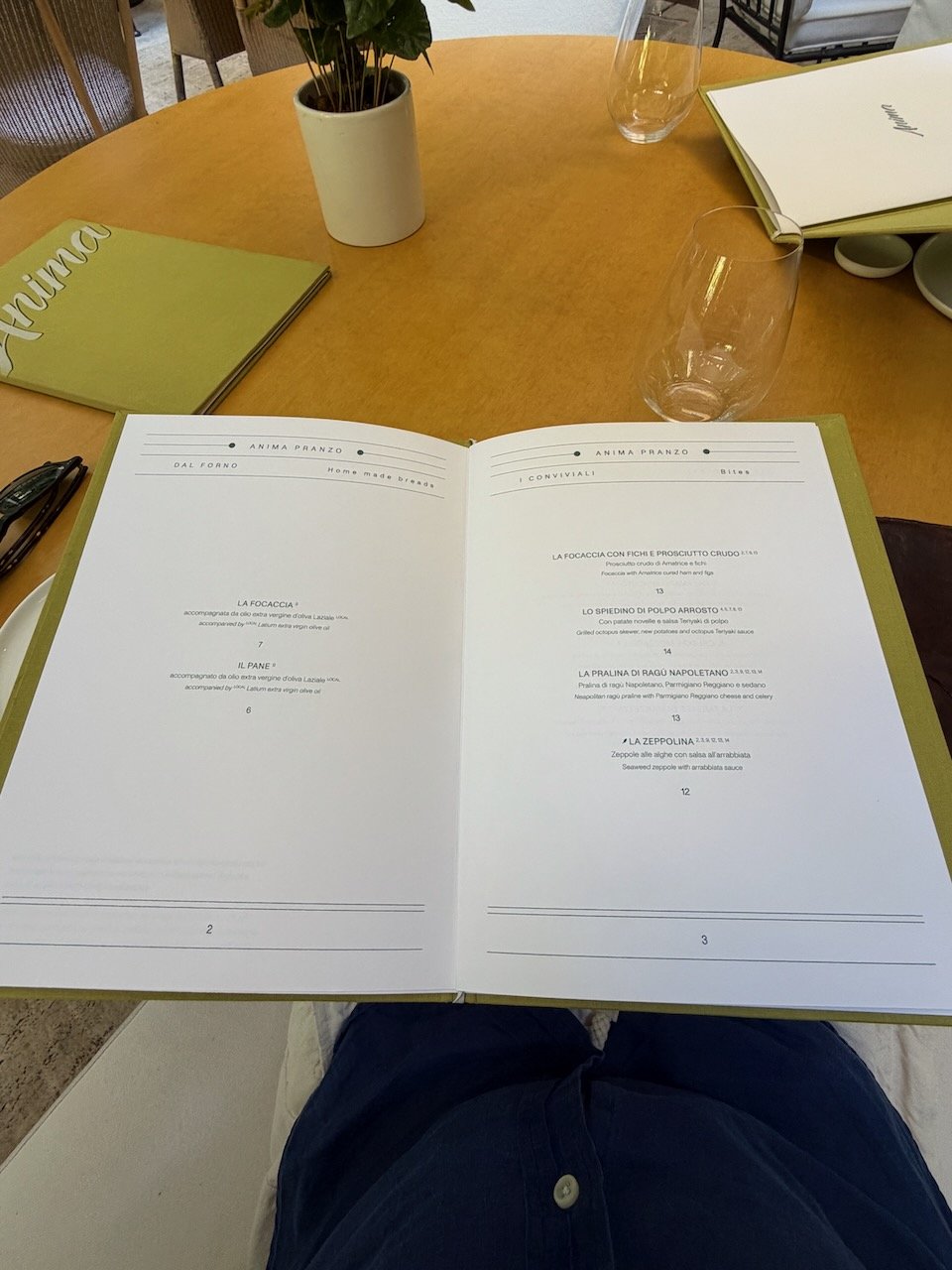
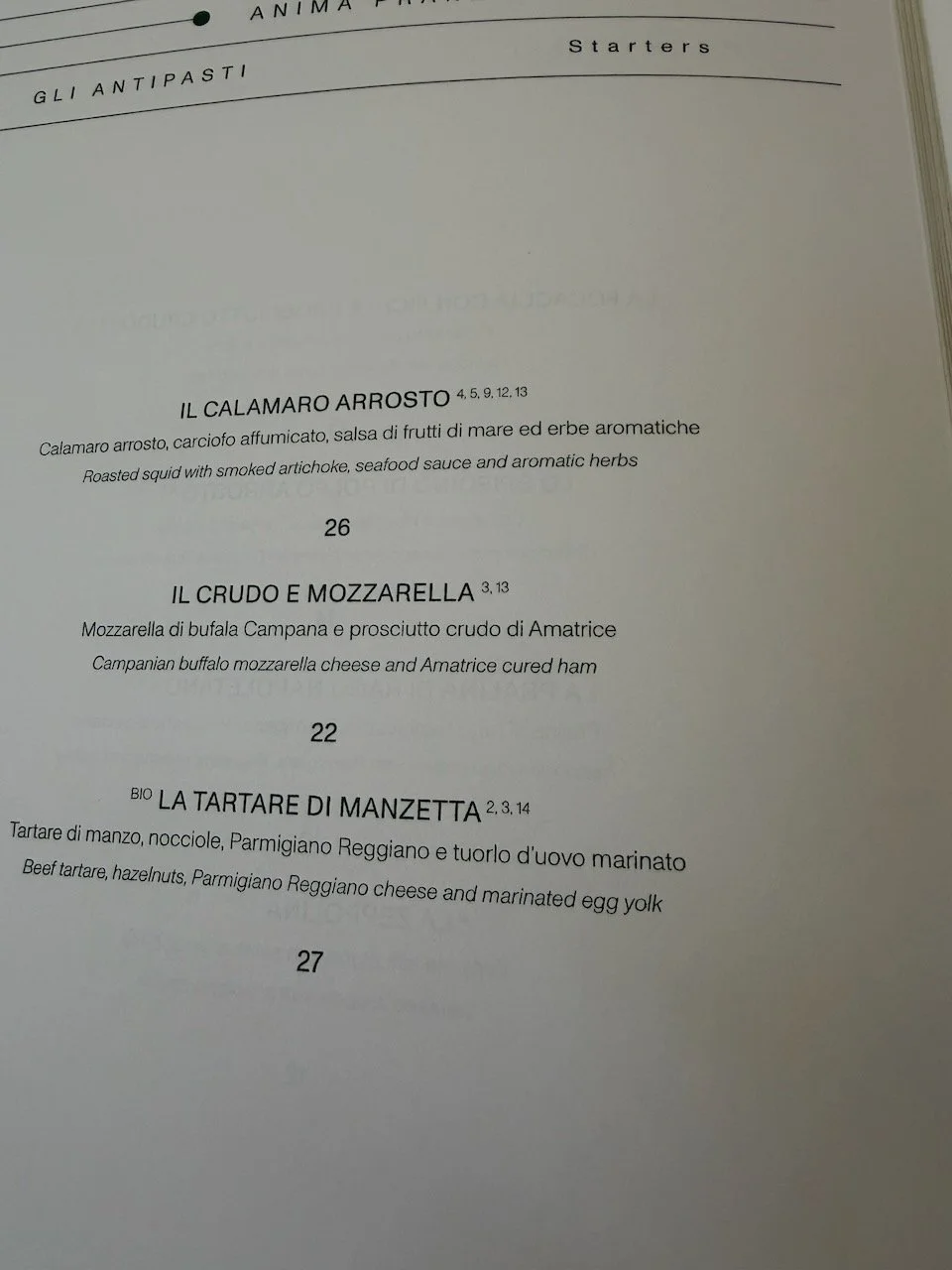
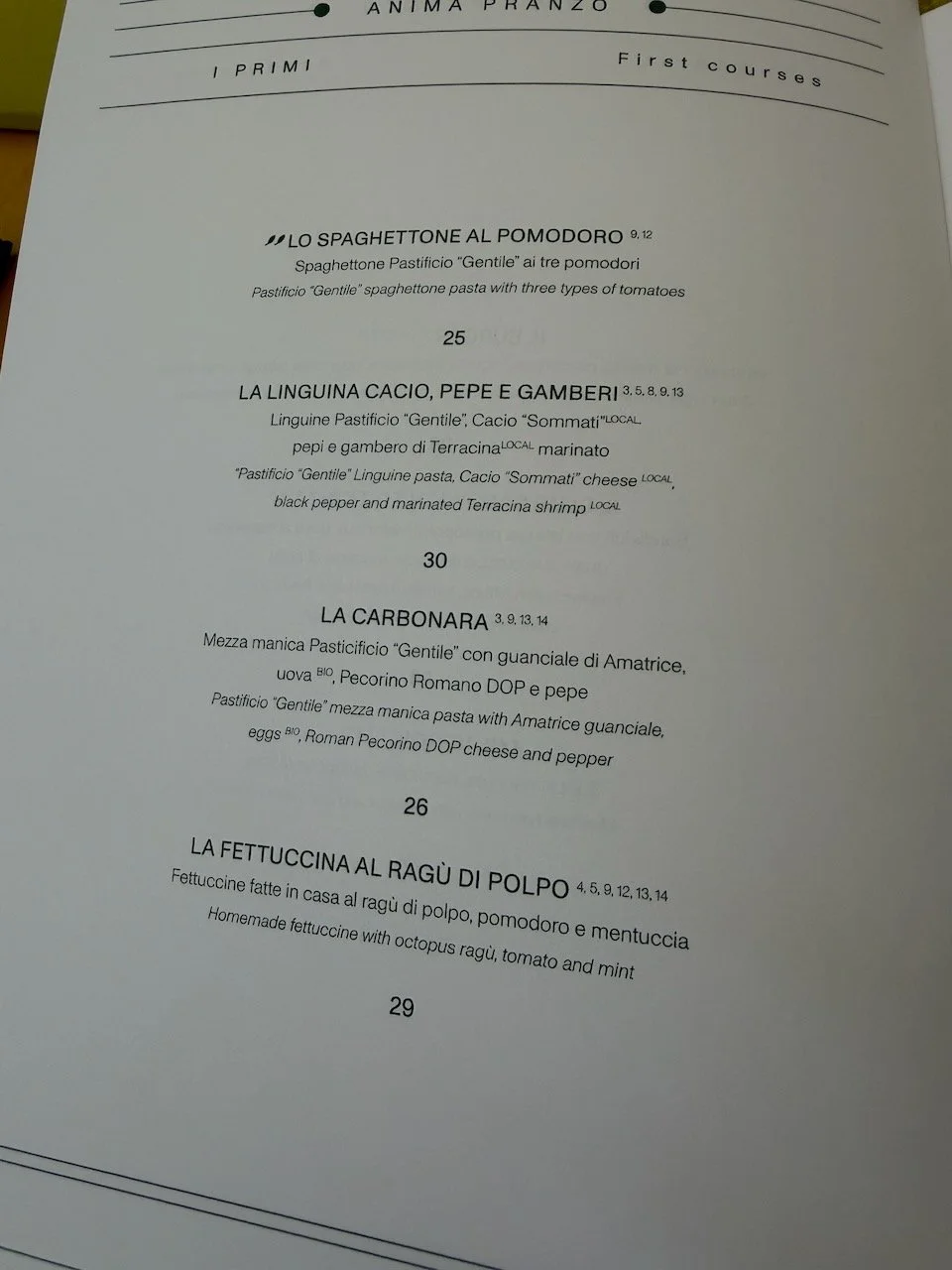
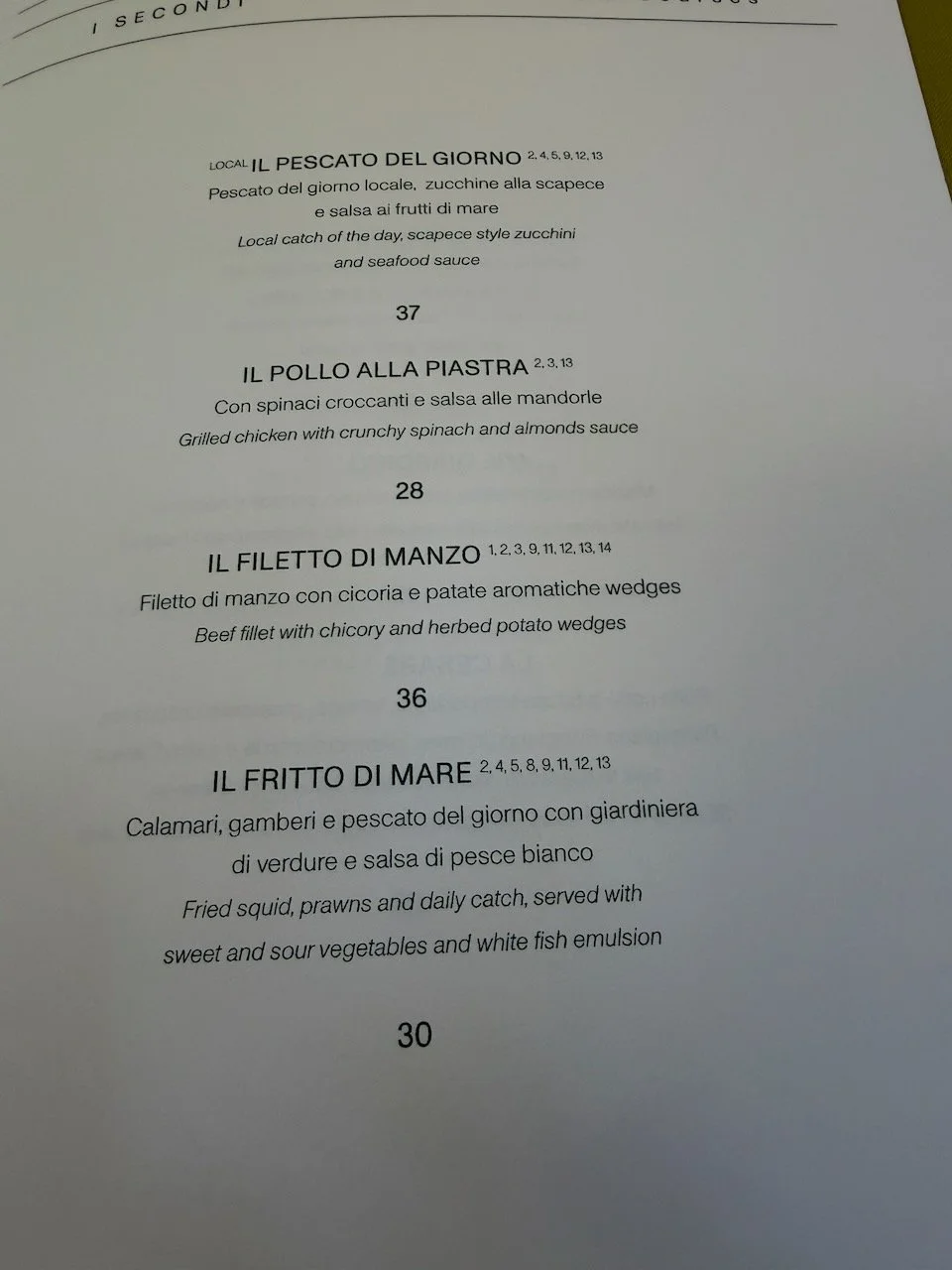
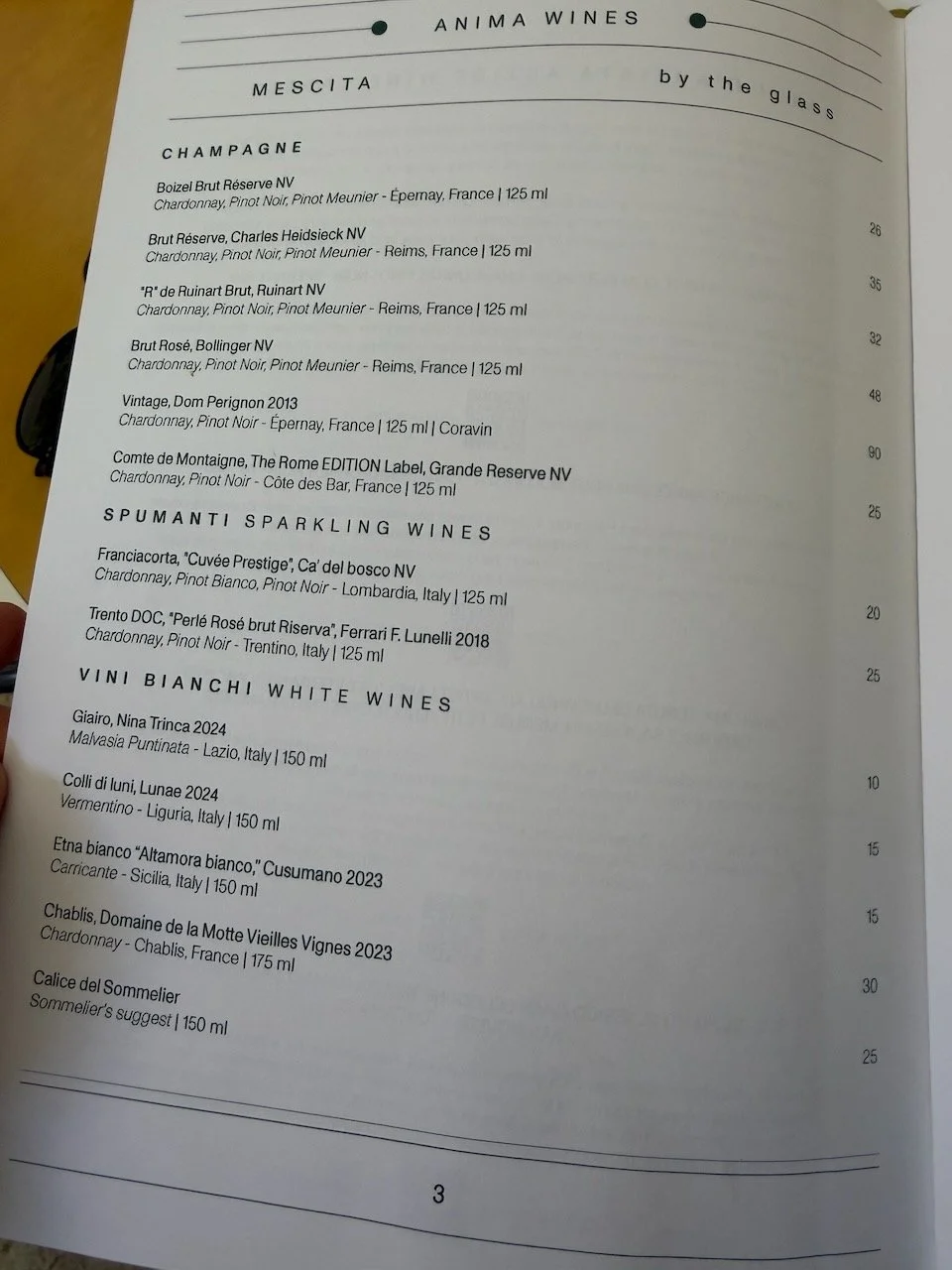
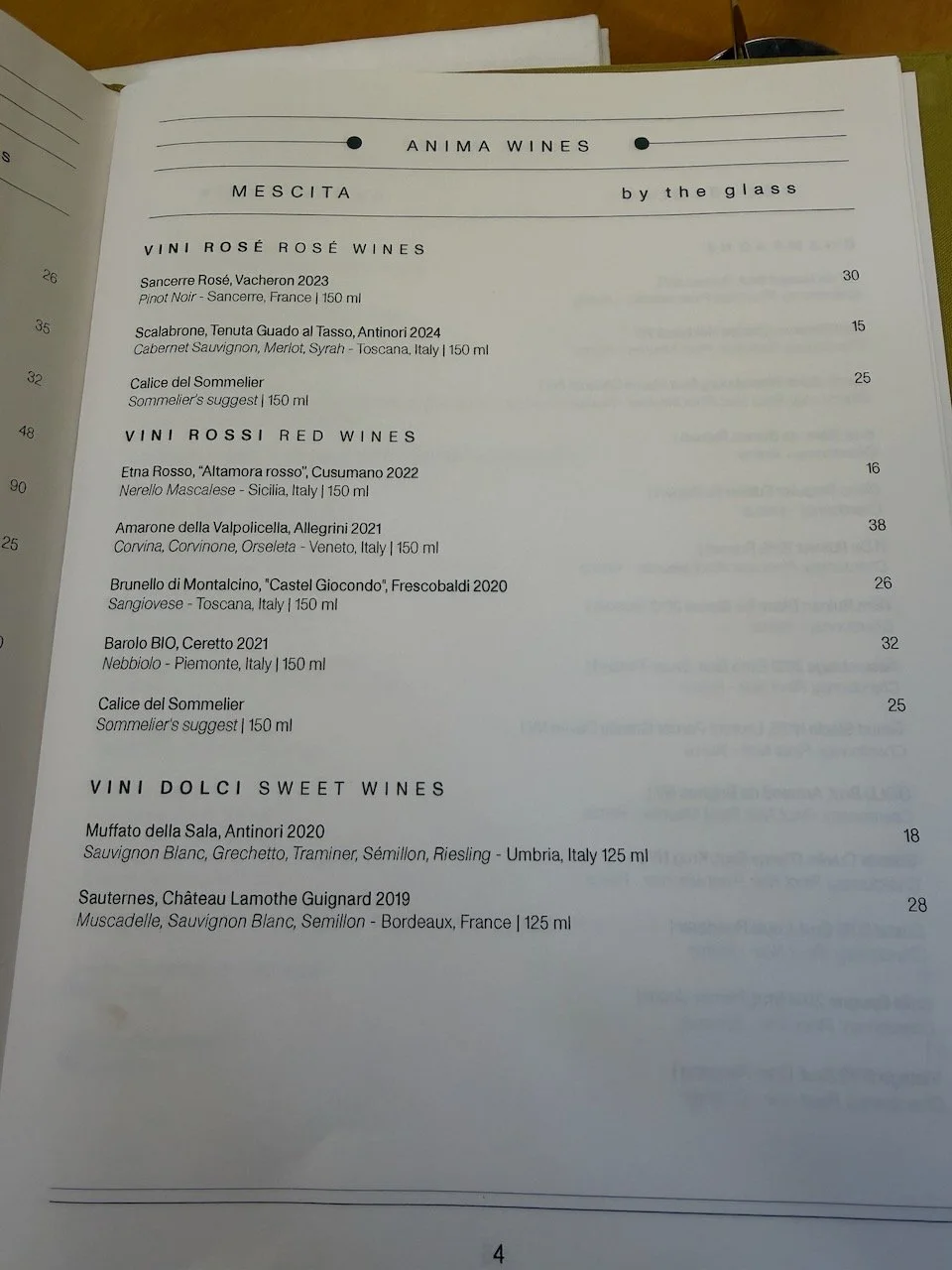
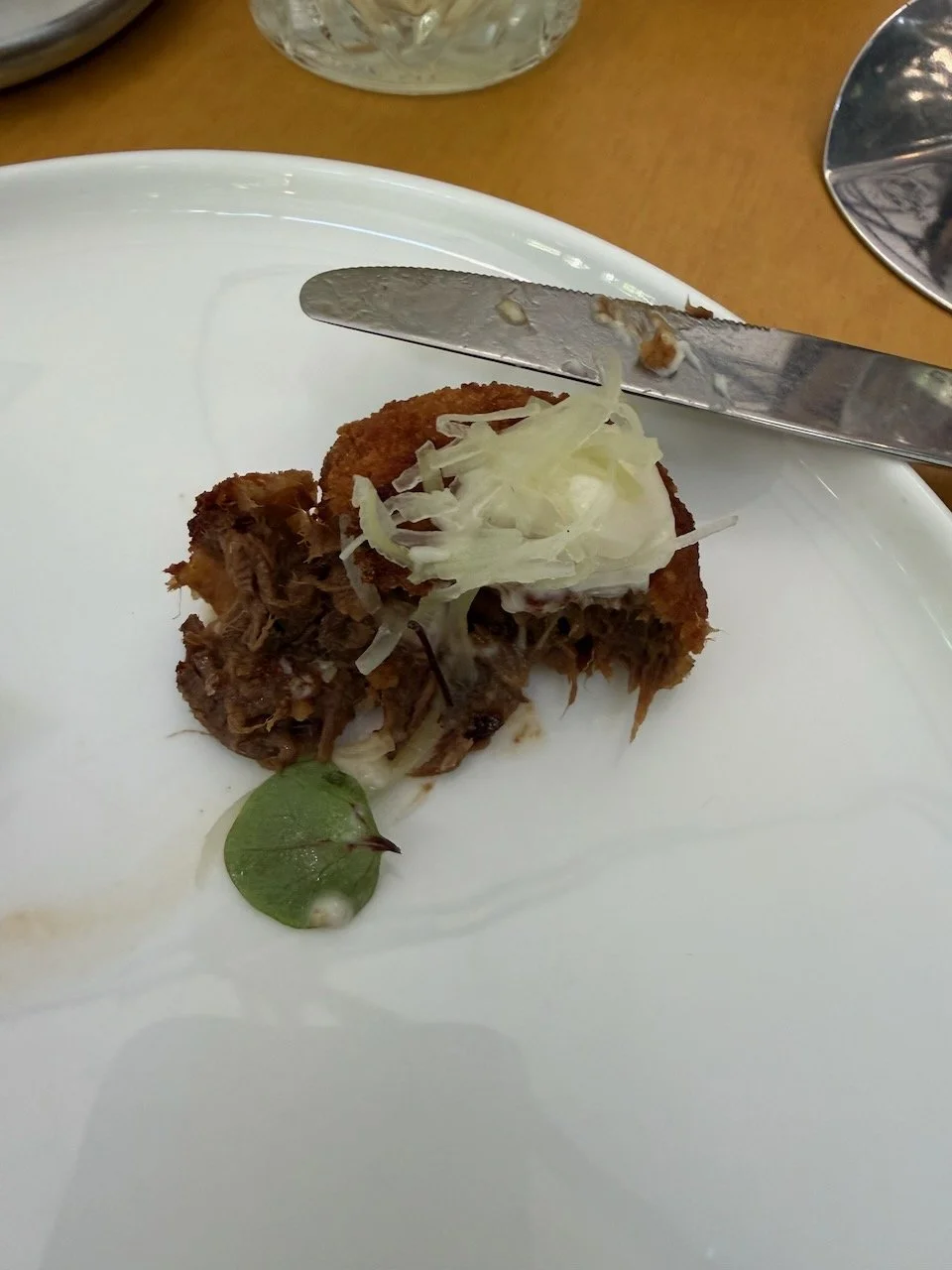
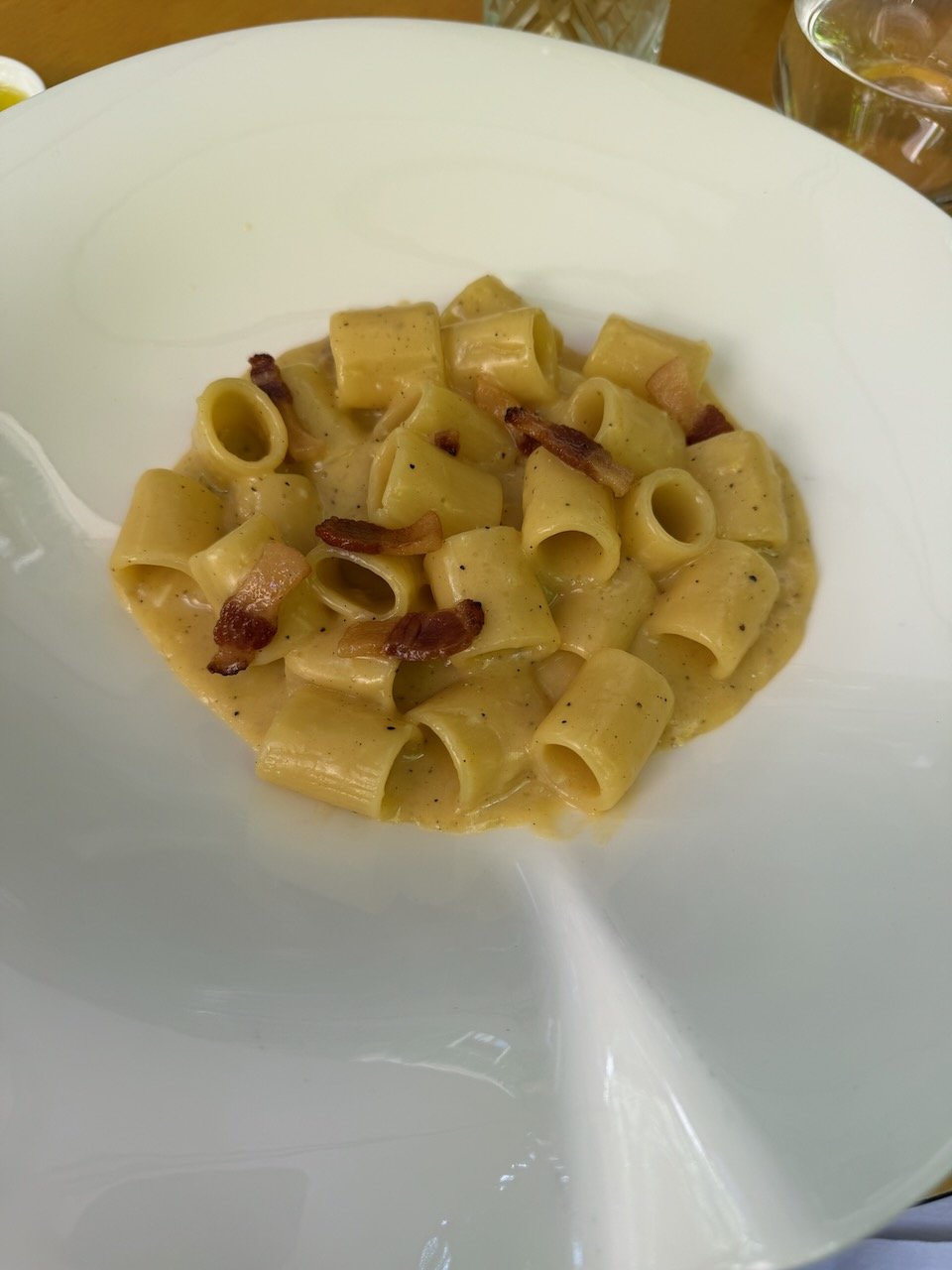
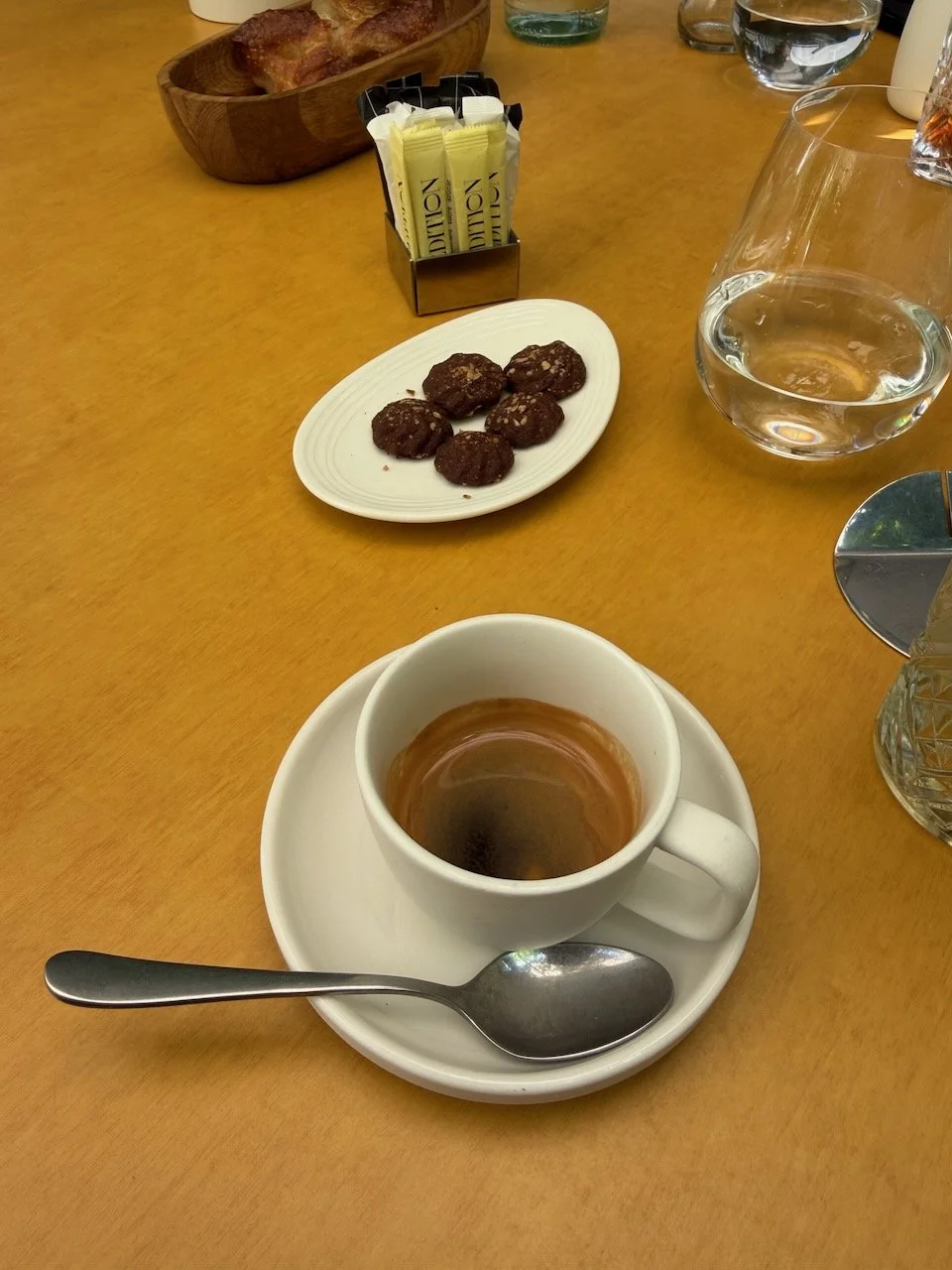
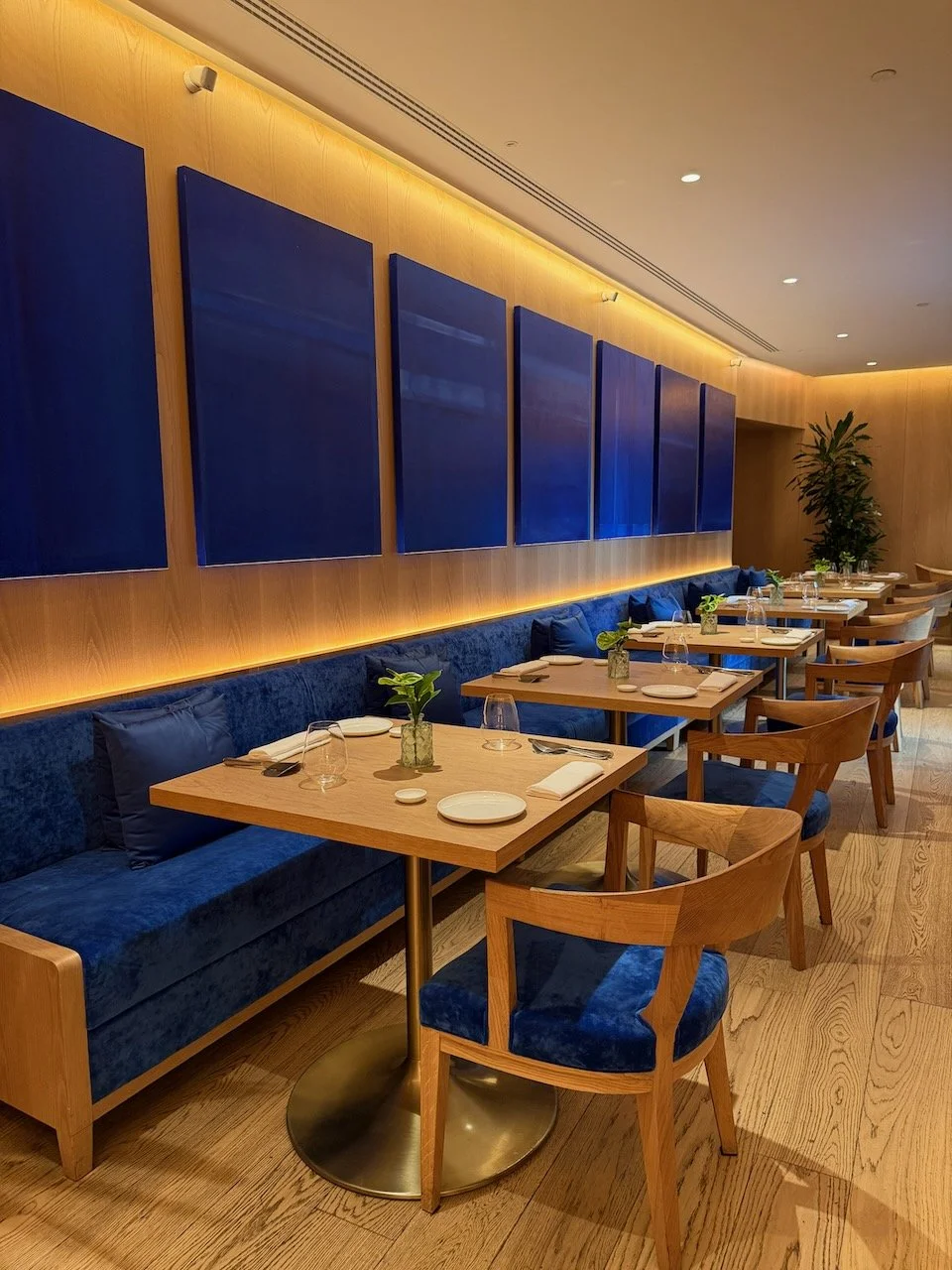
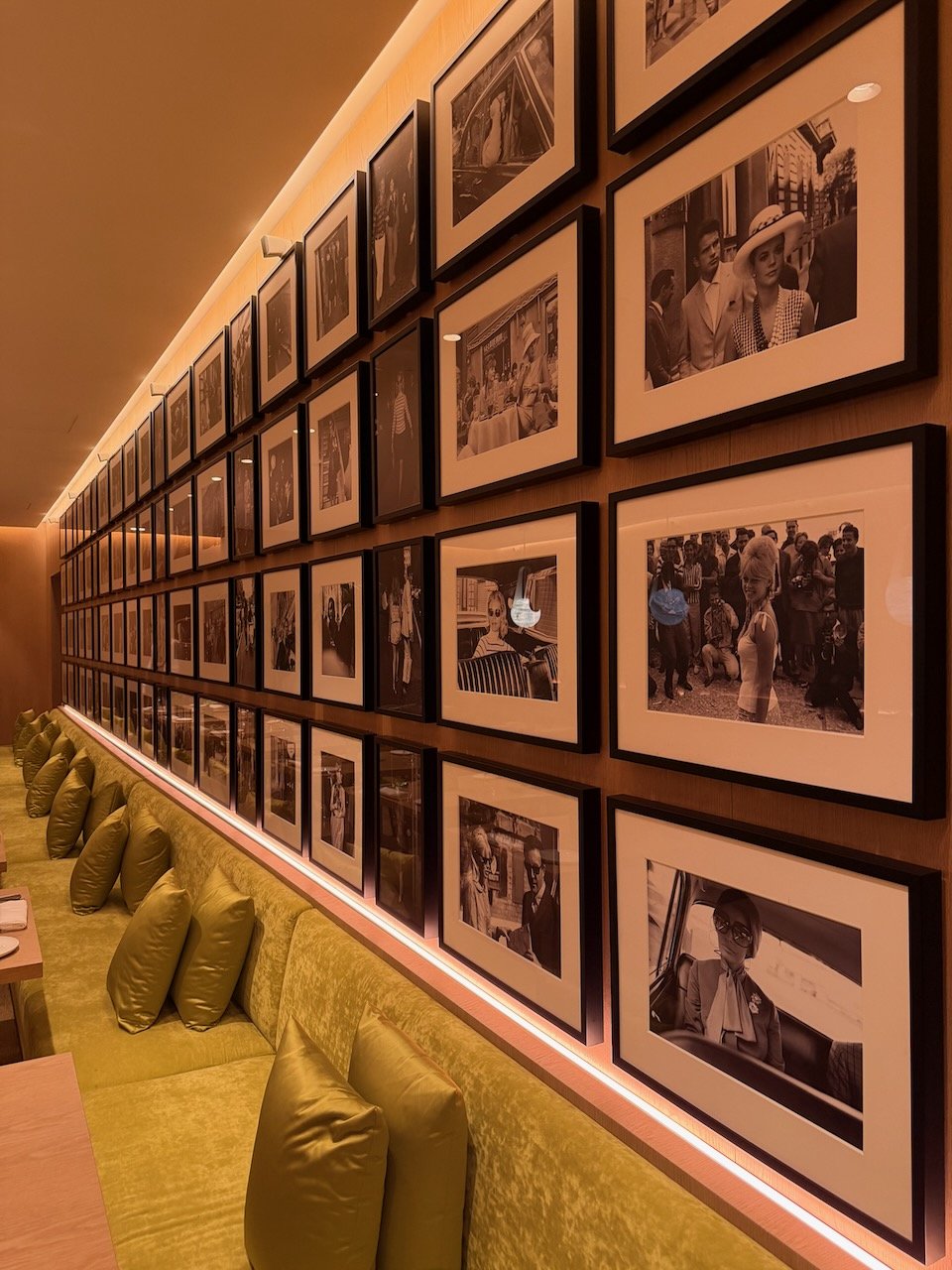
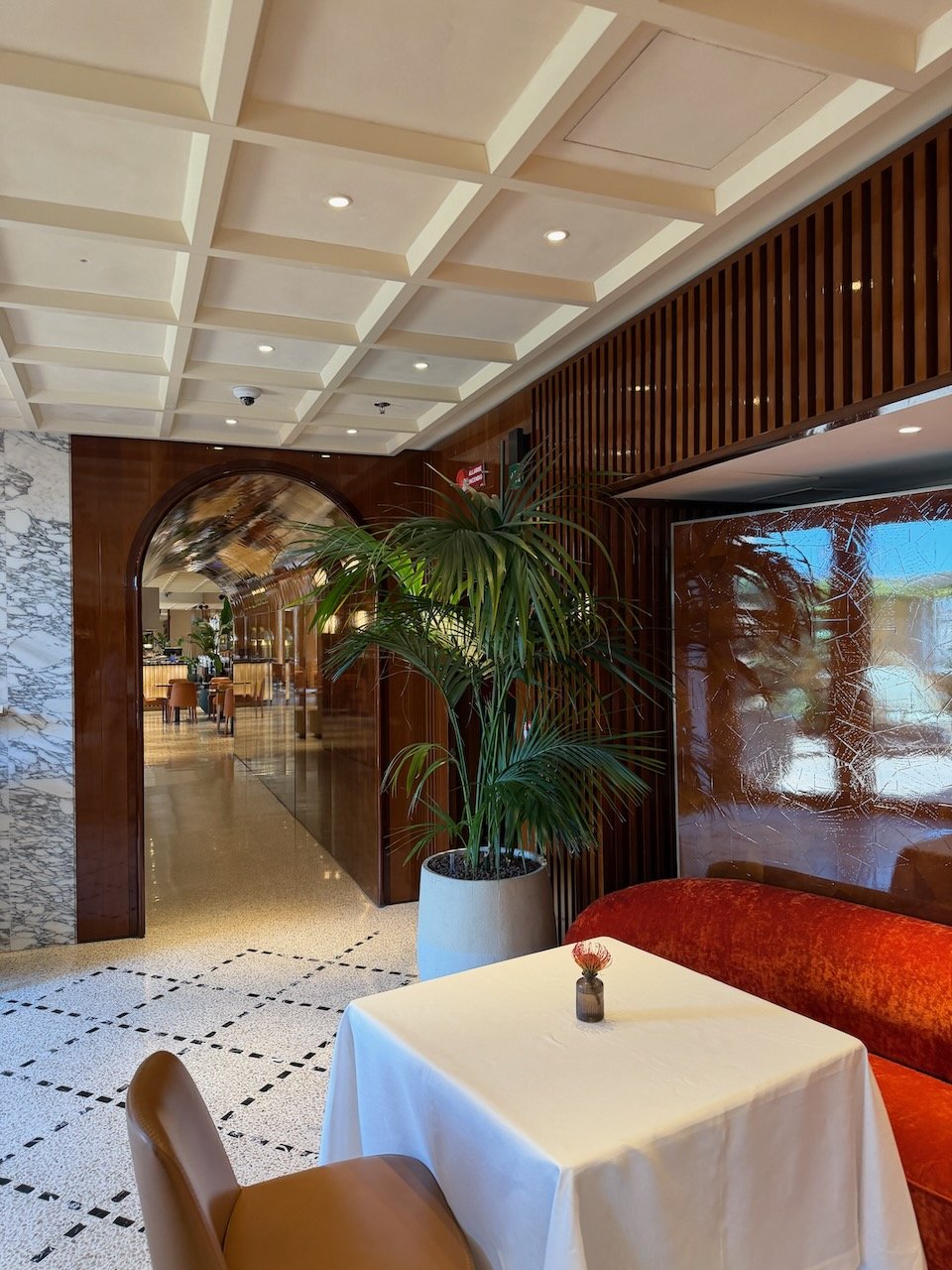
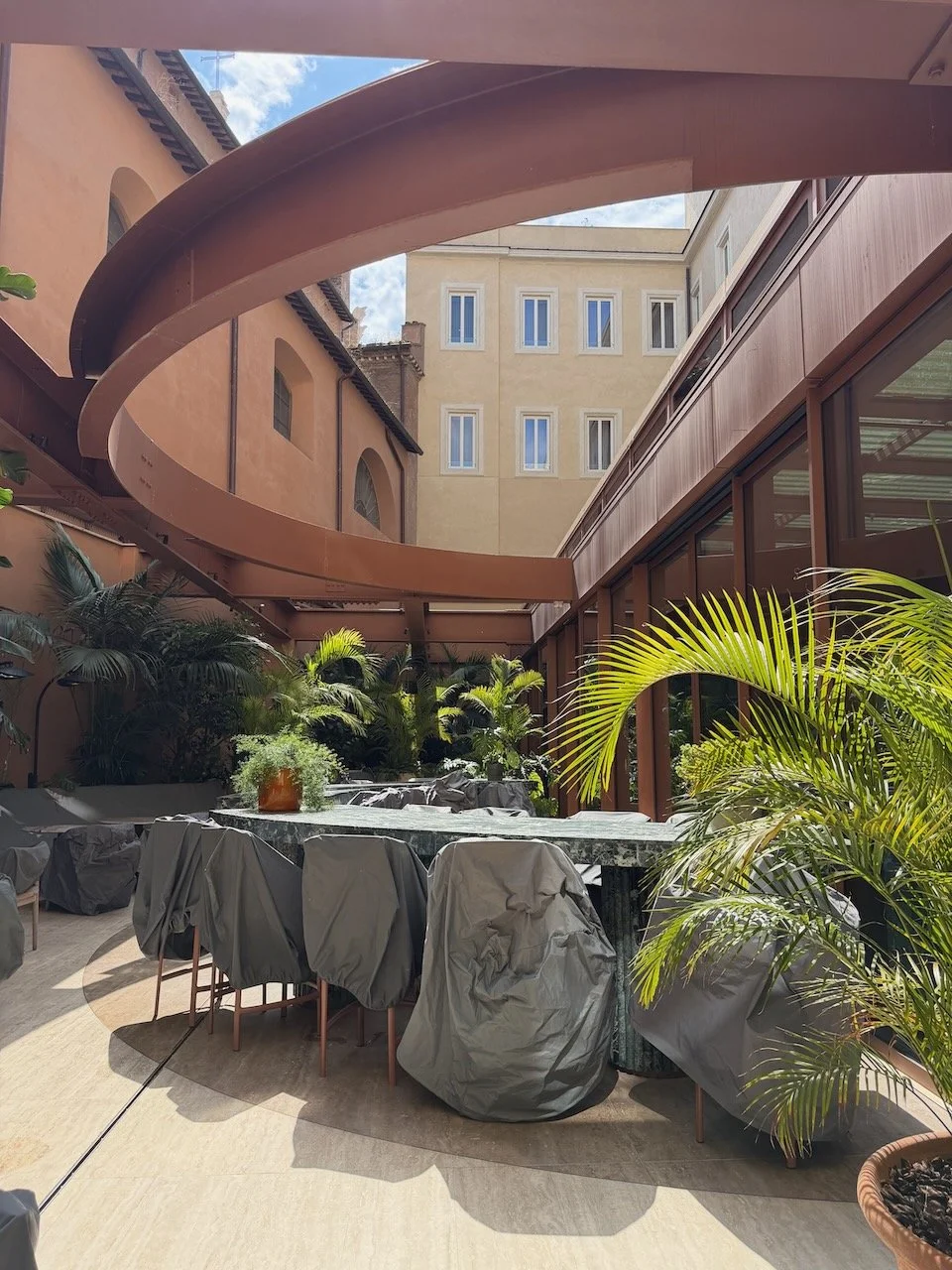
I cannot judge the breakfast, but lunch at the Rome EDITION gave me a good sense of the hotel’s food personality. The main restaurant, Anima, is set in the hotel’s courtyard, with the indoor dining area on the same ground level. It gives the space a relaxed, garden-like feeling rather than a formal grand-hotel restaurant atmosphere.
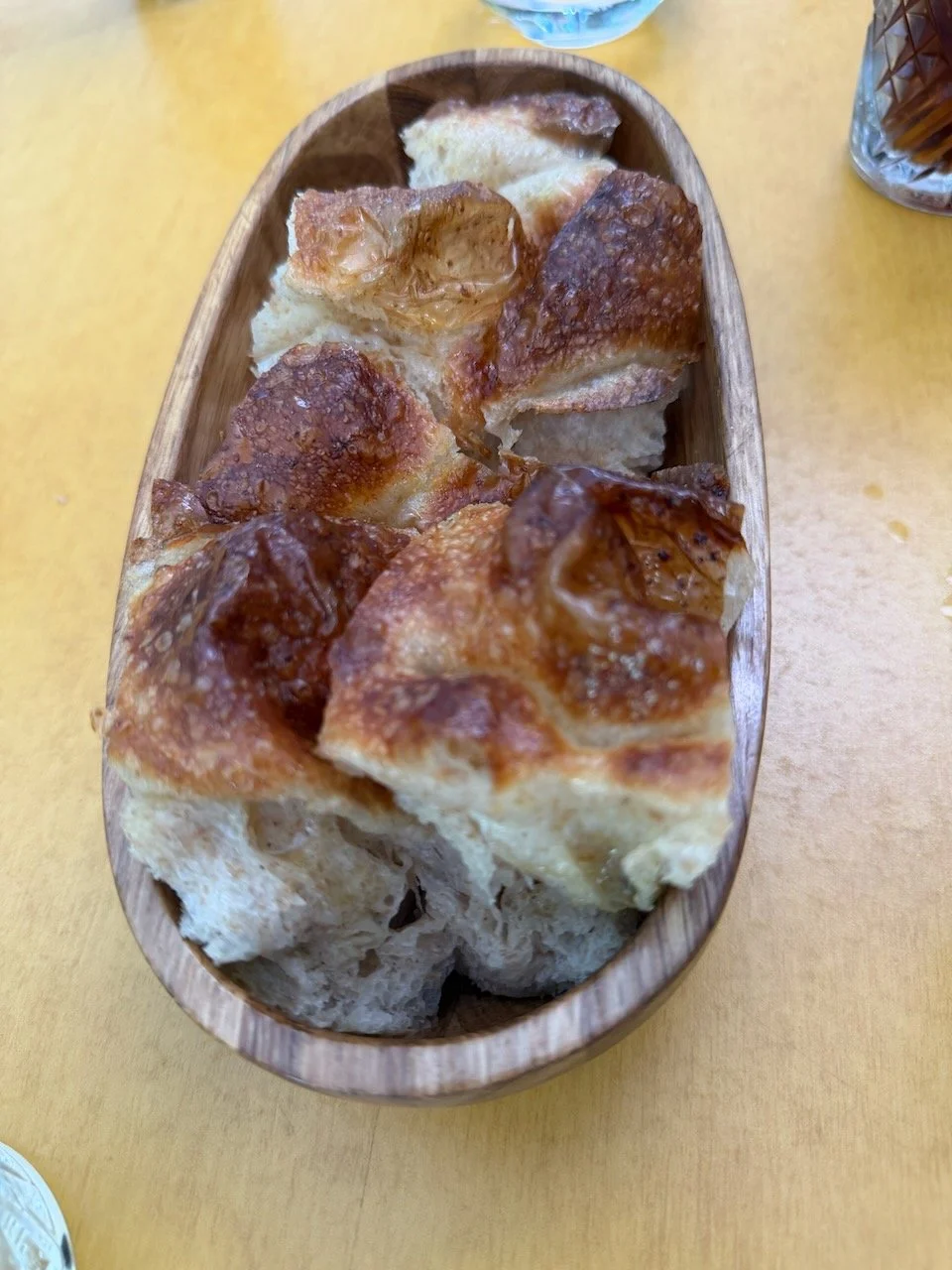
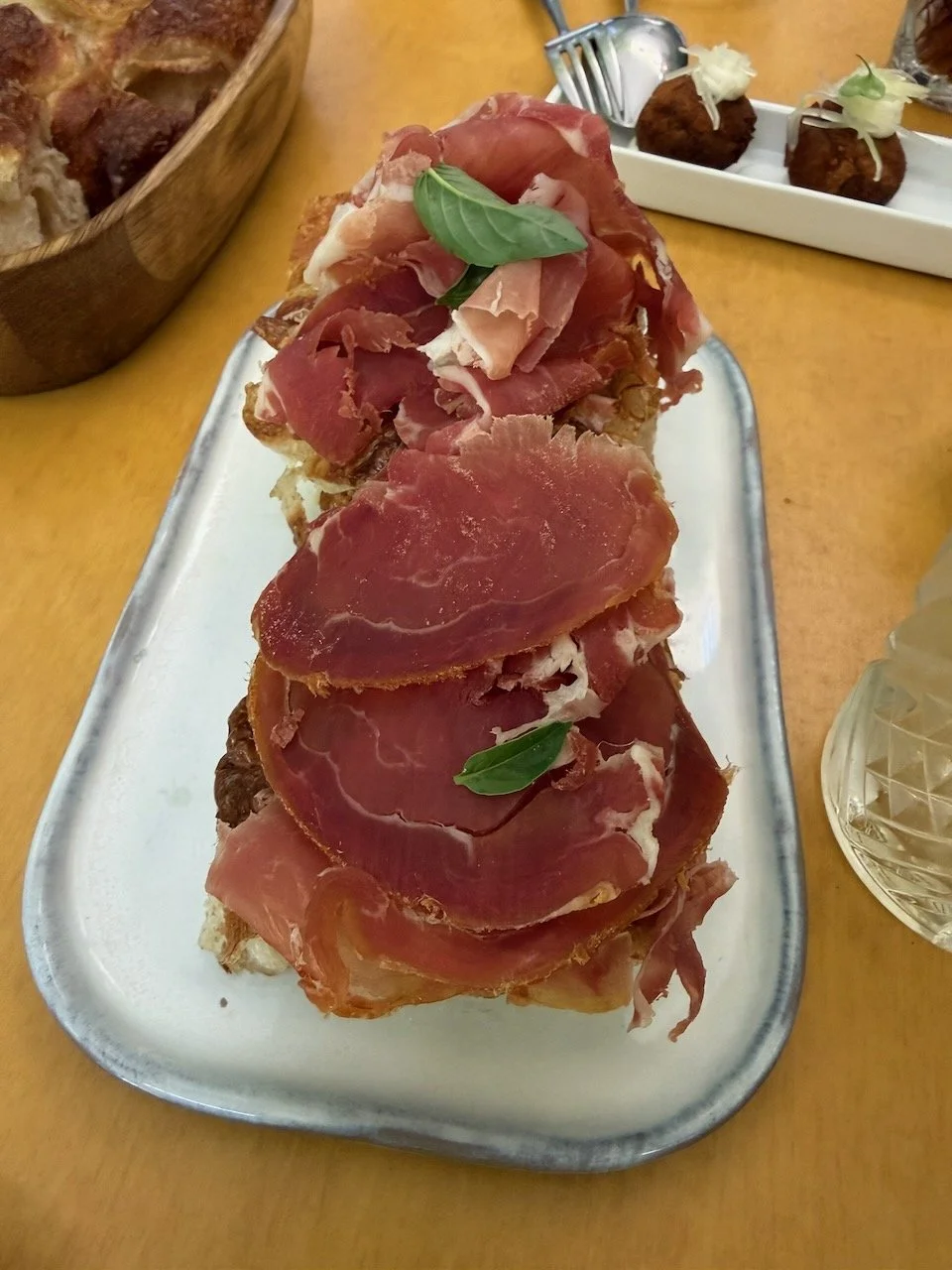
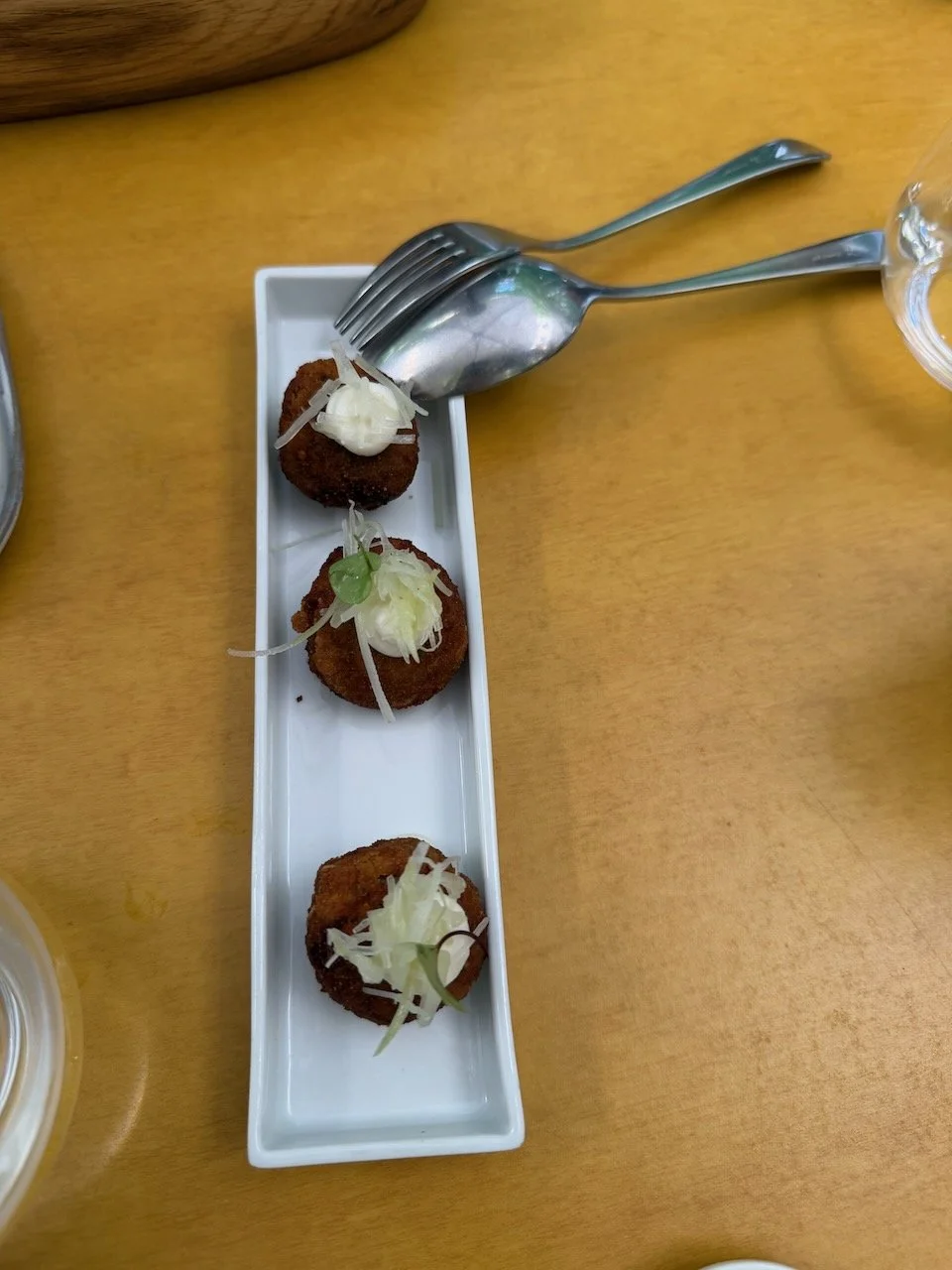
My lunch started very strongly: the freshly made focaccia with local olive oil may honestly have been the best bread I have ever had, and the appetizers were excellent too. The main course, spaghetti carbonara, was less convincing for my taste, as the sauce felt a little too cheese-heavy.
Beyond Anima, food and drinks are a major part of the EDITION concept. The Roof works as a seventh-floor café, bar, and restaurant with city views and the rooftop pool beside it. Jade Bar adds the elegant green-marble cocktail setting, while Punch Room brings the more intimate, speakeasy-style late-night atmosphere. Together, the dining outlets make the hotel feel not only like a place to stay, but also like a social address in Rome.
Bvlgari Hotel Roma
I can get you VIP perks through Virtuoso and:
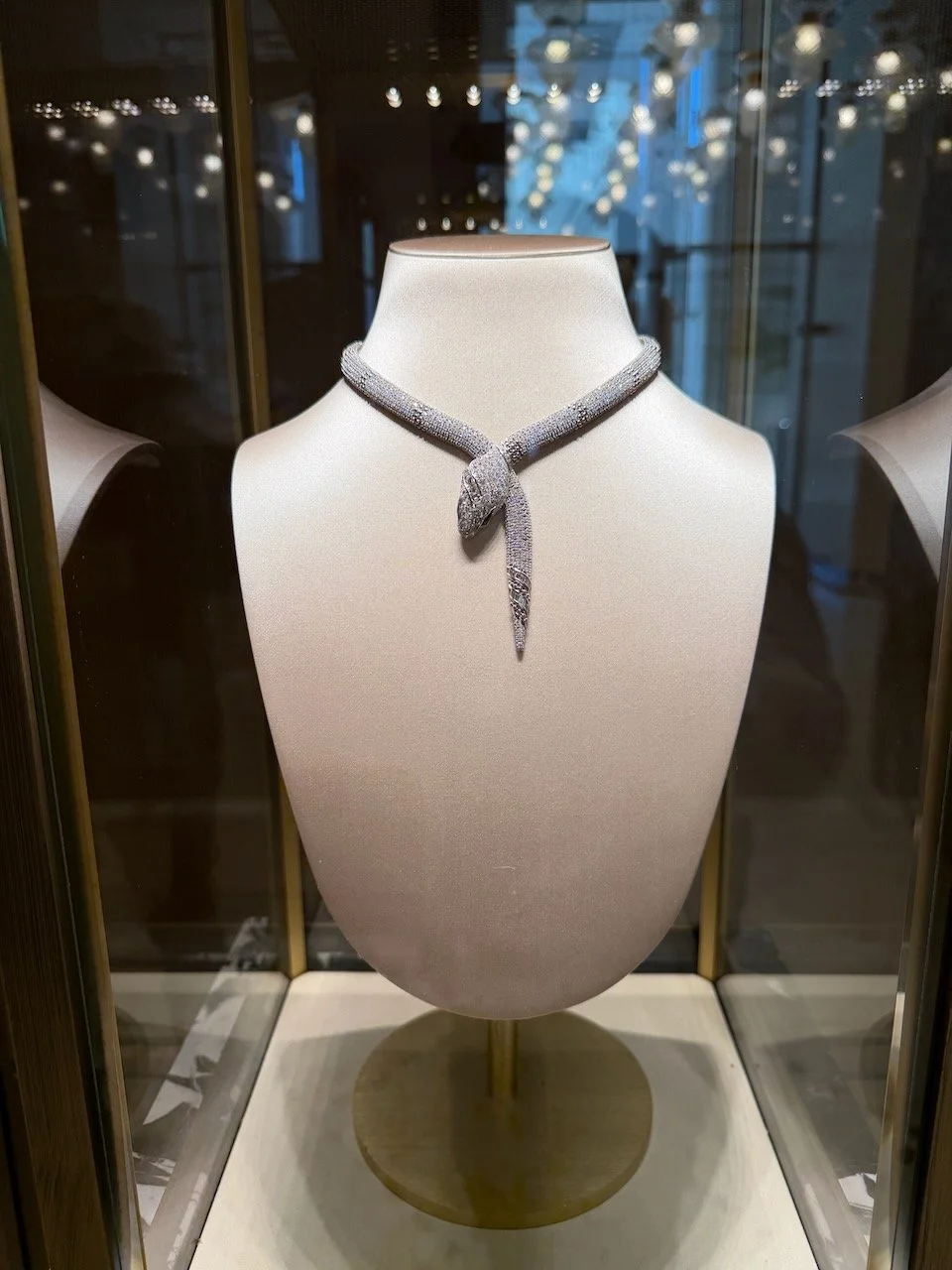
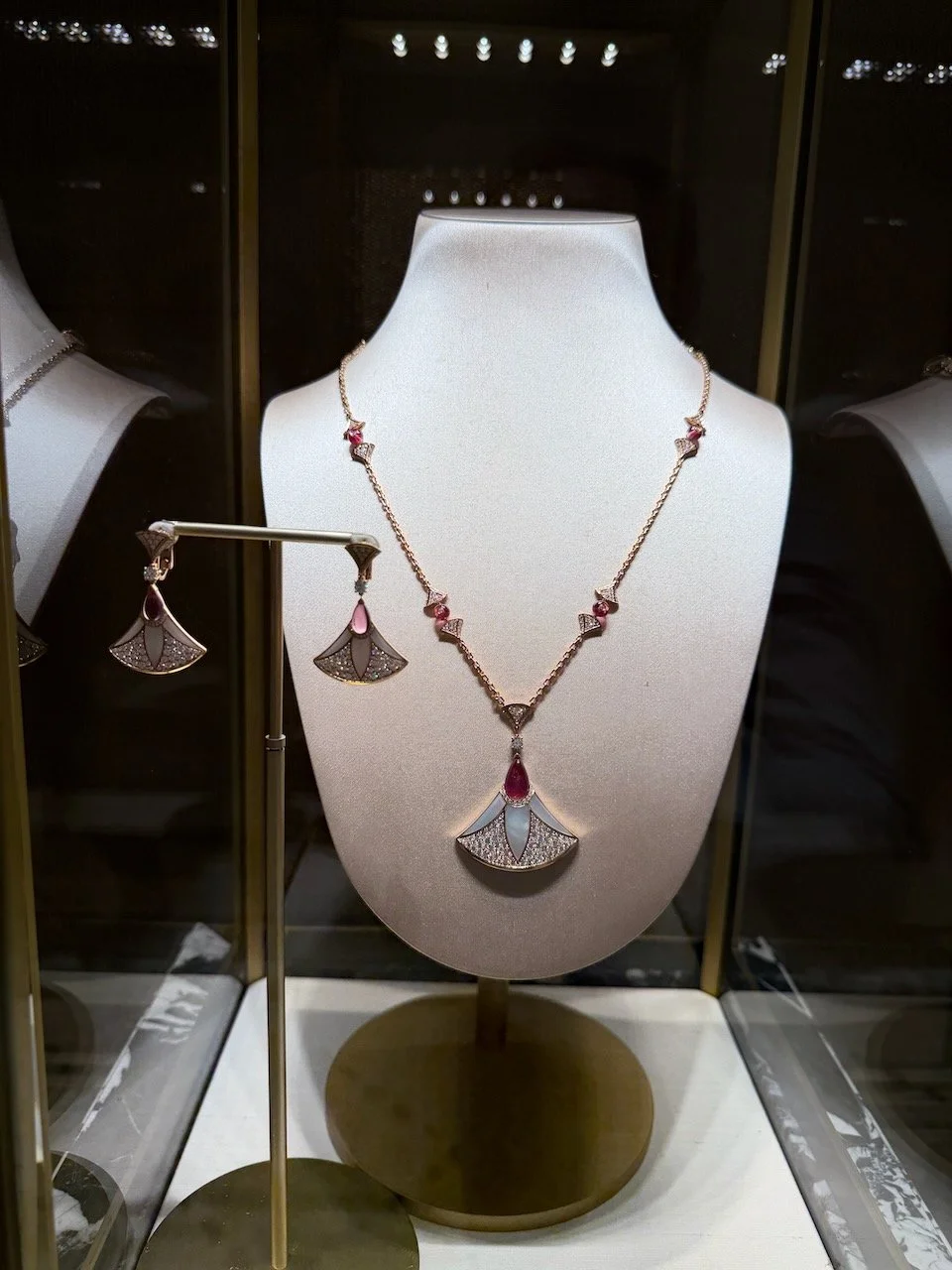
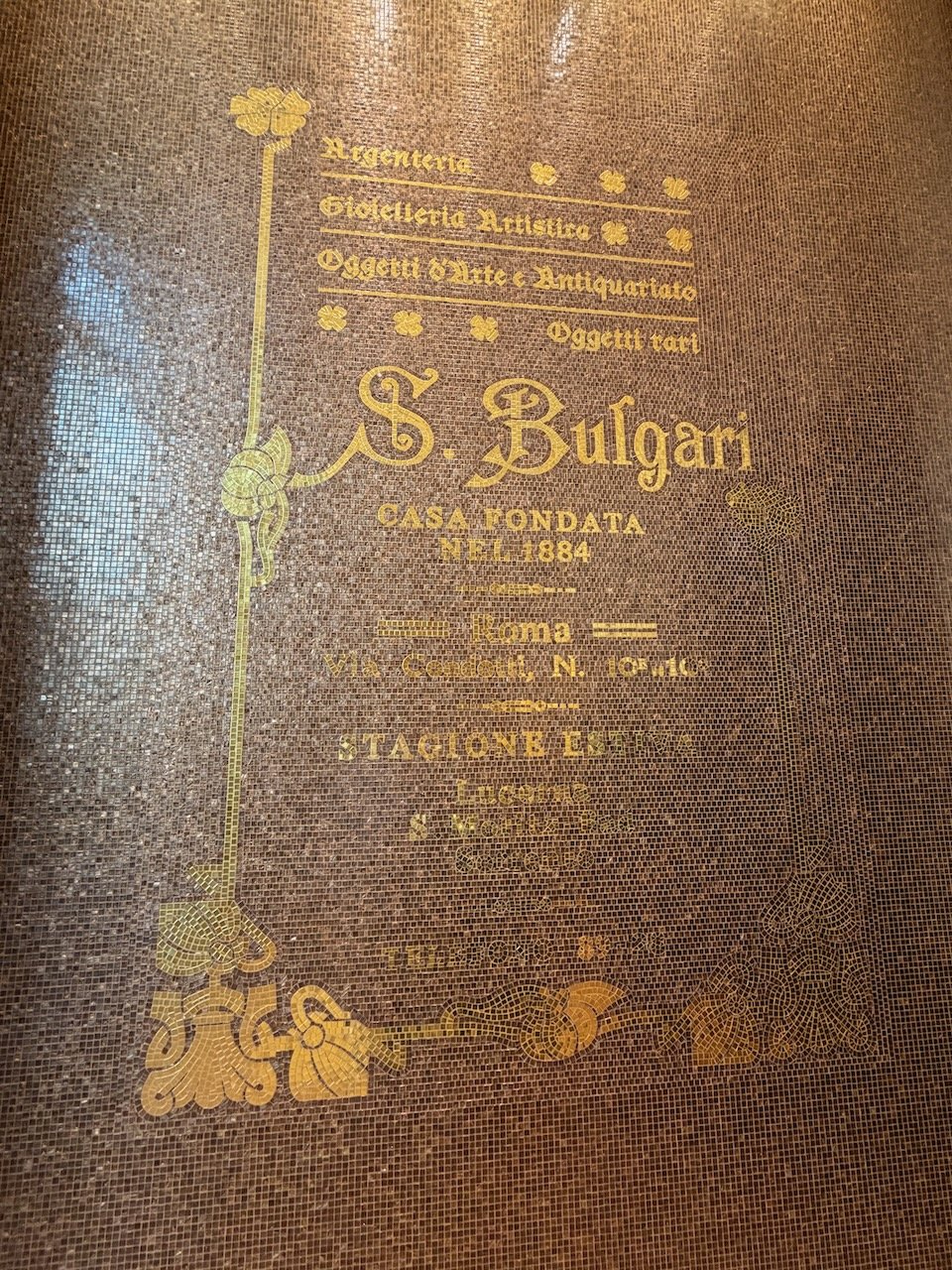
Bvlgari Hotel Roma feels like the brand coming home. Bvlgari was founded in Rome in 1884, and although the hotel collection began elsewhere — with the first Bvlgari hotel opening in Milan — the Roman property feels like the most natural and symbolic expression of the brand: jewelry-house glamour returned to its birthplace.
It is probably the most polished expression of contemporary Roman luxury right now. It feels expensive before anyone tells you it is expensive — in the materials, the lighting, the scale, the detailing, and the overall sense that nothing has been left to chance.
It is also, at least for now, one of the most expensive hotels in Rome. That is not surprising. Bvlgari is not trying to be a charming boutique property or a relaxed city hideaway. It is building a complete world around the brand: Roman heritage, jewelry-house glamour, sharp modern design, and high-service luxury.
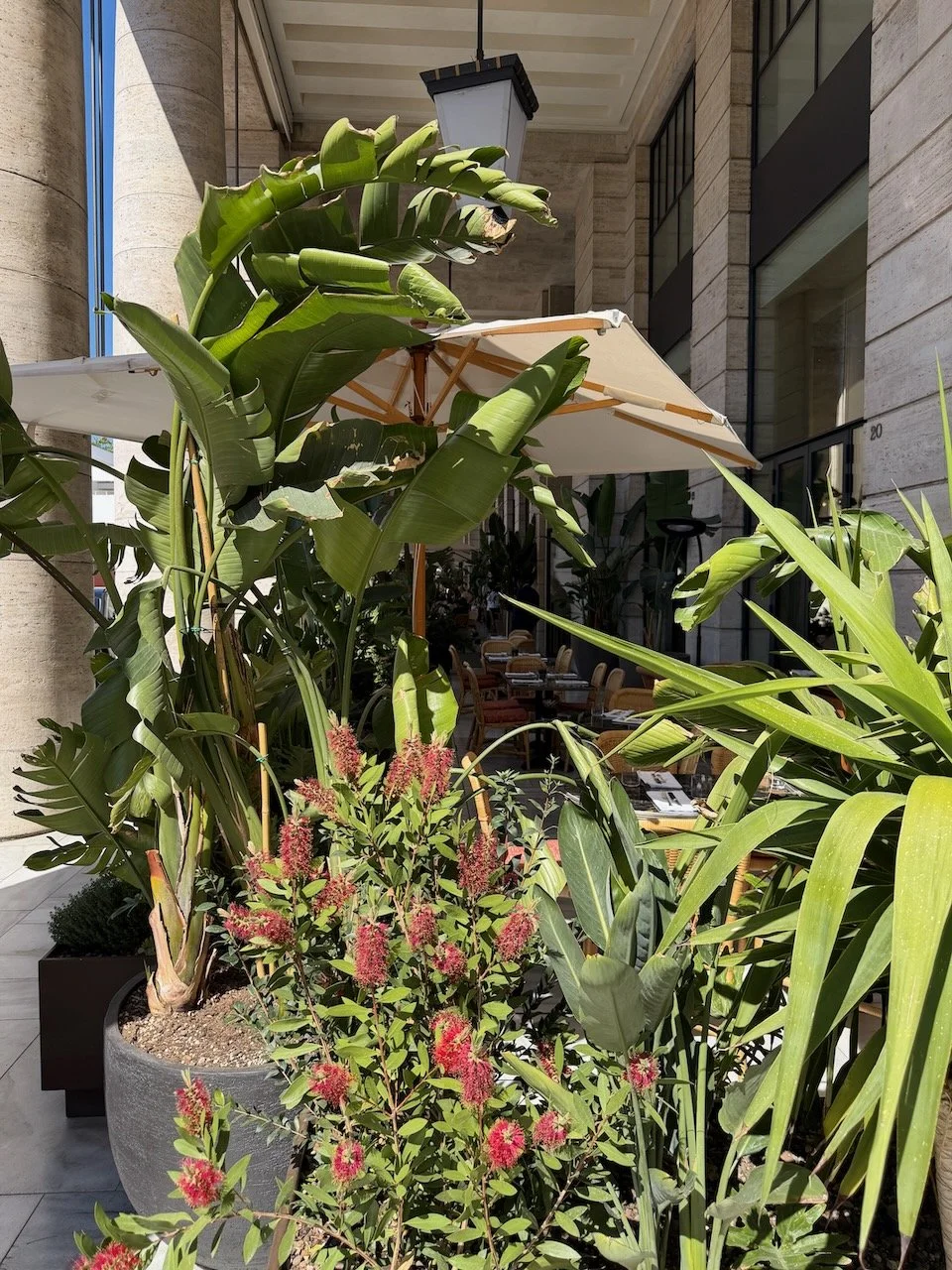
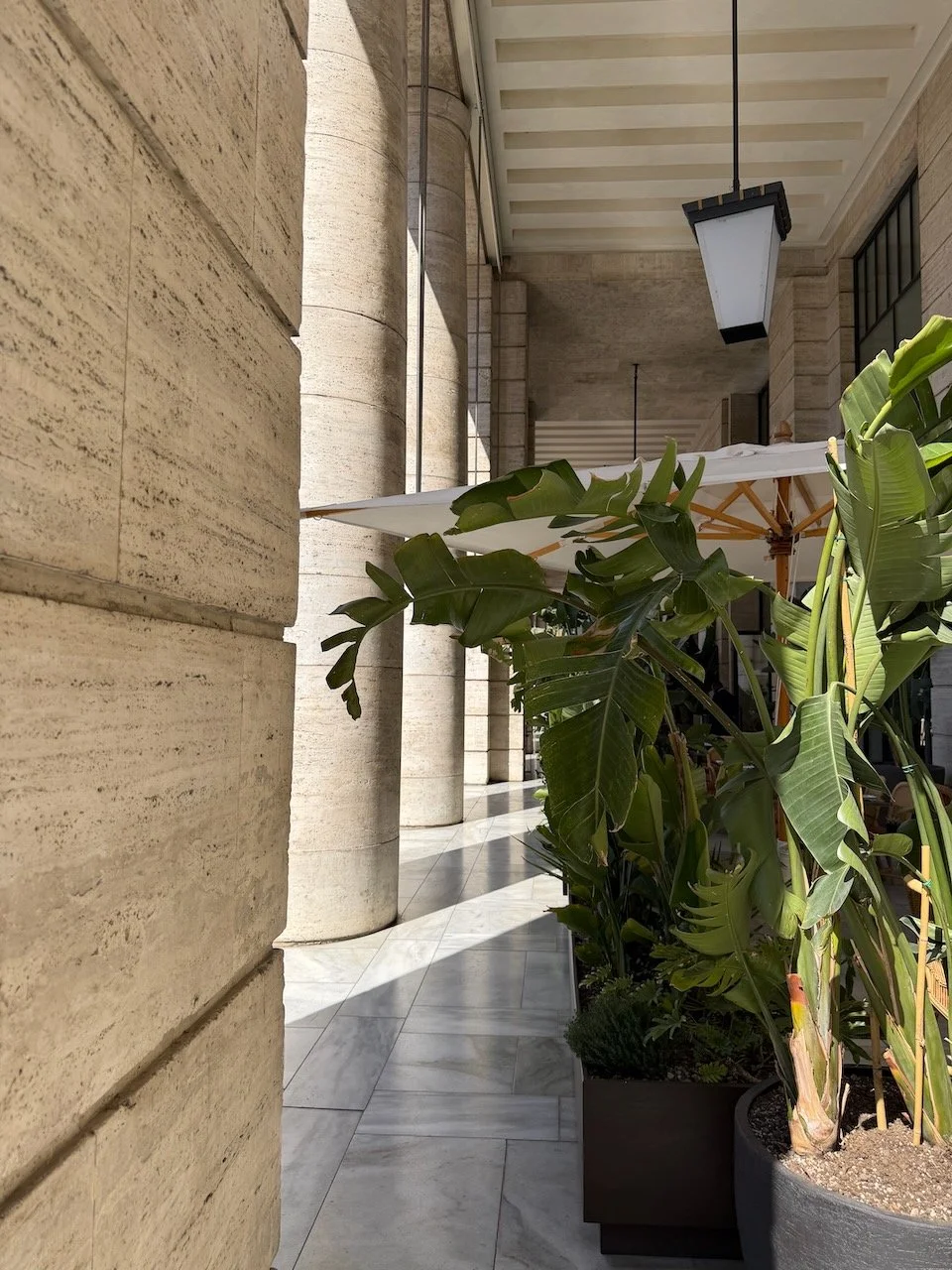
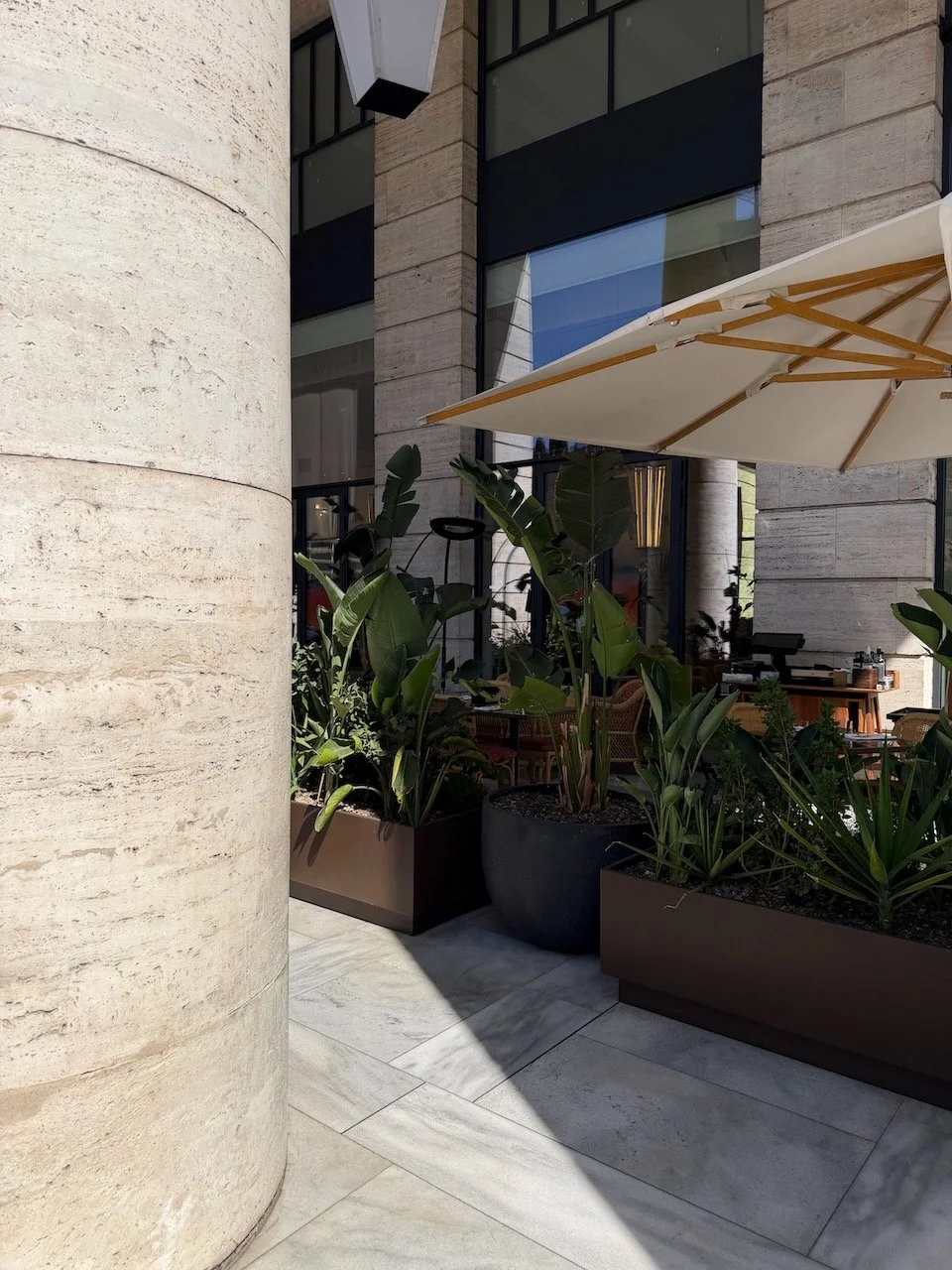
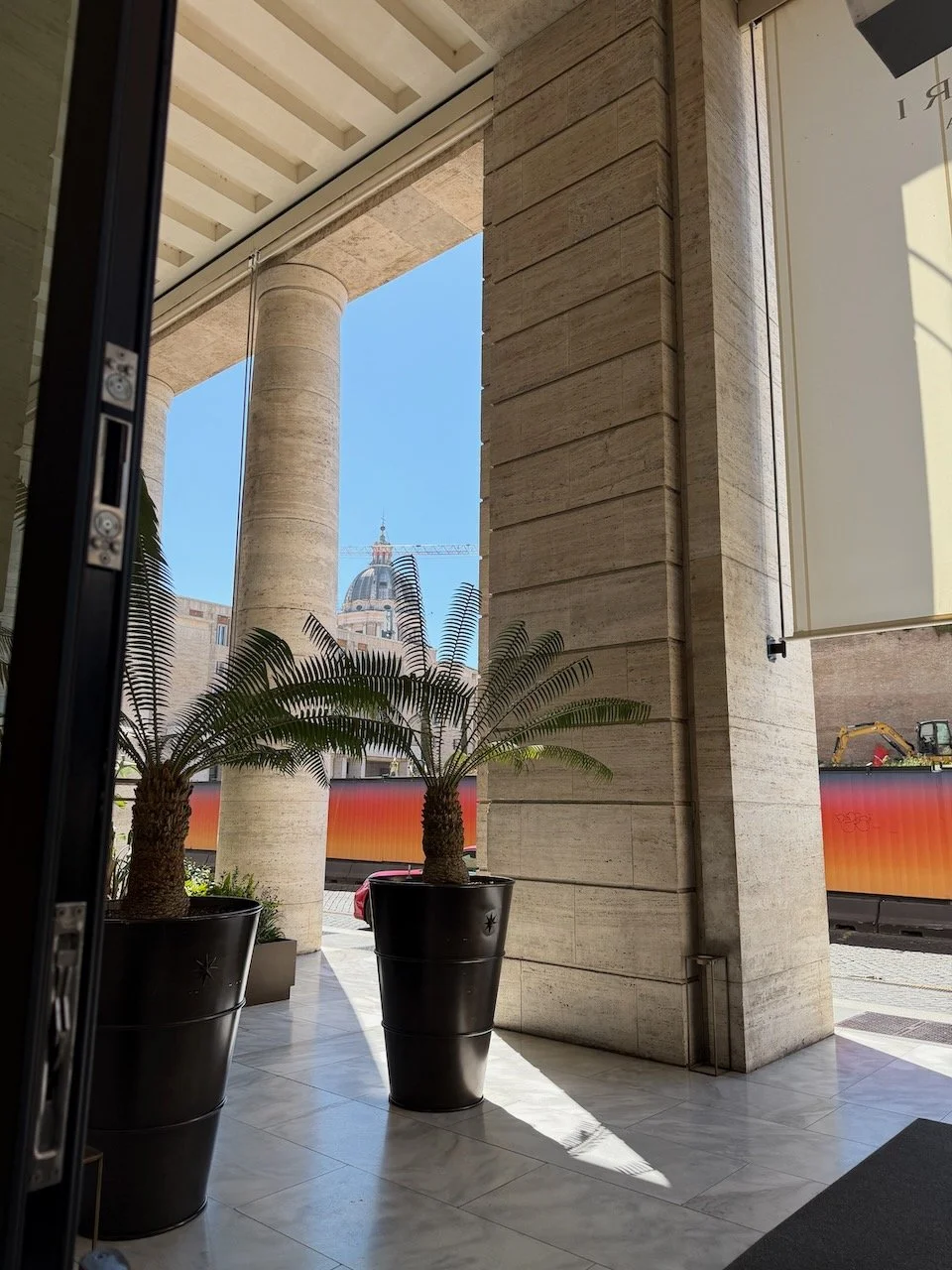
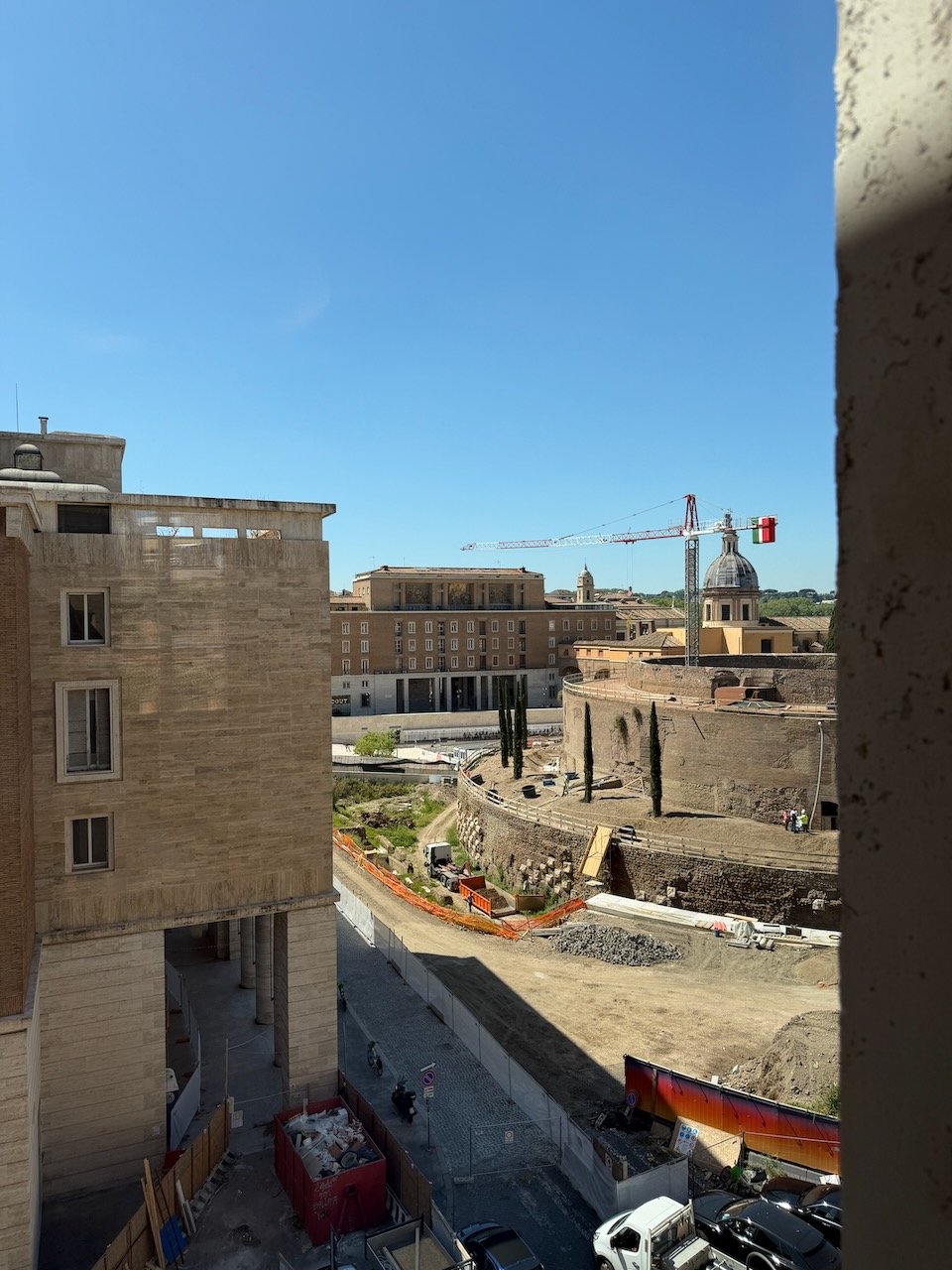
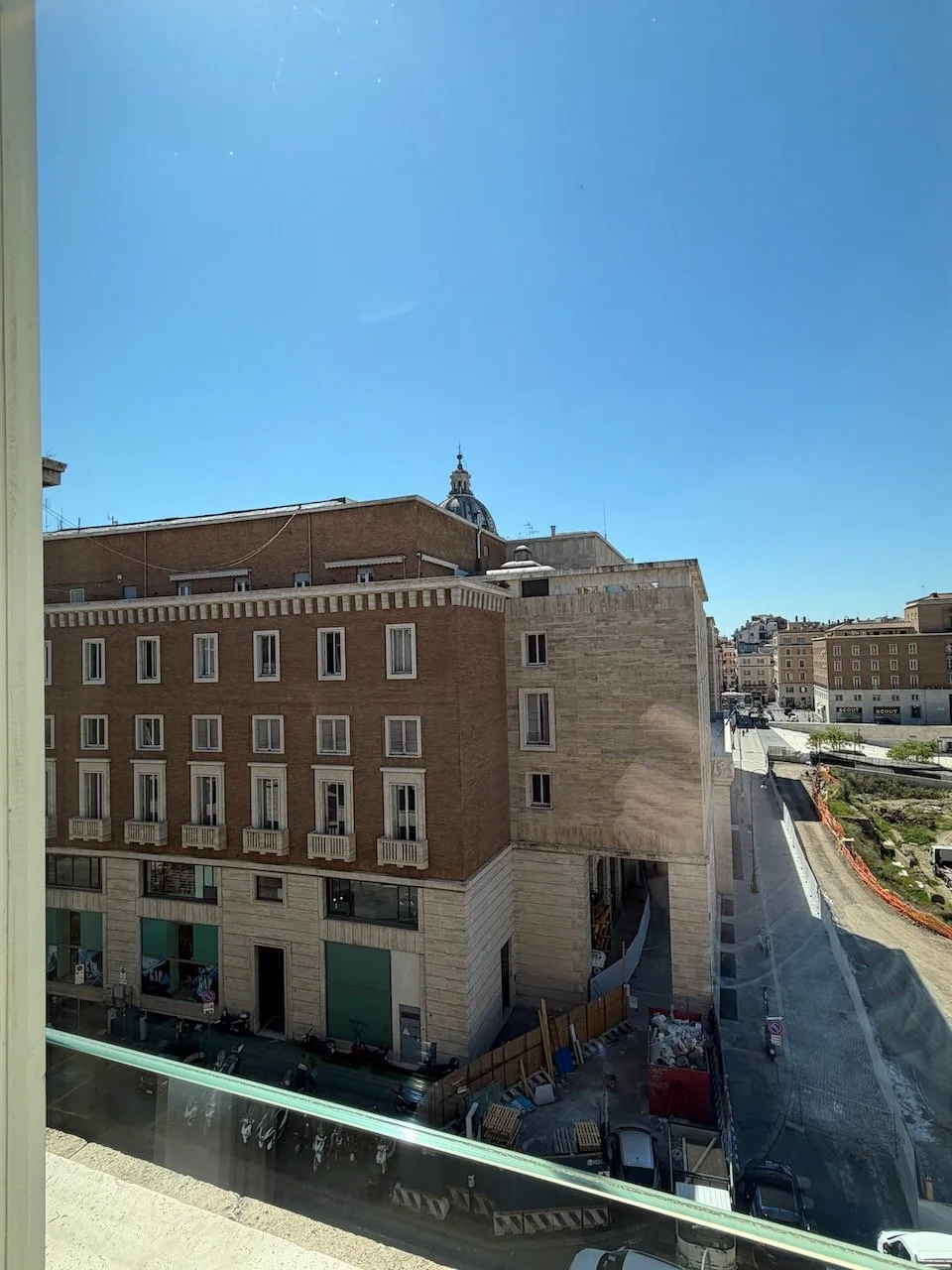
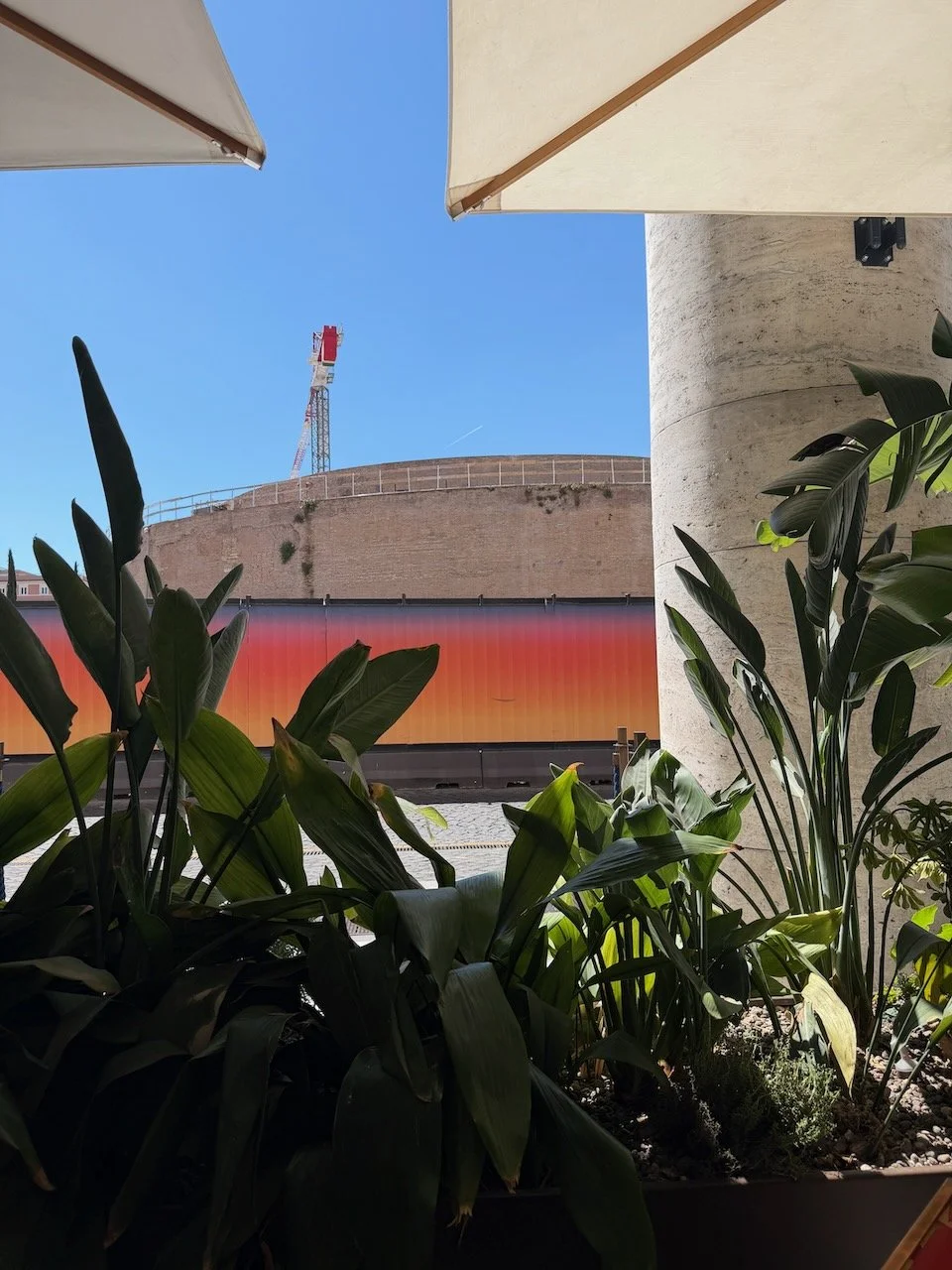
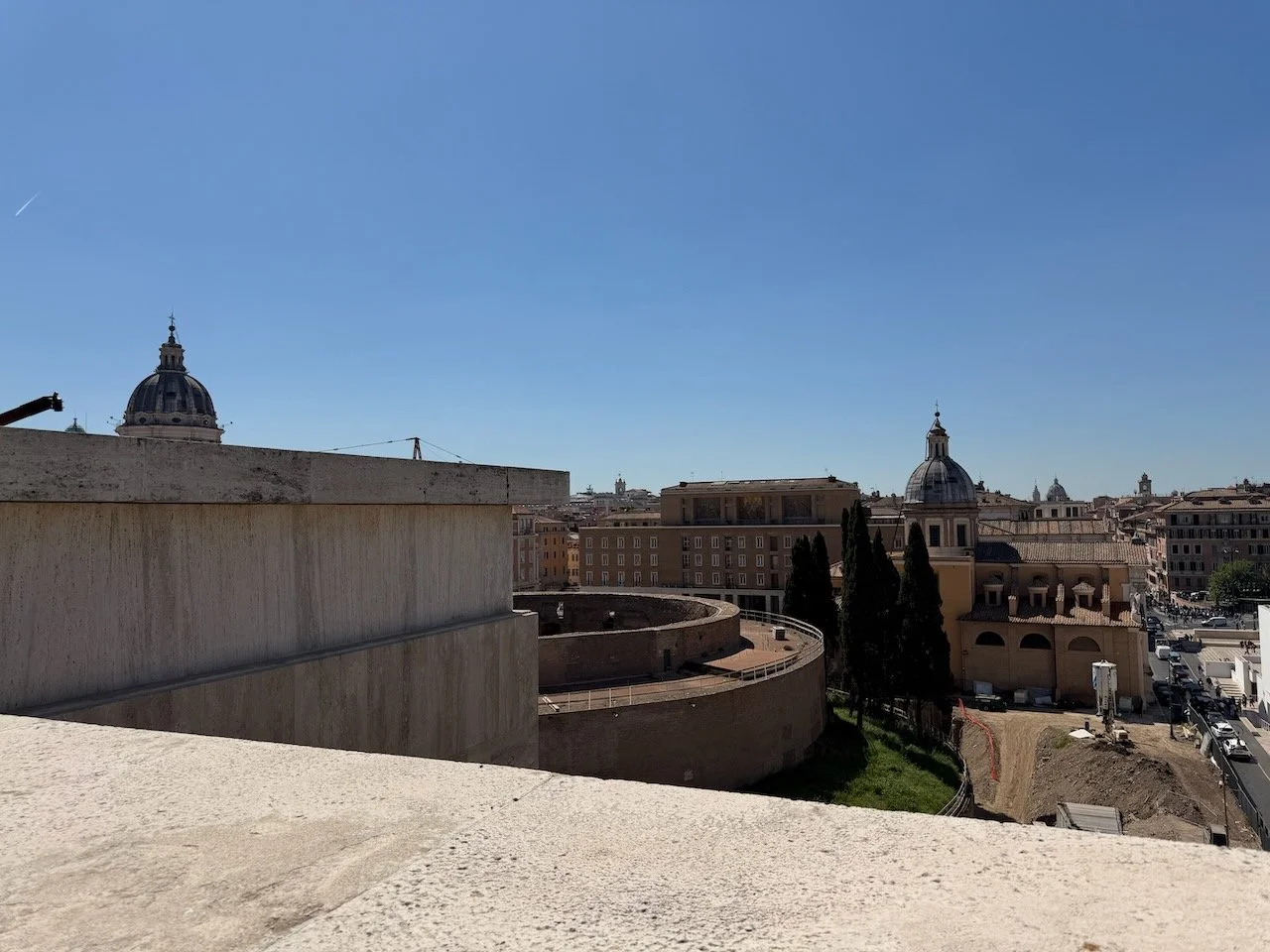
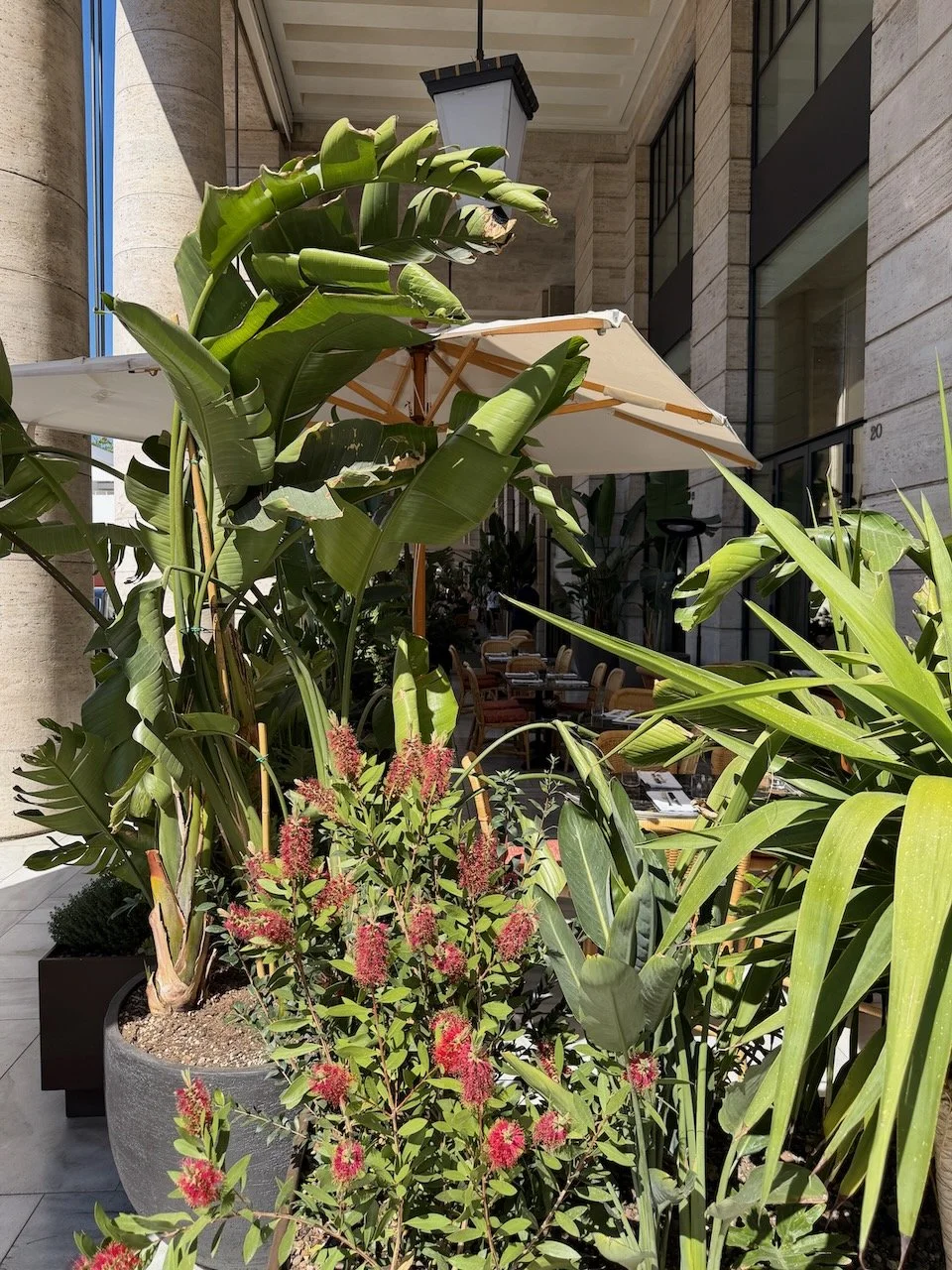
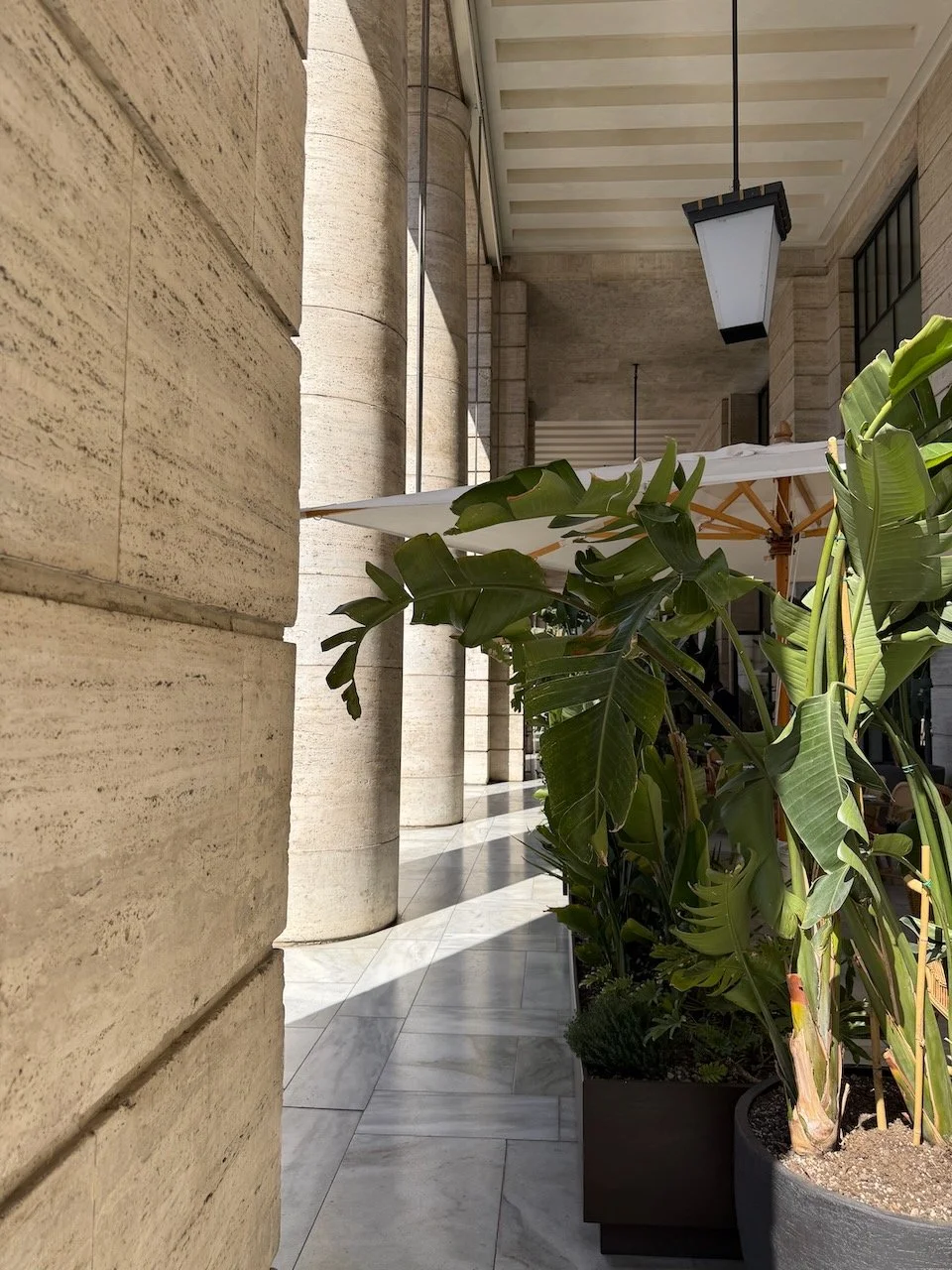
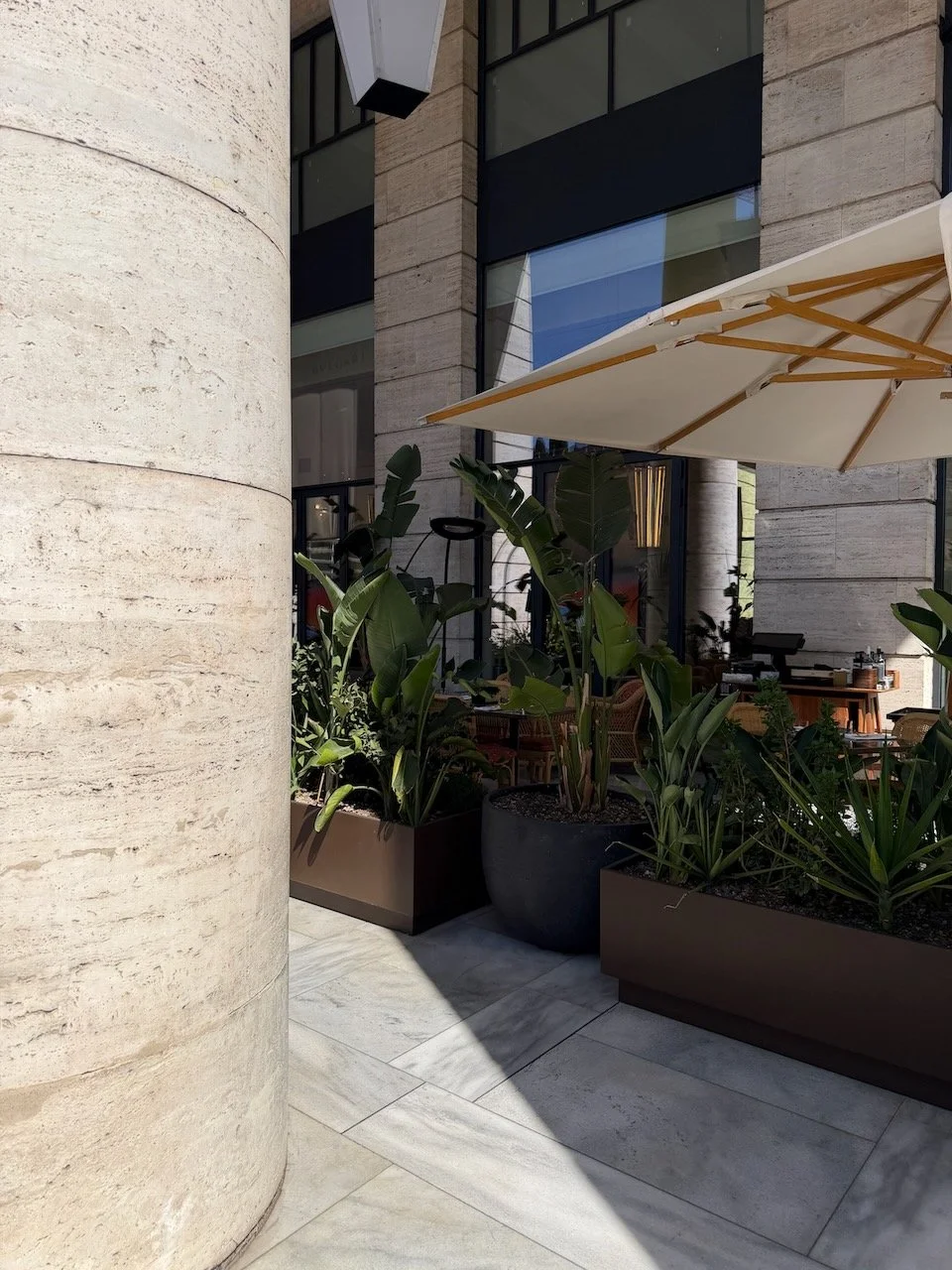
The location is strong, close to the Mausoleum of Augustus. The only current caveat is the construction in front of the hotel around the Mausoleum area. The hotel hopes this will be finished next year, and once it is, the setting should become even more impressive.
Note: there is still a construction site at the Mausoleo Augusto directly in front of the hotel, as you can see on the photos. I was told they wanted to be done by the time the hotel opened last year, but “in Rome it can take longer” - they are hoping for next year.
Ambiance
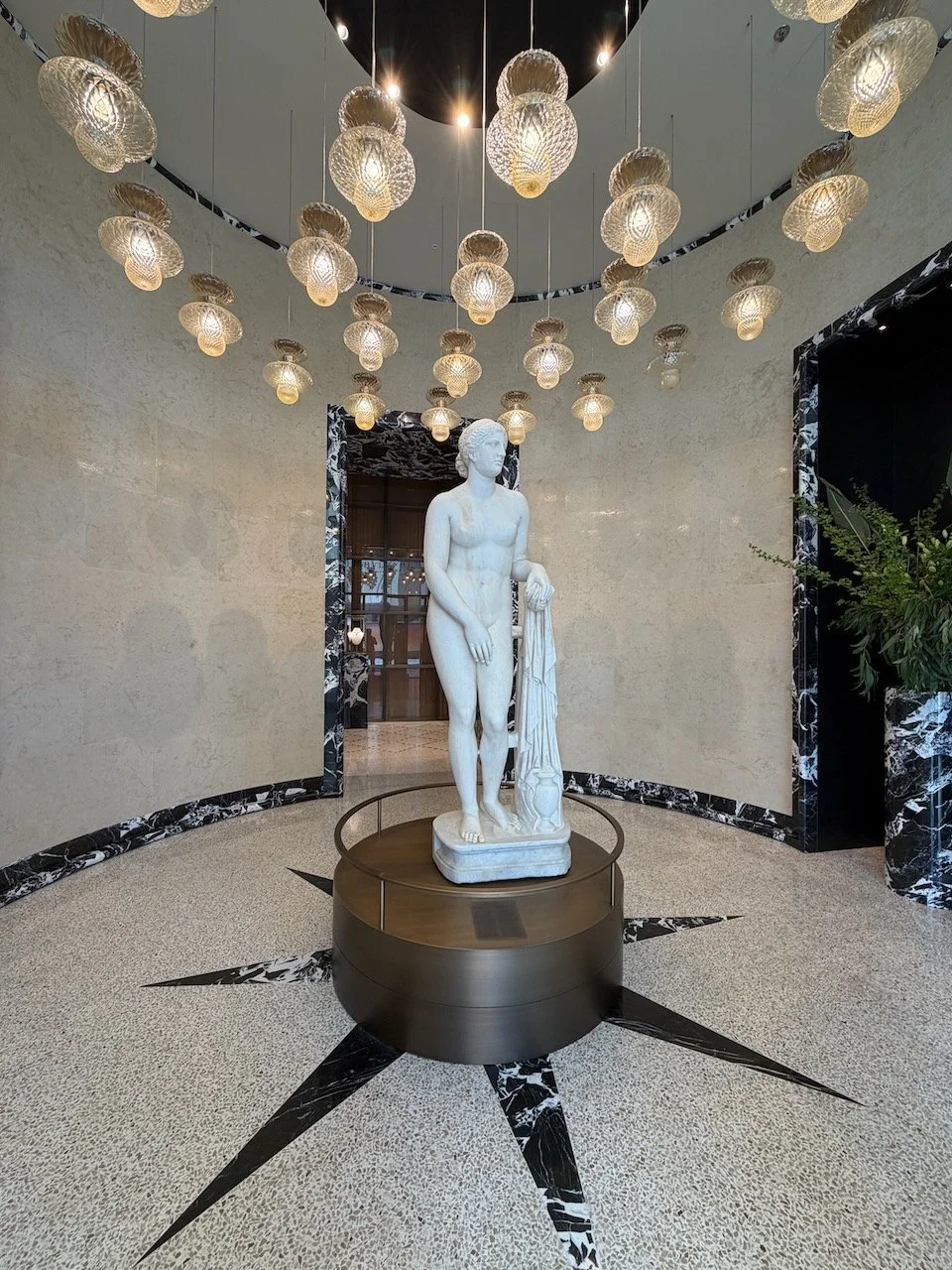
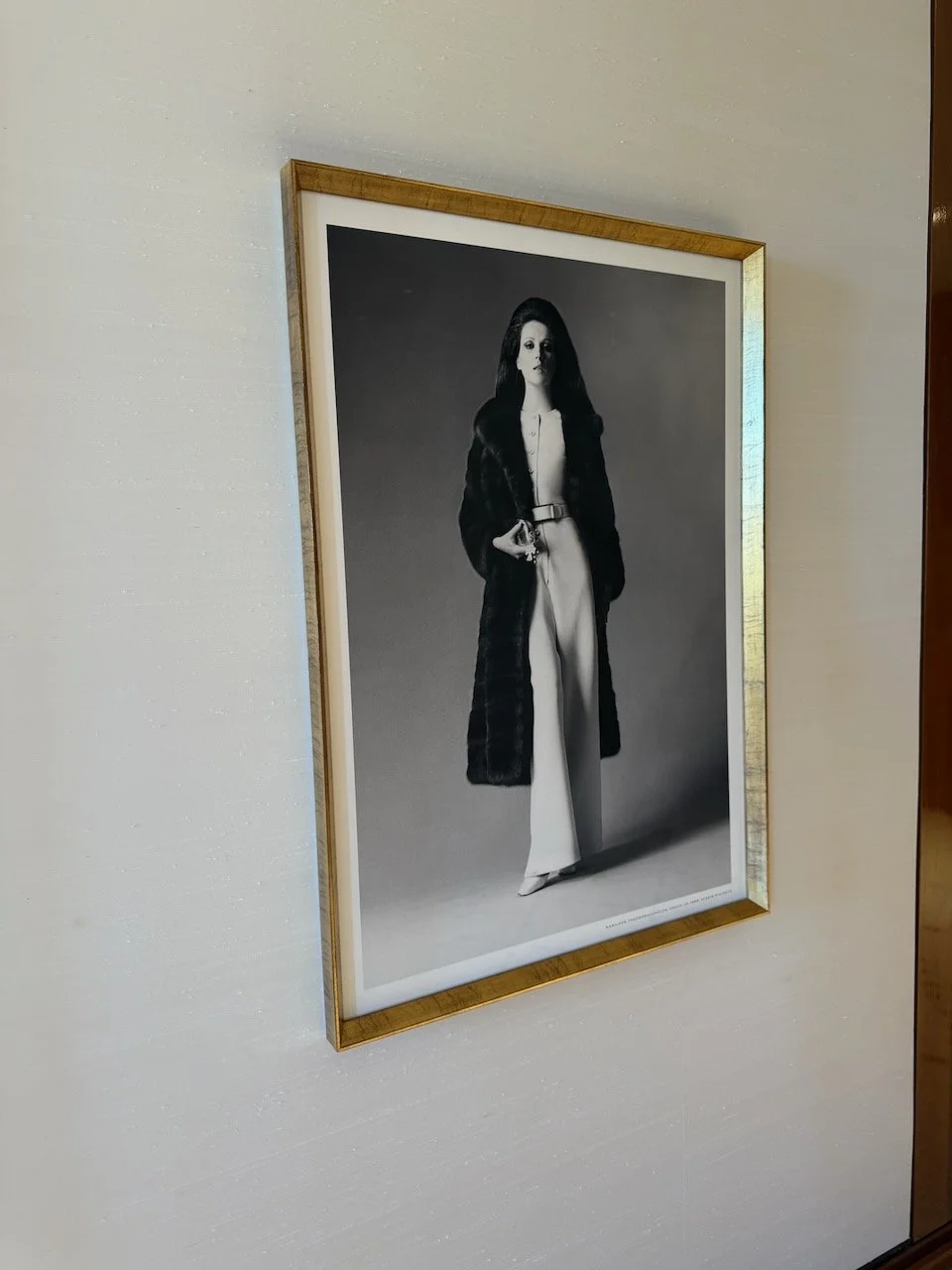
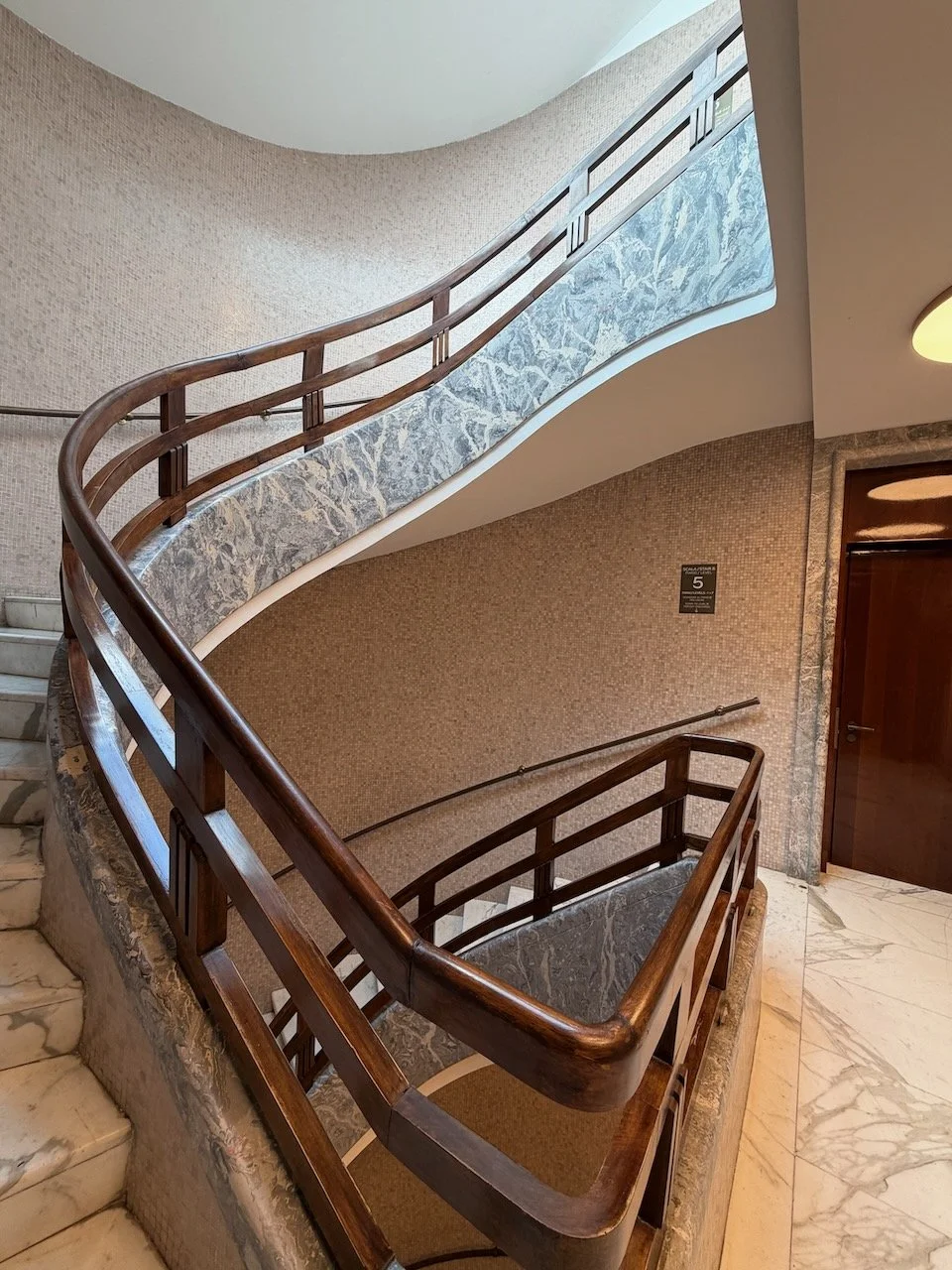
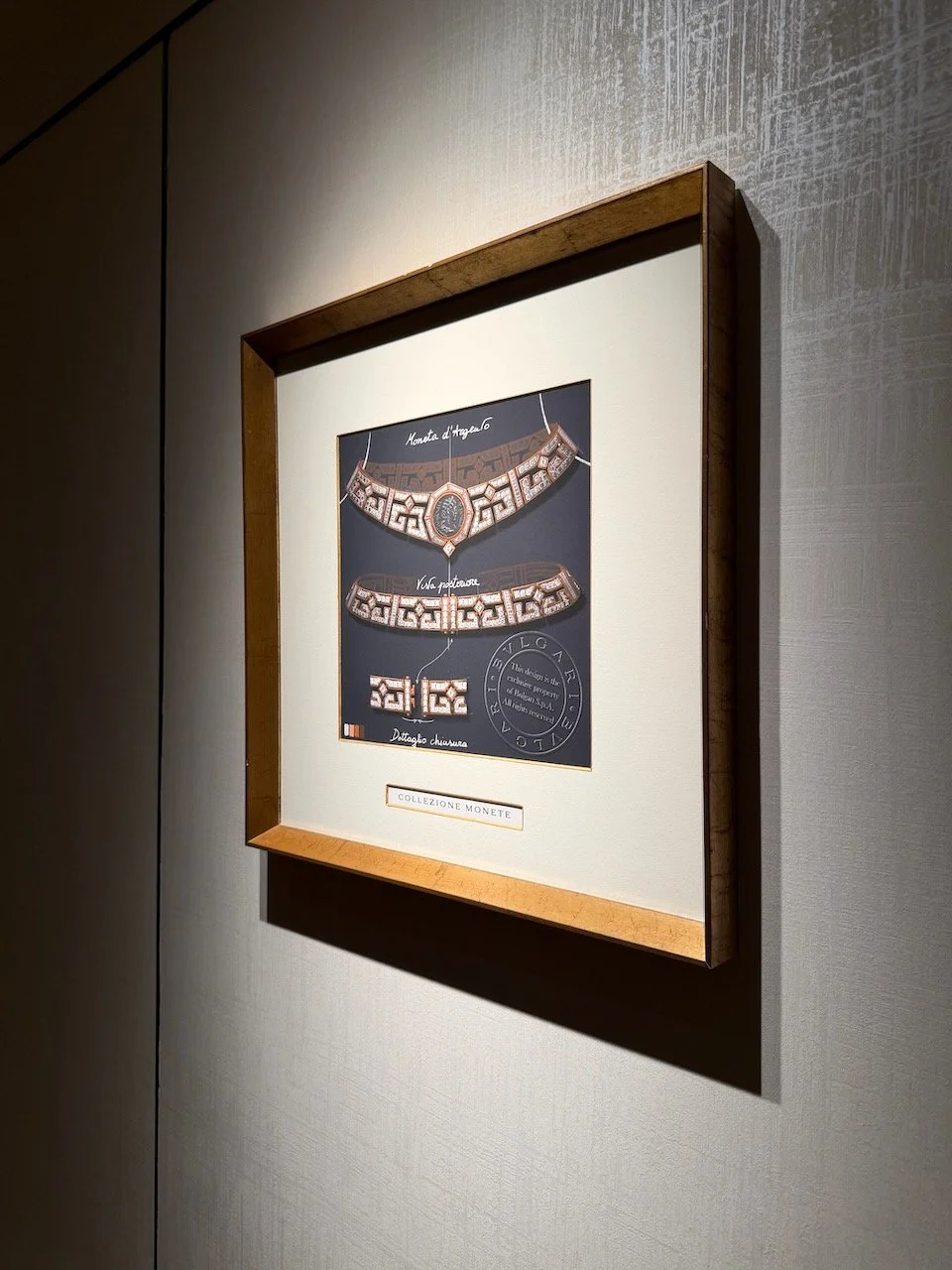
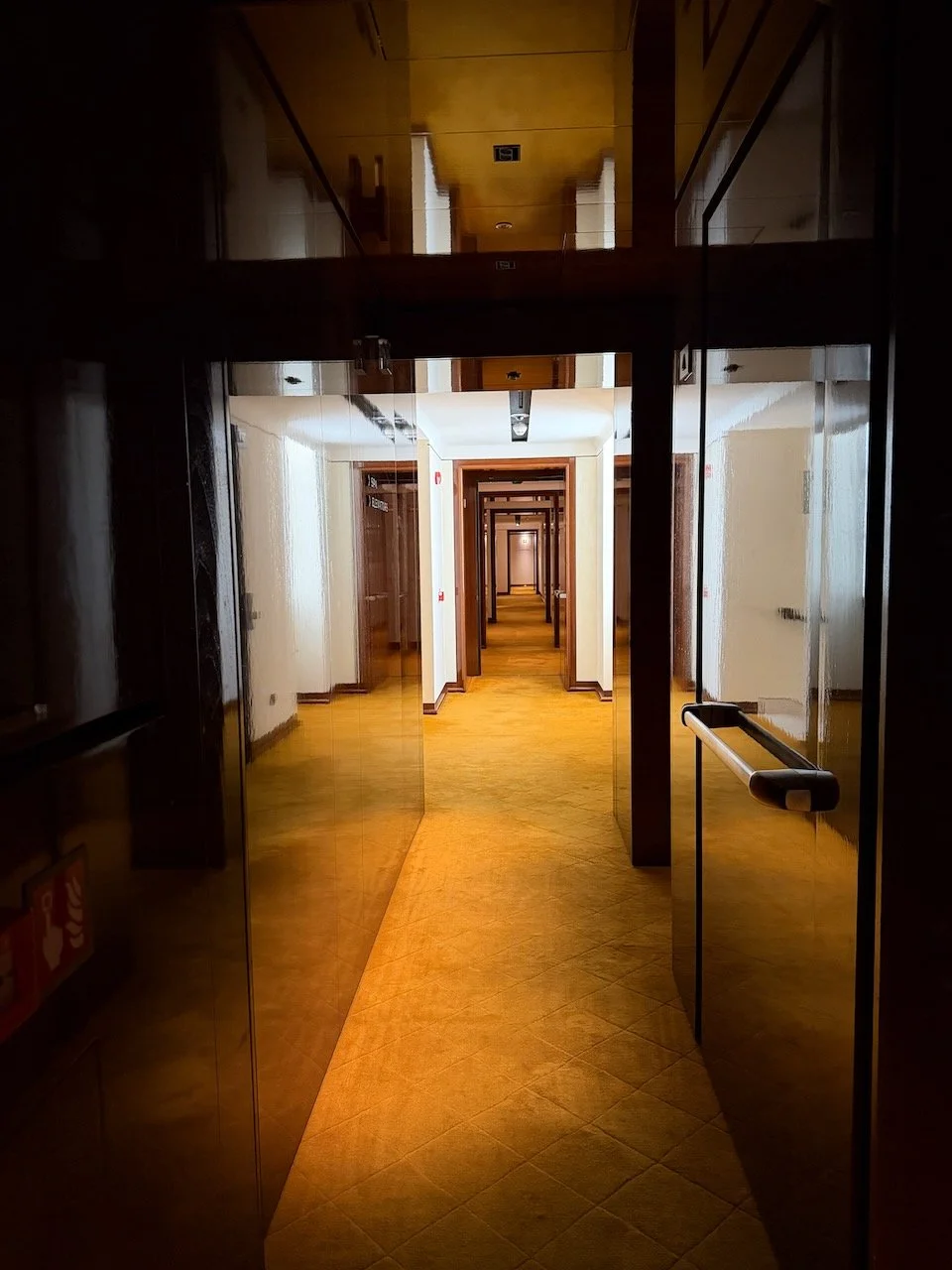
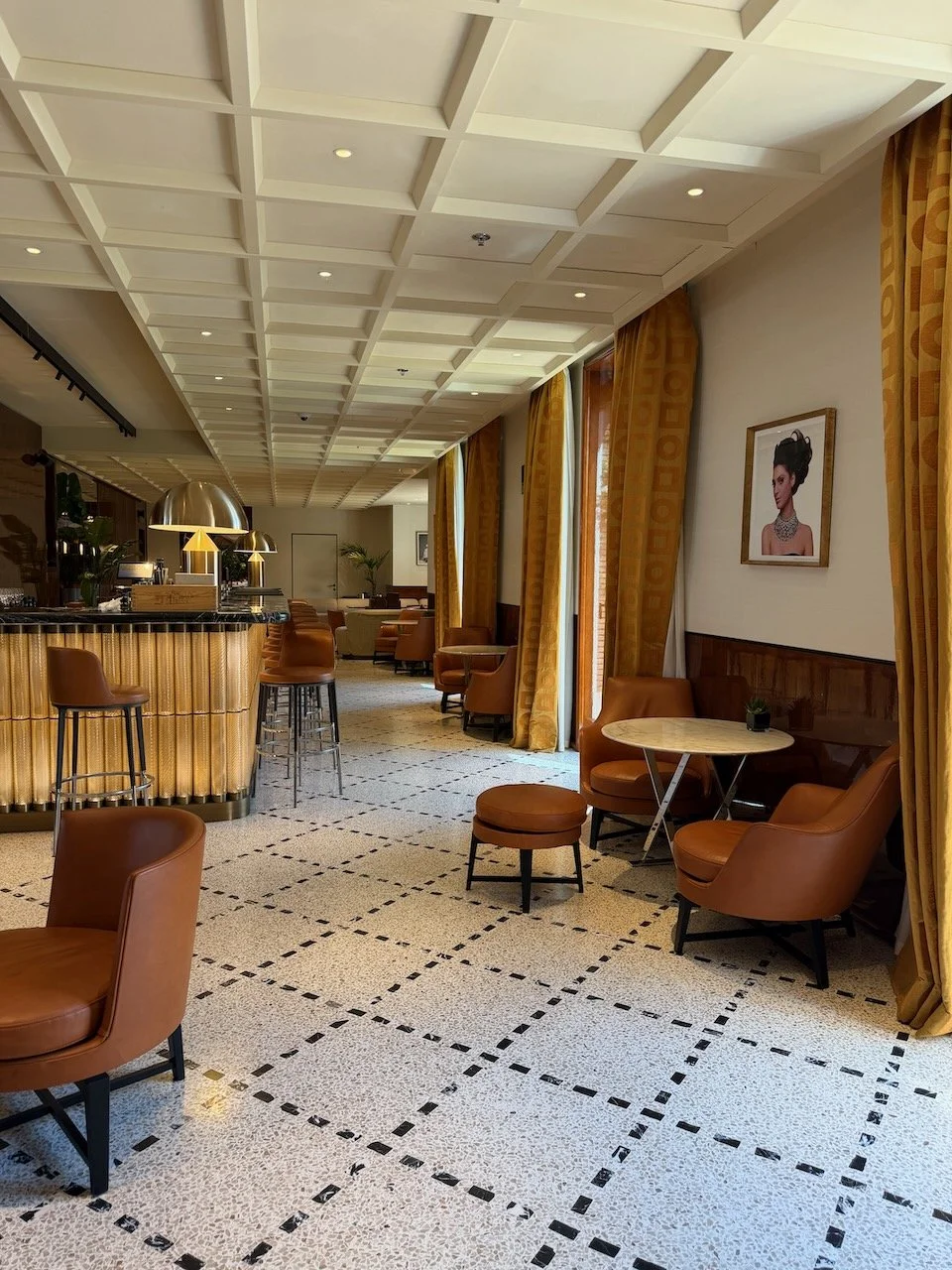
The ambiance is unmistakably high-end. This is not quiet luxury in the soft, understated sense. It is controlled, architectural, and very deliberate.
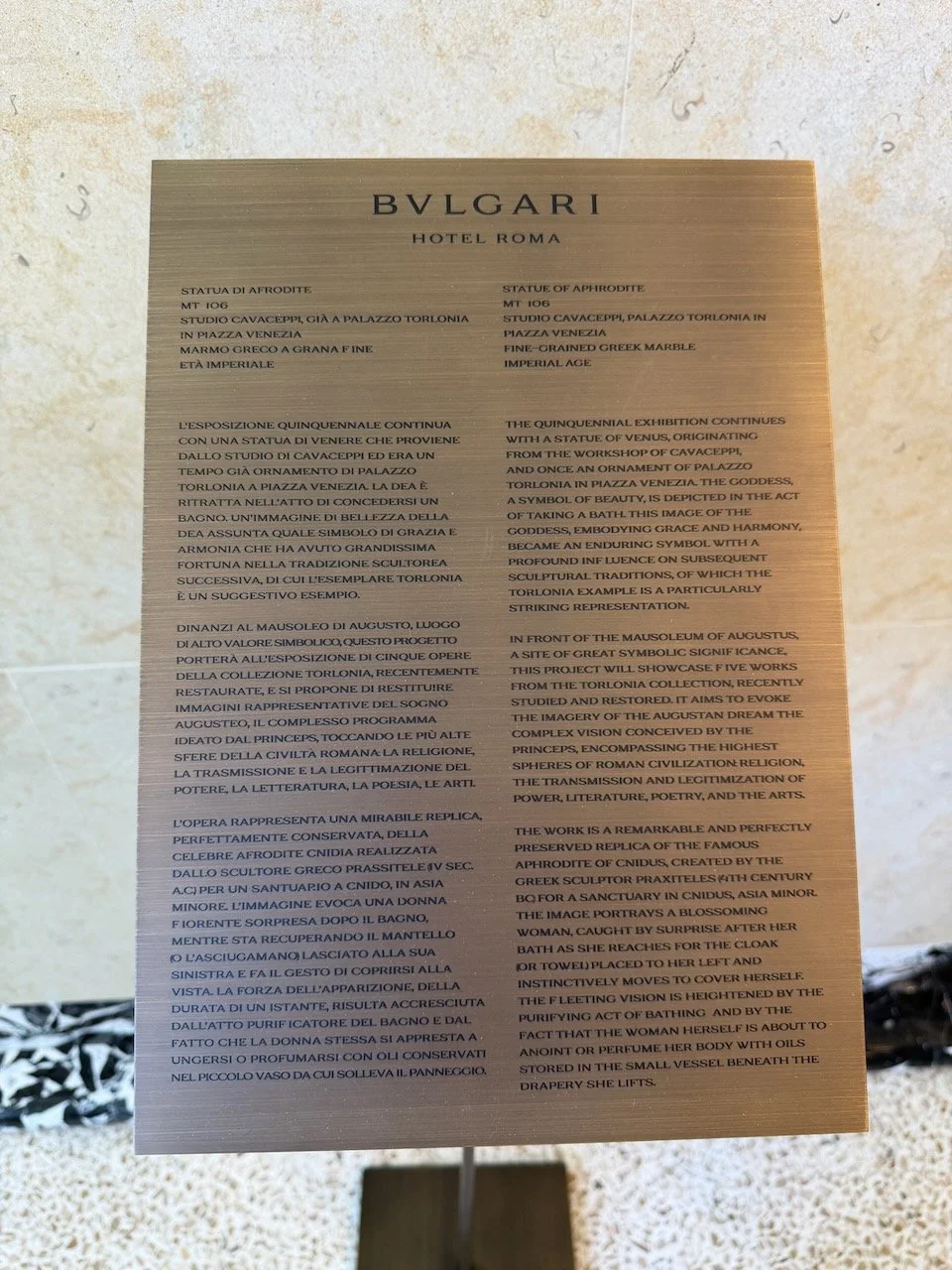
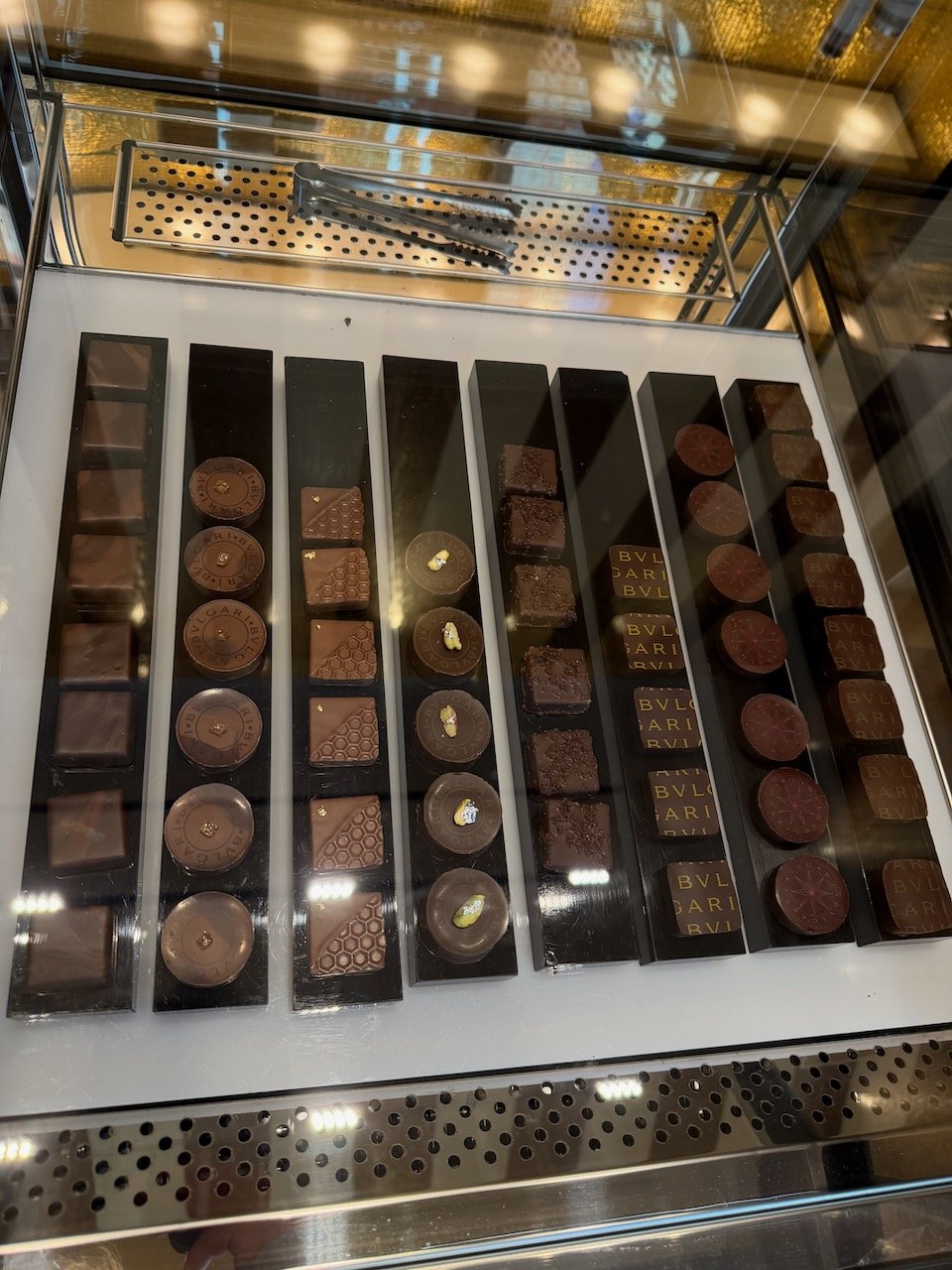
Everything feels finished to a very high level: the surfaces, the proportions, the sense of arrival, the lighting, the way the Bvlgari identity is woven into the Roman setting. It is luxurious to the end, but not old-fashioned. It feels more like a modern Roman temple to taste, design, and status.
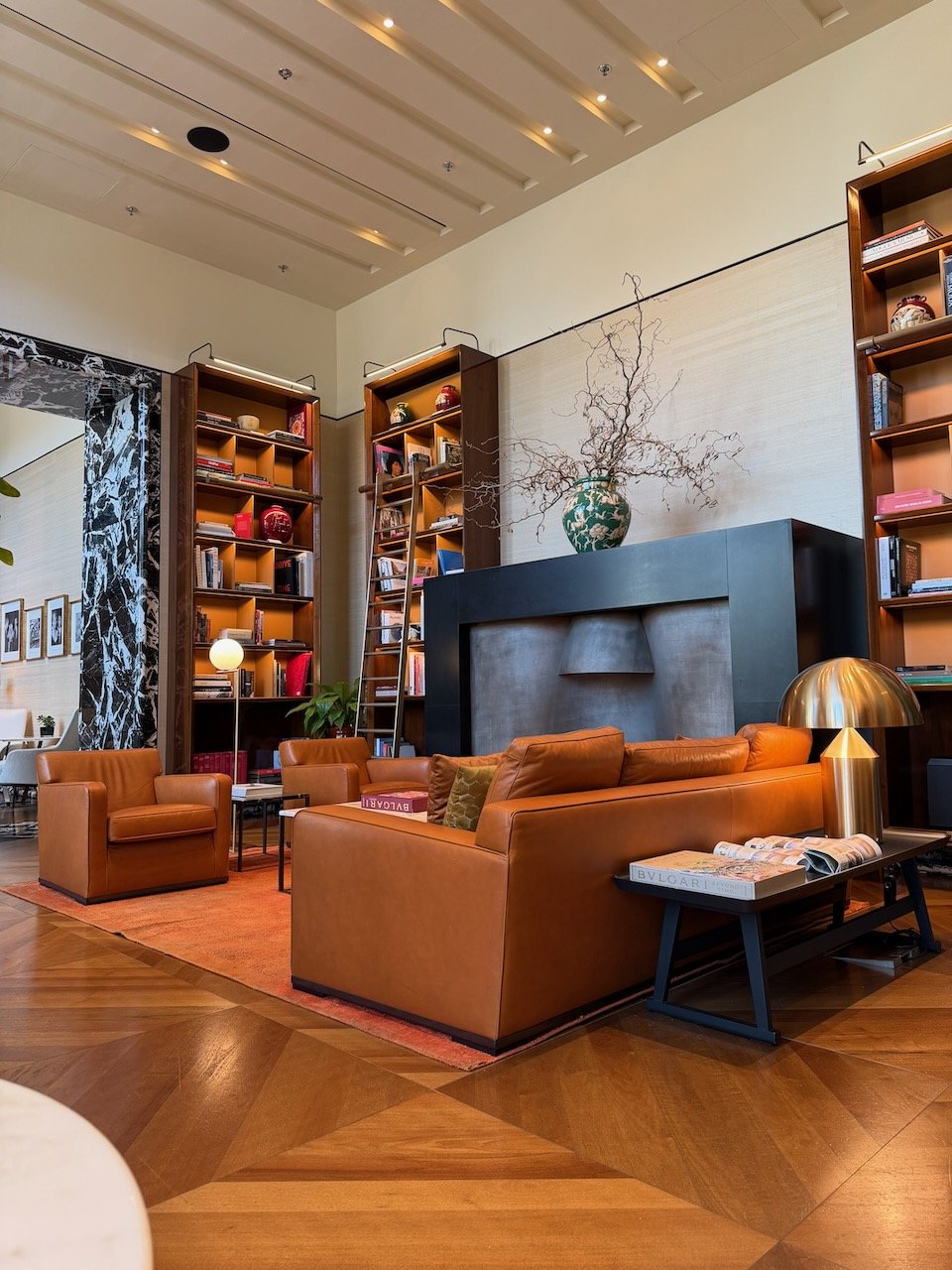
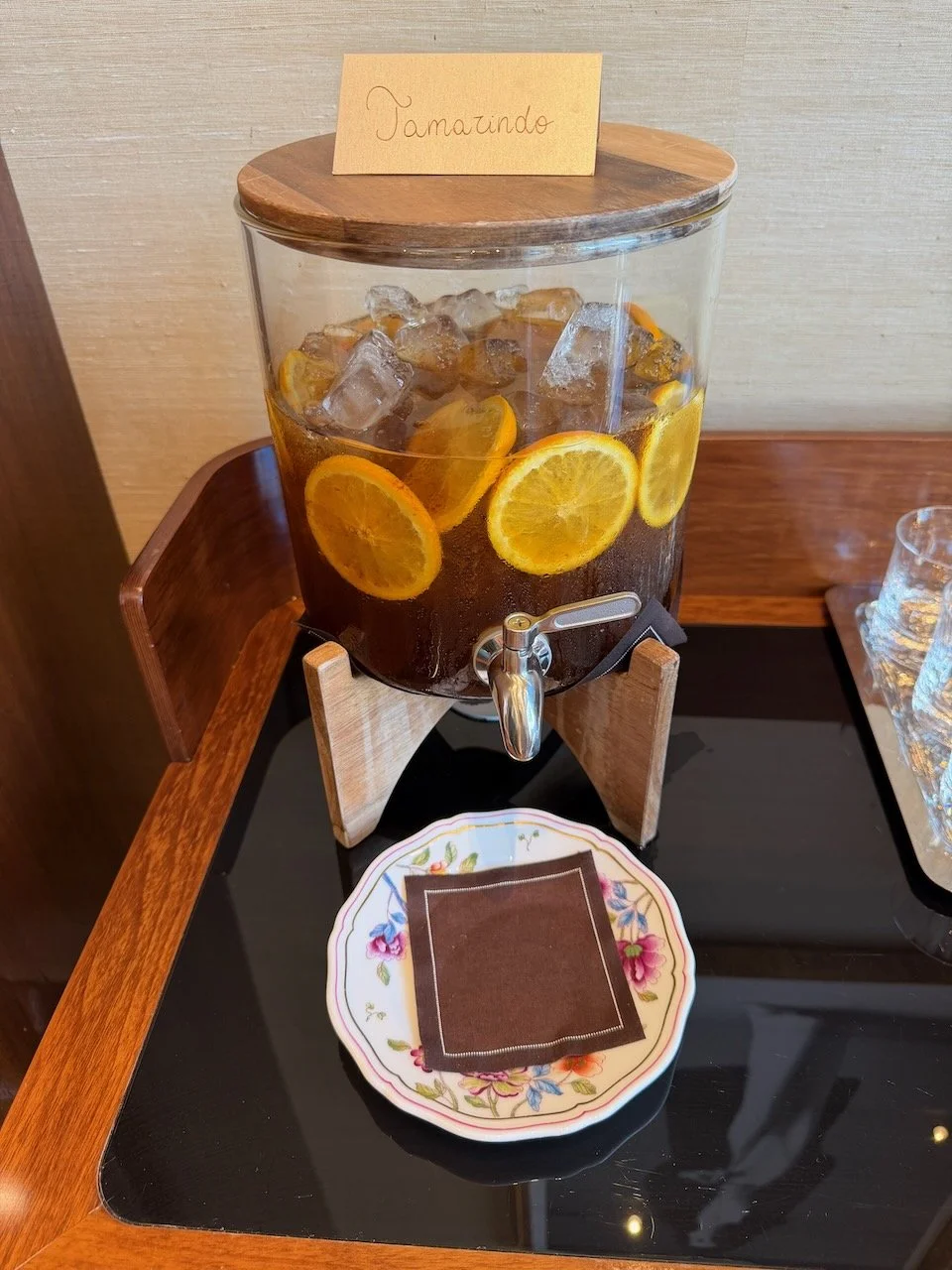
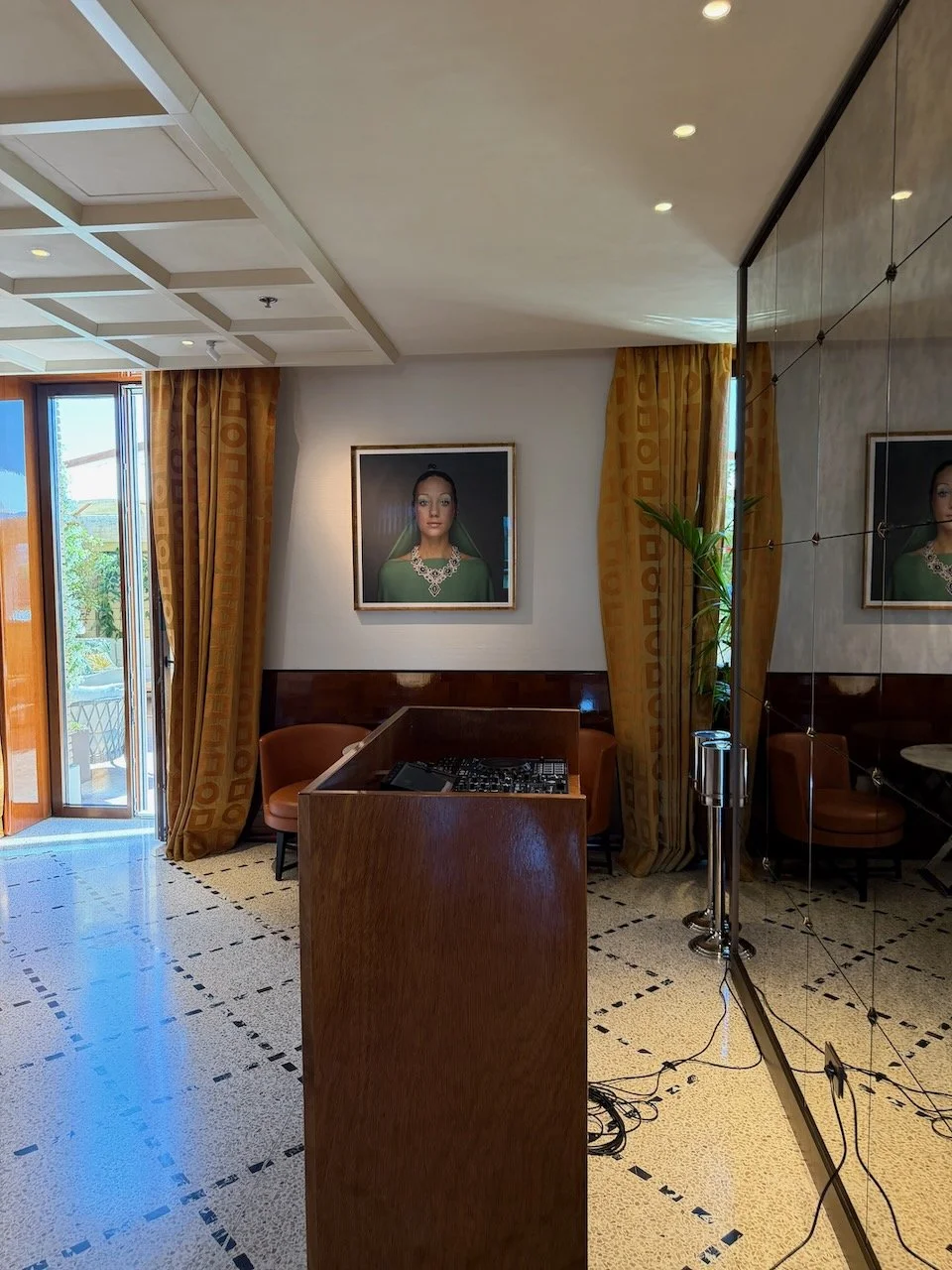
A private lobby and terrace only for hotel guests gives an exclusive feel.
Accommodations
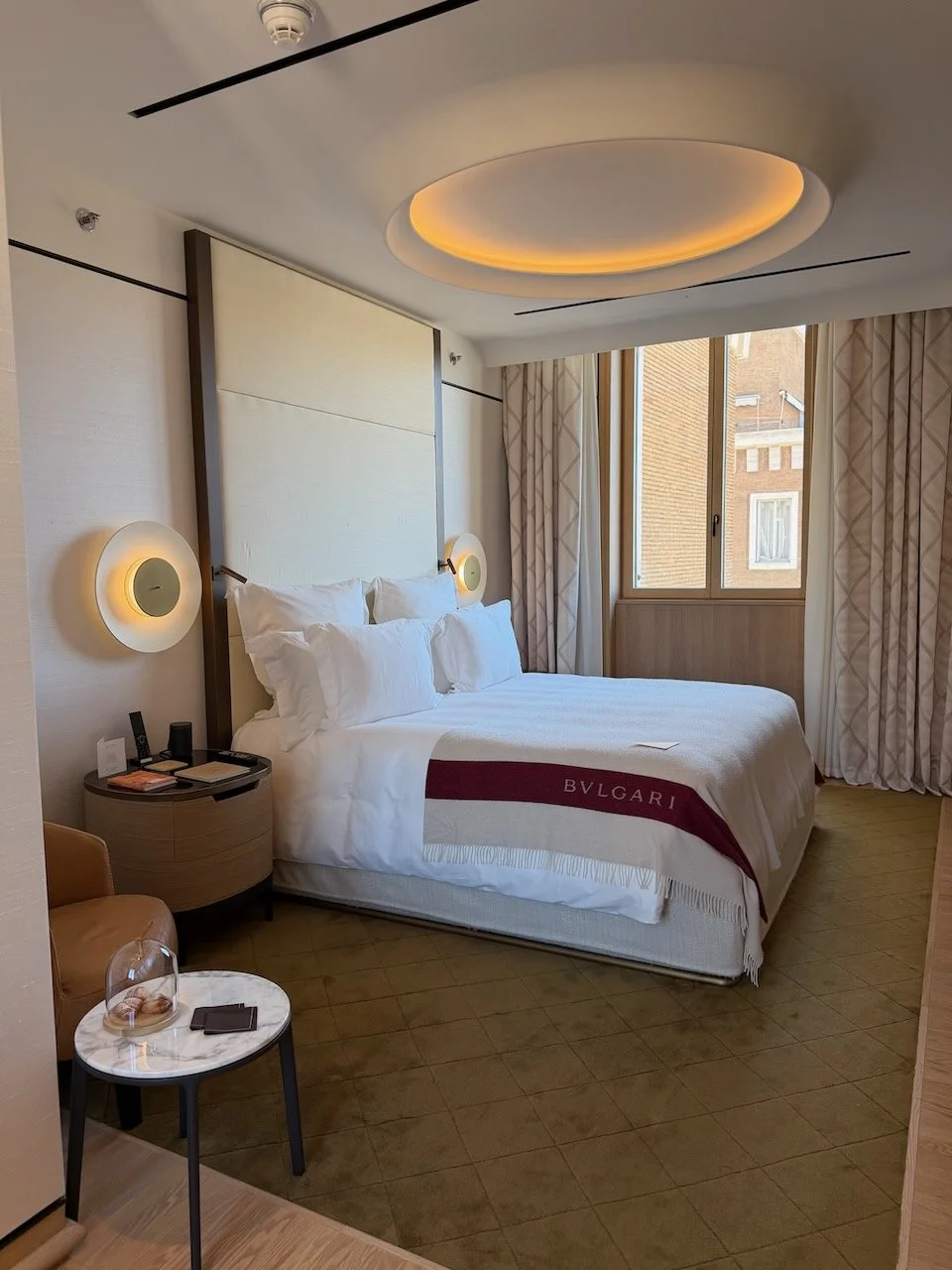
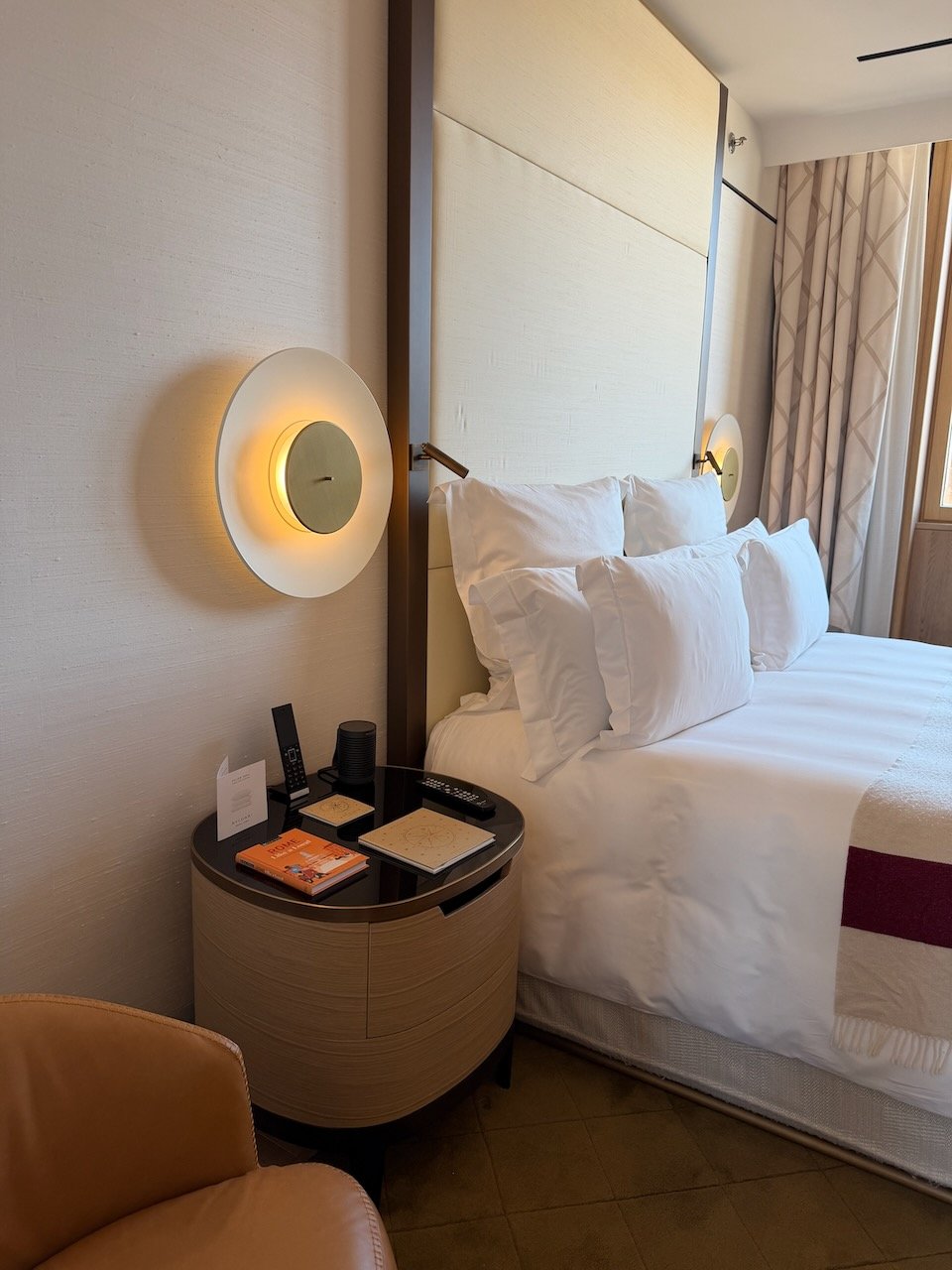
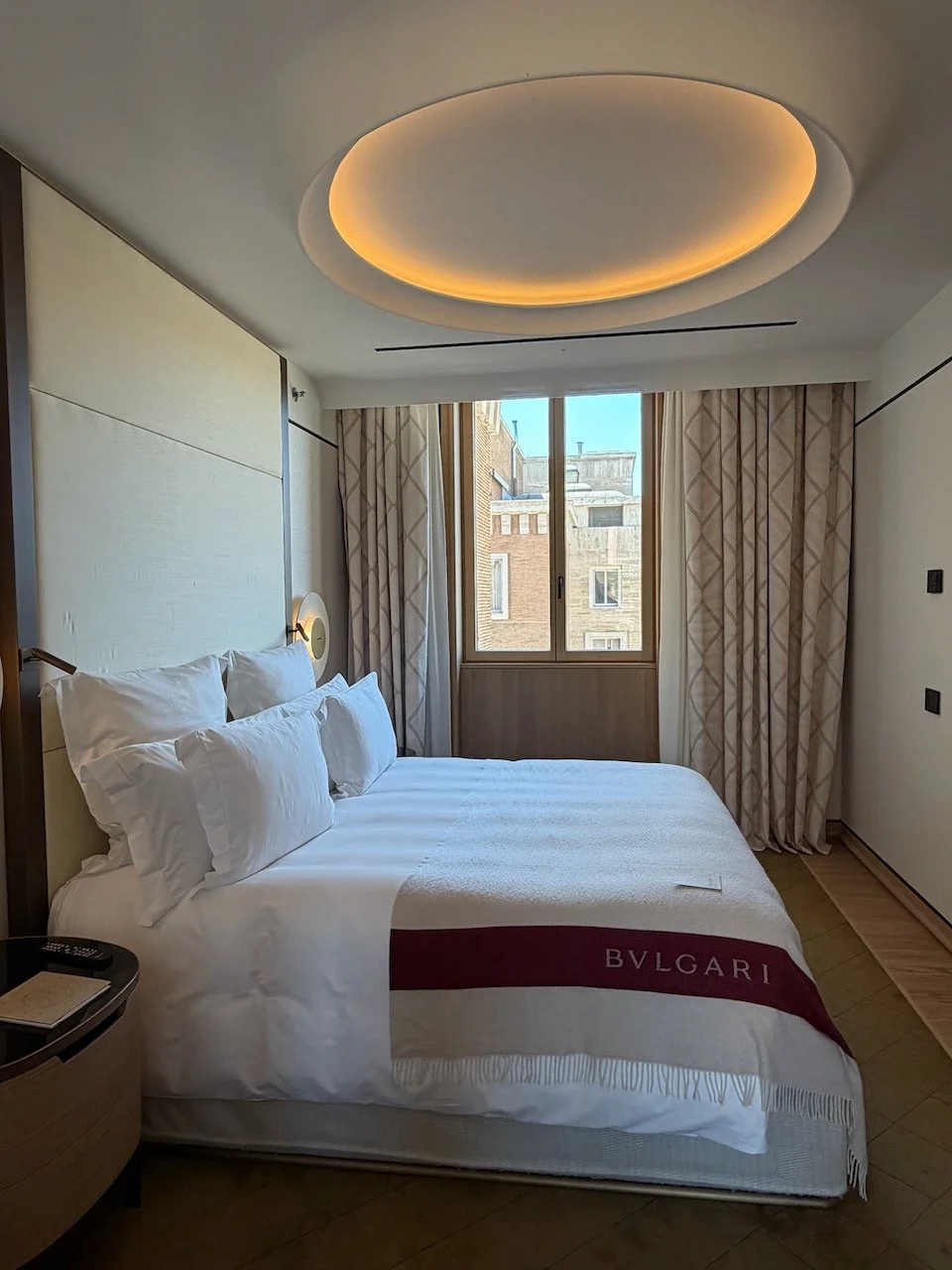
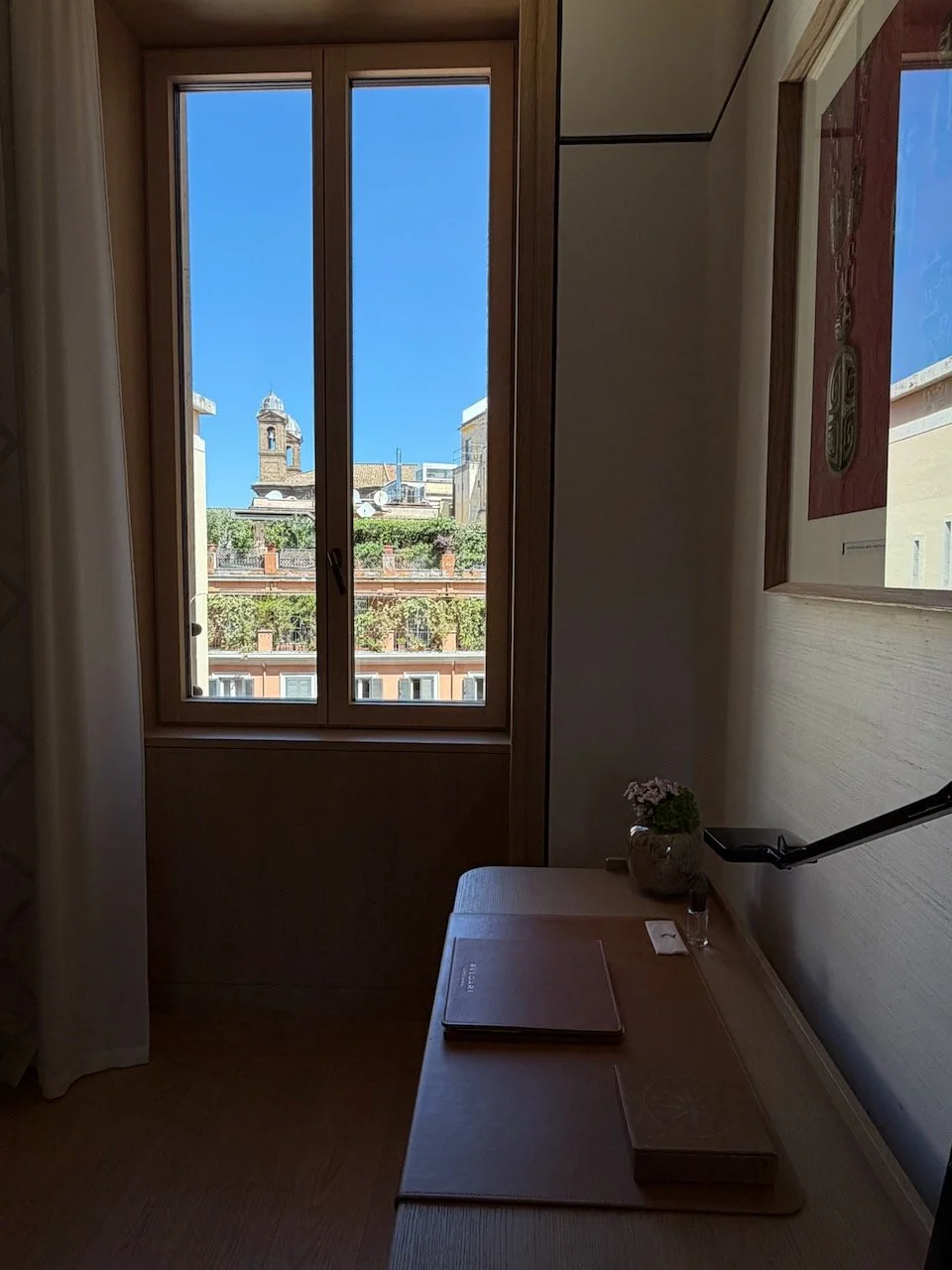
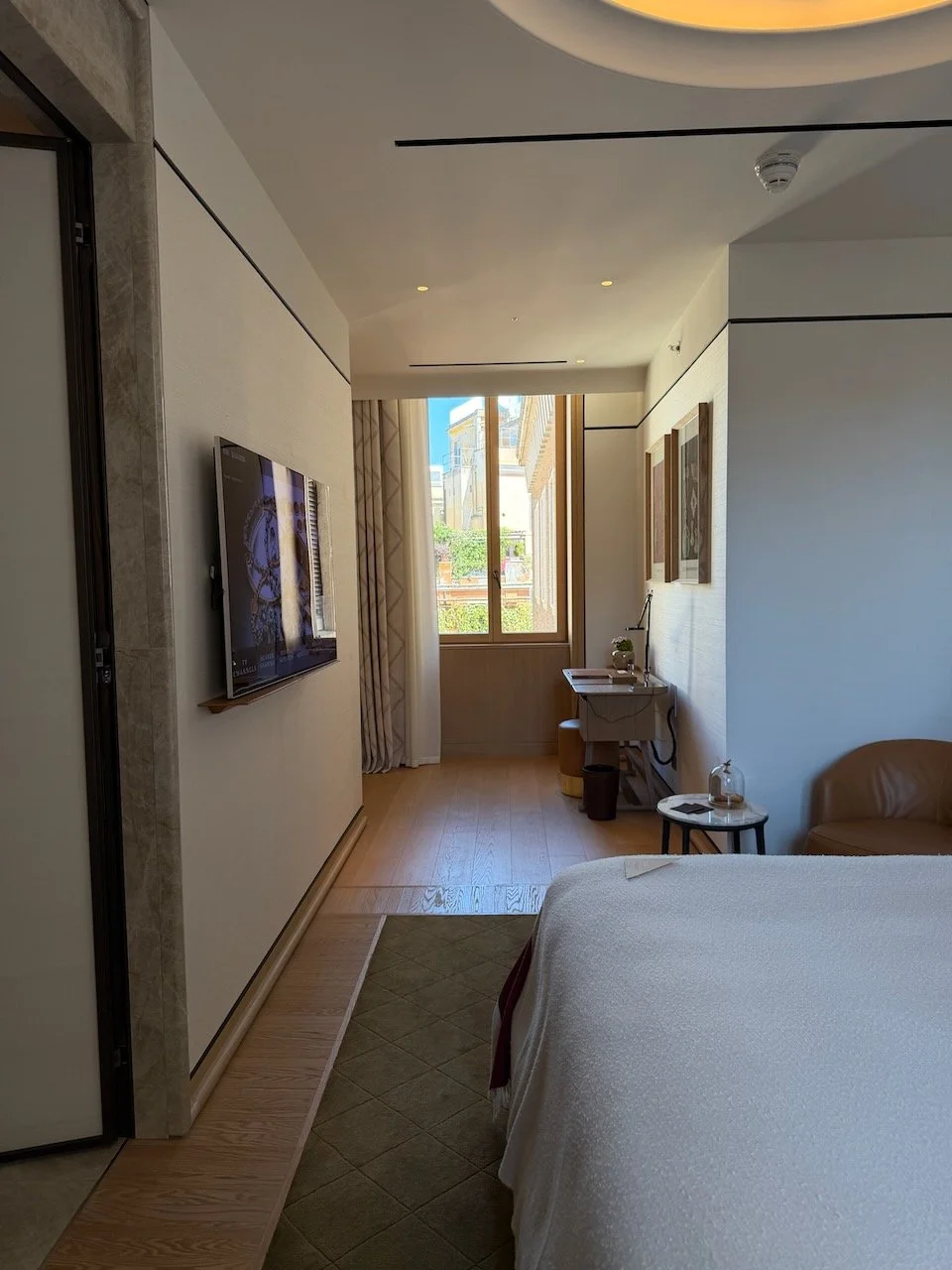
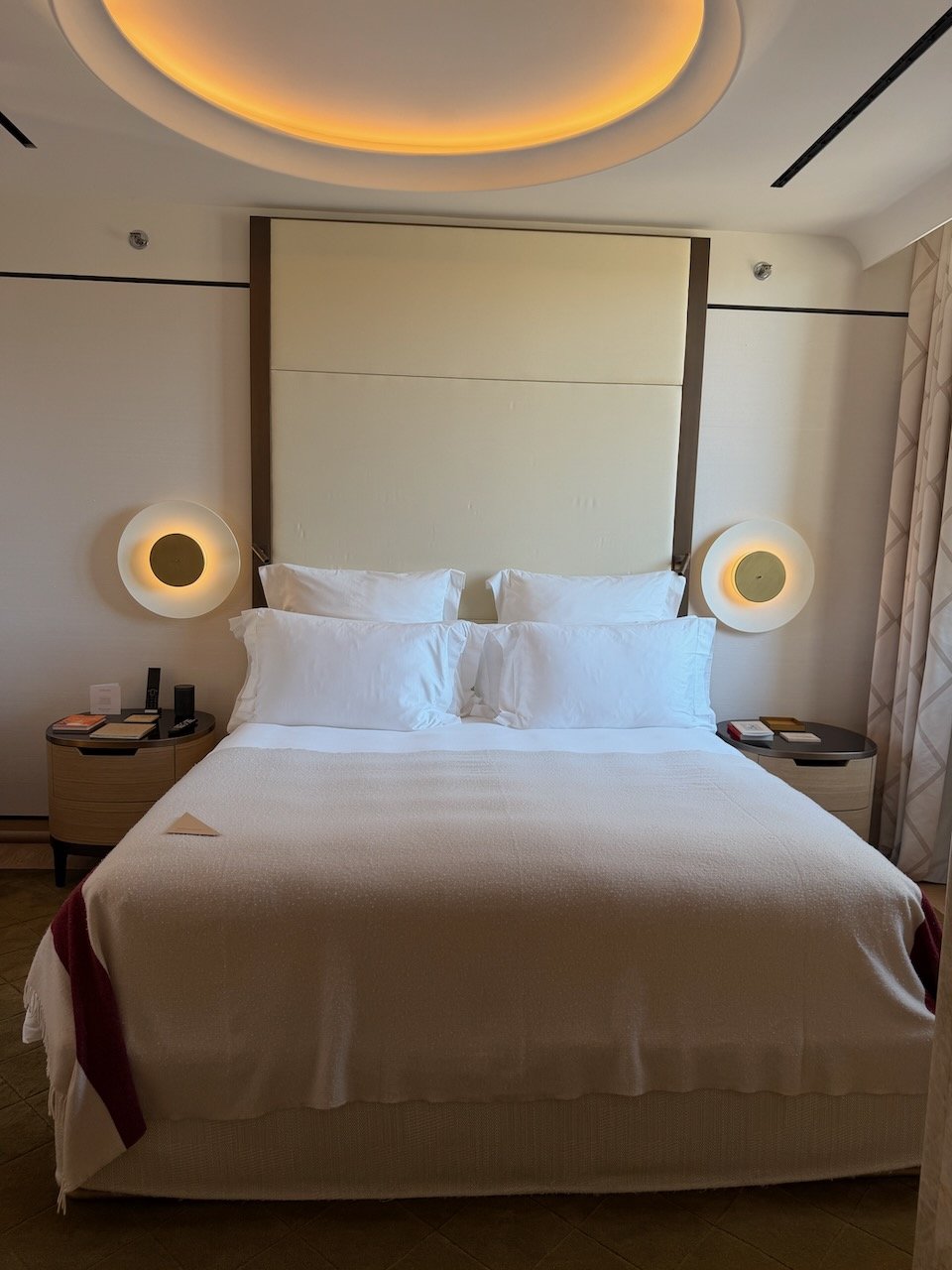
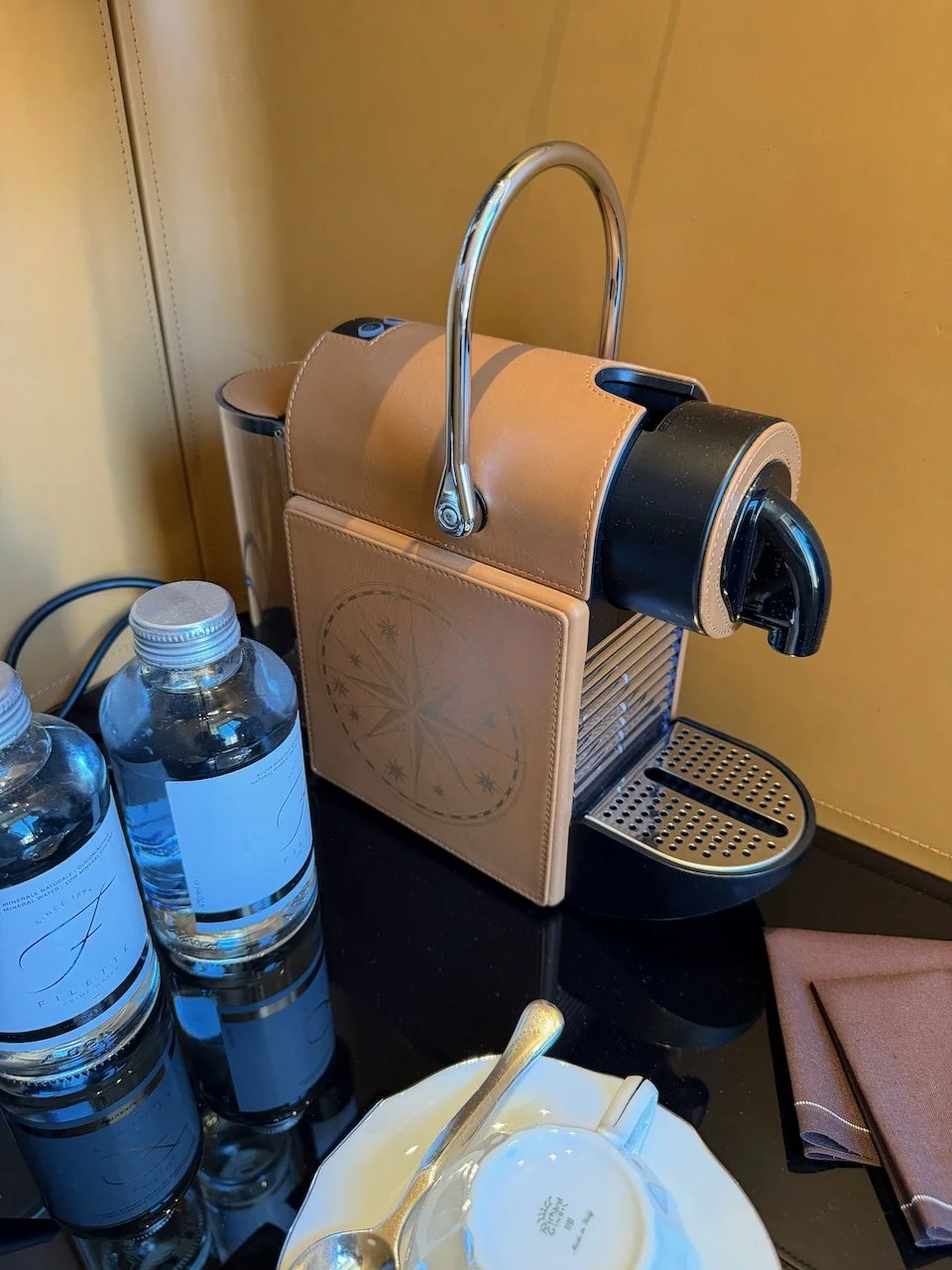
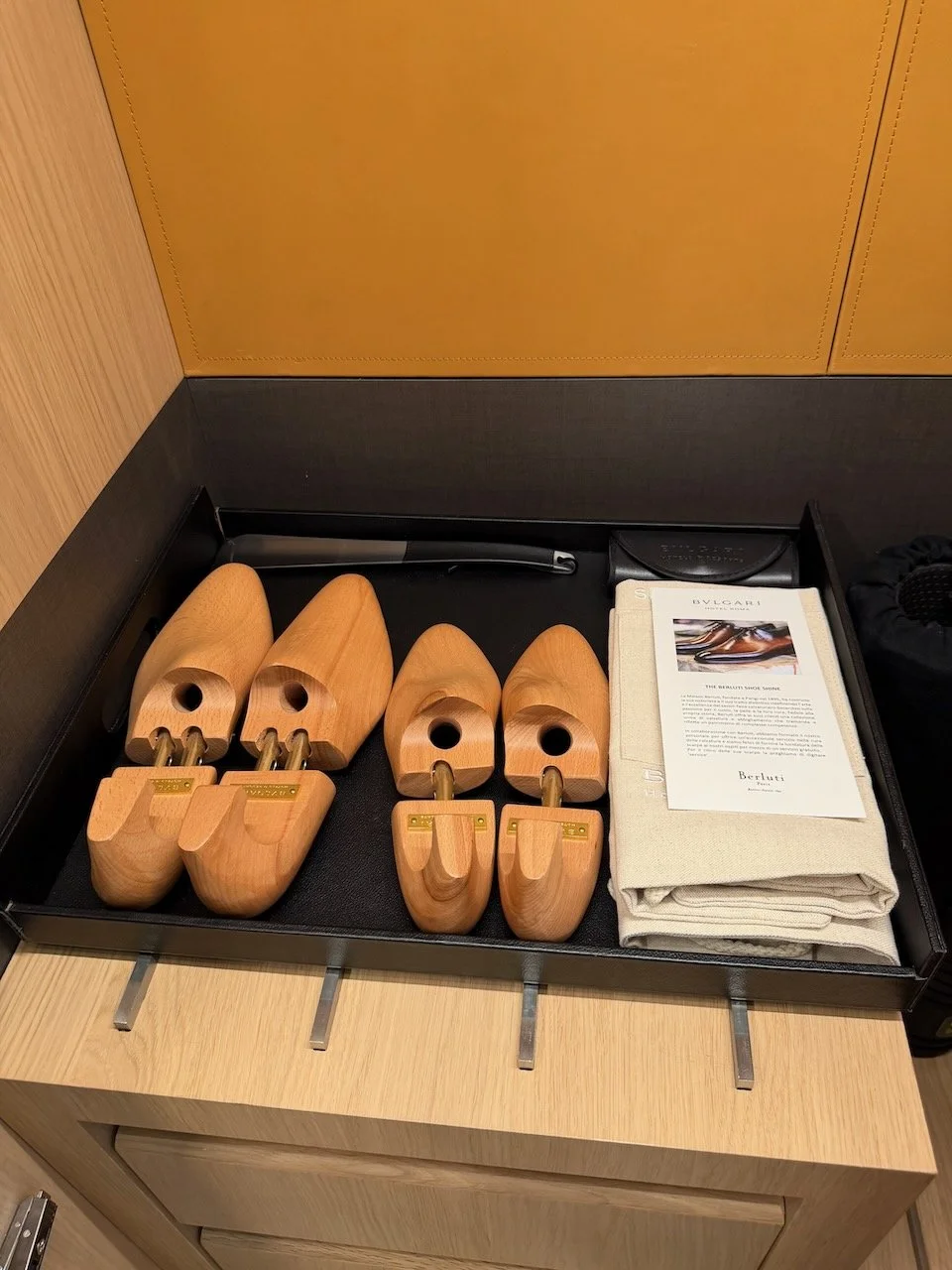
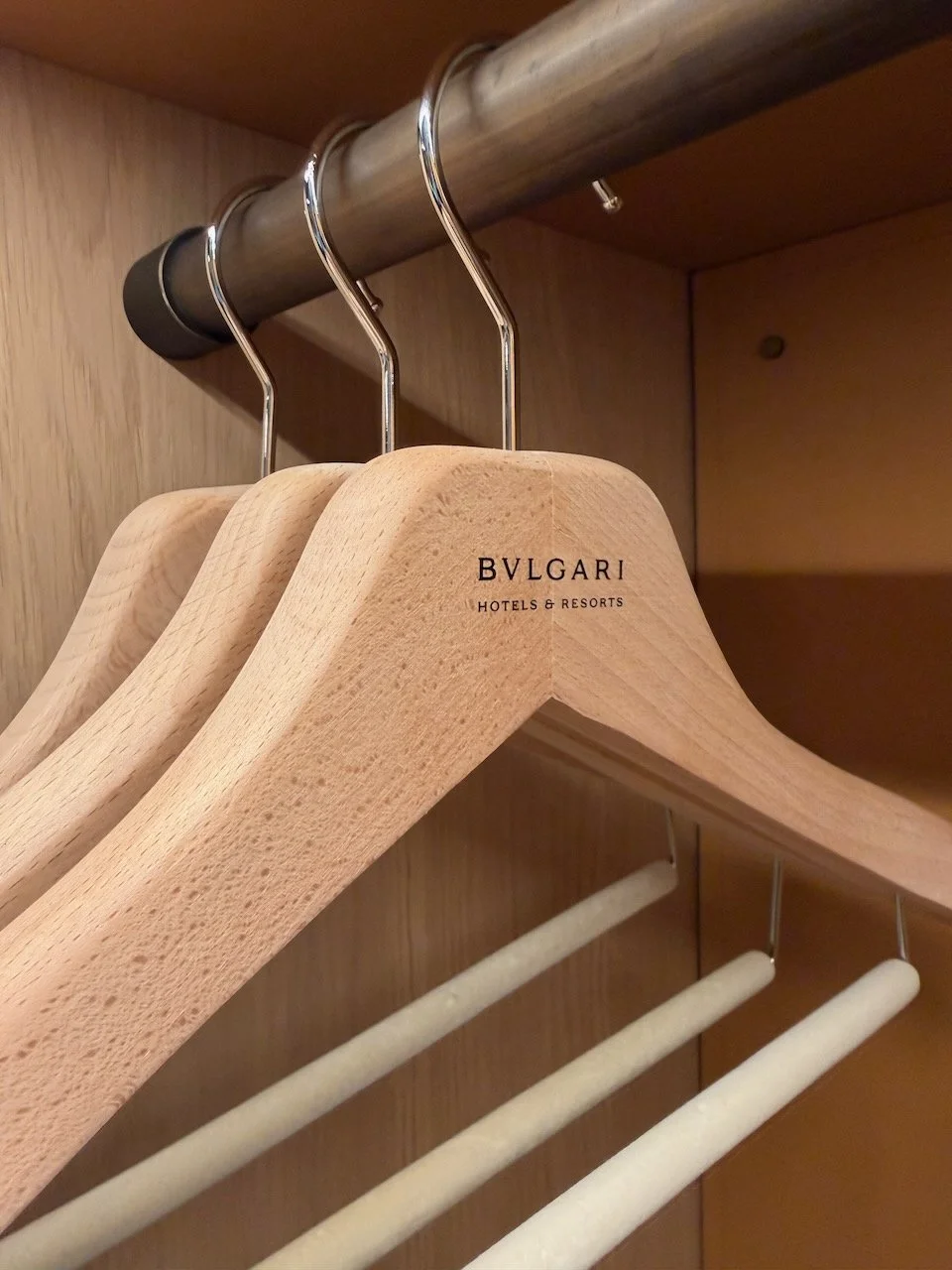
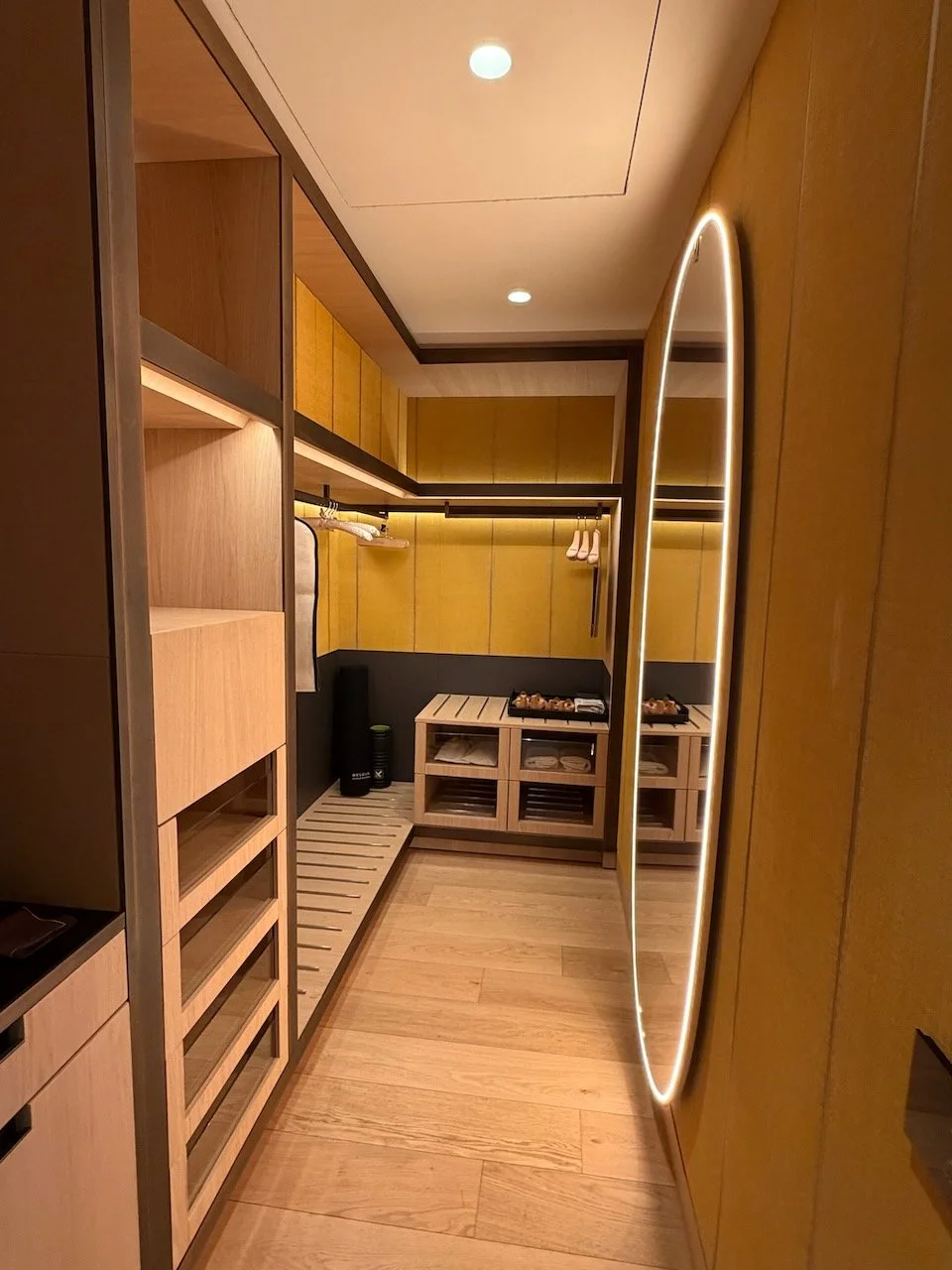
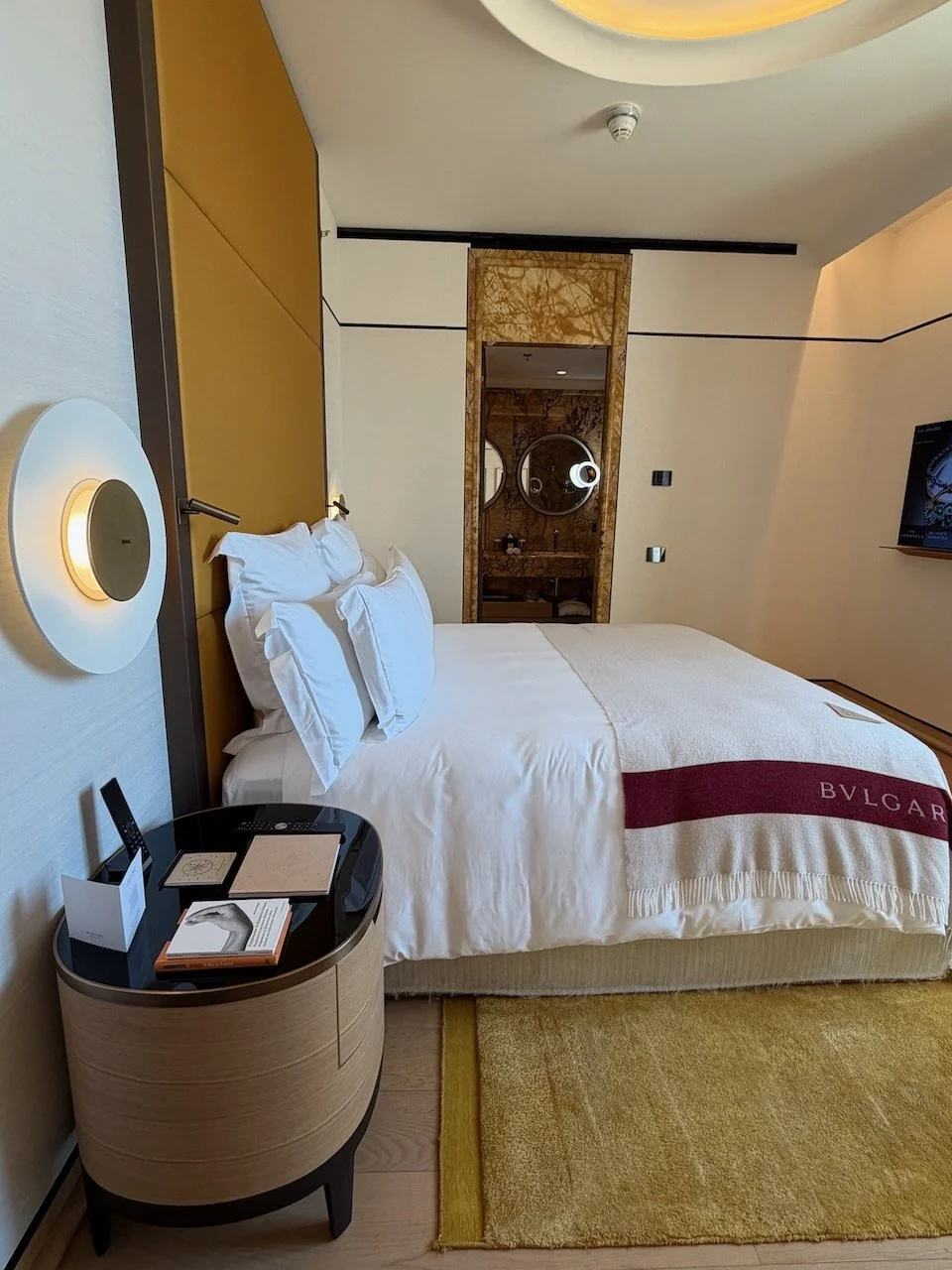
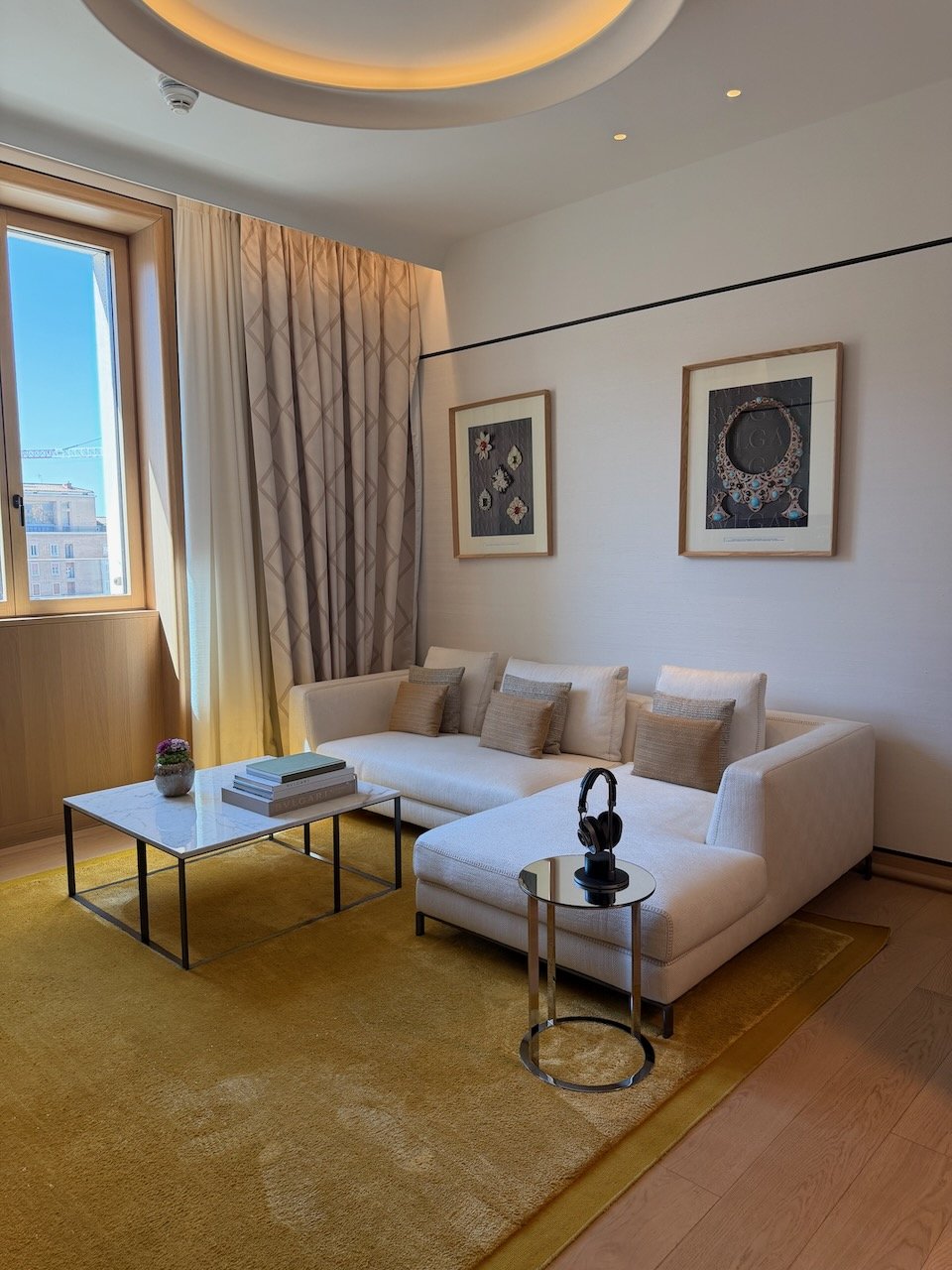
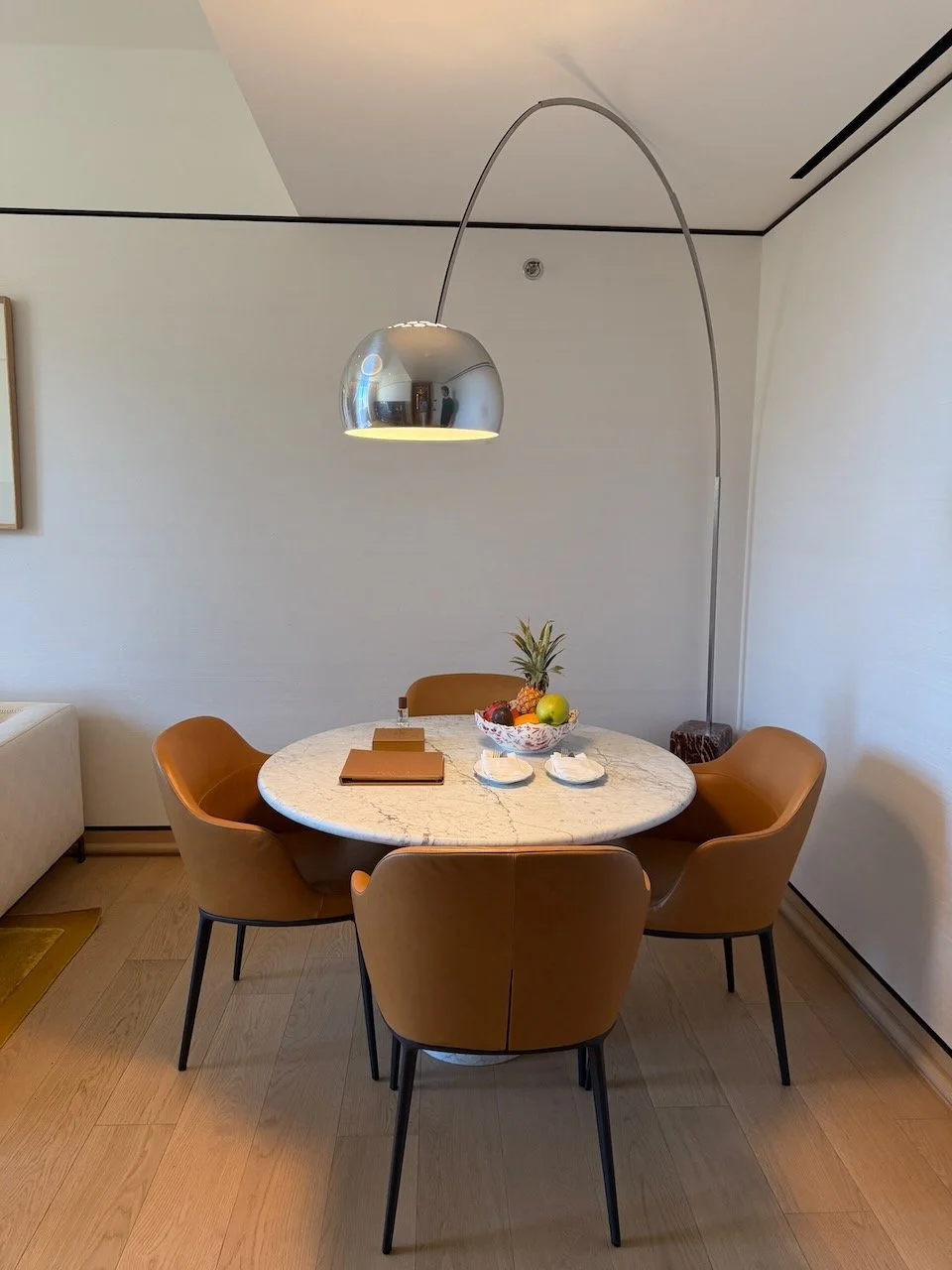
The rooms at Bvlgari Hotel Roma are where the property’s design concept becomes very clear: this is not generic luxury, but Bvlgari translated into interiors. The hotel has 106 rooms and suites, with a palette inspired by Rome and the brand’s own jewelry heritage. Depending on the category, rooms look either toward Piazza Augusto Imperatore and the Mausoleum of Augustus, or toward the quieter Via della Frezza.
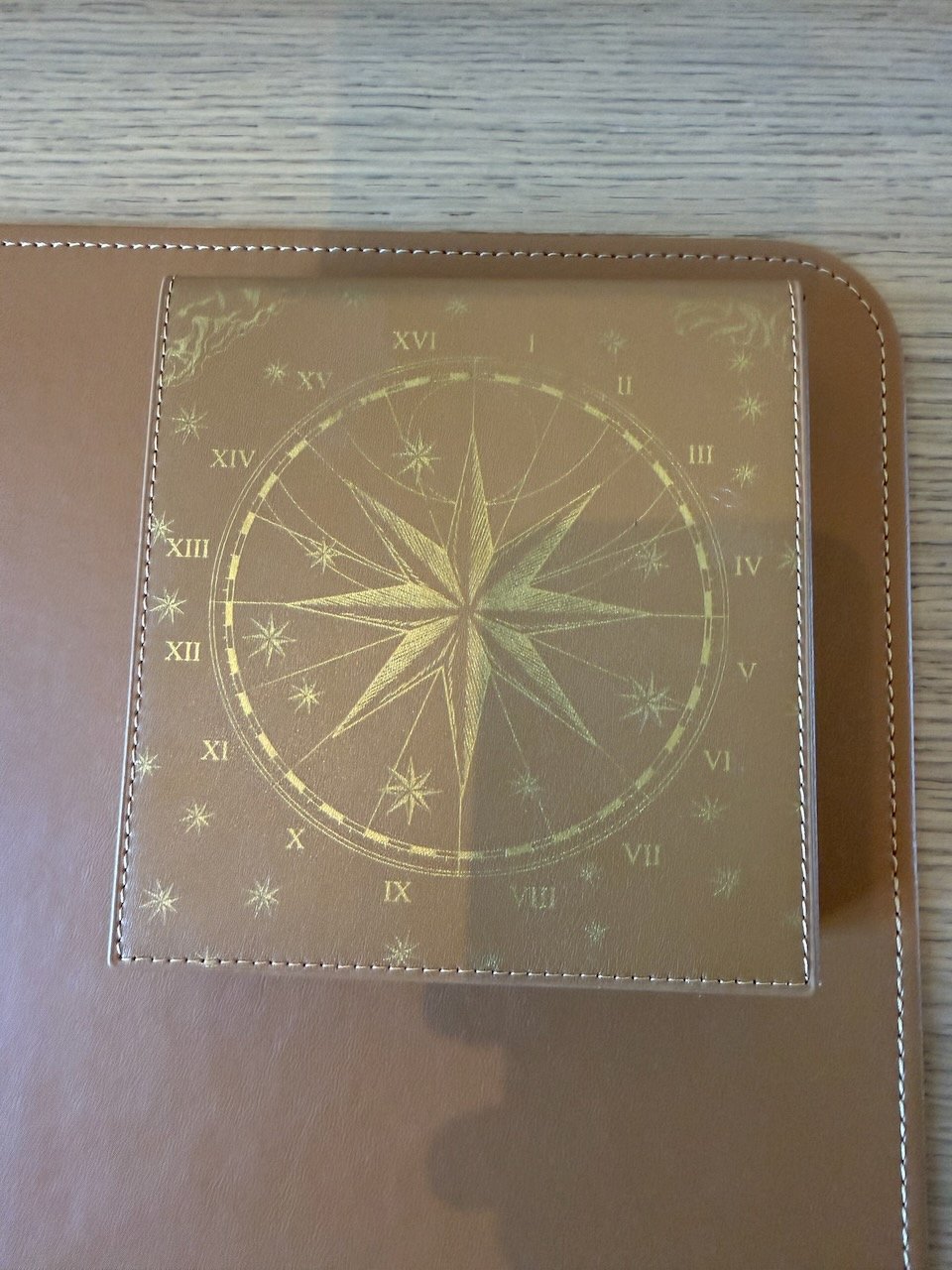
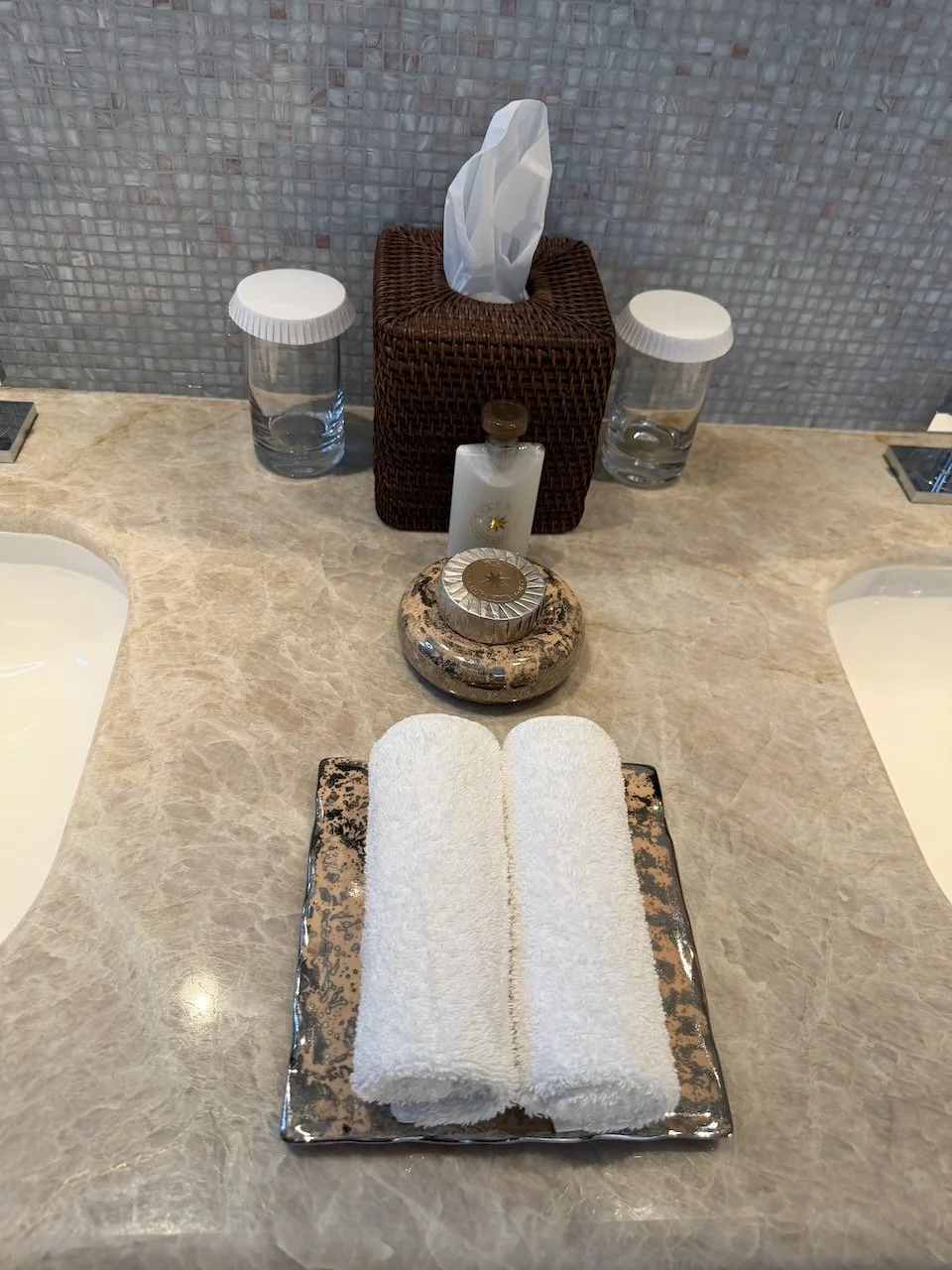
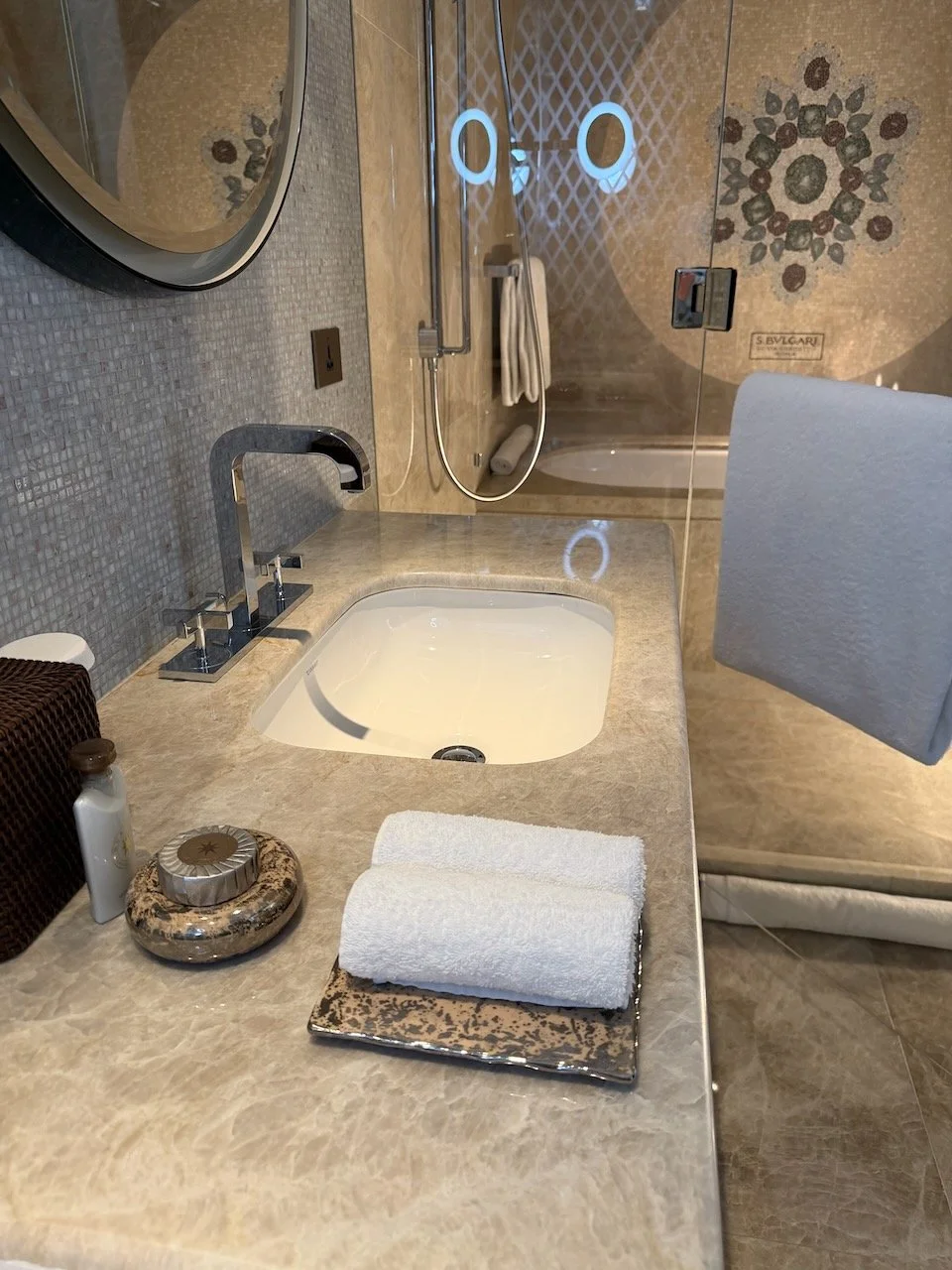
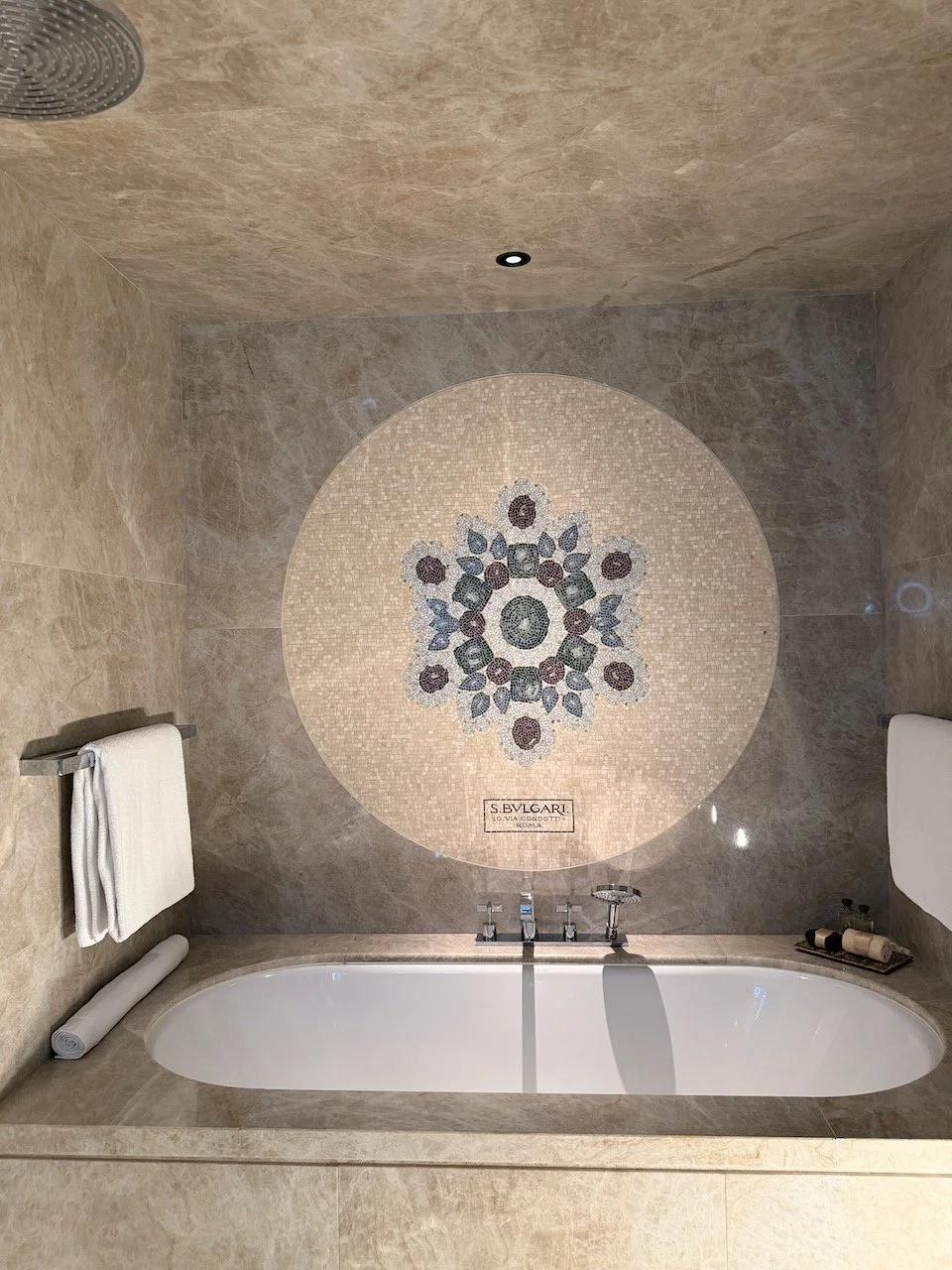
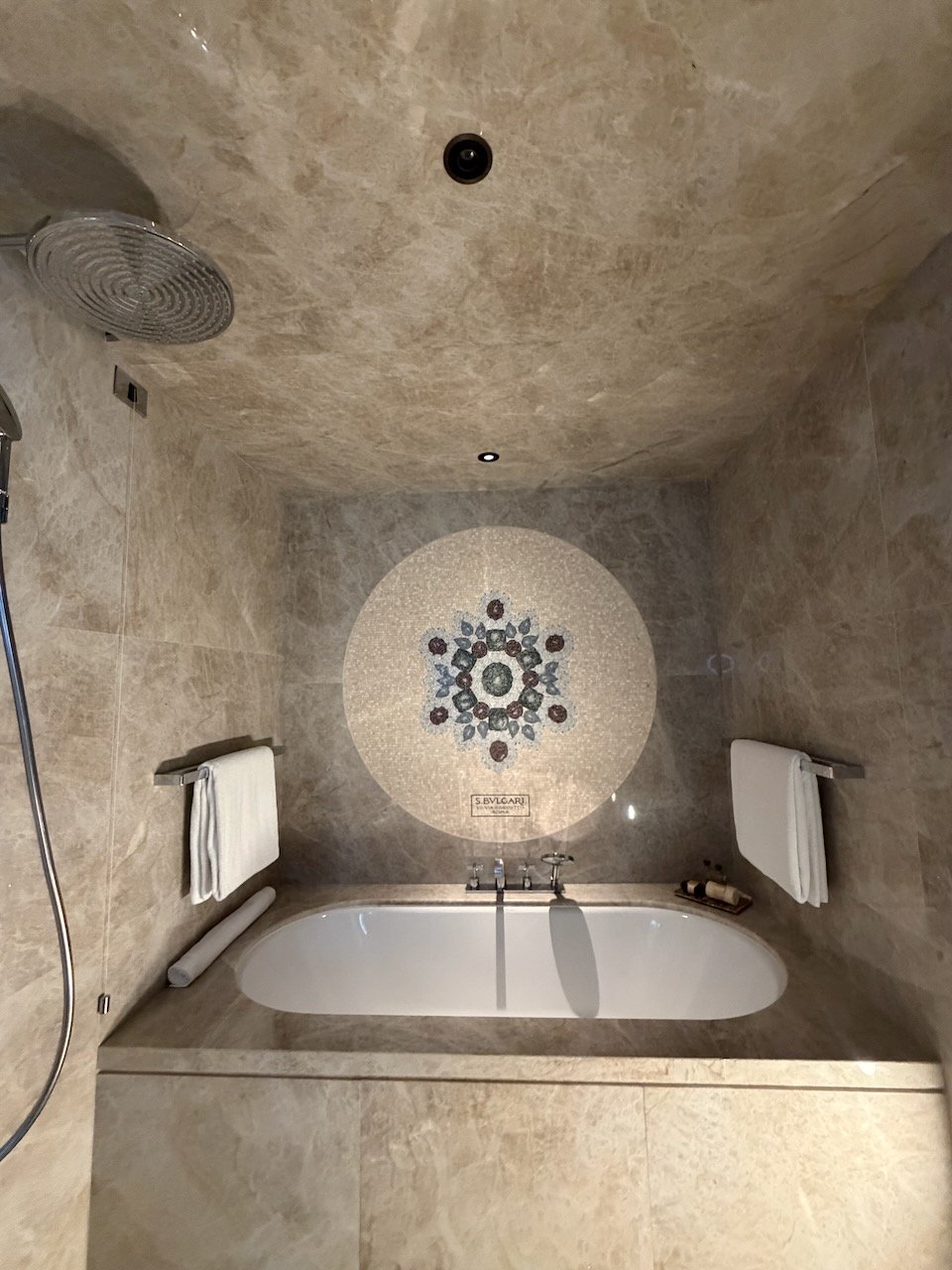
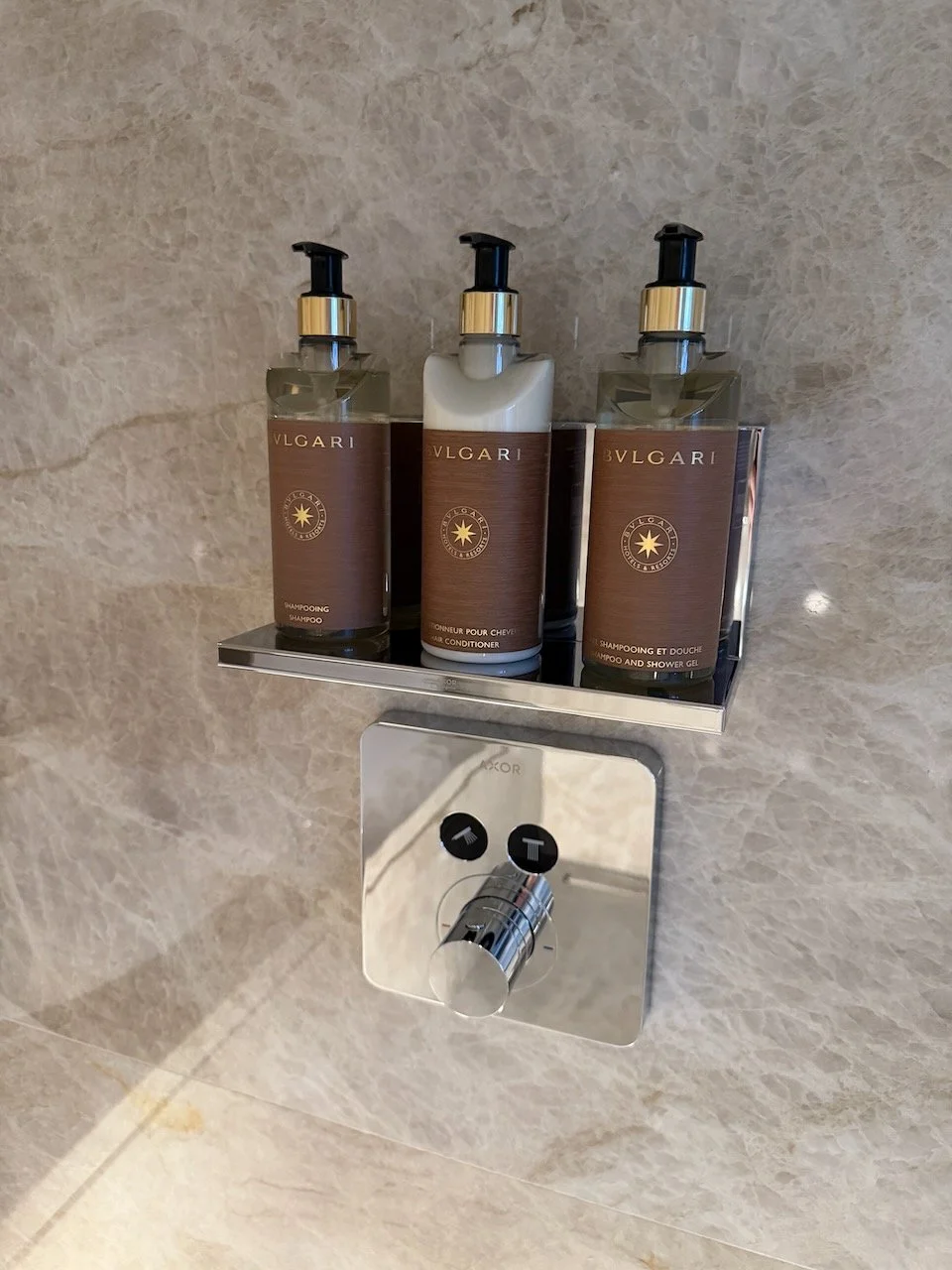
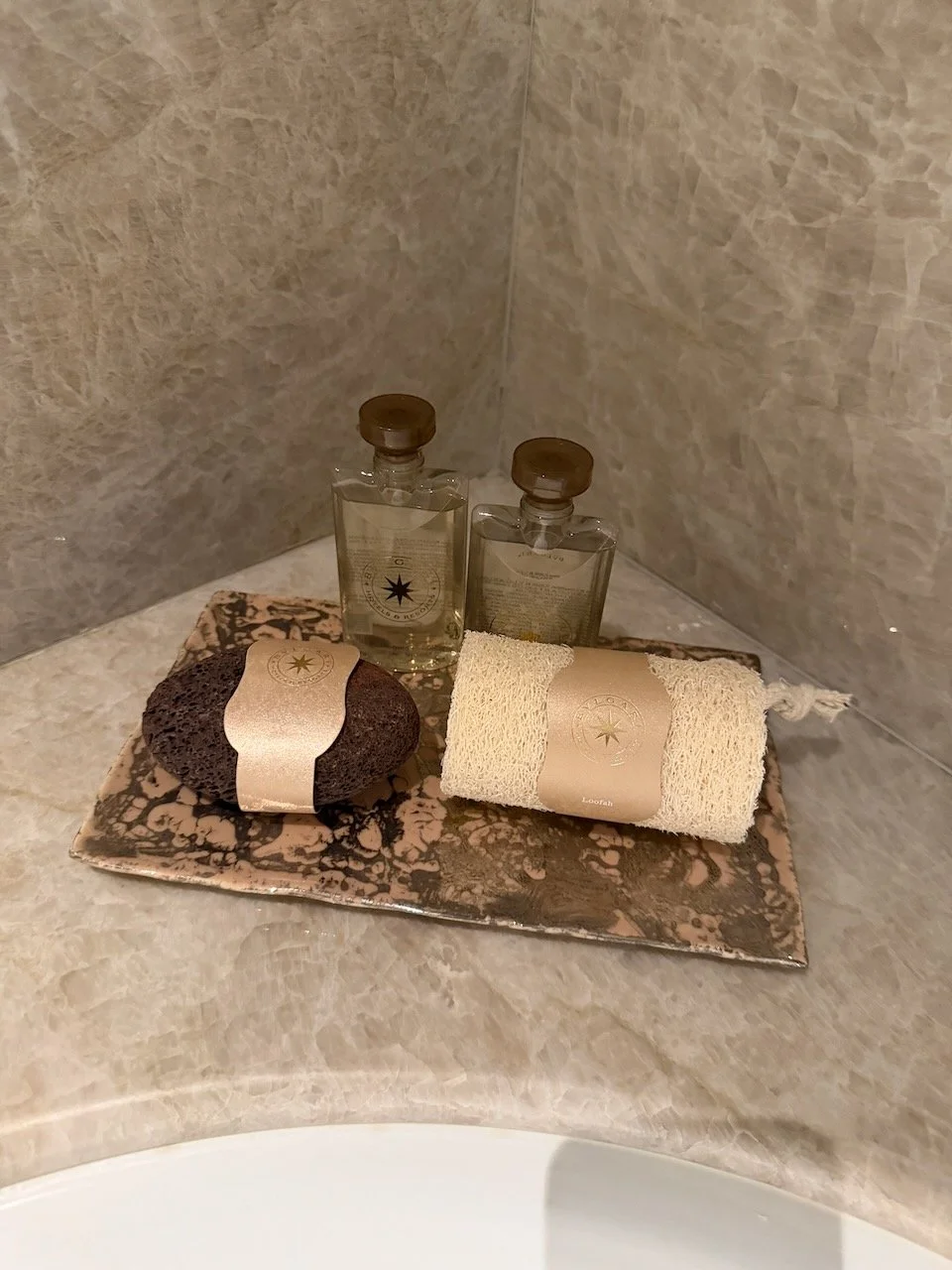
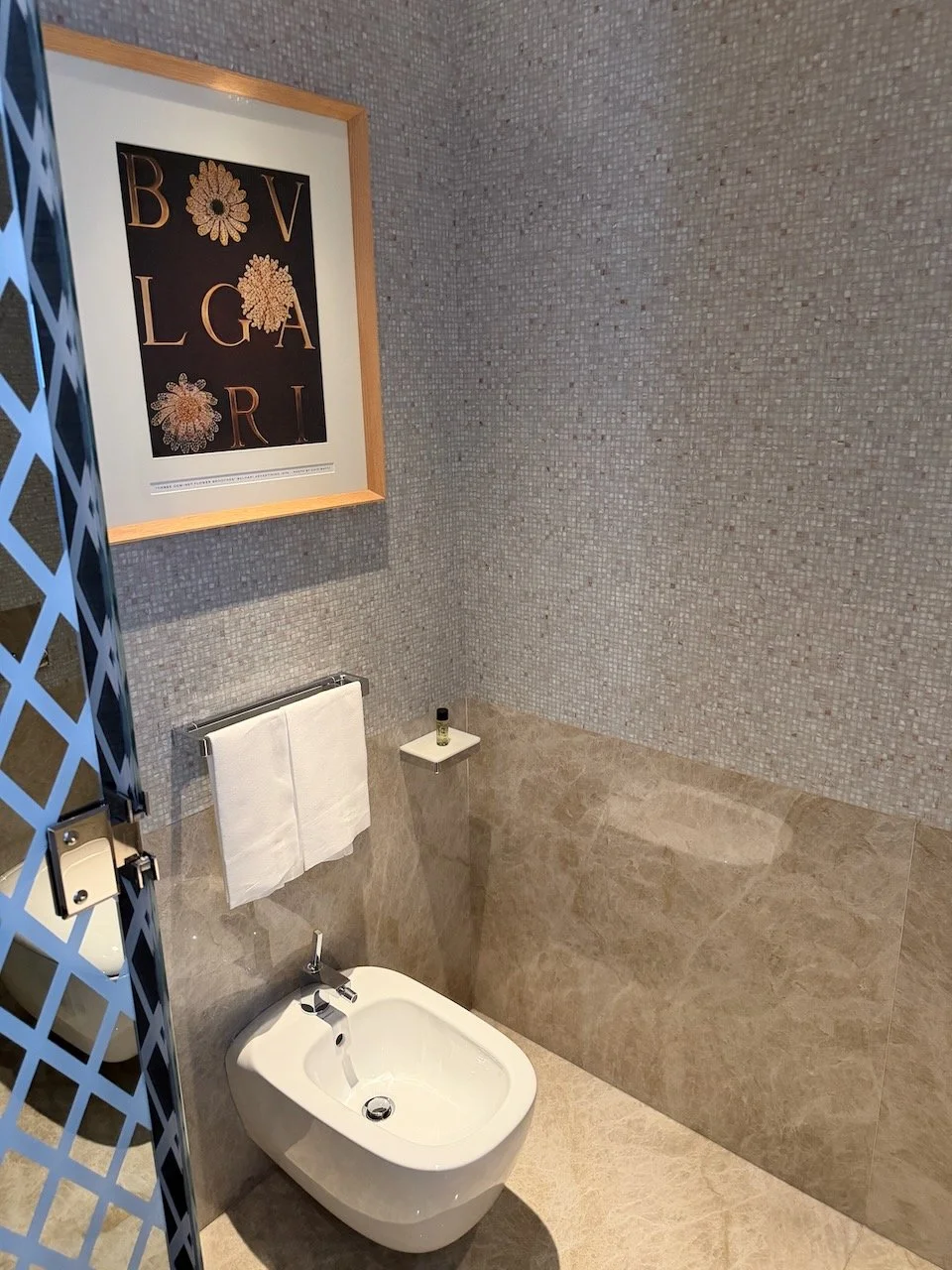
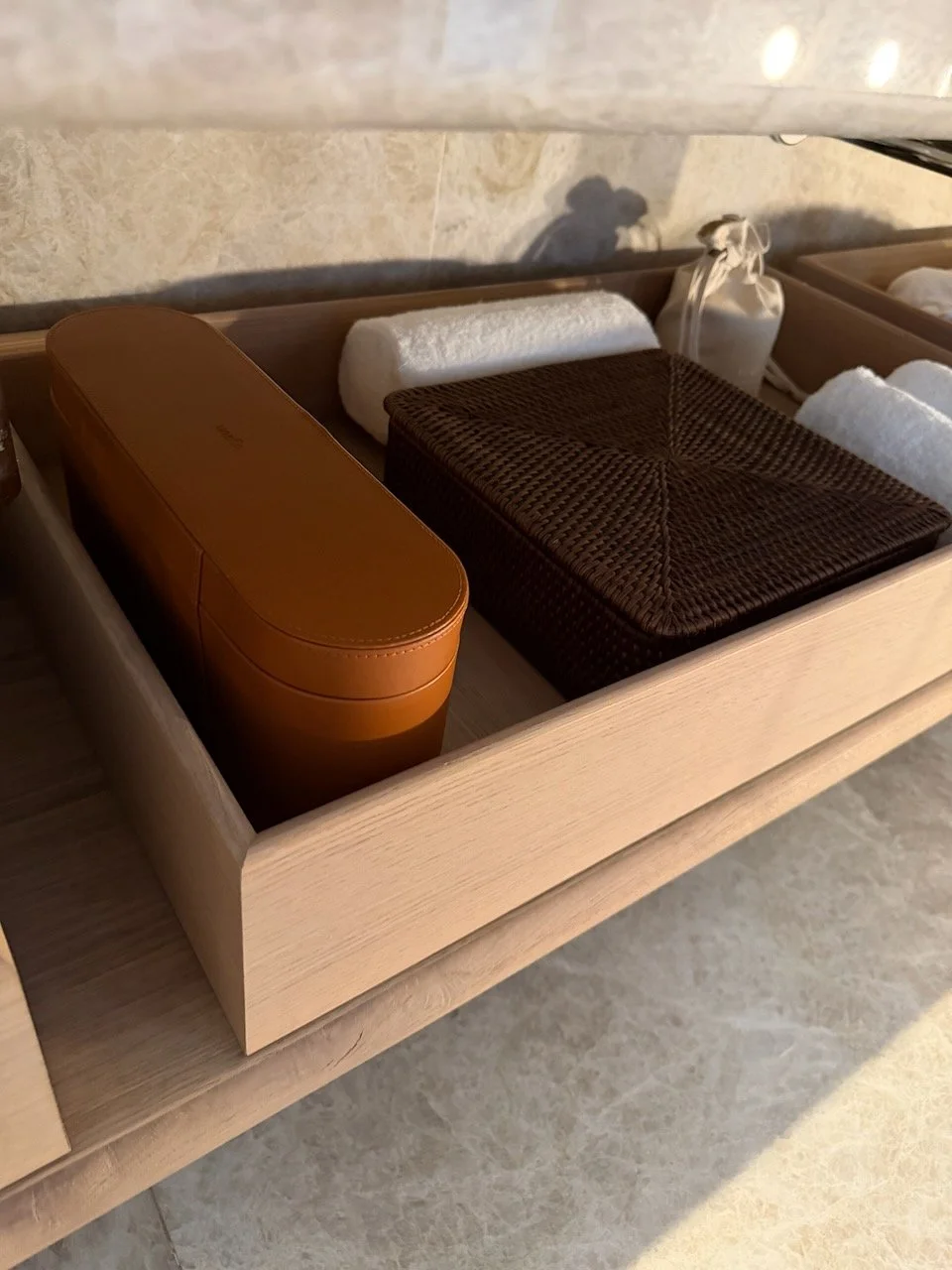
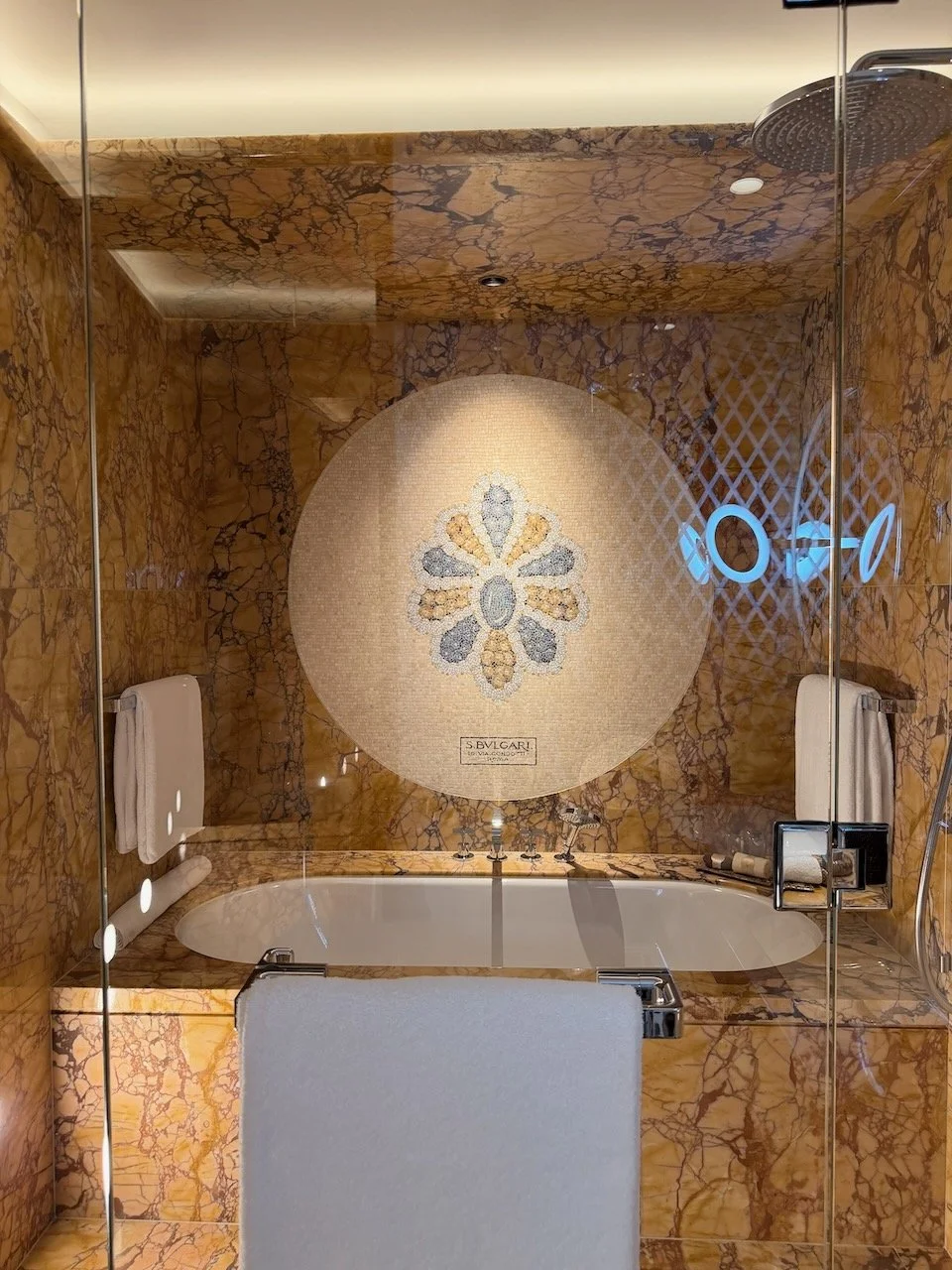
The interior design is contemporary Italian luxury, with Antonio Citterio Patricia Viel behind the architecture and interiors. The rooms use Mediterranean marble, rich fabrics, custom furniture, Murano glass, and details inspired by Bvlgari motifs. What I especially loved were the bathrooms. They feel like one of the strongest signatures of the hotel: coloured marble, jewel-like tones, and those handmade mosaic roundels with the Bvlgari logo and motifs. They are not just decorative details; they make the bathrooms feel almost like private Roman jewel boxes.
Even the room categories seem to be built around this idea. Superior Rooms start at 33 sqm, Deluxe Rooms at 37 sqm, Premium Rooms at 49 sqm, and the suites range from Junior Suites at 51 sqm to the Bvlgari Suite at 300 sqm. The larger suites continue the same design language with more space, more marble, and stronger references to Bvlgari’s Roman identity. The Bvlgari Suite itself overlooks the Mausoleum of Augustus and includes a master bathroom with a steam shower and a bathtub carved from a single block of Arabesque Corchia marble, inspired by the Baths of Caracalla.
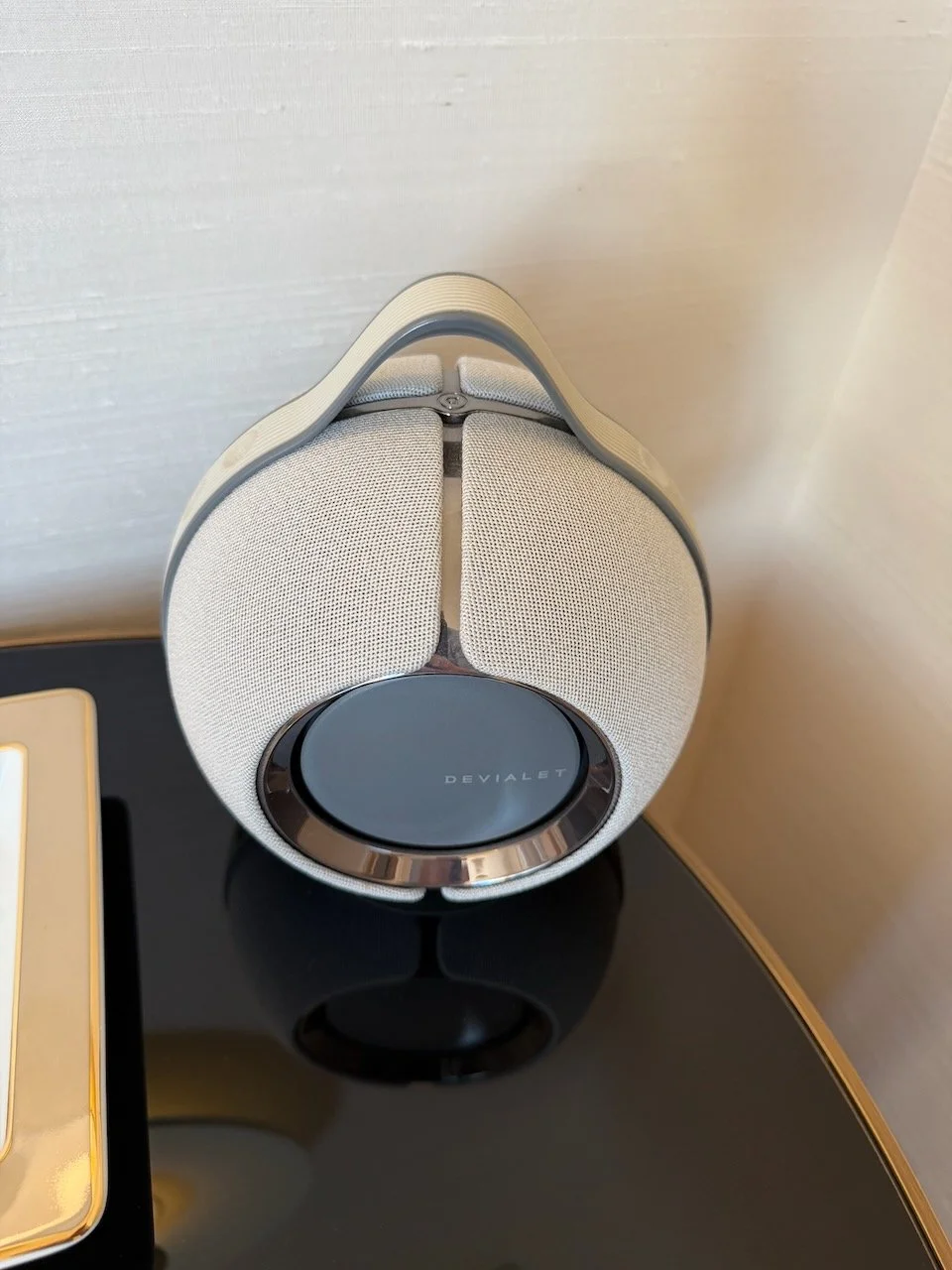
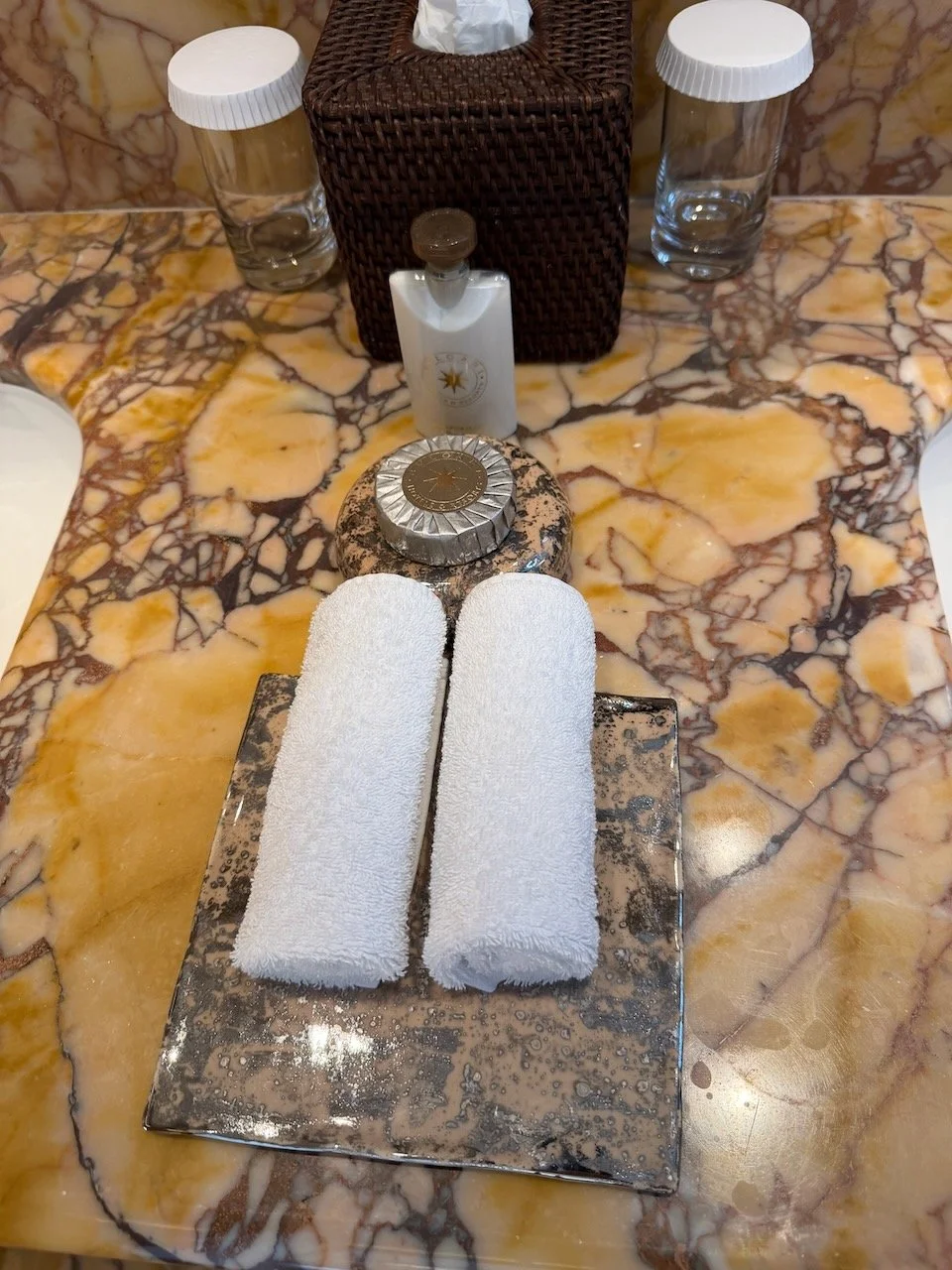
Overall, the accommodation impression is extremely polished, expensive, and deeply brand-specific. The rooms are luxurious, but the bathrooms are the part I would remember most clearly: handcrafted, Roman, jewel-like, and unmistakably Bvlgari.
Unique Amenities
Bvlgari Hotel Roma’s amenities are very much part of the brand world: glamorous, highly designed, and deeply connected to jewelry, craftsmanship, and Roman heritage. One of the most distinctive spaces is the Library on the ground floor, overlooking Via della Frezza. Rather than being a generic hotel lounge, it is entirely dedicated to Rome, with books on the city’s history, architecture, traditions, and major figures, displayed in 1956 Albini bookshelves designed for Cassina.
I especially like that the Library is not only decorative. It can be used for events, opened to the public upon request, and its collection is available to students of the Fine Arts Academy on Via Ripetta. For a hotel at this level, that feels like a meaningful connection to the city: Bvlgari is not just placing itself in Rome, but giving something back to Rome’s cultural life.
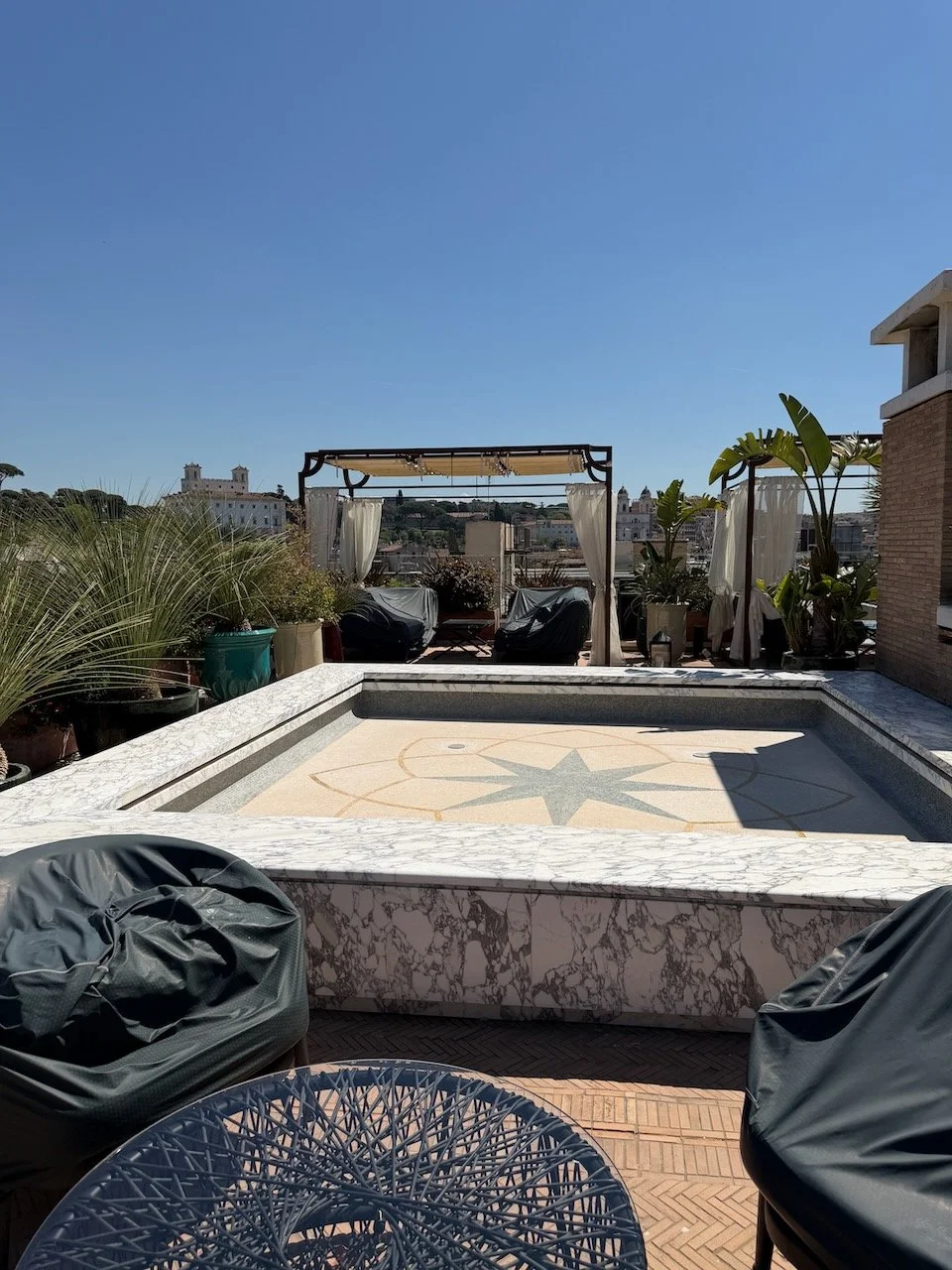
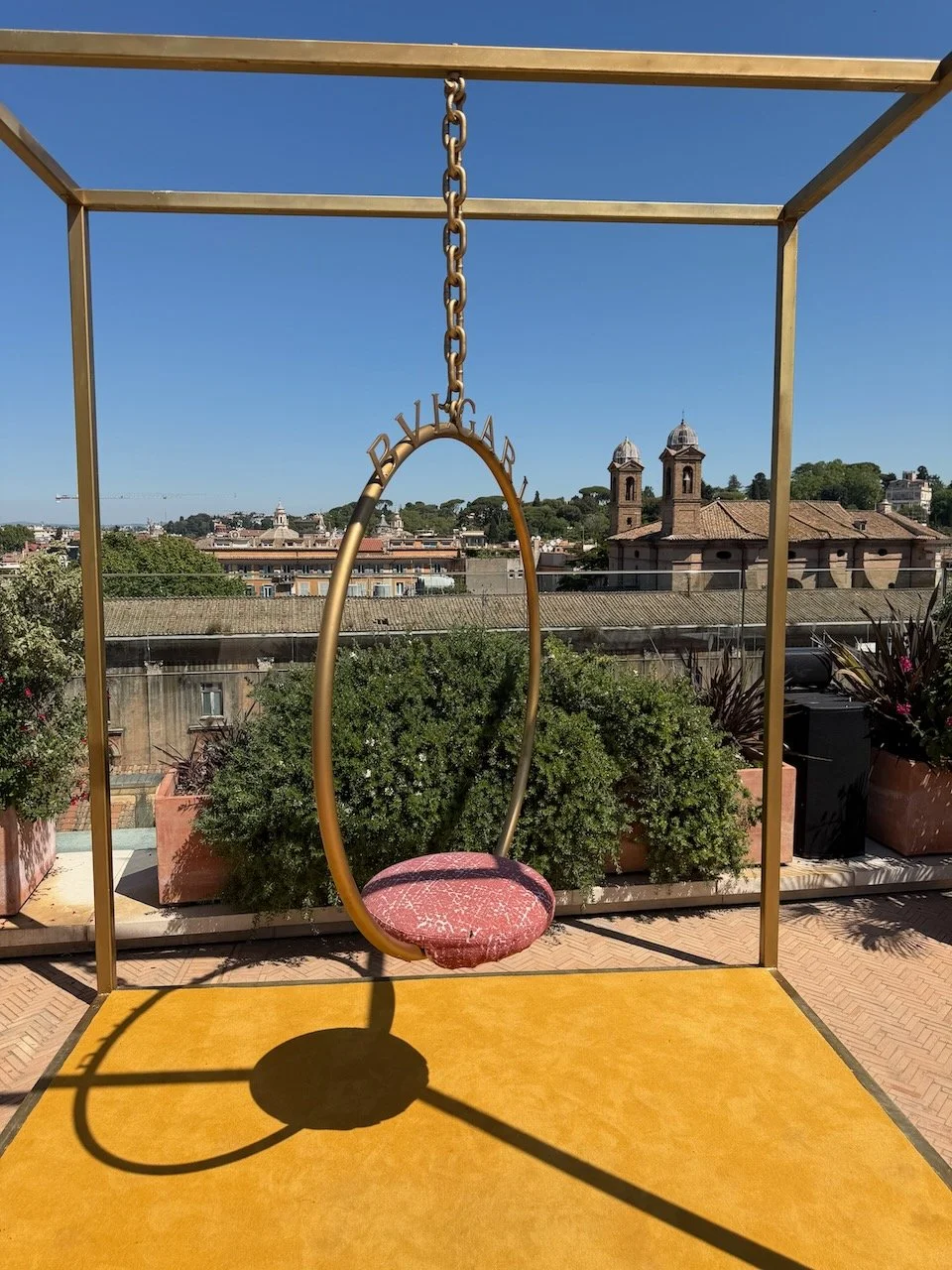
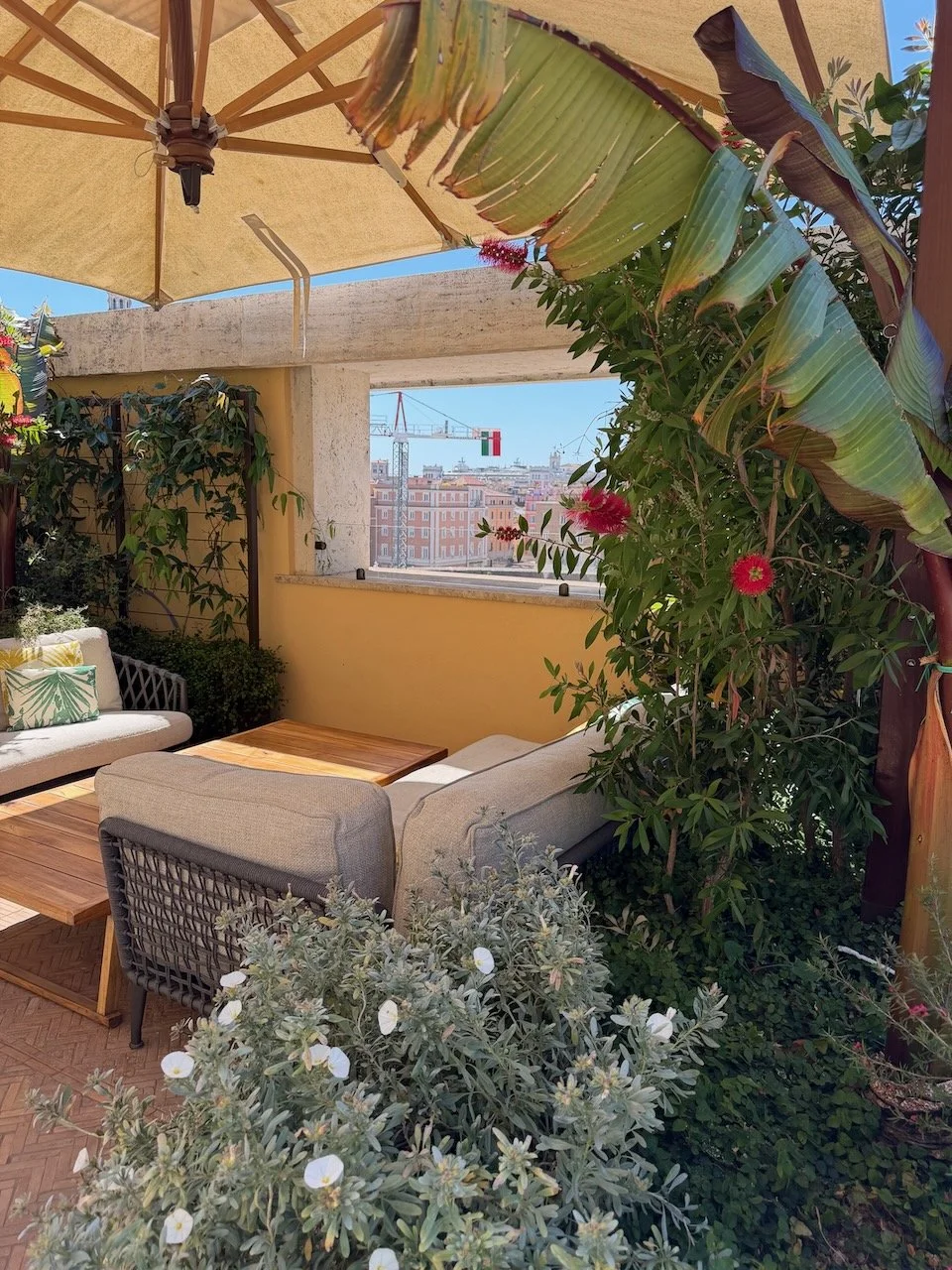
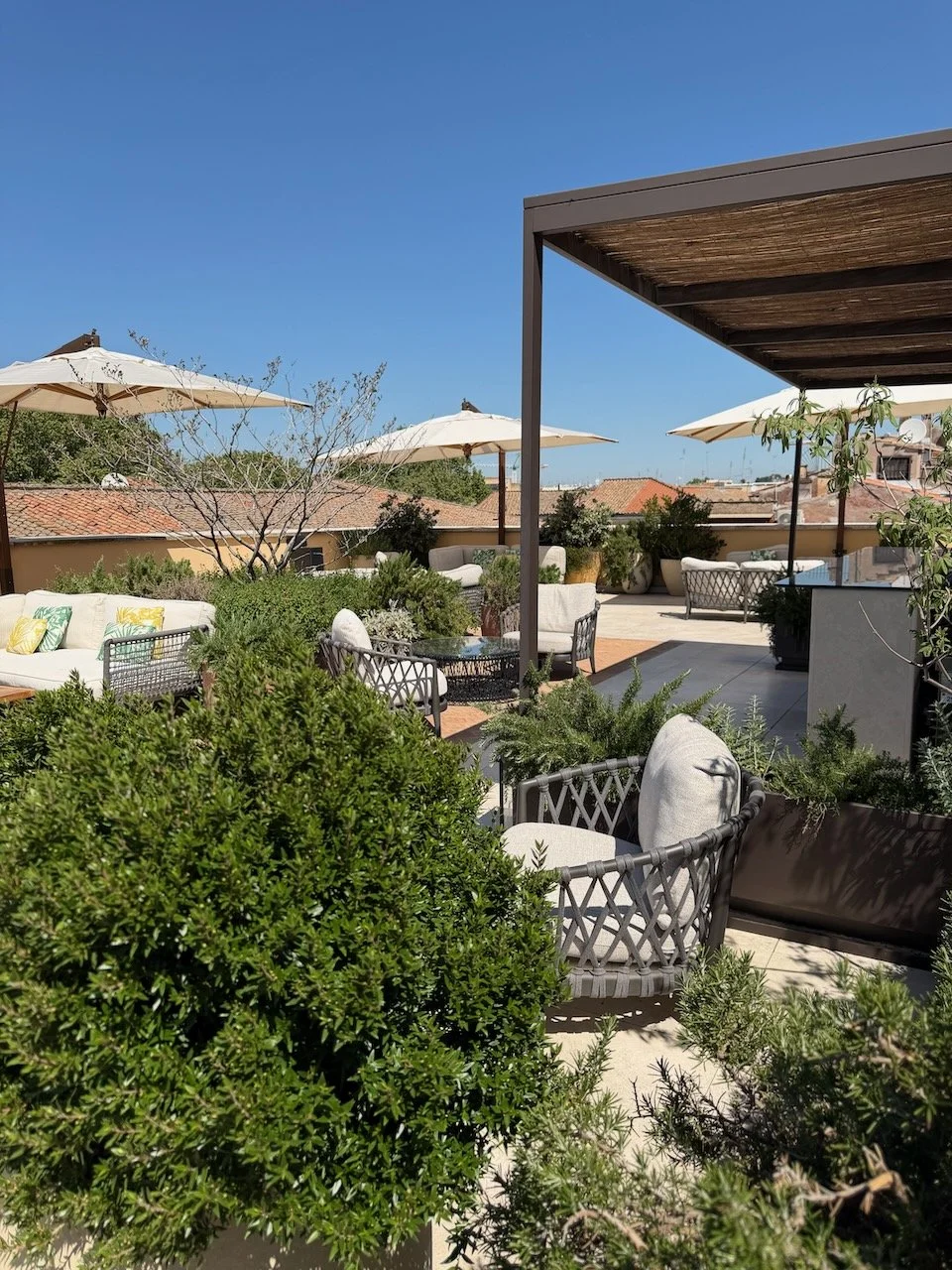
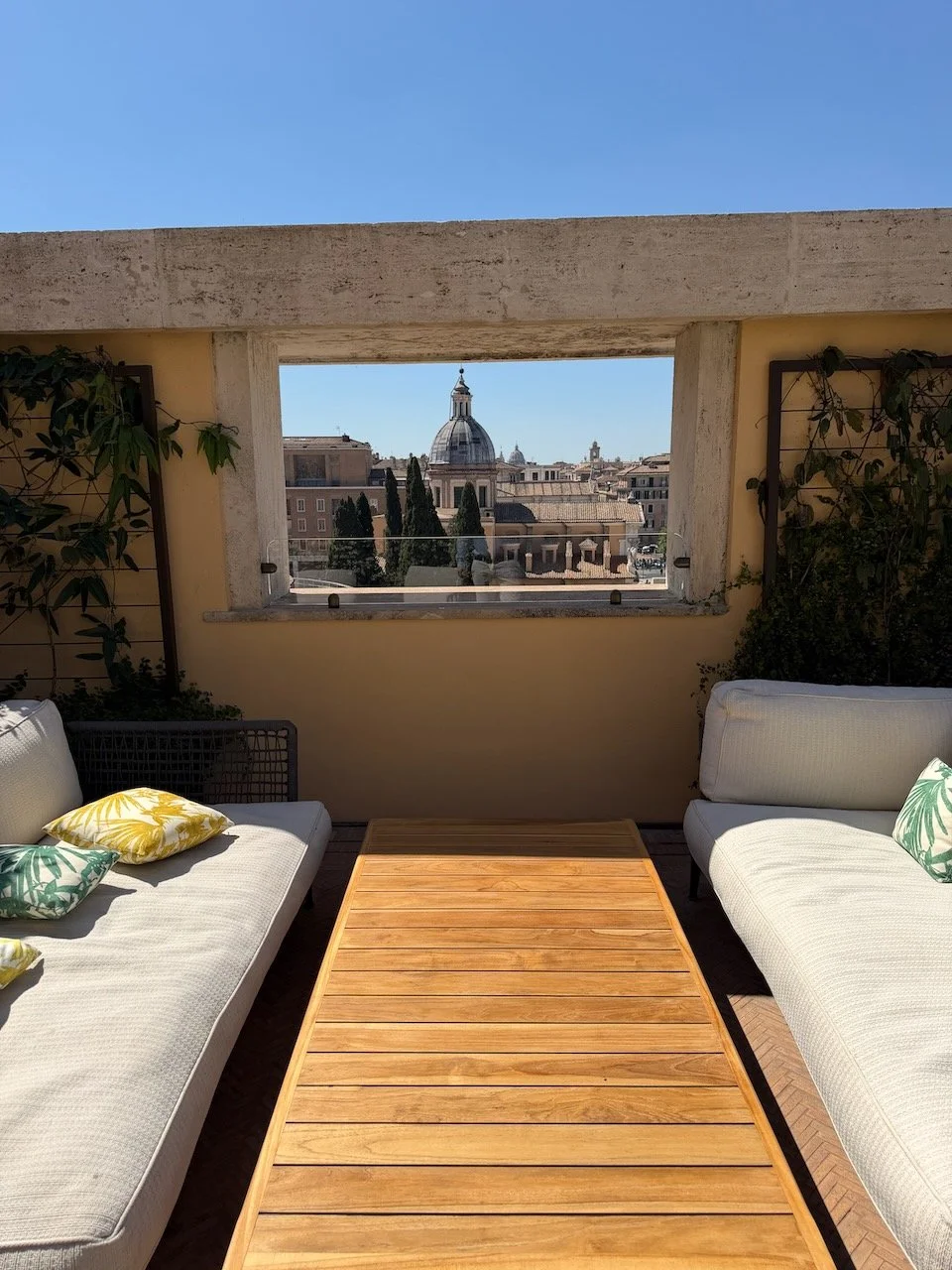
The rooftop, La Terrazza, is another major highlight. It is designed like a lush Roman roof garden, with panoramic views across the city and more than 200 planted enamel pots. It works throughout the day: sun terrace by day, aperitivo setting at sunset, and elegant open-air lounge after dark. For me, this kind of rooftop feels very aligned with Bvlgari — glamorous, polished, and a little theatrical.
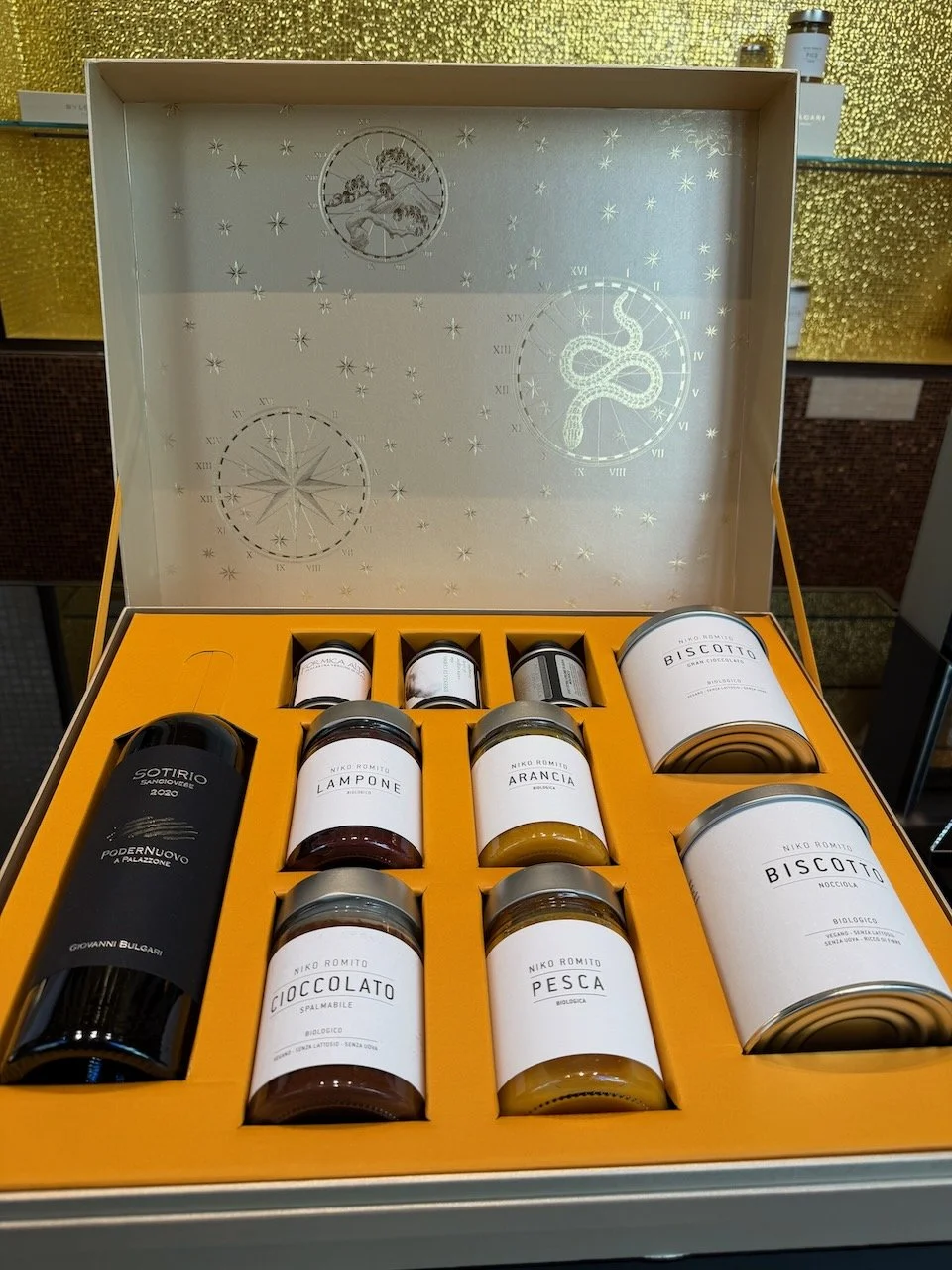
The wellness facilities also belong in the “unique amenities” category here. The spa includes a dramatic 20-meter indoor pool inspired by Roman bathing culture, with mosaic detailing and a strong sense of place. Together with the gym, spa, rooftop, library, Bvlgari Bar, and Il Ristorante – Niko Romito, the hotel feels less like a standalone property and more like a complete luxury destination built around the Bvlgari idea of Roman glamour.
Spa and Wellness
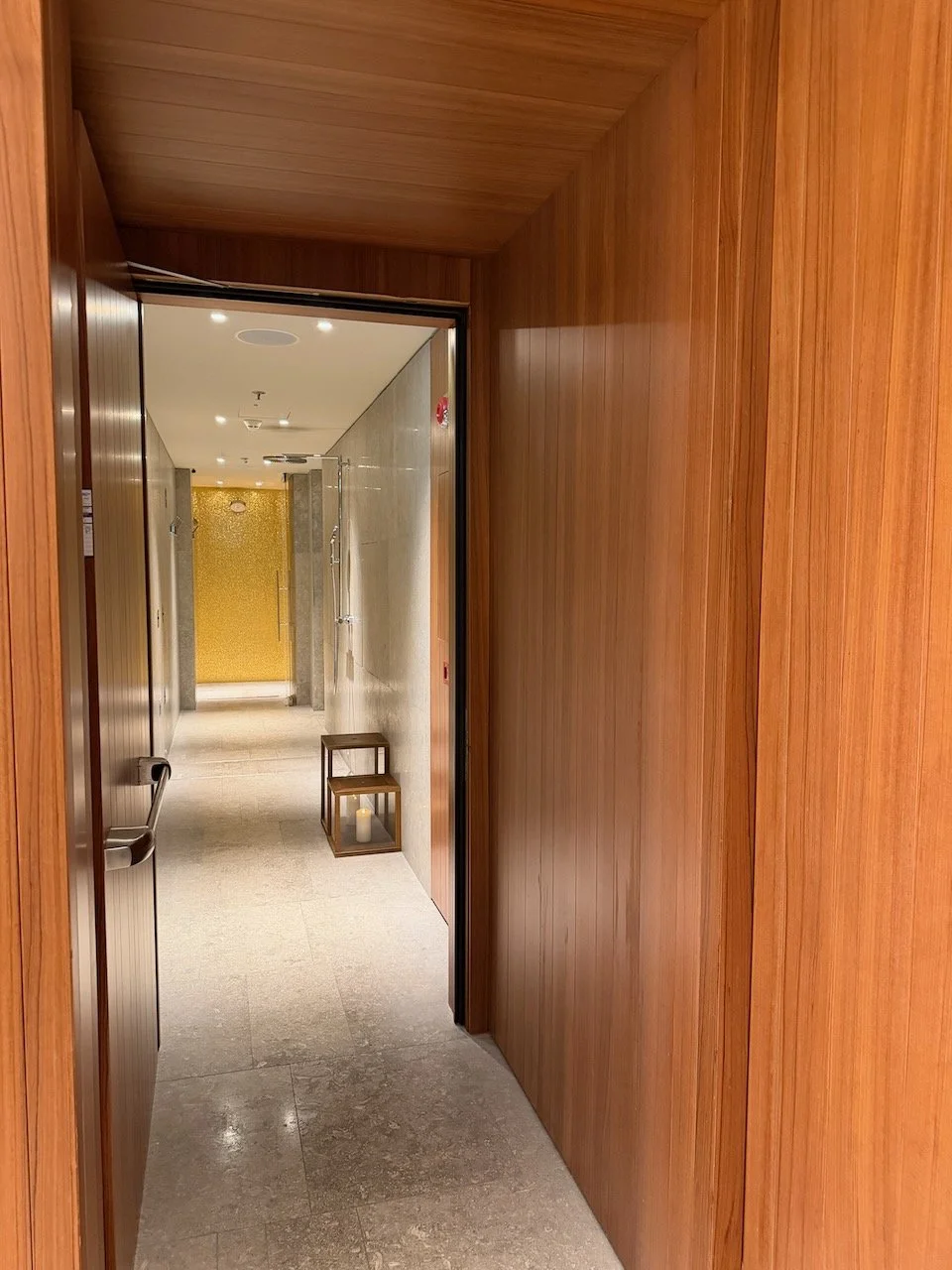
The spa at Bvlgari Hotel Roma is one of the hotel’s major statements, even if I could not photograph the full area during my visit. There were guests in the pool area, so access for photos was understandably restricted — a detail I actually appreciated, because it shows how seriously the hotel takes privacy.
The centerpiece is the indoor pool, inspired by ancient Roman bathing culture and finished with the kind of mosaic detailing that feels very Bvlgari: polished, jewel-like, and rooted in the city’s visual language. It is the kind of wellness space that makes sense for this property — not a generic hotel spa, but a contemporary luxury interpretation of Rome’s bathhouse tradition.
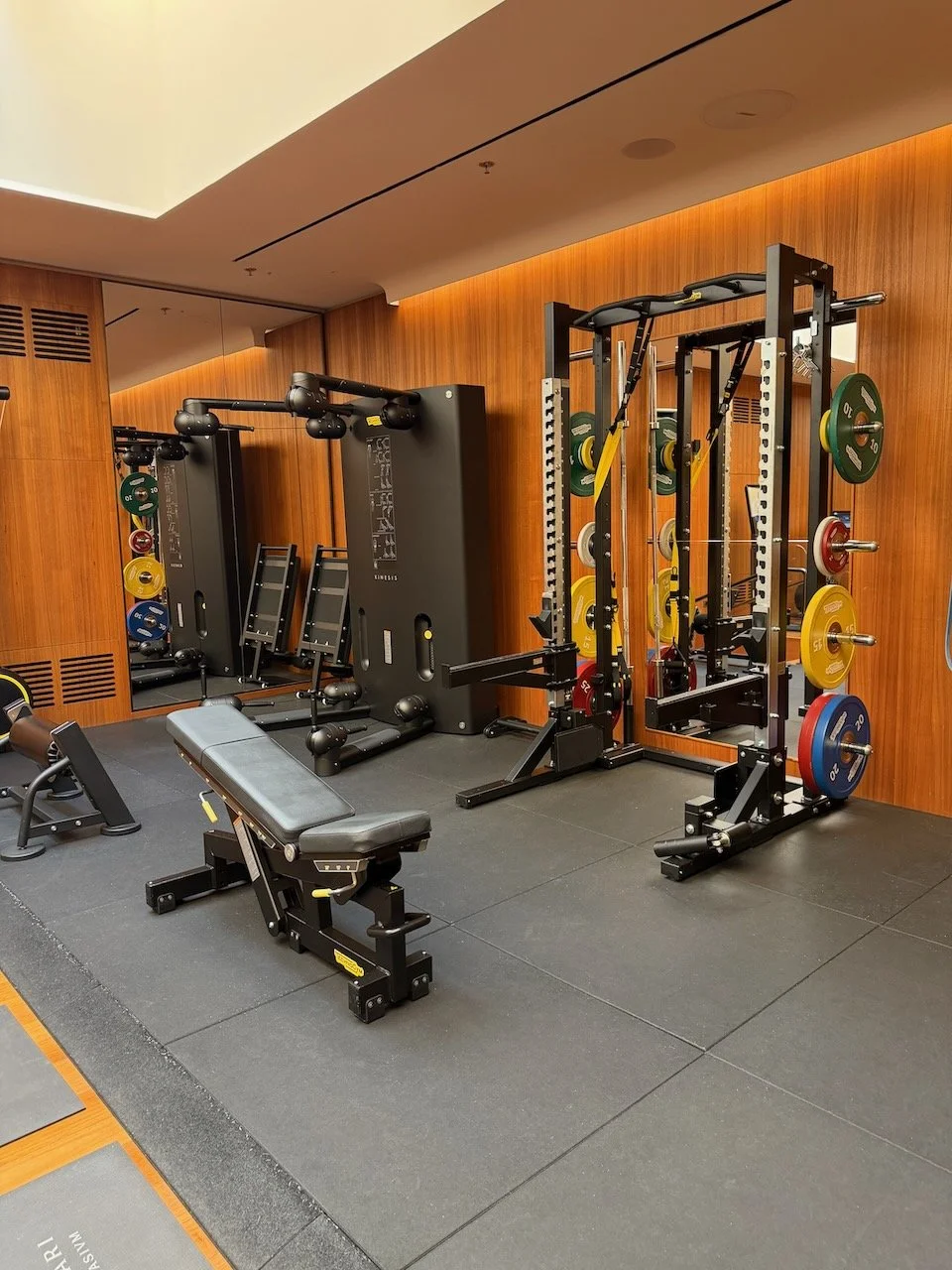
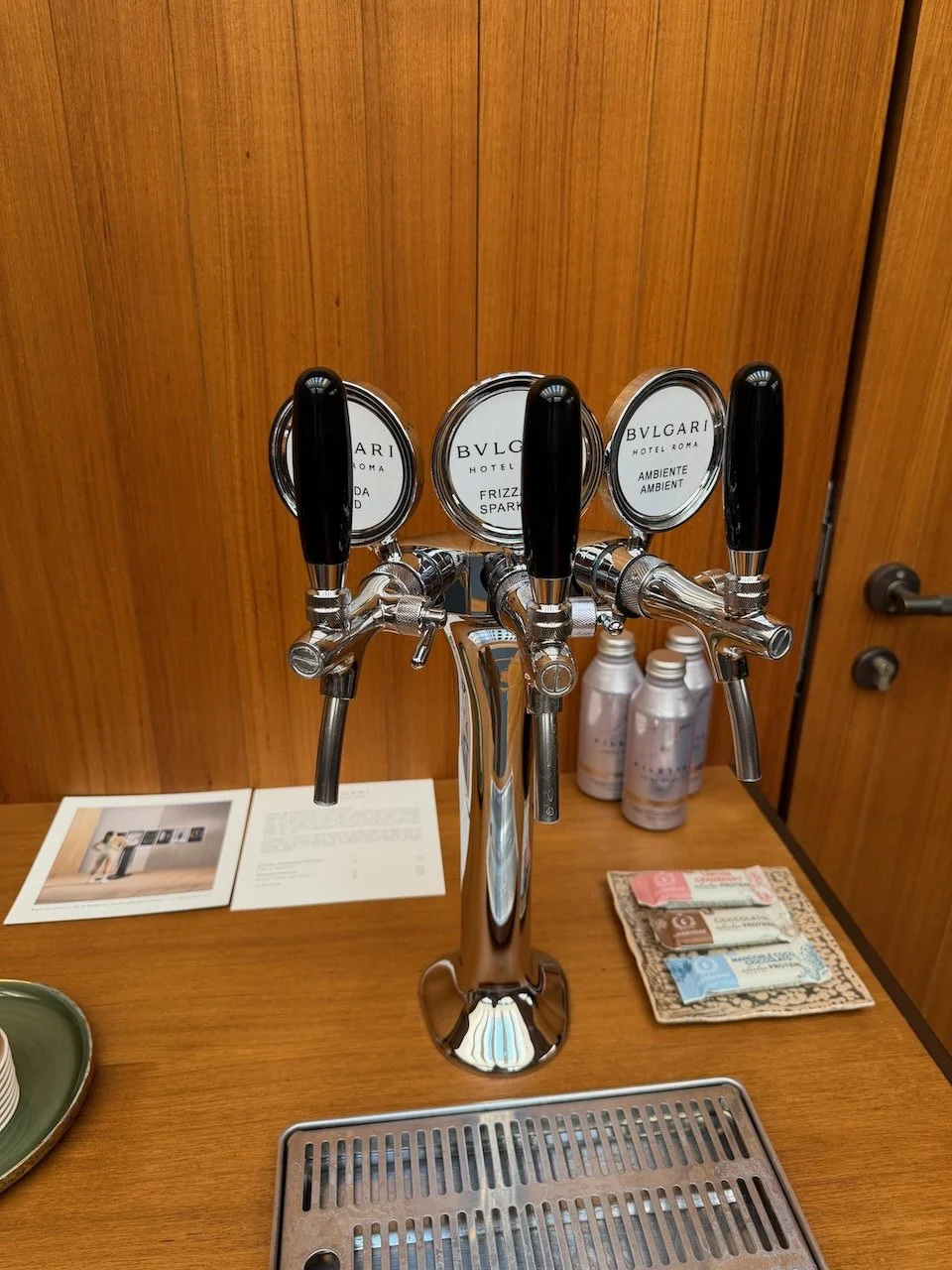
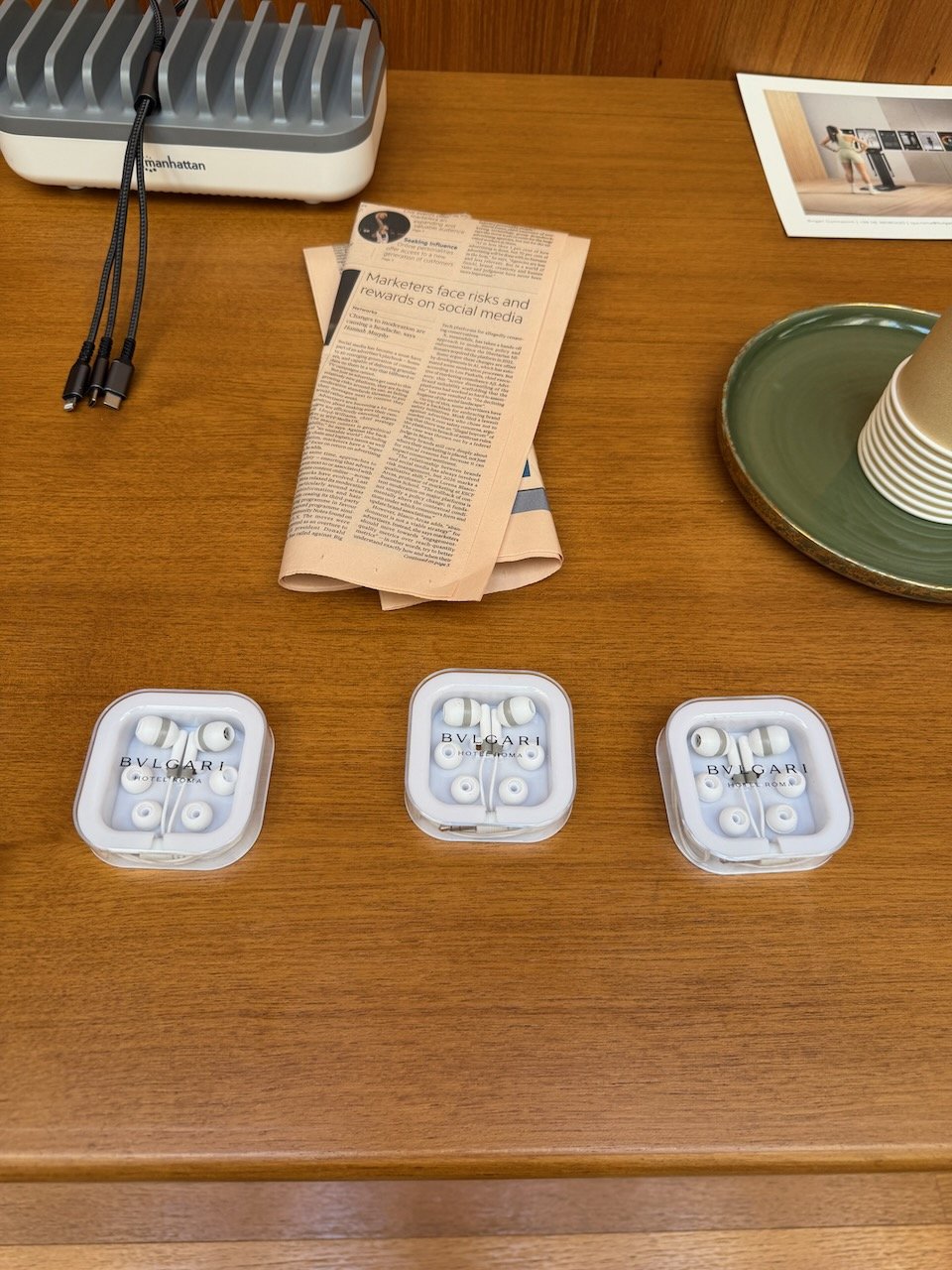
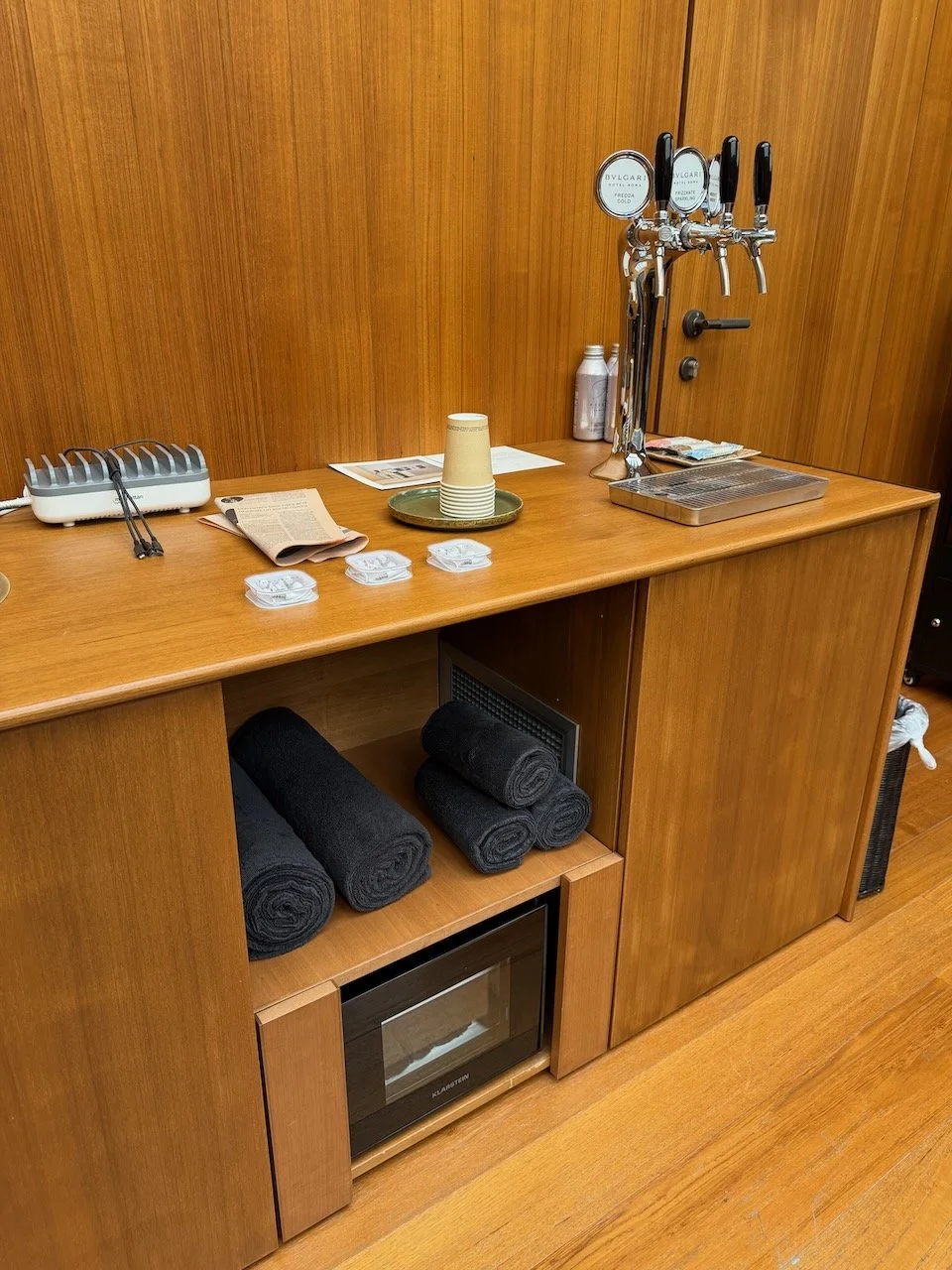
What I could photograph was the gym, and it looked great with some nice touches like headphones for rent.
Dining Options
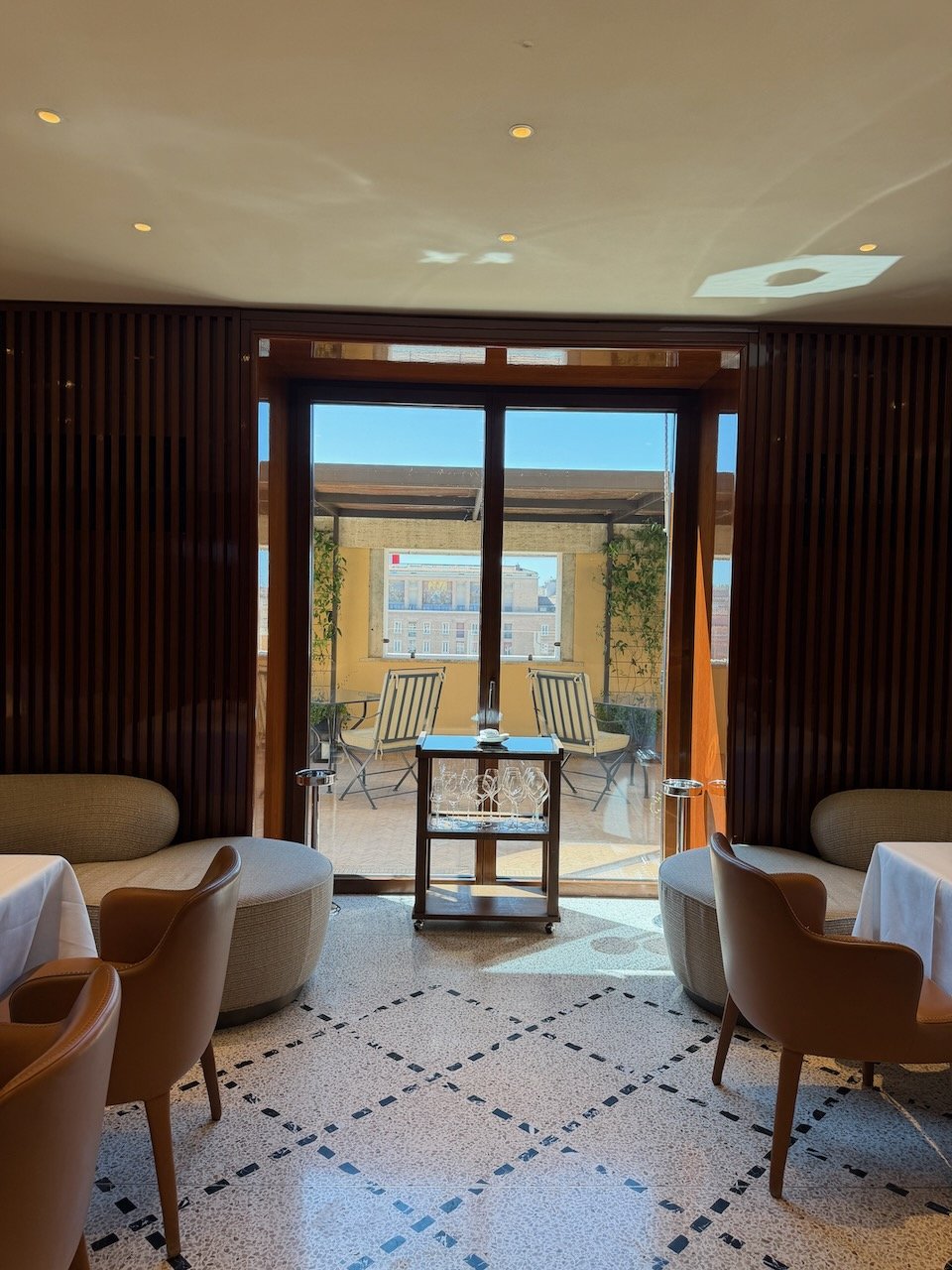
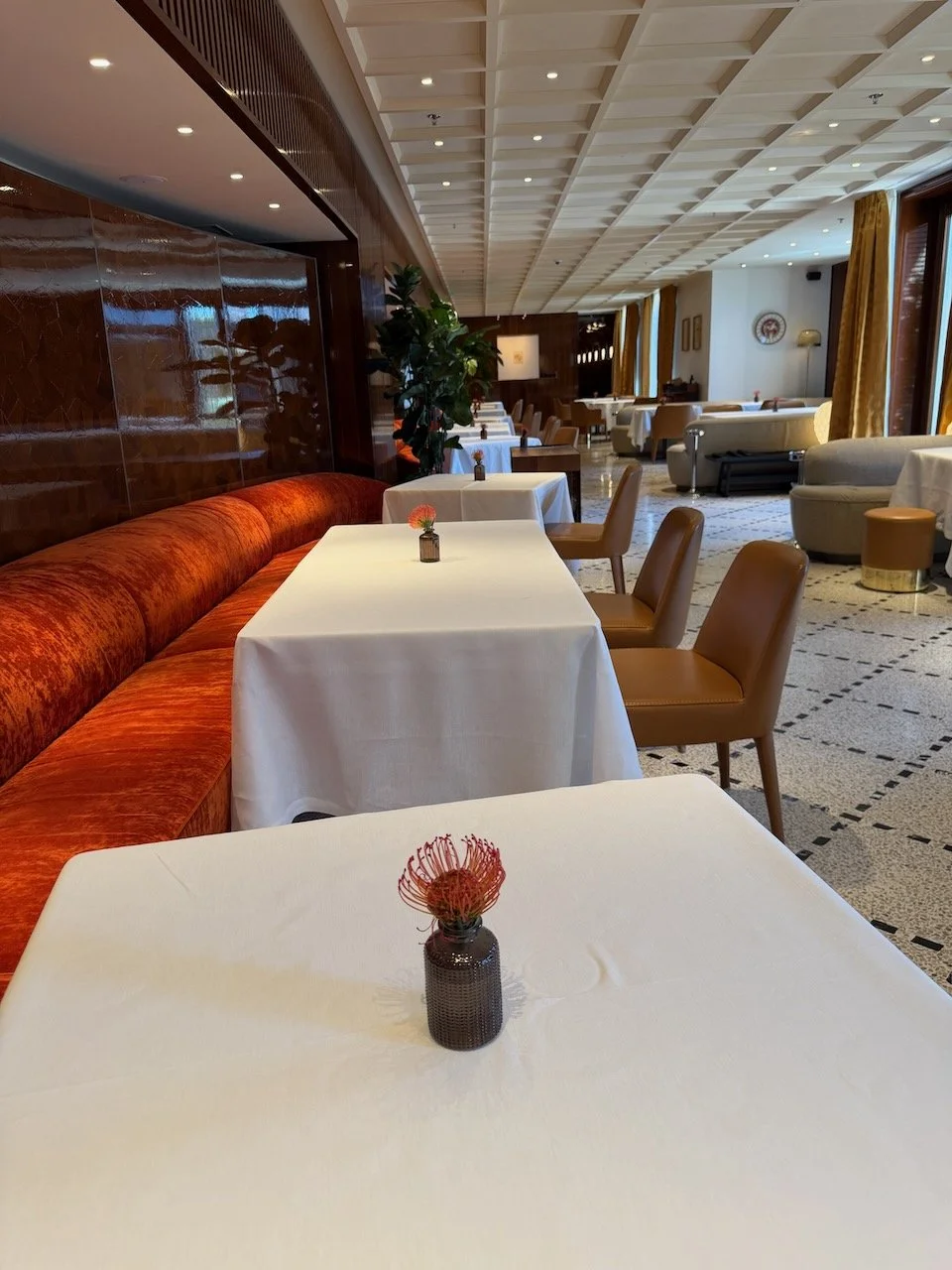
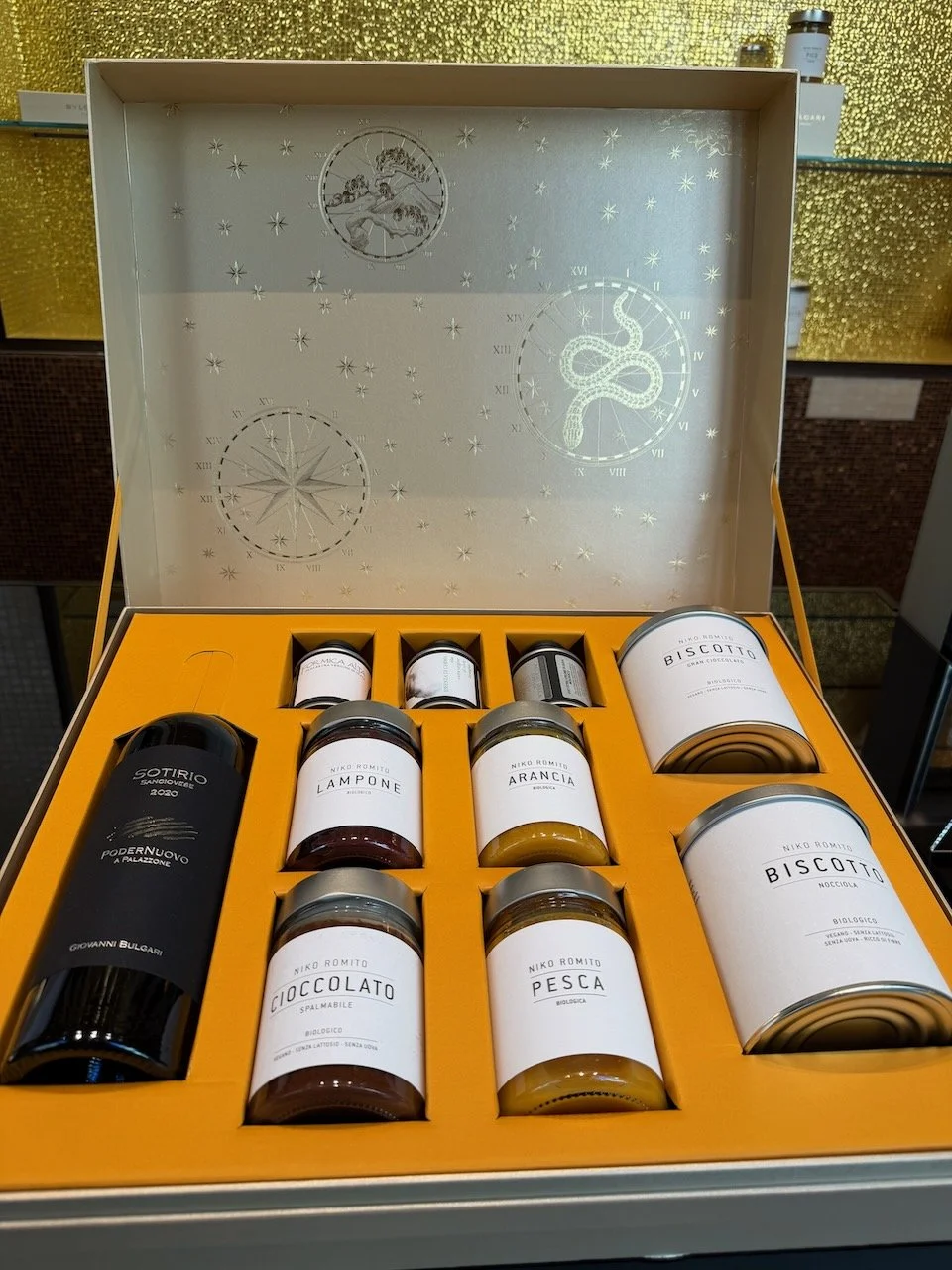
The main restaurant is Il Ristorante – Niko Romito, located on the fifth floor with views over the Mausoleum of Augustus and a large terrace. The room itself sounds very Bvlgari: elegant but not overly formal, with mahogany walls, Bvlgari artwork, and a contemporary Italian menu shaped by chef Niko Romito’s approach to refined simplicity.
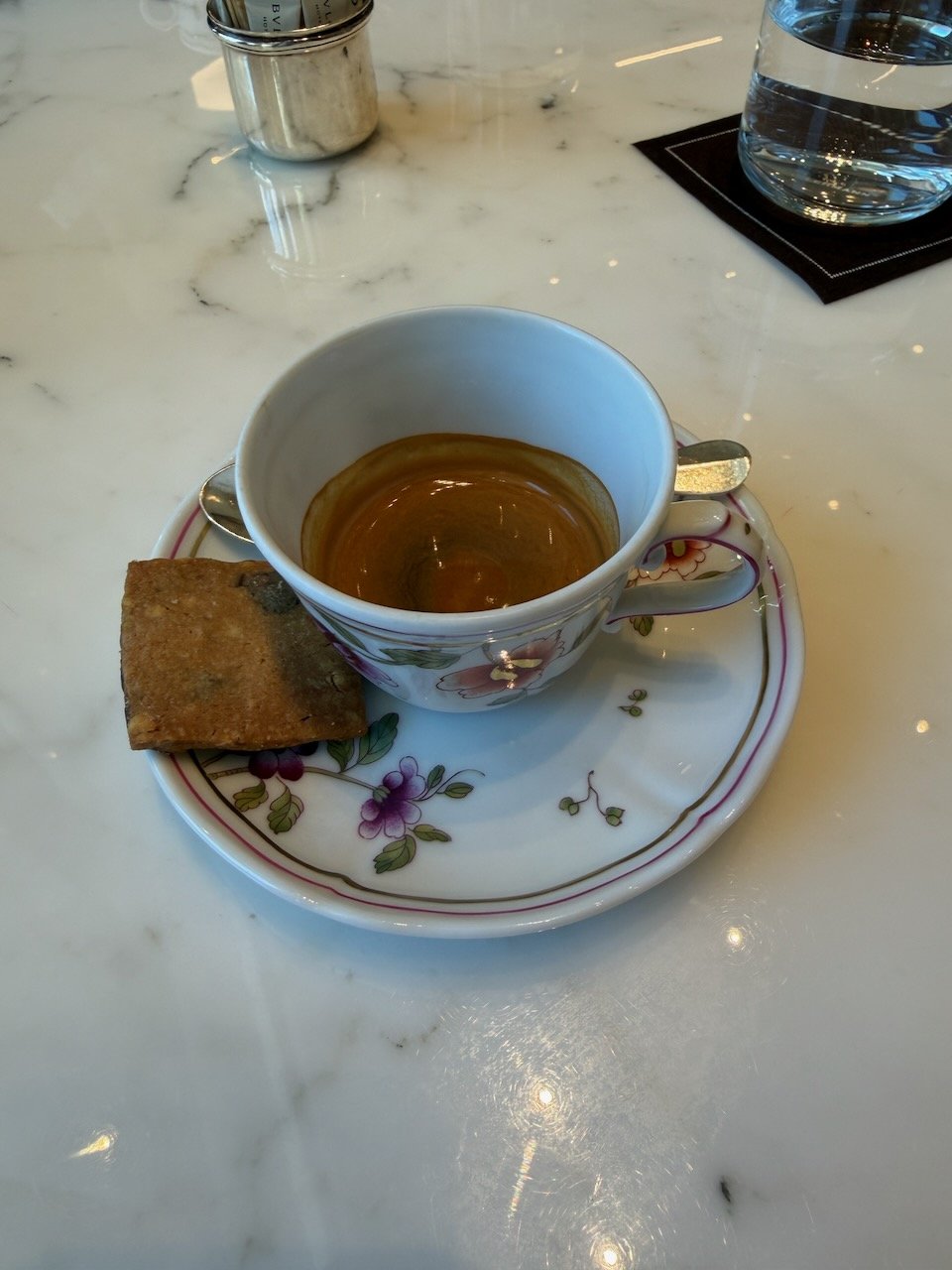
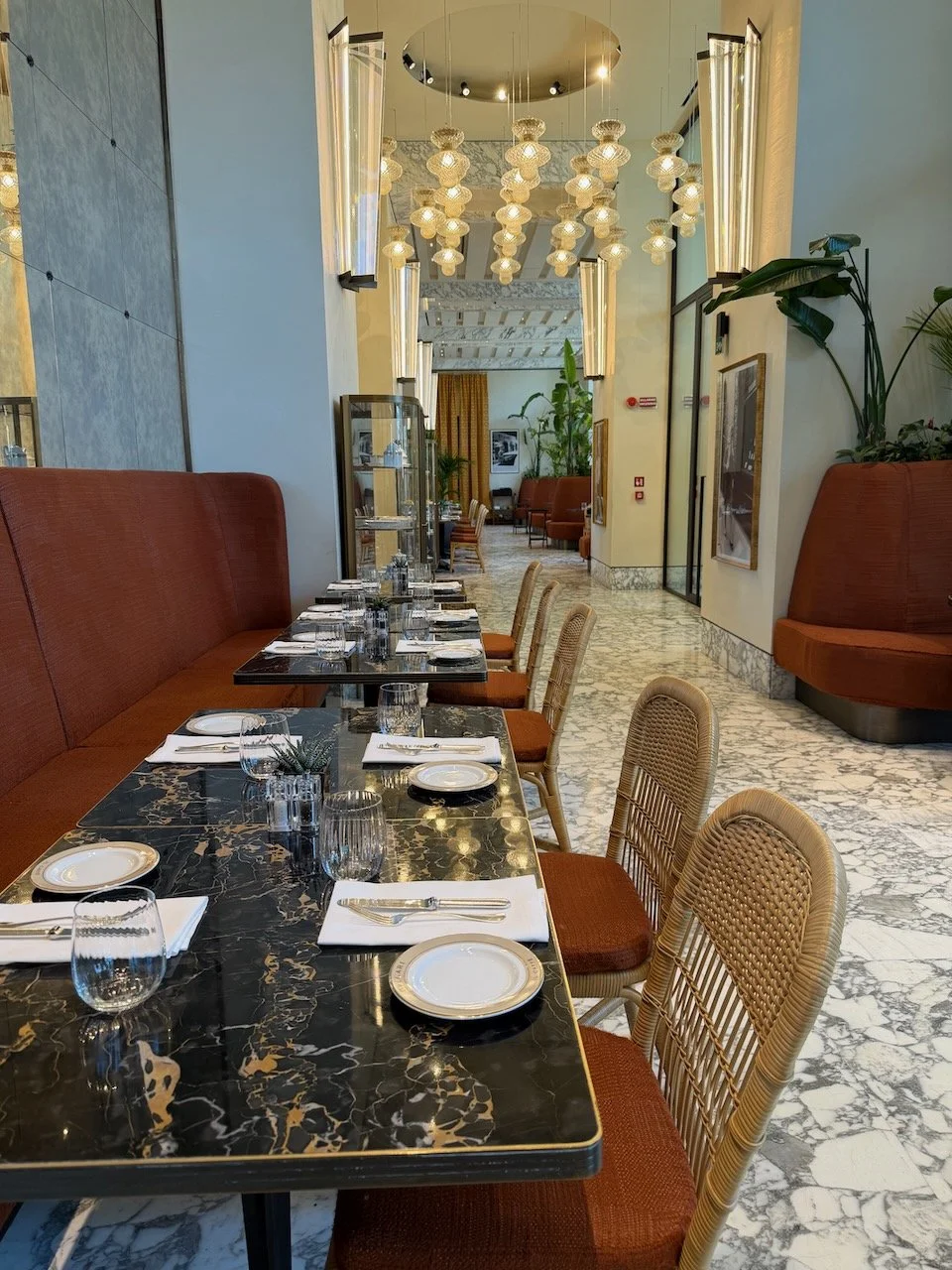
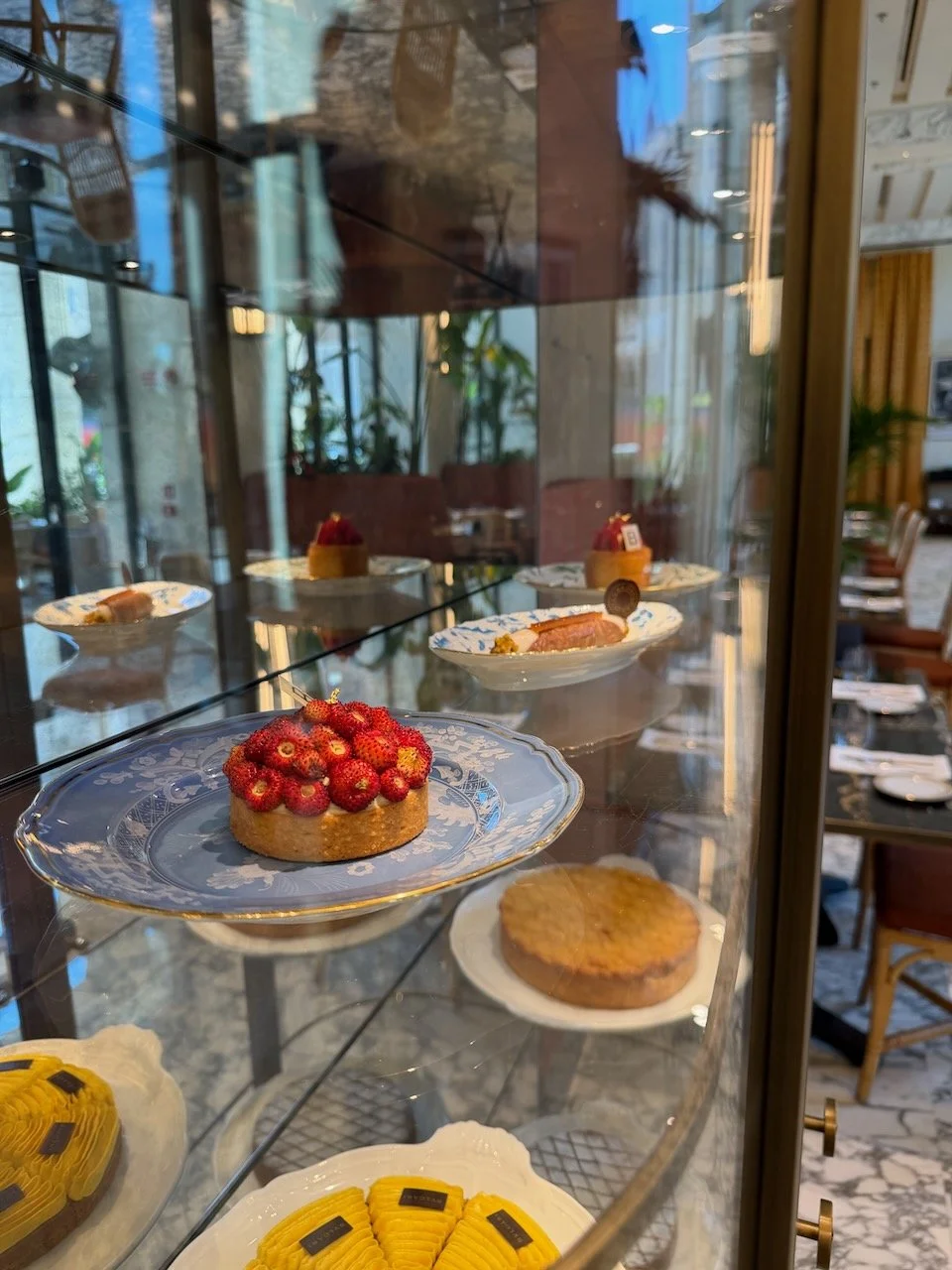
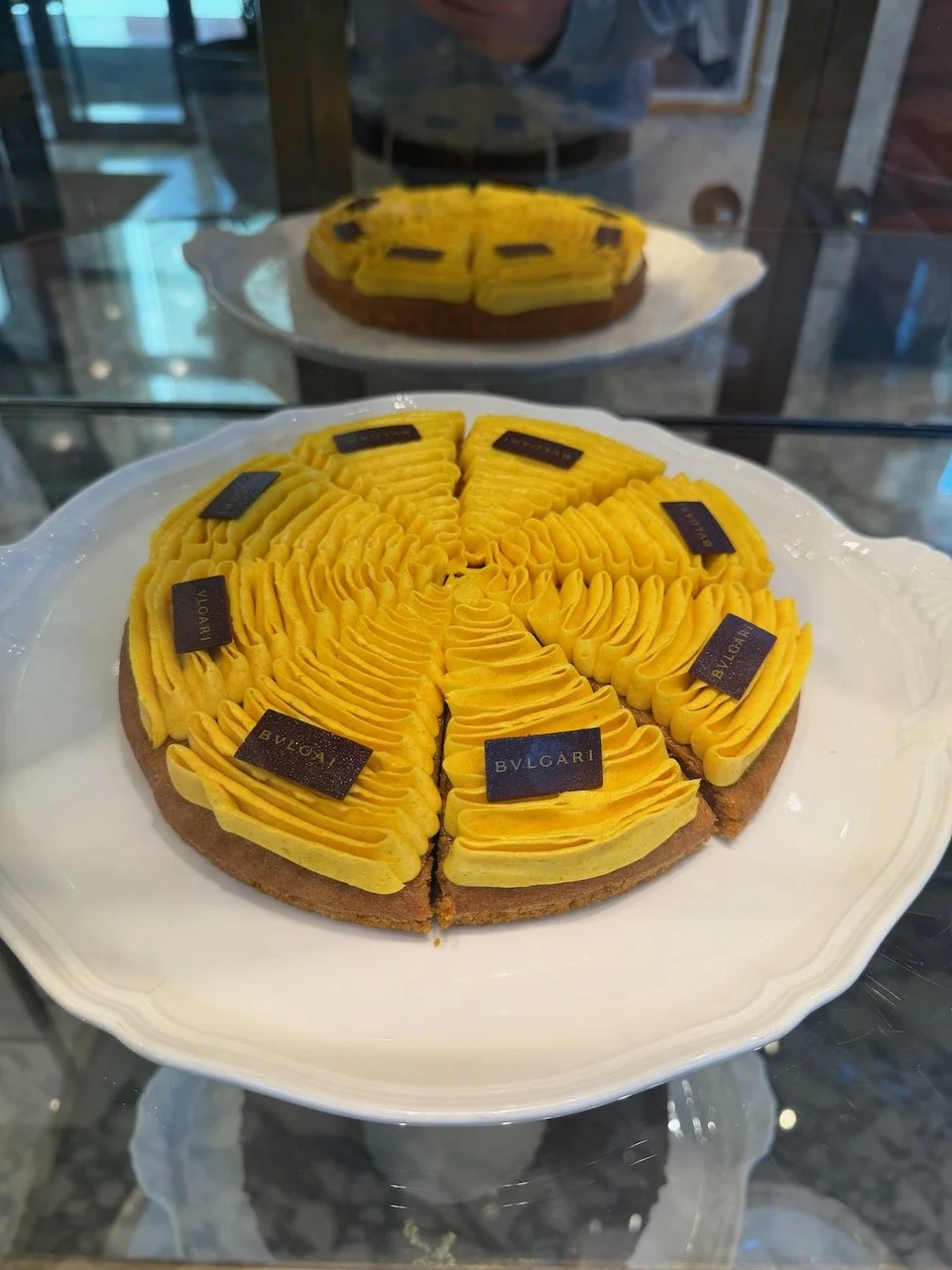
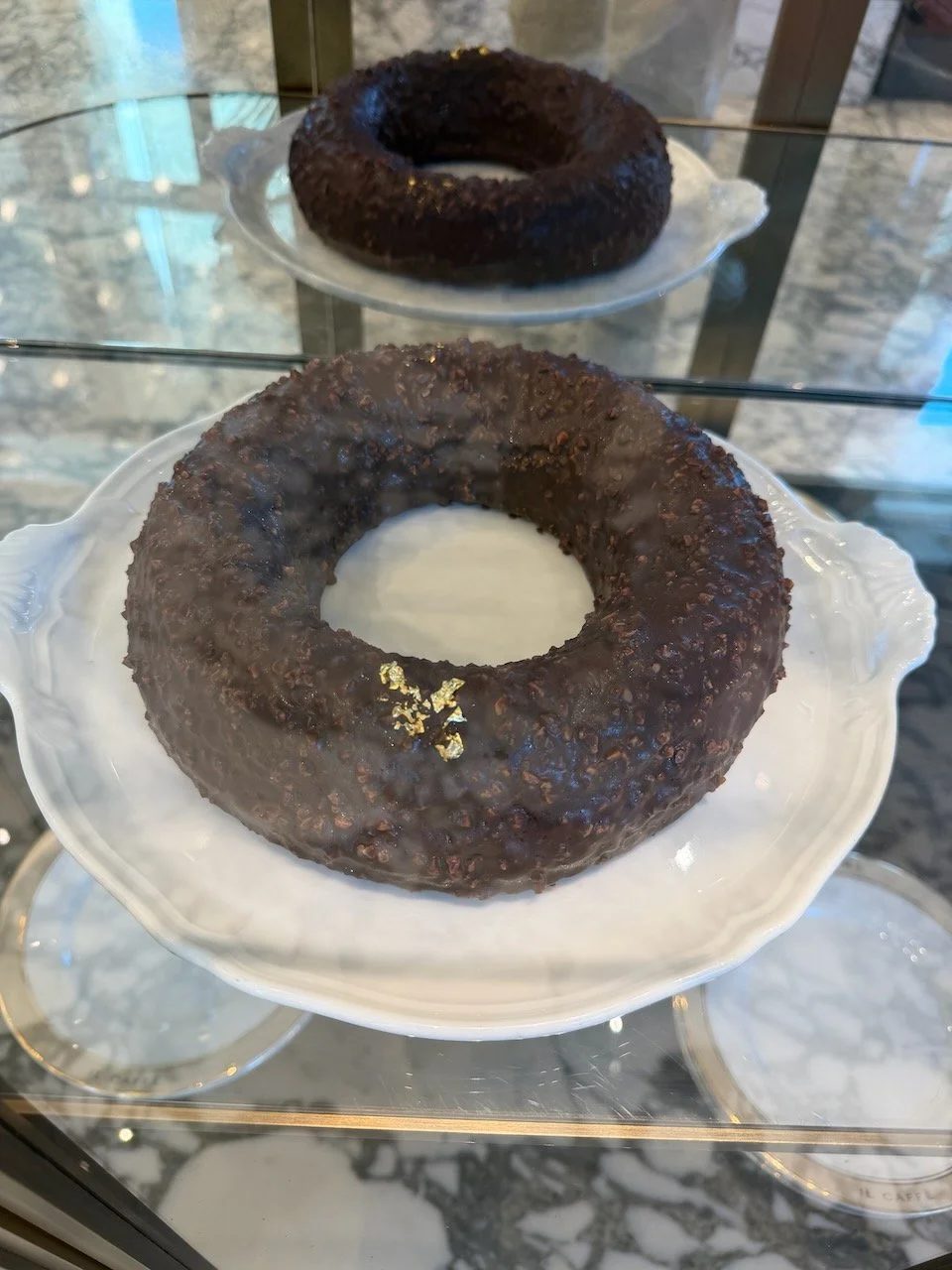
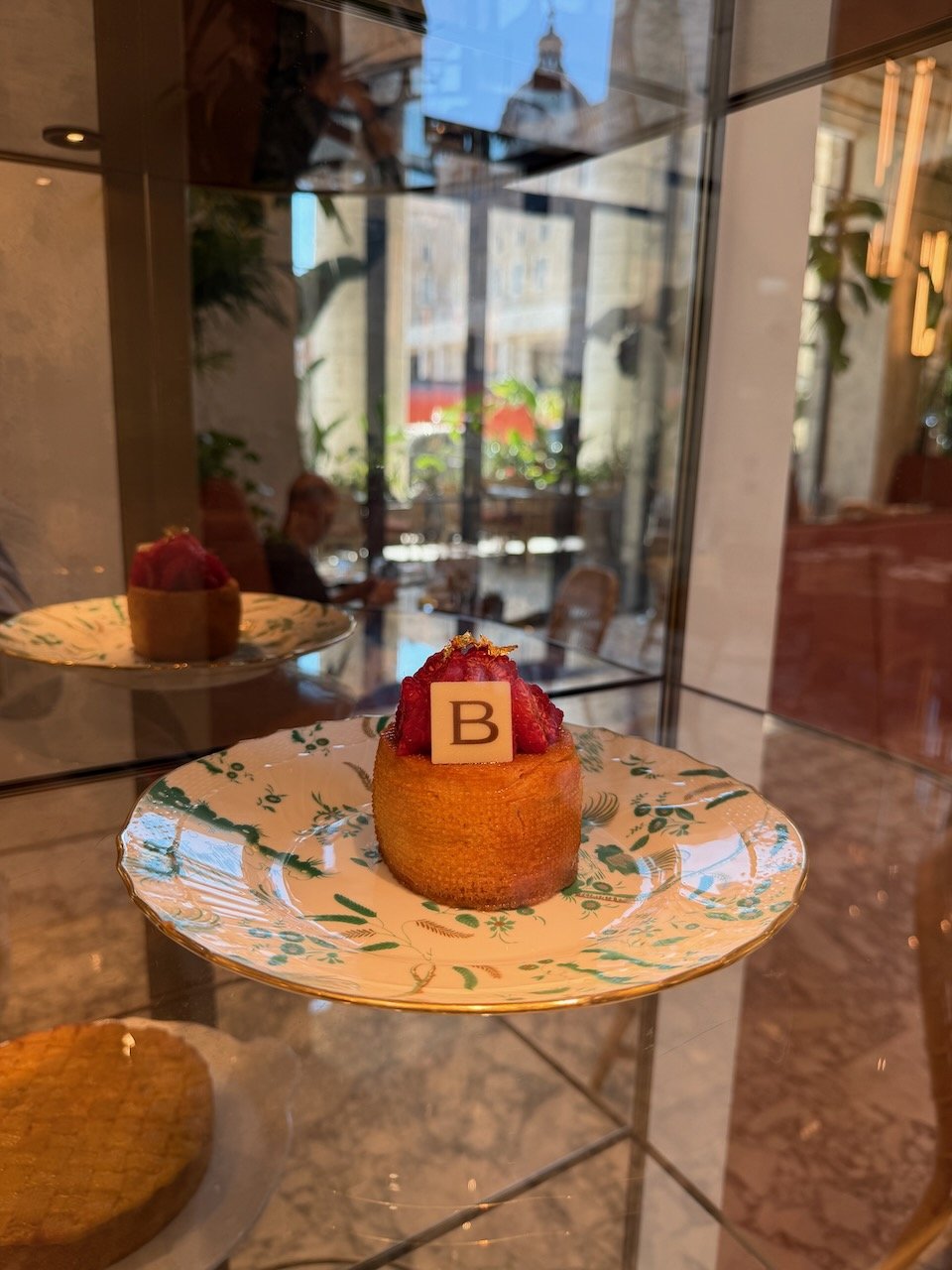
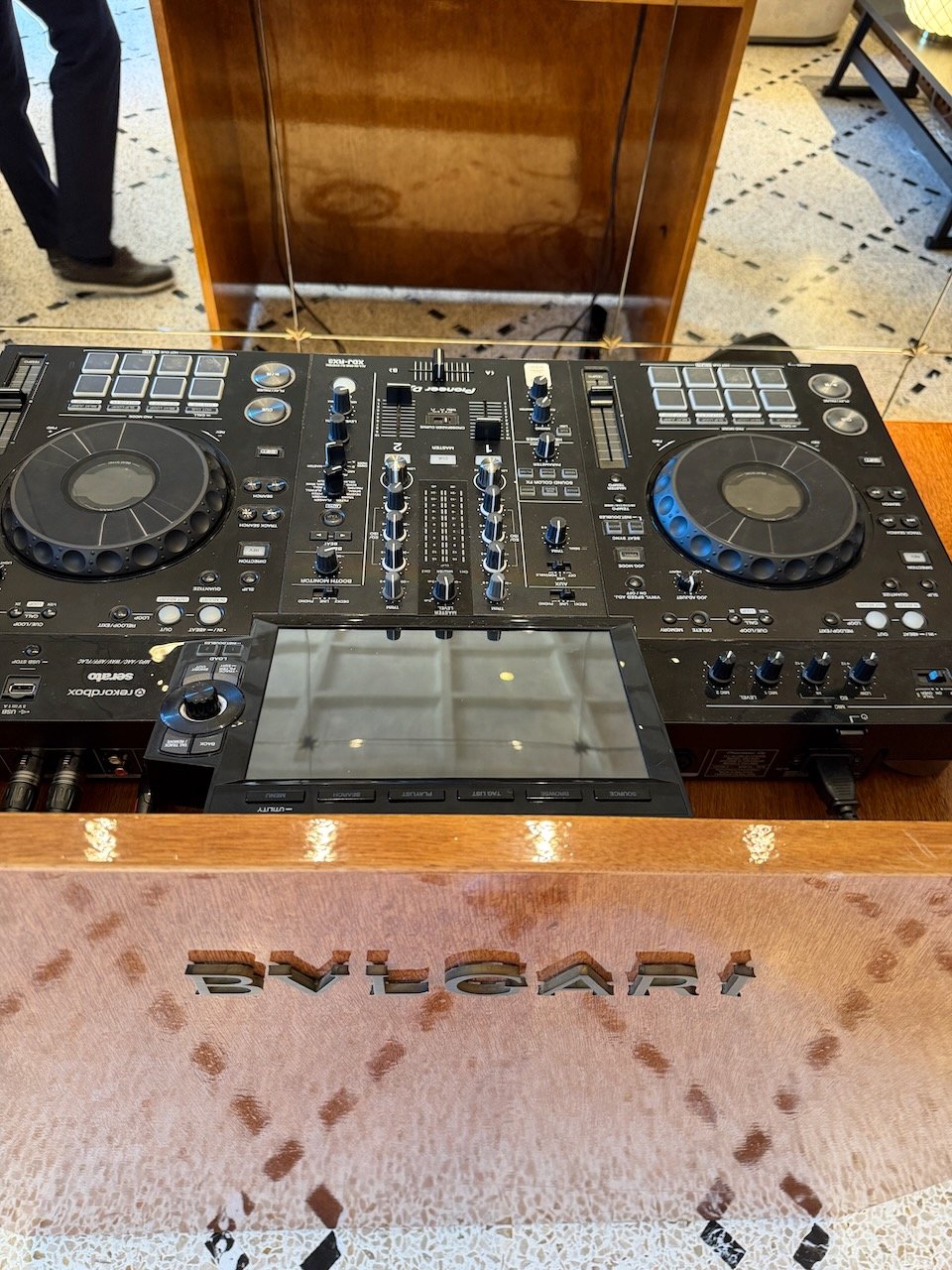
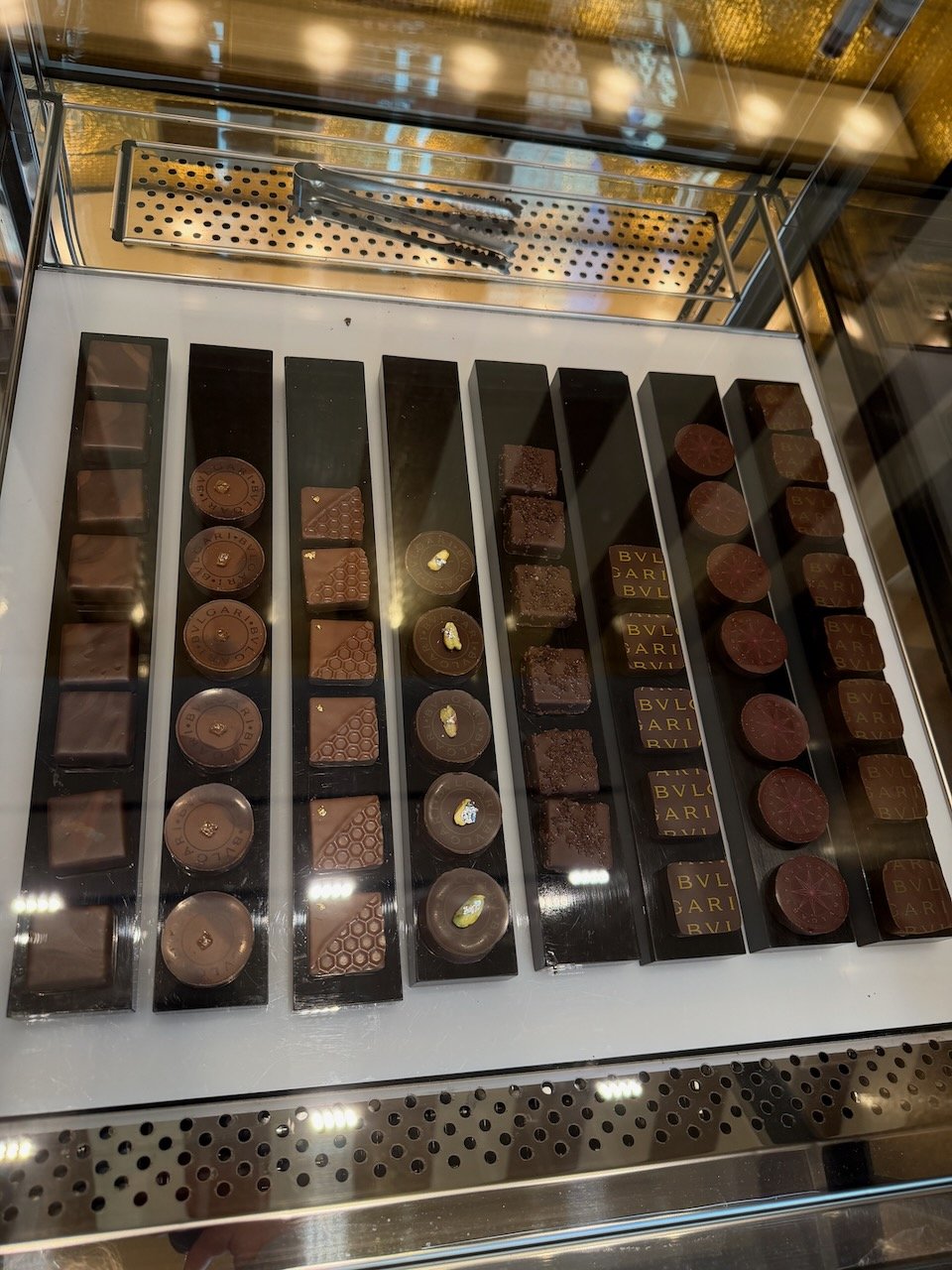
The hotel also has Il Caffè on the ground floor, which is more relaxed and works for coffee, a traditional Roman lunch, or Sunday brunch beneath the porticos of Piazza Augusto Imperatore. For drinks, the Bvlgari Bar and Bvlgari Lounge give the hotel its social side, while the Champagne Bar and La Terrazza add the more glamorous Roman moments. La Terrazza, in particular, sounds like one of the hotel’s best dining-and-drinking assets: a rooftop garden with sweeping views over Rome, designed with more than 200 enamel pots and local plants, serving the same menu as the Bvlgari Bar.
JK Place Roma
I can get you VIP perks through Virtuoso and:


Intro
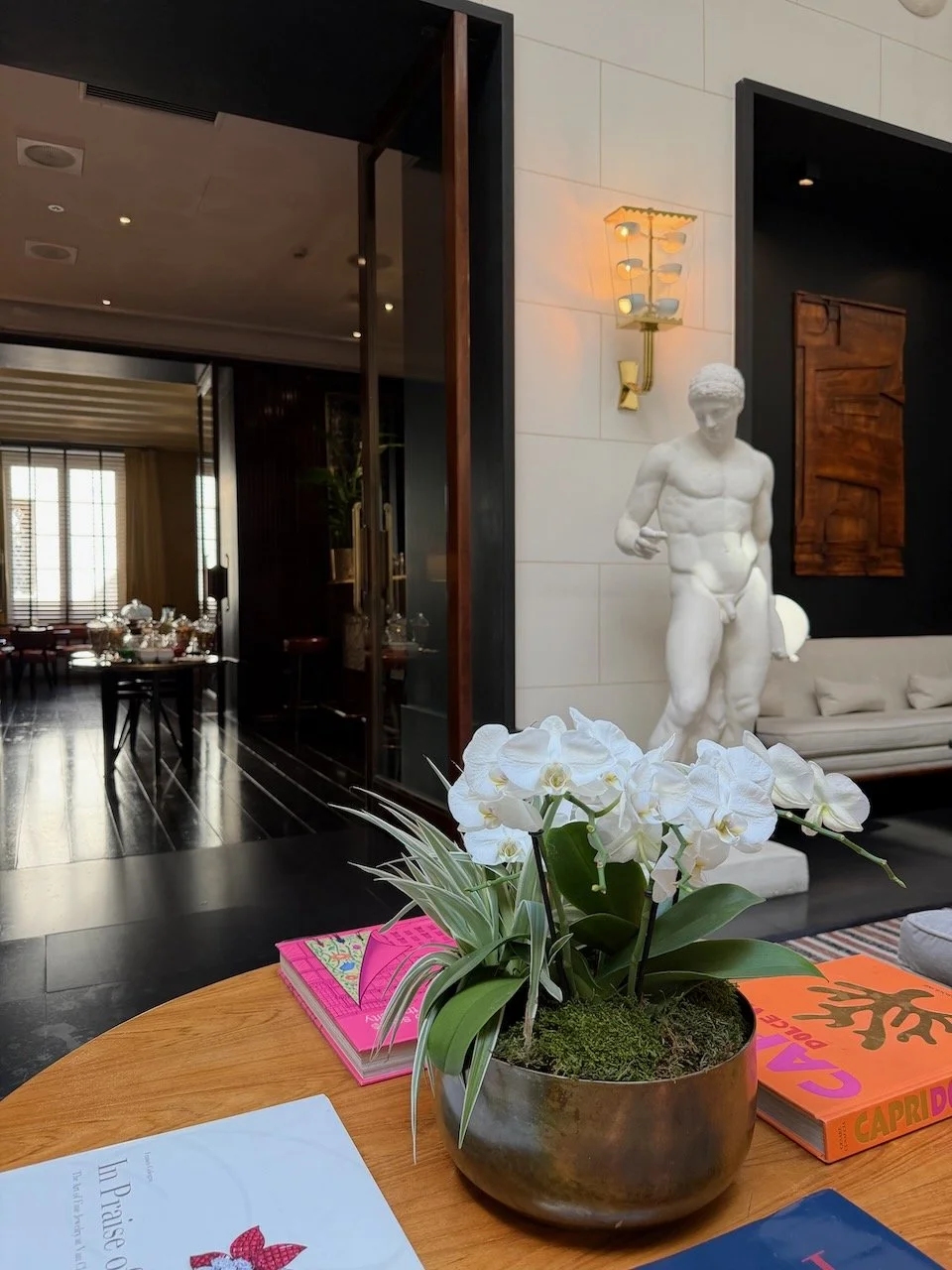
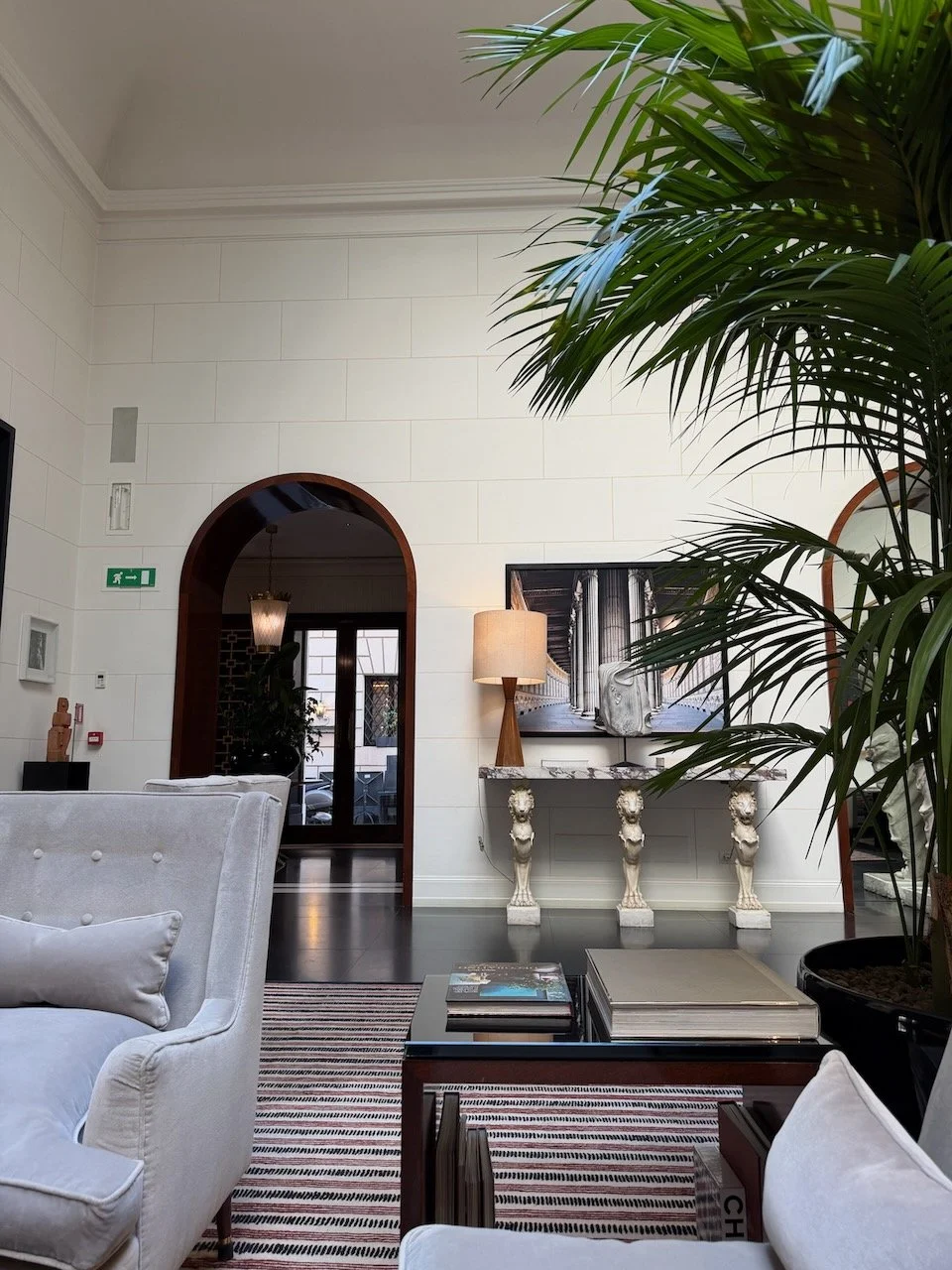
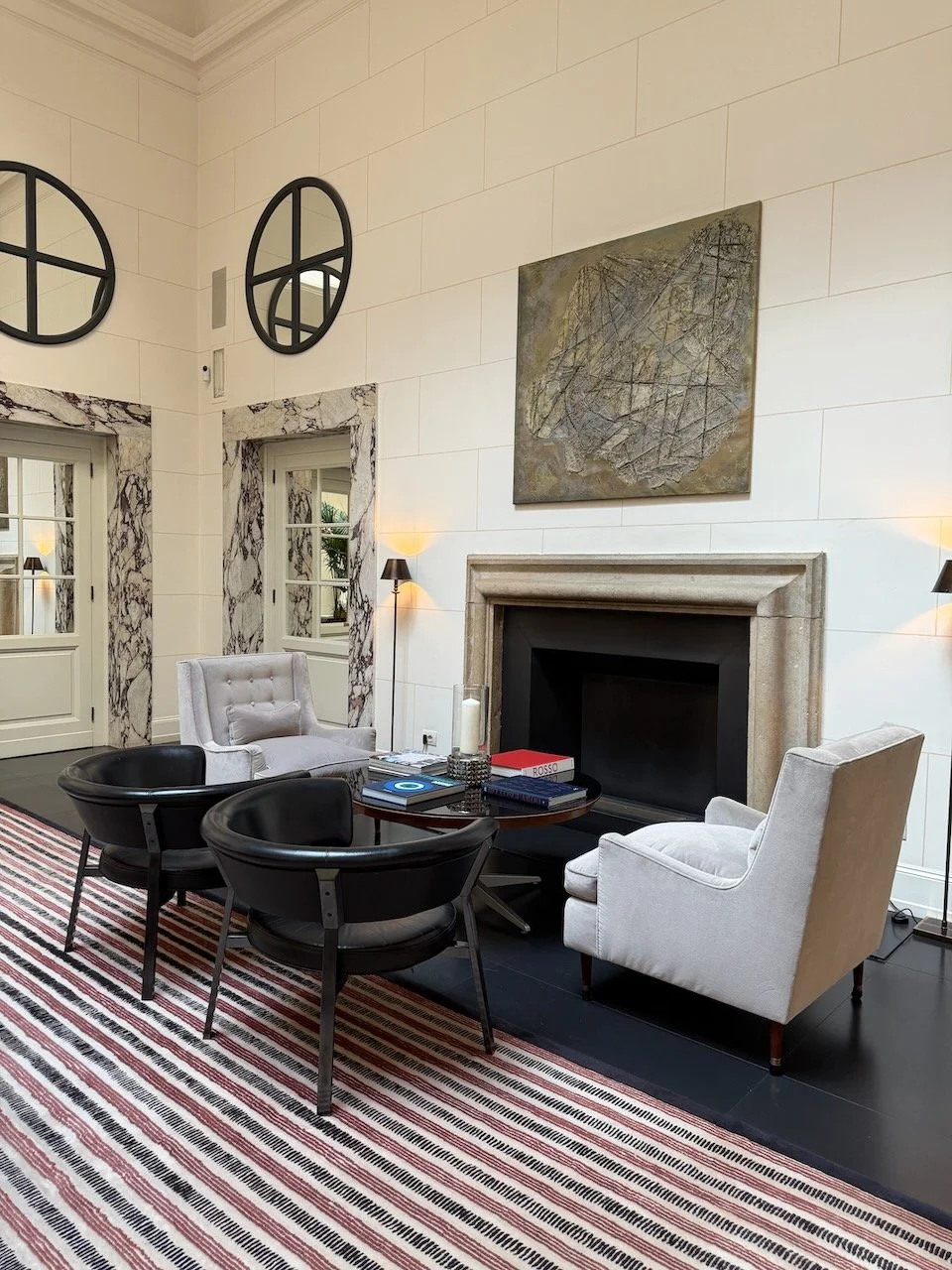
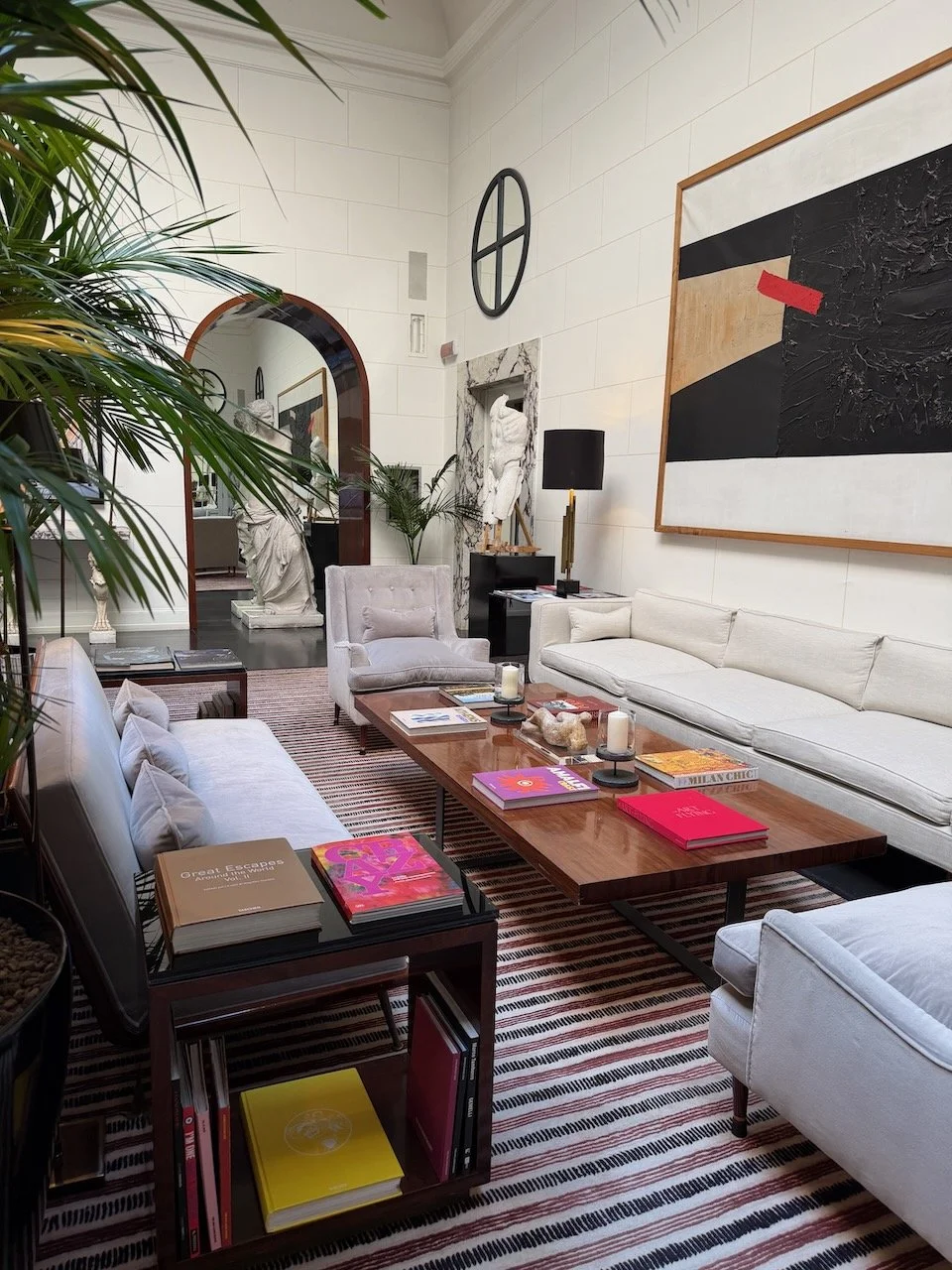
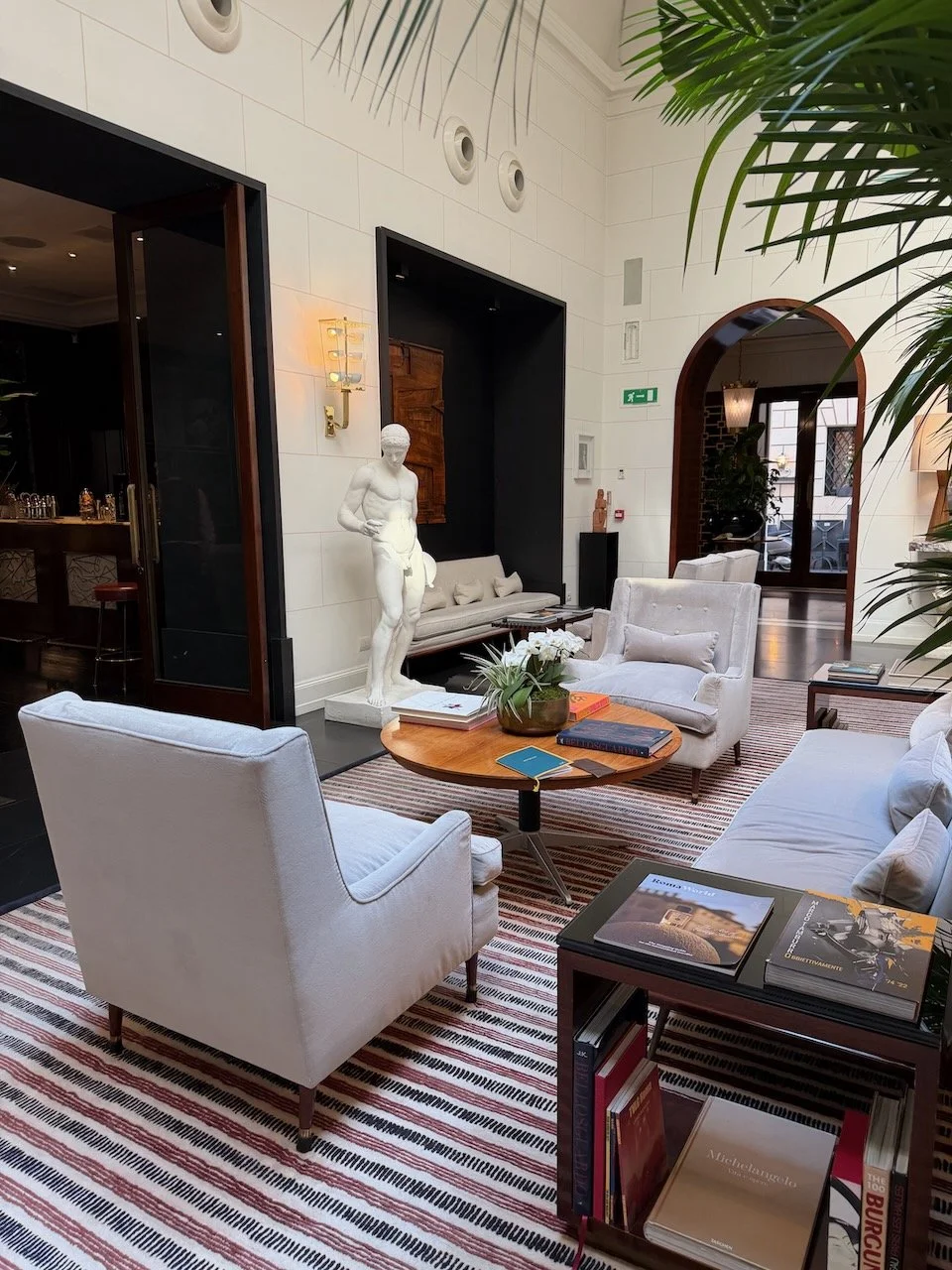
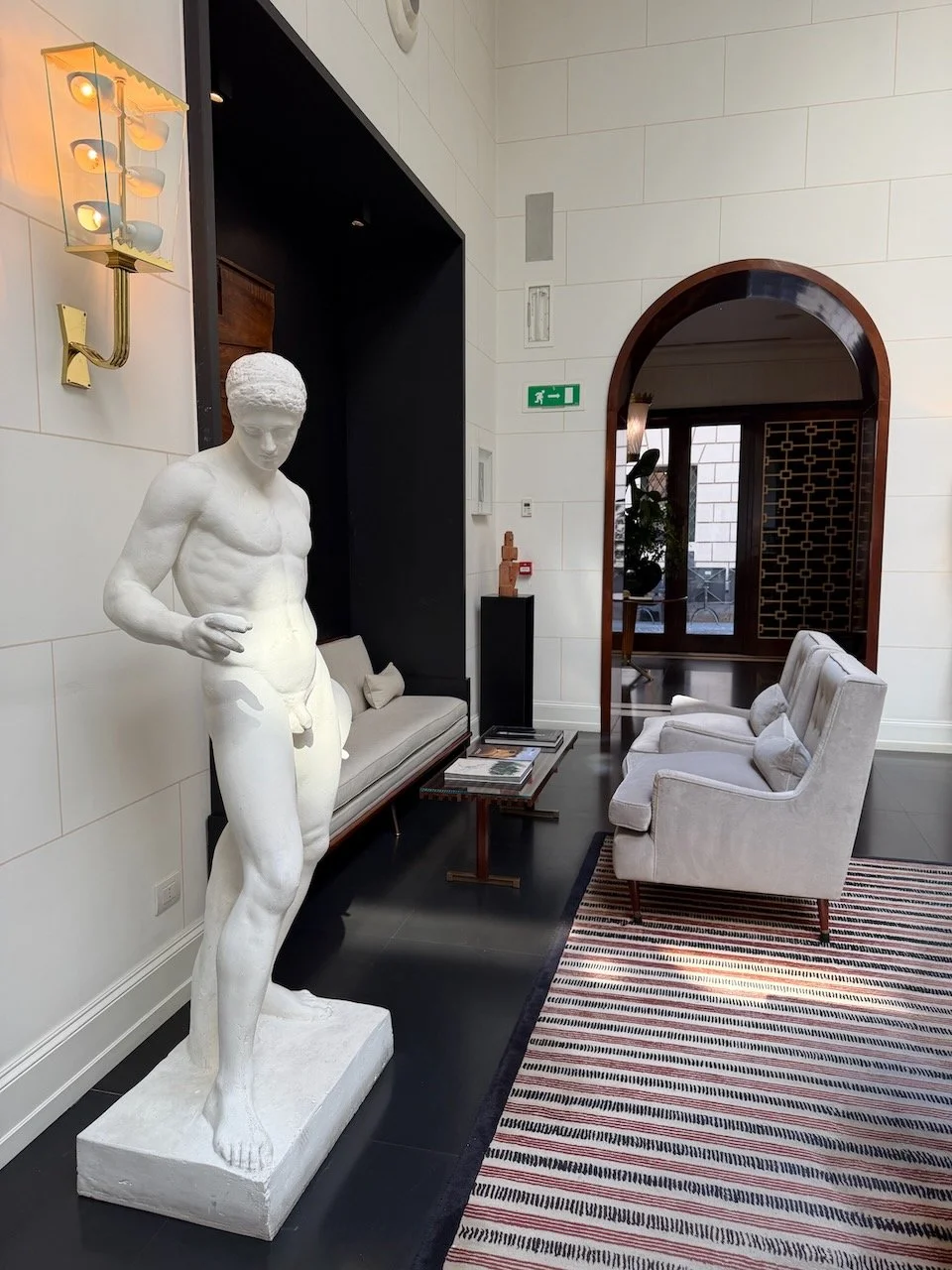
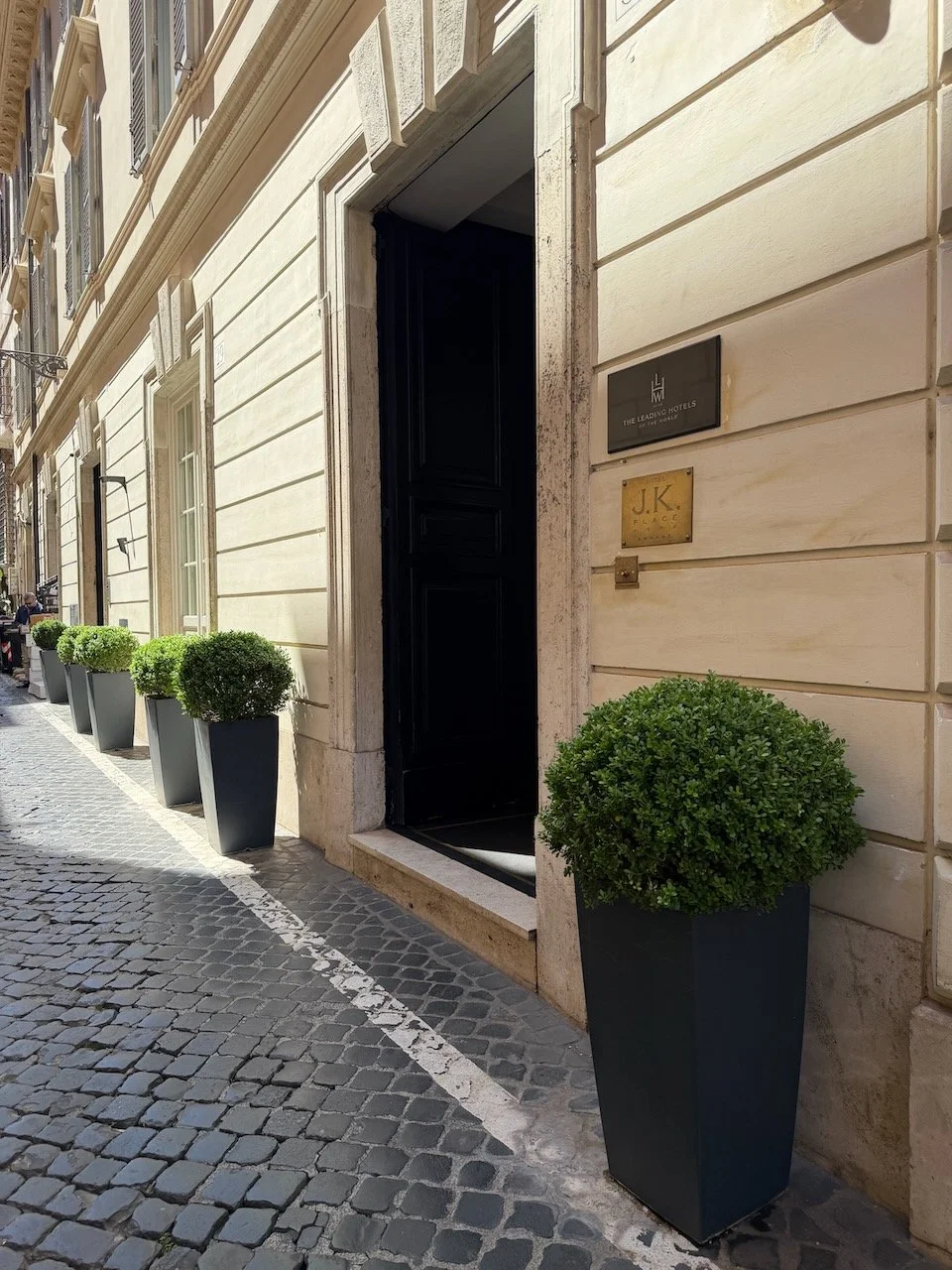
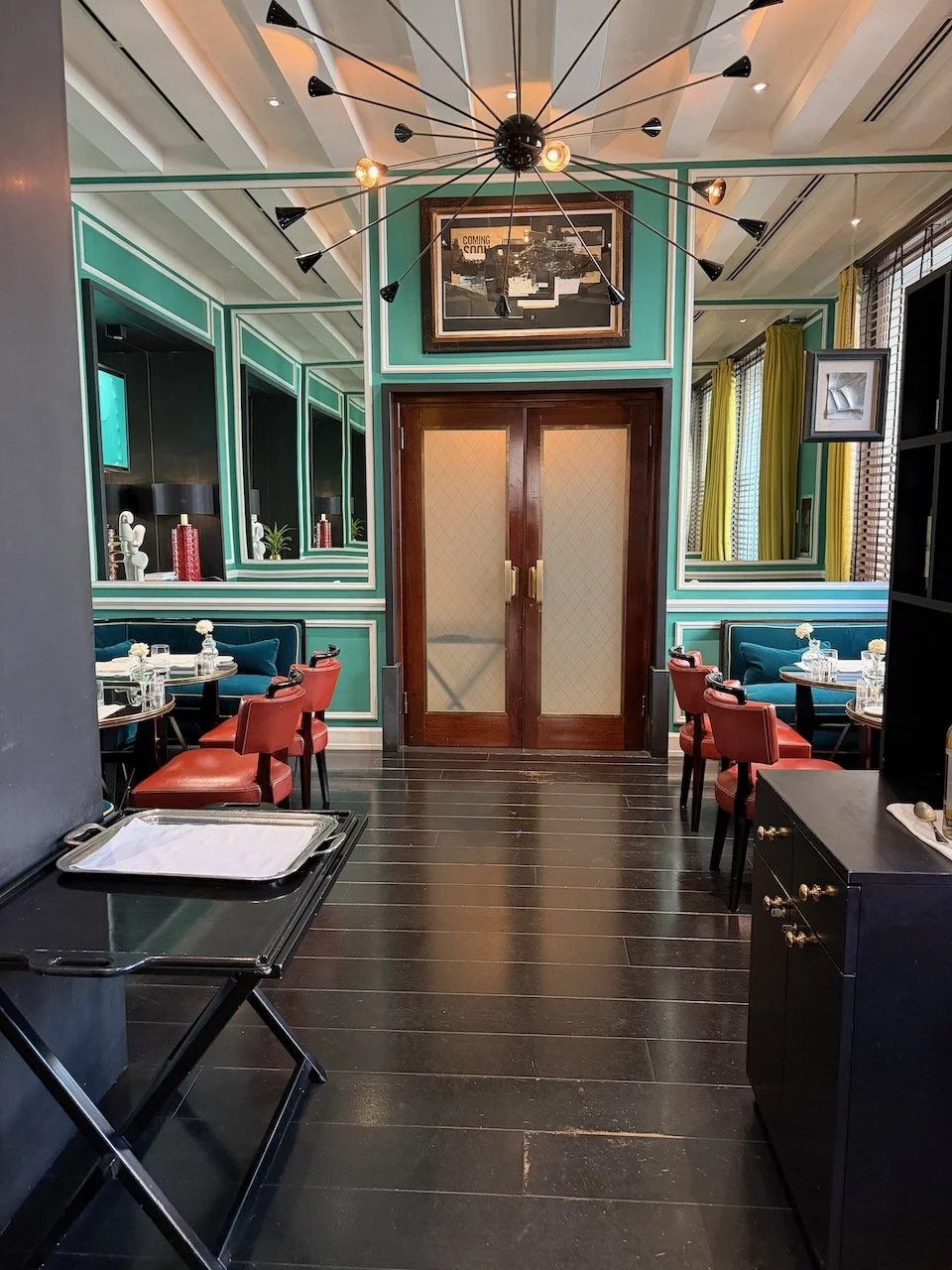
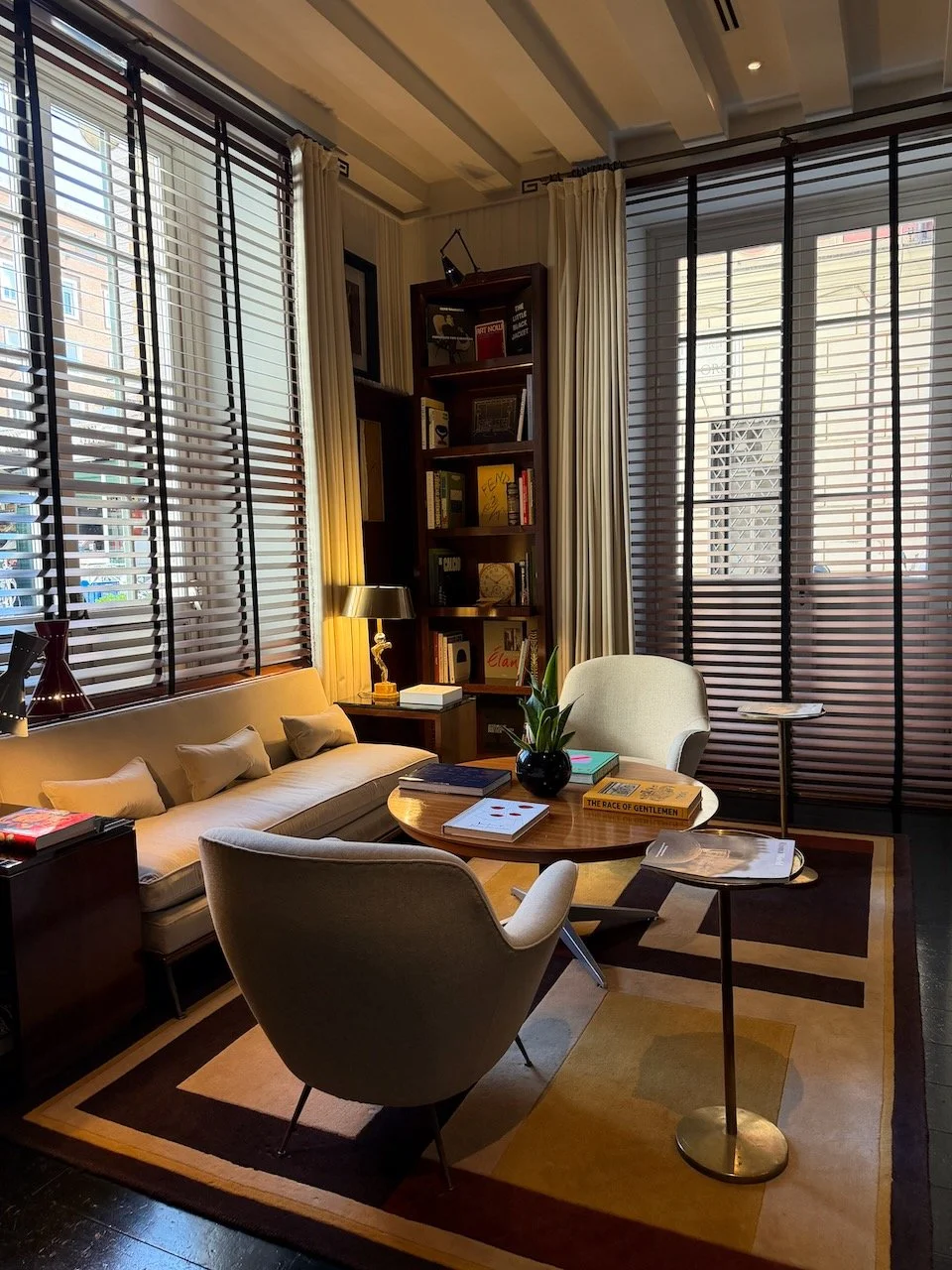
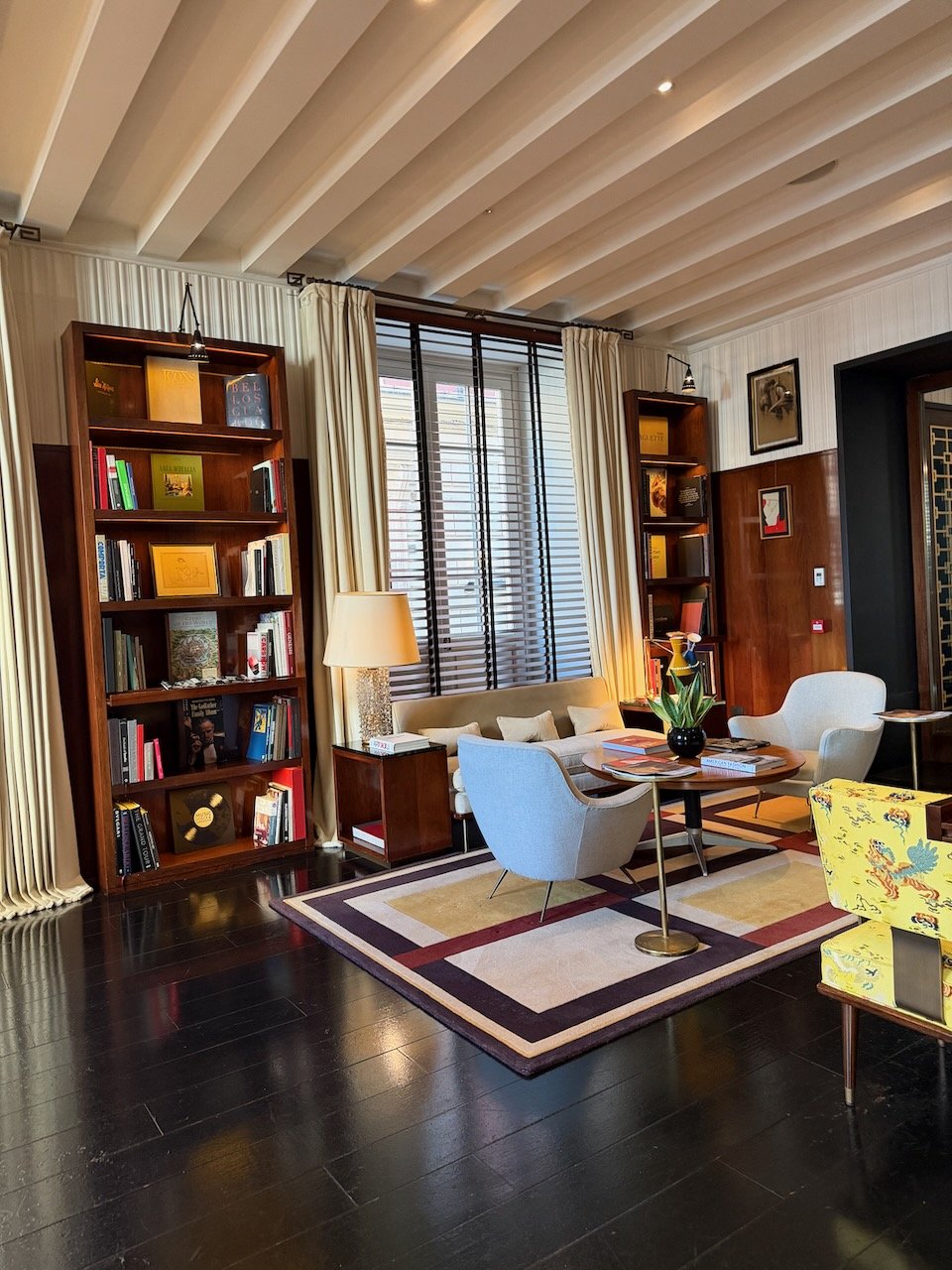
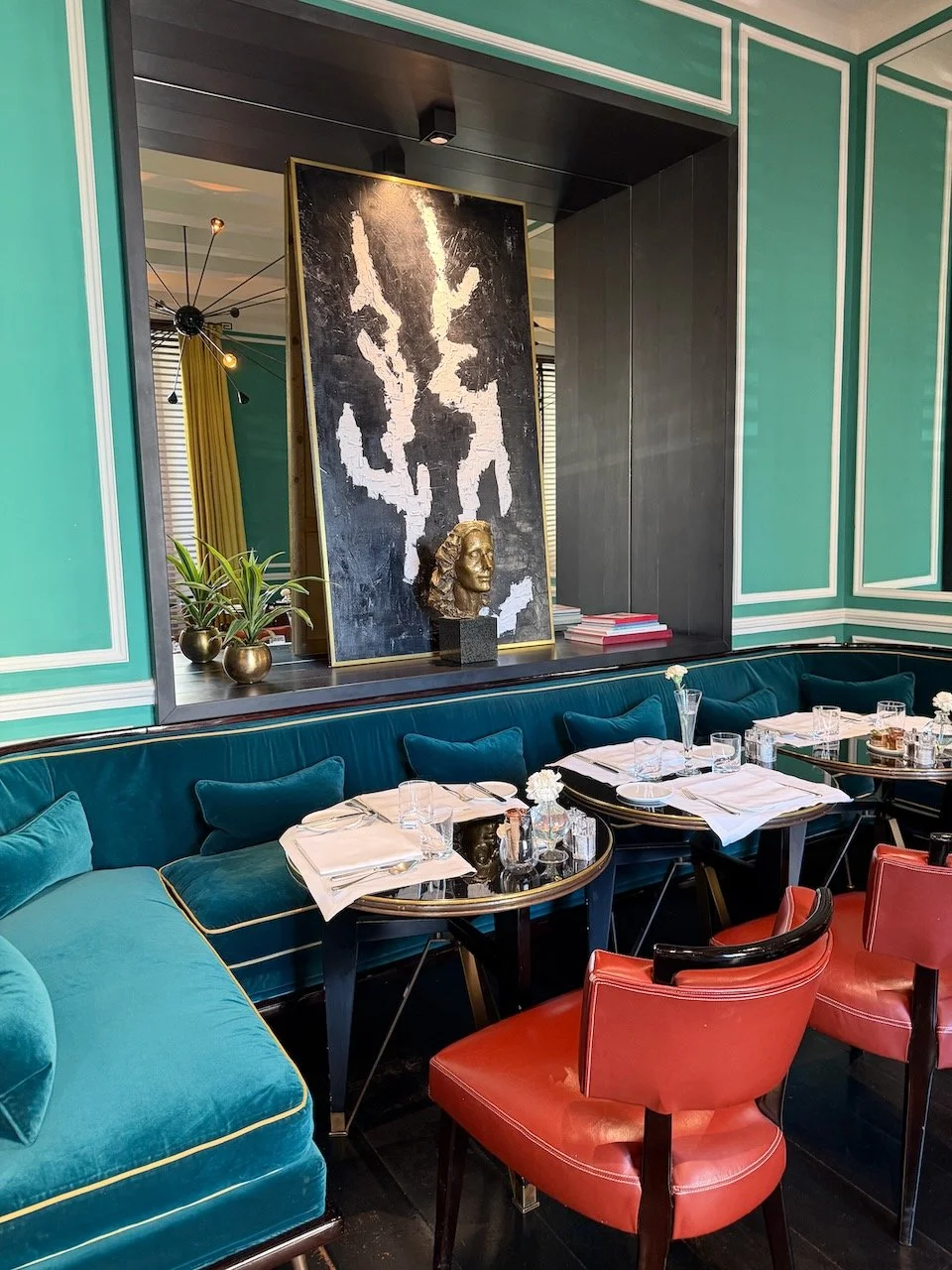
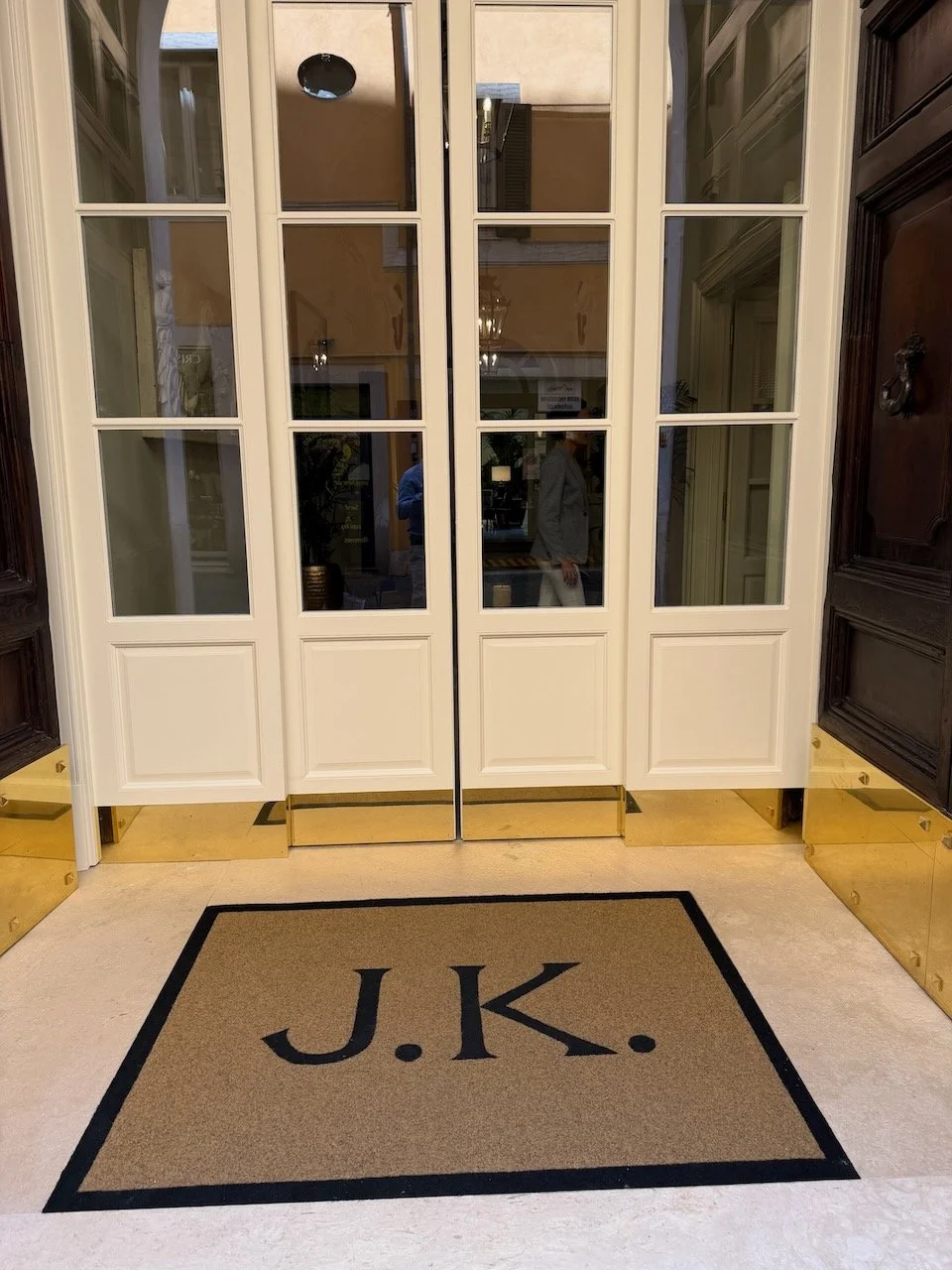
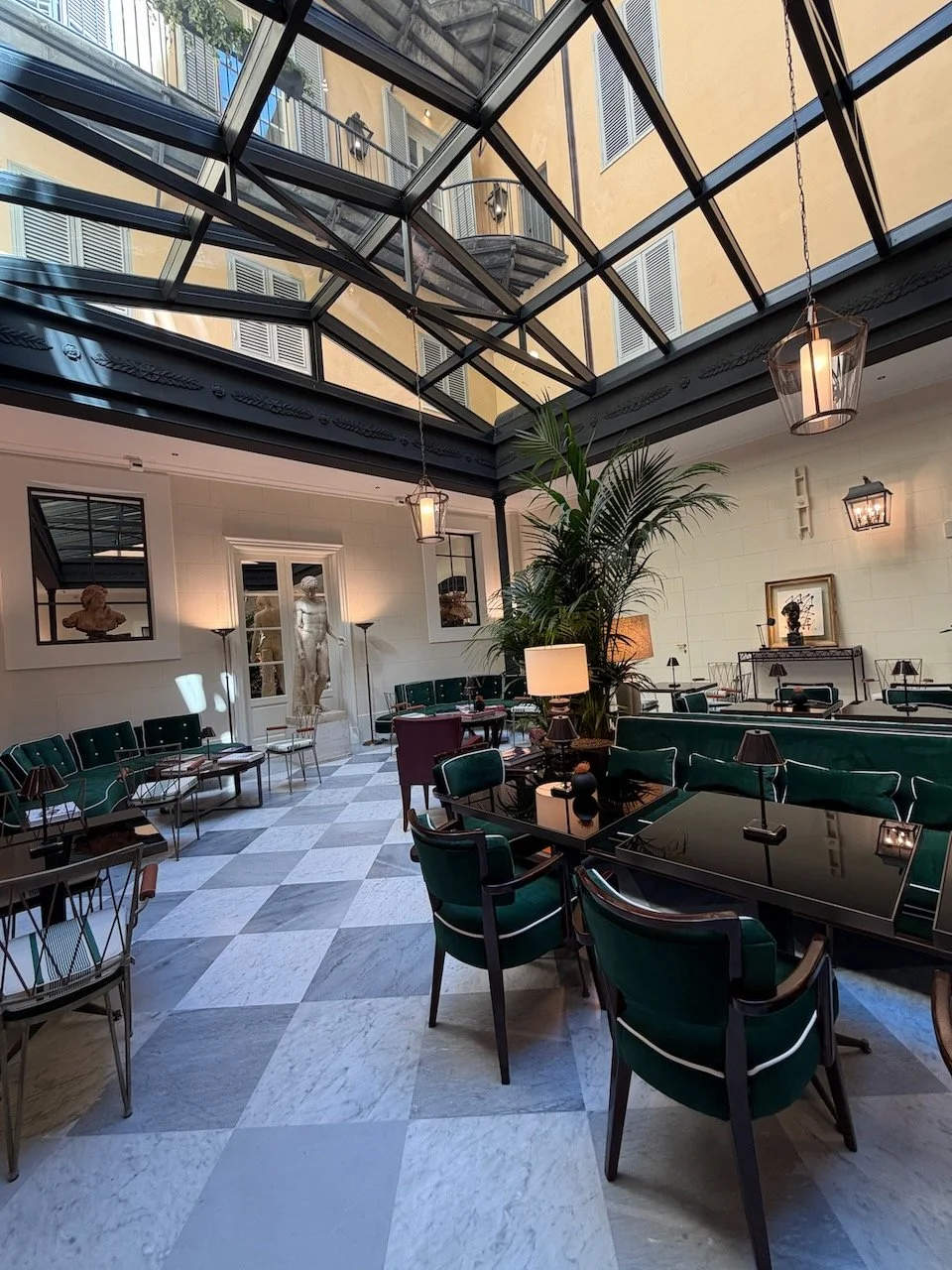
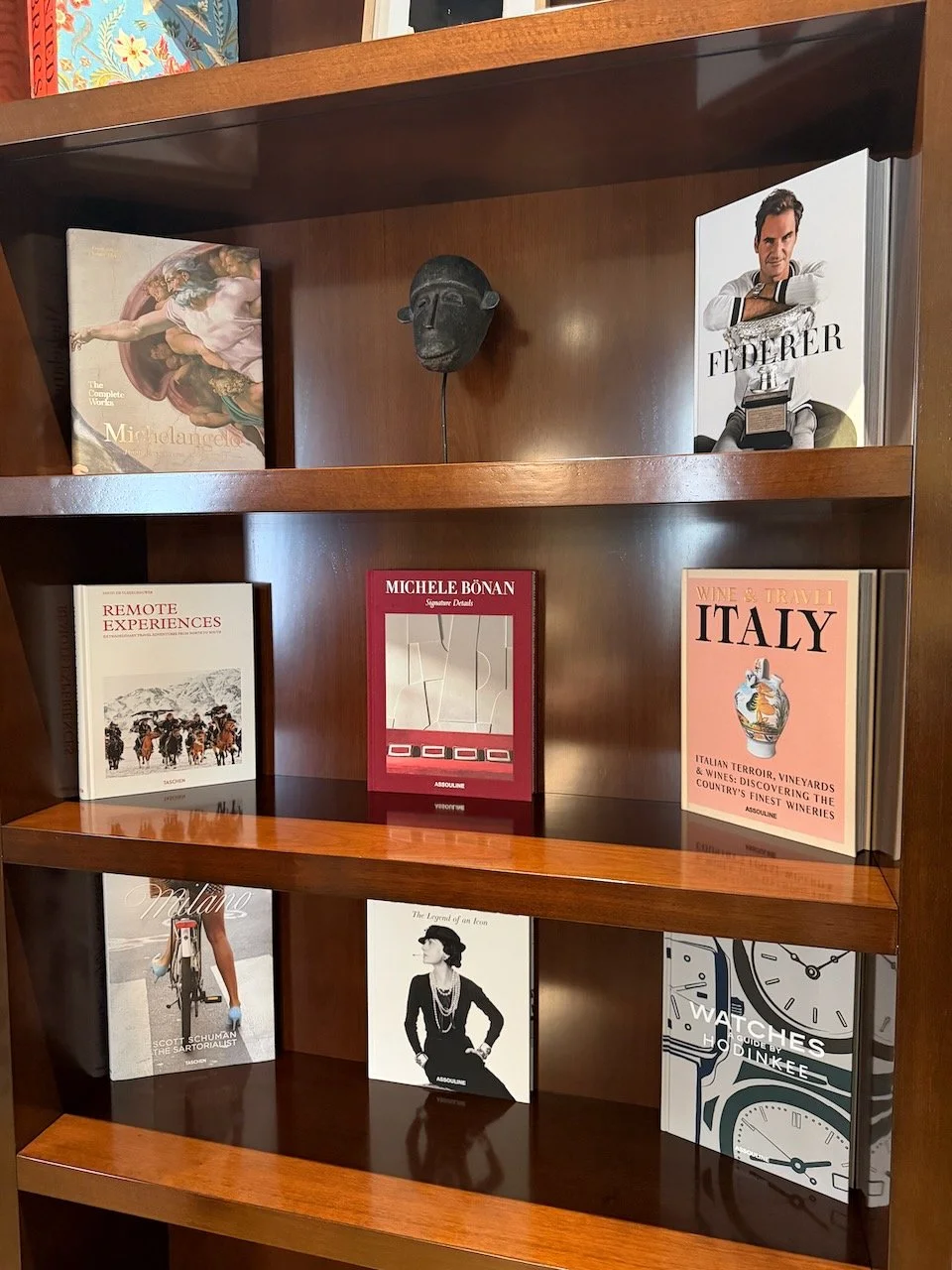
J.K. Place Roma deserves more attention than it sometimes gets. In a city full of famous names, palace hotels, and global luxury brands, J.K. Place offers something more intimate and personal.
I stayed here for one night, and the feeling was immediate: this is a hotel that understands hospitality not as performance, but as warmth. It feels like arriving at a friend’s beautiful home, where everyone knows your name and somehow you have been given the best room in the house.
That is not easy to manufacture. Many hotels can be luxurious. Fewer can feel genuinely welcoming.
Ambiance
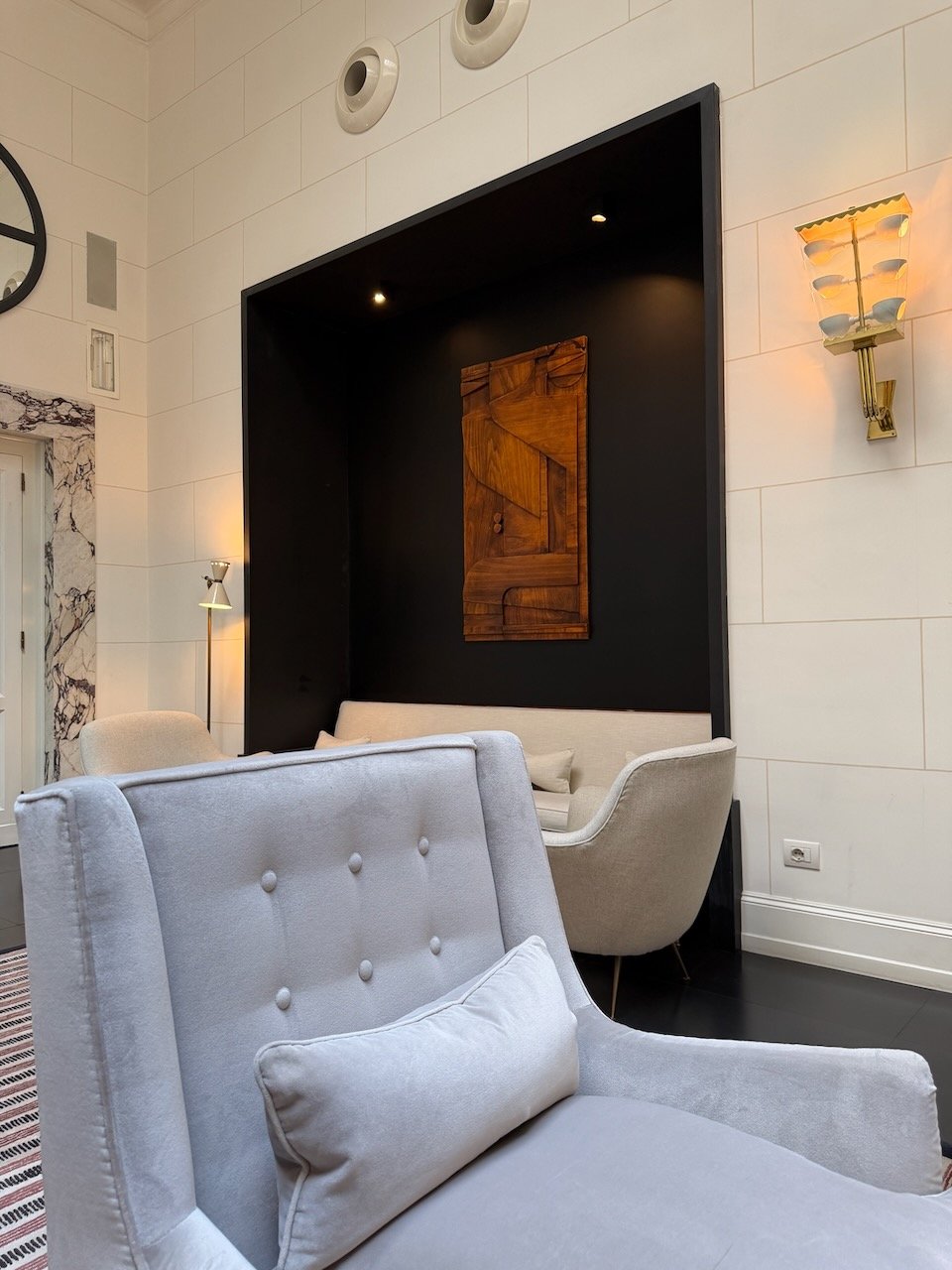
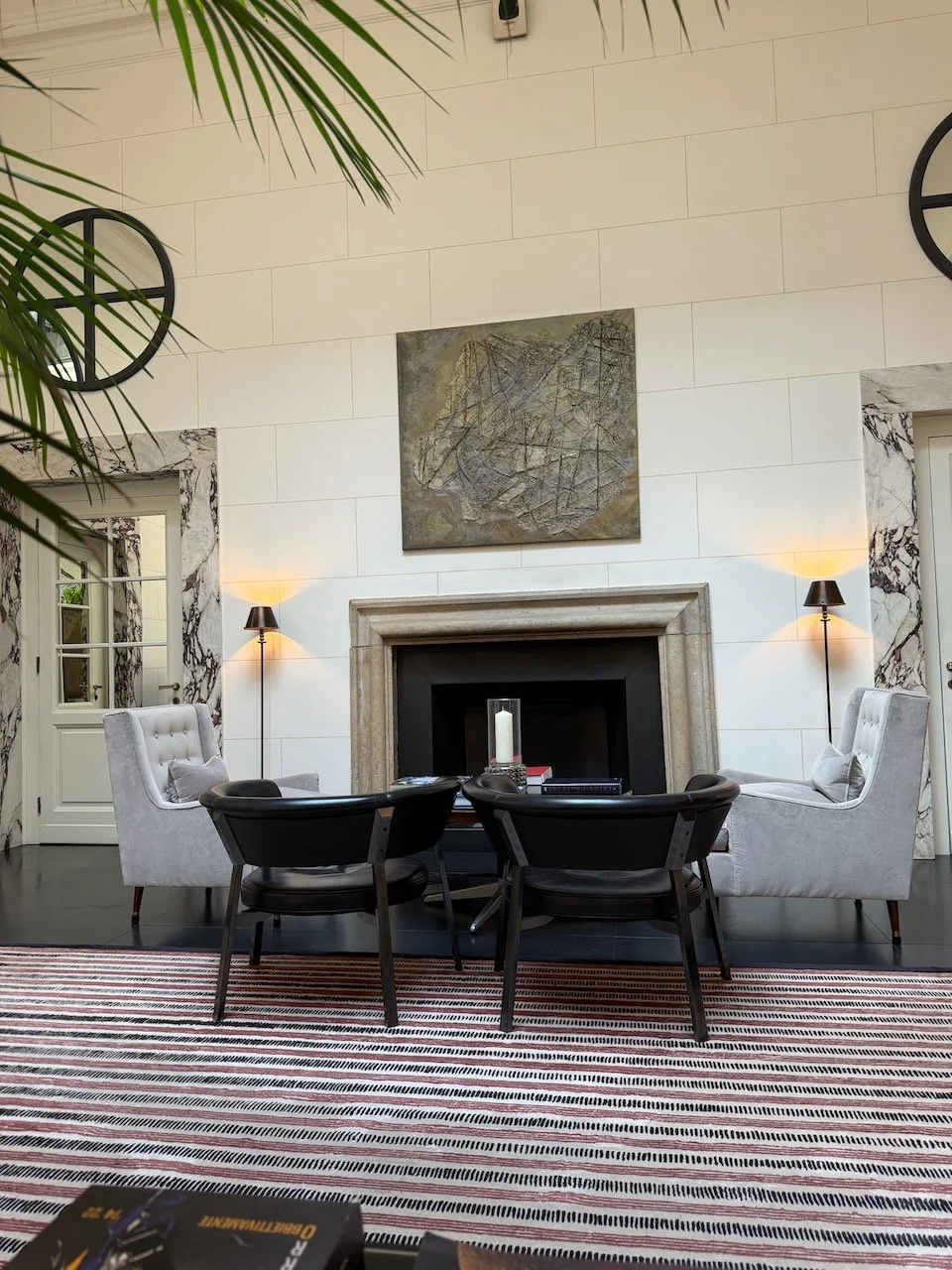
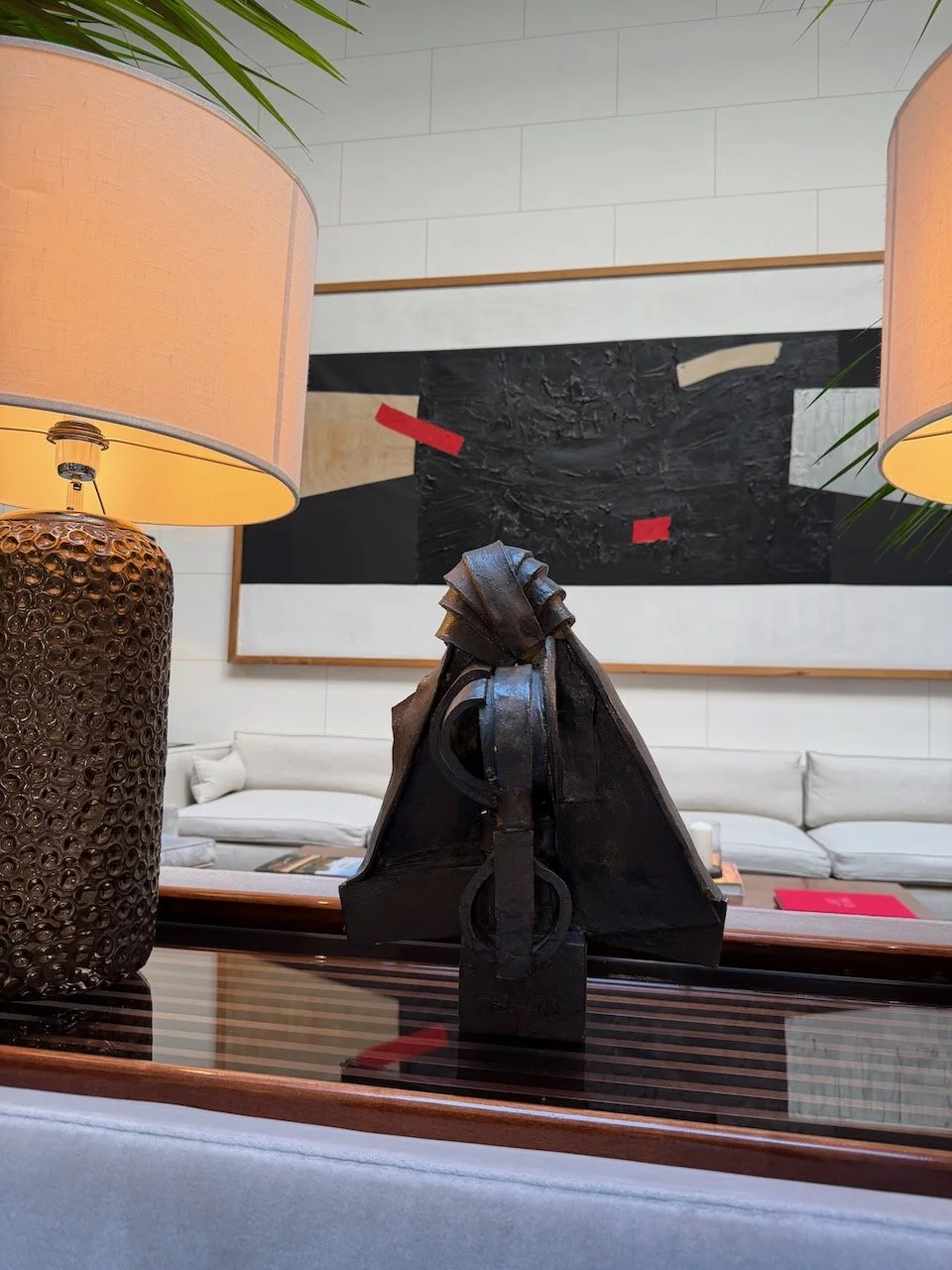
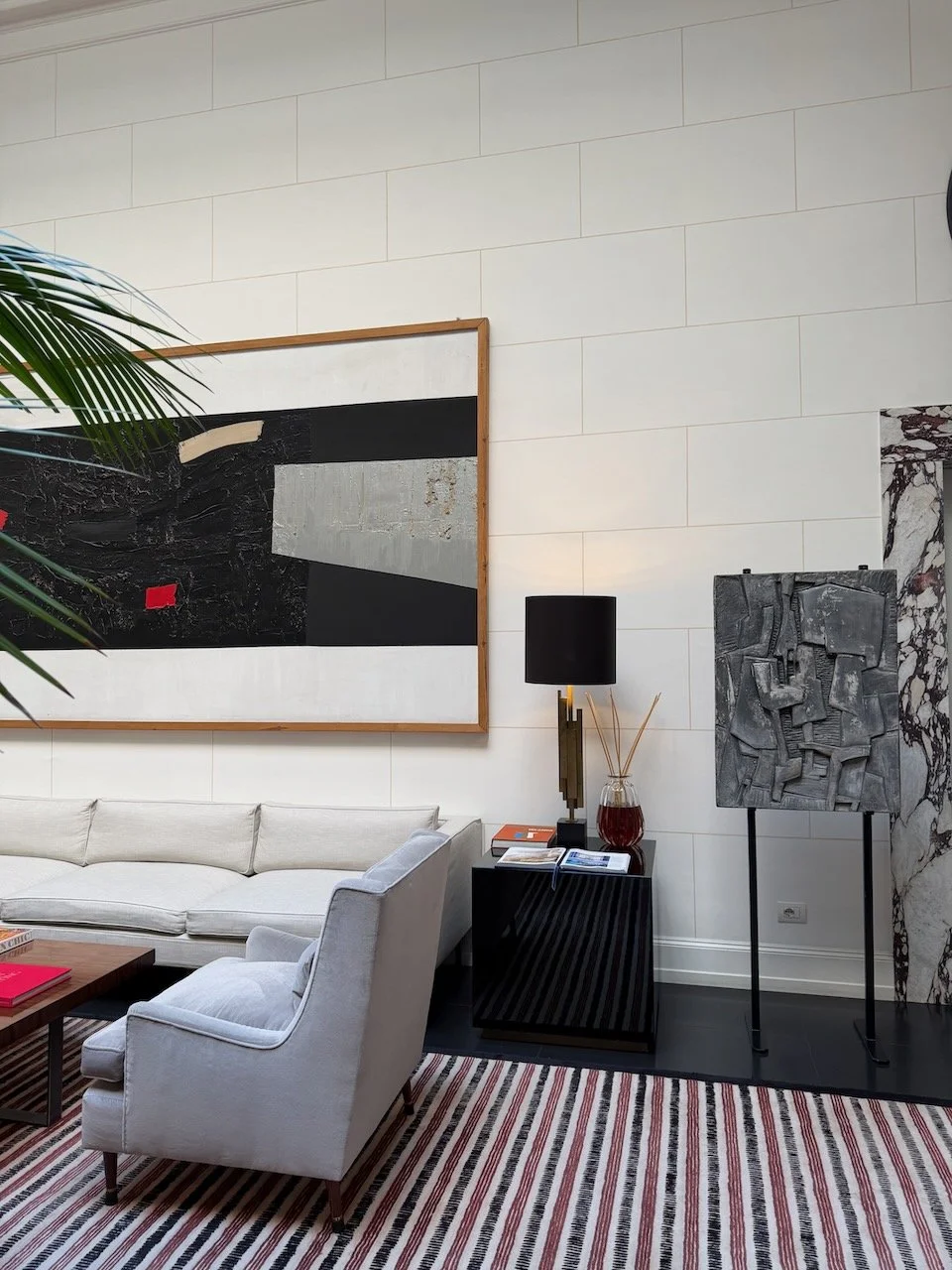
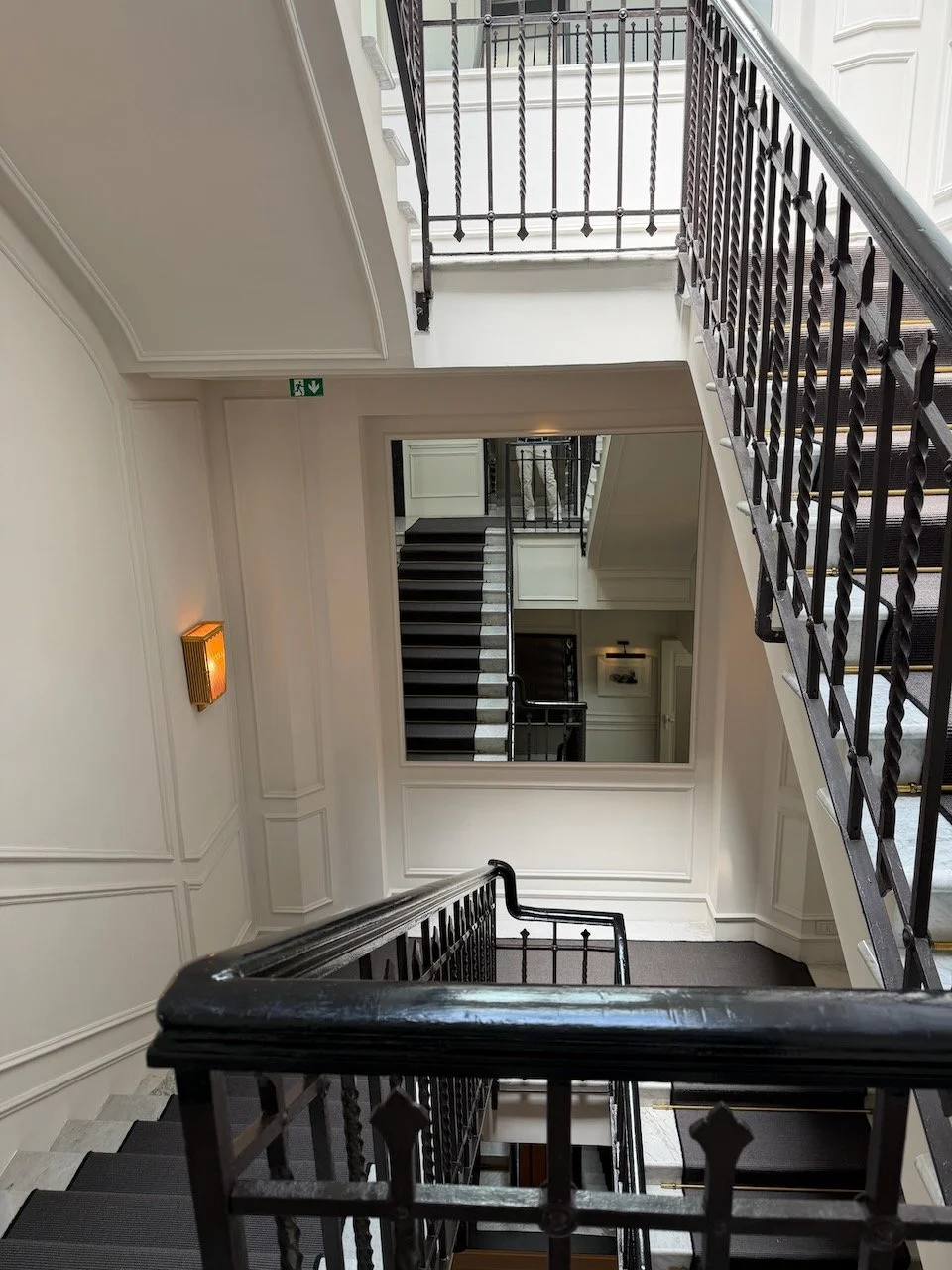
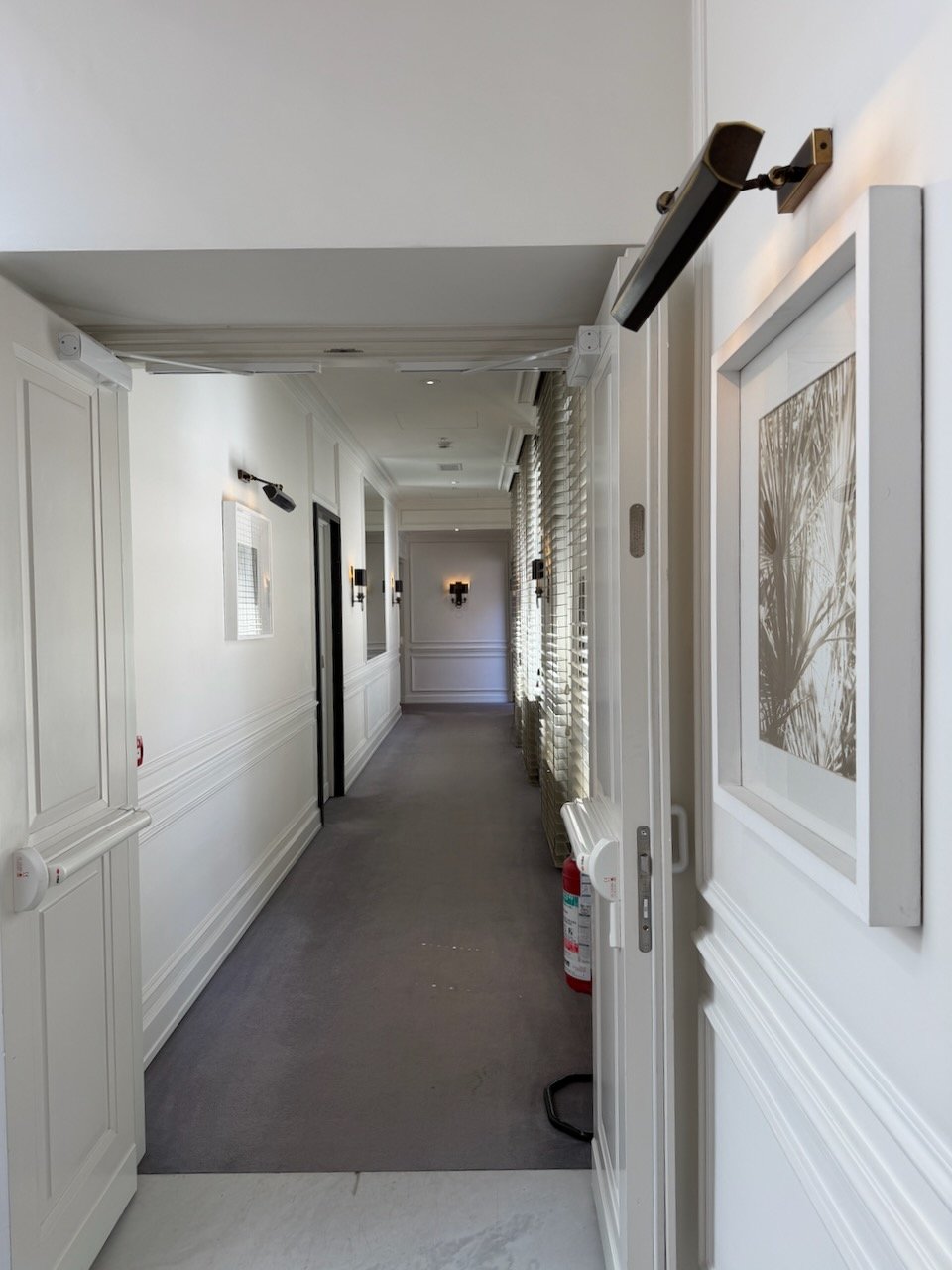
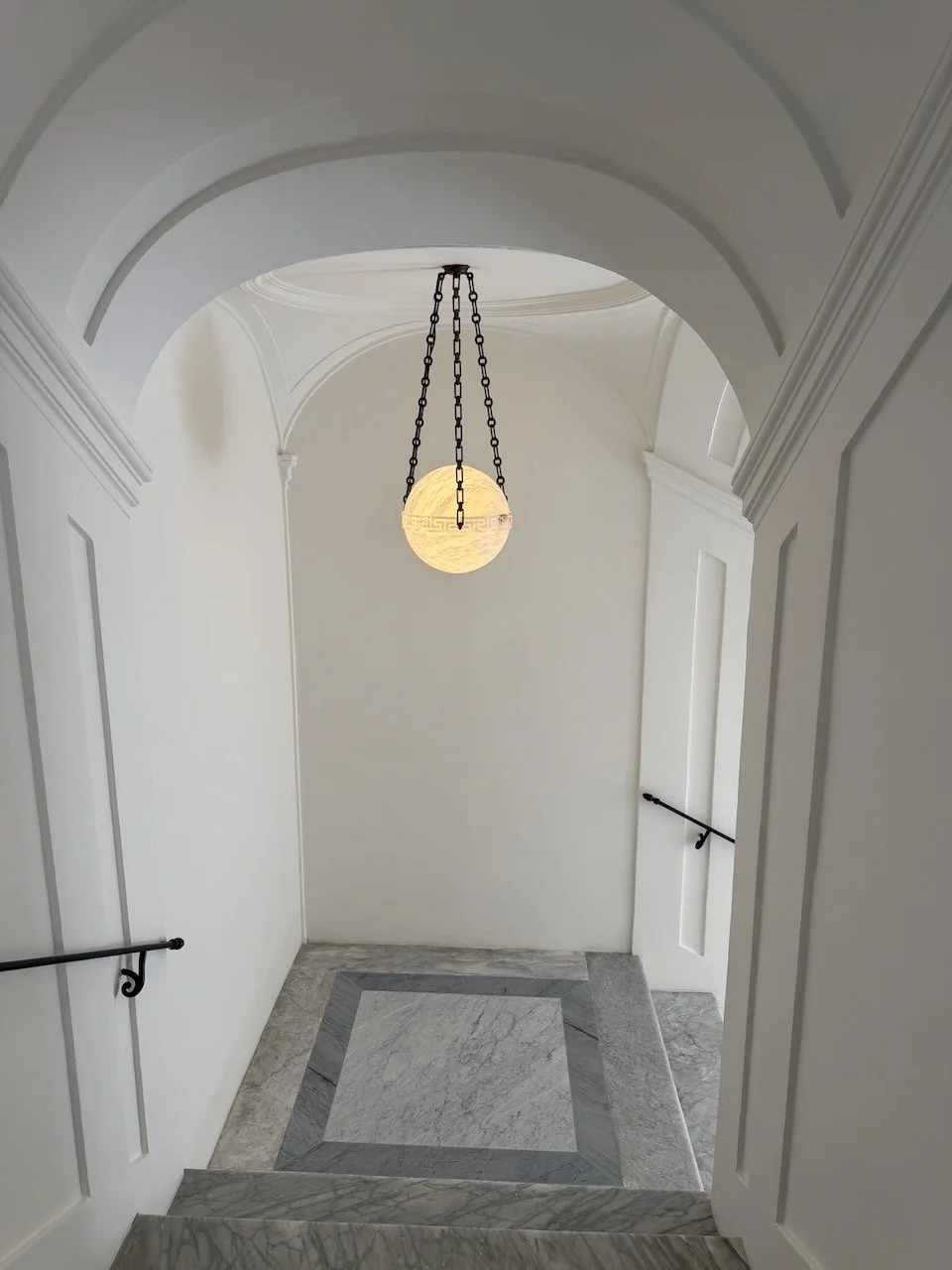
The ambiance is residential, elegant, and deeply personal. J.K. Place does not overwhelm you with scale. Its strength is intimacy.
The staff were the standout. In fact, this may have been the best staff experience of the hotels on this trip. There is a kind of natural hospitality here that makes the hotel feel effortless. You do not feel processed. You feel recognized.
For a certain type of traveler, that matters more than having the largest spa or the most dramatic rooftop.
Accommodations
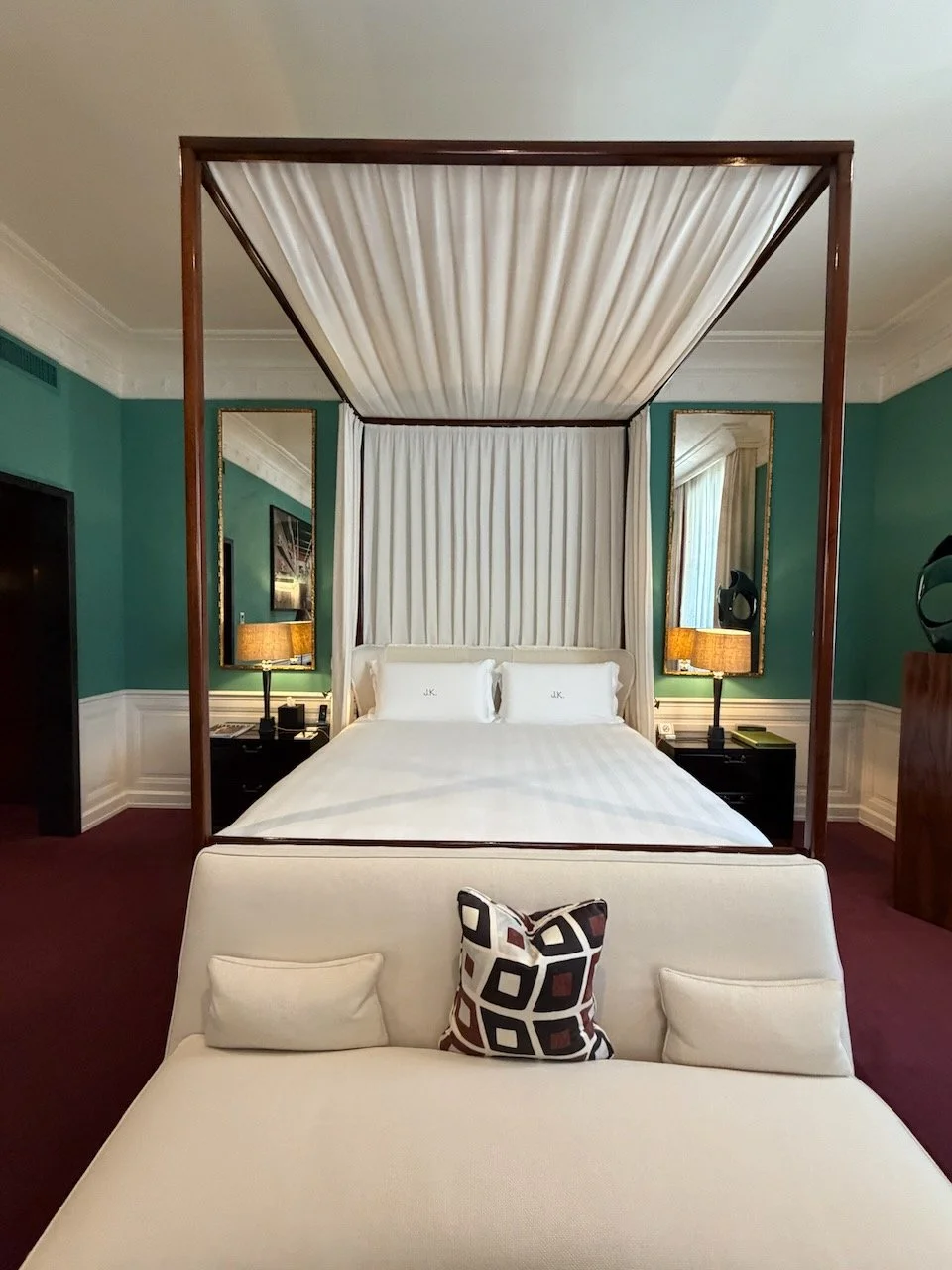
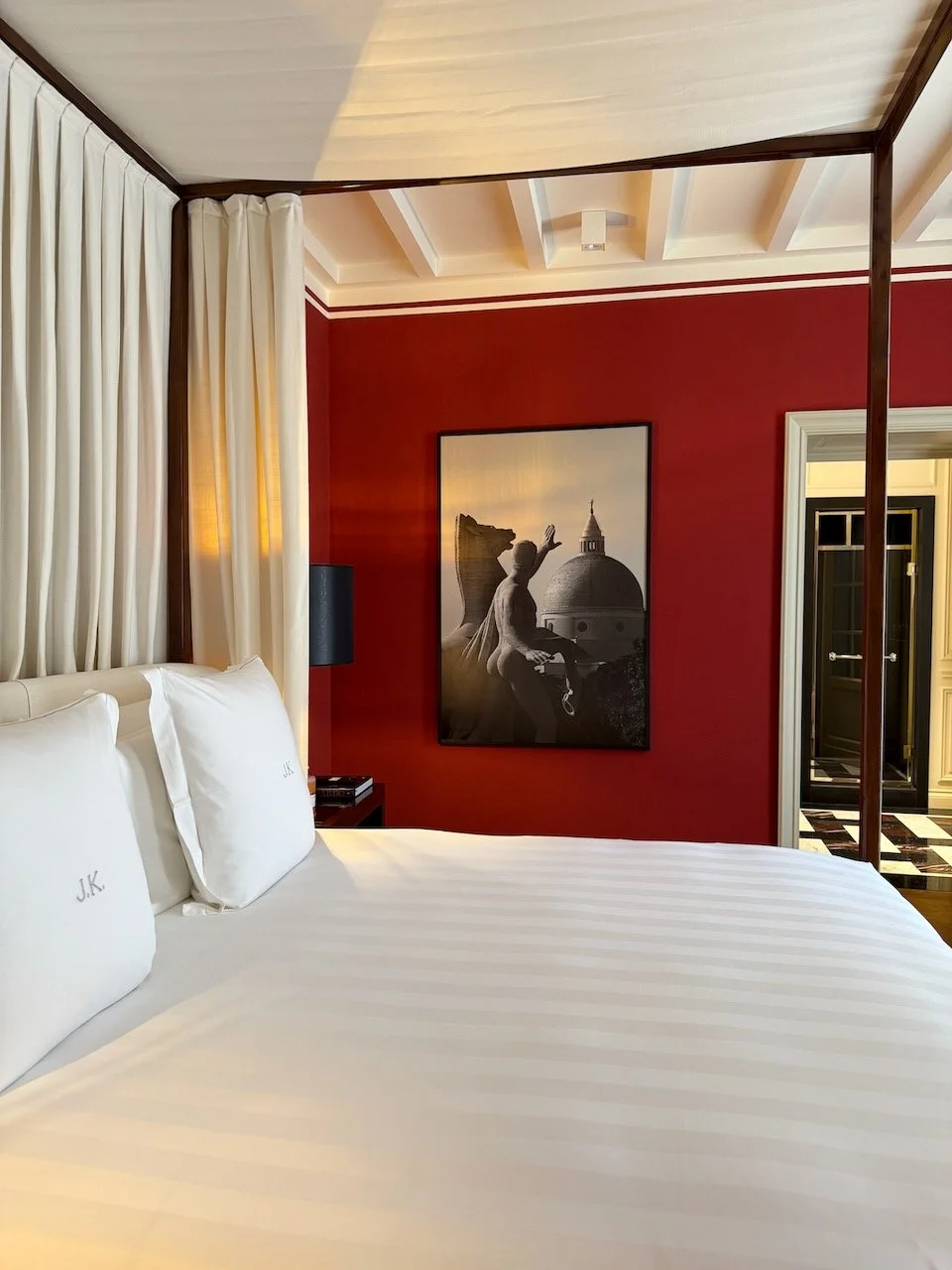
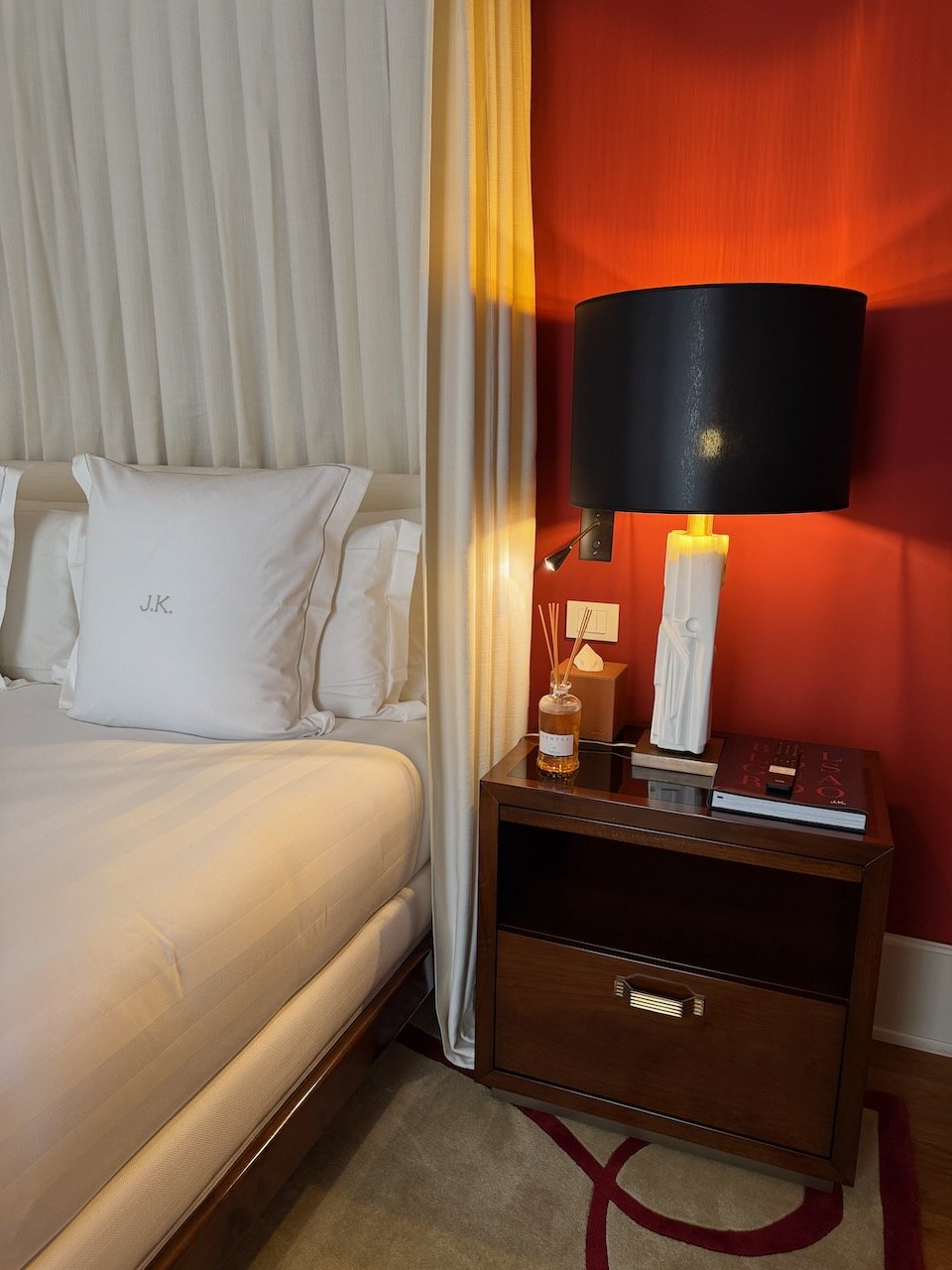
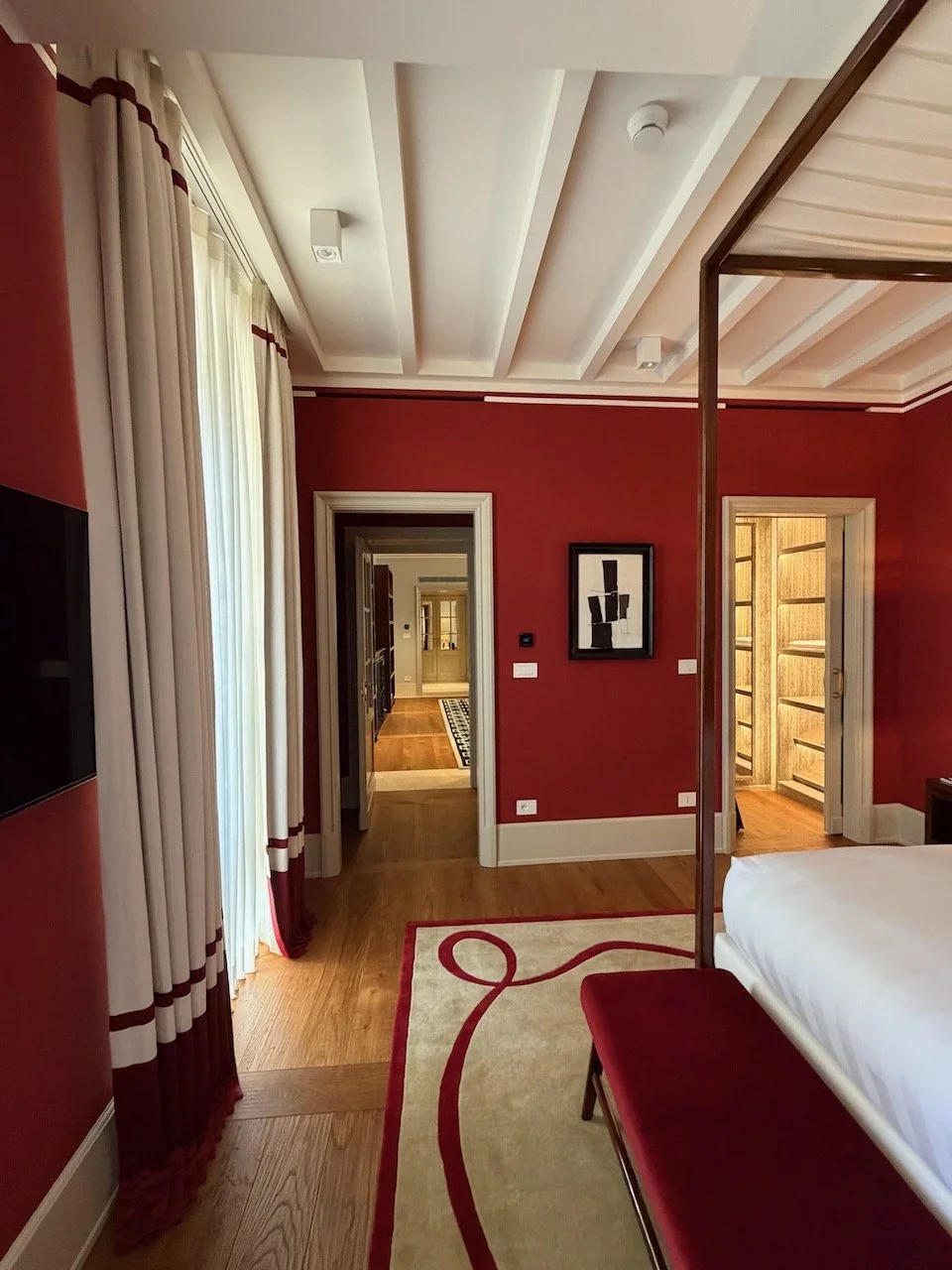
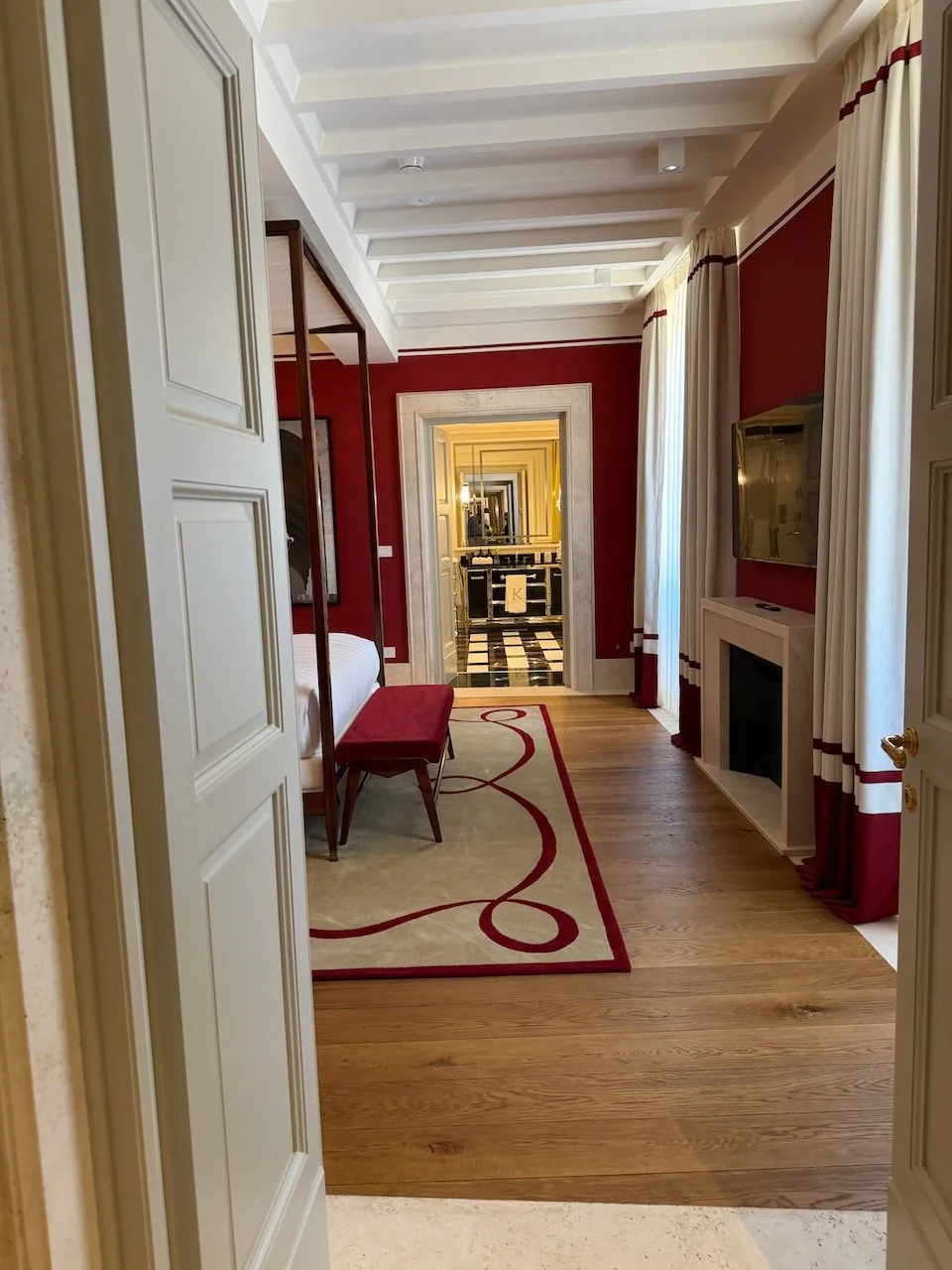
I stayed for one night, and the room experience contributed to the feeling of being genuinely looked after. The hotel has that rare “best room in the house” energy — not necessarily because of size alone, but because the whole experience feels personally arranged.
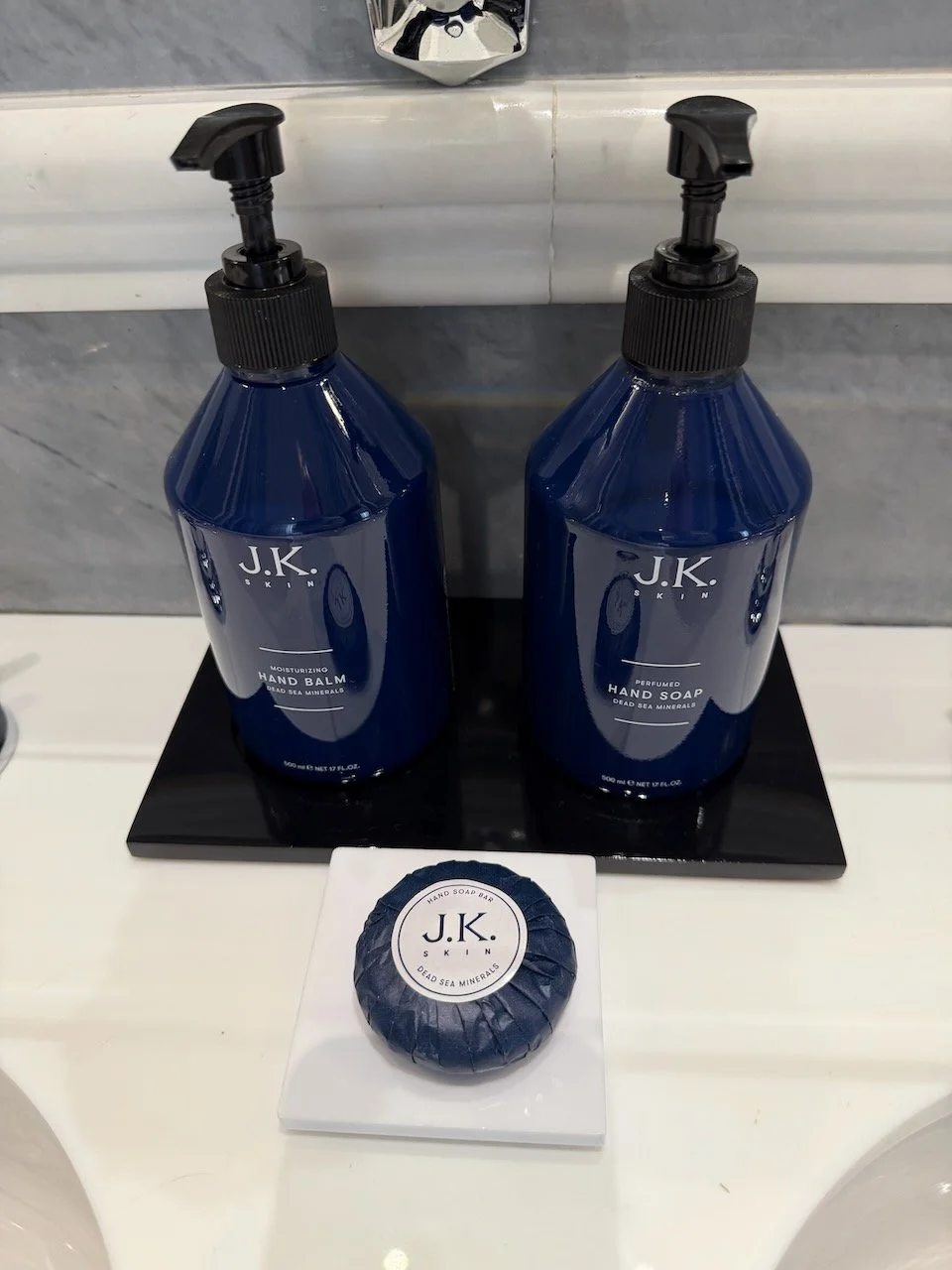
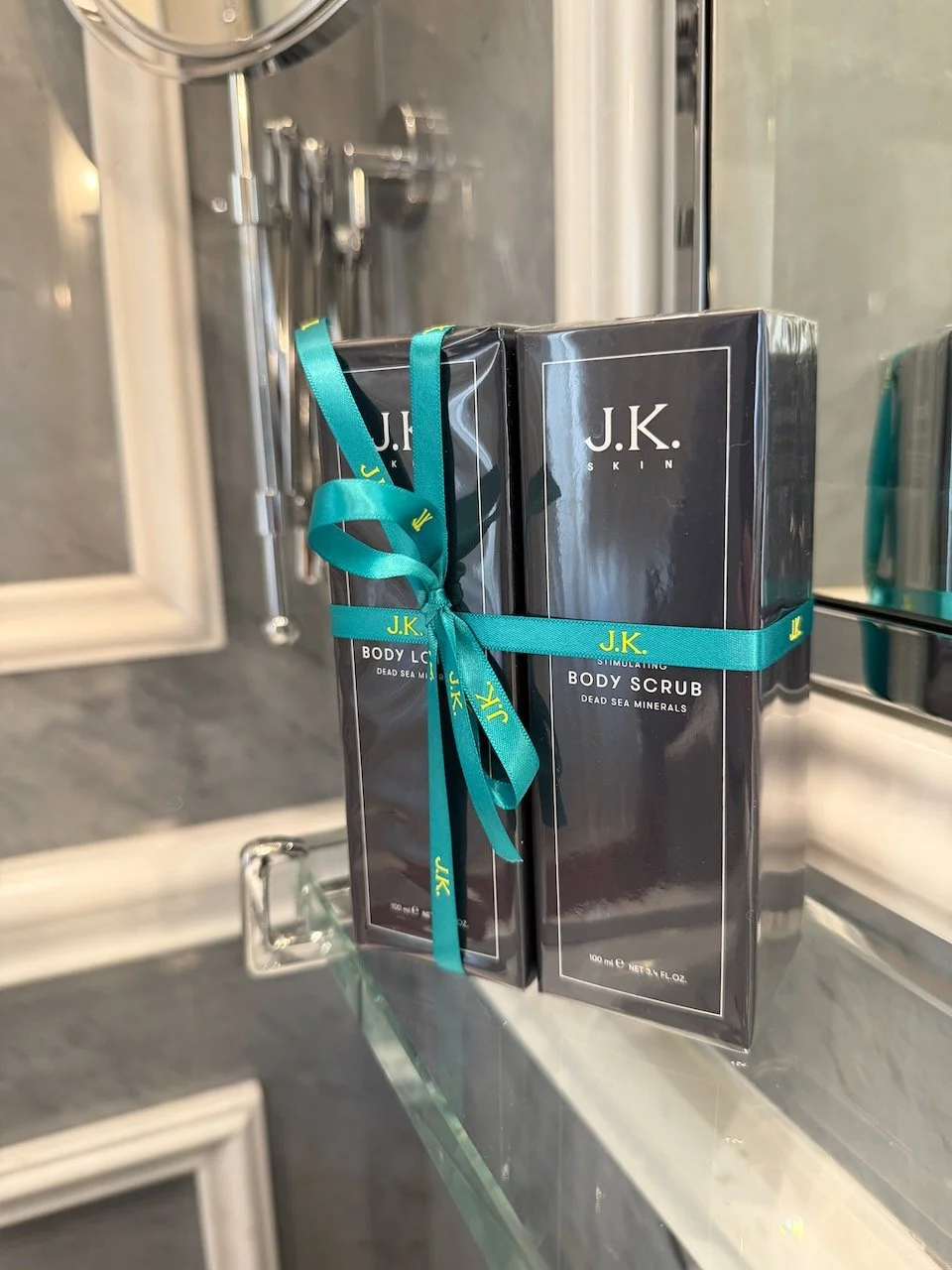
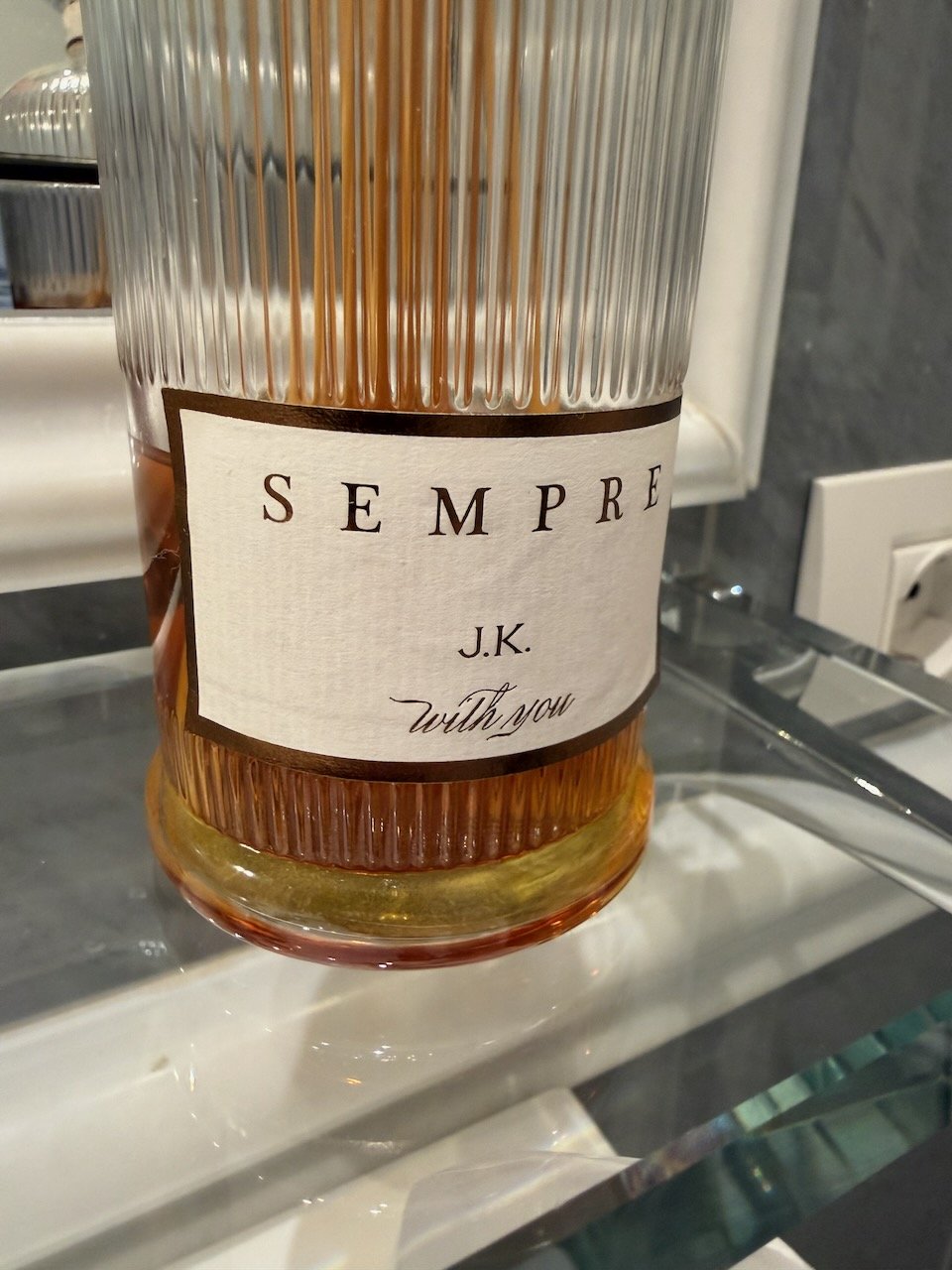
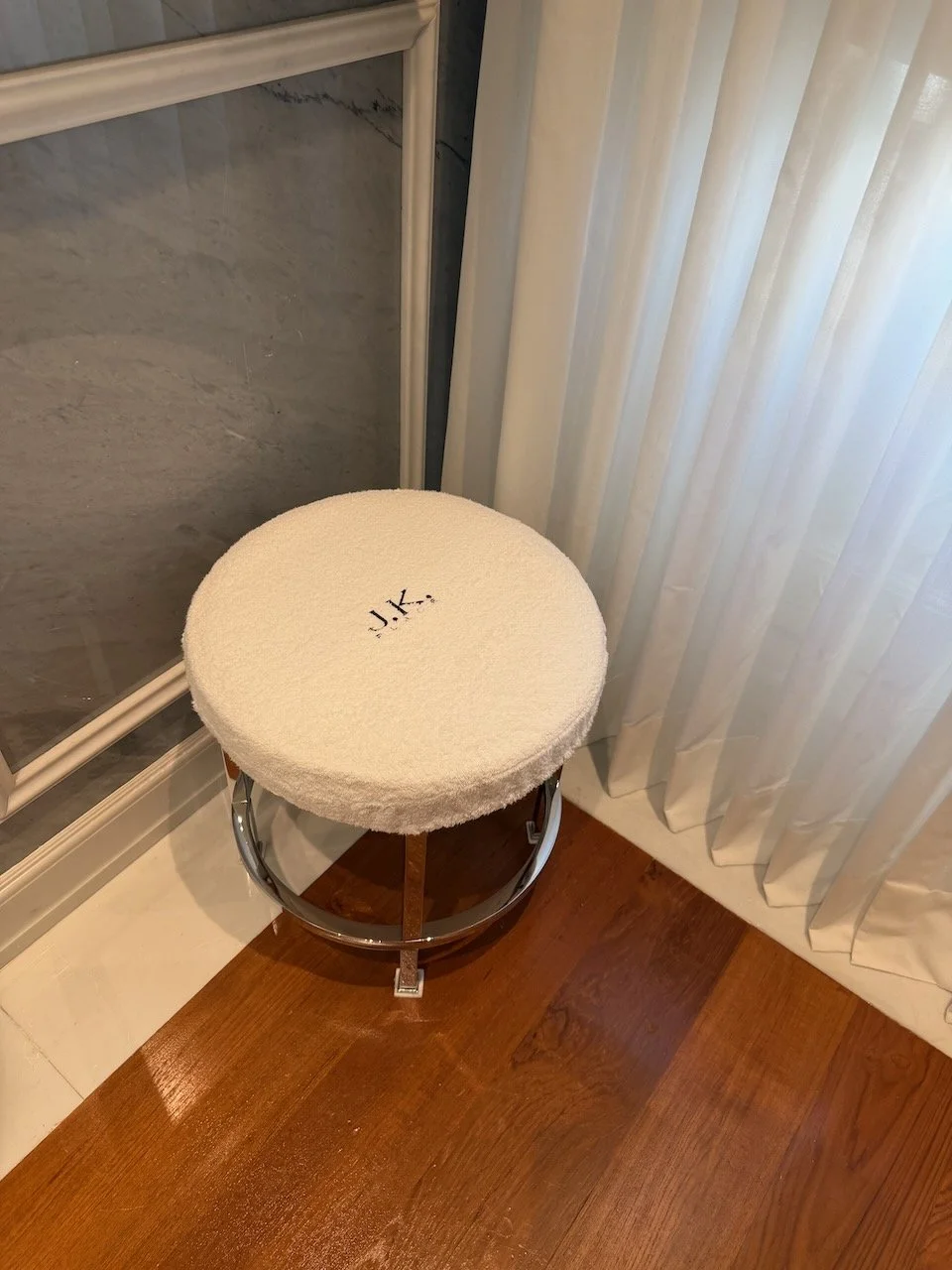
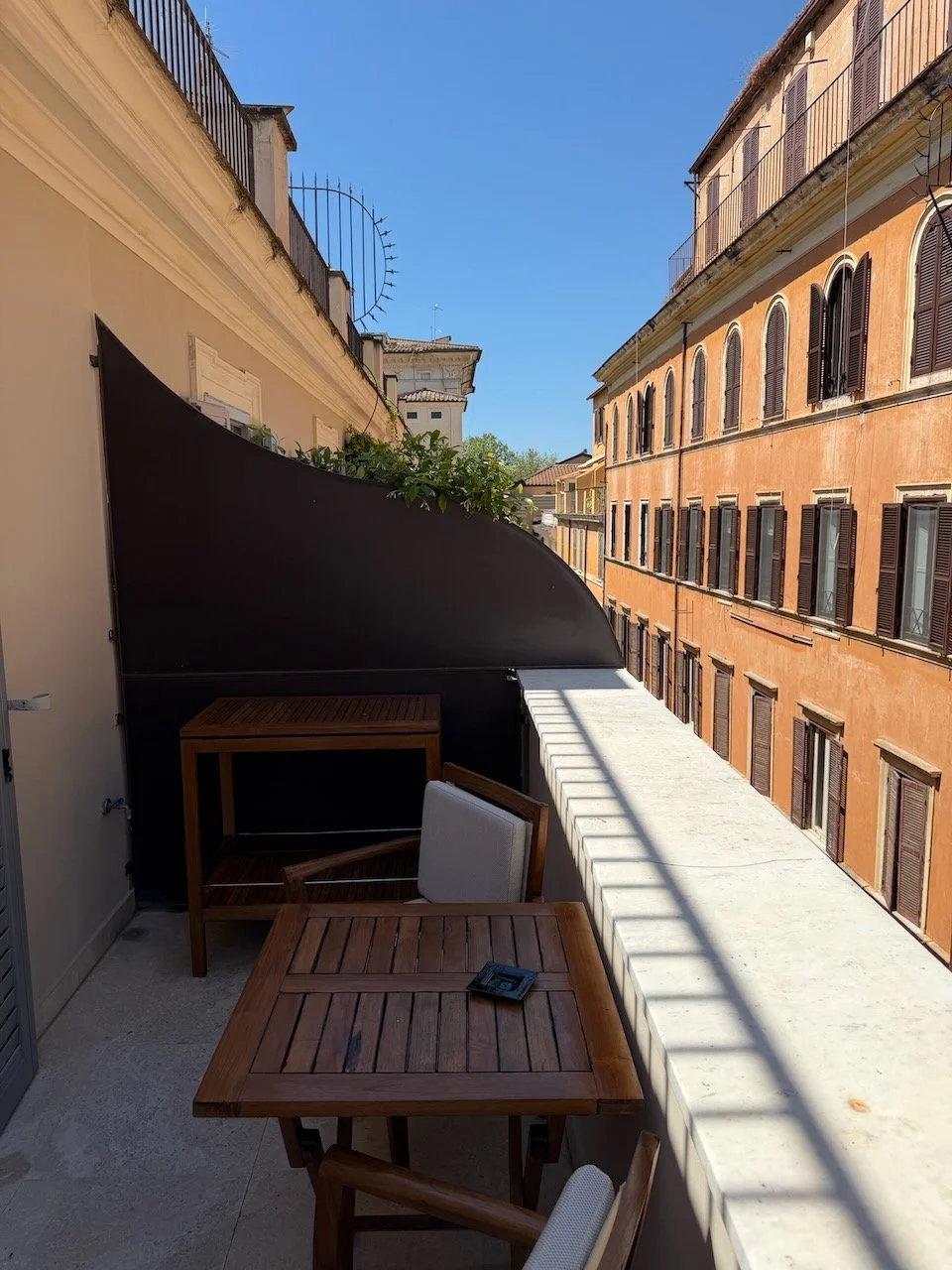
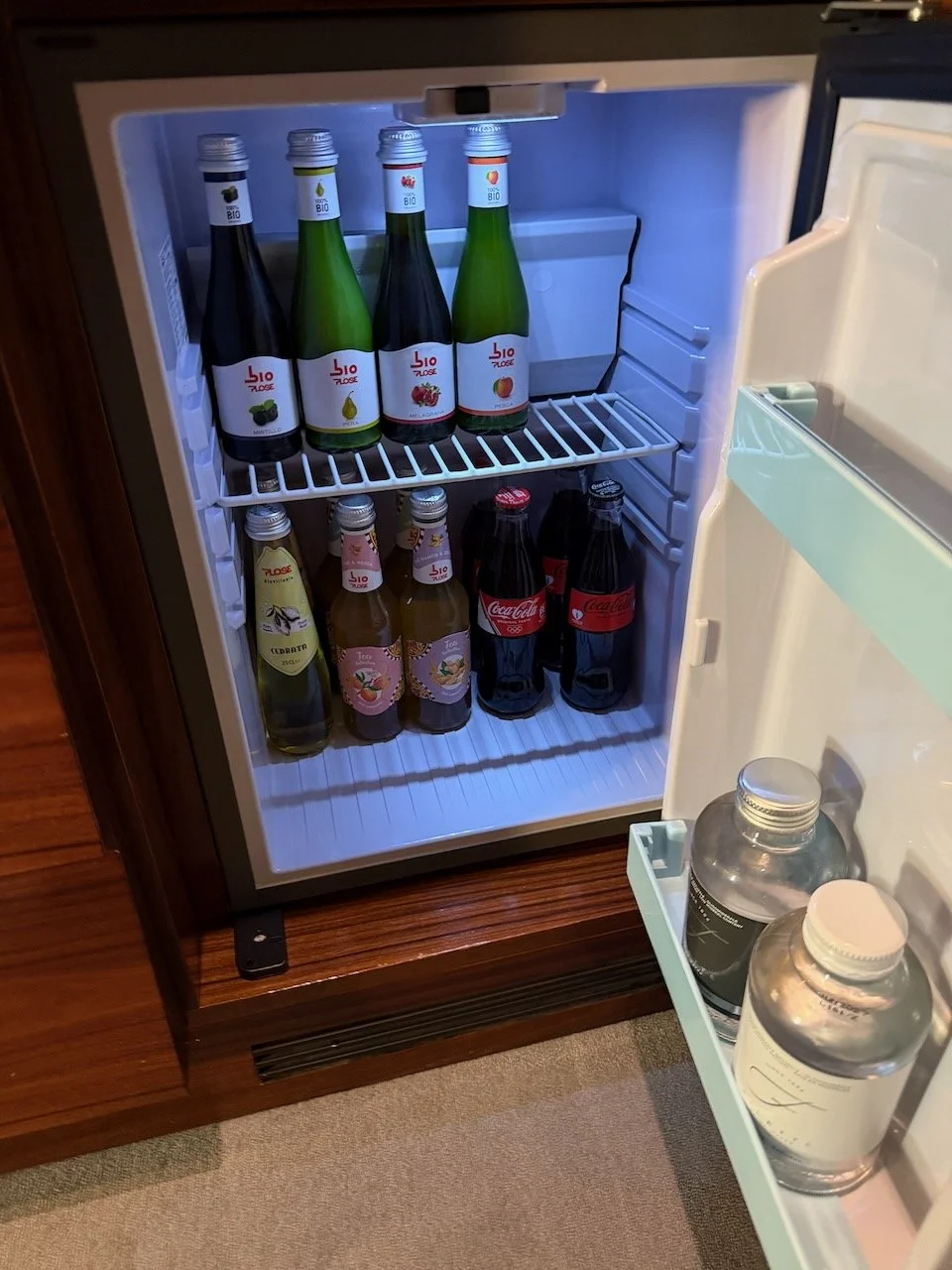
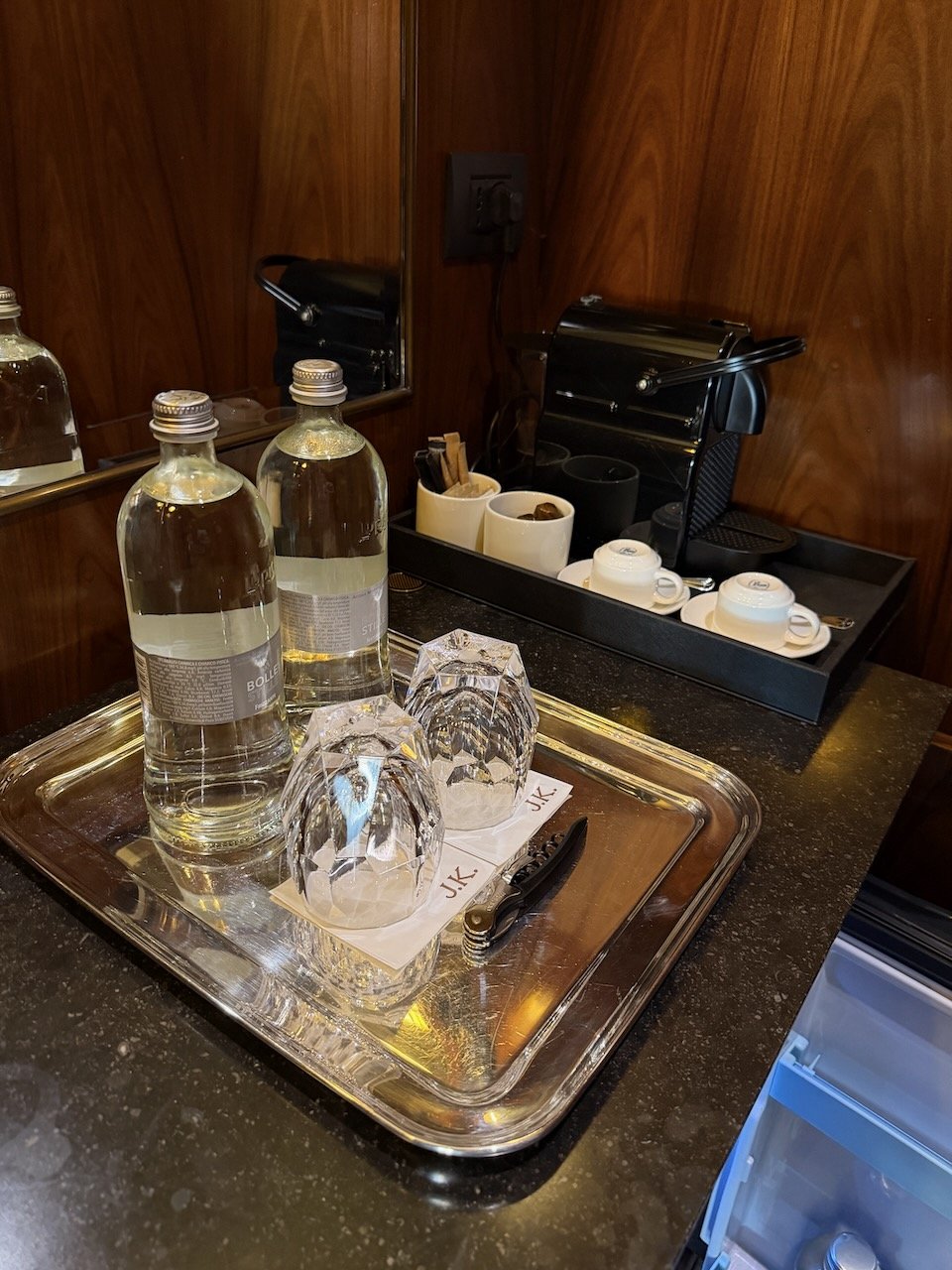
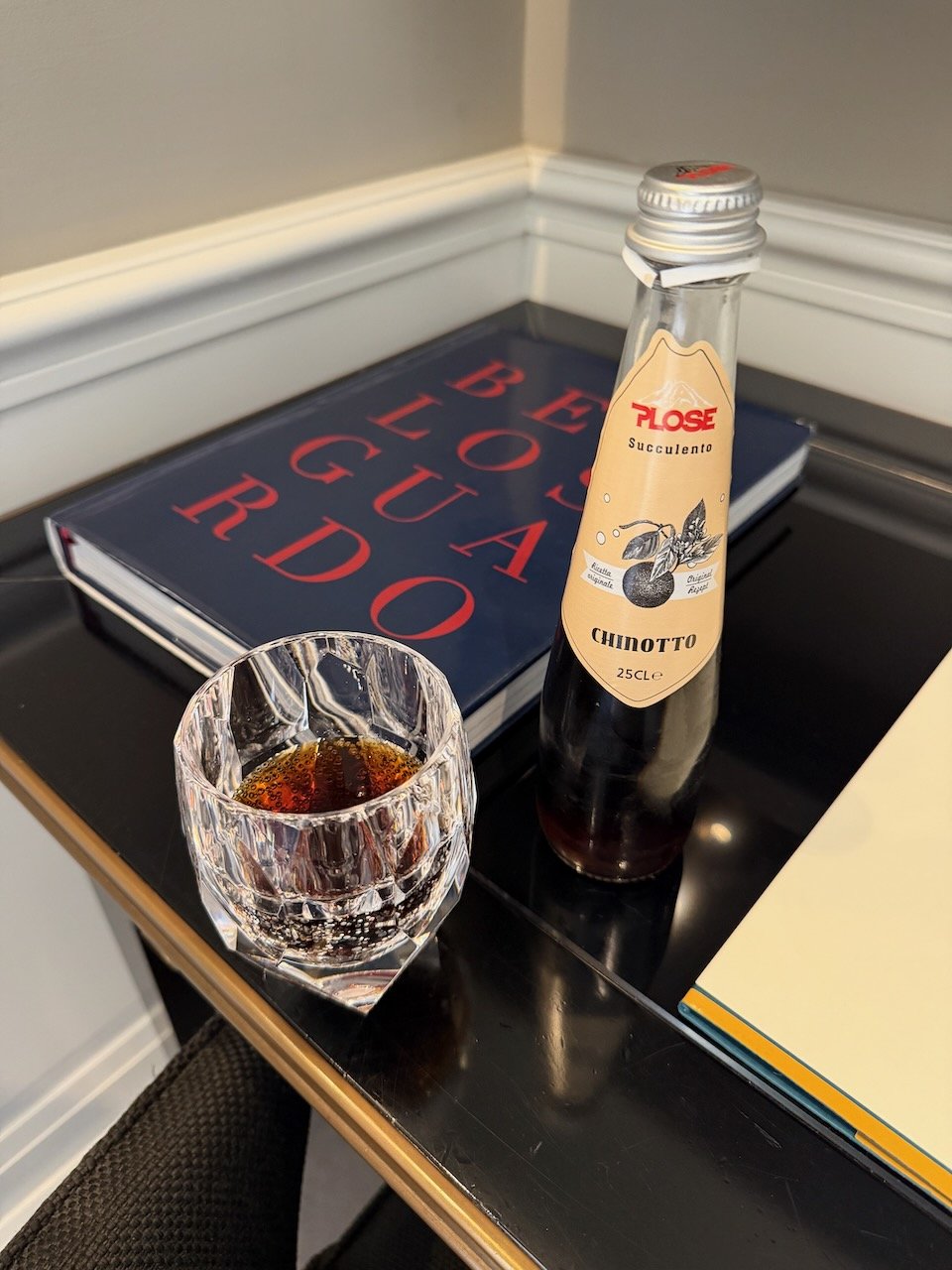
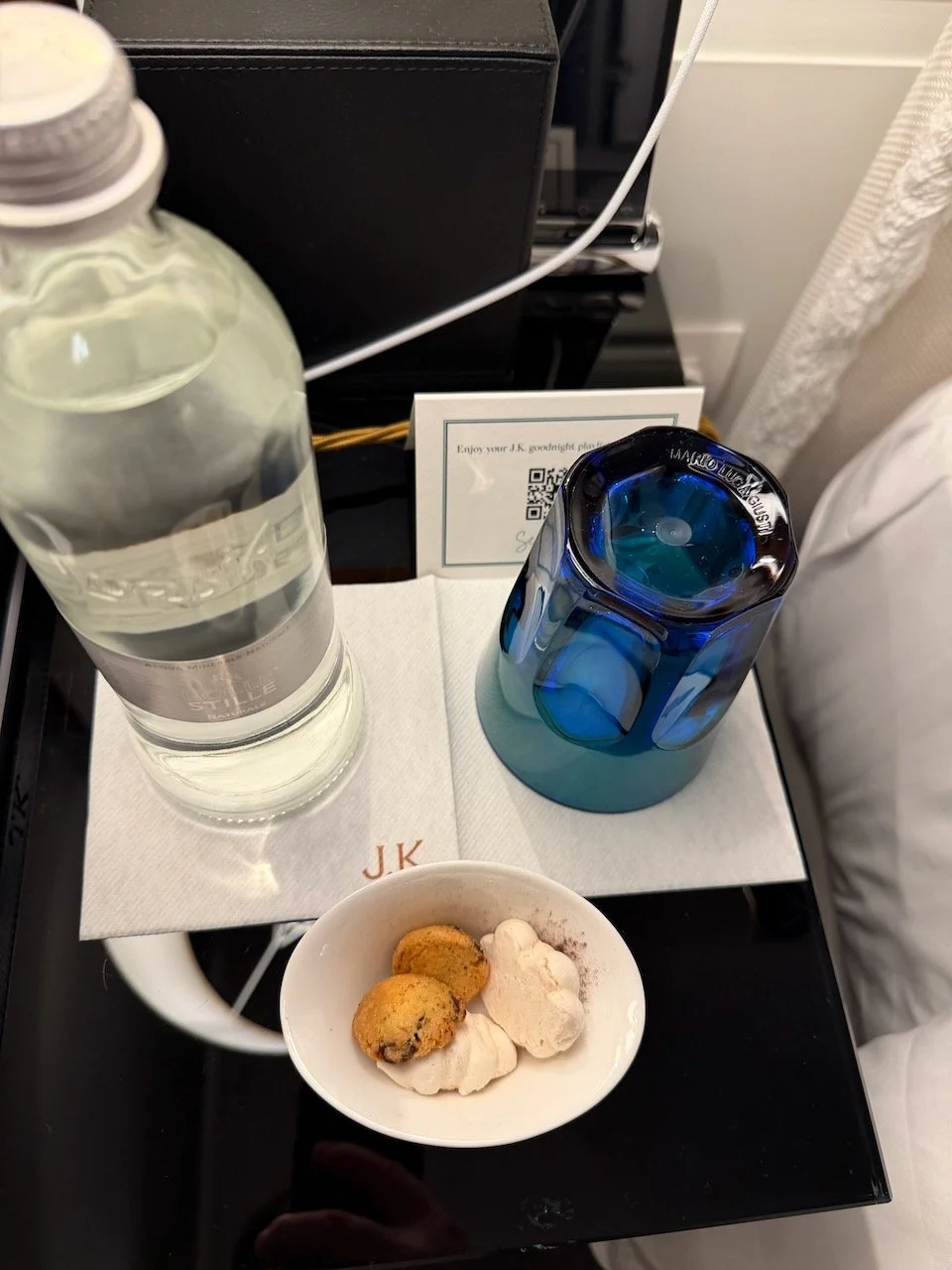
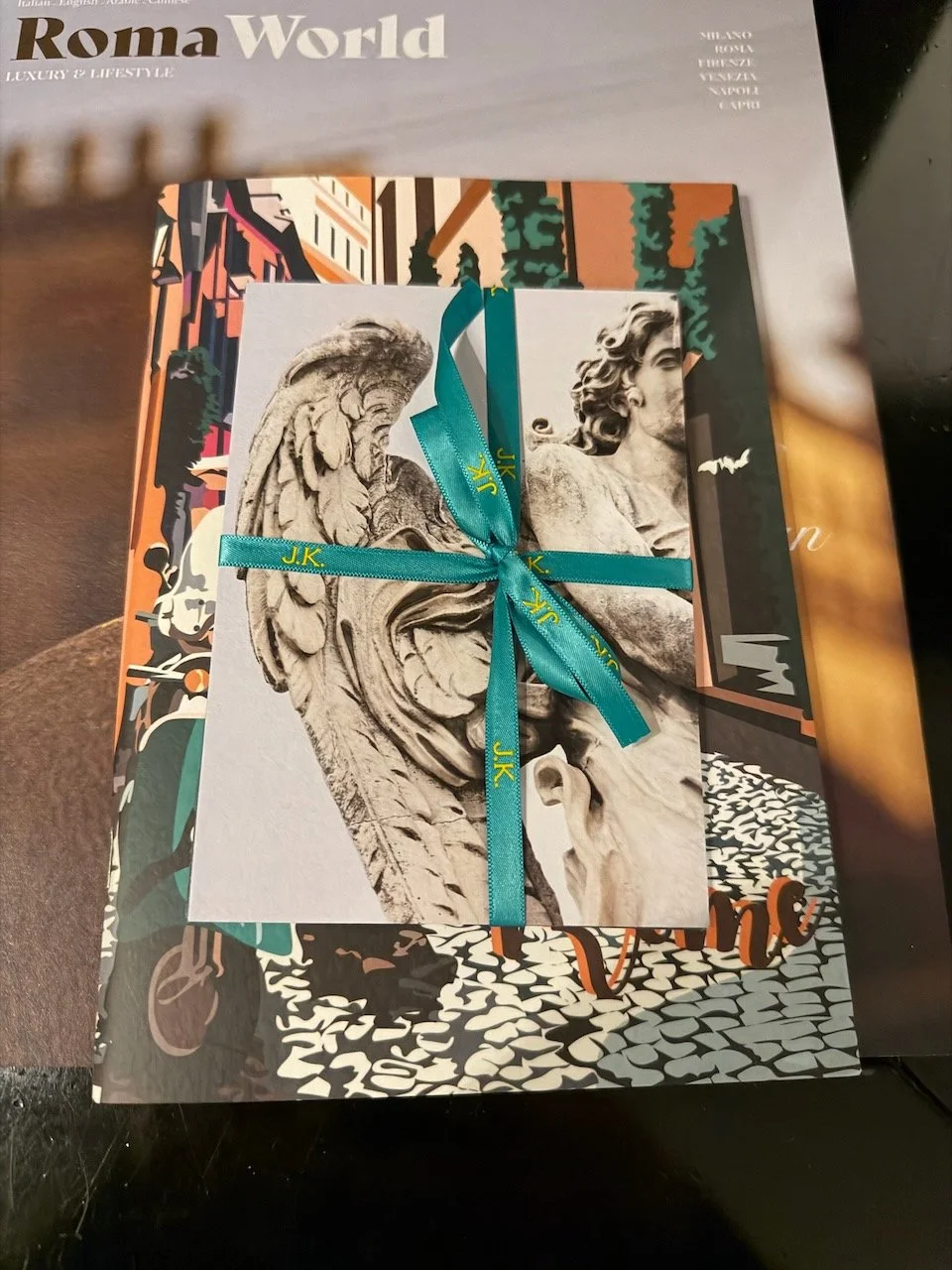
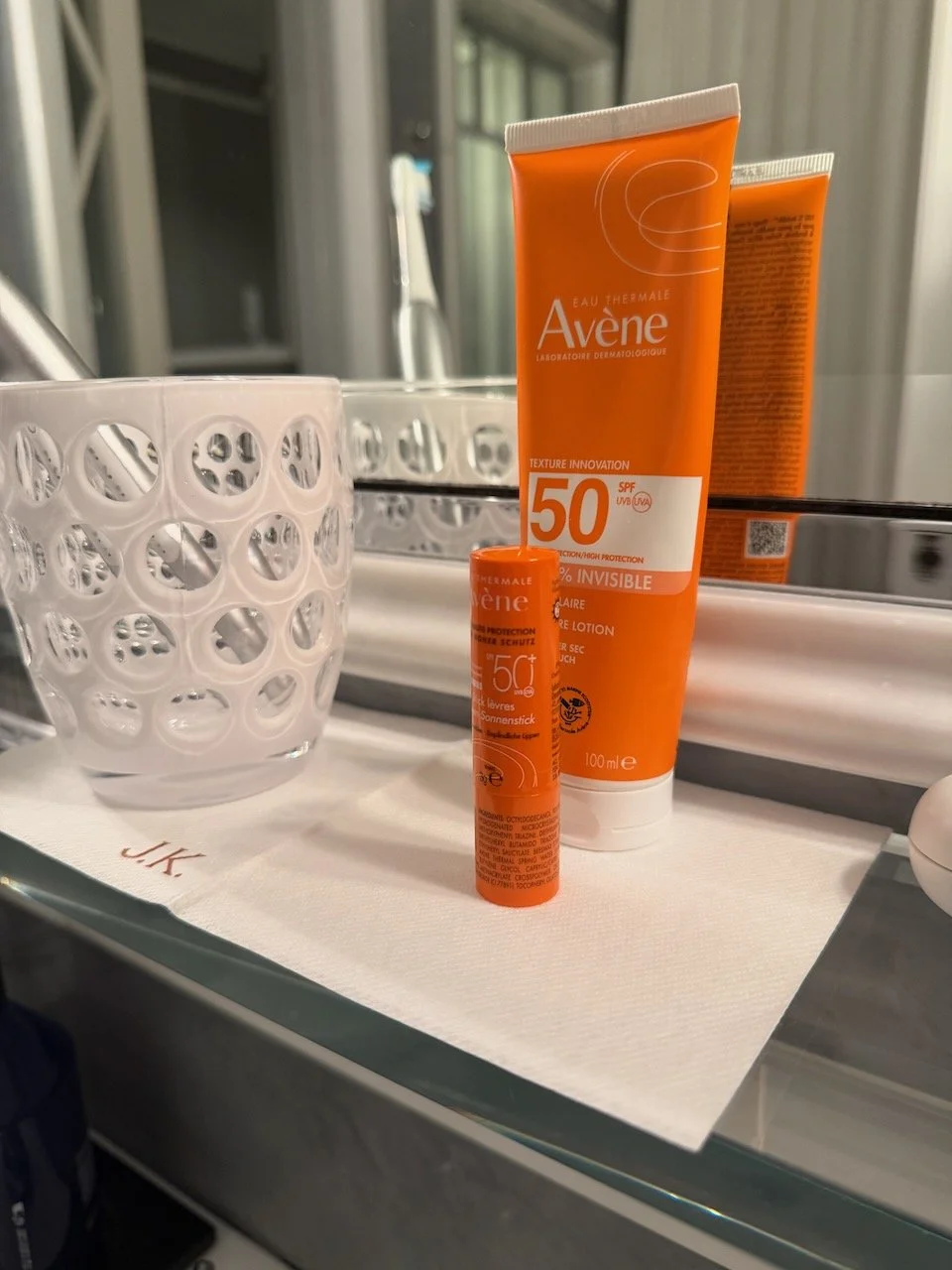
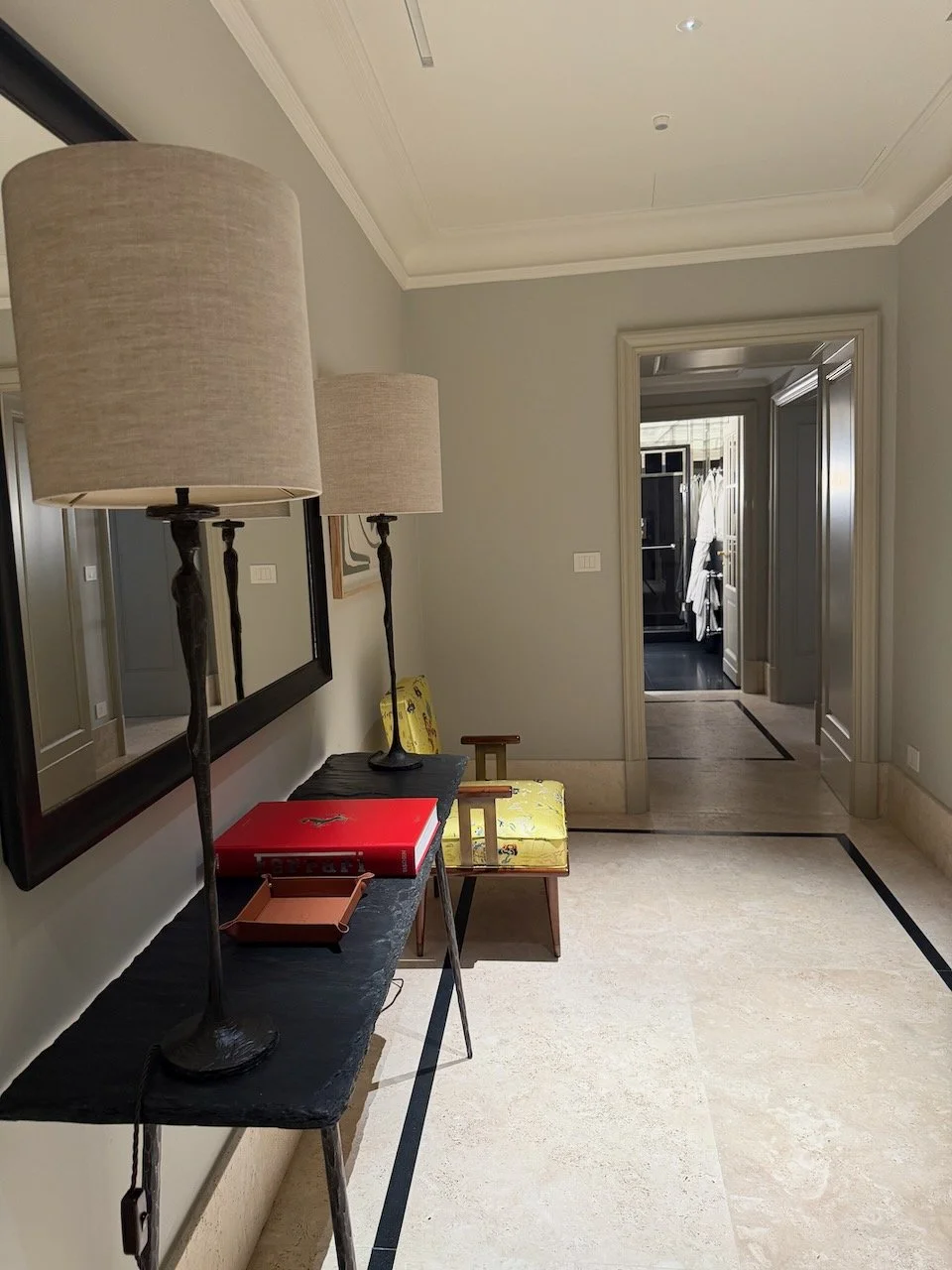
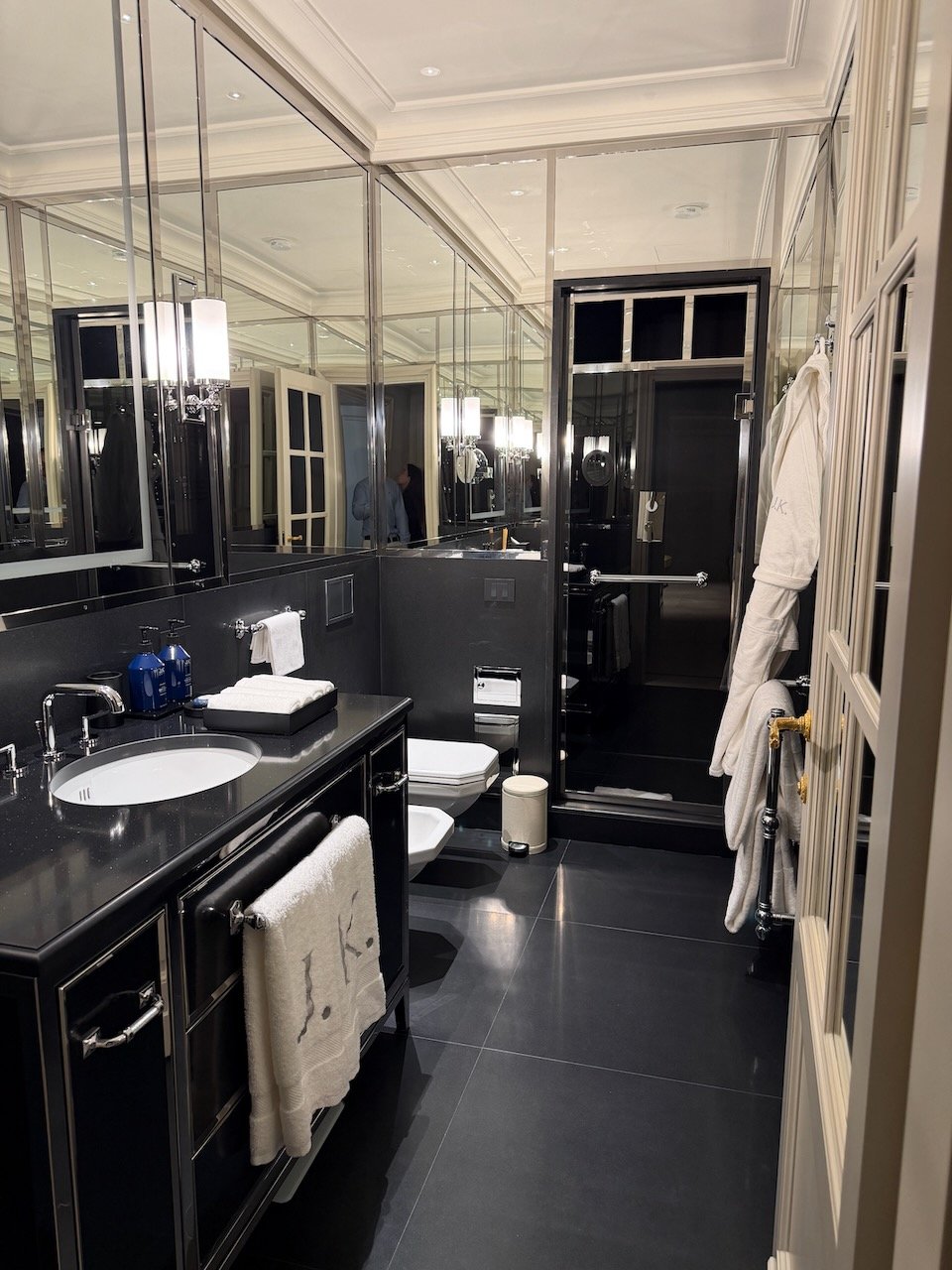
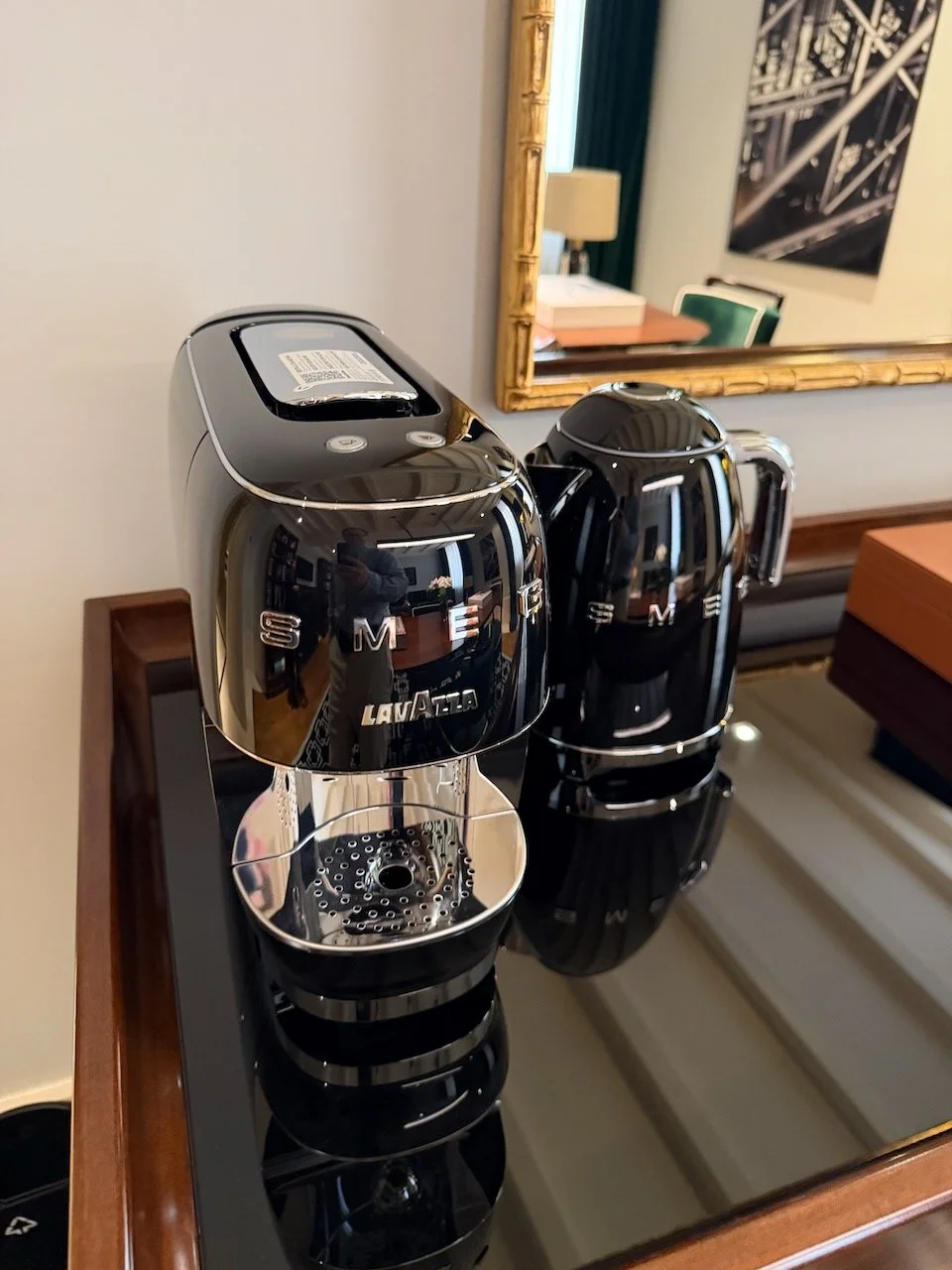
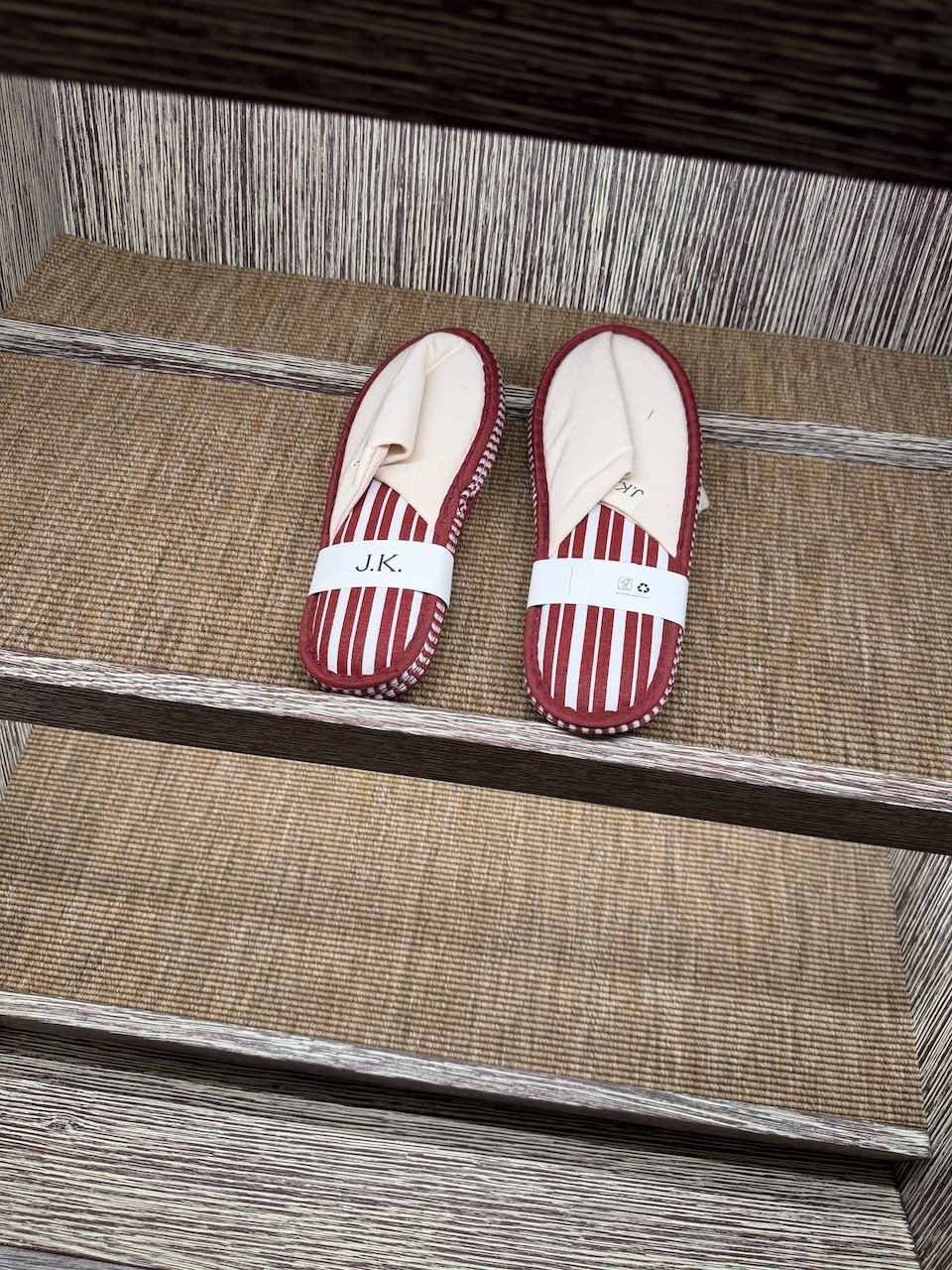
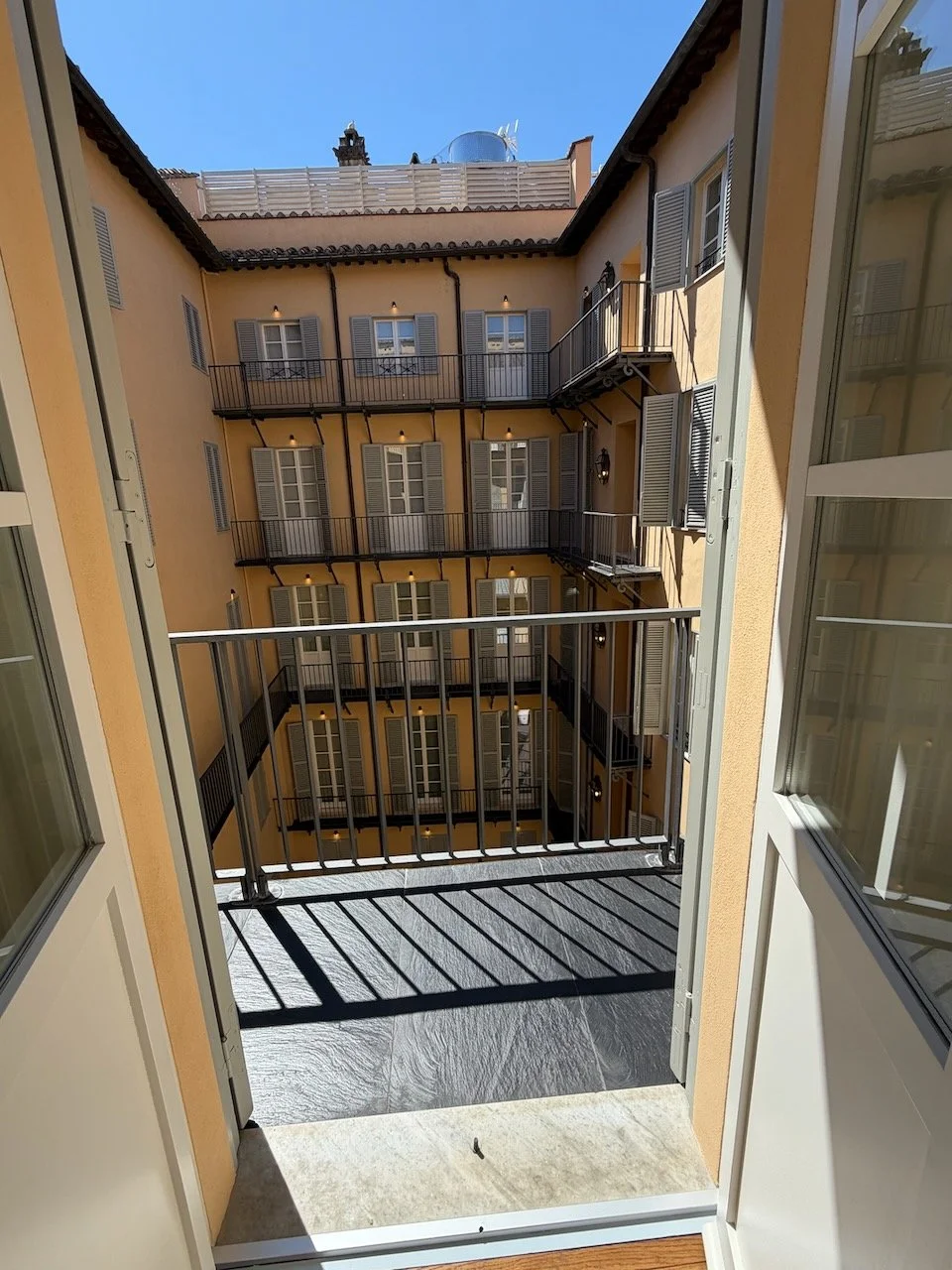
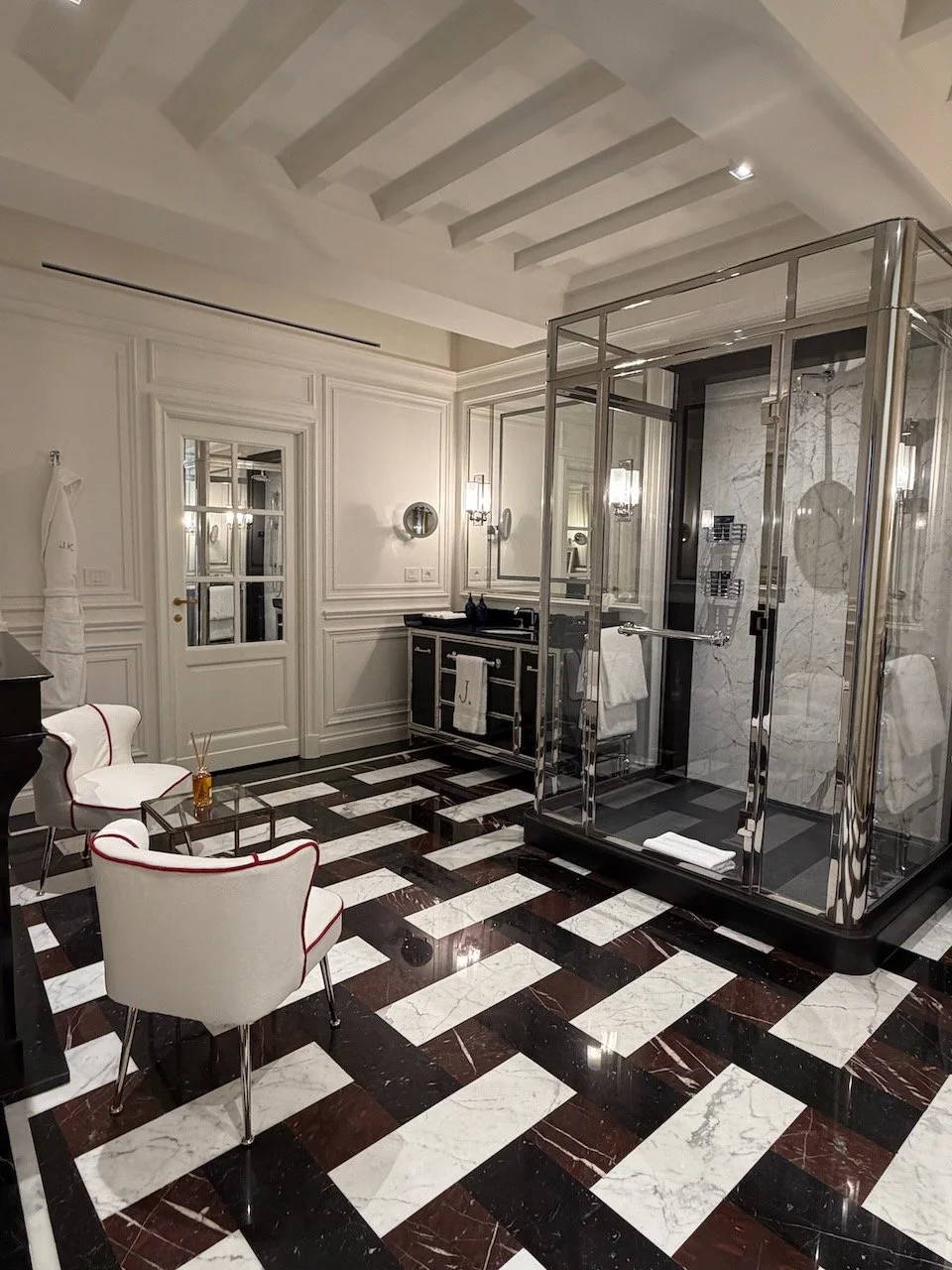
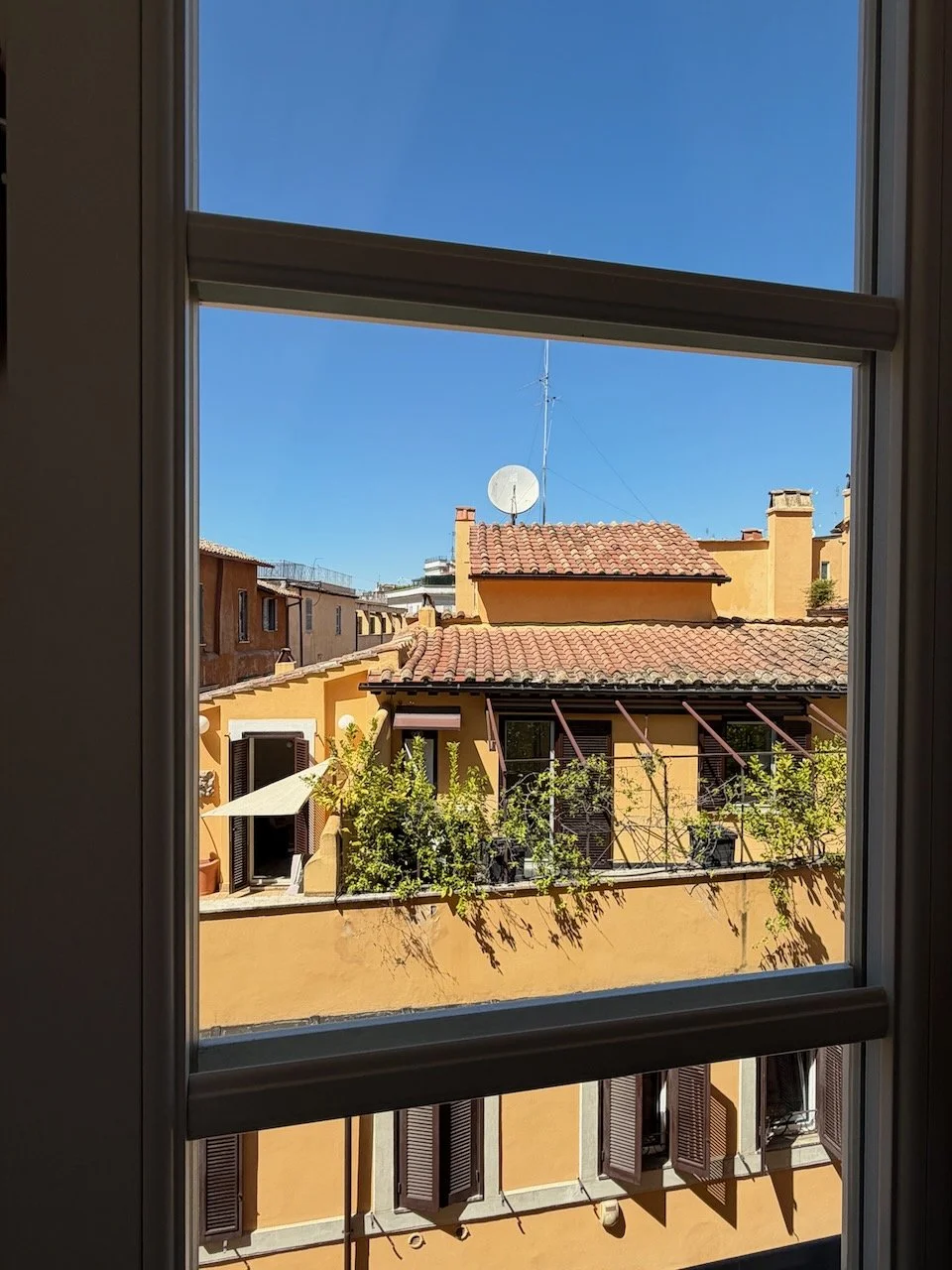
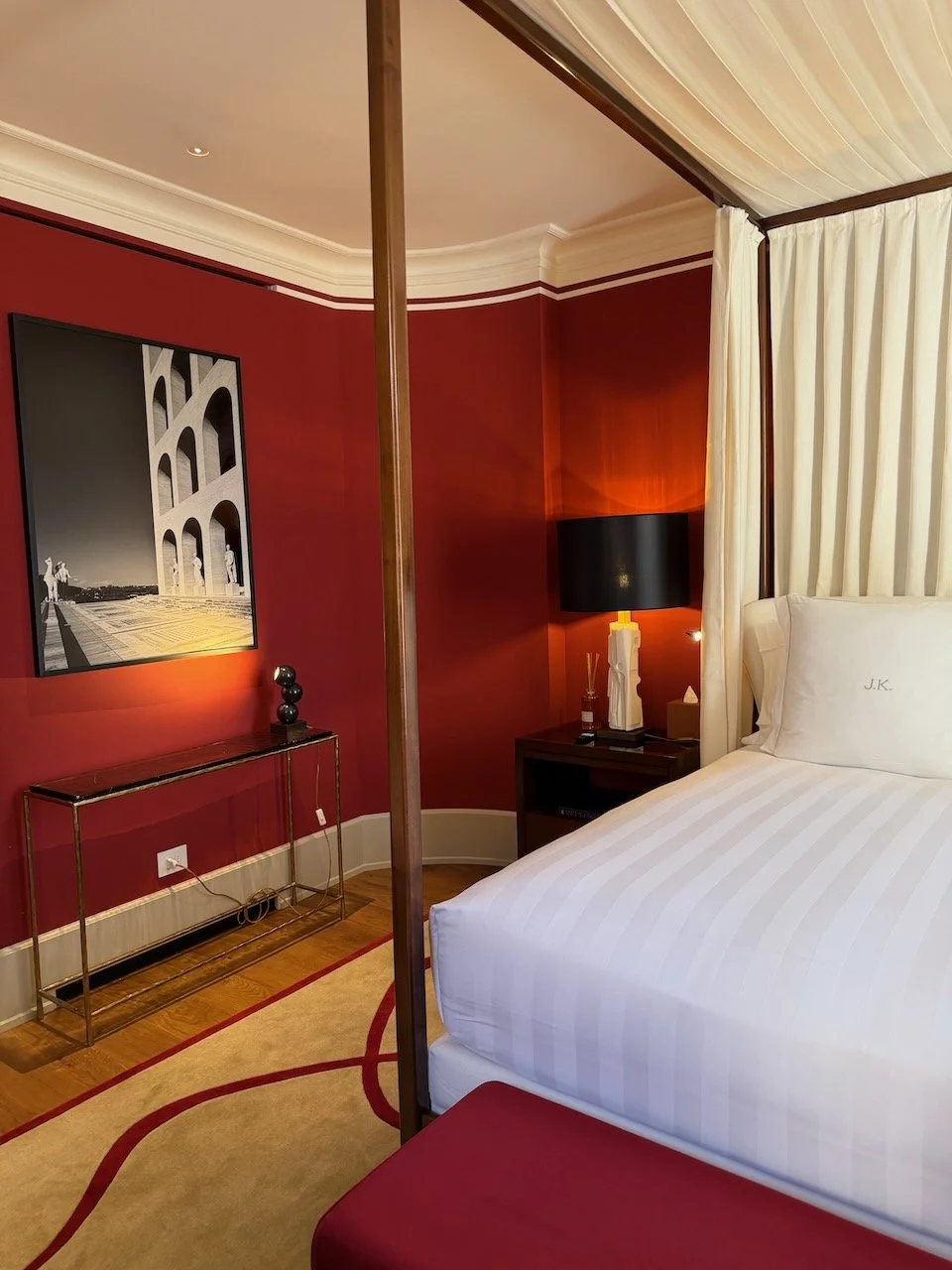
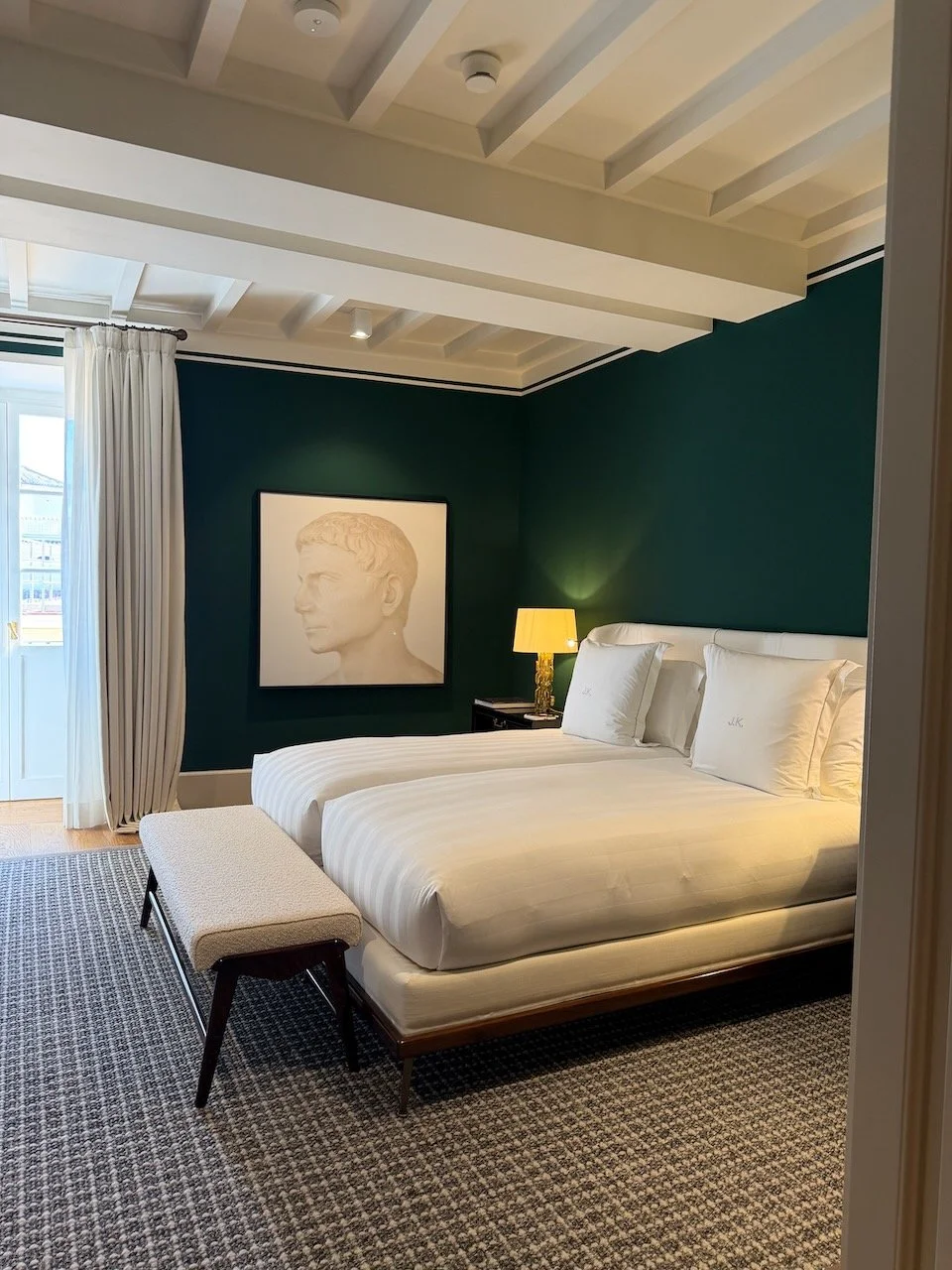
My room was an upgrade from the smaller Classic Room (18 sqm) to a beautiful Superior Balcony Double Room (26 sqm). The balcony was a nice touch. Sitting there with a red wine feeling like a part of Rome. It was not high enough for a grand view, but made you feel like a local. The non-alcoholic mini bar was included in the room rate with daily refills. Very comfortable bed, well-sized wardrobe, and large bathroom compared to the room size. With the change from small bathroom amenities to the big bottles, my stash of luxury travel shampoos at home is quite diminished. JK Place though provided a gift-wrapped body lotion and body scrub for me to take home. Cool touch! In general I liked their own branded toiletries.
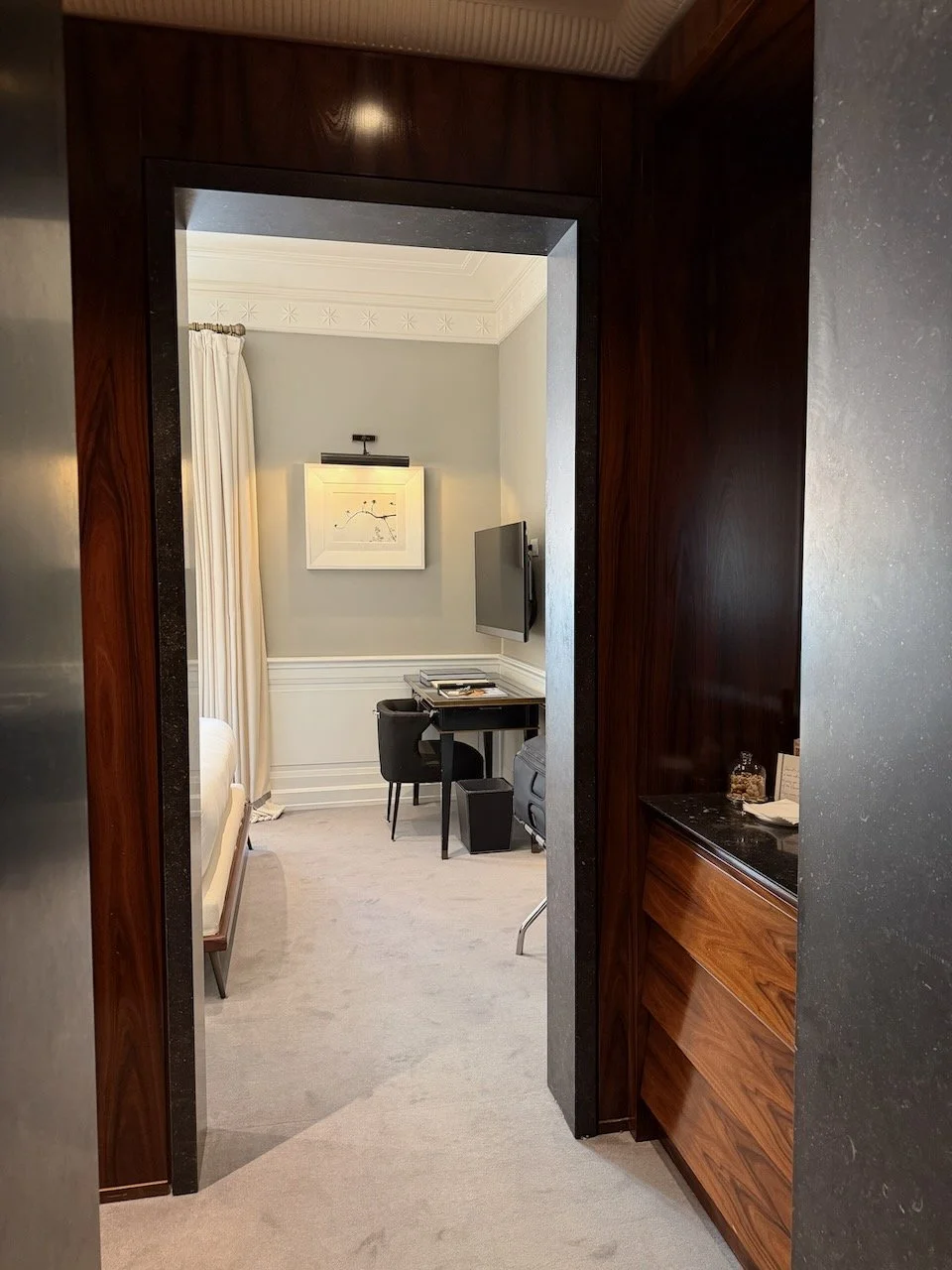
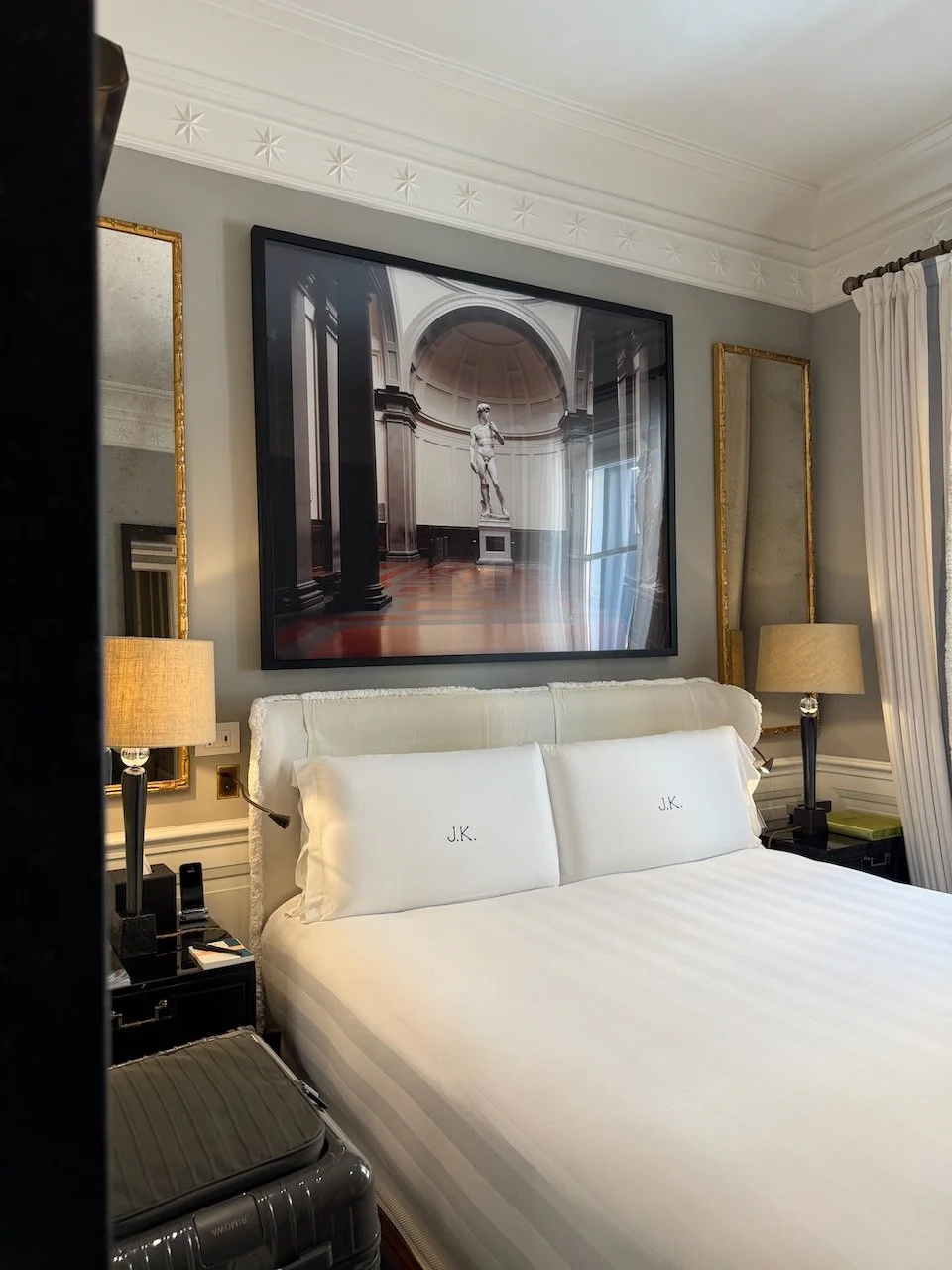
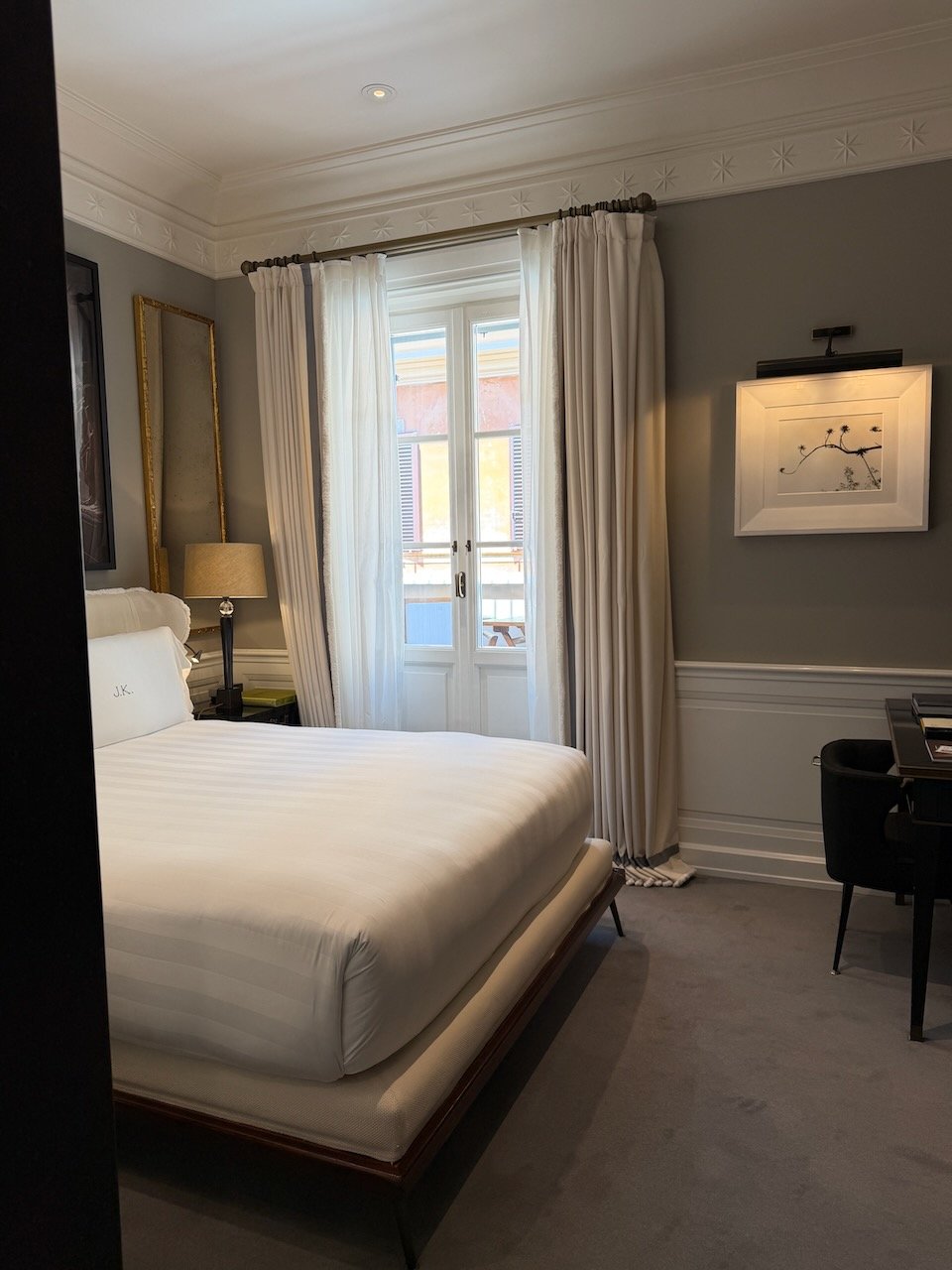
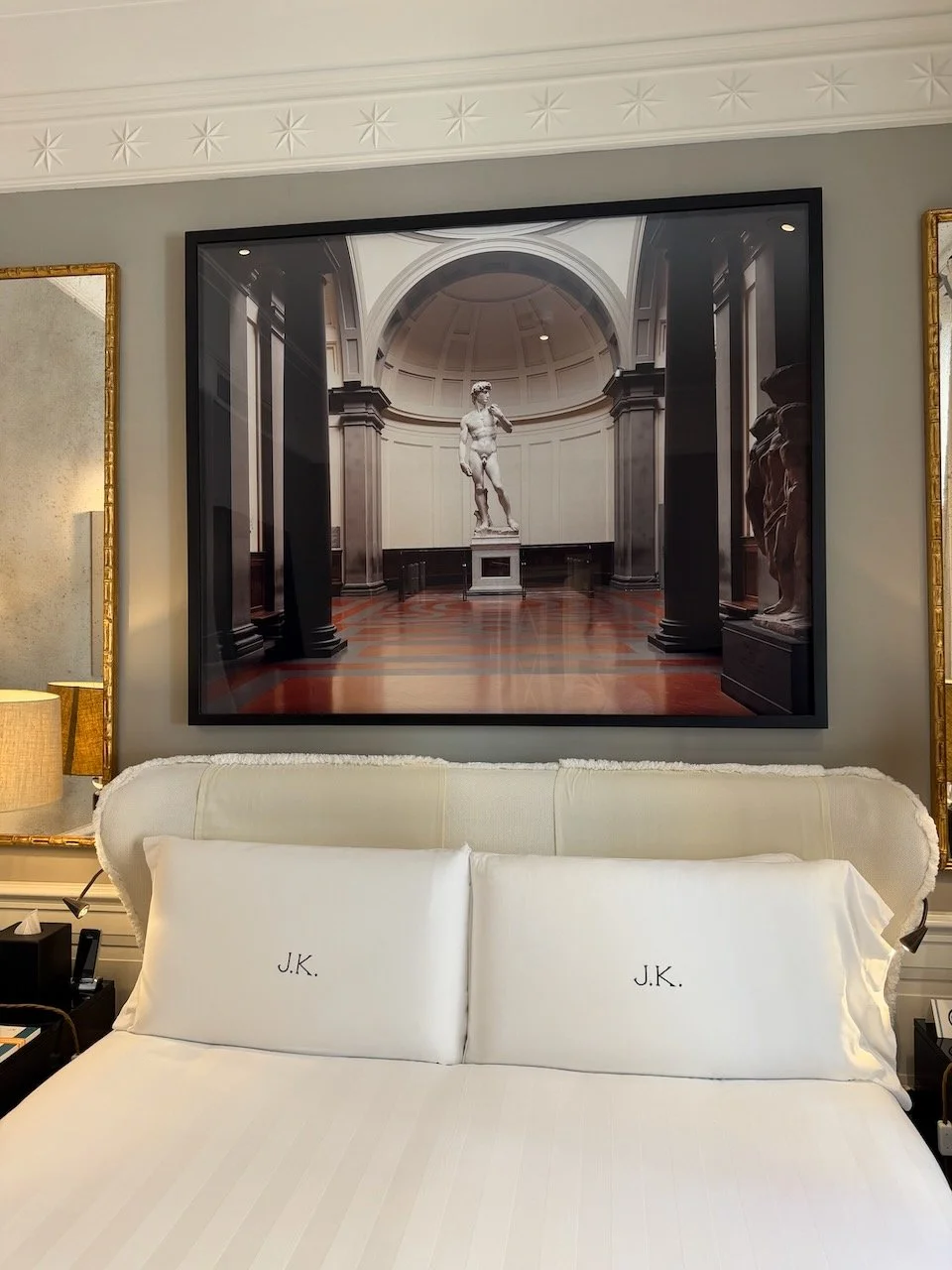
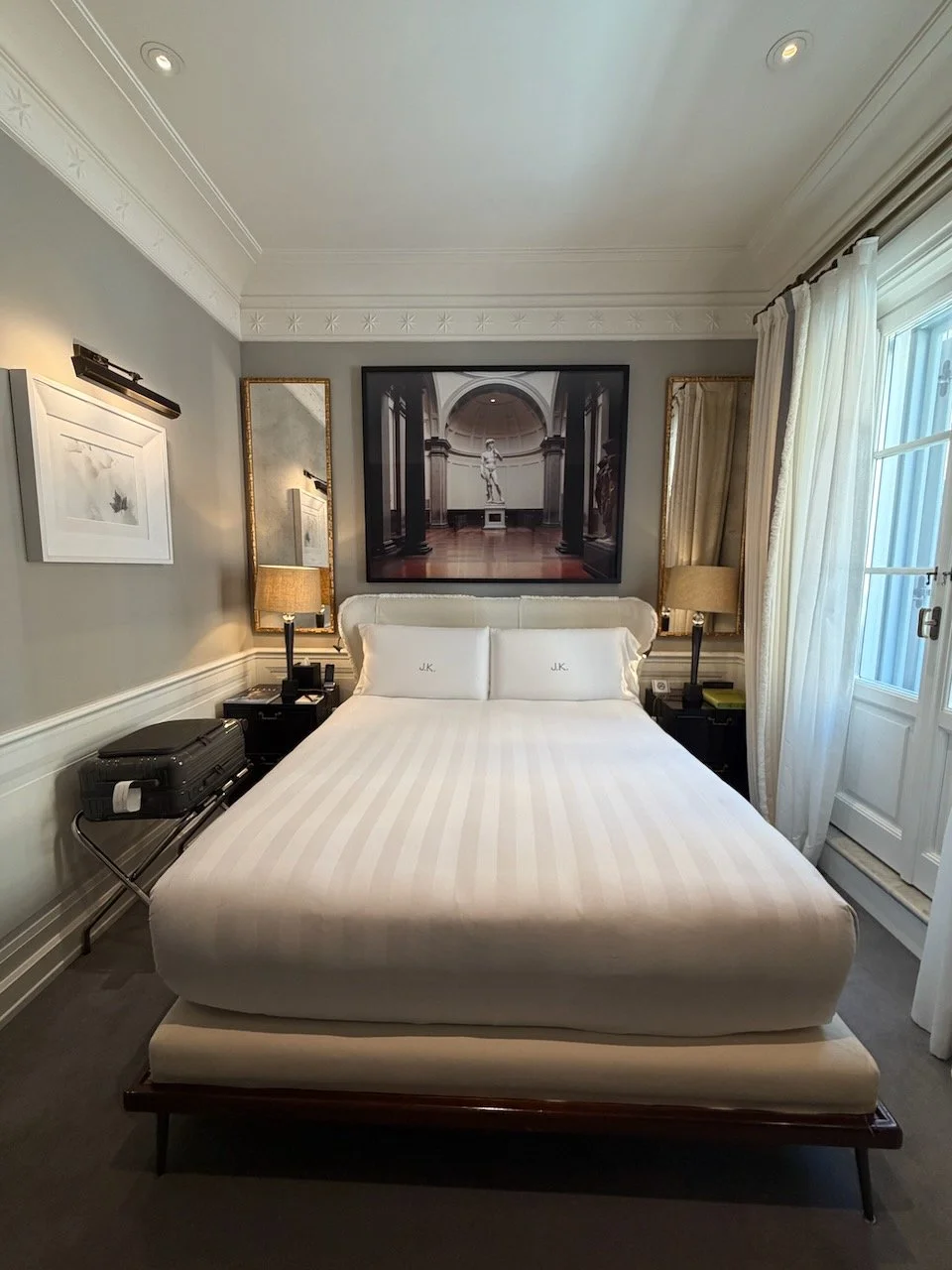
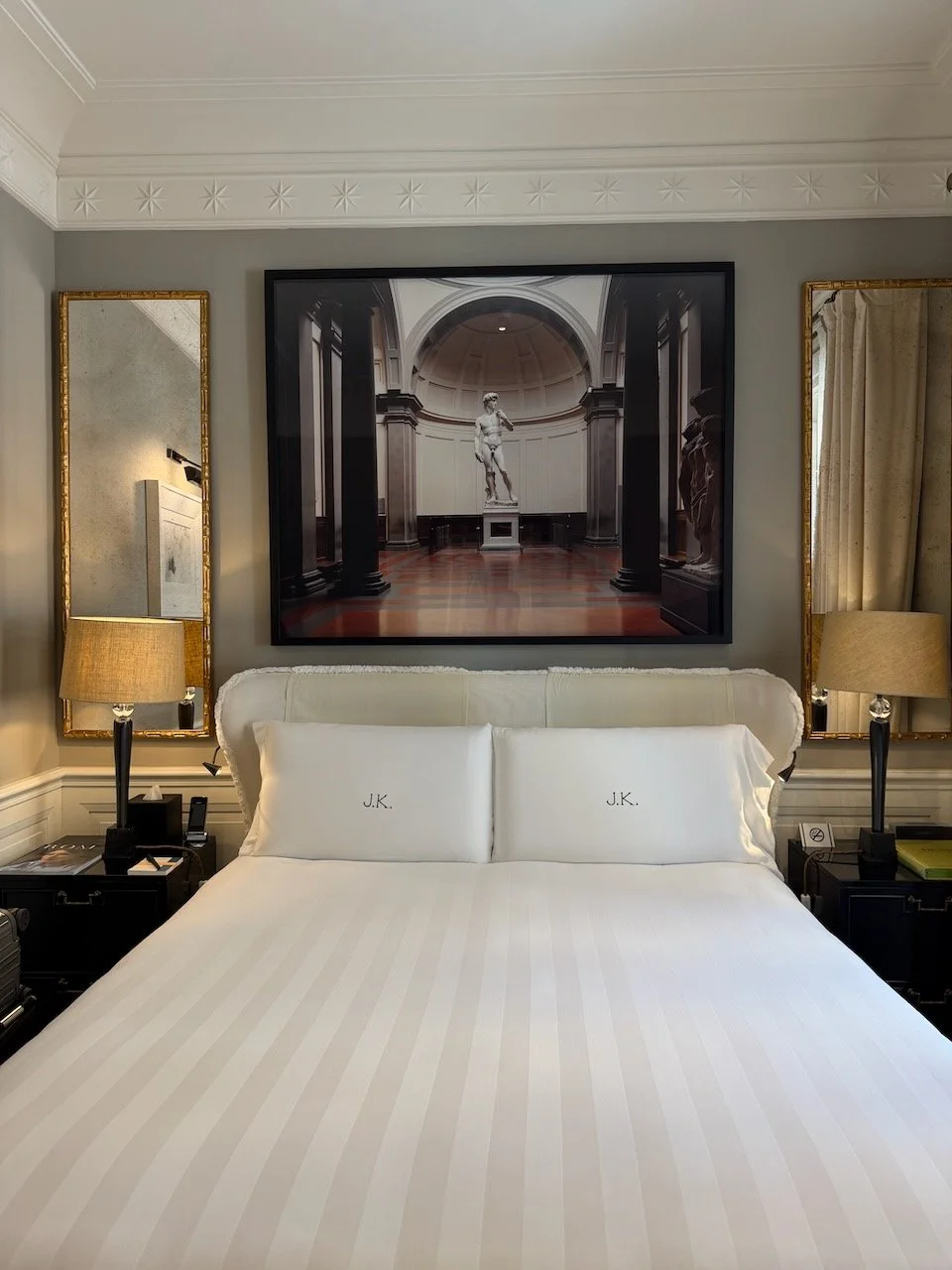
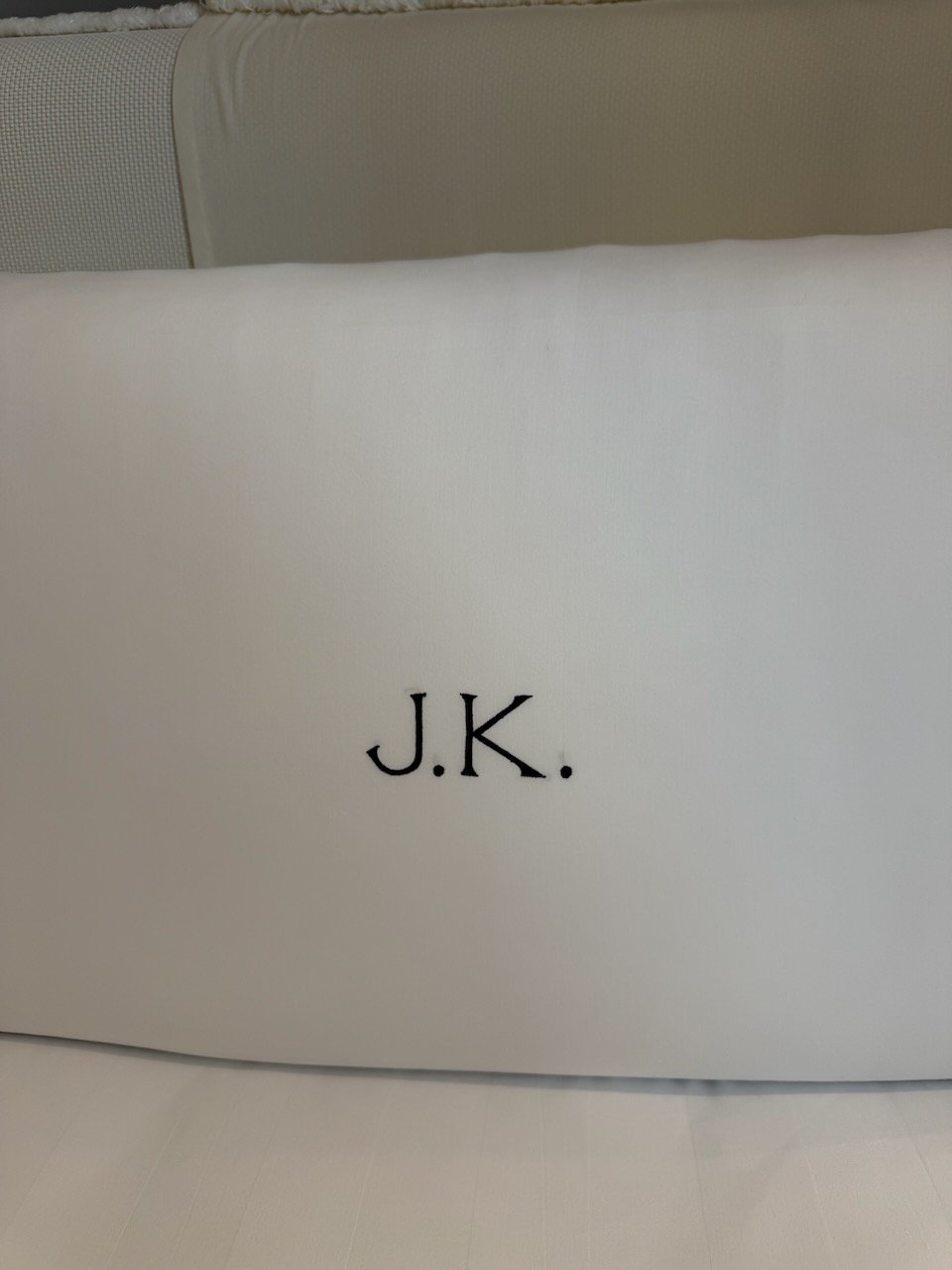
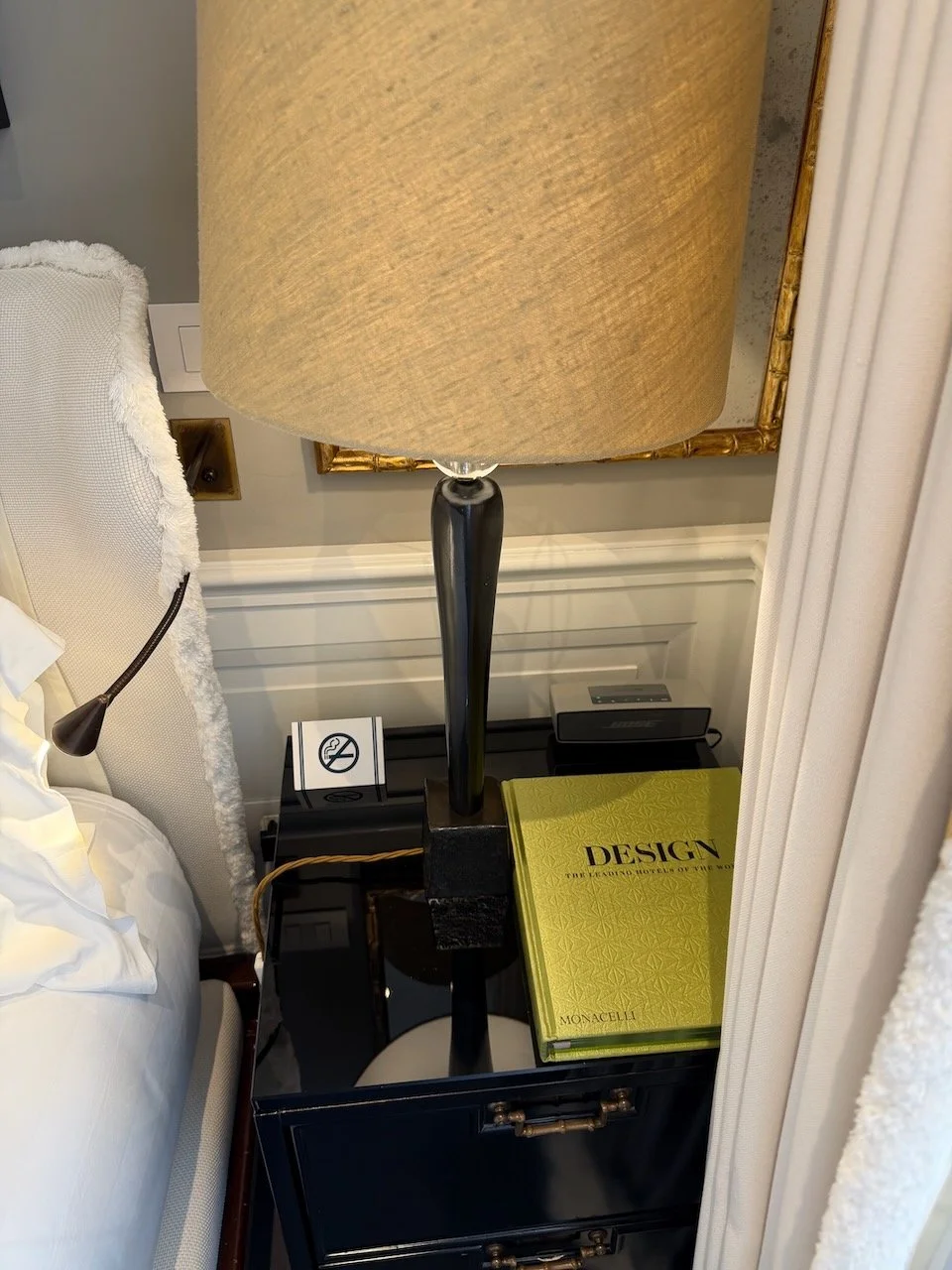
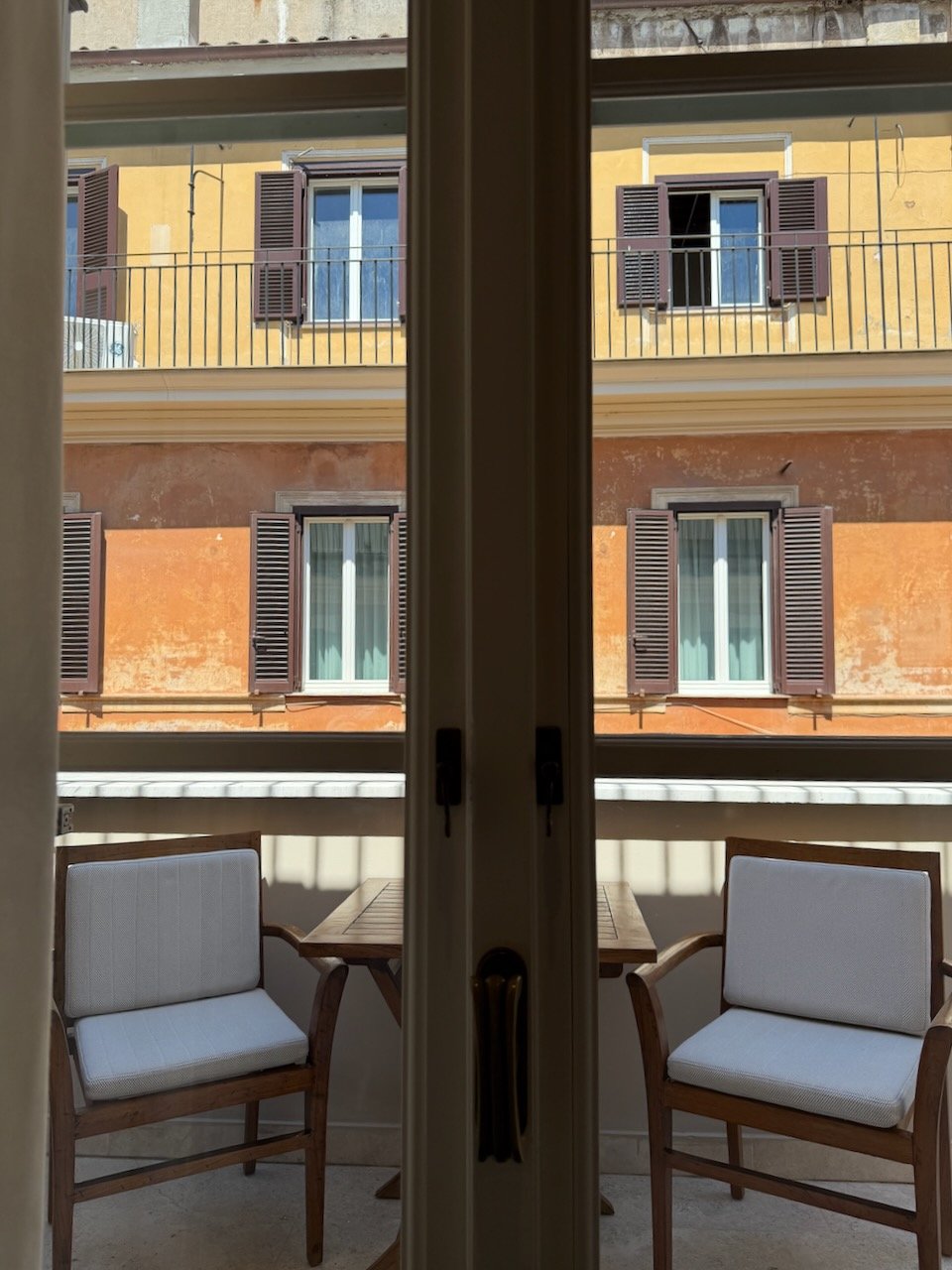
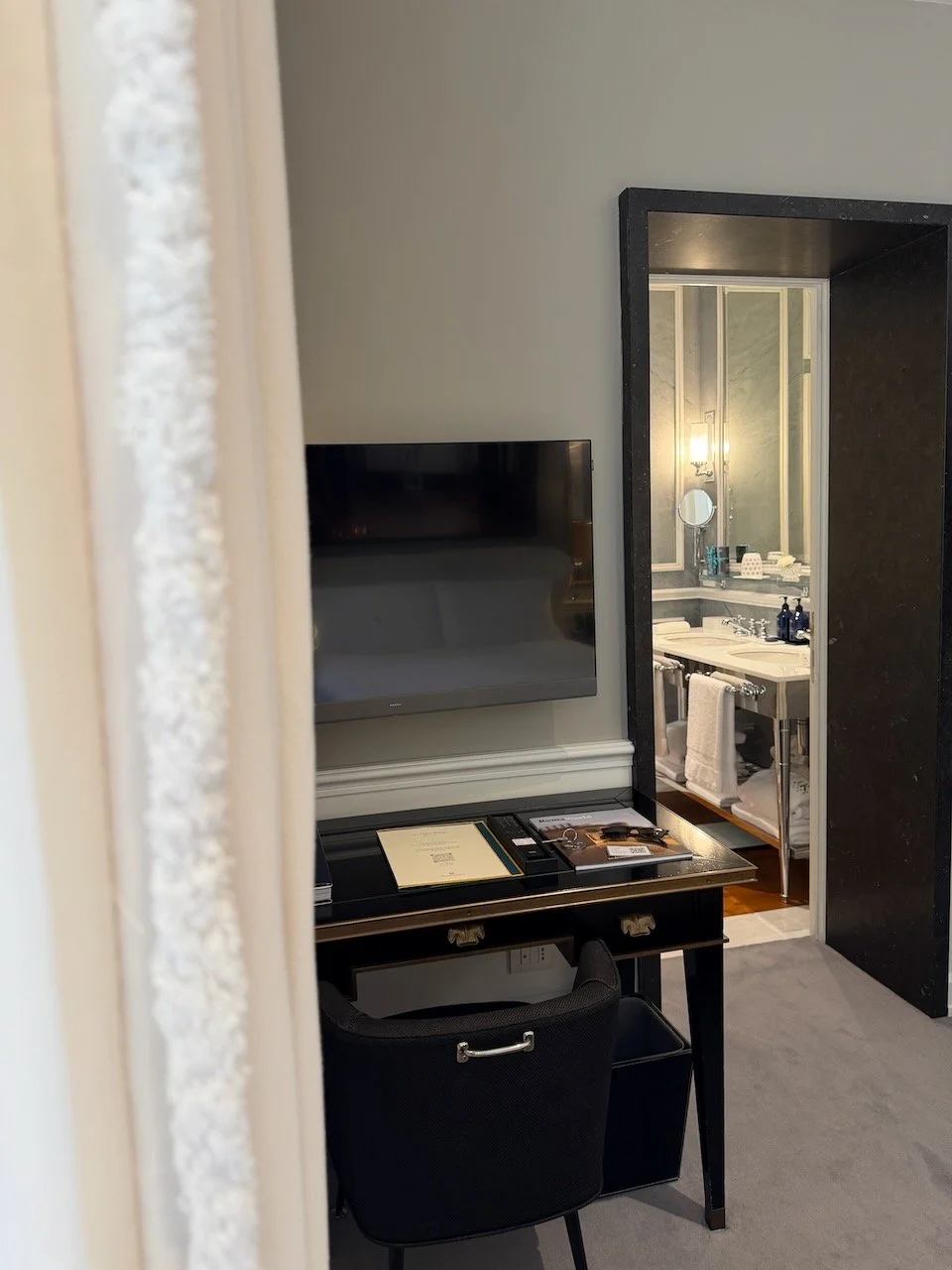
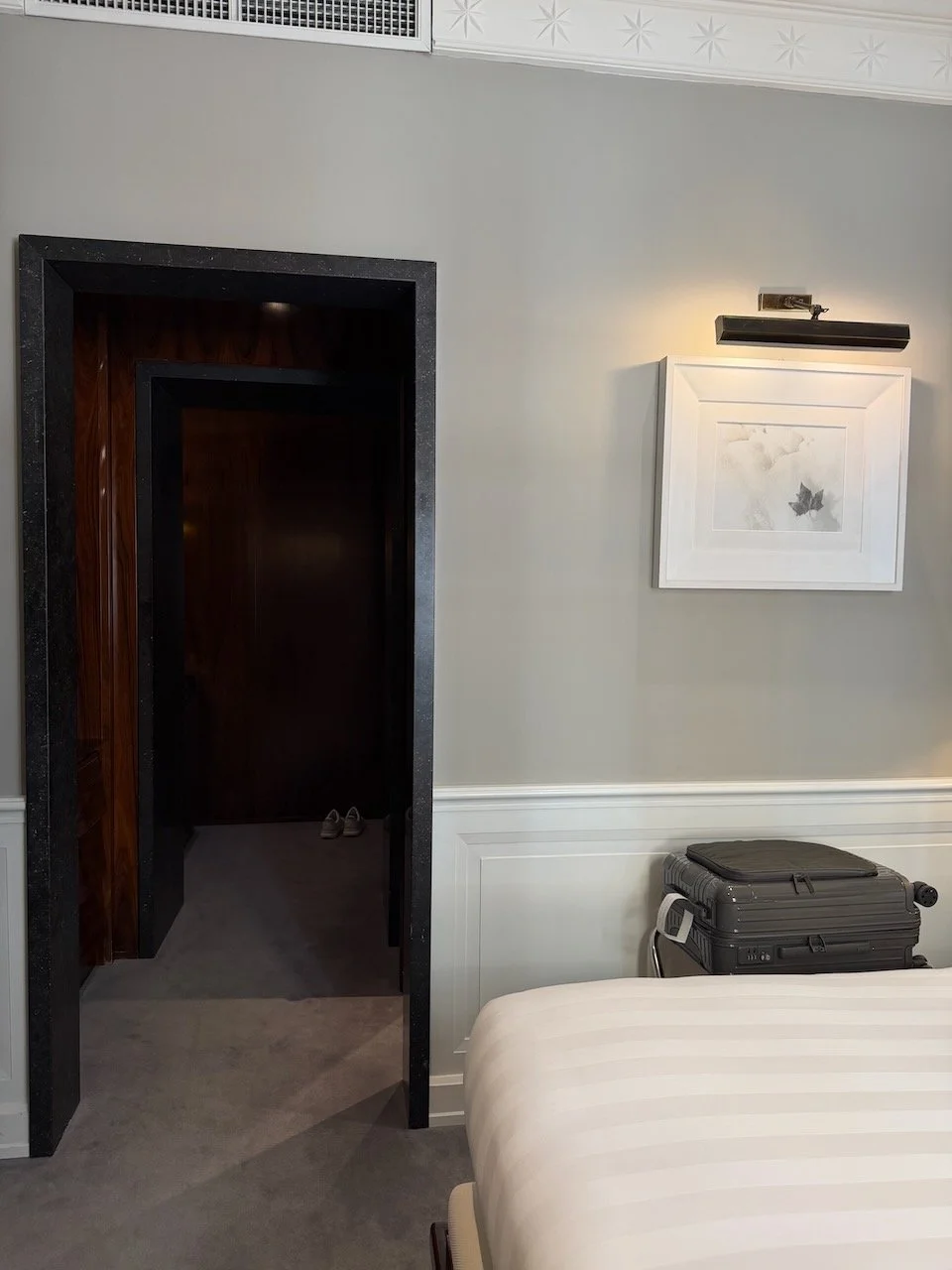
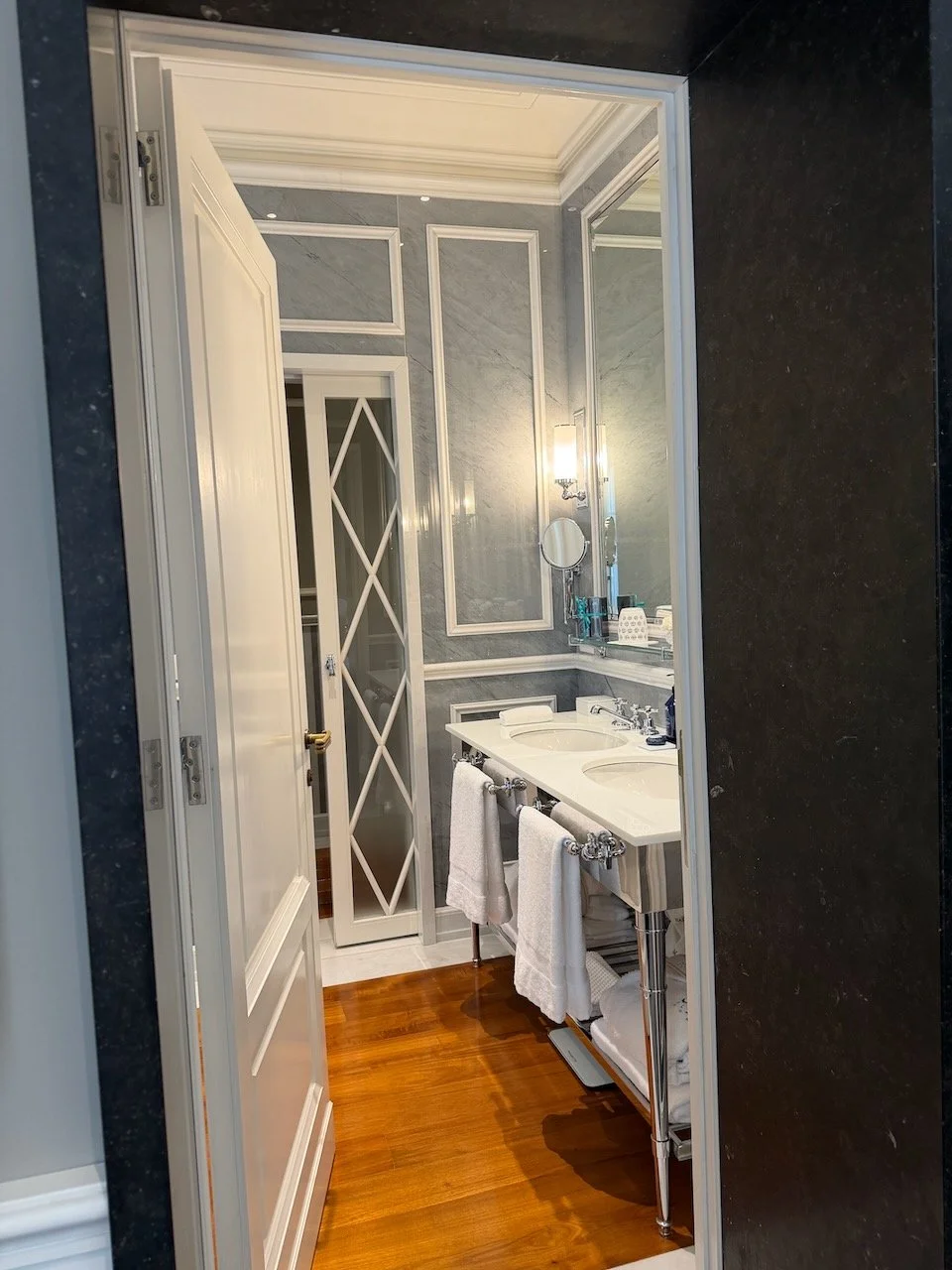
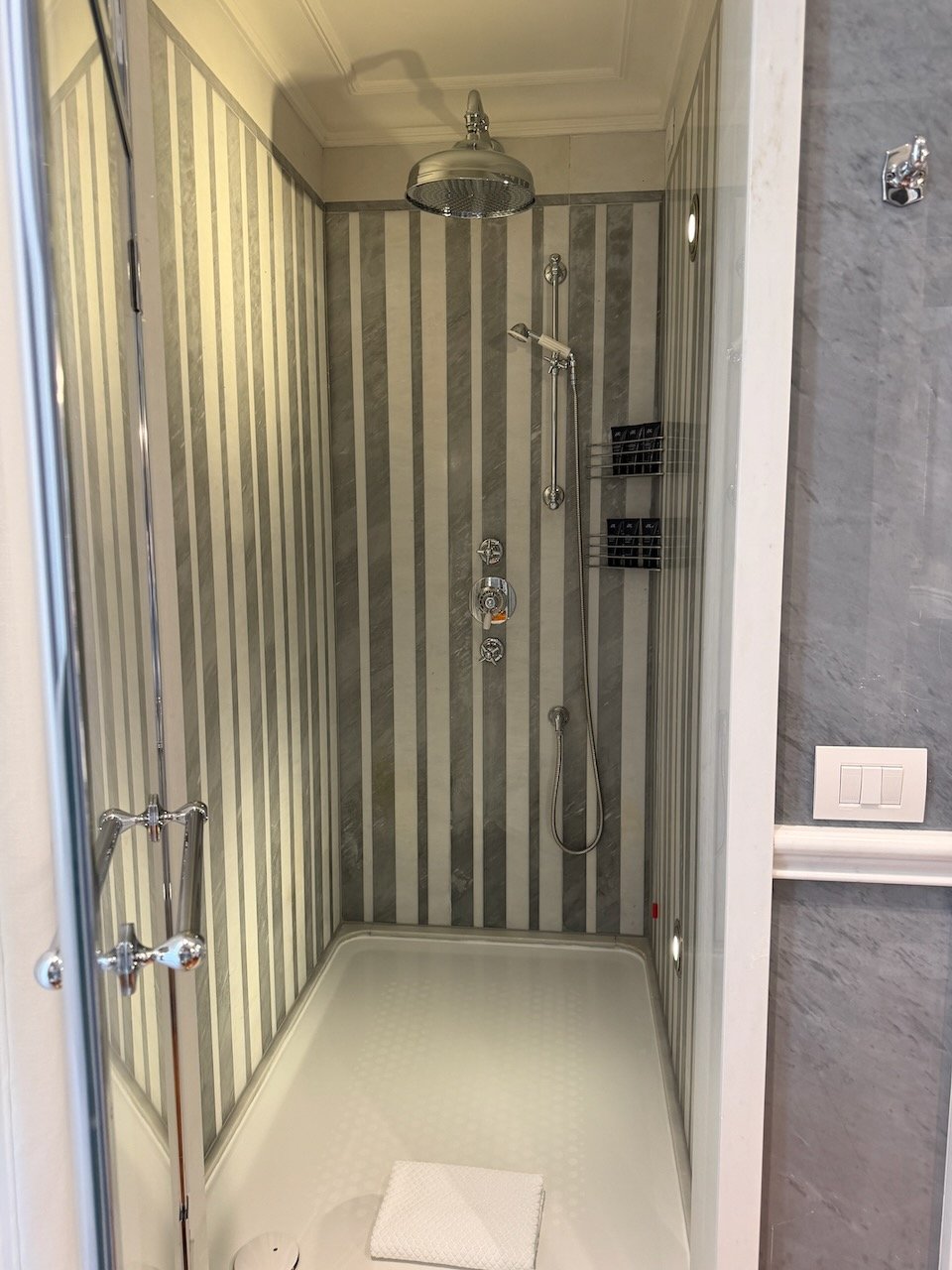
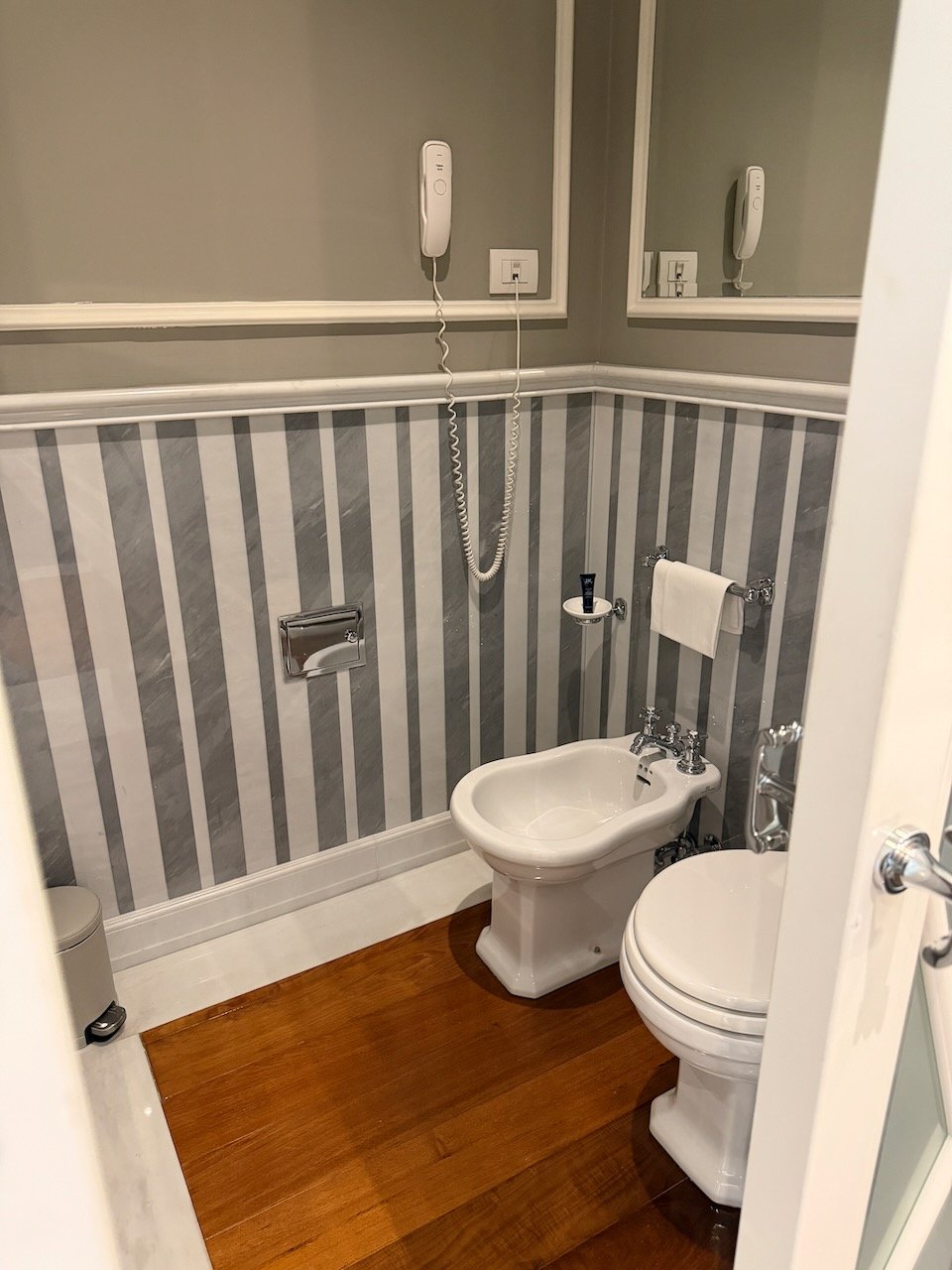
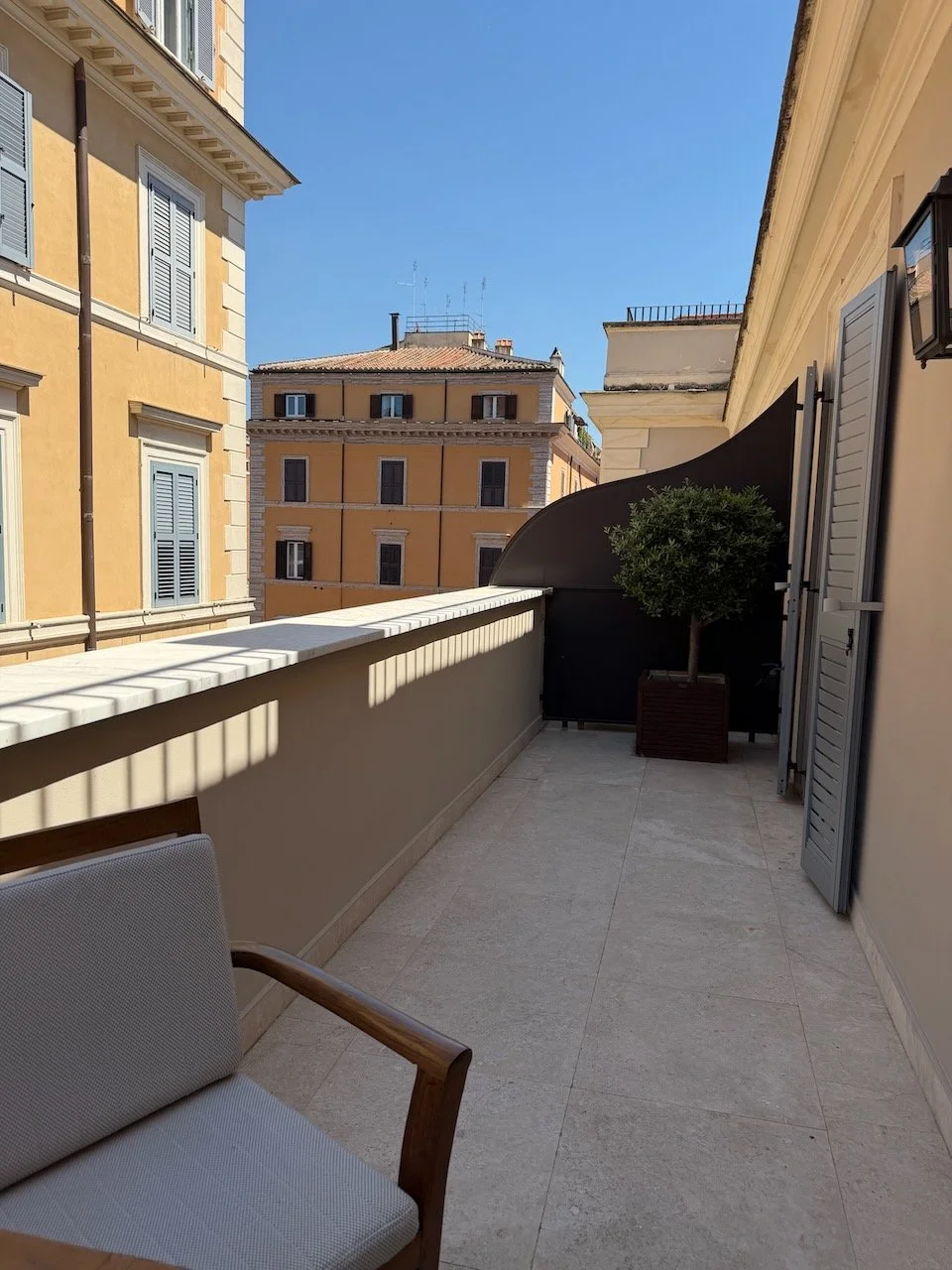
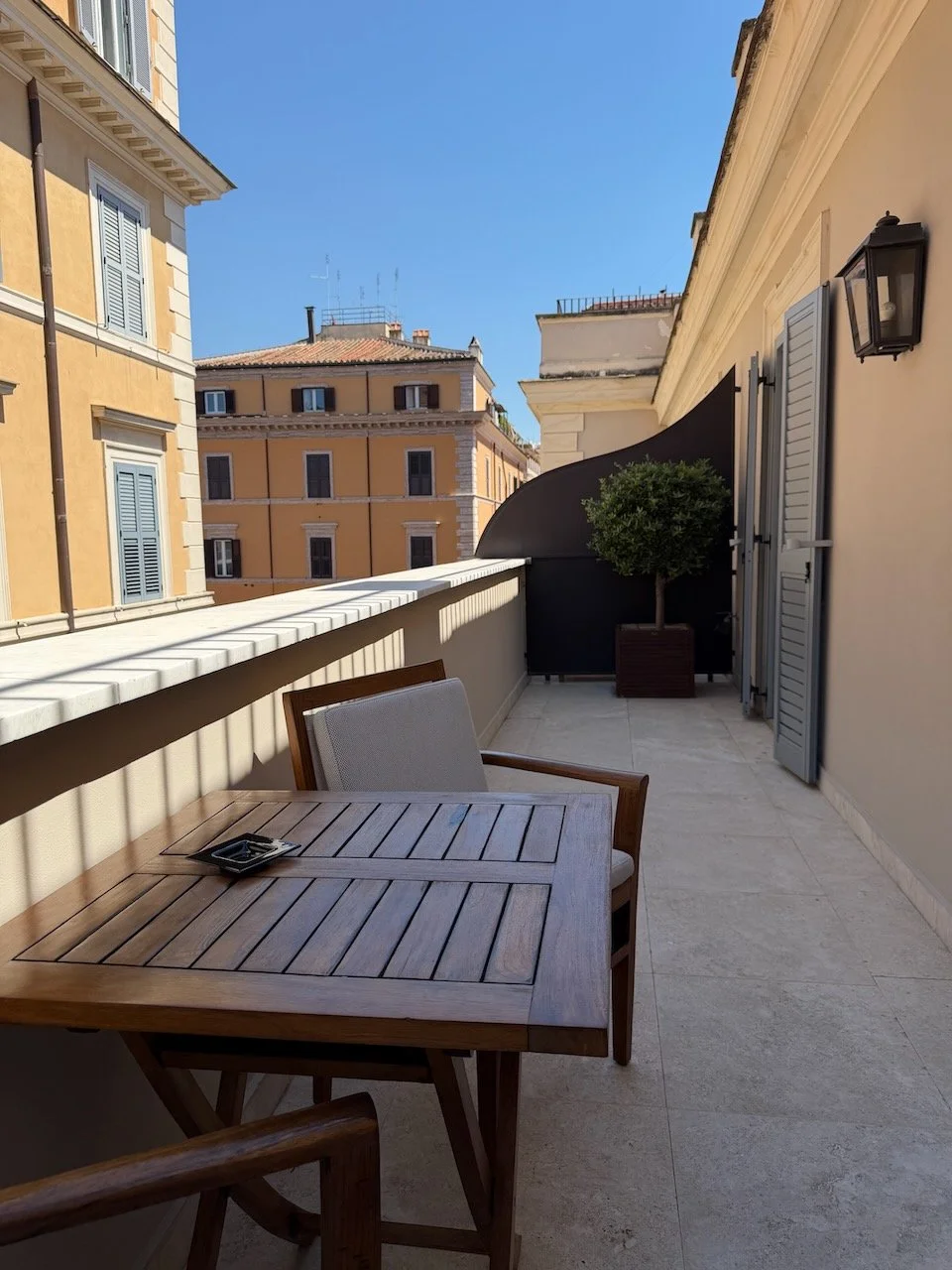
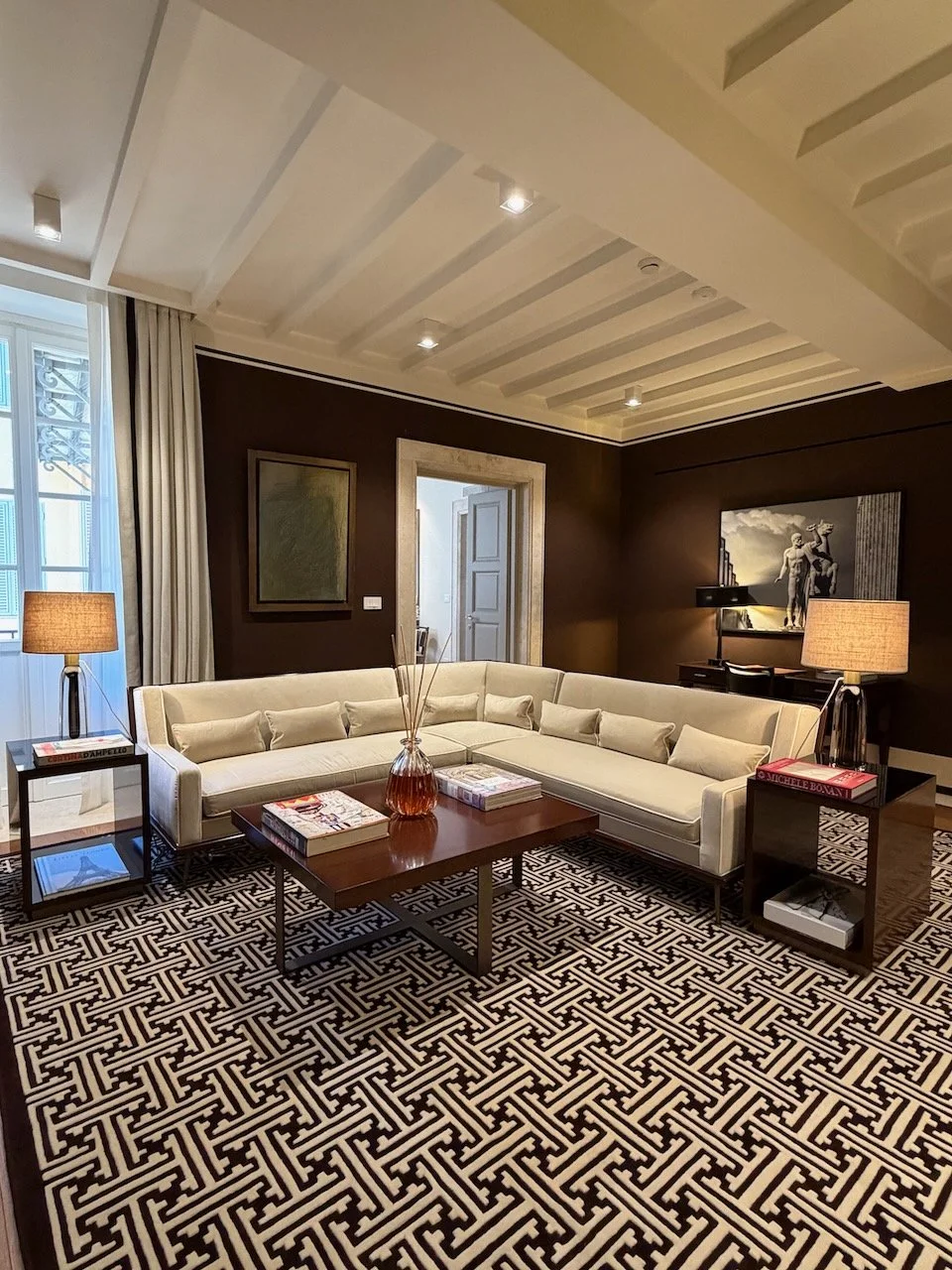
Other rooms and suites I was able to look at were between 40-50 sqm with a similar style, see below.
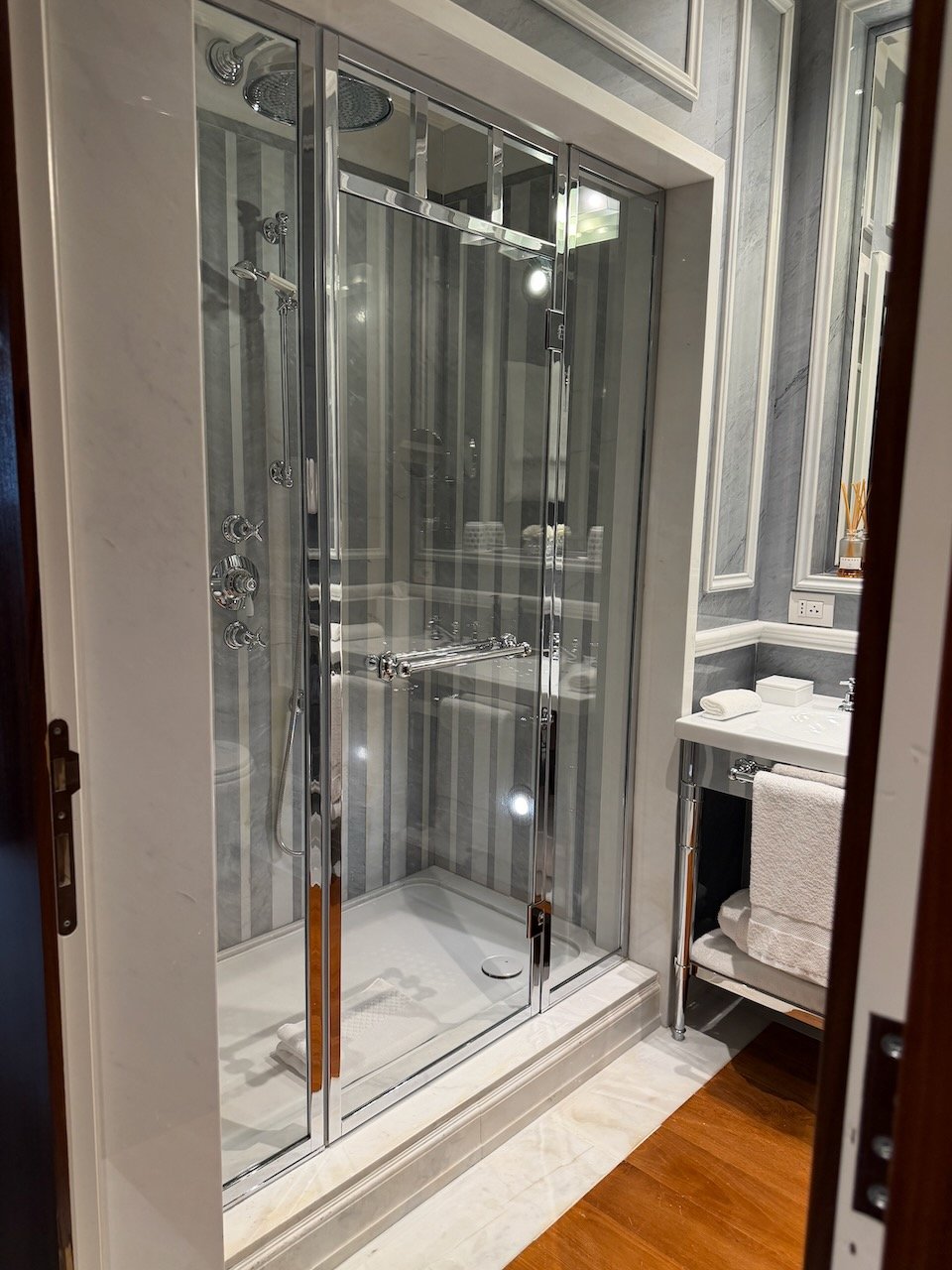
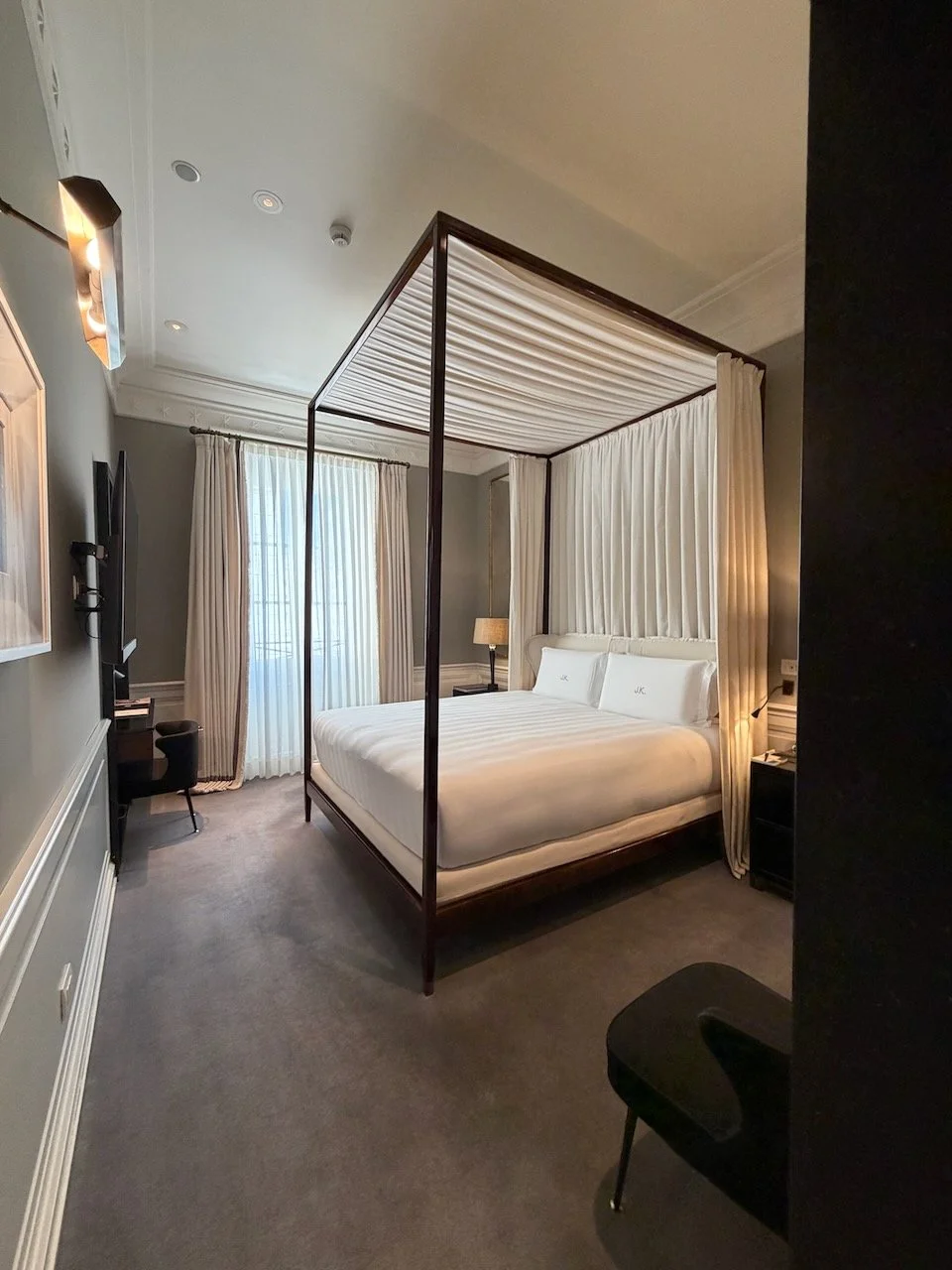
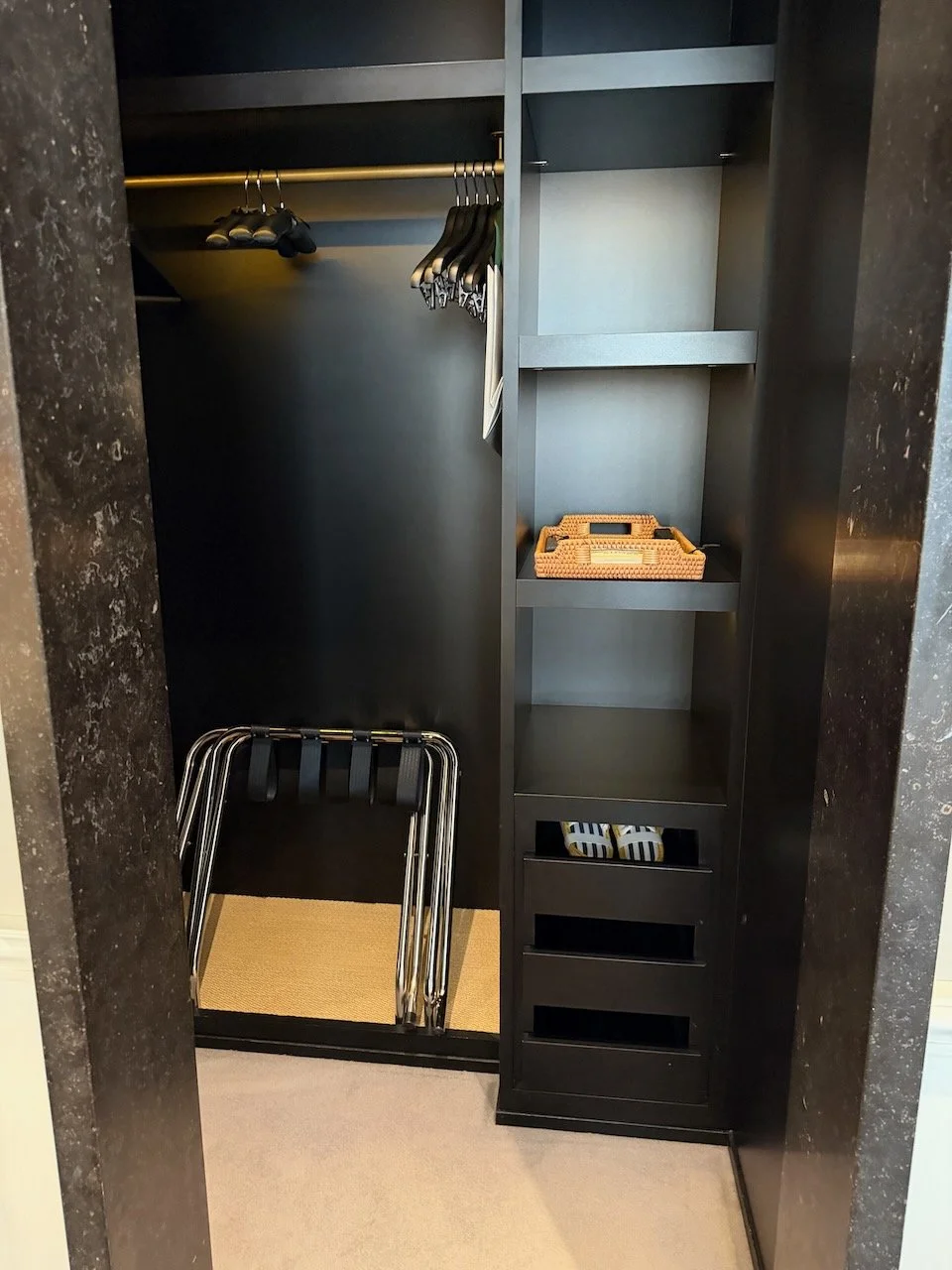
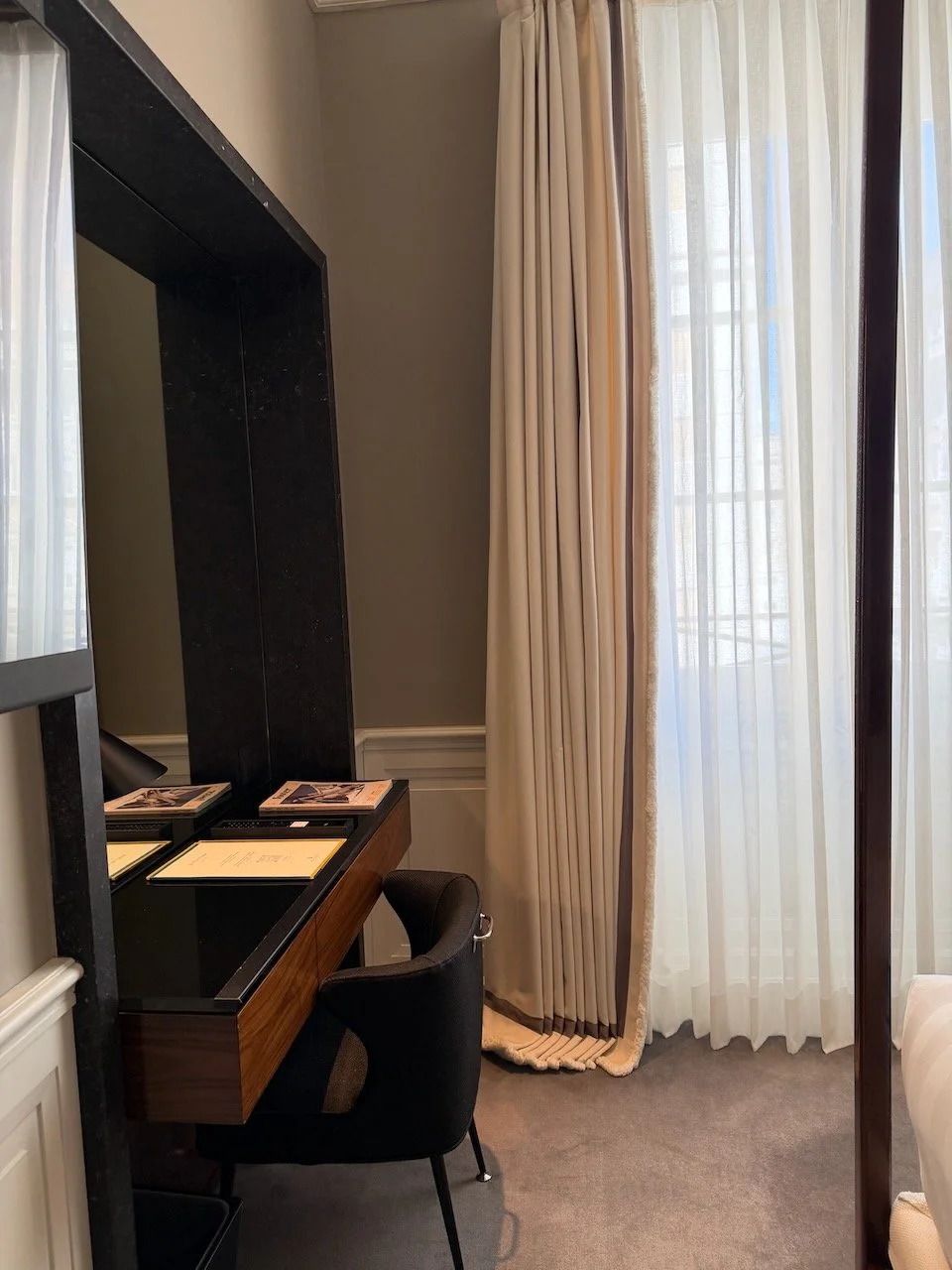
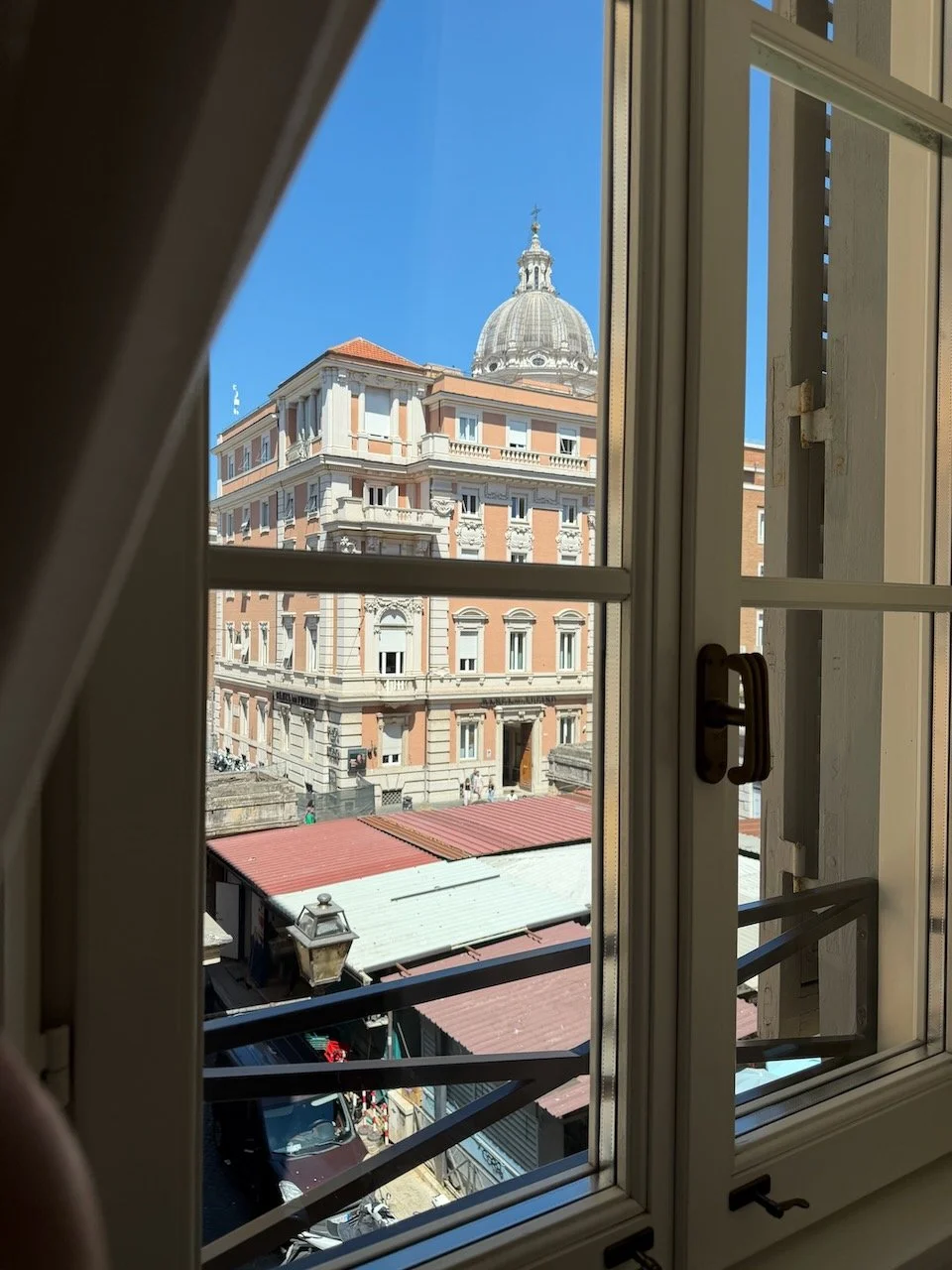
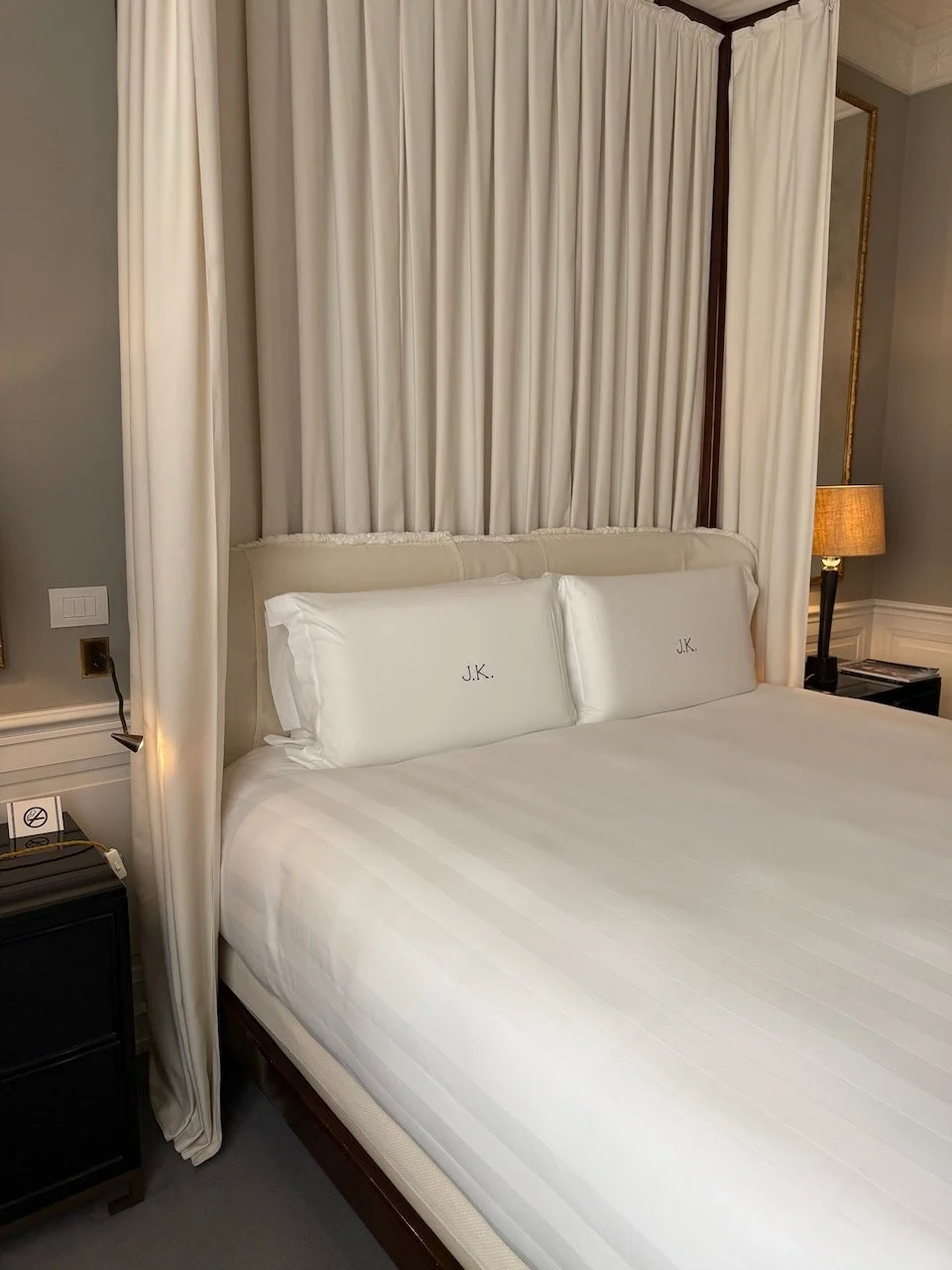
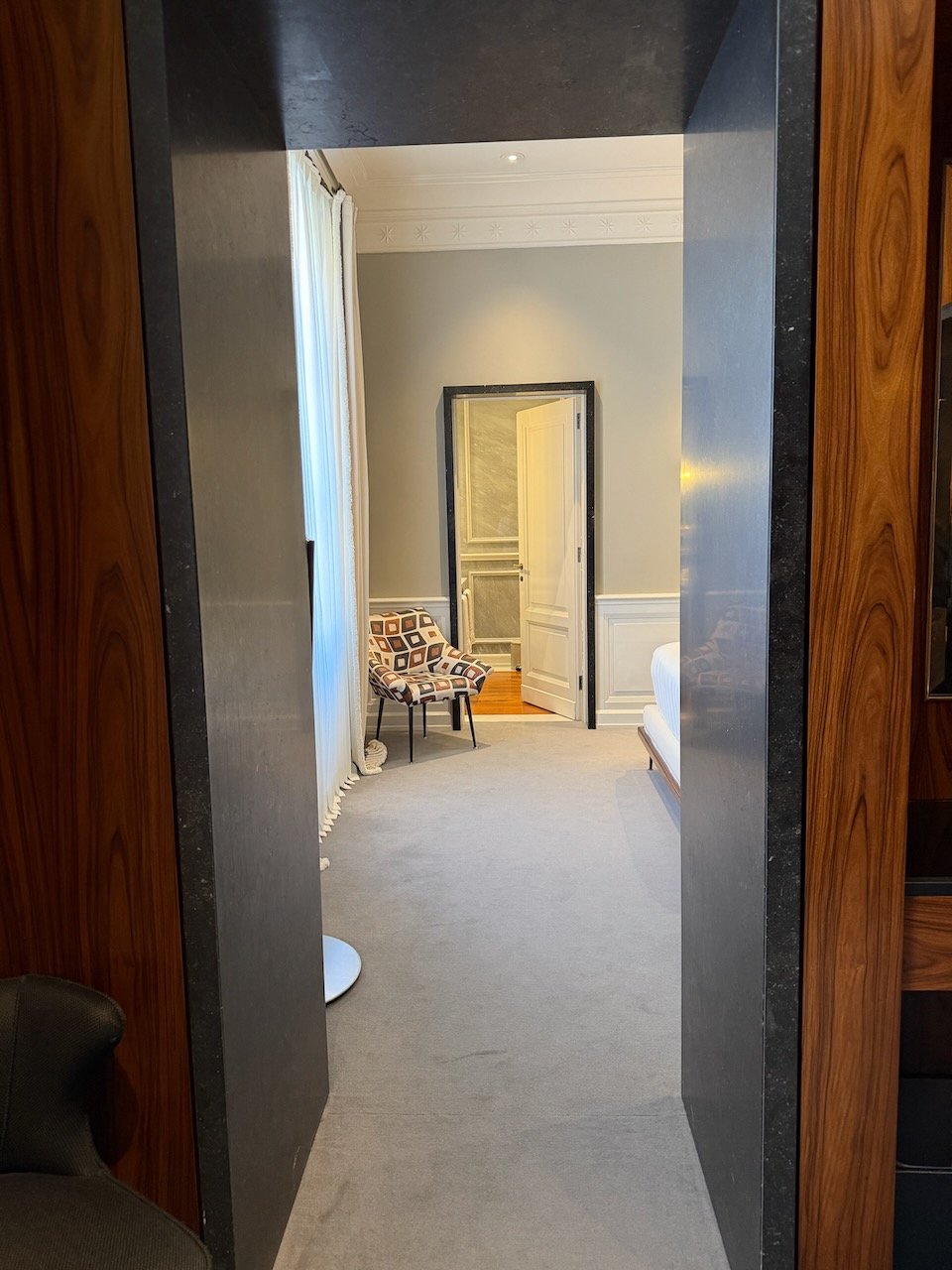
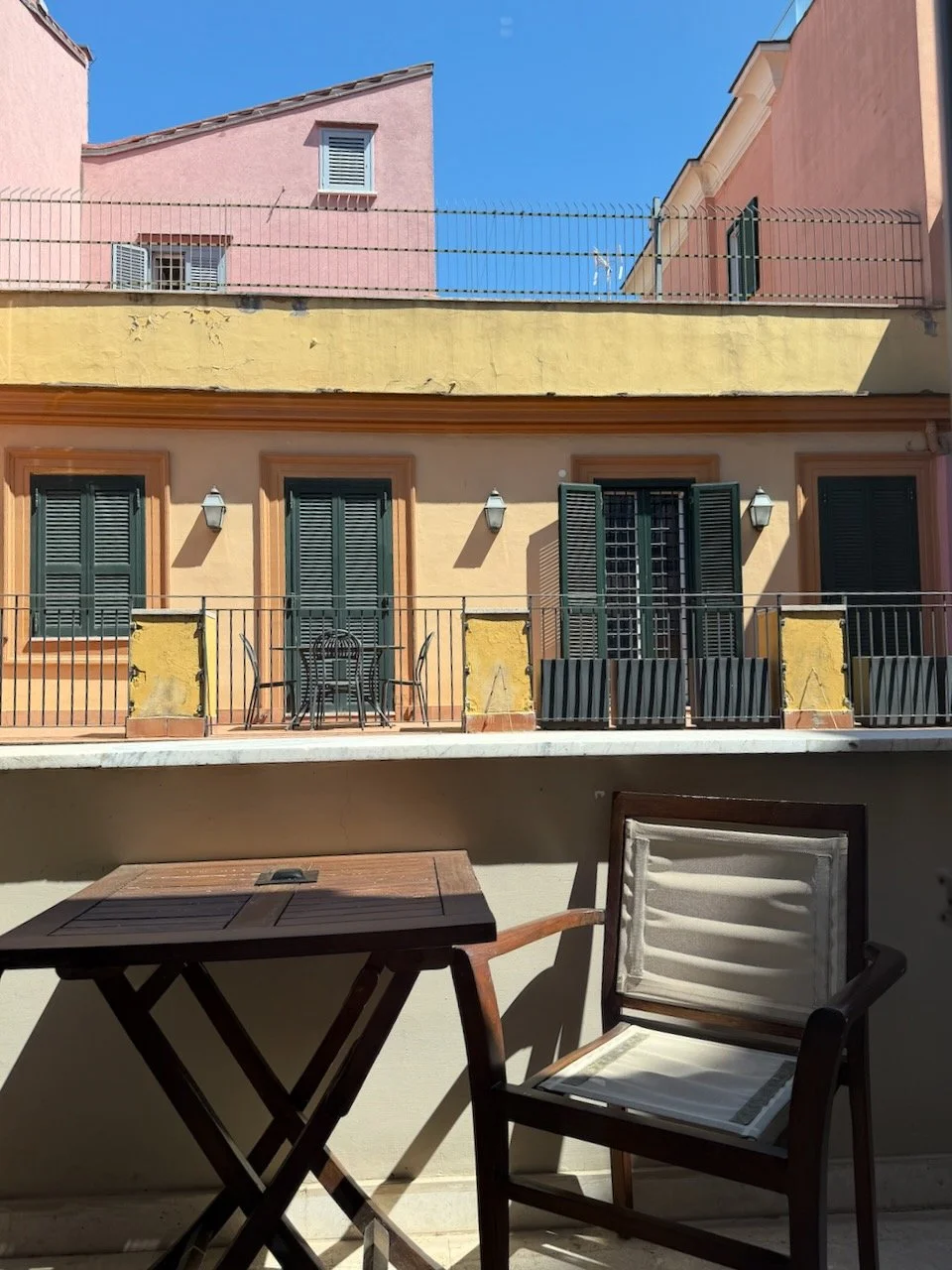
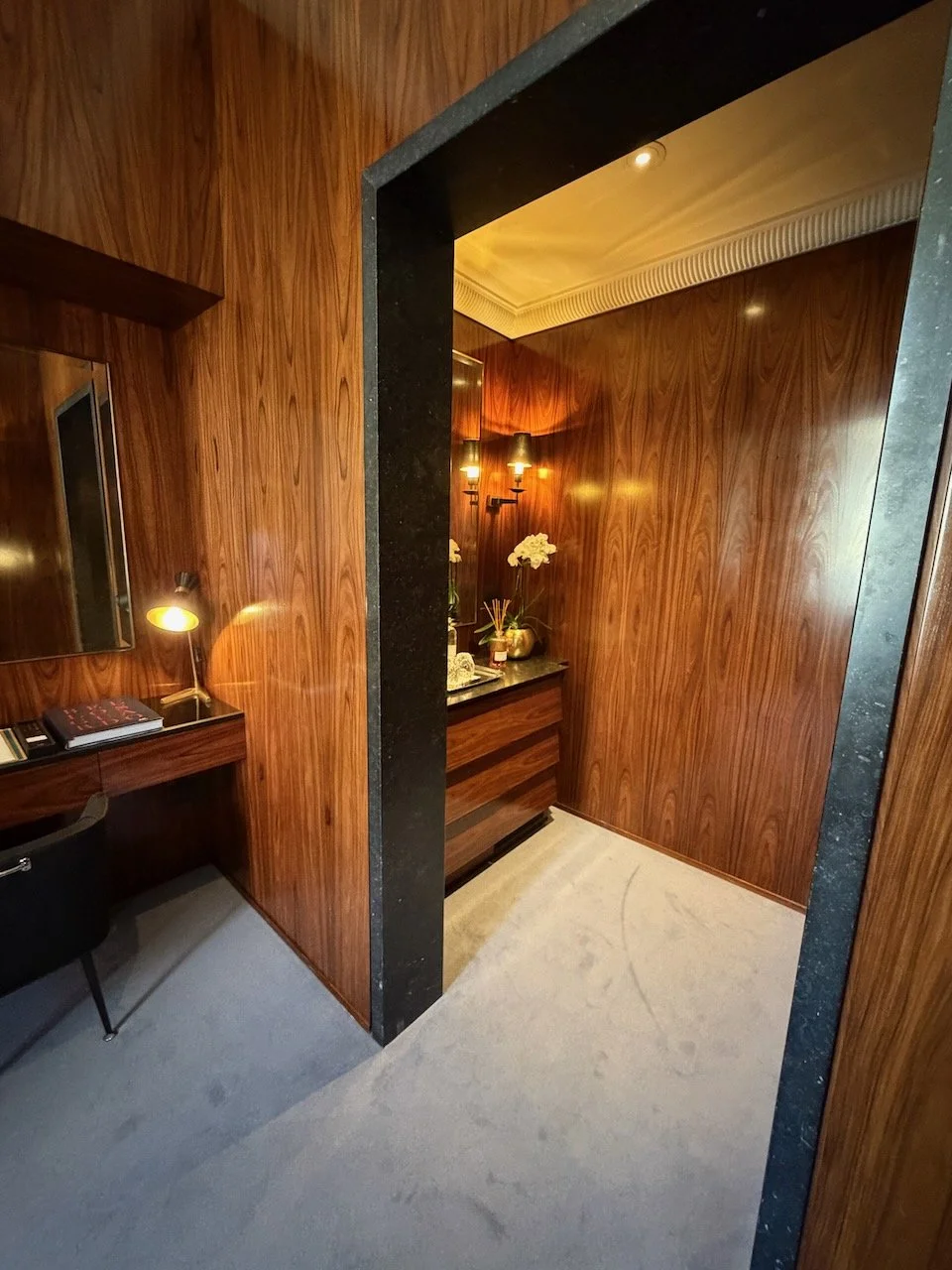
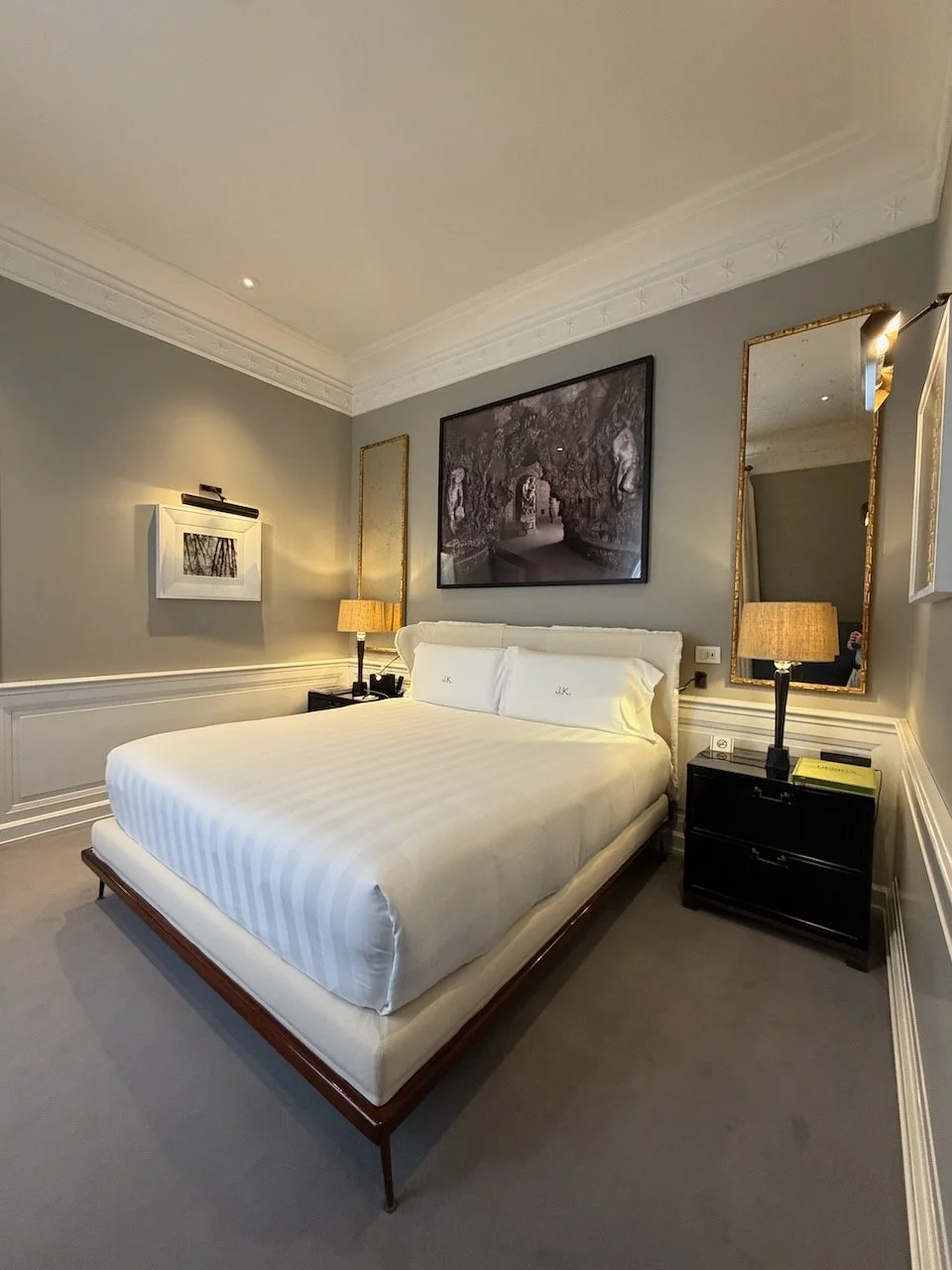
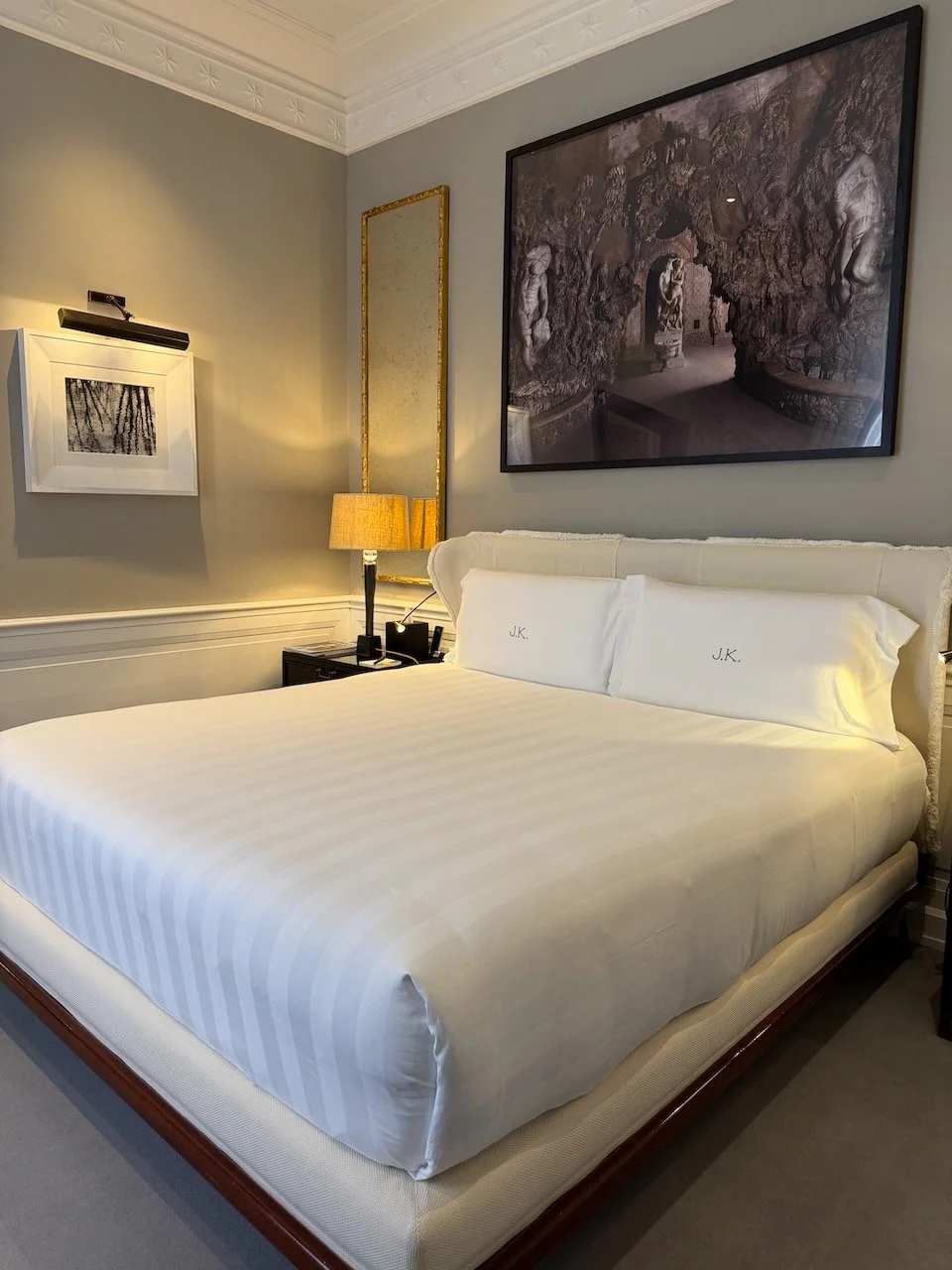
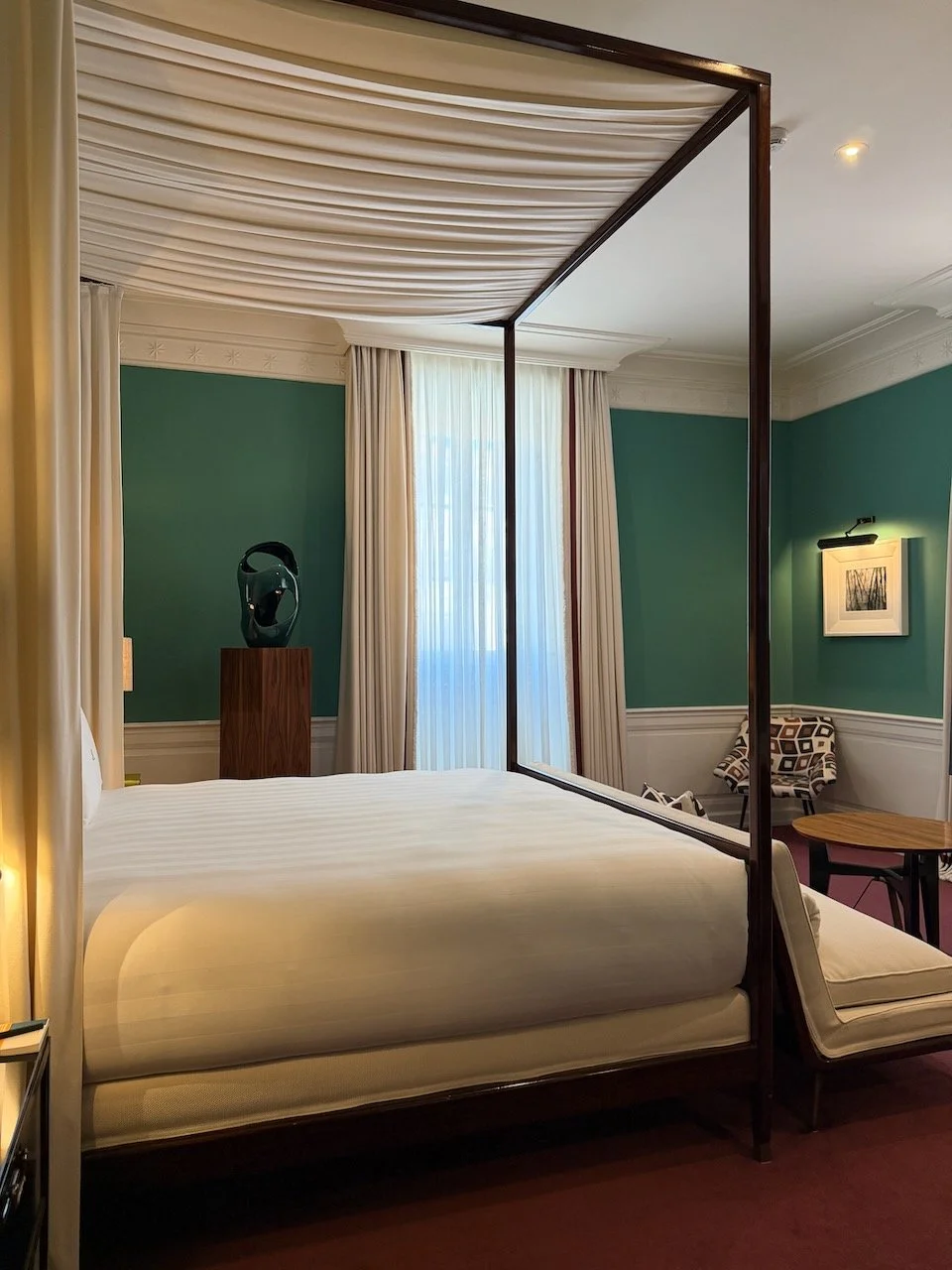
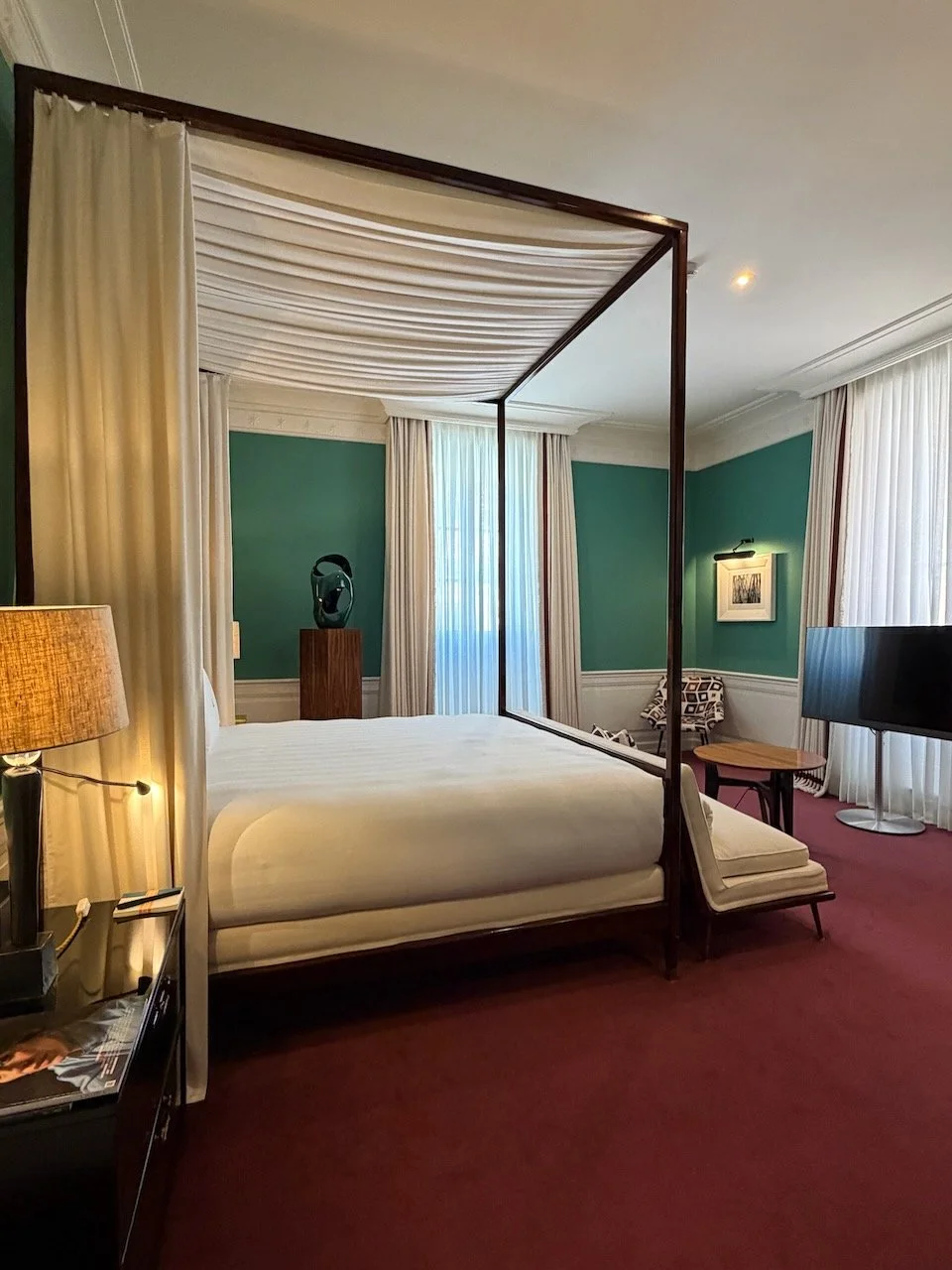
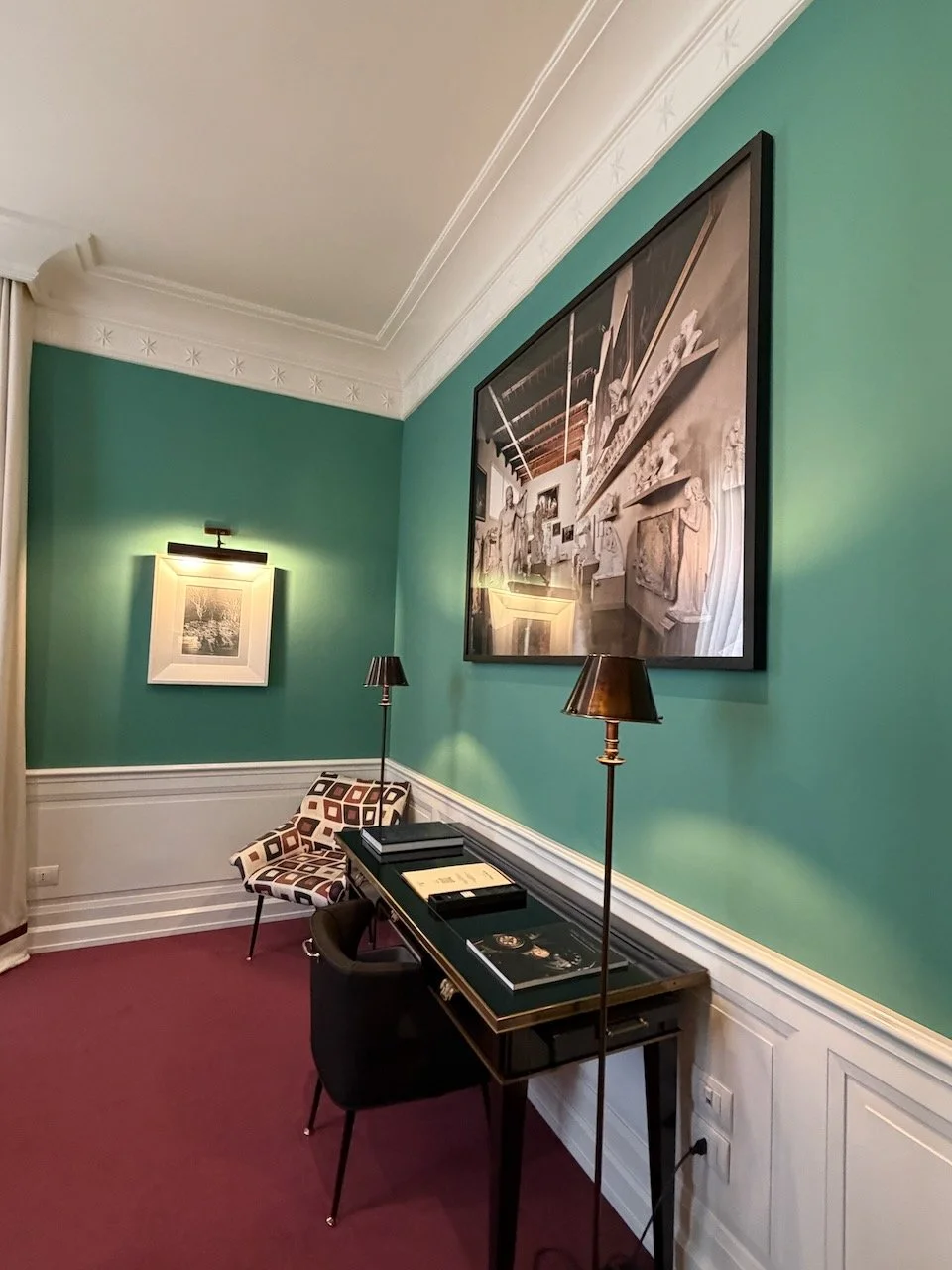
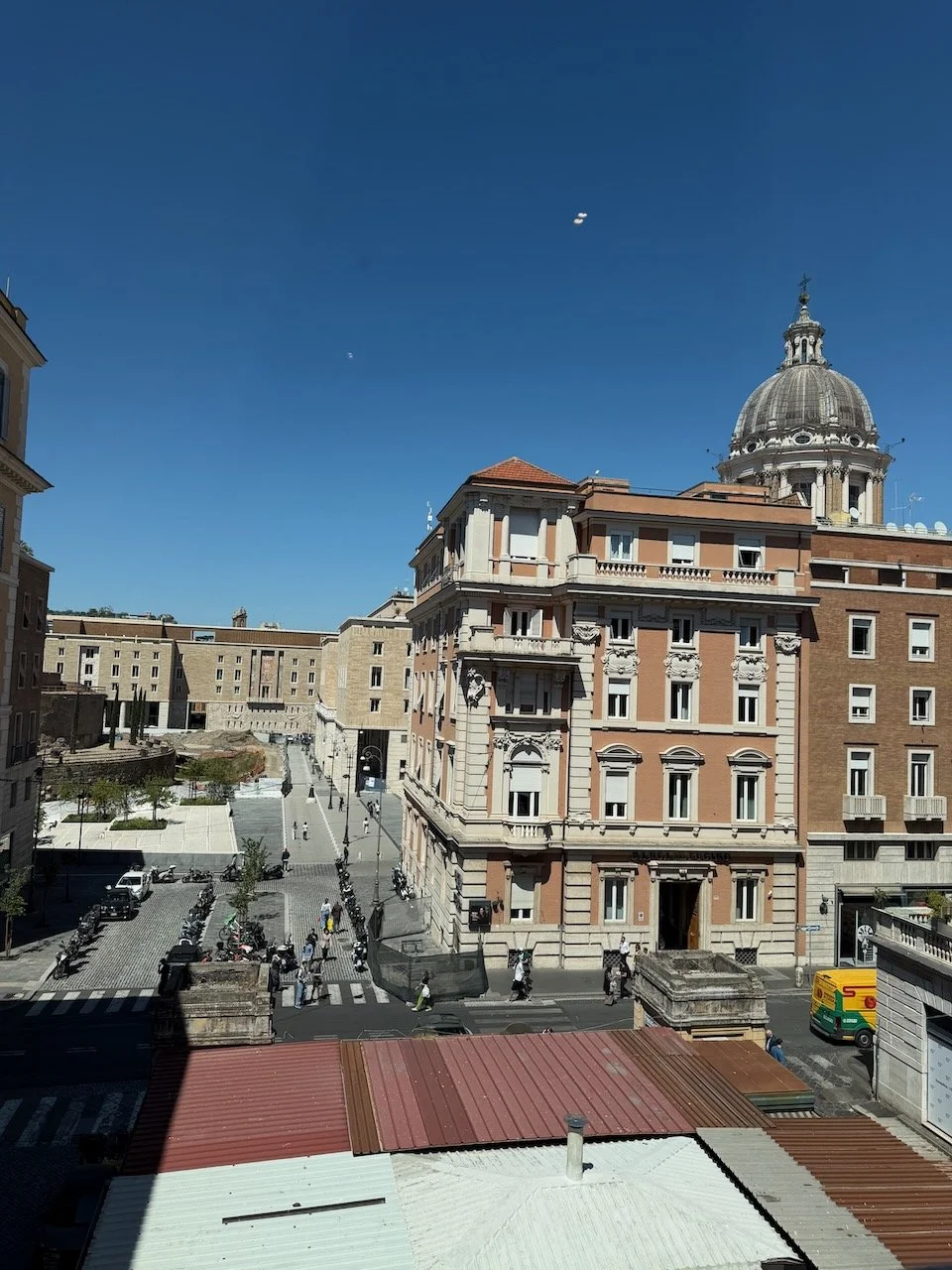
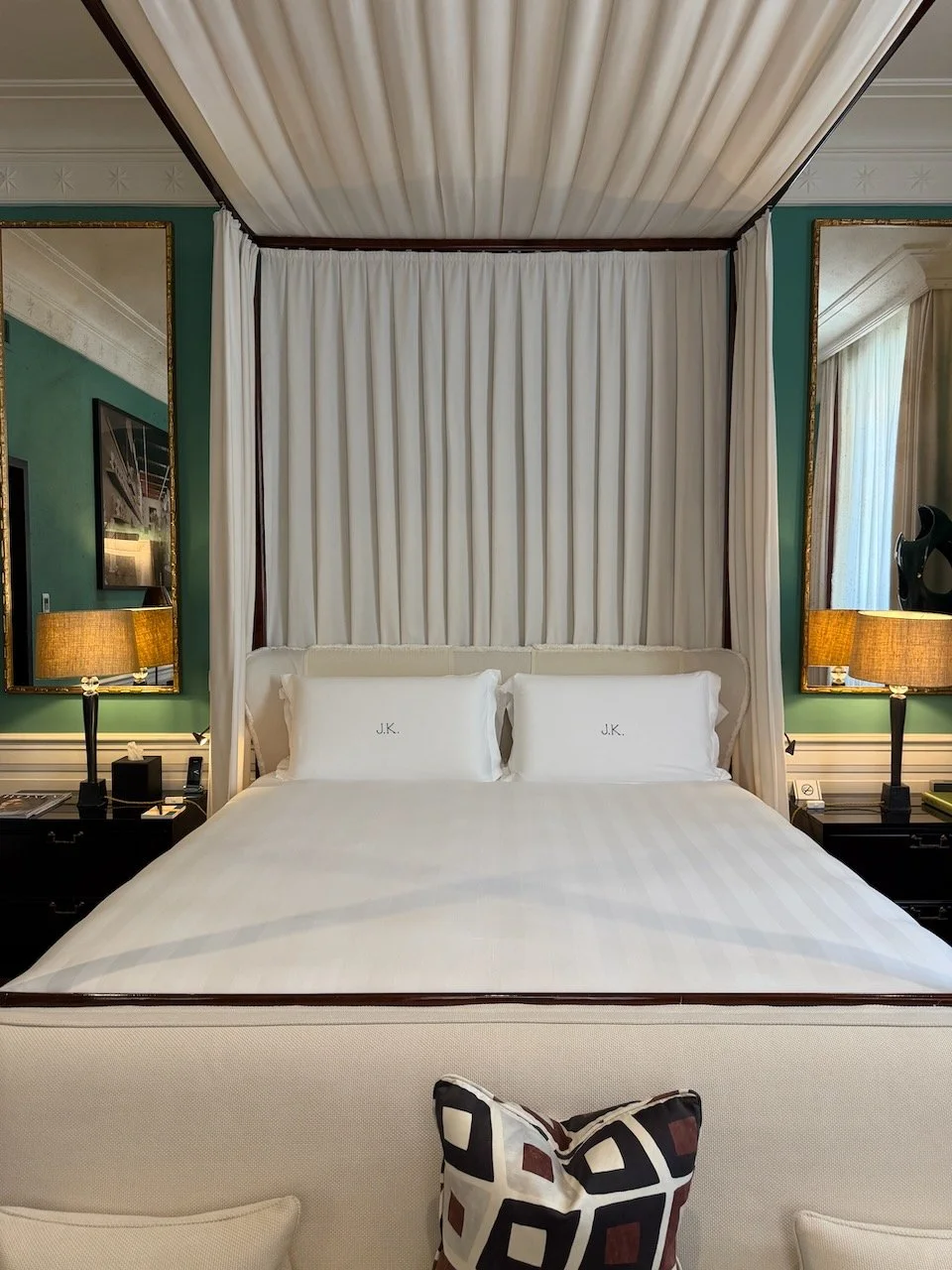
I also toured the newly opened sister house Casa JK Place, which offers larger one- and two-bedroom suites. These are very appealing for guests who like the J.K. Place style but need more space, especially families, longer-stay guests, or travellers who prefer a more residential setup. See more details further below.
Unique Amenities
The main unique amenity is the feeling of being hosted. That may sound intangible, but in ultra-luxury travel it is often the difference between a technically excellent hotel and one you actually want to return to.
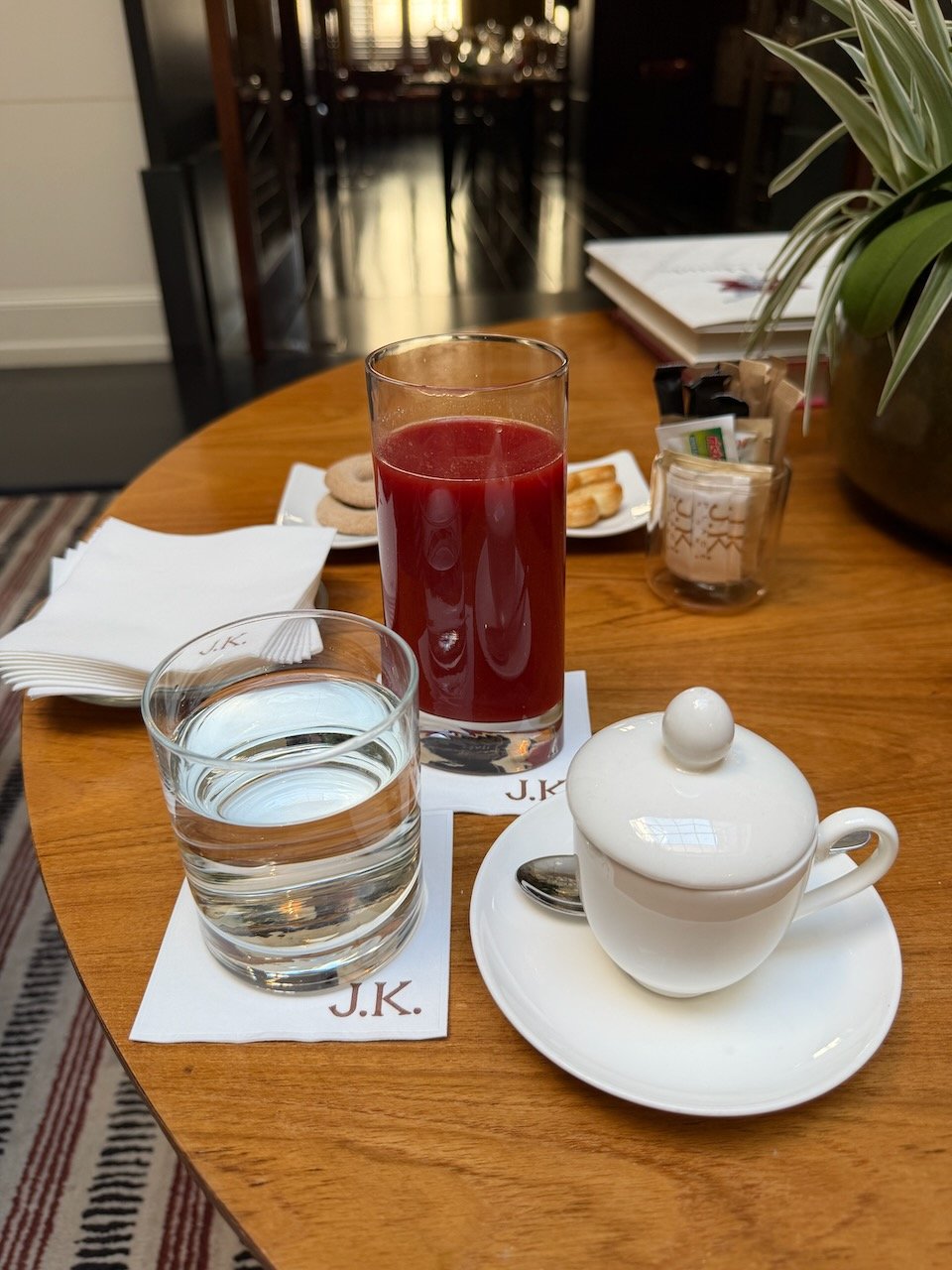
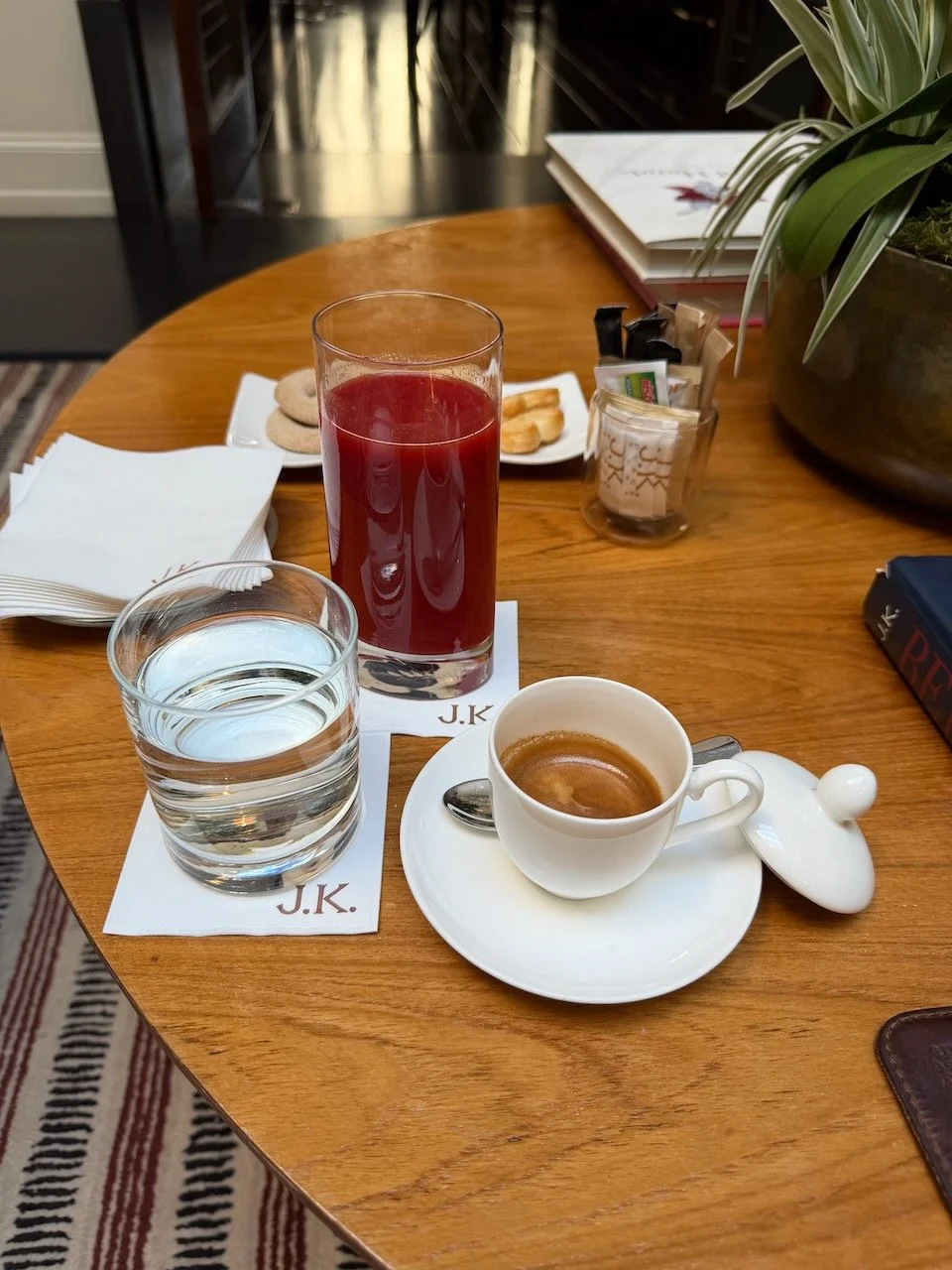
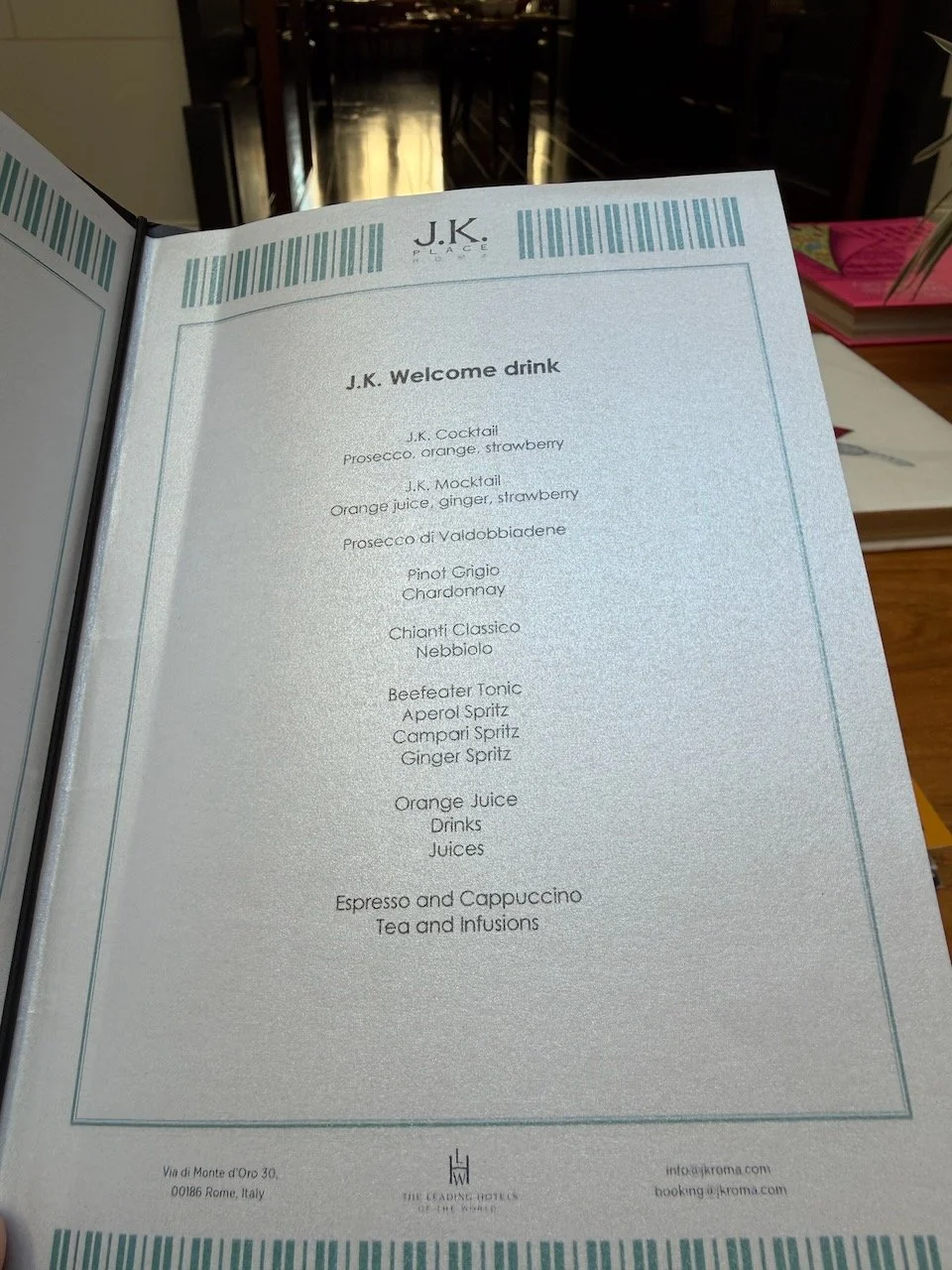
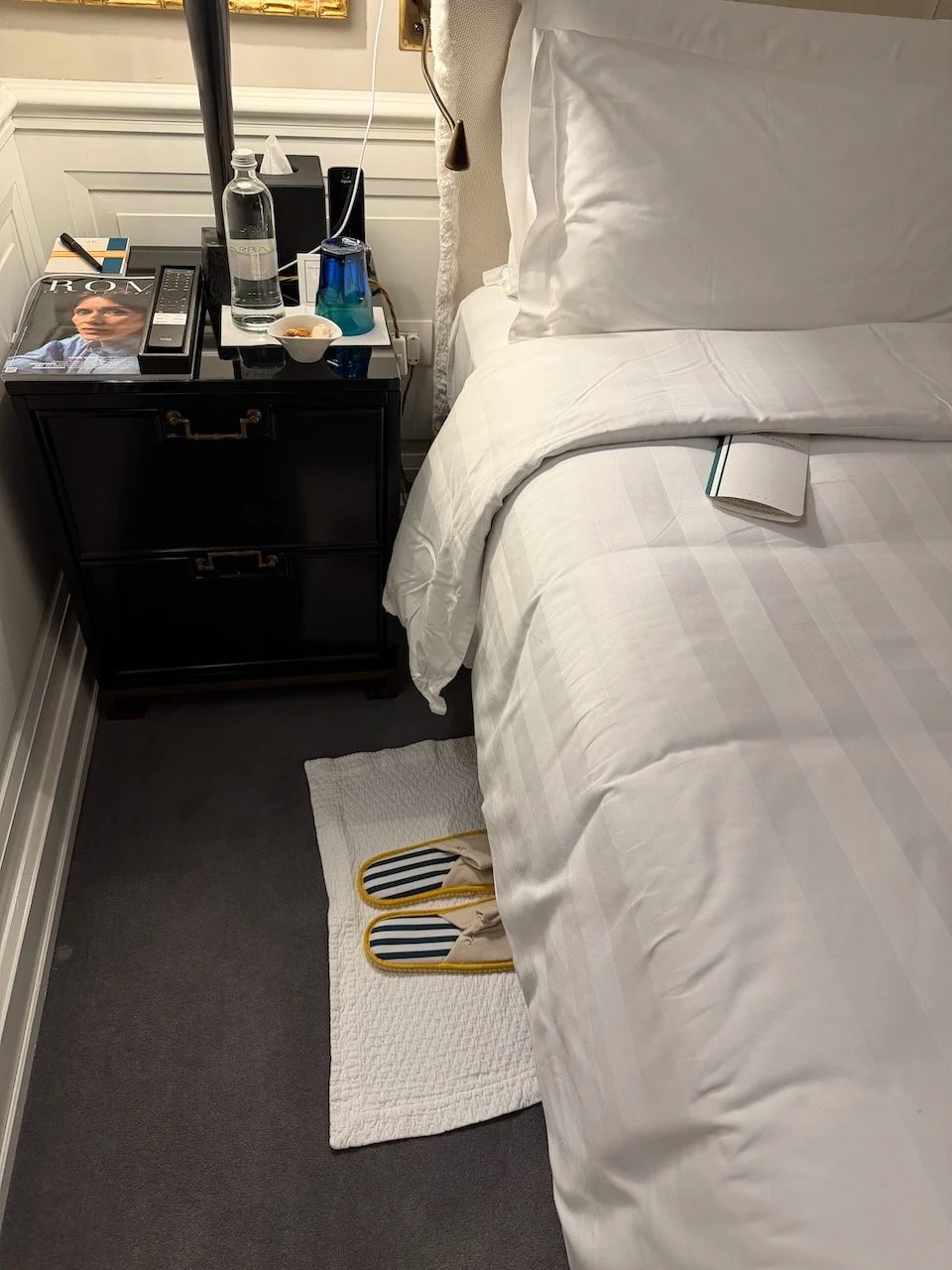
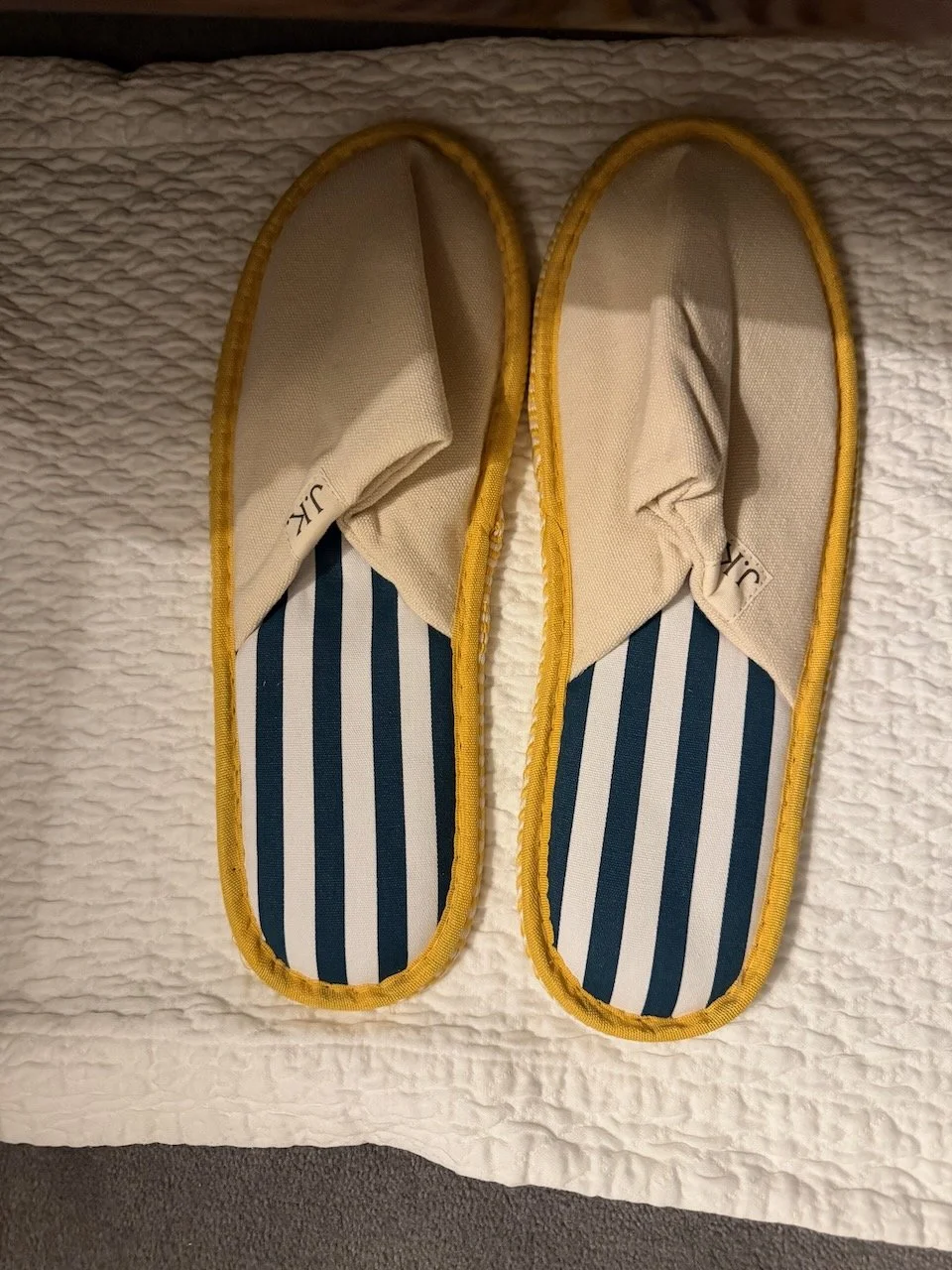
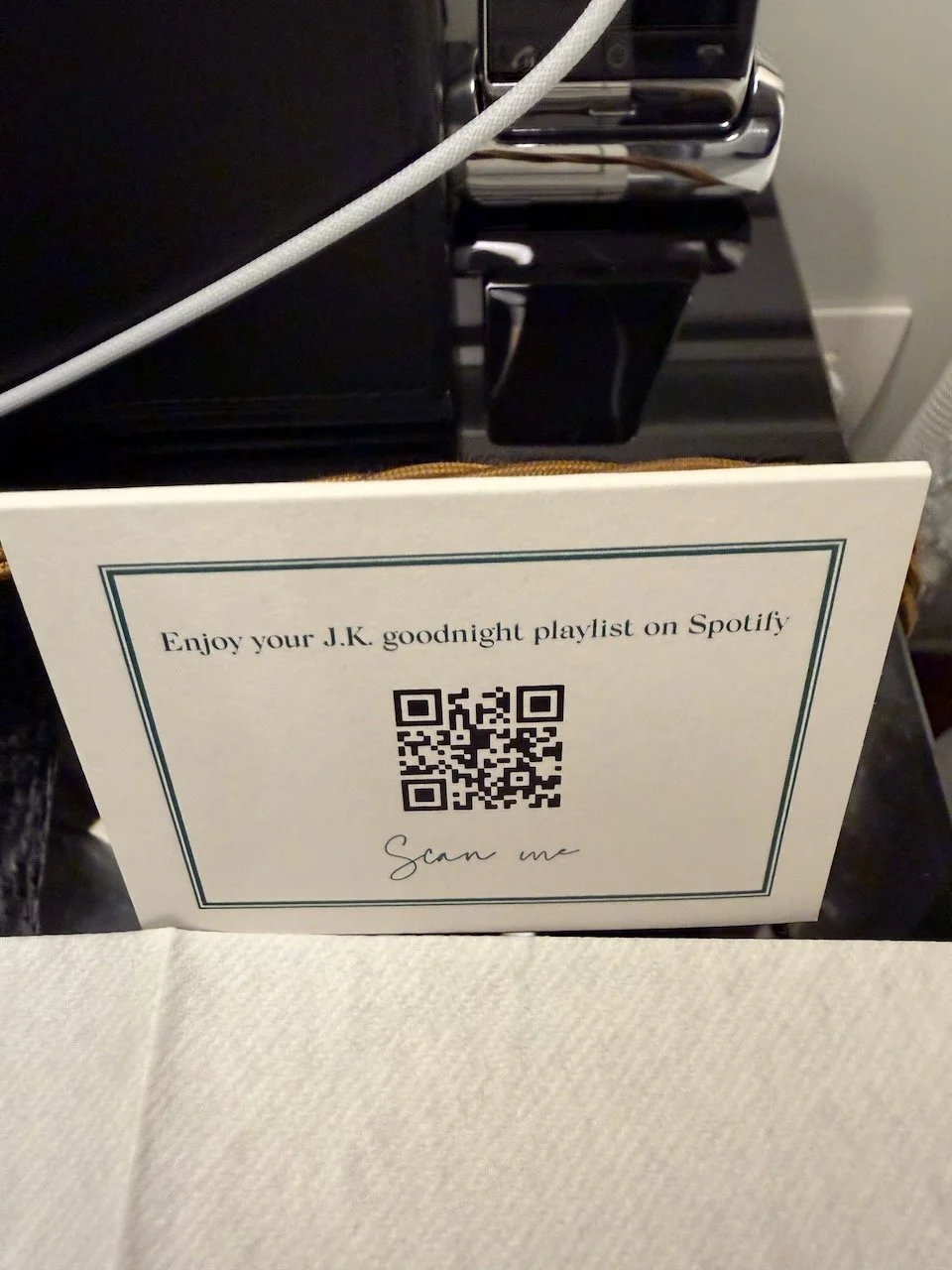
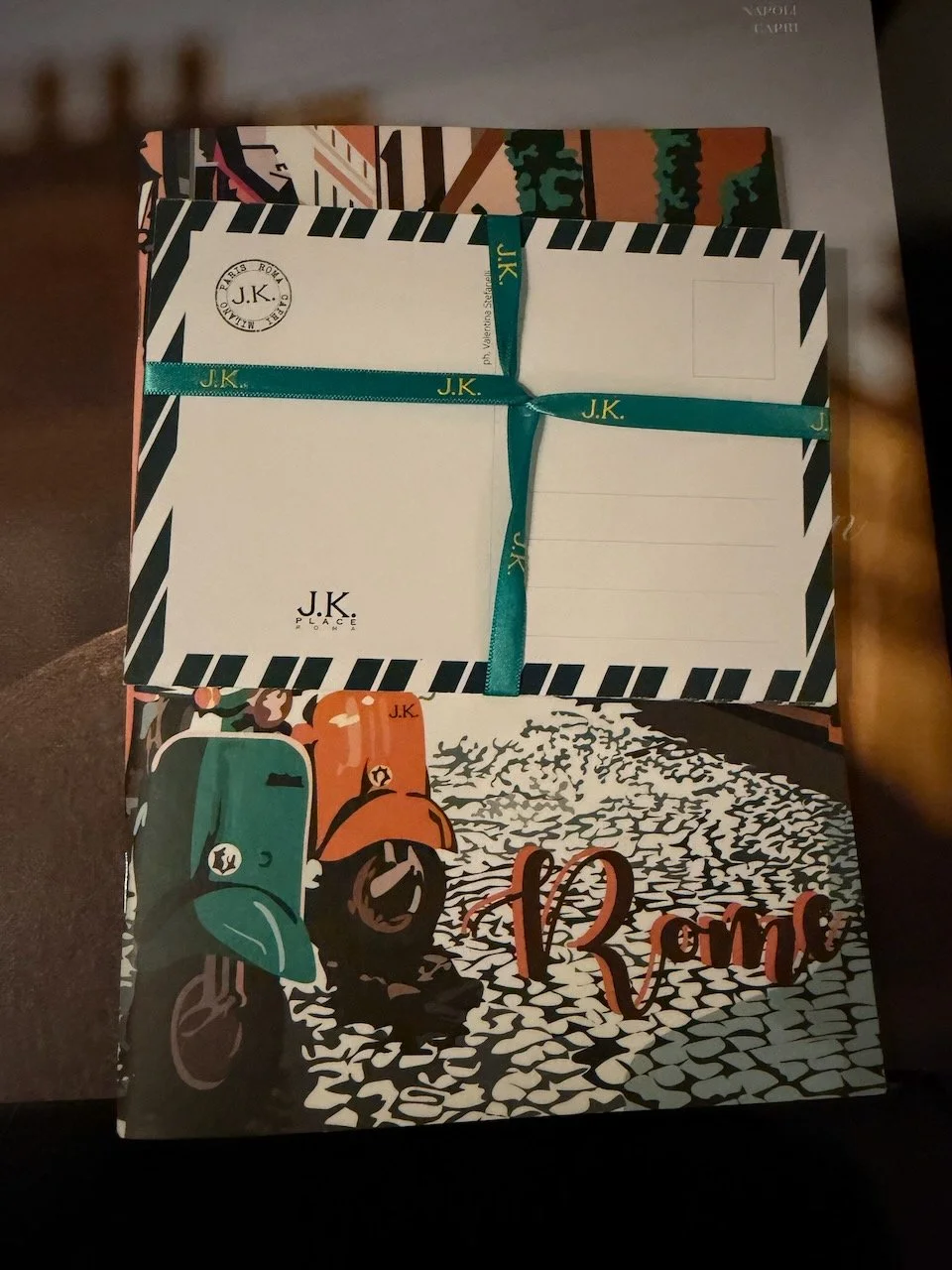
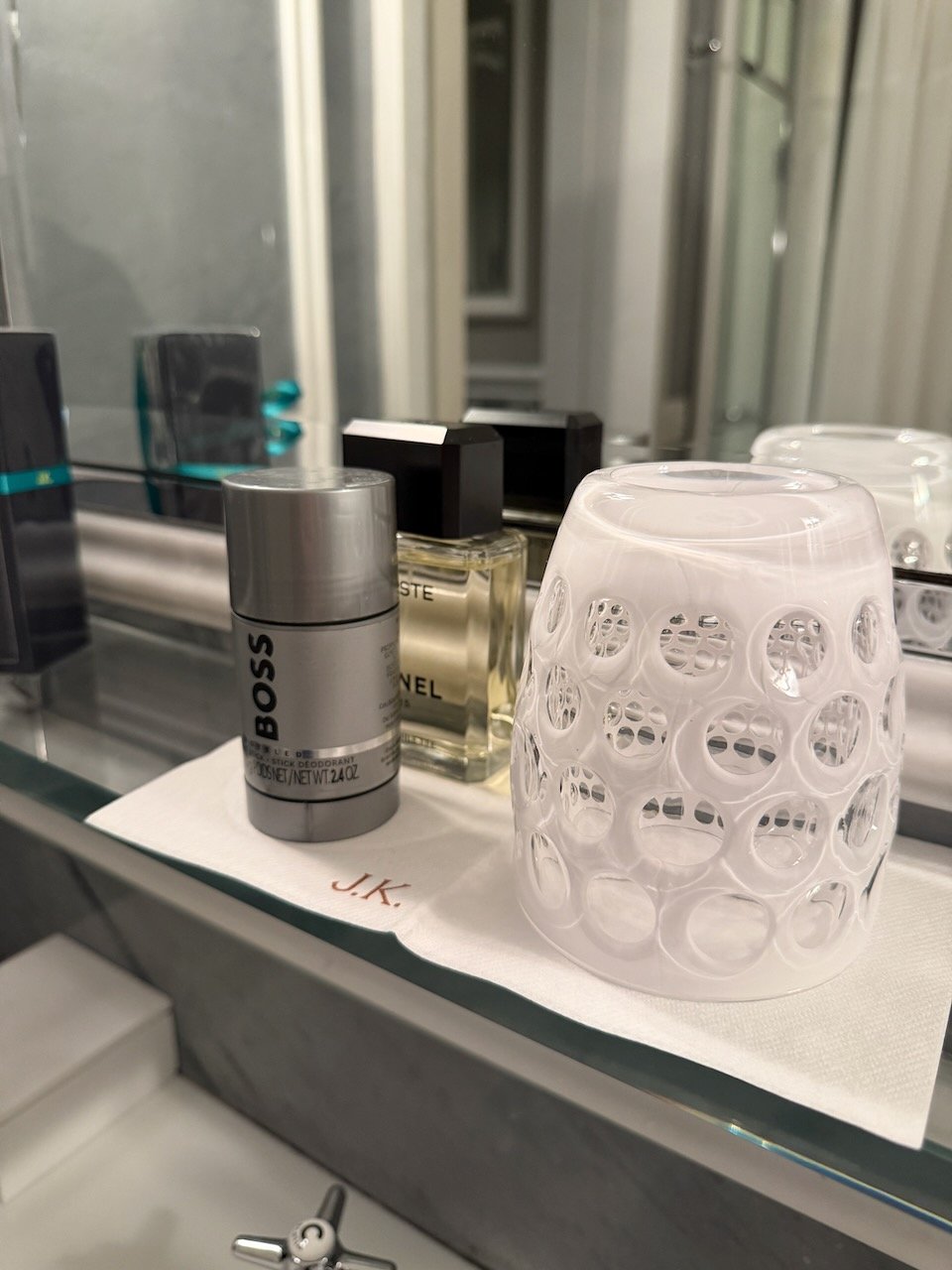
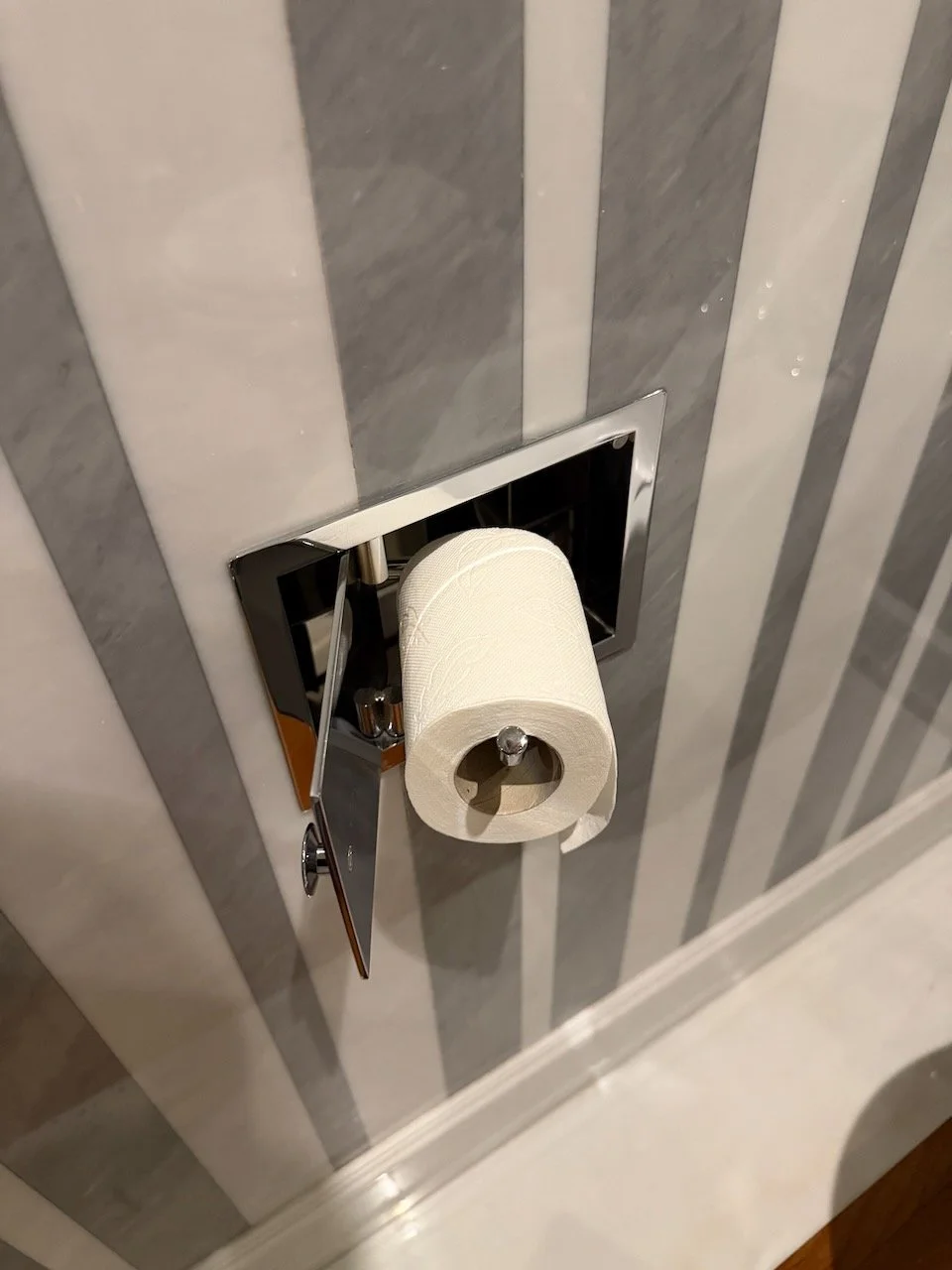
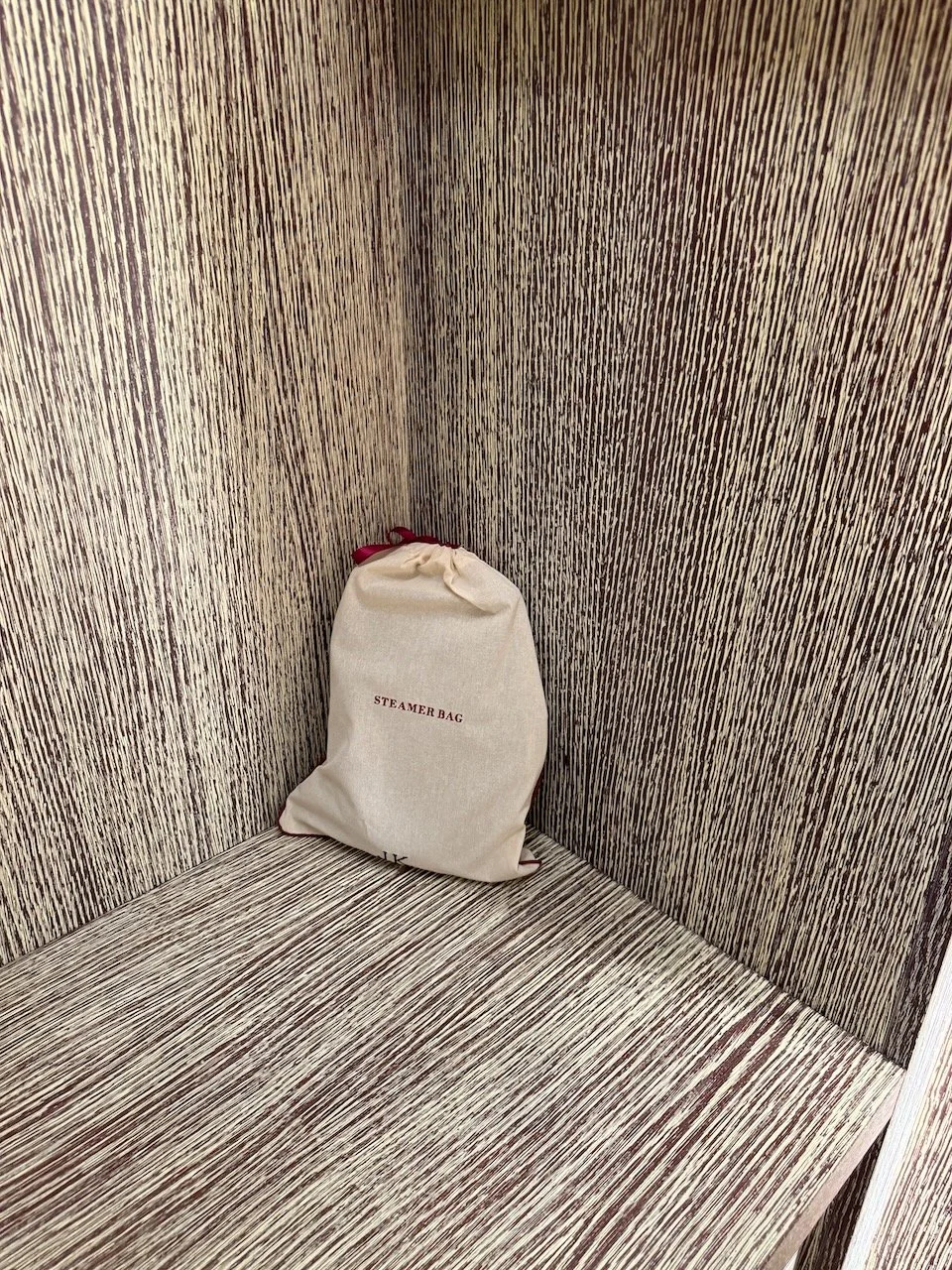
From the fantastic welcome, being addressed by name from everyone, the welcome drink menu, to the turn-down service with little touches like these little tablecloth beneath my toiletries.
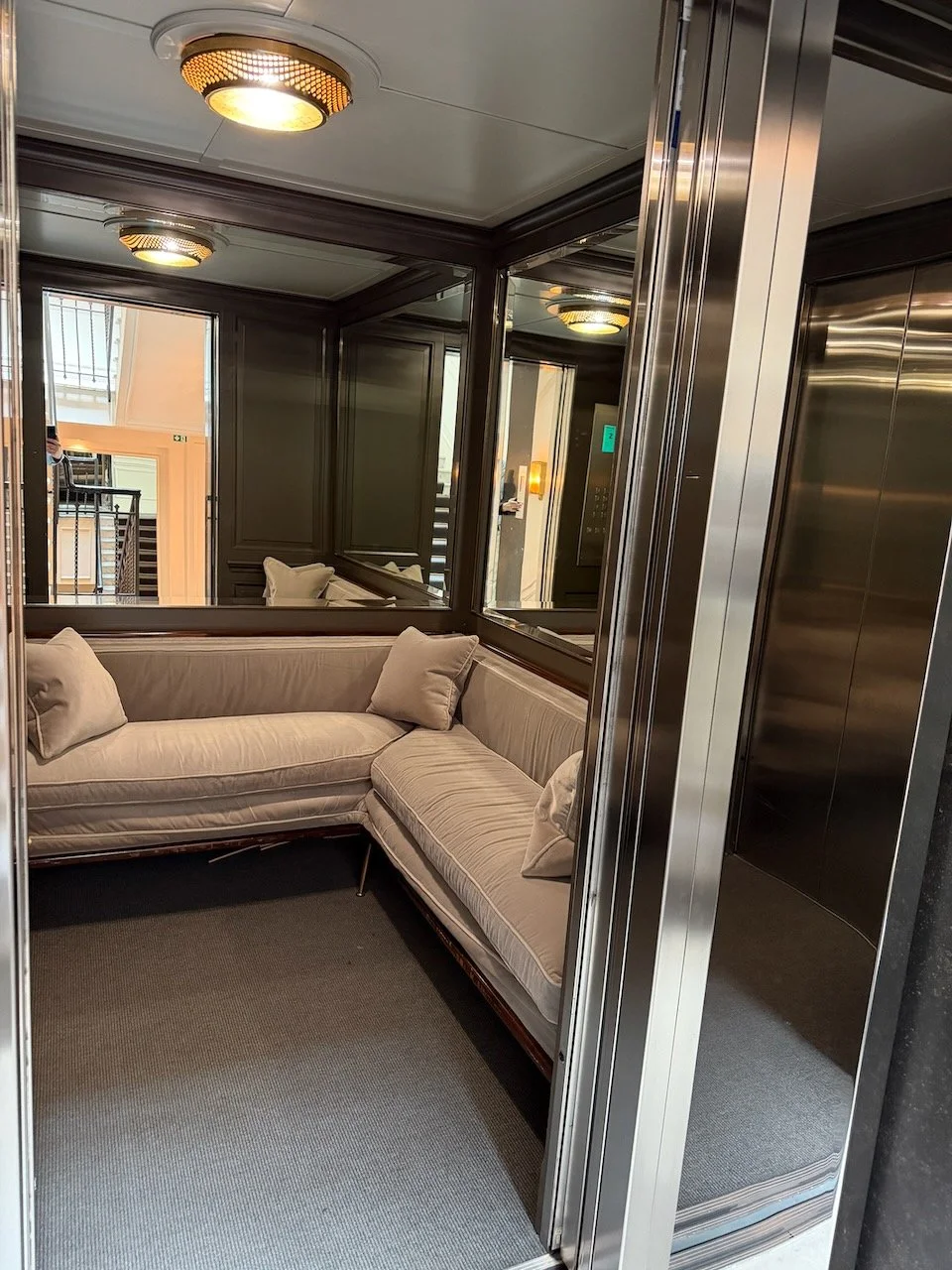
One unique feature I have not seen before: their elevator has a whole couch in it. It was actually welcoming after 18k steps in Rome and the Vatican Museums.
Spa and Wellness
The JK Place doesn’t have a spa or wellness area, but you have a very nice and new gym at their nearby sister property Casa JK Place, see below.
Dining Options
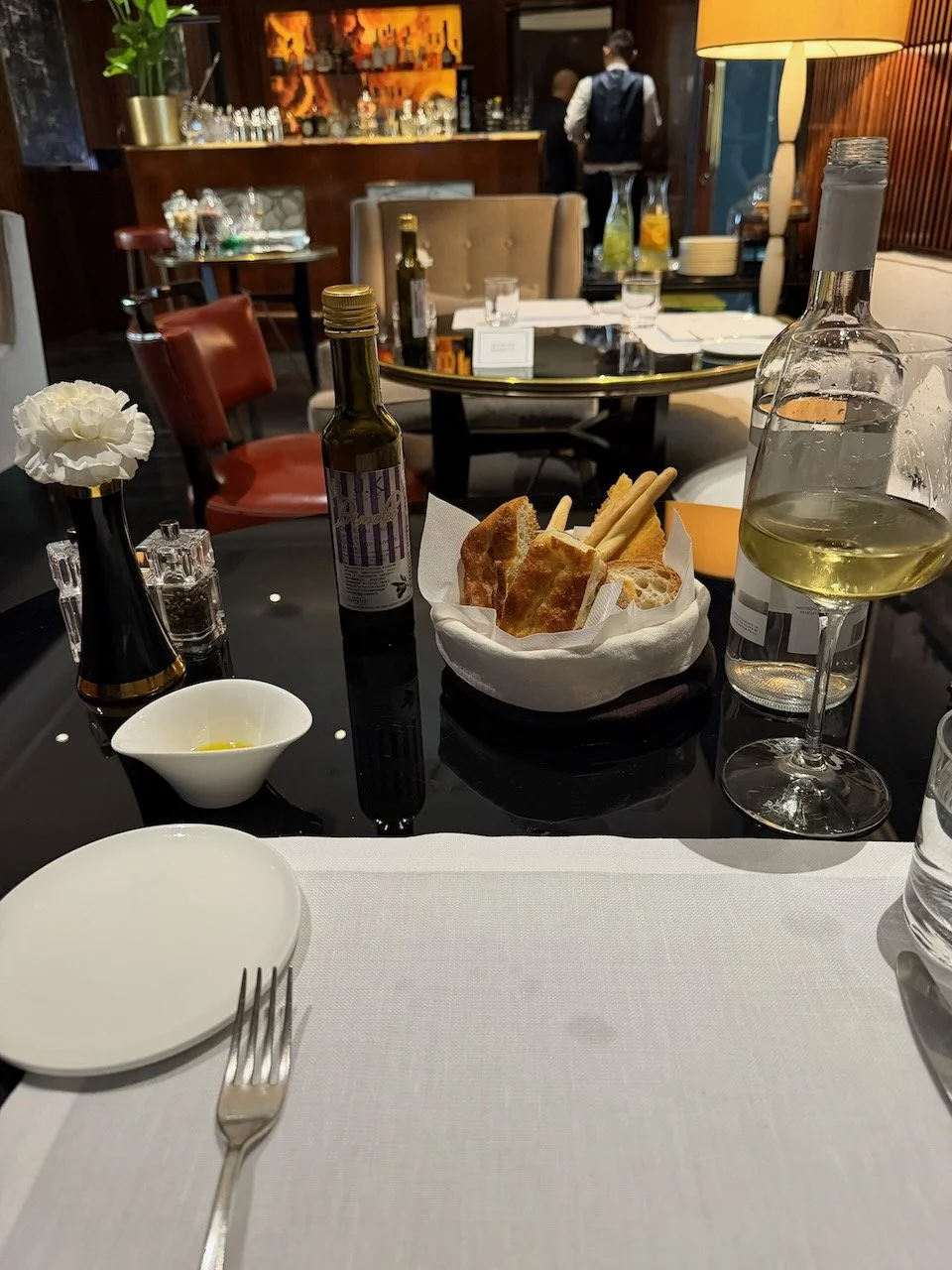
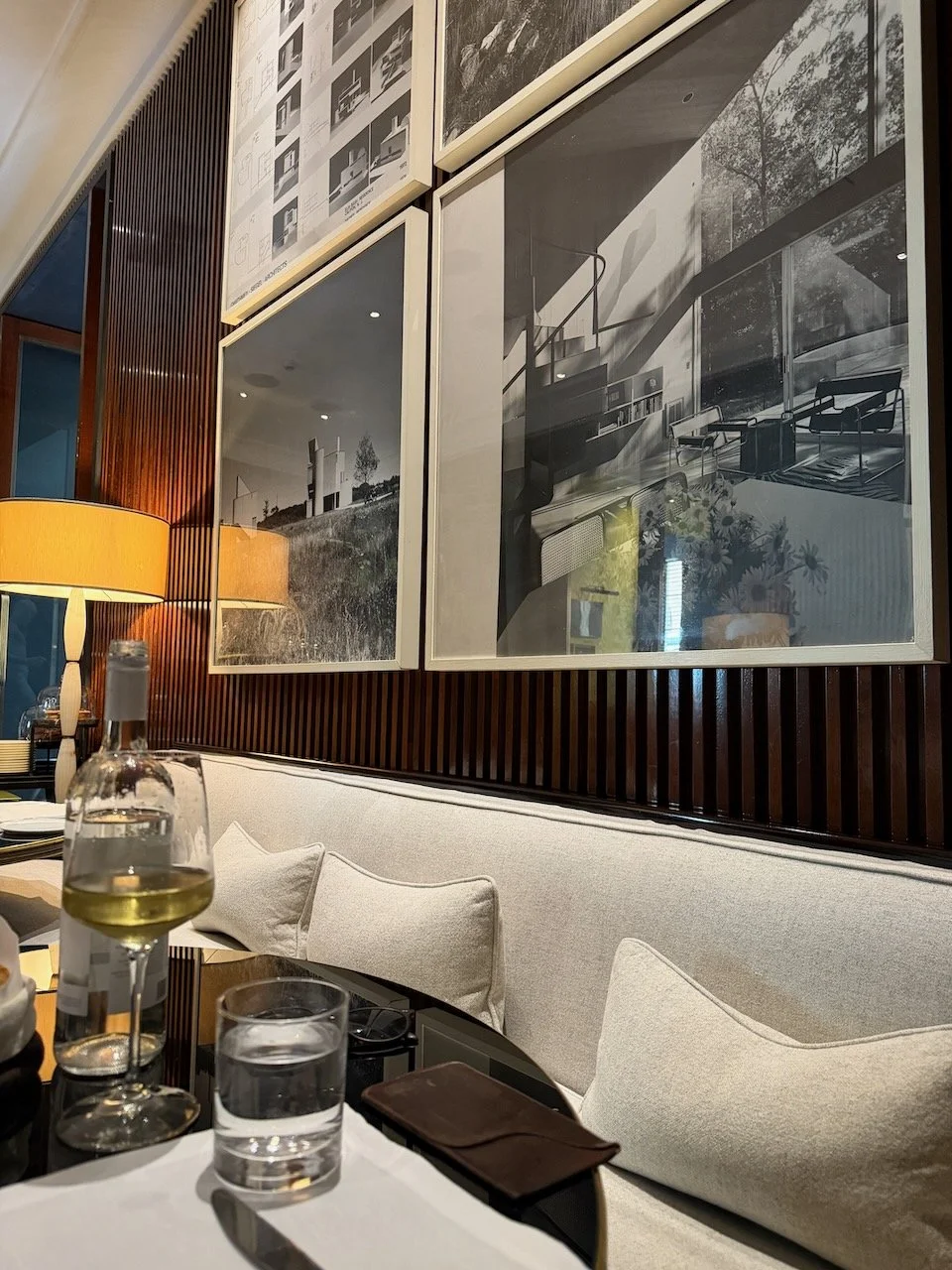
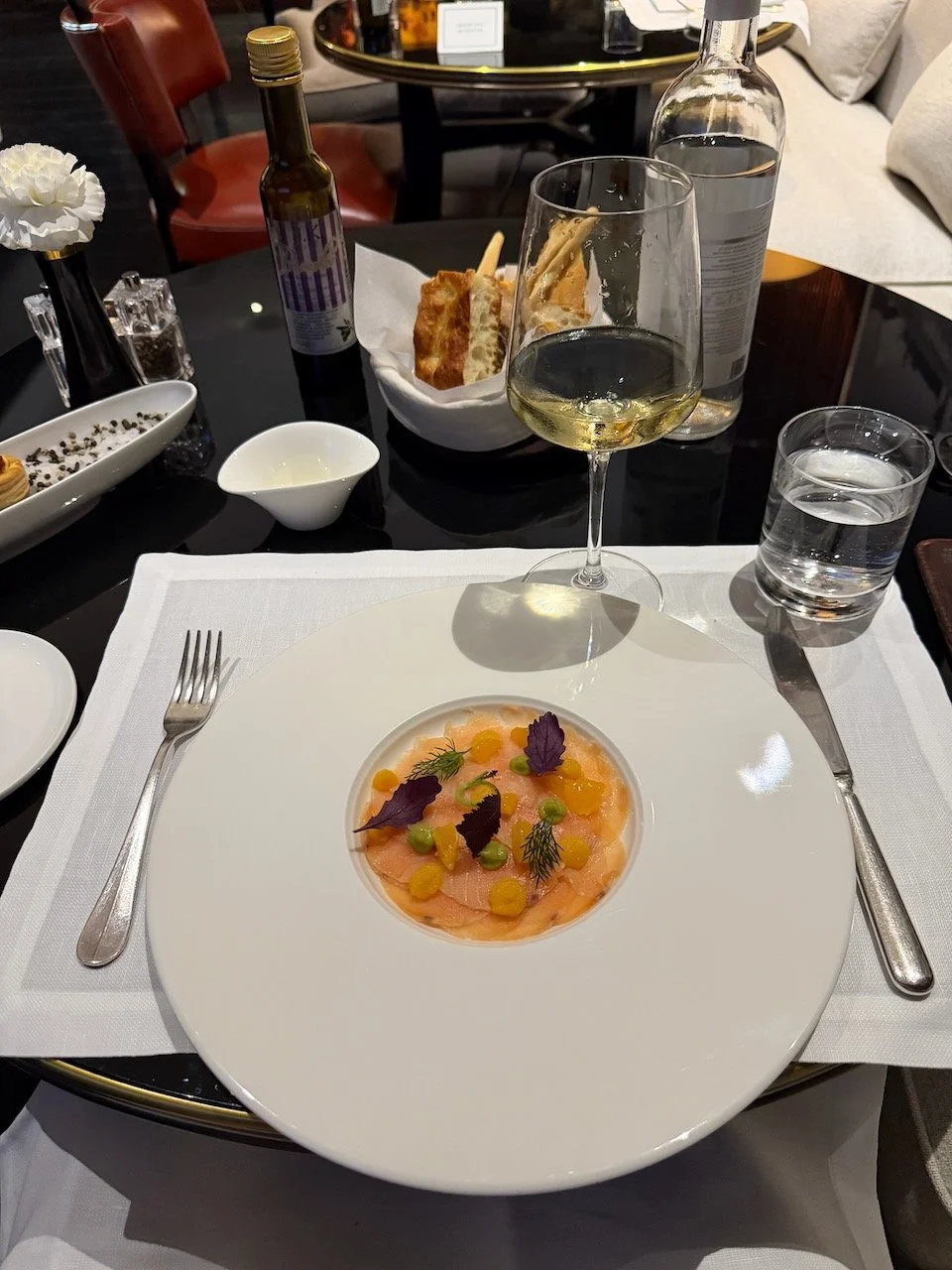
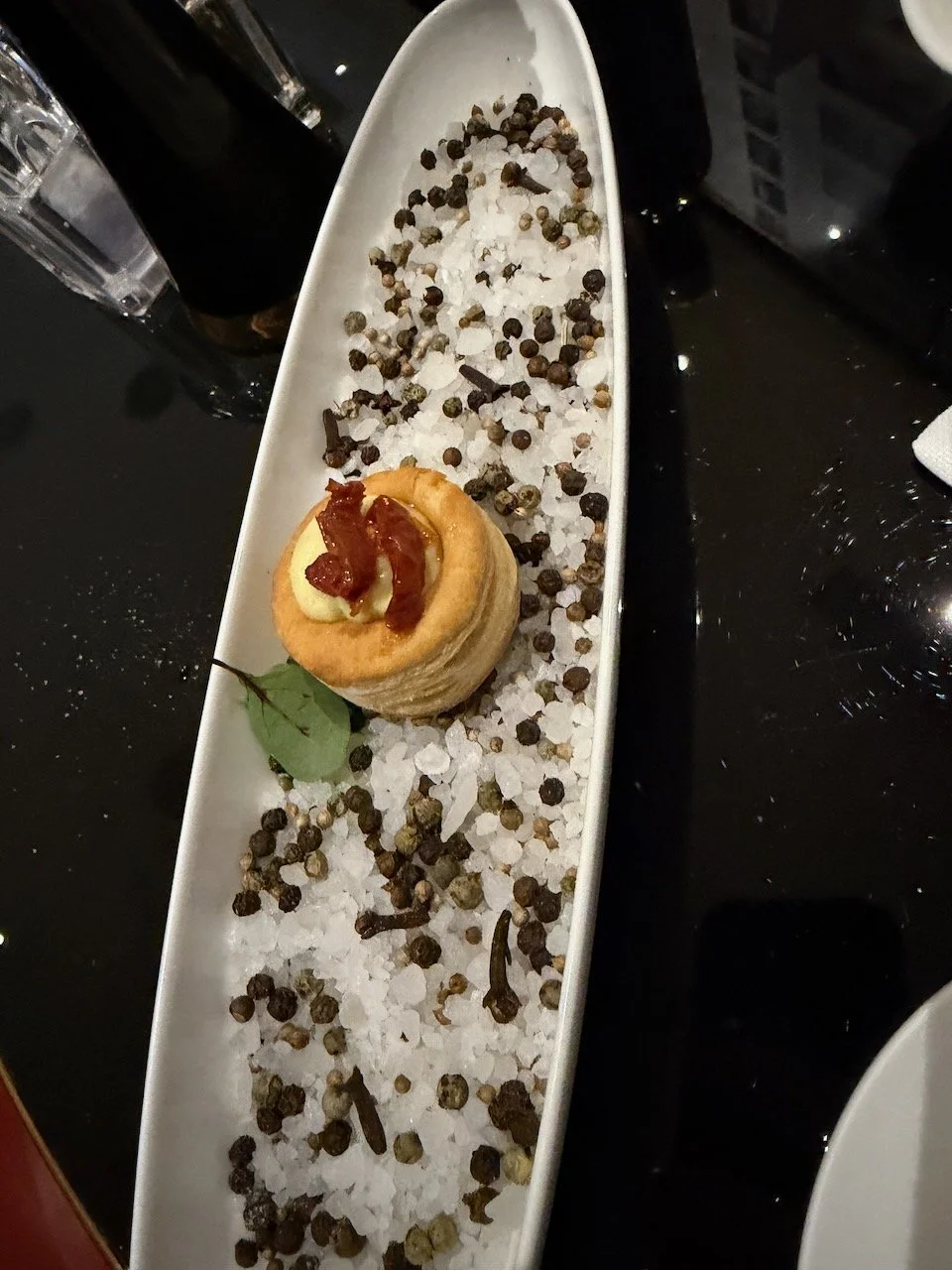
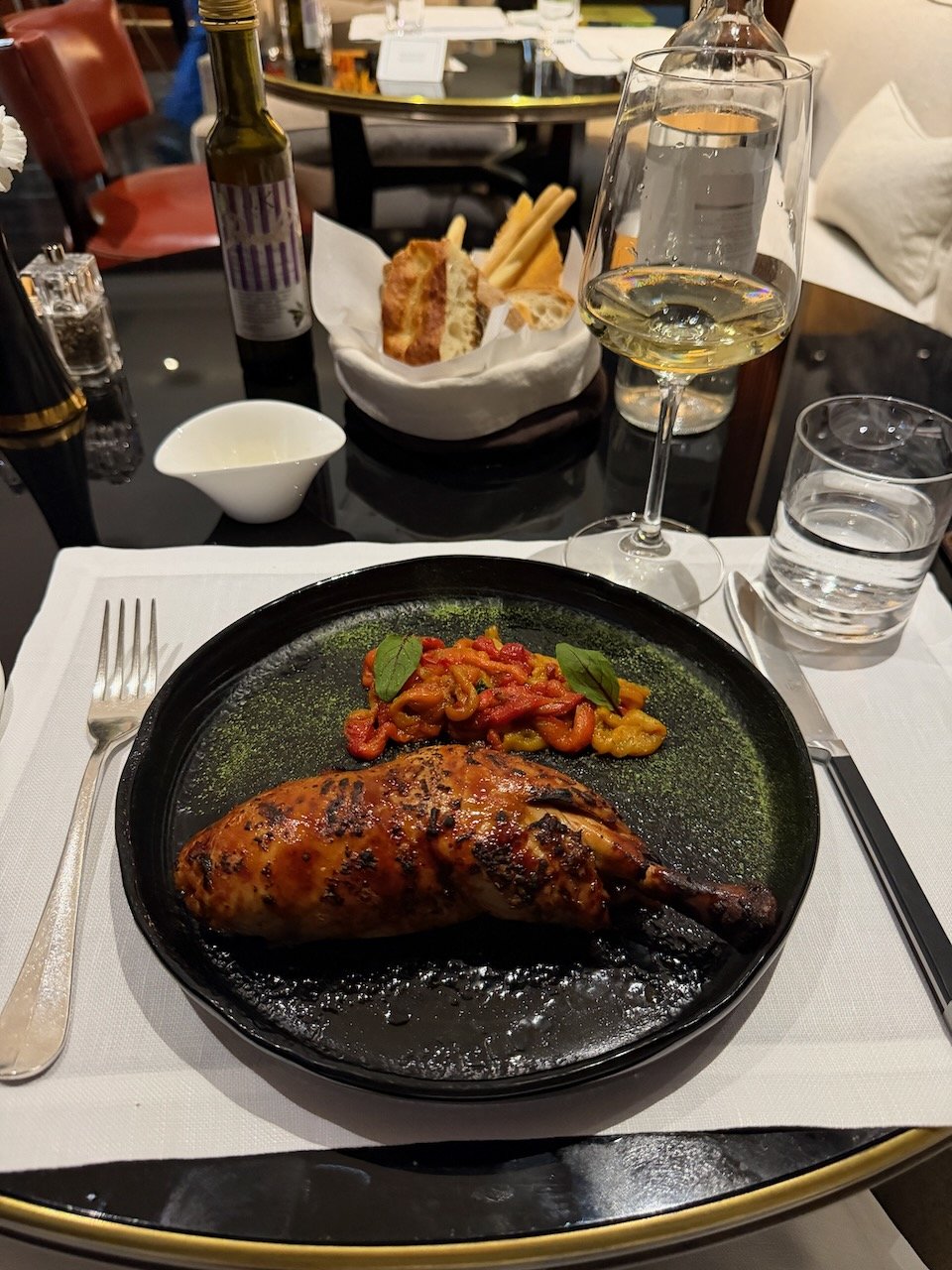
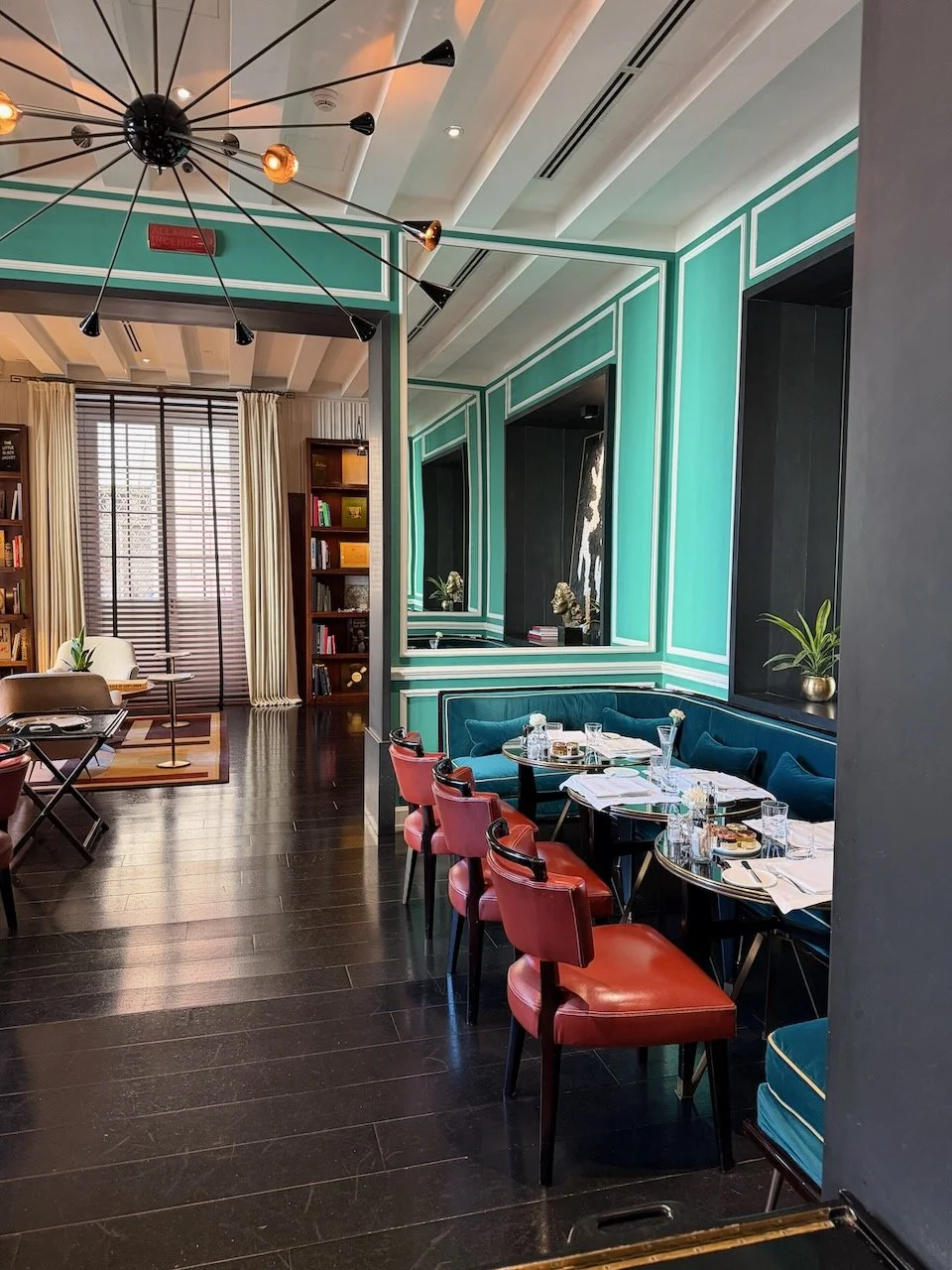
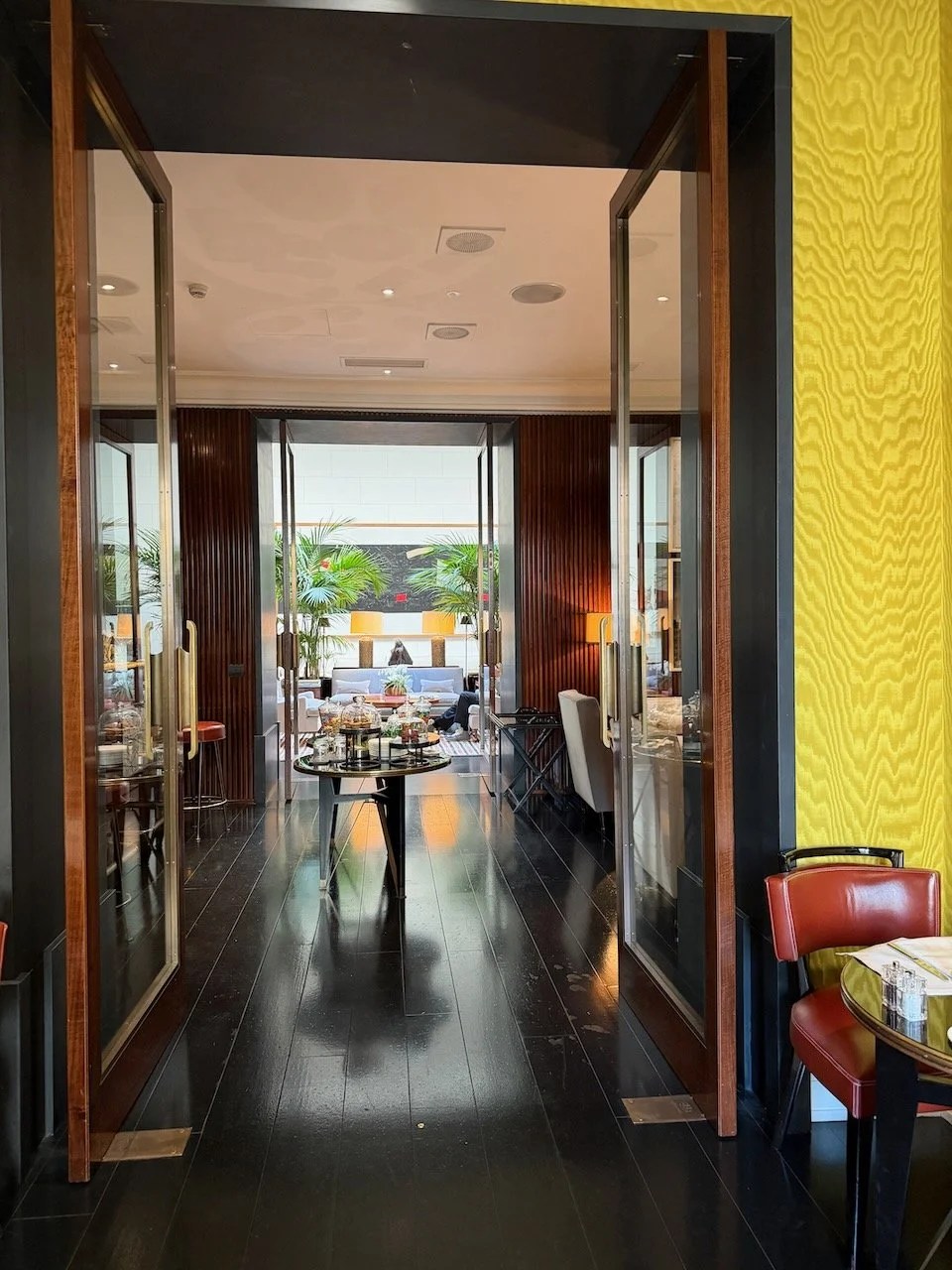
J.K. Place Roma keeps dining deliberately intimate, which fits the whole character of the hotel. There is no big restaurant circuit here, no rooftop scene, and no attempt to turn the hotel into a grand culinary destination. Instead, everything revolves around J.K. Café, the hotel’s relaxed all-day restaurant and bar, set in the same elegant, residential world as the rest of the property. Officially, it serves breakfast, business lunch, all-day dining, and drinks in a private, calm atmosphere near Via Condotti.
I had lunch there, and it was very good — but what stood out just as much was the service. That was true throughout my stay: friendly, attentive, and warm without ever feeling overdone. It is exactly the kind of hospitality that makes J.K. Place feel less like a formal hotel and more like being welcomed into someone’s very stylish Roman home.
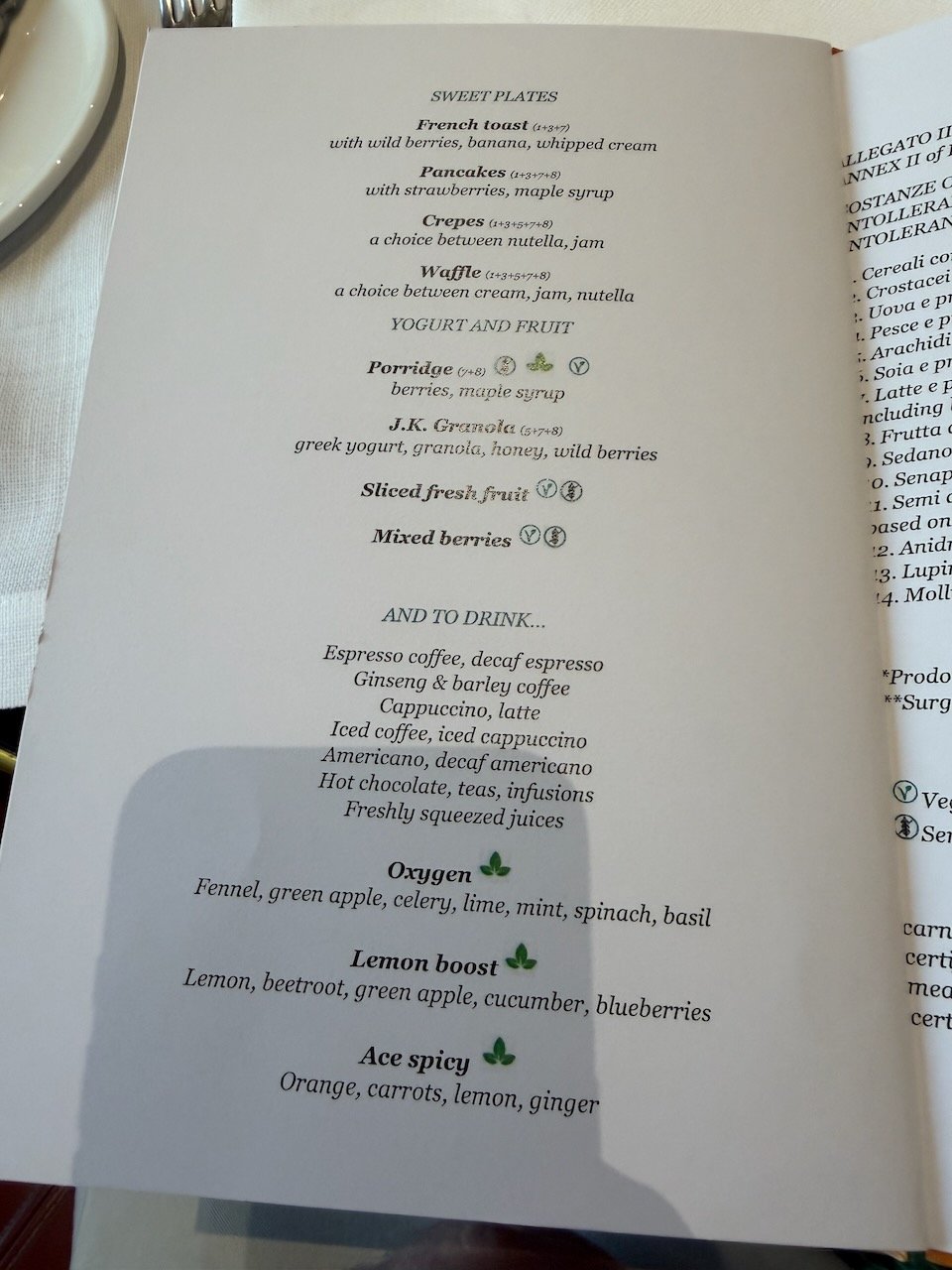
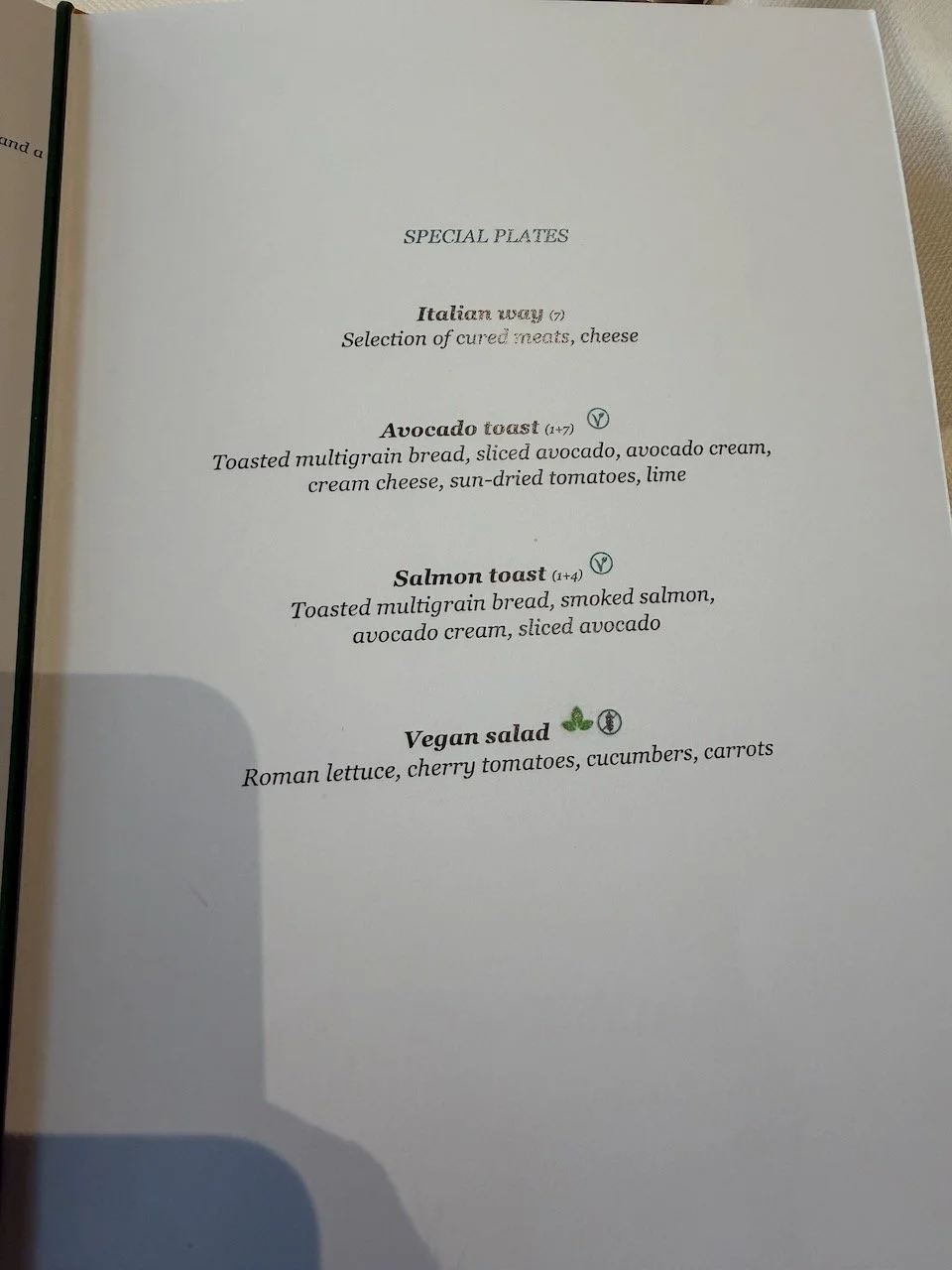
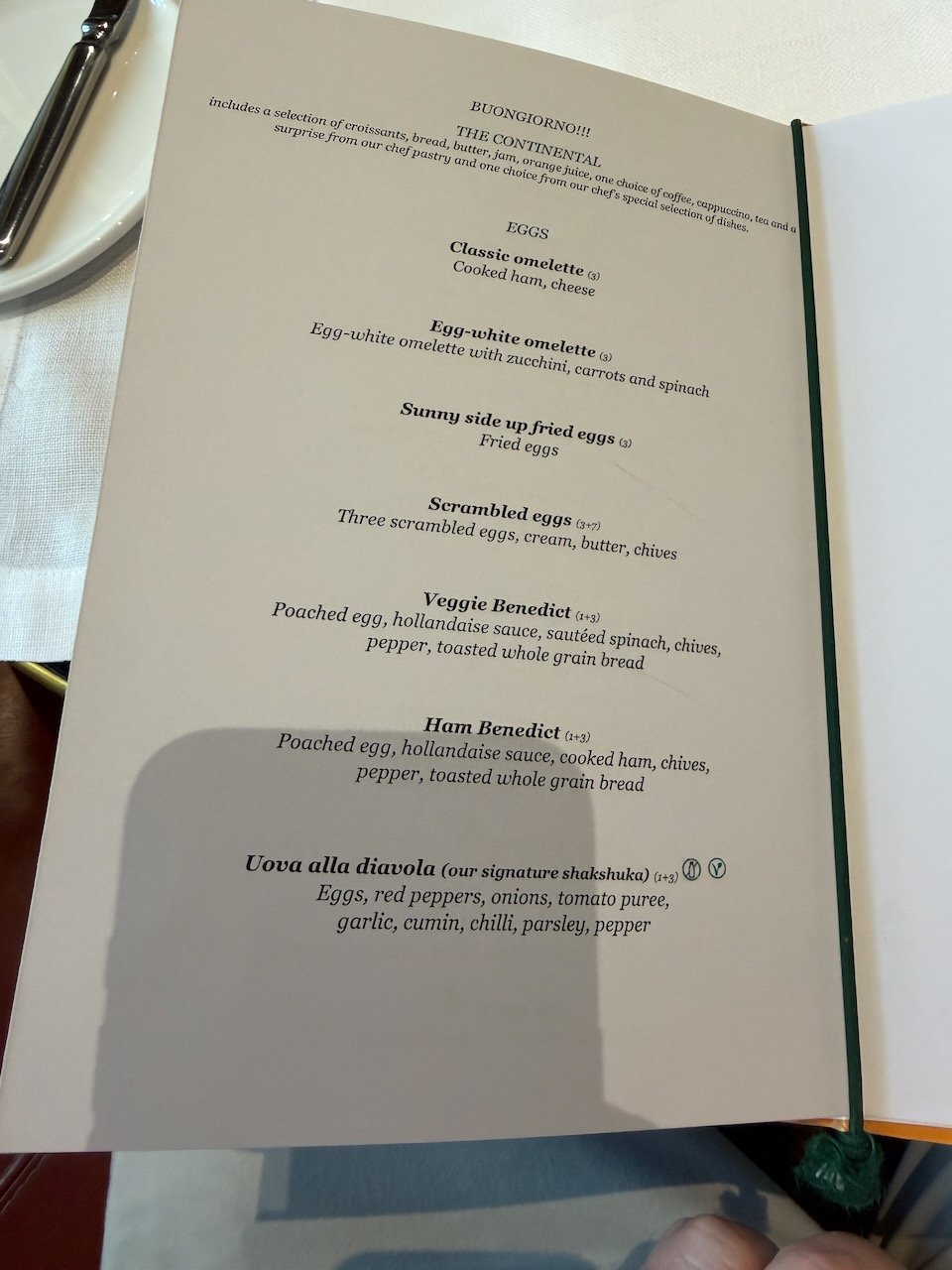
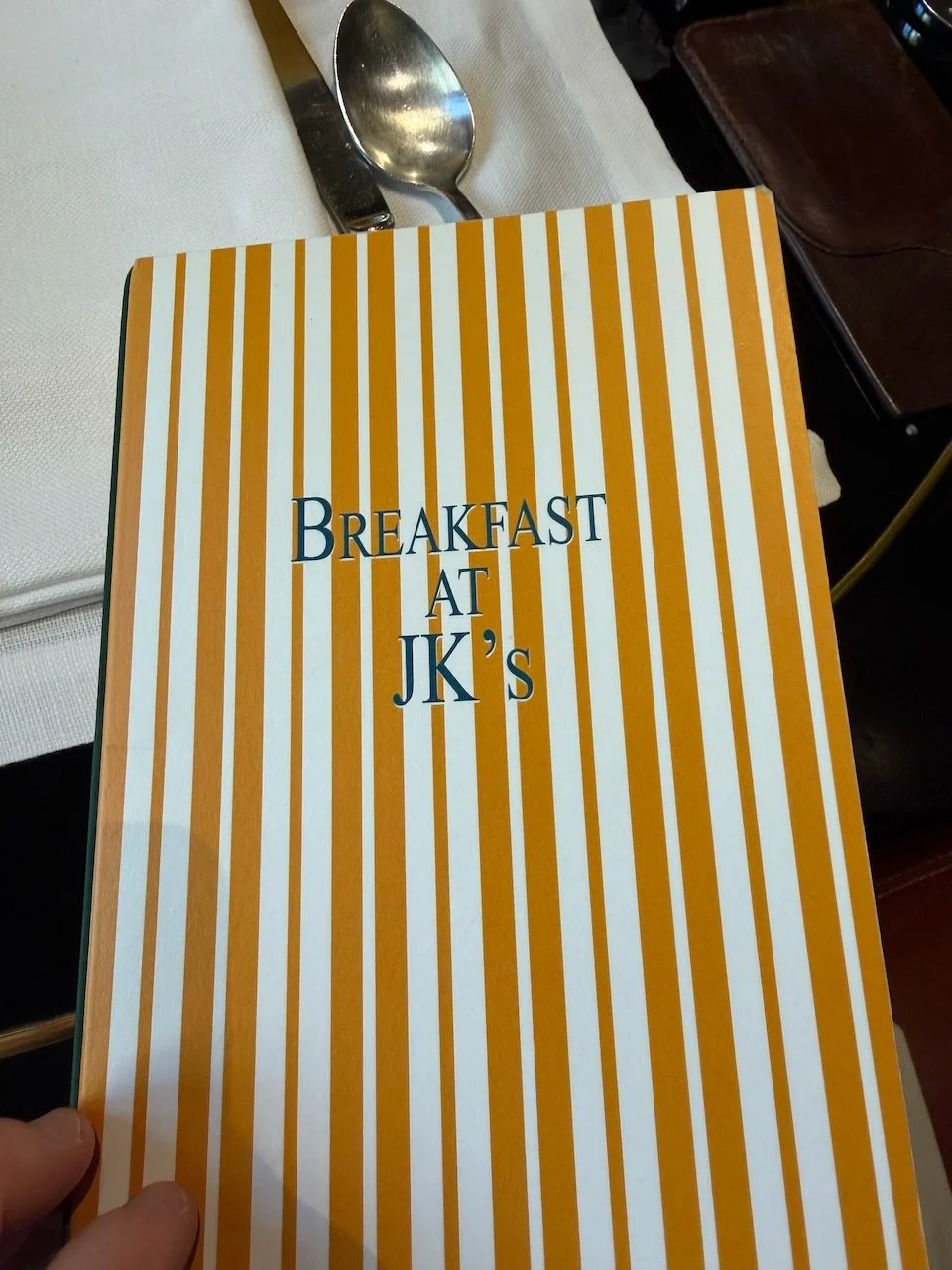
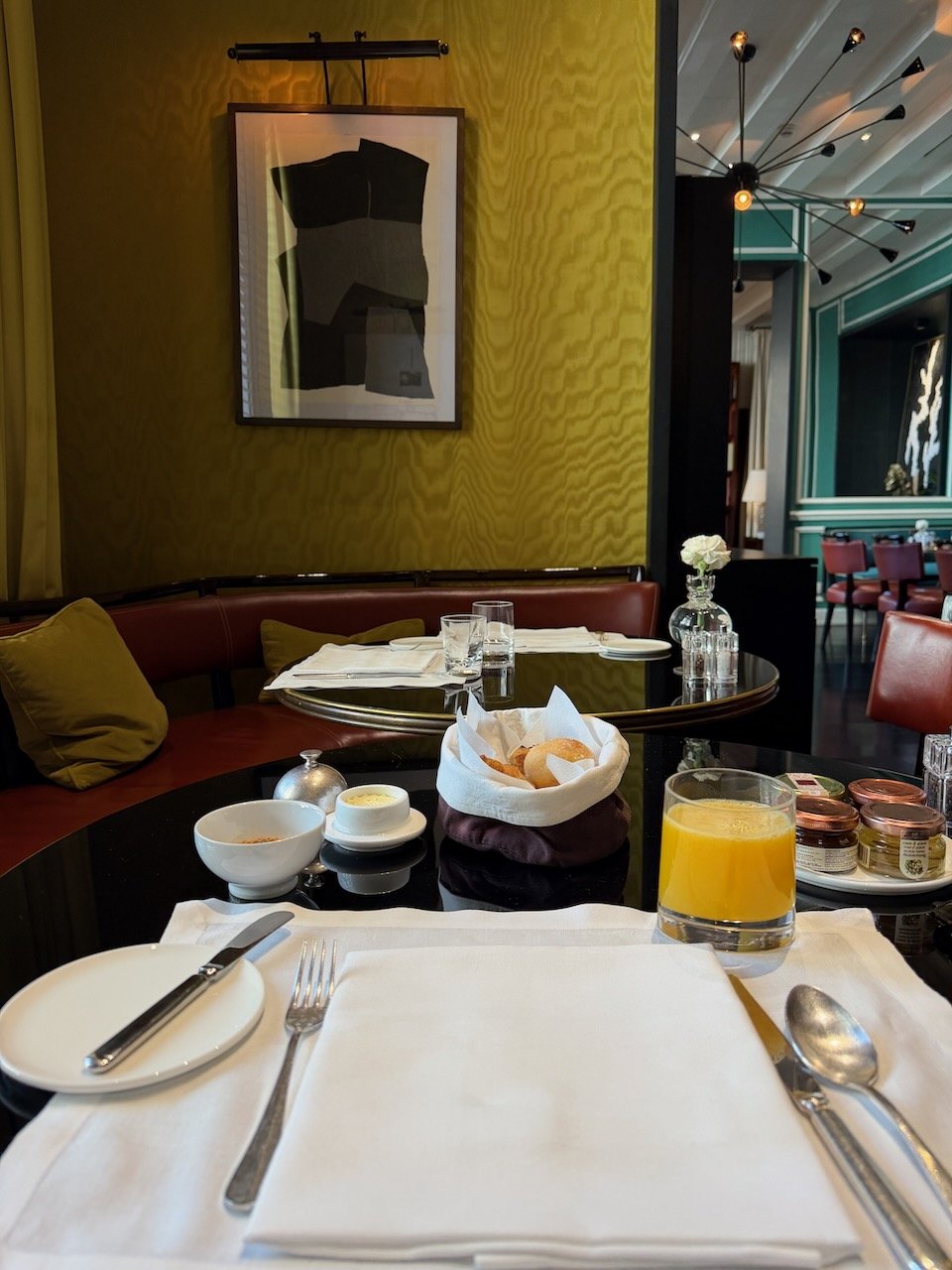
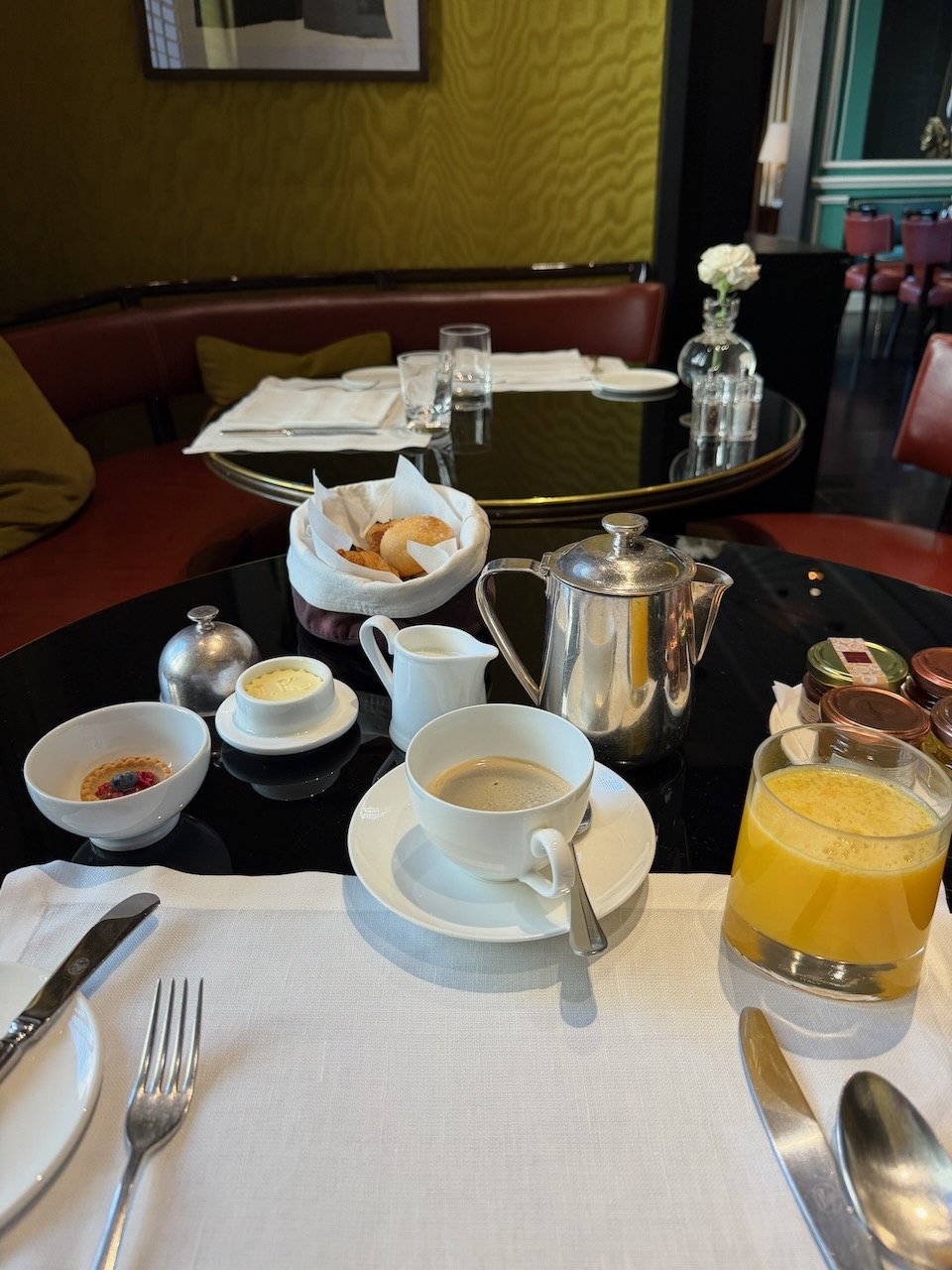
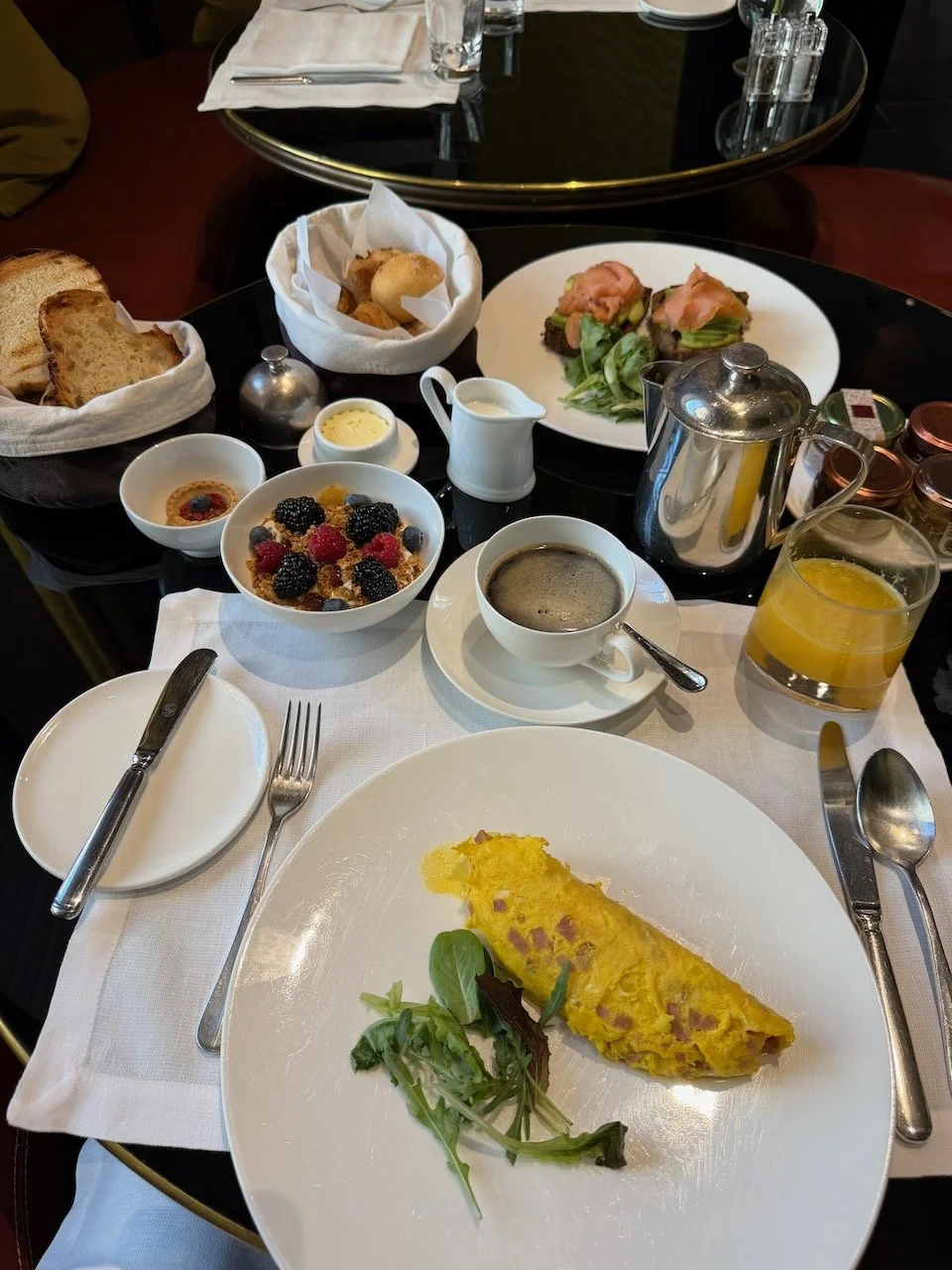
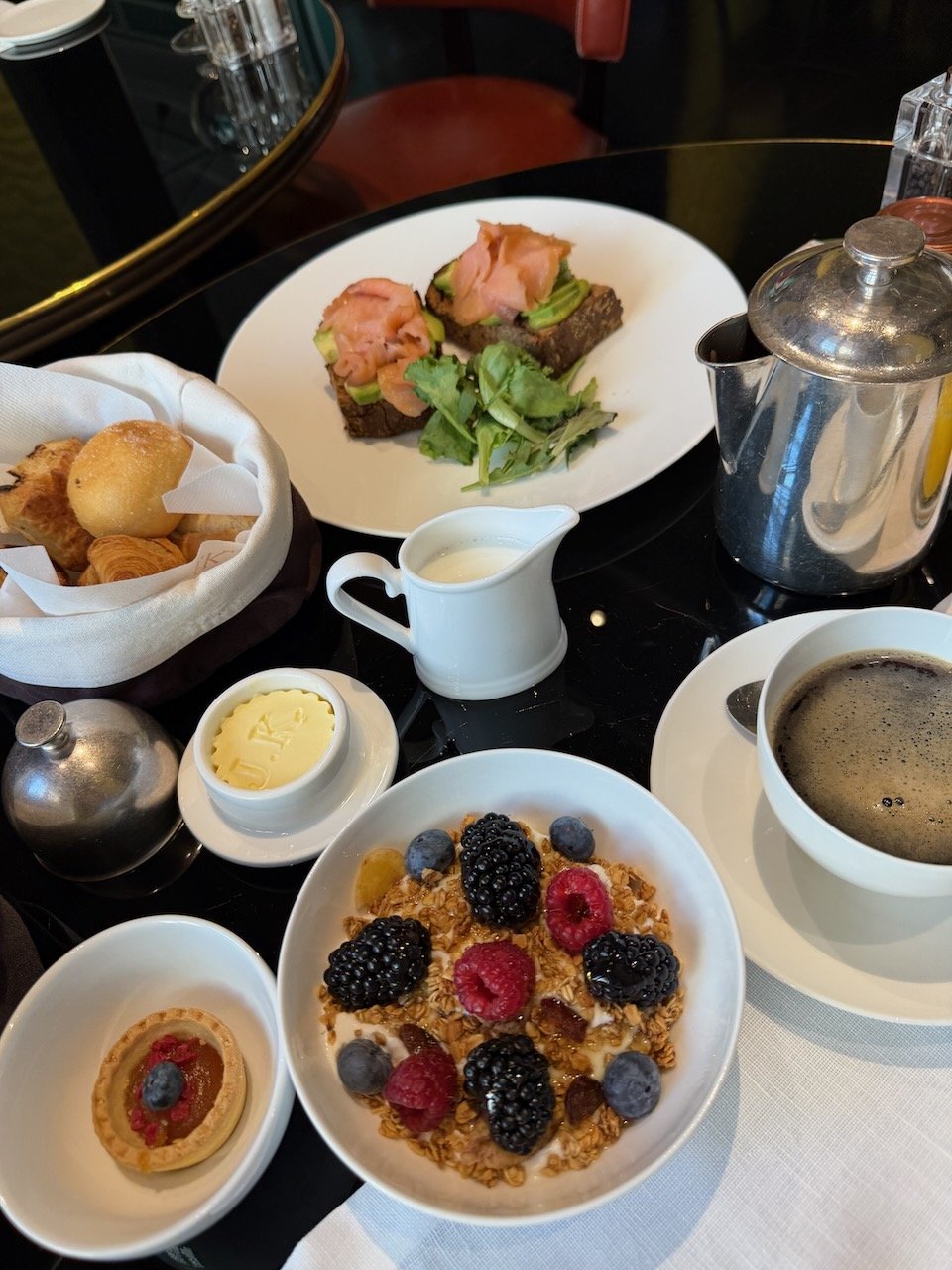
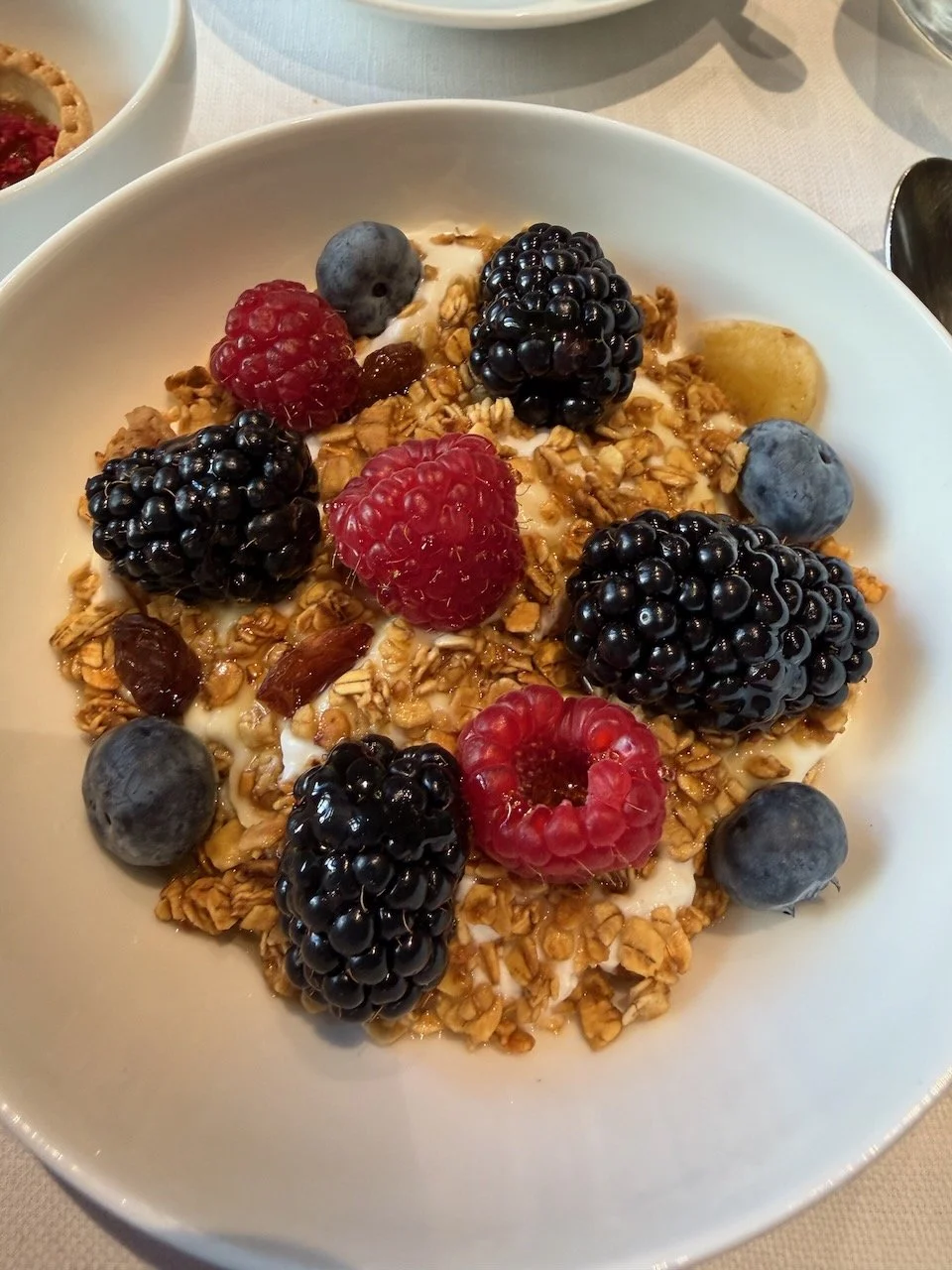
Breakfast was one of my favourite parts of the stay. I loved that it was à la carte rather than a buffet, because buffets can quickly make even luxury hotels feel less personal. Here, the format felt completely aligned with the brand: calm, elegant, and hosted. The service was again very attentive and friendly, and the products were excellent — good coffee, well-prepared eggs, Greek yoghurt with fruit, and the kind of small details that make breakfast feel genuinely luxurious rather than simply abundant. J.K. Place does not need many dining outlets; it just needs the one to feel right.
Casa JK Place Roma
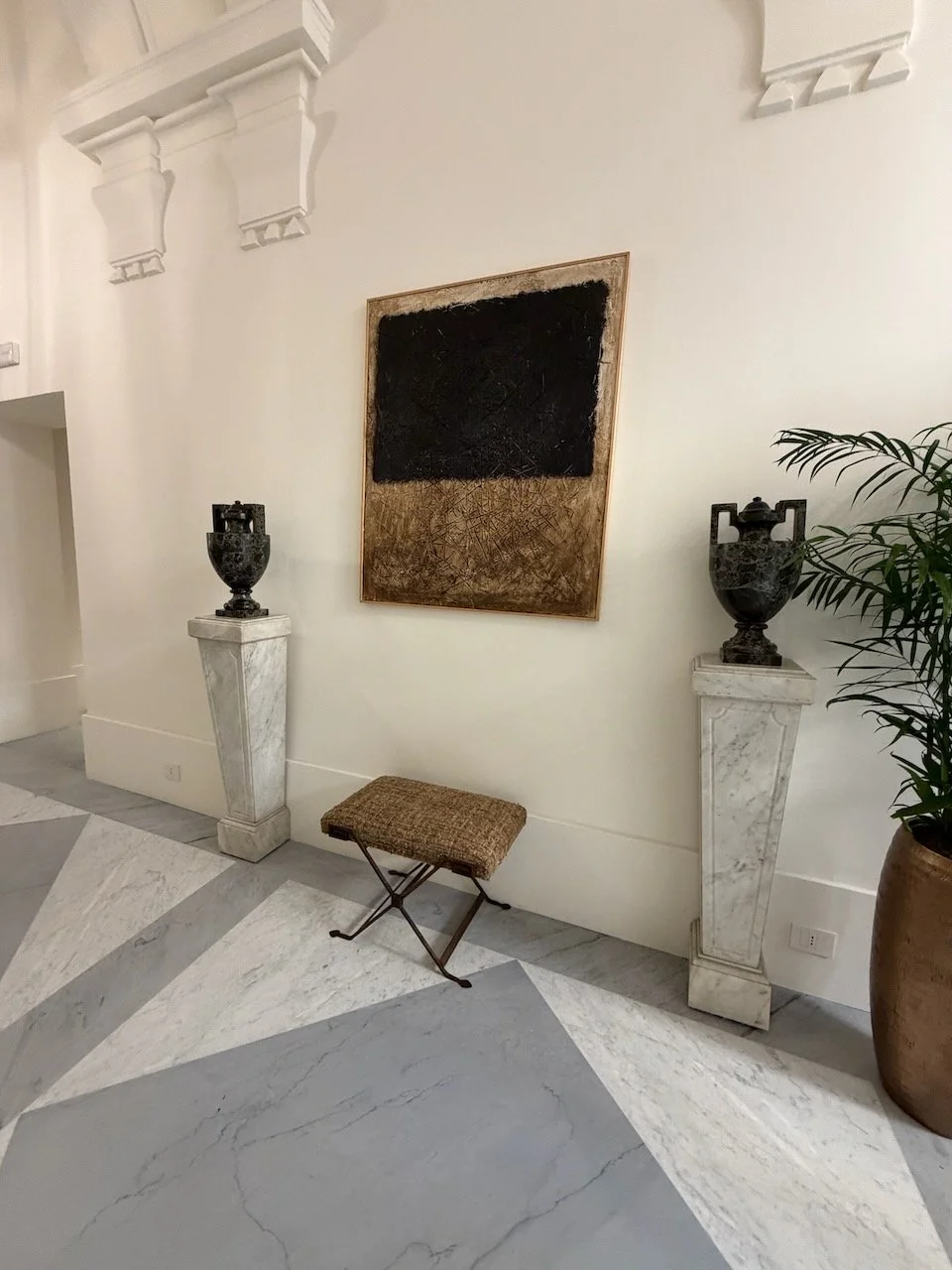
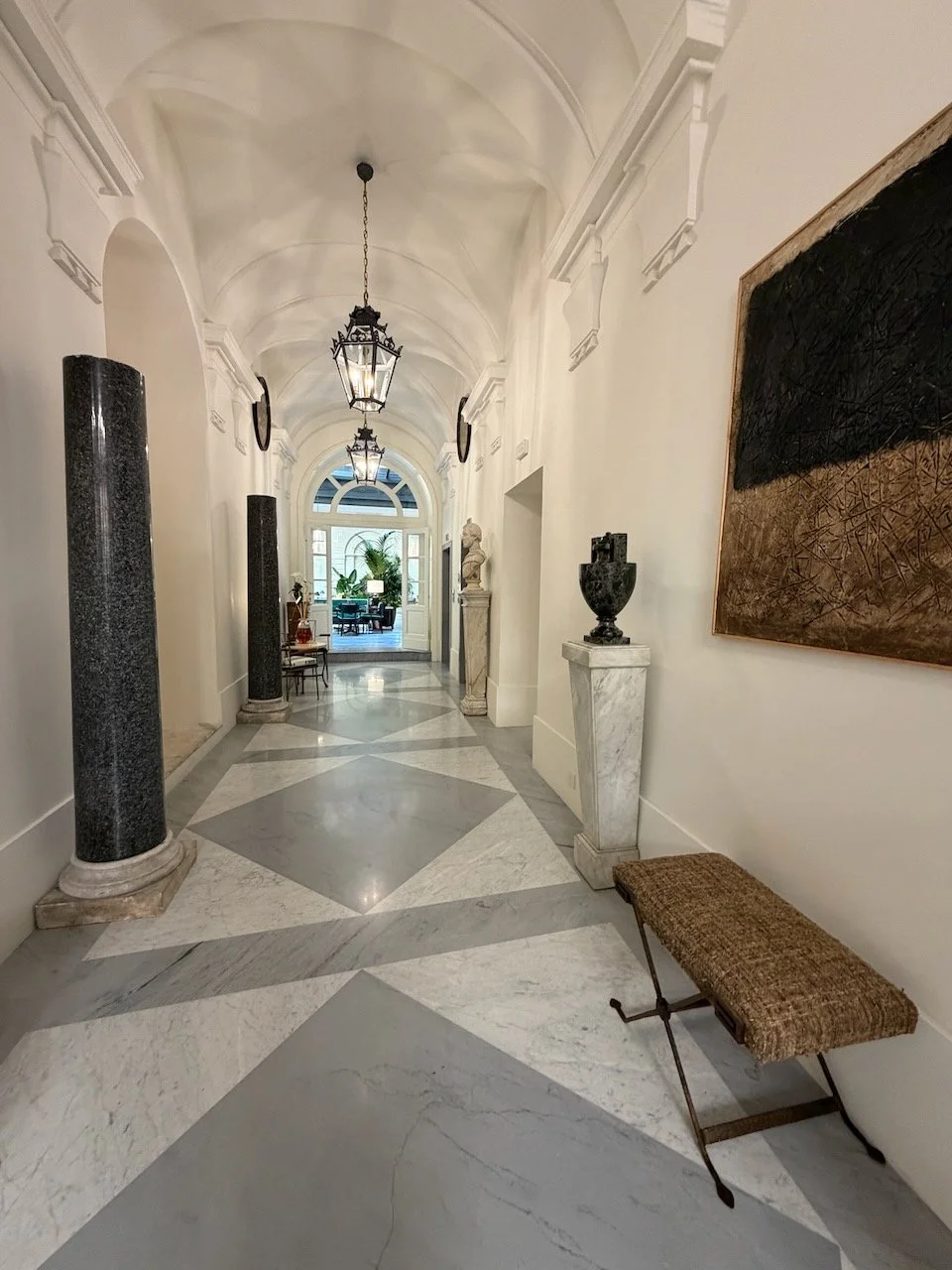
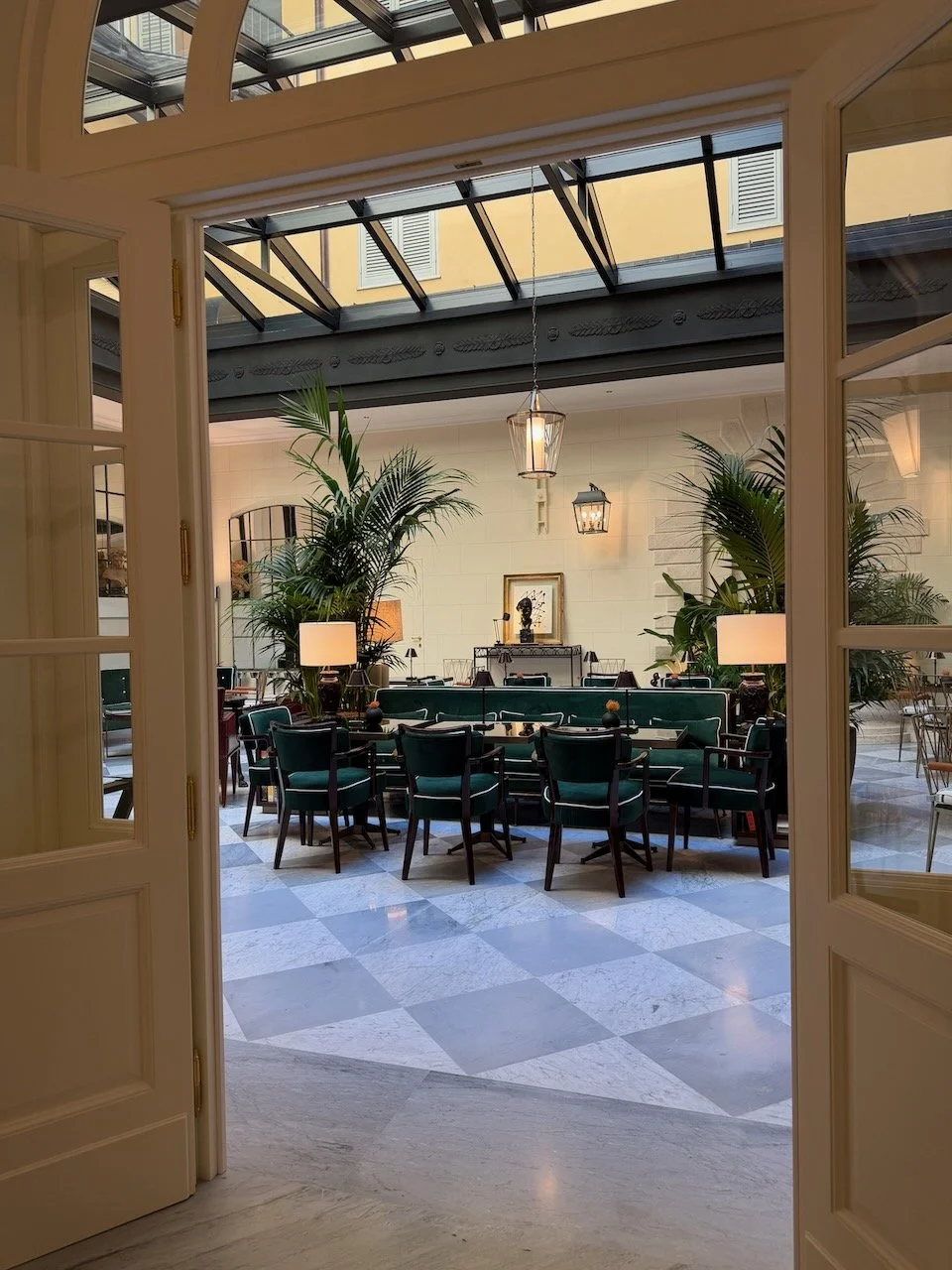
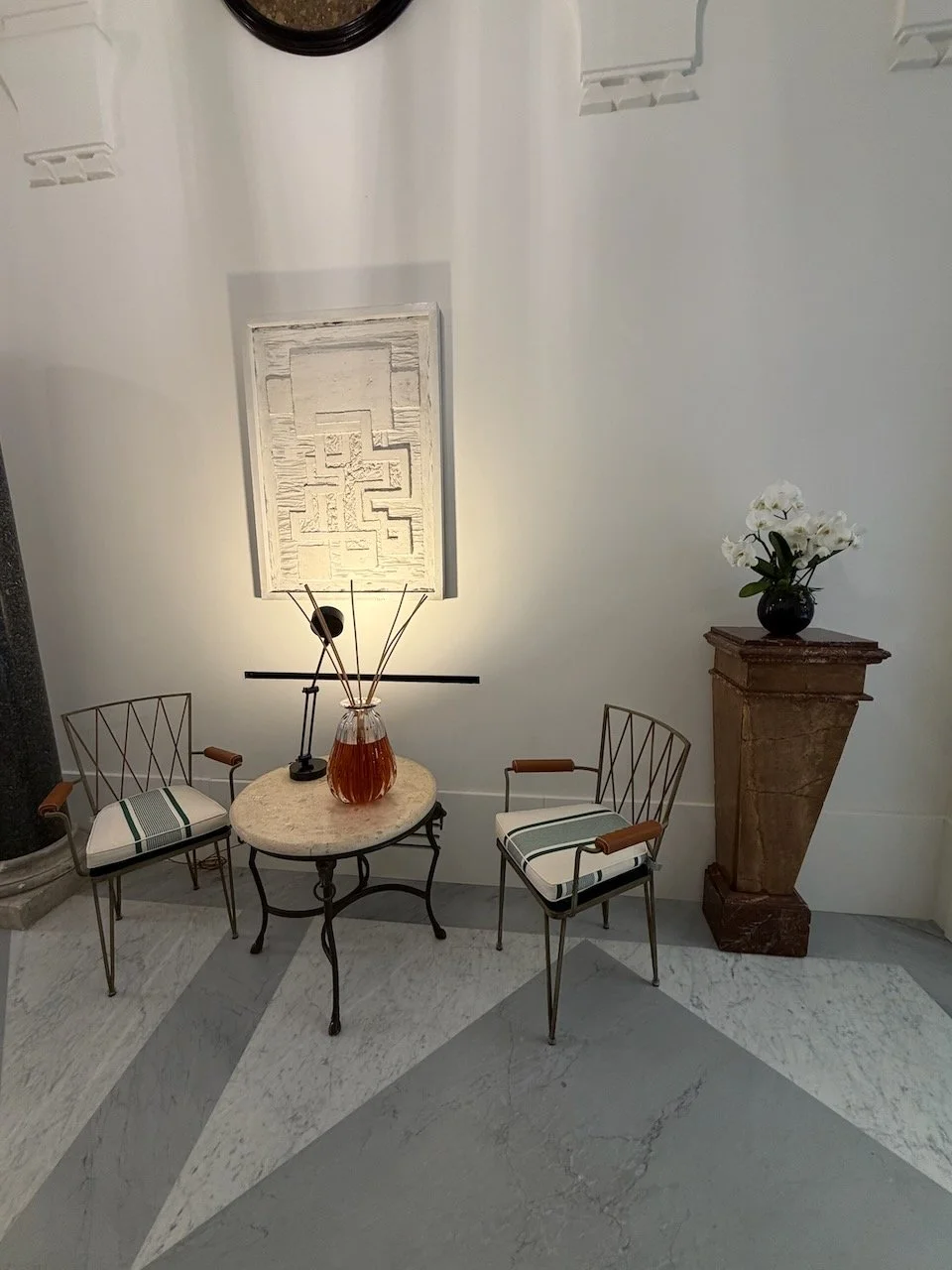
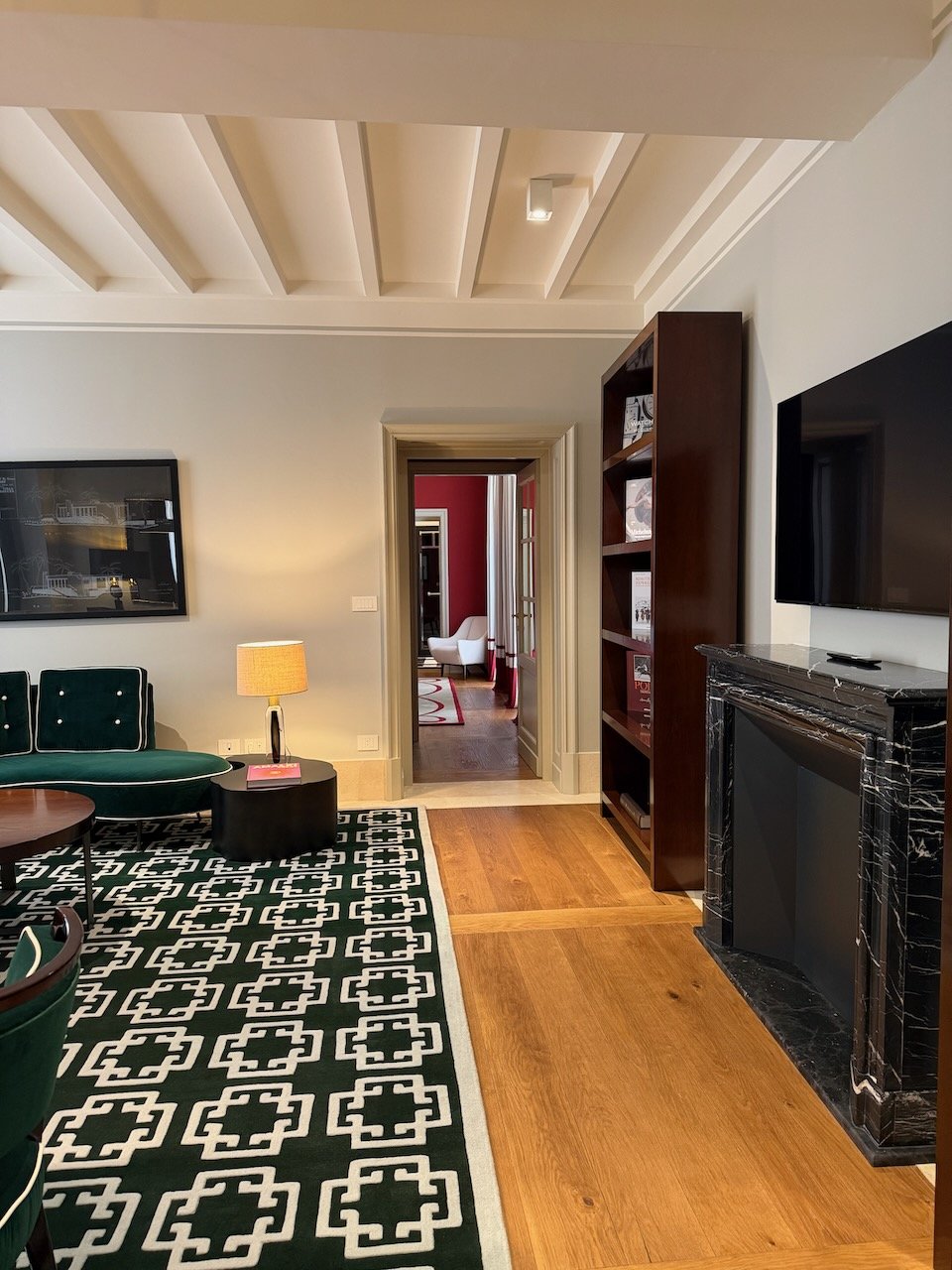
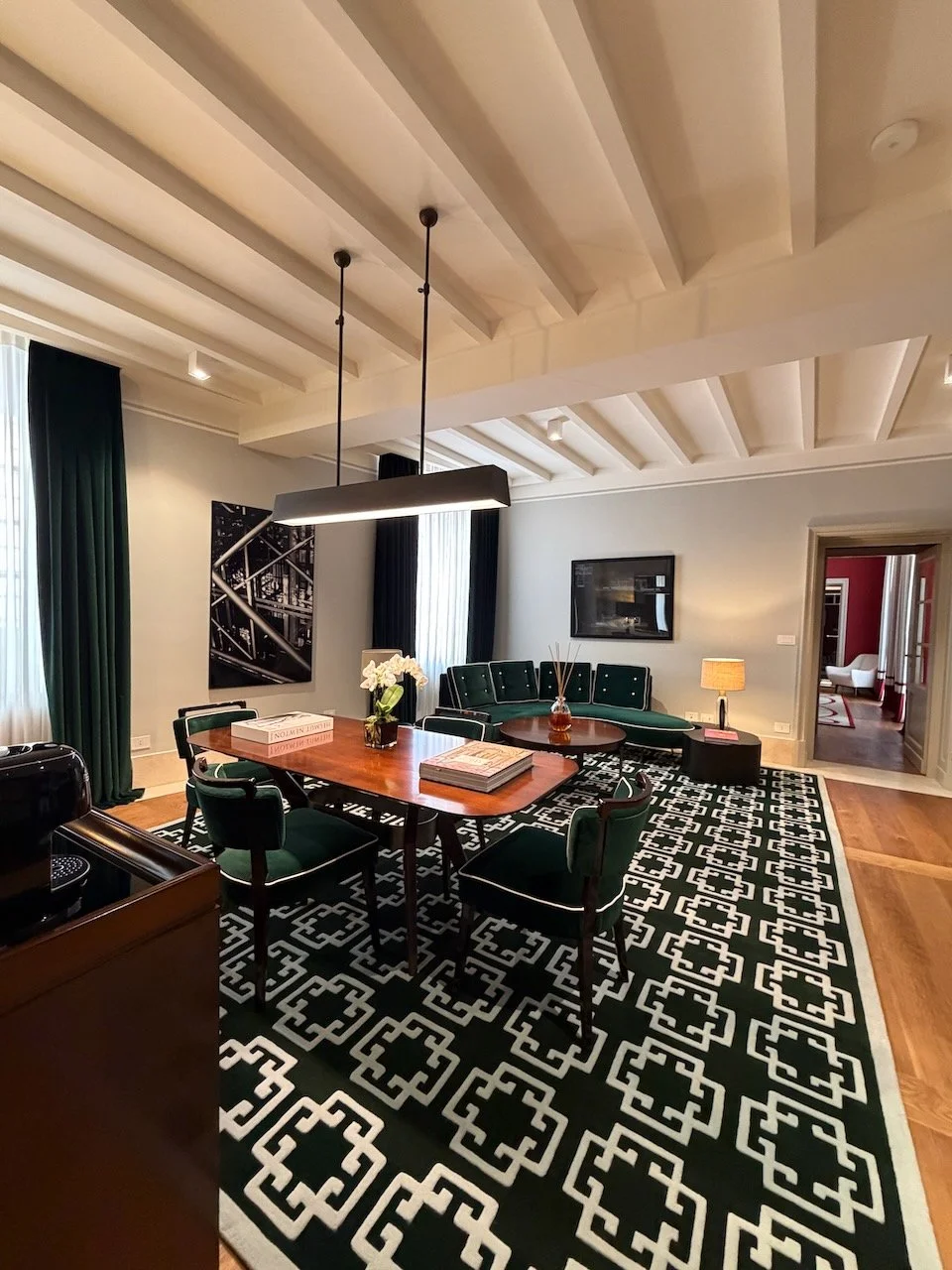
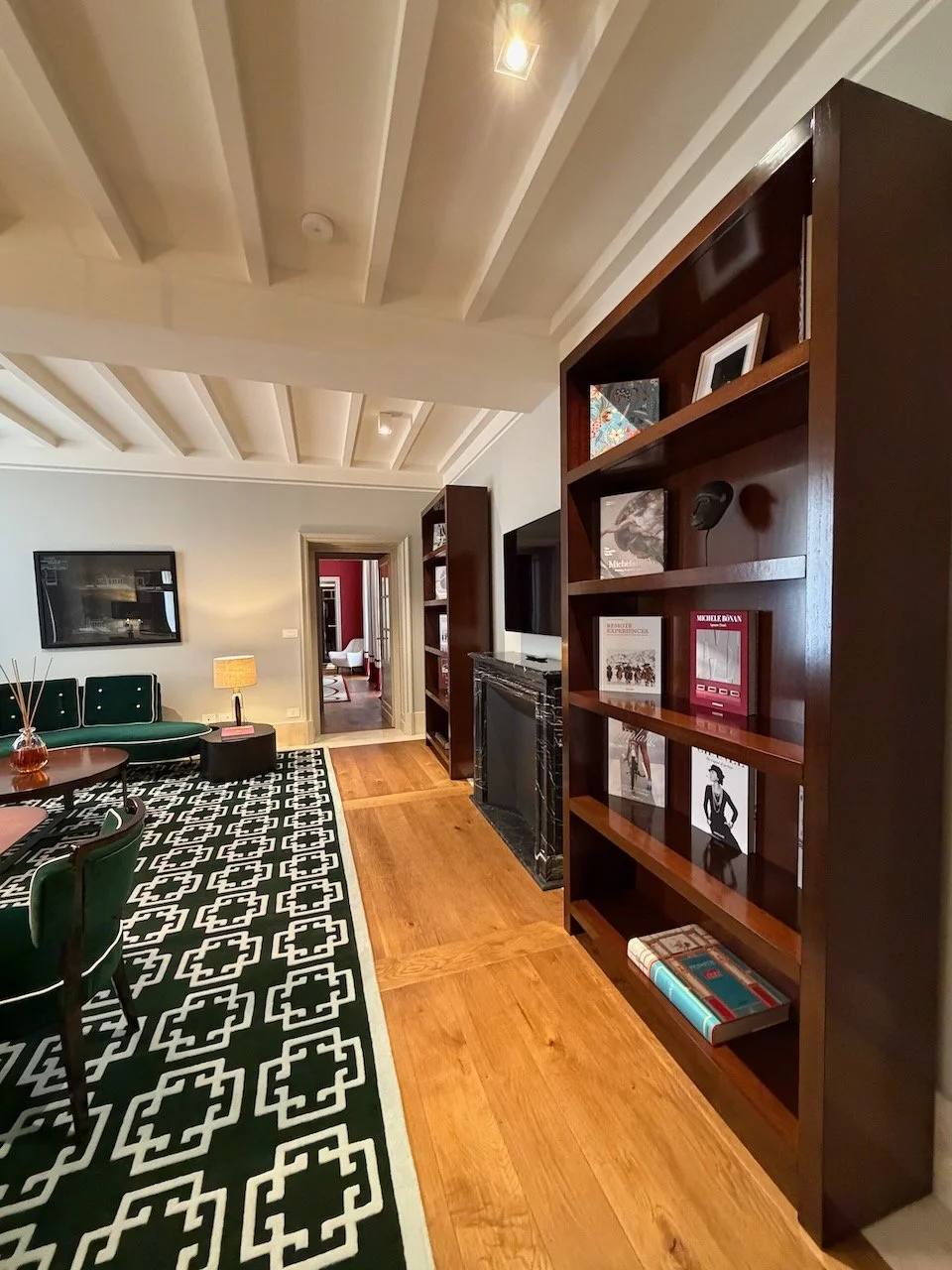
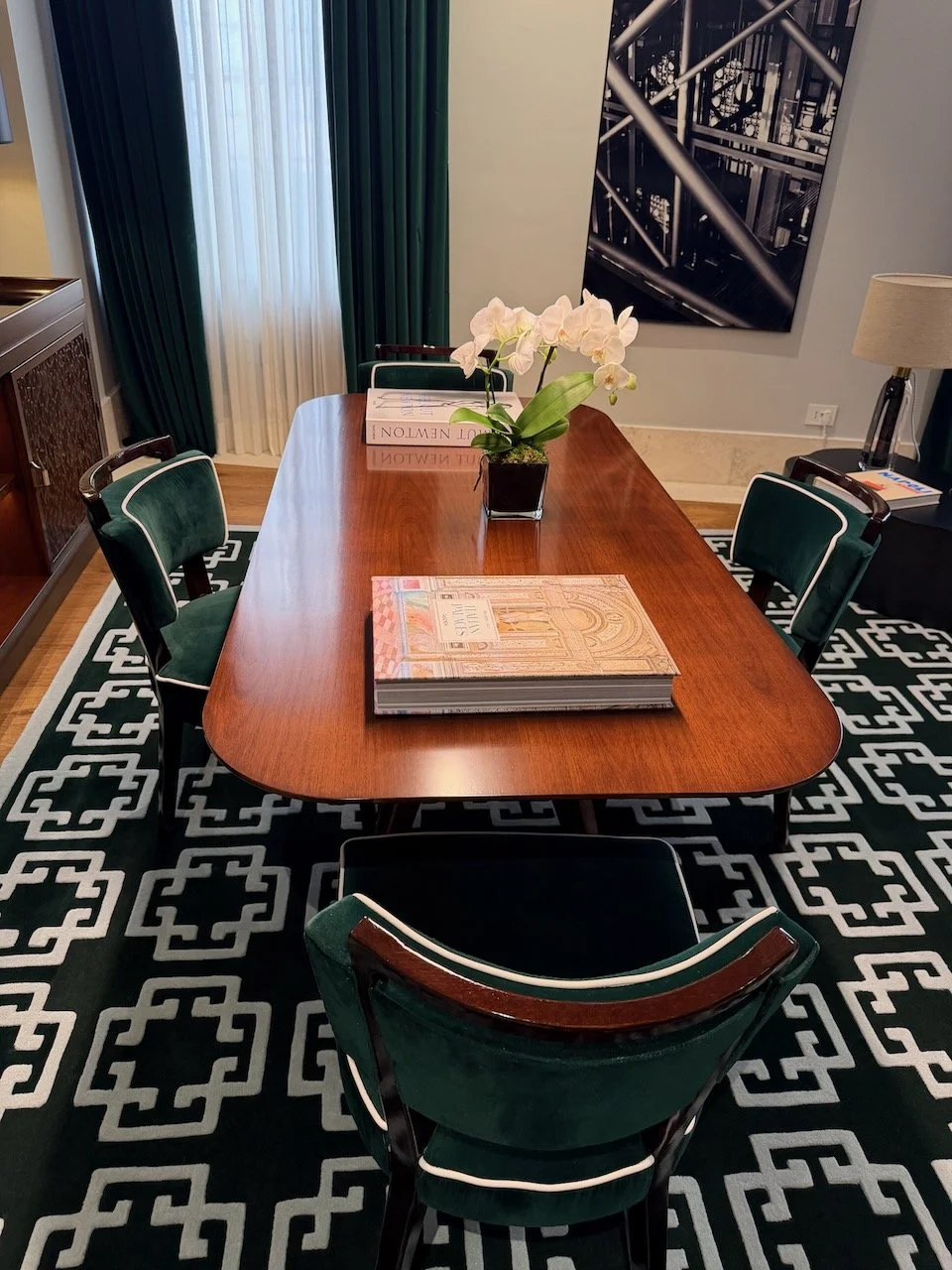
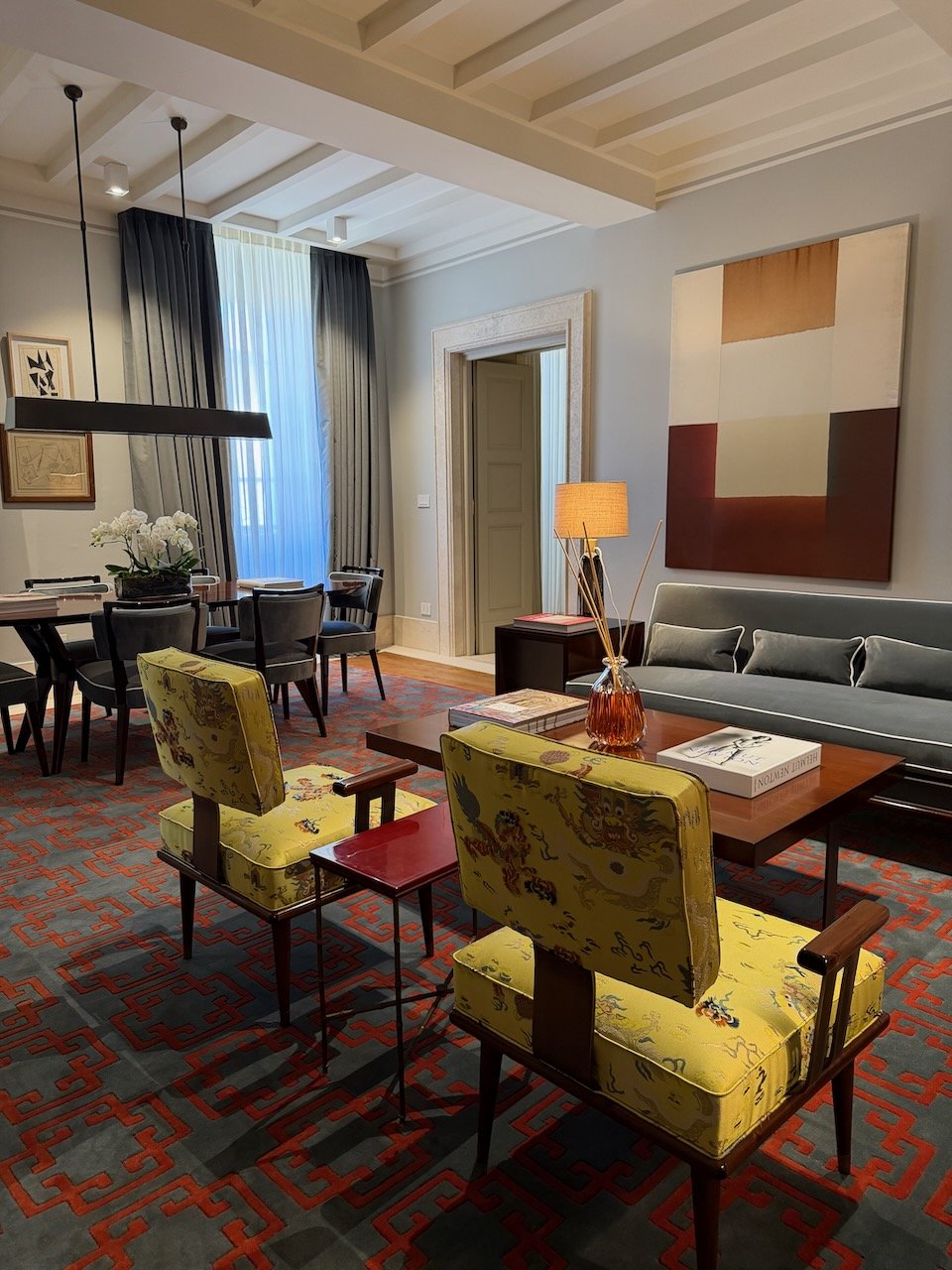
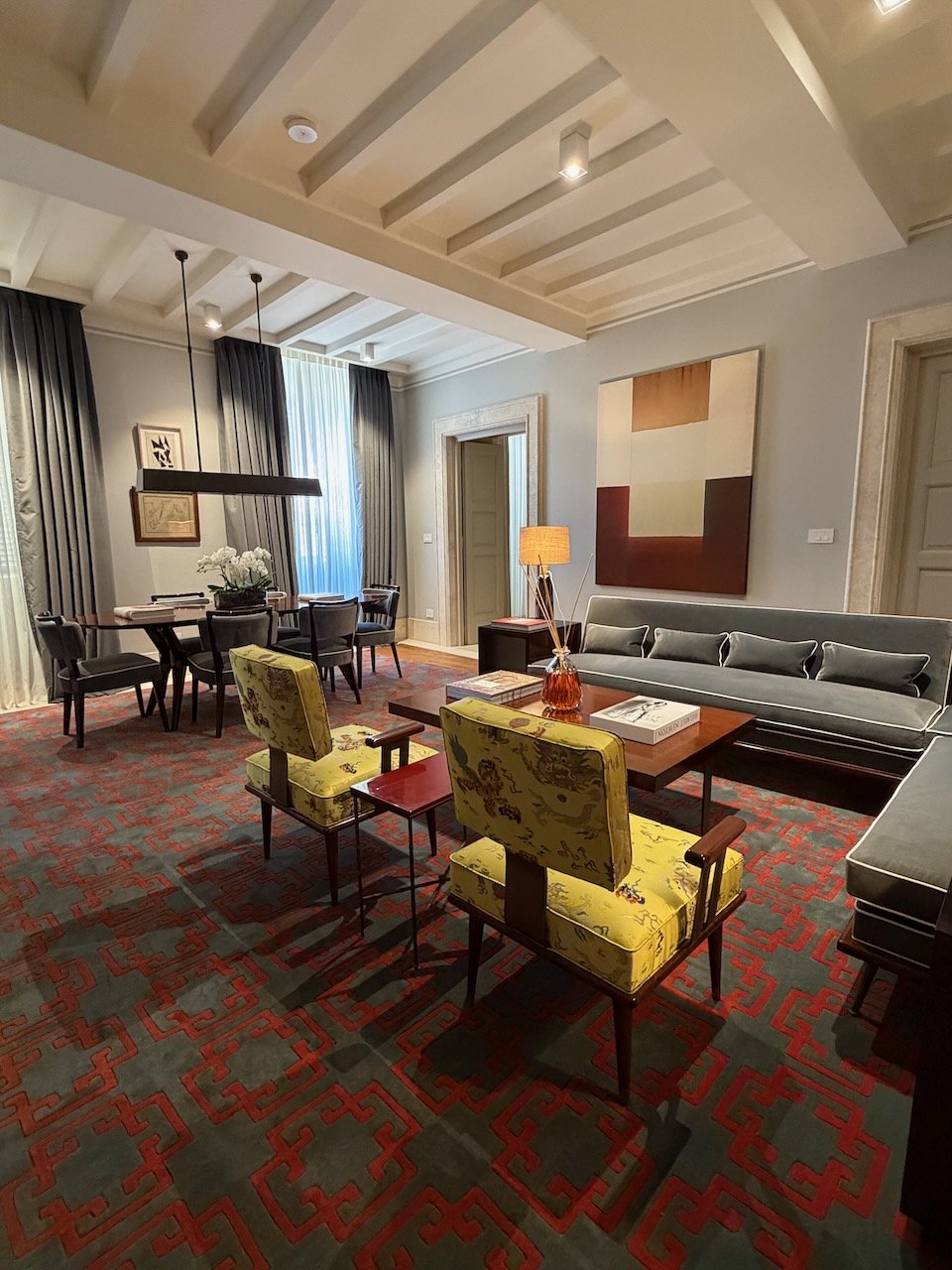
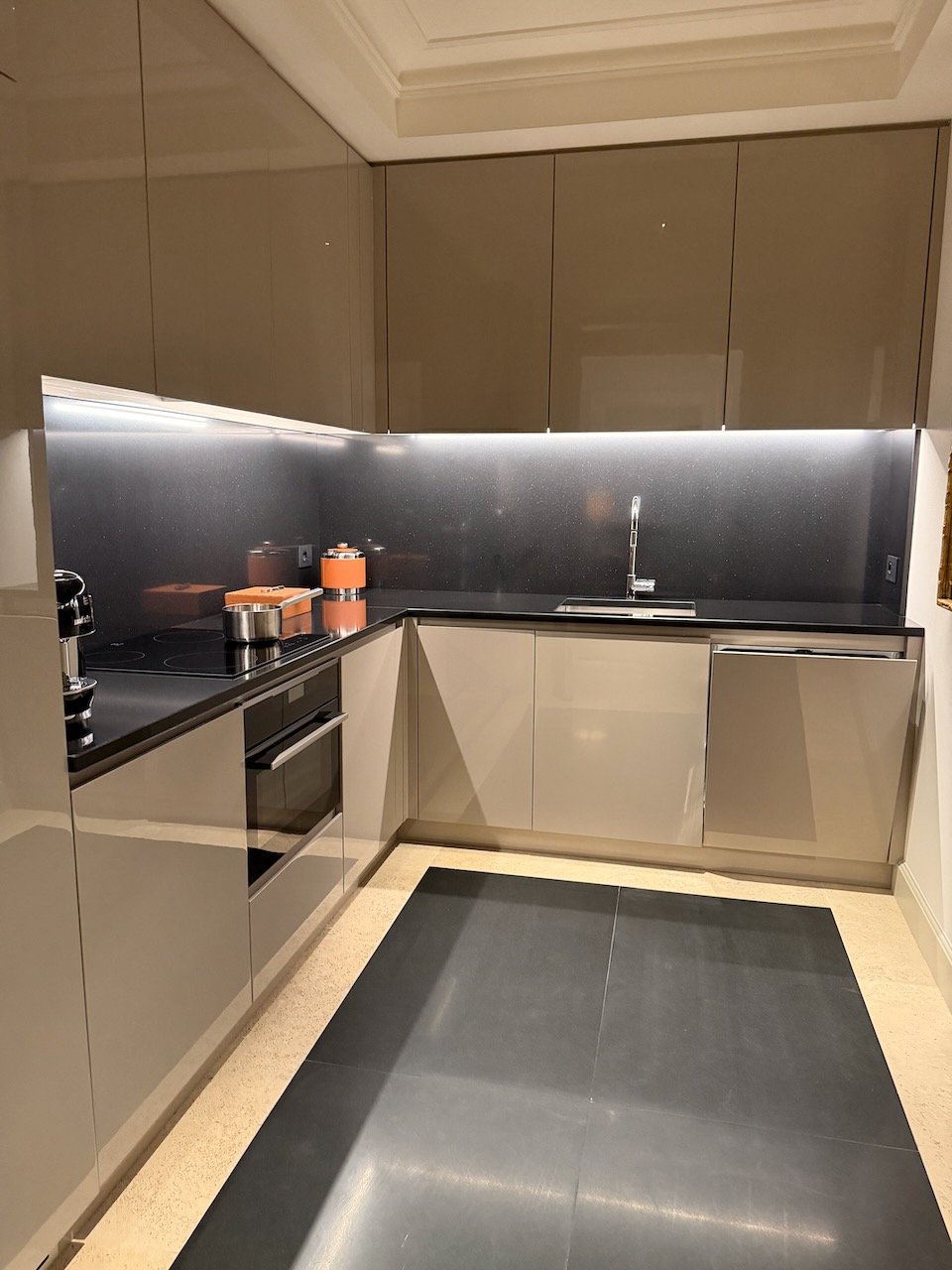
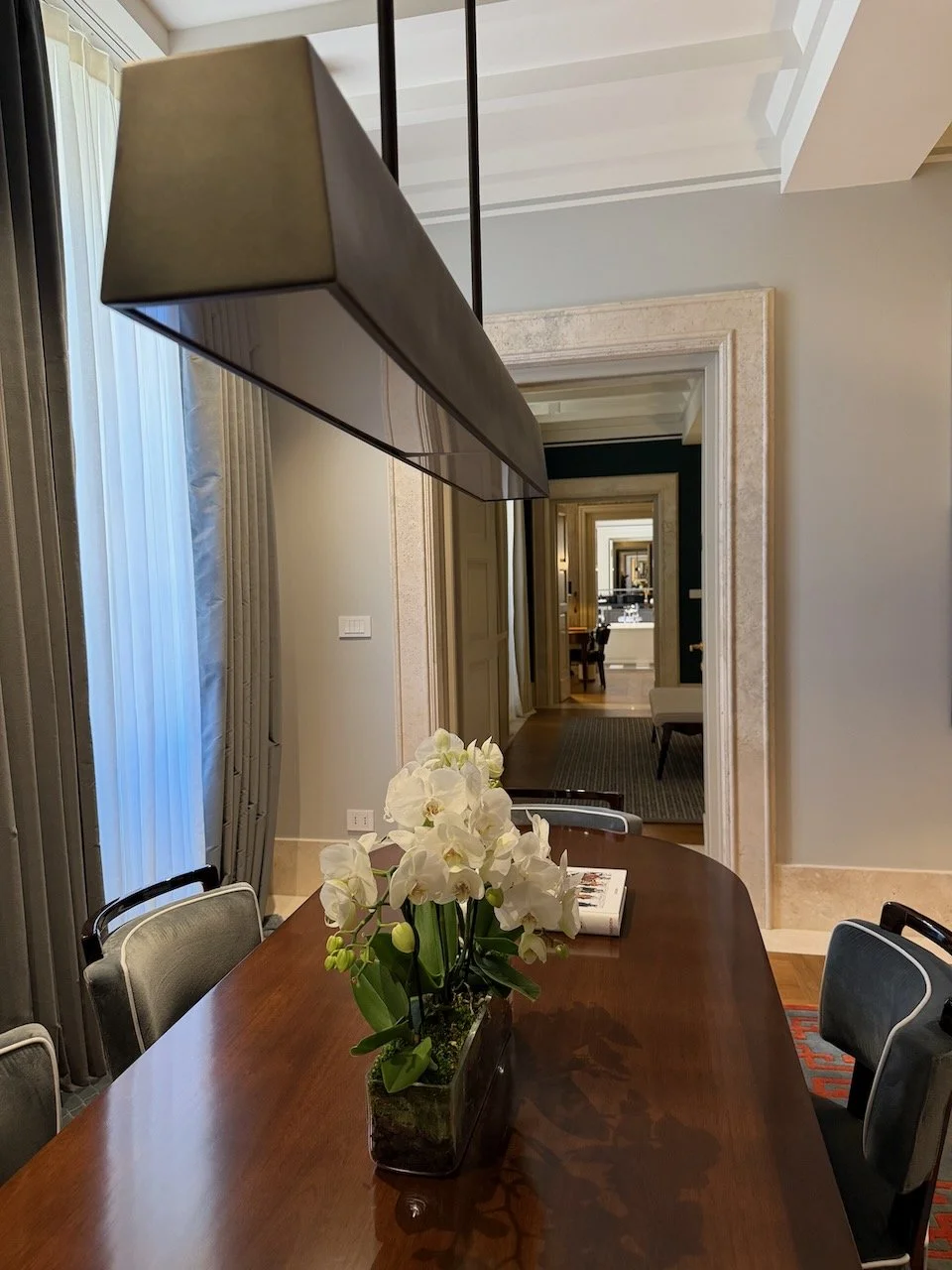
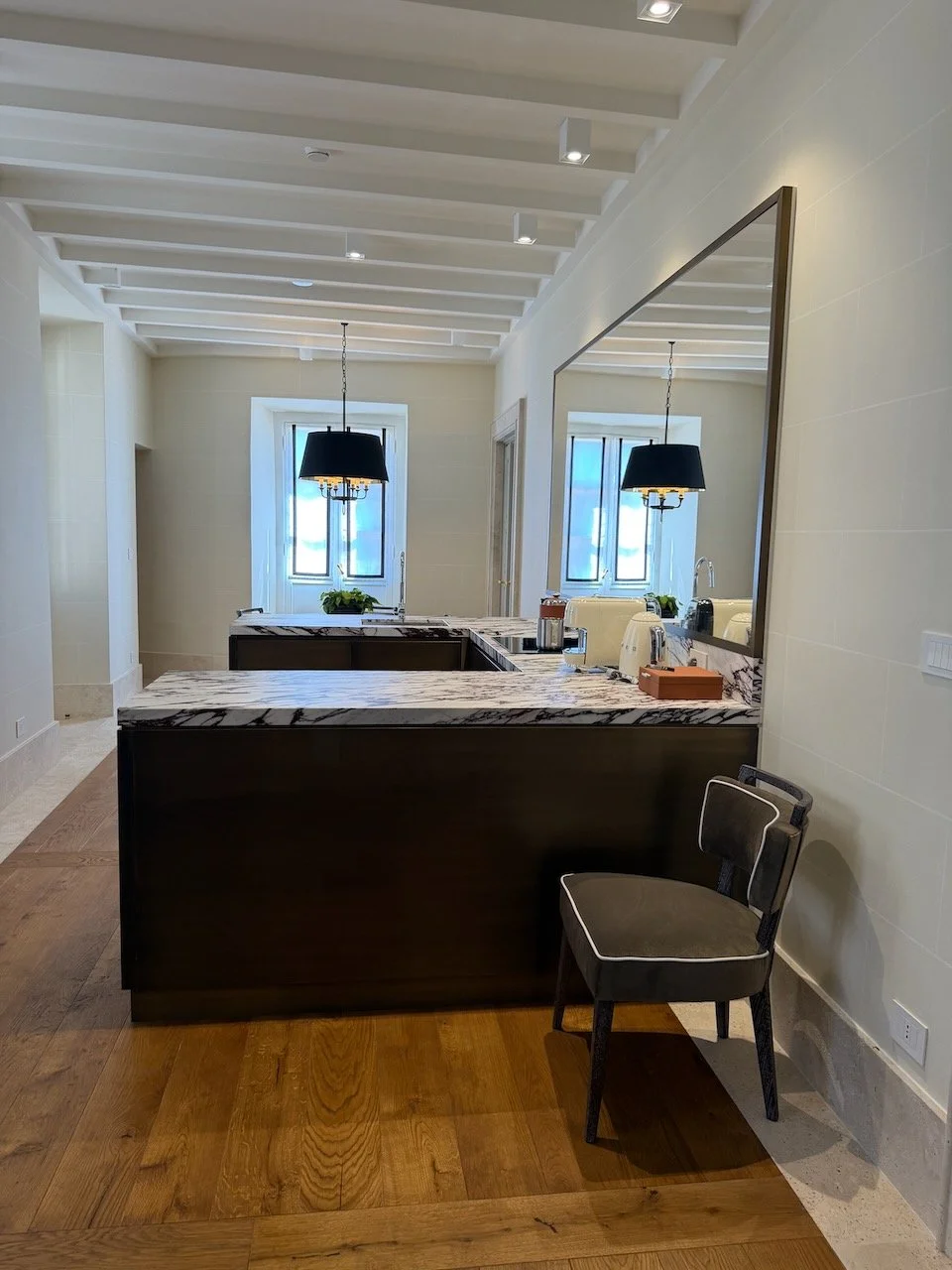
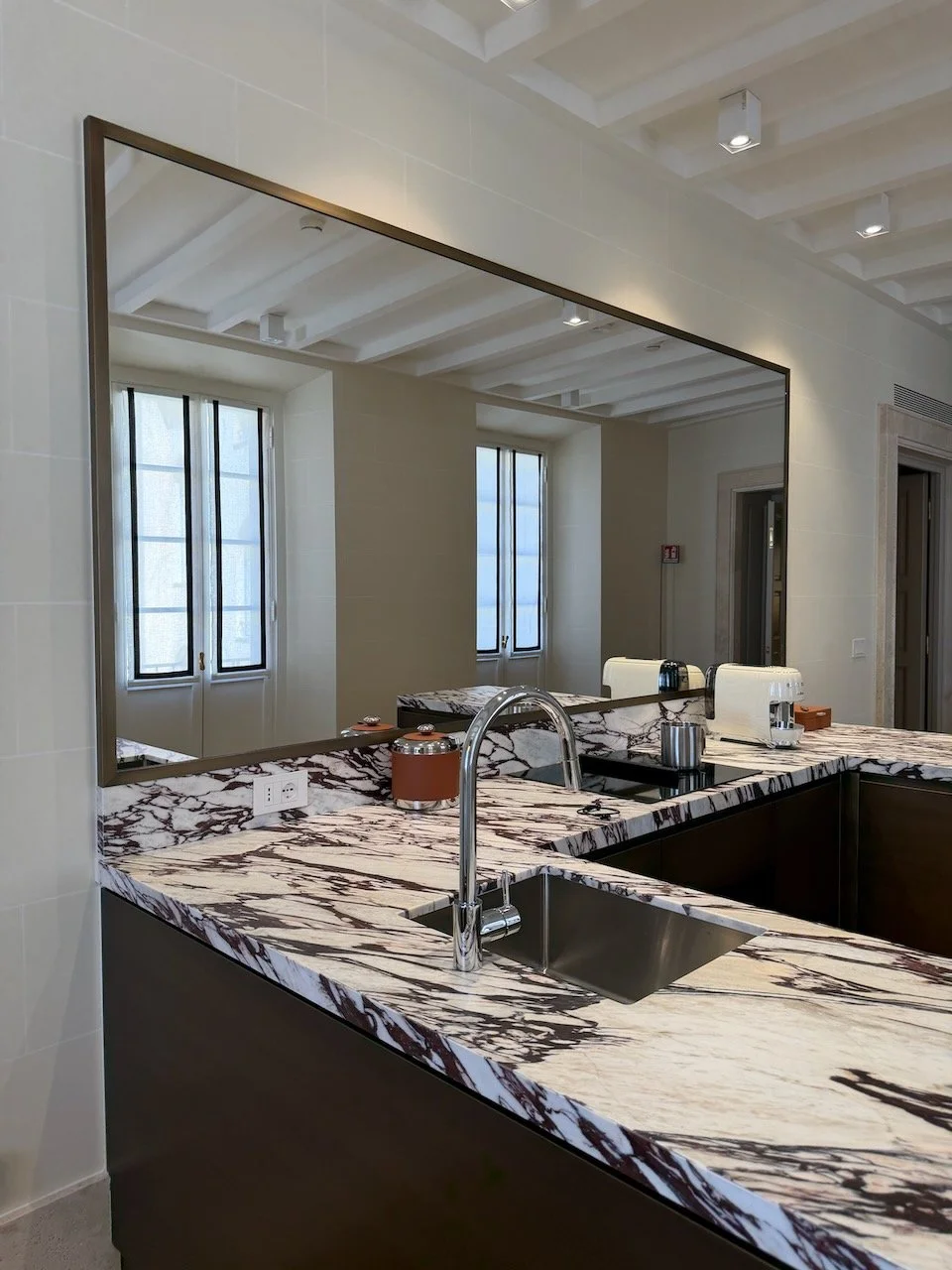
Casa J.K. Place Roma is the brand’s new residential sister property in the city, designed for guests who love the intimate J.K. Place feeling but want more space and privacy. It offers twelve luxurious apartments in the heart of Rome, with generous living and dining areas, marble bathrooms, walk-in closets, and one- to three-bedroom layouts. The design is again by Michele Bönan, so it keeps that refined, residential J.K. Place atmosphere rather than feeling like a standard serviced-apartment product. For families, longer stays, or guests who simply prefer a more private Roman home base, Casa J.K. Place feels like a very smart extension of the main hotel concept.
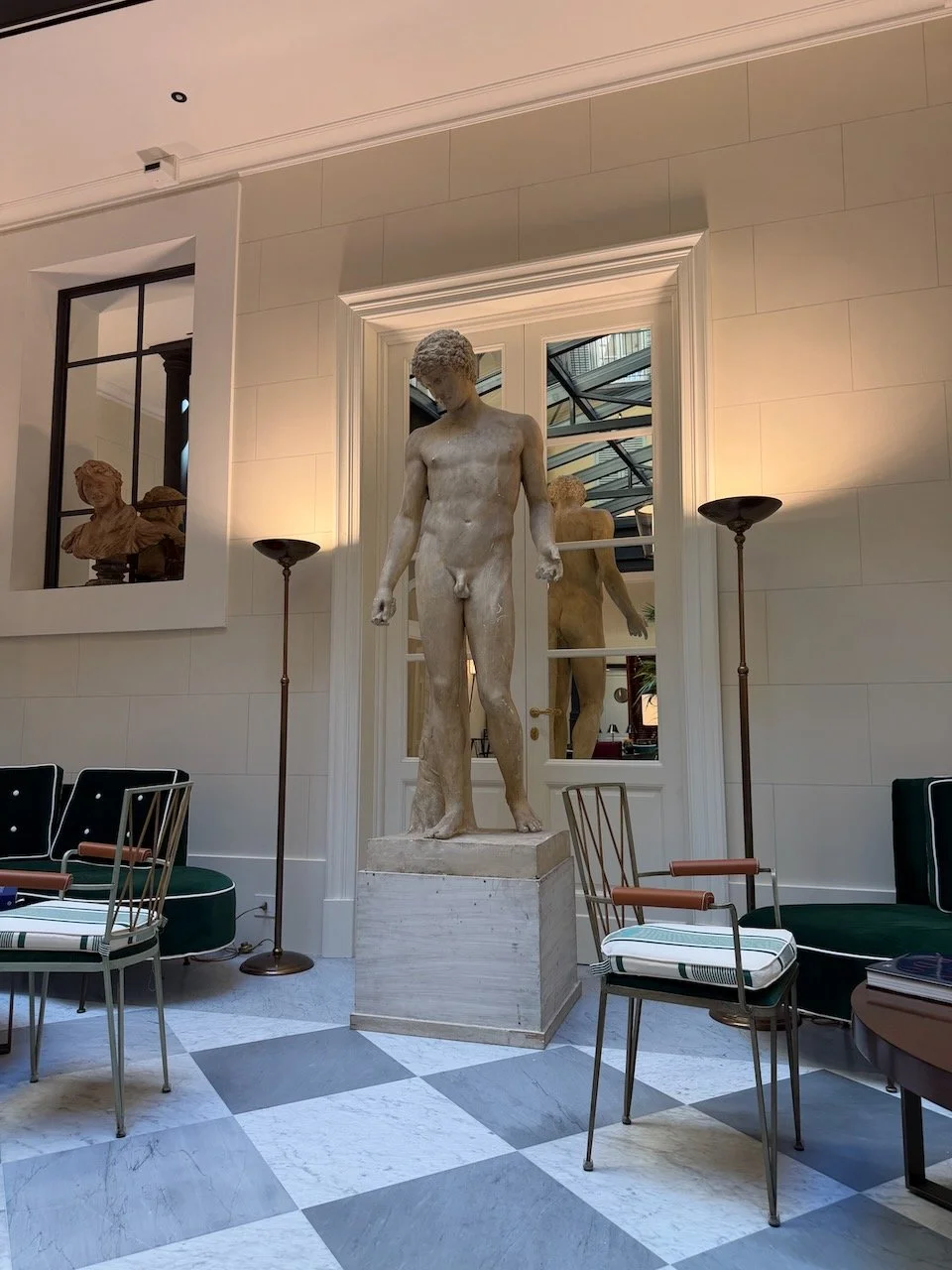
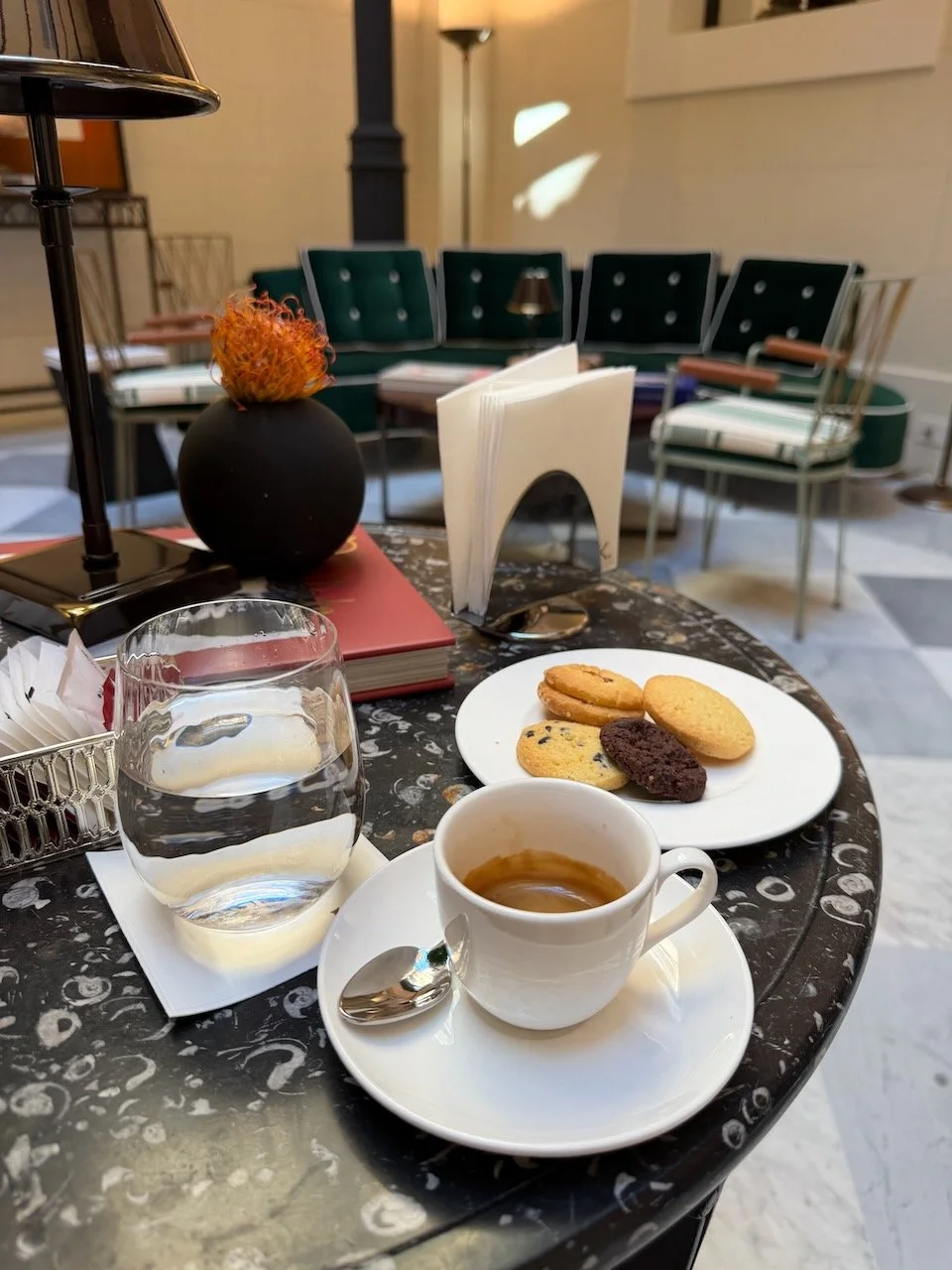
Orient Express La Minerva Hotel
I can get you VIP perks through Virtuoso and Accor Preferred.
Intro
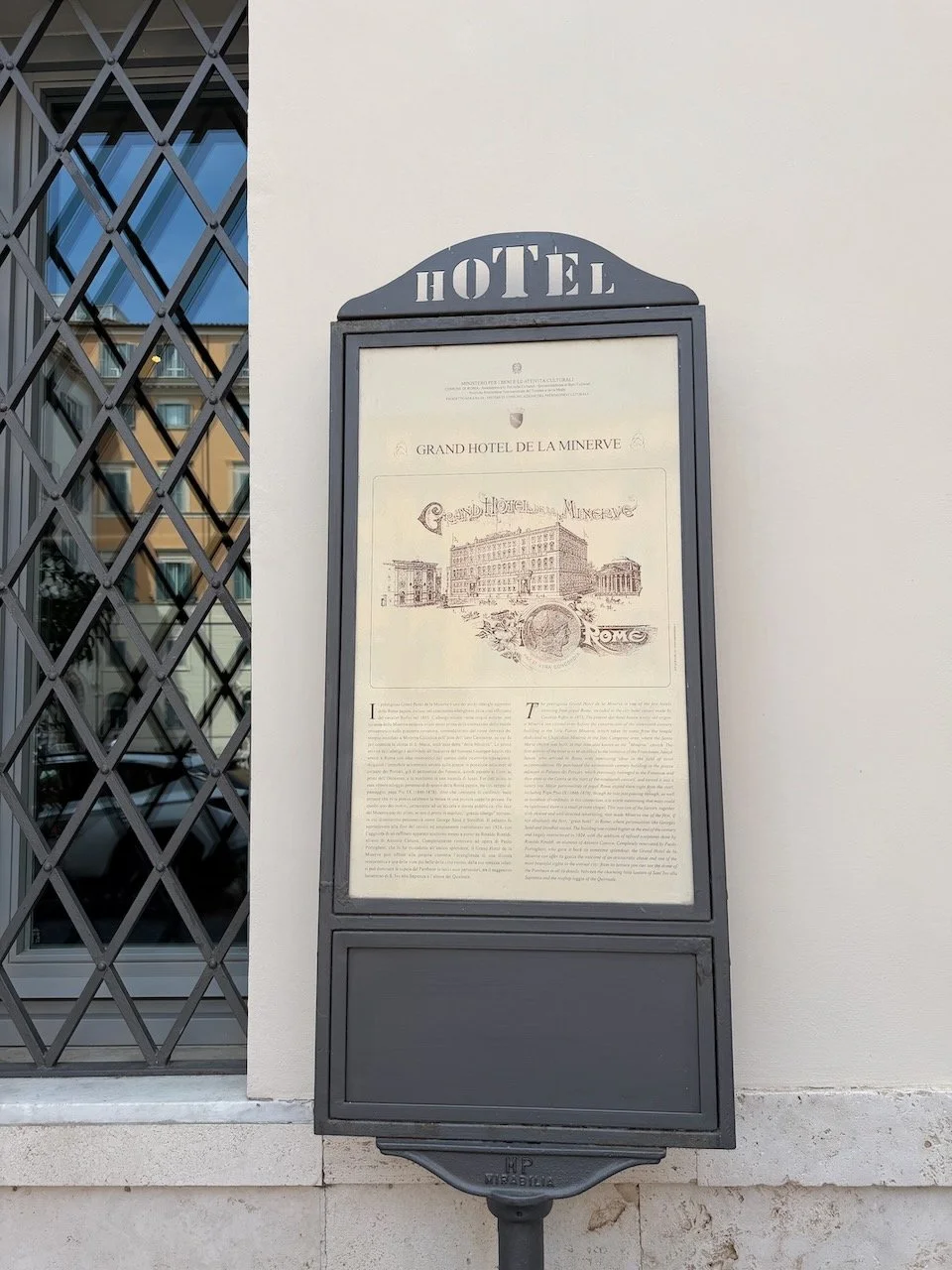
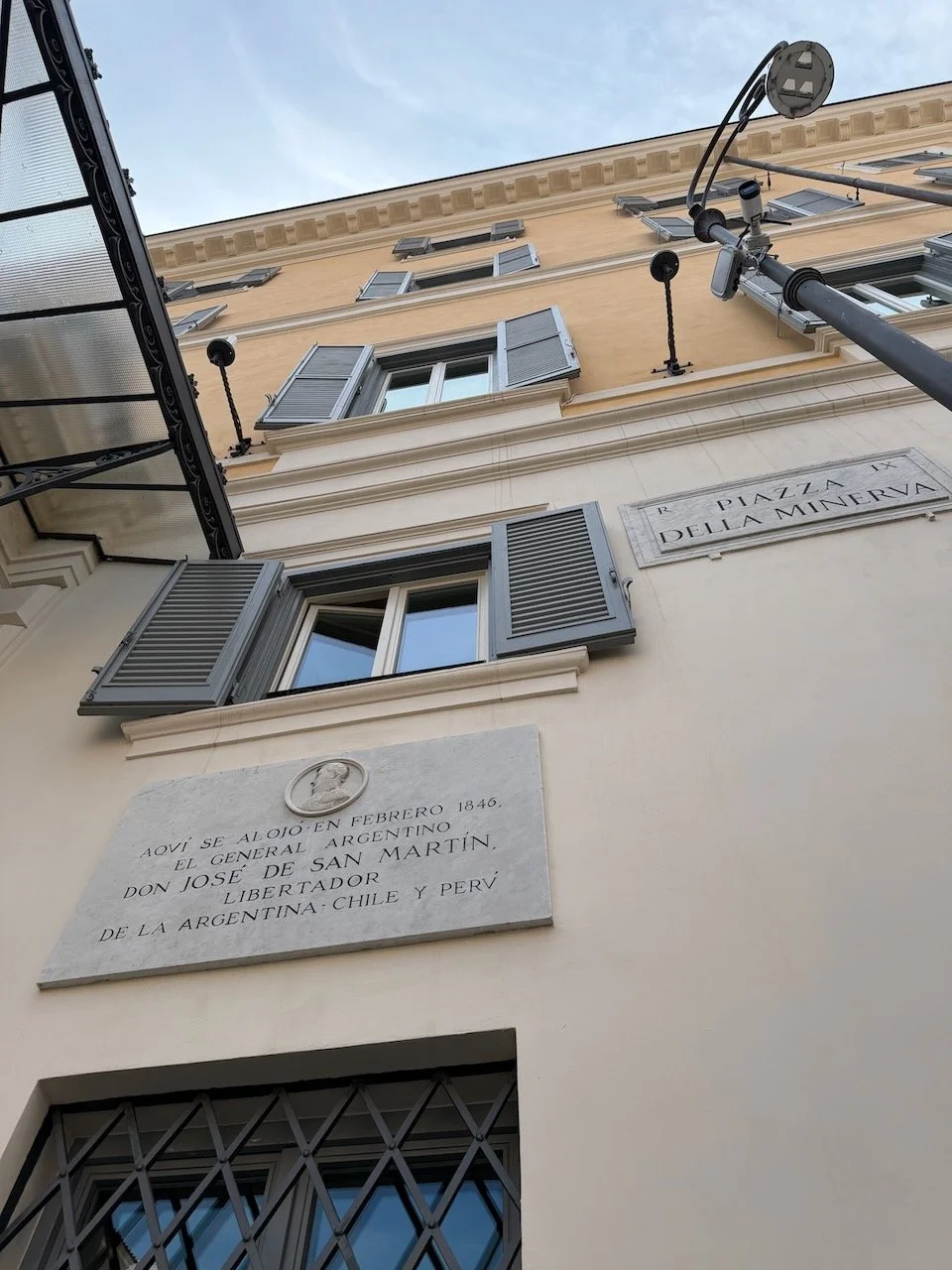
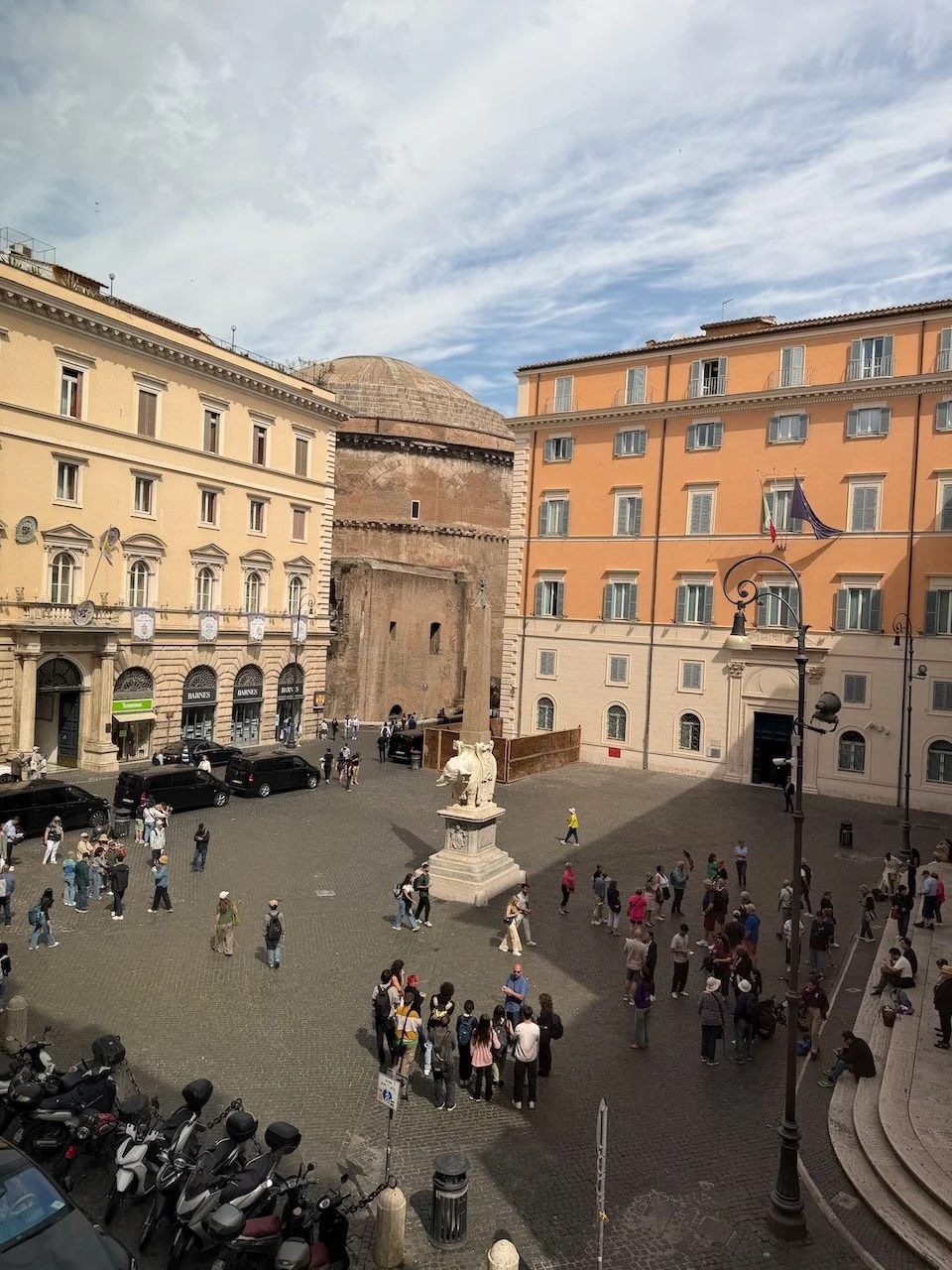
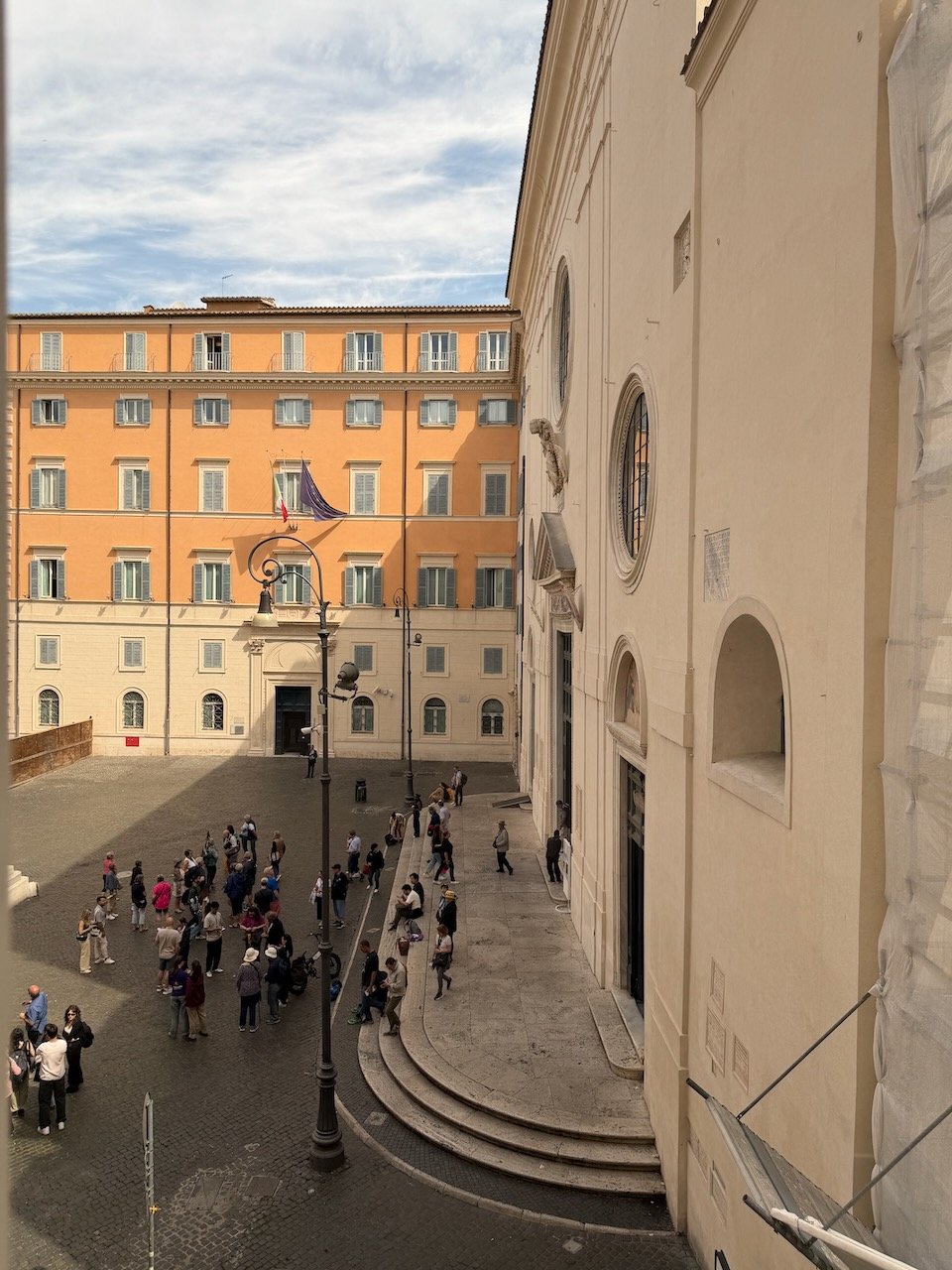
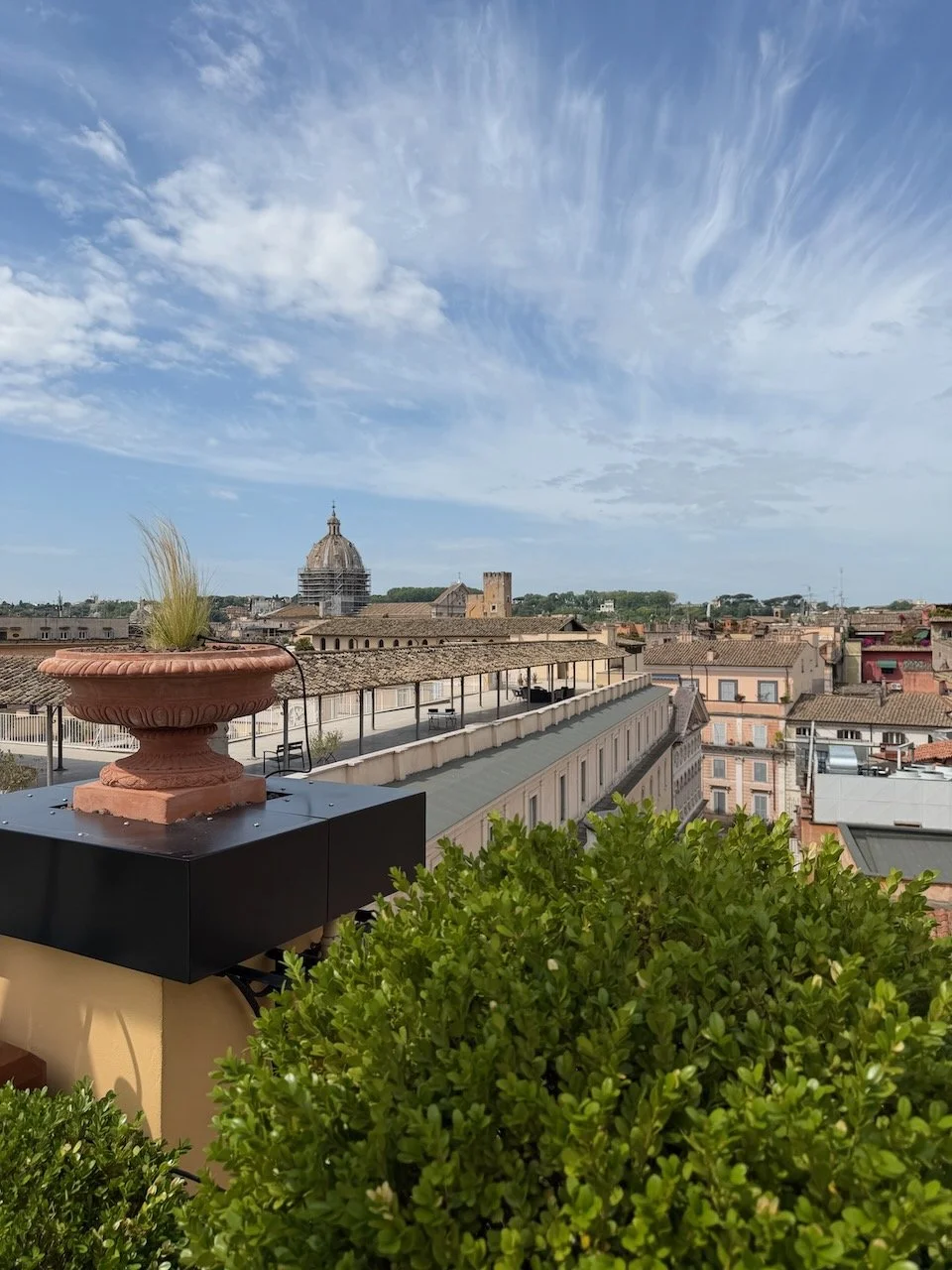
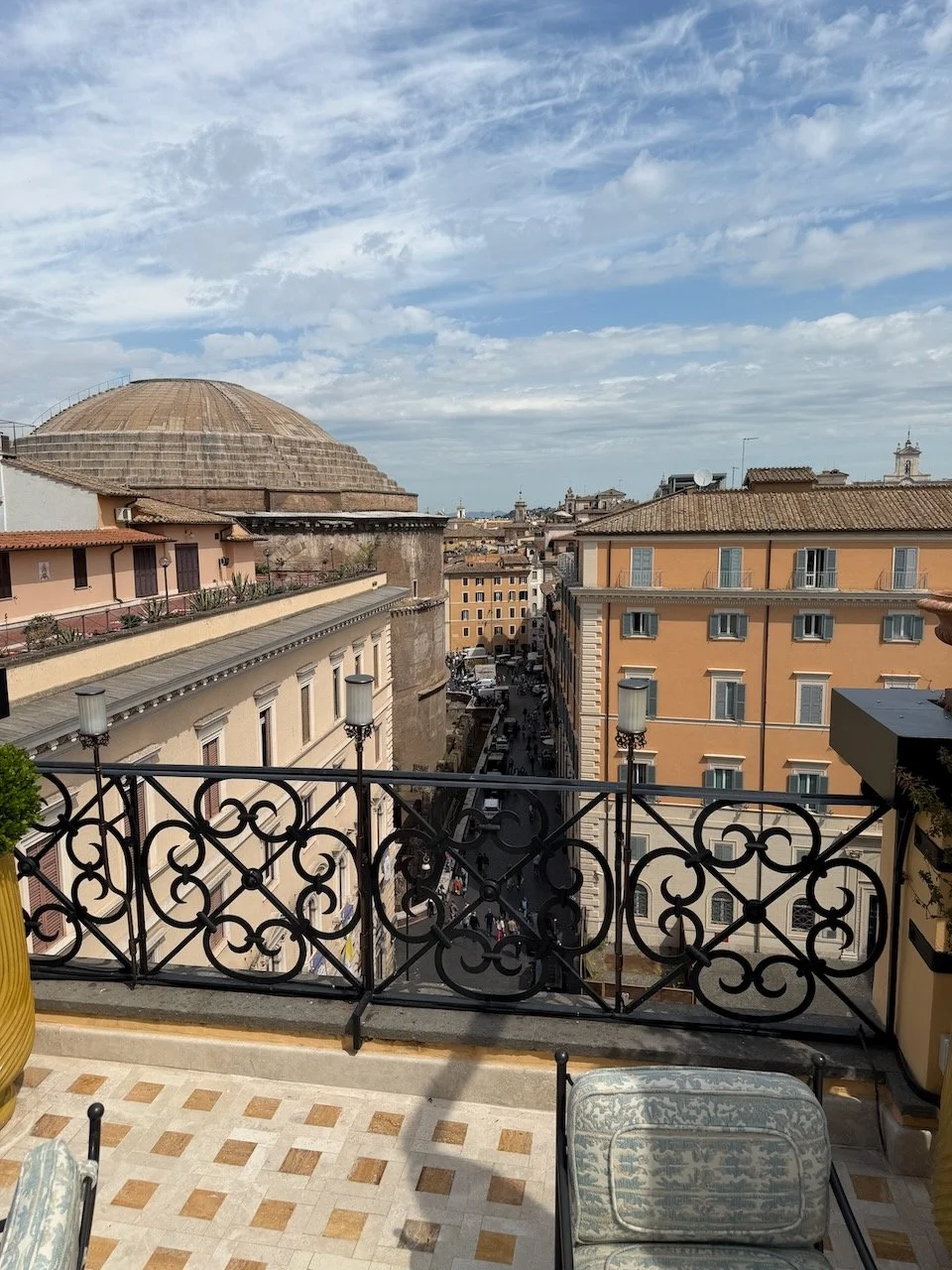
La Minerva is one of the most interesting new luxury hotel openings in Rome, partly because it brings the Orient Express universe into the city and partly because its location is almost absurdly good. It sits near the Pantheon, which means you are immediately in one of the most atmospheric parts of historic Rome.
There is also the fun pop-cultural layer: the hotel is known from Emily in Paris. Mindy stays at La Minerva, Alfie is also staying there during his work trip, and the rooftop restaurant Gigi Rigolatto Roma is used for a farewell-style Rome scene. But beyond that, it has a genuinely compelling design identity. The Art Deco language, the Orient Express references, and the Roman setting make it feel distinct from the other top-tier hotels in the city.
This is more than just another “palazzo turned luxury hotel” as it has a story to tell and offers an inspiring Orient Express train connection.
Ambiance
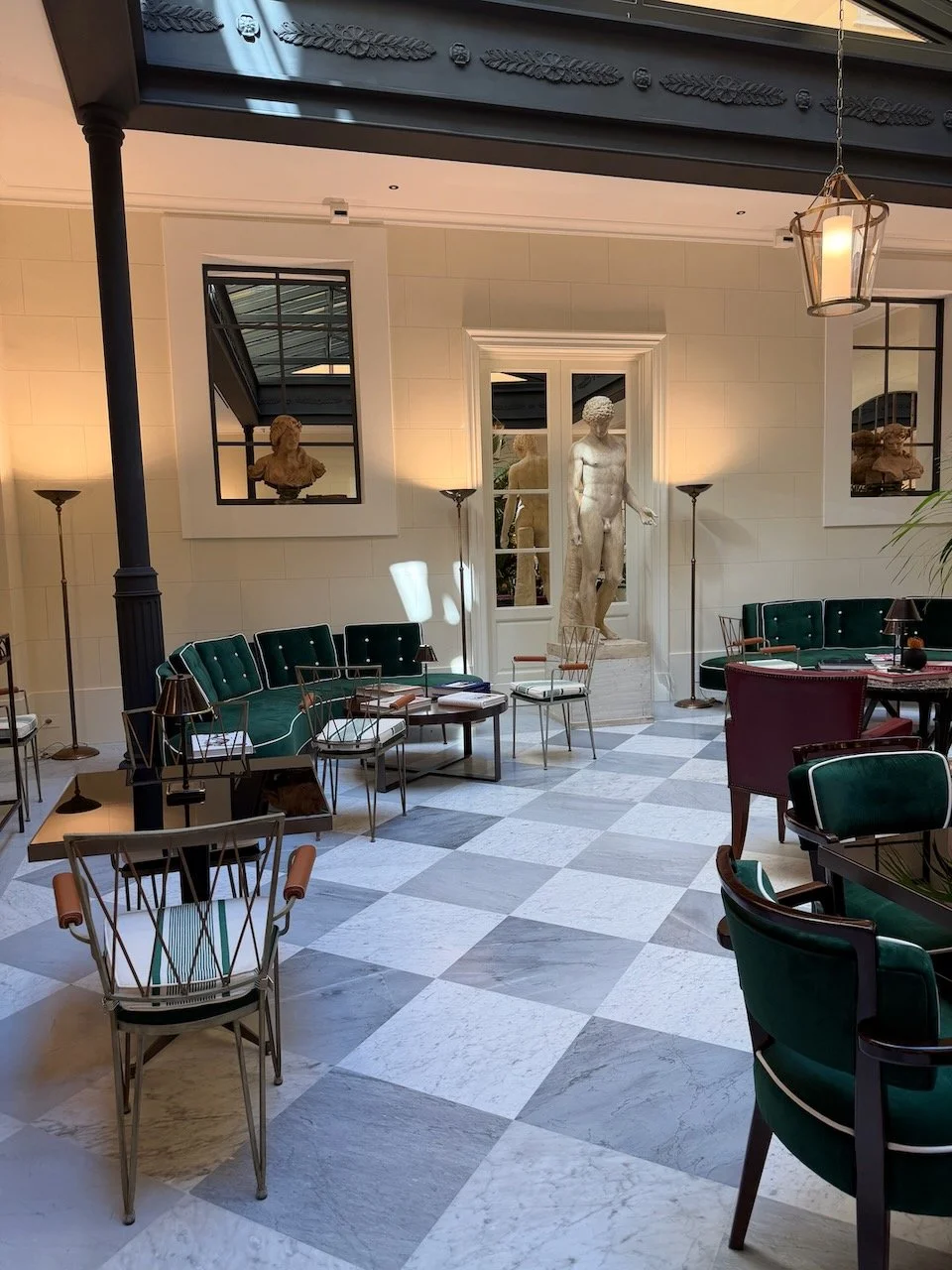
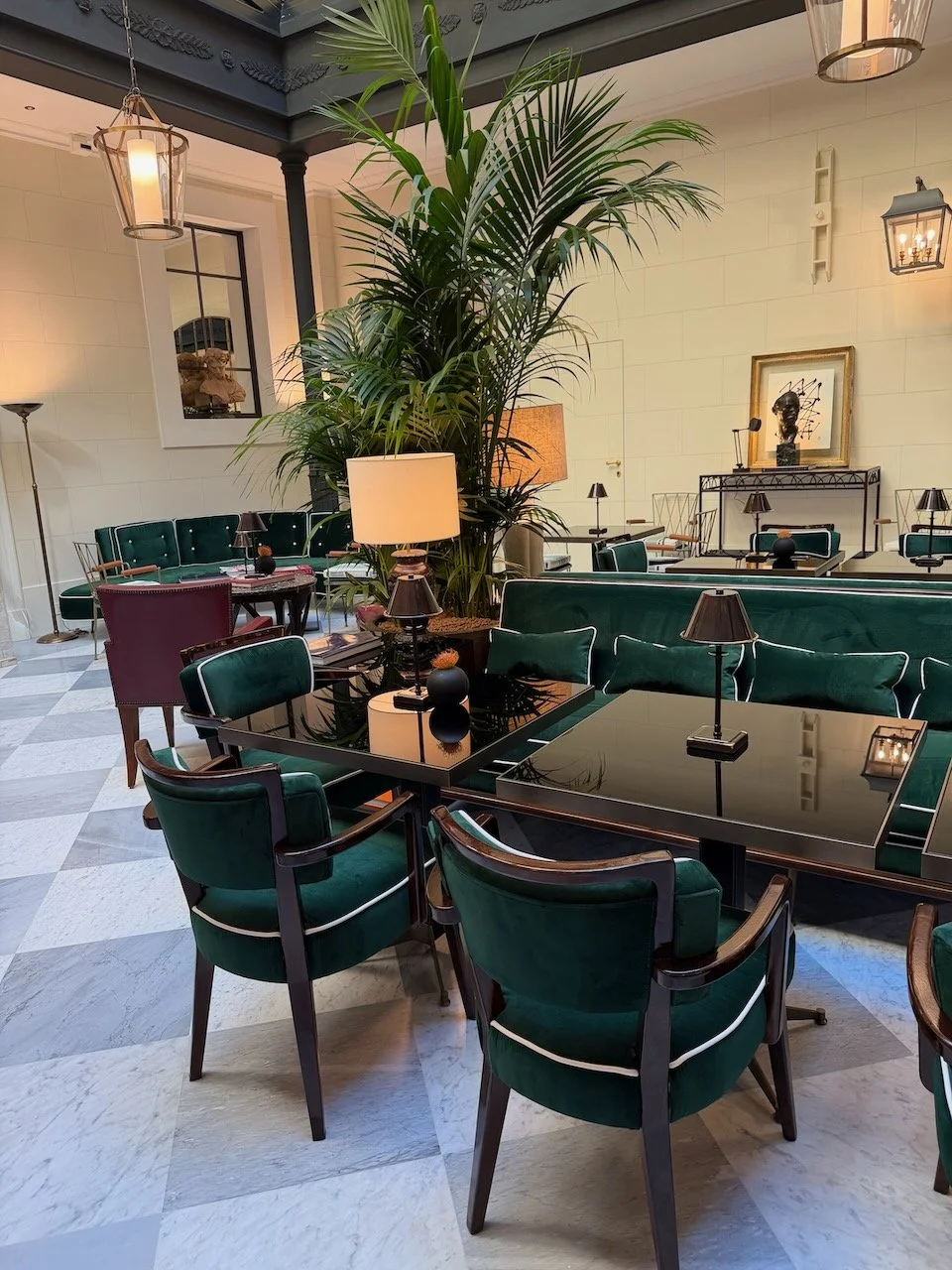
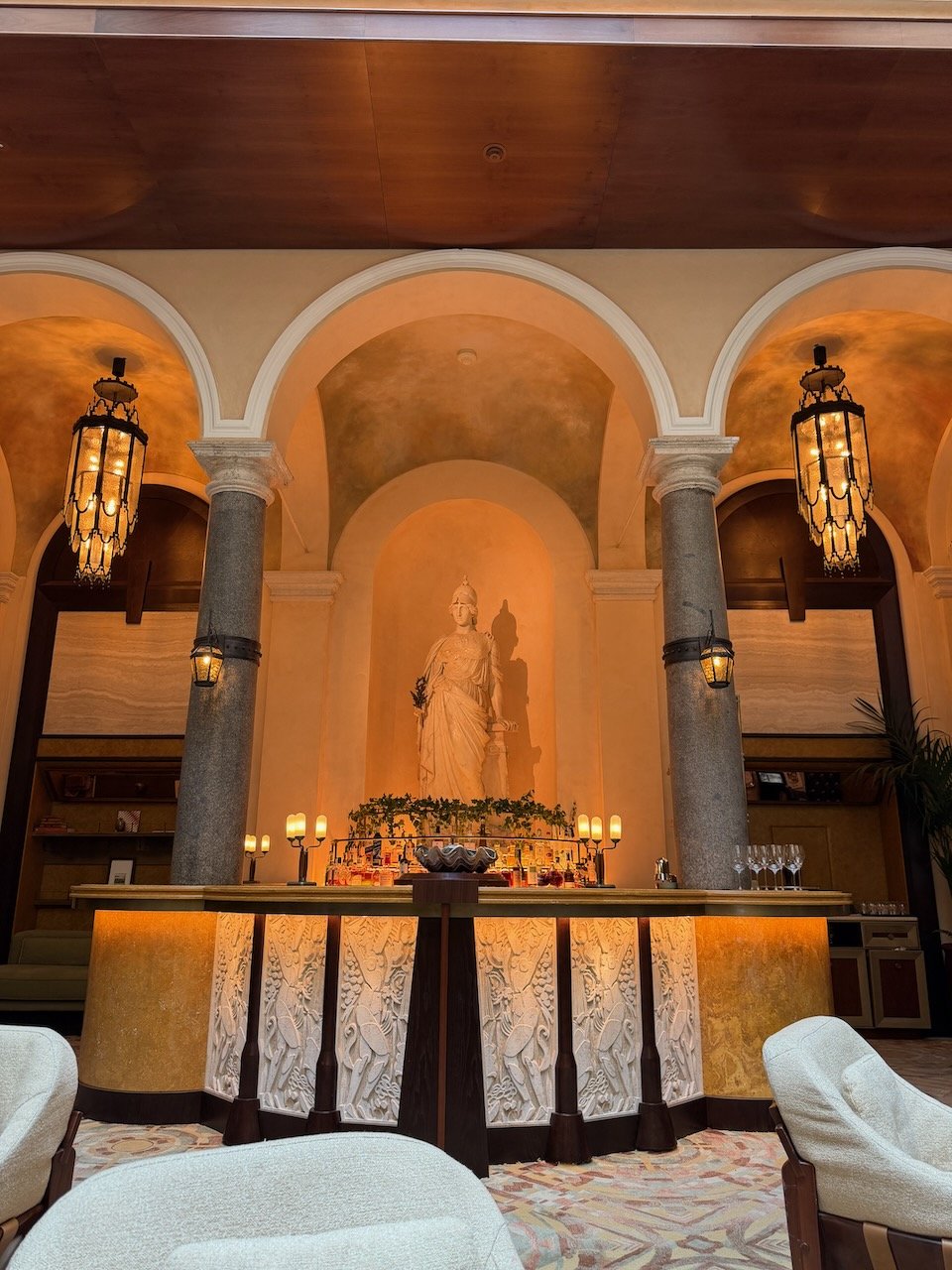
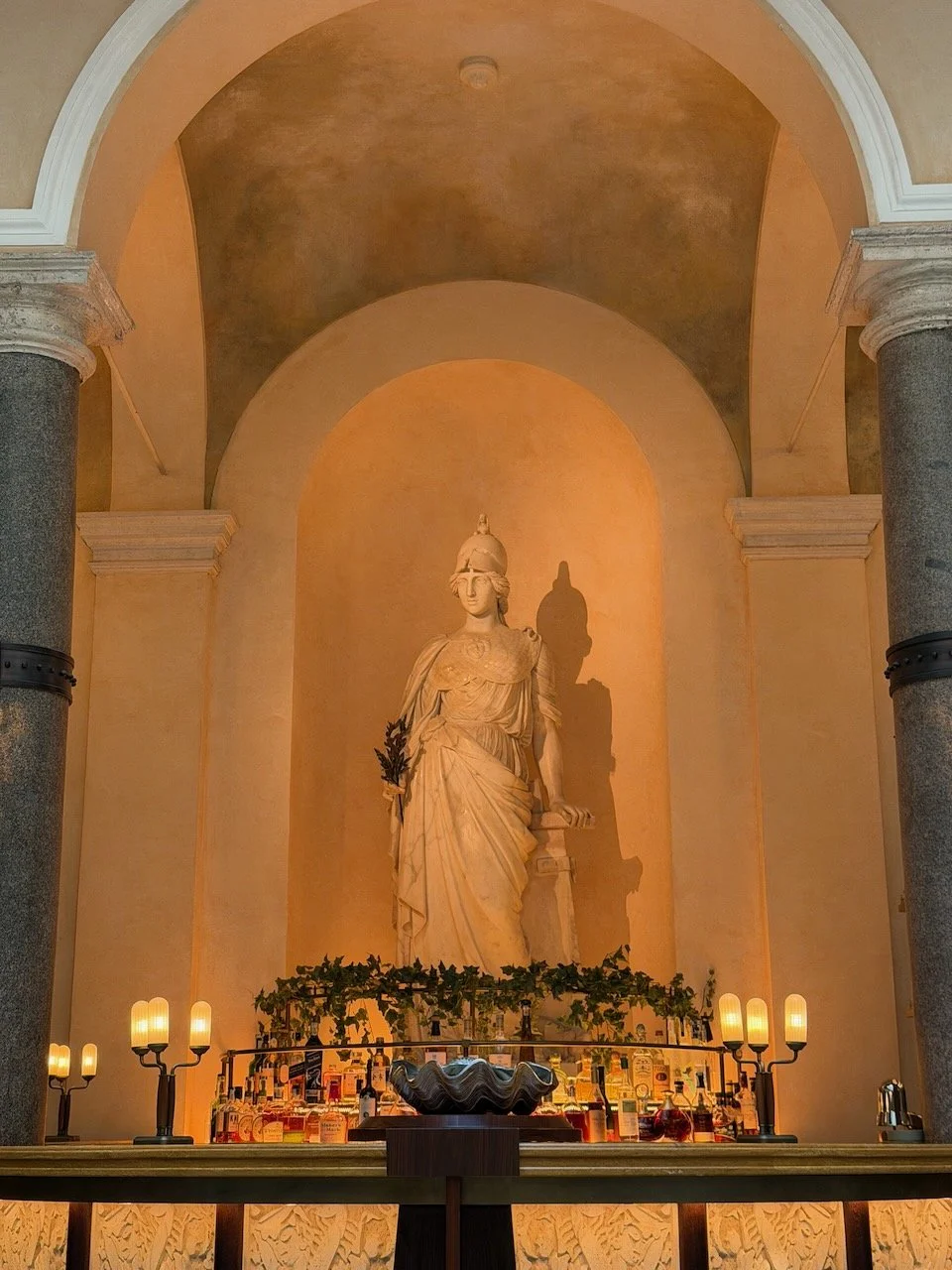
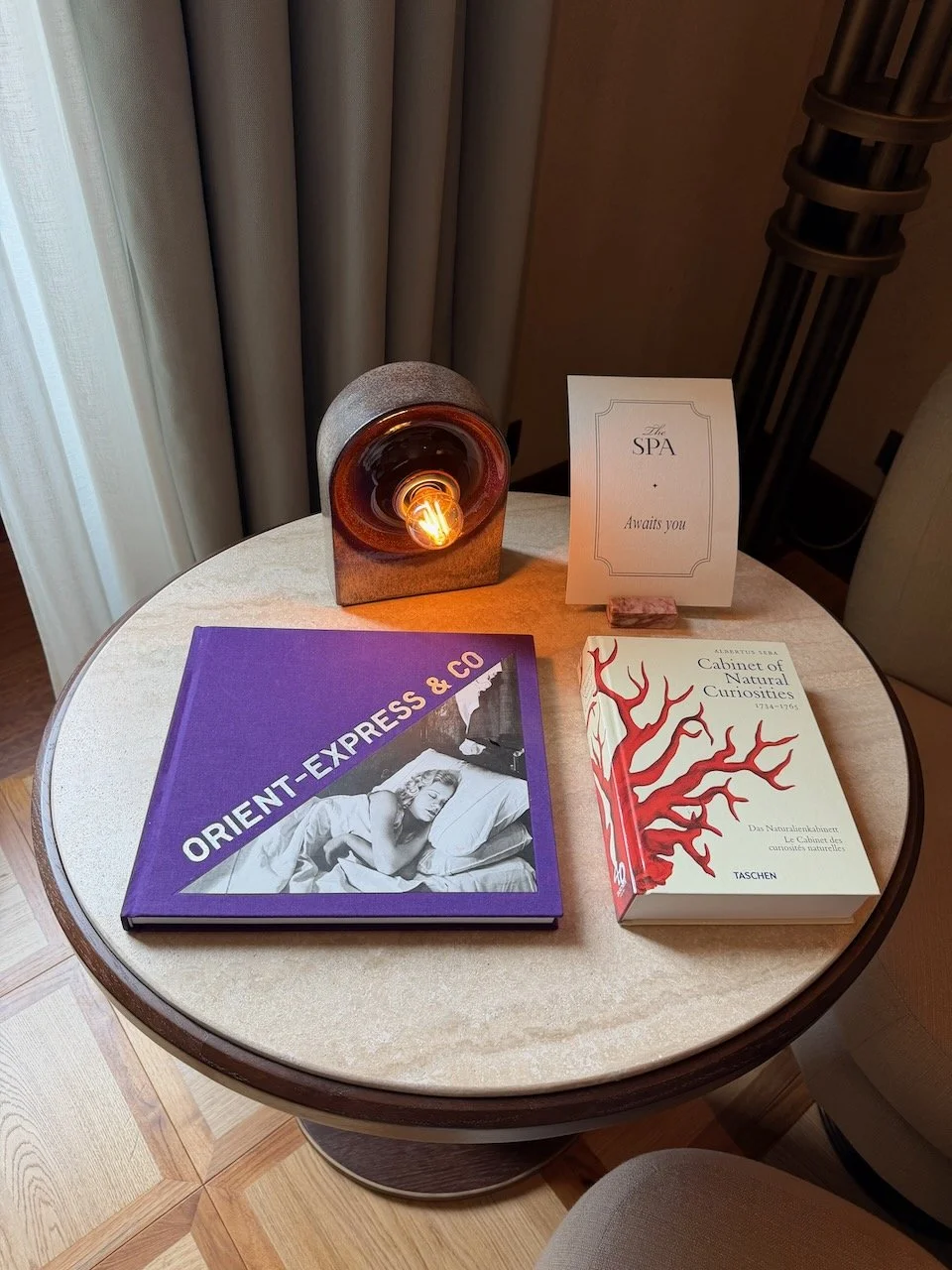
The ambiance is cool, theatrical, and very designed. The Art Deco influence gives the hotel a different rhythm from Rome’s more classical luxury hotels. There are nods to the Orient Express, but the property does not feel like a theme hotel. It feels more like a sophisticated interpretation of travel glamour.
The mood is elegant but playful. There is enough personality here to make it memorable, especially for travelers who like hotels with a strong design narrative.
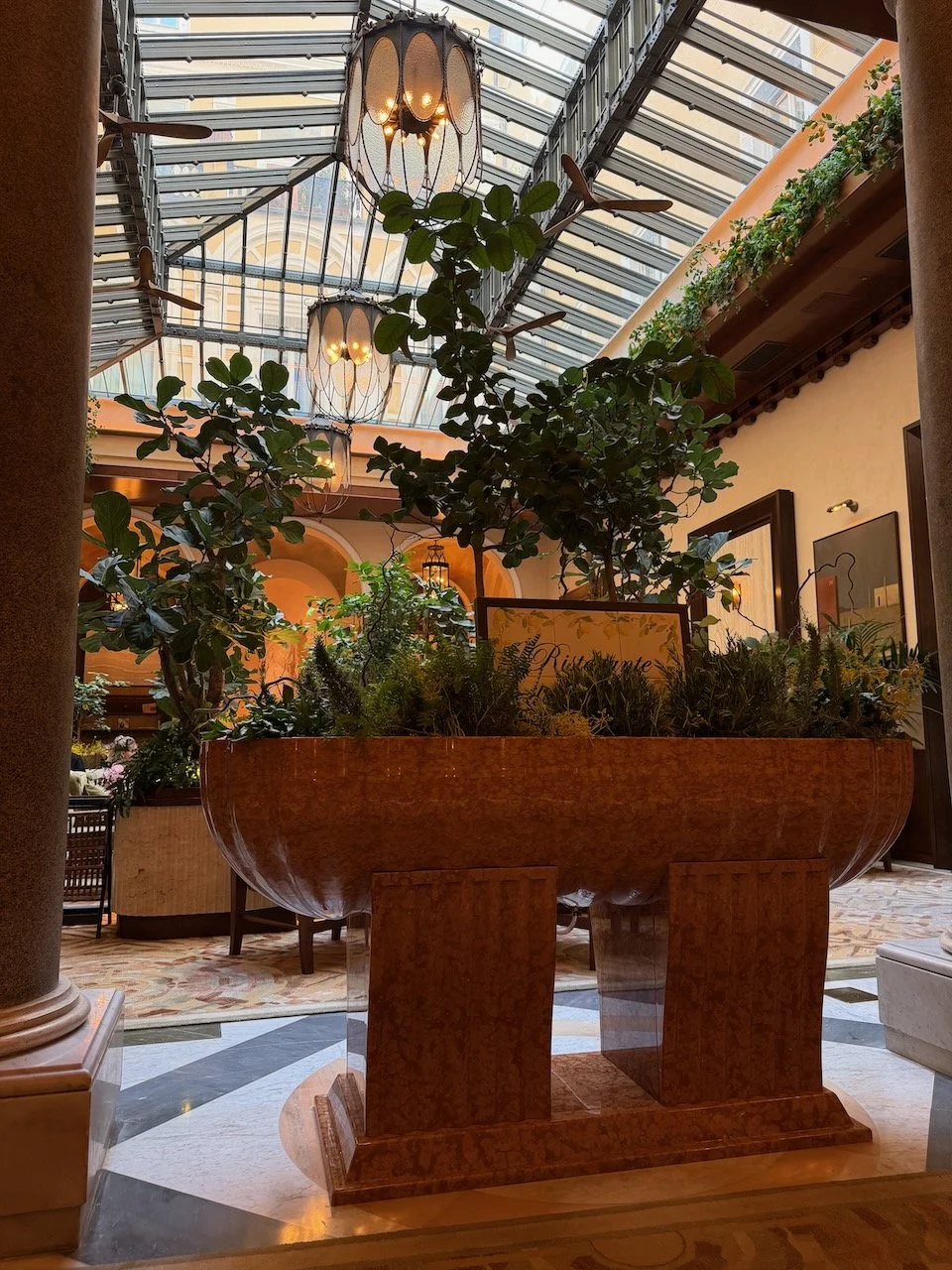
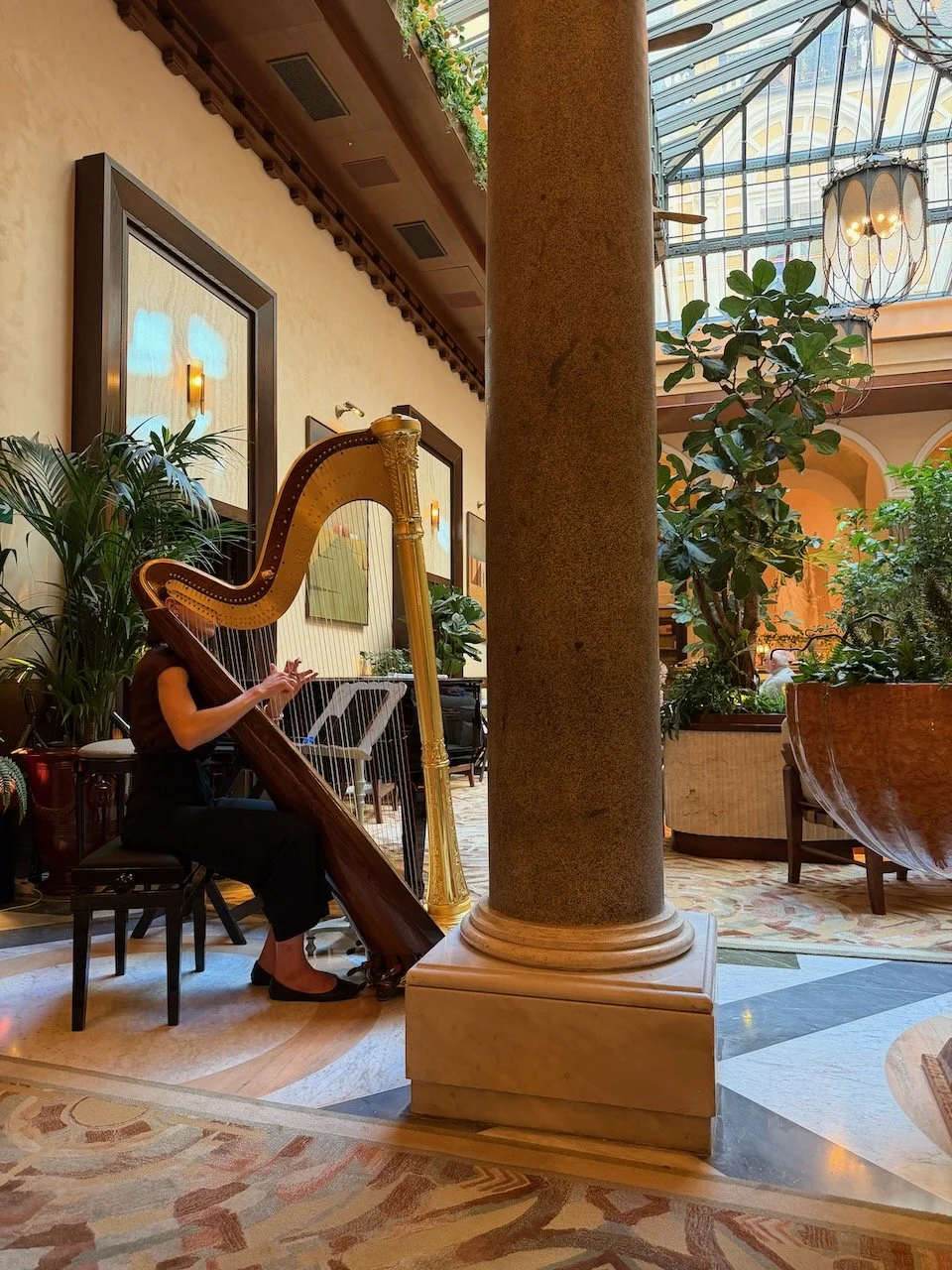
Accommodations
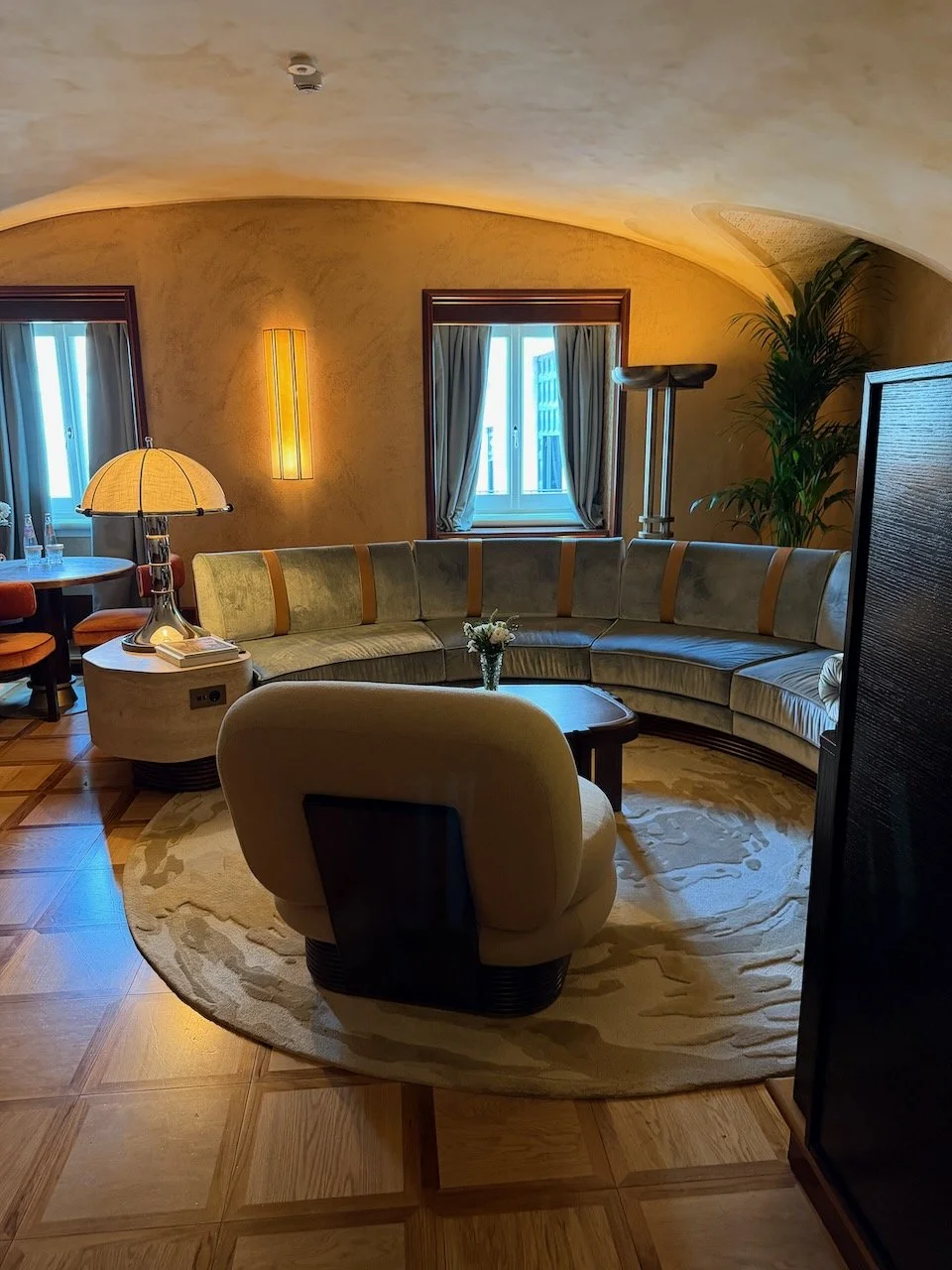
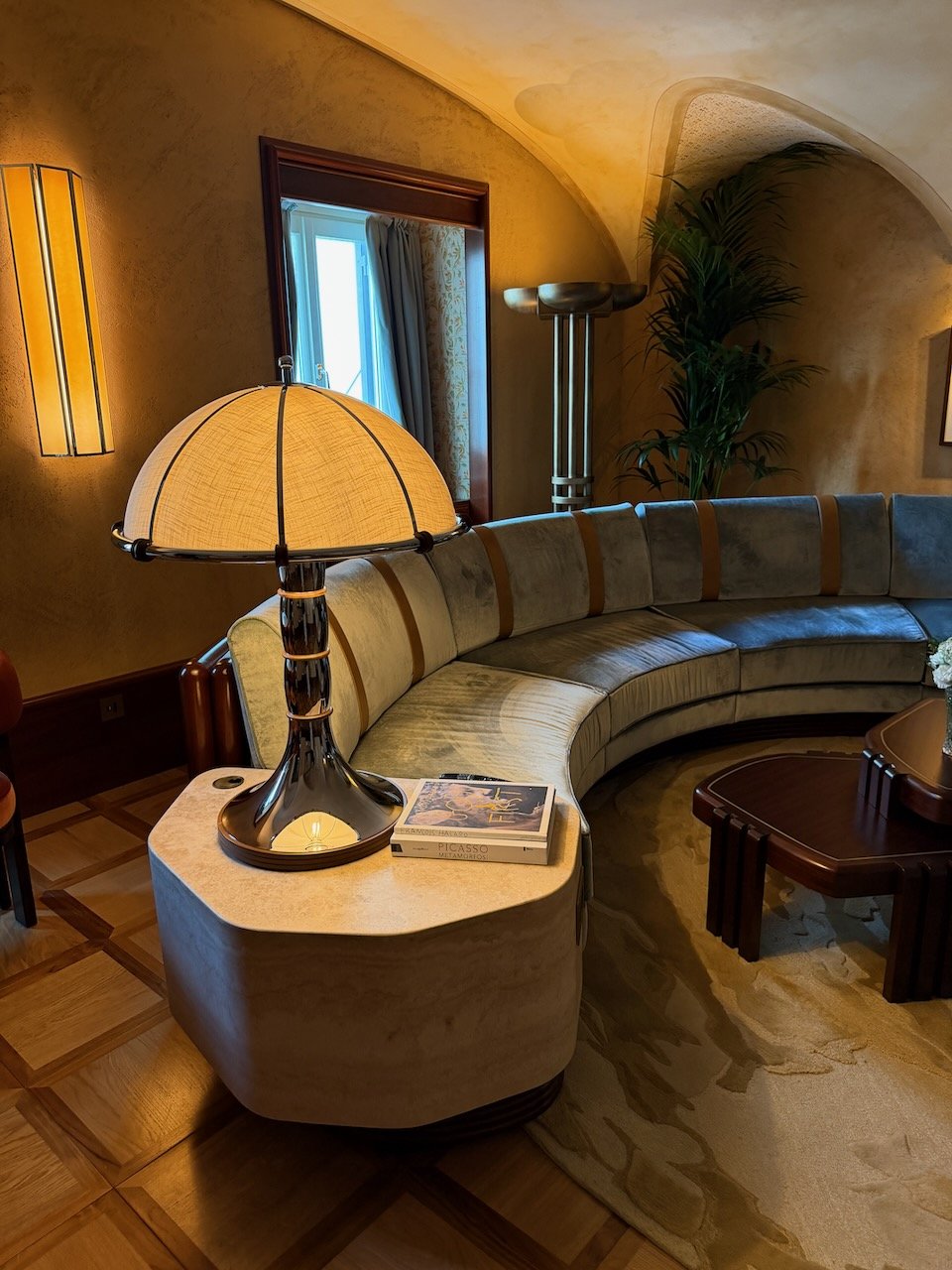
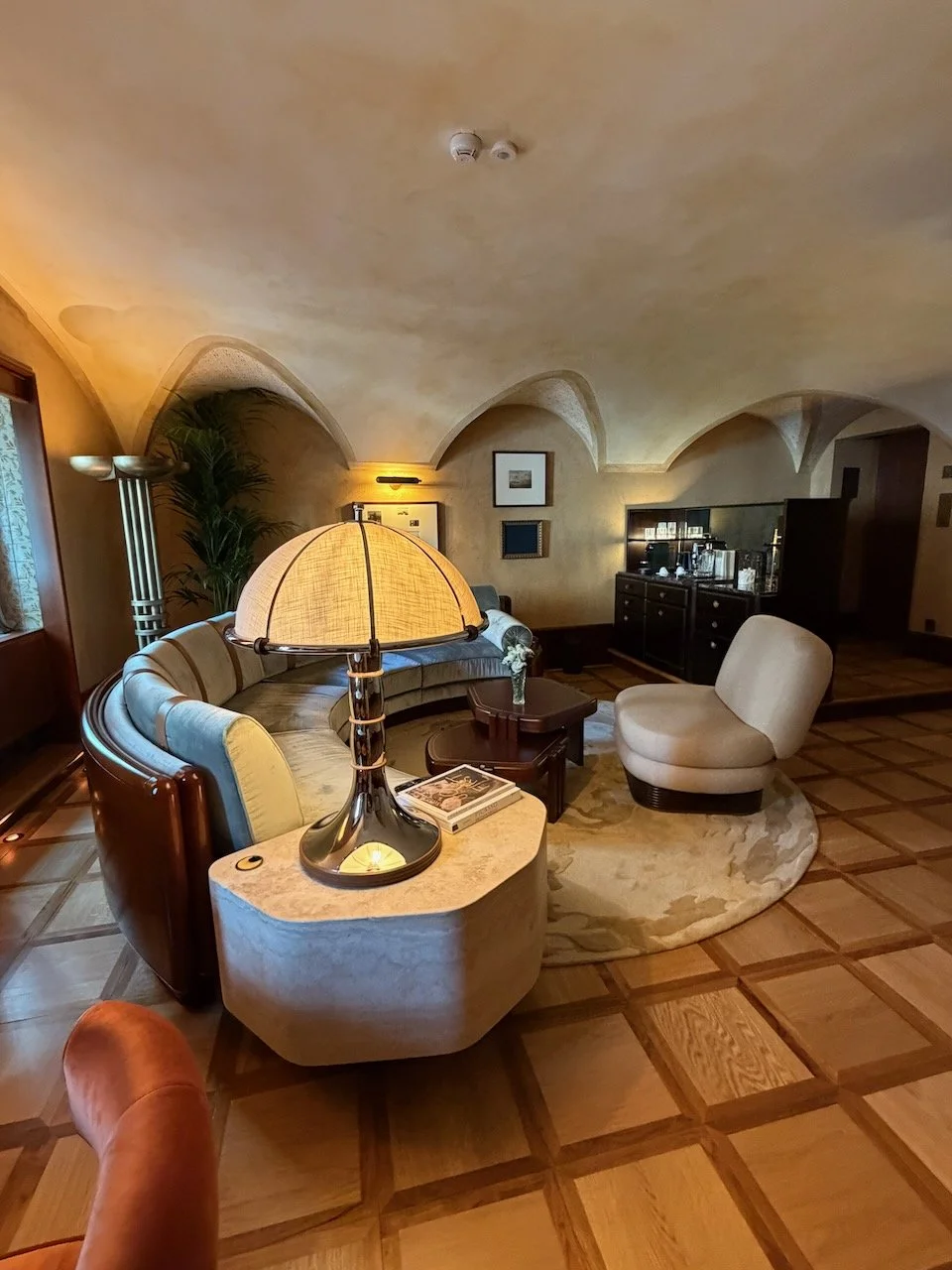
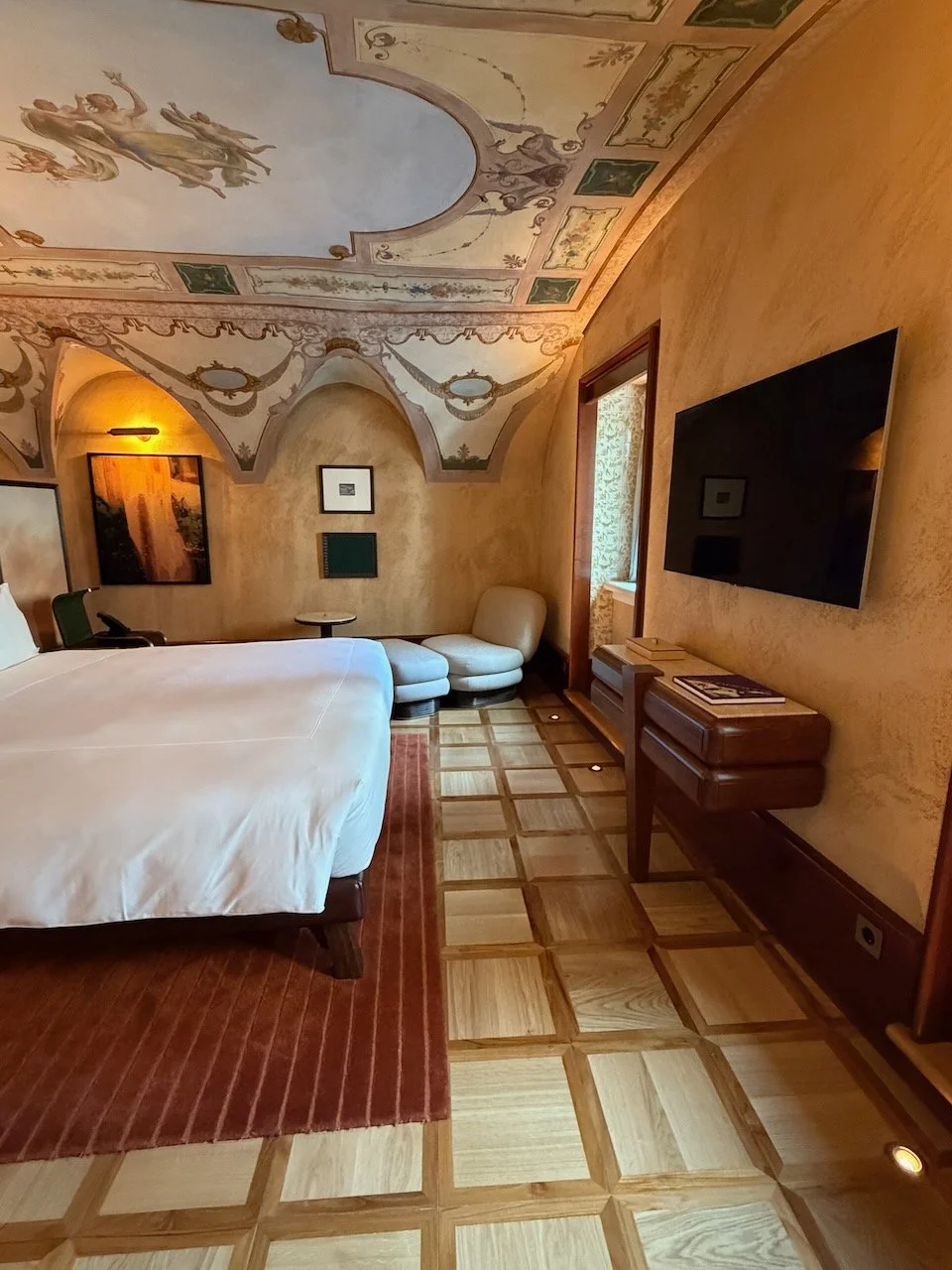
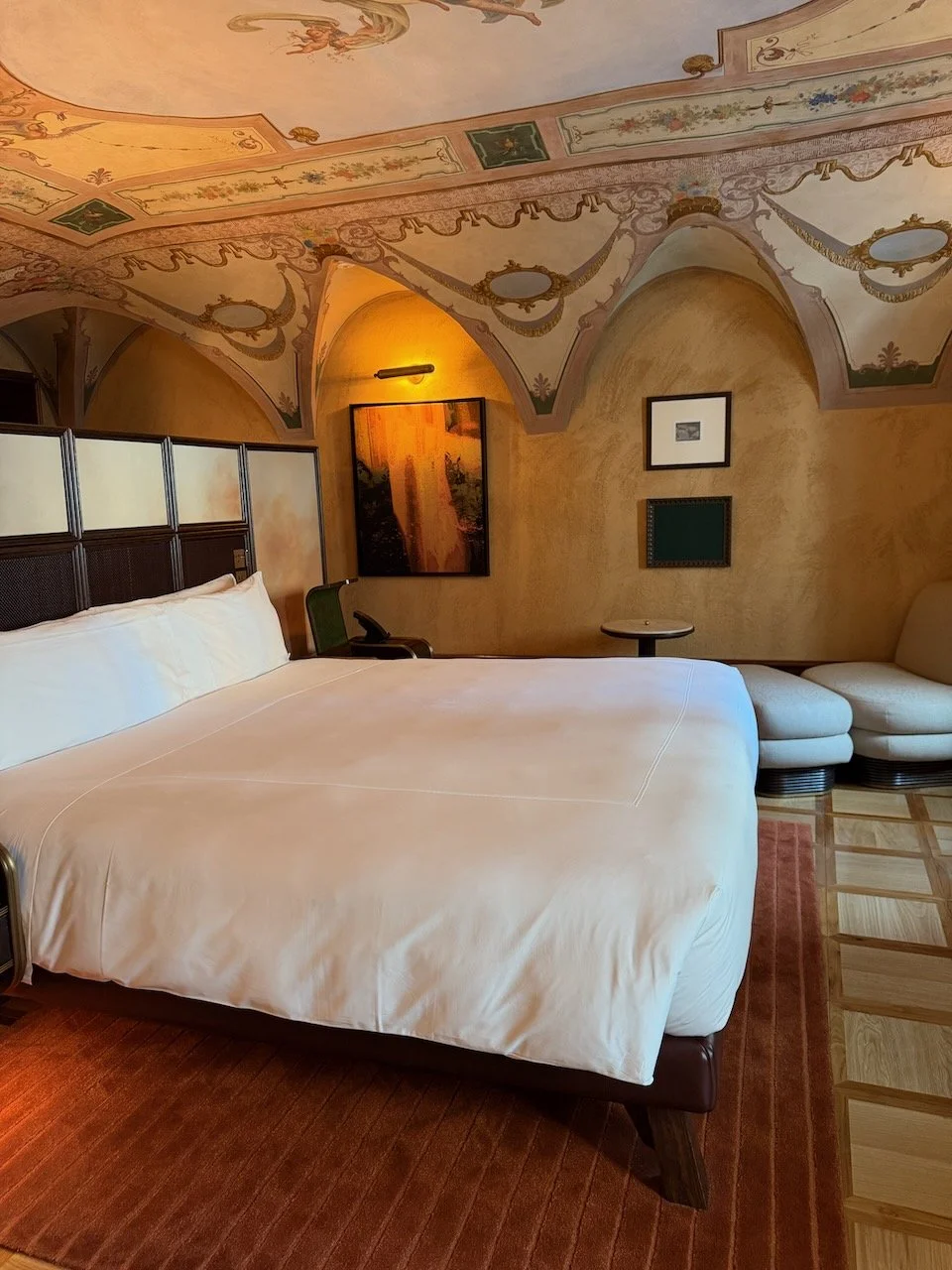
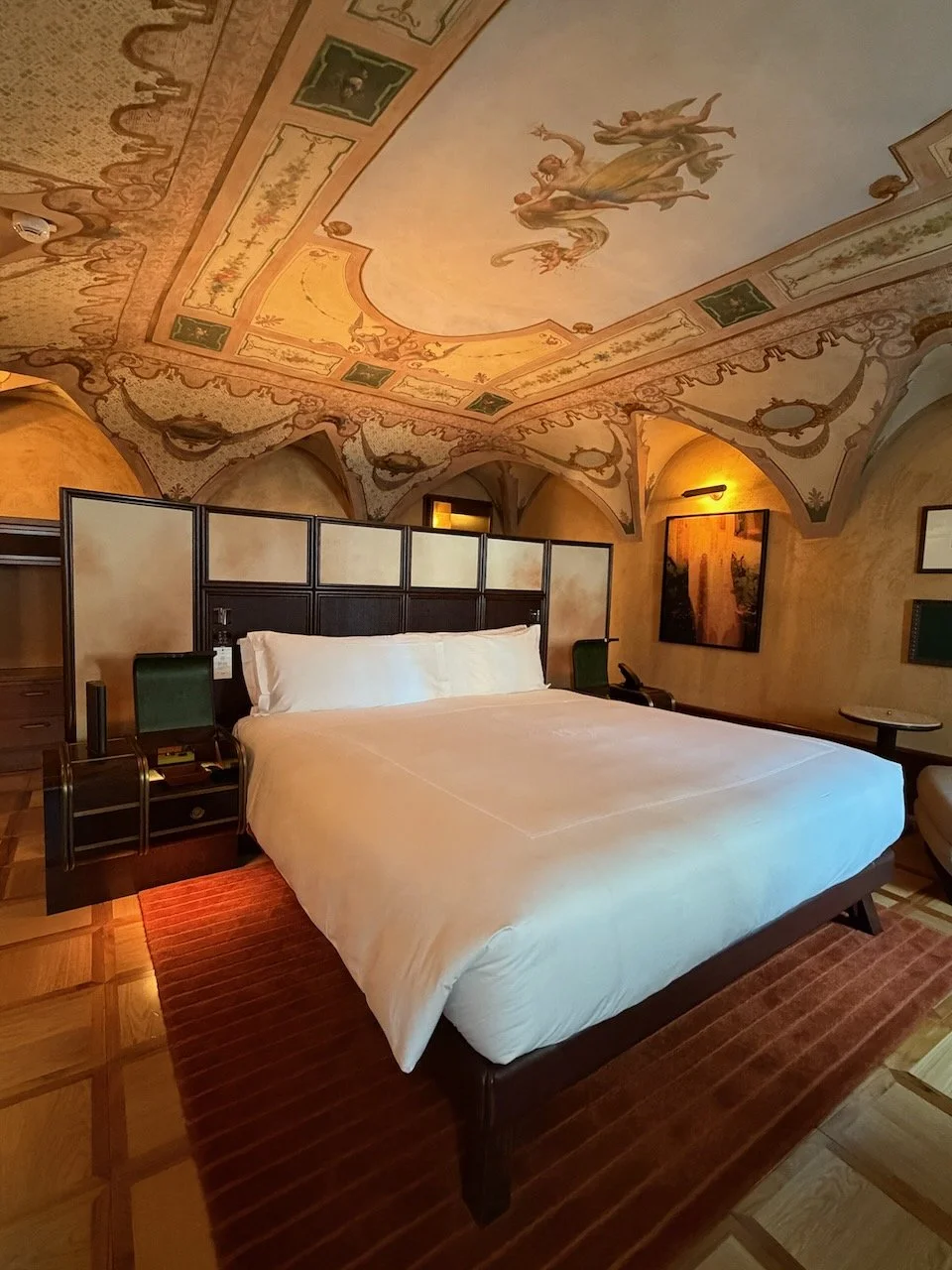
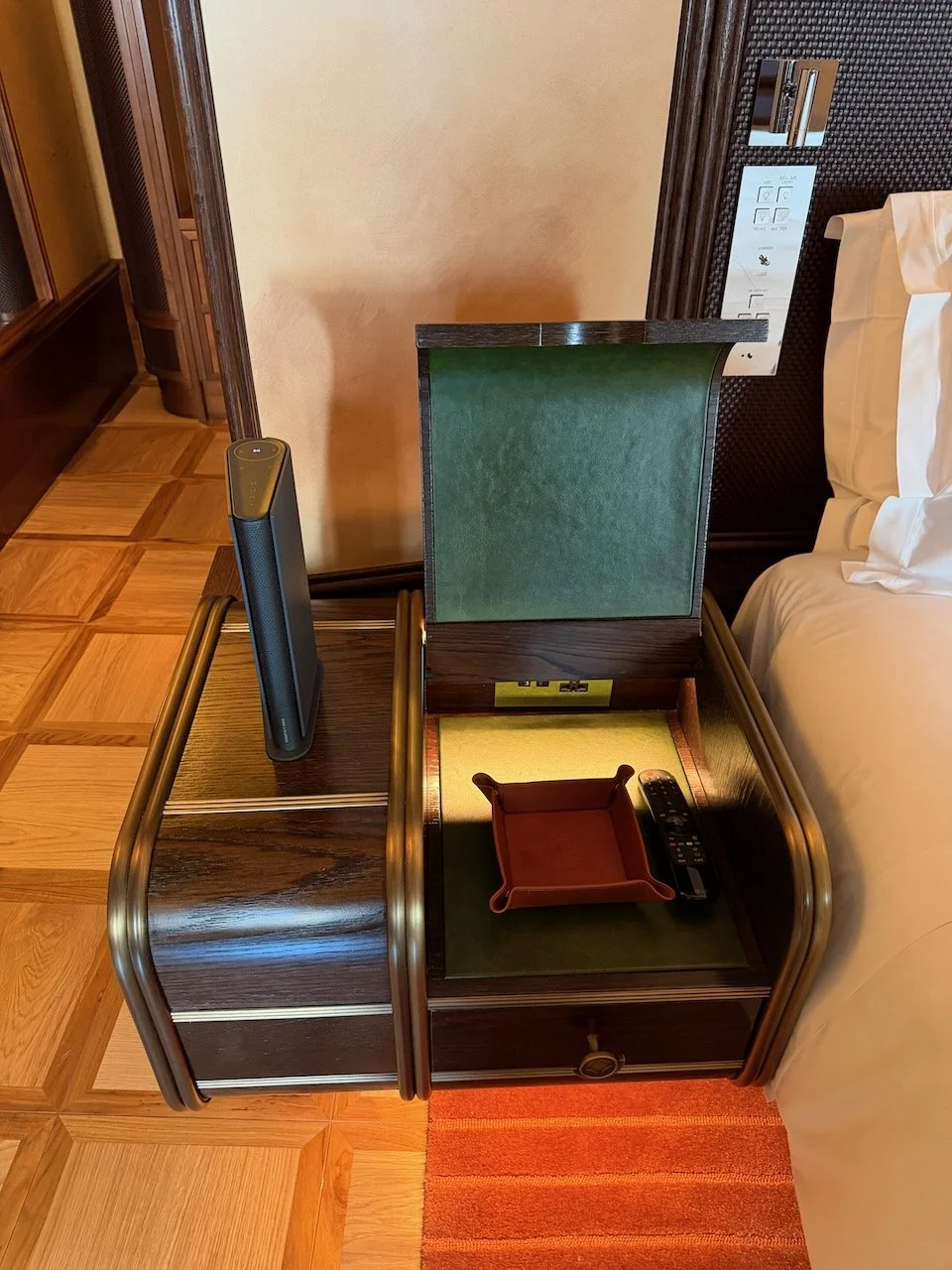
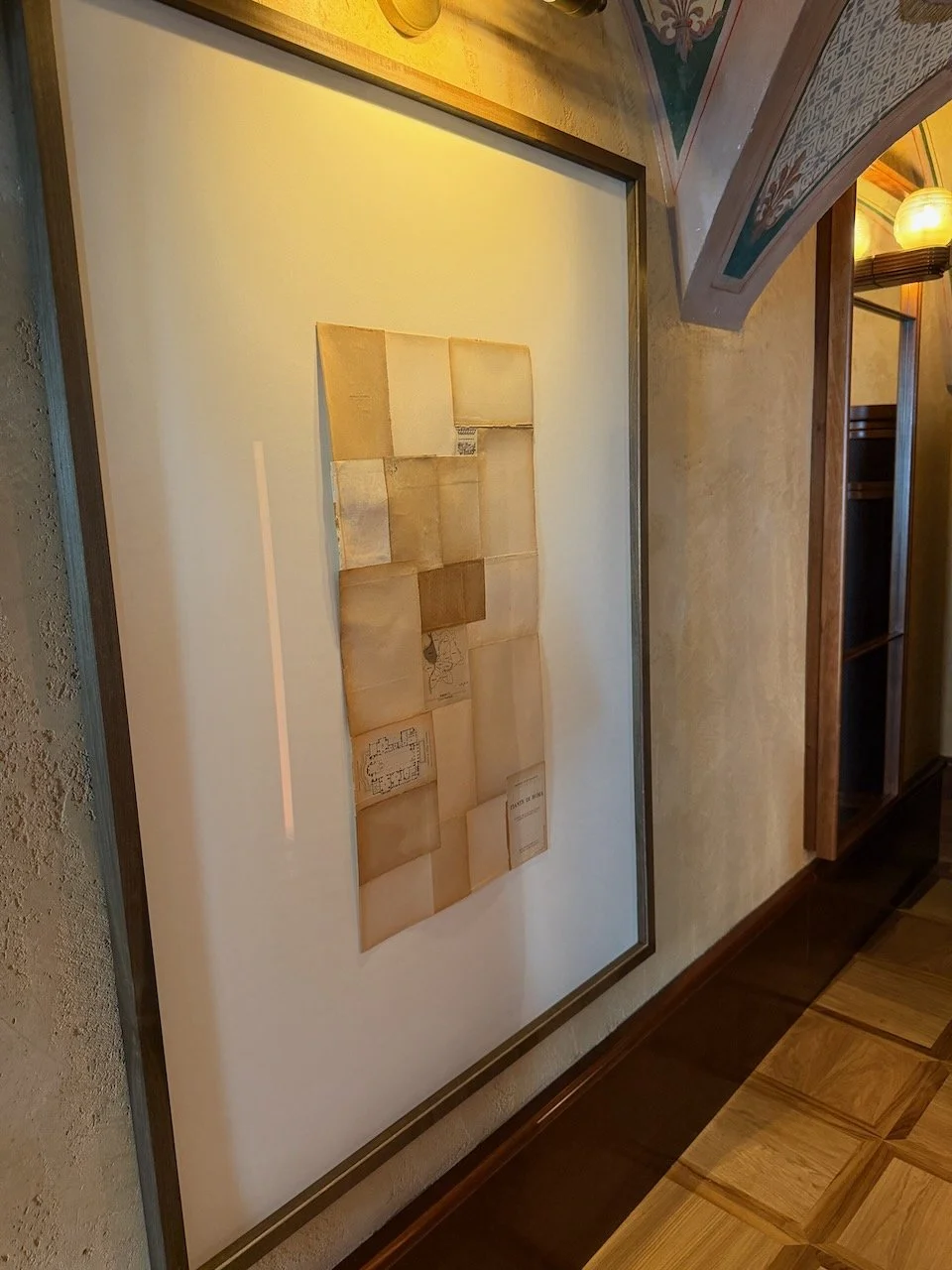
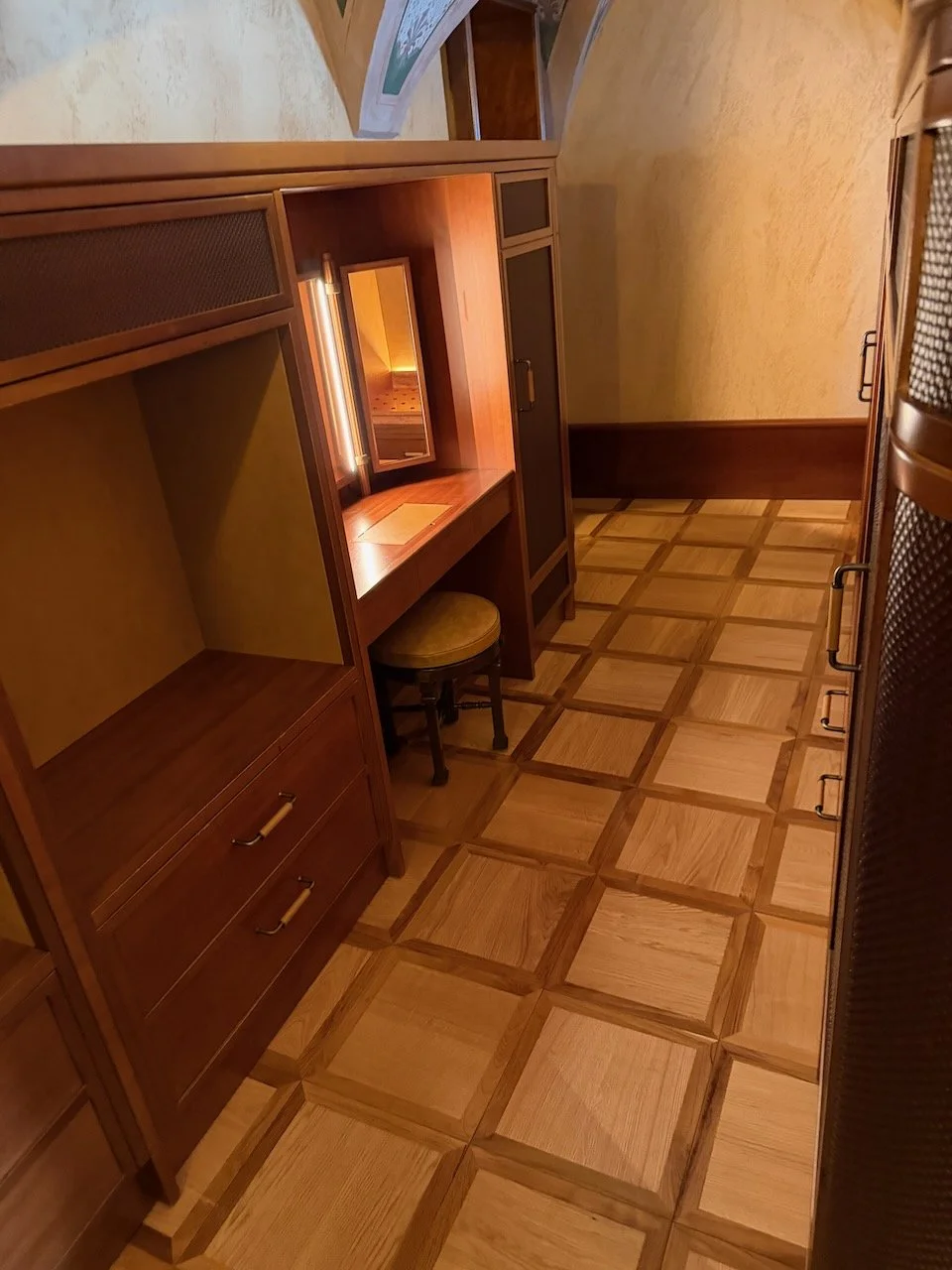
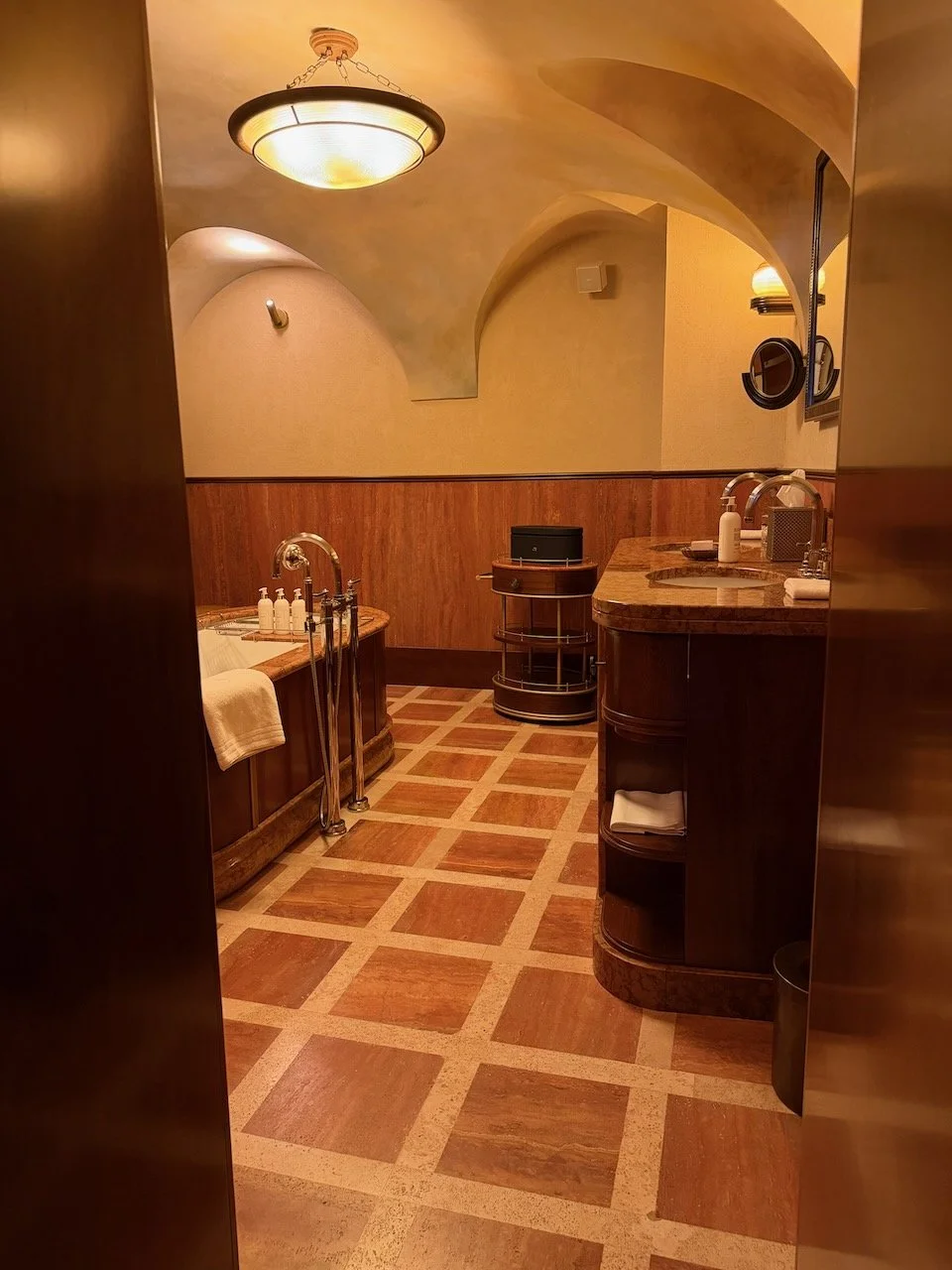
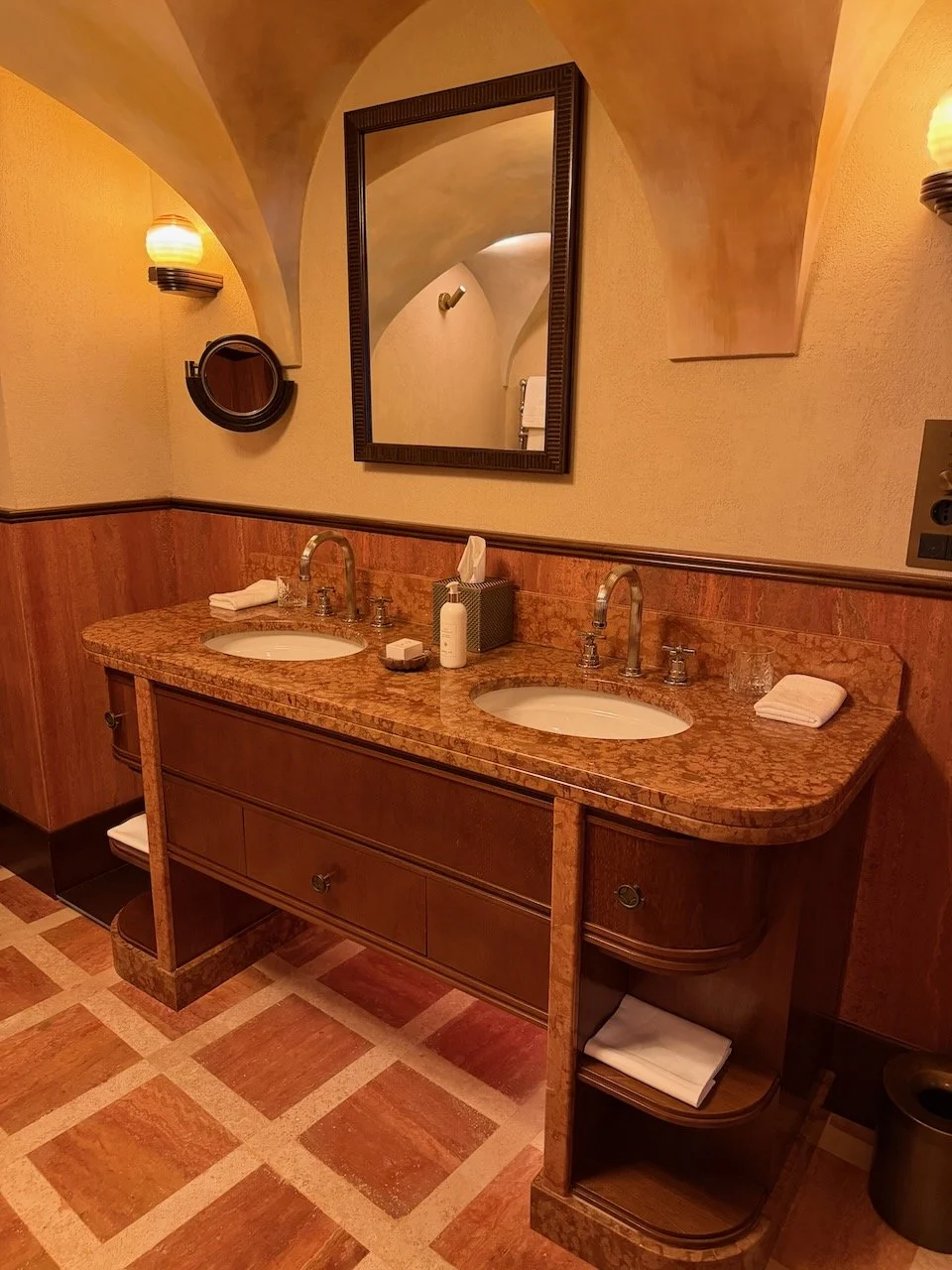
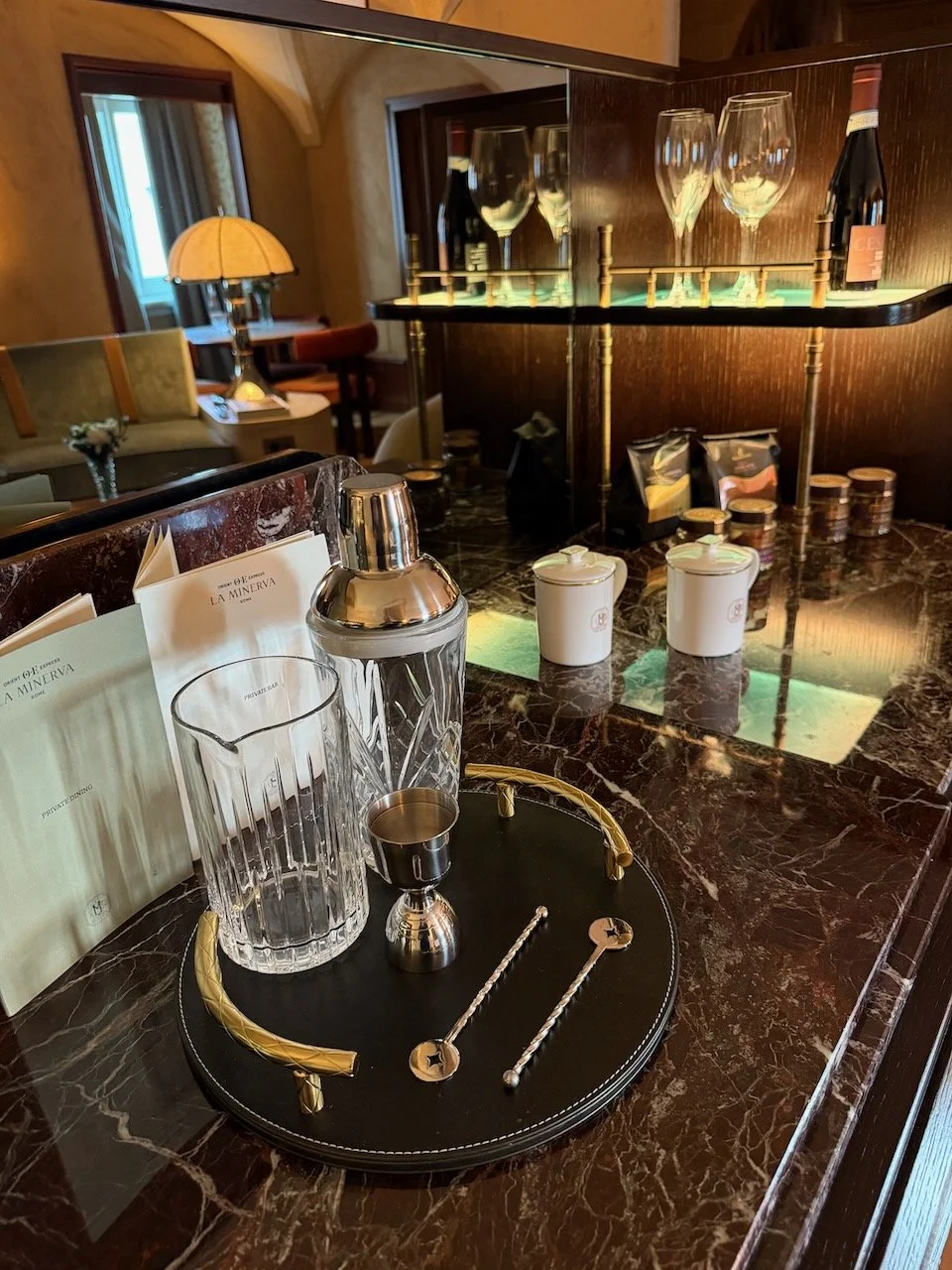
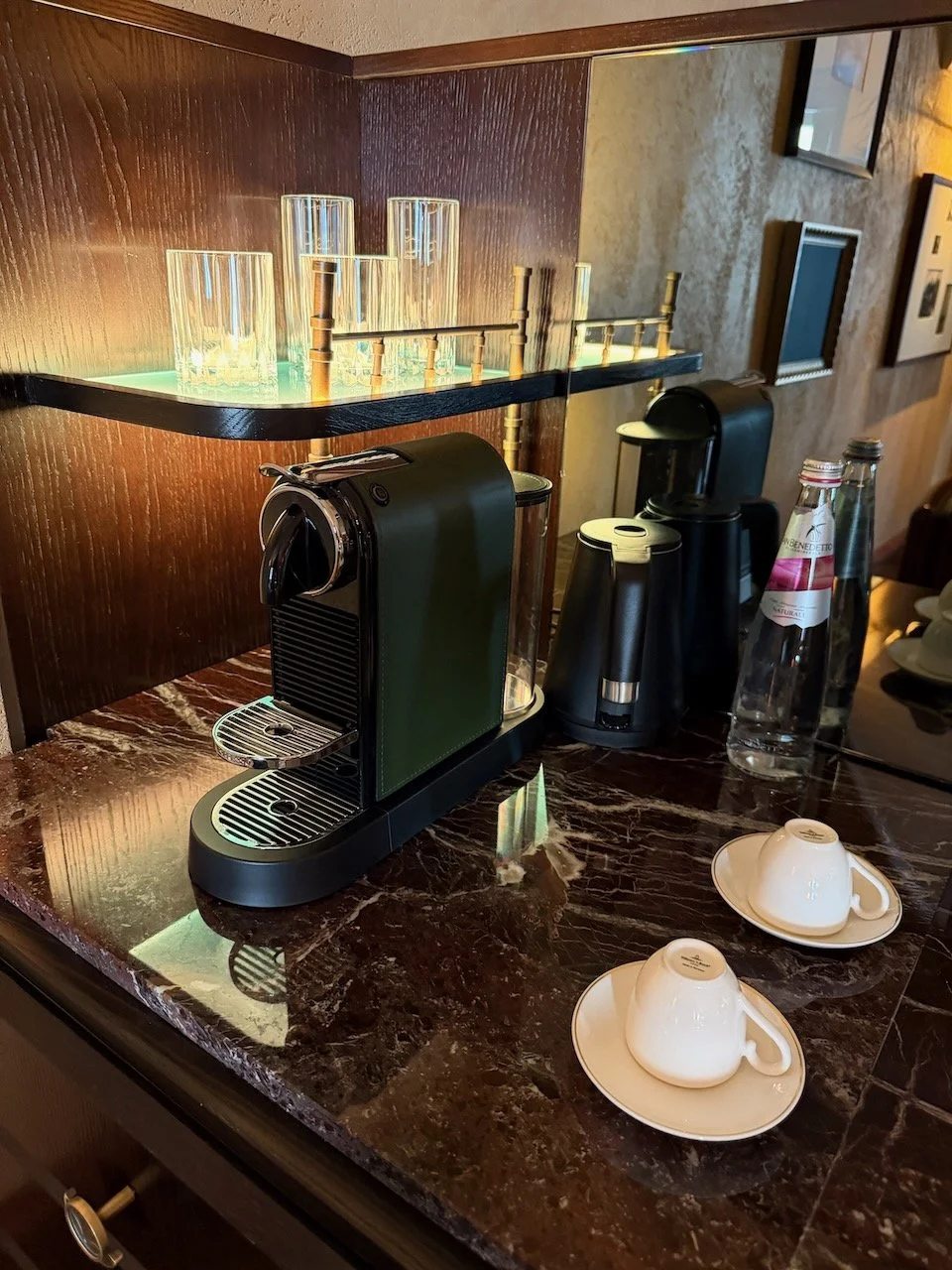
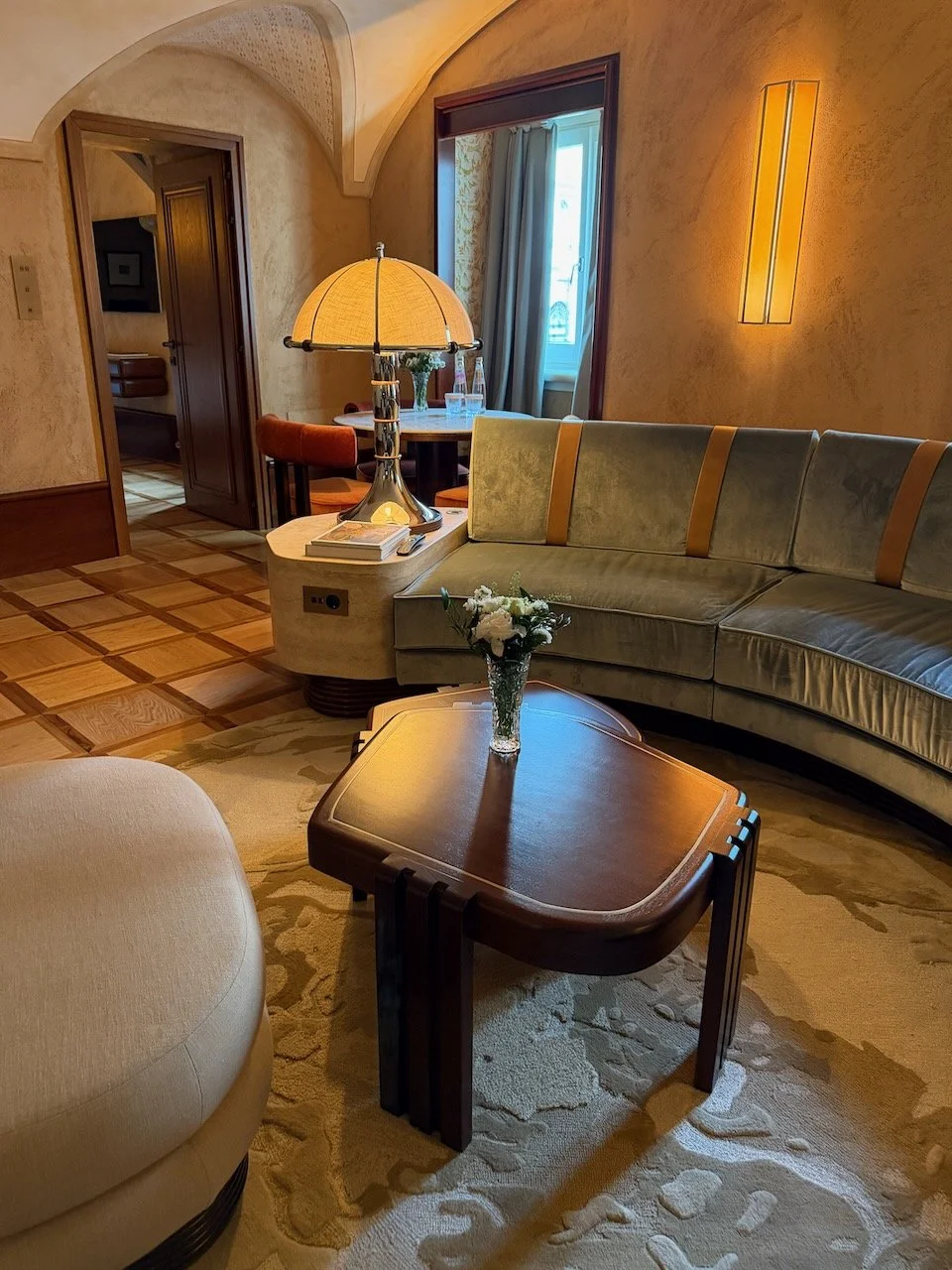
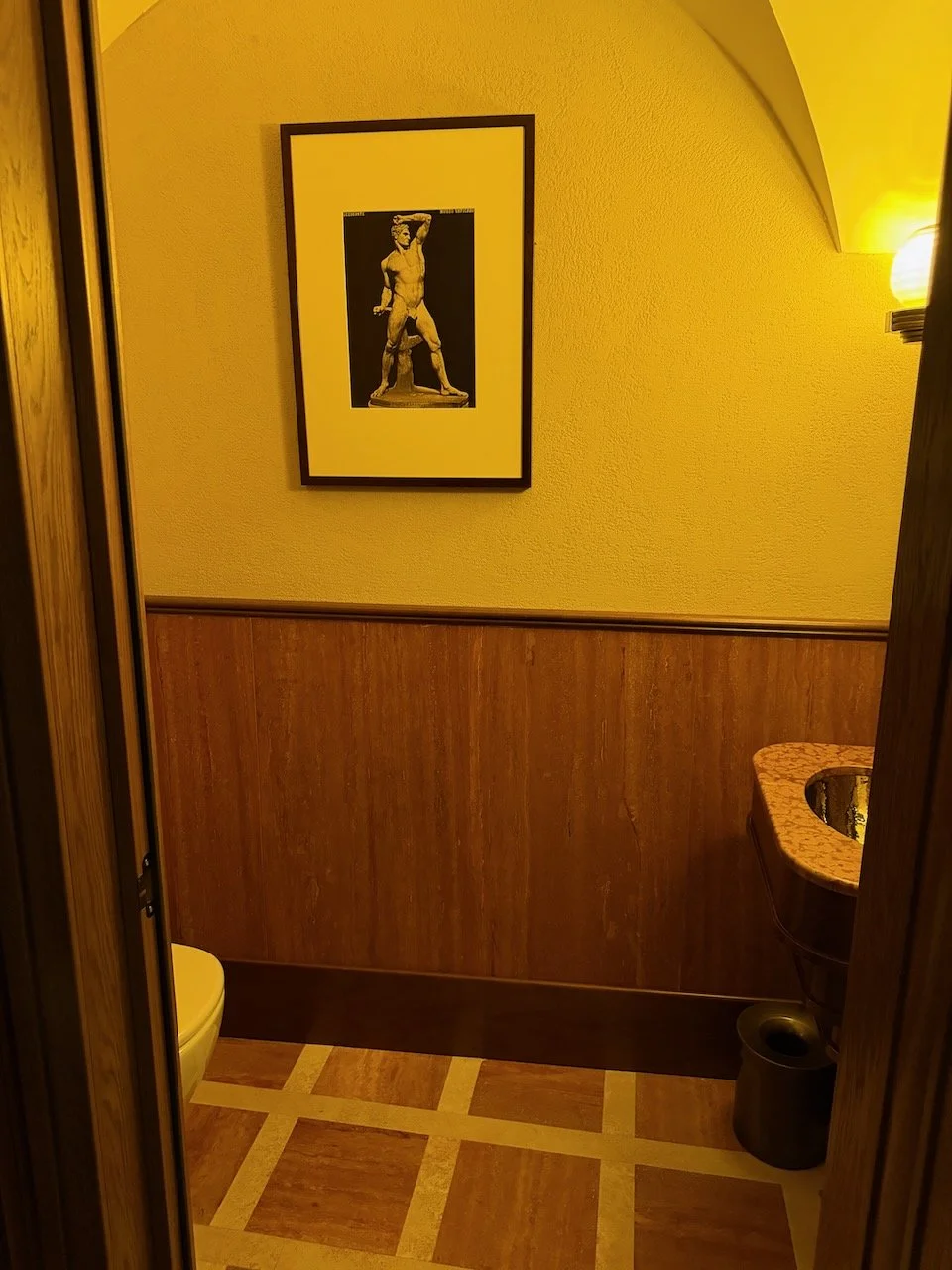
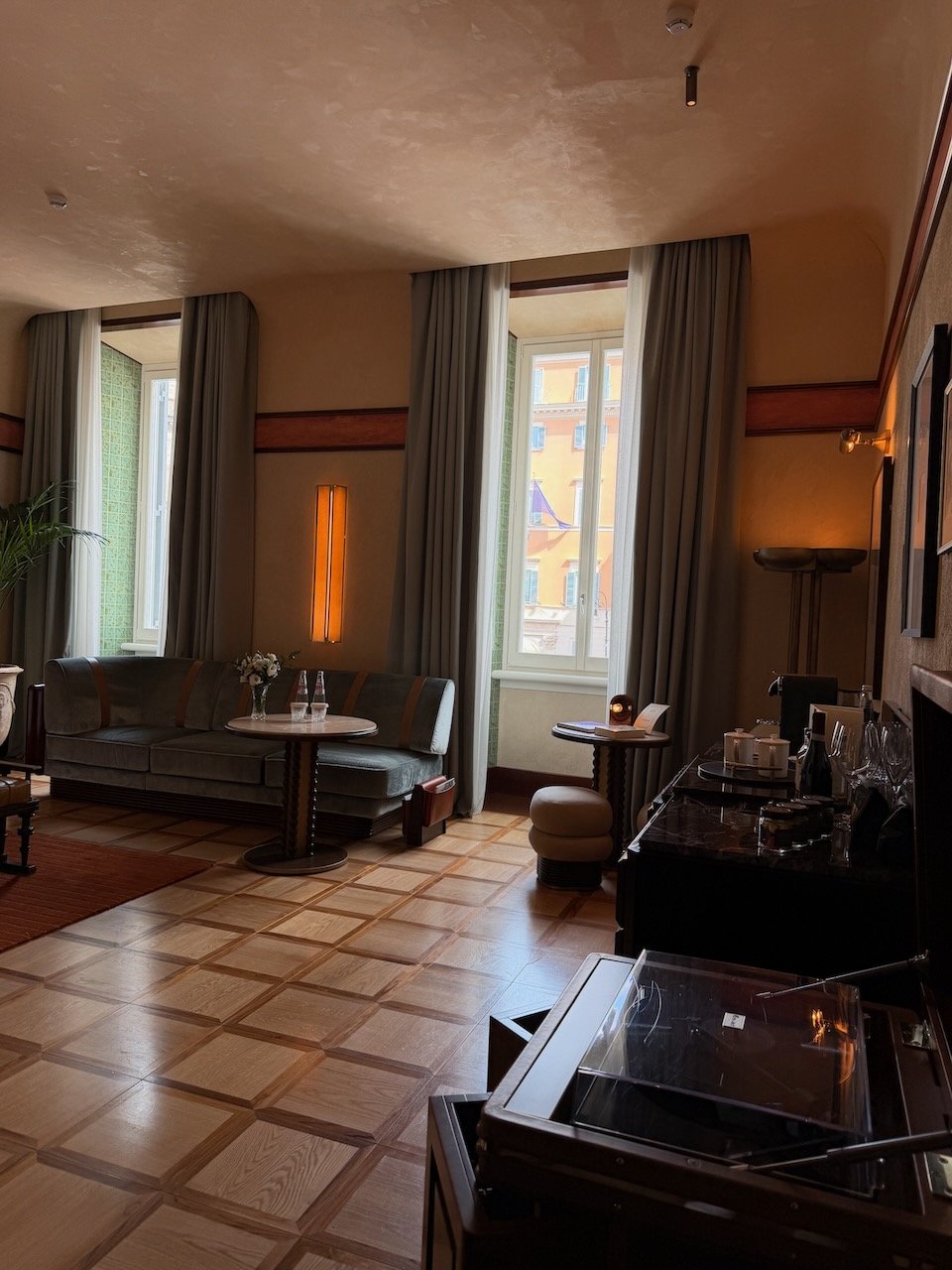
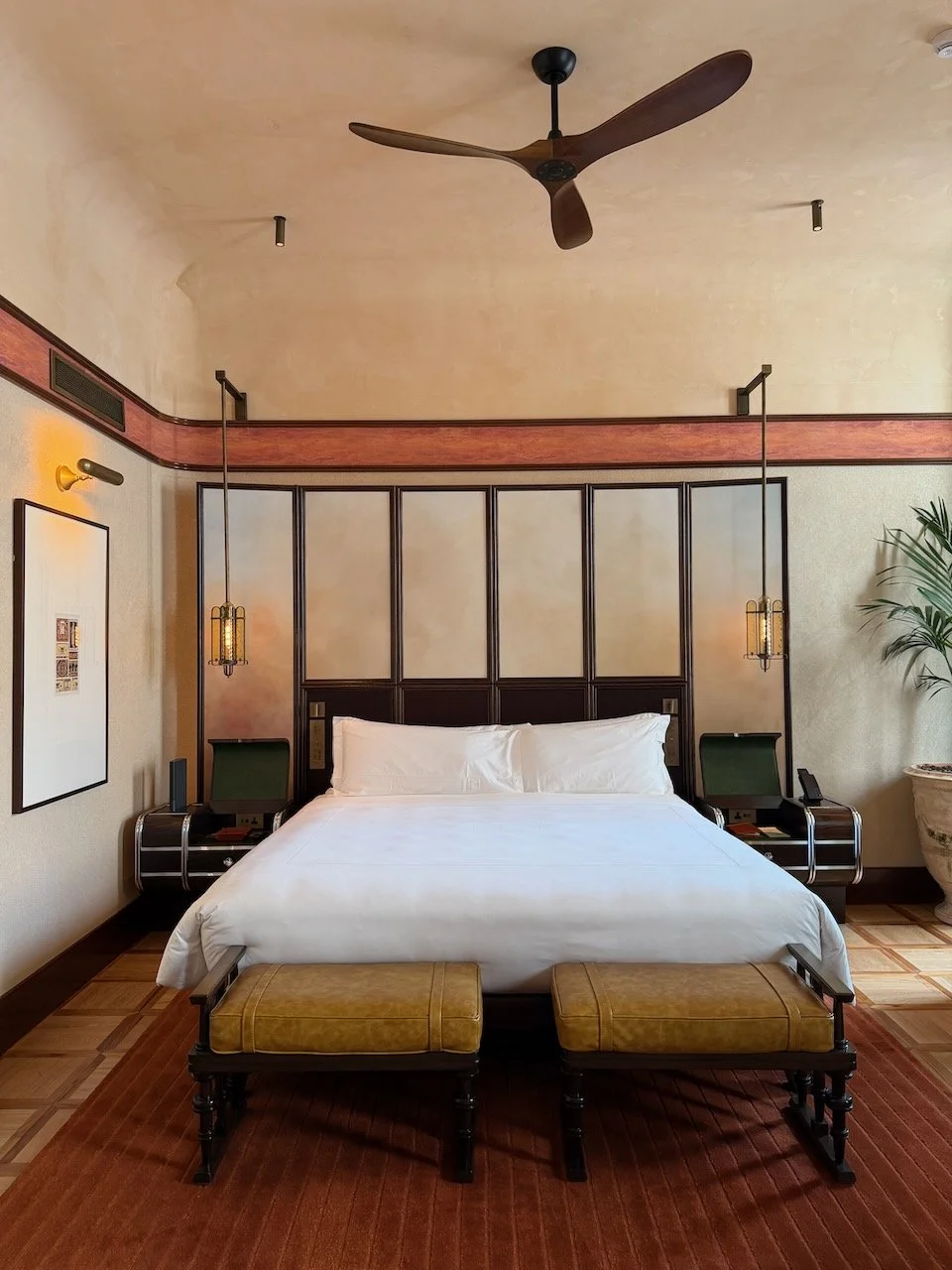
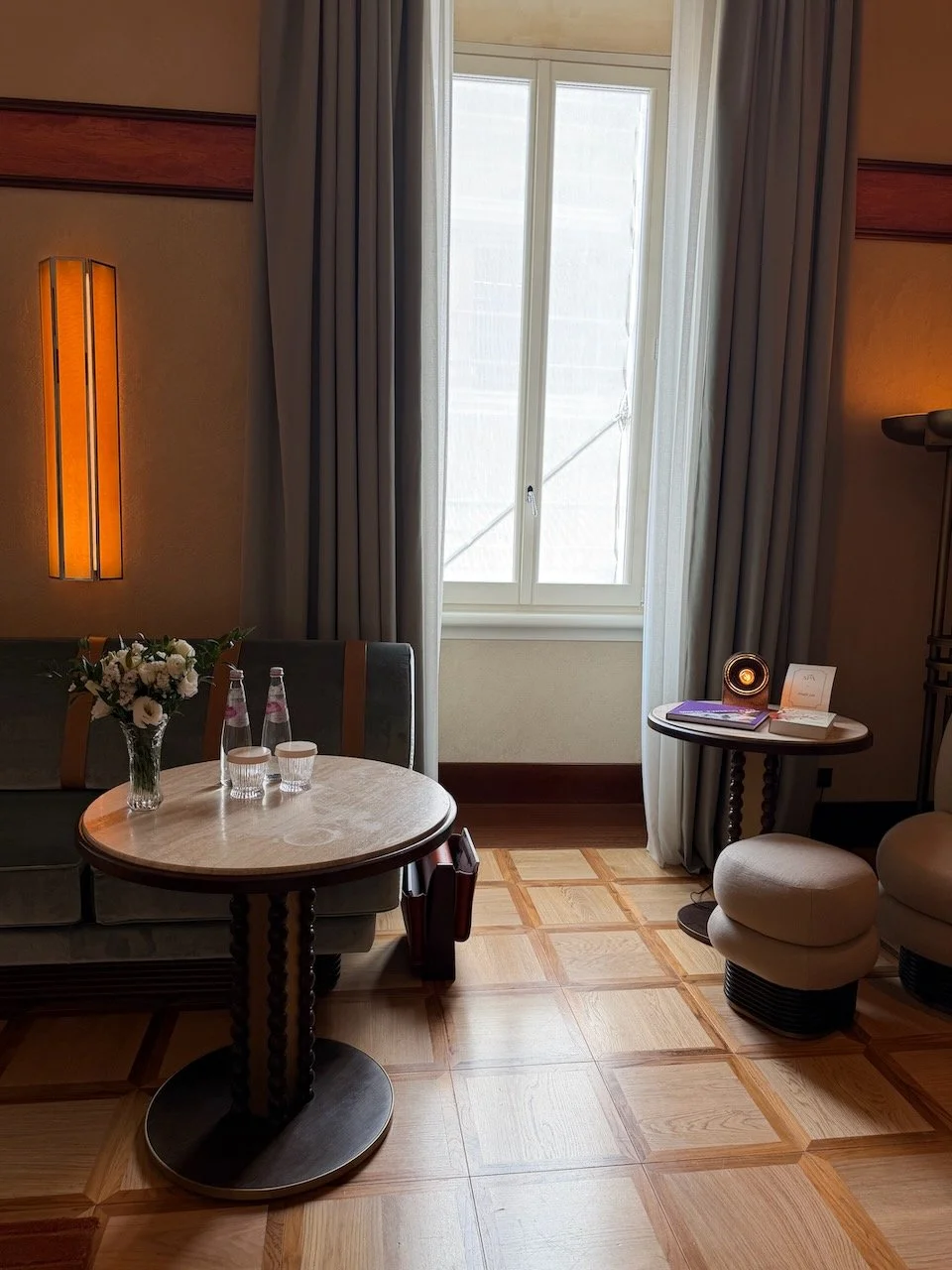
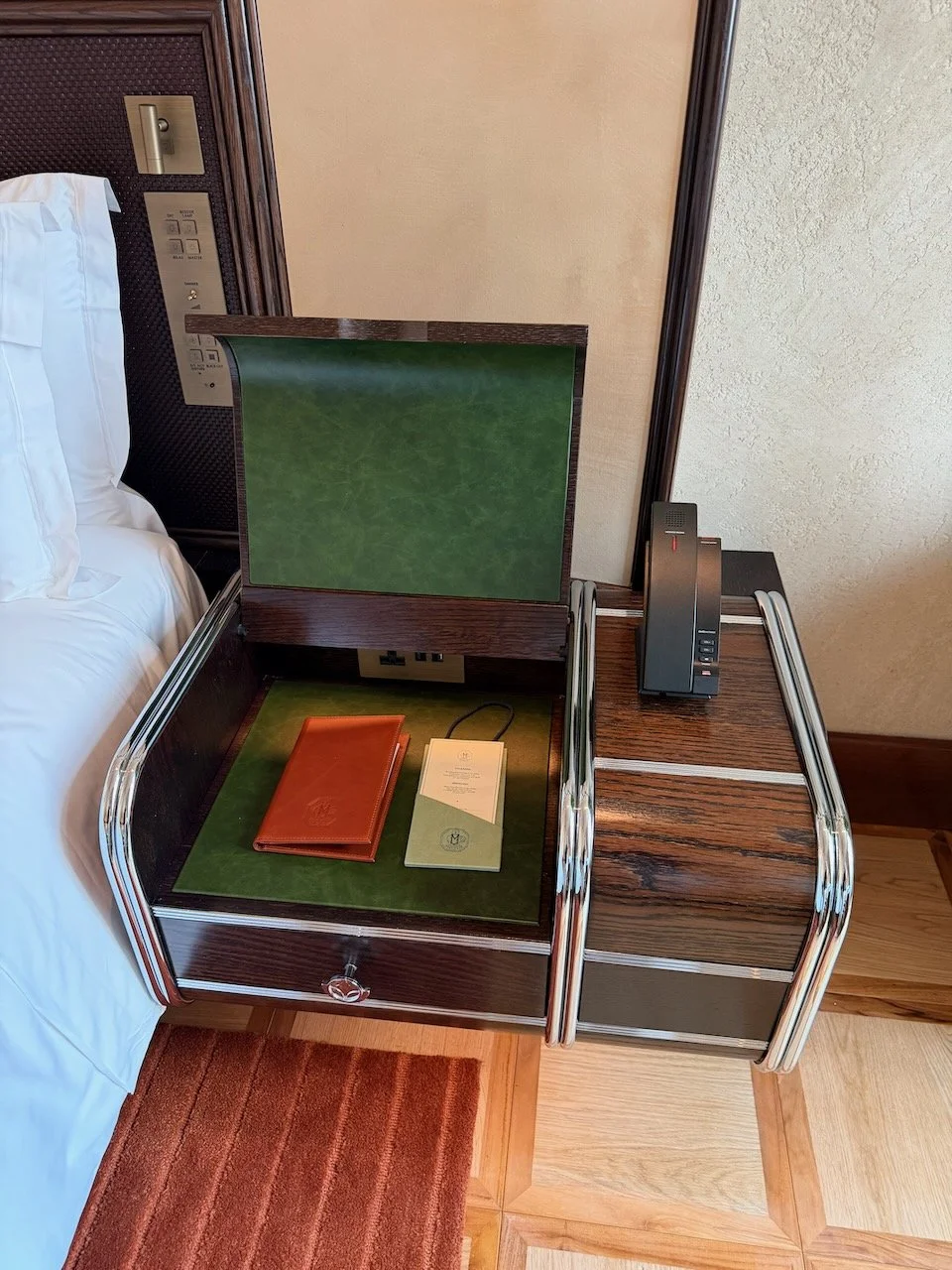
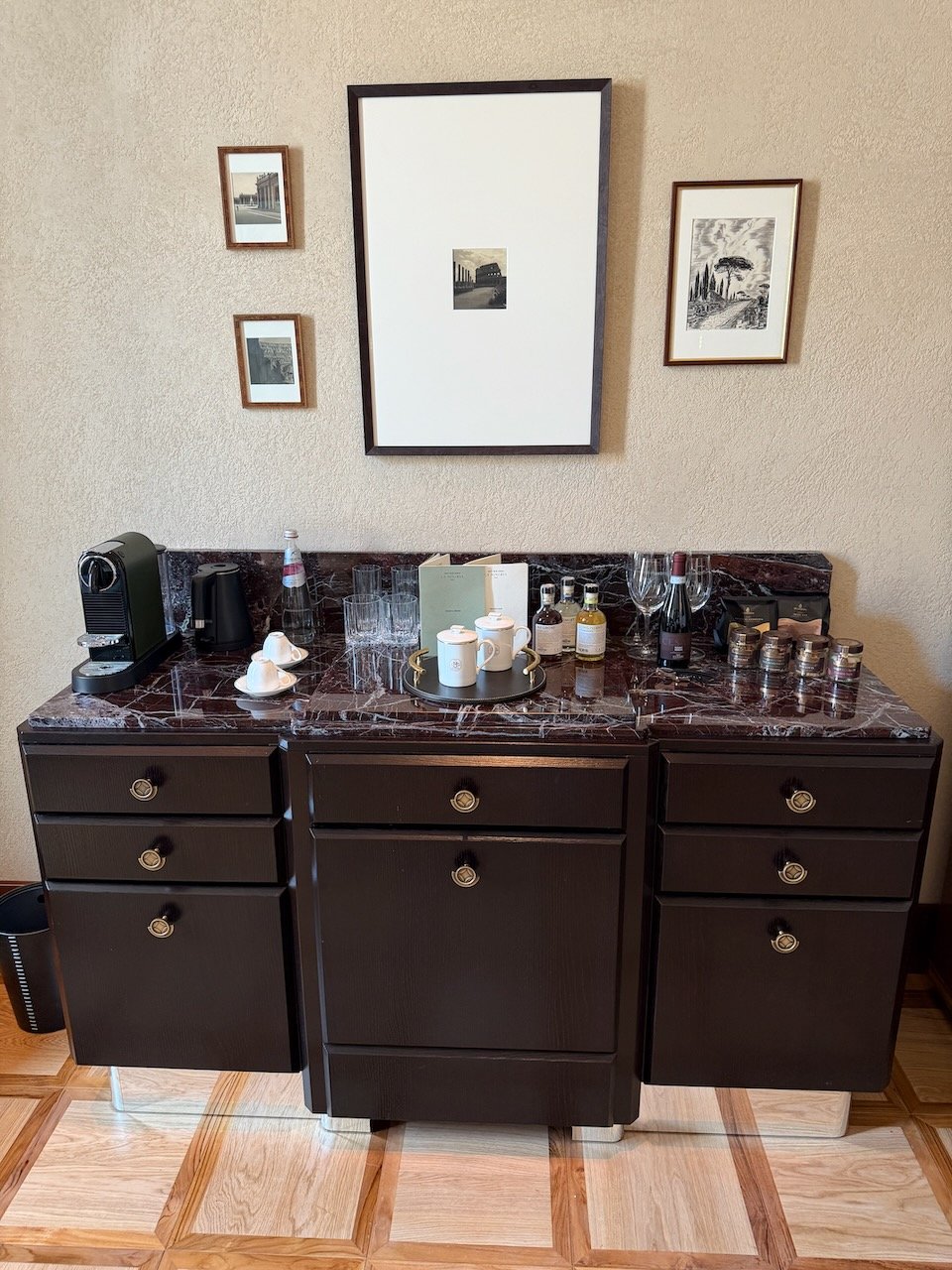
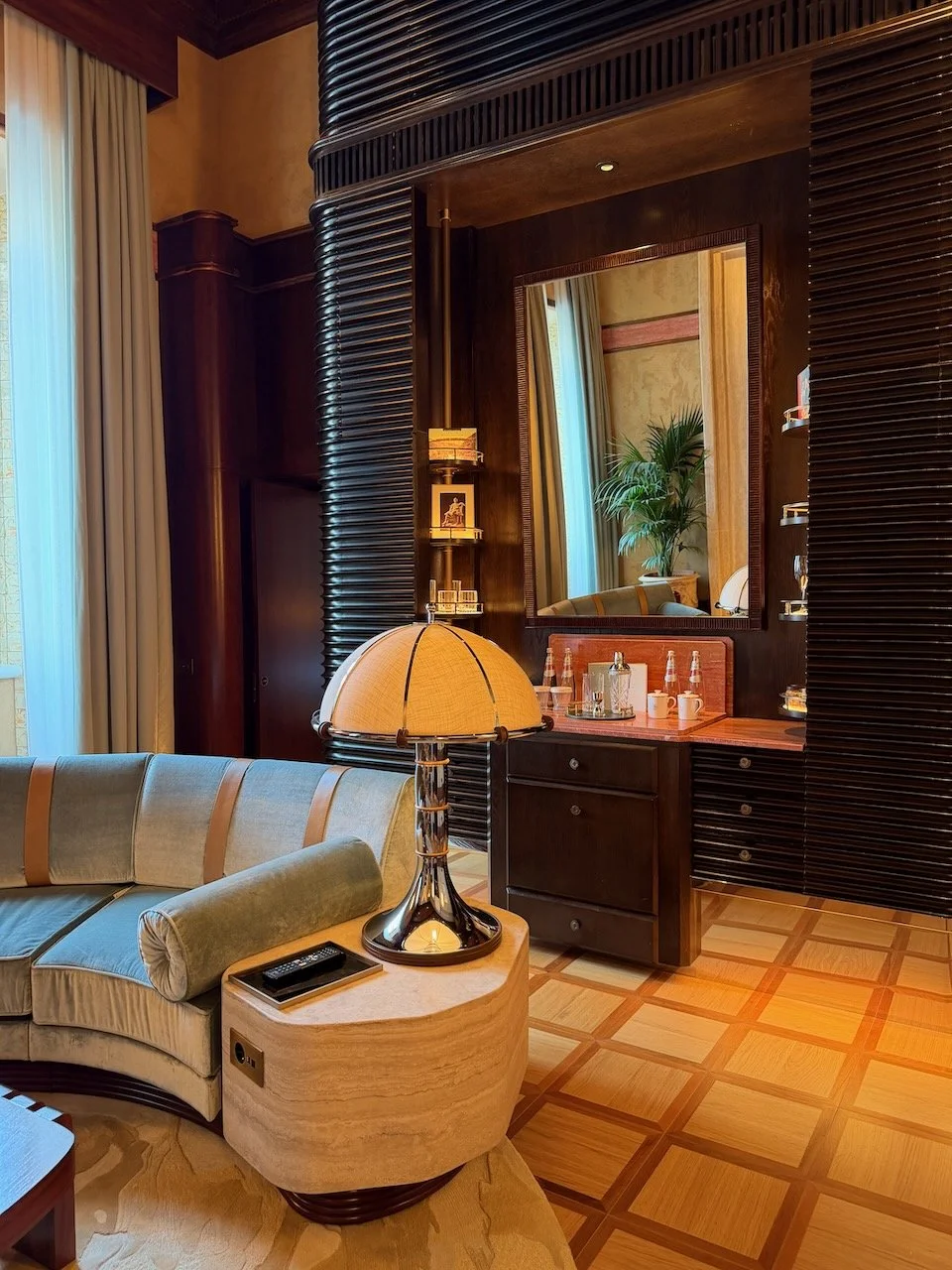
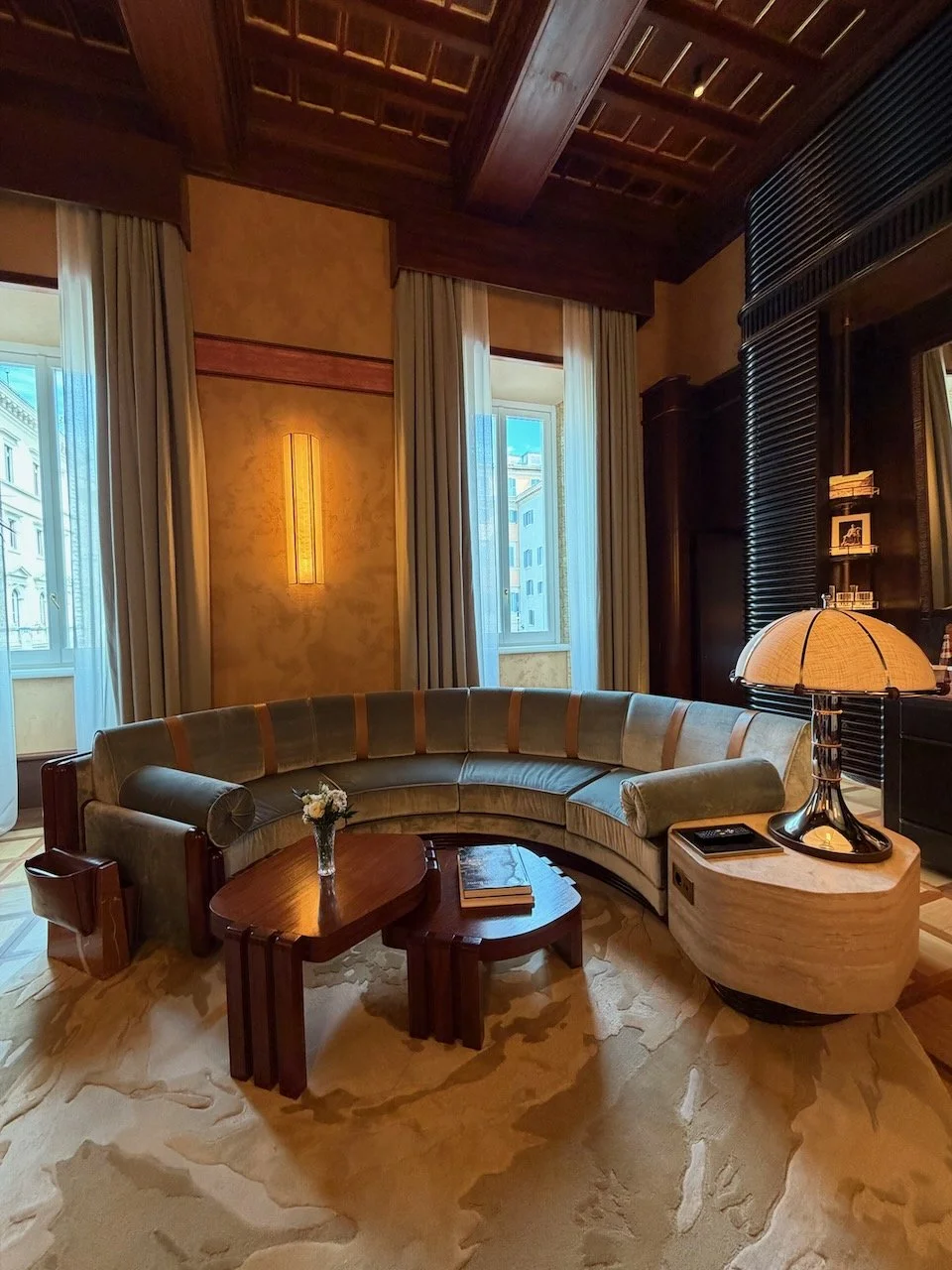
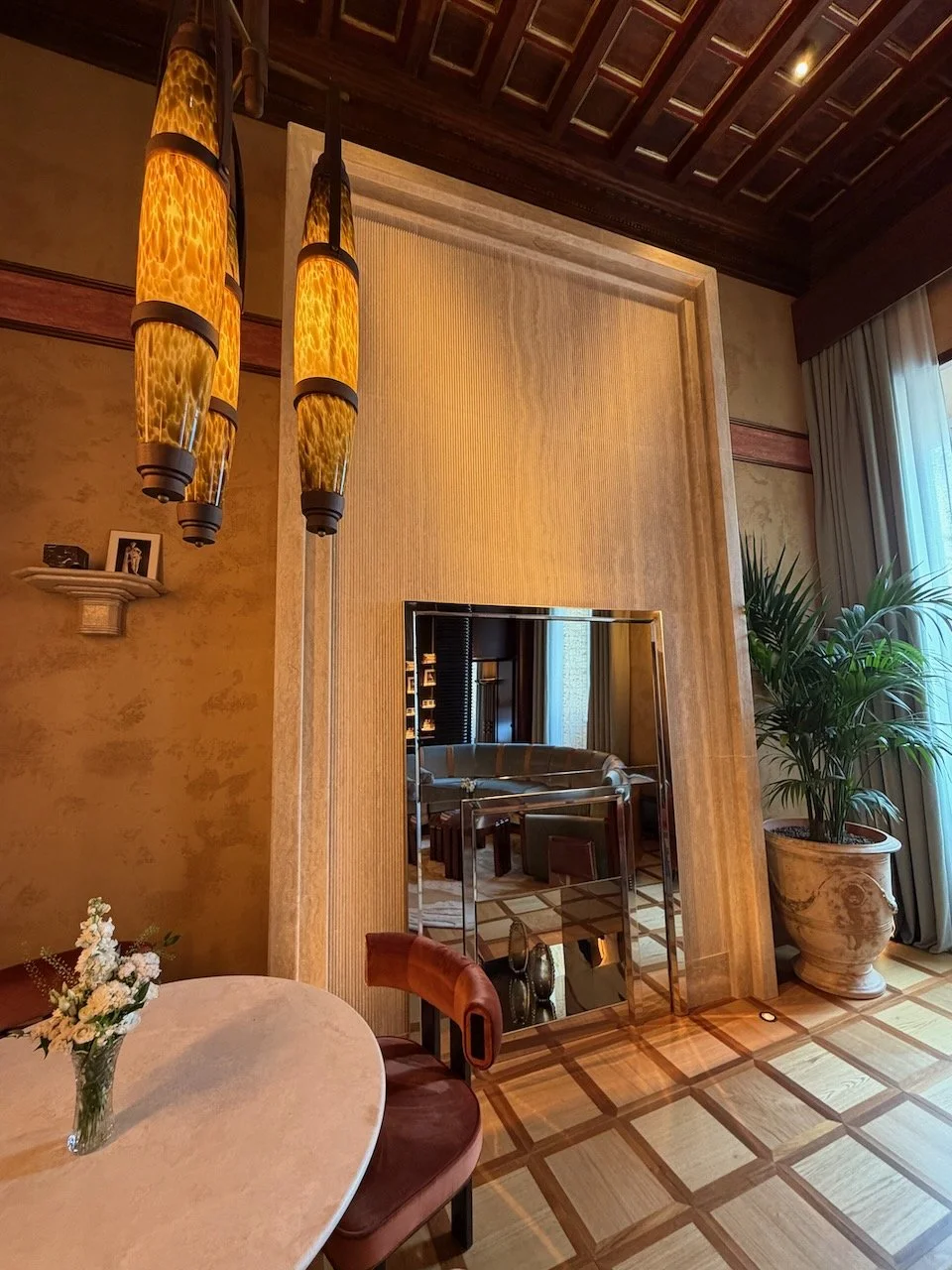
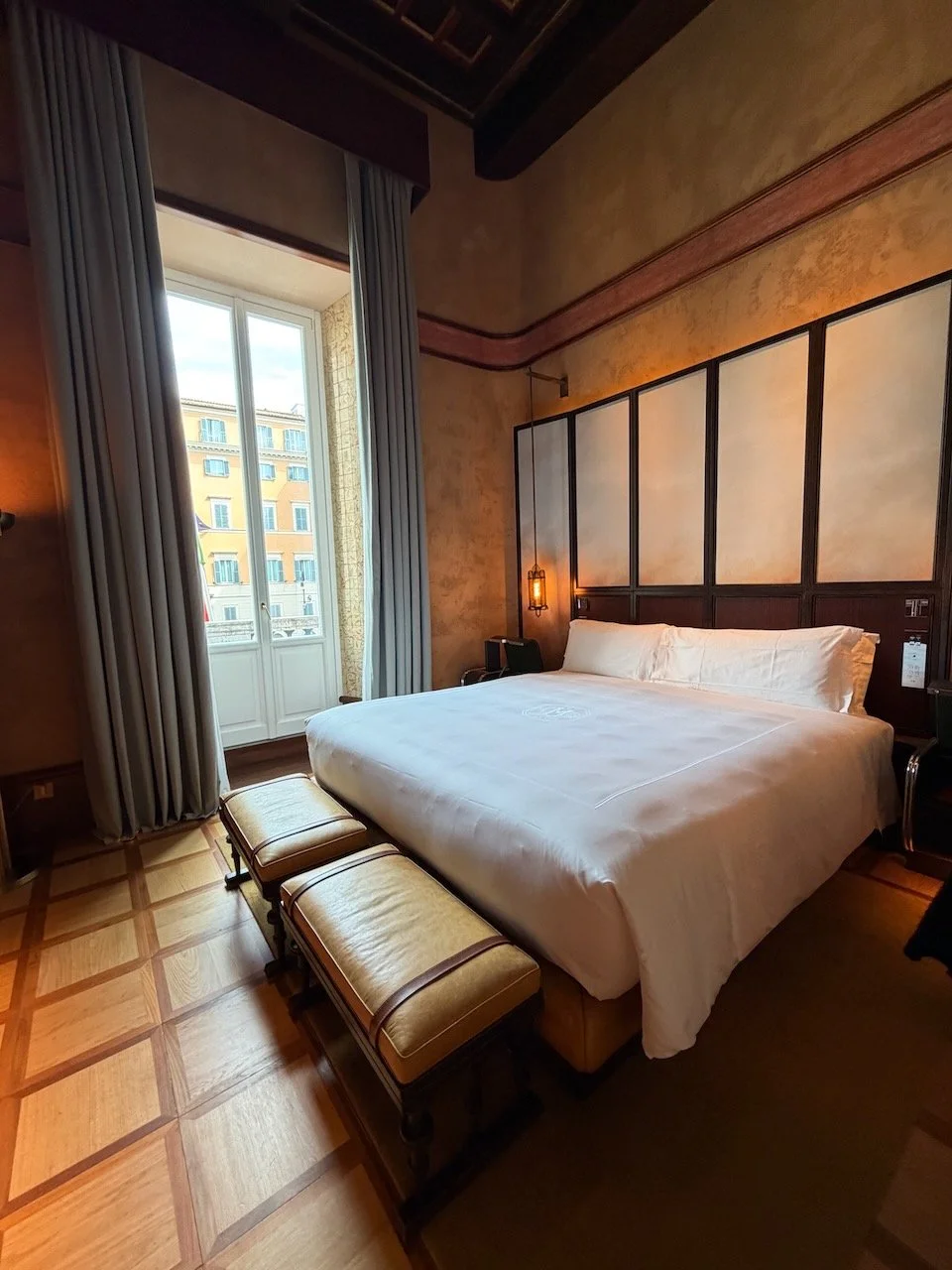
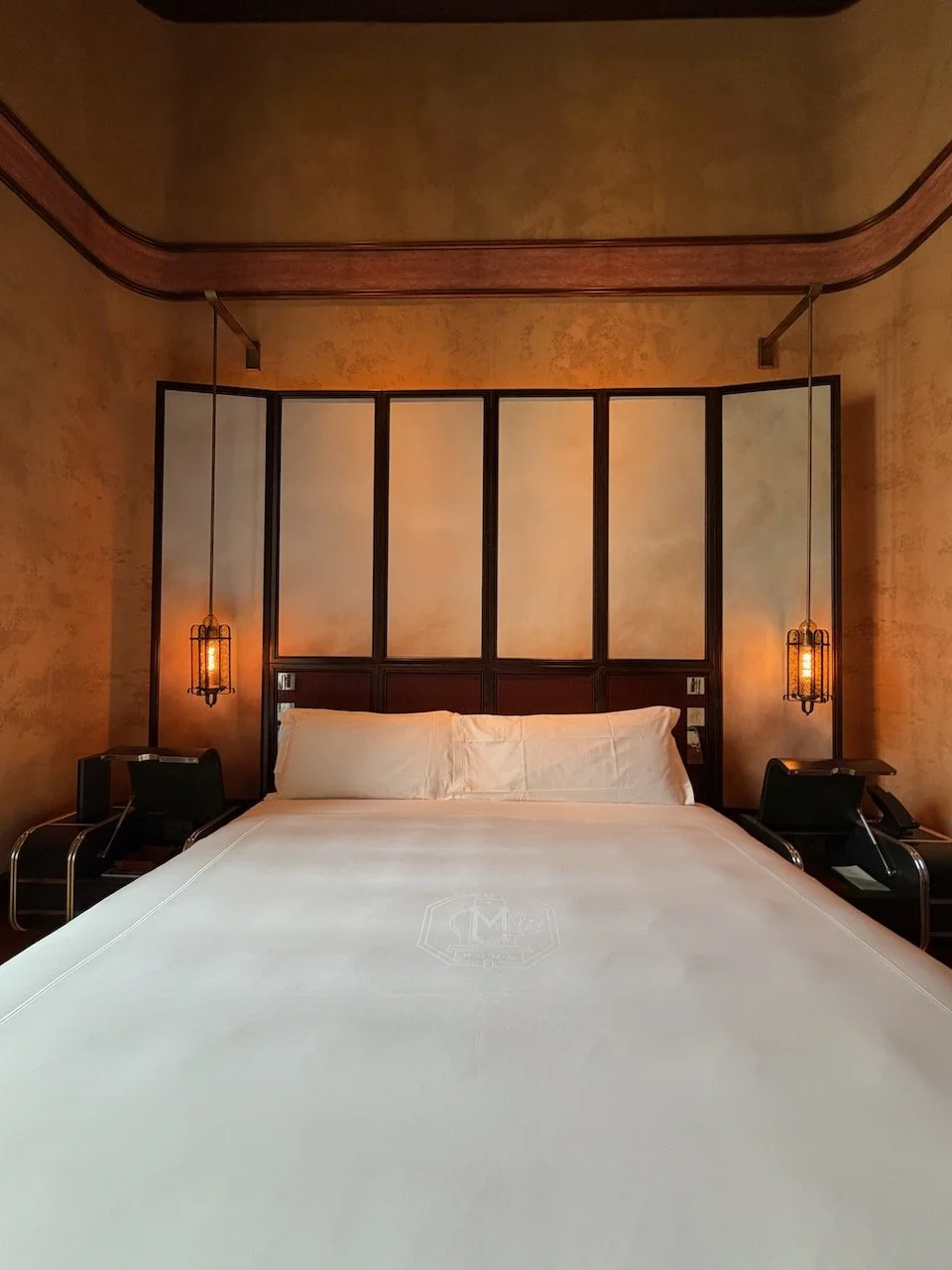
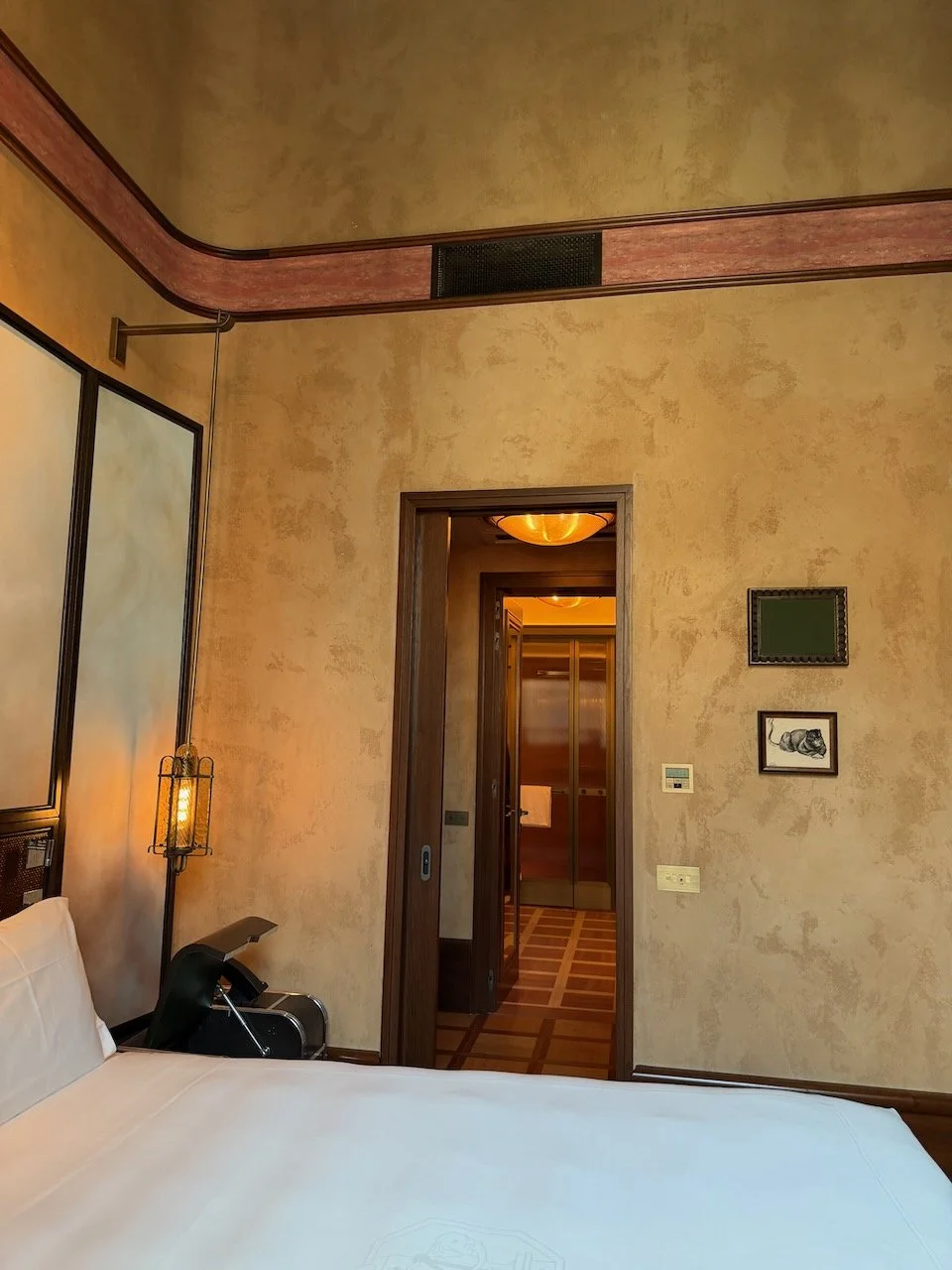
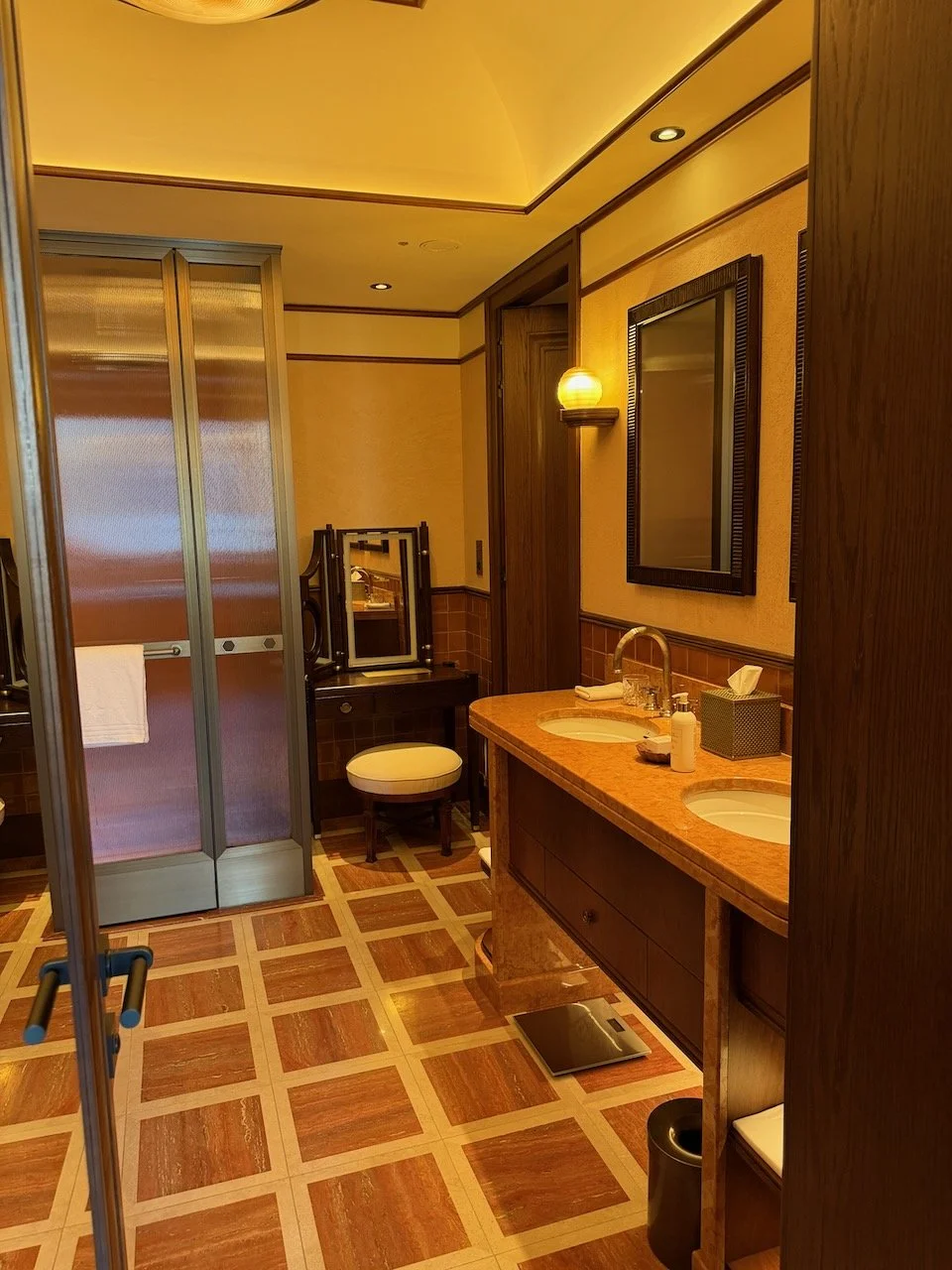
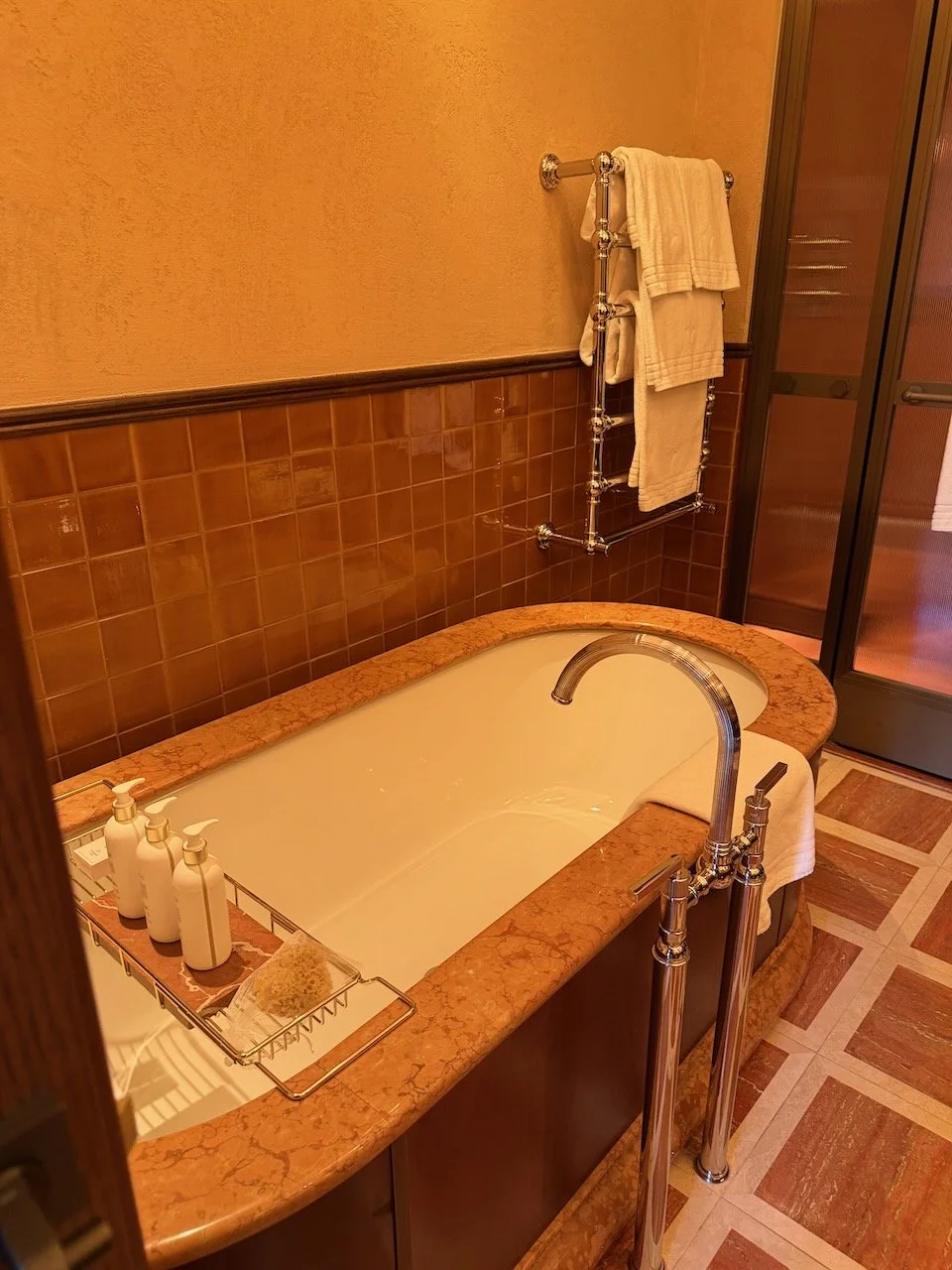
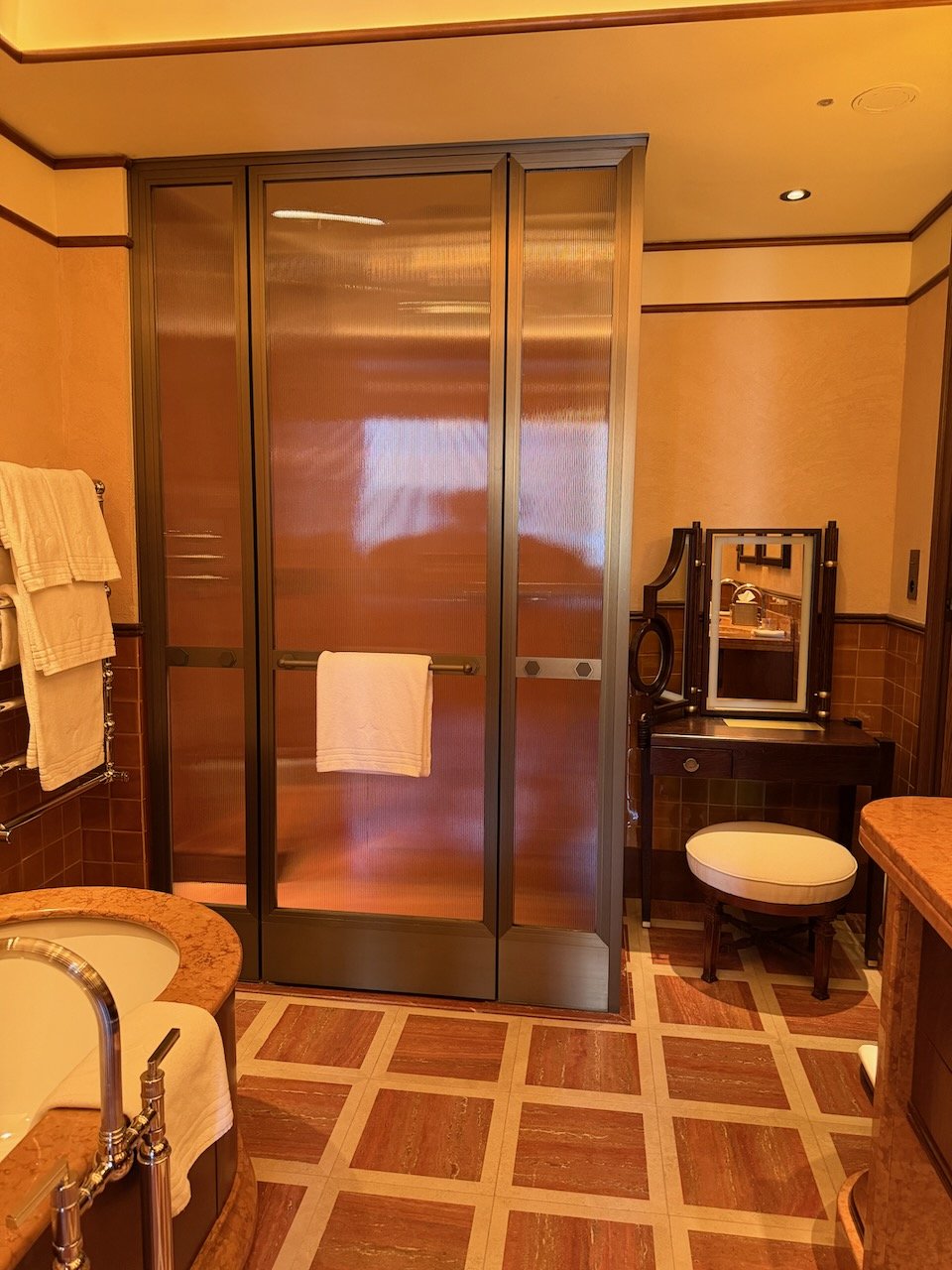
The accommodations at La Minerva are very different from the lighter beige-and-white luxury that dominates many new high-end hotels. The mood here is darker, more masculine, and more theatrical: 1920s Art Deco, Orient Express train romance, rich materials, specialized furniture, and a sense of being inside a carefully designed travel fantasy rather than a neutral luxury room. I really liked it, but it is important to say clearly that this style will not be for everyone. Guests who want bright, airy, soft-toned rooms may prefer a different Roman luxury hotel.
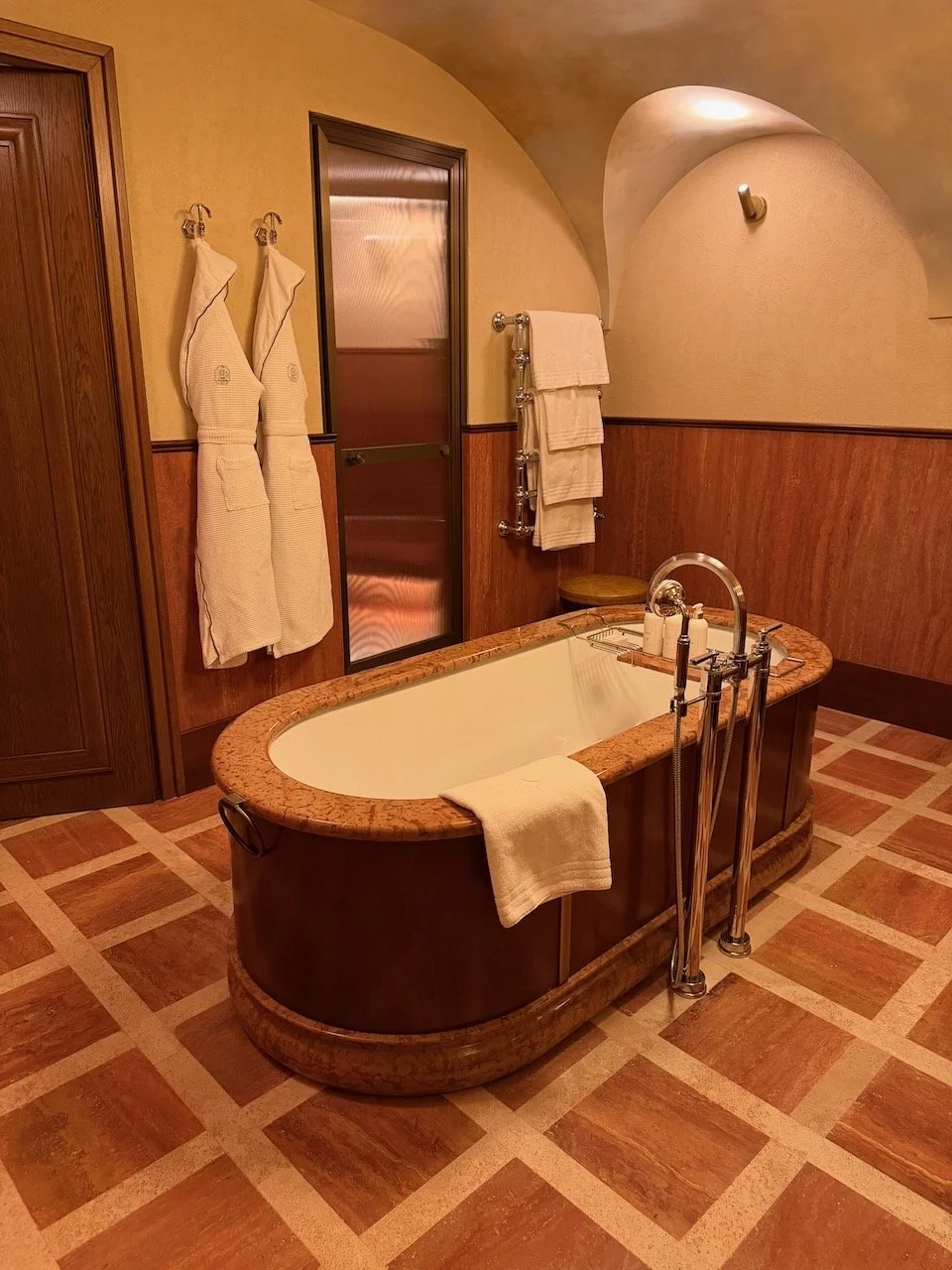
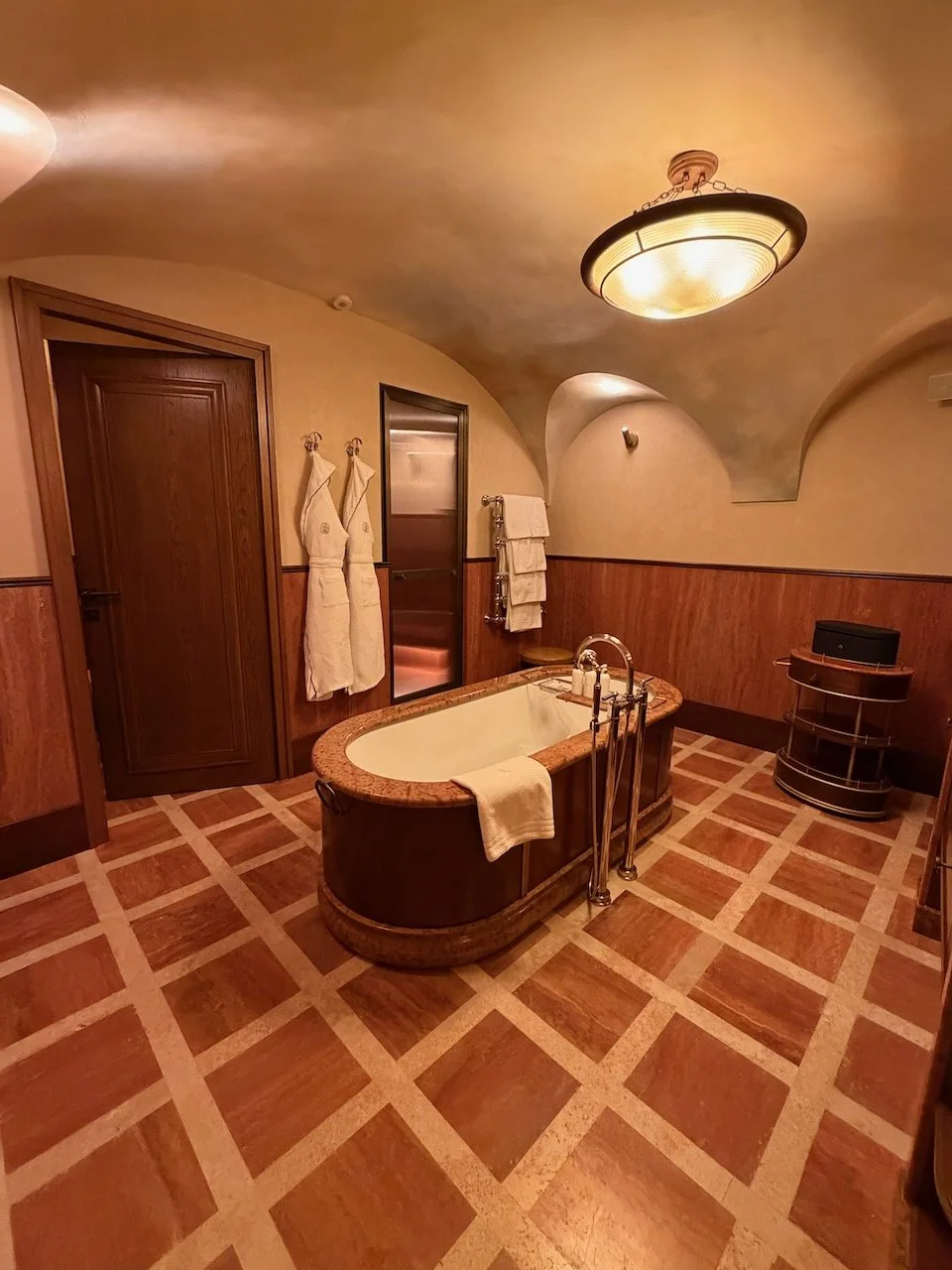
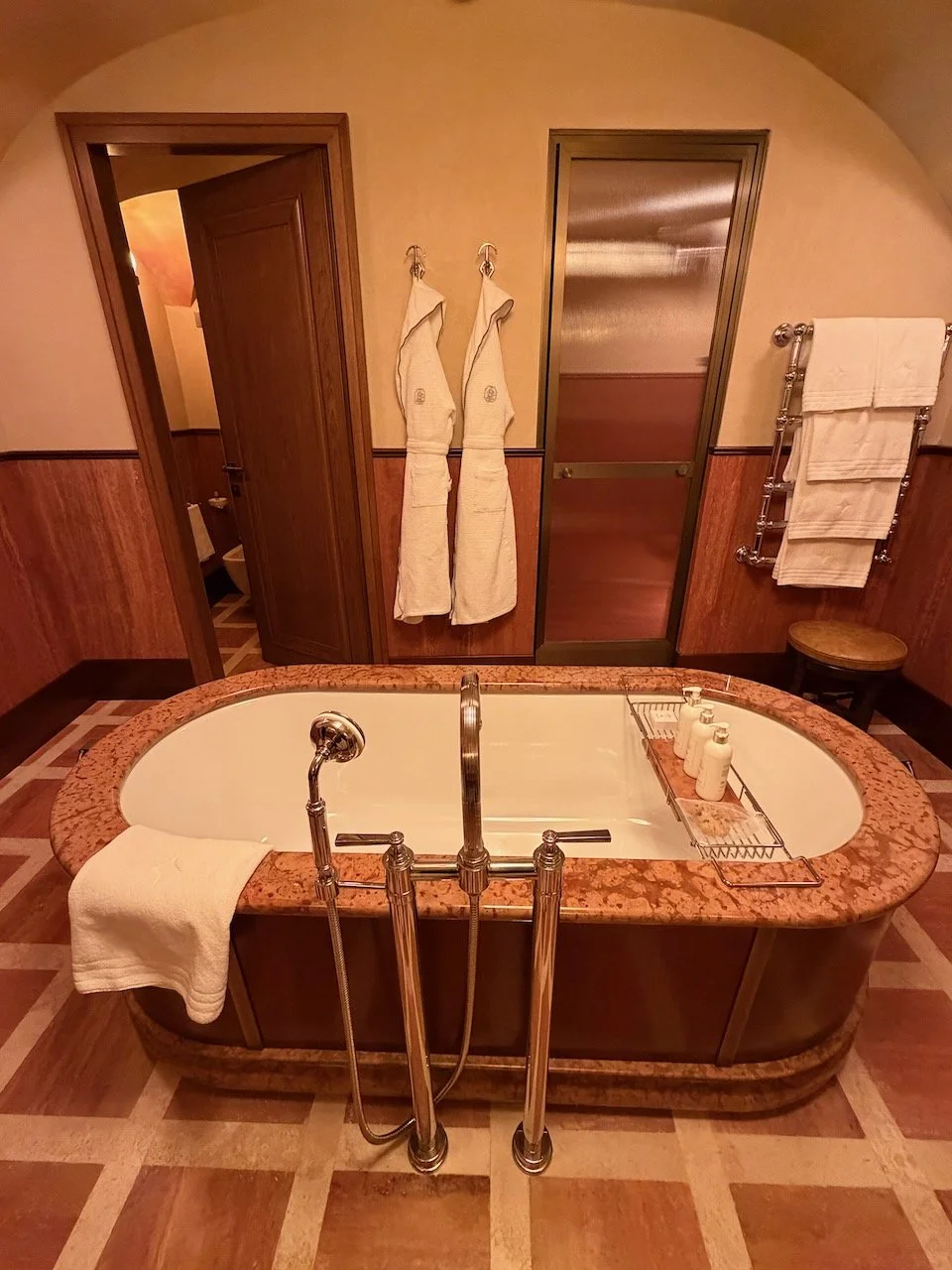
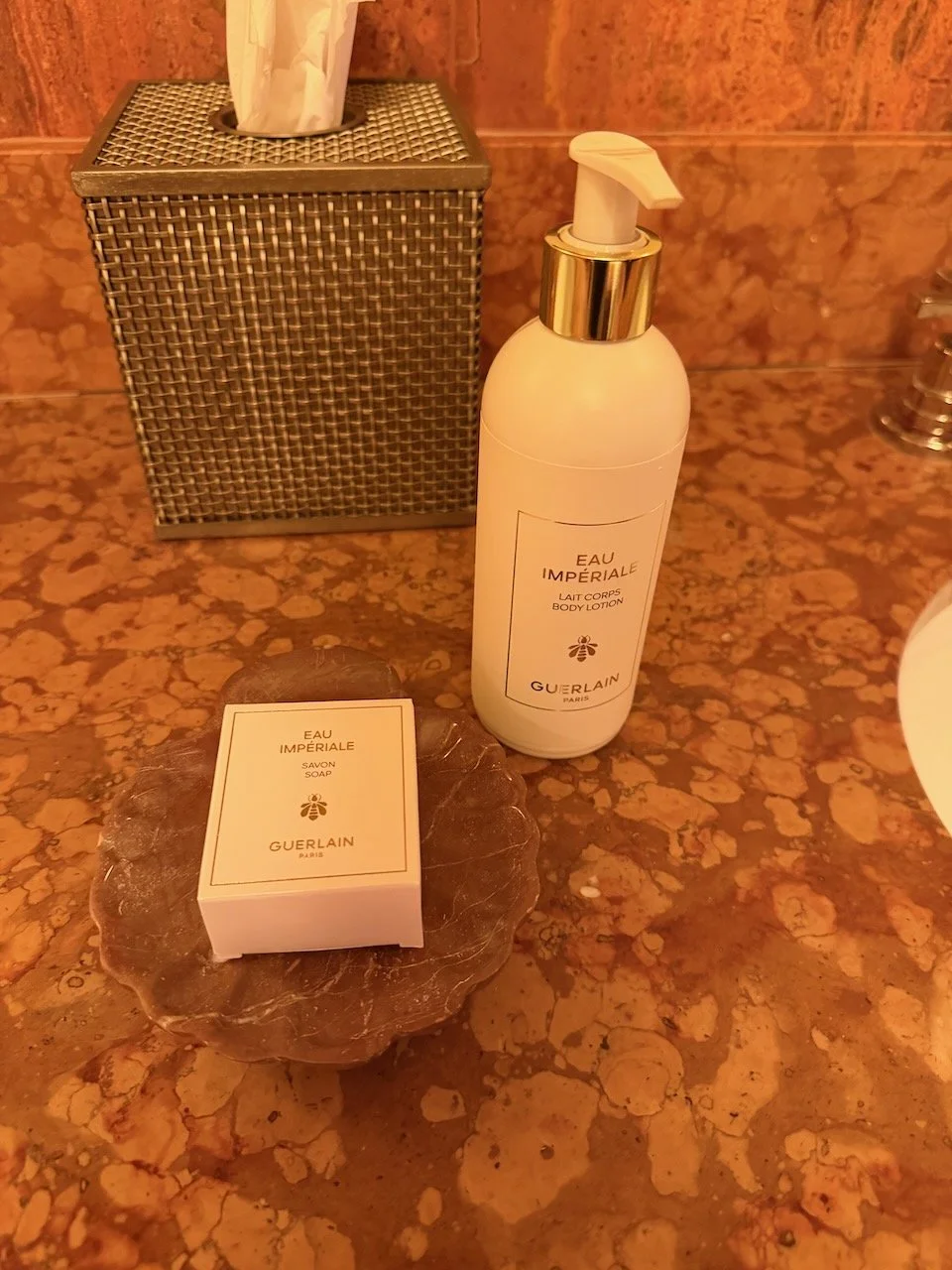
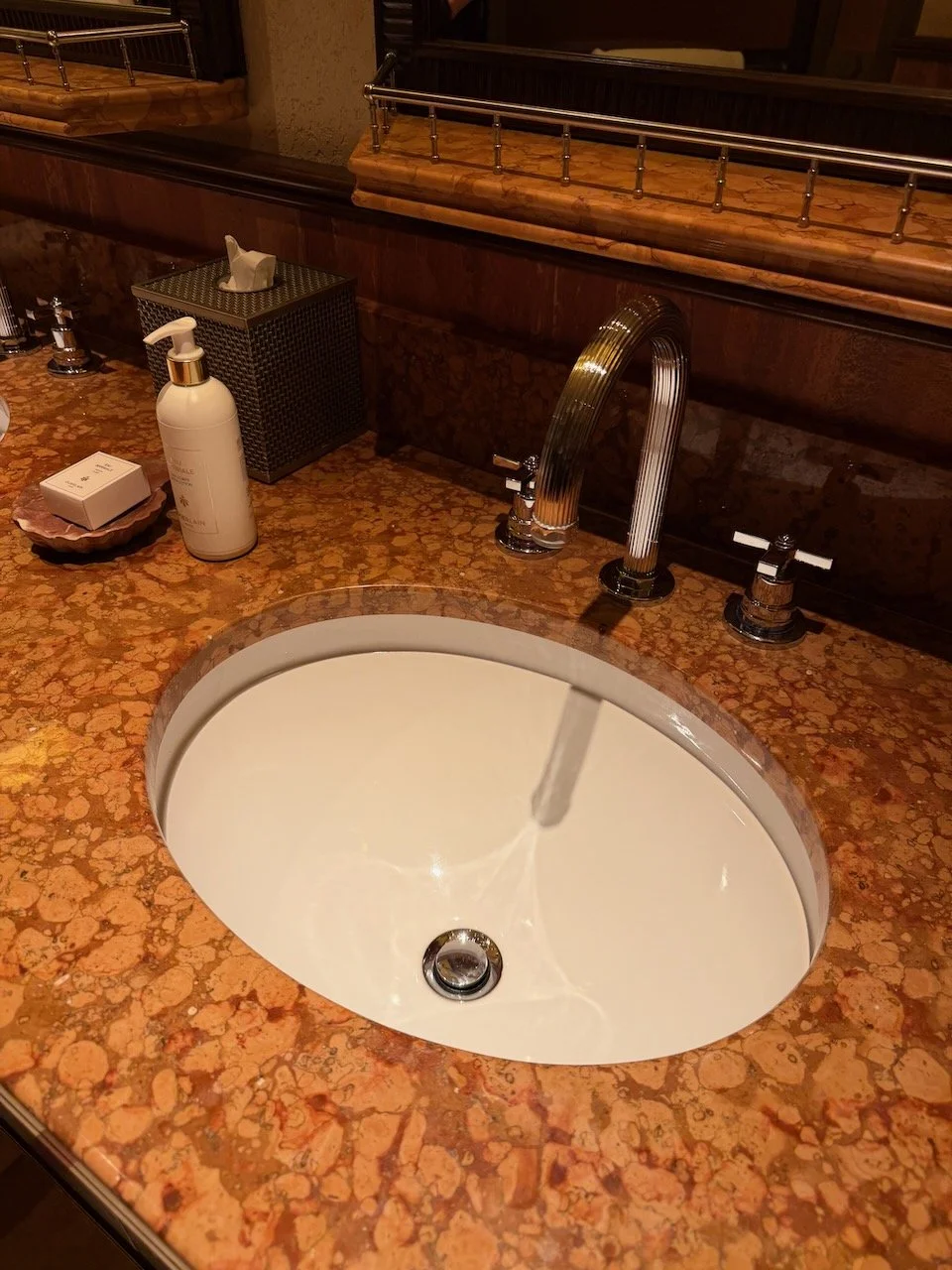
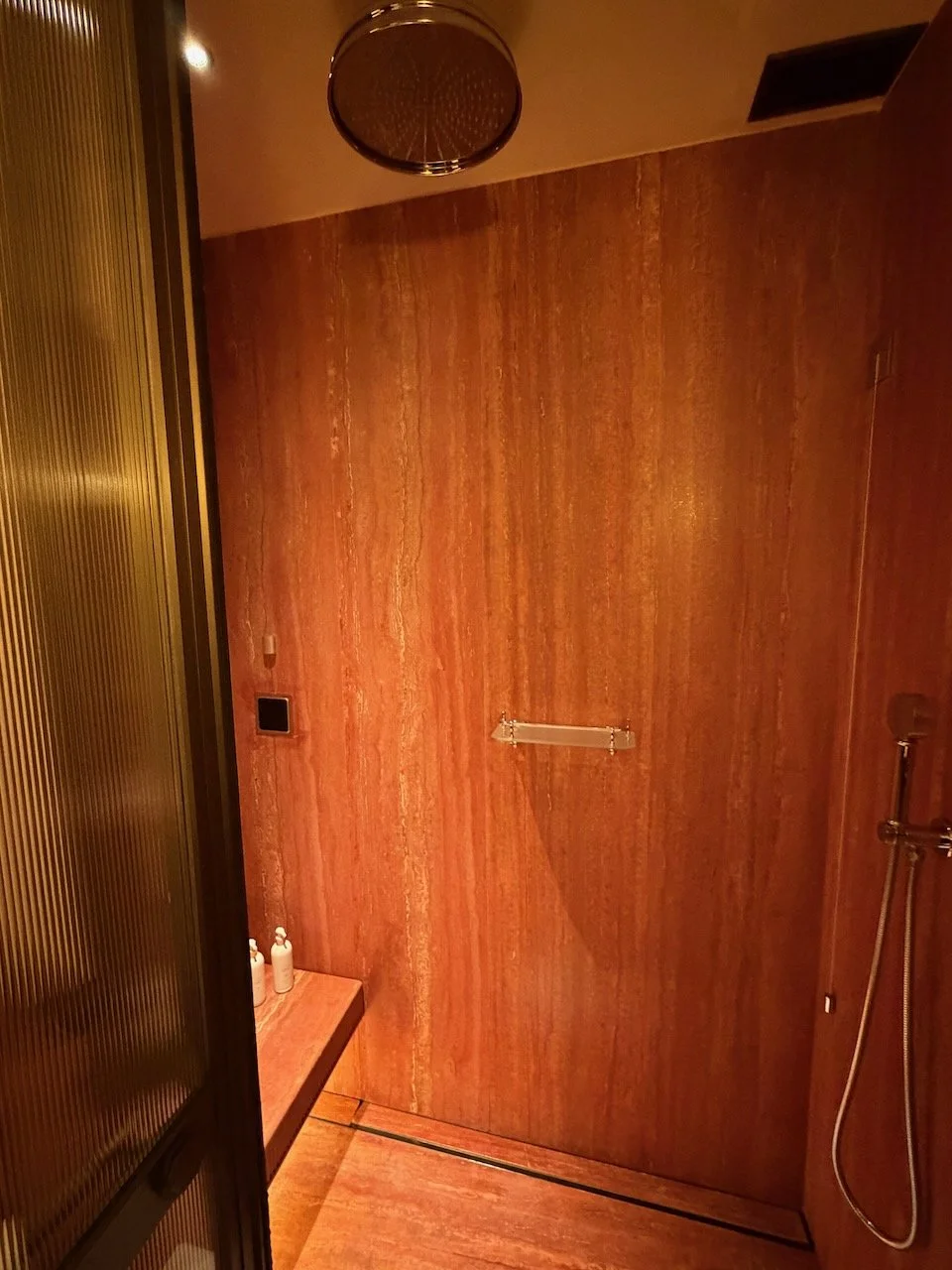
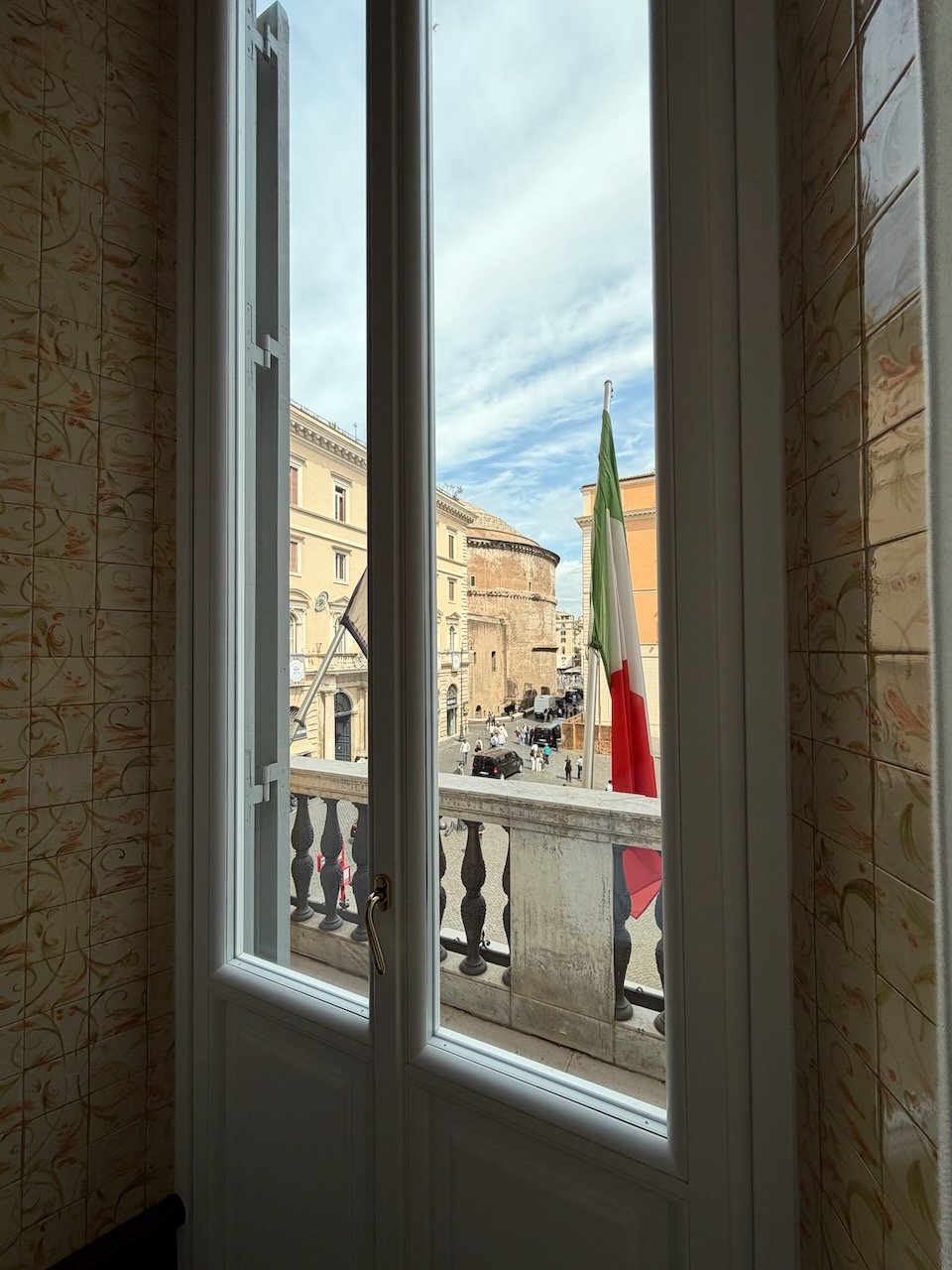
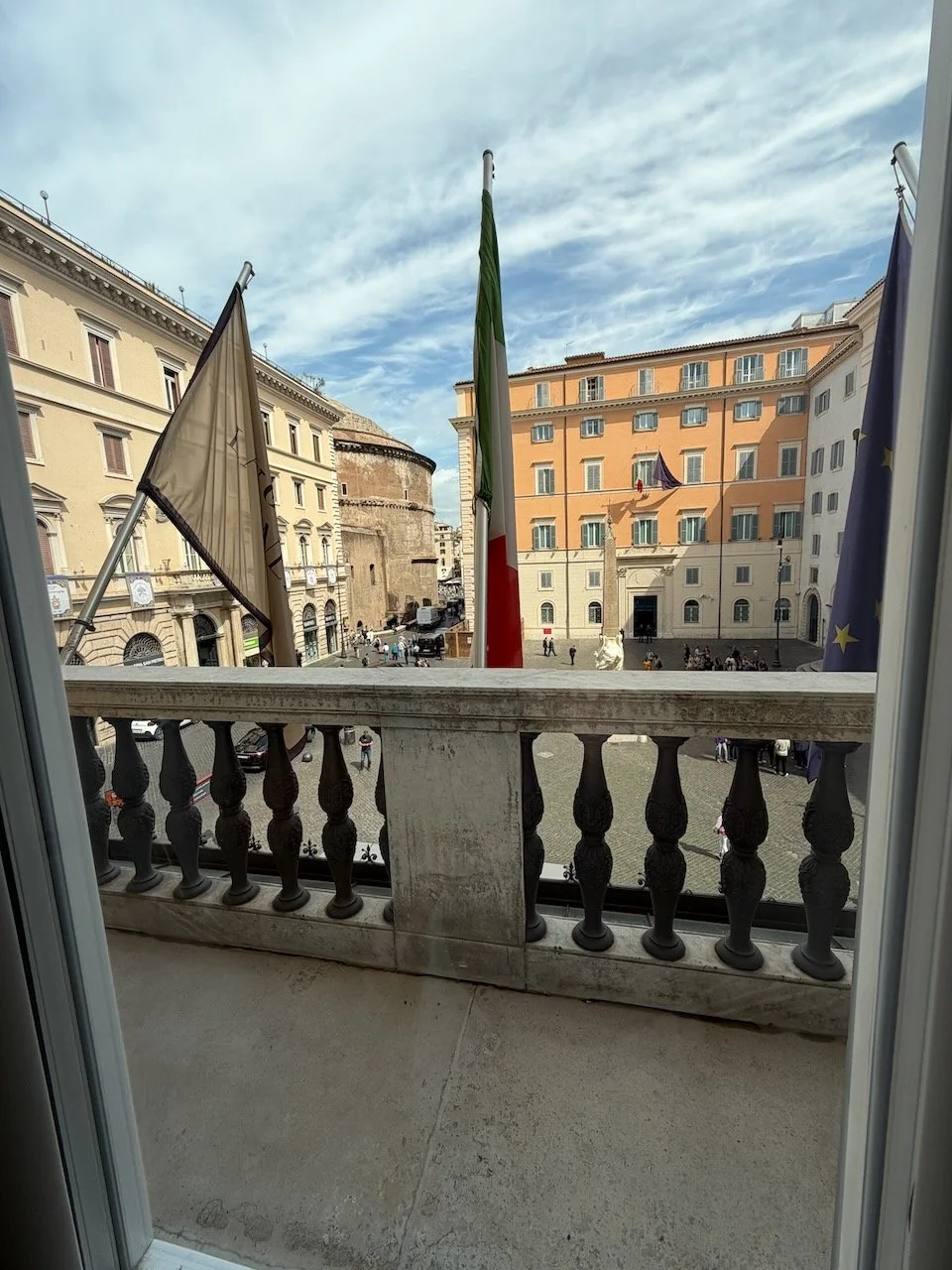
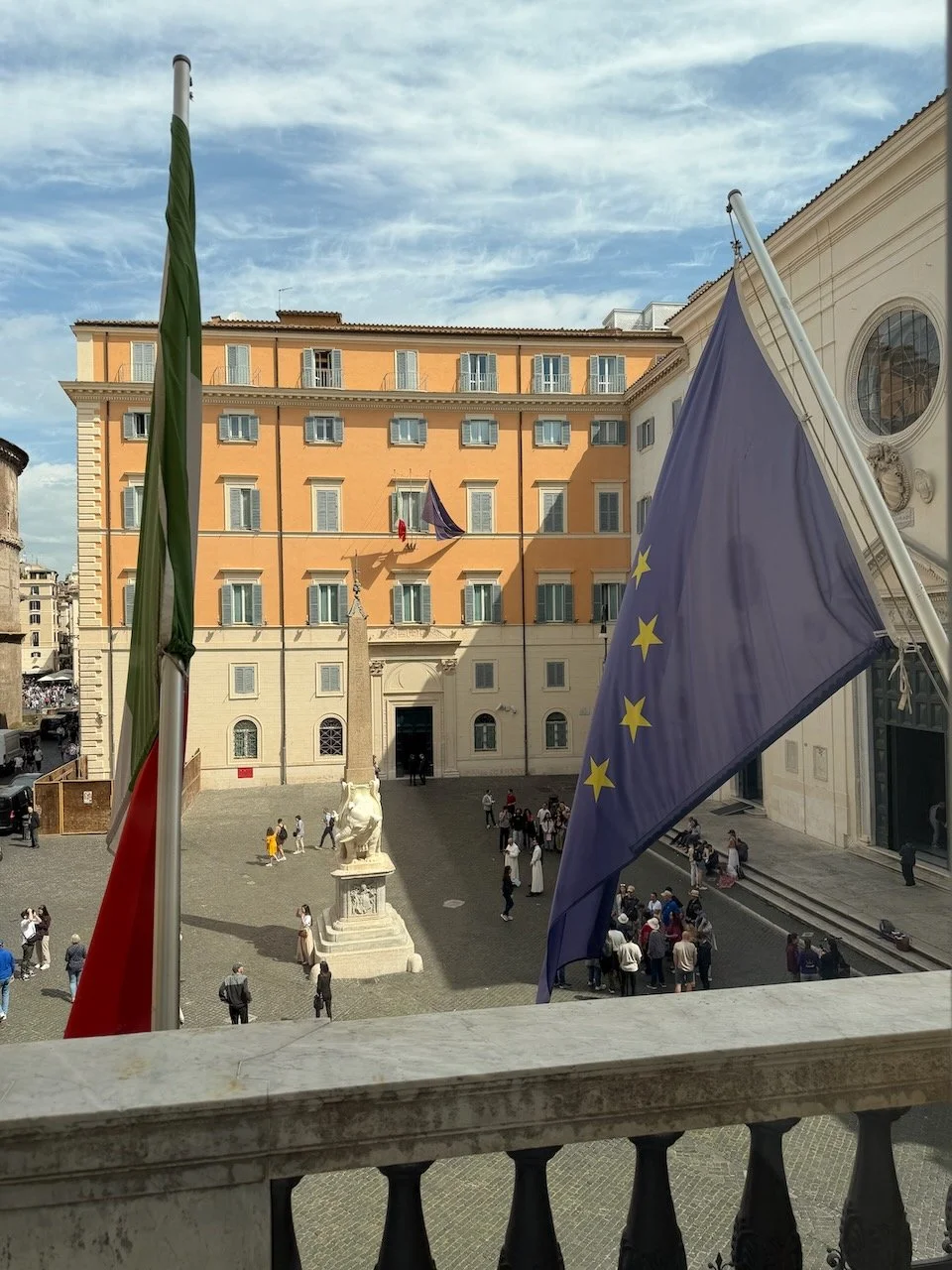
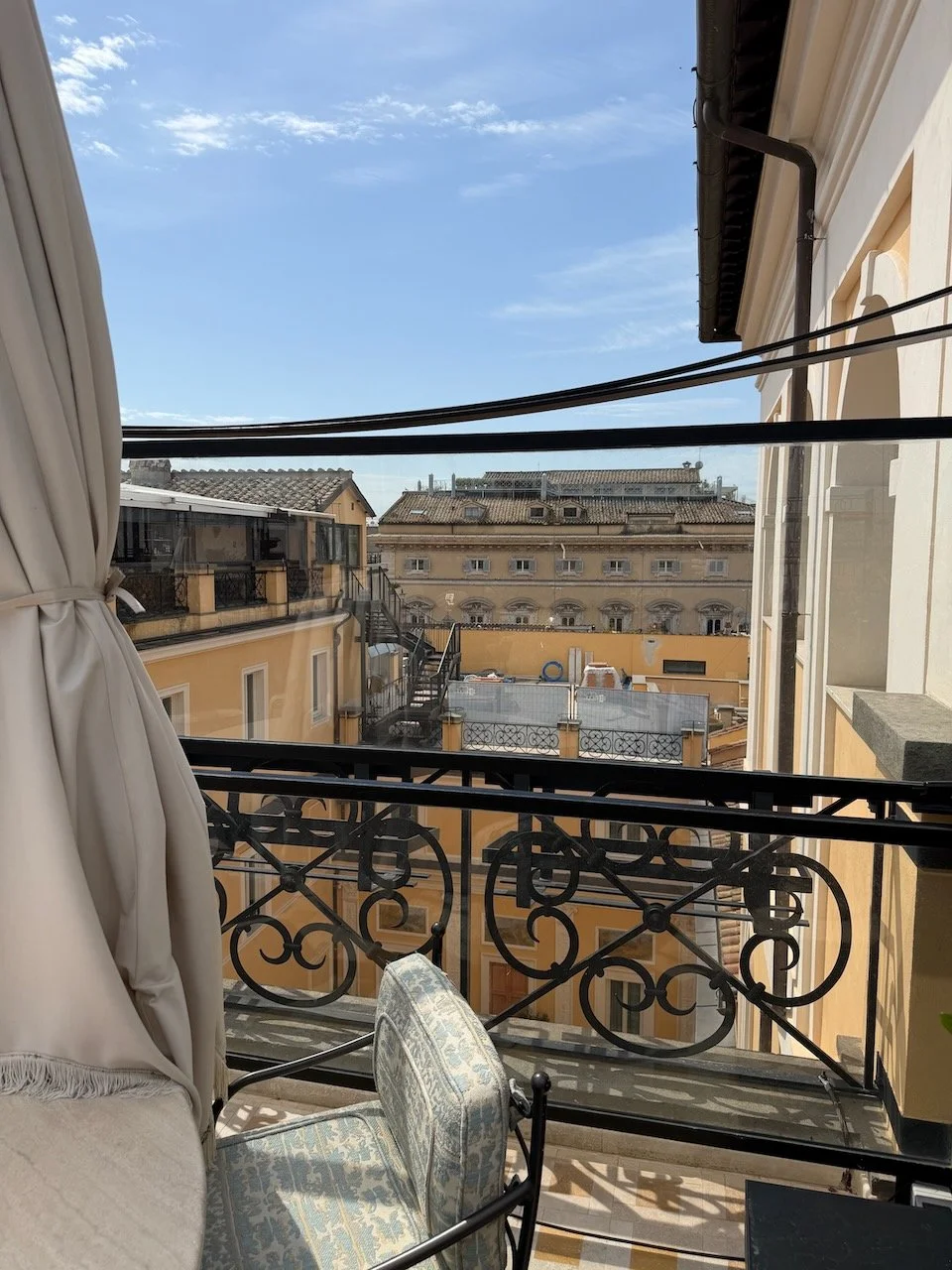
I saw one regular room and two of the more special suites. The Stendhal Suite is one of the most characterful, named after the writer who once stayed at the hotel. It has a frescoed ceiling, views toward the Pantheon and Piazza della Minerva, an elegant living room, and a Rosso Verona marble bathroom with double sink, walk-in shower, and bathtub. In person, the ceiling is the memorable feature, although the suite also has smaller windows and a relatively low ceiling height of around 2.8 metres, so it feels more intimate than grand.
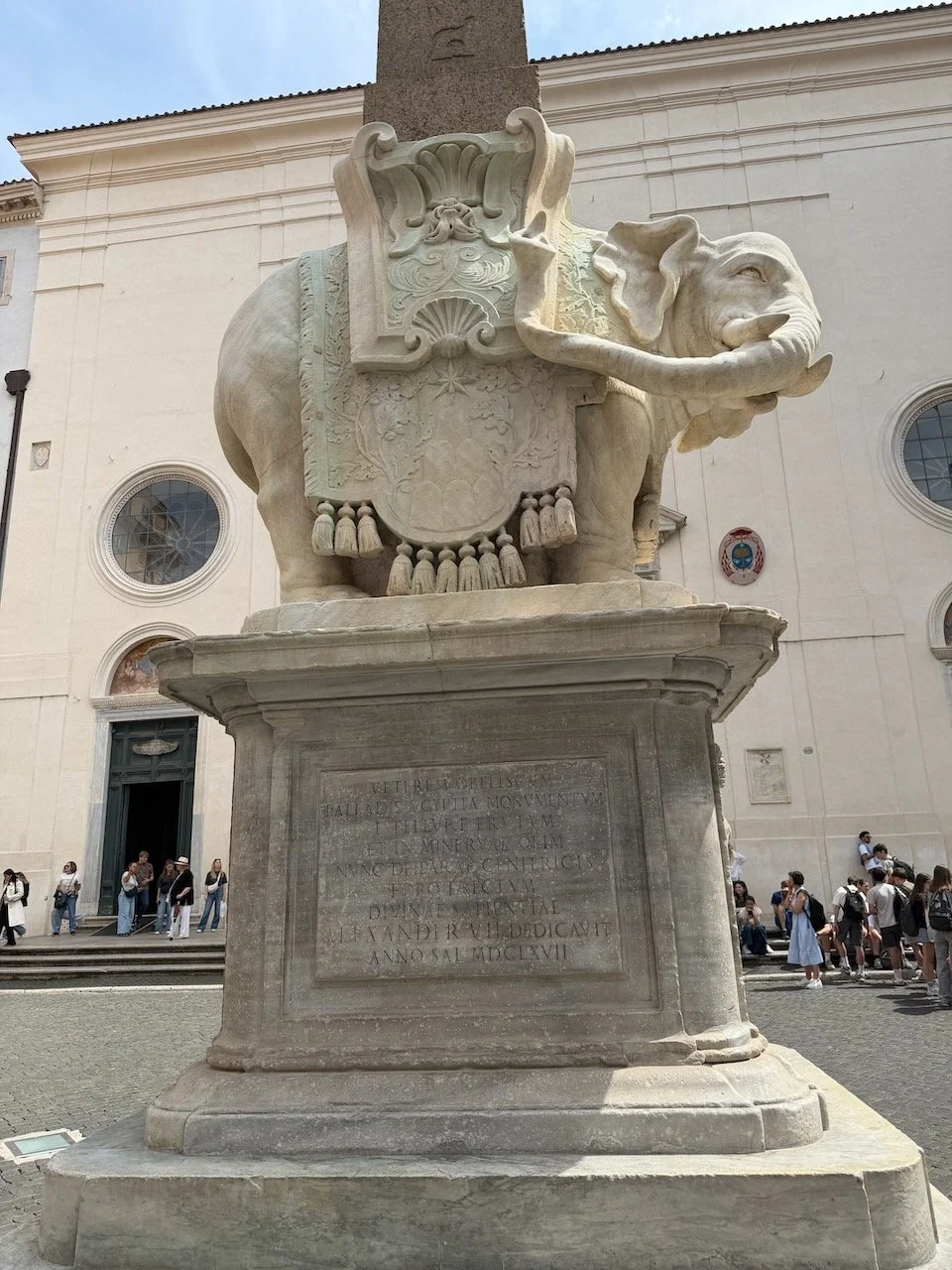
The Obelisco Suite is the opposite impression: huge, dramatic, and much more expansive. At 133 sqm, it overlooks the Pantheon and Bernini’s elephant obelisk in Piazza della Minerva, with a large living and dining area, kitchen, vanity, powder room, and a marble bathroom with double sink, walk-in shower, and bathtub. The ceiling height of around 4 metres gives it a completely different sense of scale. This is the suite that feels properly spectacular — not only because of the size, but because the room volume and views match the hotel’s grand travel narrative.
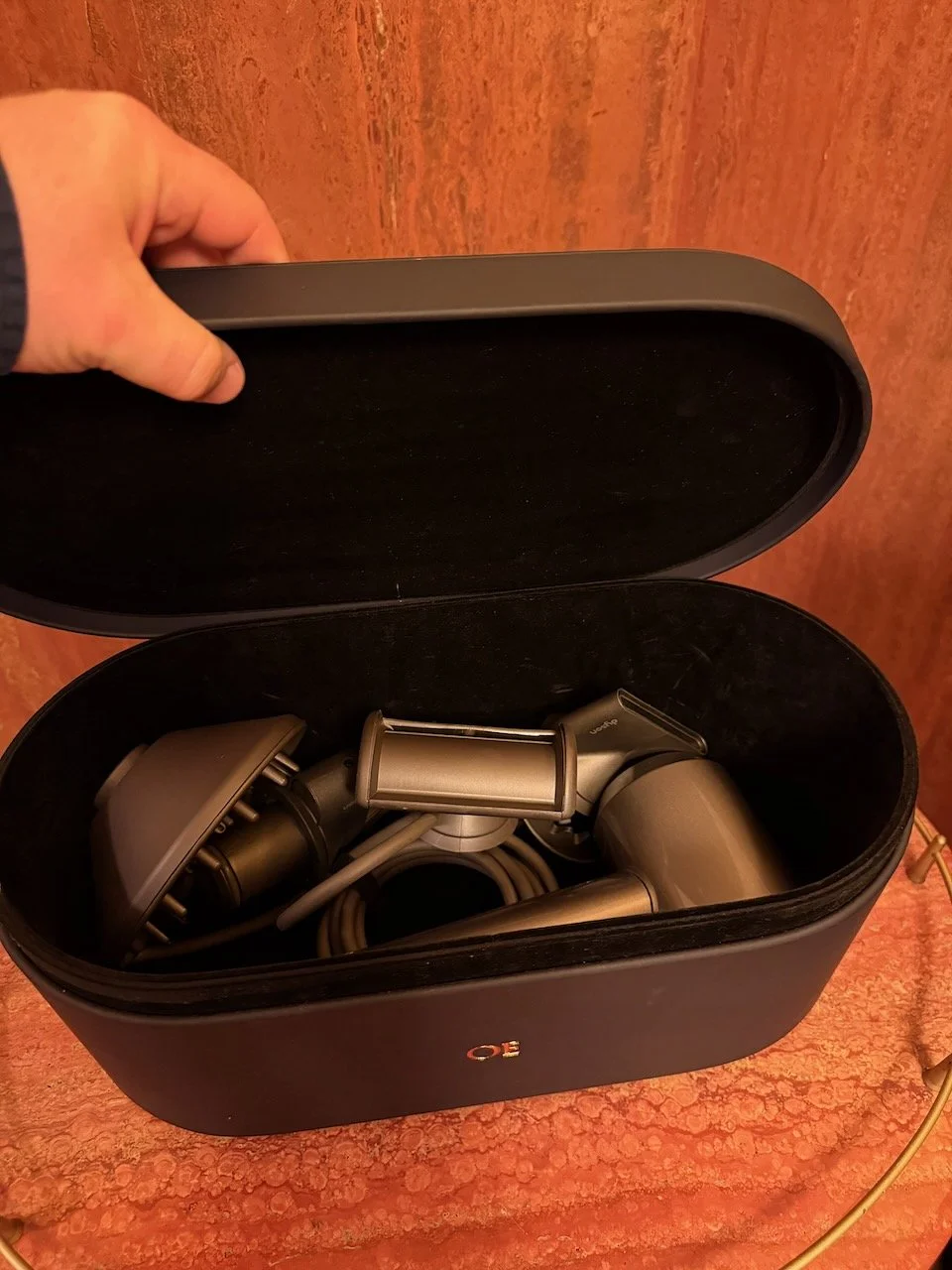
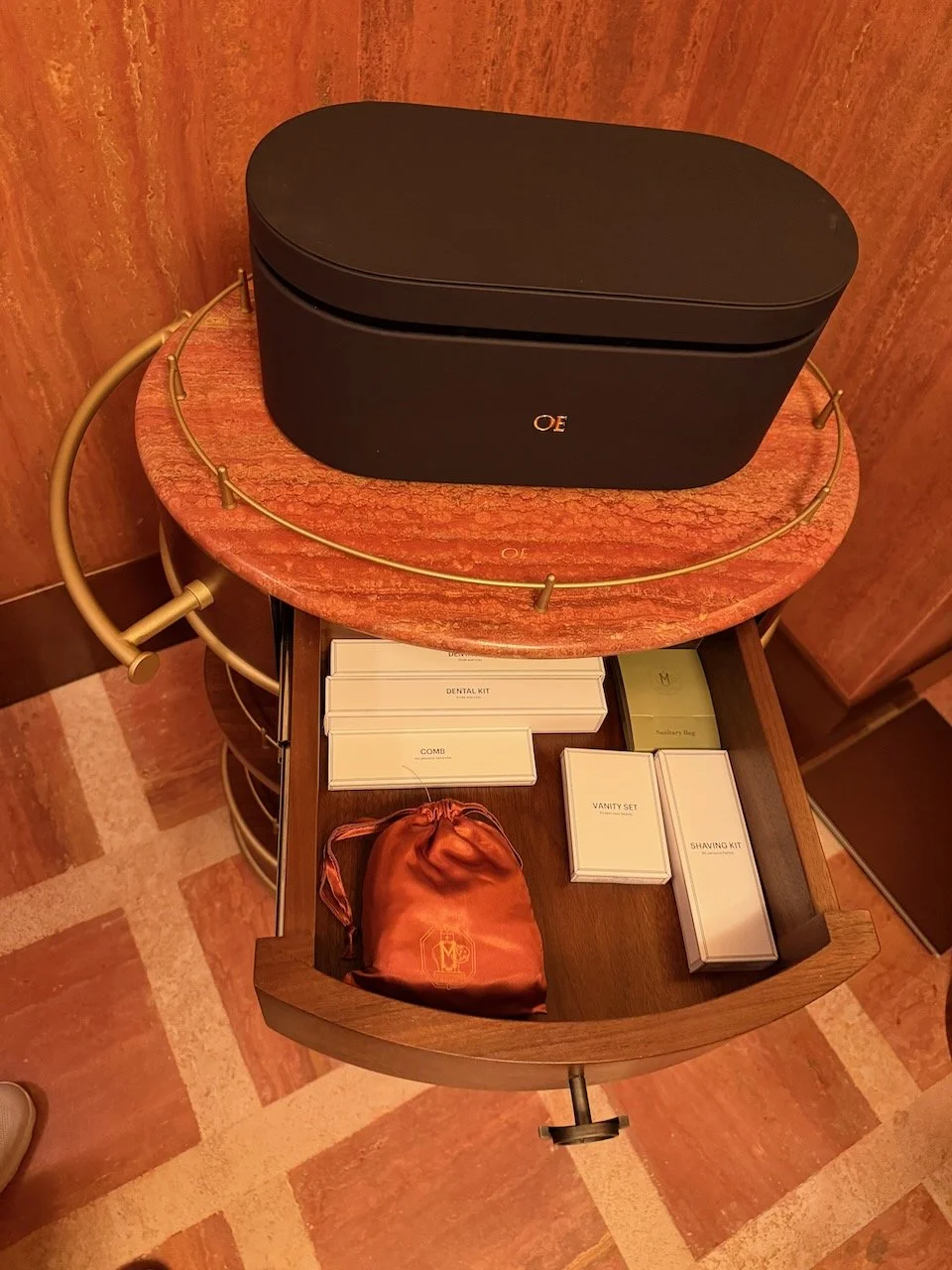
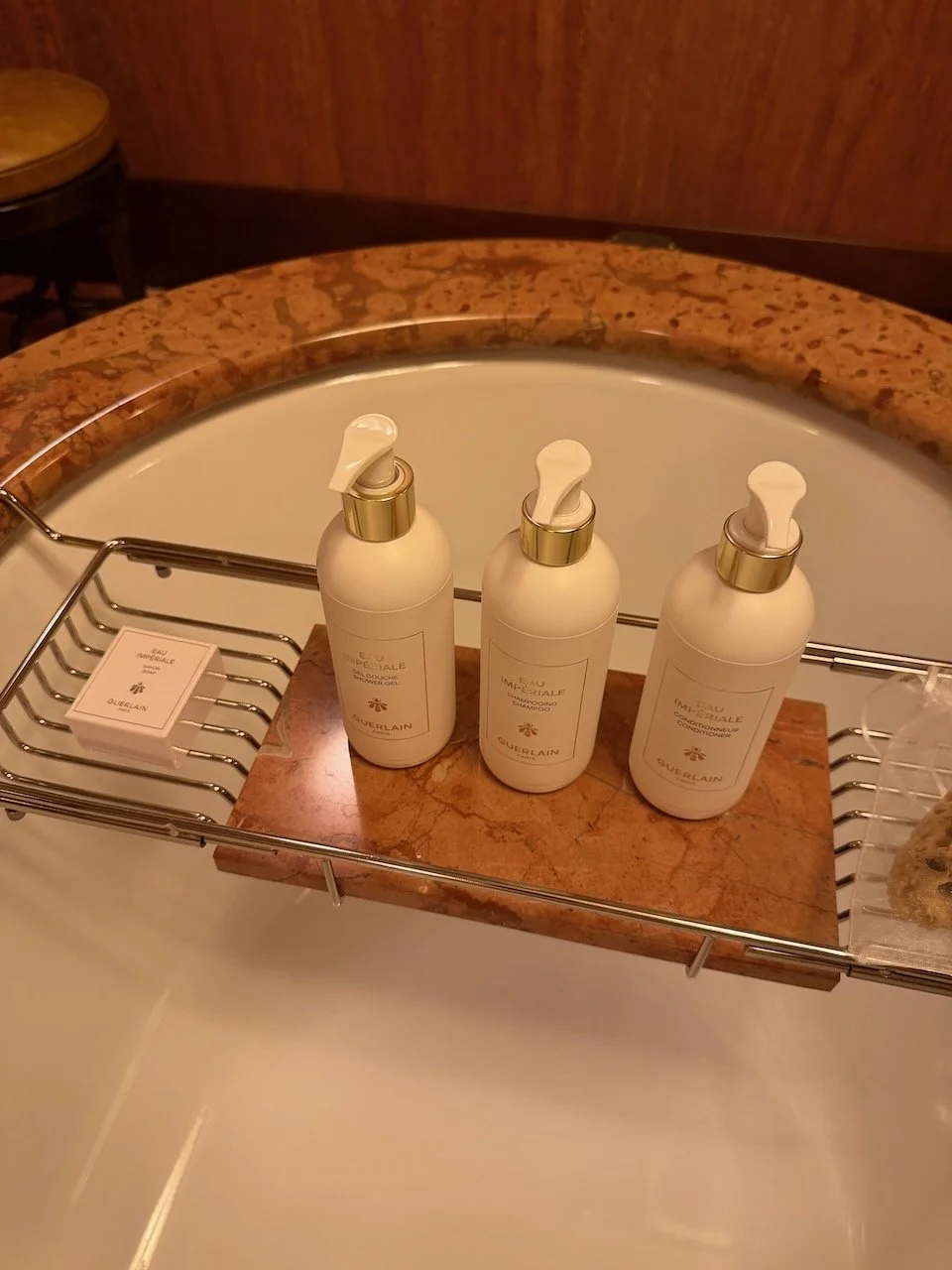
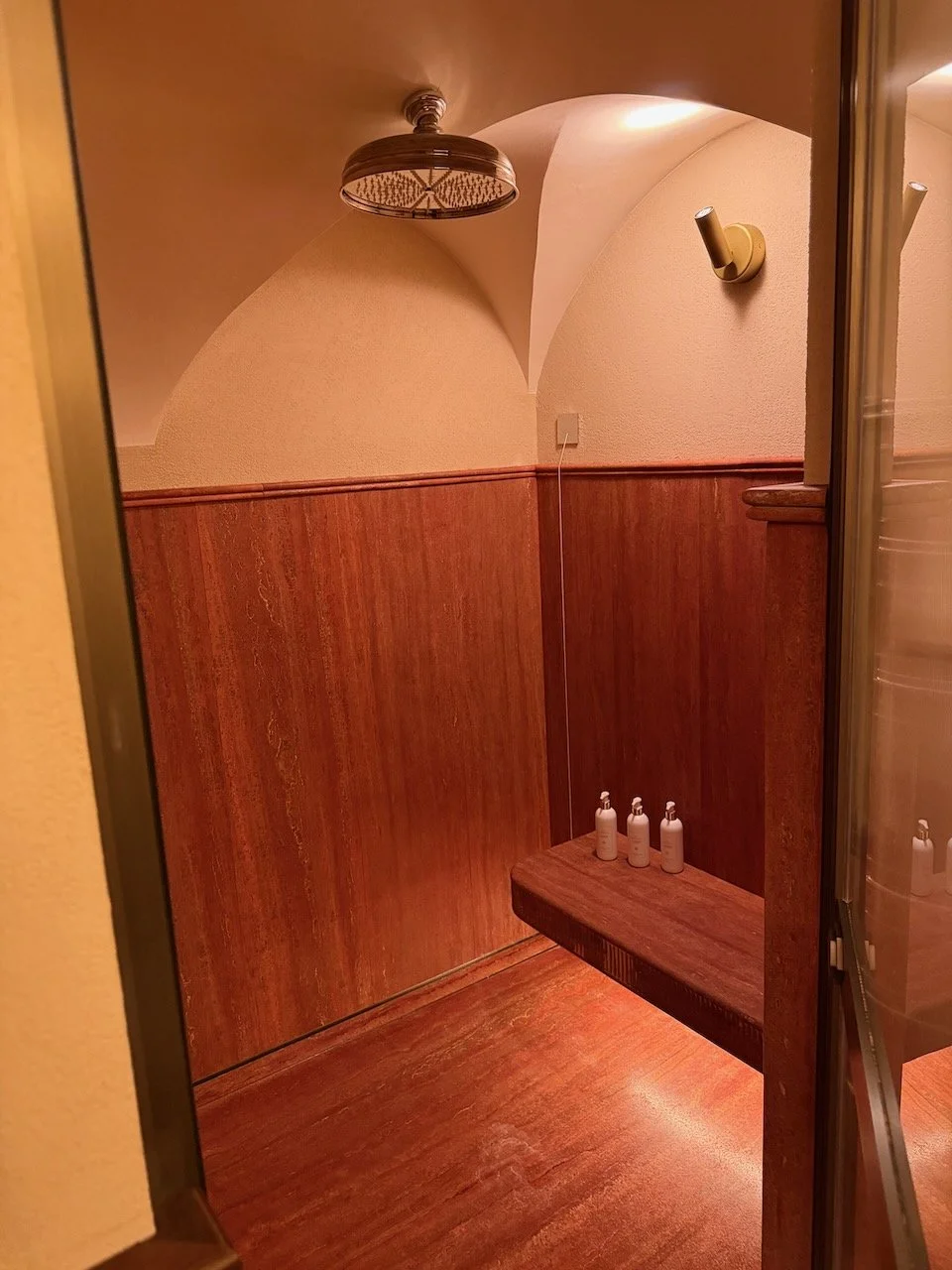
Overall, La Minerva’s rooms are highly designed and very brand-specific. This is not background luxury; it has a point of view. For the right guest, especially someone drawn to Art Deco, train travel, and a darker cinematic atmosphere, the rooms could be one of the most memorable parts of the stay.
Unique Amenities
One of the most appealing angles is the larger Orient Express ecosystem. La Minerva could become the starting point for a complete Orient Express journey: begin with a night or two in Rome, take the Orient Express train to Venice, and finish with a stay at the newly opened Orient Express Venezia hotel.
That makes the property especially interesting for clients who want a travel experience with narrative continuity — not just a hotel stay, but a full journey.
Spa and Wellness
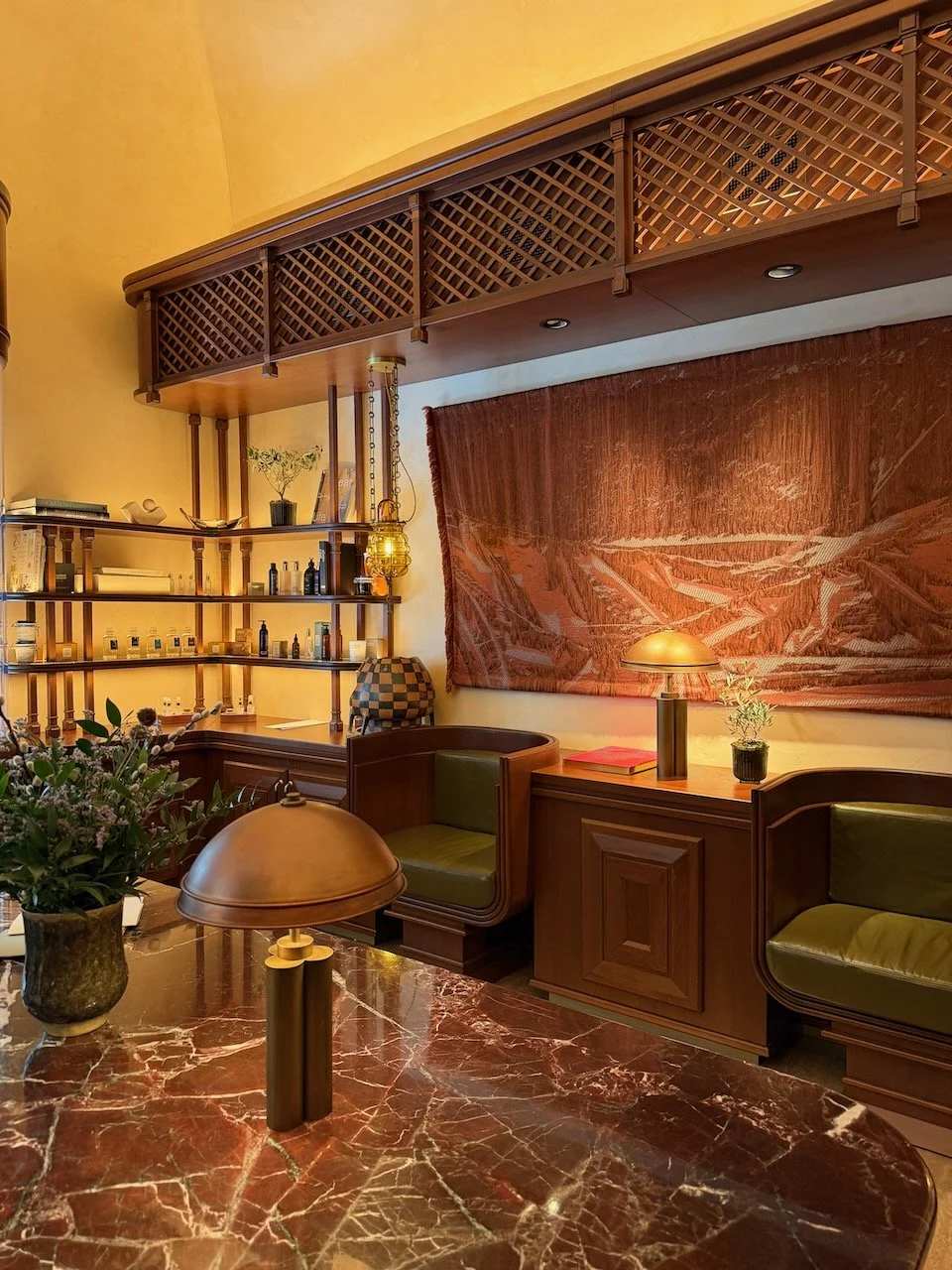
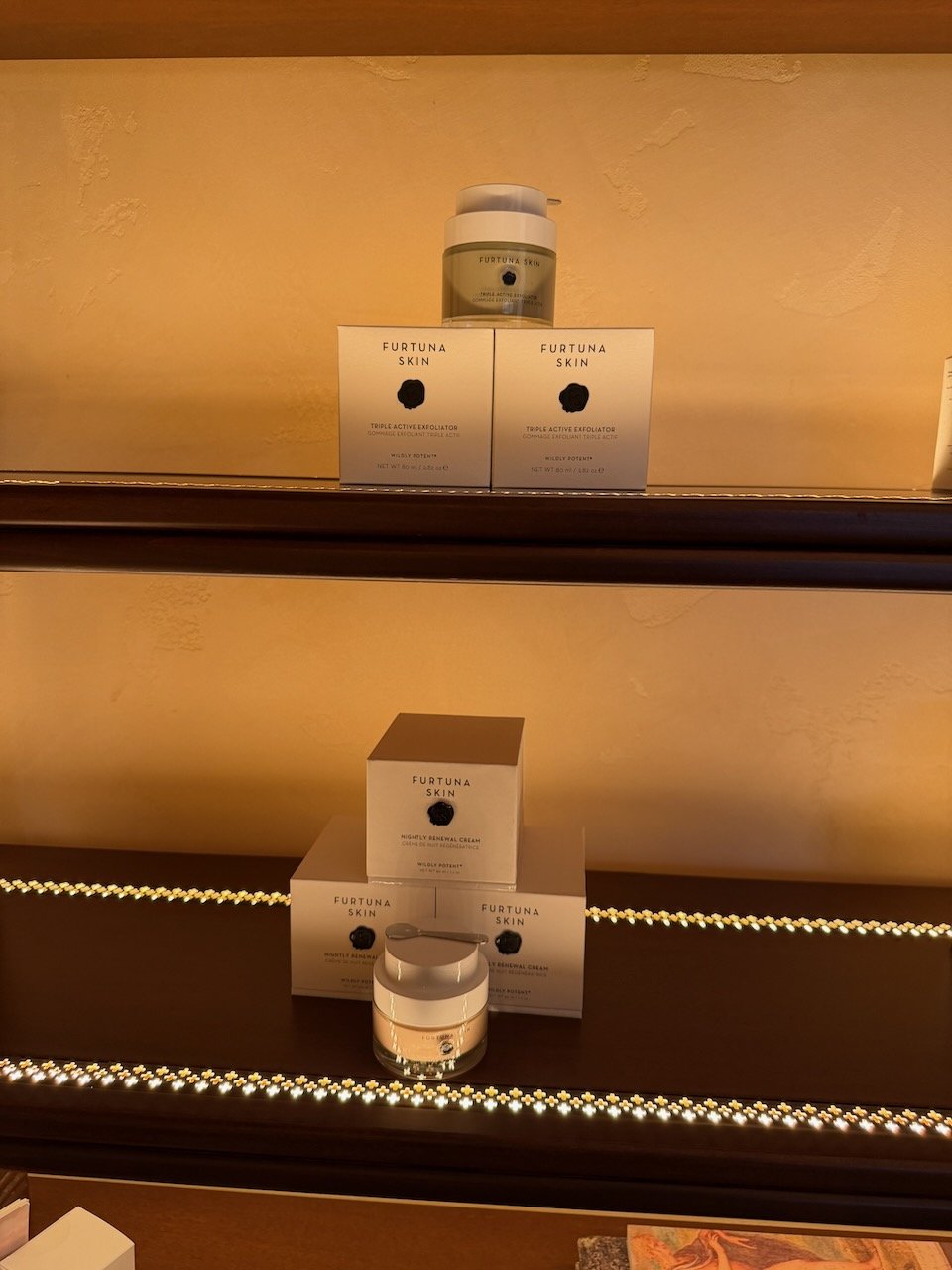
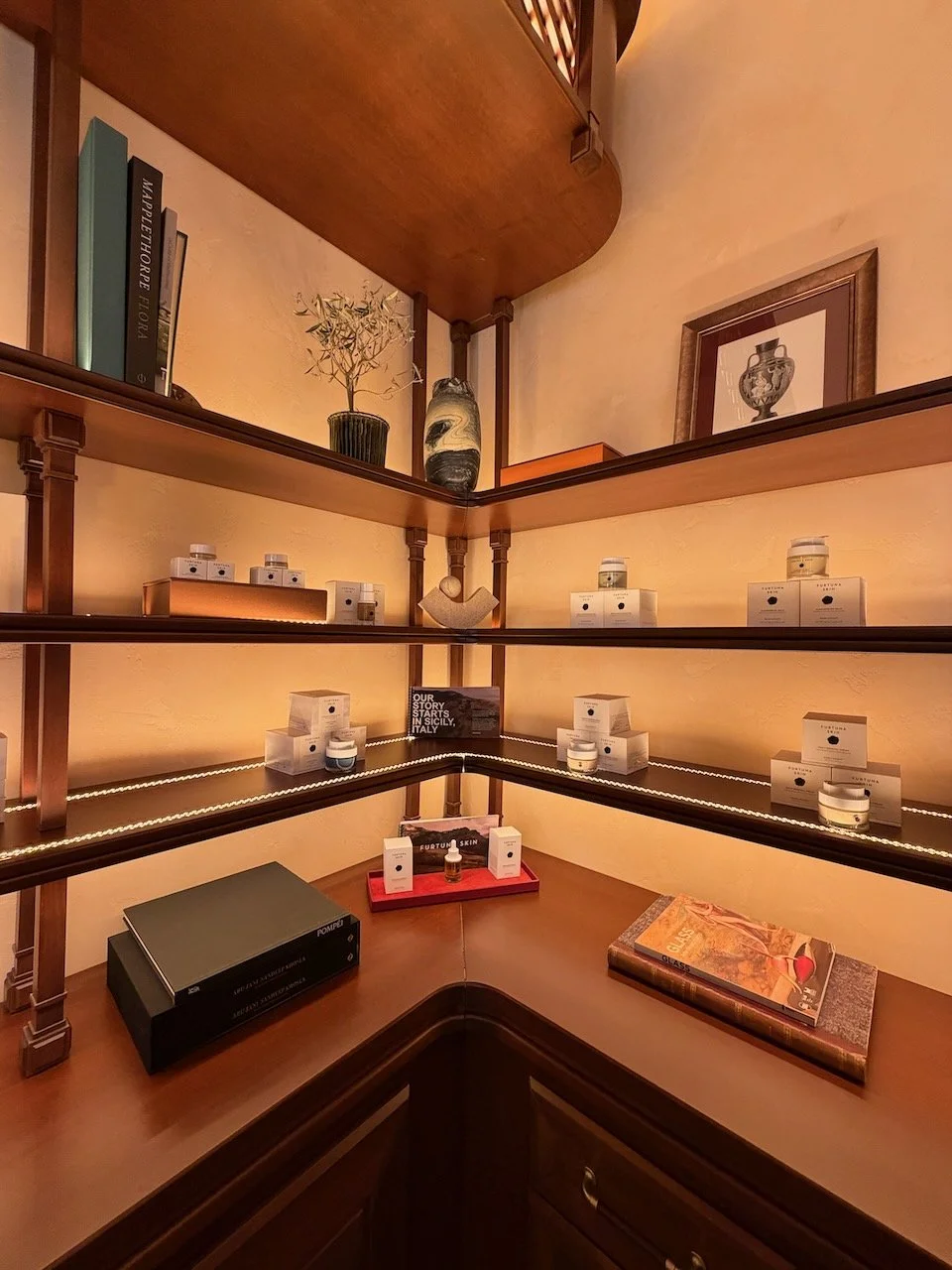
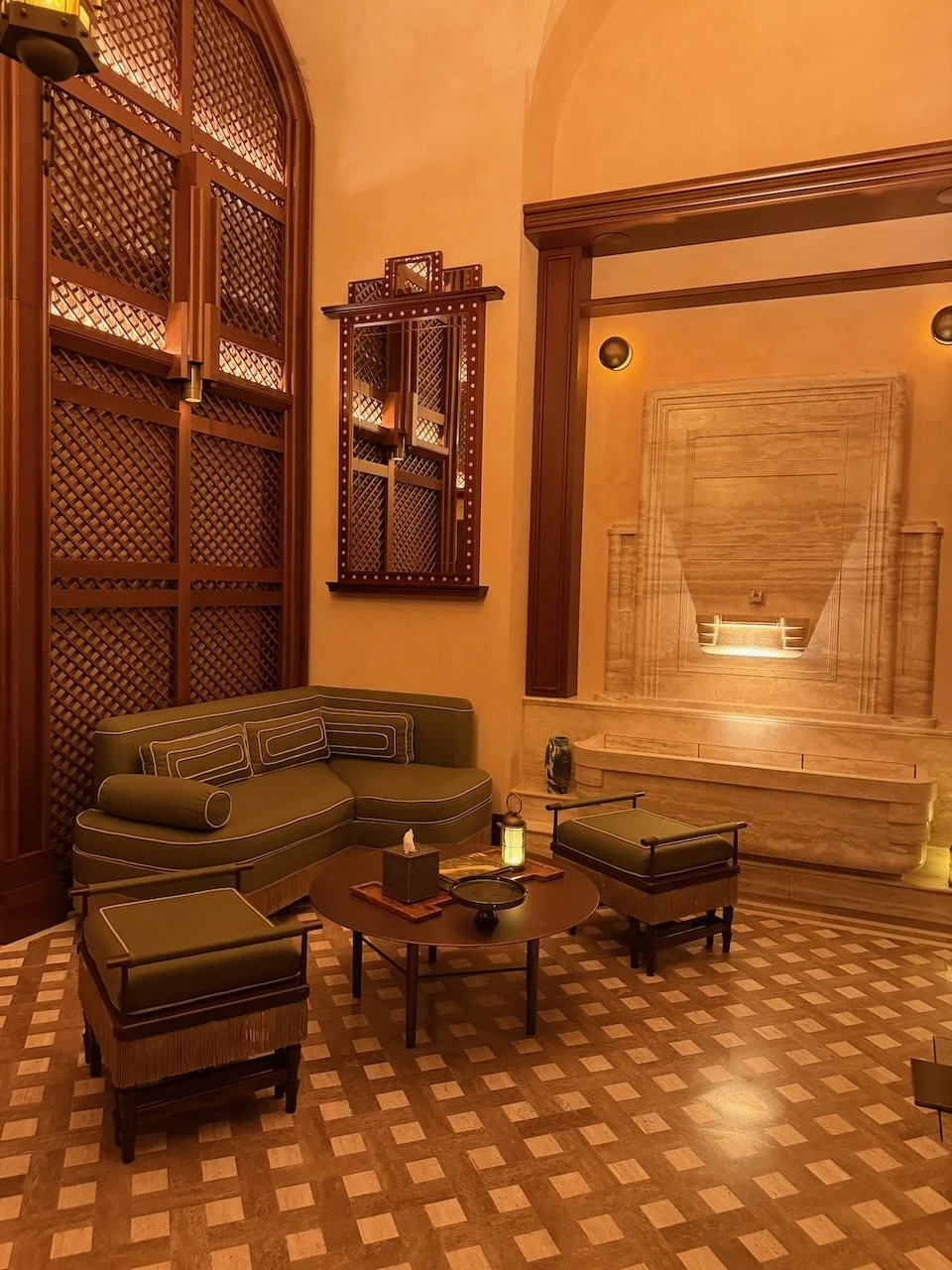
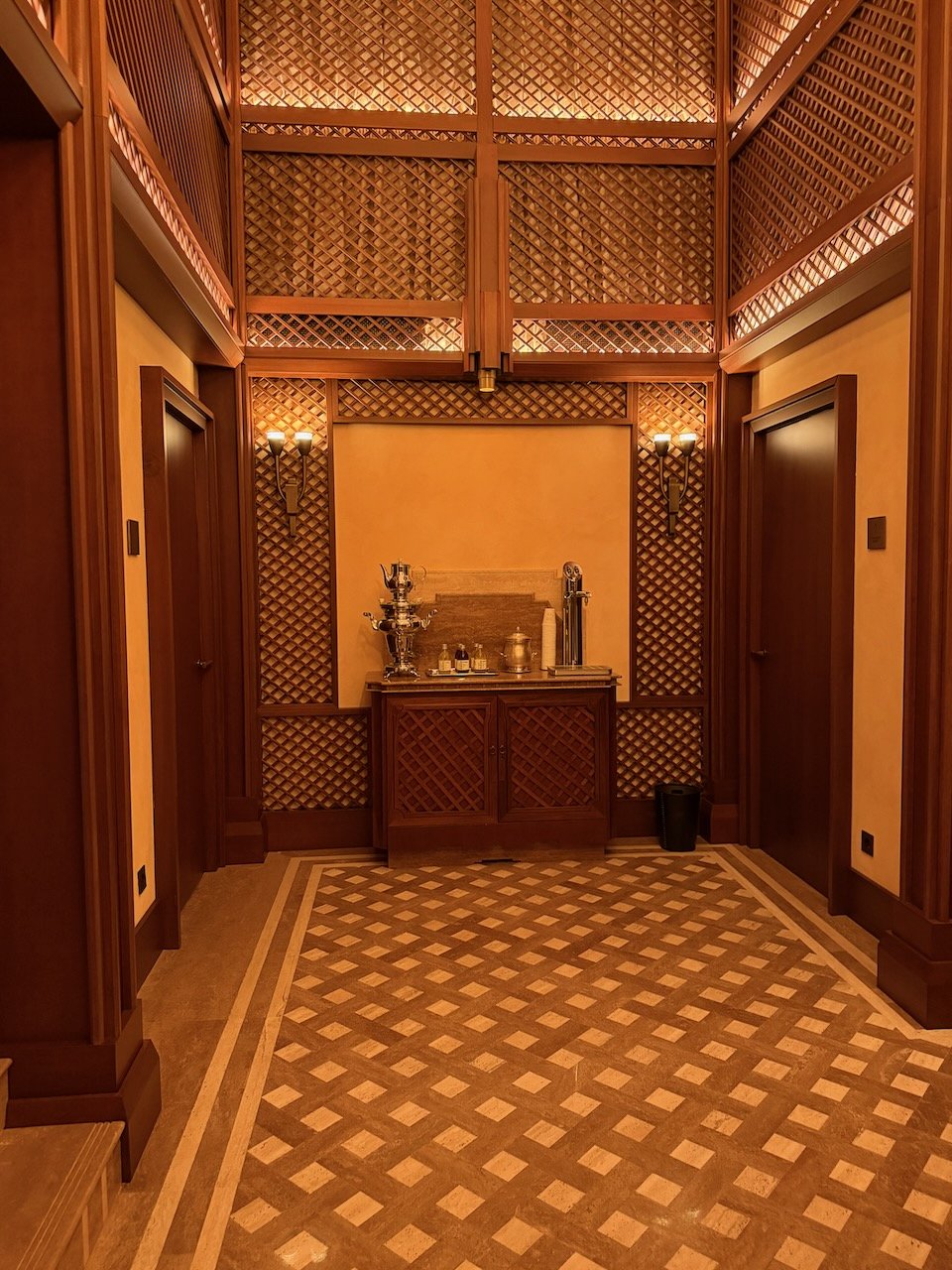
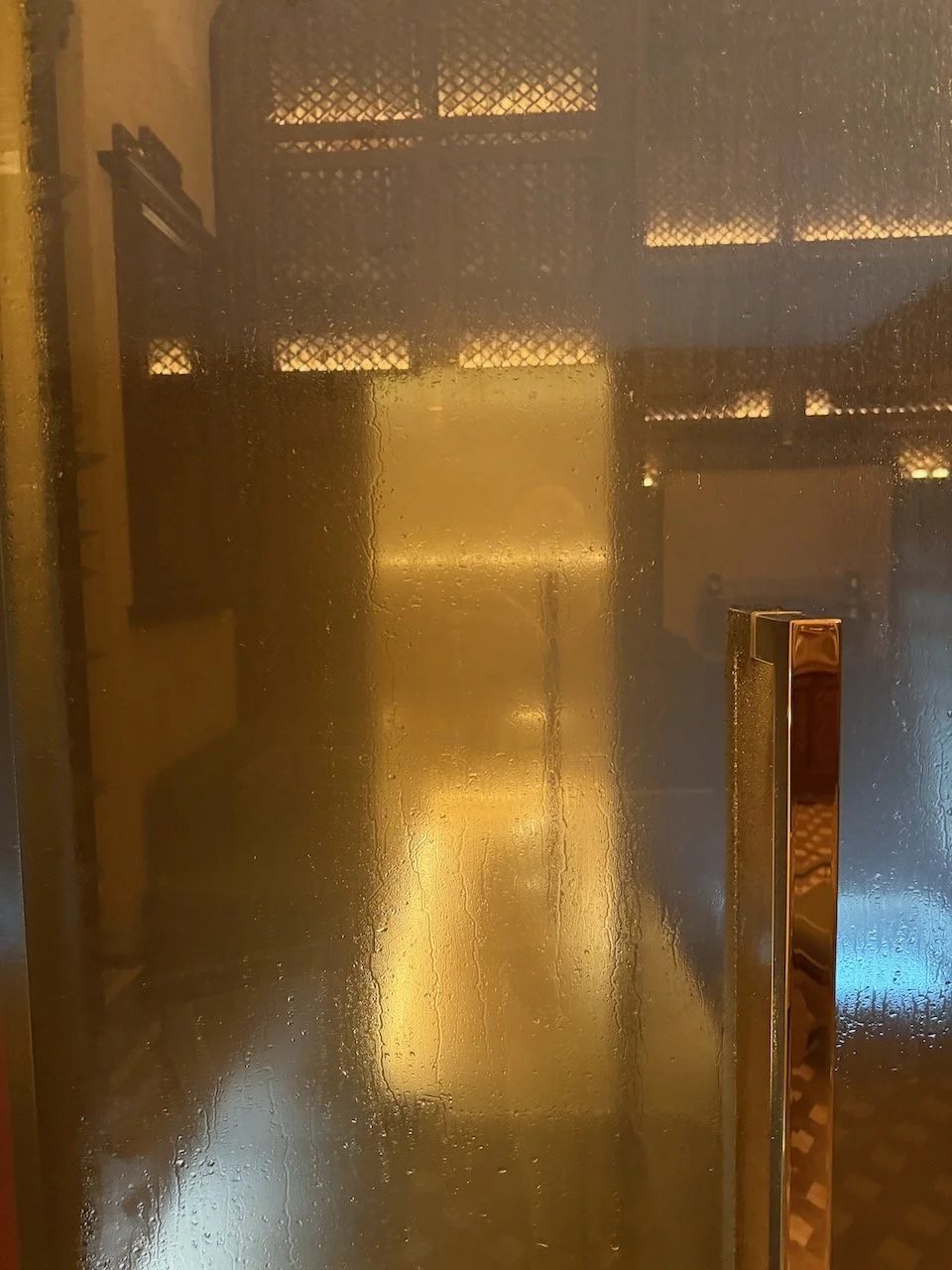
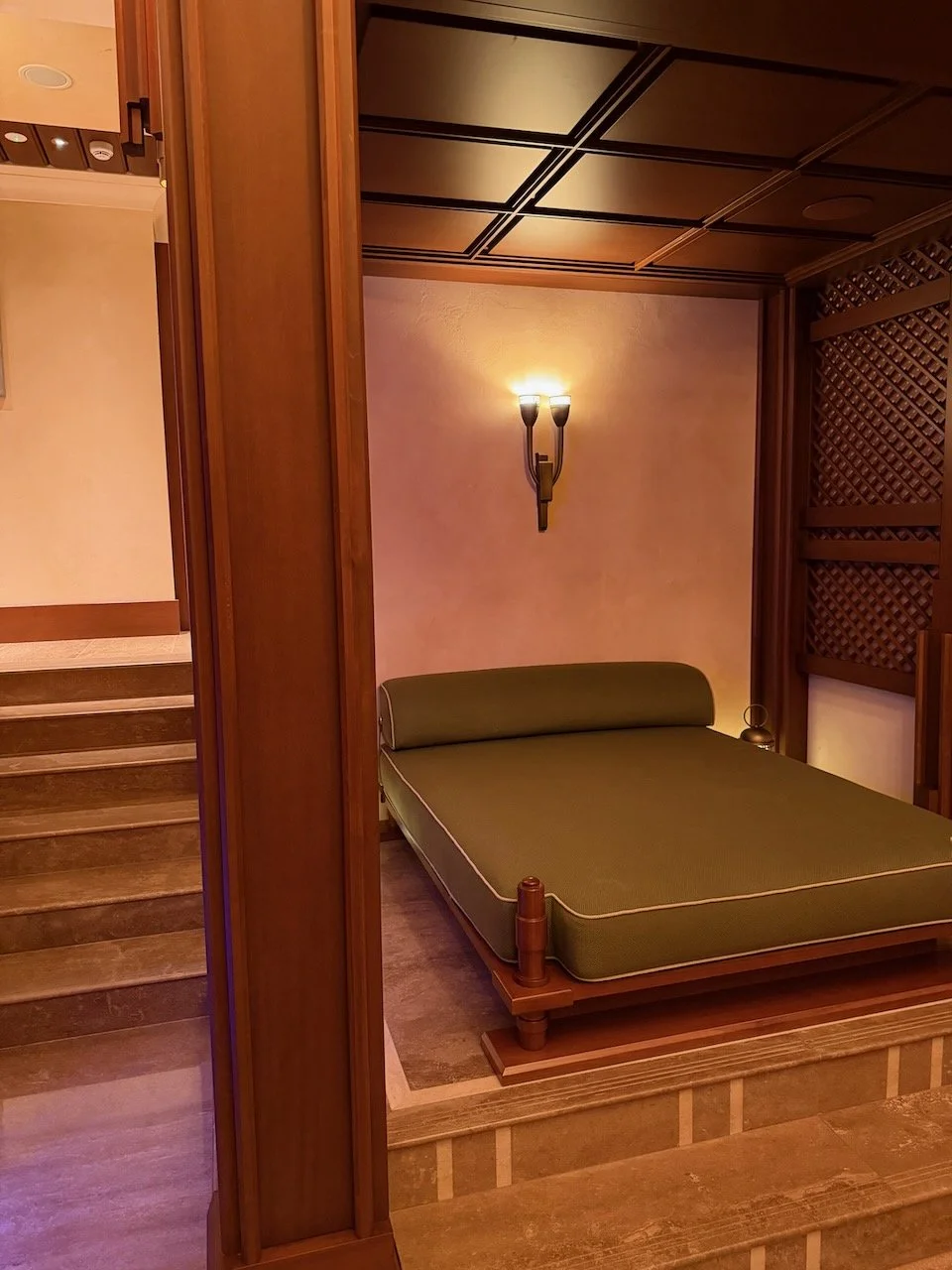
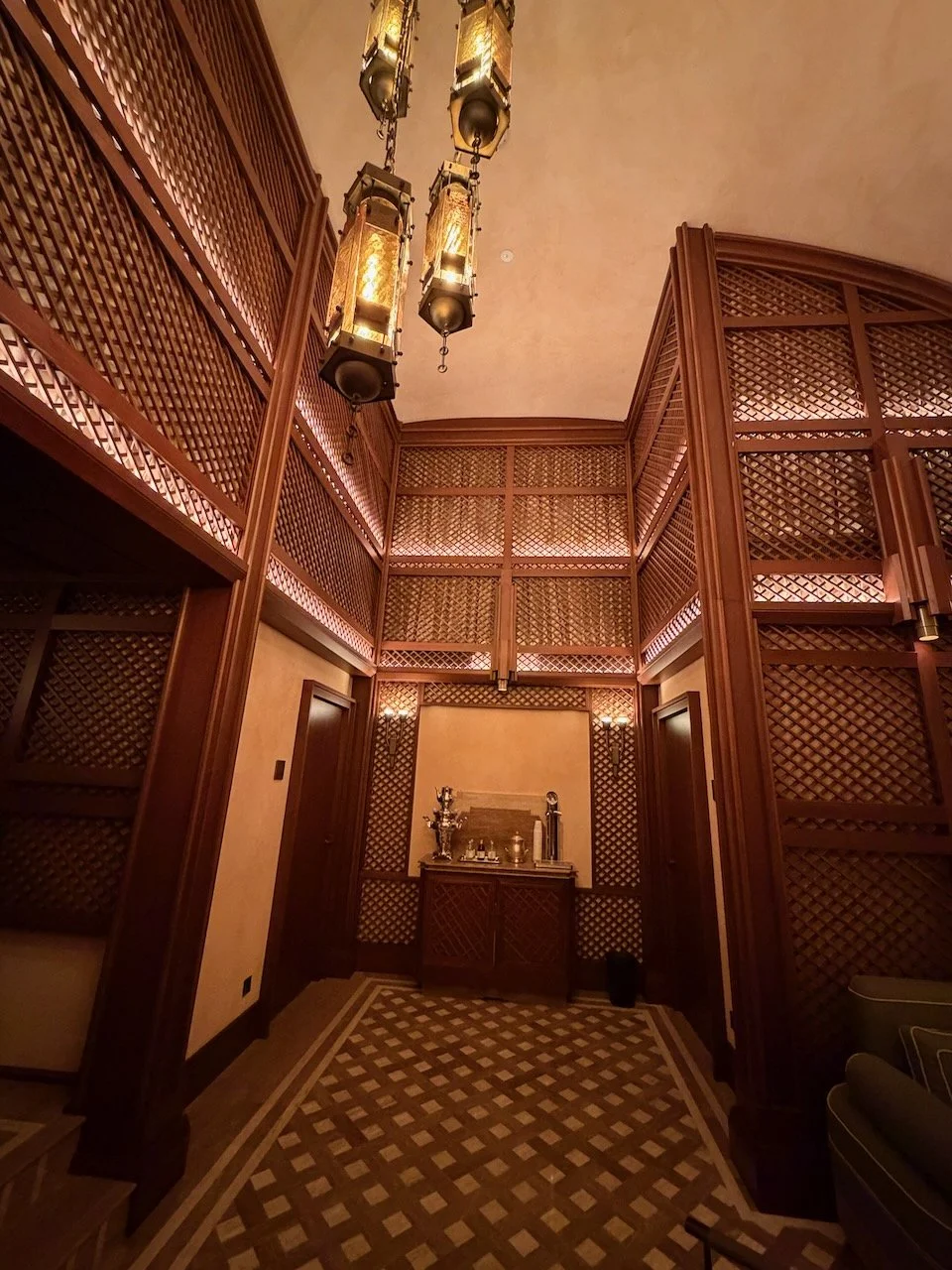
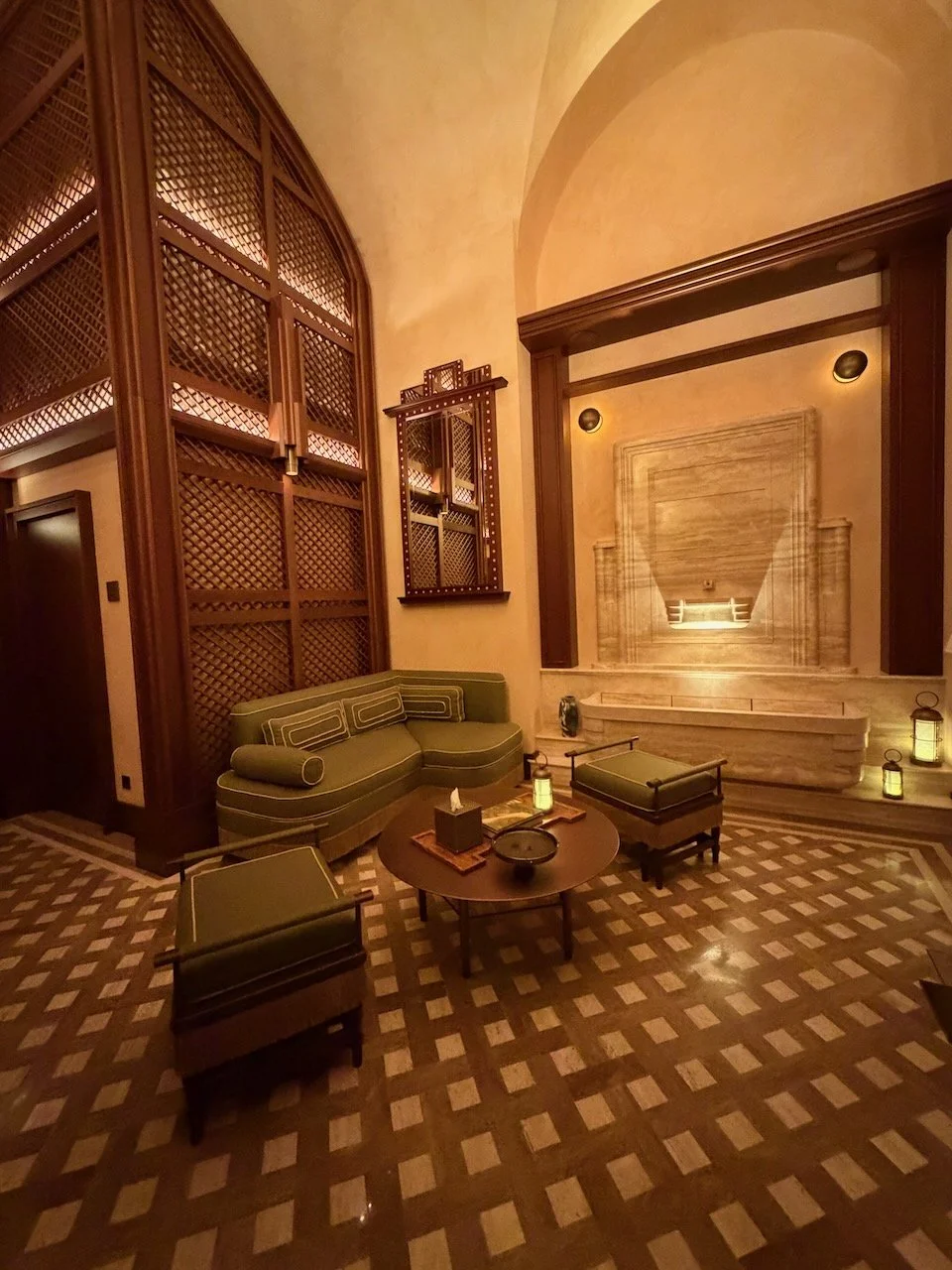
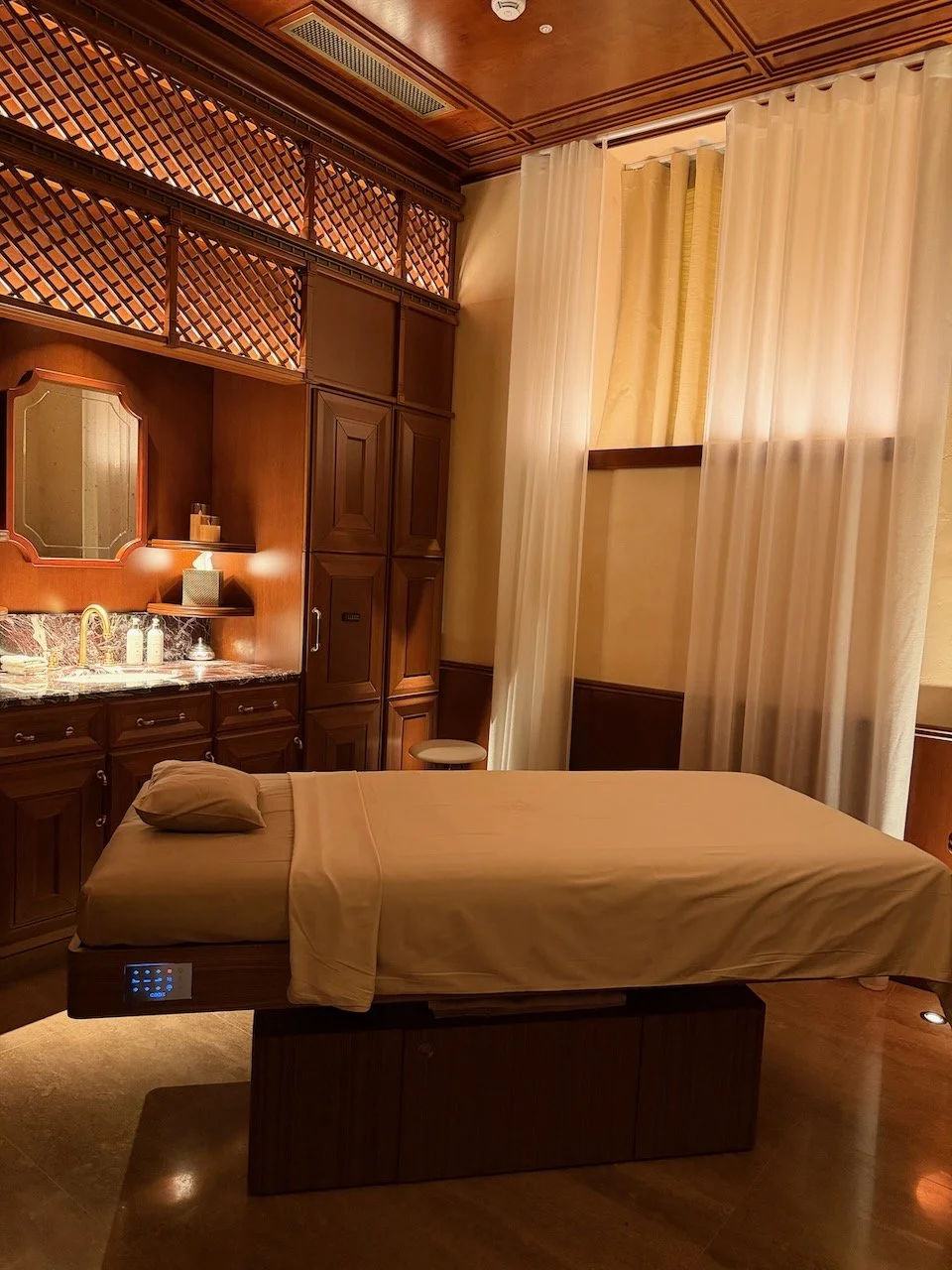
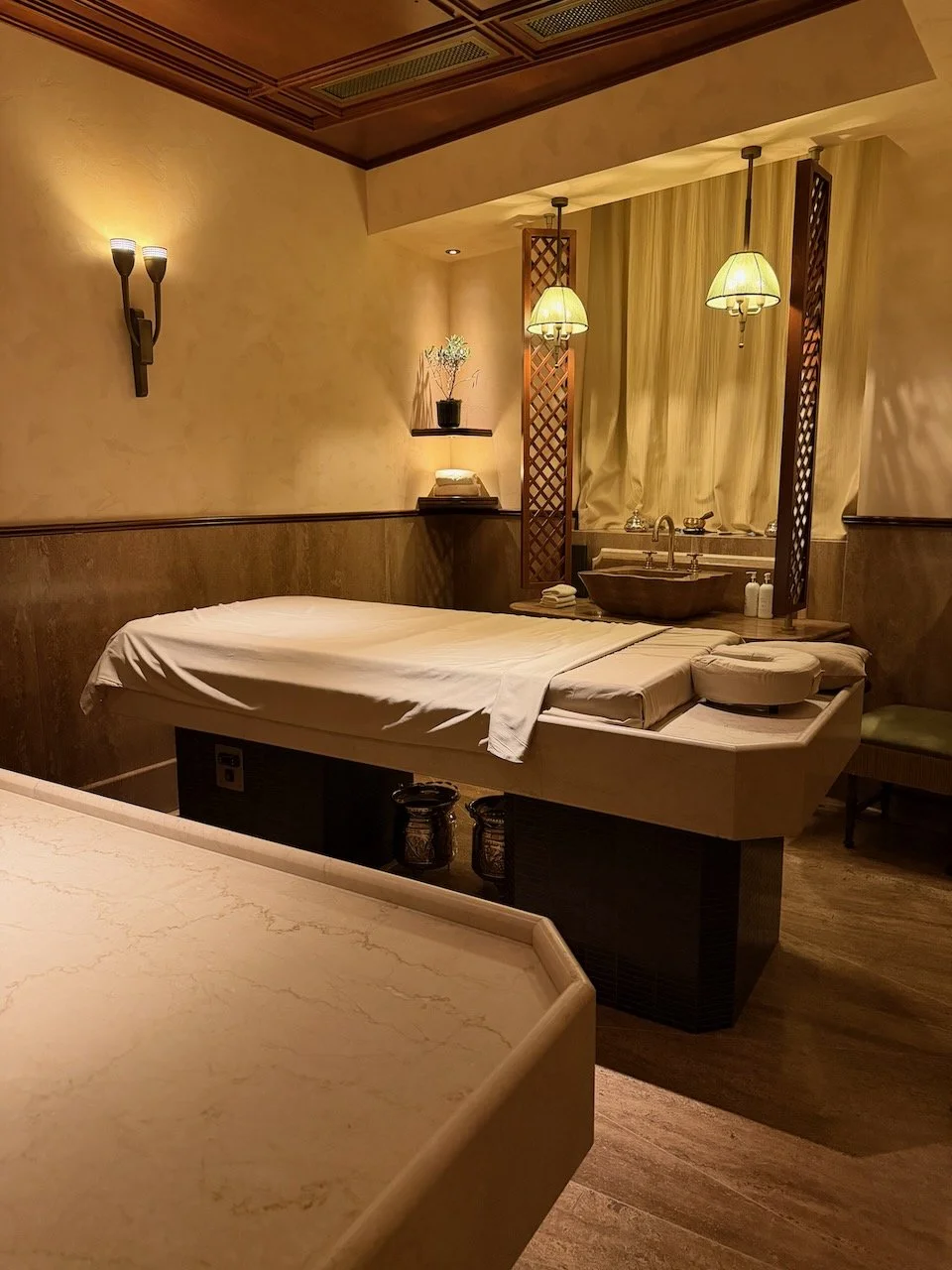
The spa at La Minerva is small, but pretty nice — and very much in line with the hotel’s Orient Express idea of wellness as a journey rather than a standard city-hotel facility. The concept is inspired by Ottoman hammam traditions, with purification rituals, steam, heat, and restorative treatments forming the heart of the experience. The beauty treatments are by Furtuna Skin, using botanicals from Sicily, which adds an Italian natural-wellness layer to the otherwise more eastern-inspired spa concept.
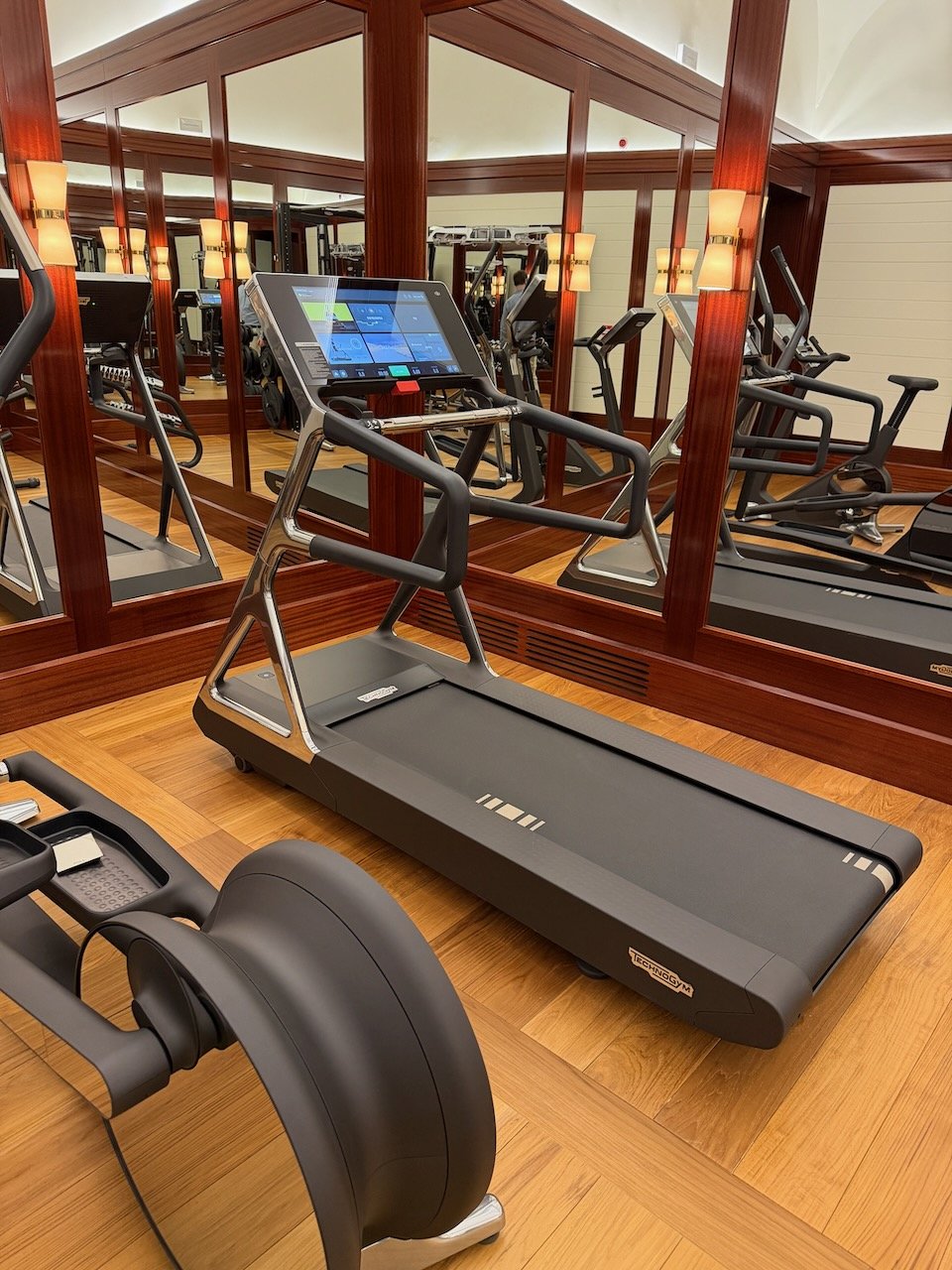
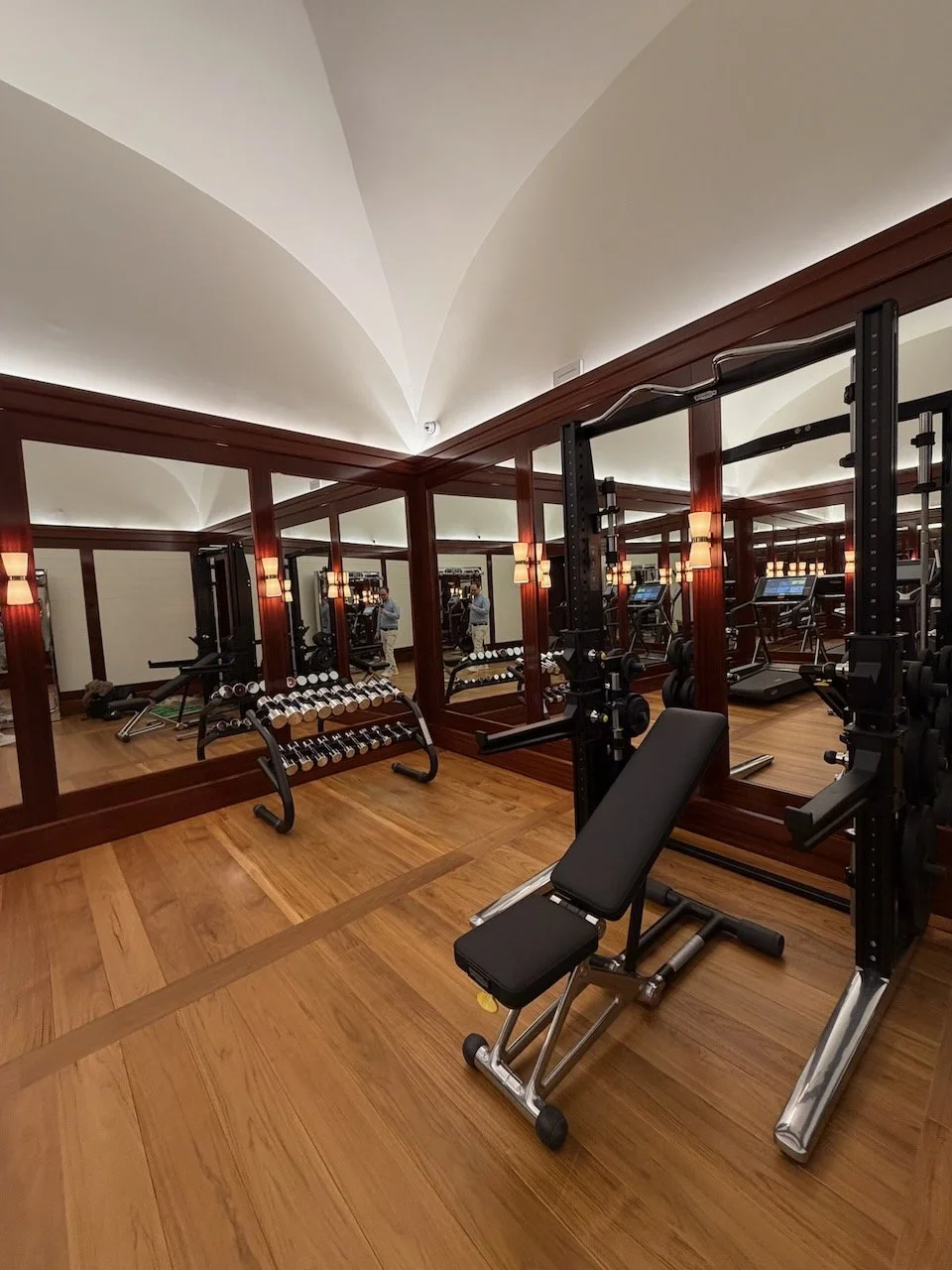
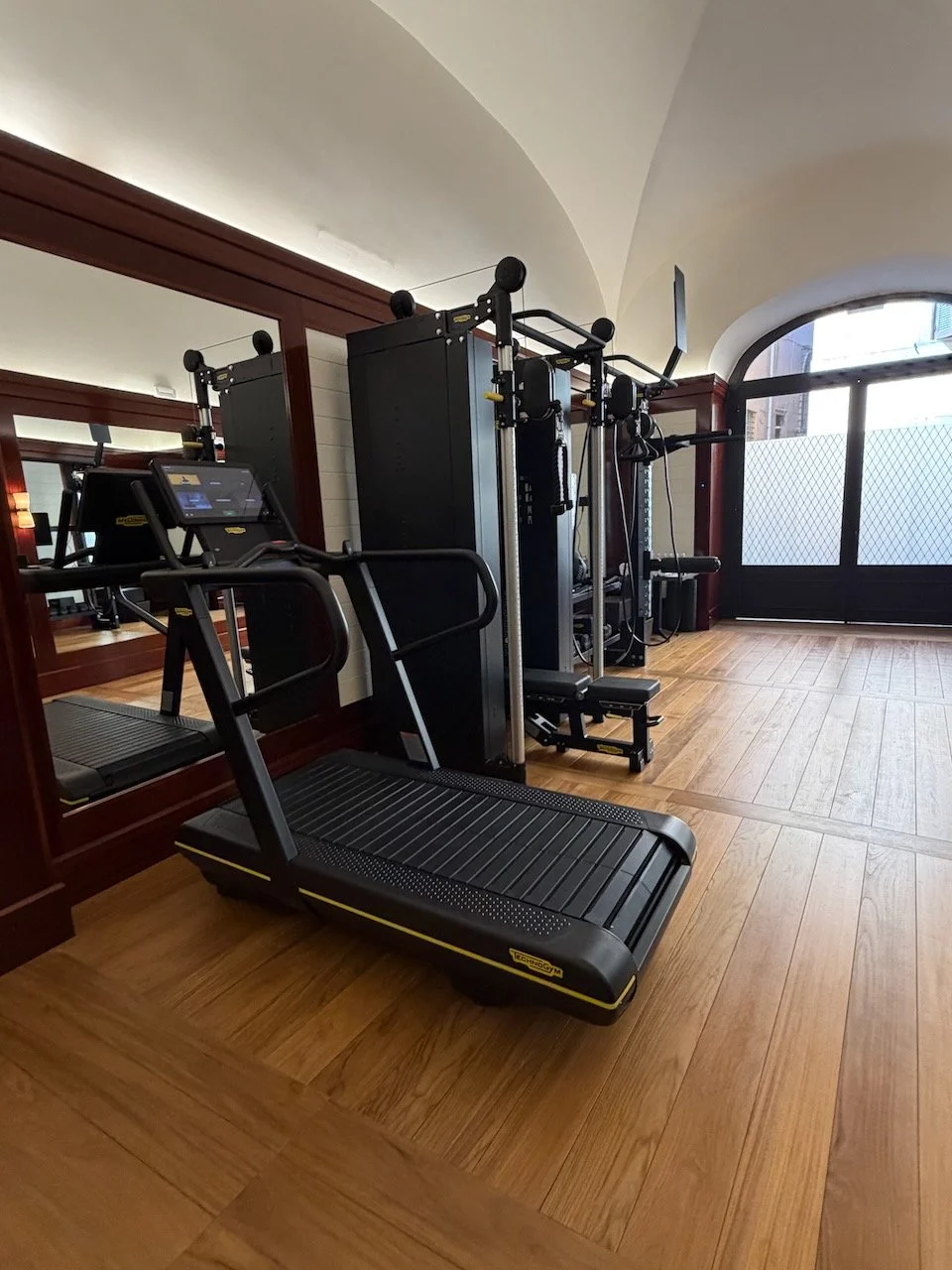
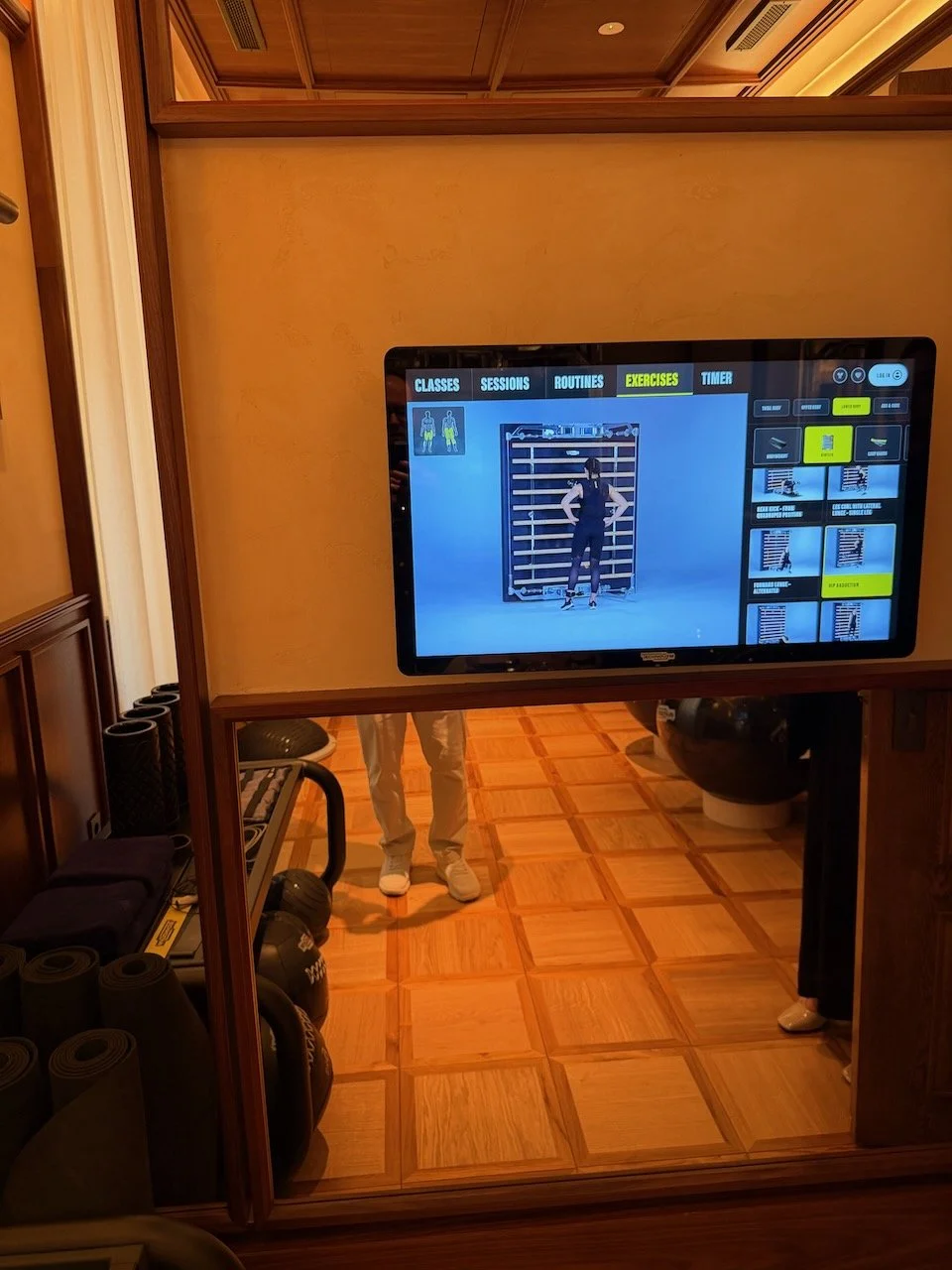
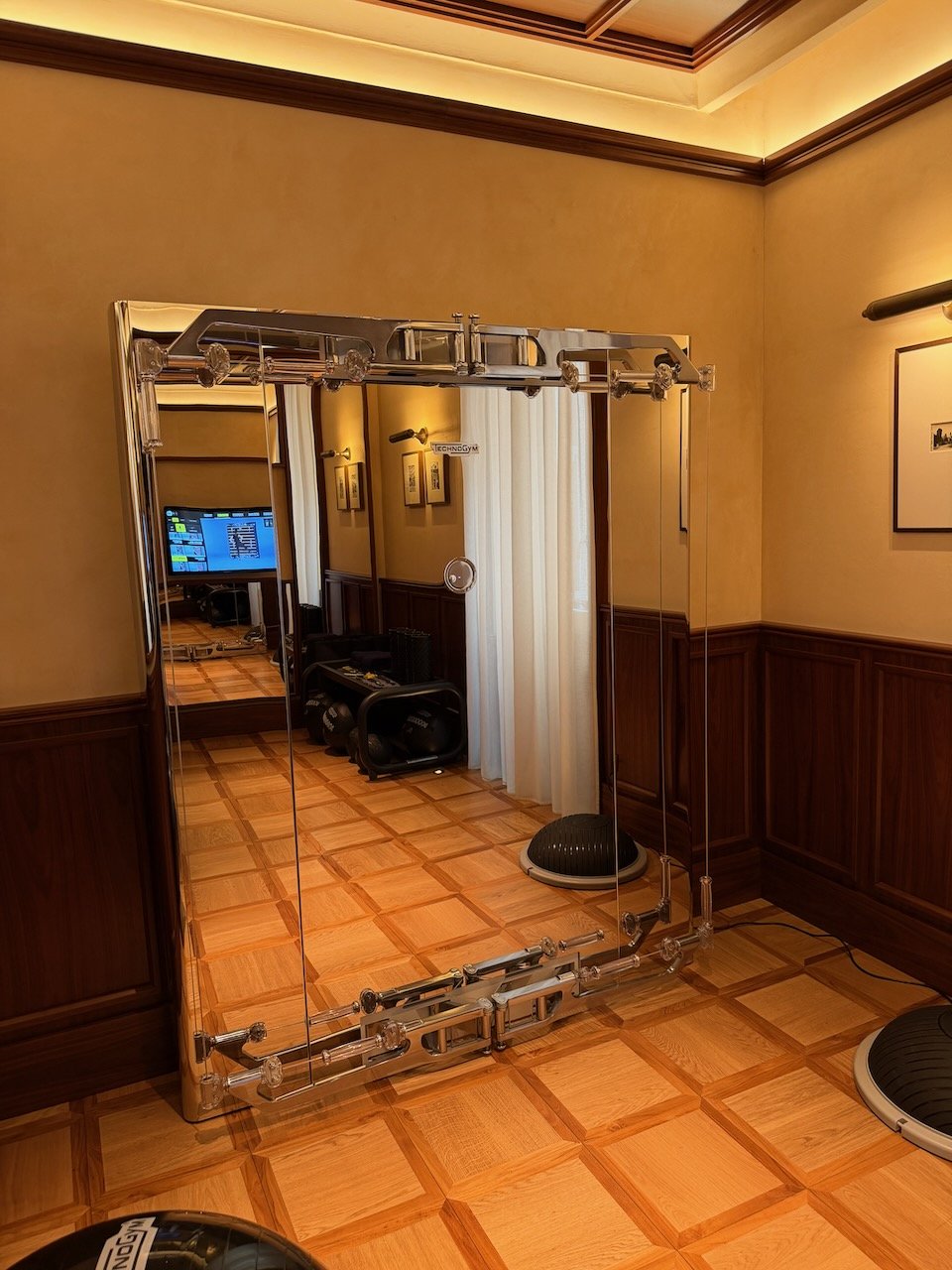
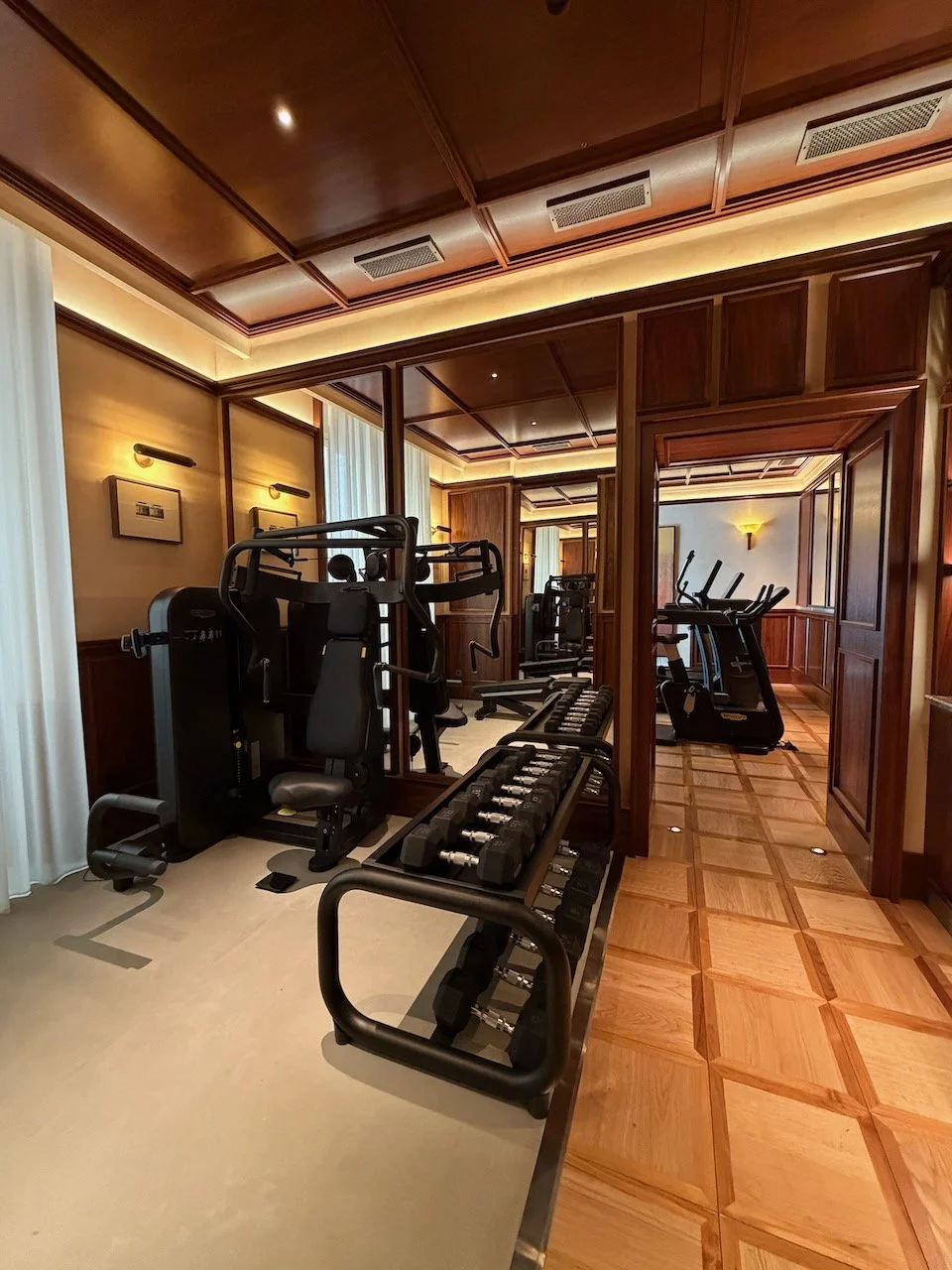
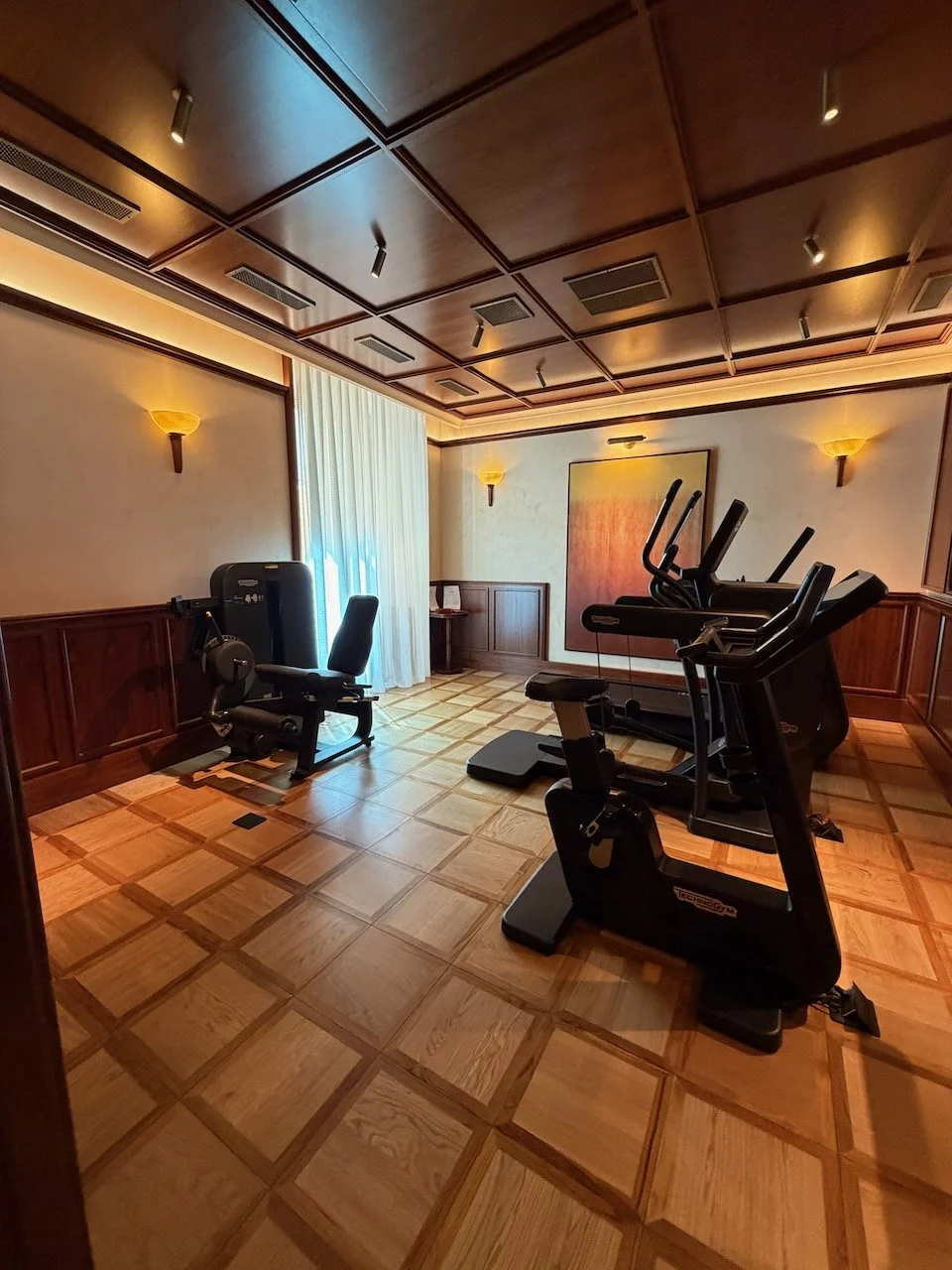
I also liked the gym more than expected. Instead of feeling like a basement afterthought, it has daylight windows and art on the walls, which makes the space feel much more pleasant and considered. The fitness area uses Technogym Artis equipment, and there is also a separate Kinesis room for functional training with medicine balls, foam rollers, dumbbells, resistance bands, and similar equipment. Private sessions for fitness training, yoga, and Pilates are available on request.
Overall, it is not a large destination spa, but it fits the hotel: compact, designed, atmospheric, and more special than the size alone would suggest.
Dining Options
The rooftop restaurant Gigi Rigolatto is lovely and gives the hotel a strong lifestyle component. Given the location near the Pantheon, this is exactly the kind of place where the terrace matters: Rome below, aperitivo in hand, and the city doing what it does best.
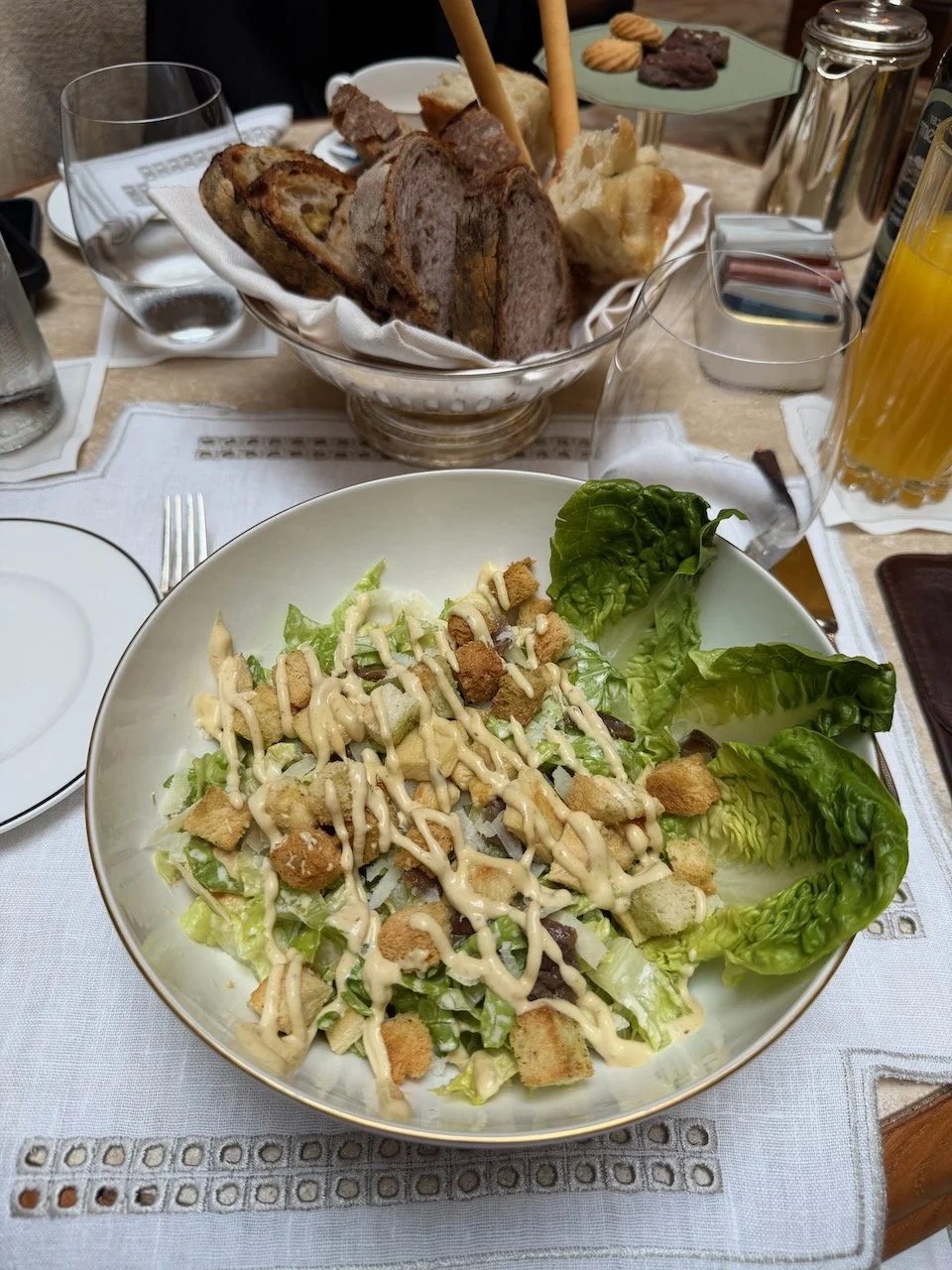
The Minerva Bar in the lobby was a nice place for a lunch. I had a Caesar’s Salad and it was fabulous.
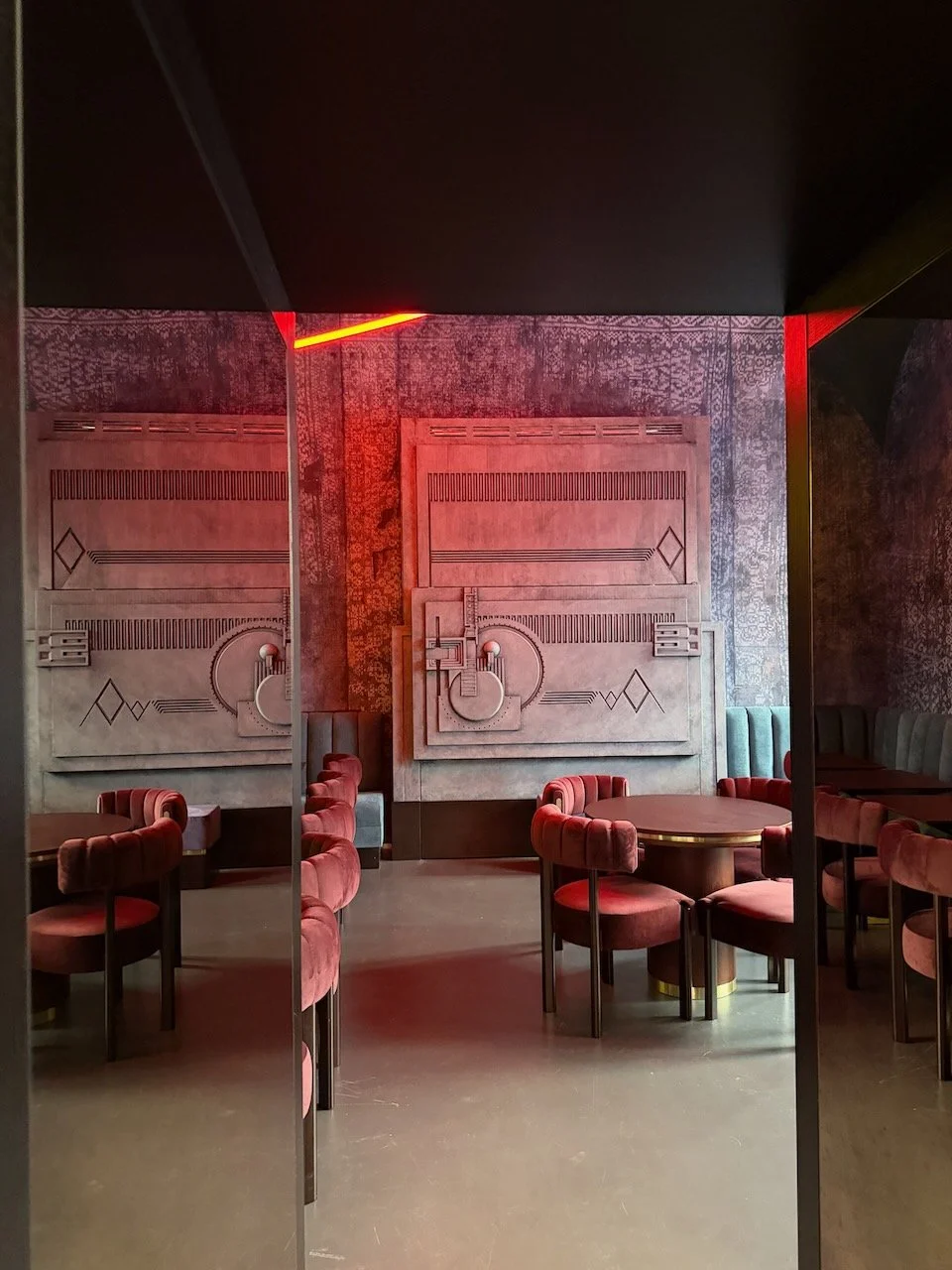
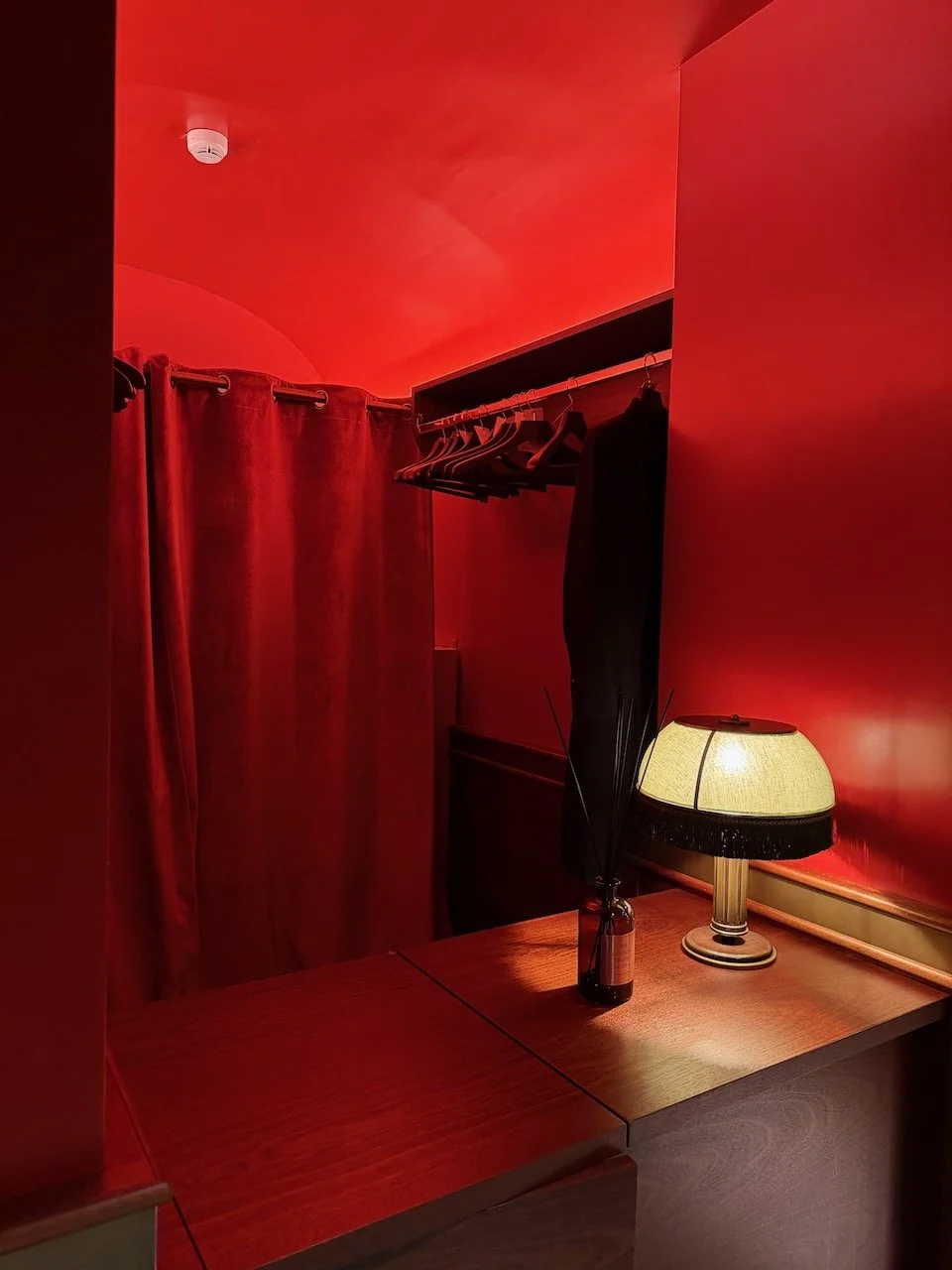
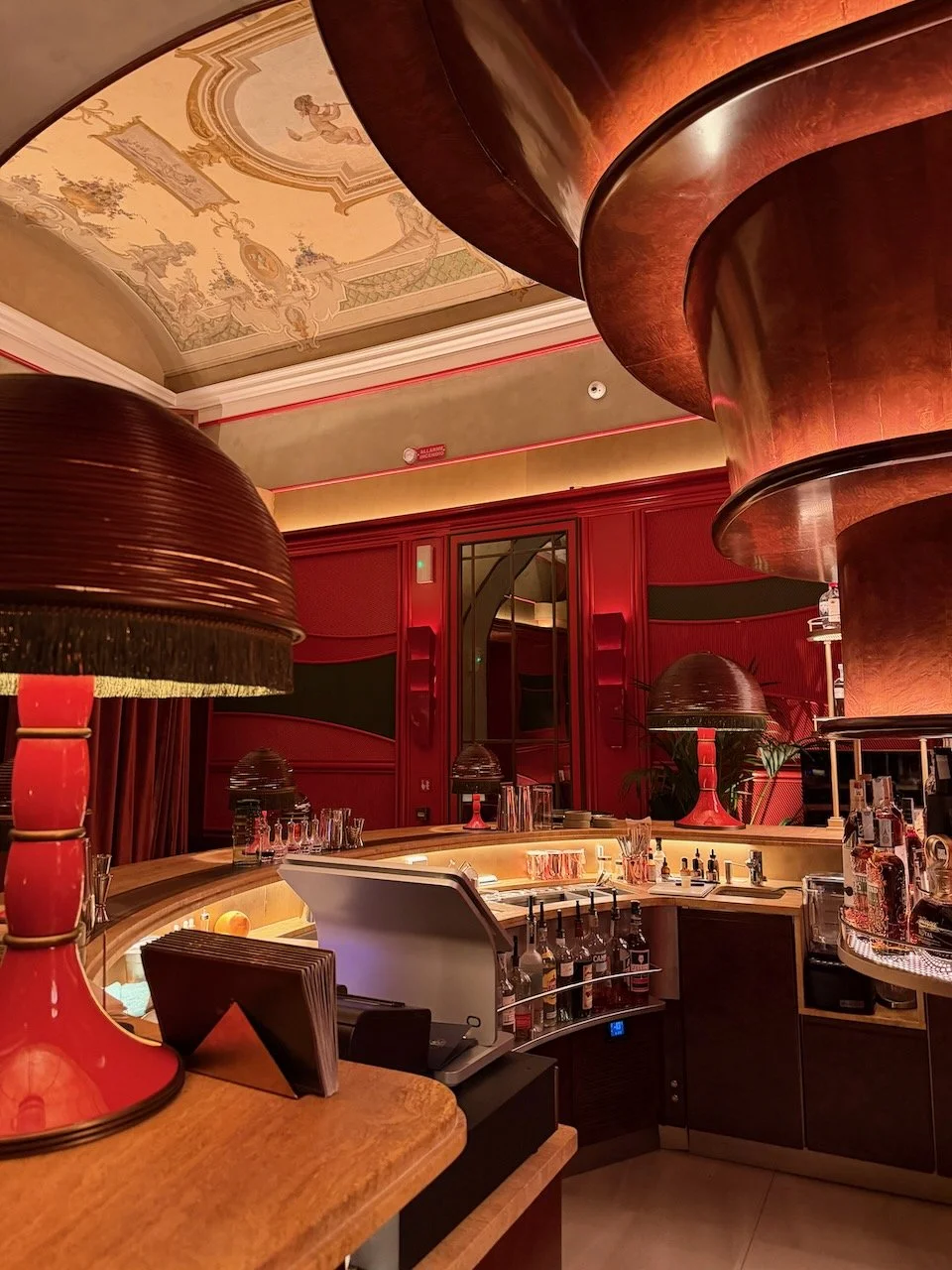
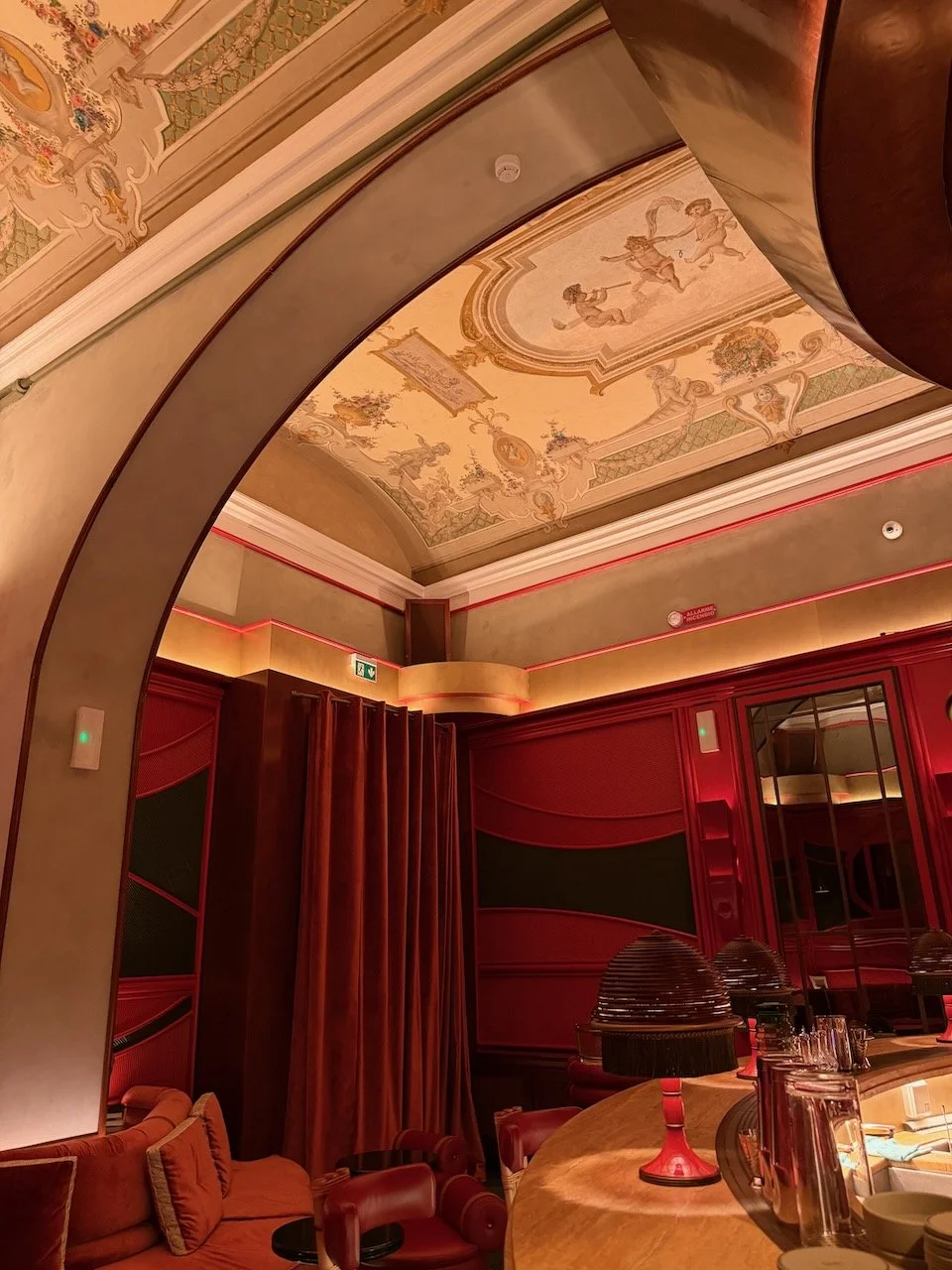
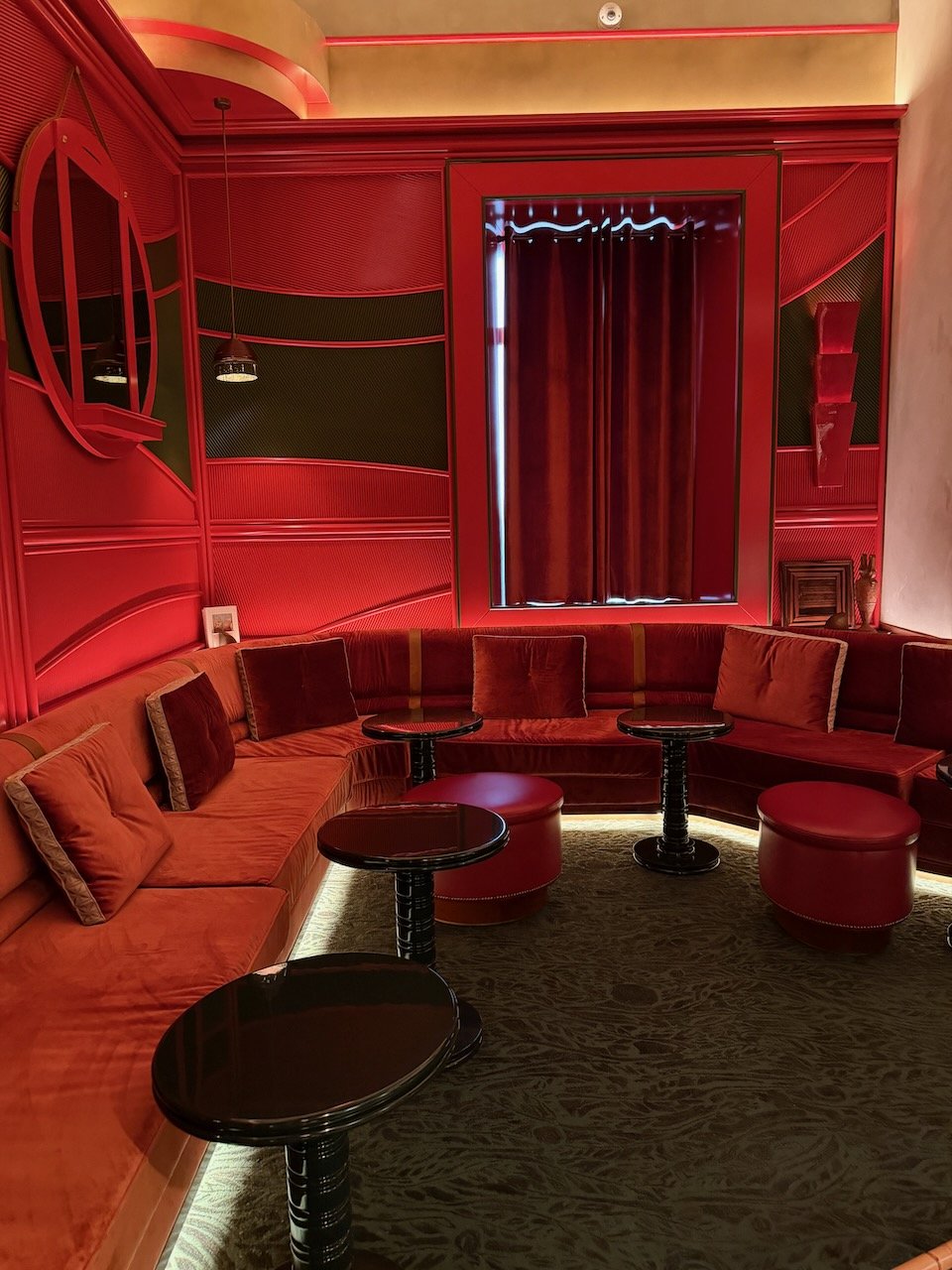
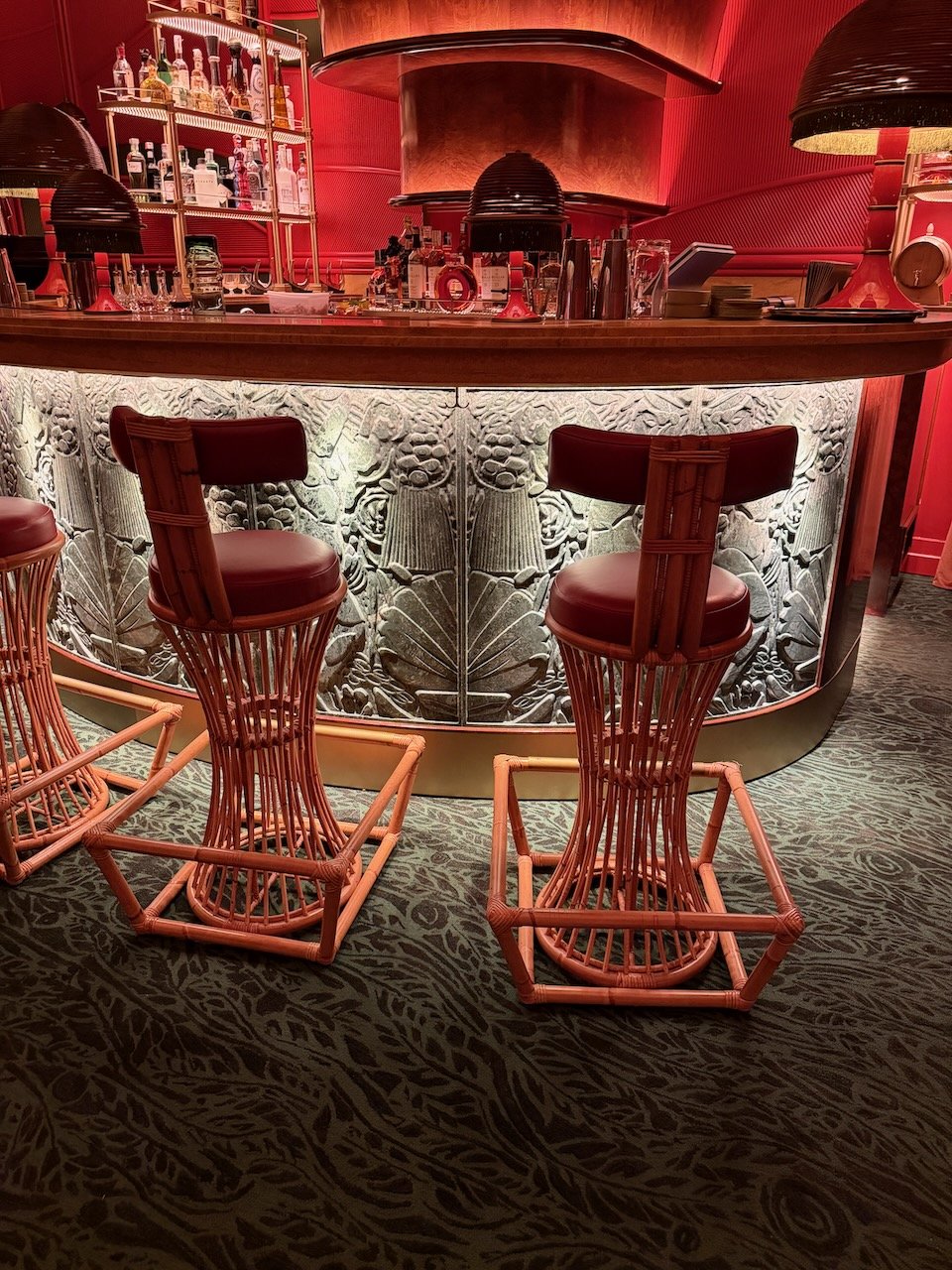
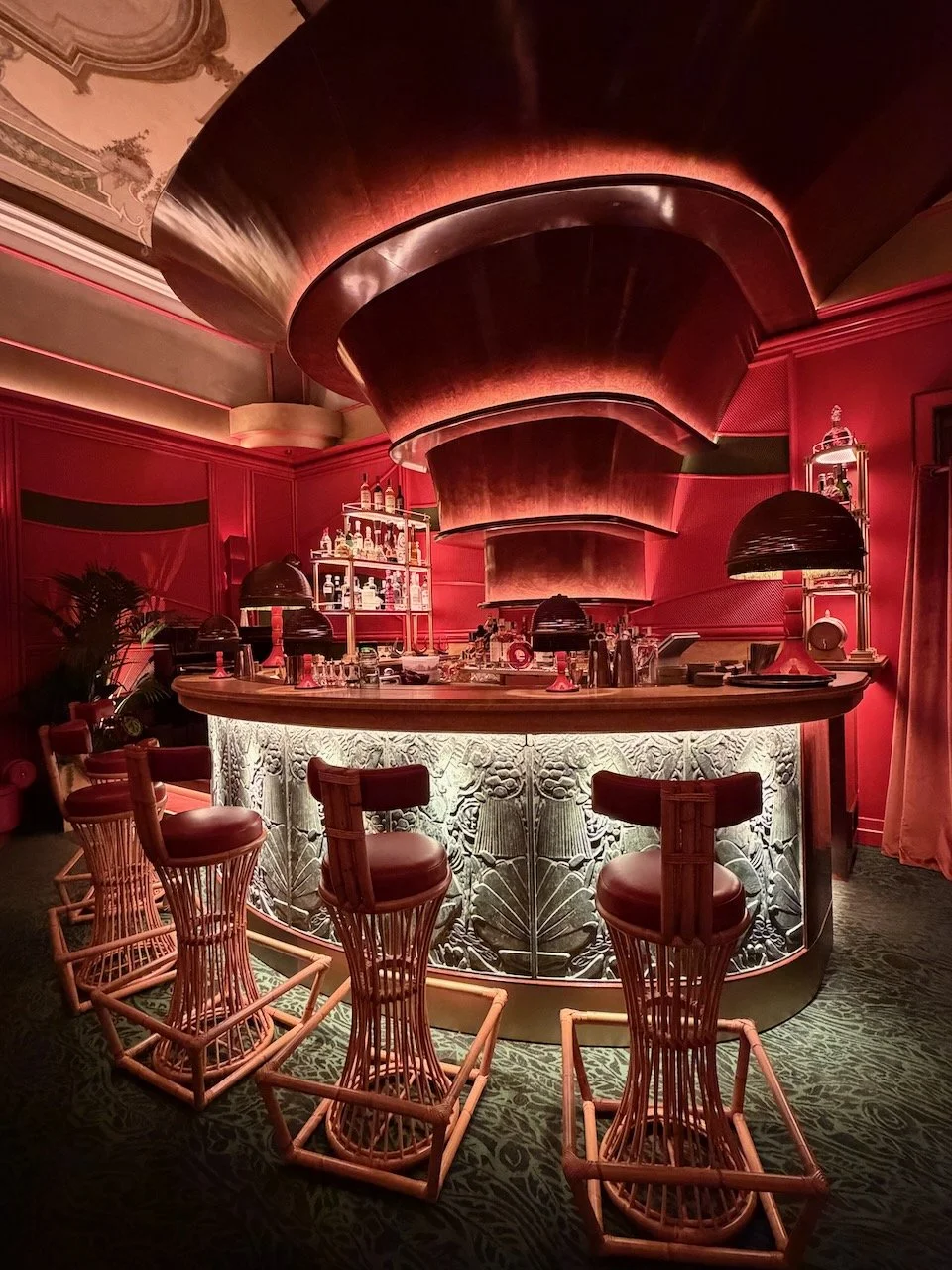
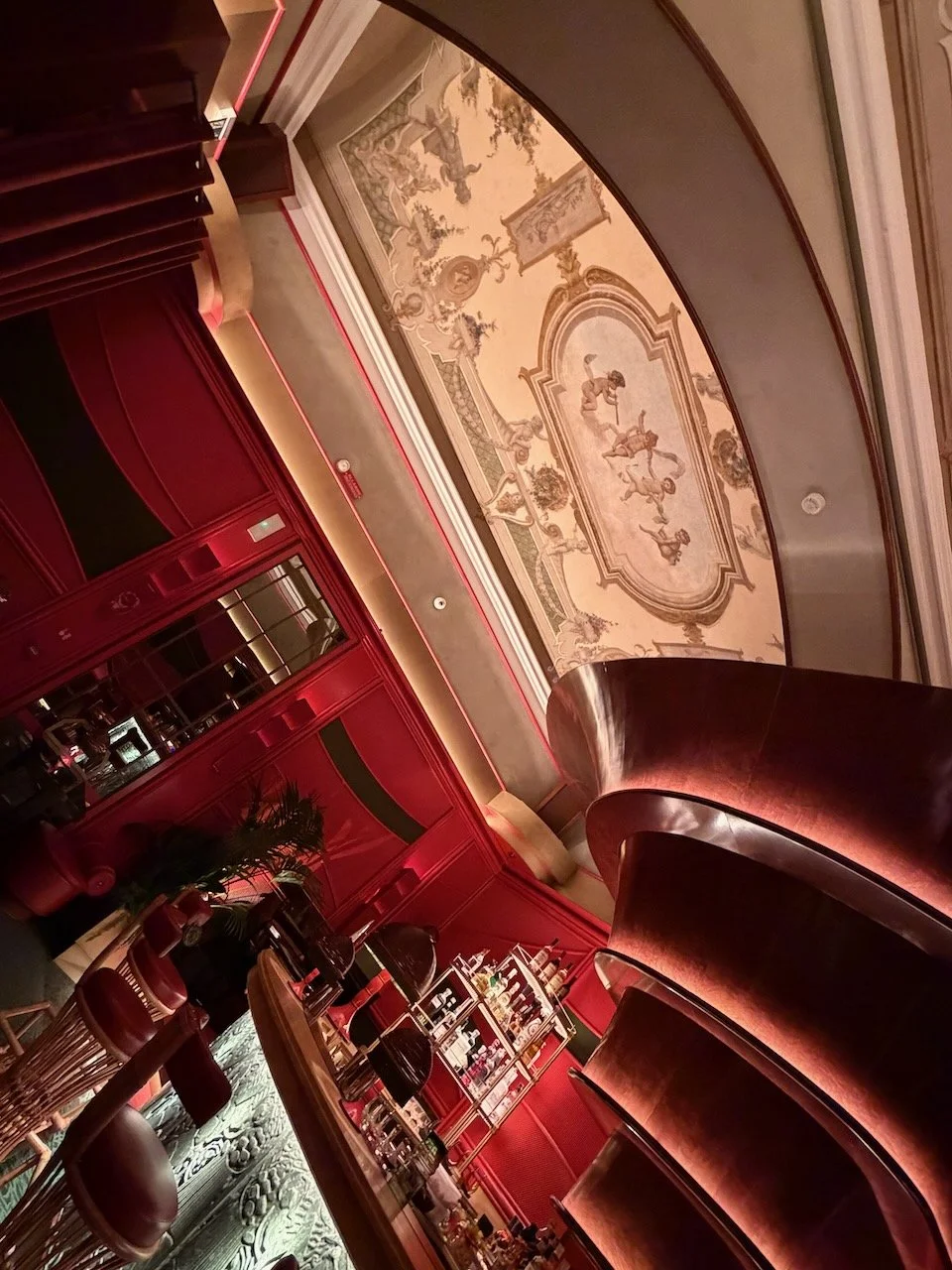
There is also a red-colored speakeasy bar with a historic ceiling and art deco charme.
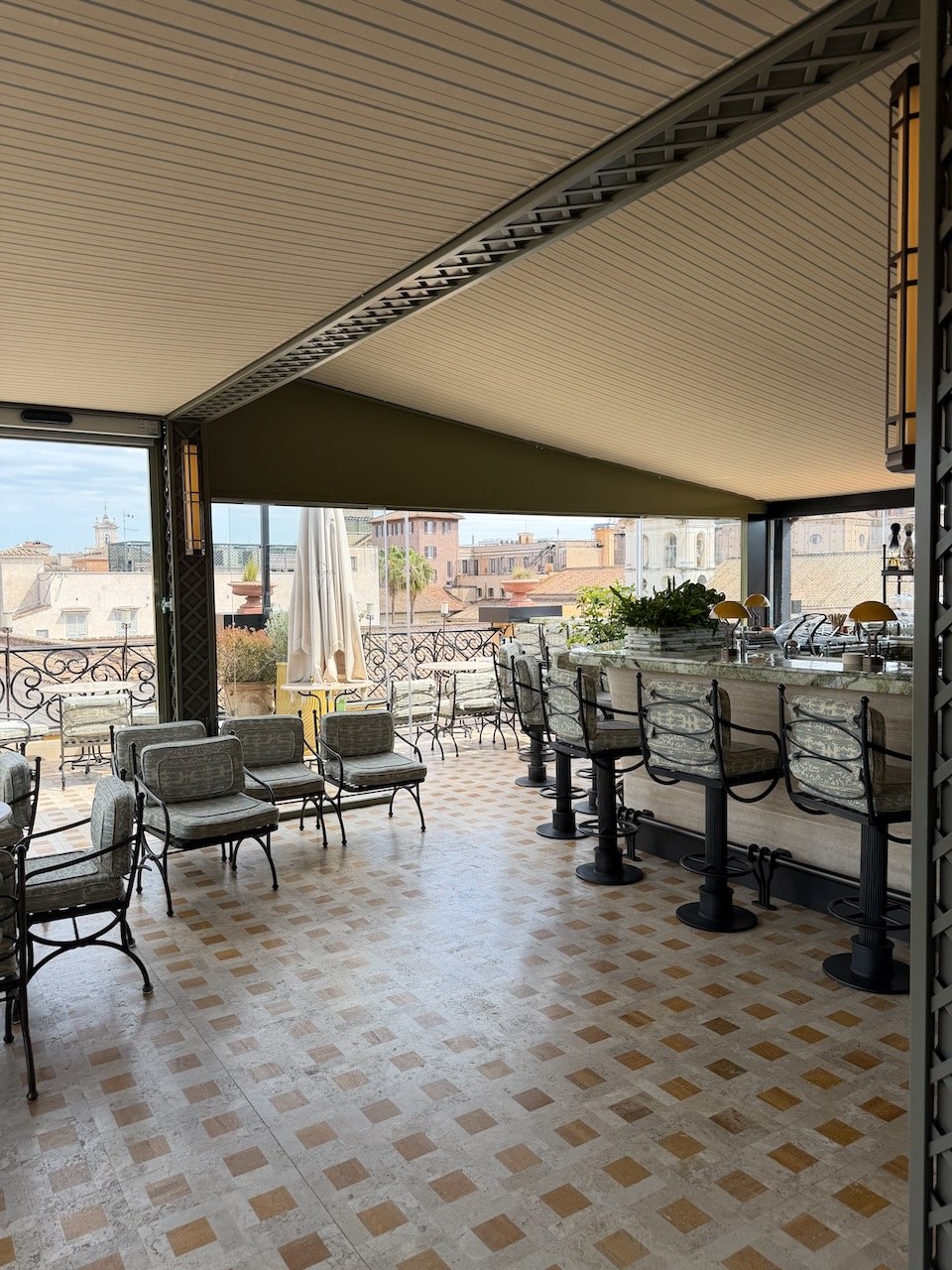
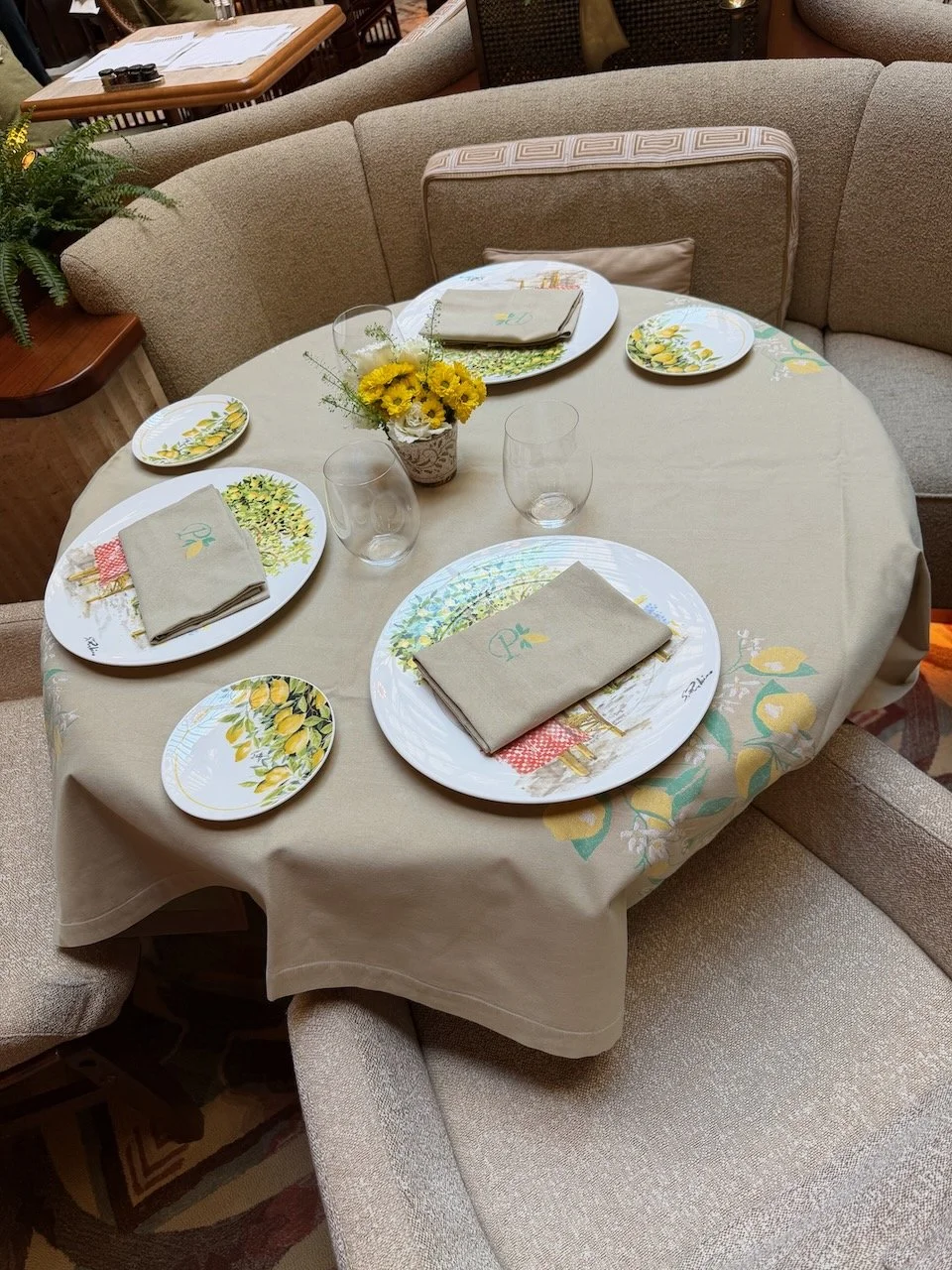
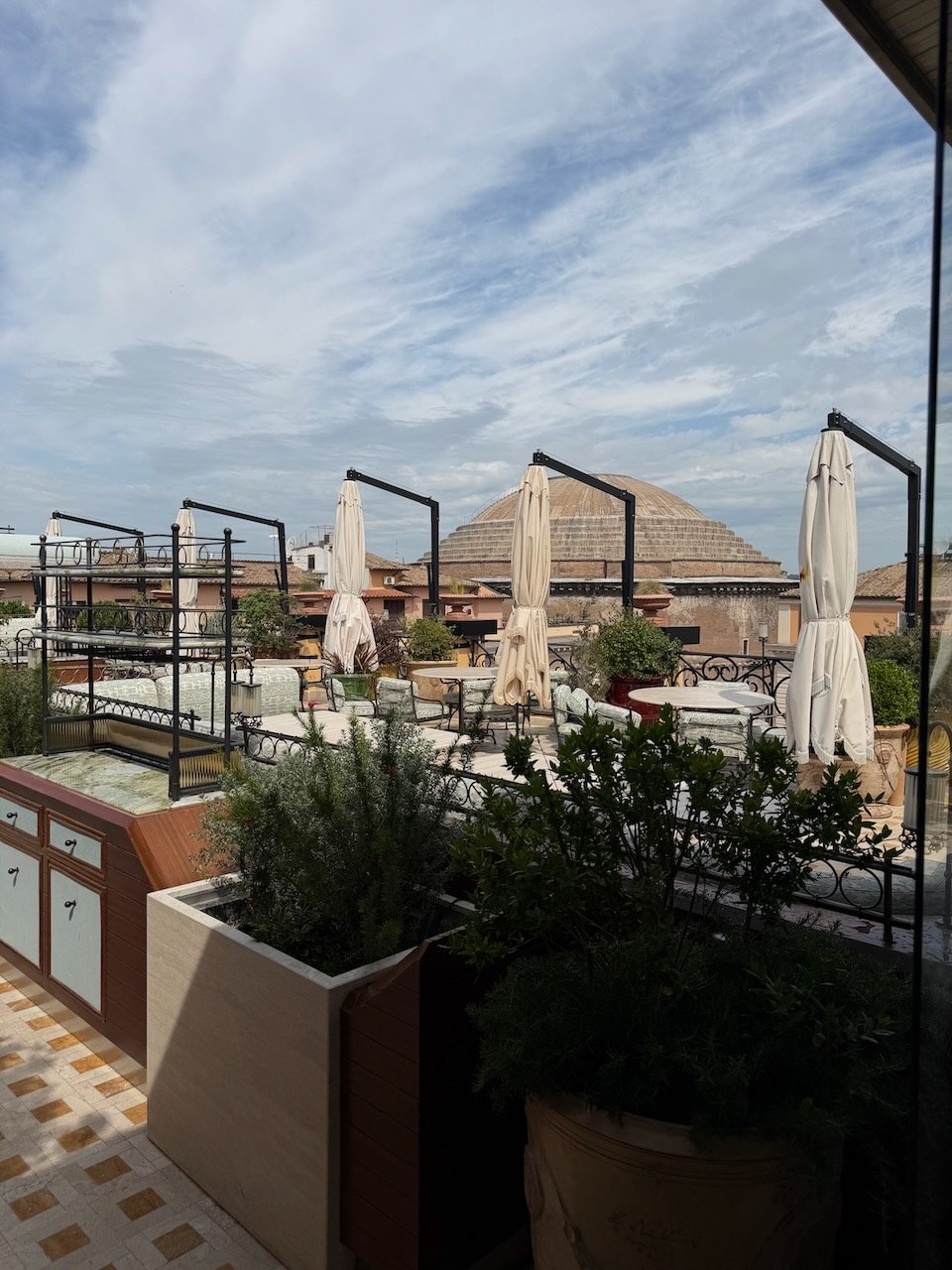
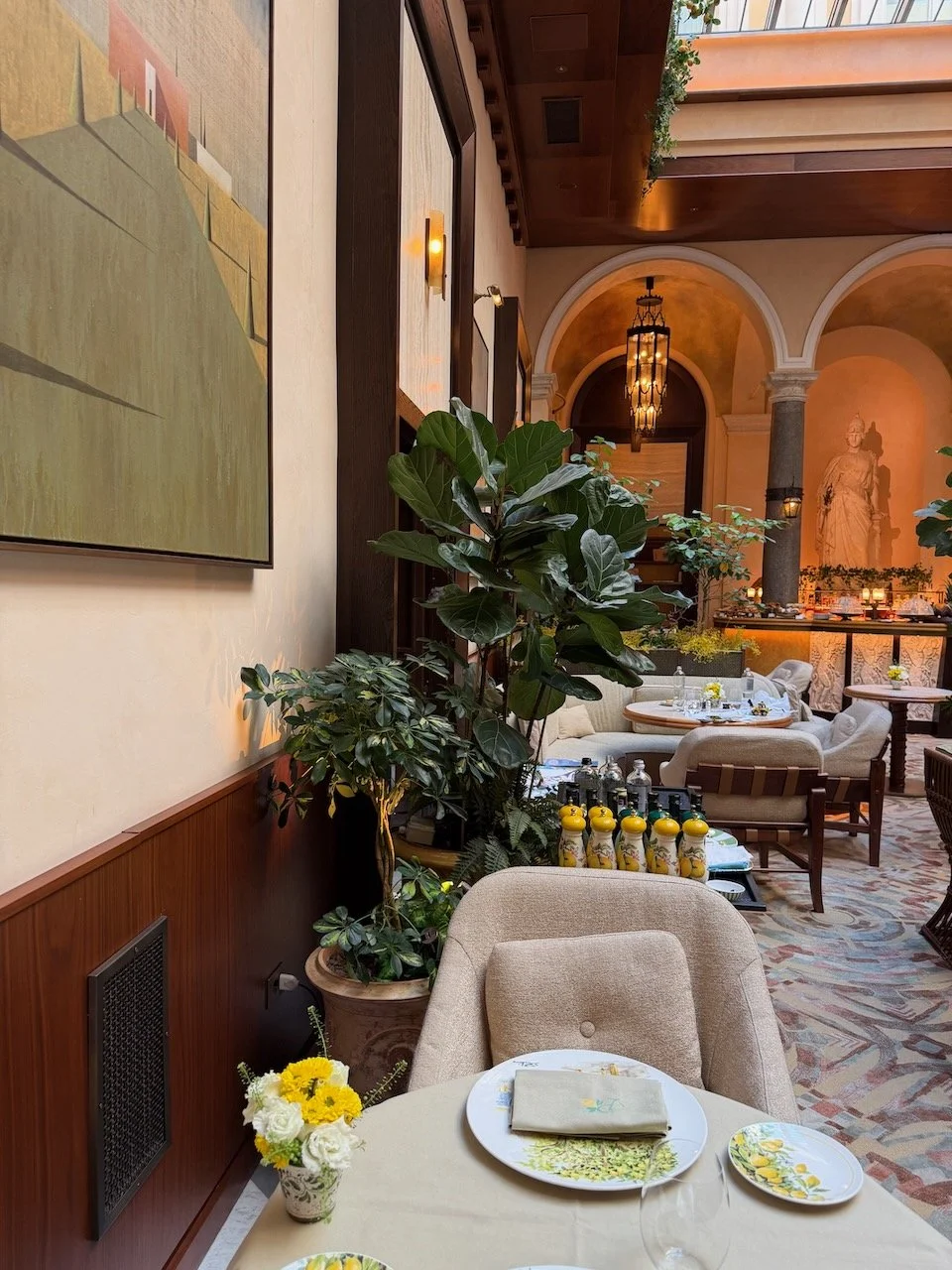
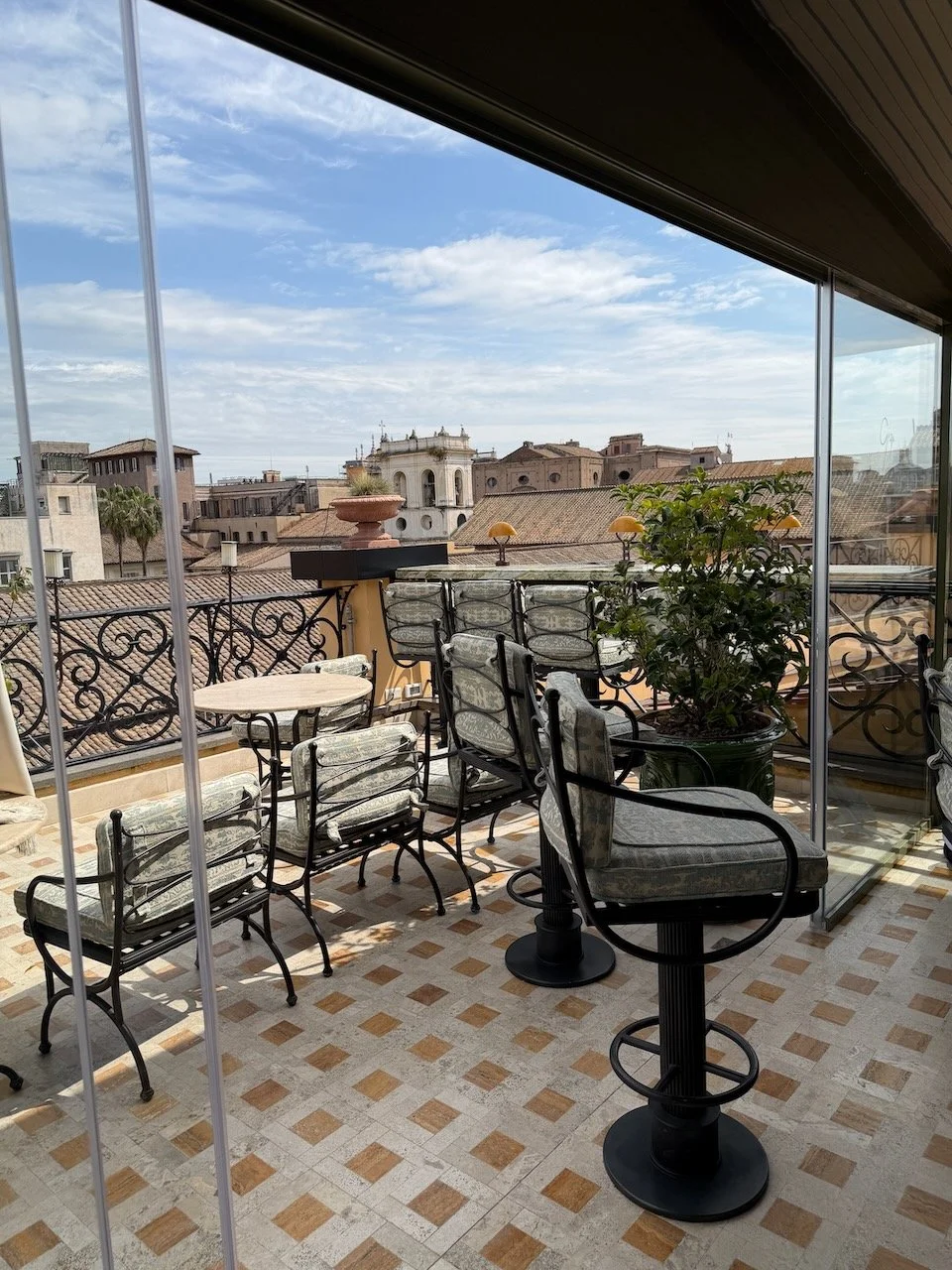
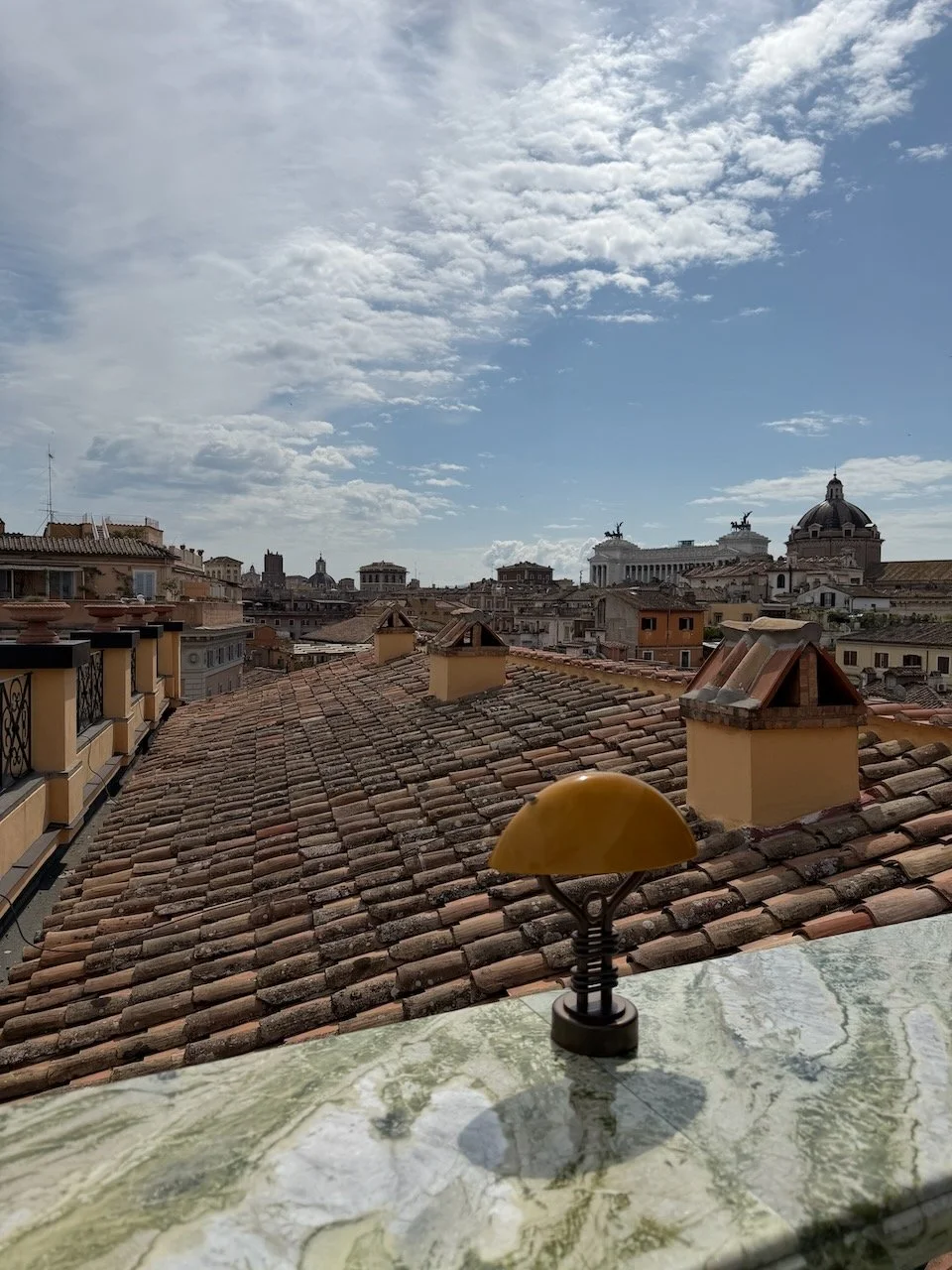
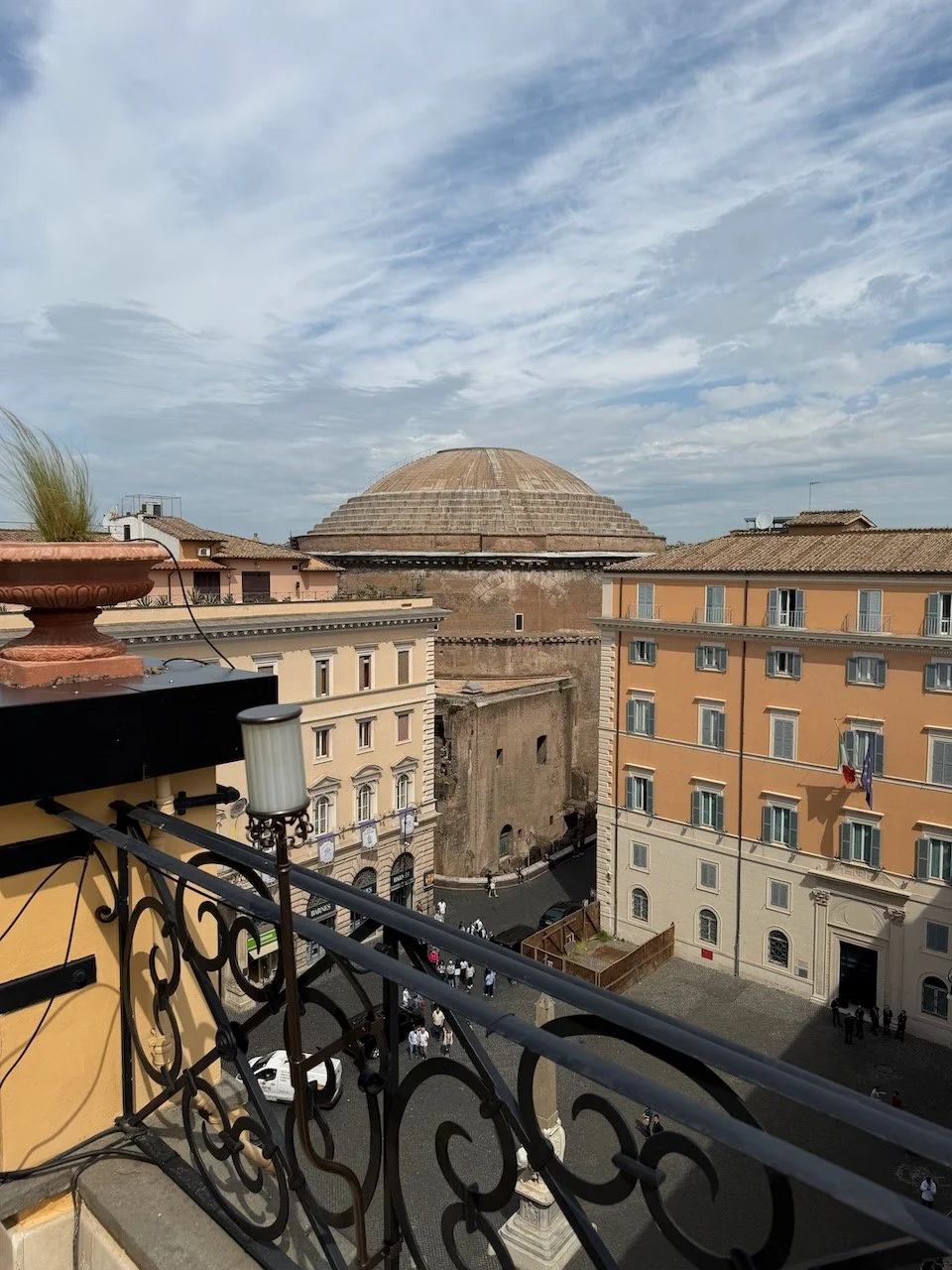
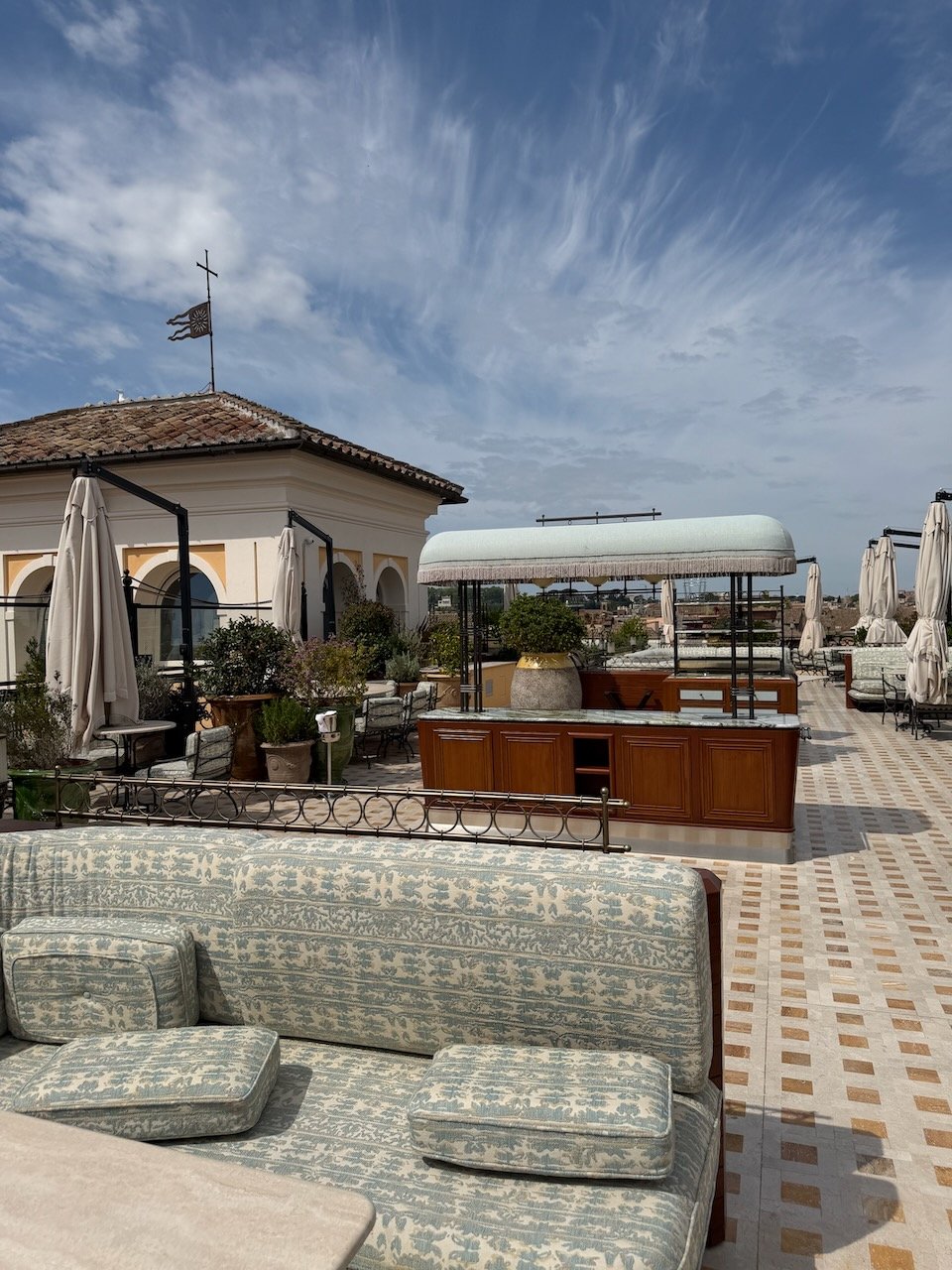
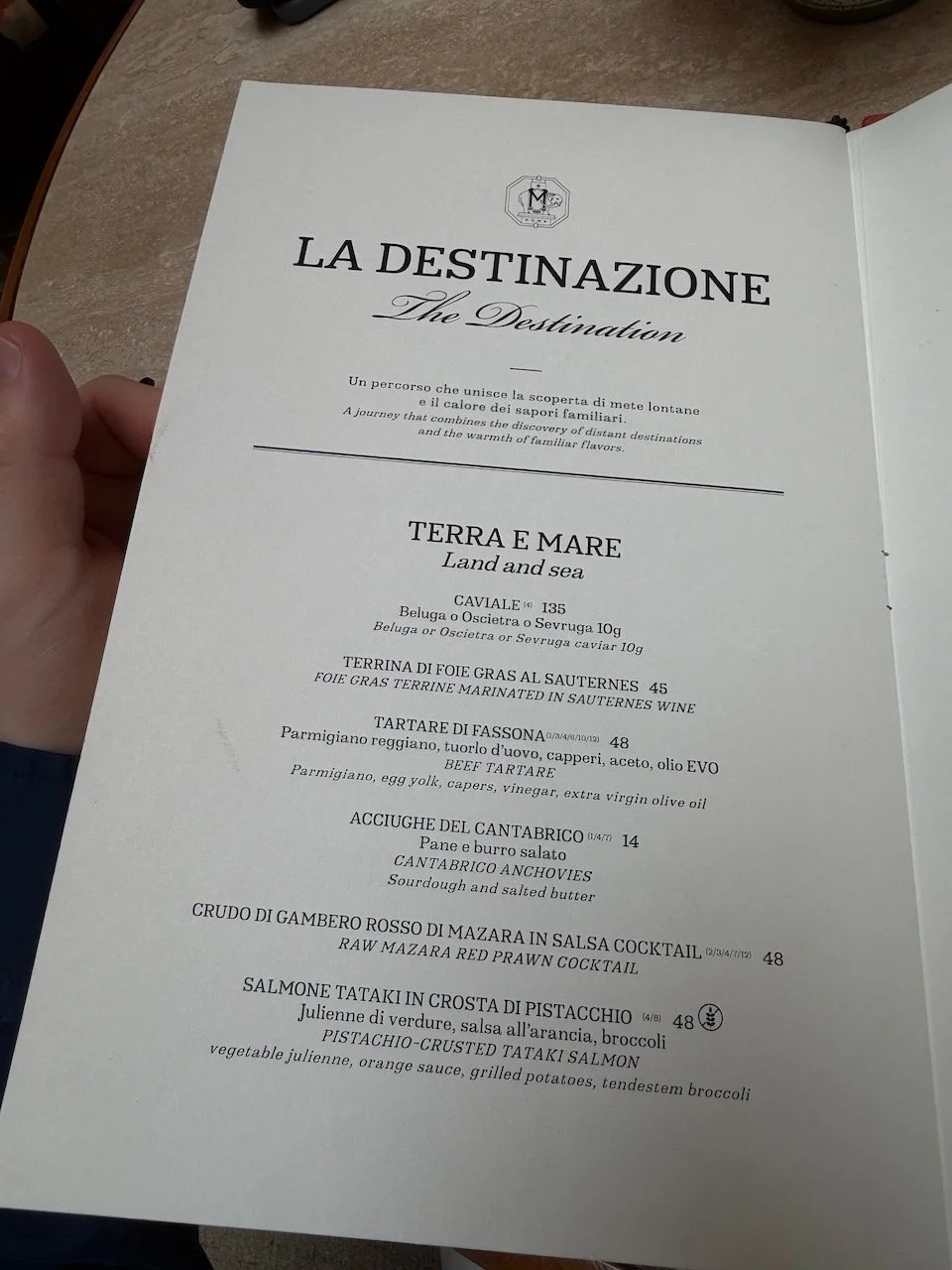
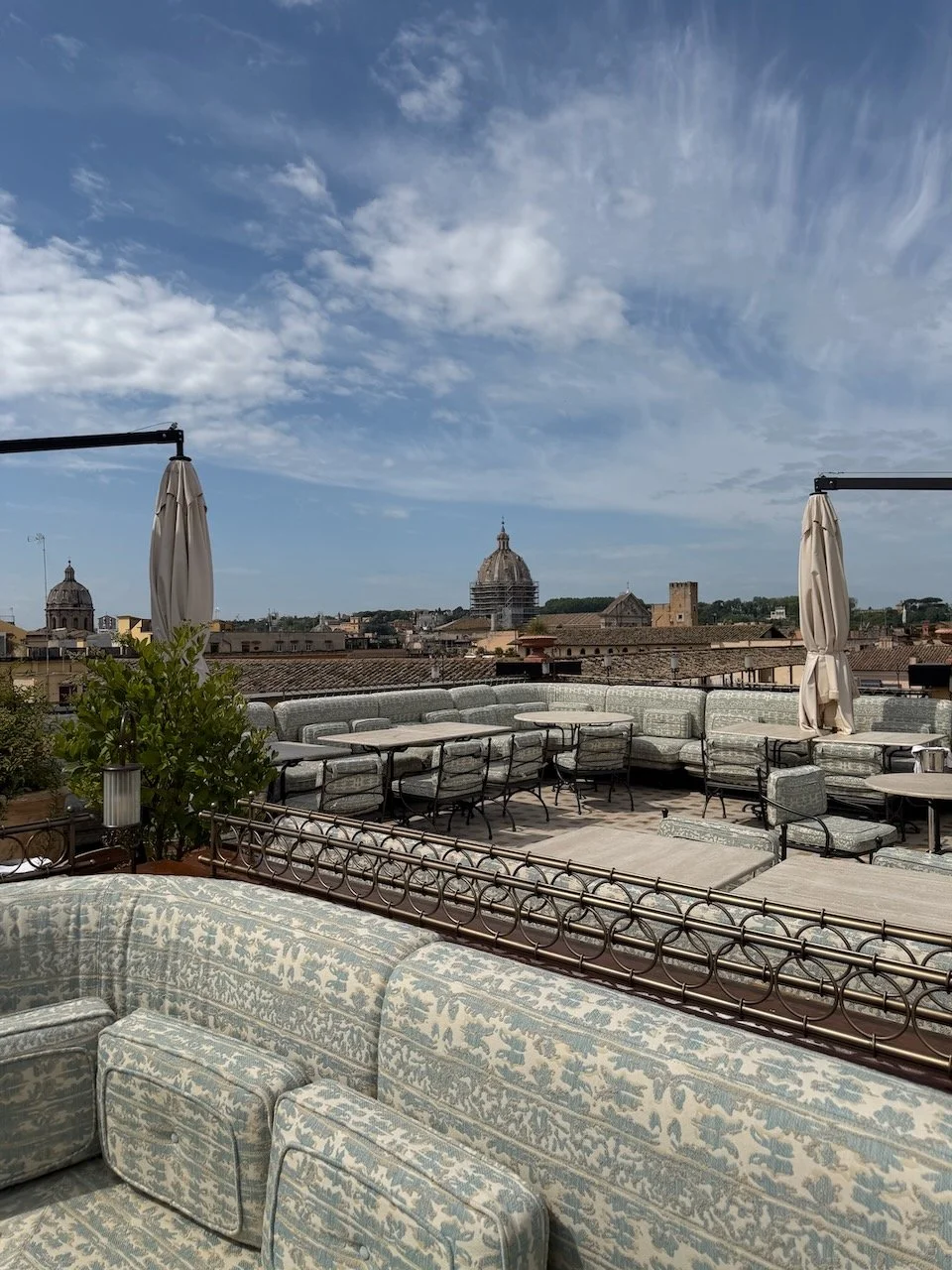
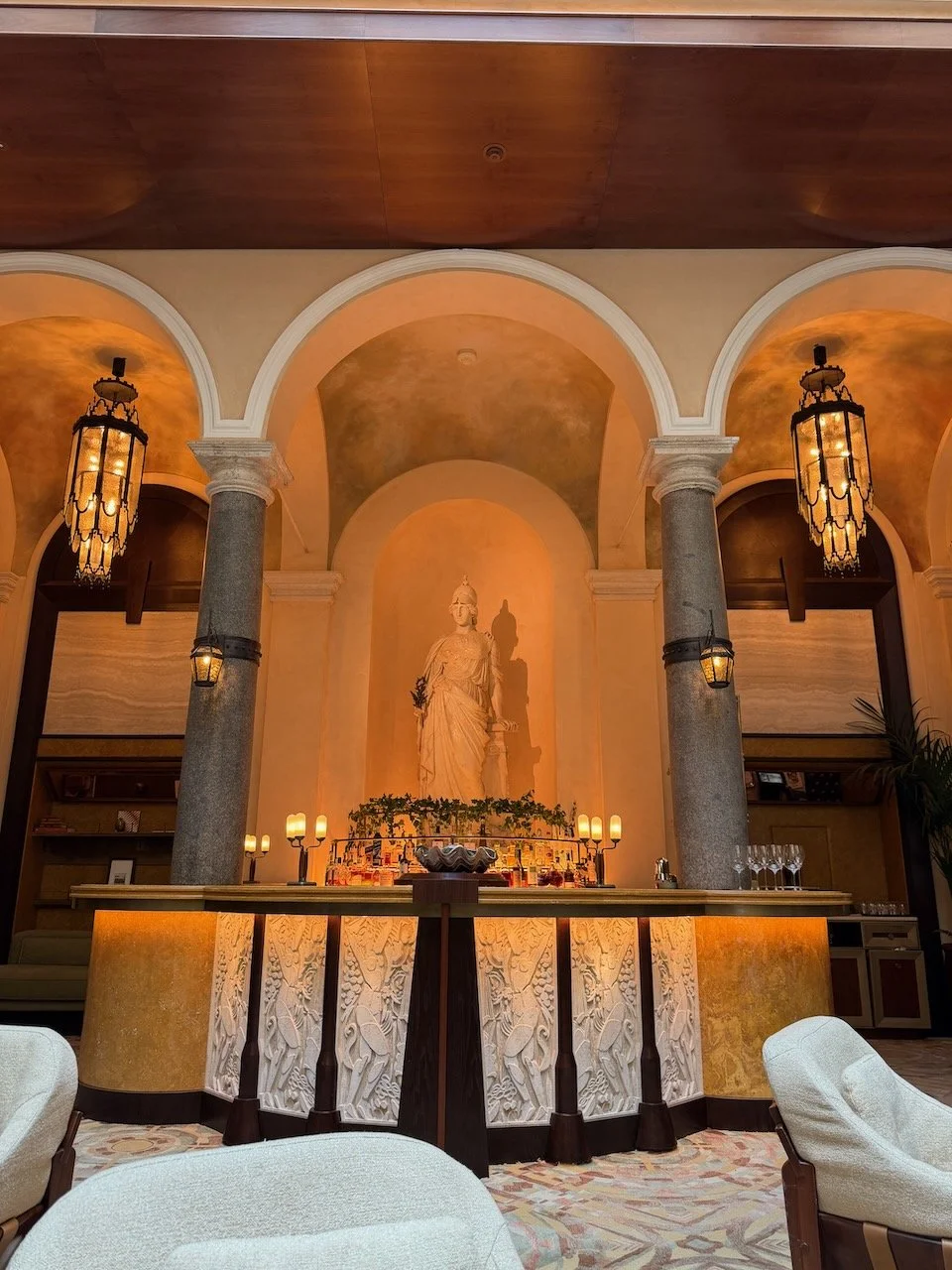
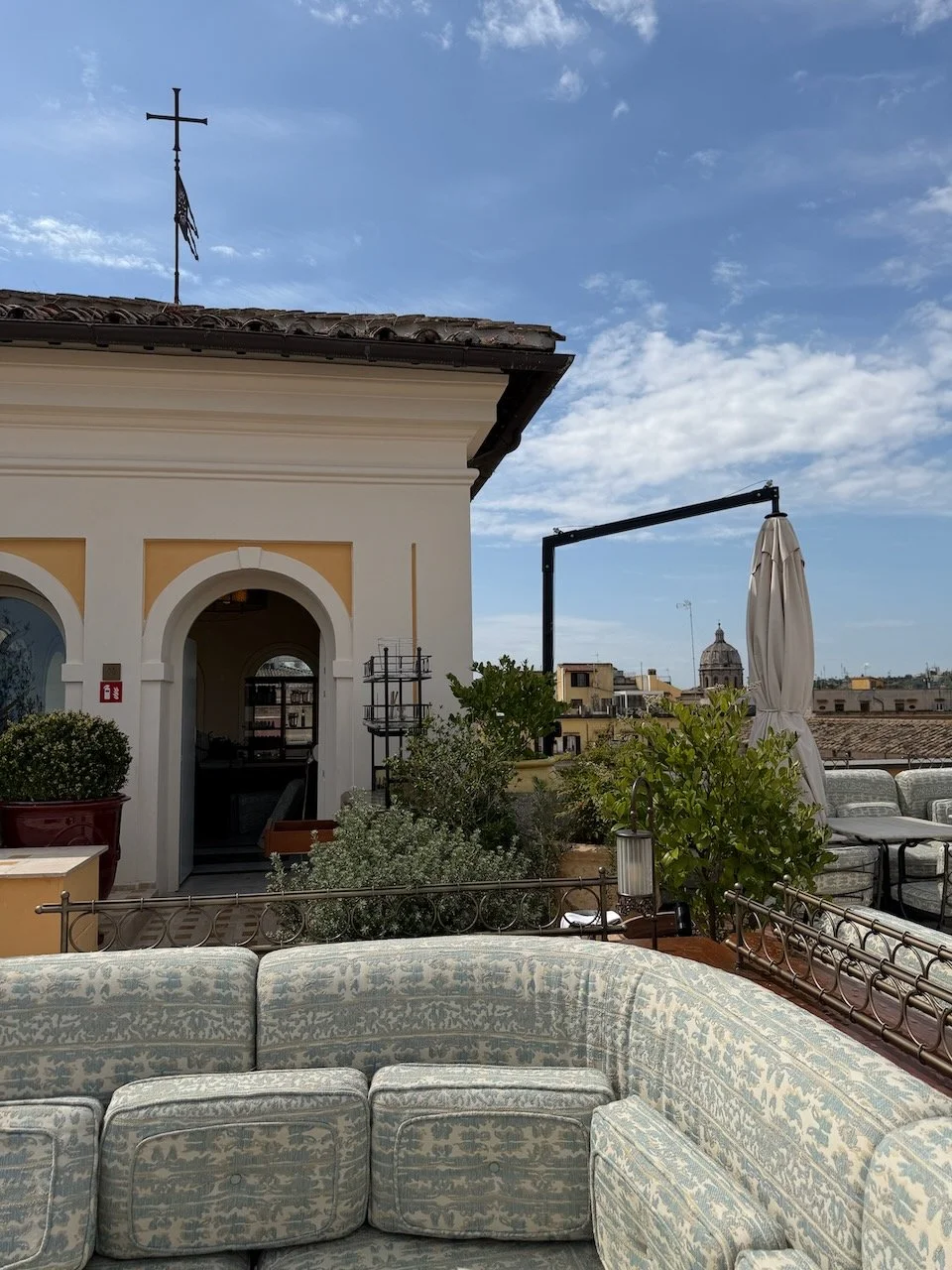
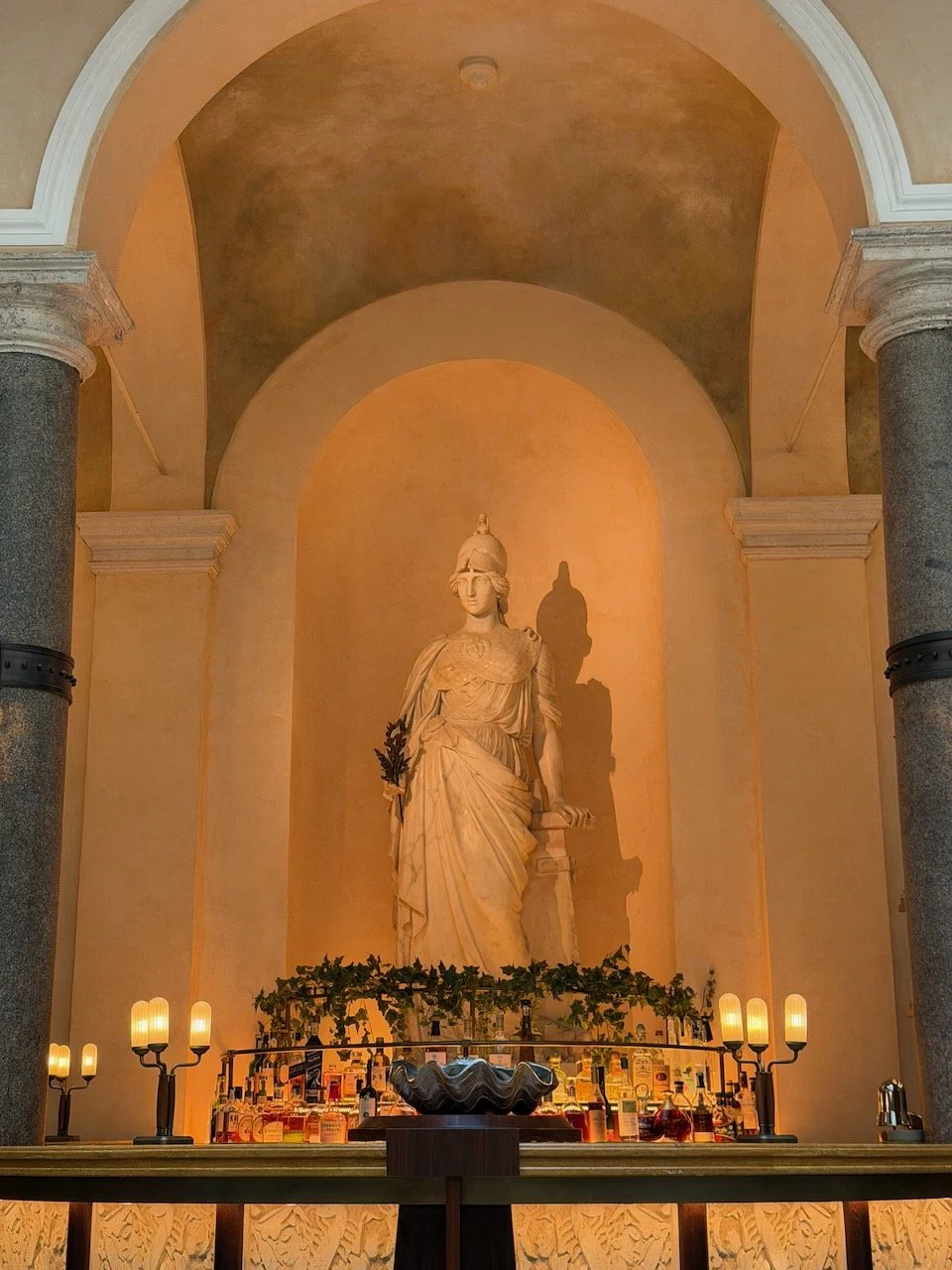
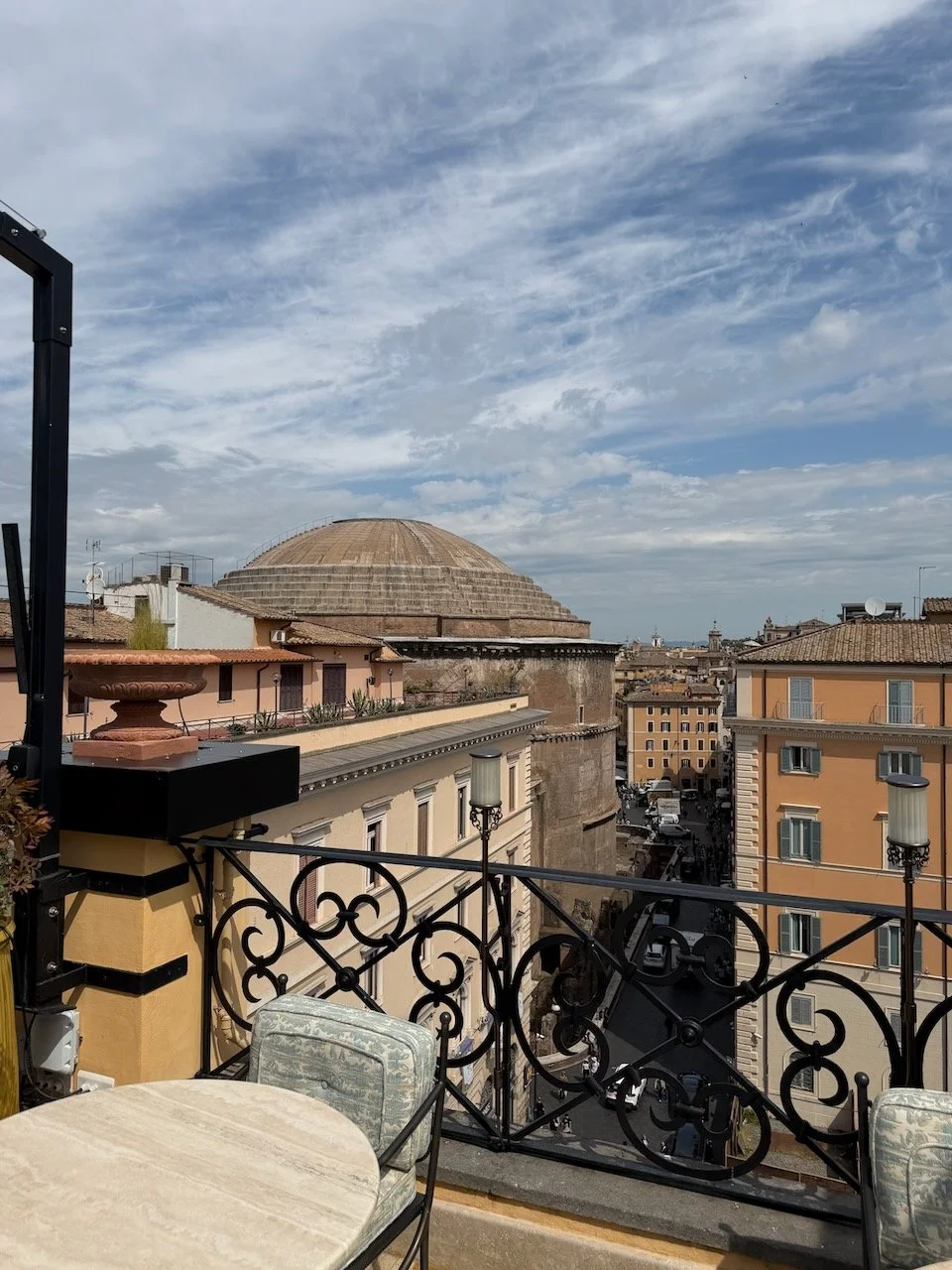
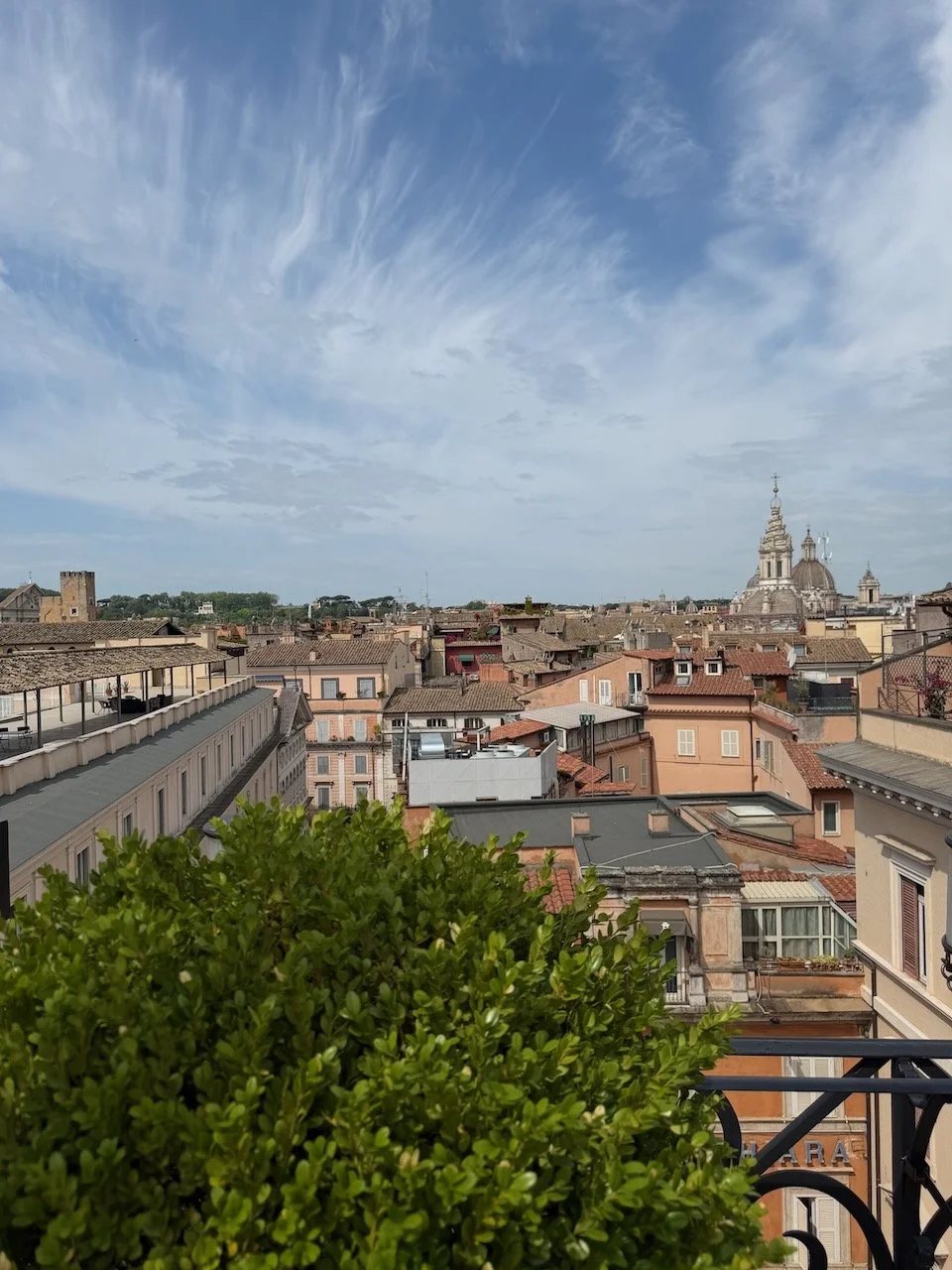
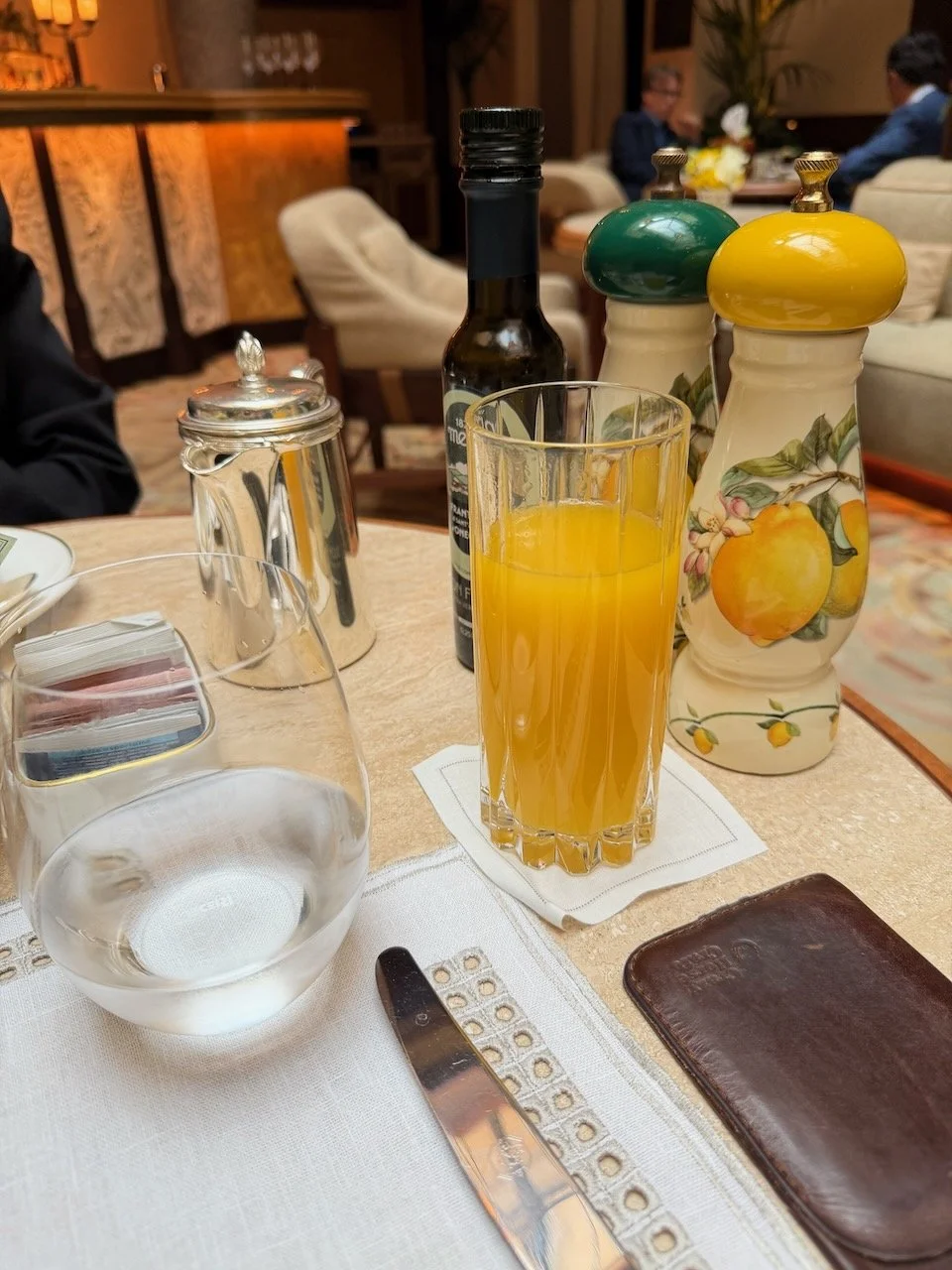
Rocco Forte in Rome: Hotel de Russie, Hotel de la Ville, and Rocco Forte House
I can get you VIP perks through Virtuoso and:

Intro
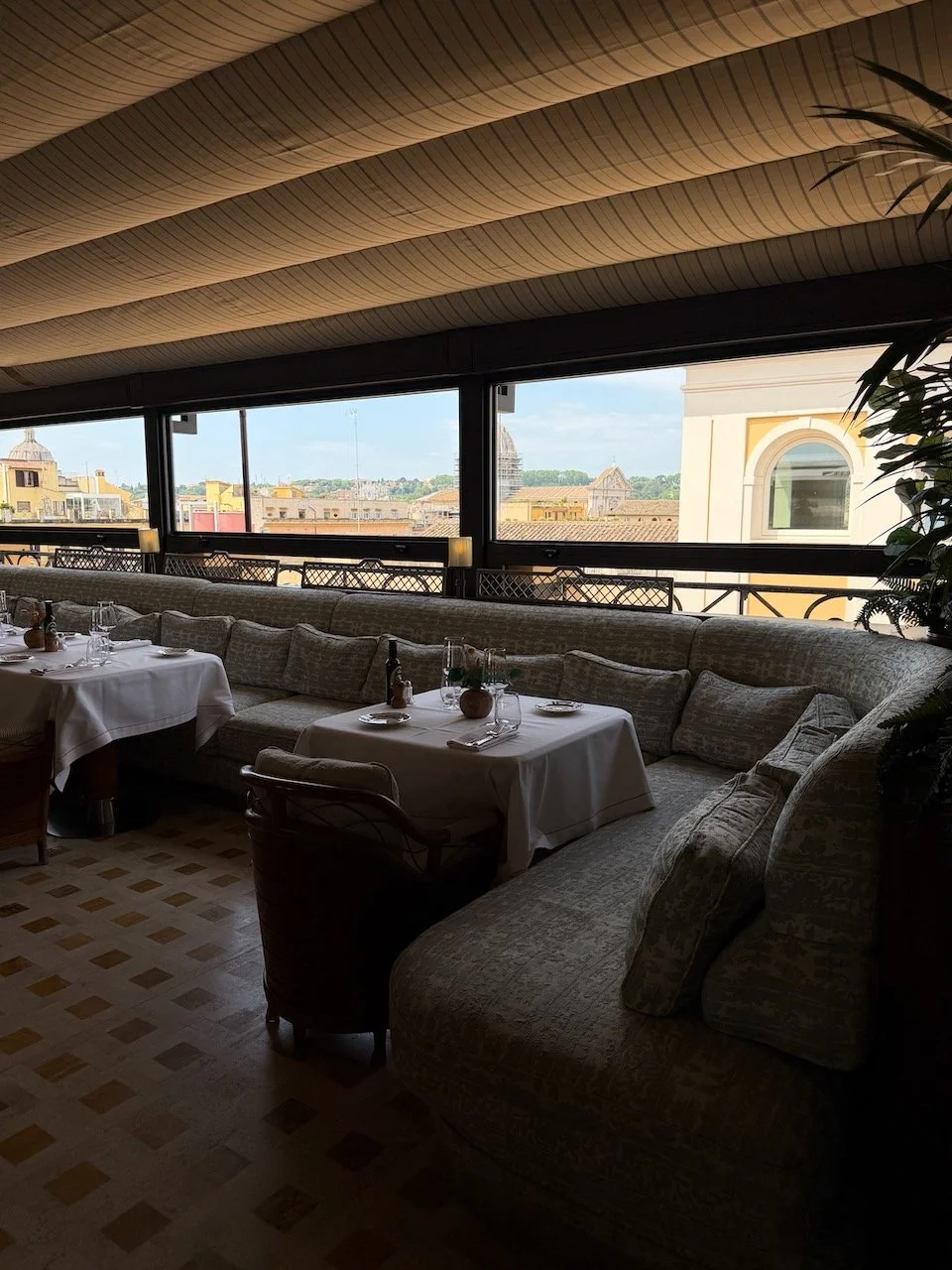
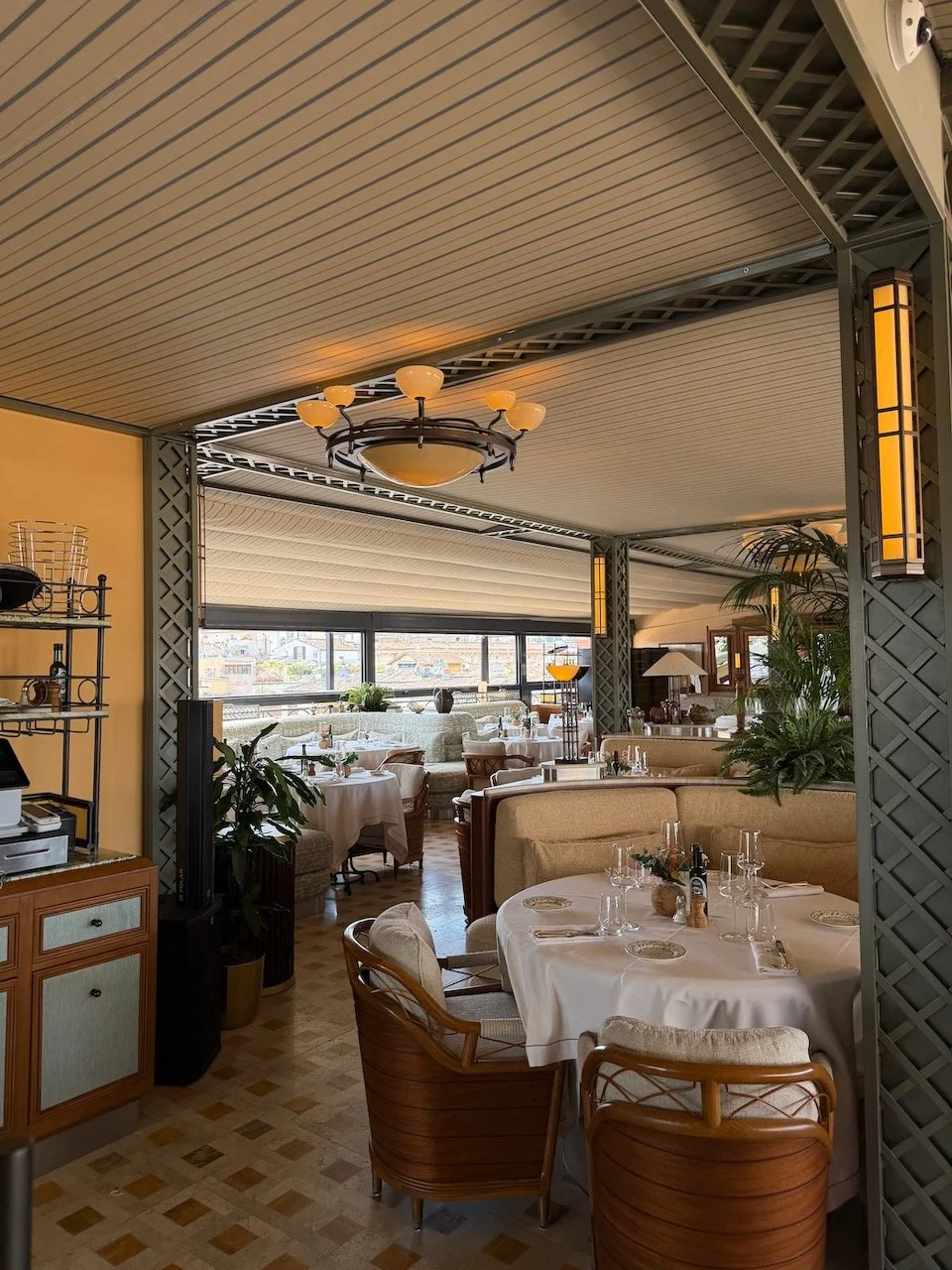
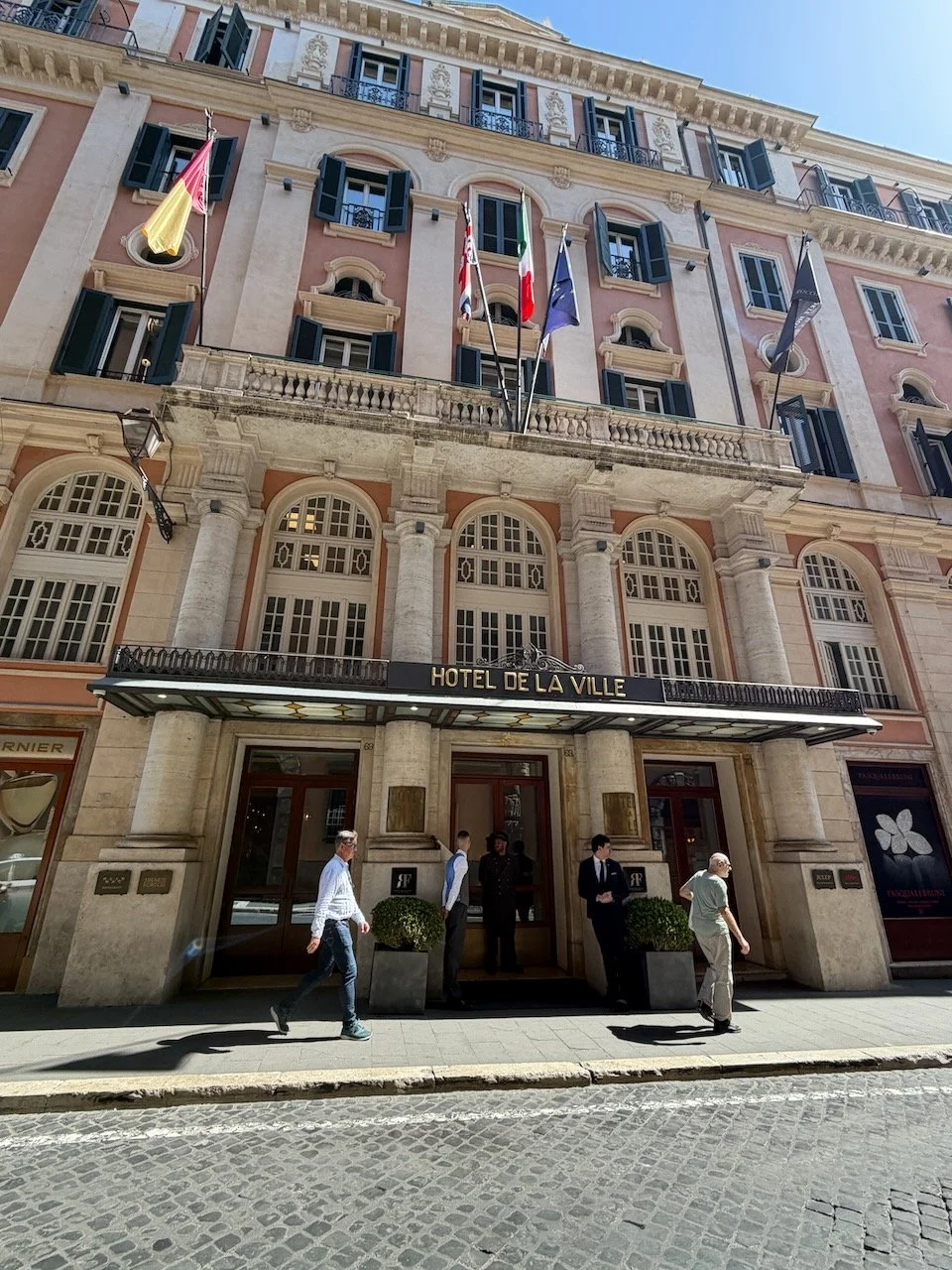
Rocco Forte is the old guard in Rome — but old guard should not be mistaken for outdated. Across Hotel de Russie, Hotel de la Ville, and Rocco Forte House at Piazza di Spagna, the brand offers one of the most complete luxury ecosystems in the city.
The appeal here is less about novelty and more about confidence and irreplaceable locations. Rocco Forte knows Rome, knows its clientele, and knows how to create hotels that feel polished, deeply comfortable, and correctly placed.
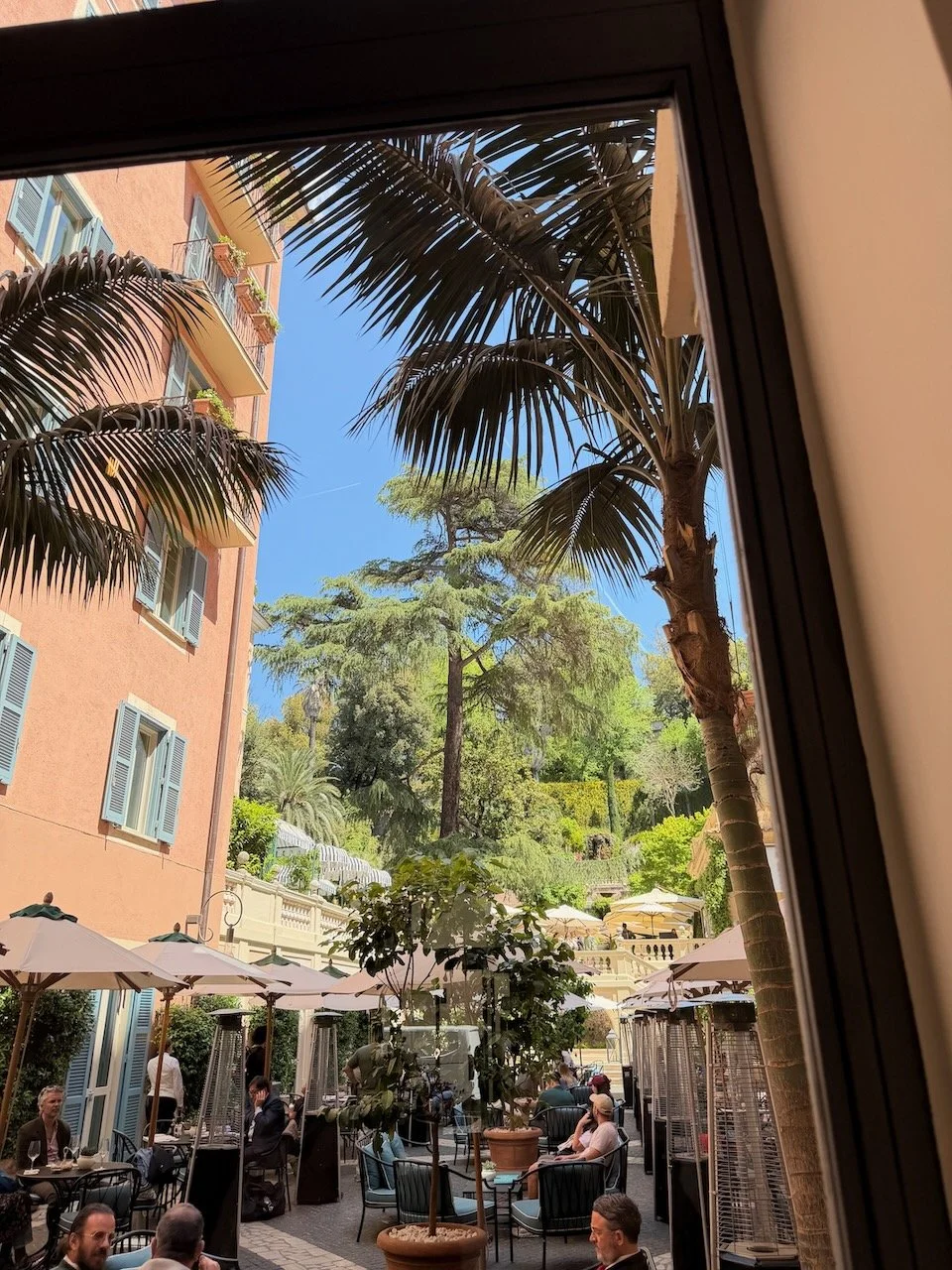
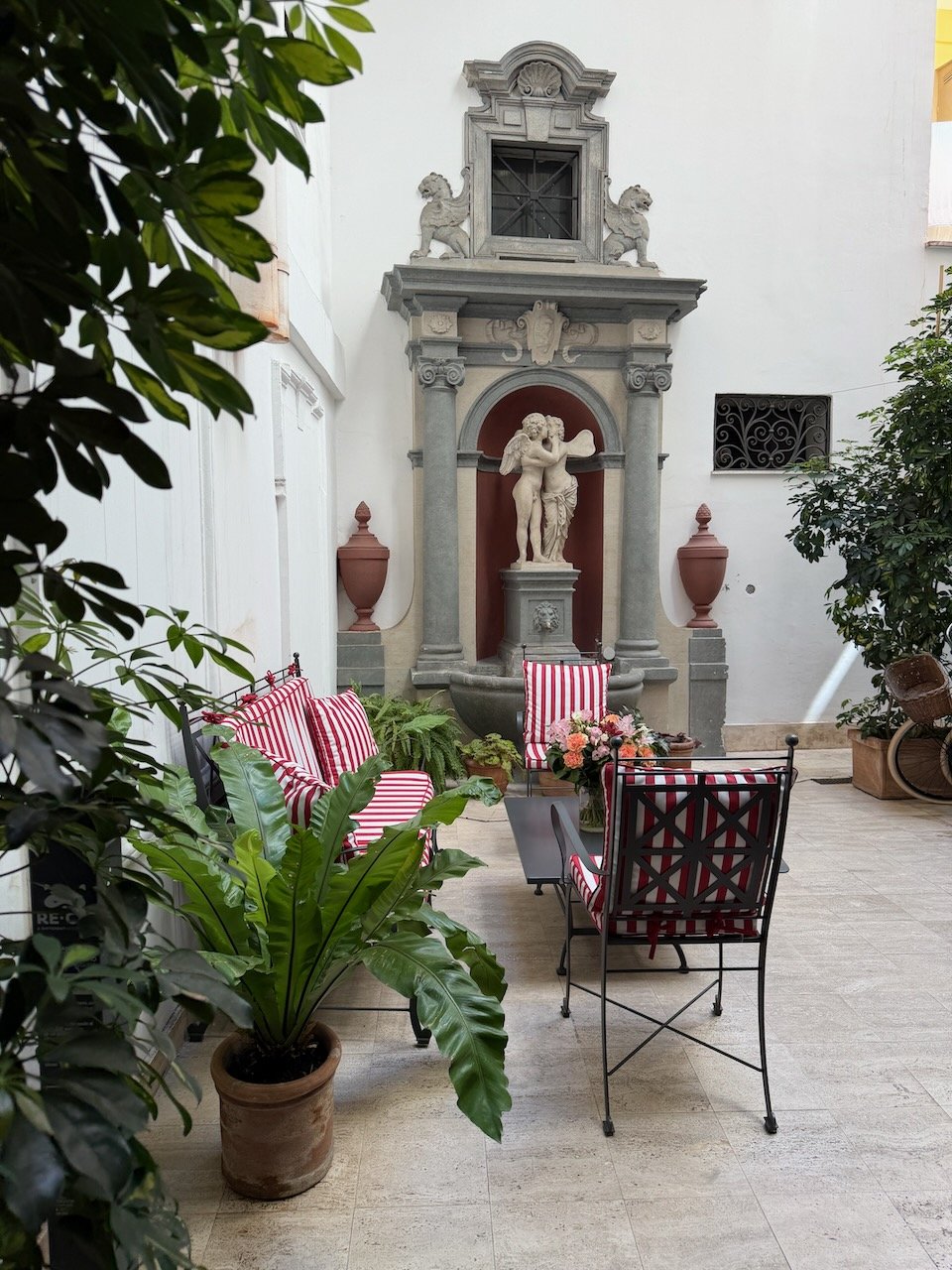
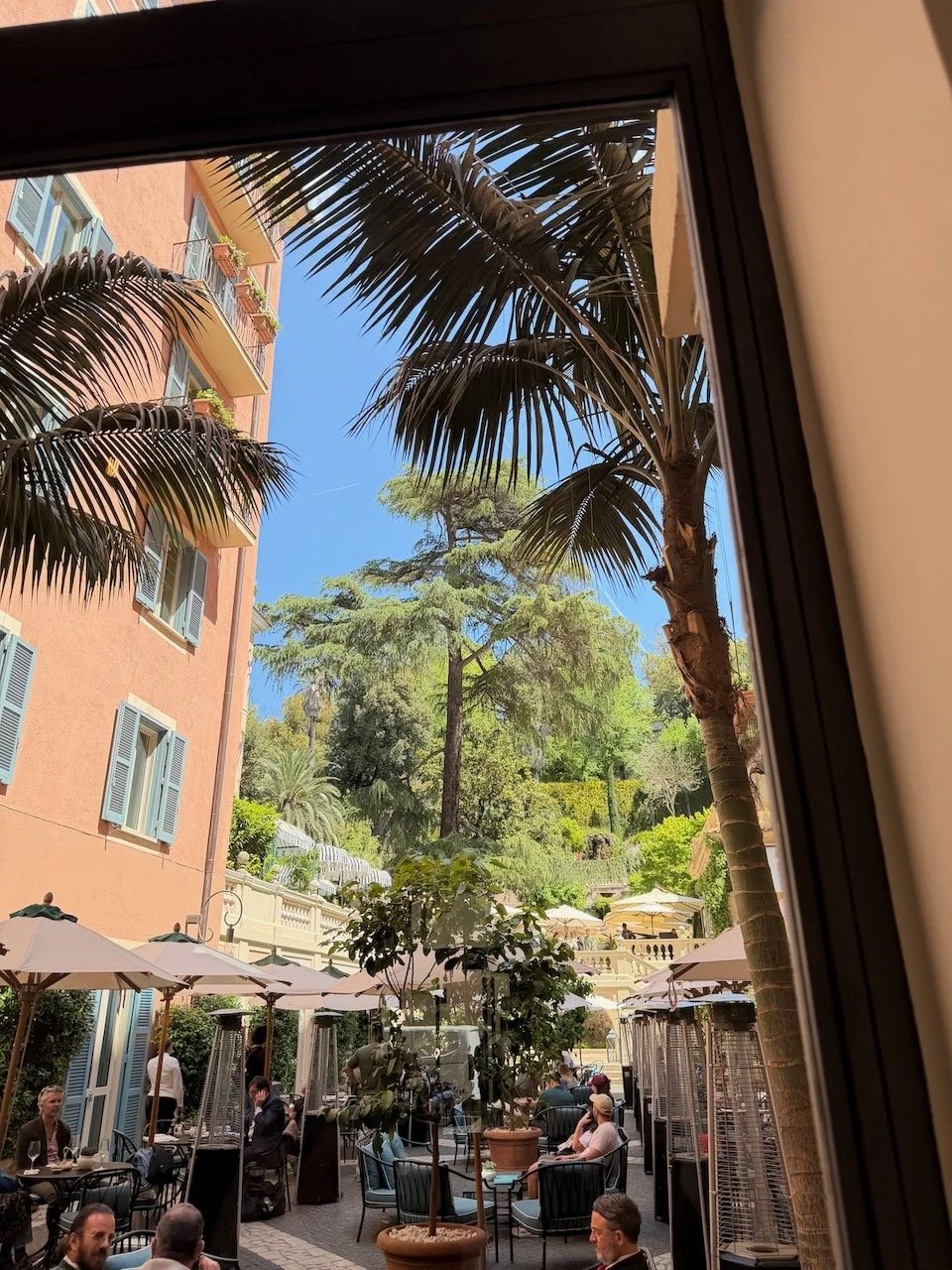
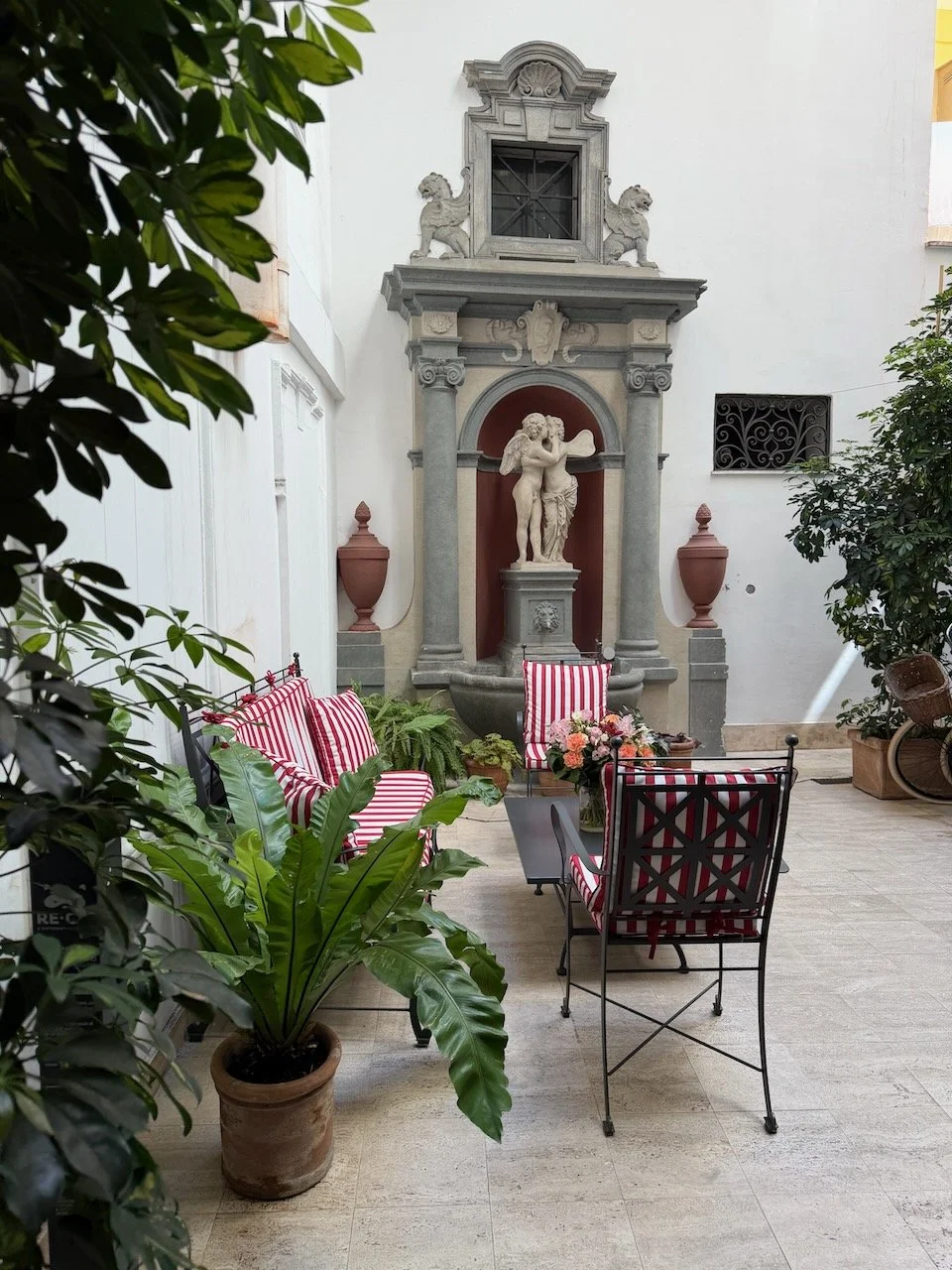
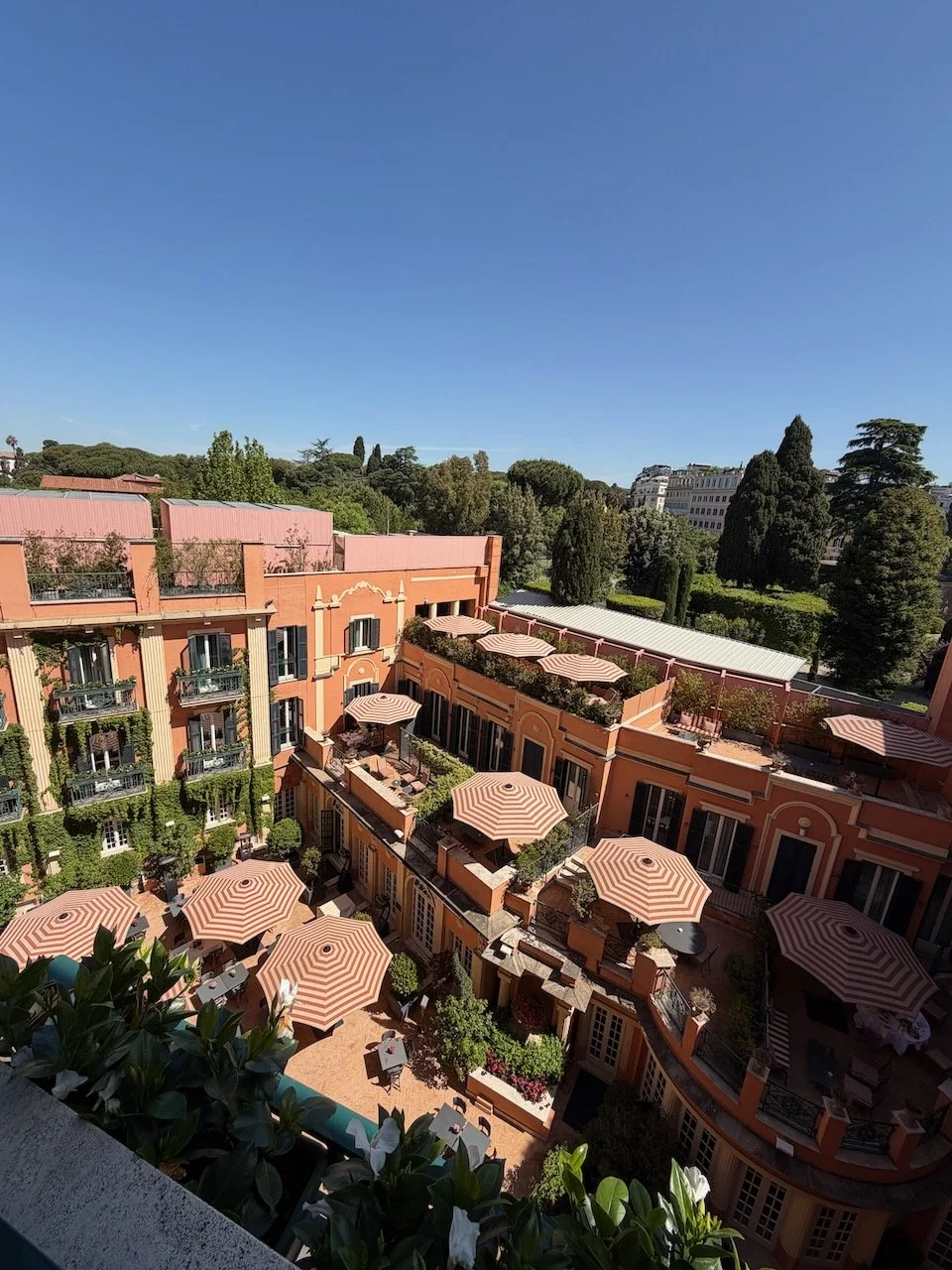
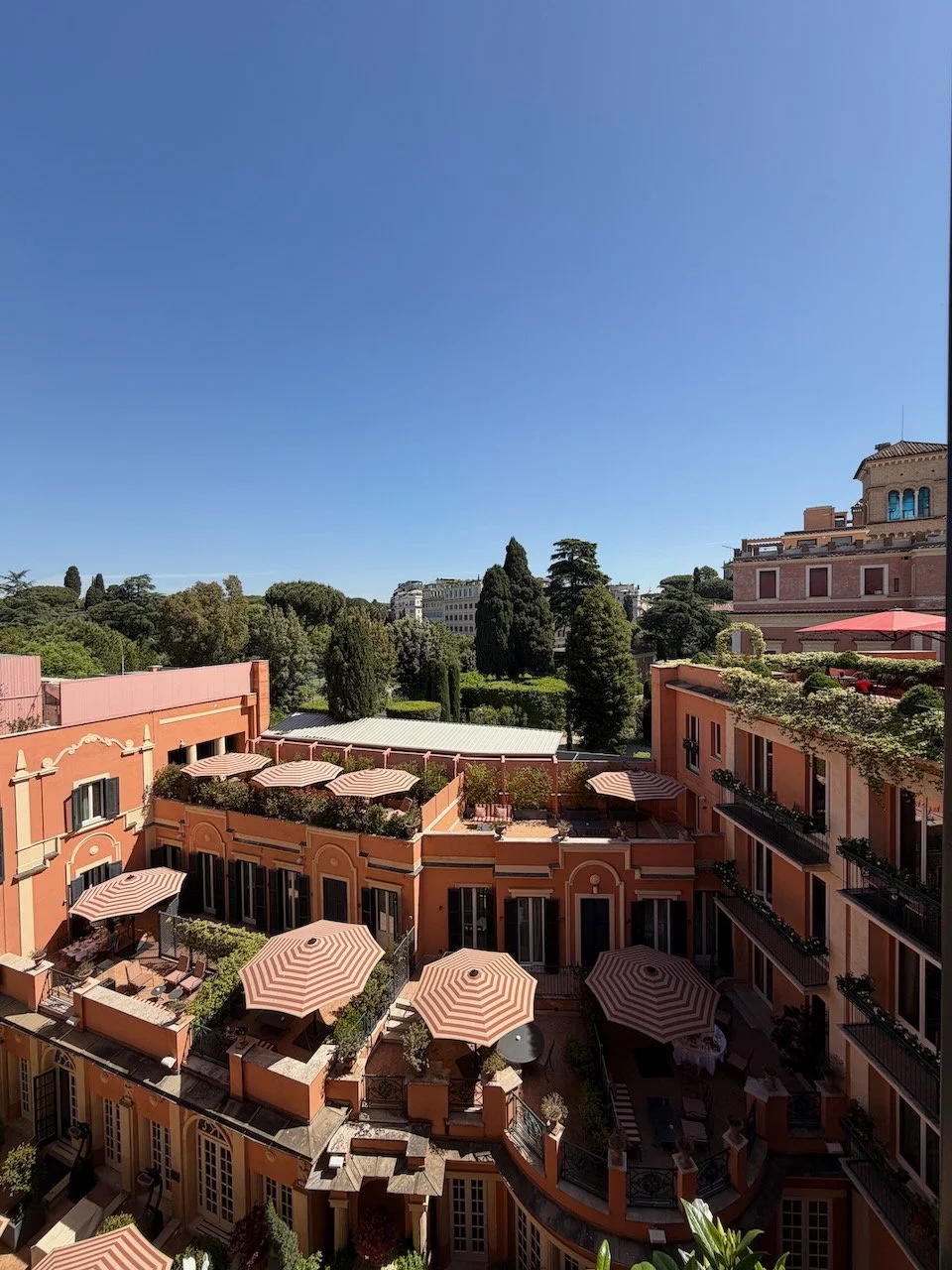
Hotel de Russie gives you the secret garden. Hotel de la Ville gives you the rooftop. Rocco Forte House gives you the privacy and space of an apartment with access to the other two hotel’s facilities and the most central location.
Ambiance
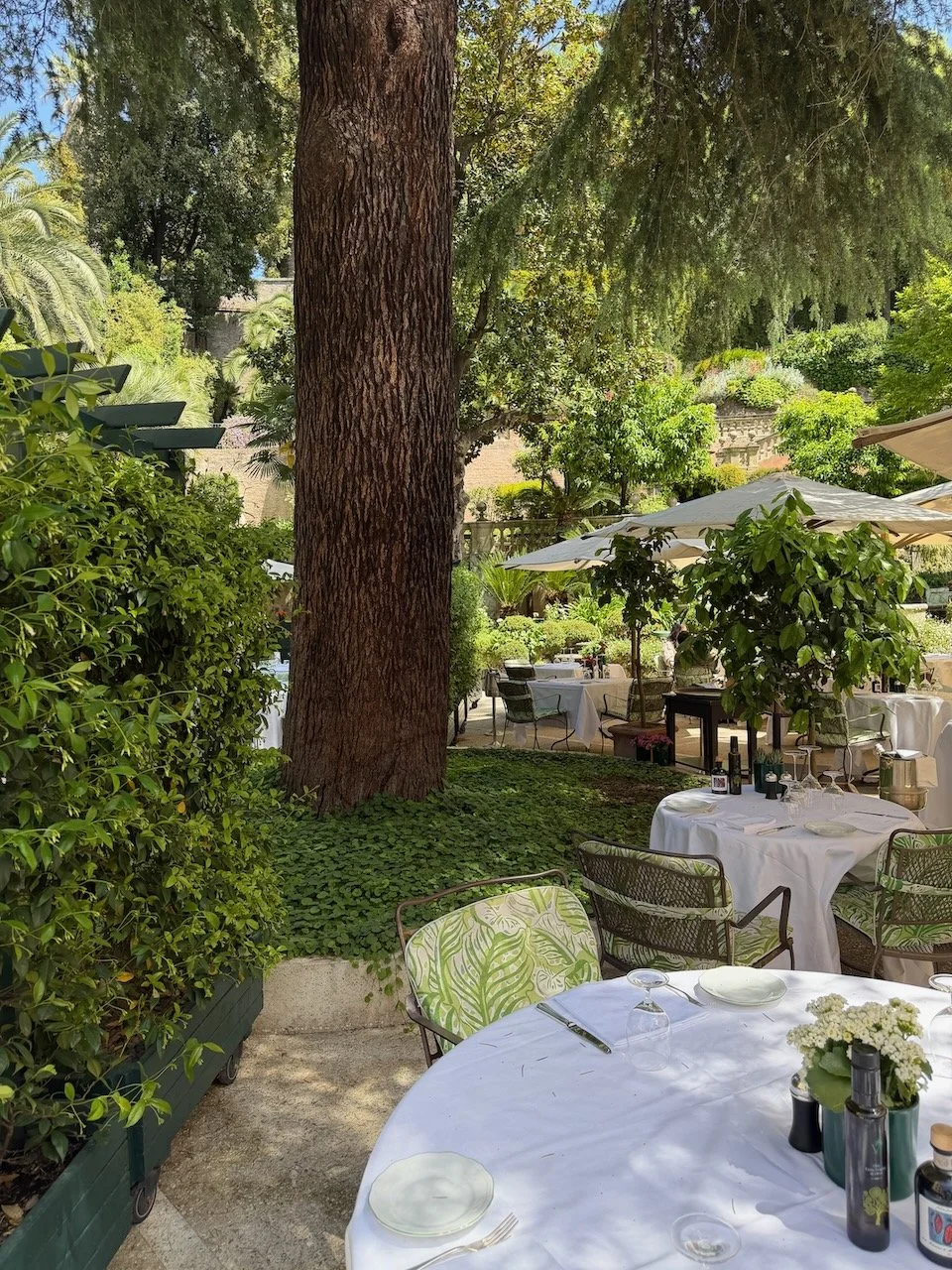
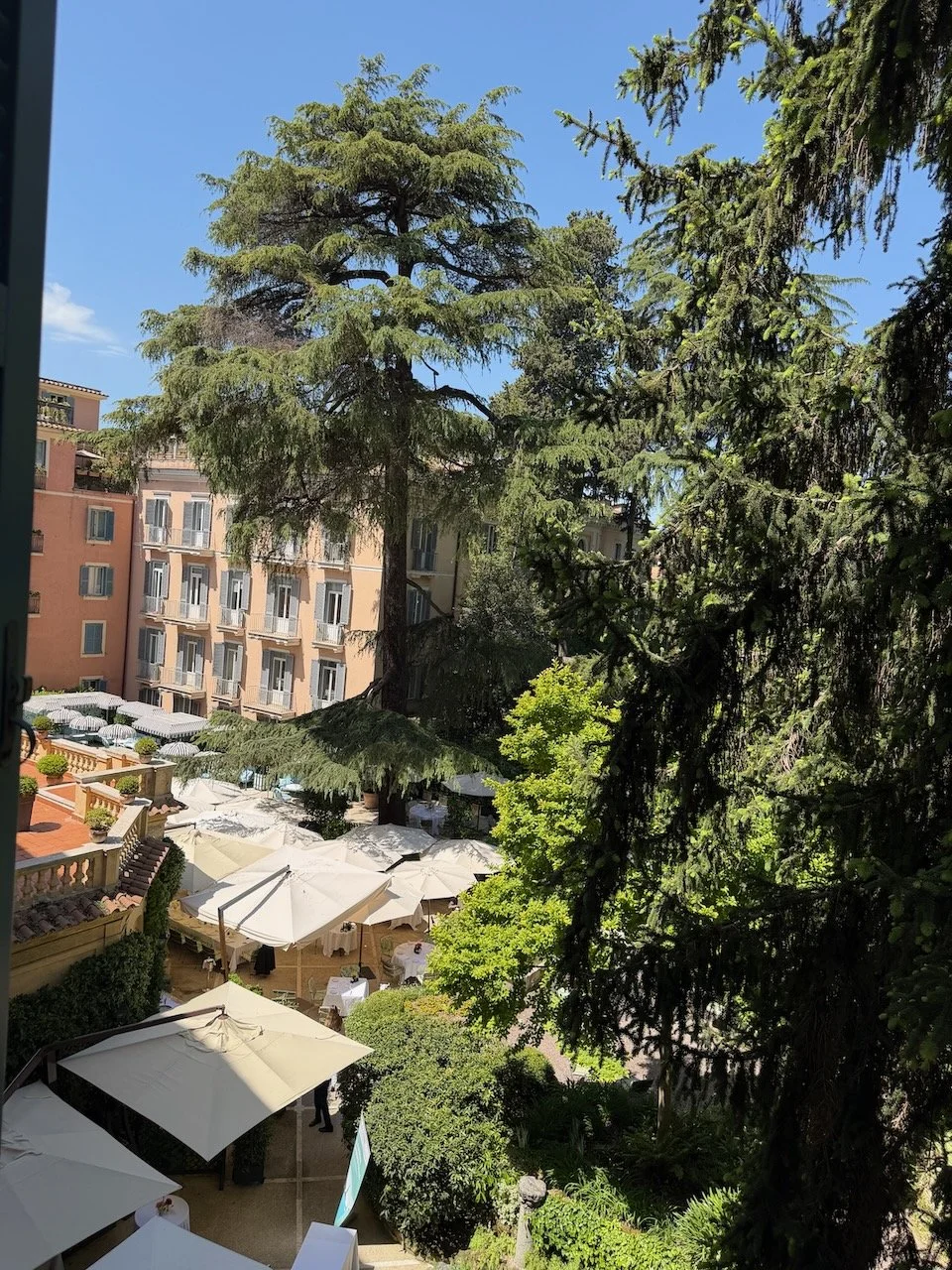
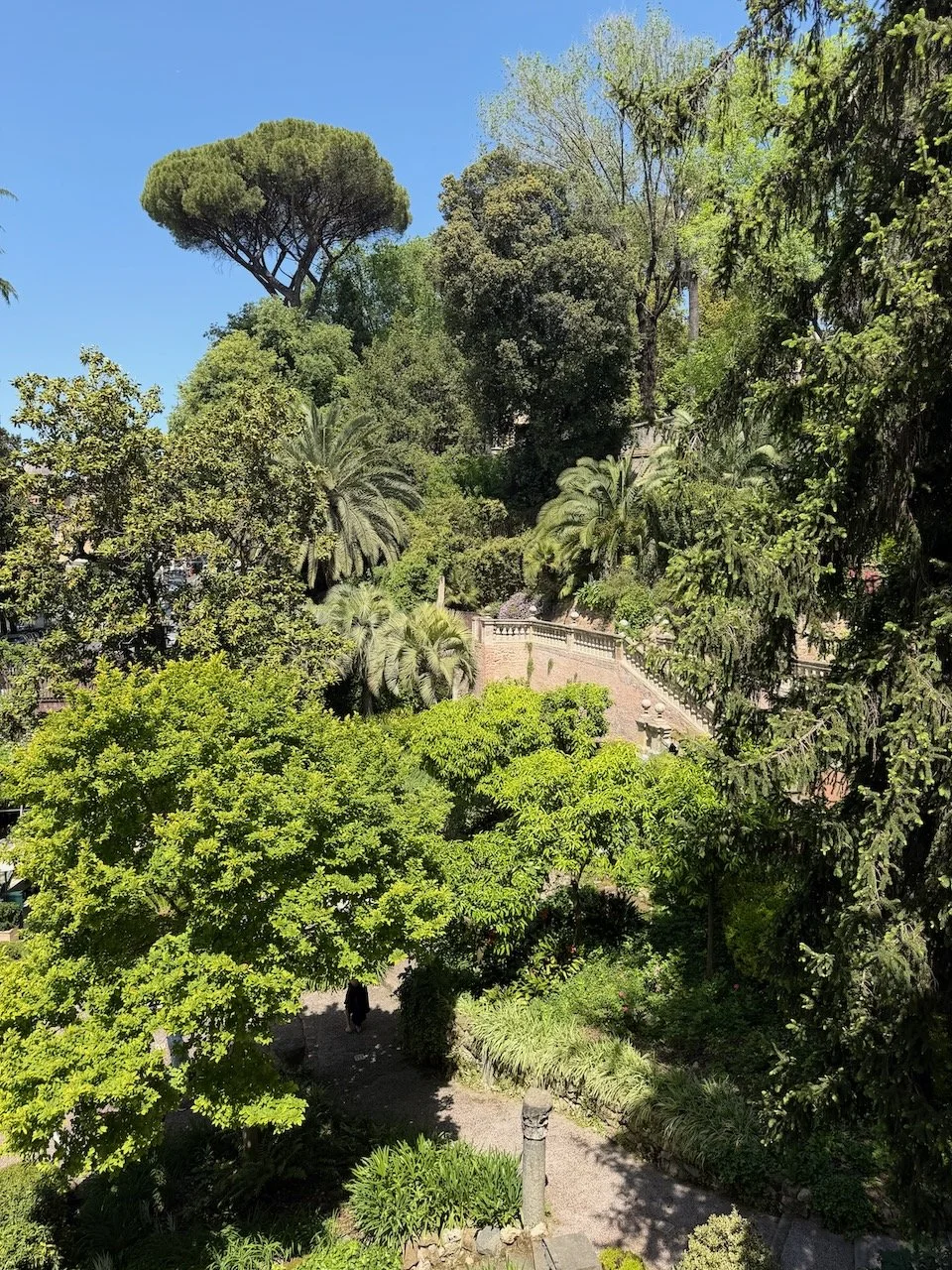
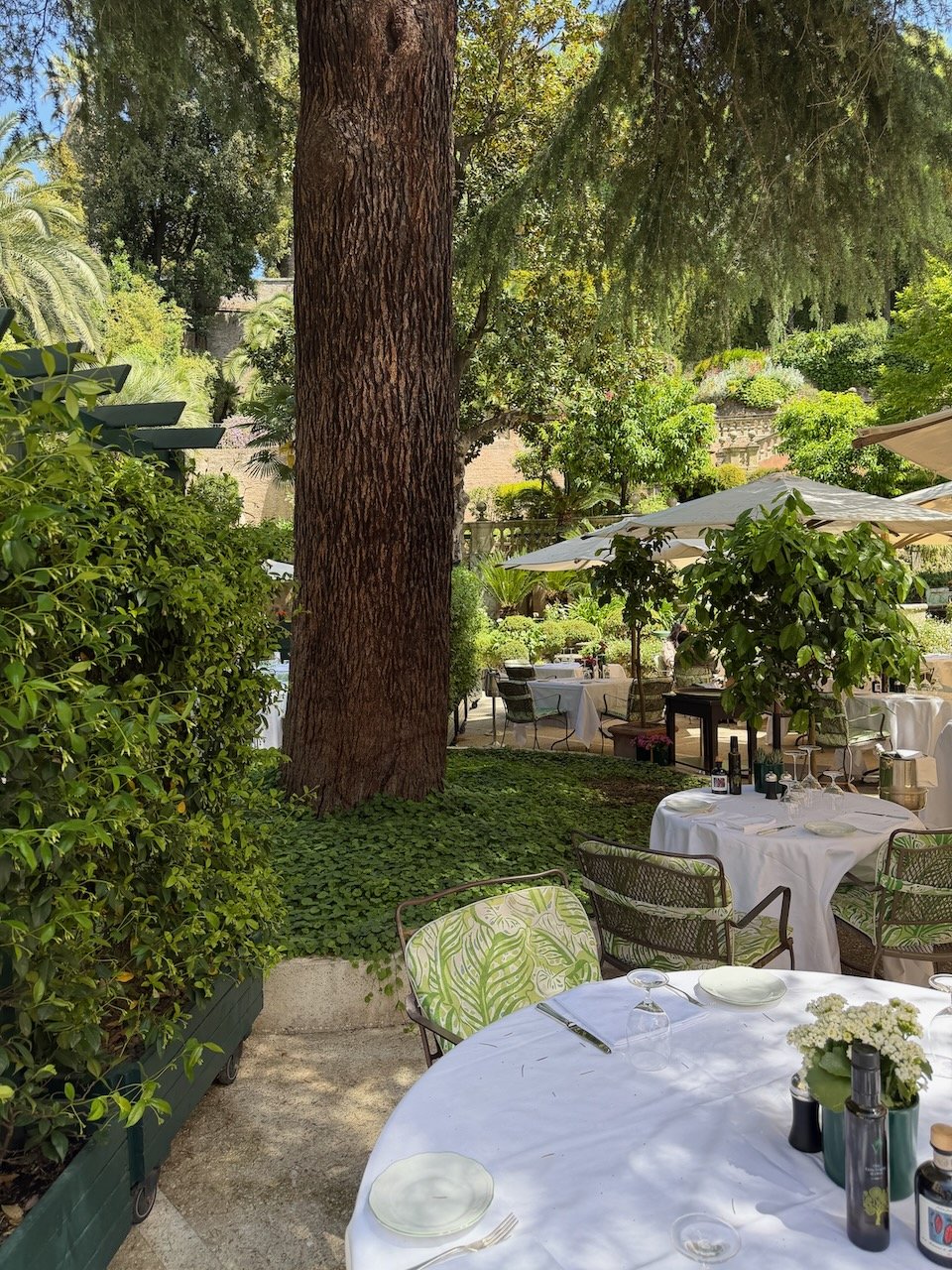
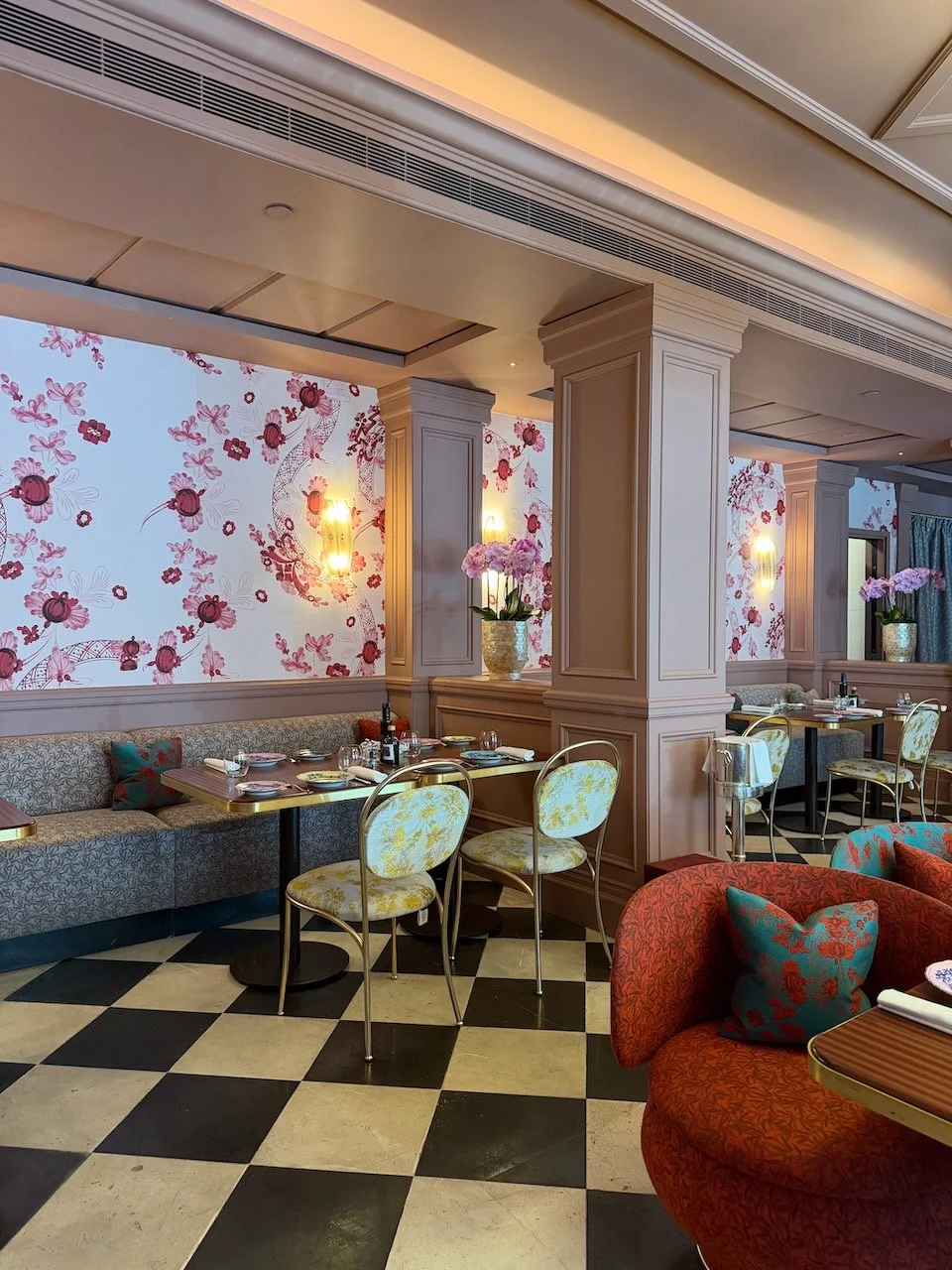
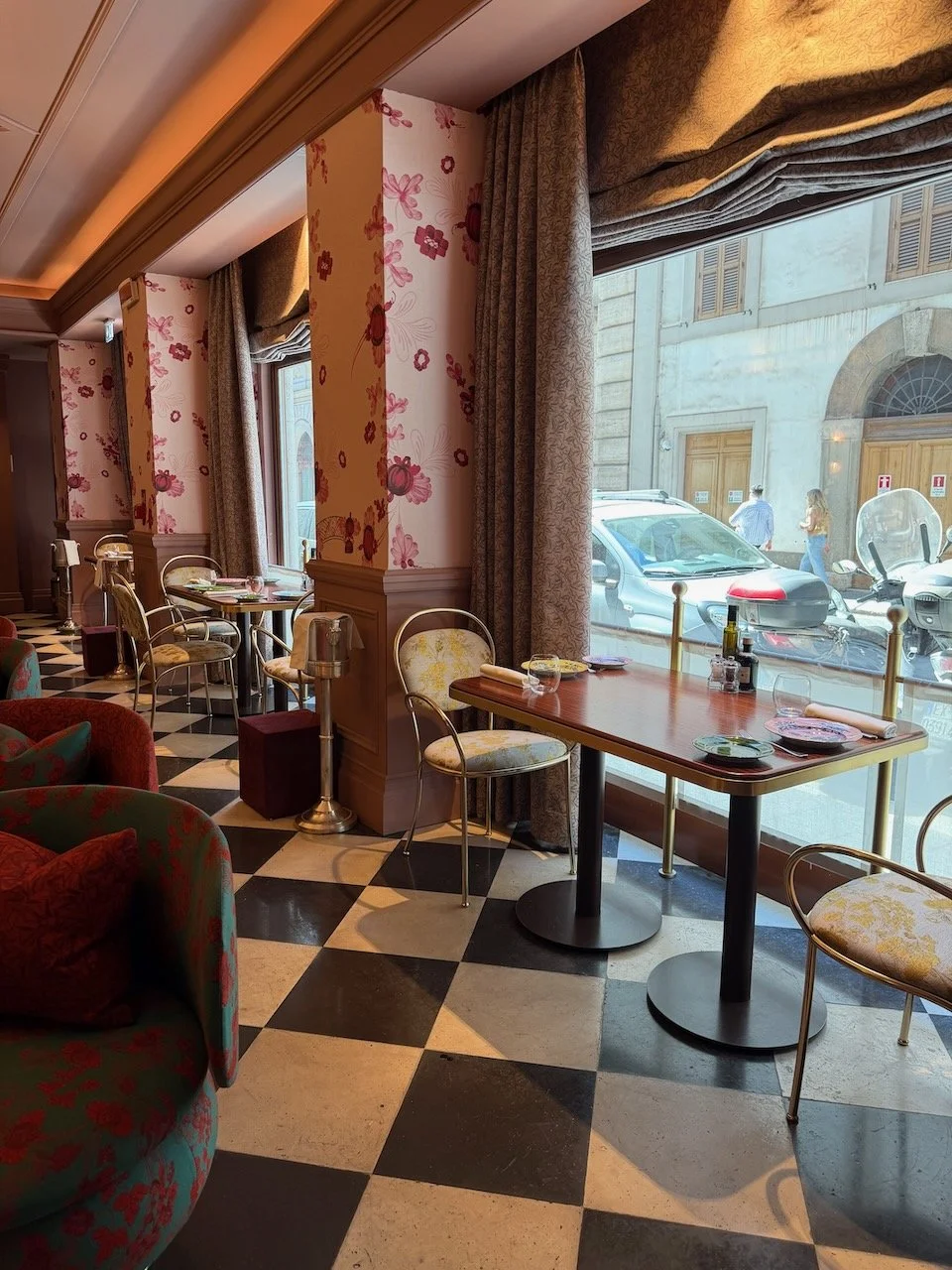
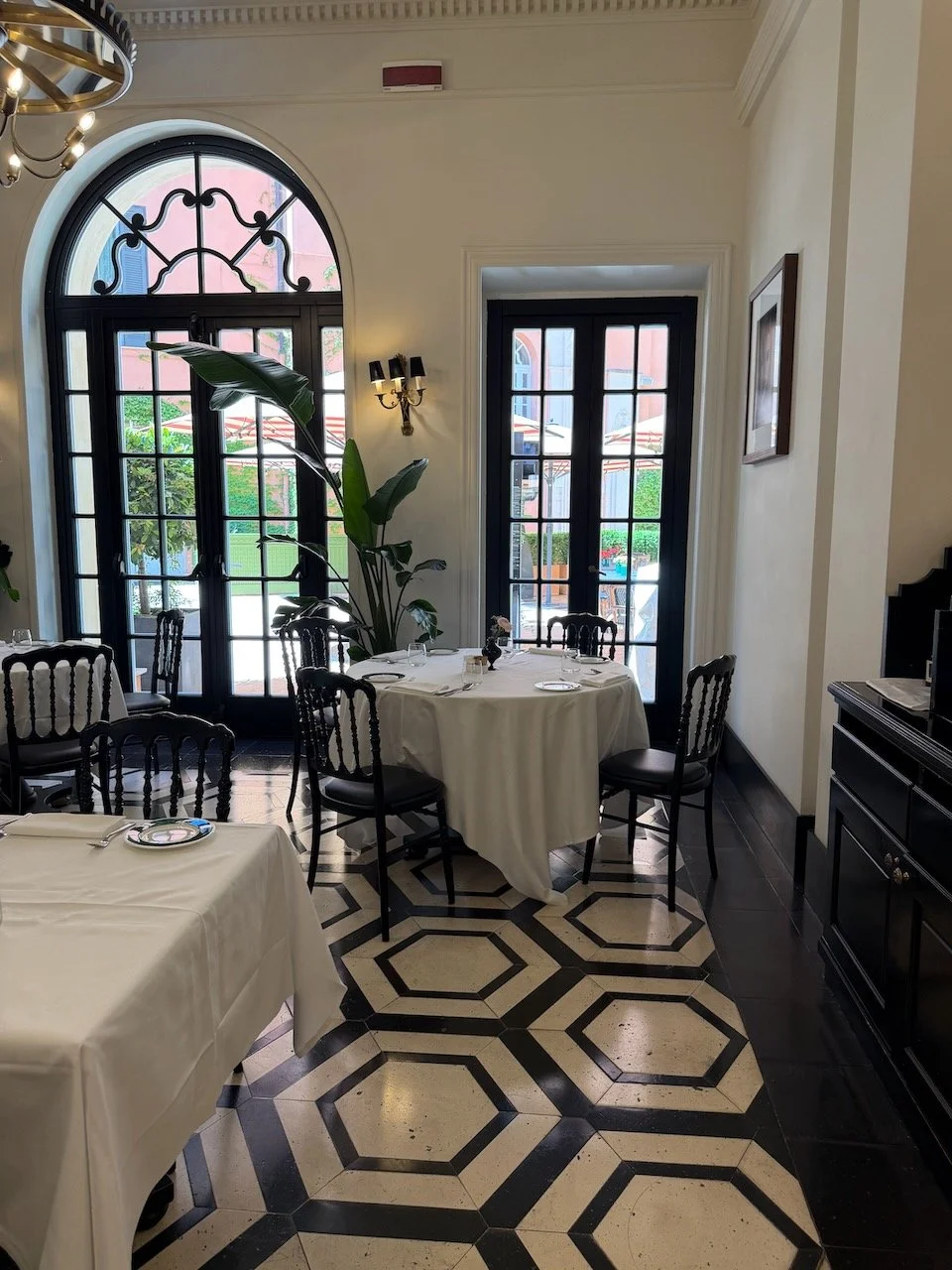
Hotel de Russie has the most classic “Roman institution” feeling of the three. Set between Piazza del Popolo and the Spanish Steps, it combines a very central location with an unexpectedly calm garden ambiance. The heart of the hotel is the Secret Garden and the Stravinskij Bar, which Rocco Forte describes as an oasis in the historic centre of Rome and a gathering place for the city’s stylish crowd. That is exactly the appeal: you are in the middle of Rome, but once you enter the courtyard and garden, the city suddenly feels softer, quieter, and more private.
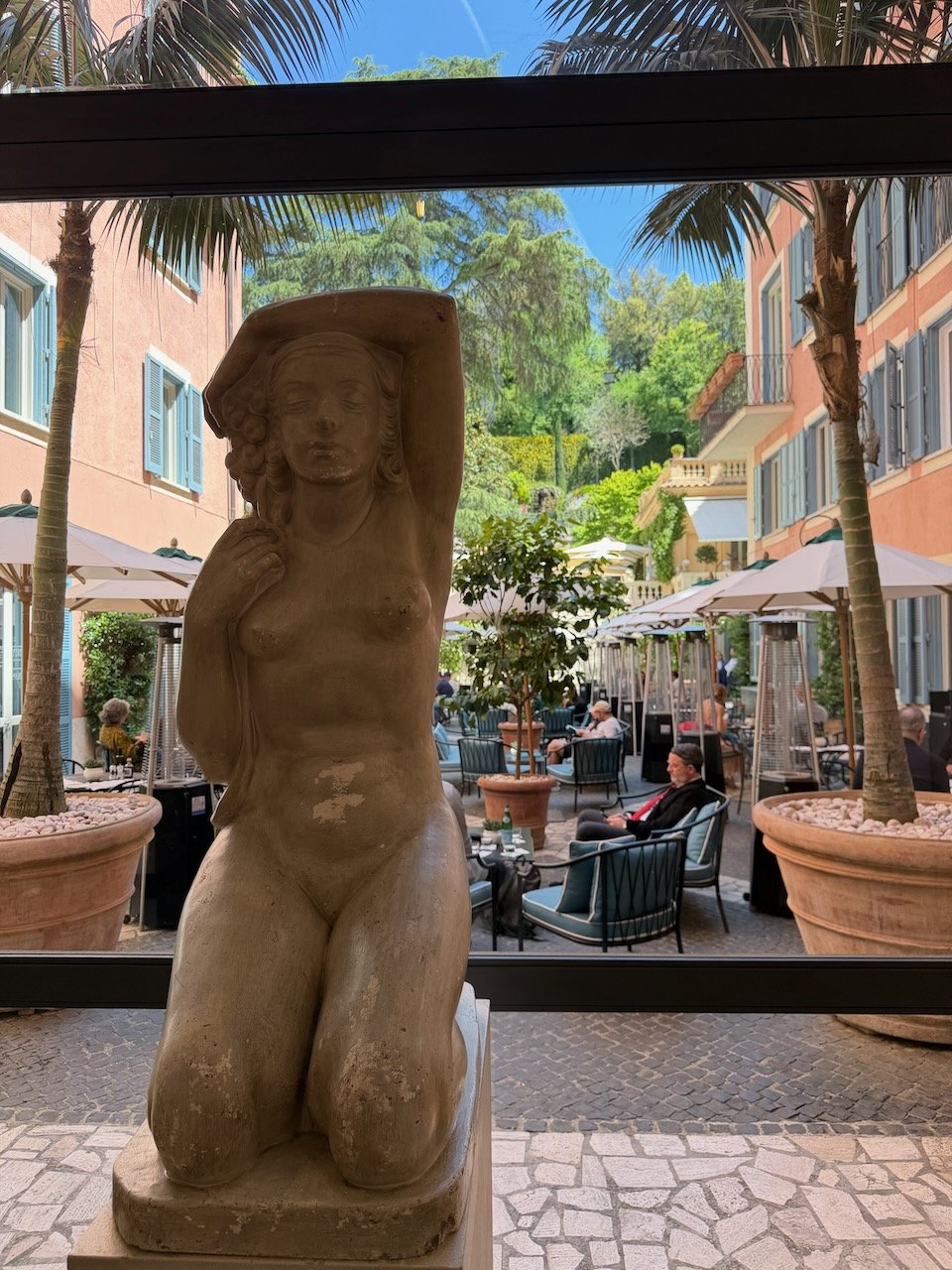
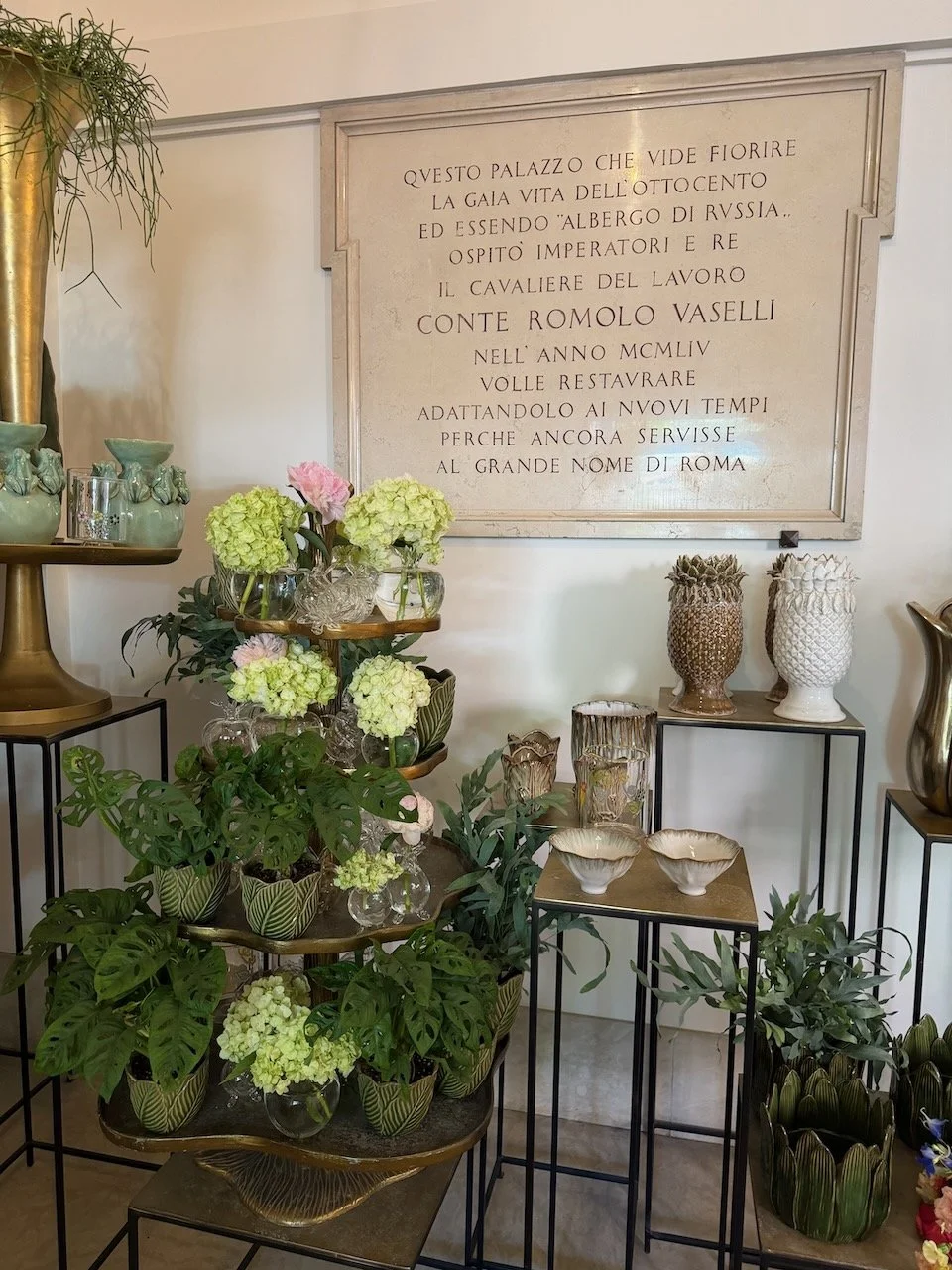
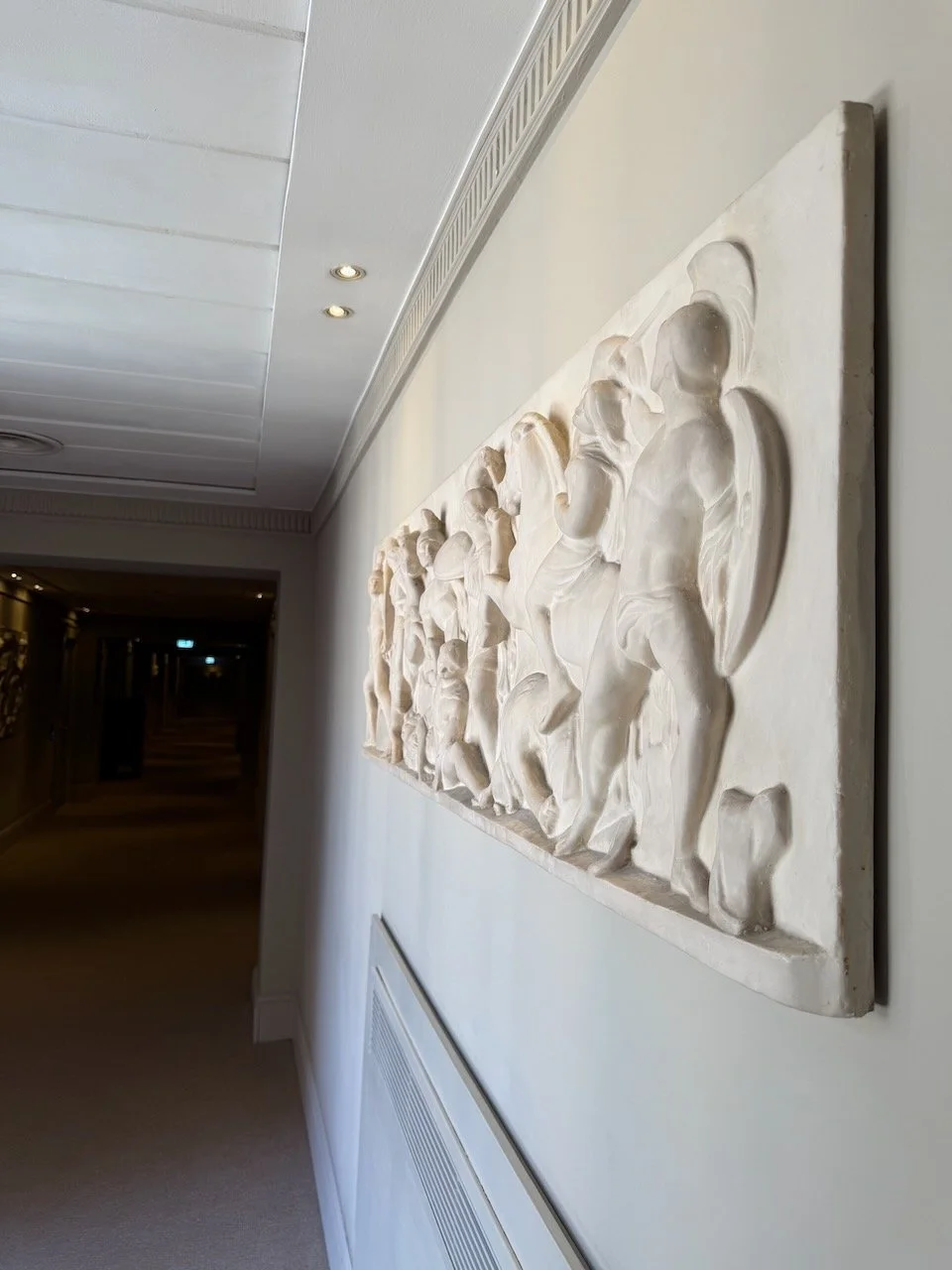
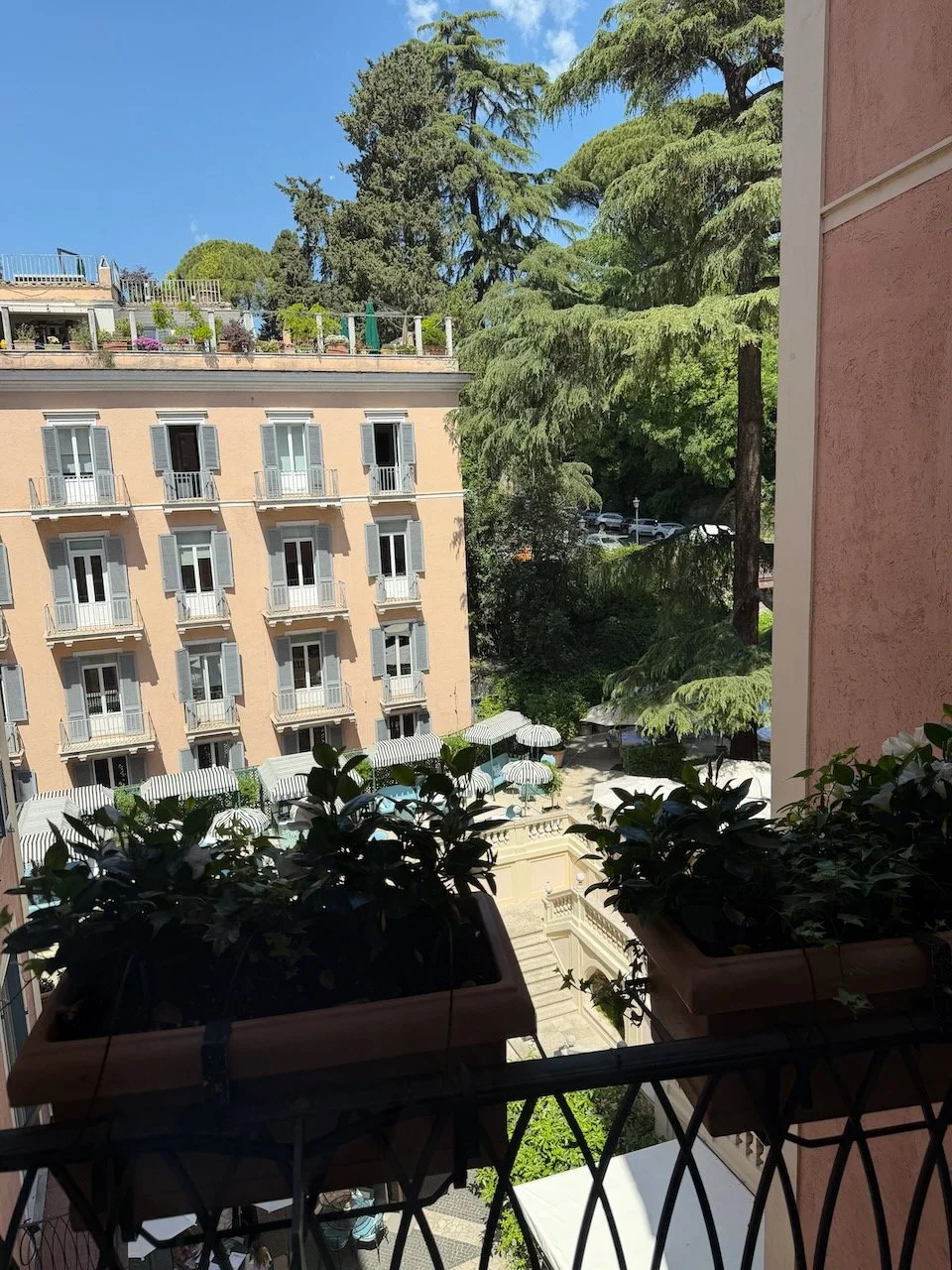
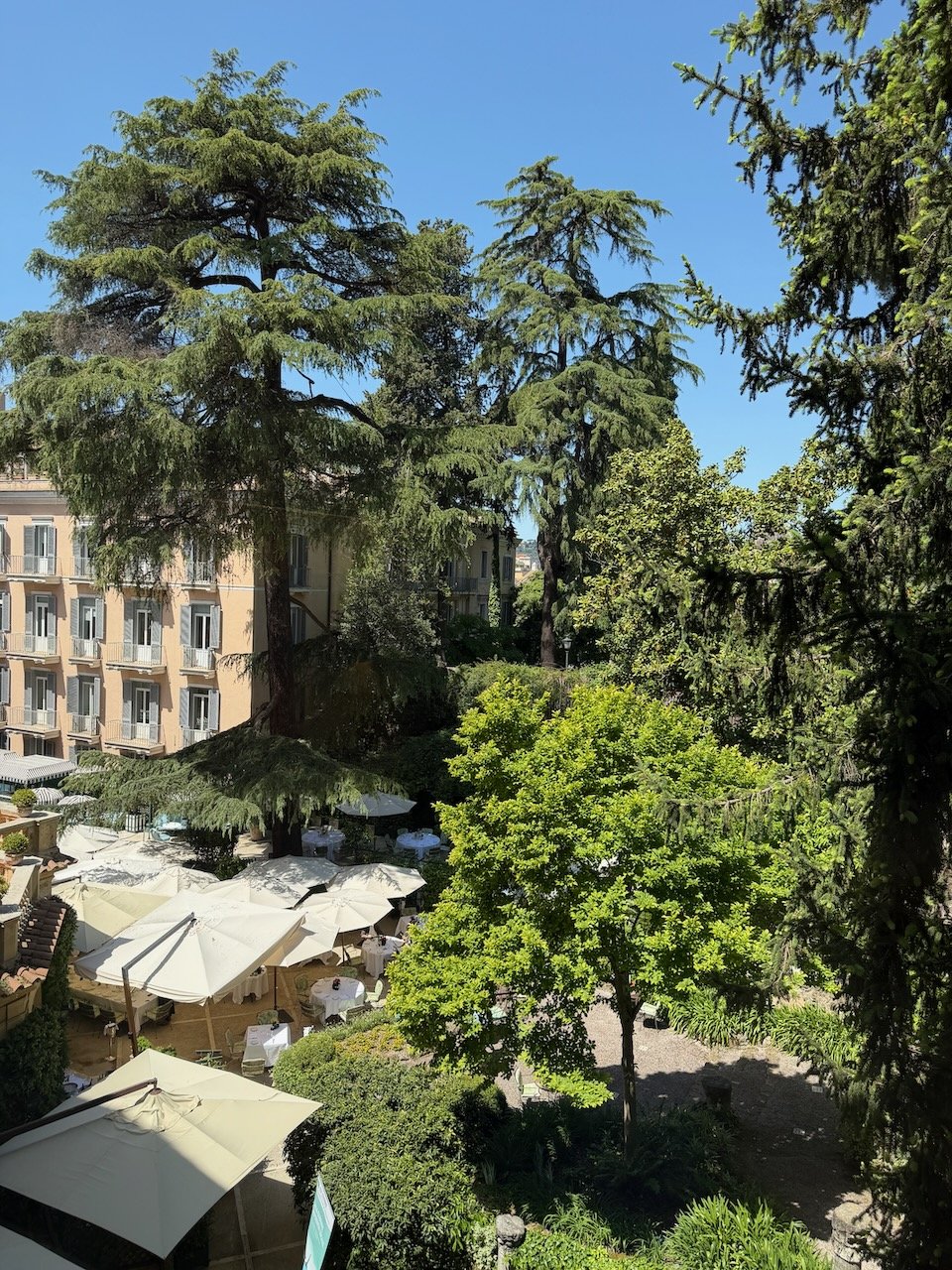
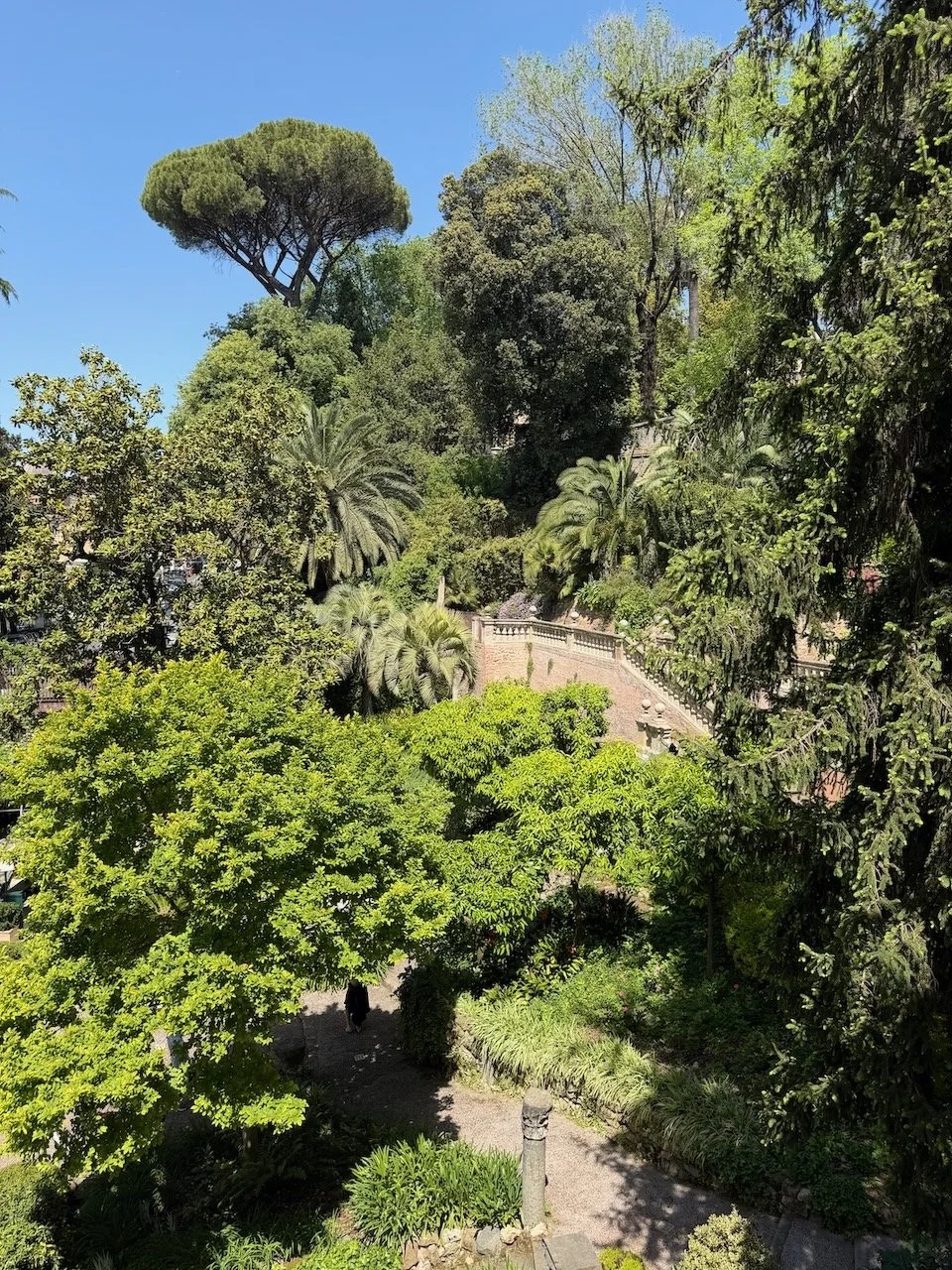
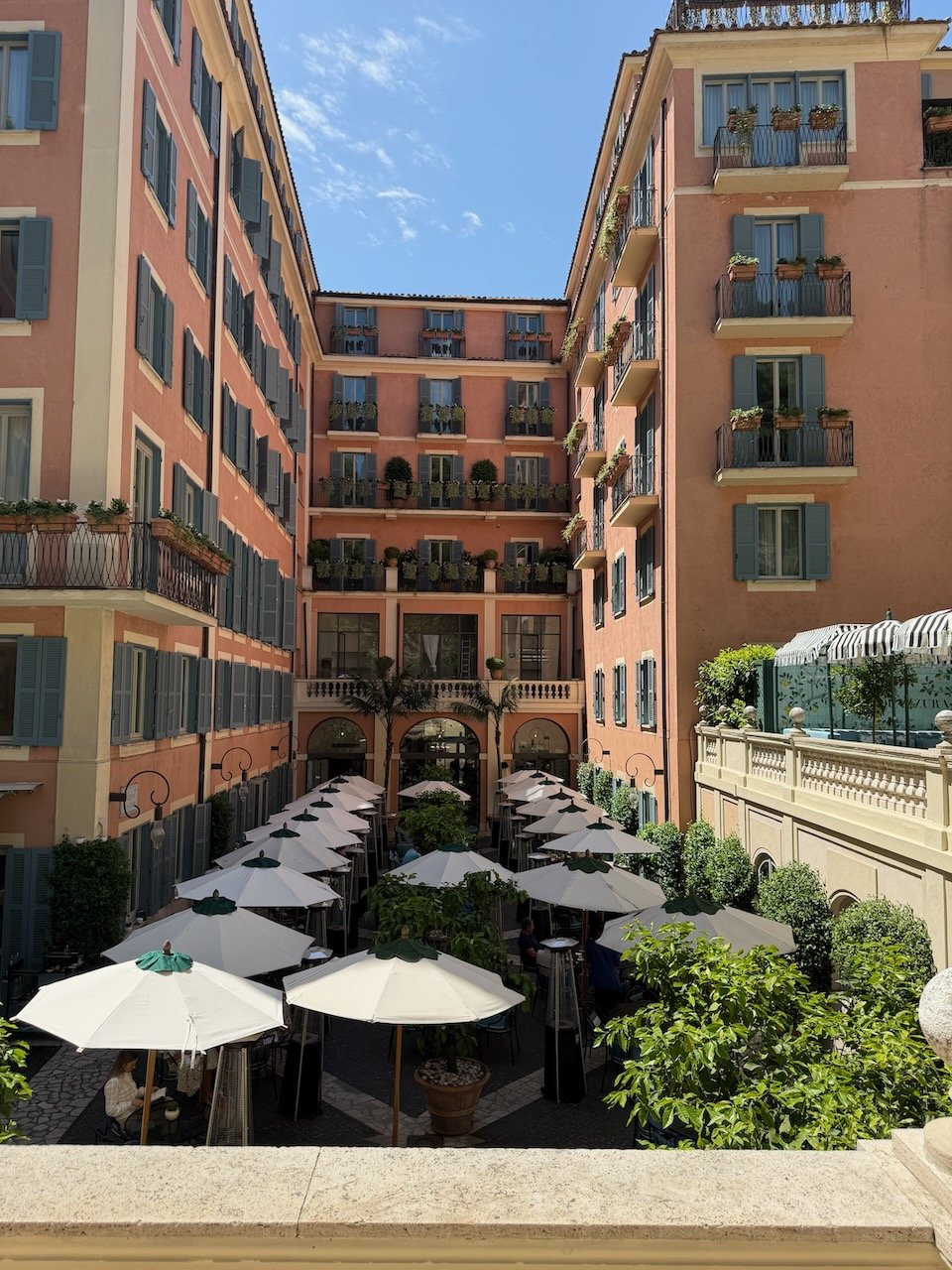
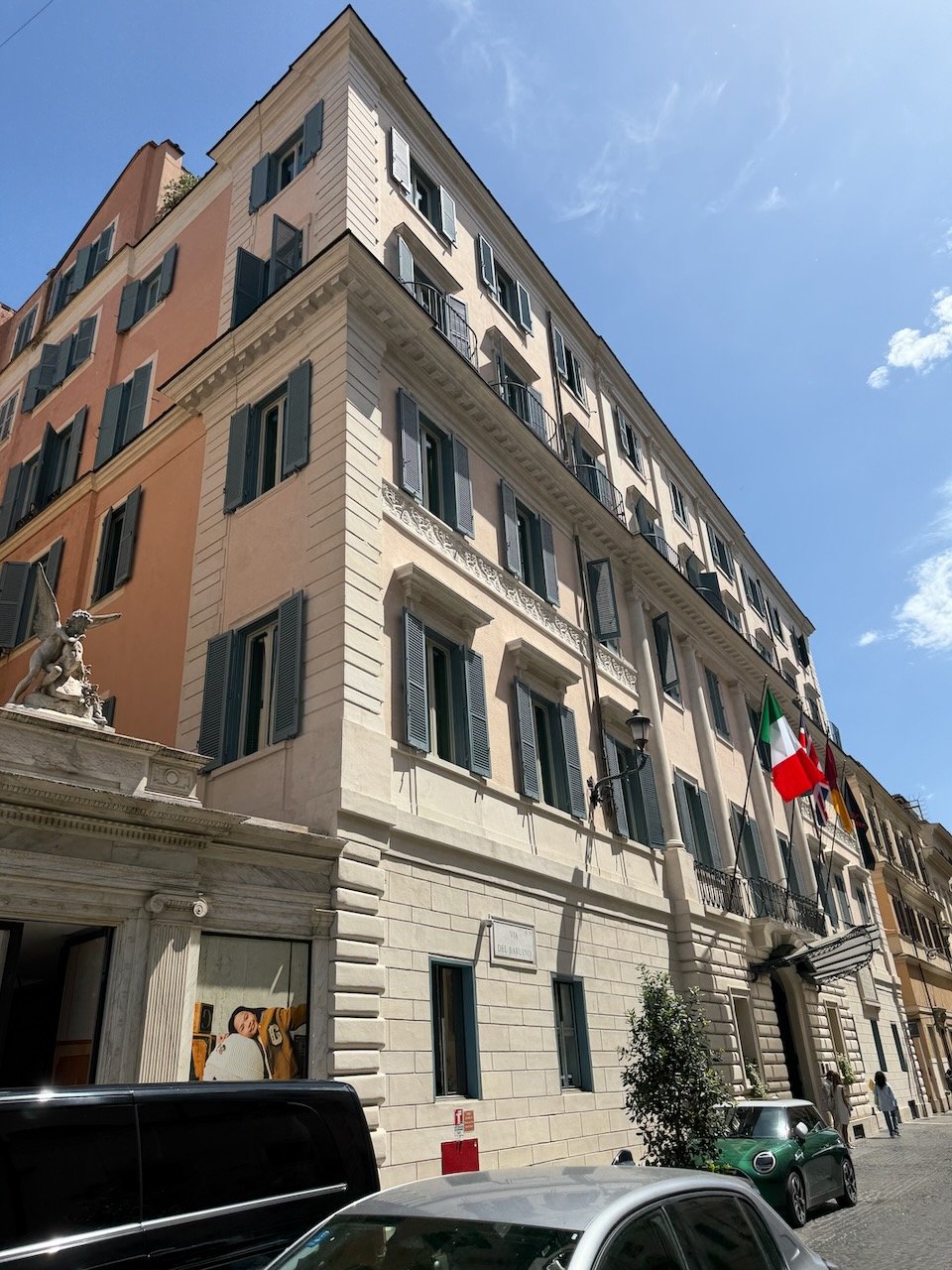
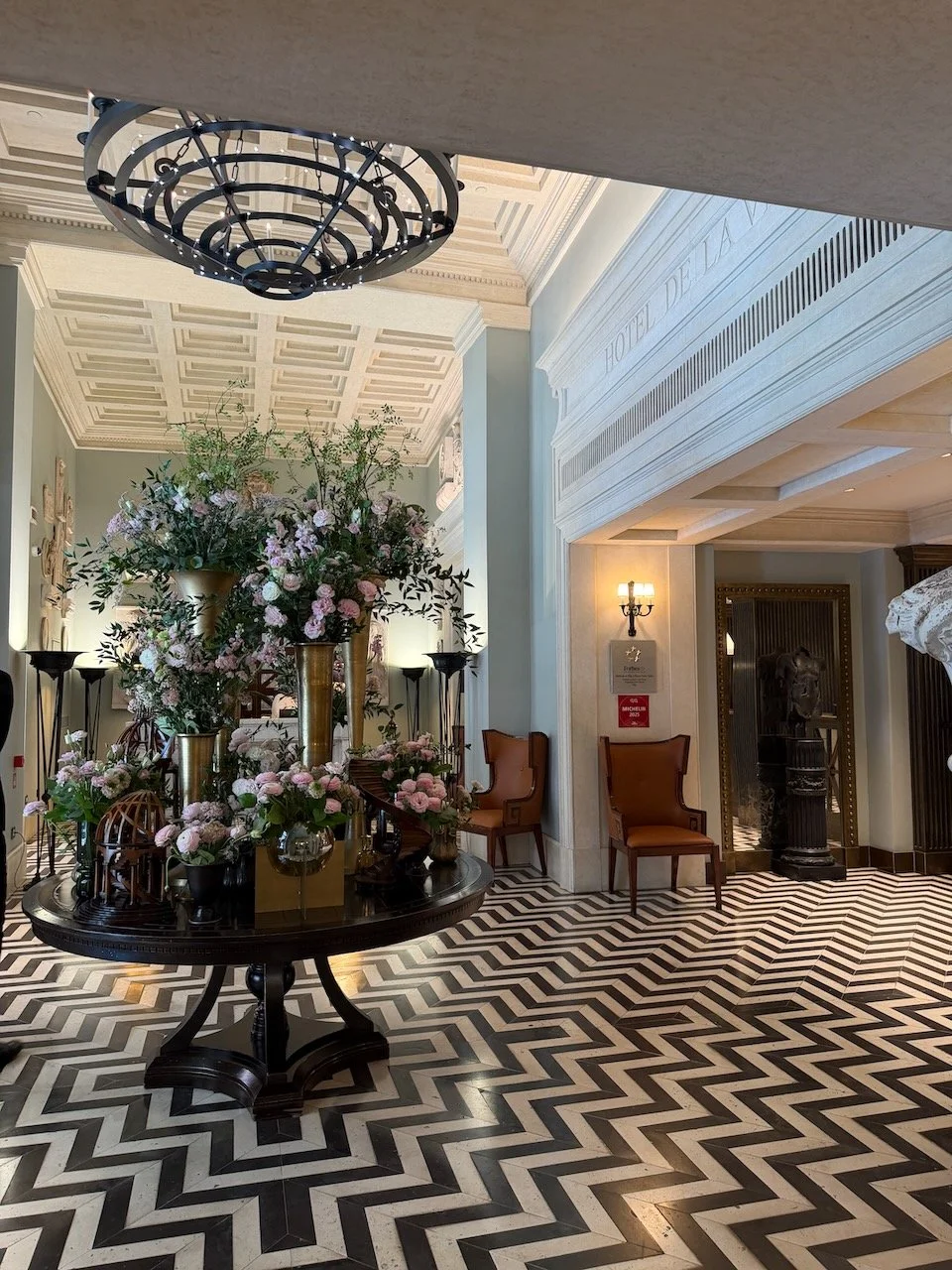
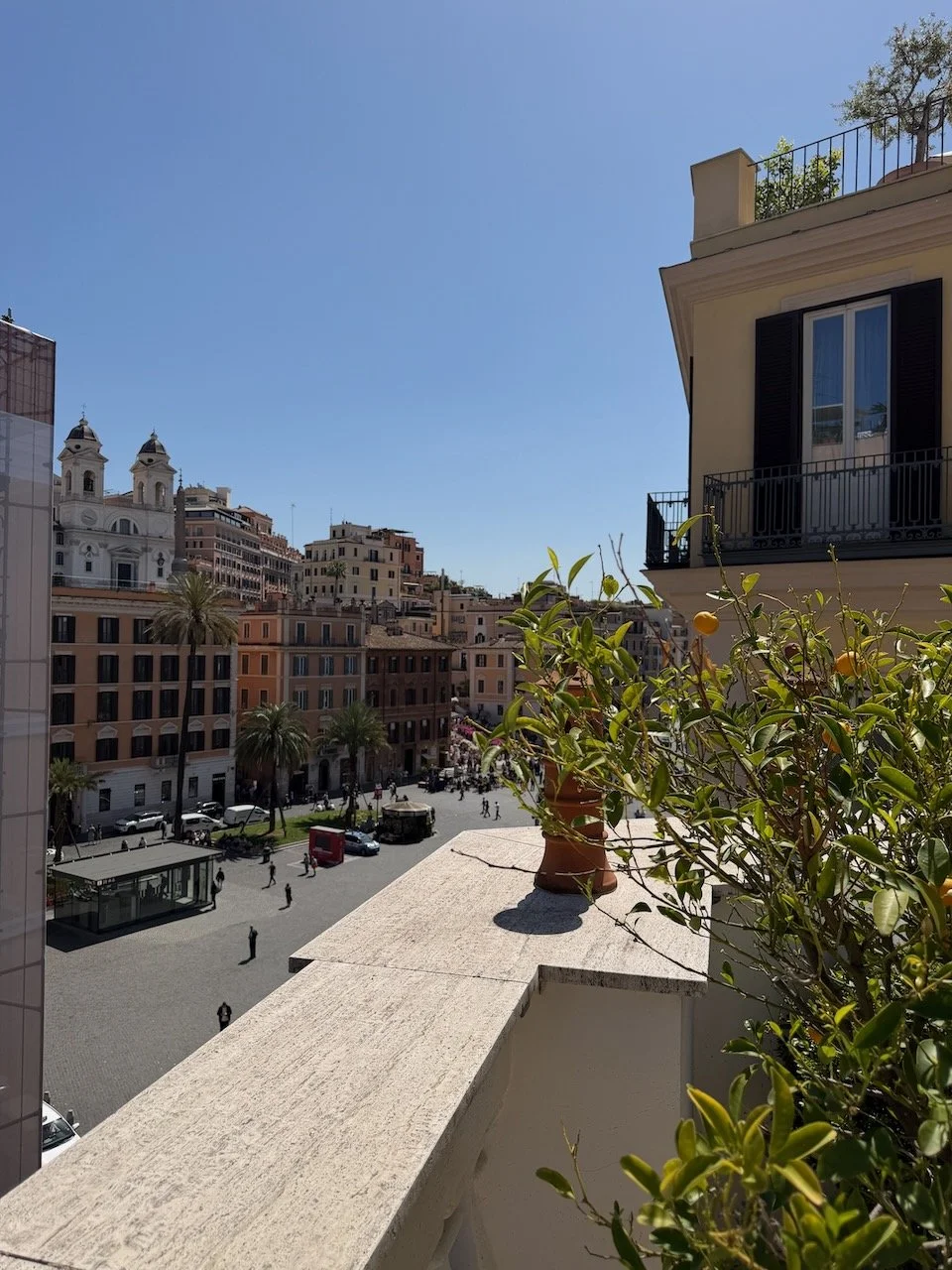
Hotel de la Ville feels more elevated, social, and rooftop-driven. It sits above the Spanish Steps, so the atmosphere is less hidden garden and more Roman panorama. The hotel has the same Rocco Forte polish, but with a livelier, more glamorous energy, especially around Cielo, its rooftop restaurant and bar. Rocco Forte calls Cielo a “vibrant, modern-day icon” with panoramic views across the historic skyline, and that captures the mood well: Hotel de la Ville feels like the place for aperitivo, sunset drinks, and a more theatrical Roman evening. And fresh flowers everywhere.
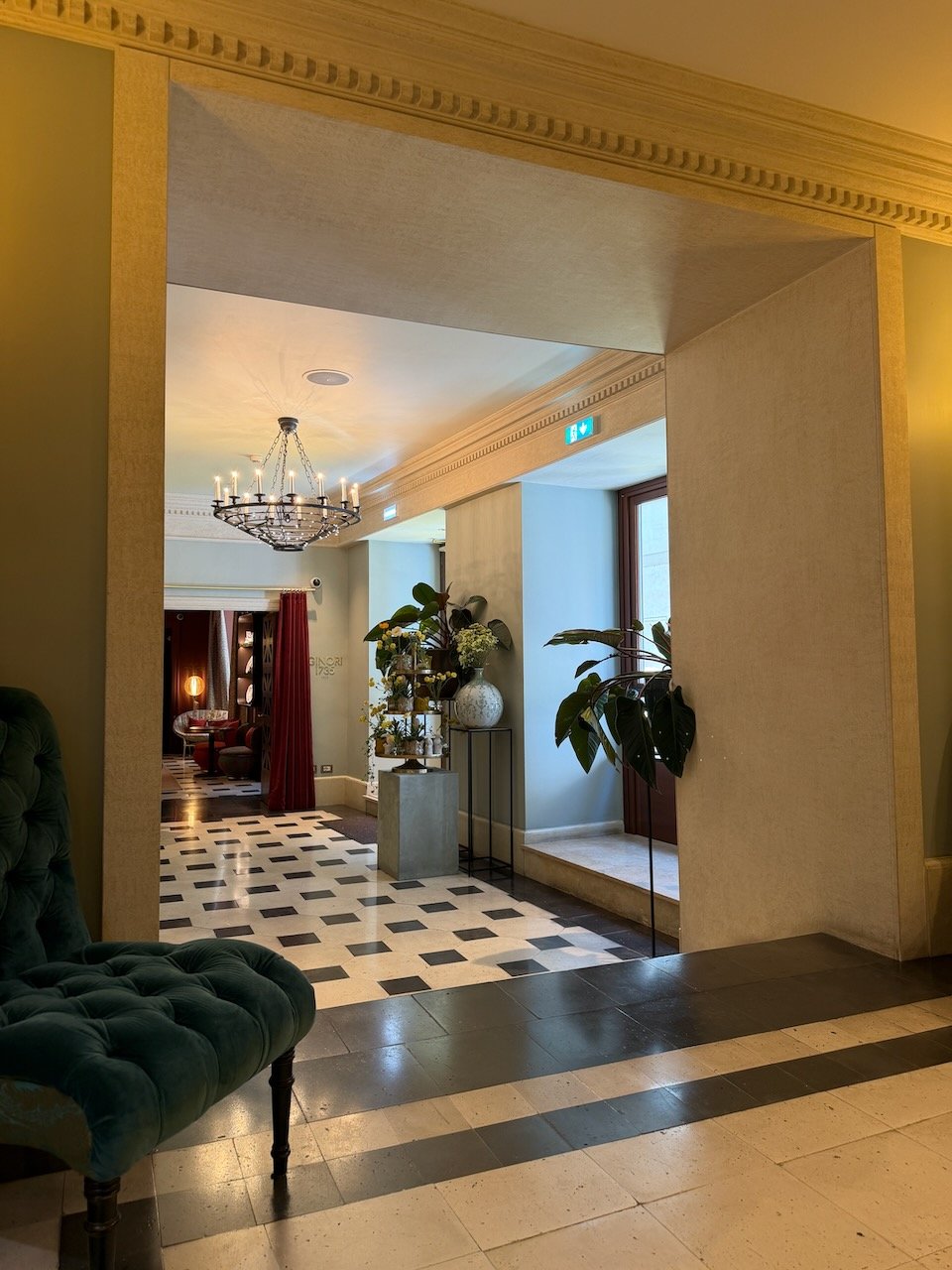
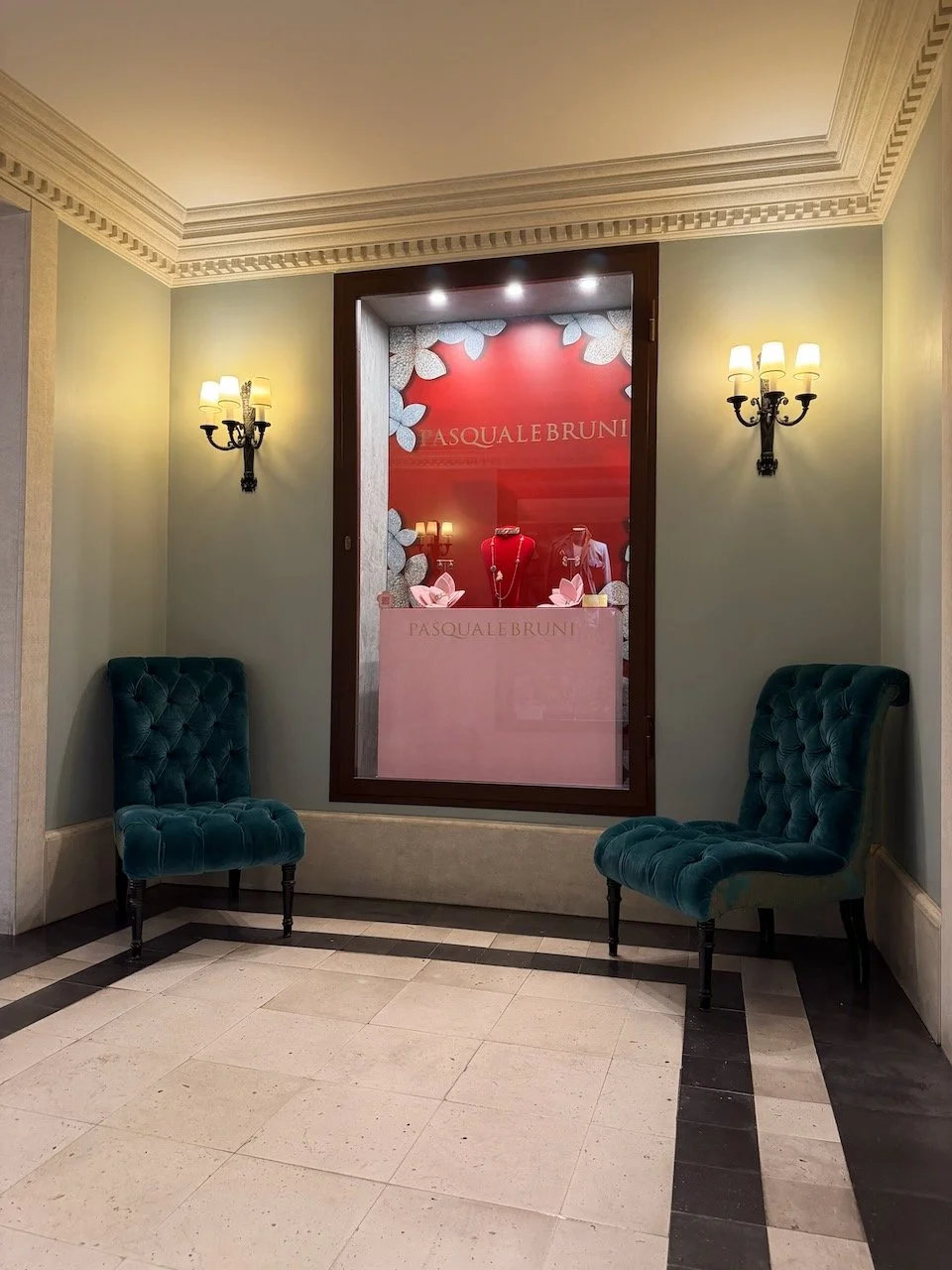
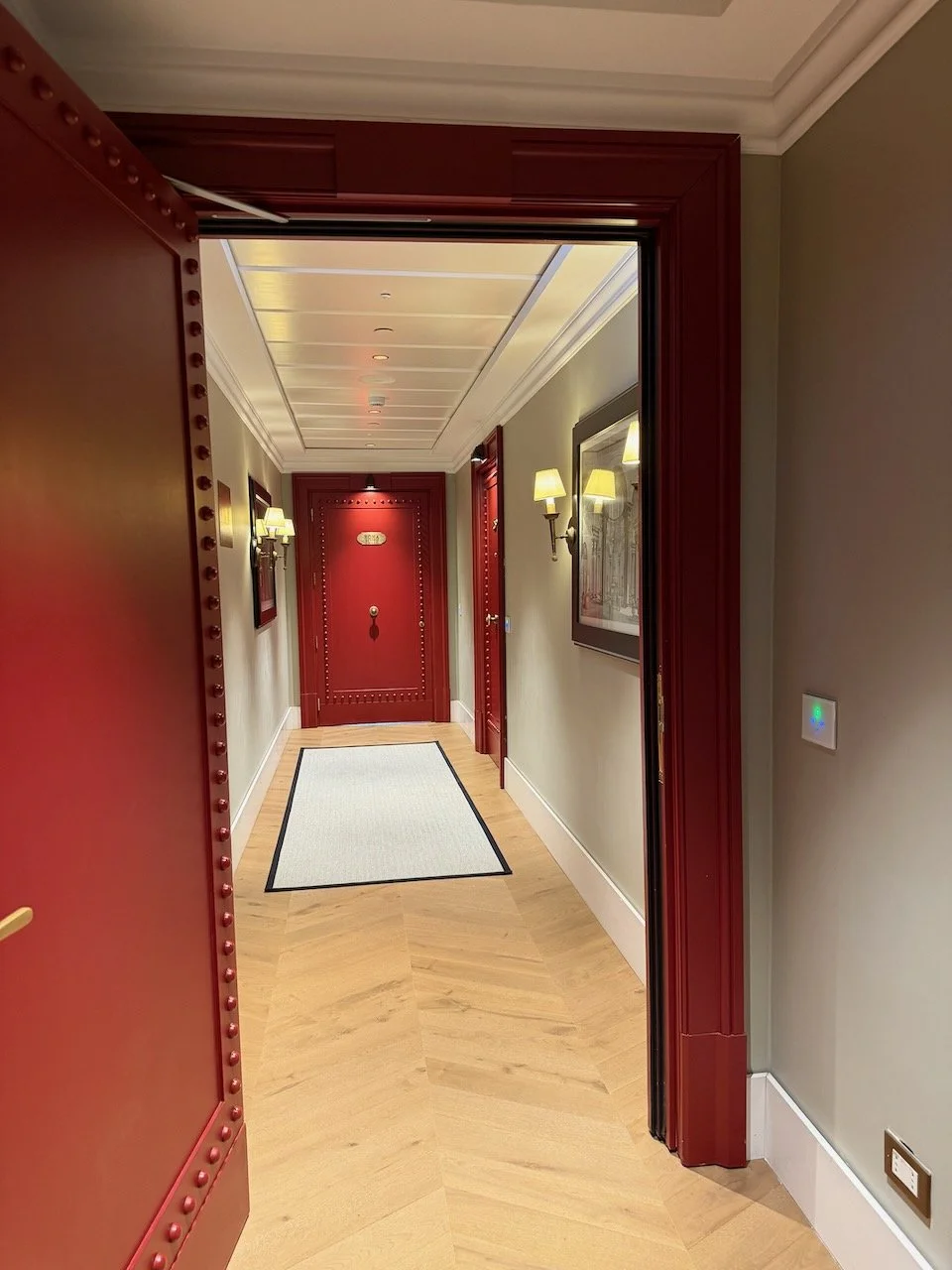
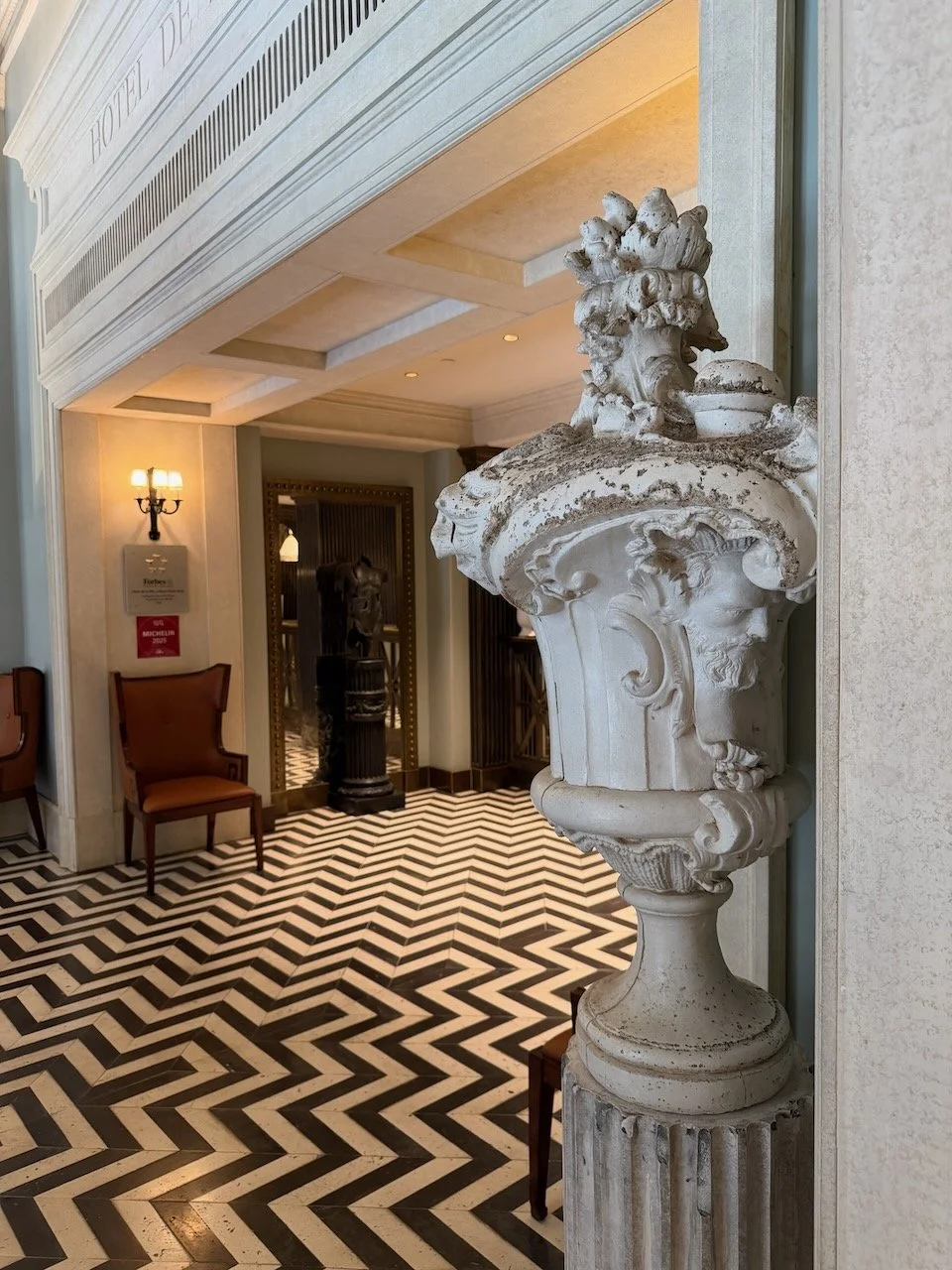
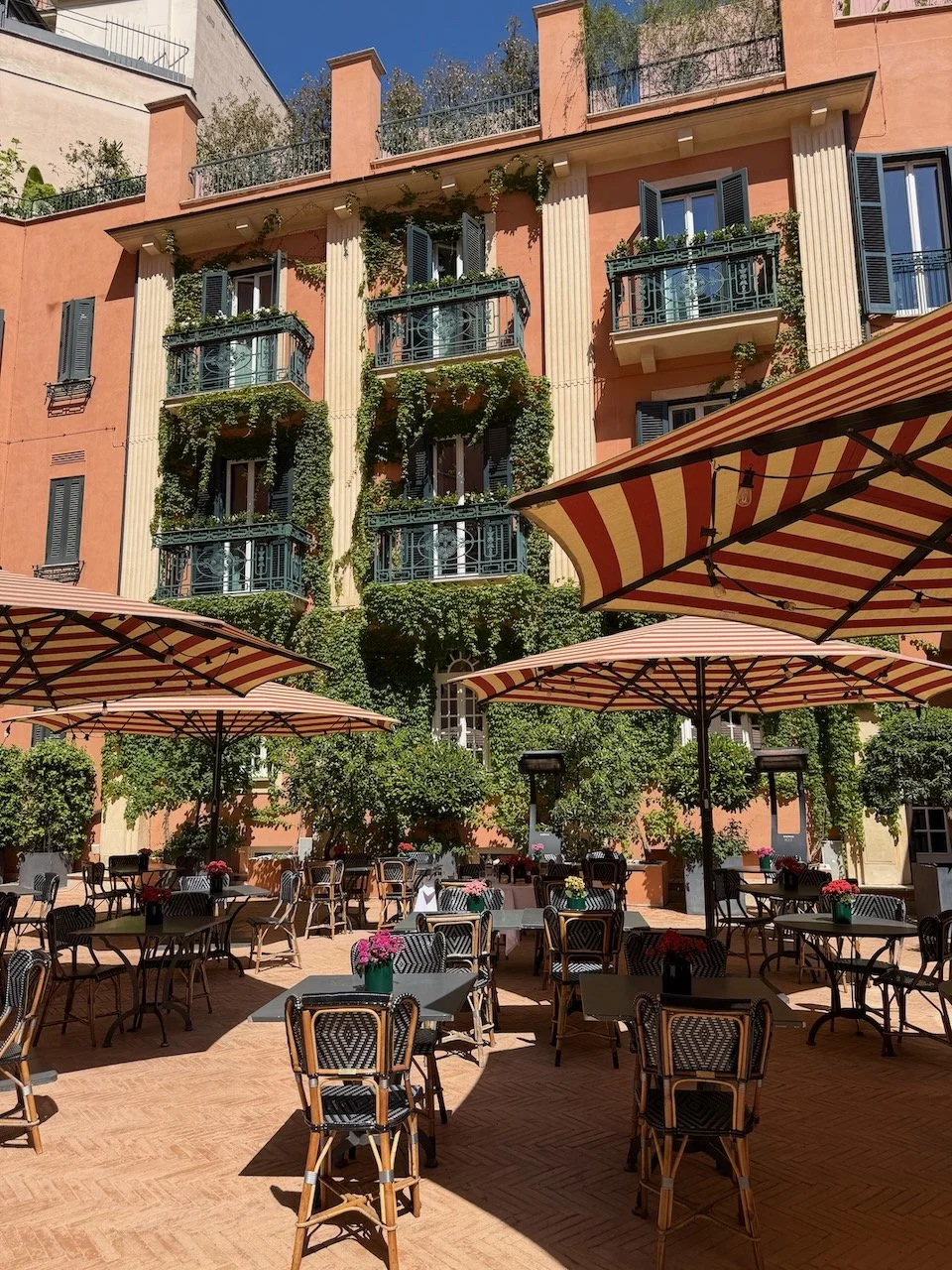
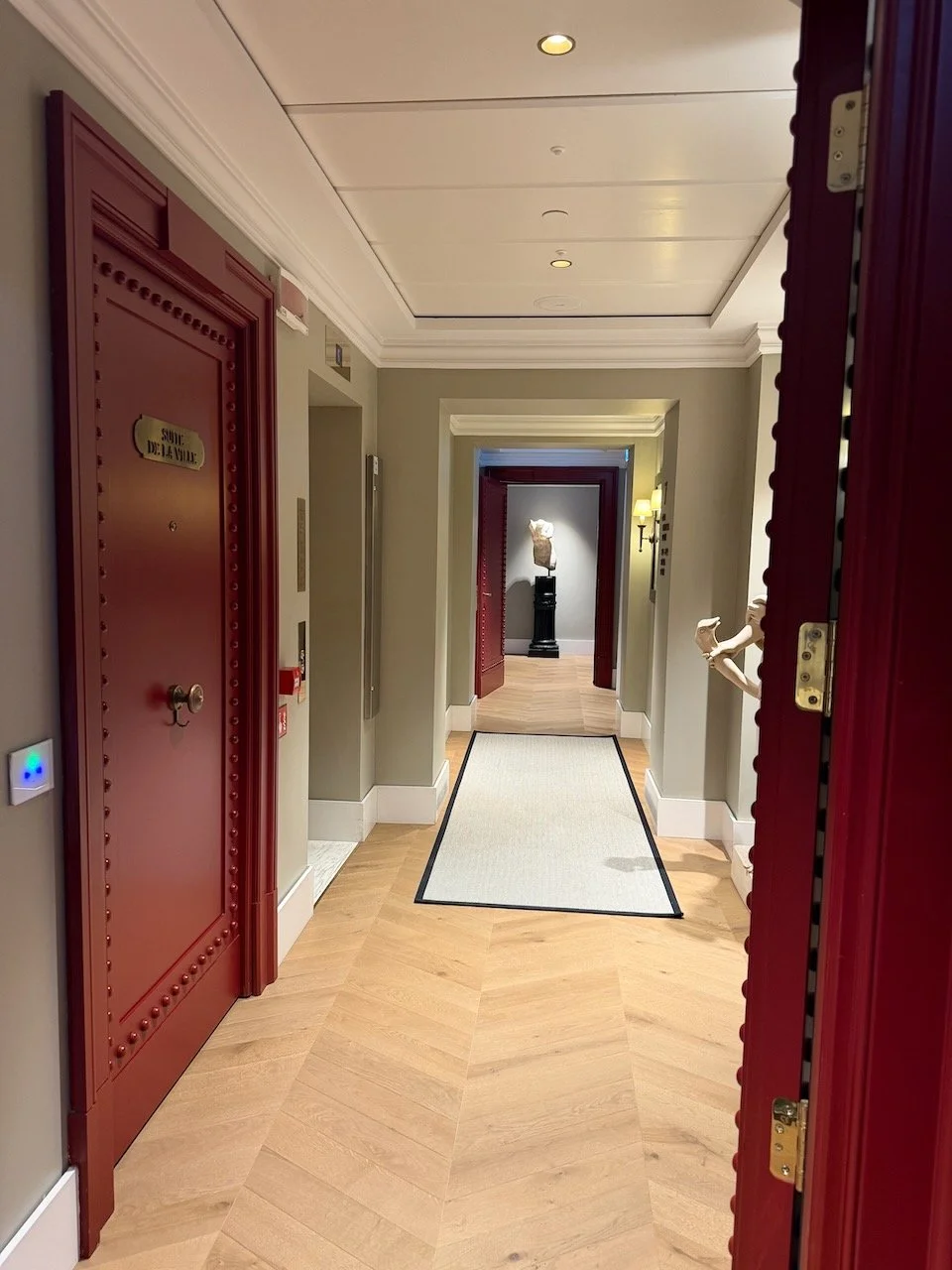
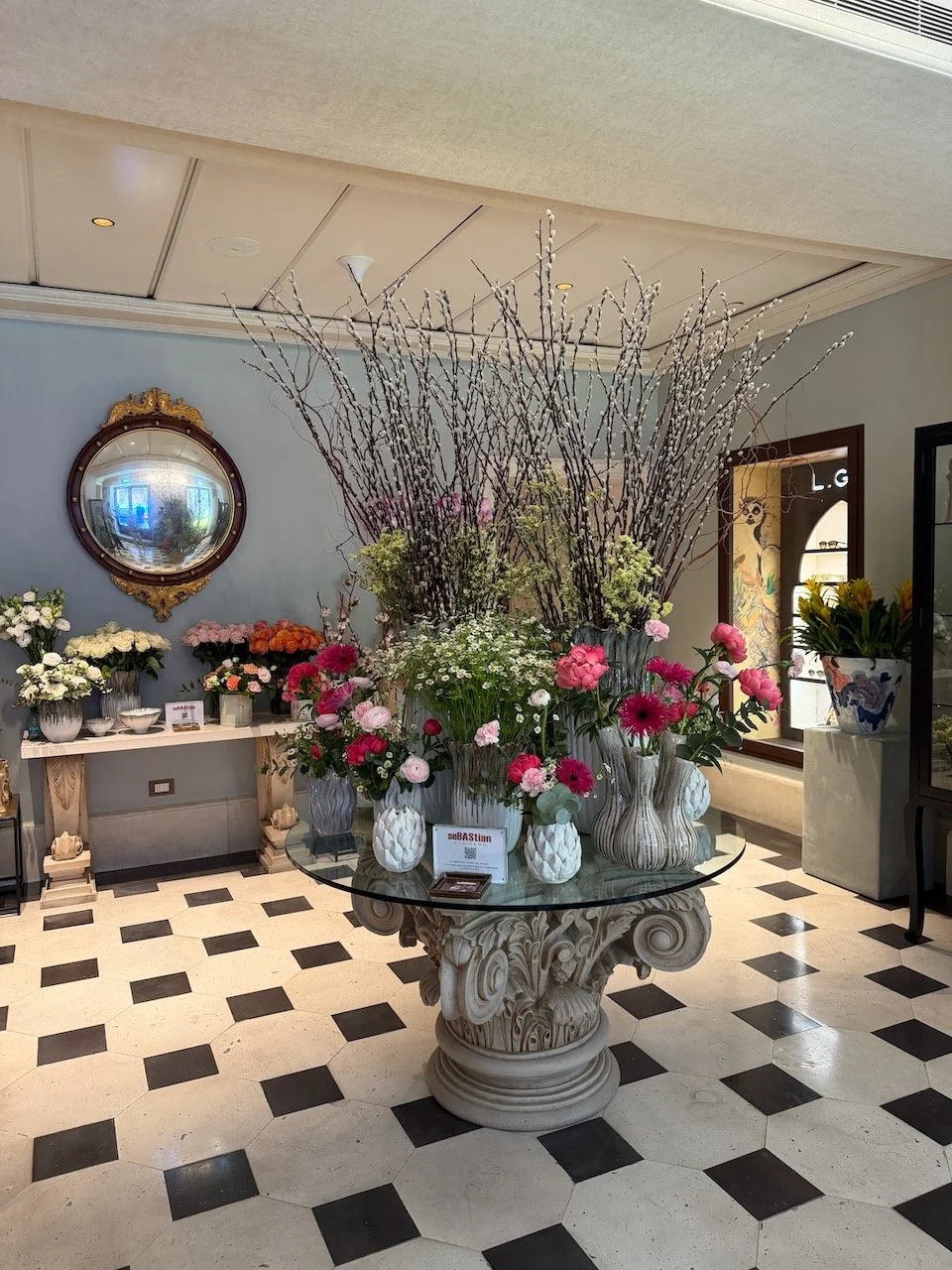
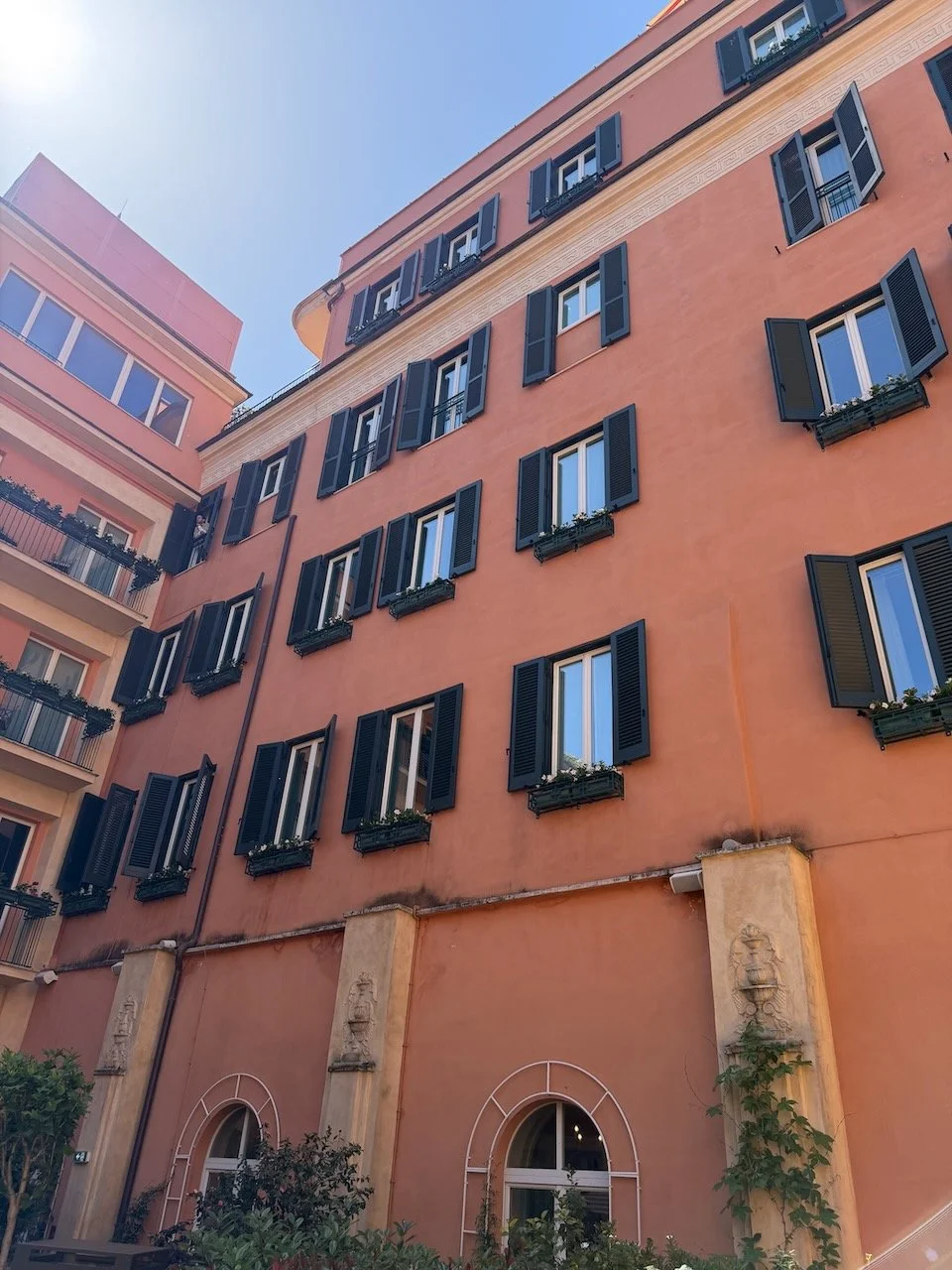
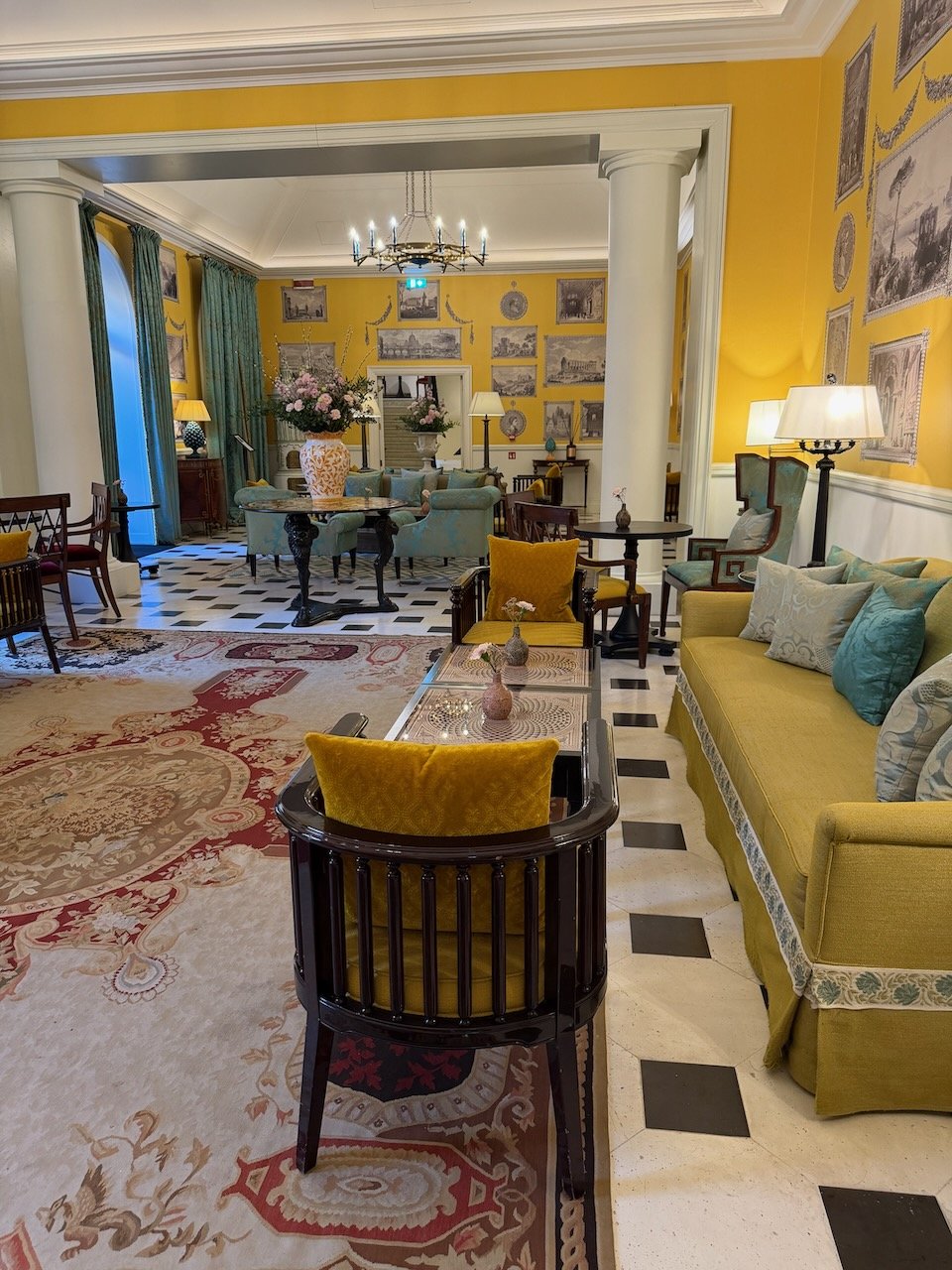
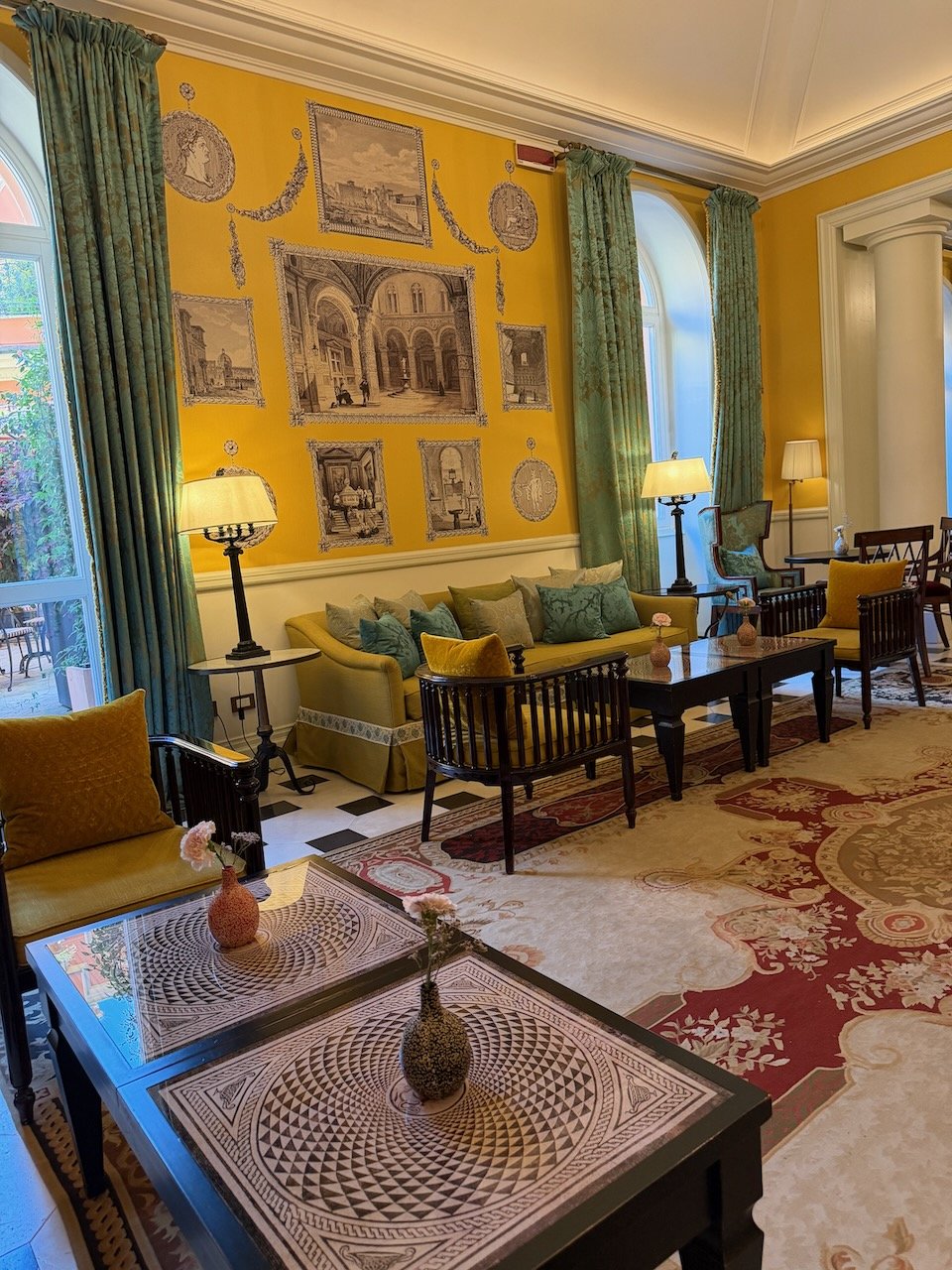
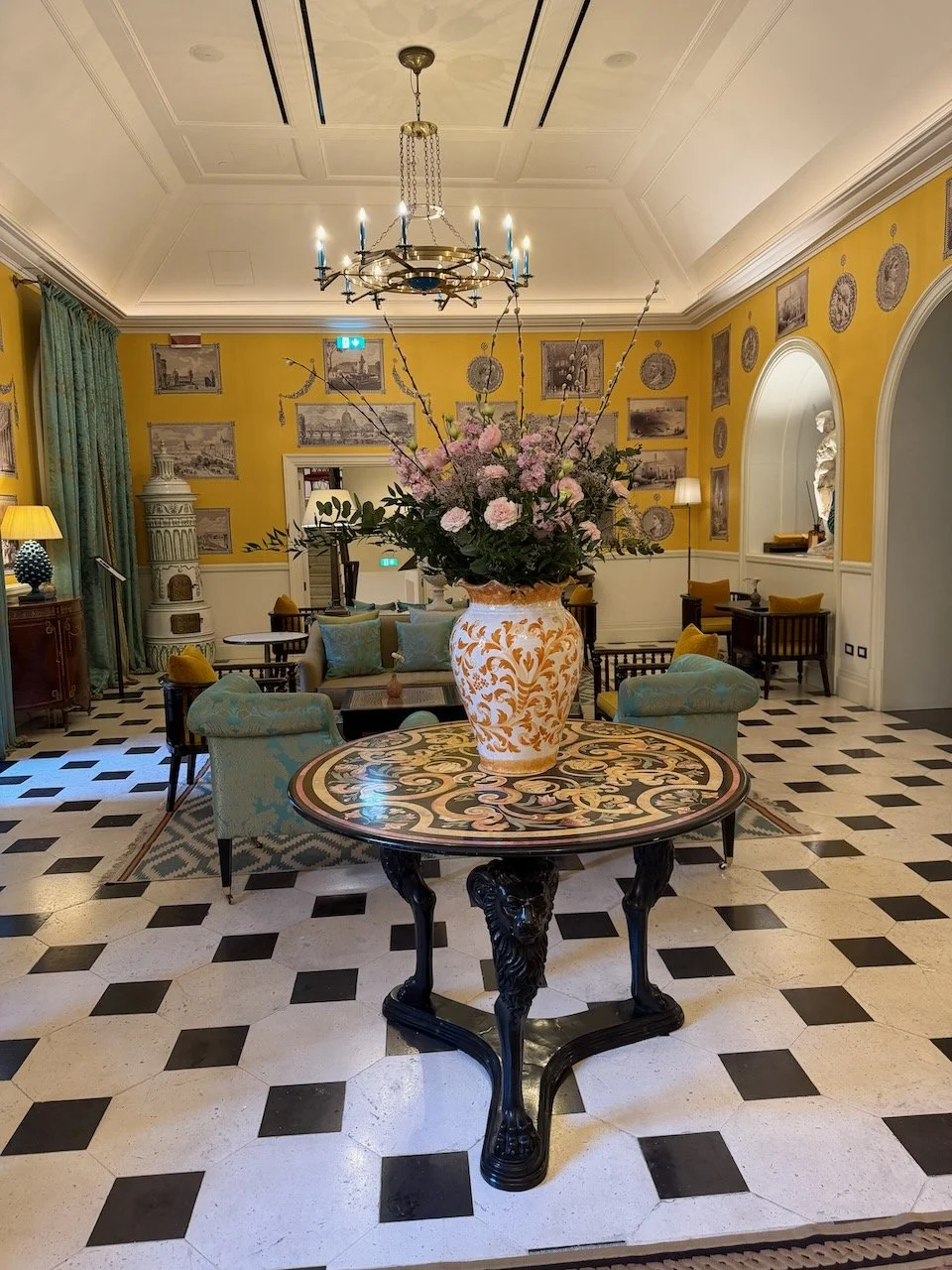
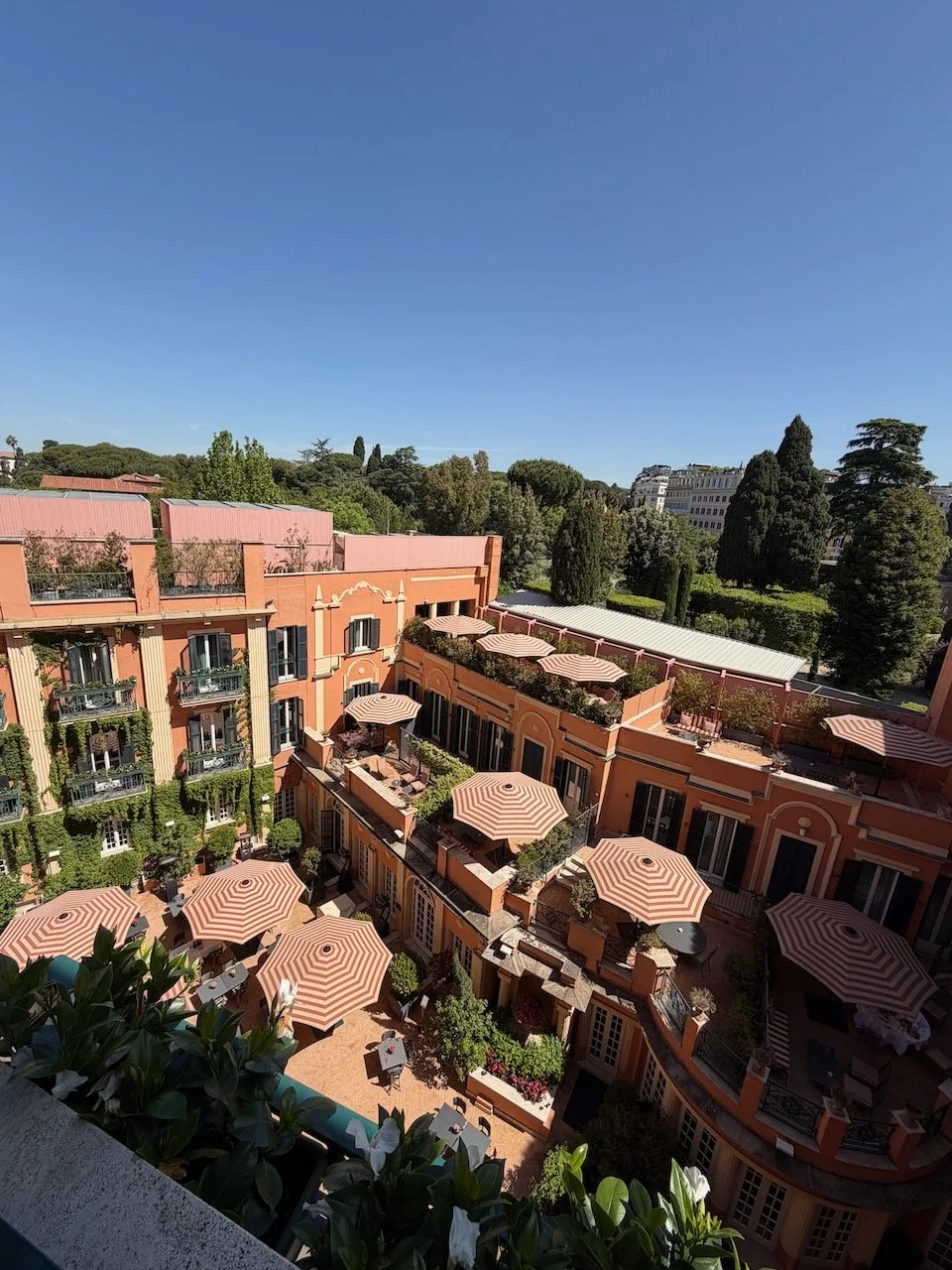
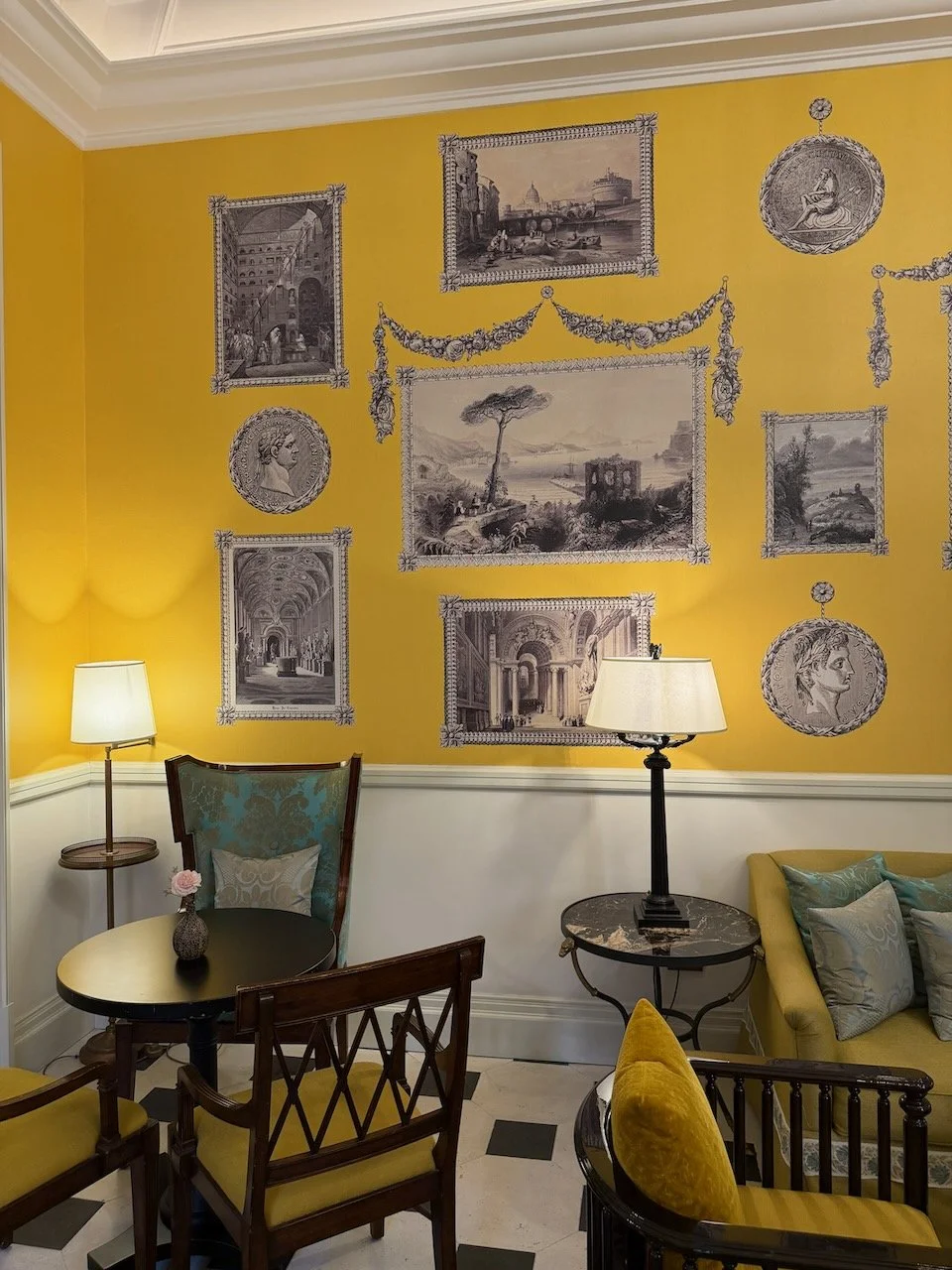
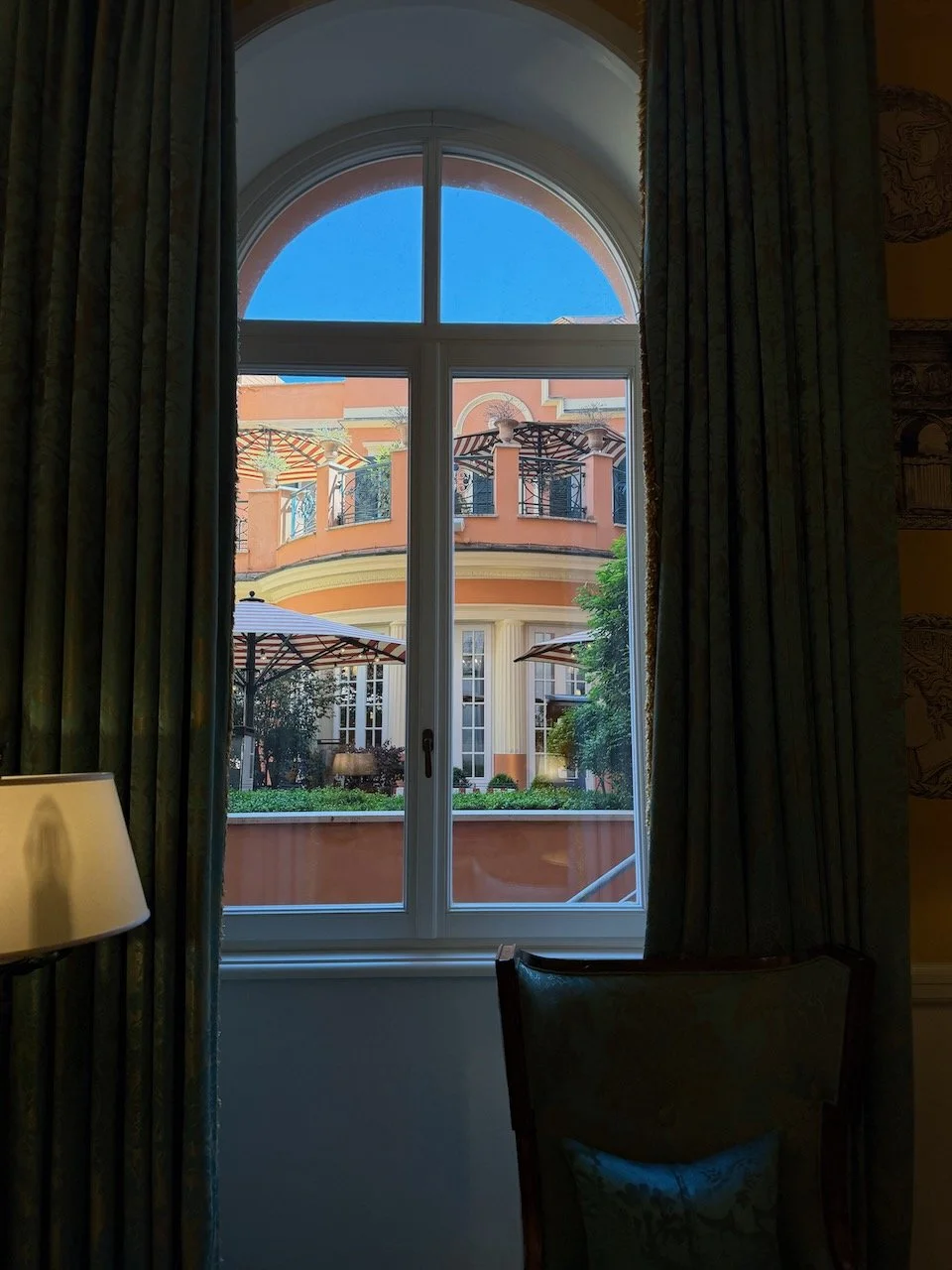
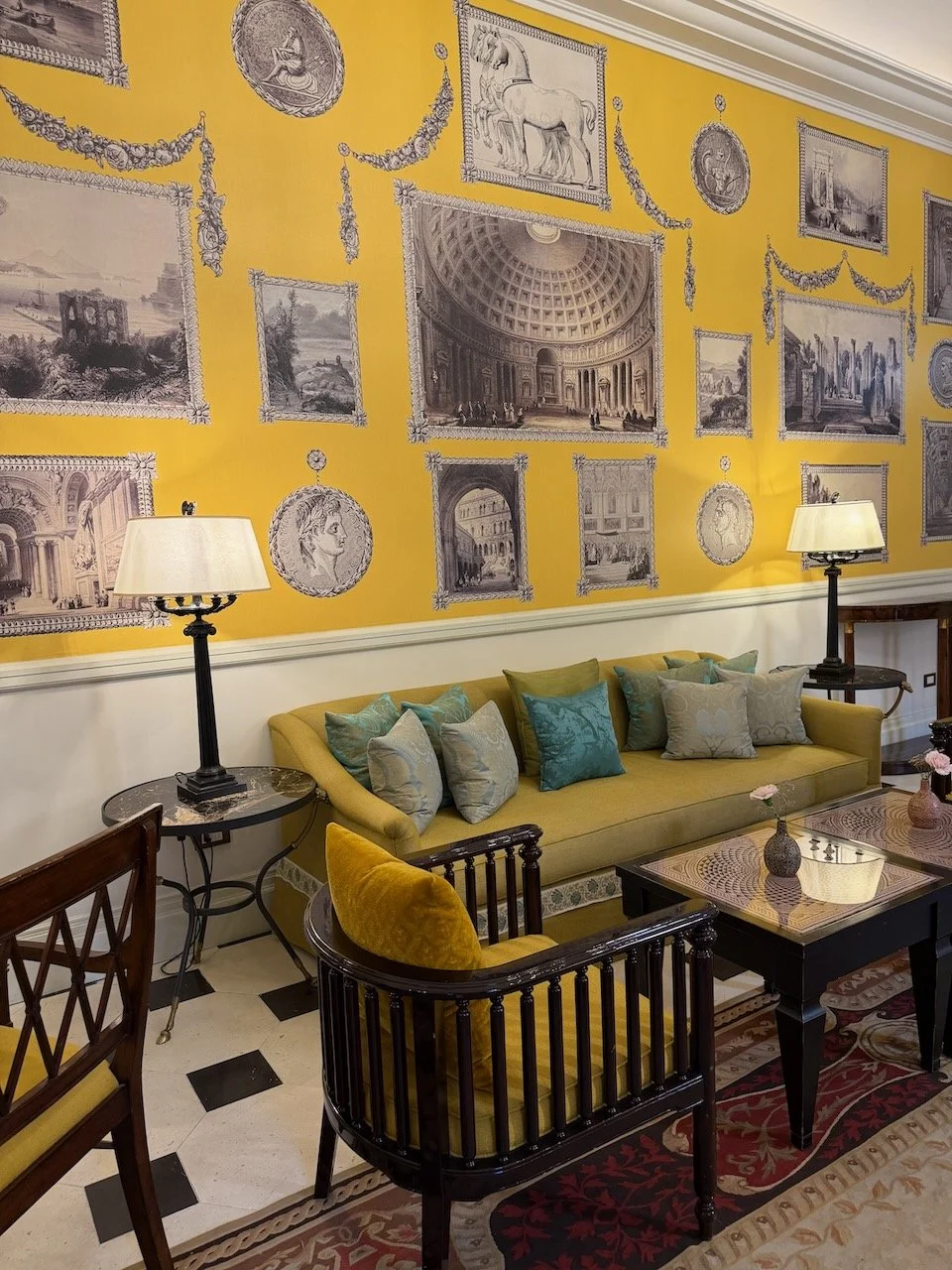
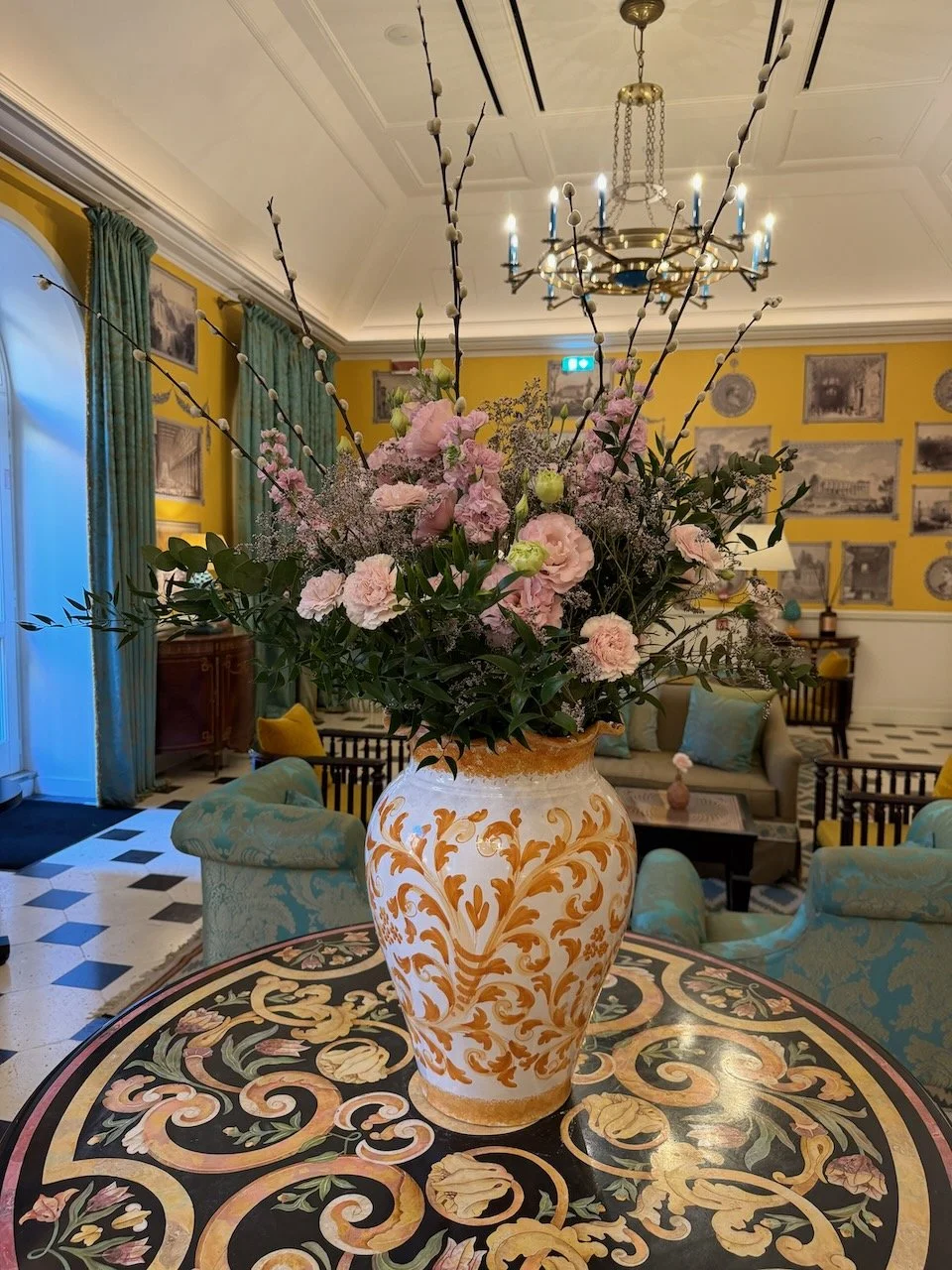
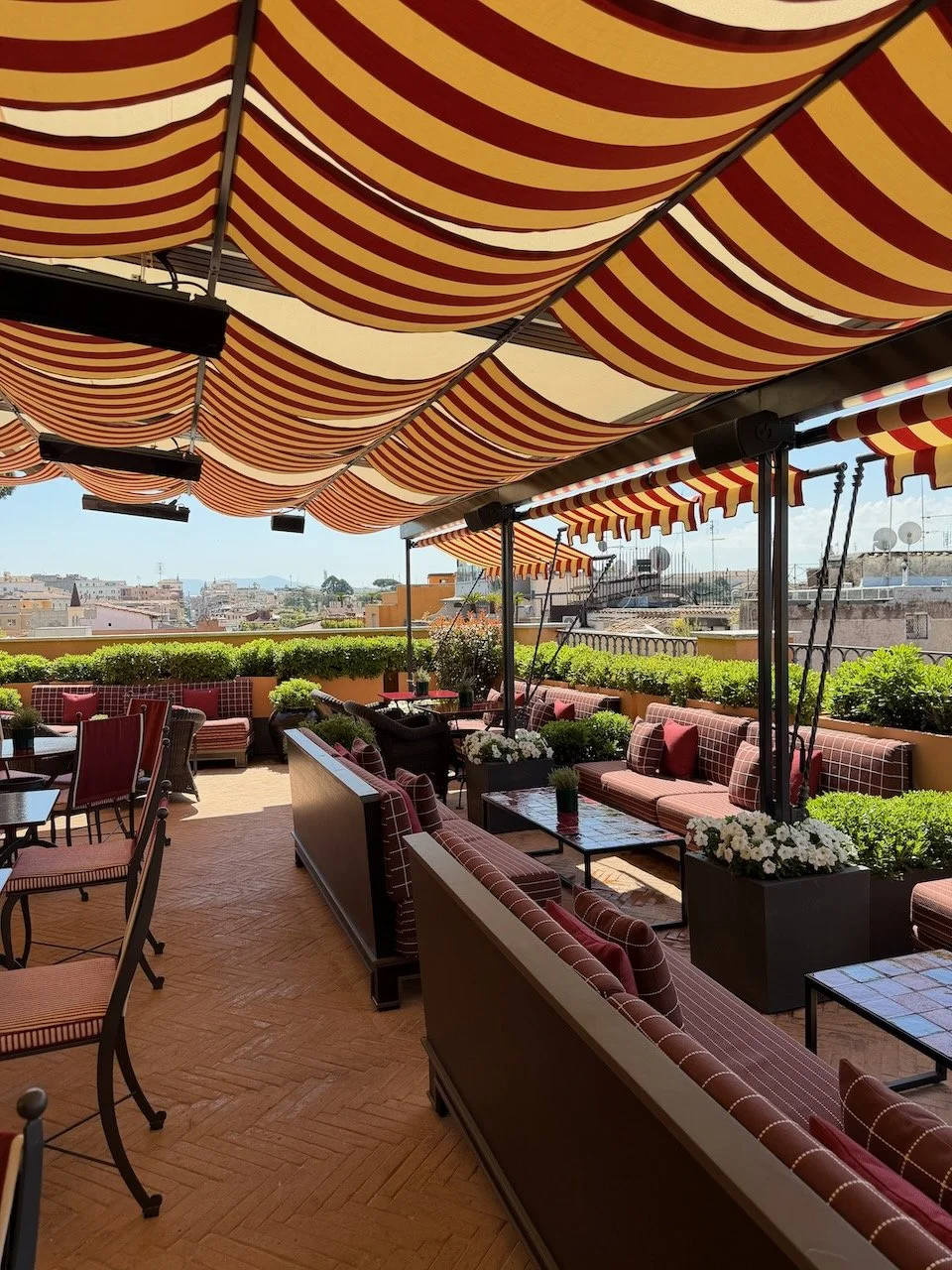
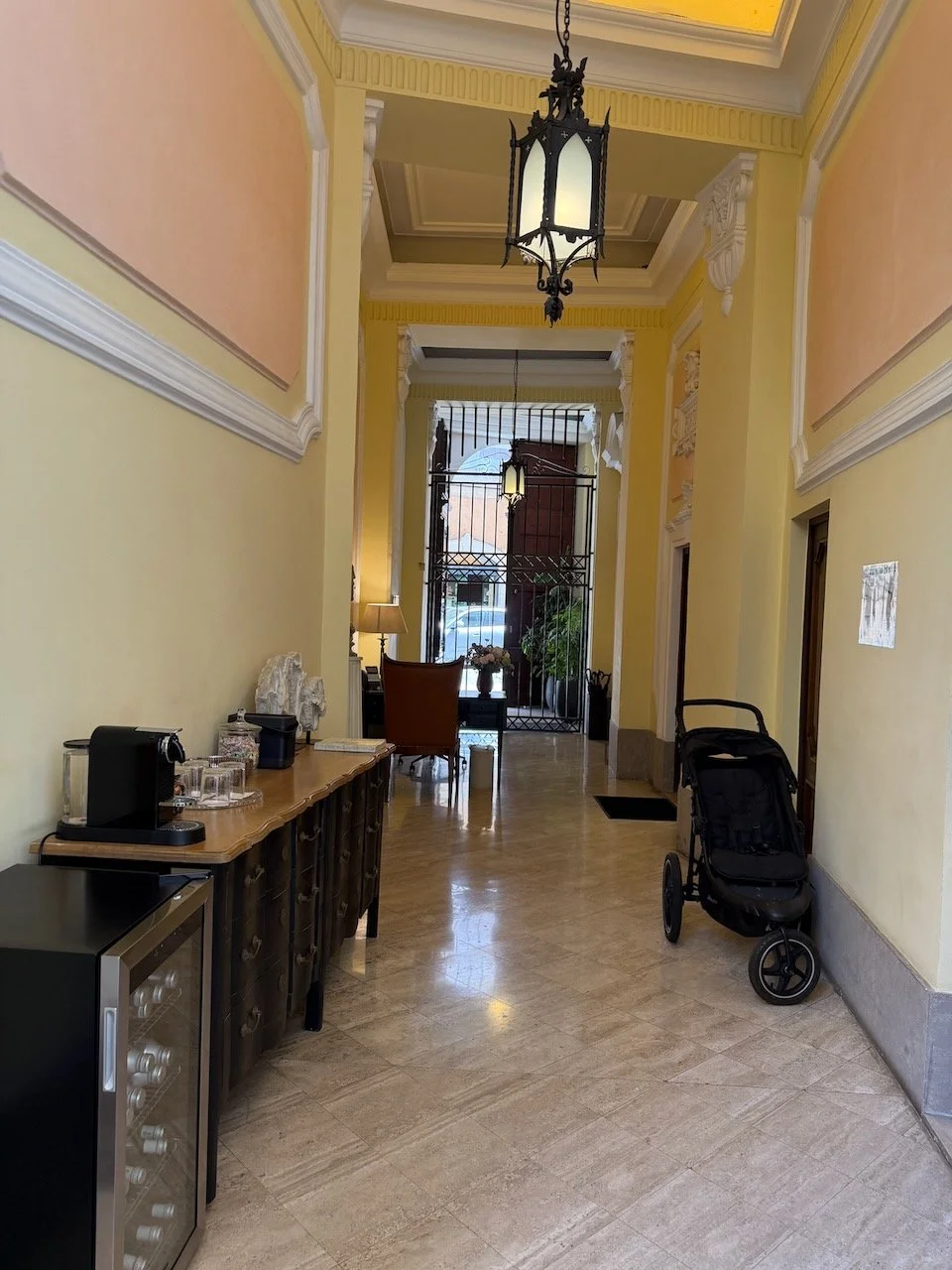
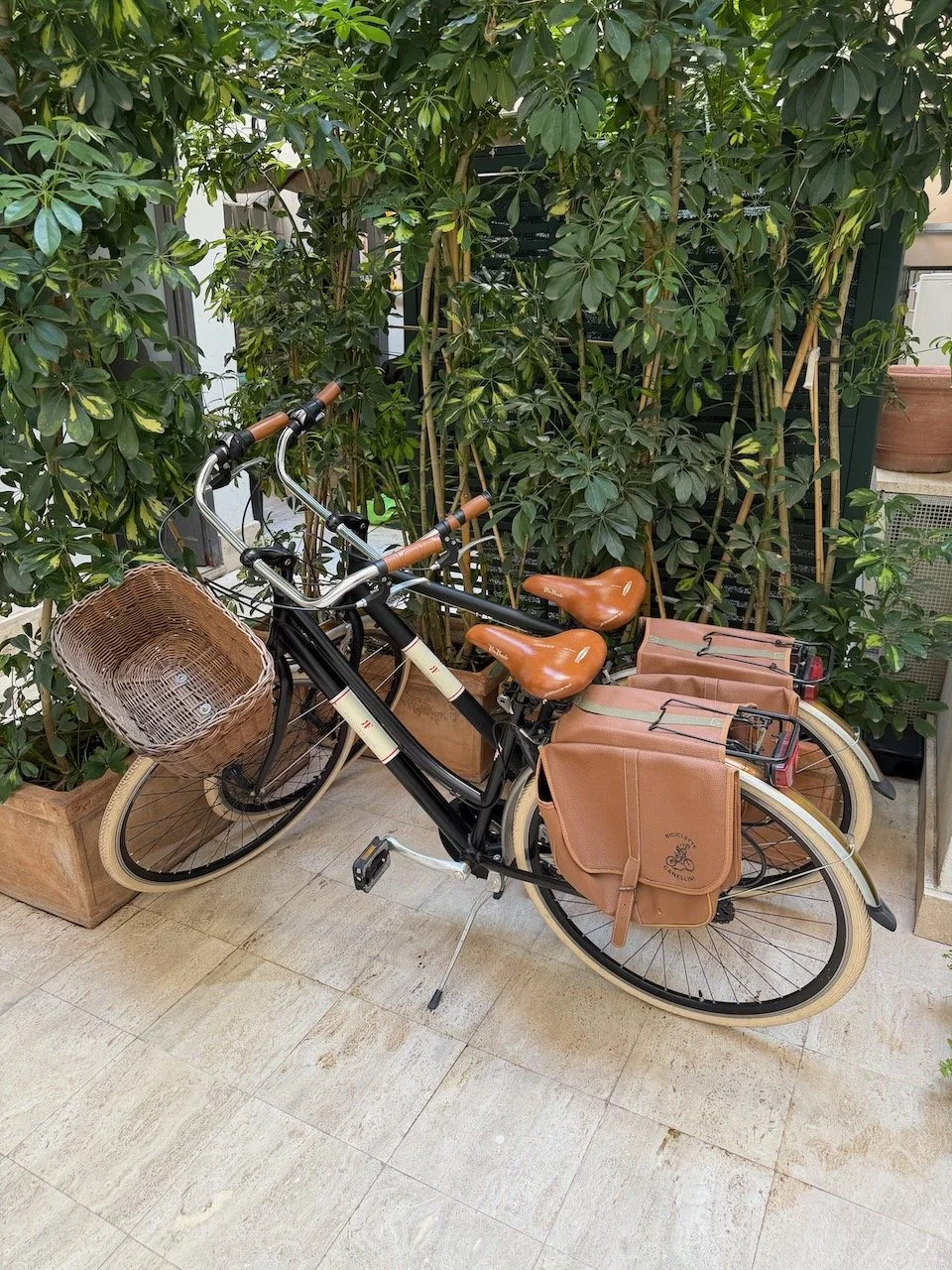
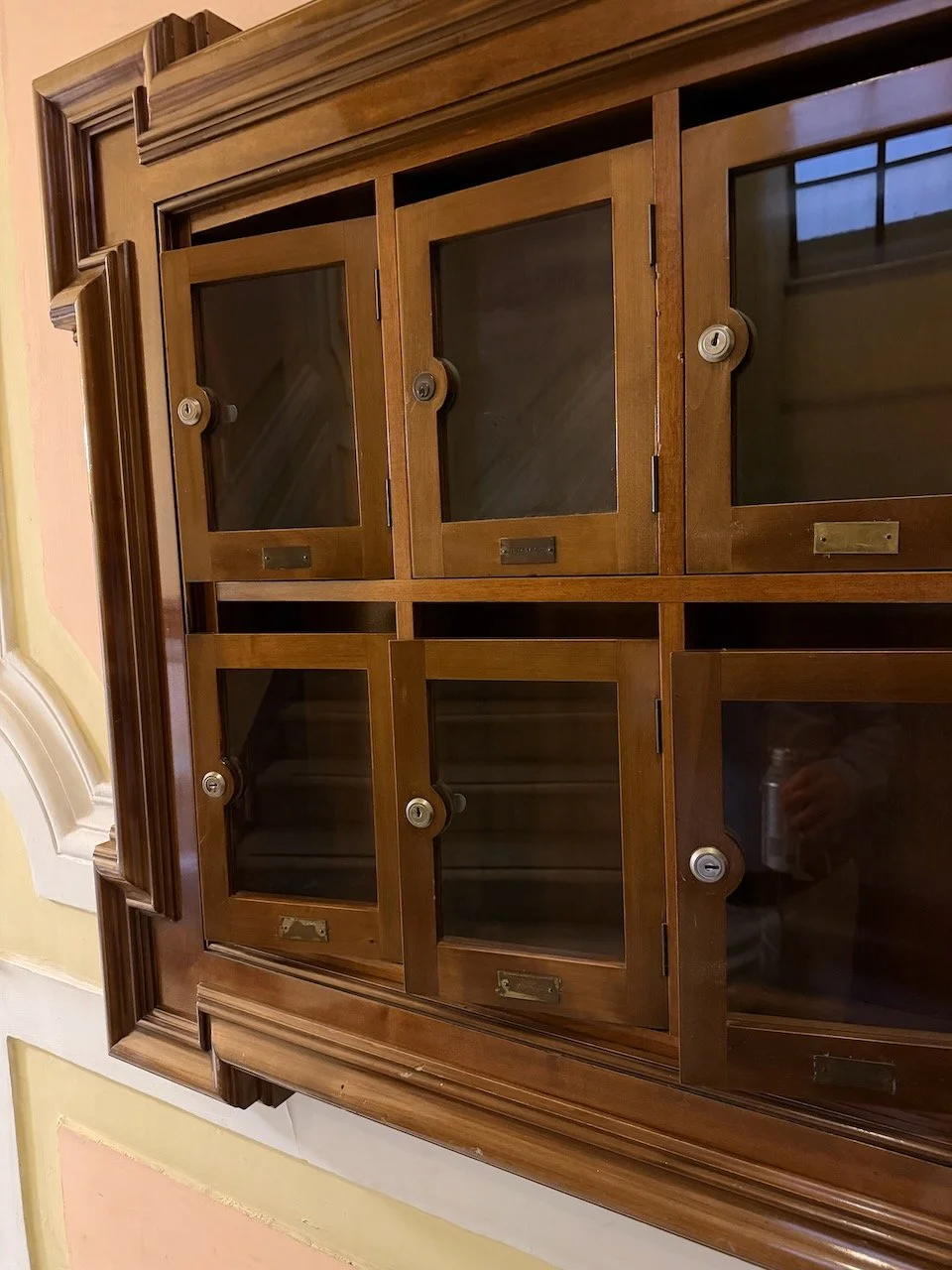
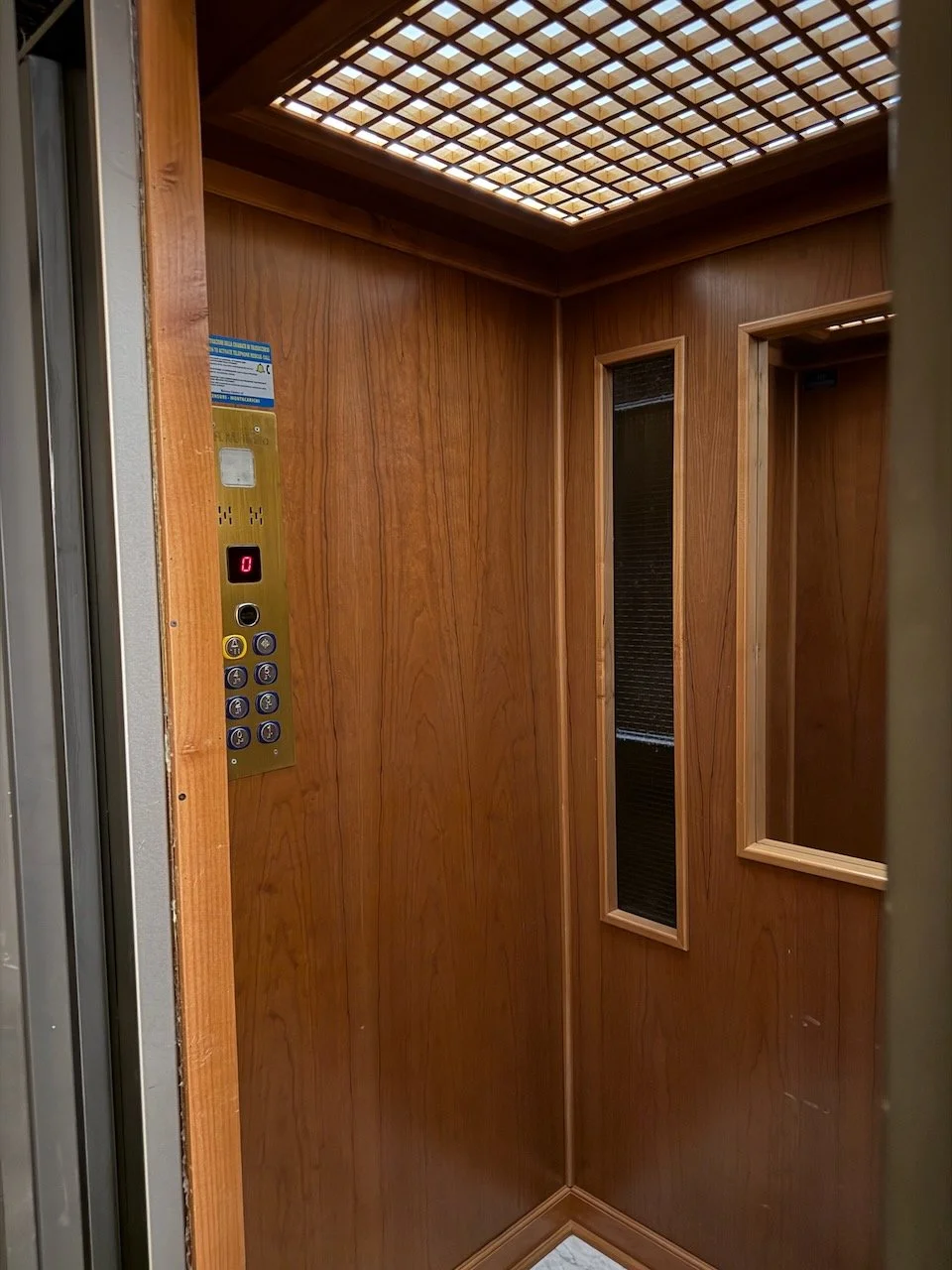
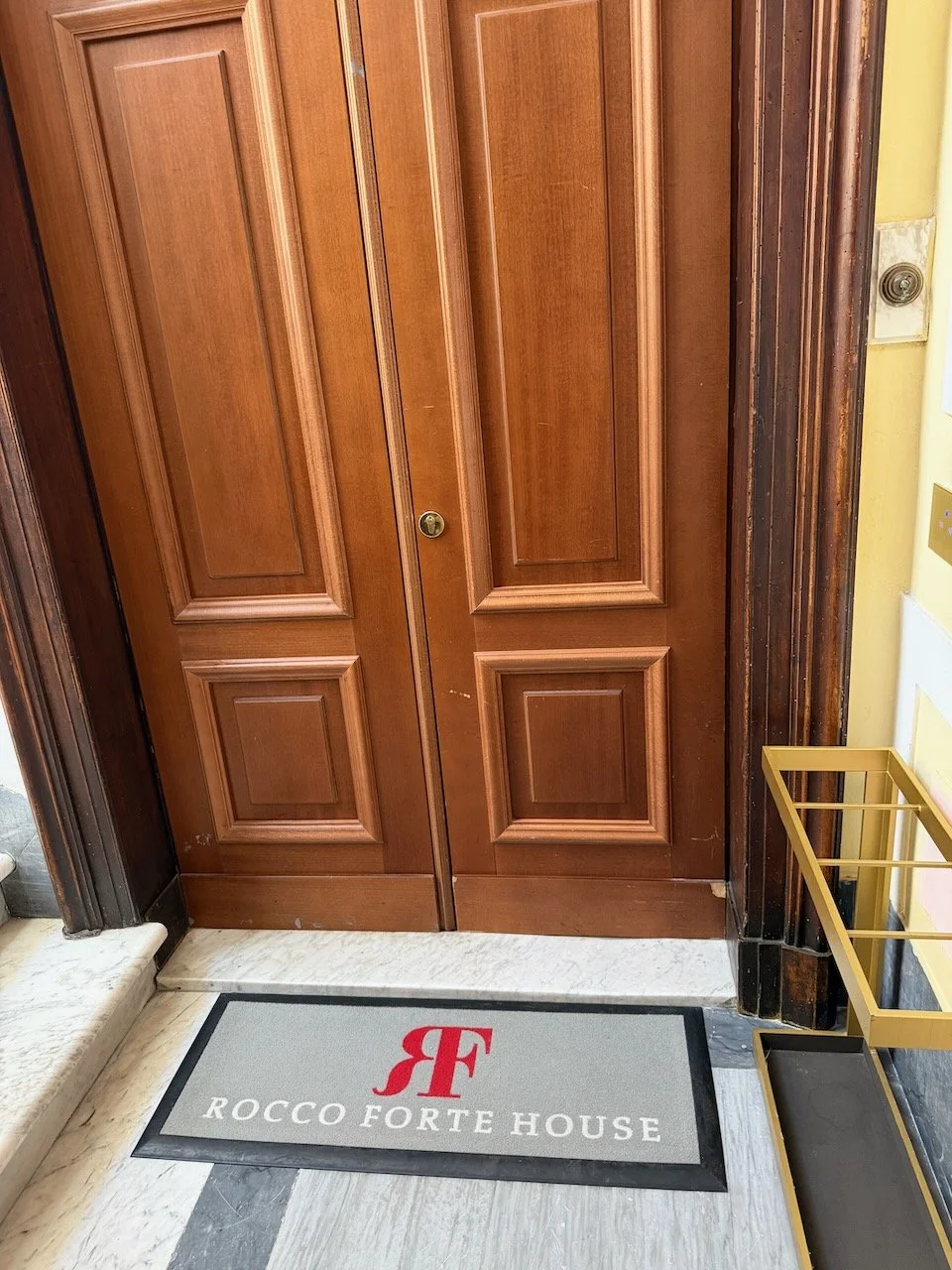
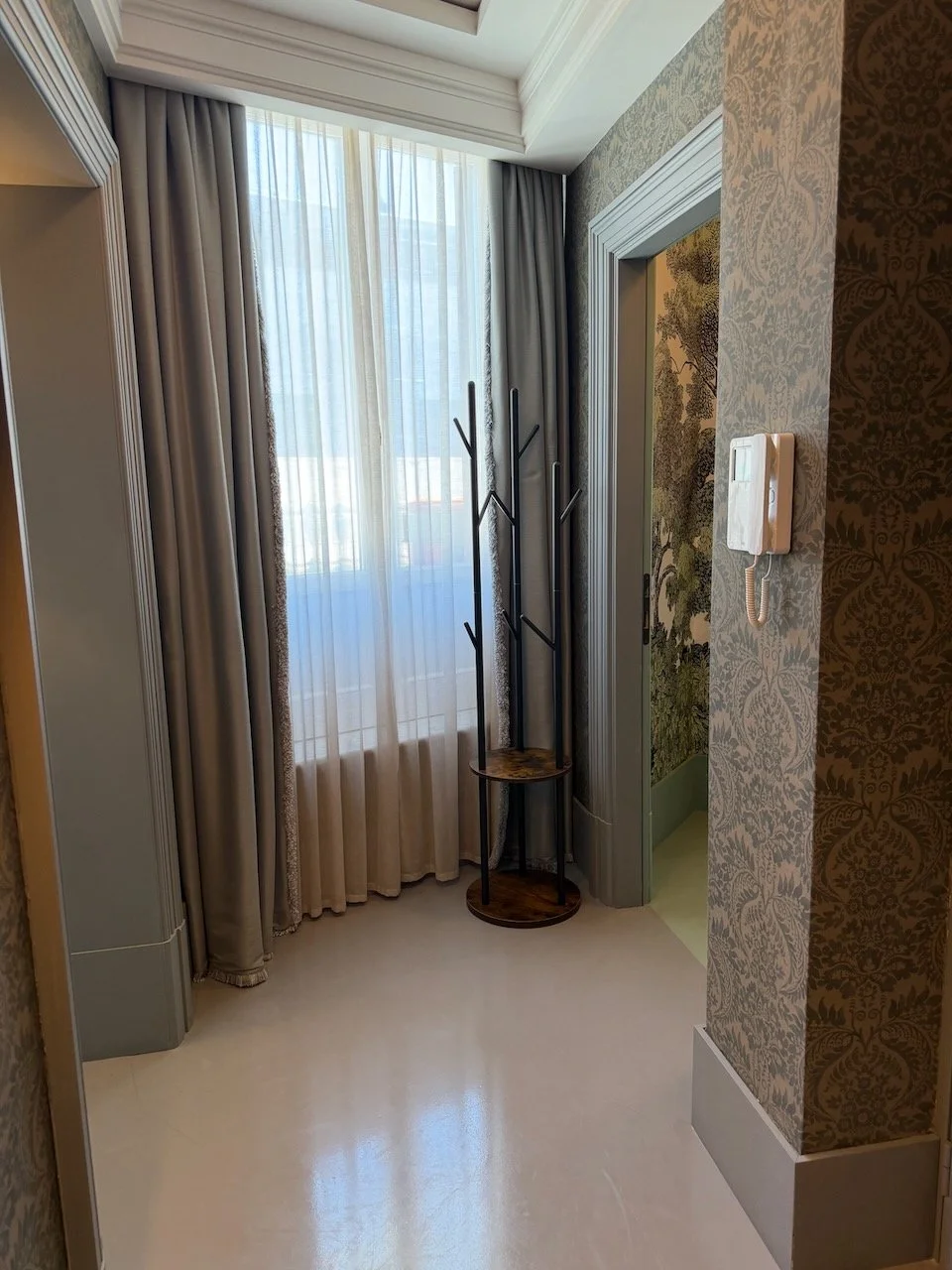
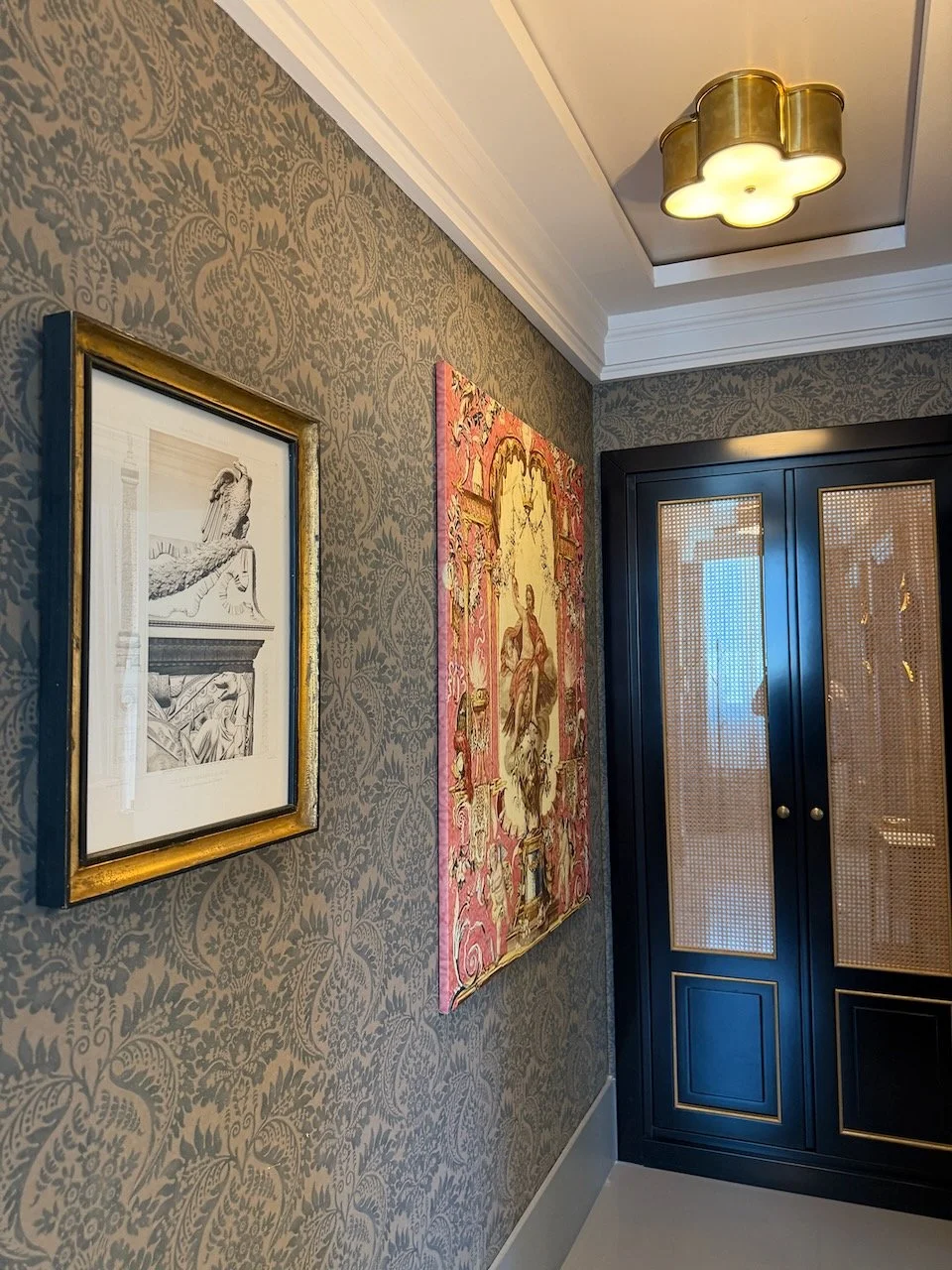
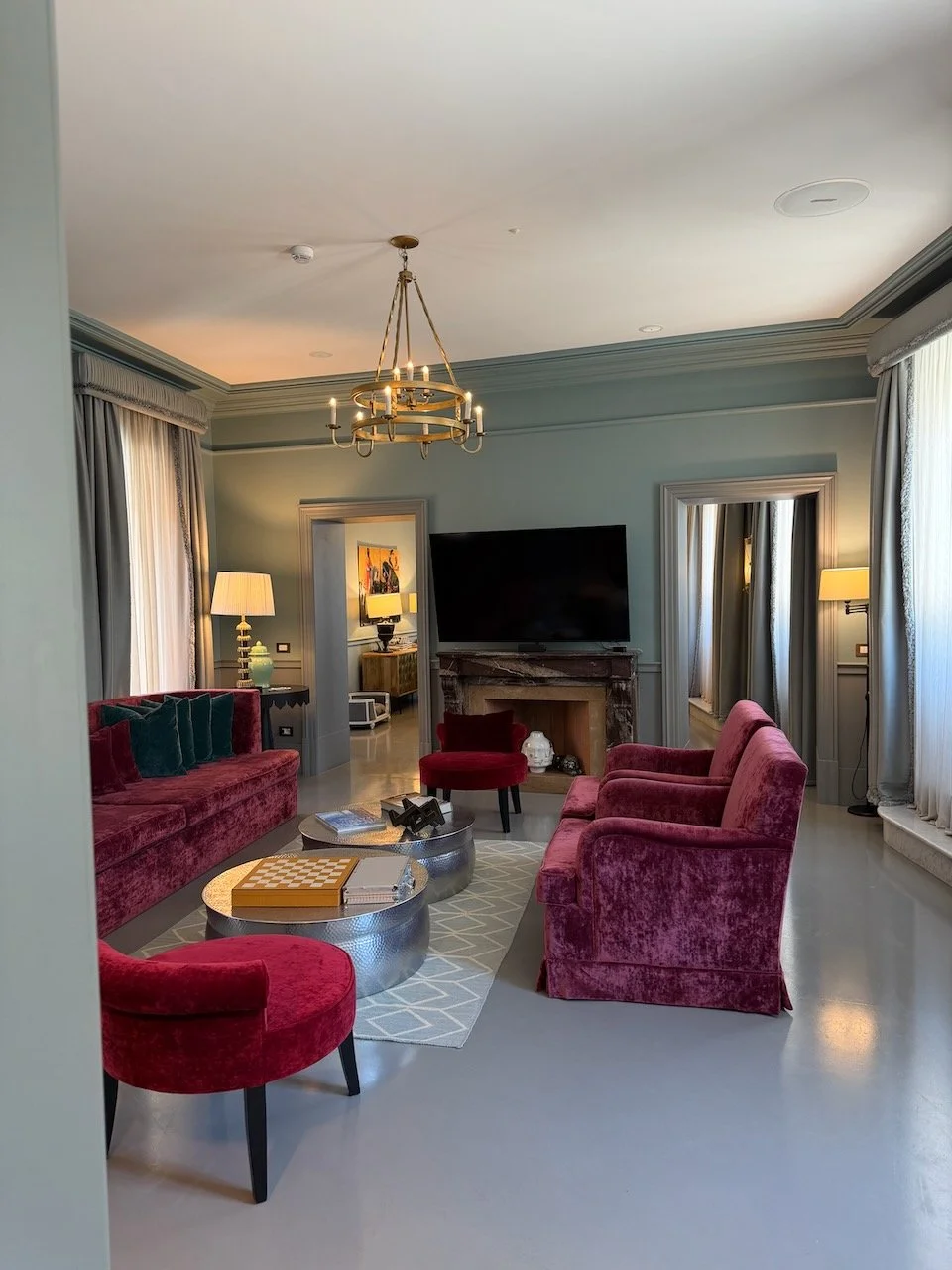
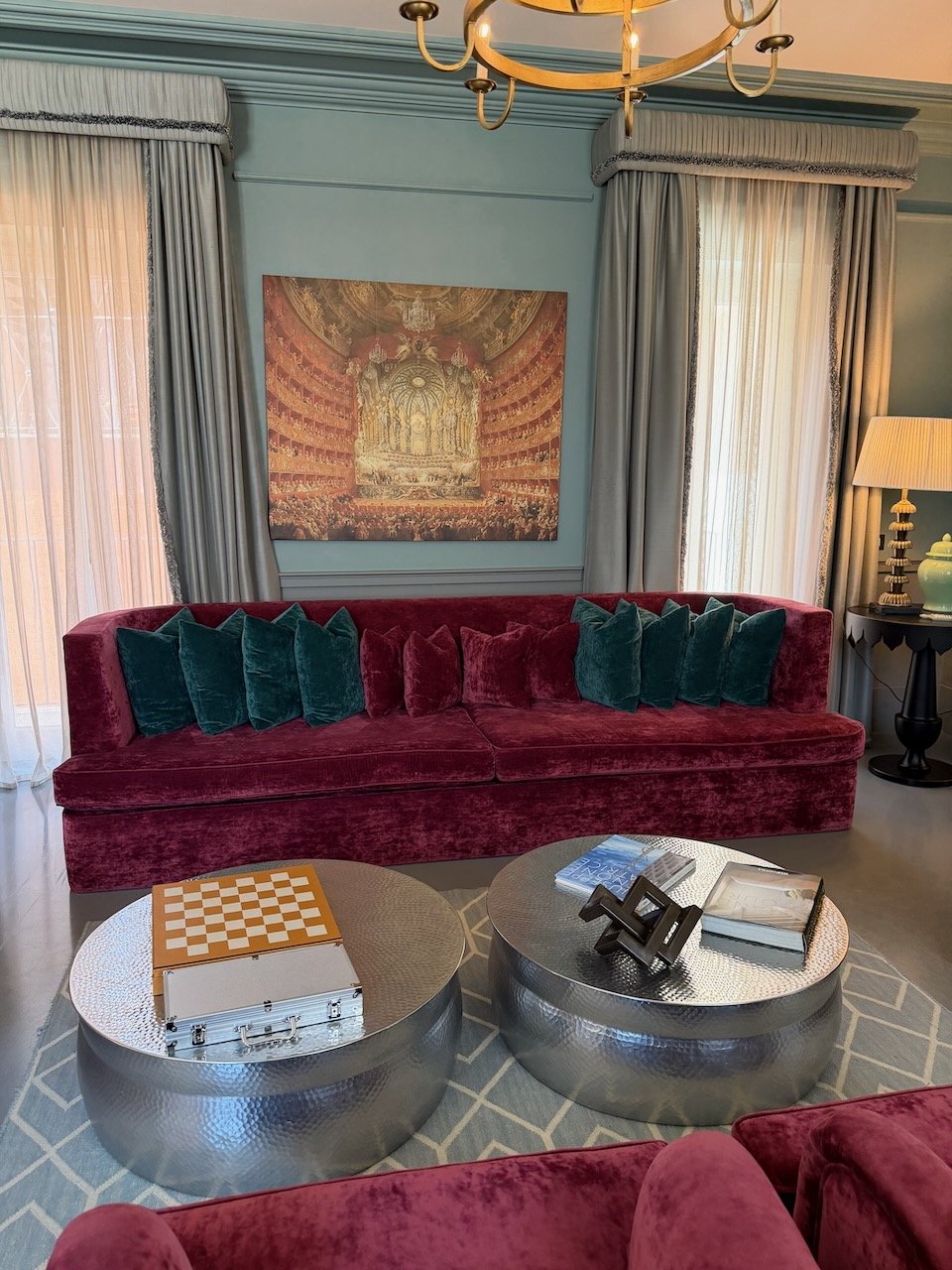
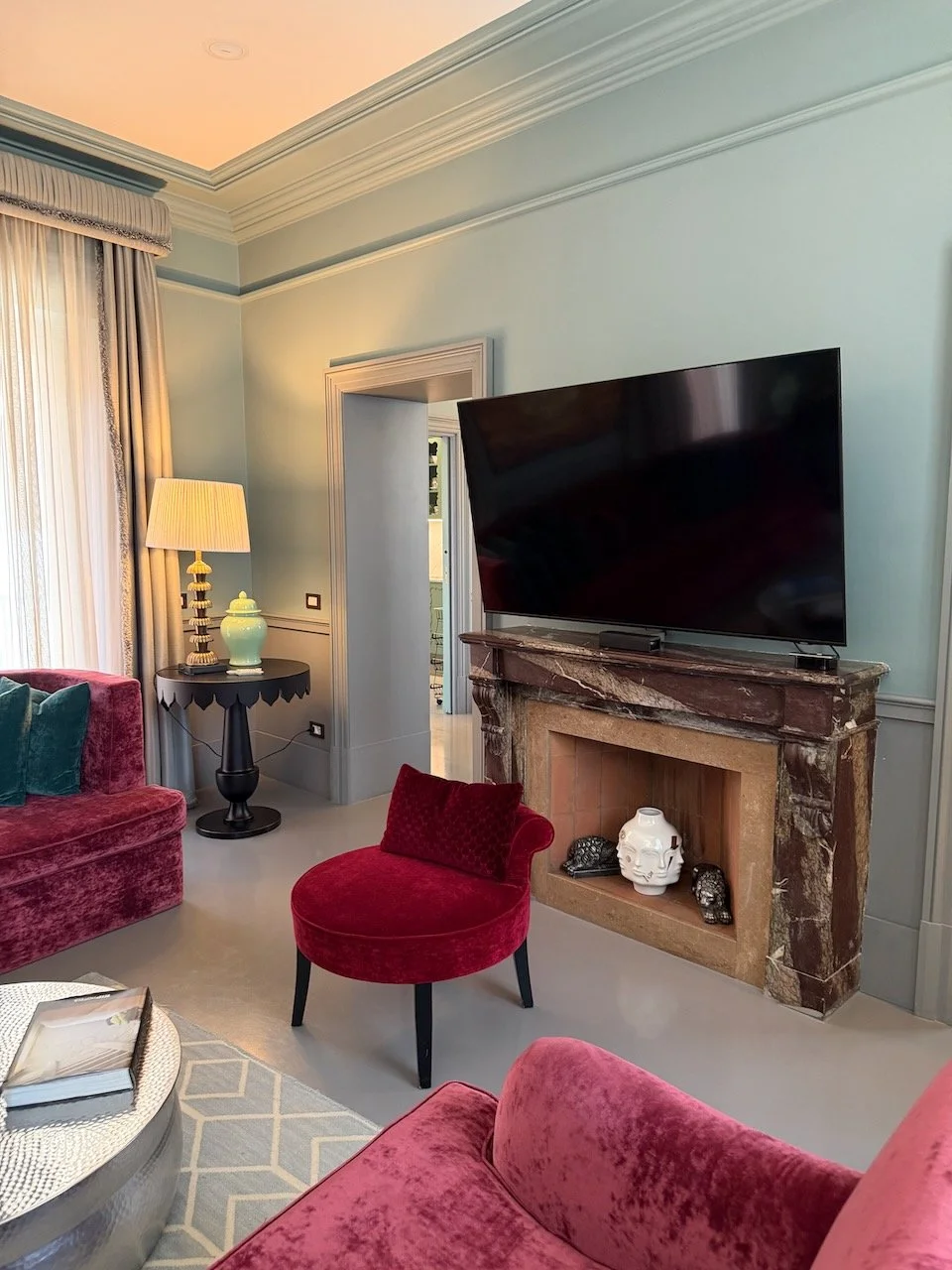
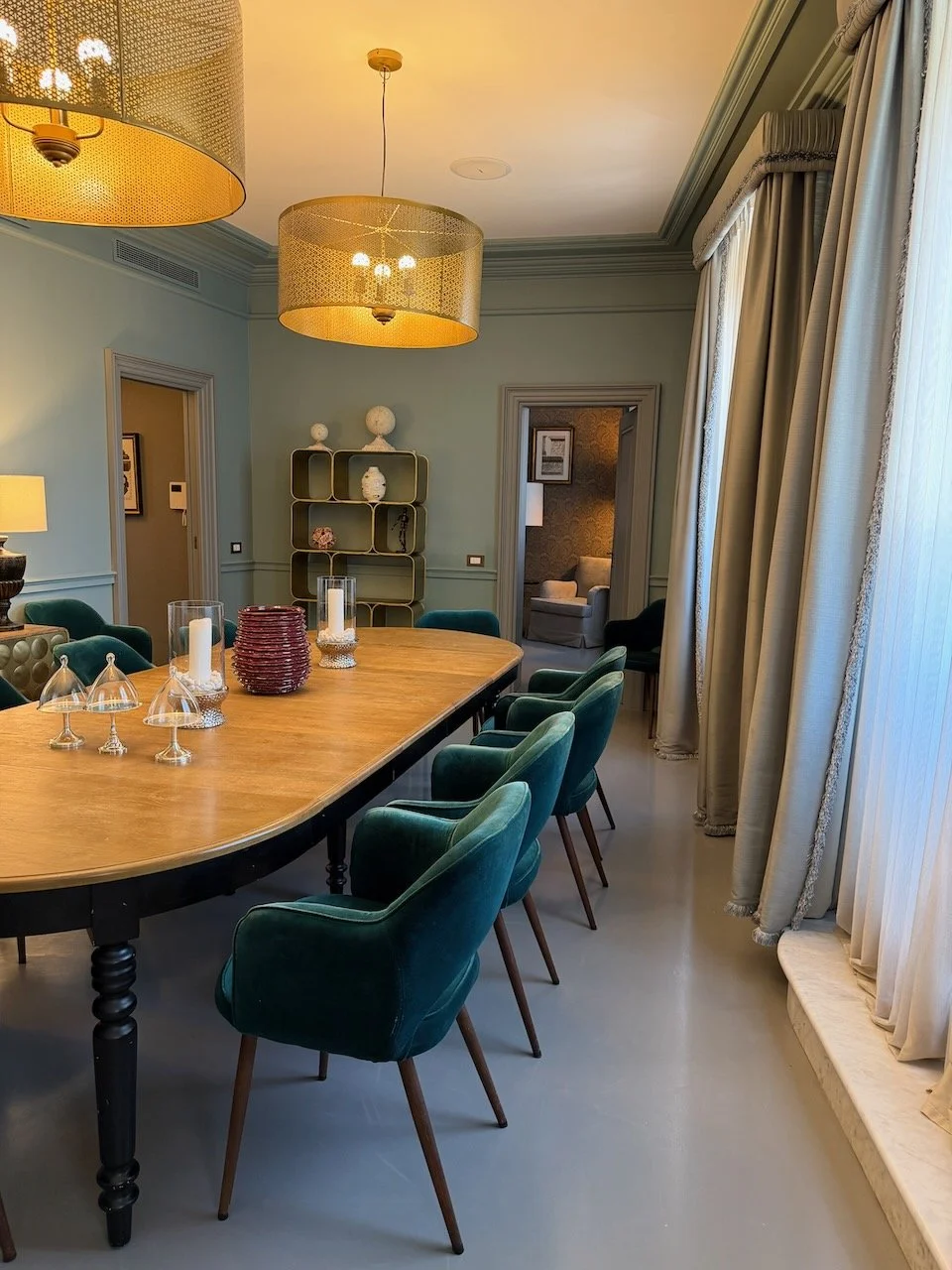
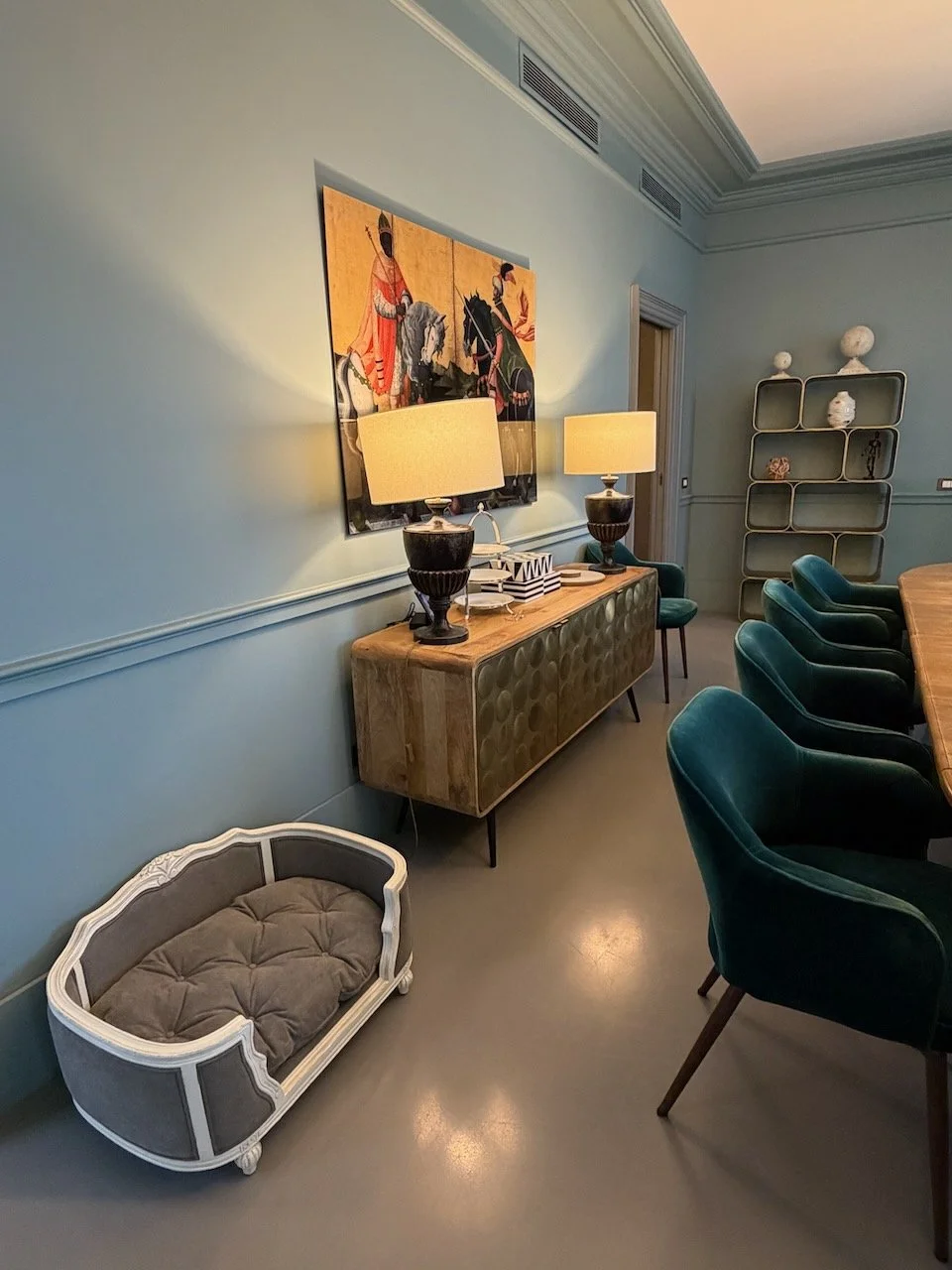
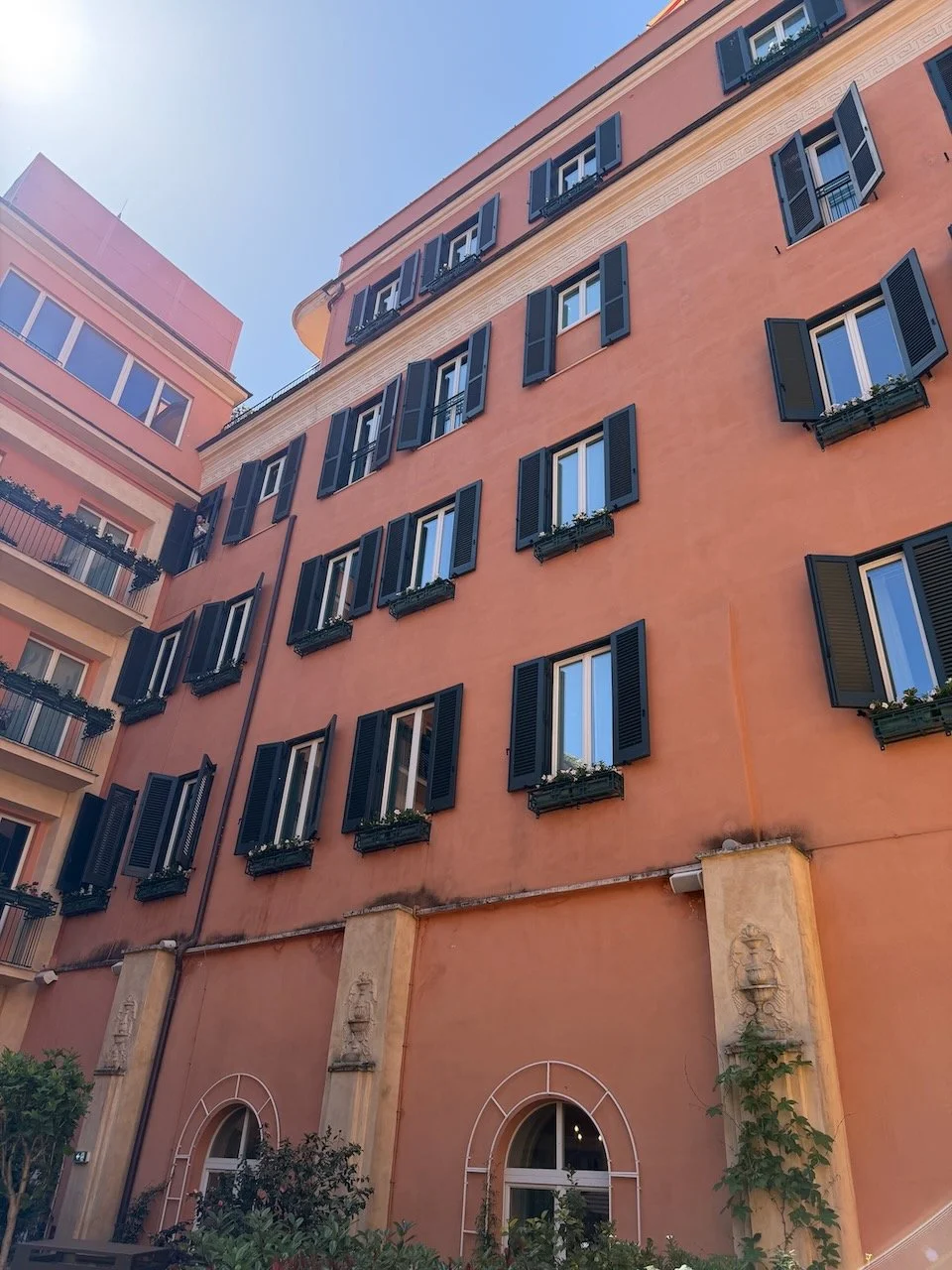
Rocco Forte House feels less like a hotel and more like having your own private Roman residence, but with the Rocco Forte world quietly attached. The property consists of five private apartments inside an 18th-century palazzo at Piazza di Spagna, with a dedicated house manager and access to the spa, restaurants, and bars of Hotel de la Ville. The atmosphere is elegant, residential, and very personal. The arrival experience makes a difference: being welcomed by the warm Italian house manager immediately gives it the feeling of a private home rather than a serviced apartment product. For families, longer stays, or guests who want privacy without losing hotel-level support, this may be the most discreetly luxurious option of the three.
Accommodations
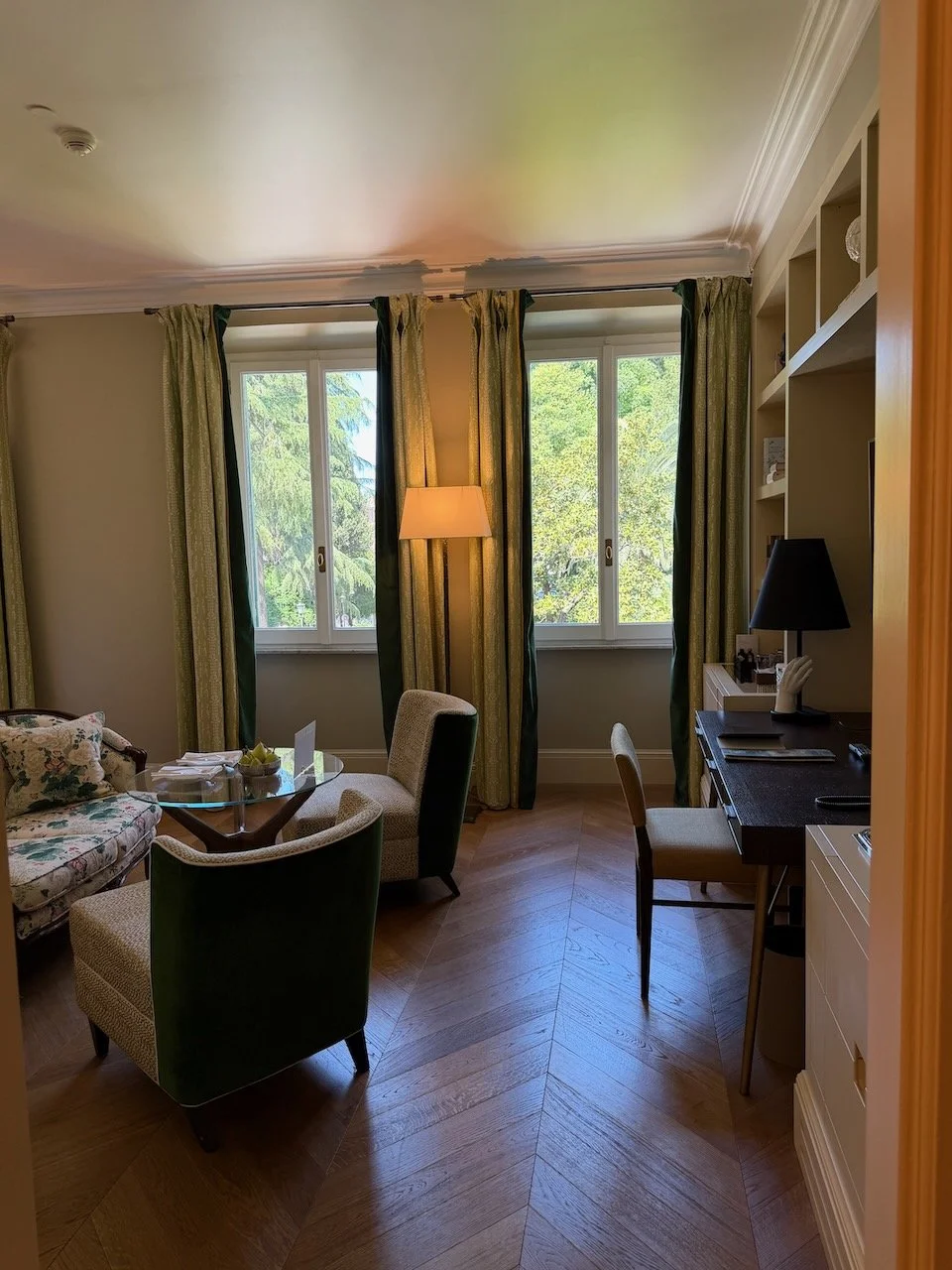
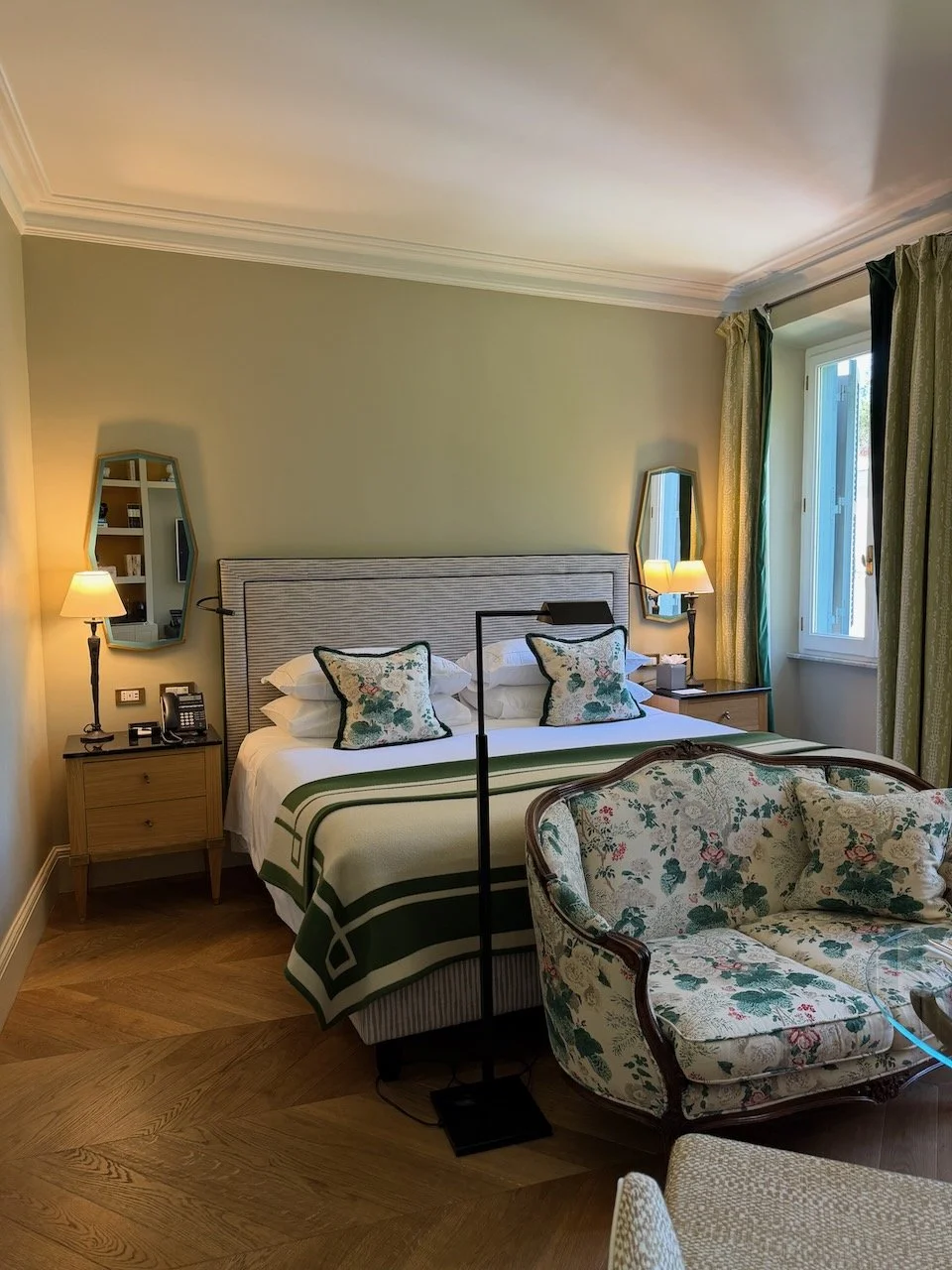
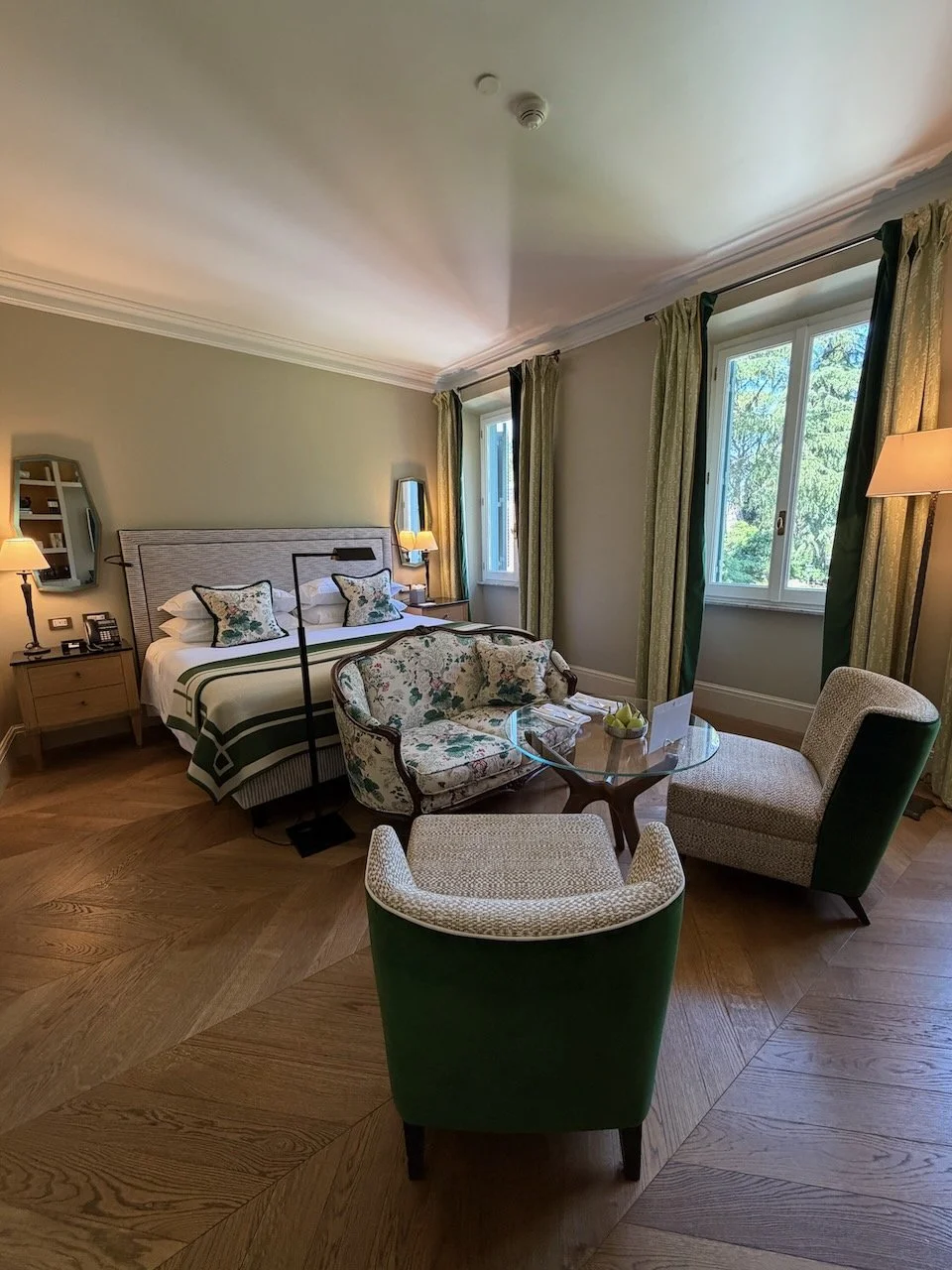
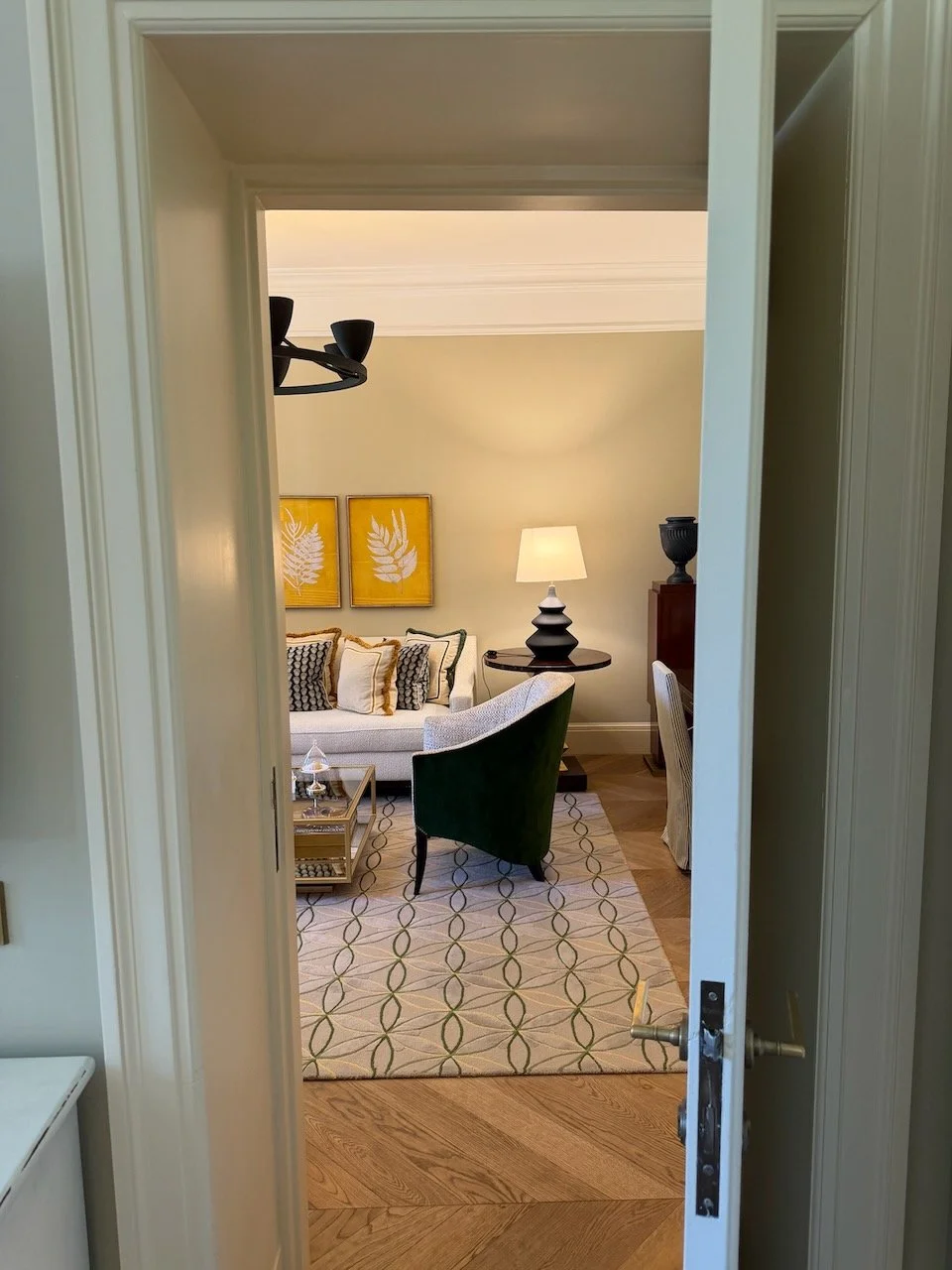
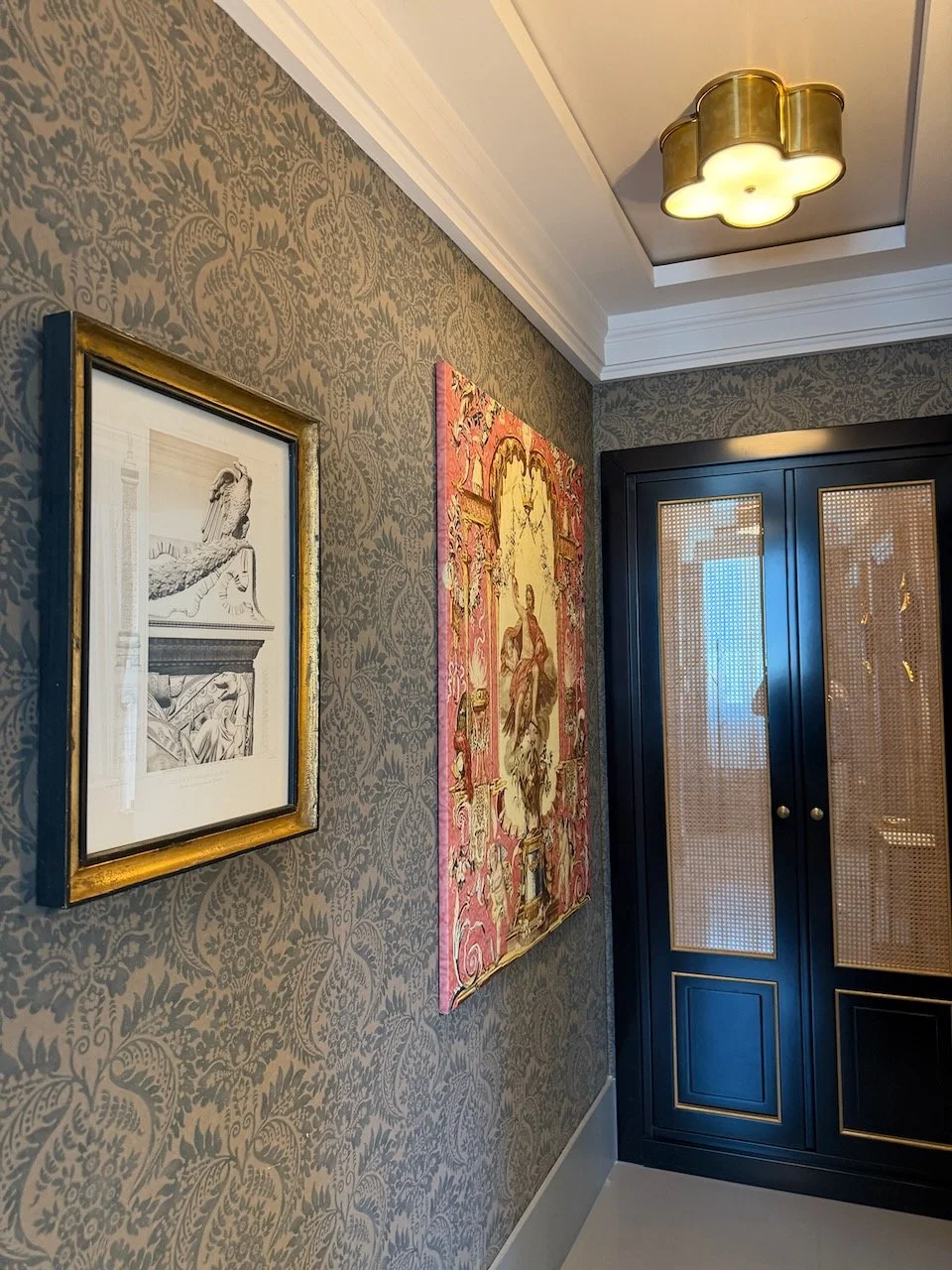
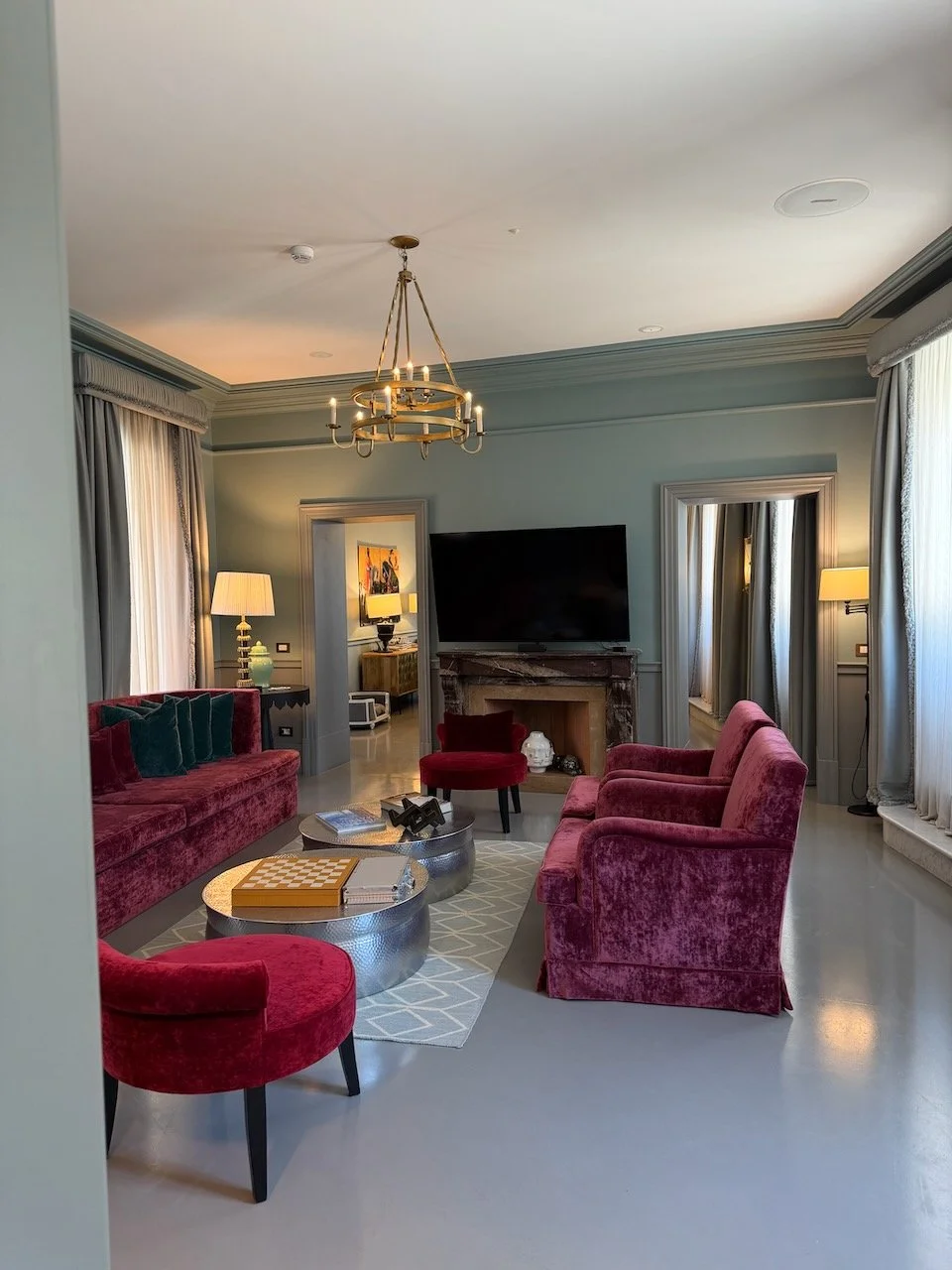
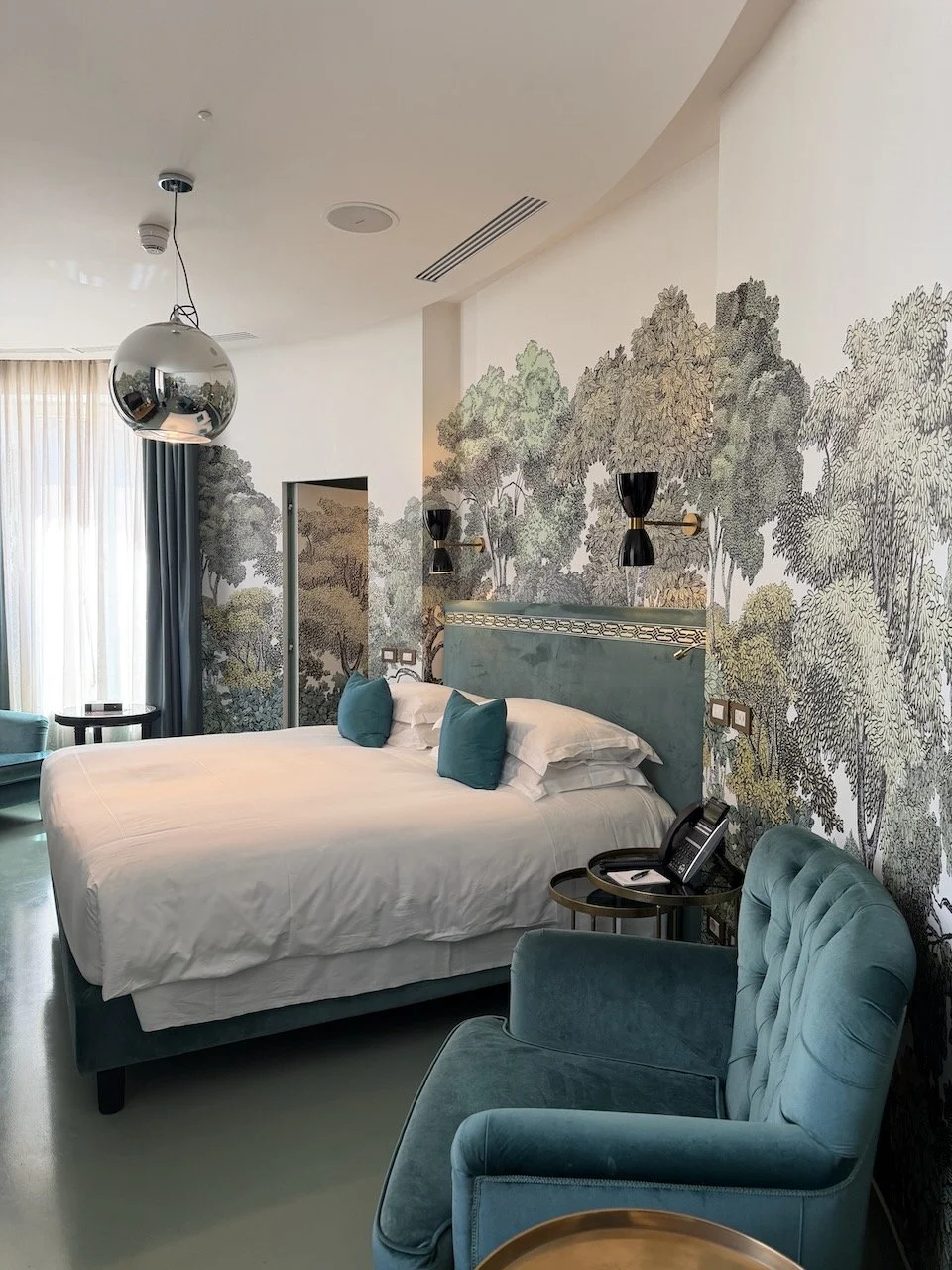
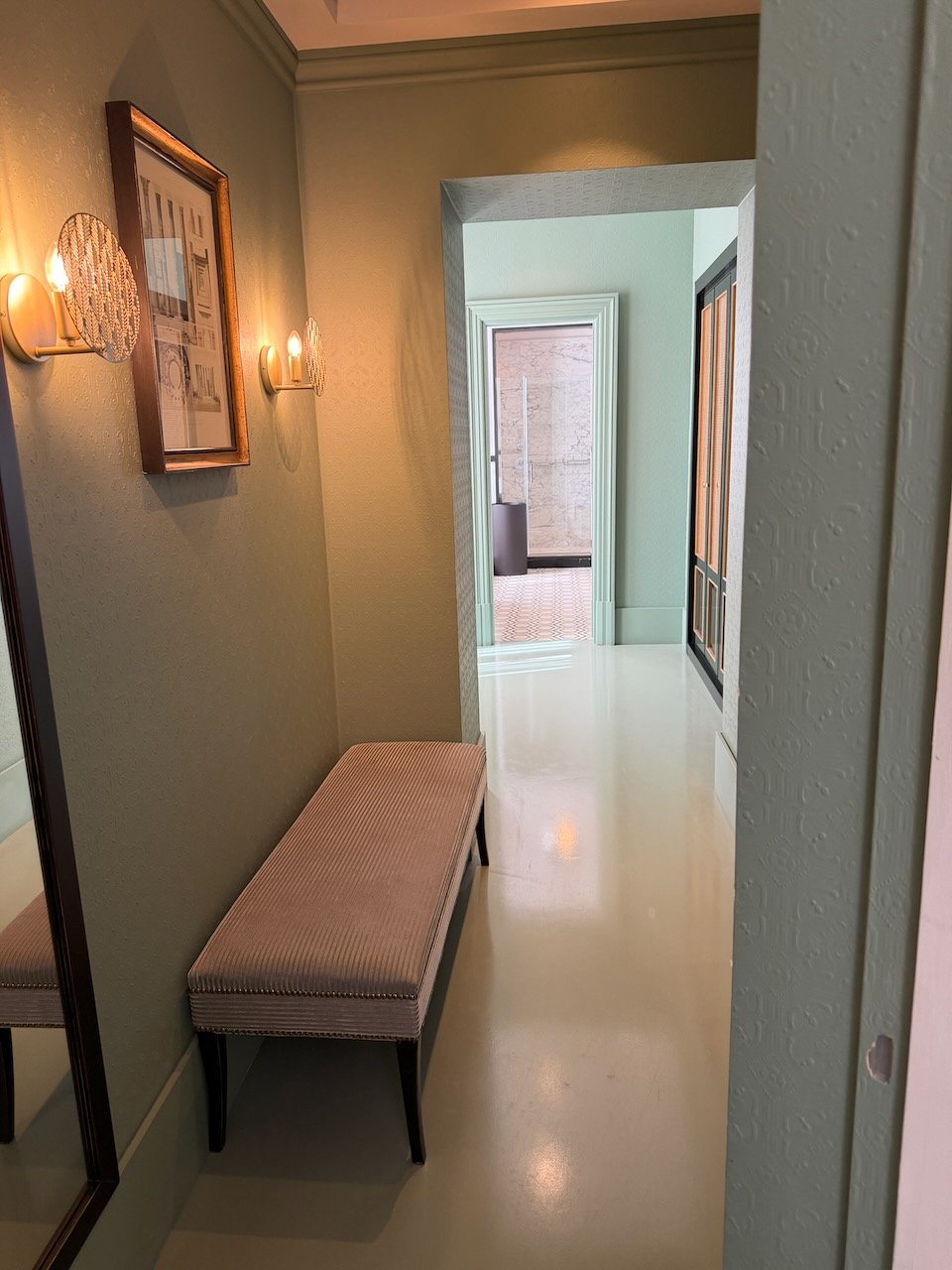
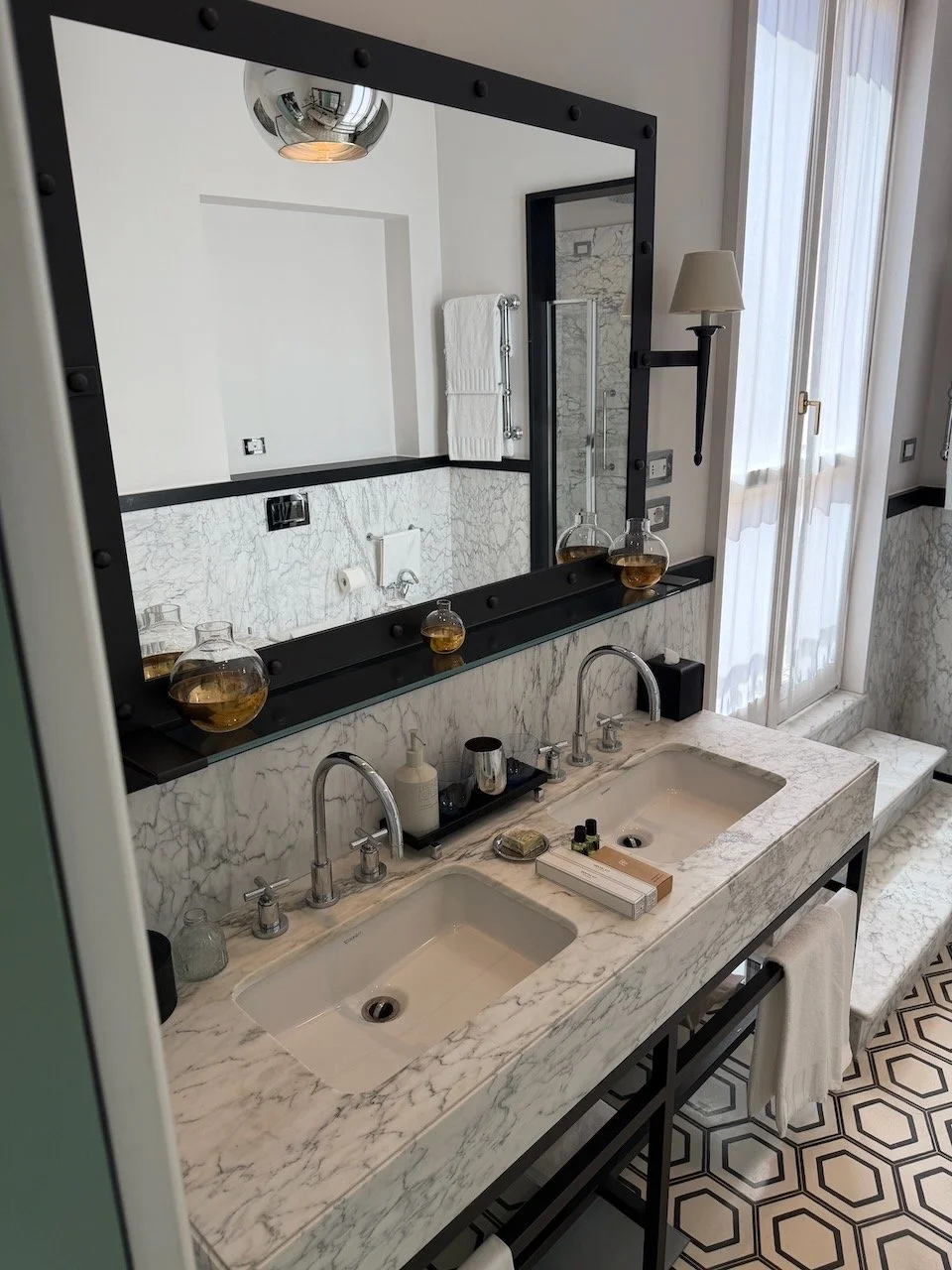
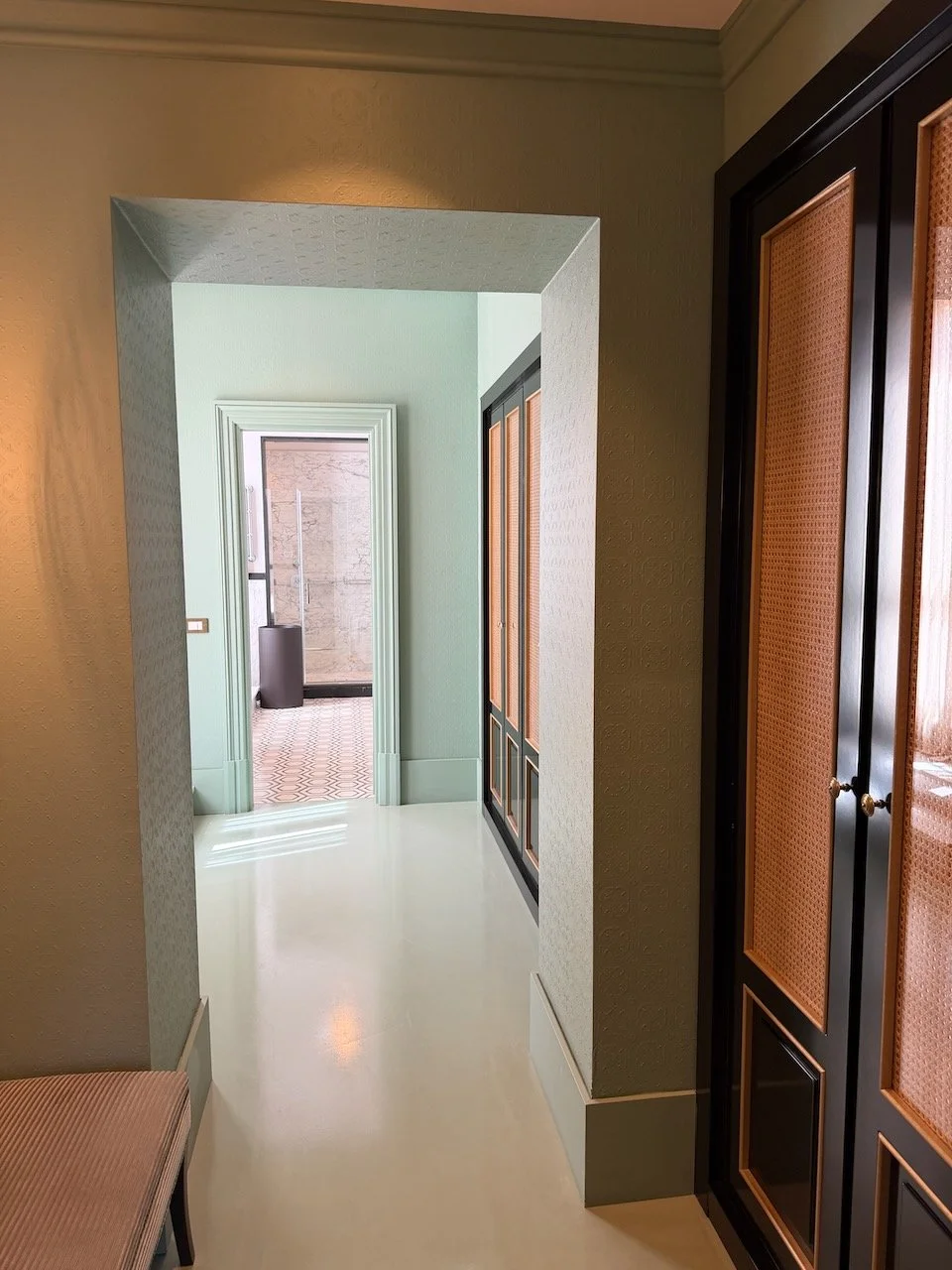
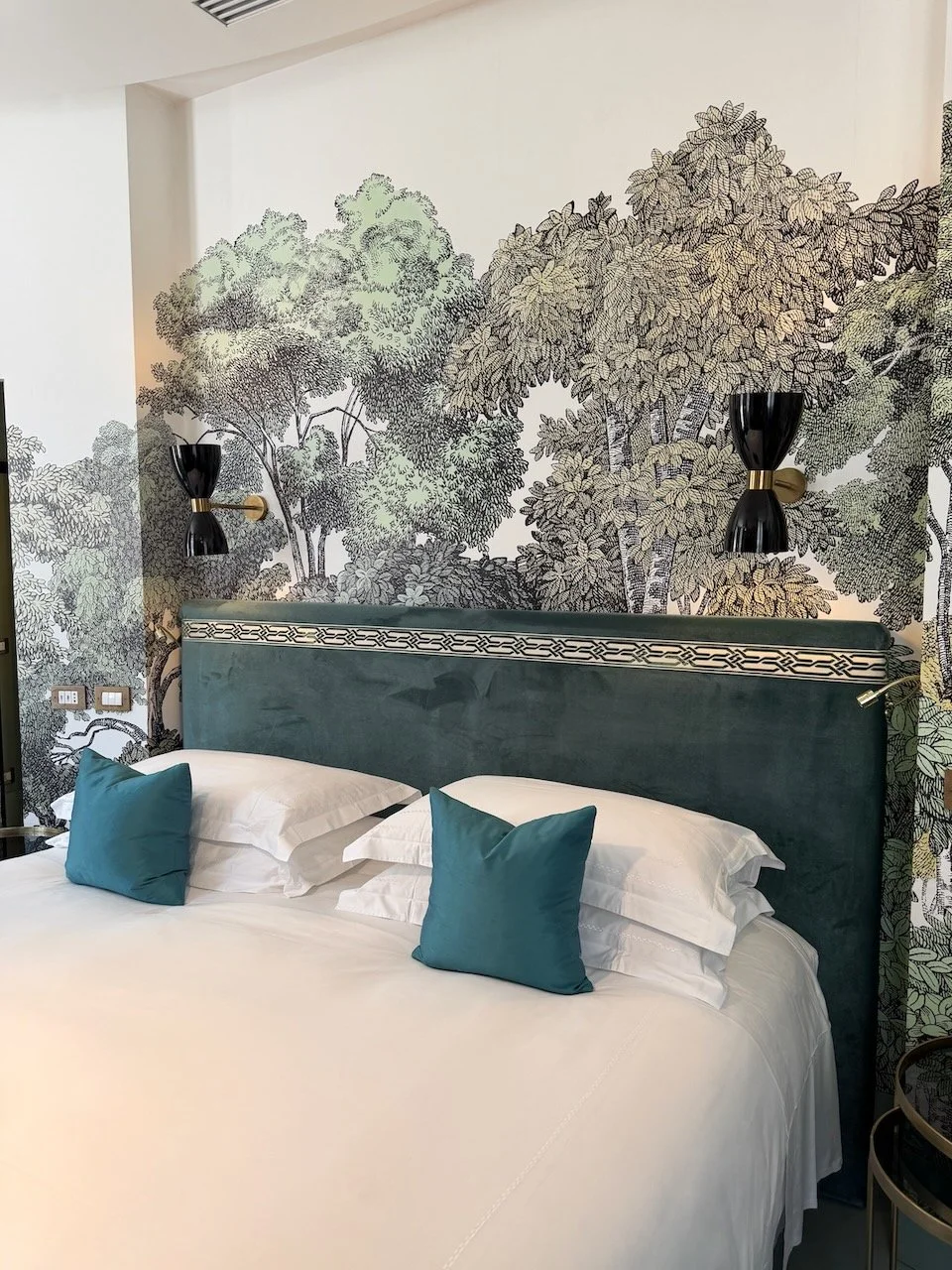
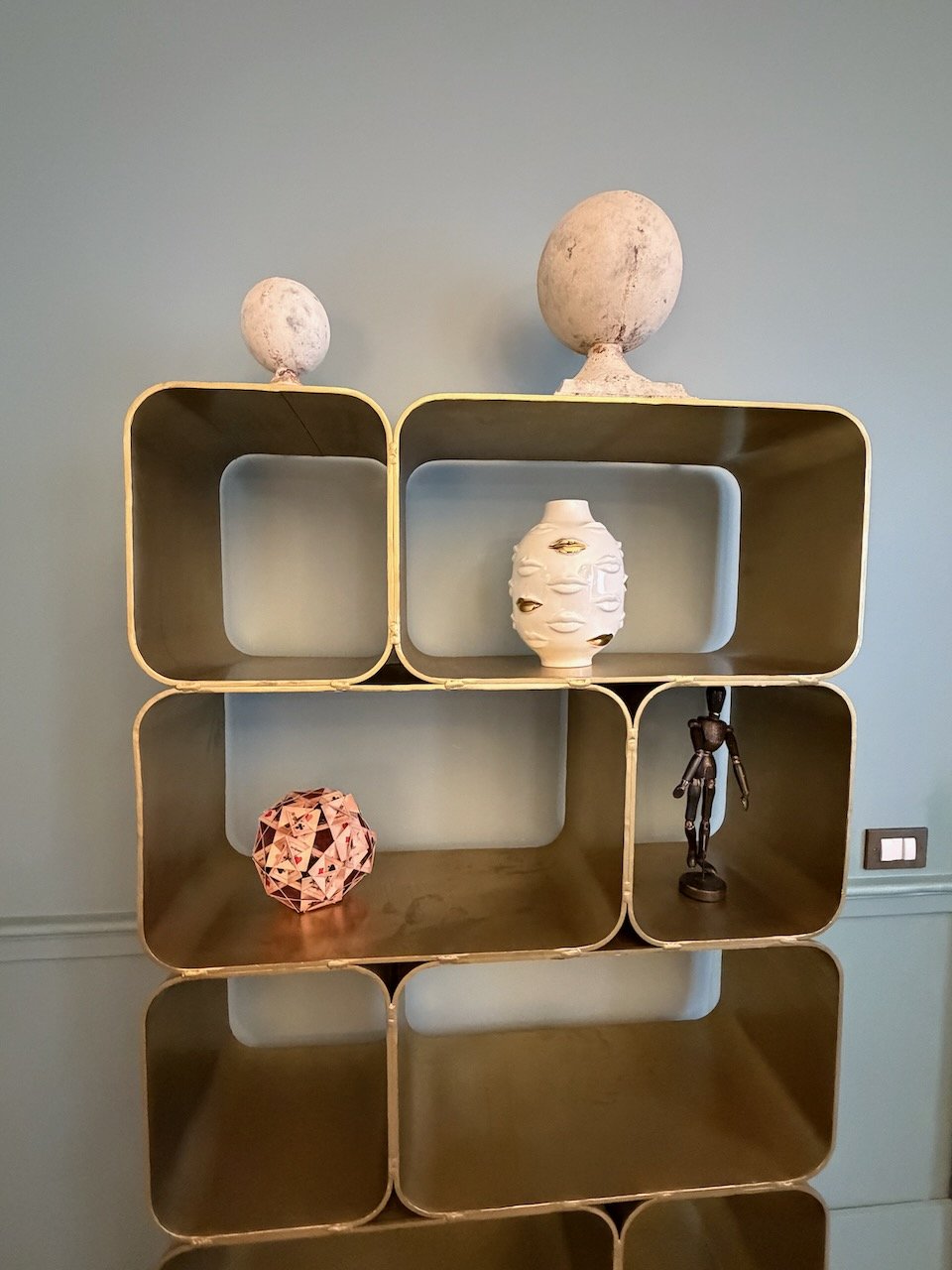
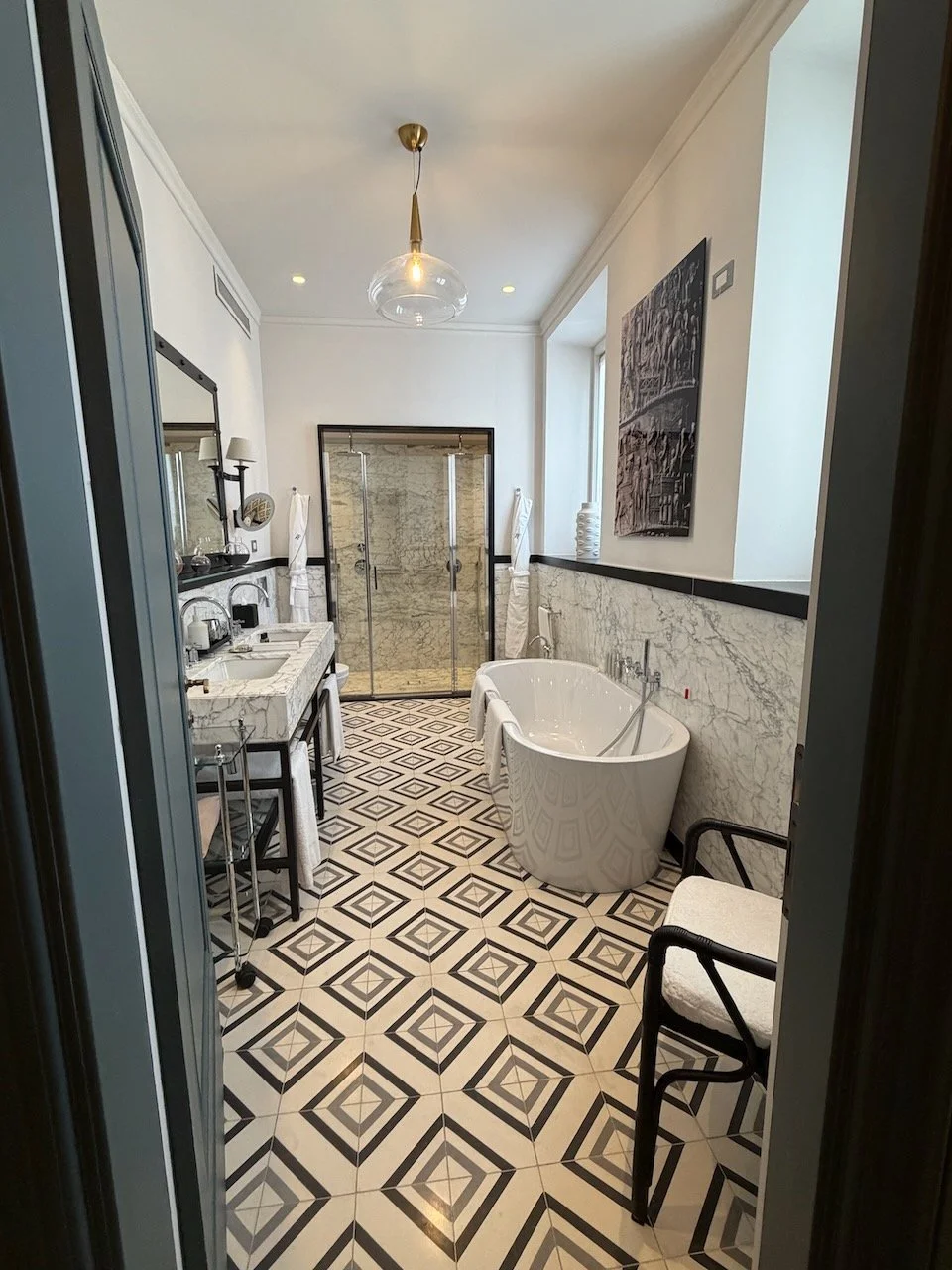
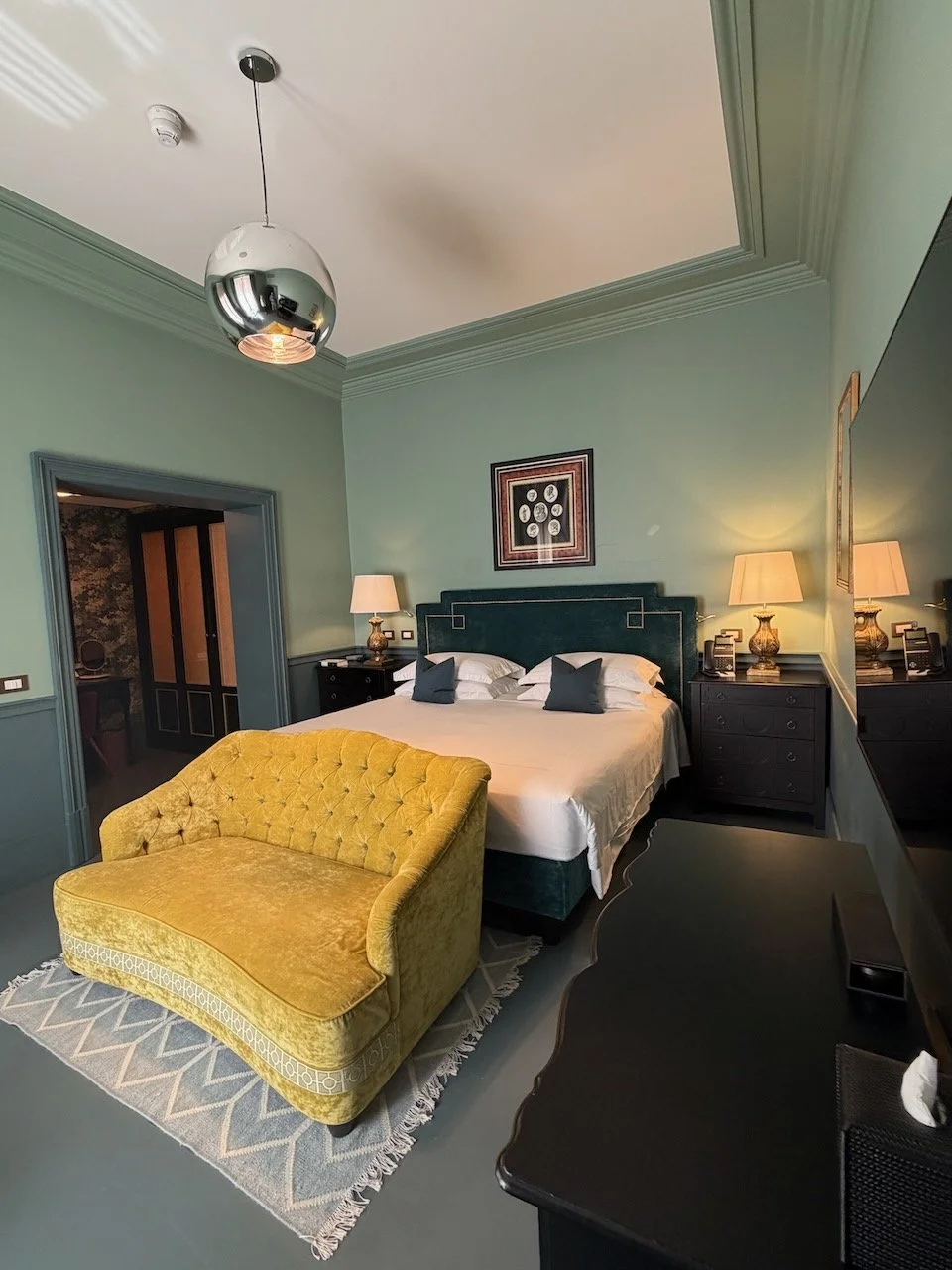
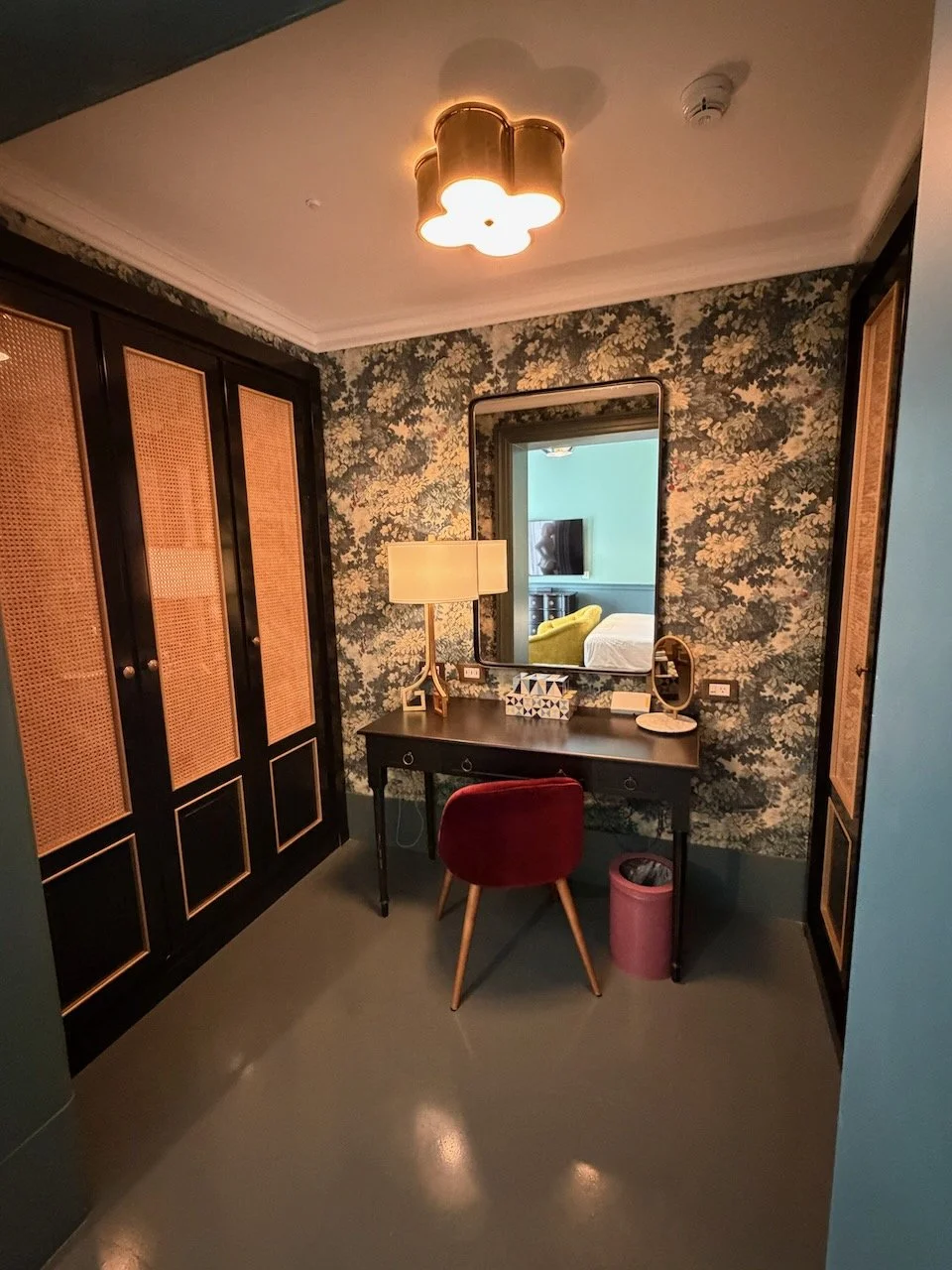
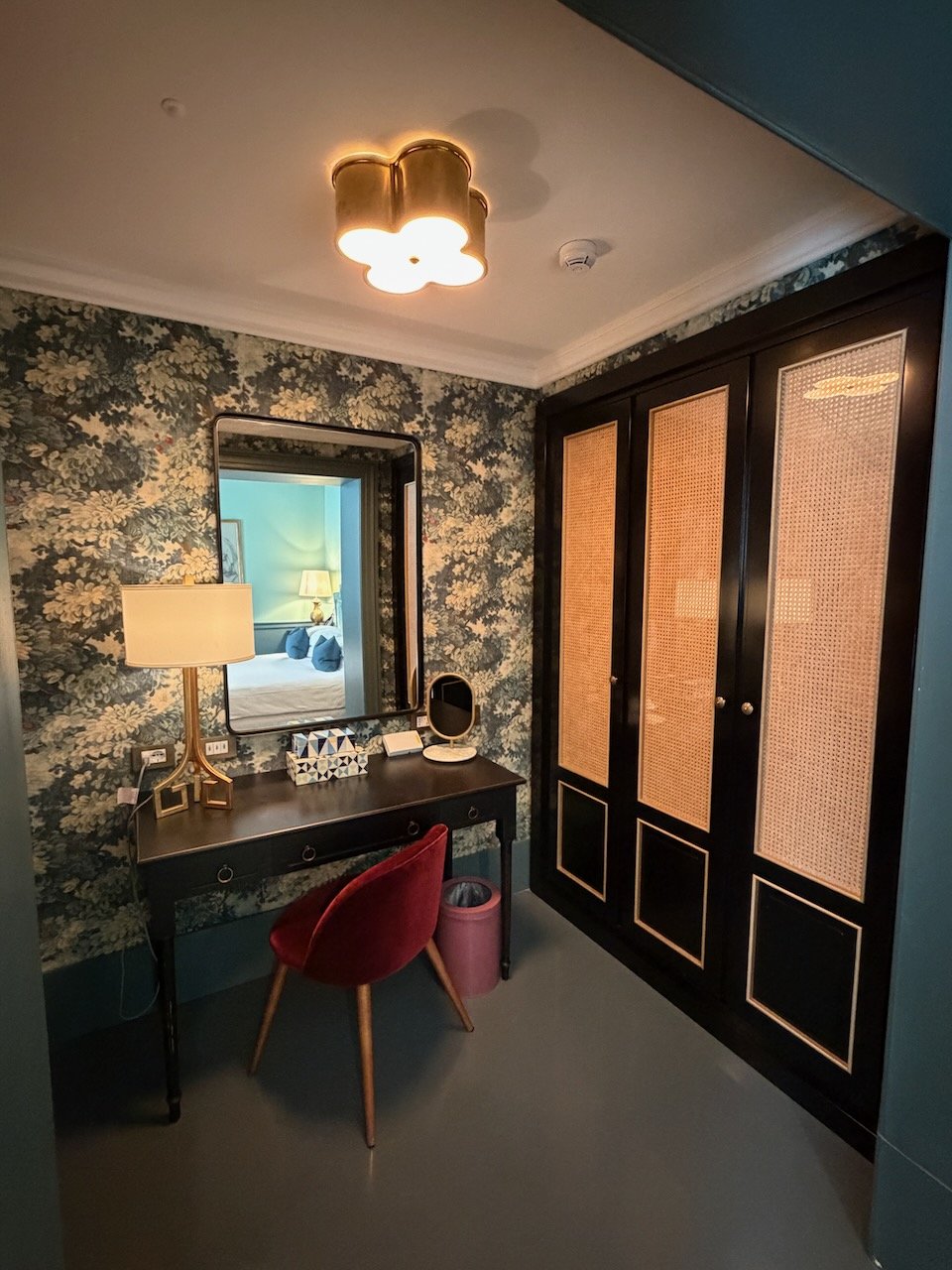
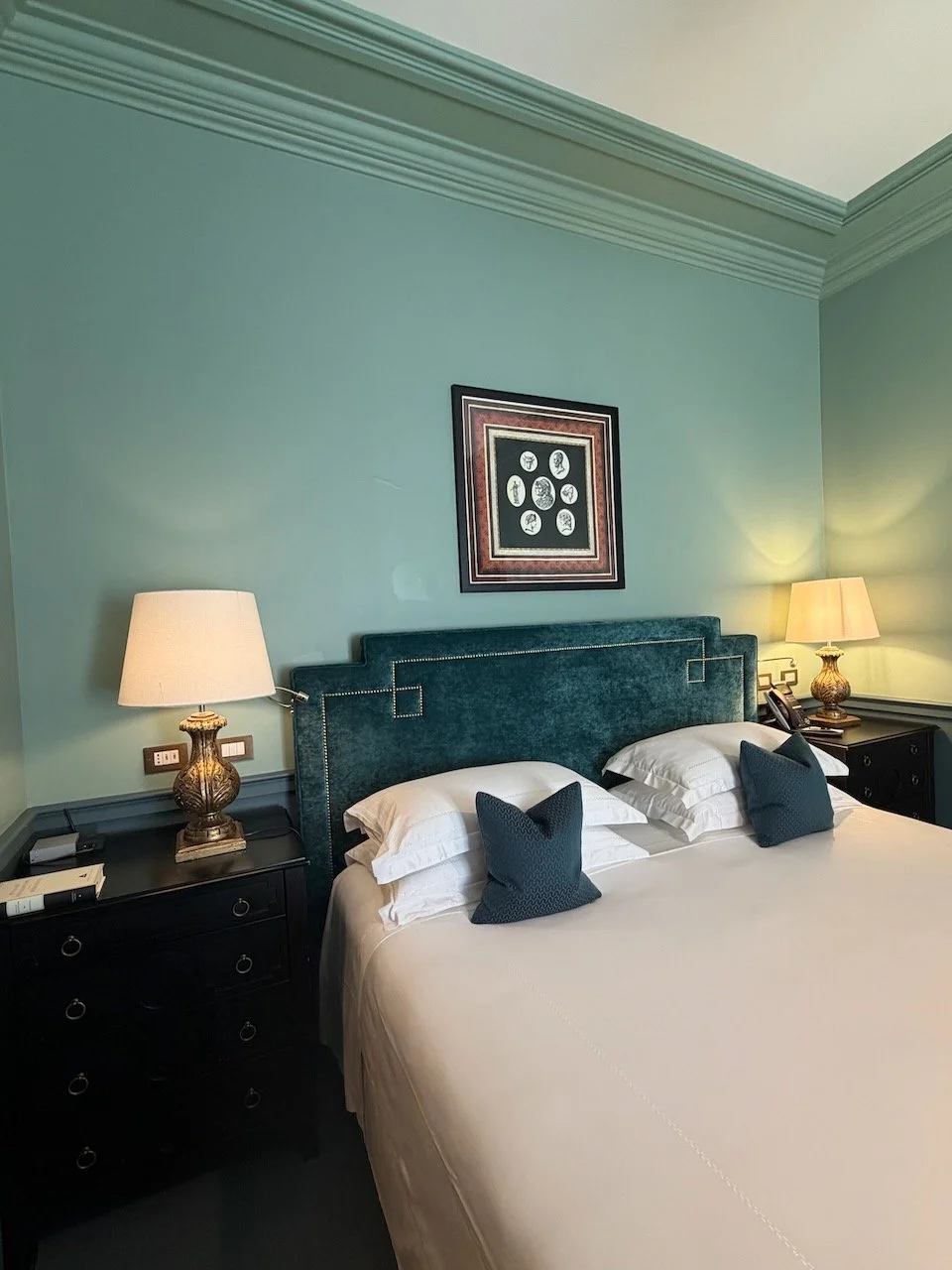
Hotel de Russie has 117 rooms and suites, including 34 suites, so it is large enough to feel like a proper Roman grand hotel but still personal in atmosphere. The design mixes classic Rocco Forte polish with a more contemporary, colourful interpretation of Rome: elegant fabrics, soft but not boring colour palettes, and a sense of comfort rather than theatrical excess.
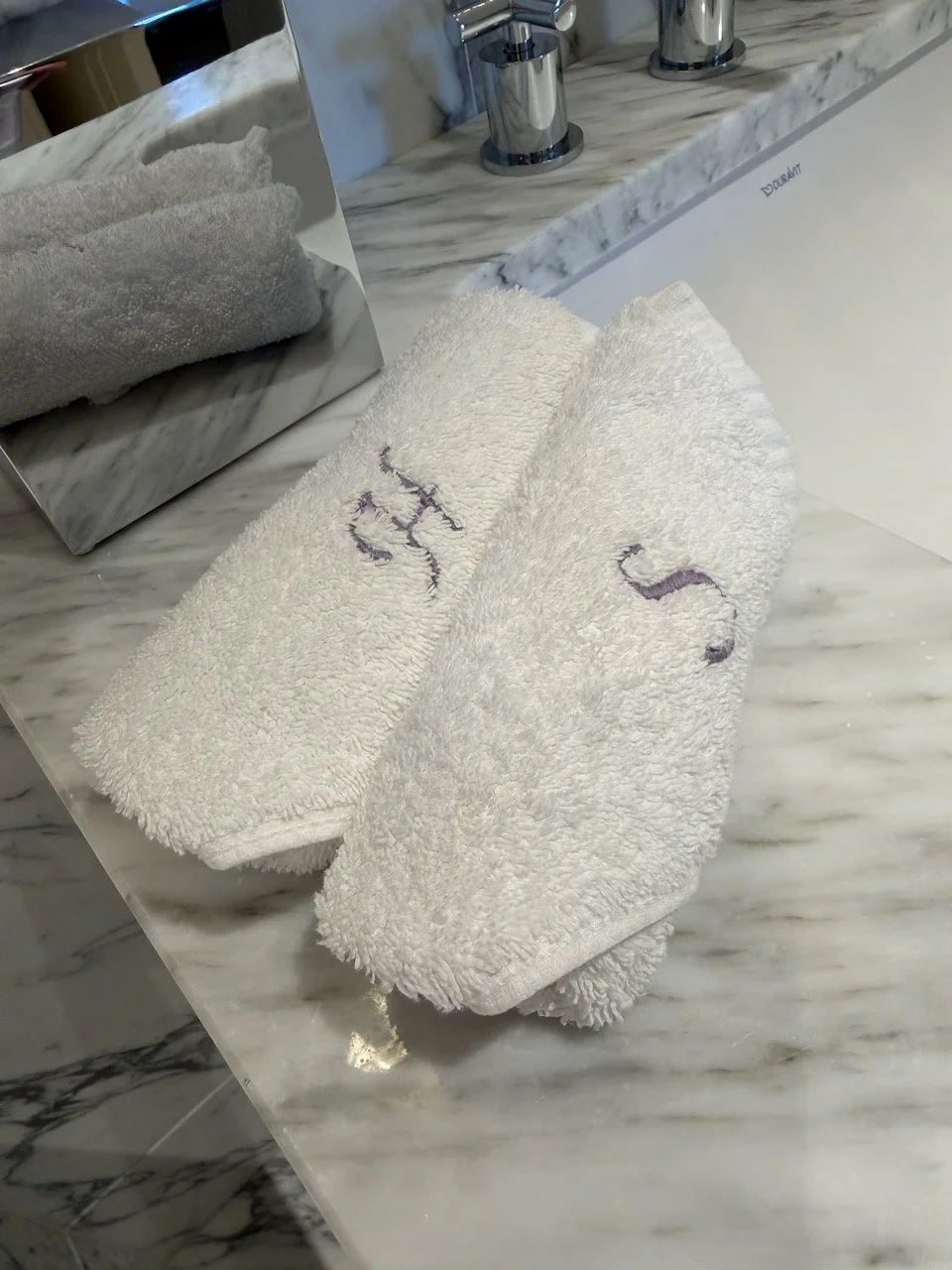
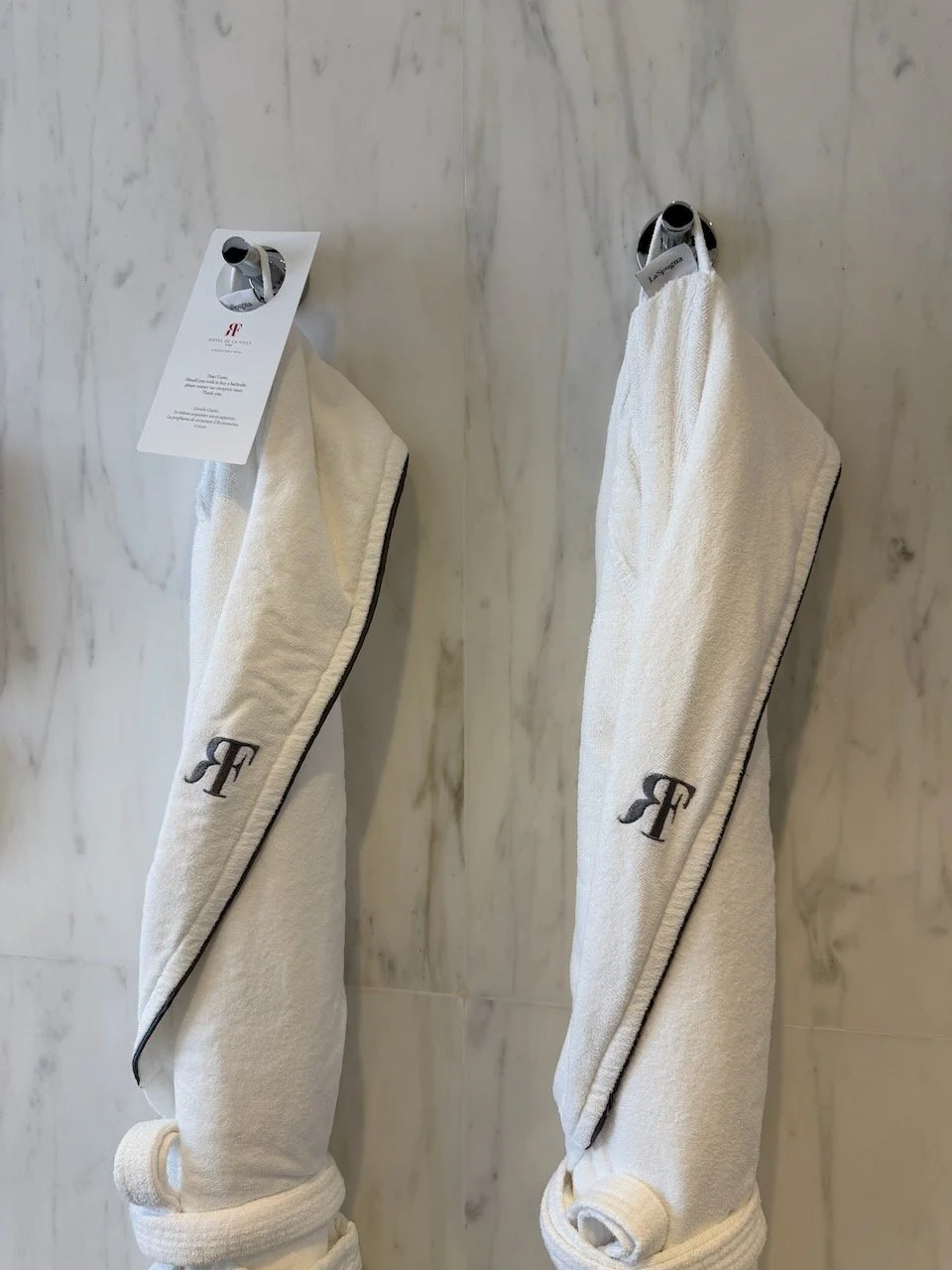
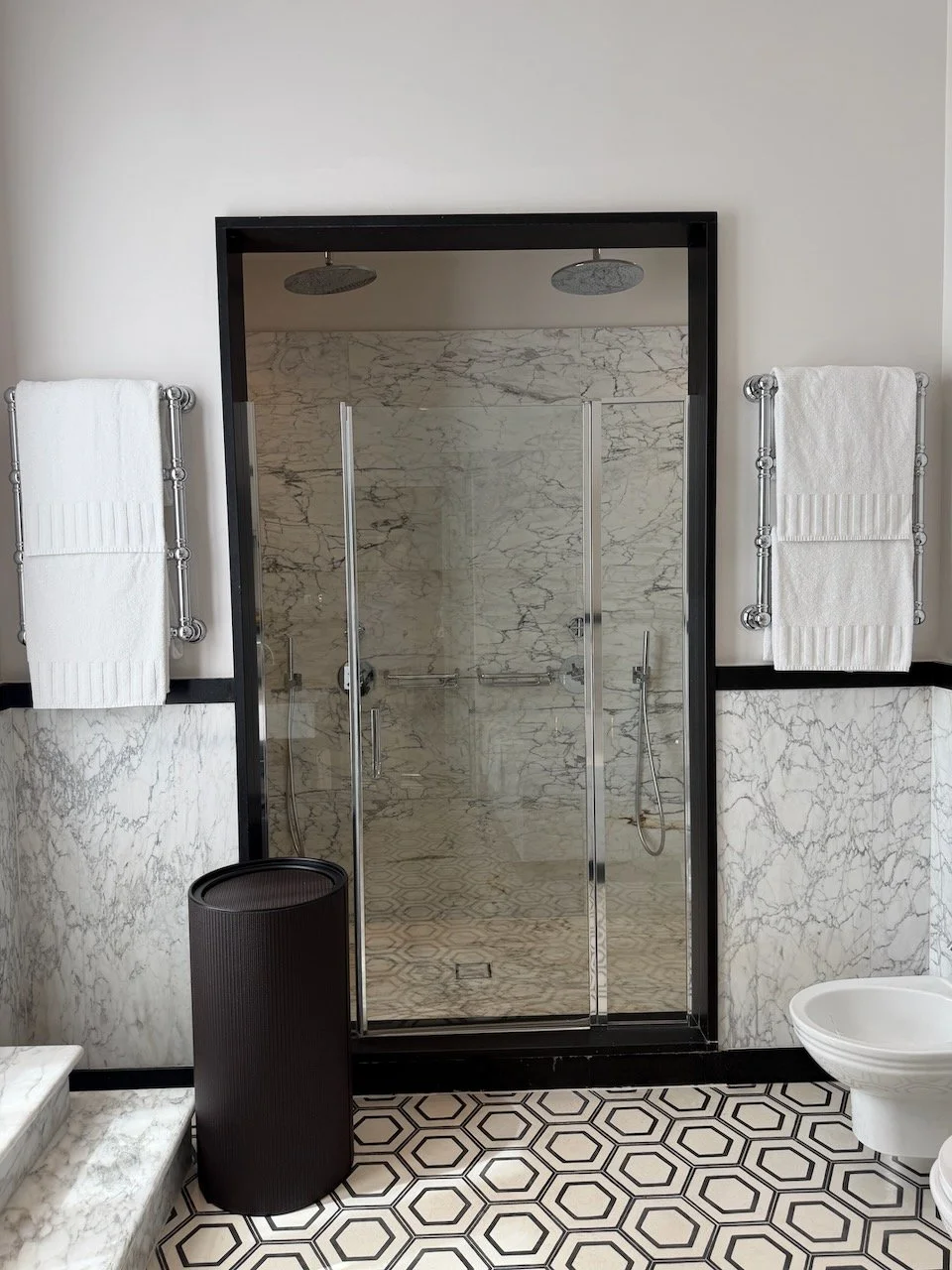
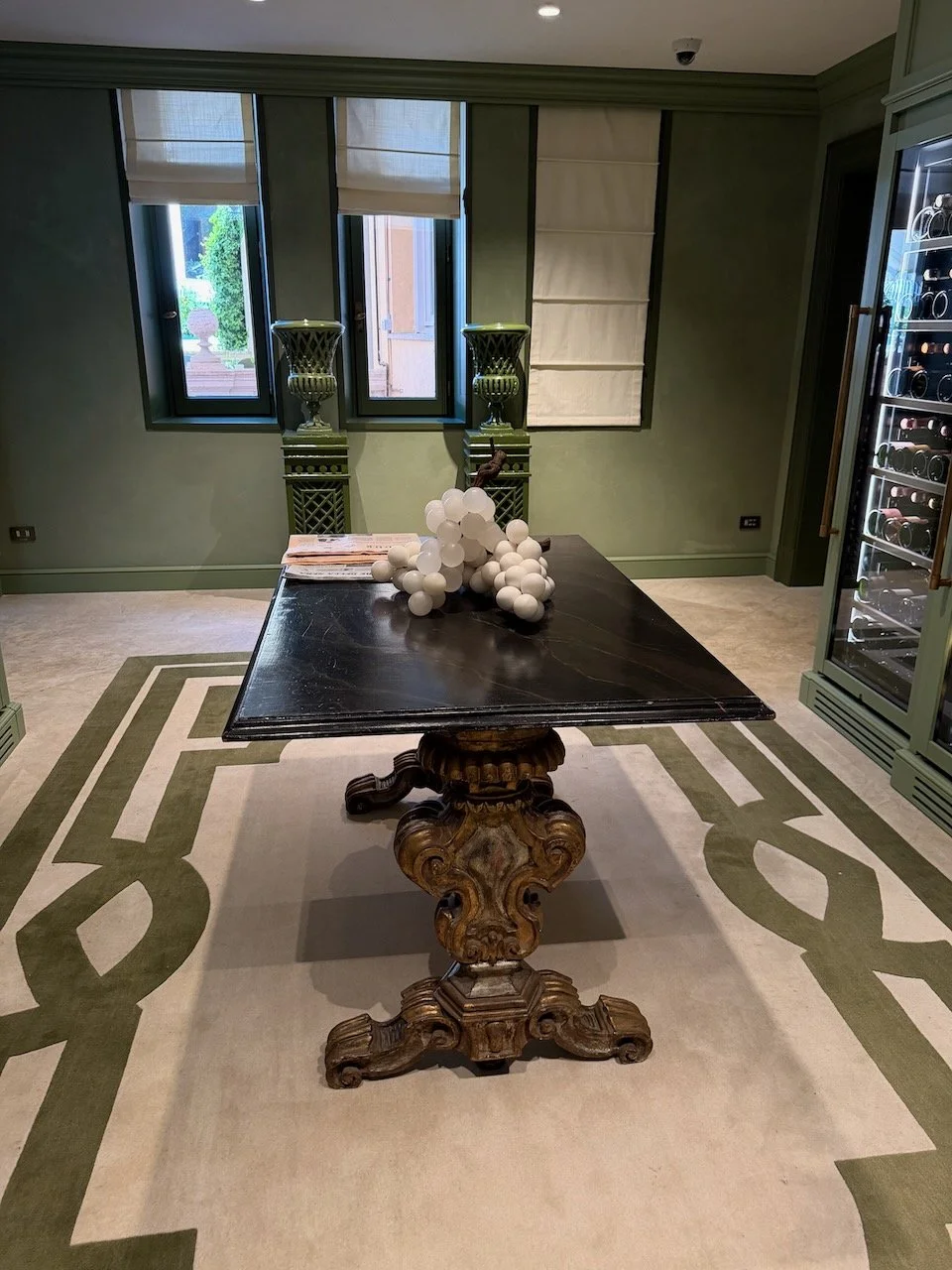
I saw a standard room category with a courtyard view, and that view is really the key. At Hotel de Russie, the garden and courtyard are the emotional centre of the property, so even a more standard room can feel special if it looks inward toward that calm green world. For guests who want the most “de Russie” experience, I would prioritise courtyard or garden-facing rooms over simply chasing a bigger category. In addition I was able to see a beautiful Suite where monogrammed towels (yes, based on the guests names) were included.
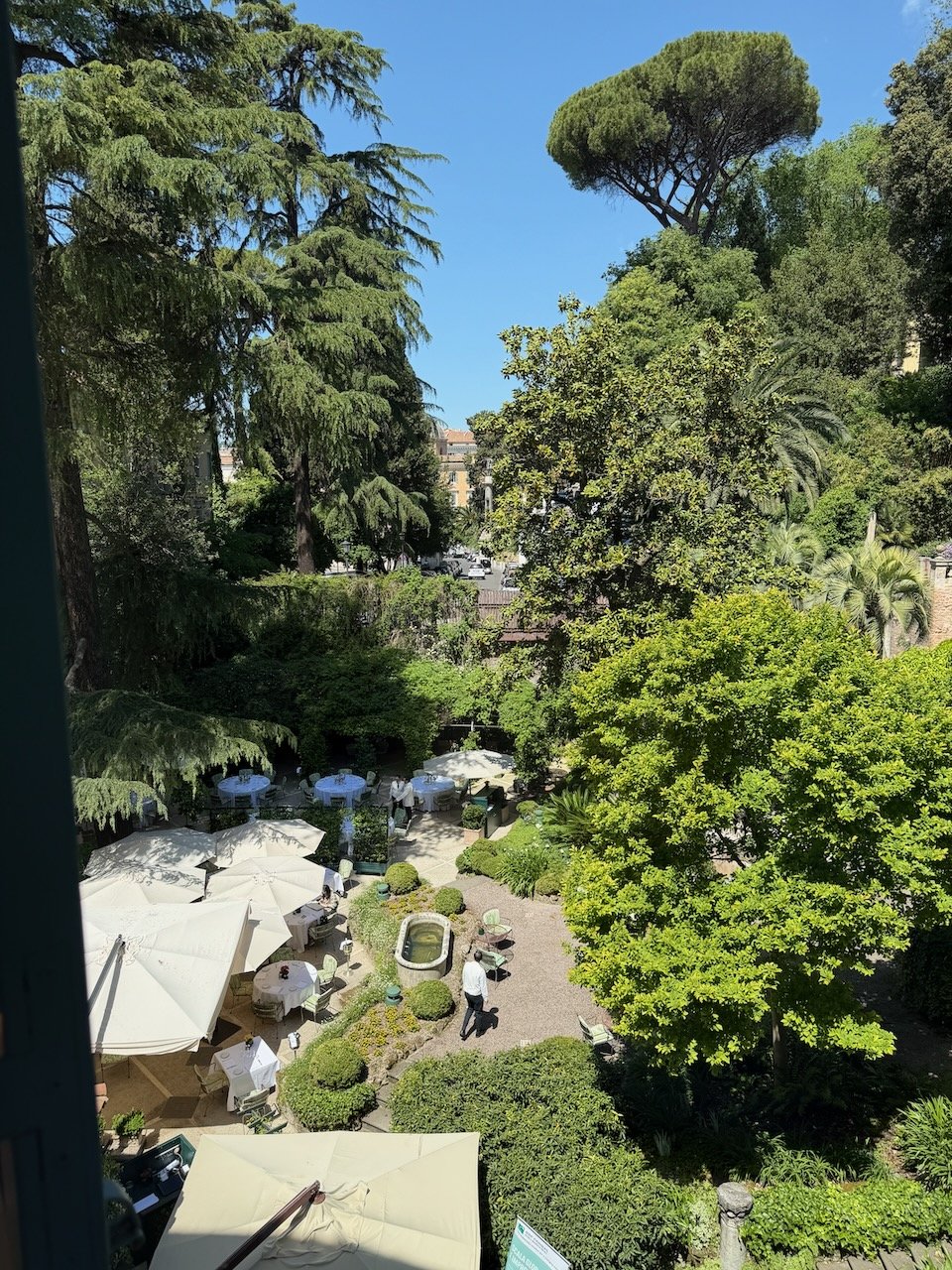
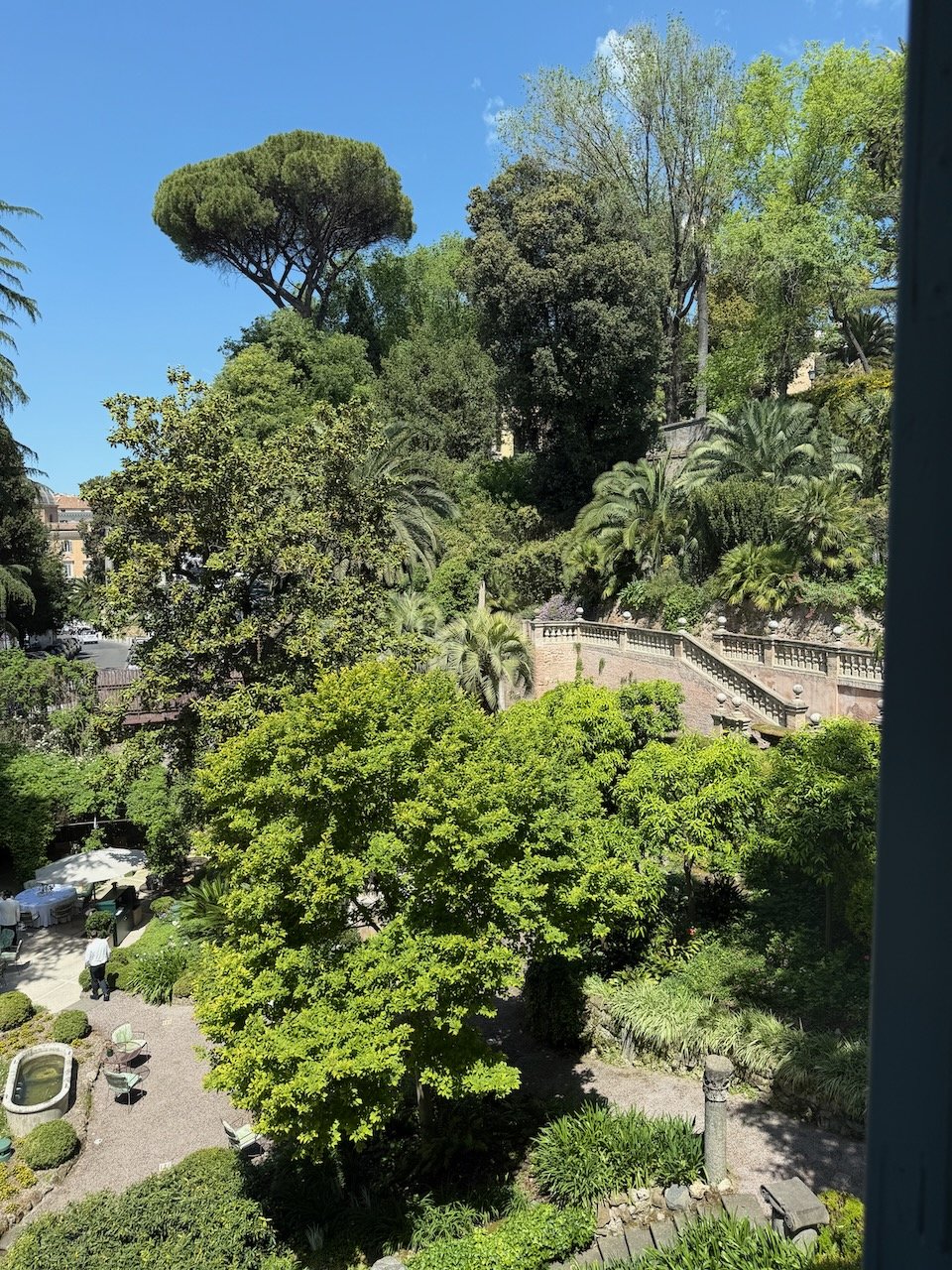
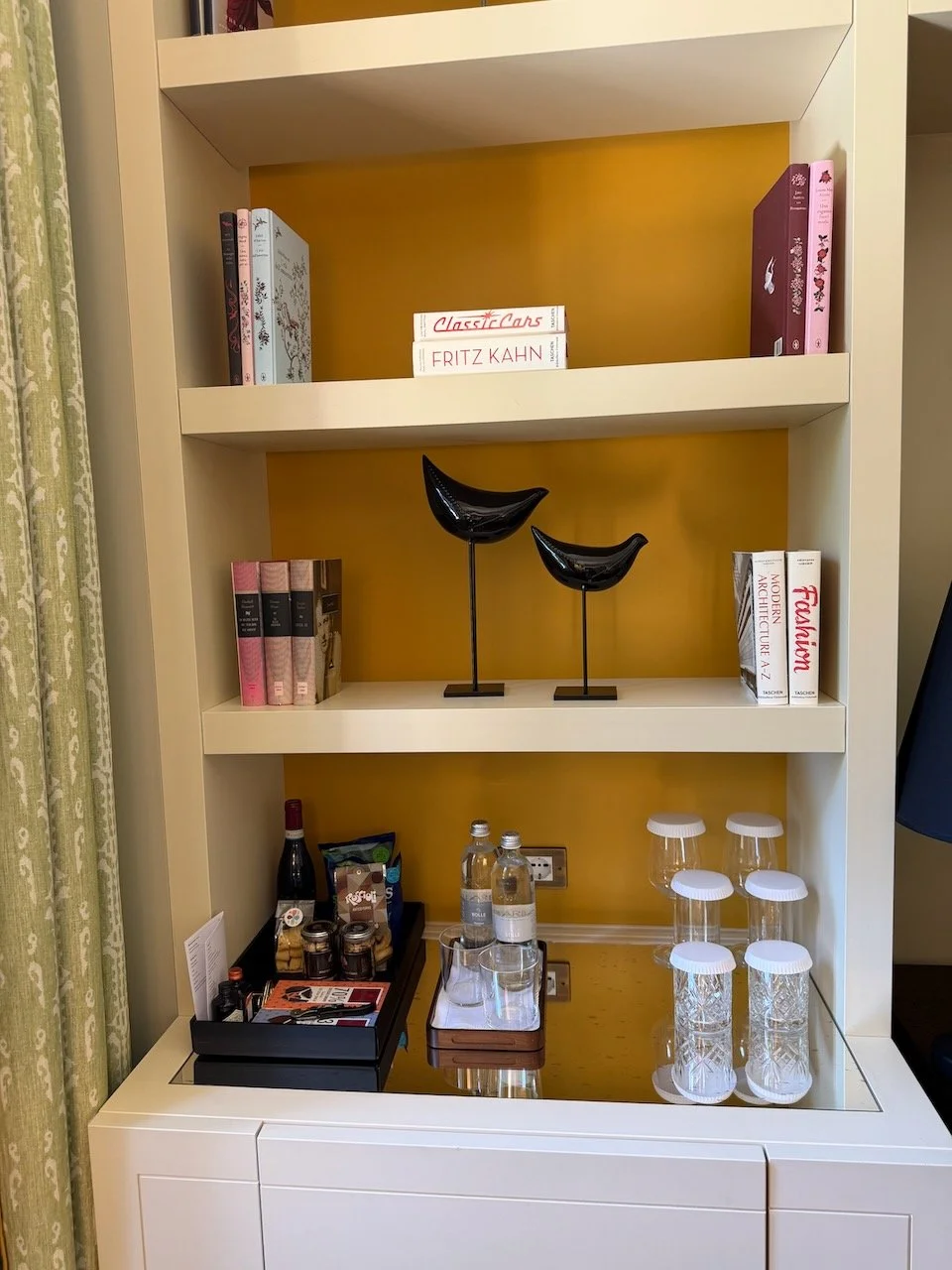
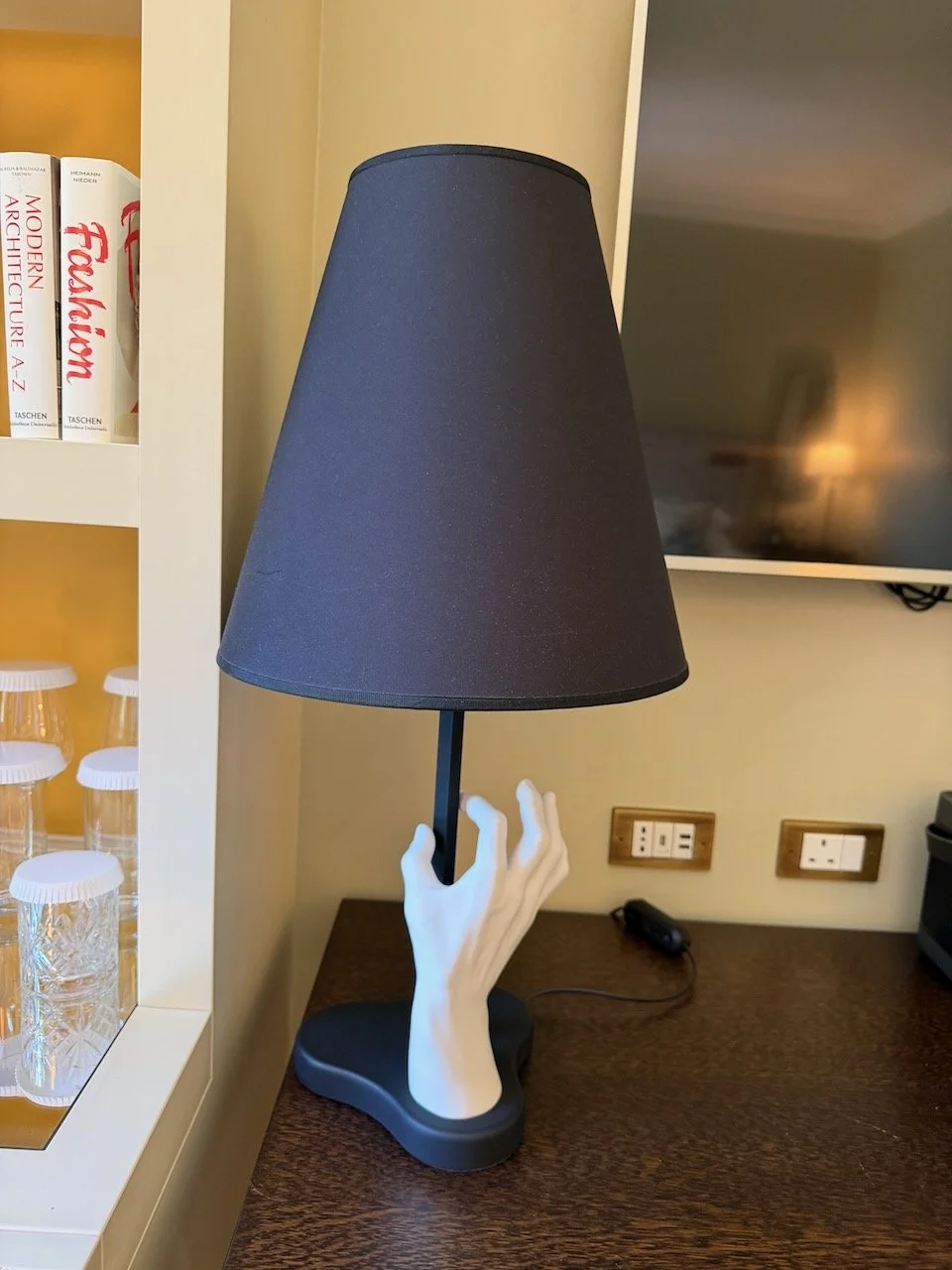
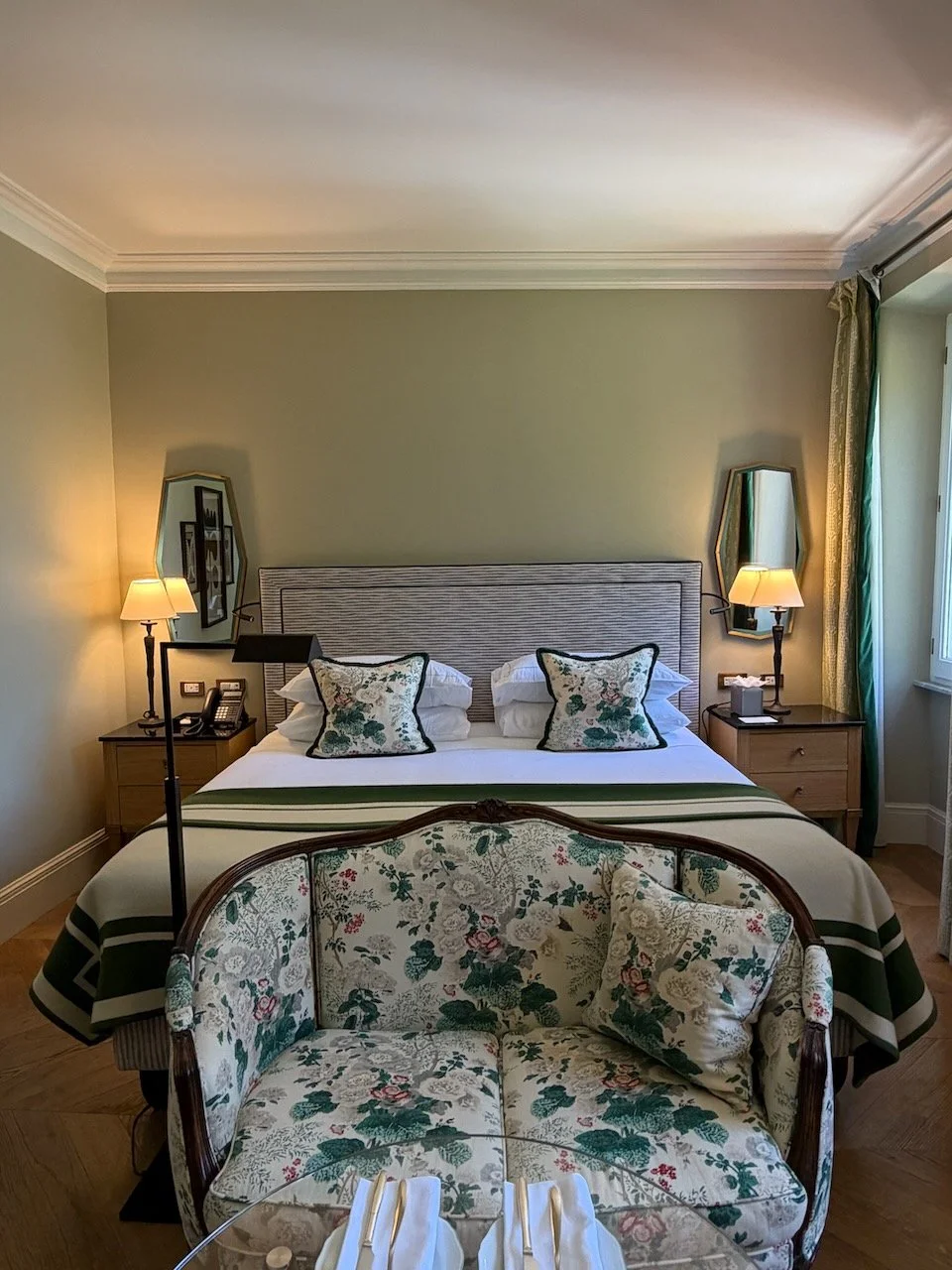
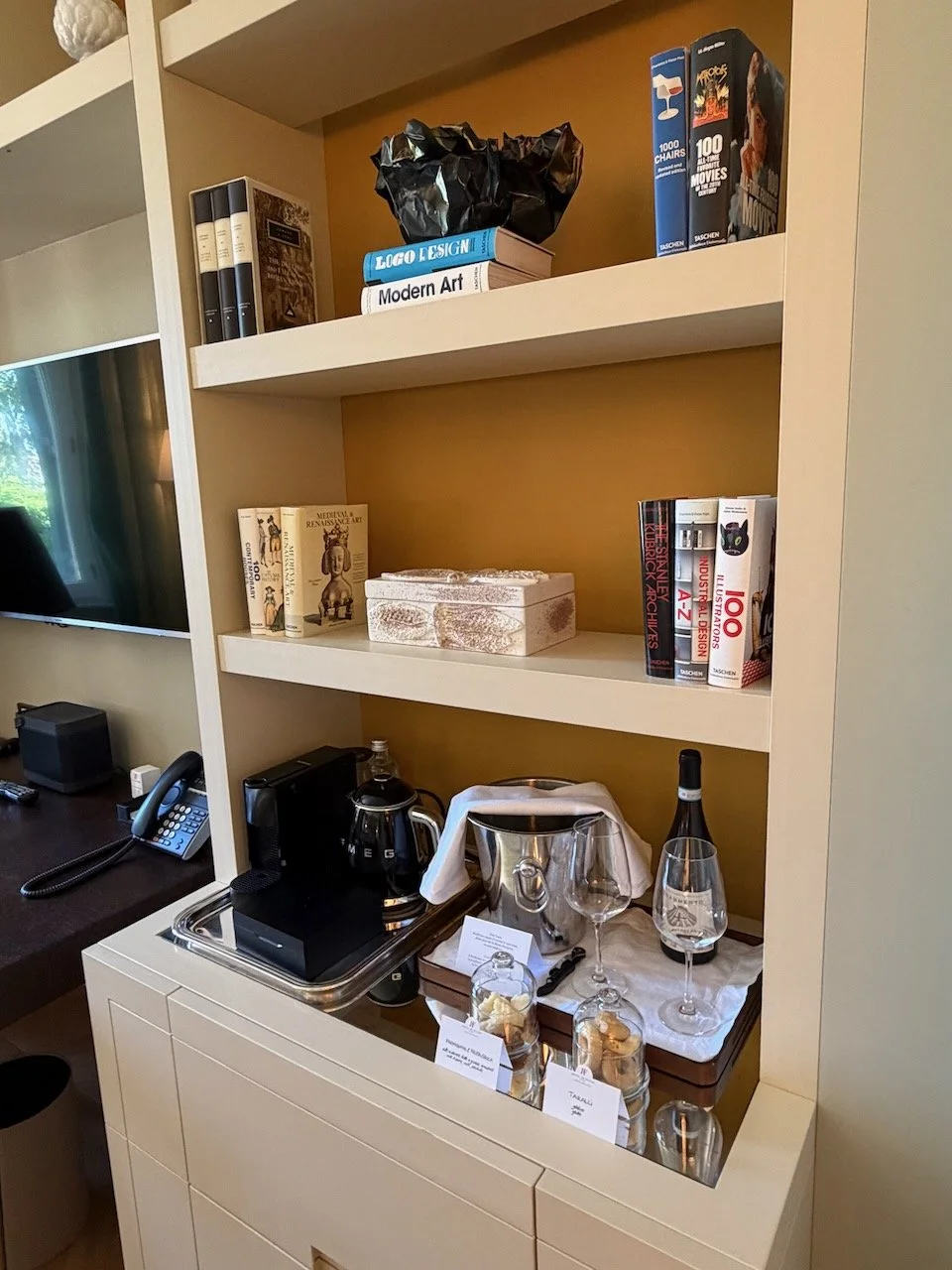
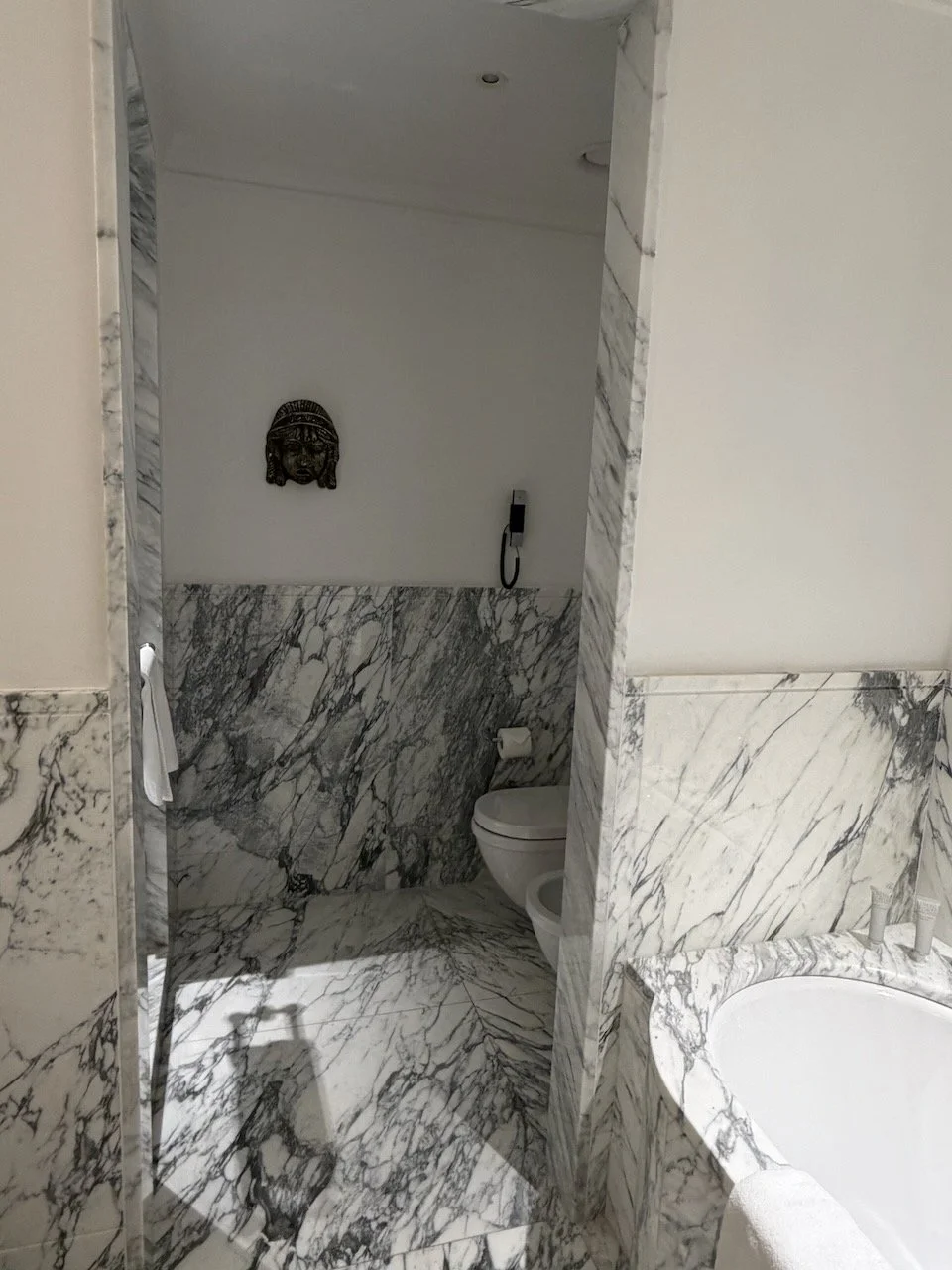
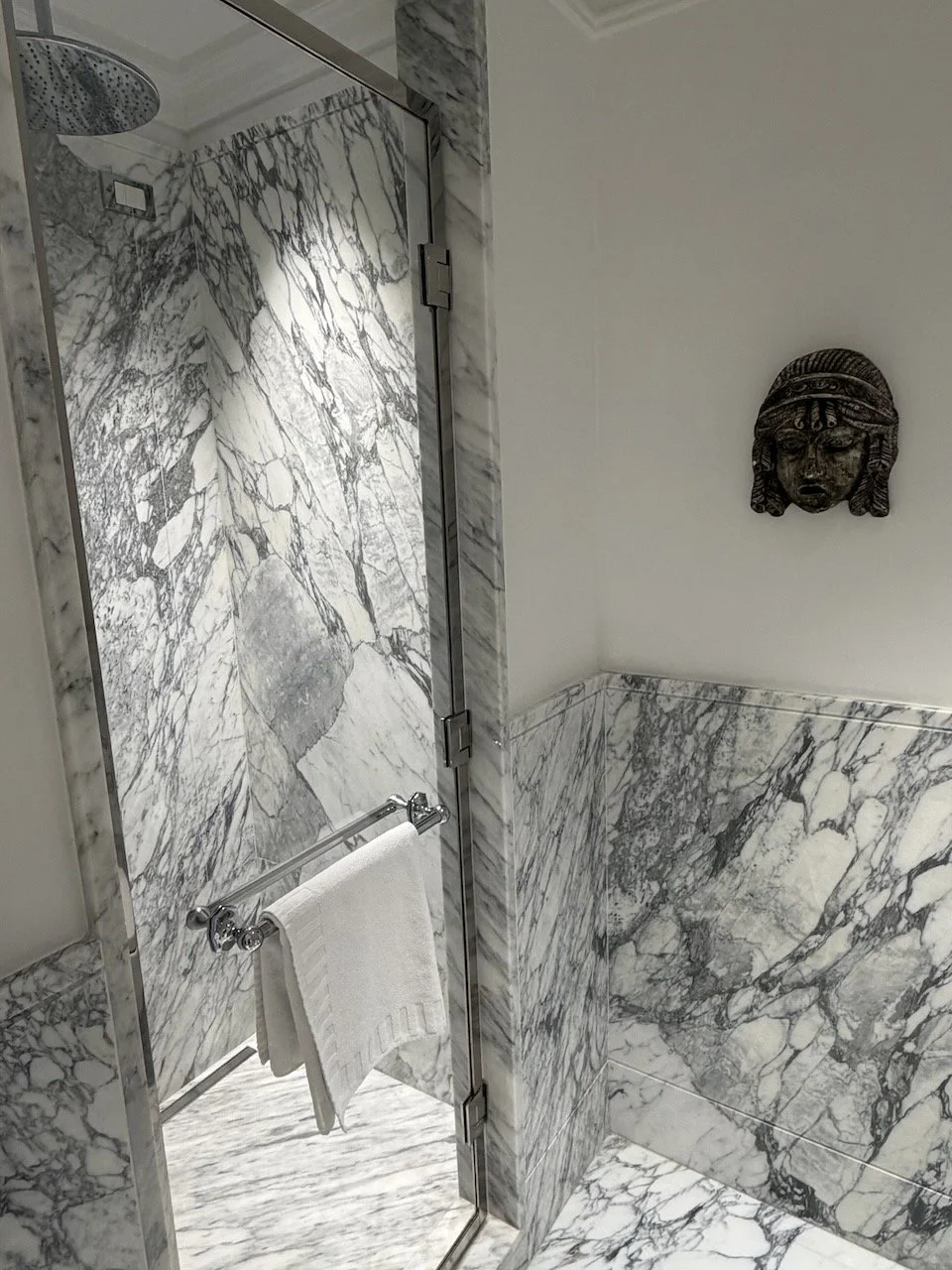
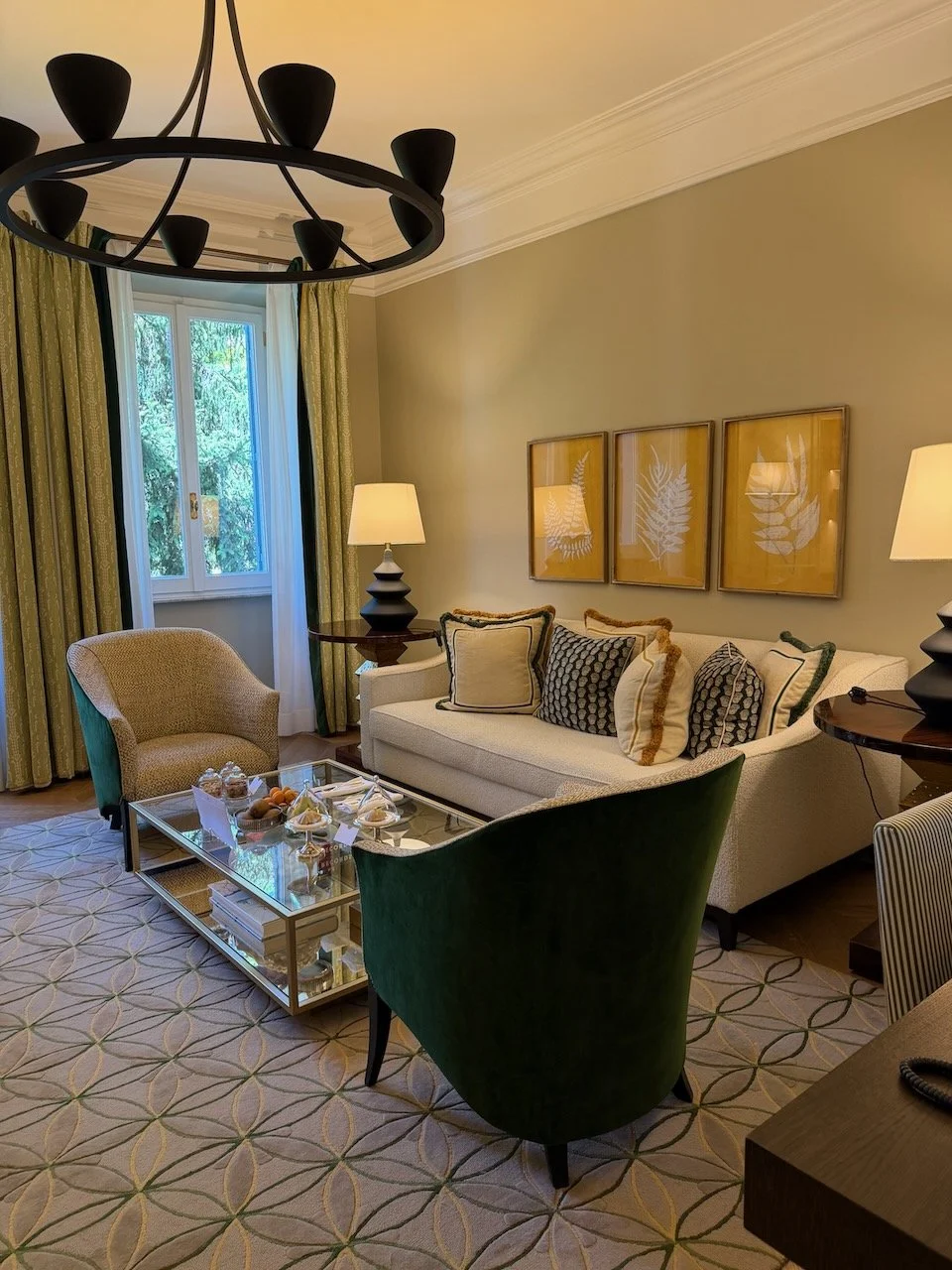
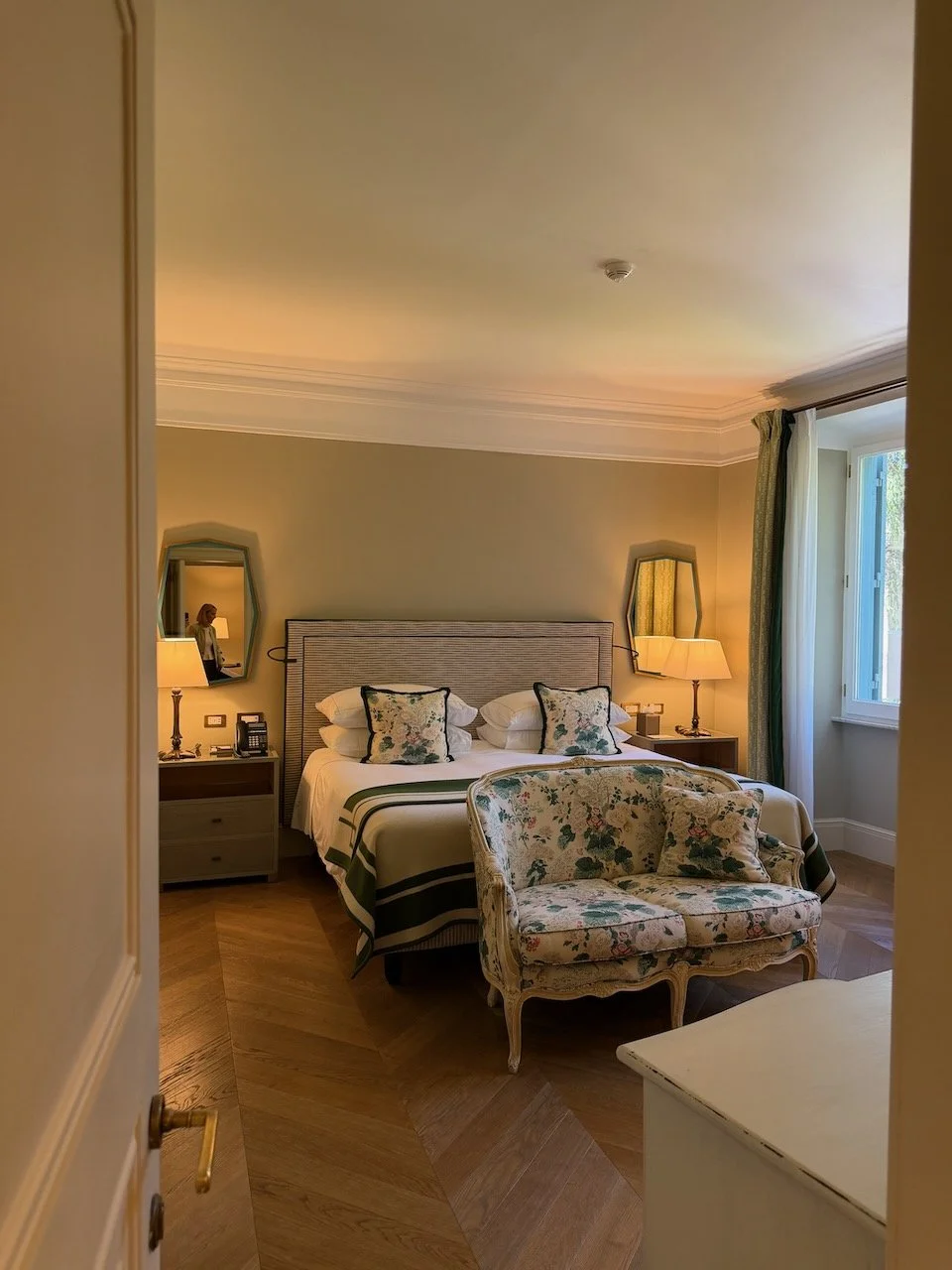
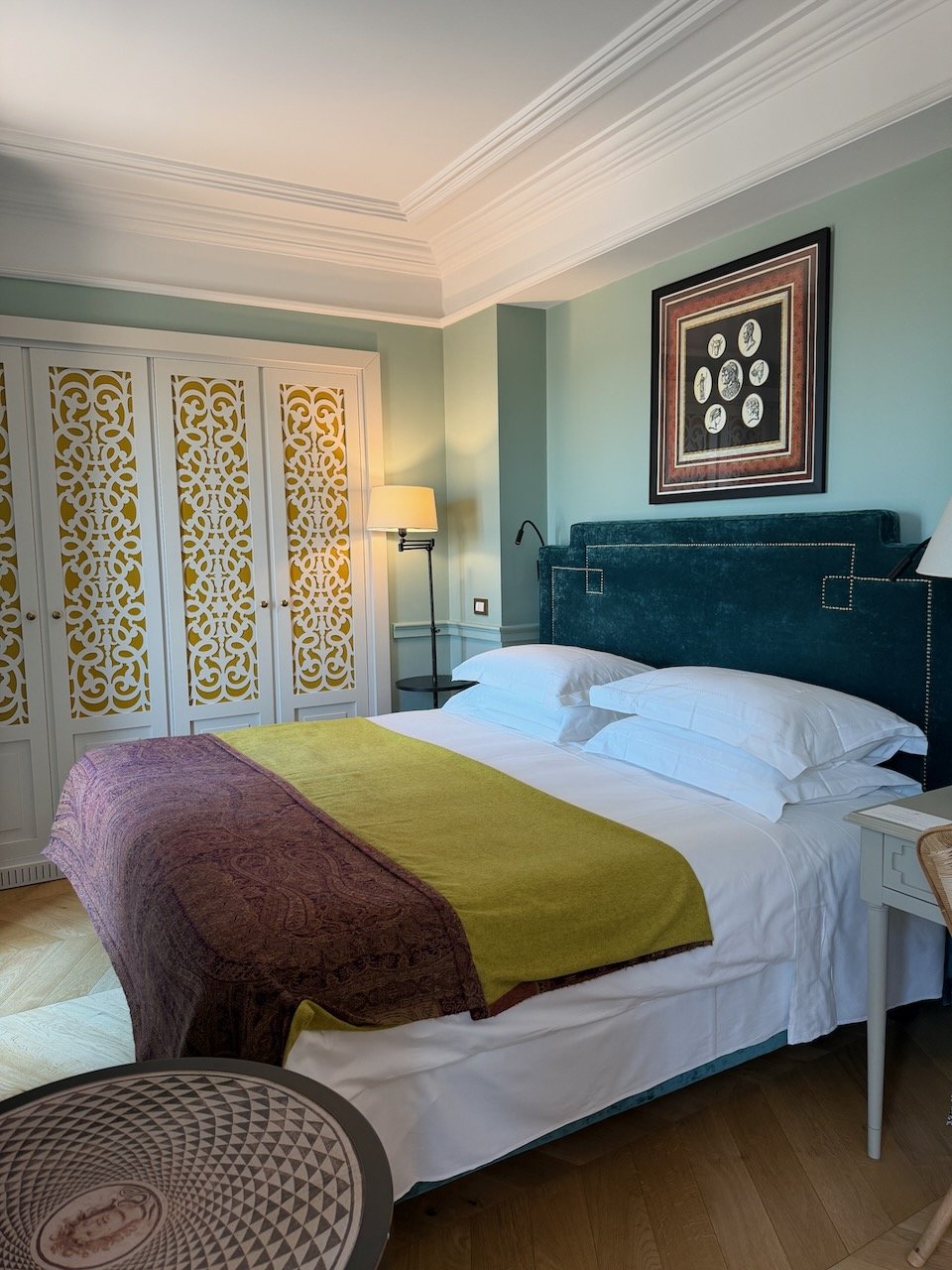
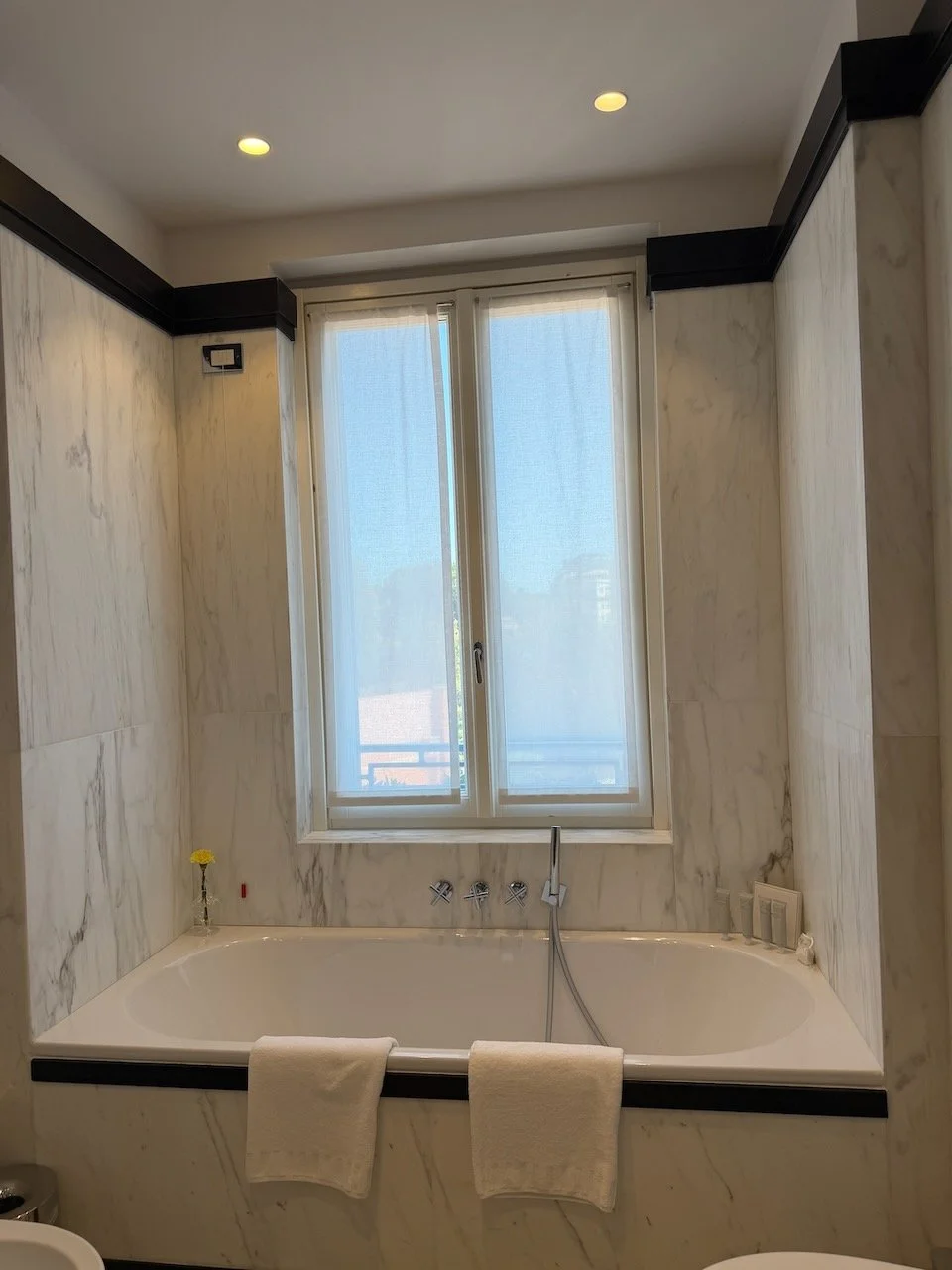
Hotel de la Ville has 104 rooms and suites, and the design feels more playful and Grand Tour-inspired than Hotel de Russie. The hotel sits above the Spanish Steps, so views and terraces matter here even more. The rooms combine Roman classicism with a lighter, more contemporary Rocco Forte style: polished, elegant, and a little more glamorous than hidden-garden calm.
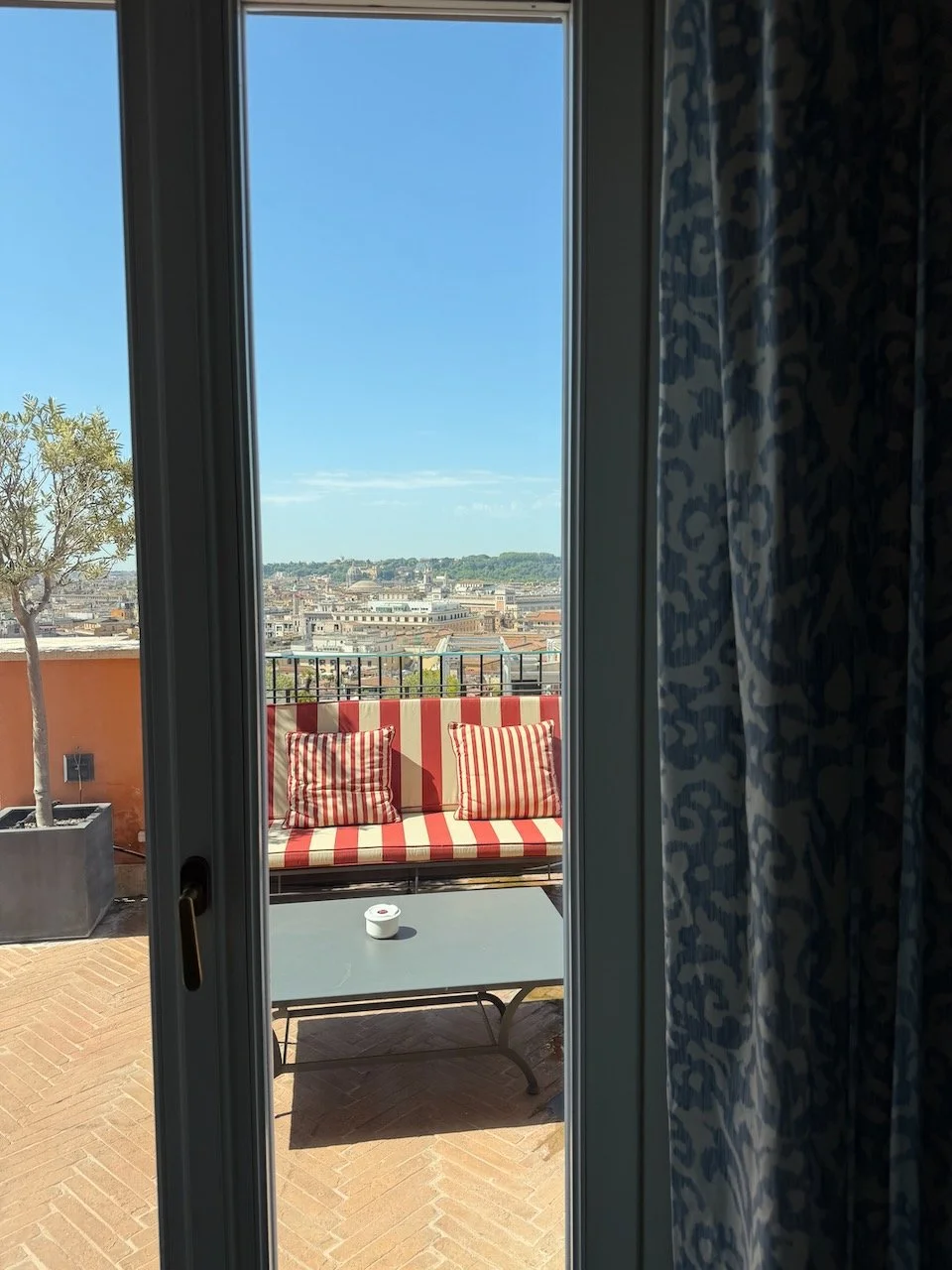
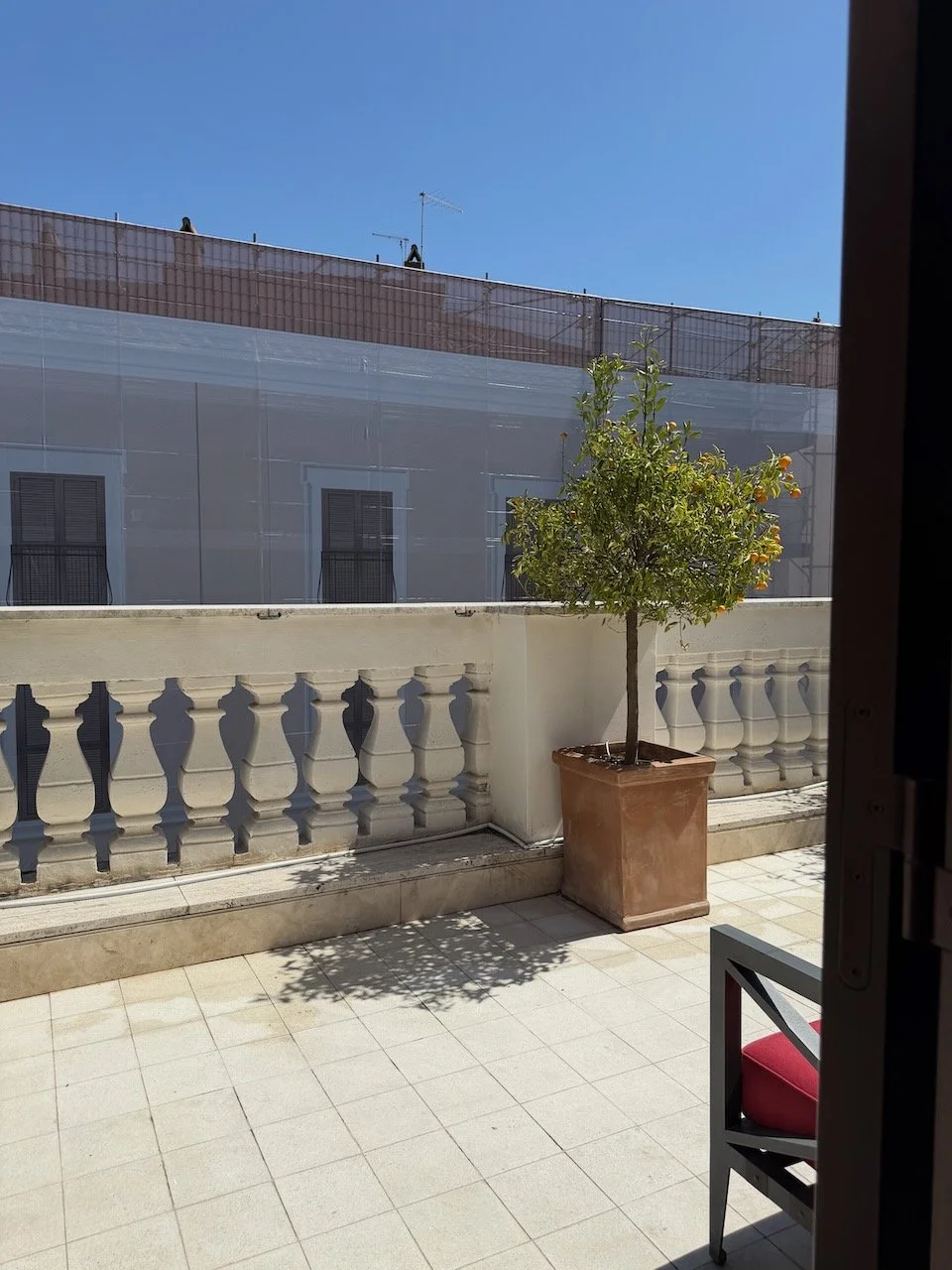
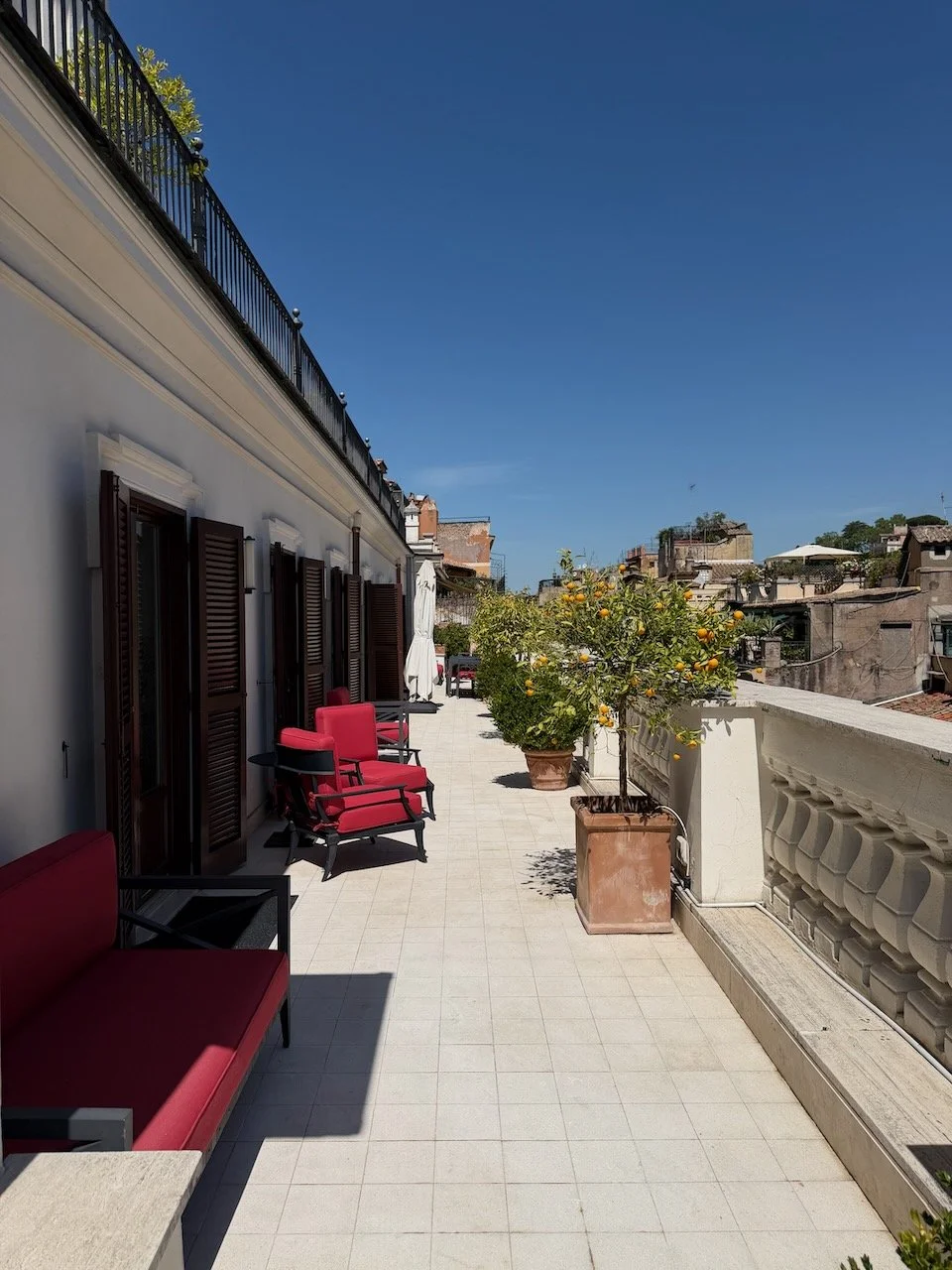
I saw a standard room, but the real standout was the De la Ville Suite. It is huge and wonderful, with a large private terrace — exactly the kind of feature that transforms a Rome hotel stay from “beautiful room” into “private Roman moment.” This is the property where I would pay close attention to outdoor space, views, and suite category, because the best rooms really benefit from the hotel’s elevated position above the city.
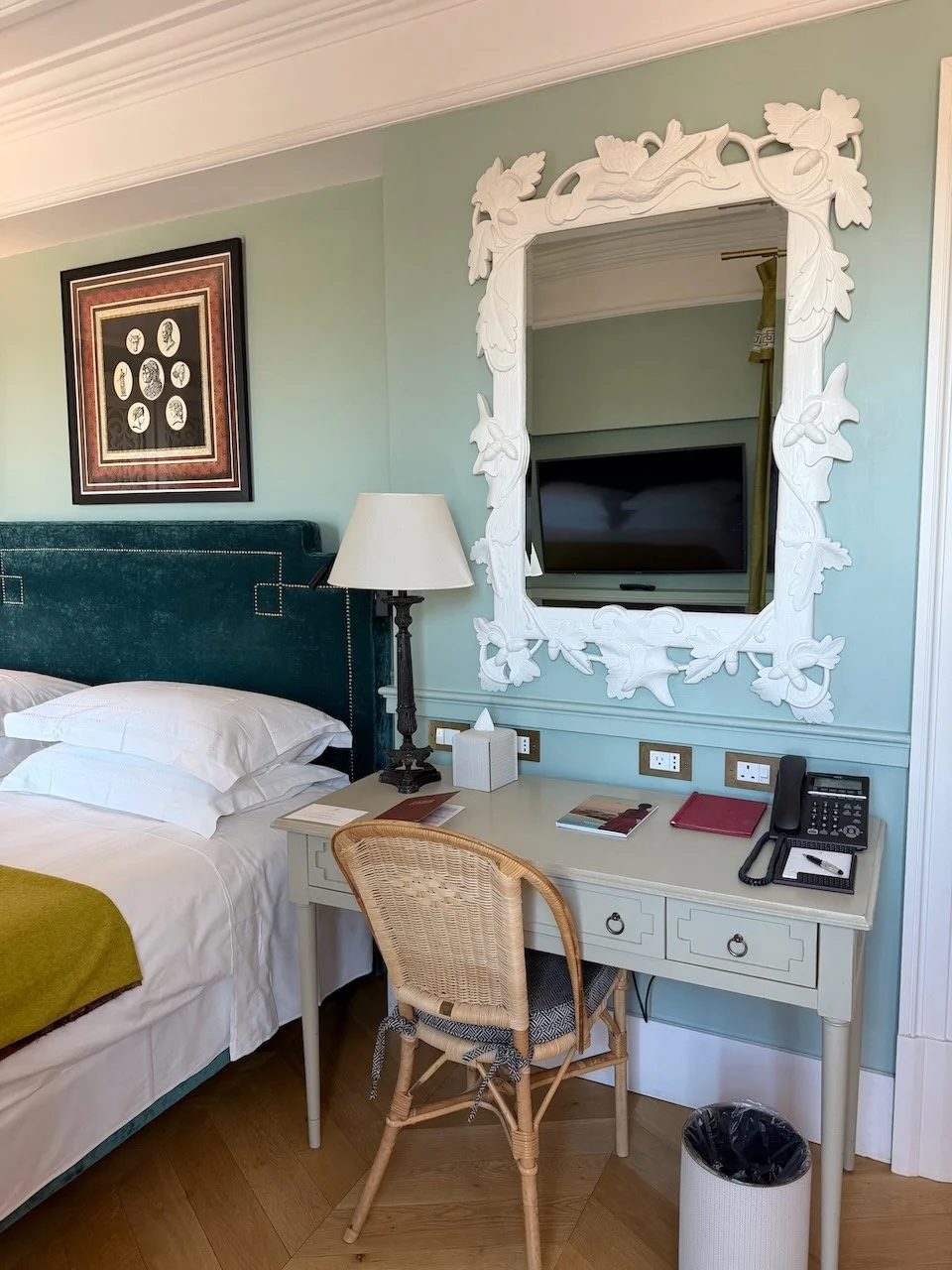
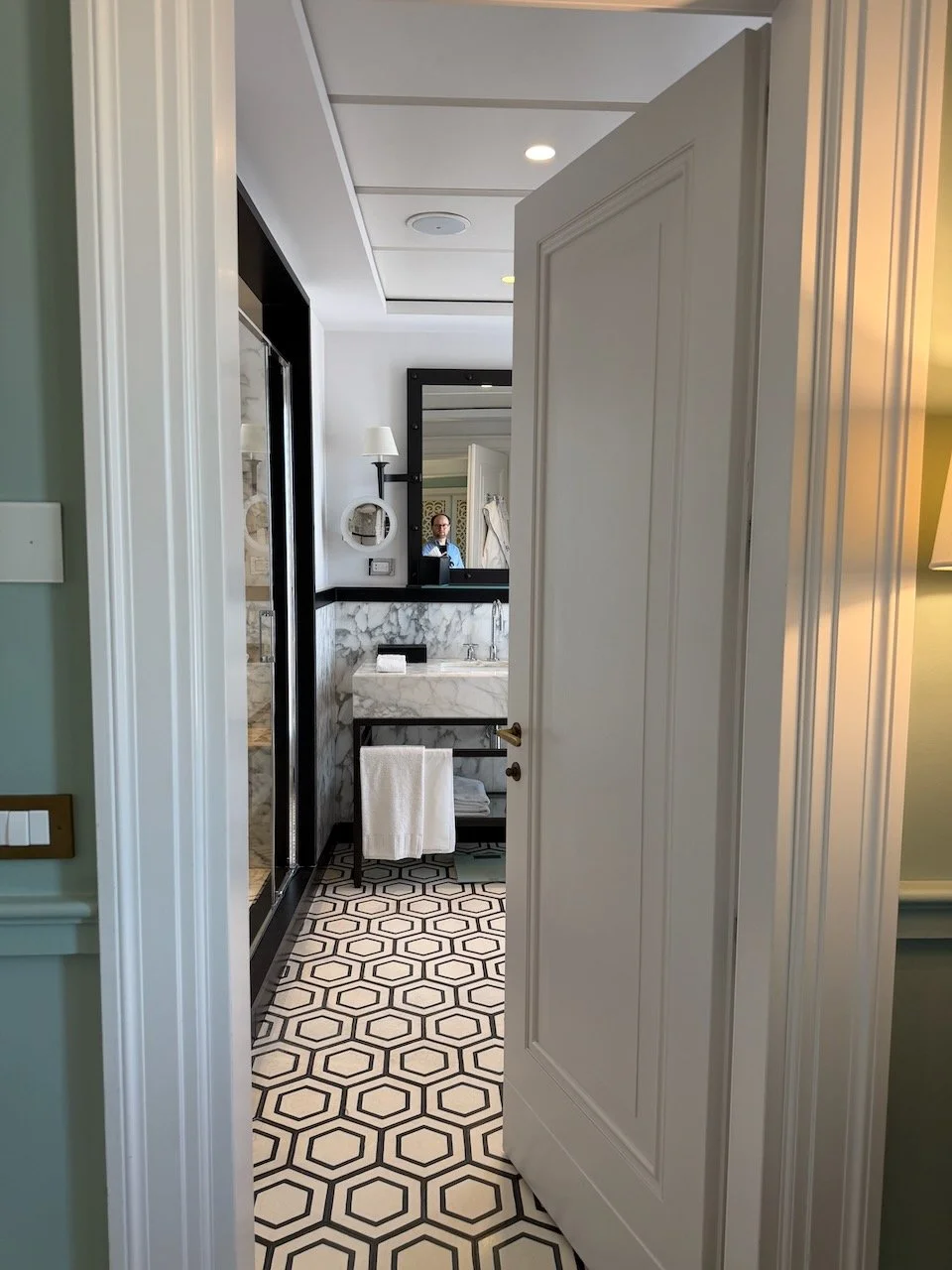
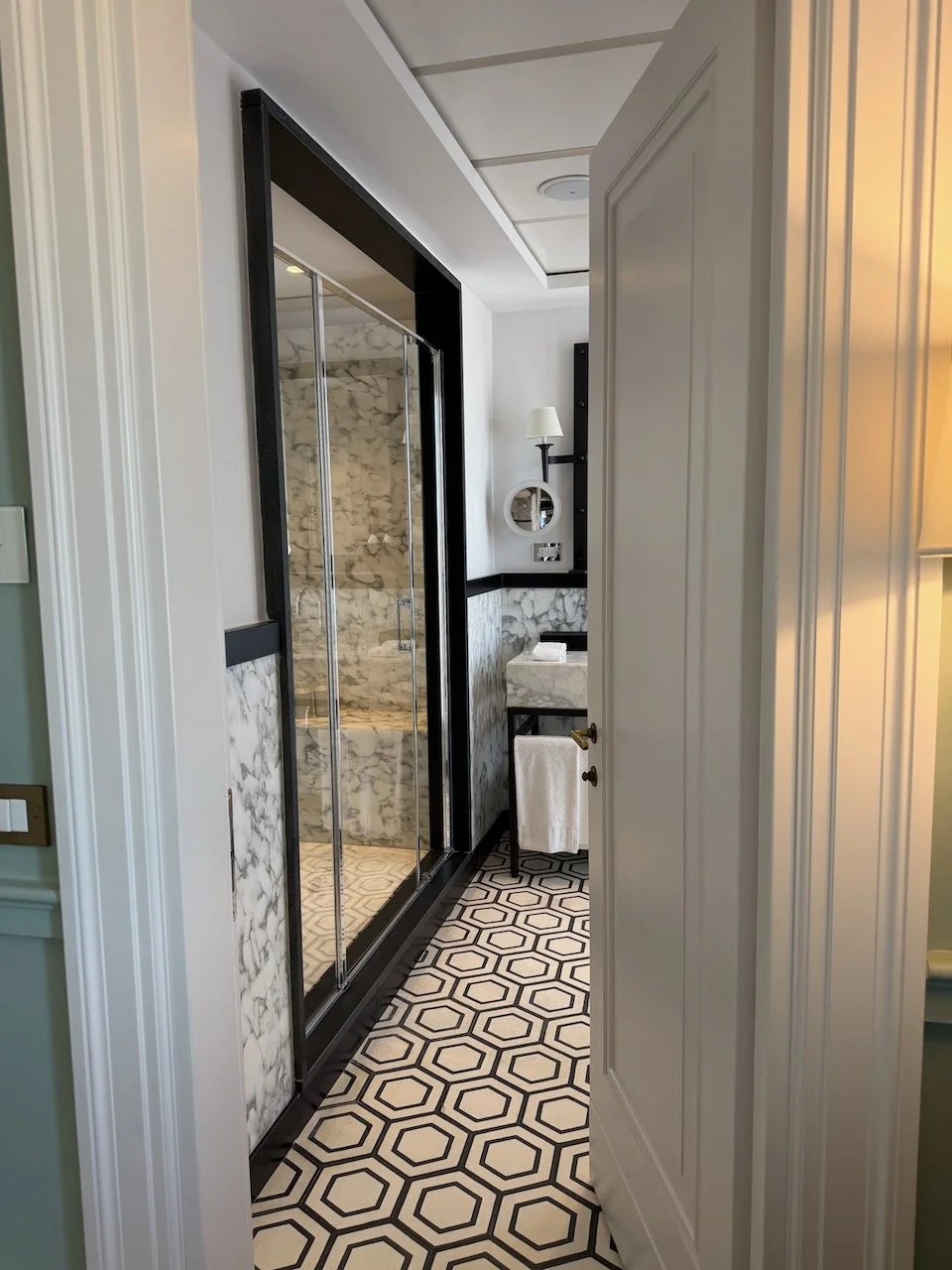
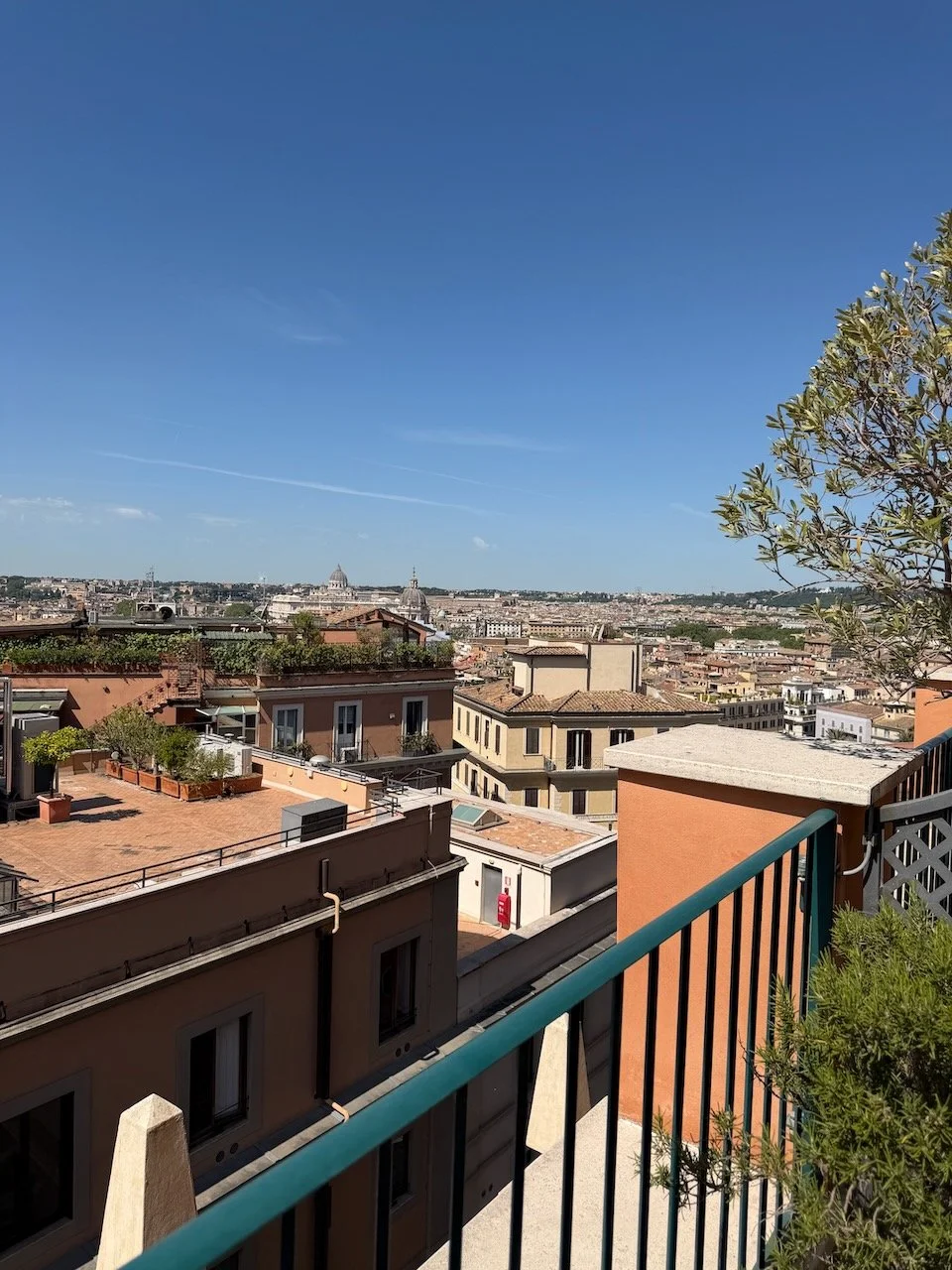
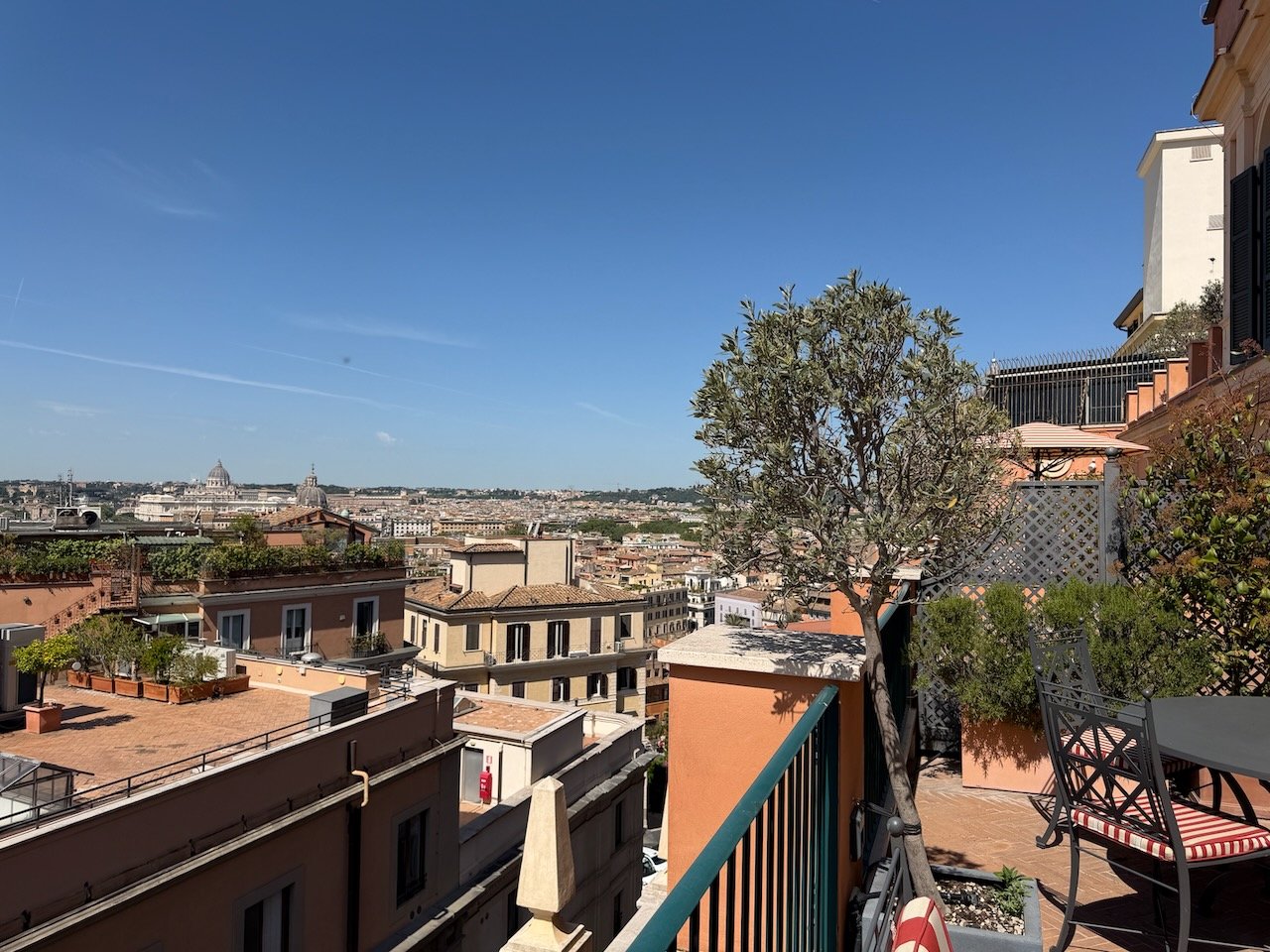
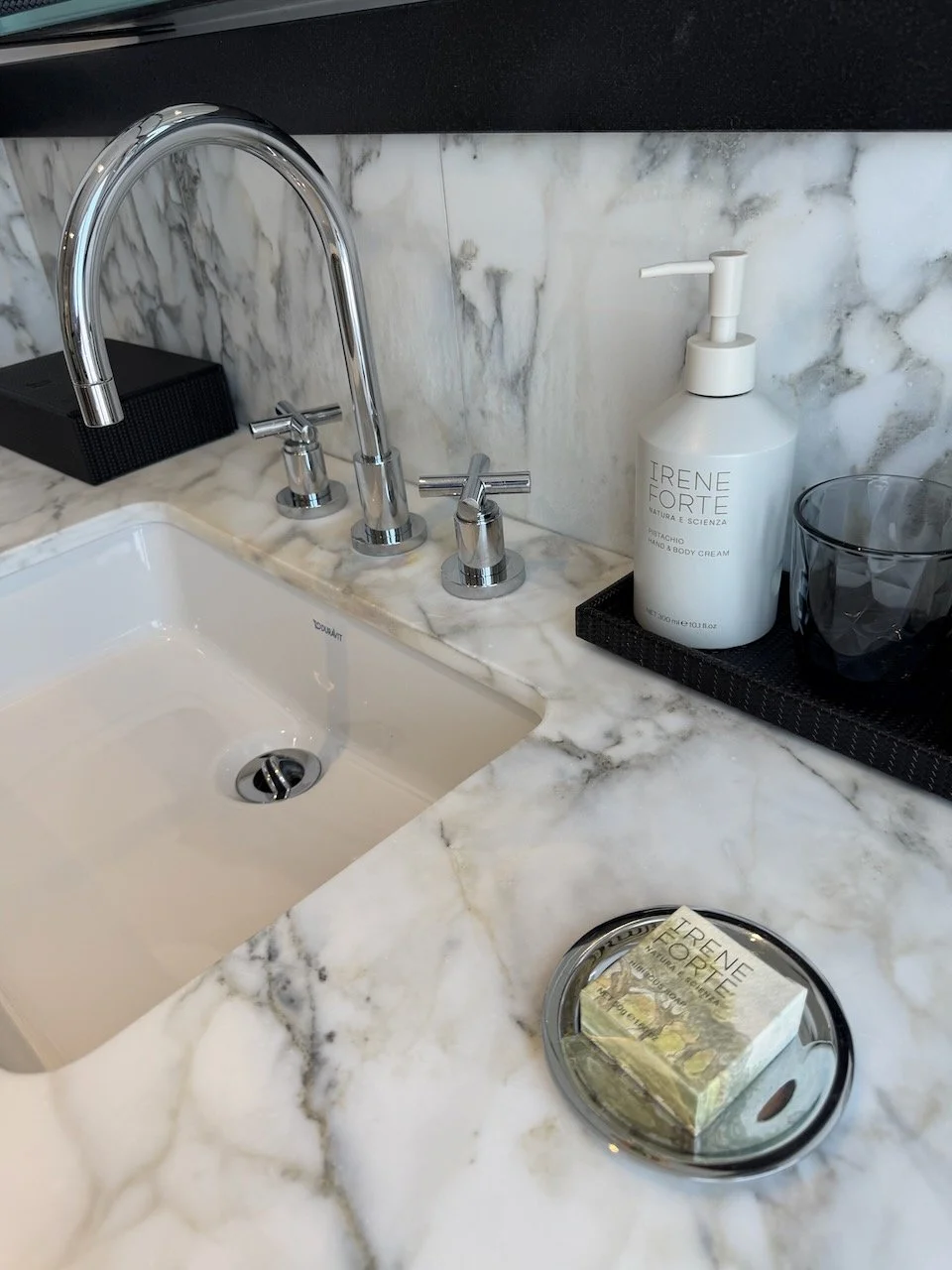
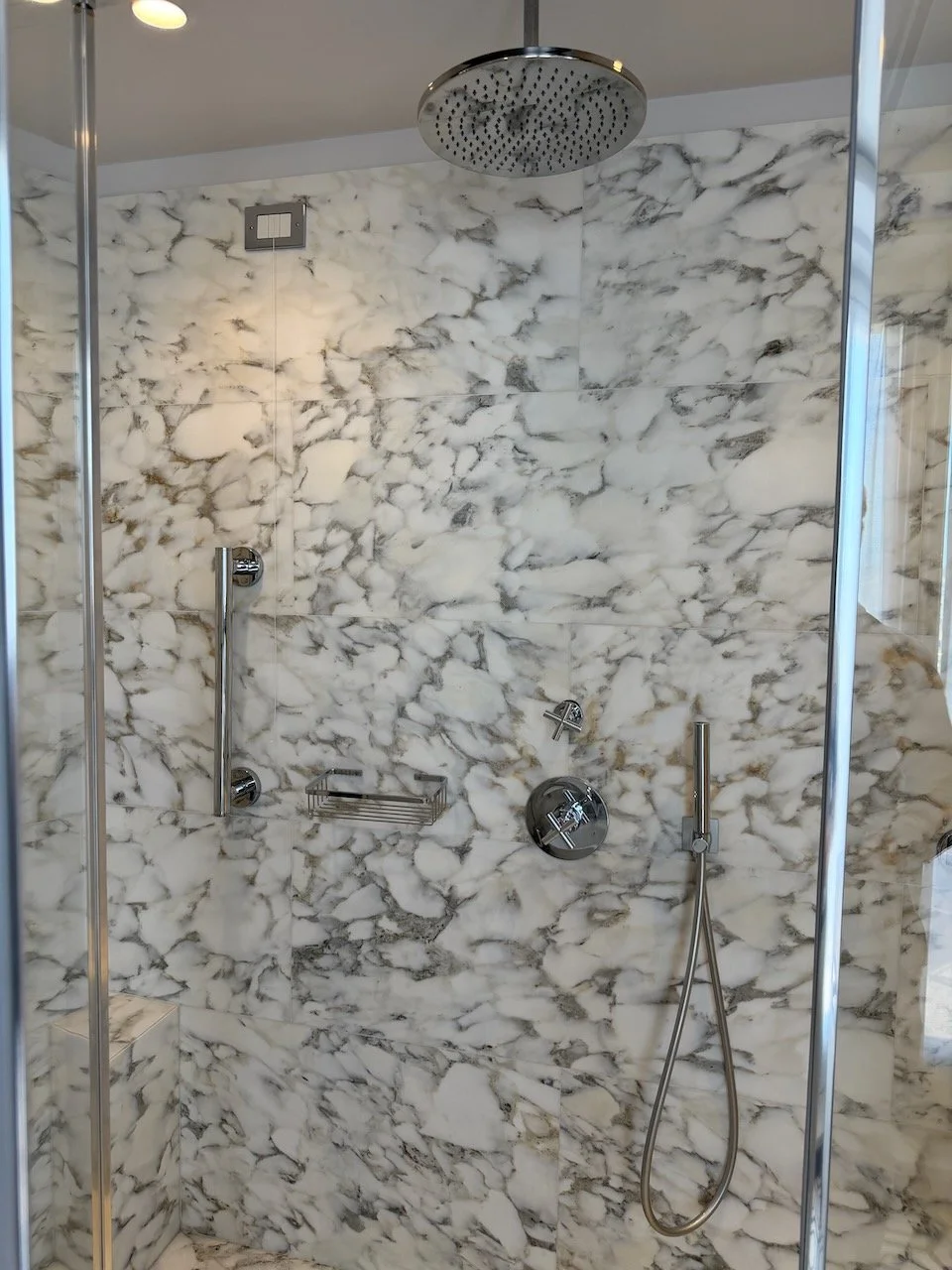
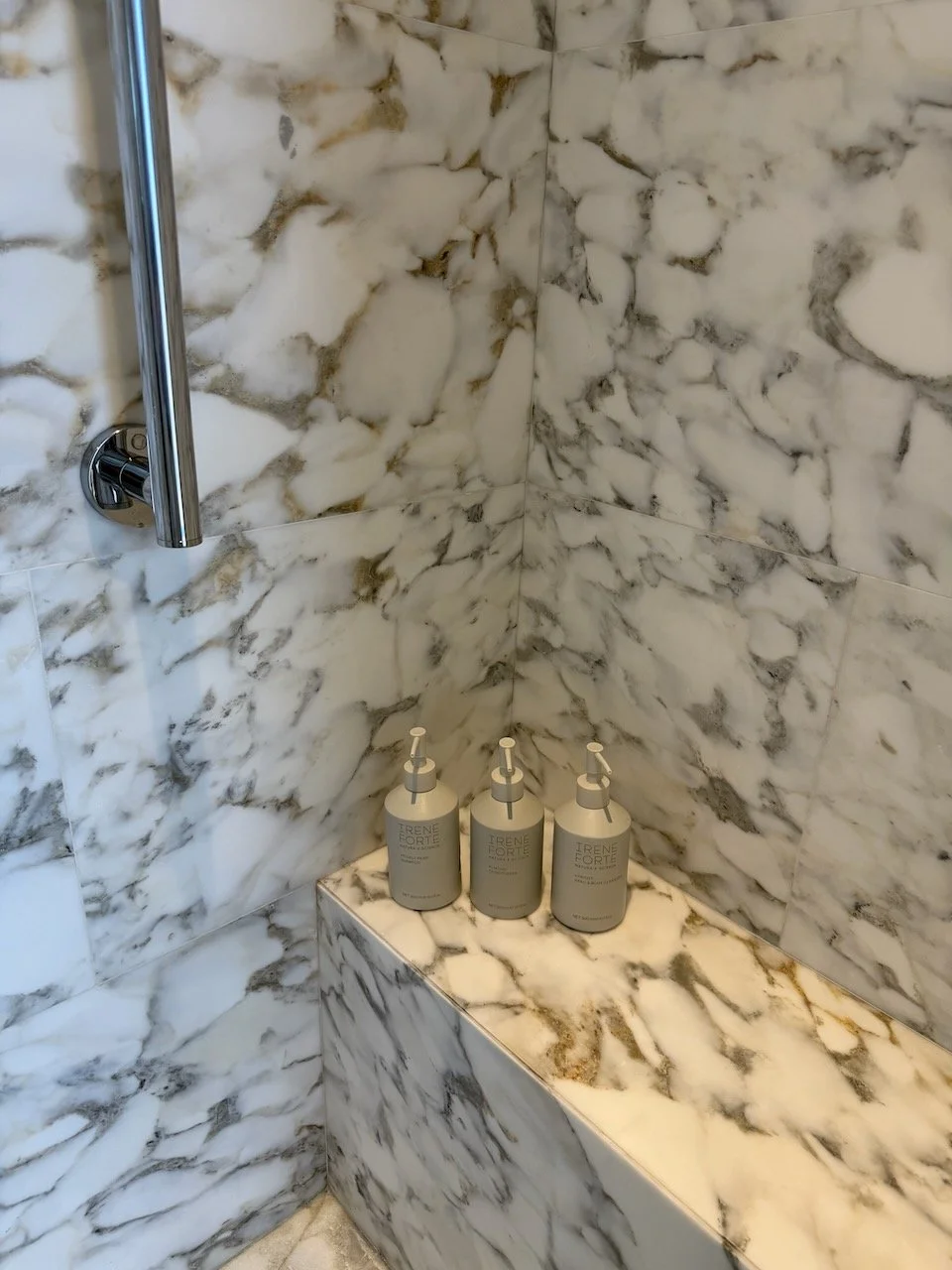
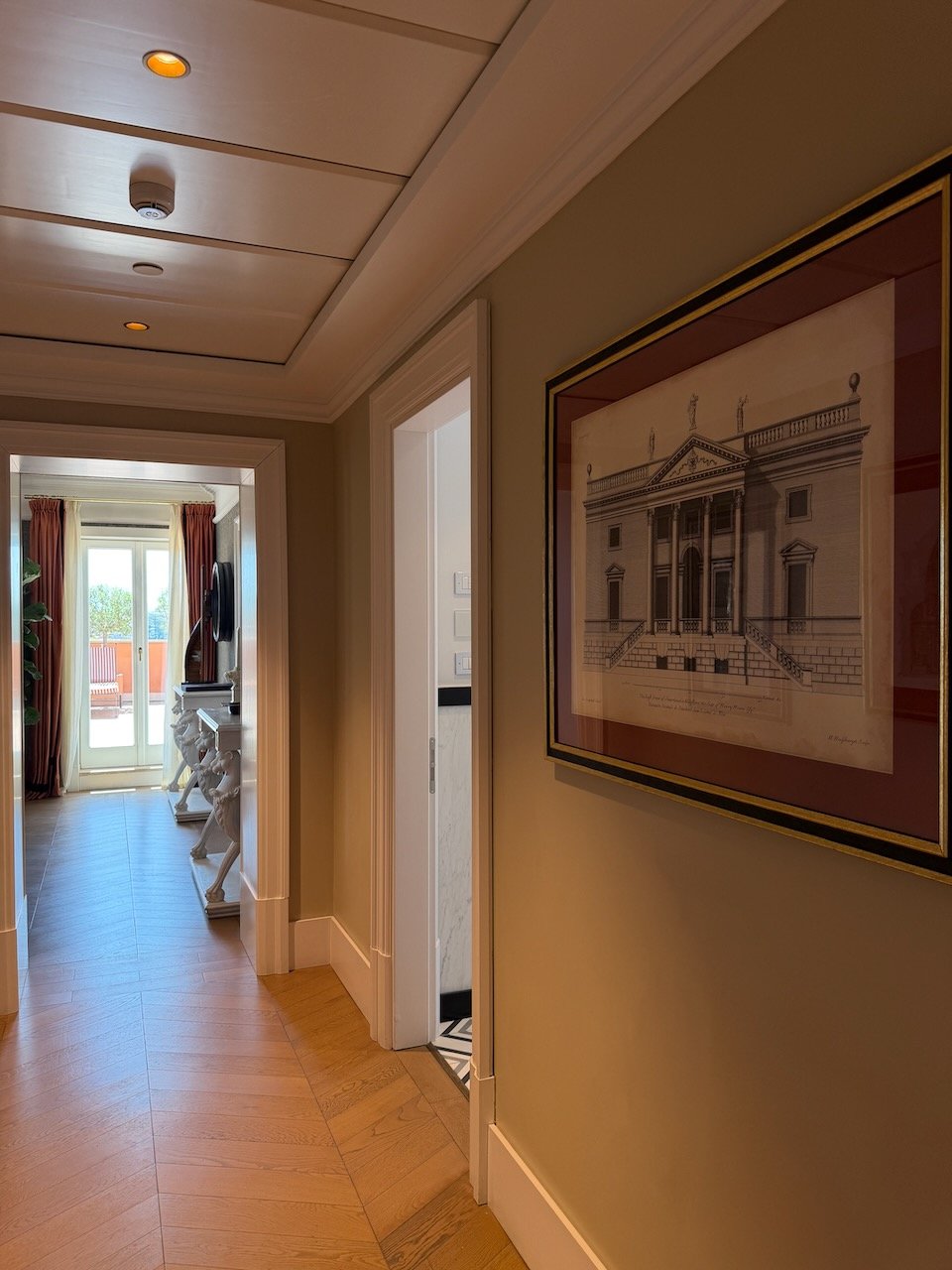
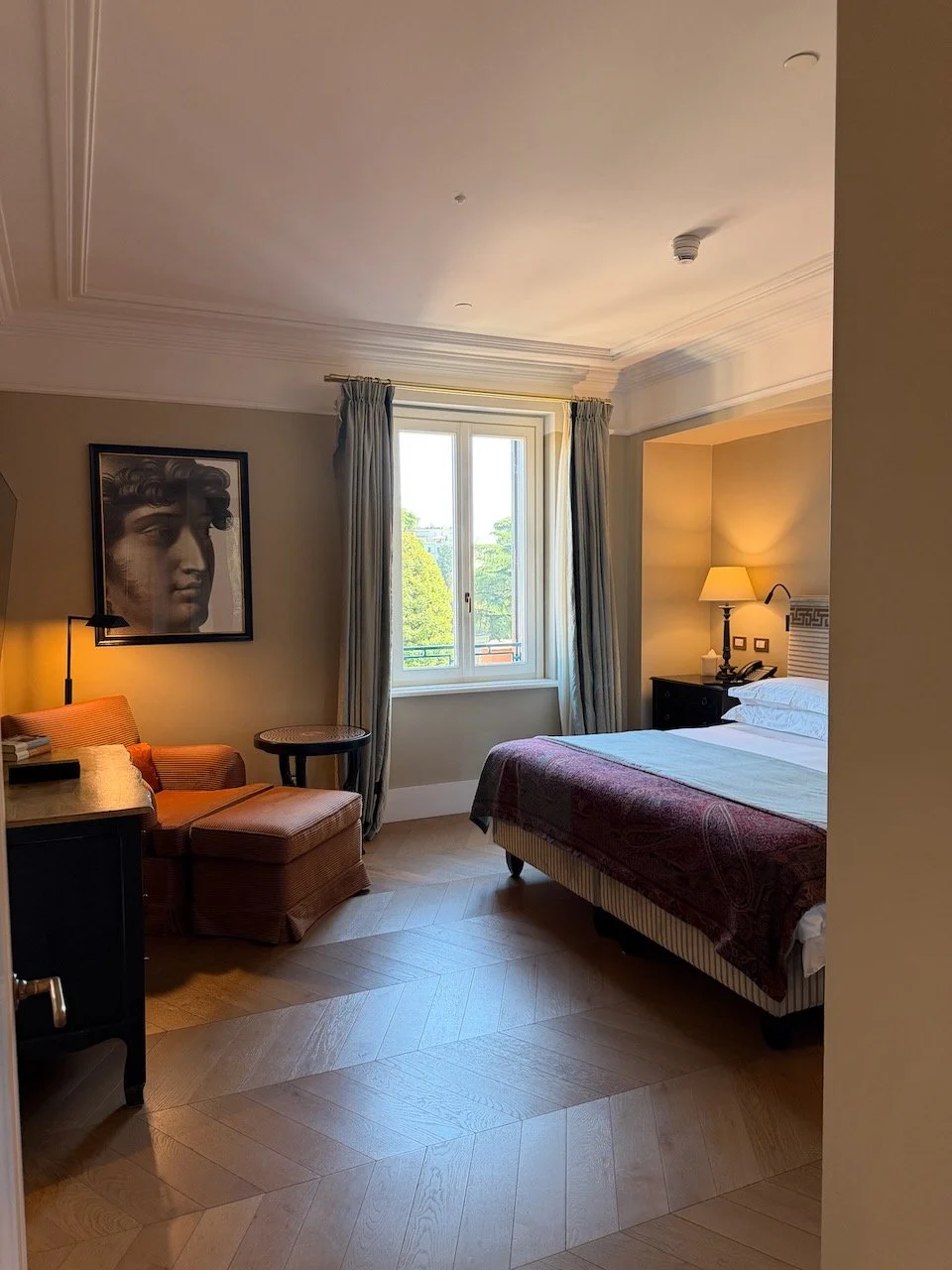
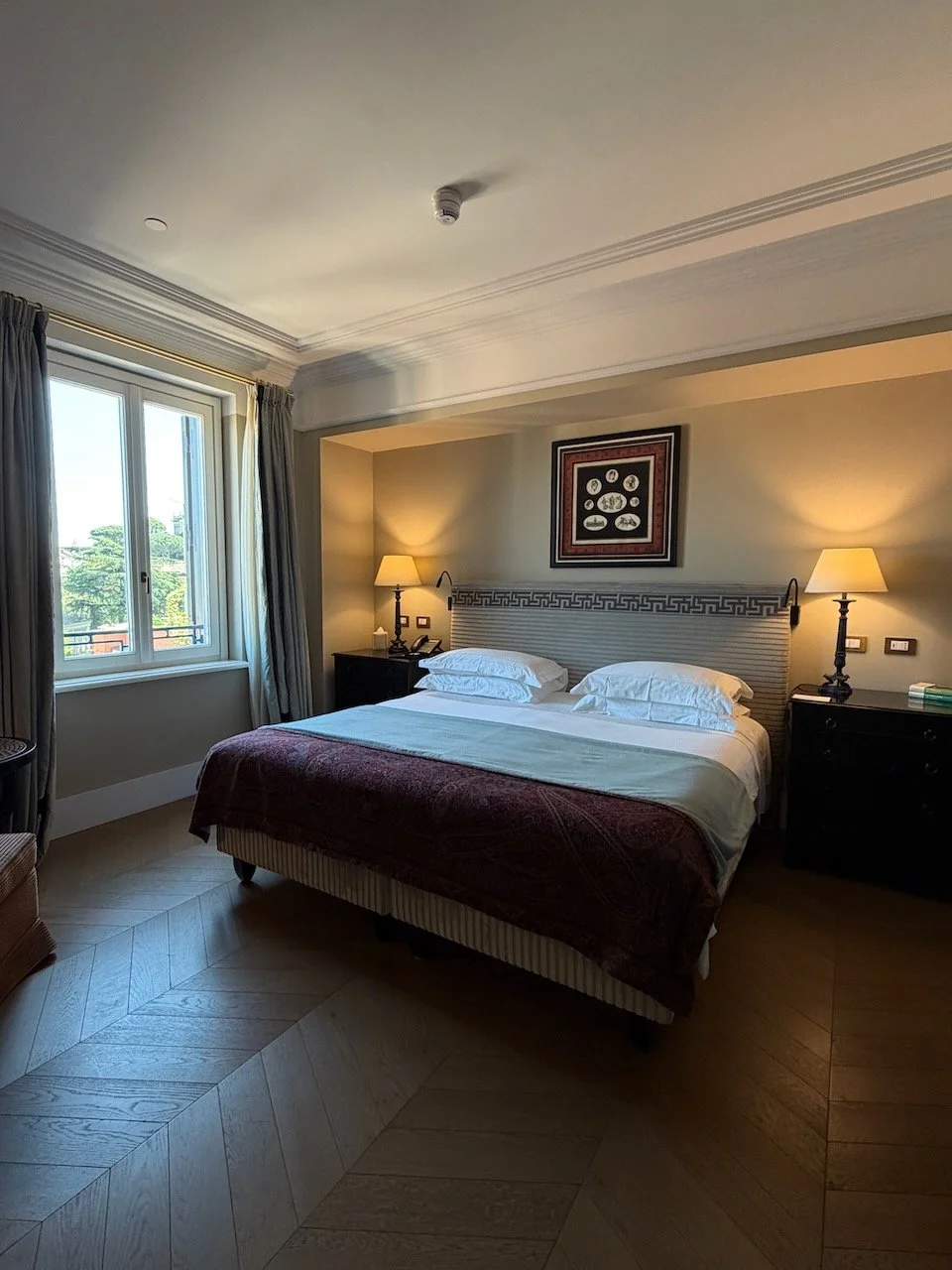
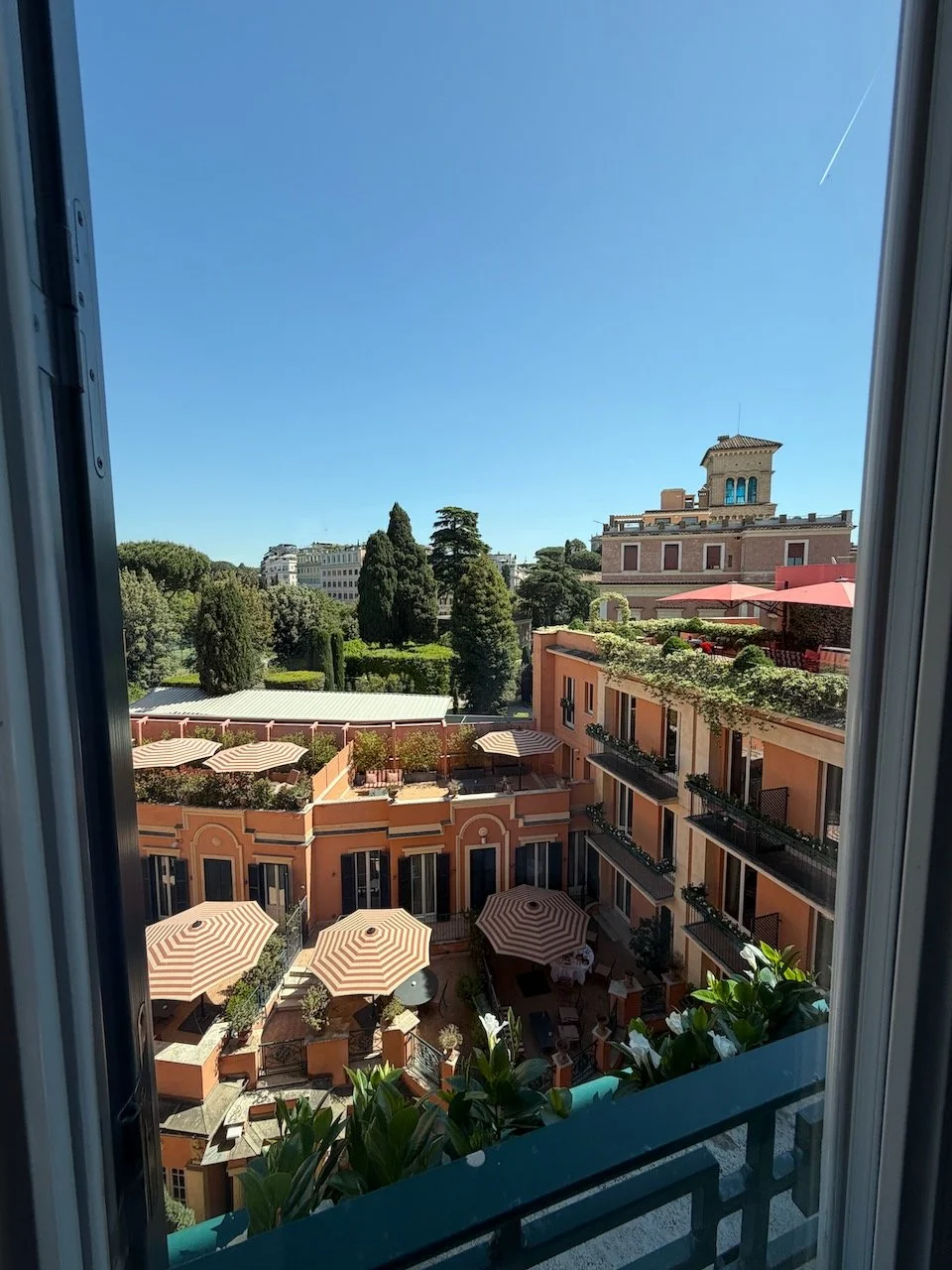
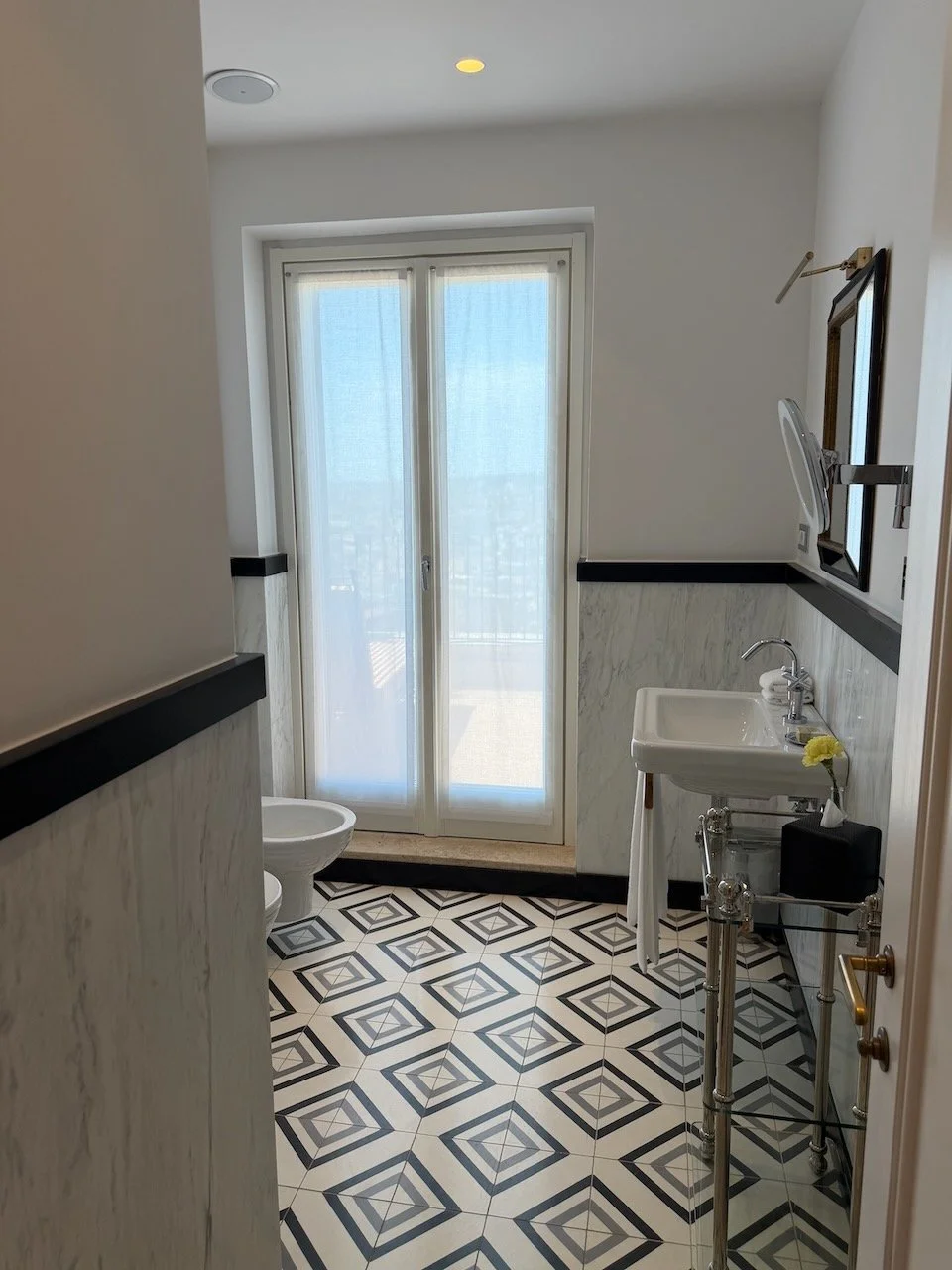
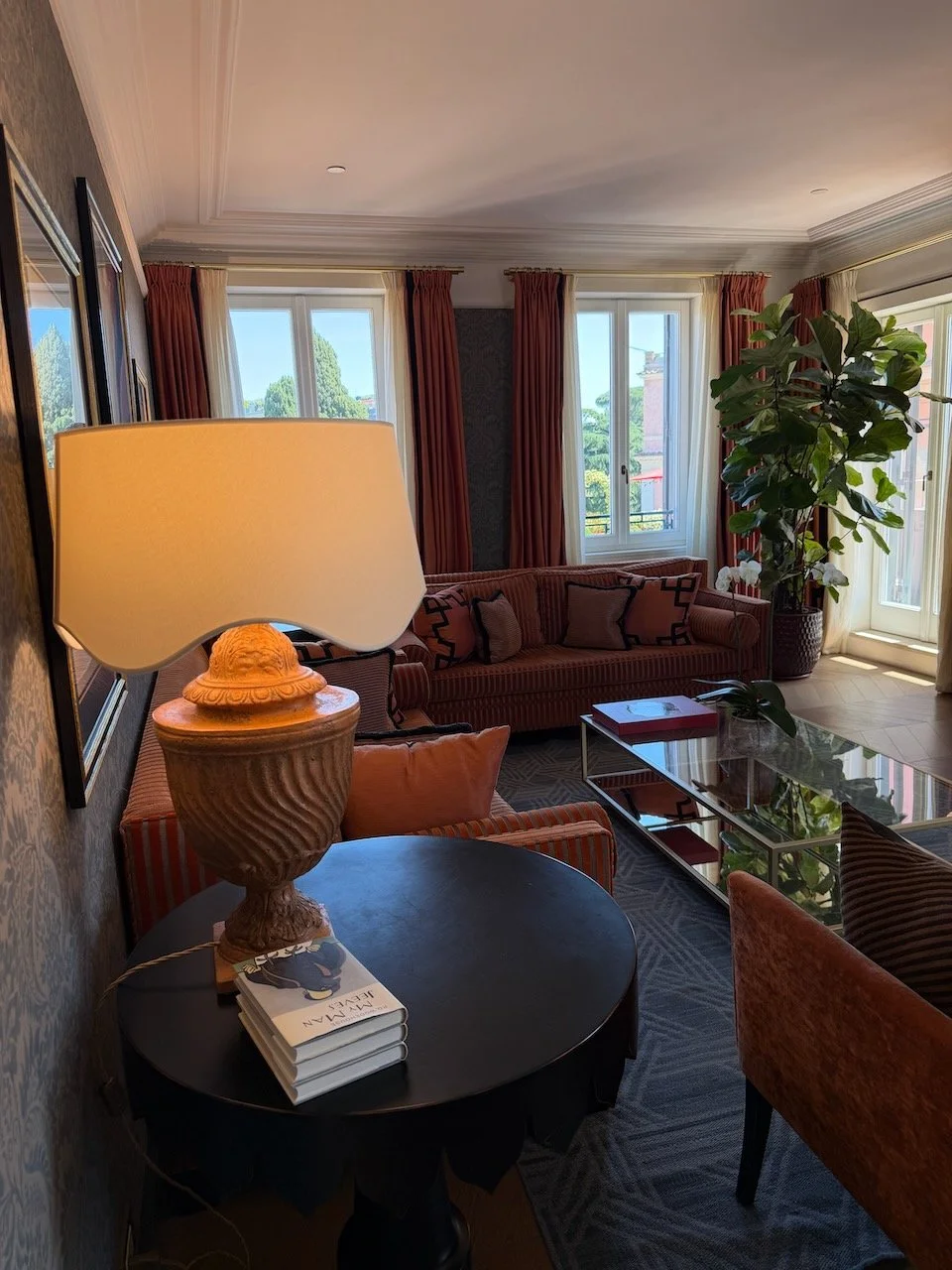
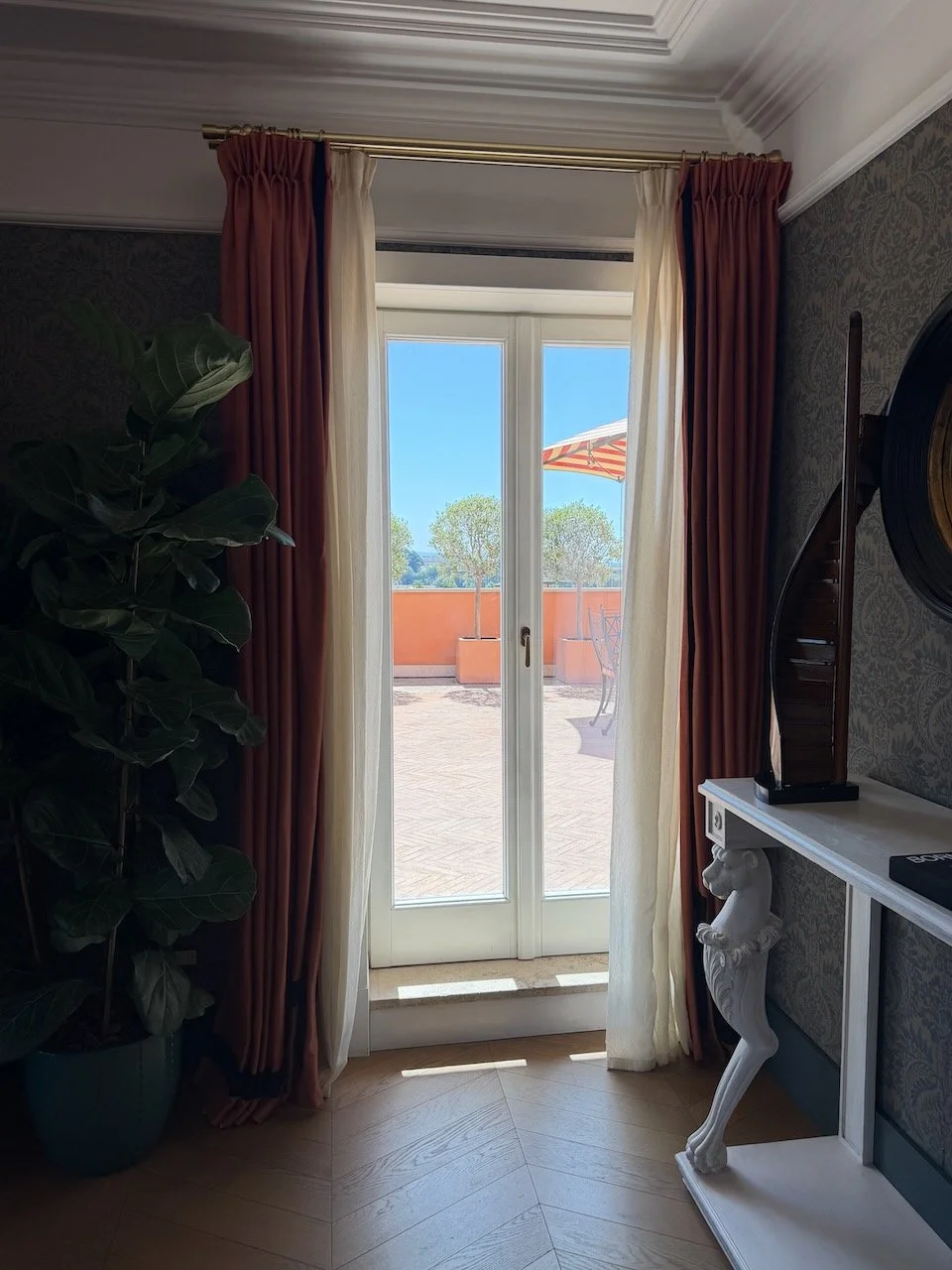
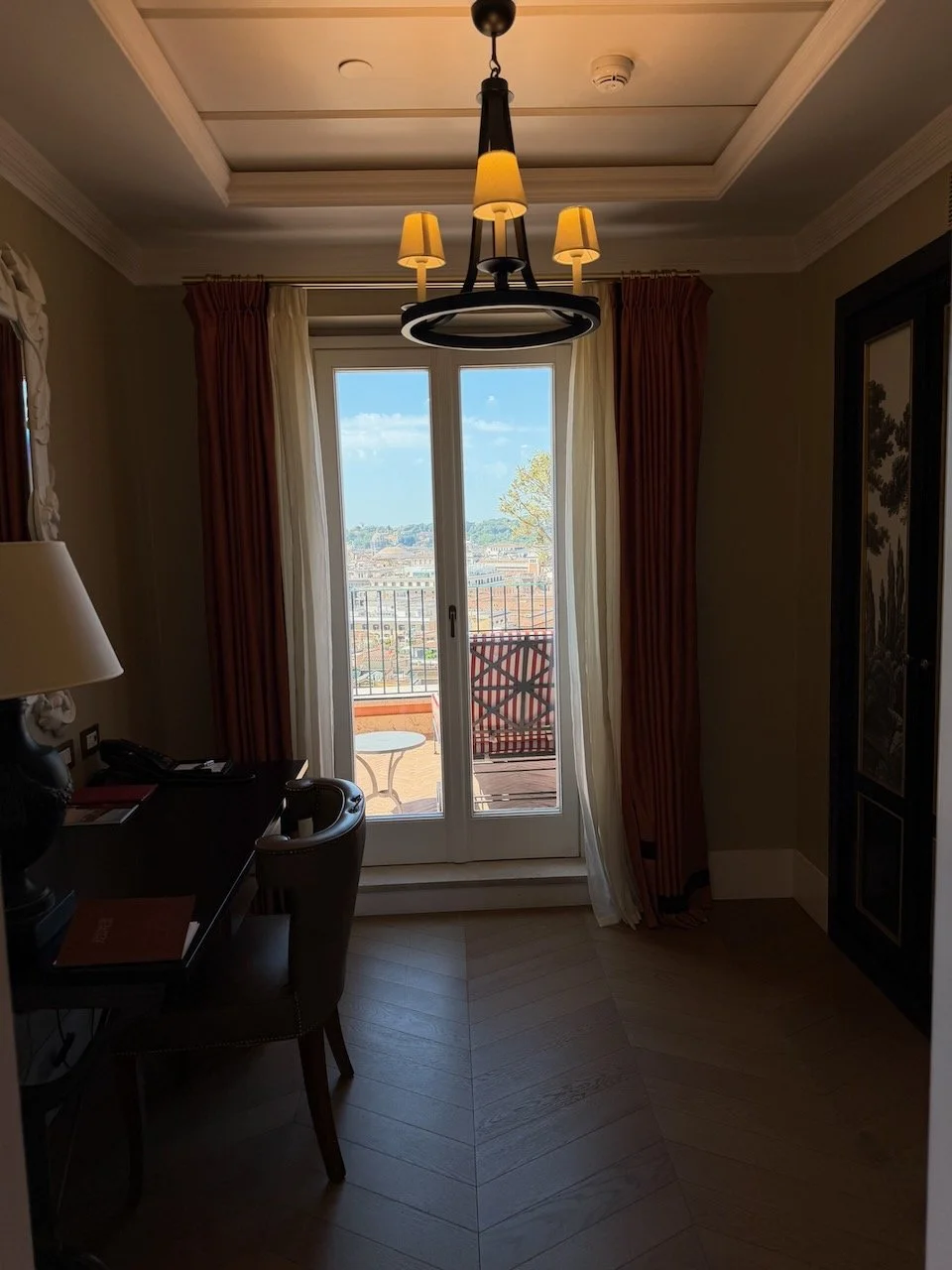
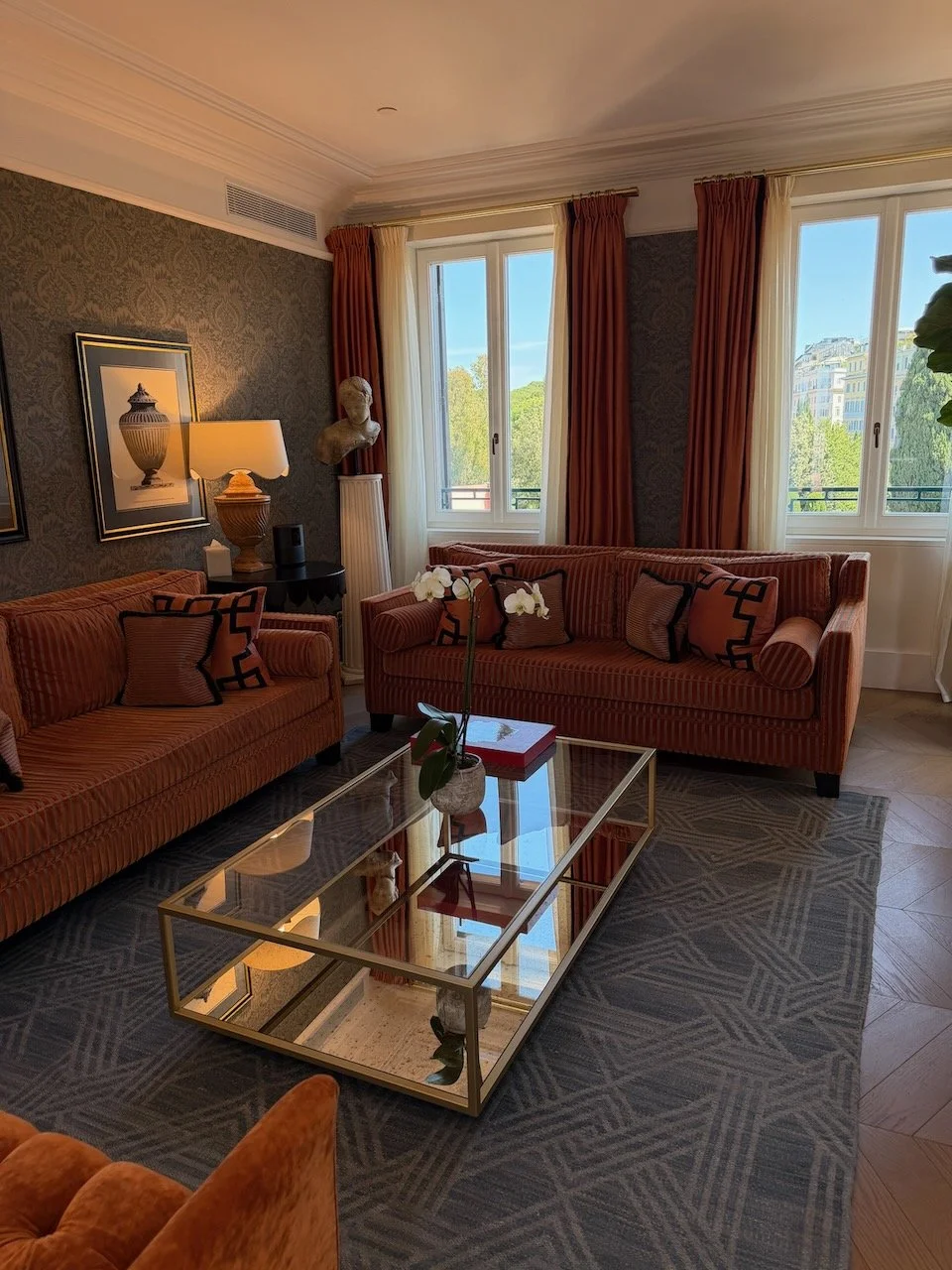
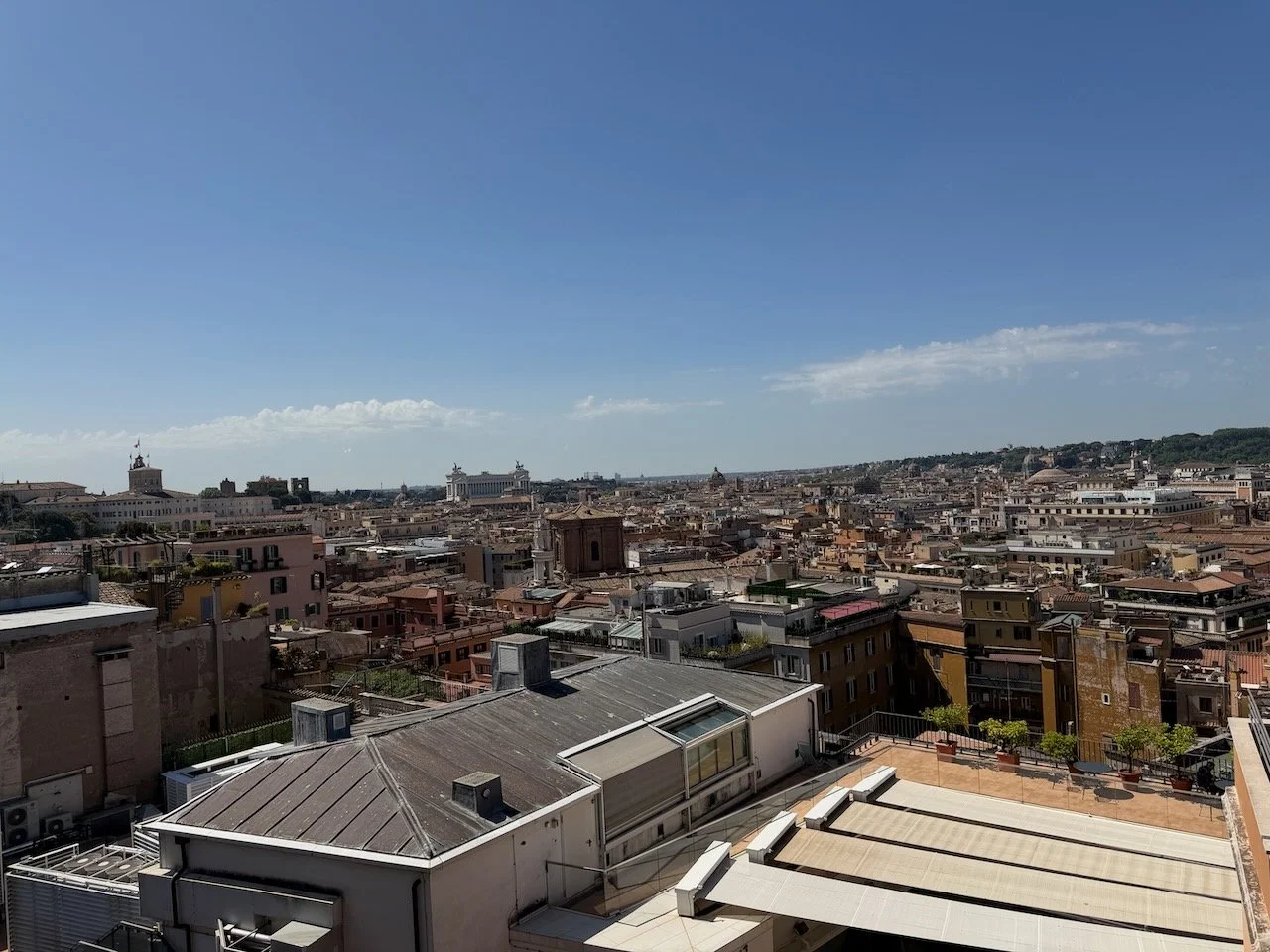
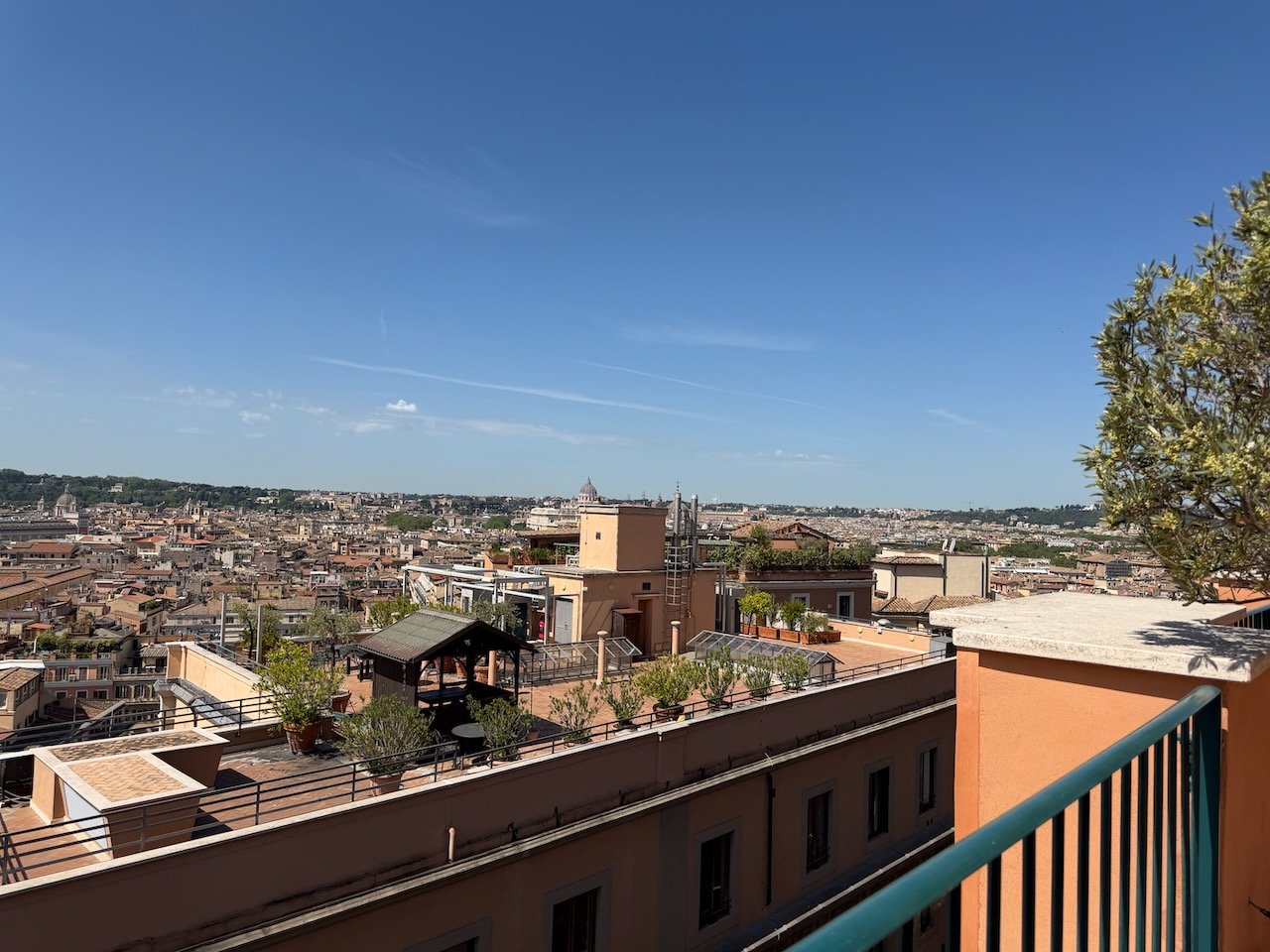
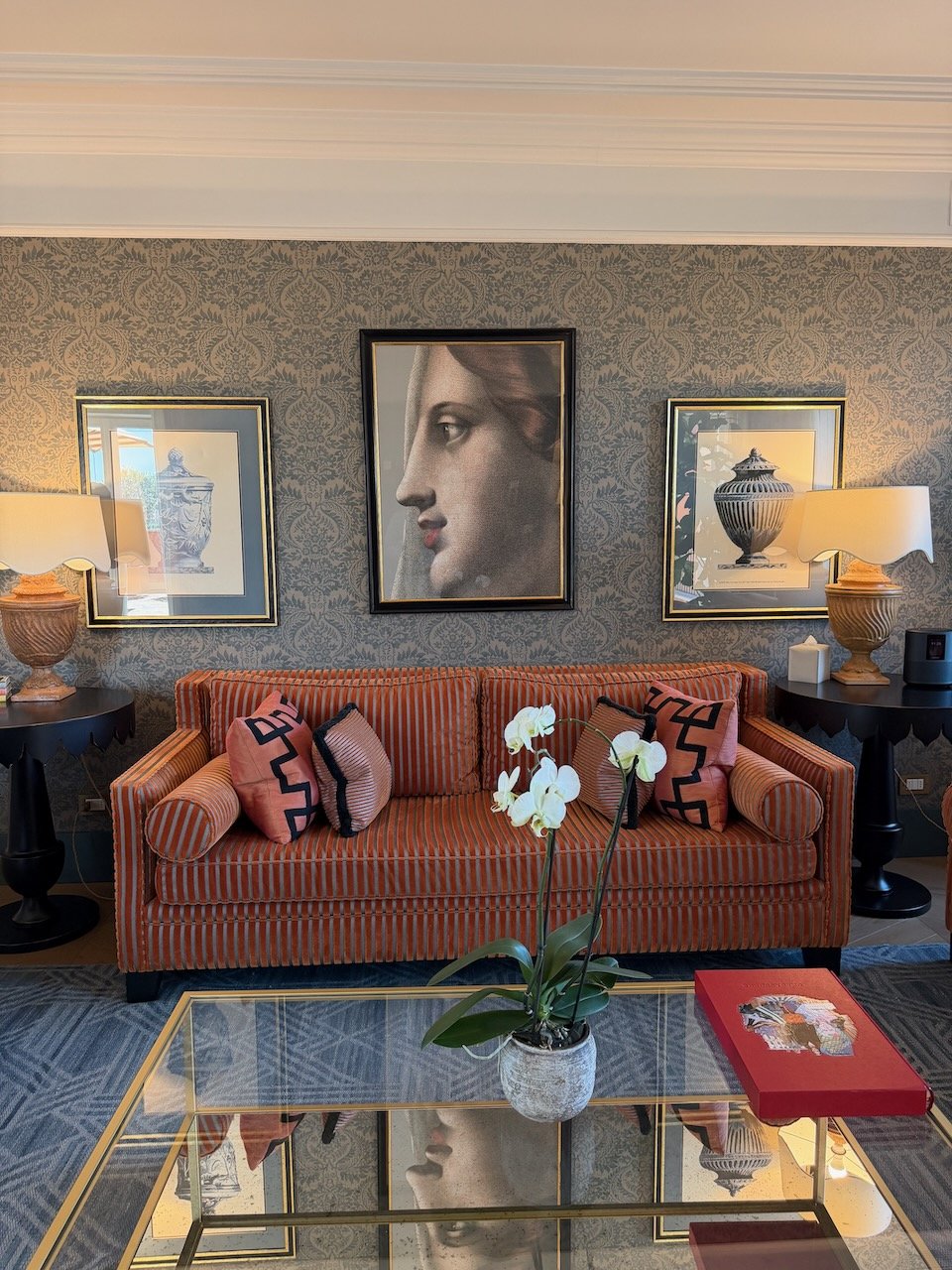
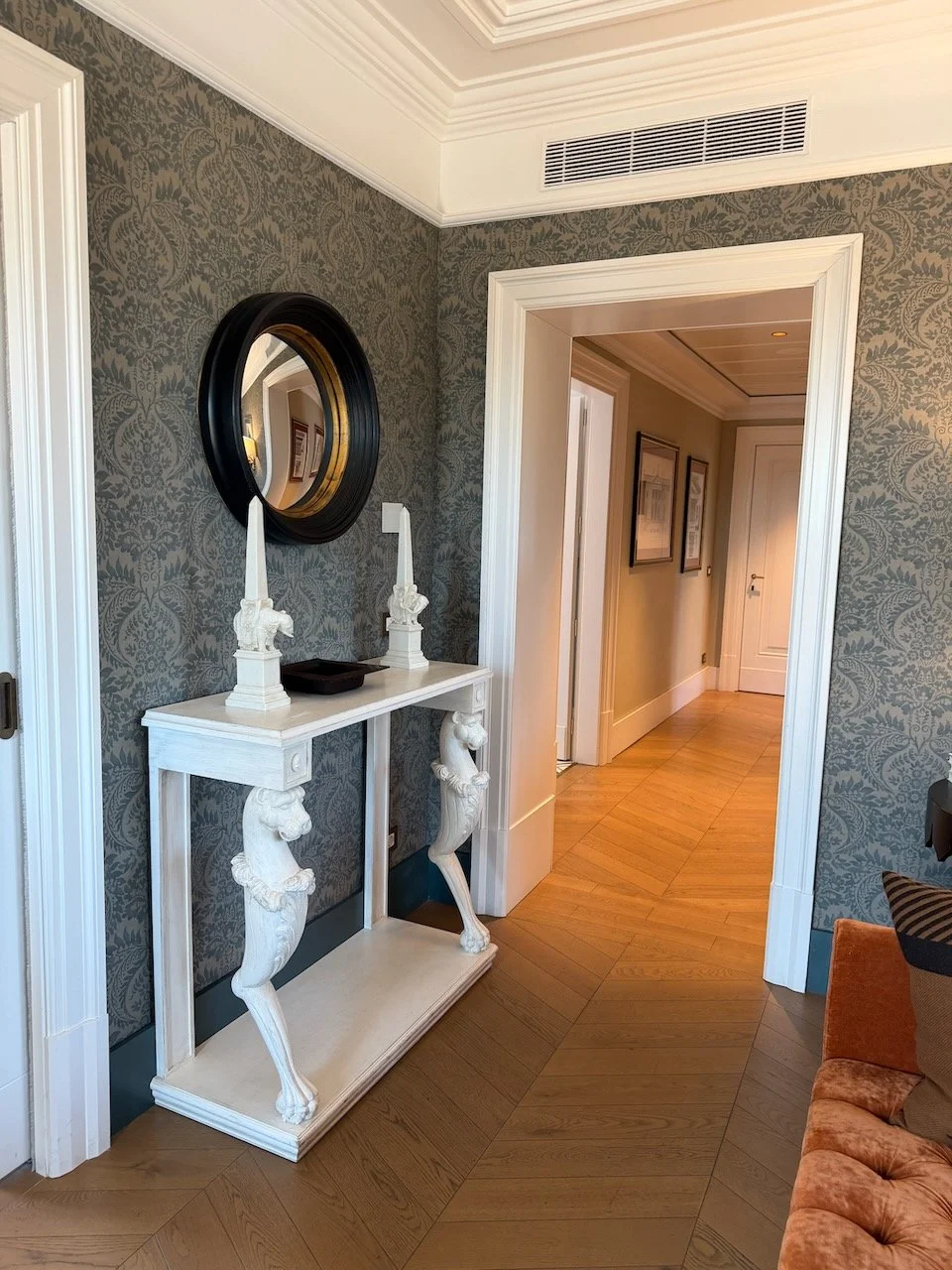
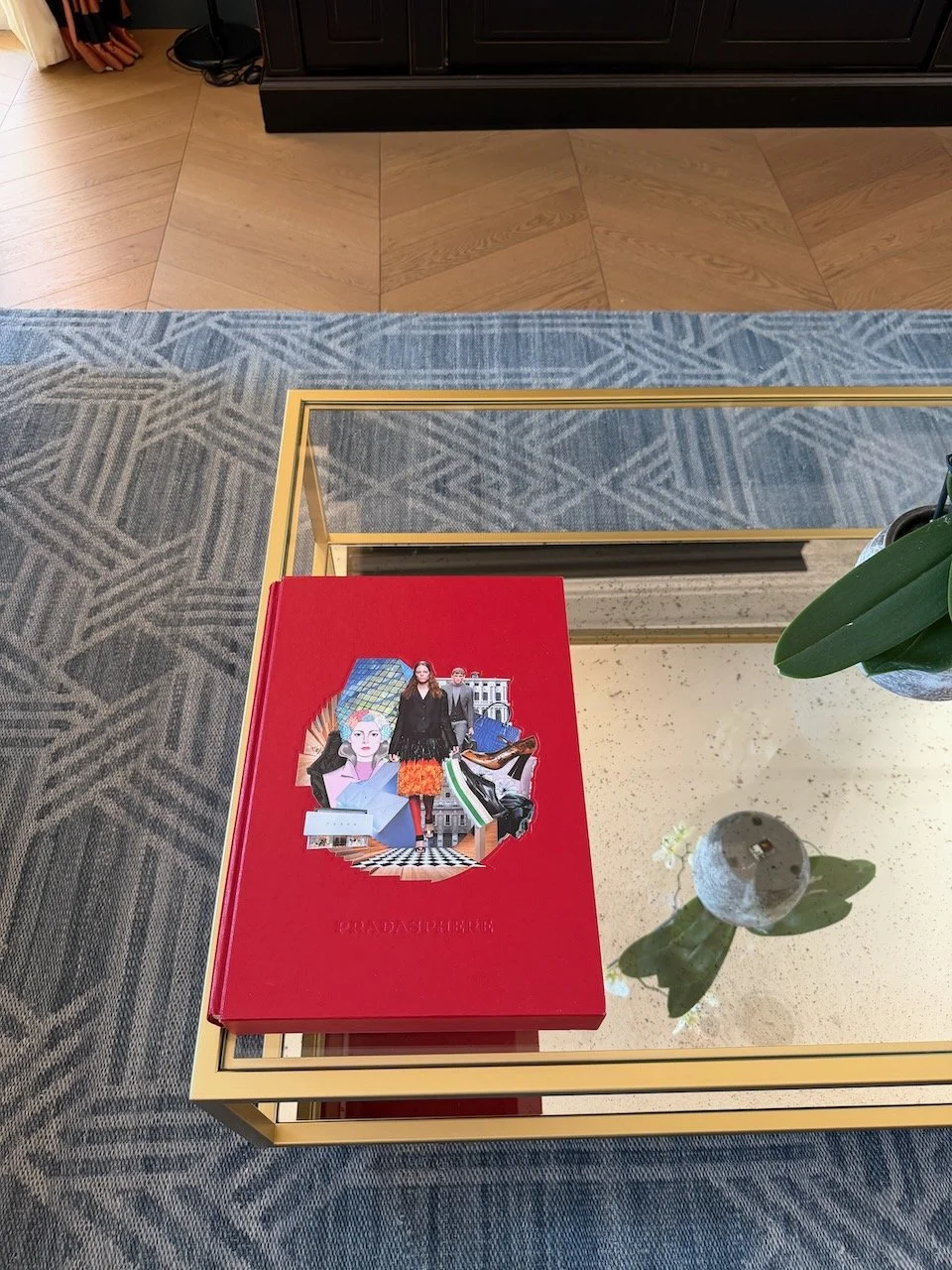
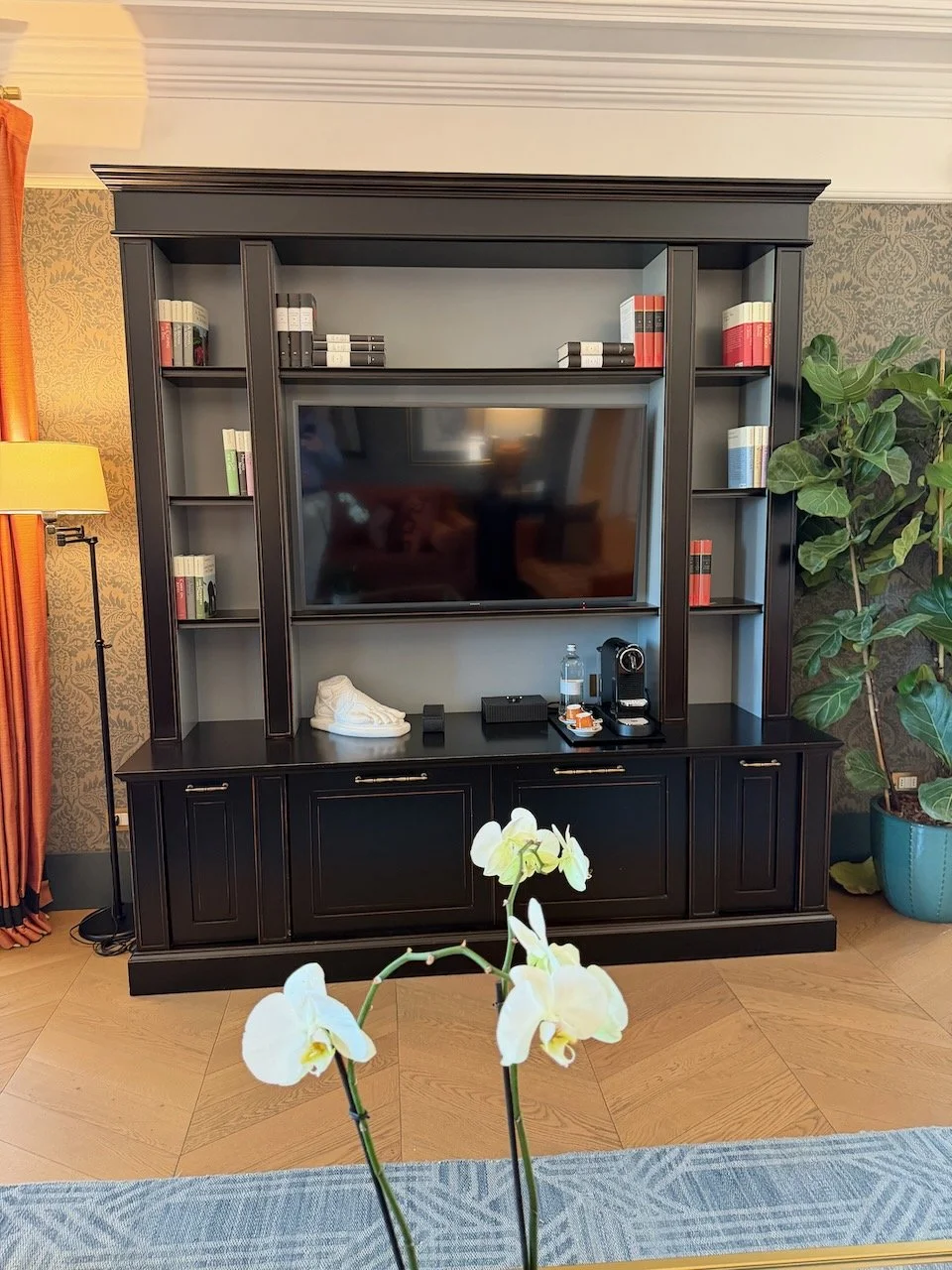
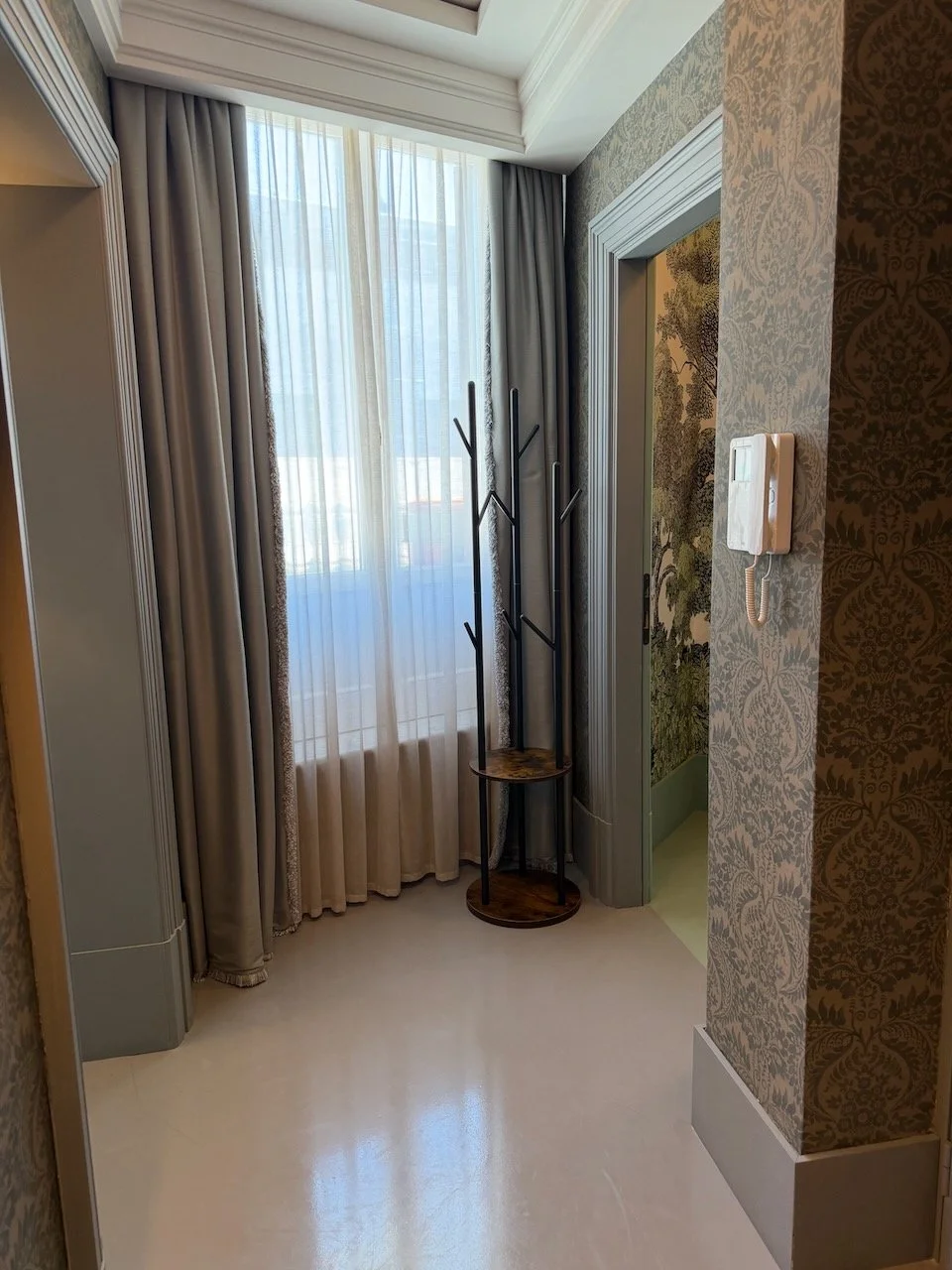
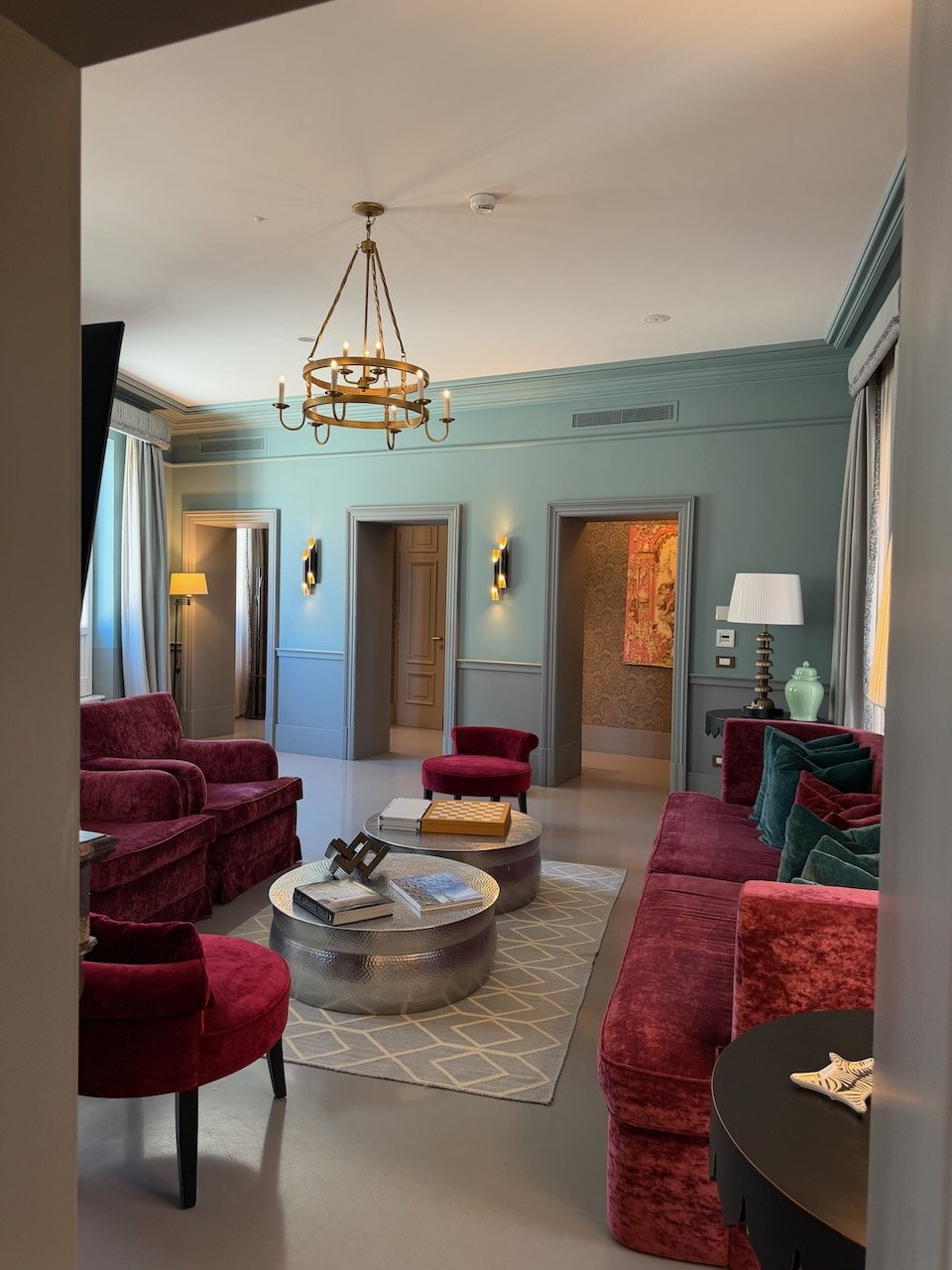
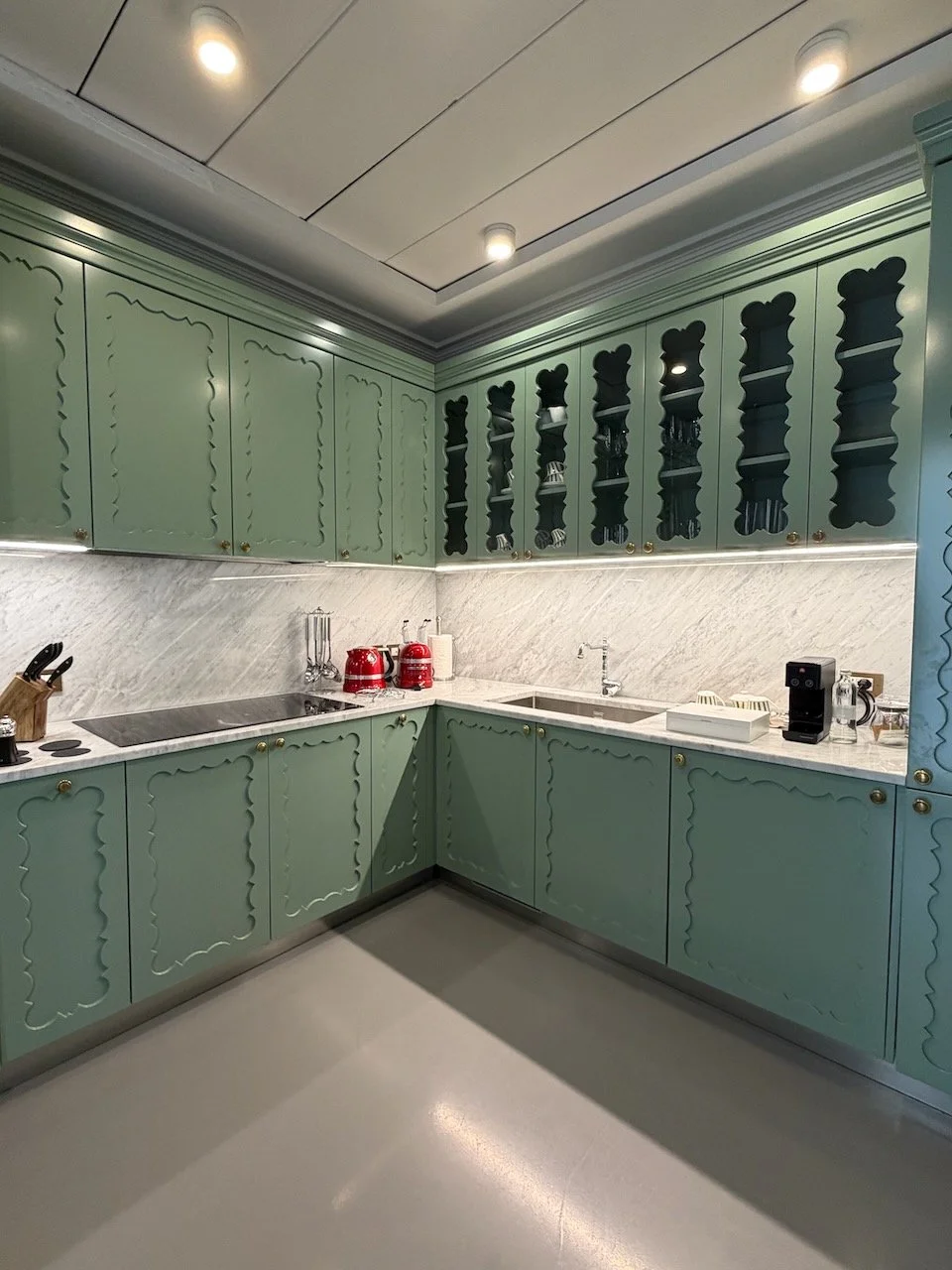
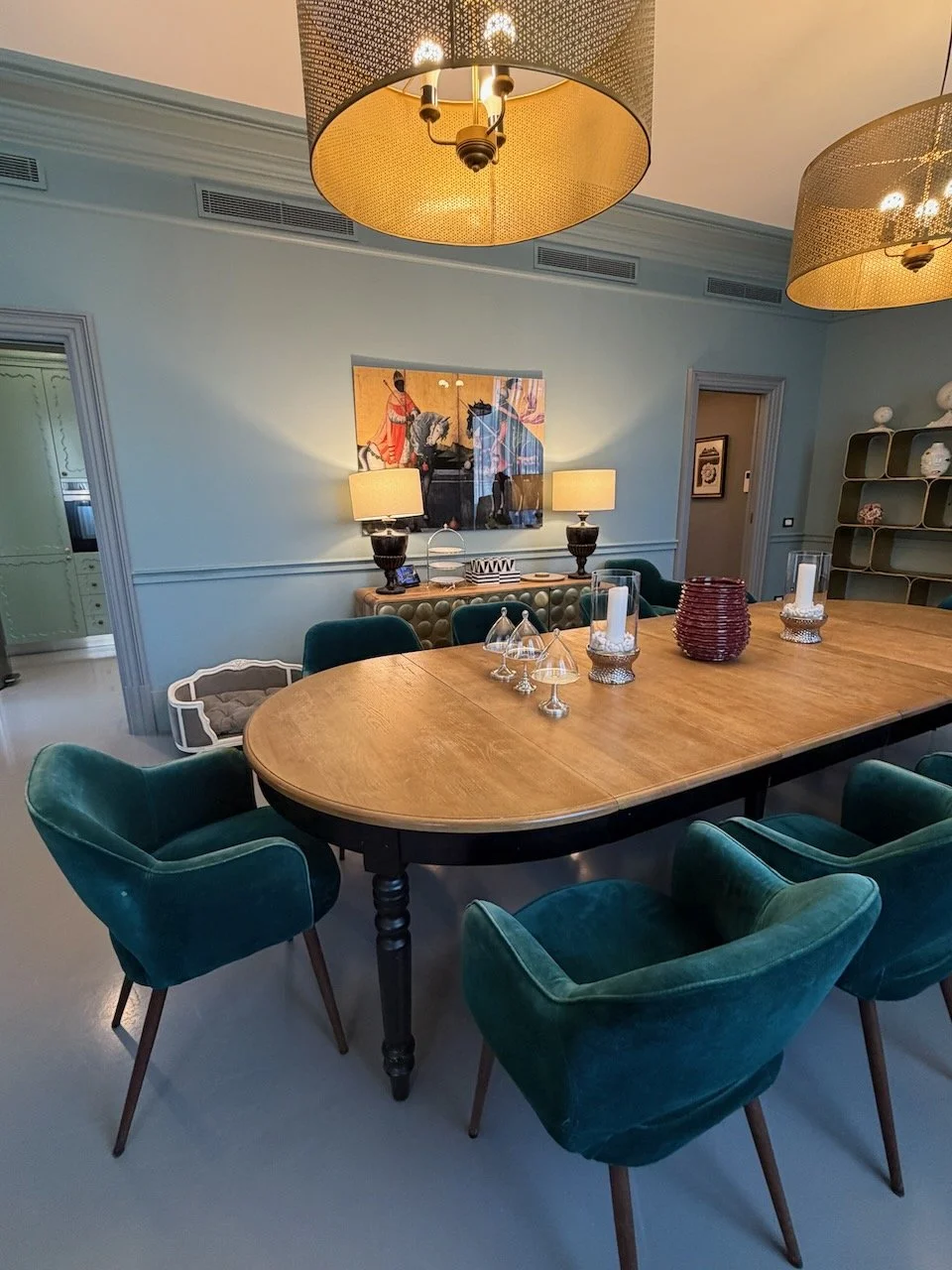
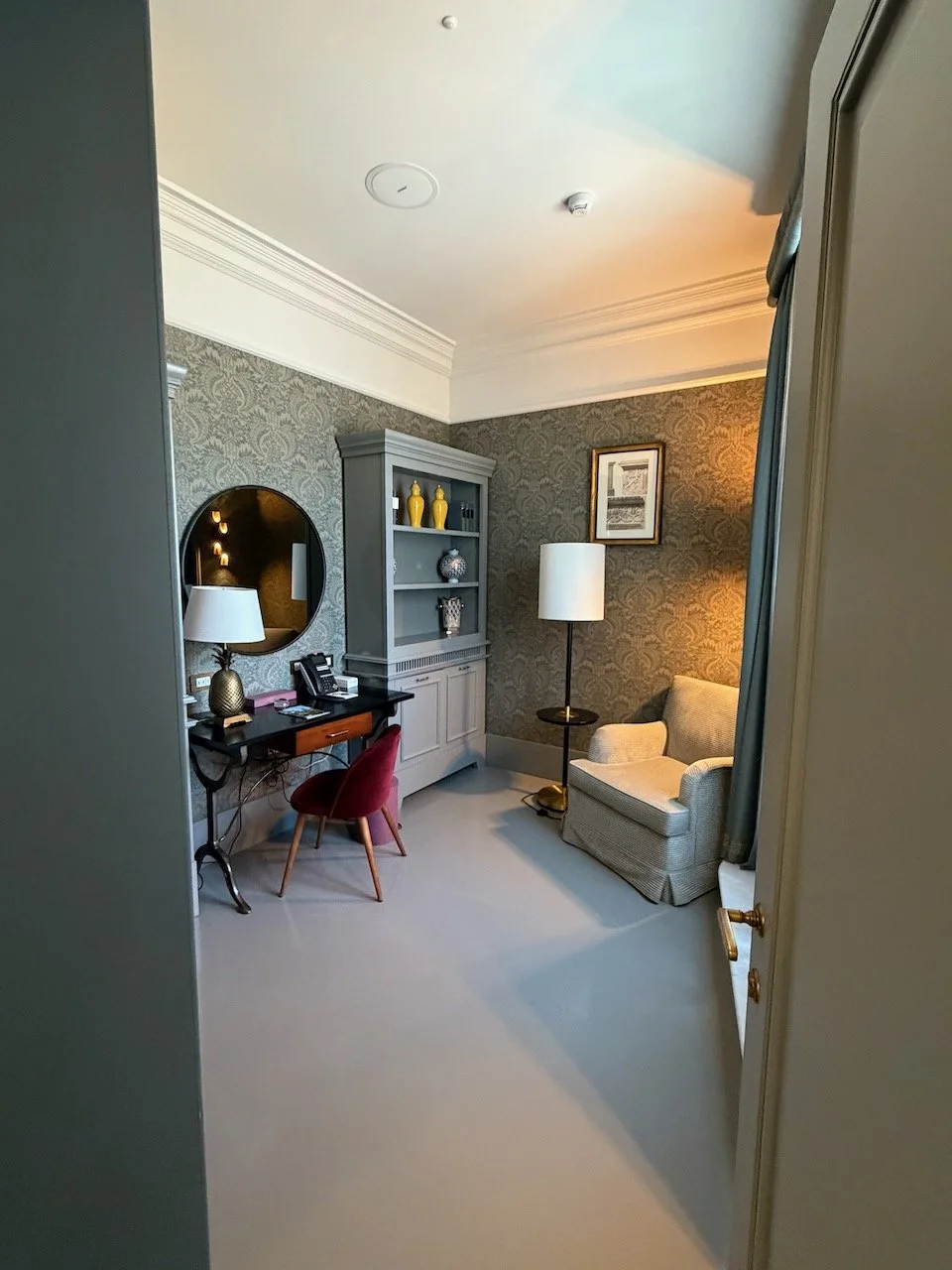
Rocco Forte House is not a hotel in the traditional sense, but a collection of five private apartments inside an 18th-century palazzo at Piazza di Spagna. The apartments are designed by Tommaso Ziffer and offer proper residential living: sitting room, dining room, fully equipped kitchen, generous bedrooms, and the feeling of having your own Roman address rather than simply a room key.
I saw one of the two-bedroom apartments with a large balcony, and it immediately made sense for families, longer stays, or guests who want privacy and space without losing hotel support. The key advantage is that guests can use the facilities of Hotel de la Ville, including the spa, gym, bars, and restaurants. So the concept is essentially private-apartment living with the Rocco Forte ecosystem behind it — very discreet, very comfortable, and arguably one of the most elegant ways to stay in Rome.
Unique Amenities
The secret garden at Hotel de Russie is the major emotional amenity. It is not just a pretty courtyard; it changes how the hotel feels. It gives guests a place to retreat, to meet, to have a quiet drink, and to remember that Rome’s greatest luxuries are often hidden behind walls.
The rooftop at Hotel de la Ville may be the strongest rooftop experience among the hotels visited. For guests who want Roman glamour with a view, this is a serious selling point.
Rocco Forte House adds another layer: serviced apartment privacy with access to the facilities of Hotel de la Ville or Hotel de Russie. For families, longer stays, or guests who want a more residential setup, this can be a very smart choice.
Spa and Wellness
Hotel de Russie has a proper Irene Forte Spa, so wellness is definitely part of the hotel offering, even if I did not visit or photograph it during the site inspection. The facilities include five treatment rooms, two of them designed for couples, plus a saltwater hydro pool, sauna, steam room, relaxation lounge, and a Technogym-equipped gym.
Hotel de la Ville also has an Irene Forte Spa, and on paper it may actually be the stronger wellness setup of the two. The facilities include five treatment rooms, including a double suite with private Rasul, plus a full thermal area with salt room, sauna, steam, ice fountain, Kneipp foot baths, and hydro pool. There is also a relaxation lounge with infrared loungers, a Technogym-equipped gym, and a small fitness studio.
Rocco Forte House is a private-apartment concept, so I would not describe it as having its own spa or gym: guests can use the spa and dining facilities at nearby Hotel de la Ville. That makes sense for the concept. You get the privacy of an apartment at Piazza di Spagna, but still have the Rocco Forte hotel infrastructure behind you when you want it.
Dining Options
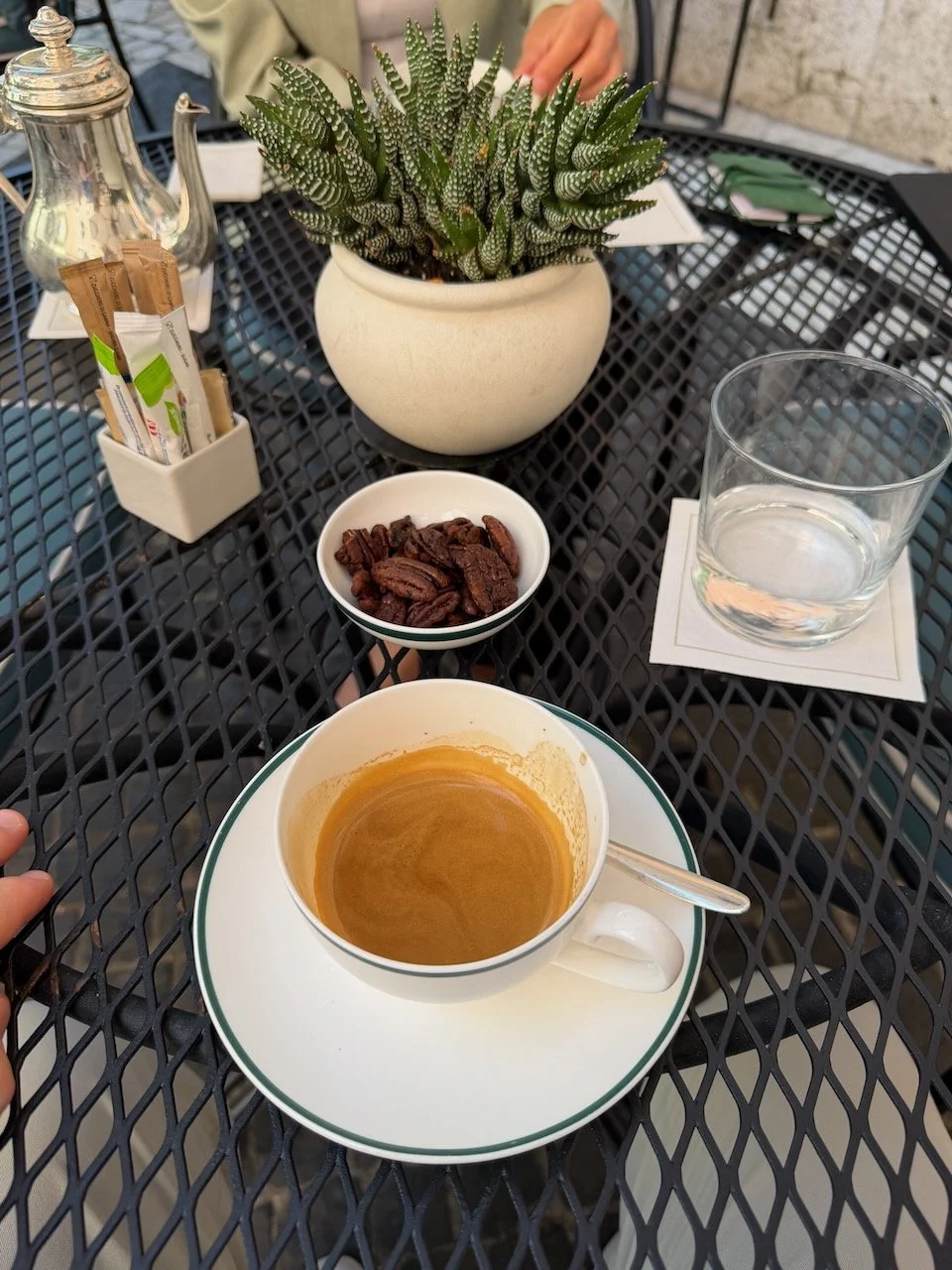
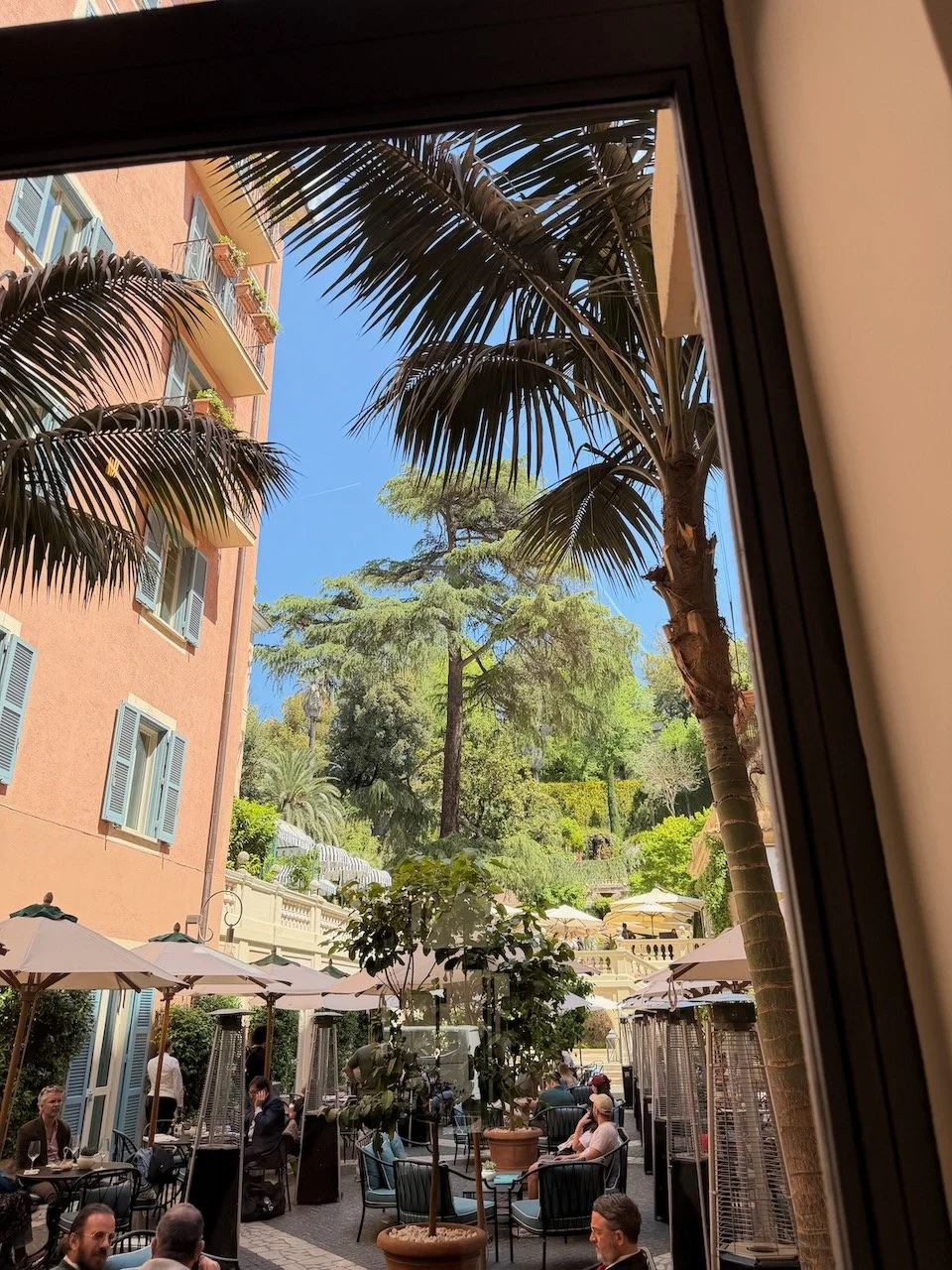
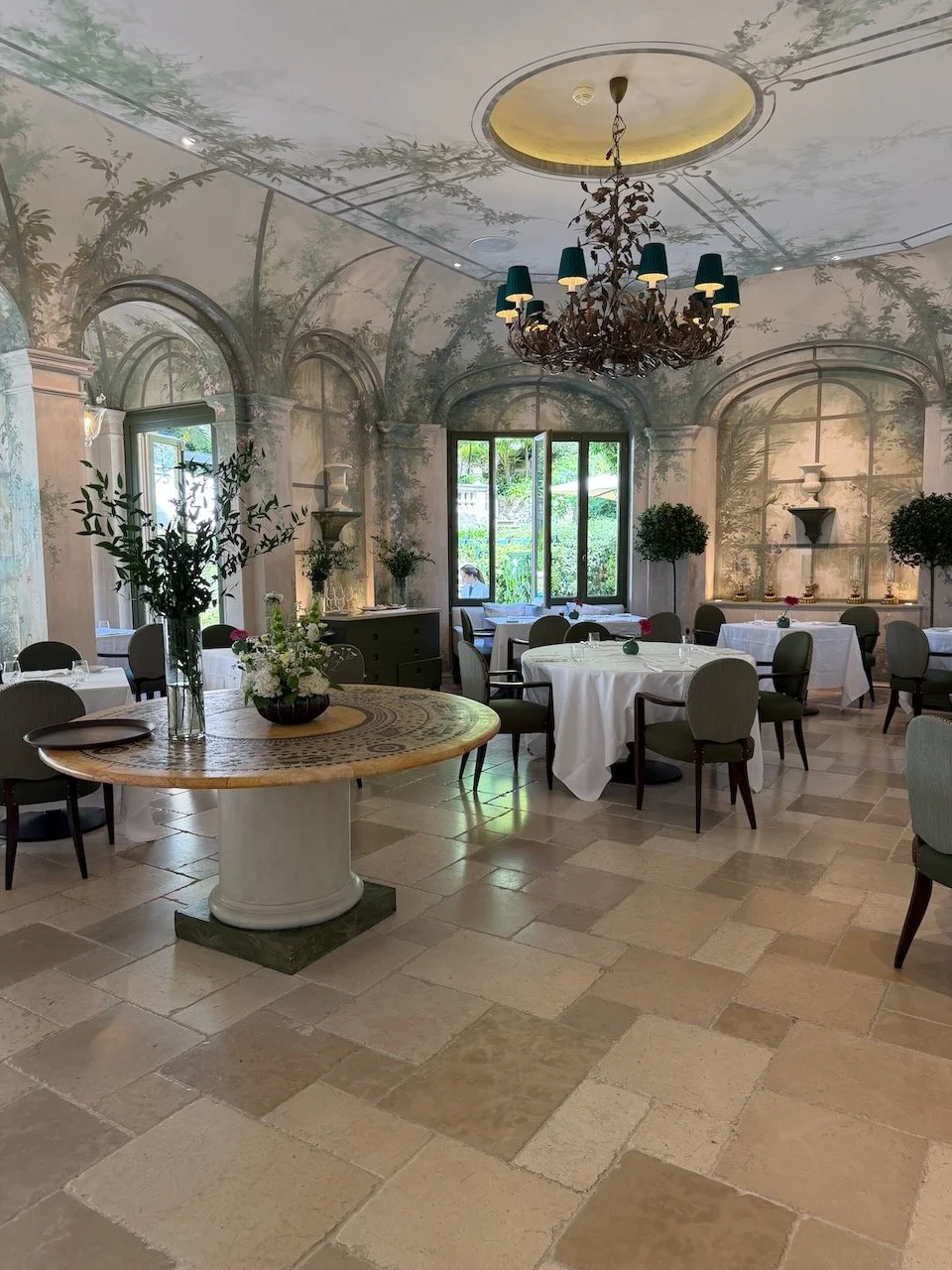
Hotel de Russie is strongest when dining moves into the garden. Le Jardin is the main restaurant, set in the hotel’s famous Secret Garden at the foot of the Pincian Hill, and the location is genuinely wonderful: green, calm, elegant, and almost unreal considering how central the hotel is. The cuisine is Italian and Mediterranean, overseen by Rocco Forte’s Creative Director of Food, Fulvio Pierangelini, but the setting is the real luxury here.
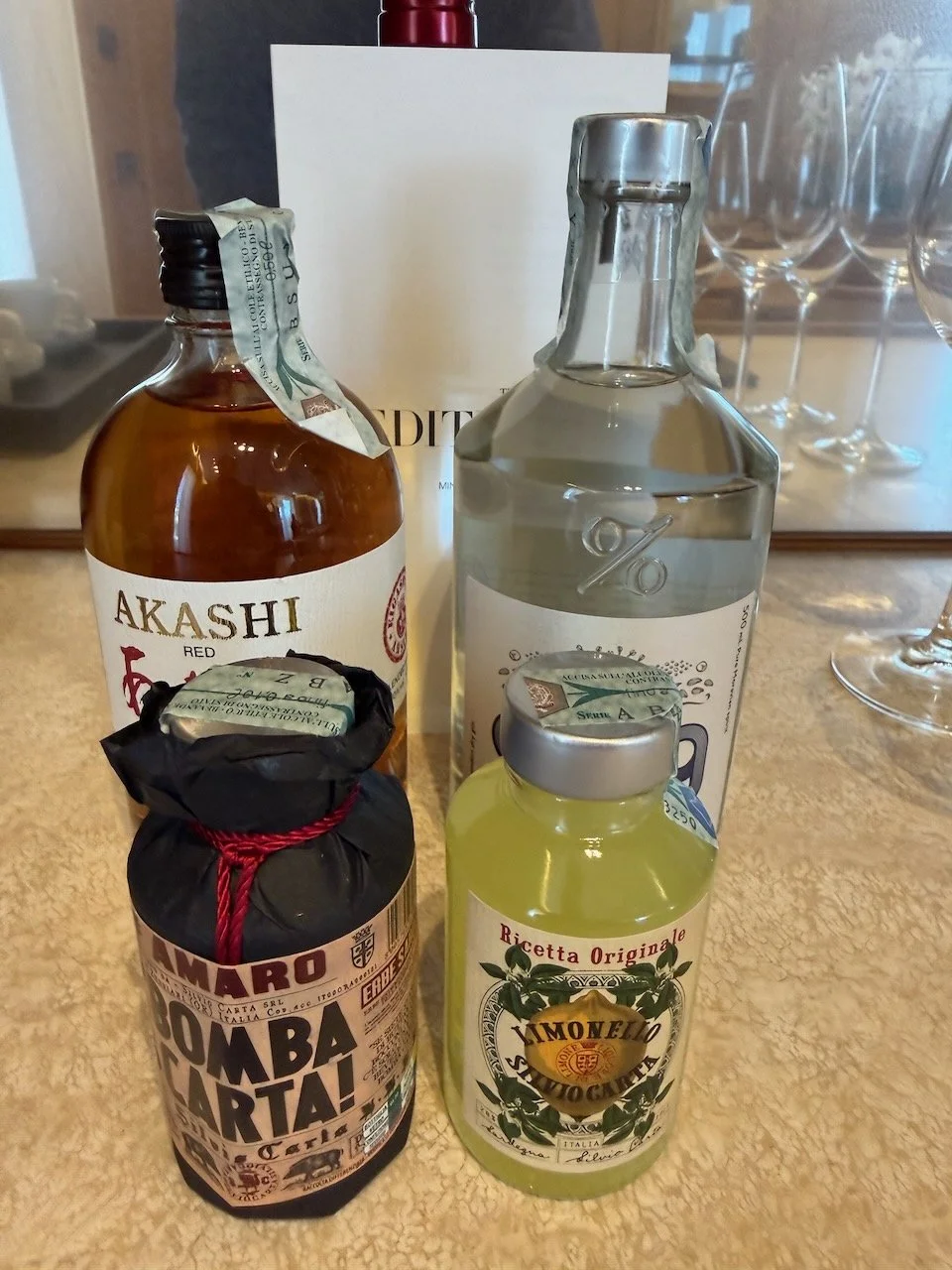
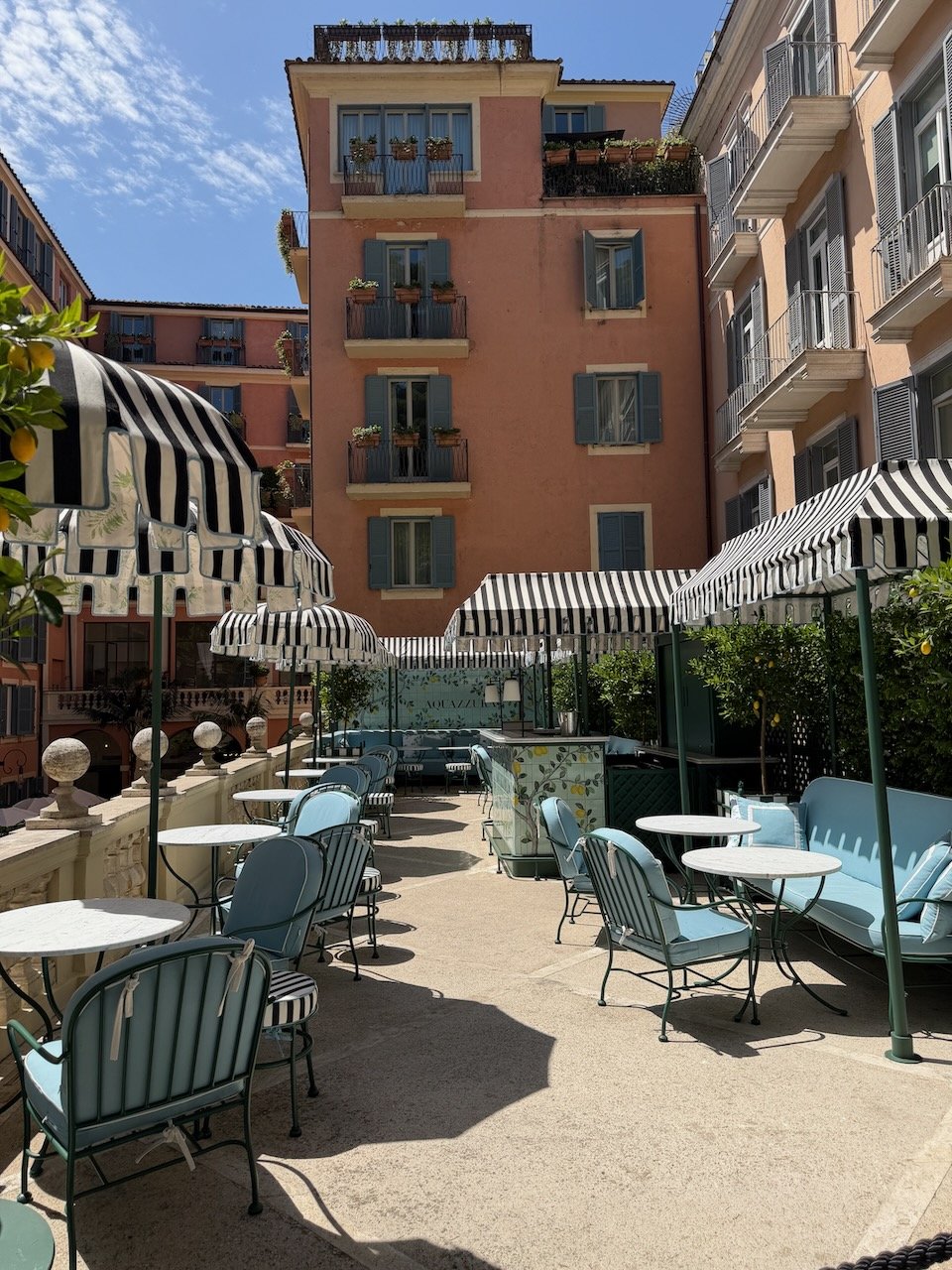
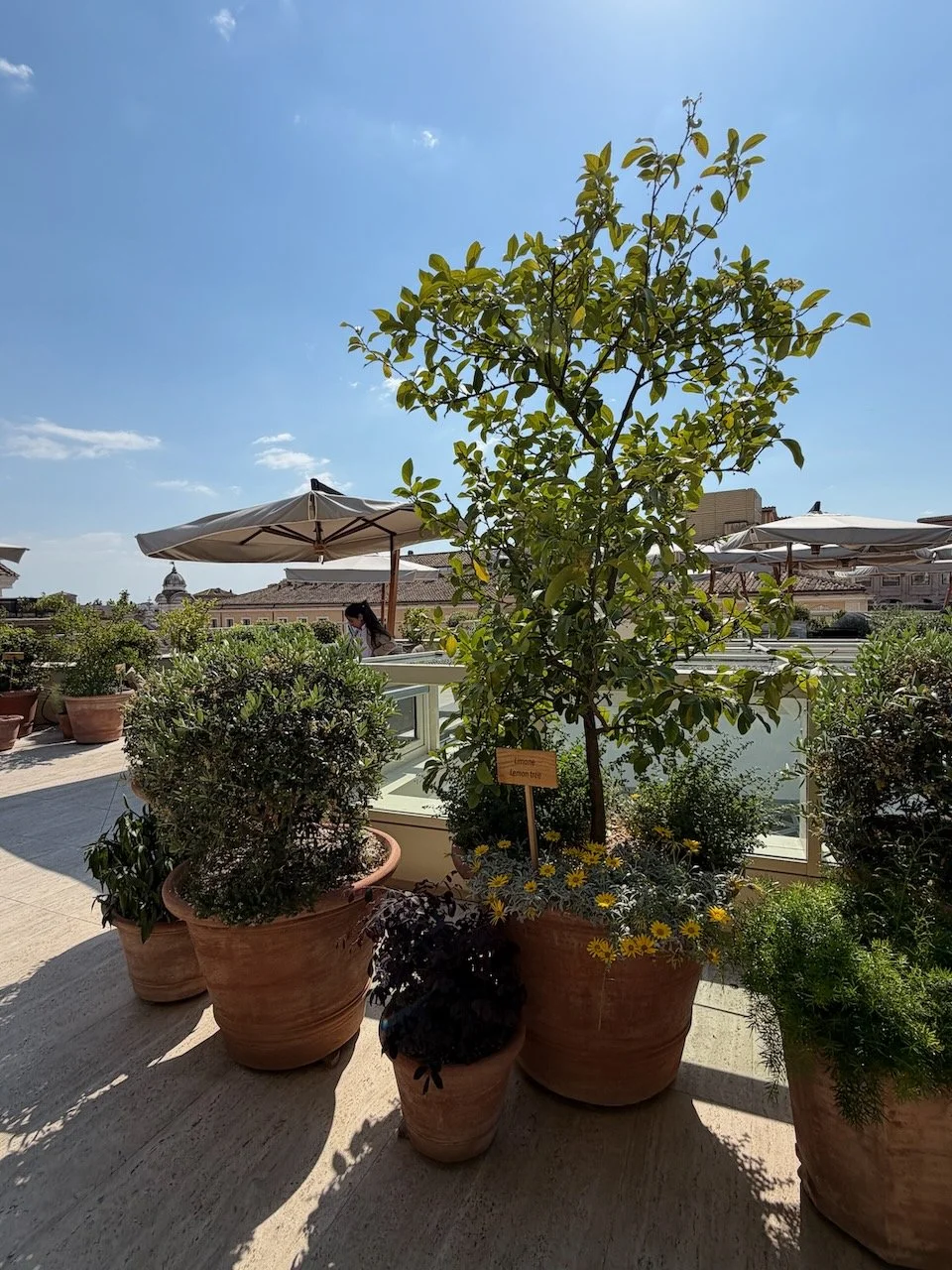
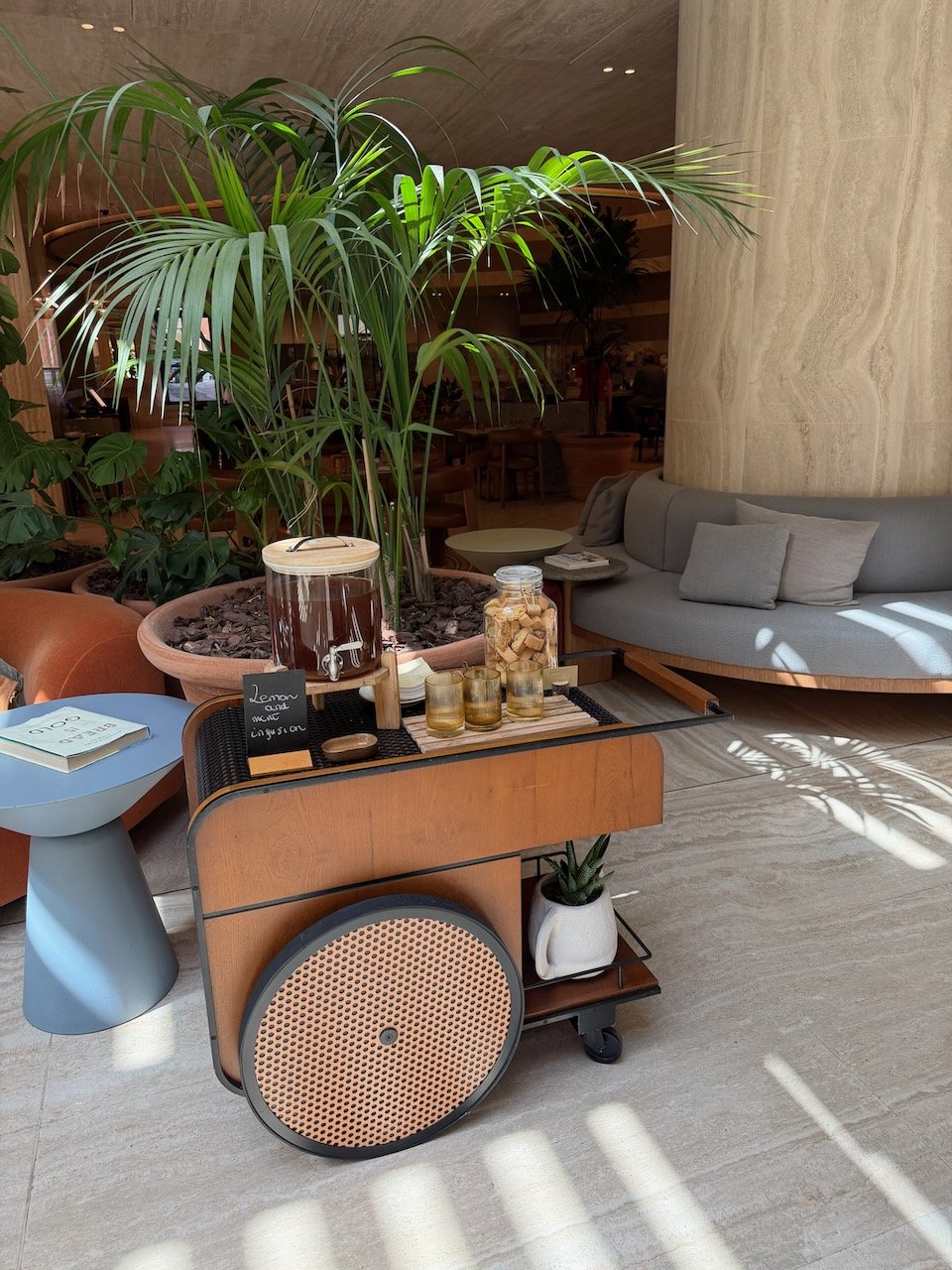
There is also Stravinskij Bar, one of Rome’s classic garden aperitivo addresses, and currently the hotel has added an Aquazzura Bar pop-up inside the garden. This is the lemon-themed brand collaboration you noticed: Aquazzura, the luxury footwear and lifestyle brand, has created a summer bar concept with tequila cocktails, tacos, Mediterranean colour, citrus motifs, striped details, and a Secret Garden feel within the Secret Garden. It fits the Hotel de Russie atmosphere very well: stylish, social, and glamorous without losing the garden-oasis mood.
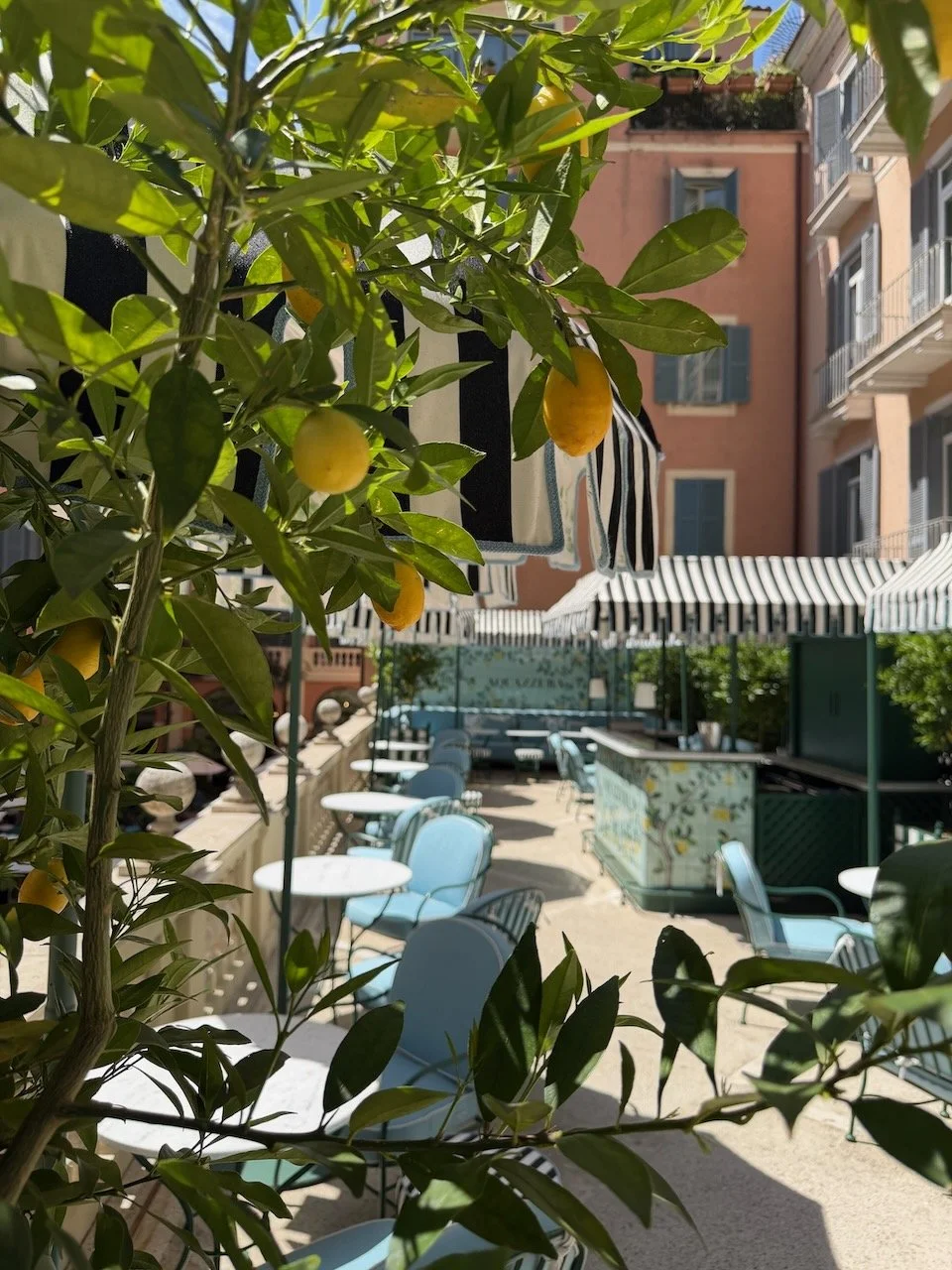
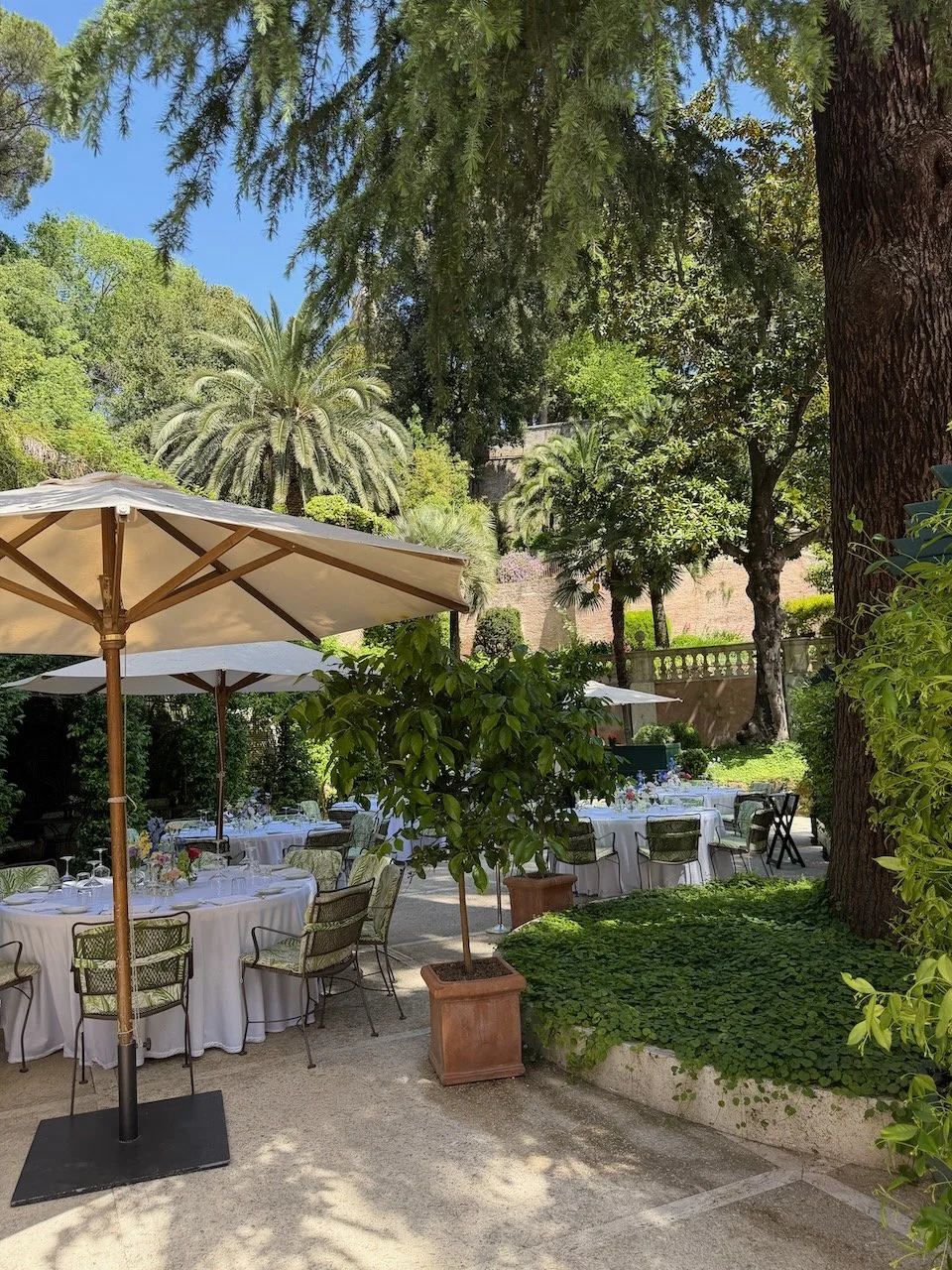
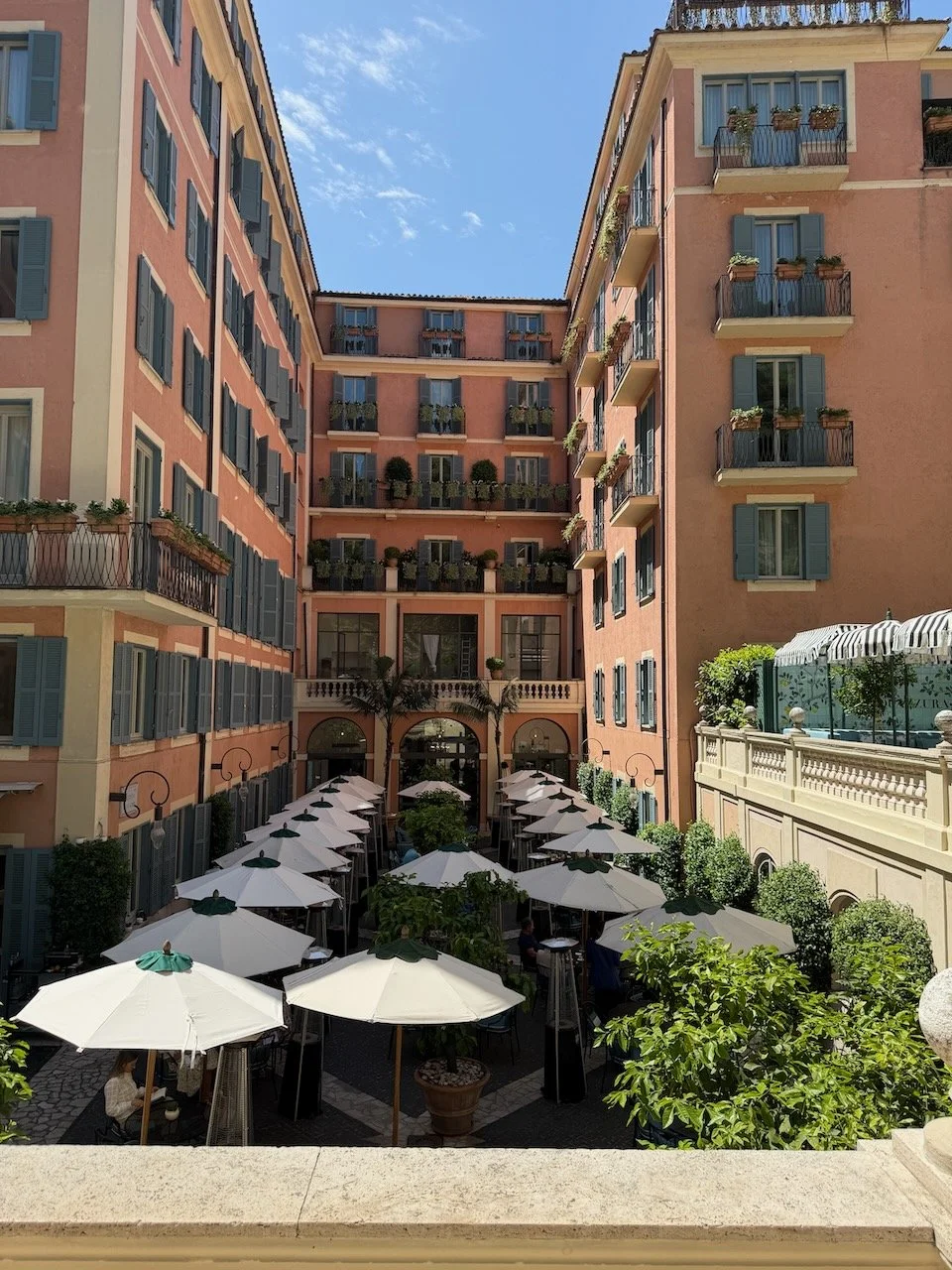
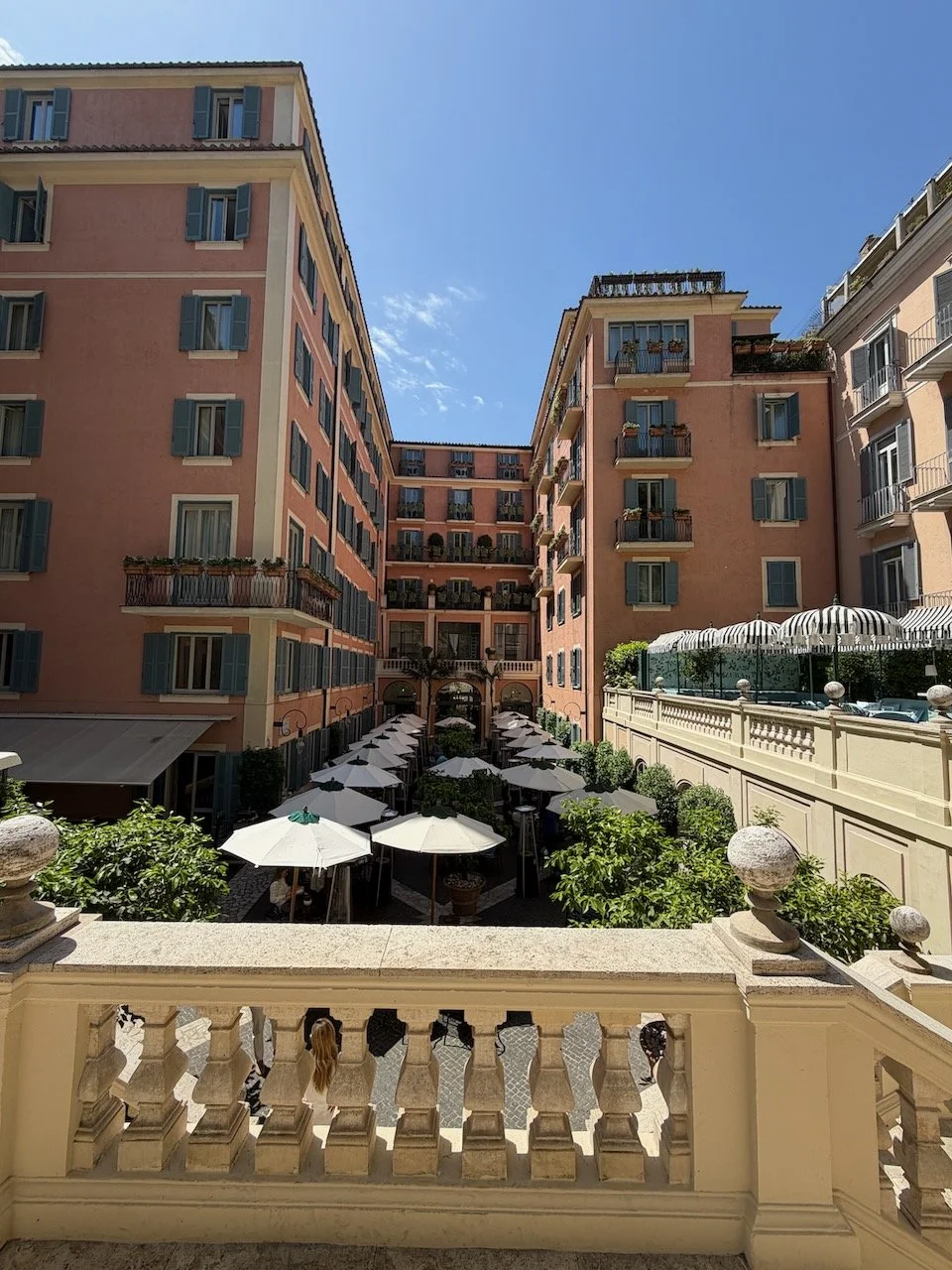
Hotel de la Ville has the stronger rooftop identity of the two hotels. Its main dining and drinking highlight is Cielo, split across rooftop restaurant and bar spaces above the Spanish Steps. The views are fantastic, and this is where the hotel really becomes theatrical: Rome below, sunset light, cocktails, and that elevated Rocco Forte glamour.
Cielo Restaurant focuses on Mediterranean flavours, seafood, seasonal produce, and dishes by Fulvio Pierangelini, while Cielo Bar is one of the hotel’s most compelling spaces for aperitivo or evening drinks. The hotel also has Mosaico, a courtyard restaurant used for breakfast and relaxed dining, plus Julep Bar, a more intimate herbal and vermouth-focused cocktail bar. But for me, the reason to come here is clearly the rooftop. It may be one of the best rooftop restaurant-and-bar experiences in Rome.
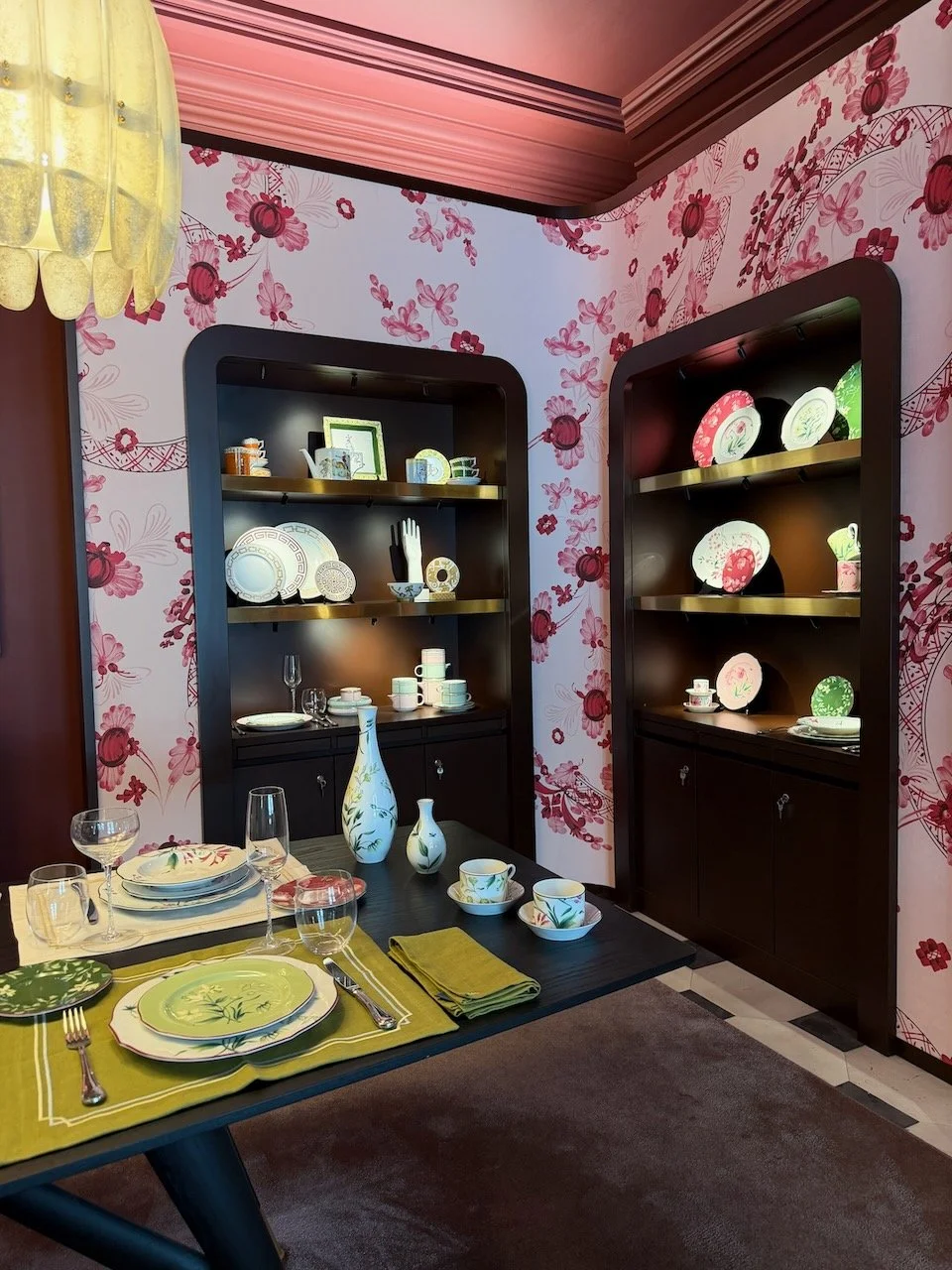
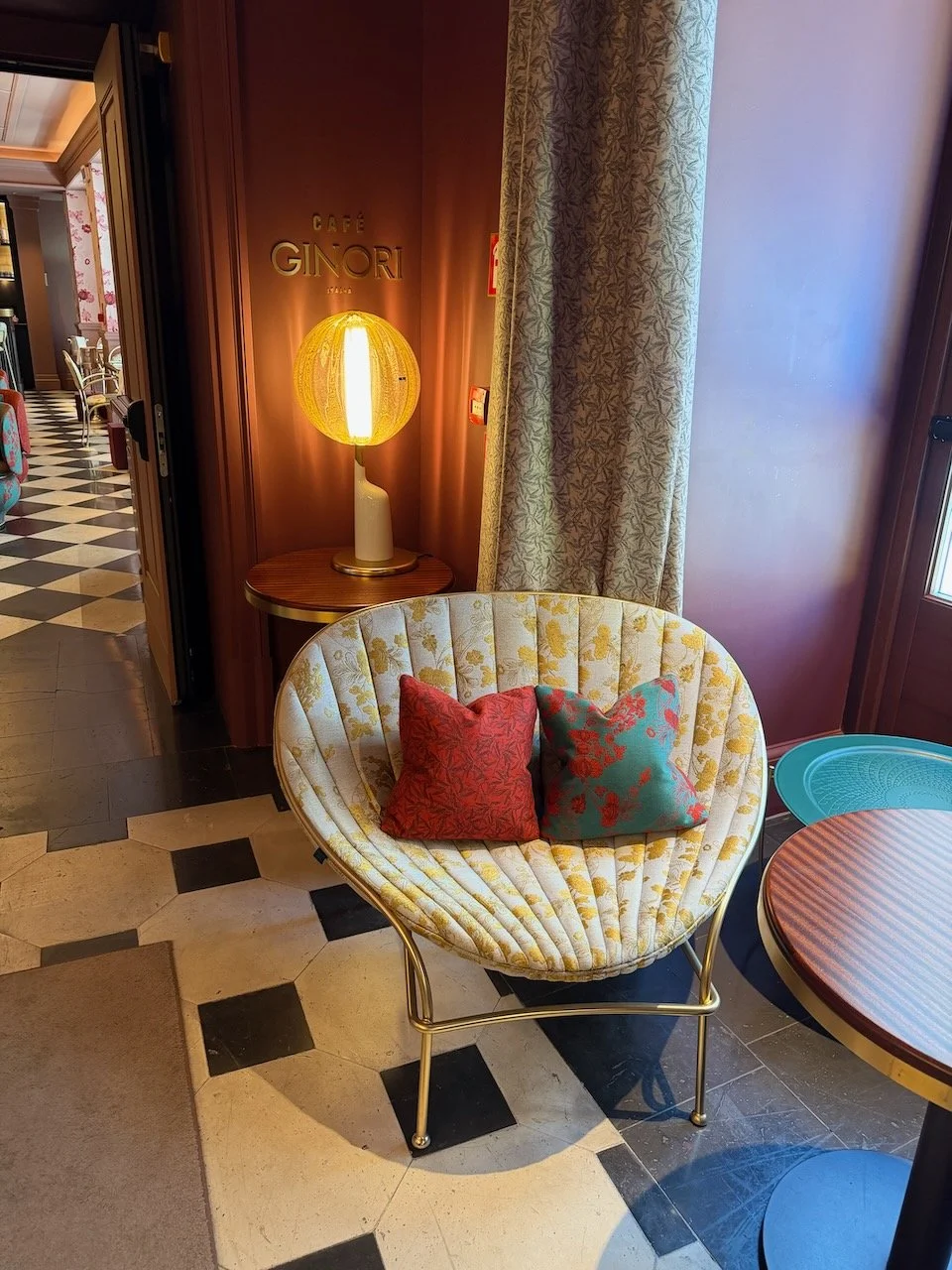
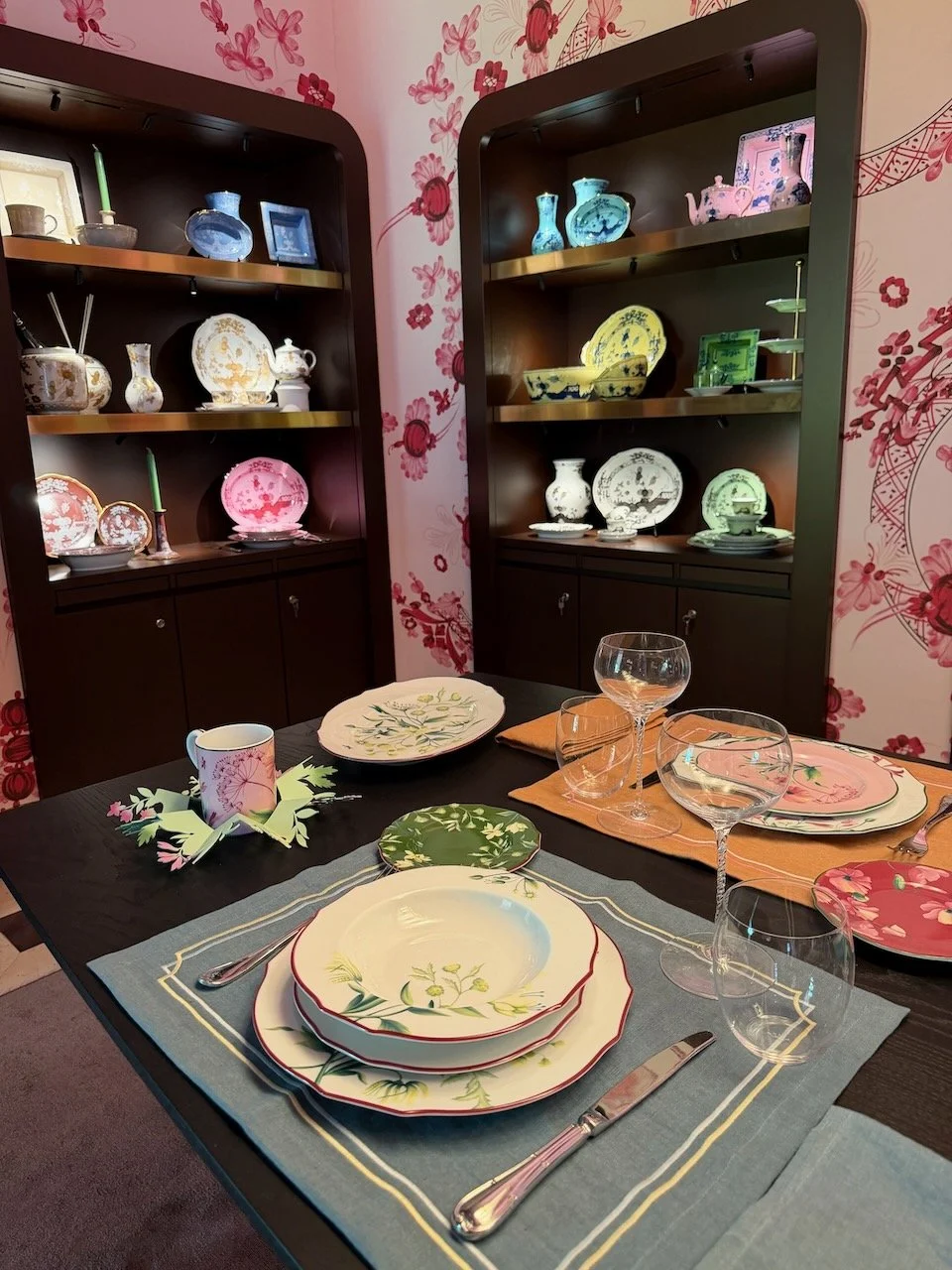
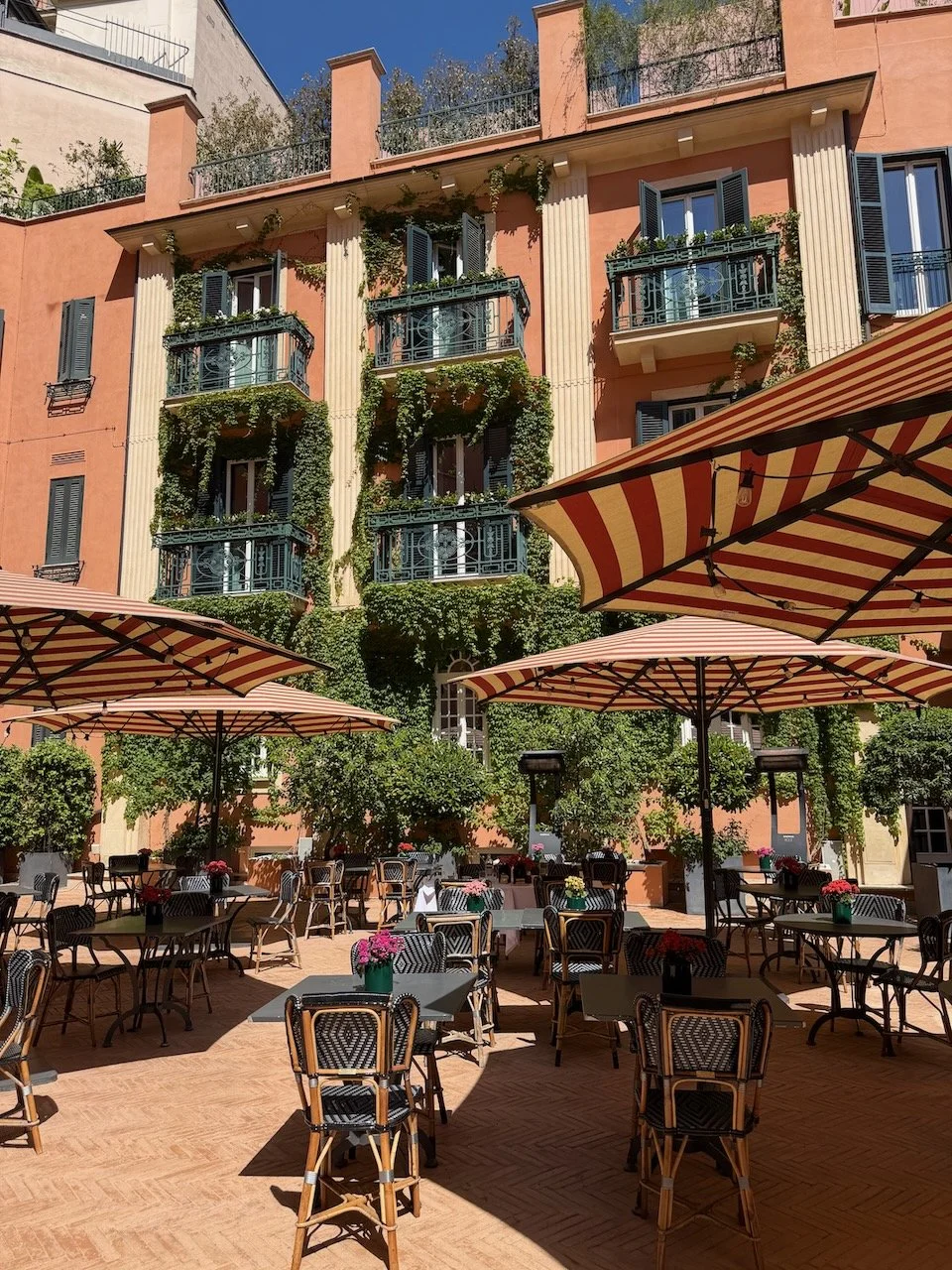
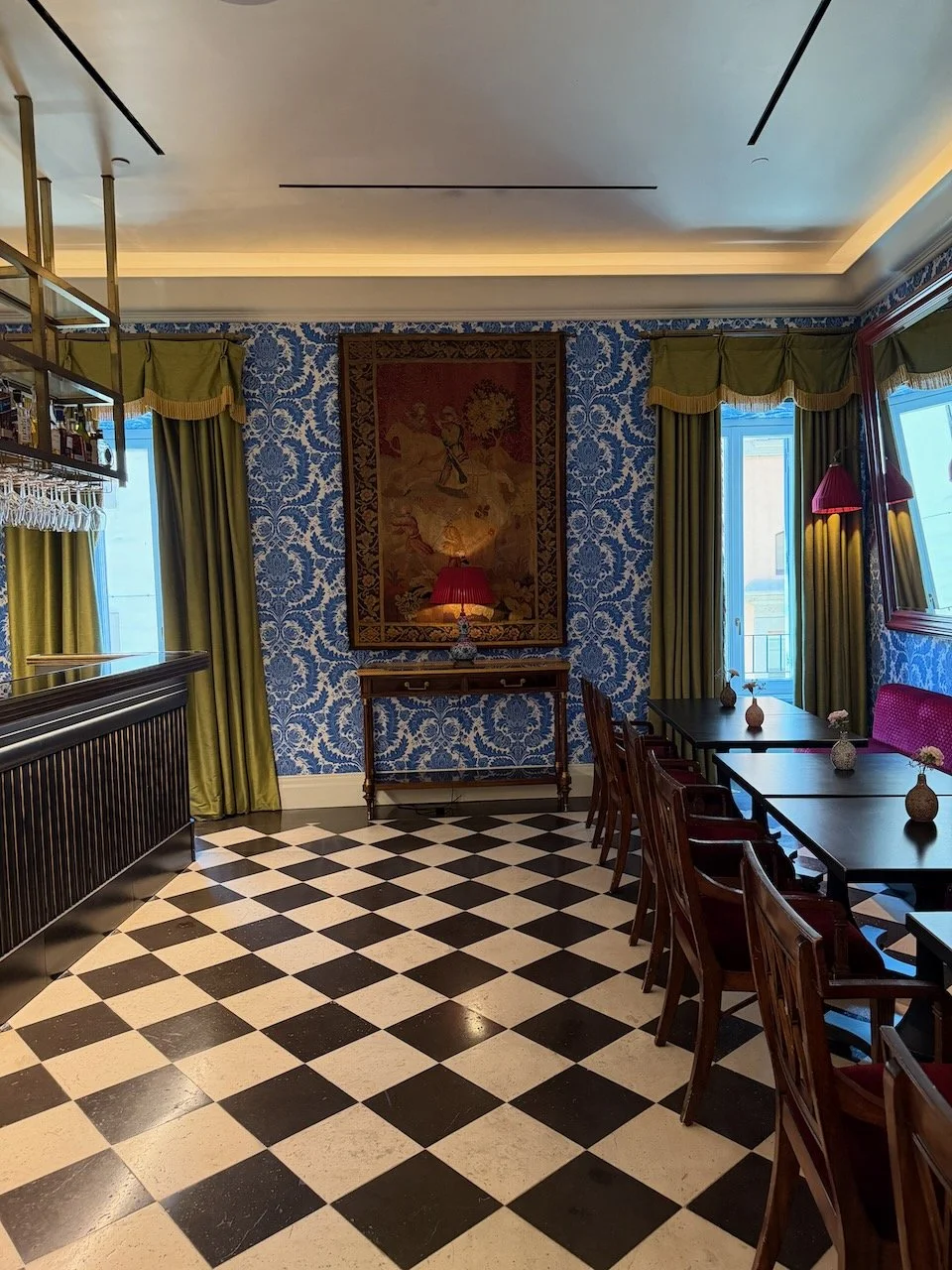
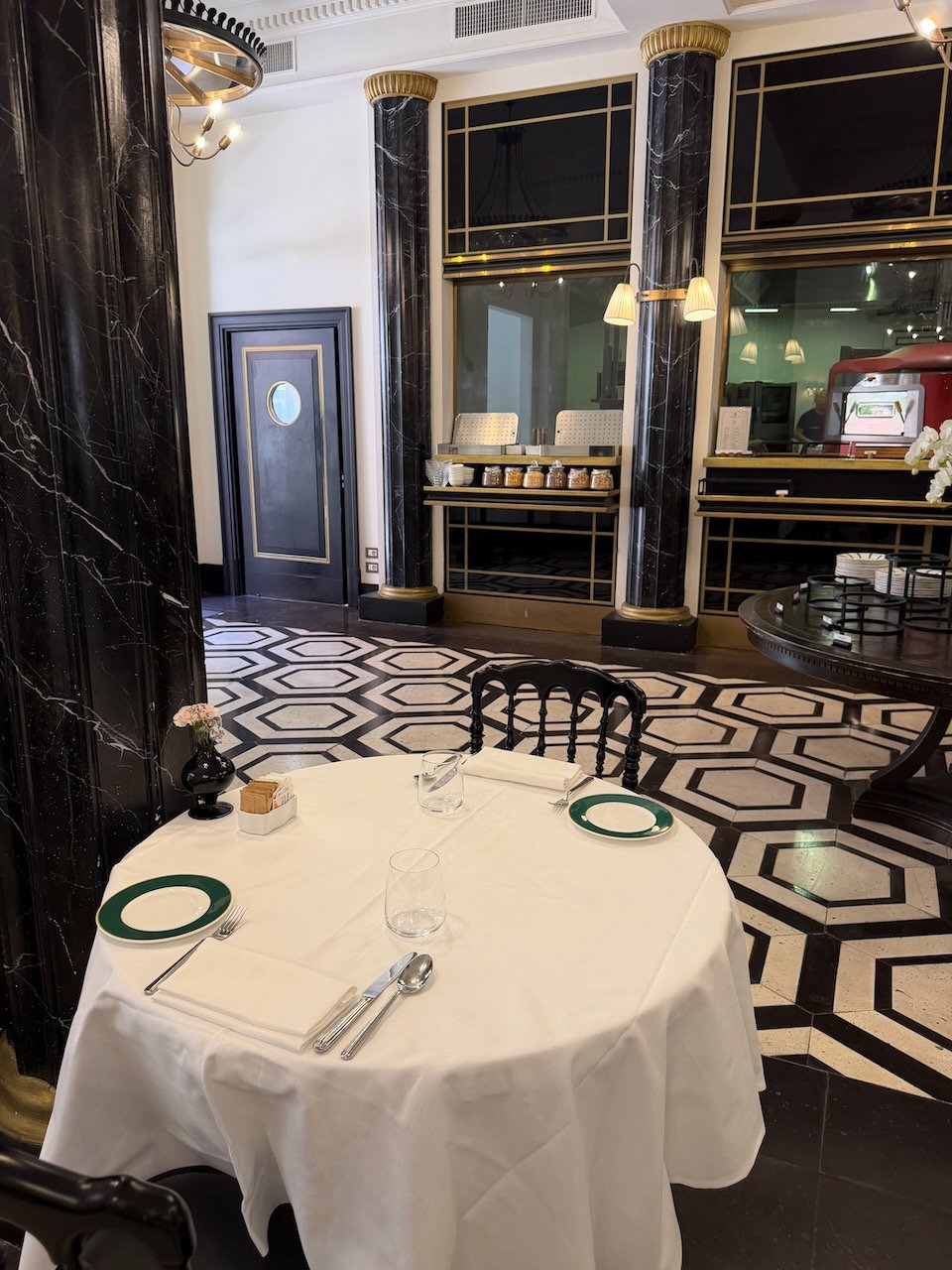
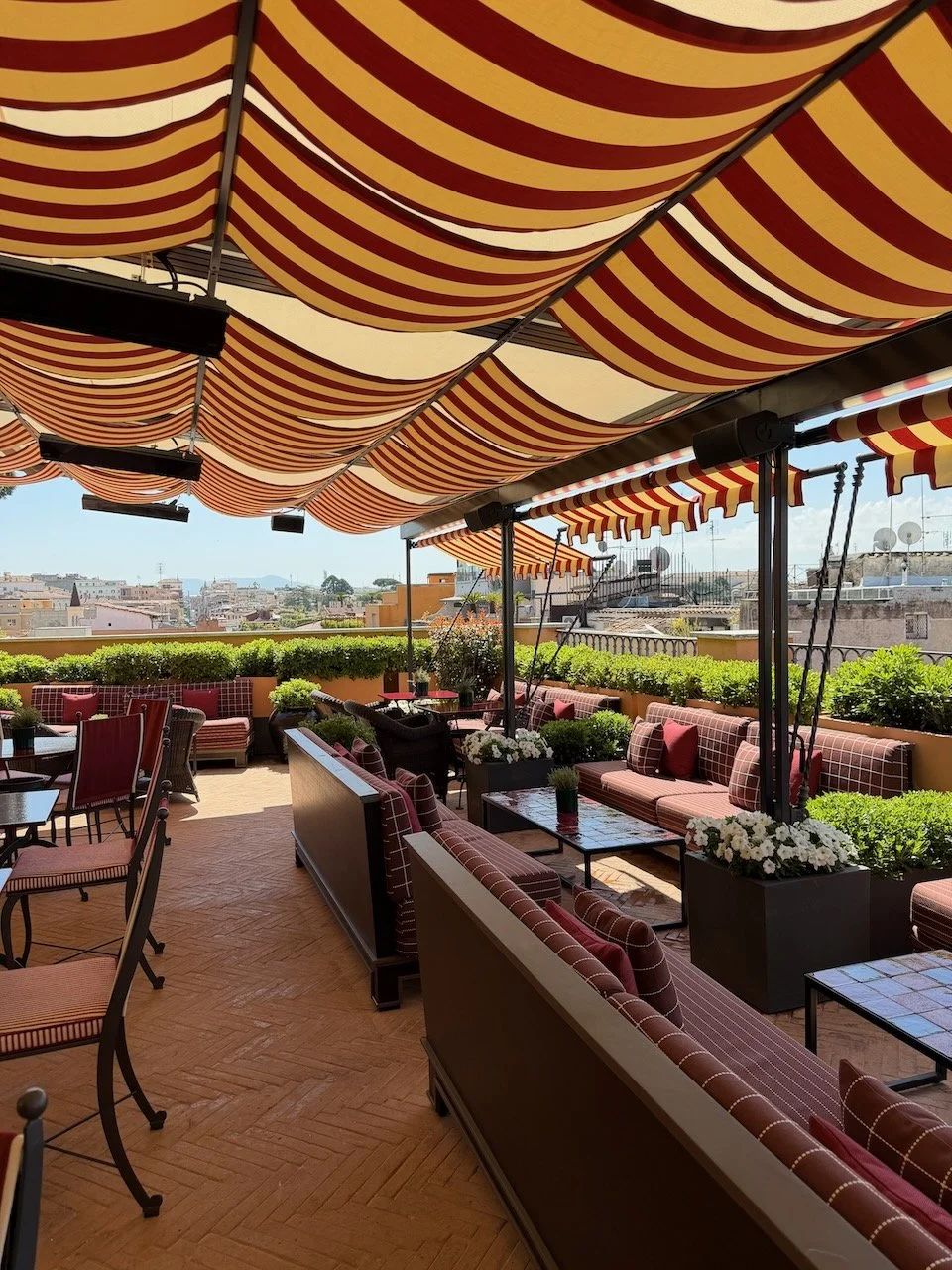
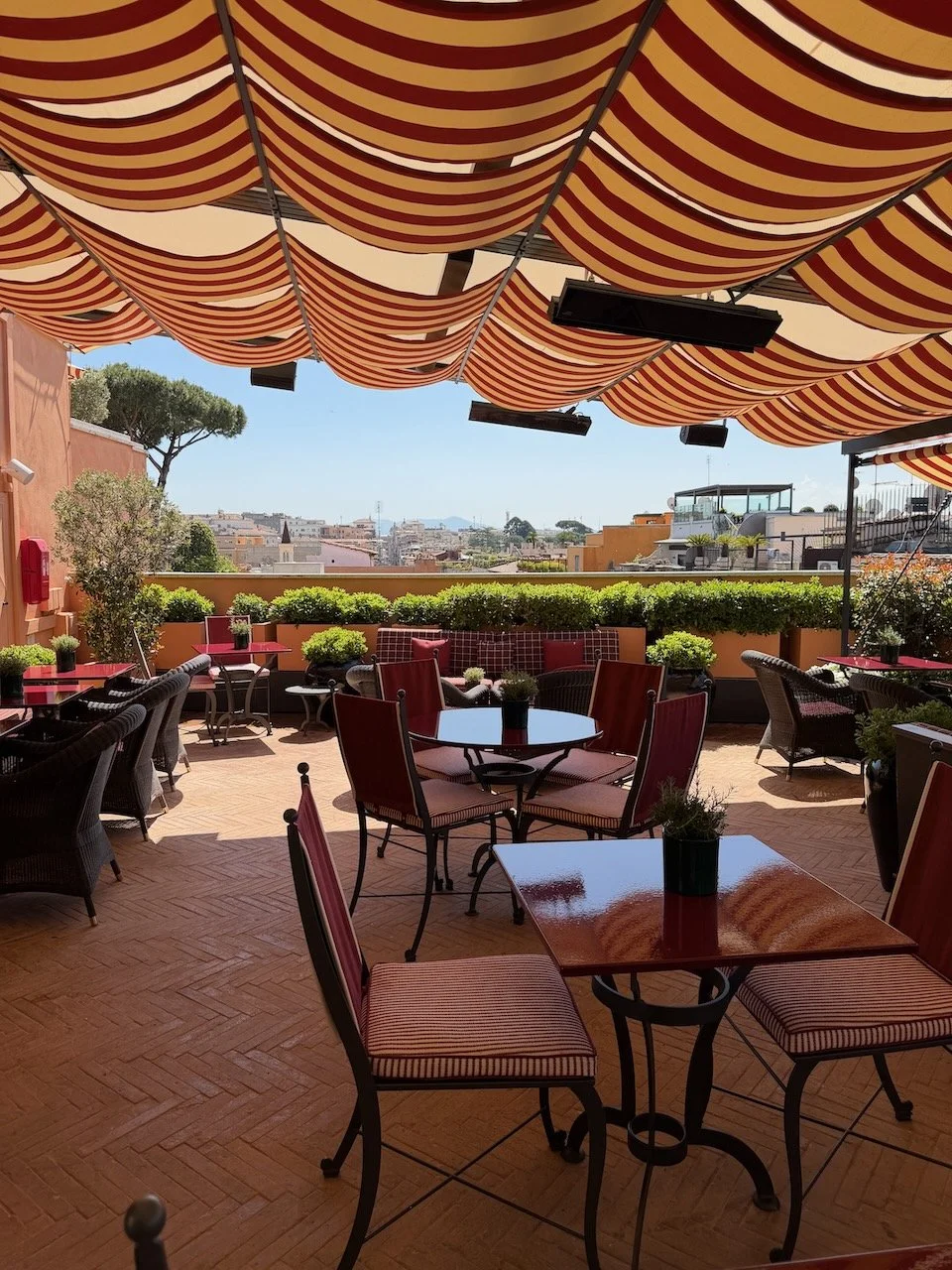
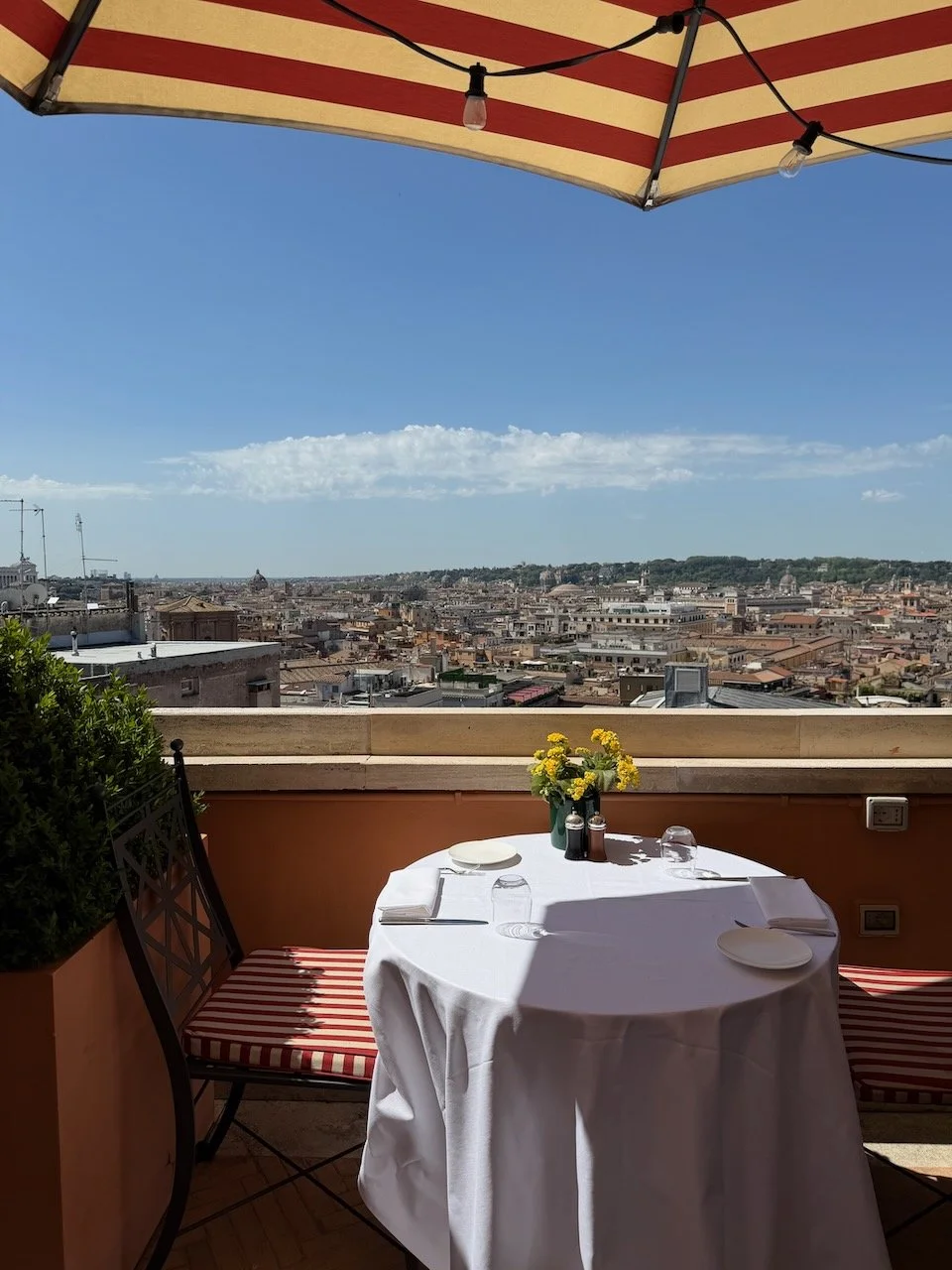
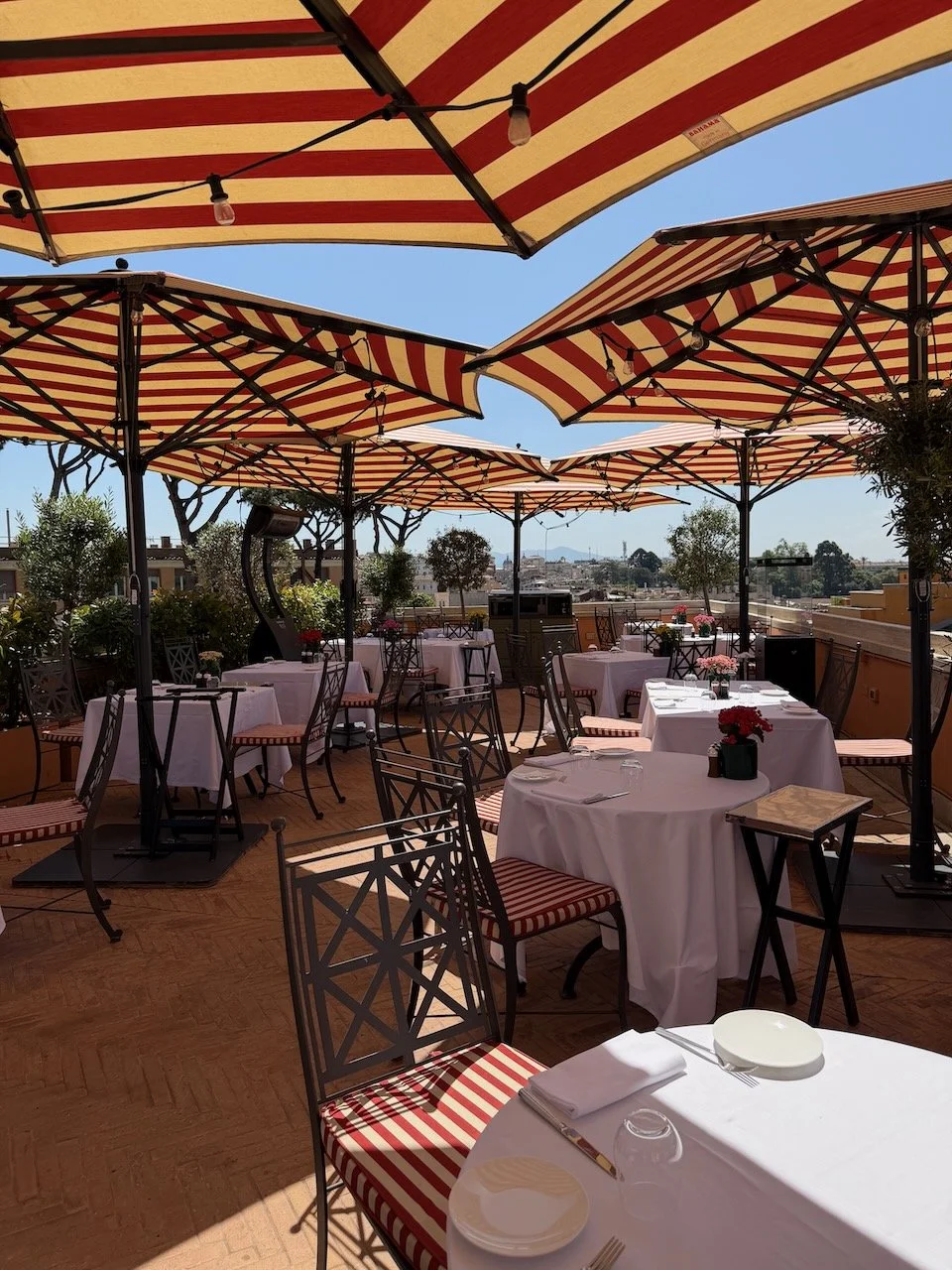
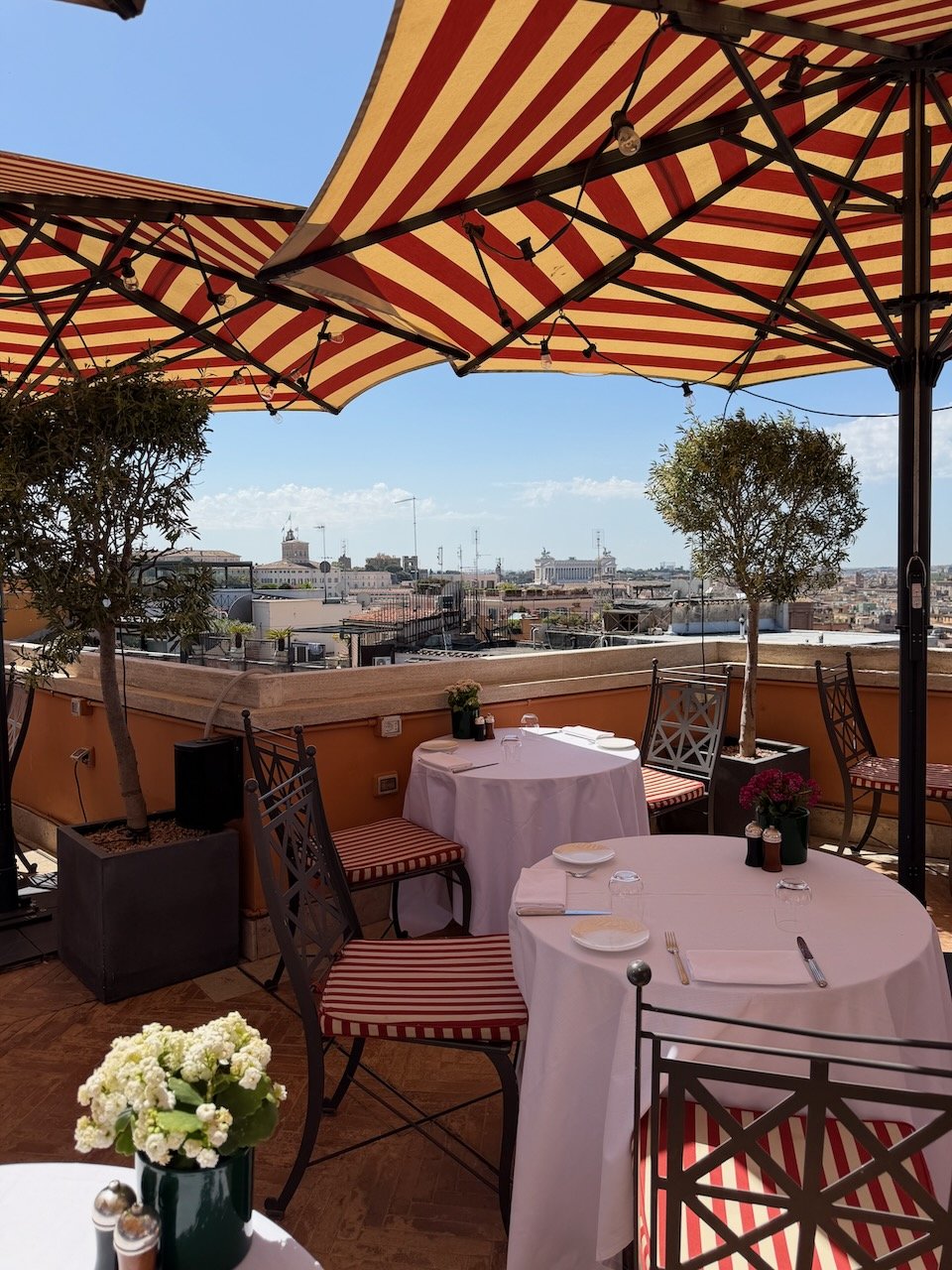
Rocco Forte House is a private-apartment concept, so it does not have its own restaurant in the same way as a hotel. The dining advantage is access: guests can use the restaurants and bars of Hotel de la Ville nearby, especially Cielo for rooftop drinks or dinner, Mosaico for breakfast, and Julep Bar for cocktails.
That makes the setup quite attractive. You can live privately in your own apartment at Piazza di Spagna, with kitchen, dining room, and residential space, but still step into the Rocco Forte dining world when you want the full hotel experience.
Six Senses Roma
Intro
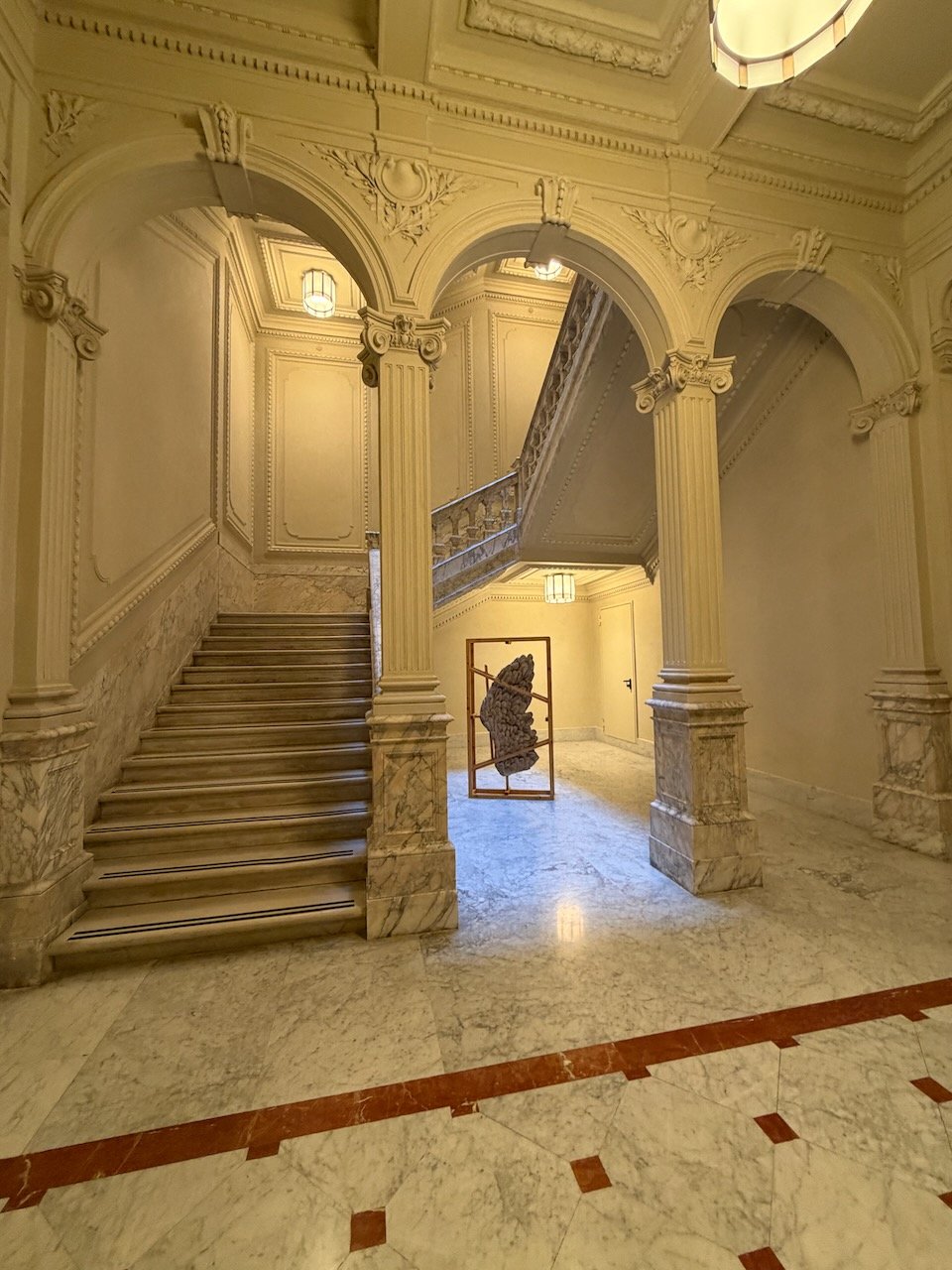
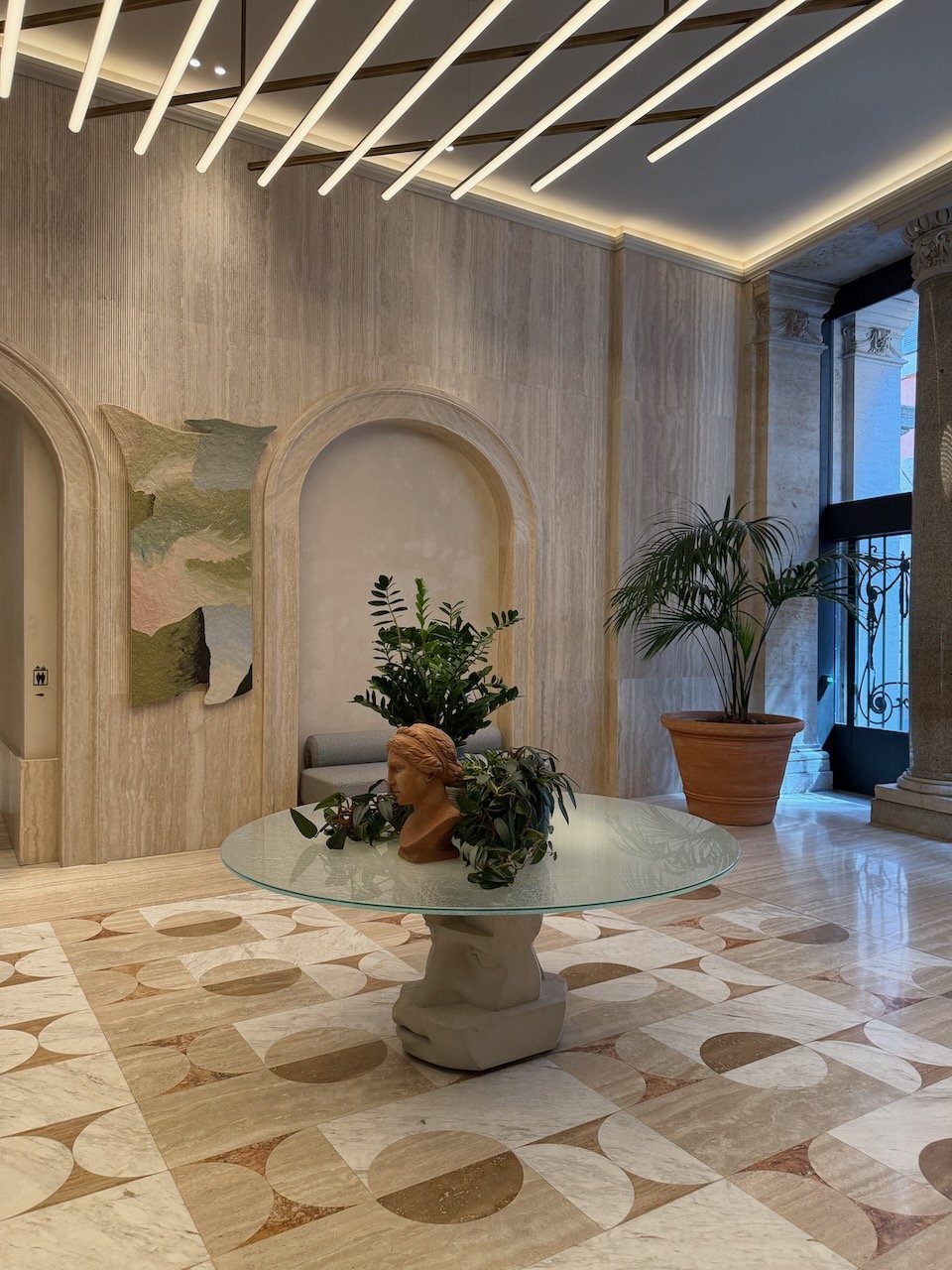
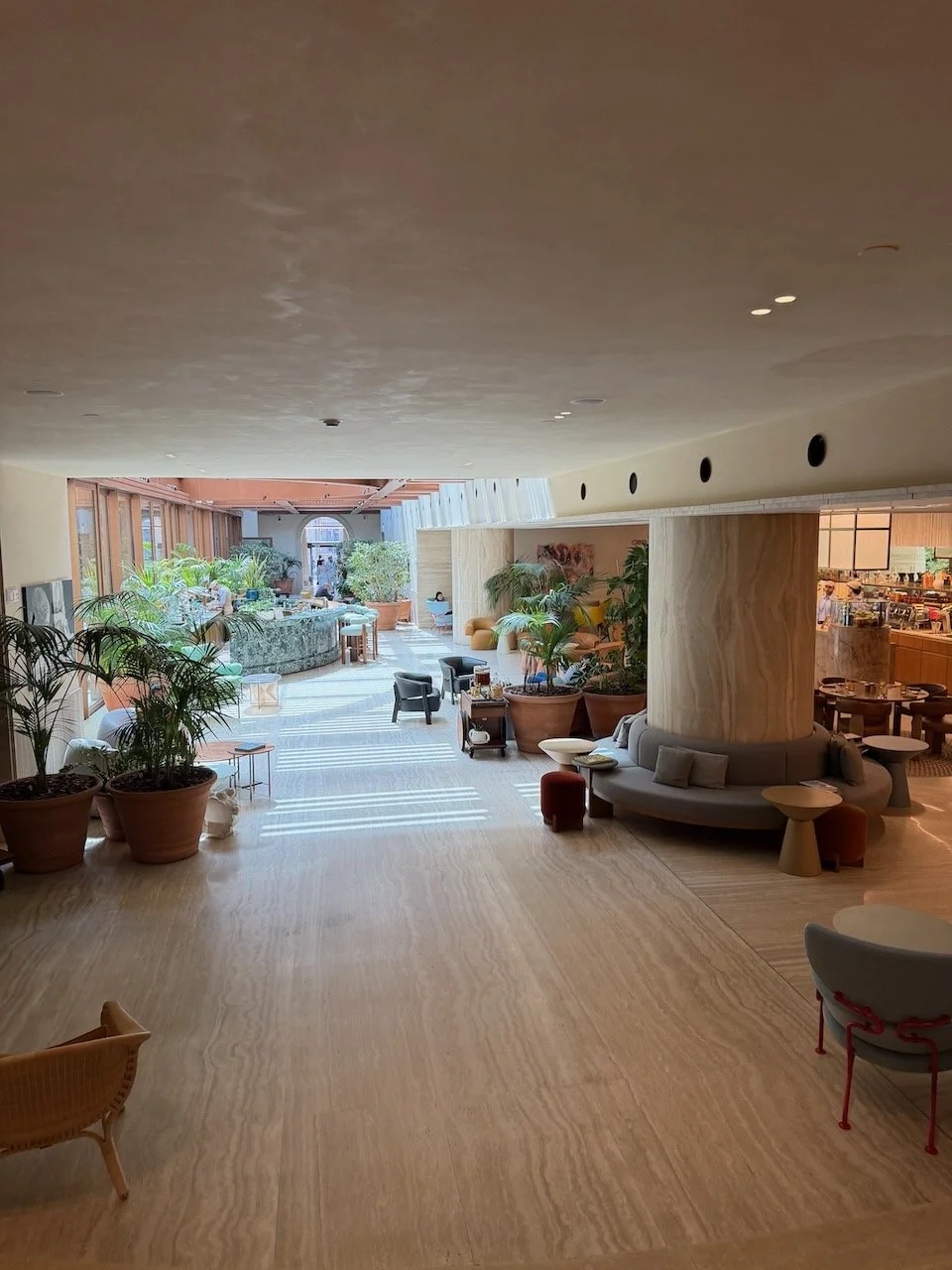
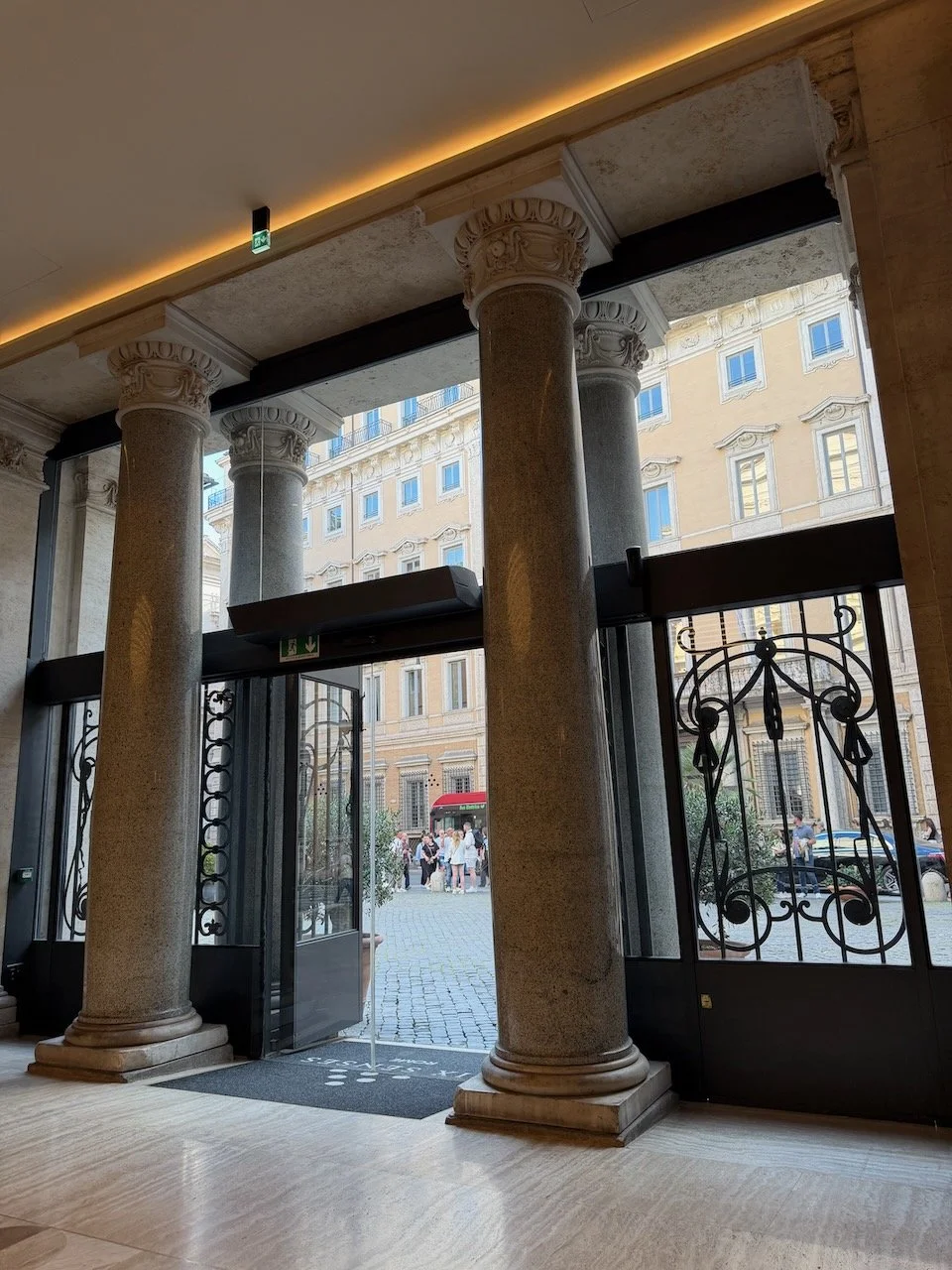
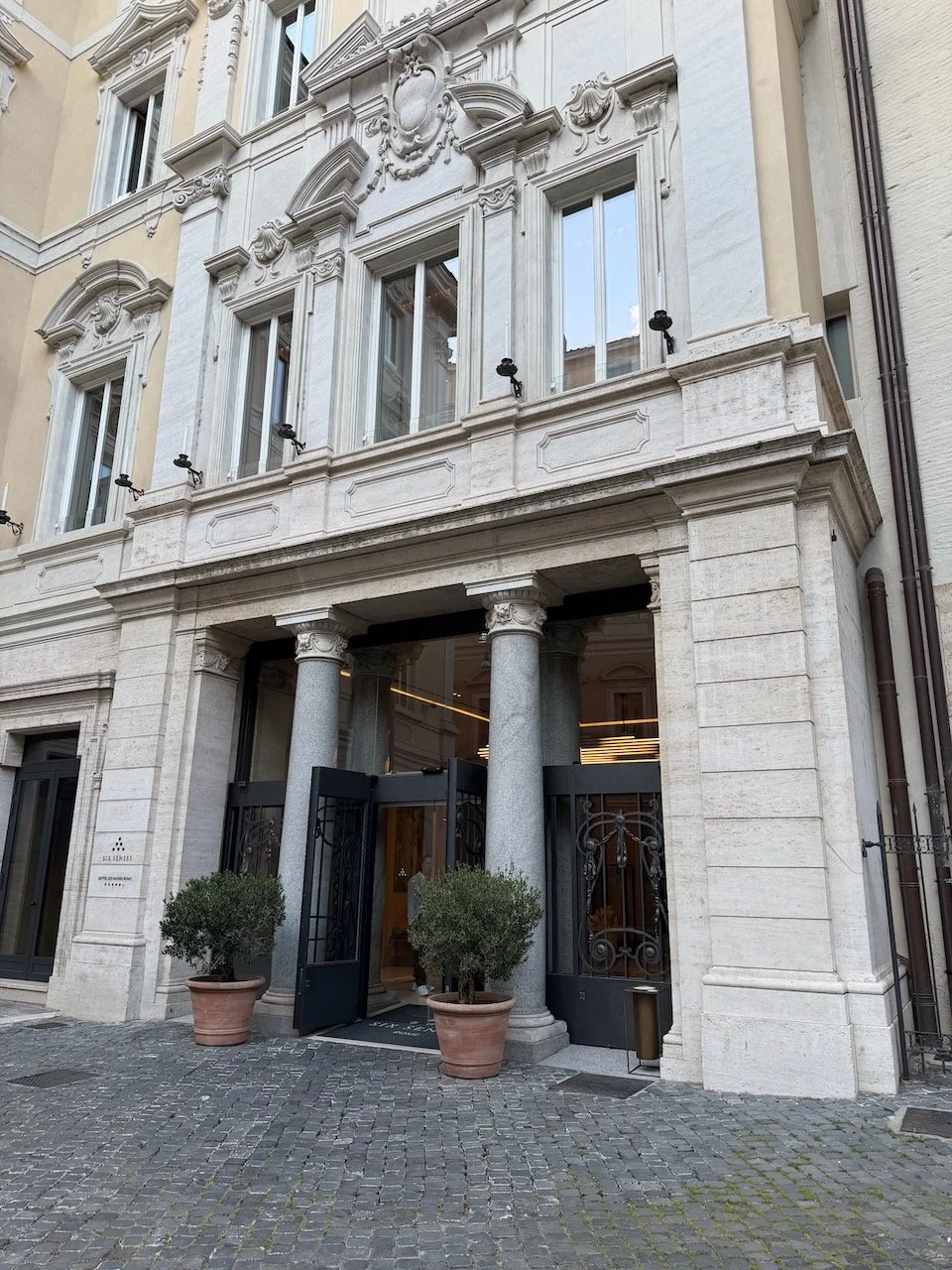
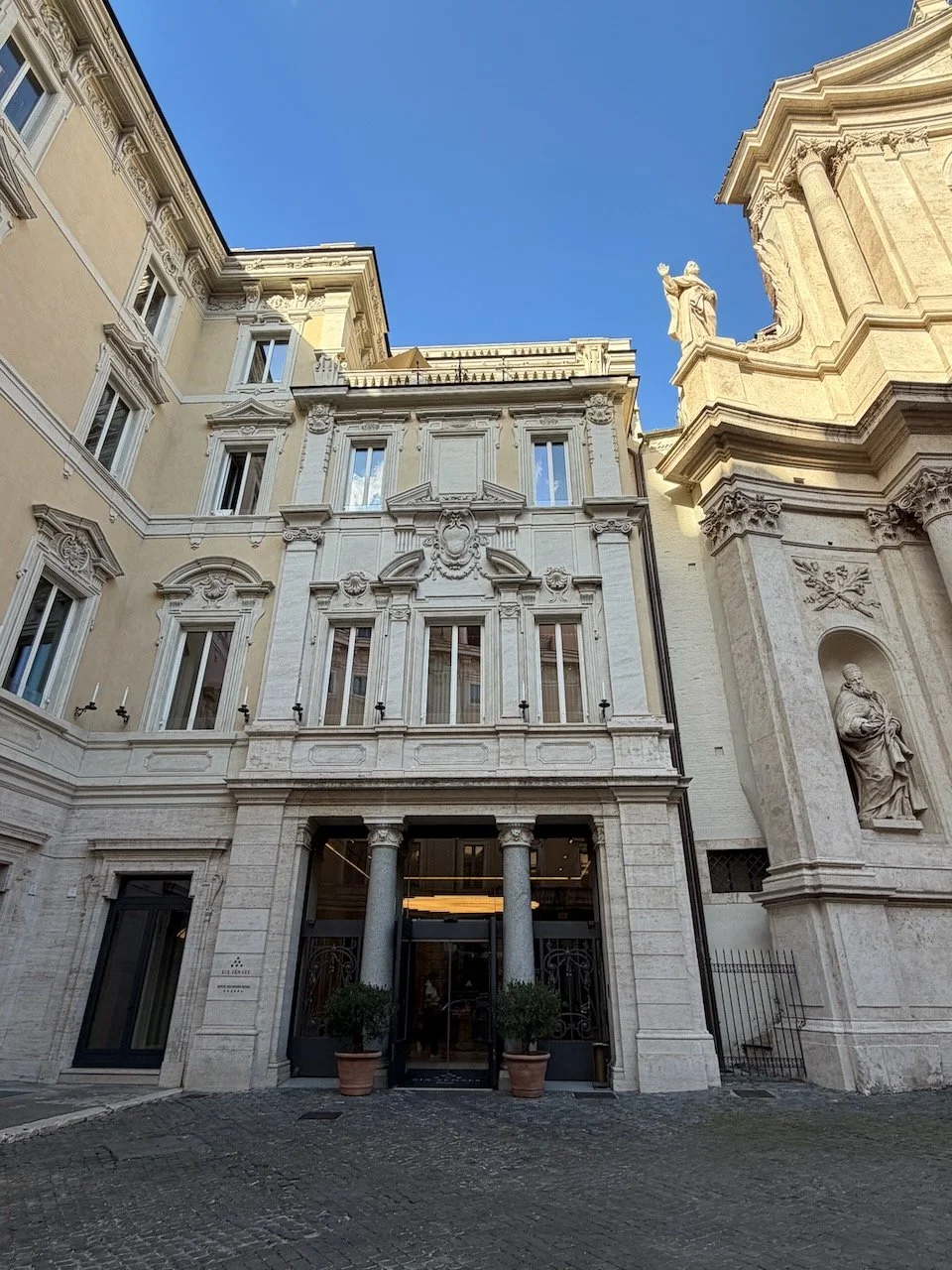
Six Senses Rome brings something different to the city’s luxury hotel scene. It is not trying to be a classic Roman palace hotel. Instead, it takes the familiar Six Senses DNA — calm, wellness, natural textures, softer luxury, a sense of retreat — and translates it into a Roman context.
The hotel is fairly new, and it feels fresh in the best sense. The rooms are excellent, the spa is lovely, and the rooftop restaurant gives the property a very appealing social and scenic layer.
It does not have the large pool of Six Senses London, but the overall feeling is still very much Six Senses, just adapted to Rome.
Ambiance
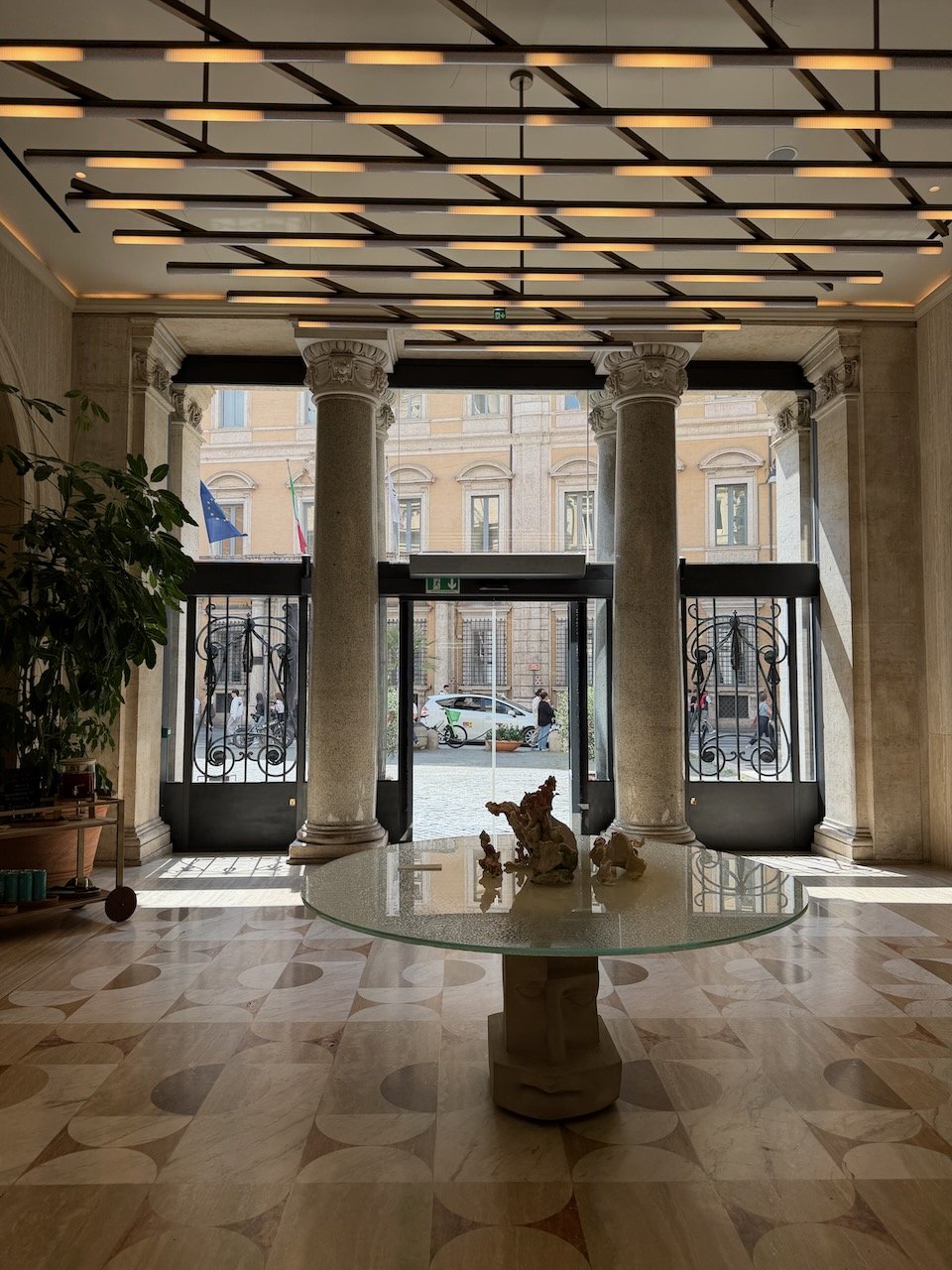
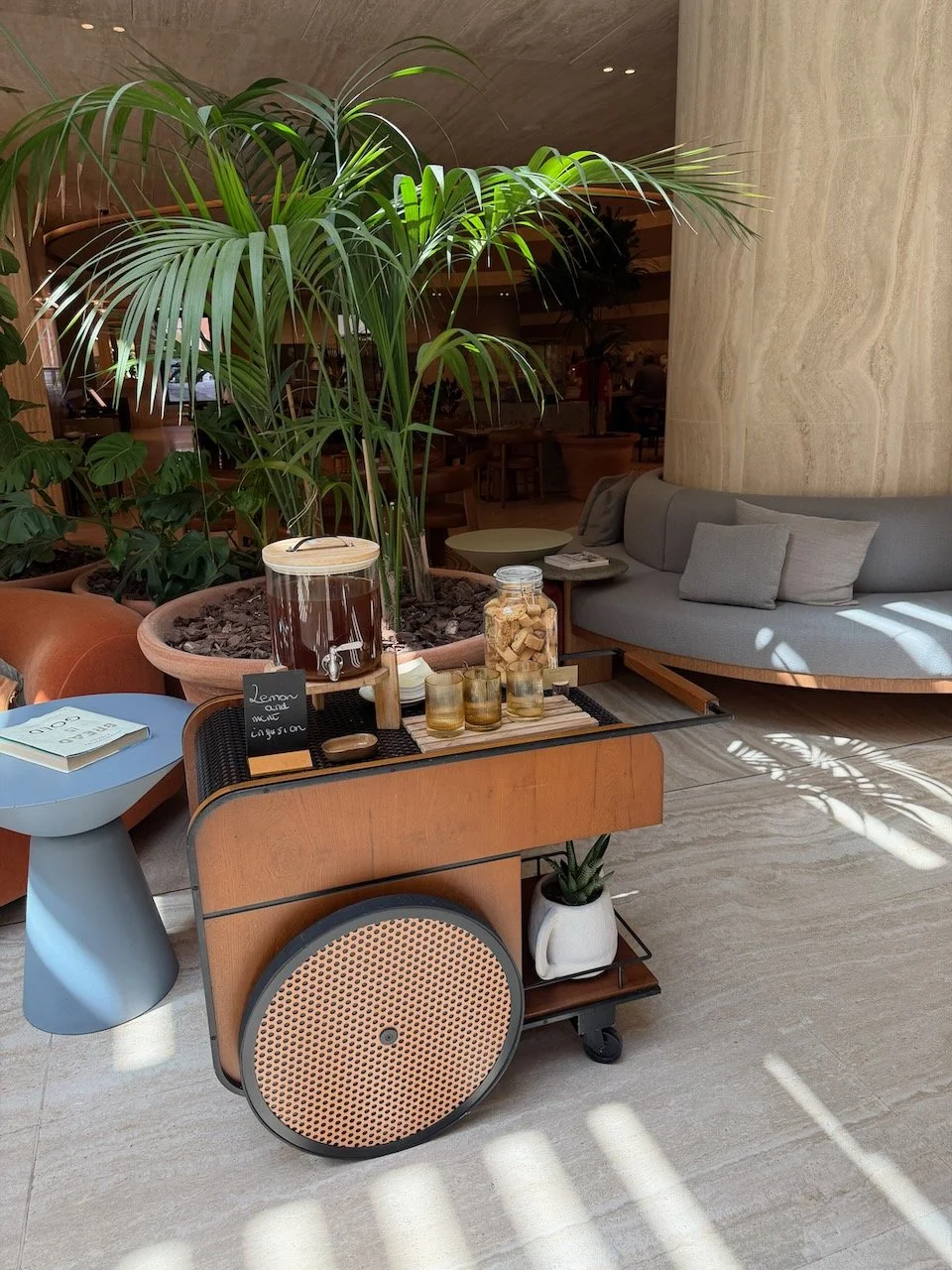
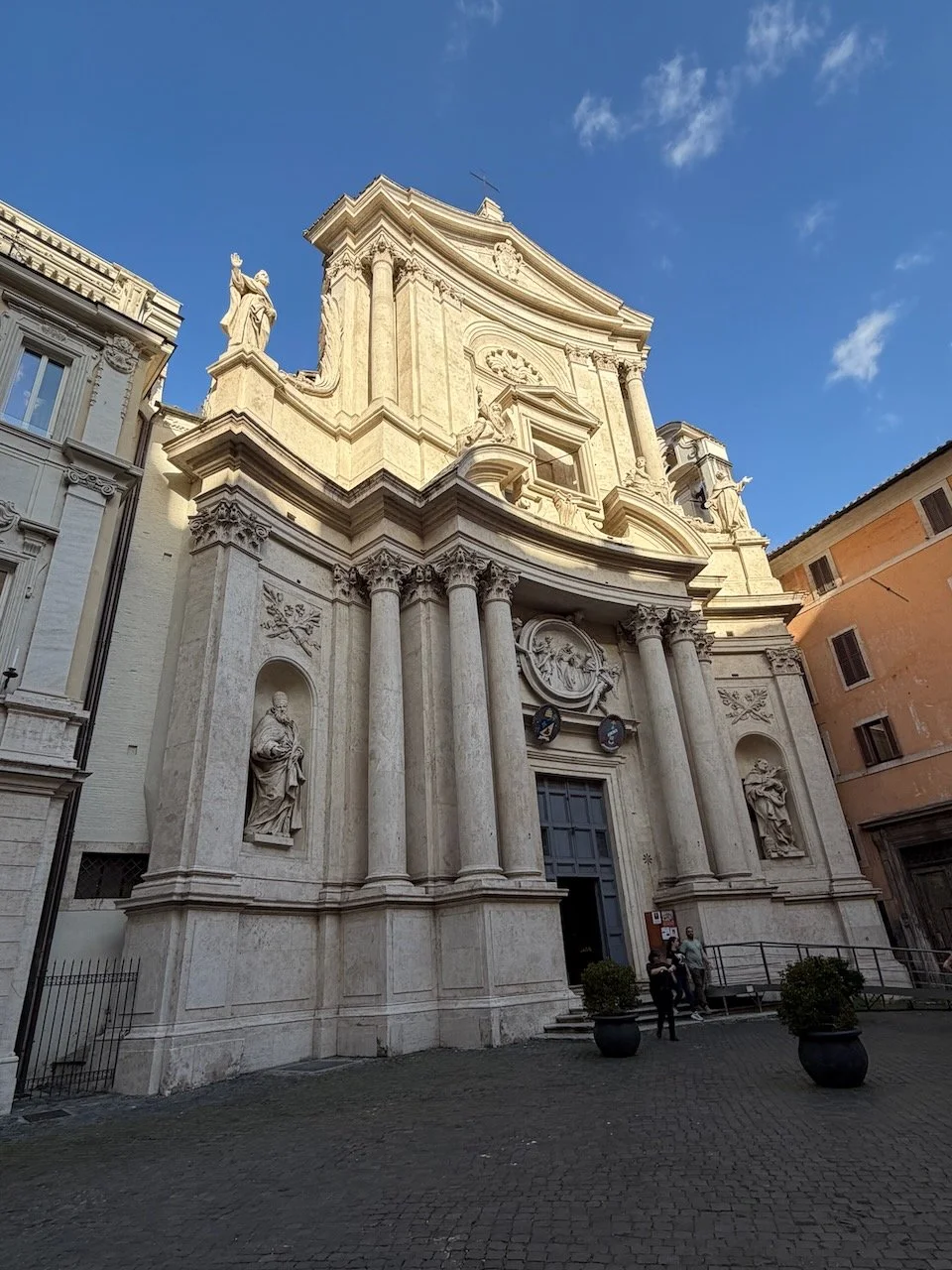
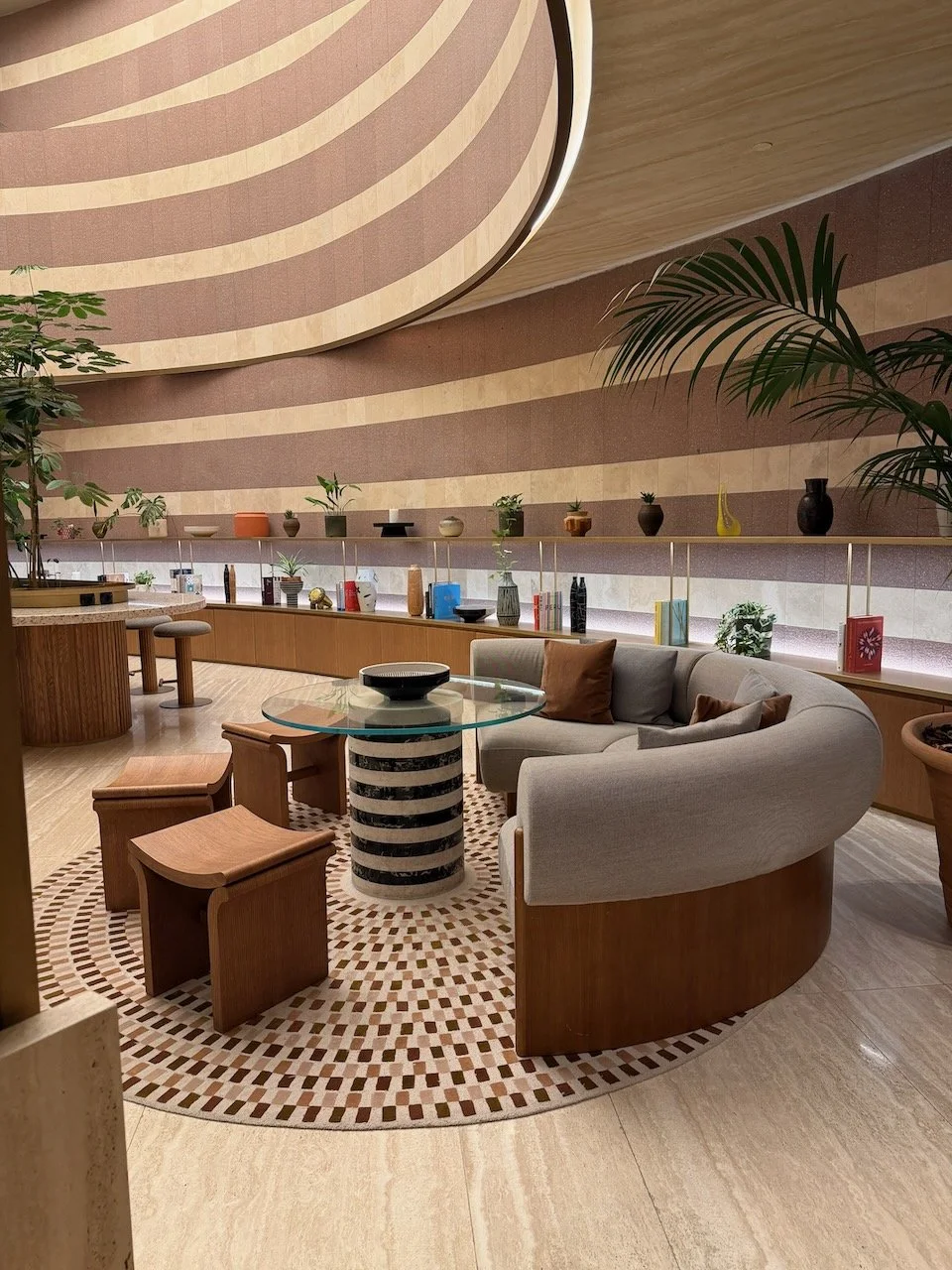
The ambiance is calm, contemporary, and wellness-forward, but not bland. Six Senses Rome manages to feel rooted in the city while still offering a kind of decompression chamber from it.
That is important in Rome. The city is beautiful, but it is also dense, hot, crowded, layered, and intense. A hotel like this works because it gives you a soft landing after the city has exhausted you in the most wonderful way.
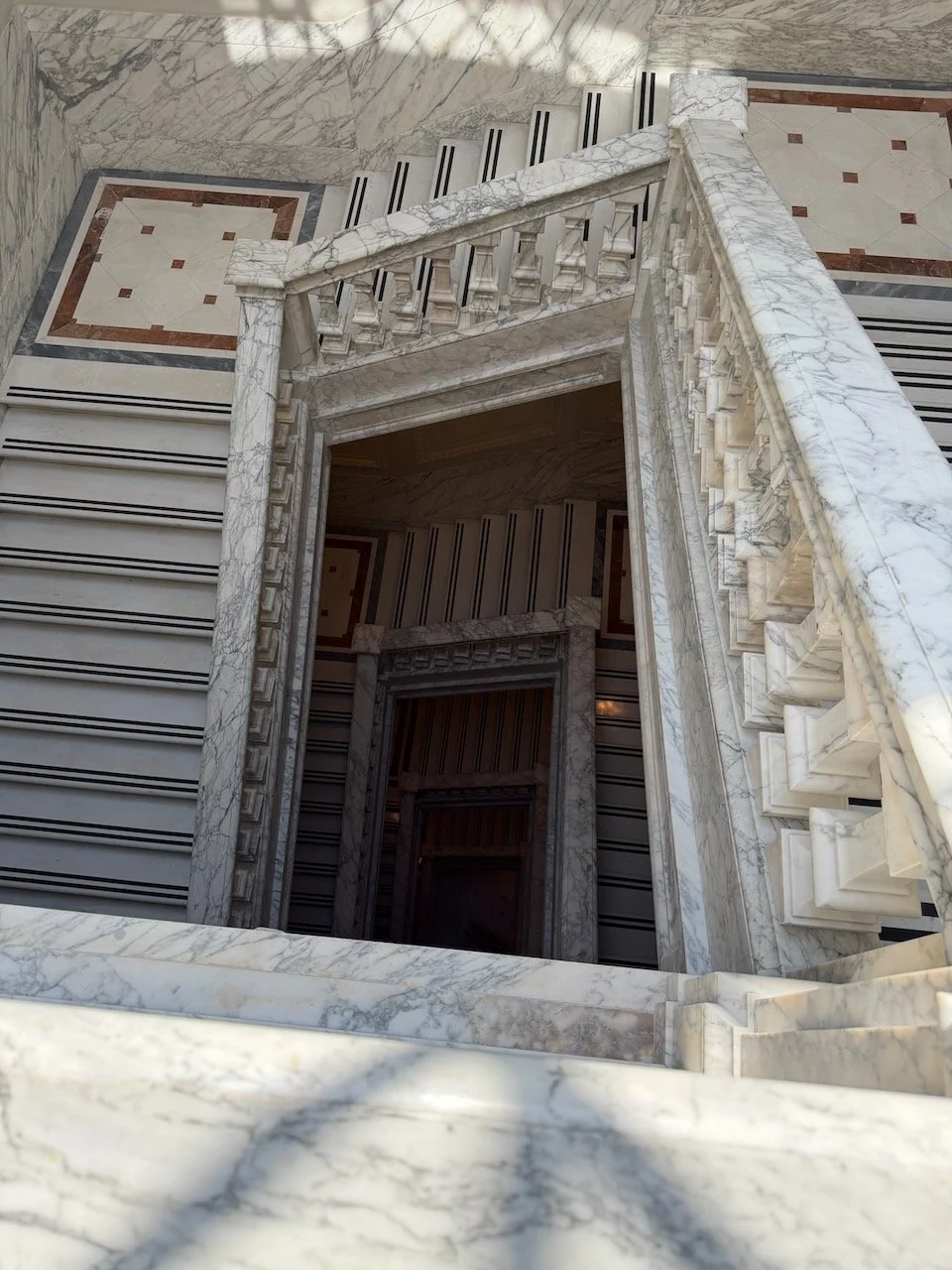
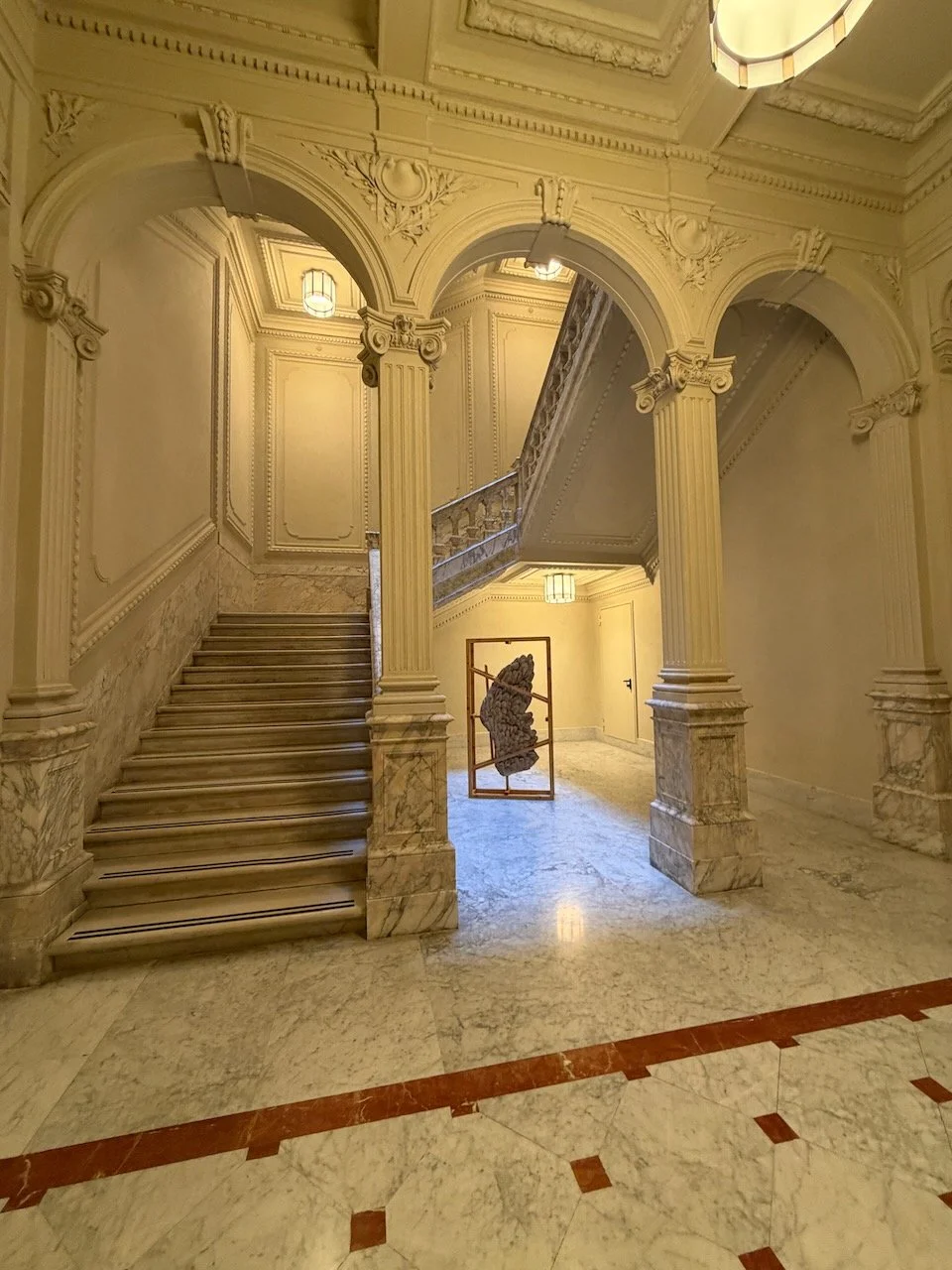
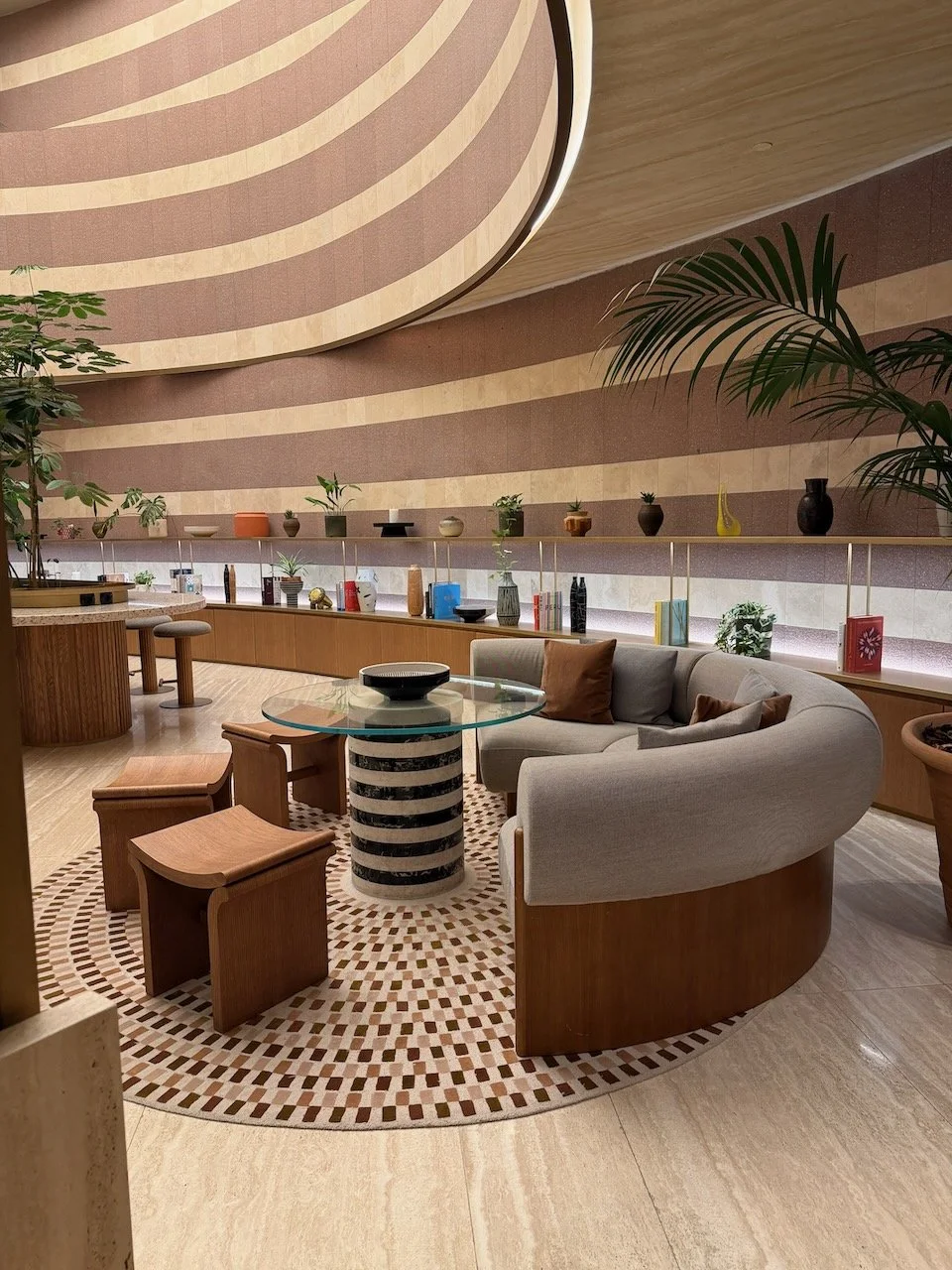
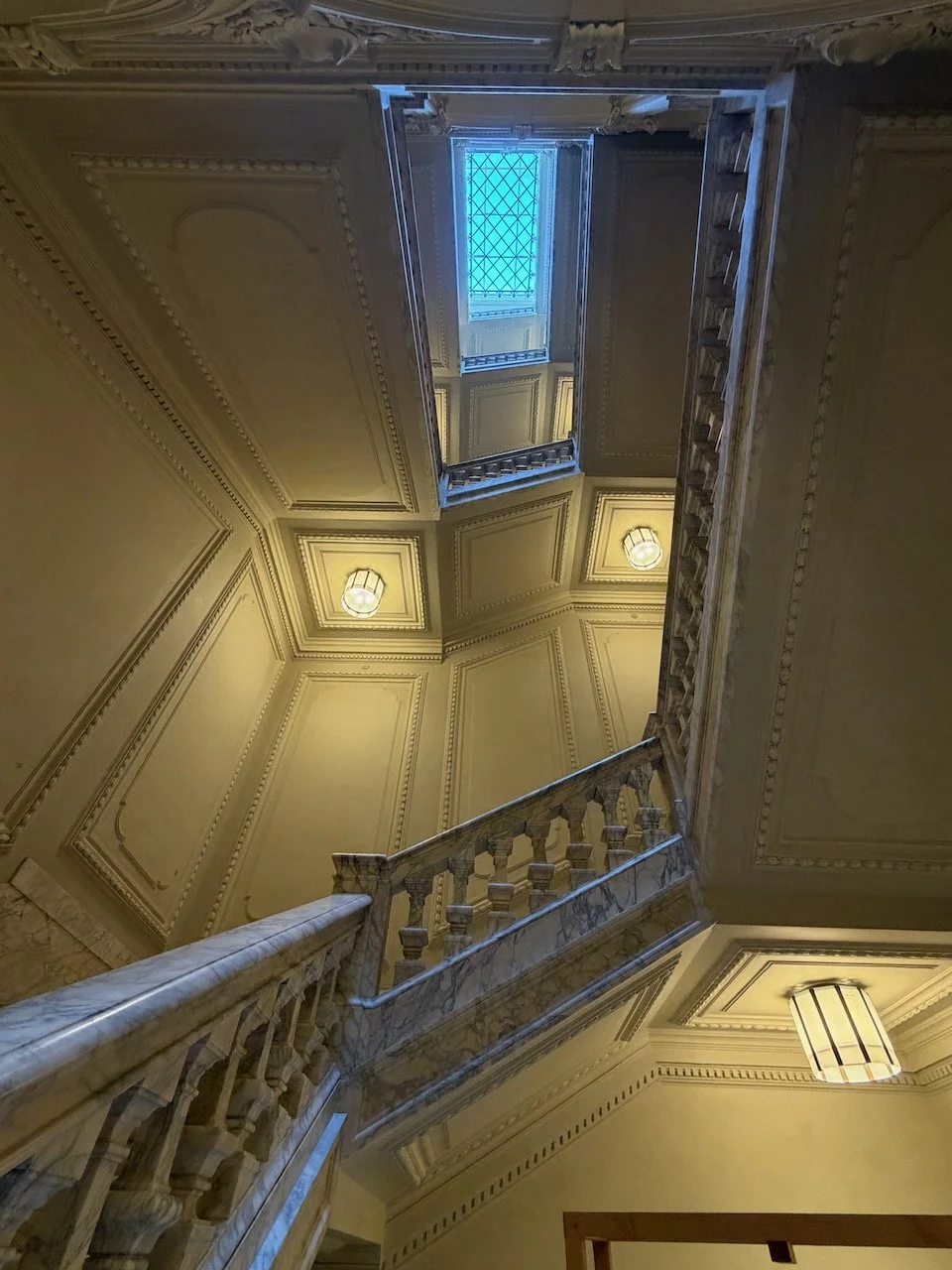
Accommodations
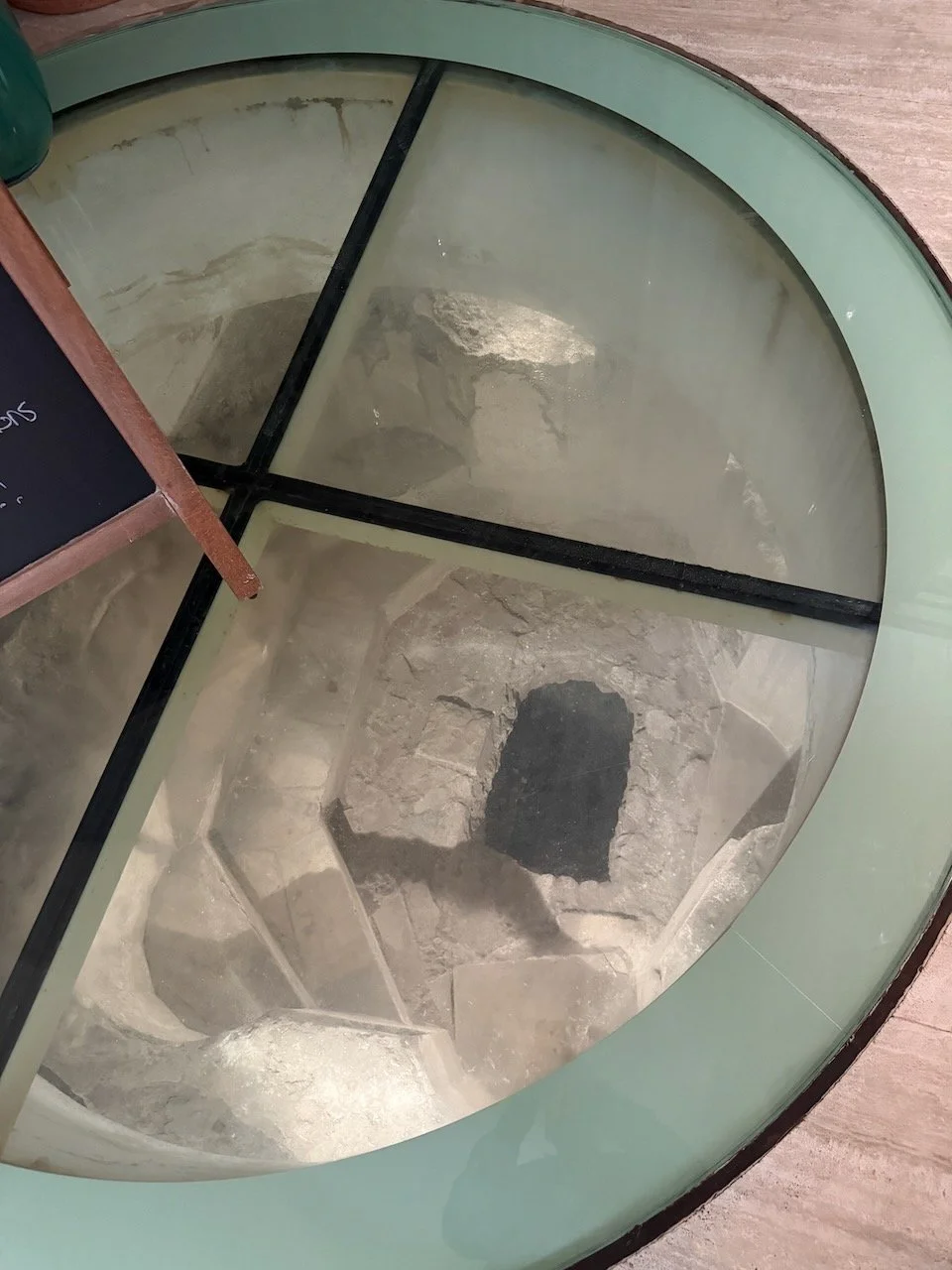
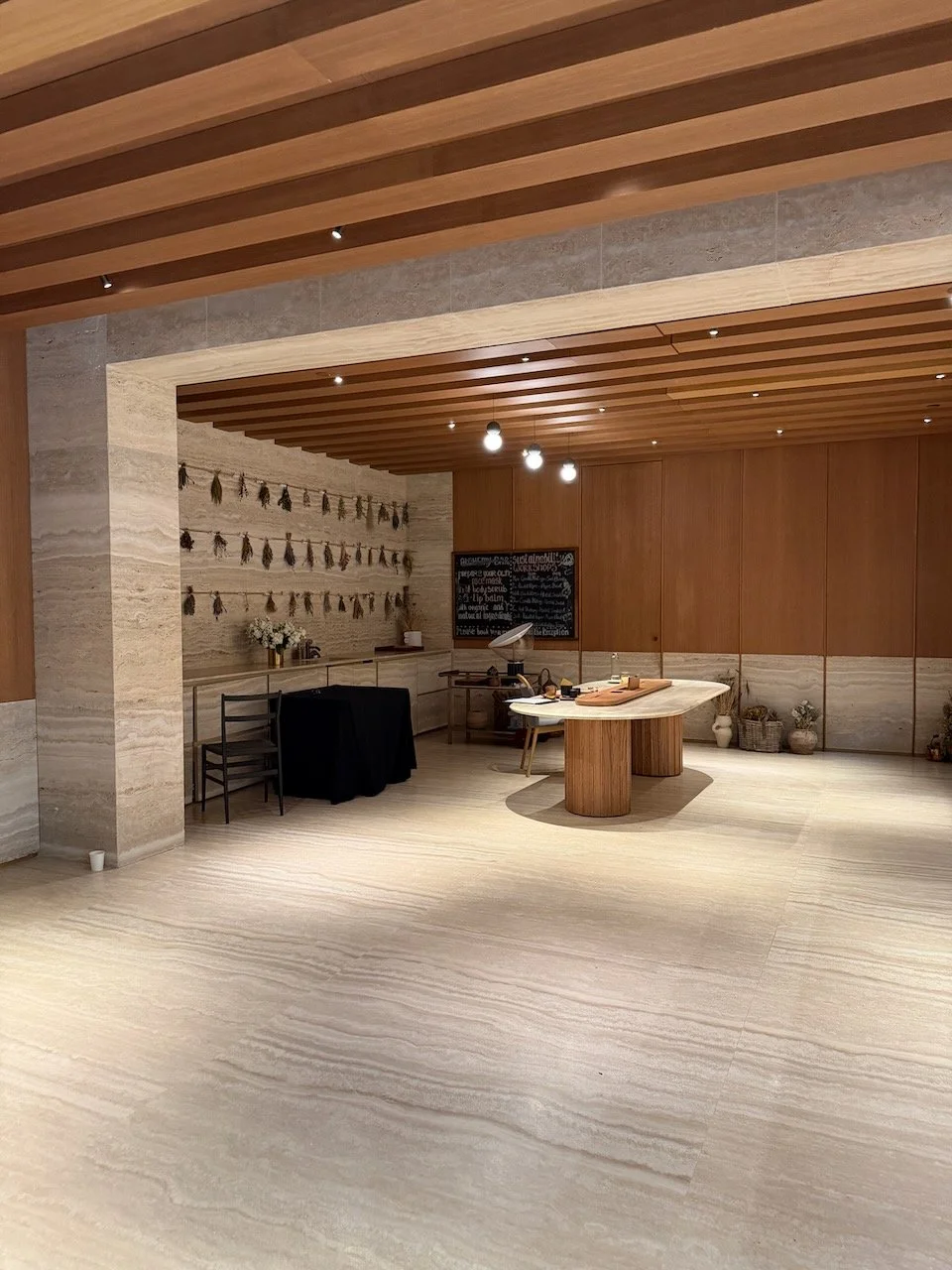
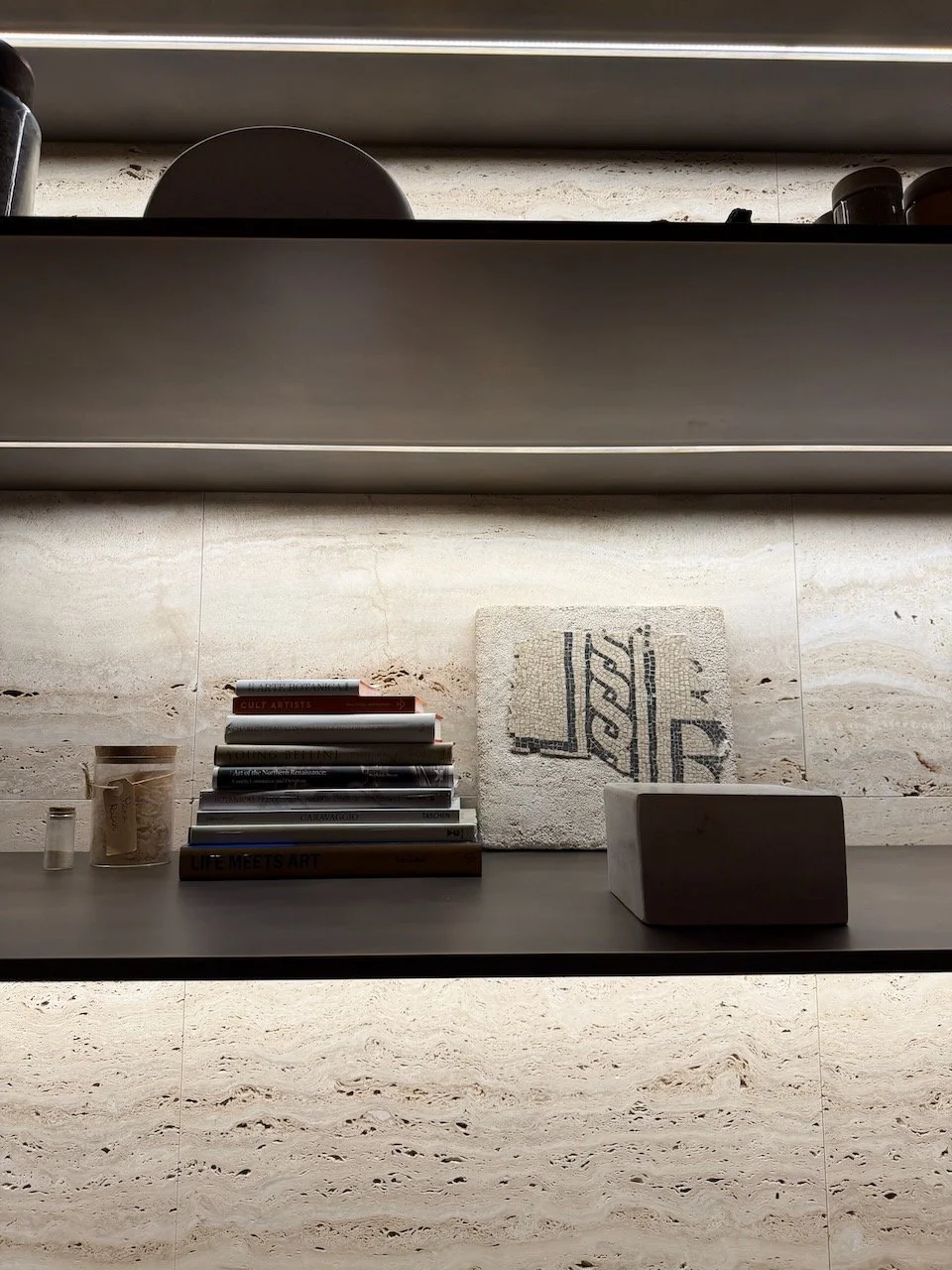
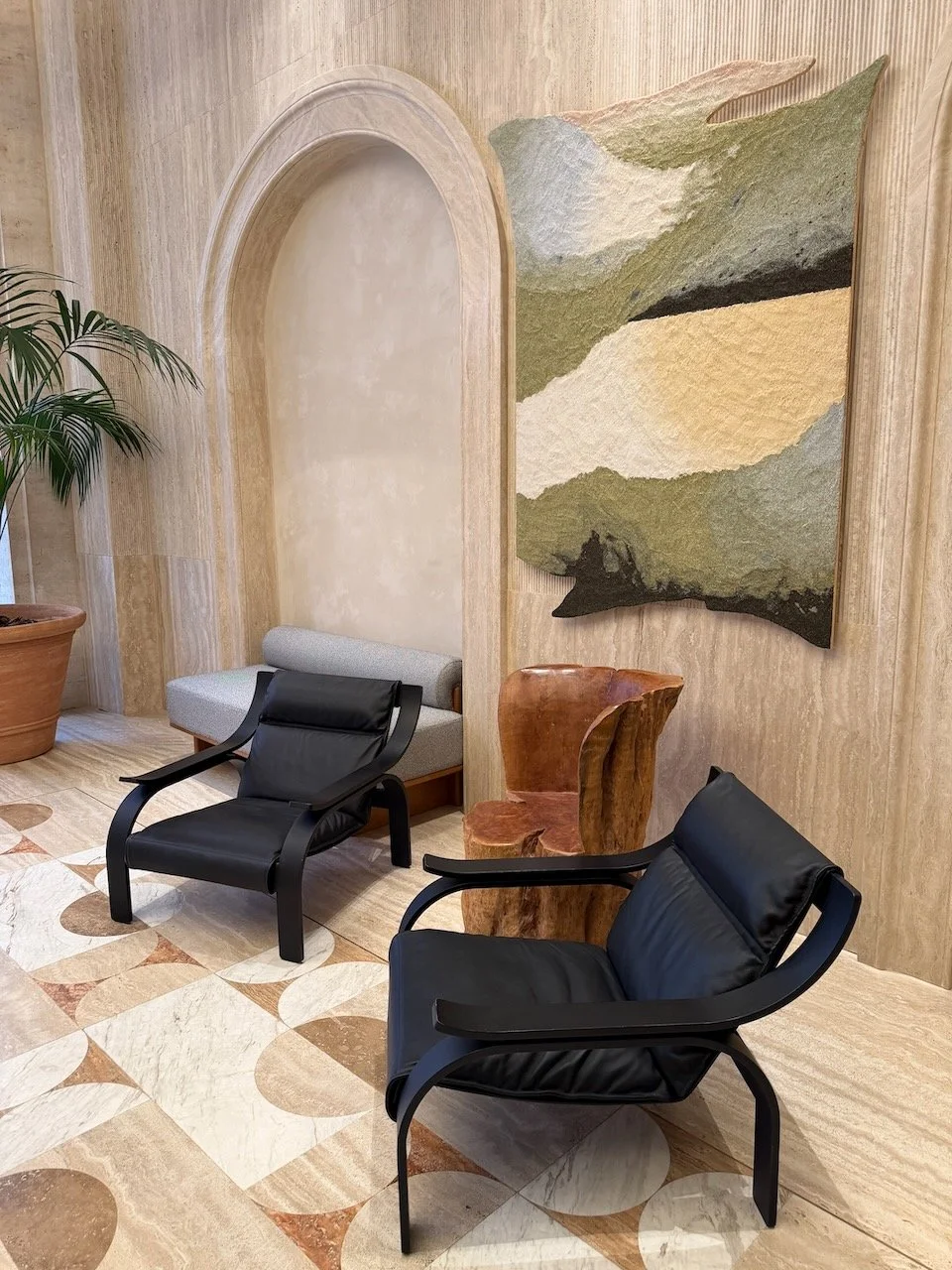
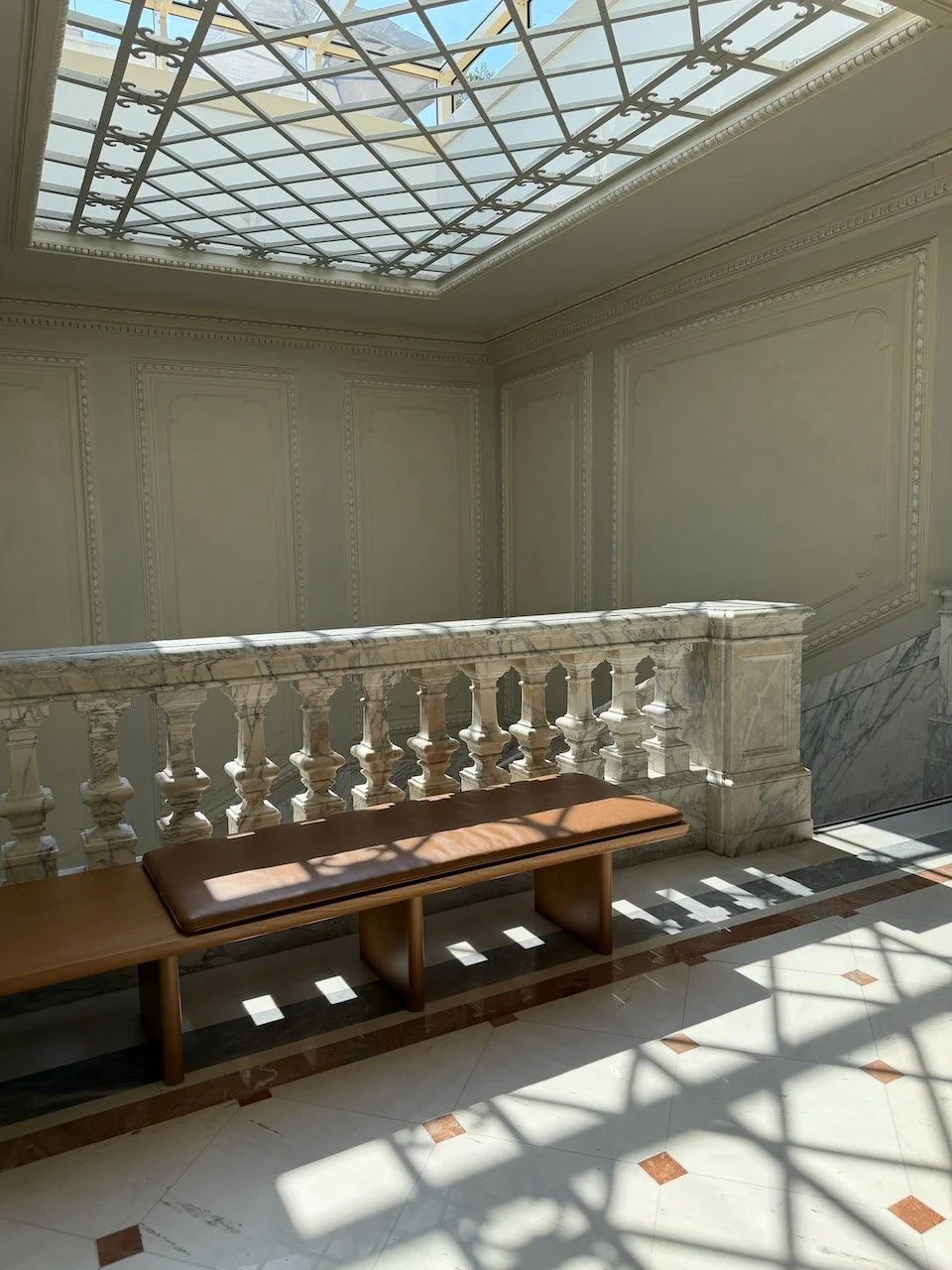
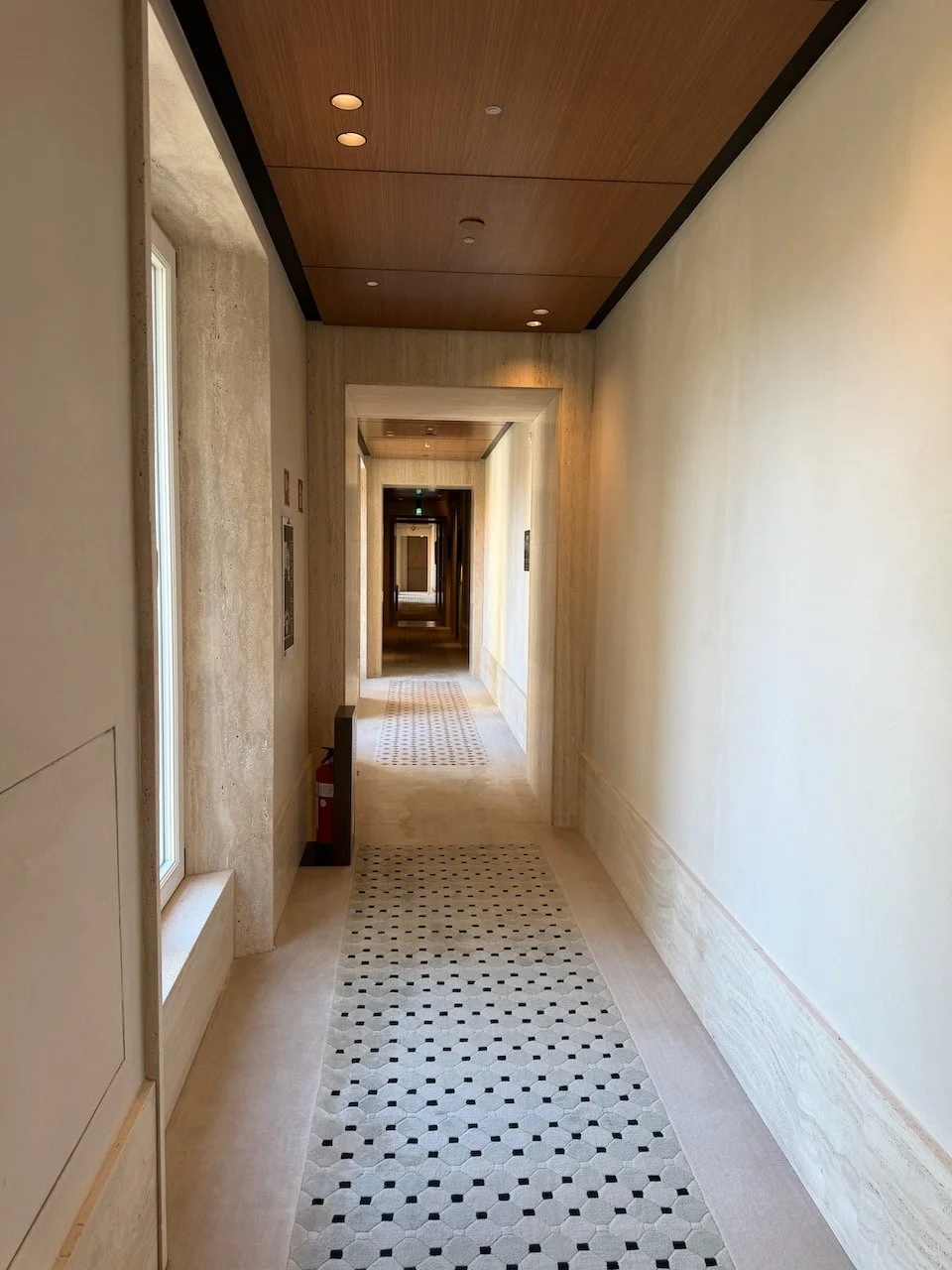
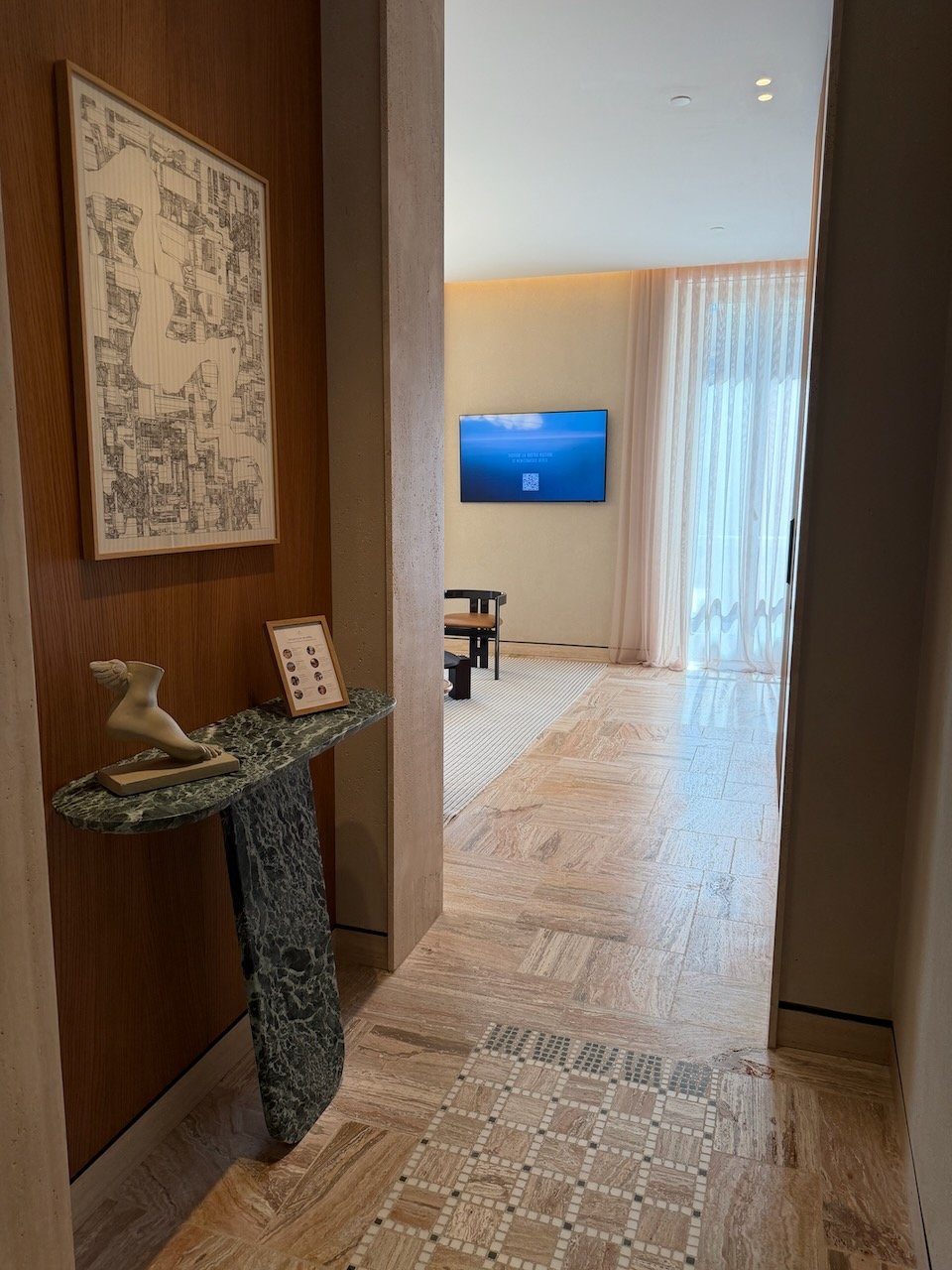
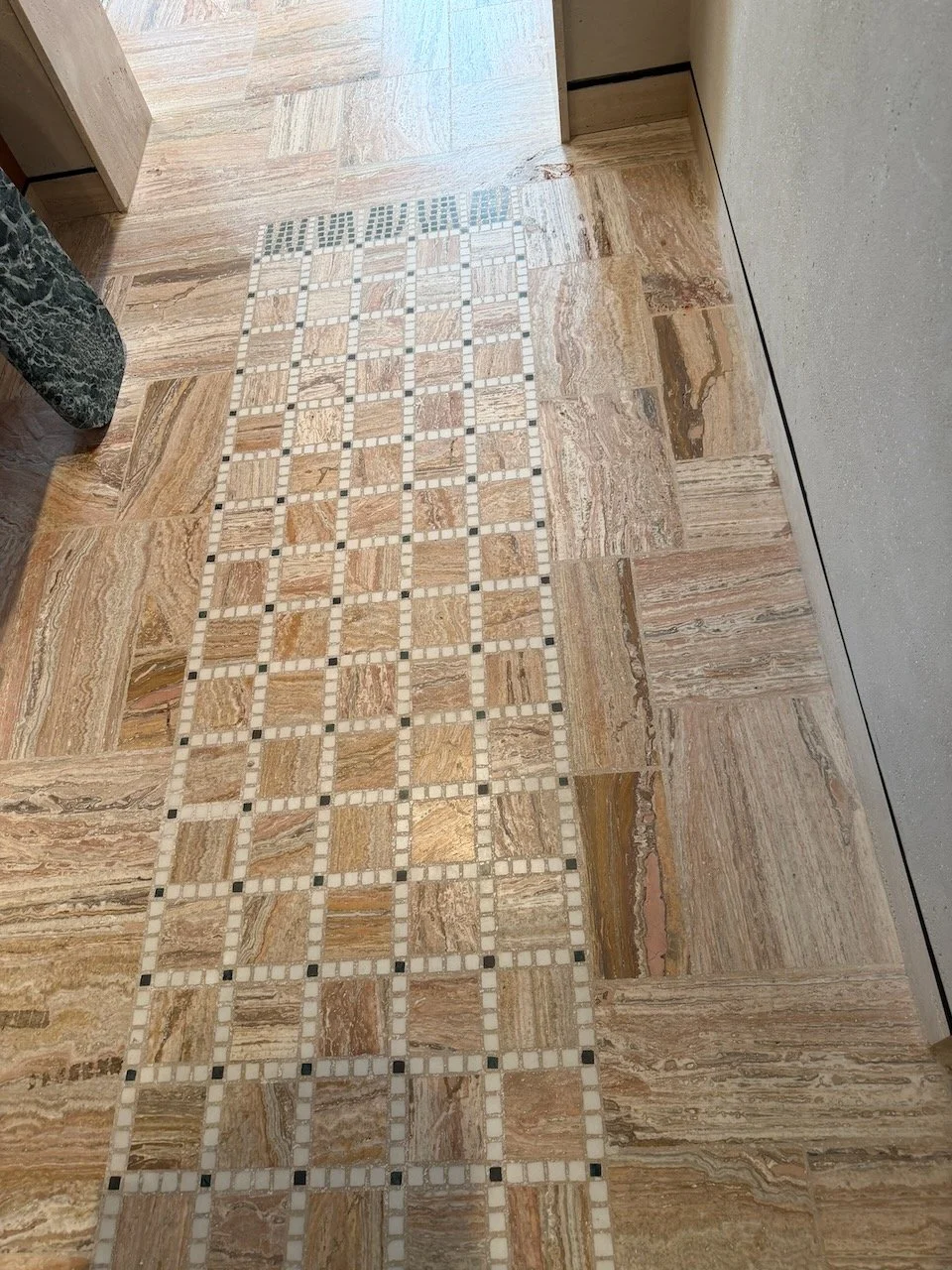
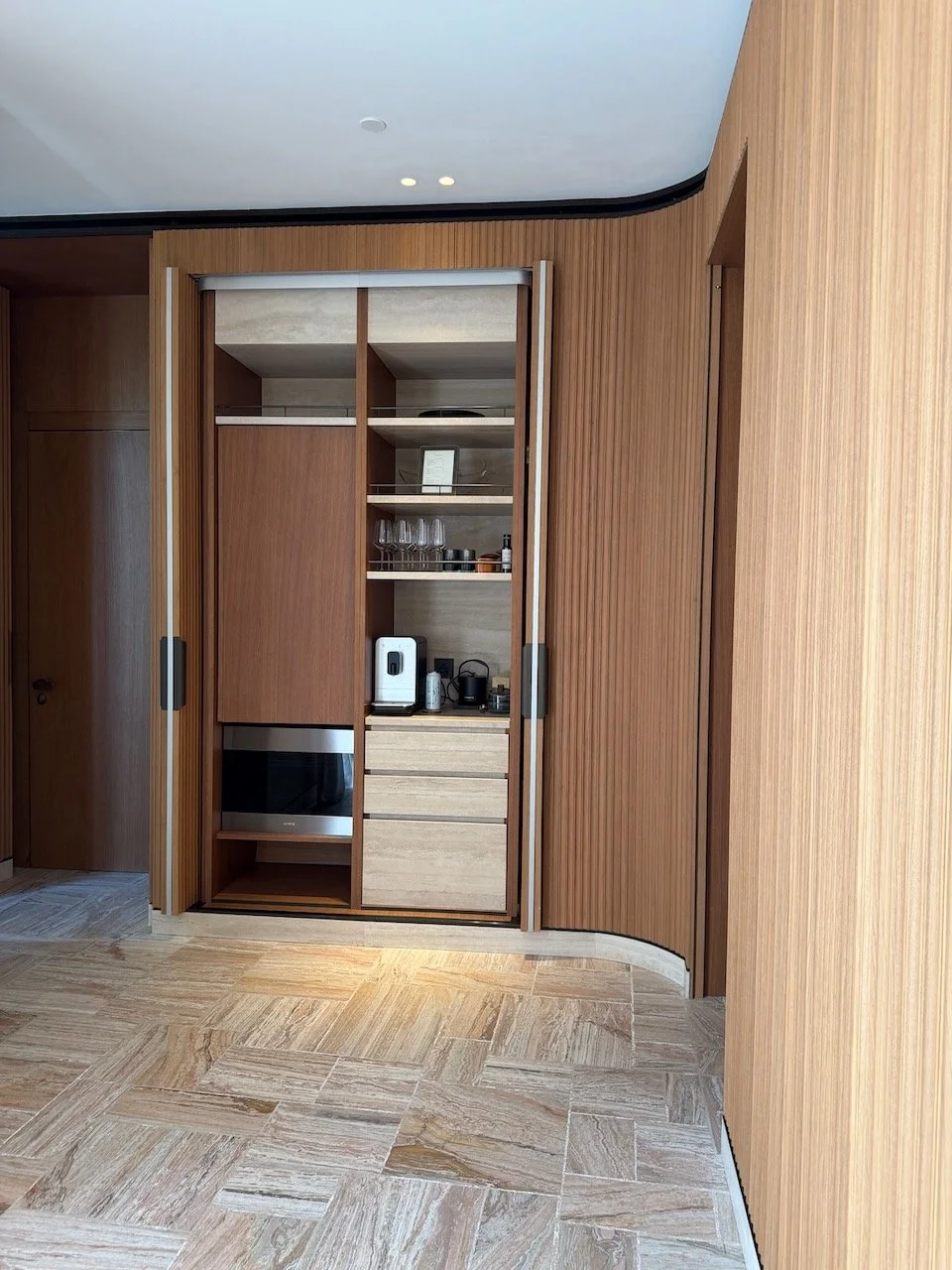
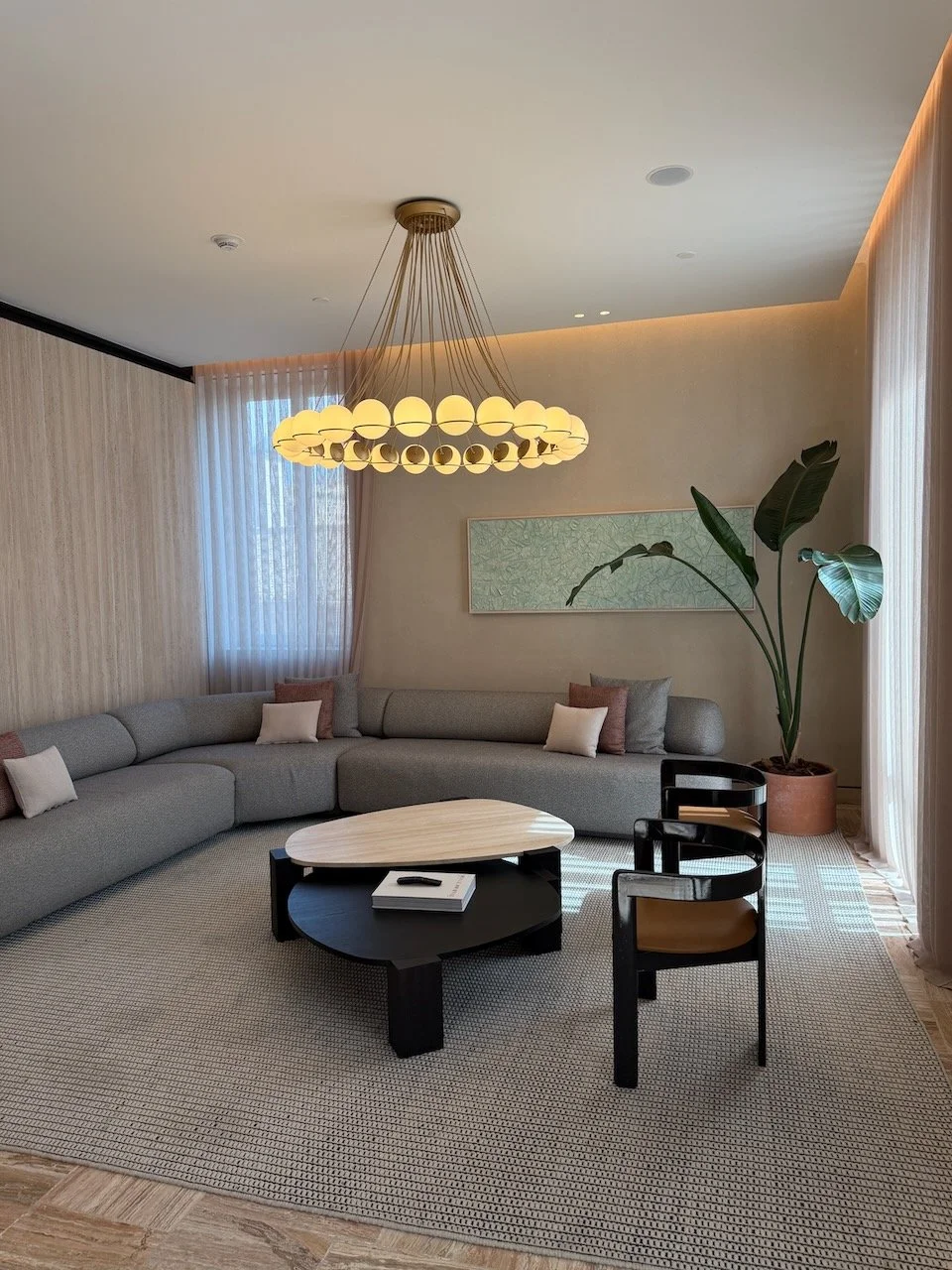
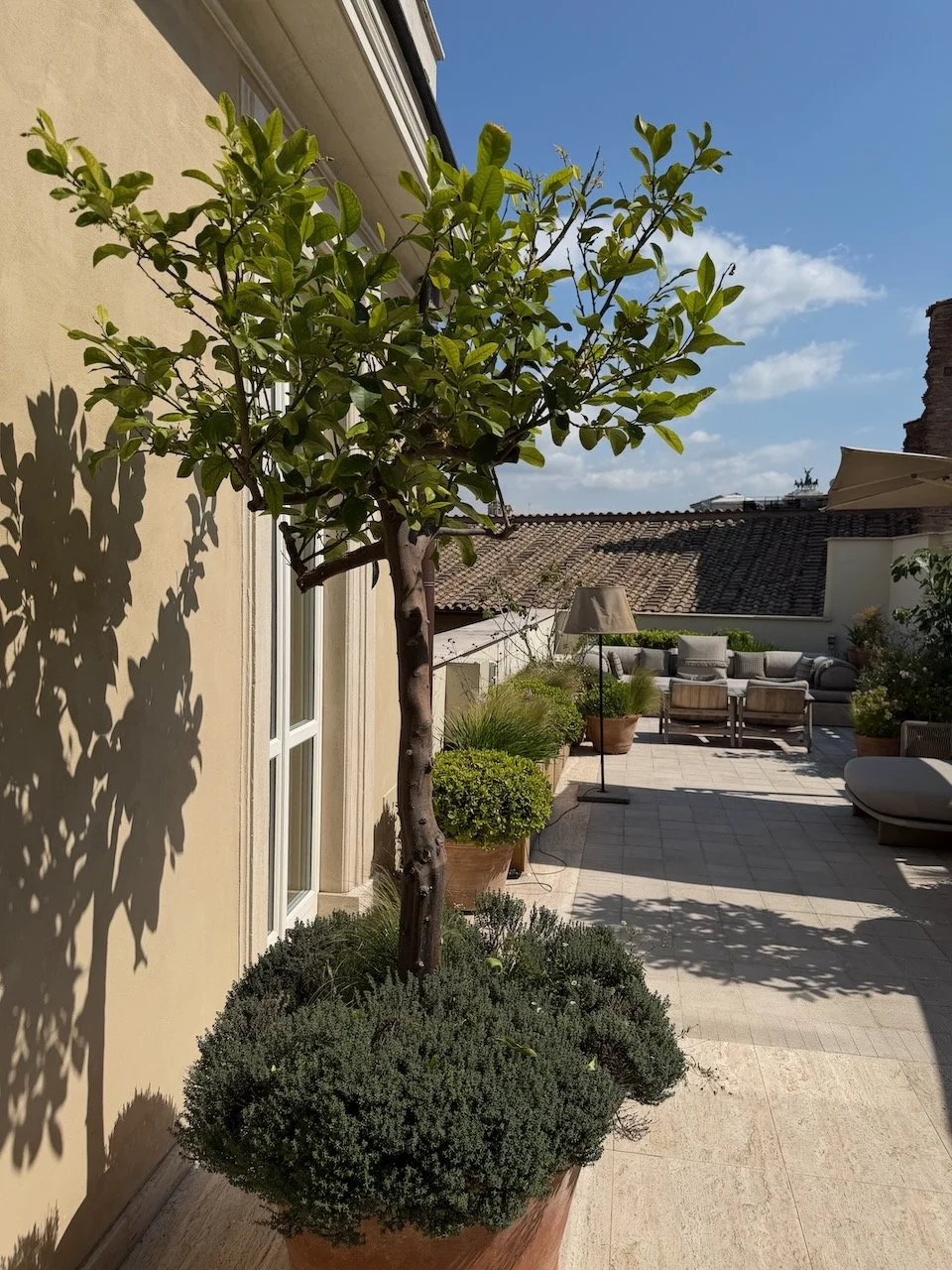
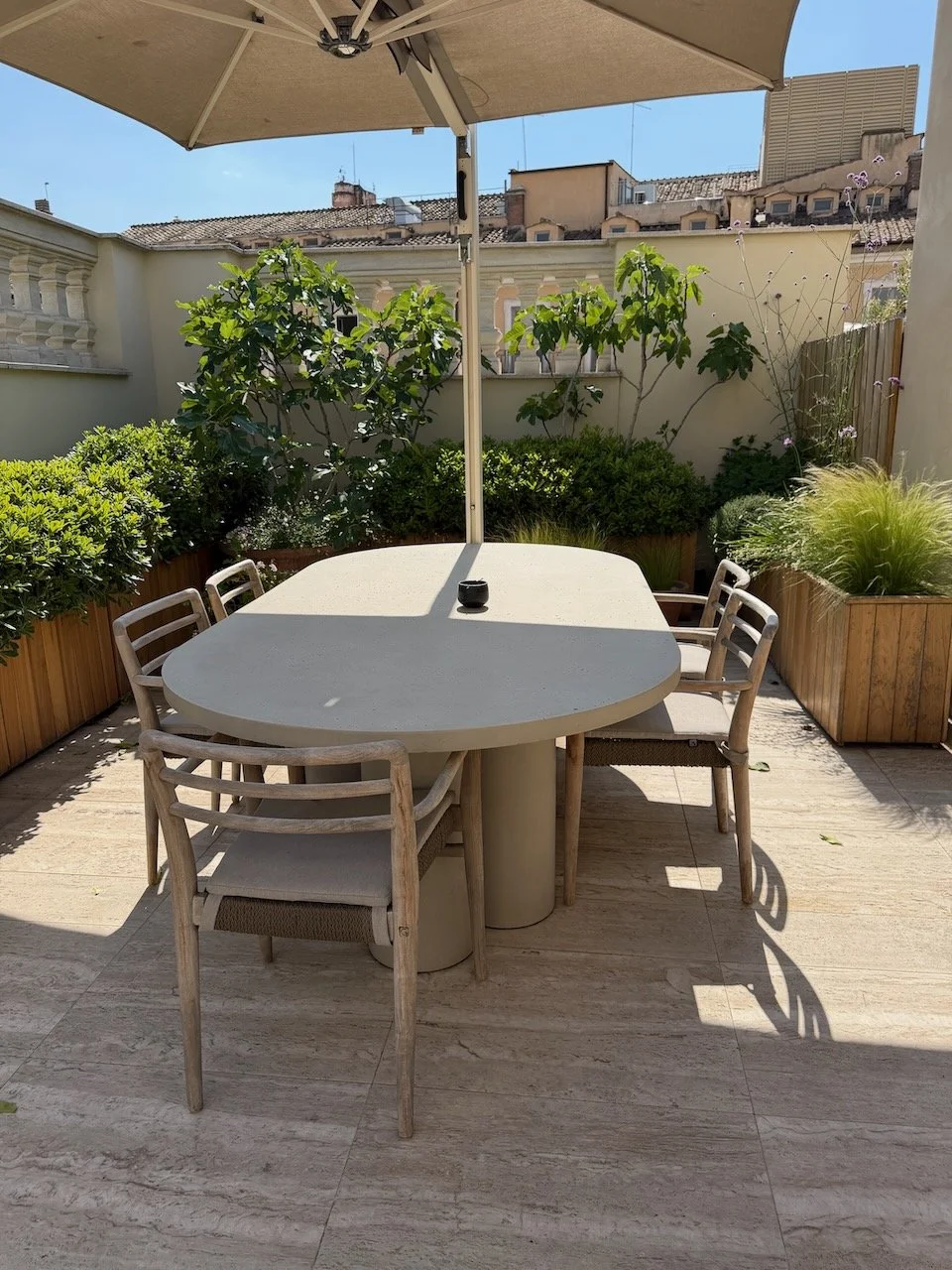
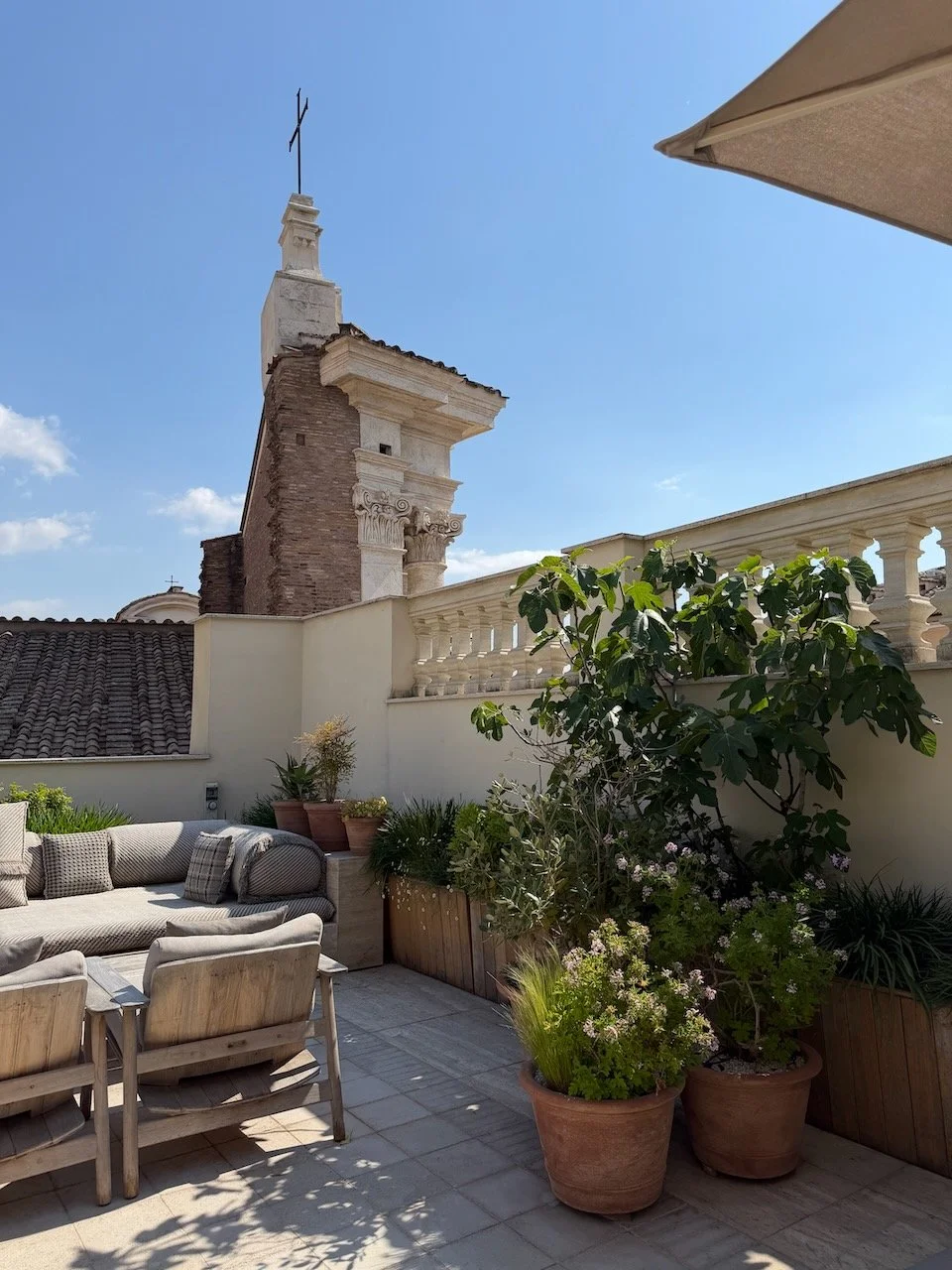
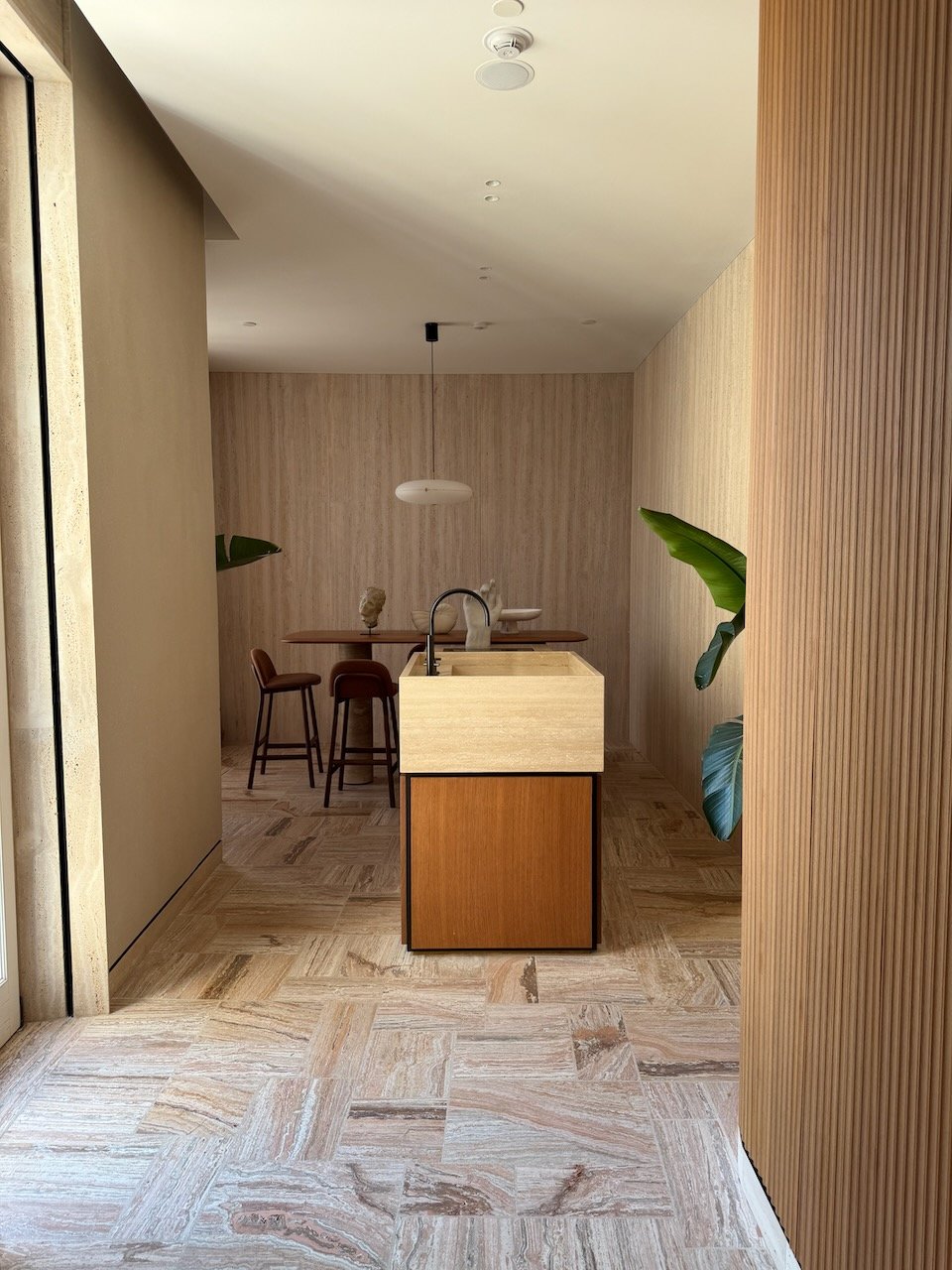
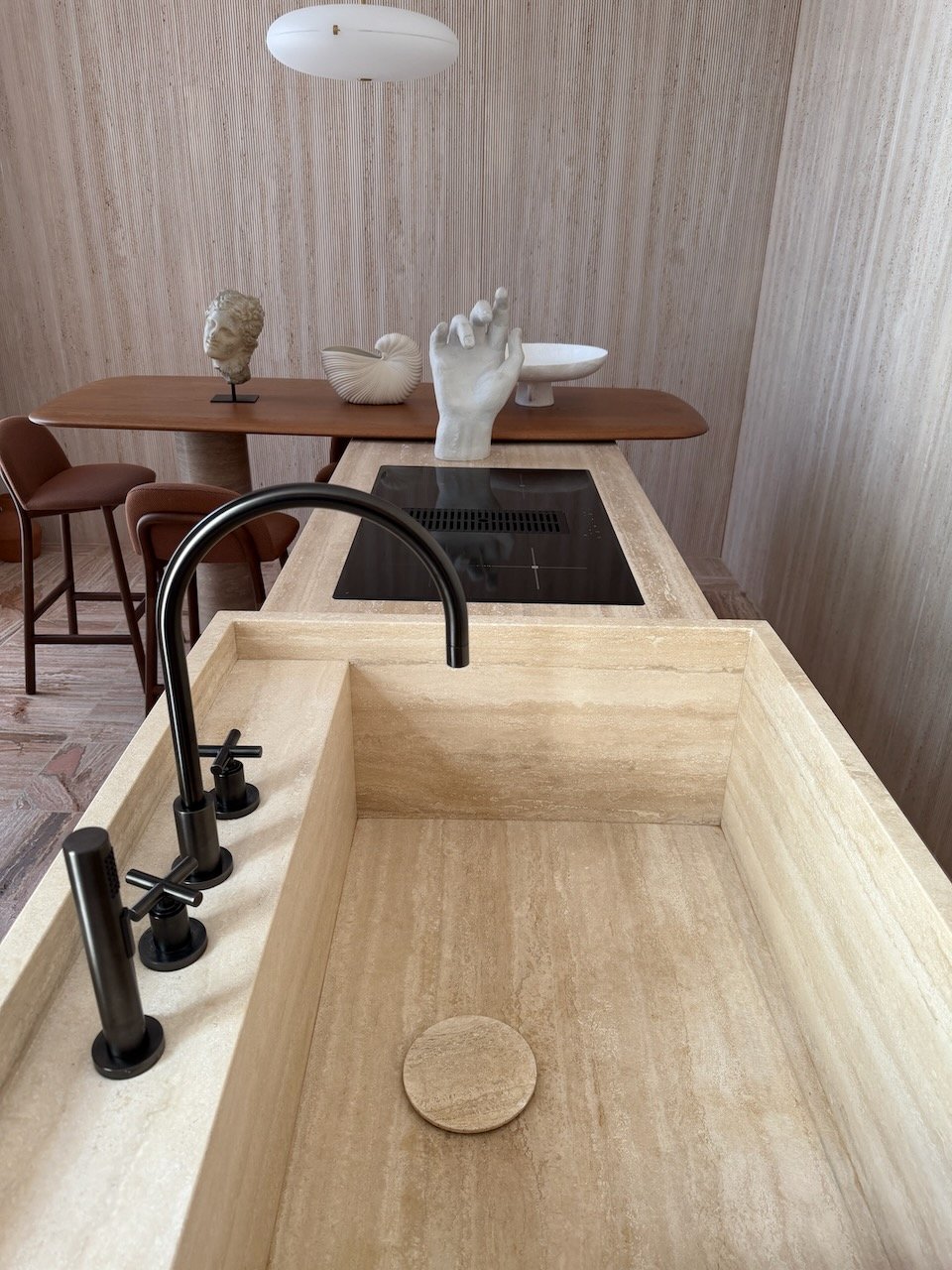
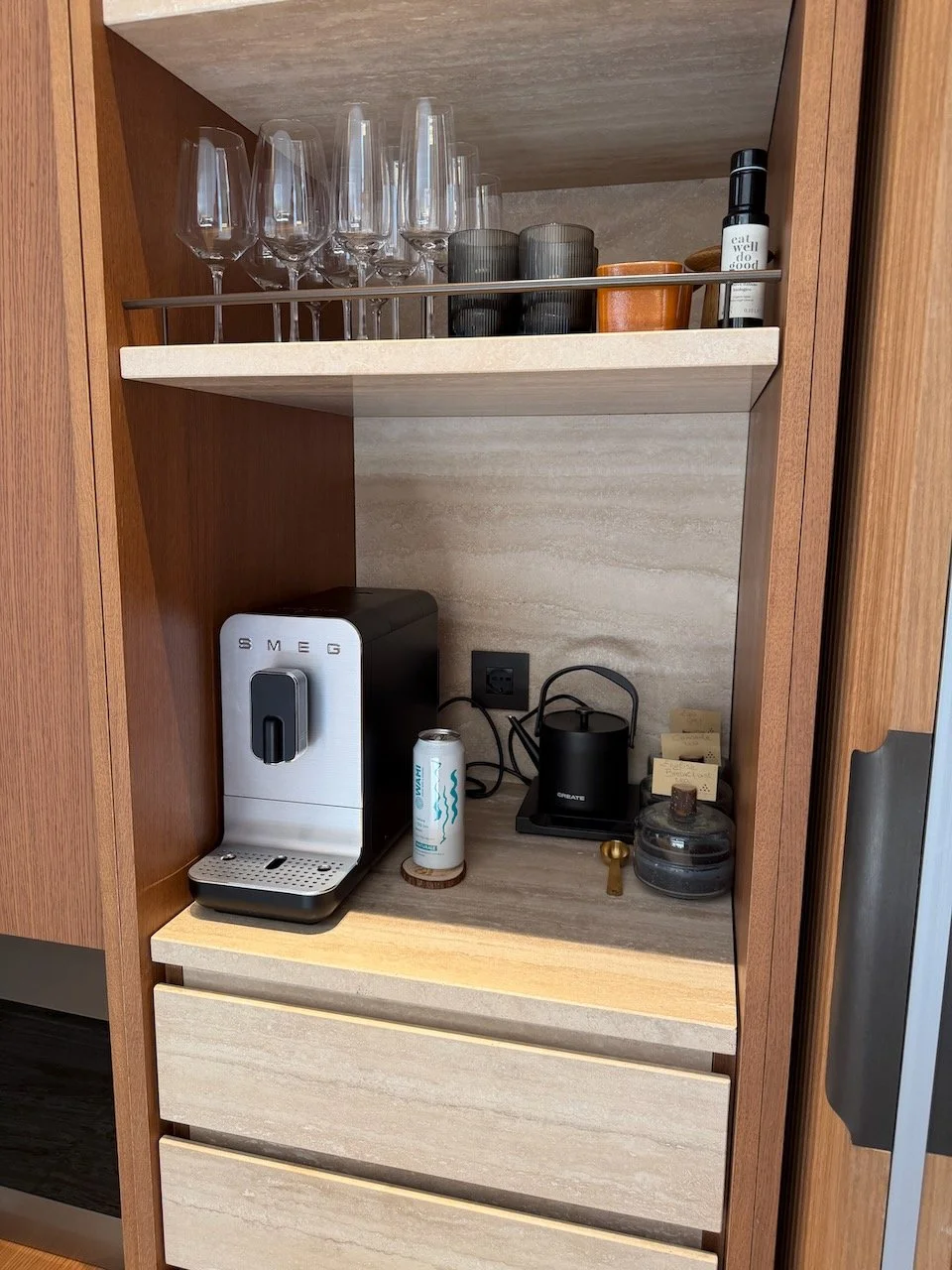
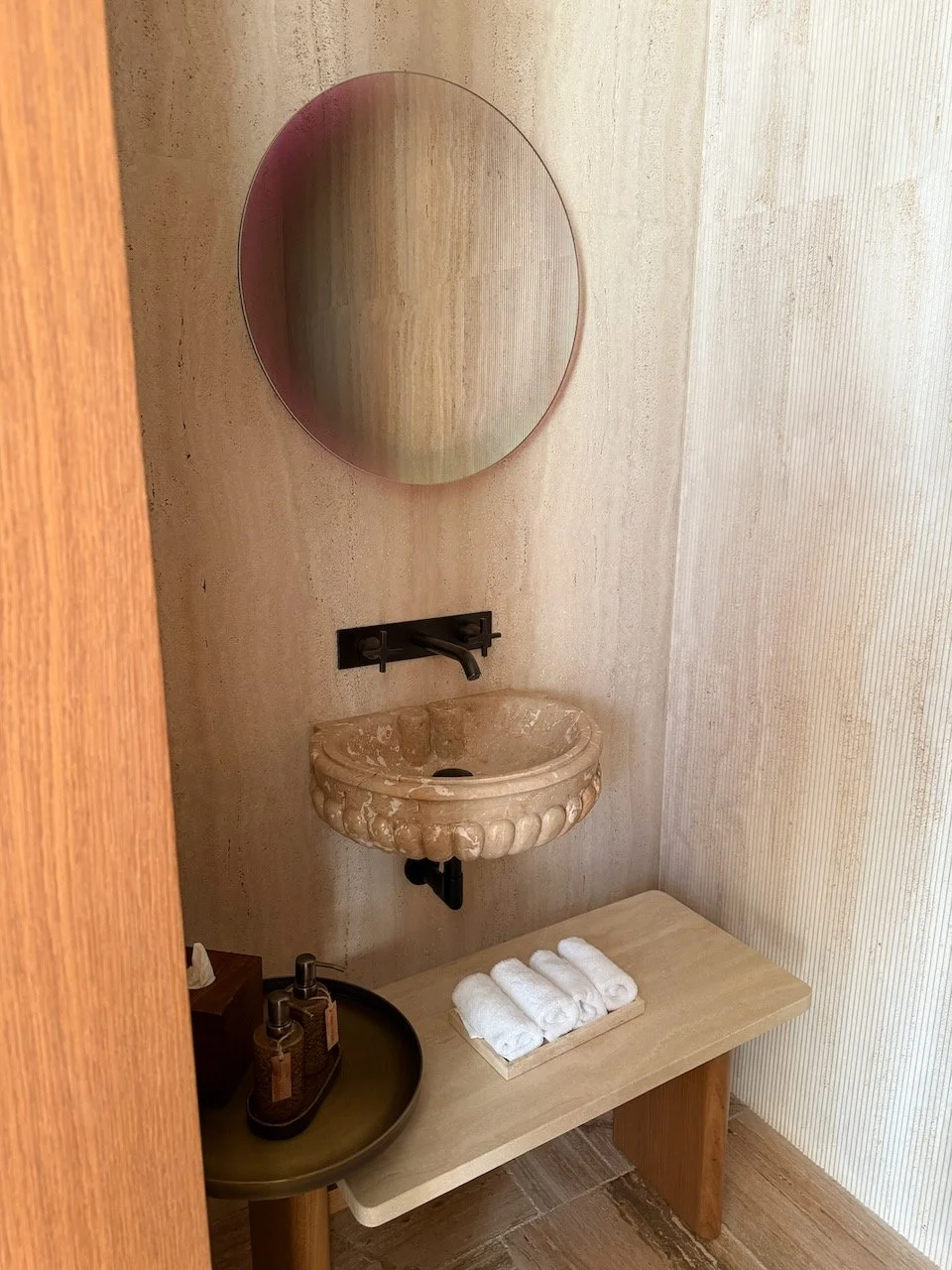
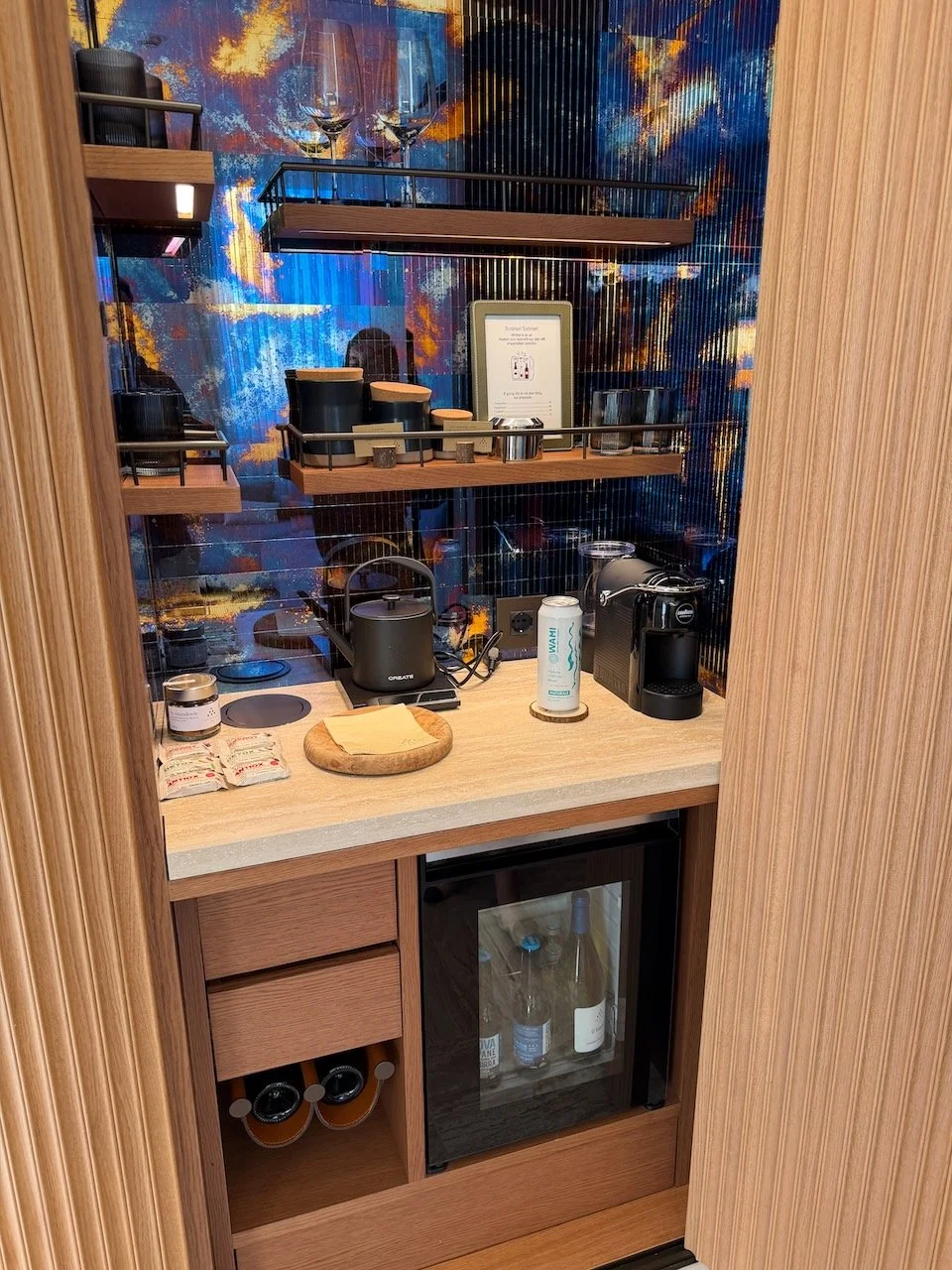
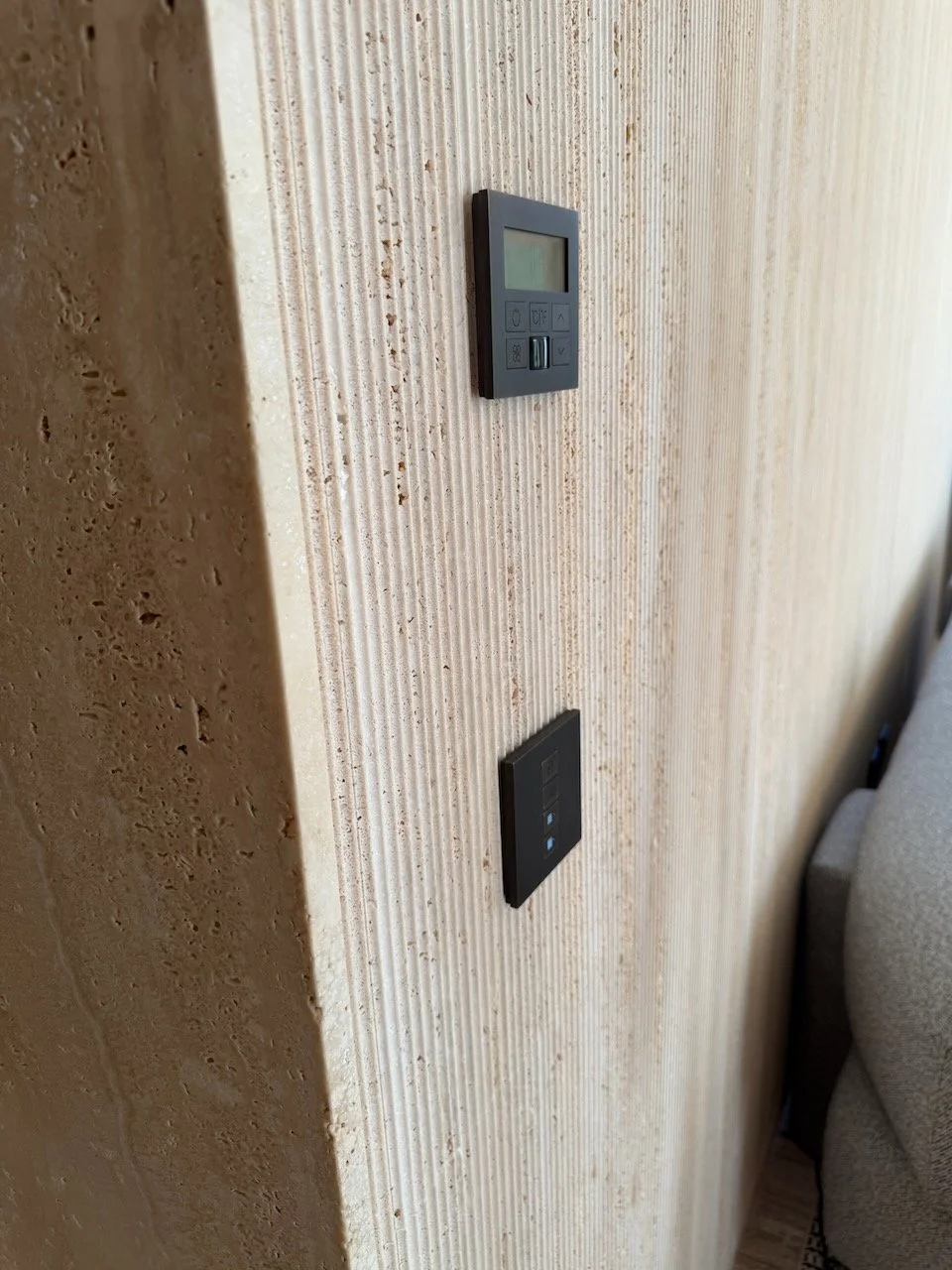
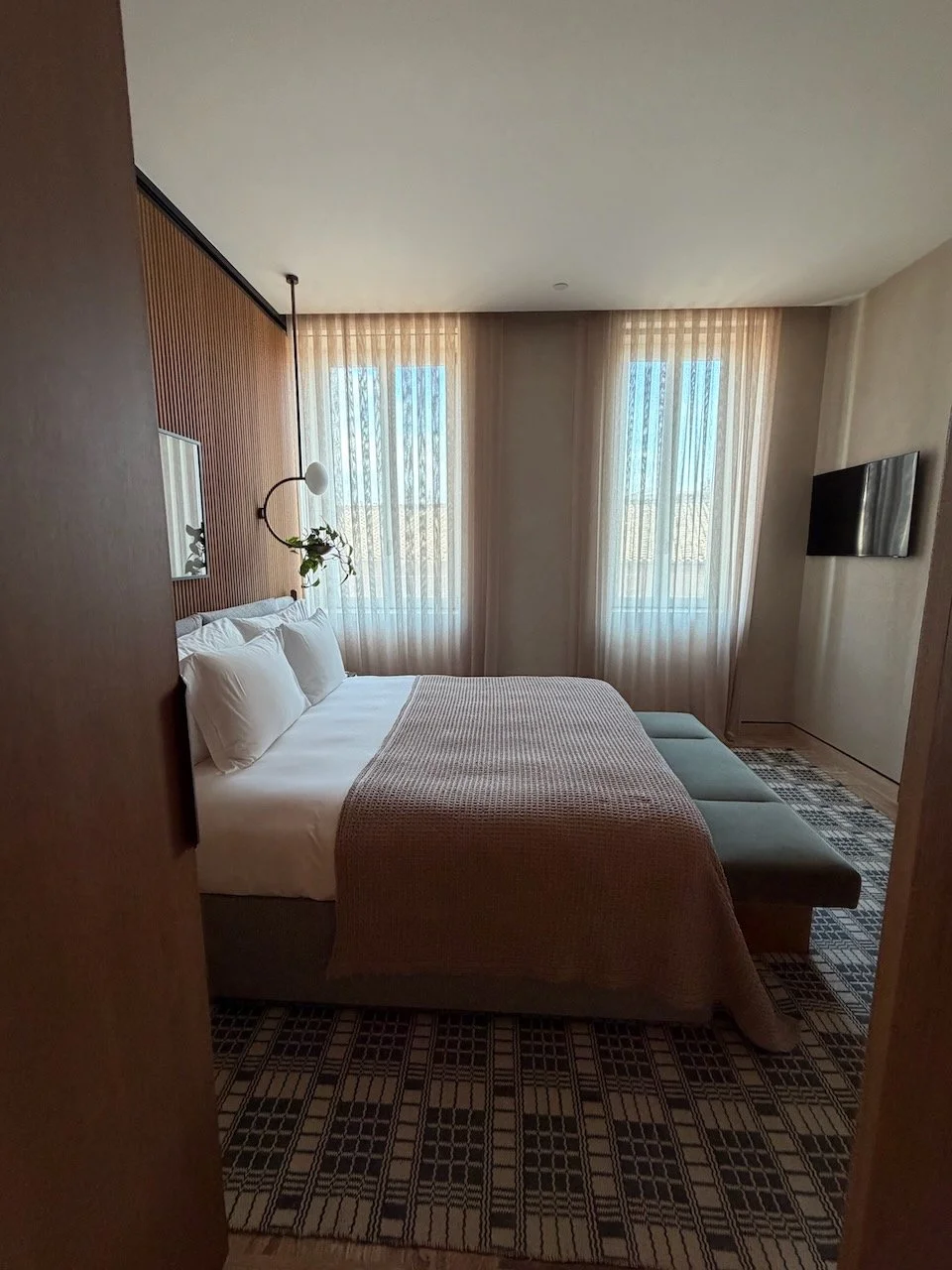
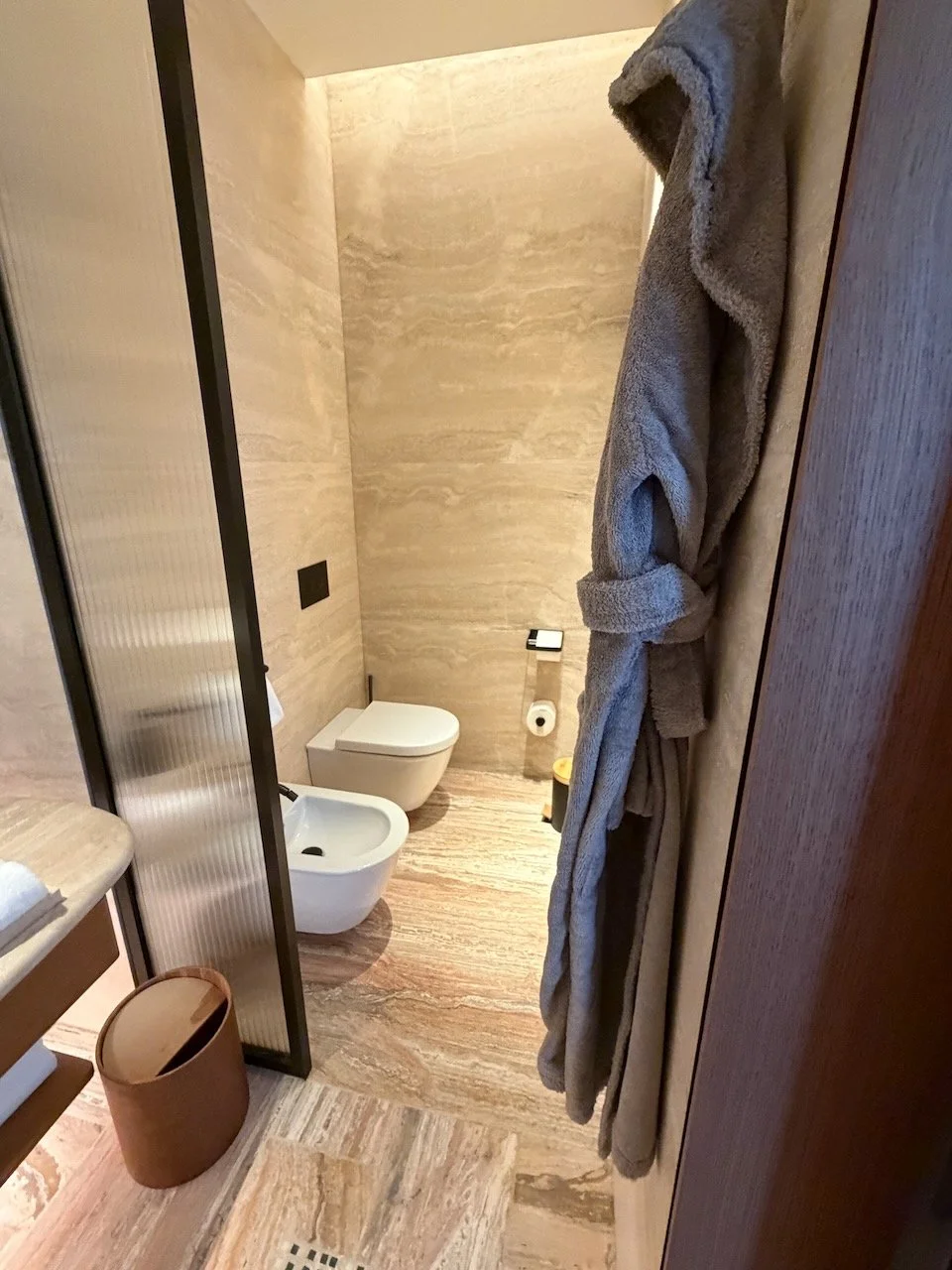
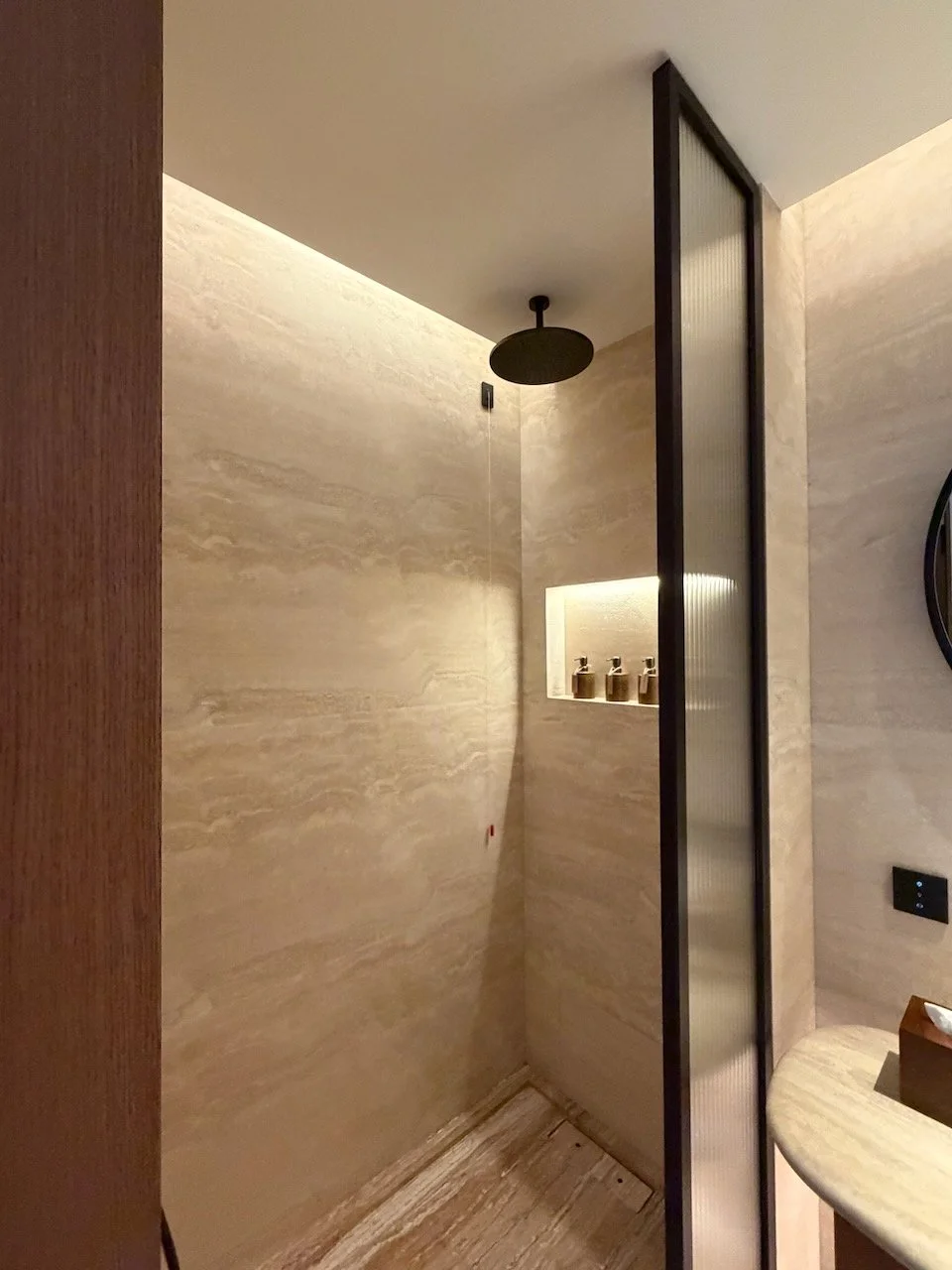
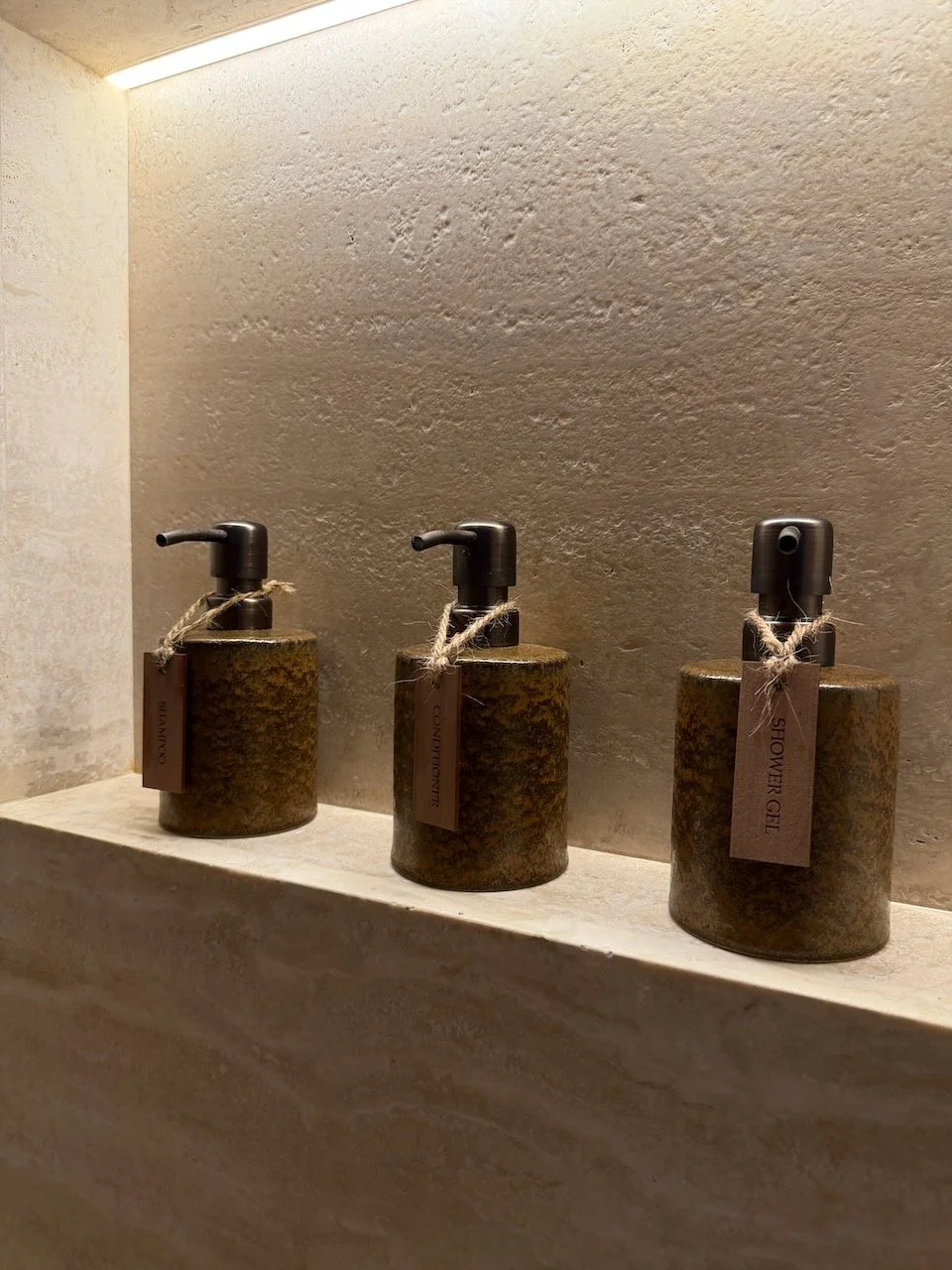
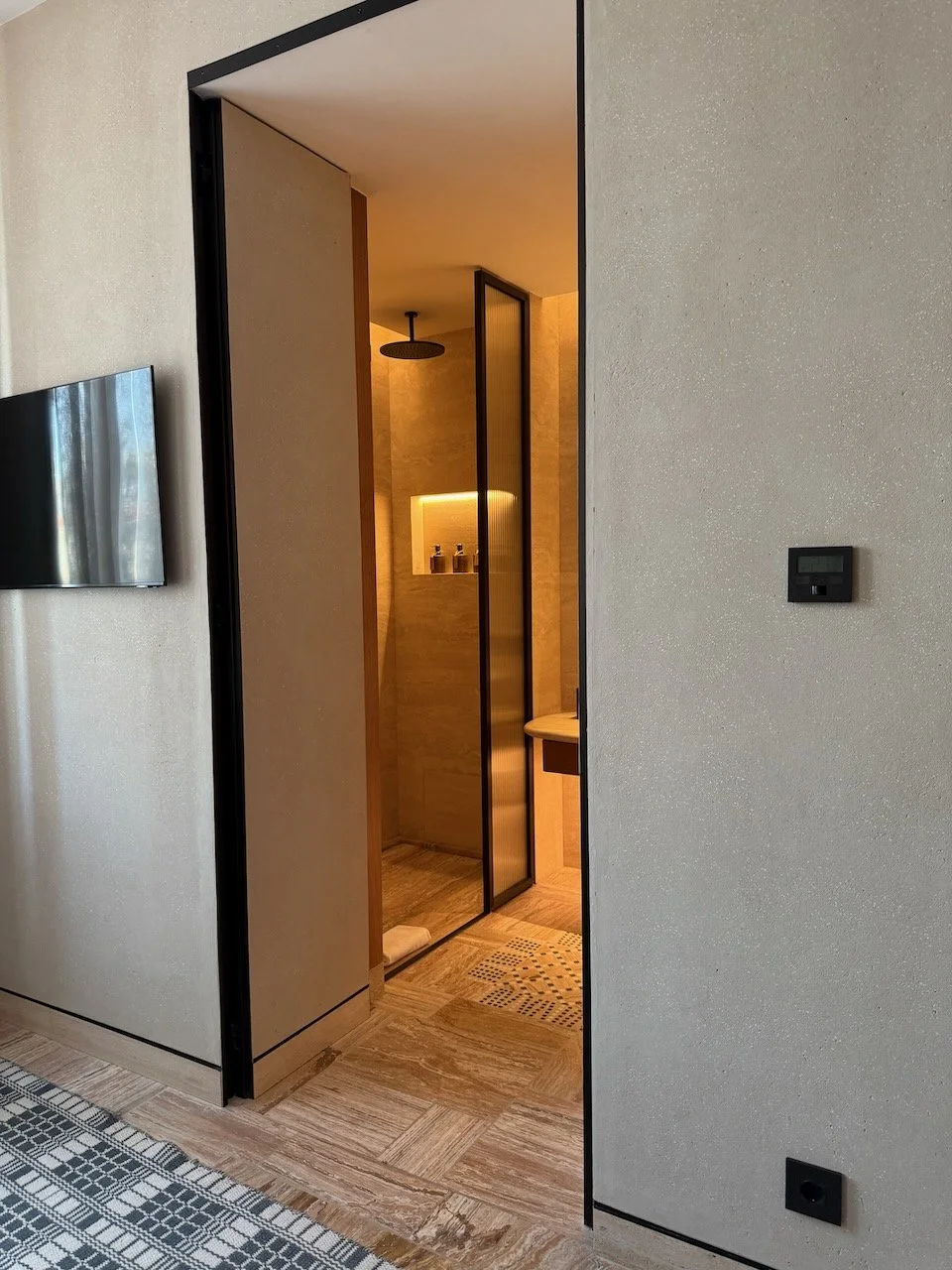
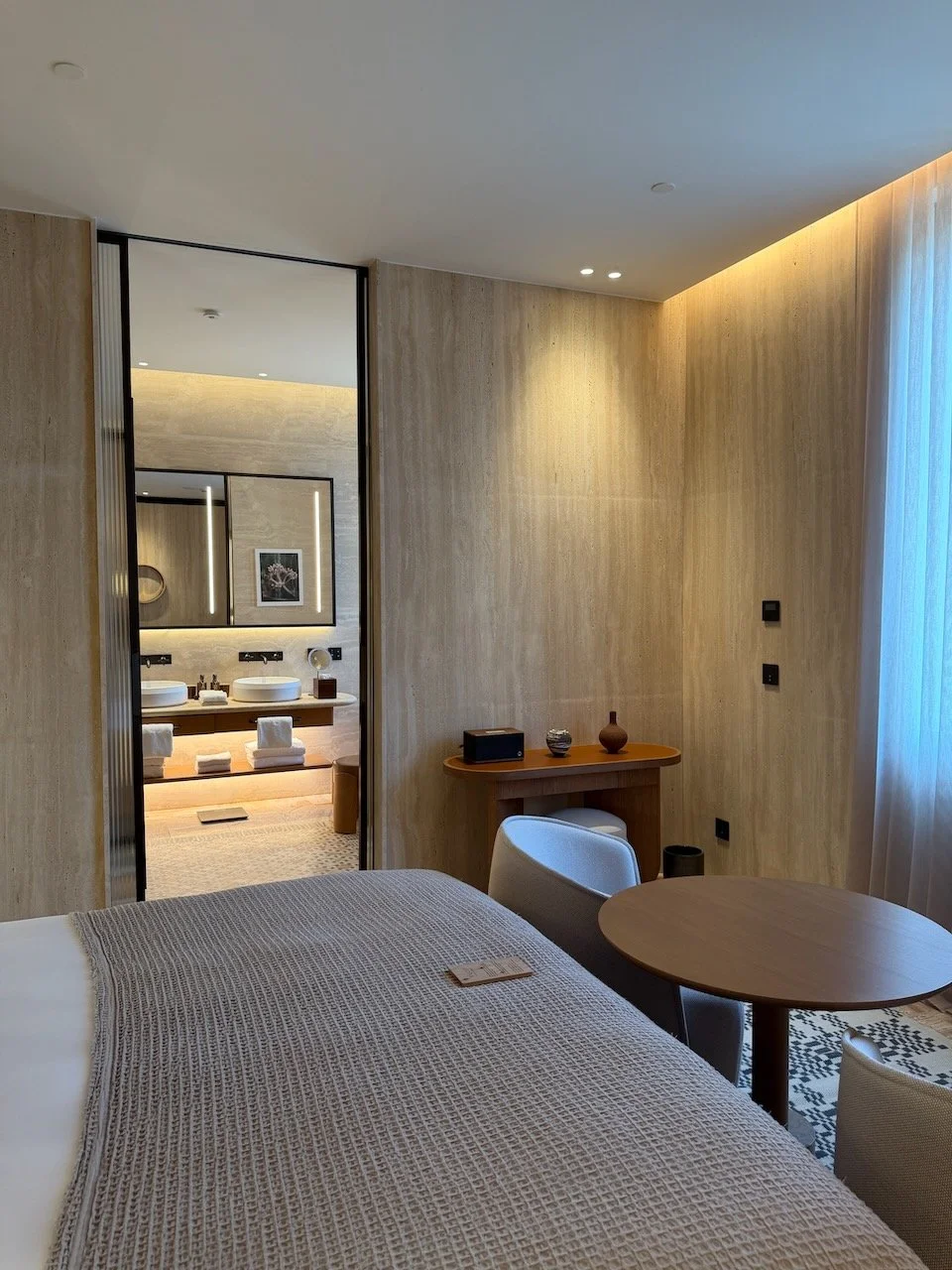
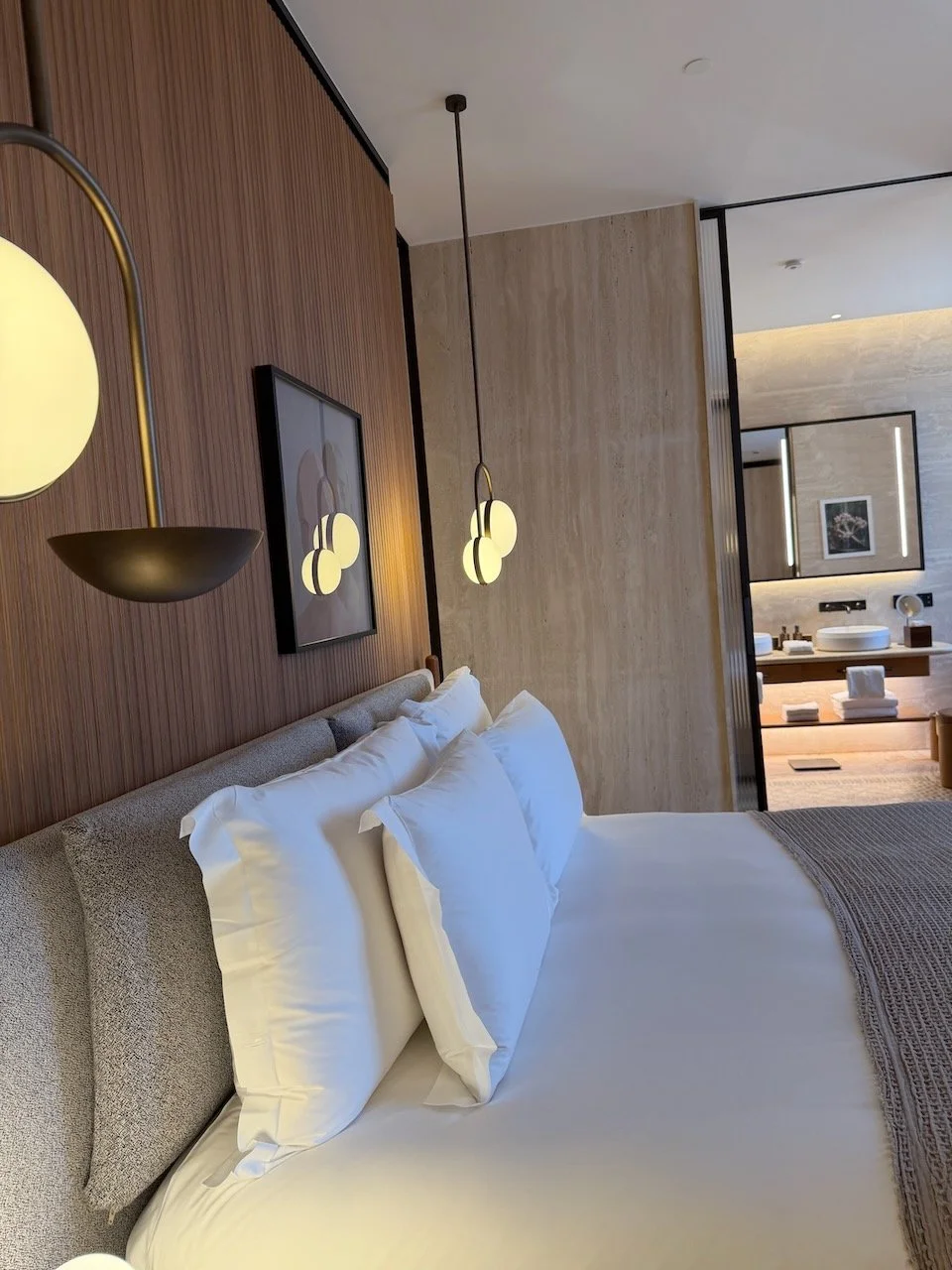
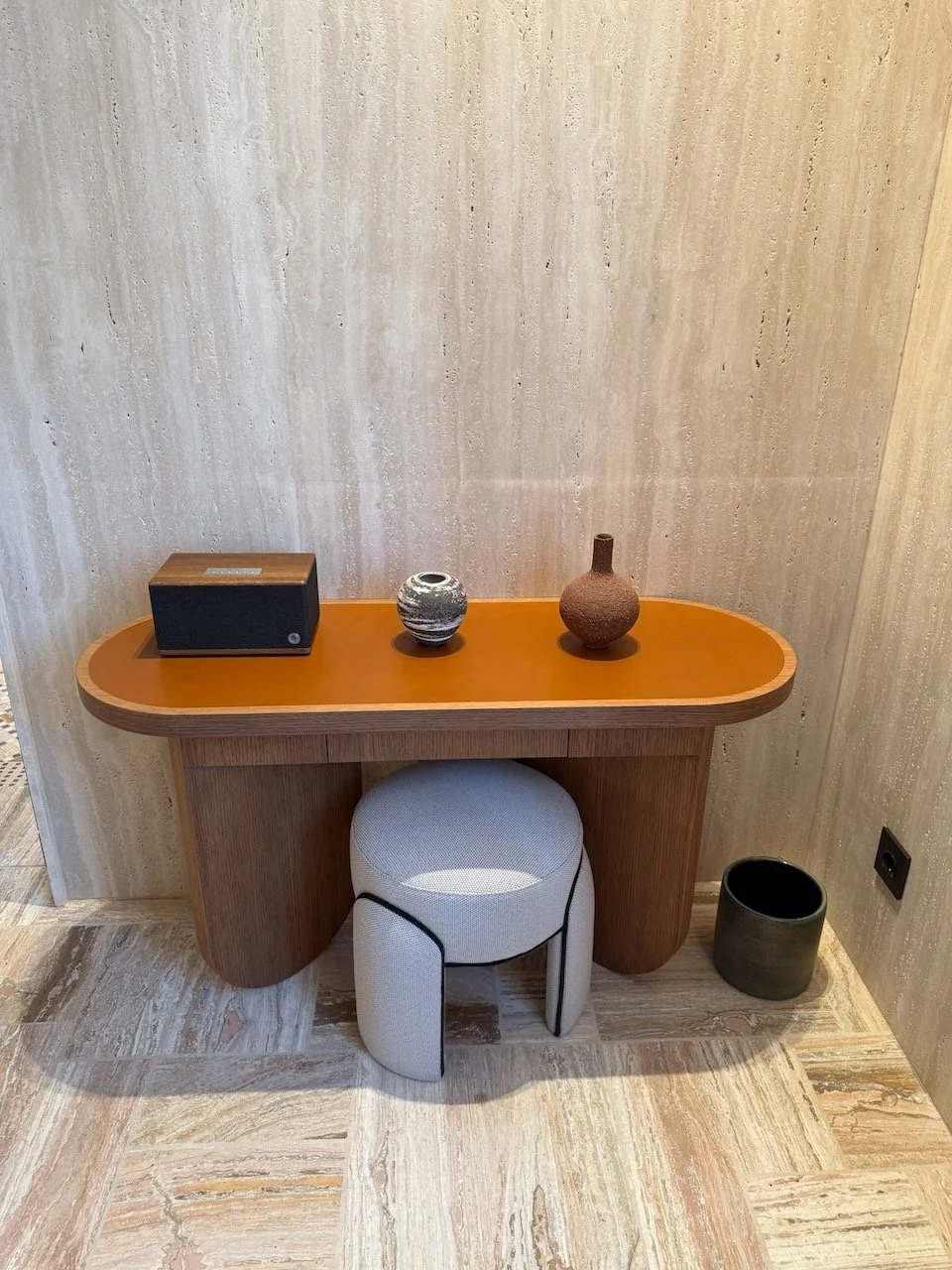
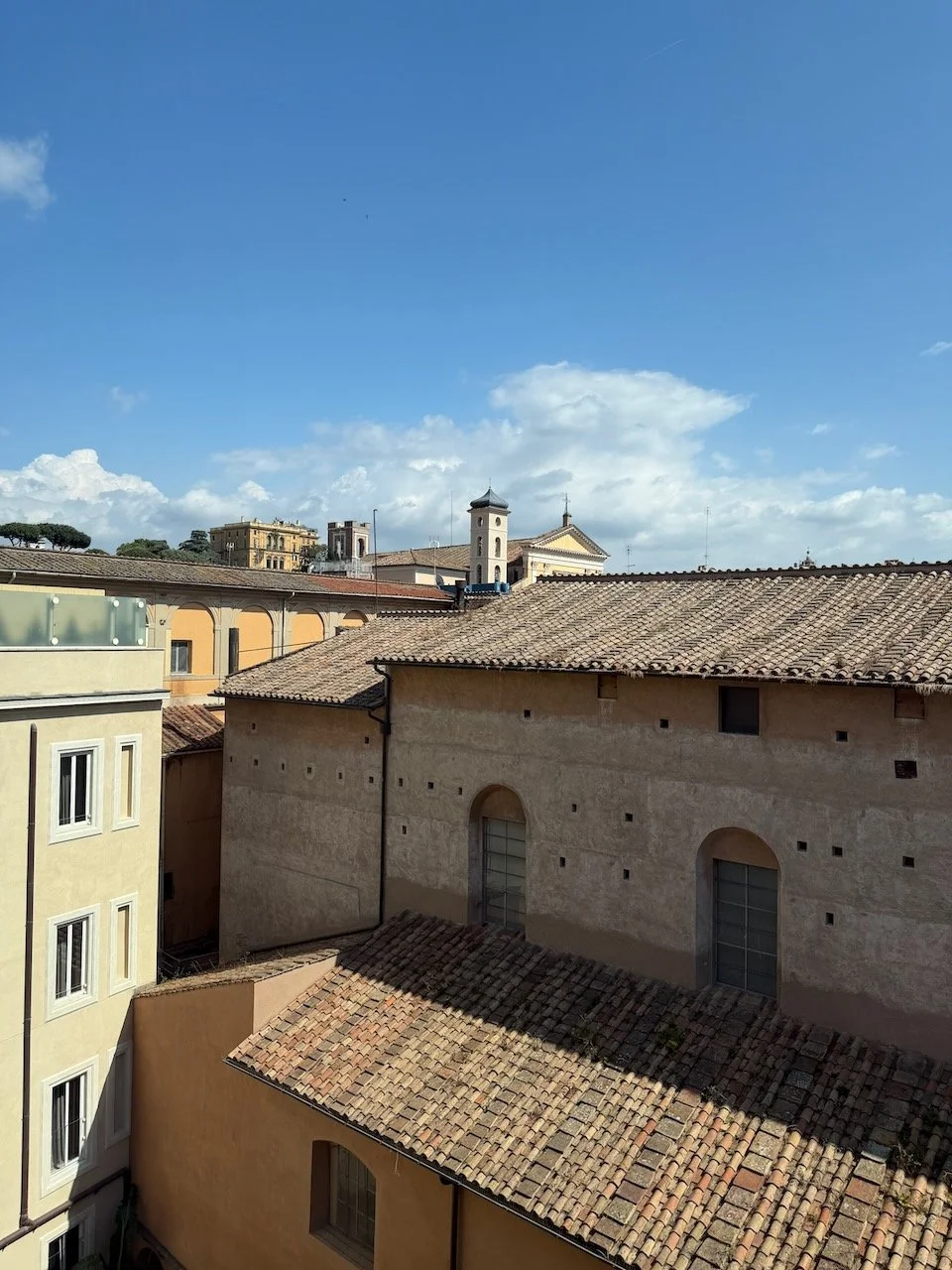
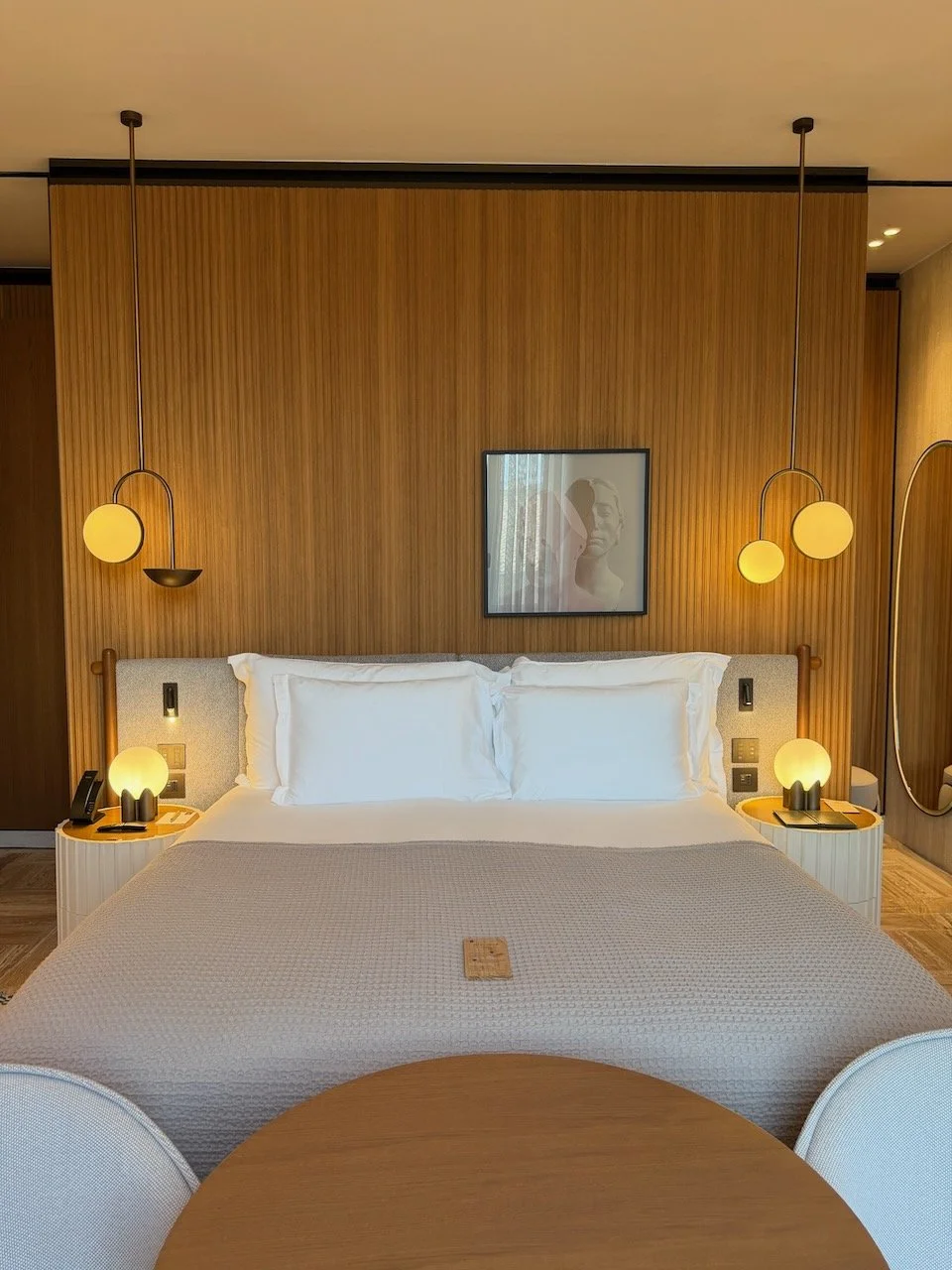
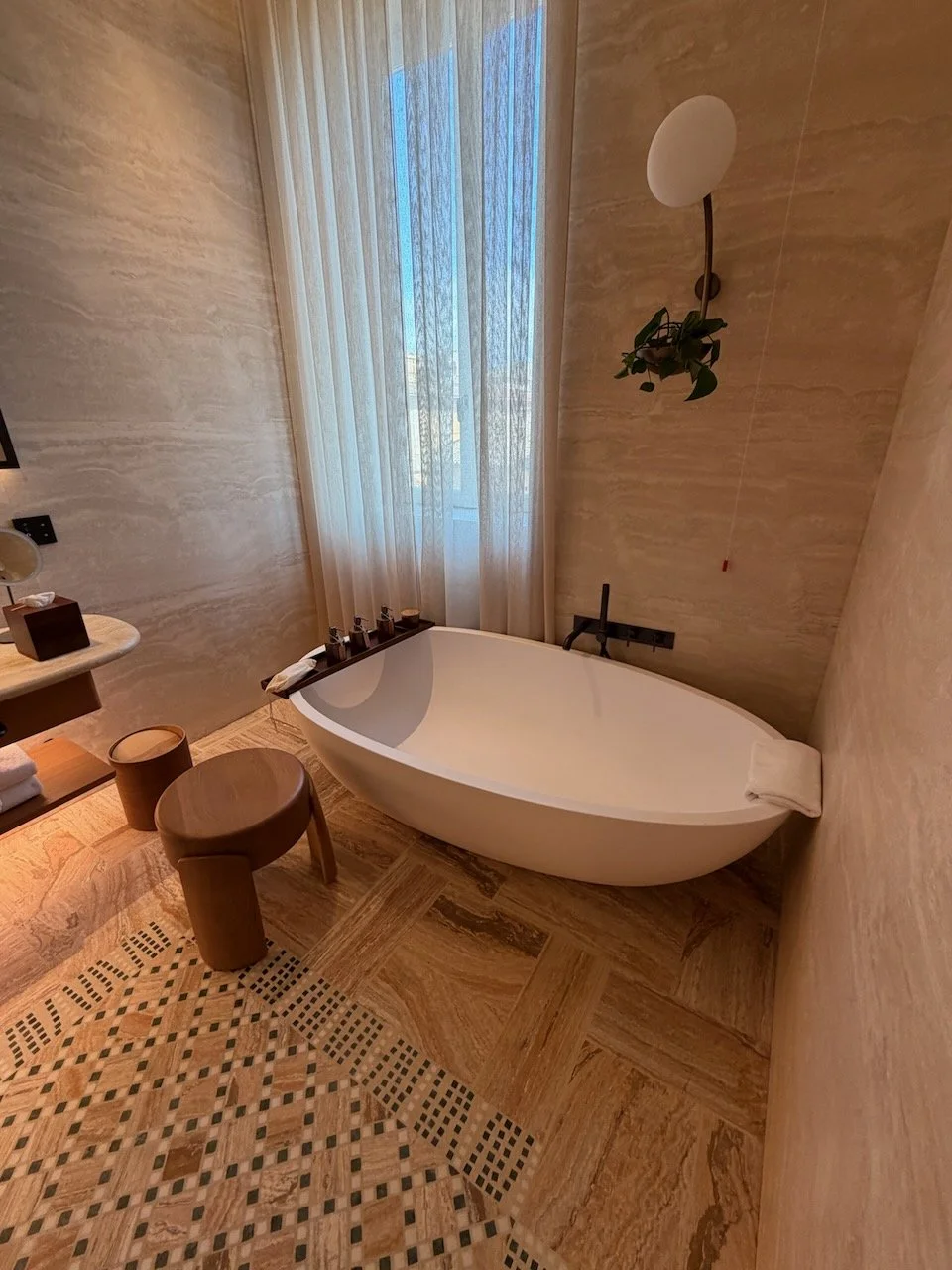
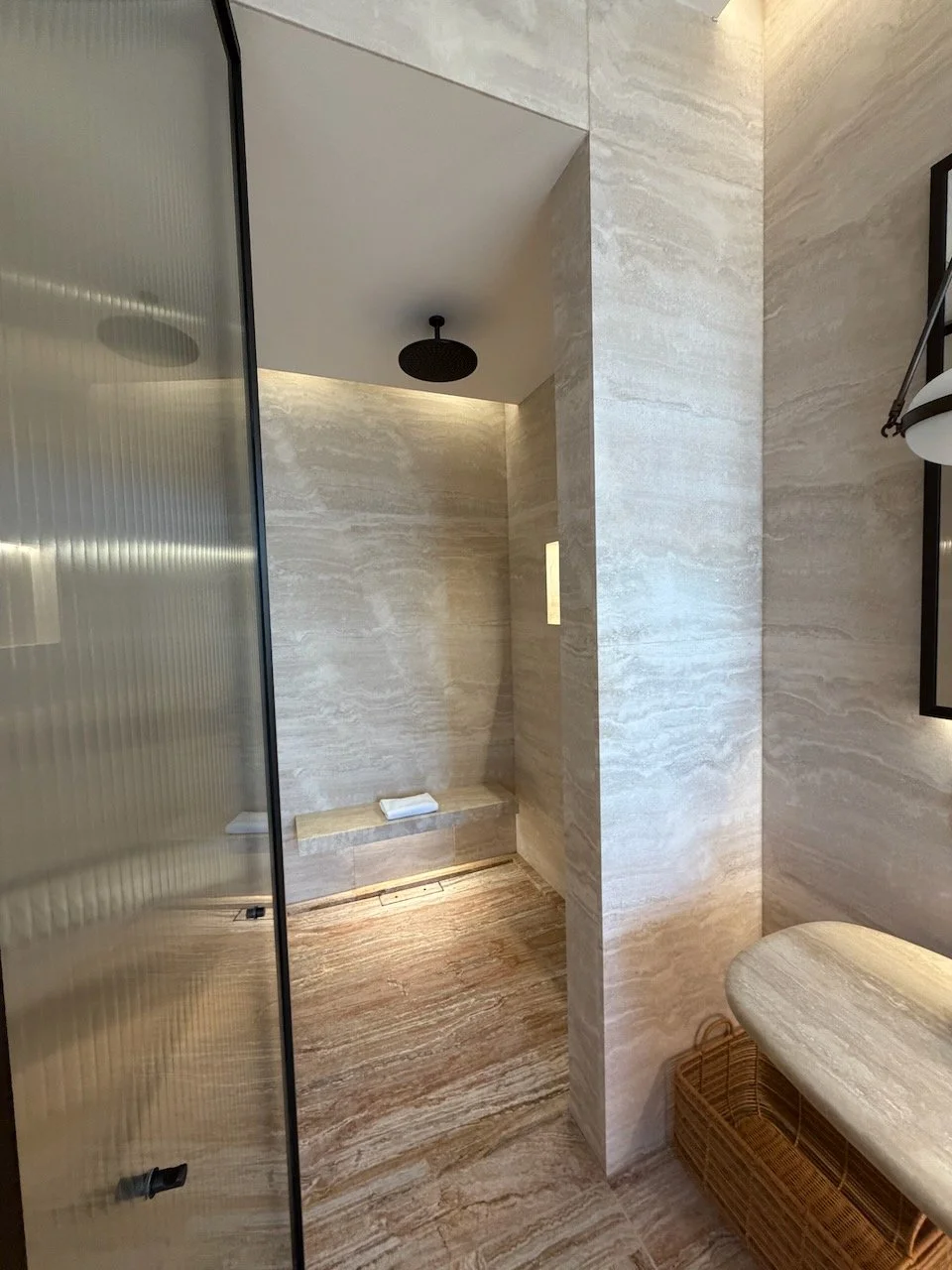
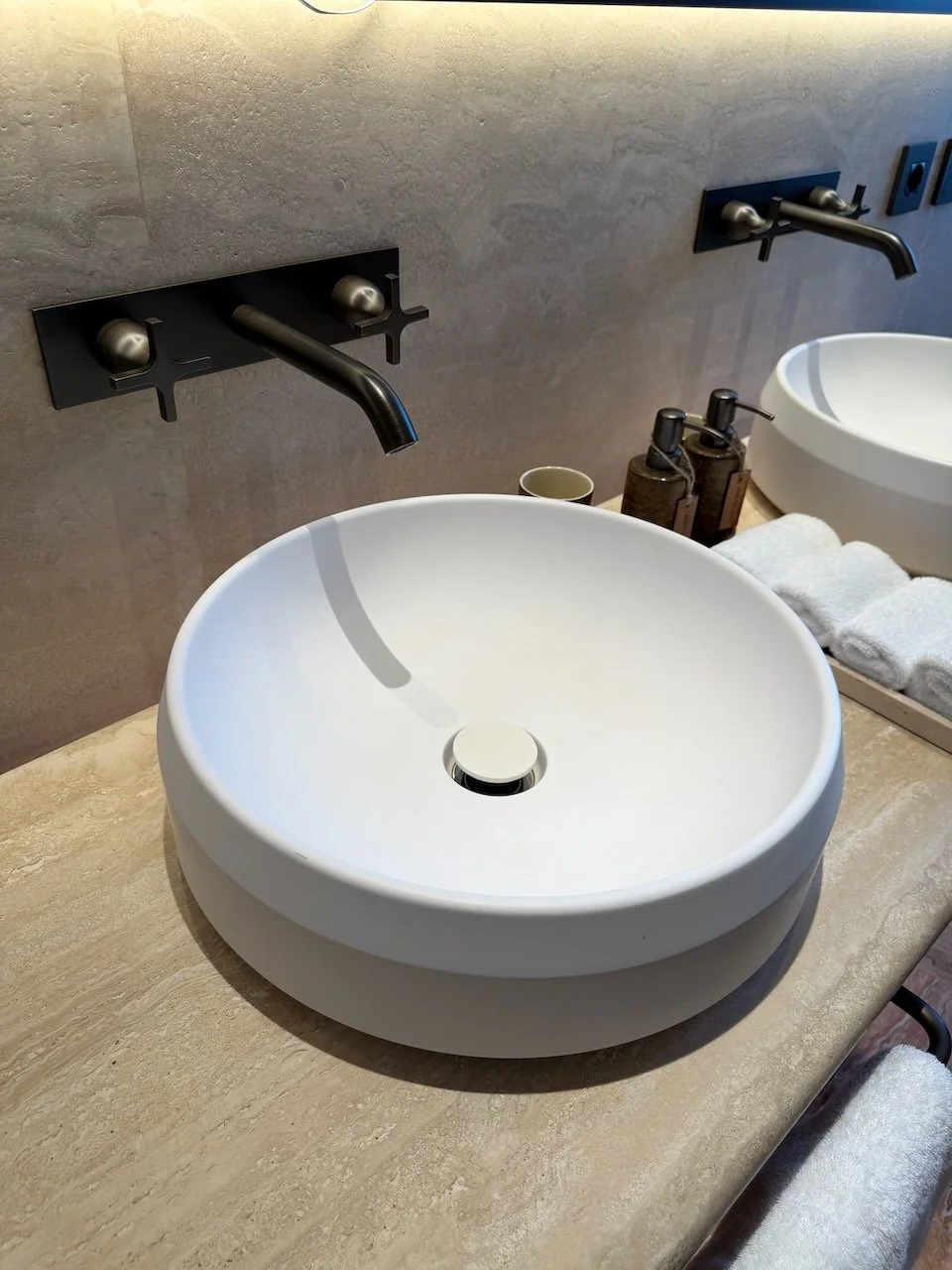
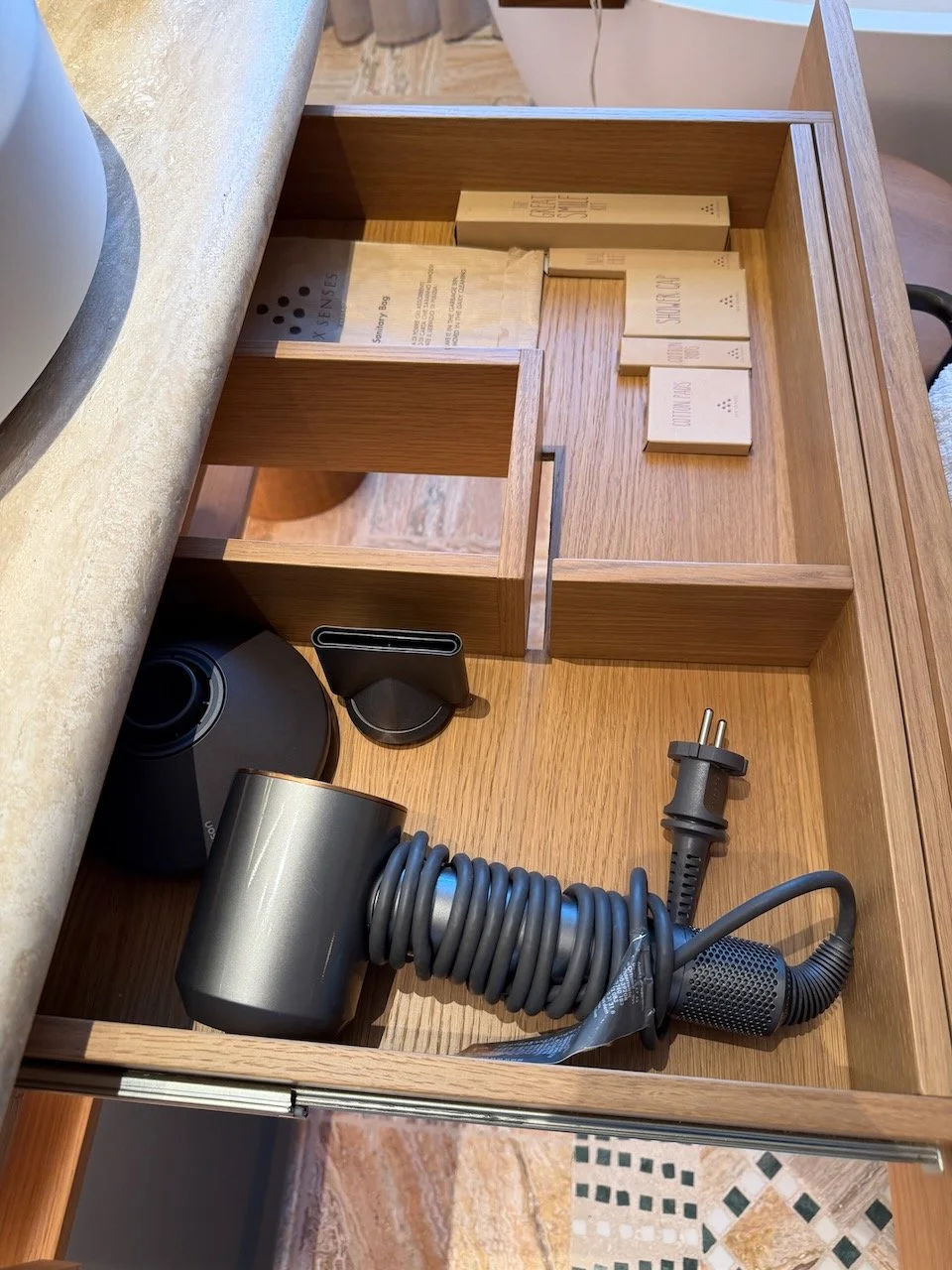
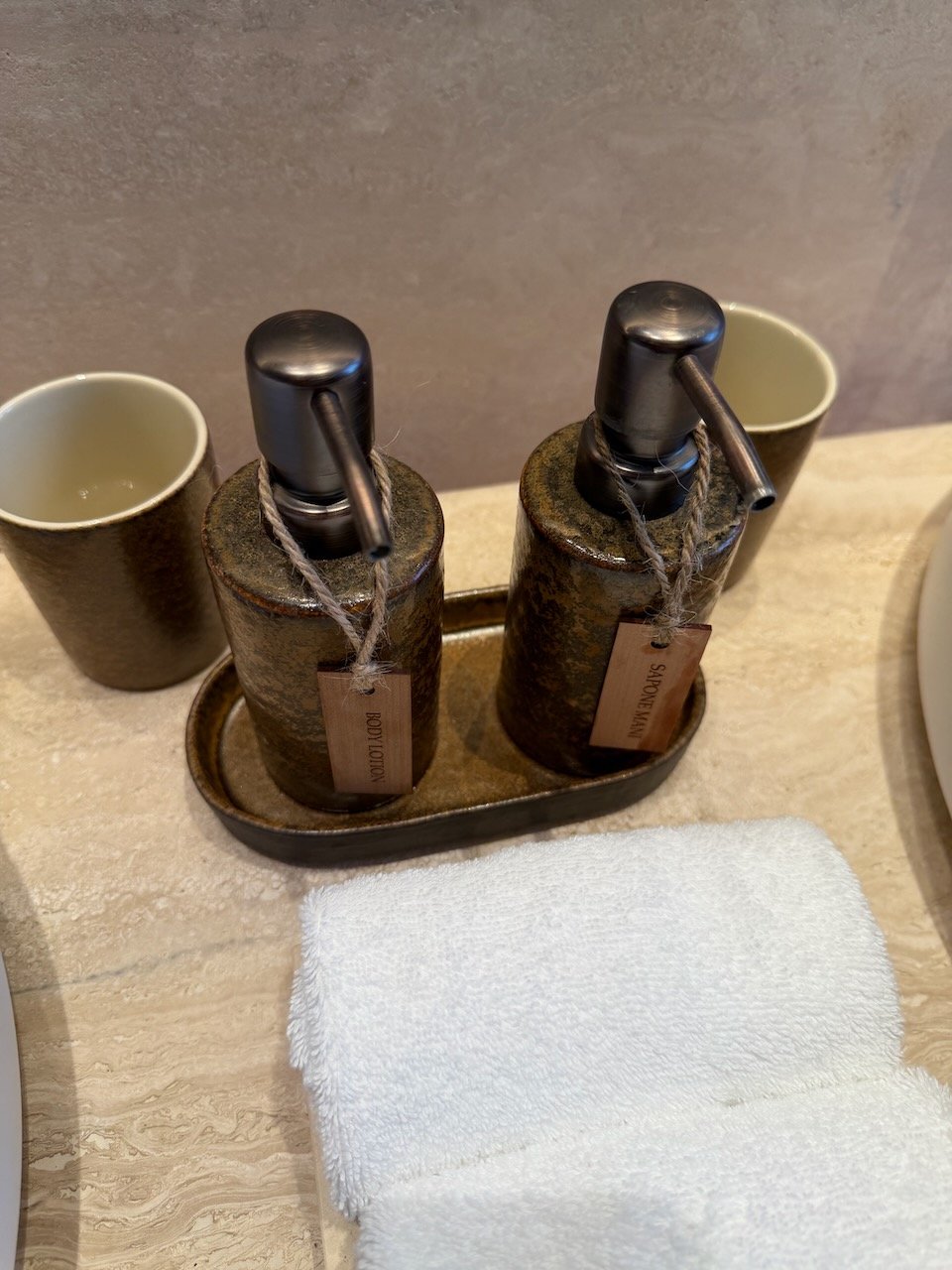
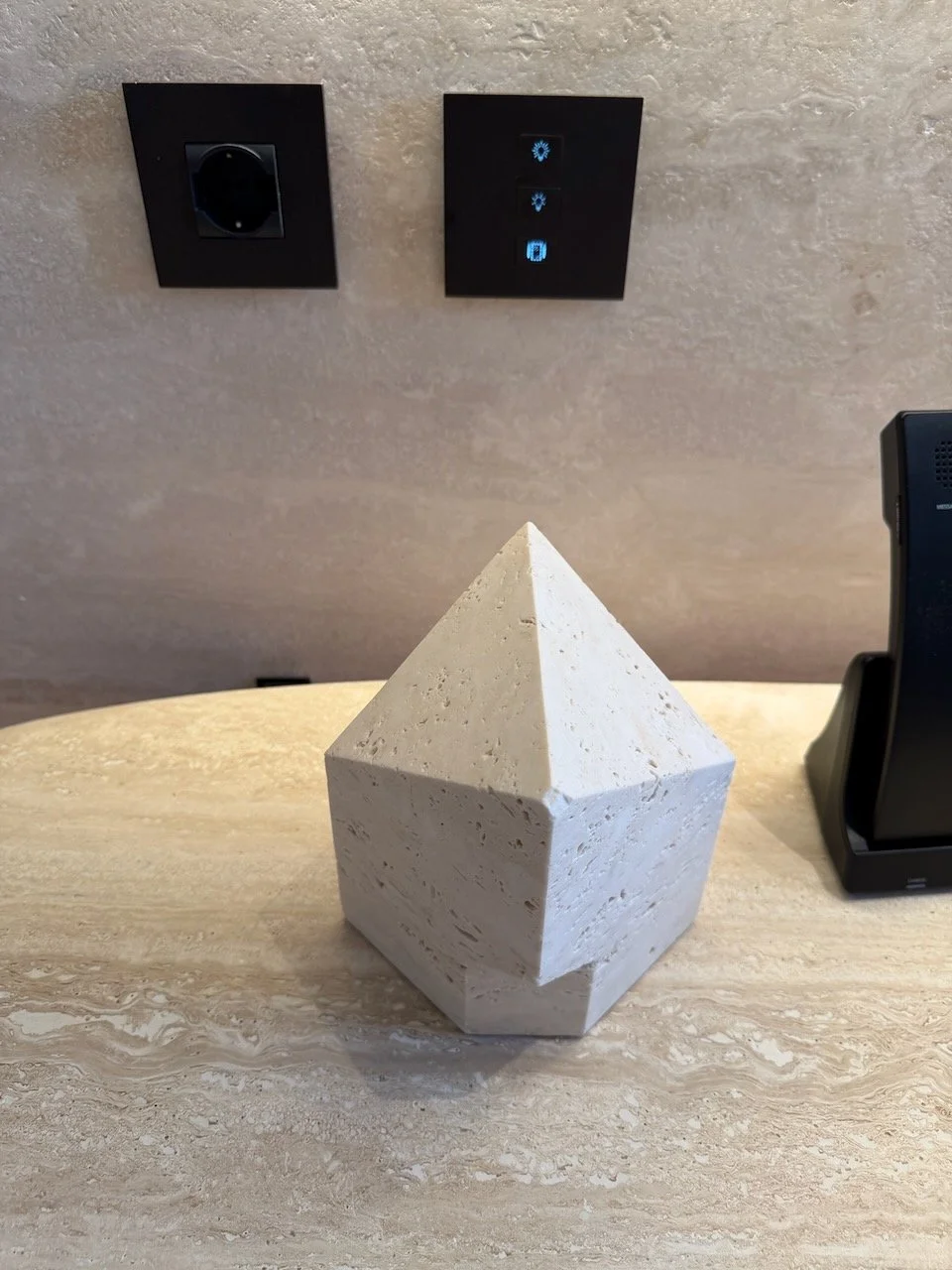
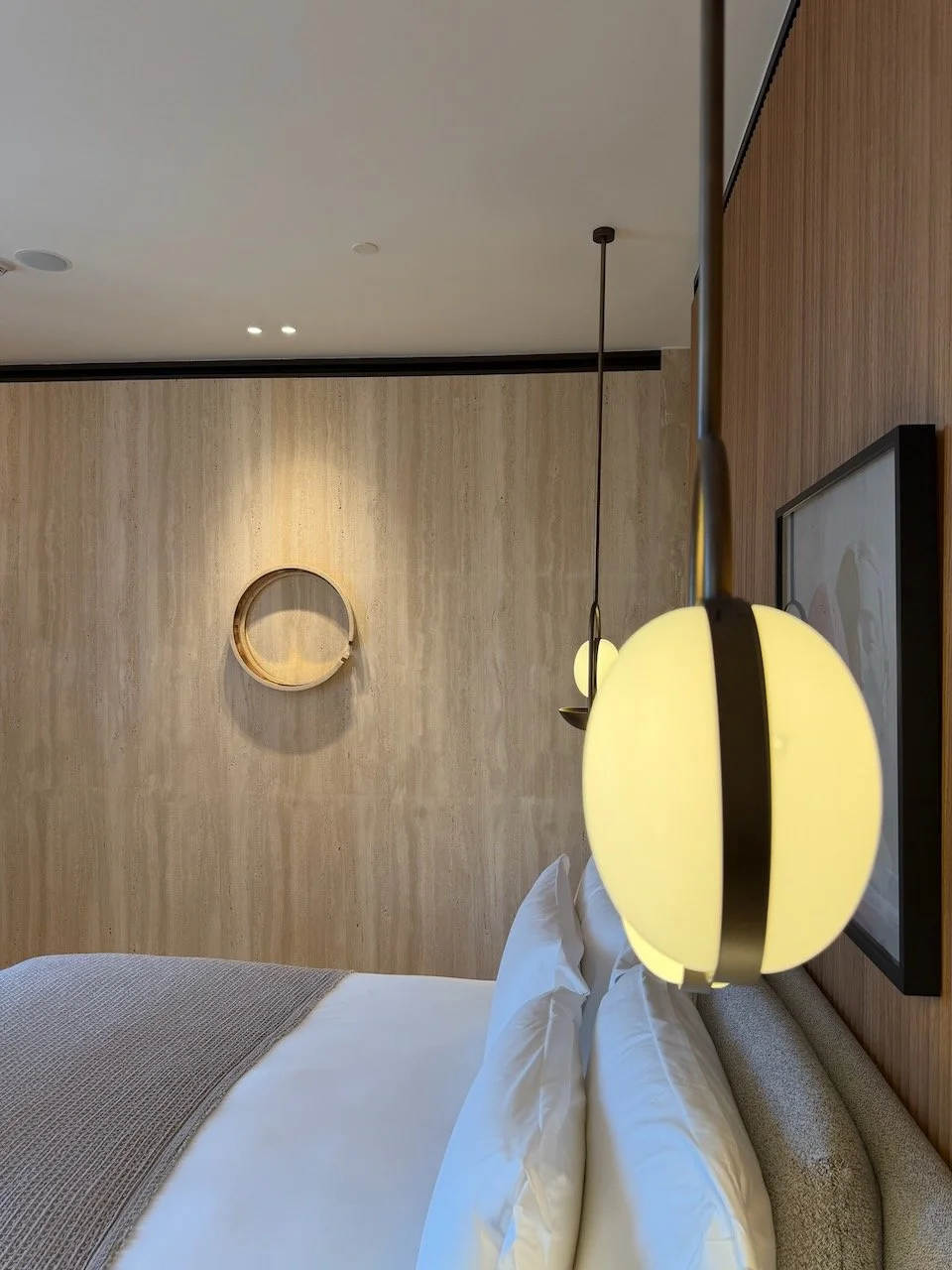
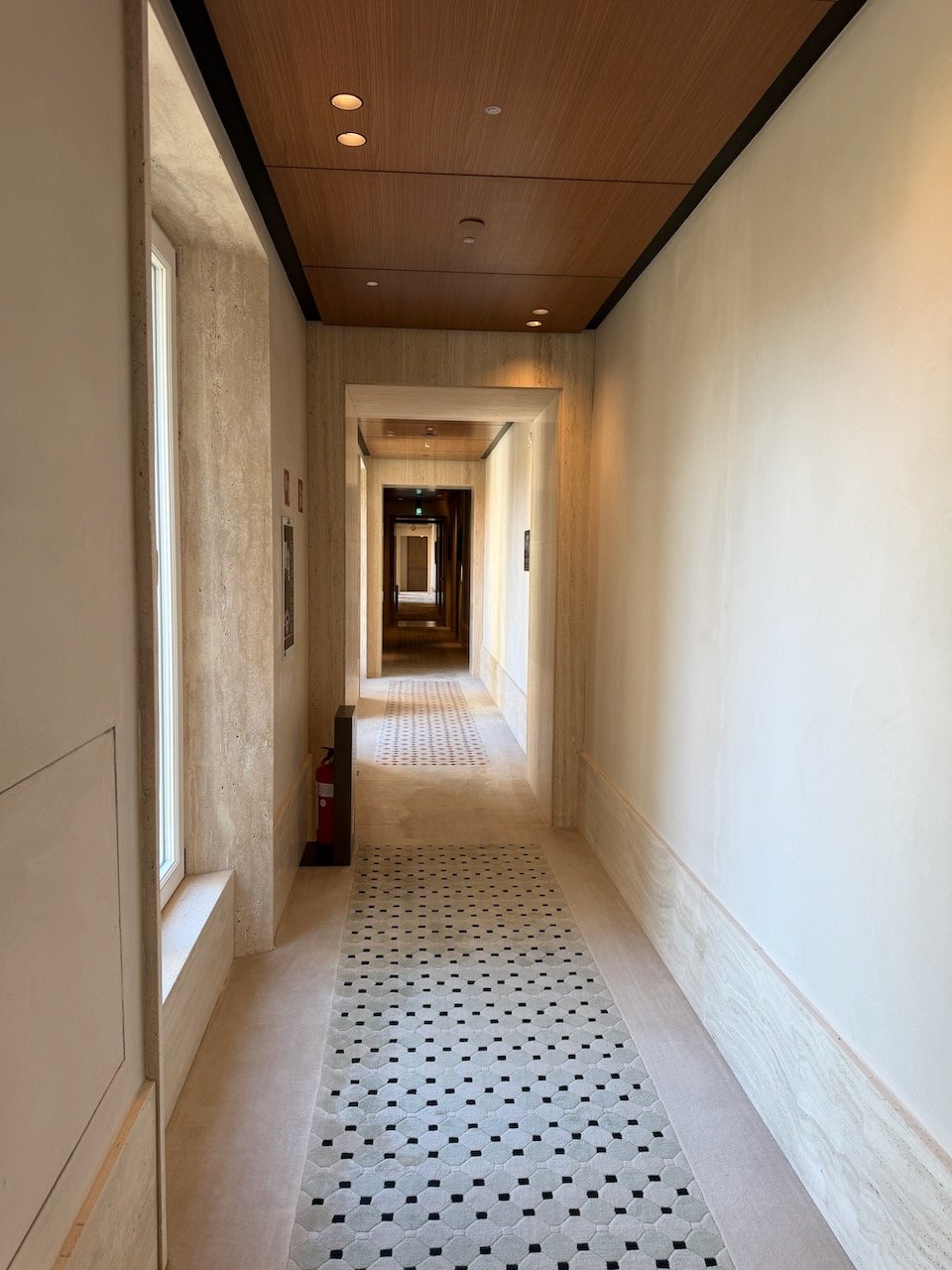
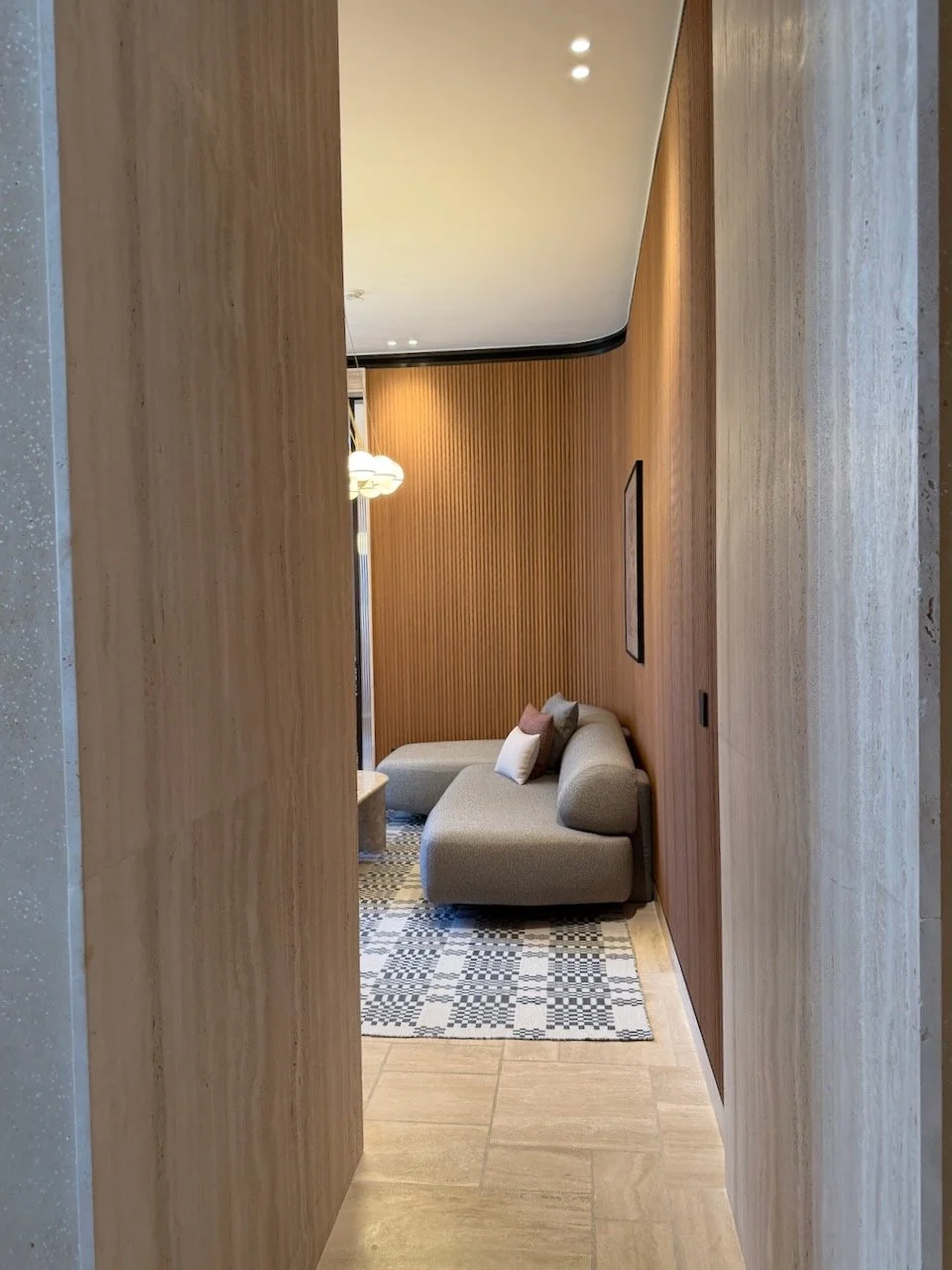
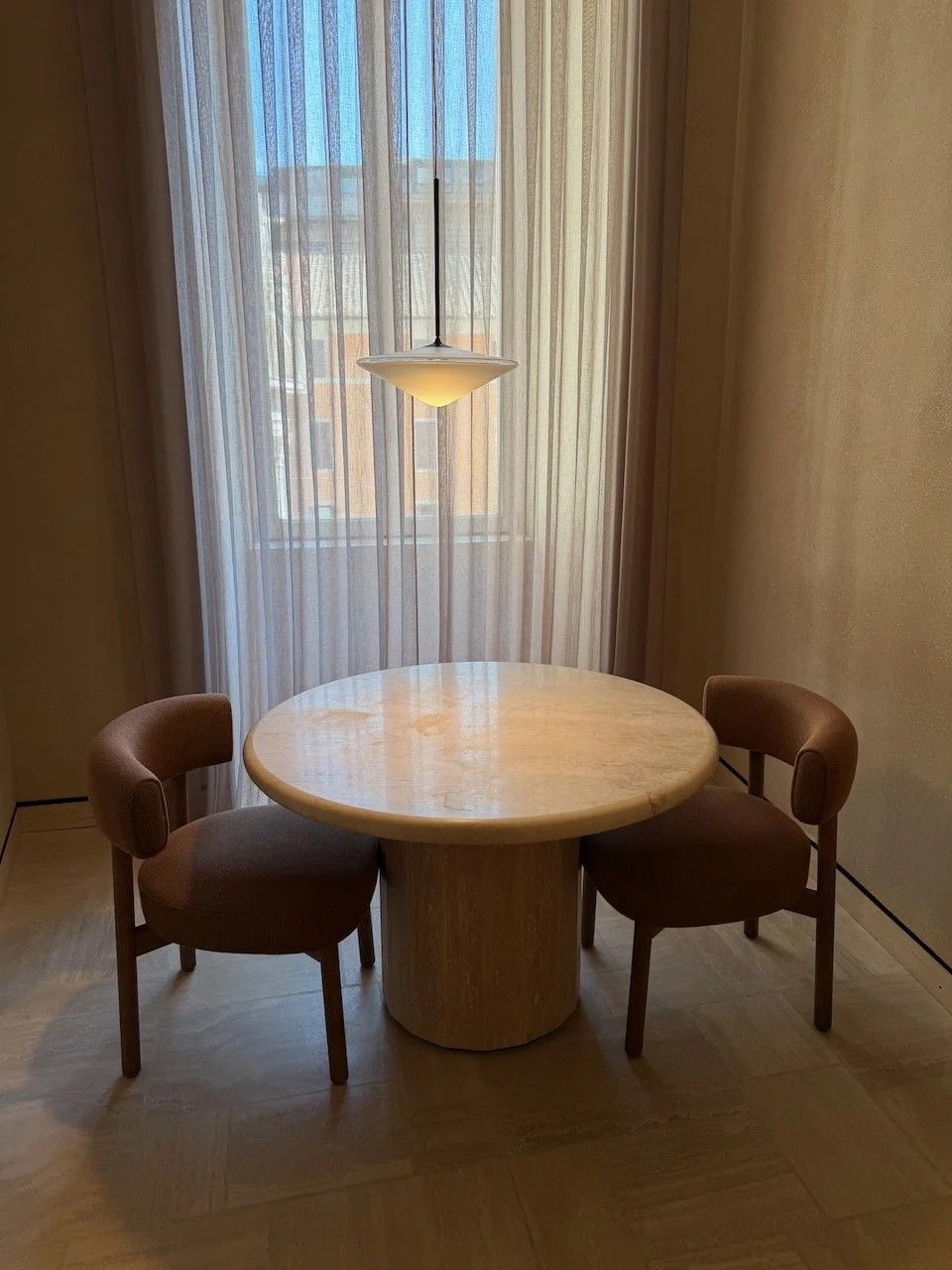
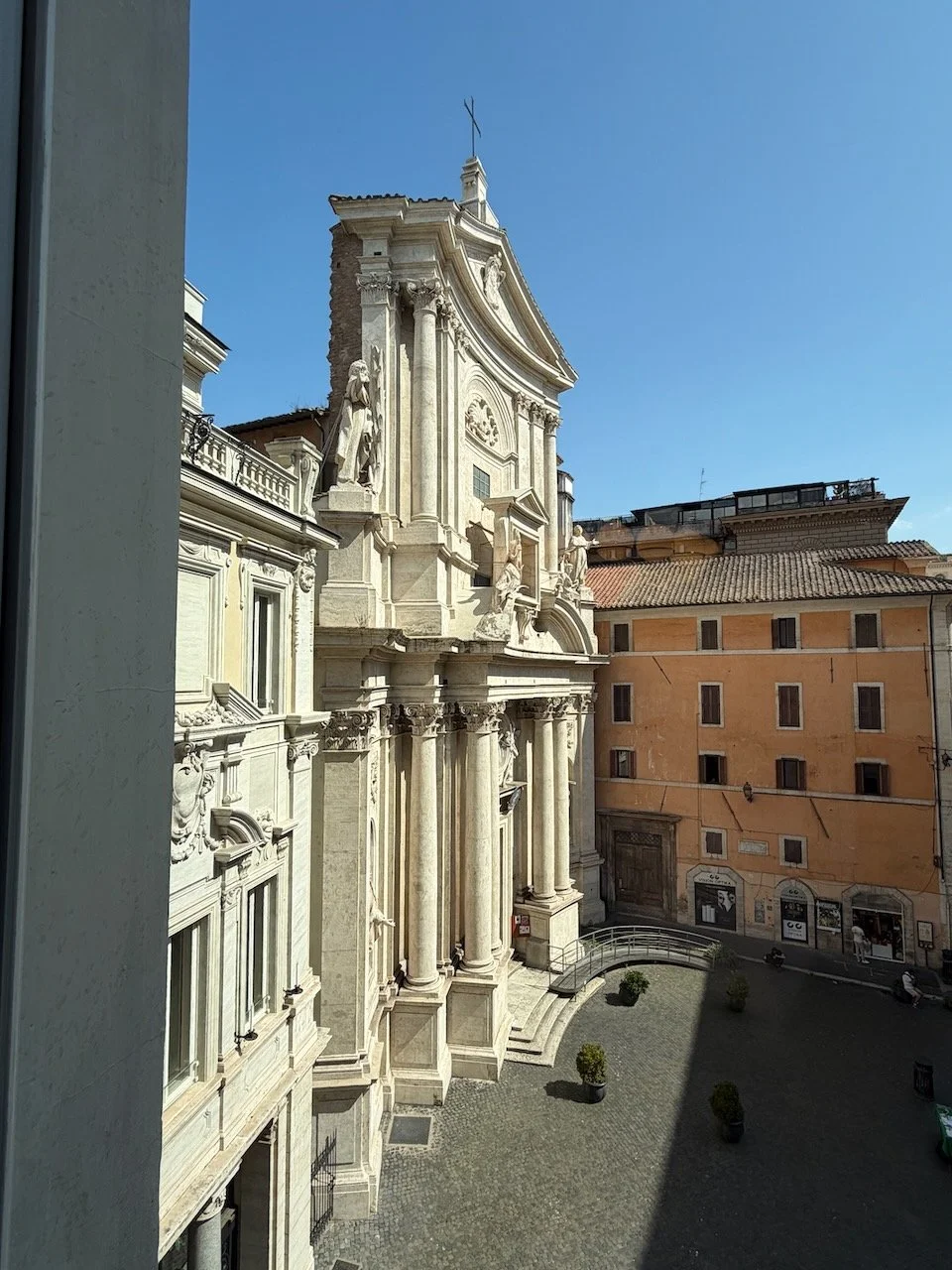
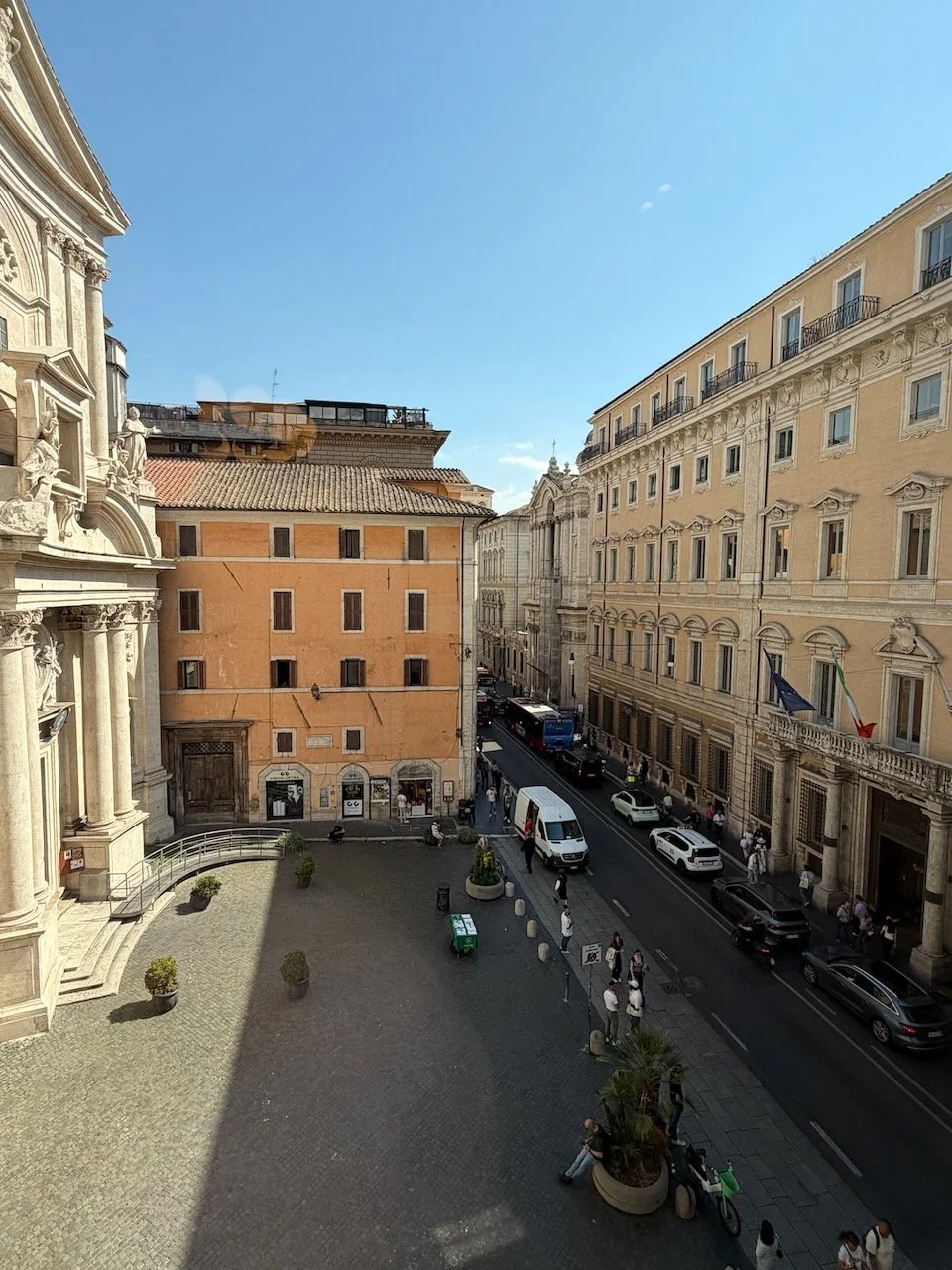
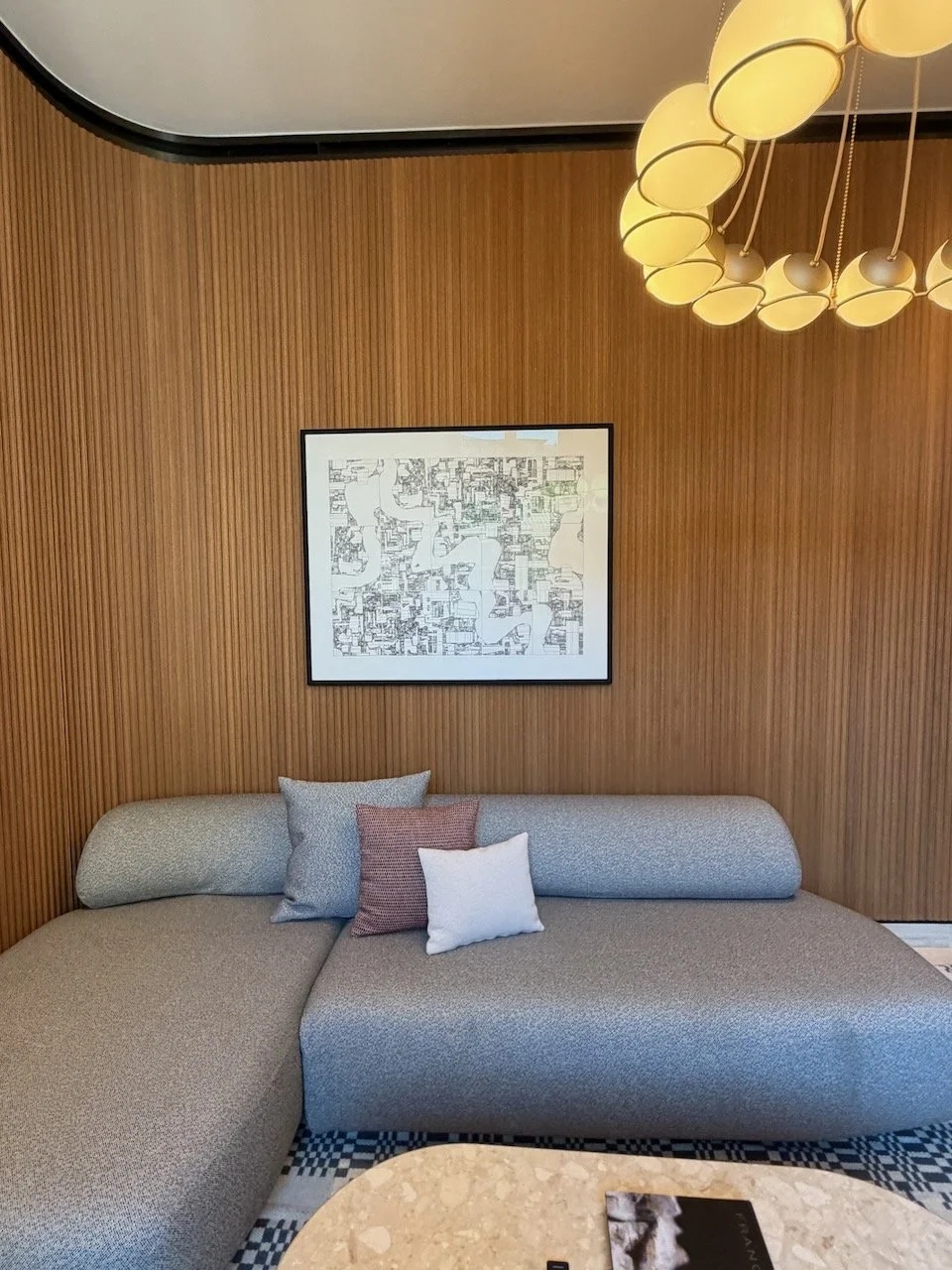
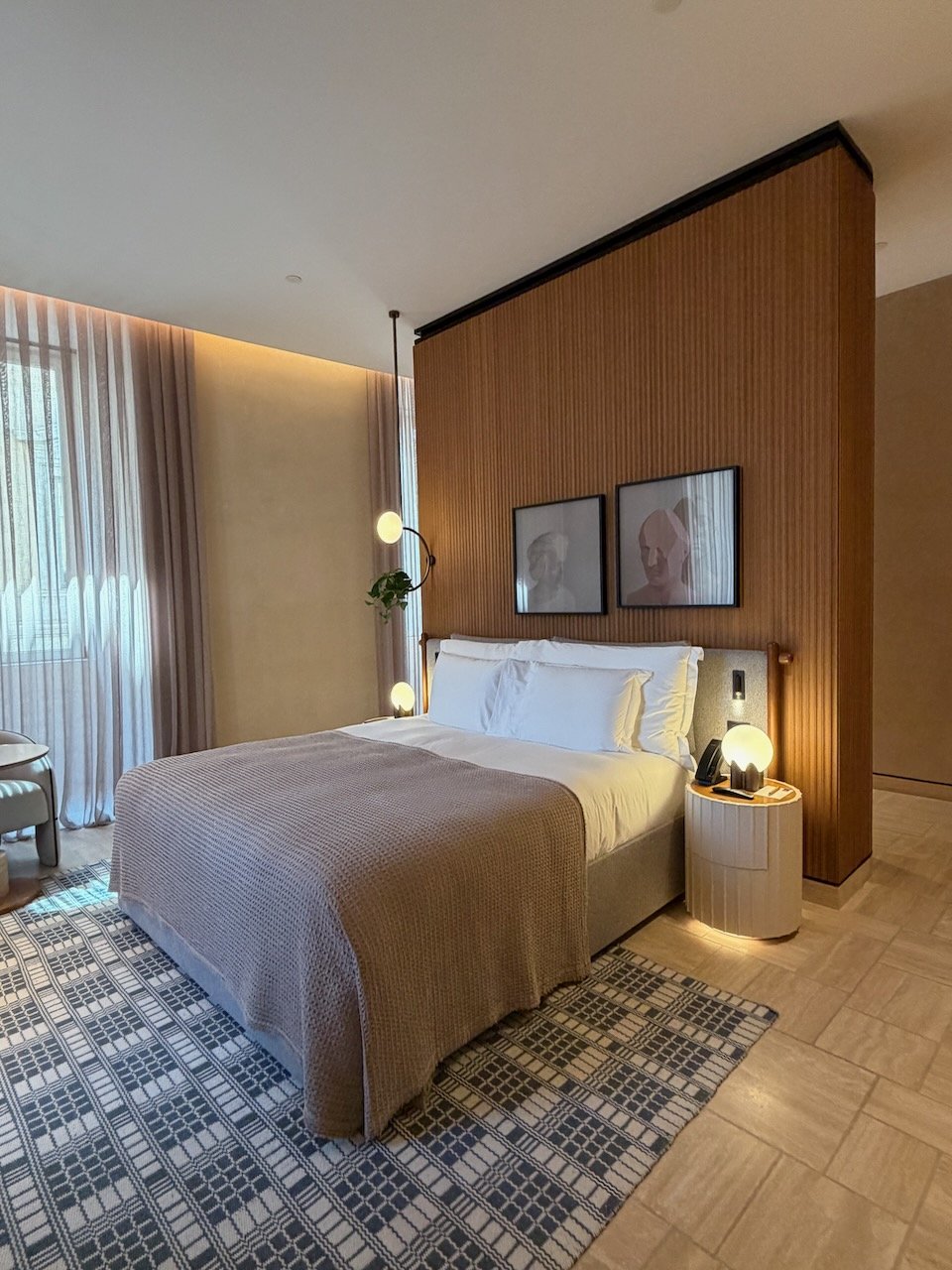
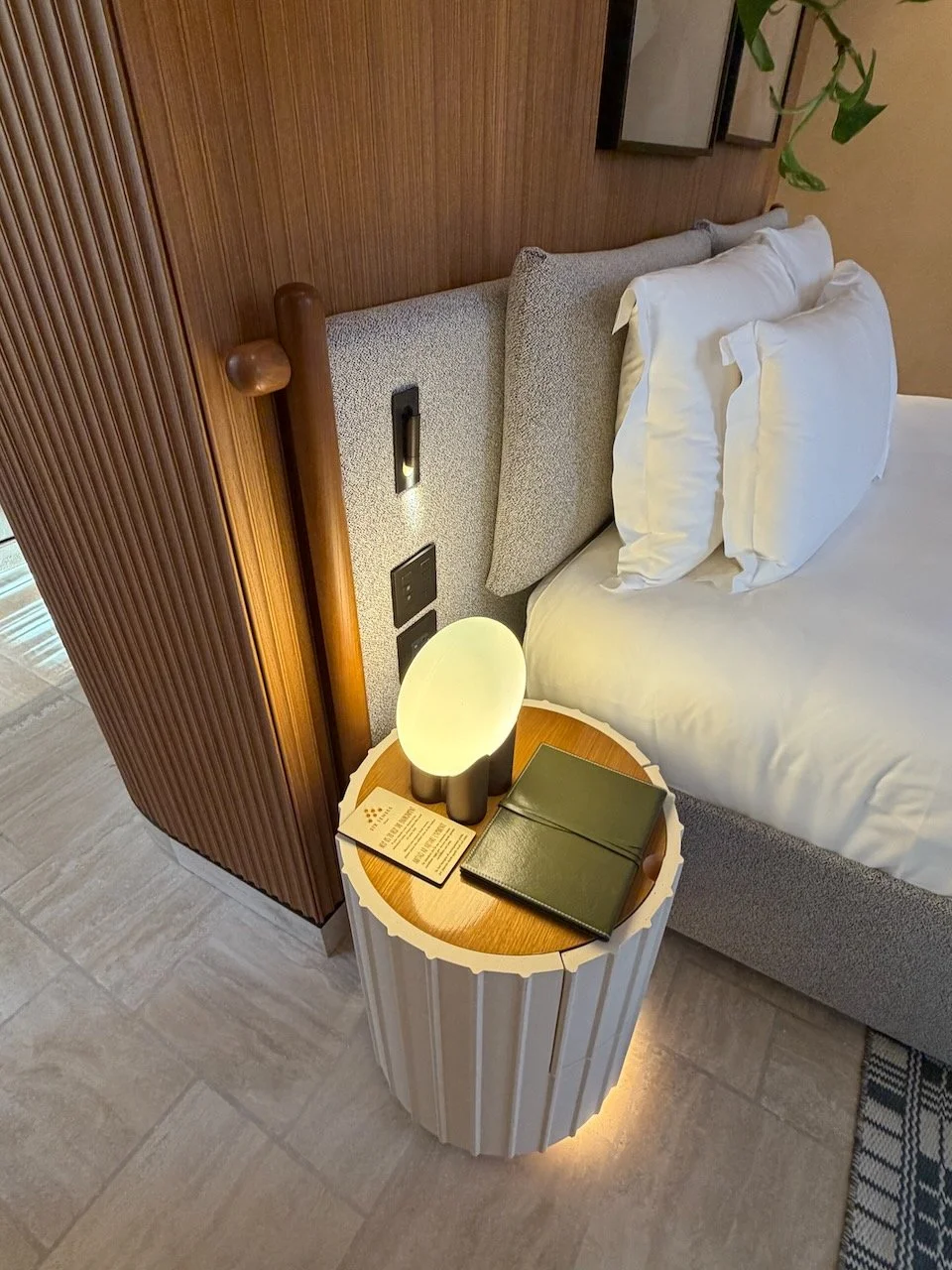
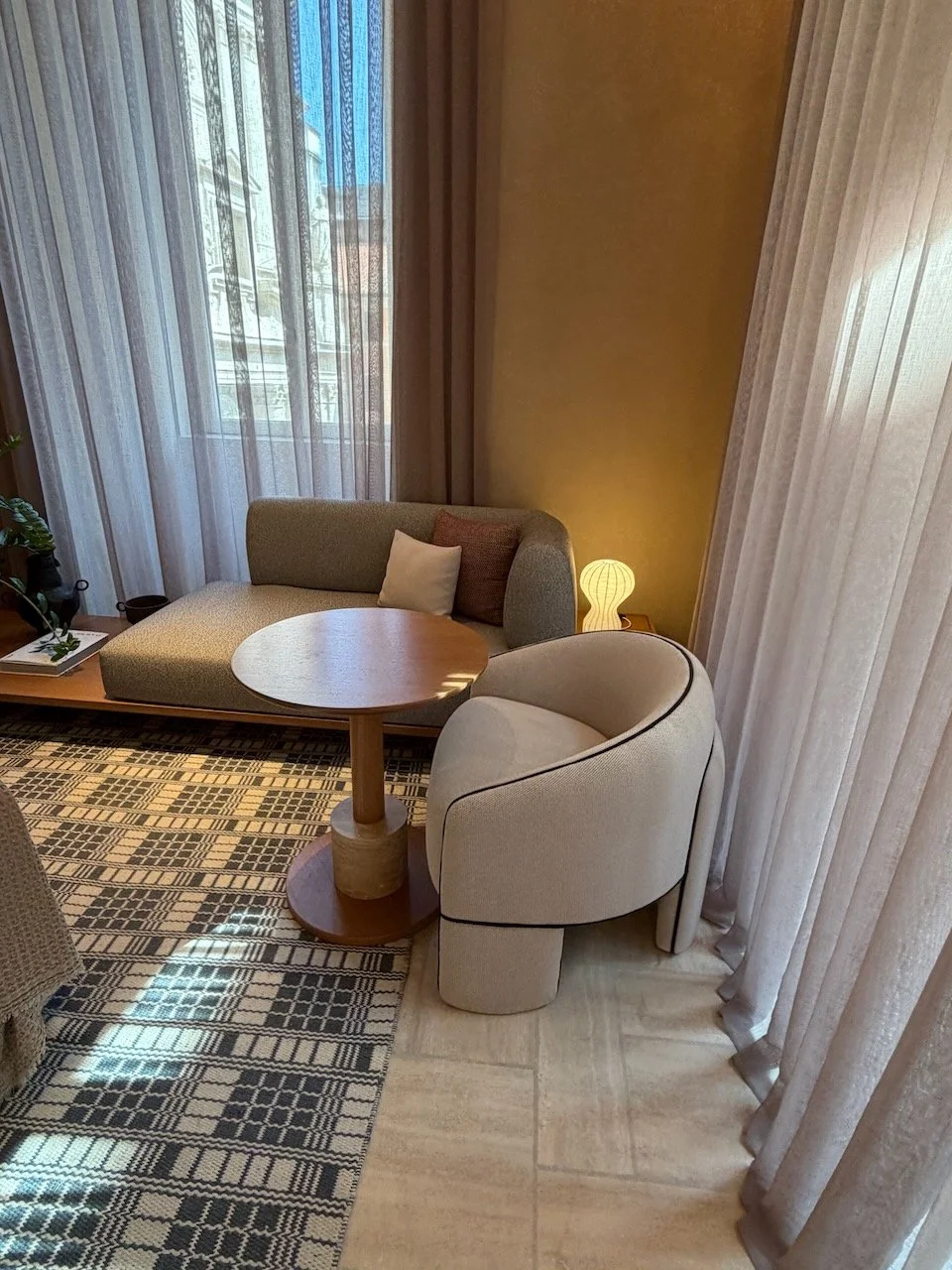
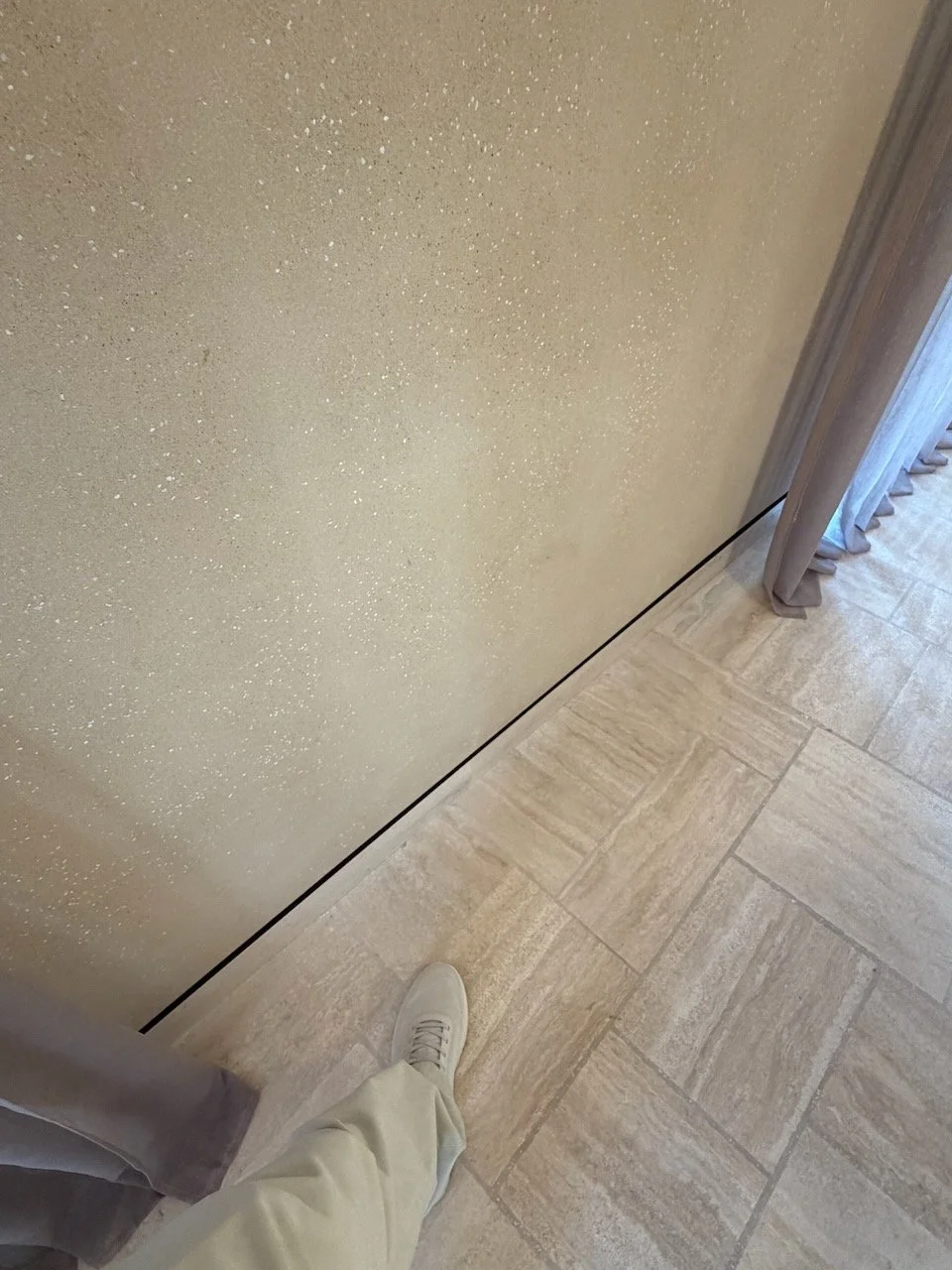
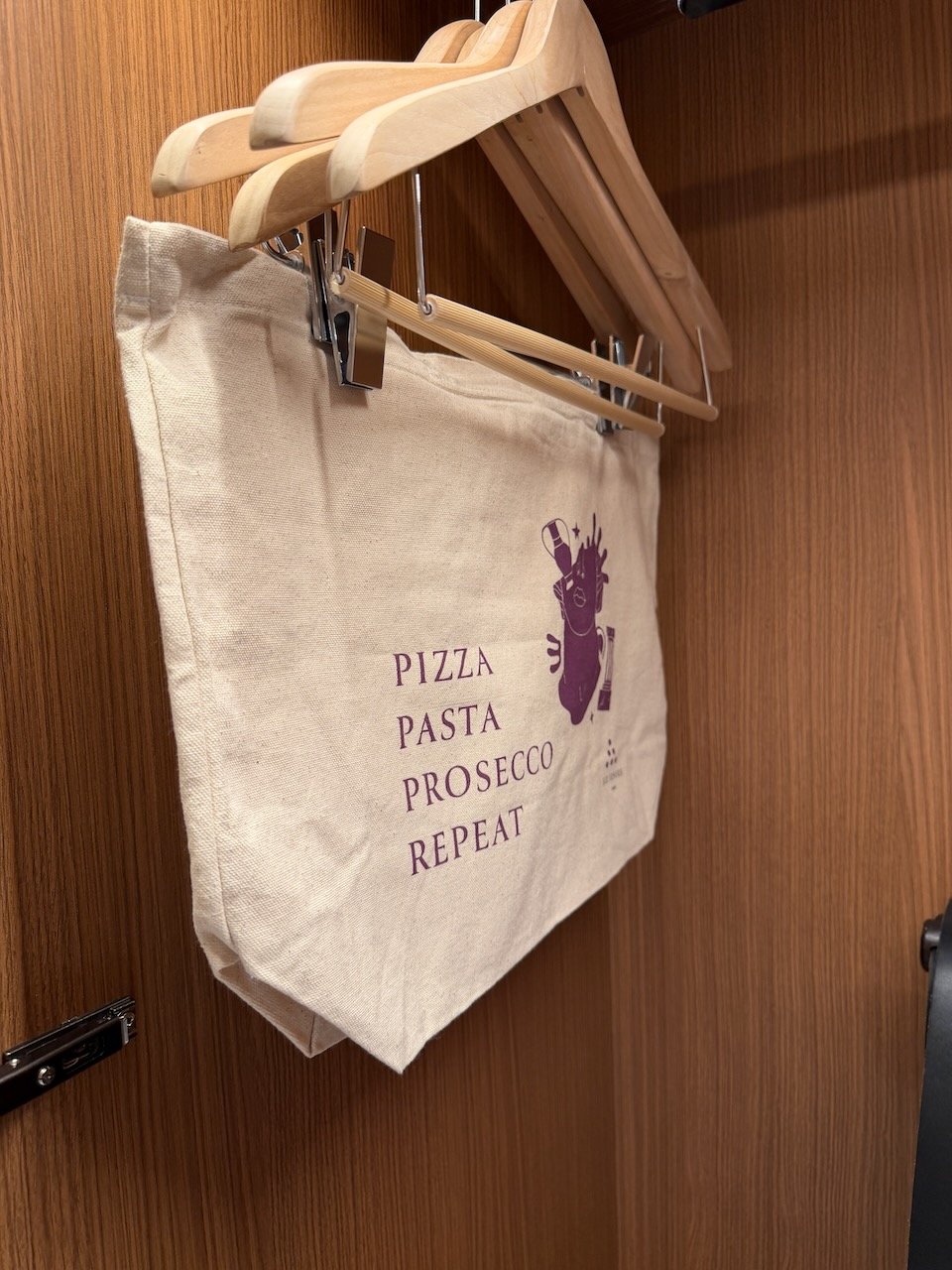
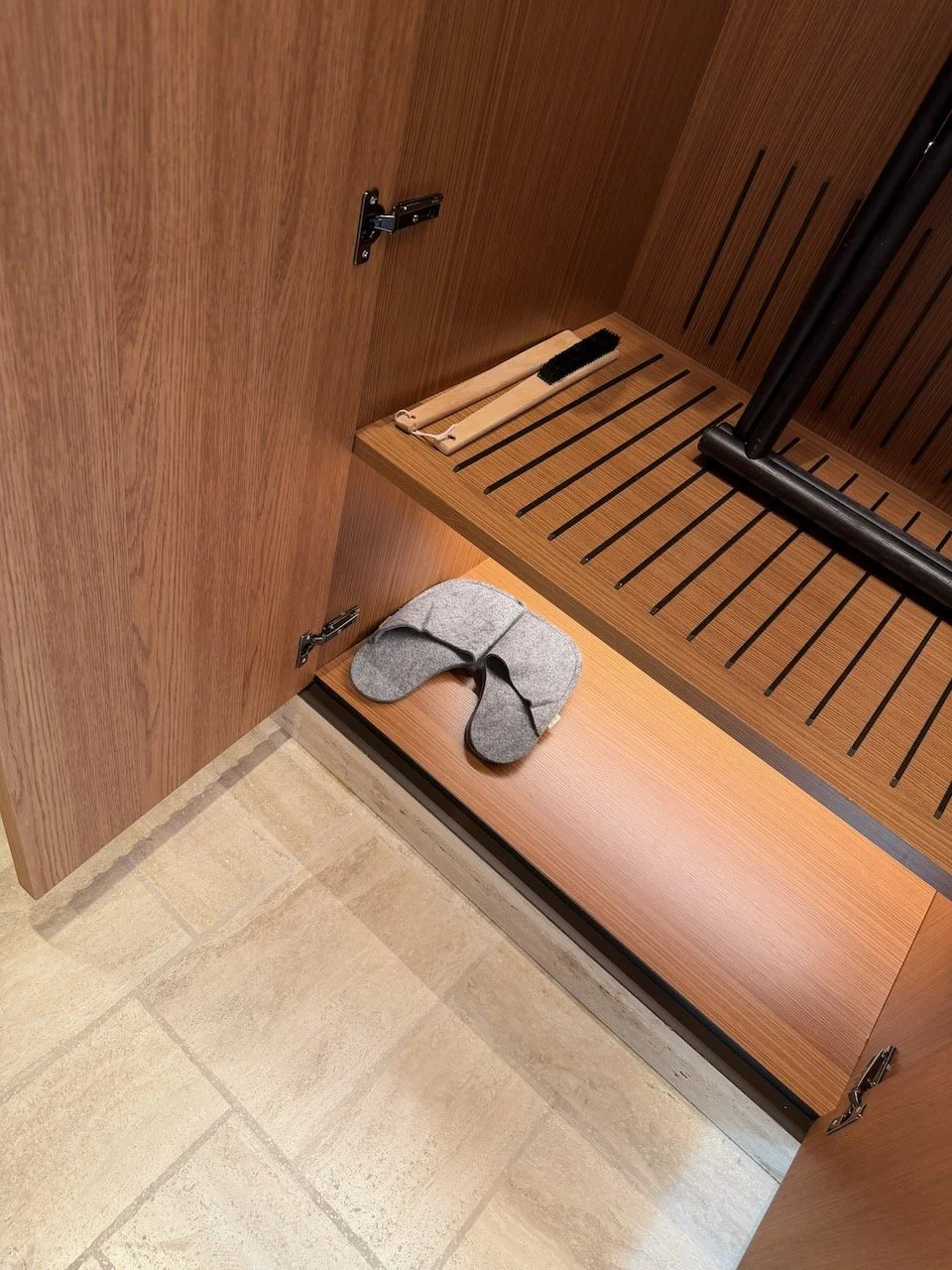
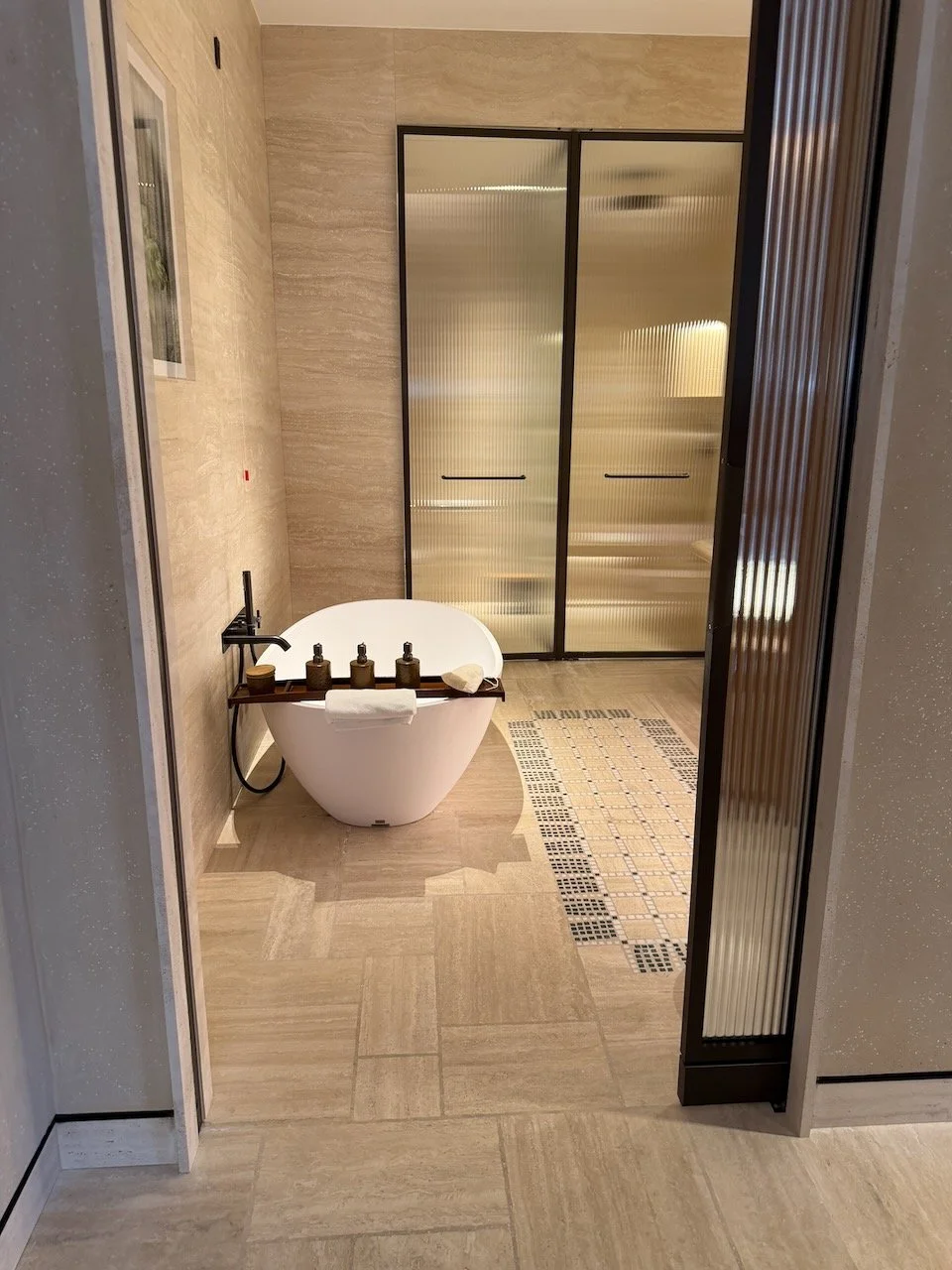
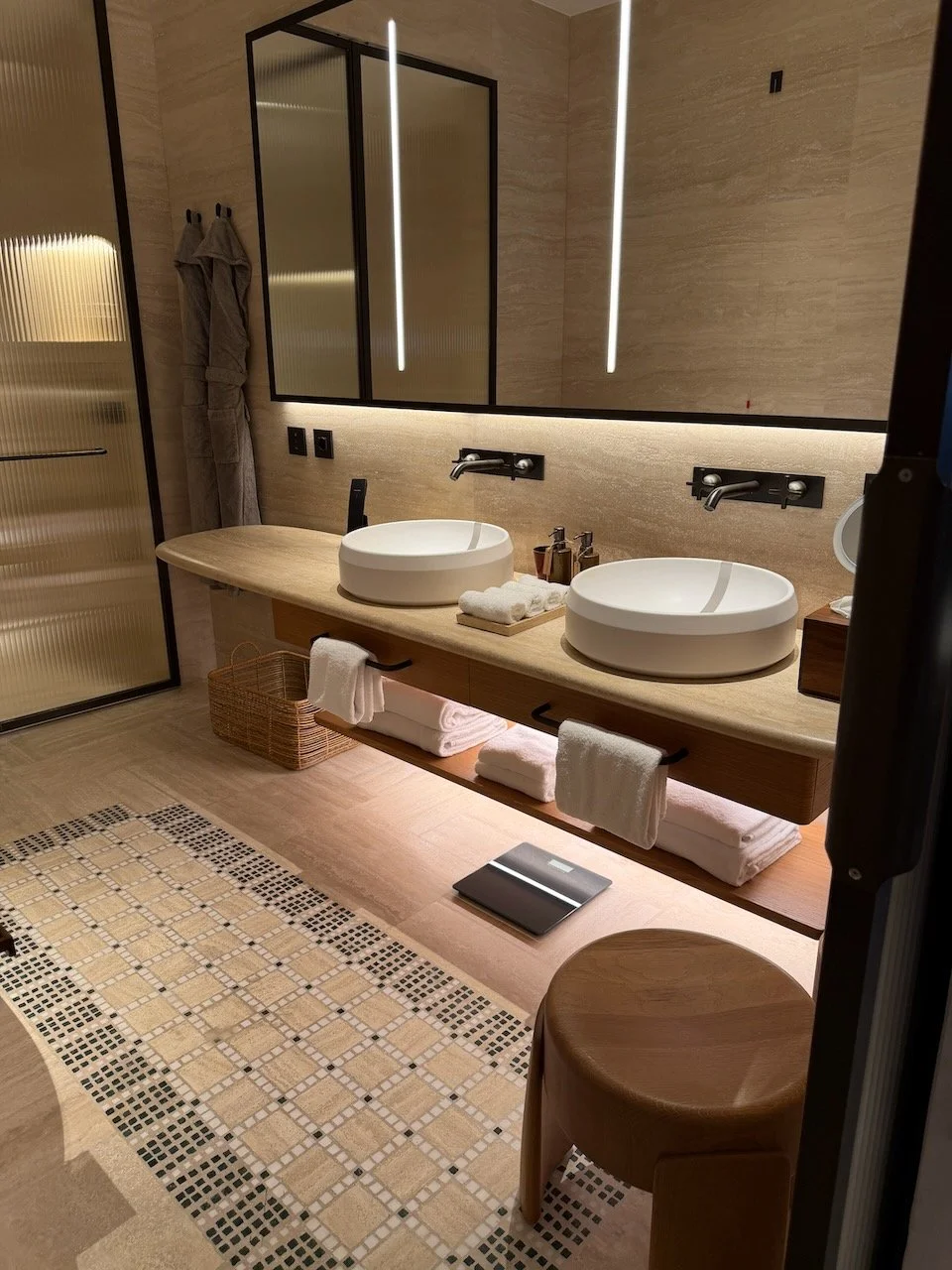
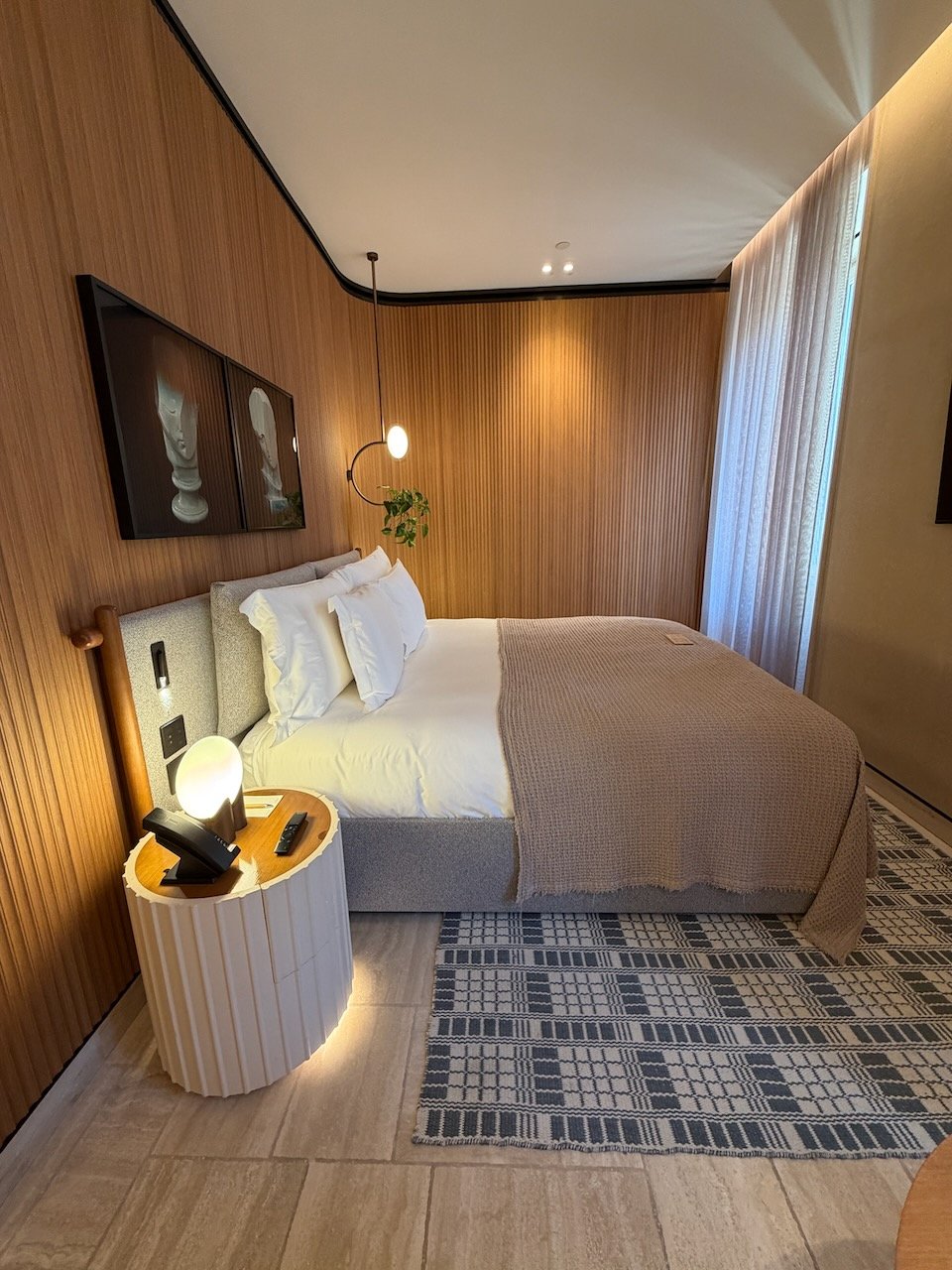
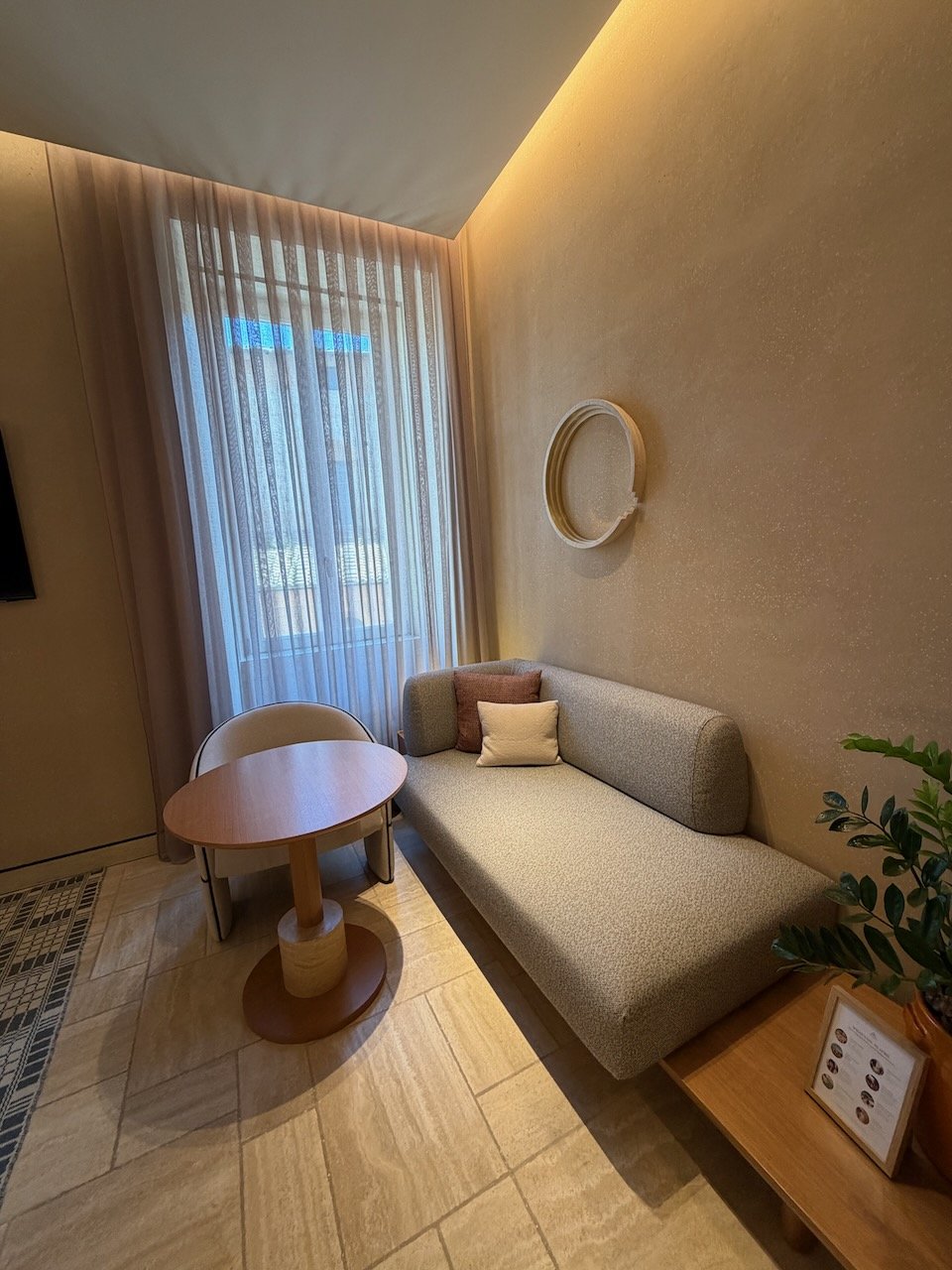
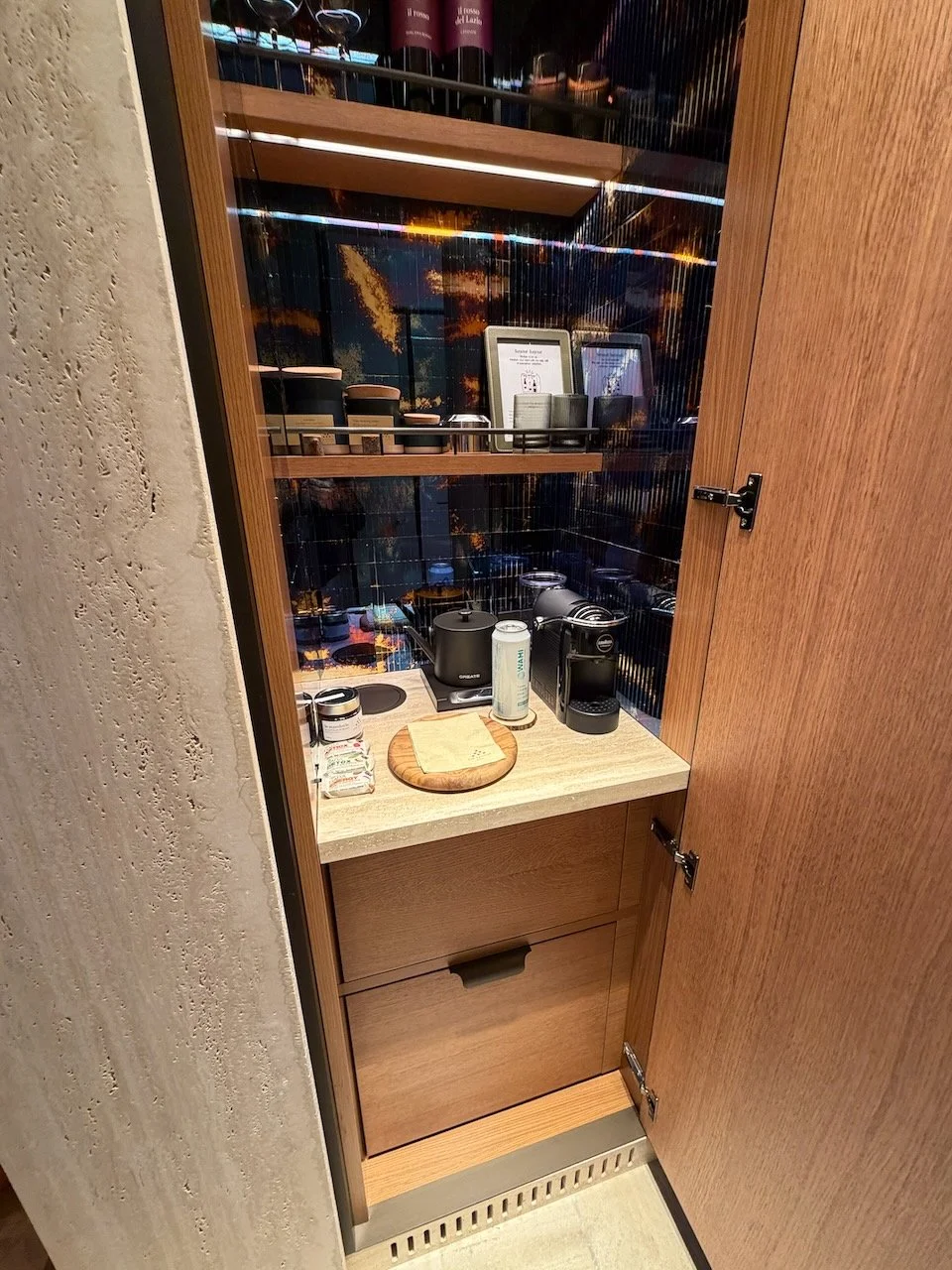
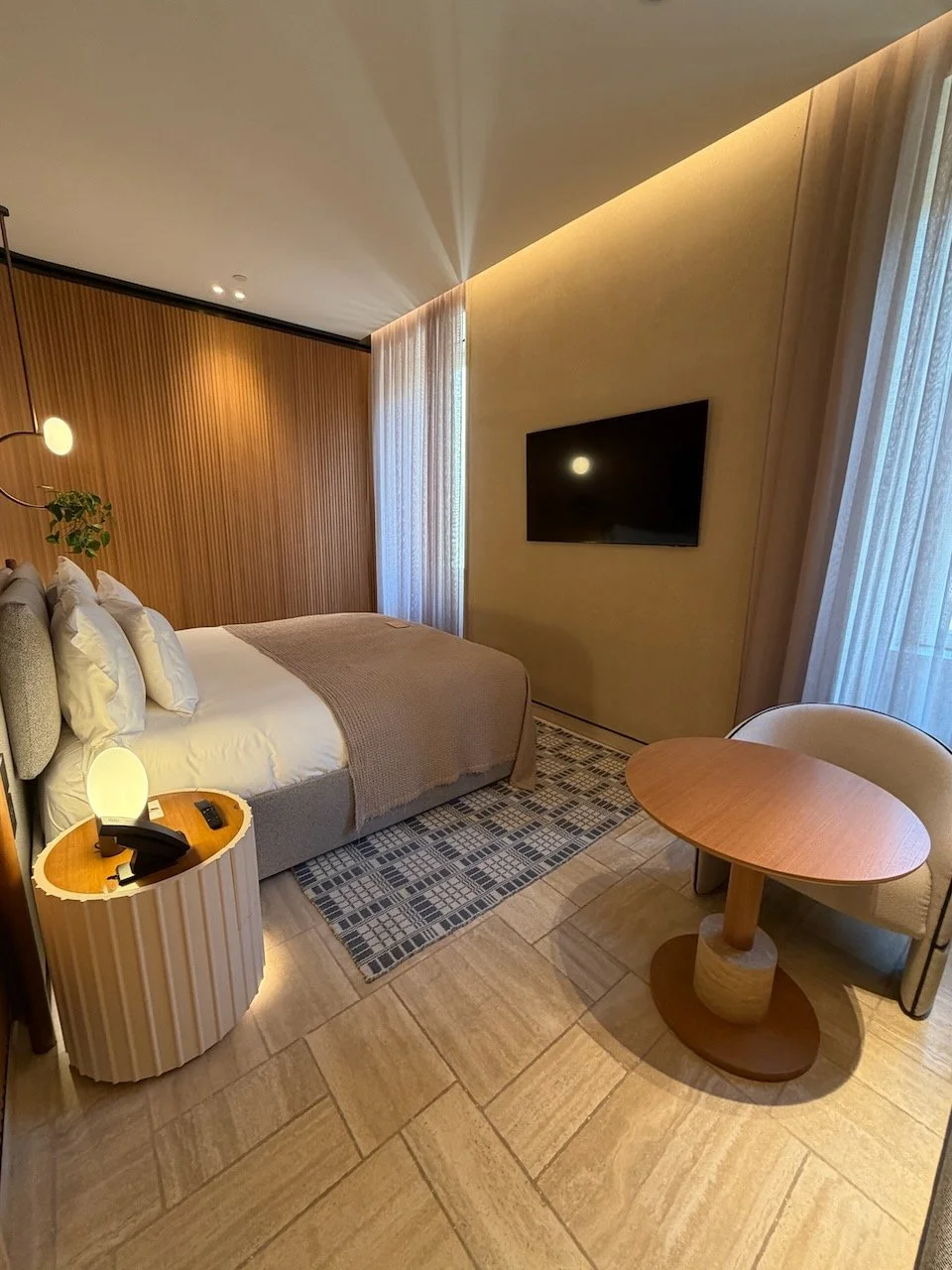
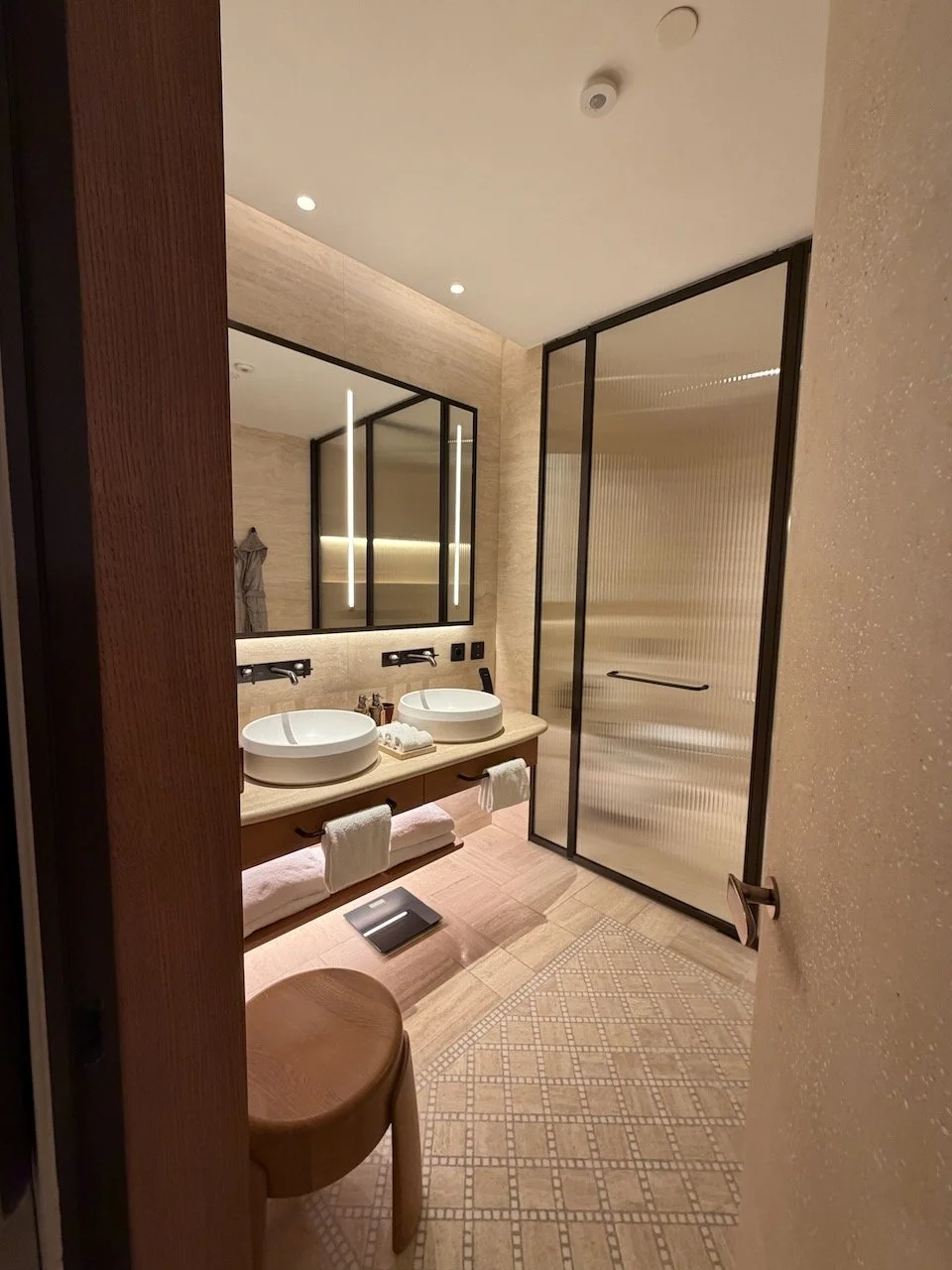
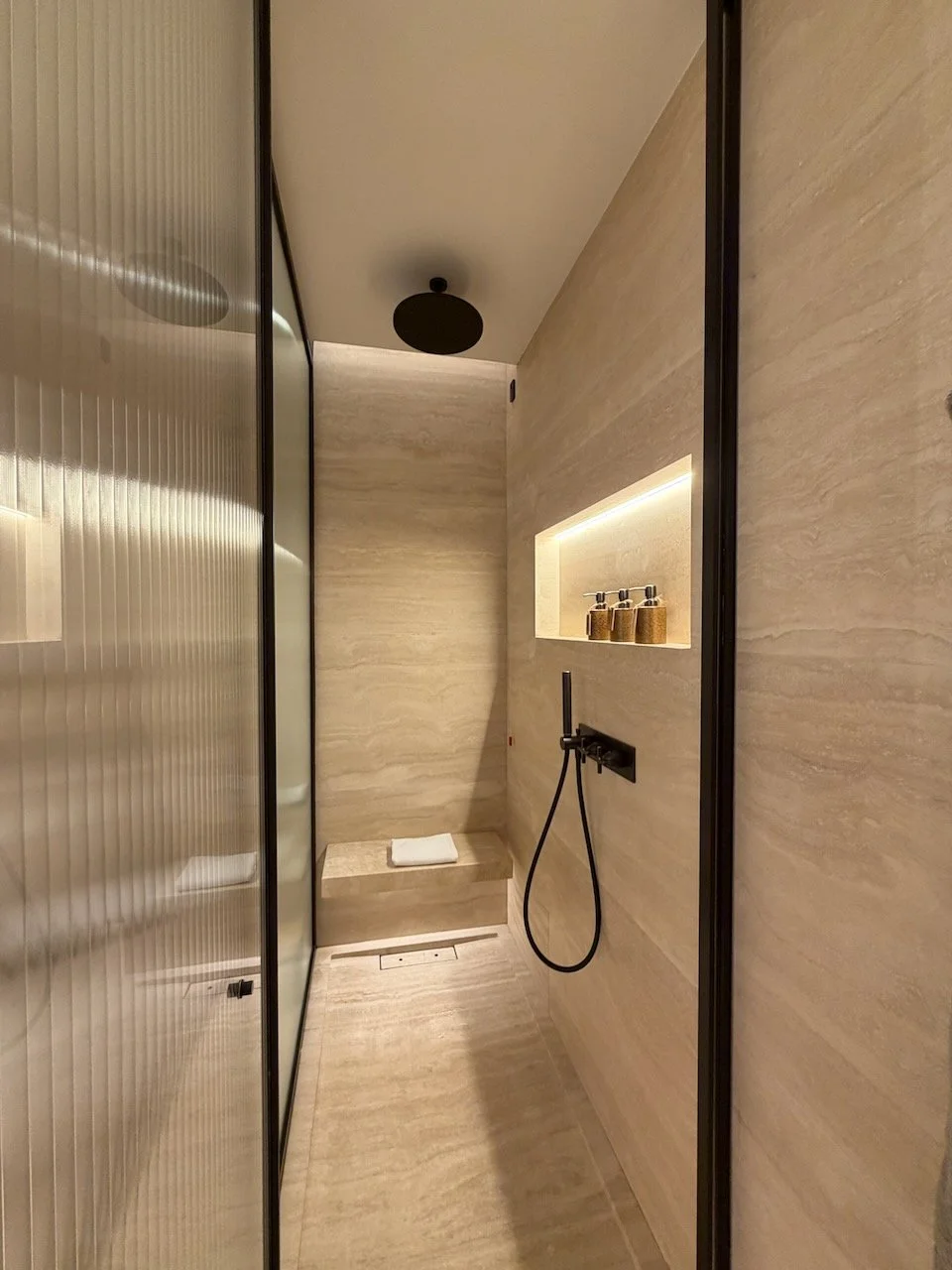
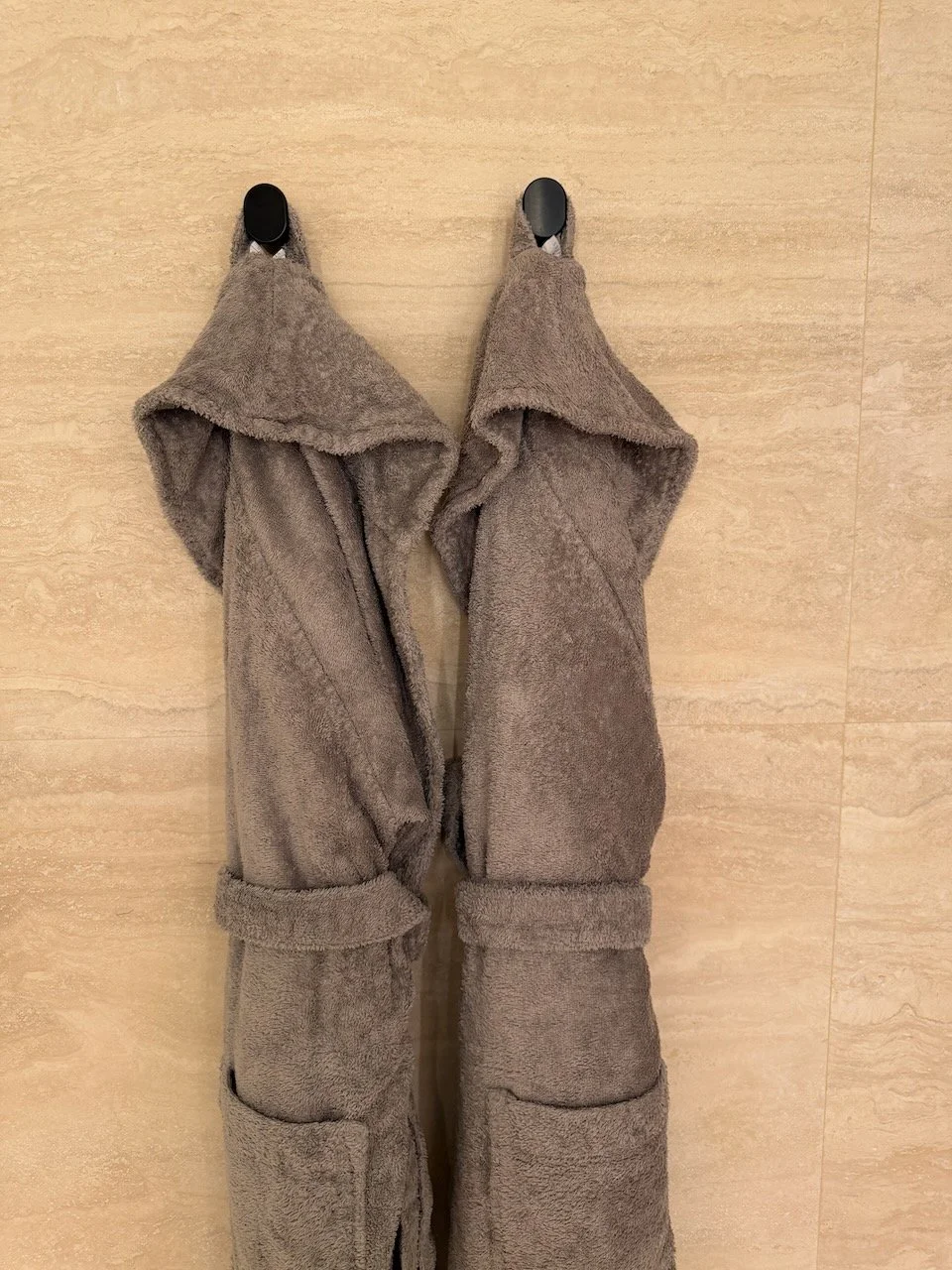
Six Senses Rome has 96 rooms and suites, and the accommodations are very much aligned with the brand’s softer, wellness-led version of luxury. The design is by Patricia Urquiola and uses locally sourced traditional materials such as Cocciopesto plaster and Travertine limestone, which gives the rooms a clear Roman identity without turning them into classical palace rooms. The atmosphere is airy, calm, and contemporary, with natural light, sustainable elements, curated art, and a focus on well-being.
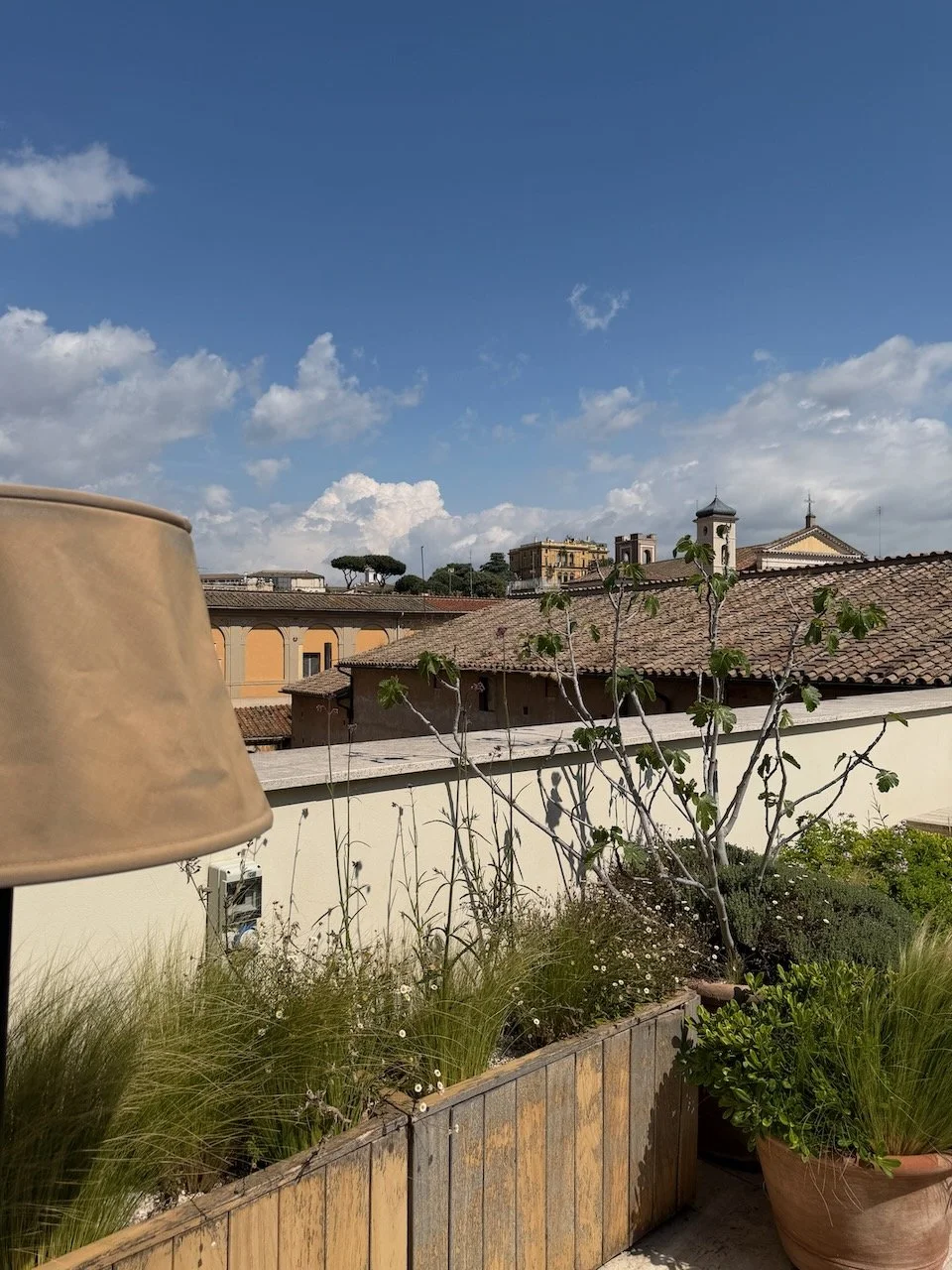
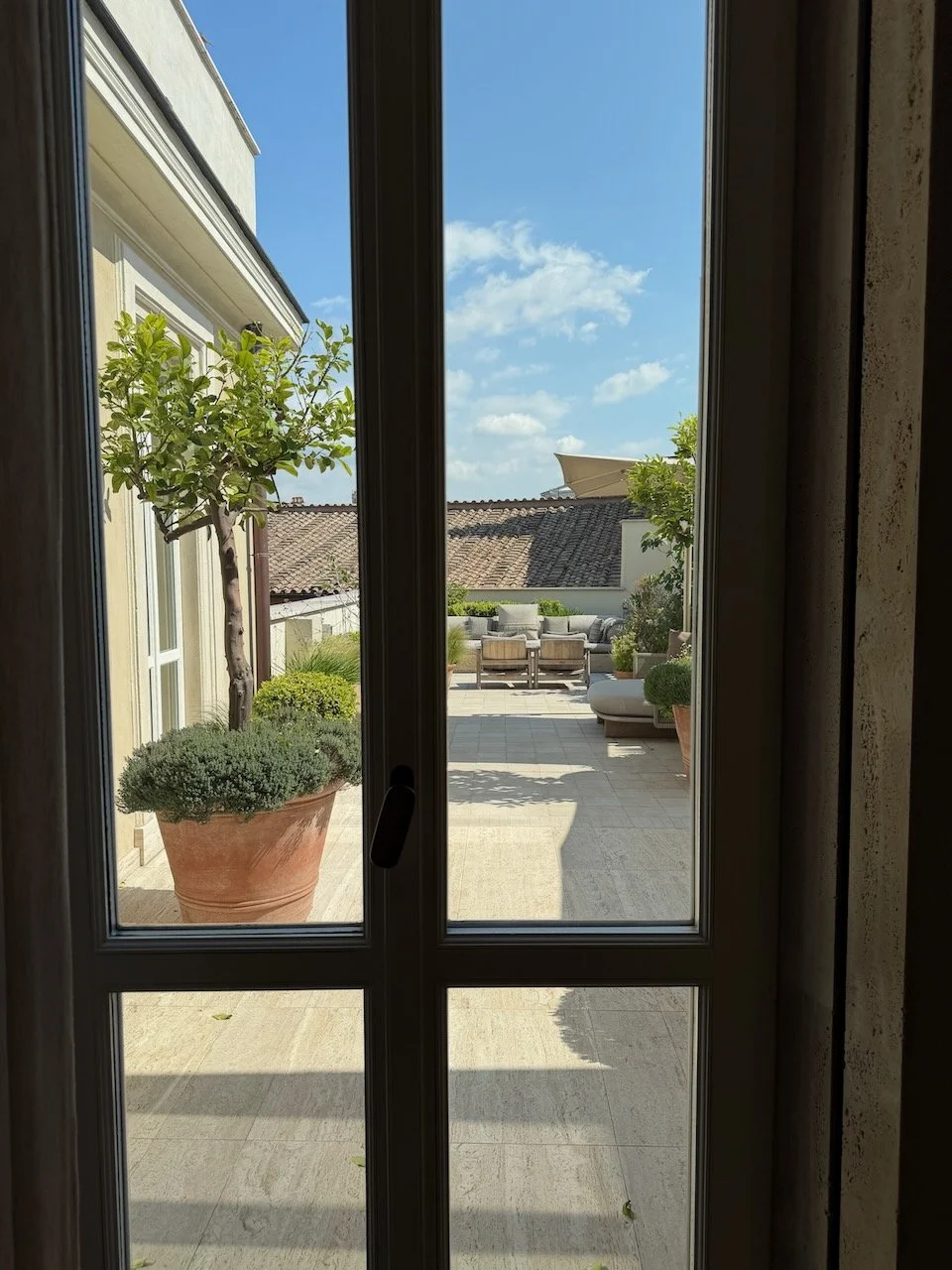
What I liked is that the rooms feel very Six Senses, but not generic Six Senses. The Roman references are there in the materials and details, while the overall mood remains soft, warm, and restorative. Some suites also have terraces with Triclinium-style marble seating, which is a clever Rome-specific touch. The best categories seem to be the suites and terrace rooms, especially for guests who want more outdoor space and a stronger sense of place.
Overall, the accommodation style is probably best for travelers who want contemporary comfort, wellness, and quiet design rather than overt glamour. Compared with Bvlgari, it feels less jewel-box luxury; compared with La Minerva, less theatrical. But for guests who like the Six Senses feeling — calm, tactile, natural, and deeply comfortable — the Rome property translates the brand beautifully into the city.

Unique Amenities
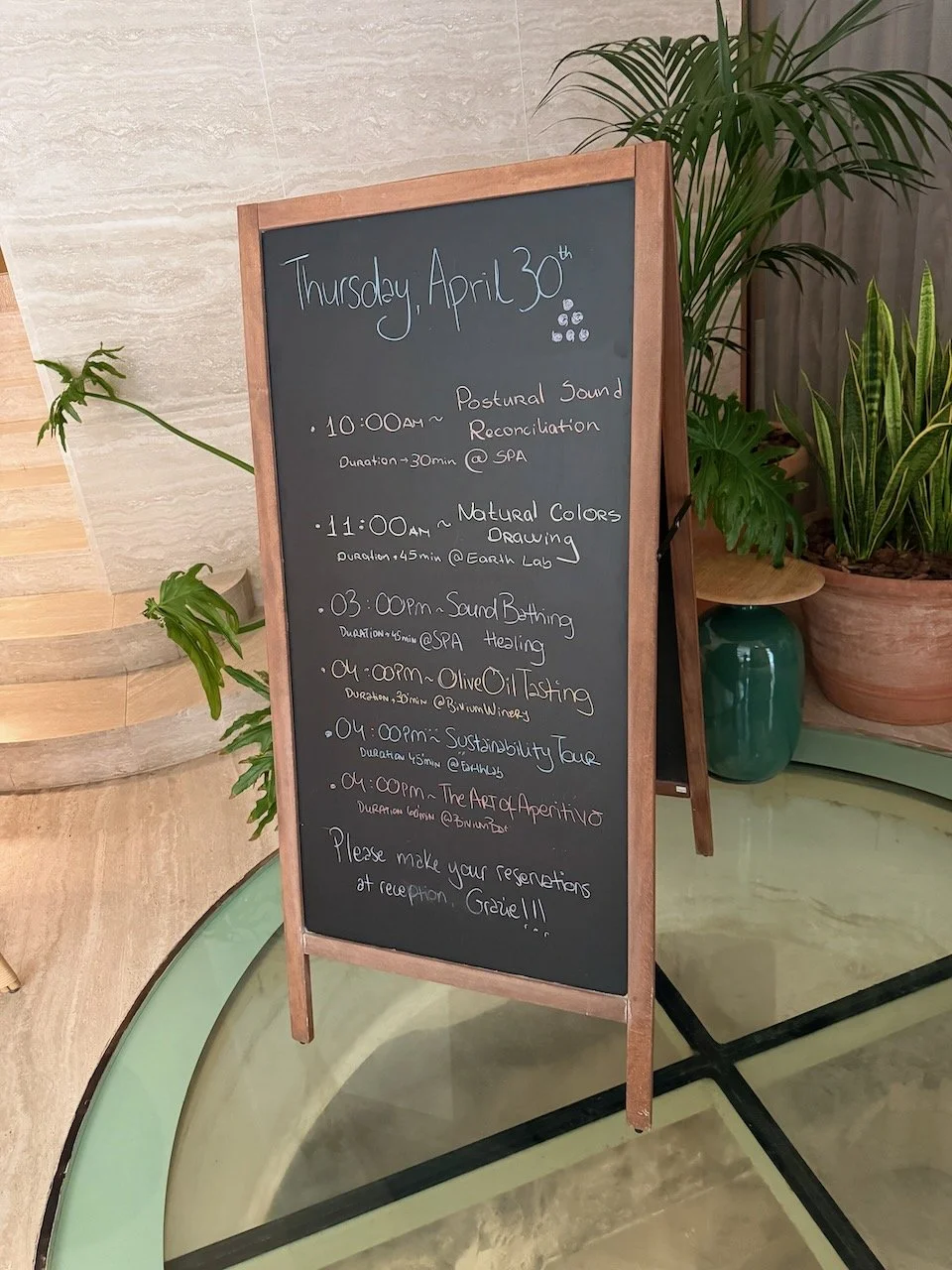
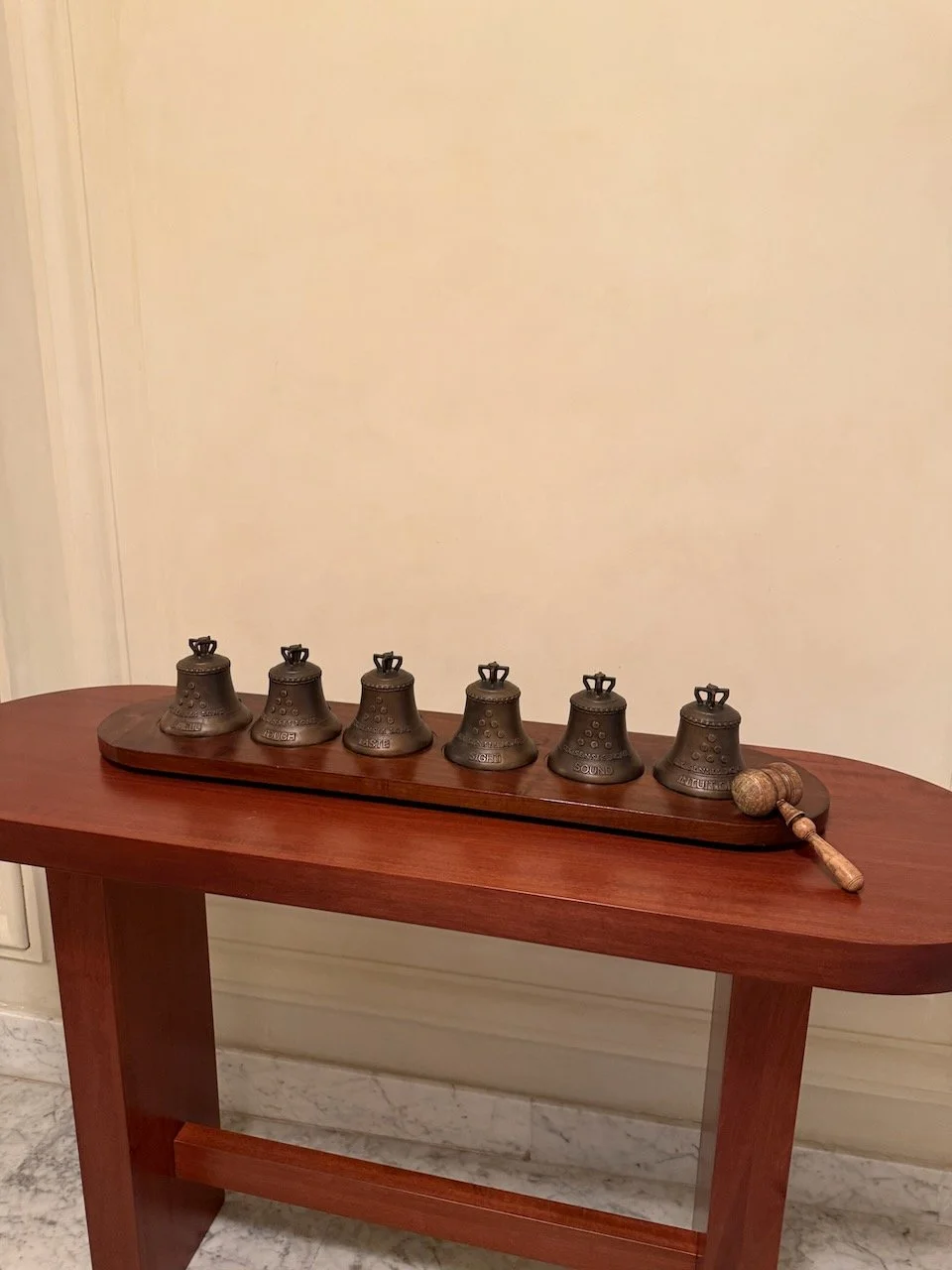
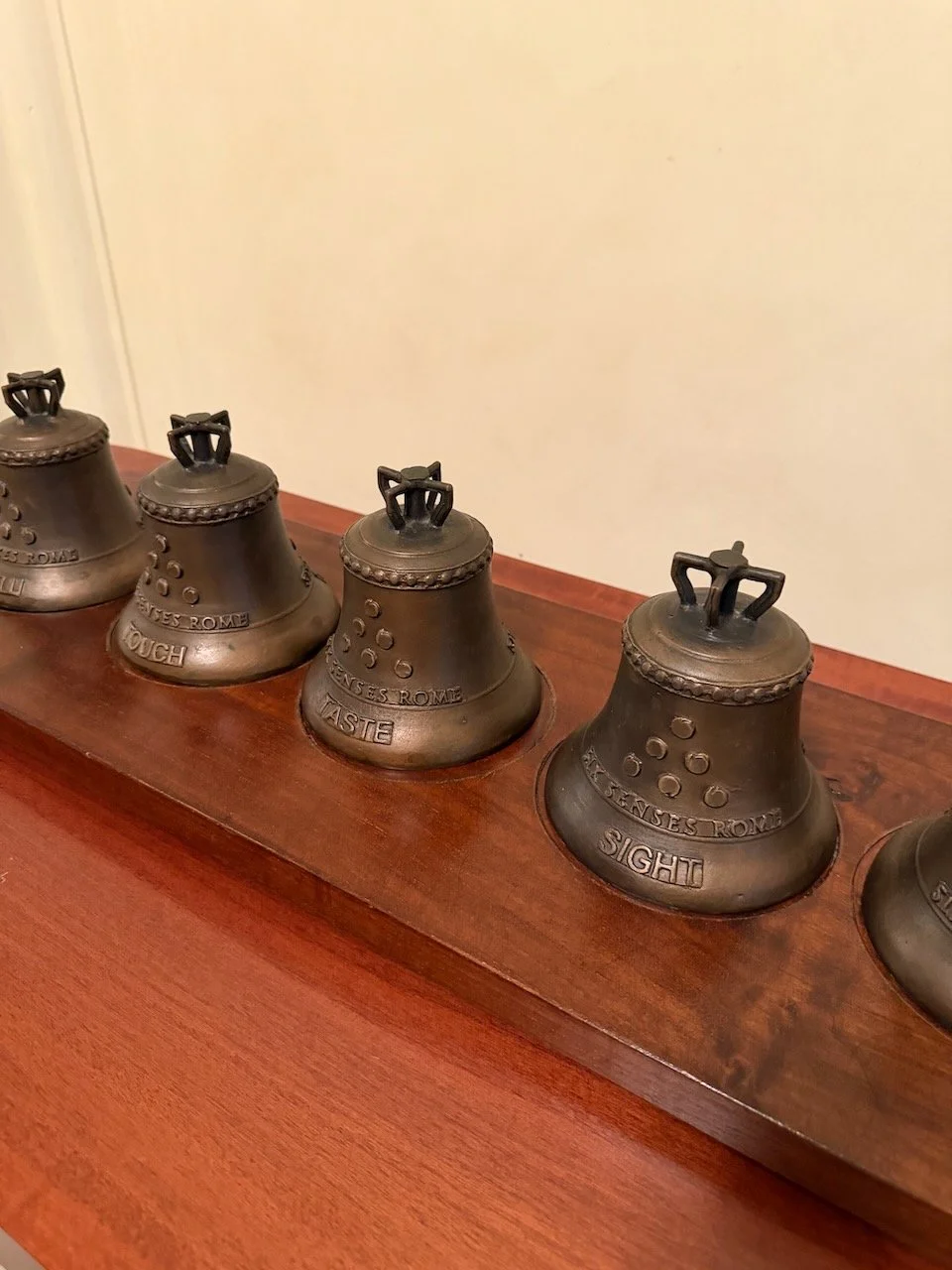
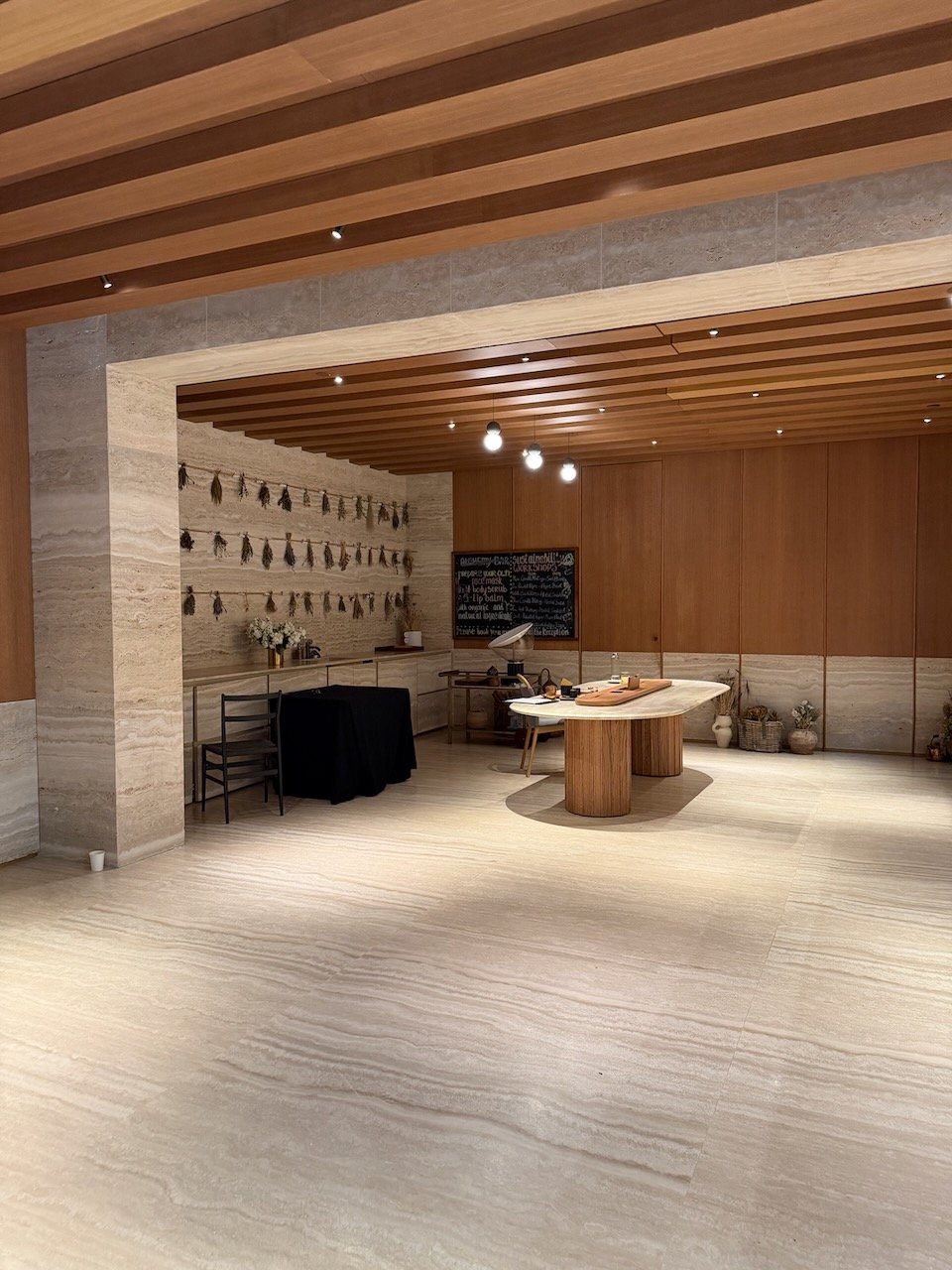
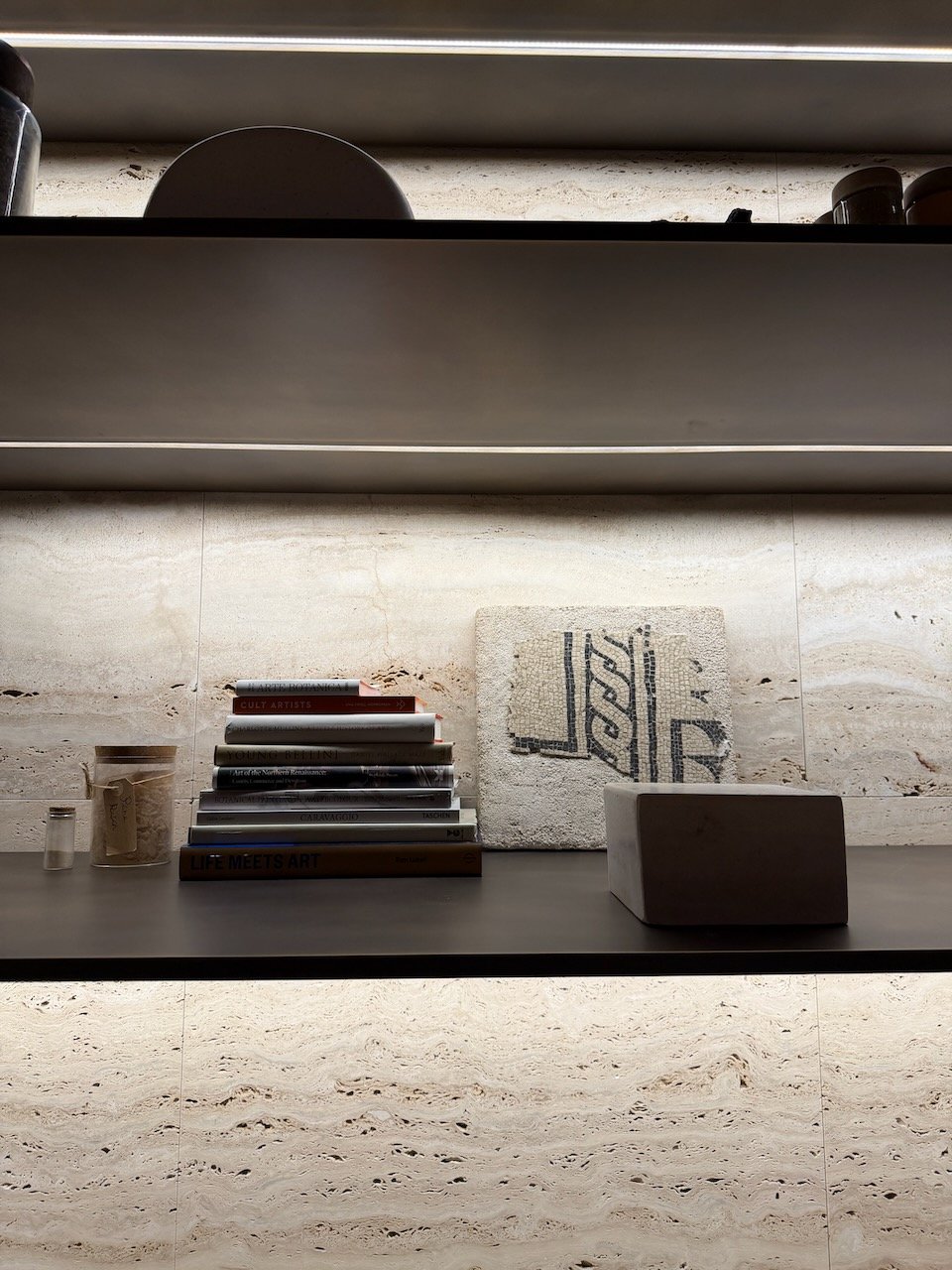
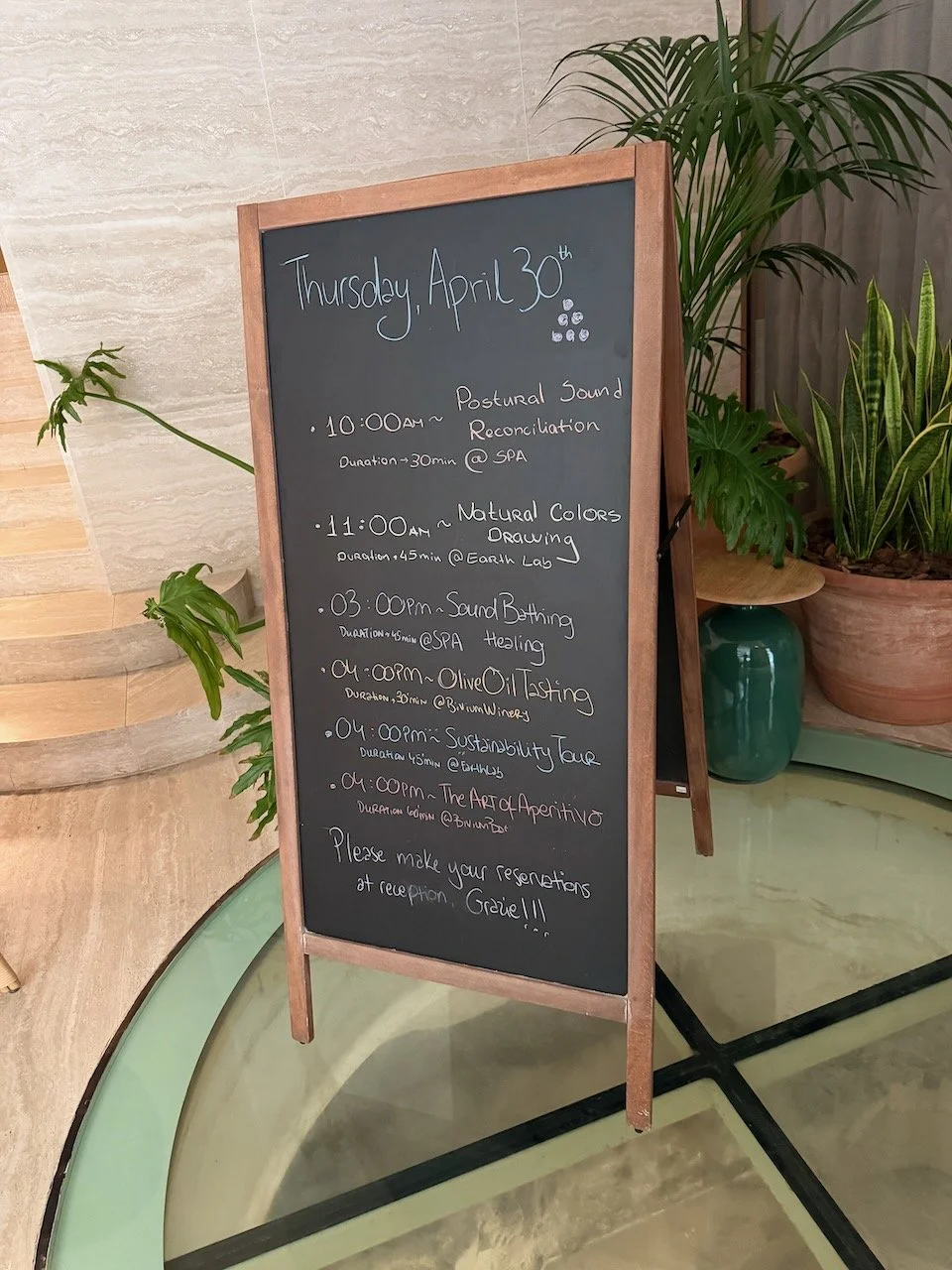
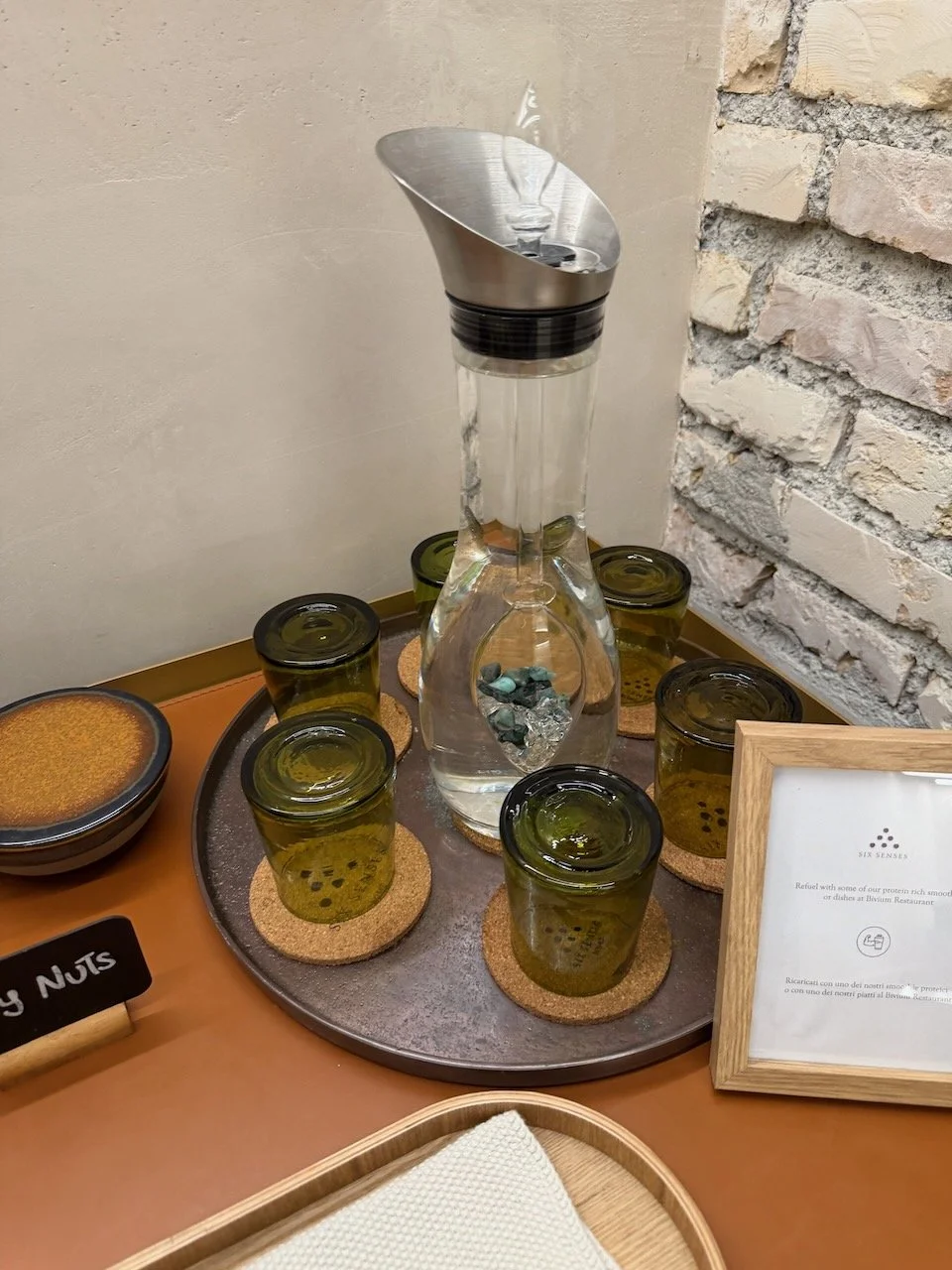
Six Senses always brings more than just rooms and restaurants. The brand usually has a strong focus on local experiences, sustainability, rituals, workshops, and wellness programming.
Spa and Wellness
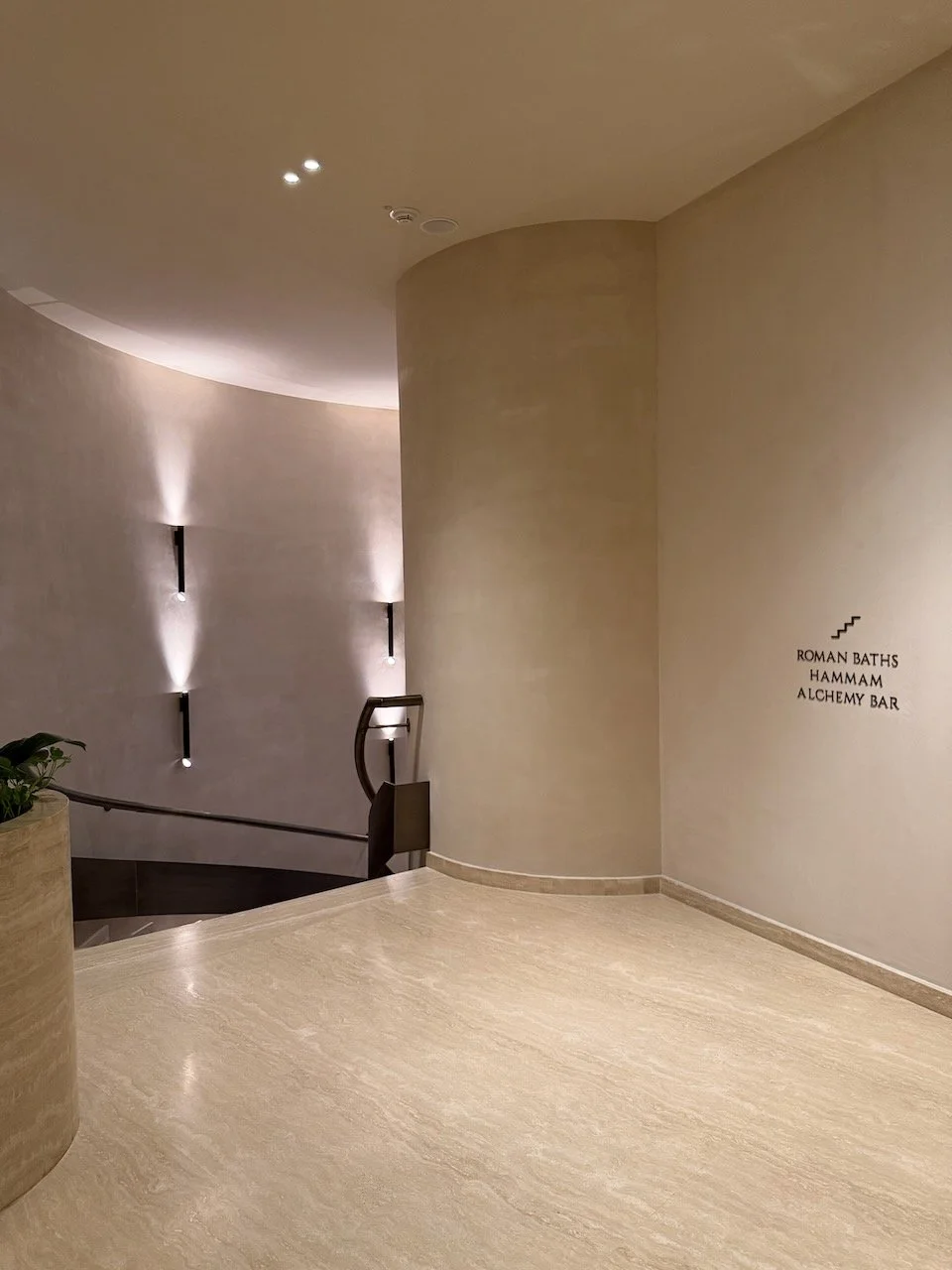
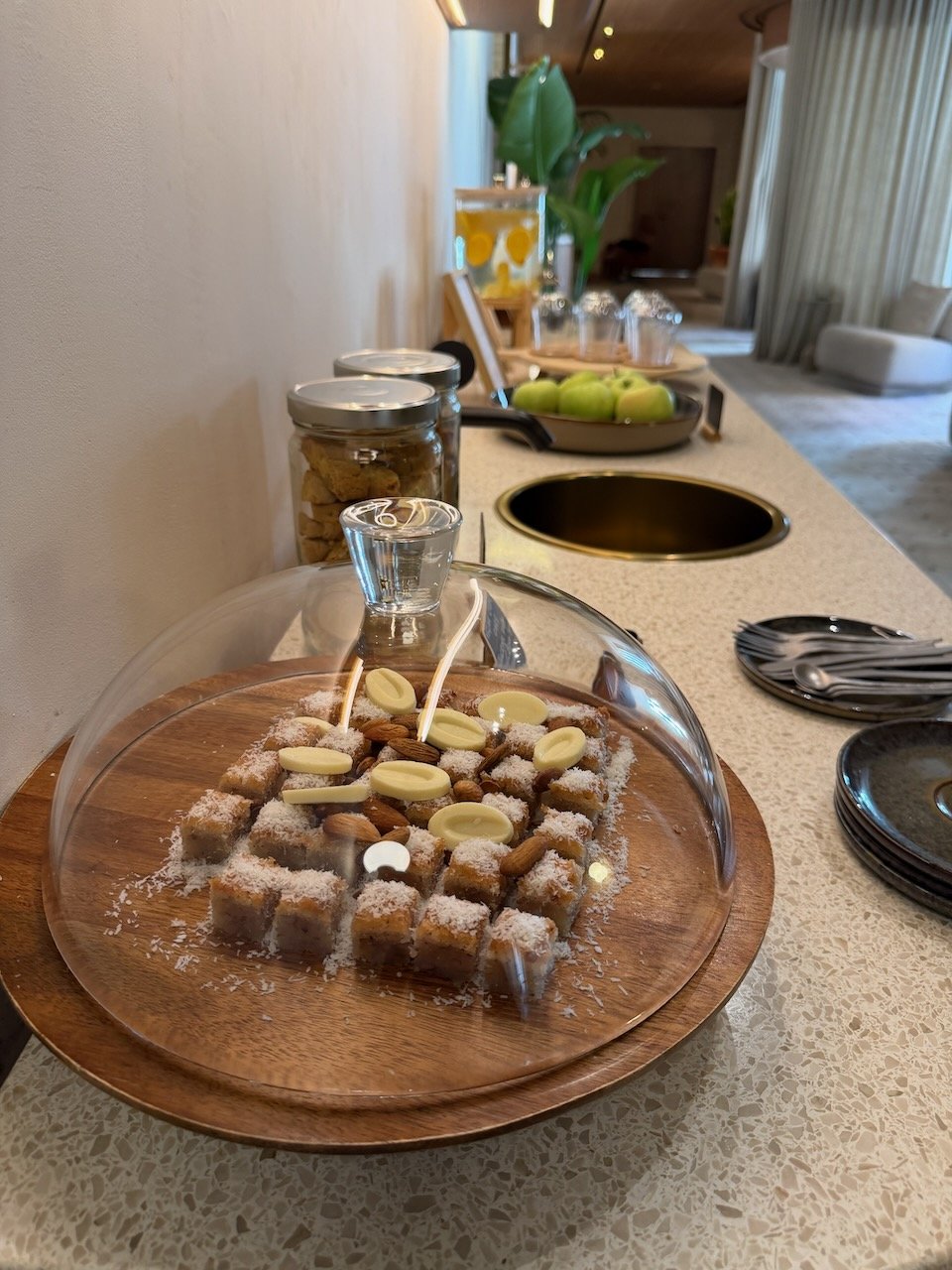
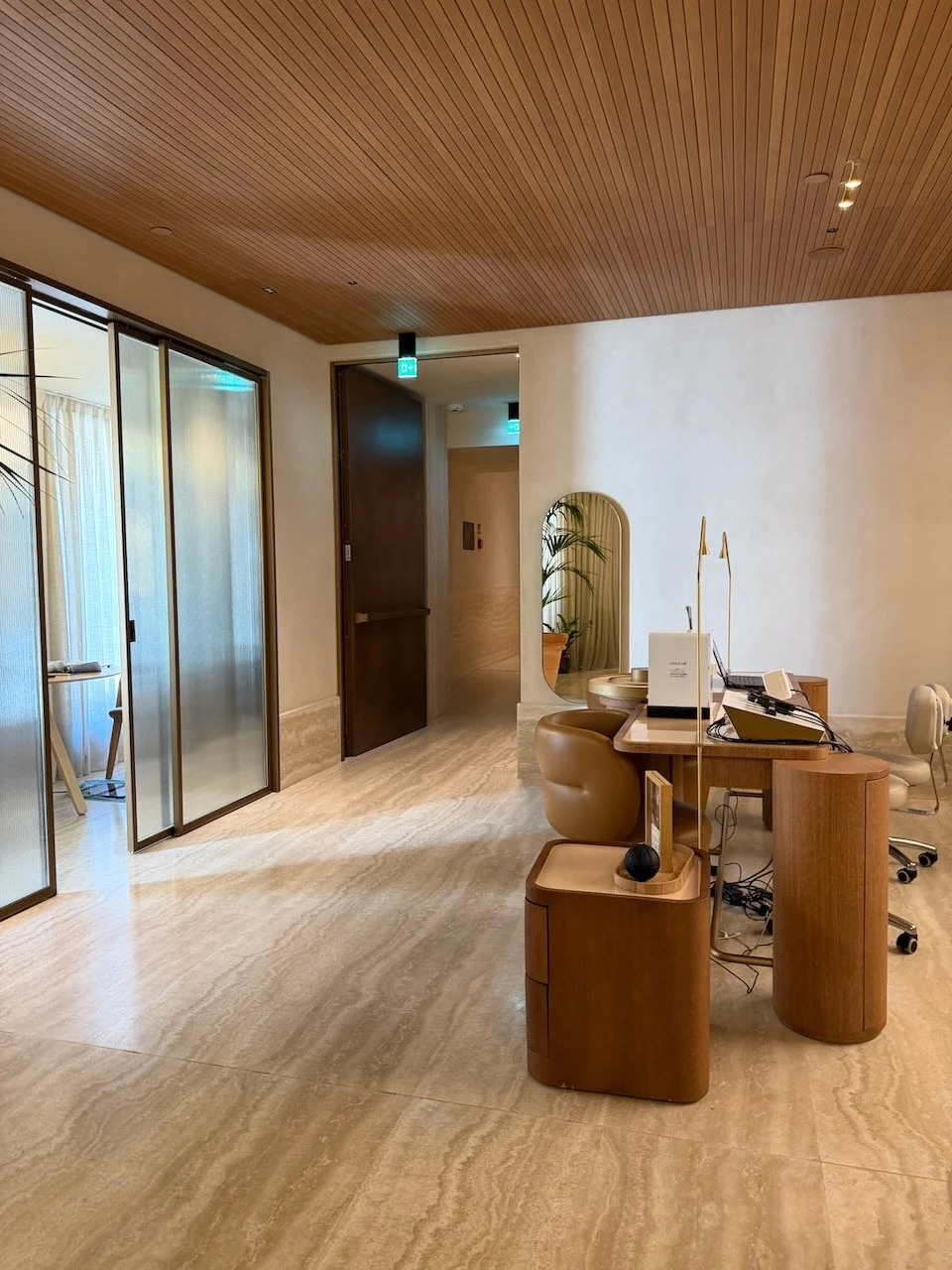
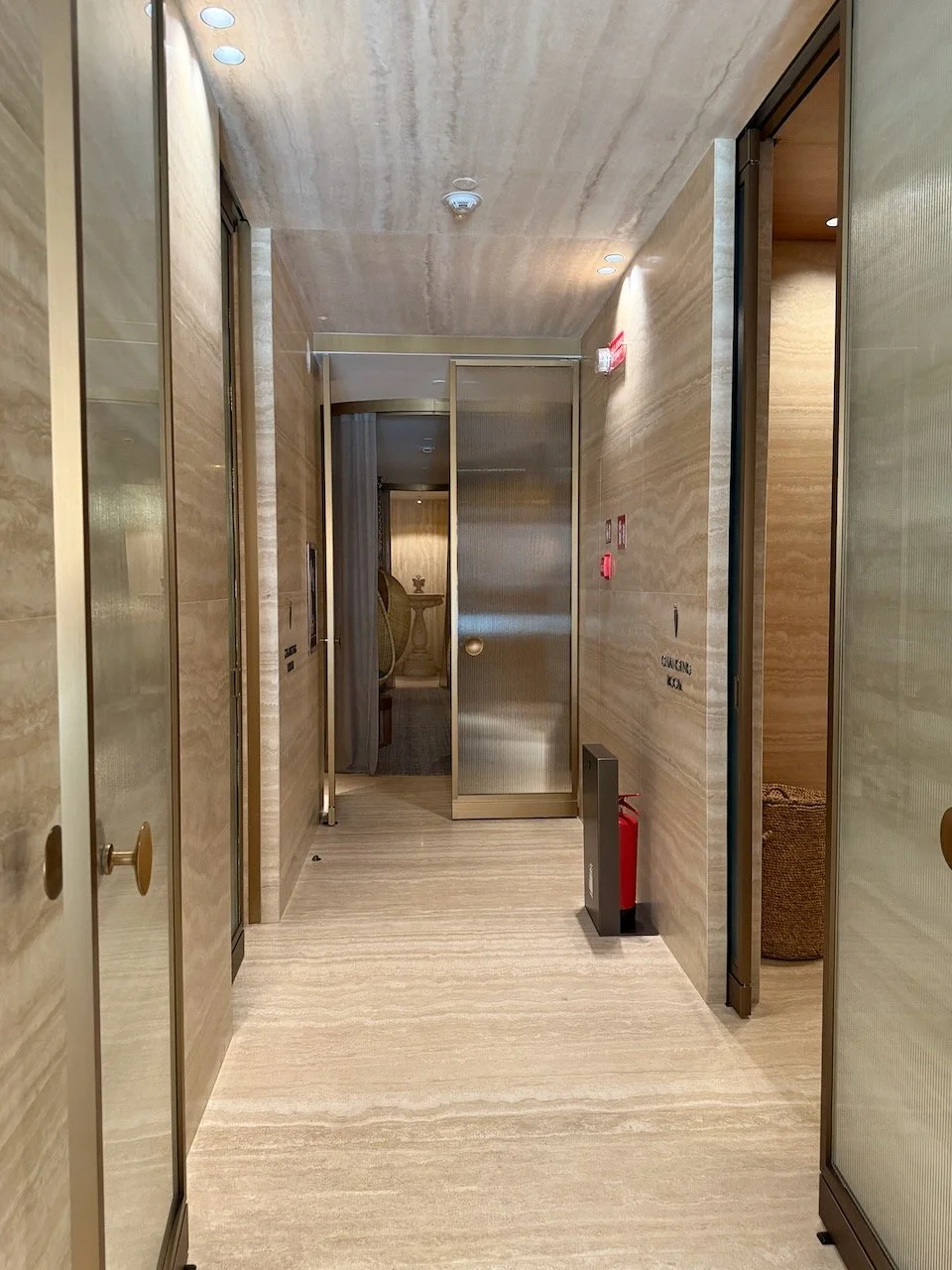
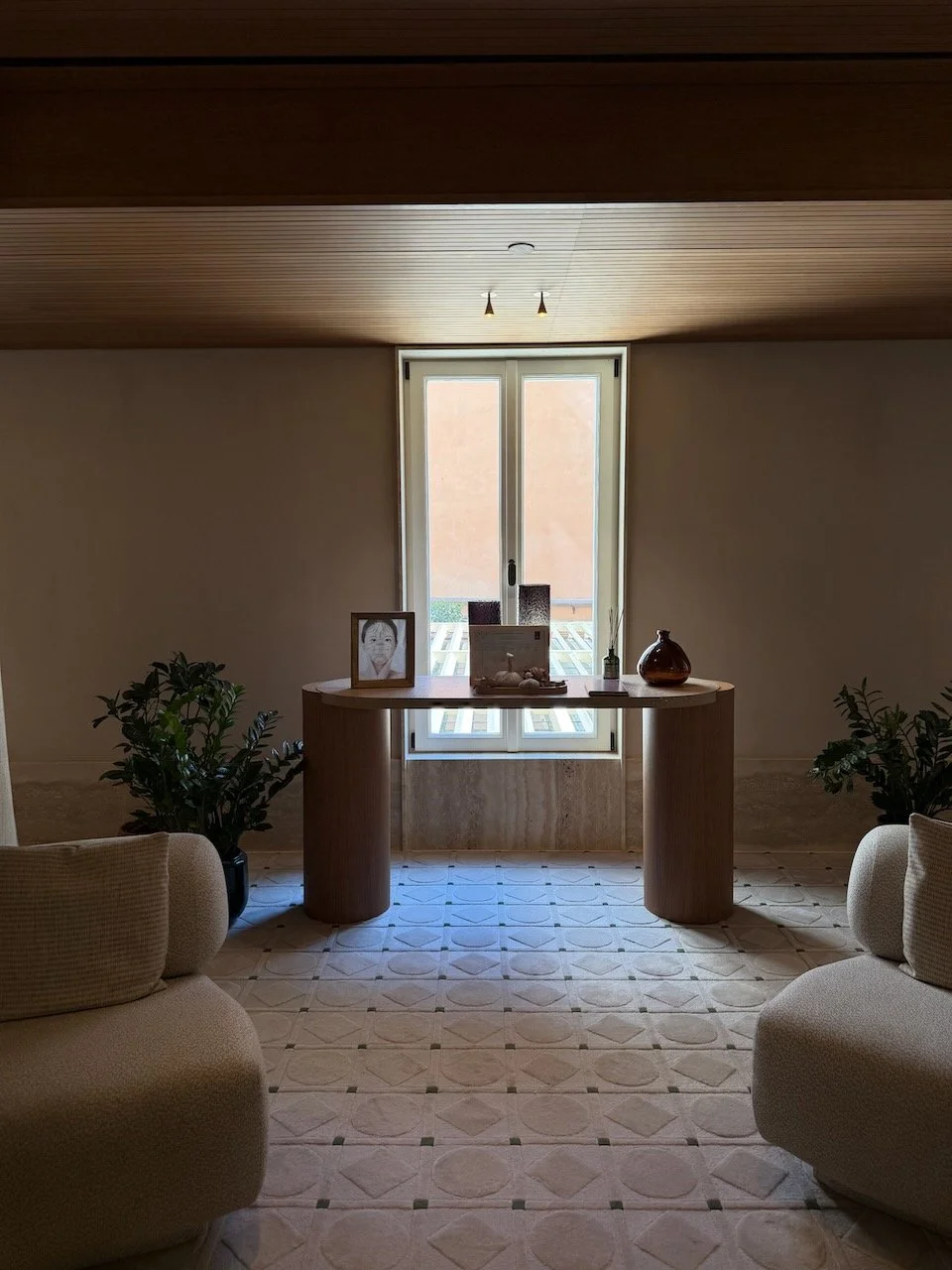
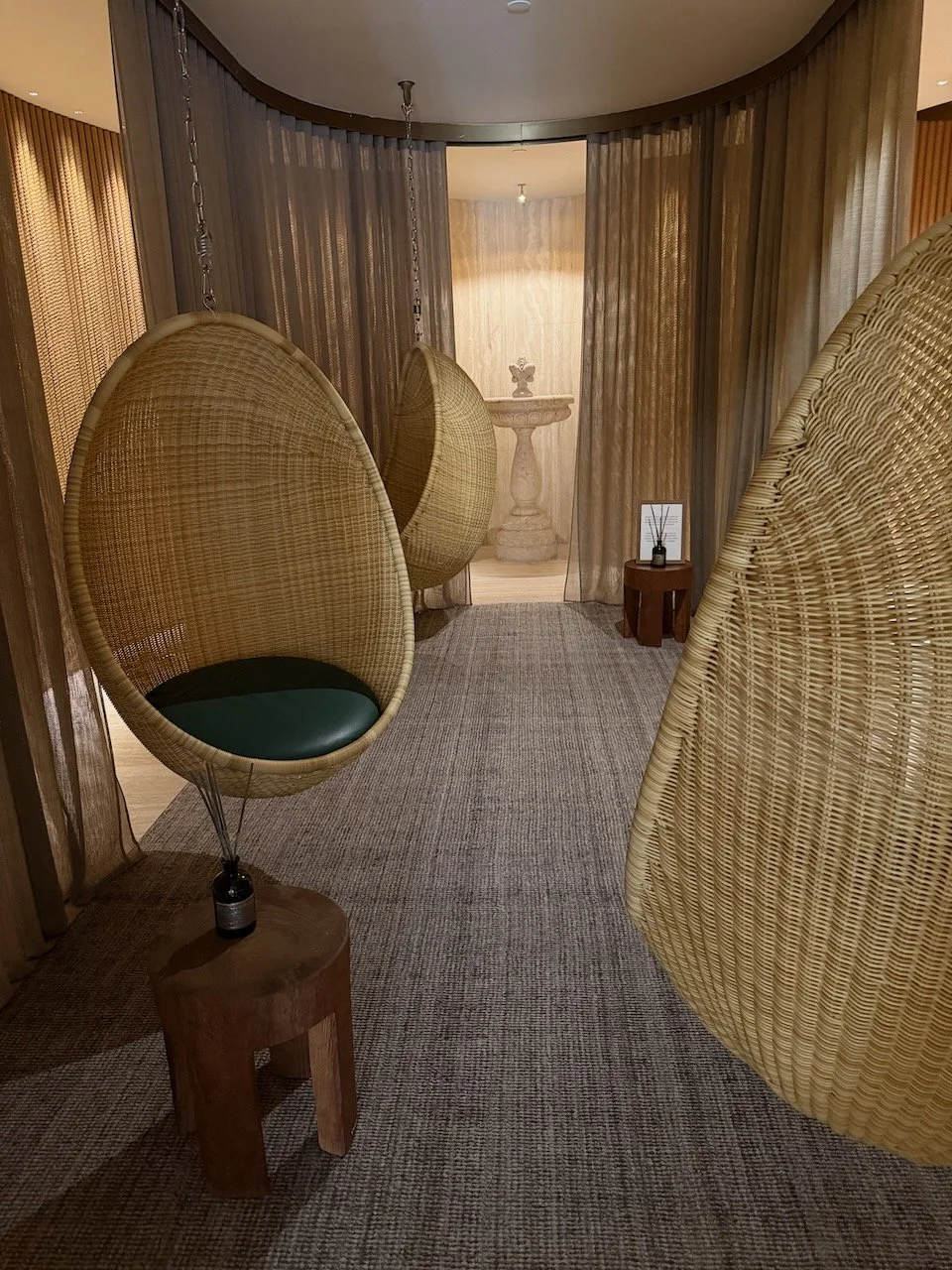
The spa is lovely and gives the property a real wellness identity. It has a nice indoor pool (no photo unfortunately), which may not be as huge as the Six Senses London pool, but it still brings the brand’s wellness credibility into the heart of Rome.
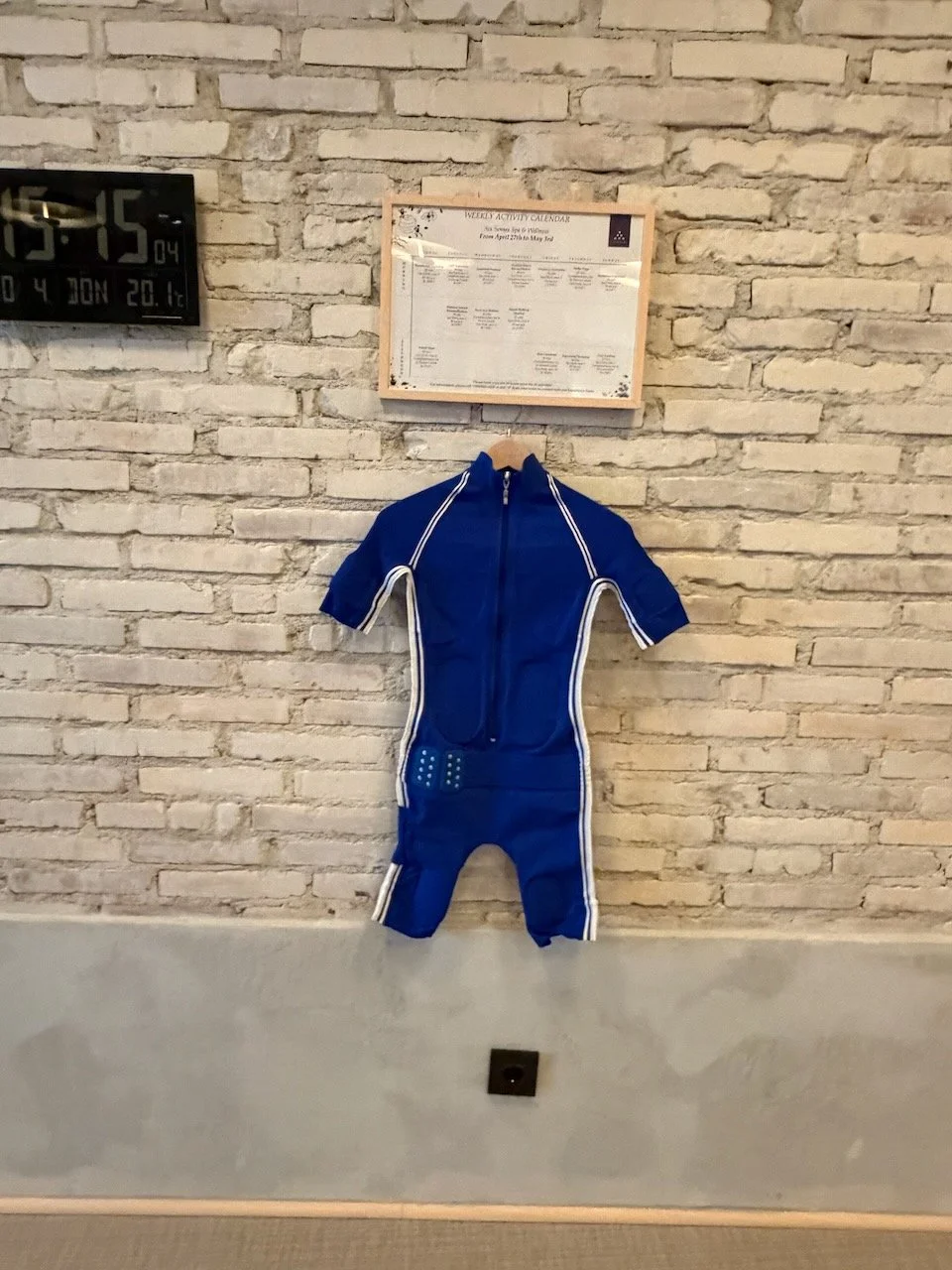
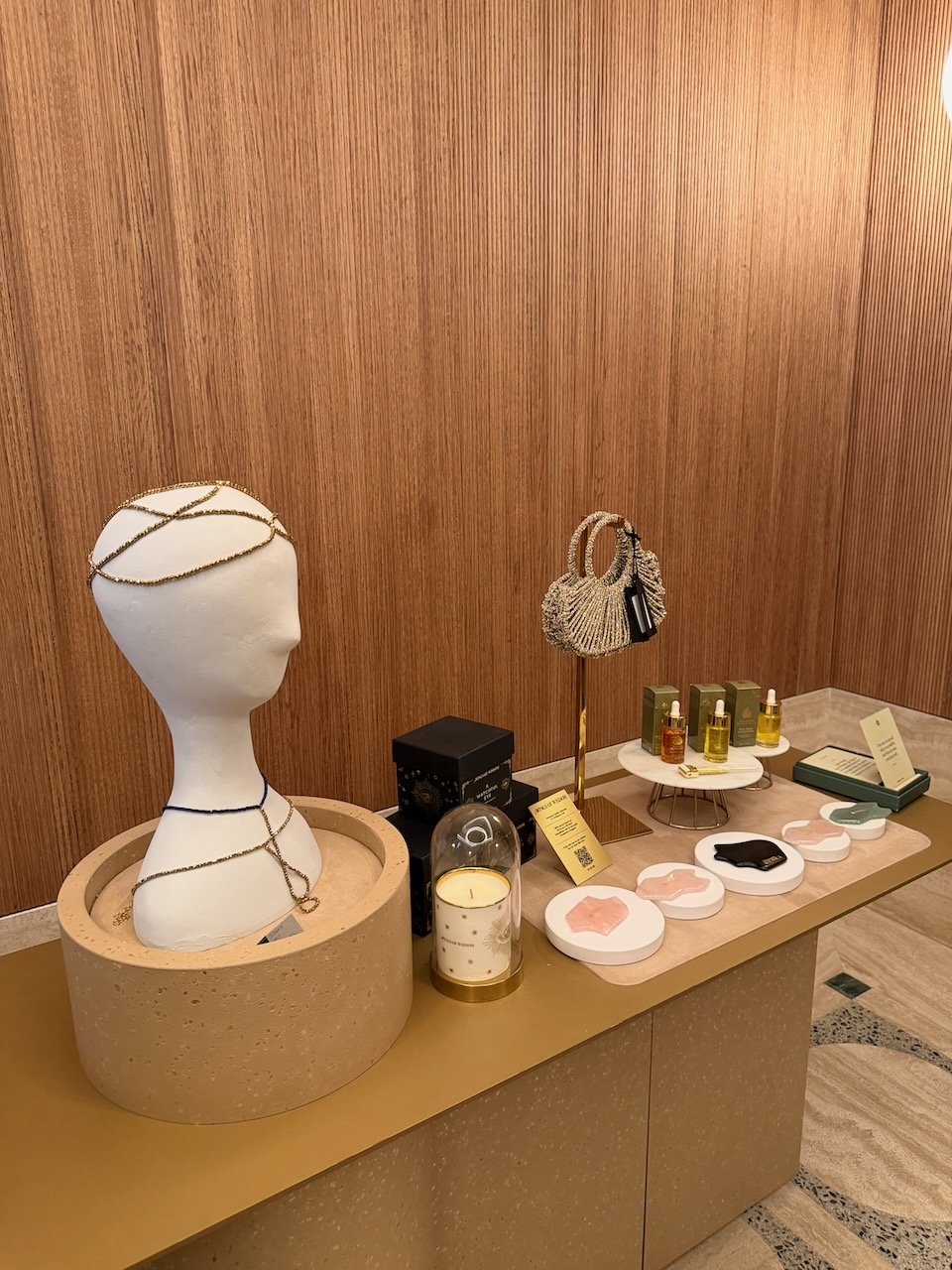
The facilities include Roman baths with a thermotherapy circuit moving through caldarium, tepidarium, and frigidarium experiences, sauna and steam rooms, hammam, five treatment rooms including one for couples, a biohacking room, beauty area, yoga and meditation spaces, aerial yoga, an Alchemy Bar, and boutique.
For guests who want a Roman city break with a softer, more restorative rhythm, this is a major reason to consider the hotel.
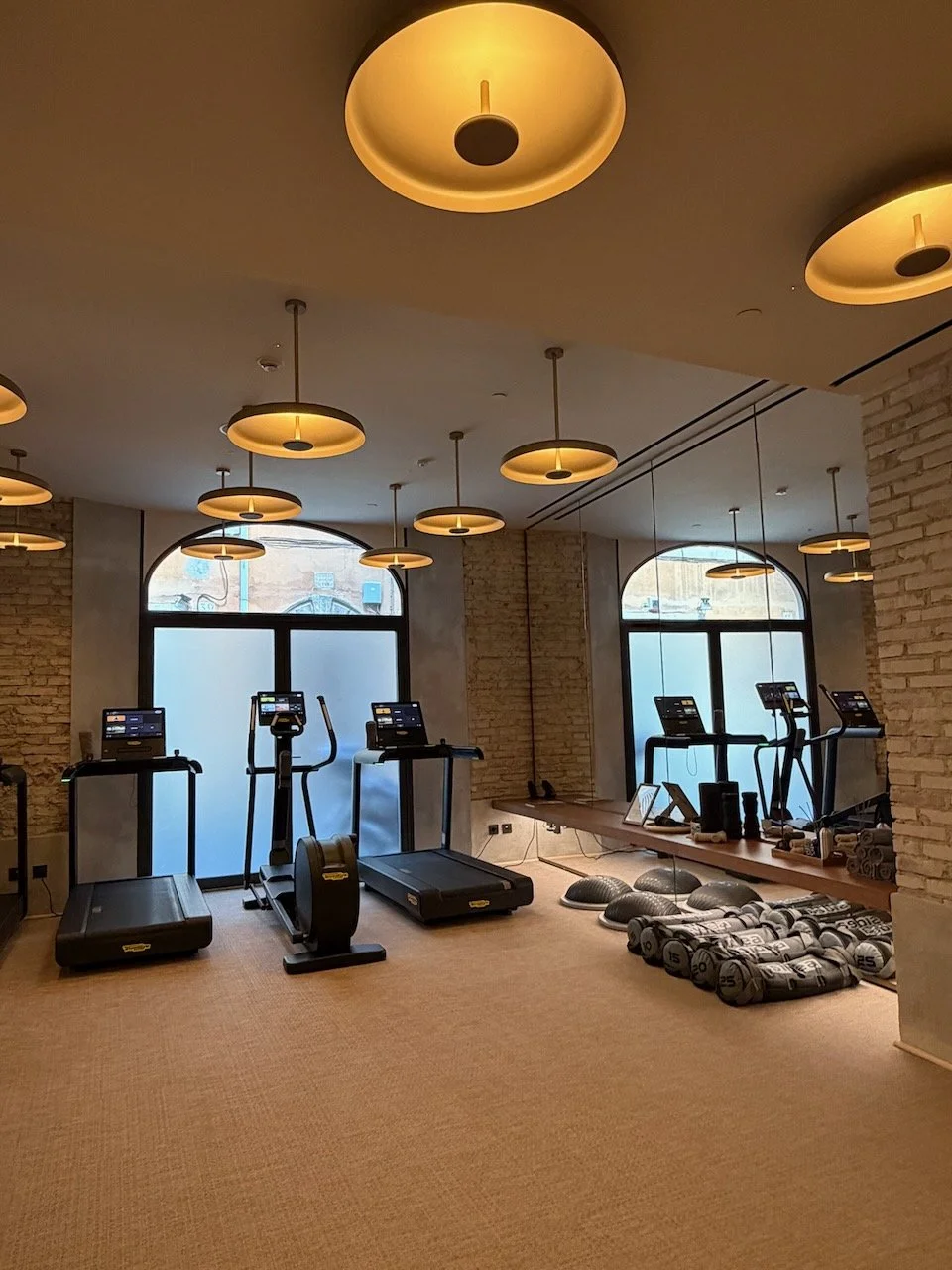
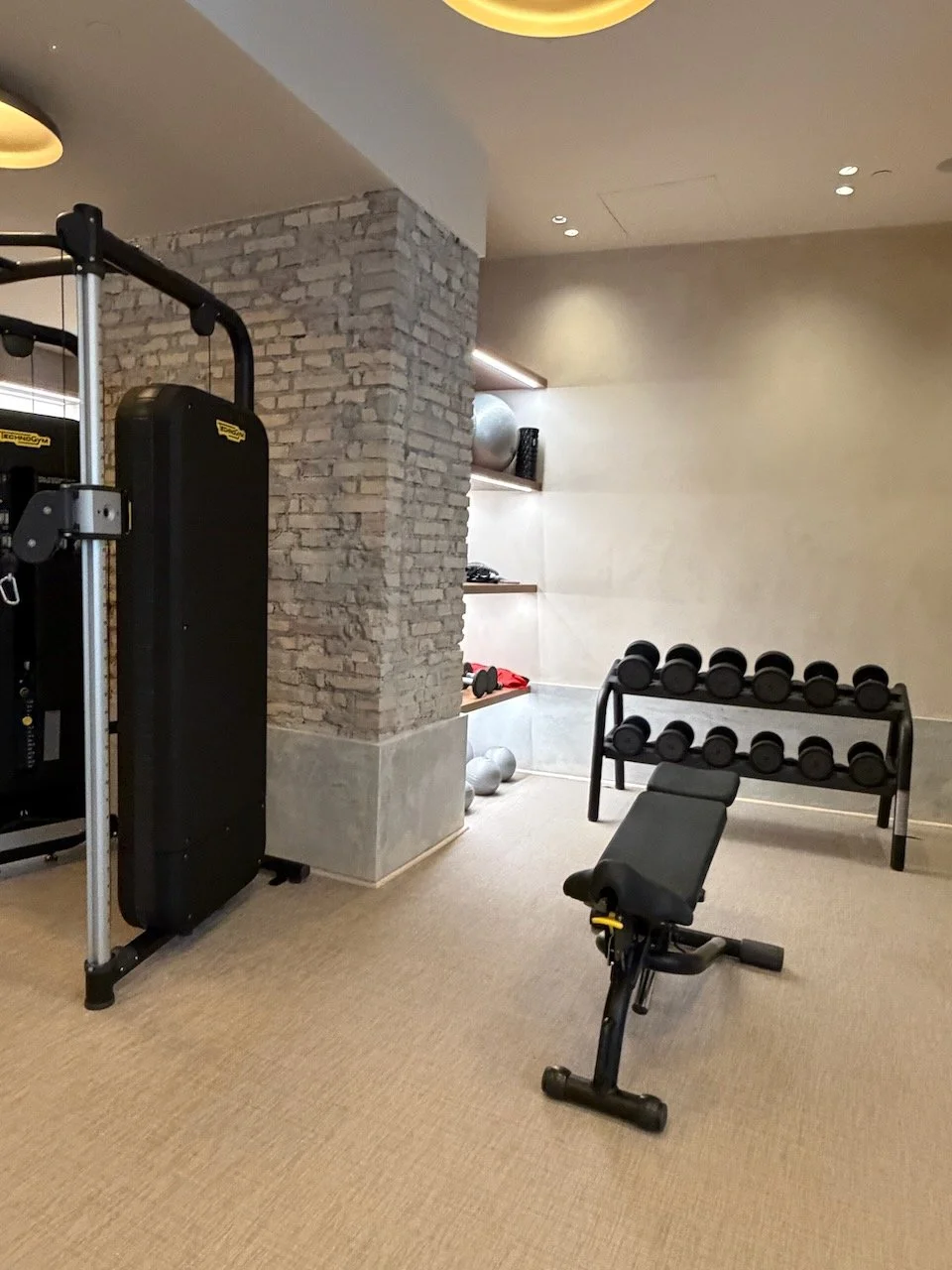
I also liked their ground floor daylight gym with urban brick design.
Dining Options
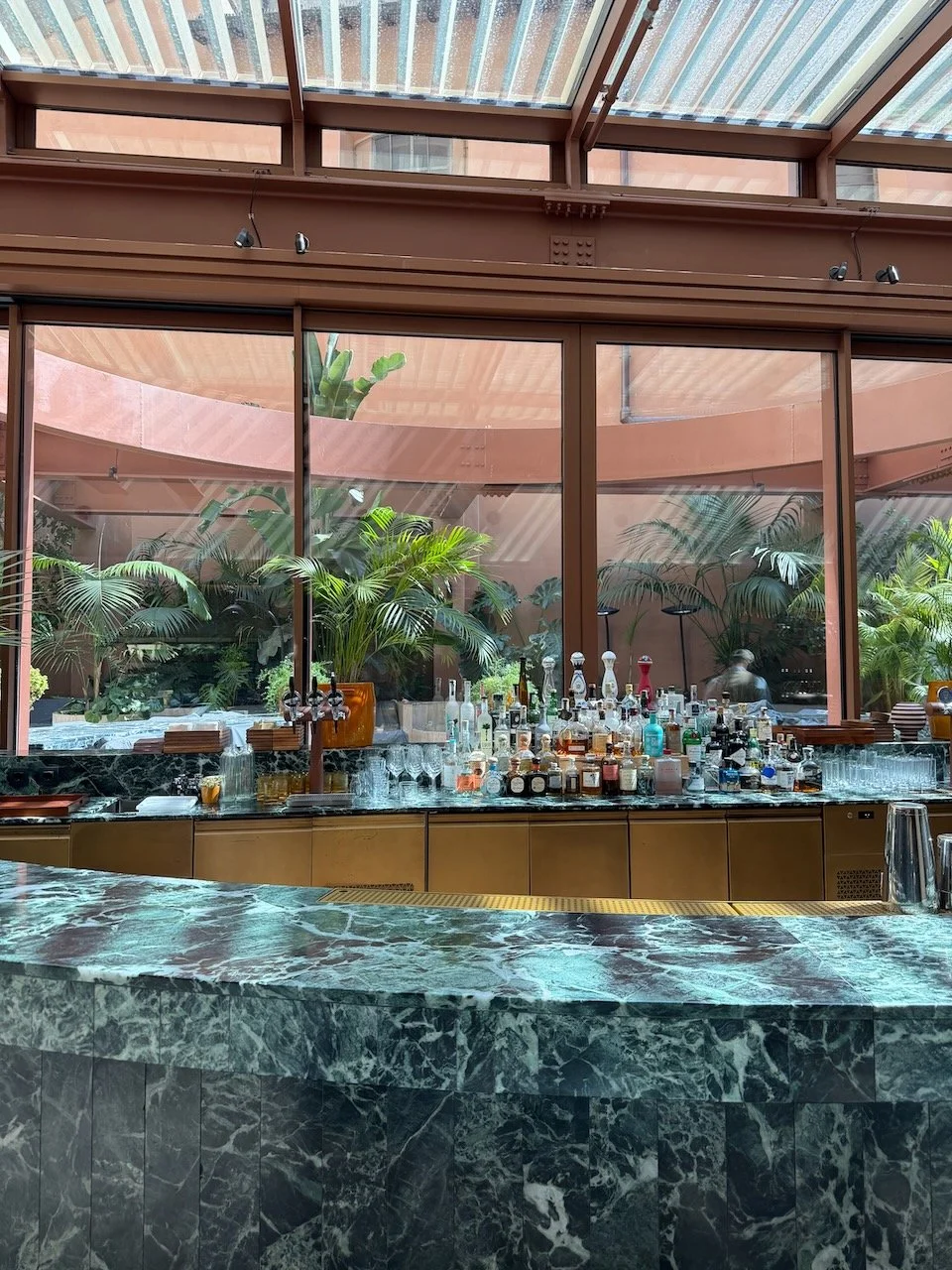
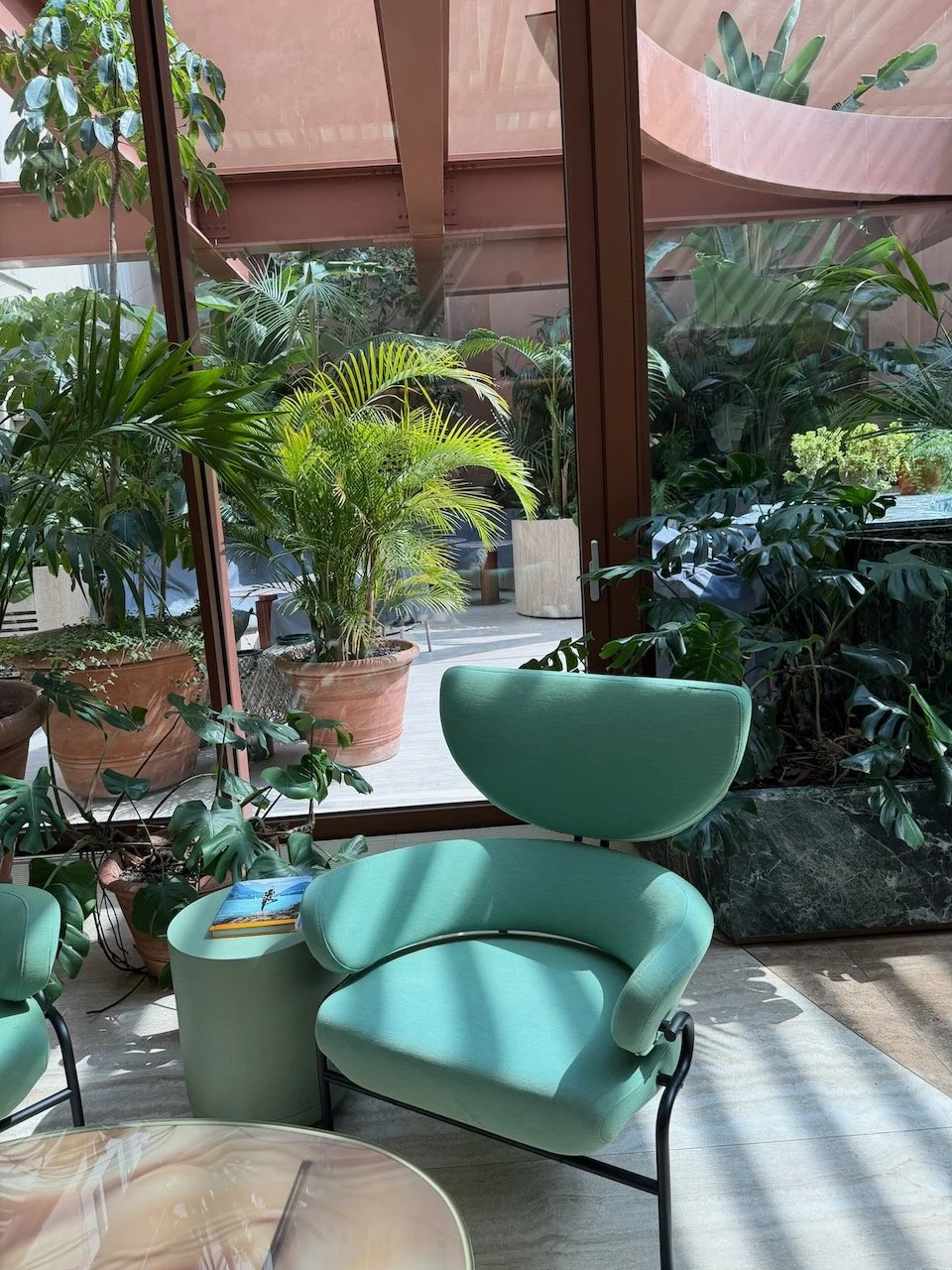
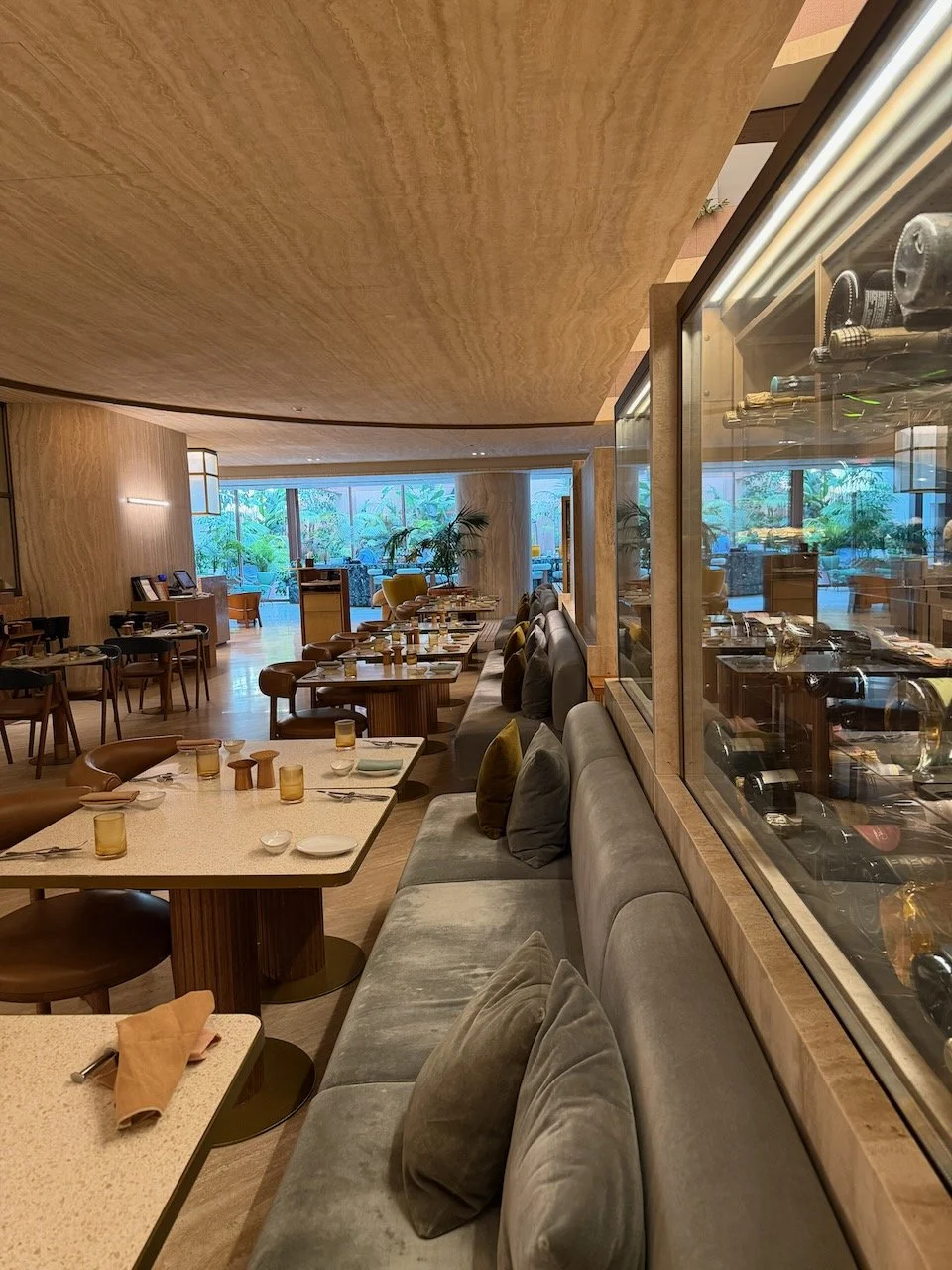
Six Senses Rome keeps dining focused around two main outlets: BIVIUM on the ground floor and NOTOS Rooftop above the city. BIVIUM is the hotel’s all-day restaurant, café, and bar, with an inner courtyard and a Verde Alpi marble bar. It is used for breakfast, lunch, drinks, and relaxed dining, and it fits the Six Senses mood well: warm, casual-chic, and more feel-good than formal. The hotel describes the food concept as refined Roman culinary traditions with bold Mediterranean flavours, so the dining is meant to feel local but still light, fresh, and wellness-aligned.
NOTOS Rooftop is the more scenic and social option. It is open seasonally, from April to November weather permitting, and works from lunch into evening as a rooftop restaurant and bar. This is where the hotel becomes more glamorous: city views, cocktails, light bites, Mediterranean flavours, and a leafy “garden in the sky” atmosphere. During summer, NOTOS also hosts live music, DJ sessions, and food-focused pop-ups, which gives Six Senses Rome a stronger lifestyle element than one might expect from such a wellness-led brand.
They are currently finishing the construction of another rooftop restaurant with Japanese cuisine.
Overall, the dining setup is not huge, but it is coherent: BIVIUM for relaxed all-day dining and courtyard atmosphere, NOTOS for rooftop views and a more social Roman evening. For me, the rooftop restaurant was definitely one of the hotel’s highlights.
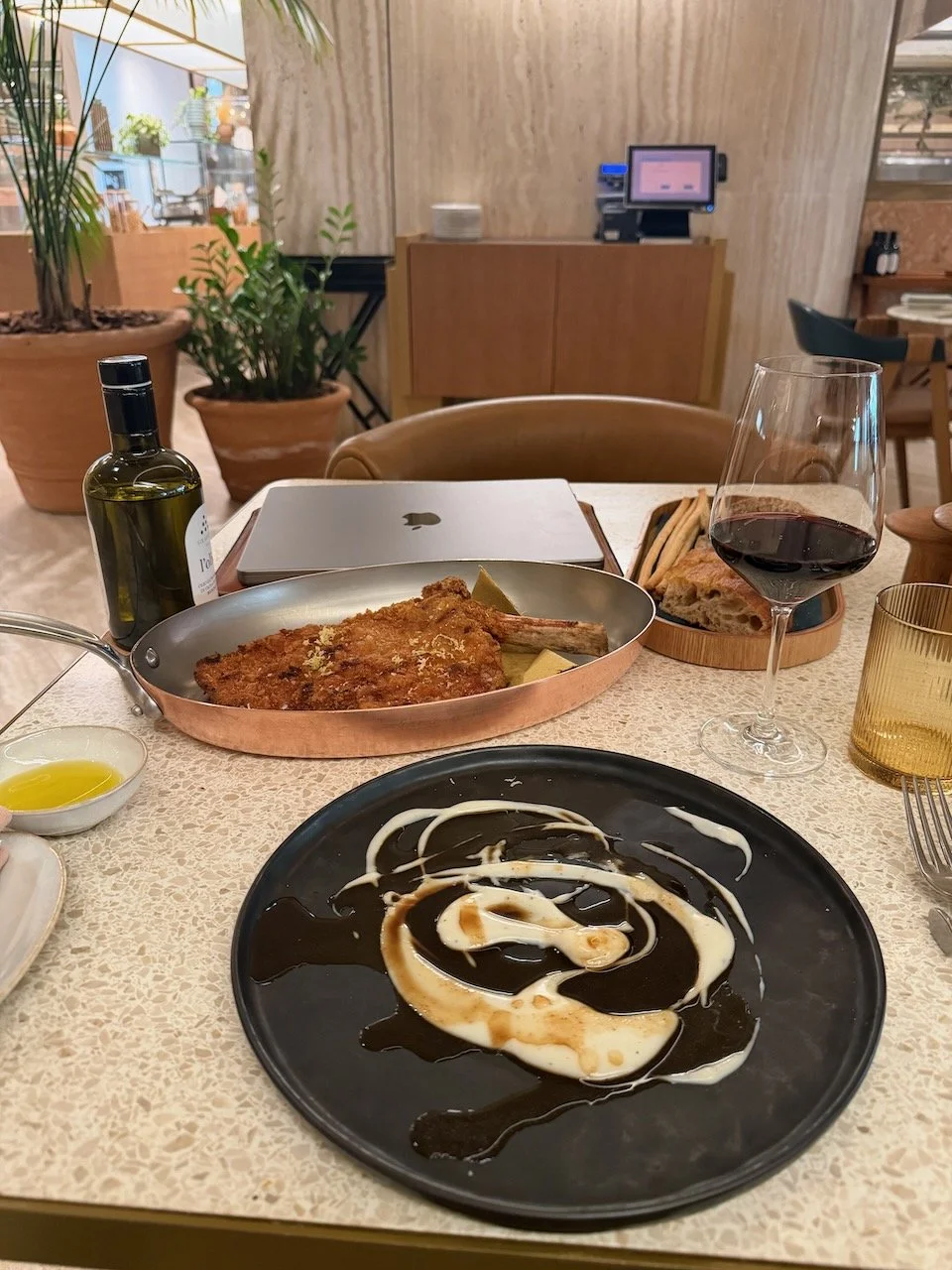
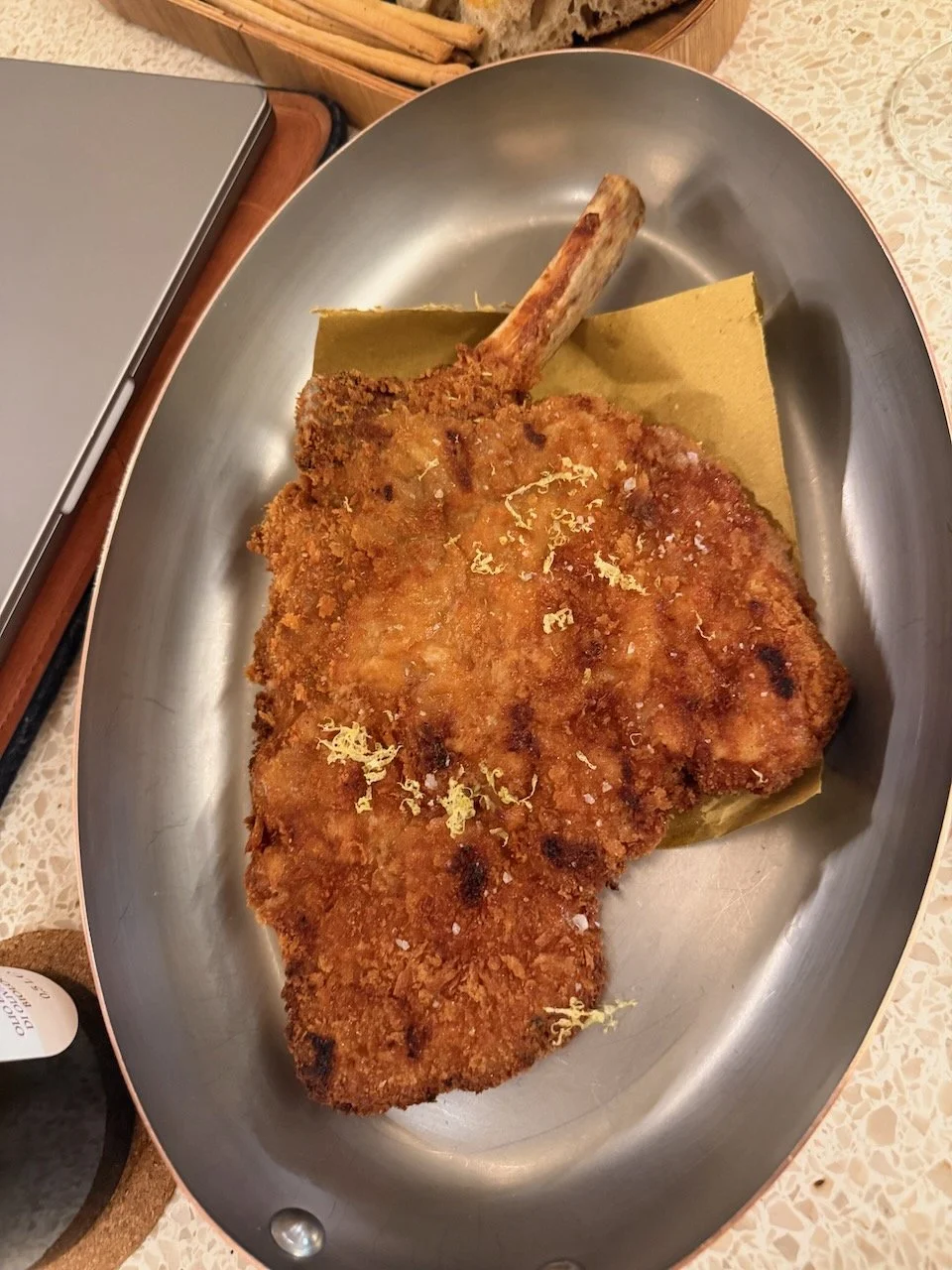
I had a fantastic late lunch at the BIVIUM with their own interpretation of a Saltimbocca and a delicious red wine. Too bad the outdoor courtyard was still closed from some rain in the morning.
Honorable Mentions
I wasn’t able to visit these top 1% hotels in Rome this time:
Hassler Roma: The legendary old-world choice at the top of the Spanish Steps, known for its grand Roman views, classic luxury, and long-standing status as one of the city’s most iconic hotels. Directly next to Rocco Forte Hotel de la Ville.
Hotel Eden: A Dorchester Collection classic near Via Veneto, with a more traditional grand-hotel feeling, polished service, and one of Rome’s most established luxury reputations.
Palazzo Shedir: An ultra-intimate palace hotel in the historic Campo Marzio district, set within the former gallery wing of Palazzo Borghese. With only a handful of highly decorated suites, frescoed halls, rare marbles, and a private-house atmosphere, it feels more like staying inside a Roman aristocratic residence than a conventional luxury hotel. It is part of The Leading Hotels of the World and belongs to the Shedir Collection.
Palazzo Vilòn: A very intimate, design-forward luxury address connected to Palazzo Borghese, suited to guests who want something discreet, residential, and highly curated rather than a large hotel. Directly next to JK Place.
Palazzo Ripetta: A stylish independent luxury hotel near Piazza del Popolo, set in a former 17th-century convent and known for its strong art collection and modern Roman elegance.
The First Roma Arte: A boutique luxury hotel near Via del Corso and Piazza del Popolo, especially interesting for guests who like contemporary art, discreet service, and a smaller property.
Corinthia Rome: One of the newest high-end arrivals in the city (opened February 2026), set in a former Bank of Italy building with around 60 rooms and suites, a landscaped courtyard, and a serious dining angle with Carlo Cracco.
Upcoming high end openings:
Rosewood Rome (2027): Upcoming luxury opening on Via Veneto, expected to become one of the city’s most important new high-end hotels, with rooftop, spa, courtyard, and Rosewood’s sense-of-place positioning. Directly next to the EDITION.
Mandarin Oriental Rome( end of 2026): Scheduled for Q4 2026 near the Gardens of Sallust. Official Mandarin Oriental material describes it as an “urban oasis” in central Rome; opening-list sources mention 108 rooms, spa, rooftop bar, and gardens. This could be one of the most serious new competitors to Bvlgari, Six Senses, Rocco Forte, and Rosewood.
Baccarat Hotel Rome (end of 2026): Another anticipated ultra-luxury opening, likely to bring Baccarat’s crystal-led glamour and decorative richness into the Roman hotel scene.
Which Rome luxury hotel is right for me?
Rome’s top hotels are not interchangeable. They may all operate in the top 1% category, but they serve different emotional needs.
Bvlgari is for the traveller who wants the most polished, high-design, expensive-feeling Roman luxury experience.
Six Senses Rome is for the guest who wants wellness, calm, and a softer contemporary retreat in the middle of the city.
La Minerva is for someone drawn to design, Art Deco glamour, the Pantheon area, and the romance of the Orient Express universe.
Rocco Forte remains the classic choice for travellers who want established Roman luxury, renovated comfort, superb locations, and some of the city’s best private outdoor spaces and rooftops.
The Rome EDITION is for guests who prefer something newer, cleaner, more discreet, and more modern in tone.
J.K. Place Roma is for the traveler who values intimacy, warmth, and staff who make the hotel feel less like a property and more like a home.
For me, the most interesting conclusion is that Rome’s top hotel scene is no longer just about old palaces and classic grandeur. Those still matter, of course. But the city now offers a much broader luxury spectrum: jewelry-house glamour, wellness-led design, Orient Express romance, discreet modern lifestyle hotels, serviced apartments, and deeply personal boutique hospitality.
And in Rome, perhaps more than anywhere else, the right hotel can change how you experience the city.
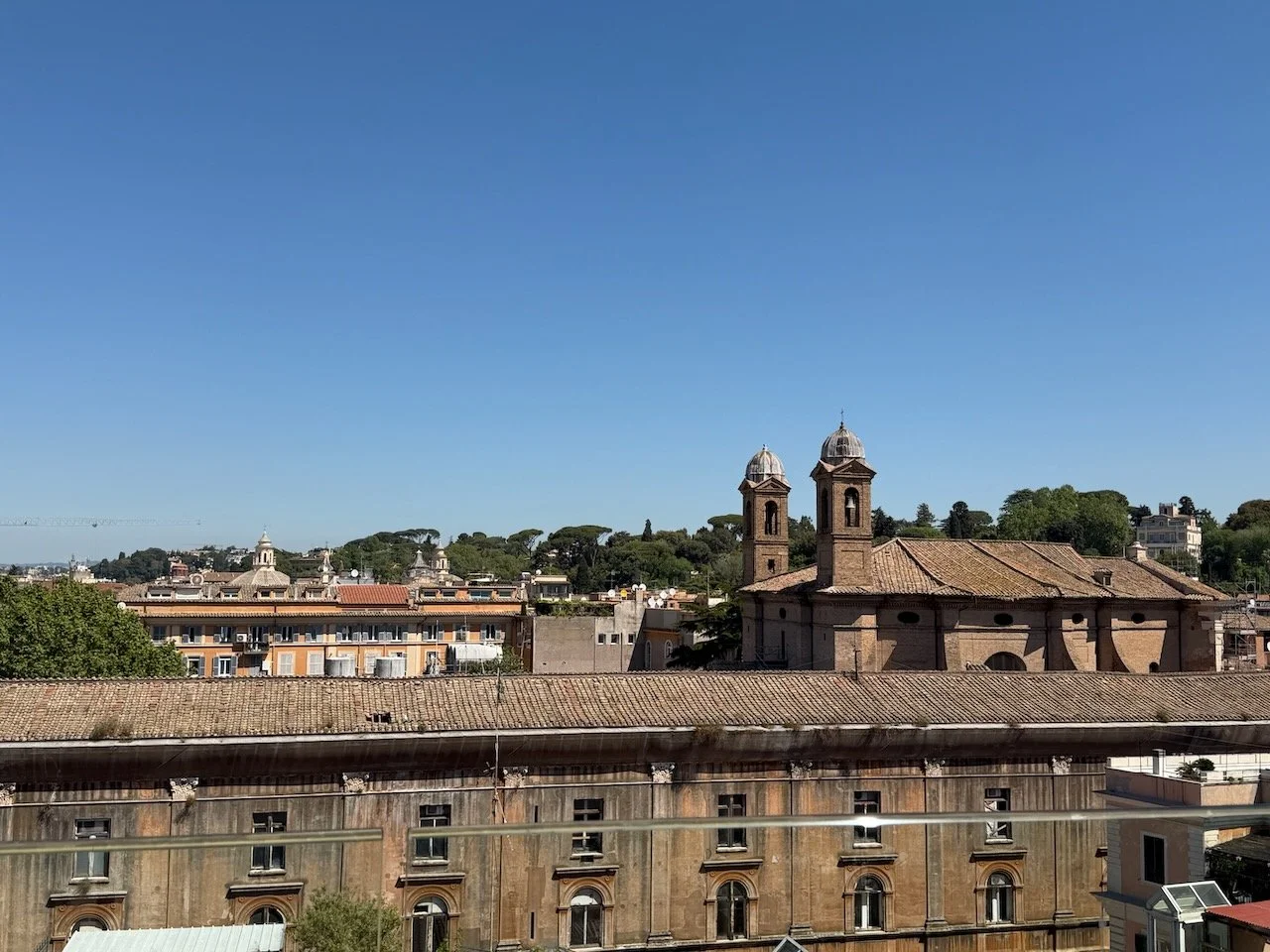
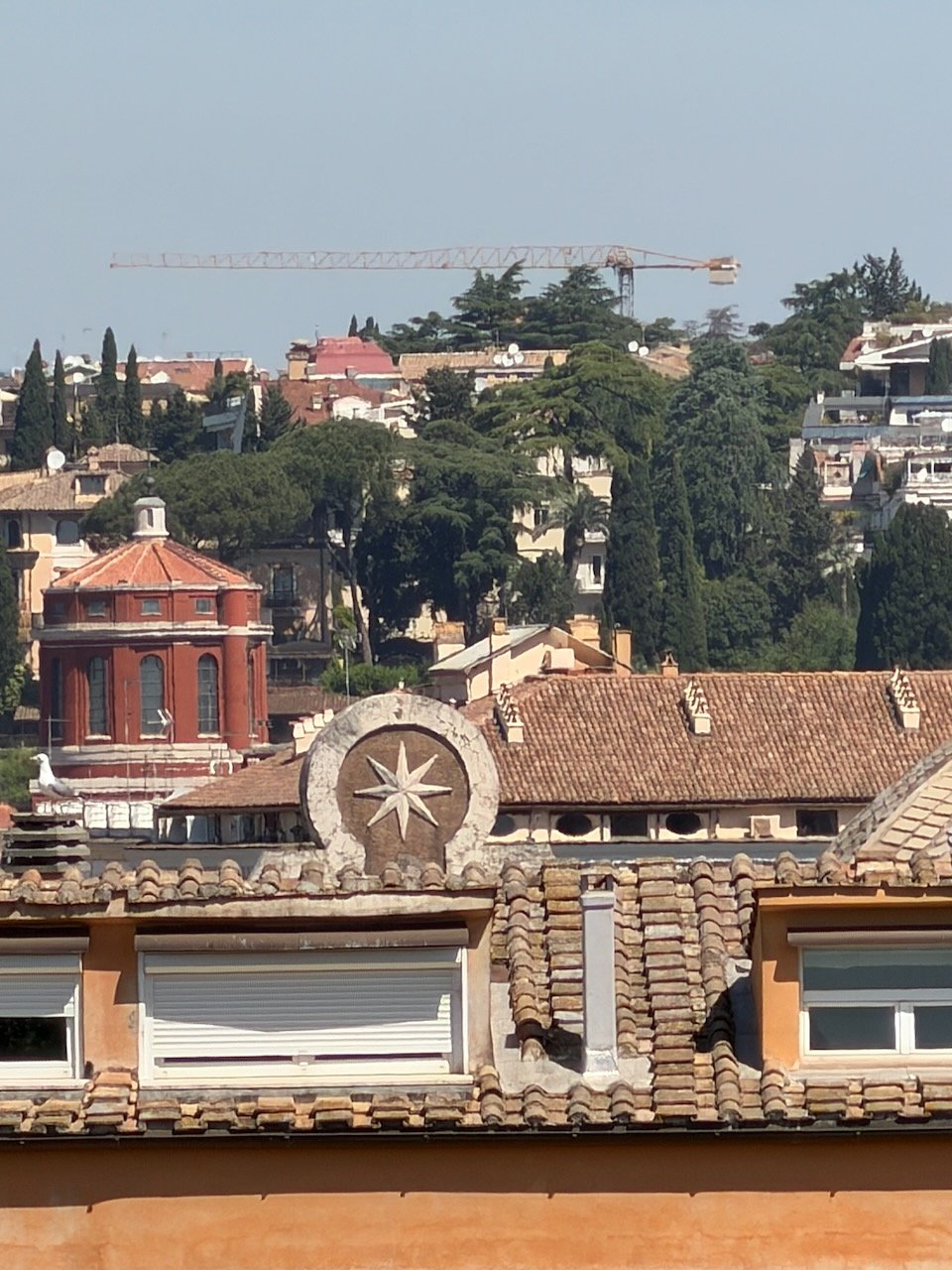
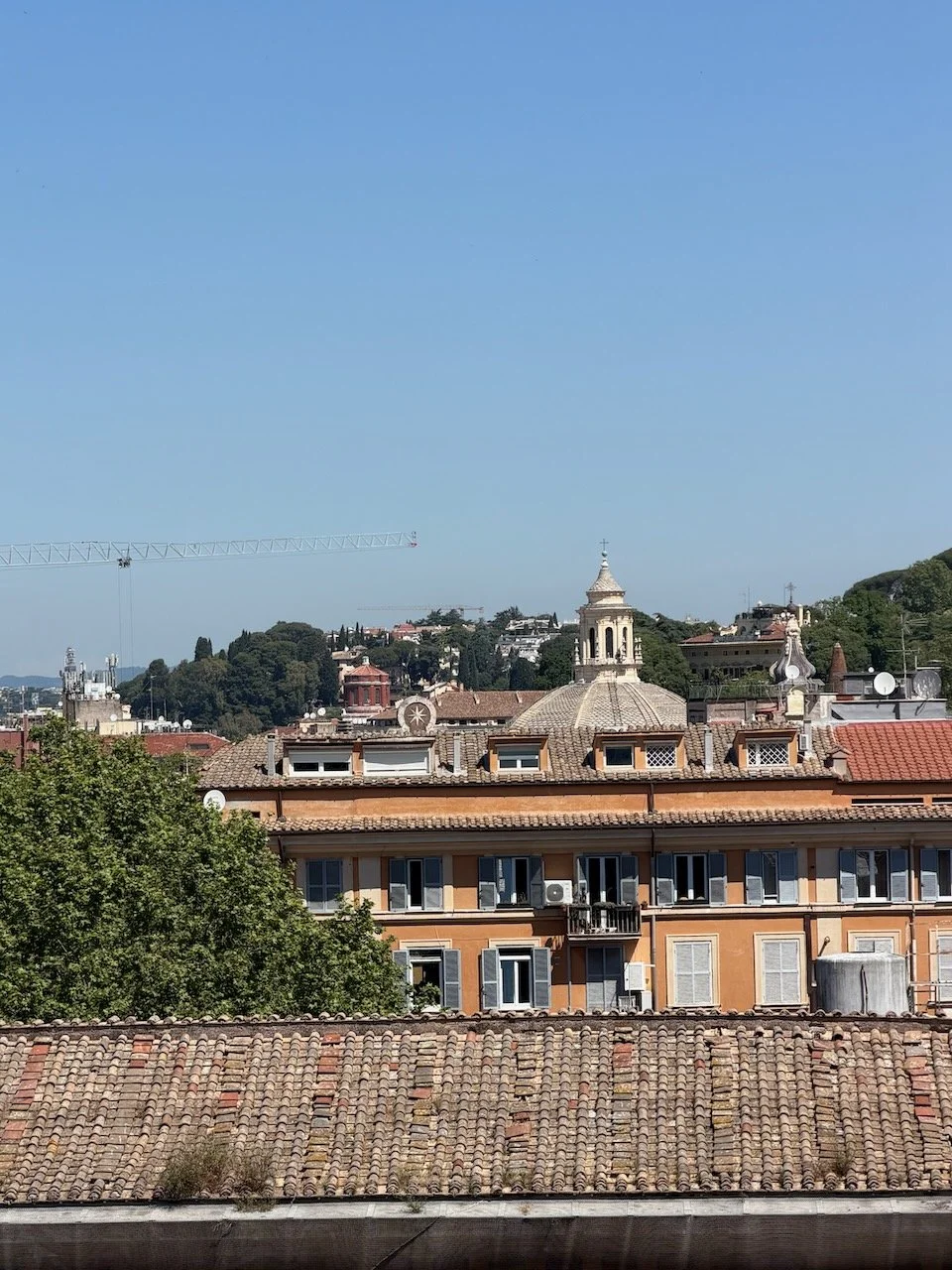
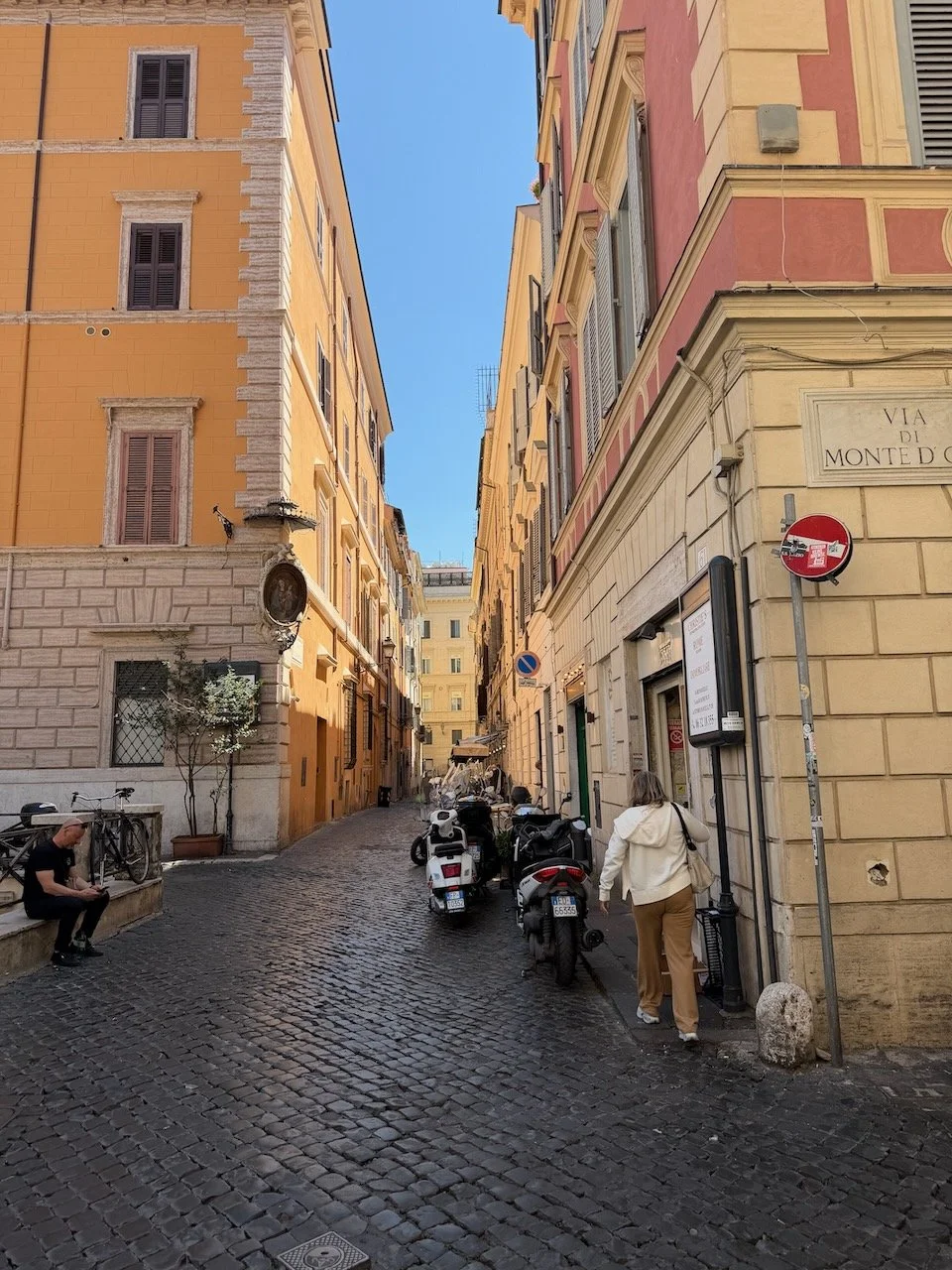
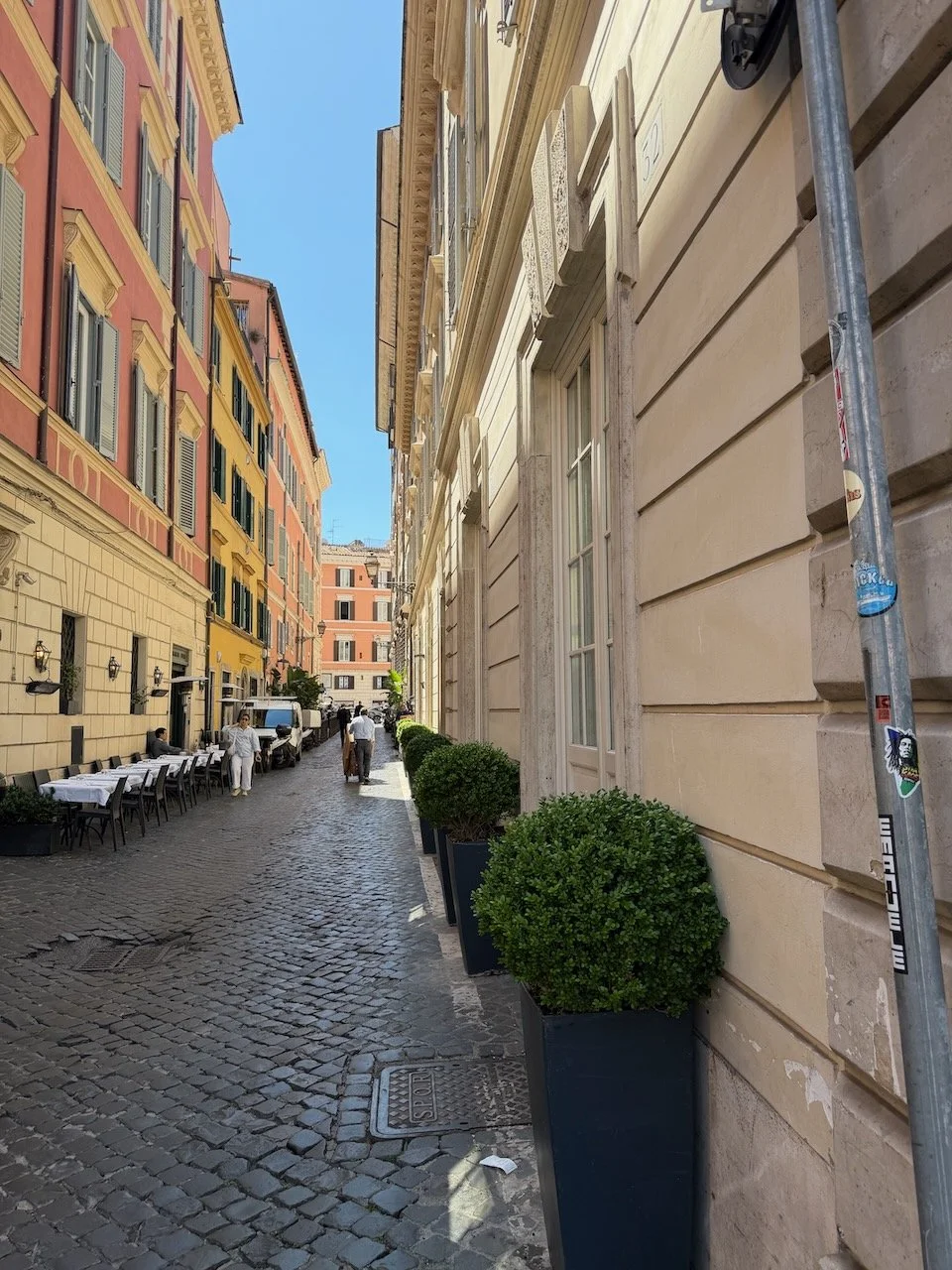
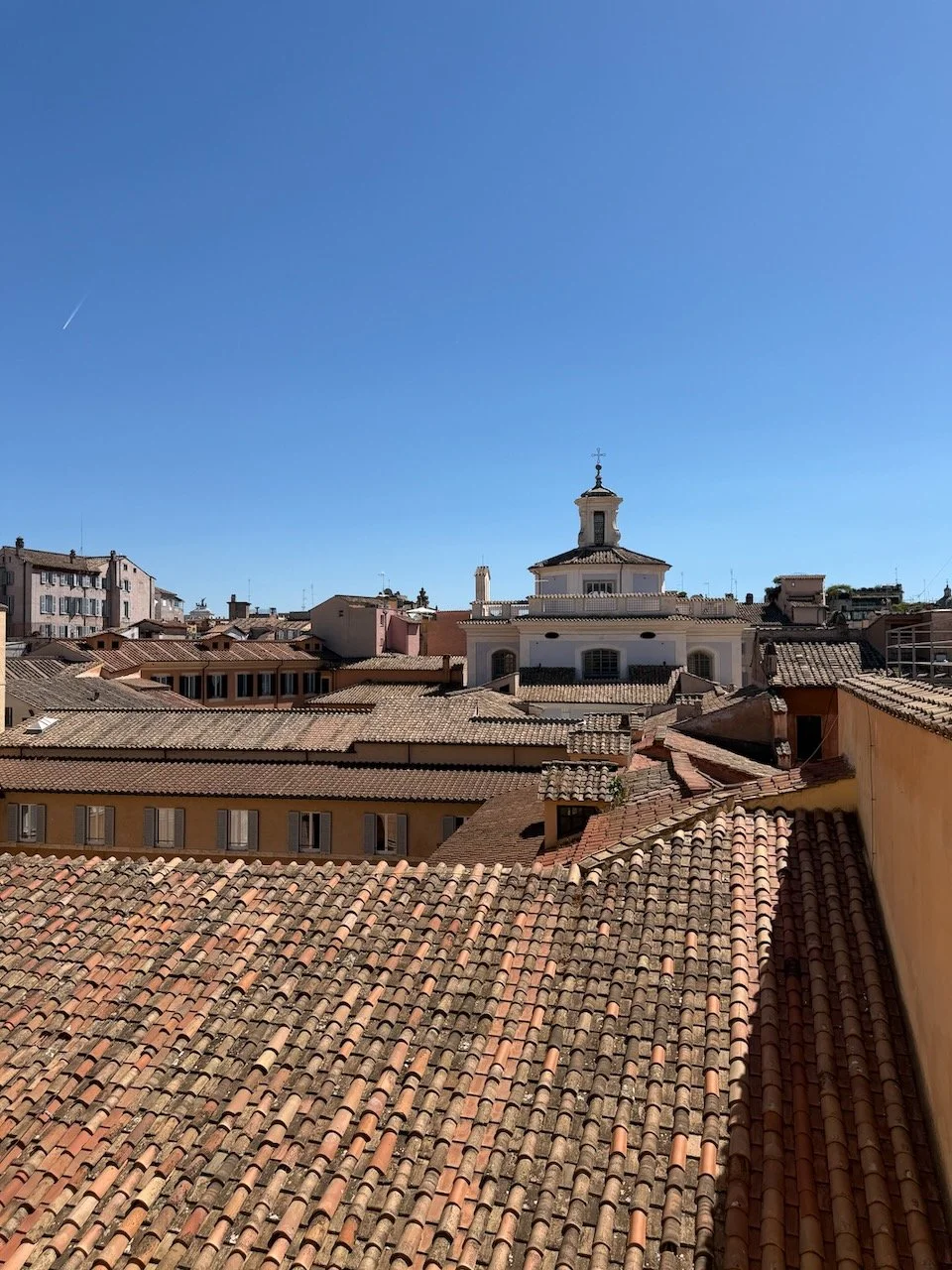
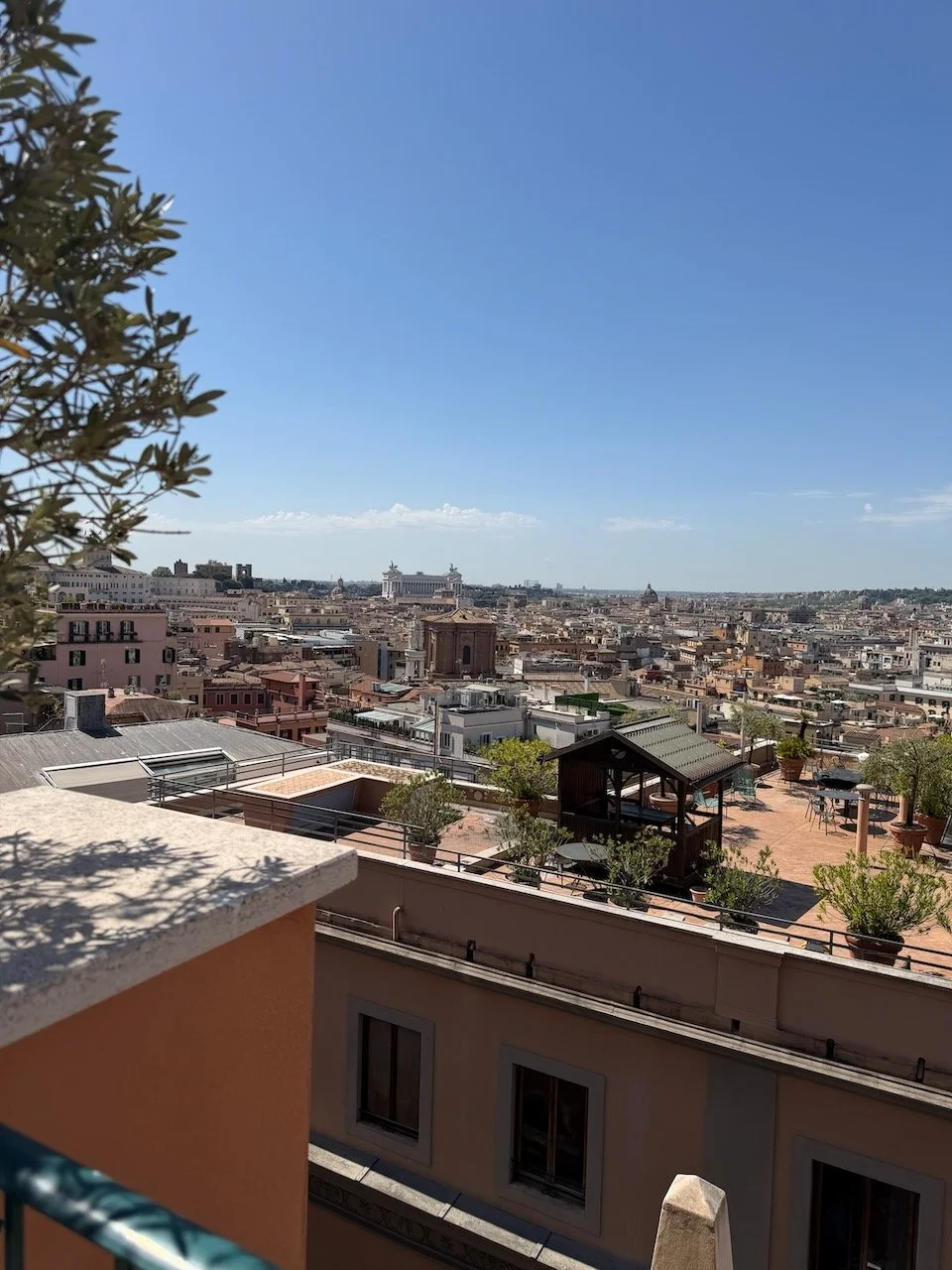
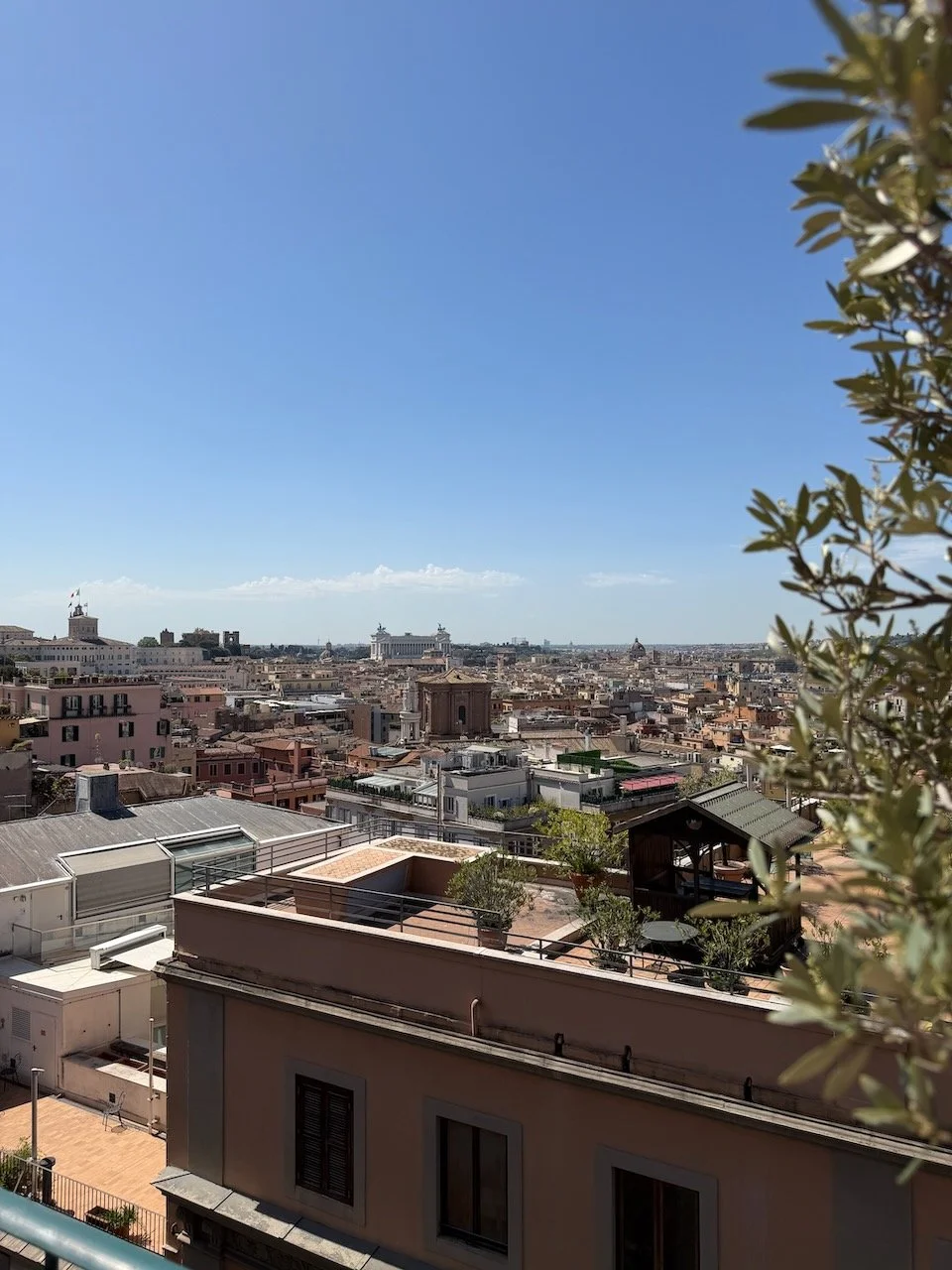
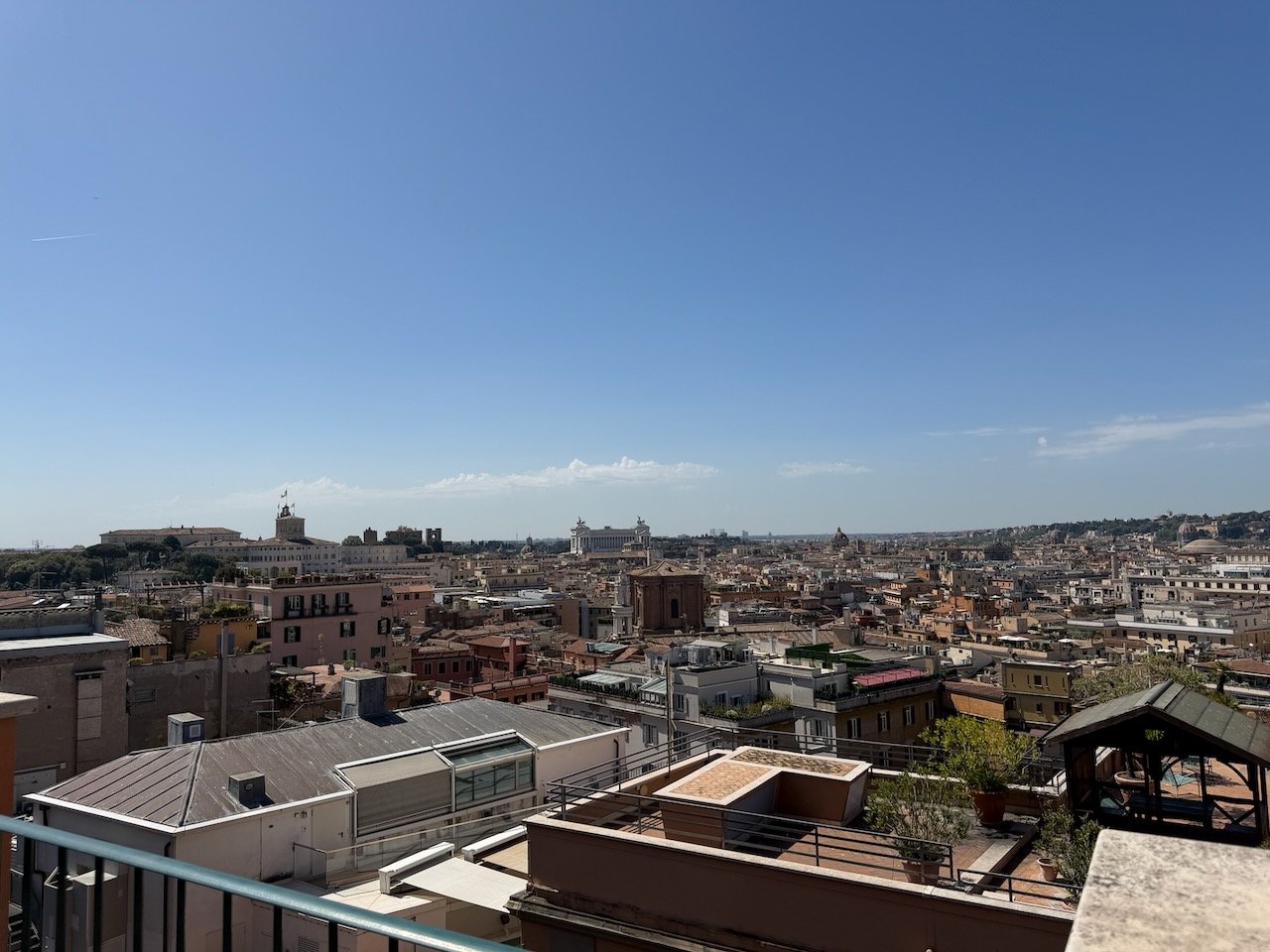
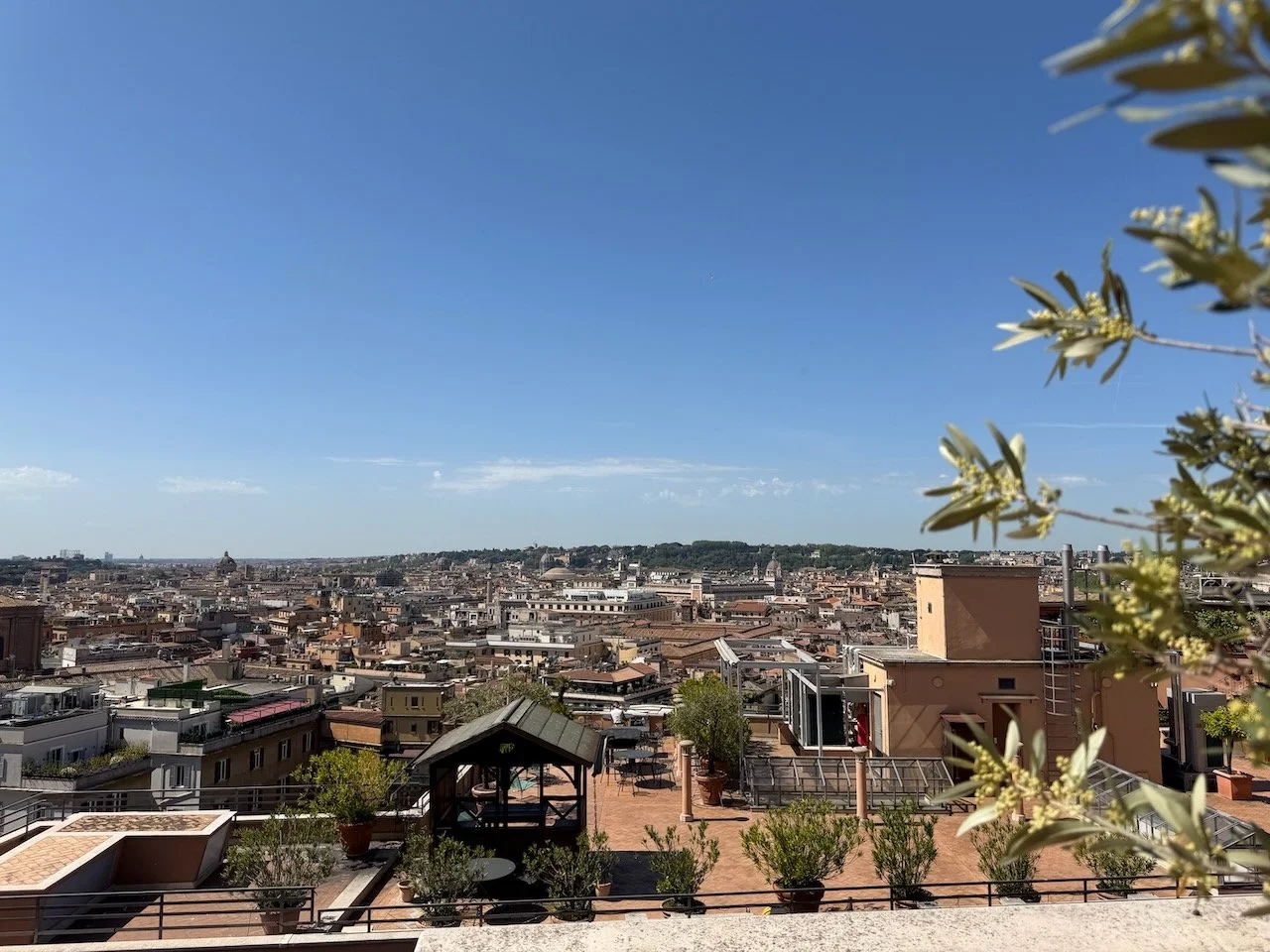
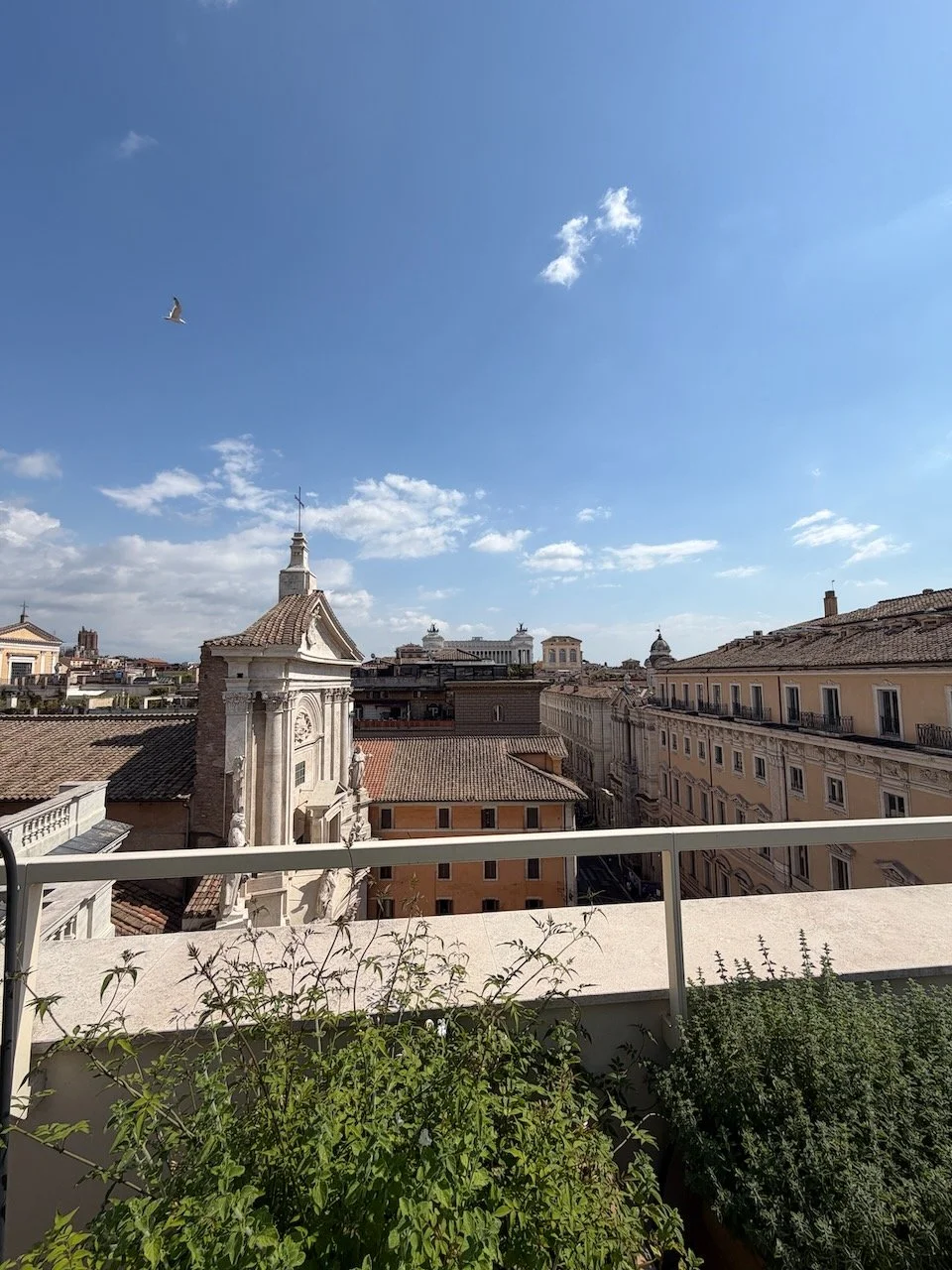
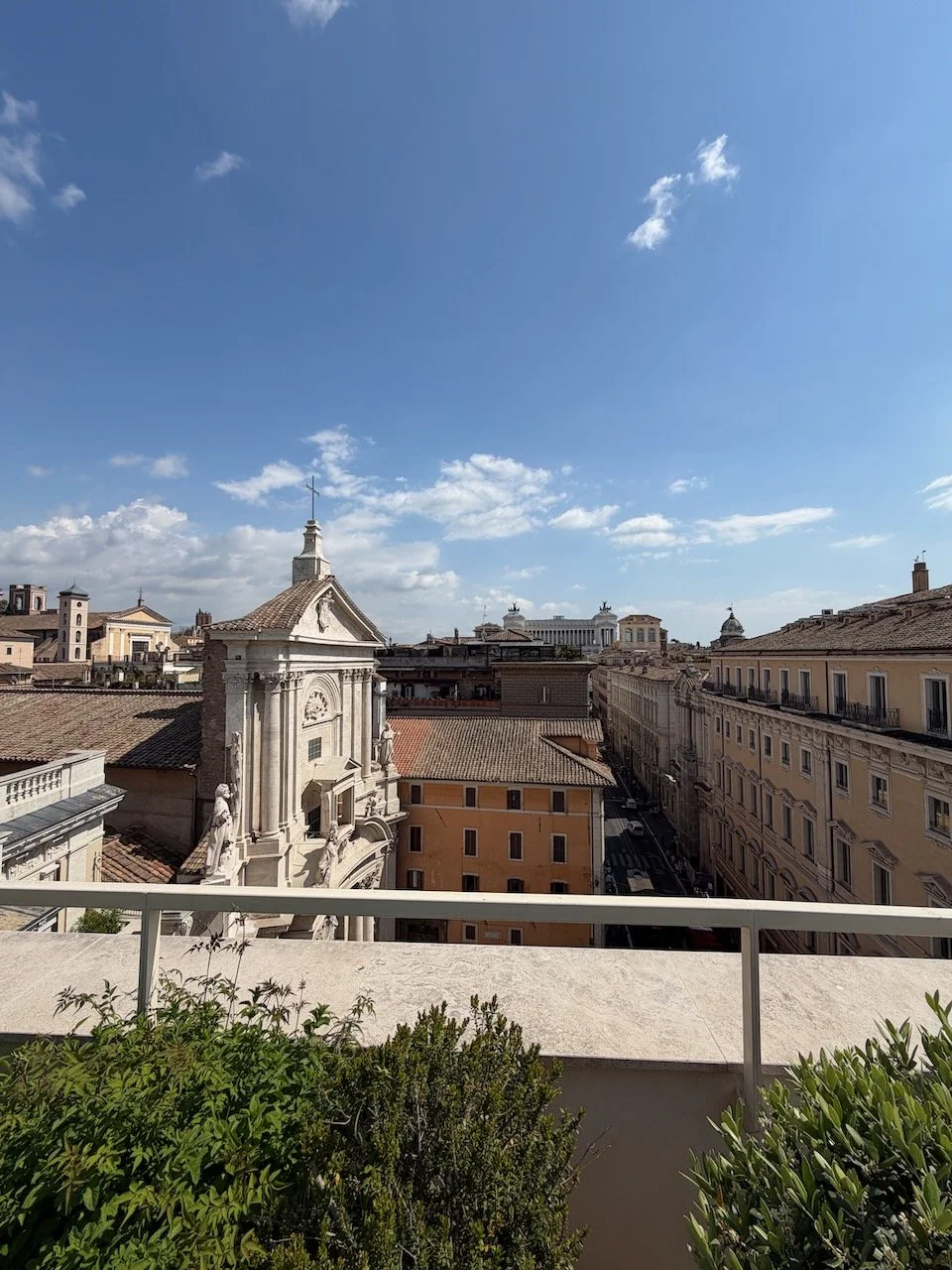
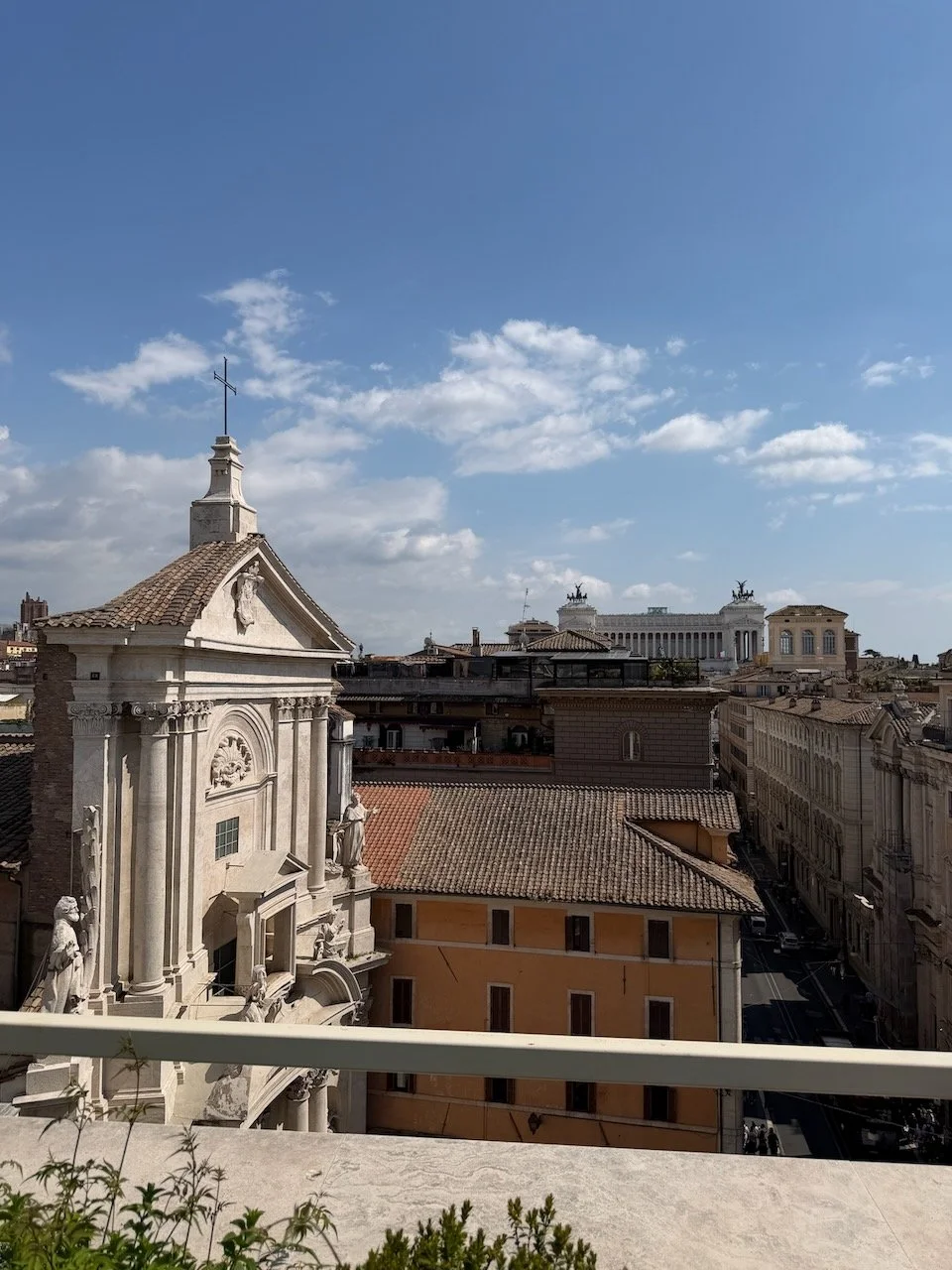
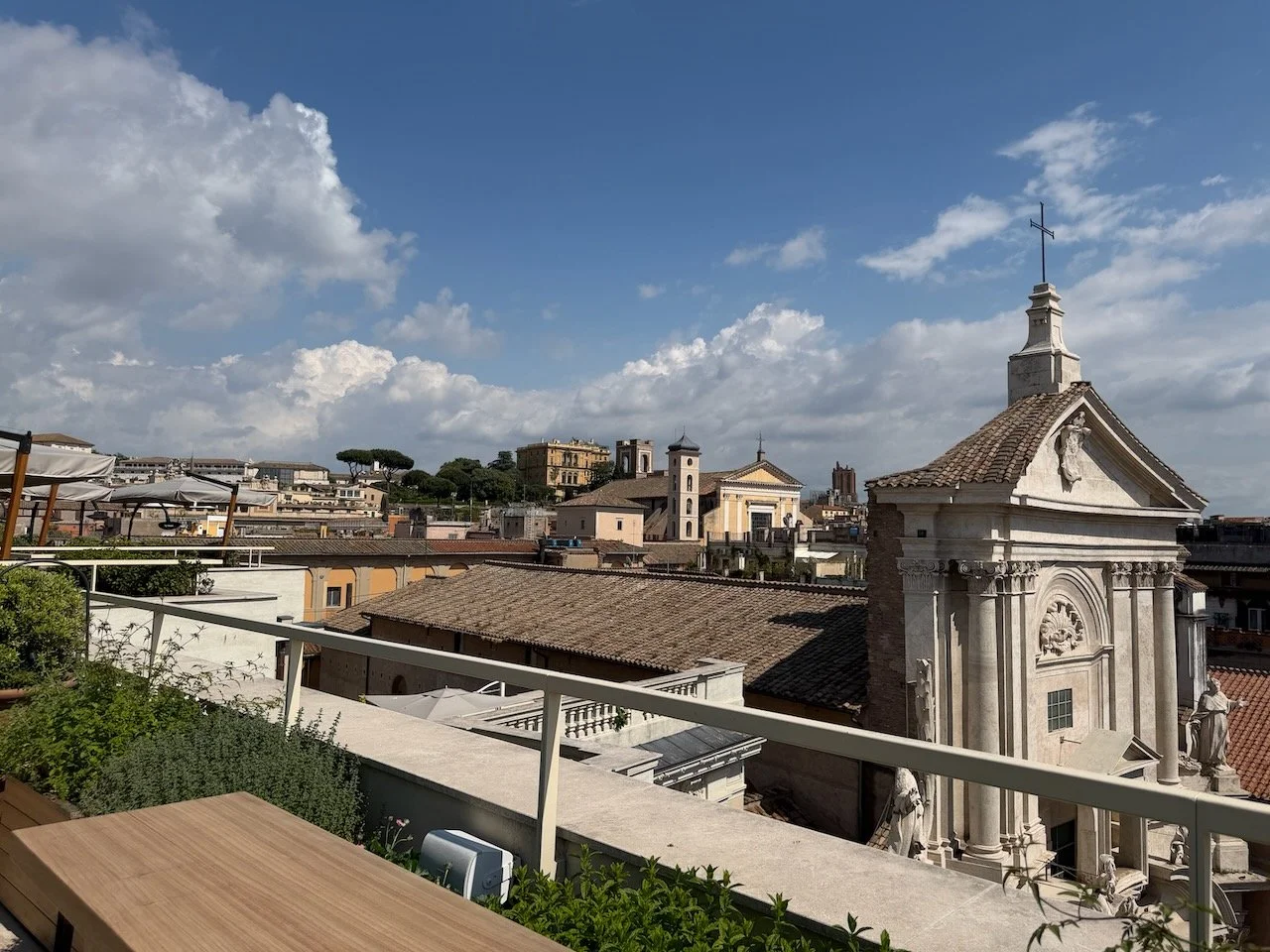
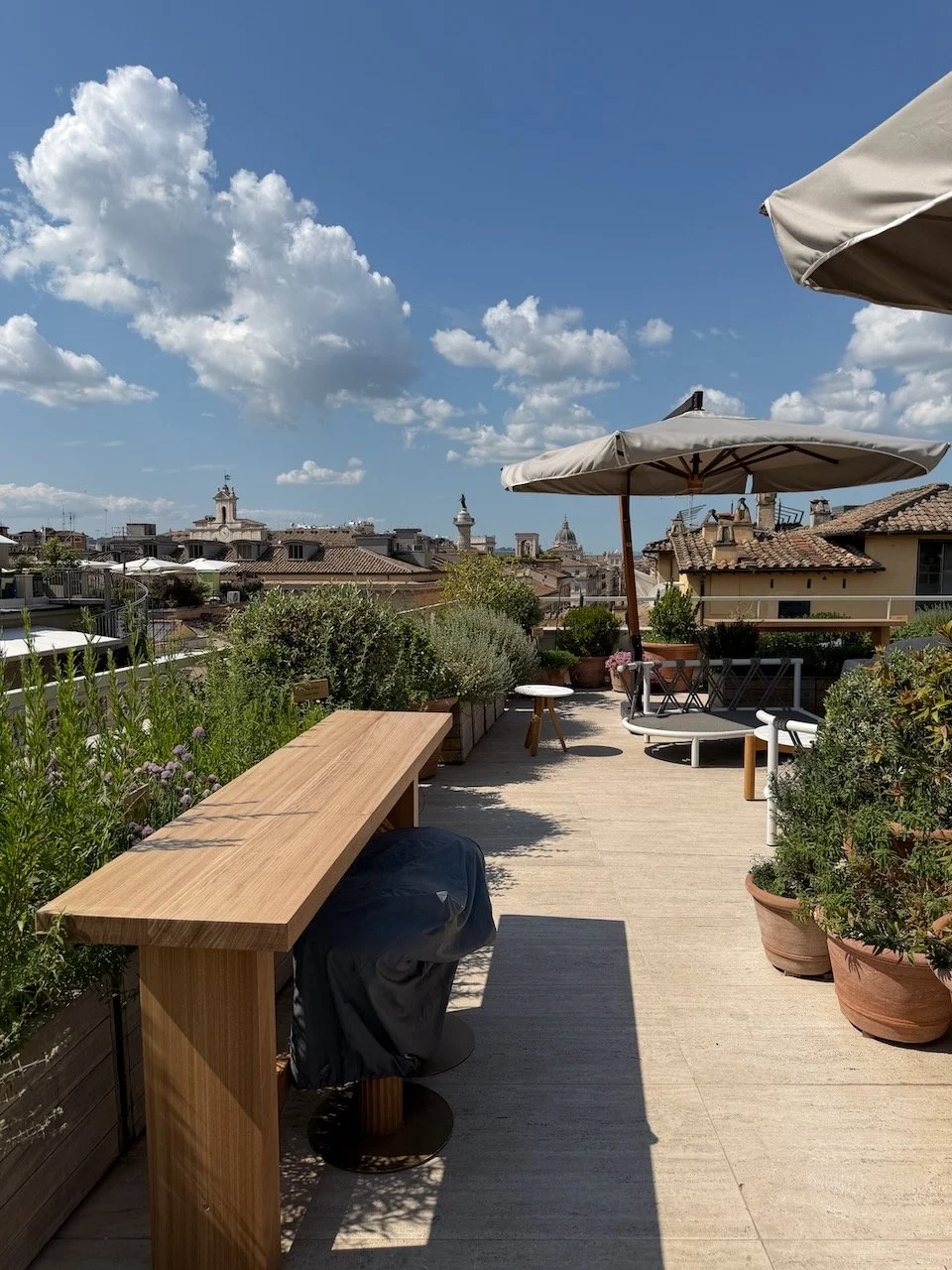
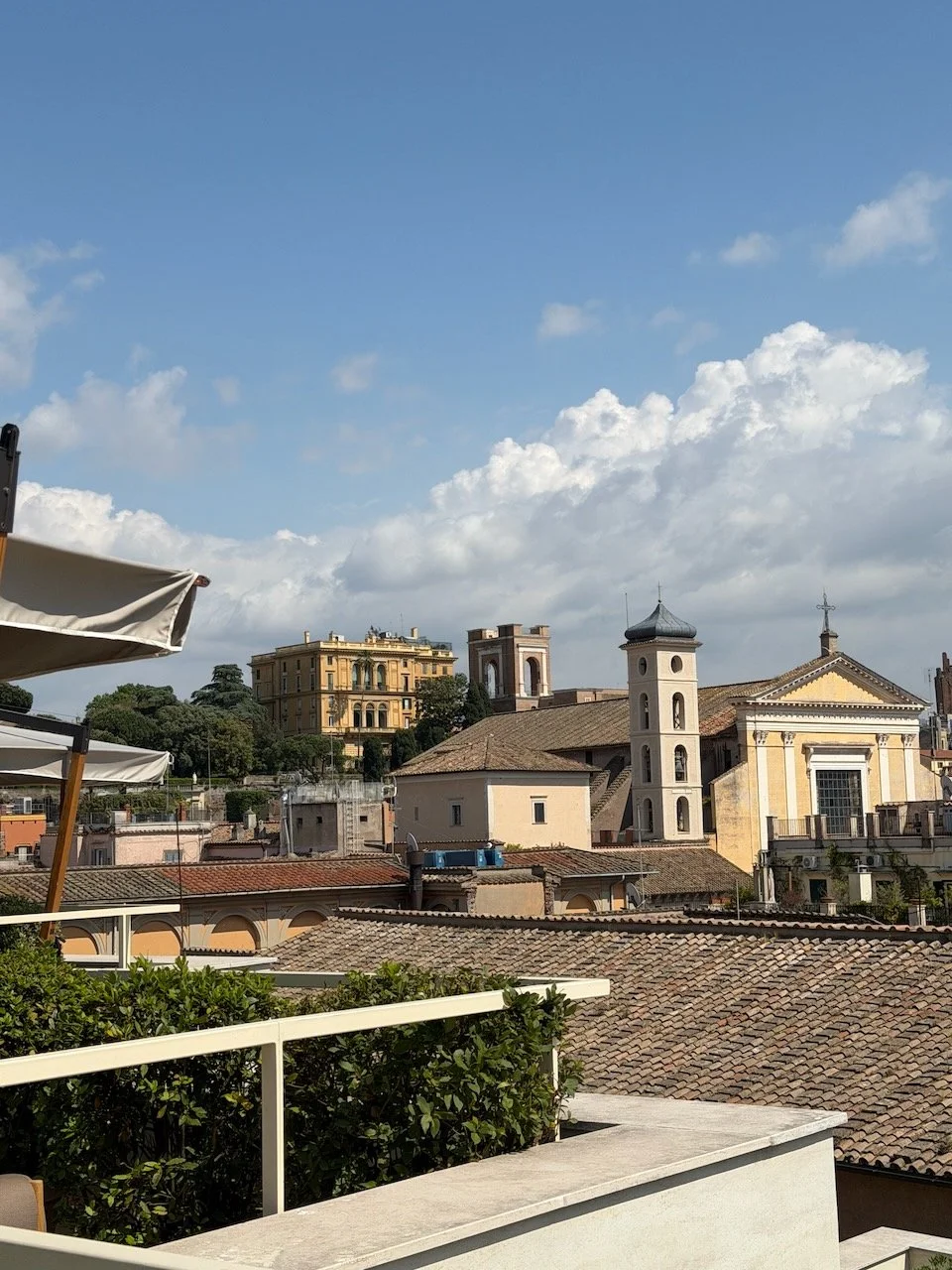
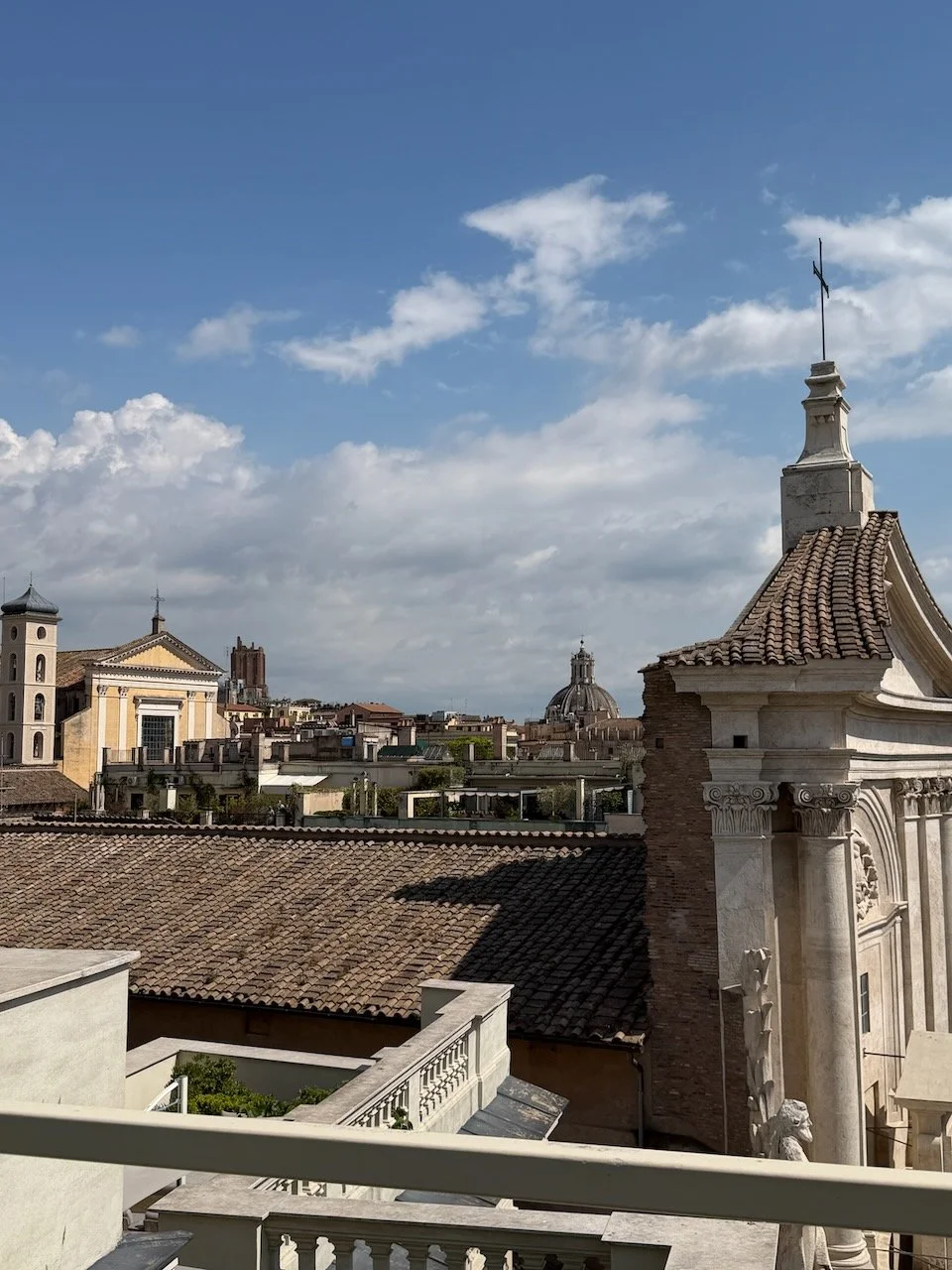
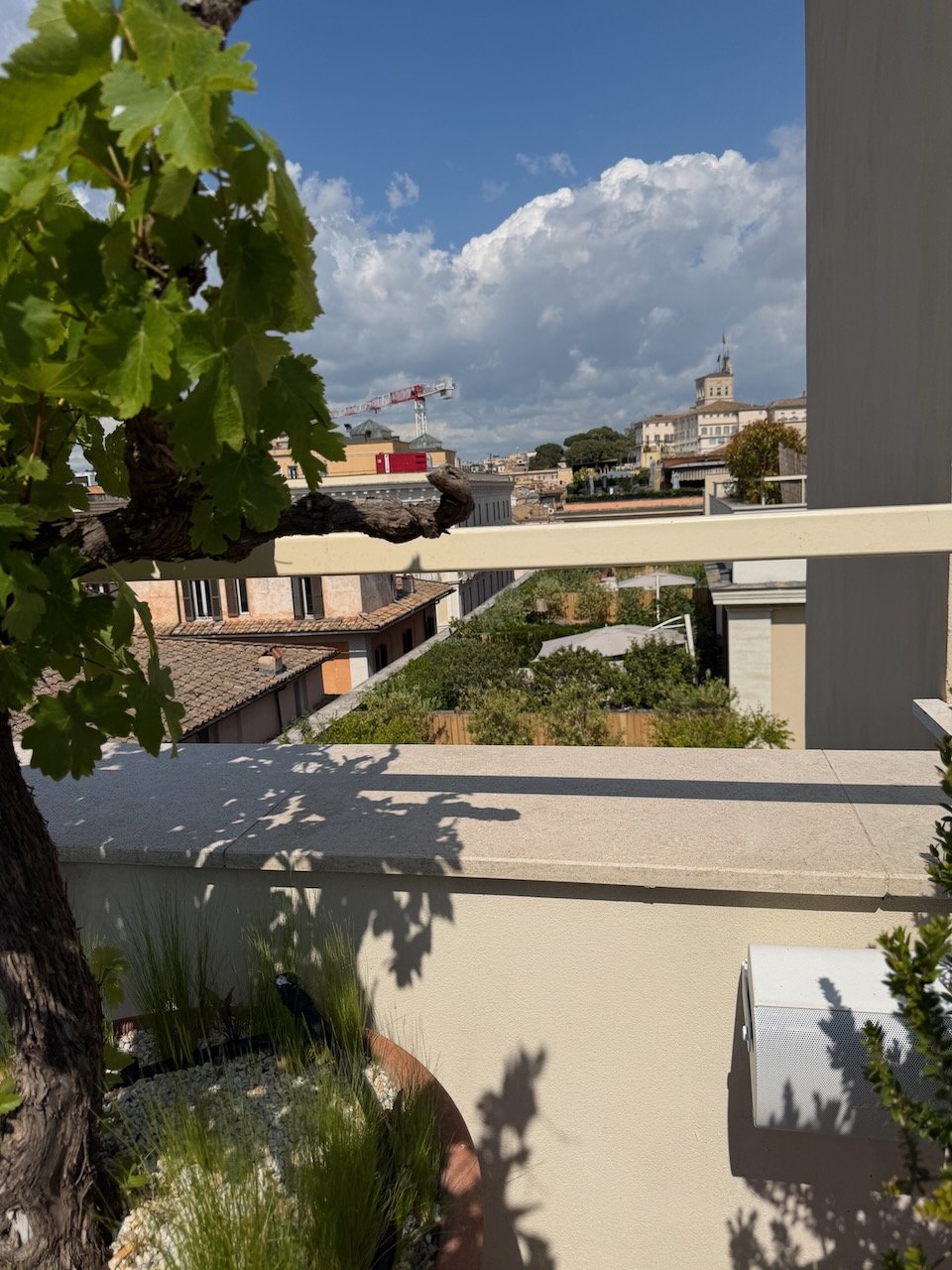
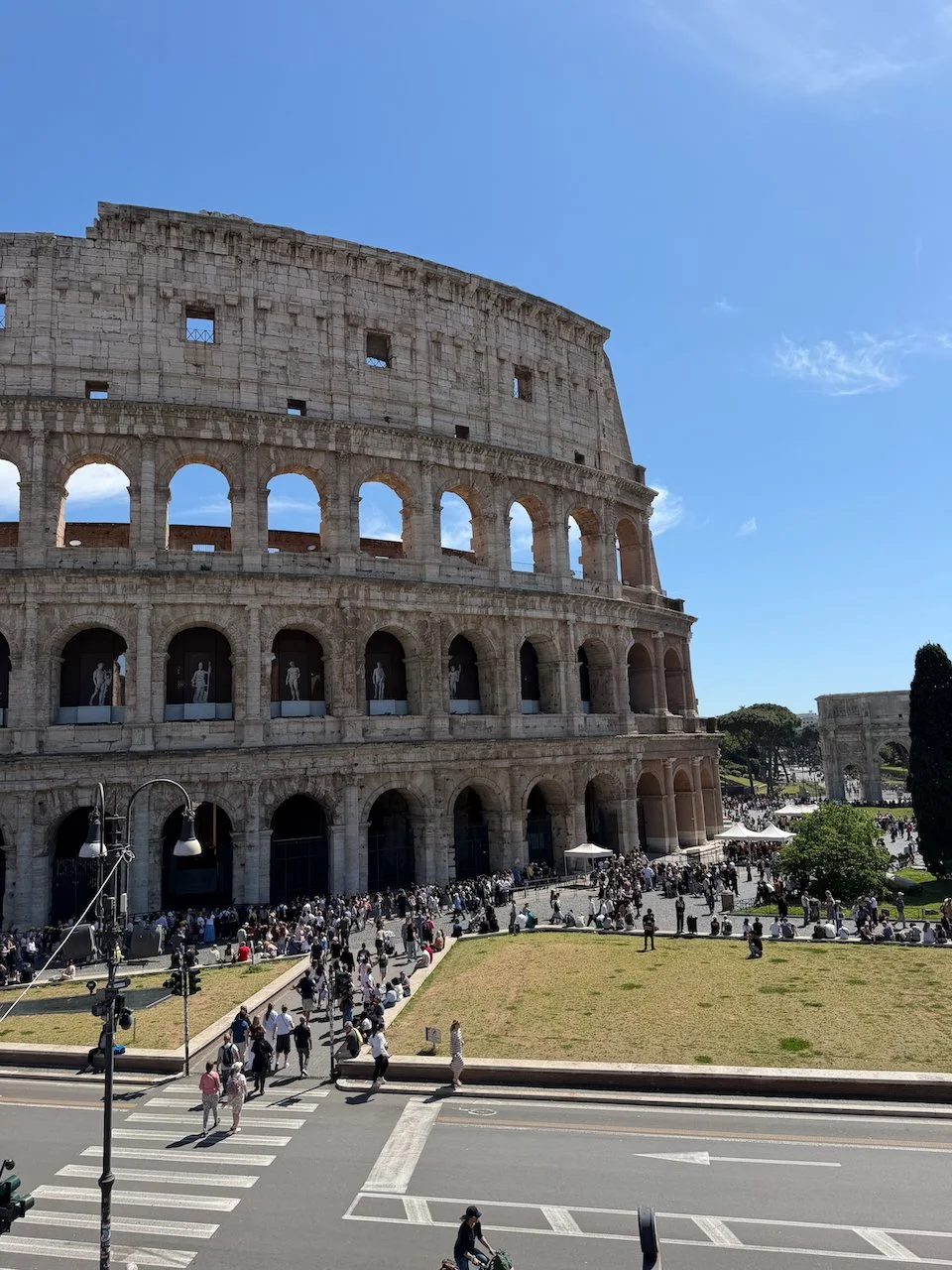
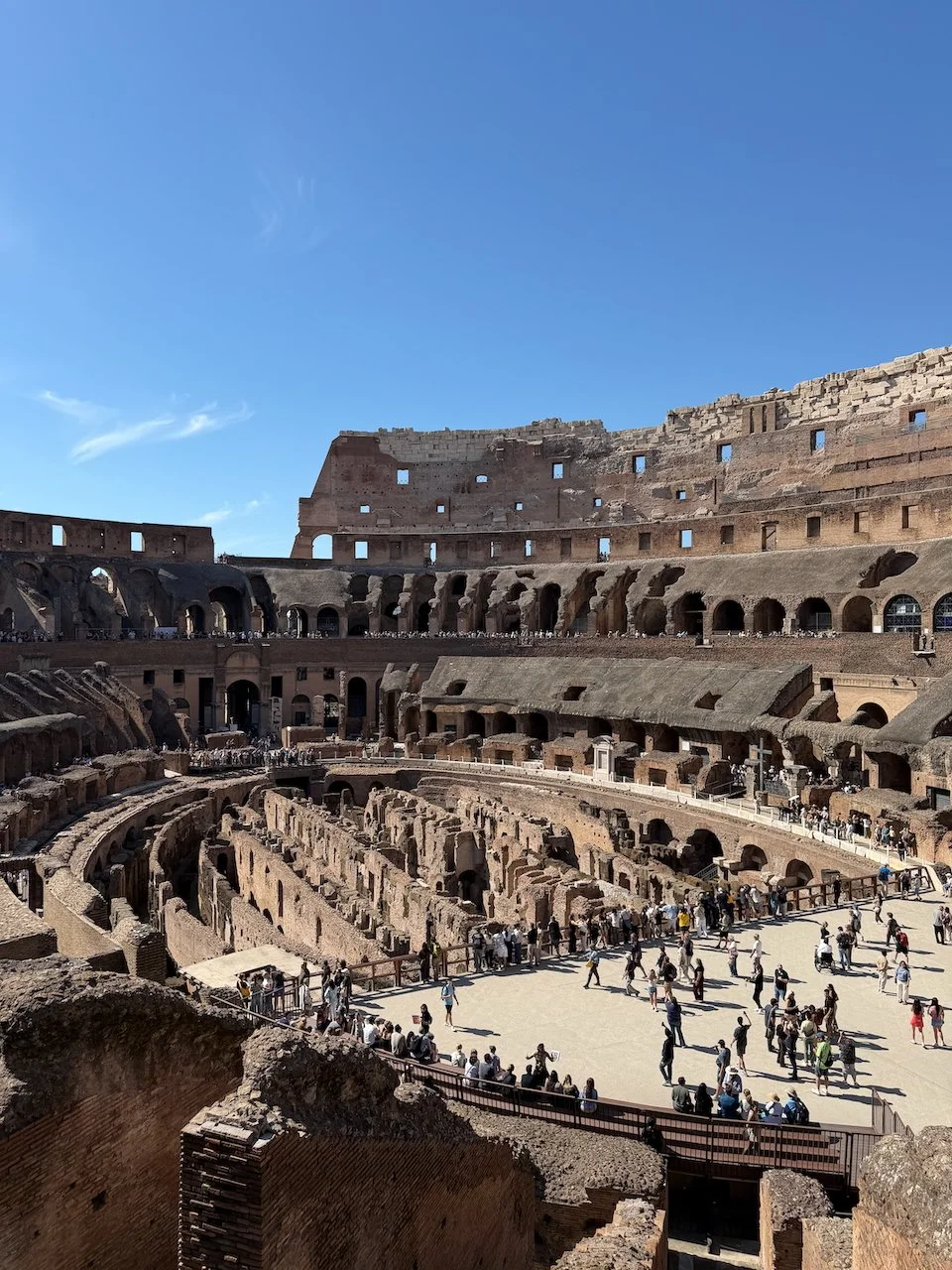
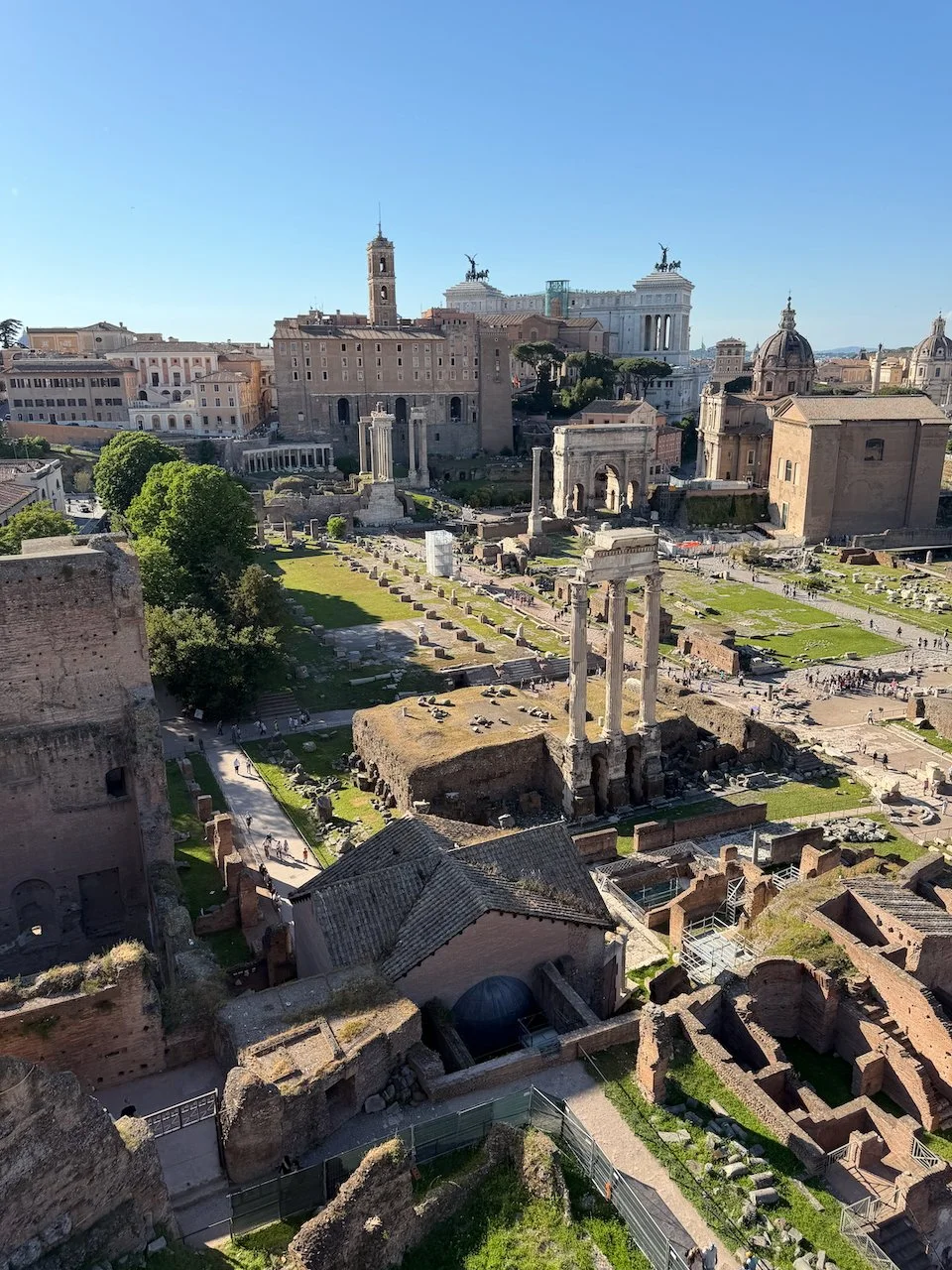
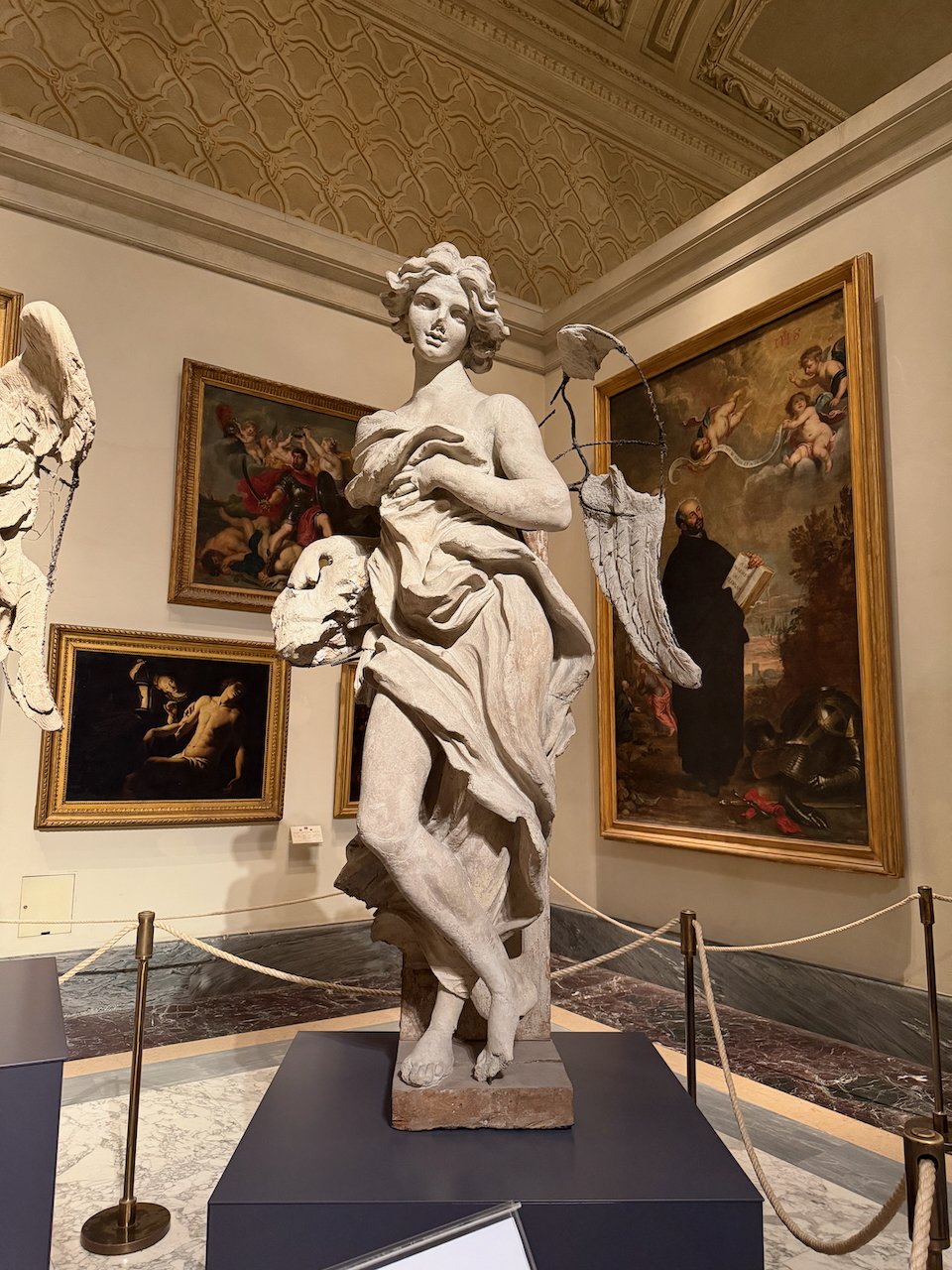
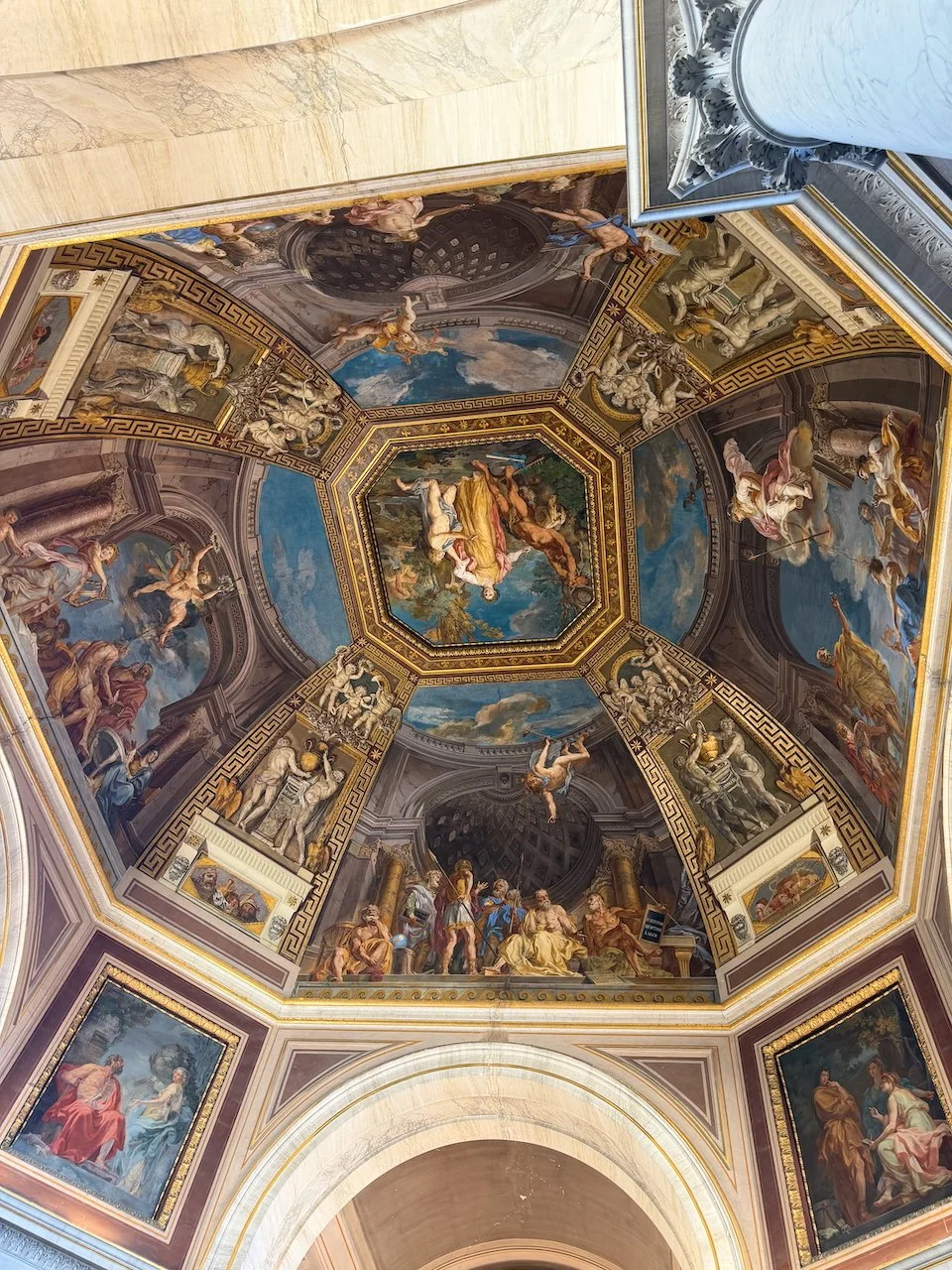
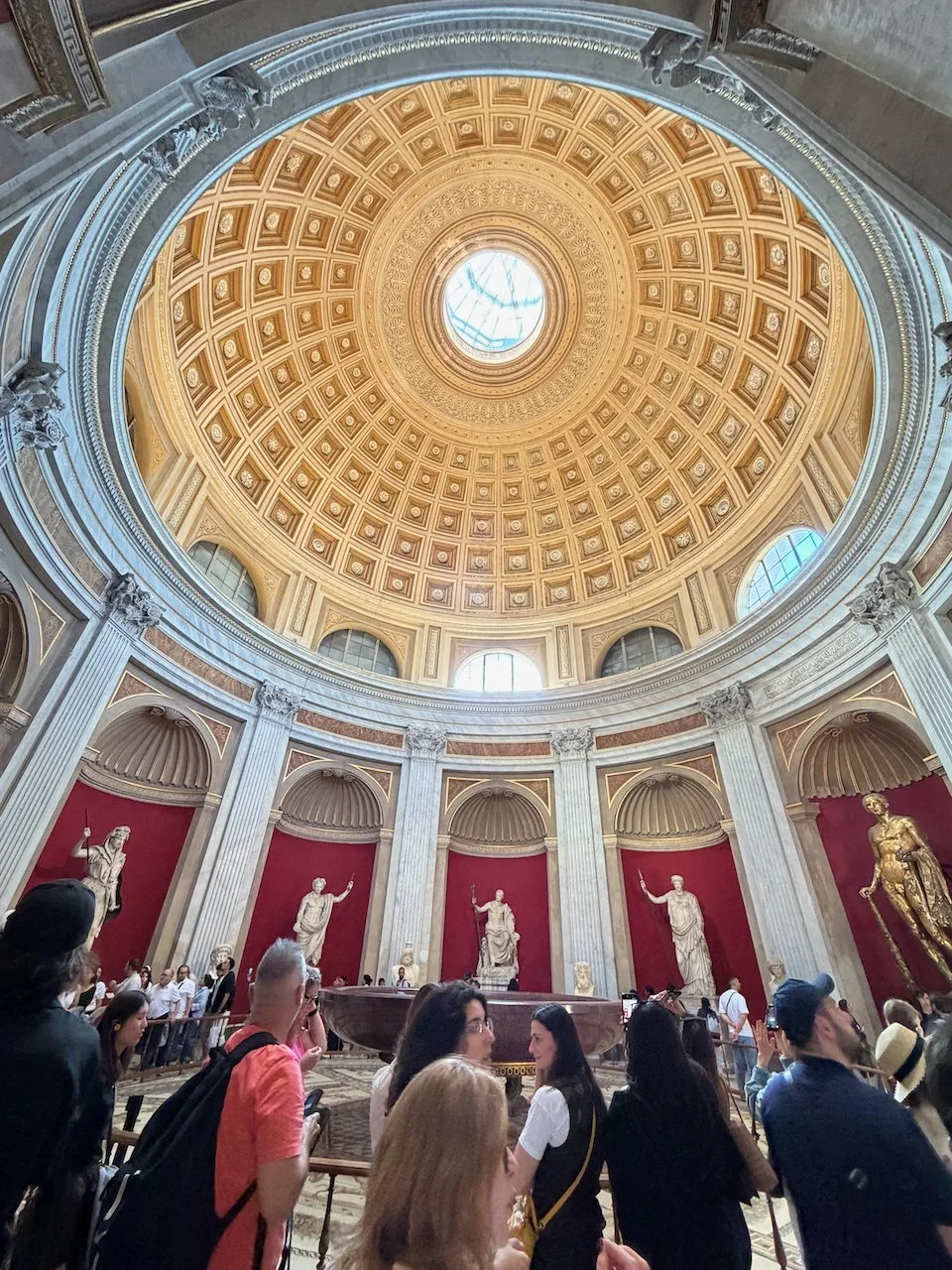
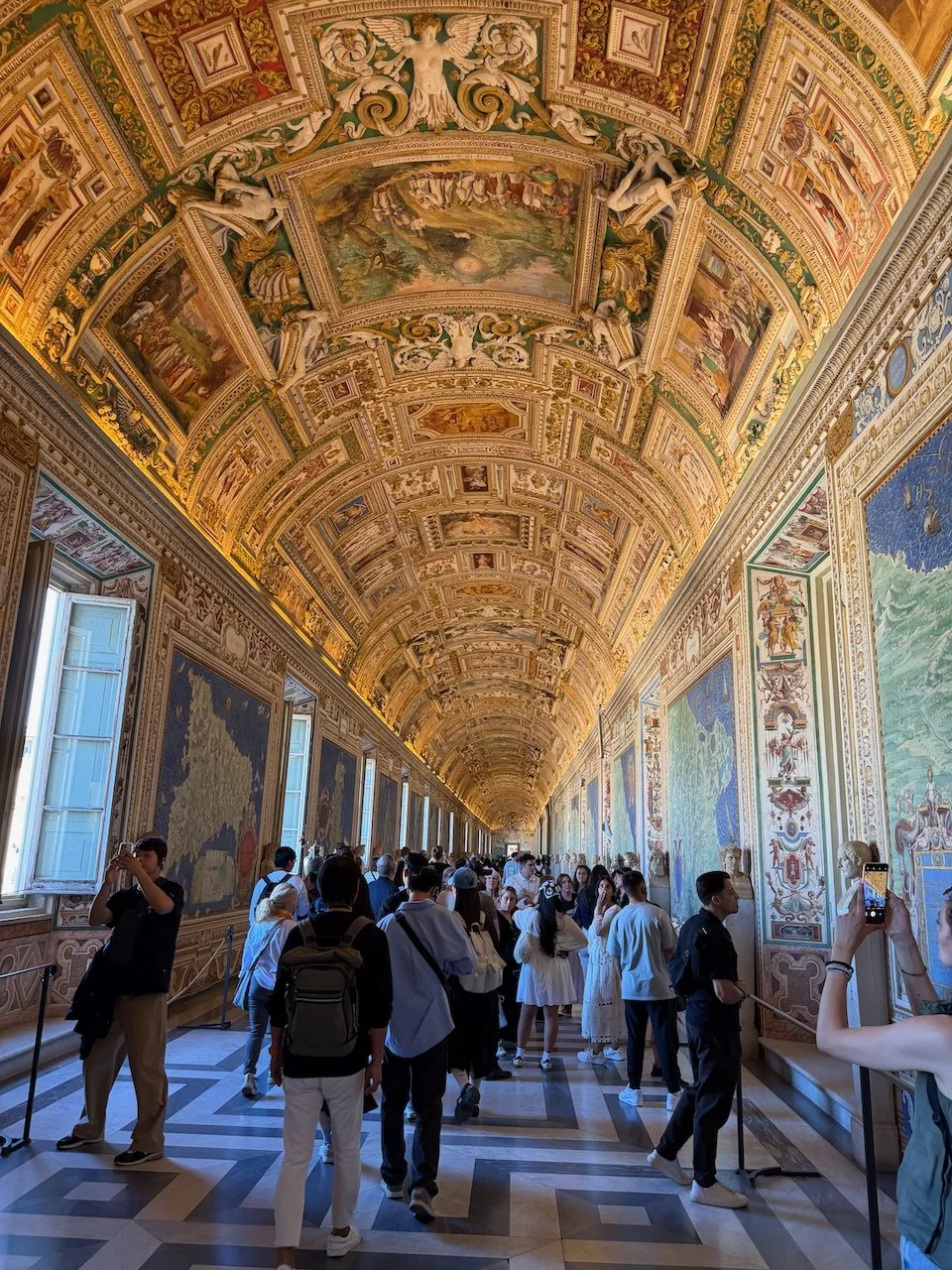
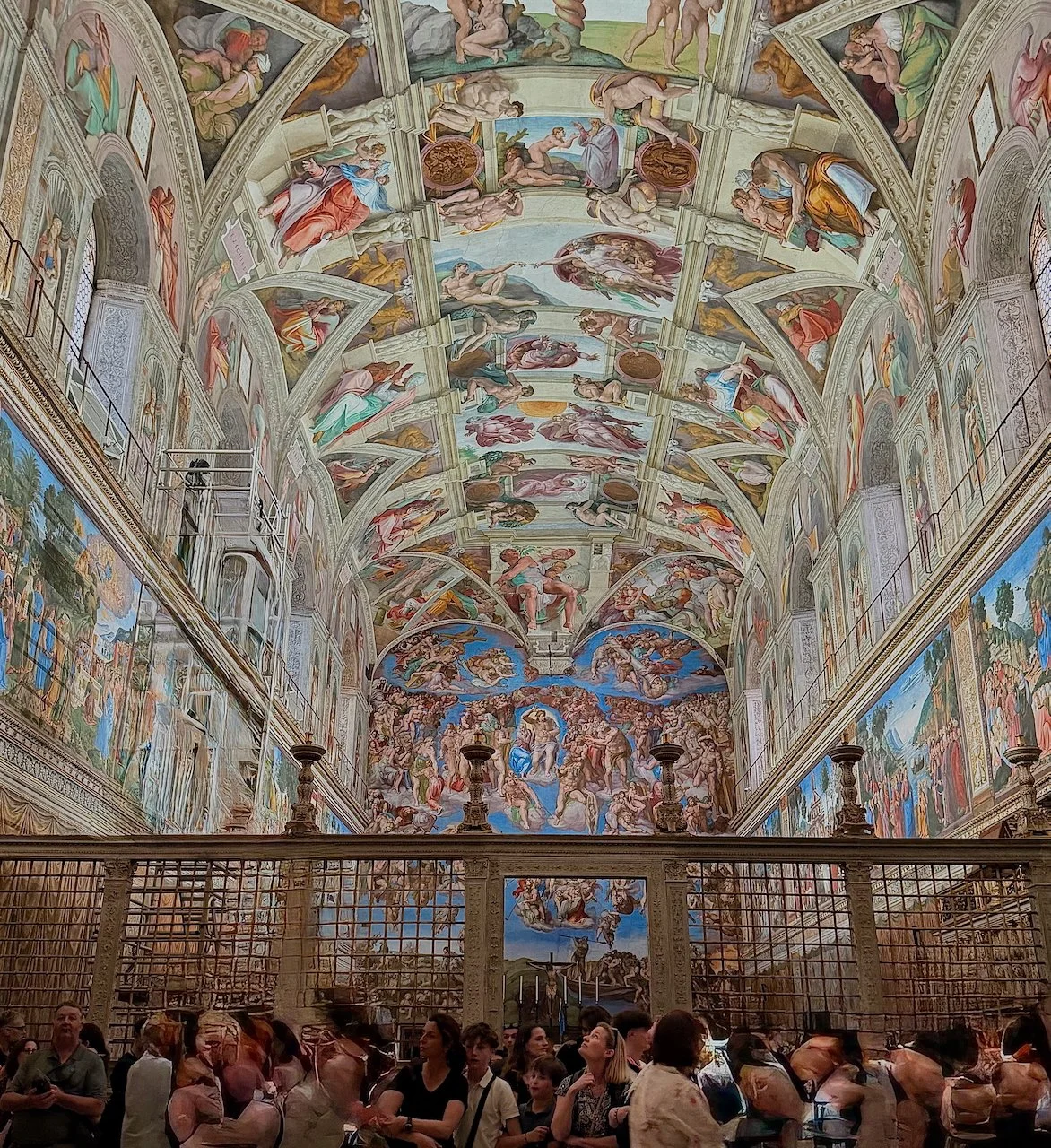
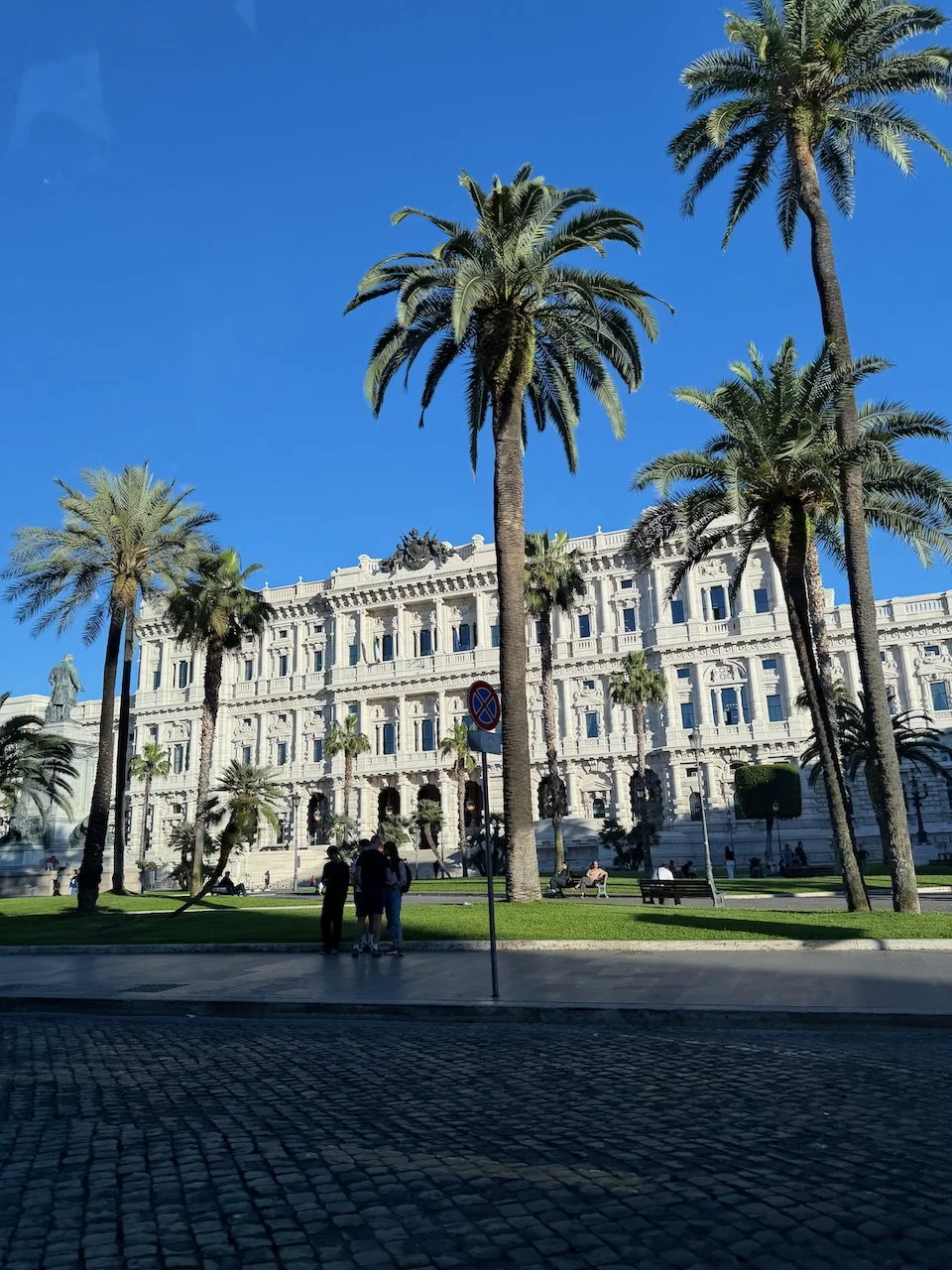
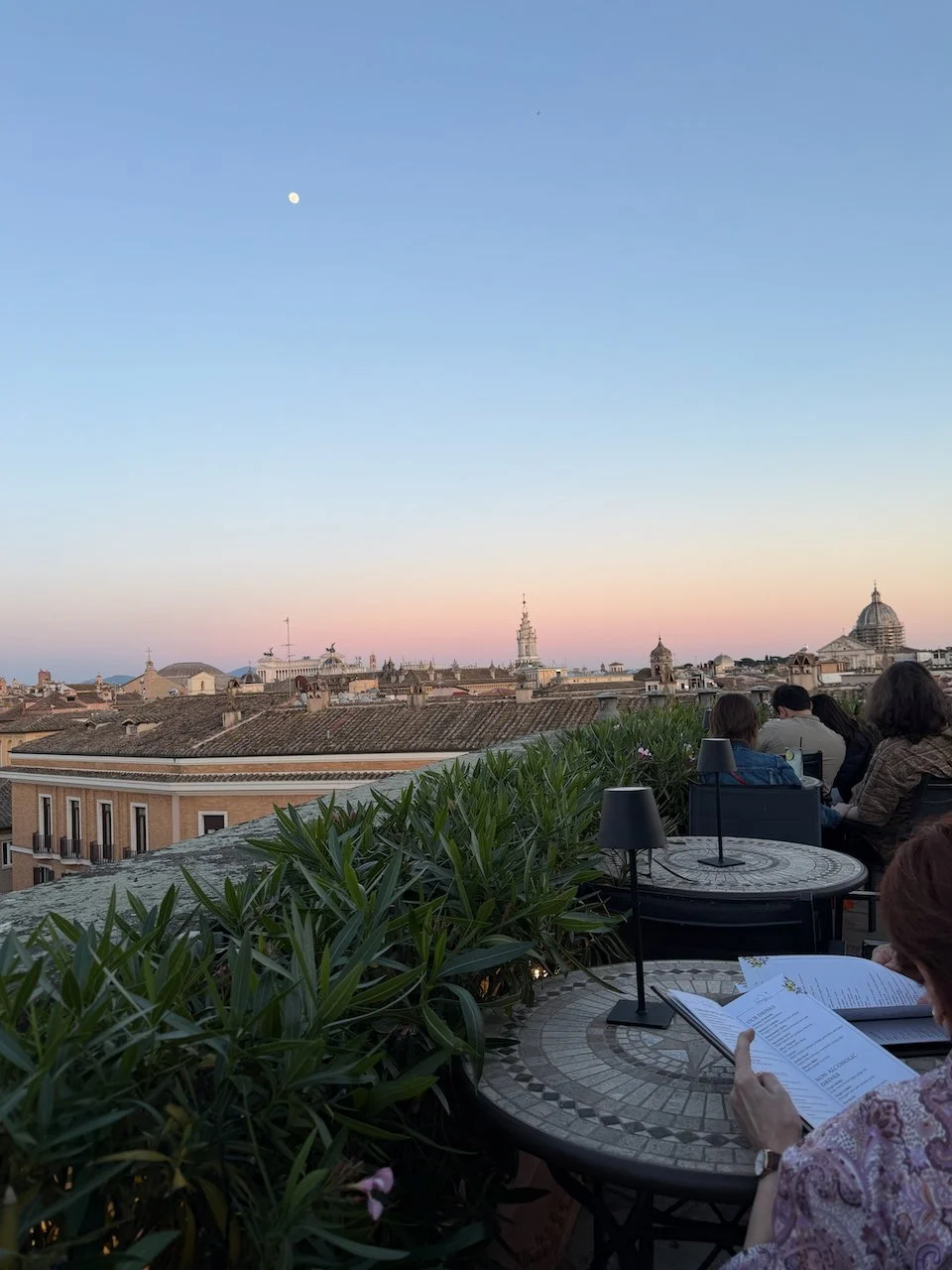
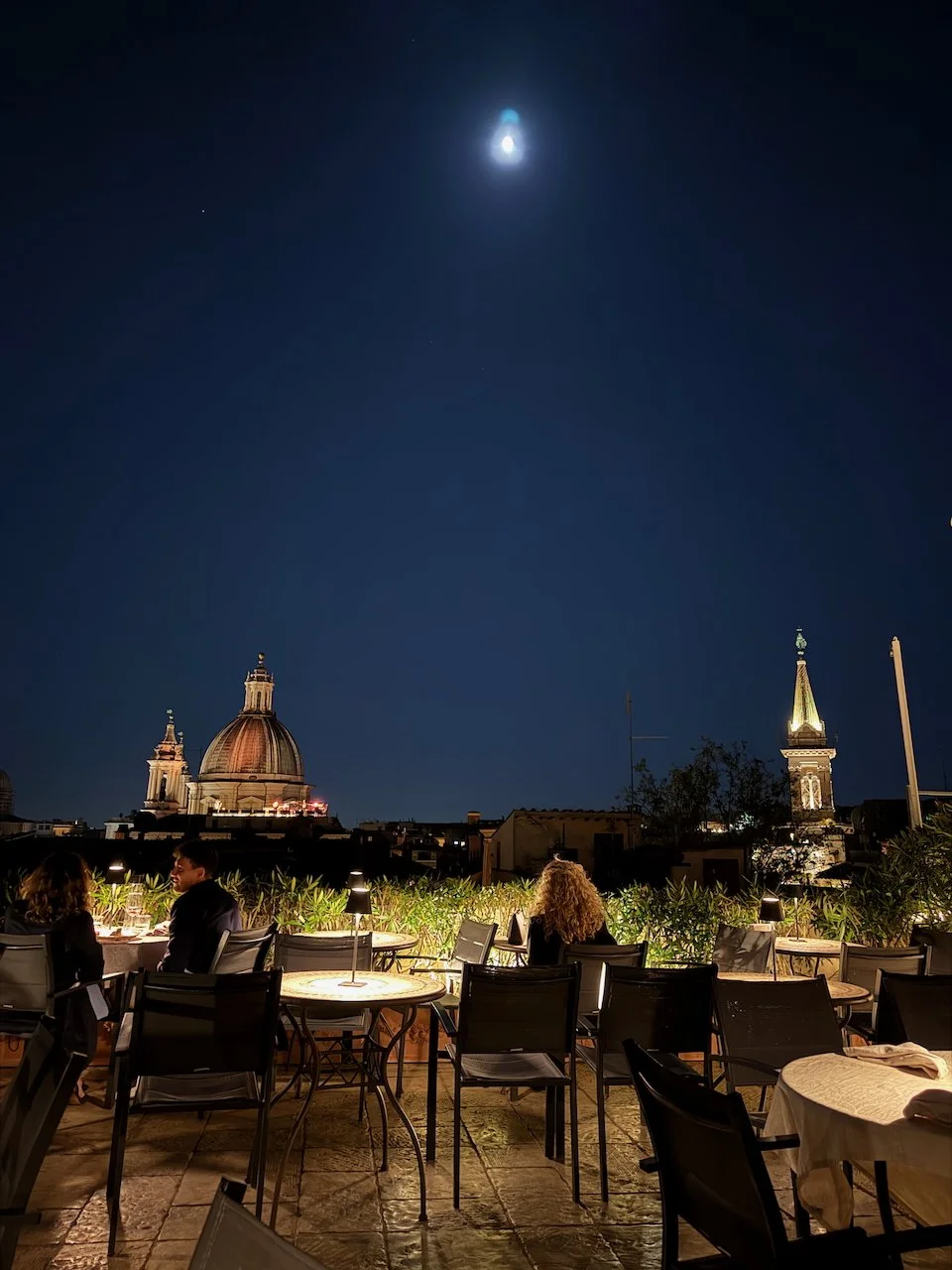
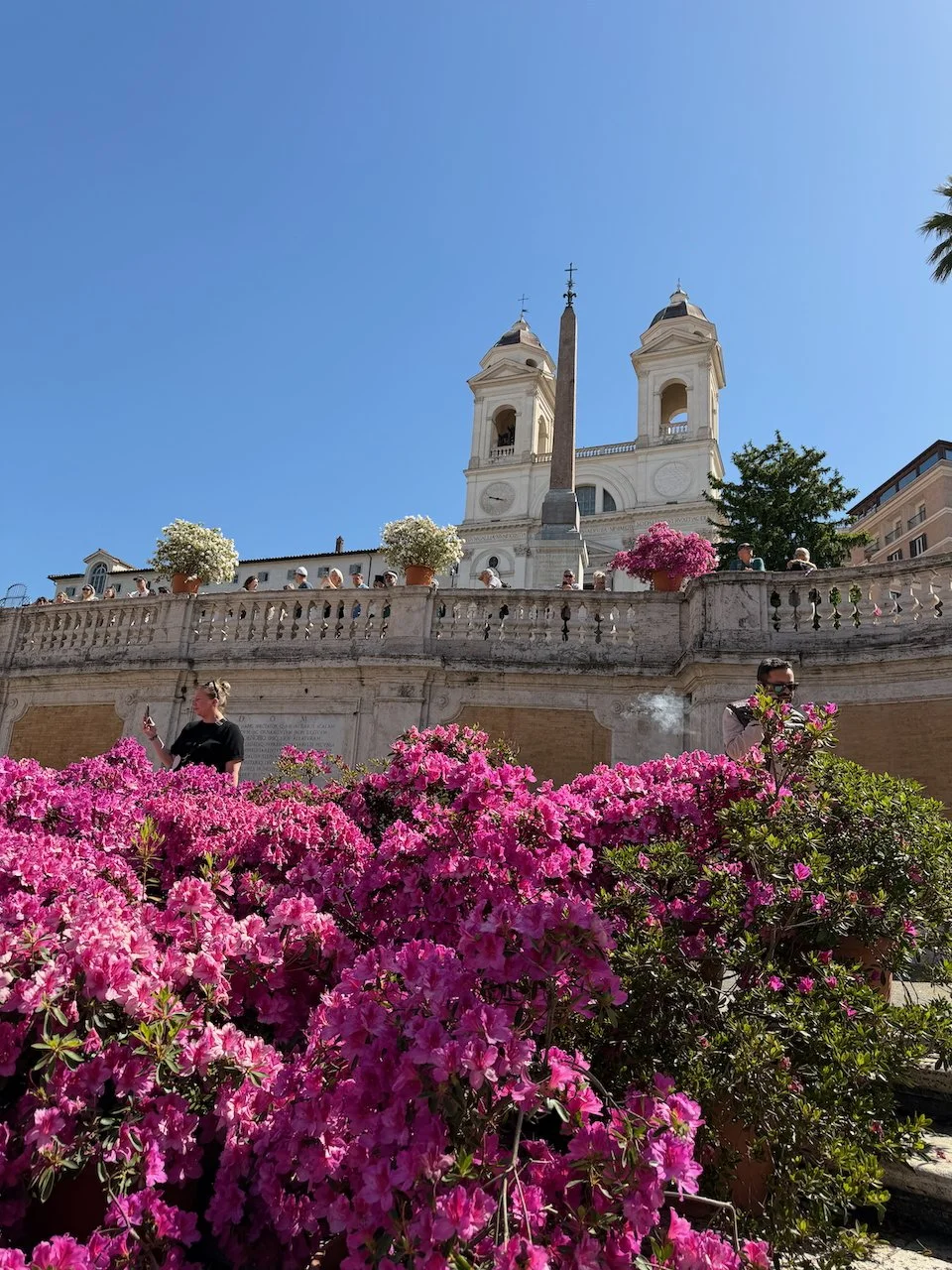
Some impressions of Rome during my stay, in case you needed convincing to visit the most incredible city in the universe:
Book with me to get perks
If you’re considering one of Rome’s top luxury hotels, tell me your dates, who you’re travelling with, and what you want this stay to feel like — grand Roman classic, discreet private residence, rooftop glamour, wellness reset, or full “top 1%” experience.
I’ll help you choose the right hotel, room category, view, terrace situation, dining strategy, and location for the kind of Rome trip you actually want.
Plus: You’ll get extra perks through me where available, such as possible upgrades, hotel credit, breakfast, and VIP treatment.
Contact me either via email: travel@continentaltraveller.blog via direct message on WhatsApp or schedule a call with me by clicking below: